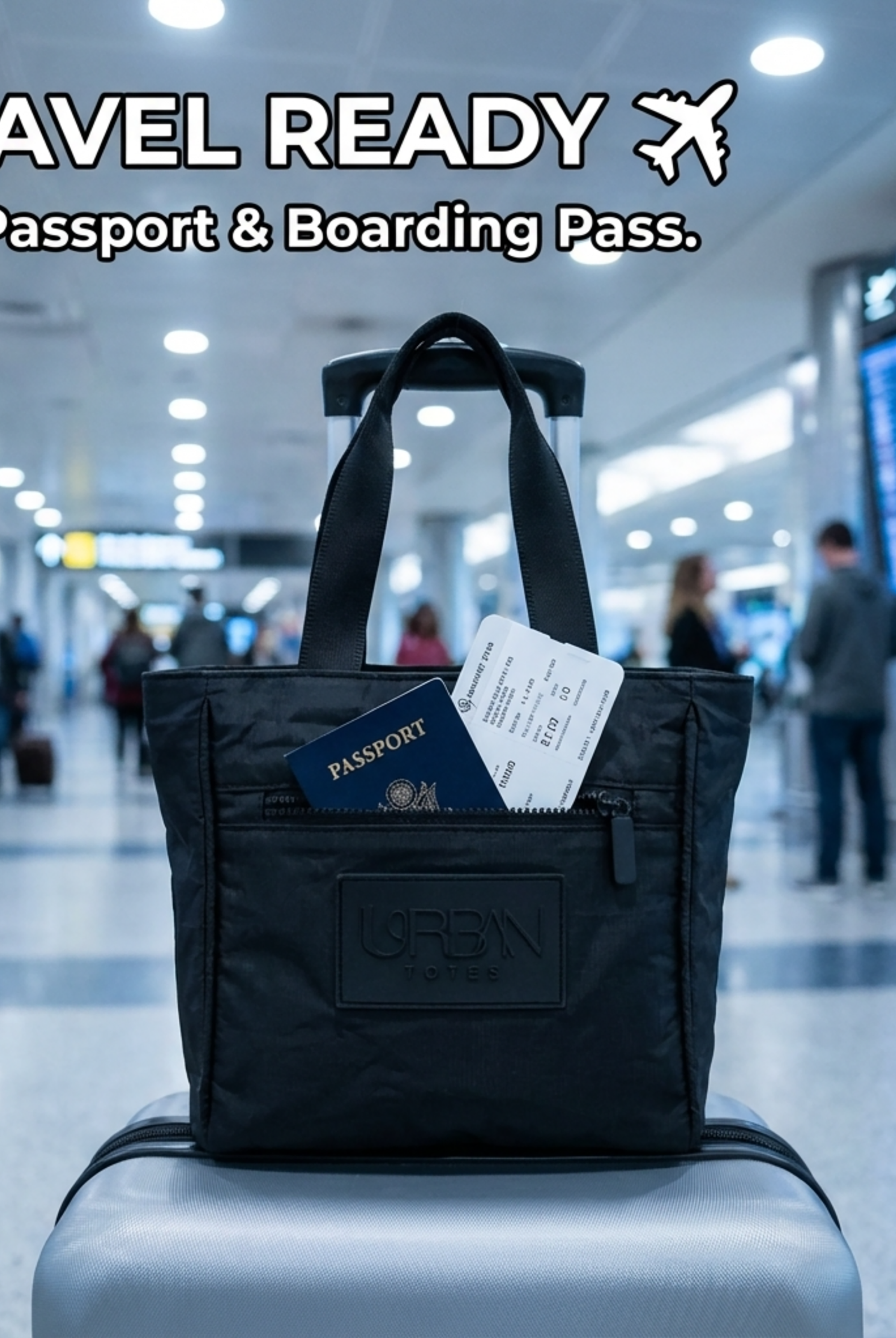
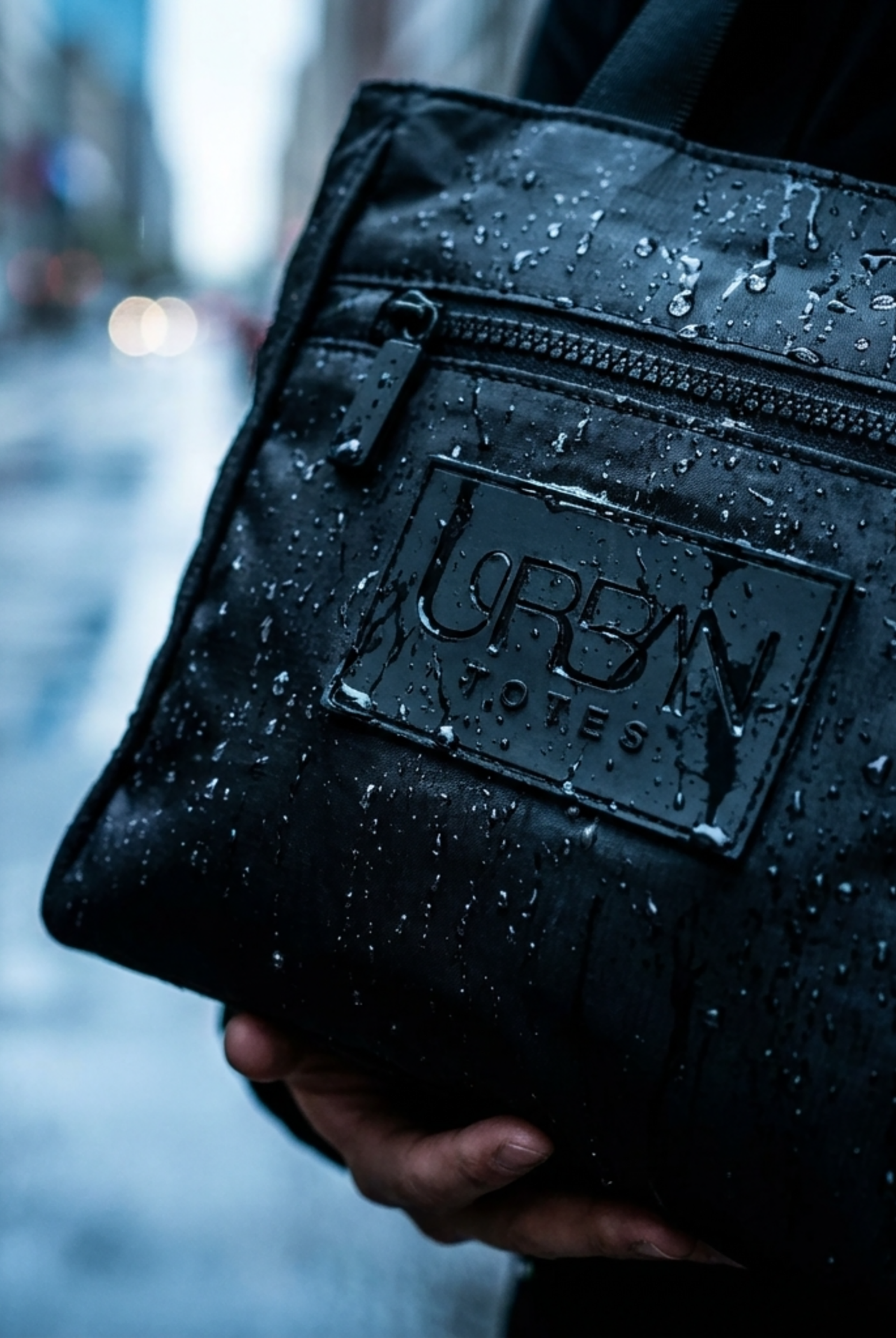
The rain starts just as you leave the airport. Your phone is in one hand, a coffee in the other, and your foldable travel bag is carrying the things you couldn't fit in your suitcase. By the time you reach the rideshare pickup area, the outer fabric is beading water, but you're wondering whether your laptop, spare shirt, and makeup pouch are staying dry inside.
That moment captures the core question behind foldable travel bag waterproof searches. A bag can be lightweight, packable, and water-resistant without being built for sustained rain. For a busy mom heading from school drop-off to the office, a commuter crossing town, or a traveler stashing an extra tote in her luggage, the difference matters.
Table of Contents
- Why Your Go-Anywhere Bag Needs Weather Protection
- Water-Resistant vs Waterproof Construction Explained
- Choosing the Right Materials for Packability
- Design Features That Keep You Organized
- Smart Packing Tips for Your Foldable Tote
- Care and Maintenance for Long-Lasting Use
- Find Your Perfect Go-Anywhere Companion
Why Your Go-Anywhere Bag Needs Weather Protection
At the farmers market, the forecast looked harmless. Then the clouds opened, and the paper bag holding peaches softened at the bottom. Your tote stayed on your shoulder, but the notebook tucked inside was damp at the corners and the cardigan smelled faintly of wet pavement. A water-ready everyday carry bag won't stop the weather, but it can keep a sudden shower from turning a normal errand into a small disaster.
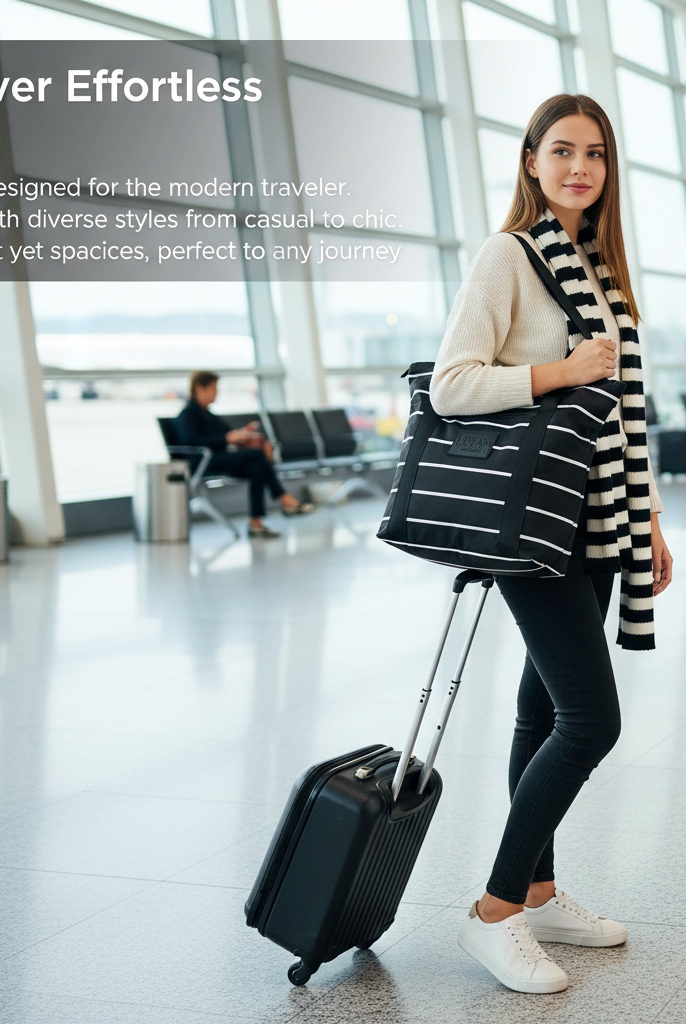
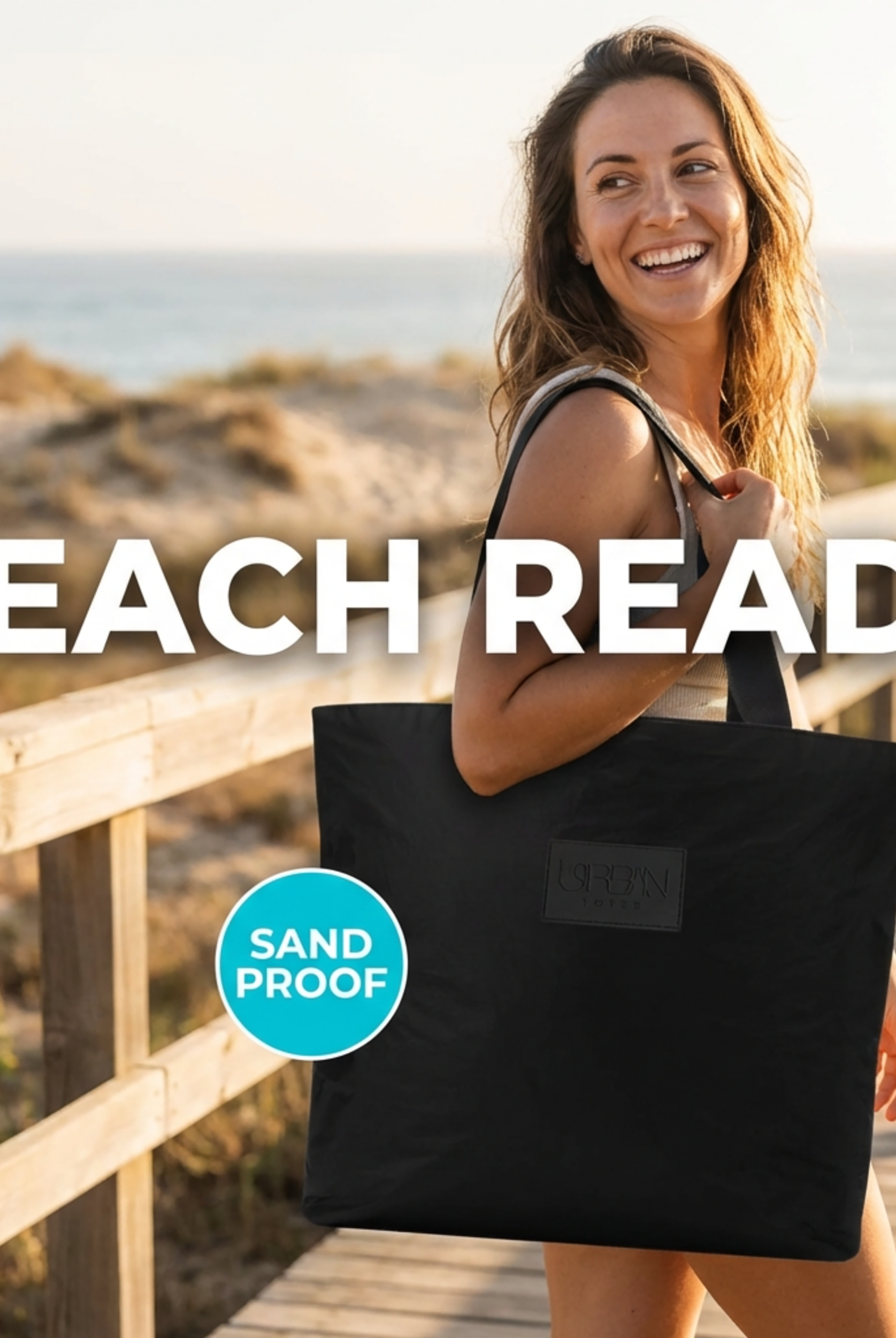
The same thing happens during travel. A weekend traveler may use a foldable bag as a personal item, a beach-day mom may carry towels and snacks, and a daily commuter may need room for a laptop sleeve, lunch, and gym clothes. In each case, lightweight packability only helps if the bag also handles everyday splashes, spills, and changing weather.
The wider category is attracting substantial attention. One industry estimate valued the global waterproof-bags market at USD 20.12 billion in 2023 and projects USD 29.8 billion by 2031, implying a 5.6% CAGR from 2024 to 2031 (industry estimate on waterproof-bag trends). That growth reflects a practical need for bags that combine convenience, low weight, and protection from the elements.
Practical rule: A travel bag should match the weather you actually face, not the most dramatic promise printed on a product page.
For most women on the go, the sweet spot isn't a rigid outdoor pack. It's a versatile, stylish, water-resistant, foldable bag that slips into a suitcase, carries comfortably through an airport, and keeps ordinary belongings protected during a wet walk to the car. The right construction makes that balance possible without asking you to sacrifice organization or personal style.
Water-Resistant vs Waterproof Construction Explained
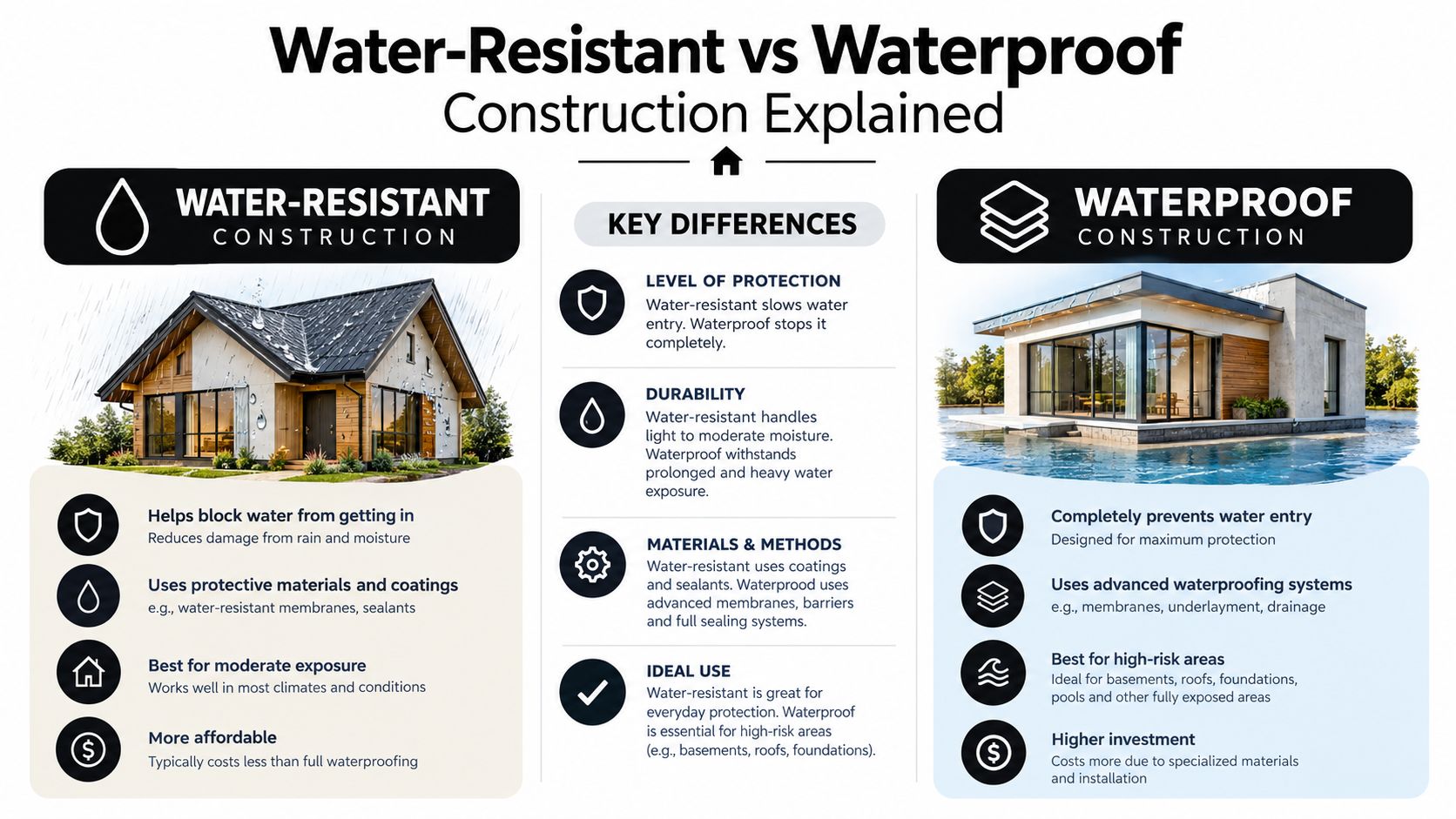
A water-resistant bag is like a rain jacket with a surface treatment. Water may bead and roll away, especially during a brief shower, but pressure, time, and openings can eventually let moisture through. A waterproof bag needs a more complete system, including the fabric, seams, and closure.
The outer material may use a membrane, coating, or laminate such as TPU, PVC, or polyurethane. That layer blocks water from moving through the main panels. Seams create a separate challenge because every needle hole can become a tiny entry point, which is why taped or welded seams matter.
How hydrostatic head helps you compare bags
Hydrostatic head measures the water pressure a fabric can withstand before moisture passes through. You don't need to become a textile engineer, but you should know what the number represents. A higher rating generally indicates stronger resistance to water pressure, provided the seams and closures support the same level of protection.
Industry guidance commonly treats 5,000 mm or higher as the threshold for serious rain protection (technical guidance on weather-resistant travel-bag materials). That doesn't mean every bag with a coating reaches this level, and it doesn't make the entire bag waterproof if the zipper, seam construction, or flap leaves an opening.
A fabric that only sheds light drizzle may work well for a city stroll. It isn't the same as a construction designed to keep contents dry through sustained rain. This distinction is why Urban Totes' guide to water-resistant versus waterproof bags is useful when you're comparing everyday options.
What the closure tells you
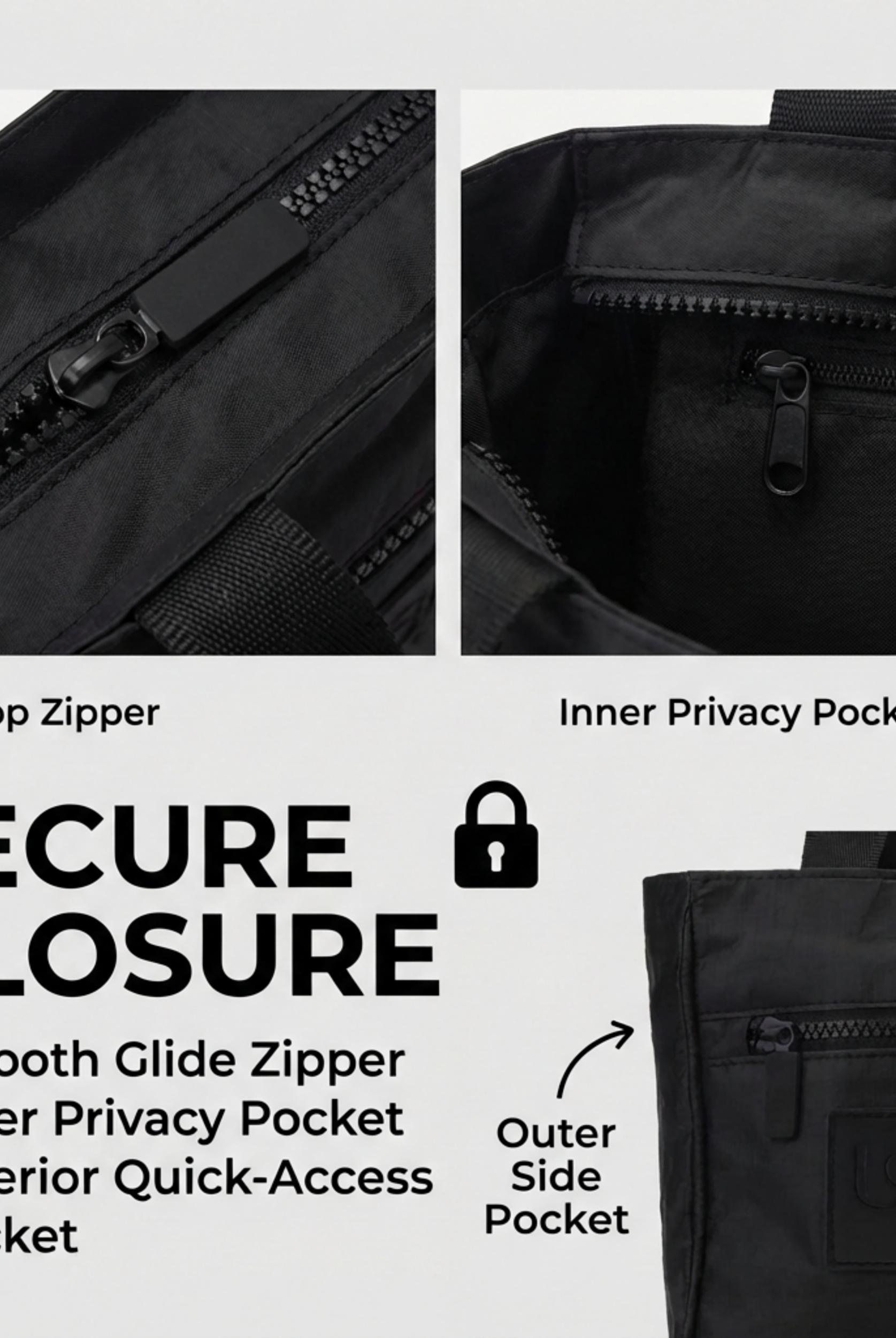
Look closely at the top edge. A zipper closure can help shield the contents from falling rain, but the zipper itself remains part of the weather equation. A wide open tote invites water in even when the body fabric resists it. A covered or closed opening offers a more practical barrier for commuting and travel.
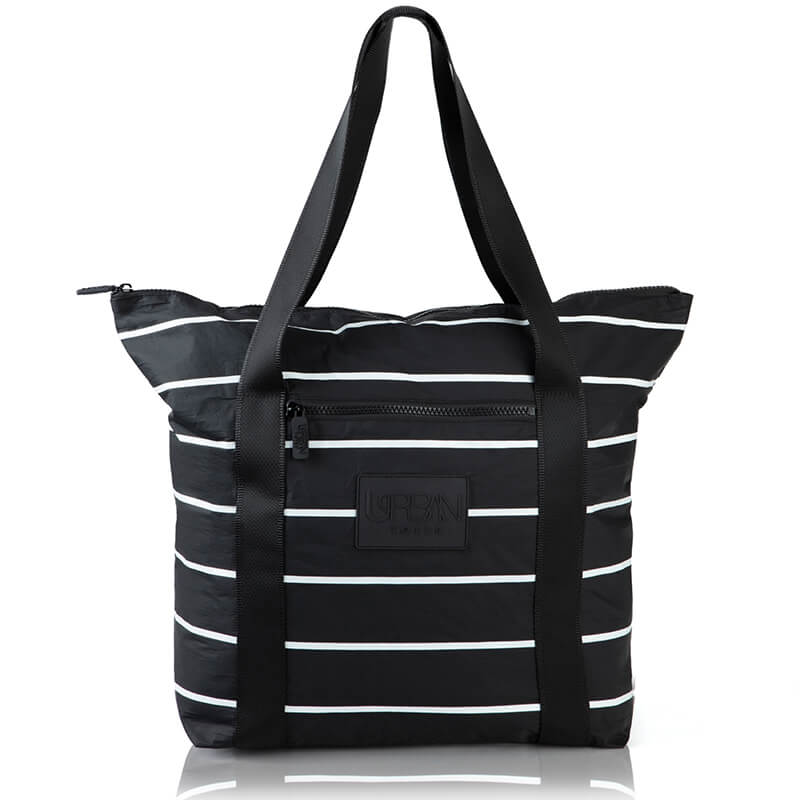
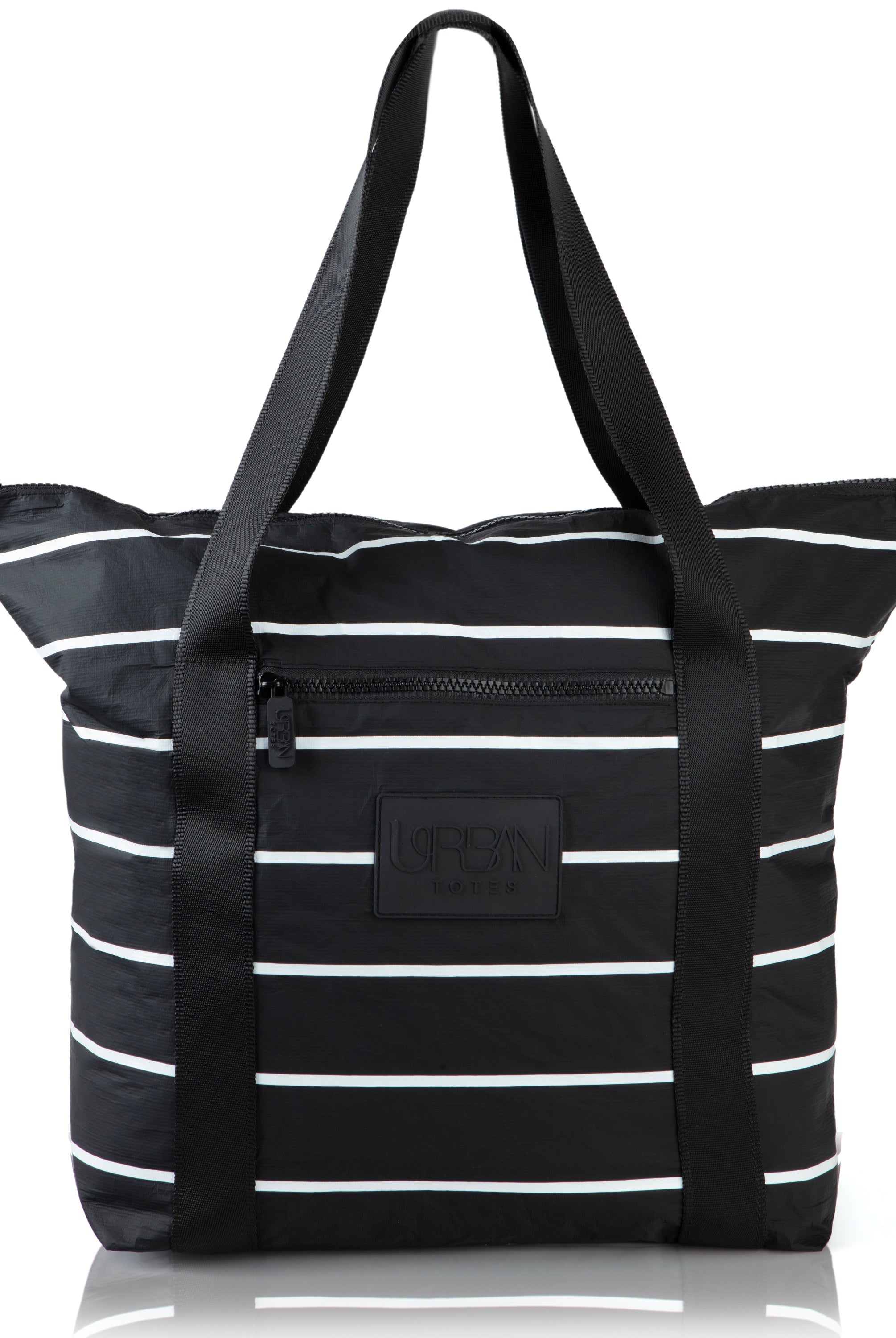
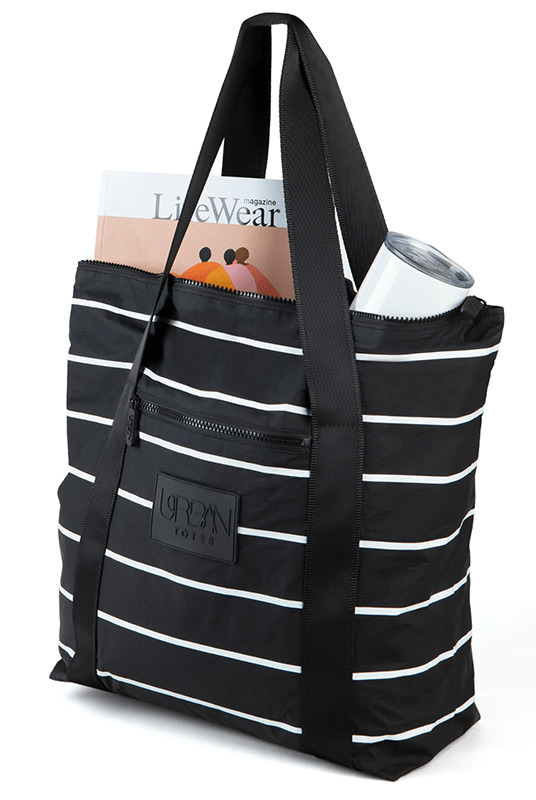
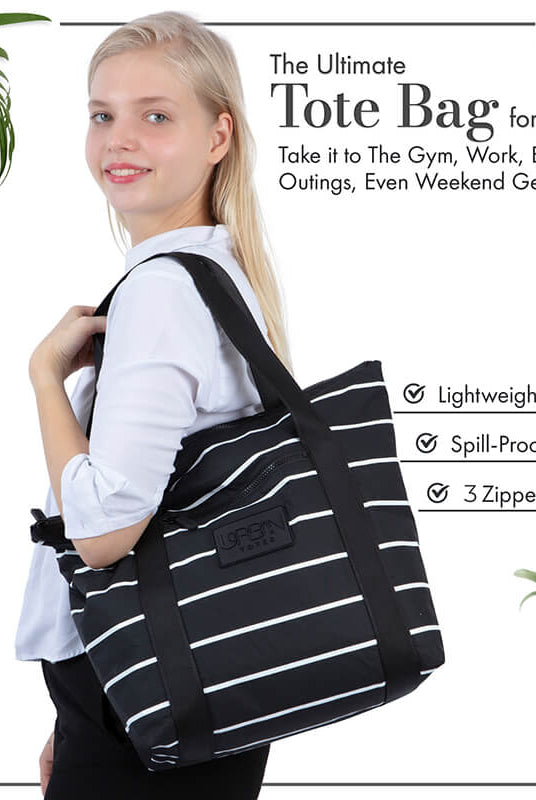
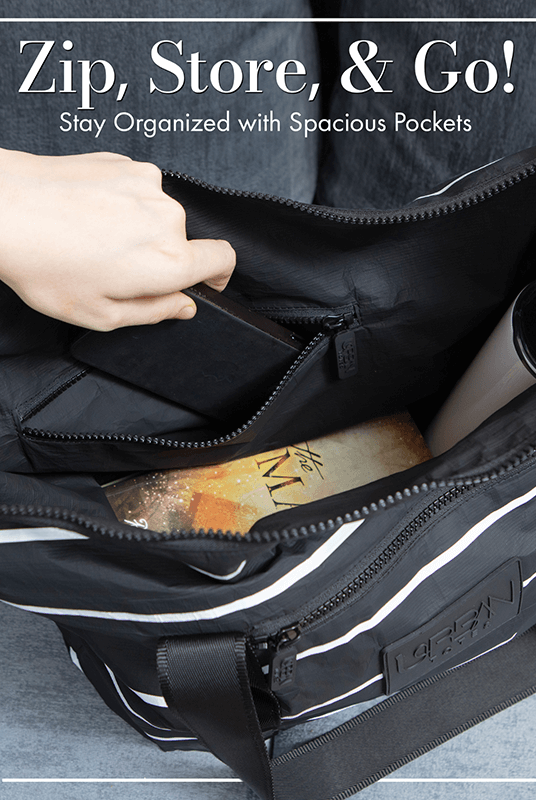
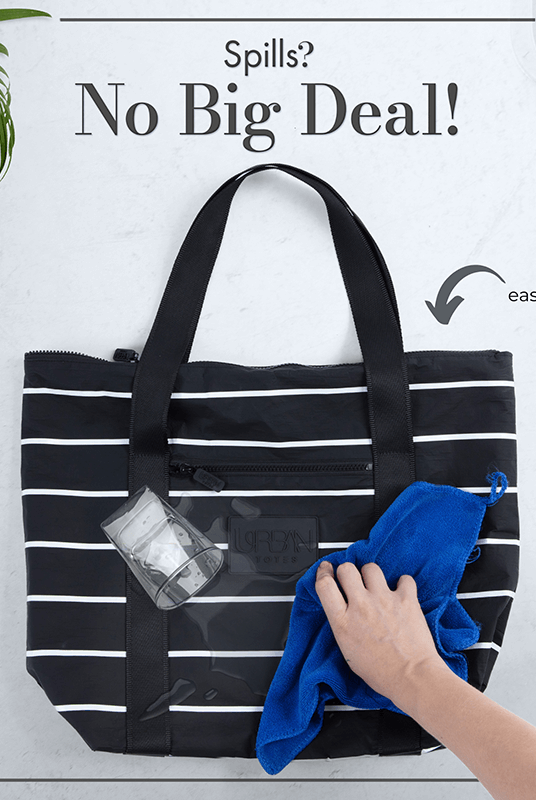
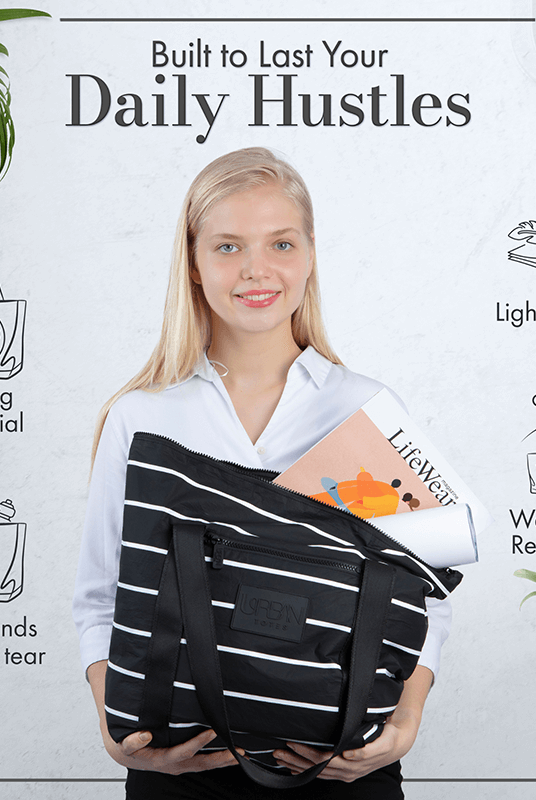
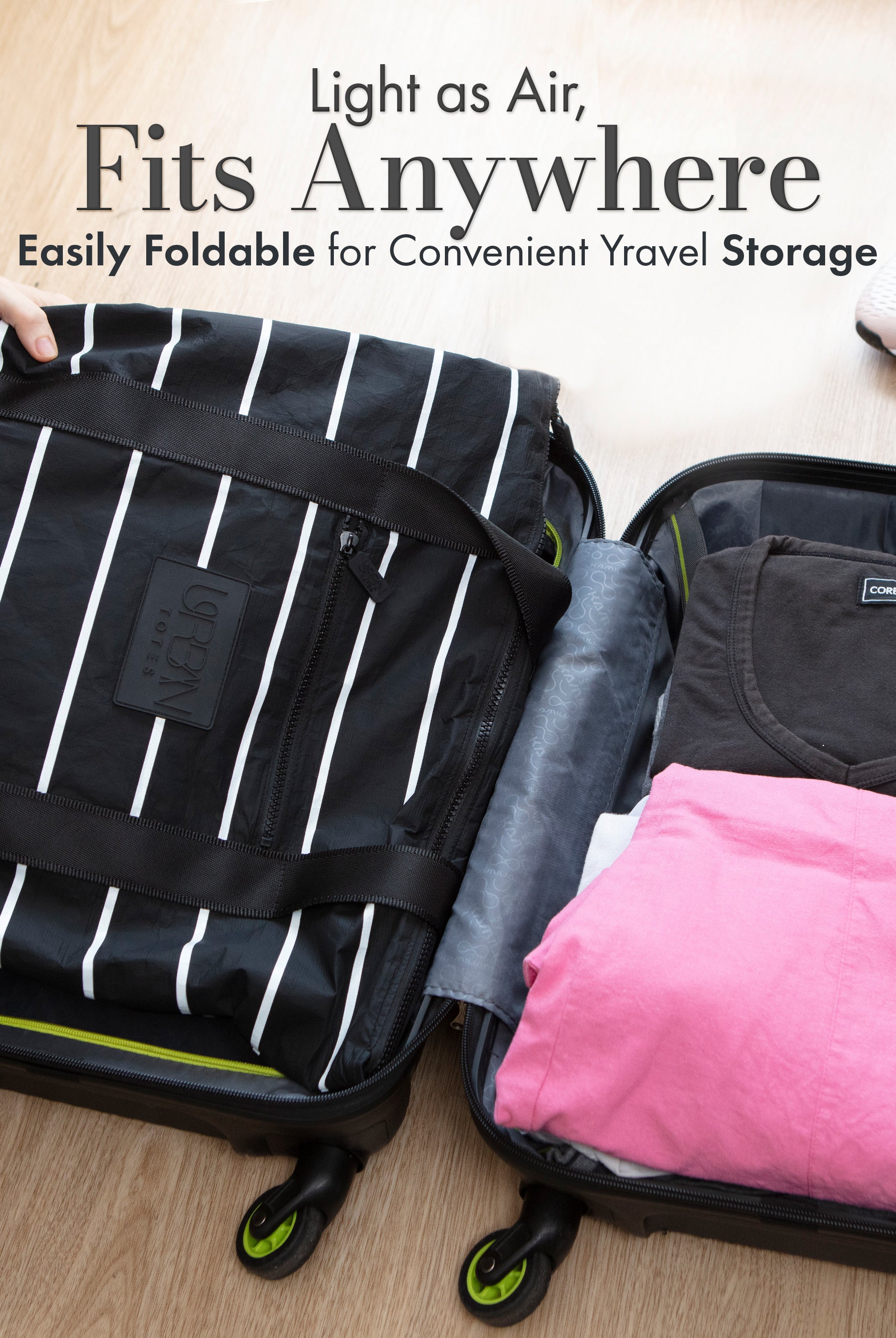
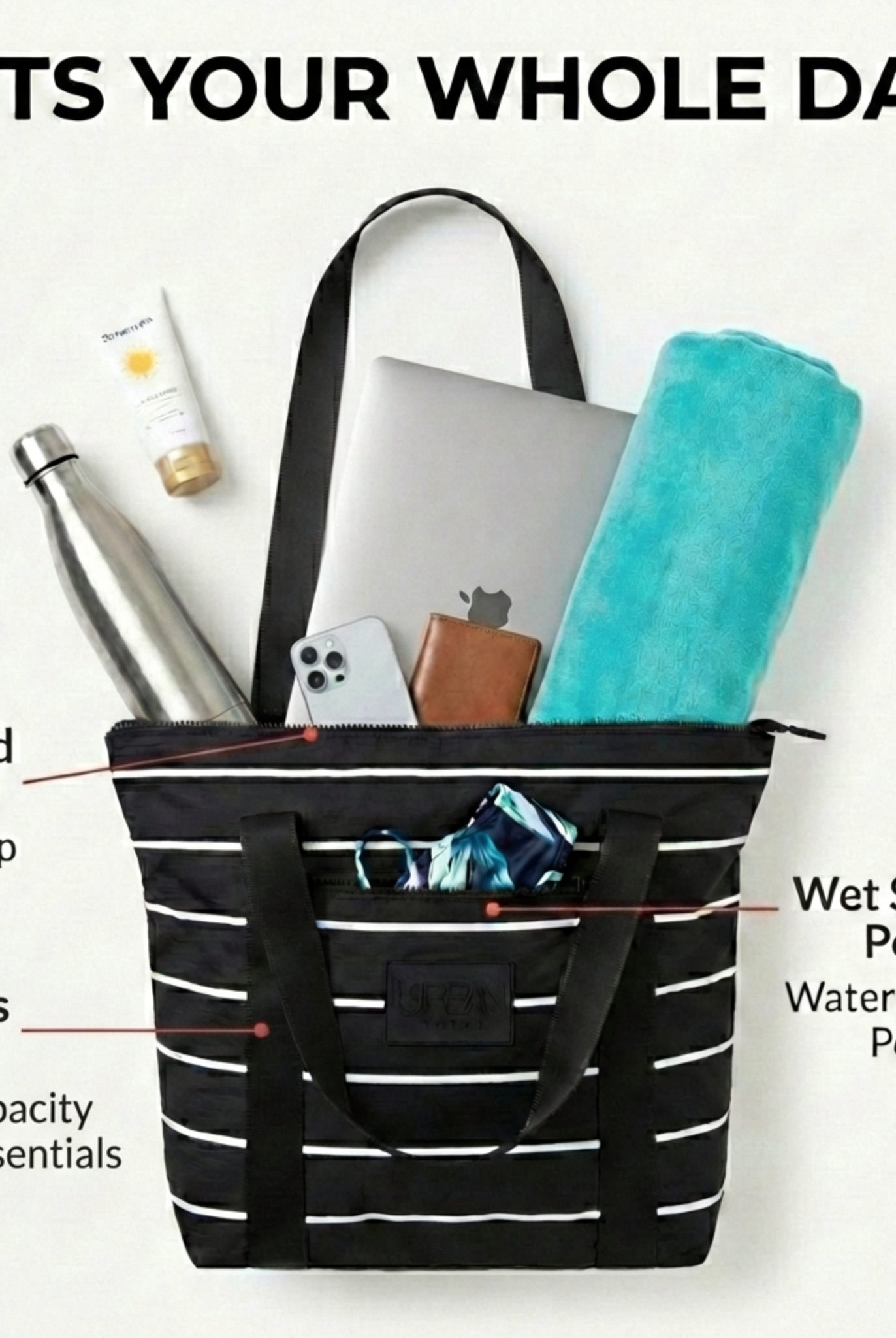
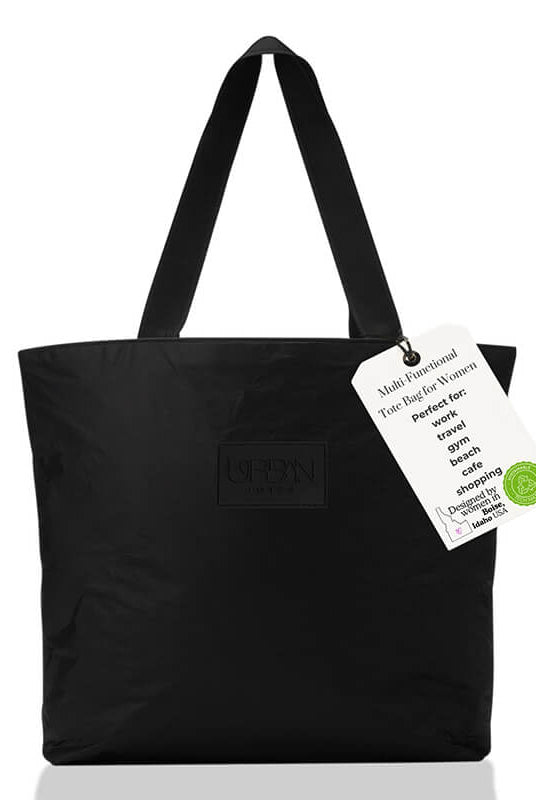
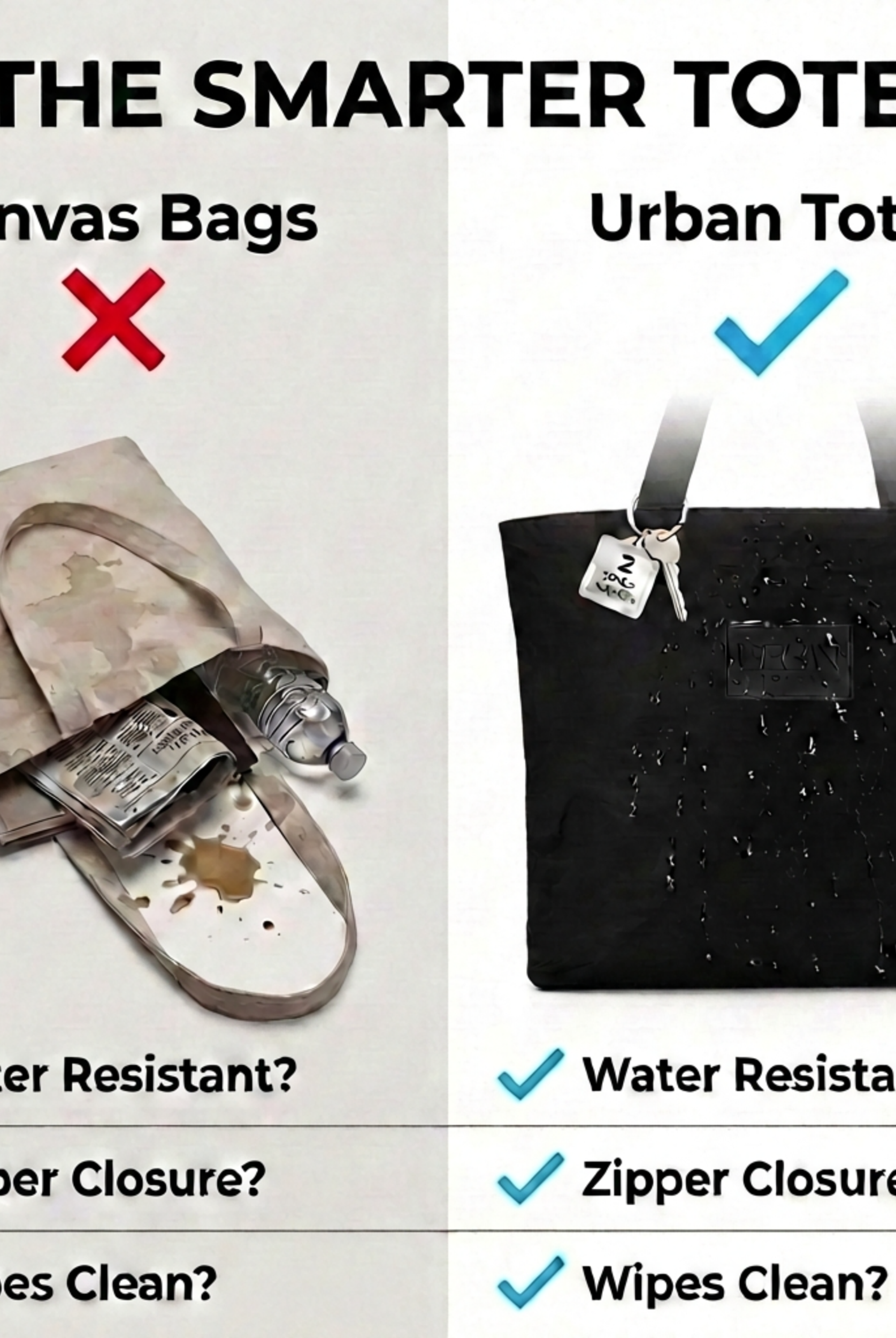
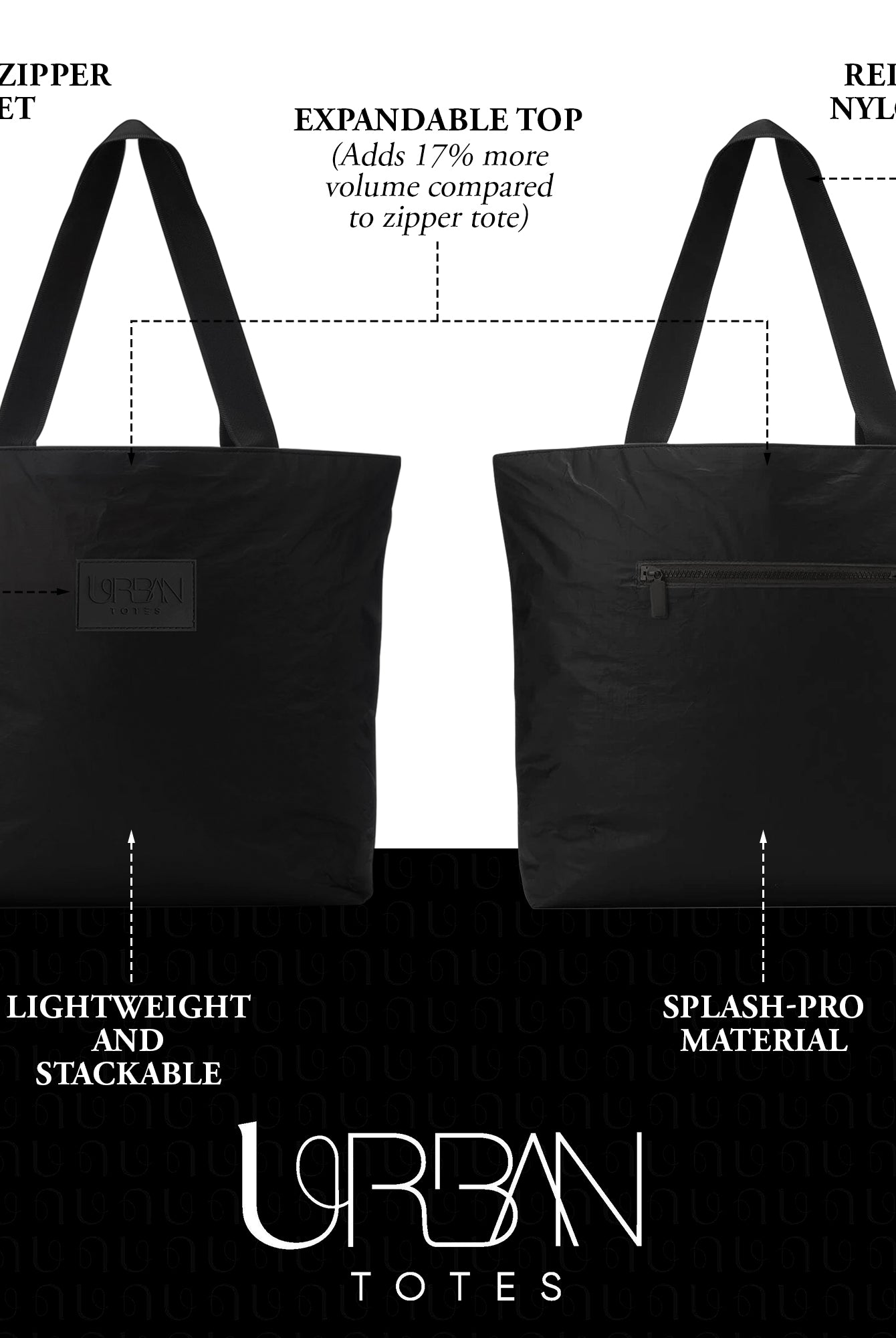
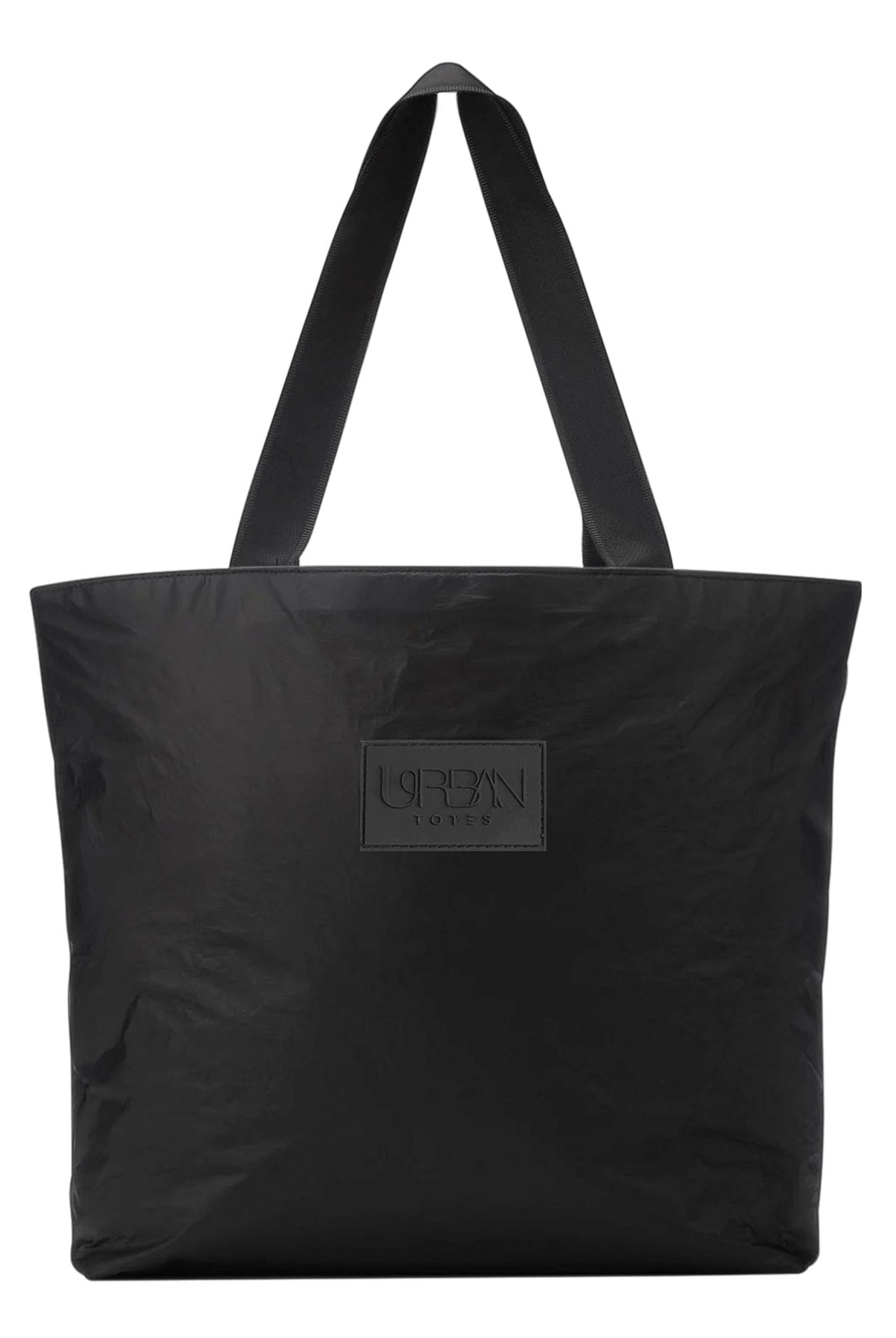
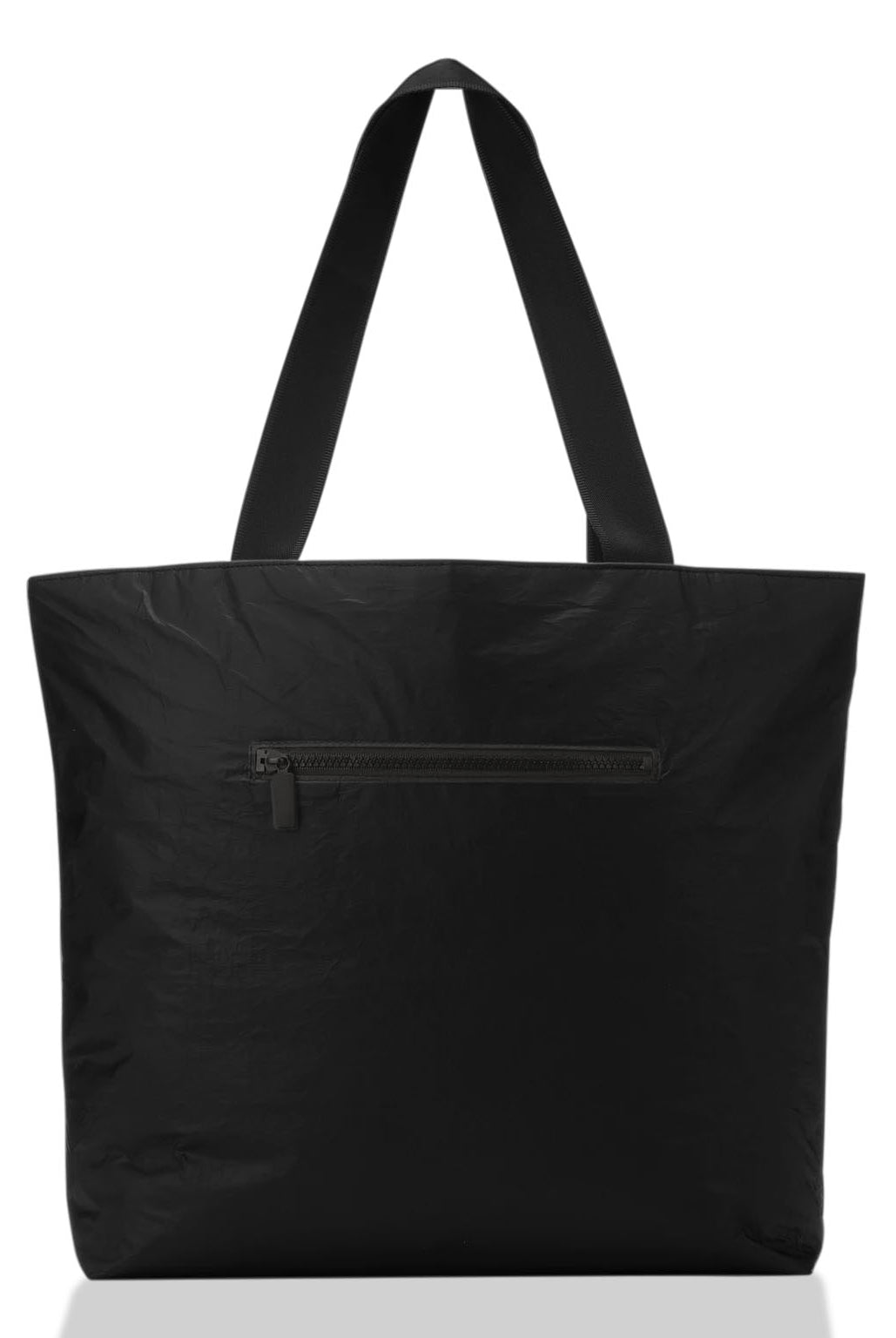
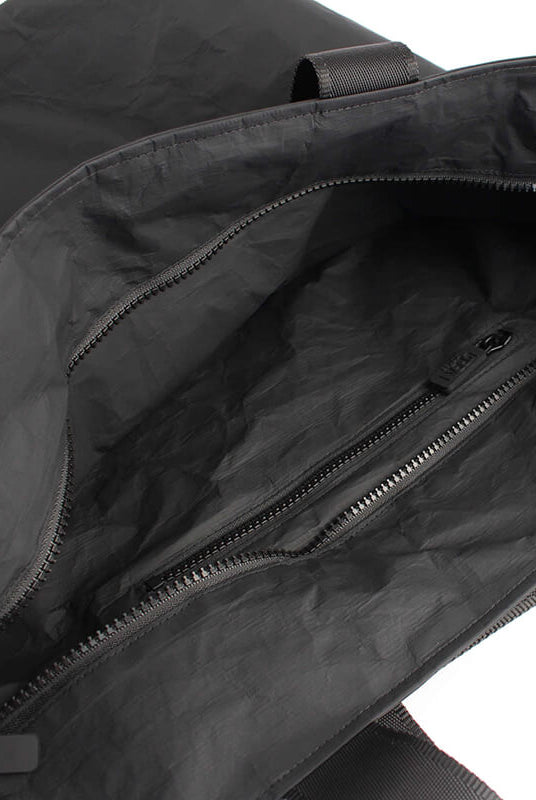
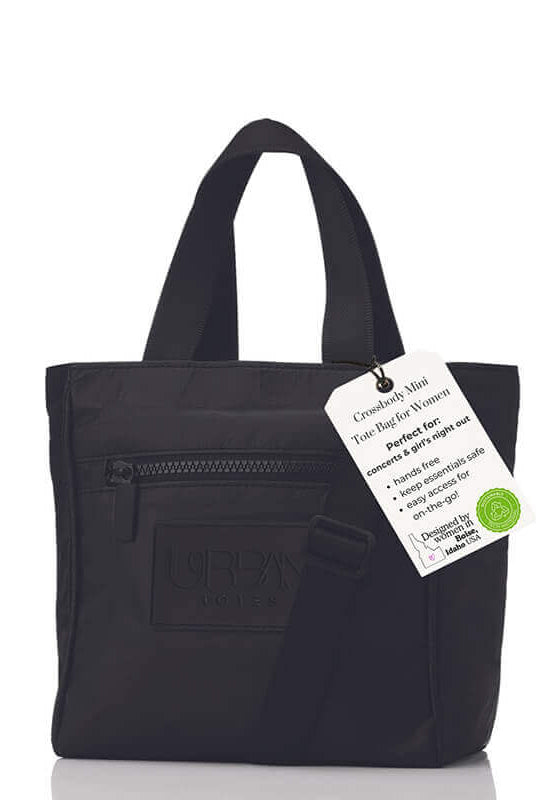
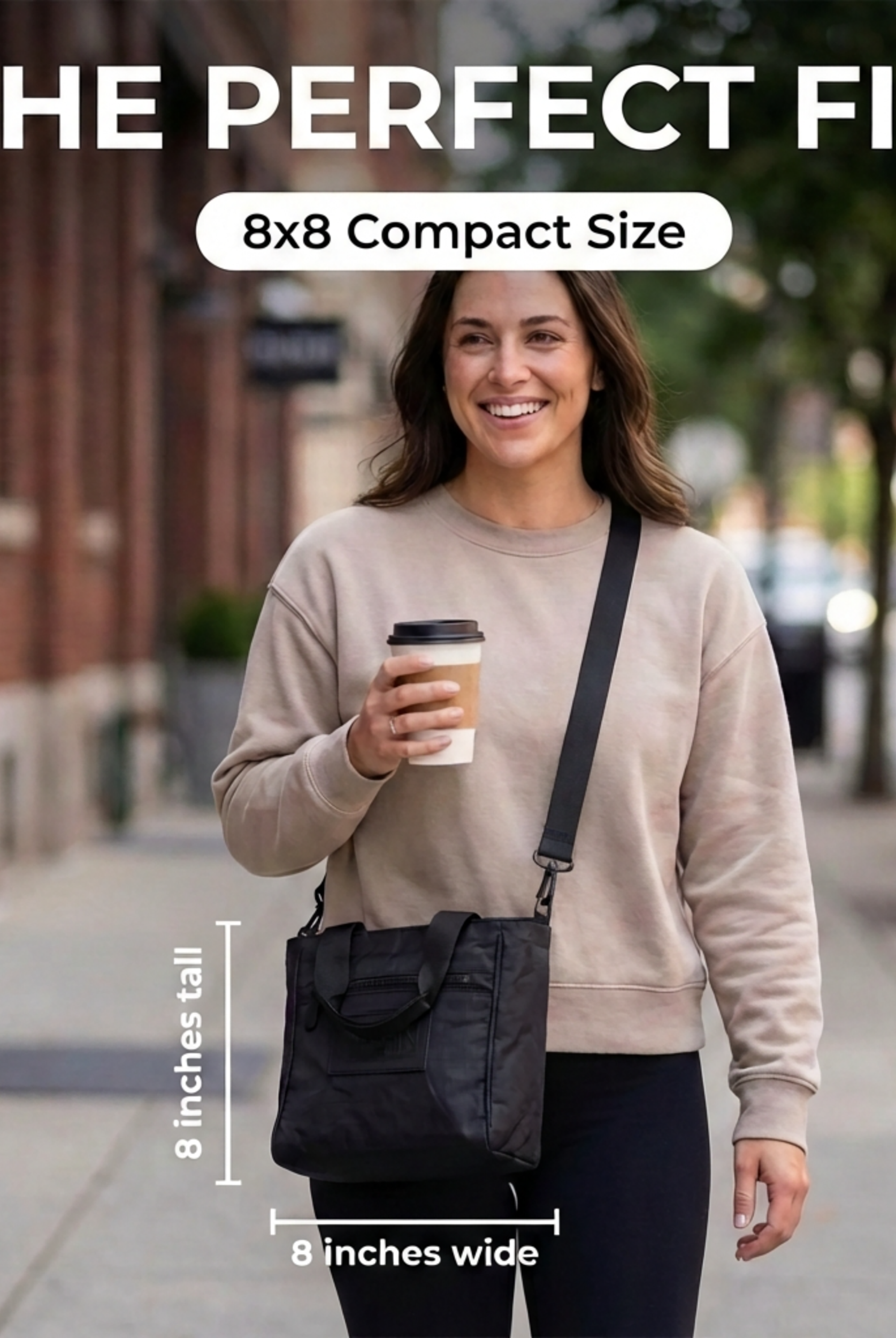
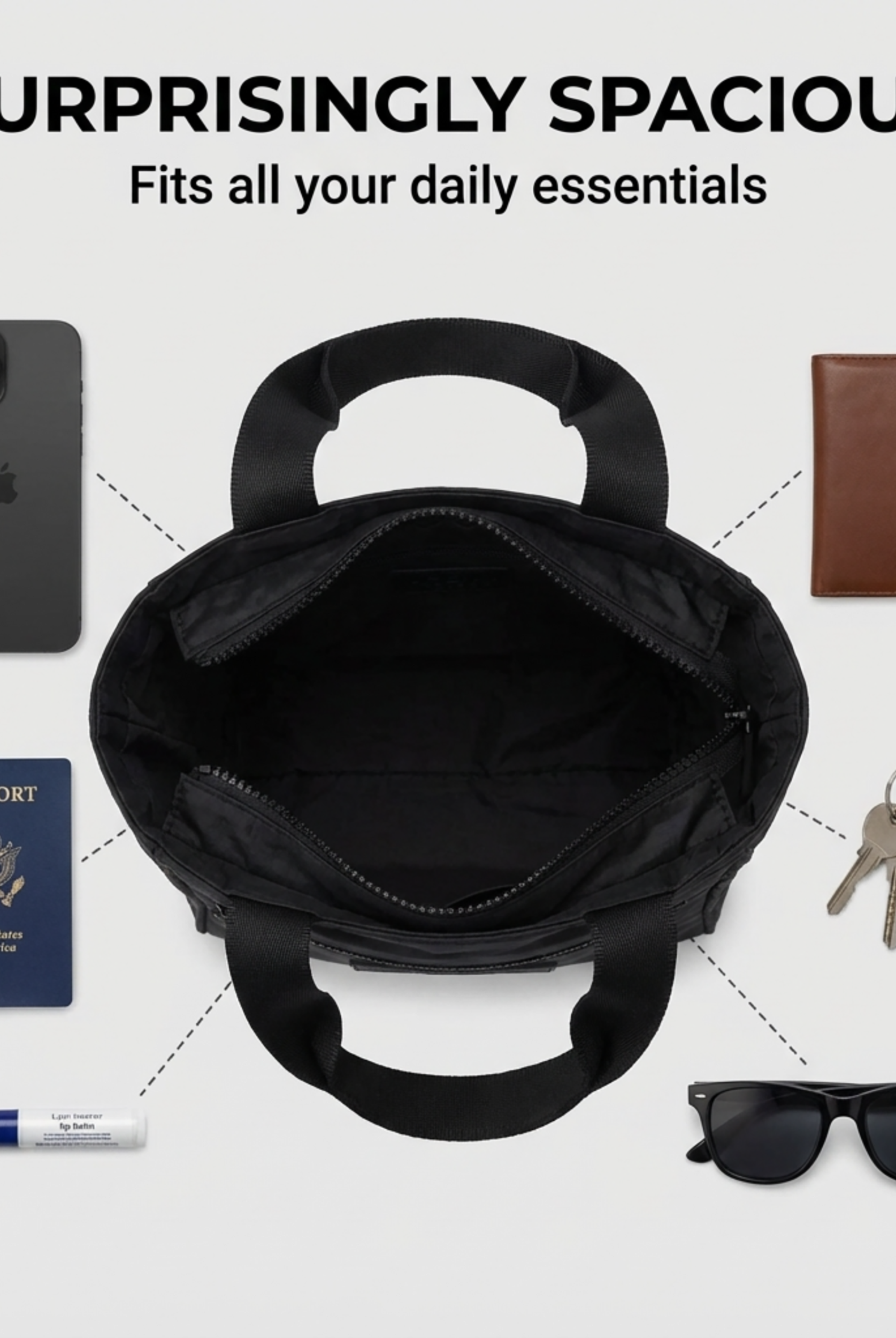
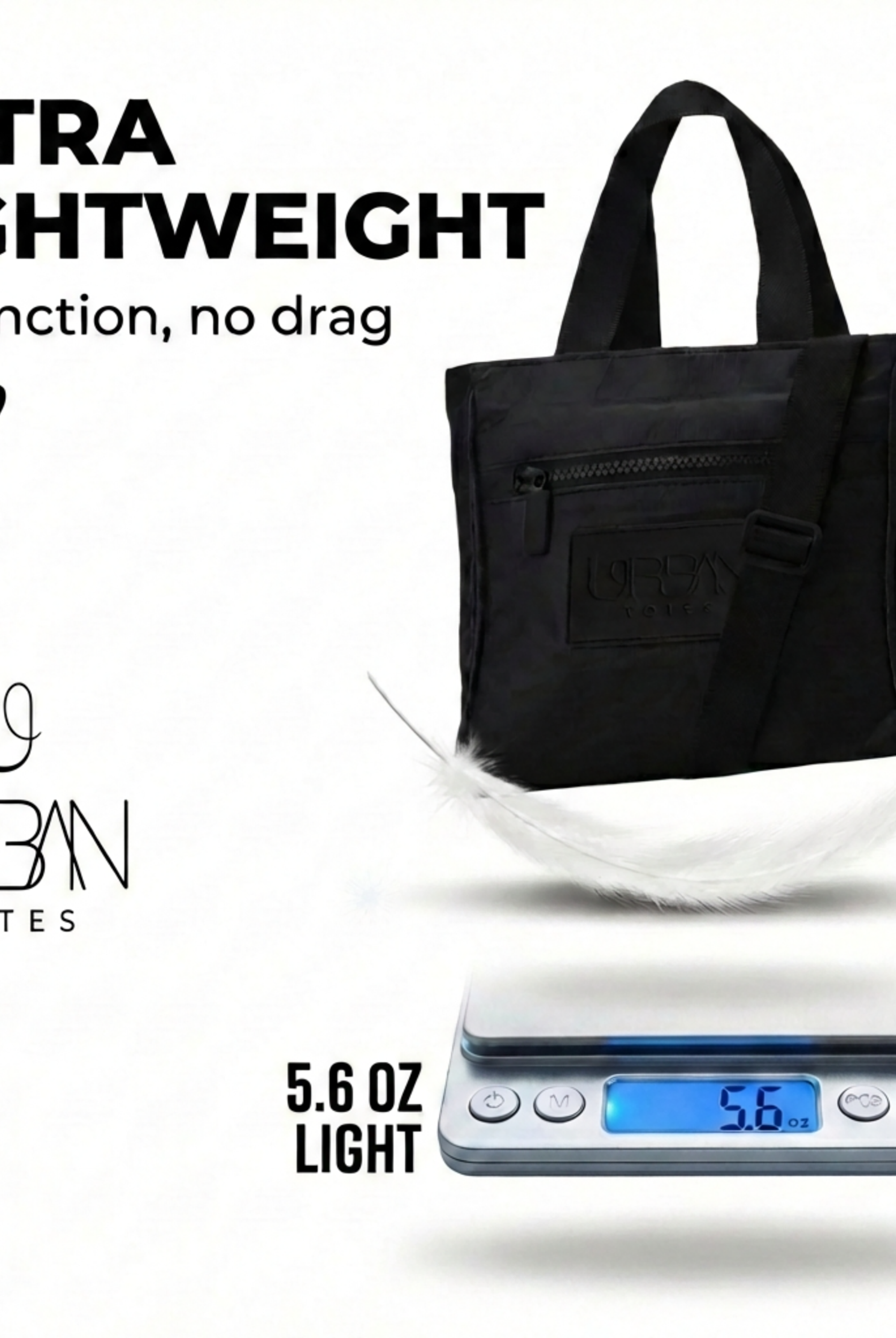
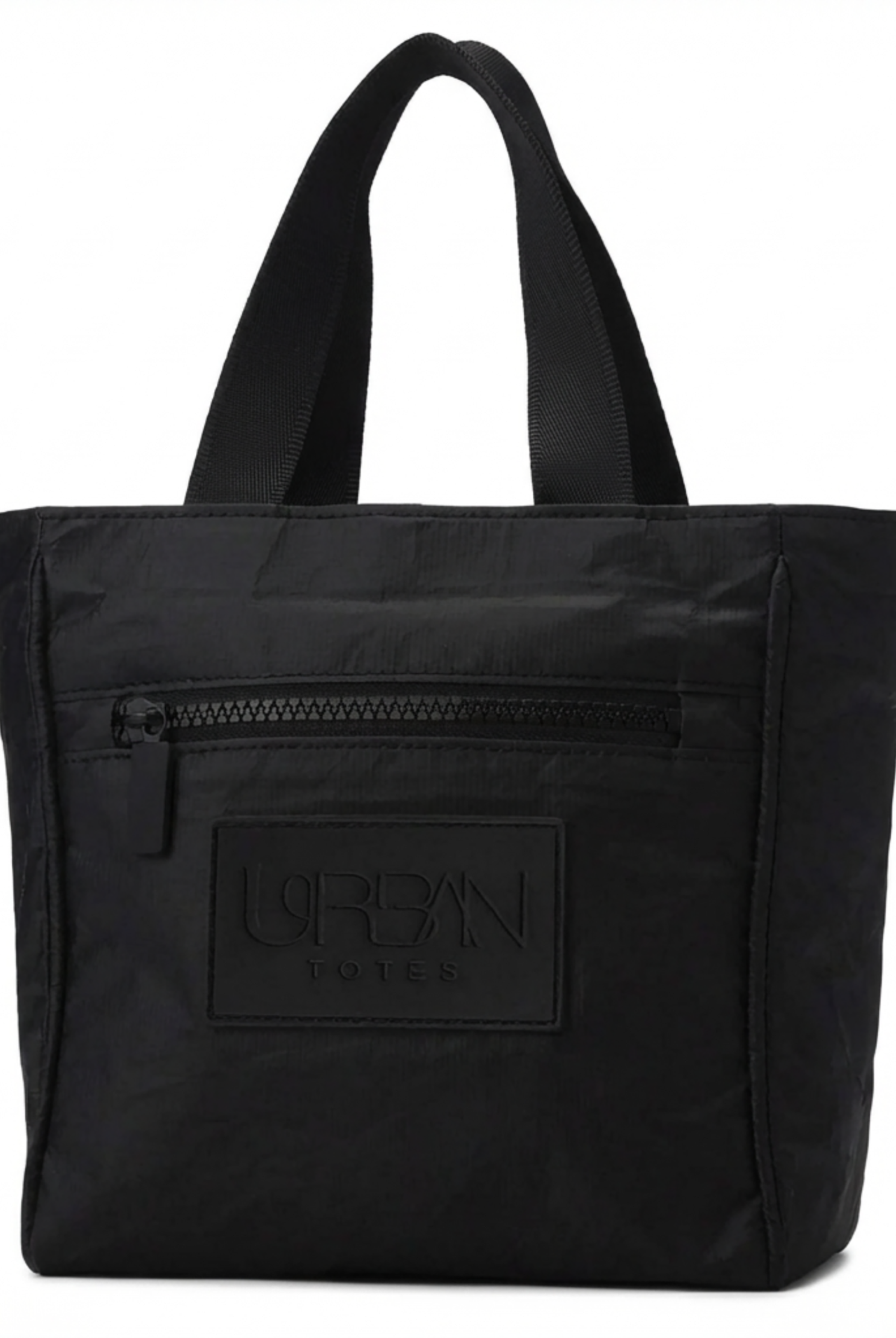
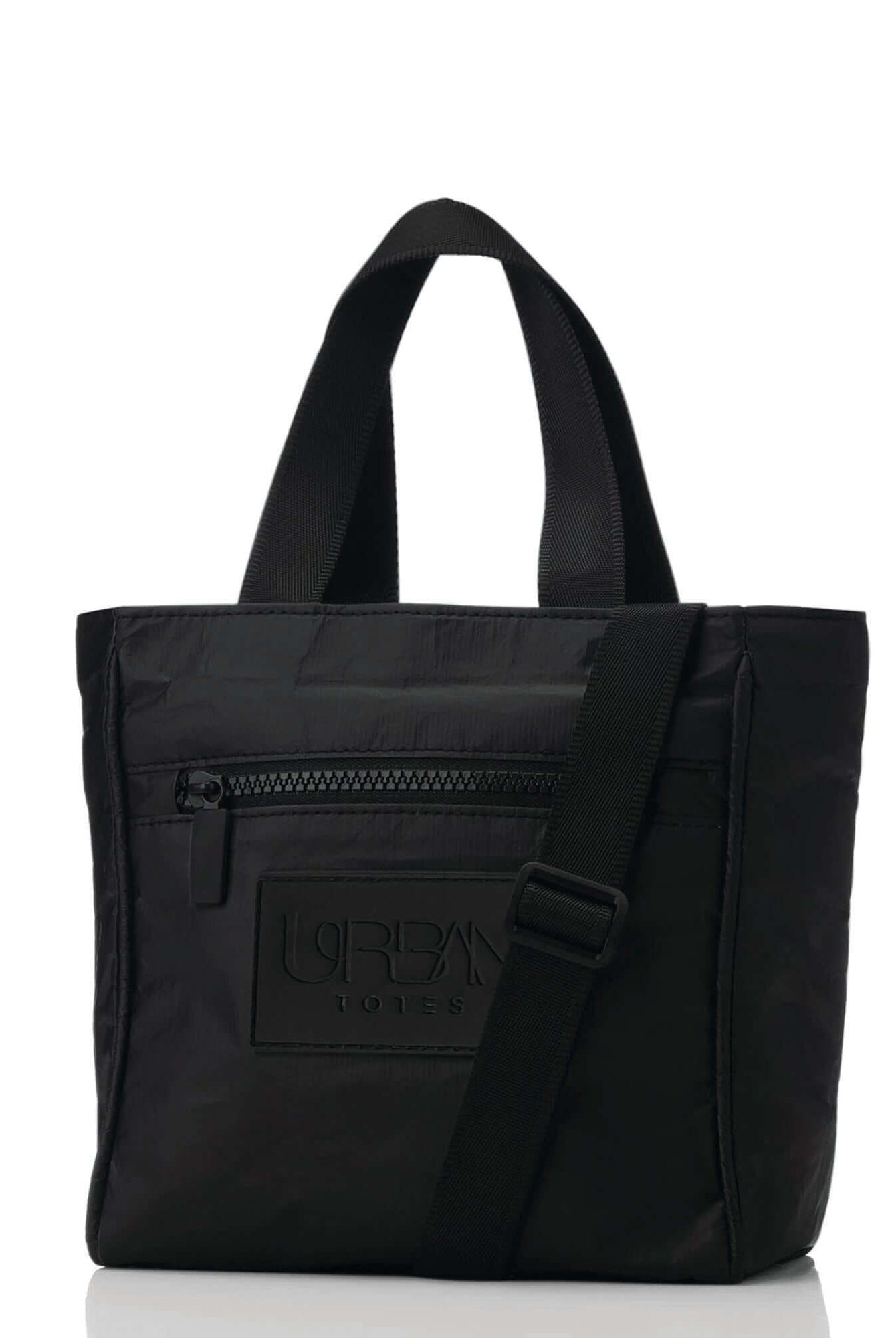
For an everyday option, The Go Anywhere Day Trip Tote Bag by Urban Totes combines water-resistant materials with three large zippered compartments, dedicated phone and key pockets, comfortable silky straps, and a packable, foldable design. That makes it suited to splashes, spills, and ordinary travel weather, while the product description does not position it as a fully waterproof submersion bag.
Choosing the Right Materials for Packability
A bag that folds into a suitcase has to bend without becoming awkward to carry. That simple requirement creates a constant tradeoff: the softer and lighter the material, the easier it usually is to compress, while heavier barriers can add structure, bulk, and stiffness.
Lightweight nylon is common in packable travel bags because it can fold down neatly and still offer useful everyday durability. Packable daypacks may pair thin nylon with structural mesh and a water-resistant coating, and Taslan nylon is described in gear guidance as very thin but sturdy (packable daypack material guidance). For airport walks, errands, and light commuting, that combination can feel pleasantly unobtrusive.
Polyester, including lightweight 600D polyester, often appears in foldable duffels and totes. It may be marketed as water-repellent, but fabric weight alone doesn't establish waterproof performance. True waterproof designs depend on impermeable materials and sealed seams, not just on a thicker-feeling weave (waterproof luggage comparison guidance).
Comparing common construction choices
| Material or construction | Packability | Weather behavior | Everyday tradeoff |
|---|---|---|---|
| Lightweight nylon | Folds easily and feels light | Often water-resistant when coated | Good for commuting, travel, and low-bulk storage |
| PU-coated fabric | Soft and compressible | Adds water resistance while preserving flexibility | Repeated flexing, UV exposure, and hydrolysis can affect performance over time |
| TPU-coated fabric | Flexible with a stronger barrier approach | Can support more protective constructions | May feel less soft than a simple coated textile |
| PVC-coated fabric | More structured and protective | Guidance places PVC-coated fabrics around 10,000 to 30,000 mm in some technical constructions (material guidance) | Greater bulk and rigidity can make folding less convenient |
| Tarpaulin or laminated layers | Strong barrier potential | Designed for wet-use applications | Usually less elegant to compress than soft packable fabric |
The choice depends on your routine. A beach lover who carries damp towels may prefer stronger barrier performance, while a minimalist traveler may prioritize a soft tote that disappears into a carry-on. If your lifestyle includes both, read Urban Totes' guide to foldable beach bags for ideas on balancing easy storage with practical daily use.
Ask suppliers or brands for more than the word “waterproof.” Request the hydrostatic head rating, the coating or laminate type, and the seam-sealing method. Those details tell you far more than fabric weight or a photograph of water beading on the surface.
Design Features That Keep You Organized
Weather protection won't help much if you spend the morning digging through one deep compartment for your keys. The most useful travel tote works like a small command center. Your phone has a home, your boarding pass stays flat, and wet swimwear doesn't sit against your clean sweater.
Start with the opening. A zipper closure keeps contents contained and offers more coverage than an open top when the weather changes. Then look inside for compartments that reflect the way you move through the day. A commuter may need separate spaces for a laptop sleeve, lunch, and charging cable, while a beach-day mom may want to isolate sunscreen, snacks, and a damp cover-up.
A practical feature checklist
| Feature | Why It Matters |
|---|---|
| Zipper closure | Keeps essentials from spilling out and gives the top of the bag added coverage in light rain |
| Multi-pocket layout | Puts keys, phone, wallet, and travel documents within reach |
| Multiple large compartments | Separates work items, clothing, gym gear, or beach accessories |
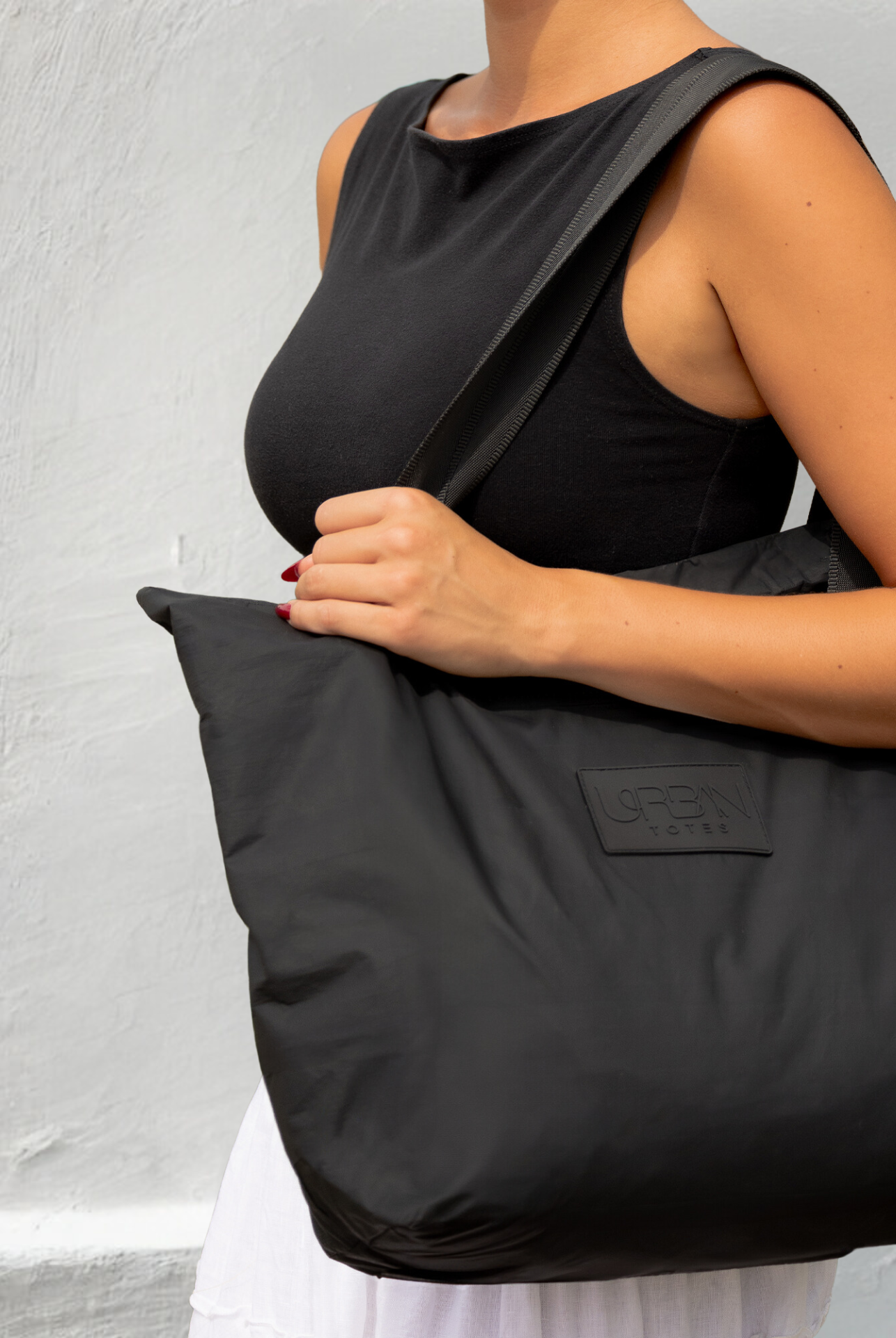
| Comfortable straps | Makes repeated carrying easier during terminals, errands, and long days |
| Lightweight construction | Prevents the empty bag from becoming another heavy item |
| Foldable body | Lets you pack a spare tote into luggage or store it in a car |
| Easy-clean surface | Helps manage coffee spills, playground messes, and beach sand |
A bag with compartments is especially helpful when you carry several small categories of essentials. Organization isn't decorative. It reduces the need to unpack everything on a check-in counter or sidewalk bench.
Check the details in person
Open every pocket. Test whether the zipper pull feels easy to use with one hand. Notice whether the straps sit comfortably on your shoulder when the bag is full, and whether the base keeps its shape when you set it down.
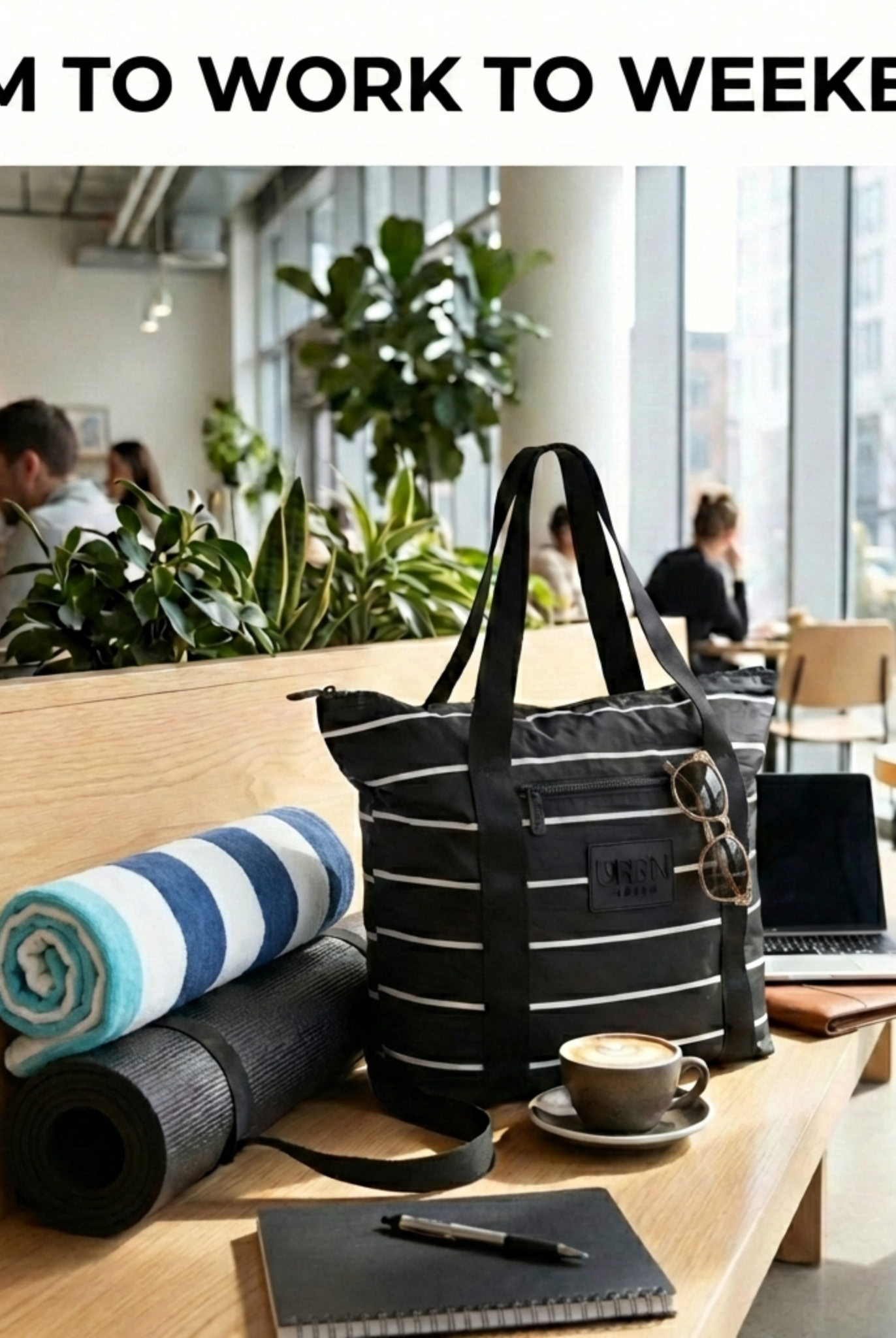
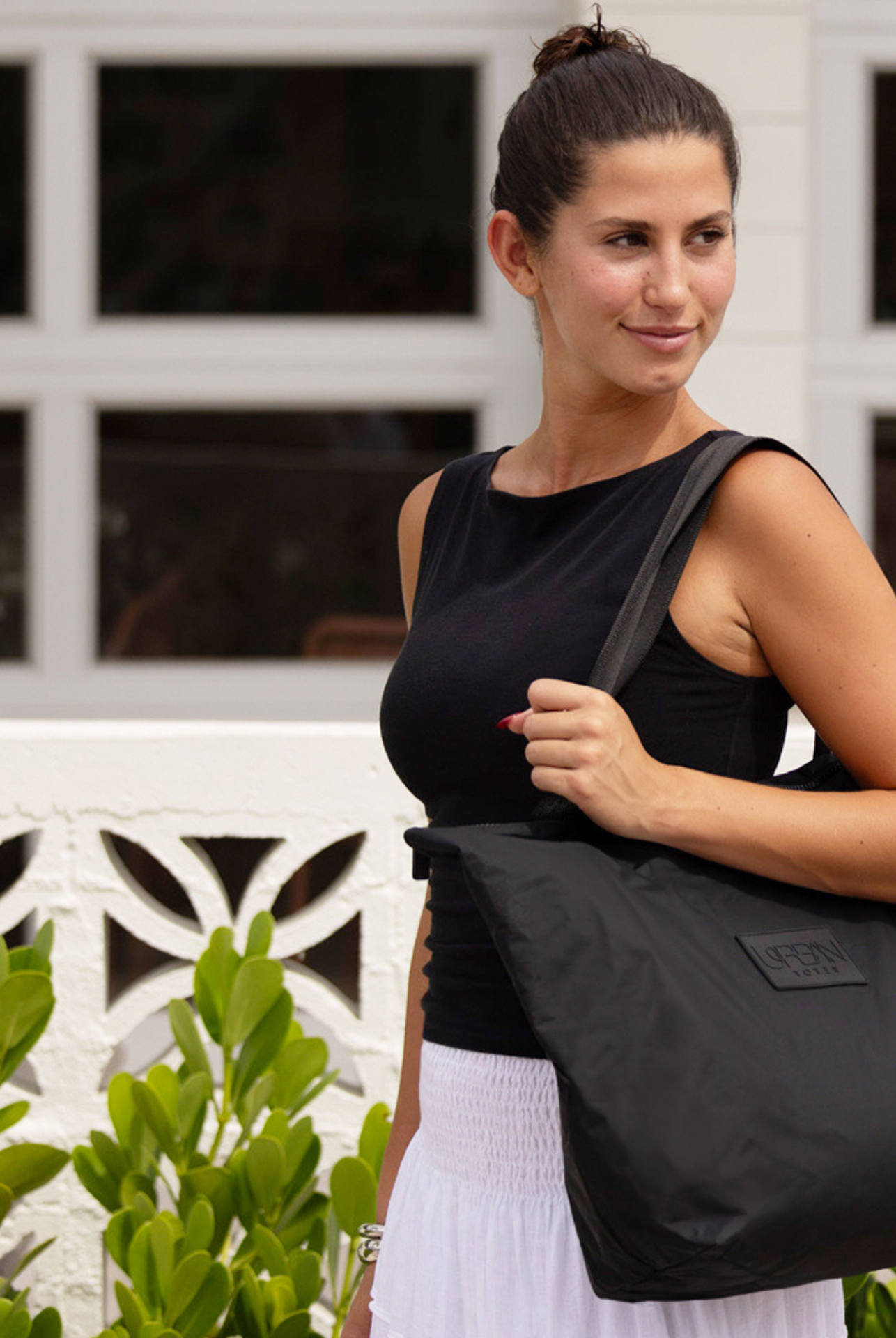
A stylish silhouette matters, too. The most versatile tote should move from school drop-off to a client meeting, then into an airport terminal without looking like it belongs to only one part of your life. Functional design earns its place when it supports both your schedule and your wardrobe.
Smart Packing Tips for Your Foldable Tote
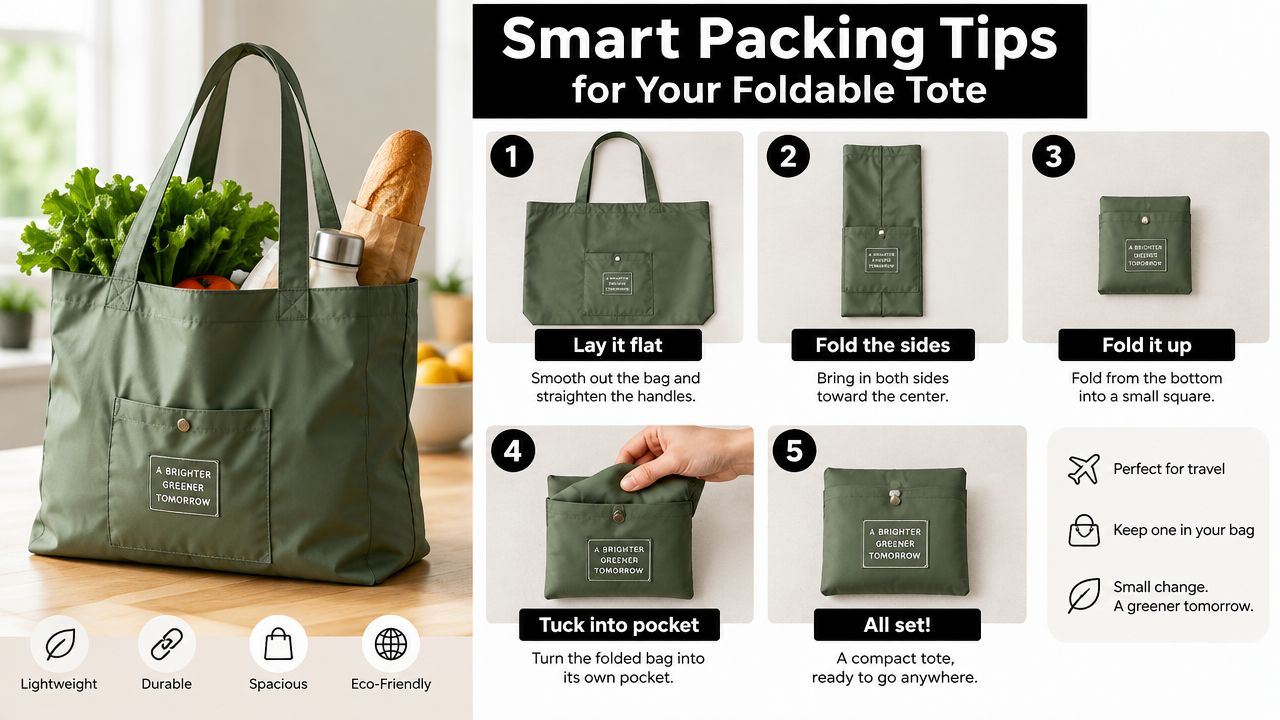
At six in the morning, packing works best when every item has a destination. Put the things you'll need first near the top, keep small essentials in their dedicated pockets, and reserve one compartment for items that might be damp or messy. A foldable tote stays easier to carry when its structure and your packing plan work together.
Build zones instead of one large pile
Place flat items against the back panel. A tablet sleeve, notebook, or folded shirt can give the bag a little structure. Roll softer clothing rather than stacking it, then use a smaller pocket for socks, chargers, or cosmetics.
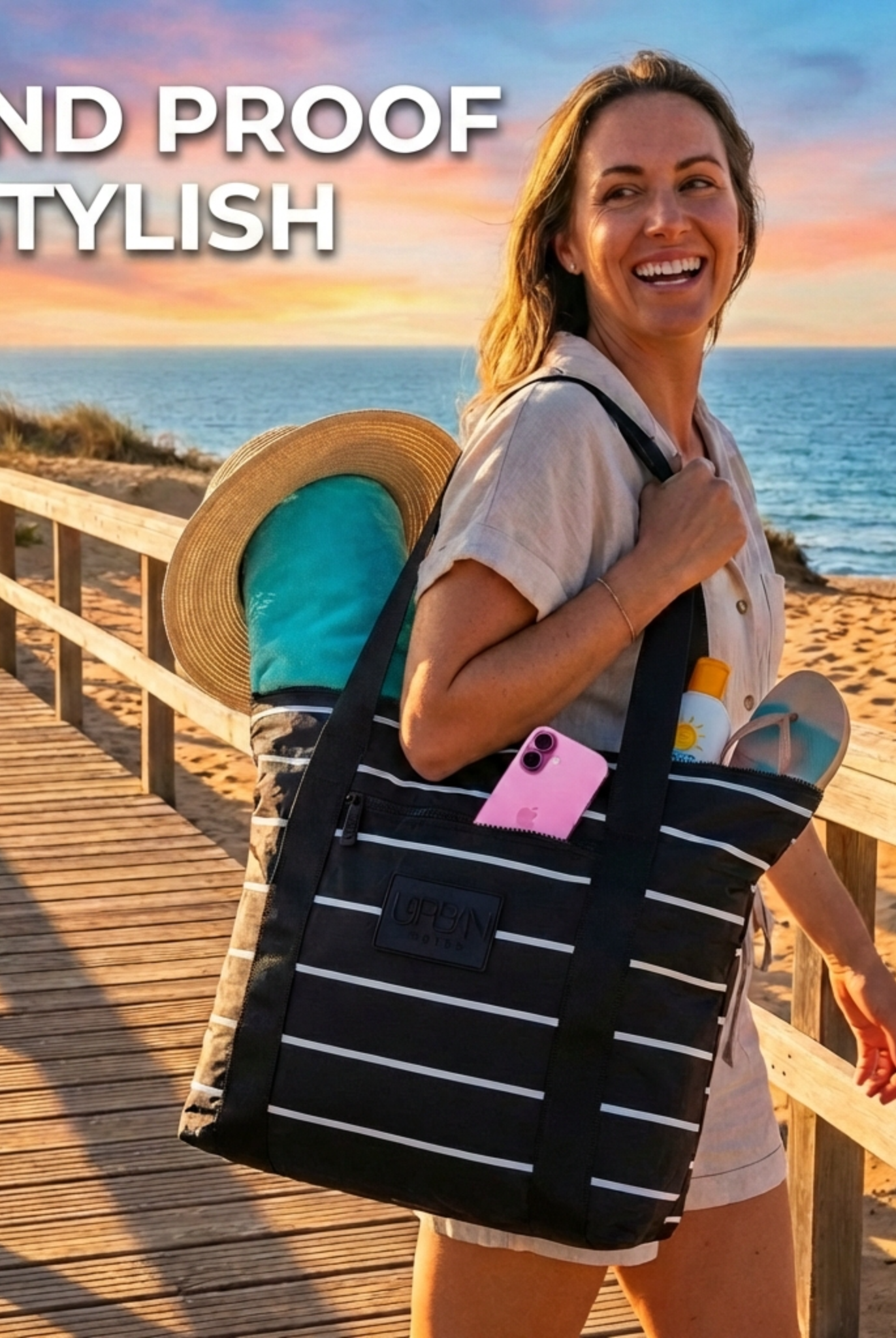
For a beach day, keep dry clothes in one zippered section and put a damp swimsuit or towel into a separate pouch before it goes into the bag. If you carry fragrance while traveling, an Essentia travel case for atomizers can help keep a small bottle contained among your other essentials.
Keep weight close to your body
Heavy items belong low and near the center of the bag. Put lighter pieces around them, then check whether the load leans to one side. Even distribution keeps a shoulder tote from pulling awkwardly while you're walking through a terminal or carrying groceries from the car.
Use the compartments by function:
- Quick access: Phone, keys, wallet, and boarding pass.
- Daily necessities: Lunch, sunglasses, charger, and notebook.
- Soft goods: Cardigan, scarf, spare shirt, or foldable hat.
- Mess-prone items: Snacks, sunscreen, gym shoes, or damp beach gear in a separate pouch.
A packable bag can hold a surprising amount, but overfilling works against its design. Leave enough room for the zipper closure to move smoothly, and don't force sharp corners against the fabric or seams. When the day ends, empty the tote fully before folding it so trapped moisture and crumbs don't linger.
Care and Maintenance for Long-Lasting Use
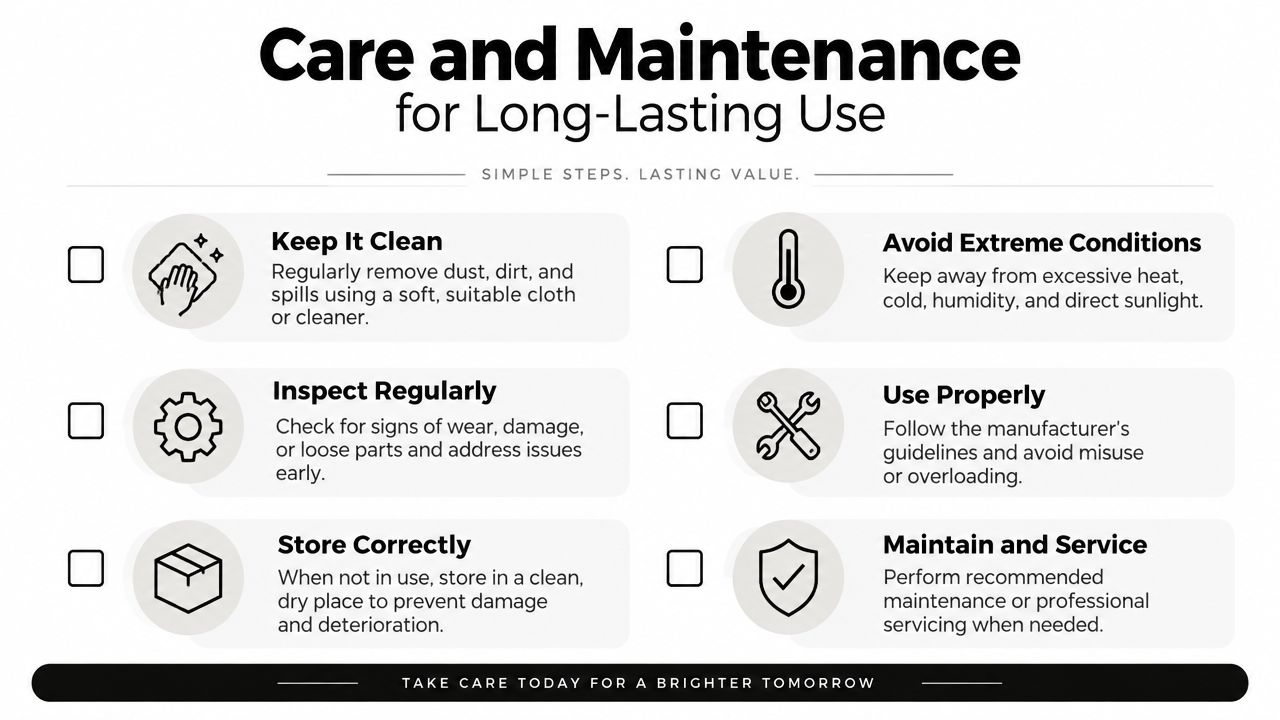
Your bag comes home from the beach with sand in the corners, or from the gym with a damp towel inside. The fastest good habit is also the simplest: empty it as soon as you walk through the door. Shake out loose debris, open every compartment, and let the interior air before you fold the bag away.
Wipe the exterior with a soft, damp cloth when you notice dust or a spill. Follow the product's care directions before using detergent or a washing machine, since coatings and laminated materials can respond differently to cleaning. Avoid scrubbing aggressively over seams, zipper tape, or coated panels.
A simple maintenance routine
- Empty every pocket. Small objects can distort folded sections and catch in zipper tracks.
- Dry the interior completely. Leave the bag open after rain, a beach day, or a workout.
- Clean gently. Use the care method recommended for the specific fabric.
- Protect the shape. Fold along existing creases instead of making sharp new bends.
- Store away from strong sunlight. A cool, dry cupboard is better than a hot car dashboard.
- Inspect closures and seams. Look for worn stitching, damaged coating, or a zipper that no longer closes smoothly.
Repeated folding and UV exposure can reduce waterproofing over time when a bag isn't properly cared for or stored (guidance on foldability and waterproof performance). That doesn't mean a foldable bag is fragile. It means weather protection is a feature worth maintaining, just like a zipper or strap.
If you're caring for a canvas bag, Urban Totes' guide to waterproofing a canvas bag offers additional context. For any fabric, don't pack it away while damp, and don't assume a water-resistant surface will remain unchanged after years of flexing, heat, and sunlight.
Find Your Perfect Go-Anywhere Companion
The right bag earns its place by solving several small problems at once. It folds into your suitcase, carries comfortably when plans expand, separates your essentials, and gives you reasonable coverage when a sunny forecast changes halfway through the day.
Look for the combination rather than one magic label. Water-resistant materials, secure closures, useful pockets, comfortable straps, and an easy-to-store shape create a more practical everyday carry than a vague waterproof claim by itself. If you want to think through how technology and travel accessories fit into your routine, a 5G service travel tote offers another example of how a tote can support connected, mobile days.
A bag designed for real life should move easily between roles. It may hold snacks and sunscreen at the beach, a laptop and notebook on the commute, or a spare layer and travel documents at the airport. A lightweight waterproof tote bag can be a useful starting point when your priority is a low-bulk carry option with weather-minded features.
Urban Totes brings that everyday perspective from a woman-owned, Boise-made brand. Its bags are positioned around lightweight, packable, foldable designs, multi-pocket organization, zipper closures, and water-resistant materials for commuting, errands, gym sessions, beach days, and spontaneous getaways. The goal is simple: Go Anywhere. Tote Everything.
Shop Urban Totes for a stylish, functional bag that folds easily into your travel plans and stays ready for everyday spills, splashes, and surprises. Visit Urban Totes to explore the collection and choose your go-anywhere companion.