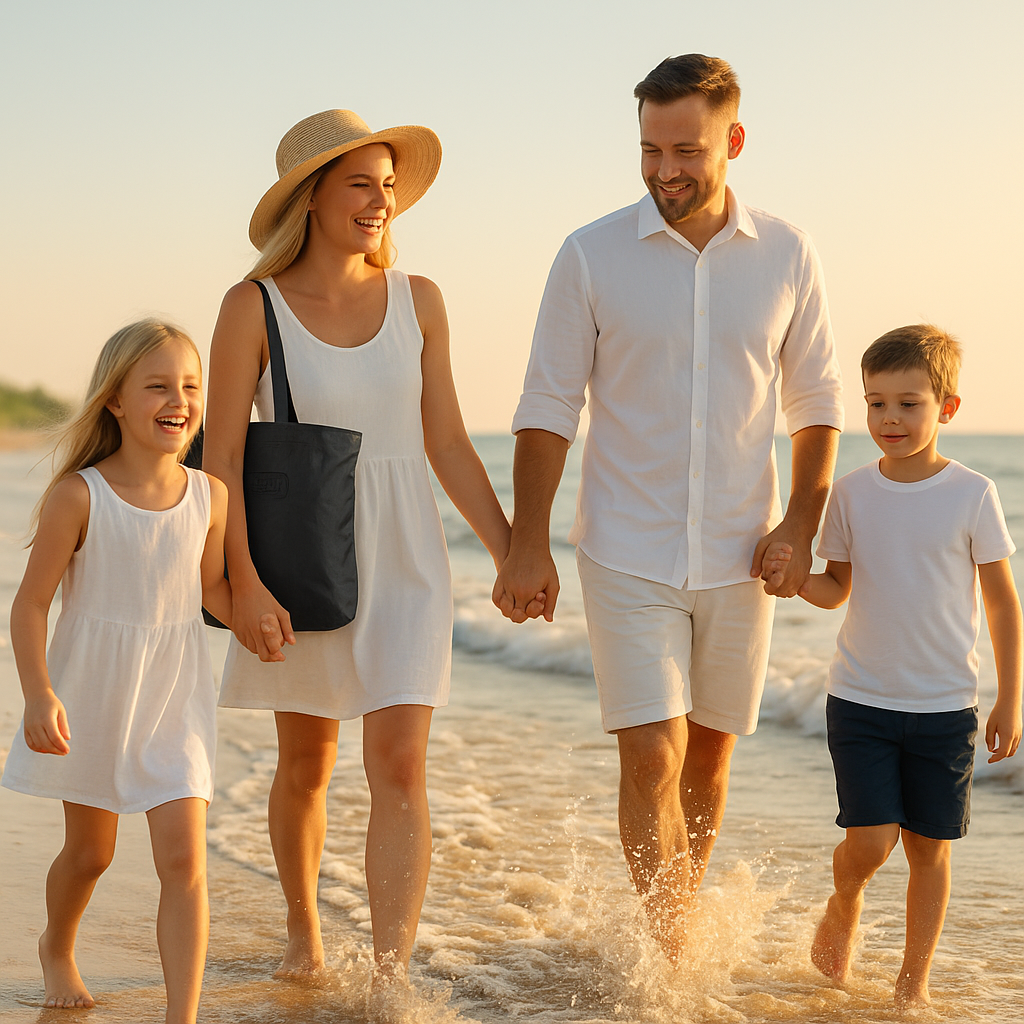
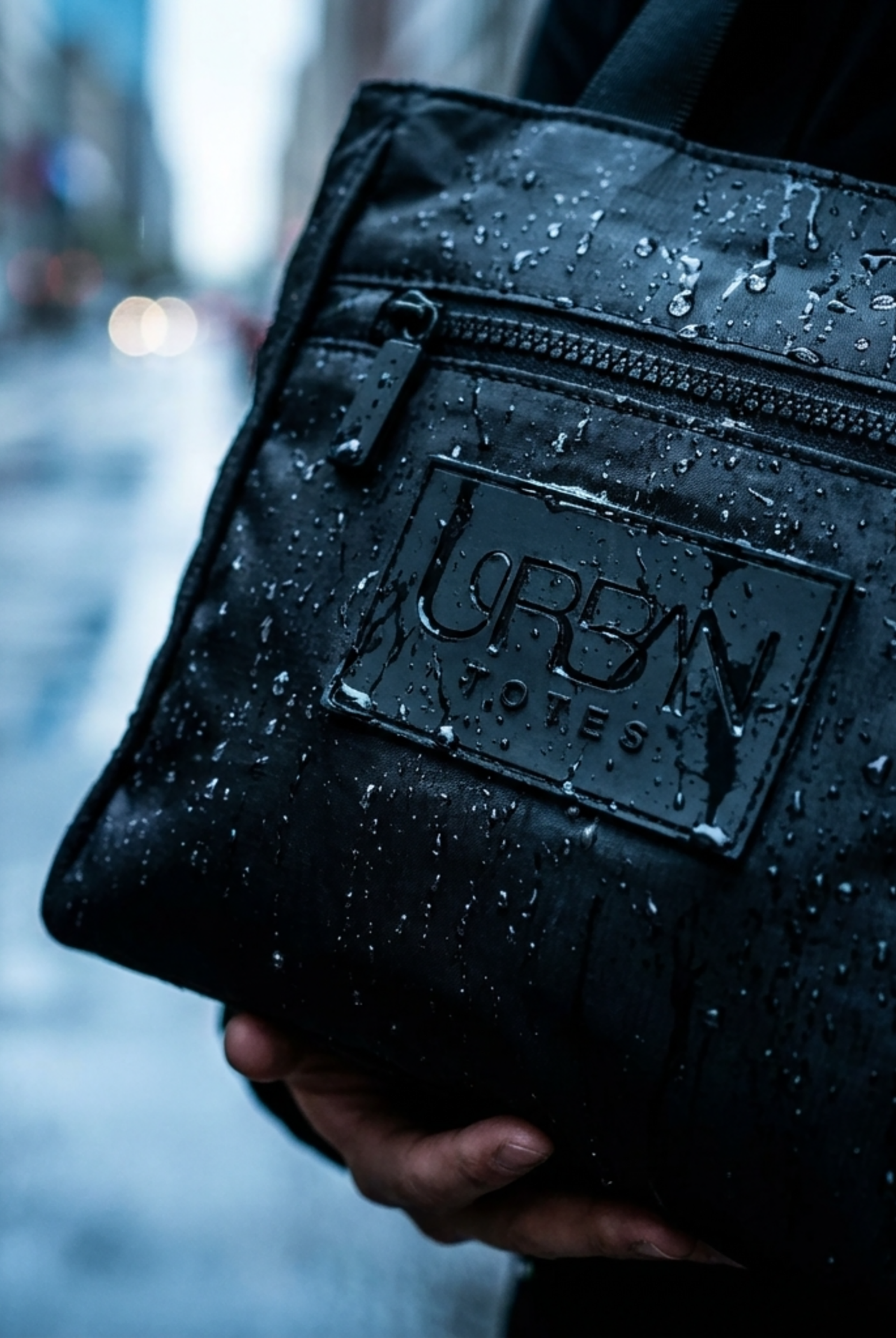
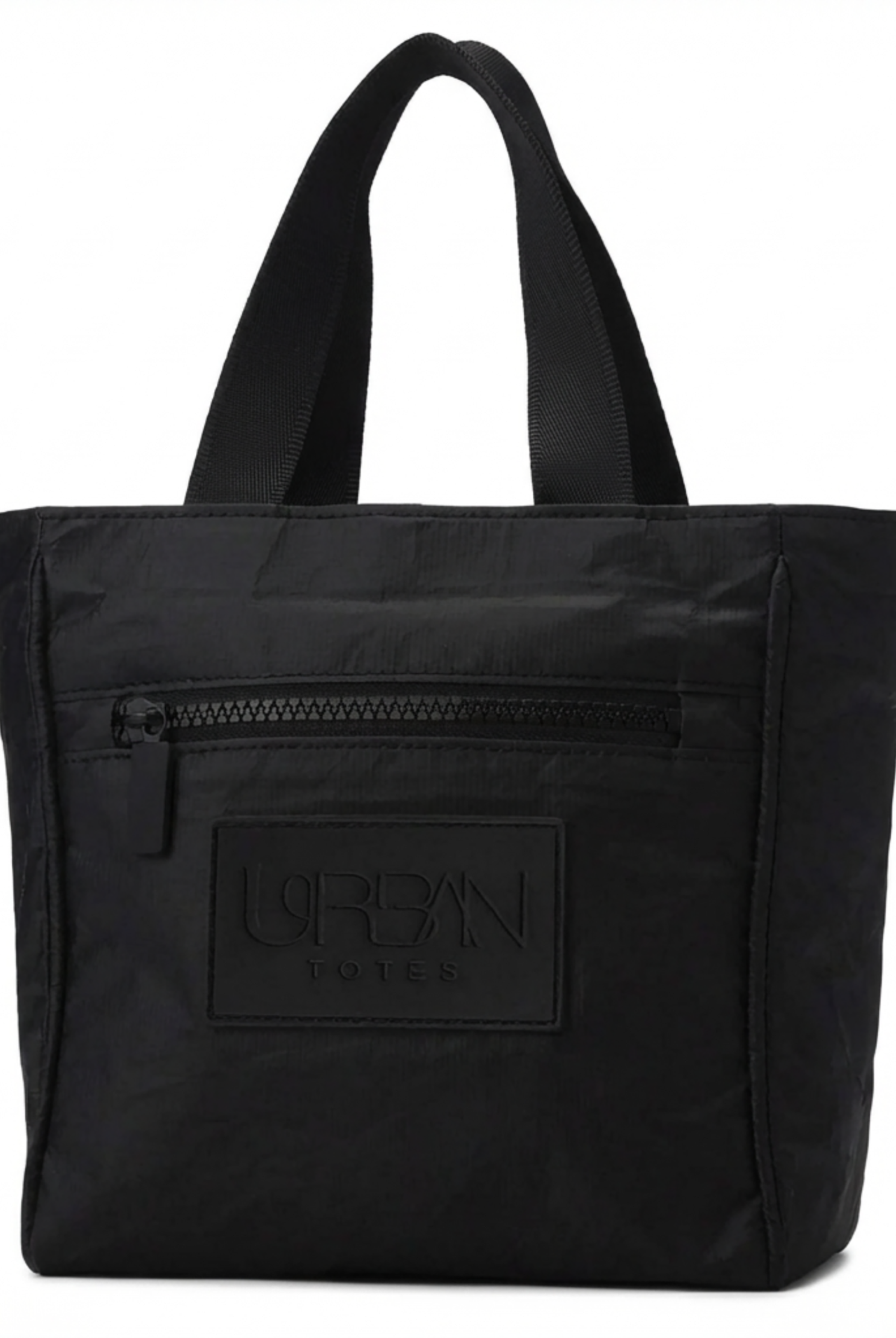
You're halfway through a summer morning when the day changes plans. The farmers market turns into a picnic, the picnic turns into a playground stop, and a quick coffee run becomes an afternoon by the water. Your phone, sunglasses, sunscreen, snacks, cardigan, and a damp swimsuit all need a place to go, but your bag shouldn't feel like another responsibility.
The right summer tote bag handles those shifts with ease. It's lightweight, water-resistant, organized, and stylish enough for everyday life, yet practical enough for sand, spills, groceries, and travel. The goal isn't to find the largest bag or the prettiest one. It's to choose a carryall that matches the way your days unfold.
Table of Contents
- Finding Your Perfect Summer Companion
- The Evolution of the Modern Tote
- Choosing the Right Fit and Carry Style
- Material Matters, Style Meets Performance
- Real-Life Summer Adventures with Your Tote
- Your Checklist for the Ultimate Summer Tote
Finding Your Perfect Summer Companion
A good summer tote earns its place early. It sits beside the front door for school drop-off, moves to the passenger seat for the farmers market, and waits near the beach chair with a towel, book, and water bottle tucked inside. The best designs don't demand a wardrobe change every time your plans do.

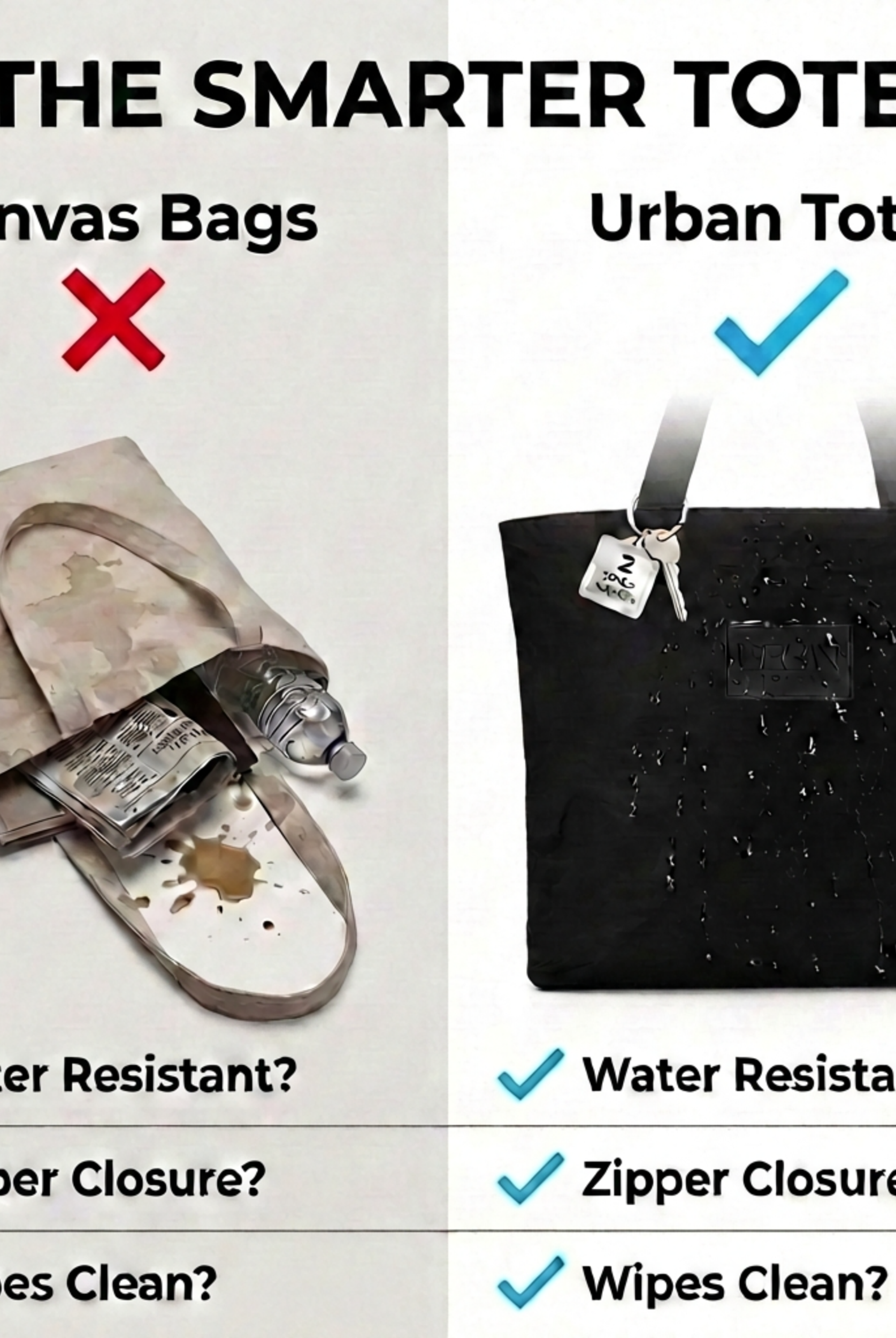
A canvas style can look relaxed with linen trousers and sandals, while a structured technical tote works with a workday outfit and an airport ensemble. The difference shows up after the first spill. Fashion-led materials may look lovely in a styled photograph, but sand, wet gear, and melting snacks quickly test whether the bag is useful.
Match the bag to your real day
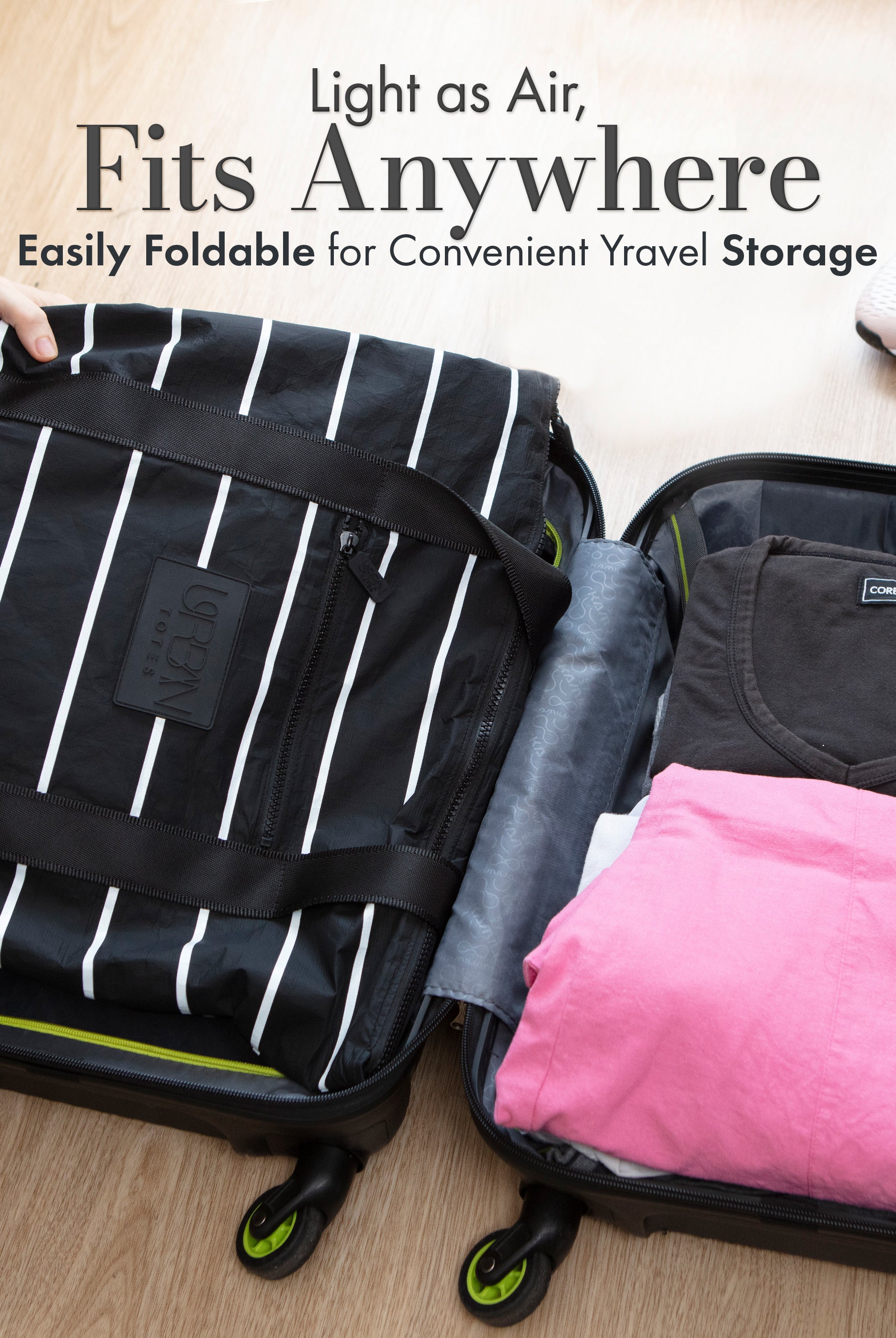
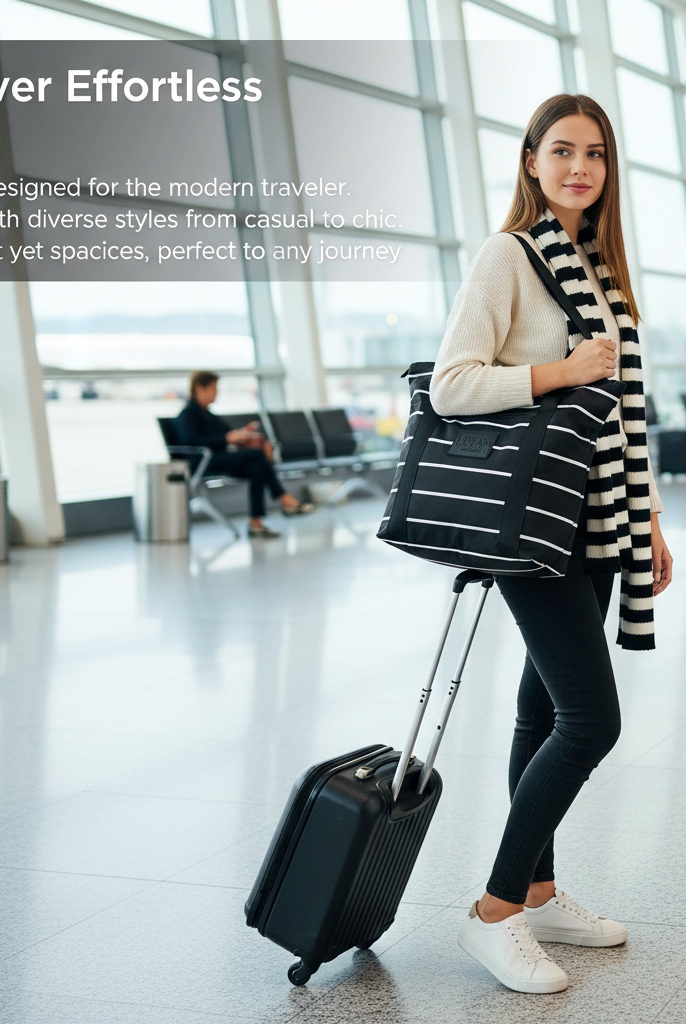
Start by listing what you carry on an ordinary busy day, not an imaginary minimalist one. A parent may need snacks, wipes, a change of clothes, and personal essentials. A commuter may need a notebook, charger, water bottle, and lunch. A weekend traveler may need a foldable spare bag that disappears into a larger carry-on until plans expand.
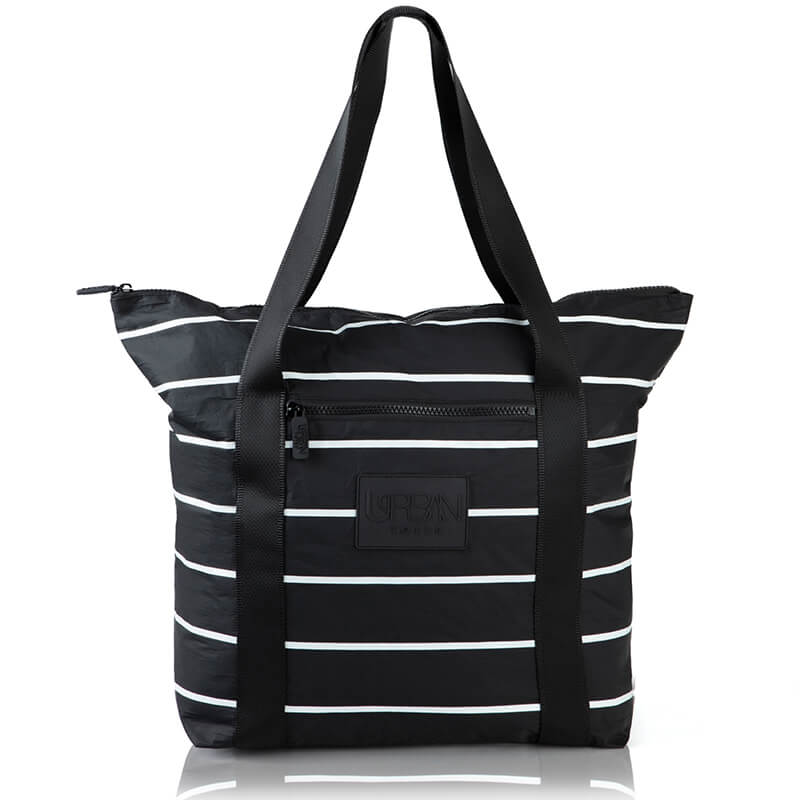
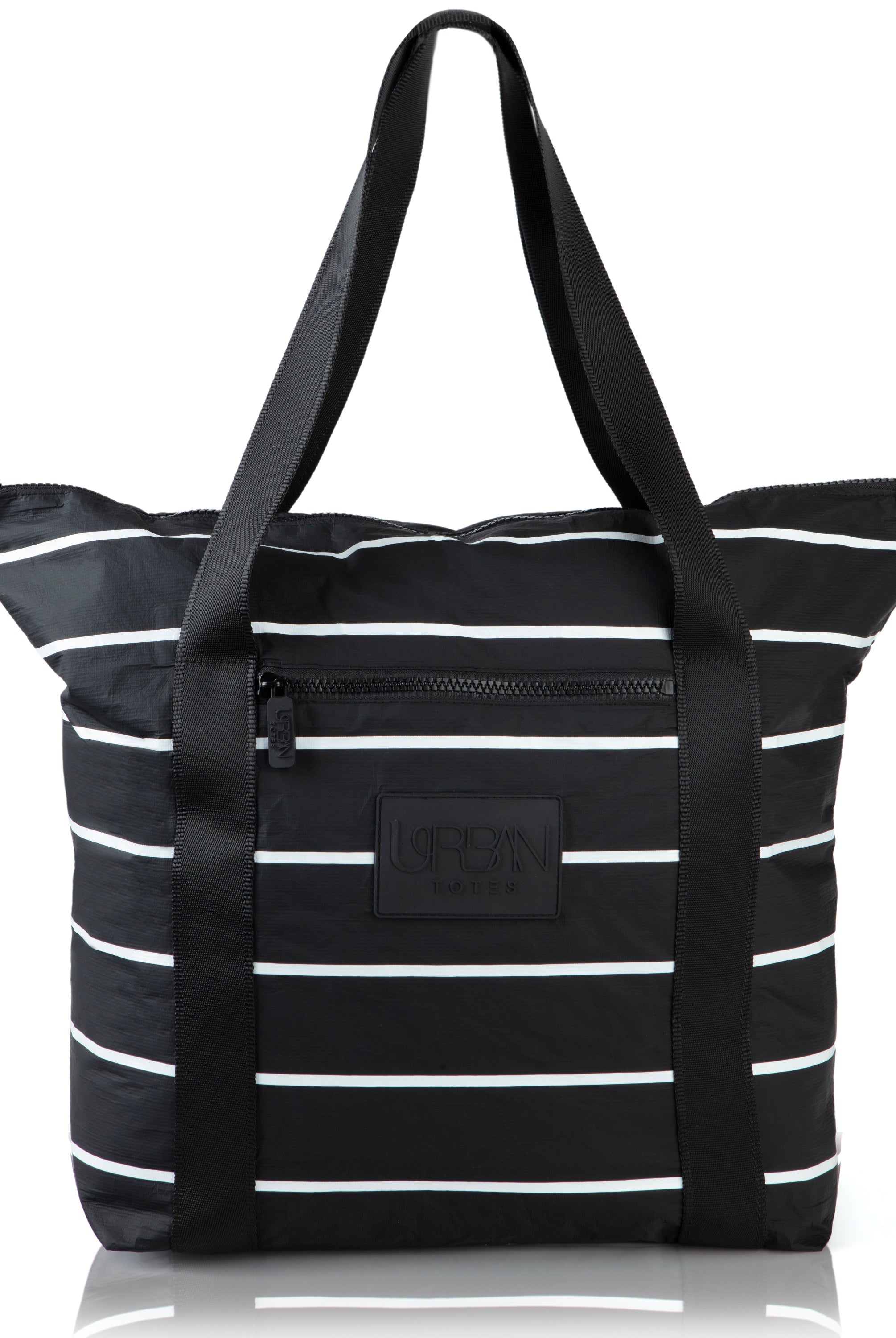
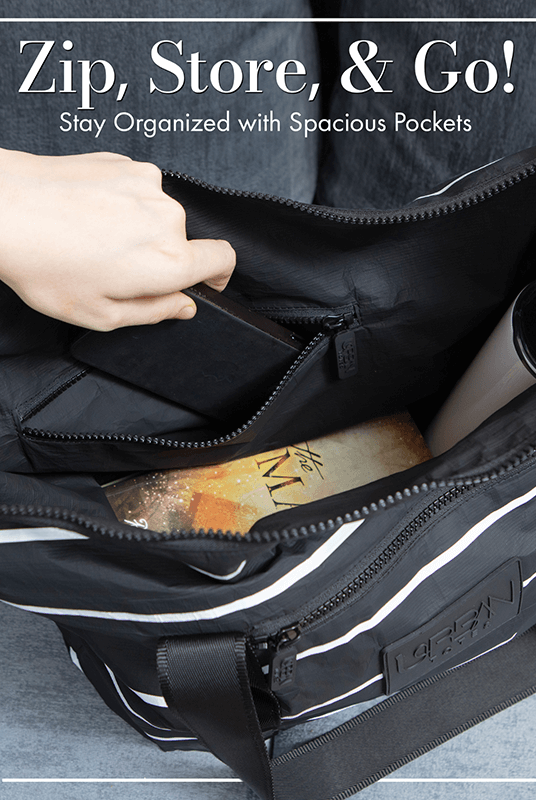
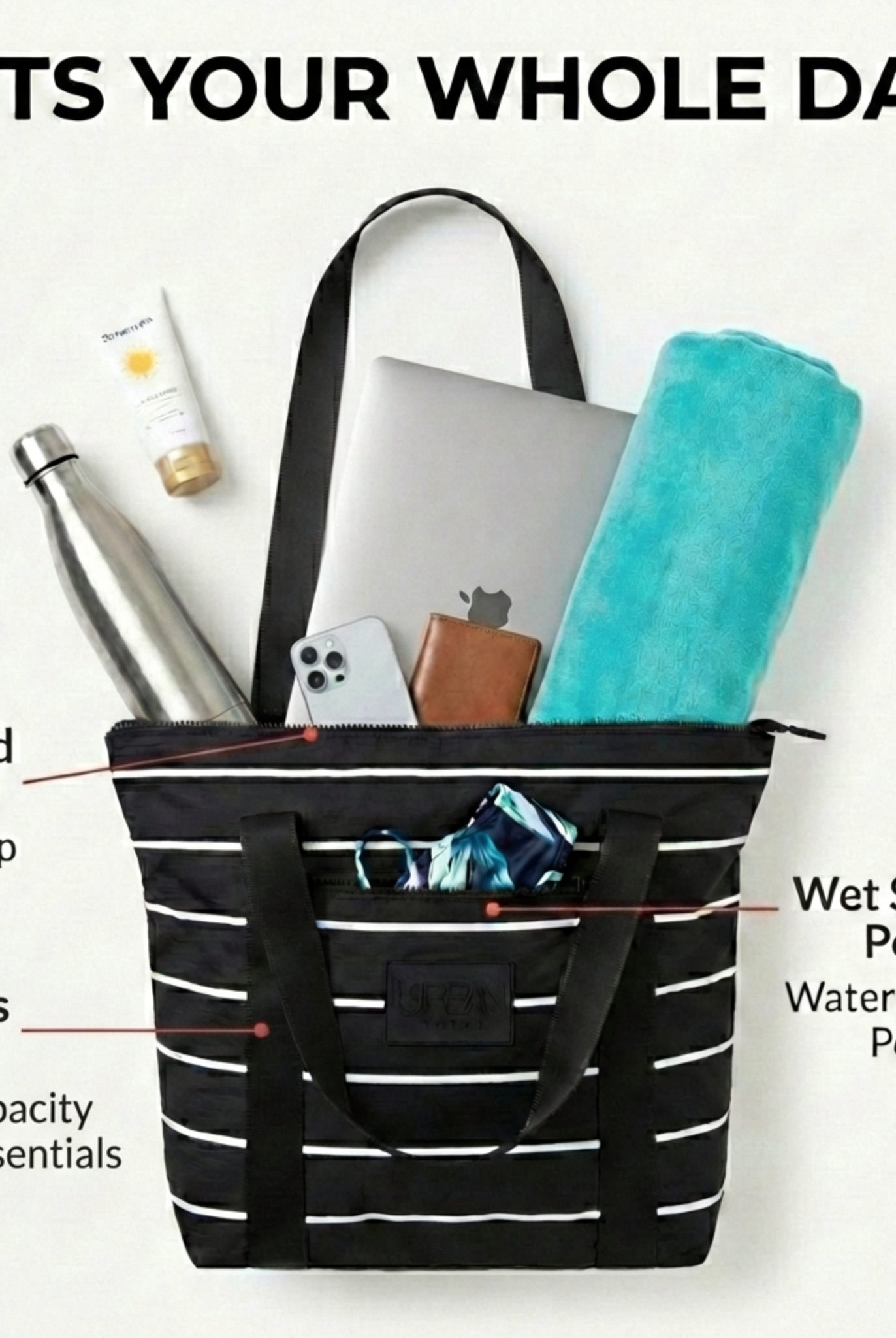
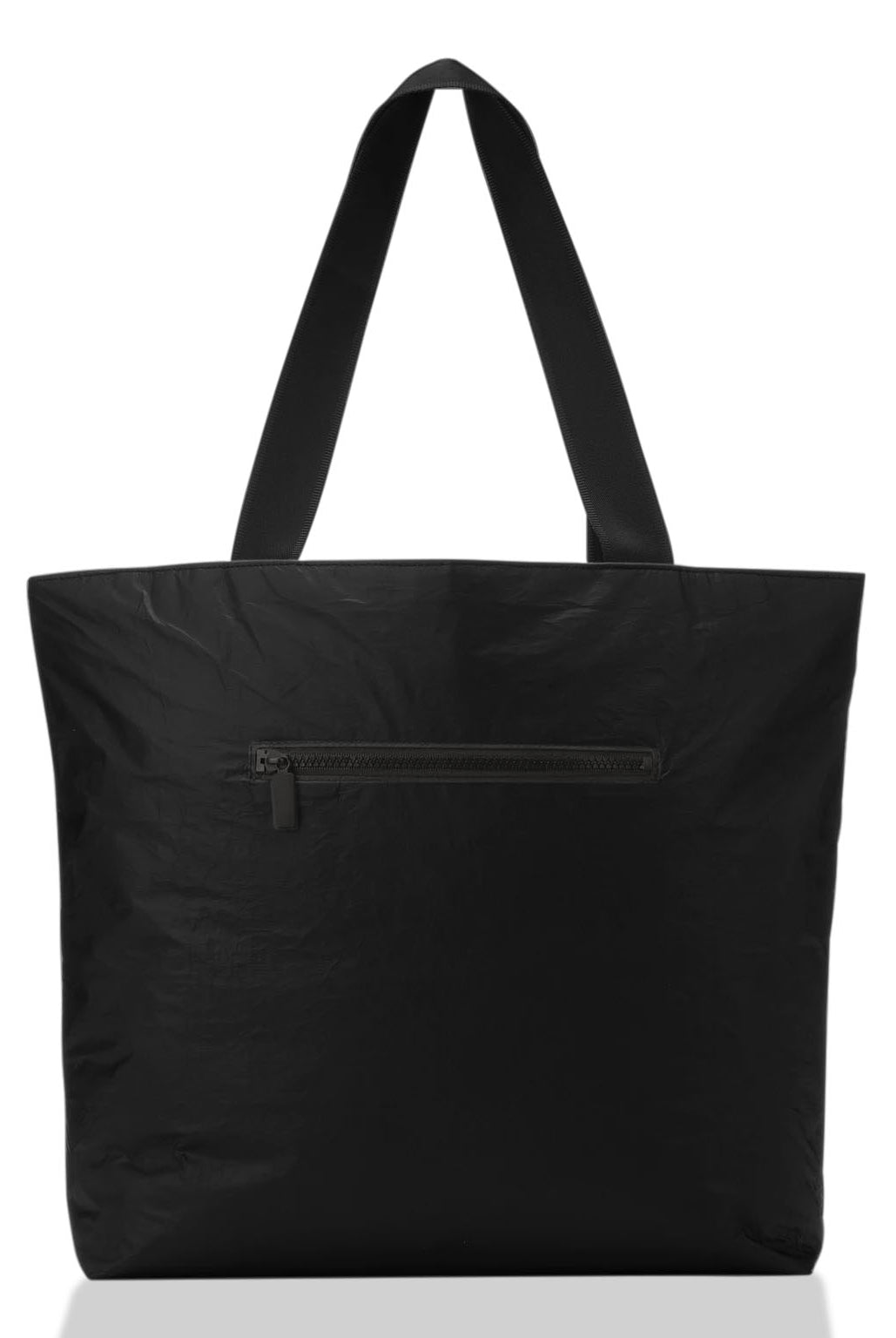
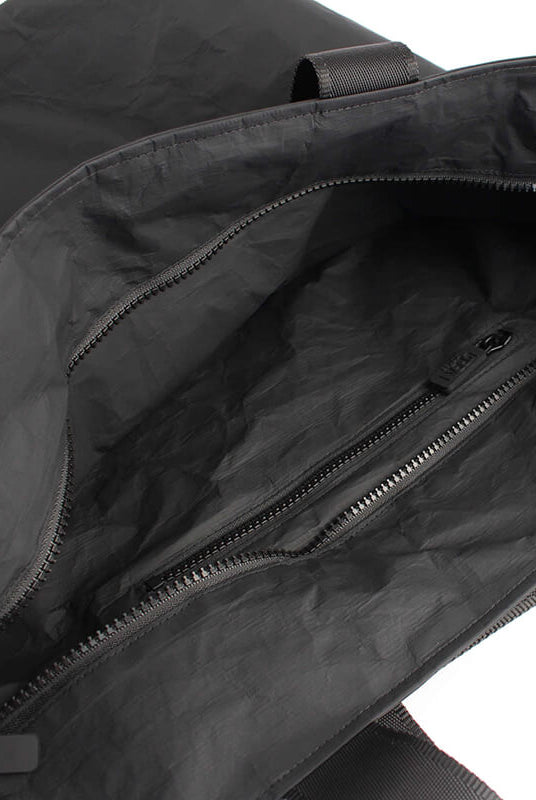
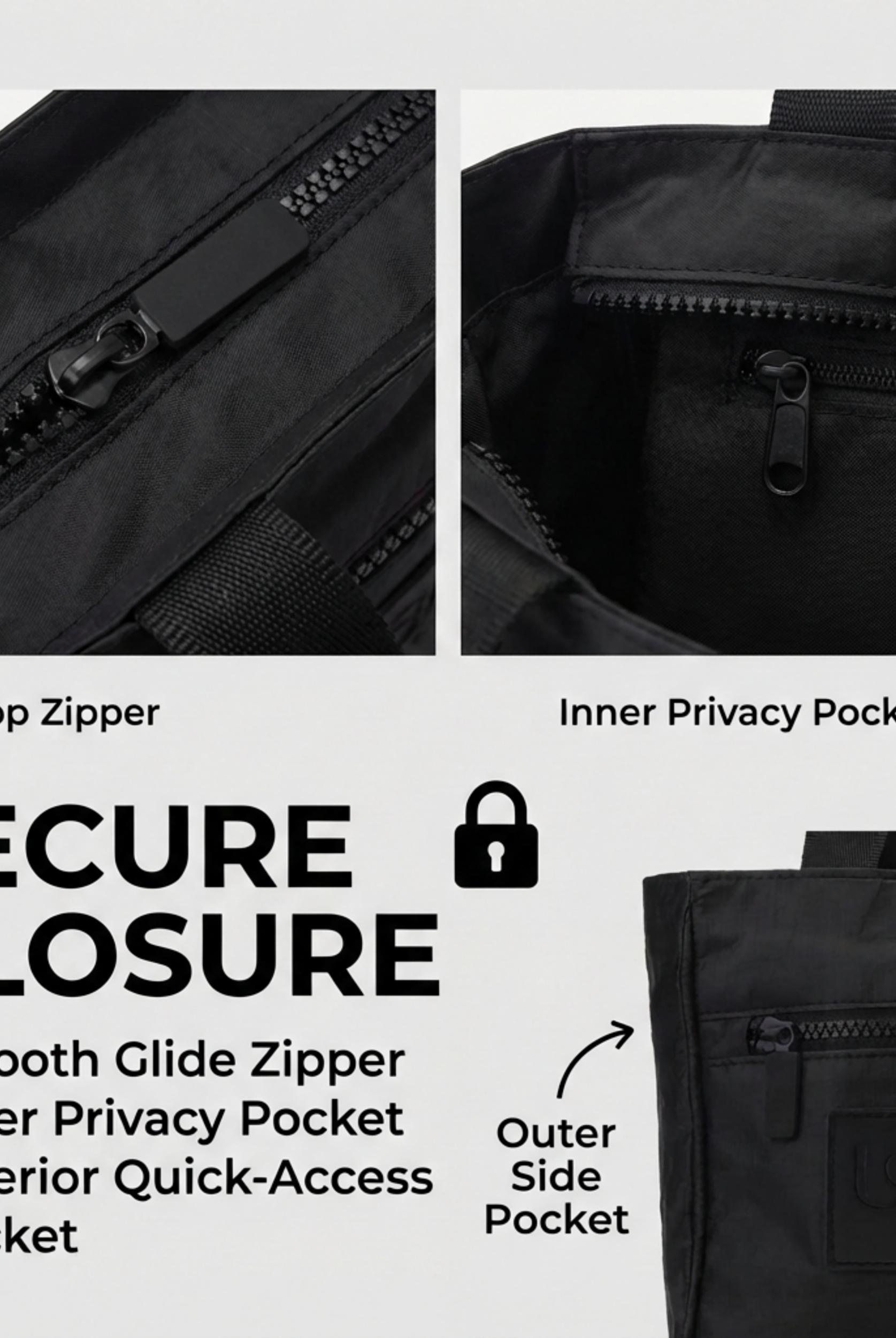
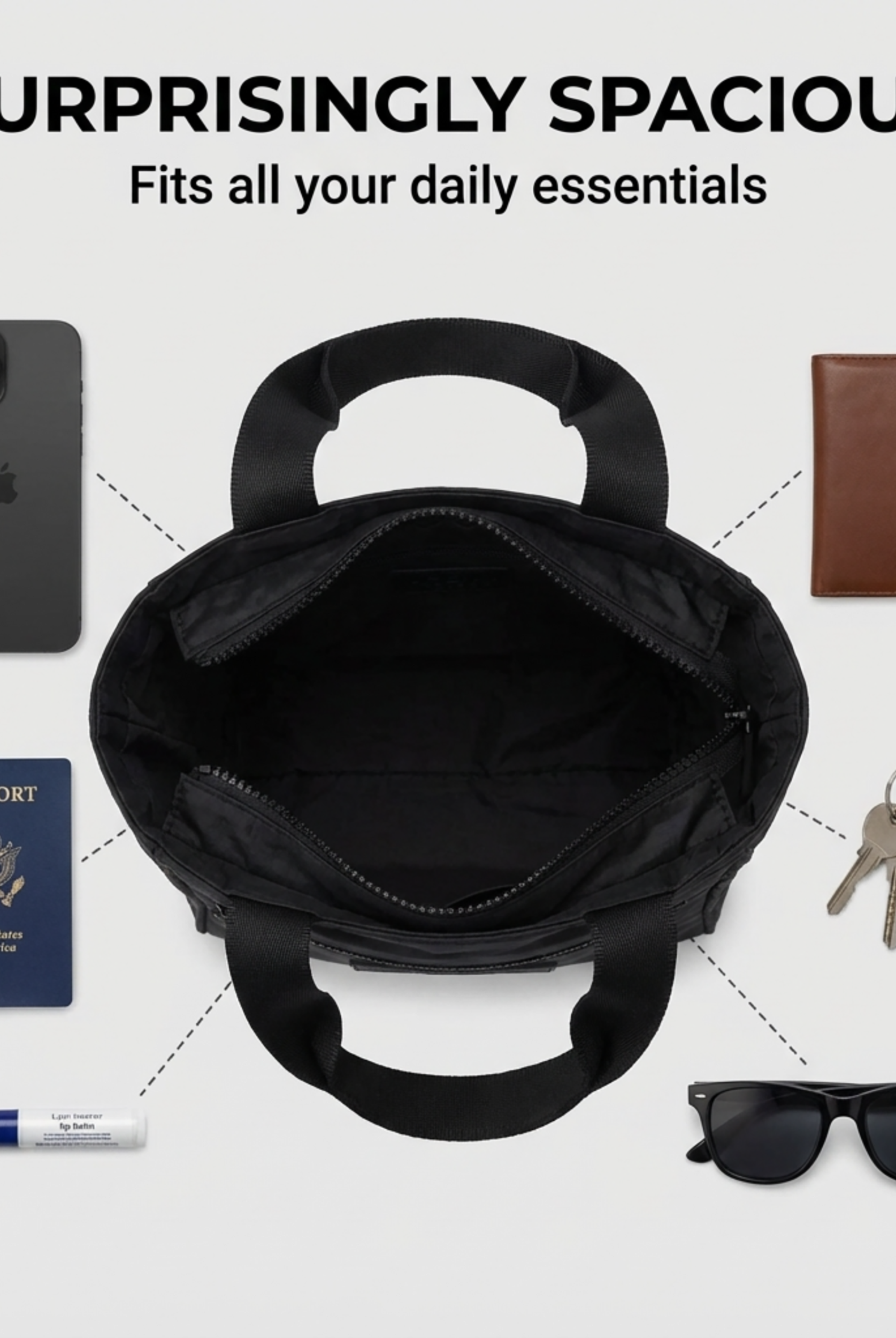
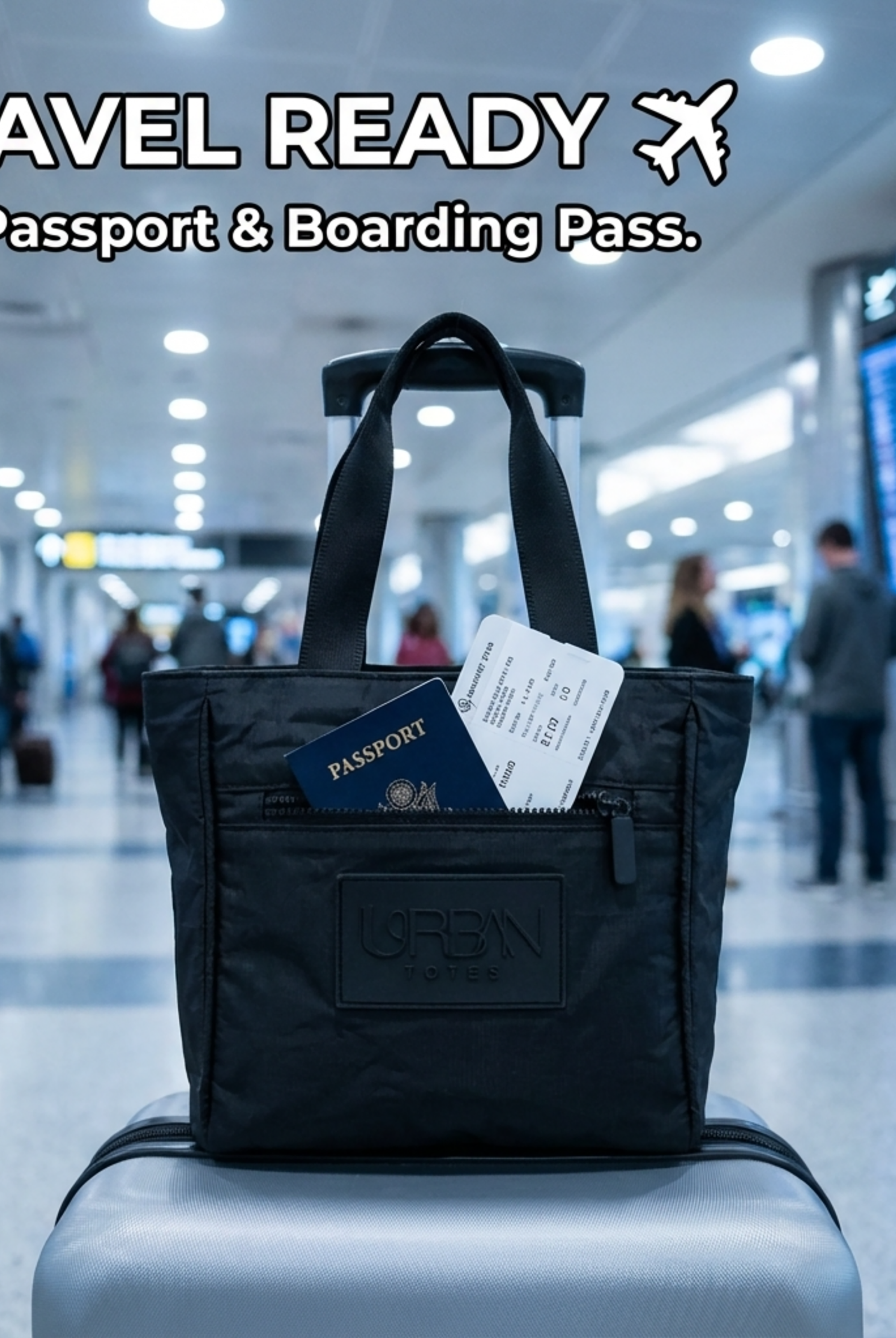
Look for multiple compartments, a zipper closure, and easy-clean fabric. Separate pockets keep keys and sunglasses from vanishing beneath a beach towel, while a secure top closure gives you more confidence when the tote is placed under a cafe table or in an airport terminal.
Practical rule: Choose a bag for the messiest likely use, not the cleanest photo opportunity.
Style should support versatility
Summer tote bags work hardest when their design transitions naturally. Neutral colors and clean lines pair with swimwear, denim, office basics, and travel layers. Raffia, woven, beaded, and novelty designs can bring personality to an outfit, but they may need more careful handling around moisture and food.
A practical tote doesn't need to look utilitarian. The most successful shape combines a polished exterior with an interior that accepts real life. If you're refining your personal look, this guide to tote bag aesthetic can help you decide whether your ideal direction is minimalist, relaxed, colorful, or statement-making.
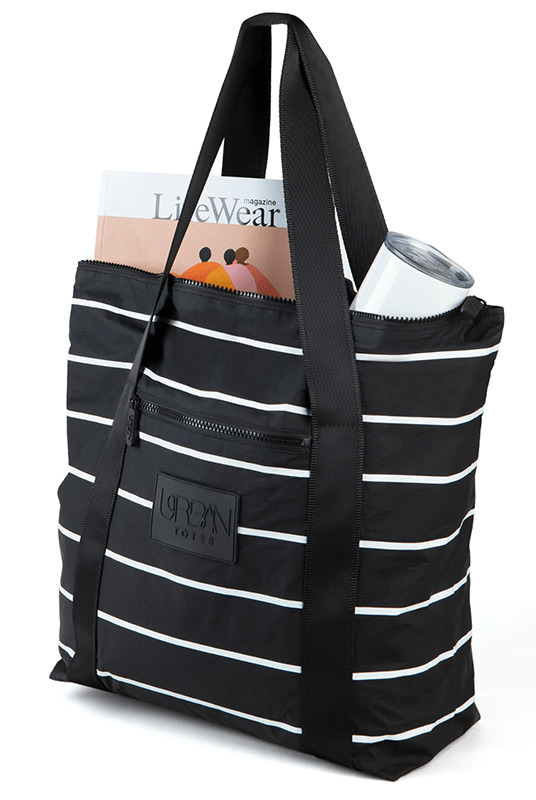
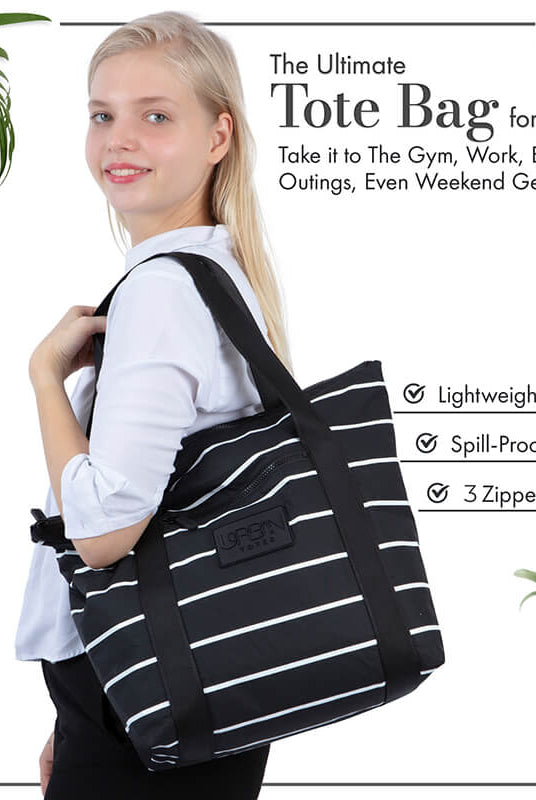
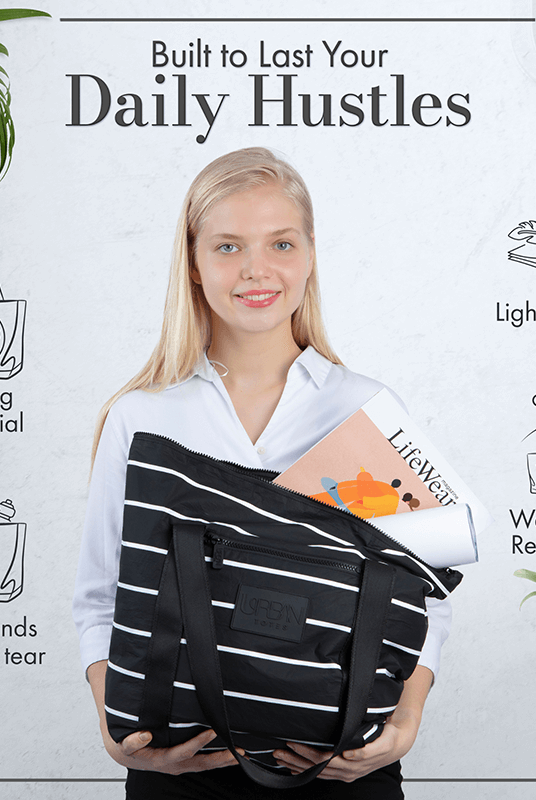
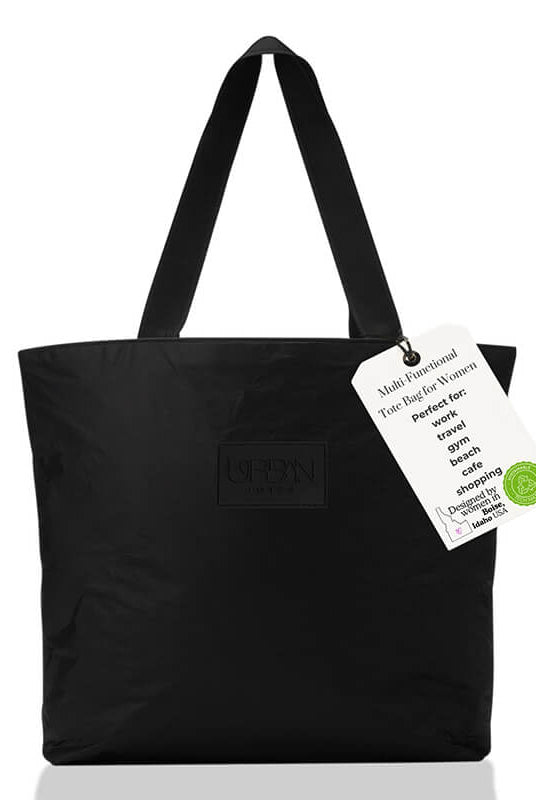
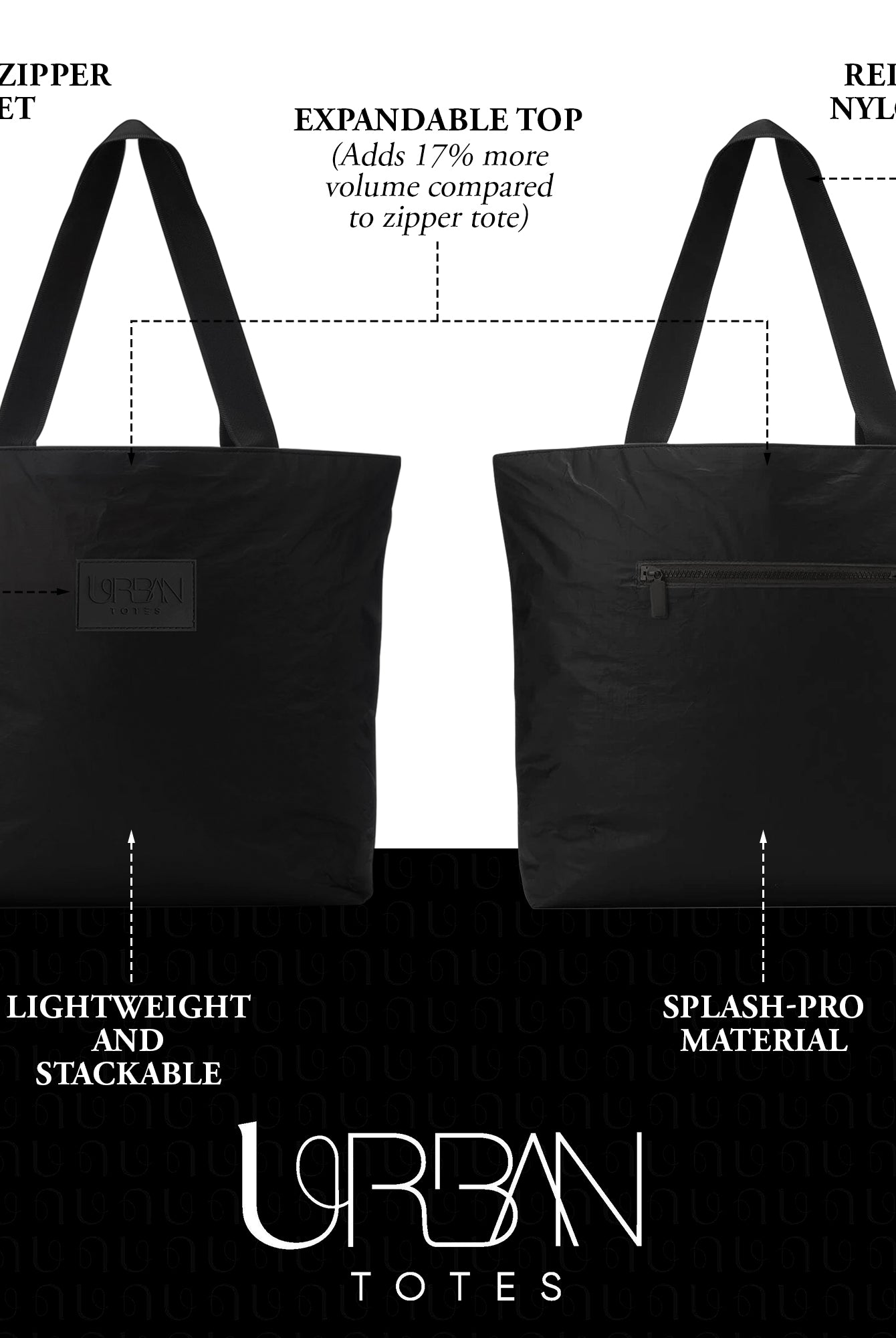
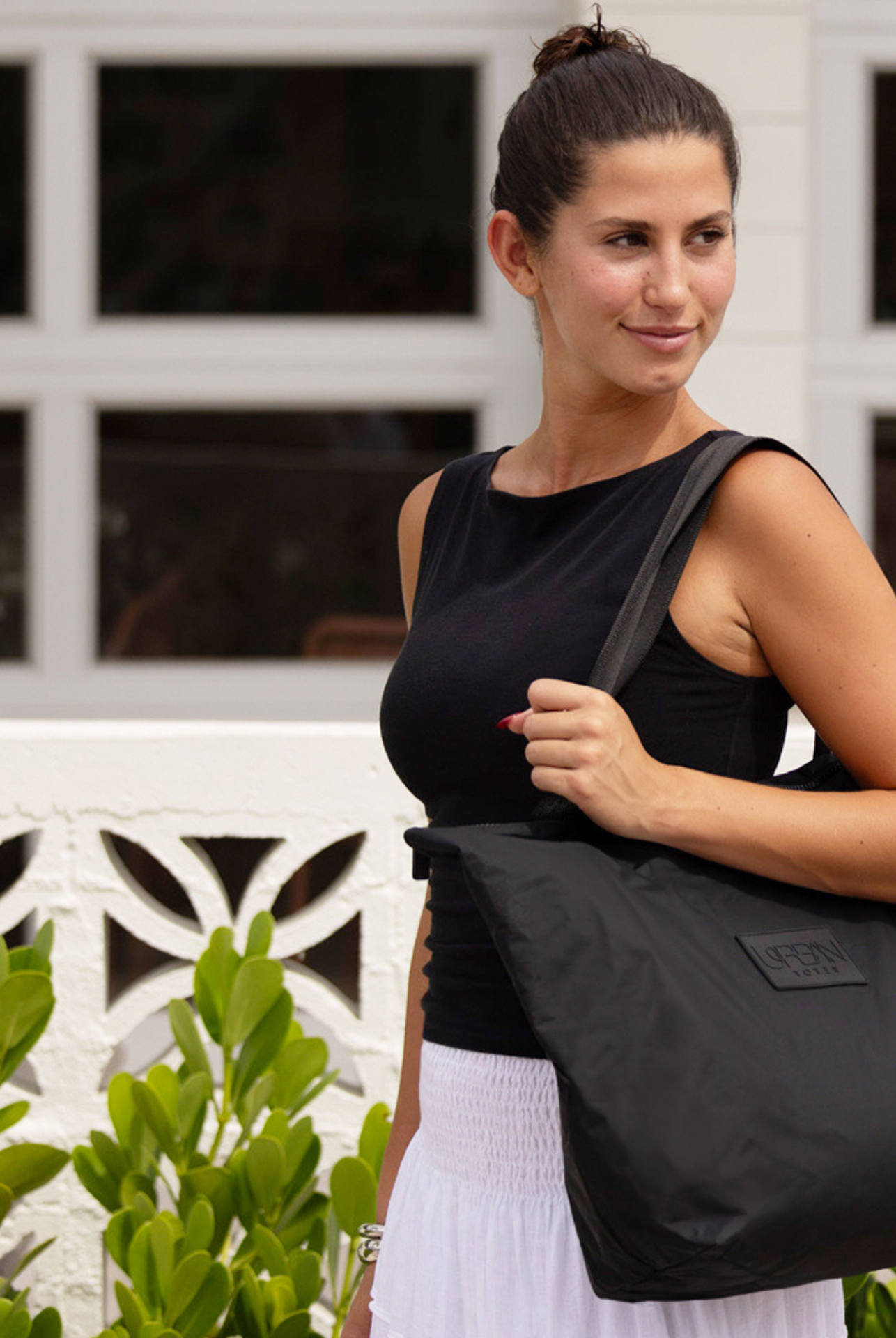
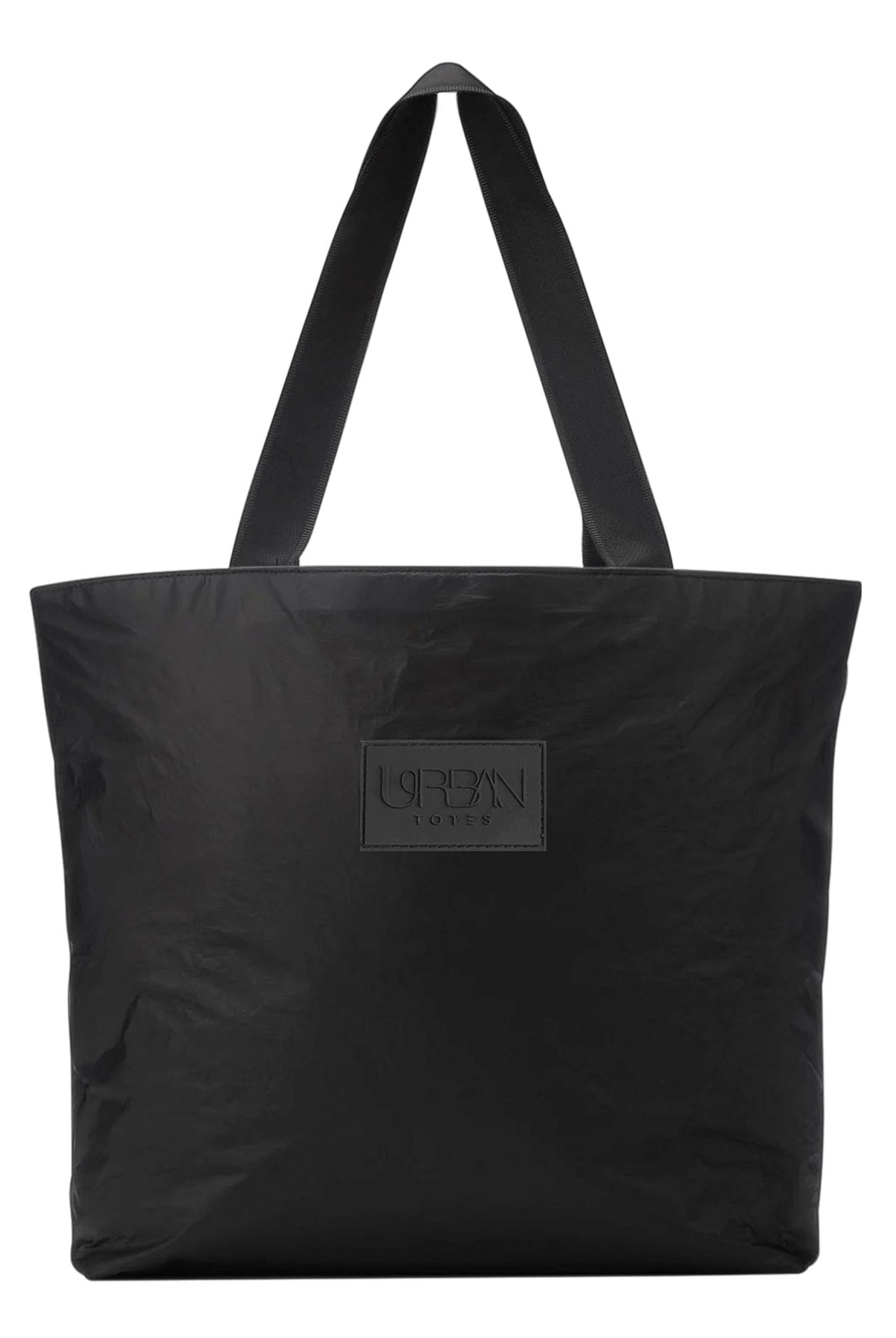
For a woman-owned Boise, Idaho brand such as Urban Totes, the useful design question is simple: can one bag follow a day from errands to an unplanned adventure without creating extra work? That's the standard worth applying to every summer tote.
The Evolution of the Modern Tote
A tote started as a work bag, and its construction still reflects that job. One account traces early tote use to the 1940s, when the U.S. military adopted canvas bags for soldiers' belongings. By the middle of the twentieth century, designers had turned the broad outer panel into space for prints and personal expression. The shift from utility to visible style became especially clear in 1980, when The Strand bookstore in New York sold cotton totes printed with its name and address, as described in The history of cotton tote bags.
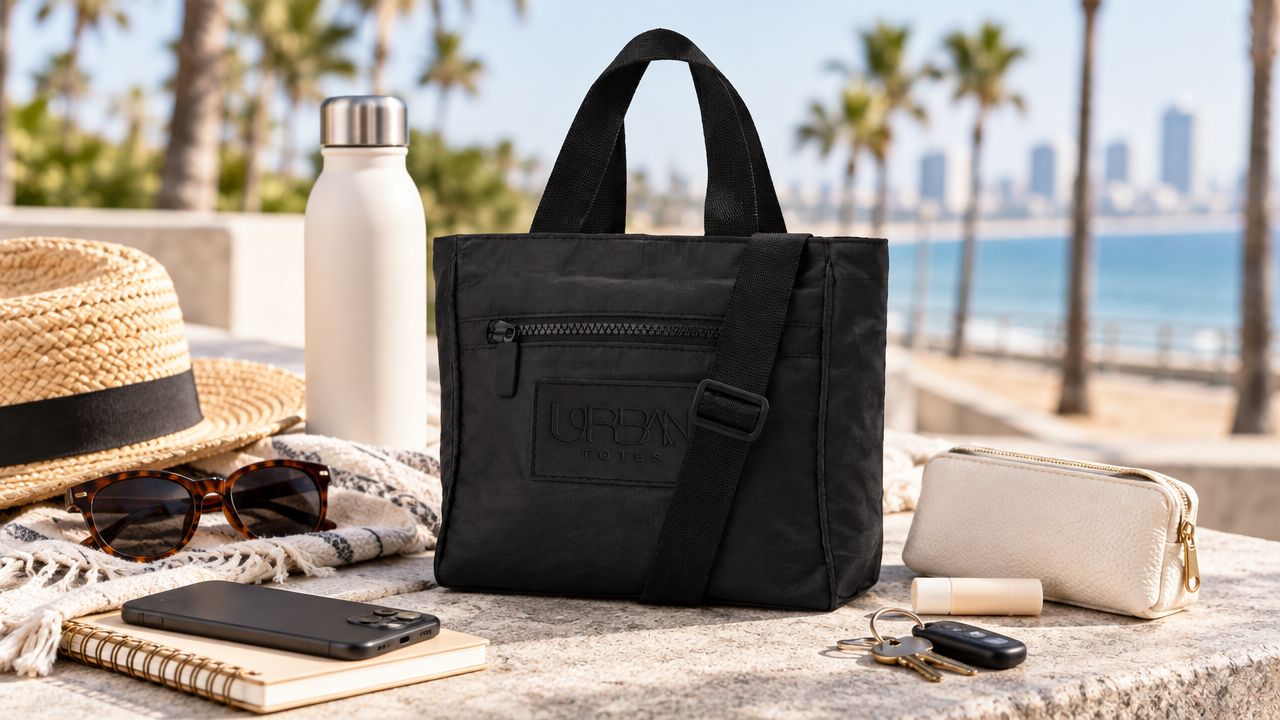
That history explains the tote's lasting appeal. It functions as a flexible container for work, shopping, family life, and travel, while its large surface makes it a visible accessory. The reusable-bag movement strengthened both roles. A cotton tote used at least 131 times can offset its environmental footprint compared with single-use plastic bags, and consumer surveys report that 70% of shoppers prefer reusable bags. Those figures help explain why shoppers now expect a tote to serve repeated, practical use rather than a single outing.
Why function now shapes style
The tote market reflects that wider usefulness. Fortune Business Insights projects growth from USD 2.5 billion in 2026 to USD 3.78 billion by 2034, with about 51% growth and a 5.31% compound annual growth rate, according to its tote bags market outlook. The same outlook places canvas at 39.60% of market share in 2026, which fits the material's continued association with beach trips, commuting, and weekend travel.
The point is less about a forecast's precision than about the direction of the category. Totes continue to move between fashion and equipment, so a summer design must look appropriate in photographs while handling sand, spills, wet swimwear, and daily clutter.
A glossary of bag types helps clarify how shoppers compare totes with crossbody, shoulder, and travel formats. Those distinctions matter in summer, when hands-free movement, quick access, and protection from moisture can matter as much as appearance.
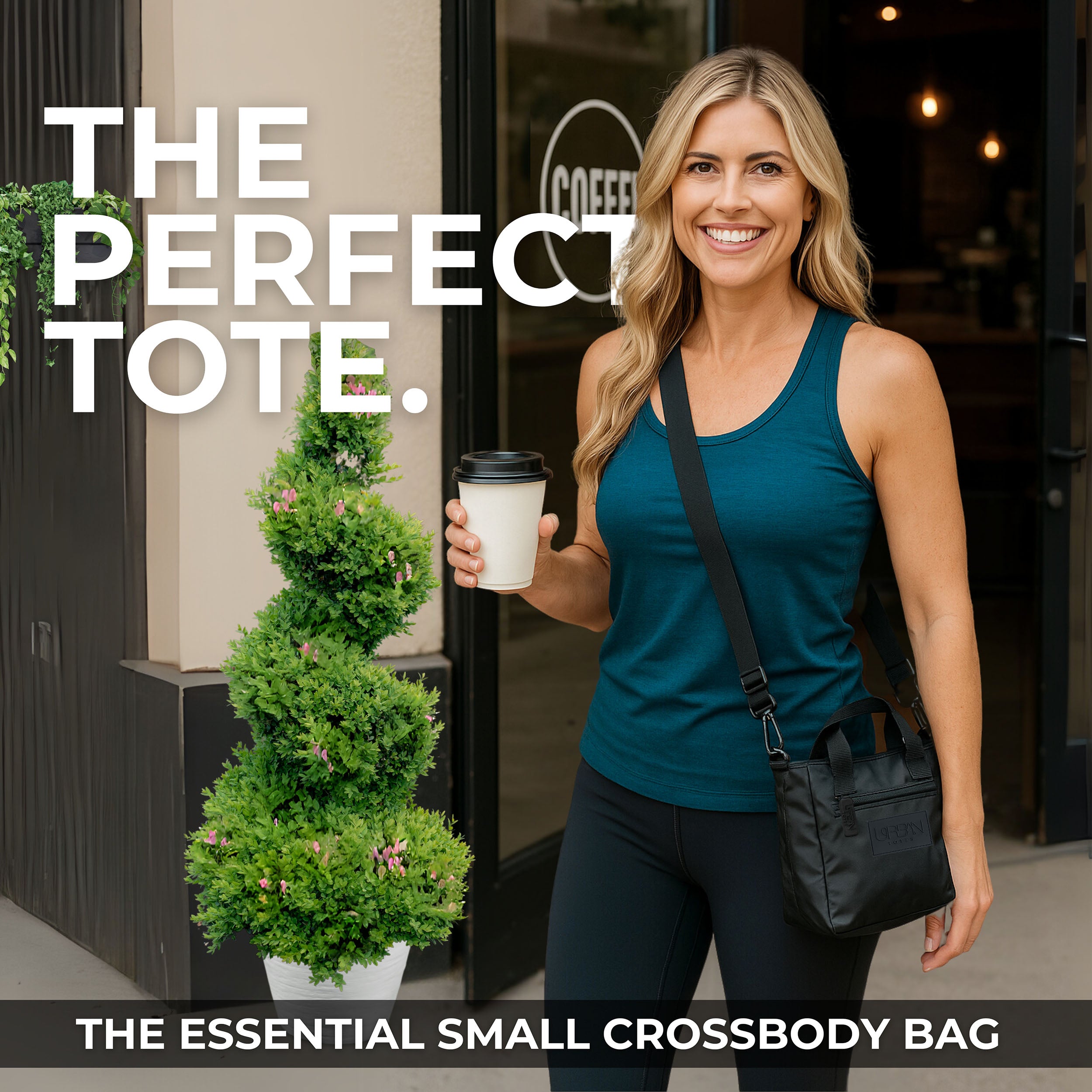
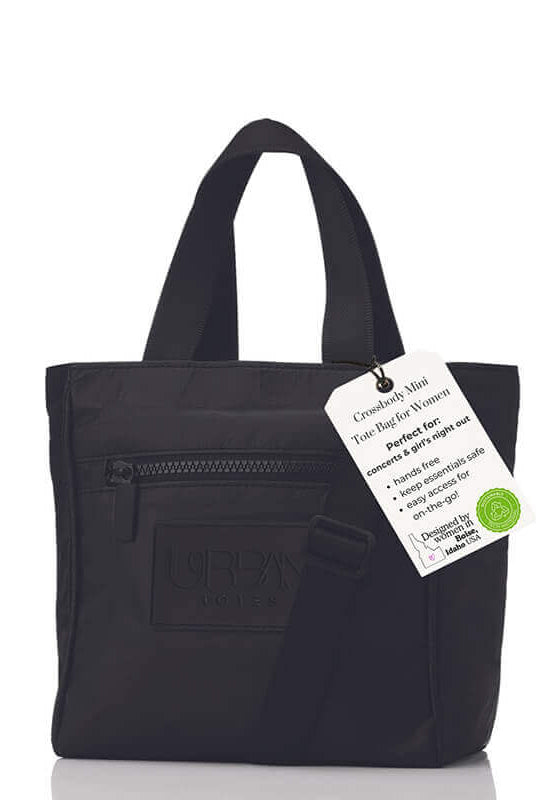
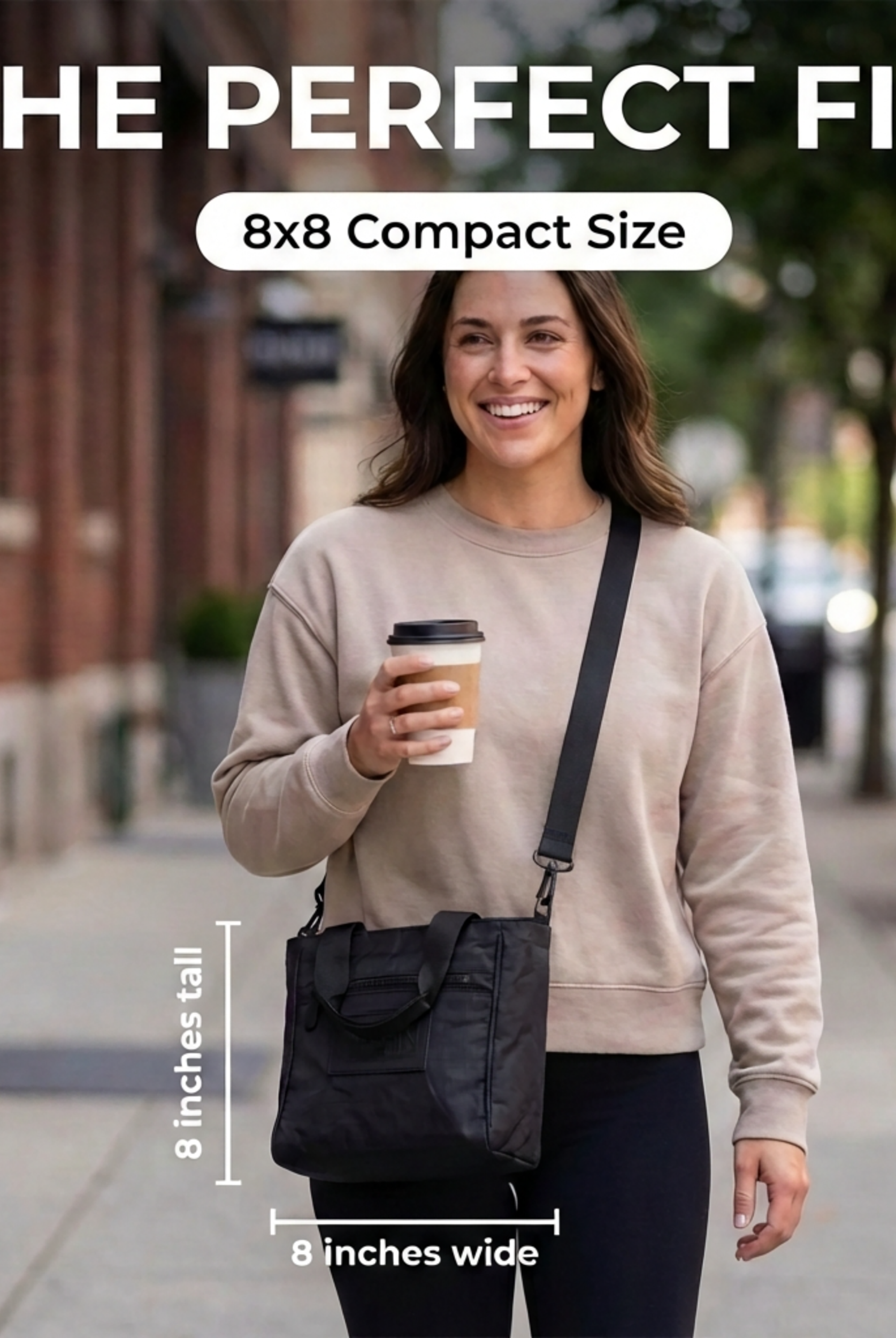
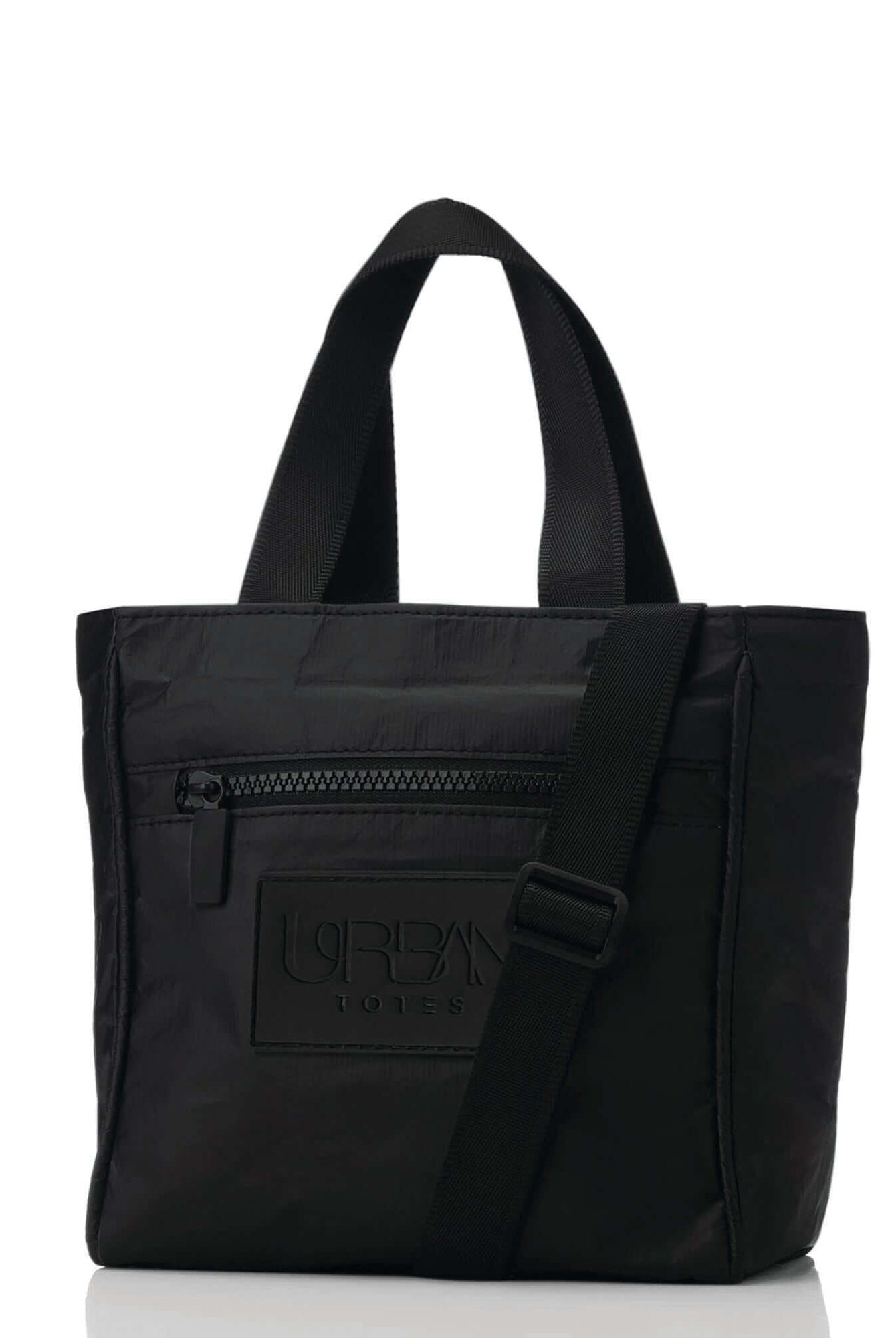
For a smaller, focused option, the Crossbody Tote Bag Mini Purse measures 7.5 x 4 x 7.75 inches and includes a zip-top closure, outside and inside pockets, a removable strap, and 11-inch handles. It shows how modern buyers judge even compact bags by practical details such as organization, water resistance, low weight, and foldability.
Choosing the Right Fit and Carry Style
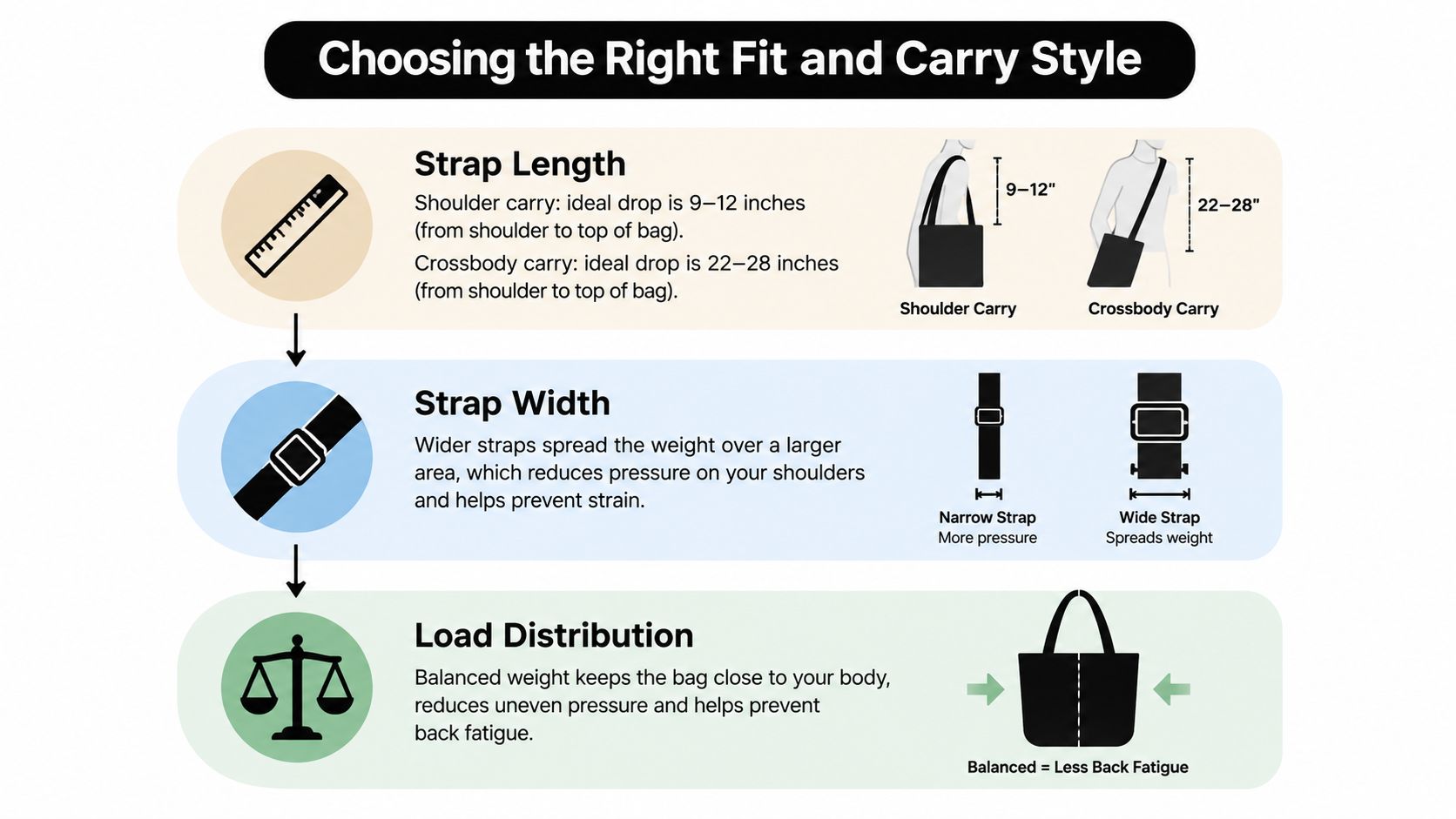
A tote can be beautiful and still become annoying after an hour. The problem usually isn't the contents alone. It's the relationship between strap length, strap width, attachment points, and the way the load sits against your body.
Start with strap geometry
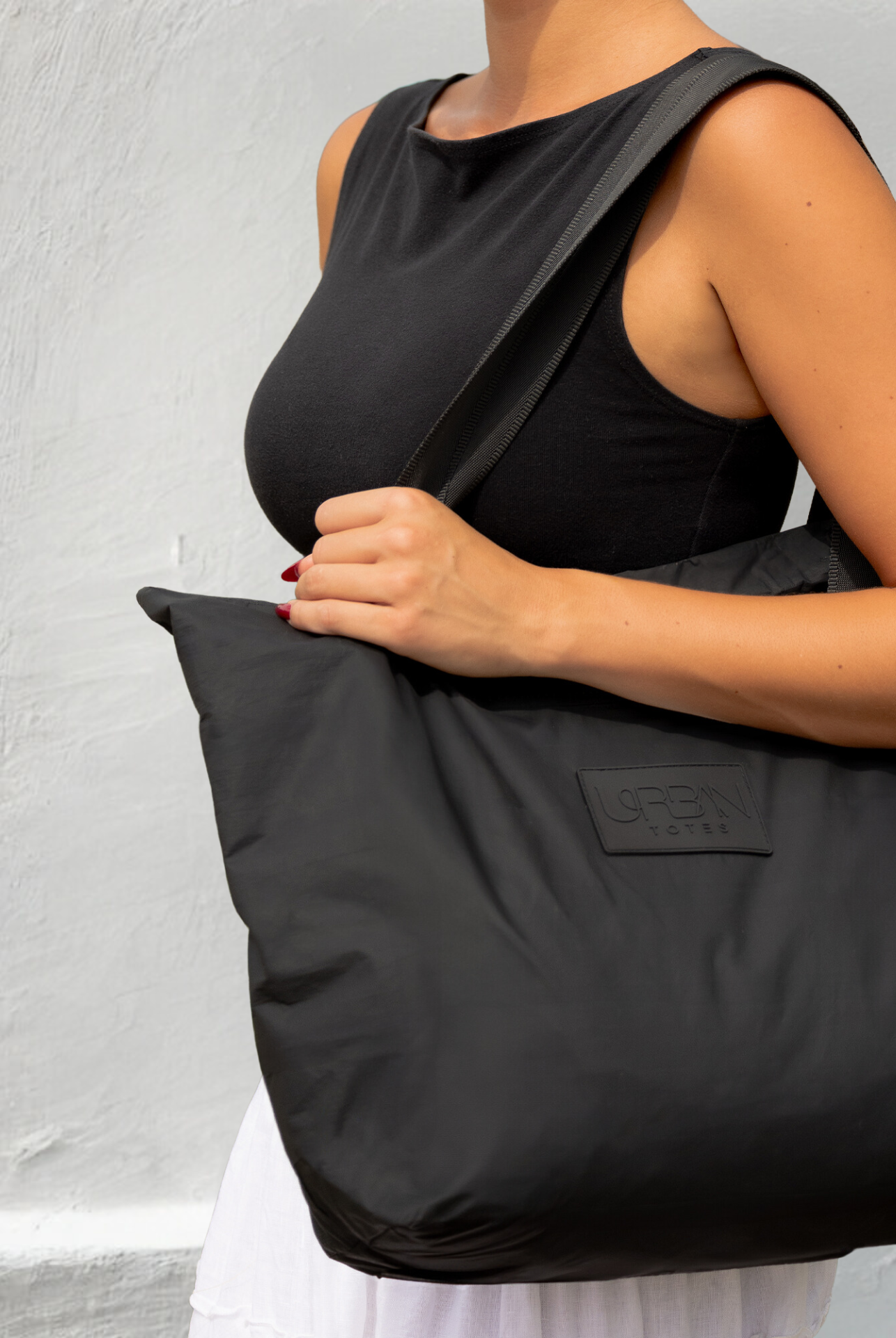
For a shoulder-carry tote, expert guidance suggests a drop of roughly 10 to 12 inches, a strap width of around 1.5 to 2 inches, and attachment points spaced at about 0.4 to 0.55 of the bag opening width, as outlined in this tote-carry guide. These measurements aren't decorative. They help the bag sit close enough to stay balanced without pressing into your underarm or swinging away from your body.
A short drop can make a full tote difficult to lift over a jacket. An overly long drop lets the bag swing as you walk and can place the weight farther from your center. Check the handles while wearing the clothes you'll use in summer, including a light jacket or cardigan for travel days.
Let the load determine the strap
The empty bag tells you very little. Test the carry system with the contents you expect to bring.
- Light loads: For loads under 2 kg, guidance indicates that 1 to 1.5 inch straps may be suitable.
- Medium loads: For 2 to 5 kg, 1.5 to 2 inch straps spread force more comfortably.
- Heavy loads: Above 5 kg, 2 to 3 inch straps distribute pressure over more shoulder surface, according to industry strap guidance.
These are load-planning references, not a reason to overfill your tote. A bag that carries groceries, a towel, and wet clothing needs a different handle design from one intended for a phone, wallet, and sunglasses.
Balanced weight matters more than maximum capacity. A slightly smaller, organized tote often feels easier than a cavernous bag with everything collected at the bottom.
Choose the carry style that fits the activity
Shoulder handles suit quick loading and unloading, which is useful at a beach chair or market stall. A removable crossbody strap frees both hands for luggage, children, or coffee during transit. For city walking, keep heavier items close to the center of the bag and use interior pockets to stop small objects from shifting.
You'll find more practical examples in this guide to tote bags with crossbody straps. The right choice isn't about following a trend. It's about matching the carry system to the distance, clothing, and peak load of your day.
Material Matters, Style Meets Performance
A tote that looks perfect in a product photo can become frustrating after one beach day. Sunscreen, saltwater, sweat, sudden rain, sand, and spilled fruit expose the performance gap that fashion-focused guides often skip. Material choice affects how easily the bag dries, wipes clean, and carries wet gear without becoming heavy.
Canvas offers familiar texture and relaxed summer style, but it absorbs moisture. Recycled nylon is hydrophobic at the fiber level, so it generally takes up less water than cotton canvas. Repeated wetting can leave cotton heavier and more vulnerable to mildew, as explained in this comparison of bag webbing and materials. For a closer look at fabric weights, coatings, and weave types, see this guide to tote bag material.
The fiber alone does not determine whether a tote is waterproof. Fabric construction, coating, seams, lining, zipper, and backing all affect the result.
Compare the everyday trade-offs
| Material approach | What works well | What to watch |
|---|---|---|
| Canvas | Casual texture, strong visual appeal, familiar summer styling | Holds moisture longer and can become heavier when wet |
| Recycled nylon | Lightweight feel and lower water uptake at the fiber level | Needs suitable construction and finishing for effective water resistance |
| Coated polyester | Wipeable surface and added water resistance | Coatings can affect stiffness, smell, folding, and durability |
| Raffia or woven fashion materials | Distinctive texture and outfit-focused style | Requires more care around spills, sand, and wet gear |
Sun exposure also affects long-term durability. UV-focused guidance reports these approximate retained breaking-strength levels after exposure:
- Solution-dyed polyester: about 85% to 90%
- Solution-dyed acrylic: about 80% to 85%
- Coated polyester Oxford: about 80% to 85%
- UV-stabilized nylon: about 75% to 80%
- Polypropylene or olefin: about 70% to 75%
Dye method and polymer choice therefore matter when a tote will spend long days outdoors.
Read water-resistant correctly
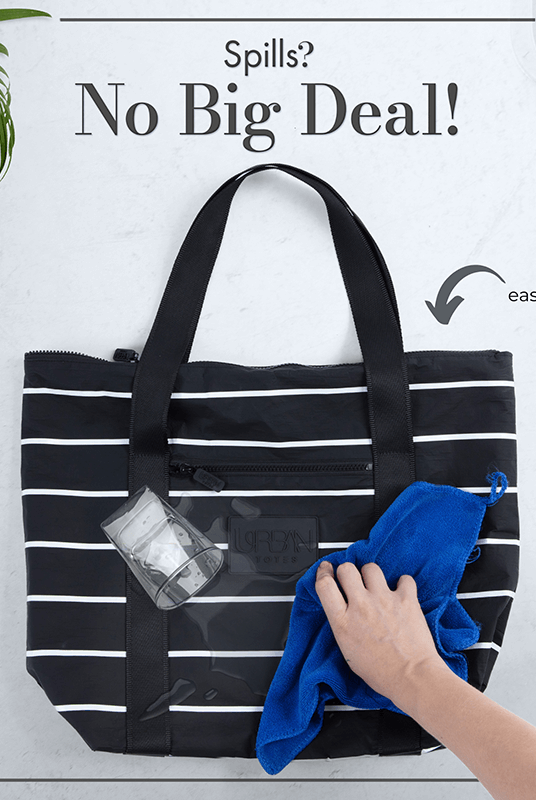
Water-resistant means the fabric and construction can repel or limit casual moisture. Water can still enter through seams, zippers, or open edges. Recycled polyester is not automatically waterproof. Its performance depends on coating, backing, zipper, seams, lining, and final construction, as described in this recycled polyester bag-material guide.
For a beach and commute tote, choose a water-resistant outer fabric, reinforced seams, a secure closure, and an interior that wipes clean. A fashion-focused tote can prioritize texture and styling, but wet swimwear should then go in a separate pouch. Match the material to the mess you expect to handle.
Real-Life Summer Adventures with Your Tote
A summer tote proves itself through transitions. It starts packed for one setting and ends the day serving another purpose, without forcing you to repack every hour.
The beach morning
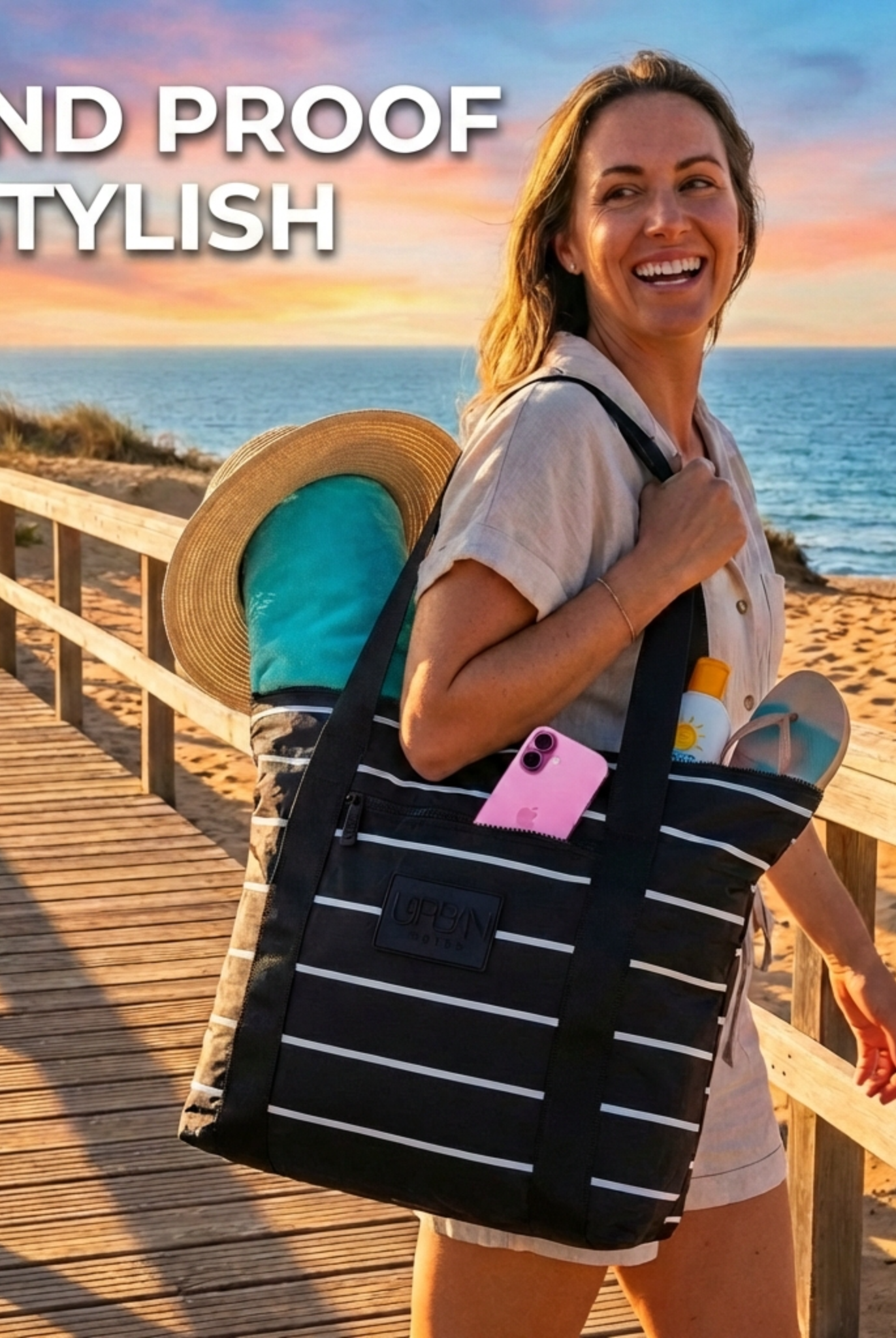
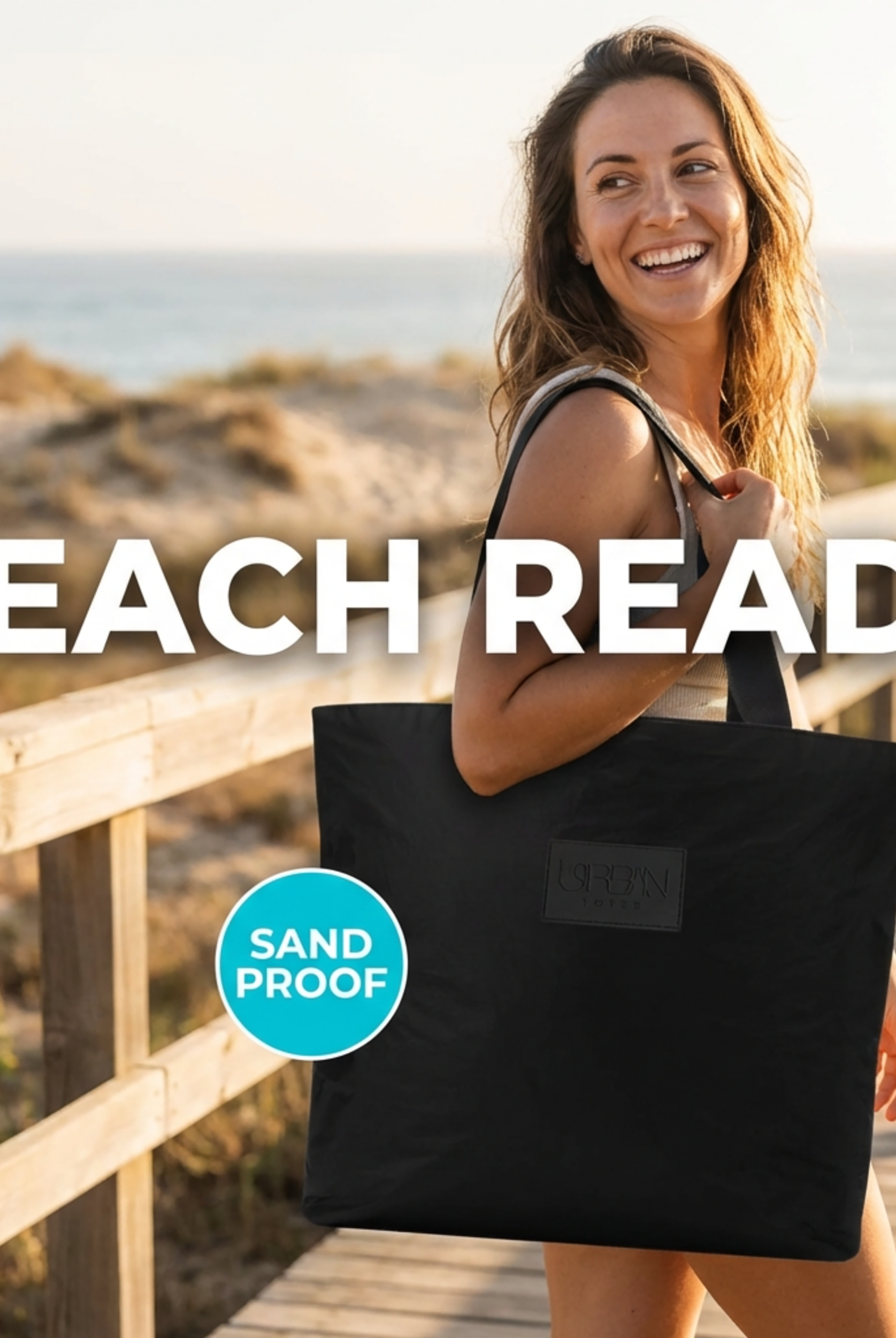
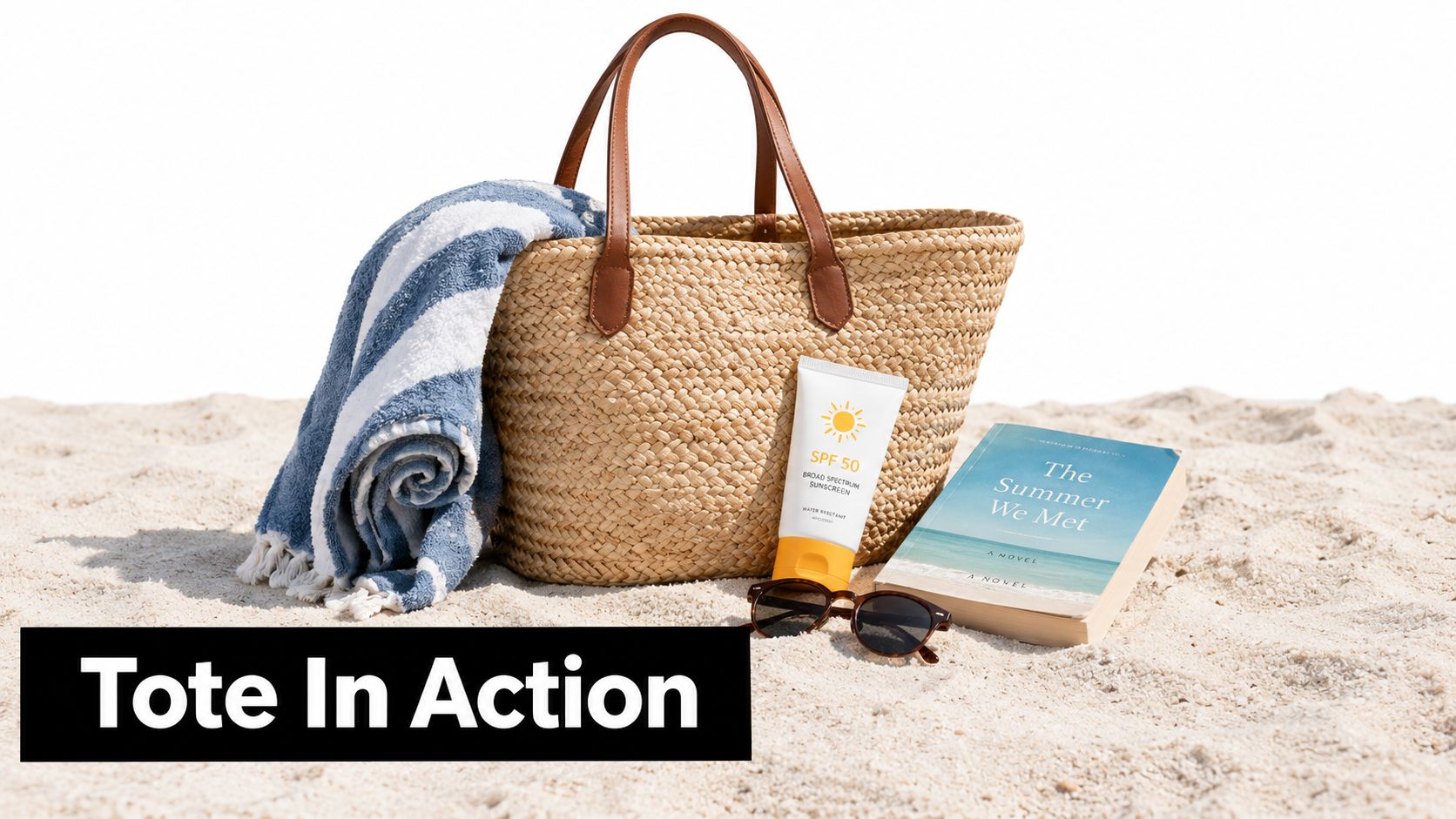
Pack sunscreen and sunglasses in a zipped pocket, then place a towel and cover-up in the main compartment. Keep wet swimwear in a separate pouch or side pocket so it doesn't sit against dry clothes, paperbacks, or electronics. Sand is easier to manage when you avoid putting every item directly on the beach blanket.
A water-resistant, wipeable surface is more practical here than a delicate woven finish. It won't eliminate every grain of sand, but it makes the post-beach reset less frustrating. Before leaving, shake out loose sand outdoors and allow damp items to air separately rather than sealing them inside the tote.
For a fuller packing plan, this guide to choosing a tote bag for the beach offers a useful way to separate comfort items, personal essentials, and wet gear. Add snacks that can handle a warm outing, such as the options gathered in Rip Van's healthy travel snack recommendations.
The city errand run
At the farmers market, structure matters. A tote that stays open while you load produce is convenient, but a zipper closure becomes valuable once you're walking between stalls, carrying a coffee, or climbing into the car. Interior organization also stops a peach, keys, and phone from sharing the same chaotic space.
Use the base for heavier purchases and keep delicate items toward the top. If the tote is intended for groceries, check that the handles feel comfortable at the load you expect, rather than judging only by how the bag looks empty.
The weekend escape
A packable, foldable tote belongs in a suitcase even when you don't think you'll need it. Travel coverage includes examples that compress from full-size dimensions such as 24 x 9 x 14 inches to 11.5 x 10 x 3 inches, while other designs fold into an internal zippered pocket or into themselves, as described in this guide to foldable travel bags.
Published product specifications show the same principle in a smaller travel format. One expandable tote measures 22 inches wide by 12.5 inches high when unexpanded, reaches 18.5 inches high when expanded, has a depth of 9.5 inches, and weighs 13 ounces, according to its Target product listing.
The winning travel tote is the one you can store without sacrificing useful access. A multi-pocket interior, secure closure, and light construction make it ready for a spontaneous market stop, an extra cabin item, or a day away from the hotel.
Your Checklist for the Ultimate Summer Tote
The ideal summer tote doesn't need every possible feature. It needs the right combination for your routine, especially if the same bag will move between beach, errands, commuting, and travel.
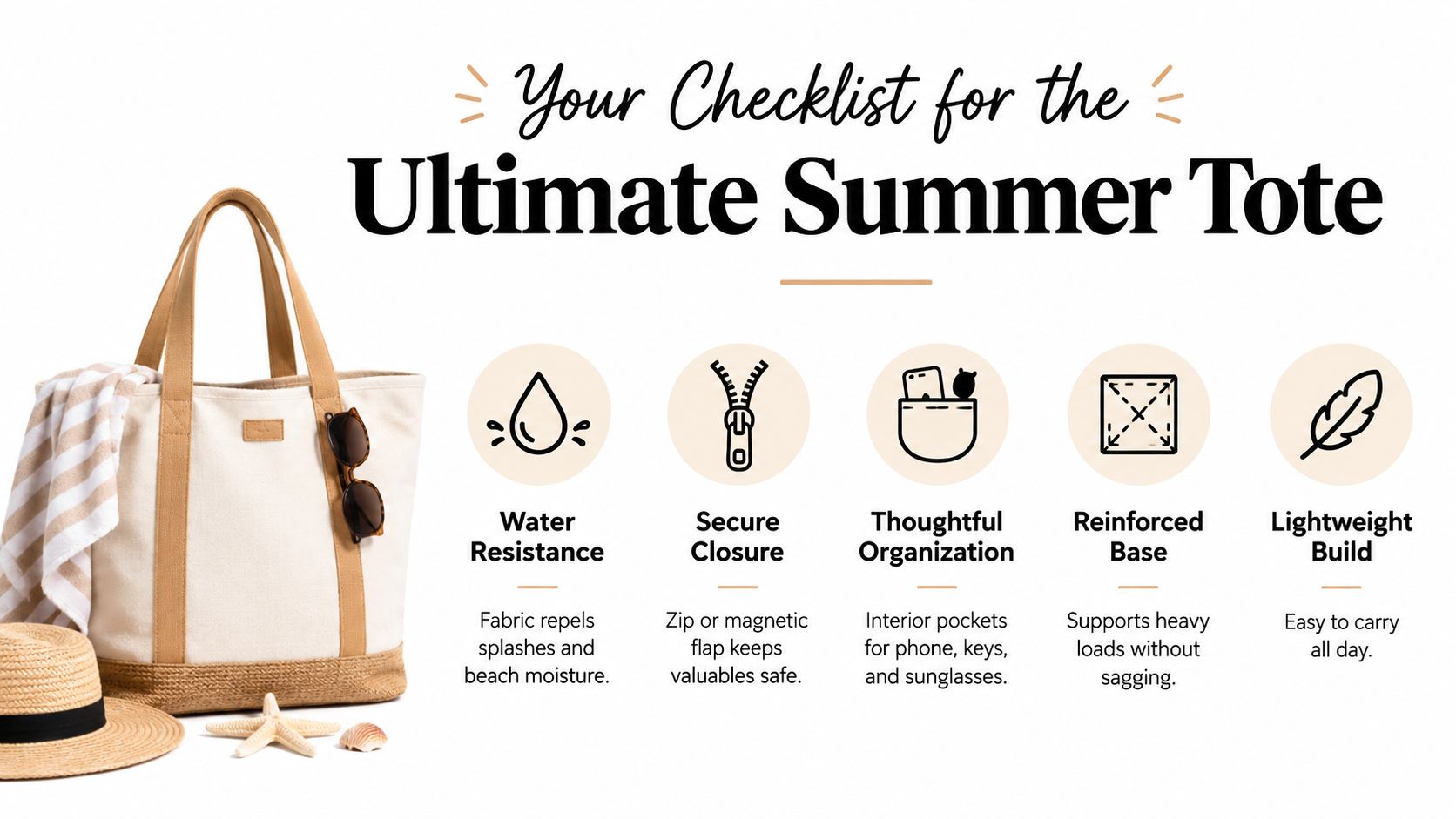
Use this checklist before you buy:
- Water resistance: Choose fabric and construction that can handle casual splashes, damp towels, and beach moisture. Don't confuse water-resistant with waterproof.
- Secure closure: A zipper closure keeps valuables contained as you move through an airport, market, or boardwalk.
- Thoughtful organization: Look for multiple compartments or dedicated pockets for your phone, keys, sunglasses, and small essentials.
- Reinforced base: A supported bottom helps the tote hold its shape when you add groceries, shoes, books, or travel items.
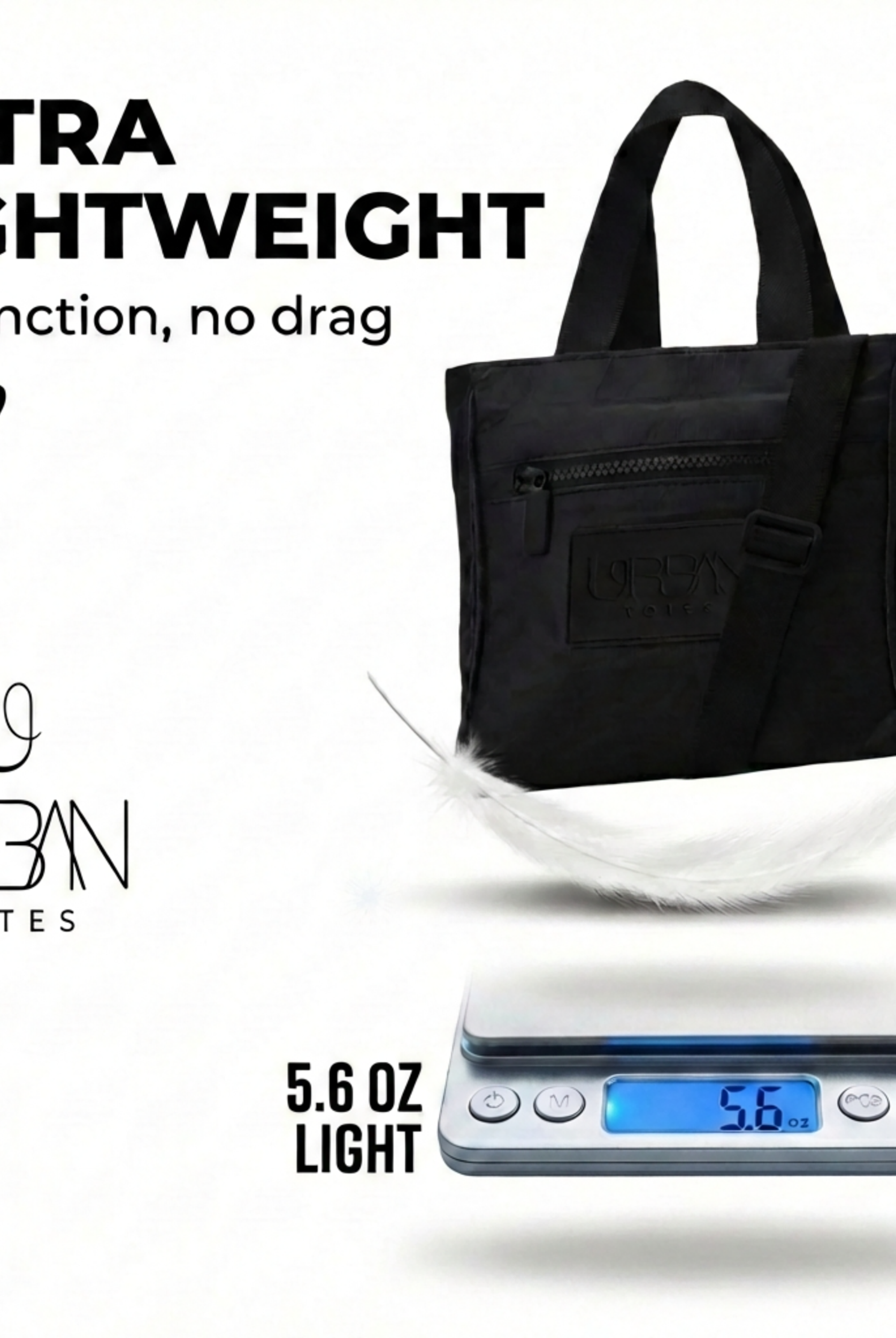
- Lightweight build: The bag should be easy to carry before you add your belongings. A heavy empty tote works against all-day comfort.
- Appropriate straps: Match strap width and drop to the load and carry style. Wider webbing is useful when the bag routinely carries more.
- Easy maintenance: A surface you can wipe clean is helpful after sunscreen, snacks, spills, and city dust.
- Packable design: A foldable tote earns extra value on weekend trips and whenever your plans change.
Check the bag's specifications, then picture it in your most demanding routine. If you need a tote for wet gear, prioritize moisture management over delicate texture. If you need an everyday carry for work and errands, prioritize organization and a secure top. If you need both, choose a versatile design that balances style with practical construction.
The market includes everything from canvas classics to technical recycled fabrics, so there isn't one correct summer tote for every woman. There is, however, a correct set of features for your life.
Urban Totes offers water-resistant, lightweight, packable, foldable, multi-pocket bags with zipper closures for everyday carry, travel, errands, and beach days. Explore the thoughtfully designed collection from this woman-owned Boise-made brand at Urban Totes, and choose a go-anywhere companion ready to tote everything.