A beach day can go sideways before you've even found the right spot for your chair. Your phone is tucked beside sunscreen, a paperback is wedged under a towel, and a child's wet swimsuit gets tossed into the same tote on the walk back to the car. By the time you're home, the bag smells like saltwater, the zipper is gritty, and the contents are damp.
The problem usually starts before the beach. Product listings use waterproof, water-resistant, and splash-proof as if they mean the same thing, but they describe very different levels of protection. The right waterproof bags for beach days depend on more than a polished photo or a promise that the fabric “repels water.”
The construction, closure, seams, and packing habits matter just as much. Once you know how to read those details, you can choose a lightweight, organized carryall for a casual shoreline visit or a well sealed dry bag for more demanding water exposure.
Table of Contents
- The Moment Your Beach Bag Lets You Down
- What Waterproof Actually Means for a Beach Bag
- Materials That Stand Up to Sand Salt and Sun
- Construction Details That Decide What Gets In
- Matching the Bag to the Way You Beach
- Packing Wet Sand and Sunscreen Without the Mess
- Cleaning and Caring for a Bag That Lives at the Beach
- Your Quick Beach Bag Checklist Before You Buy
The Moment Your Beach Bag Lets You Down
She arrived at the shoreline with the kind of canvas tote that looks perfect in a summer photograph. It had wide handles, a cheerful stripe, and enough room for a towel, book, sunscreen, and phone. For the first hour, it did exactly what she needed.
Then the sea breeze turned to salt mist. A wet towel landed across the top of the bag, pressing against the phone beneath it. Sand coated the sunscreen bottle and worked its way into the paperback's pages. When she finally reached for her keys, she found the bottom of the tote sitting in a shallow patch of pooled water.
Nothing dramatic happened. There was no giant wave or overturned boat. The bag faced an ordinary beach day, and its “beach-ready” label had never promised meaningful water protection in the first place.
That's the frustrating part of shopping for a beach bag. Waterproof, water-resistant, and splash-proof often appear side by side in product descriptions, even though the difference can decide whether your phone stays usable or spends the afternoon drying in the sun. A water-resistant fabric may handle a little mist. A fully sealed dry bag is designed for much more.
The beach test: Don't ask only whether the fabric repels water. Ask what happens at the seams, closure, base, and interior when the entire bag gets wet.
The construction principles behind modern dry bags came from boating and paddlesports. One industry history traces a purpose-built dry bag for boaters to 1977, while another notes that DRY-BAG A/S developed its original DRY-BAG in 1979 and later sold it worldwide. This history of dry bags helps explain why roll-top closures, welded seams, and sealed storage still shape today's beach bags.
In the pages ahead, you'll learn how to decode protection terms, compare materials, spot construction details that matter, and pack wet towels, sandy toys, and sunscreen without turning your tote into a sticky summer archive.
What Waterproof Actually Means for a Beach Bag
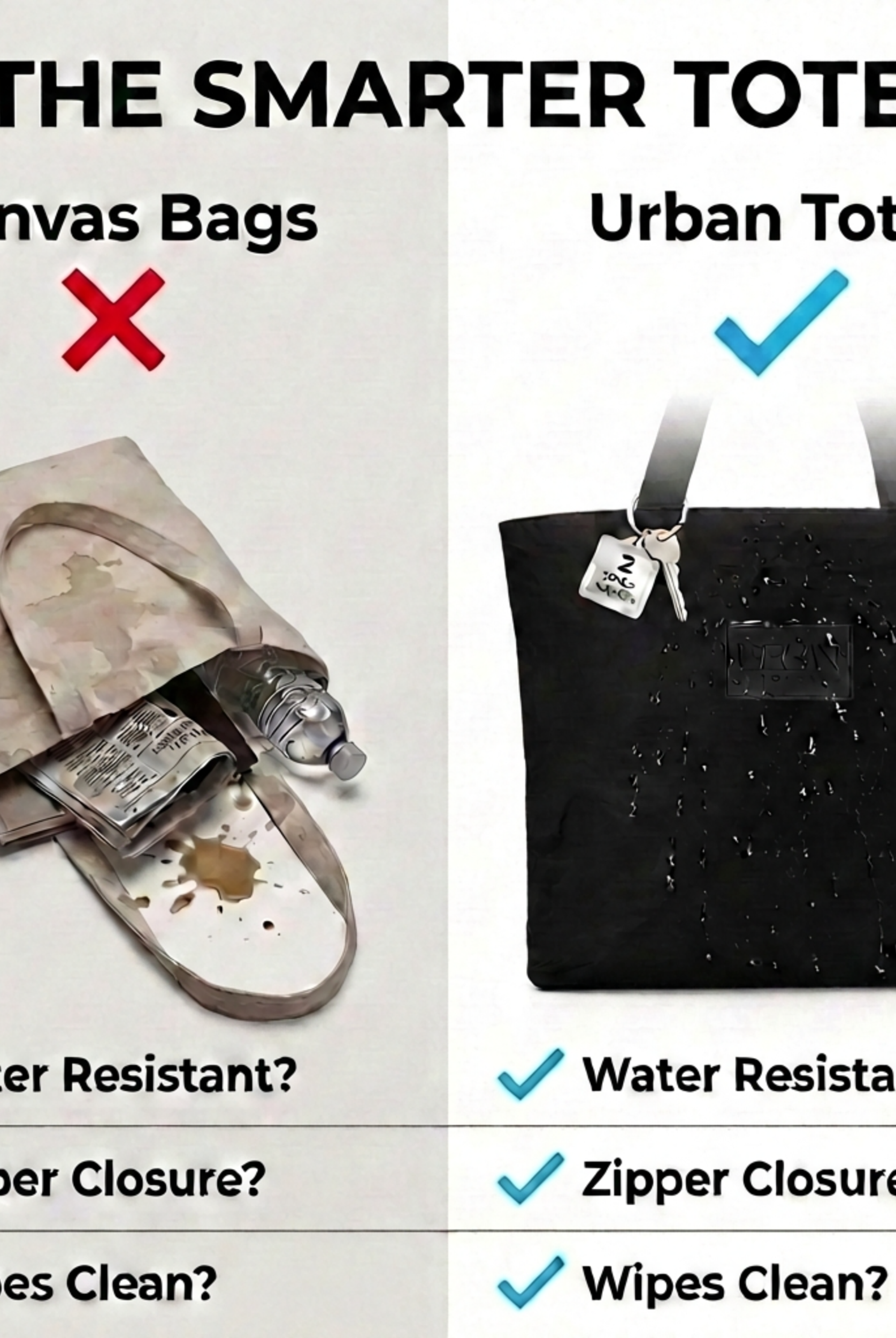
Start with the label, but don't stop there. Water-resistant generally describes a material or bag that can handle limited moisture, such as light rain, sea mist, or a few droplets. It's useful for a daily tote that moves from school drop-off to the farmers market, but it shouldn't be treated as protection against immersion.
Waterproof means the bag is designed to prevent water from reaching the contents under more demanding conditions. A sealed dry bag with a properly closed roll-top is the closest beach-day comparison to a small floating locker. If it slips into shallow water, the design gives your phone, wallet, and dry clothes a much better chance than an open tote.
The term splash-proof is commonly used for bags that tolerate droplets or brief contact. However, the brand guidance for Urban Totes avoids that wording, and shoppers should be cautious with it because it can blur the line between a cosmetic surface treatment and a sealed enclosure.
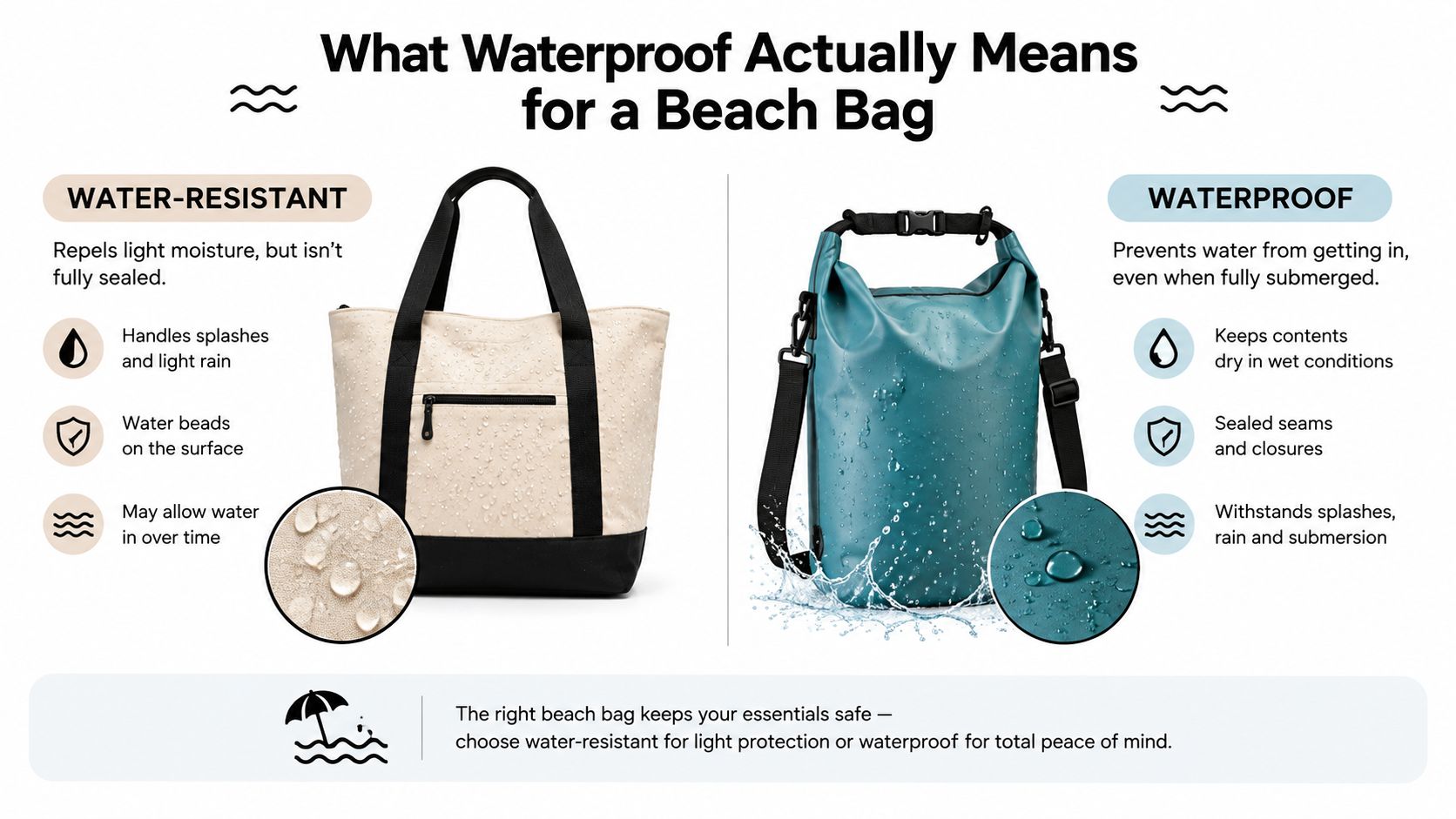
Match protection to the moment
For beach use, an IPX4 to IPX6 enclosure covers a practical range. IPX4 protects against splashing from any direction, while IPX6 is designed for powerful water jets. IPX7 is stronger, with testing for temporary immersion up to 1 meter for 30 minutes. These ratings and their testing conditions are summarized in technical guidance on waterproof custom bags.
That gives you a useful decision framework:
- Choose water-resistant for mist, light drizzle, and incidental spills.
- Choose a sealed waterproof design when the bag may sit on wet sand, catch a rogue wave, or hold damp gear beside electronics.
- Look for IPX7 when a short dunk is a realistic possibility.
- Check the closure and seams, because a high-sounding label can't compensate for an opening that doesn't seal.
Before buying, ask whether the listing names an ingress rating, identifies welded or RF-welded seams, and explains how the top closes. A product that merely says “waterproof” without those details deserves a closer look.
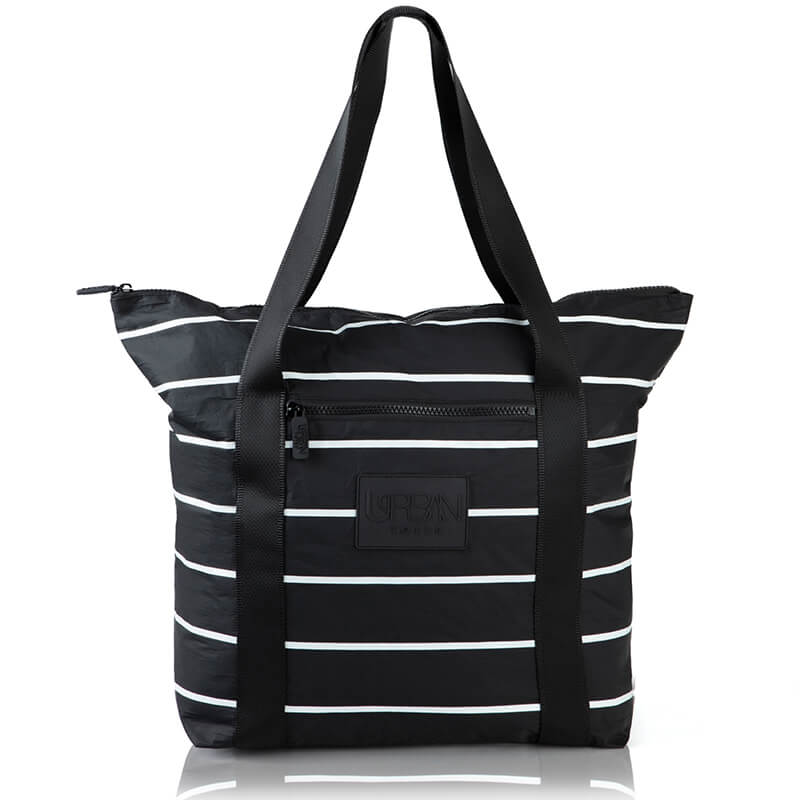
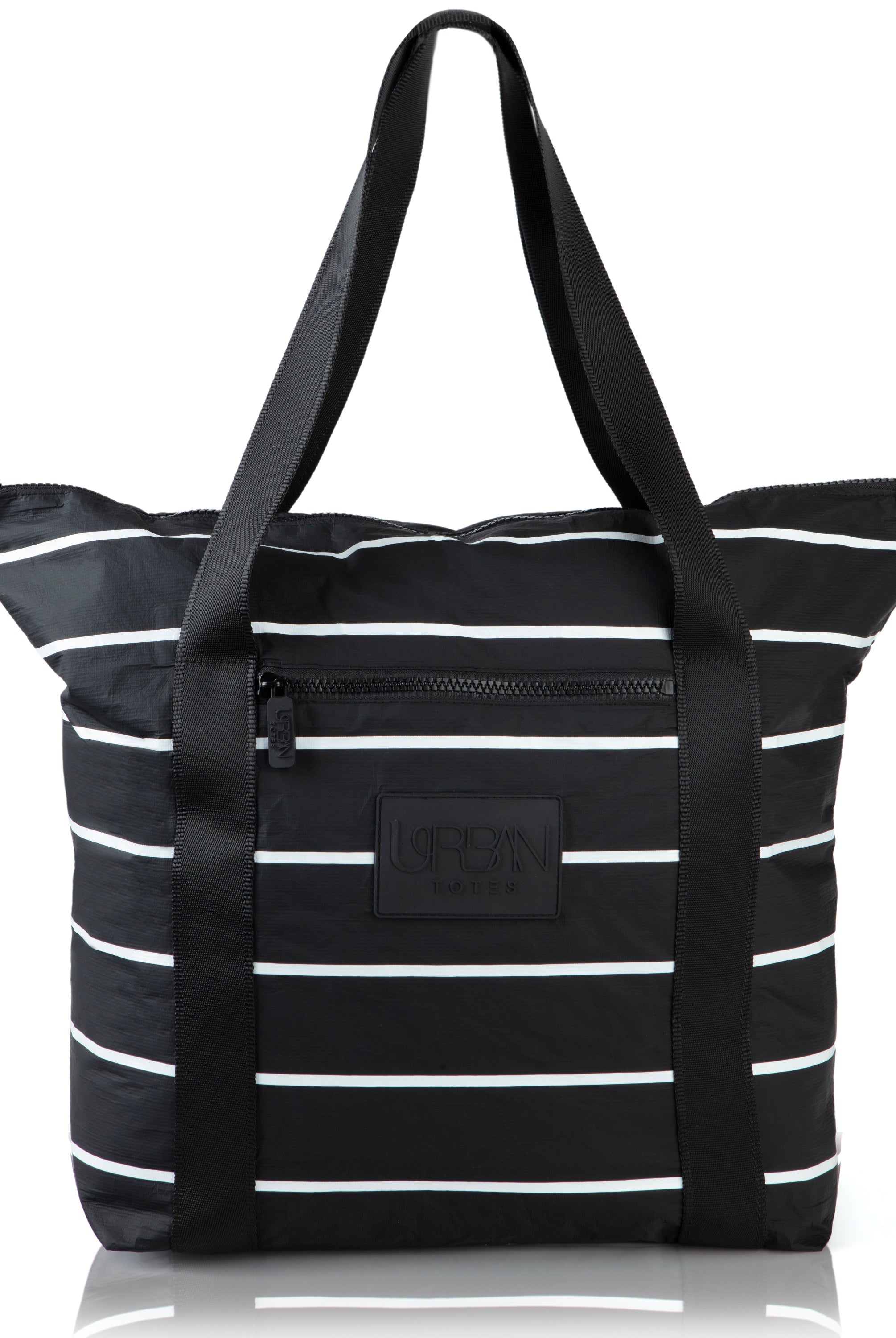
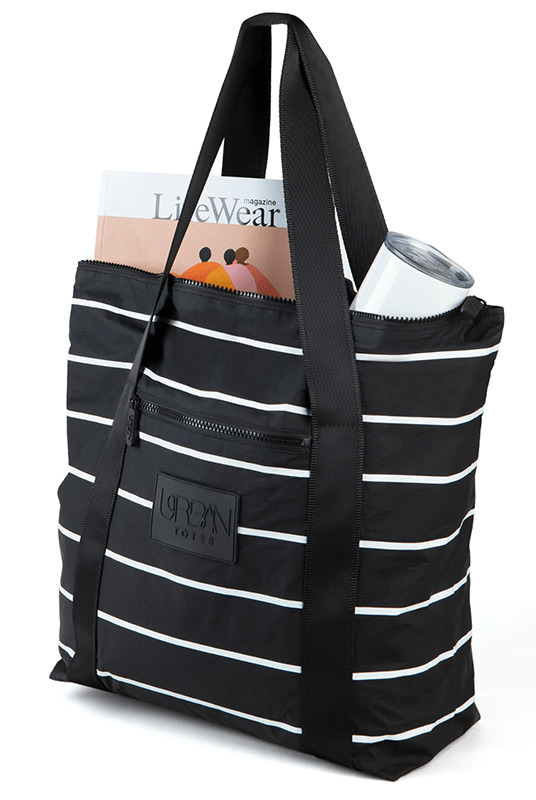
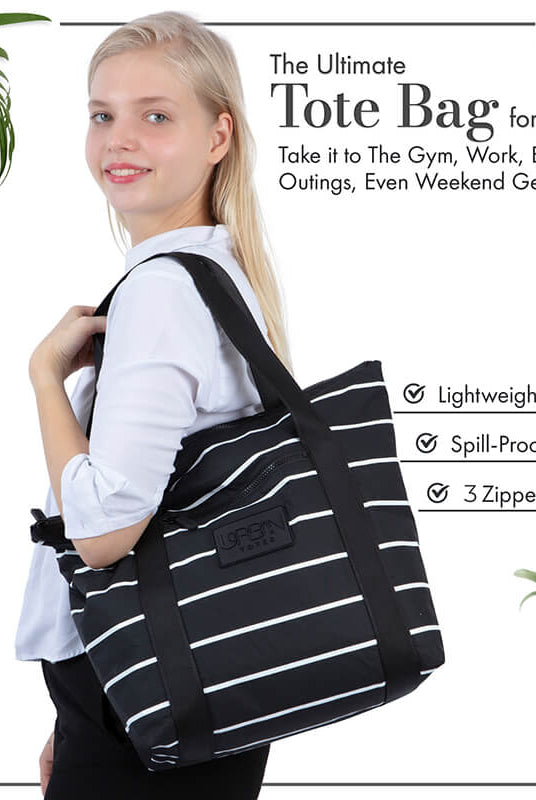
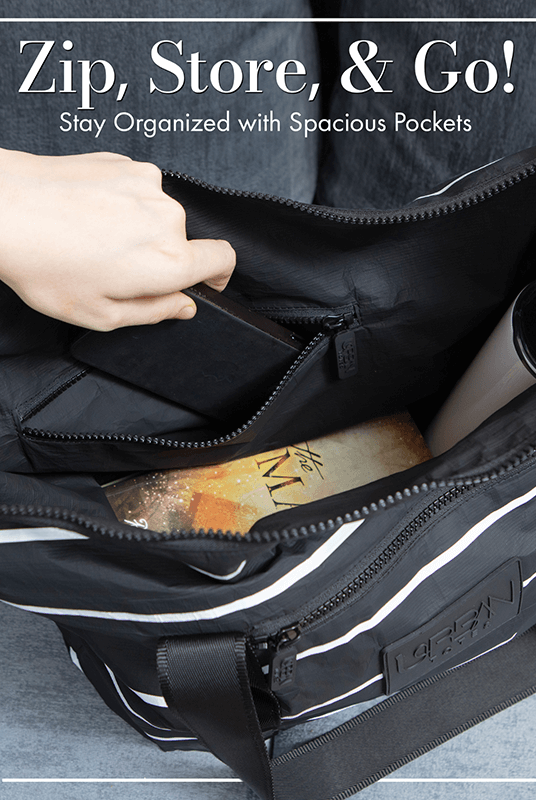
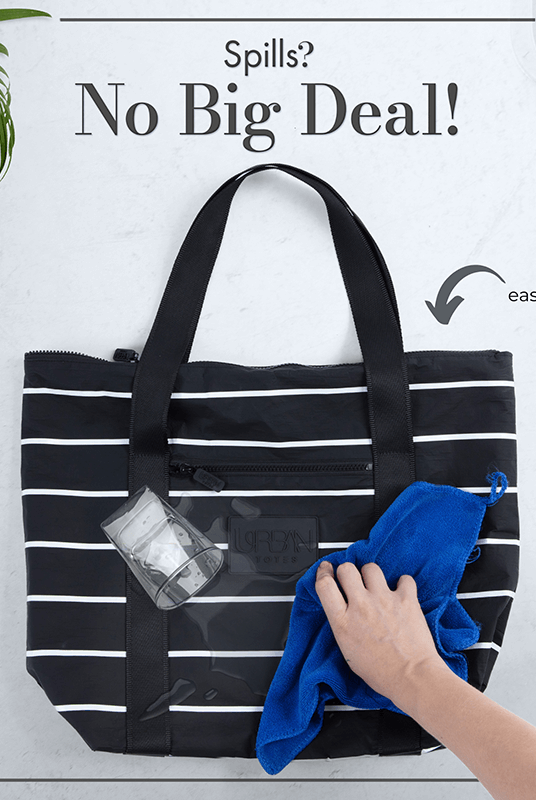
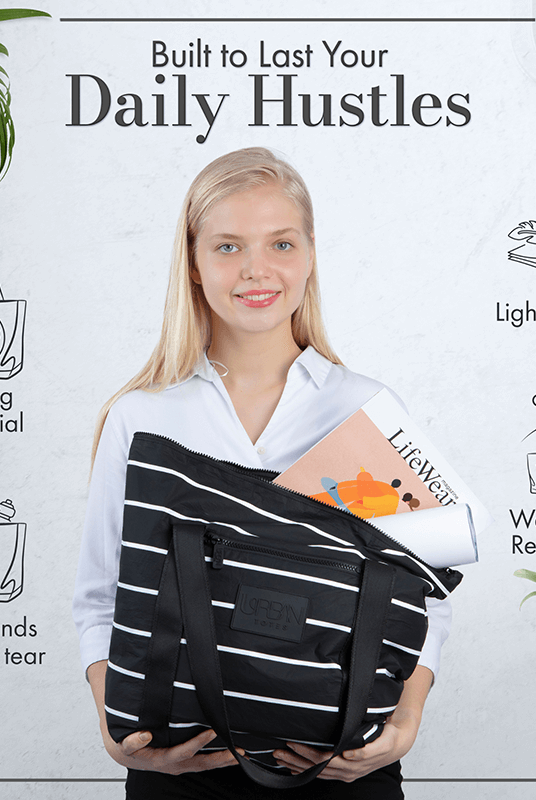
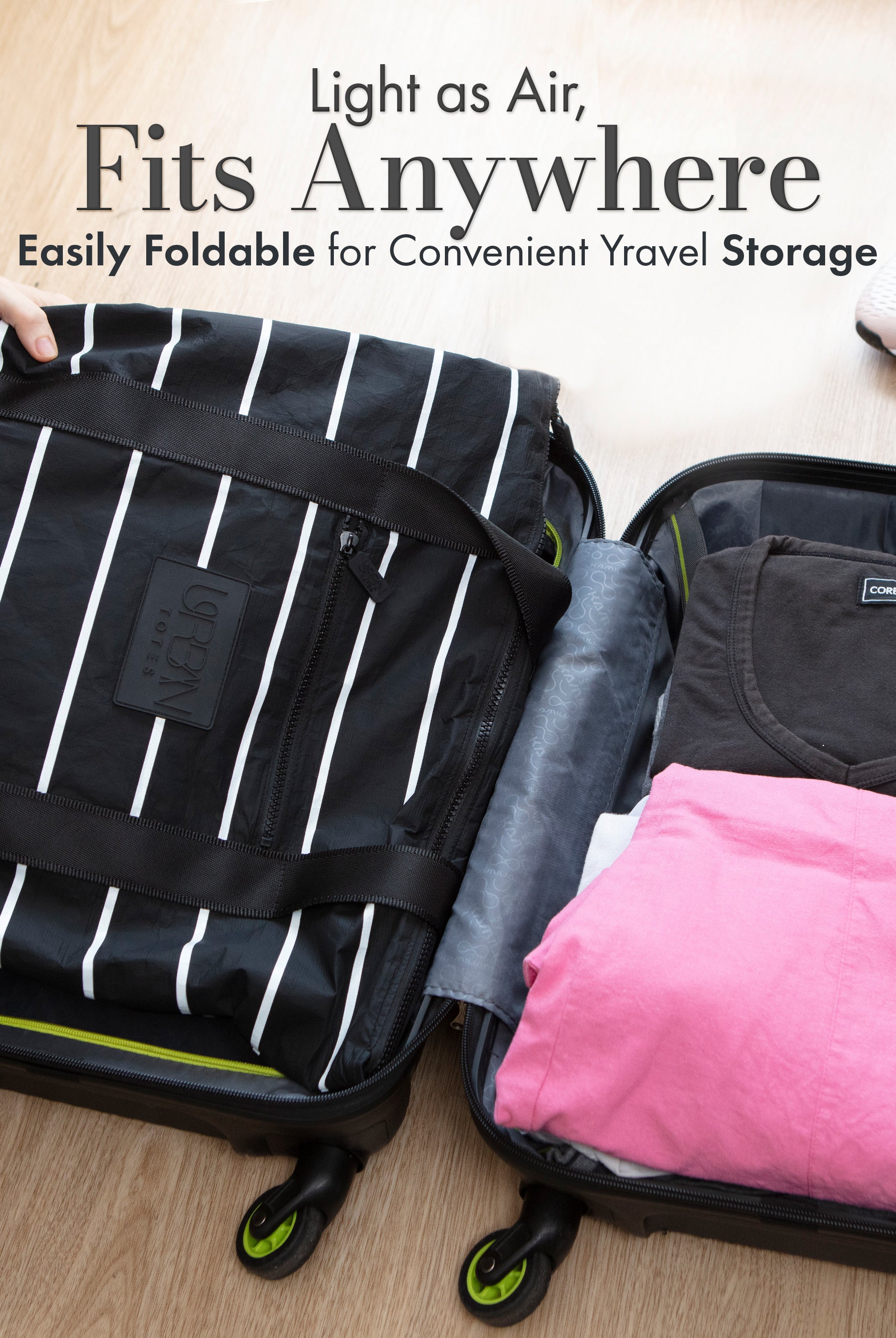
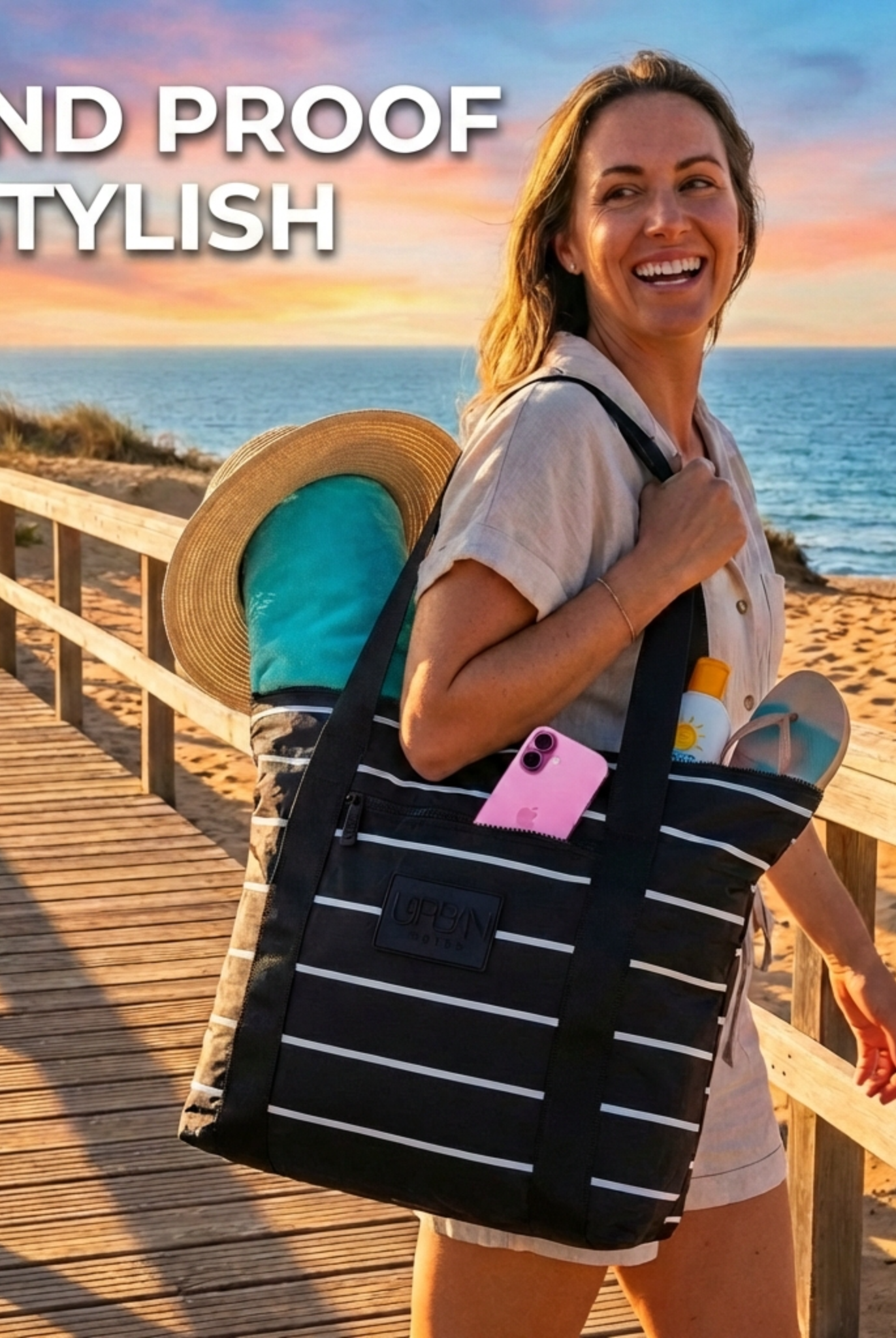
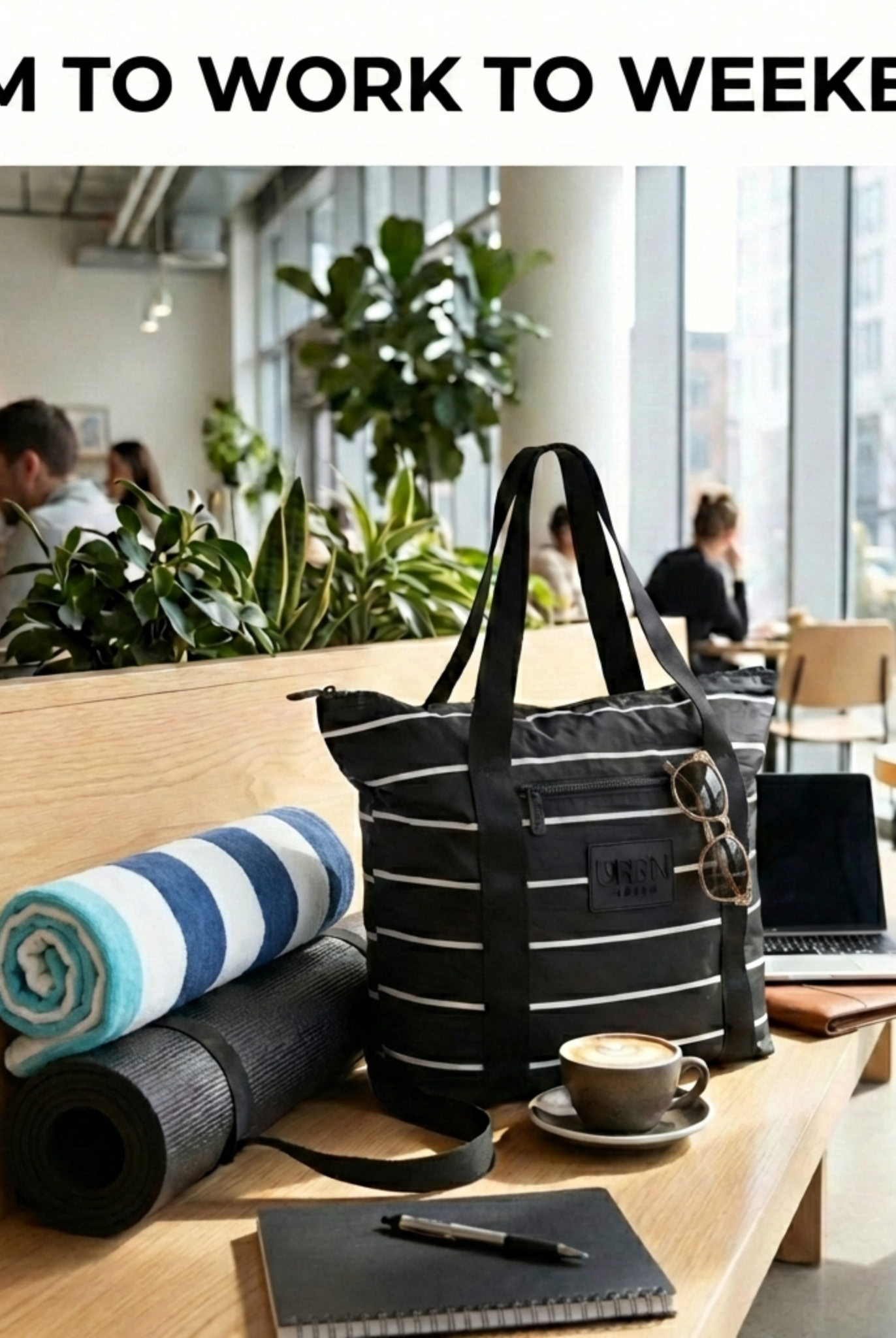
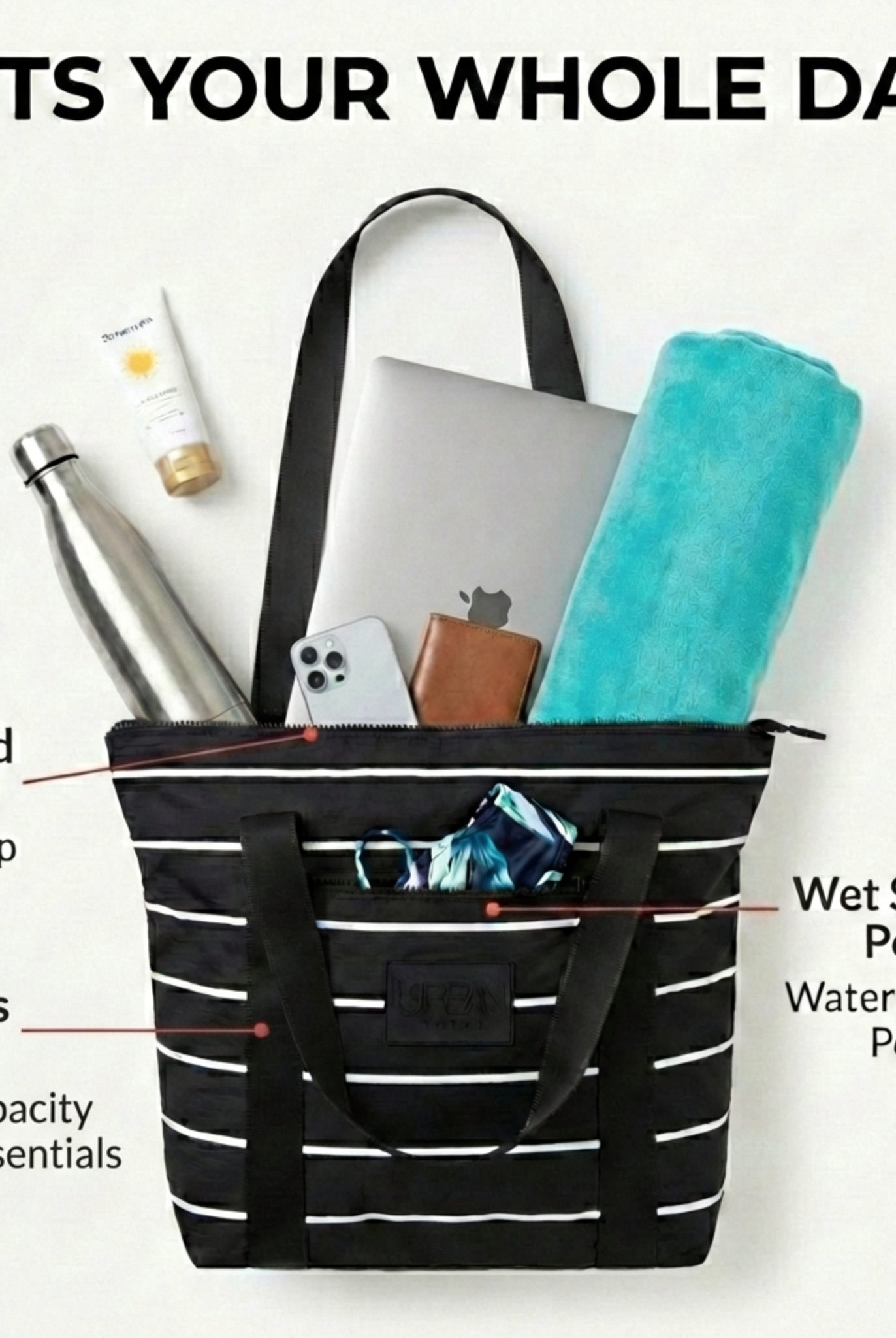
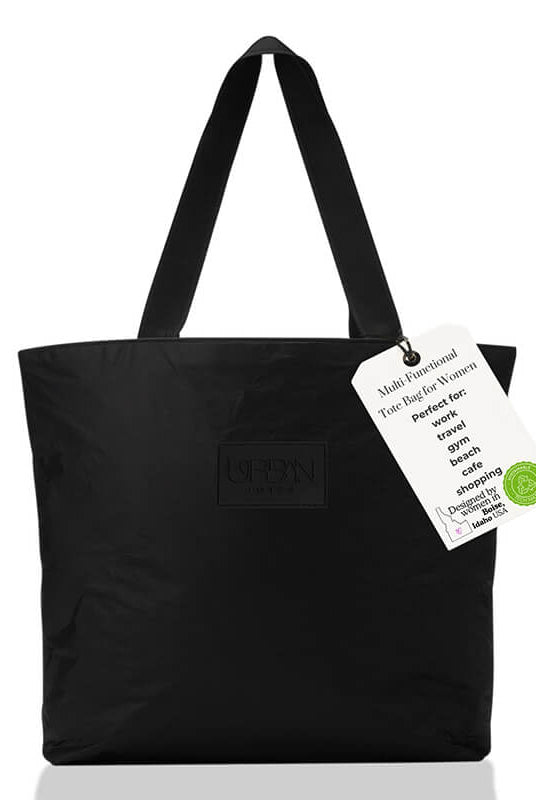
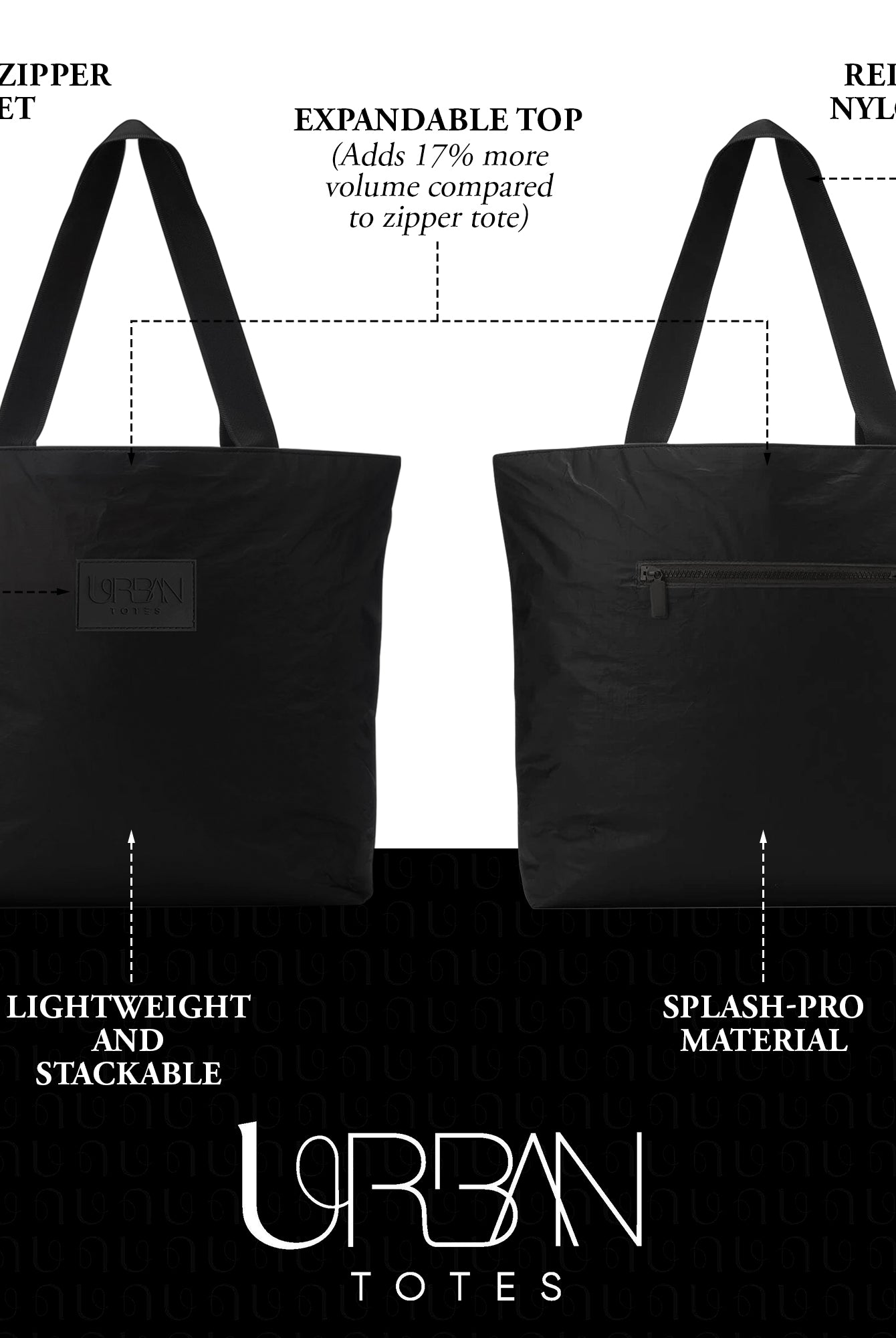
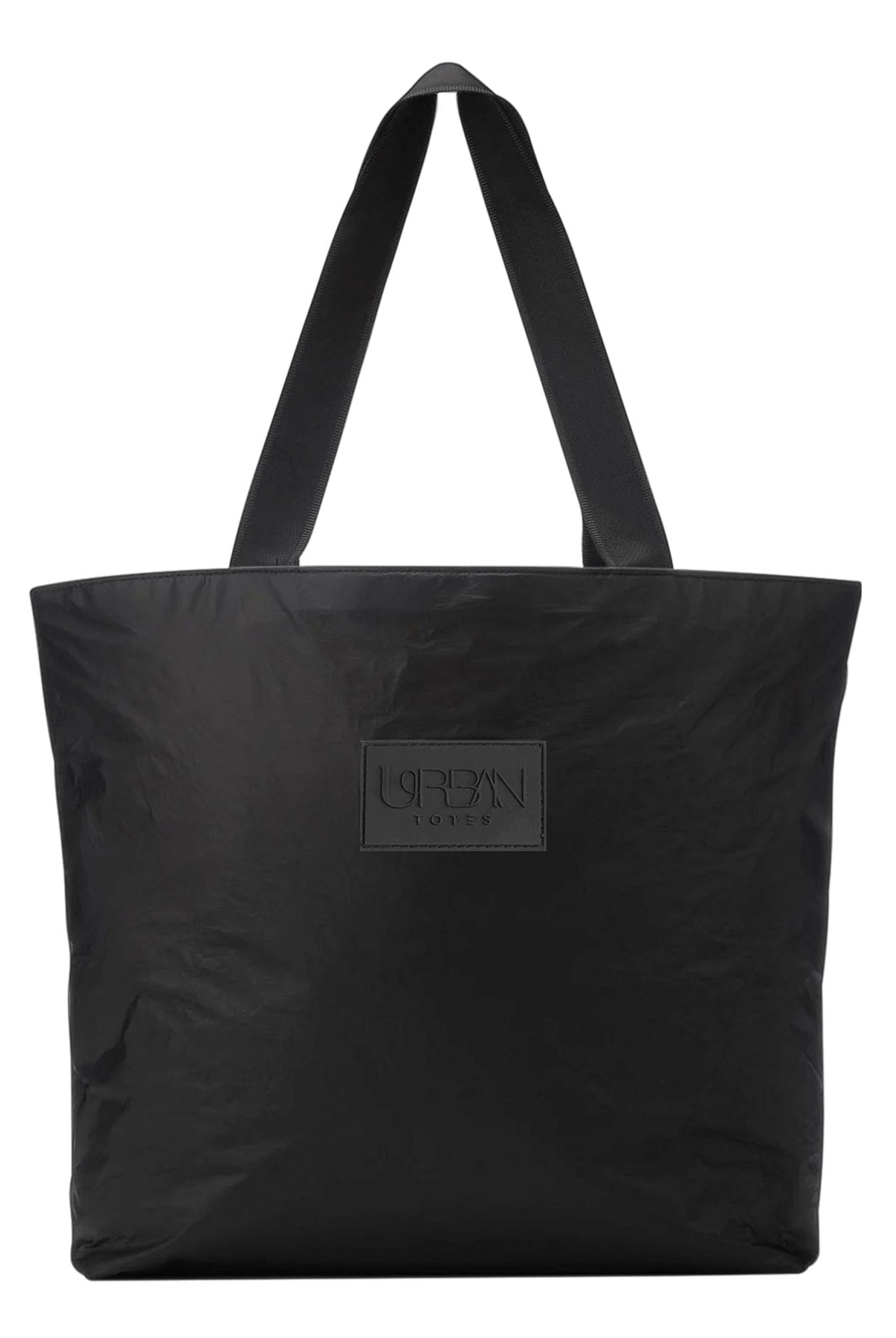
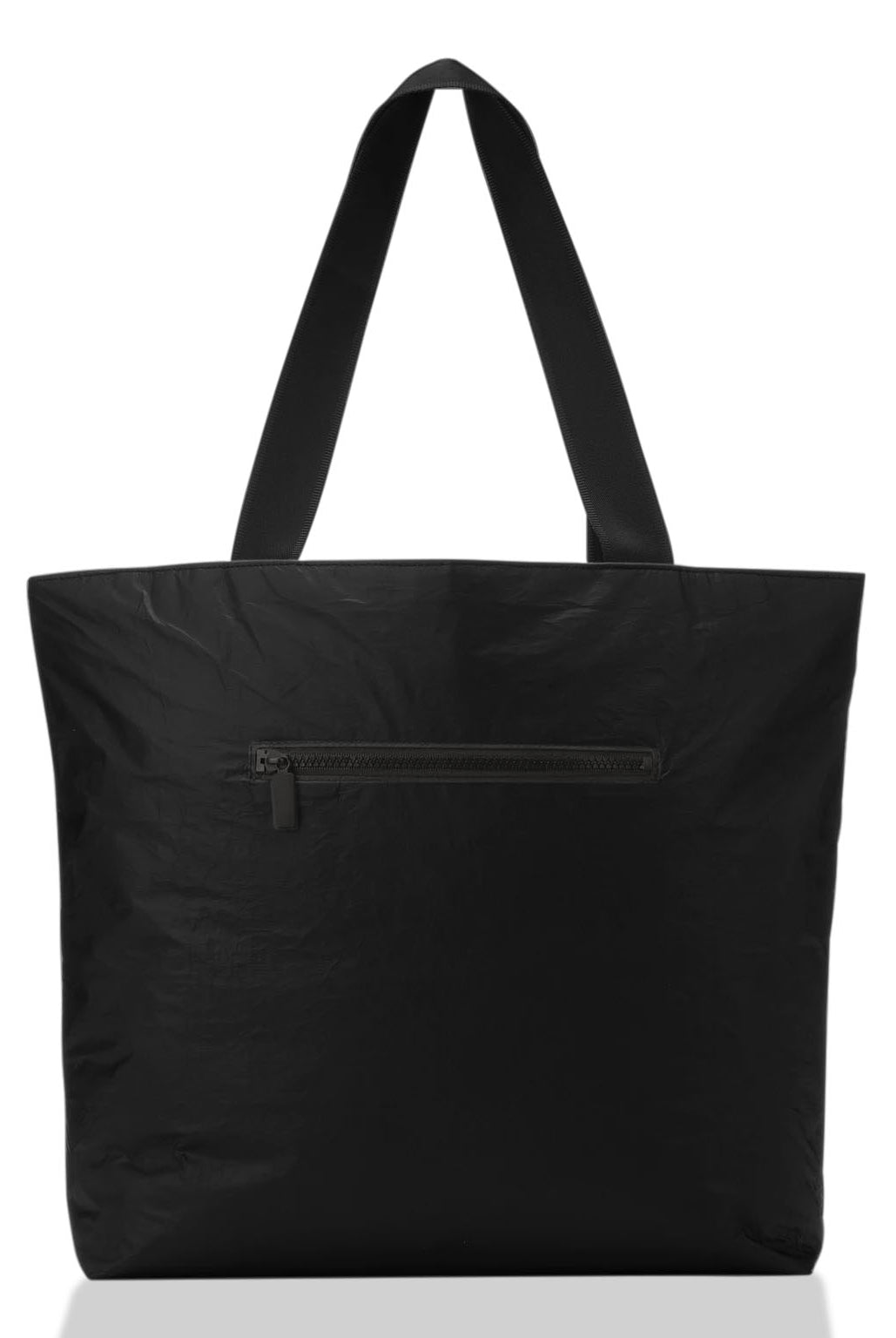
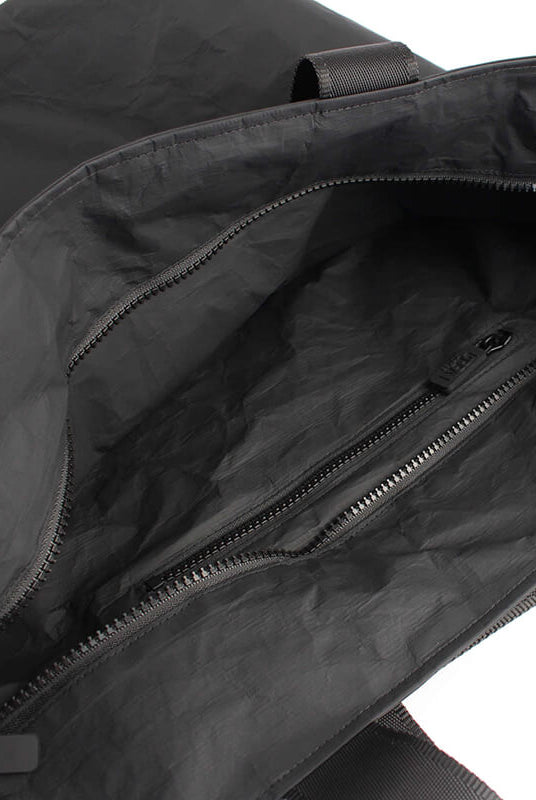
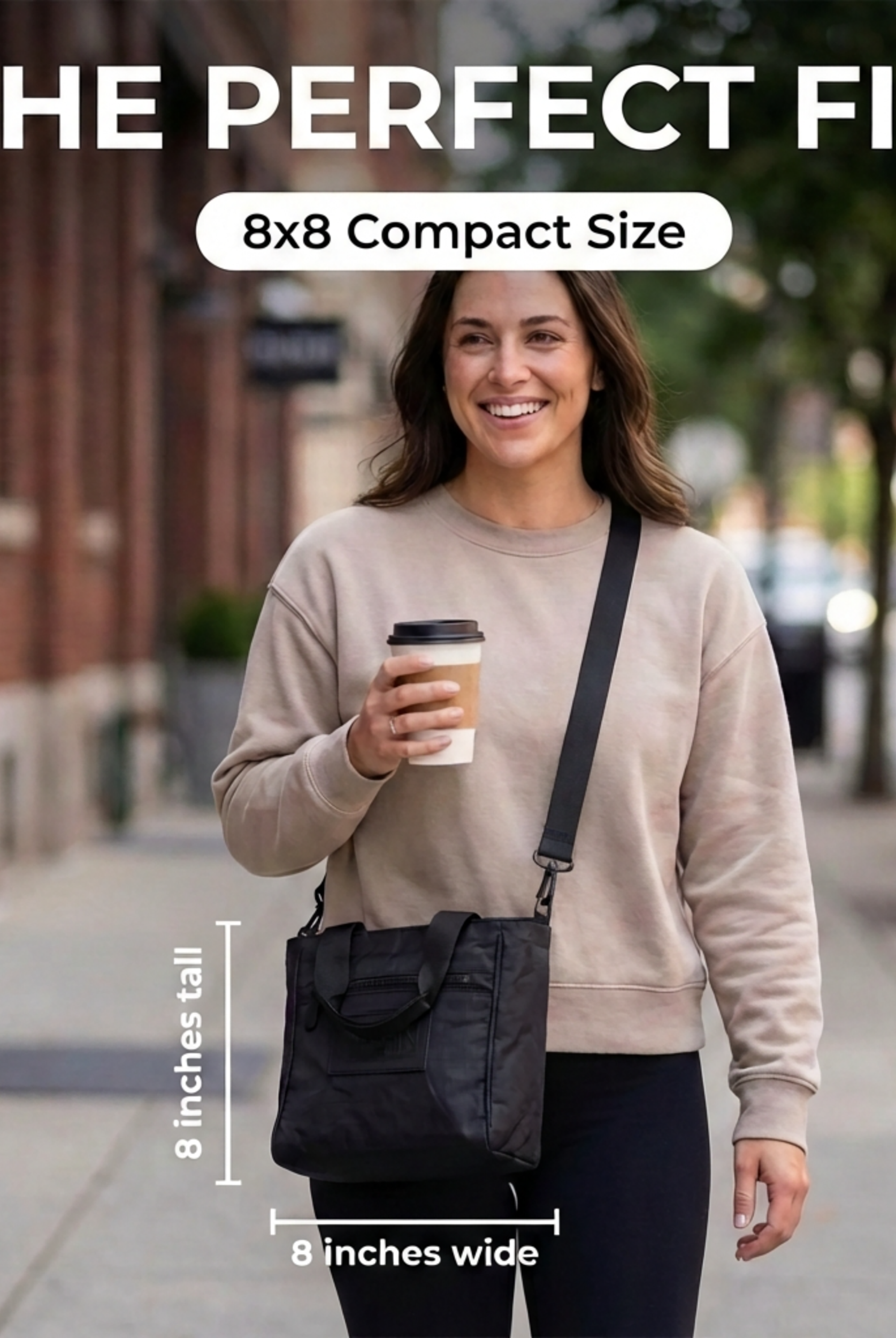
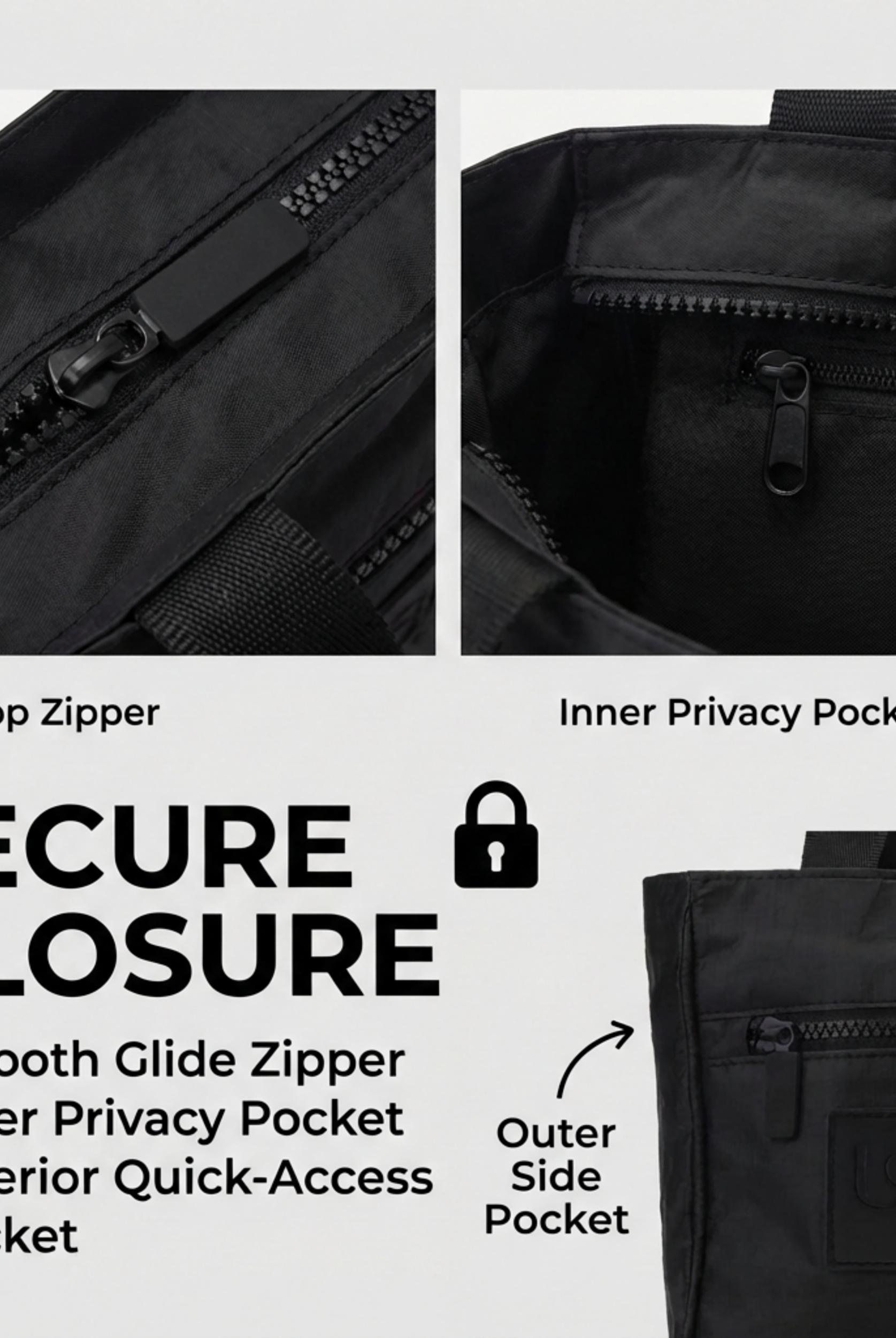
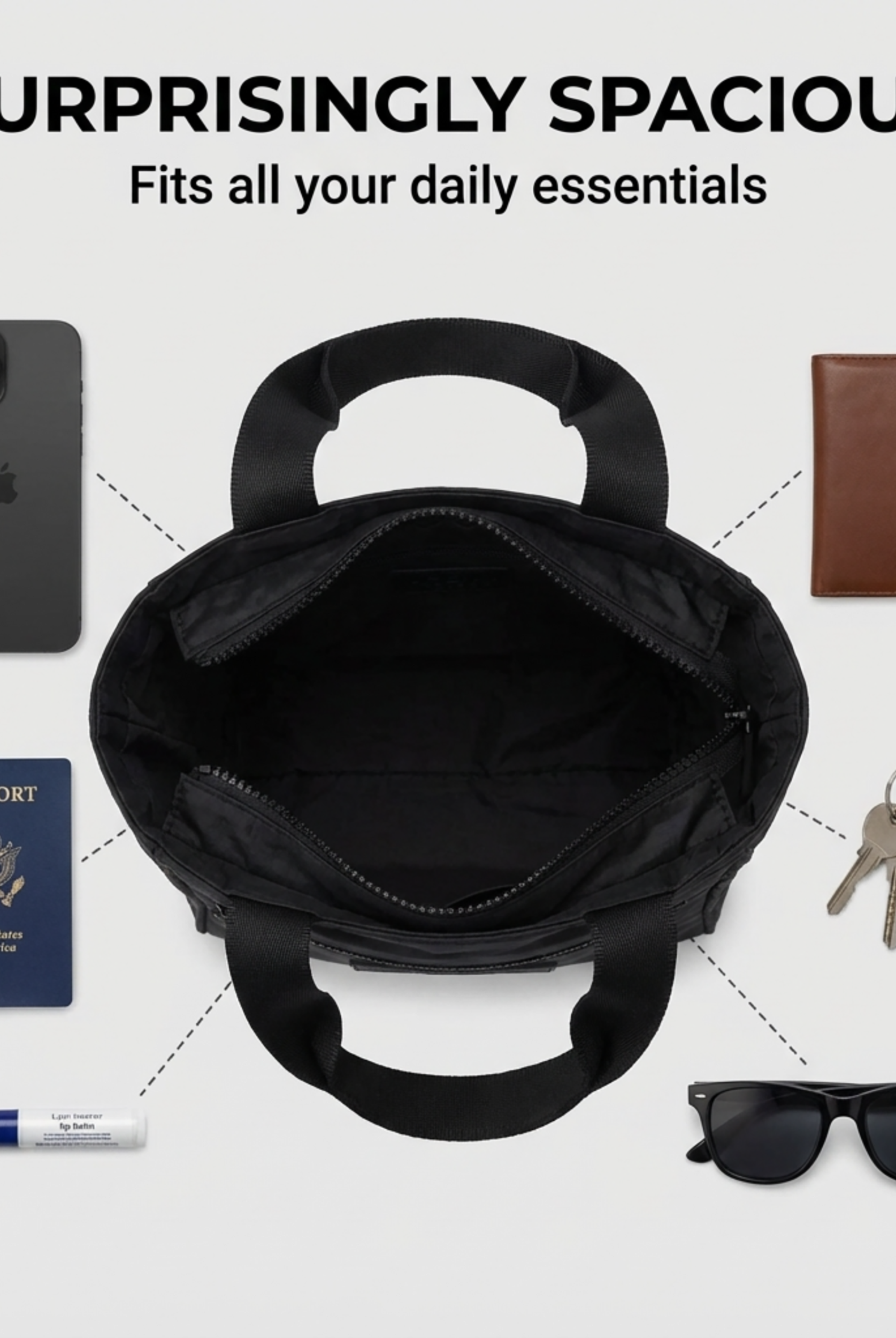
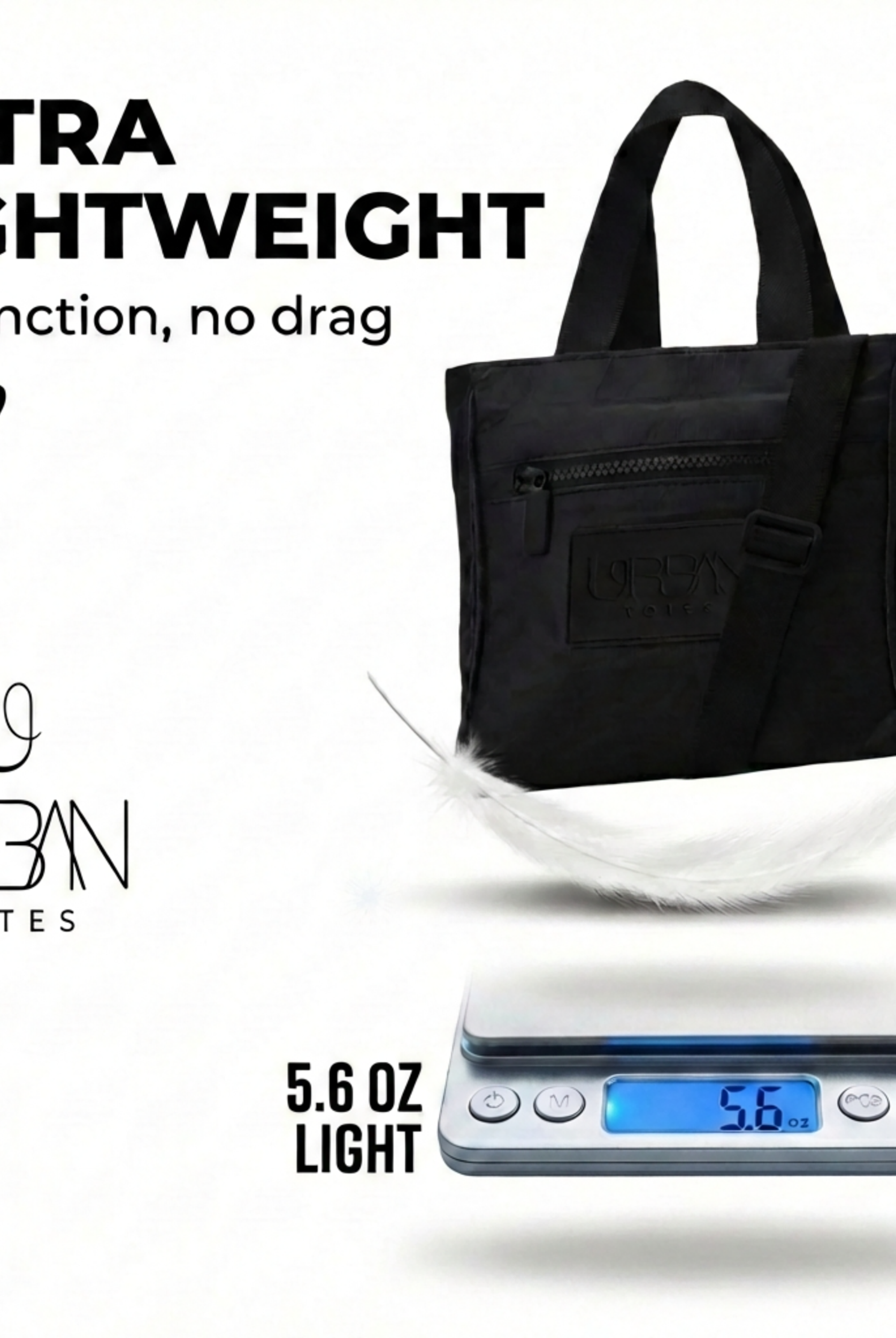
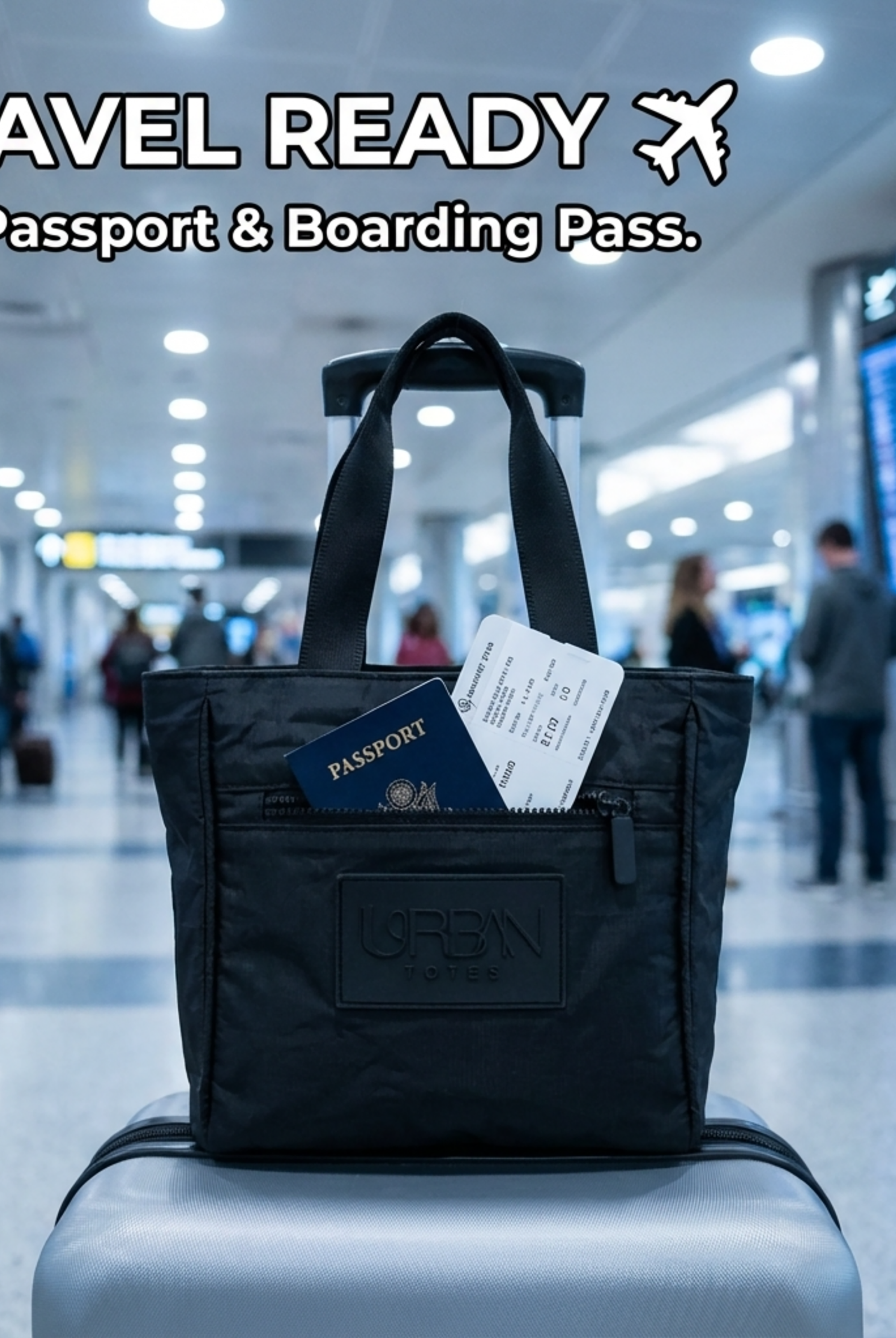
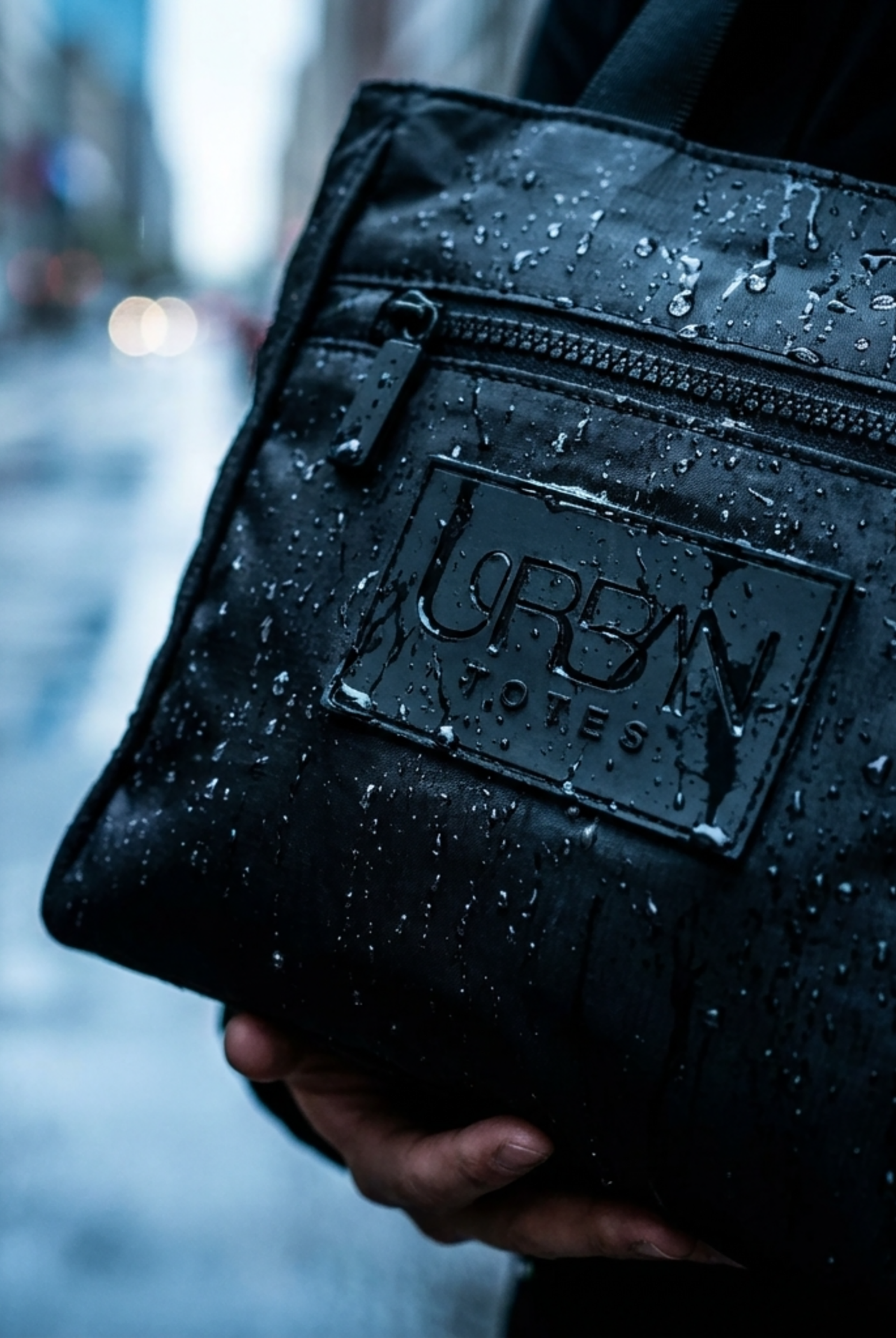
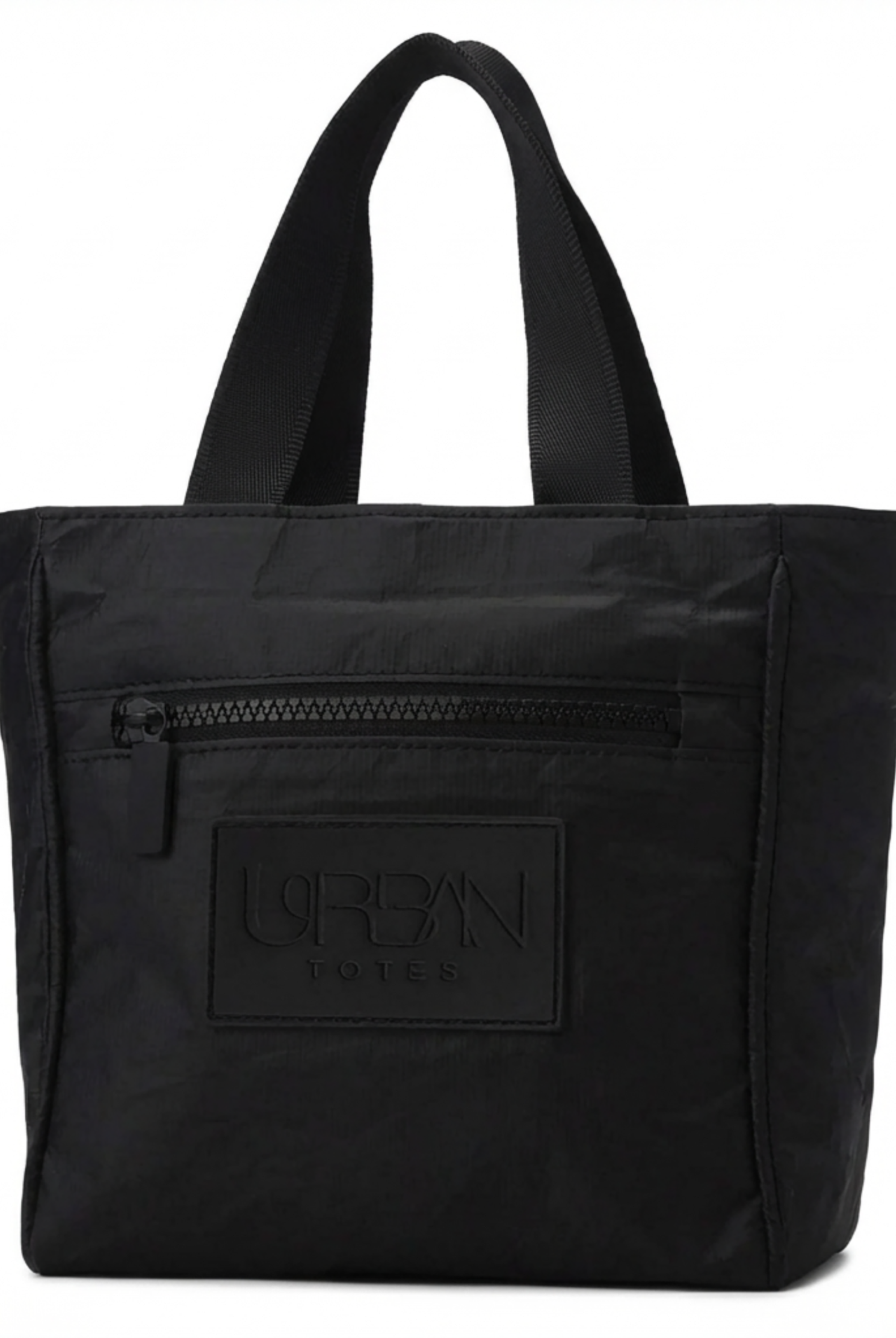
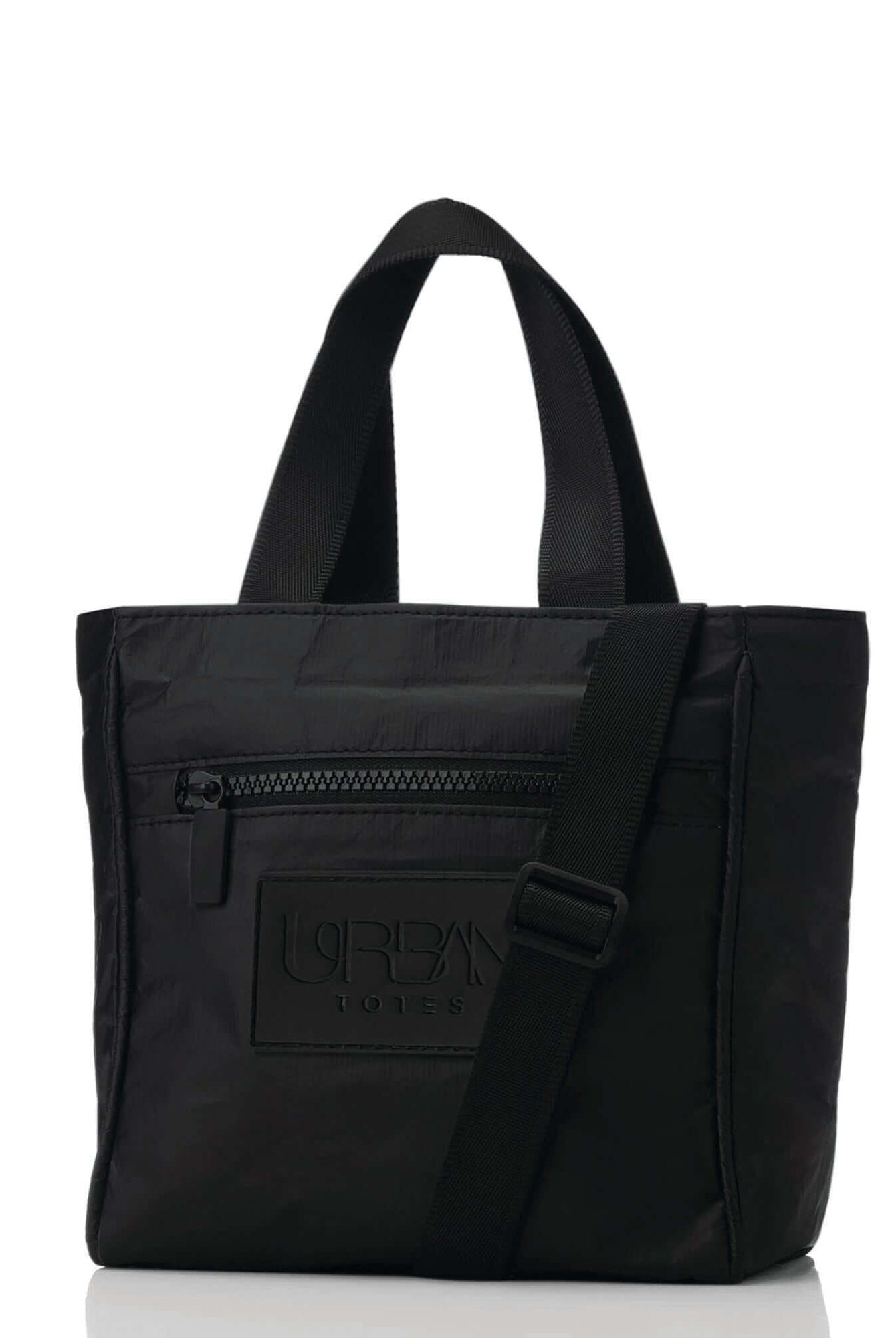
For a versatile daily tote, the Elevate Every Adventure with The OG Zipper Tote Bag by Urban Totes is described as water-resistant, lightweight, packable, and fitted with zipper pockets and three large pockets. Its side pockets can separate wet swimsuits or workout gear from other contents, but it isn't presented as a submersible dry bag.
For a deeper explanation of how the terms differ, Urban Totes' guide to water-resistant versus waterproof bags is a useful reference before you compare product listings.
Materials That Stand Up to Sand Salt and Sun
A beach bag's material tells you more than its color, shape, or lifestyle photography. TPU-welded constructions, coated nylon, PVC, neoprene, mesh, and natural-fiber styles all behave differently around saltwater, heat, wet towels, and abrasive sand.
TPU, or thermoplastic polyurethane, is especially useful when a manufacturer needs a strong water barrier that can be welded. TPU-coated or TPU-laminated fabrics can support sealed construction, and technical manufacturer guidance associates TPU with applications from IPX6 through IPX8. That doesn't make every TPU bag fully waterproof, because the closure and seams still matter, but it gives the material a strong starting point.
Coated nylon offers a lighter feel and can work well for packable travel bags. Its performance depends heavily on coating thickness, seam treatment, and how the surface ages. PVC and PVC-lined fabrics are less soft, but they're practical for heavy-use beach totes because they wipe clean and resist moisture. Independent shopping guidance also identifies PVC, EVA, and waterproof-coated fabrics as practical choices when easy cleaning and water protection matter. This beach-bag material guide provides that comparison.
Neoprene adds stretch and cushioning, making it comfortable for items that need a little padding. Mesh can improve airflow and help sand fall away, although mesh alone doesn't create a sealed dry compartment. Rattan and other natural-looking materials can bring the beach feel, but they need a waterproof lining to protect belongings from wet conditions. HGTV's beach tote material overview lists rattan, neoprene, nylon, mesh, and PVC-lined constructions among common beach-bag choices.
Beach bag materials compared
| Material | Water Protection | Sand Resistance | UV Durability | Best For |
|---|---|---|---|---|
| TPU-coated nylon | Strong when seams and closures are sealed | Smooth surfaces are easier to brush clean | Depends on coating and care | Dry-bag-style storage and travel |
| PVC or PVC-lined fabric | Good moisture barrier and easy wipe-down | Resists surface mess and wet sand | Can age with prolonged sun exposure | Heavy-use family beach totes |
| Neoprene | Moisture-resistant with a flexible feel | Fine sand can cling to the textured surface | Depends on formulation and storage | Cushioned carry and wet gear |
| Mesh | Allows airflow and lets loose sand escape | Often excellent for sand shedding | Varies by fiber and finish | Toys, towels, and quick-dry items |
| Coated canvas | Usually handles light moisture | The weave can trap grit | Coating quality varies | Style-led everyday carry |
A guide to tote bag materials from Urban Totes offers another way to think about the relationship between fabric, weight, organization, and daily use.
Pay attention to UV exposure as well. The sun can gradually weaken coatings and fade or stiffen some materials, especially when a damp bag is left in direct heat. Material-first shopping won't answer every question, but it keeps you from treating a premium-looking exterior as proof of waterproof performance.
Construction Details That Decide What Gets In
Even the right fabric can fail if the bag is assembled like an ordinary handbag. Water doesn't only arrive through the outer panel. It finds needle holes, zipper tracks, strap anchors, open tops, and weak base seams.
Stitched seams create tiny openings where water can wick through, especially when the bag is pressed against wet sand. Welded, heat-sealed, or RF-welded seams fuse compatible materials into a continuous barrier. Technical bag guidance explains why TPU and RF-welded construction can outperform a stitched water-resistant shell, particularly through repeated wet and dry cycles. This waterproof bag material guide discusses the relationship between material and seam construction.
Start at the opening
A standard zipper can close a tote securely without making it waterproof. Coated or waterproof zipper systems provide more protection, but they still need careful design around the zipper ends. A storm flap can shield the track from direct spray, while a roll-top closure creates a larger folded barrier when it's rolled and clipped correctly.
Magnetic snaps are quick for dry items, but they leave more room for water and sand than a fully closed zipper or roll-top. Drawcords can gather an opening, though they're better suited to containing soft goods than protecting electronics from a dunk.
A practical rule is simple:
The more likely the bag is to meet pooled water or temporary immersion, the more you should favor a fully sealed opening over an open tote or snap closure.
The Urban Totes guide to lockable beach bags is relevant when you're comparing closure security and access, even though a secure zipper isn't automatically the same as a submersible seal.
Read IP ratings without overcomplicating them
The first digit in an IP code concerns solids, while the second concerns water. For beach shopping, the water portion is usually the one you need to interpret:
- IPX4 handles splashes from any direction.
- IPX6 is designed for powerful water jets.
- IPX7 covers temporary immersion up to 1 meter for 30 minutes.
- IPX8 is intended for continuous immersion beyond the IPX7 test conditions.
Those ratings describe testing conditions, not a guarantee that every zipper pocket or accessory compartment shares the same protection. A bag can have a water-resistant exterior while its interior zipper remains vulnerable.
Also inspect the base. A reinforced bottom, welded base patch, and strong stitching around strap anchors help a bag survive being dragged, dropped, or set down on rough sand. These features won't replace a sealed closure, but they reduce the weak points that everyday beach use exposes first.

Matching the Bag to the Way You Beach
The best beach bag isn't necessarily the one with the highest protection rating. It's the one that matches what you carry, how you move, and how often you'll open it with sandy hands.
A beach-day parent needs capacity and fast organization. A roomy tote with a wipeable interior, reinforced straps, a secure zipper closure, and separate compartments can hold towels, snacks, clothes, and small essentials without forcing you to unpack everything for a tube of sunscreen. The tradeoff is weight. A large bag becomes noticeably heavier when towels and swimsuits are wet.
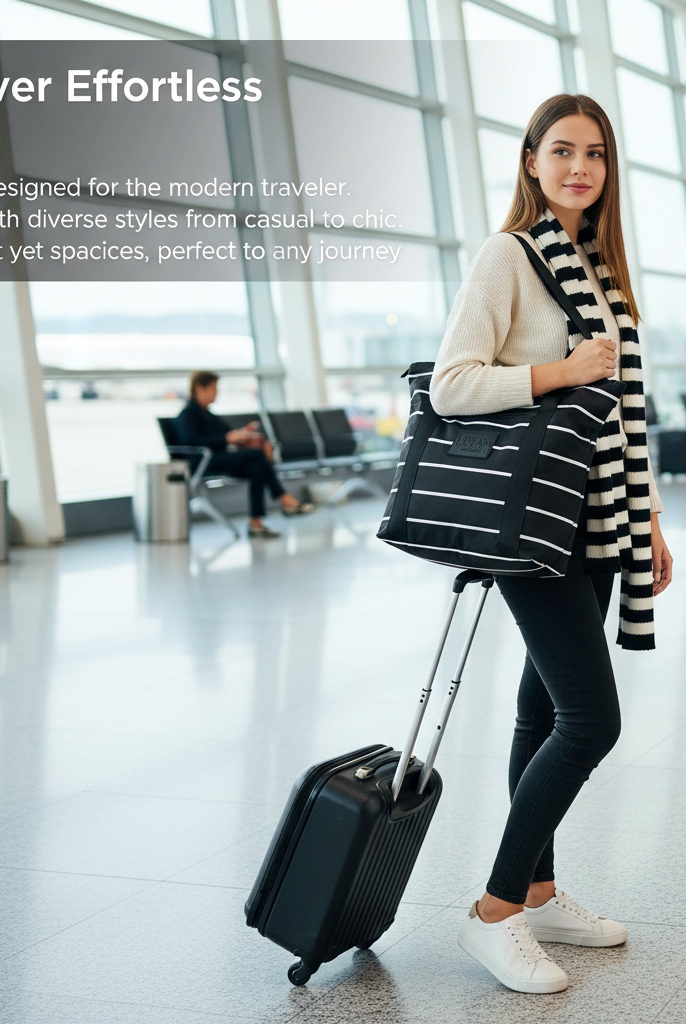
A traveler or day-tripper may prefer a roll-top dry bag or backpack format. Those shapes work well when you're walking from a rental apartment to the shore or moving through an airport with one bag already on your shoulder. For people planning water excursions, shop with Kona Snorkel Trips for guidance on choosing a dry bag that suits time near the water.
An errand-runner often needs a hybrid rather than a technical dry bag. A lightweight, foldable tote with a zipper closure, multiple compartments, and a dedicated wet pocket can travel from the beach to groceries, school pickup, or the parking lot without feeling like expedition equipment.
| Lifestyle | Best Bag Style | Key Features |
|---|---|---|
| Beach-day parent | Roomy organized tote | Wipeable interior, zipper closure, multiple compartments, reinforced straps |
| Traveler or day-tripper | Roll-top dry bag or backpack | Sealed opening, hands-free carry, packable shape, external attachment points |
| Errand-runner | Hybrid water-resistant tote | Lightweight build, foldable design, wet pocket, easy-clean exterior |
A tote gives you faster access and better organization, but it leaves more of the top exposed while open. A roll-top dry bag gives stronger water protection, but its single-compartment layout can make keys and sunscreen harder to find. Smaller bags are easier to carry, while larger ones give you room for family extras.
Choose based on the day you have. A woman carrying a book, phone, snacks, and a wet towel may be happier with a stylish, organized, water-resistant tote than with a fully sealed bag that forces her to dig through one deep compartment.
Packing Wet Sand and Sunscreen Without the Mess
A well-made bag can still become a sticky, sandy disaster if everything goes into one compartment. Treat the interior like a small boat with separate zones, not like a single open bucket.
Start with the dry-first rule. Put your phone, keys, wallet, and reading material inside a sealed pouch before they enter the main bag. Then create a wet zone for swimwear, damp wipes, and any sunscreen bottle that has leaked.
Build three simple zones
- Dry zone: Place electronics and paper items in a sealed pouch near the top, where you can reach them without pulling out wet towels.
- Wet zone: Use a separate roll-top dry bag or washable pouch for swimsuits, wet wipes, and damp clothing.
- Sandy zone: Keep toys in a mesh side pocket or separate drawstring bag so grit doesn't migrate into zipper teeth and coatings.
Line the bottom with a flat changing mat or thin washable layer. Add towels and clothing around the edges, keep electronics above the base, and place snacks and sunscreen near the top. A small microfiber cloth earns its place too. Use it to wipe hands, bottle caps, and phone edges before they return to the bag.
For more ideas on what belongs in a practical shoreline carryall, see Urban Totes' beach bag must-haves.
The order matters. If wet items sit on top of electronics, condensation and trapped moisture can spread before you notice. If sandy toys share a zipper compartment with your wallet, every opening works grit deeper into the track.
Cleaning and Caring for a Bag That Lives at the Beach
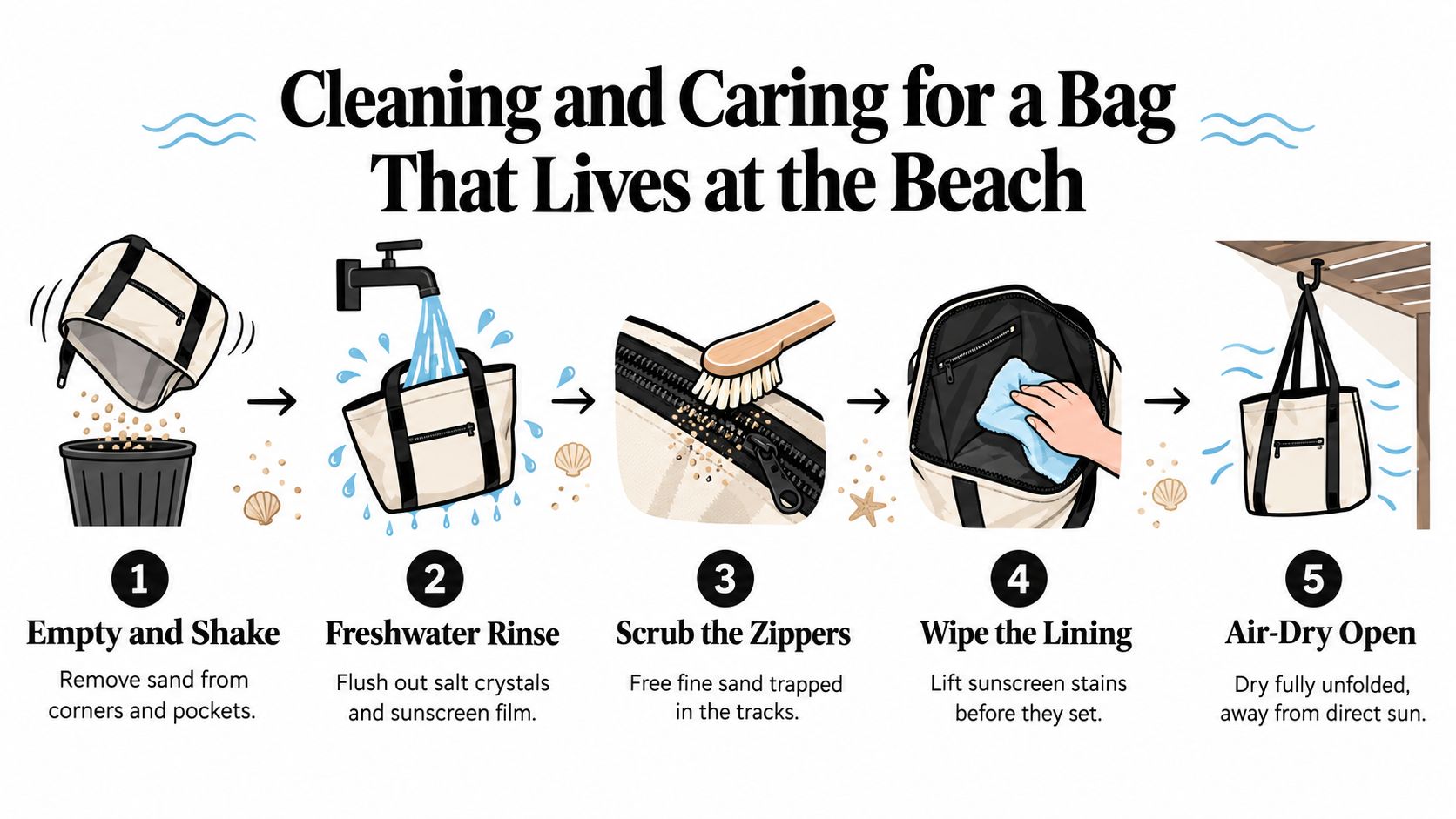
The post-beach routine doesn't need to be complicated, but it does need to happen before salt, sunscreen, and sand settle into the hardware. Start by emptying every pocket, turning the bag upside down, and shaking out loose grit.
Rinse coated nylon, PVC, and similar materials with fresh water. Beach-bag care guidance recommends using a garden hose to remove sand and salt, followed by a damp cloth and mild soap for the interior. Keep the water pressure moderate around zippers and closures, and don't force grit deeper into the track.
A gentle cleanup sequence
- Shake first: Remove dry sand before adding water.
- Rinse next: Flush salt crystals and sunscreen residue from the exterior.
- Wipe carefully: Use lukewarm water and mild soap on stubborn marks.
- Brush the hardware: A soft toothbrush can loosen fine sand near seams and zipper teeth.
- Dry fully: Hang the open bag upside down in shade until no moisture remains.
Neoprene may tolerate cold machine washing when the manufacturer permits it, but care instructions vary by product. Coated fabrics can lose performance if exposed to harsh cleaners, high heat, or prolonged direct sunlight. Uncoated canvas shouldn't sit wet because trapped moisture can create odor and staining.
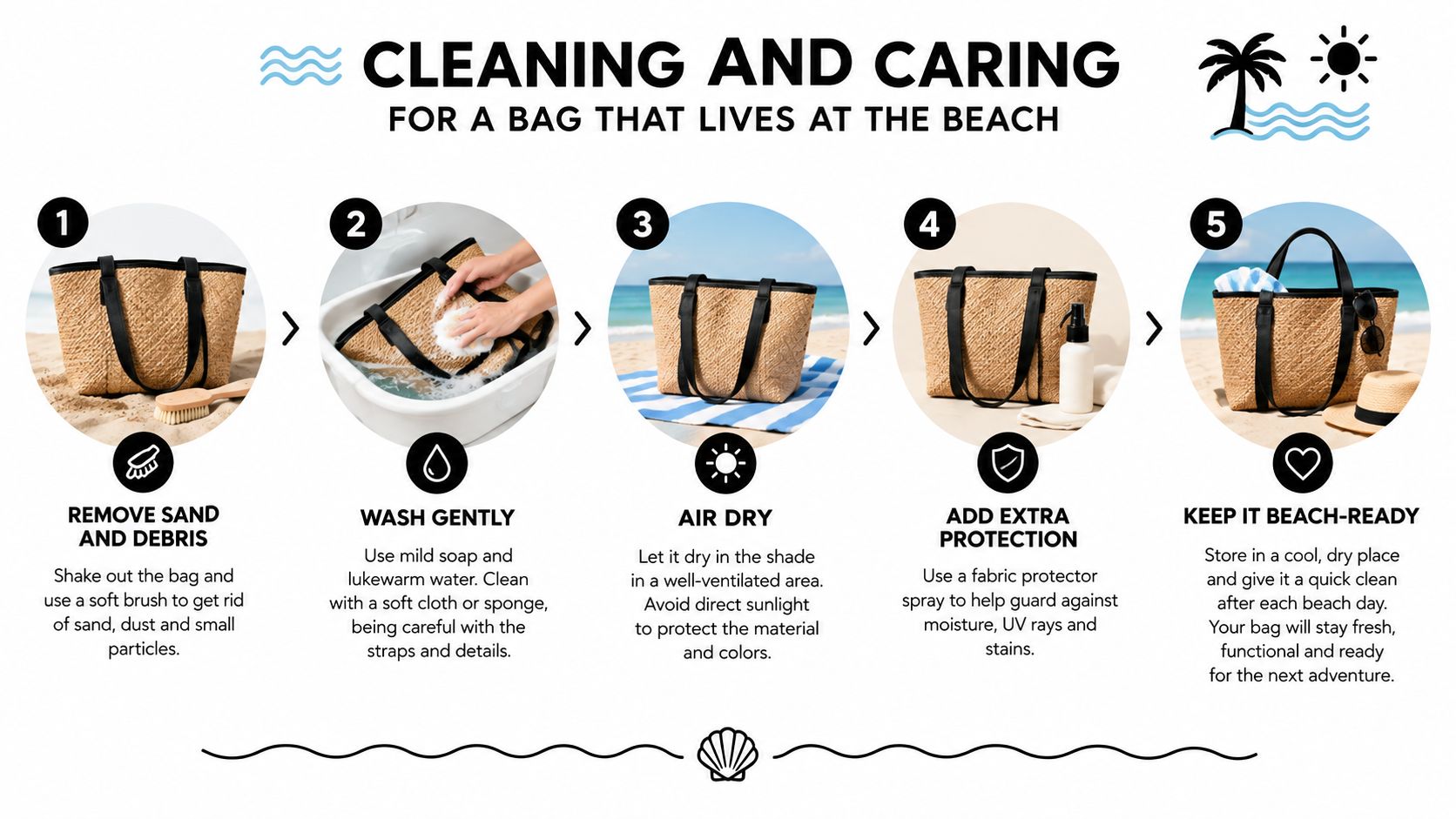
A quick shake-out after each beach trip prevents buildup. Give the bag a deeper clean when sunscreen film, salt residue, or a lingering smell appears. Store it open and dry, with paper inside if you need to help it hold its shape.
For nylon-specific cleaning considerations, Urban Totes' nylon care guide offers practical maintenance context. A little attention keeps a versatile bag ready for the next beach chair, airport terminal, or school pickup instead of preserving the scent of last July.
Your Quick Beach Bag Checklist Before You Buy
Save this checklist for your next online search or store visit. It separates the features that protect your belongings from the ones that only make a bag look ready for summer.
Must-have
- Material: Look for TPU-coated nylon, PVC, EVA, neoprene, or another clearly described coated fabric.
- Closure: Choose a zipper closure for everyday water resistance or a roll-top and clip for stronger sealing.
- Seams: Favor welded, RF-welded, or heat-sealed seams when the listing promises waterproof protection.
- Organization: Check for multiple compartments, a wet pocket, or a separate pouch so damp gear doesn't contact electronics.
- Base and straps: Inspect the bottom and strap anchors for reinforcement if the bag will be carried heavily or set on rough sand.
- Care instructions: Make sure you can rinse, wipe, and fully dry the material without special equipment.
Nice-to-have
- Packable shape: A foldable bag takes up less space in a suitcase or car trunk.
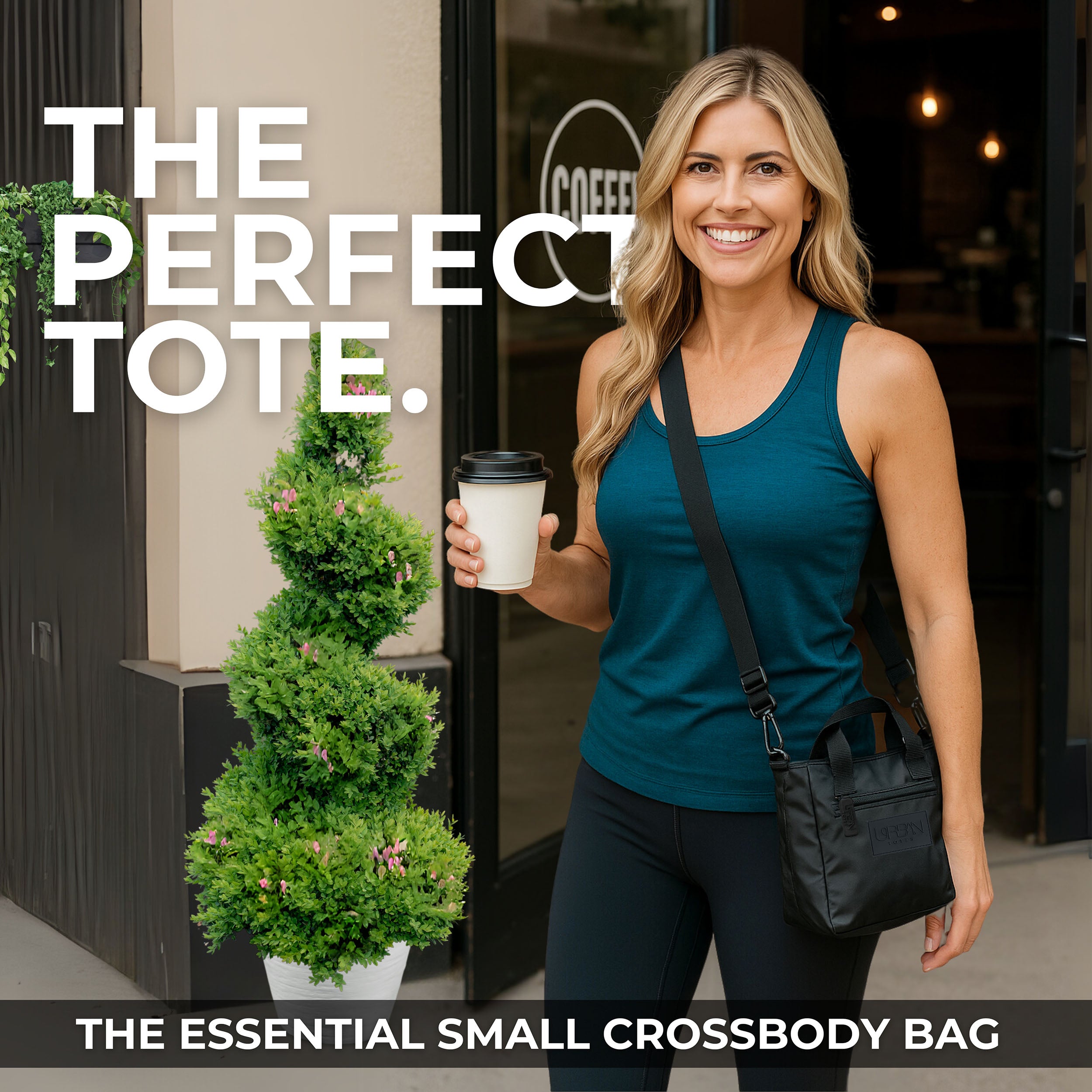
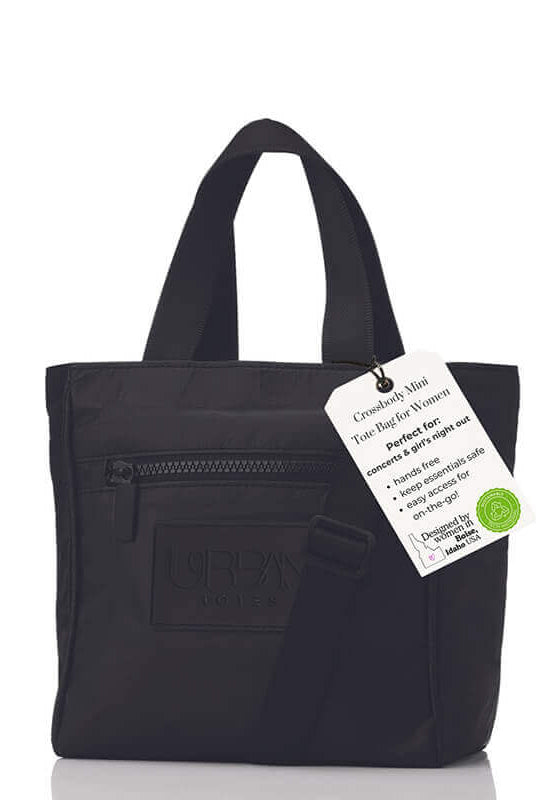
- Hands-free carry: A crossbody strap or backpack configuration helps when you're carrying chairs, towels, or a child's hand.
- Sand-friendly exterior: Smooth or mesh panels make loose grit easier to remove.
- Comfortable access: Exterior pockets keep keys, sunscreen, and sunglasses within reach.
- A clear rating: An IPX rating makes the protection claim easier to interpret.
Skip if you can
- Unexplained waterproof claims: Be cautious when a listing gives no material, seam, closure, or rating details.
- Open tops for wet conditions: An open tote may be lovely for dry essentials, but it won't protect contents from pooled water.
- Too much capacity: An oversized bag can become awkward and heavy once towels and clothing get wet.
- Hard-to-clean interiors: A beautiful lining doesn't help if sunscreen and salt can't be removed.
Urban Totes offers water-resistant, lightweight, packable, and foldable bags with zipper closures, multiple compartments, and everyday organization for errands, travel, commuting, and beach days. Those features suit shoppers who want a stylish, go-anywhere tote for normal moisture exposure rather than a submersible dry bag.
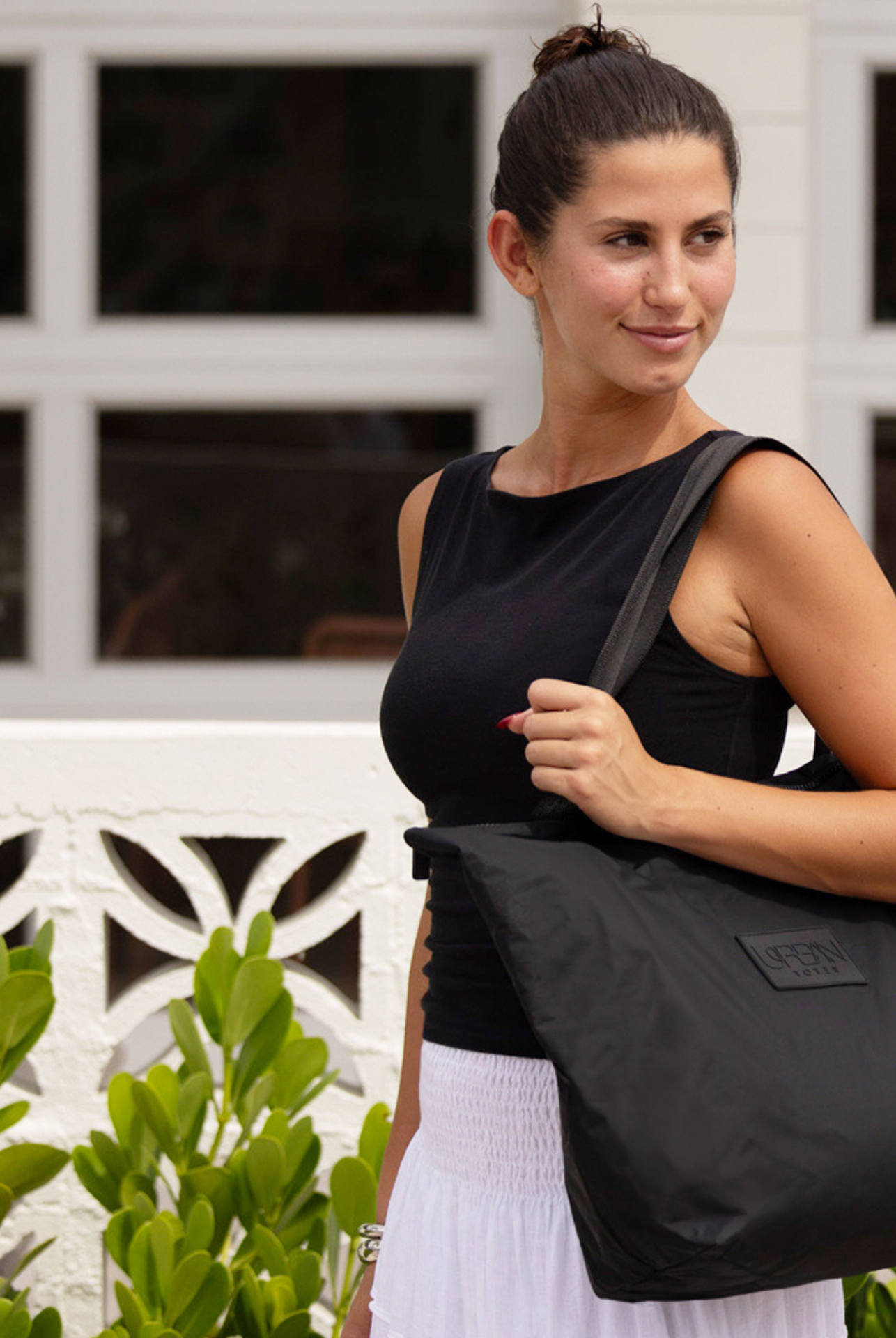
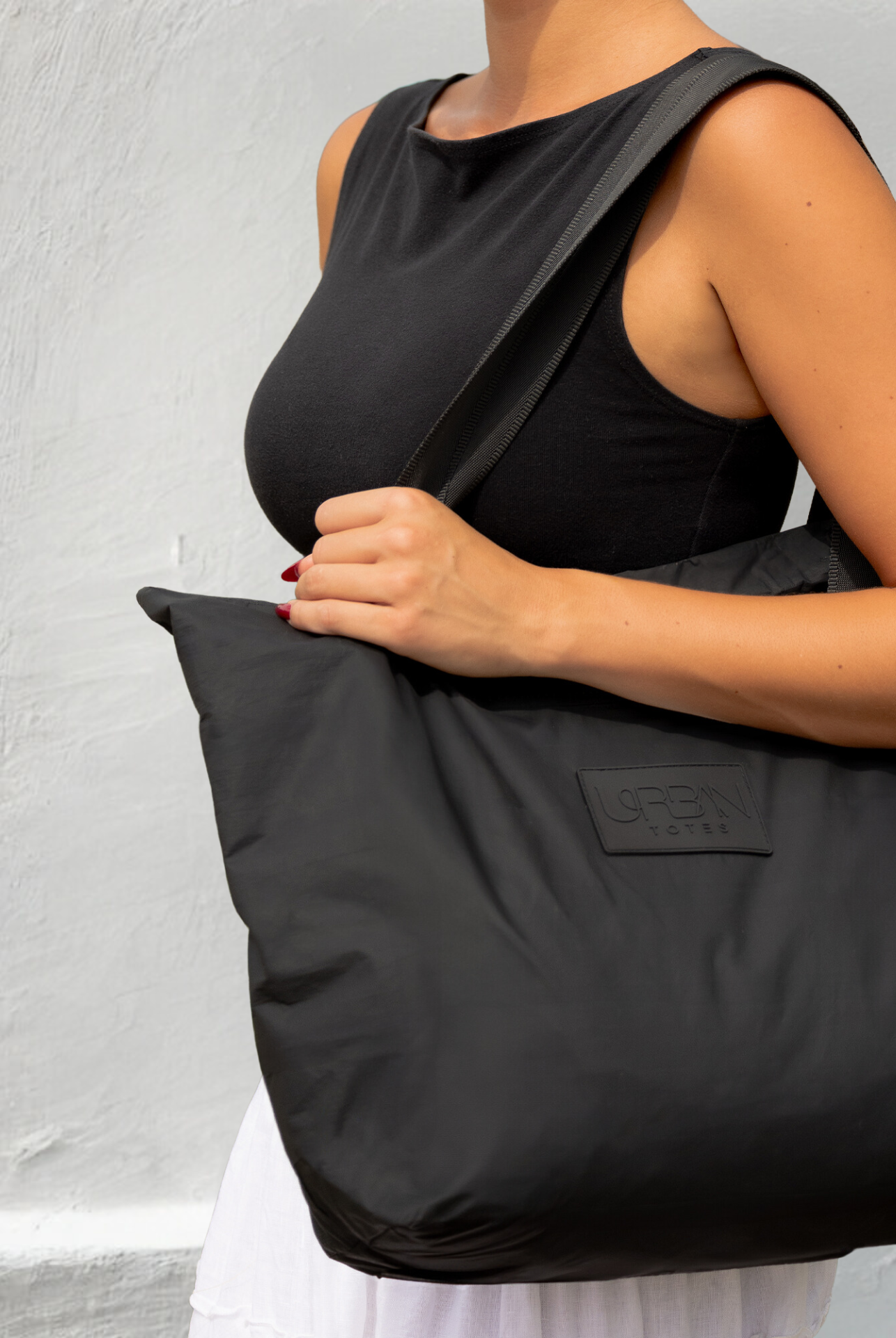
Urban Totes makes thoughtfully designed, water-resistant bags for women who need one organized carry for beach days, travel, errands, and everyday life. Visit Urban Totes to explore lightweight, foldable, multi-pocket styles that help you go anywhere and tote everything.