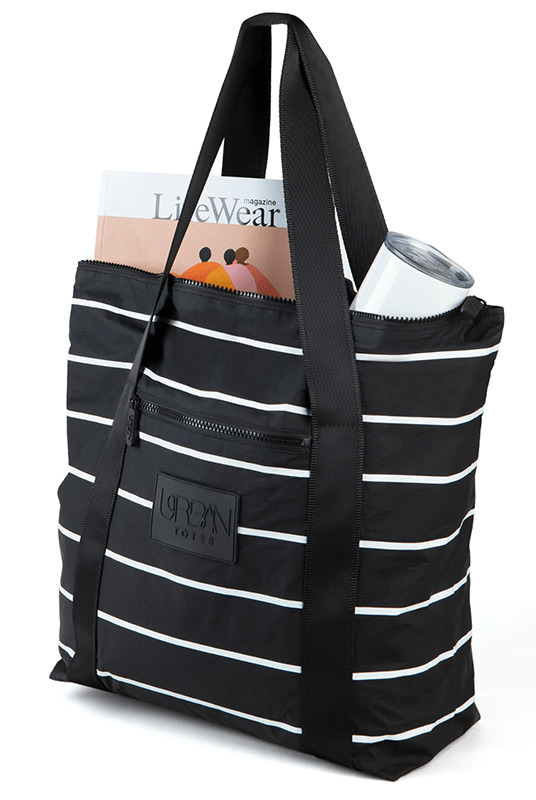
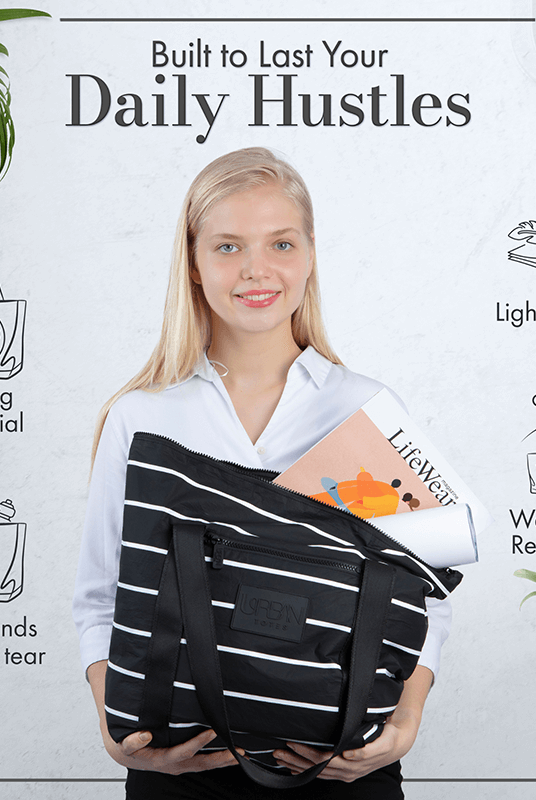
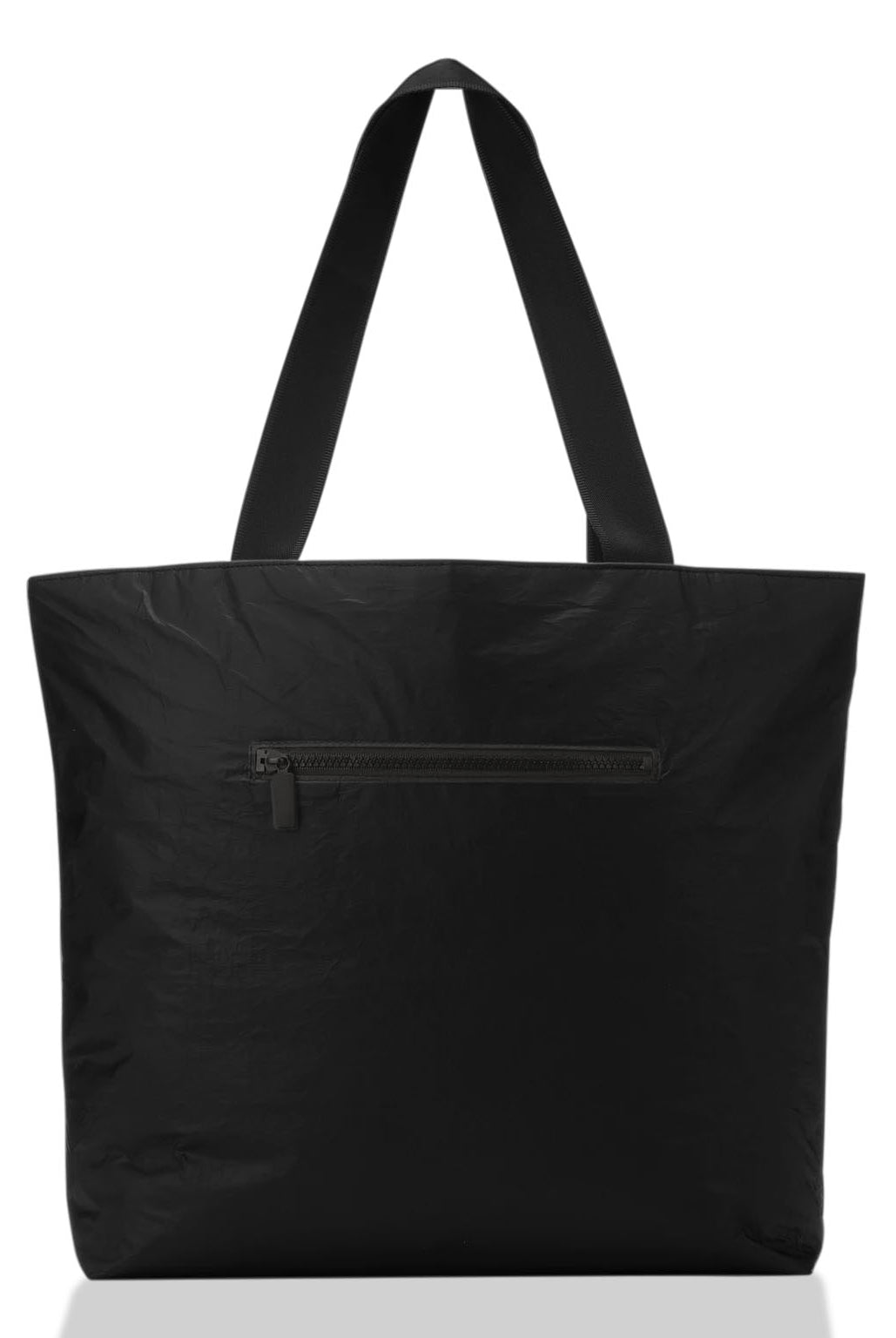
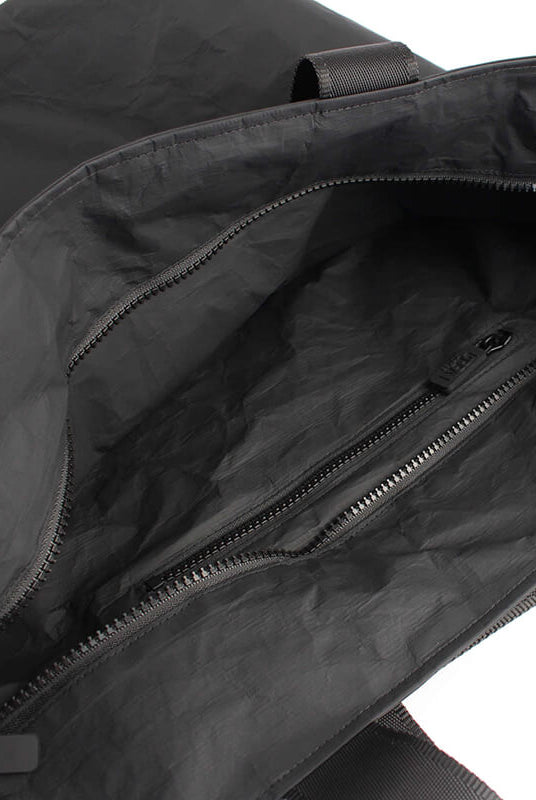
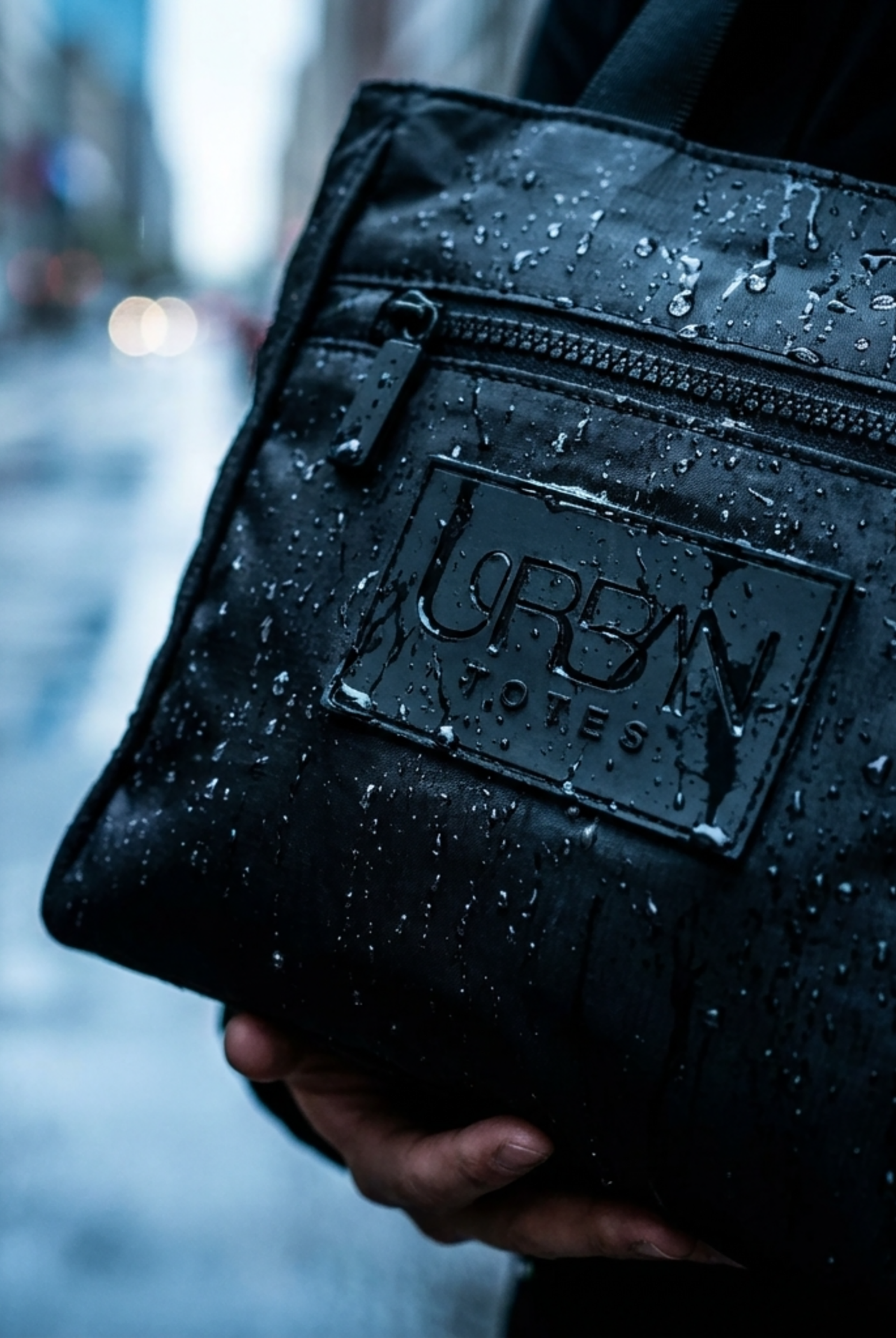
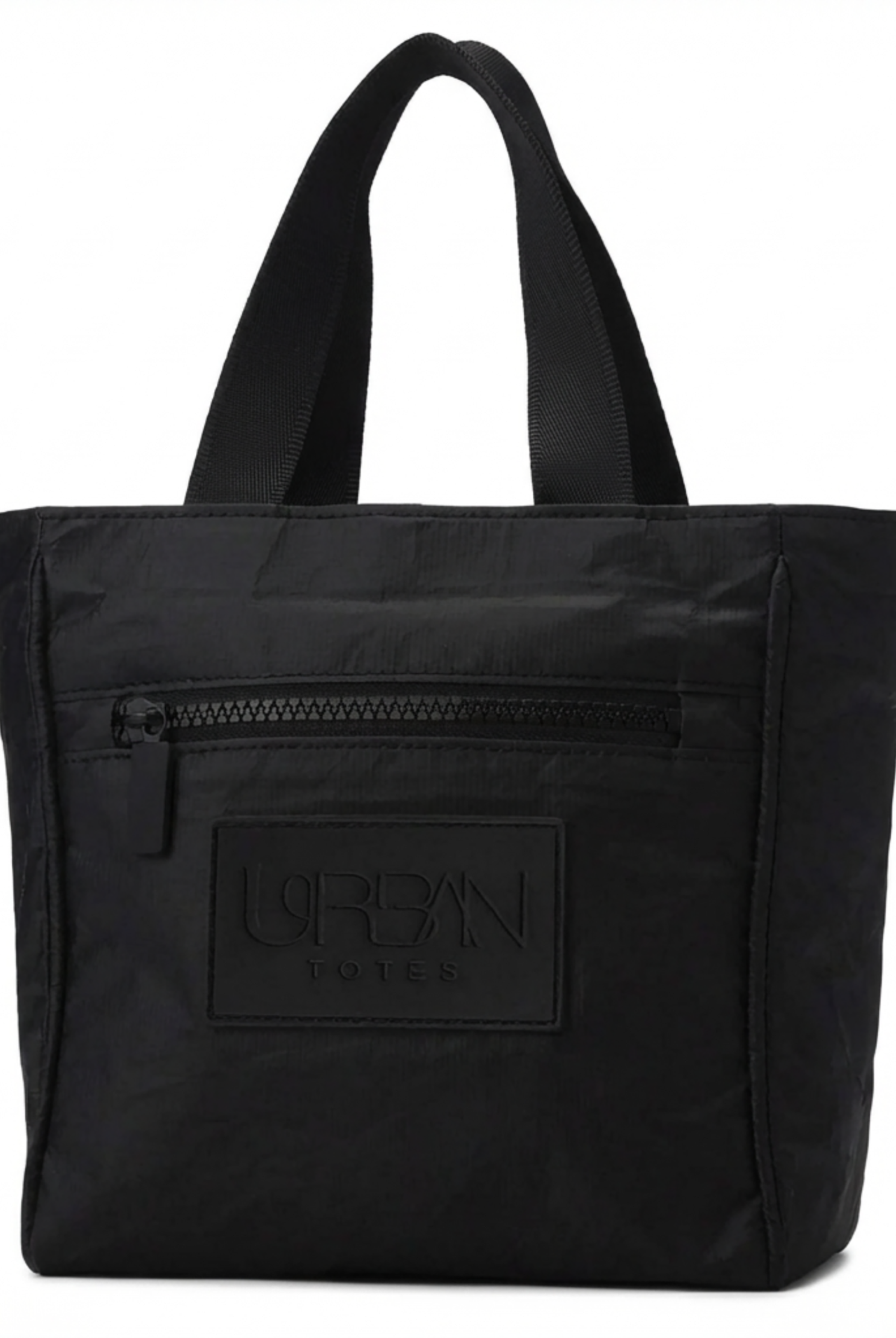
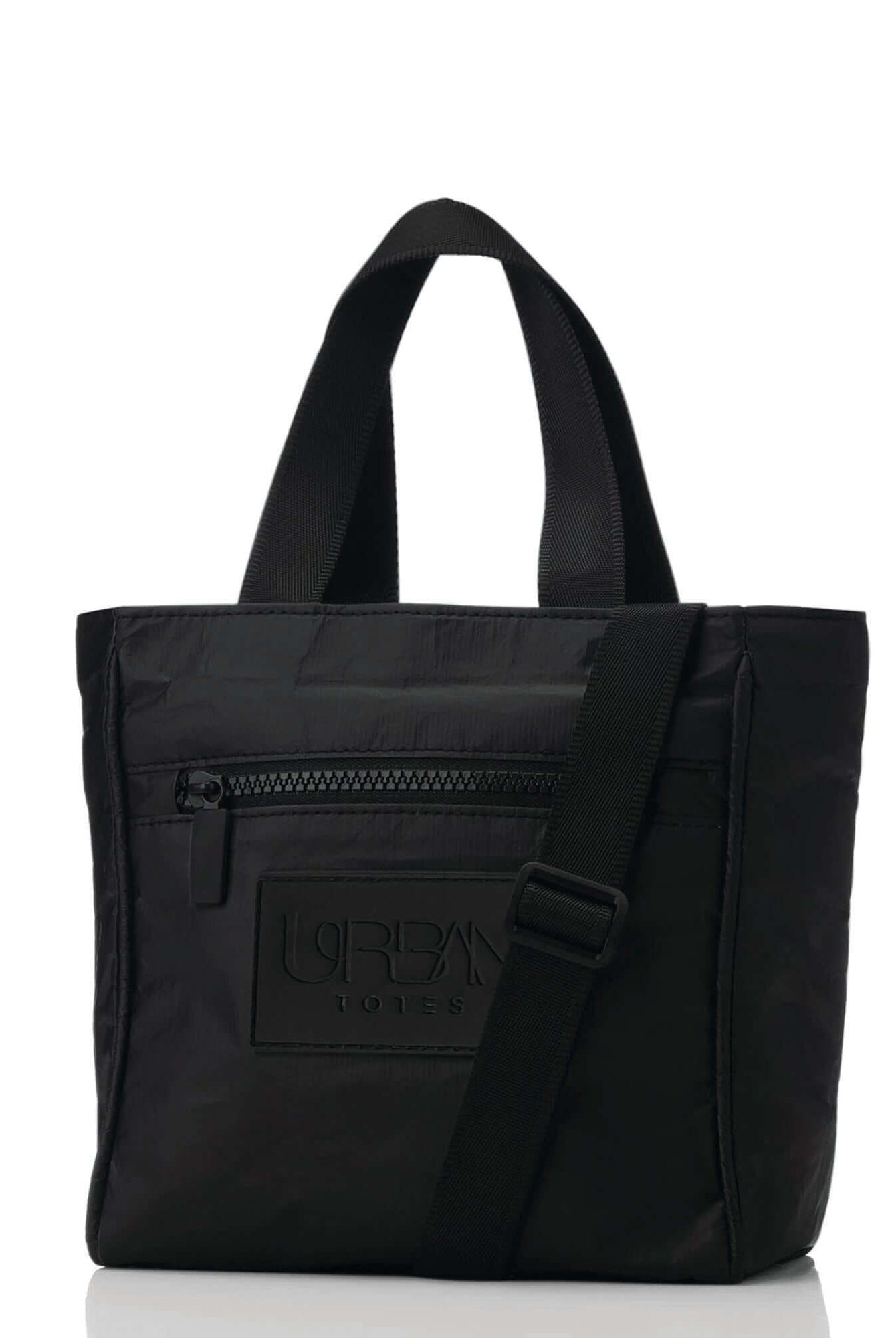
Coffee in one hand, laptop sliding under your arm, school drop-off in twelve minutes. You grab the tote by its short handles, the keys disappear beneath a scarf, and the first raindrops land inside because the top won't close. By the time you reach the car, the bag is cutting into your fingers and you're already wishing you'd chosen something else.
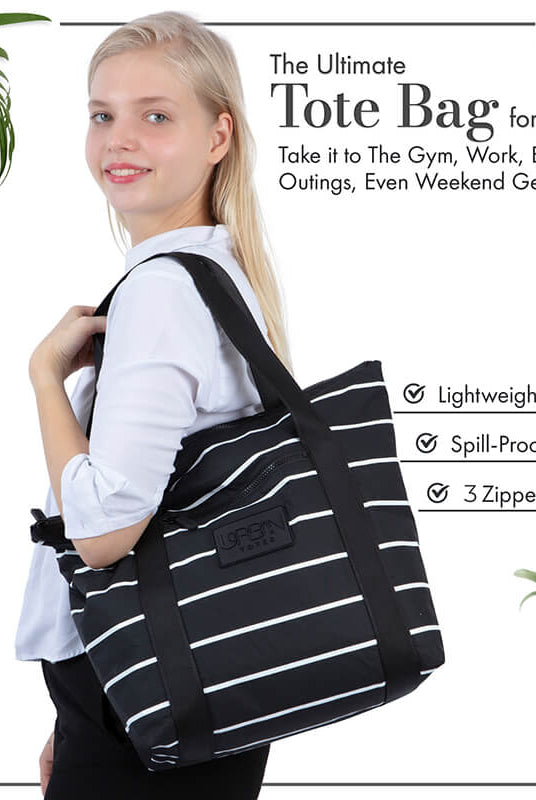
A tote bag with shoulder strap fixes that particular kind of morning chaos. It gives you the roomy shape you need for a thermos, tablet, folded jacket, and the small items that multiply throughout the day, while a longer strap lets you carry the bag without gripping it. Choose the right construction, and one bag can move from school drop-off to the office, farmers market, airport terminal, or beach chair without feeling like an afterthought.
Table of Contents
- A Morning That Starts With the Right Bag
- What a Tote Bag with a Shoulder Strap Actually Is
- The Features That Make or Break Your Daily Carry
- Matching the Bag to Your Real Life
- Packing and Styling Tips That Save the Day
- Easy Care So Your Tote Goes the Distance
- Your Quick Buying Checklist and Final Questions
A Morning That Starts With the Right Bag
The useful version has a shoulder strap that clears your coat, a base that keeps the bag upright, and enough structure to stop everything from collapsing into one soft pocket. You should be able to slide in a laptop or tablet, tuck a water bottle beside it, and find your keys without emptying the entire contents onto the passenger seat.
That convenience matters most when your day breaks into small, rushed moments. At drop-off, you need one hand for a child's backpack. At the coffee shop, you need the other for your drink. When a gate changes at the airport, you want to move quickly without a bag slipping from your elbow.
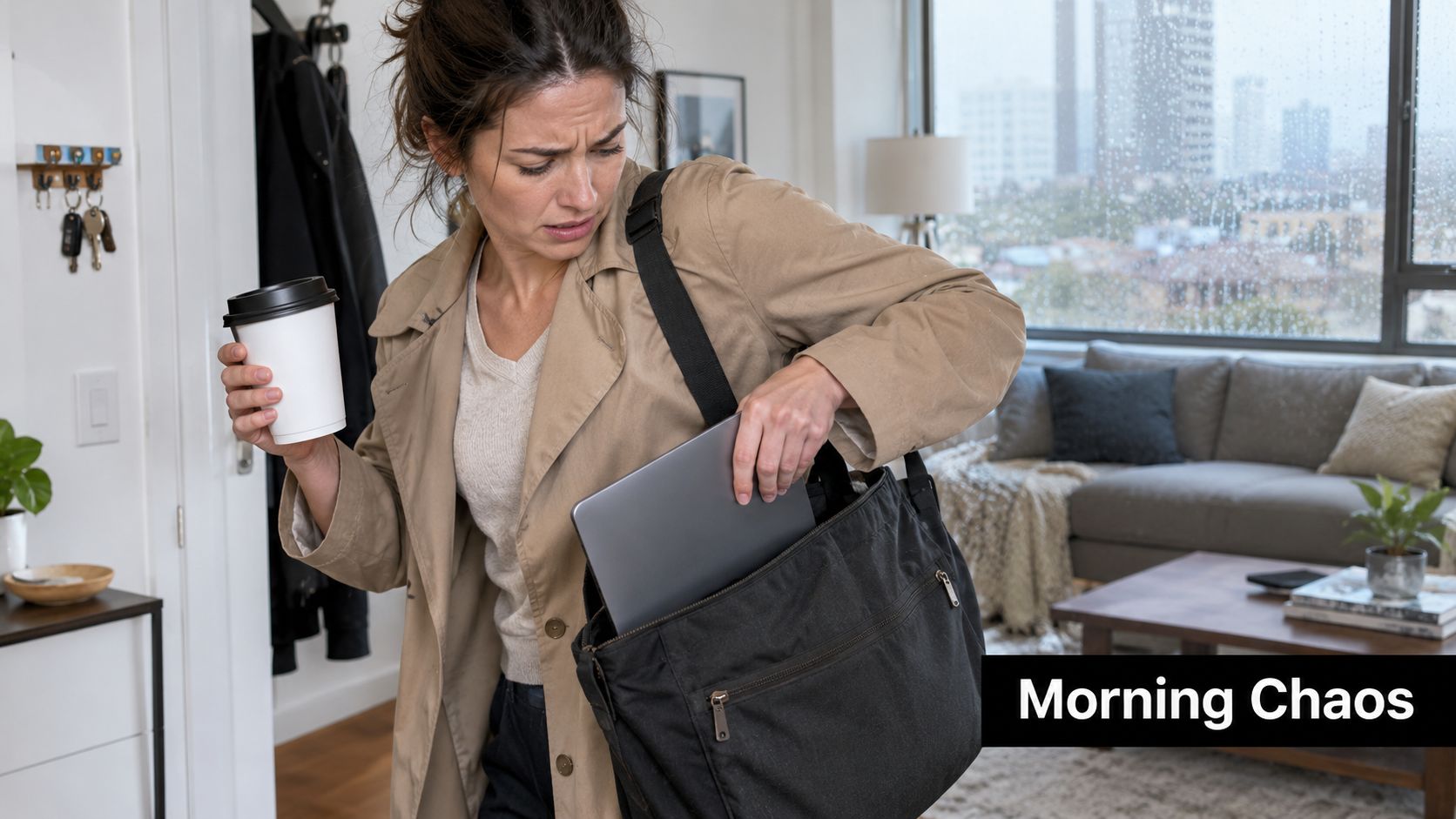
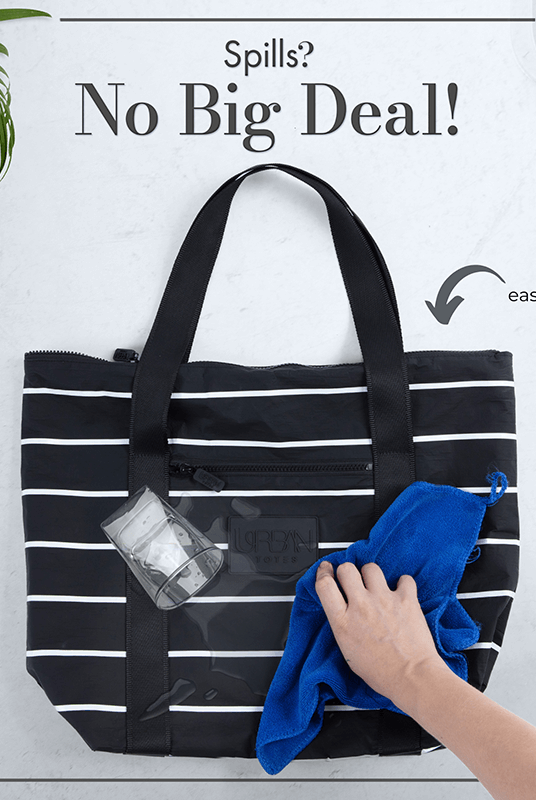
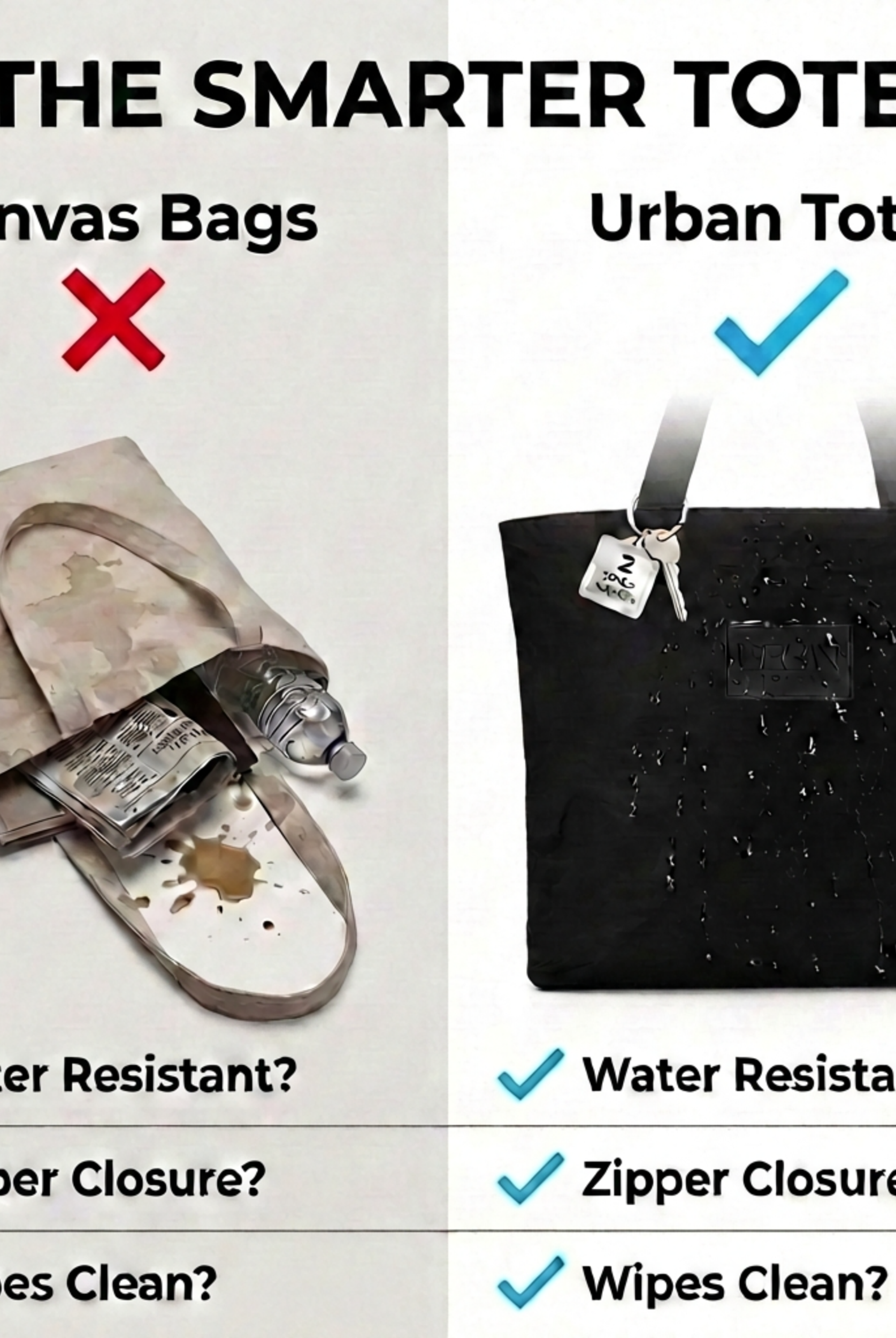
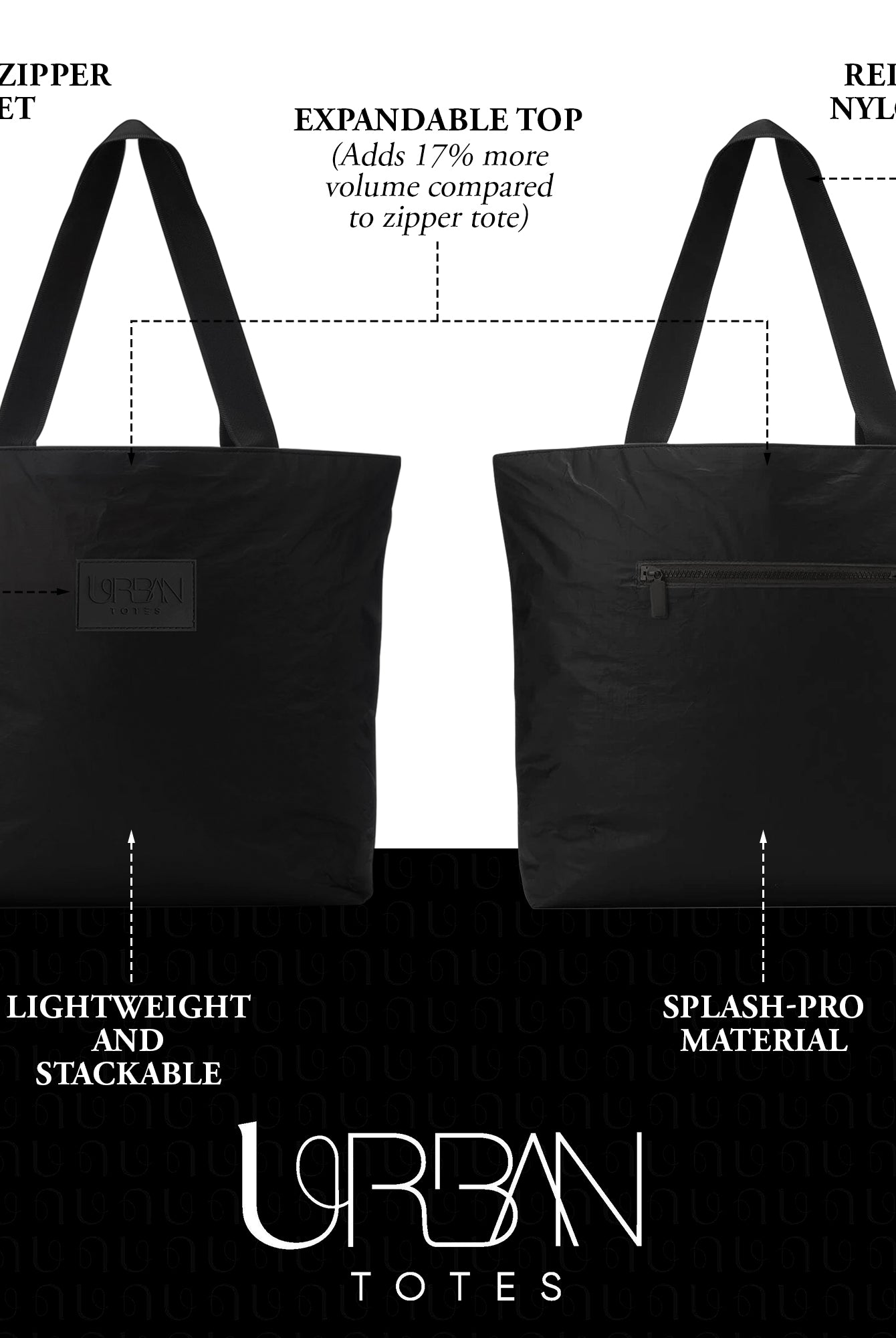
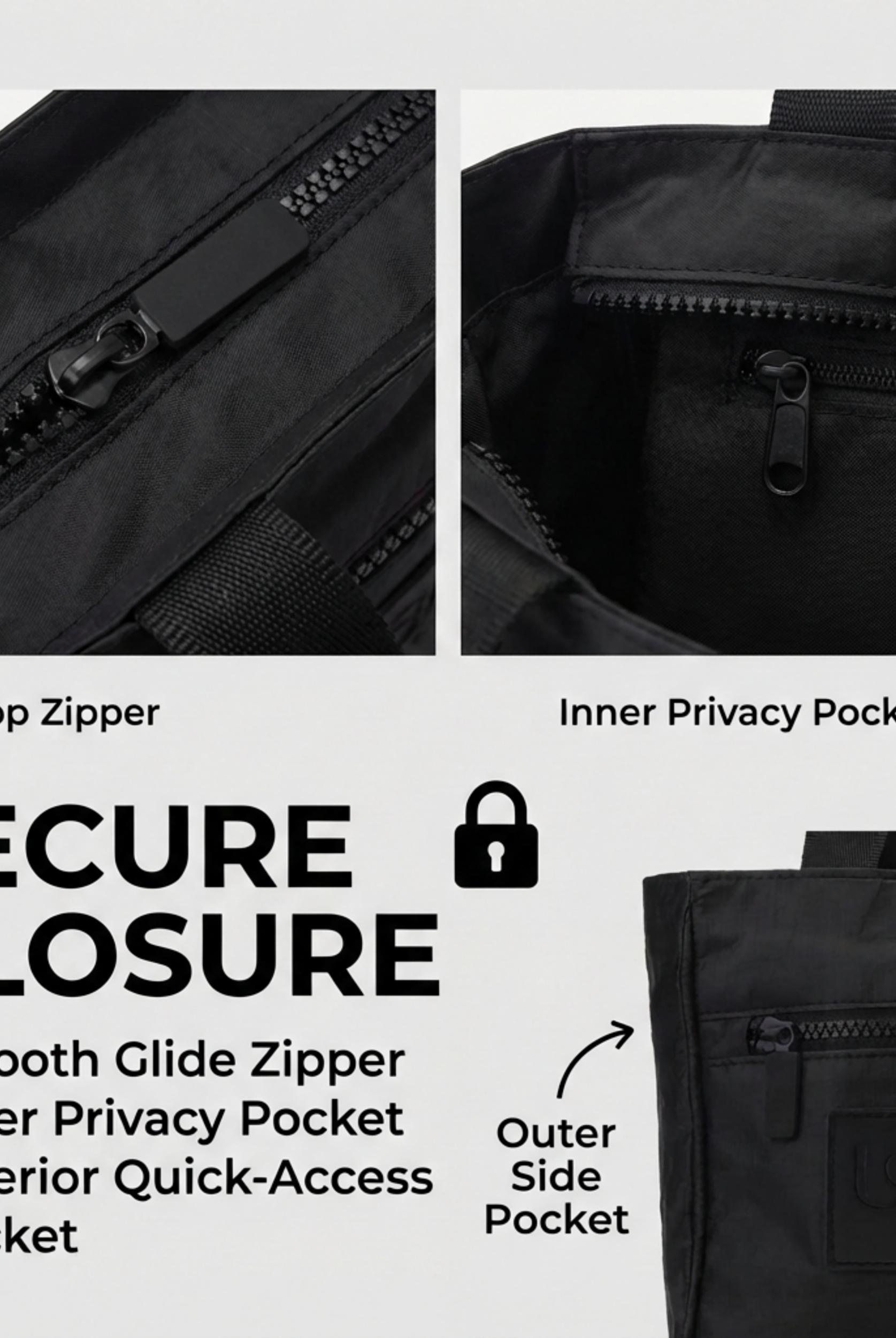
An open tote can be fast, but it leaves your belongings exposed in a crowded terminal or under a café table. A zipper closure adds a small pause when you reach inside, yet that pause is worthwhile when your phone, wallet, and charger need to stay put. Water-resistant fabric also helps with light drizzle and accidental spills, though it shouldn't be confused with waterproof protection.
My practical test: Load the bag with what you actually carry, put on your heaviest coat, and walk for several minutes. If the strap rubs, the bag swings into your hip, or your keys vanish, the design isn't ready for daily life.
The appeal of this style is its middle ground. It offers more capacity than a compact shoulder bag and easier access than a backpack, while keeping the relaxed, polished look that makes a tote work with jeans, office clothes, or a swimsuit and sandals. To choose well, you need to understand where this category ends and crossbody and backpack designs begin.
What a Tote Bag with a Shoulder Strap Actually Is
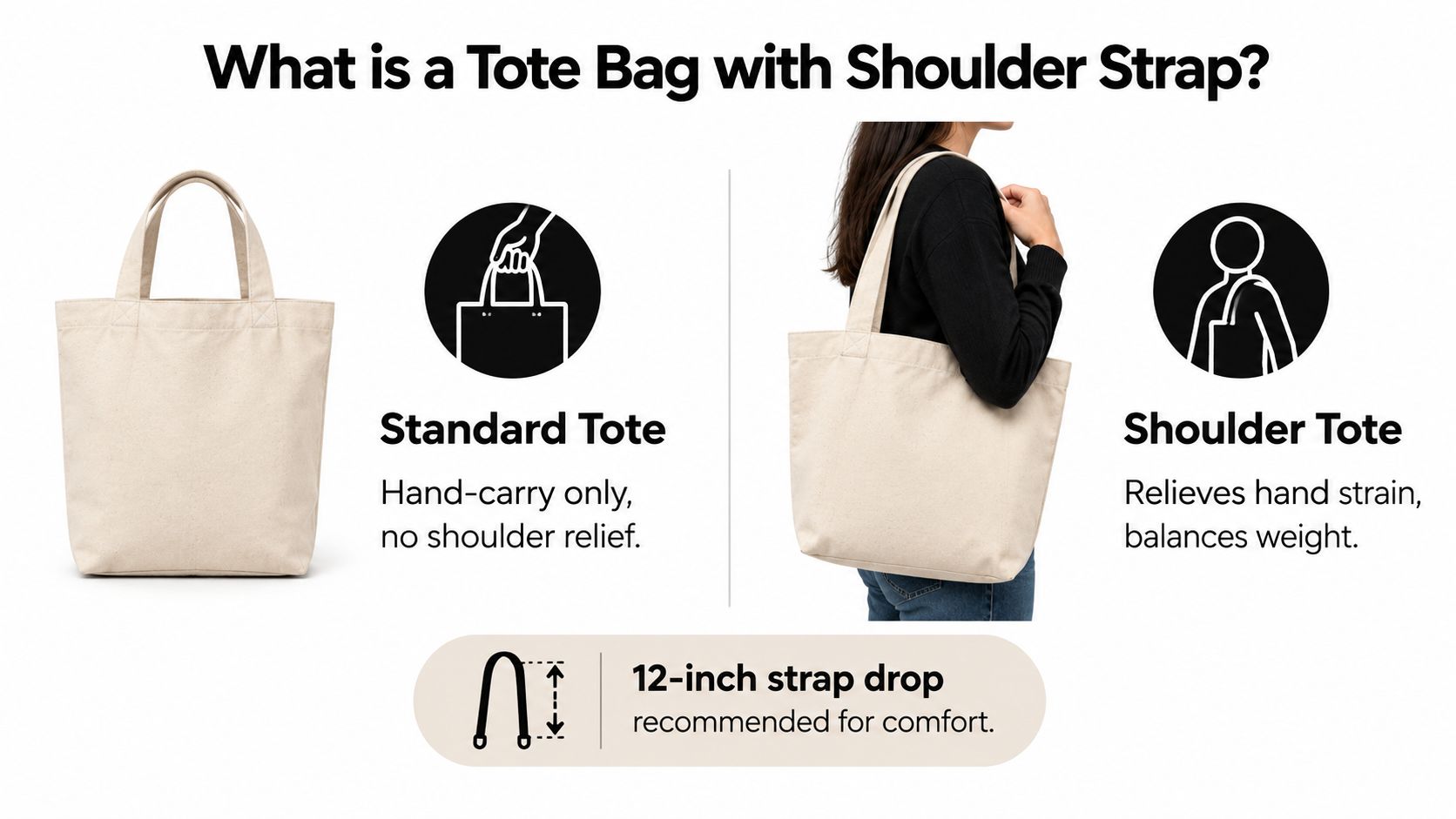
A tote bag with a shoulder strap is a roomy carryall with one or two straps long enough to drape over your shoulder without crowding your armpit. It usually has a broad main compartment, an open or zippered top, and a shape suited to everyday items rather than just a phone and cardholder.
The distinction from a crossbody is simple. A crossbody uses a longer strap worn diagonally across your torso, which keeps both hands free and holds the bag closer to your body. A backpack distributes its load across both shoulders, making it a different choice when you need to carry heavier belongings for longer stretches. A tote stays accessible at your side, so you can reach for sunglasses, snacks, or a boarding pass without taking it off.
The word tote is associated with carrying cloth and dates back to the 17th century. The modern shoulder-strap tote grew from the practical needs of 20th-century commuters. L.L. Bean's original canvas tote launched in 1944 as an “ice bag” for carrying ice from the car to the freezer, according to this history of shoulder-strap bags. By the 1960s, L.L. Bean was making versions with straps, colored bottoms, and brighter finishes, while Coach's later Cashin Carry helped move the tote further into fashion.
Shoulder bags had already become associated with hands-free movement. A historical account describes their reemergence in the 1930s, their practical importance during World War II, and Coco Chanel's introduction of the chain-strapped 2.55 flap bag in February 1955, as discussed in this overview of bag history.
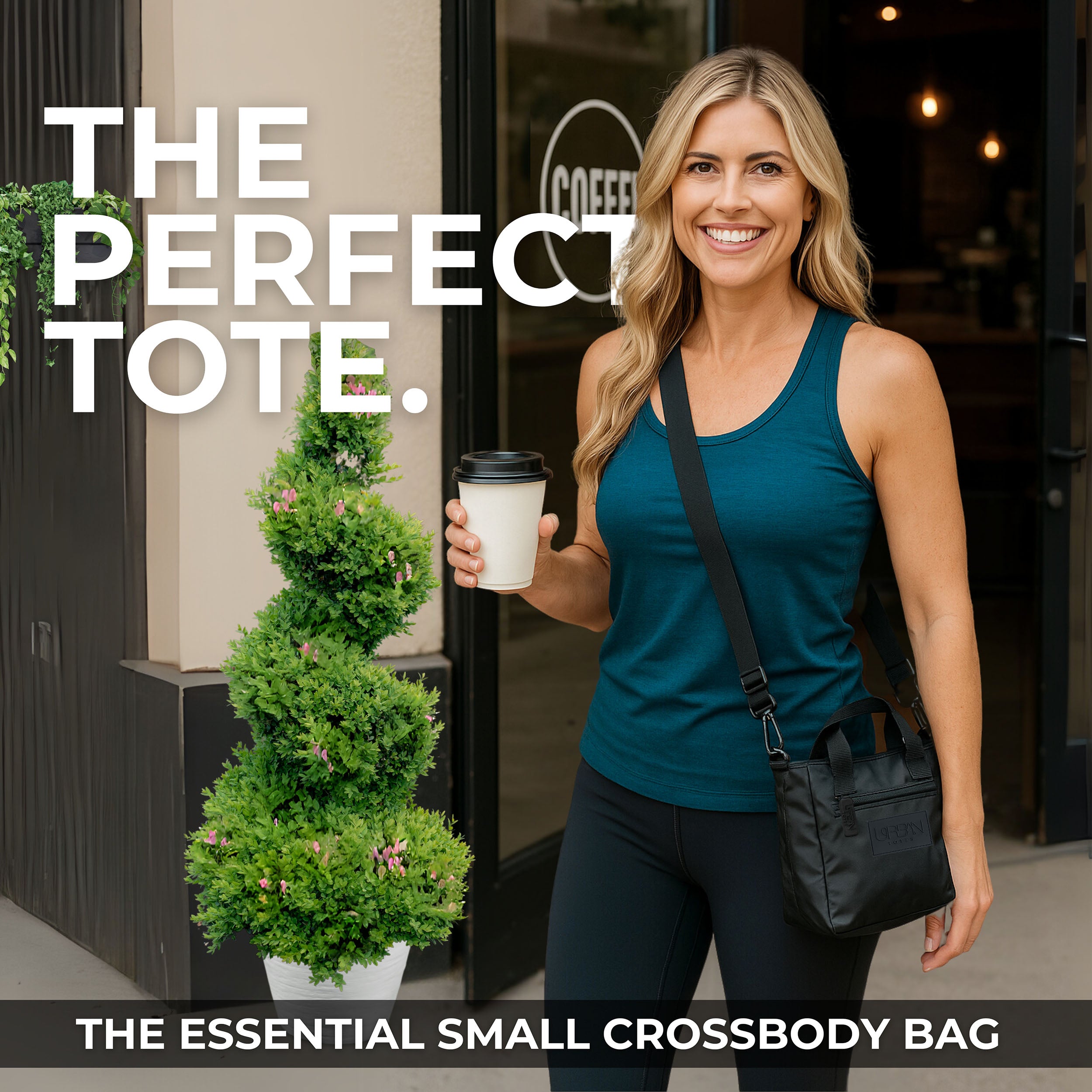
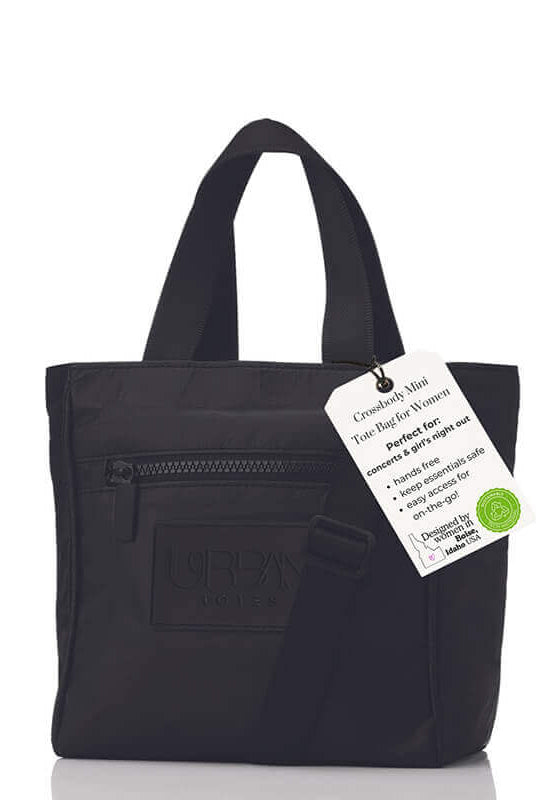
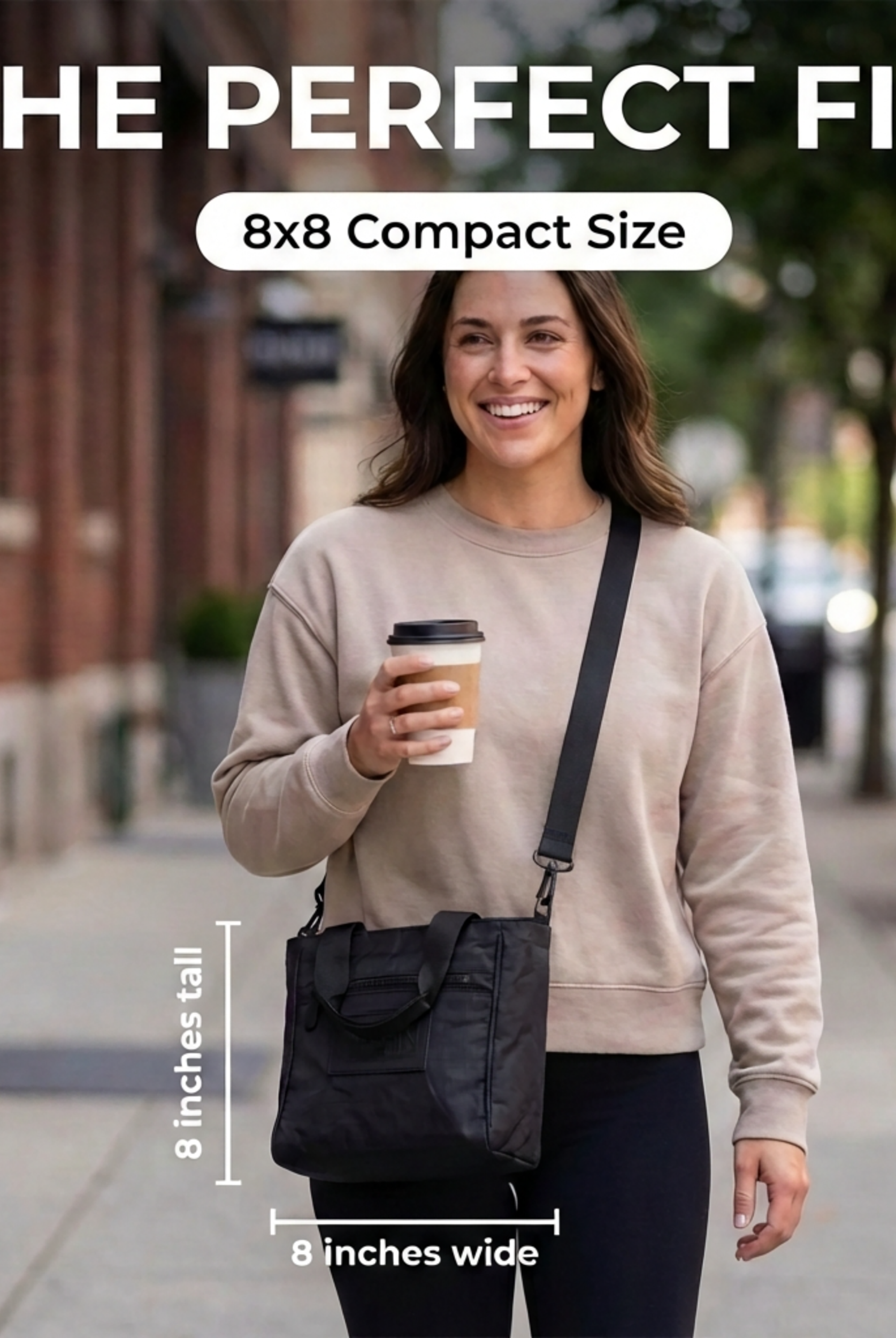
For a broader vocabulary of silhouettes, the comprehensive glossary of bag types is useful. If you want a smaller hands-free option rather than a full daily carryall, the Crossbody Tote Bag Mini Purse has a zip-top closure, outside and inside pockets, a removable strap, and a compact structured shape.
The Features That Make or Break Your Daily Carry
The difference between a tote you use every morning and one that stays in the closet comes down to a handful of physical decisions. Don't start with color. Start with how the bag behaves when it's full.
Start with the strap
Fixed straps look clean and have fewer moving parts. Adjustable straps let you change the fit for a T-shirt, blazer, or bulky sweater. Detachable straps make the bag easier to store or carry by hand, while convertible designs offer more flexibility but usually add hardware and weight.
Width matters because a wider strap spreads the same carried load over more contact area. Ergonomic guidance places about 1.5 to 2 inches as a practical minimum for medium daily loads of about 2 to 5 kilograms, while 2 to 3 inches is preferred for heavier loads, according to this tote-carrying ergonomics guide. Padding can help when the bag is loaded, but a padded strap still needs a secure attachment point and a length that keeps the bag stable.
Match the material to the mess
Coated canvas suits a tote that sees weather, groceries, and repeated wiping. Pebbled leather brings a more polished finish, but it needs appropriate conditioning and protection from prolonged moisture. Recycled nylon is lightweight and travel-friendly, while machine-washable cotton works well for casual errands when easy cleaning matters most.
Nylon webbing is commonly chosen for straps because it handles abrasion well. Dense, abrasion-resistant webbing is especially useful where the strap rubs against clothing, door frames, and the bag itself, as explained in this guide to nylon webbing uses.
Pick the closure for the scene
An open top wins at school pickup, where you need to reach in quickly. A magnetic snap gives you a little more control without slowing you down. A full zipper is the right call for crowded transit, travel, and any day when the bag will spend time tipped beside your seat.
Build organization around retrieval
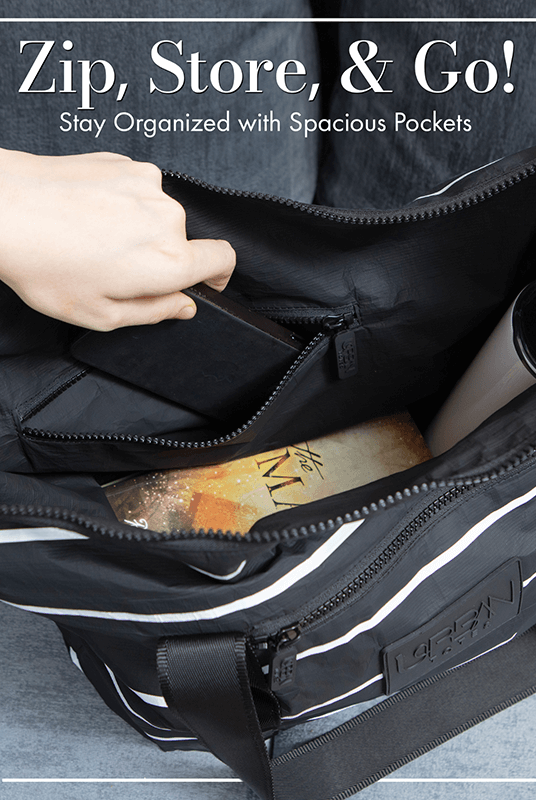
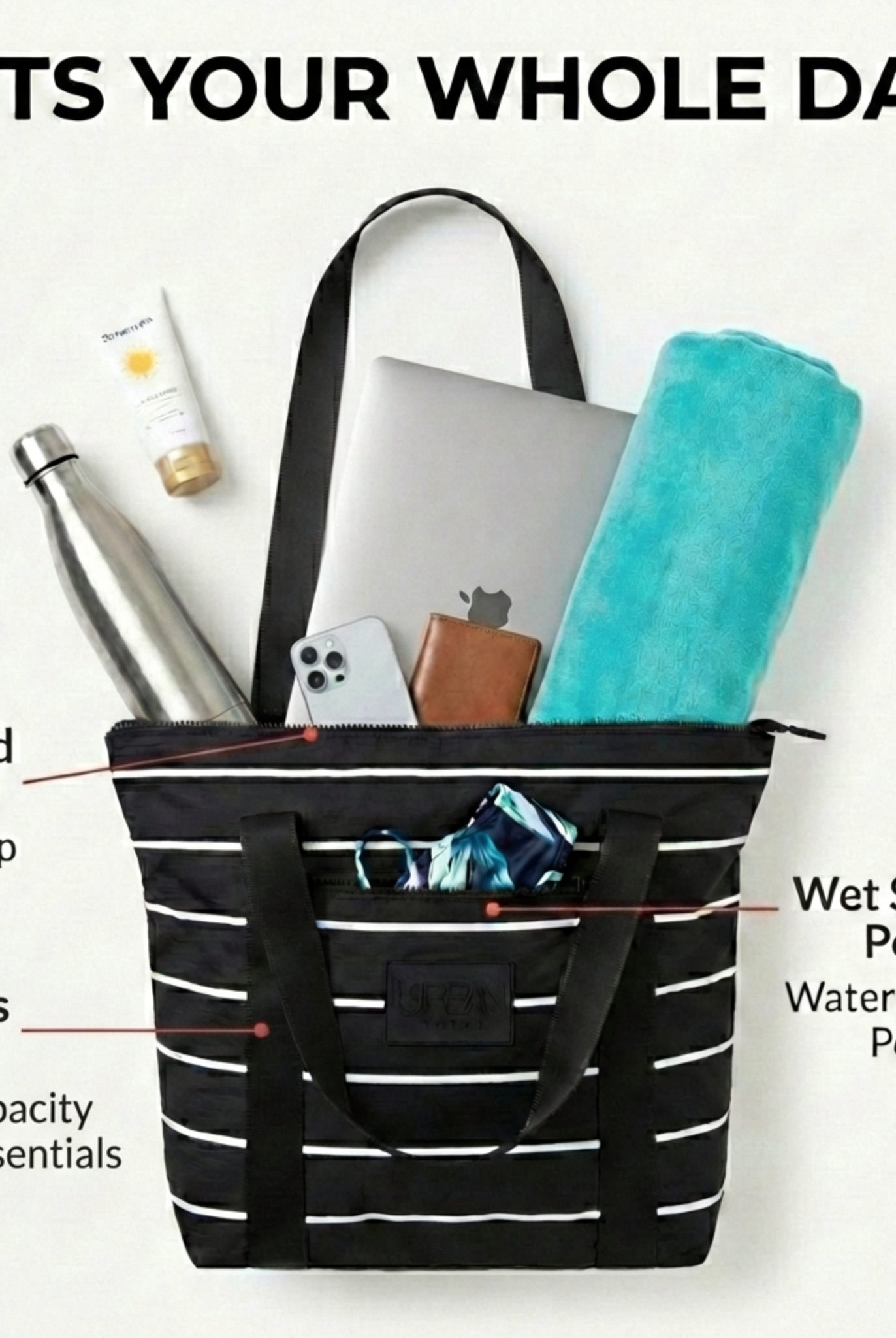
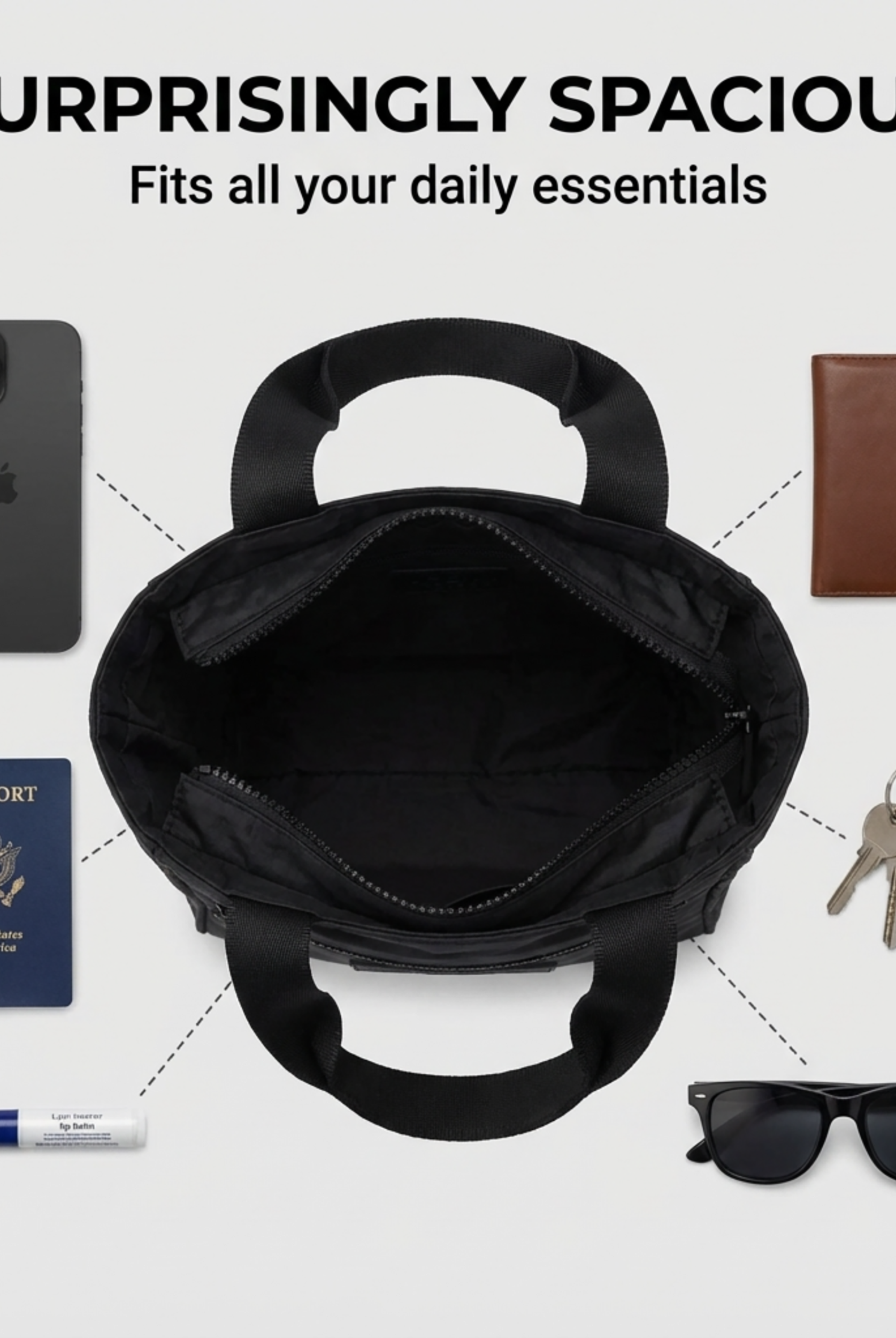
A laptop sleeve protects the device from loose objects. A key clip stops the daily bottom-of-the-bag search. A zippered pocket holds small valuables, and an exterior slip pocket keeps your phone within reach. More pockets aren't automatically better. They should help you remember where things live.
Buy for your load, not the label
A smaller daily carry might be around 13 liters, while a workhorse tote may reach 22 liters, but those figures only help if they match your routine. Measure your actual load by packing your laptop, notebook, bottle, cardigan, and essentials into a bag before deciding. Travelers can also compare the bag's footprint with this personal item size guide before relying on it for flights.
For strap construction details and fit ideas, see this guide to an adjustable shoulder strap.
| Feature | Common Options | Best For |
|---|---|---|
| Strap | Fixed, adjustable, detachable, convertible | Matching fit to clothing and load |
| Material | Coated canvas, leather, nylon, cotton | Climate, maintenance, and use |
| Closure | Open, magnetic snap, full zipper | Speed, balance, or security |
| Organization | Sleeve, key clip, zip pocket, slip pockets | Finding essentials quickly |
| Size | Compact daily tote to larger work tote | Your real weekly carry |
Matching the Bag to Your Real Life
The right tote depends less on your identity and more on the scene that repeats most often. A bag for the daily commuter shouldn't be judged by the same standard as one that carries a wet swimsuit from the beach.
For commuting
Choose a structured silhouette with a padded laptop slot, a zipper closure, and a strap drop that clears a winter coat. A reinforced base keeps the bag upright on the train floor, while an external phone pocket saves you from digging through receipts at the platform.
A commuter tote also needs restraint. If the bag can hold everything you own, you'll eventually carry everything you own. Keep the load purposeful and switch to a backpack when your workday regularly involves heavier equipment or long walks.
For travel
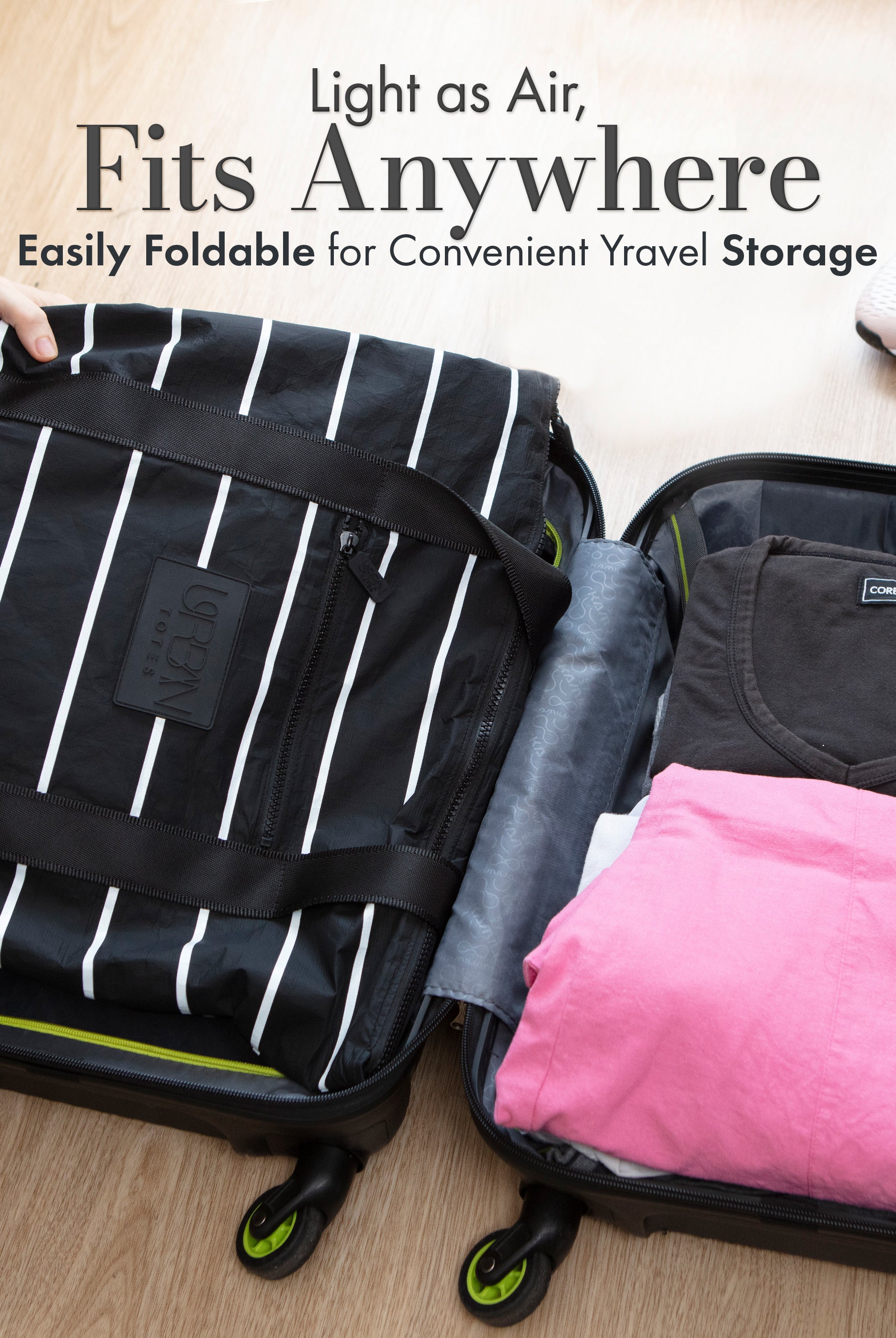
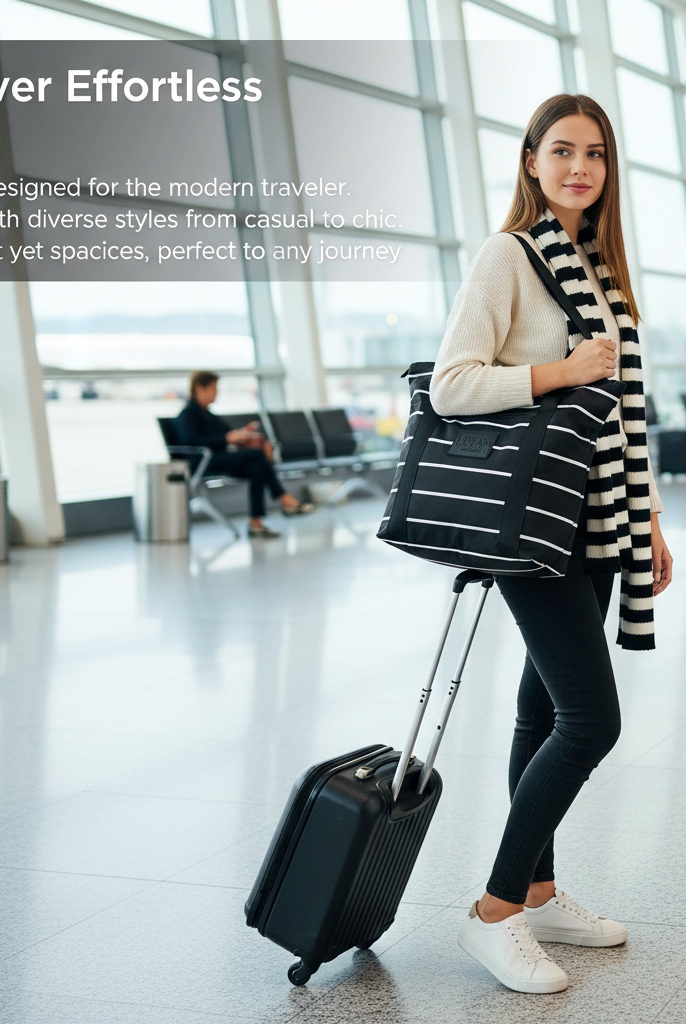
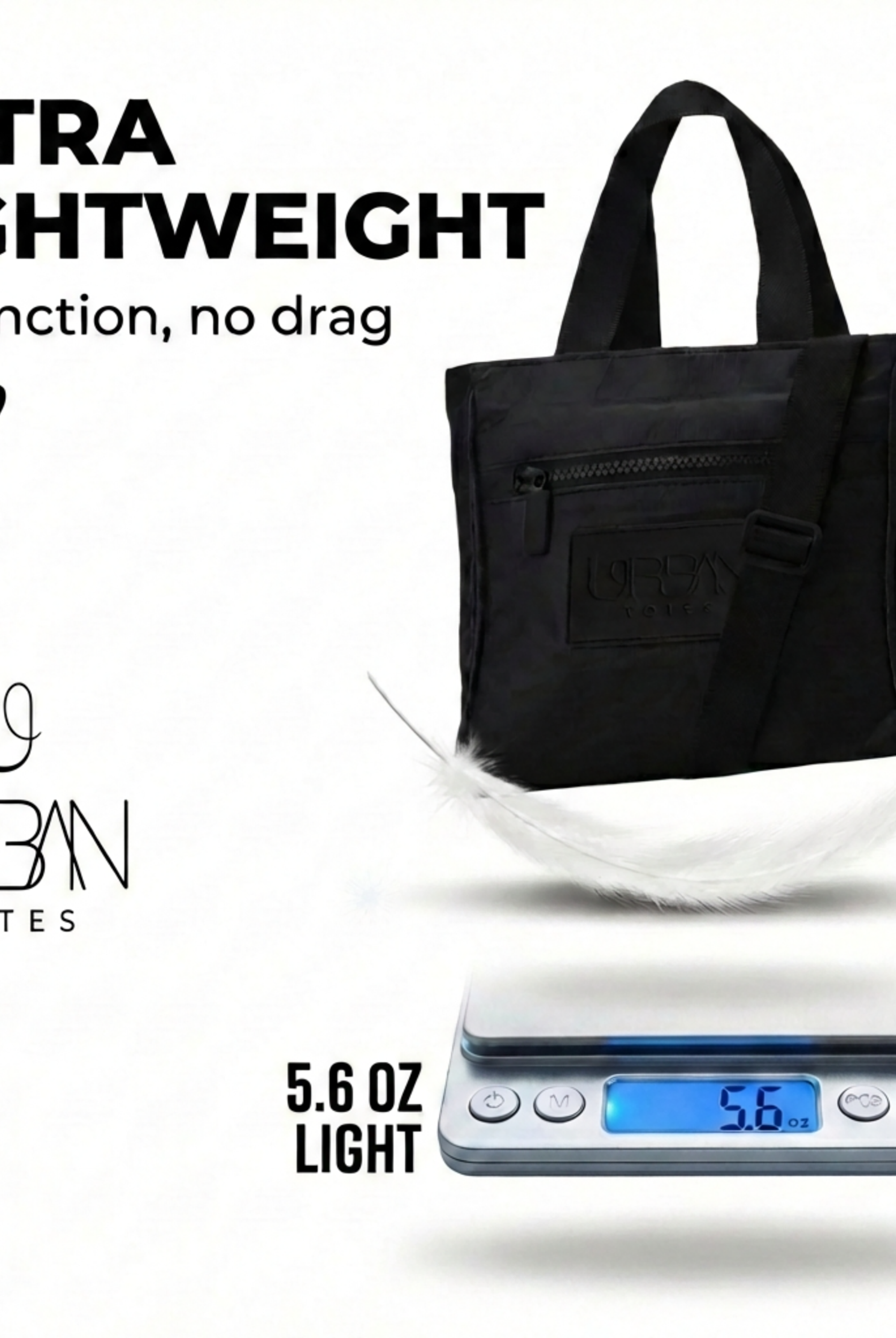
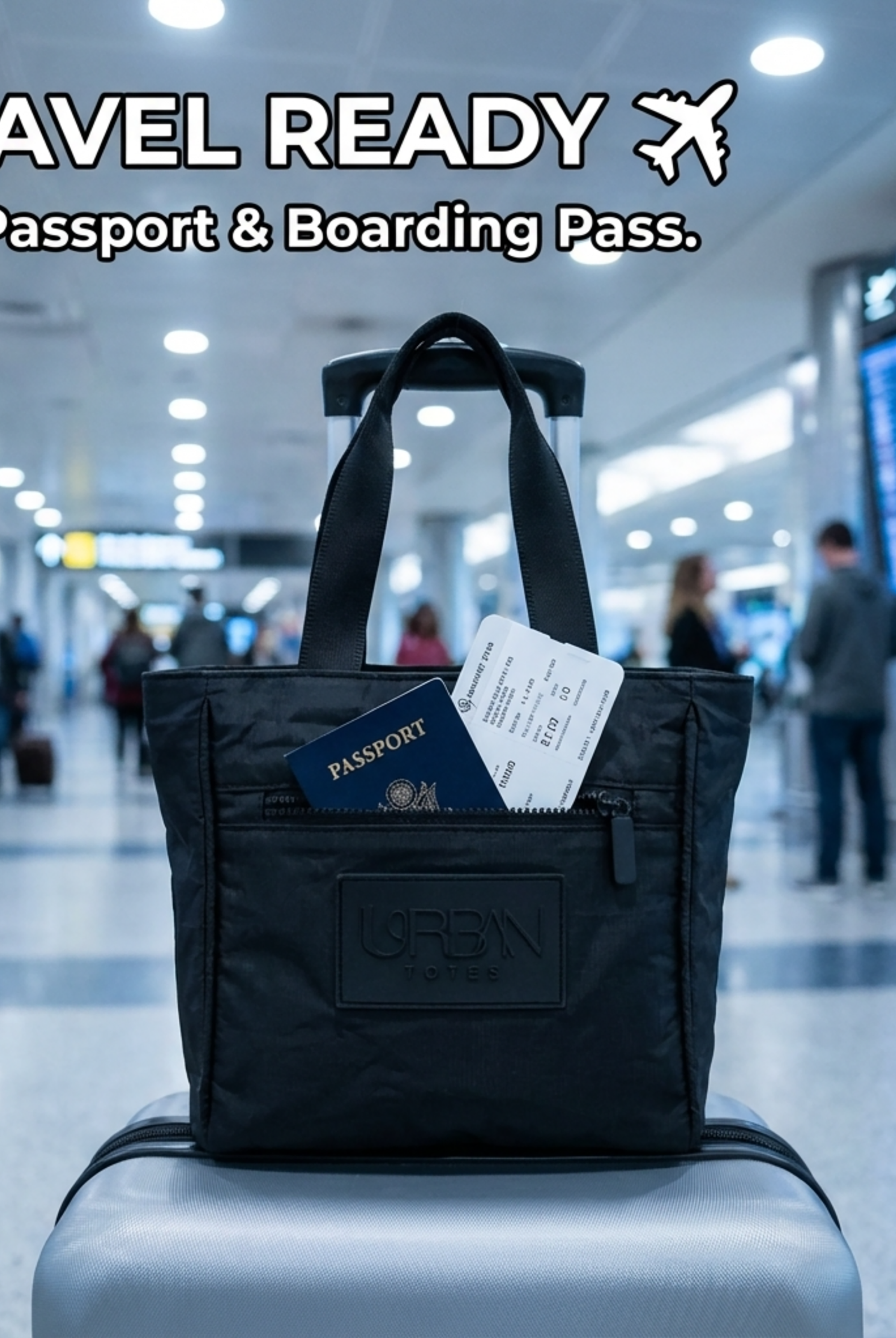
Travel rewards a lightweight, packable, foldable design that can wait inside a suitcase until you need it. Look for a zip-top closure, a trolley sleeve, and a reinforced base if the bag will move through terminals or sit beneath an airplane seat.
Packable travel bags often combine water resistance, compact storage, and usable capacity. A review of packable daypacks highlights water resistance, easy carry-on storage, capacity of at least 20 liters, and breathable mesh on ergonomically shaped straps as practical features for travel use, as described by Wirecutter's packable daypack review.
For the gym
A gym tote needs a wipeable lining, a ventilated shoe pocket, and a strap that doesn't fold into a narrow cord when the bag holds sneakers and a wet towel. Side pockets are helpful for separating damp clothing from a clean shirt.
For parenting
Parents need a wide opening, a key clip, and a material that can tolerate juice boxes, crayons, and the occasional snack leak. A zipper closure is useful in the car, while multiple compartments let you separate personal essentials from small necessities.
For students
Students should prioritize an external water-bottle pocket, a padded laptop slot, and room for a textbook without forcing the seams outward. If the bag will be carried across campus for hours, choose wider, adjustable straps or move to a backpack when the load becomes substantial.
| Scenario | Best Strap | Best Closure | Key Feature | Ideal Material |
|---|---|---|---|---|
| Commuting | Adjustable, coat-friendly | Full zipper | Laptop sleeve | Structured nylon or coated canvas |
| Travel | Detachable or adjustable | Full zipper | Trolley sleeve | Lightweight water-resistant nylon |
| Gym | Wide and padded | Zipper or secure snap | Ventilated shoe pocket | Wipeable nylon |
| Parenting | Long and stable | Wide opening or zipper | Key clip and compartments | Stain-resistant canvas |
| Students | Wide adjustable strap | Zipper or snap | Padded laptop slot | Durable canvas or nylon |
Weight your own week. If airport days, errands, and school runs dominate, choose a versatile travel-ready tote. If your calendar is mostly office commuting, prioritize structure and device protection over beach-sized capacity.
Packing and Styling Tips That Save the Day
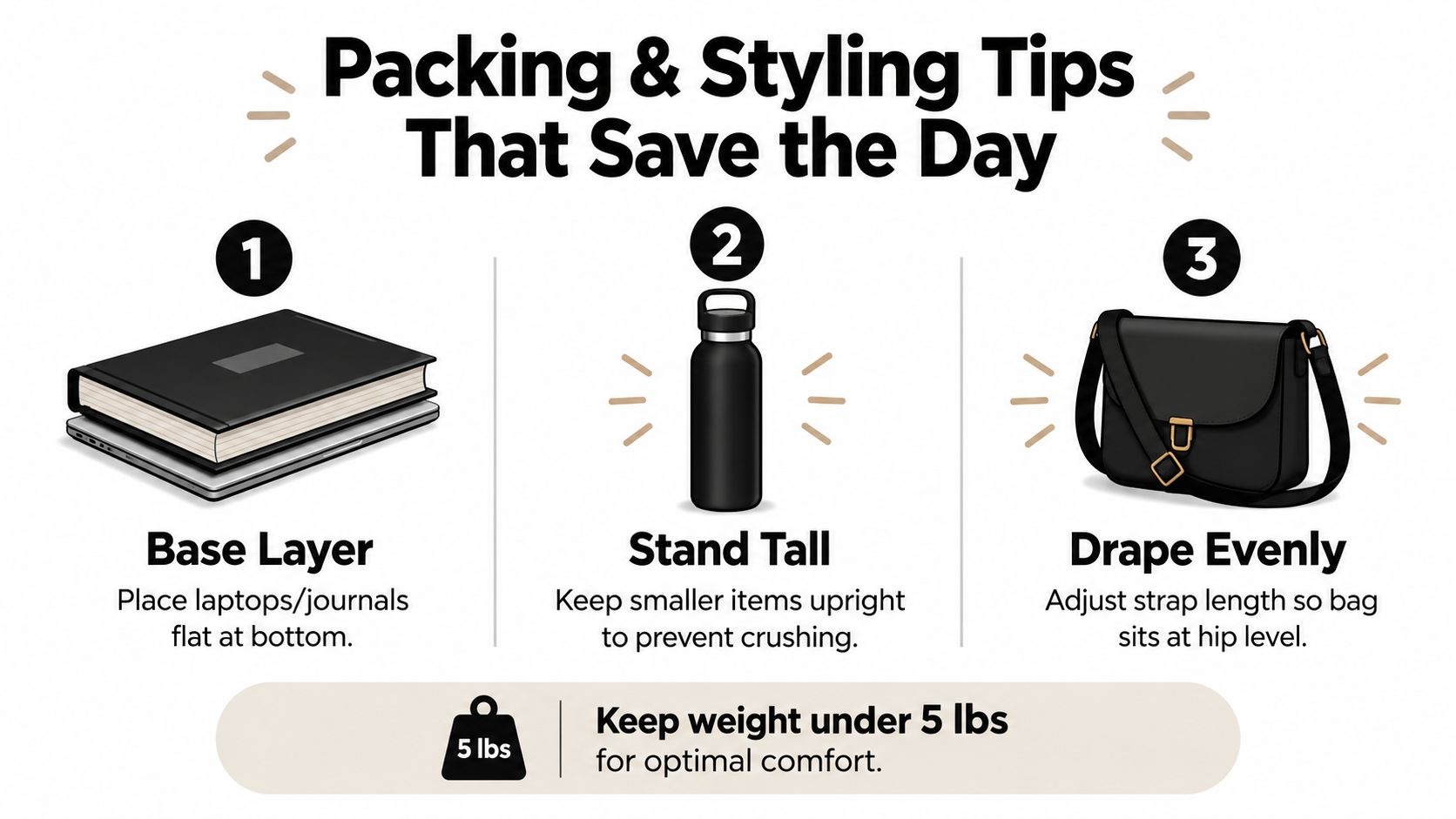
A well-designed bag can still feel chaotic if you load it without a system. Start with the base layer: place the heaviest flat items, such as a laptop, journal, or tablet, against the bottom so they create a stable foundation rather than leaning into the side of the bag.
Stand smaller items upright around that foundation. A water bottle, sunglasses case, and pouch are easier to spot when they aren't buried beneath a sweater. Use a small zip pouch for chargers and cosmetics, then clip your keys to an interior loop before you leave the house.
Roll knits and scarves instead of folding them into thick squares. Rolling saves space and makes it easier to pull out one layer without disturbing everything else. Keep anything that might leak inside its own pouch, even when the bag has a wipeable or water-resistant lining.
Make the strap work with your clothes
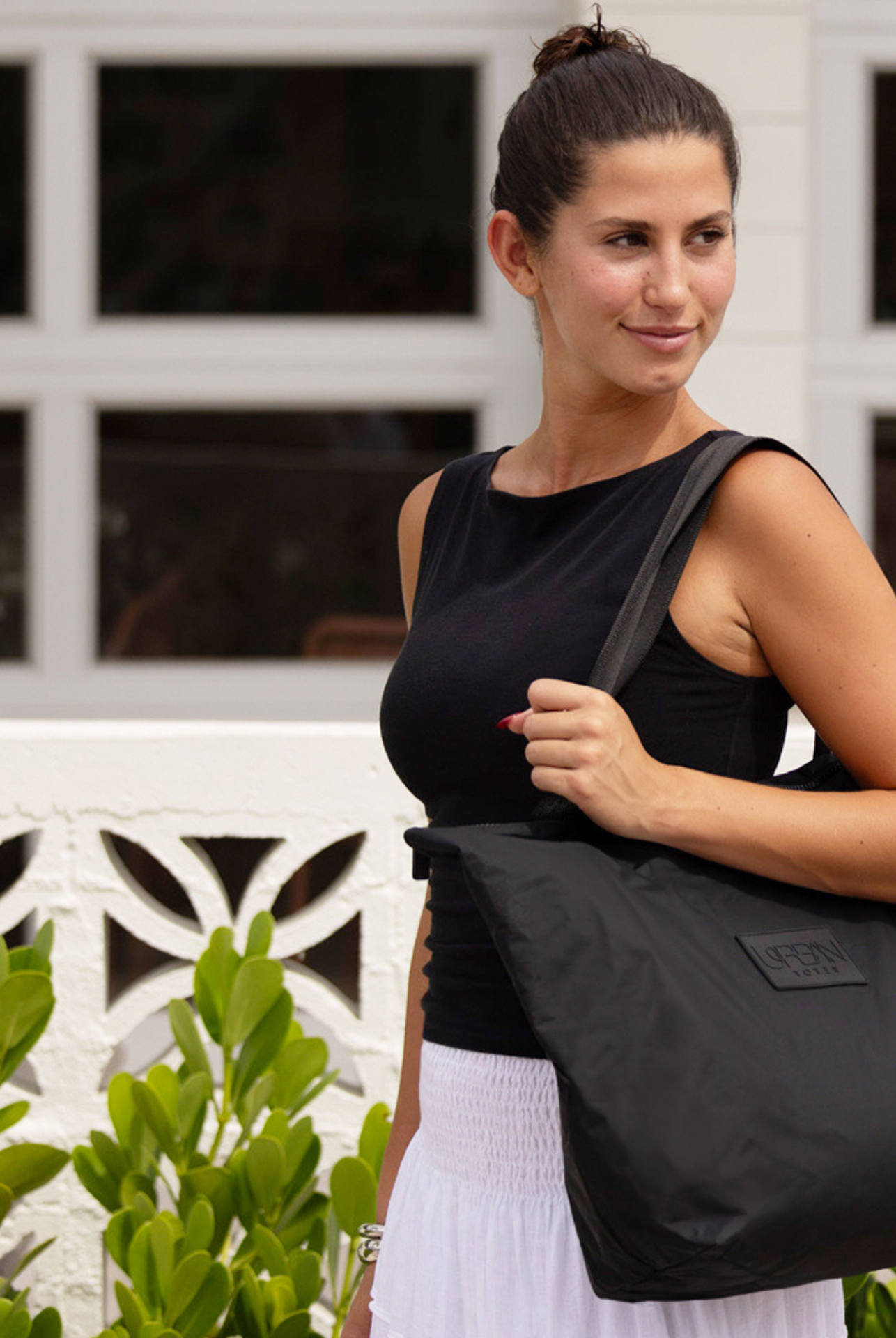
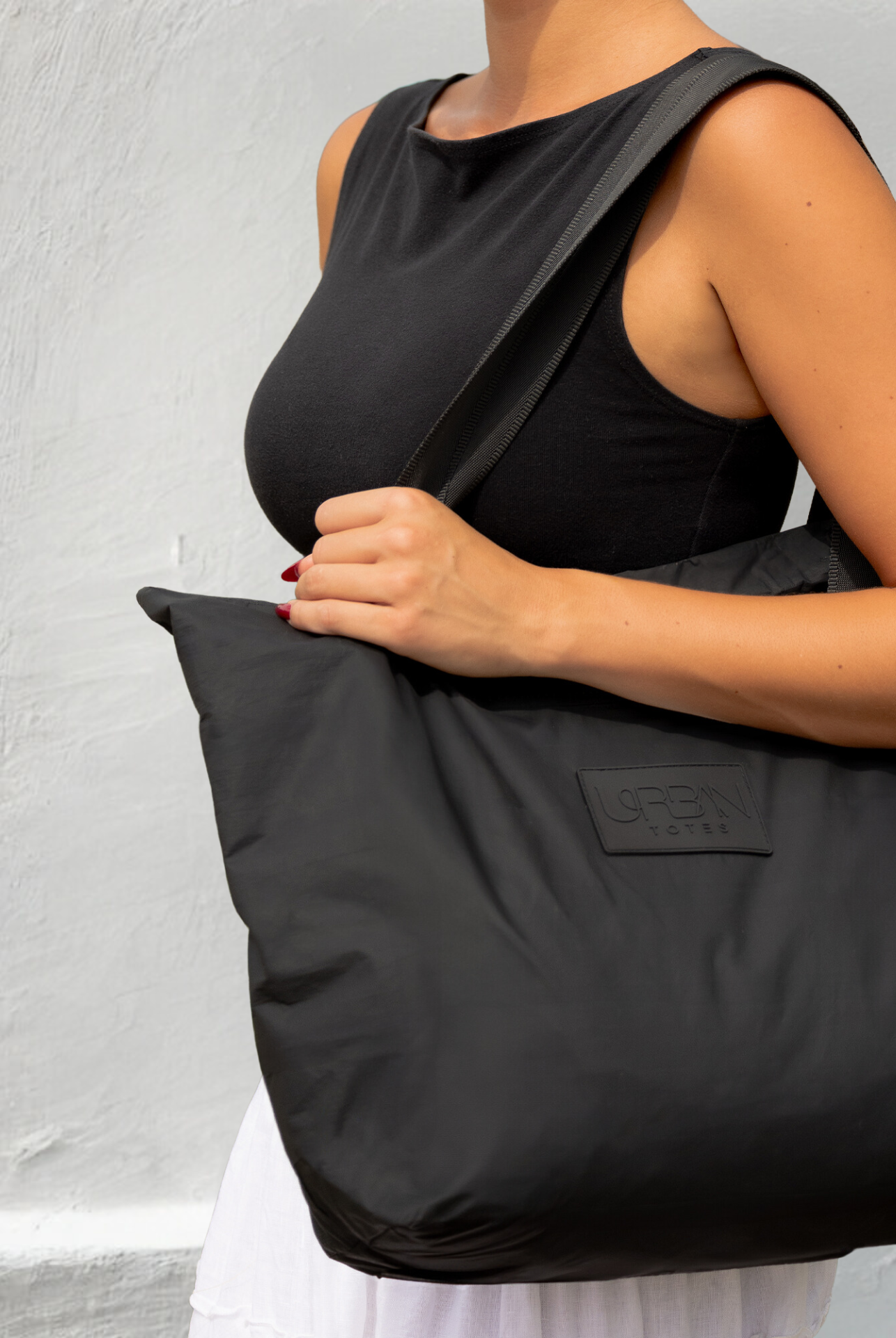
Shorten the strap slightly over a fitted coat so the tote sits higher and keeps a clean line. Lengthen it over a puffer jacket or chunky sweater so the bag clears the bulk instead of riding under your arm.
A useful shoulder drop should let the bag rest around hip level without swinging behind you. For guidance on positioning and carrying, use this practical guide on how to wear a tote bag.
For a daytime outfit, pair a relaxed tote with jeans, sneakers, and a crisp T-shirt. At dinner, switch to a fitted coat, loafers, and tonal leather or a darker structured fabric. The bag doesn't need to become formal. It just needs a cleaner silhouette and less visual clutter.
Keep two totes in rotation by season. One can handle beach towels, gym clothes, and warmer layers, while the other stays lighter and more polished for commuting and dinners.
Easy Care So Your Tote Goes the Distance
Care doesn't need to become another weekend project. Empty the bag fully, turn out the pockets, and wipe the interior with a damp microfiber cloth and a drop of mild soap. A weekly reset catches crumbs, makeup, and small spills before they settle into the lining.
Treat canvas with a fabric protector spray every few months if the care label allows it. Leather needs a small amount of suitable conditioner to help prevent drying and cracking, while nylon usually responds well to gentle spot cleaning. Always match the cleanser to the material instead of reaching for the strongest product in the cupboard.
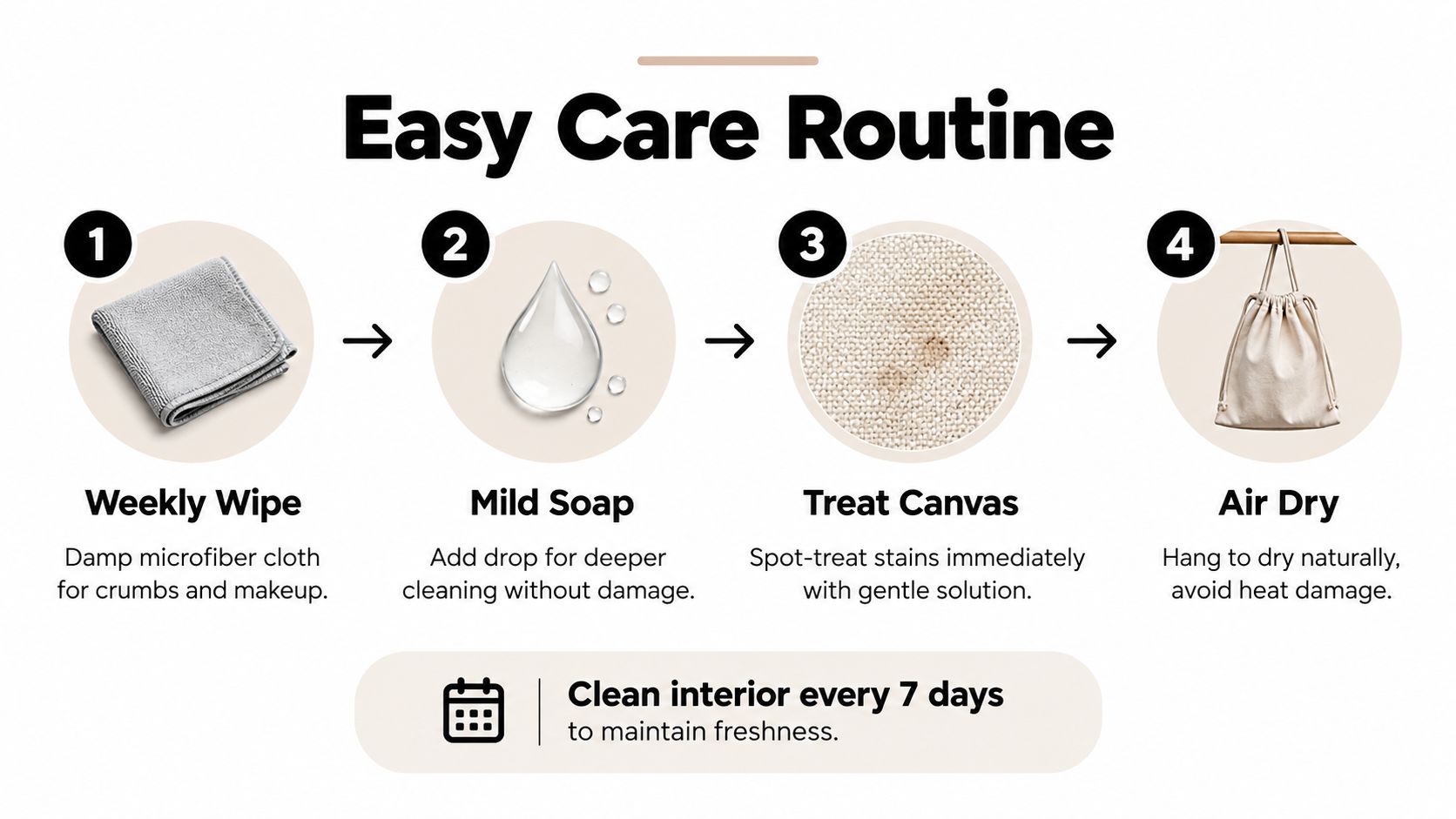
If the care label permits machine washing, place cotton or nylon totes inside a mesh laundry bag, use cold water, and air-dry them flat. Heat can distort the shape, weaken finishes, or leave the bag with a stubborn crease. Spot-clean stains as soon as they happen rather than waiting for laundry day.
Store it so the shape survives
Store a tote upright on a shelf, or hang it by the shoulder strap if the material and hardware support that method. Don't cram it beneath shoes or heavy luggage, and don't leave the strap twisted between uses.
For more detailed maintenance guidance, follow these tote bag care and cleaning tips. A five-minute weekly wipe is more useful than a heroic deep clean after months of neglect.
Your Quick Buying Checklist and Final Questions
Before you click buy, run through the bag as if you're already late.
- Test the strap: Check the drop over the coat you wear most, look for comfortable width, and inspect every attachment point.
- Check the fabric: Choose a material that suits your weather, commute, and tolerance for maintenance.
- Close the top: Use an open tote for quick access, but choose a zipper for crowded transit and travel.
- Map the pockets: Make sure your phone, keys, charger, and laptop each have a logical home.
- Match the size: Pack your normal daily items instead of trusting a product photo.
- Read the care label: A beautiful tote that needs fussy maintenance won't become your everyday carry.
- Assess the load: A single shoulder can carry unevenly, so switch to a crossbody or backpack when the bag becomes heavy or your commute is long.
Can a shoulder tote replace a work bag
Yes, if it has a padded laptop slot, a stable base, secure closure, and enough organization for your daily tools. It isn't the right replacement if the bag collapses around your device or forces you to carry more than the strap can comfortably support.
How can I tell whether the strap is sturdy enough for a laptop
Look for dense webbing, reinforced stitching, and hardware that connects to the bag through a substantial anchor rather than a narrow decorative tab. Nylon webbing is a practical choice for repeated abrasion, but construction matters more than the material name alone.
Is canvas better than nylon
Neither wins automatically. Canvas has a familiar, substantial feel and suits casual everyday styling, while nylon is often lighter, packable, and easier to use in travel settings. Compare the weave, lining, closure, and cleaning instructions in the tote bag material guide.
When should I size up for travel
Size up when you regularly add a layer, book, water bottle, or travel documents to your normal load. Don't choose a larger tote just because it can hold more. Extra room becomes extra weight when you fill it.
Does a coated lining stop spills
It can make wiping easier and slow the spread of a small spill, but it doesn't promise that every belonging will stay dry. Water-resistant is not waterproof, as retailer guidance explains in this water-resistant travel bag advice. For wet conditions, look for a product explicitly labeled waterproof, not merely water-resistant.
How do I balance style and function
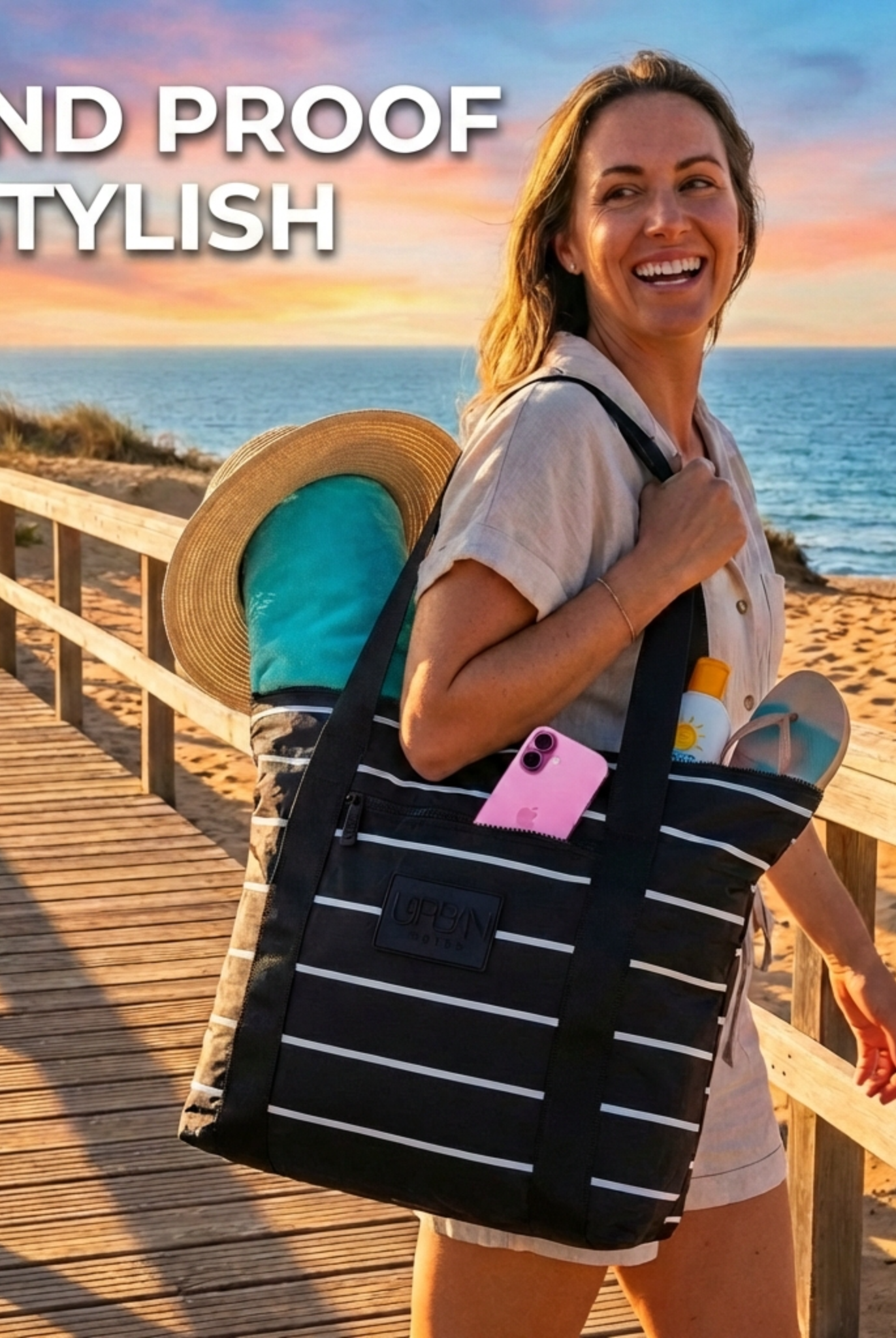
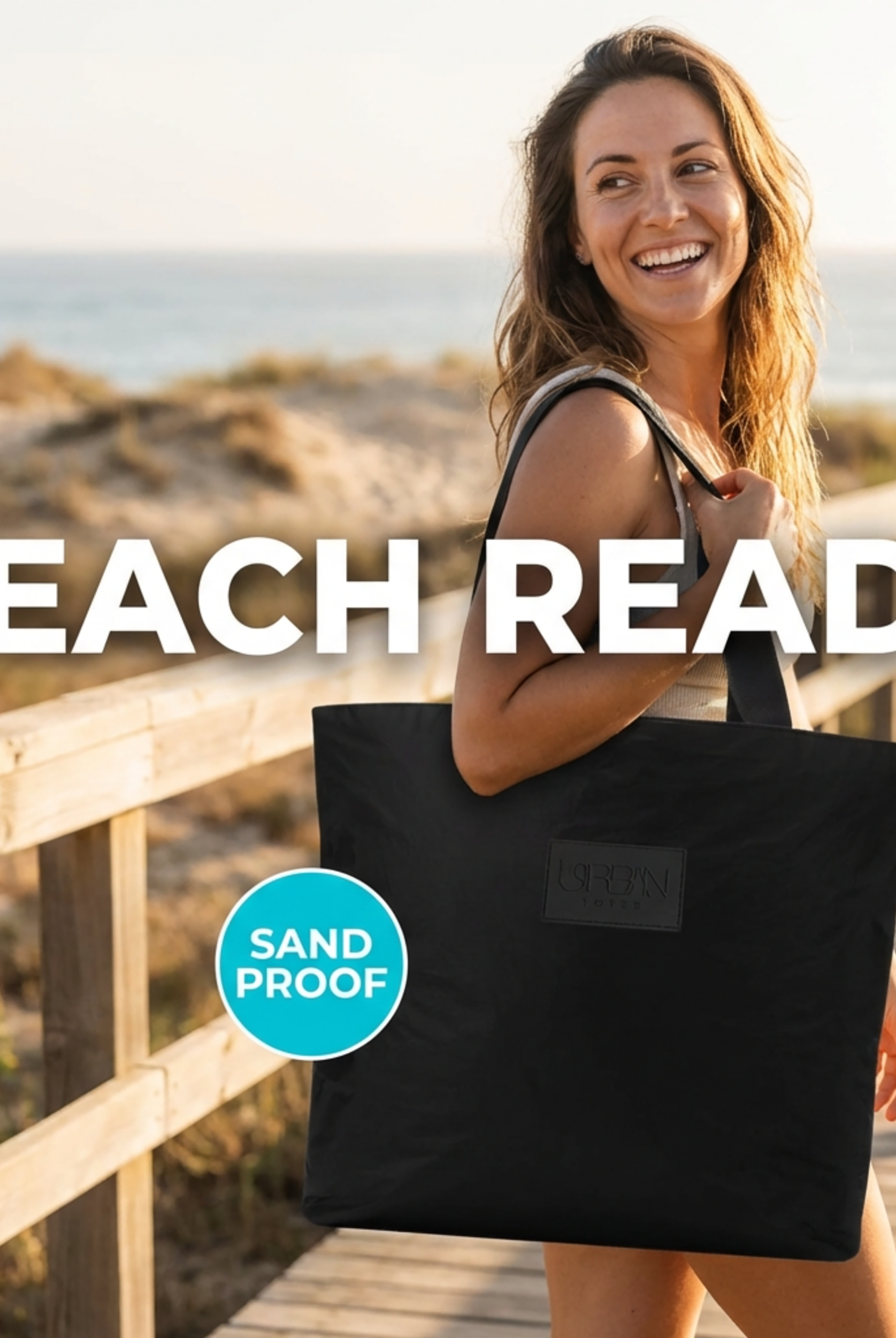
Start with the moments that frustrate you. If the problem is digging for keys, prioritize a key clip and reachable pocket. If the problem is a strap that hurts over a coat, prioritize width and adjustability. If the problem is rain at the beach or school pickup, choose a zipper closure and water-resistant fabric, then carry sensitive items in a separate pouch.
The right tote is the one that survives your actual Tuesday, not the one that looks perfect hanging from a model's shoulder. Try it loaded, over your usual clothes, and with the items you carry most.
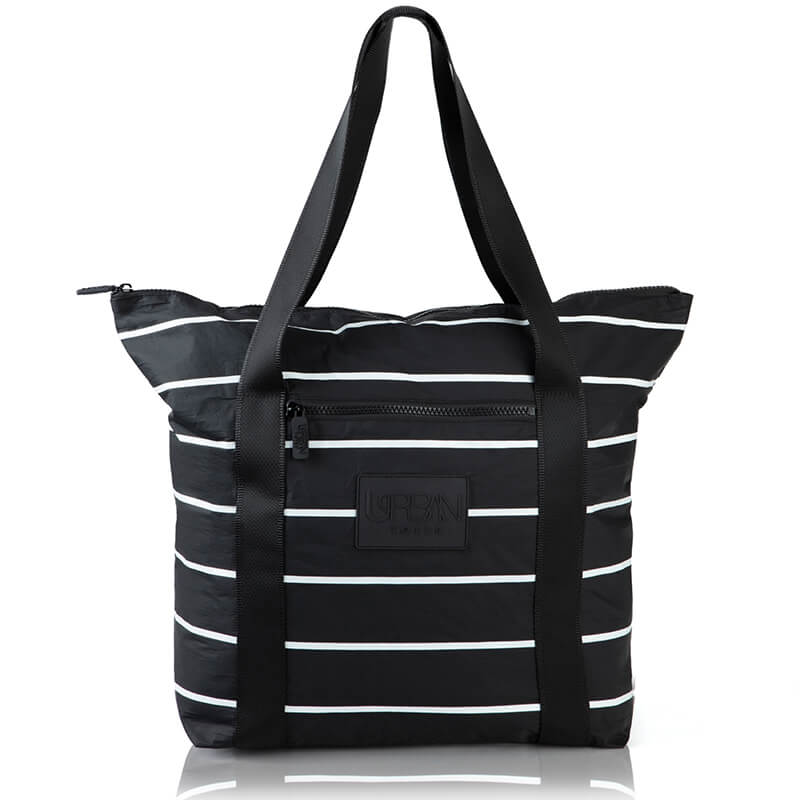
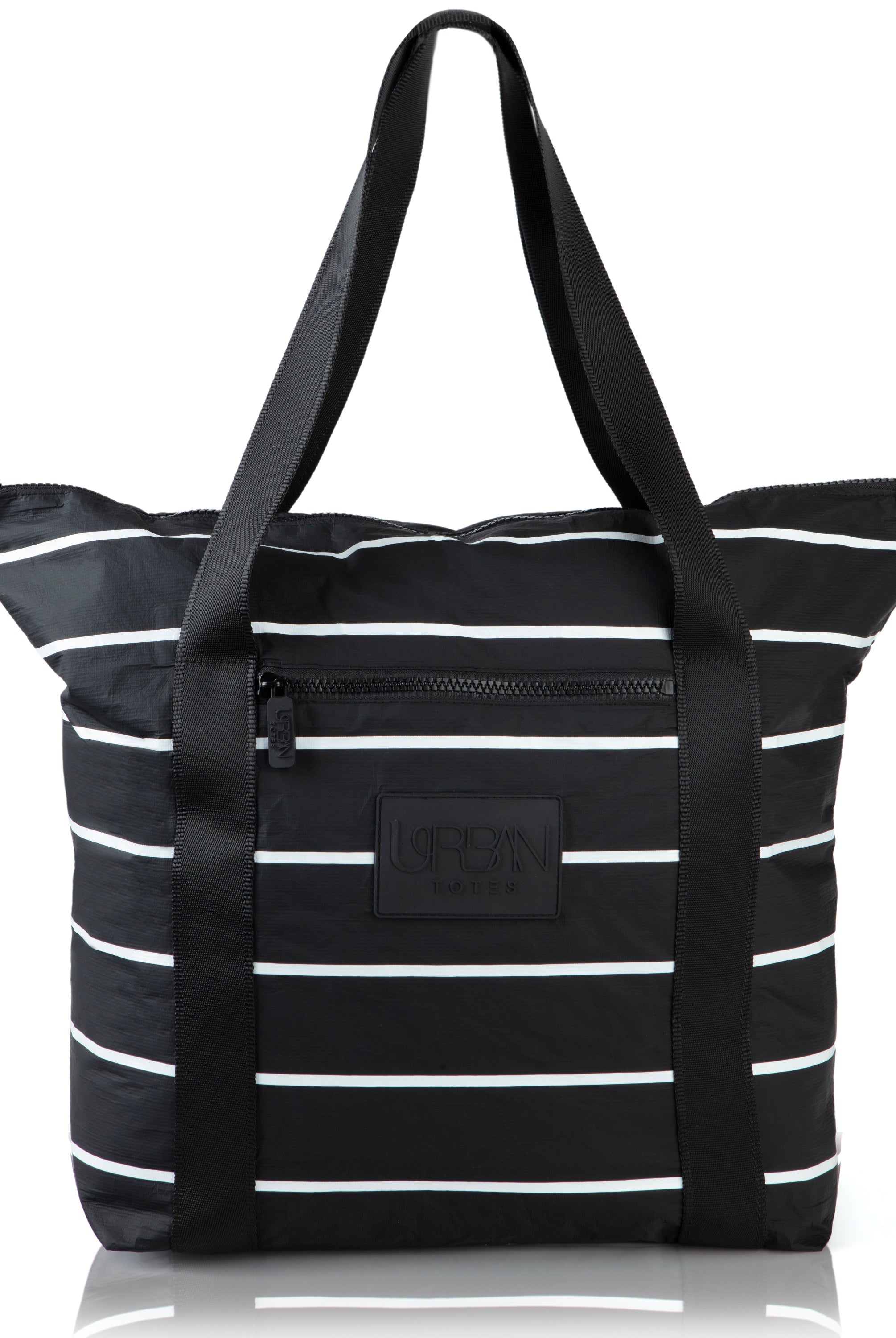
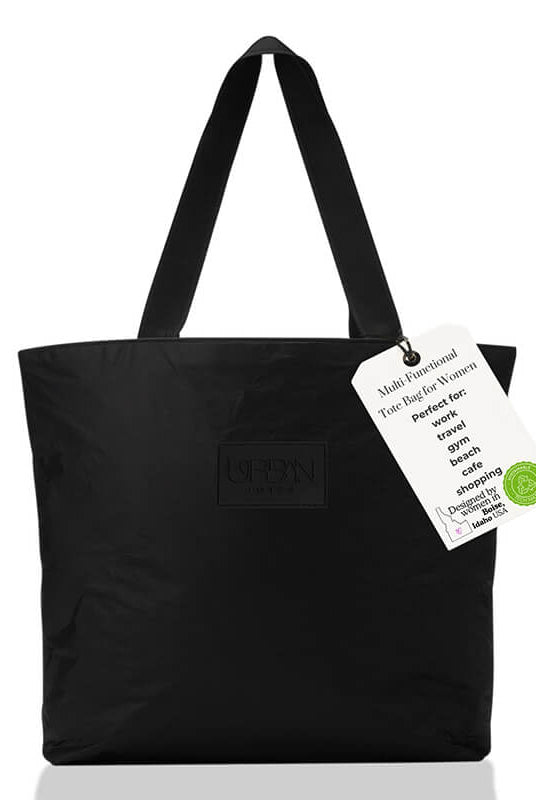
Urban Totes offers lightweight, packable, foldable, water-resistant tote and crossbody styles with zipper closures and thoughtful multi-pocket organization for commutes, errands, travel, beach days, and everyday carry. Explore the woman-owned Boise-made brand at Urban Totes and choose the go-anywhere bag that fits the way your life moves.