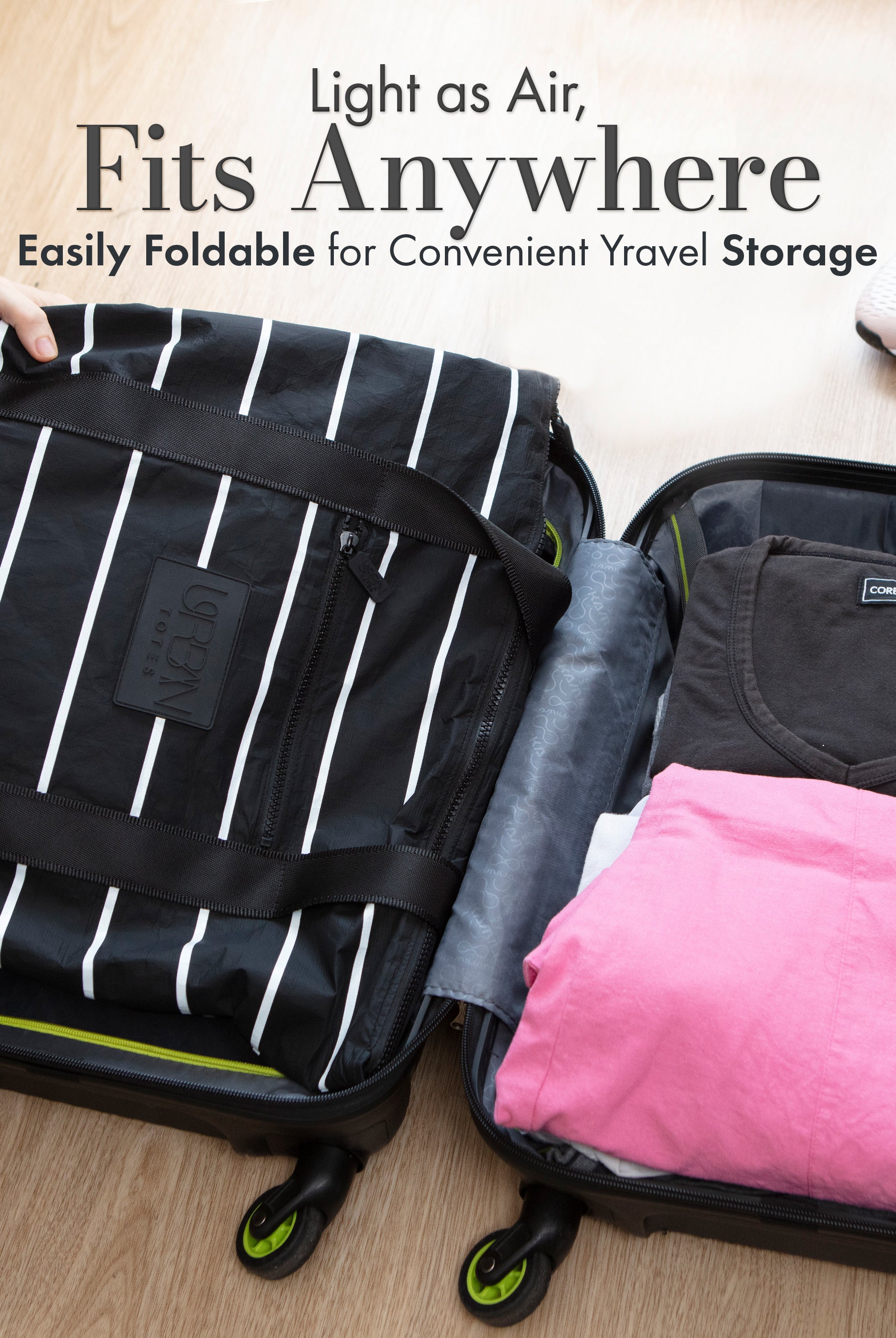
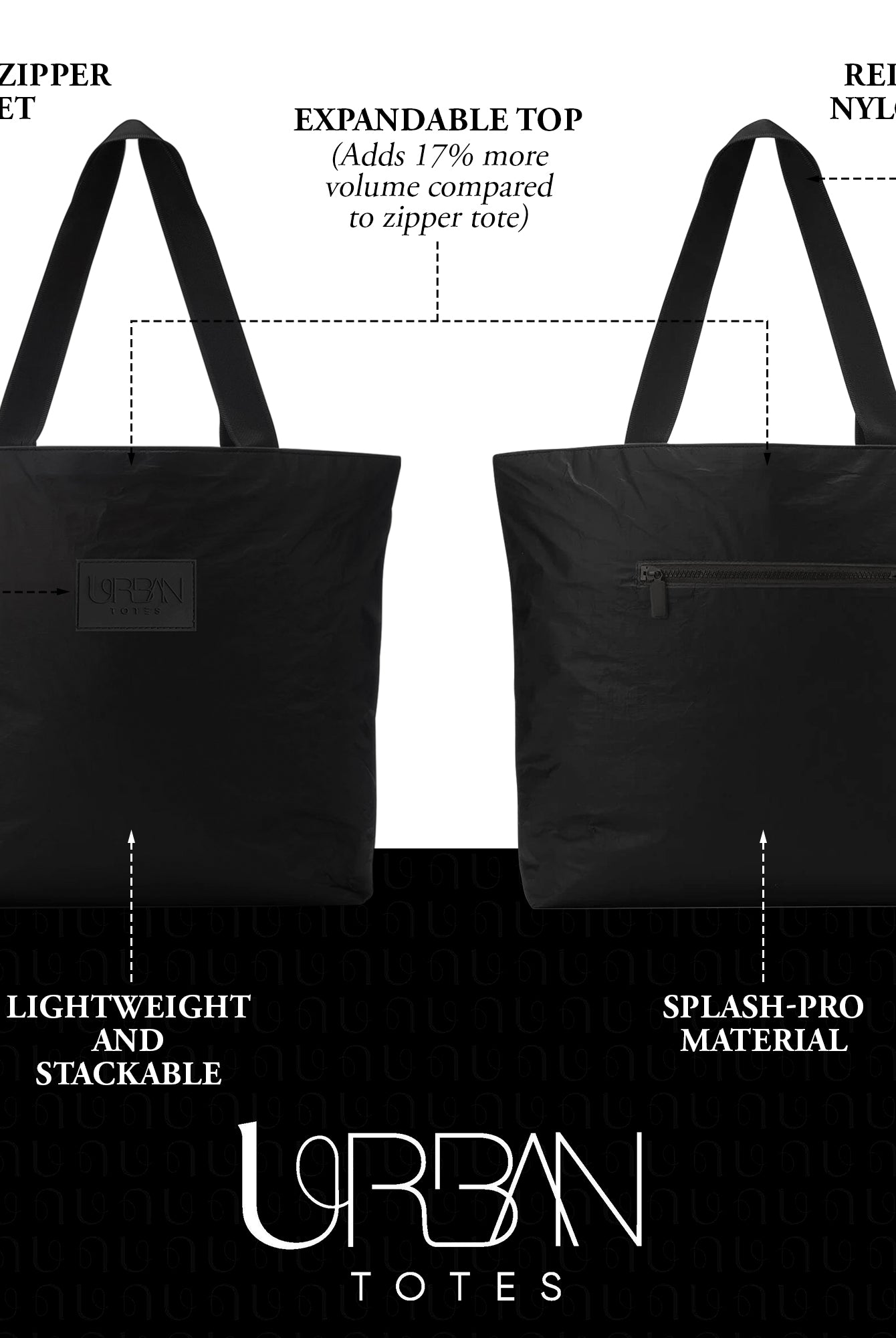
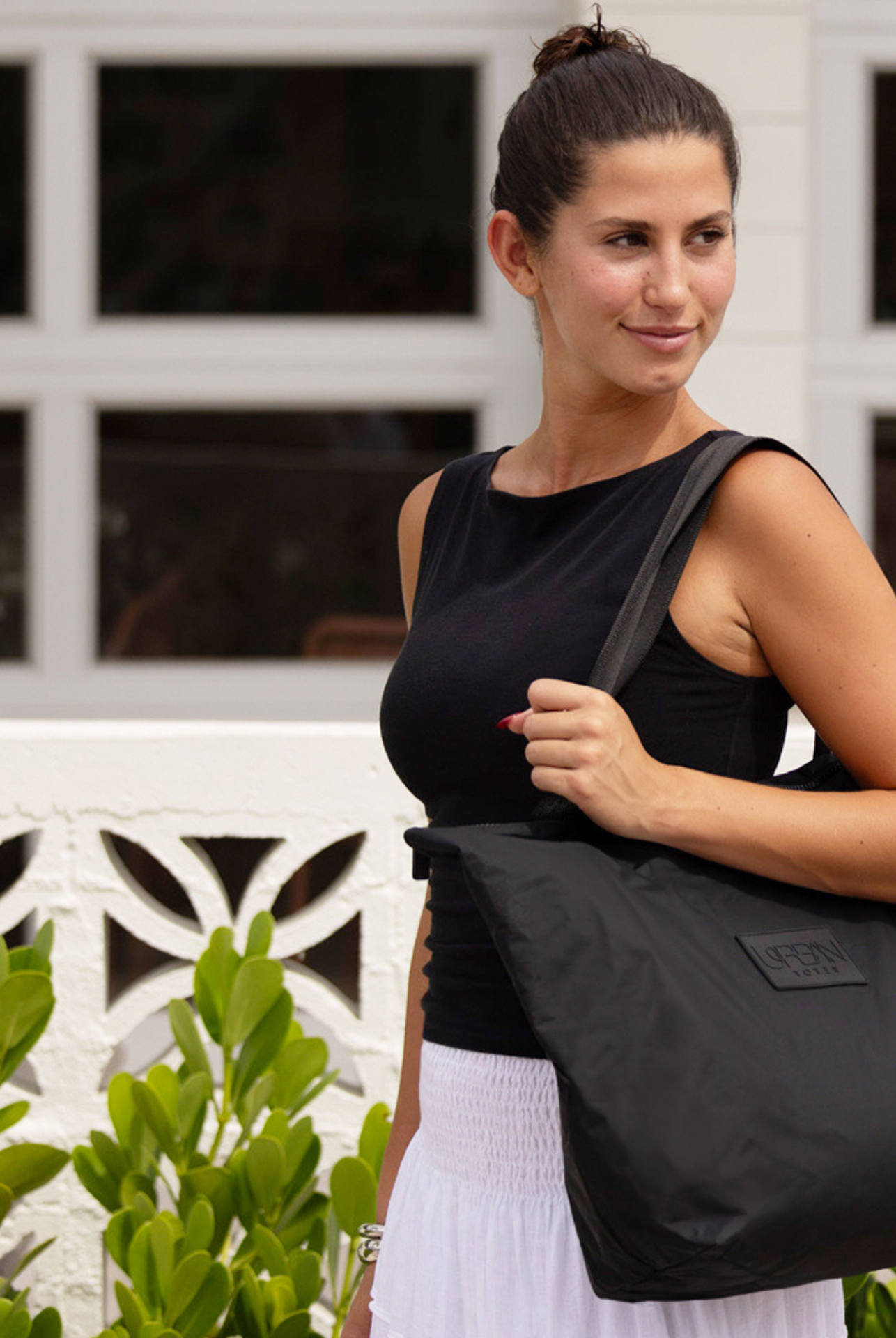
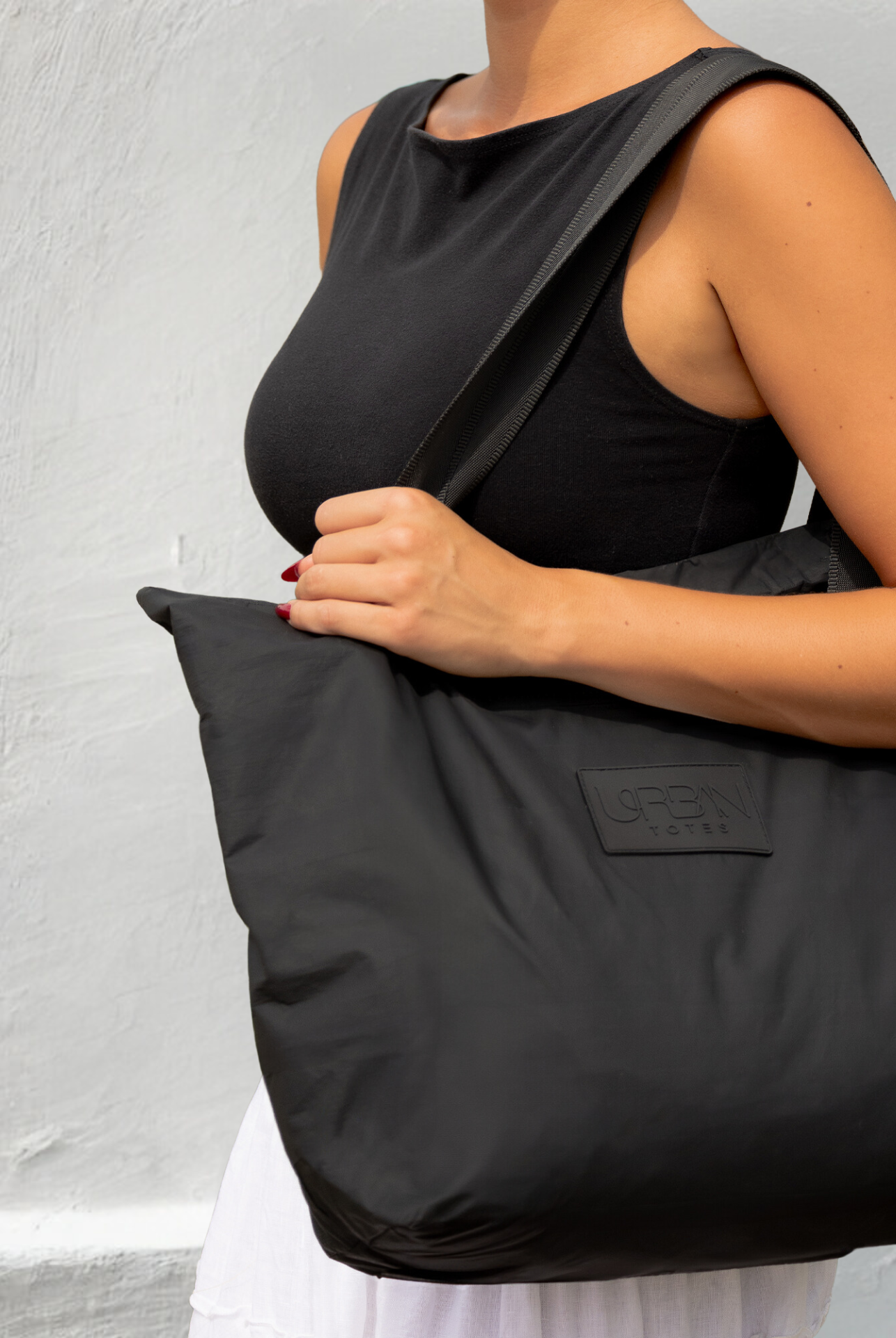
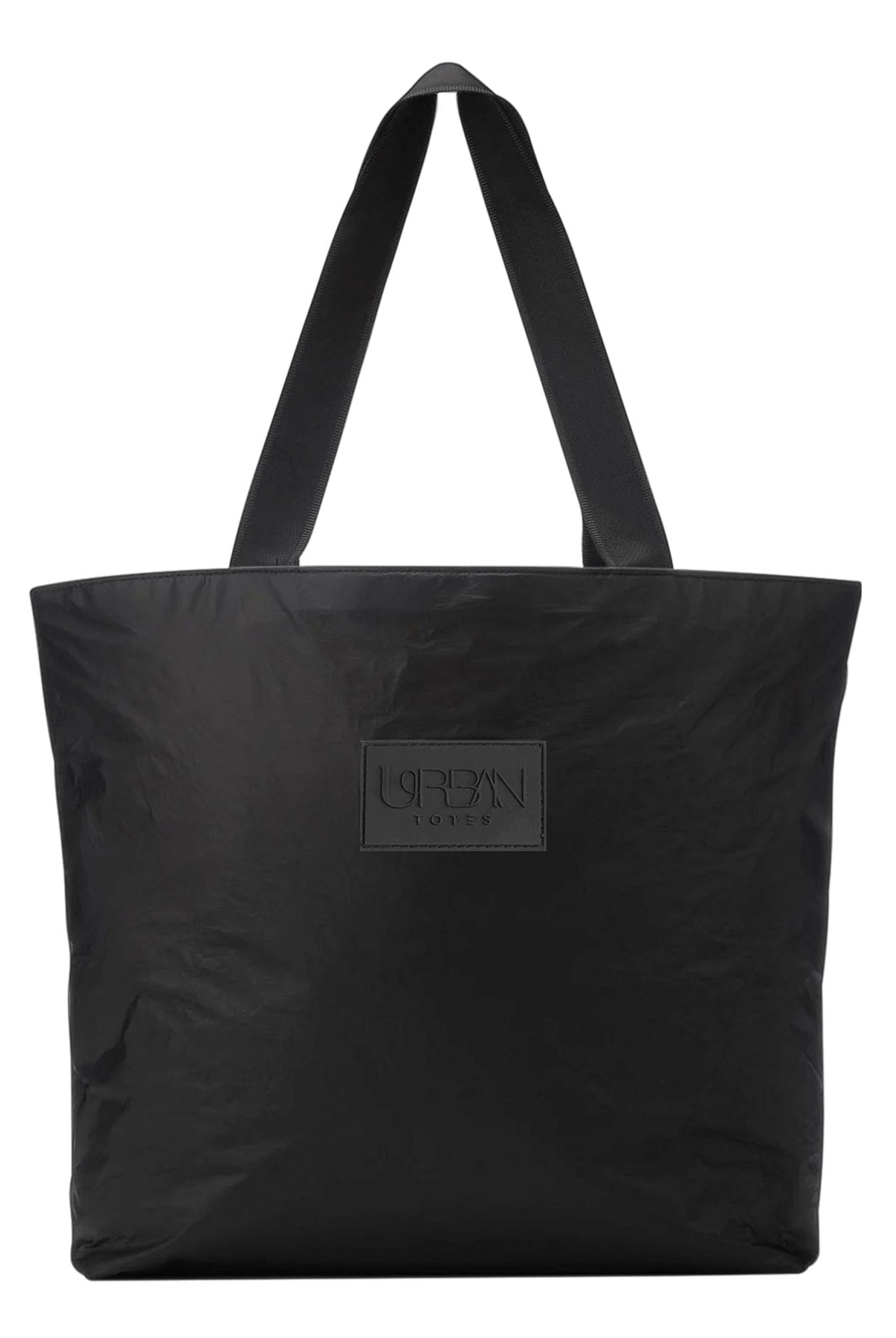
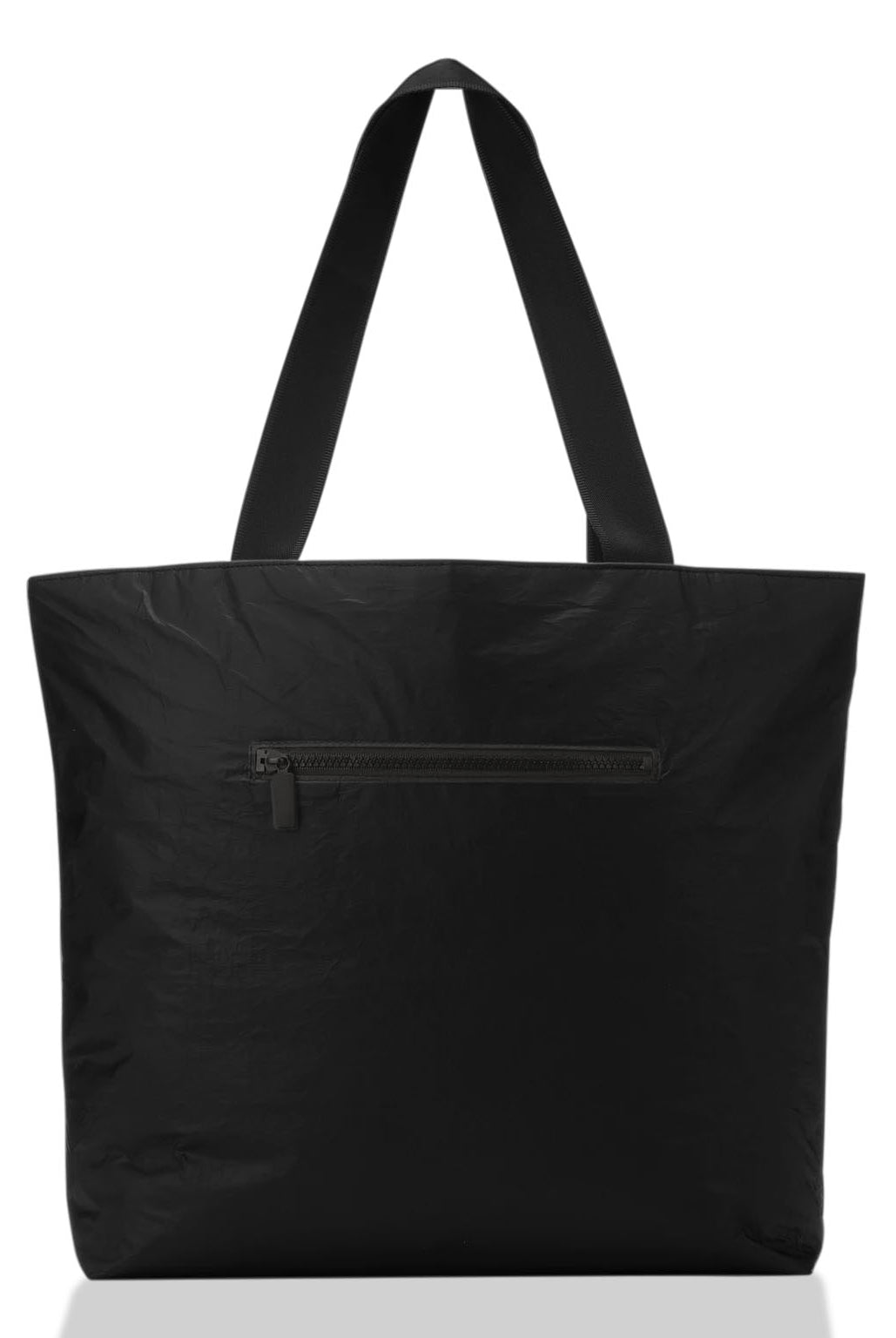
A weekend trip rarely ends when the plane lands. You still have souvenirs to carry, a jacket that no longer fits in your suitcase, snacks for the ride home, and sometimes a child's entire collection of airport treasures. A regular handbag fills quickly, while a second structured suitcase adds weight and hassle. A foldable travel tote bag solves the middle problem by staying nearly invisible until you need extra carrying space.
That's the appeal of an overflow bag. It travels folded inside your luggage, backpack, or diaper bag, then opens into a practical day bag for the airport, beach, farmers market, gym, or an unexpectedly busy afternoon. The best styles are lightweight, water-resistant, packable, organized, and stylish enough for everyday carry, not just emergency use.
Table of Contents
- Why Every Woman Needs a Foldable Travel Tote Bag
- Materials and Design Features That Matter
- How to Pack and Fold Your Tote for Maximum Efficiency
- Choosing the Right Size and Style for Your Lifestyle
- Care and Cleaning Tips to Keep Your Tote Fresh
- Find Your Perfect Go-Anywhere Bag
Why Every Woman Needs a Foldable Travel Tote Bag
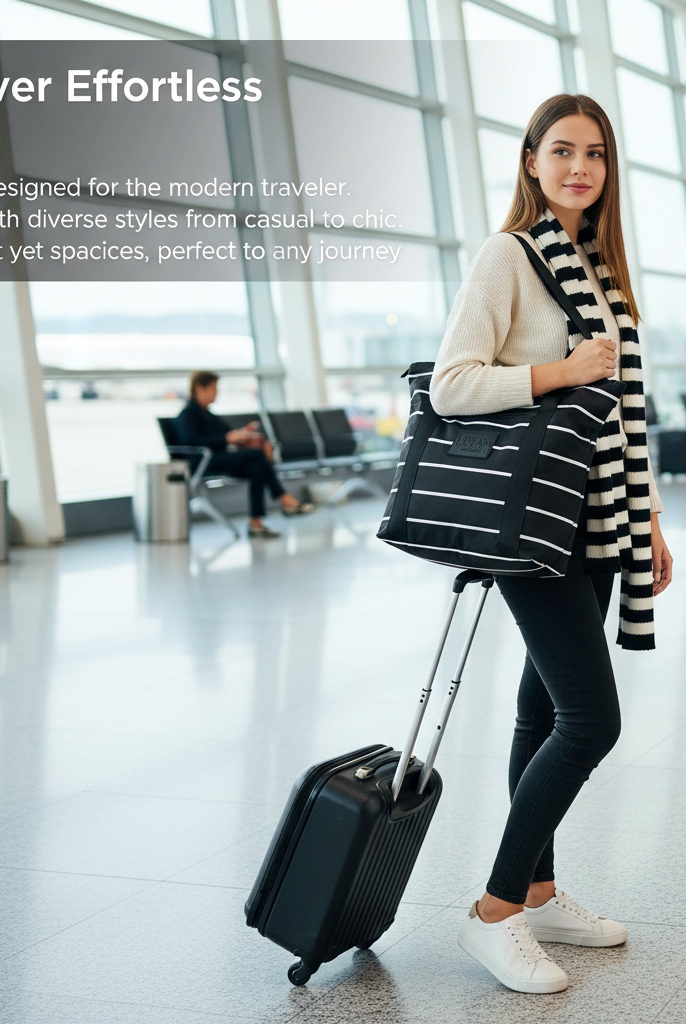
You've just arrived at the airport after a long weekend away. Your carry-on is full, your phone is nearly out of battery, and the little paper bag holding gifts and snacks is tearing at the handles. A foldable travel tote bag turns that awkward scramble into a simple transfer. Pull it from its pouch, move the loose items inside, zip it closed, and keep moving.
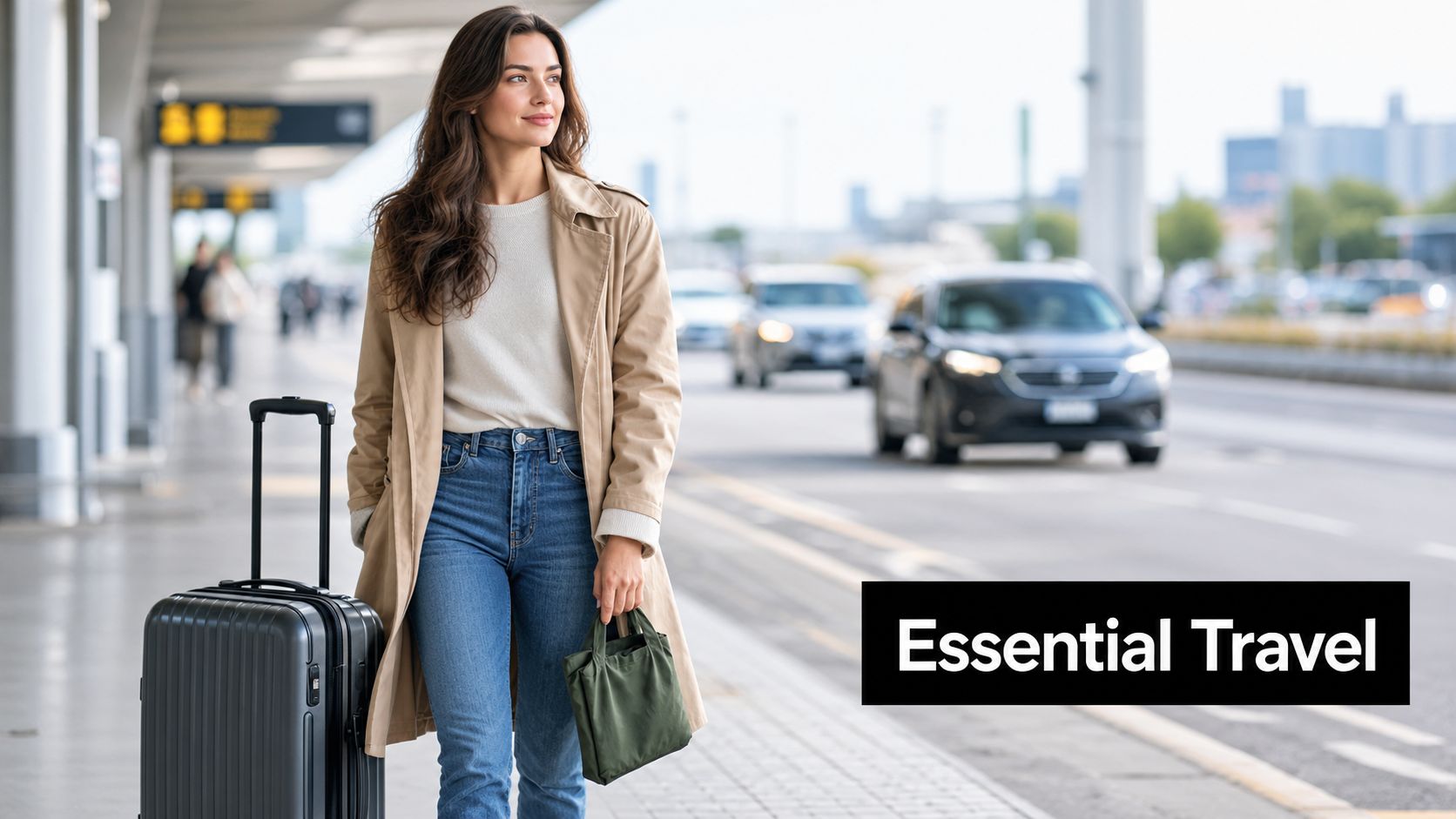
The same thing happens outside the airport. At school pickup, you may need somewhere to put a sweatshirt, water bottle, and library books. At the beach, towels and sandals seem manageable until wet clothes enter the picture. At the farmers market, a compact tote gives you a more comfortable way to carry produce than several thin shopping bags.
Practical rule: A backup bag earns its space when it can become useful without creating a new packing problem.
The category has grown well beyond the basic cotton shopper. The global tote bags market was valued at USD 2.38 billion in 2025, and market researchers project it could reach about USD 4.1 billion by 2034, with a projected 3.77% compound annual growth rate from 2026 to 2034. Those figures place foldable designs inside a sizable international category shaped by lightweight, reusable, and easy-to-store carry solutions. Fortune Business Insights' tote bags market overview provides that market context.
The overflow bag advantage
A foldable travel tote doesn't need to replace your main luggage. It complements it. That distinction matters because you can choose a smaller, lighter primary bag without losing flexibility when plans change.
Use it as:
- An airport overflow bag: Carry a coat, snacks, books, or purchases after your suitcase reaches capacity.
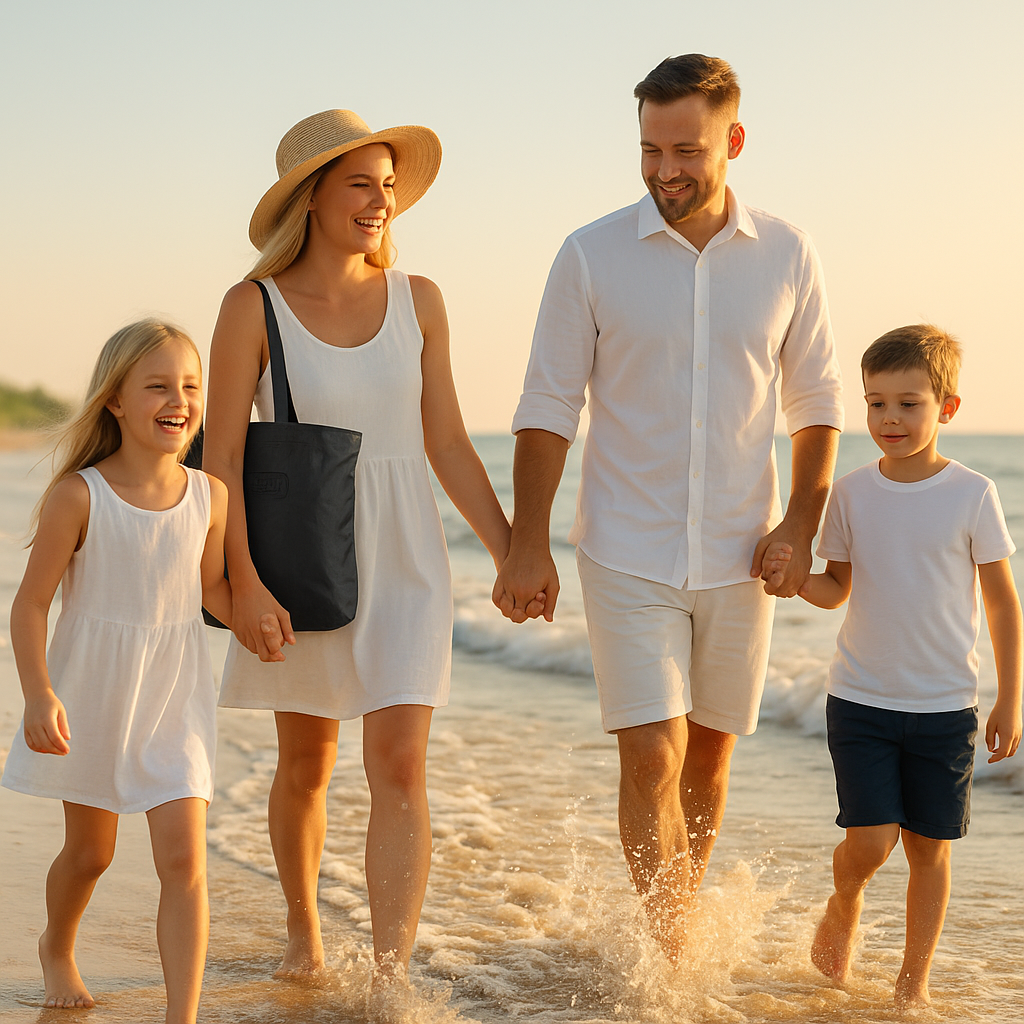
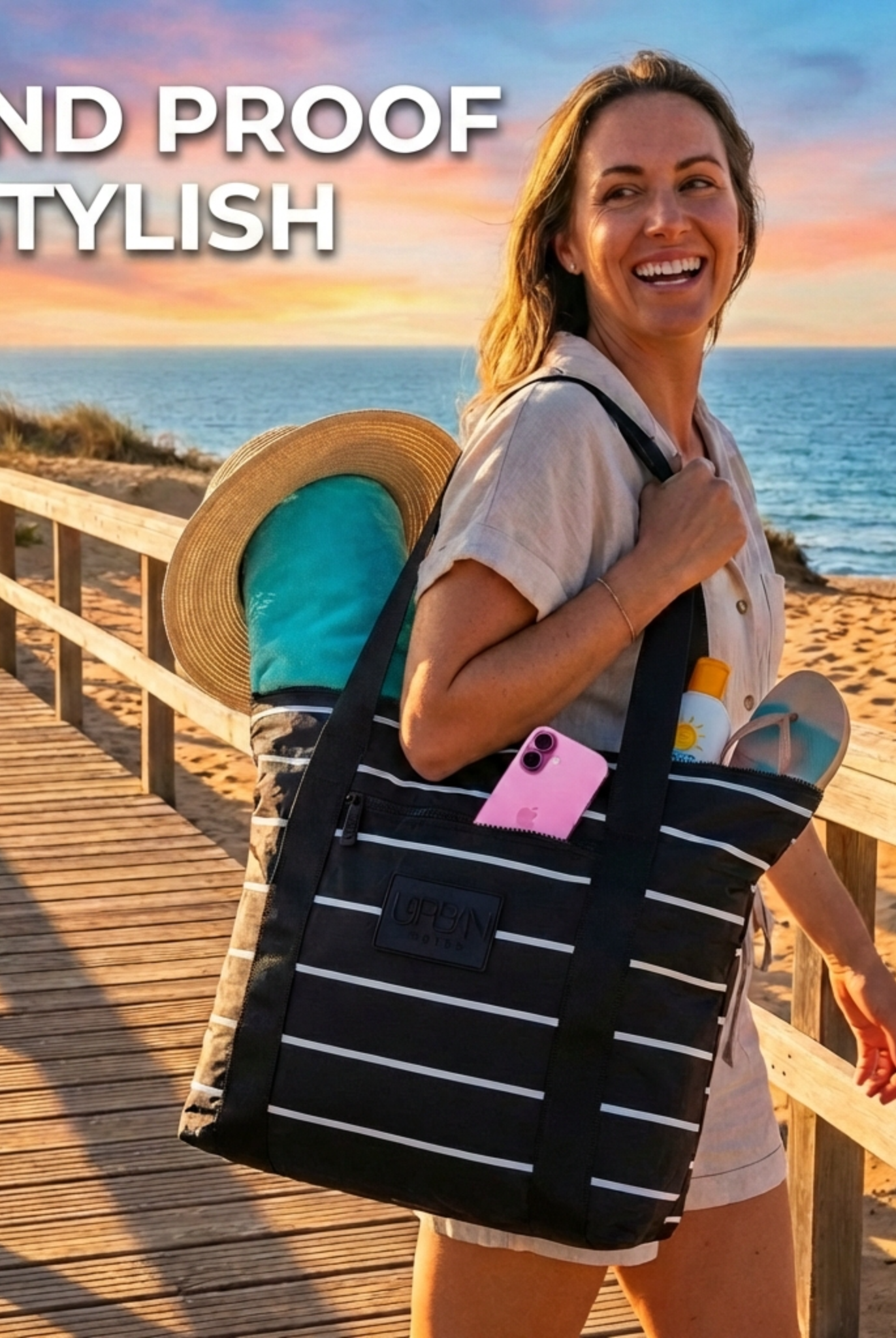
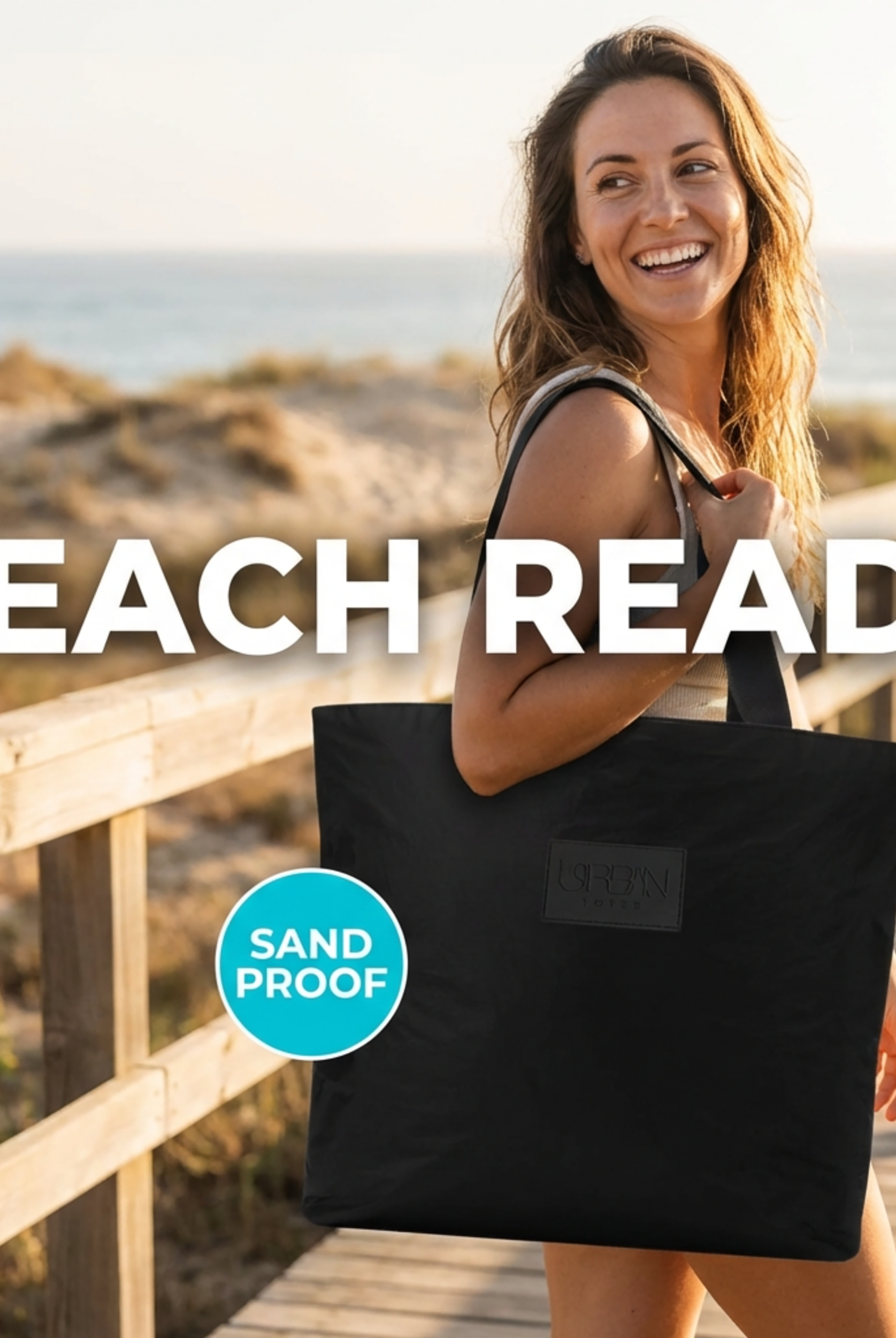
- A beach-day carrier: Separate towels, sunscreen, sandals, and damp clothing from your everyday handbag.
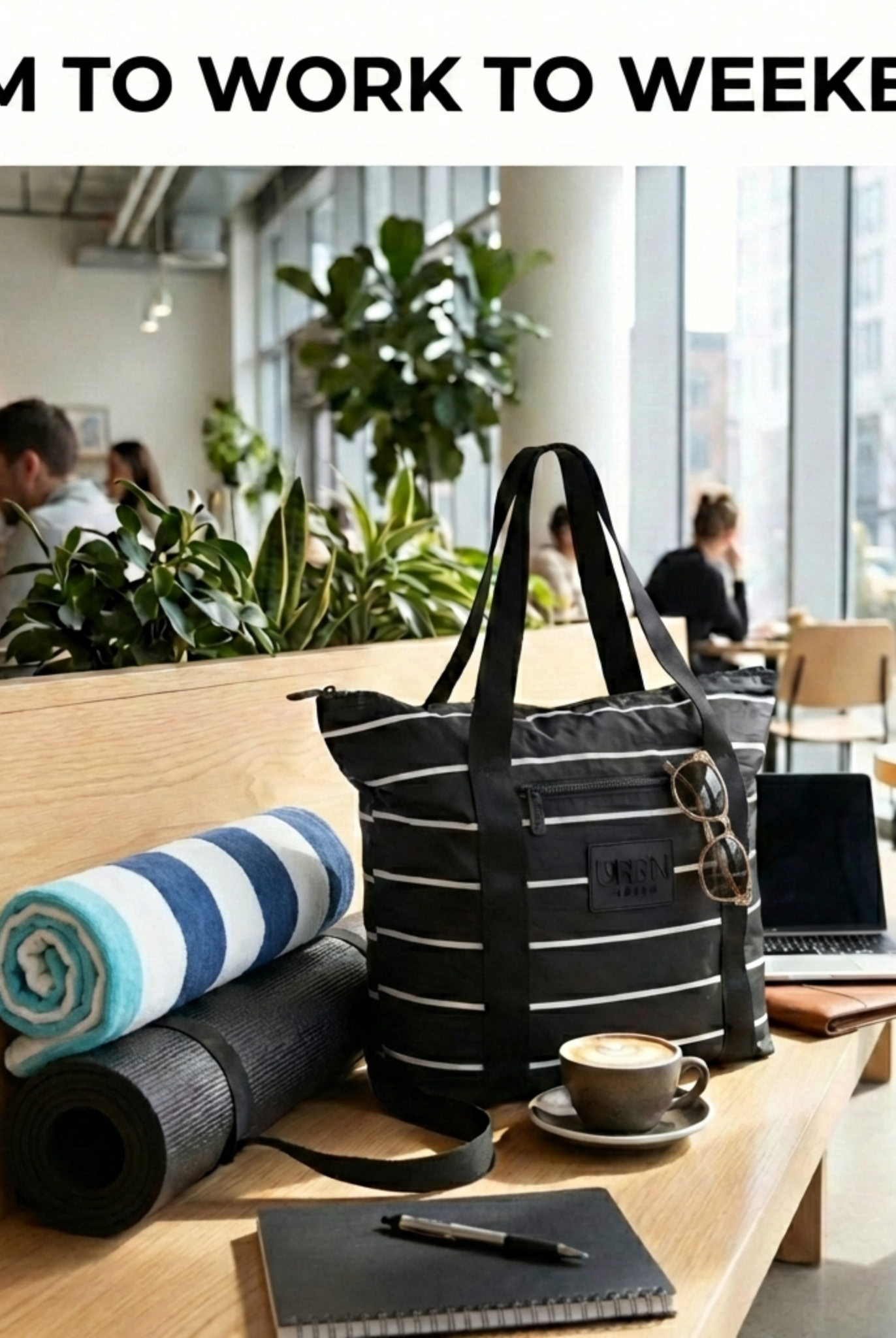
- A commuter backup: Keep it in a desk drawer or backpack for lunch runs, errands, and gym gear.
- A family helper: Give kids a place for toys, water bottles, and layers without adding another rigid bag.
Travelers carrying specialized equipment should also check airline and security guidance before packing unusual items. The resource on TSA rules for climbing gear is useful when your trip includes helmets, hardware, or other adventure equipment that may need extra planning.
For a closer look at why a tote works so well beyond shopping, see the practical benefits of tote bags. The most useful design isn't the one that looks compact in a product photo. It's the one you'll remember to pack, unfold quickly, and carry comfortably when the day gets messy.
Materials and Design Features That Matter
A foldable tote has to perform two jobs that can pull in opposite directions. It needs to compress into a small package, but it also needs enough strength to carry groceries, beach gear, a laptop, or travel purchases without stressing the handles and seams.
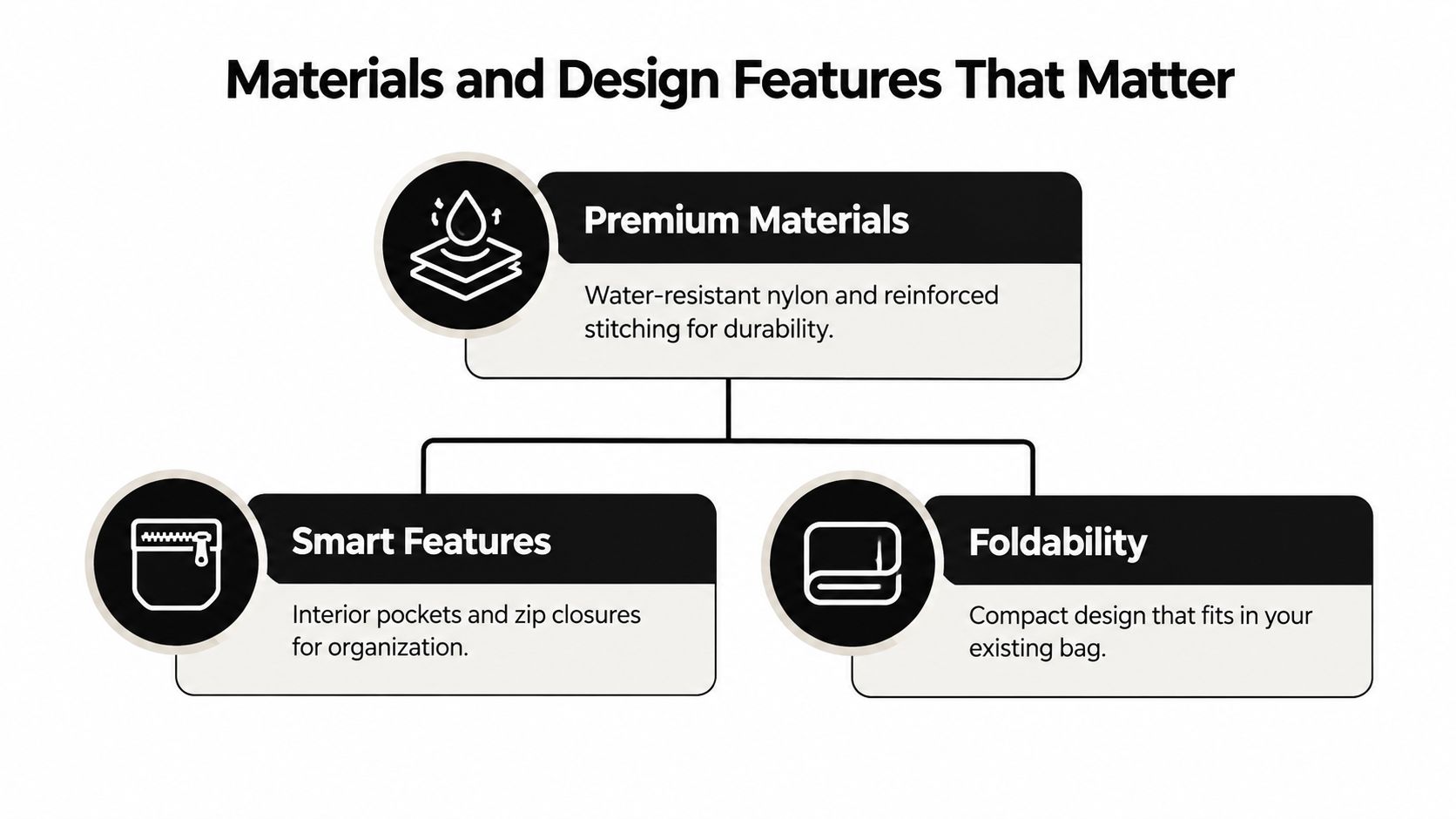
Ripstop nylon and higher-denier polyester are practical choices because they balance strength and weight. A ripstop weave uses a reinforcing grid that helps prevent a small tear from spreading. Higher denier generally indicates a tighter, heavier yarn structure, which can improve abrasion resistance while adding some bulk. Coverage of foldable travel totes points to 400D or higher nylon and polyester as better suited to repeated commuting and weekend travel than very light novelty fabrics. Luggage Inspector's foldable tote guide explains the material trade-off.
Look beyond the fabric
Fabric alone doesn't determine whether a bag will hold up. Repeated folding puts pressure on creases, while full loads stress handle attachments, corners, and zipper seams. Reinforced stitching at those points matters more than a vague promise that a material is “durable.”
A good inspection checklist includes:
- Handle attachment: Look for reinforced stitching where the straps meet the body. This is one of the first places a heavily loaded tote can fail.
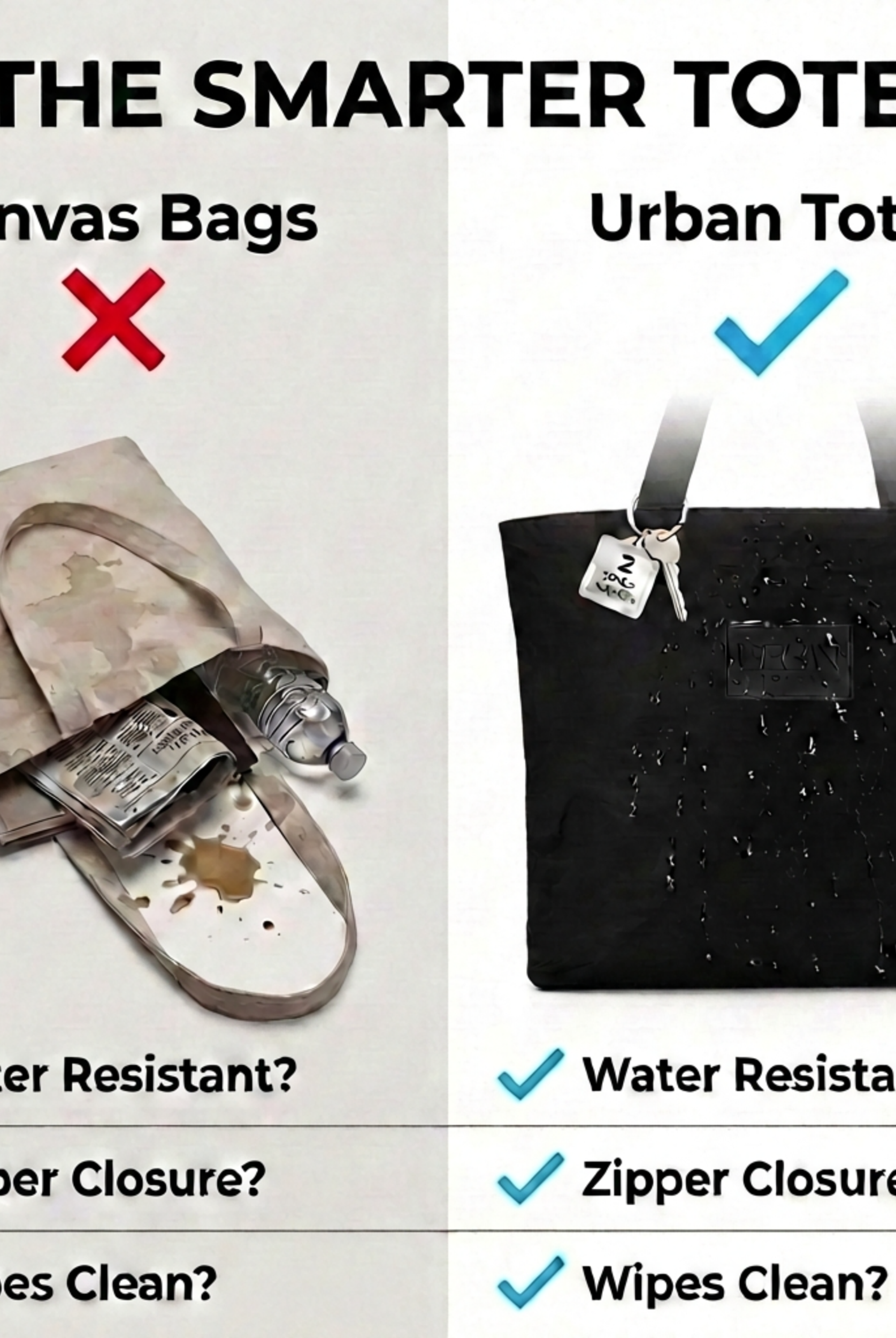
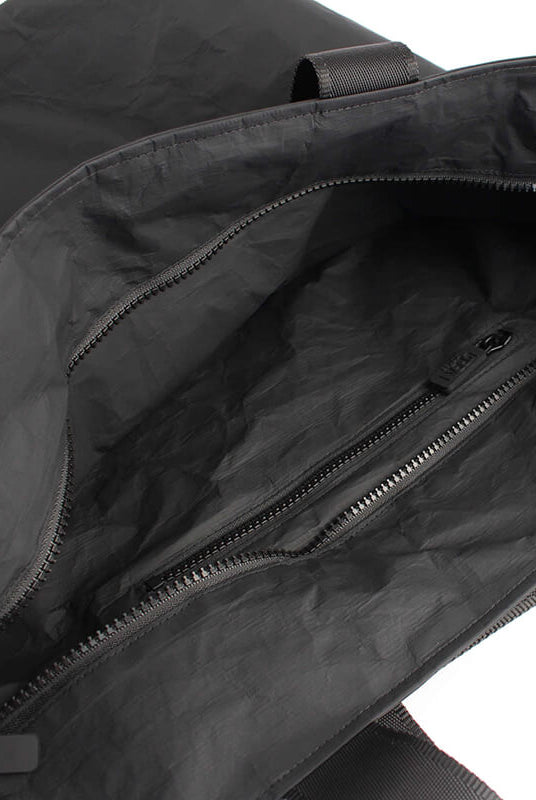
- Zipper construction: A zipper closure keeps contents contained during an airport transfer or car ride. It also prevents small items from spilling when the tote is set down.
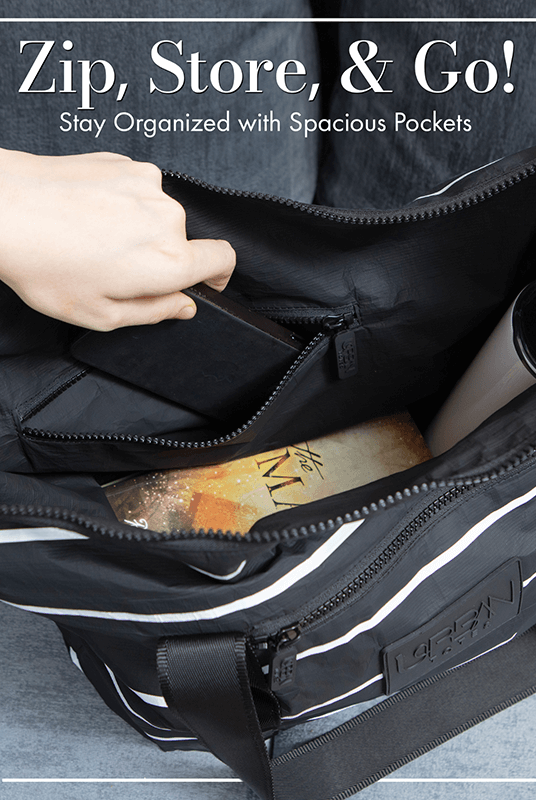
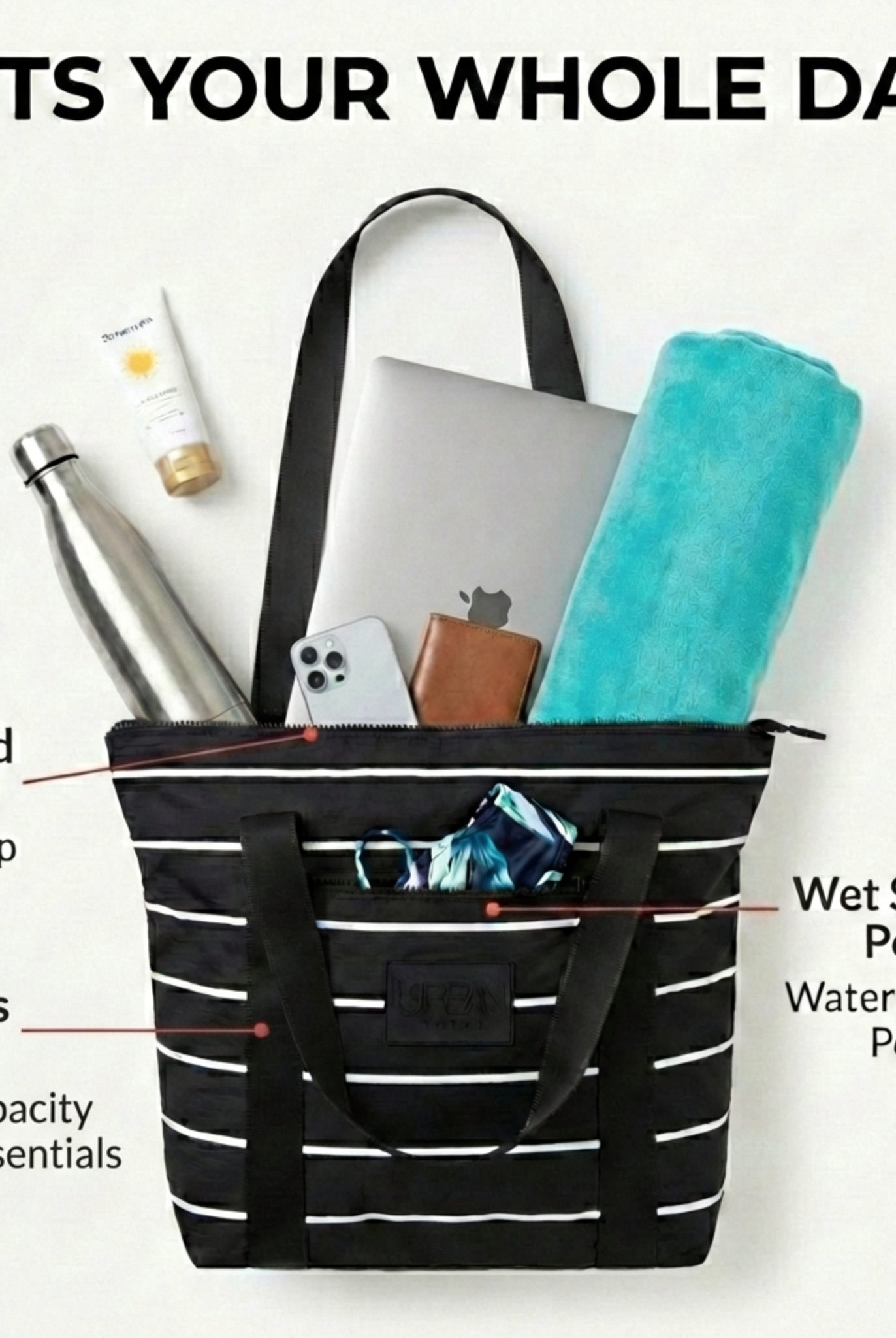
- Interior layout: Multiple compartments or a dedicated phone and key pocket stop the bottom-of-the-bag search that makes simple totes frustrating.
- Base structure: A lightly structured bottom helps the bag stand or stay open when you're loading it, although more structure can reduce foldability.
- Folded profile: A compact attached pouch is convenient, but it shouldn't force the open bag to use thin fabric or undersized handles.
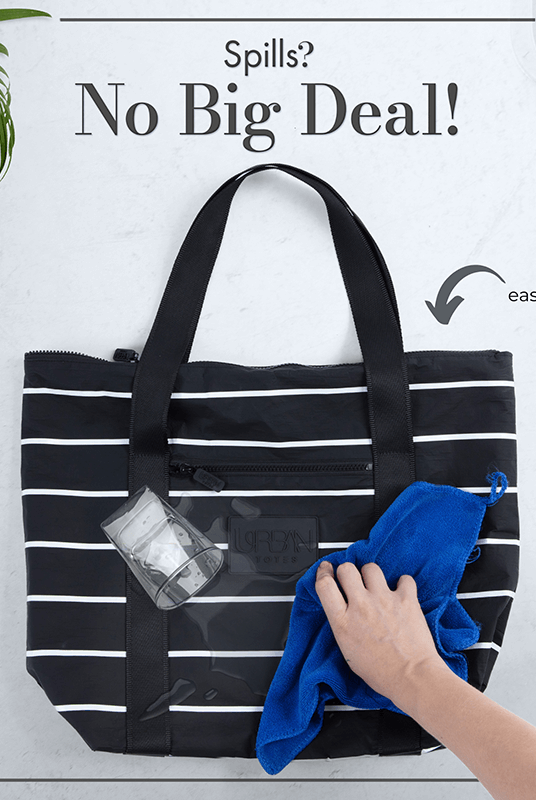
Water resistance also deserves precise language. A coated polyester or nylon shell can help with light rain and spills, but water resistance isn't the same as a sealed waterproof construction. Fabric performance is commonly assessed with hydrostatic pressure testing under ISO 811 or AATCC 127, with results expressed as water-column ratings such as 1,000 mm, 3,000 mm, 5,000 mm, or 10,000 mm. This bag fabric testing guide explains how those ratings are used.
Function should guide the style
A minimalist tote may look polished but leave you digging for your keys. A highly structured work bag may organize beautifully but take up too much room in your suitcase. The sweet spot for travel is usually light structure, a secure zipper closure, and pockets that match the items you reach for most.
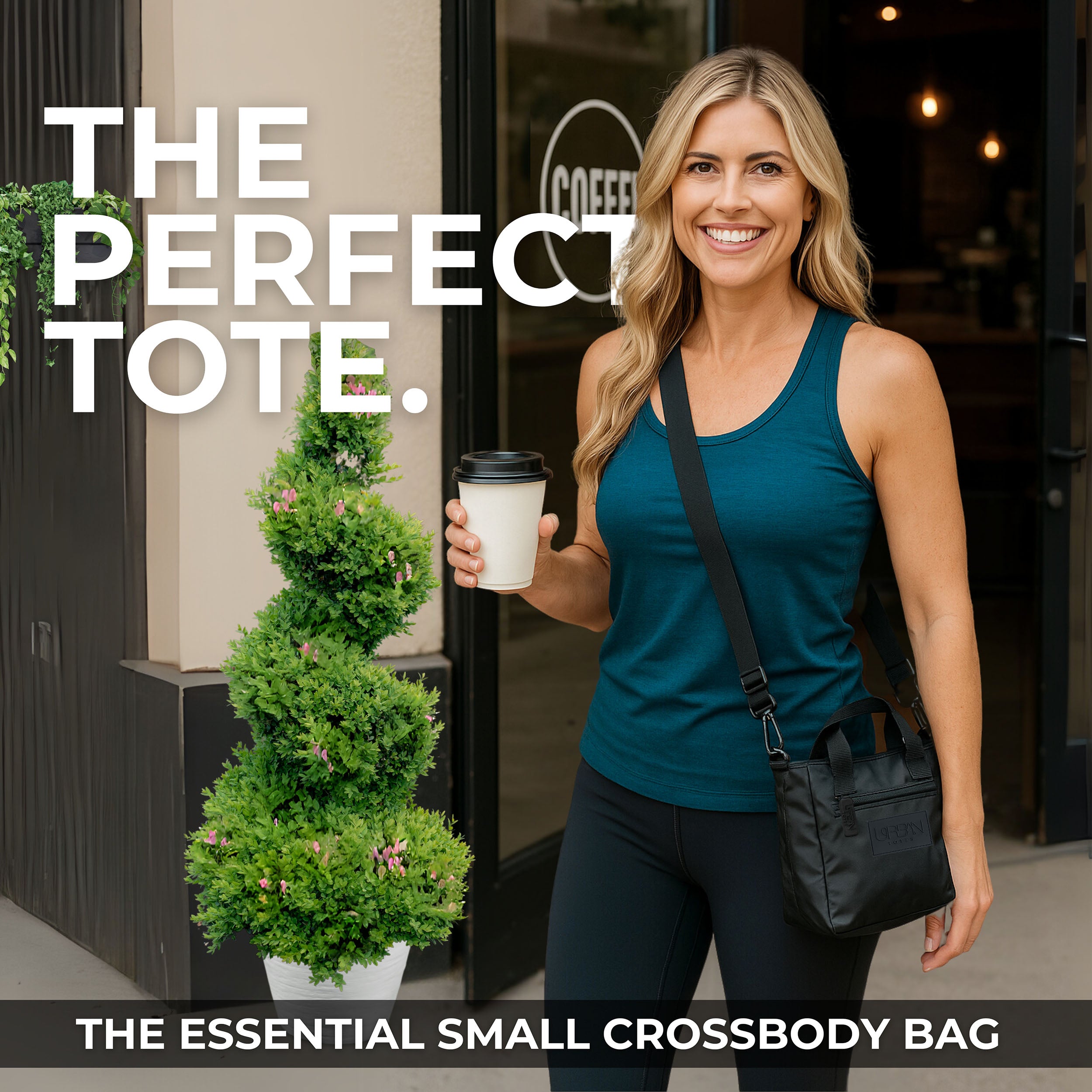
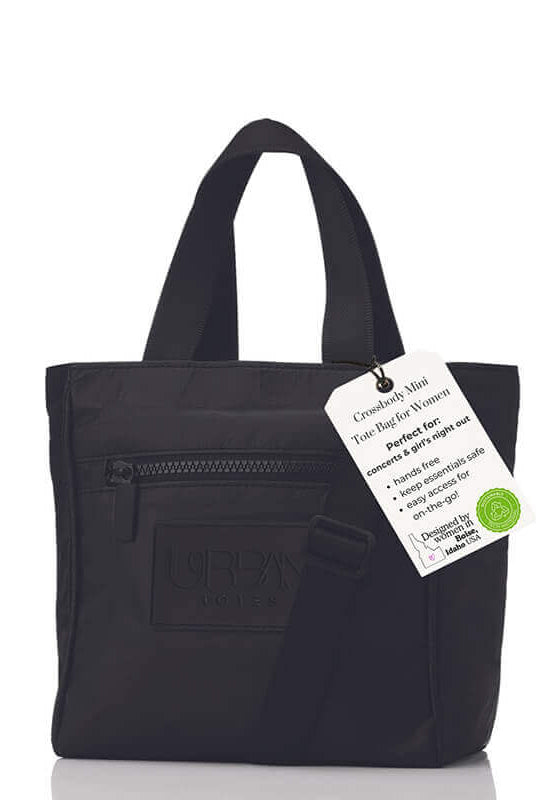
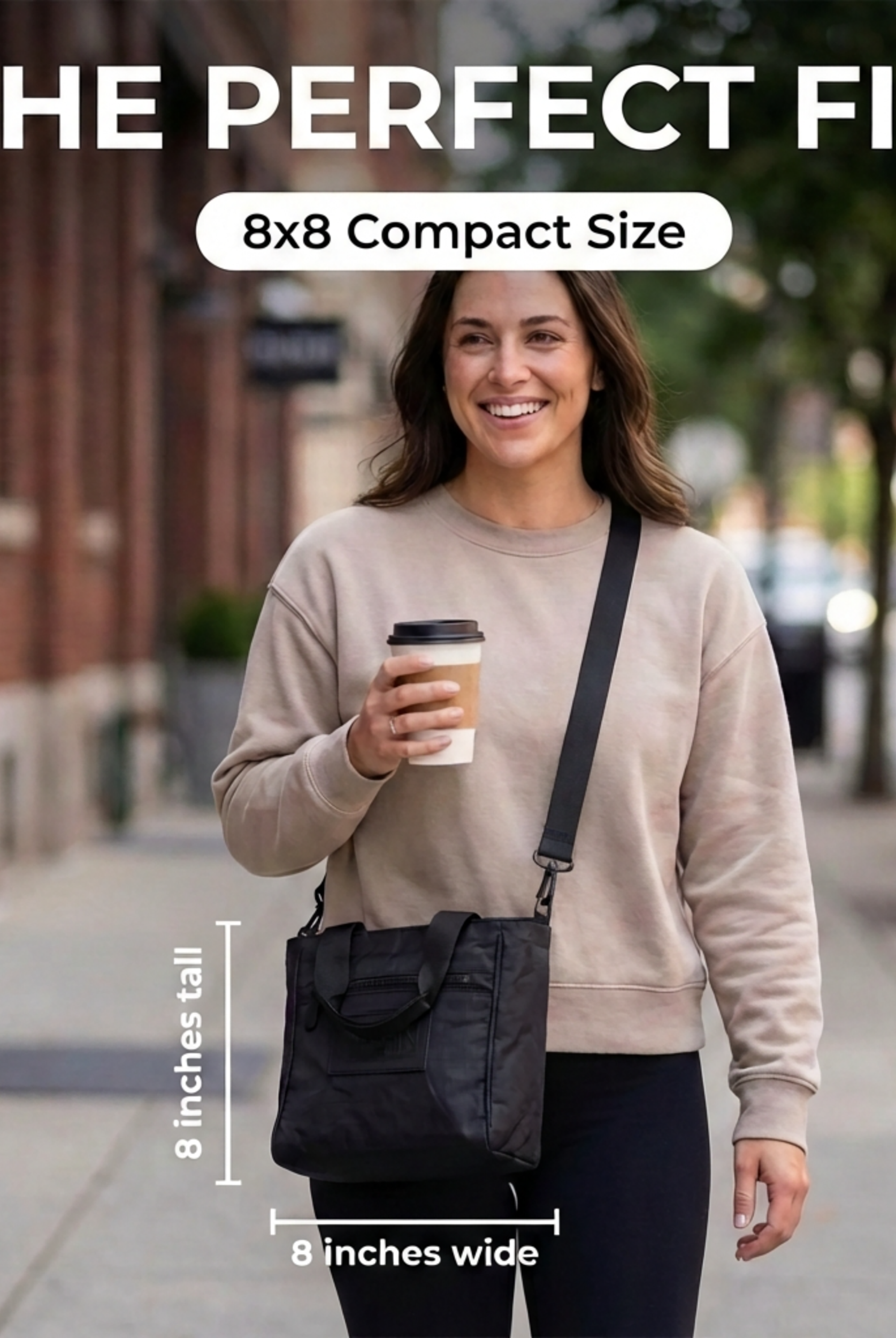
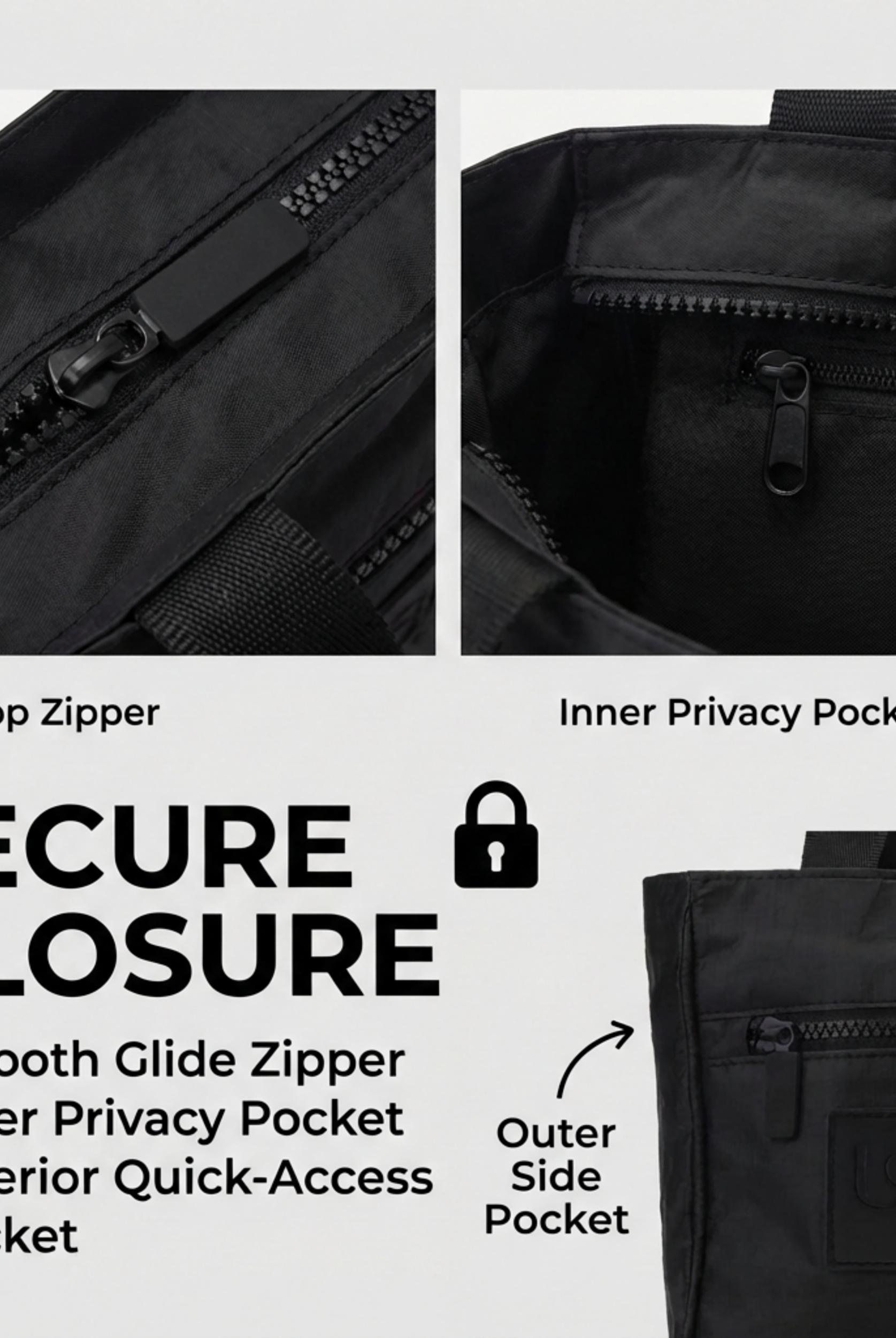
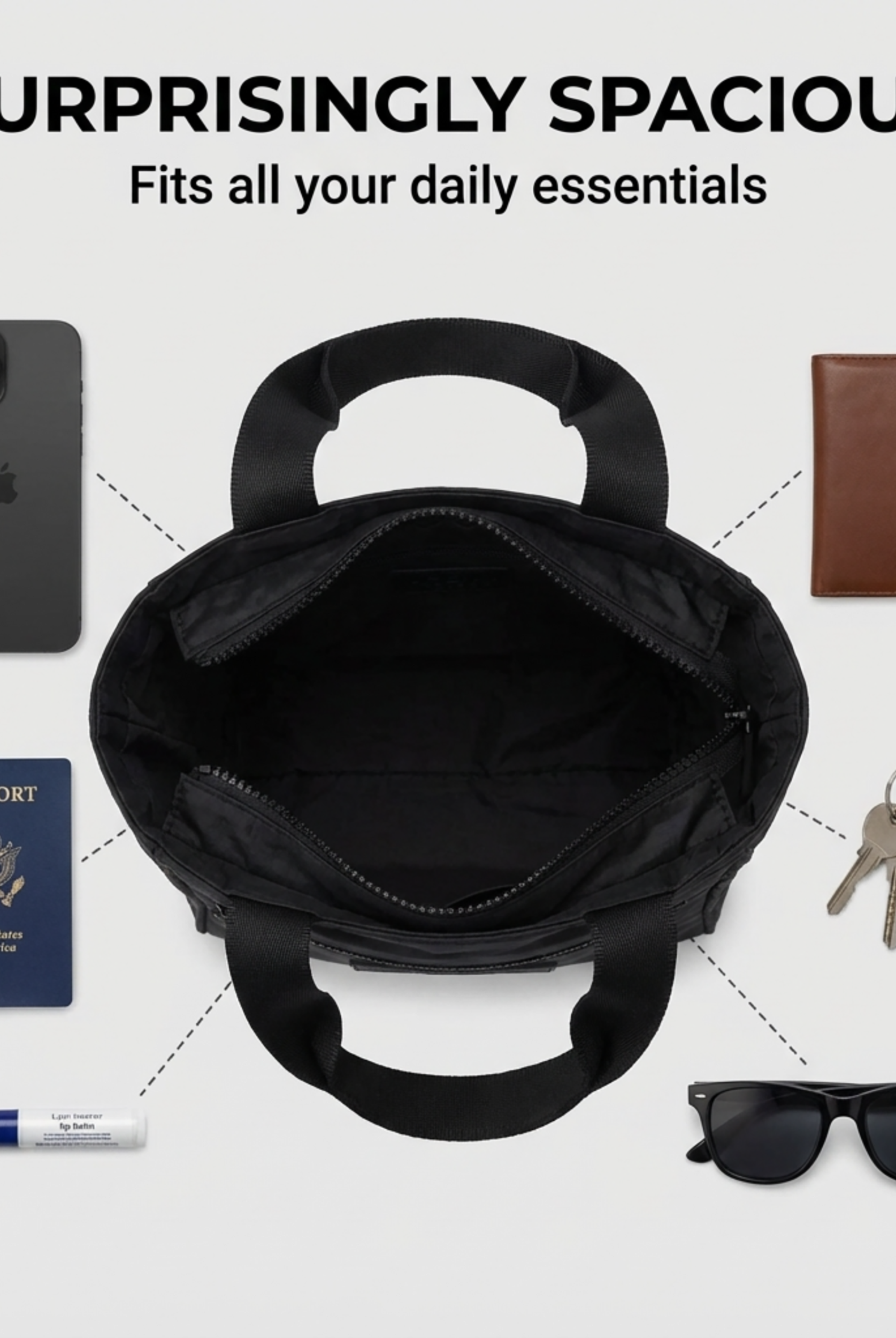
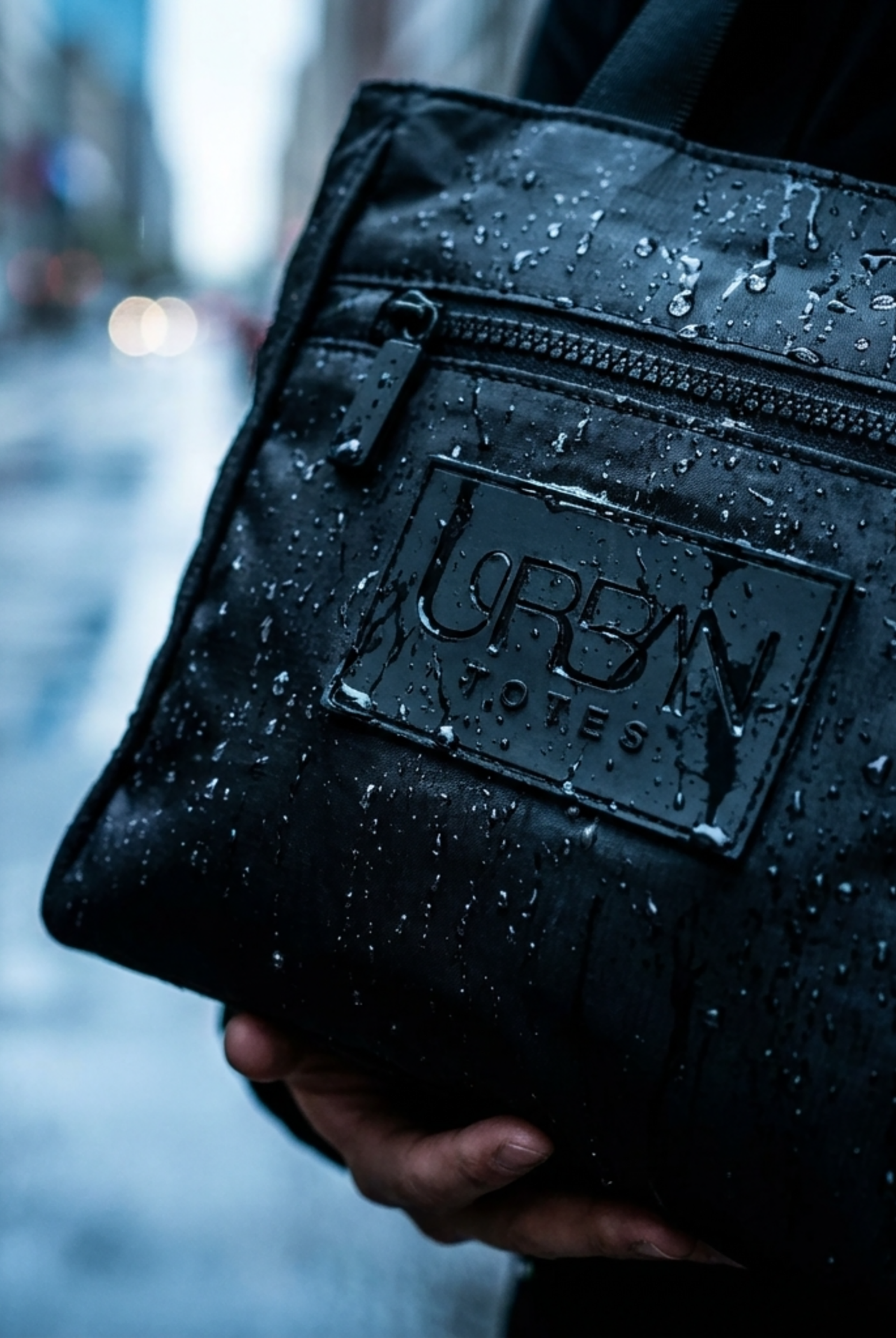
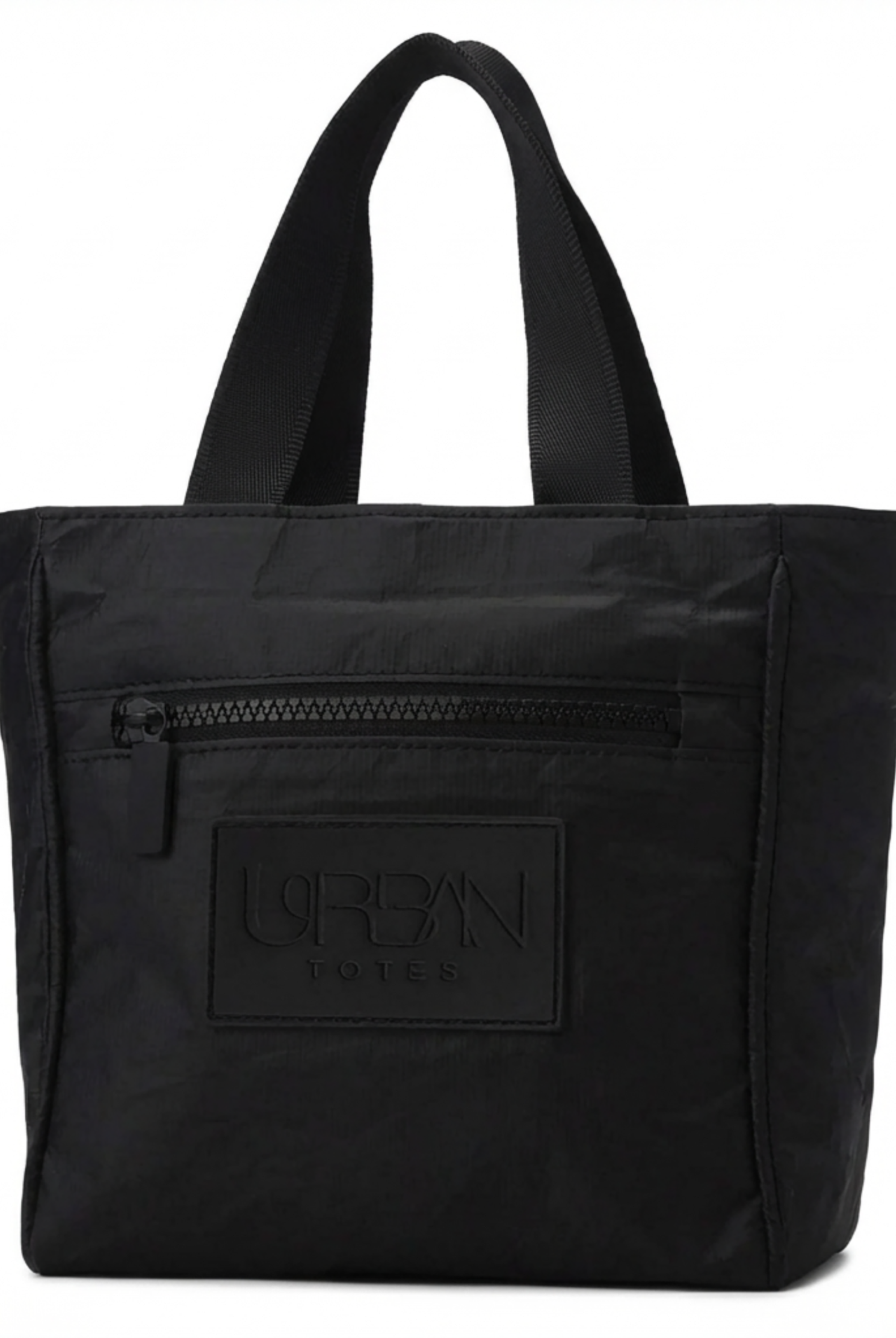
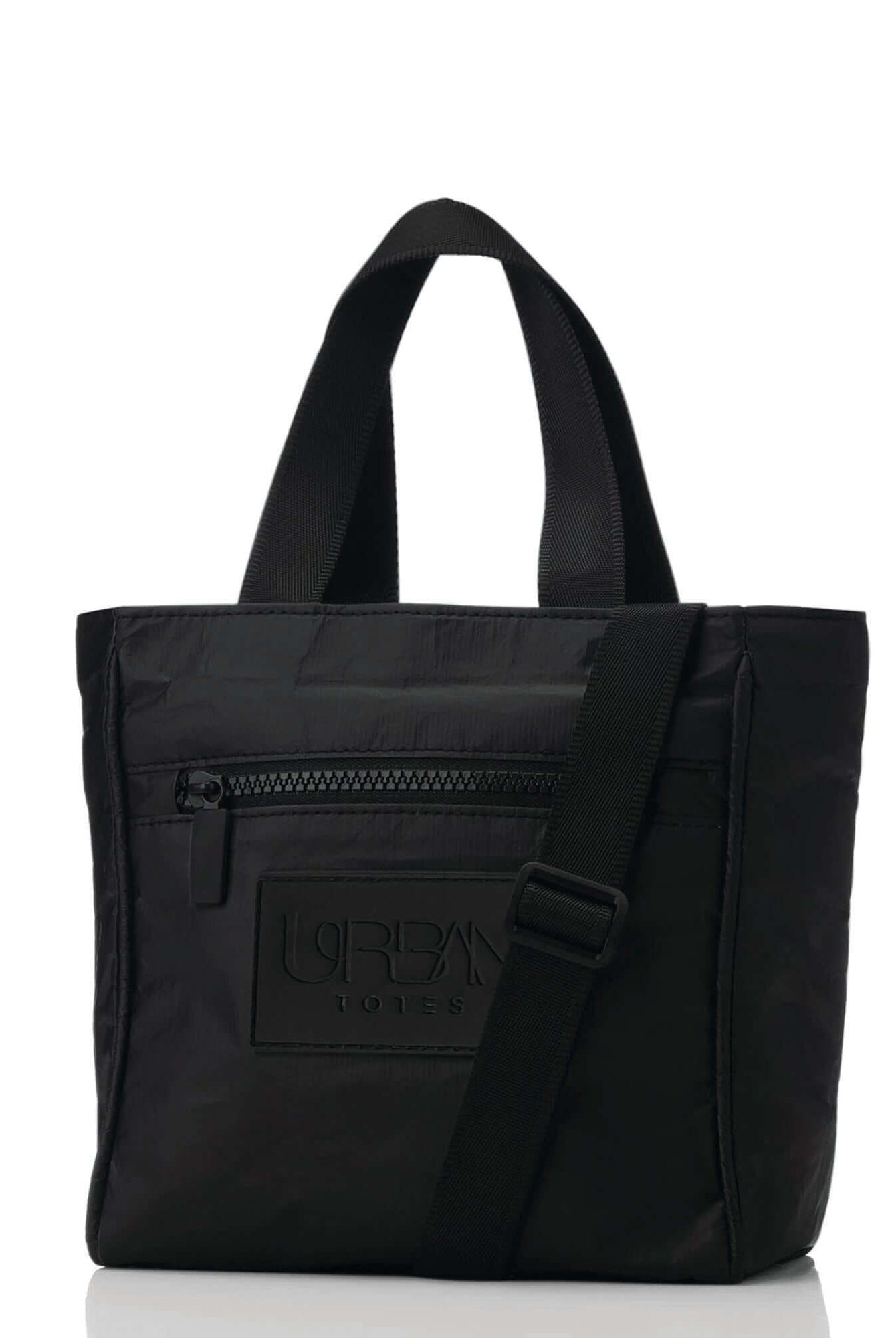
For smaller daily essentials, the Crossbody Tote Bag Mini Purse uses a zip-top closure, an outside zipper pocket, an easy-access pocket, a black interior, and a removable strap. Its listed dimensions are 7.5 x 4 x 7.75 inches, with 1-inch-wide nylon straps and 11-inch handles. It illustrates the same design principle in a smaller format: organization is useful only when it supports how you move through the day.
You can also compare construction choices in this guide to tote bag materials. The best material is the one that matches your use. A lightweight fabric may work for occasional shopping, while a reinforced, water-resistant nylon or polyester tote makes more sense for a commuter who will fold, load, and clean the bag repeatedly.
How to Pack and Fold Your Tote for Maximum Efficiency
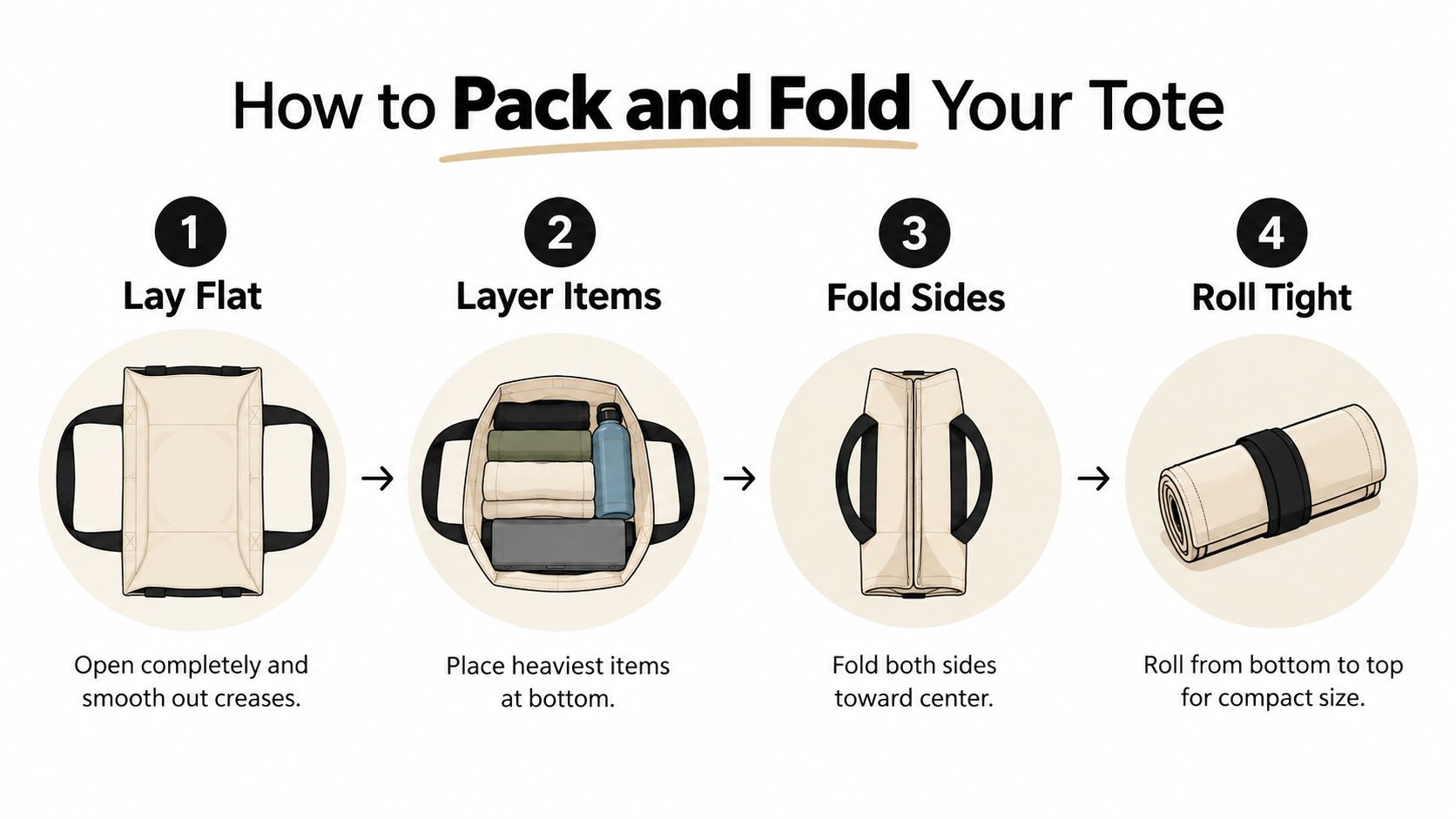
Packing a foldable tote well starts before anything goes inside. Open the bag completely, smooth the base, and check where the pockets and zipper compartments sit. A tote that's loaded in a hurry can become lopsided, uncomfortable, and harder to fold later.
Load the bag in layers
- Start with the heaviest items. Put shoes, books, toiletry bags, or a water bottle near the bottom and close to the center. This keeps weight from pulling the tote away from your body.
- Use soft items as padding. Roll a sweater, scarf, or change of clothes around anything that could scratch or break. Rolling also makes it easier to see what you packed than folding bulky layers into one flat stack.
- Separate wet and clean gear. Use a zipper compartment for swimwear, a damp towel, or gym clothing. If the tote doesn't have a dedicated wet pocket, place those items in a washable pouch before they go inside.
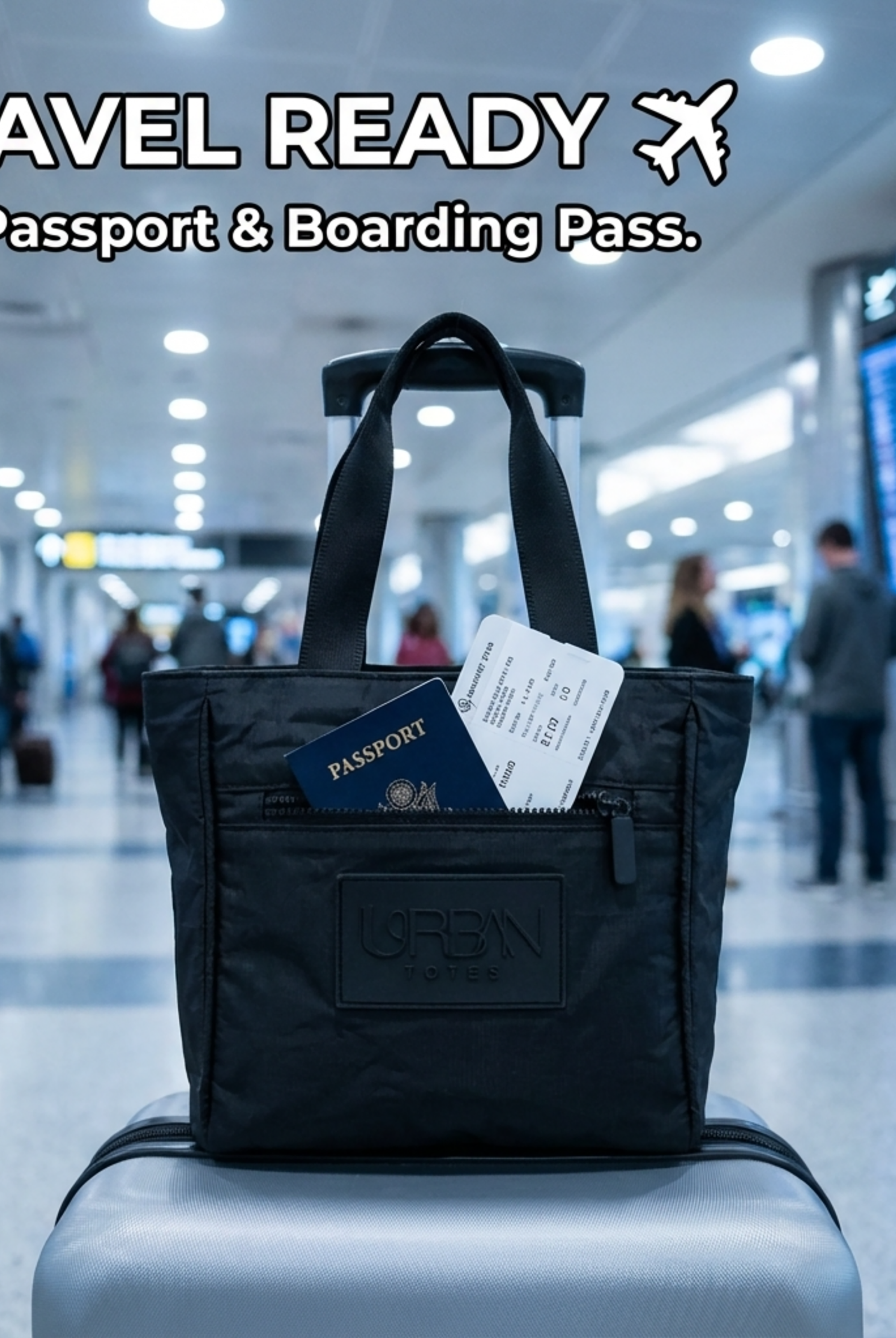
- Keep frequently used items near the top. Boarding passes, sunglasses, headphones, snacks, and keys shouldn't be buried under a full load. A phone pocket or small zipper section is especially helpful when you're carrying a child or managing a suitcase.
- Leave room for movement. Overfilling defeats the purpose of a flexible bag. The handles can become uncomfortable, the zipper can strain, and the tote may no longer fit under a seat or inside your main luggage.
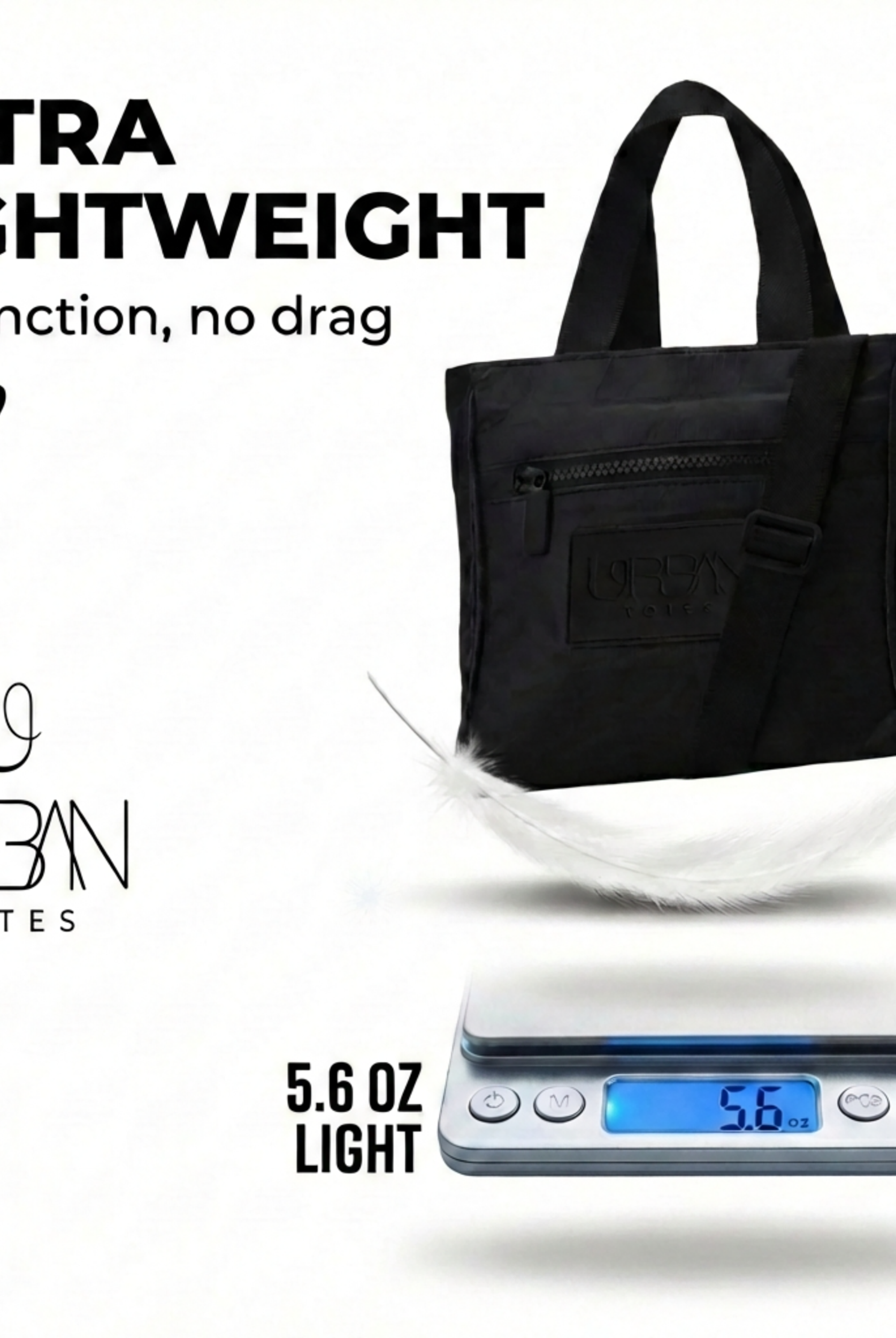
Benchmarked foldable totes show why compressed size matters as much as open capacity. Examples weigh about 0.4 to 0.6 pounds, with open lengths around 14 to 23 inches, while folded pouches can measure roughly 4 x 1.3 x 1.3 inches to 7.4 x 3.9 x 1.17 inches. Condé Nast Traveler's foldable travel bag coverage offers those product benchmarks.
Fold without fighting the fabric
Once the tote is empty, flatten it on a bed, table, or clean airport bench. Push air out of the main compartment, fold the sides toward the center, then bring the bottom upward in sections. If the bag has an attached storage pocket, turn or tuck the tote into that pocket rather than forcing it into a tight roll.
A practical folding sequence looks like this:
- Lay flat: Smooth creases and align the handles.
- Fold inward: Bring each side toward the center so the width becomes narrower.
- Compress lengthwise: Fold the bottom toward the top, keeping the pouch or closure accessible.
- Secure gently: Close the attached pocket or fastening without pulling hard on the zipper.
Some totes roll more naturally than they fold. Others have designed creases that make a flat pouch easier. Don't press a stiff structured base into a tiny package. The goal is compact storage that preserves the bag's shape, not the smallest possible bundle.
For additional packing ideas, use this guide to packing a tote bag for travel. A few minutes of deliberate loading can turn the same bag from an airport backup into a balanced day bag for sightseeing, errands, or a family outing.
Choosing the Right Size and Style for Your Lifestyle
The right foldable travel tote bag depends on what you carry after the bag opens. A compact style is perfect if it holds your essentials and disappears into a personal item. A larger tote makes more sense if you routinely carry a laptop, extra clothing, a water bottle, and children's supplies.
Start with the airline question rather than the color question. Budget carriers commonly set personal-item limits around 18 x 14 x 8 inches, or 45 x 35 x 20 centimeters, so a tote must be checked by its packed exterior dimensions, not its empty measurements. This foldable tote sizing guide highlights the importance of checking under-seat fit and determining whether the bag still works after adding a laptop, water bottle, and travel extras.
Match the bag to the day
| Your routine | What to prioritize | What can go wrong |
|---|---|---|
| Airport overflow | A zipper closure, compact pouch, comfortable shoulder straps, and dimensions that suit your airline | A soft bag can expand beyond the allowed size once packed |
| Daily commute | Reinforced handles, a laptop-friendly interior, key and phone pockets, and a stable base | A very thin fabric may feel flimsy with repeated heavy loads |
| Beach or pool day | Water-resistant fabric, easy cleaning, room for towels, and a separate pouch for damp items | An open top leaves contents exposed during transport |
| School drop-off and errands | Multiple compartments, a broad opening, and hands-free or shoulder carry | Too many pockets can reduce the main compartment's usable space |
| City walking | A lighter profile, secure closure, and a strap that stays comfortable | Long straps can catch on chairs, door handles, or luggage |
Size comparisons can be surprising. One independent travel example measured 12.9 inches long by 9.5 inches high when unexpanded, then reached 14.6 inches long by 8.7 inches wide by 21.6 inches high when expanded. That change is why a tote can look airline-friendly in a folded product photo but become unsuitable when filled. This comparison of foldable totes and airline size checks shows why measuring the packed bag matters.
Choose style by how you carry
A mini crossbody is ideal for hands-free movement through a museum, concert, or school pickup. A medium tote is more flexible for office-to-airplane days. A larger day-trip style gives you room for family layers and beach equipment, but it needs comfortable straps and a closure so it doesn't become a shapeless catchall.
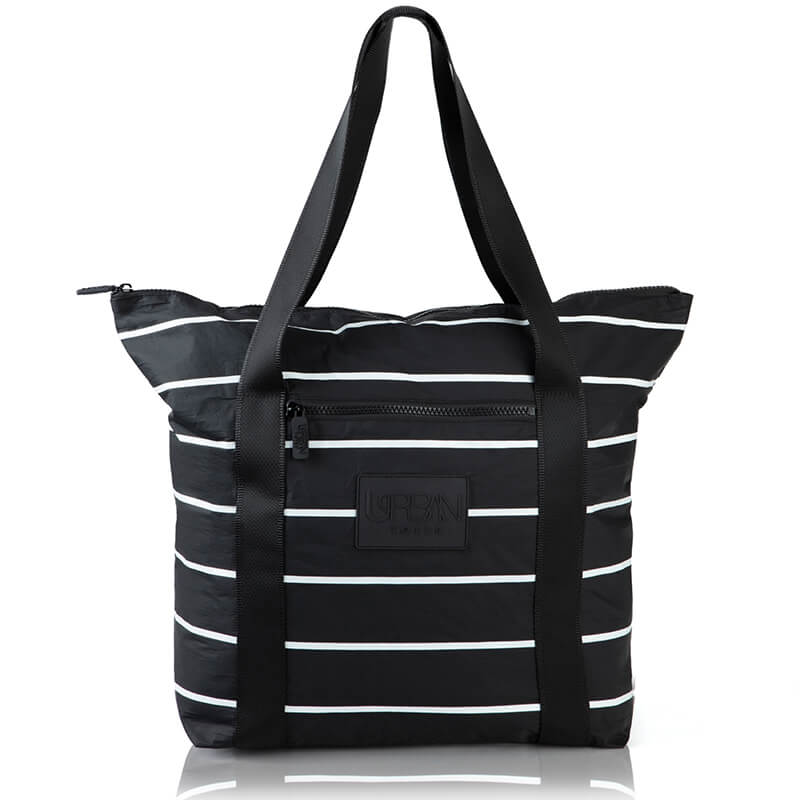
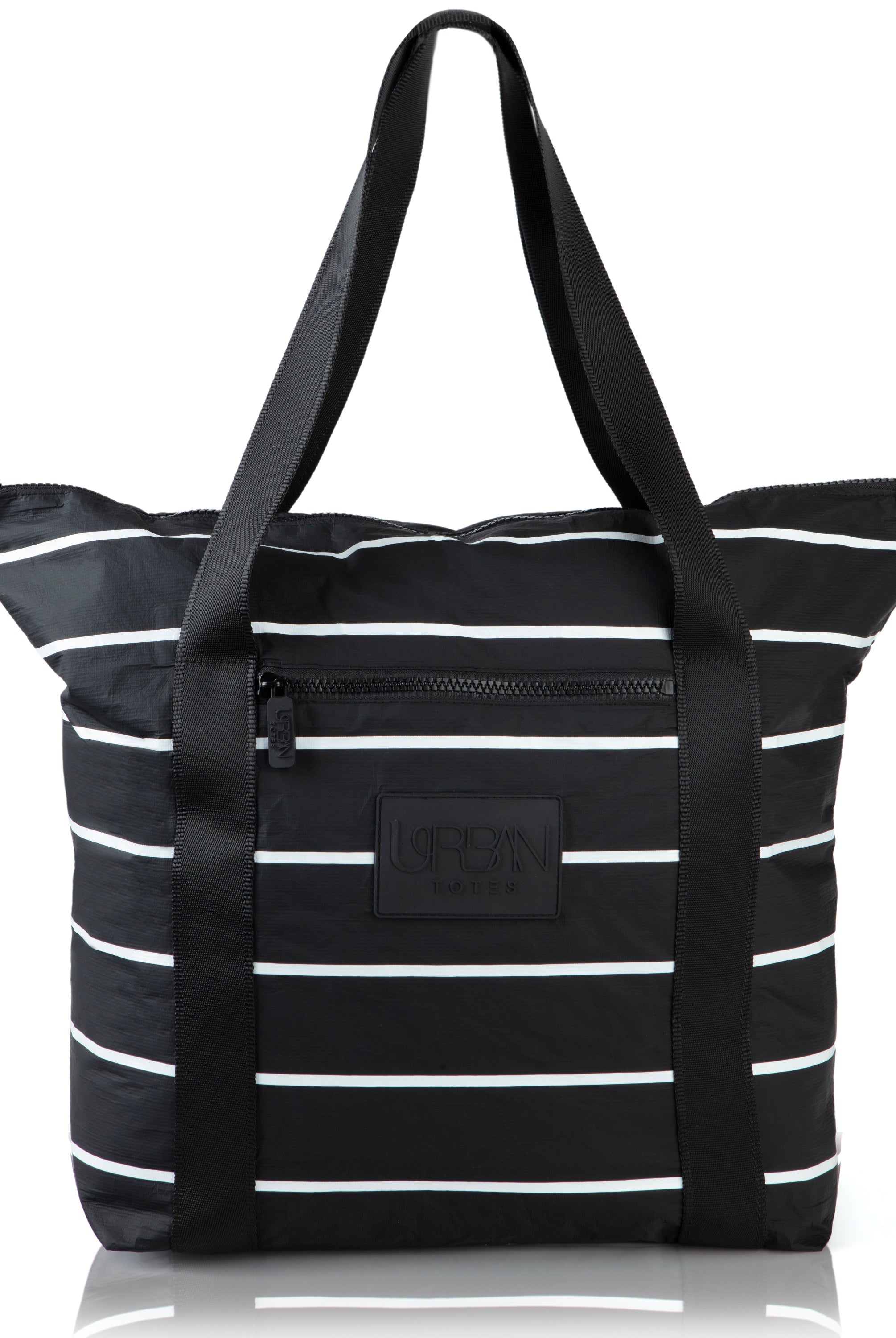
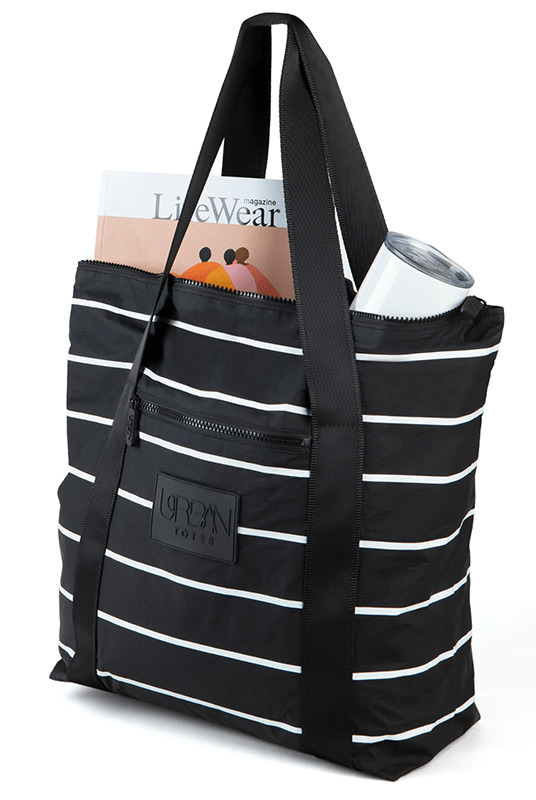
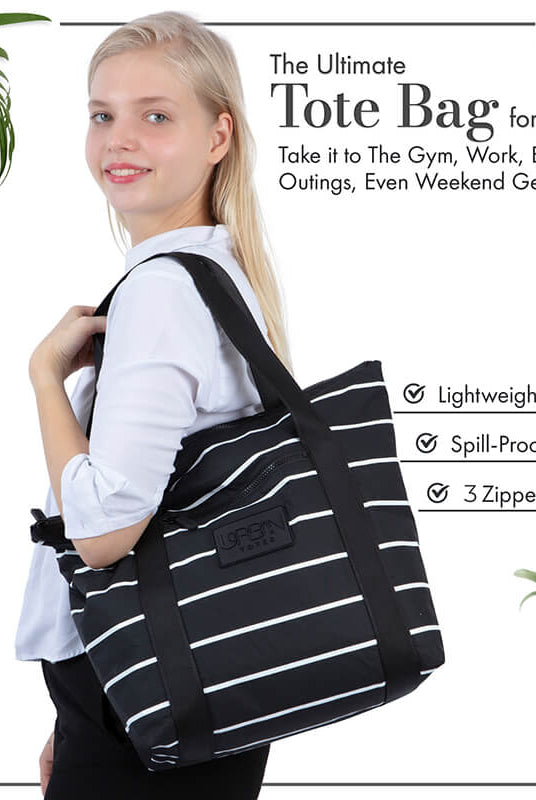
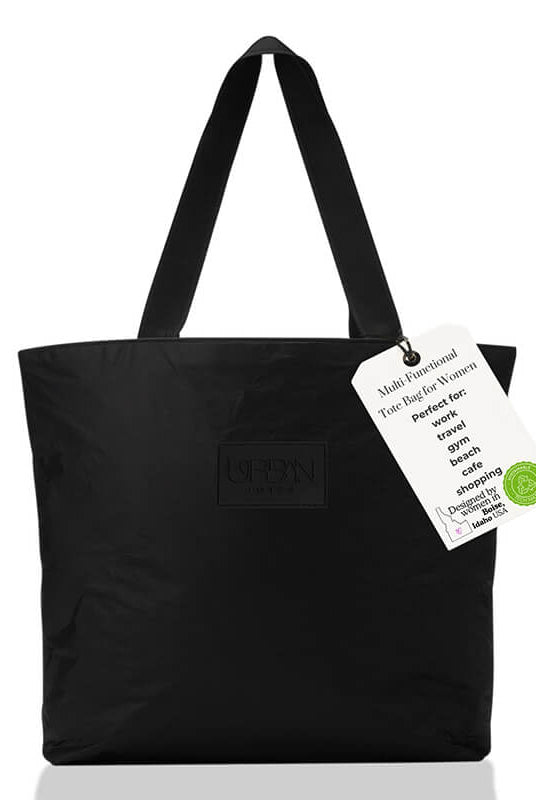
Urban Totes is a woman-owned Boise-made brand whose collection includes lightweight, water-resistant, packable tote and crossbody styles with zipper closures and organization features. That combination suits women who want one bag to move from office to airport, but the same decision framework applies to any brand: check the measurements, strap drop, compartment layout, folded size, and realistic load before choosing the look.
Read this guide to choosing the best tote for travel with your own routine in mind. The perfect size isn't the biggest one available. It's the bag that carries your normal load comfortably and still leaves enough flexibility for the unexpected extras that make an overflow tote worthwhile.
Care and Cleaning Tips to Keep Your Tote Fresh
A foldable travel tote sees more real life than most accessories. It collects beach sand, gym clothes, snack crumbs, coffee drips, and the occasional muddy handprint. Simple care keeps those small messes from becoming permanent stains or unpleasant odors.
Start by emptying every compartment and shaking out debris outdoors. Check the care label before using water or a washing machine, because coated fabrics, structured piping, and metal hardware can require different treatment.
A simple cleaning routine
- Spot-clean first: Use a soft cloth and mild soap for ordinary marks. For quick maintenance, an alcohol-free wipe can remove surface grime without soaking the fabric.
- Treat spills promptly: Blot rather than scrub. Rubbing can push a stain deeper or roughen the surface.
- Wash only when approved: If the manufacturer says the tote is machine-washable, secure all zippers and wash it according to the label. Don't assume every water-resistant bag can go in the washer.
- Air-dry fully: Leave the tote open until the lining and seams are dry. Avoid packing or folding a damp bag, since trapped moisture can create odors.
- Store it loosely: Keep the tote folded in its storage pocket when it's clean and dry. Don't compress a structured section under heavy luggage for long periods.
A good wipe-down after a beach day is often enough. Remove sand before it works into the zipper teeth, and keep damp towels in a separate pouch rather than letting moisture sit against the main lining. For gym use, empty the bag as soon as you get home so sweaty clothing doesn't remain inside overnight.
The same approach applies to a compact crossbody. Its outside zipper pocket and easy-access sections are convenient, but small compartments can hide crumbs and lint. Empty them regularly, wipe the interior gently, and let the bag dry open before returning it to your everyday rotation.
For more specific washing guidance, see this guide to washable tote bags. A clean, dry tote folds more easily, smells fresher, and stays ready for the next airport run, farmers market, or beach afternoon.
Find Your Perfect Go-Anywhere Bag
The best foldable travel tote bag isn't just the one with the smallest folded footprint. It's the one that can start as an almost weightless backup, expand into a useful day bag, and stay organized when your schedule changes. Overflow capacity is the feature most travelers notice only after they need it, whether that means carrying purchases home, moving a child's gear, or freeing your suitcase for the flight back.
Choose materials that balance packability with repeated use. Look for reinforced handle attachments, a reliable zipper closure, pockets that match your essentials, and water-resistant fabric suited to ordinary spills and light weather. Then check the packed dimensions against your airline's rules instead of relying on a broad “airline-friendly” description.
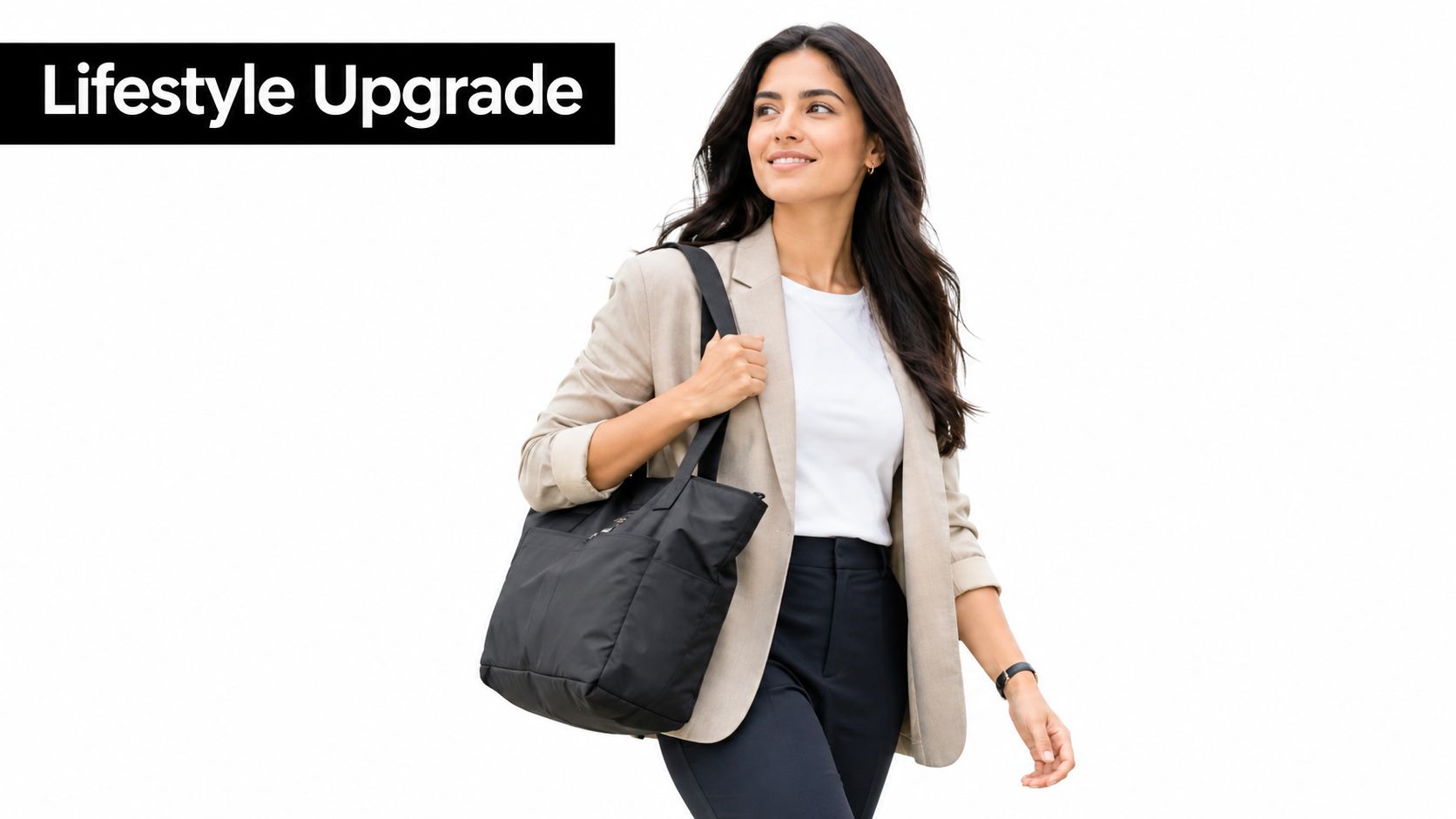
Urban Totes brings that practical idea into a woman-owned collection based in Boise, Idaho, with lightweight, water-resistant, packable designs made for commuting, errands, beach days, gym sessions, and travel. Thoughtful compartments and secure closures help the bags move from everyday carry to overflow duty without looking like an afterthought.
Whether you need a compact crossbody for hands-free days or a roomier tote for family travel, choose the style that fits your real rhythm. A go-anywhere bag should make the next transition easier, from school drop-off to the office, from the airport terminal to the hotel, and from a quiet morning to whatever comes next.
Explore the lightweight, water-resistant, foldable totes and organized crossbody styles from Urban Totes. Find a packable companion that fits your daily carry, handles travel overflow, and helps you tote everything wherever the day leads.