Your phone is ringing, the coffee is in one hand, and you're trying to find your keys with the other while standing in a school pickup line or inching forward at airport security. That's the moment a bag either helps you or slows you down. A good crossbody bag with pockets doesn't just hold your stuff. It keeps your day moving.
I'm a big believer in bags that earn their spot in your routine. From a Boise farmers market morning to a quick gym stop before work, the right pocket layout changes everything. Instead of one dark cave full of receipts, lip balm, charging cords, and loose cards, you get clear places for the items you reach for all day.
Crossbody bags started as practical gear long before they became a fashion category. Their roots trace back to hands-free carry systems used by messengers and field workers, including the U.S. Postal Service standardizing a mailbag in 1872, and the style moved further into fashion with the Chanel 2.55 in February 1955, which added a long chain strap for shoulder or crossbody wear, as noted in this crossbody history overview. That utility-first origin still explains why pockets matter so much today.
Table of Contents
- Why a Crossbody Bag with Pockets Changes Your Day
- How Pockets Work and Why Placement Matters More Than Count
- Pocket Types and Placements Explained for Real Life
- Materials Water Resistance and Everyday Durability
- Finding Your Perfect Size Capacity and Fit
- Smart Organization and Packing for Every Lifestyle
- Your Go Anywhere Checklist Care Tips and Final Choice
Why a Crossbody Bag with Pockets Changes Your Day
You feel the difference fastest in rushed moments.
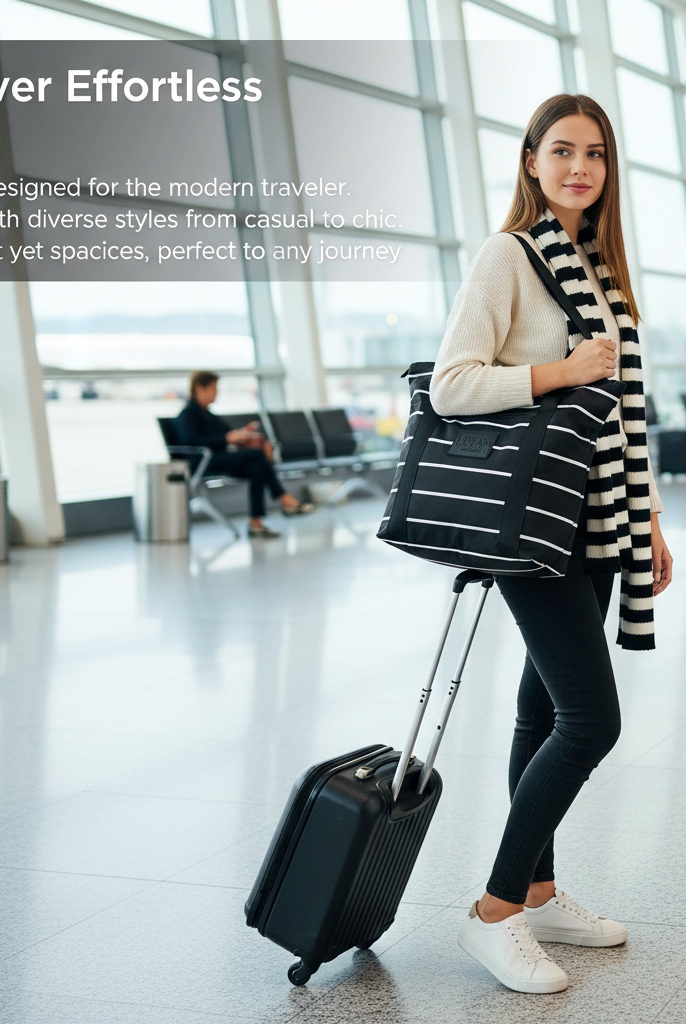
At the airport, you need your ID, boarding pass, phone, and earbuds in a predictable place. At school drop-off, you want your car keys ready without setting down your water bottle or digging under snack wrappers. At the farmers market, you want both hands free for peaches, flowers, and a card reader tap. At the gym, you want your locker key separate from everything else so it doesn't disappear into the bottom seam.
That's where a crossbody bag with pockets starts to feel less like an accessory and more like support.
The four jobs that matter most
A useful crossbody bag with pockets usually does four things well:
- Keeps your hands free so you can carry groceries, hold a child's hand, or manage a rolling suitcase.
- Speeds up access to the things you grab constantly, like your phone, keys, or transit card.
- Protects important items by giving valuables a zippered home instead of letting them float around.
- Creates better balance so the bag feels stable against your body instead of swinging around with every step.
If you've ever wondered why this shape works so well, this guide to what a crossbody bag is gives a helpful foundation.
Practical rule: The less time you spend searching inside your bag, the calmer you feel moving through the day.
Why organization feels like confidence
A lot of women don't need more bag space. They need better bag logic.
One big open compartment can look simple online and feel chaotic in real life. Pockets create tiny decisions for your future self. Phone goes here. Wallet goes there. Keys stay zipped. Lip balm lives in the front slot. When every essential has a home, leaving the house feels easier and coming back to your bag later feels easier too.
There's also a broader reason this style keeps showing up. Independent industry coverage projects the bag and organizer market will reach USD 63.5 billion by 2035 with a 3.7% compound annual growth rate from 2025 in this market projection. That projection reflects the same thing many of us feel every morning. We want portability and structure in one bag.
How Pockets Work and Why Placement Matters More Than Count
The biggest mistake shoppers make is counting pockets instead of judging what each one does.
A bag with ten random pockets can be harder to use than one with three smart ones. A kitchen is a good comparison. A few drawers with clear jobs work better than a junk drawer in every cabinet.
What purposeful pockets look like
Pocket architecture matters as much as pocket count. Recommendations often cluster around 6 to 10 purposeful pockets, including at least one external quick-access pocket, one zippered valuables pocket, and interior slip or mesh pockets, according to this pocket layout guide. But that doesn't mean more is automatically better. Too few pockets force everything into one cavity. Too many can add bulk and make you search longer.
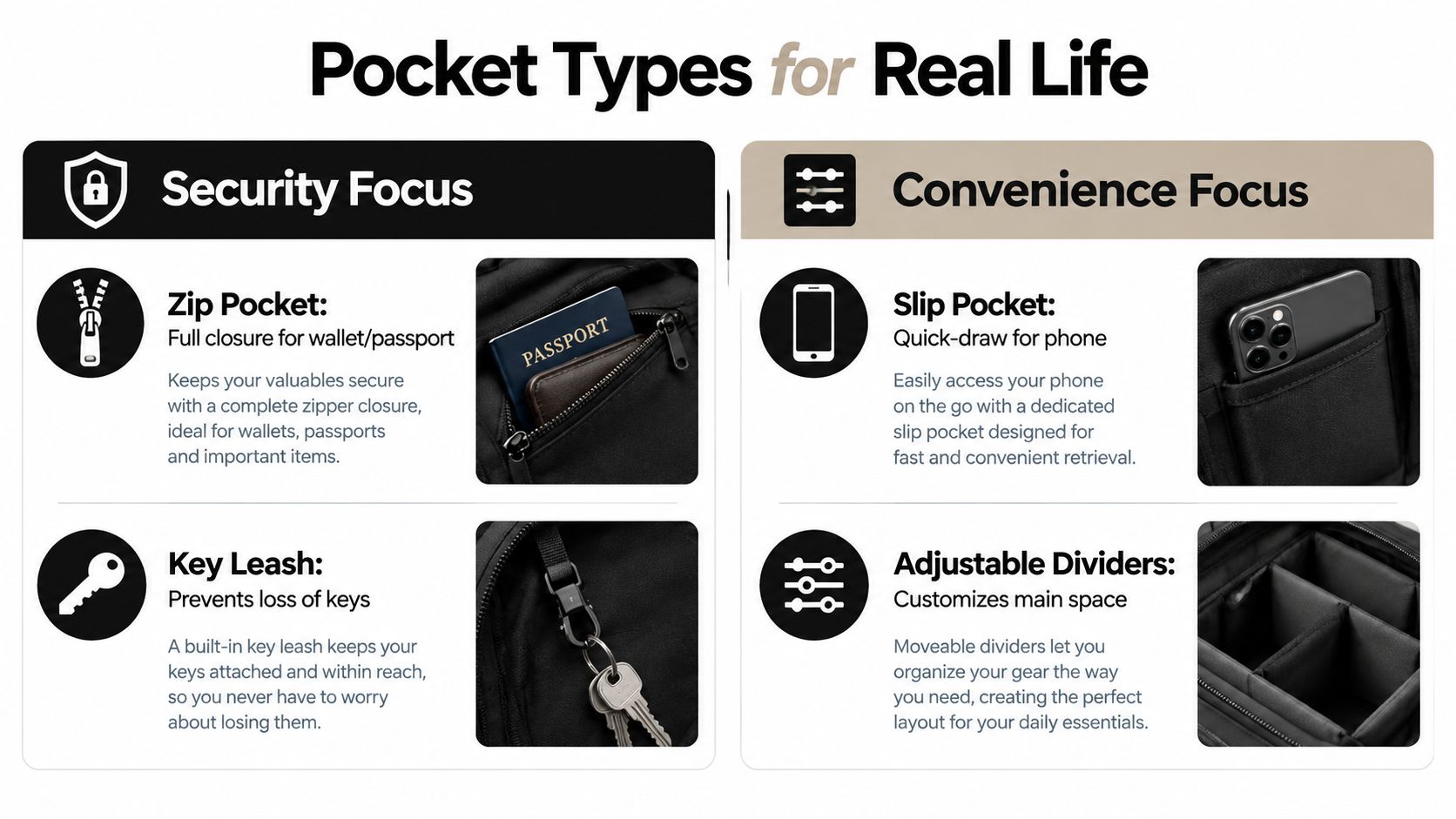
One helpful way to assess layout is to compare the bag to your daily habits, which is exactly why this overview of tote bag compartments matters when you're shopping.
Why placement affects comfort too
Where a pocket sits changes how the bag feels on your body.
Ergonomic guidance for crossbody bags consistently recommends placing heavier items like a phone, wallet, battery pack, or small water bottle closest to the torso and in the rear or main compartment. Lighter, high-frequency items such as keys and transit cards belong in quick-access pockets. This ergonomics article explains that this setup helps keep the center of mass closer to the body, which lowers swing and shoulder torque while walking.
Put your heaviest item nearest your body. That single choice often makes a crossbody feel more stable within the first few minutes of wear.
A simple example of smart layout
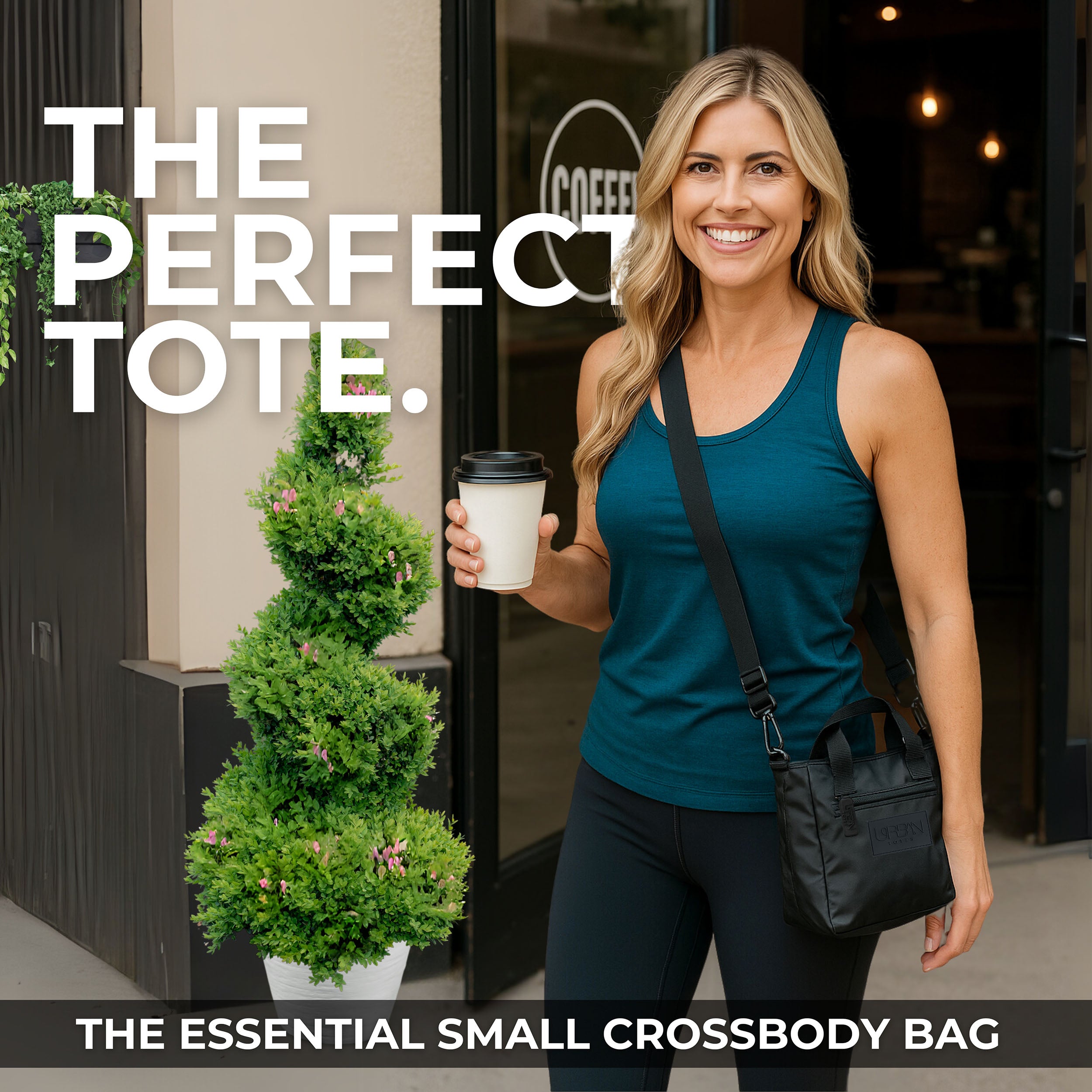
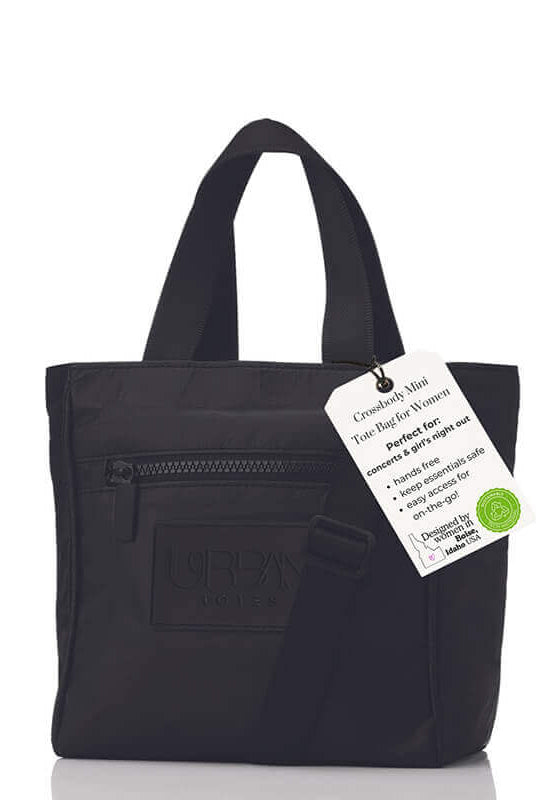
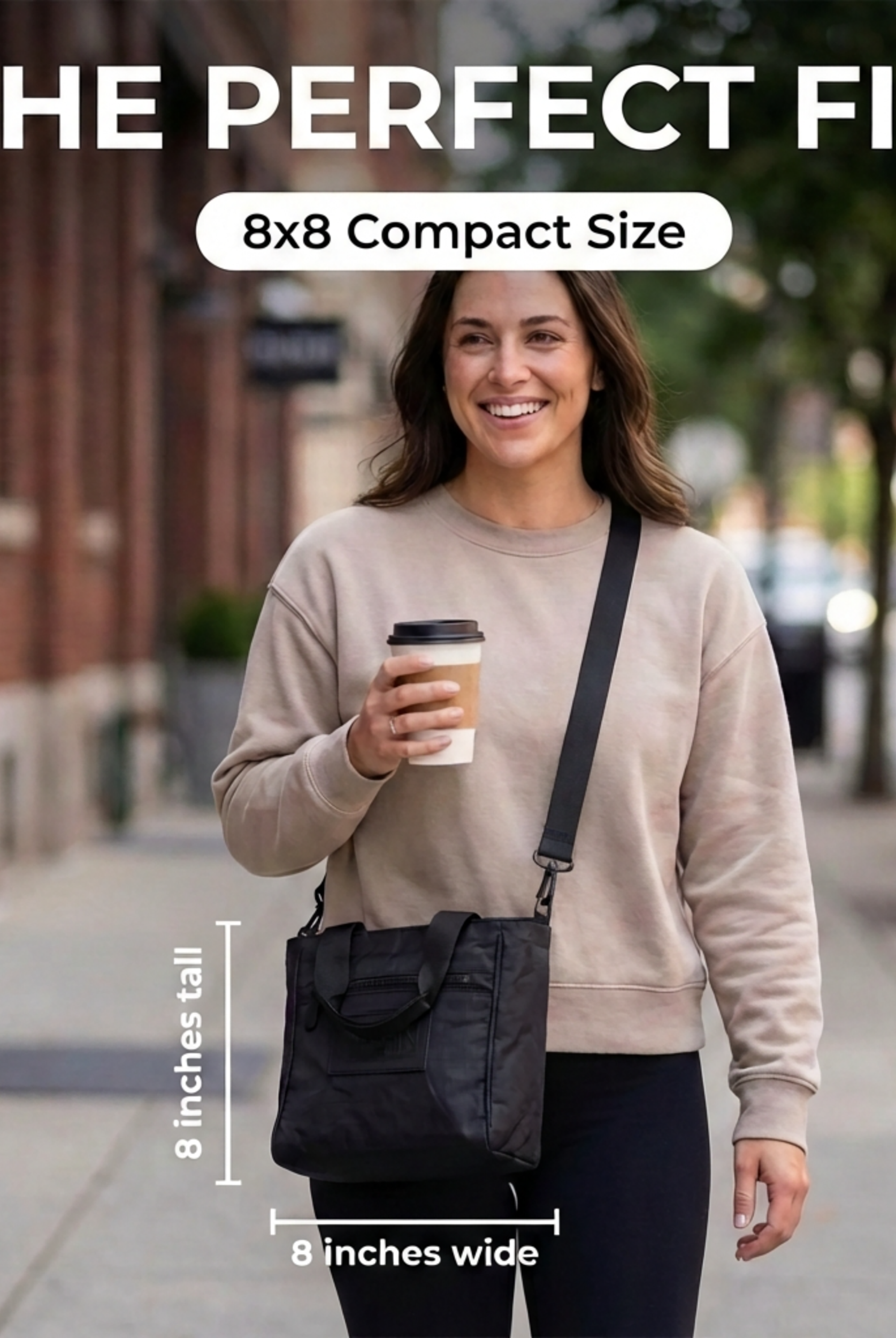
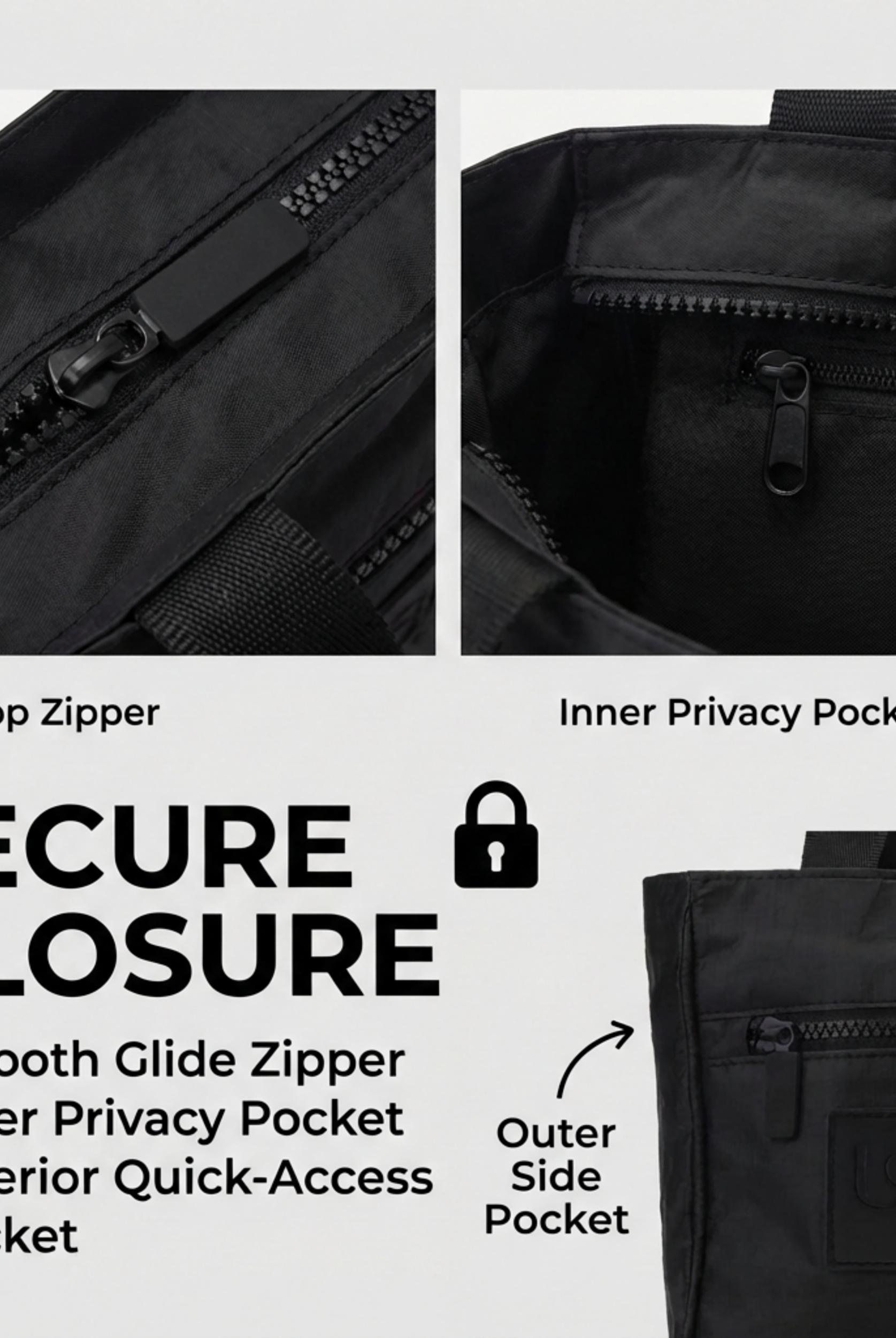
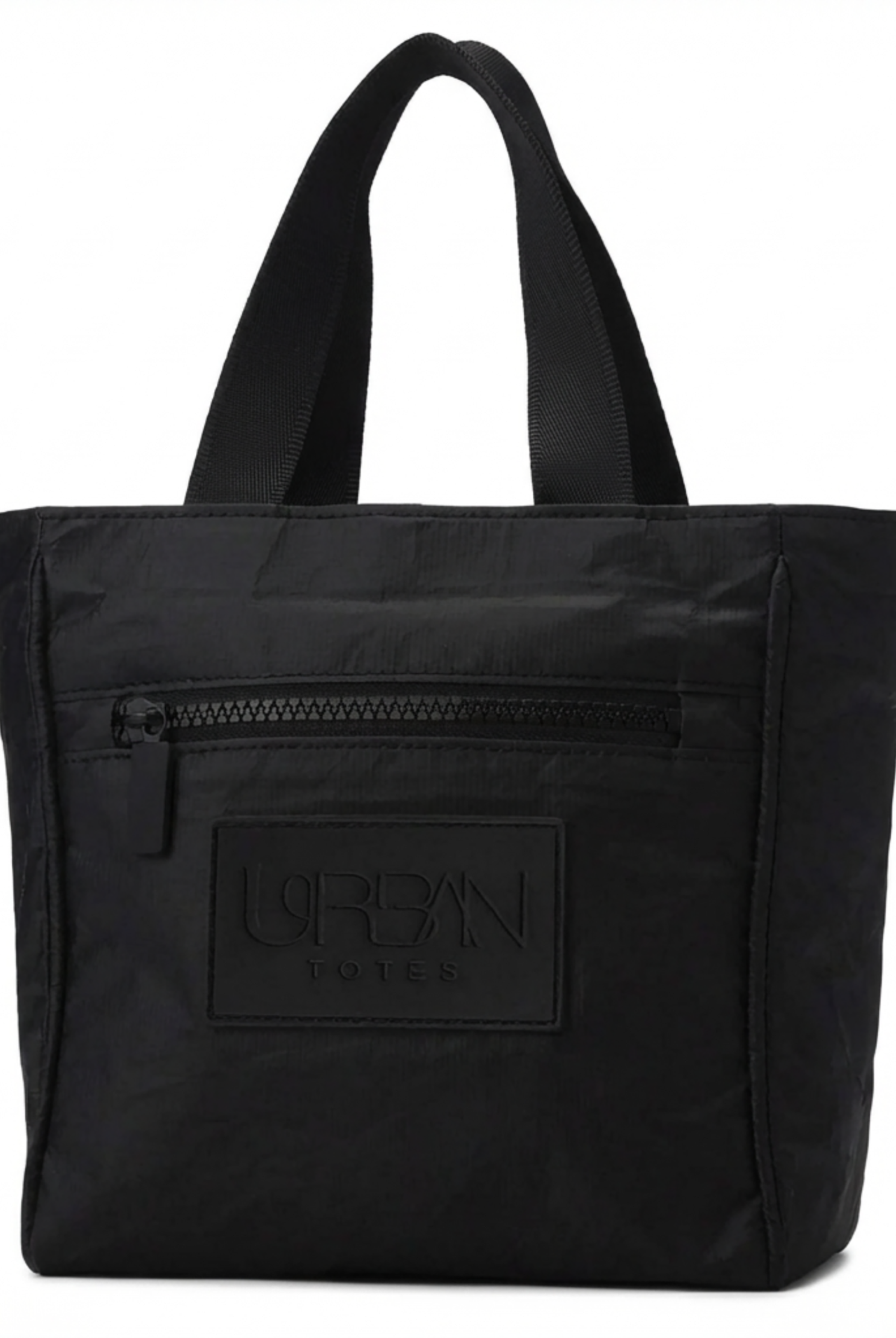
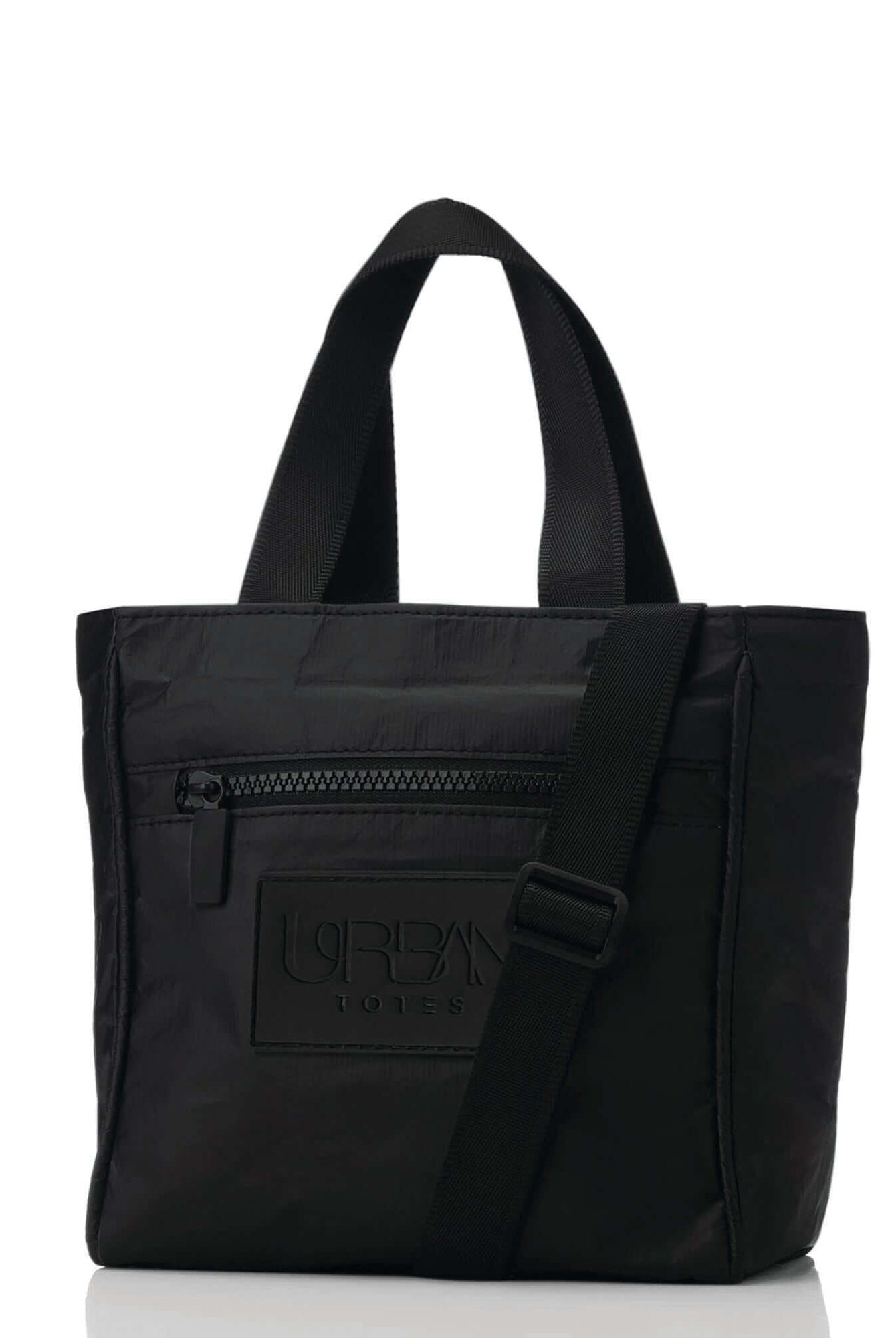
One factual example is the Crossbody Tote Bag Mini Purse, which is described with a zip-top closure, a single outside zipper pocket, an inside zipper pocket, and a large easy-access outside pocket for items like a phone and keys. It also lists dimensions of 7.5 x 4 x 7.75 inches, a 1-inch nylon strap, and a removable crossbody strap that extends to 53 inches. That's a good illustration of the idea that pocket purpose matters more than piling on extra compartments.
Pocket Types and Placements Explained for Real Life
A pocket isn't useful just because it exists. It's useful when the right item lands there naturally, every time.
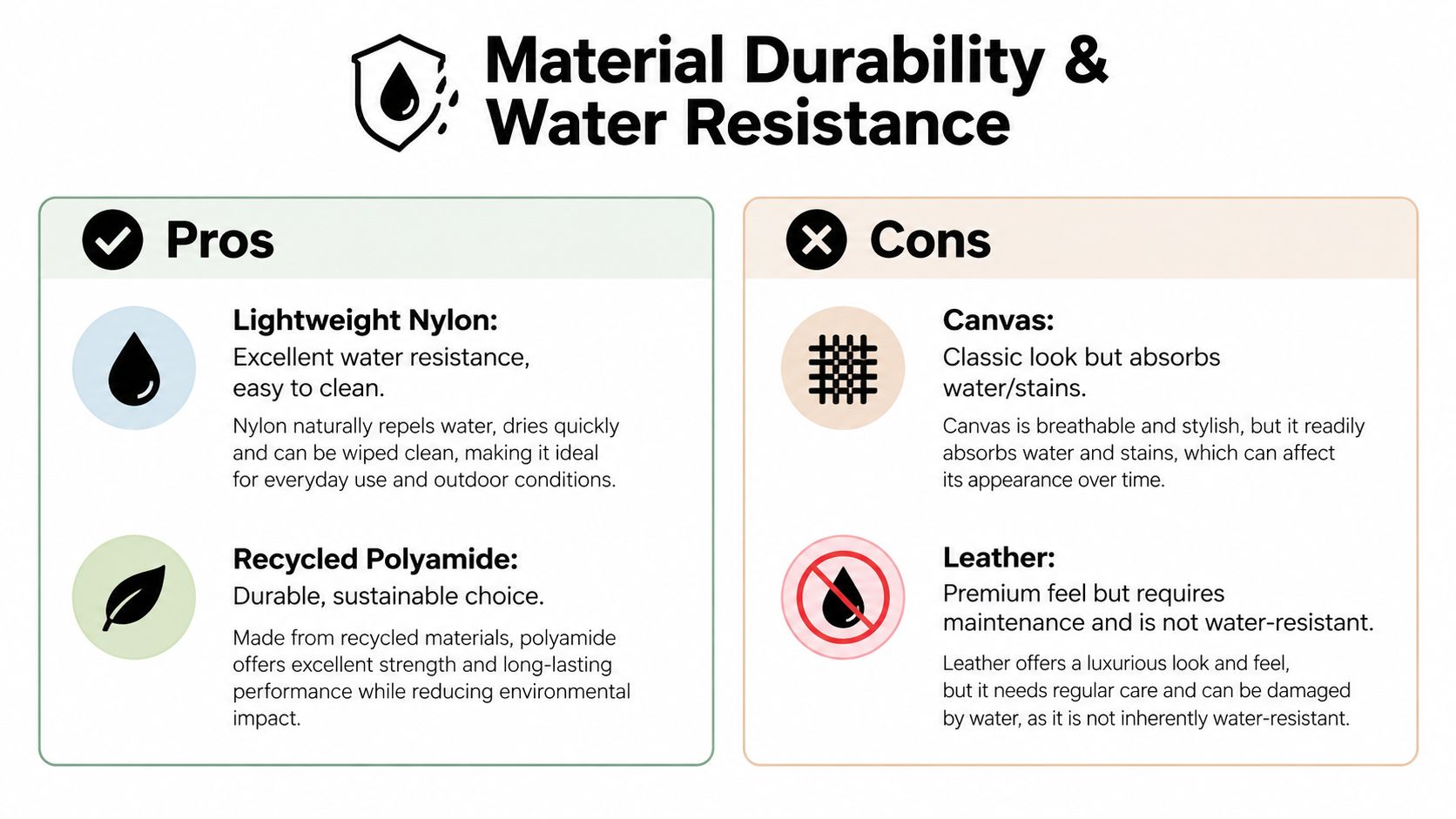
Some women need a front slip pocket they can reach while holding a toddler. Others need a hidden zip pouch for a passport. The best crossbody bag with pockets matches the rhythm of your day.
Which pocket does what
Here's a practical cheat sheet.
| Pocket Type | Best For | Placement Tip |
|---|---|---|
| Slip pocket | Phone, receipts, transit card | Keep it outside or just inside the opening for fast grabs |
| Zipper pocket | Wallet, passport, cash, cards | Place it against the body side or inside the main compartment |
| Expandable pocket | Sunglasses, small snacks, compact extras | Use where a little give helps without crowding the center |
| Back zip pouch | Keys, coins, flat valuables | Best on the rear panel for a more discreet feel |
| Main compartment | Bulkier daily essentials | Reserve for items you don't need every few minutes |
If you want to compare this thinking to a larger everyday bag format, this guide to a multiple compartment purse is a useful companion.
Real-life pocket mechanics
A small travel-style crossbody listed on Amazon gives a very concrete example of how this works. It's described with two large expandable pockets, one front pocket, one mini middle pocket, and a zippered back pouch, for a total structure of 3 compartments and 1 zipper pocket, in this product listing. The listing also gives dimensions of 19 x 12.5 cm and notes capacity for a small wallet, pen, notepad, cash, cards, and minimal makeup.
That's useful because it shows organization as zones, not marketing language.
- Front pocket often works best for fast-reach items.
- Middle mini pocket suits flatter, smaller pieces that disappear in a large compartment.
- Back zip pouch is a better home for valuables that shouldn't be visible.
- Expandable sections help a compact bag carry a bit more without turning into one stuffed pouch.
A larger-bag parallel
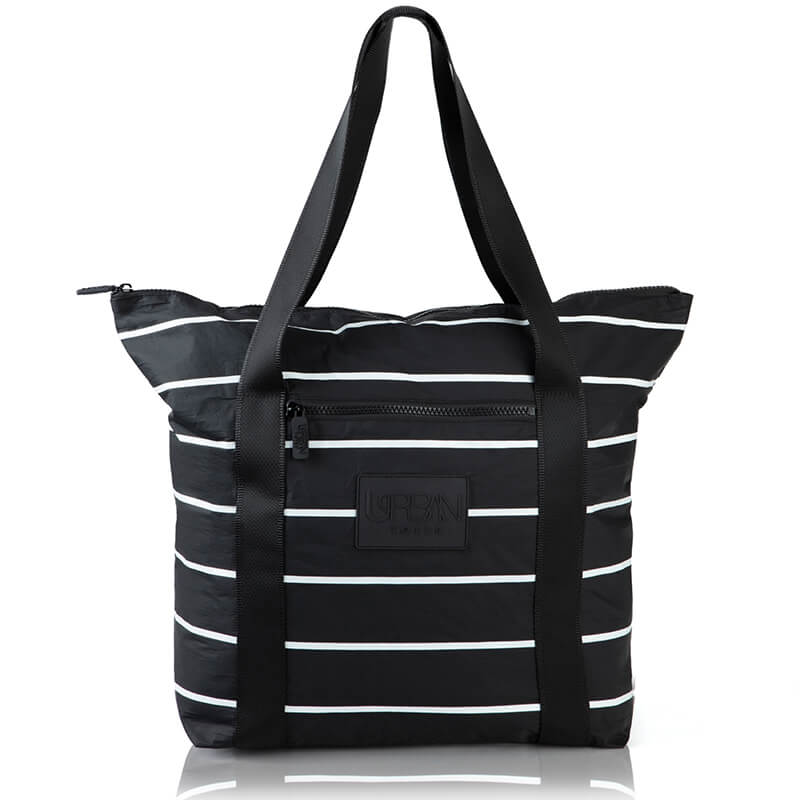
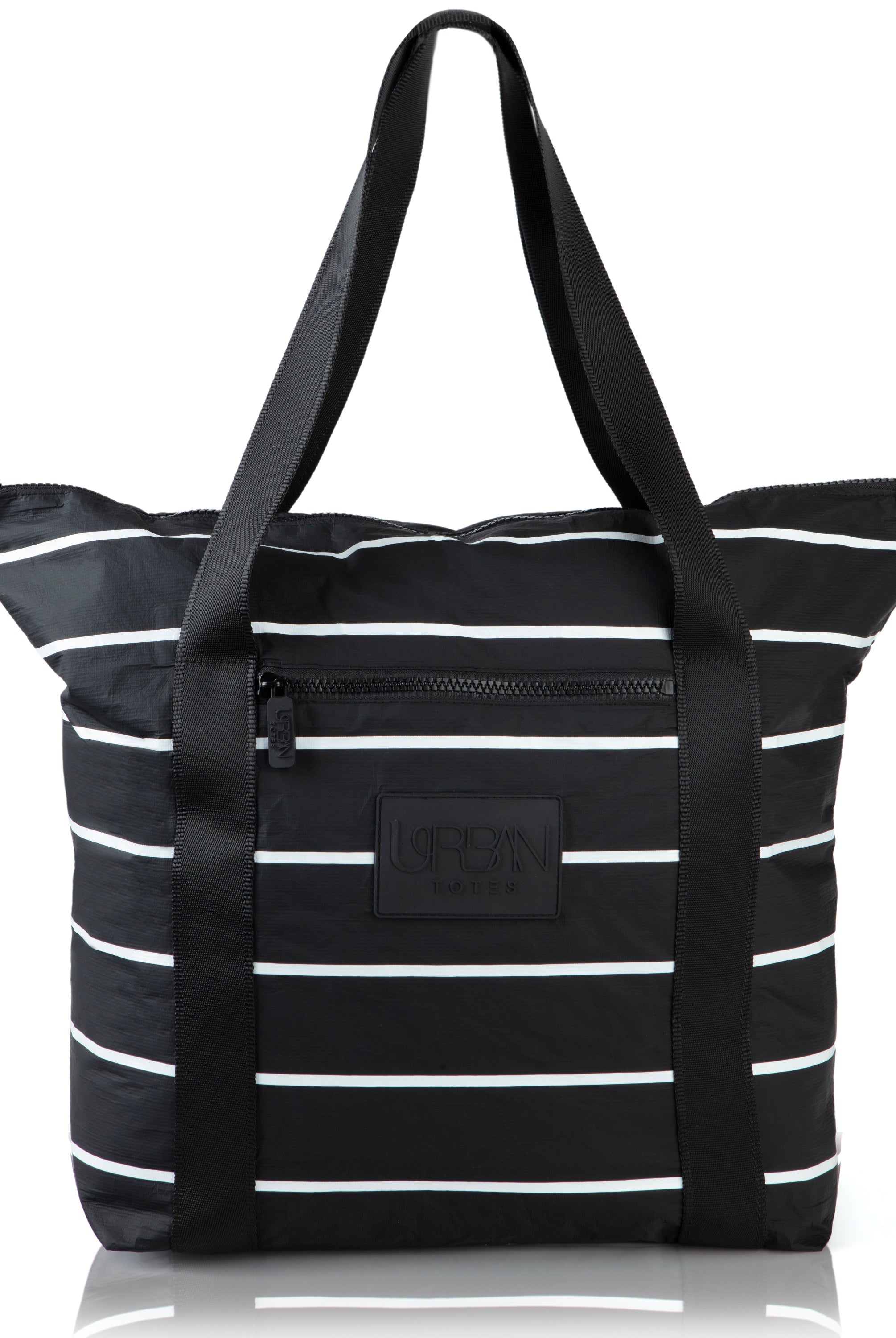
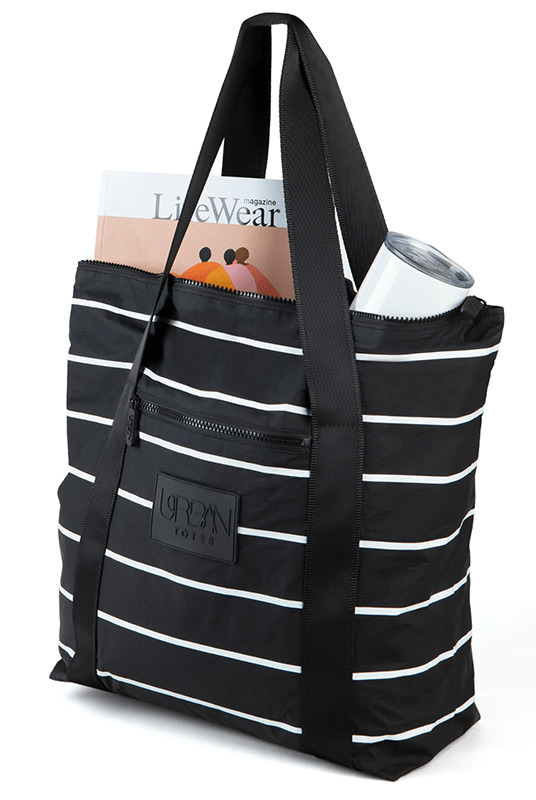
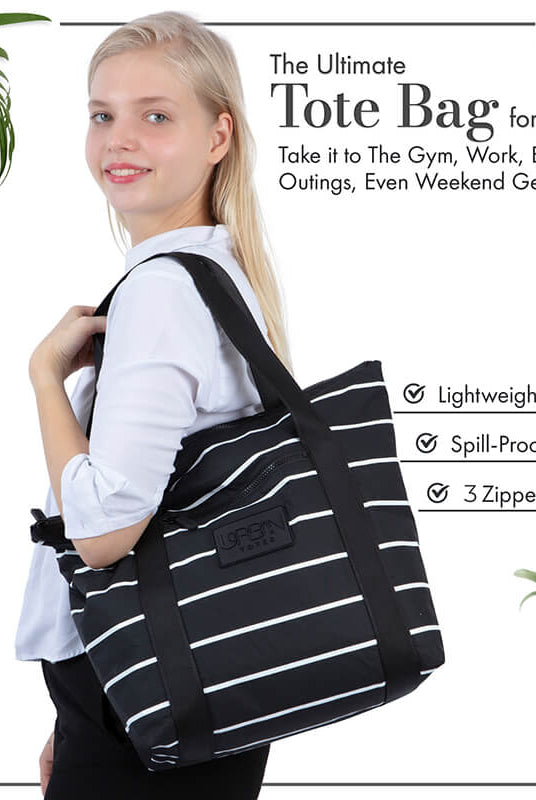
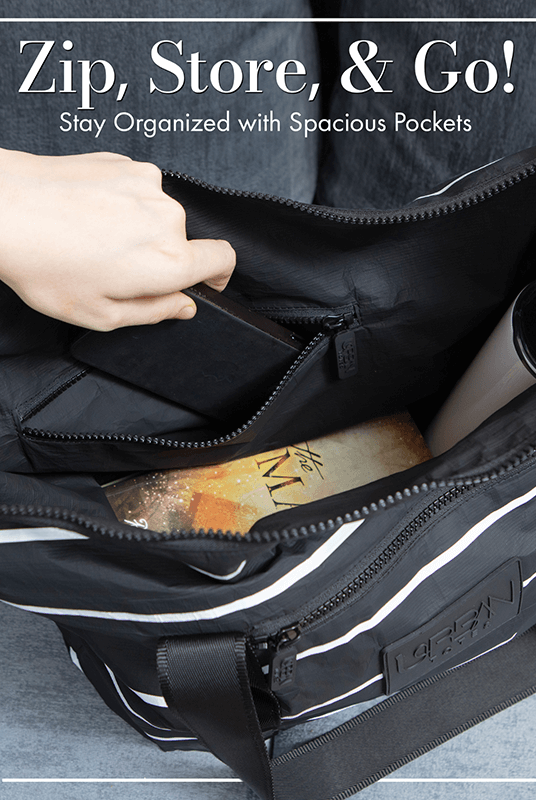
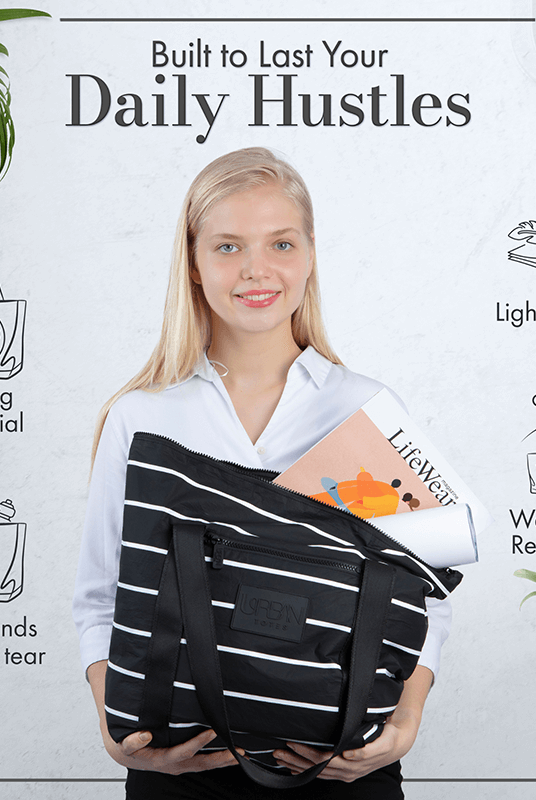
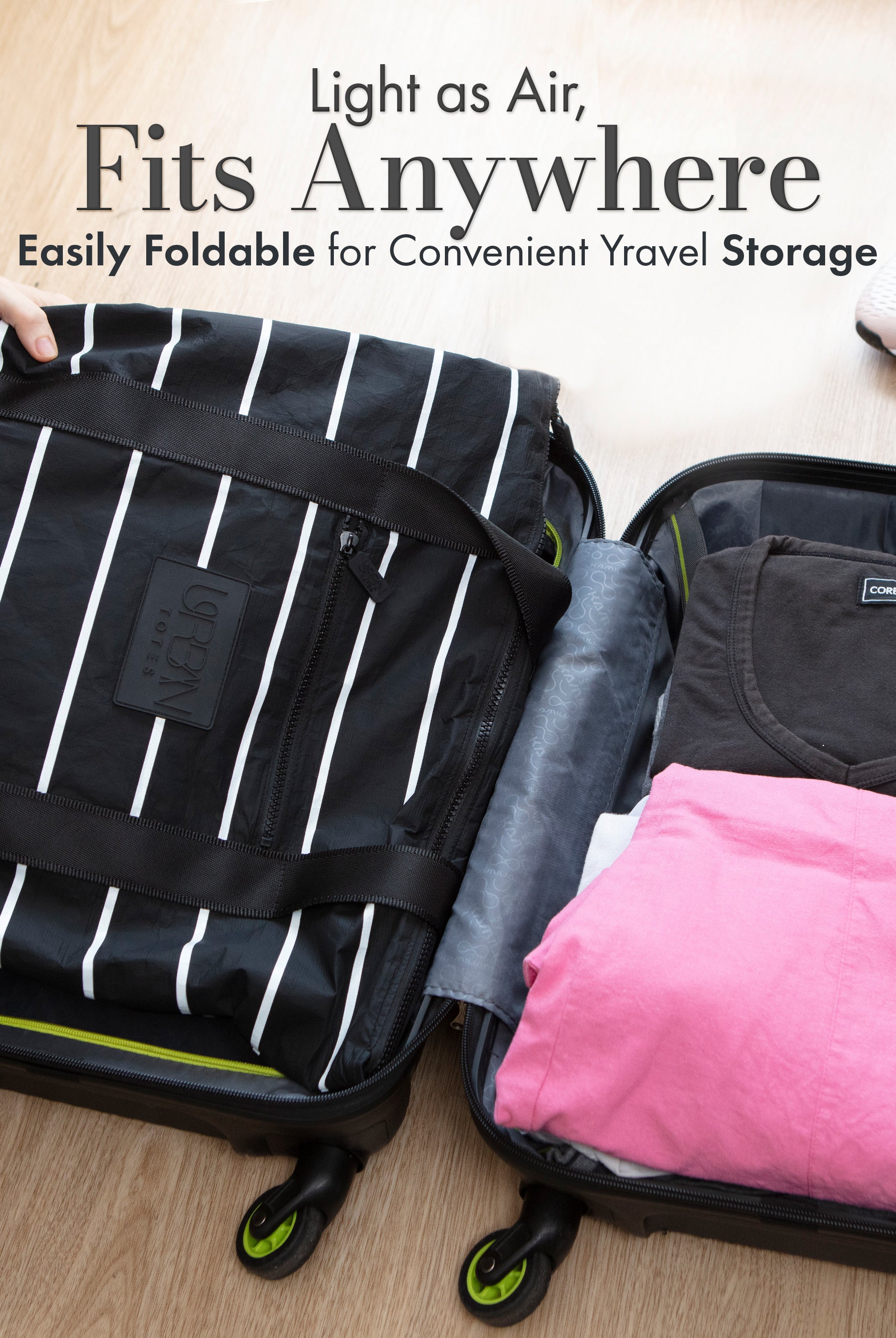
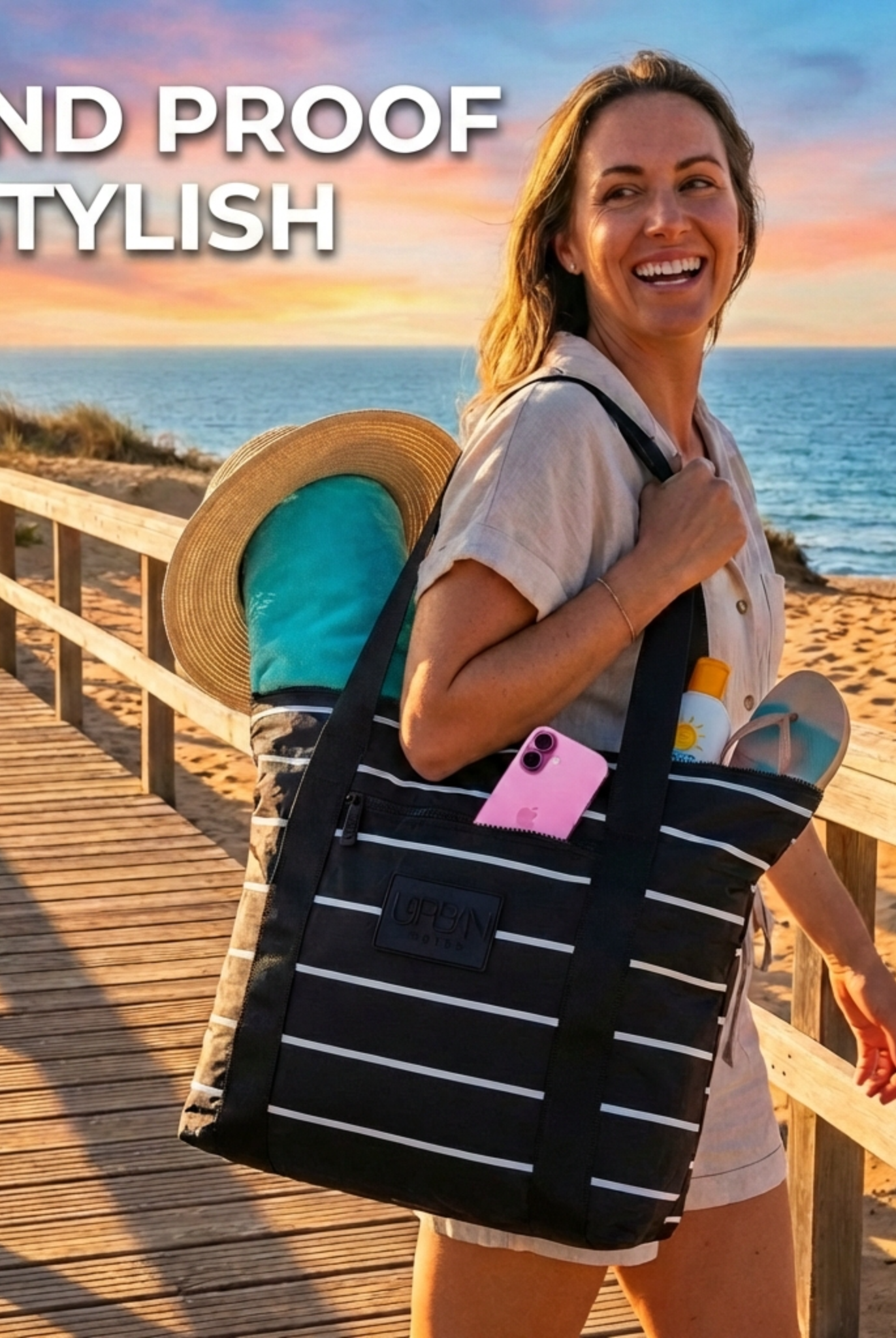
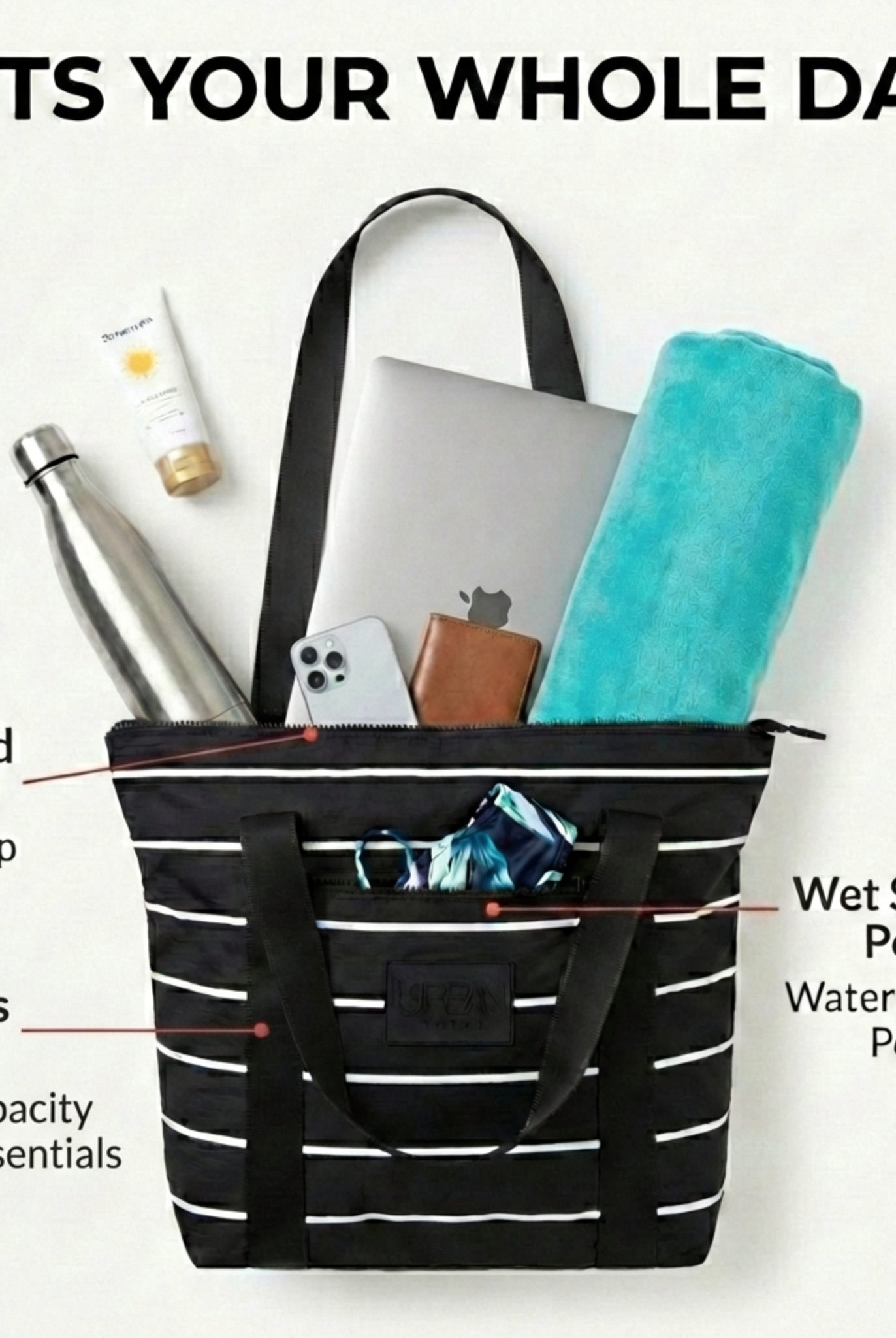
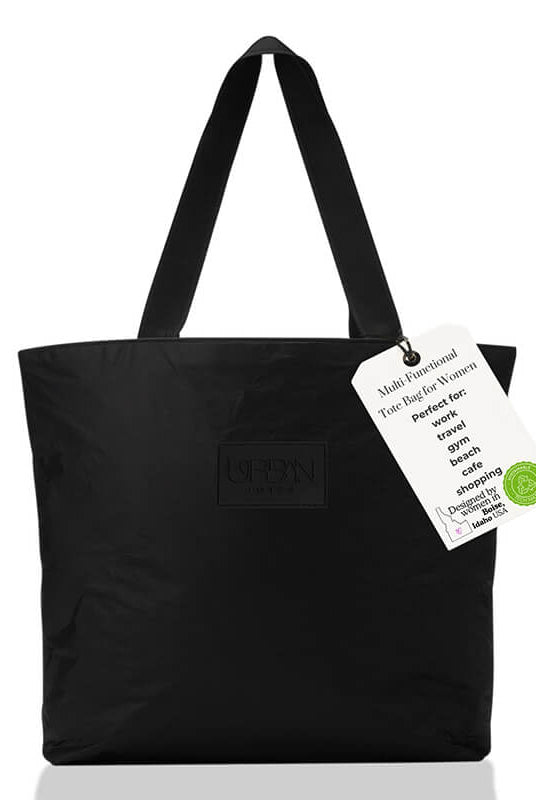
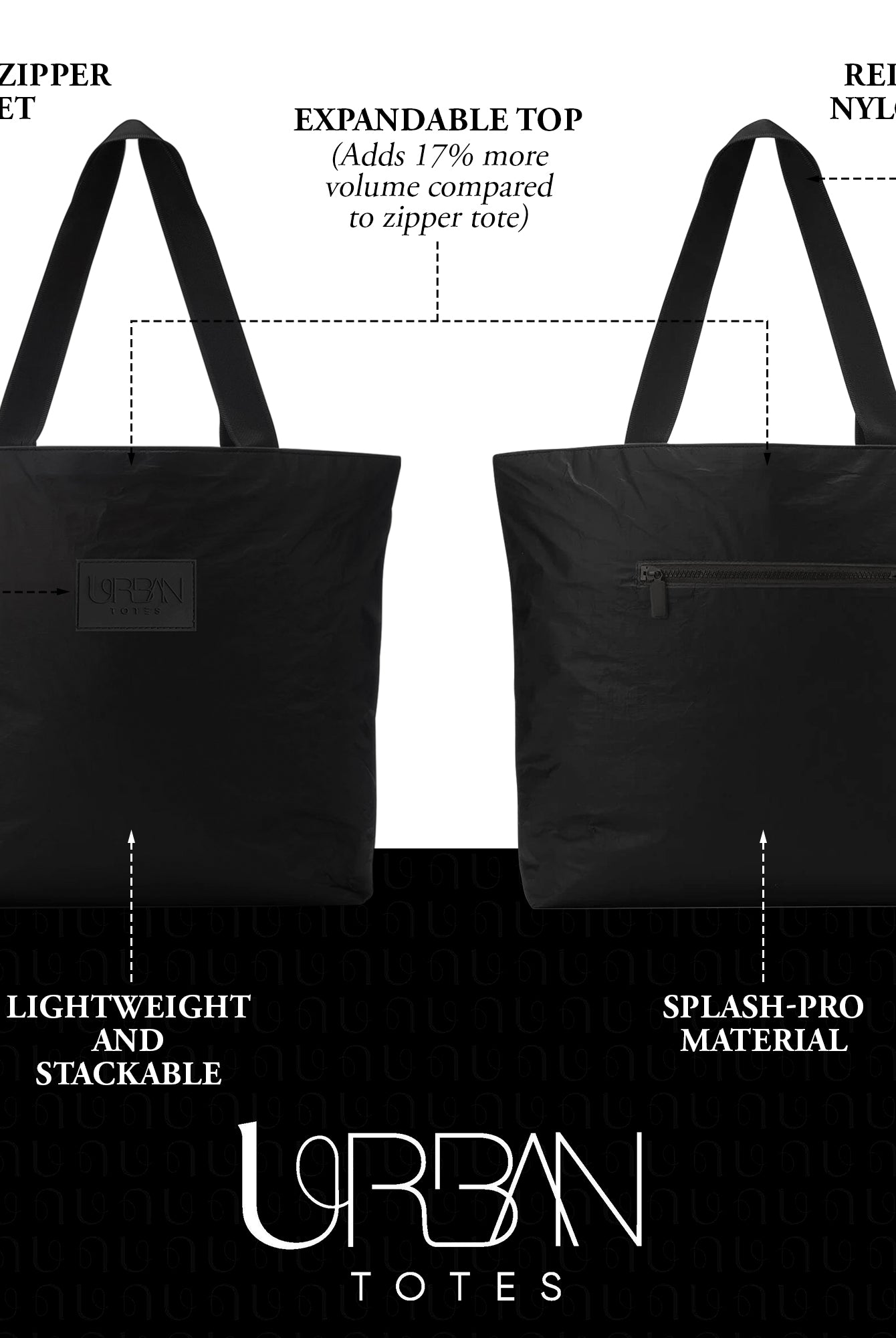
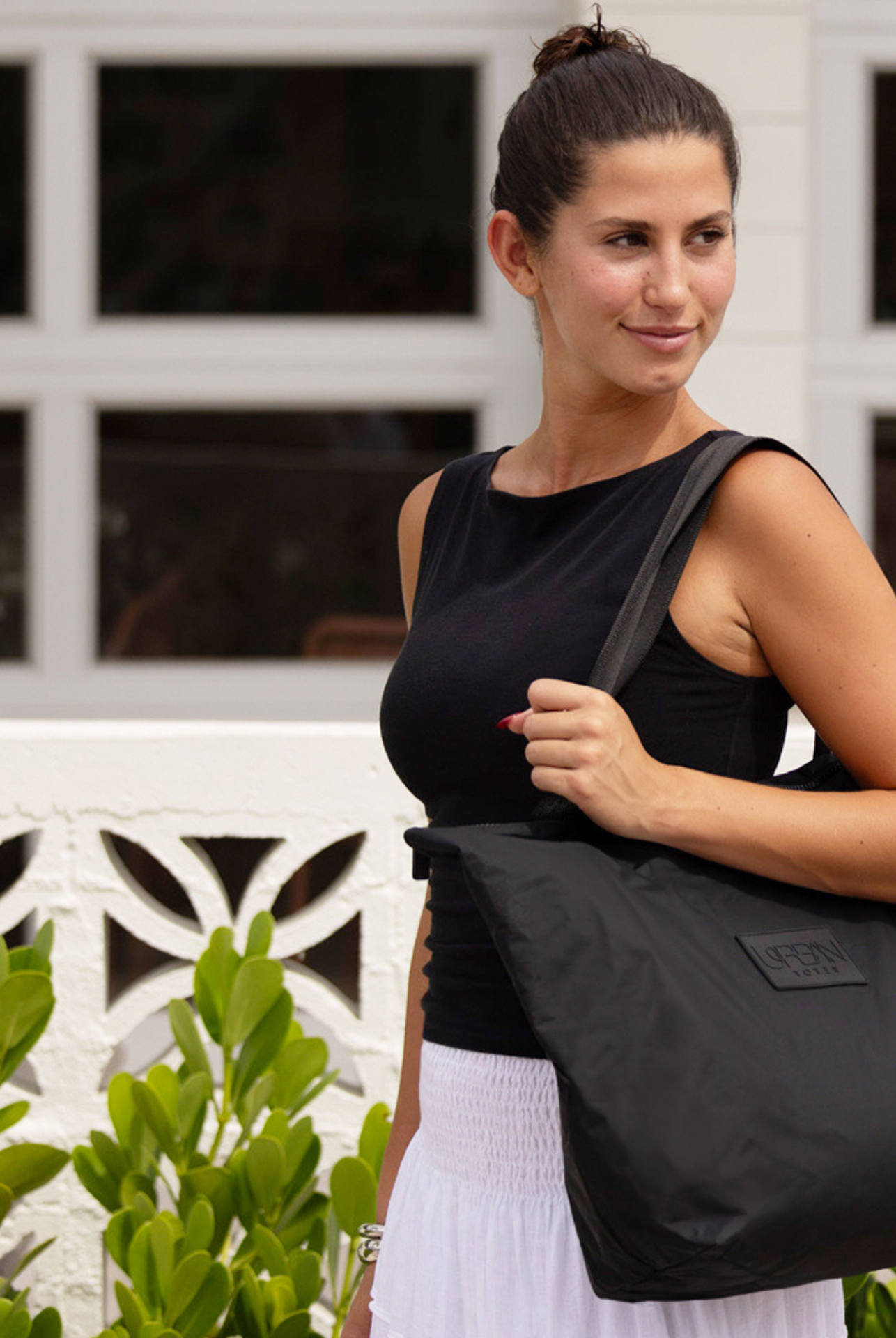
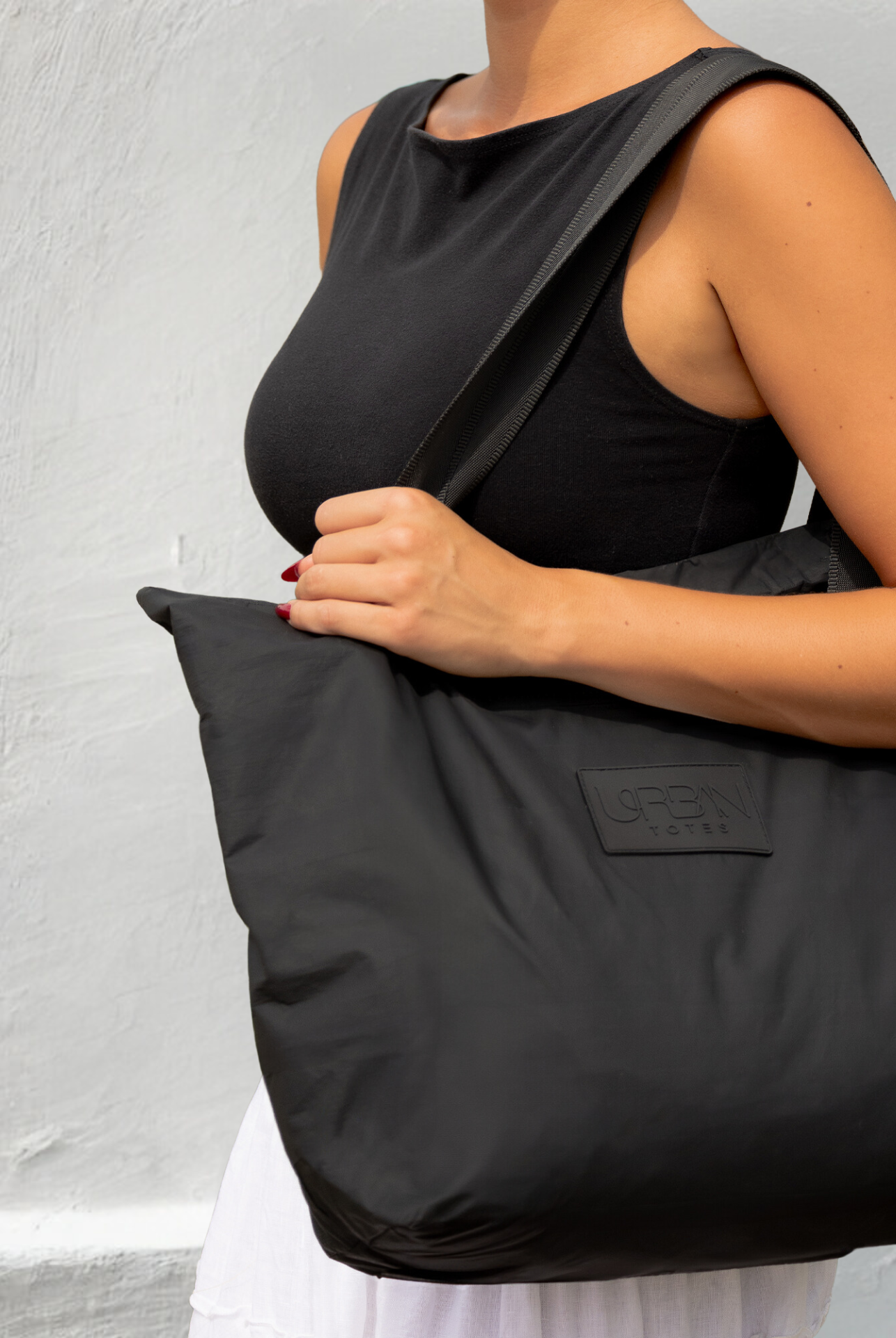
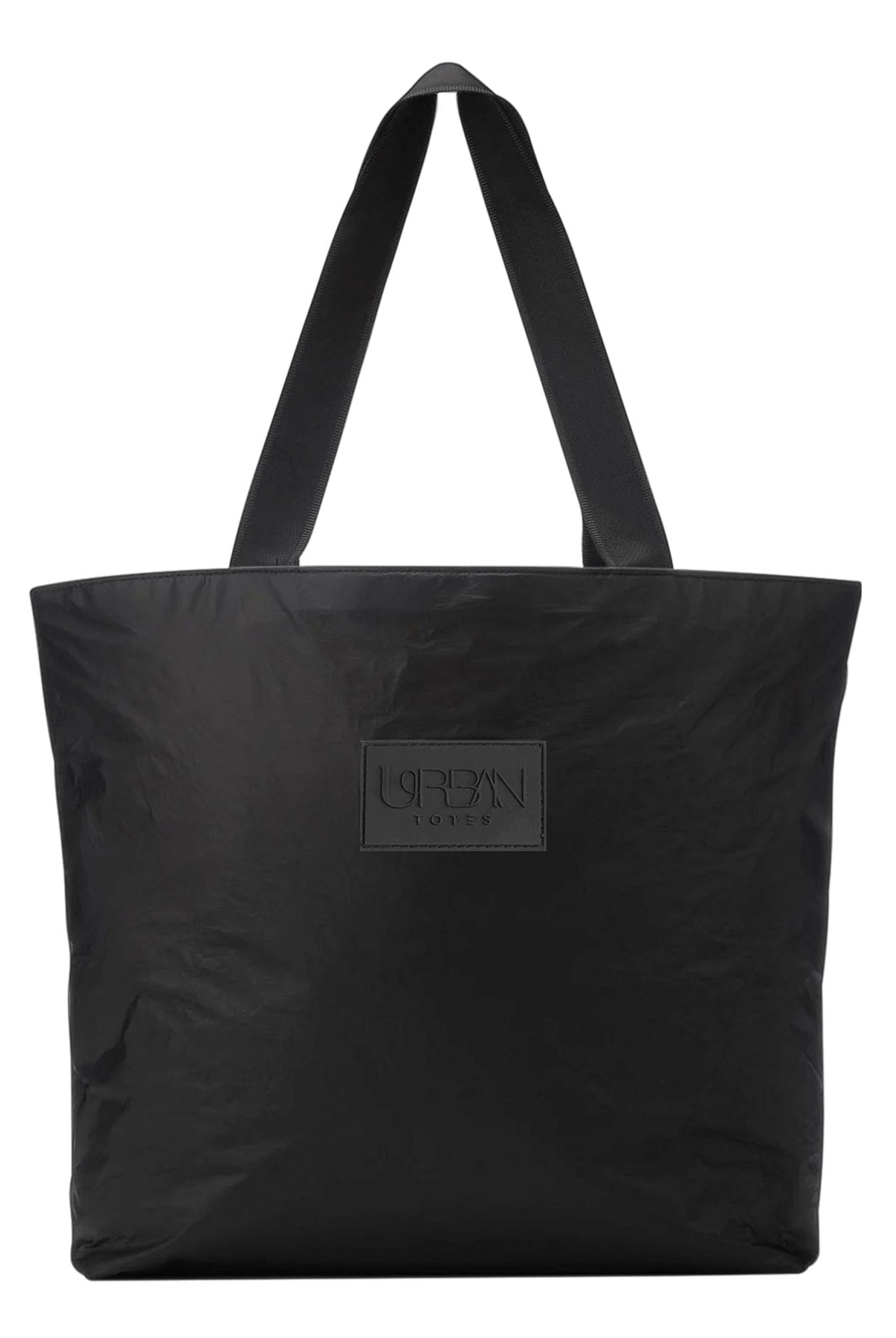
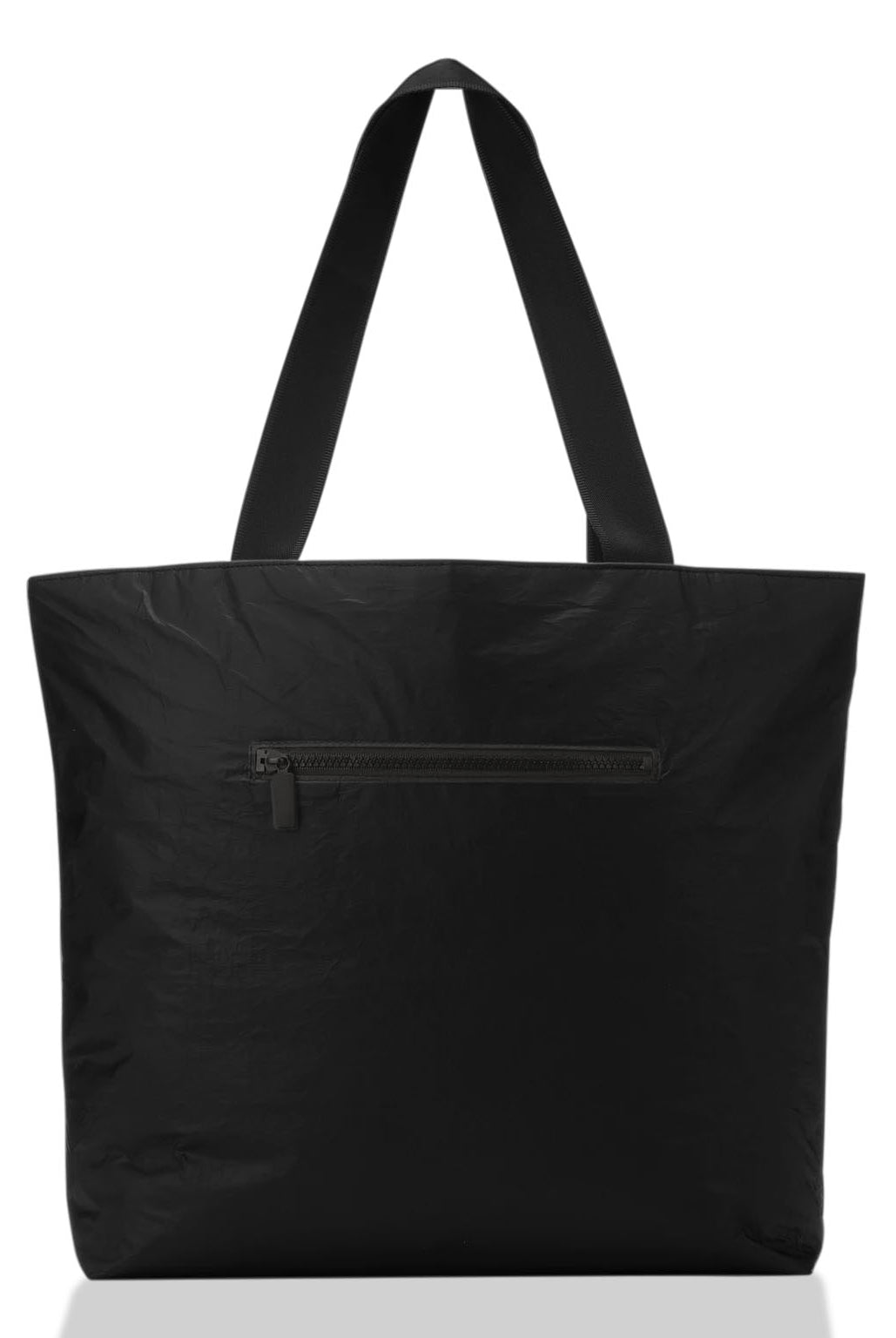
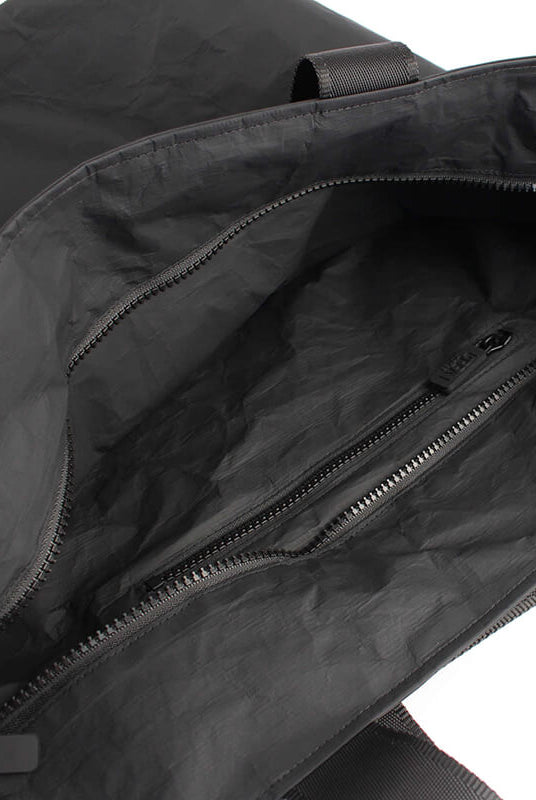
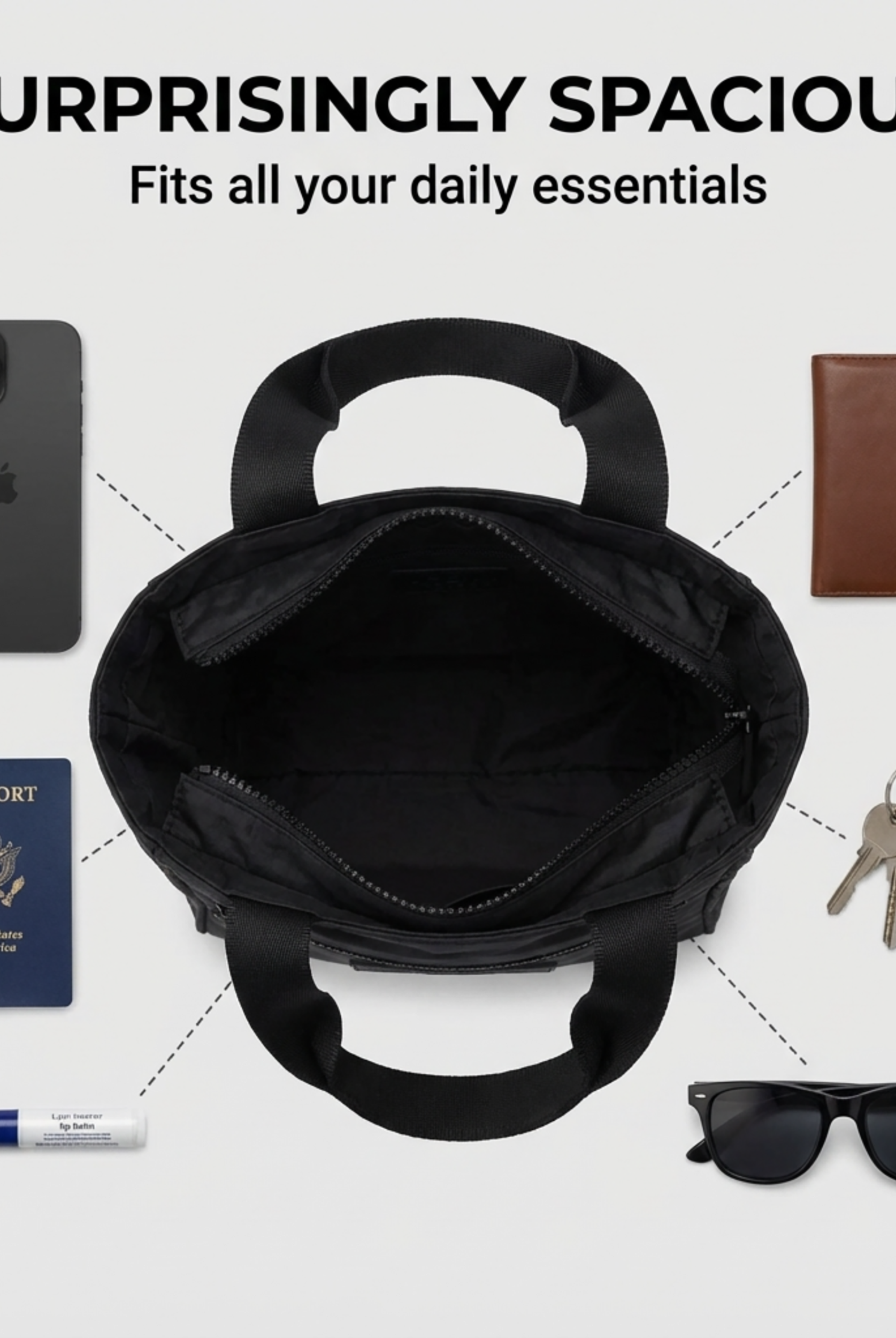
For shoppers who sometimes need more than a small crossbody, The Go Anywhere Day Trip Tote Bag by Urban Totes is described with three large zippered compartments and specific pockets for an iPhone and keys. That's not a crossbody example, but it shows the same organizing principle. Distinct zones beat one oversized cavity when you're trying to find essentials quickly.
Materials Water Resistance and Everyday Durability
Once you know how you want your pockets to work, the next question is what kind of fabric can keep up with your life.
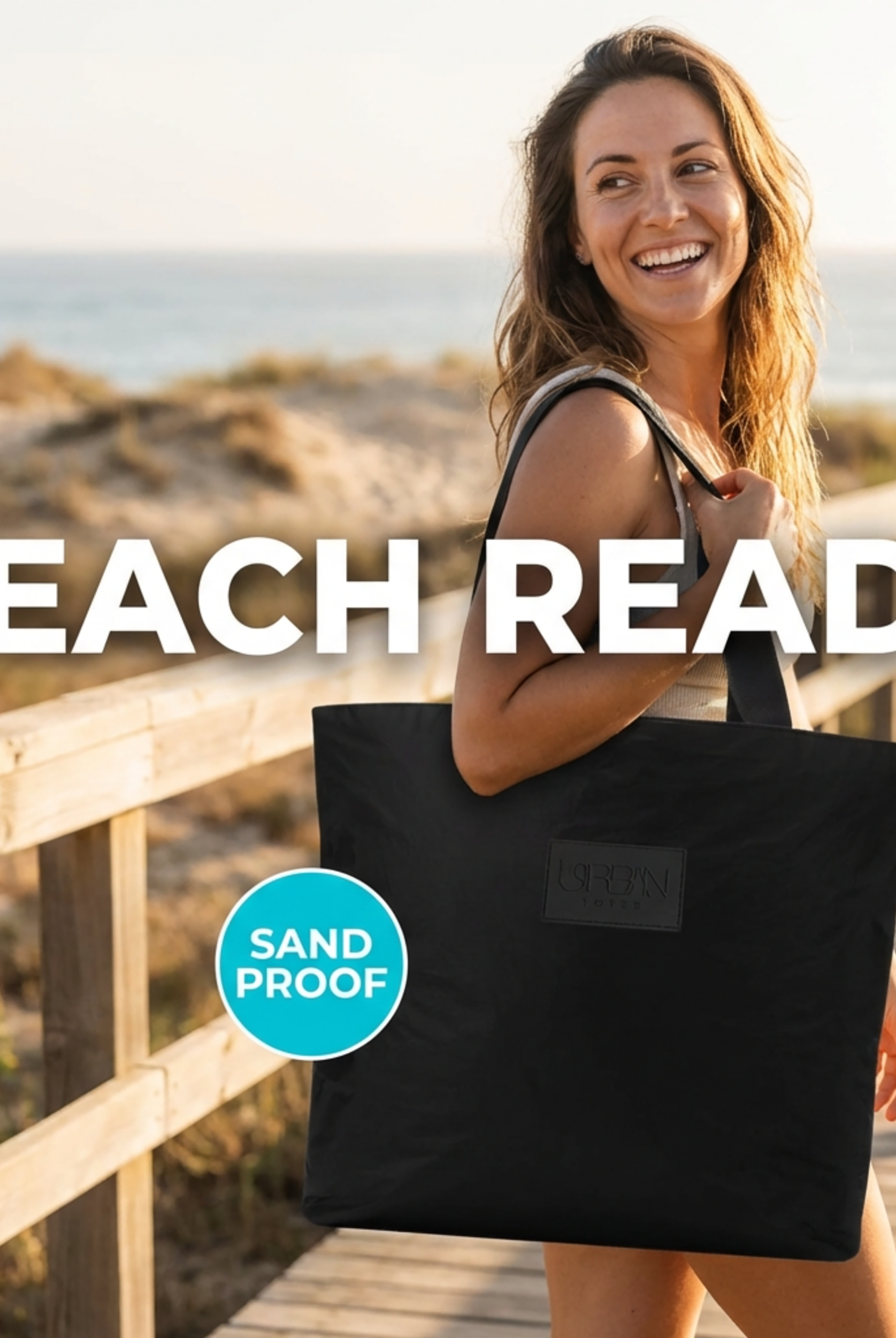
For a commuter, that might mean a drizzle on the walk from the parking lot. For a beach-day mom, it might mean damp towels nearby and sandy sunscreen hands. For a traveler, it means a bag that can fold into a suitcase without becoming stiff or bulky.
What materials tend to make sense
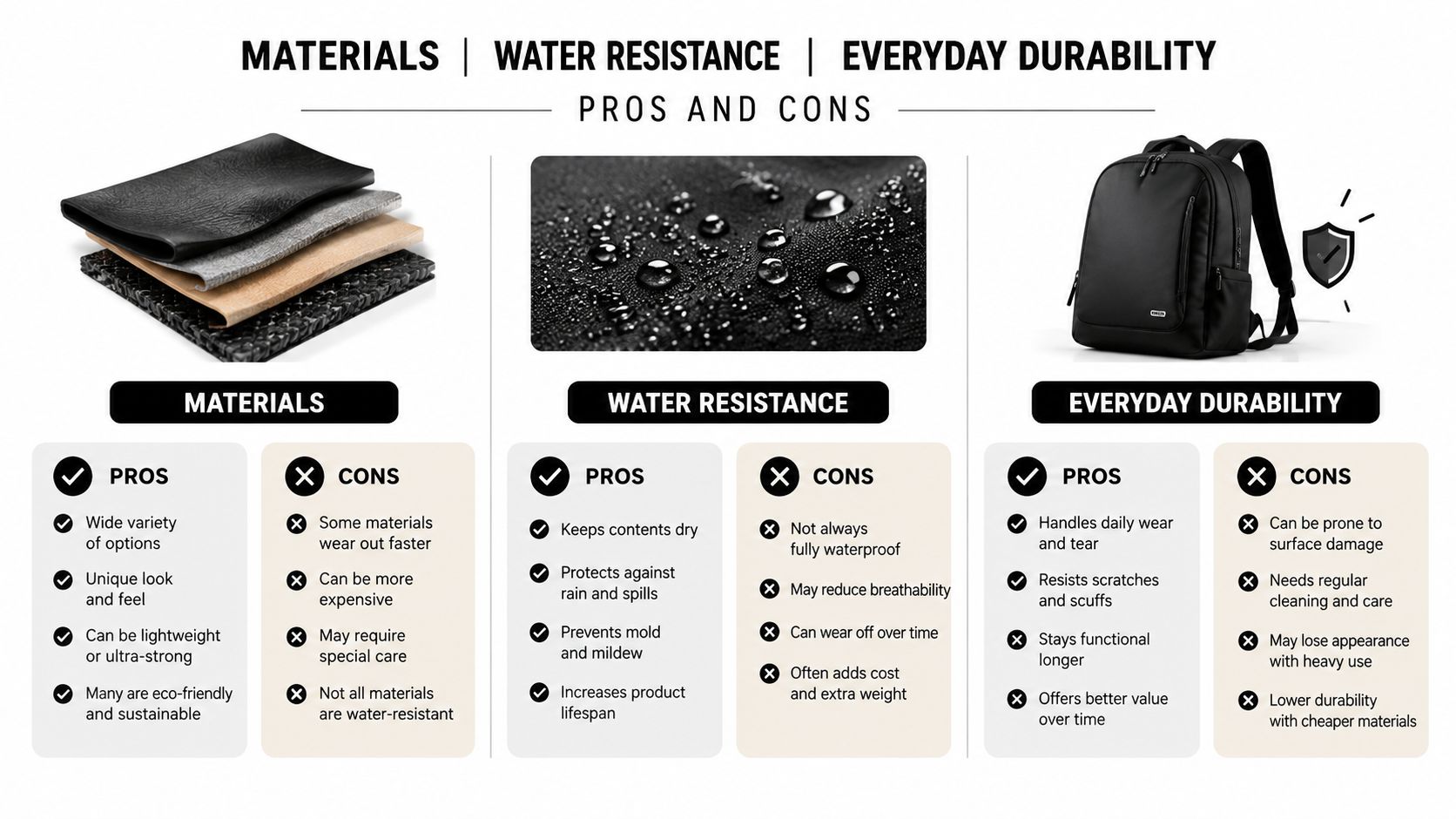
A specialized materials review describes the Fjällräven High Coast Crossbody as a 3L bag made from recycled polyamide with a DWR finish in this lightweight crossbody review. The same review notes that nylon and recycled polyester are common choices for ultralight performance and are often water-repellent, packable, and resistant to dirt.
That material logic is why so many women gravitate toward lightweight, packable, and foldable bags for errands and travel. You want structure, but not stiffness. You want easy care, but not a heavy shell.
For a closer look at fabric tradeoffs in everyday carry, this article on water-resistant material is a useful read.
Water-resistant is not the same as waterproof
A lot of product descriptions get fuzzy, so it helps to be precise.
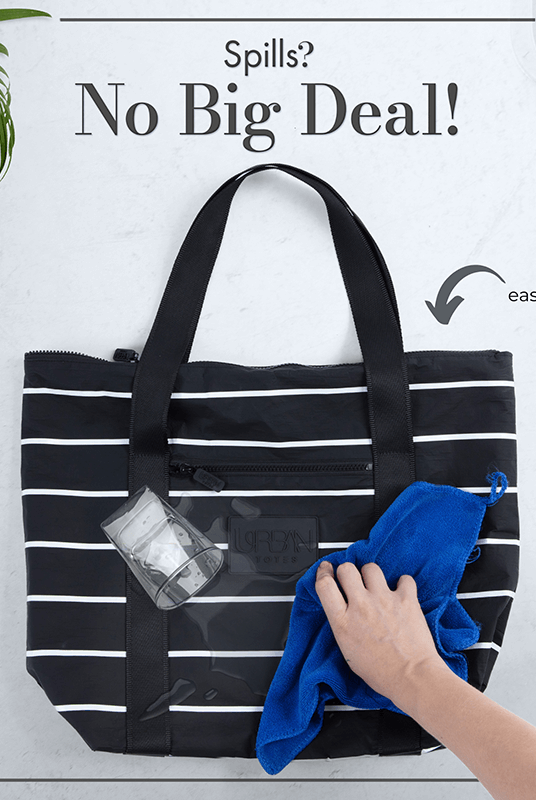
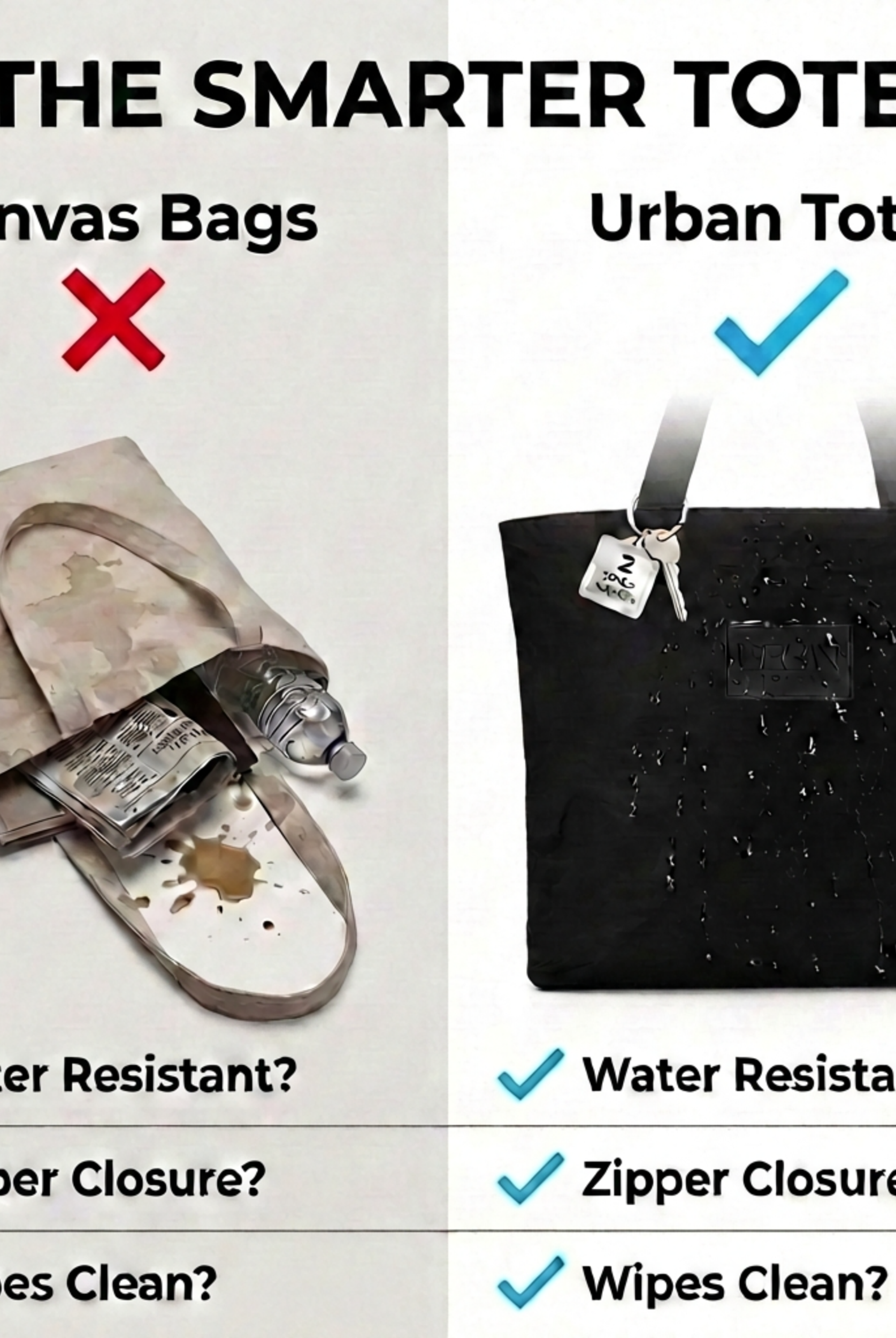
A mainstream buying guide explains that most nylon crossbody bags are water-resistant rather than fully waterproof, and water can still enter through seams, needle holes, and standard zippers, as explained in this nylon crossbody guide. The same guide says PU, PVC, or TPU coatings can slow water penetration, but full waterproofing requires sealed seams, waterproof zippers, and tested construction.
Shopping shortcut: If a bag description says water-resistant, read that as ready for light weather and daily messes, not as a bag meant for full submersion or heavy water exposure.
That distinction matters. A multi-pocket layout can help you stay organized, but it doesn't create weather protection by itself. Fabric, seams, and zipper construction do that work.
Finding Your Perfect Size Capacity and Fit
A bag can have the right pockets and still feel wrong if the size is off.
Too small, and your essentials start competing for space. Too large, and the whole point of a crossbody gets lost because the bag swings, bumps, and invites overpacking. Fit matters just as much as features.
Start with your minimum daily carry
For many women, the true minimum is simple. Phone, keys, and passport or wallet.
A neutral sizing example from REI describes the Vuori All Around Crossbody Bag as sized to hold a phone, keys, and passport, with 1 exterior pocket plus a main compartment, in this REI product listing. That's a useful baseline for judging compact styles. If your regular day looks like errands, travel days, concerts, or sightseeing, that may be enough.
Use a quick fit test before you buy
If you're comparing a mini crossbody to a larger everyday bag, check these details:
- Dimensions first: A compact bag in the 7.5 x 4 x 7.75 inch range can suit essentials-only days.
- Strap range matters: An adjustable strap that extends to 53 inches gives more flexibility across coats, sweaters, and different heights.
- Strap width counts: A 1-inch strap can offer a cleaner look while still feeling practical for a small load.
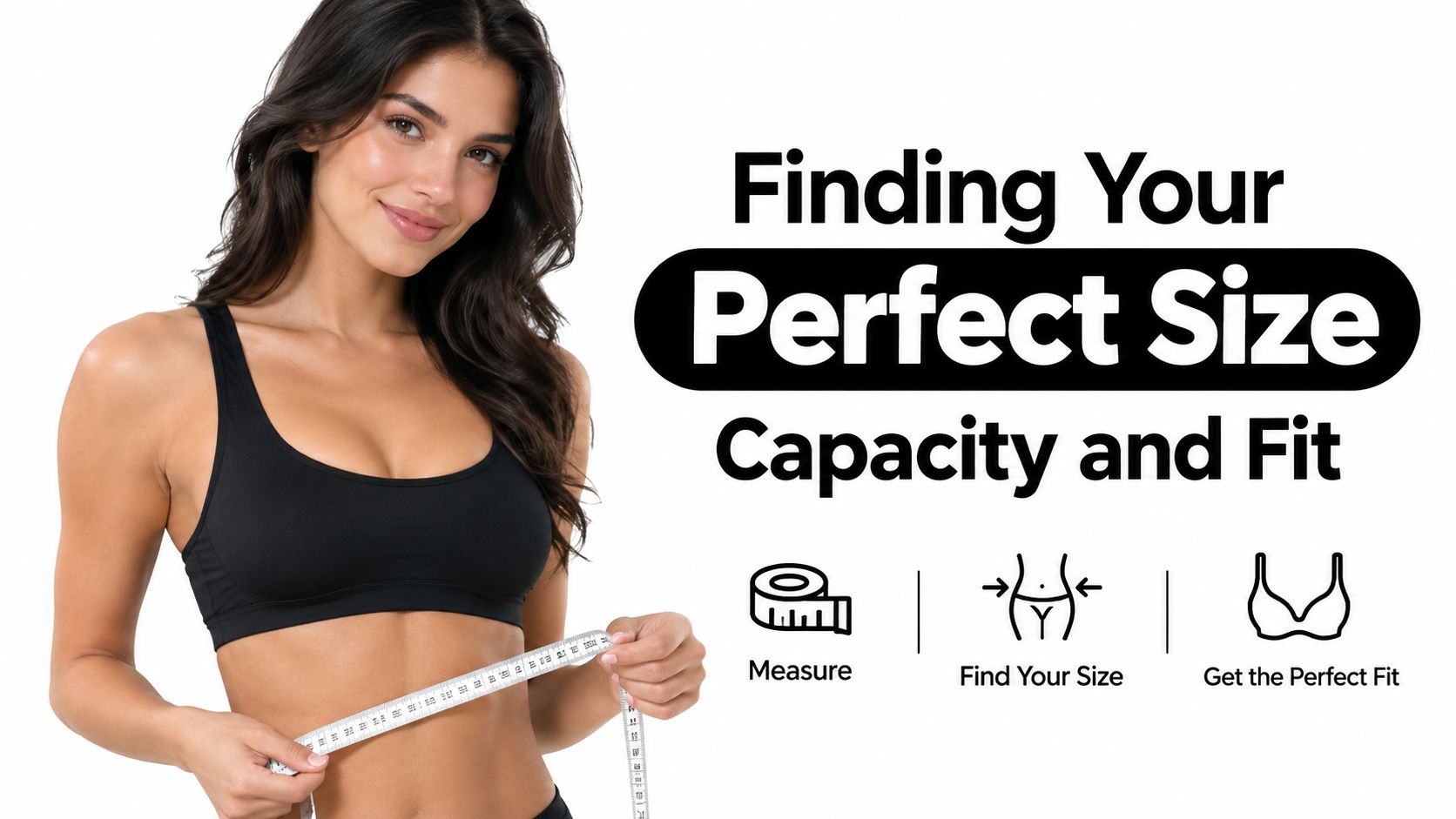
Try this at home with a tape measure and a few household items if you're shopping online. Put your everyday must-haves in a small pouch, then estimate the bag footprint against your torso. You're checking whether the bag sits close enough to feel tidy but large enough that you're not playing pocket Tetris every morning.
Pack for balance, not just capacity
The most comfortable crossbody setup usually follows one core rule. Put the heaviest items nearest your body in the main or rear compartment, and keep lighter grab-and-go items in the outer pocket.
That arrangement supports easier walking and a more stable feel, especially when you're moving from the car to the office, from the gate to the hotel, or from the park to the grocery store.
Smart Organization and Packing for Every Lifestyle
A lot of women overcomplicate things. They assume more pockets always means better organization. In real life, 2 to 3 high-value compartments often beat a maze of tiny extras, especially when your day moves fast.
Recent style coverage points toward smaller, more flexible crossbodies with secure zips and smart pockets, and trend reporting says 2026 favors smaller, more flexible shapes over bulky designs in this crossbody trend report. That lines up with what many women already know from daily use. Fast access matters more than pocket bragging rights.
A simple decision matrix
Here's the easiest way to think about it. Match your lifestyle to pocket purpose.
| Lifestyle | Best Pocket Setup | Why It Works |
|---|---|---|
| Commuter | Exterior phone pocket, secure inner zip pocket, main compartment | Quick taps and secure storage without stopping |
| Beach-day mom | One easy-access outer pocket, one zip pocket, roomy main section | Keeps essentials close while larger items stay contained |
| Weekend traveler | Rear or hidden valuables pocket, main compartment, flat access pocket | Separates documents from daily grab items |
| Gym-goer | Main compartment, zip pocket for small valuables, separate easy pocket | Keeps basics easy to reach without overloading |
| Student | Phone pocket, pen or card slot, central compartment | Supports quick transitions between classes and errands |
Pocket maps that work in real life
For the commuter, put your phone or transit card in the outside pocket, wallet in the zip pocket, and charger in the main compartment. You should be able to tap, zip, and walk without breaking pace.
For the beach-day mom, keep keys and lip balm in the outer pocket, cash and cards zipped, and the main section for sunscreen, wipes, or small kid extras. The goal isn't perfection. It's not having to dump everything onto a beach towel to find one thing.
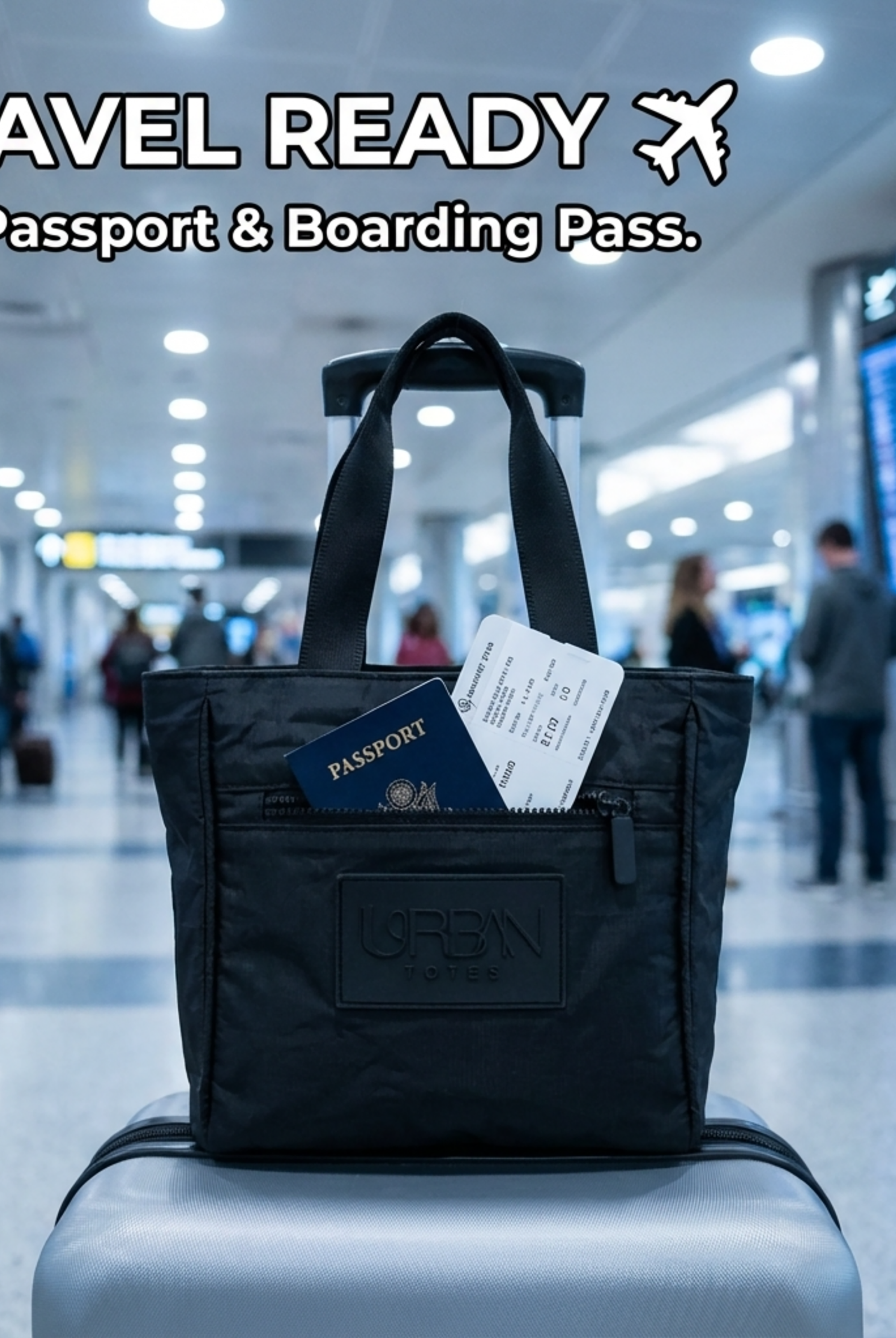
For the weekend traveler, reserve one secure pocket for passport and cards, one quick pocket for your phone, and the main compartment for sunglasses, tissues, and a battery pack. A travel-ready bag should feel organized even when you're tired.
A bag is easiest to live with when each pocket answers one question clearly: what belongs here, and how fast do I need it?
When fewer pockets are actually better
Function-led minimalism works because it matches how women move.
If you carry a compact everyday load, a smart setup often looks like this:
- Outside quick-access pocket for your phone or keys
- One secure internal pocket for valuables
- Main compartment for everything else
That's often faster than managing a bag full of tiny slots you forget to use. For more real-world systems like this, these bag organization ideas can help you build a routine that sticks.
Your Go Anywhere Checklist Care Tips and Final Choice
When you're deciding on a crossbody bag with pockets, don't start with color. Start with function.
A stylish bag gets more use when it's also organized, versatile, and easy to live with on ordinary days. That's the sweet spot Urban Totes leans into as a woman-owned Boise-made brand. Fashion matters, but real-life practicality matters more.
The fast checklist
Run through this list before you buy:
- Pocket purpose: Does the bag have a quick-access pocket, a secure zip pocket, and a useful main compartment?
- Closure check: A zipper closure is usually the easiest way to keep small items contained.
- Fit and strap: Will the strap length and bag size work with how you wear it?
- Material reality: Is it described as water-resistant, and does that match your routine?
- Packability: If you travel, can it be folded or packed without becoming awkward?
- Care routine: Can you wipe it down with an alcohol-free wipe or machine wash where appropriate?
Compact crossbody or larger tote
Choose a compact crossbody when your day is mostly essentials. Phone, keys, wallet, maybe a passport, lip balm, and a charger.
Choose a larger tote when you're layering in snacks, notebooks, kid gear, or an extra clothing layer. The best choice isn't about owning the biggest bag. It's about carrying the right bag for the rhythm of your life.
The right bag should make your errands, travel days, and everyday carry feel lighter to manage, even before you leave the house.
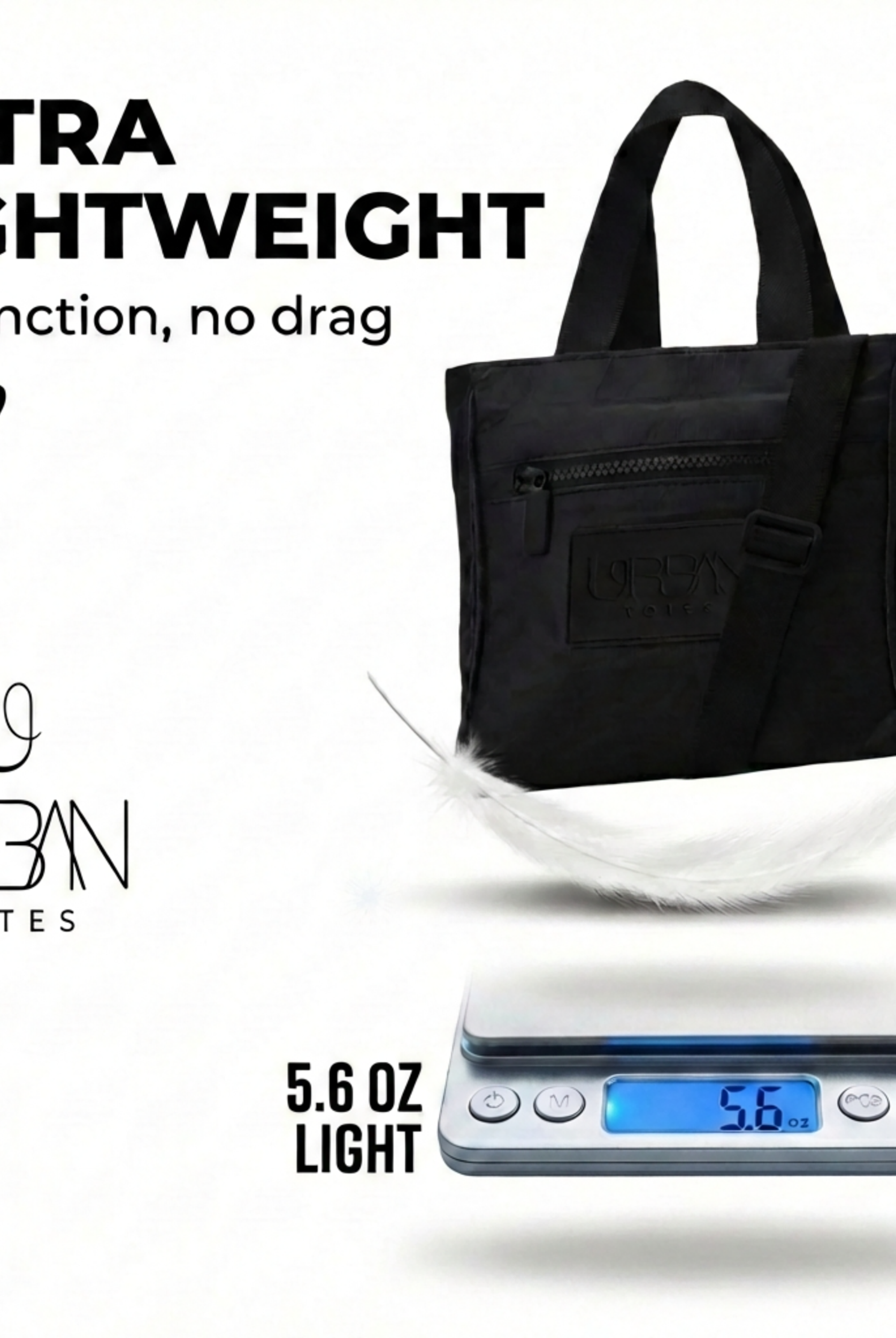
Urban Totes designs lightweight, water-resistant, packable bags with thoughtful compartments, zipper closures, and real-life practicality for women who are always in motion. If you want a crossbody or tote that helps you stay organized from airport lines to grocery runs, visit Urban Totes and find the go-anywhere bag that fits the way you live.