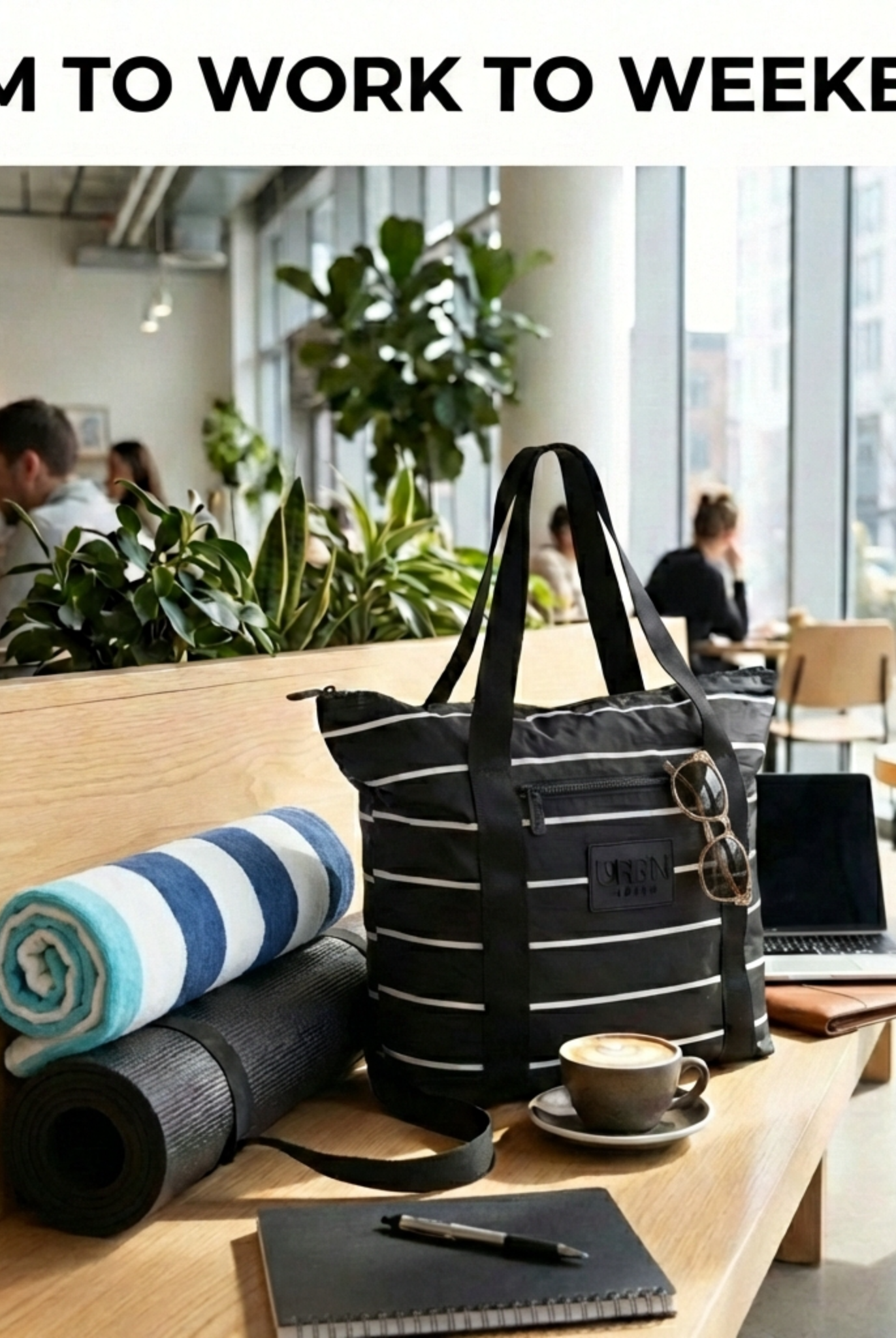
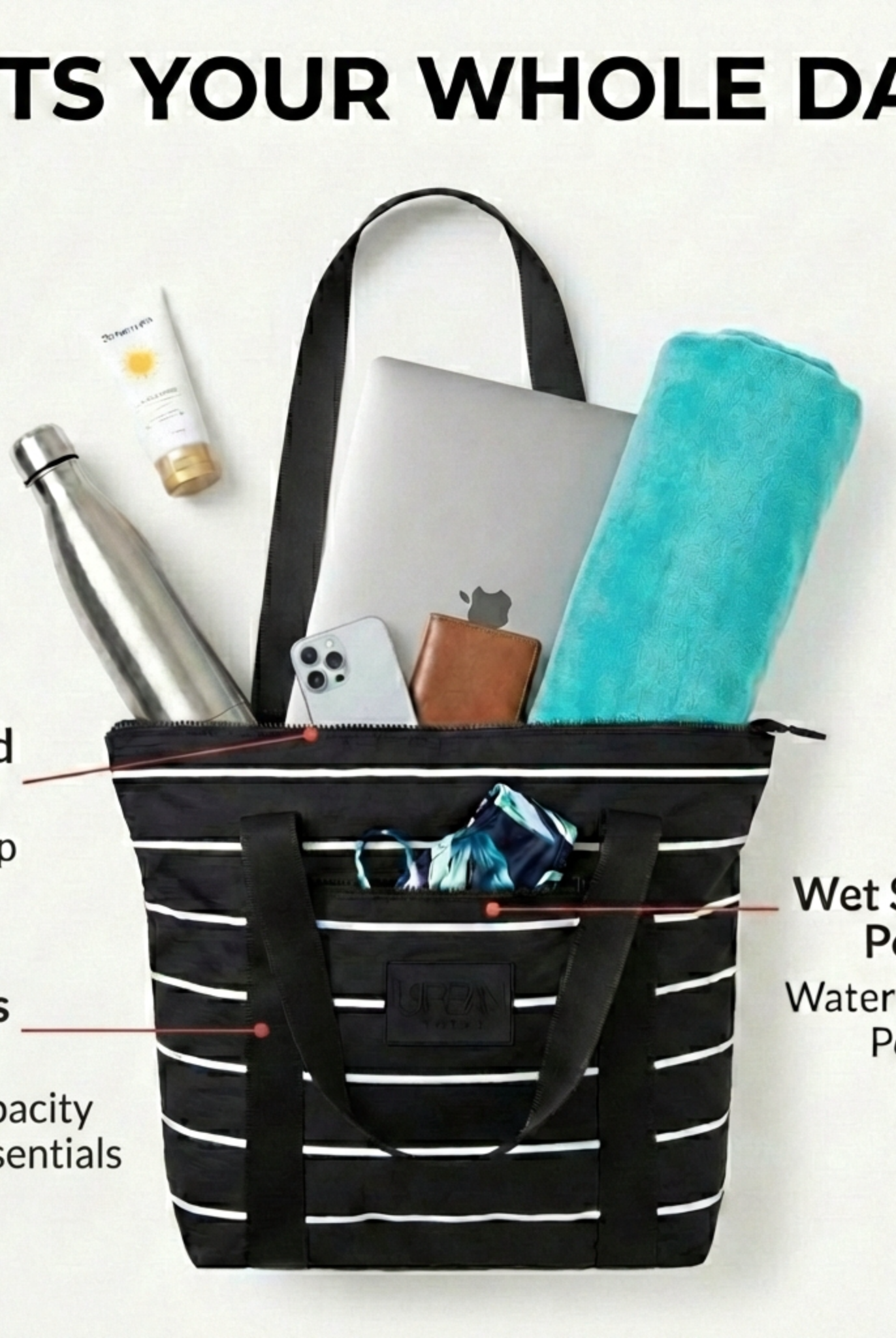
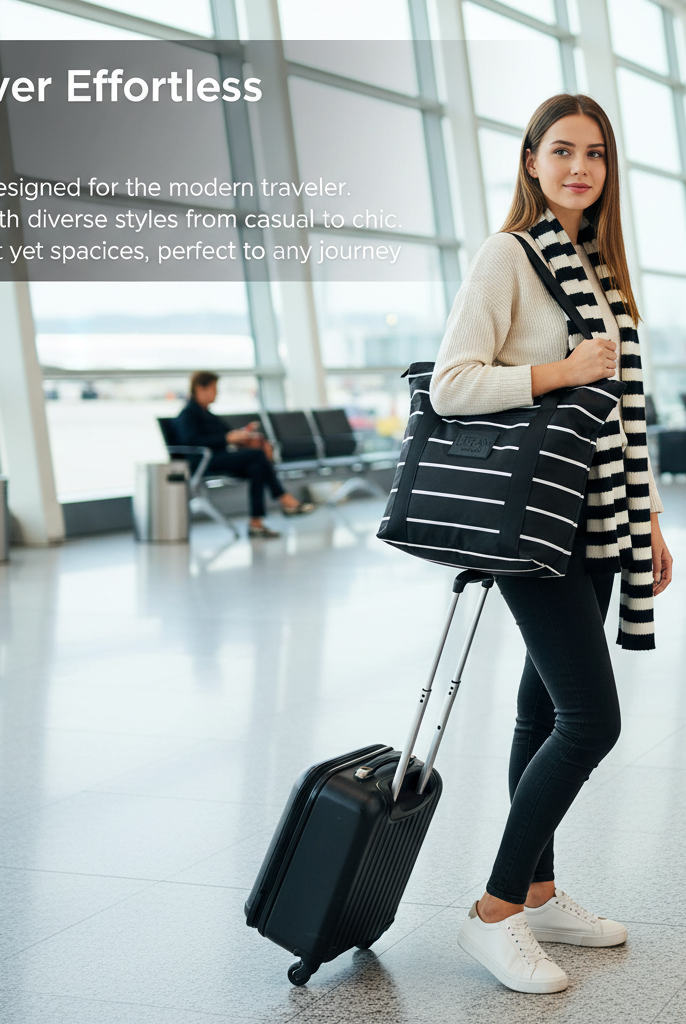
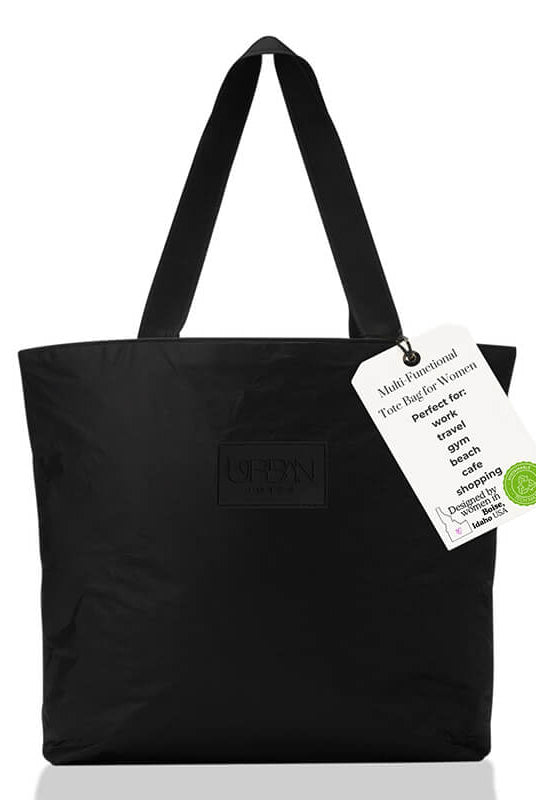
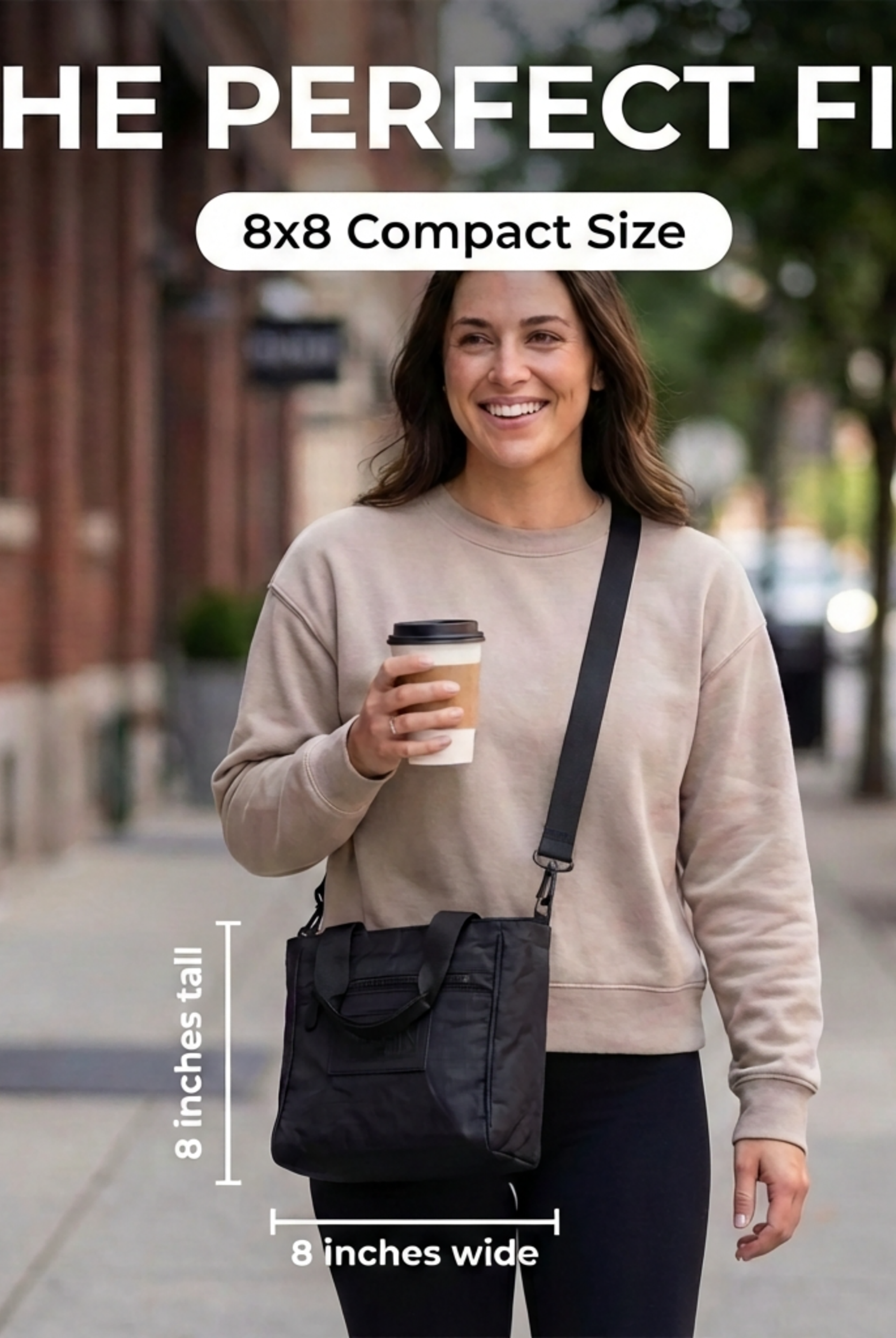
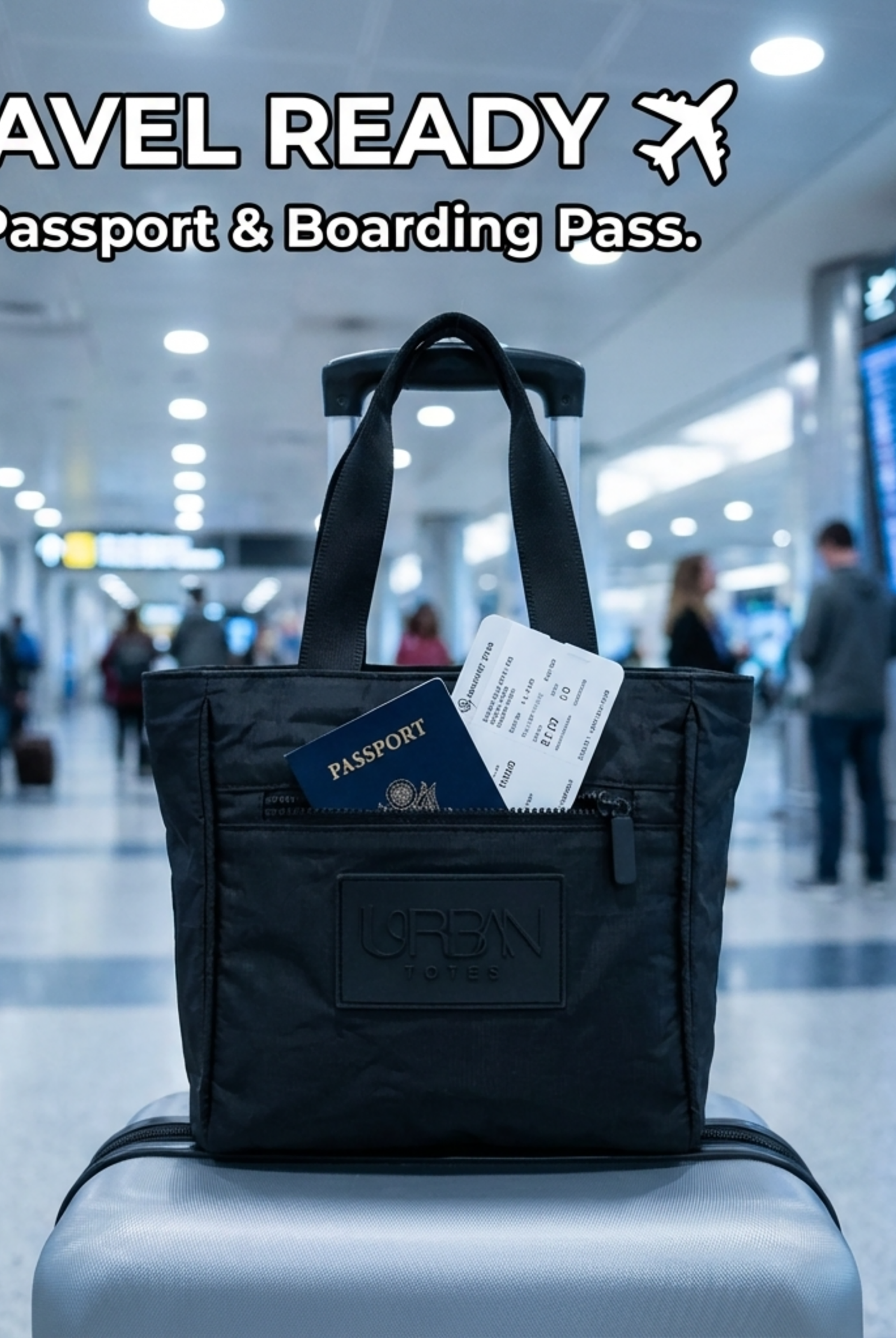
You're one hand on the car door and the other wrist-deep in your bag, hunting keys while a boarding pass slips under the lining. The bag isn't empty. It's just a pile with no addresses, so the phone, the pass, and the wipes never live in the same place twice. An organized travel bag fixes that by treating placement as a system: where an item sits changes how the load feels on your shoulder, whether the packed profile stays inside an airline sizer, and how fast it comes out at security.
Table of Contents
- What Makes a Travel Bag Truly Organized
- Packing Layouts and Checkpoint Staging
- Staying Within Airline Size and Weight Limits
- Features That Make an Organized Bag Worth Buying
- Caring for Your Organized Bag So It Lasts
- Choose the Bag That Matches Your Next Trip
What Makes a Travel Bag Truly Organized
That school-run scramble is the same failure you feel in an airport queue. The bag holds enough. Every item just lives somewhere different, so you dig, shift, and drop things into the lining. An organized travel bag is not a bag with more pockets. It's one where every everyday item has an assigned address, and you can trust that address on a Tuesday and on a travel day.
An organized travel bag gives every everyday item an assigned address, so you unpack by category instead of digging.
Four zones cover almost every day I pack.
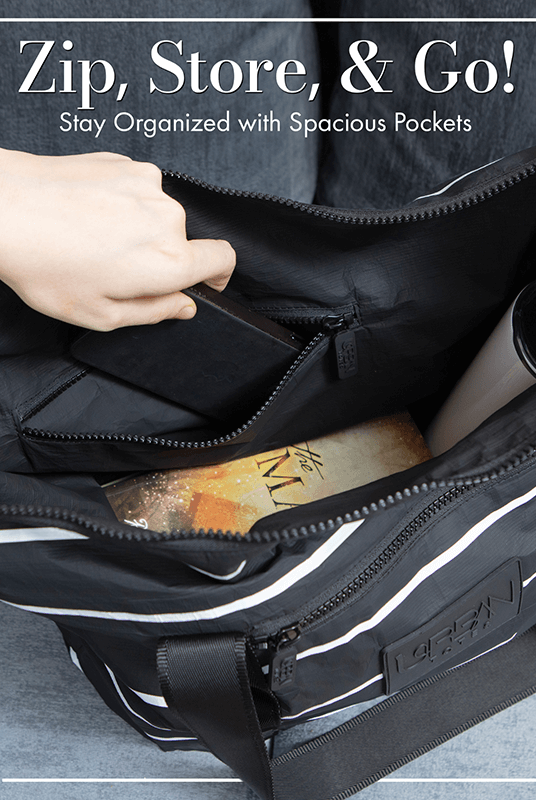
- Quick access. A front or side pocket holds the phone, keys, wallet, and boarding pass. If that pocket is too shallow for your phone, or the zipper sits so far around the side that you can't reach it one-handed, it isn't quick access.
- Zippered interior. Toiletries and chargers stay in a closed pocket so they don't migrate into clothing.
- Main compartment. Clothing goes here, with flat items against the back panel so the bag doesn't balloon outward.
- Top layer. Anything you may need to pull fast, such as a tablet, sits on top of the clothes, not under them.
Modular packing makes those zones hold. A pouch or packing cube takes one category, shoes, snacks, or chargers, so you lift a category out instead of rummaging. Pocket count alone doesn't help when the pockets are decorative. I would rather have three pockets that fit a phone and a charger than six that swallow both.
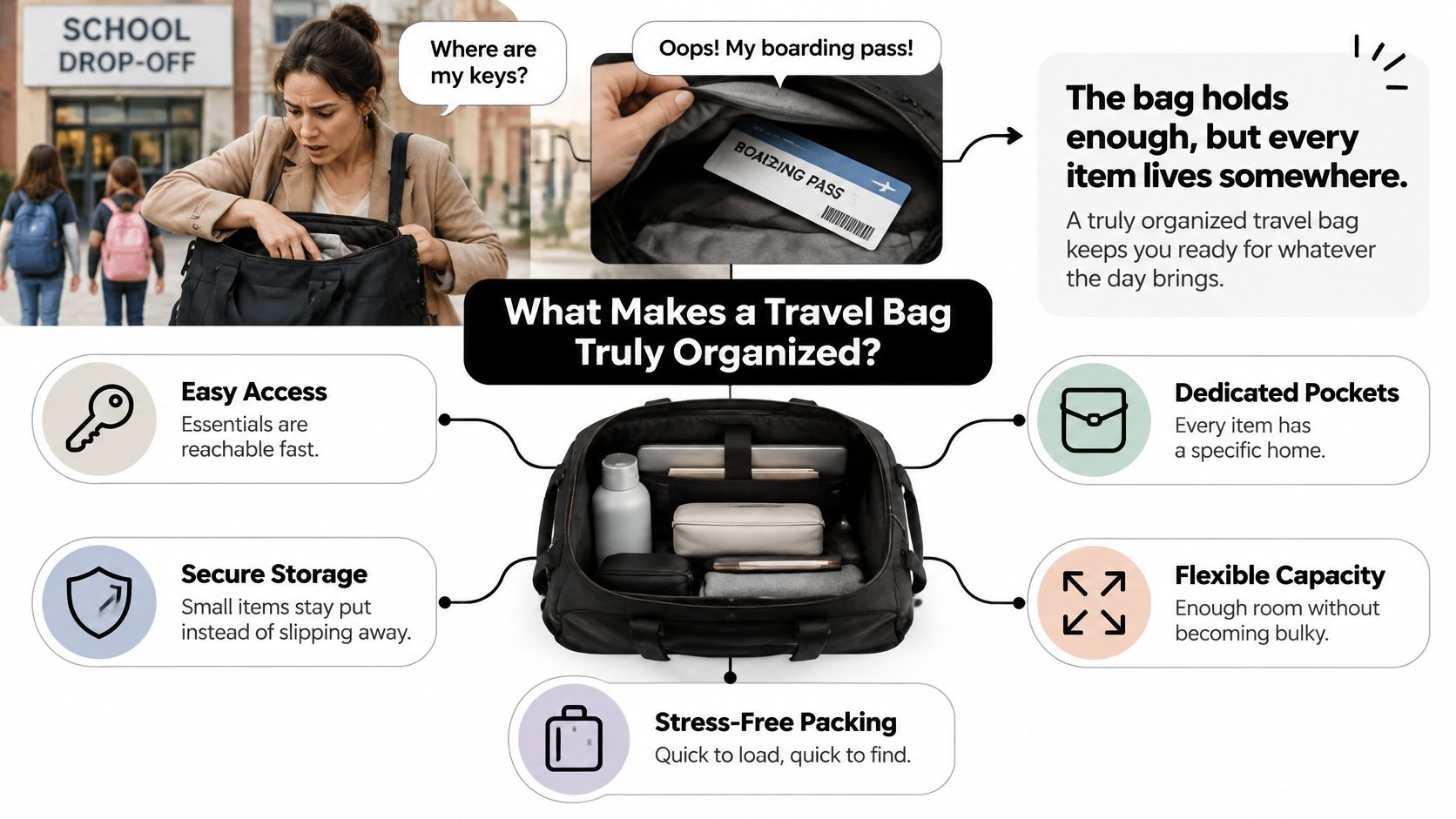
Empty the bag tonight, reload it with those four addresses, then time yourself. Keys, phone, and a charger should be in your hand in under ten seconds. If they aren't, move the pocket, not the habit. More bag organization ideas help when a single tote has to cover drop-off, the market, and a late flight.
Packing Layouts and Checkpoint Staging
Find your trip in the table, then pack in that order: outer pocket first, main compartment next, interior zipper pocket last. The same rule sits in every row. Flat and bulky items go near the back. Small and urgent items stay near the opening.
| Trip or Activity | Outer or Quick-Access Pocket | Main Compartment | Interior Zipper Pocket |
|---|---|---|---|
| School drop-off and errands | Phone, keys, wallet | Snacks, water bottle, small toys | Wipes, tissues, sunscreen |
| Office and commute | Phone, badge, transit card | Laptop flat against back panel, folders | Chargers, earbuds, pens |
| Gym and yoga | Keys, earbuds, card | Shoes in a pouch, change of clothes | Toiletries, towel |
| Beach day | Phone in a sealed pouch, keys | Towel, snacks, wet swimwear in a separate bag | Sunscreen, sunglasses |
| Two-night weekend | Phone, boarding pass, wallet | Two rolled outfits, shoes on the bottom | Toiletries, 3-1-1 liquids bag |
| Week-long trip | Documents, phone, keys | Packing cubes sorted by category | Electronics, medication pouch |
| Airport with a child | Phone, boarding passes | Clothing and one spare outfit | Snacks, formula, medication |
How the rows change the load
On a school morning the outer pocket is the whole point. Phone, keys, and wallet stay there so you aren't fishing at the curb. Snacks, a water bottle, and small toys sit in the main compartment, low and centered. Wipes, tissues, and sunscreen stay zipped inside so they don't perfume the clothes.
A commute flips the weight. The laptop lies flat against the back panel, folders beside it, not stacked on top where they tip the bag forward. Badge and transit card live with the phone. Chargers, earbuds, and pens go in the interior zipper so they don't rattle loose in a meeting.
Gym and yoga bags fail when shoes share space with a clean top. Put shoes in their own pouch at the bottom of the main compartment, clothes above that, and keep keys, earbuds, and a card in the outer pocket. Toiletries and a towel stay zipped so a damp towel doesn't soak the rest.
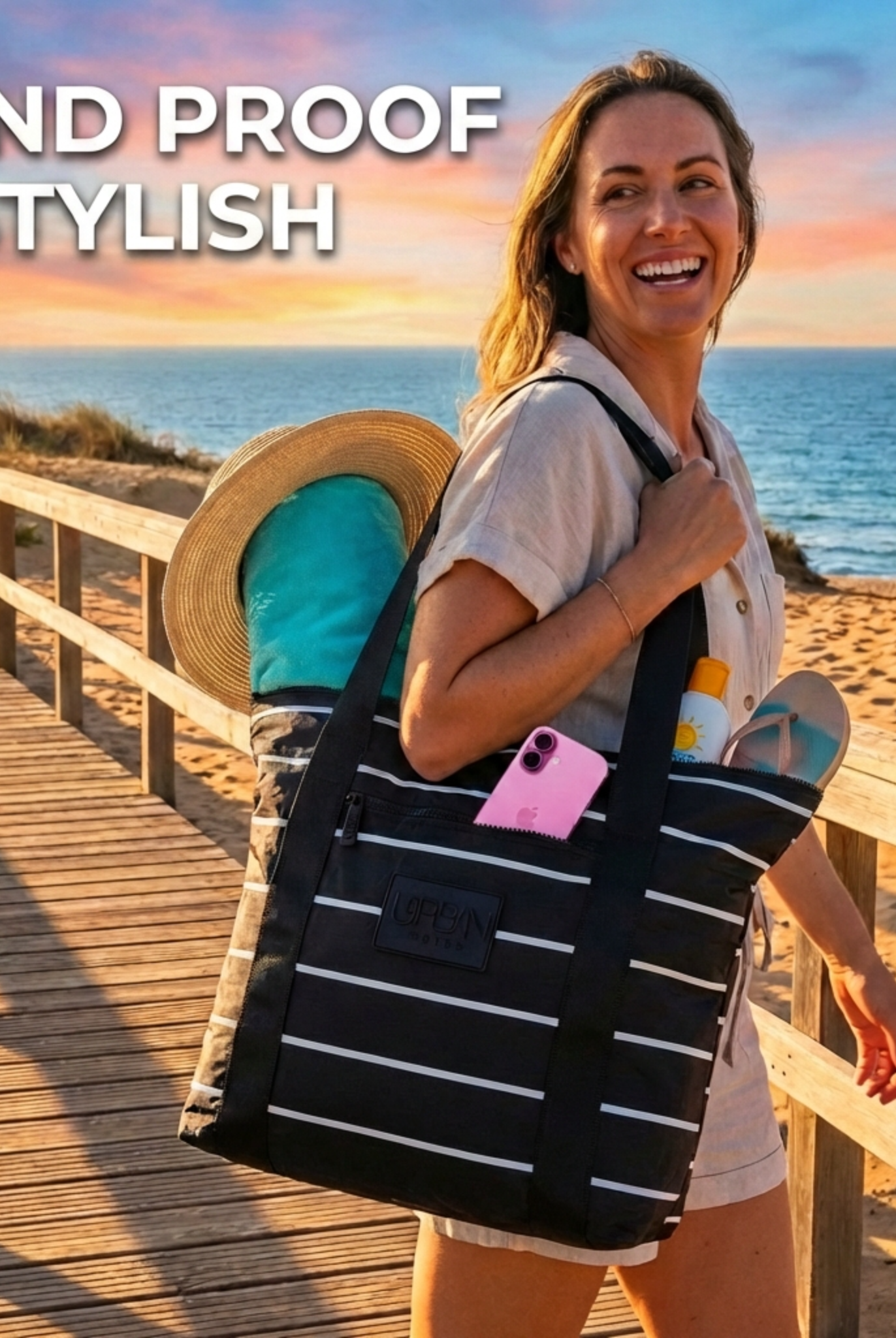
Beach day needs a seal, not more pockets. Phone goes in a sealed pouch with the keys, away from sand and water. Wet swimwear gets its own bag inside the main compartment, next to the towel and snacks, not loose against a paperback. Sunscreen and sunglasses stay in the interior zipper so you're not shaking sand out of every seam on the drive home.
A two-night weekend is still a tote, not a suitcase. Two rolled outfits and shoes on the bottom fill the main compartment. Phone, boarding pass, and wallet stay outside. The interior zipper holds toiletries and the liquids bag so security doesn't mean unpacking outfits.
A week-long trip only stays organized if cubes do the sorting. One cube per category in the main compartment, documents with the phone and keys outside, and electronics plus a medication pouch in the interior zipper. If you open the main compartment and see loose socks, the cubes aren't doing their job. A clear walk-through of how to pack with packing cubes is worth reading before you buy a second set.
With a child at the airport, reach matters more than neatness. Phone and boarding passes stay in the outer pocket. Clothing and one spare outfit fill the main compartment. Snacks, formula, and medication stay together in the interior zipper, where one hand can find them without dumping the spare outfit on the floor.
Staging for the checkpoint
Checkpoint speed is a packing decision, not a personality trait. The TSA travel checklist tells travelers to place large electronics, including laptops, tablets, e-readers, and handheld game consoles, on the top layer because they may need to come out into a bin with nothing on or under them. The same checklist recommends keeping the 3-1-1 liquids bag in a front pocket, and it warns that cluttered, jam-packed bags can obstruct clear X-ray images and trigger extra inspection.
For flights departing from the United States, the TSA liquids, aerosols, and gels rule limits each carry-on liquid, gel, aerosol, cream, or paste to 3.4 ounces (100 milliliters) or less. Those containers must fit in one clear, quart-size, zip-top bag, and each passenger gets one liquids bag. Toothpaste, shampoo, conditioner, mouthwash, and lotion all count.
Medically necessary liquids, medications, and creams can exceed that size in a carry-on, and formula, breast milk, juice, and baby or toddler food can too. They don't have to fit in the quart bag, but you should pull them out for separate screening. That's why the airport-with-a-child row keeps formula and medication in one interior pocket, not scattered under clothes.
Stage the bag in this order before you leave the house.
- Put the liquids bag in a front pocket.
- Put electronics in the top layer, with nothing stacked on them.
- Keep medication in an interior pocket you can open without unloading clothes.
- Rehearse the pull once at home: liquids, then electronics, then medication.
If you fly outside the United States, check the departing airport's rules before you pack. A layout that clears a U.S. checkpoint can still fail a different liquids rule, and you don't want to learn that at the belt.
Staying Within Airline Size and Weight Limits
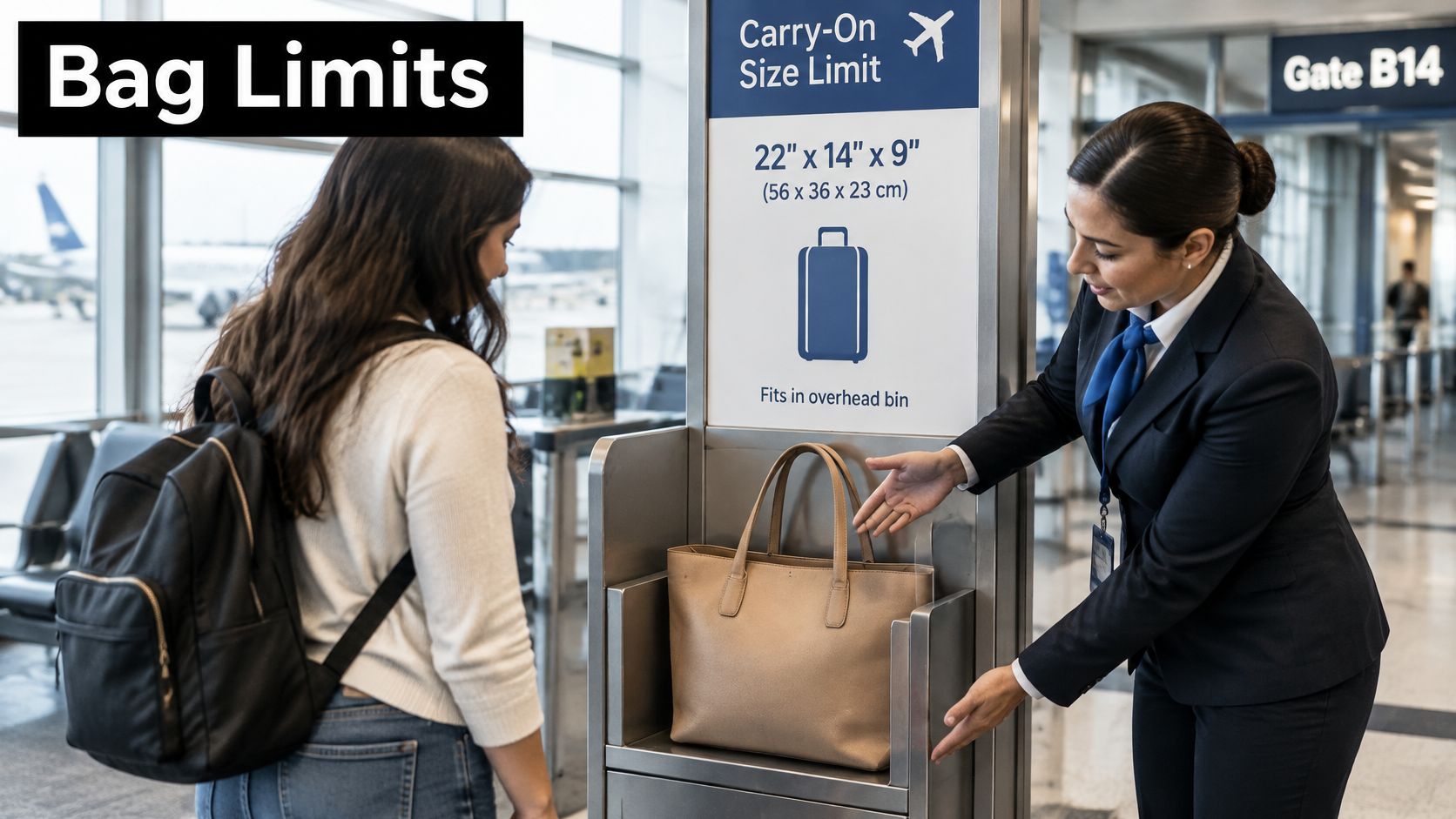
At the gate, a packed tote can meet the limit on paper and still fail the sizer. Handles, full pockets, and a bulging side can change its measured profile, so check the bag as you plan to carry it.
| Reference | Dimensions or Limit | What It Means |
|---|---|---|
| IATA reference maximum | 56 × 45 × 25 cm (22 × 18 × 10 in), according to IATA's bag guidance | A common reference; actual limits vary by airline, cabin, route, and fare |
| IATA Cabin OK guideline | 55 × 35 × 20 cm (21.5 × 13.5 × 7.5 in), according to IATA's bag guidance | A more conservative target, not a binding industry maximum |
| Carrier weight limit | Check the operating airline's allowance | Limits depend on the airline and ticket |
IATA's bag guidance gives a reference maximum of 56 × 45 × 25 cm (22 × 18 × 10 in) and a more conservative Cabin OK guideline of 55 × 35 × 20 cm (21.5 × 13.5 × 7.5 in). These are guidelines, not a guarantee that a bag will qualify for your flight. The operating airline sets the applicable size and weight rules, which can vary by cabin, route, aircraft, and fare.
Why the packed profile is what gets measured
Measure the bag packed, including handles and pockets. A full side pocket or a rigid bottle pushing against the zipper can add depth even when the main body looks compact. Stand the bag upright and check its height, width, and depth in the shape you expect to carry it.
Pack dense, flat items against the back panel, then place soft clothing in the middle. This keeps the load close to your body and helps prevent the zipper line from bowing out. If the packed bag exceeds the sizer, move or remove bulky items and measure again.
Check whether your ticket includes a personal item, a carry-on, or both before deciding how to distribute the load. The distinction between a carry-on bag and a personal item affects which allowance applies. For an itinerary with a hotel stay, understanding Four Seasons points can help with room planning while you confirm the cabin-bag rules for each flight.
Features That Make an Organized Bag Worth Buying
Run this list in the store or on a product page before you fall for a color. Each reader weights it differently, and that's fine. A commuter who loses her keys every morning doesn't need the same first feature as someone packing wet swimwear.
| Criterion | What to Look For | Why It Matters |
|---|---|---|
| Compartments | Three or more zippered sections | Keeps clothing, electronics and daily items apart |
| Closures | Zipper closure on every compartment | Stops contents shifting or spilling in transit |
| Dedicated pockets | Phone and key pockets sized for your phone | Ends the search for essentials |
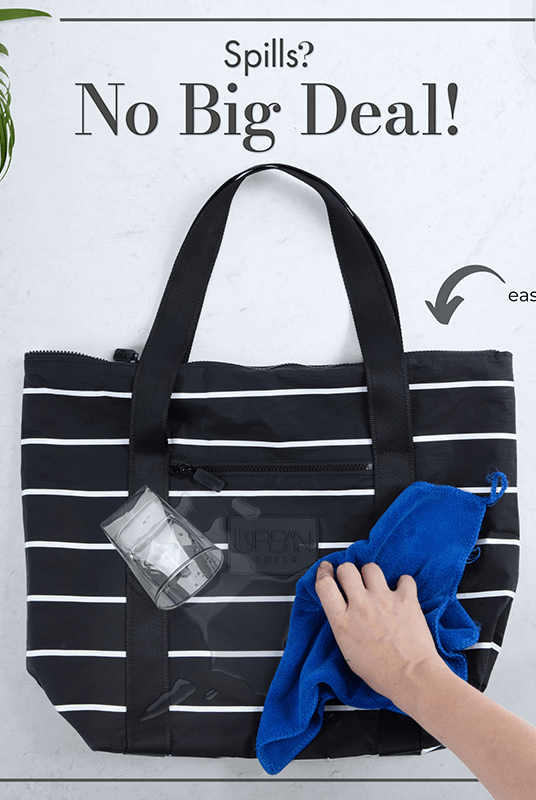
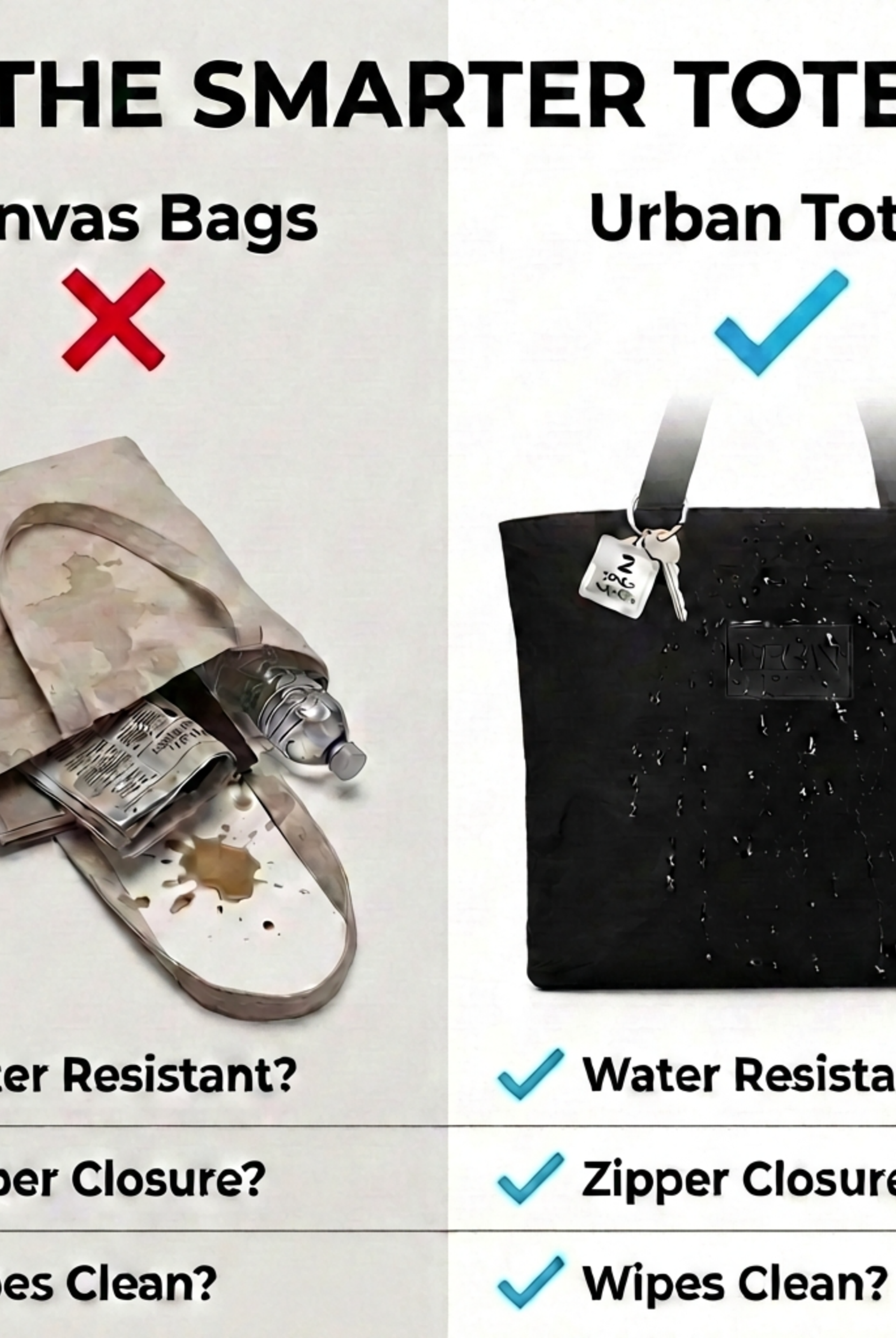
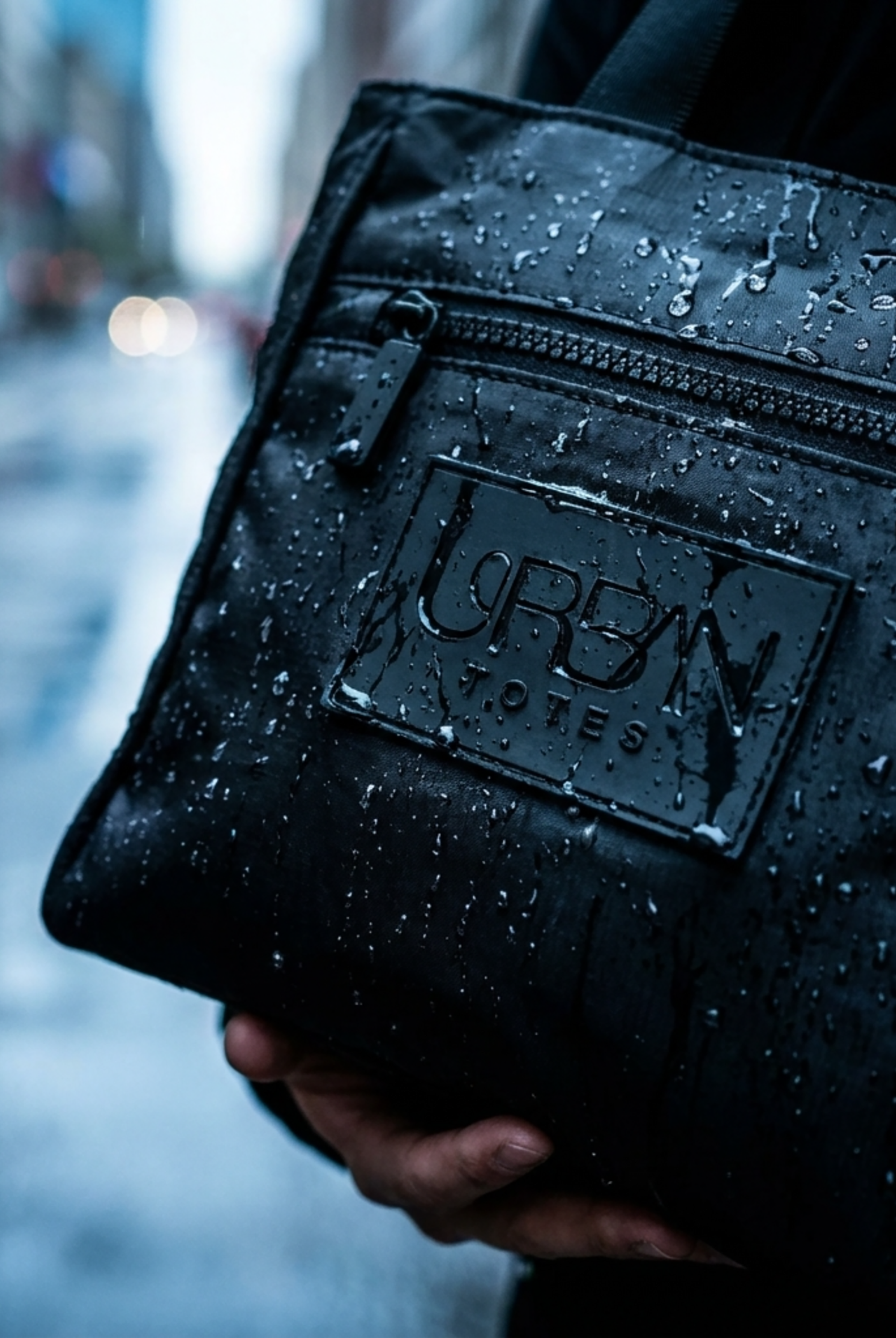
| Water resistance | Water-resistant outer fabric | Handles splashes, drizzle and spills |
| Weight | Lightweight empty bag | Leaves room within weight limits |
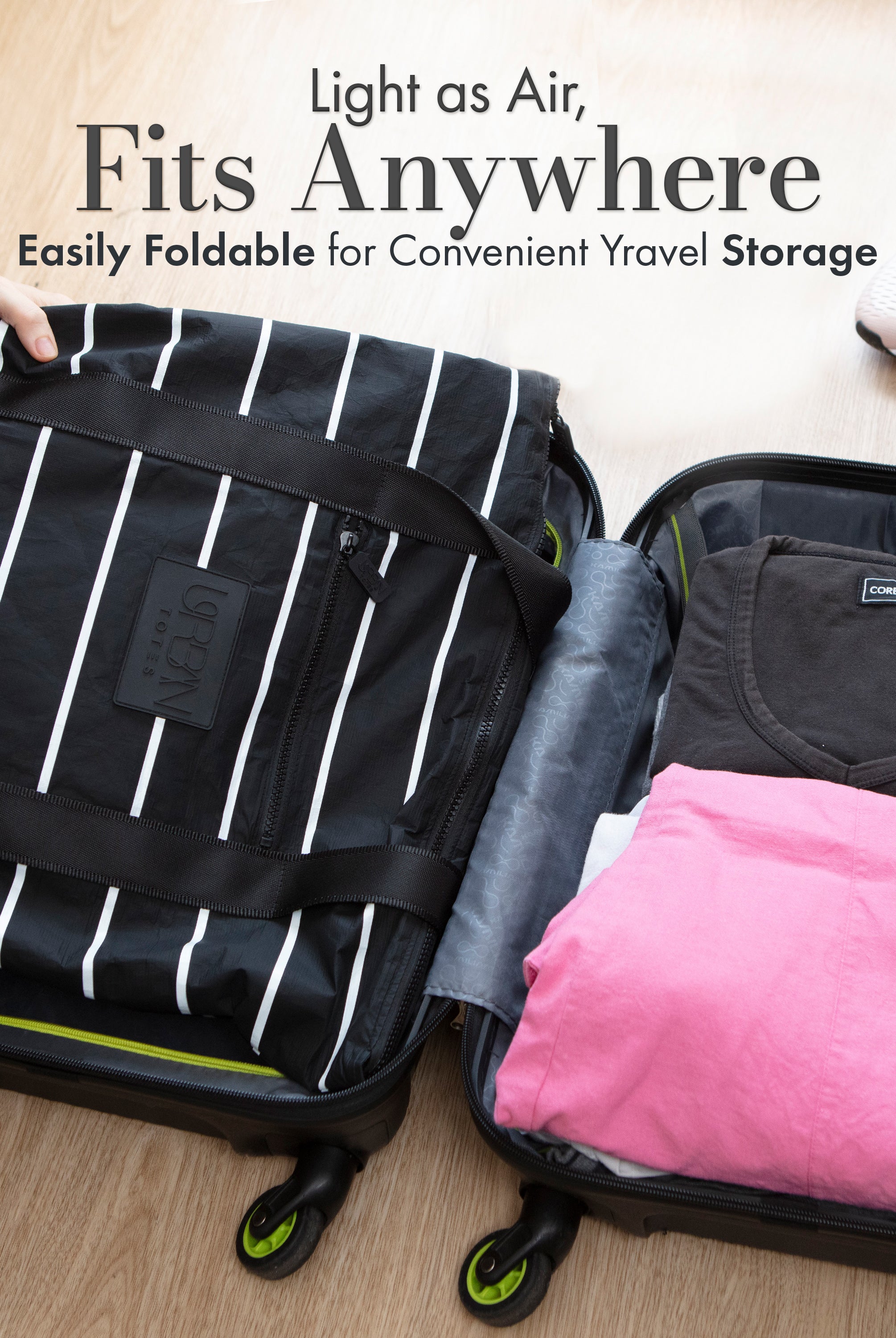
| Packability | Folds into its own pocket or pouch | Easy to stash on trips |
| Straps | Padded, adjustable straps | Keeps the load comfortable at the shoulder |
| Cleaning | Wipeable surface, washable per the care label | Simplifies everyday upkeep |
Compartments and closures come first for a weekend traveler. Three or more zippered sections keep clothing off electronics, and a zipper closure on every compartment stops a toiletry from tipping when the bag swings. An open slip pocket looks tidy in a photo and fails the moment you walk fast.
Dedicated pockets are the commuter's test. Put your actual phone in the pocket. If it sticks out, or the pocket is so deep the phone vanishes, keep looking. Keys need their own spot too, or they scratch the screen by Friday.
Water resistance and packability matter most on a beach day. A water-resistant outer fabric handles drizzle, a spilled drink, and a damp towel on the way home. A bag that folds into its own pocket or pouch can ride inside a larger carry-on and come out for the market. Lightweight empty weight is the quiet feature. Every ounce the bag itself uses is an ounce you can't spend on snacks, a laptop, or a spare outfit.
Straps and cleaning decide whether you still like the bag in month six. Padded, adjustable straps keep a loaded tote from cutting the shoulder. A wipeable surface, washed the way the care label says, beats a lining you can't face after sunscreen.
Before you buy, compare the bag's packed measurements, handles and pockets included, with the airline reference you already use. A stylish empty tote that fails that comparison isn't travel-ready. If you want a shorter checklist of what a smart bag for travel needs day to day, start there and then come back to this table.
Caring for Your Organized Bag So It Lasts
A bag stays organized only if the pockets still close and the fabric still sheds a spill. Care is part of the system, not a chore you do when the lining looks tired.
Spills and the lining
Wipe a spill with a damp cloth as soon as it happens. Sunscreen, juice, and a leaked bottle set into fabric if you wait until you're home. Spot-clean the lining the same day, then check the care label before any machine wash. A label that says wipe only means wipe only. Forcing a wash because the bag looks sturdy can lift a coating and leave the next drizzle inside the compartment.
For water-resistant fabric, skip high heat and harsh solvents. Test a small hidden area before a full clean. Repeated washing can reduce water resistance over time, so save the machine for when a wipe won't do it.
Zippers
Zippers fail from grit, not from age alone. Beach sand and gym dust sit in the teeth, then a rushed pull bends them.
- Brush them dry after a sandy or dusty day, before you force the pull.
- Keep grit out by emptying the outer pocket instead of zipping over a crumb of sand.
- Never yank a snag. Back the pull up, clear the thread or fabric, then close it.
A snagged zipper you force once is the compartment you stop using. That's how a multi-pocket bag turns back into one big cavity.
Load
Comfort tracks total mass and where that mass sits, not how many pockets you filled. North Carolina State University ergonomics guidance recommends keeping a backpack and its contents below 30% of an adult user's body weight. A tote doesn't have a backpack's two-shoulder support, so I treat that figure as a ceiling, not a target. Keep heavy items against your body, low and centered, and lighten the bag before you add "just in case" extras.
A short habit list keeps the rest of this from slipping:
- Clean spills right away.
- Inspect zippers monthly.
- Keep the load moderate.
- Give the bag one clear role, work or beach, so addresses don't drift.
More day-to-day tote bag maintenance tips cover washing and storage once this routine is in place.
Choose the Bag That Matches Your Next Trip
Three decisions settle the bag before you shop, and none of them is about color.
How long is the trip? A two-night trip asks the tote to carry everything: a change of clothes takes a compartment of its own, and the full load sits on your shoulder from door to door. A week-long trip asks something different. The tote flies as the personal item, holding documents, chargers, and whatever needs to reach the security bin fast, while a suitcase does the heavy work. Pack the version your next booking requires.
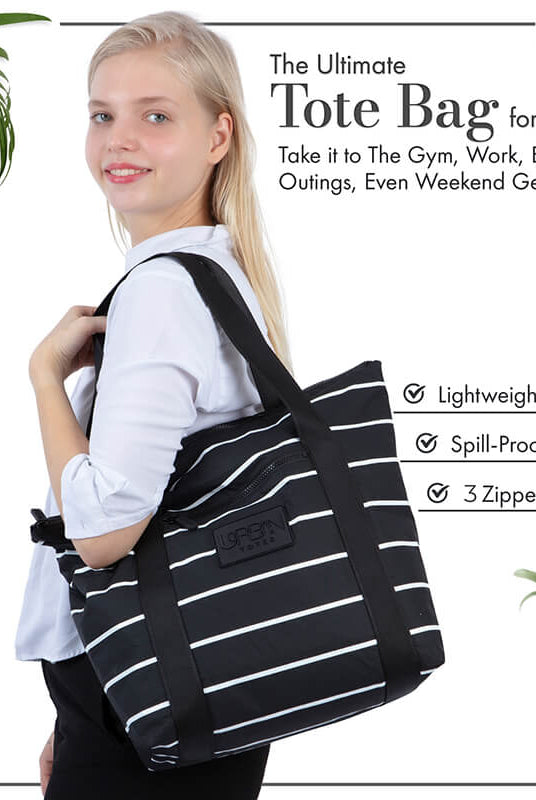
How many roles does one day hold? Customers told Urban Totes they wanted a bag that could move from the office to the gym or even the beach. That works when each role gets its own zippered space, so a change of clothes never shares a compartment with lunch or a laptop. A bag with a single daily job needs less separation and can run simpler inside.
Does it need to disappear into other luggage? A packable, foldable tote rides flat inside a suitcase and comes out when the trip home demands a second carry, which changes what "one bag" has to mean.
Urban Totes is a woman-owned bag brand designed in Boise, Idaho. The founders' own global travels, and the diverse women they encountered along the way, shaped a line built for school runs, errands, airport terminals, and beach days. The same tote can serve as a work bag, a travel bag, a gym bag, or all three, which keeps one set of addresses intact from Monday through Saturday.
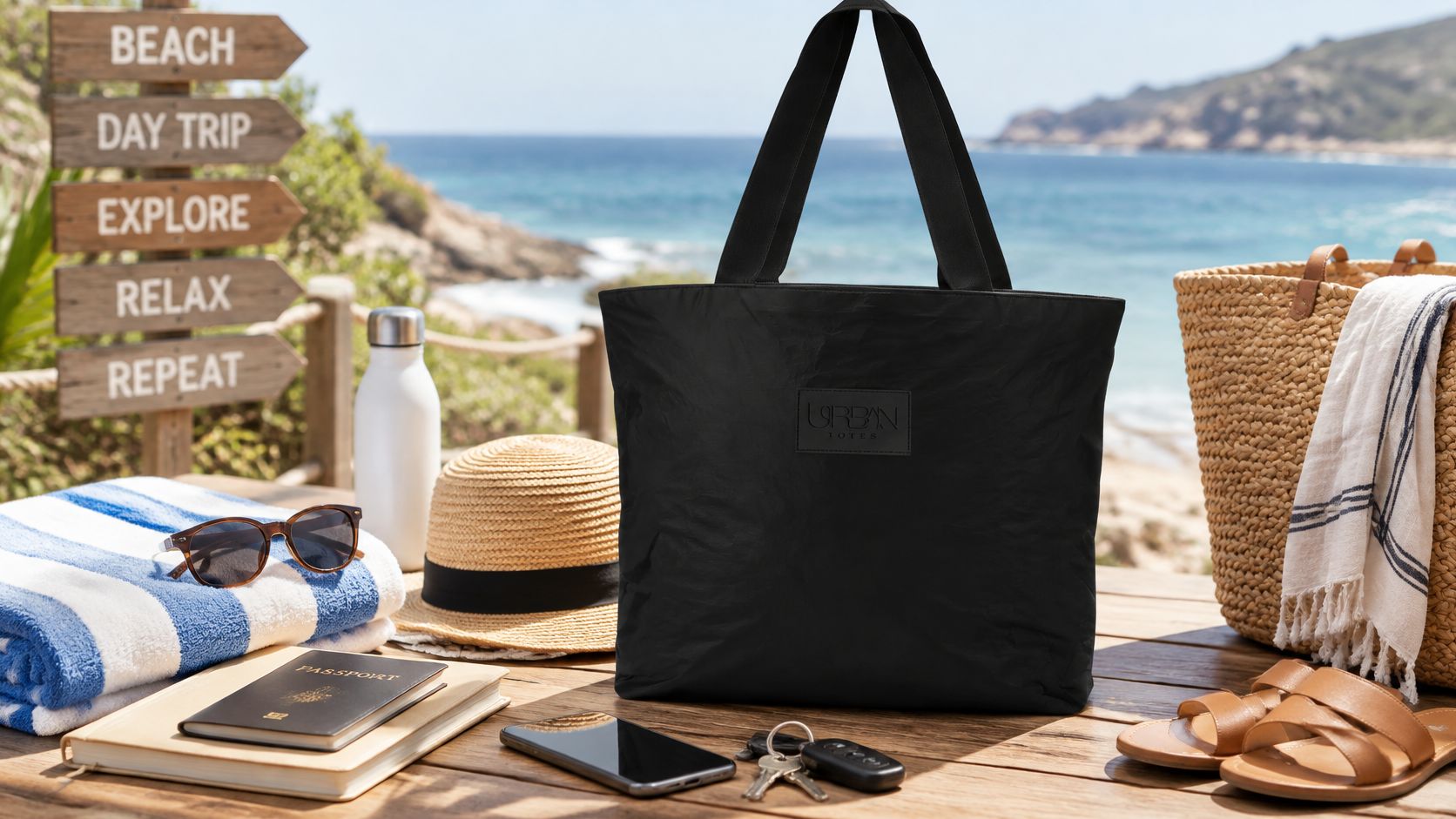
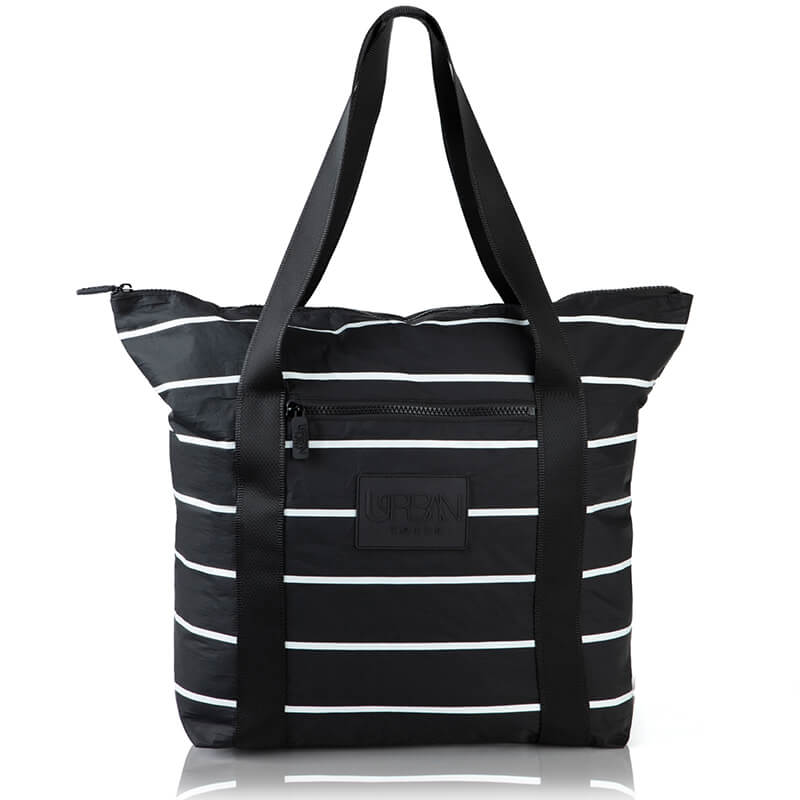
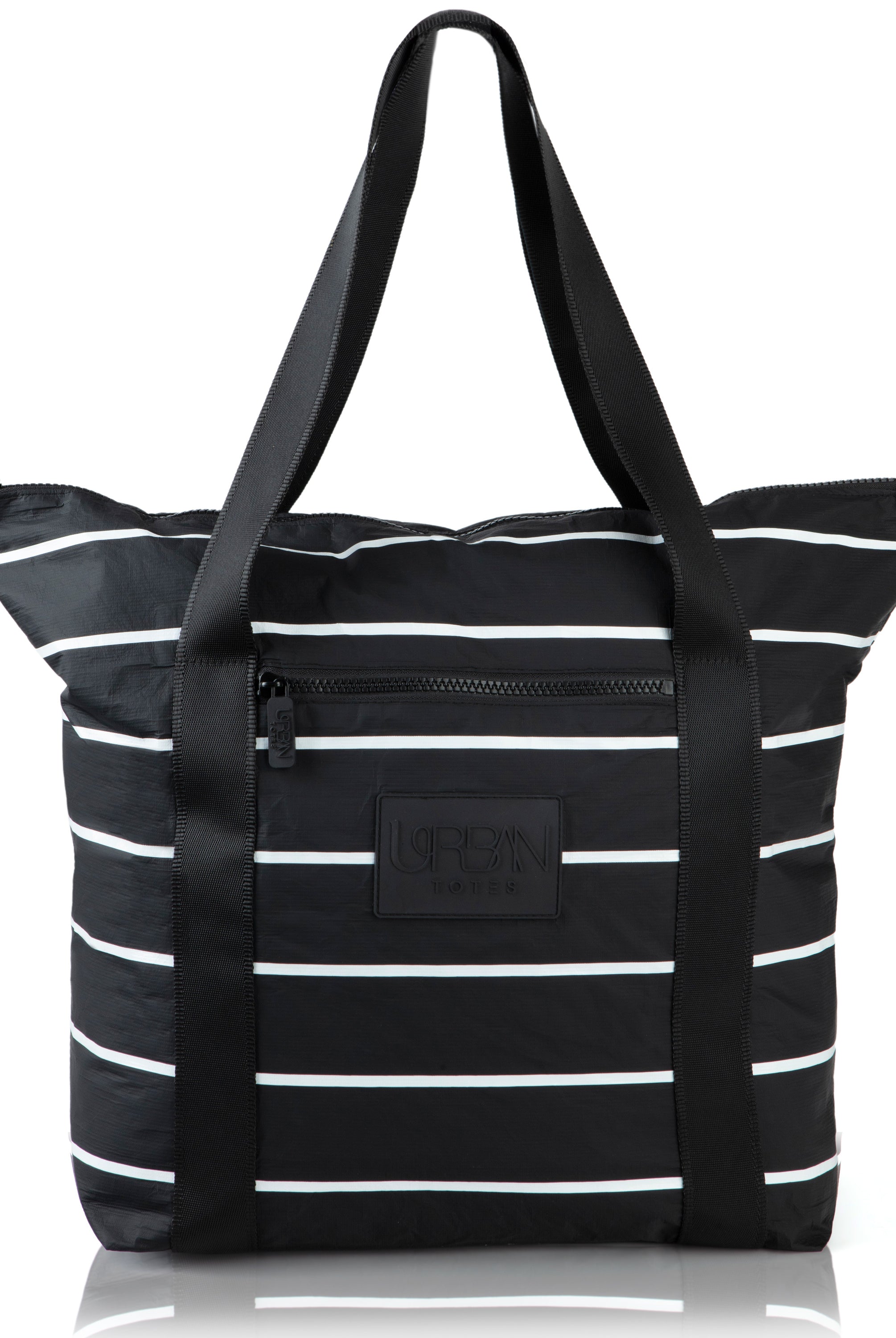
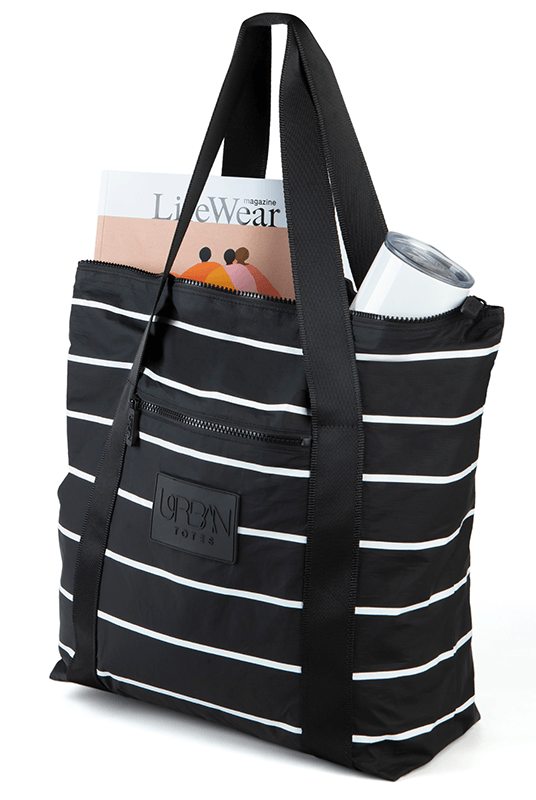
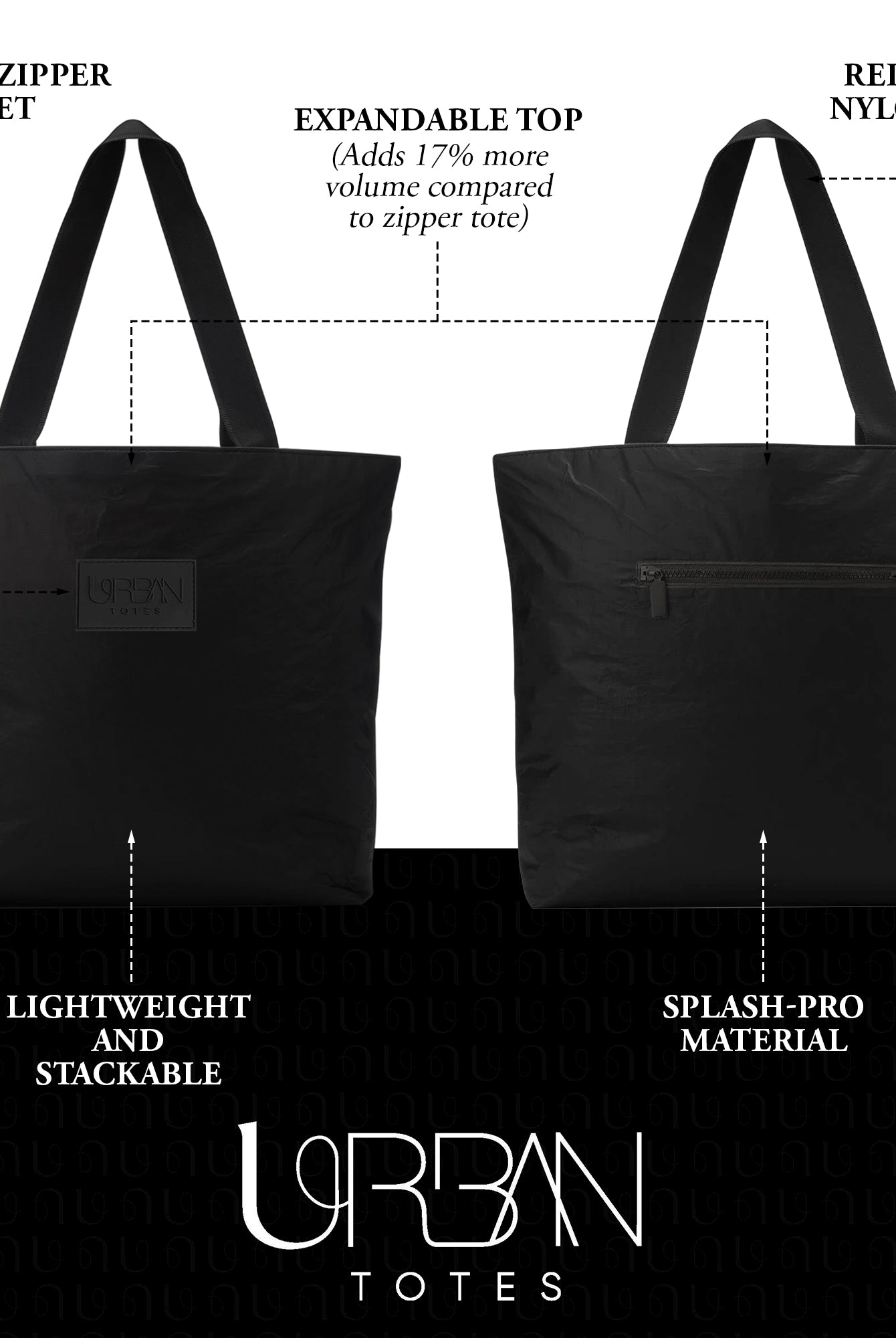
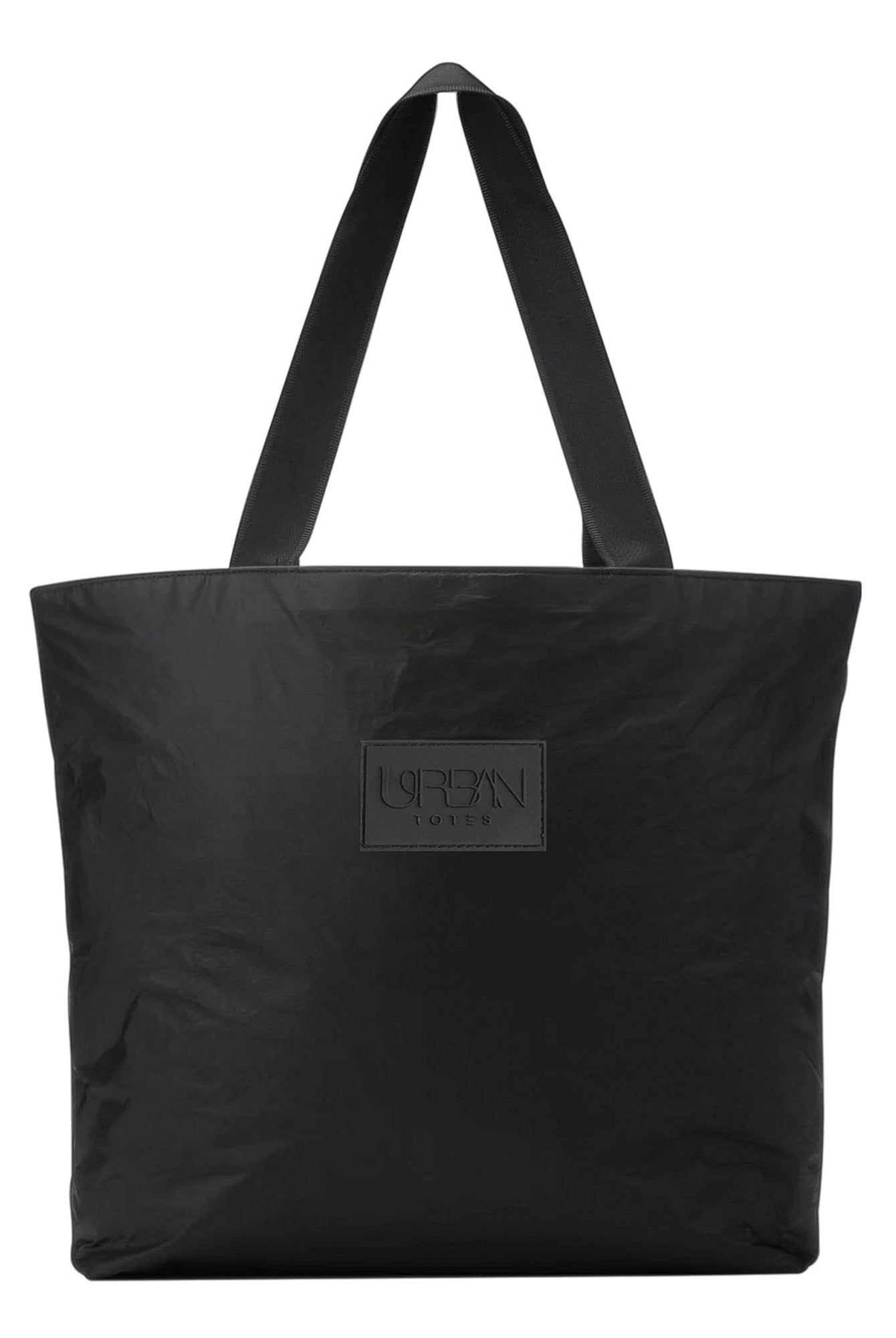
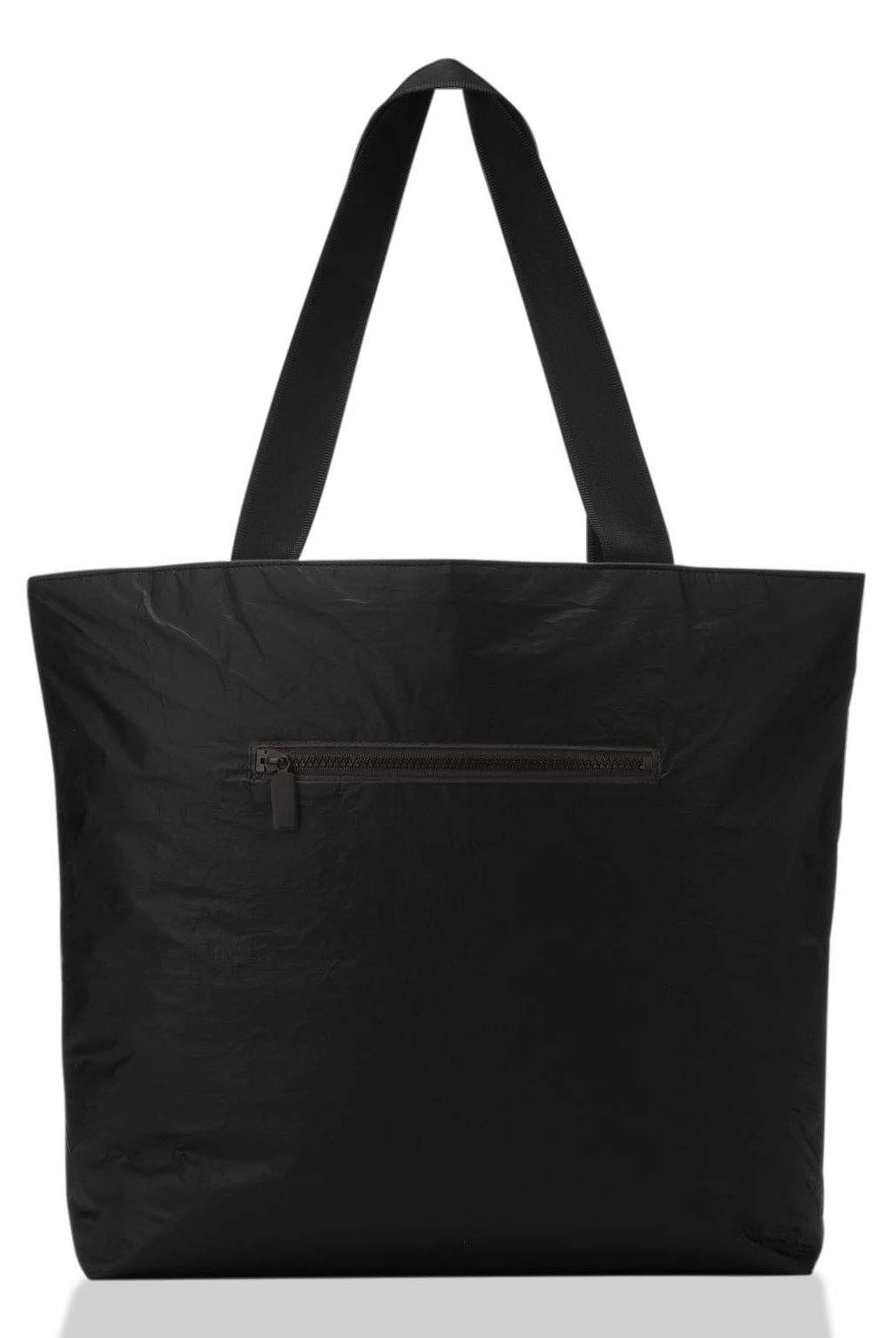
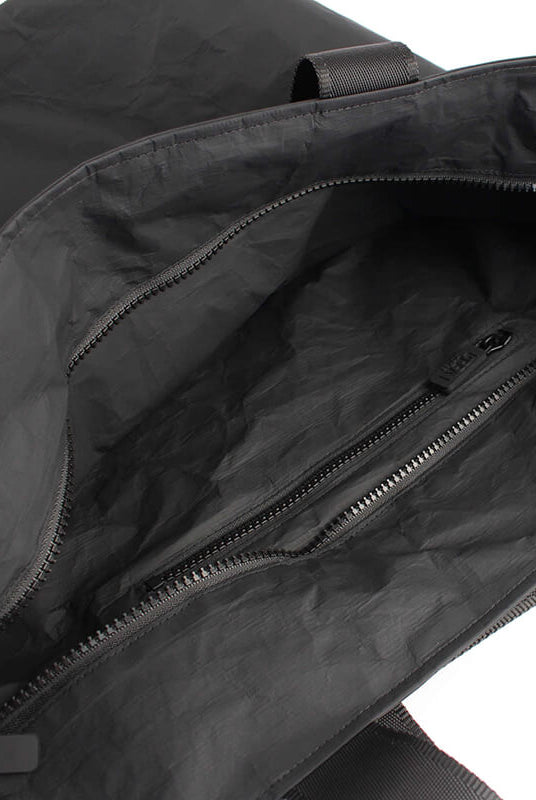
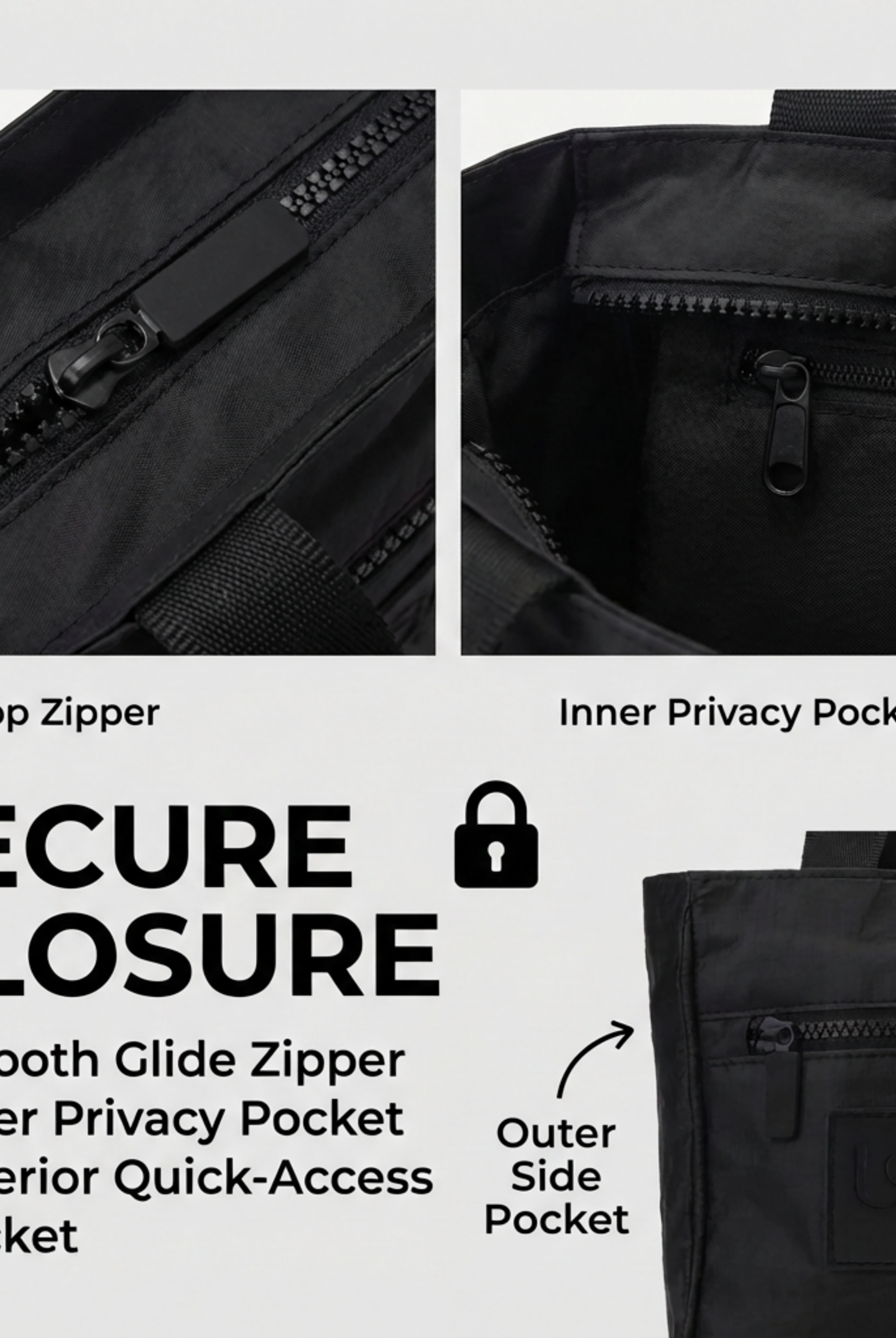
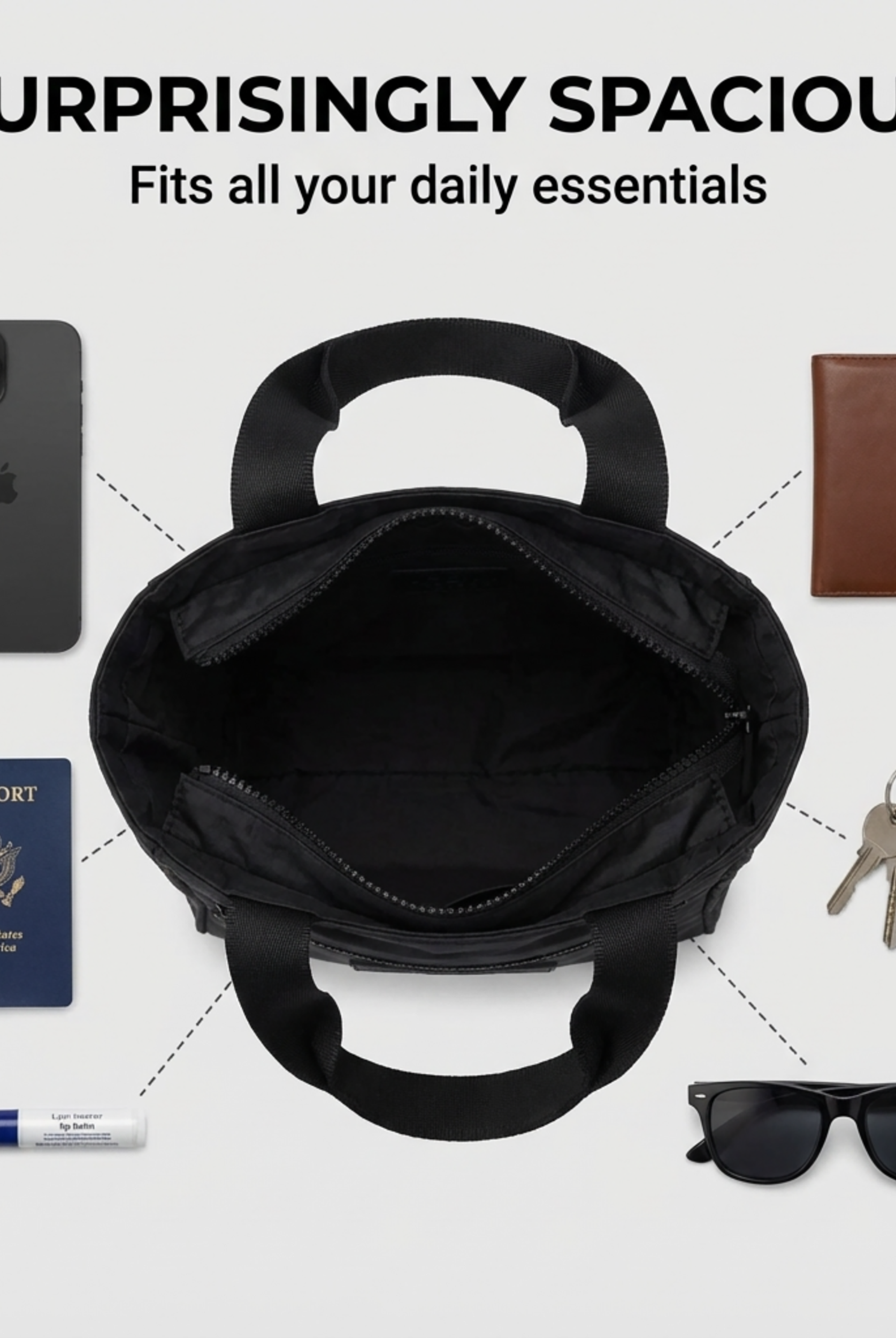
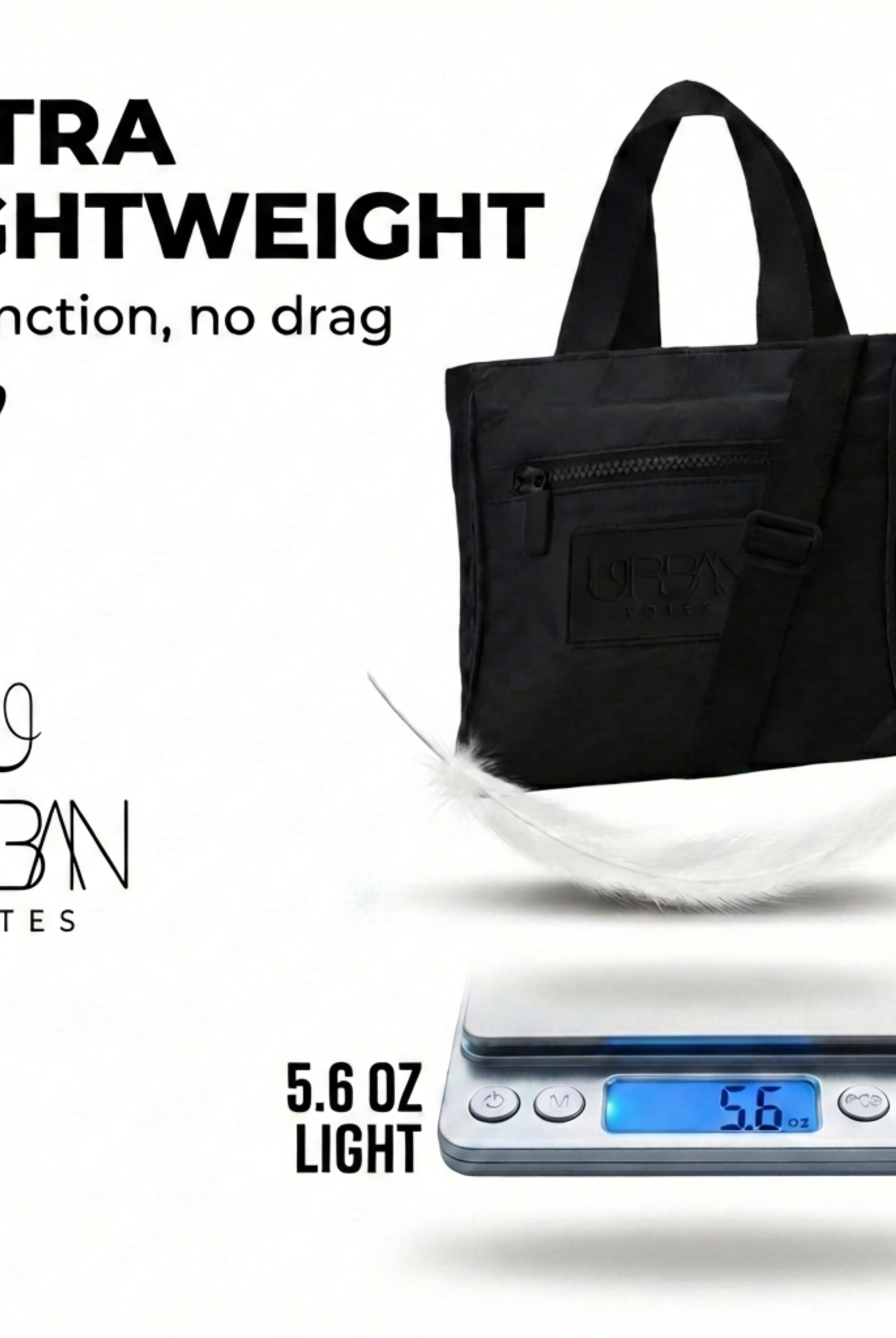
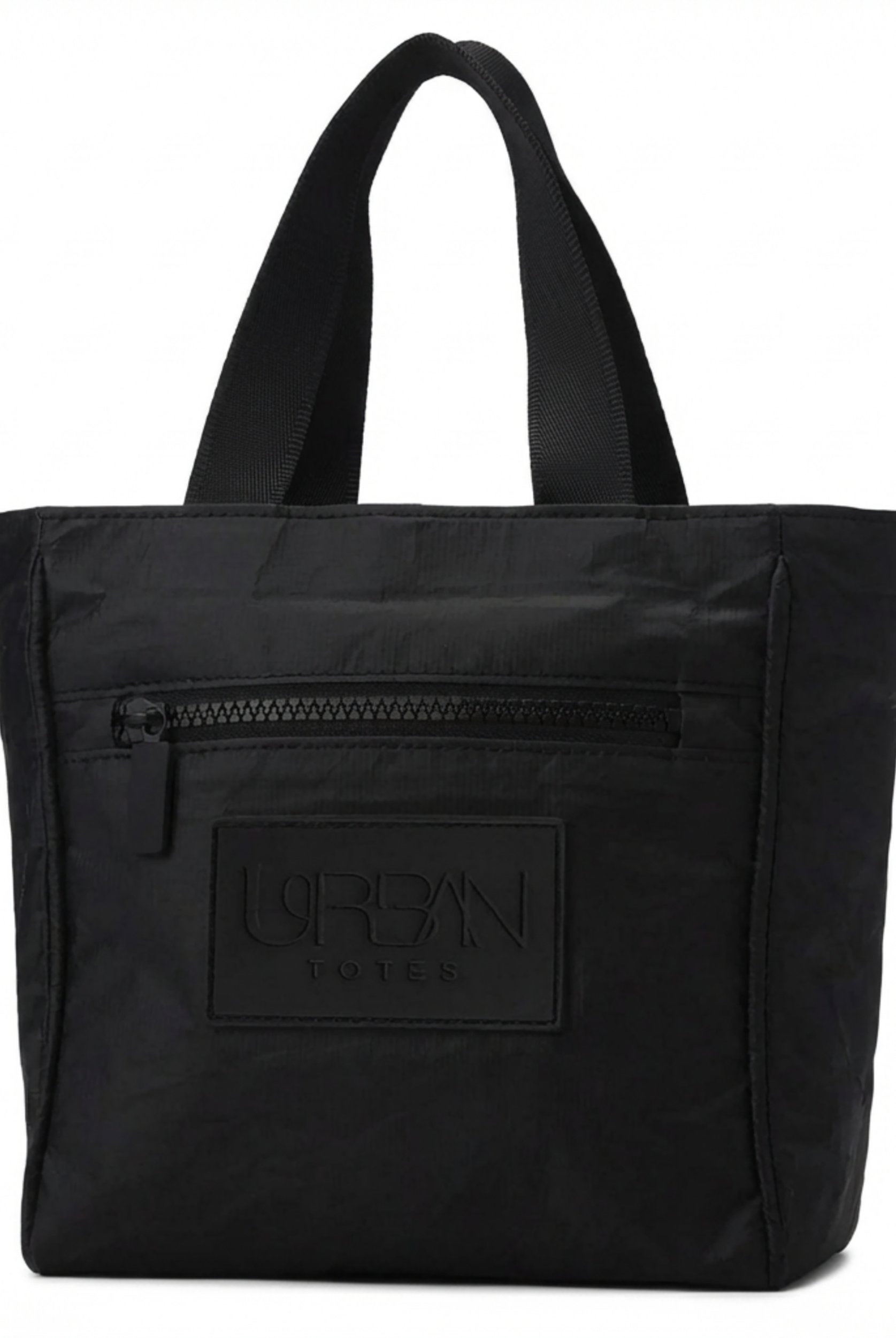
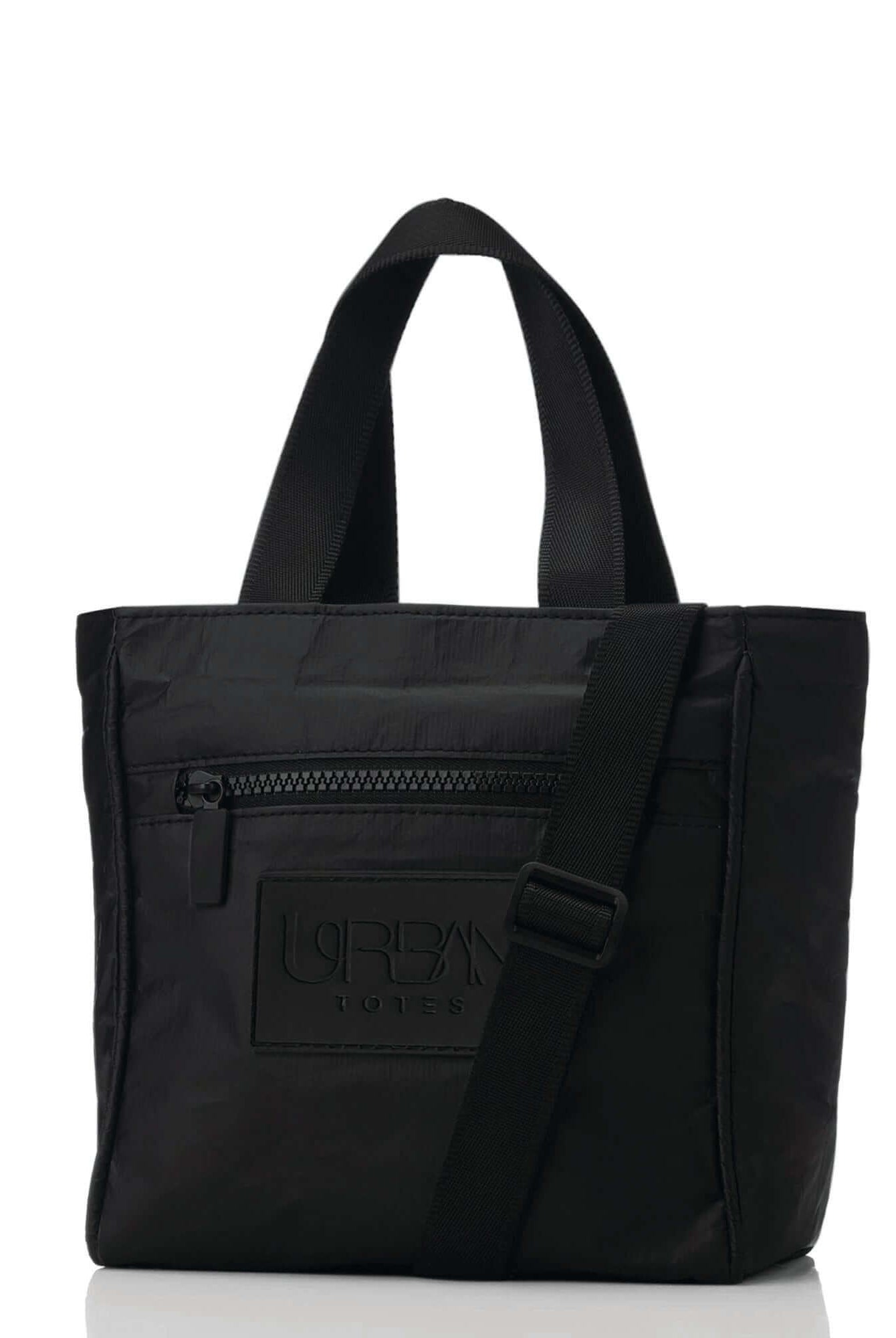
The Go Anywhere Day Trip Tote Bag by Urban Totes is a practical place to start. Three large zippered compartments, dedicated pockets for an iPhone and keys, zipper closures on every compartment, and comfortable silky straps ride on a water-resistant, lightweight, foldable build with an 11.5-inch handle length. It is currently on sale for $24.95.
Then four checks:
- List your three most common trips.
- Pack the layout for the longest one, once, at home.
- Carry it up a flight of stairs before judging the straps.
- Decide if it flies alone, rides as the personal item, or folds inside a suitcase.
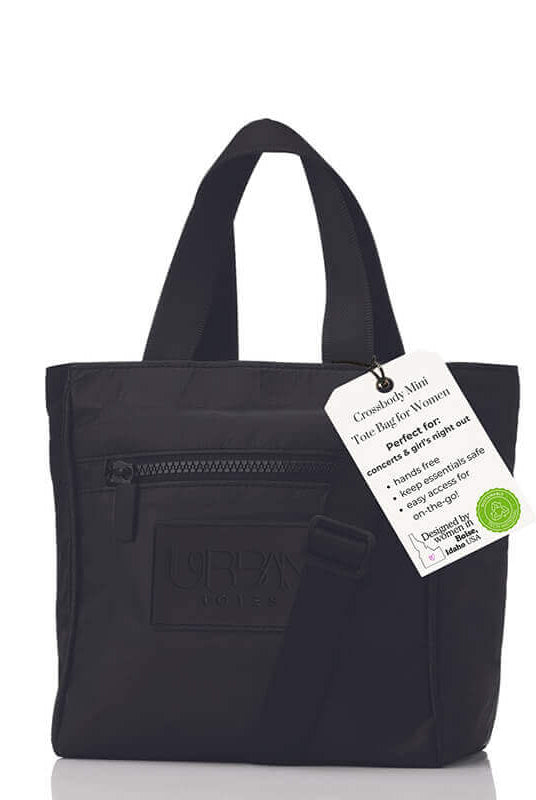
When those checks pass, the shop page lists three products: the Crossbody Tote Bag Mini Purse, The OG Zipper Tote Bag, and The Go Anywhere Day Trip Tote Bag. Pick the layout that matches your next booked trip at Urban Totes and let the bag carry the rest of the day.