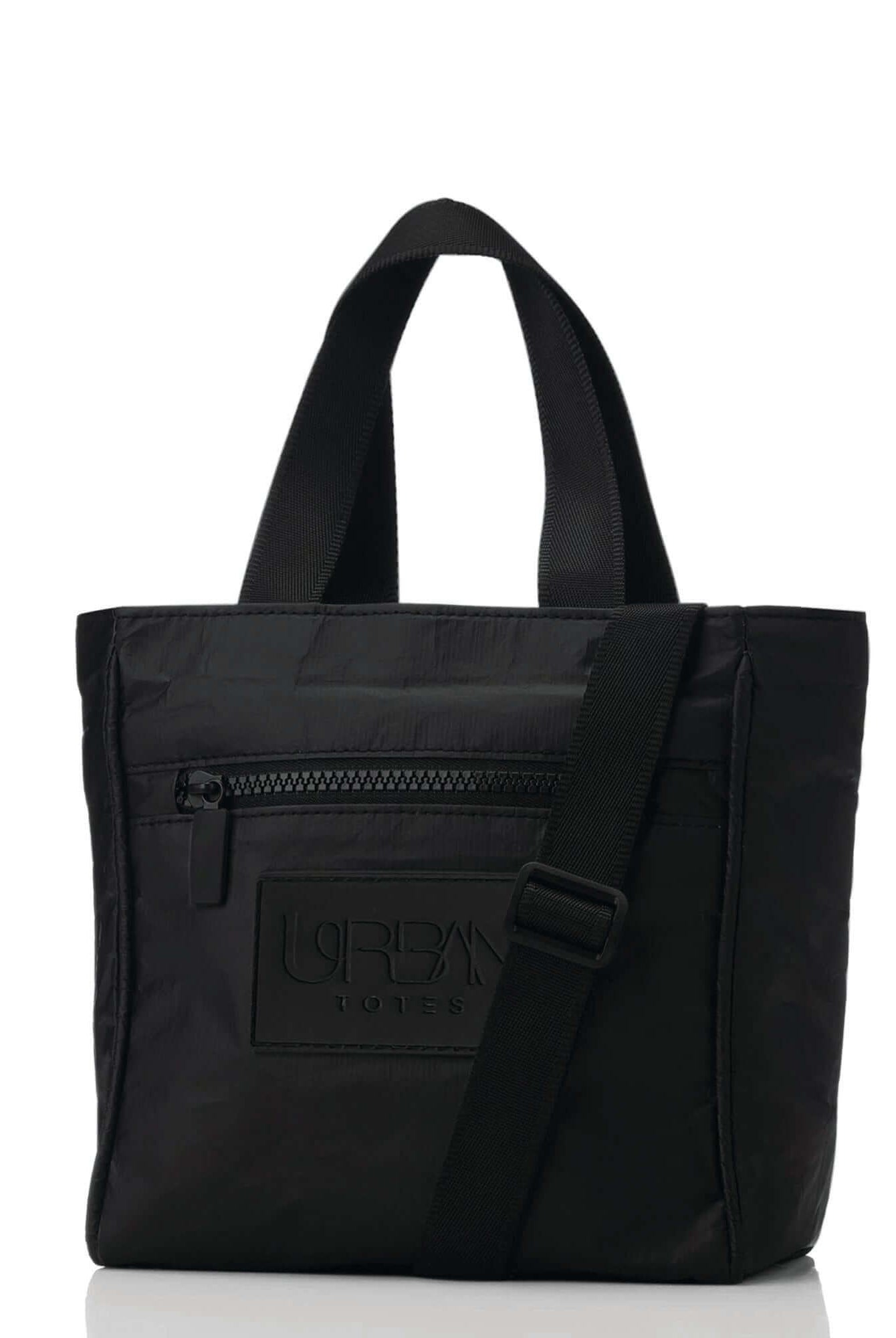
The train platform is packed, your coat is pressed against a stranger's backpack, and the contactless cards in your bag sit a few inches from a phone that isn't yours. Nothing happens, which is the usual outcome. That's also why the question is hard to answer with a simple yes or no.
An RFID crossbody bag does something narrow and specific. It blocks a nearby reader from starting a radio conversation with a chip inside one shielded pocket. It doesn't stop a pickpocket, a wallet left on a café chair, a skimmer fitted over a card slot, or a convincing text message that asks you to confirm a purchase. Once you know that, the feature becomes easy to judge on its own terms, and easy to test.
Table of Contents
- Does an RFID Crossbody Bag Actually Protect You
- Which Cards Your Crossbody Should Shield
- How to Test an RFID Crossbody Bag at Home
- Material, Seams and Zippers That Keep the Shield Working
- Packing and Organizing a Crossbody for Everyday Carry
- Everyday Scenes Where RFID Protection Earns Its Place
- Confirm These Points Before You Buy
Does an RFID Crossbody Bag Actually Protect You
Start with the mechanism, because plain words make the limits obvious. RFID is a short-range radio exchange. The chip in a contactless card, some passports, and many office badges stays quiet until a reader signals it at close range, then answers with data. Conductive material wrapped around that chip makes the exchange harder to finish. That's the entire function of an RFID-blocking pocket, and it's better described as signal management than as security.
The threat itself is smaller than most product pages imply. A 2025 fact-check found no credible evidence that criminals can steal modern contactless-card data from 15 to 20 feet away, while noting that physical payment-terminal skimmers are a documented threat (RHCJC News). That reframes the shopping decision. You're not defending against a stranger reading your Visa from across a train car.
What a tap actually sends
Modern contactless cards don't broadcast a reusable card number. EMV chip technology generates a unique one-time code for each transaction, and the terminal and the card issuer verify it before anything is approved. Intercepted data from one tap has little value for a counterfeit transaction.
Modern contactless cards also use encryption and generally don't transmit the full account number, expiration date, or security code during a tap. So the risks worth your attention look like this:
- Lost or stolen wallet: still the most common way cards go missing. A zip closure and one consistent pocket beat foil on this one.
- Shoulder surfing: someone reading your card or phone screen in a queue. Angle your body and keep the screen dim.
- Compromised terminals: a physical overlay on a pump or ATM. Wiggle the card slot before you use it, tap when you can, and check your statements.
- Online fraud: nothing in your bag touches this. Turn on transaction alerts with your bank.
The honest verdict: shielding narrows one channel. Zippers, layout, and attention close the rest.
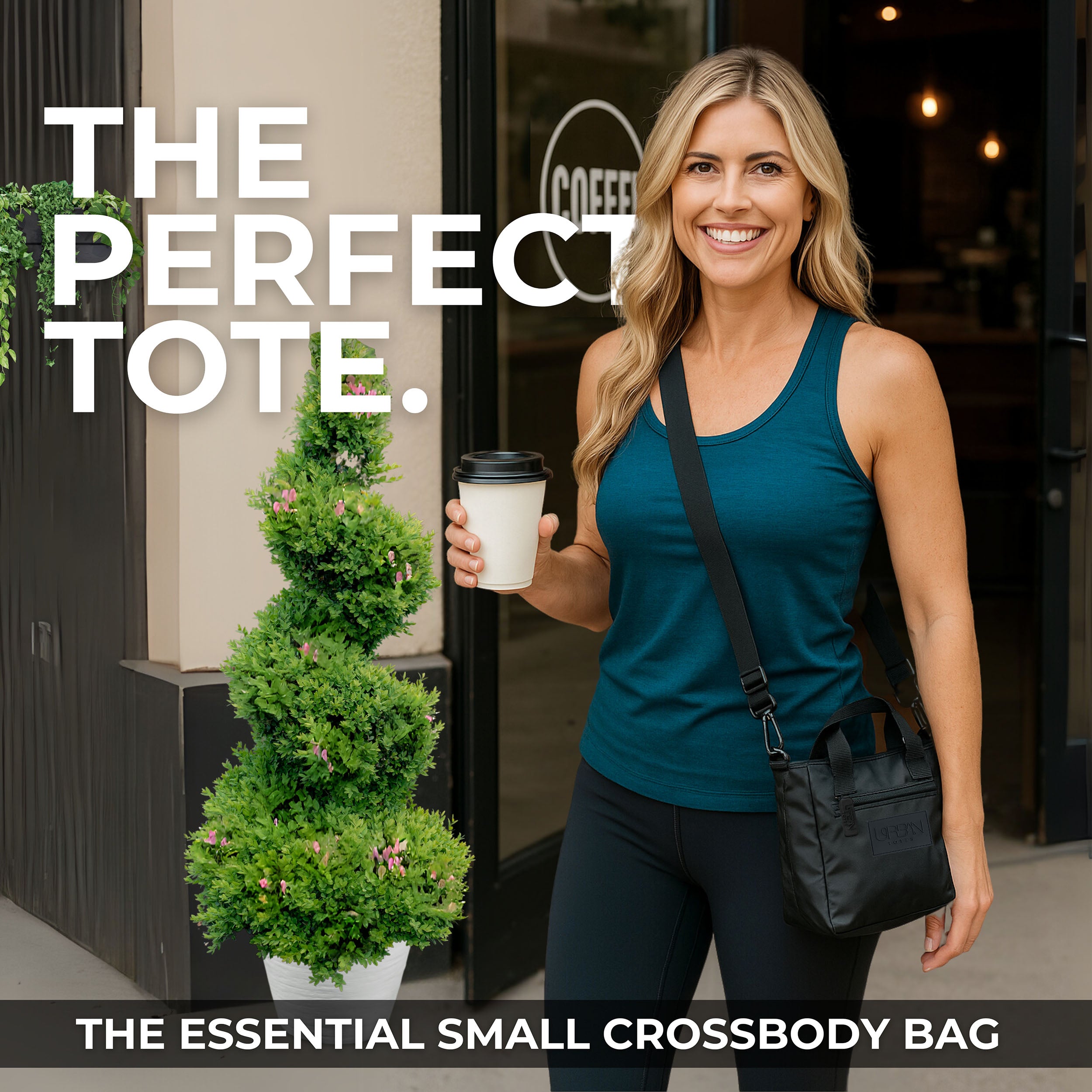
What the bag does do is real, if modest. It keeps selected cards in a shielded slot, closes with a zipper so nothing spills on a crowded escalator, and leaves your hands free for a coffee and a child's hand at the same time. If you carry several contactless cards every day, the shielded slot earns its place. If you carry one card and a phone, put your attention on a closure you trust. Our notes on the safest crossbody bag for travel cover the closure and strap details that matter more than any radio-frequency label.
Which Cards Your Crossbody Should Shield
Not every card in your bag talks on the same frequency, and a pocket built for one band may do nothing for another. Here's how the cards a commuter or traveler carries usually sort out.
| Card or credential | Typical frequency | Shield it? | Why |
|---|---|---|---|
| Contactless bank or credit card | 13.56 MHz | Yes, in the shielded slot | Chip-based payment you rarely need to pull out |
| Passport with RFID chip | 13.56 MHz | Yes, in the shielded slot | Stores identity data, so carry it shielded except when needed |
| Transit card | 13.56 MHz | Optional | Keep it in the accessible pocket if you tap it every day |
| Office or building access badge | 13.56 MHz or 125 kHz | Check the reader type first | Older proximity badges may use 125 kHz, which not every shield covers |
| Hotel key card | 13.56 MHz or 125 kHz | Optional | Check the card type at check-in and test it at the door |
| Gym or library card | 13.56 MHz | No | Usually holds no payment data, so keep it reachable |
The frequency split is the part shoppers miss. A review of RFID wallet performance identifies 13.56 MHz as typical for bank cards, passports, and transit systems, and notes that older proximity-access cards may use 125 kHz. A bag that only states "RFID-blocking" tells you nothing about which of those two it handles.
Why selective shielding beats a sealed vault
The most practical layout is deliberately uneven. You want one clearly marked protected slot for payment cards and the passport, and one accessible, unshielded pocket for the badge you wave at a door reader every morning.
A bag that shields everything creates its own annoyance. If your office badge sits behind the same barrier as your credit card, you'll be unzipping at the security gate with a coffee in one hand, and you'll eventually stop bothering.
Coverage depends on how the card sits
Blocking isn't automatic just because the fabric says so. Whether a card is silenced depends on its position in the pocket, how close it rests to the lining, how the pocket is constructed, and whether the closure is fully shut. A card pushed up against a seam gap can still answer a reader.
Set one rule per card and stop thinking about it. Tap it daily, keep it reachable. Use it rarely, shield it. Then run a compatibility check before your next trip: present each essential card to its normal reader while it stays inside the bag, and move anything that fails to the open pocket. Learn that your badge is blocked at your own front door, not at the office gate.
How to Test an RFID Crossbody Bag at Home
You don't need a lab to find out whether a card pocket does anything. You need one contactless card, a reader you're allowed to use, and about two minutes.
The steps below cover what to look for while shopping and what to check once the bag is in your hands.
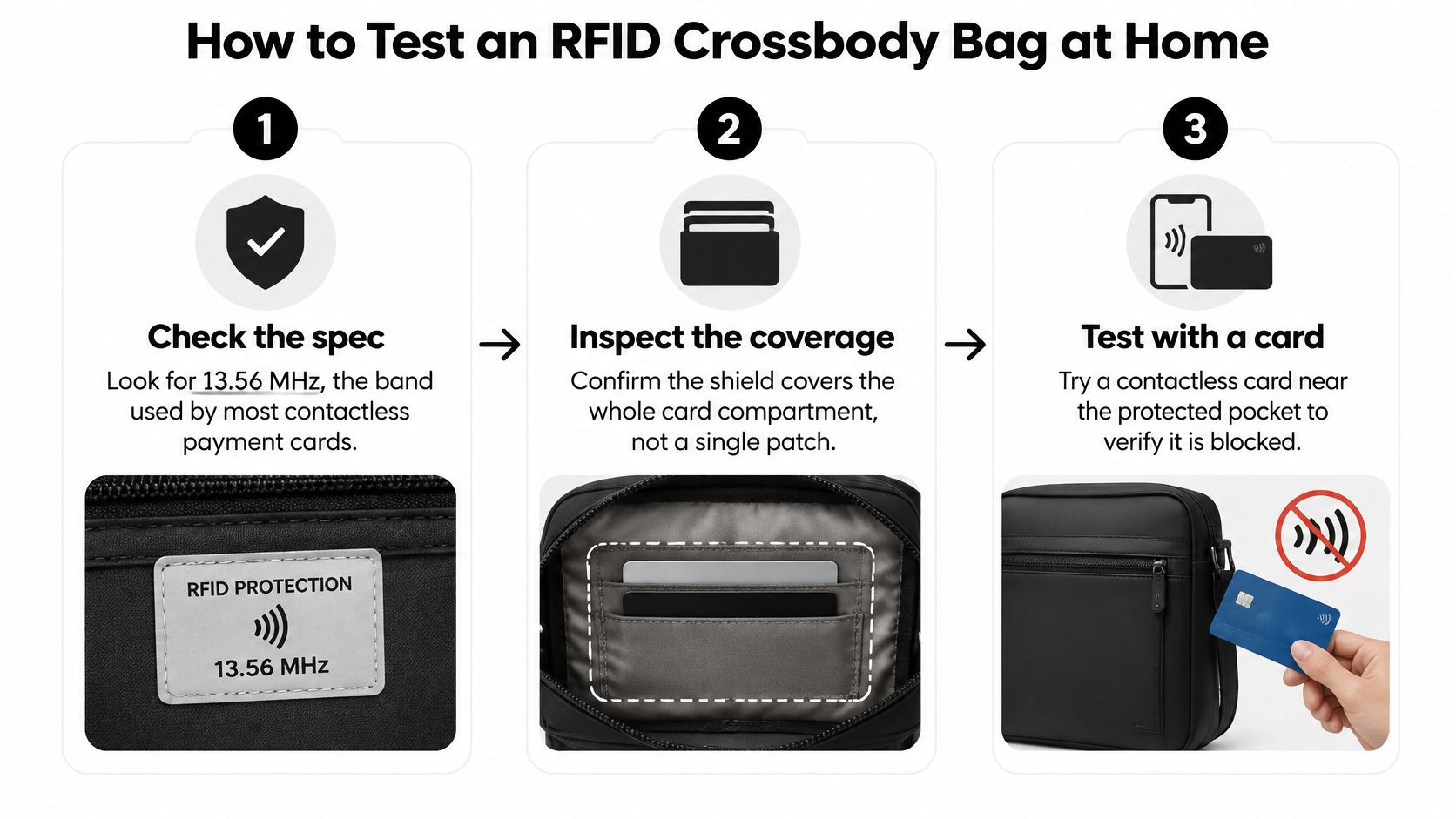
- Read the frequency spec first. A useful listing names the band it blocks, and for payment cards that's 13.56 MHz, the band most contactless cards and NFC systems use. The National Institute of Standards and Technology defines RF shielding as a conductive enclosure that limits signal propagation outside the shielded area. A bag that only claims "RFID-protected" is offering a label, not a specification.
- Inspect the whole compartment. That enclosure language matters. One foil patch behind a single pocket isn't an enclosure, and a card can stay readable through a gap at the flap, a side seam, or the pocket opening even when the main fabric contains metallic fibers.
- Load one card and close everything. Zip the pocket, press the flap flat, fasten whatever closure the bag uses, and close the main zip as well. A bag hanging open changes the geometry of the test.
- Tap against a reader you control. A checkout you're paying at, or your own building's badge reader, works fine. Hold the bag against the reader at the distance you'd normally hold a card, and watch for the beep.
- Rotate and try again. Flat, on edge, and at an angle. Three orientations tell you more than three taps in the same position, because a failure in one direction usually points to a seam.
- Record what happened. If the terminal approves the payment or asks for a PIN, the pocket didn't block the card at that distance. If nothing registers at all, it did its job in that test.
- Retest after a month of real use. Folding, abrasion, moisture, and daily opening can wear a conductive layer into discontinuities. Repeat step four after a few weeks of carrying.
A home check is a screening test, not measurement. The stronger proof is a published attenuation figure at 13.56 MHz, backed by evidence that the result still holds after flexing and wear. Ask for it, and treat silence as an answer.
Material, Seams and Zippers That Keep the Shield Working
A shield is a continuous surface, and daily life attacks continuity. Folding a bag into a tote, stuffing it under an airplane seat, and unzipping the card pocket forty times a week all work against that thin conductive layer. A shield works like a raincoat: one split seam, and the waterproofing underneath stops mattering.
Performance depends on the reader too, not only on the fabric. Independent technical testing found that a coating 250 micrometers thick reduced RFID communication to zero against a 15 dBm reader, while a stronger 20 dBm reader needed 500 micrometers for complete blocking (Defense Technical Information Center). In plain terms, a shield that stops one reader may not stop every reader in the room, and a worn shield is weaker than a new one. That is why the check happens pocket by pocket instead of trusting the label.
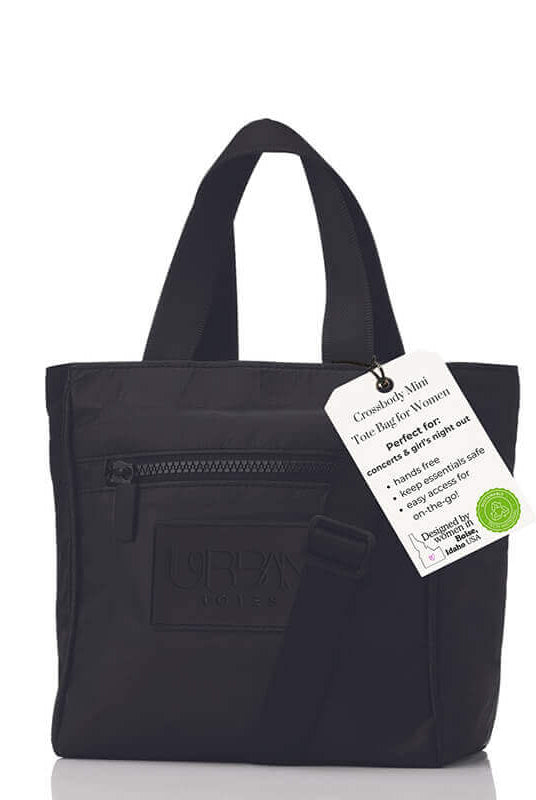
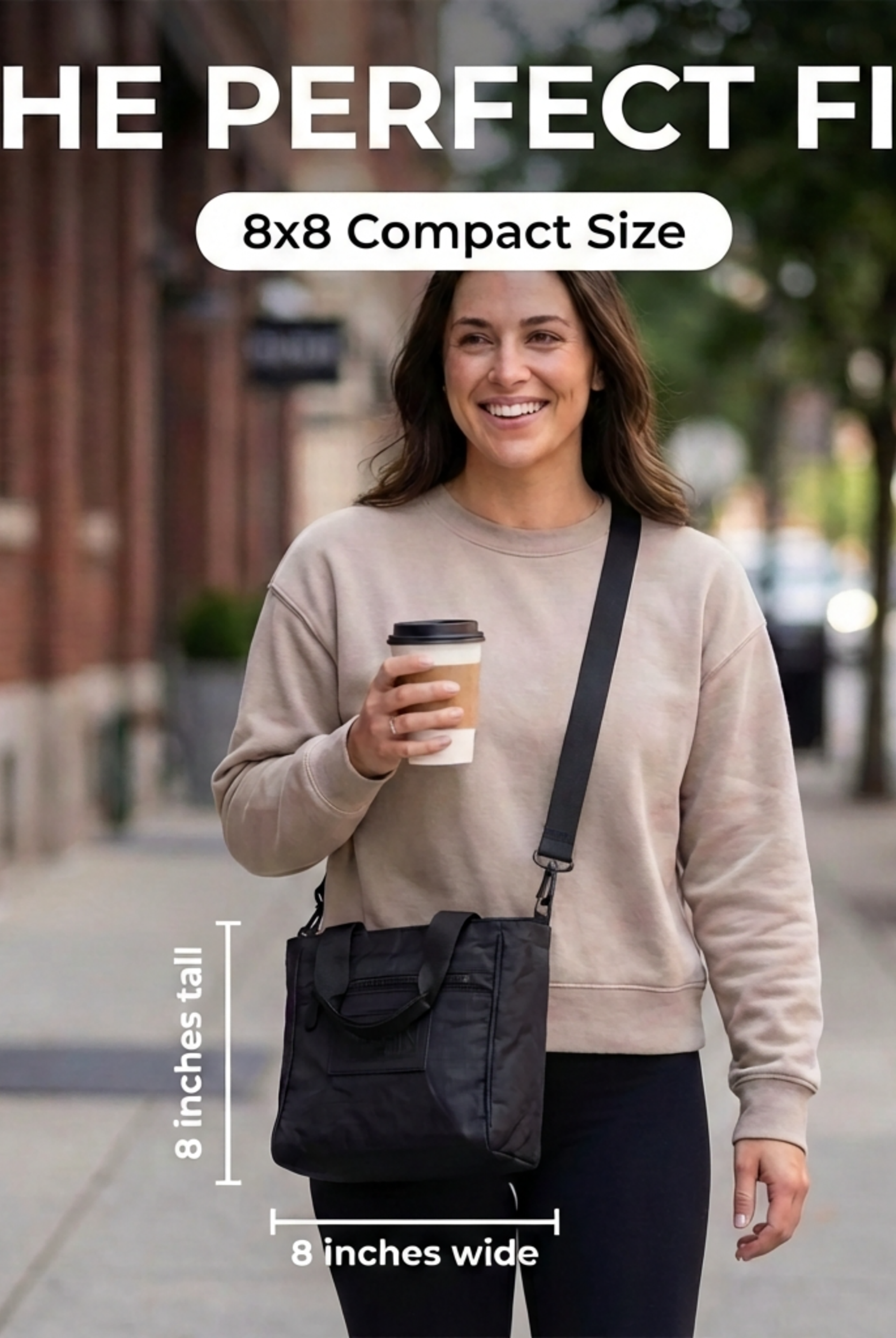
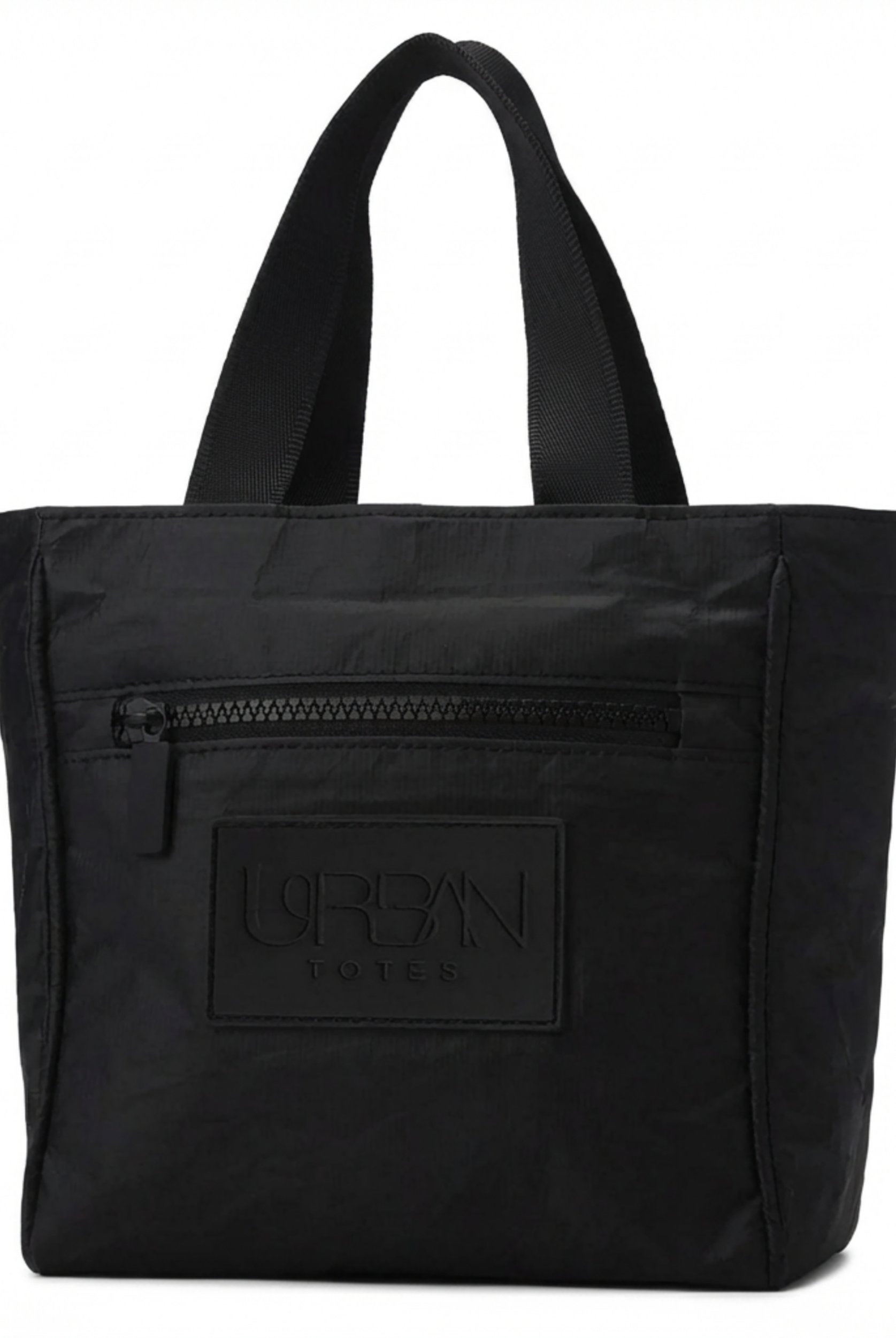
Here is what a compact crossbody with real structure looks like in the hand.
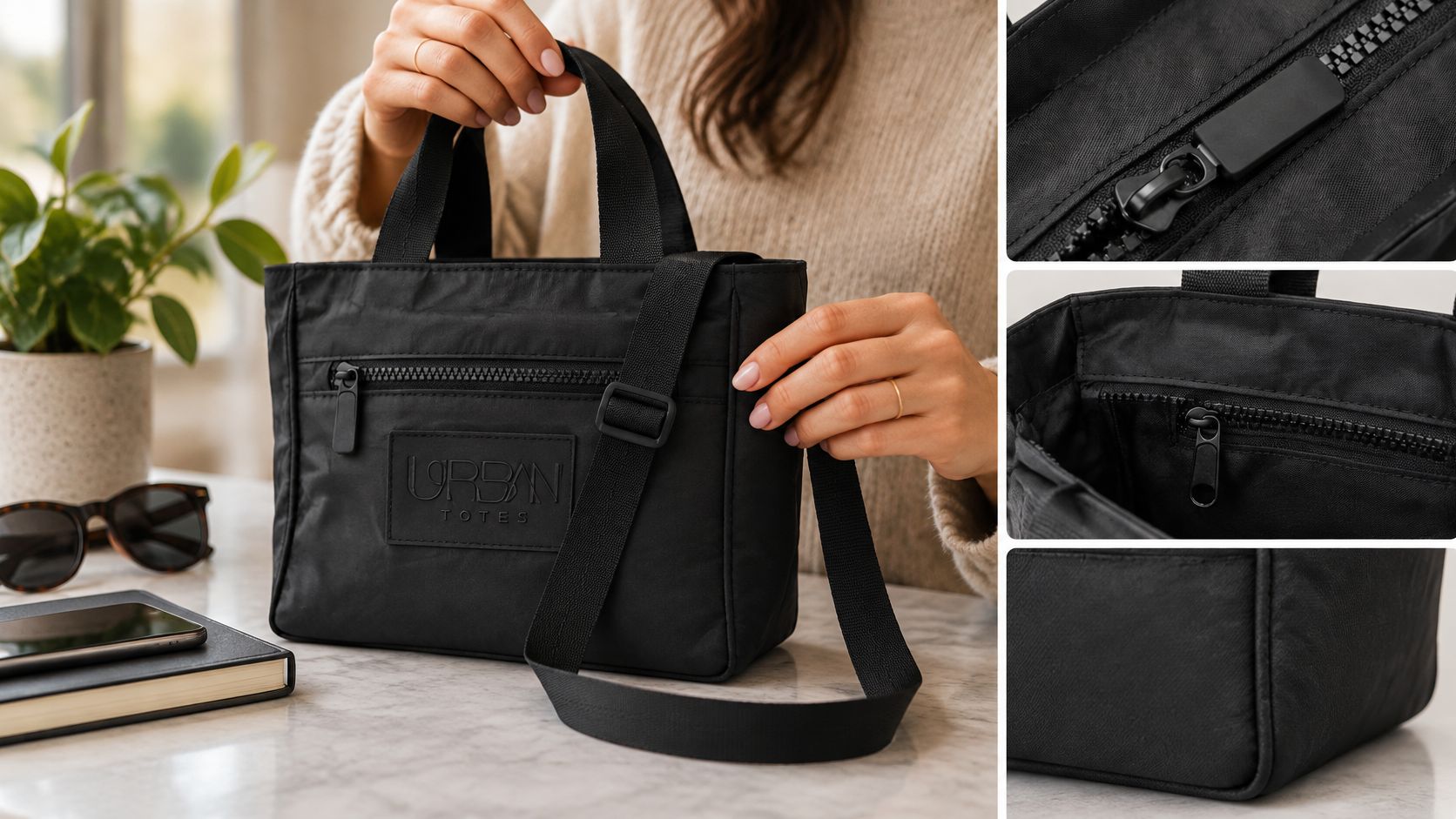
Five inspection points matter more than marketing copy:
- Full enclosure: the card compartment should be closed on all sides, with no stitching that punches a conductive gap straight through the shield.
- A flap that closes over the whole opening: a decorative strip that leaves the top third exposed hands a reader exactly the gap it needs.
- Flat side seams: they should lie flat when the bag folds. Bunched seams pull and crack a coating over time.
- Sensible pocket placement: the shielded slot belongs away from the seam you stress most, so everyday opening doesn't flex the barrier.
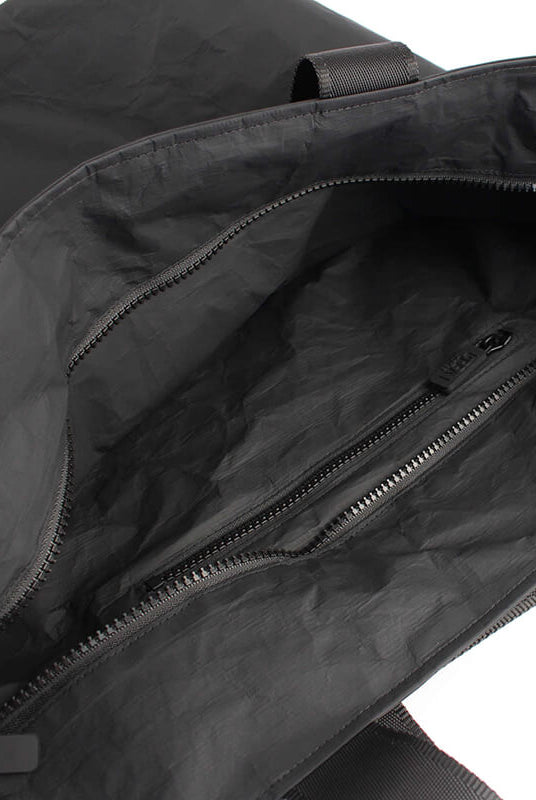
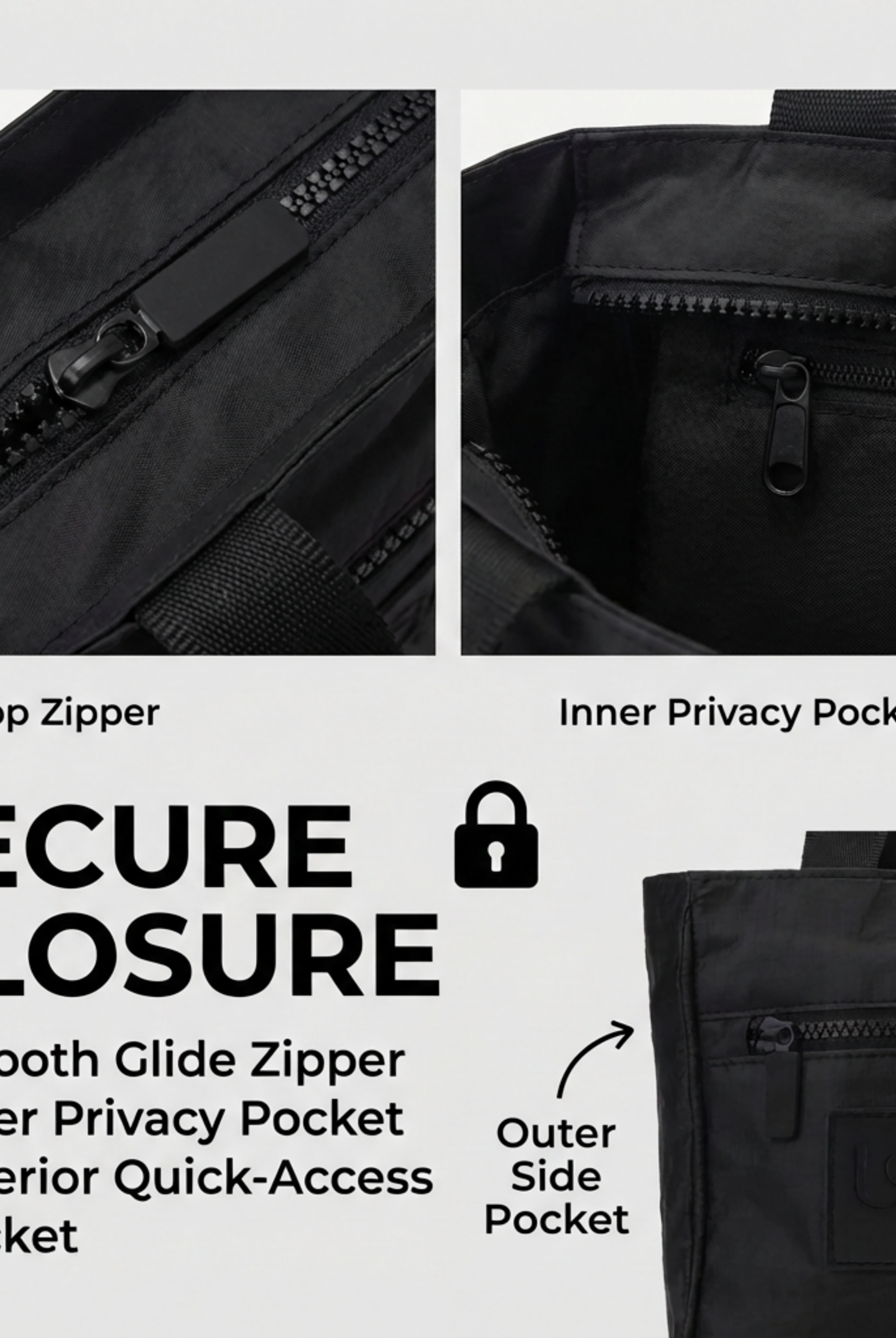
- A zip top: it keeps the whole bag shut while you walk through a crowd, and an inner zipped pocket separates cash and lip balm from the card slot.
Strap design is quieter but matters just as much on a long day. A width that doesn't dig in, an adjustment range that lets the bag sit at the hip rather than the ribs, and a shape that holds itself up all reduce the urge to shift the bag from shoulder to shoulder.
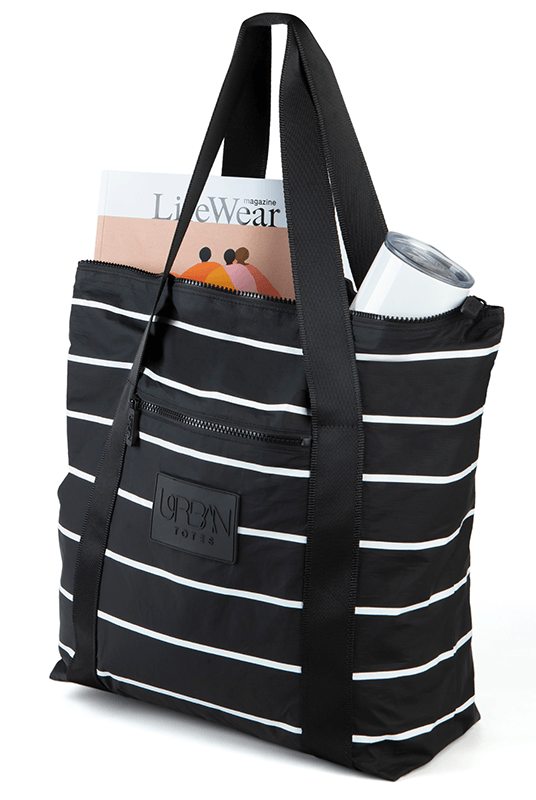
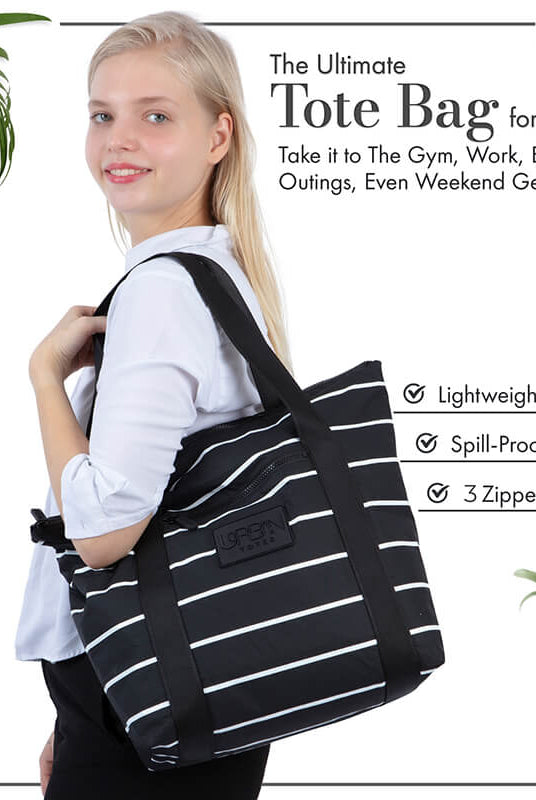
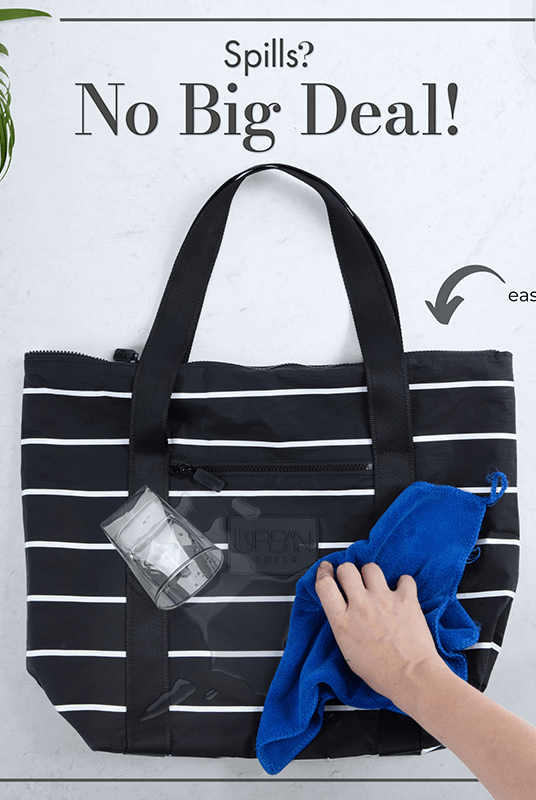
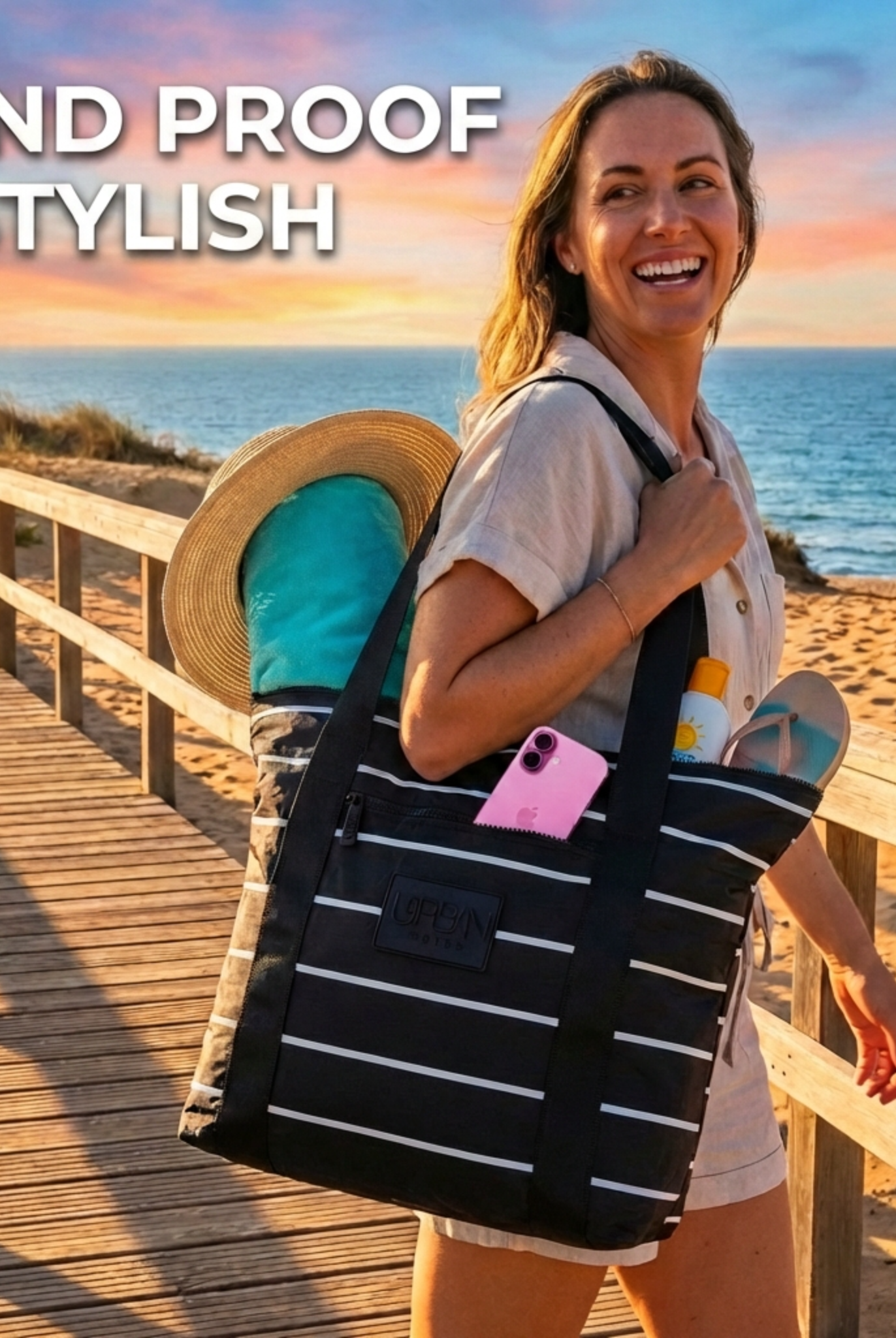
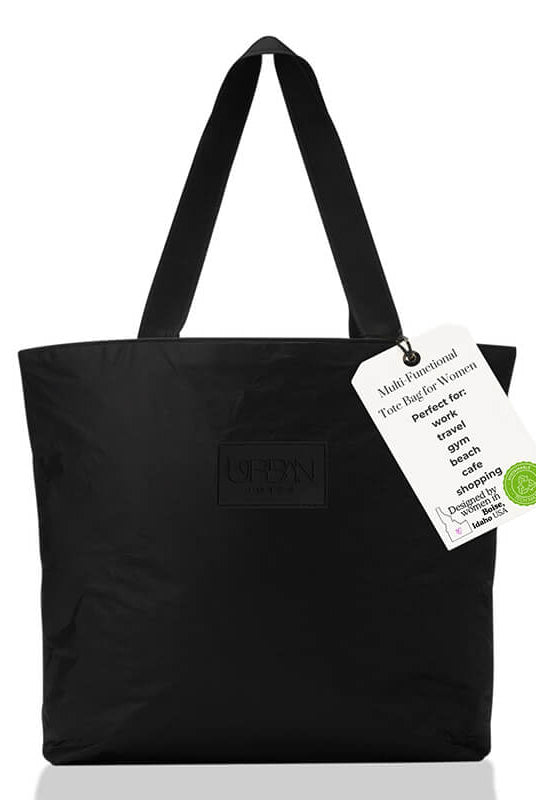
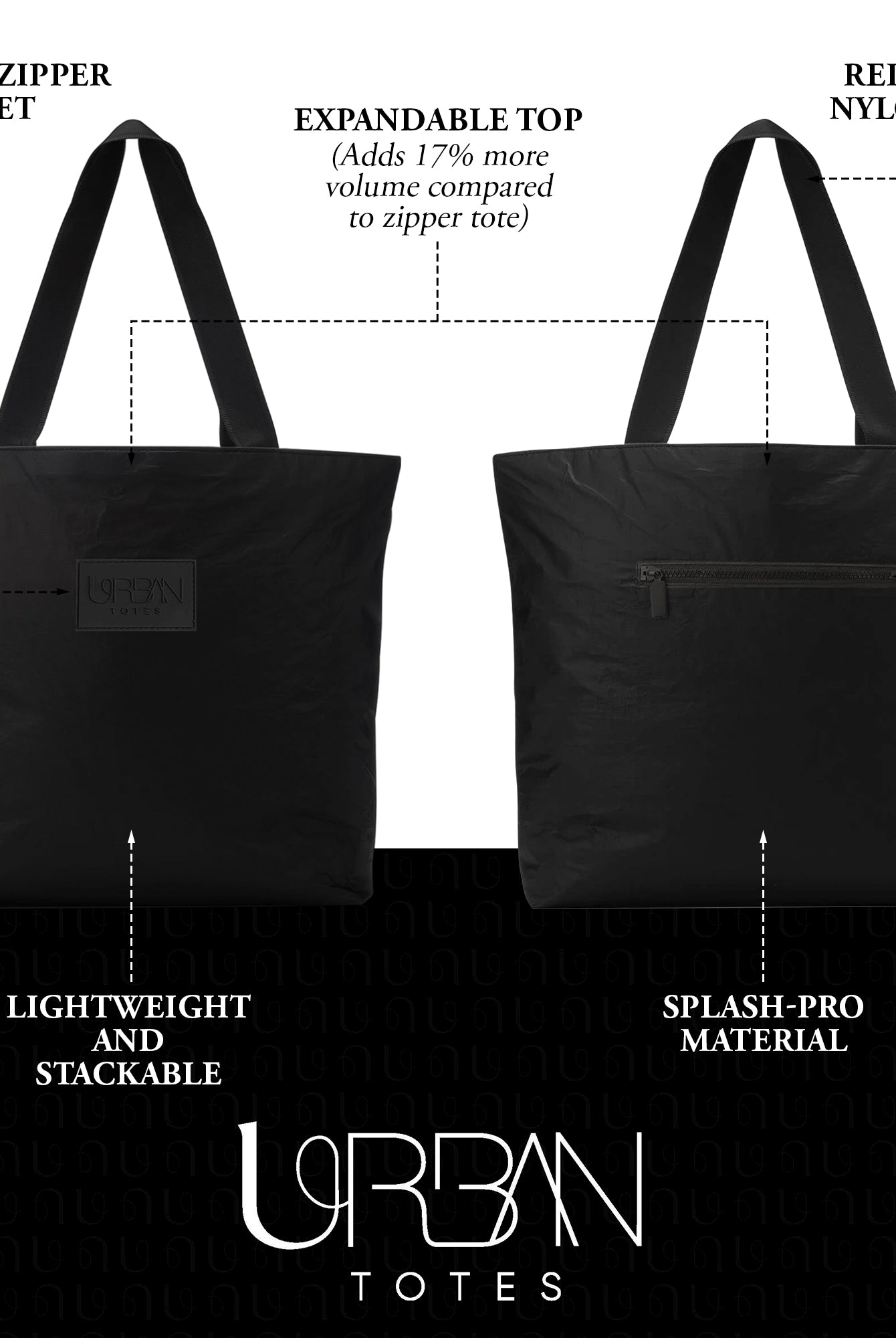
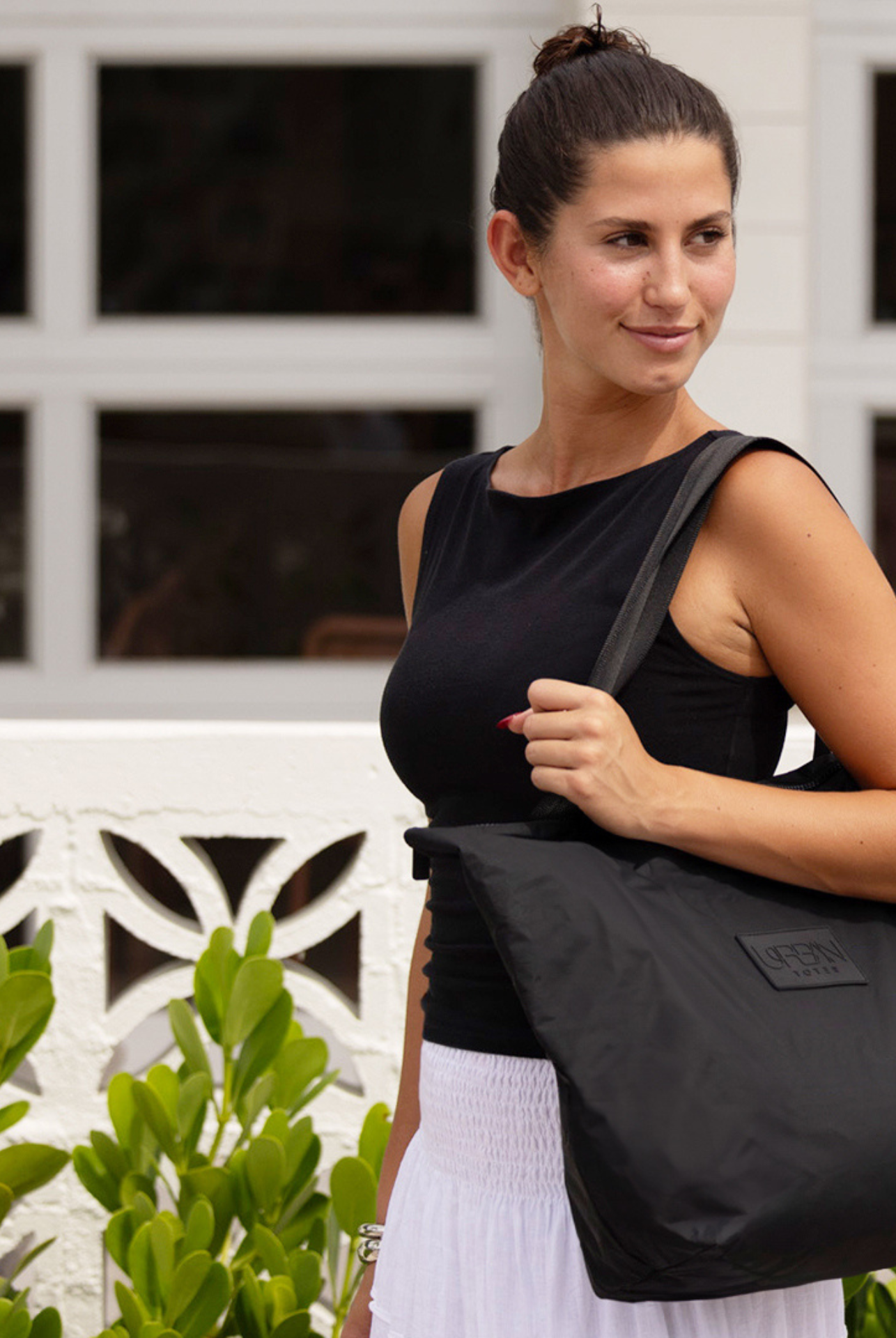
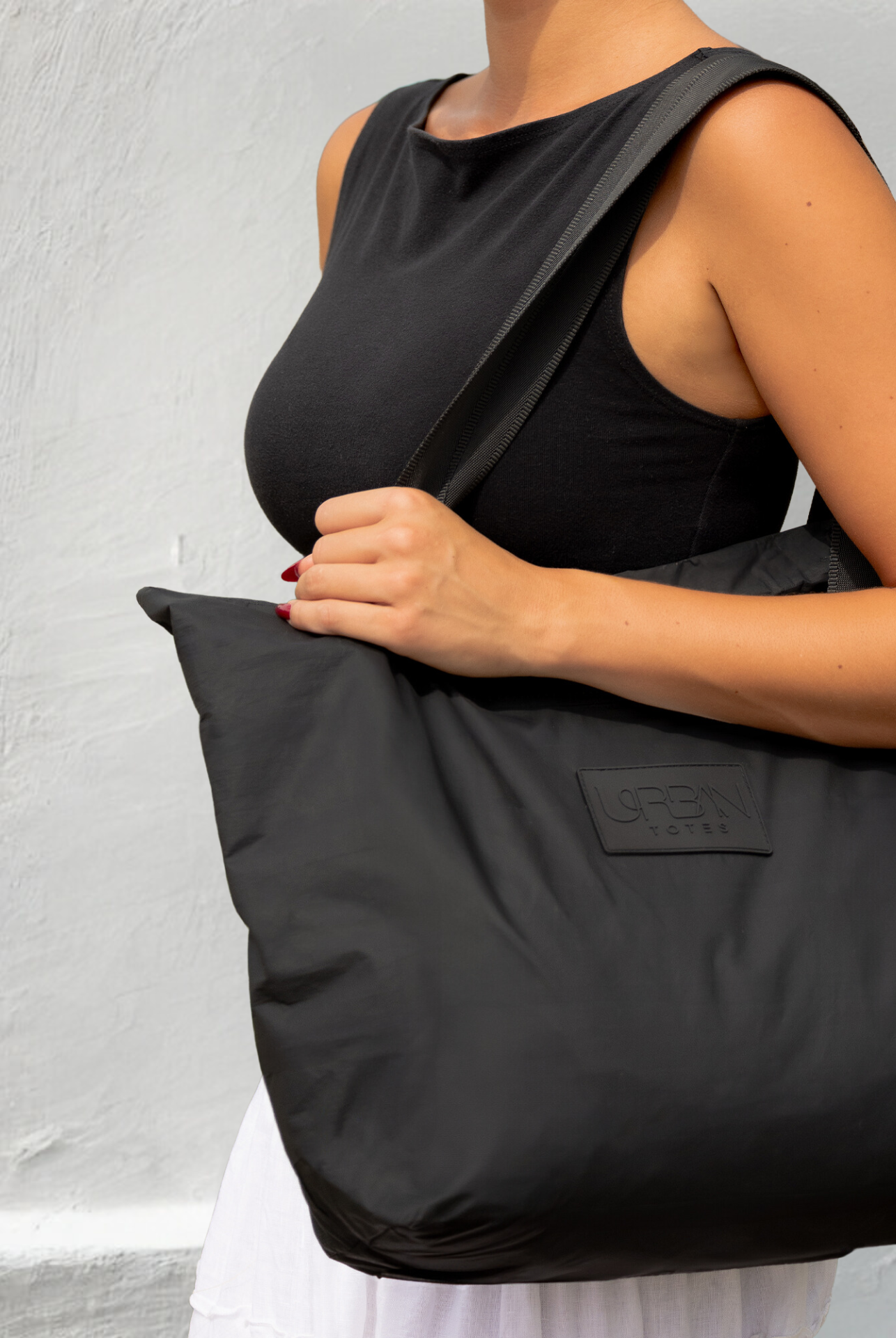
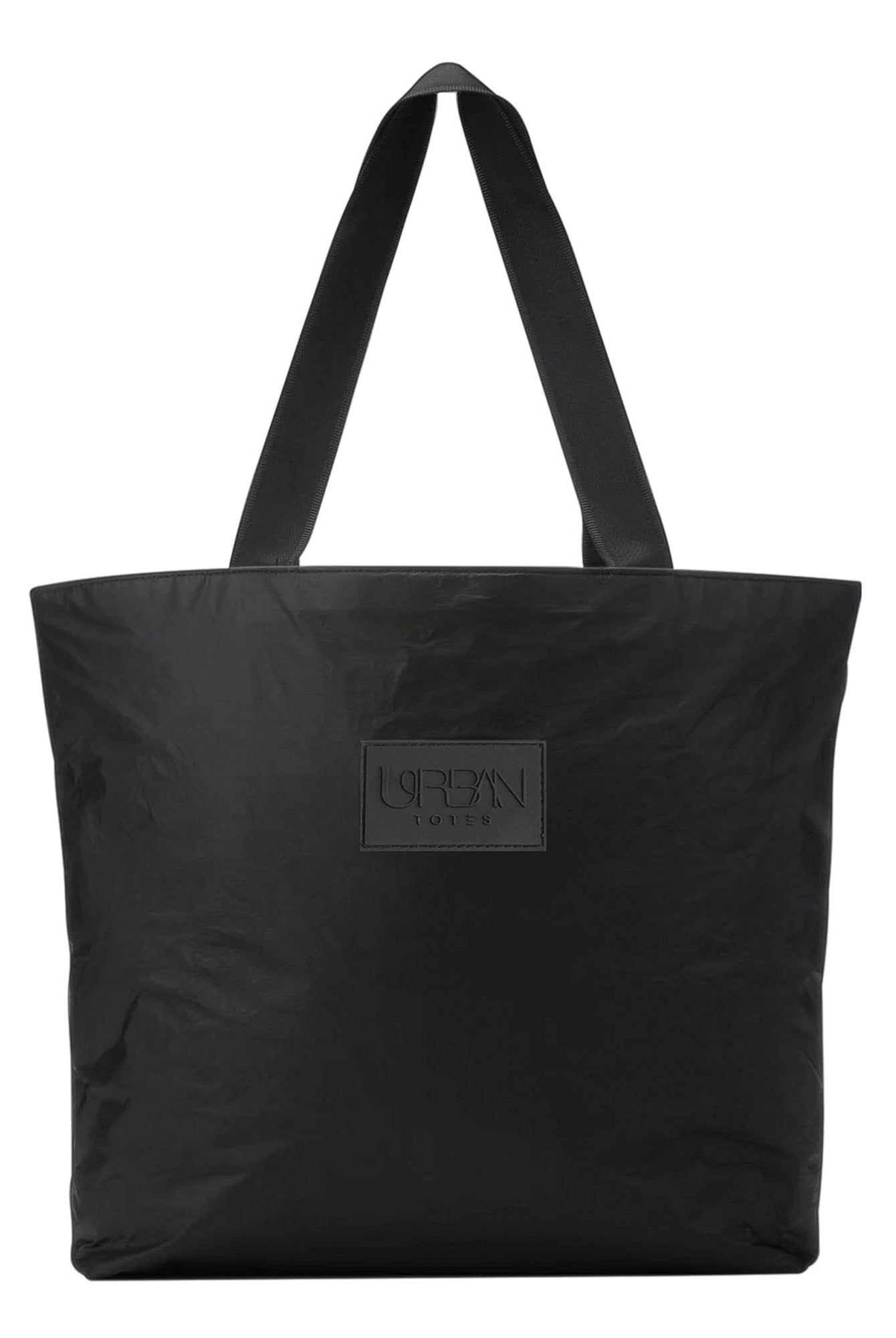
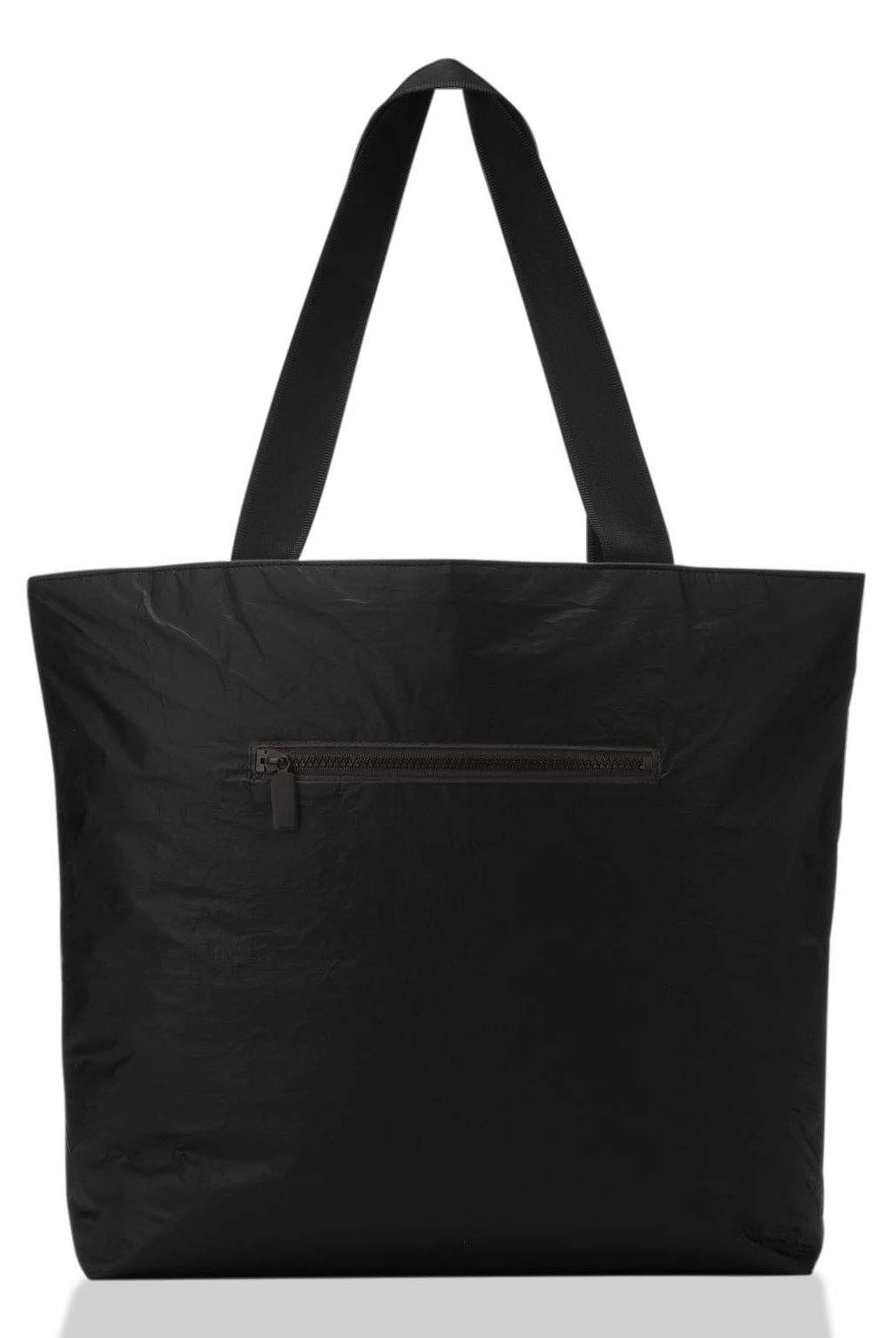
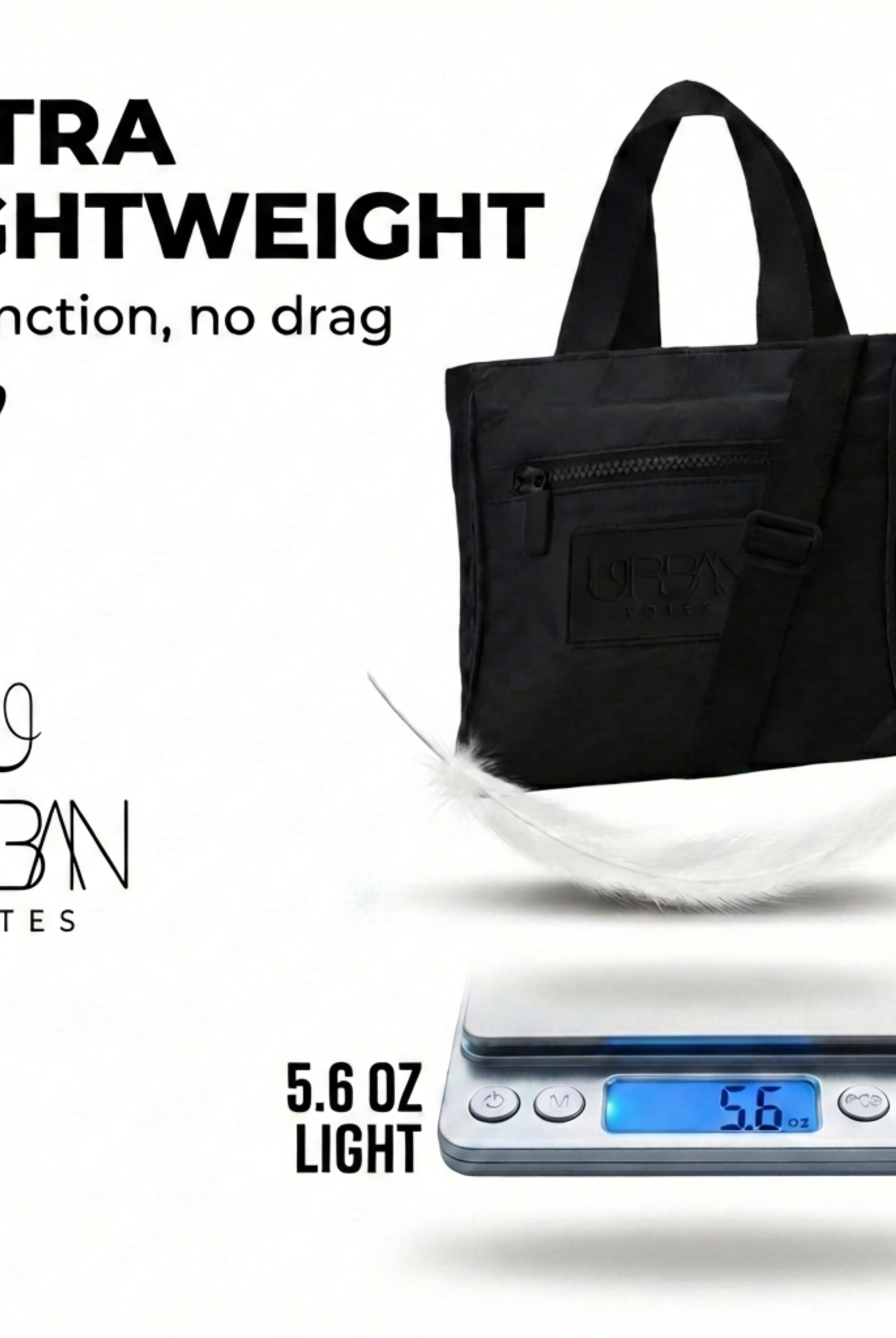
Water-resistant fabric handles rain, spills, and a beach afternoon, and it still doesn't replace the home test. A crossbody made with vegan materials can be wiped down and packed flat, which suits a commuter, a traveler, or a caregiver. In our own lineup, the Crossbody Tote Bag Mini Purse uses a zip-top closure, a single outside zipper pocket, an inside zipper pocket, and a removable strap that extends to 53 inches, all in water-resistant fabric.
Packing and Organizing a Crossbody for Everyday Carry
You already know which cards belong behind the shield and which need to stay reachable. Now give each one a fixed home, because a bag you can't find your way around in the dark undoes every security feature you paid for.
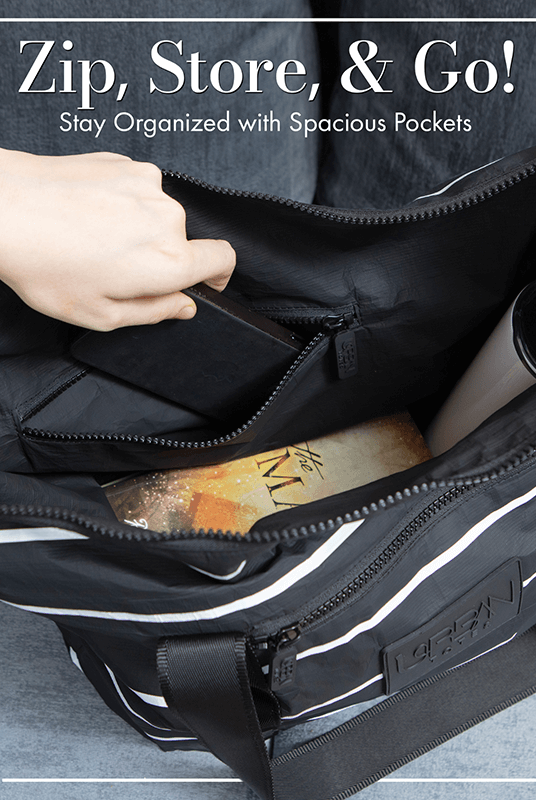
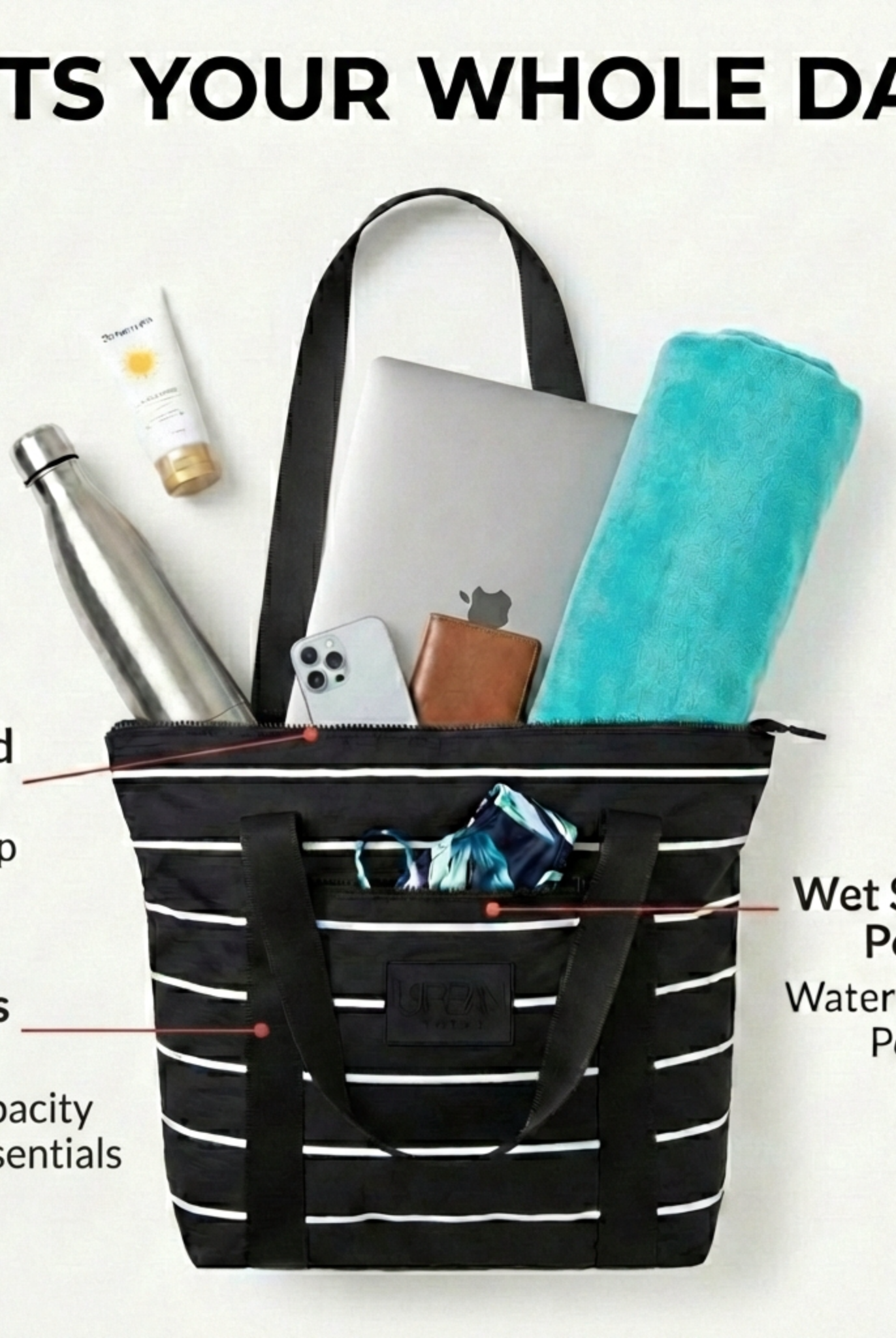
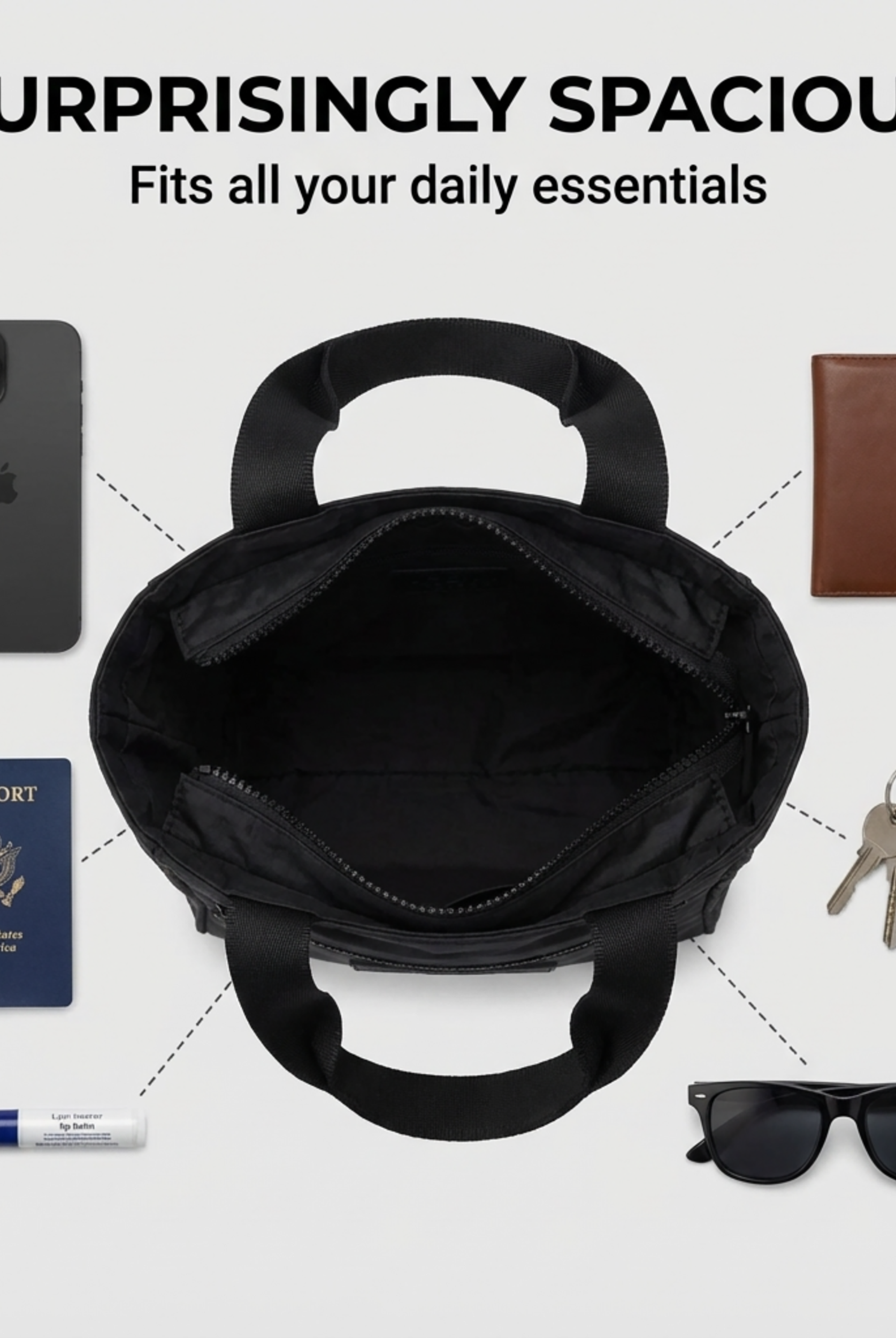
Work back to front. Flat, thin items go against the back panel: cards in the shielded slot, the passport alongside them, a small notebook if you still carry one. Heavier items sit low and close to your body, which keeps the bag from swinging when you turn. The phone goes in the outside zipper pocket, where you can answer it without opening the main compartment in the middle of a crosswalk.
Then let the small stuff live somewhere else. Cash, lip balm, and sunglasses belong in the inner zipped pocket, not loose in the shielded slot.
That last point is worth repeating for a different reason. Bulky items crammed into the card pocket strain the seams and can pull the closure open, and an open closure is exactly the gap the shield can't afford.
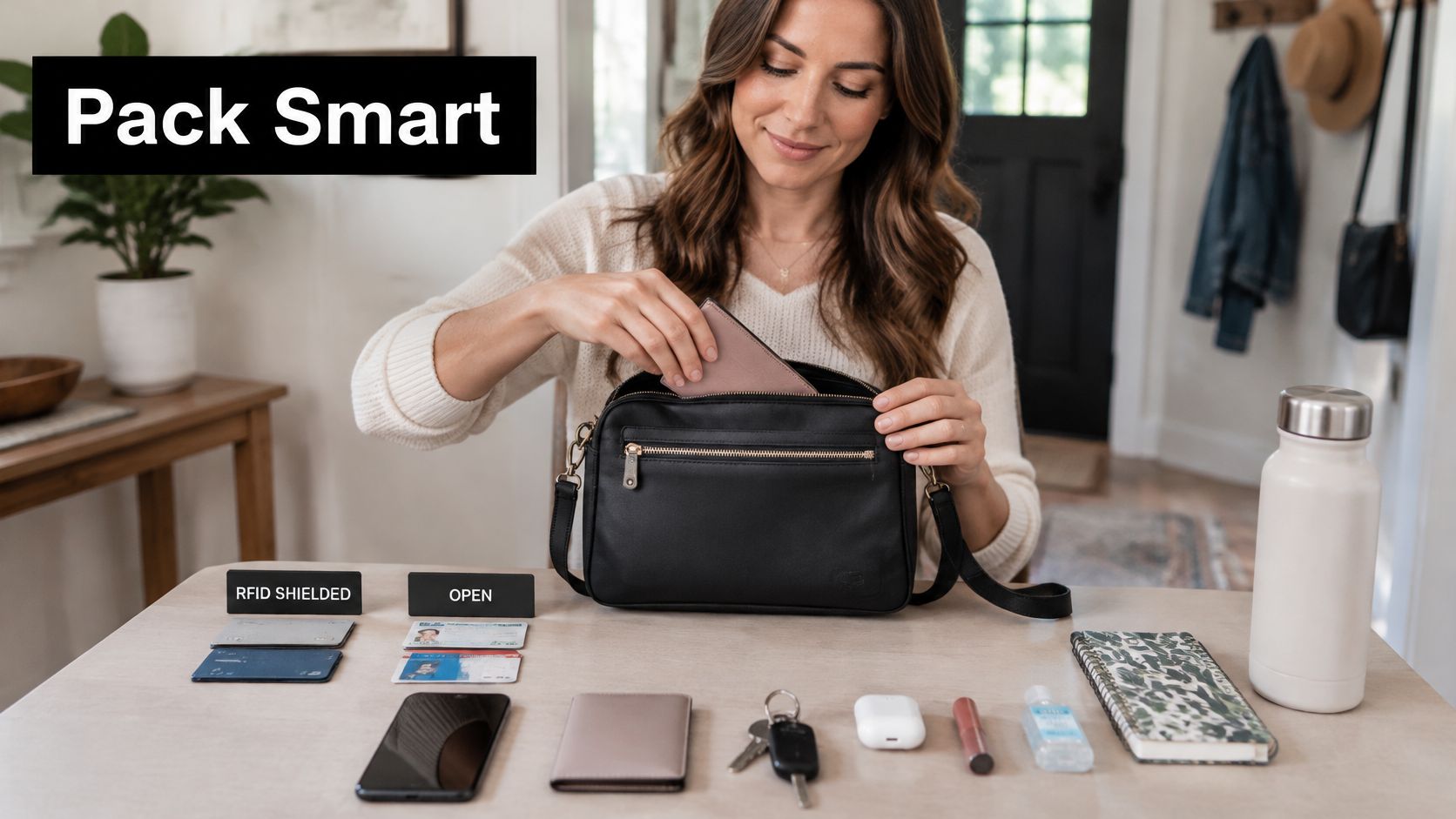
Here's the test for whether your layout works: after you load the bag, you should find your transit card or badge by feel within a second or two, in a dark restaurant or a packed train. If you have to look, the pocket is wrong.
The daily reset takes under a minute.
- Return the transit card to its open pocket right after each tap, so it never migrates into the shielded slot.
- Check the passport and payment cards are sitting in the shielded slot, flat and fully inside the closure.
- Zip every closure before you walk out, including the outside phone pocket.
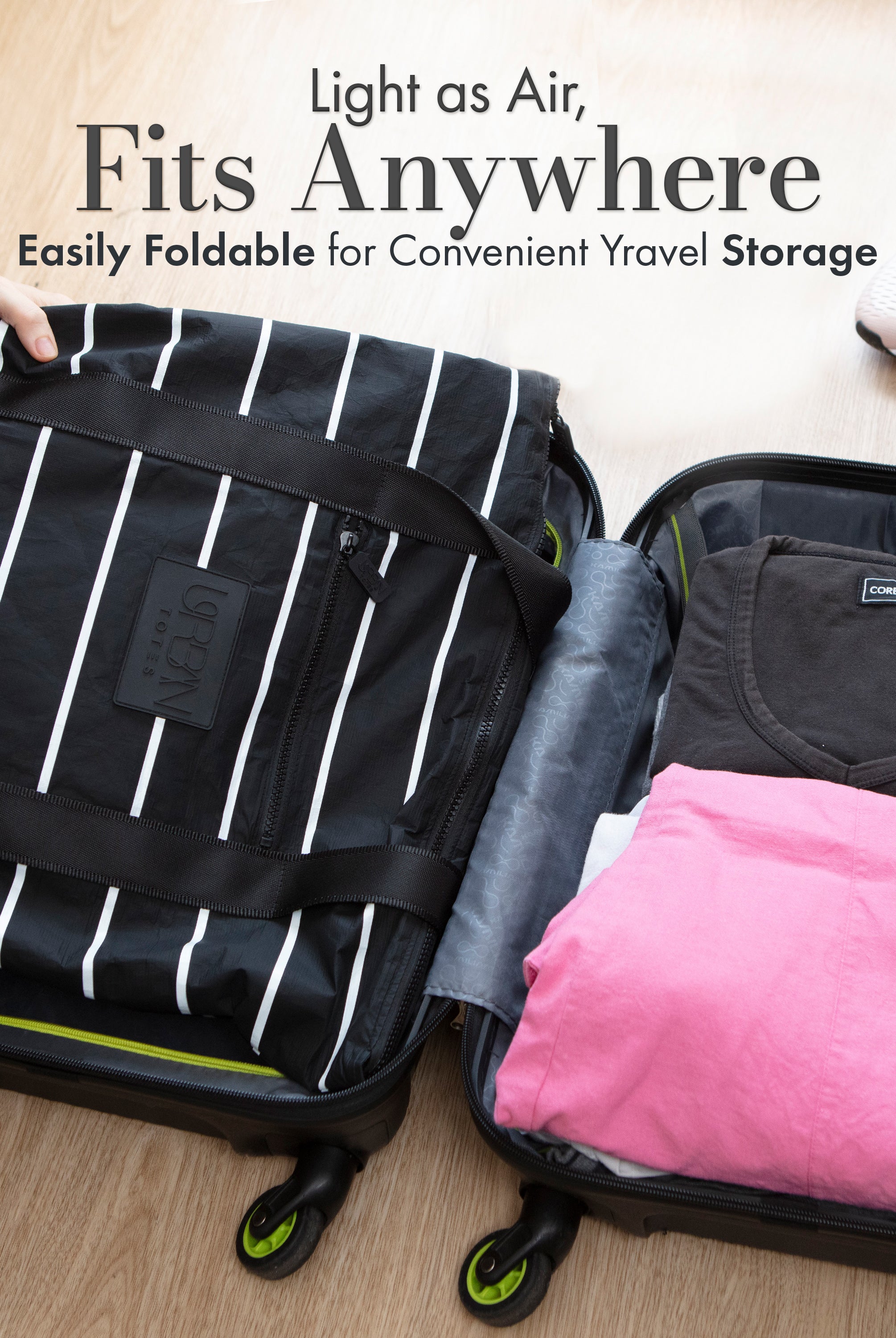
If you're packing a larger bag for a trip and want clothes kept separate from the day bag, breathable mesh bags for packing keep a suitcase sorted without adding weight. For a closer look at pocket layouts that hold this routine together, see our guide to the crossbody bag with pockets.
Pause at the door, check the pockets, zip, go.
Everyday Scenes Where RFID Protection Earns Its Place
The 8:10 train. You're standing, coat open, bag against your hip, and the same strangers stay within arm's reach for twenty minutes. The practical move is simple: payment cards in the shielded slot, transit card in the open pocket you can tap without unzipping anything.
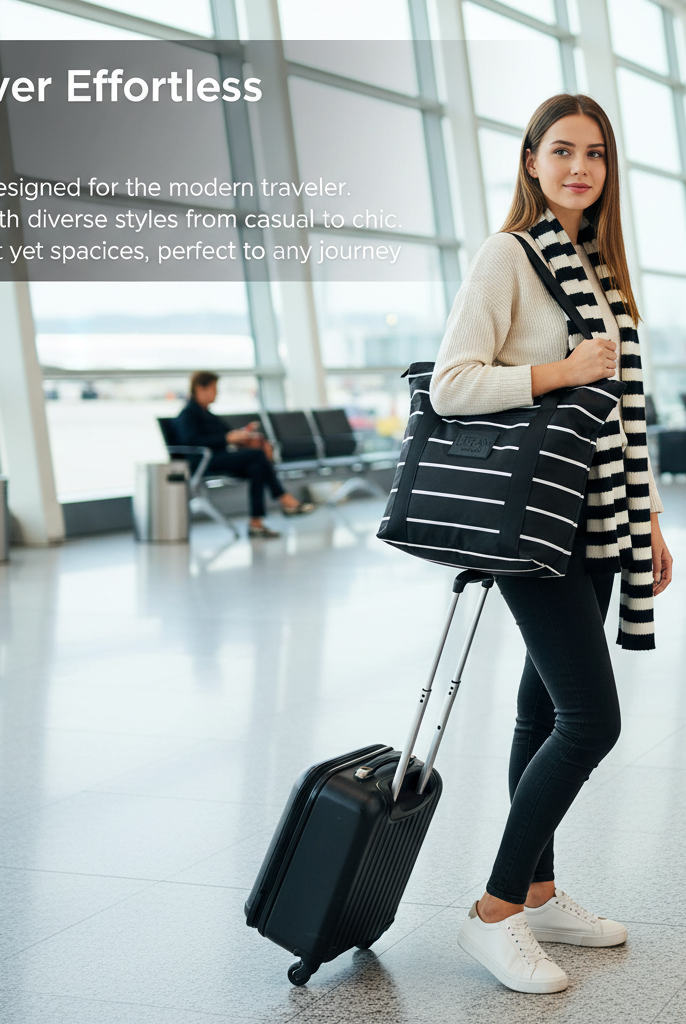
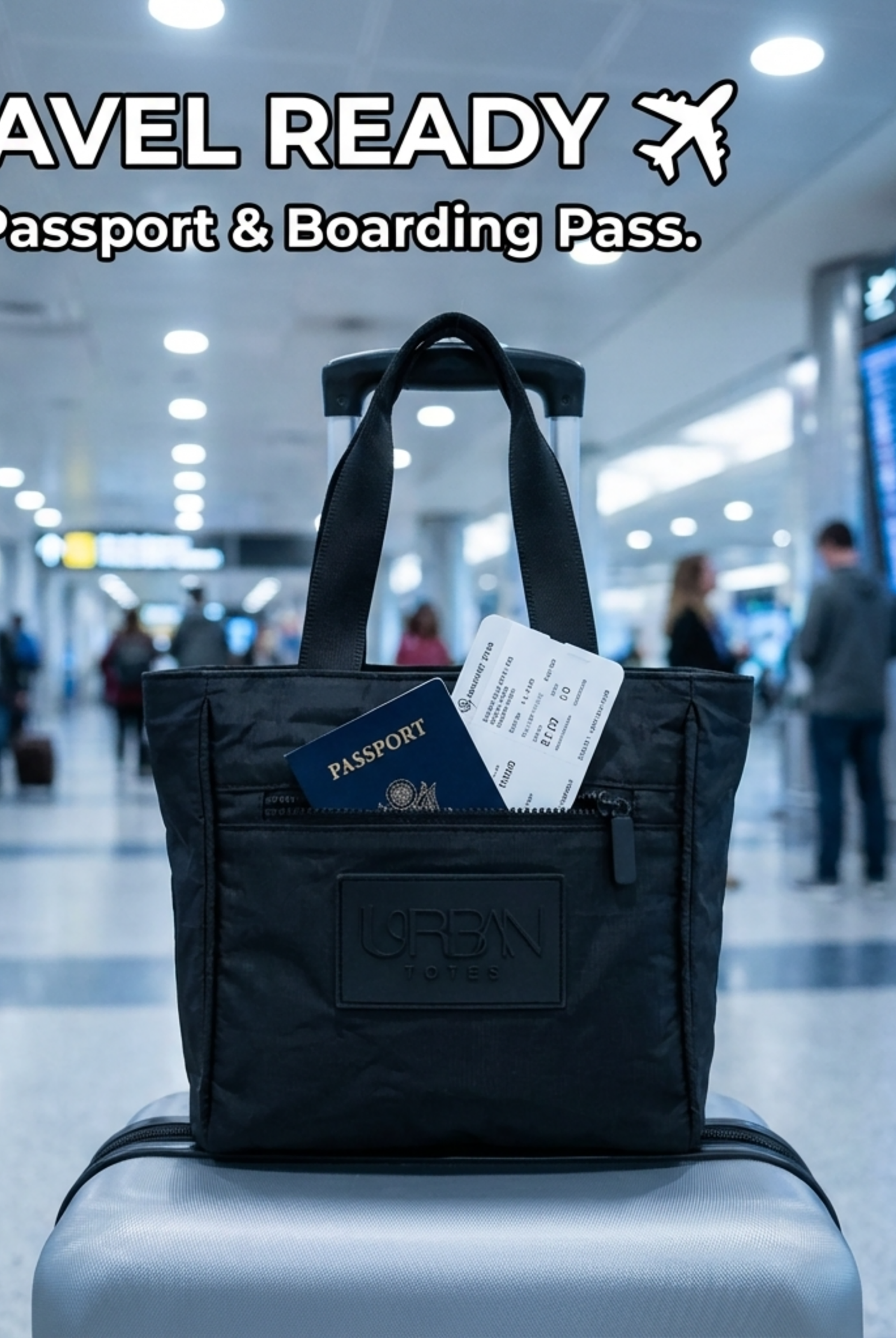
The airport security line. Your passport, boarding pass, and one card pass through four sets of hands before you reach the gate, and you'll open the bag repeatedly. Keep the passport in the shielded slot and take it out only when an officer asks. Separation is the whole point here, not secrecy.
Proximity is what makes placement matter. A source describing RFID credit-card scanning reports that an unauthorized reader generally needs to be within about 5 to 6 inches of the card to activate the chip (Privacy.com). That's a typical range rather than a guarantee, since read distance shifts with the card, the reader, and the material around it.
The festival gate. Hands full, phone out for the ticket, crowd pressing in from behind. The zip top does more work than the shield on a night like this. Take the one card you need for the queue and leave the rest closed.
School drop-off. You need the gate badge at 8:25 and nothing else. Badge in the open pocket, payment cards shielded, and no fumbling at the barrier while a line of cars waits. If you're planning a city break where you'll be on your feet and on the metro all day, Paris packing advice from EC Minibus is worth a read before you decide what goes in the bag at all. Our everyday carry bag essentials list covers the rest of the loadout.
Confirm These Points Before You Buy
By now you know what the shield does, where it can fail, and how to check it yourself. What's left is a short tick list for the product page or the store shelf. If two or three boxes stay empty, keep looking.
- ☐ The shield frequency is listed. 13.56 MHz is the one that matters for payment cards and passports.
- ☐ The shield covers the full card compartment, and the listing says which pocket that is.
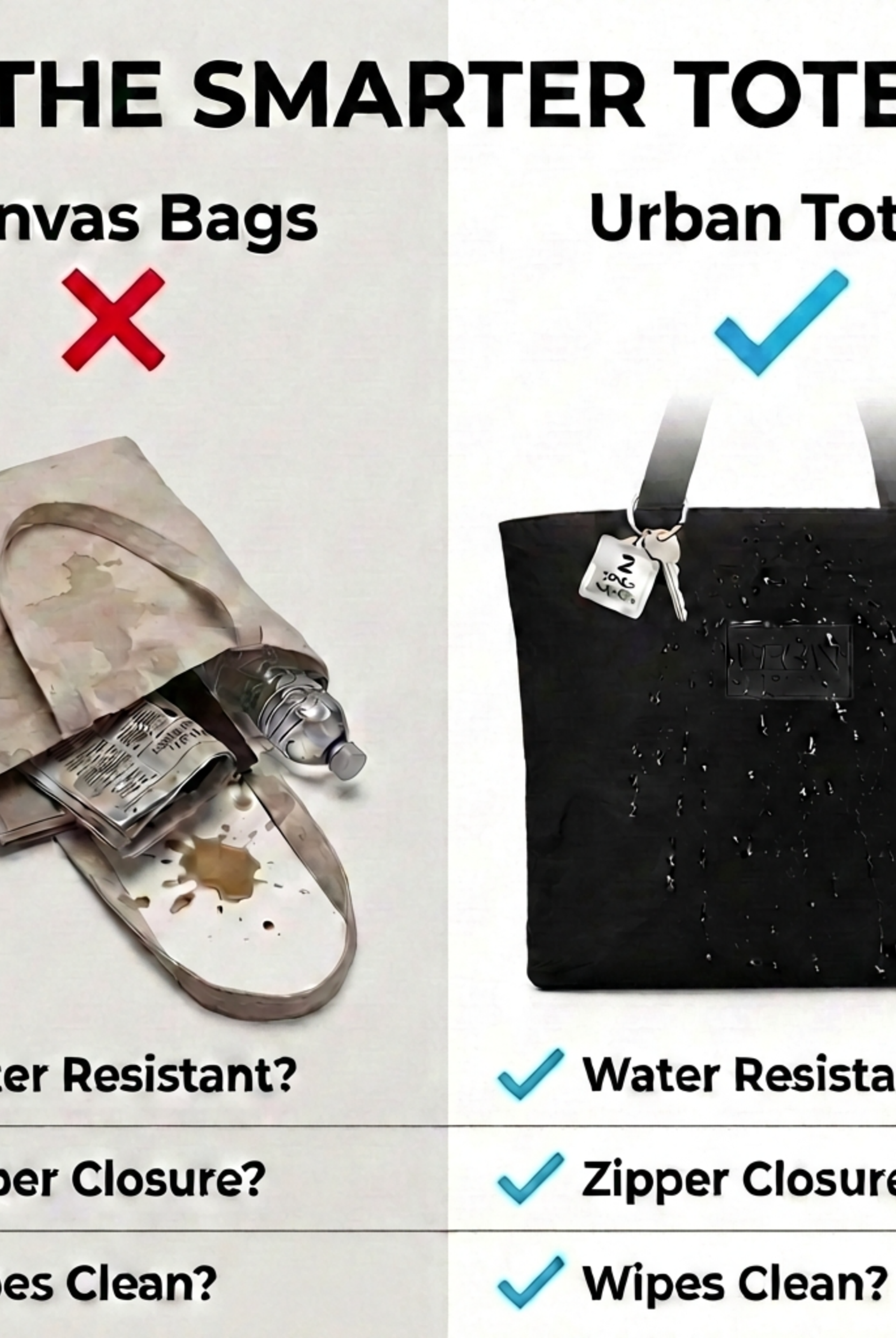
- ☐ The fabric is water-resistant for rain, spills, and beach days.
- ☐ The strap length and width suit how you carry, high on the hip or across the body.
- ☐ The bag wipes clean without special care.
The checks for gaps at the flap and seams, fully closing zippers, and the shielded-versus-open pocket split are covered earlier in this guide, so use the home test and the material and zipper checks as your reference there rather than repeating them at the shelf.
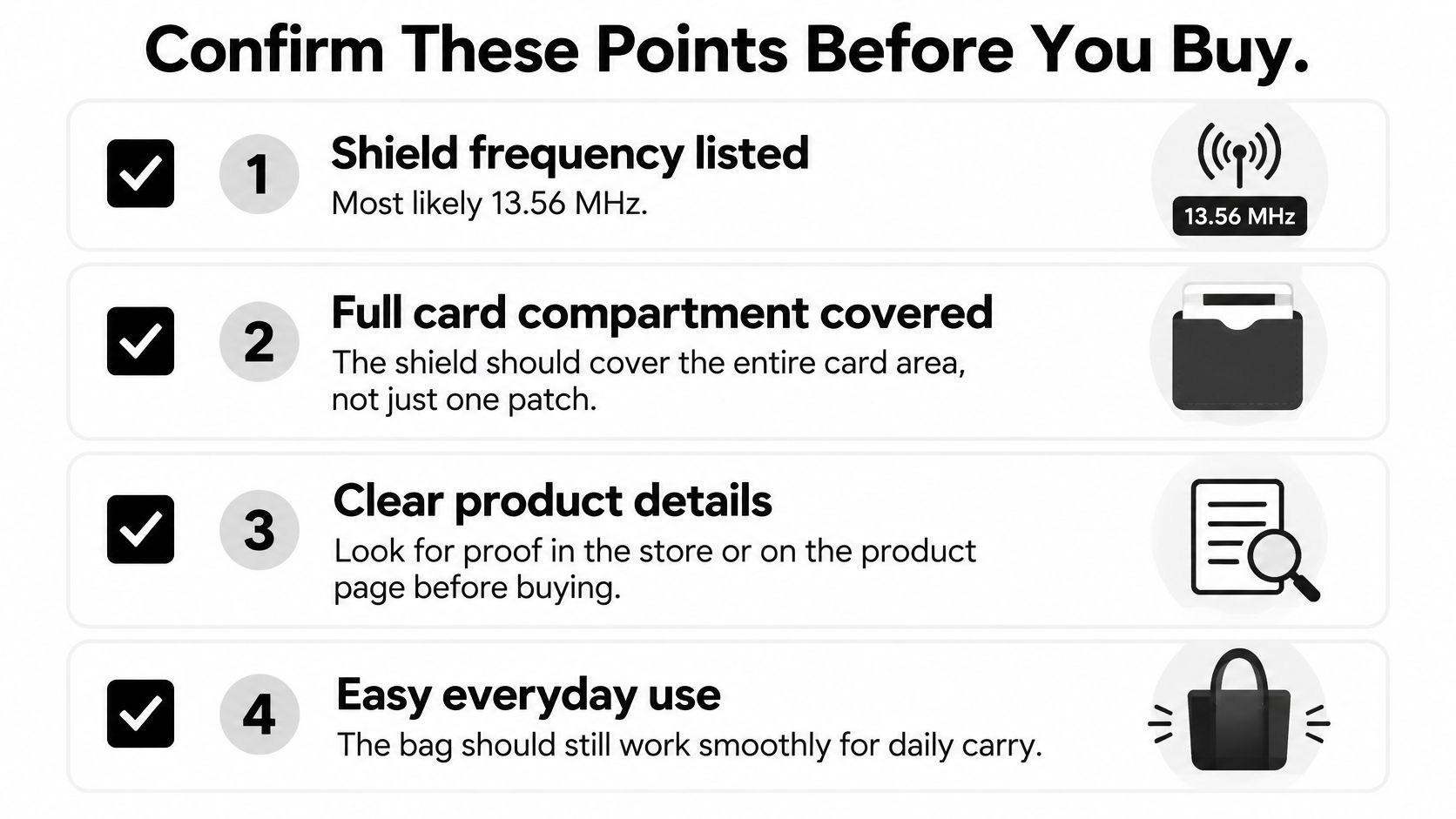
A product page's RFID label isn't proof on its own. Ask the seller what frequency the lining was tested at, whether the pocket was closed during testing, and which compartment holds the shield. If the answers stay vague, run the home test once the bag arrives and decide from what you find card by card.
Urban Totes builds its crossbody styles around zip closures, organized compartments, and water-resistant fabric. The Crossbody Tote Bag Mini Purse adds a removable strap that extends to 53 inches, a machine-washable build, and a large easy-access outside pocket for a phone and keys, so the layout you planned has a real bag to live in: shielded slot for the cards you rarely touch, reachable pocket for the one you tap every morning.
Shopping for the shape first is still the right order. Start with the best everyday crossbody bags for closure and comfort, then confirm the shielding detail on the style you choose.
Urban Totes is a woman-owned small business in Boise, Idaho, designing lightweight, water-resistant crossbody bags and totes with the zip closures and organized pockets that make a crowded train or a school gate easier to handle. Take the card layout you planned here and build the bag around it, with a shielded slot for what you rarely use and a reachable pocket for what you tap every morning. Visit Urban Totes to see the full collection and find the one that fits your everyday.