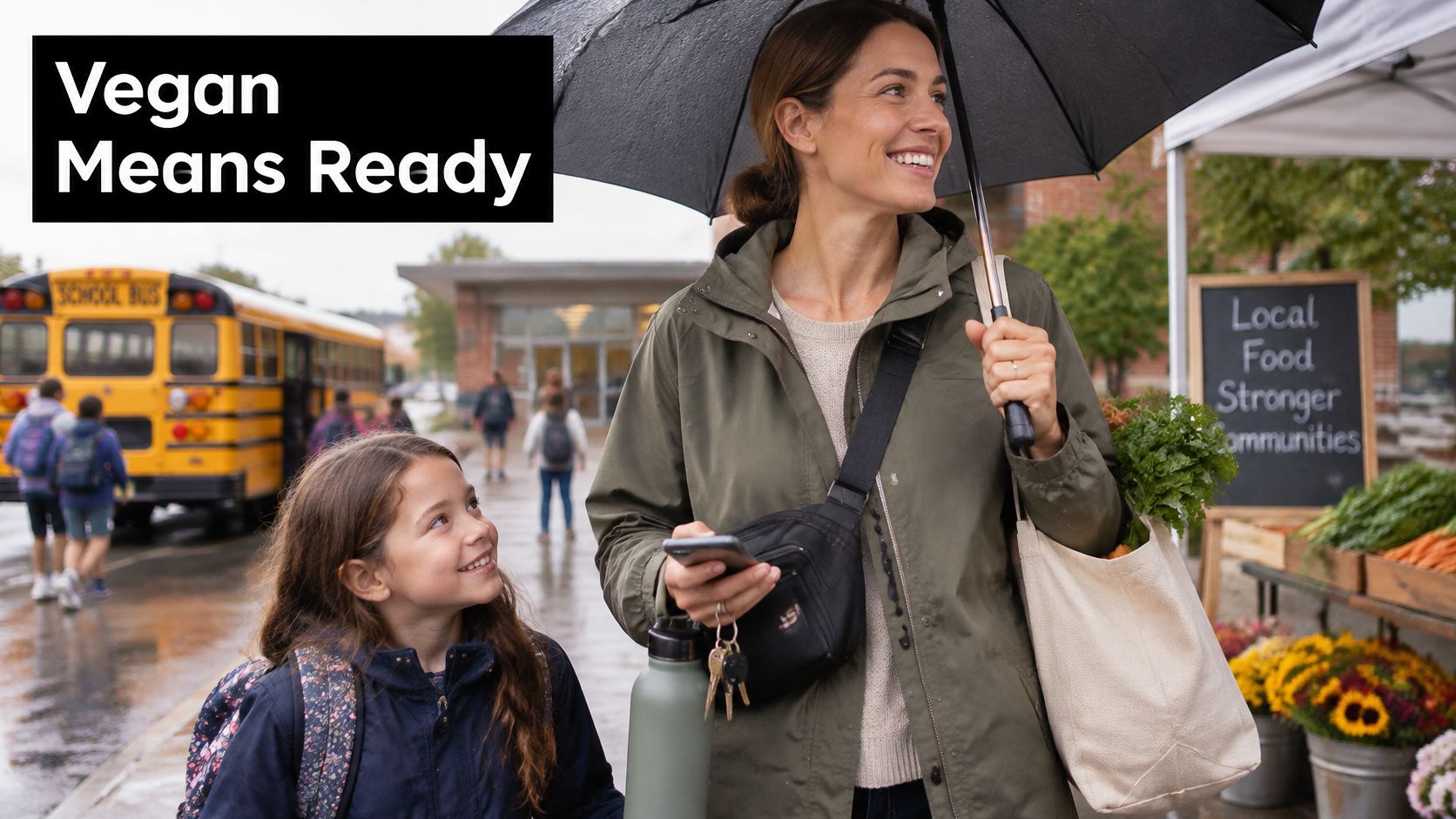
You're heading out for school drop-off with your phone, keys, and coffee, then remembering the farmers market on the way home. By the time a drizzle starts, your bag needs to do more than match your jacket. It needs to stay comfortable, keep your wallet zipped away, and leave your hands free.
Choosing an animal-free bag shouldn't make that morning more complicated. The useful starting point isn't the leather-like look or the green hangtag. It's how the bag is built.
Table of Contents
- What Vegan Means on a Crossbody
- Animal-Free Materials Side by Side
- Labels That Deserve a Second Look
- Where Crossbody Bags Wear Out First
- How to Clean and Store Each Build
- Crossbody Bags for Real Days Out
- Check These Details Before You Buy
What Vegan Means on a Crossbody
Vegan means animal-free. It doesn't name a particular fabric, cleaning method, or level of durability. When you're shopping for vegan crossbody bags, you're choosing against animal-derived materials, but you still need to find out what you're choosing instead.
That distinction matters when a product page shows a smooth, leather-like bag beside a soft woven one. Both may be animal-free, even though they feel different, respond differently to washing, and develop different signs of wear.
Think beyond the main body
A complete animal-free claim should account for the strap, lining, trims, adhesives, and finishes, not just the largest panel. A fabric bag with an animal-leather zipper pull wouldn't meet the same preference as an entirely animal-free build.
You don't need to become a materials specialist to make a good choice. You need a clear description of the components and an honest explanation of which parts the brand's claim covers.
Shopping shortcut: Treat vegan as an ingredient boundary, not a performance rating.
The crossbody shape makes those performance differences especially noticeable. You swing the bag forward to pay, bend the strap when you sit, and brush the front against your coat as you walk. At the café, the base lands beside your chair; in the car, the strap gets tucked under groceries.
A bag can suit your animal-free preference and still be wrong for that routine. Choose the construction that fits how you carry it, rather than assuming every vegan finish behaves alike.
Animal-Free Materials Side by Side
Animal-free crossbody materials at a glance
| Material | What it is made of | How it feels in daily carry | End of life |
|---|---|---|---|
| Polyurethane coated | Textile backing with a PU coating | Flexible leather-like face, lightweight, water-resistant | Mixed layers, rarely recycled as one piece |
| PVC coated | Textile backing with a vinyl coating | Stiffer, strongly water-resistant, hardens in cold | Very difficult to recycle |
| Recycled nylon or polyester weave | Reprocessed synthetic fibers, usually with no leather coating | Light, packable, foldable; an uncoated weave scuffs rather than peels | Possible only if one fiber family and a local program accepts it |
| Cactus or other plant-fiber composite | Agricultural fiber plus a binder and surface finish | Leather-like; evidence on long-term flex and rub is still thin | Binder usually blocks composting |
| Mycelium or other fungi-based sheet | Grown sheet, usually finished with a coating | Novel leather-like look; the finish governs how it wears | Coating sets the disposal route, so the grown sheet alone settles nothing |
Read the End of life column before you fall for a finish. A material that starts as agricultural leftovers becomes hard to separate once a manufacturer bonds it to plastic and cloth.
A smooth face can hide several layers
Coated vegan leather works like a fabric wearing a separate surface. The woven backing carries the strength; the coating supplies the leather-like look and much of the water resistance. Bond those two layers and you have a sheet you cannot peel apart into useful recycling streams at home.
PU feels flexible and supple in the hand. PVC, the vinyl alternative, feels firmer and more boardlike, and it stiffens further in cold weather. Neither name tells you whether the strap anchors are sewn through reinforcement or whether the zipper will still glide when the bag is full.
Two bags can both say "PU coated" and behave nothing alike. A tight backing under a thin coating drapes softly; a loose backing under a thick coating holds its shape and shrugs off rain longer, then peels in bigger flakes once the surface cracks. Listings rarely say which one you are getting, so look for a close-up photo of a fold, where coating and backing part most visibly.
Recycled nylon or polyester takes a different route: it never tries to imitate leather. An uncoated weave has no separate face to peel, though some woven bags still carry backing treatments, protective finishes, or mixed-fiber linings that complicate both care and recycling.
For a practical walk-through of fabric structure, More Sewing's guide to durable fabrics for everyday totes connects material choice to the job a bag has to do.
Plant content isn't the whole recipe
Cactus, apple, and other agricultural fibers form part of a composite, while mycelium sheets come from fungal growth. In both cases the binder and the final finish do more to decide durability than the plant name on the tag. A plant-derived ingredient is one input among several, and the binder determines whether the finished bag could ever break down.
Environmental comparisons need a defined scope before the numbers mean much. A life-cycle comparison recorded in the USDA NIFA project record puts finished bovine leather in the European Union at approximately 8 kilograms of carbon-dioxide equivalent per square meter, while PU- and PVC-based alternatives land around 15 to 20 kilograms per square meter. Those figures stop at the raw material. A finished crossbody adds lining, webbing, hardware, and shipping on top.
Shift the boundary of a comparison and the ranking shifts with it. Production methods, fiber blends, years of useful life, and disposal all feed the final result, so one study should not make the decision for you.
If a smooth finish is what you want, our vegan leather tote bag guide walks through how to judge that style. Pick the construction that suits your routine, and let the surface come second.
Labels That Deserve a Second Look
On a typical crossbody product page, the label line might read “recycled polyester” while a separate badge says “vegan.” Those are two different promises. One describes source material; the other describes what was left out of the animal-derived ingredients. A useful label lets you see composition, animal-free status, and recycled content as separate facts, then check how they fit together.
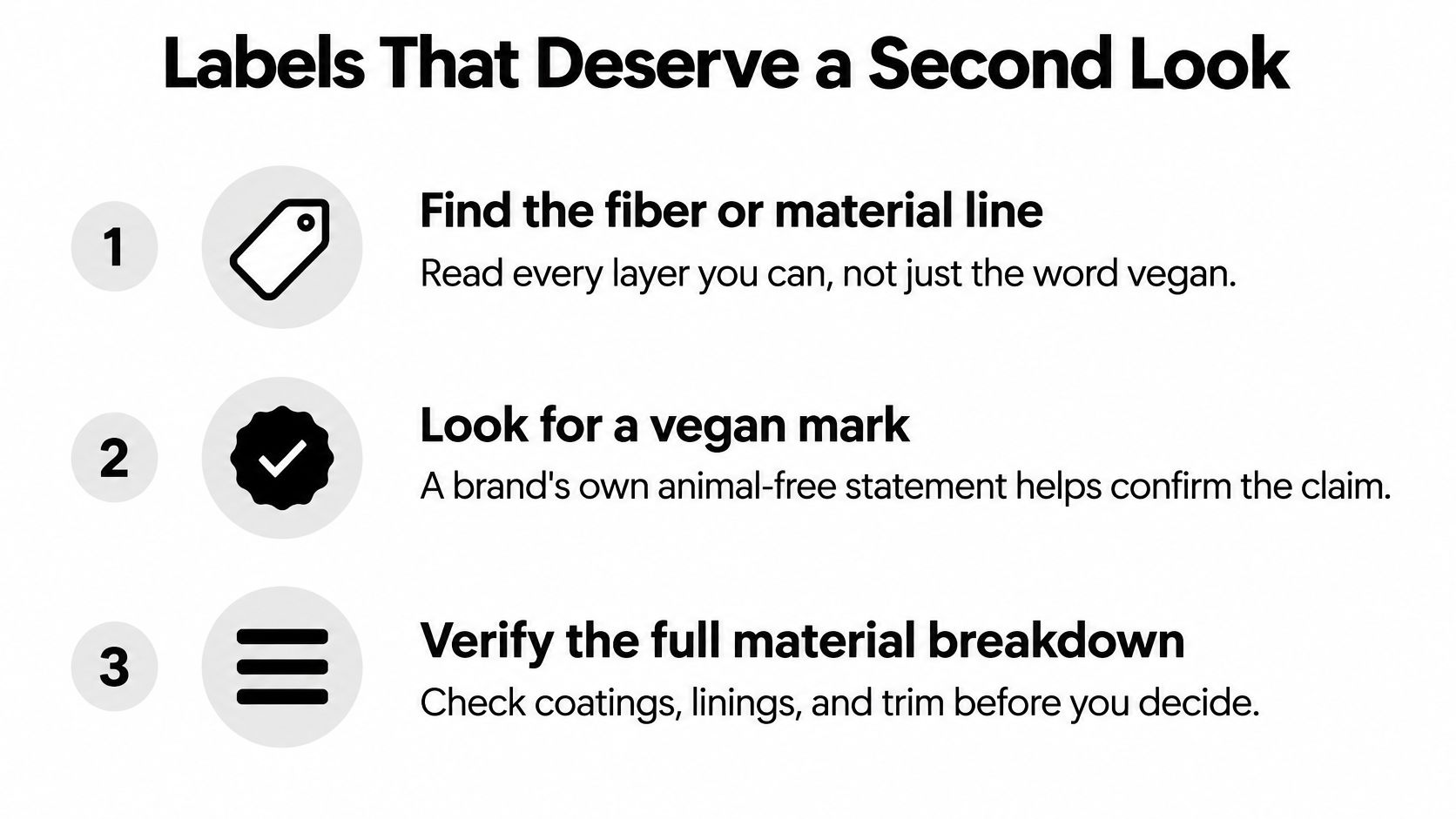
Read what each claim covers
What common bag labels do and do not prove
| Label or claim | What it checks | What it does not prove |
|---|---|---|
| Vegan or animal-free statement | No animal ingredients in the components the brand includes | Recycled content, chemistry, or years of wear |
| Fiber composition line | Fiber names and percentages on the stated textile | The chemistry of a coating or glue |
| Recycled-content claim | A stated percent and, when documented, the feedstock | That the coating, strap, and hardware are recycled too |
| EU Ecolabel recycled-fiber criterion | Under the relevant whole-product criterion, the EU Ecolabel framework requires at least 70% recycled fibers by weight of all fibers, with traceable feedstock | That every vegan bag meets it |
| Global Recycled Standard | Chain of custody for certified recycled input | That the bag is animal-free by itself |
A brand's own animal-free statement can be useful, but its scope should be explicit. It isn't a laboratory test of factory chemistry, and it doesn't tell you how long the strap will last. Vegan answers only the animal-free question. The build answers the wear question.
For recycled claims, look for a named feedstock, such as post-consumer polyester, and check it against any recycled symbol. Traceability should connect the claim to reprocessed material through independent chain-of-custody certification or supplier and reprocessor documentation.
Look for the gaps between claims
A recycled shell can still carry a virgin polyurethane face. Likewise, a certified fabric doesn't automatically establish the composition of the thread, edge paint, or glue used to assemble the bag.
Our guide to recycled-material bags helps you separate the fiber claim from the finished construction. That distinction matters when a product description uses recycled as though it describes every component.
If the page gives you vegan without a material name, or recycled without a percentage, treat that omission as an unanswered question. Don't fill it in with the most favorable interpretation.
Keep these questions beside the product tab:
- Face: What is the outer surface made from?
- Backing: What supports that surface, and what is the lining?
- Recycled content: What percentage is recycled, and which component does it describe?
- Verification: Who checked the claim, and what exactly did they verify?
Where Crossbody Bags Wear Out First
Start with the places that move, rub, and catch, rather than the largest abrasion number on a hangtag. A crossbody experiences different stresses across its body, so a strong front panel can't compensate for a poorly attached strap.
Follow the friction
- Strap folds: The section passing through a buckle or ring bends repeatedly. Look for cracking, whitening, or separation where a coated strap doubles back.
- Front panel: Coats, seatbelts, and clothing rub this surface as you walk. Raised textures and projecting trims can receive concentrated wear.
- Base corners: These meet car seats, café floors, and pavement. Inspect whether the corners have exposed raw edges or a finish that already looks thin.
- Zipper opening: A packed bag pulls the opening out of alignment. The slider and pull can rub nearby fabric, especially where the zipper curves.
For a commuter, the strap connection deserves close attention because the loaded bag hangs from it throughout the journey. For a beach-day mom, corners and zipper ends may get more contact with sand. A gym-to-office bag needs enough room that shoes or a bulky pouch don't force the opening apart.
Look for neat stitching and secure reinforcement at strap anchors, such as bartacking where appropriate. Bound or cleanly finished edges help protect vulnerable seams, while structured piping can help a soft body retain its intended shape.
Ask what the abrasion test measured
A high cycle count can describe the wrong layer. In the guidance summarized by ISO's textile-abrasion standard, ISO 12947-2 excludes coated or laminated fabrics, directing coated surfaces toward the ISO 5470 series, while ASTM's Martindale guidance cautions that abrasion cycles alone may not predict service life when results are close.
That distinction matters if a seller tested the woven backing but presents the result beside a leather-like exterior. The cloth underneath might resist abrasion even when the surface finish scuffs or cracks.
An abrasion result describes a test under stated conditions. It isn't a promise of years in your wardrobe.
A useful specification identifies the exact layer, test standard, applied load, cycle count, and endpoint. The endpoint matters because a change in appearance isn't the same event as a hole forming.
Seam abrasion, zipper contact, edge wear, and strap folding still need separate consideration. Our durable tote bags for work guide applies that same construction-first thinking to heavier daily loads.
Before buying in person, move the zipper around its full path and examine the strap junctions without pulling aggressively. Online, zoom into those areas rather than relying only on the styled front view.
How to Clean and Store Each Build
Clean according to the surface you're touching, not the ingredient featured in the marketing. A cactus composite with a coated face generally needs a gentler approach than a washable woven bag.
The peer-reviewed review published by Springer describes commercial vegan leather as commonly combining a strength-giving textile backing with a PU or PVC surface, and identifies gaps in long-term ageing and real-use evidence for plant-fiber alternatives. Gentle care protects both the visible finish and the structure beneath it.
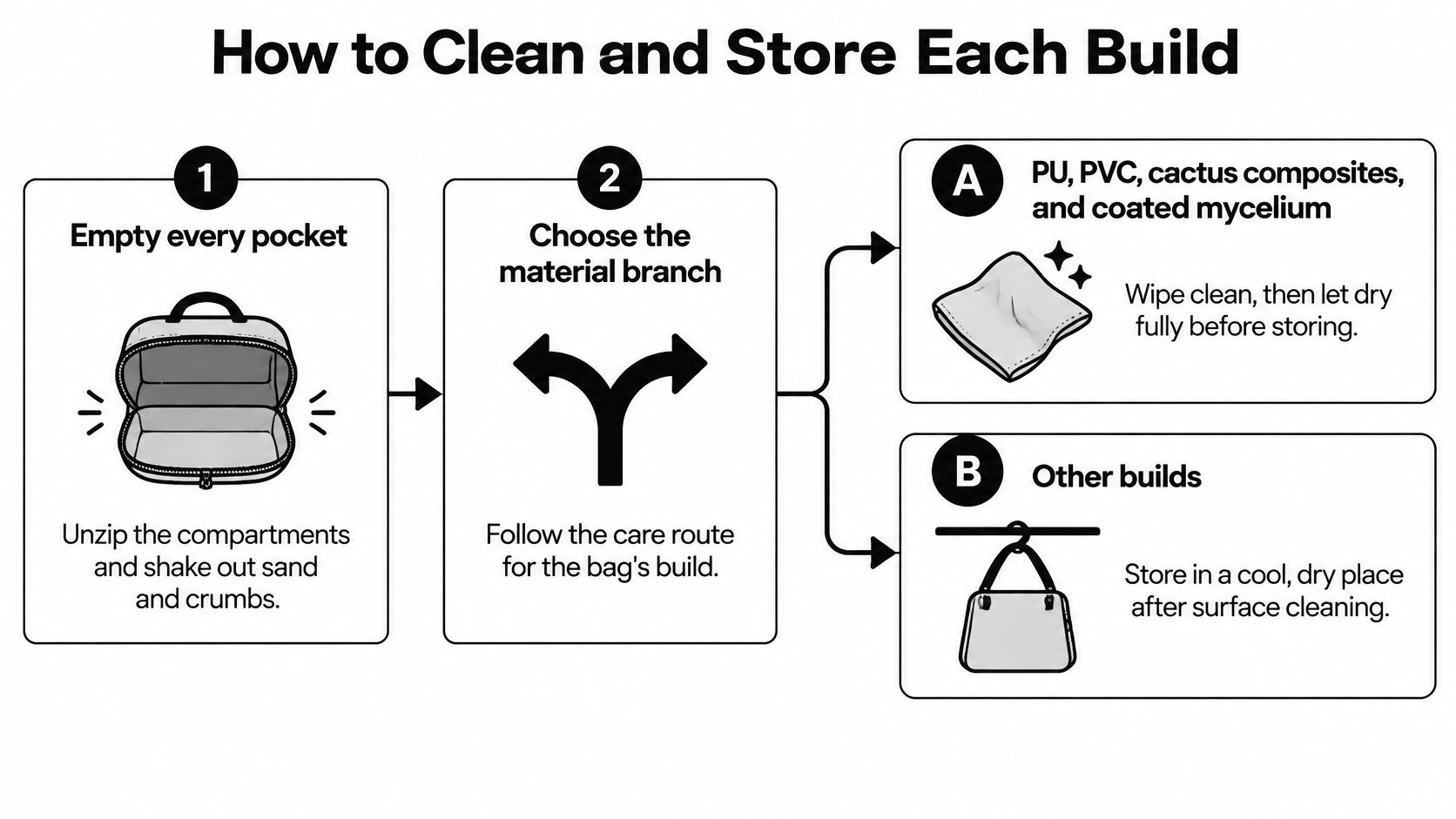
Use a shared routine with a material branch
- Empty everything. Open every compartment and shake out crumbs and sand. Use a soft brush around zipper teeth rather than dragging trapped grit through the track.
- For coated faces, wipe gently. On PU, PVC, cactus composites, and coated mycelium, test a hidden spot with a barely damp cloth and a little mild soap. Wipe again with a clean, water-dampened cloth to remove residue.
- Leave harsh treatments out. Avoid hot water, alcohol, bleach, abrasive sponges, and animal-leather conditioner. They can damage or alter a finish rather than nourish it.
- For woven nylon or polyester, spot-clean first. Machine-wash only when the bag's care directions permit it. If permitted, use a gentle cold cycle inside a pillowcase, with removable straps detached.
- Air-dry completely. Leave compartments open in a shaded, ventilated spot, away from heaters. Feel inside the lining and pocket corners before repacking.
- Store without a sharp fold. Rest the strap in a soft curve and keep coated surfaces from pressing against rough fabric. Don't compress a coated bag into a permanent crease.
Our bag maintenance tips can help you make cleaning part of unpacking rather than a separate weekend project.
Handle salt, rain, and sunscreen promptly
After a beach outing, remove sand before wiping away salt with fresh water the same day. Fresh sunscreen and makeup marks are usually easier to lift than stains left to settle, so blot rather than scrub.
A water-resistant face doesn't mean the lining will stay dry through a soaking. If moisture reaches the interior, unpack the bag and let it dry before the next outing.
Repair reality: Washing won't heal a cracking coating, and a stiff glue-on patch may not bend with a strap.
For structural damage, a repair professional can assess whether stitching or replacing a component is practical. Stop cleaning once the dirt is gone; repeated scrubbing can create more wear than the original mark.
Crossbody Bags for Real Days Out
At drop-off, the best pocket is the one you can reach while holding a child's hand. By the farmers market, that same pocket should let you find your phone without tipping your wallet and lip balm into the produce.
From the curb to the commute
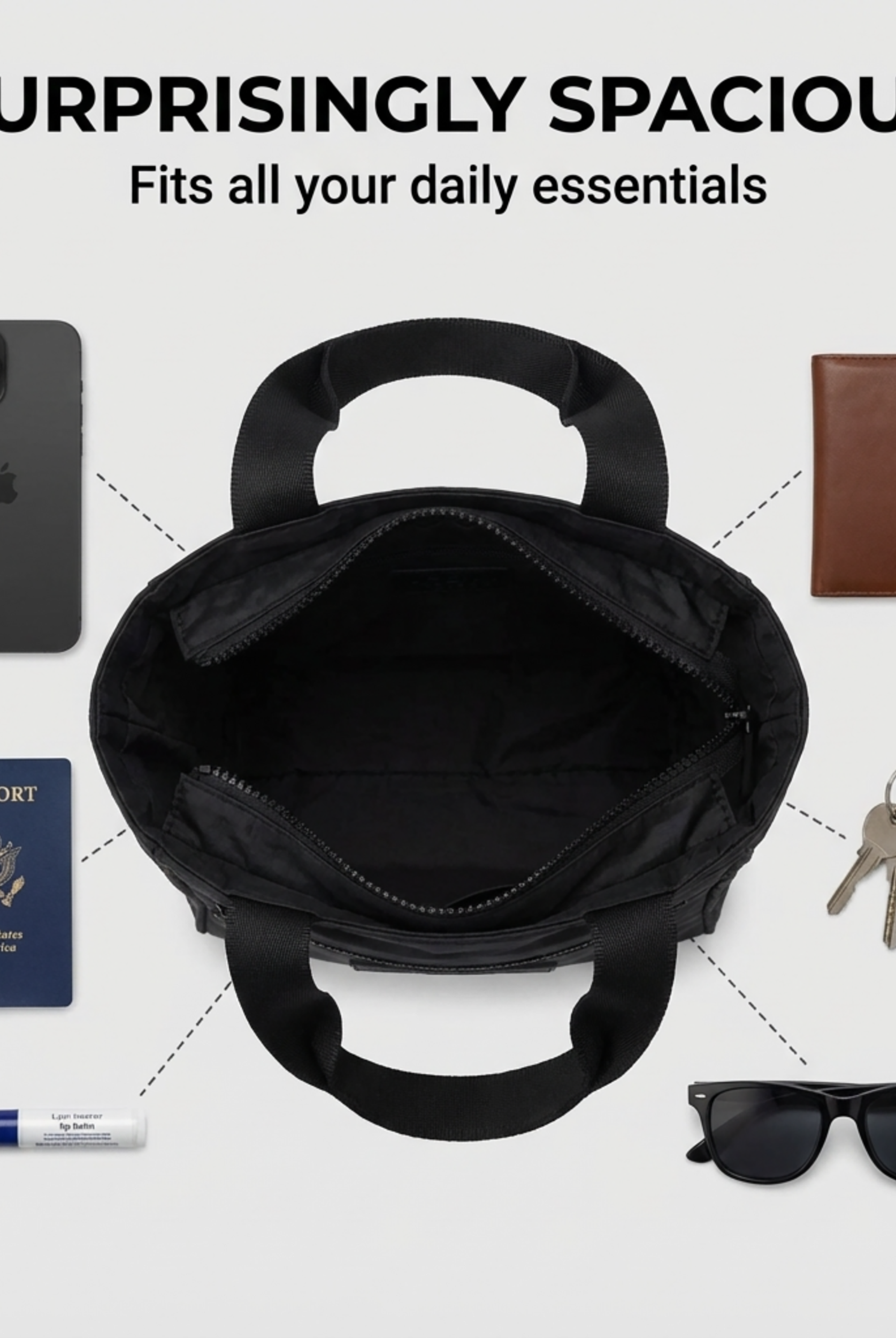
For errands, pack the essentials you'll reach for: phone, keys, card sleeve, sunglasses, and a small personal-care pouch. A compact bag feels more useful when each item has a home than when its main compartment is packed to the zipper.
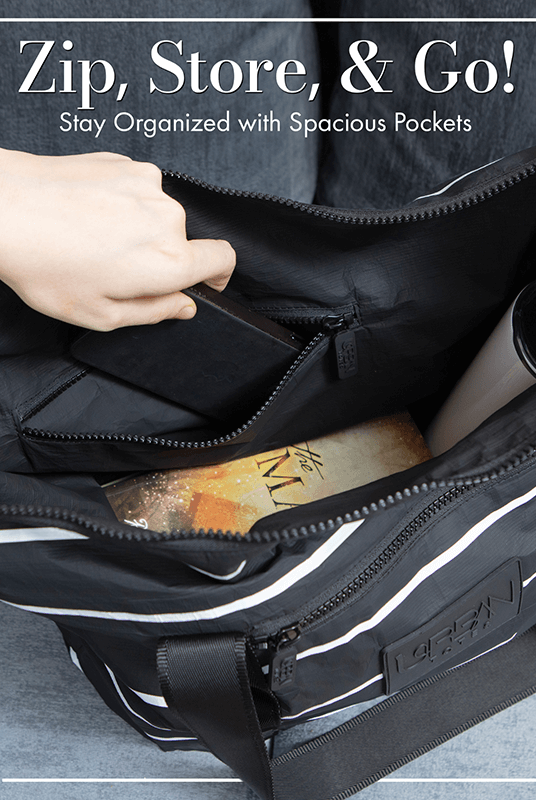
An outside phone pocket saves rummaging at the curb. Keep cards and cash in a zipped interior pocket, and test the fit with your actual phone case rather than assuming a bare-phone photograph tells the whole story.
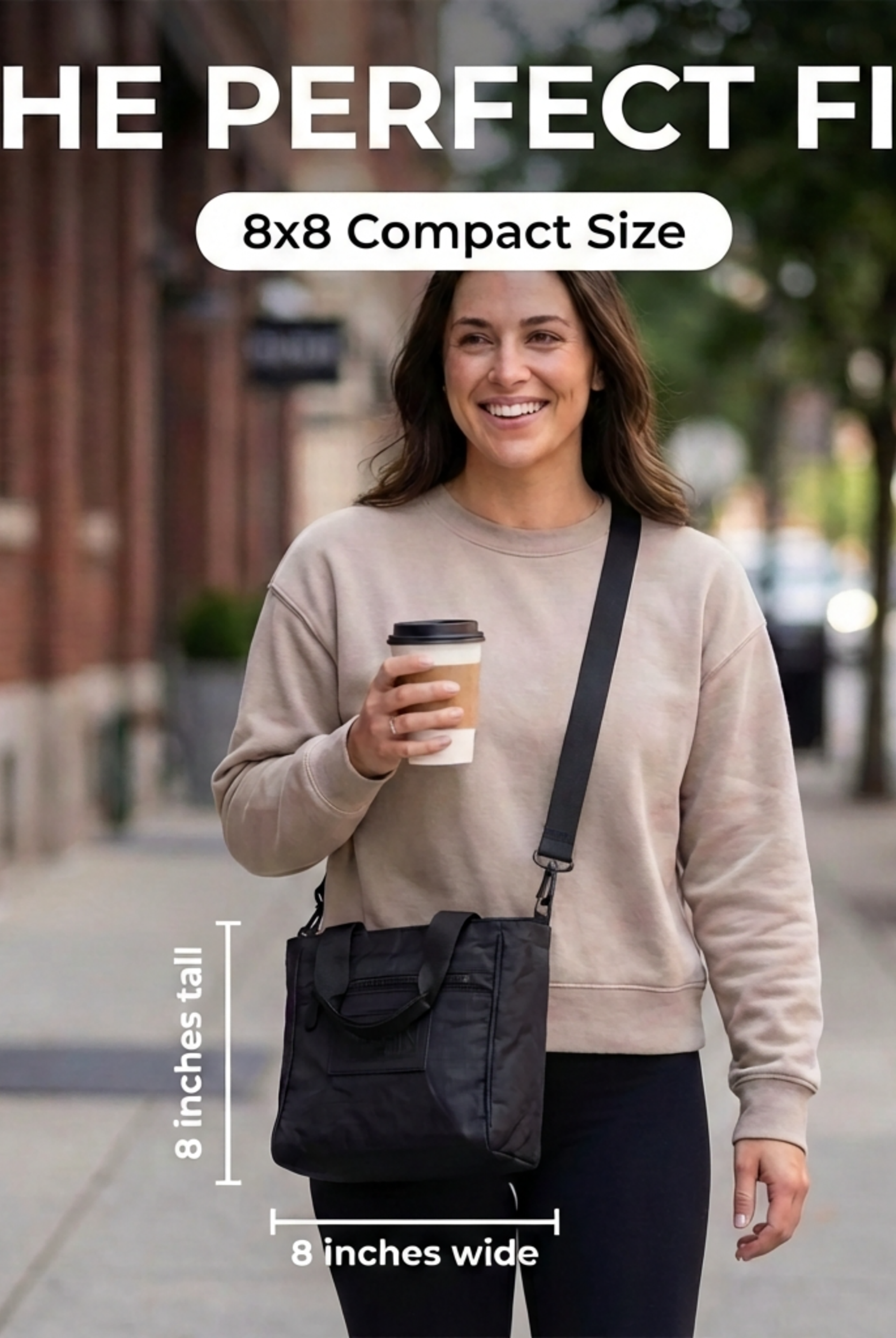
On a crowded commute, the zipper closure should close without catching your scarf or forcing you to rearrange everything. Adjust the strap so the bag rests where you can comfortably steady it, rather than swinging against your knee.
A winter coat changes that fit. Try the bag over your bulkiest layer, and check whether the strap's adjustment hardware lands somewhere comfortable instead of pressing into your shoulder.
Through the terminal and onto the sand
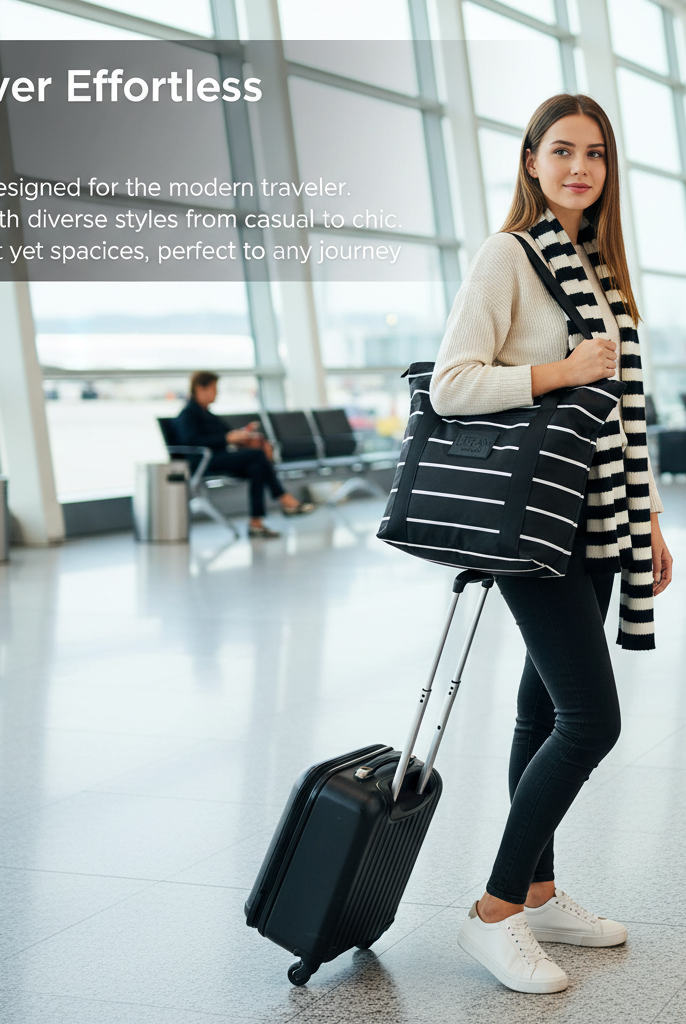
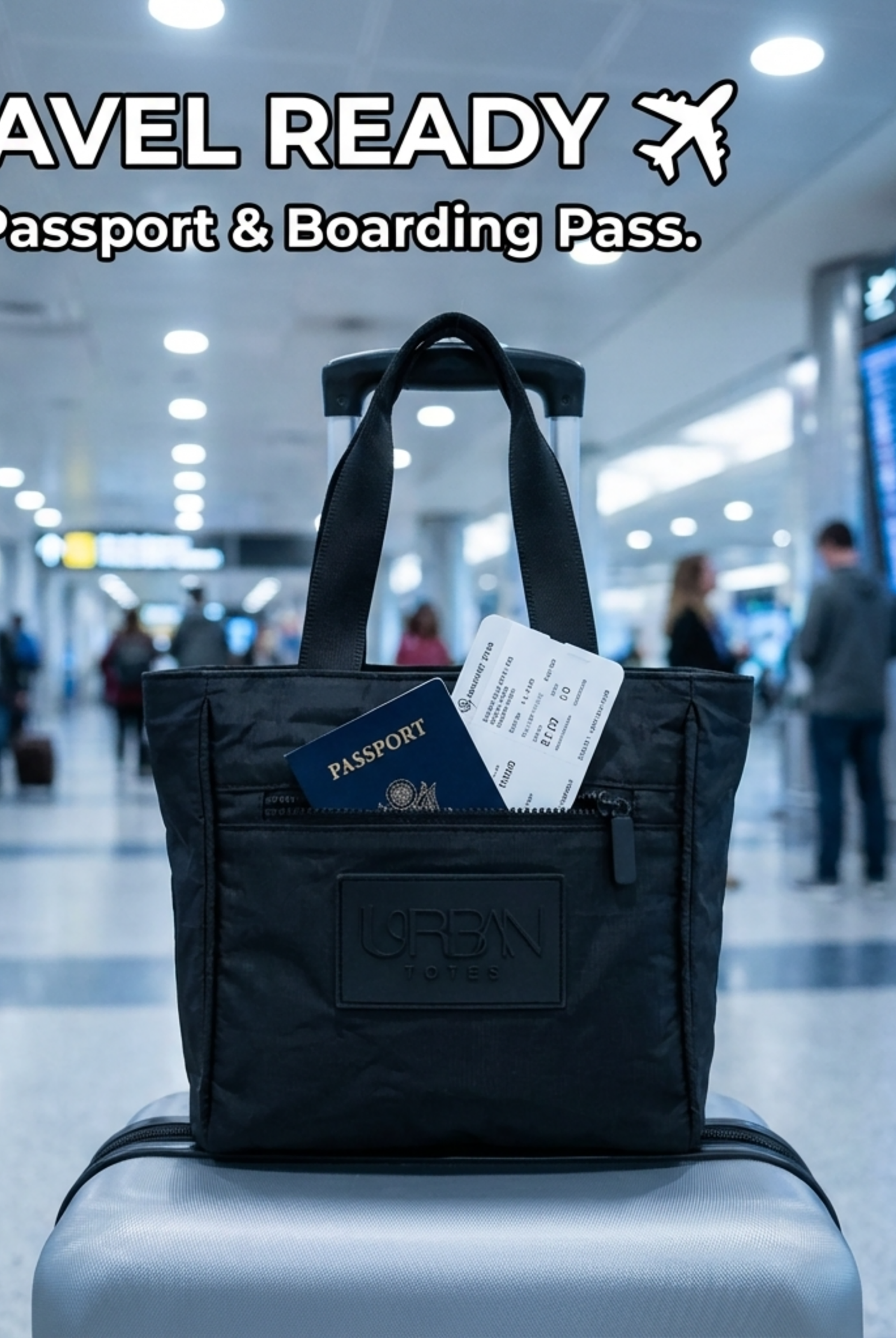
At the airport, give the crossbody a narrow job: passport, phone, wallet, medication, and the essentials you need during a queue. Let a packable tote hold the sweater, snacks, and other overflow instead of stretching a mini until its zipper gaps.
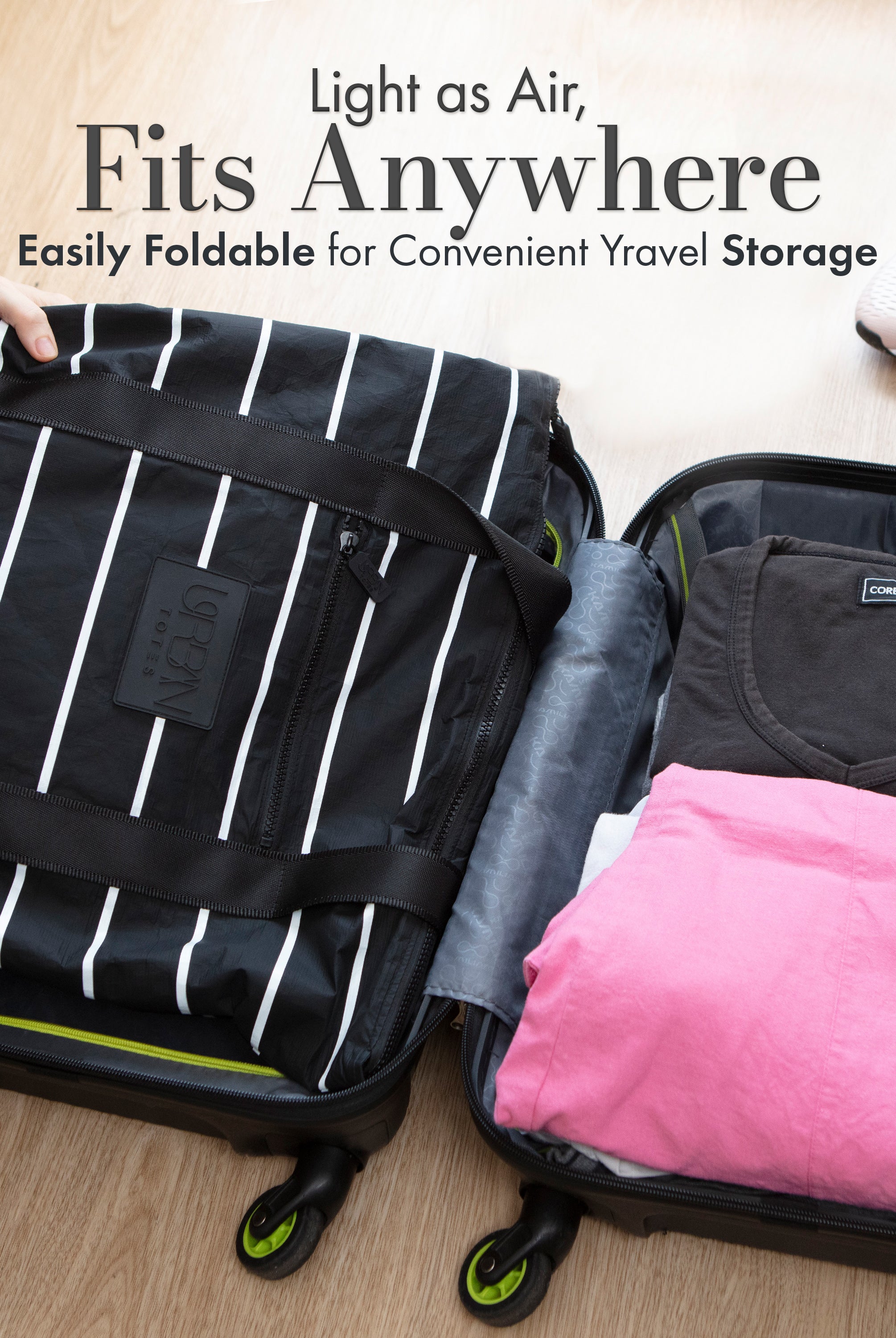
A foldable companion bag is useful when your morning carry becomes an afternoon shopping haul. That arrangement keeps the crossbody manageable while giving you somewhere sensible to put the extras.
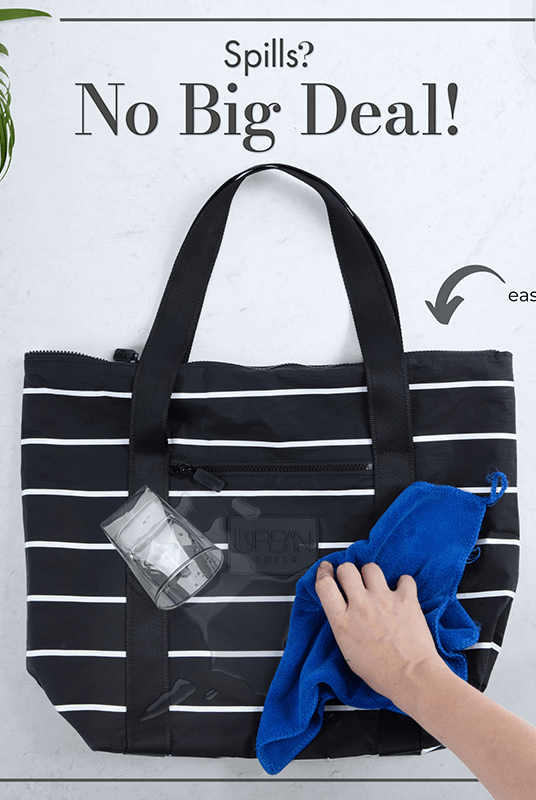
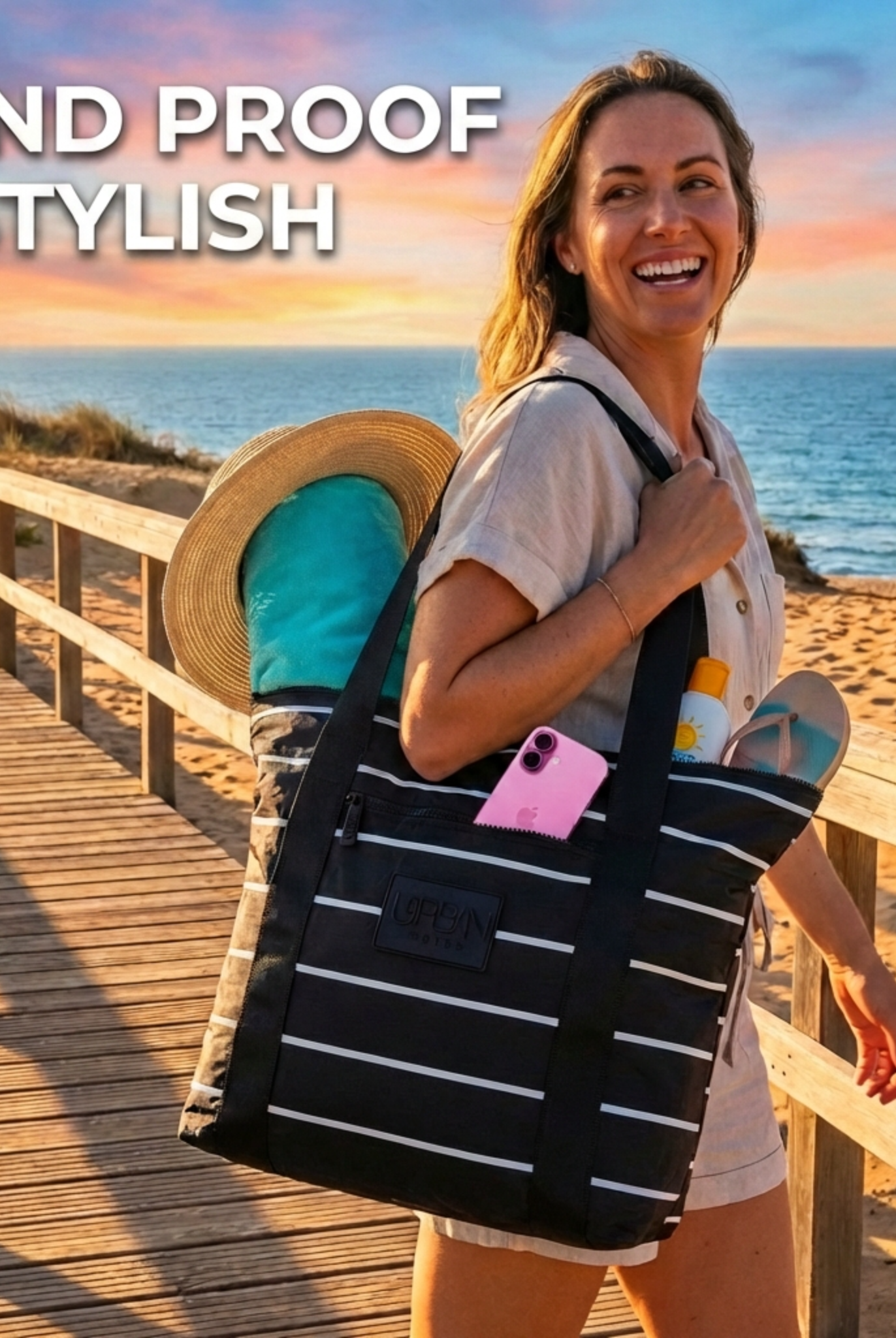
At the beach, an easy-to-wipe or shake-out weave is practical for sandy hands and damp surroundings. Keep sunscreen capped inside a pouch, not loose in an open slip pocket where it can leak across the lining.
- For a linen dress: A simple black or neutral body keeps the outfit relaxed without adding visual clutter.
- For travel layers: Choose a strap that adjusts easily over a jacket and doesn't twist at the attachment.
- For a fuller day: Use a tote when you need separate spaces for bulky belongings. The crossbody can remain your essentials bag.
Our everyday crossbody bag guide offers more ways to match pocket placement and shape to your routine.
Finish with a movement test, not just a mirror check. Walk, reach for your phone, and sit down while wearing the bag across your body. You should be able to do those ordinary things without the bag sliding behind you or requiring constant adjustment.
Check These Details Before You Buy
Read the product page in the order you will use the bag. How it hangs, how it opens, where essentials go, and how you will clean it. A beautiful front photograph cannot answer those practical questions.
Start with construction, because vegan only tells you what is absent. An animal-free label covers both a single woven fabric and a coating bonded to a textile backing. The single fabric is usually simpler to wipe clean, wash, and recycle at end of life, while a bonded coating adds layers that can peel, crack, and trap moisture. The material breakdown tells you which build you are getting.
Strap attachment: Look for clear photographs of the anchor points and enough adjustment for your usual layers.
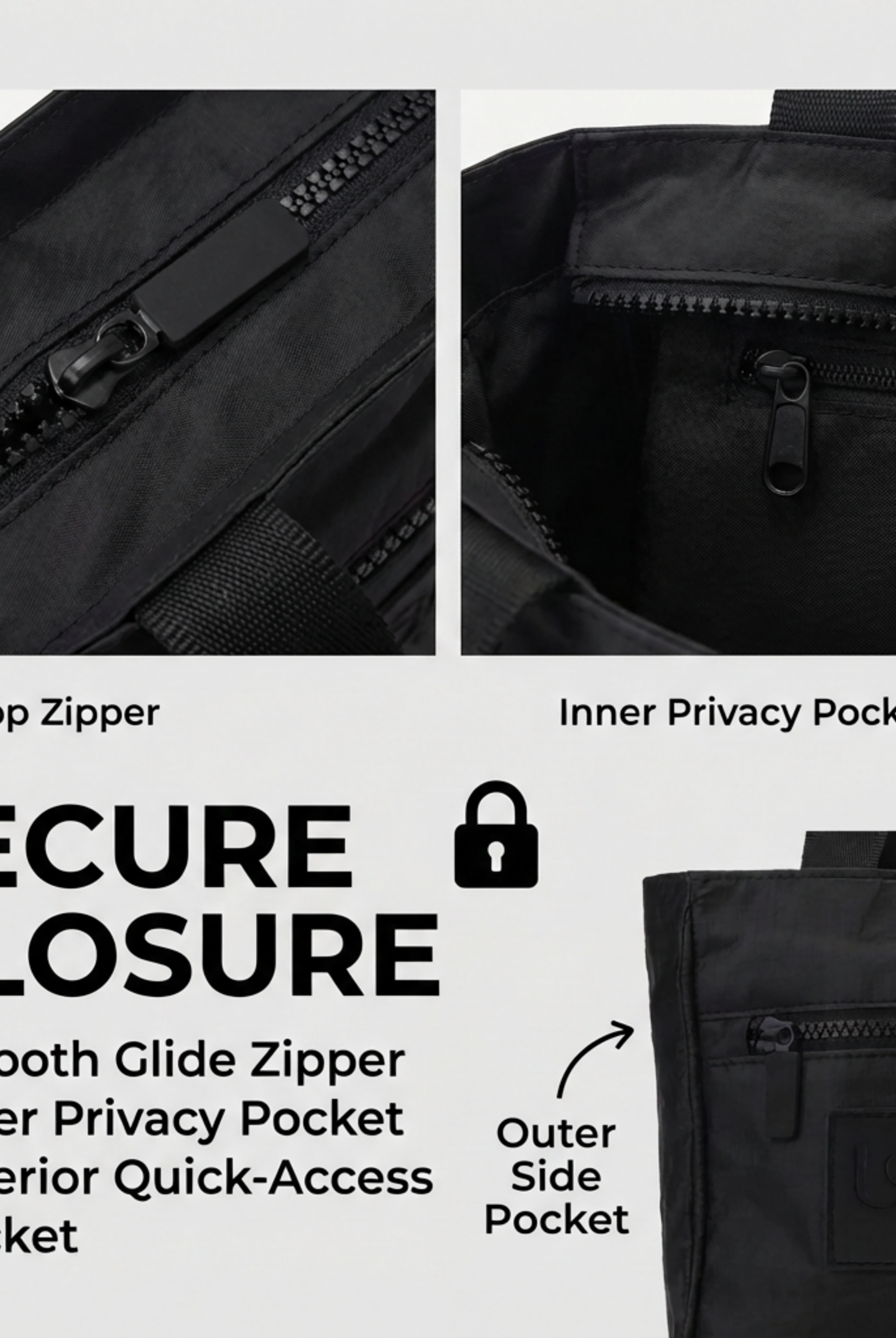
Closure: Check that the main opening has the zipper closure you want, rather than assuming an outside zipped pocket means a zipped top.
Pocket layout: Identify a quick-access spot for phone and keys, plus an interior pocket for cards.
Care: Choose a routine you will realistically follow, whether that is wipe-clean care or permitted machine washing.
Capacity: Compare the dimensions with your own belongings. A mini that will not accommodate a laptop can still be exactly right for lightweight everyday carry.
Material disclosure matters as much as those convenience details. CBI's European textile market guidance on composition disclosure and environmental claims describes composition disclosure under Regulation (EU) 1007/2011 and the need to substantiate environmental claims, making specific material information more useful than broad green language.
A compact option from Boise
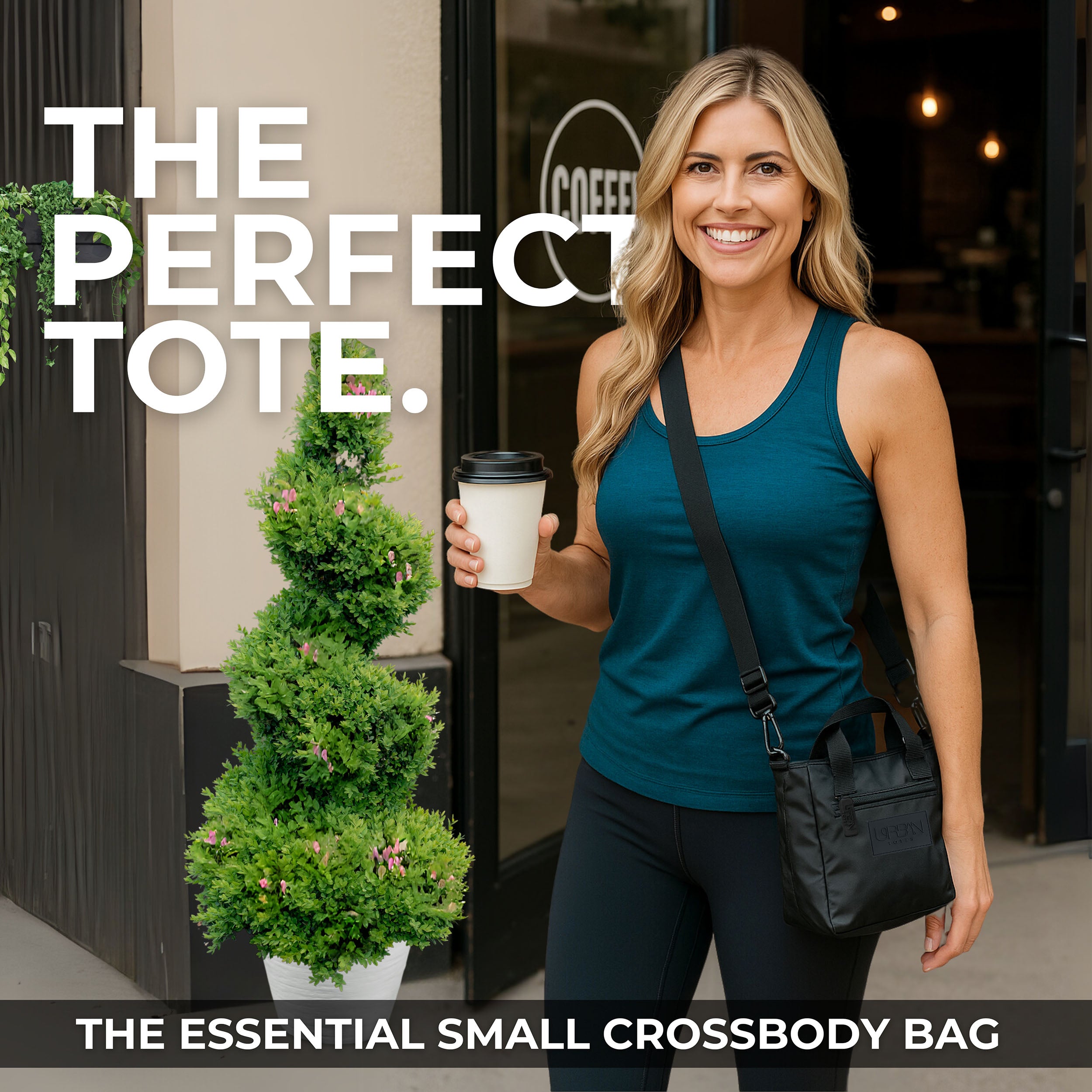
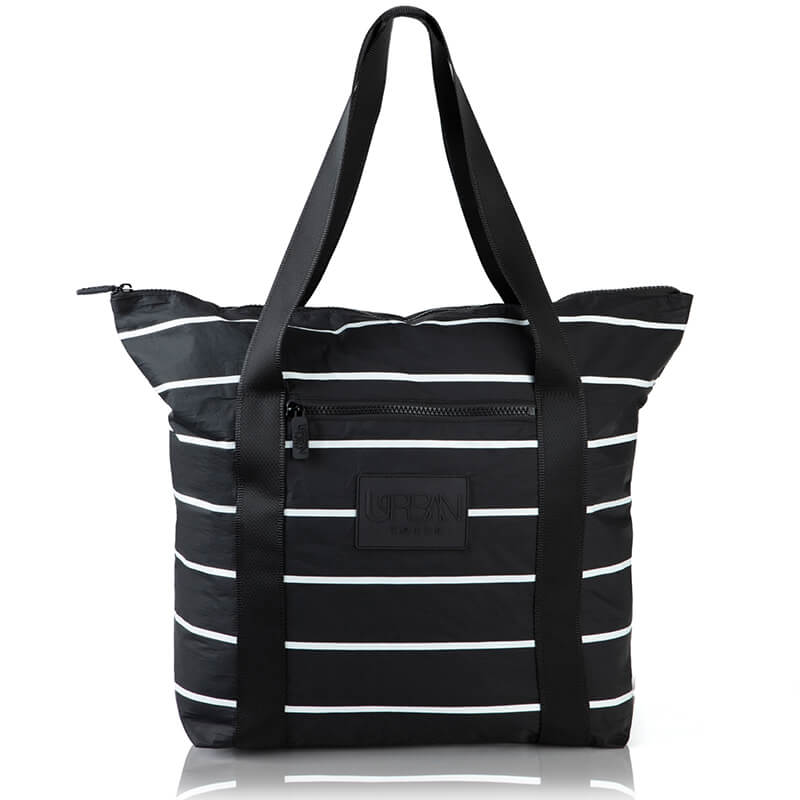
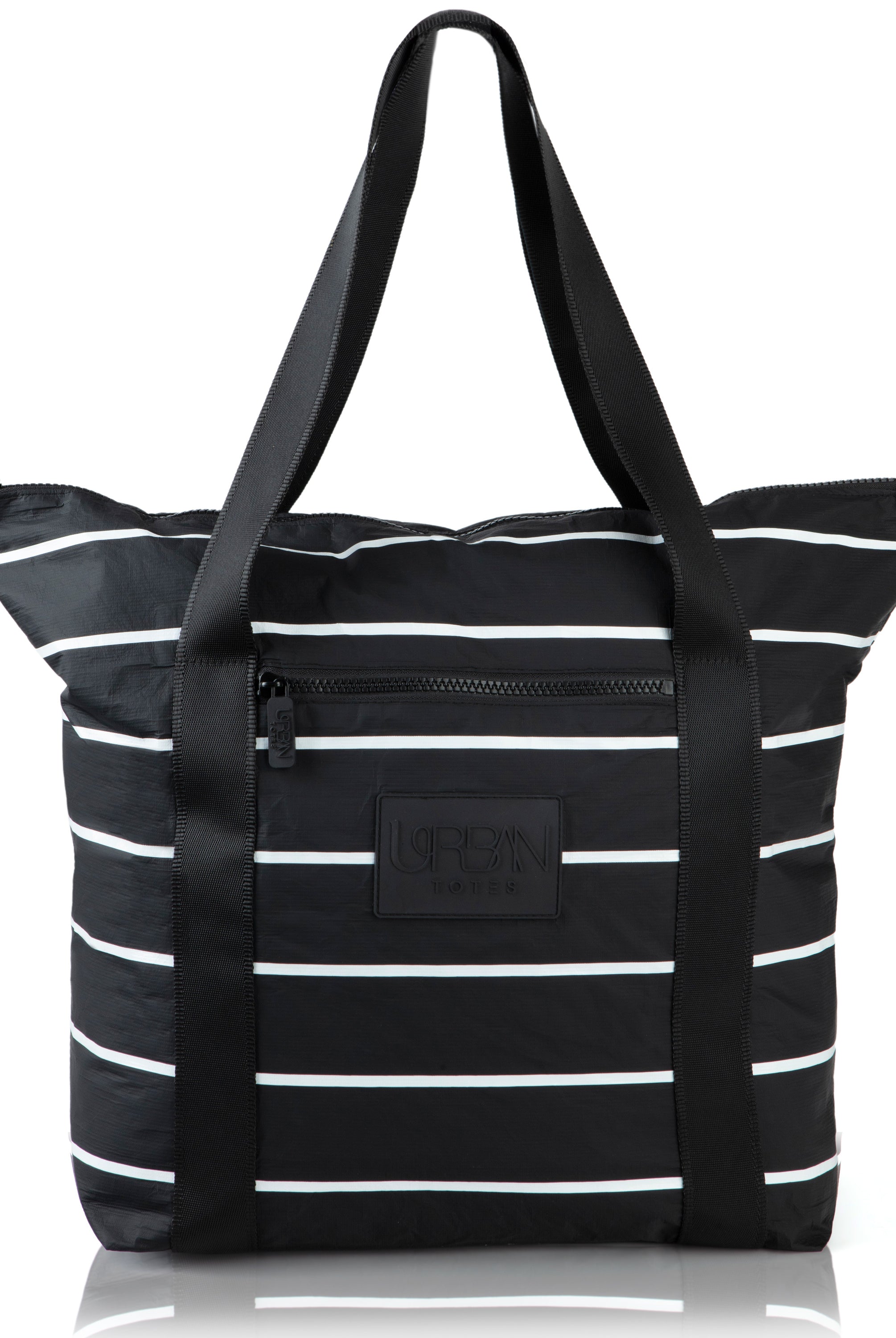
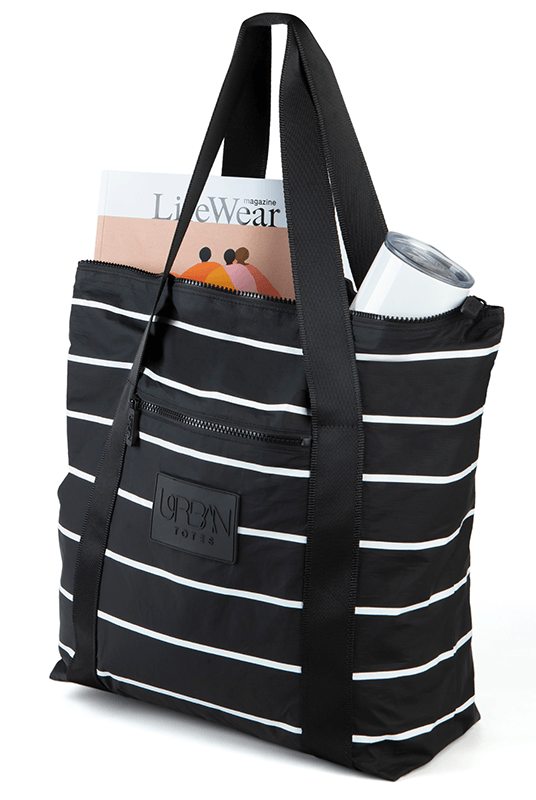
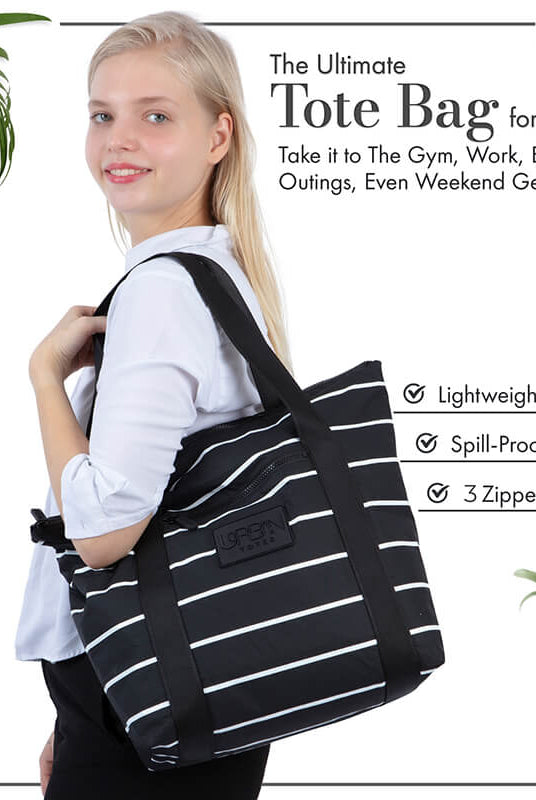
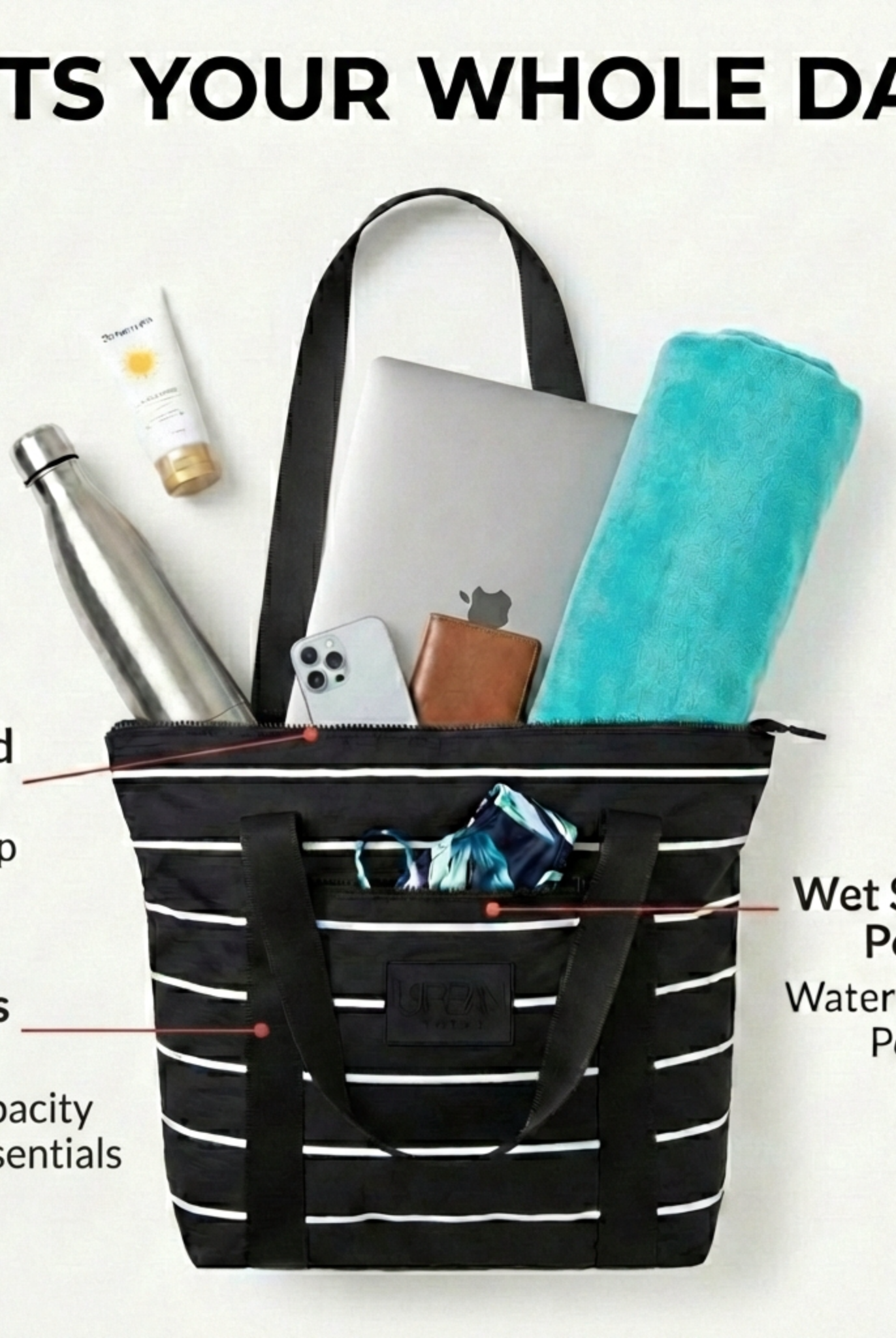
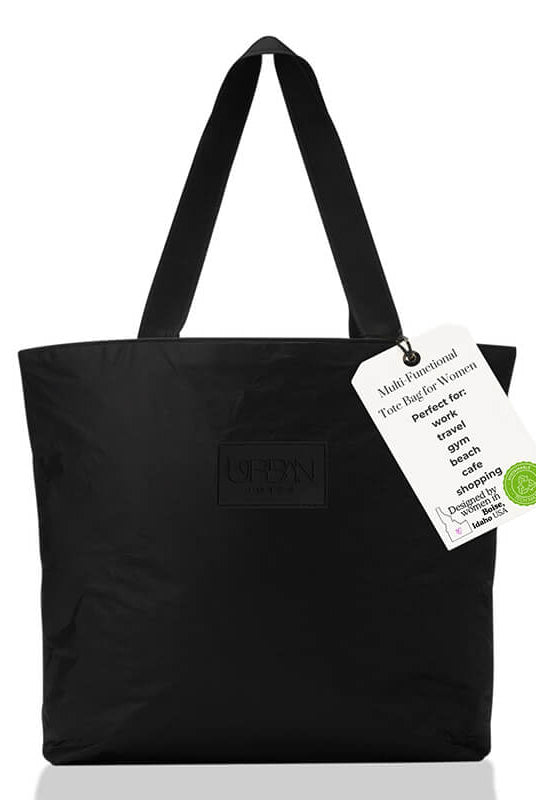
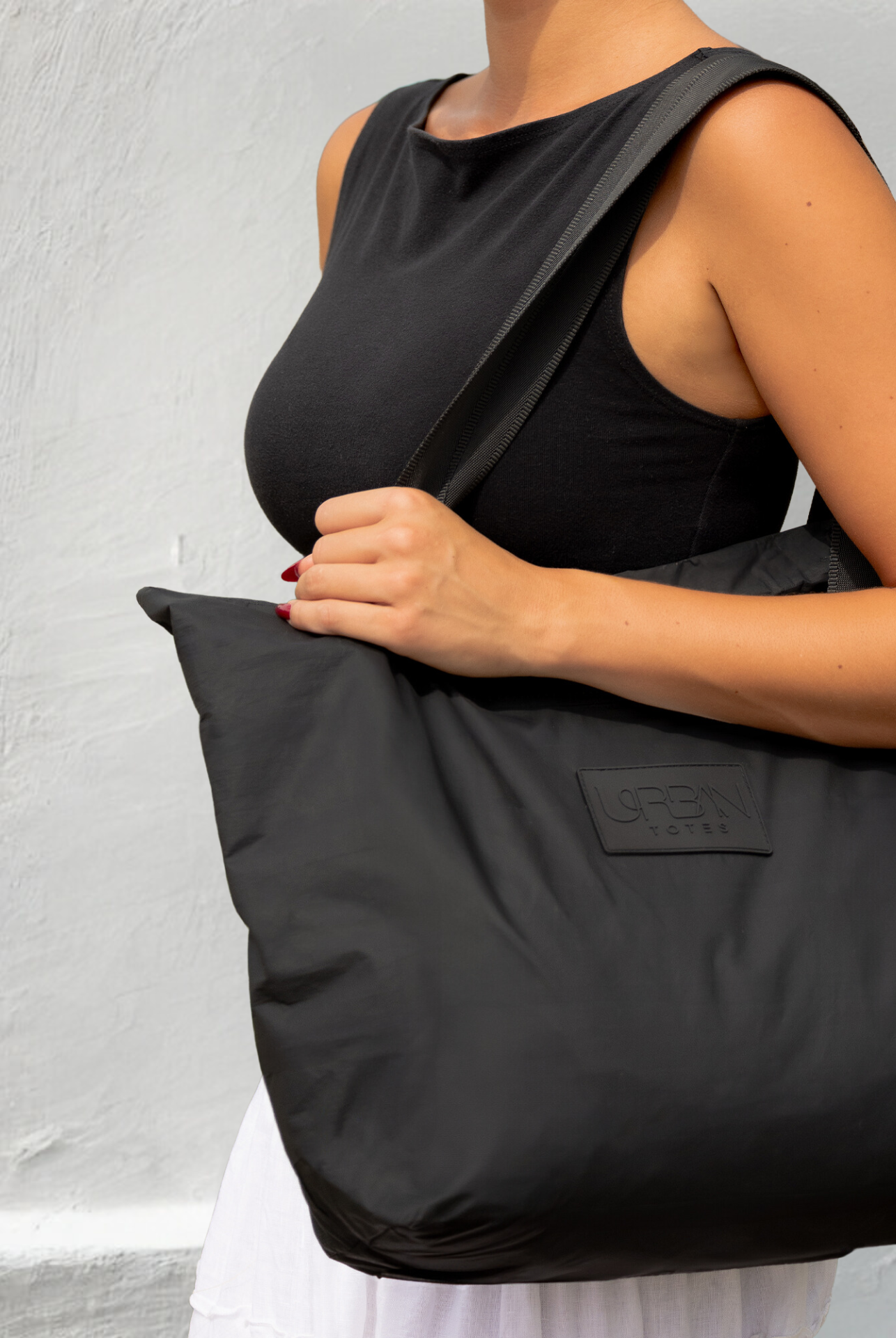
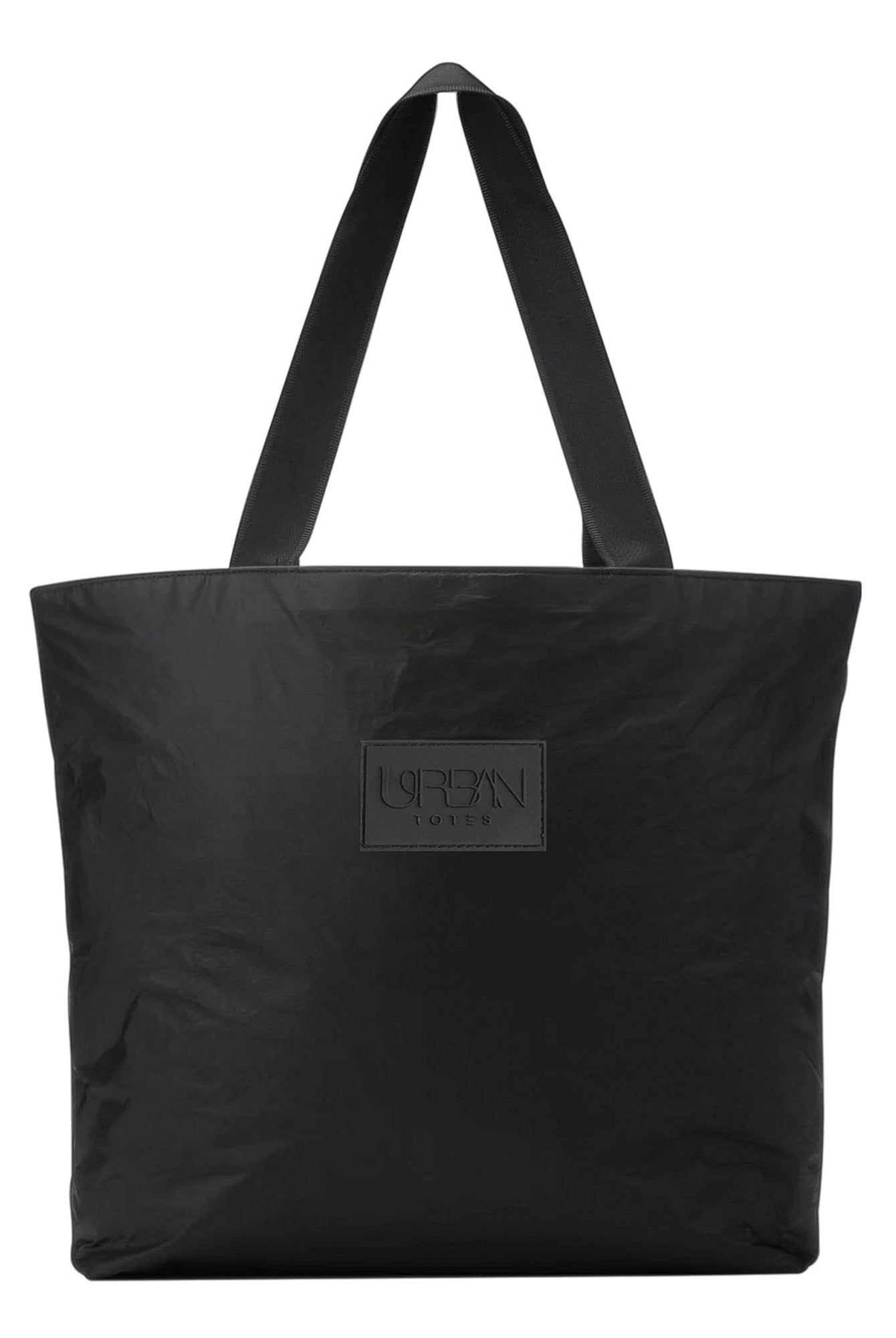
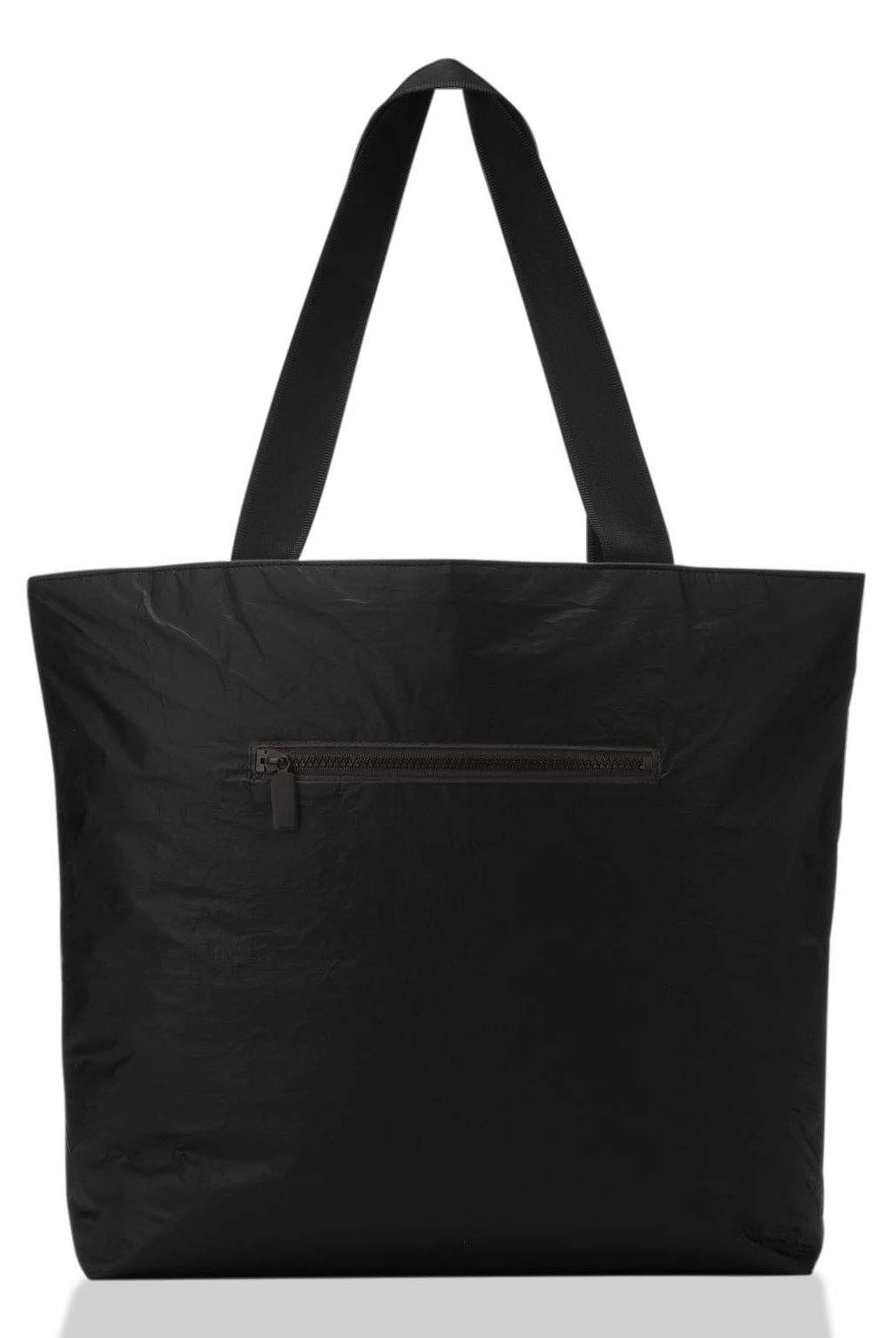
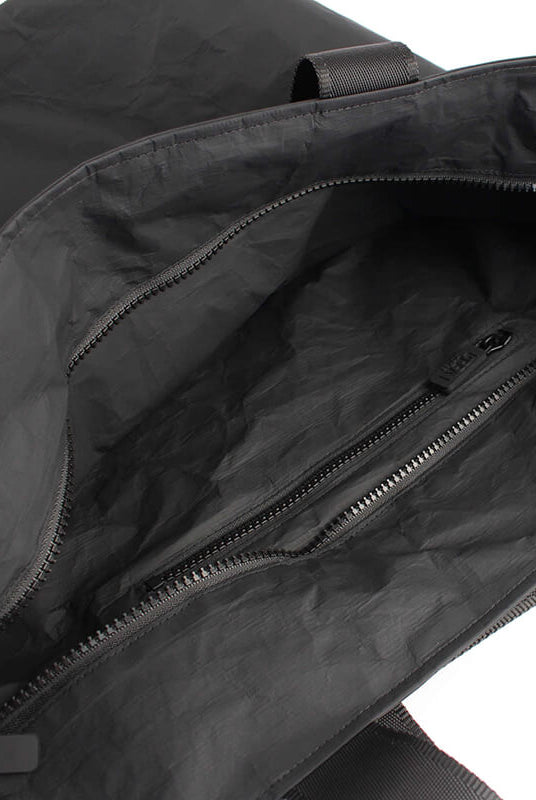
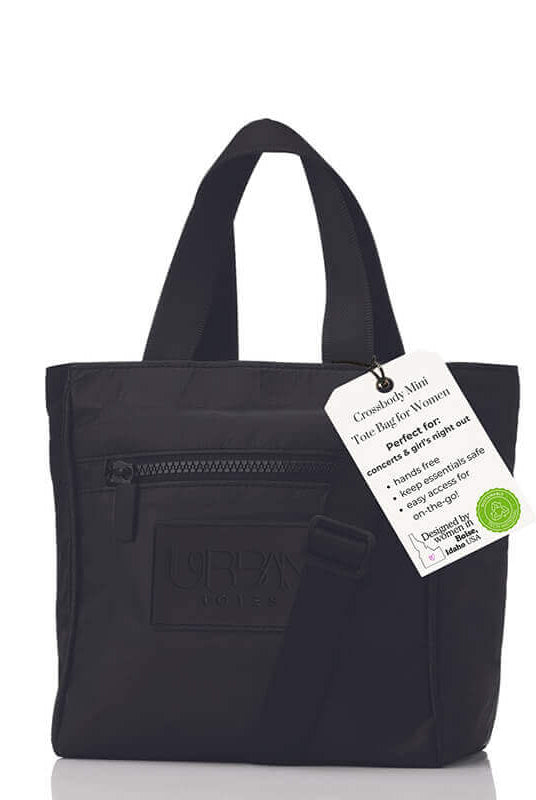
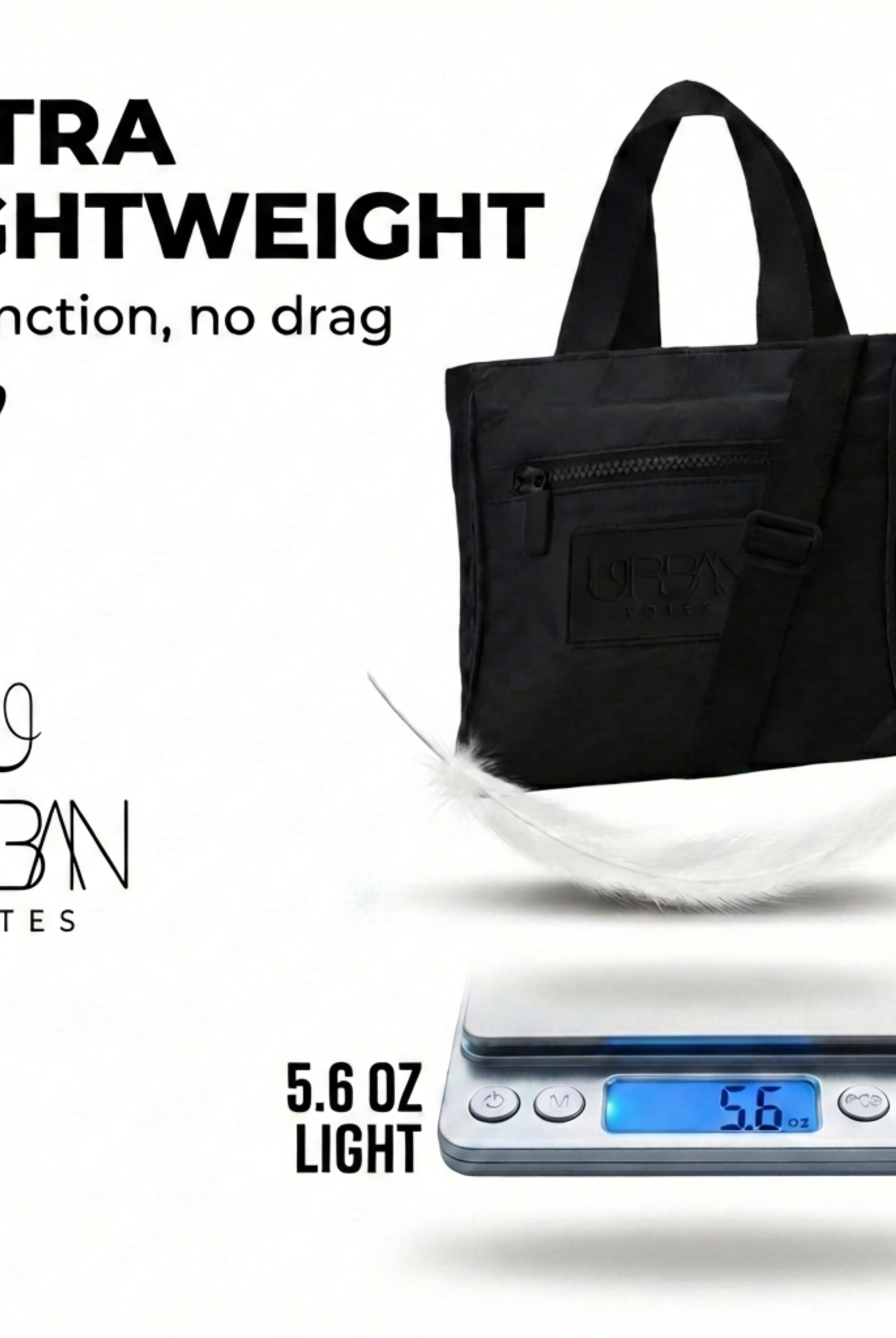
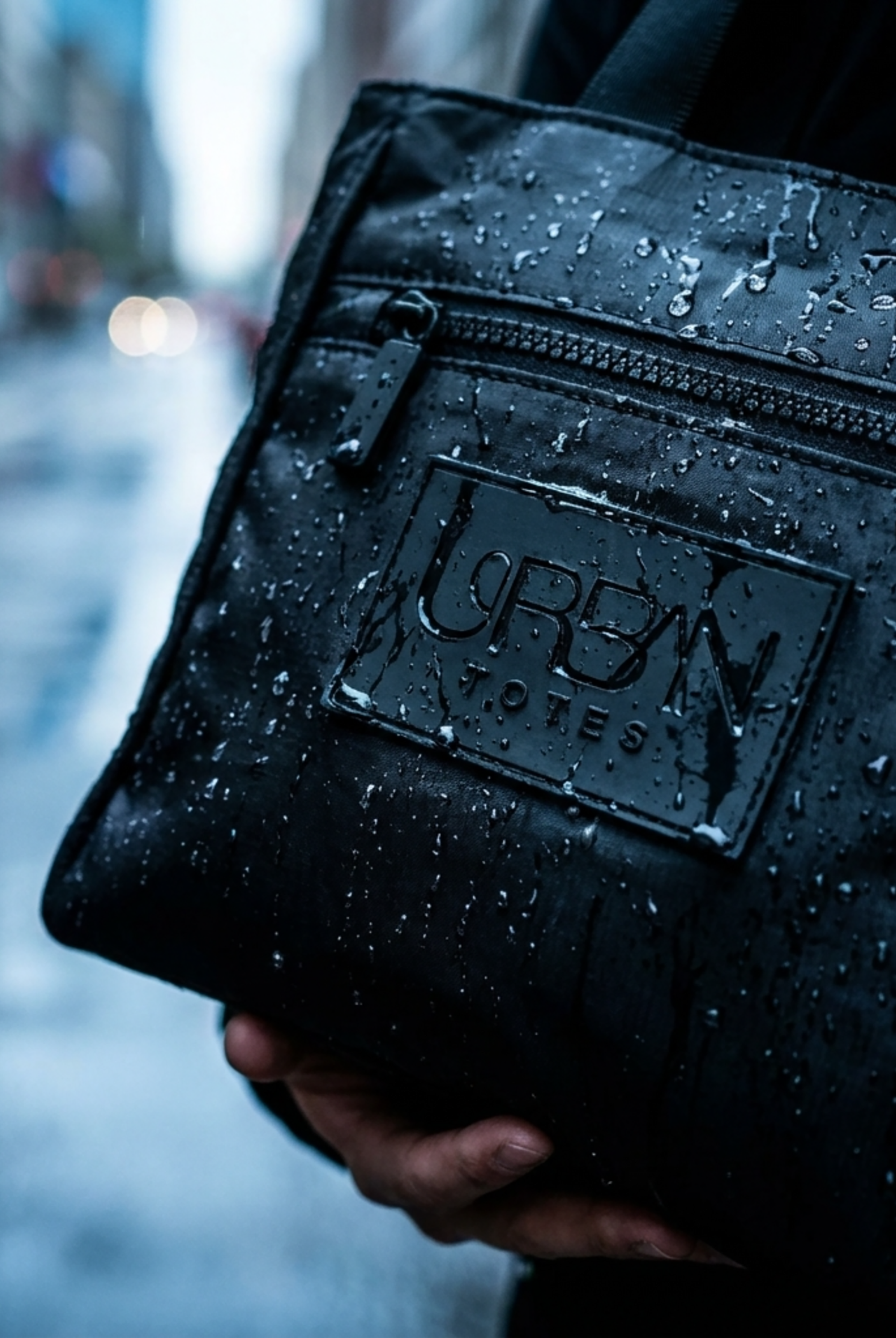
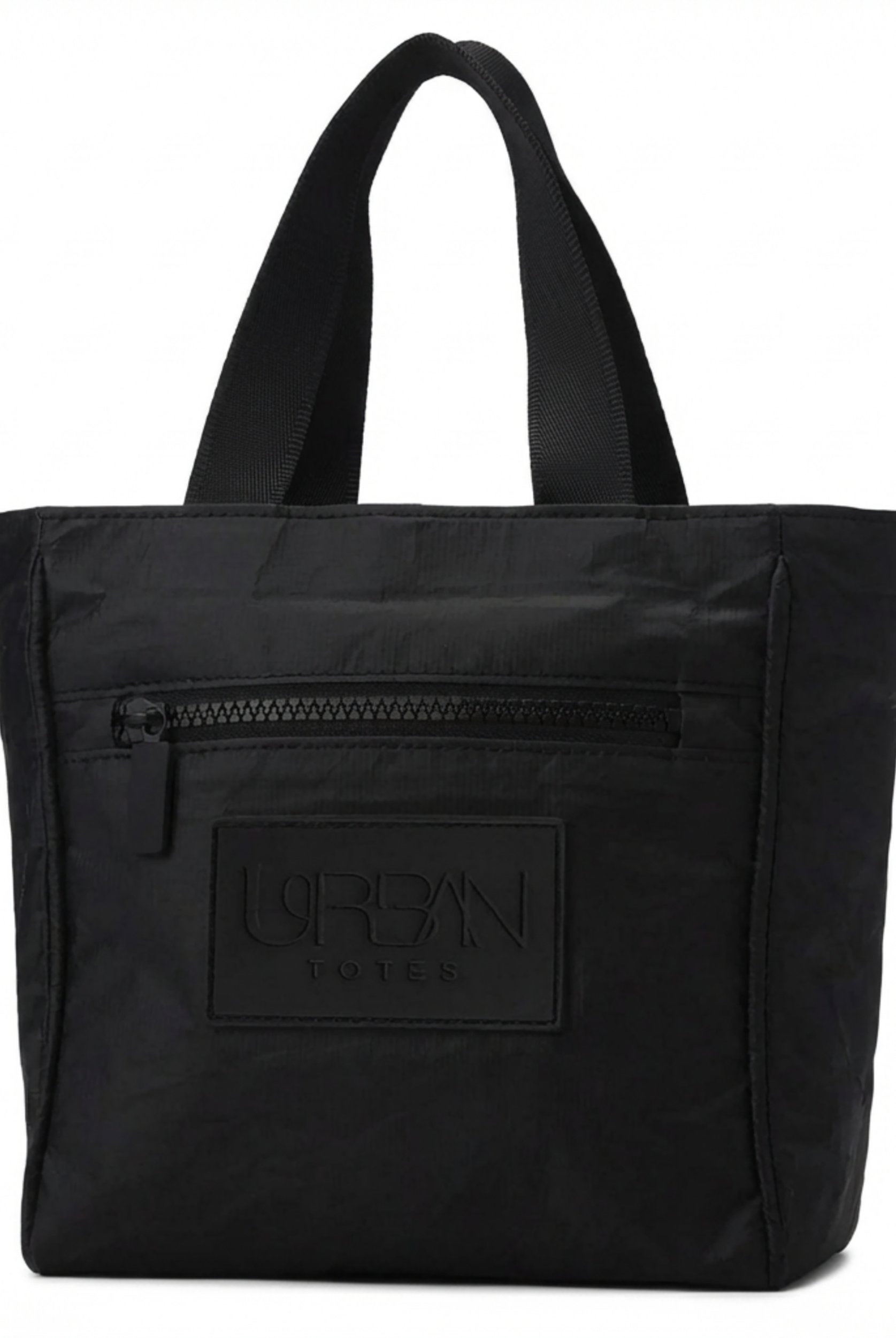
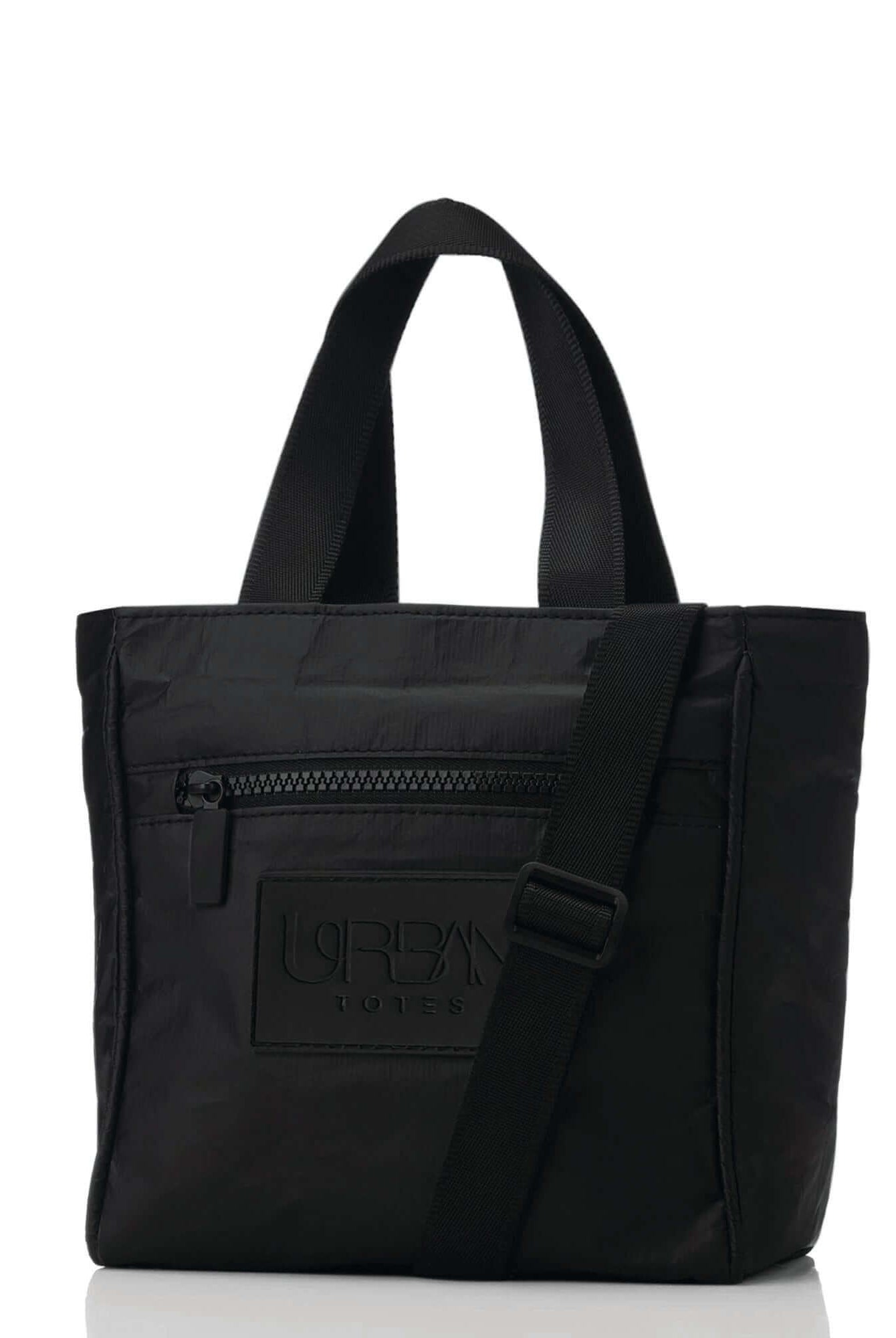
Urban Totes is a woman-owned brand based in Boise, Idaho that designs versatile tote and crossbody styles for busy, on-the-go routines. Its Crossbody Tote Bag Mini Purse measures 7.5 x 4 x 7.75 inches and uses lightweight, water-resistant technical fabric made from recyclable and non-toxic materials. Its zipper top, single outside zipper pocket, inside zipper pocket, and large easy-access outside pocket give phone, keys, and smaller belongings distinct places.
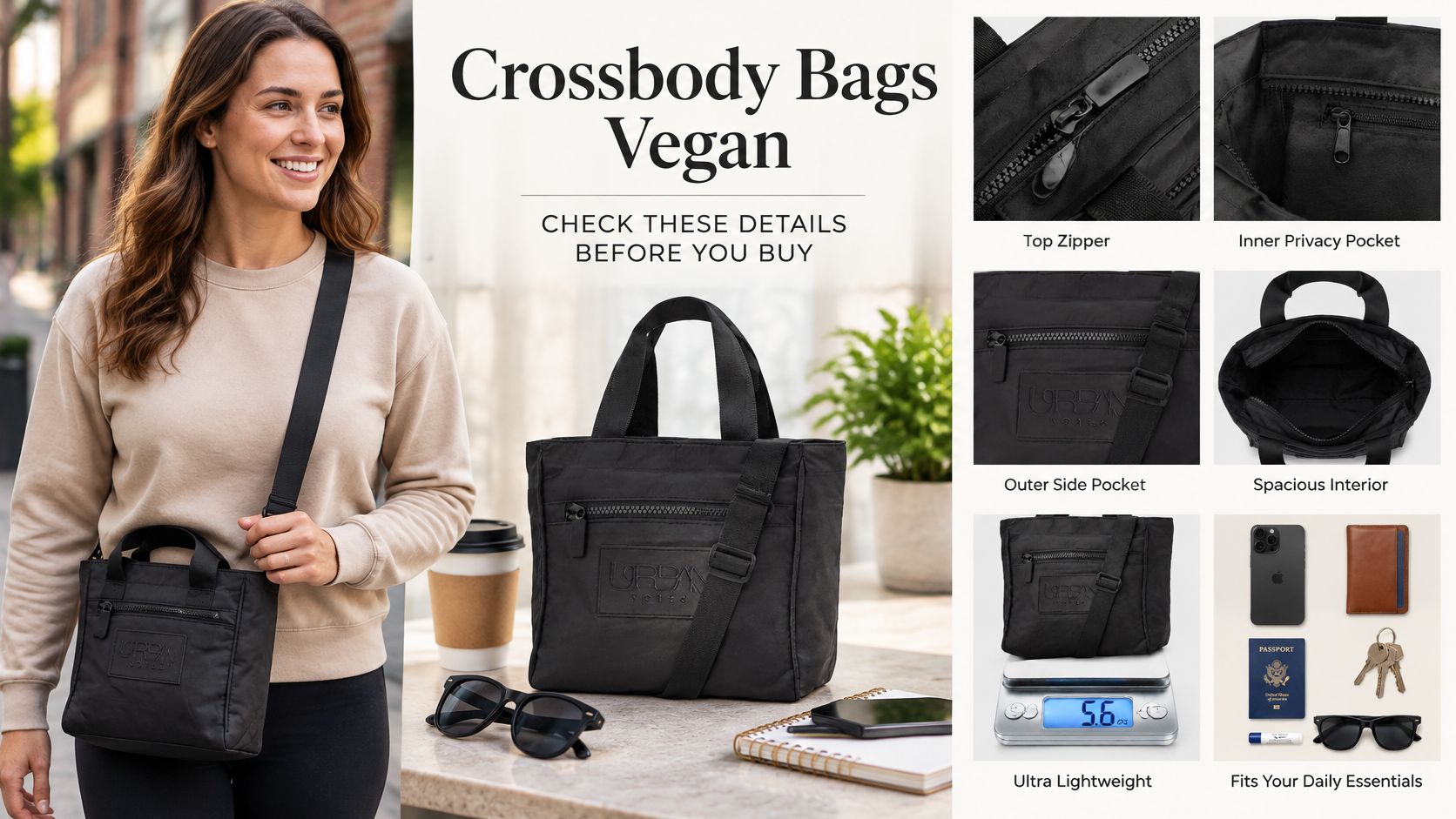
The removable crossbody strap extends to 53 inches, and the bag has a black interior. The design is packable and foldable for travel, and it can be cleaned with an alcohol-free wipe or put in the washing machine.
It is currently sold out, so check the live product page before planning around it. Availability can change.
Whatever style you choose, favor a clear material breakdown, comfortable fit, and care method you can maintain. Those details make an animal-free preference workable through rainy errands, travel days, and everything between.
Urban Totes offers lightweight, water-resistant bags with thoughtfully designed, multi-pocket organization for everyday carry and travel. Visit Urban Totes to explore versatile crossbody and tote styles, compare the practical details, and find your go-anywhere fit. Go Anywhere. Tote Everything.