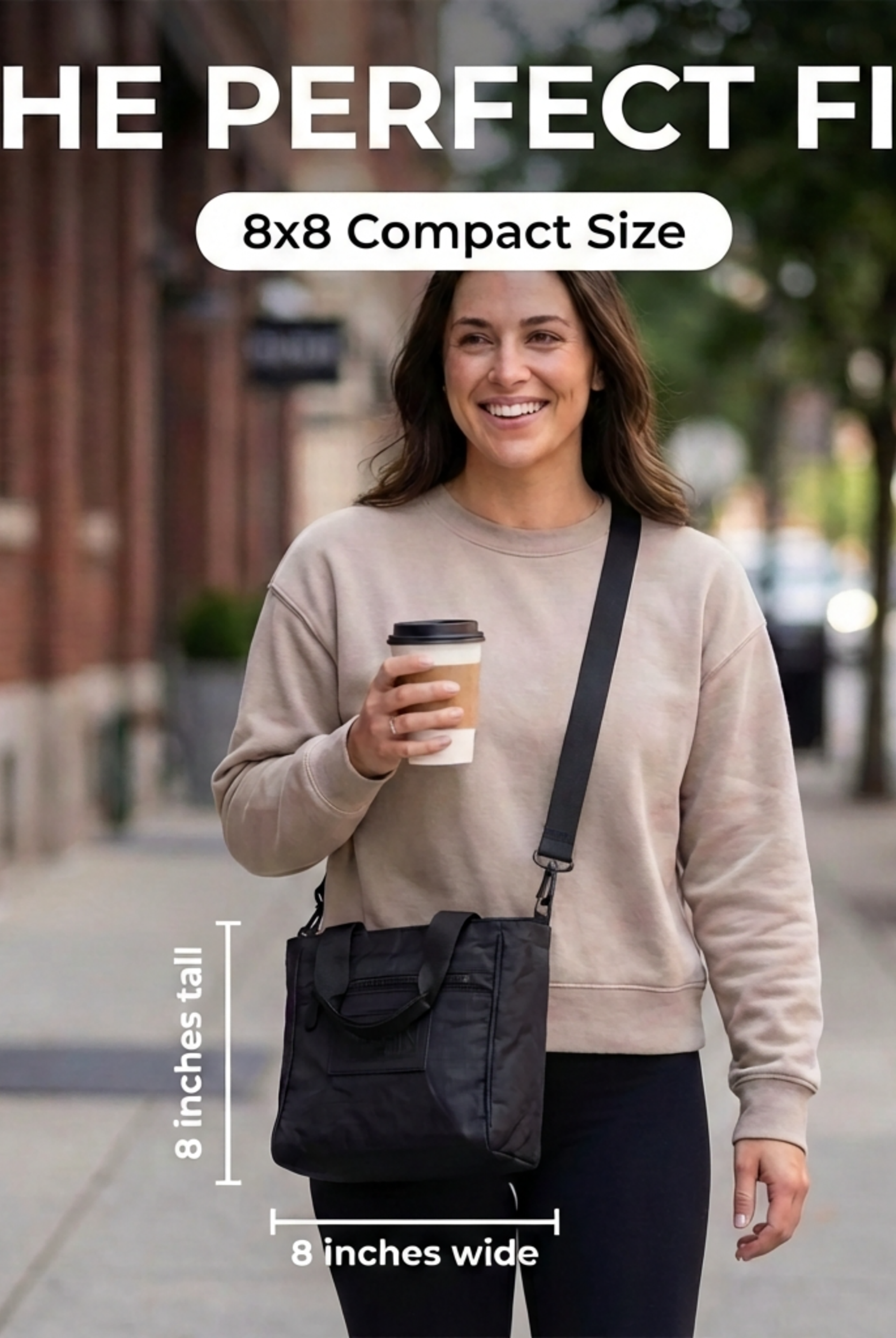
You're at school drop-off with coffee in one hand, a child's hand in the other, and your bag sliding off your shoulder for the third time. Your keys are somewhere at the bottom, your phone is ringing inside a fold of fabric, and one shoulder is already hiking up to keep everything in place. That's not a style problem. It's a fit problem, and it's usually fixable once you treat strap width, carry position, and packed weight as one decision instead of three separate shopping choices.
A good shoulder strap bag should help you move through that morning, an airport terminal, or a quick gym stop without constant adjusting. The trick is knowing what kind of strap you're buying, how it should sit, and when more pockets stop helping and start tempting you to carry too much.
Table of Contents
- Shoulder Strap Bag Types Worth Knowing
- Strap Length Padding and Closures
- What Makes a Shoulder Strap Comfortable
- How to Adjust a Shoulder Strap
- Organization Without the Extra Weight
- Commute Travel and Gym Carry Rules
- Pick the Strap That Matches Your Day
Shoulder Strap Bag Types Worth Knowing
That drop-off scramble tells you a lot. If the strap won't stay put, the opening swallows your keys, or the bag knocks against your hip with every step, the silhouette name on the tag doesn't matter much. A shoulder strap bag is a pouch hung from one strap, worn either on the same shoulder or across your body. What changes from style to style is how that strap behaves and how fast you can get inside.
Shoulder Strap Bag Types and What They Are For
| Style | Strap behavior | Typical closure | Best day | Watch-out |
|---|---|---|---|---|
| Structured shoulder bag | Single strap, bag near the hip | Zip or flap | Office and errands | Narrow strap under a heavy load |
| Bucket bag | Longer shoulder or crossbody strap | Drawstring, magnetic, or open top | Market or beach | Open top can spill |
| Hobo bag | Soft single strap, slouchy drop | Open, magnetic, or zip | Light casual day | Fold hides small items |
| Saddle bag | Shorter structured strap | Flap with magnetic or turn-lock | Outing | Slower to open in a crowd |
| Crossbody | Adjustable strap across the torso | Zip top | Transit and hands-free errands | Too-long strap lets the bag swing low |
| Shoulder tote with strap | Short handles plus a longer strap | Zip pockets | Commute and travel | Main well invites overpacking |
Read the table by your busiest hour, not your prettiest outfit. A structured shoulder bag keeps its shape at work, but that same shape can feel boxy when you're buckling a child into a car seat. A bucket bag swallows a farmers market haul or a rolled towel by a beach chair, yet tip it in the car and everything pours toward the opening. A hobo bag is forgiving and soft for a light day, until your phone disappears into the slouch.
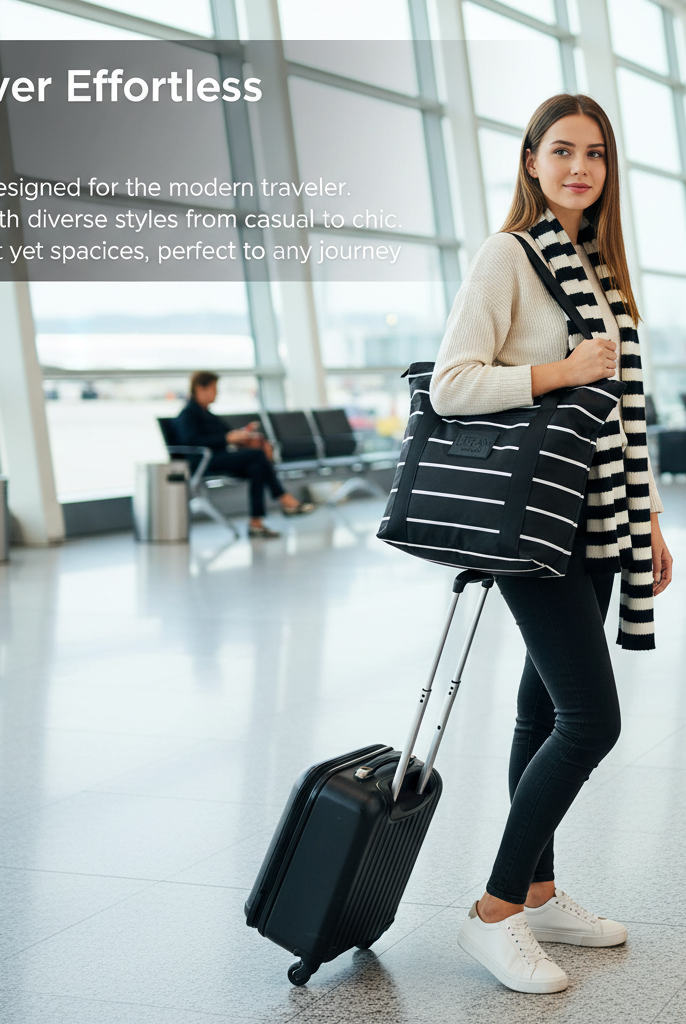
A saddle bag looks tidy and stays close, but a flap and turn-lock take two hands more often than you'd like. A crossbody frees both hands in a terminal, provided the strap stops at your hip instead of letting the pouch bounce near your knee. A shoulder tote with a strap gives you handles for a quick grab and a longer strap for the walk, which is why so many commuters love it, and why it's also the easiest one to overfill.
Labels won't settle this for you, because retailers don't sort bags the same way. In a 2024 style analysis reported by JOOR, totes represented 41% of handbag sales, crossbodies 21%, and shoulder bags 17%. Those categories overlap in real life, so trust the strap and opening in front of you more than the name above them. If category language still feels muddy, our glossary of bag types from traditional to trendy can help you sort the terms.
Pick the row that matches this week's heaviest day, not your lightest errand. A bag that handles Tuesday's commute, water bottle, and change of shoes will handle Saturday's coffee run. The reverse rarely works.
Strap Length Padding and Closures
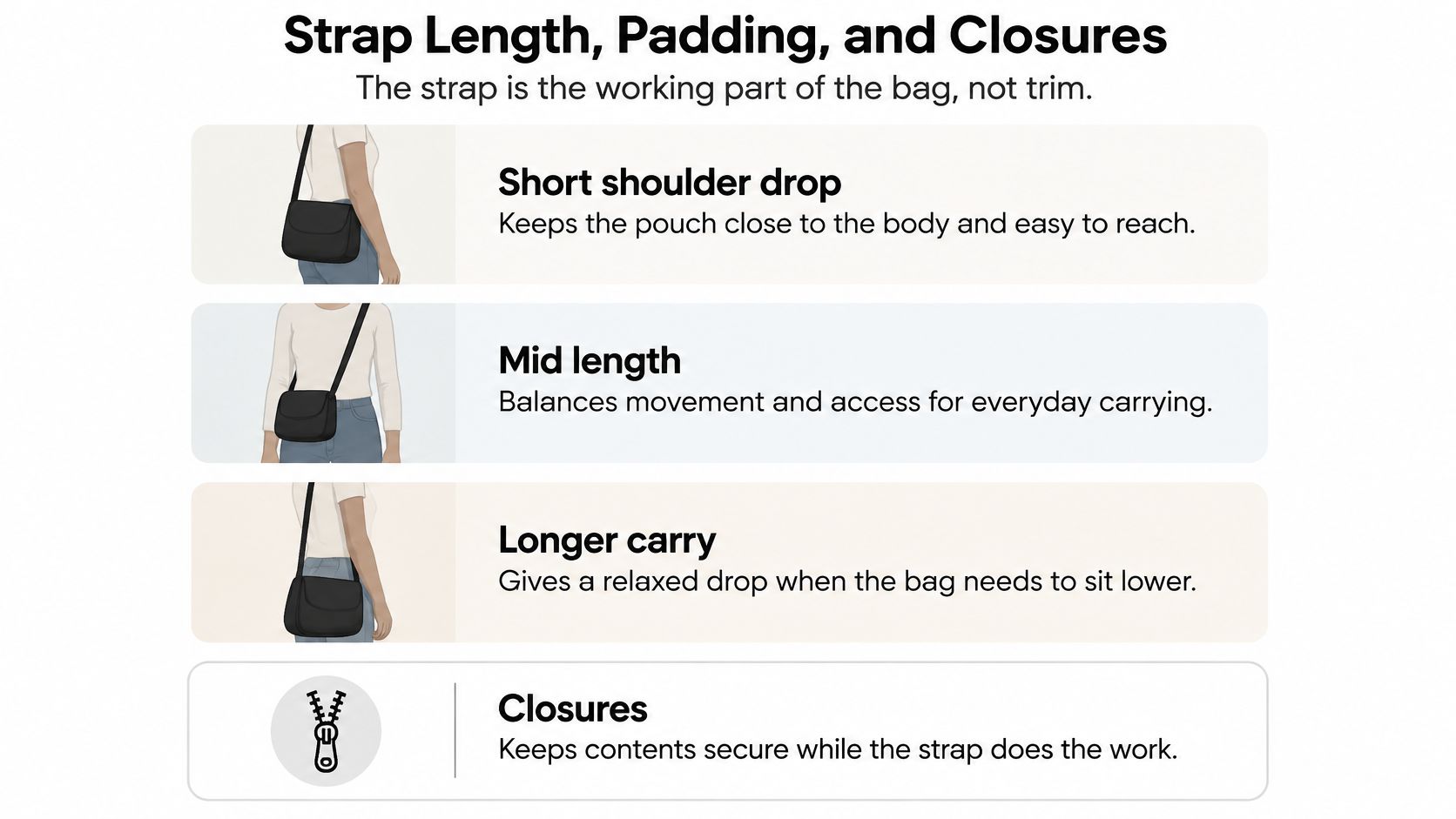
Your strap isn't trim. It's the working part that decides where weight lands, how much the bag swings, and whether you're still comfortable after twenty minutes or shifting it every block.
Three Length Jobs to Keep Straight
A short shoulder drop keeps the pouch tucked near your hip, close to your body and easy to guard with an elbow in a crowd. A mid length works for same-shoulder carry when you want a little more room under your arm for a coat or a cardigan. A long adjustable strap is what lets a bag cross your torso so the pouch rests on the opposite hip.
For crossbody use, a range of about 40 to 55 inches end to end gives most women enough room to land the bag at hip level without running out of adjustment. For same-shoulder carry, the test is simpler. The bag shouldn't knock your knee, hang so low that it pulls you sideways, or force the strap to roll toward your neck.
Strap Width, Length and Closure Lookup
| Check | Value from research | Use it for |
|---|---|---|
| Strap width 5 cm | Highest interface pressure in manikin test with a 20 kg load | Light daily loads only |
| Strap width 8 cm | Lowest interface pressure, especially with high load placement | Heavier daily loads |
| Crossbody length | About 40 to 55 inches end to end | Pouch at the hip on the opposite side |
| Same-shoulder length | Bag rests near the hip without knocking the knee | Strap lies flat, not rolled on the neck |
| Light crossbody strap | 1-inch nylon | Light loads, stingy under a packed tote |
| Zipper closure | Secure access in crowds | Commute and travel |
| Magnetic or flap closure | One-hand grab | Errands and outings |
| Drawstring or open top | Fastest access | Beach and market, spill risk |
Width matters because it spreads force over more skin and fabric. In a controlled manikin study using a 20 kg load and 5, 6, 7, and 8 cm straps, interface pressure decreased significantly as strap width increased, with the lowest pressure at 8 cm combined with high load placement. In shopper language, a broader padded strap spreads the same weight, and dense items belong high and close to your body instead of rattling at the bottom.
Shape matters too, not just padding thickness. That same research summary notes ergonomically shaped straps produced higher comfort ratings than traditional designs, mean 3.887 versus 2.944. A 1-inch nylon strap can be perfectly fine on a light crossbody with a phone and card case. Under a packed tote with a laptop and bottle, it can feel stingy fast.
Closures and Hardware Are Daily Decisions
Choose a zipper closure when you need peace of mind on a train or in a terminal. Choose magnetic or flap access when you're grabbing a pass or sunglasses one-handed all day. Save drawstring and open tops for the beach chair or market, where speed matters more than spill risk.
Check where the strap meets the bag. Clips, D-rings, and sliders should move smoothly and hold their setting. Load the bag, then slide the adjuster. If it sticks or creeps under weight, it'll annoy you every day.
Three checks before you buy: width under your expected load, enough adjustment range to reach your hip both ways, and a closure that matches how fast you need in.
What Makes a Shoulder Strap Comfortable
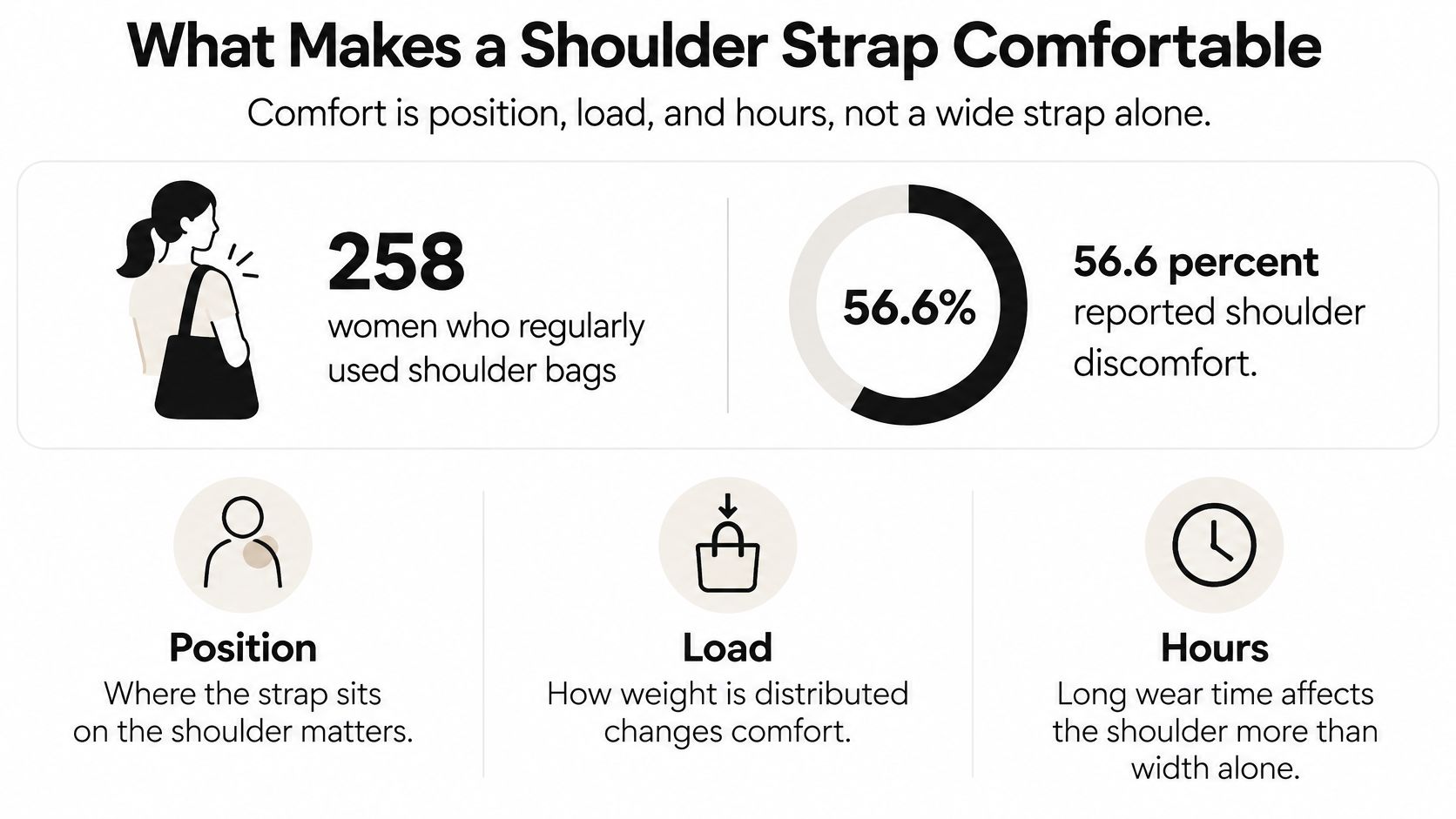
Comfort isn't just a wide strap. It's position, load, and hours working together, and that's the part most product pages skip. A strap that feels fine for a five-minute store run can feel very different after a school run, a commute, and a long walk through a terminal.
What Regular Carriers Report
In a study of 258 women who regularly used shoulder bags, 56.6% reported shoulder pain. Among those with pain, 48.1% experienced it more than three times per week, 53.5% rated it as moderate, and 23.6% rated it severe.
Those numbers don't mean every shoulder strap bag hurts. They do mean discomfort is common enough that you shouldn't ignore early signs or assume a softer strap solves everything. If you're lifting one shoulder to keep the strap on, leaning away from the bag, or dreading the last block home, your setup needs attention.
How you carry the load changes how you walk, too. A 2018 cross-sectional study of 258 women ages 18 to 59 who regularly used shoulder bags found that carrying the bag on one shoulder influenced walking mechanics, while gait-related effects decreased when the load was carried on both sides. Some measured changes also differed depending on which side carried the load.
Why Crossbody Can Feel Easier on a Long Walk
Carry position changes muscle demand. In a lab test using a 600 g bag loaded to 10% of each participant's body weight on a 4 cm strap, crossbody carry with the bag near hip level produced lower activity in the upper trapezius and contralateral erector-spinae muscles than same-side carry. That's a practical reason to move a bag across your body for a longer walk, even if same-shoulder carry feels easier for a quick in-and-out errand.
Don't treat that as a promise that any bag is universally kind to your body. Carrying on one side can still encourage an uneven pattern, and heavy bags or unpadded straps are associated in the source material with neck, shoulder-blade, and lower-back discomfort, including tingling or numbness. No strap design here is a guarantee against injury. If you want more on carry positions, our guide on how to wear a tote bag walks through the everyday options.
A Simple Self-Audit You Can Do Tonight
- List the contents: Empty the bag and name everything that's been riding along.
- Estimate the weight: Weigh it packed, or at least compare it with a known household item.
- Count the hours: Note how long it stays on your body, not just how long you're out.
- Check the strap: It should sit flat, not twist, dig, or slide toward your neck.
- Notice symptoms: Write down ache, tingling, numbness, or one shoulder staying raised.
As a rough load cue for continuous carry, rethink the pack once it climbs past about 10% of your body weight. That isn't a personal medical limit, just a sensible point to pause and remove weight. Switch sides on long same-shoulder days, and move to crossbody when the walk stretches out.
Stop carrying the bag that way and get professional advice if you notice numbness, tingling, or pain that keeps returning. Buying a thicker strap so you can tolerate even more weight misses the point.
How to Adjust a Shoulder Strap
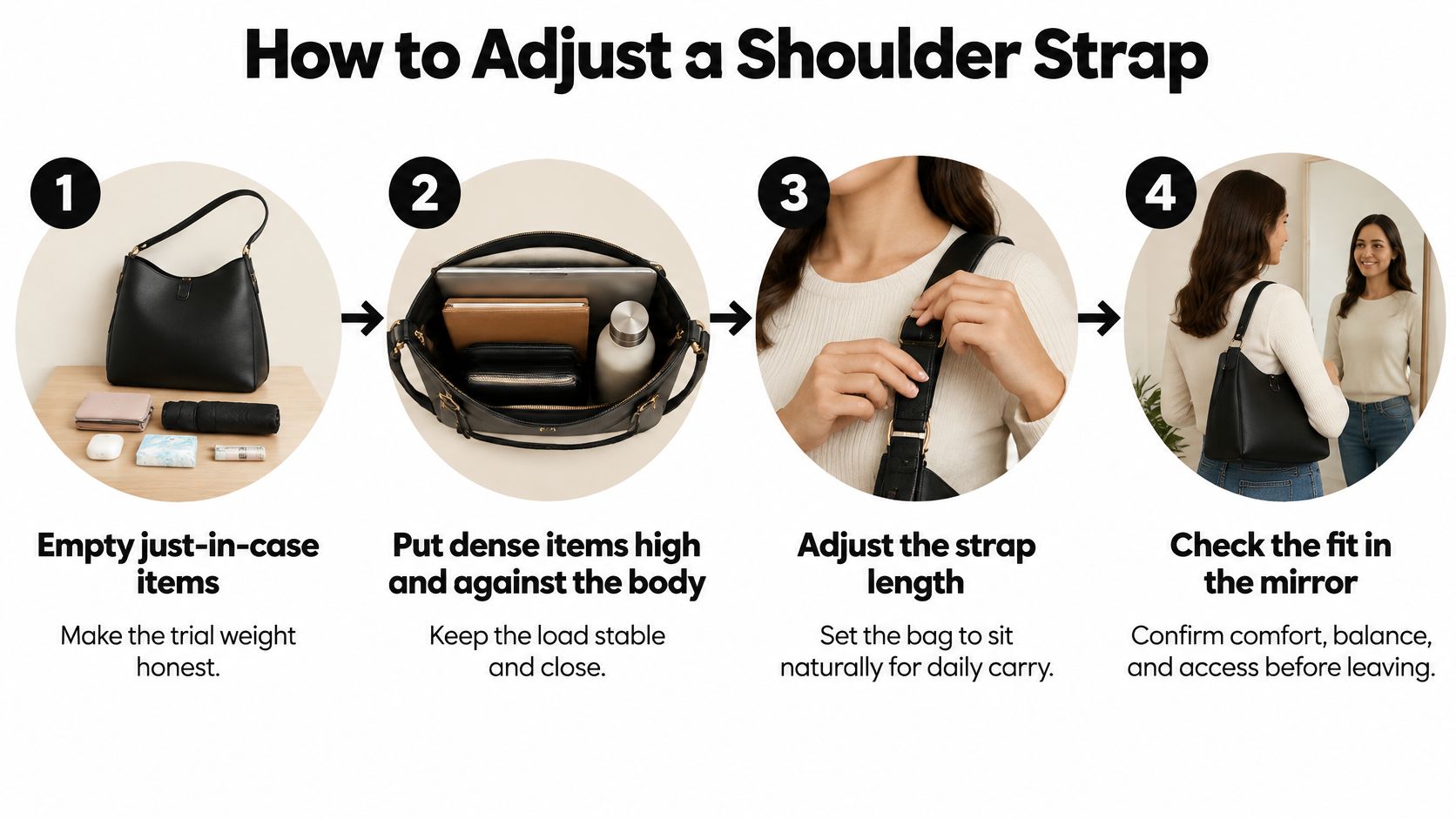
Adjust the strap with the bag packed the way you'll really carry it. An empty bag in front of a mirror will lie to you, because weight pulls the pouch lower and changes how the strap settles on your shoulder.
The Mirror Routine
- Empty the just-in-case items: Take out the extra charger, spare book, and mystery pouch so your trial weight is honest.
- Place dense items high: Put a laptop, bottle, or book high and against the side that will face your body, so the load stays close instead of dragging at the bottom.
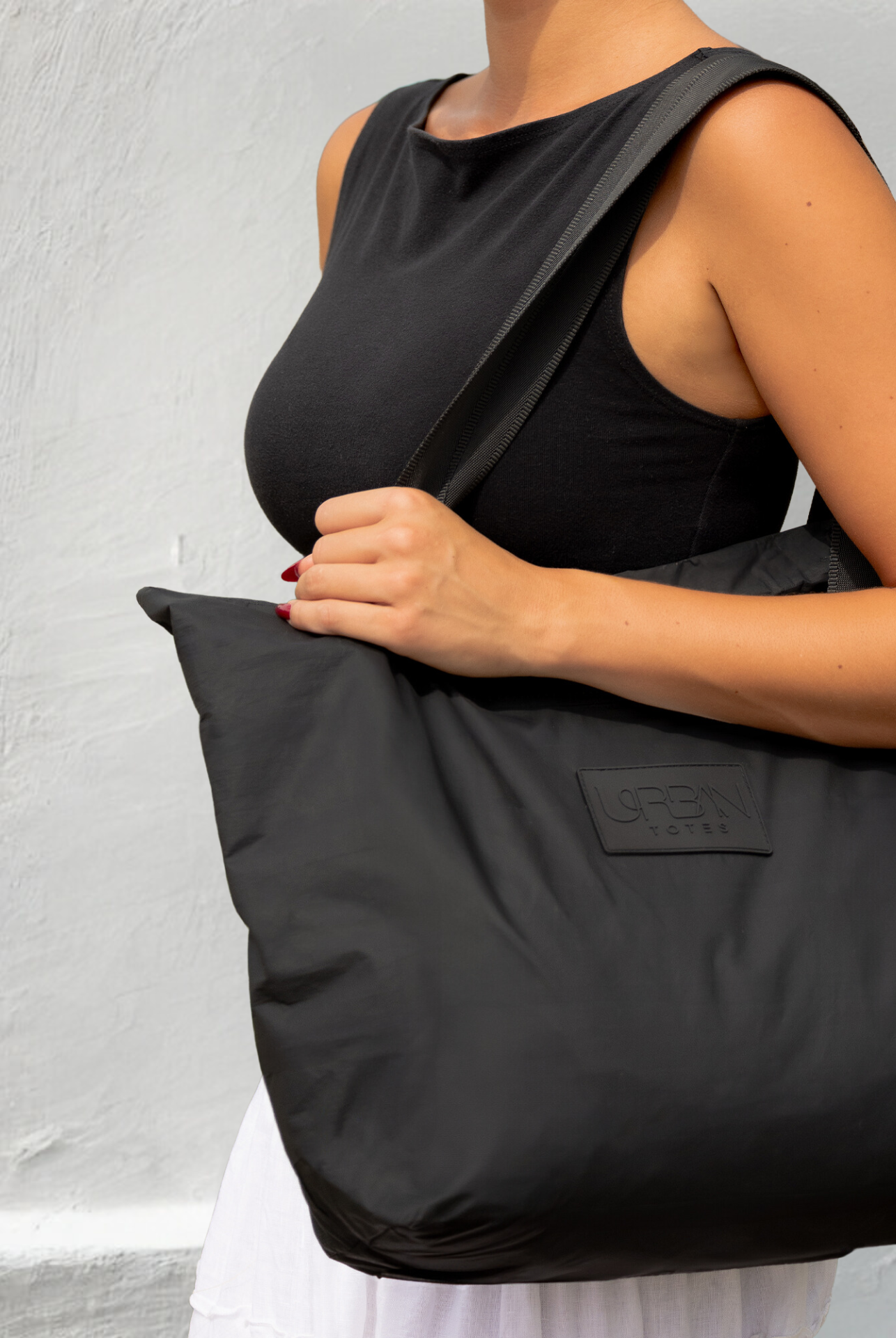
- Set same-shoulder length: Shorten the strap until the bag rests near your hip and the strap lies flat across your shoulder, not rolled against your neck.
- Set crossbody length: Lengthen it only until the pouch sits around the opposite hip, close to your trunk. If it's swinging near your knee, it's too long.
- Walk and climb: Spend a few minutes walking, including stairs if you can. Notice bounce, strap slip, and whether one shoulder keeps lifting to hold everything in place.
- Shorten a strap that pulls you forward: Excess length lets the bag drift away from your body, so bring it back up until your head and shoulders can stay relaxed.
- Change sides or cross over: On a long same-side day, switch shoulders before you're sore, or move the strap across your body for the long stretch.
- Recheck after you add weight: A laptop, full bottle, or souvenir changes the drop, so reset the slider after big additions.
Length deserves that attention because longer isn't always easier. In review evidence on carrying configuration and muscle demand, at loads around 15% of body mass, excessively long straps can worsen neck and shoulder discomfort and alter head-and-neck posture. A wide adjustment range helps because your coat, your outfit, and your load won't be identical every day.
If the strap creeps on a smooth coat, look for a non-slip contact surface on the underside, or shorten it slightly so the pouch sits more securely against your hip. Small changes matter. Moving the slider half an inch can be the difference between a bag that hugs your side and one that bumps your leg with every step. Our overview of the adjustable shoulder strap covers the hardware side if you're comparing styles.
If numbness, tingling, or returning pain shows up, take weight out and get advice. Don't solve it by choosing a thicker strap and loading the bag more.
Organization Without the Extra Weight
A multi-pocket bag feels wonderfully organized on day one. By day ten, every empty pocket has invited a just-in-case item to move in. Extra lip balm, a second snack, a spare tote, a charger you might need, and suddenly your thoughtful organization has become extra weight your shoulder pays for.
More compartments don't cancel physics. They only sort what you've decided to carry, which is why the better question isn't how much fits. It's what job today's bag has to do, and our look at a bag with compartments is most useful when you read it with that limit in mind.
Pack by Job, Not by Capacity
- Commute must-carries: Phone, keys, wallet, transit pass, and one thin layer cover most days without turning the bag into a mobile closet.
- Caregiver add-ons: Wipes, one snack, and a small first-aid pouch can live together in a single zip pocket, so you can find them fast without carrying the whole house.
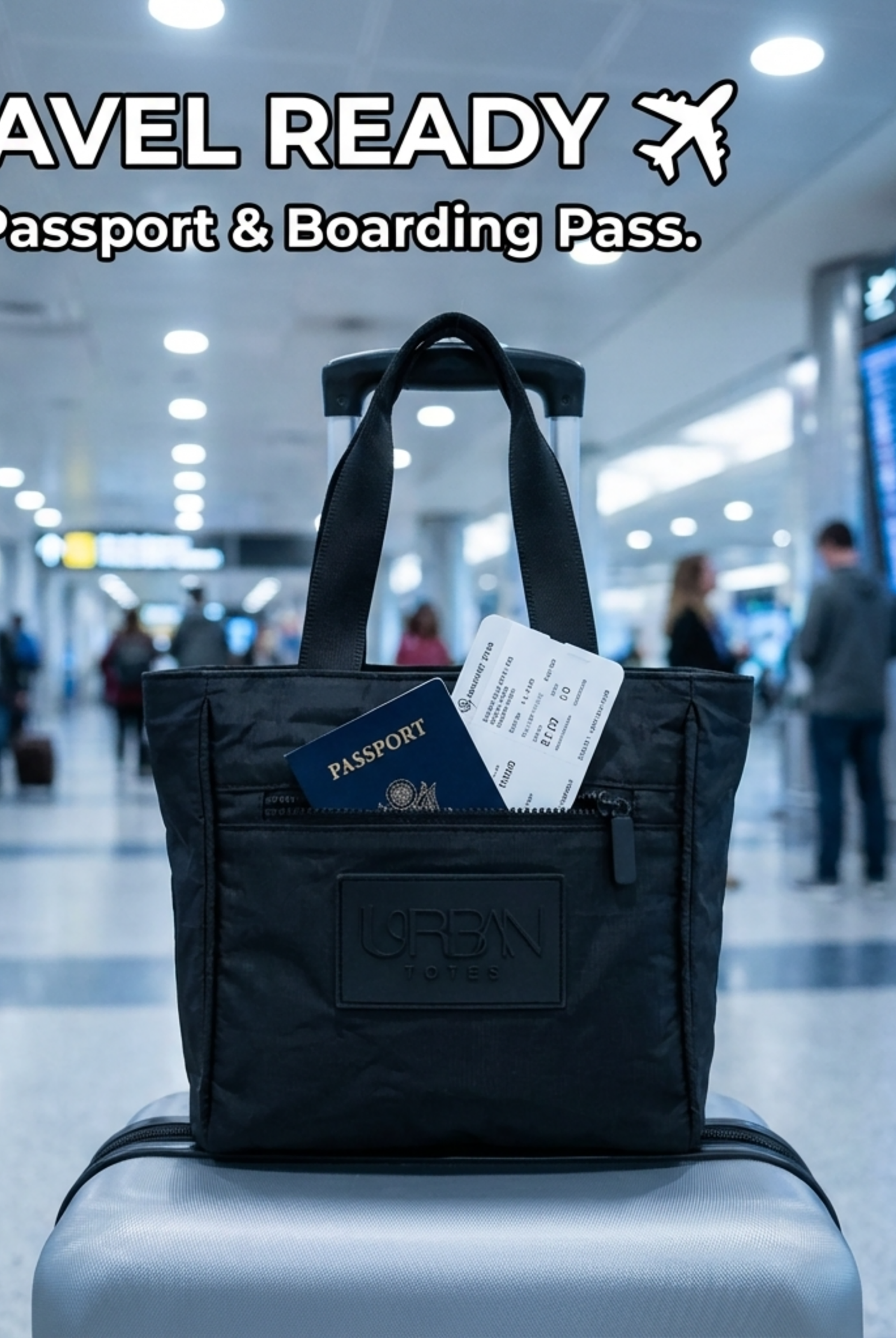
- Airport day: Documents, charger, and medication belong in a zip compartment you can reach while seated. Shoes and extras can go in separate luggage if your shoulder bag is serving as the personal item.
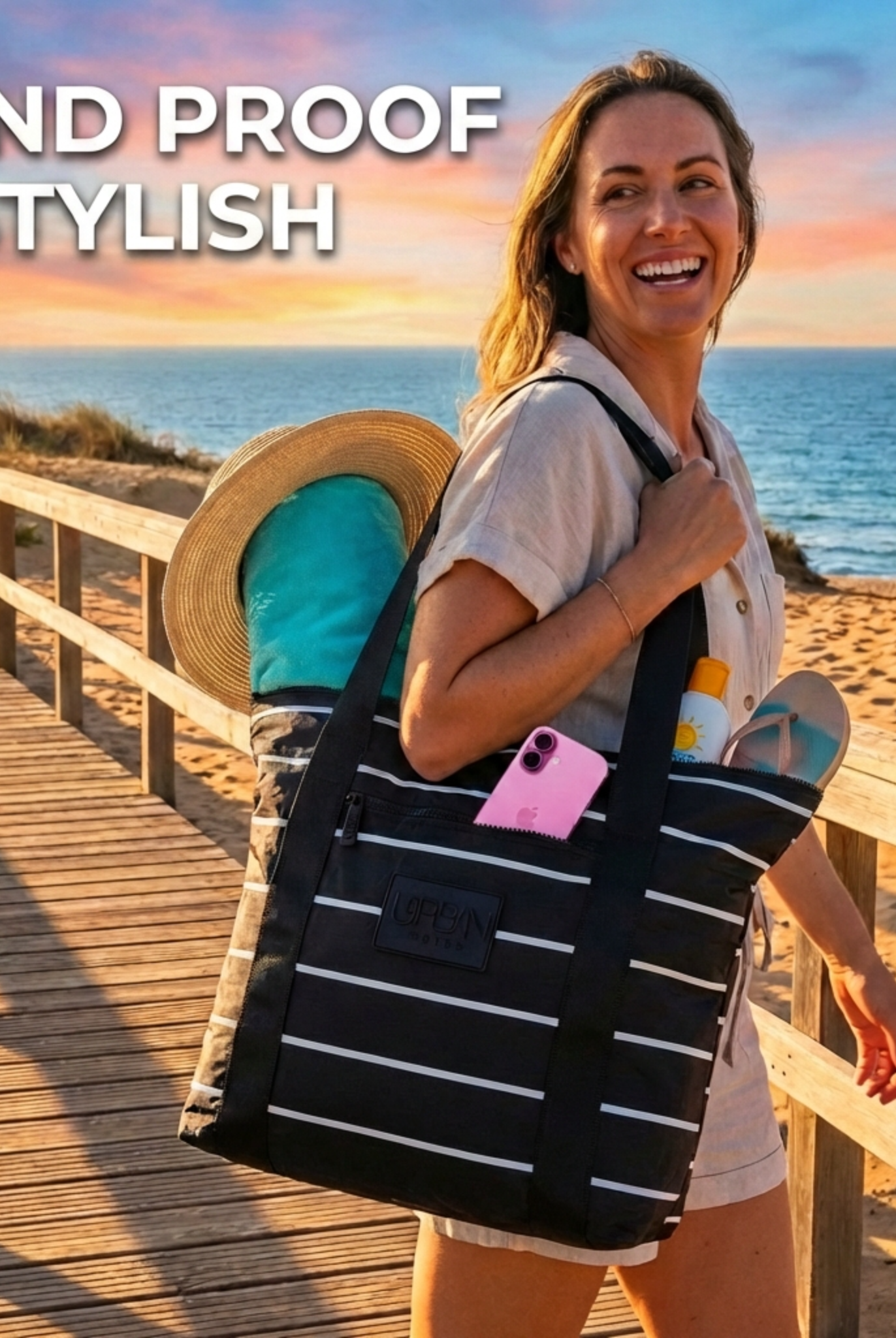
- Gym or beach: A bottle, shoes or sandals, and a towel make sense only when the walk is short and the strap is wide enough for that bulk.
Weigh the packed bag once on a kitchen scale. You don't need to do it daily. One honest check teaches your hands what your usual load feels like, so you'll notice faster when extras creep in.
Capacity is not usefulness. A pocket you never open is not organization. It's storage you're carrying on one shoulder.
Put Weight Where Your Body Tolerates It Best
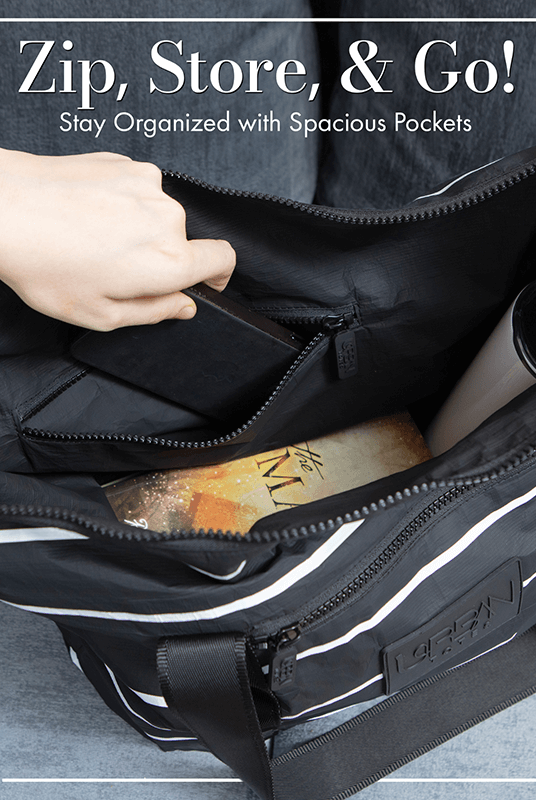
Place dense things high and against your body. A laptop flat against the body side, a bottle upright near the top, and a book where it won't slide will feel steadier than the same items loose at the bottom. Small items can go in zipper closure pockets, especially in crowds, but be honest about the trade-off. Extra hardware adds a little weight, and secure pockets can tempt you to bring more because everything feels neatly tucked away.
Before you leave, do a three-line sort.
- Must carry today: Items you'll use before you come home.
- Can live elsewhere: Things that can stay in the car, at your desk, or in a hotel room.
- Does not need to come: The someday items that have survived three trips untouched.
That sort takes two minutes and saves your shoulder far more reliably than hunting for one more clever pocket.
Commute Travel and Gym Carry Rules
The same shoulder strap bag can work beautifully in one setting and fail in another. Give each day its own pass or fail test instead of asking one setup to be perfect everywhere.
Commute and Gym Tests
On a commute, the bag should sit close, stay zipped on a crowded train, and let you reach your phone without setting it down at drop-off or digging at a platform edge. Test it standing up with your coat on. If you need two hands and a flat surface for every grab, the closure or pocket layout doesn't fit your route.
For the gym, keep it light and separate shoes so they don't crush your wallet or leak gym smell into everything else. Shorten the strap enough that the bag doesn't bounce against your leg on the walk from the car. If you're carrying heavy gear for a sport where wheels or a cart make more sense for part of the day, you can browse golf trolleys as a reminder that not every load belongs on your shoulder.
Beach and market days are the open-top exception. Fast access matters there, but your phone and keys still deserve a zip pocket away from sand, sunscreen, and loose produce. If your workday needs that close, hands-free fit, our notes on a crossbody work bag show how that setup differs from a same-shoulder tote.
Travel Is a Measuring Problem
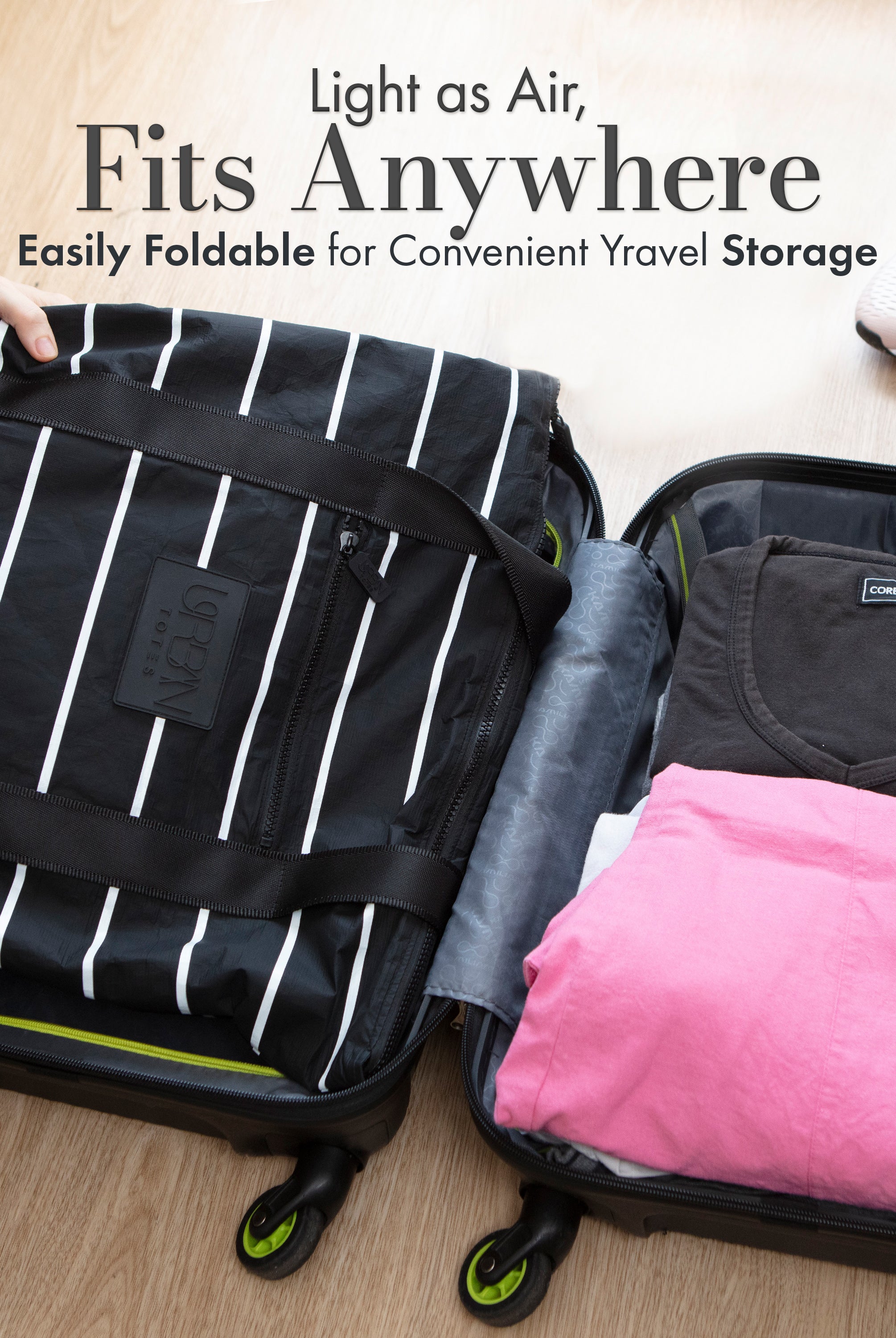
Measure your bag the way it will board. Full, zipped, handles and hardware included, exterior pockets filled. A soft, foldable, packable bag may look tiny in a drawer, but airlines judge the packed profile that meets the sizer.
Personal-item sizes aren't one national standard. A comparison of personal-item size by airline lists American at 18 × 14 × 8 inches, United at 17 × 10 × 9 inches, and JetBlue at 17 × 13 × 8 inches, while Delta requires the item to fit beneath the seat without publishing one fixed dimension. Check your operating airline before departure, especially if you're switching carriers on the same trip.
Shoulder Bag Size Checks for U.S. Flights
| Rule | Limit | What to measure |
|---|---|---|
| Common carry-on benchmark | 22 x 14 x 9 in | Packed bag at Delta, United, American, Alaska, and JetBlue |
| Southwest carry-on | 24 x 16 x 10 in | Packed bag plus wheels, handles, and attachments |
| American personal item | 18 x 14 x 8 in | Under-seat bag as it will board |
| United personal item | 17 x 10 x 9 in | Under-seat bag as it will board |
| JetBlue personal item | 17 x 13 x 8 in | Under-seat bag as it will board |
| Delta personal item | No single published size | Must fit beneath the seat |
A compressible shape helps when limits differ, but only if you leave a little room instead of packing to the zipper. Compress the bag with your hands the way it would need to fit under a seat. If the zipper strains and the sides bulge hard, it's not a reliable personal item for that flight.
Write the day's job on the bag in your mind before you pack. Under-seat, hip carry, or light gym swing. That one label keeps you from packing for all three at once.
Pick the Strap That Matches Your Day
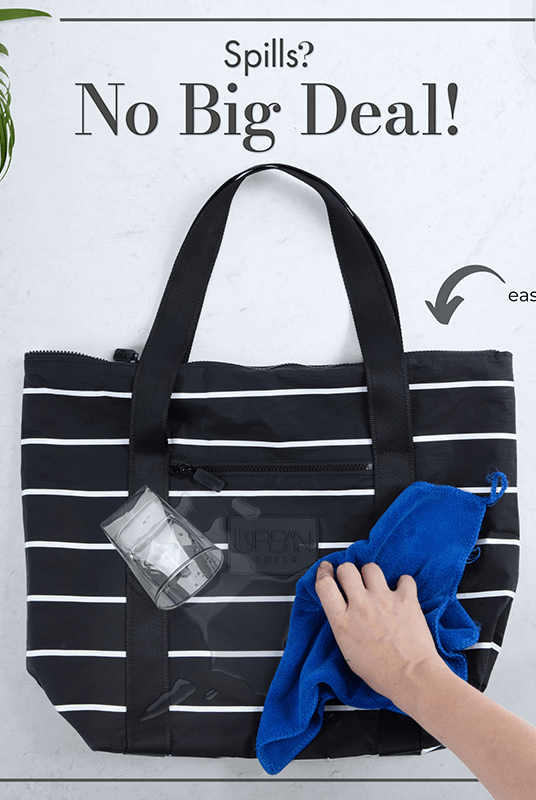
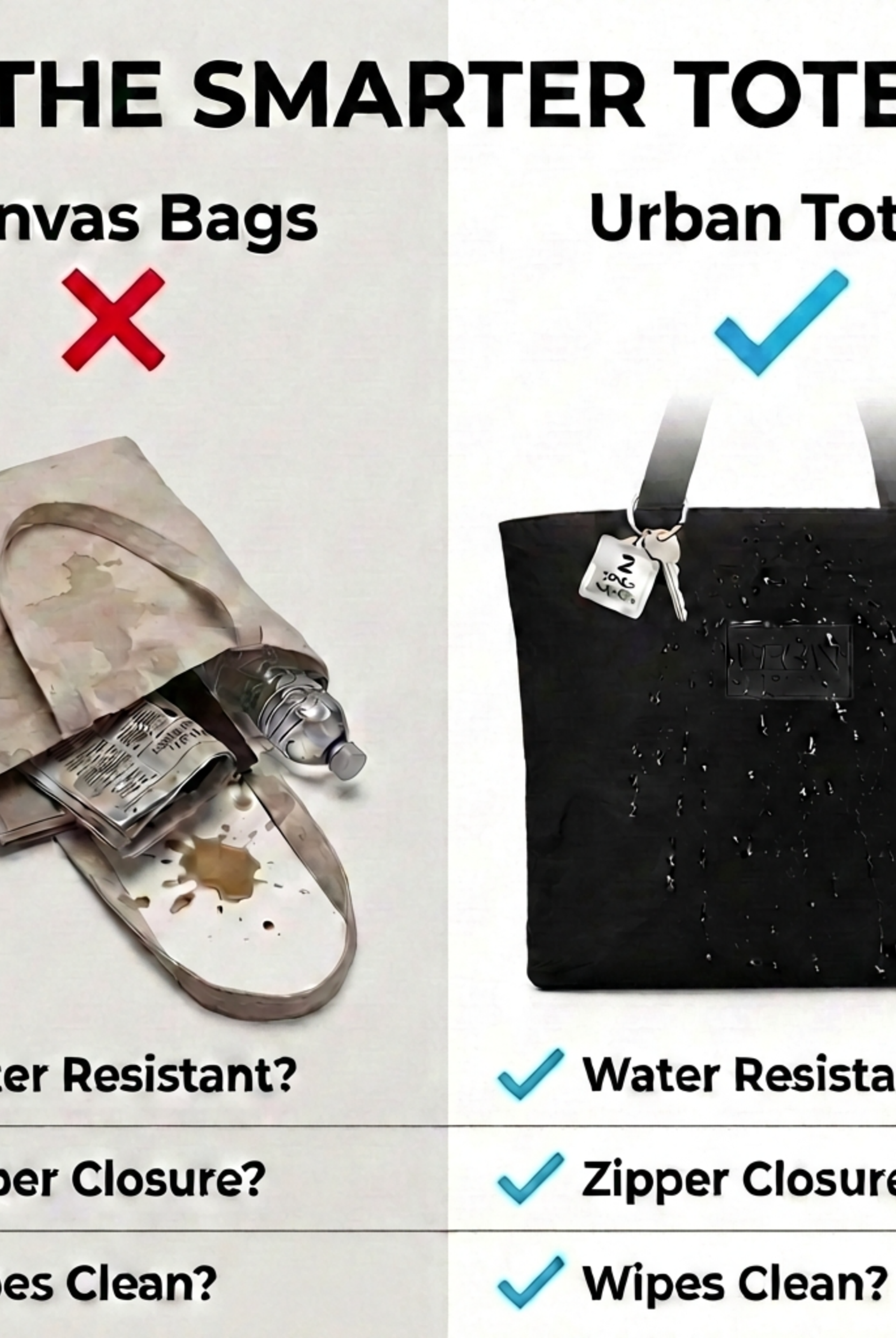
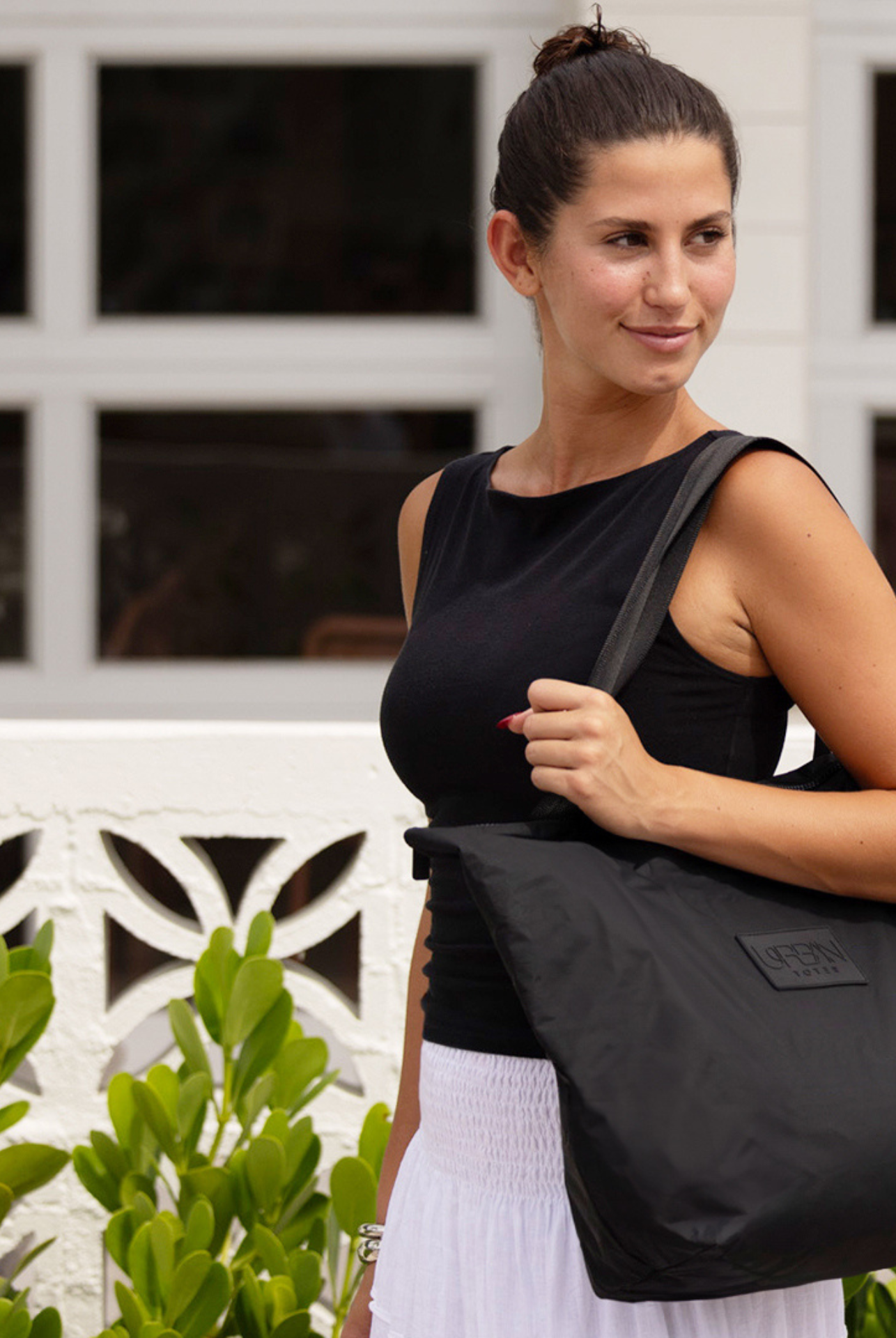
If your day is drop-off, errands, and a laptop-light commute, choose a shoulder tote that can sit at your hip, with zipper closures and pockets that stop the phone hunt. If your day is a terminal or a long hands-free walk, choose an adjustable strap that can cross your body and keep the pouch close. If your day is gym, beach, or market, carry less, pick a water-resistant, lightweight body you can wipe clean, and keep only the pockets you'll open.
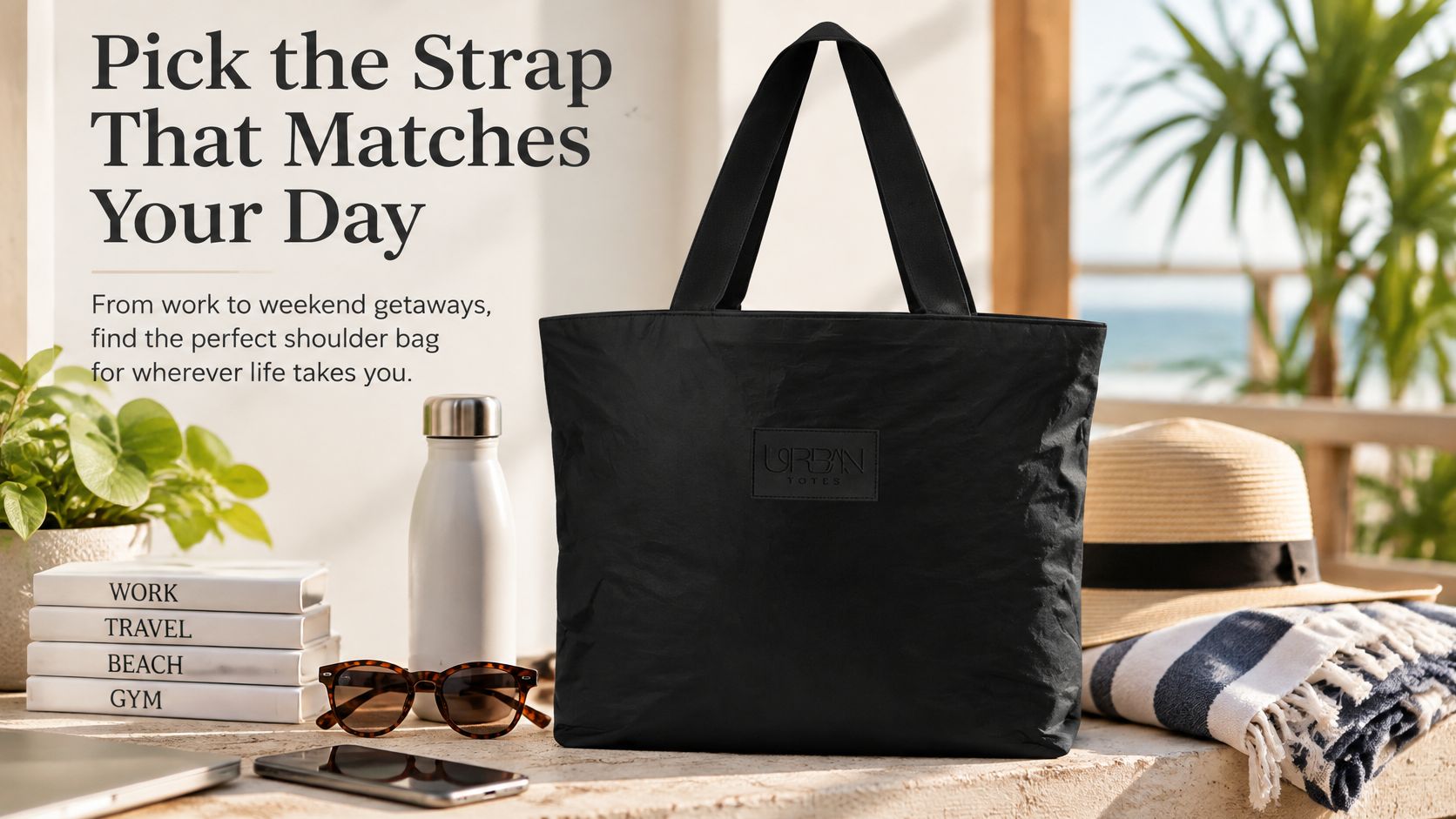
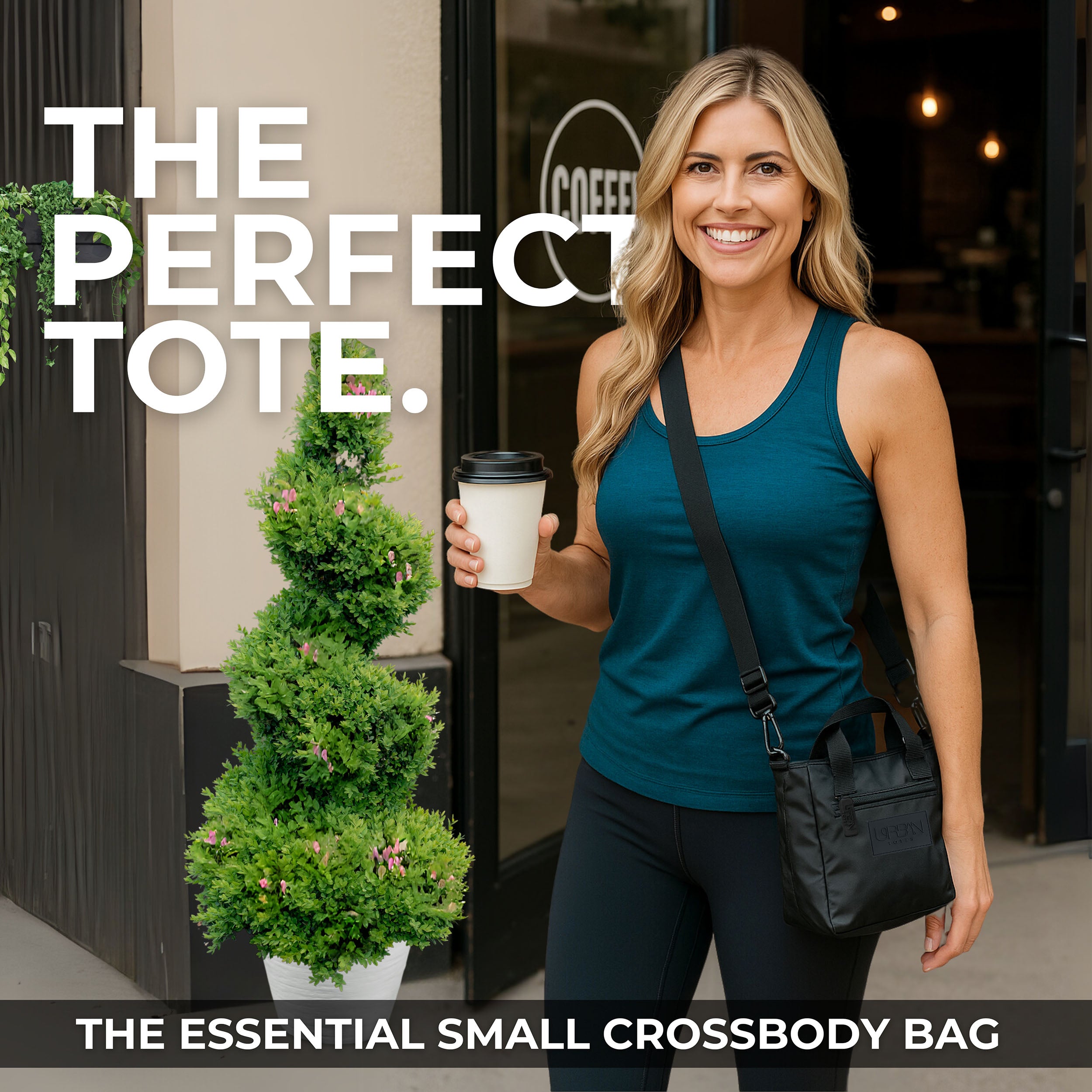
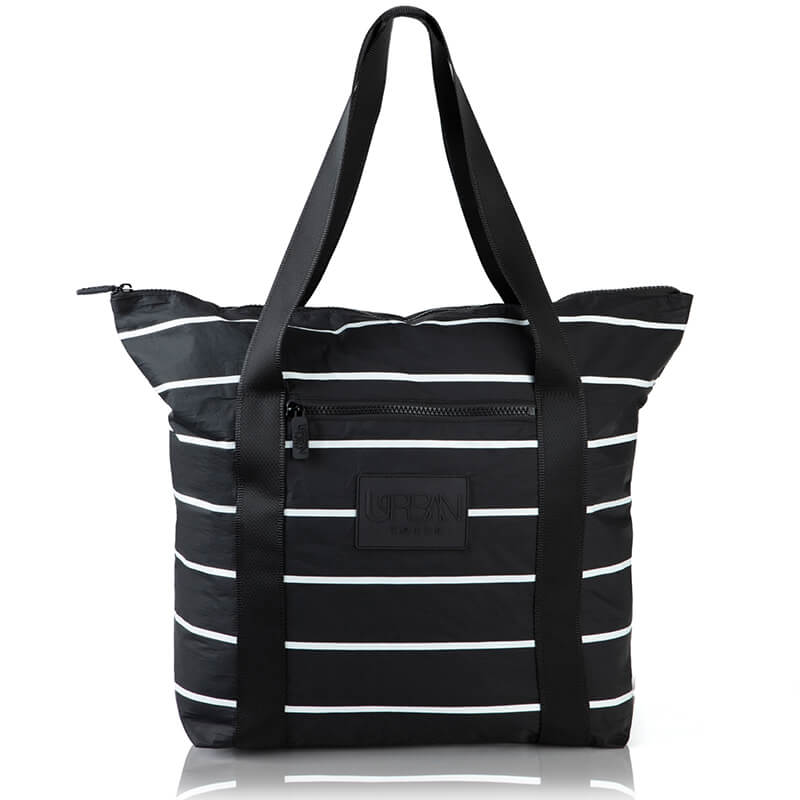
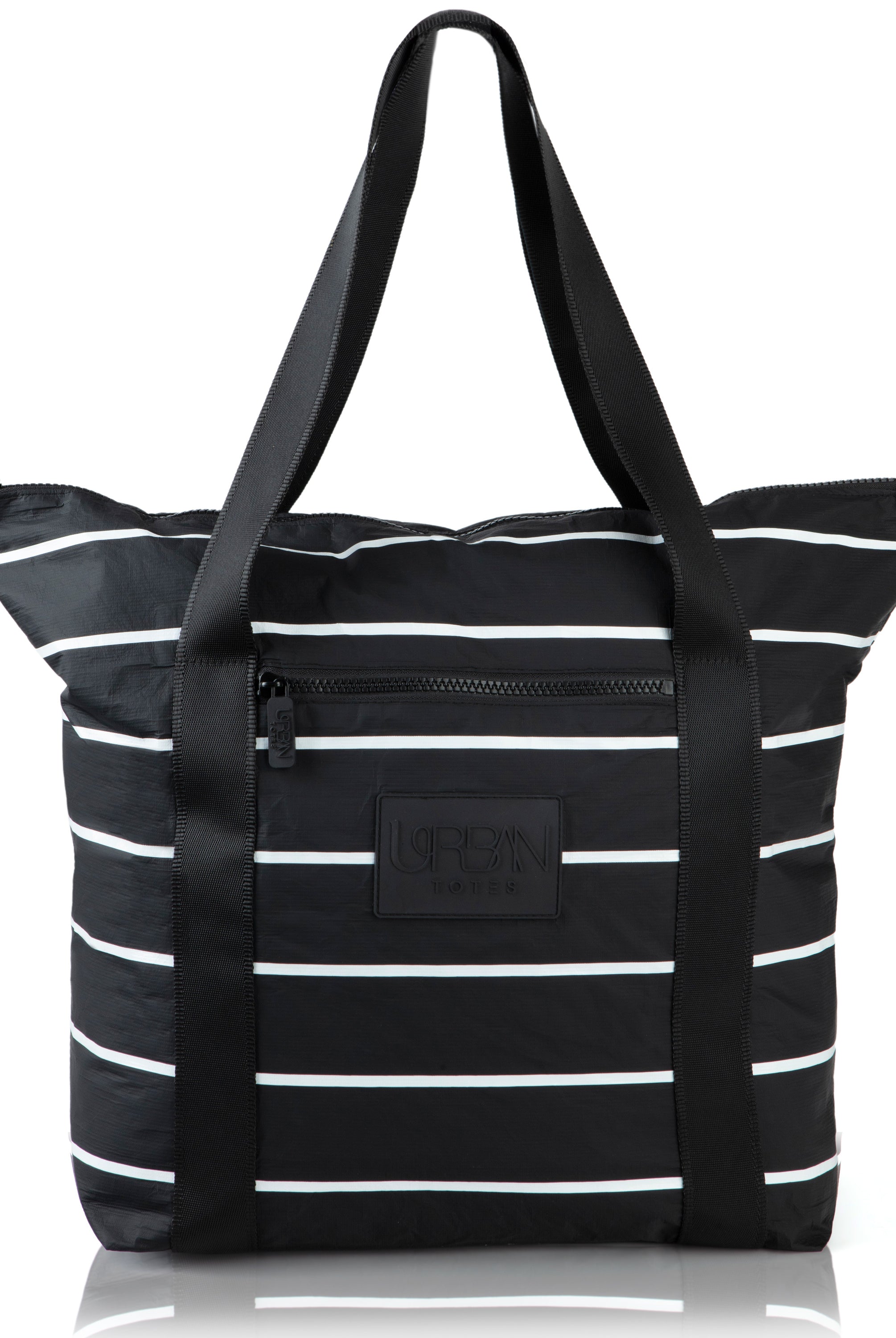
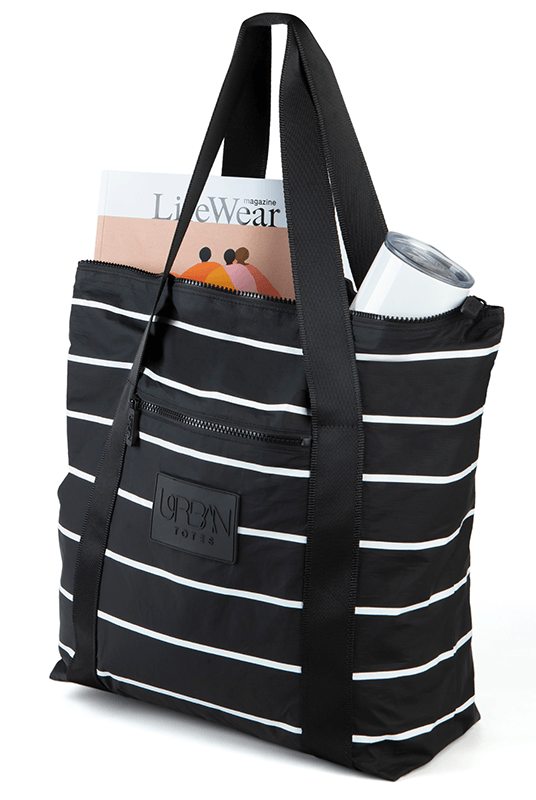
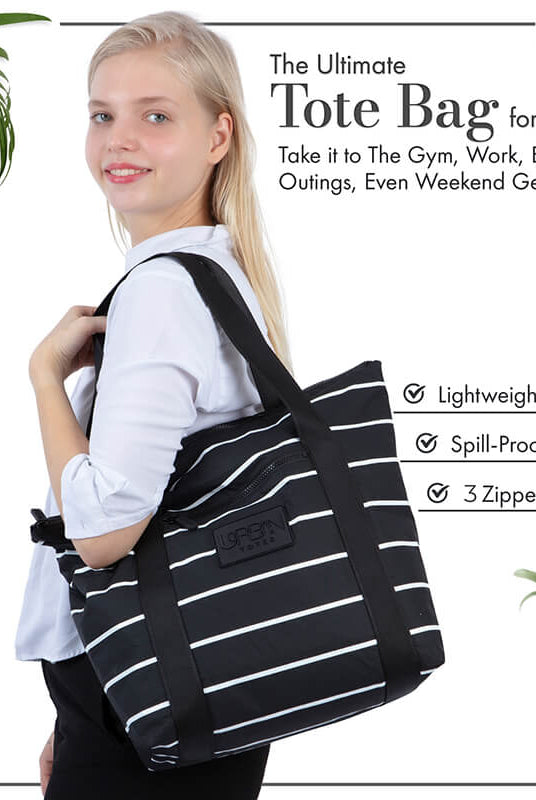
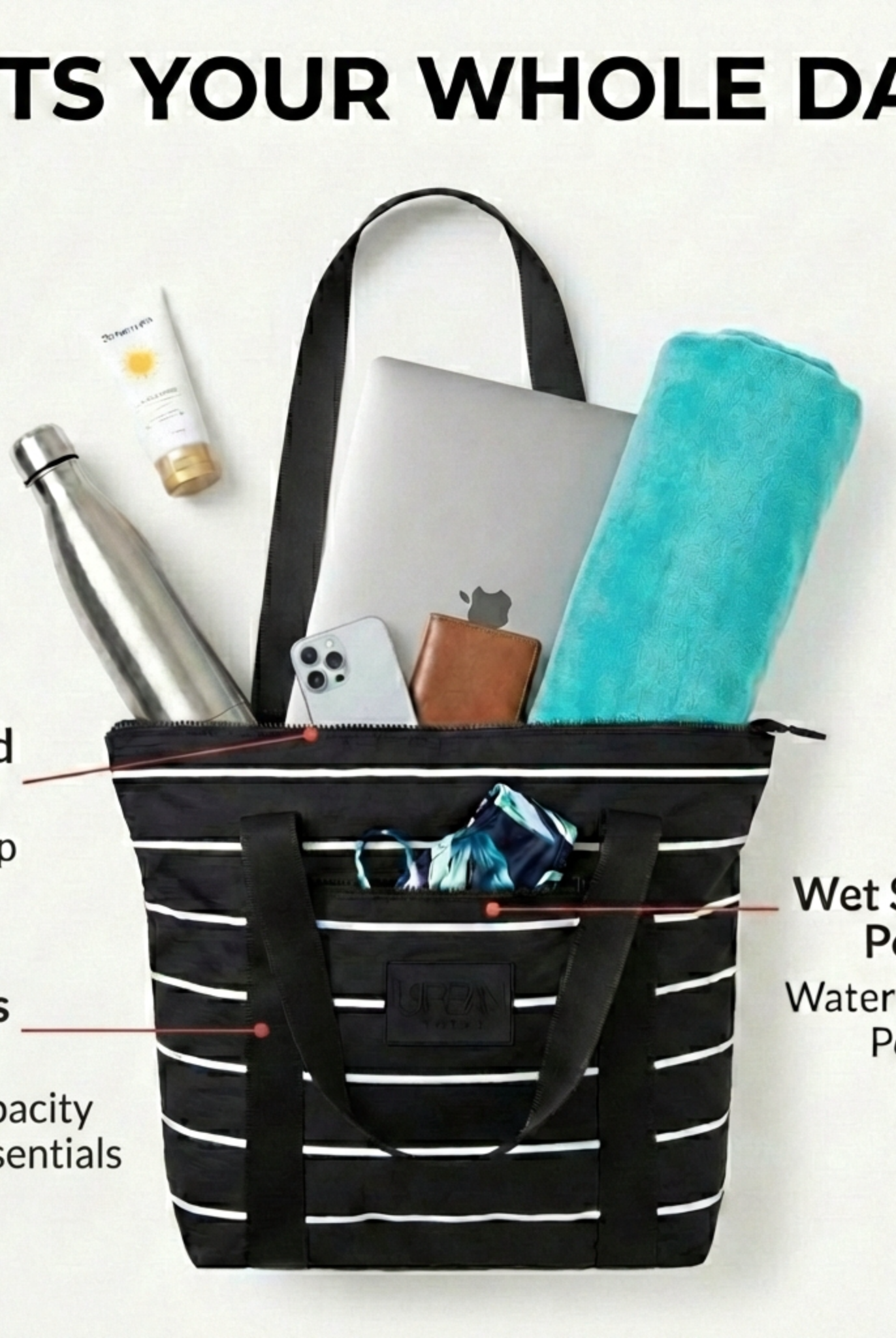
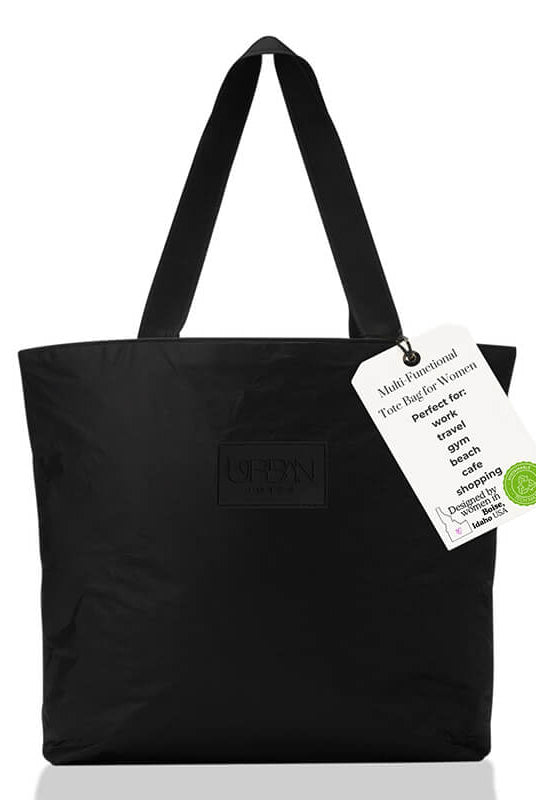
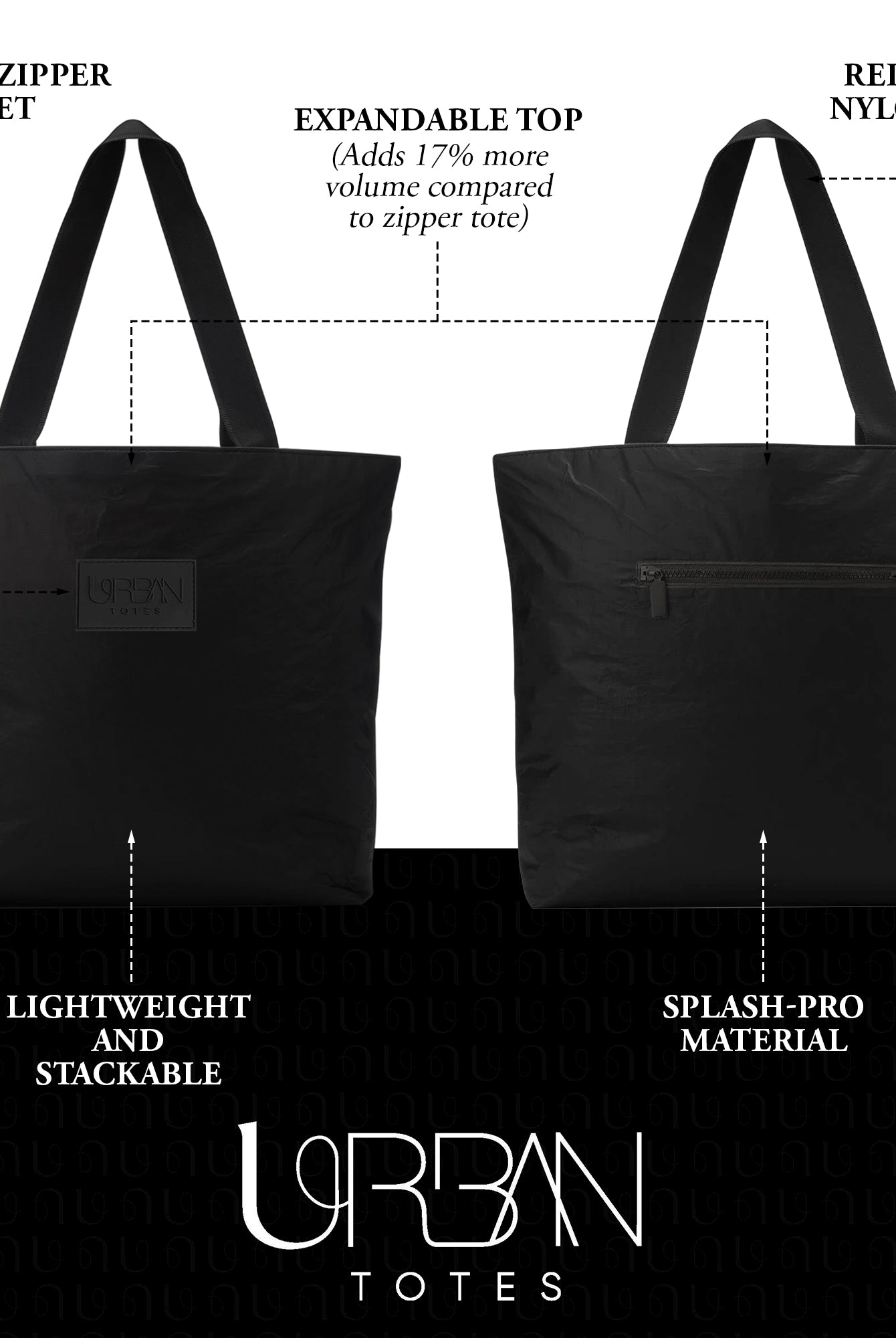
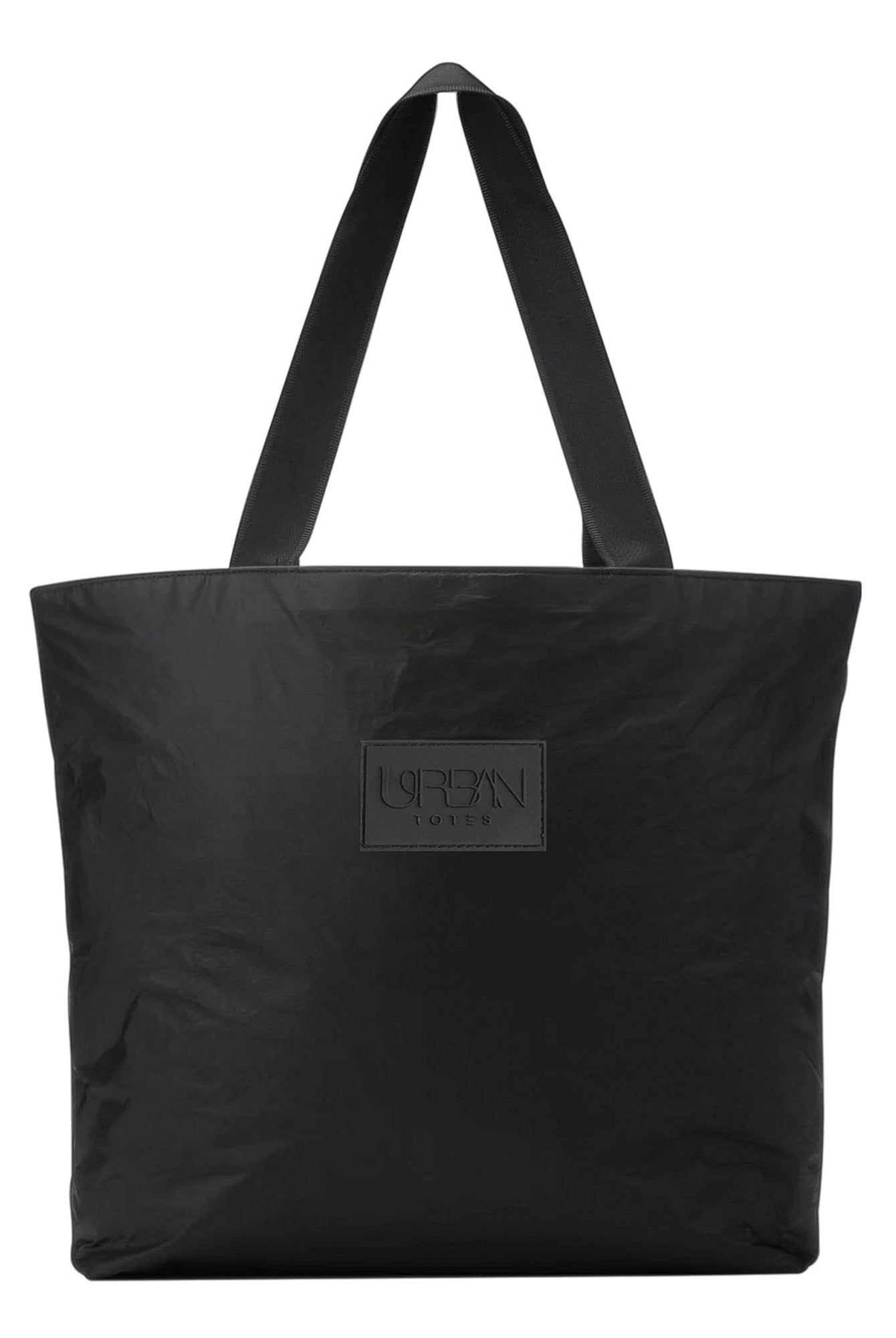
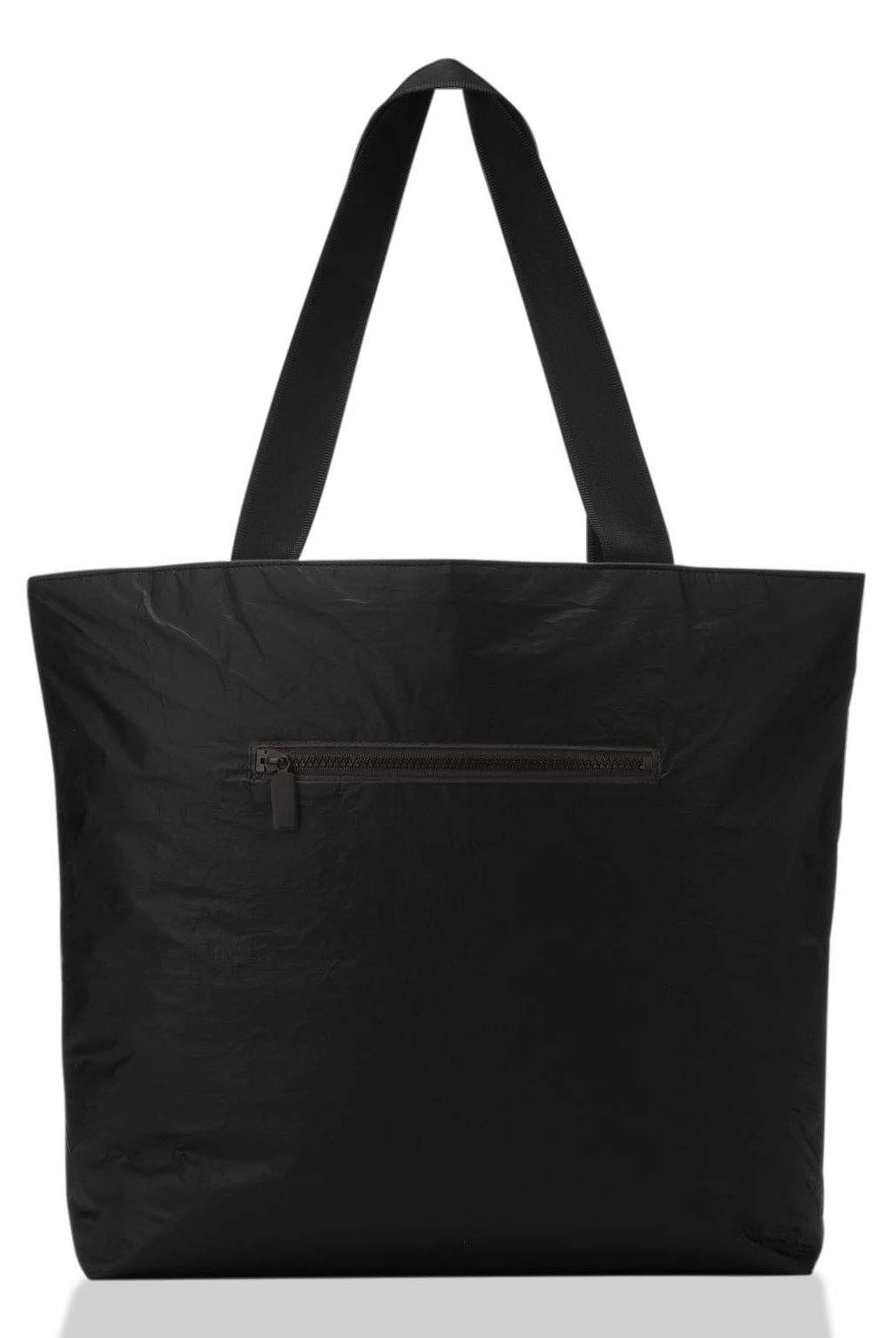
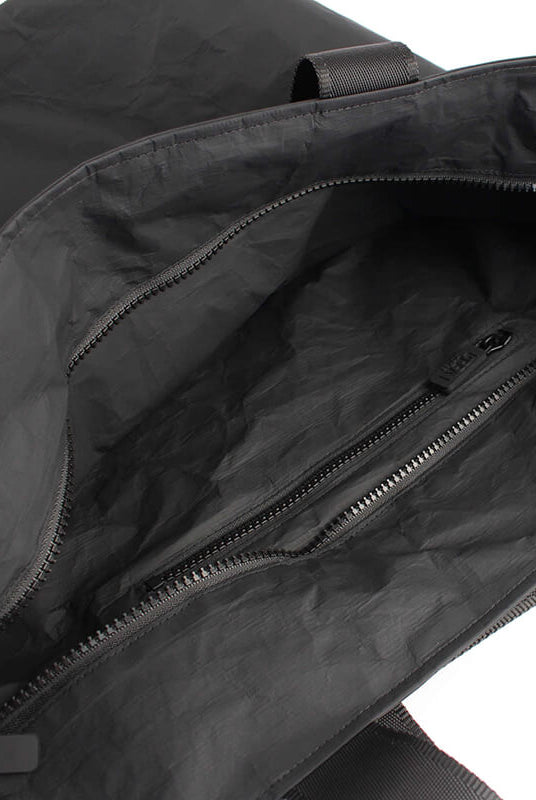
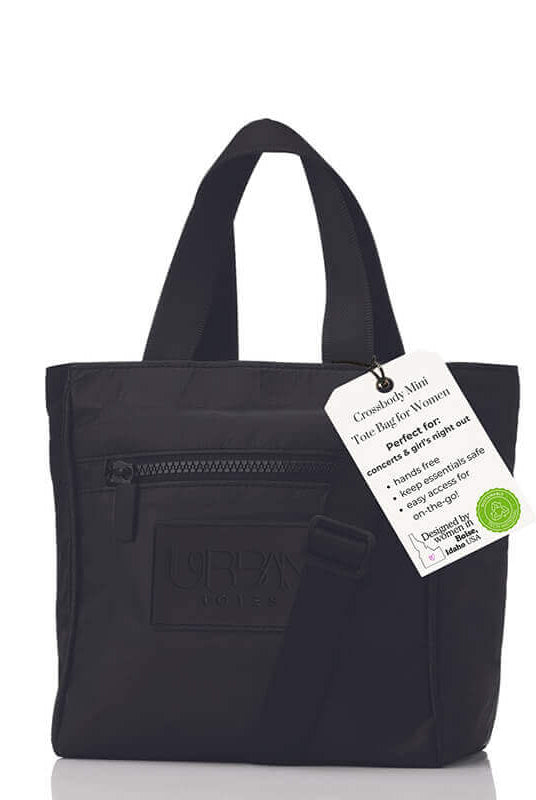
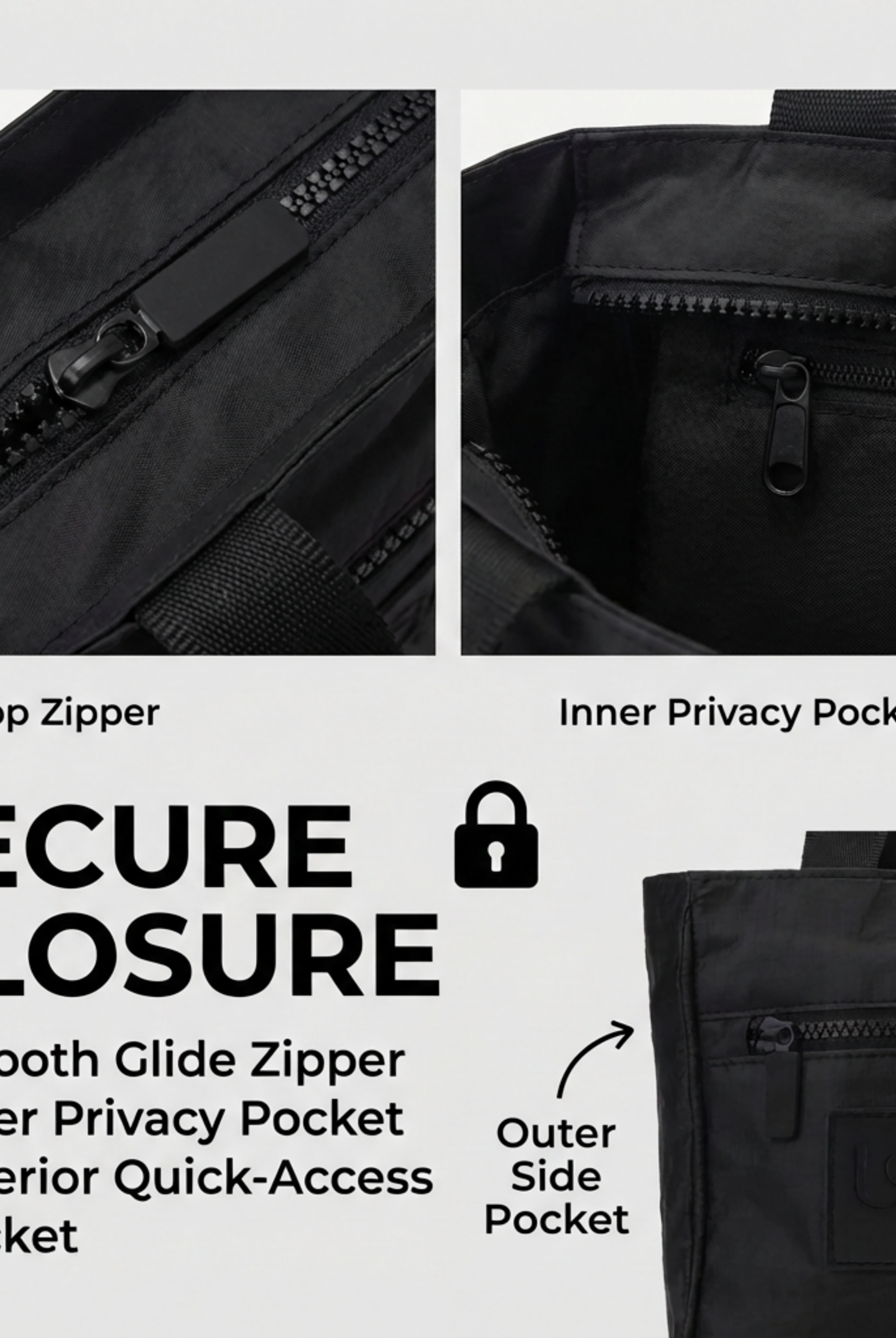
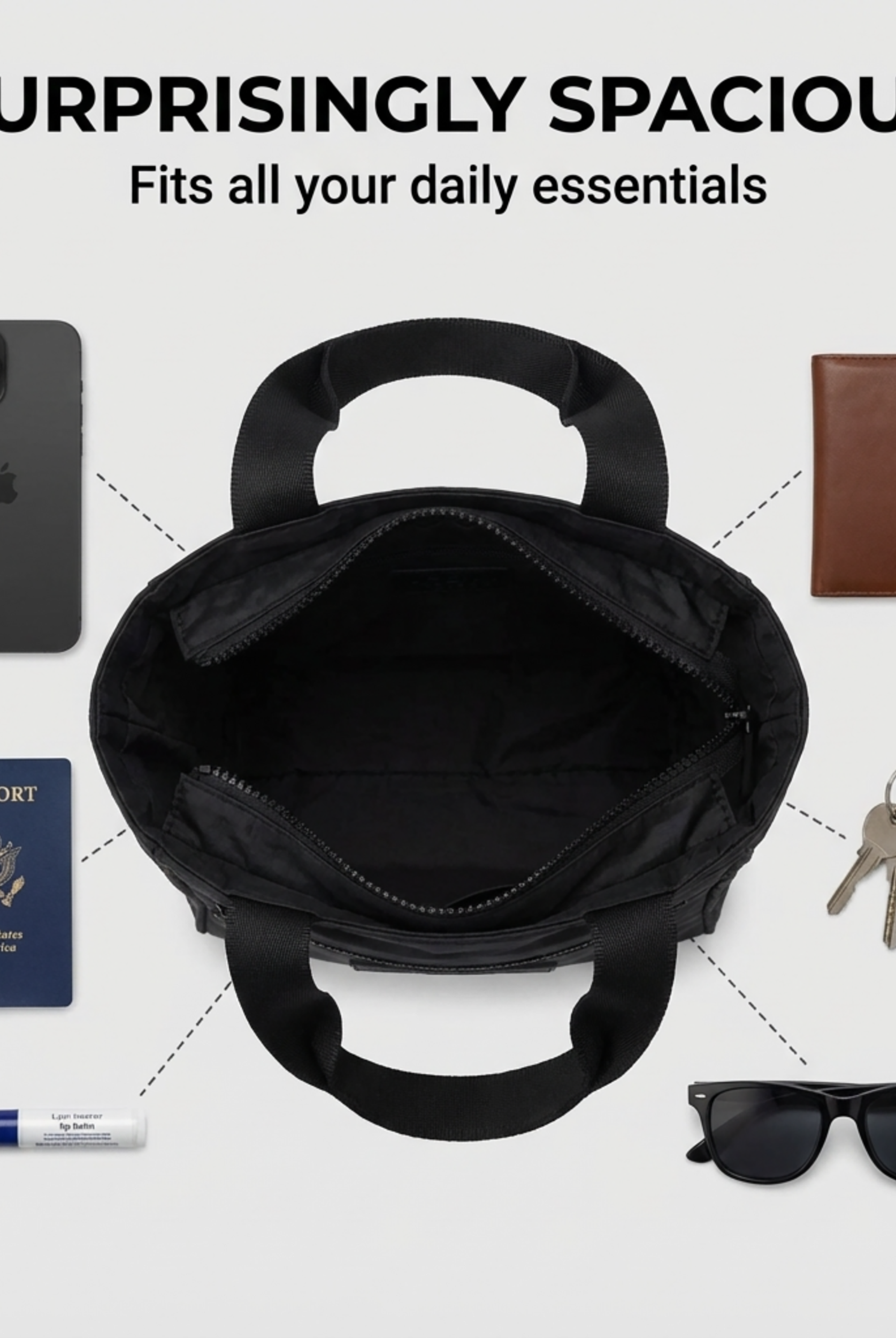
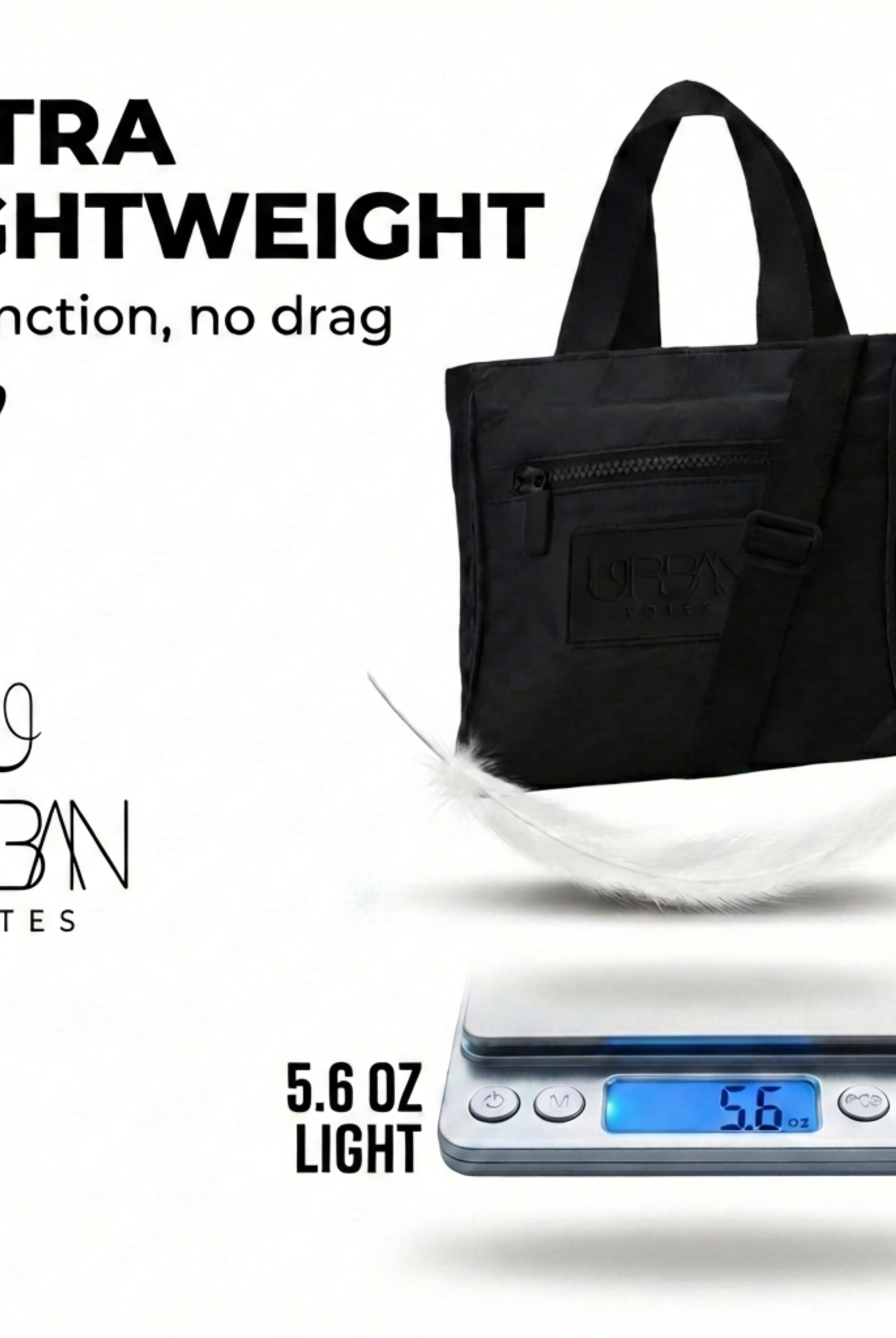
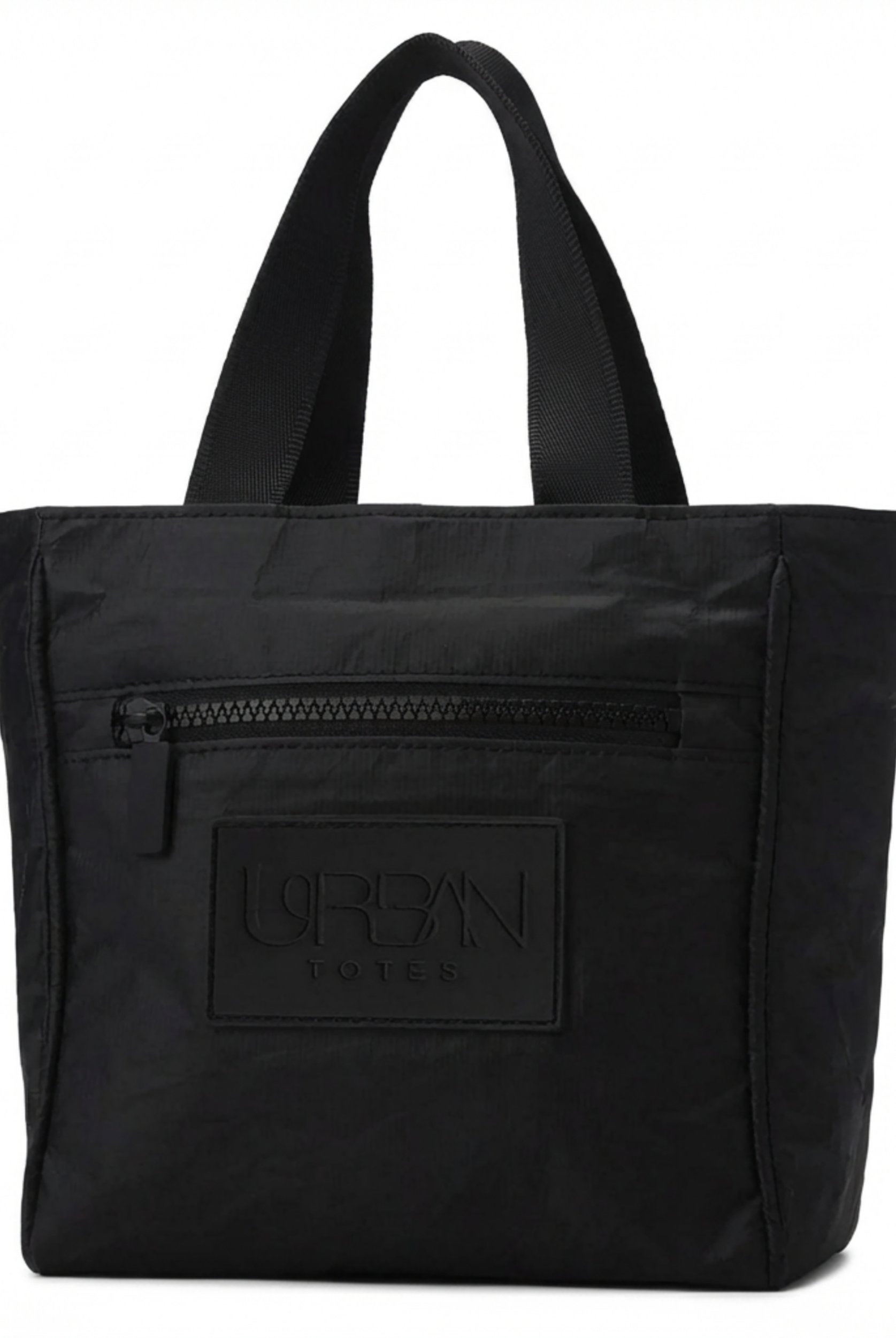
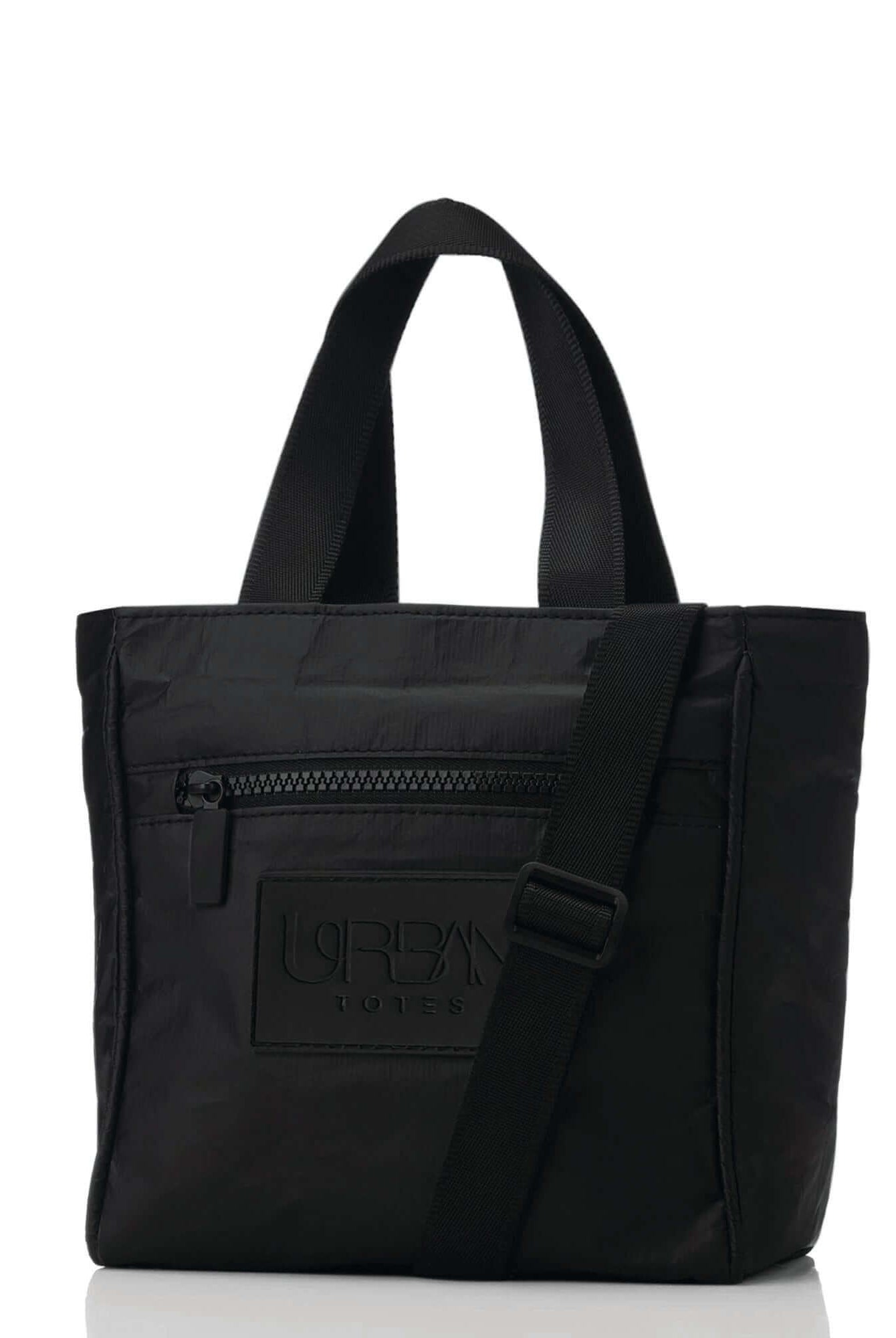
That's the everyday rhythm we design for at Urban Totes, our woman-owned, Boise-made brand. The Go Anywhere Day Trip Tote Bag by Urban Totes has comfortable silky straps with an 11.5-inch handle length, zipper closures, three large zippered compartments, and specific pockets for an iPhone and keys, in a lightweight packable build. Our Crossbody Tote Bag Mini Purse has a removable strap that extends to 53 inches alongside 11-inch handles, which gives you a concrete picture of a longer crossbody adjustment.
Pack tomorrow's real list first. Check where the strap lands on your hip, walk around the house, and remove one just-in-case item. Then shop with that honest load in mind. Find your perfect go-anywhere bag at urbantotes.com.
Pack your real list, set the strap at your hip, and choose a versatile, travel-ready bag that keeps up without weighing you down. At Urban Totes, you'll find thoughtfully designed totes and crossbody styles with zipper closures and organized pockets for commute days, beach days, errands, and getaways. Shop the full collection and take on whatever the day brings.