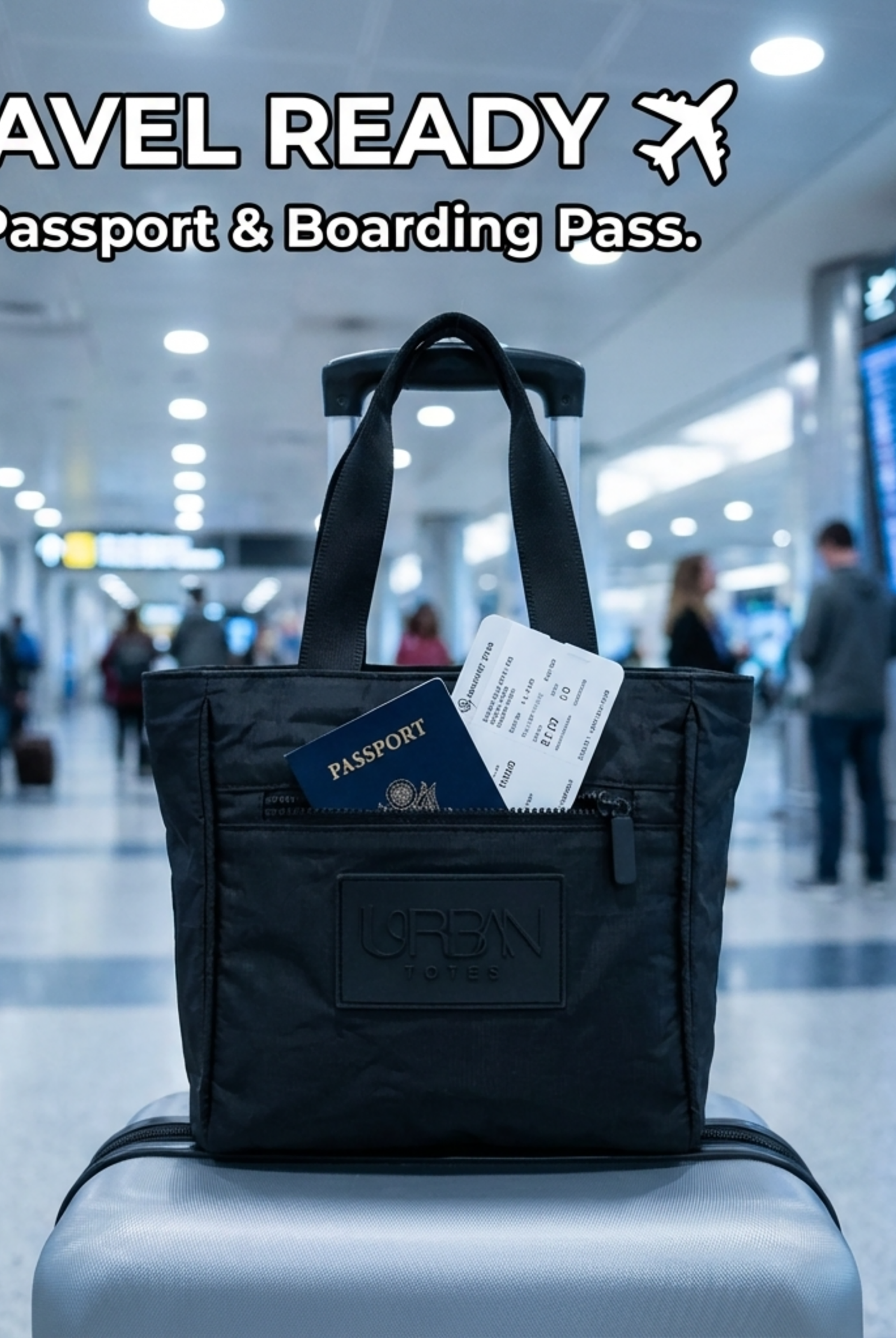
It's Monday, you're balancing coffee, a train pass, and a bag that's already sliding off your shoulder, and the day hasn't really started yet. That's the moment that tells you whether a work bag fits your life. The best crossbody bags for work aren't judged empty on a shelf. They're judged loaded, at school drop-off, in a crowded station, and walking into a meeting without a fuss.
I'm candid about this because a crossbody can be wonderful, hands-free, organized, and stylish, and it can also punish one shoulder if you ask it to carry too much. Here's how to choose one that keeps up without wearing you out.
Table of Contents
- Quick Picks for Work Crossbody Bags by Commute
- The Six Criteria That Decide a Work Crossbody
- How Much a Crossbody Can Carry Before Your Shoulder Pays
- Organization and Security for a Full Workday
- Strap Fit and Dress-Code Style for the Office
- Water Resistance, Materials and Rain
- Pack and Care for Your Work Crossbody in Five Steps
- Choose Your Work Crossbody This Week
Quick Picks for Work Crossbody Bags by Commute
Your commute sets the size band. A two-train hop with a 13-inch laptop and a ten-minute drive to a client office pull you toward different bags, and starting from the trip is faster than starting from the shelf.
| Commute or Job | Size Band | Must-Have Features | Carry Tip |
|---|---|---|---|
| Office commuter with a laptop | Mid-size, sized for laptop sleeve | Padded wide strap, interior zip pocket | Keep the laptop against your back |
| Hybrid worker, office to gym | Compact to mid-size | Zip top, quick-access phone pocket, easy-to-wipe lining | Carry gym kit in the interior, not the outer pocket |
| Field or client visits, light kit | Compact | Lightweight build, phone and key pocket | Pack only the day's essentials |
| Caregiver with childcare pickup | Mid-size with separate compartments | Zip closures, separate pockets for work and family items | Keep heavy items centered and close to the body |
| Frequent traveler for work | Compact to mid-size, packable | Foldable, water-resistant fabric | Fold flat and pack when not in use |
How to Use Your Row
If you're the office commuter, the laptop position matters more than an extra pocket. Ride the strap on your shoulder for a full minute before you commit, because a padded strap that sits wrong is worse than a plain one that sits right.
If you're moving from office to gym, a wipe-clean lining and a zip top earn their keep on the days you leave the office sweaty and hurry to a locker room. Capacity you won't use on lighter days mostly adds sag.
For field days, compact wins. You're in and out of cars, cafés and client lobbies, and a small bag you keep on your body beats a larger one you keep setting down. For childcare pickup, separation is the whole point: work tech in one zone, snacks and wipes in another, so you're not opening everything at once.
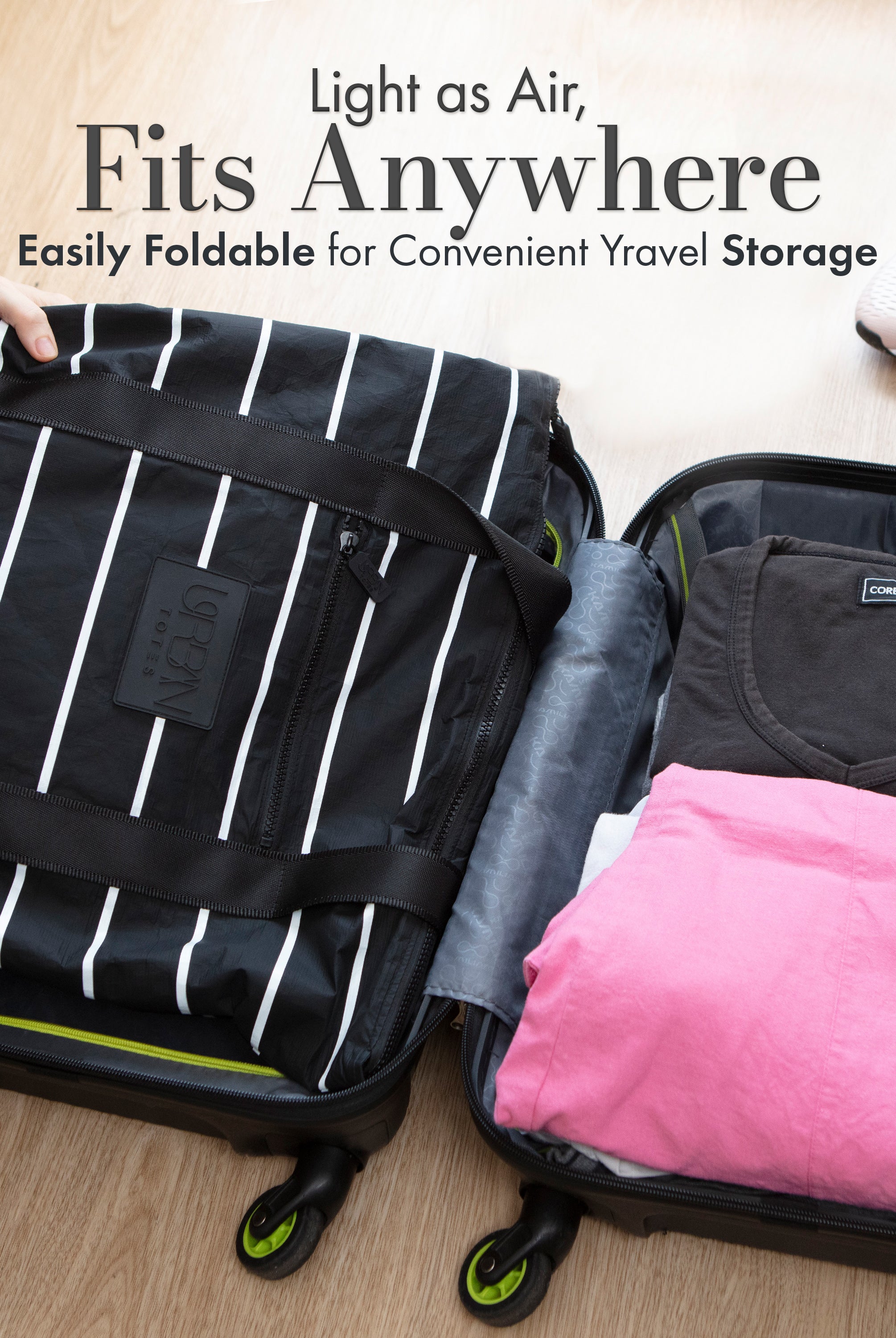
Frequent travelers should test the fold-flat claim with their real load. A packable bag that folds small carries soft goods well and structured gear badly, and once it's stuffed it stops being packable and starts being bulk in your carry-on.
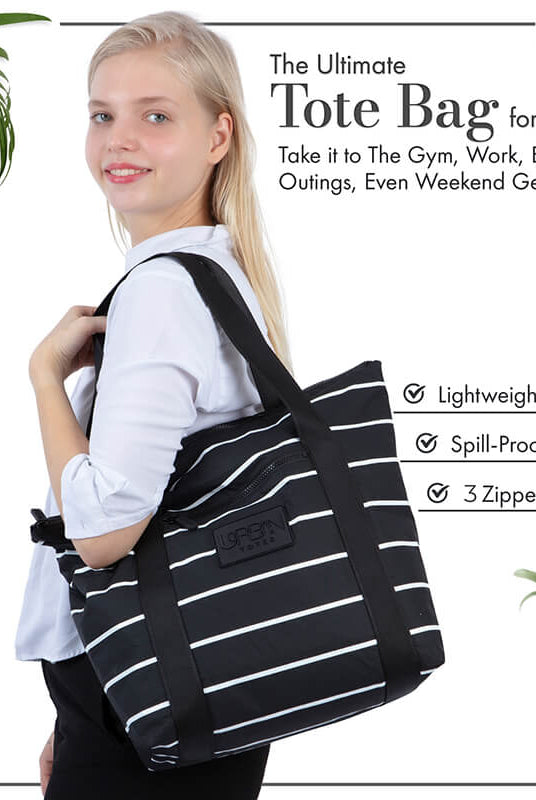
Comfort under a real daily load beats pocket count every time. Our bags are designed for use as a work bag, a travel bag, a gym bag, or all of these, so one travel-ready bag can cover more than one row in a busy week. If a bottle is part of your daily carry, our guide to a crossbody bag with a water bottle pocket shows how that detail changes the fit.
The Six Criteria That Decide a Work Crossbody
Don't shop by color first. Shop by what you'll notice at 10 a.m. on a loaded Tuesday.
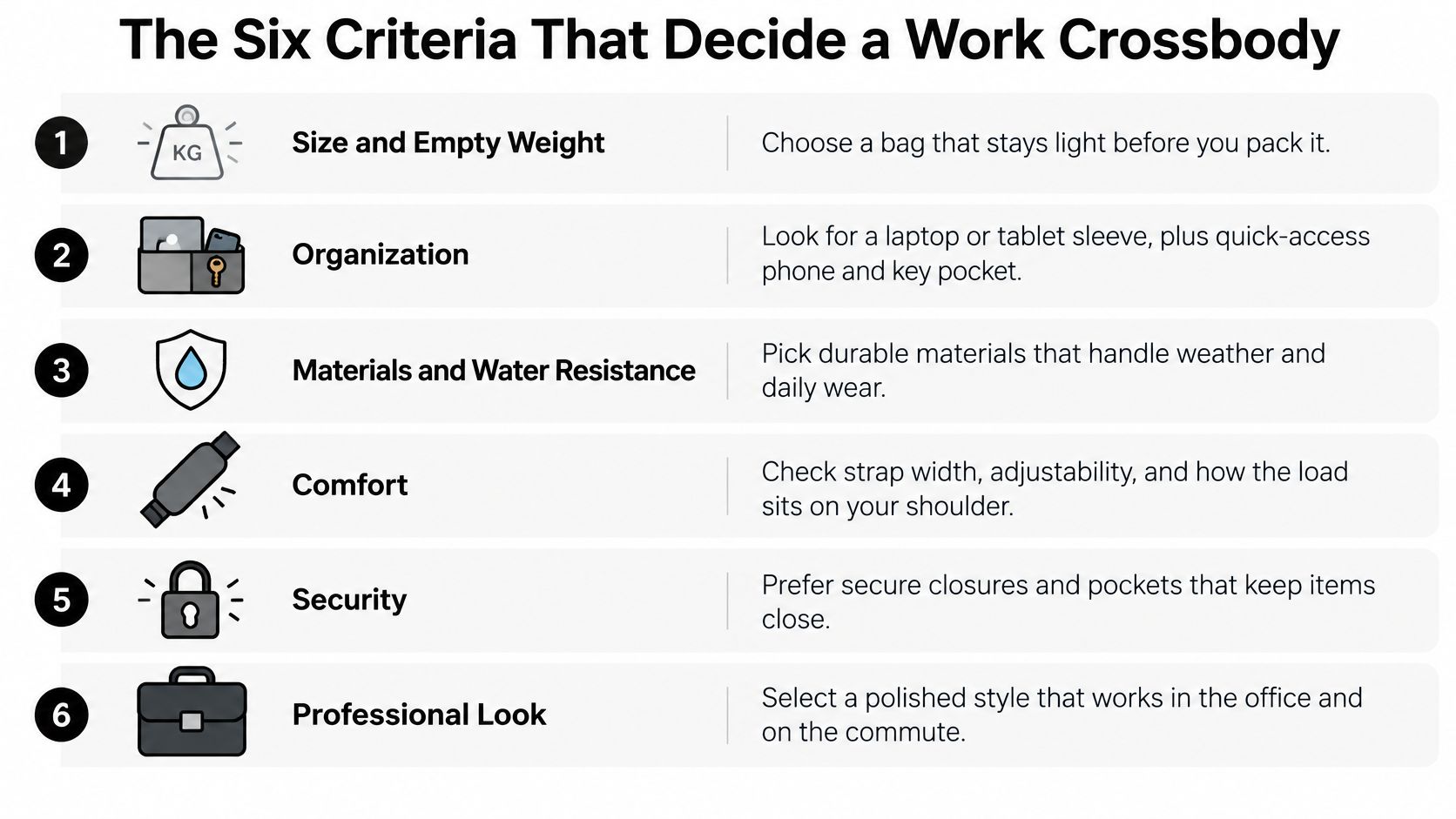
The Six Checks in Order
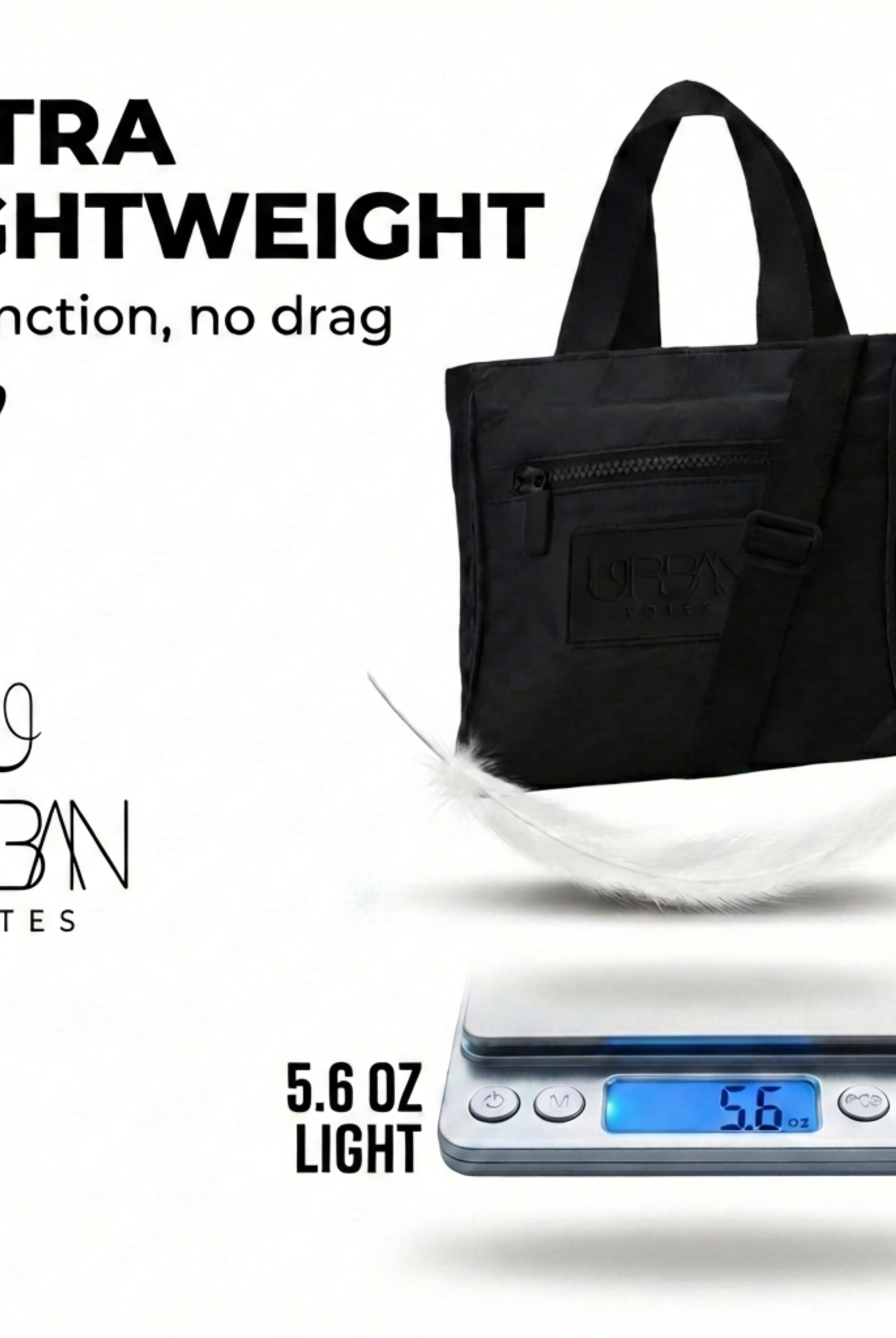
- Size and empty weight. Lift it empty, then loaded with a real day's items. A lightweight design matters as much as capacity because every ounce of bag is an ounce you can't spend on your laptop. Red flag, it feels heavy before you've packed anything, or it sags shapeless when empty.
- Organization. Look for a laptop or tablet sleeve plus a quick-access phone and key pocket. Put your actual phone in the pocket. Red flag, the phone pocket is too small for your phone, or everything lands in one open cavity.
- Materials and water resistance. Choose a durable, water-resistant shell you can wipe clean after a drizzly walk or a spilled coffee. Check zippers and seams, not just the fabric name. Red flag, an open top with no way to close it in rain.
- Strap comfort and adjustability. Put the strap on, walk, then sit down. Does it shift, dig, or slide? Red flag, a fixed-length fashion strap you can't shorten over a blouse or lengthen over a coat.
- Security. A zipper closure should stay shut when the bag swings as you climb stairs. Open and close it one-handed while holding your coffee. Red flag, a zip that catches, gaps at the end, or needs two hands every time.
- Dress-code fit. A clean silhouette in a neutral color passes in a meeting and at a farmers market on Saturday. Red flag, loud hardware or a slouchy shape that looks like a gym sack next to a blazer.
Pick Your Top Two
You don't need to weight all six equally. A train commuter might rank strap comfort and security first. A client-facing worker might put dress-code fit and organization at the top.
Practical rule: If a bag fails your top two criteria loaded, it won't get better after a month of hoping.
Write your two down before you browse. That short list keeps a pretty bag from winning over a functional one.
How Much a Crossbody Can Carry Before Your Shoulder Pays
Weigh the whole carry before you fall for a bag. Your real load is the laptop plus everything packed around it: charger, spare battery, external drive, water bottle, lunch. Pack the bag the way you'd leave the house, stand on a kitchen scale with it, and trust that number over the spec sheet.
| Everyday Load | Crossbody Suitability | What to Do |
|---|---|---|
| Under 5 lb, phone, wallet and light notebook | Comfortable for a full day with an adjustable strap | Use a single crossbody and switch sides on long days |
| 5-8 lb, laptop alone | Workable with a padded, adjustable strap | Keep laptop against the torso and alternate shoulders |
| 8-10 lb, laptop with charger and water bottle | Strain builds on one side during long commutes | Move to a two-strap bag or split the load |
| 10 lb or more with accessories | Not recommended as the only carry | Use a pull-along laptop case |
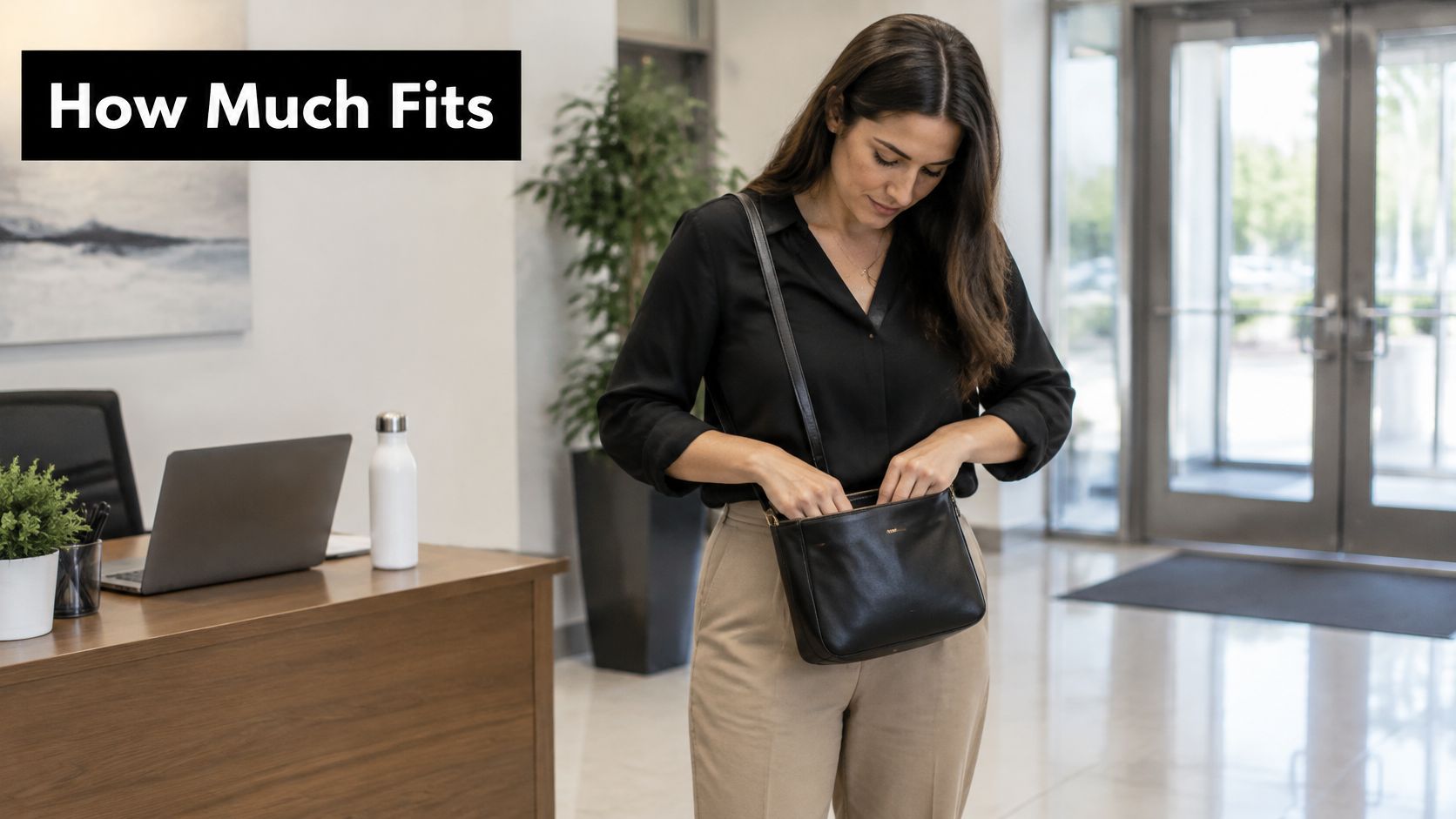
Why Placement Matters as Much as Weight
A peer-reviewed study of asymmetrical loads found that asymmetrical loads increased center-of-pressure displacement, sway-area measures, and corrective activity, and heavier loads amplified these effects. In plain terms, your body works harder to stay balanced when weight hangs on one side, and it works harder still as that weight grows.
Keep the laptop or bottle close to your torso. Use multiple internal compartments to stop dense items clustering at the outer edge, where they pull harder on the shoulder. A wide, adjustable strap and switching sides on long commutes spread the work. Past 8 pounds, I'd hand the laptop to a two-strap bag or a pull-along case and let the crossbody carry the rest. A single strap is a moderate-load tool, and balanced carriage does the heavy lifting on the days that need it.
Where a Crossbody Beats a Shoulder Bag
A 2017 ergonomics study of 20 healthy students found cross-body carrying produced significantly less activity in the upper trapezius and erector spinae muscles than carrying a shoulder bag on the same side. That's a genuine advantage at lighter loads. The study didn't show that any crossbody stays comfortable at any weight or across a long commute, so the table still governs.
Load sharing is the principle behind every recommendation here. Split weight across two shoulders, or divide it between a crossbody and a tote, and the upper body works less than it does with one loaded strap. That holds whether the second strap sits on your other shoulder or the weight rides lower and closer to your hips.
Watch for shoulder pain, numbness, or a bag that slides down your back every block. Those are signals to lighten up, switch to a two-strap bag, or use a pull-along case. Don't carry a laptop by its handle for long stretches either. Use the strap. For setup ideas, see our guide to a work bag with a laptop compartment.
Organization and Security for a Full Workday
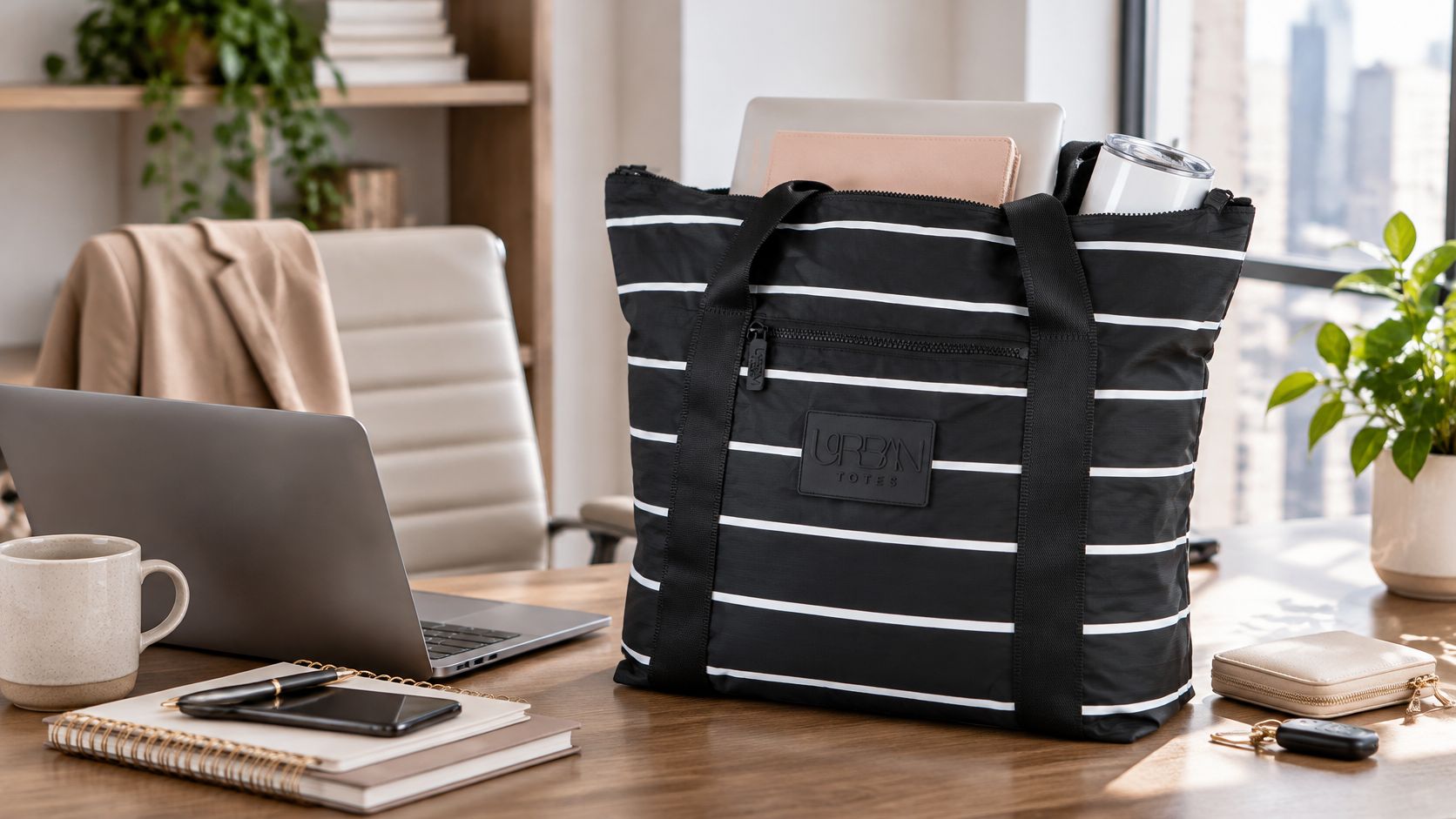
Nine in the morning on a crowded platform and the badge you need is buried under a lunch container. That is a layout problem, not a discipline problem. A work crossbody handles a full day well when every item has a fixed home and the things you reach for most sit where your hand lands without looking.
Three Zones That Earn Their Space
Build the bag around three zones and the contents mostly sort themselves.
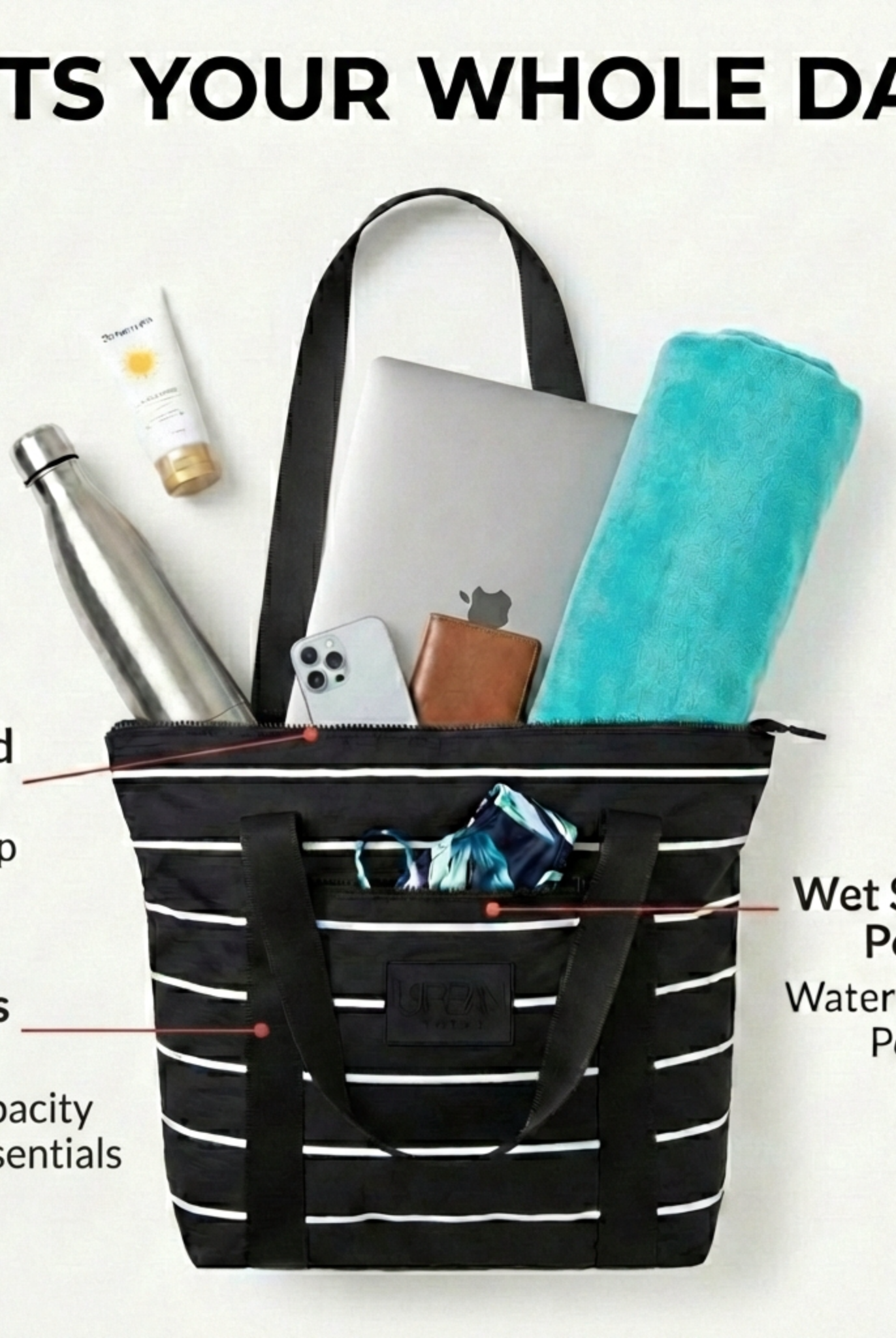
- Laptop or tablet sleeve: It cushions the device and keeps it upright against your body instead of letting it flop to the bottom of the bag.
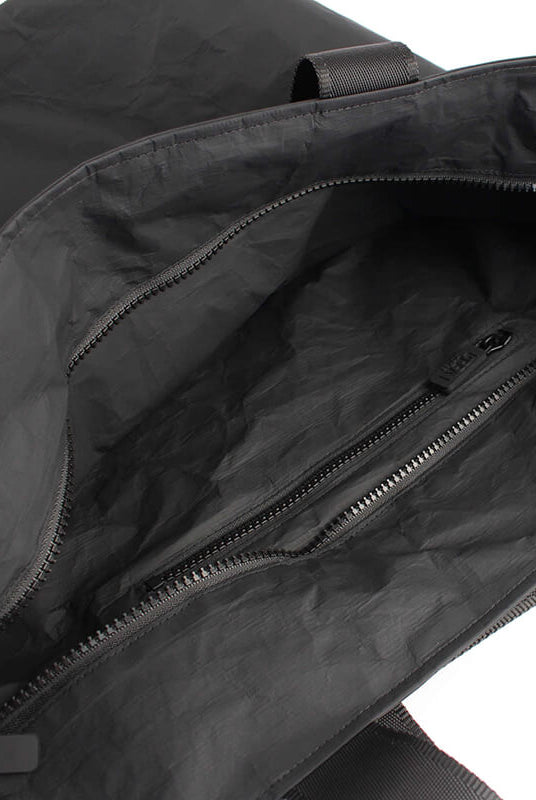
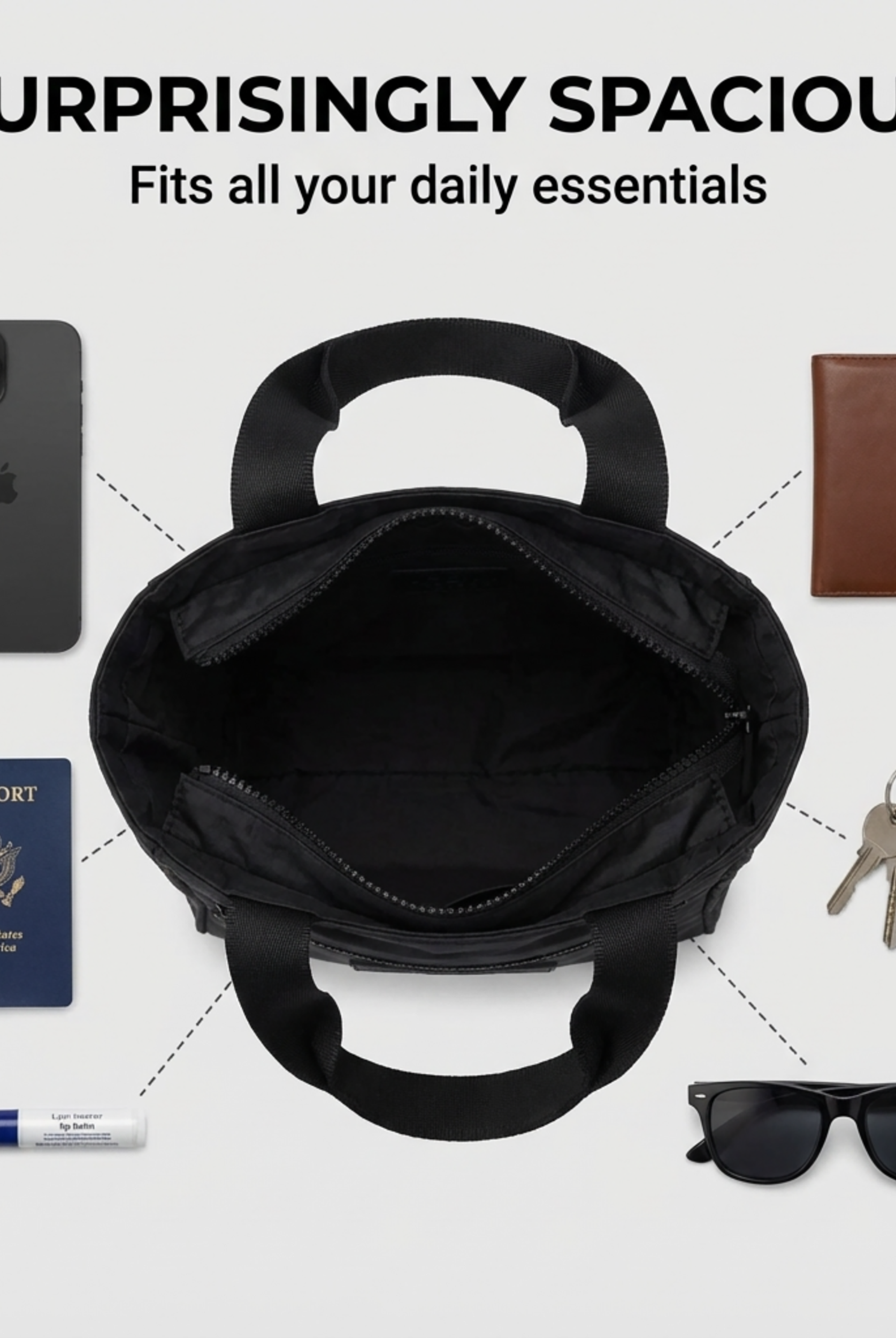
- Interior zipper pocket: Cables, badge, lip balm and small items stay contained rather than migrating under your notebook.
- Outside quick-access pocket: Phone and keys live here for the train gate, the school door and the car, with no unzipping the whole bag in the rain.
The order of those zones matters more than the pocket count. Six pockets with no assigned job still leave you digging at the gate.
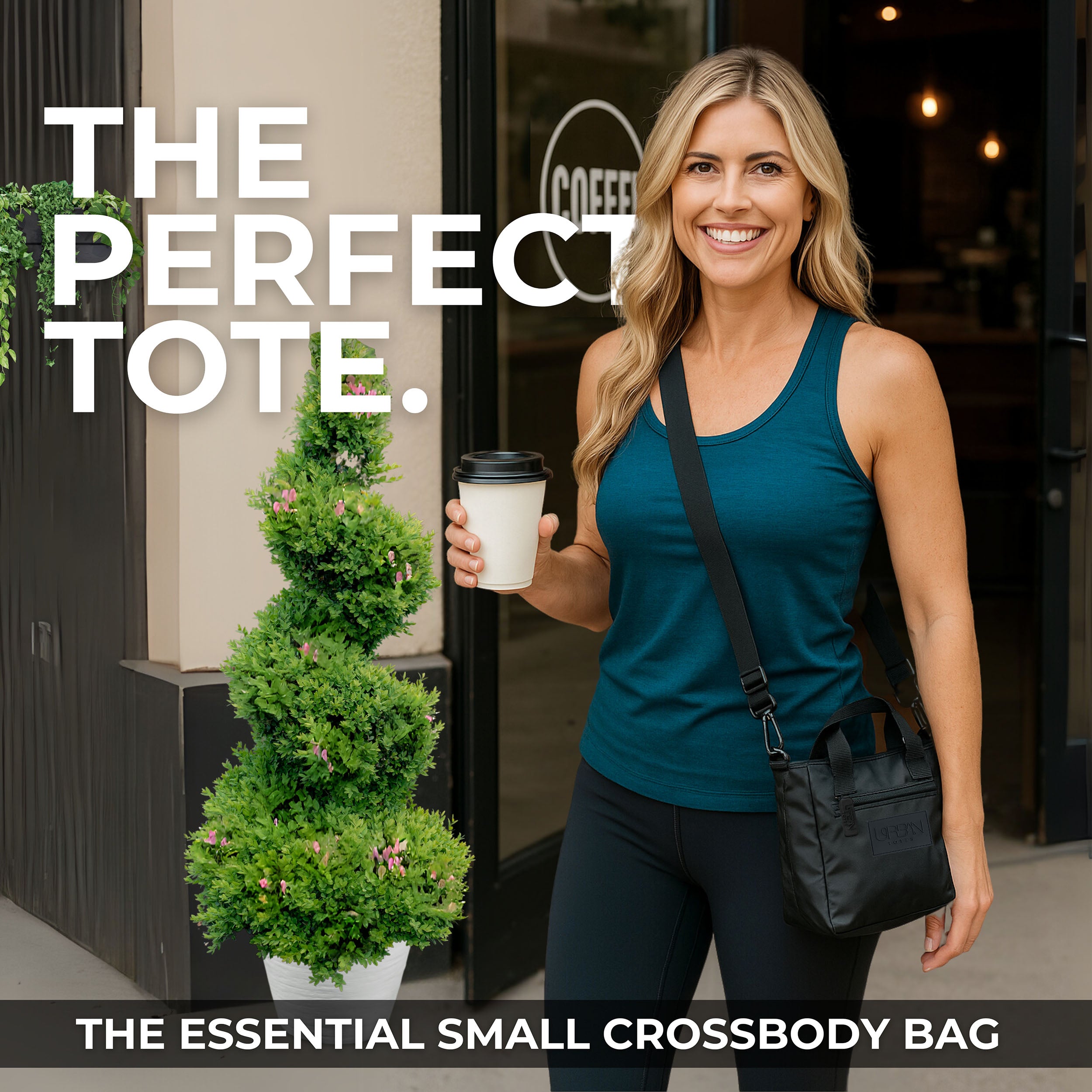
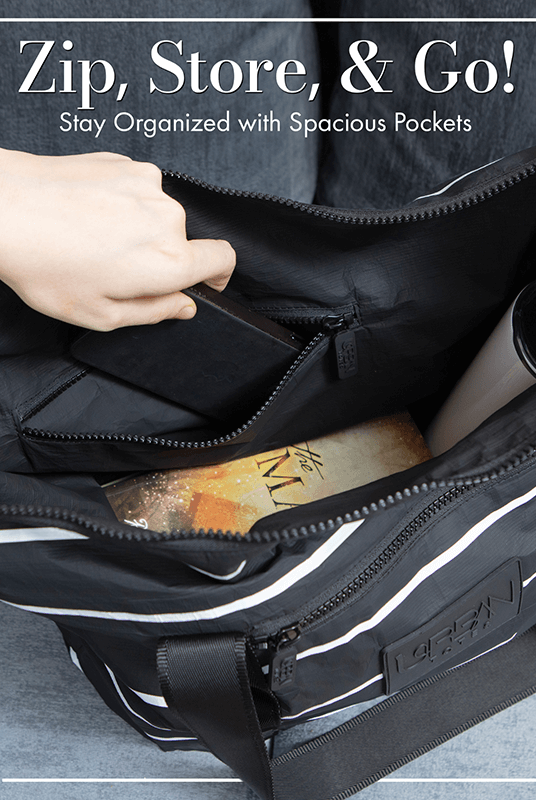
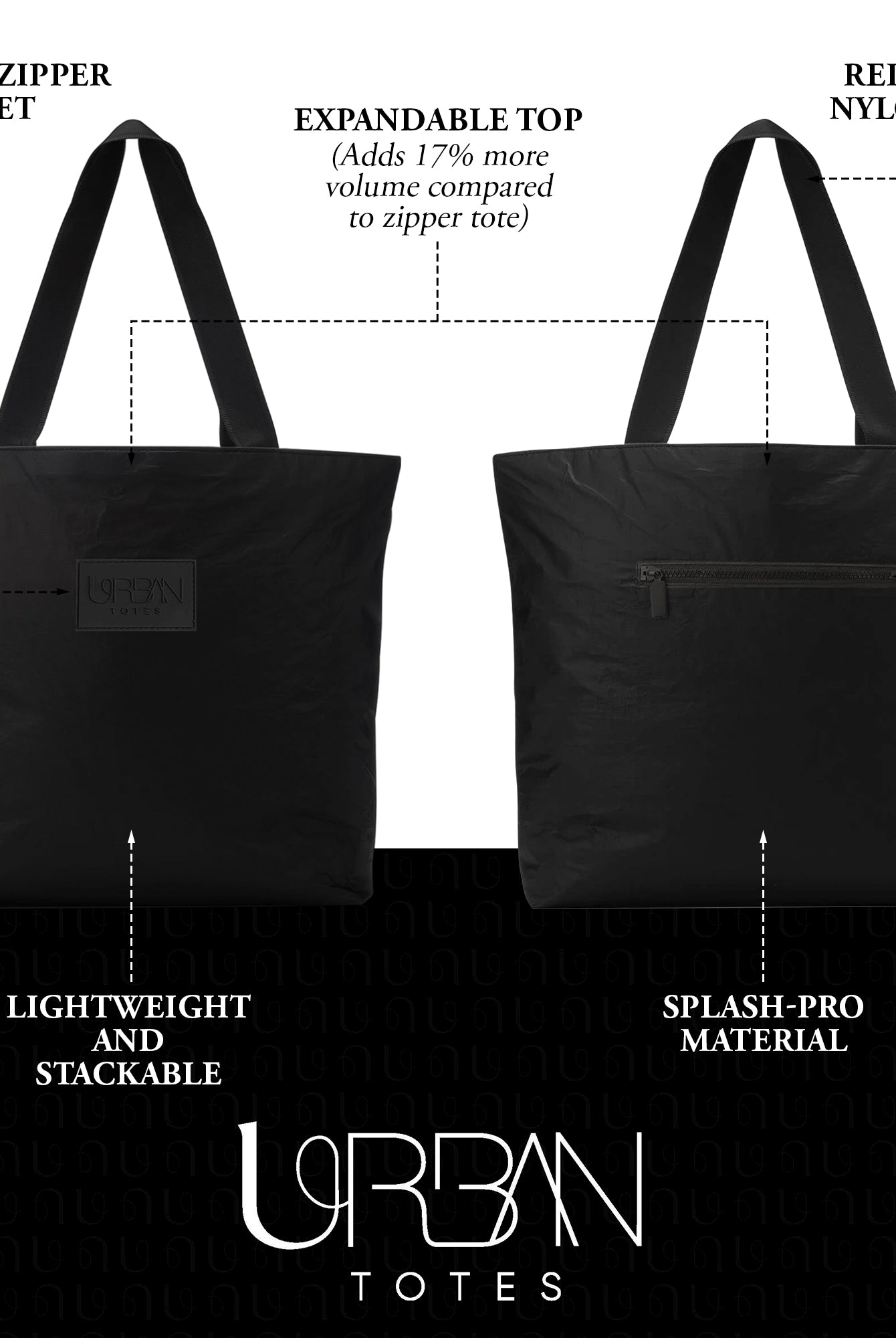
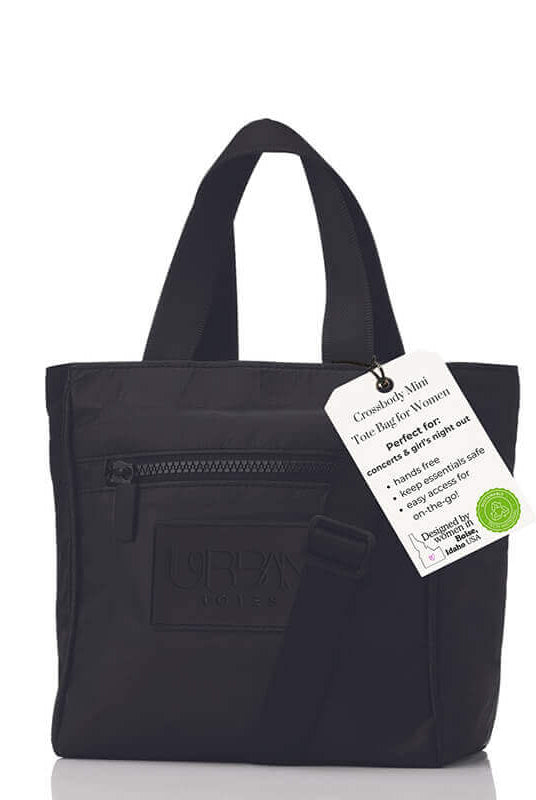
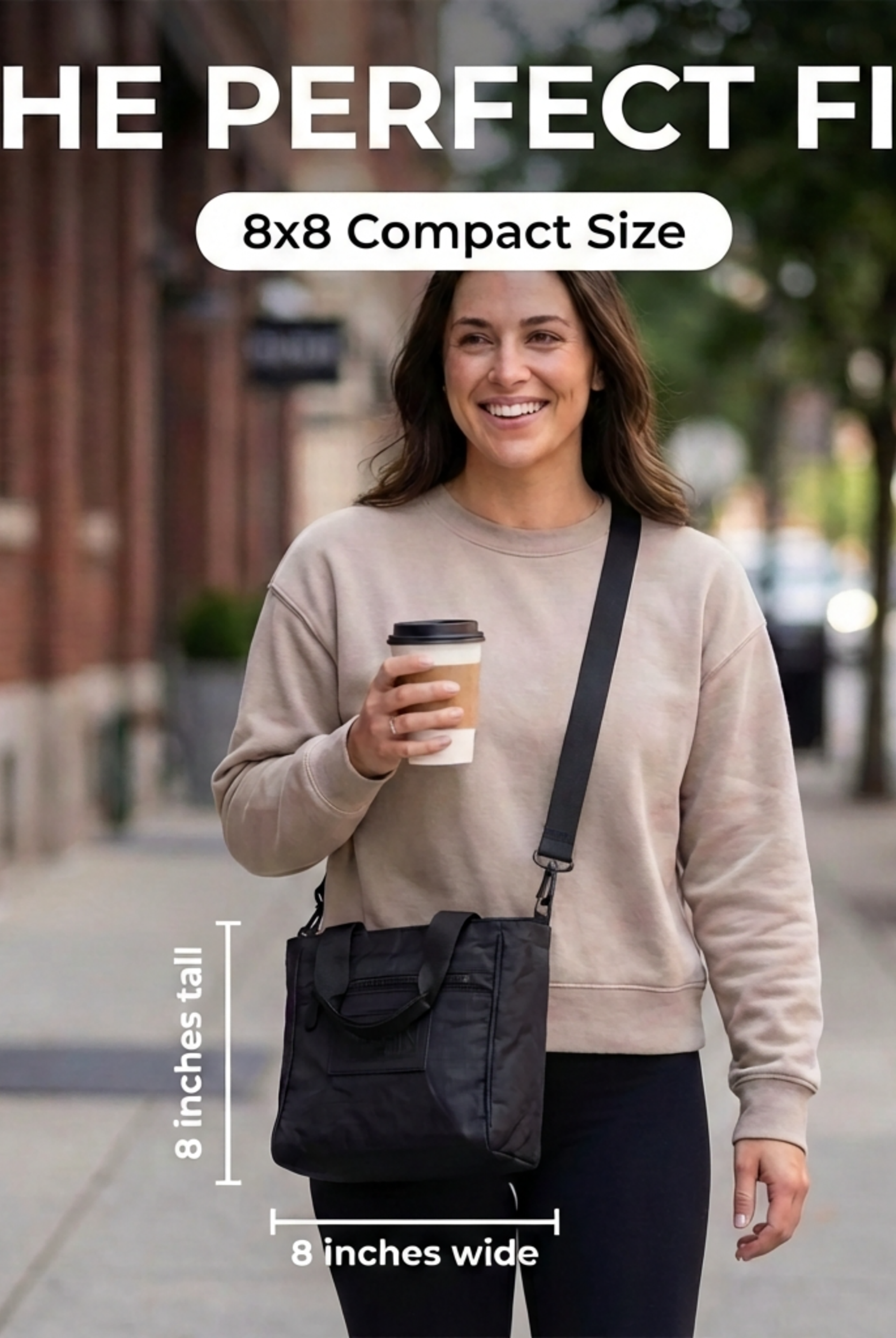
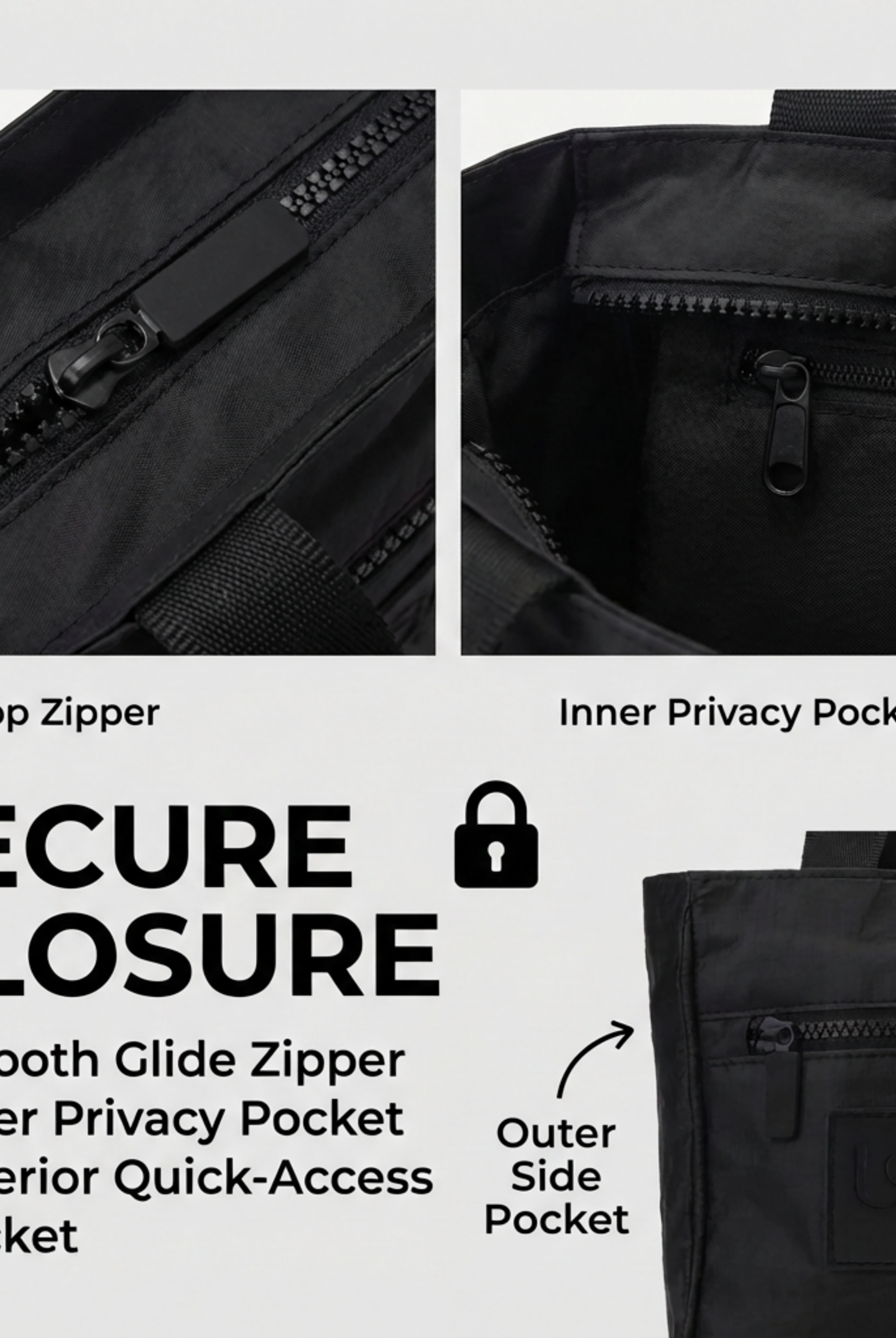
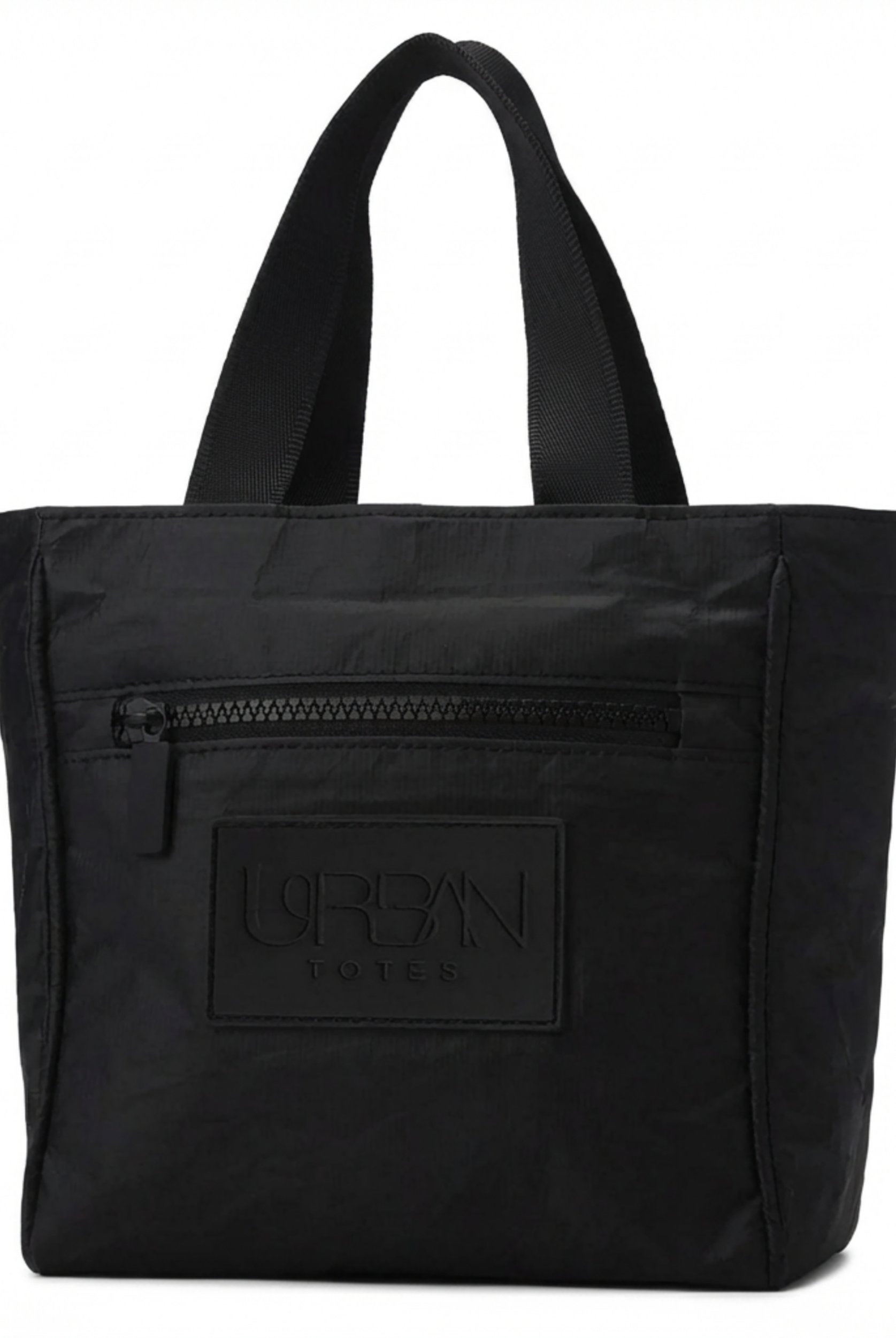
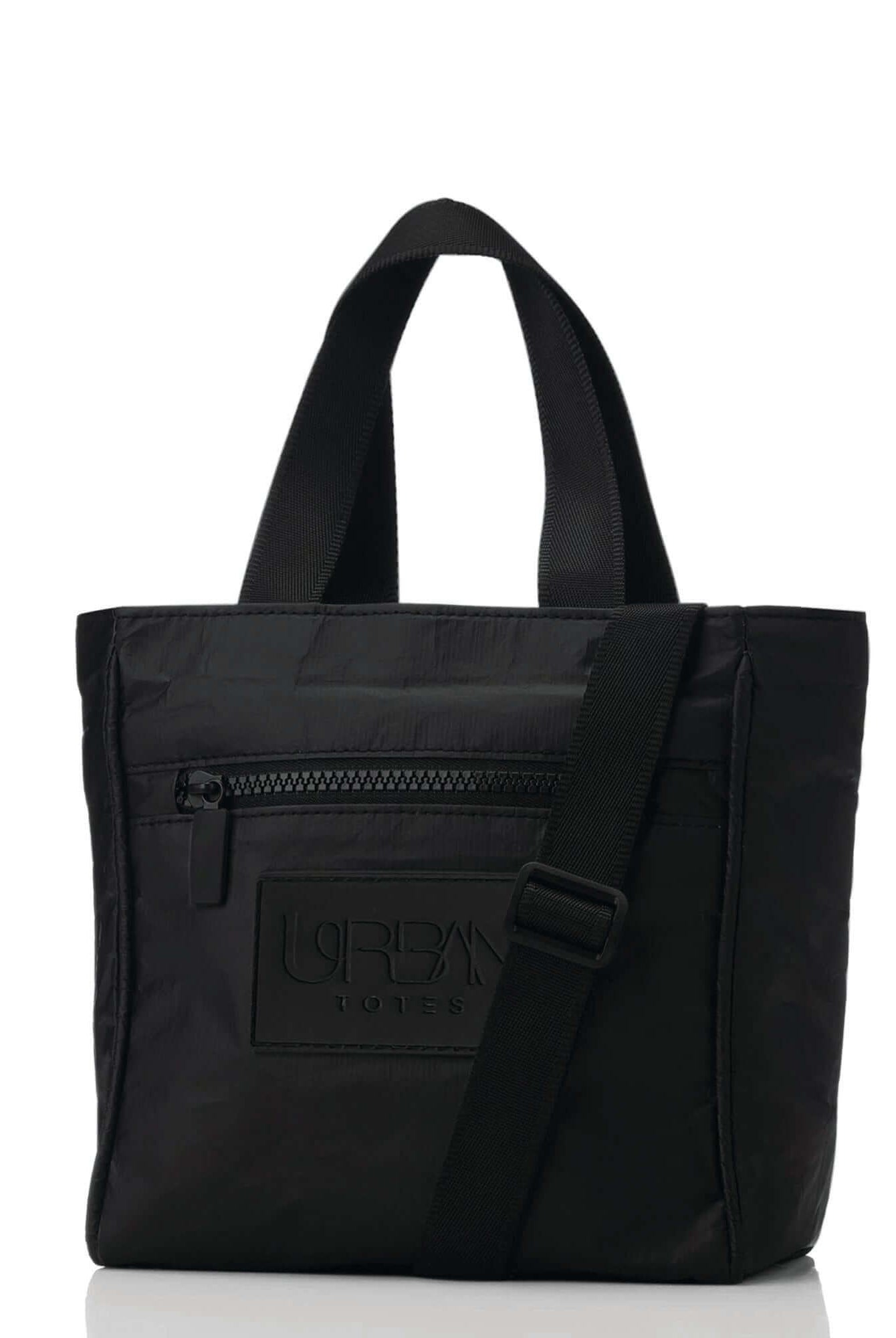
Our Crossbody Tote Bag Mini Purse shows the pattern in compact form, with a zipper top closure, a single outside zipper pocket, an inside zipper pocket, and a large easy-access outside pocket for phone and keys. Those smart compartments are what turn a crowded bag into one you can sort through with one hand. Treat the layout as the lesson rather than the purchase: it is currently sold out, and it normally lists at $64.95.
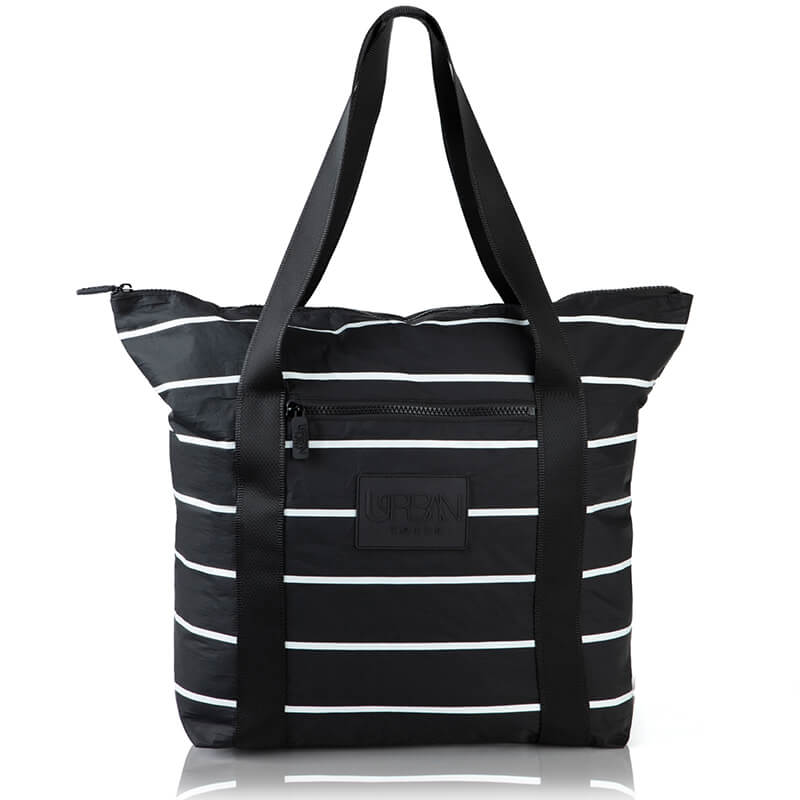
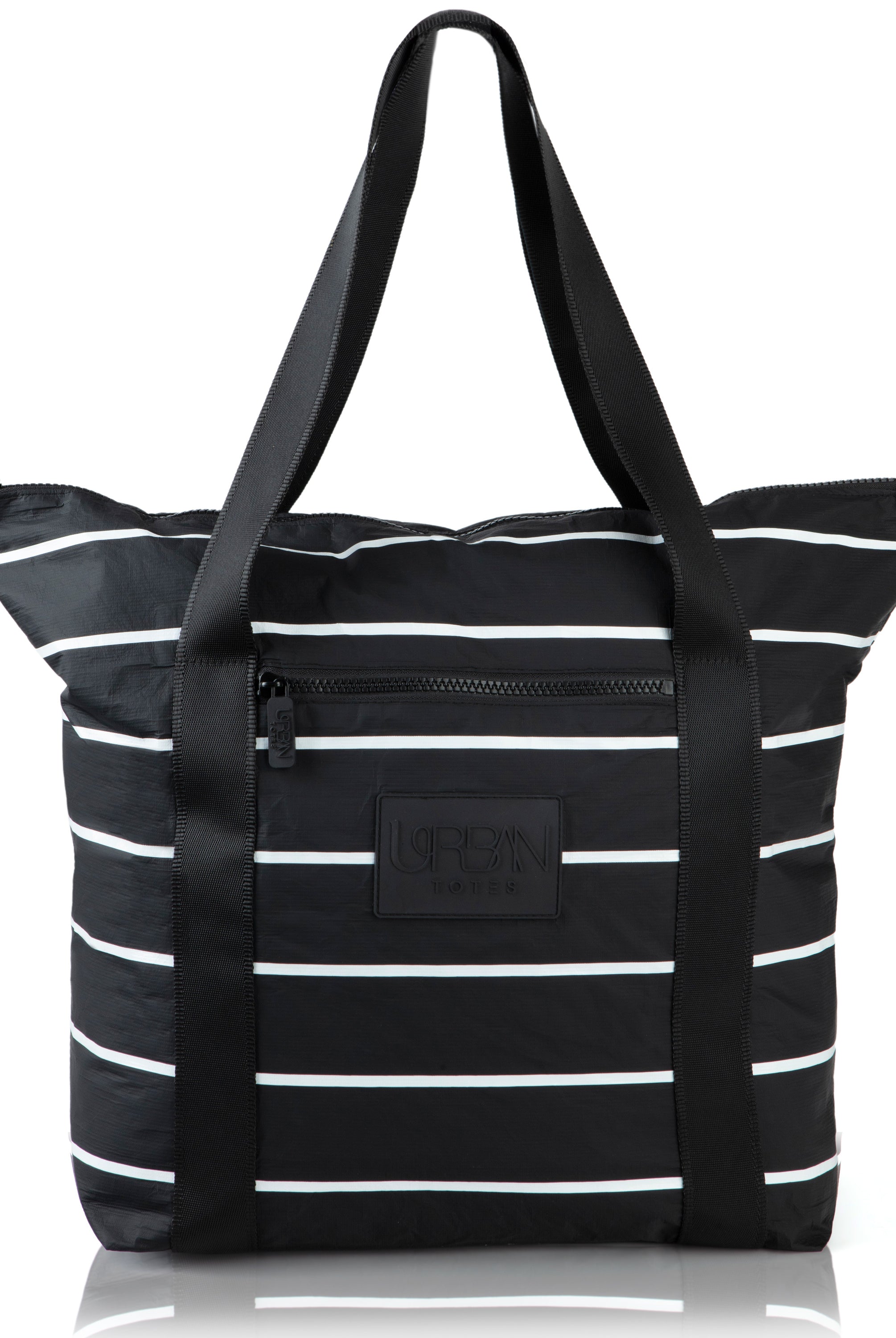
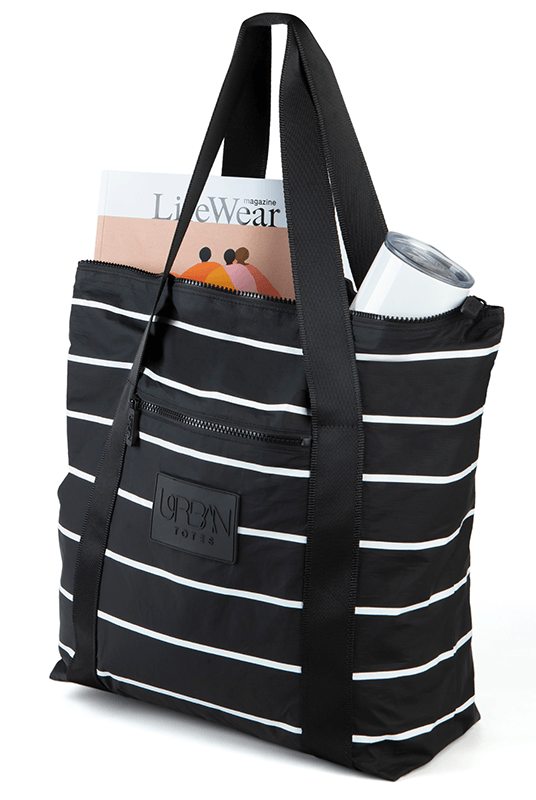
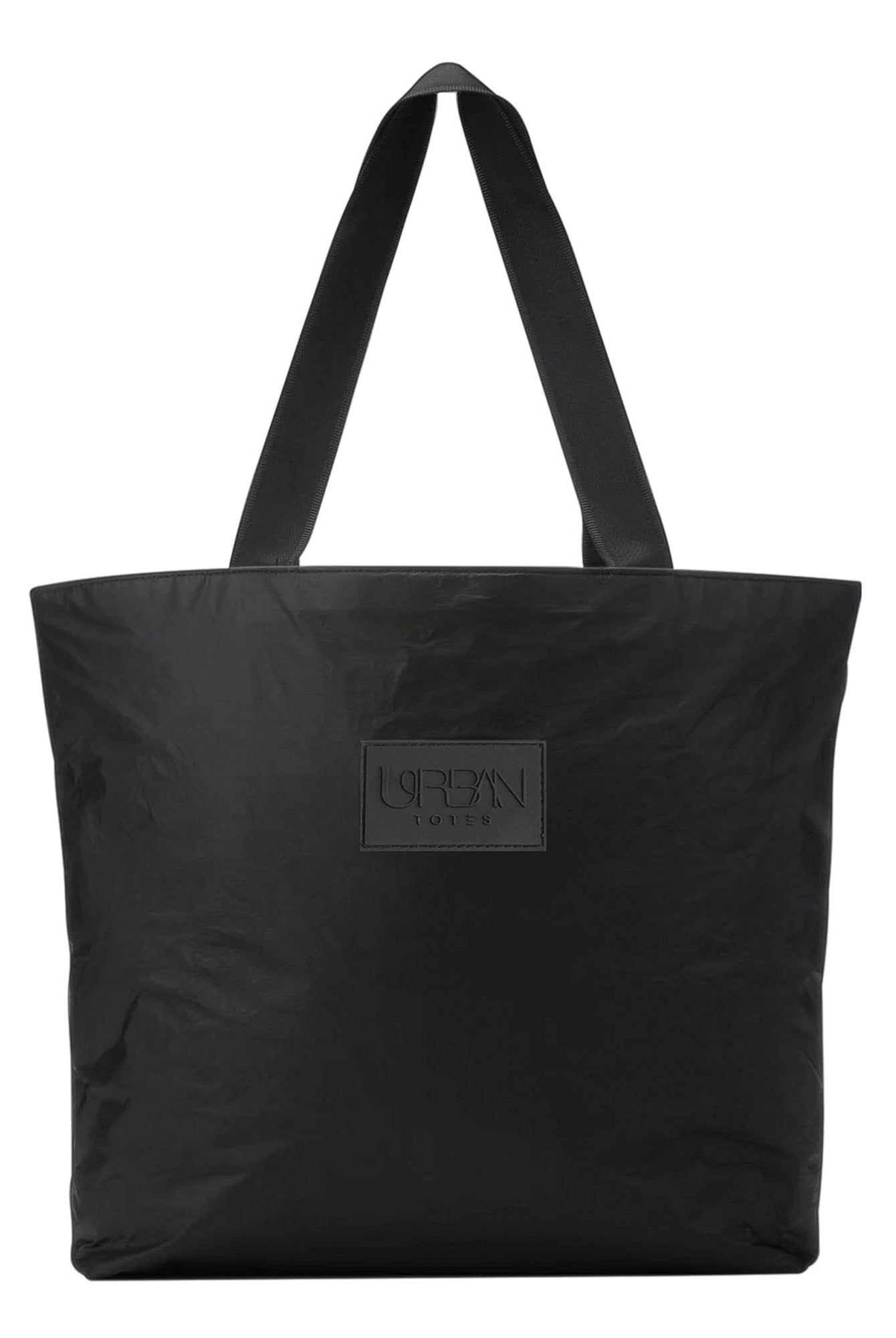
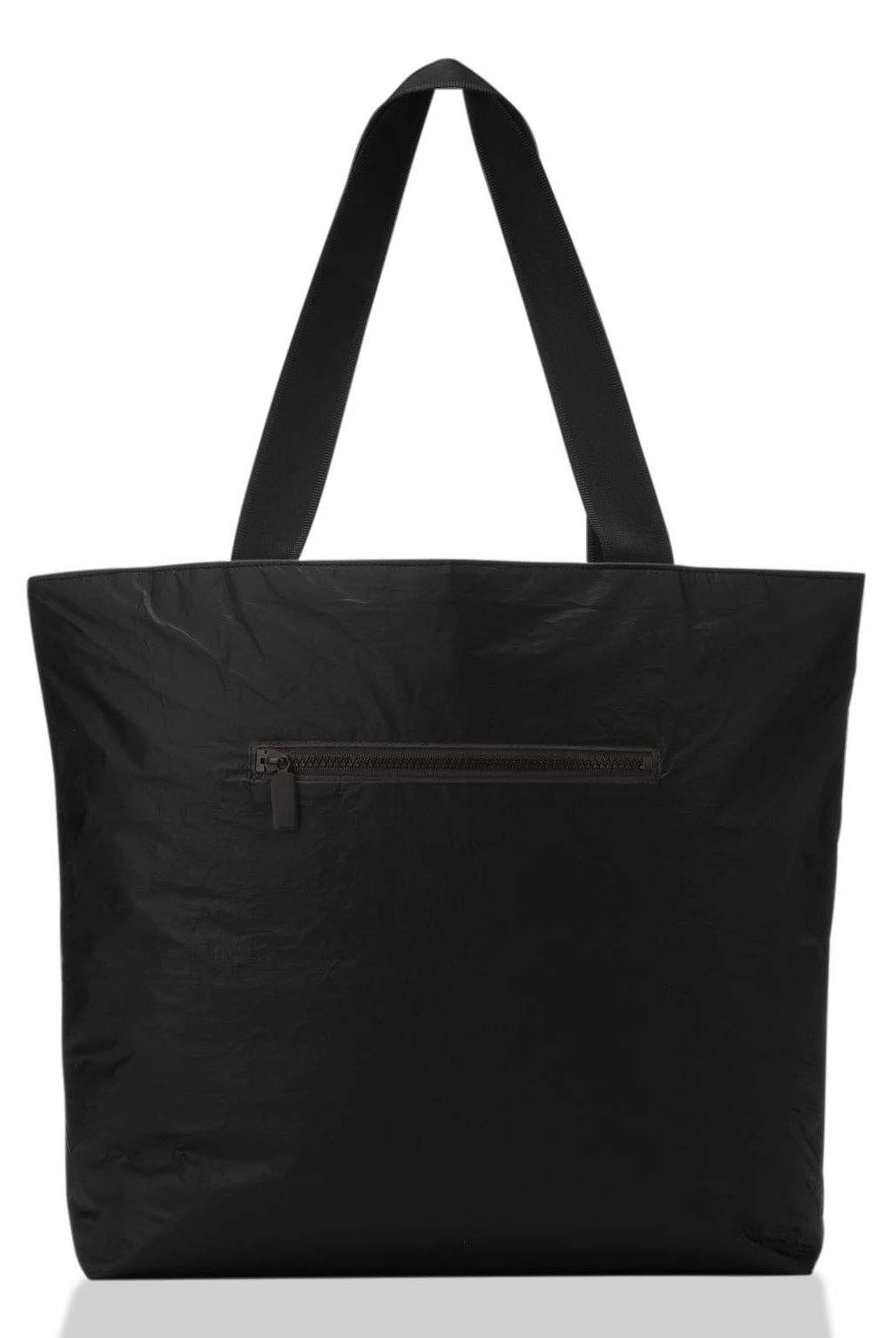
If you carry more on heavy days, pair the crossbody with a larger companion tote. The OG Zipper Tote Bag has three large pockets, which is enough separation for a change of shoes, a folder and a water bottle while the crossbody keeps essentials on your body.
Security Habits That Actually Help
Keep valuables in zipped interior pockets, close the zip top on a crowded train, and don't trust the outer pocket with anything you cannot afford to lose. Quick test: can you reach your phone and keys without looking? If not, rearrange until you can, because the pocket you have to search for is the pocket that ends up open on the platform.
Personal safety is part of how many women plan a commute, and the bag is part of that plan. On a crowded platform the bag rides in front of you, zipped, with the strap across your body rather than hanging loose off one shoulder. Our notes on an anti-theft crossbody setup cover placement habits for busy transit and the strap details that keep a bag where you put it.
Zip it every time, not most of the time. The habit protects you on the one crowded morning you're distracted.
Strap Fit and Dress-Code Style for the Office
The strap decides whether you're still comfortable by mid-morning. I'd choose adjustability over a fixed fashion strap every time.
Fit the Strap to Your Body and Your Layers
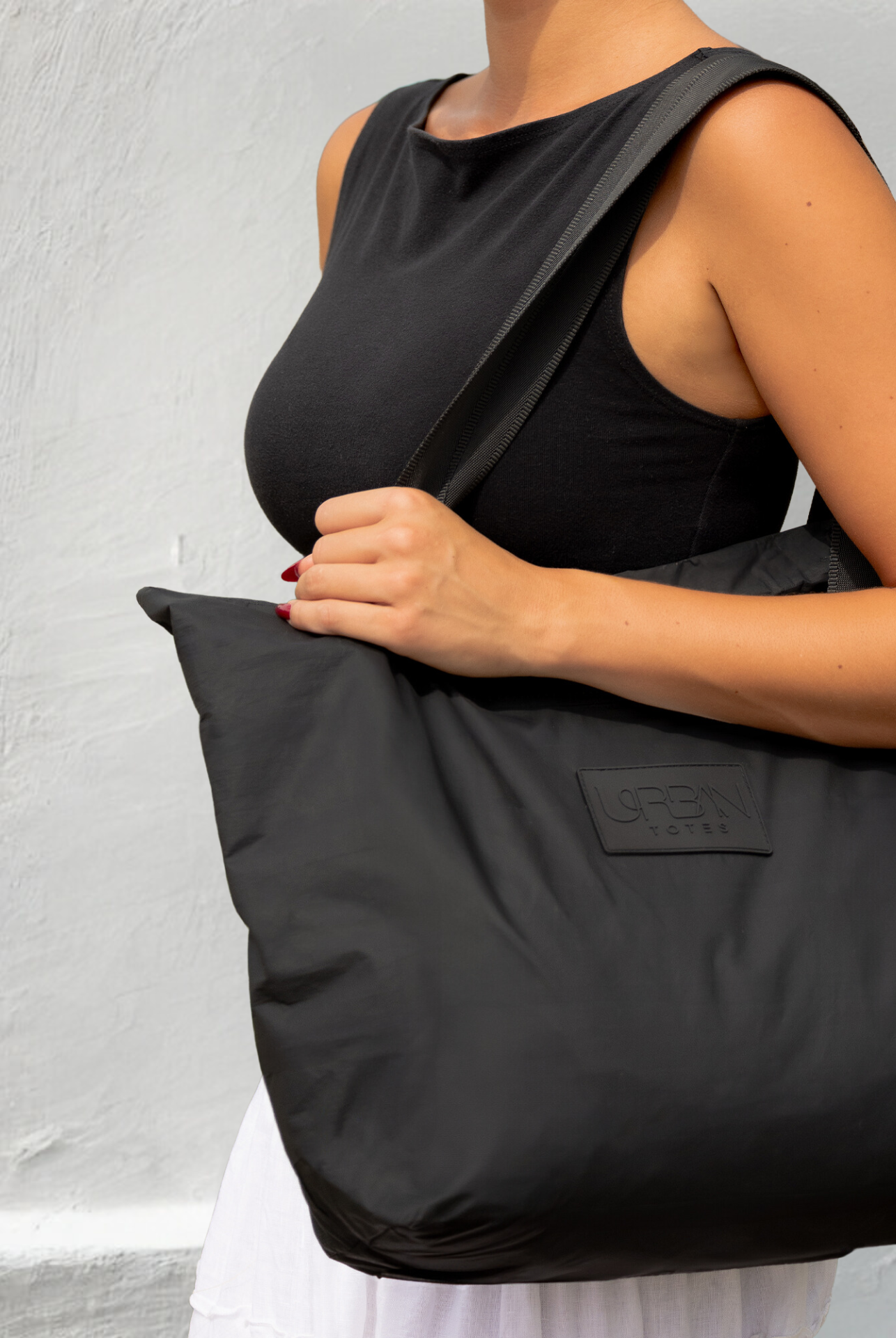
Our Crossbody Tote Bag Mini Purse has a removable crossbody strap that extends to 53 inches and 1-inch wide nylon straps. Hold any bag you're considering against that kind of range. You need enough length for a winter blazer and enough adjustment to sit neatly over a light summer blouse.
A safety-instructions document for bags and backpacks identifies strap adjustment as a core load-management step, advising users to adjust the strap length so weight is distributed evenly across the body. That's practical advice you can feel within one block.
Do this fit check before you commit:
- Resting position: The bag sits at your hip or just above it, against your side.
- Movement: Walk, turn, and climb a few steps. It shouldn't swing forward or bounce off your back.
- Strap path: It lies flat without twisting, cutting across your neck, or sliding toward your shoulder tip.
Our guide to a crossbody bag with an adjustable strap walks through length changes for different outfits and body sizes.
Looking Right in the Meeting
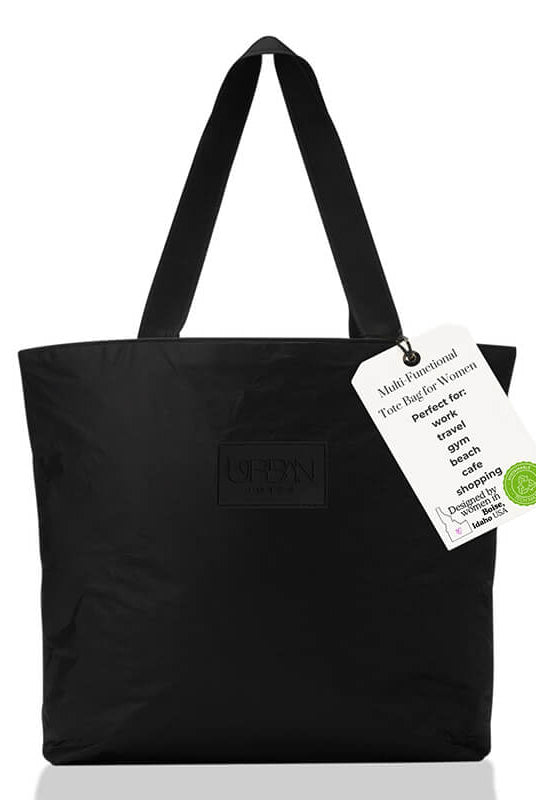
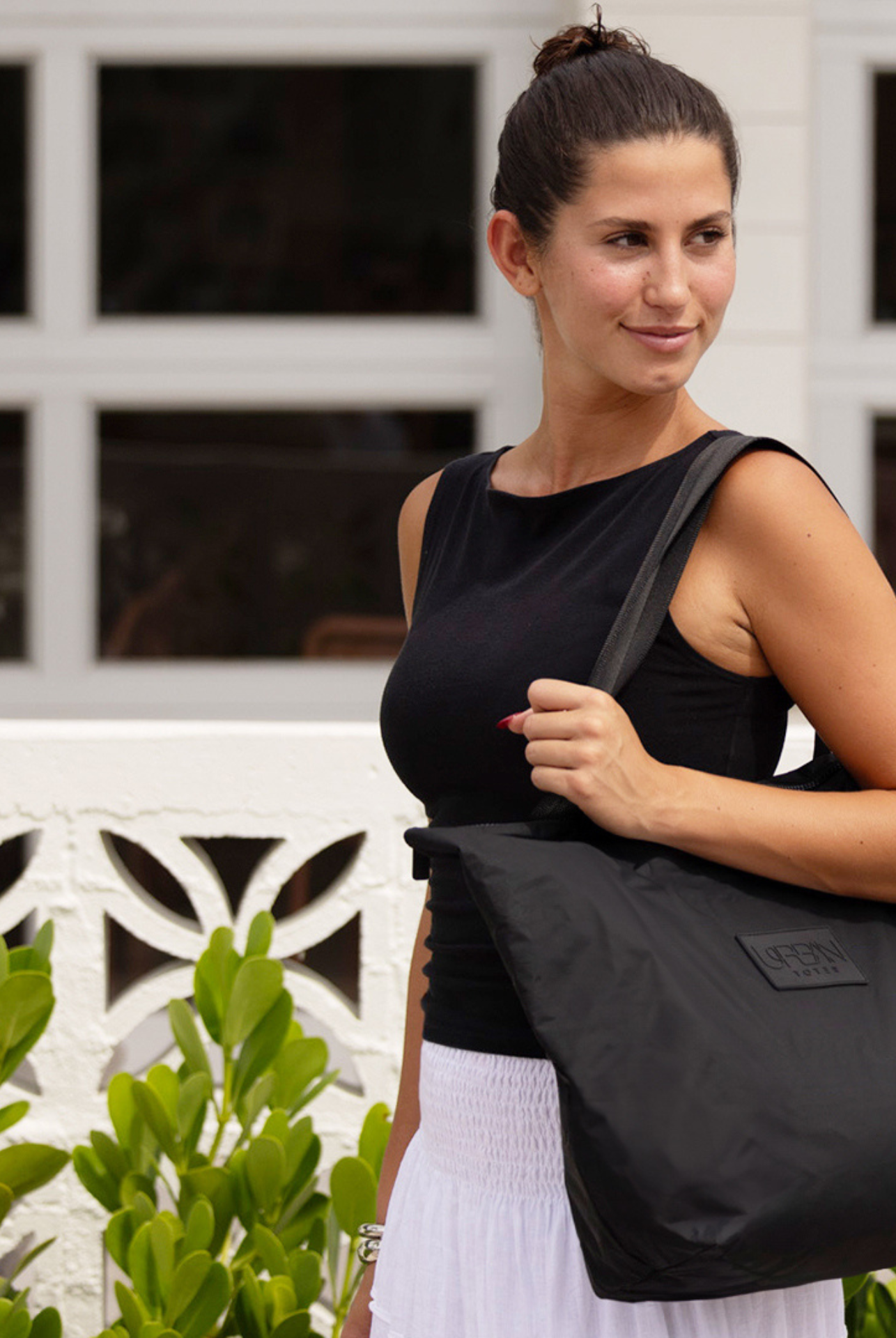
A neutral exterior and a black interior keep the look clean and hide small items from view when you open the bag in a lobby. A compact silhouette reads intentional next to business dress, and simple hardware won't clash with a blazer or dress.
The 11-inch handles are handy for a short hand carry into an office lobby or from car to door. They aren't the way to carry a laptop for long stretches, so switch back to the adjustable strap for distance.
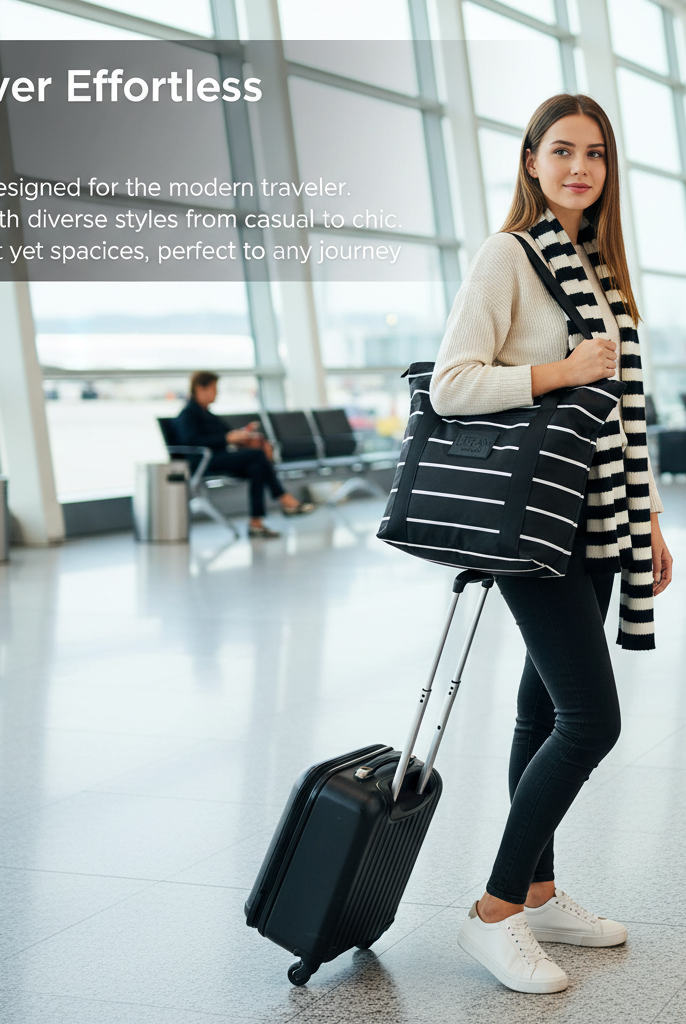
That minimal, thoughtfully designed shape is also why a good work crossbody moves easily from office to airplane. It doesn't shout gym, beach, or errand, even if it handles all three later.
Water Resistance, Materials and Rain
A water-resistant label doesn't answer the rain question by itself. You need to know what was tested.
ISO 811 defines hydrostatic resistance by steadily increasing water pressure against a fabric until penetration occurs at three points, producing a hydrostatic head figure for that material alone. That's useful, but it's a fabric score, not a finished-bag promise.
Water can still enter through zipper teeth, needle holes, seams, or unsealed panel junctions. Spray resistance is different again, it assesses surface wetting under controlled droplets, while hydrostatic testing measures pressure-driven penetration.
Your Rain Checklist
- Ask for the test method and result, not just the words "waterproof" or "water-resistant."
- Look for covered or water-resistant zippers that close fully.
- Check reinforced seams and tidy panel junctions.
- Look for a lining that limits moisture moving toward electronics.
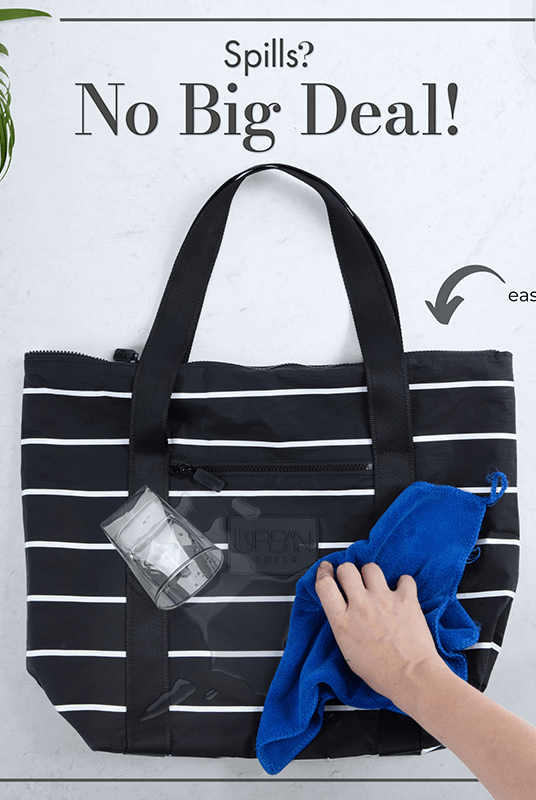
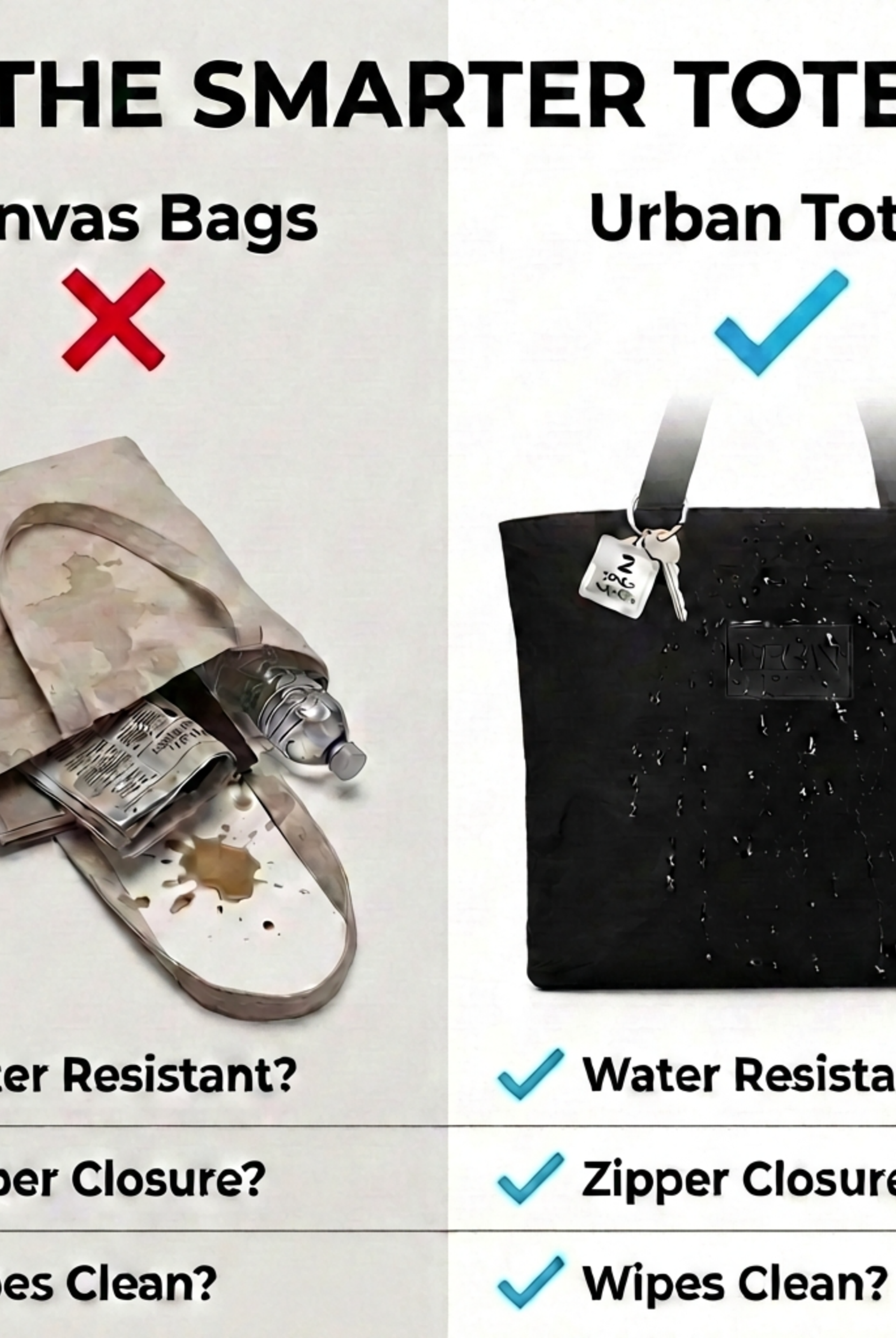
Our Crossbody Tote Bag Mini Purse is made from water-resistant fabric, a good fit for a drizzly walk from the train, coffee splashes, and damp beach chairs on the weekend. Our guide to a water-resistant crossbody bag explains everyday care for wet commutes.
Be realistic though. Water resistance suits spills and drizzle, not a downpour through an open top. Keep the zip closed in rain, and move electronics to an interior pocket when the sky opens up.
Pack and Care for Your Work Crossbody in Five Steps
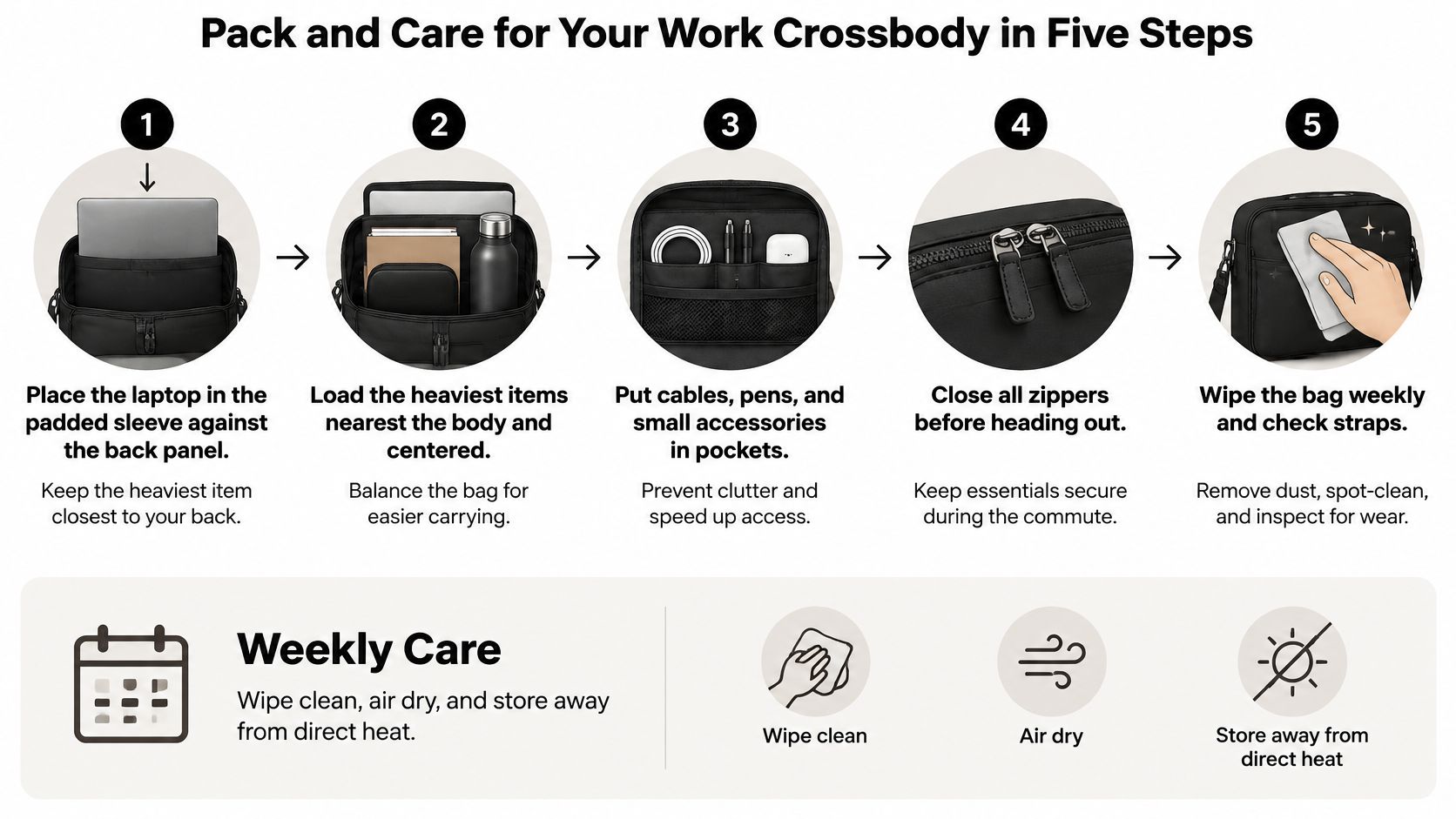
A bag packed in the same order every morning stops surprising you. The sequence below fixes the weight against your body, keeps small items findable by touch, and takes under a minute once it becomes habit. Which pocket holds what is covered in the organization section above; this is the order you load them in, and the order matters as much as the pockets.
The Five-Step Pack
- Laptop or tablet into the padded sleeve against the back panel. The heaviest, flattest item rides closest to your spine, so it doesn't lever the bag away from your hip.
- Heaviest loose items next, centered. A bottle or power bank sitting in the middle of the bag feels lighter than the same weight swinging at the outer edge.
- Small tech and badges into the interior zip pocket. Cables stay untangled and away from your screen.
- Phone and keys into the pocket you can reach without looking. Put nothing else there, or it stops being quick.
- Zip shut, then check strap length over today's layer. On the Crossbody Tote Bag Mini Purse the removable strap extends to 53 inches, which is enough to sit over a winter coat or shorten to hip length for a lighter day. One tug on the zip and one glance at the strap saves you adjusting on the stairs.
Order and zones do different jobs. Zones stop clutter shifting as you walk; the loading order keeps the mass where your shoulder can carry it. Only one of those needs re-deciding every morning.
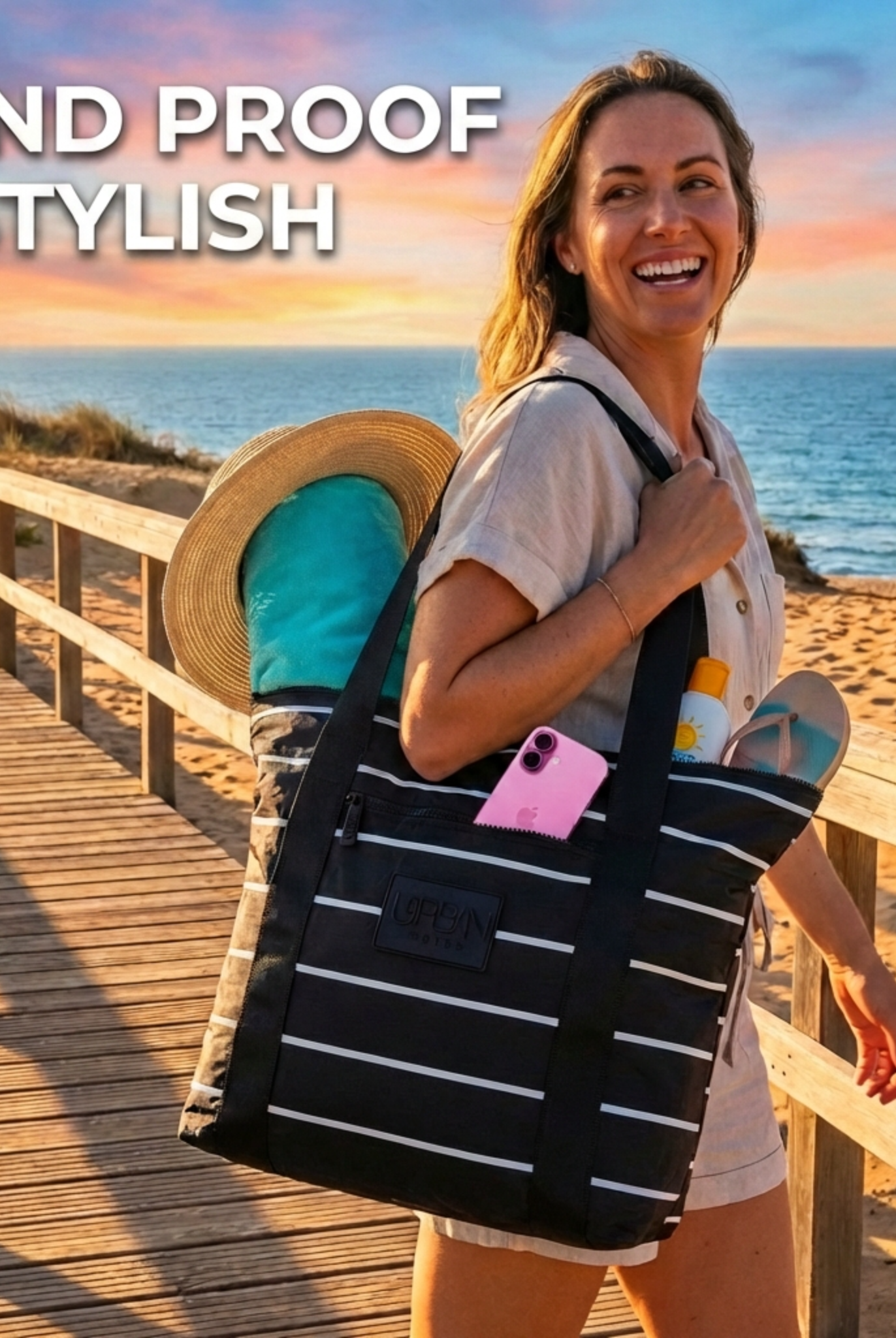
Urban Totes designed its bags around a day with several stops in it. Customers asked for one bag that could move from the office to the gym or the beach without a repack, so the Crossbody Tote Bag Mini Purse carries a zipper top closure, an outside zip pocket, an inside zip pocket, and a large easy-access outside pocket for phone and keys, all in water-resistant fabric.
Weekly Care That Takes Five Minutes
- Friday empty-out: Tip everything out, toss receipts, and return only what belongs.
- Wipe and air: Wipe the shell and black interior with an alcohol-free wipe, then let the bag air dry open.
- Monthly check: Look over strap stitching, zipper pulls, and hardware for early wear.
- After a soaking: The bag can go in the washing machine, so follow the care label, then dry it fully before the next use.
After six months of daily carry, a well-kept bag should still hold its shape, zip smoothly, and sit flat against your side. The exterior may soften with use, but straps shouldn't twist, pockets shouldn't sag open, and the interior shouldn't smell like last week's gym kit. Start with your care routine; a new bag is usually the last fix.
Choose Your Work Crossbody This Week
By Thursday, a bad work bag announces itself: a sore shoulder, a hunt for keys, a zip that needs two hands on the stairs. The right one disappears into the day. That is the standard to use this week.
The Three Checks That Matter Most
The load, strap, and shell checks from earlier have done the sorting, so apply them once with your real carry and commit.
Two candidates can both pass and still feel different by Friday. A structured bag holds its shape when full but can feel stiff on a crowded train. A softer bag moves with you but may sag when the laptop and water bottle go in. Choose the trade-off you can live with on your heaviest regular day, not the one that looks best empty.
Set a deadline you can keep. Midweek, put your actual daily carry on the table and try each candidate with the coat and shoes you wear most. If the strap slides, the zip fights you, or the outside pocket hides your phone under a flap, that is your answer. The bag should close one-handed and sit flat against your side when loaded. If it only works when half empty, it is not a work bag for you.
Urban Totes is a woman-owned brand designing lightweight, packable crossbody and tote bags in Boise, Idaho. Judge those bags the same way: loaded, adjusted, zipped, and carried through a full day. The right size is the one that matches your commute and your real load, not the largest option on the rack.
Find your perfect go-anywhere bag at Urban Totes, where our lightweight, water-resistant crossbody and tote styles are thoughtfully designed with zipper closures and smart pockets for work and everything after it. Shop the full collection, pick the size that matches your commute, and head out organized for whatever the day brings.