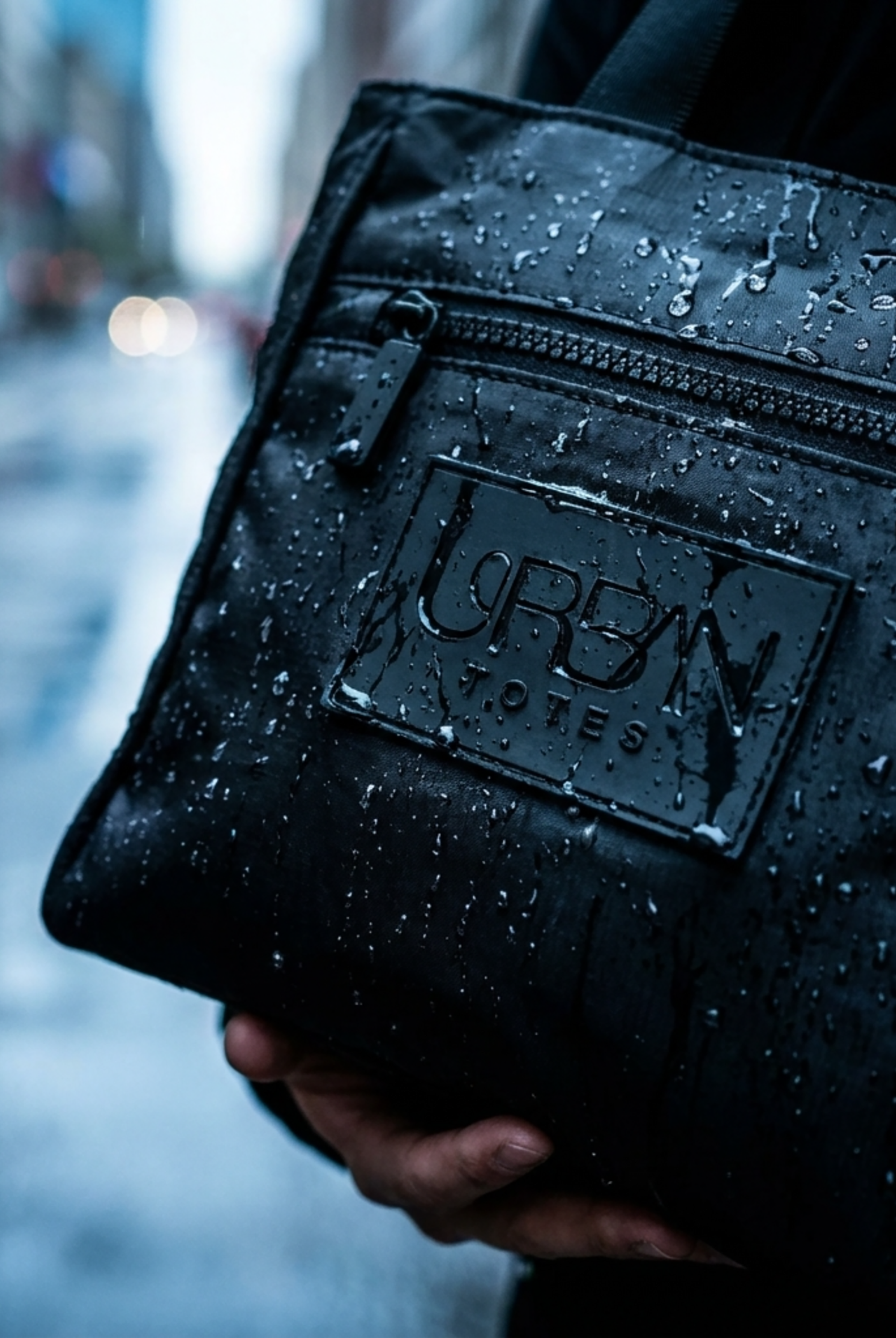
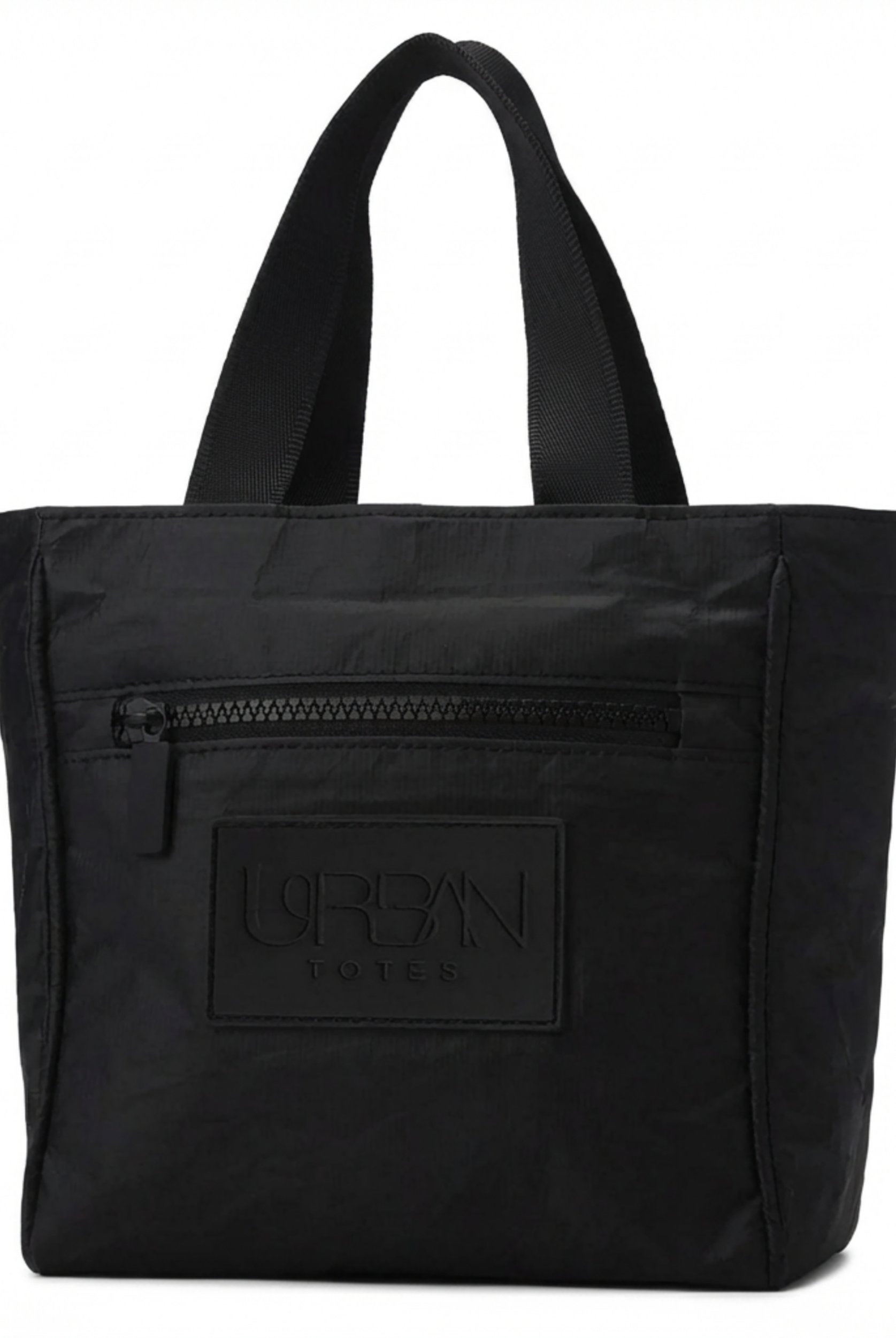
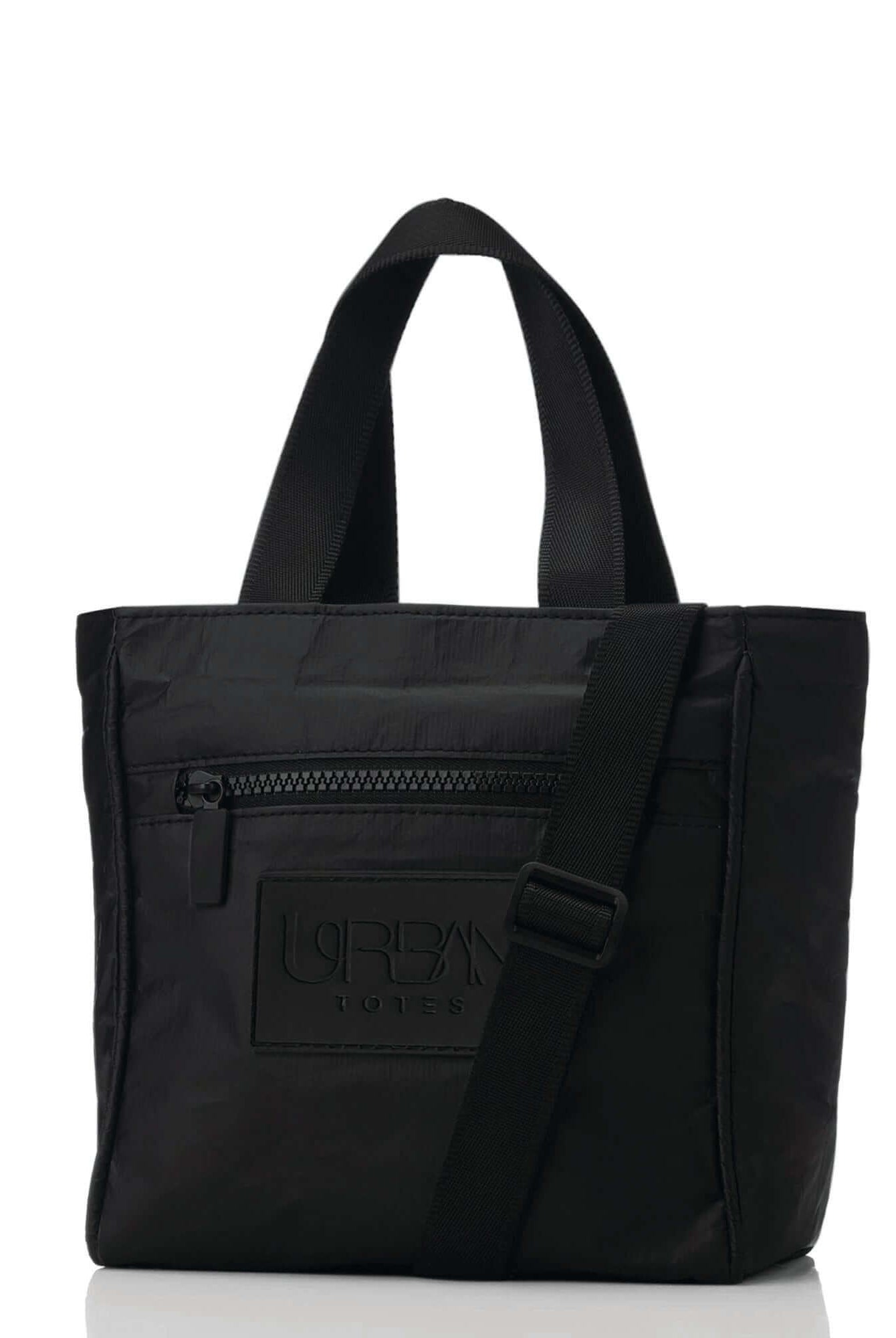
It's Friday at 5:40 p.m., you're heading from school pickup to a weekend away, and the gym bag is still in the car. A damp swimsuit and towel have pushed your flat tote past its limit. You don't need another bag to juggle. You need one that closes properly, carries comfortably, and gives your keys somewhere predictable to live.
A nylon weekender bag can solve that everyday packing problem, but the fabric name alone won't tell you whether it's the right choice. Construction, organization, care requirements, and realistic end-of-life options matter just as much as how it looks on your shoulder.
Table of Contents
- What a Nylon Weekender Bag Is and Who It Suits
- Nylon Compared With Canvas, Leather and Polyester
- How Denier and Weave Set Durability and Weight
- Water Resistance and the Features to Check
- Carry-On Fit and Packing for Real Weekends
- Care and Cleaning Steps That Protect the Nylon
- What Recycled Nylon Really Means at End of Life
- Choose the Nylon Weekender That Fits Your Week
What a Nylon Weekender Bag Is and Who It Suits
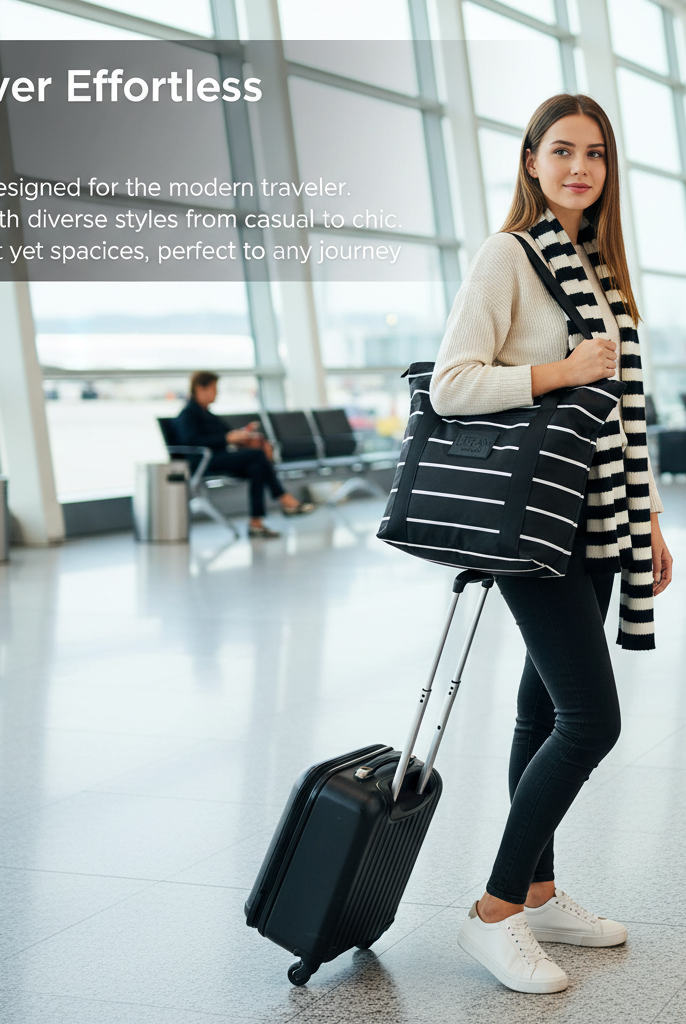
After a full day of errands, a short trip can mean packing clothes, toiletries, and a jacket into one bag. A nylon weekender is a soft-sided overnight bag with a zip closure, sized for a short trip. It usually has carry handles and may include a shoulder strap.
Capacity matters less than whether you can see and reach what you packed.
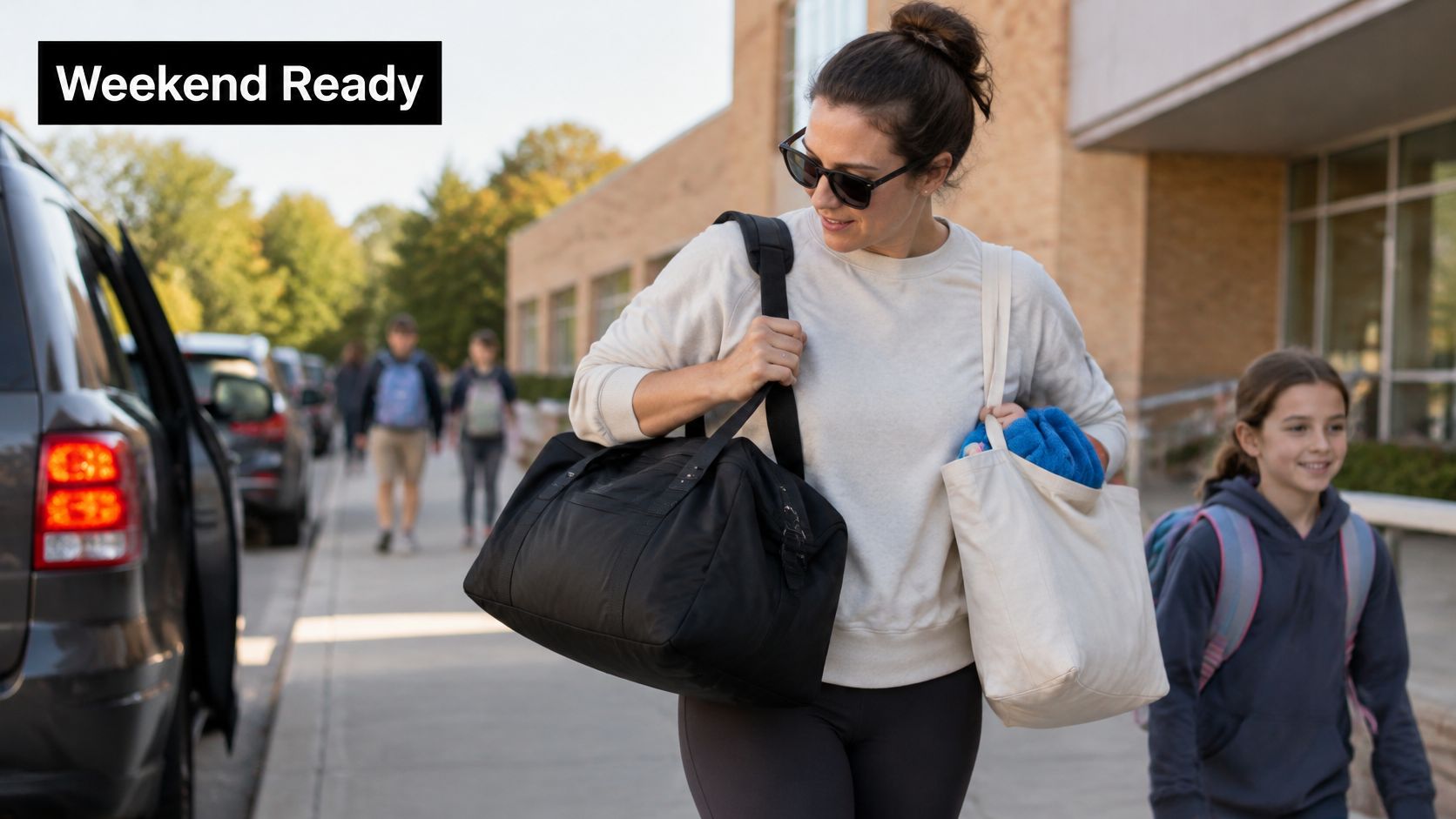
What makes it more than an oversized tote
A wide-opening main compartment makes clothes and towels easier to load. Smaller zipped pockets give frequently used items a set place, while a shape that stands upright or lies flat can make packing easier when you have one hand free.
The layout should match your routine:
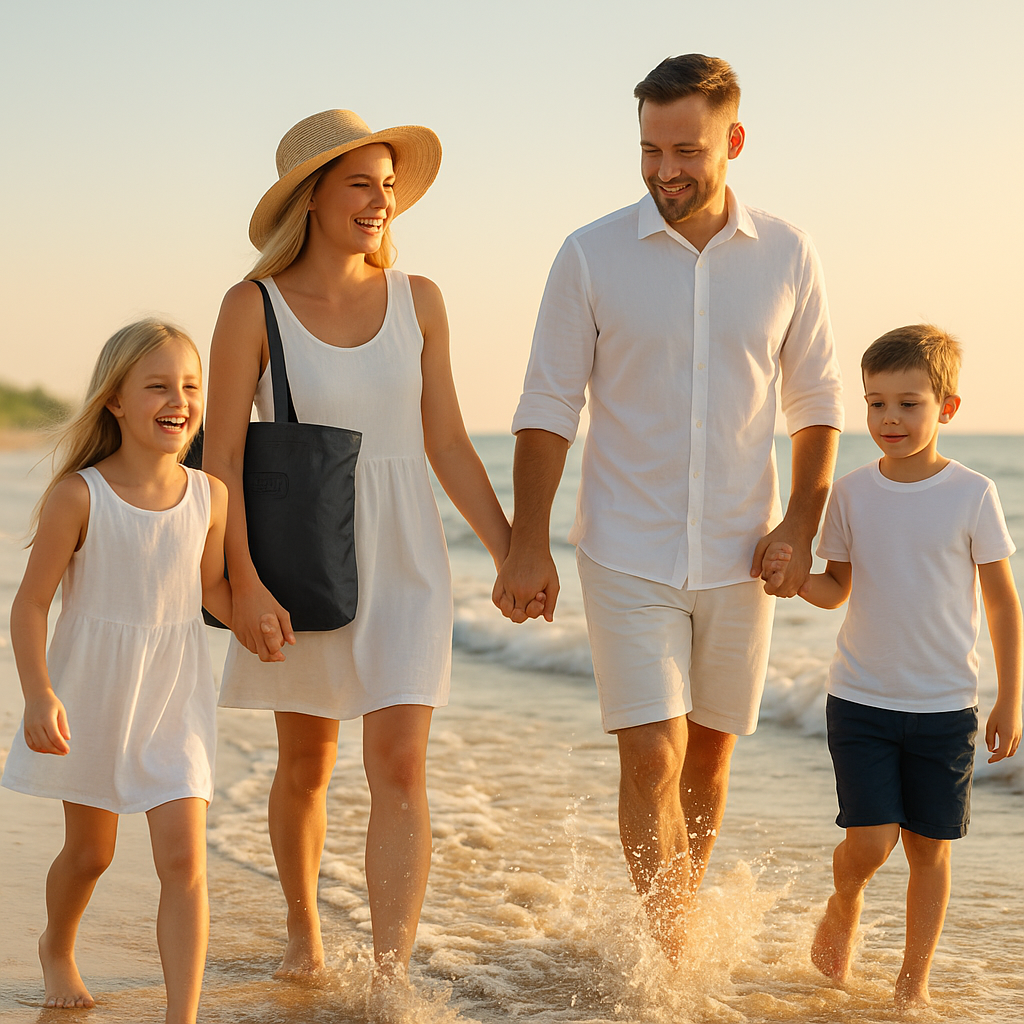
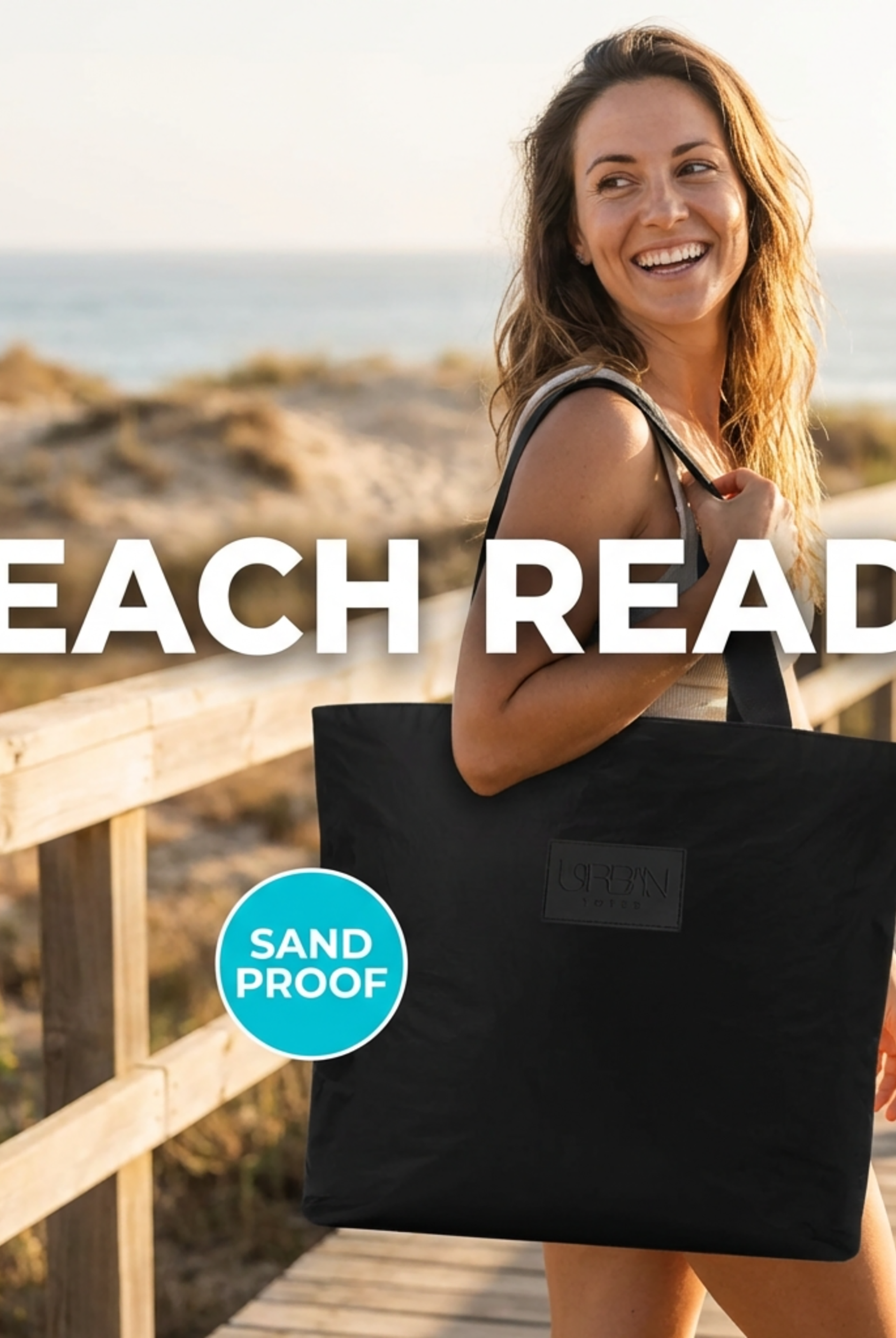
- Beach-day families: A roomy main compartment fits towels, while separate pockets help keep snacks apart from sandy accessories.
- Weekend travelers: Shoulder carry suits stairs, station platforms, and trips where rolling luggage feels cumbersome.
- Daily commuters: Divided storage helps separate office essentials from gym clothes.
- Errand-runners: Accessible pockets make it easier to reach checkout items or find a jacket at school pickup.
- Style-conscious minimalists: A clean silhouette can work with casual clothes and a more polished outfit.
Where a soft bag falls short
A weekender does not replace a rigid equipment case. For a laptop, camera, or delicate work supplies, use purpose-built protection rather than relying on a soft shell.
A bag that folds down for storage may need careful packing to stand upright. Consider how its layout and carry style will work across the different parts of your week.
Nylon Compared With Canvas, Leather and Polyester
Weekender materials compared on the criteria that matter most
| Material | Typical Weight | Water Handling | Durability Profile | Care Routine |
|---|---|---|---|---|
| Nylon (ripstop or coated) | Light | Water-resistant when coated, not waterproof when uncoated | High abrasion resistance for its weight | Wipe clean or hand wash |
| Polyester | Light | Water-resistant, similar feel to nylon | Durable, generally less abrasion resistance than nylon | Wipe clean or gentle machine wash when permitted |
| Canvas (cotton) | Heavier | Absorbs water unless treated | Sturdy, but can stiffen and sag when wet | Spot clean and check shrinkage |
| Leather | Heavy | Resists light moisture when conditioned | Long-lasting, develops a patina over time | Condition regularly, avoid machine washing |
These are practical starting points, not guarantees for every bag. A thick lining, substantial hardware, or reinforced base can change how any material carries.
Nylon's strongest everyday argument is its balance of low weight and resistance to wear. It works well when you want a bag that compresses for storage rather than holding an empty suitcase shape. Polyester is its closest alternative, particularly when price matters, but compare the actual fabric and stitching rather than assuming the two will wear identically.
Canvas has an easy, familiar look that suits a farmers market or a dry-weather road trip. Its drawback becomes obvious when you carry damp beach gear: untreated cotton absorbs moisture, and the bag can feel heavier and less cooperative.
Choose for the trip you actually take
Leather makes sense for a dressier overnight stay when appearance matters more than carrying weight. It also asks more of you: conditioning, careful drying, and some acceptance of scratches and changes in the surface.
For a commuter who packs frequently and flies occasionally, I'd start with nylon. For dry-weather errands, canvas may be entirely sufficient. For a short trip with minimal walking and a polished wardrobe, leather can be worth the extra care.
Buying rule: Compare finished bags with similar capacity, not an empty nylon tote against a fully structured leather travel case.
Our guide to tote bag materials can help you narrow the choices by daily use. Then inspect the details: lining, base construction, handle attachments, and closures. A material name is a starting point, not a complete specification.
How Denier and Weave Set Durability and Weight
Denier describes yarn size, not a bag's overall quality. Higher-denier yarn usually produces heavier, tougher fabric, but weave, finishing, stitching, and reinforcement all affect the result.
Ripstop is a construction rather than a promise that fabric can't rip. Heavier yarns form a visible grid that helps interrupt a developing tear after a puncture. That's useful in a lightweight bag, but it doesn't make thin fabric equivalent to a heavy-duty base panel.
What the fabric comparison actually tells you
The following fabric construction trade-offs from one technical comparison come from Canvas Etc.’s comparison of ballistic and ripstop nylon, which reports approximately 65 g/m² and tear strengths of 16 and 14 lbf for 70D ripstop, versus 492 g/m² and 138 and 126 lbf for 1050D ballistic nylon.
| Construction | Approx. Fabric Weight | Elmendorf Tear Strength (lbf) | Practical Use in a Weekender |
|---|---|---|---|
| 70D ripstop nylon | about 65 g/m² | 16 and 14 (two directions) | Light main body that packs small |
| 1050D ballistic nylon | about 492 g/m² | 138 and 126 (two directions) | Base panels and high-wear zones |
These are fabric measurements from that comparison, not ratings for every bag bearing those denier labels. They don't establish the carrying capacity of finished handles, seams, or straps.
The memorable trade-off is straightforward: lighter fabric is easier to carry and pack, but gives up substantial tear resistance. Choosing the heaviest cloth everywhere can solve a problem you don't have while making your everyday carry less comfortable.
Reinforce the places that do the work
For commuting, gym visits, and short trips, a sensible build uses lighter ripstop or plain-weave nylon around the compressible main compartment. Higher-denier panels can then protect the base, corners, handle anchors, and zipper zones.
Say you set your weekender beside a beach chair, slide it across a car boot, and lift it repeatedly by the handles. Those contact points and load-bearing attachments need more attention than a broad side panel that rarely rubs against anything.
Look closely at reinforcement coverage. A decorative patch near a handle isn't the same as a well-supported attachment that distributes the load into the body.
Before buying, ask:
- What is the body fabric? Request its construction and weight in grams per square metre, not just a nylon label.
- Where is the reinforcement? Look for protection at the base and concentrated load points.
- What do the tests measure? Standardized tear and abrasion results answer different questions, so request the test method too.
Water Resistance and the Features to Check
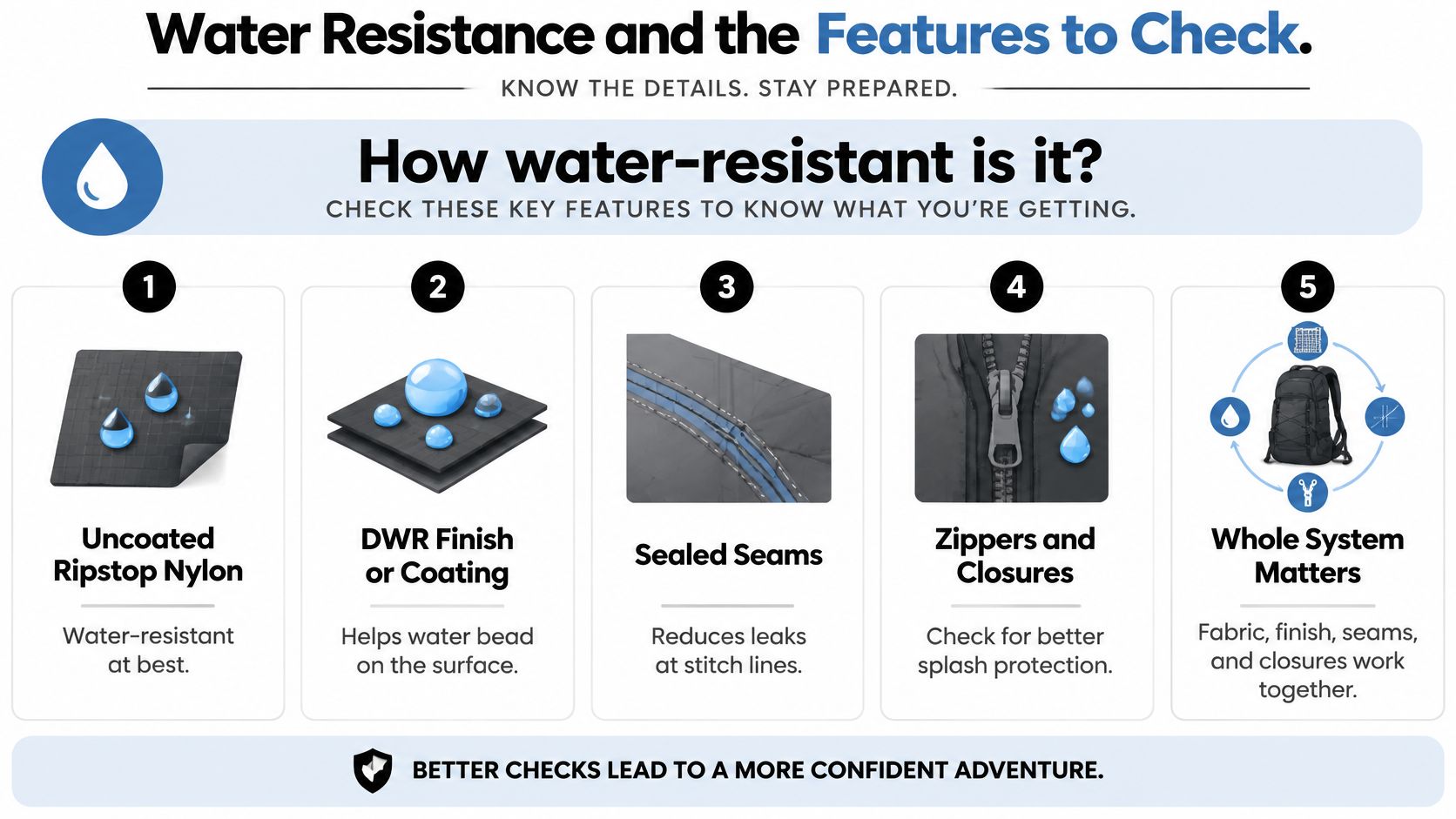
After a wet commute, a water-resistant weekender can handle splashes on its outer fabric, but water may still get in through an opening or stitch line. Protection depends on the fabric, its finish, and how the bag is constructed. The ripstop fabric guide explains that uncoated ripstop nylon offers limited water resistance; density, treatments, coatings, and seam construction also affect performance.
Inspect the complete weather barrier
A durable water-repellent finish encourages droplets to bead on the surface. A coating adds another barrier, while covered or sealed seams help limit seepage through stitch holes. Water can enter through those holes even when the fabric is dense. A water-resistant zipper or storm flap can also protect an exposed opening.
More sealing can make a bag stiffer and less willing to fold, a trade-off that matters if packability is a priority. Water-resistant protection suits everyday exposure, not immersion. The guide to water-resistant versus waterproof bags explains the distinction. Keep electronics and paperwork in a protective pouch rather than relying on the outer fabric alone.
Check usability alongside the finish
Inspect the bag as you would while packing for a regular day:
- Size and shape: Check that the main compartment suits your usual clothing, shoes, and transport space.
- Quick-access storage: Look for a zipped pocket you can reach without opening the main compartment.
- Carrying comfort: Check how the handles or shoulder strap feel over the coat you normally wear.
- Closures: Zip each compartment without pulling the fabric taut.
- Named treatment: Look for a stated coating or finish rather than vague weather claims.
- Exposed seams: Check the base and corners for covered or sealed construction.
- Storage: Confirm that the bag folds or compresses without forcing stiff panels into sharp creases.
A fabric test and a finished-bag test measure different things. Look for a specification that names the test method, water-pressure head, and whether seams and closures were included. A strong result for the shell alone does not establish protection at every opening.
Carry-On Fit and Packing for Real Weekends
Reference carry-on limits from one airline comparison
Yale's airline comparison lists the following overhead maximums, including the widely used 22 × 14 × 9-inch target.
| Carrier Group | Maximum Overhead Size (inches) | What It Means for Your Bag |
|---|---|---|
| Alaska, American, Delta, Hawaiian, JetBlue, United | 22 × 14 × 9 | Most widely matched target for a soft bag |
| Southwest, Frontier | 24 × 16 × 10 | Larger allowance, confirm before flying |
| Sun Country | 24 × 16 × 11 | Largest in this comparison, check current policy |
Treat those dimensions as planning references, not a boarding guarantee. Airlines set their own allowances and can change them; a soft bag can also bulge beyond its listed dimensions once packed.
The FAA's baggage guidance identifies 45 linear inches, the sum of height, width, and depth, as a common maximum. Confirm the individual dimensions directly with your airline rather than relying on that total alone.
Pack first, then measure
- Weigh the packed bag before leaving. A weight cap can stop you before the size limit does.
- Roll soft clothing and tuck it into corners, using the available shape instead of creating a rounded mound.
- Place heavier items low and close to the side that rests against your body so the load doesn't pull outward.
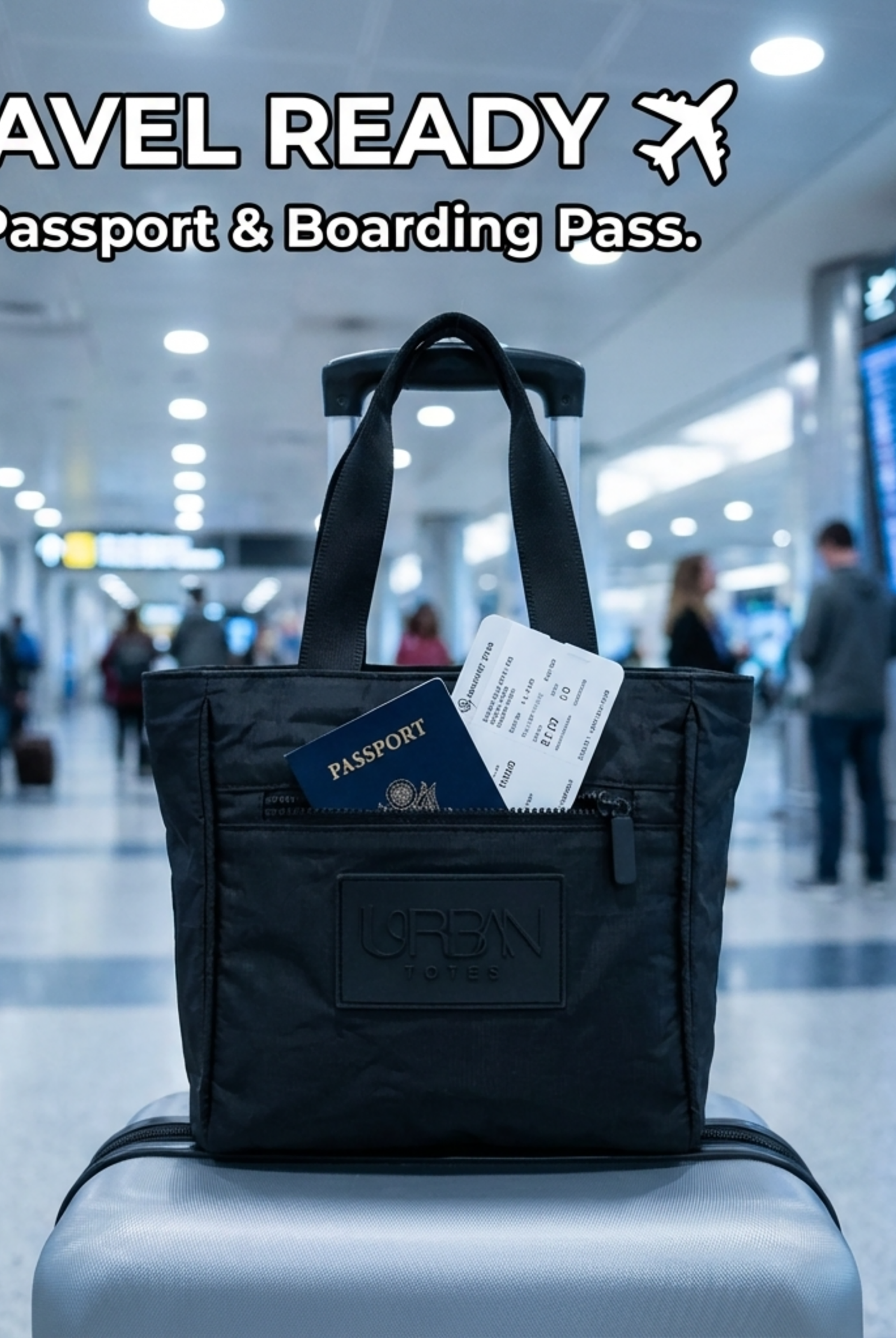
- Keep travel essentials accessible. Put your boarding pass, phone, and keys in an outer zipped pocket.
- Seal toiletries inside a leak-containing pouch within an inner compartment.
- Add a separate pouch for swimwear or wet gear. Parents can use another removable pouch for diapers or snacks.
- Zip the bag closed, check whether it stands, and measure its fullest points, including protruding pockets and handles.
Our weekender bag dimensions guide helps you assess the packed shape. If you're hoping to put it under the seat, Approved Experiences Traveler lets you compare personal item size limits, a separate allowance from overhead luggage.
Give international trips an extra check
IATA's baggage guidance gives 56 × 45 × 25 cm as a general carry-on reference while emphasizing that airlines determine their own limits. European budget-carrier dimensions and Asian carrier weight policies can be more restrictive, so check every operating airline on a connecting itinerary.
A compressible bag helps only when you've left room to compress it. Recheck current rules before every trip, then use both a tape measure and a luggage scale.
Care and Cleaning Steps That Protect the Nylon
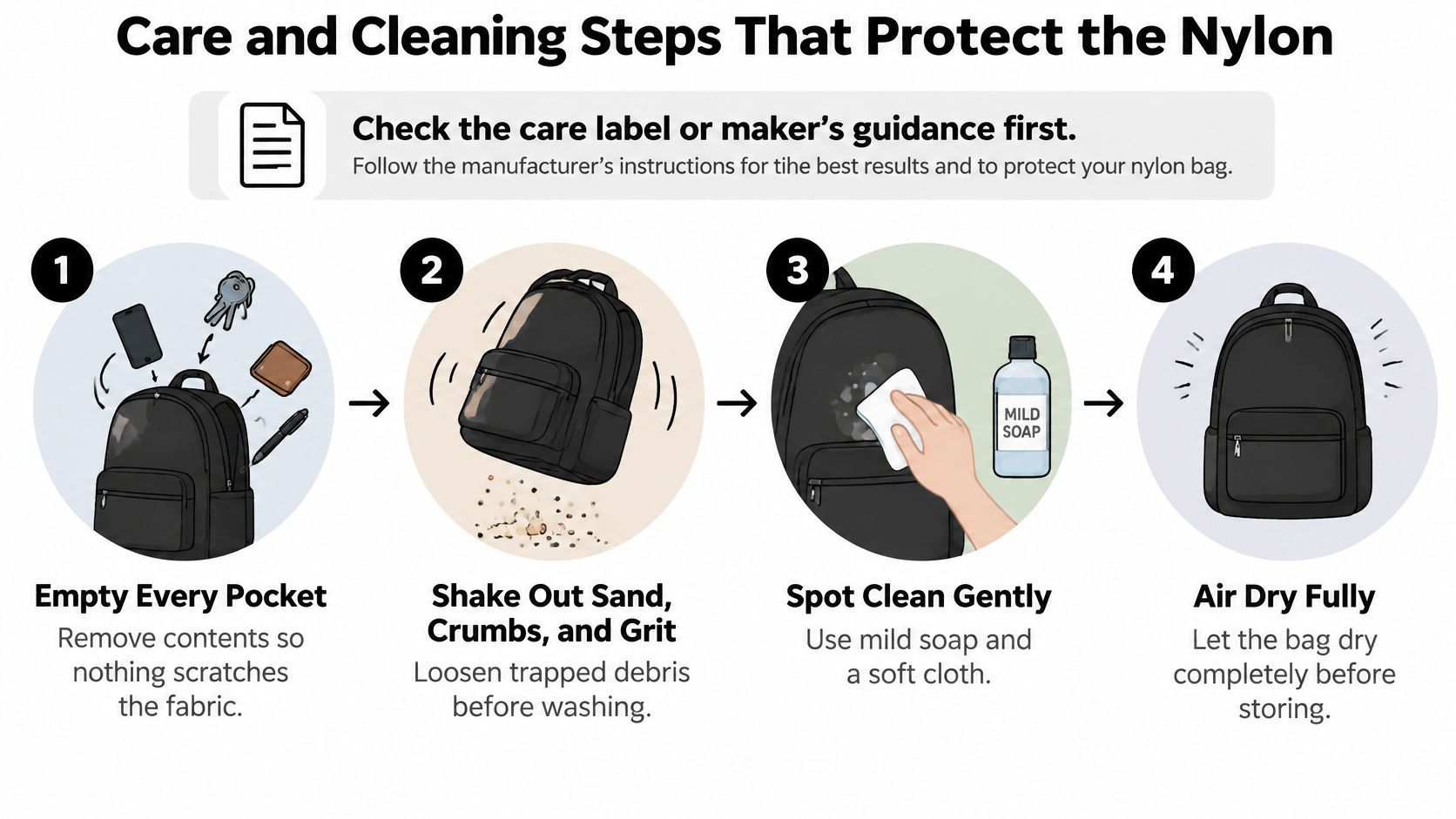
Check the care label or maker's guidance first. Nylon fabric may tolerate washing that its coating, lining, foam inserts, or hardware won't.
Start with the least aggressive method that removes the dirt. A quick spot clean after a beach day is often more sensible than washing the entire bag because one corner collected sunscreen.
A gentle cleaning routine
- Empty every pocket and shake out debris. Brush away sand, crumbs, and grit before adding water, especially around seams and zipper teeth.
- Spot clean with a soft cloth, mild soap, and cool water. Work from the stain's edges toward its centre so you don't spread it across a larger area.
- Wash fully only when permitted. Use cool or lukewarm water and mild detergent; hand wash unless machine washing is specifically allowed. For an approved gentle machine cycle, turn the bag inside out and close its zippers if its construction allows.
- Skip bleach and high heat. A hot dryer can damage finishes and distort the bag's shape.
- Air dry completely. Open every compartment and support the bag upright so air reaches the lining and corners.
- Store it dry, out of direct sunlight, and loosely supported rather than tightly crushed. If you fold it for storage, avoid trapping moisture inside the folds.
For stains that persist, don't escalate immediately to solvents or vigorous scrubbing. Test any permitted cleaner on a hidden area first, and stop if you see colour transfer or a change in the surface finish.
Give zippers their own attention
Use a soft brush to clear debris from zipper teeth. A small drop of mild soap on a damp brush can help remove grime; wipe away the residue rather than leaving soap in the mechanism.
Our nylon cleaning guide offers more detail for routine maintenance.
Storage habit: Never zip a damp bag shut and put it away. Leave the compartments open until the lining, seams, and pocket corners are fully dry.
What Recycled Nylon Really Means at End of Life
Recycled content doesn't mean readily recyclable. A bag can contain recovered nylon and still be difficult to recycle after use because its coatings, foam, zippers, lining, and hardware require different handling.
Forschungszentrum Jülich's 2025 nylon-recycling announcement reports that current polyamide recycling remains below 5% and describes emerging biological and chemical approaches. Those developments aren't evidence that an ordinary household collection program can process your finished weekender.
Separate the material claim from the disposal plan
A long-lasting bag can reduce replacement frequency. That's a practical benefit, but it isn't the same as having a confirmed recovery route.
Ask these questions when comparing recycled-material bags:
- Where did the feedstock come from? Pre-consumer manufacturing waste and post-consumer recovered material describe different origins.
- Can the components be separated? Mixed fabrics, bonded coatings, foam, and hardware can complicate processing.
- What support exists after purchase? Look for documented repair, replacement-parts, or take-back arrangements rather than assuming they're available.
A clear answer names the material, states its recycled proportion, and explains what happens when a strap or zipper fails. Our guide to recycled-material bags helps you evaluate those claims separately.
Put environmental figures in context
A Swiss Federal Office for the Environment document on textile recycling reports that recycled nylon can reduce emissions by 26% compared with virgin nylon. That material-level comparison isn't a footprint calculation for every finished bag.
A peer-reviewed review of nylon recycling explains that nylon 6 can be chemically recycled into caprolactam, but that recovery costs more than producing virgin caprolactam. Nylon also persists after disposal, so neither recycled content nor laboratory recyclability justifies treating it as disposable.
Repair a usable bag before replacing it. Donate one that's clean and functional, and confirm that a local textile collector accepts coated bags before dropping one off. An actual collection pathway matters more than a theoretical recycling symbol.
Choose the Nylon Weekender That Fits Your Week
A bag that works for the office may need to carry gym gear or beach items later. Choose by your usual routine: commuters and occasional flyers can prioritize low weight, packability, and secure storage. For beach days, consider how you'll separate wet gear; for car trips, give more attention to capacity and organization.
Match the bag to your routine
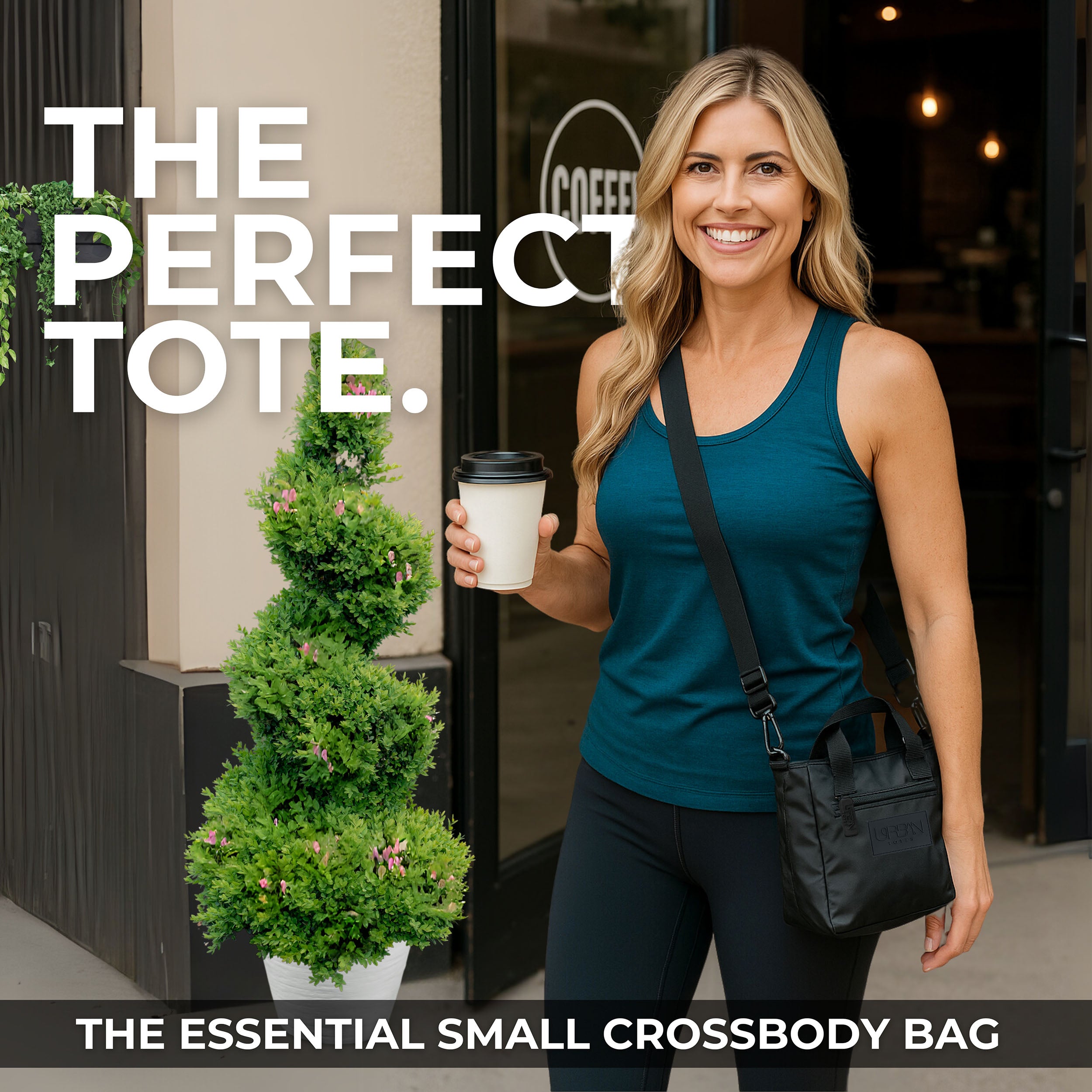
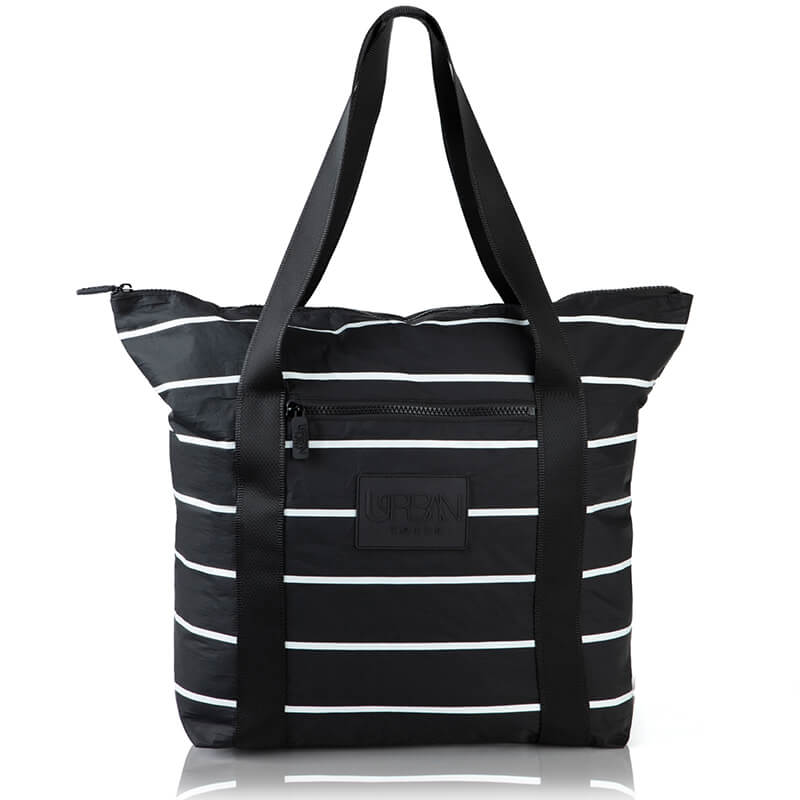
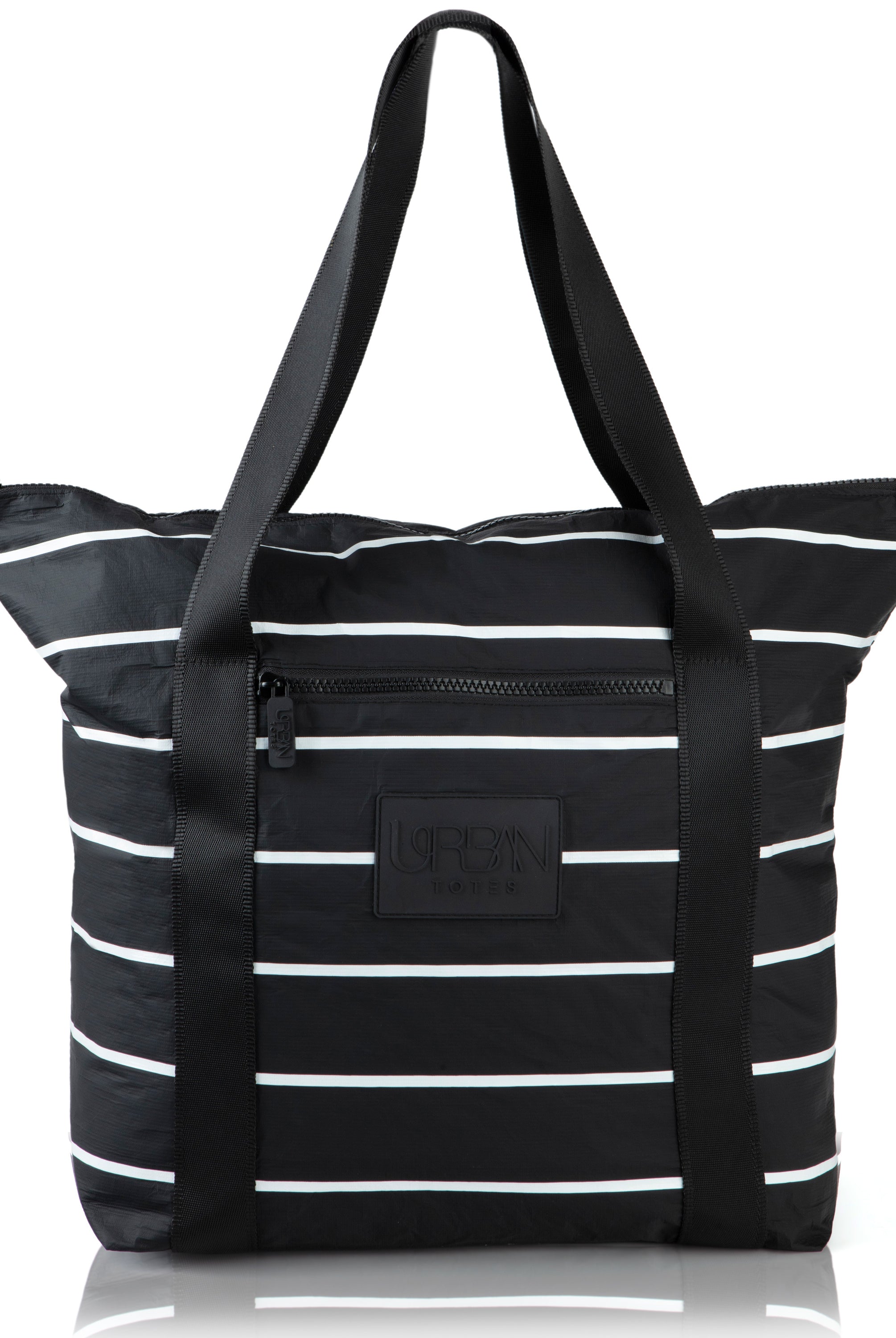
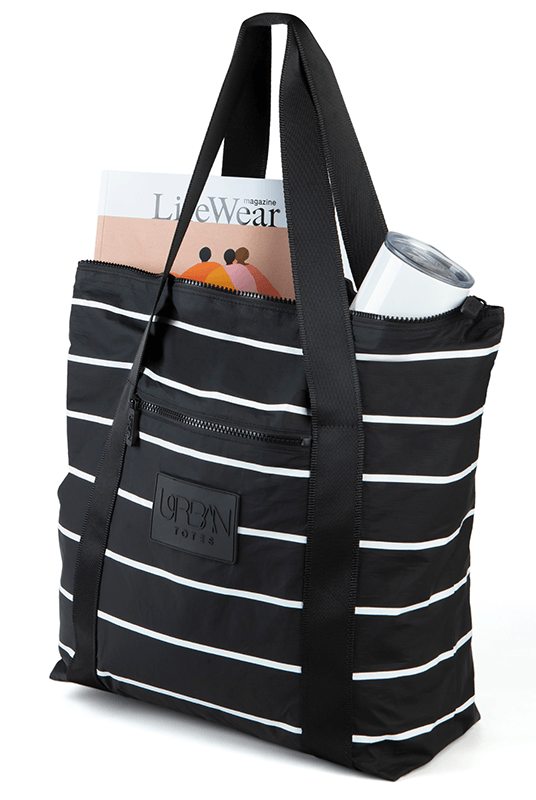
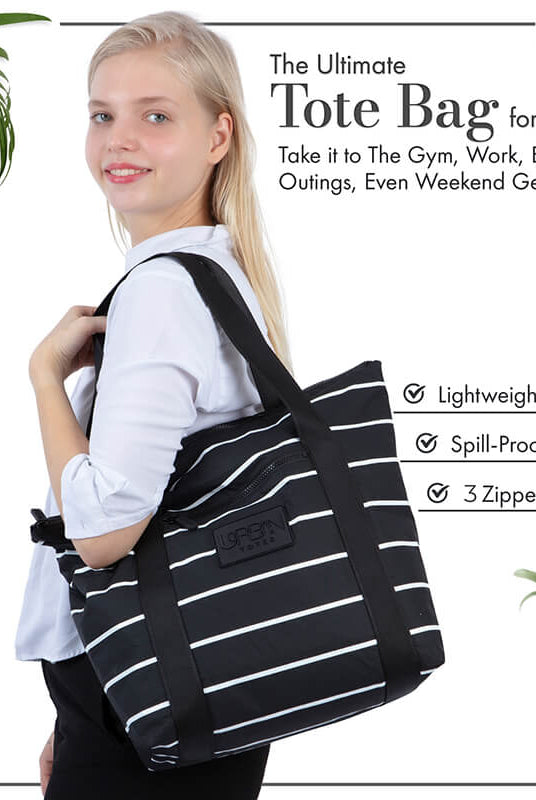
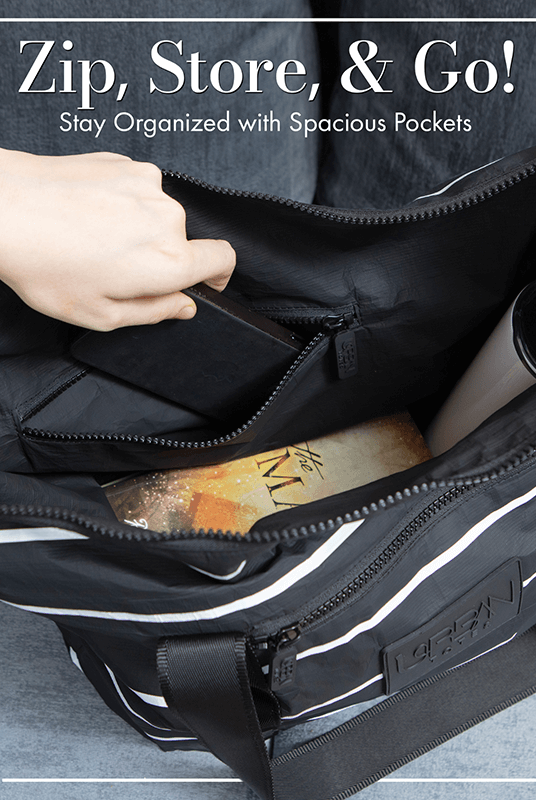
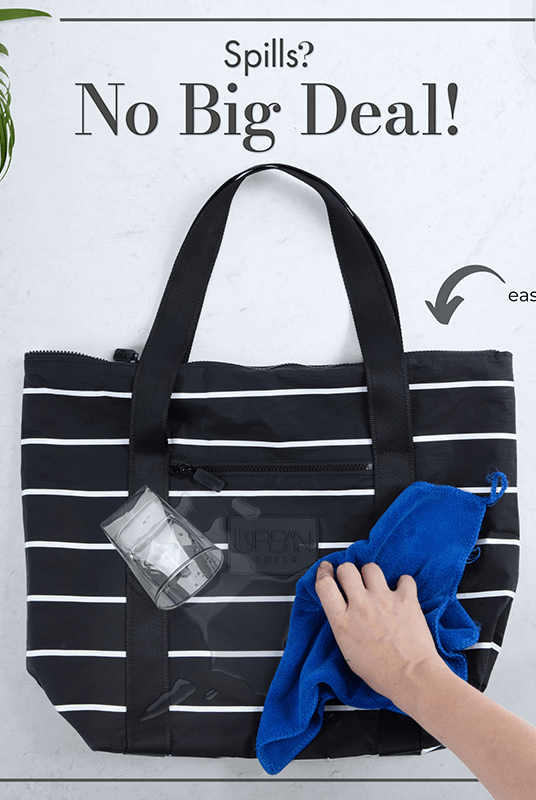
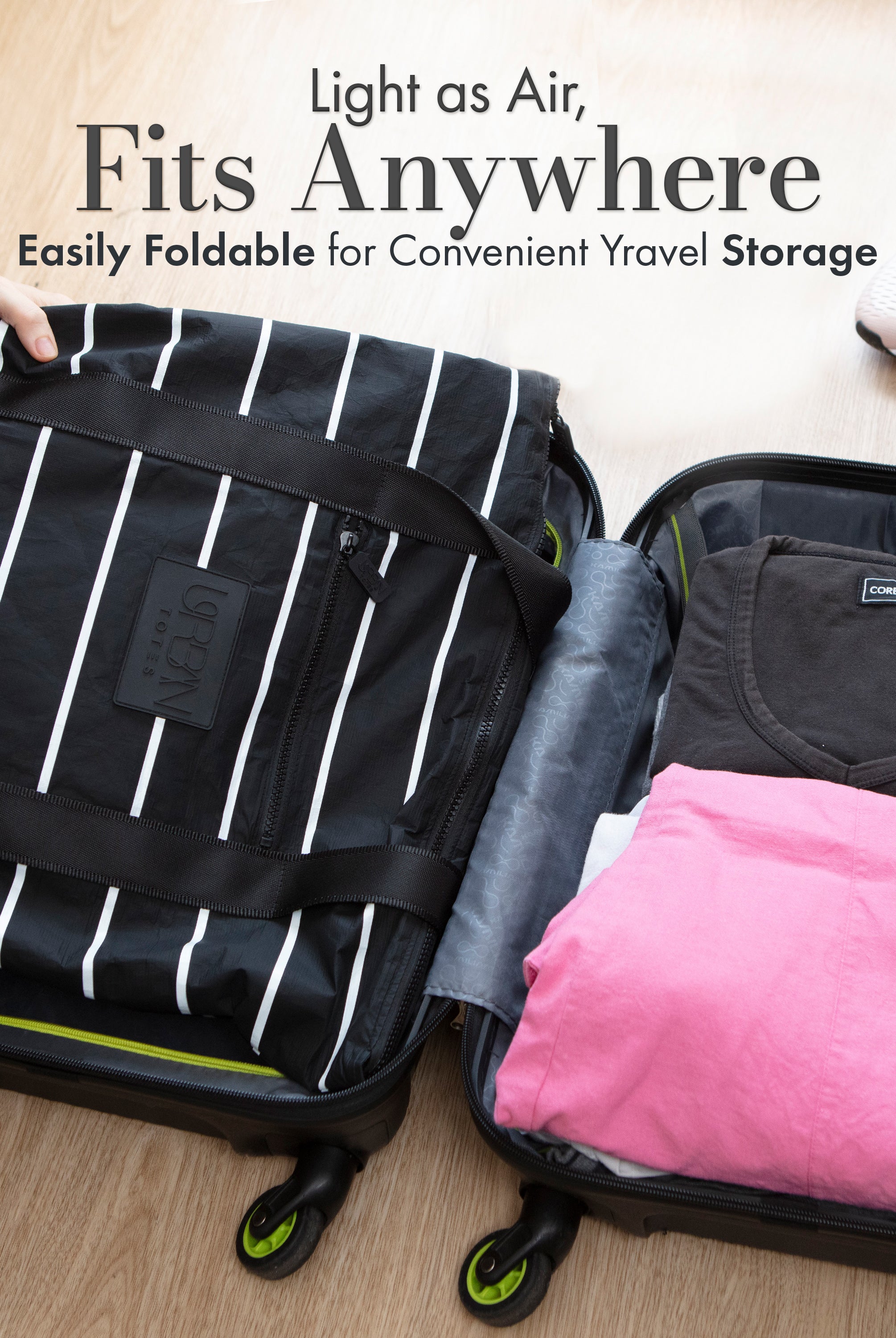
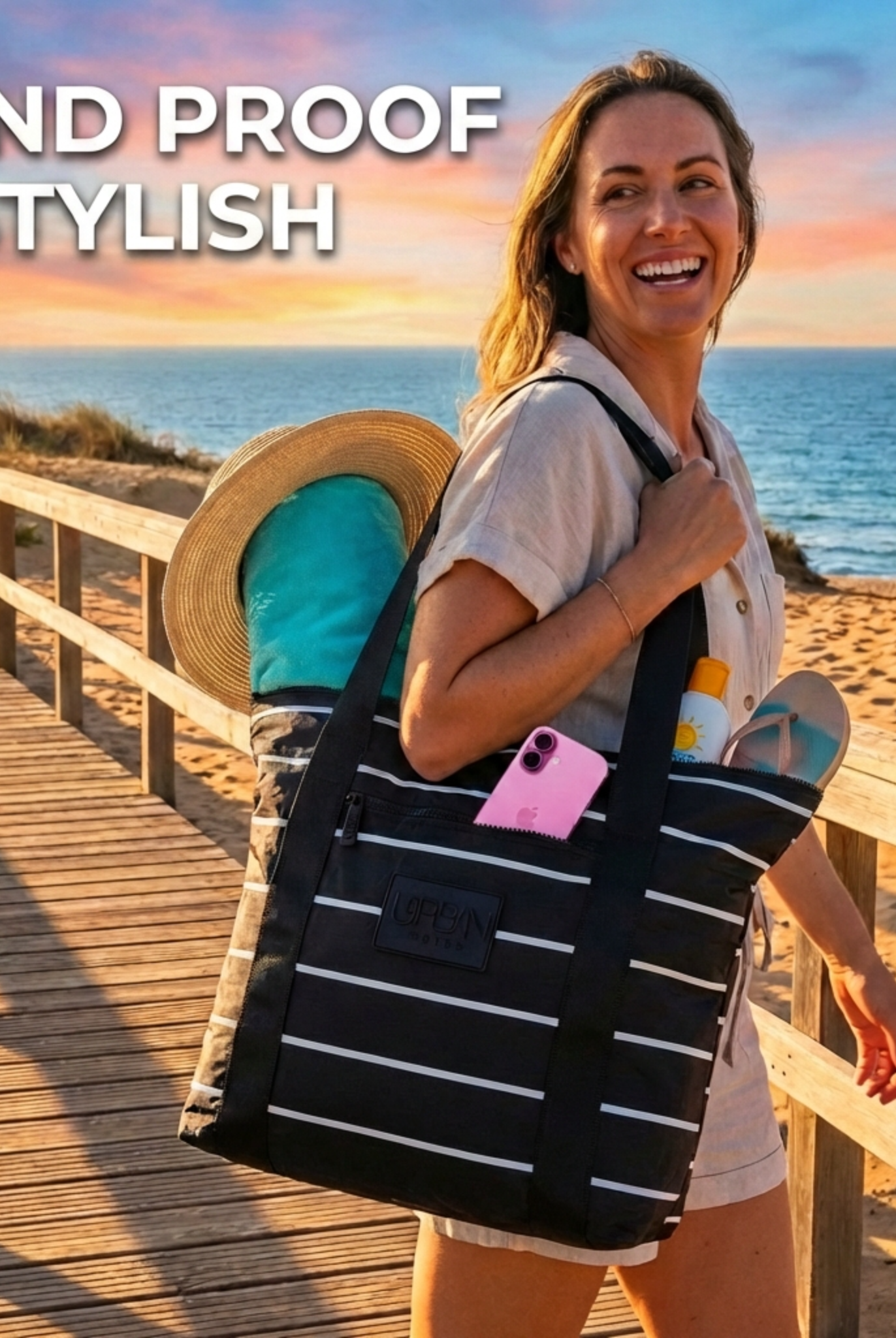
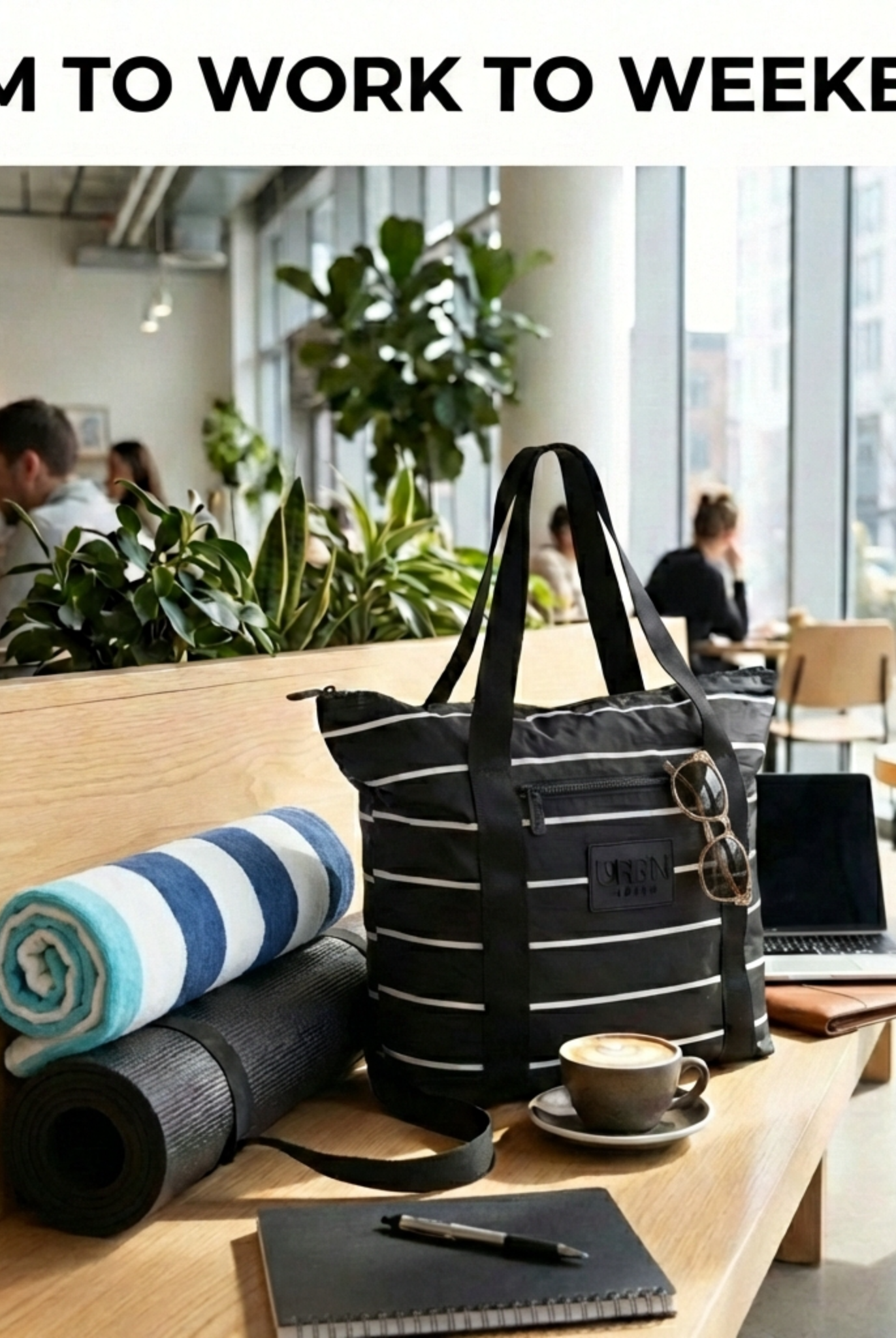
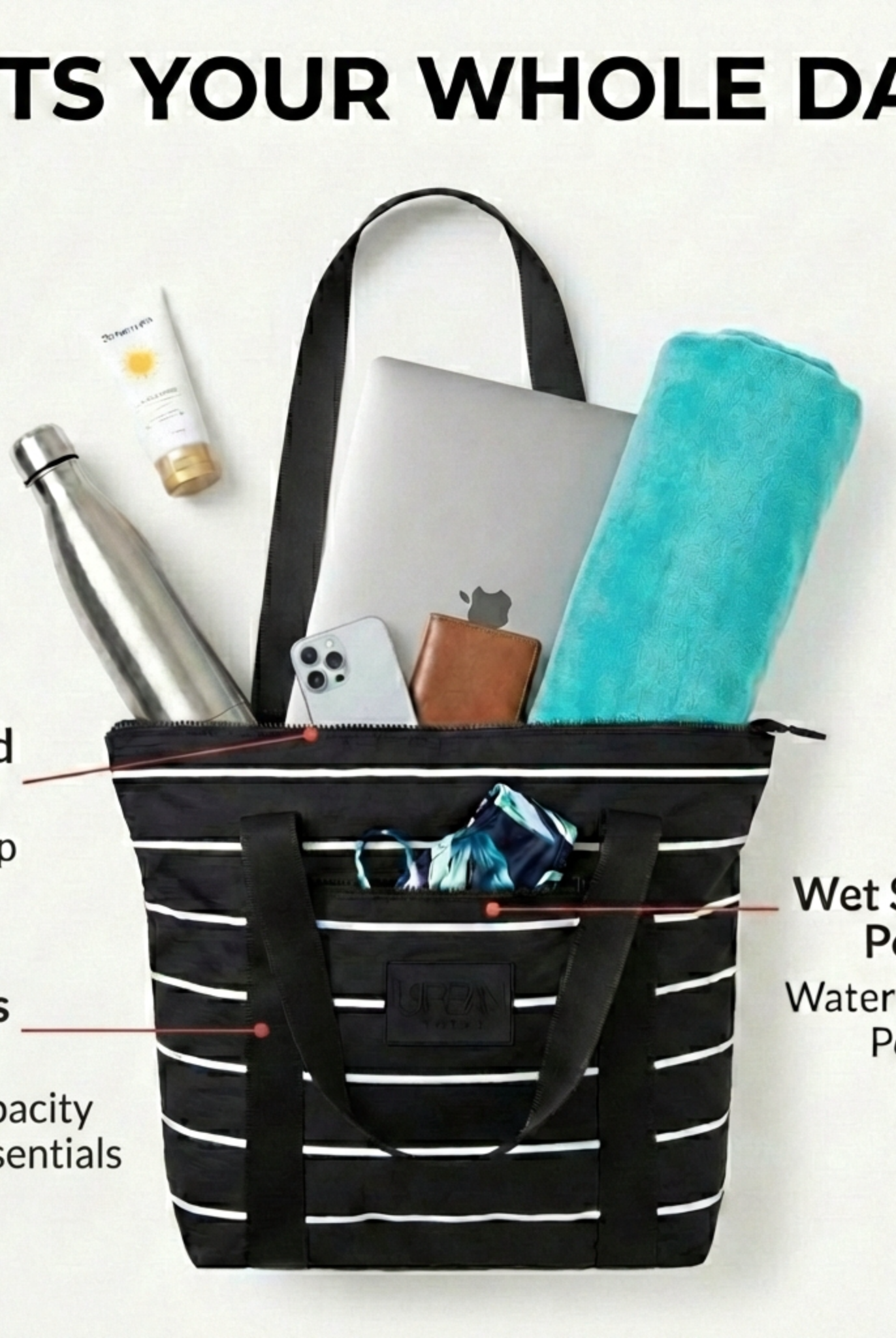
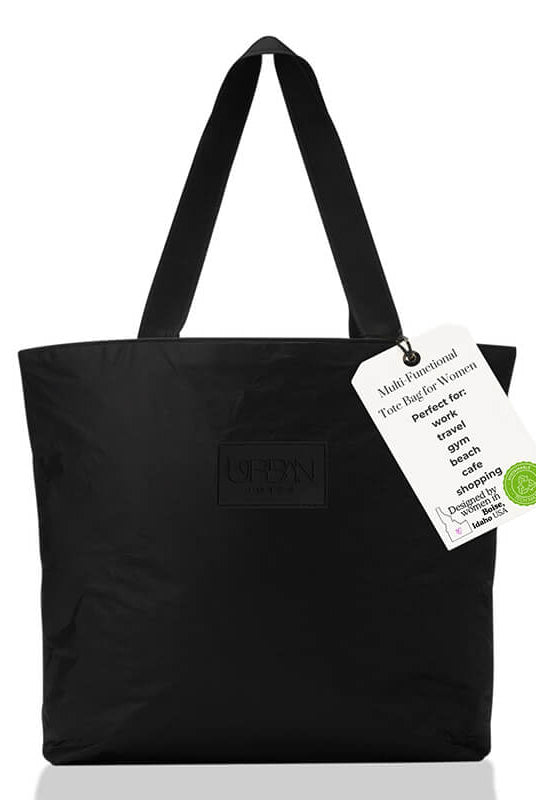
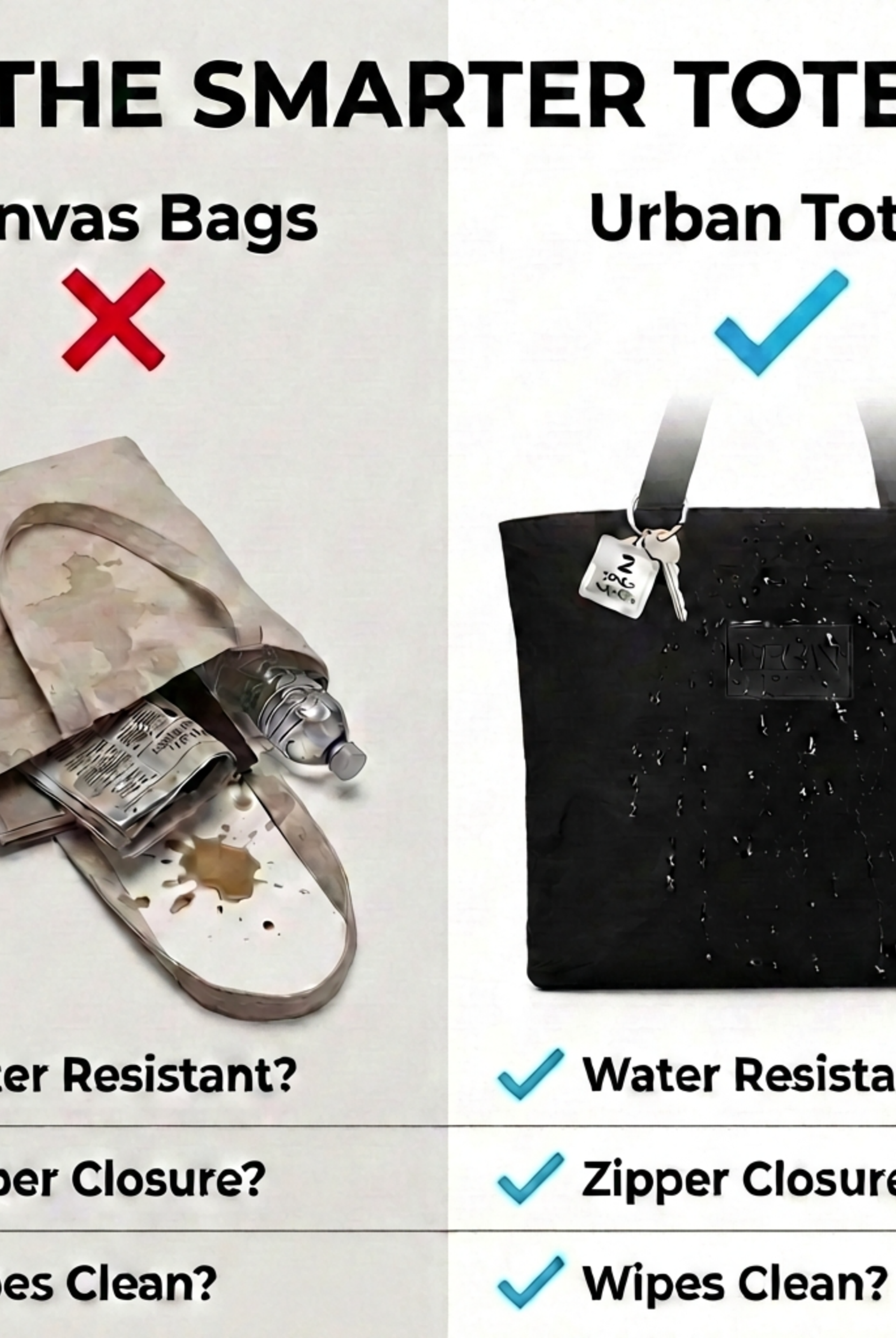
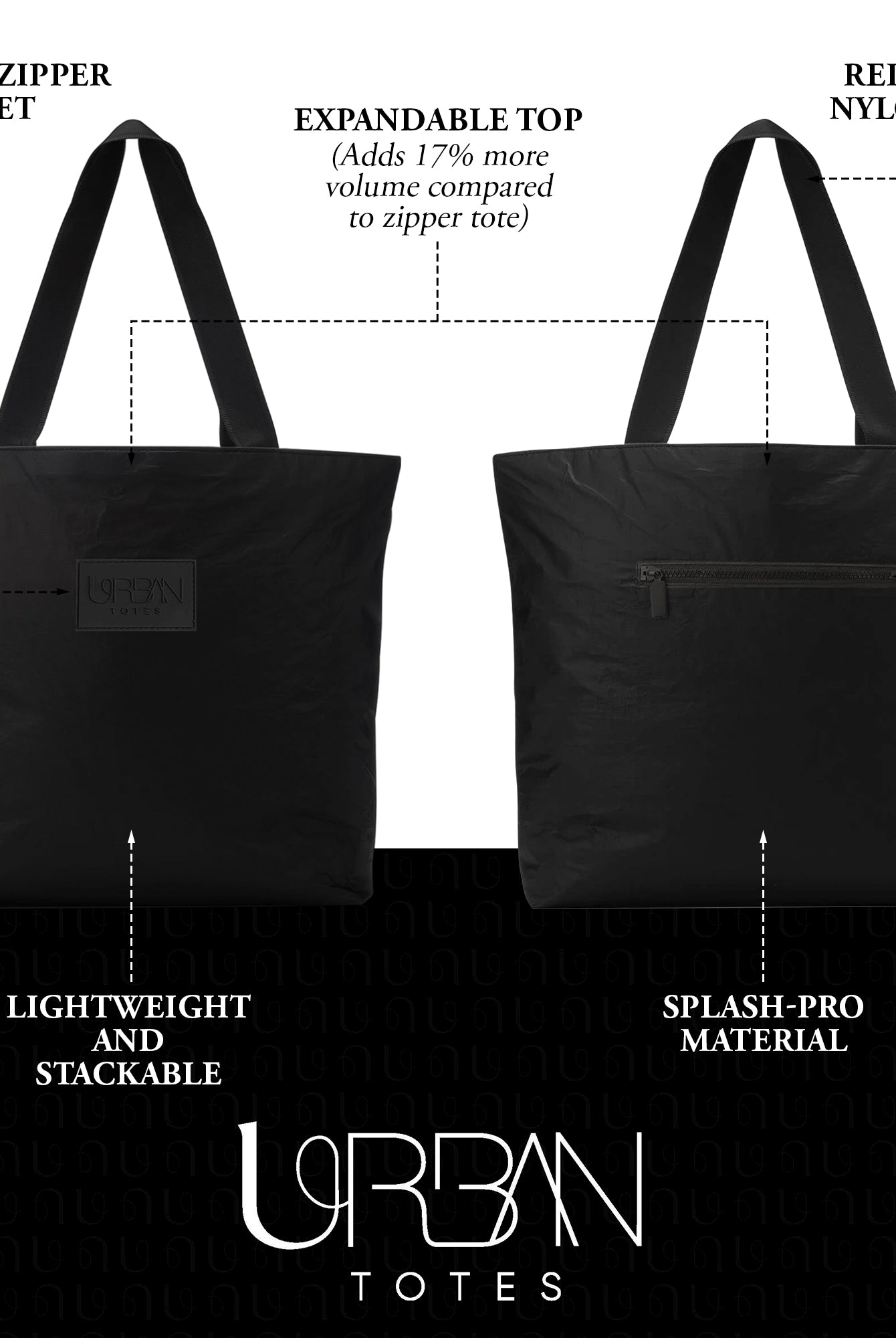
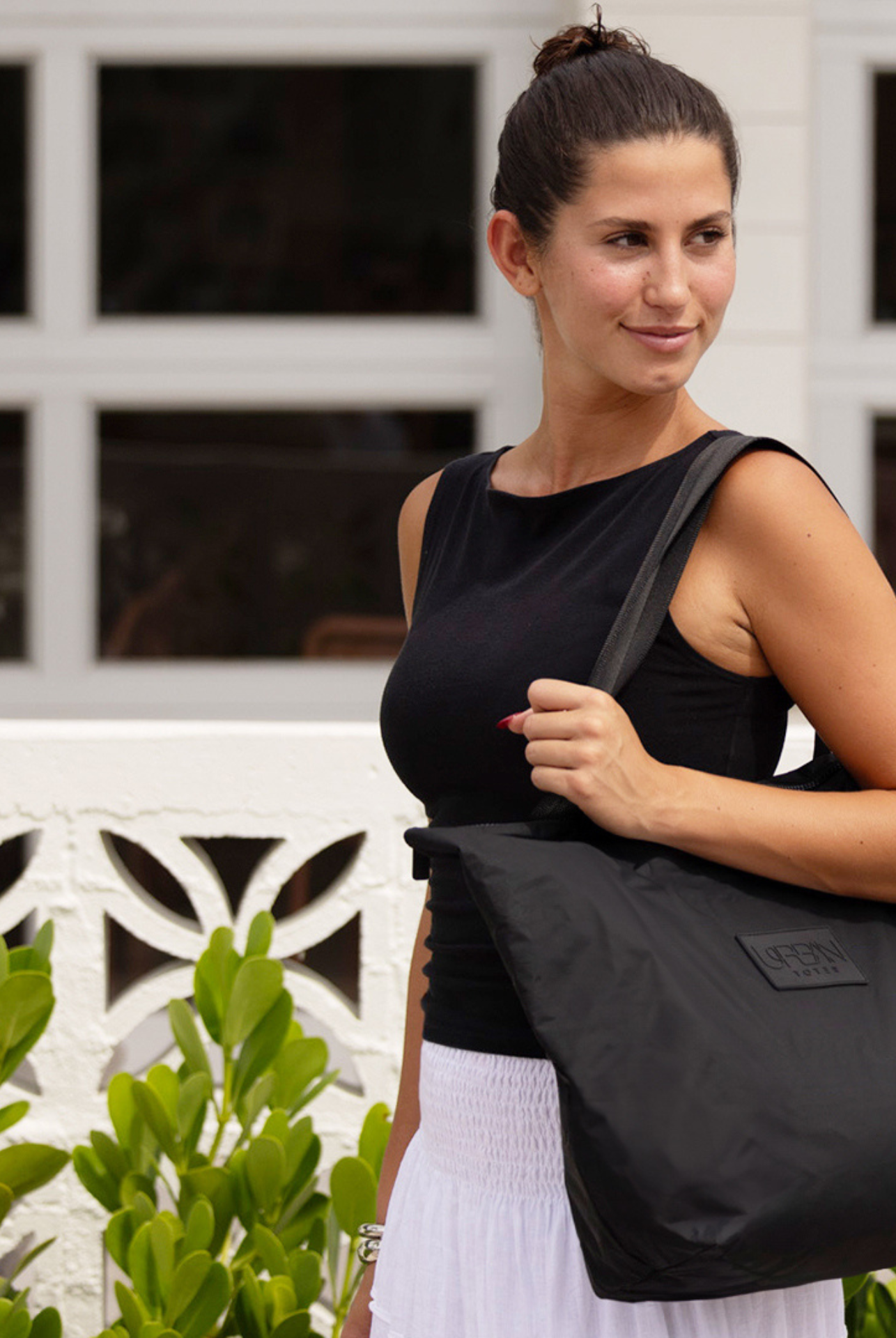
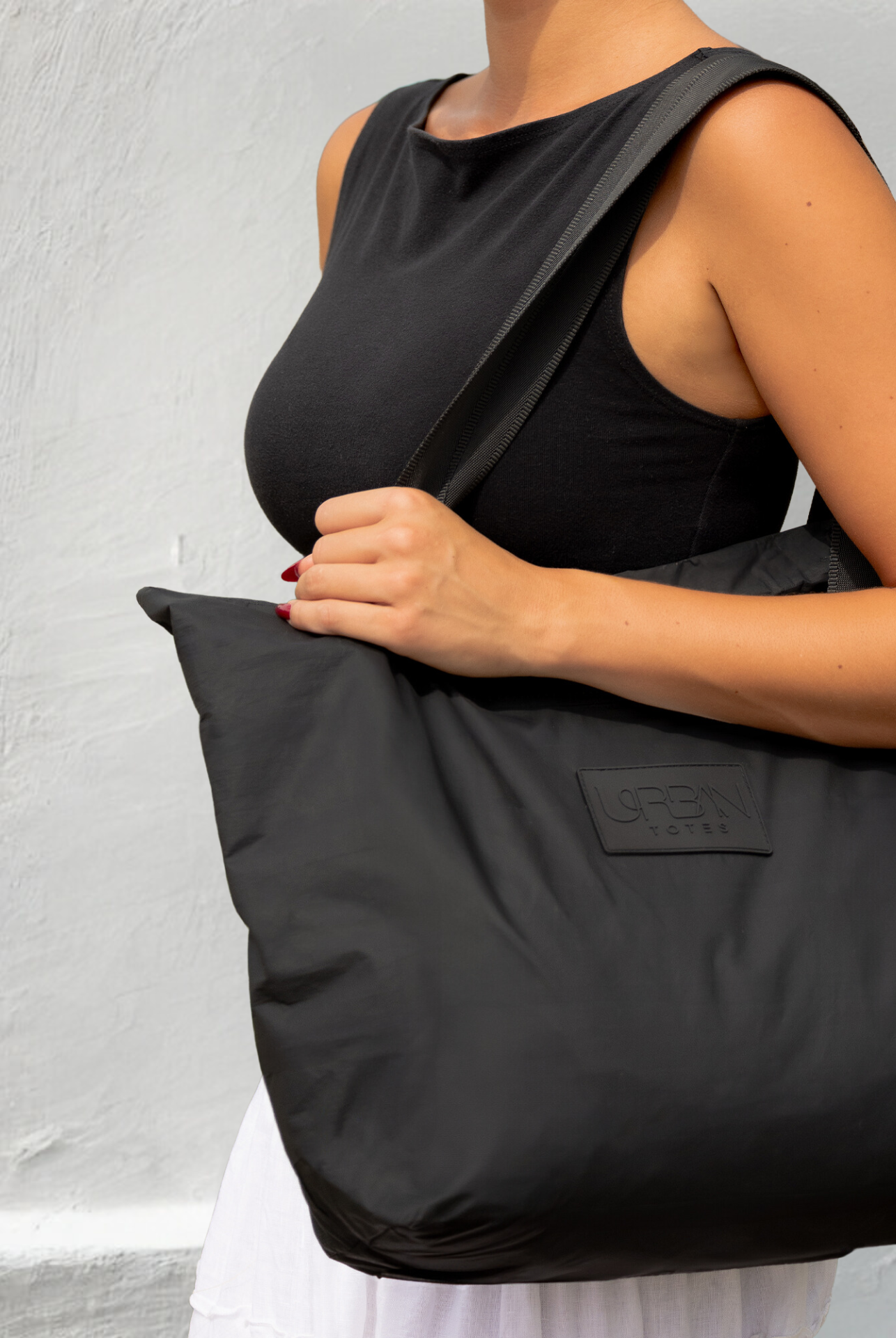
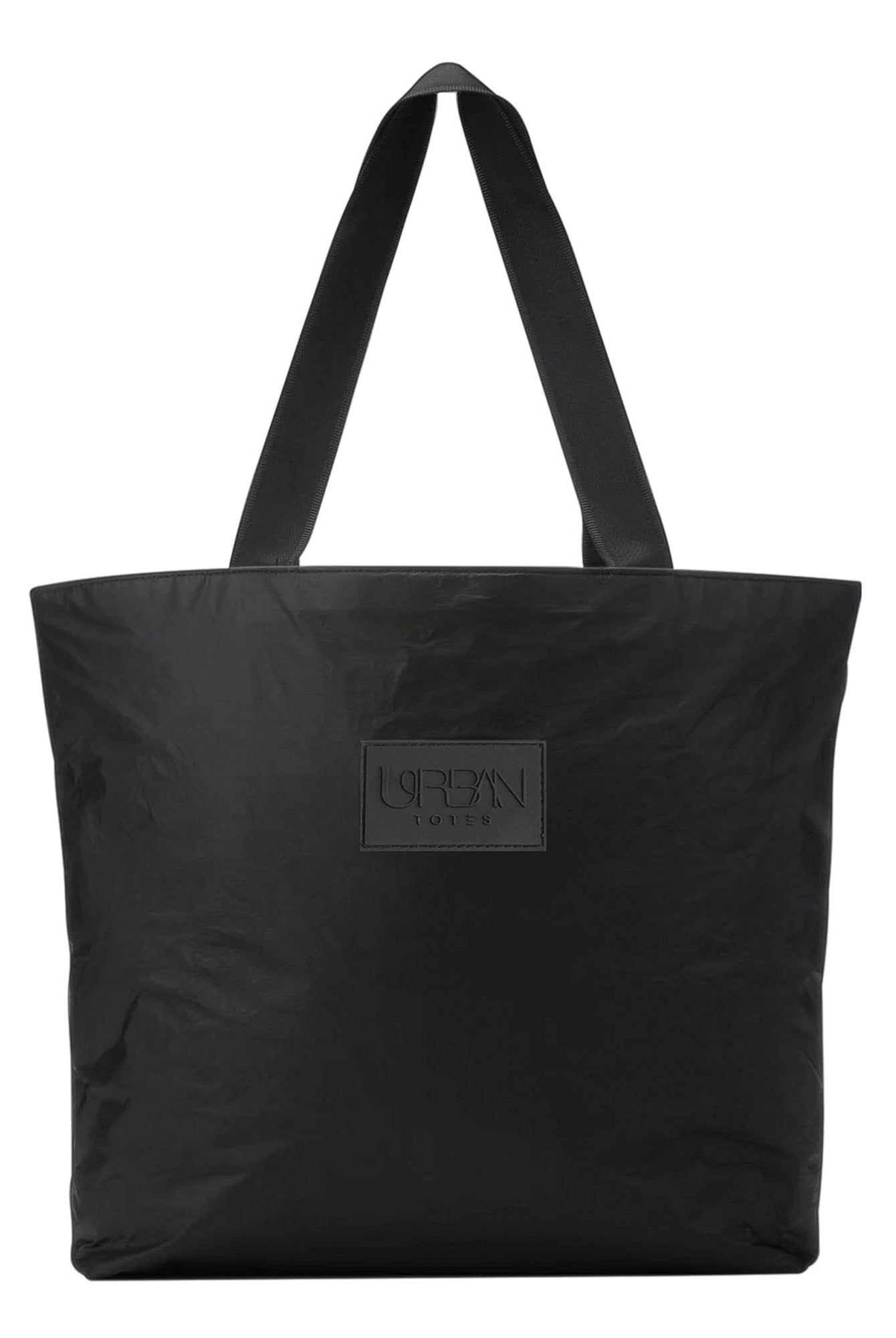
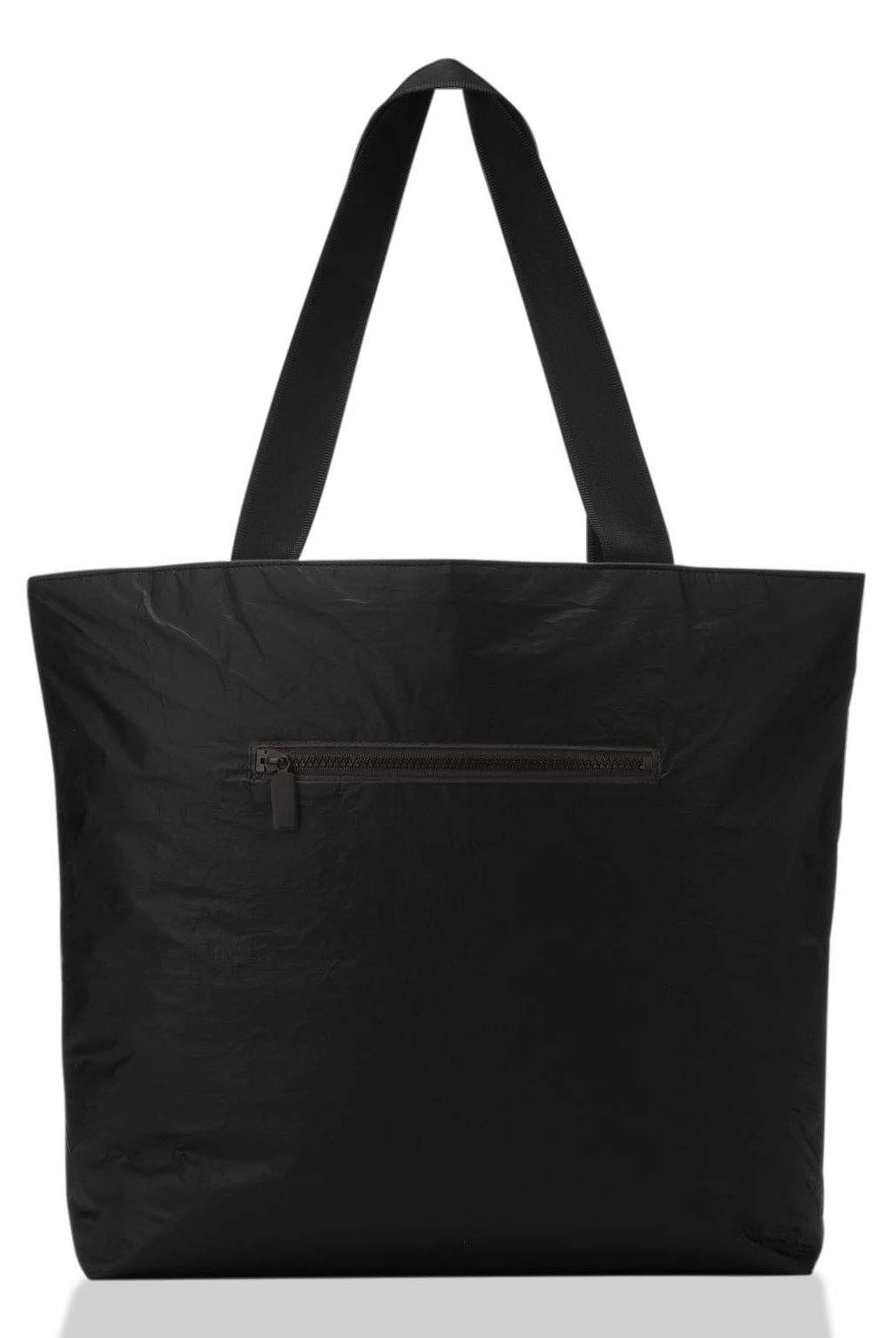
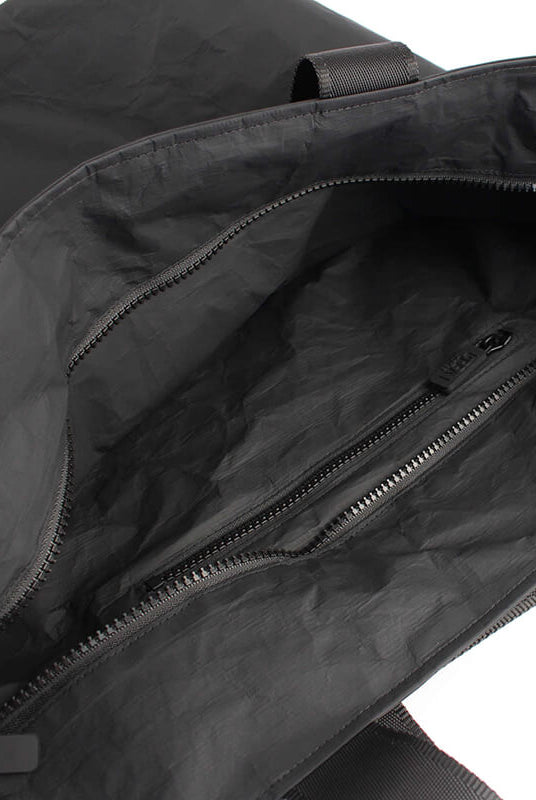
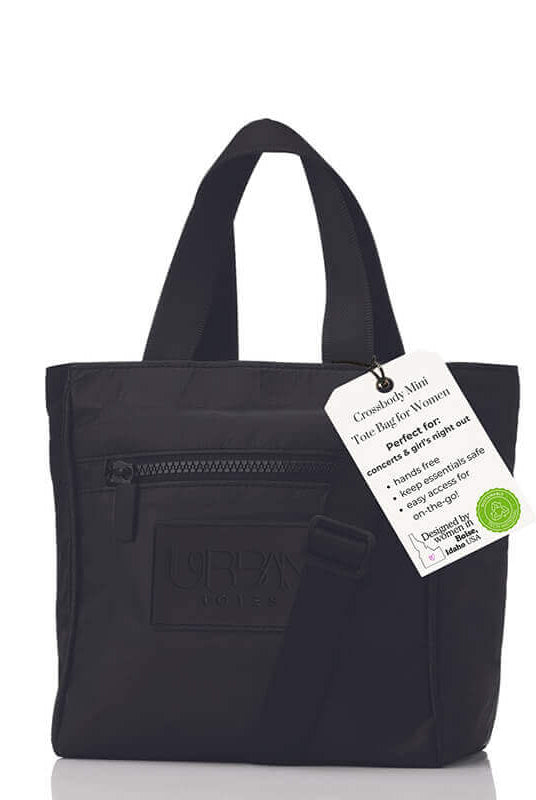
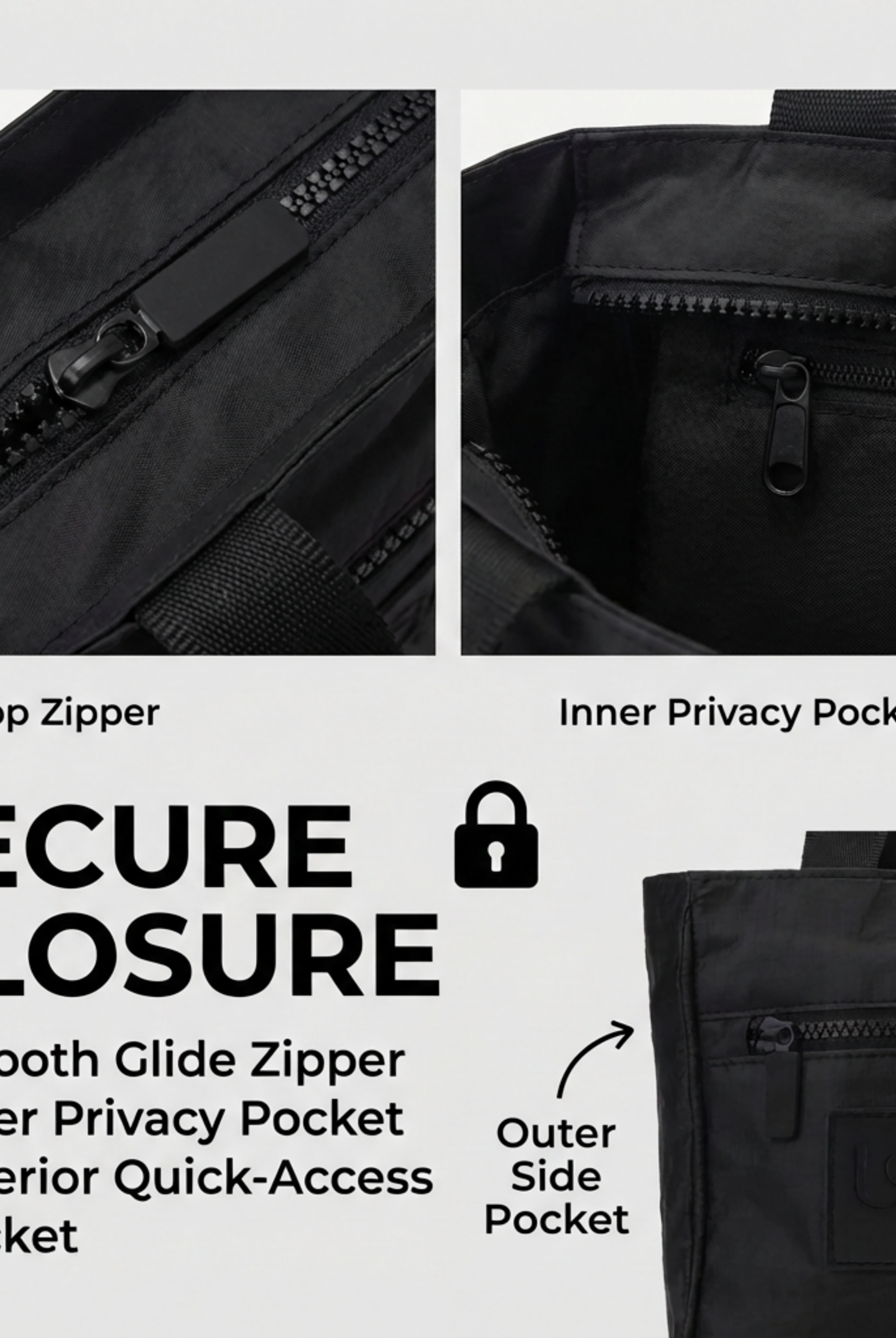
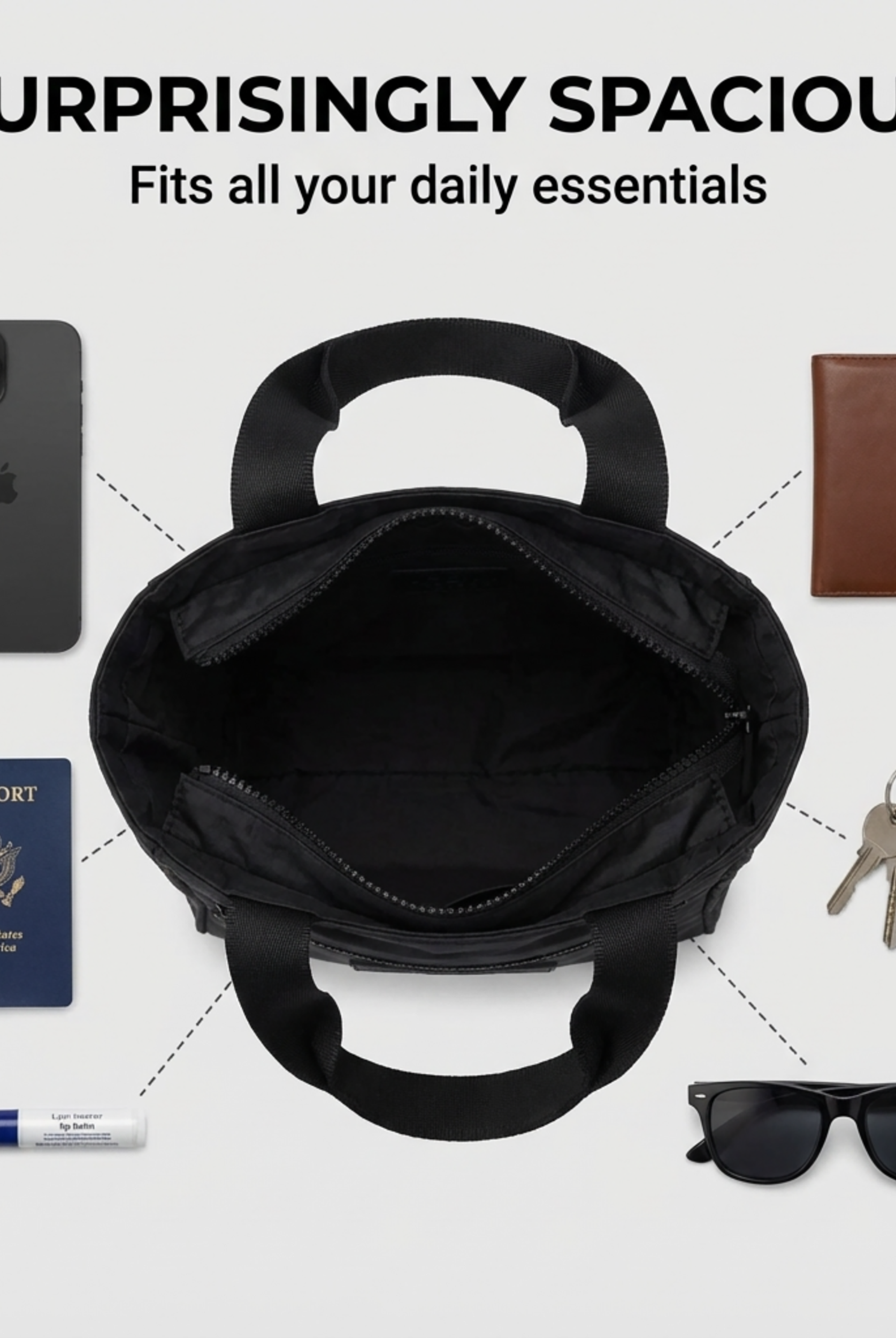
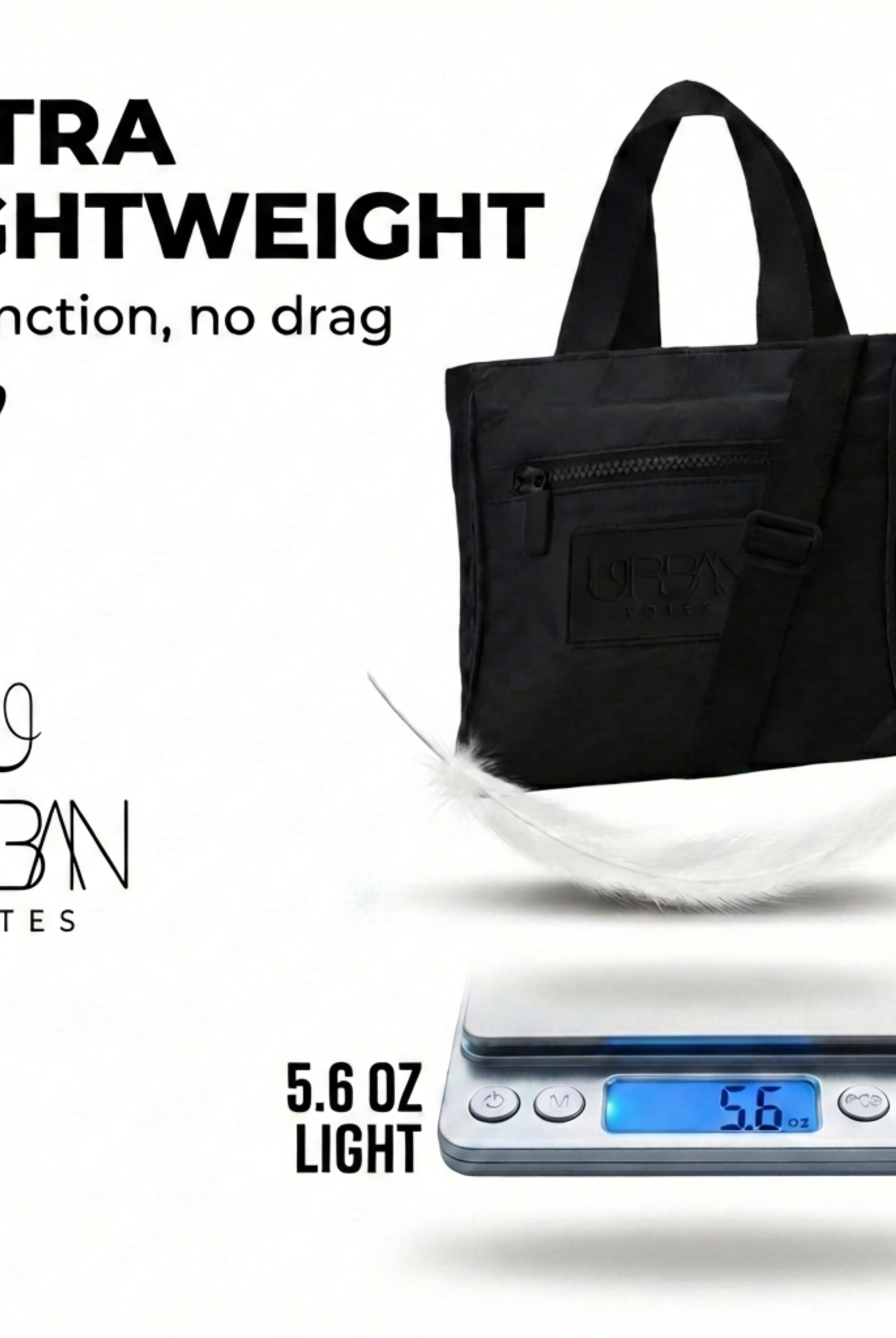
Urban Totes is a woman-owned brand that designs bags in Boise, Idaho, with a focus on practical organization. Its Go Anywhere Day Trip Tote Bag is one option to compare with your checklist. It is lightweight, water-resistant, packable, and foldable, with multiple large zippered compartments, phone and key pockets, comfortable silky straps, and zipper closures on all compartments.
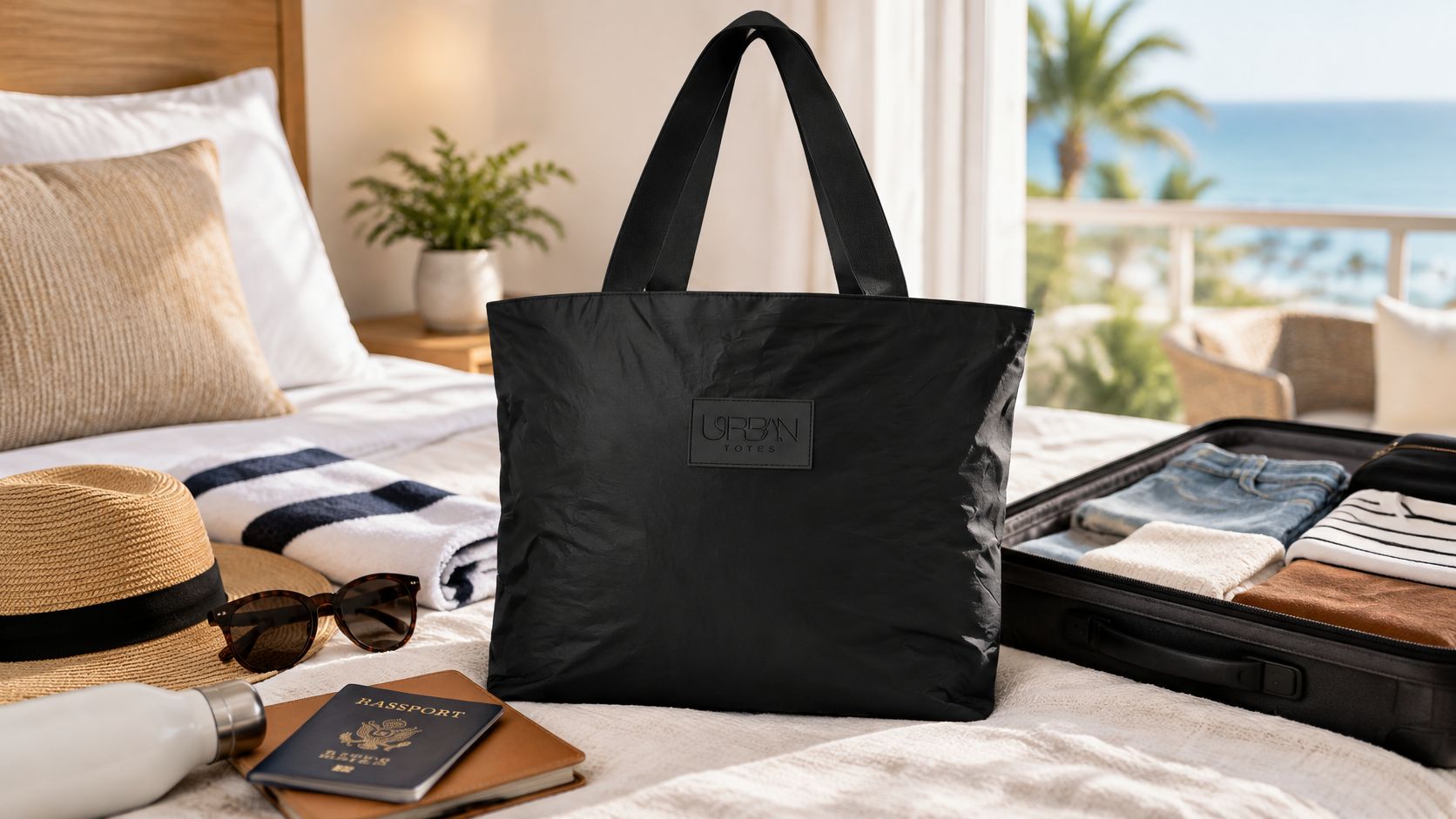
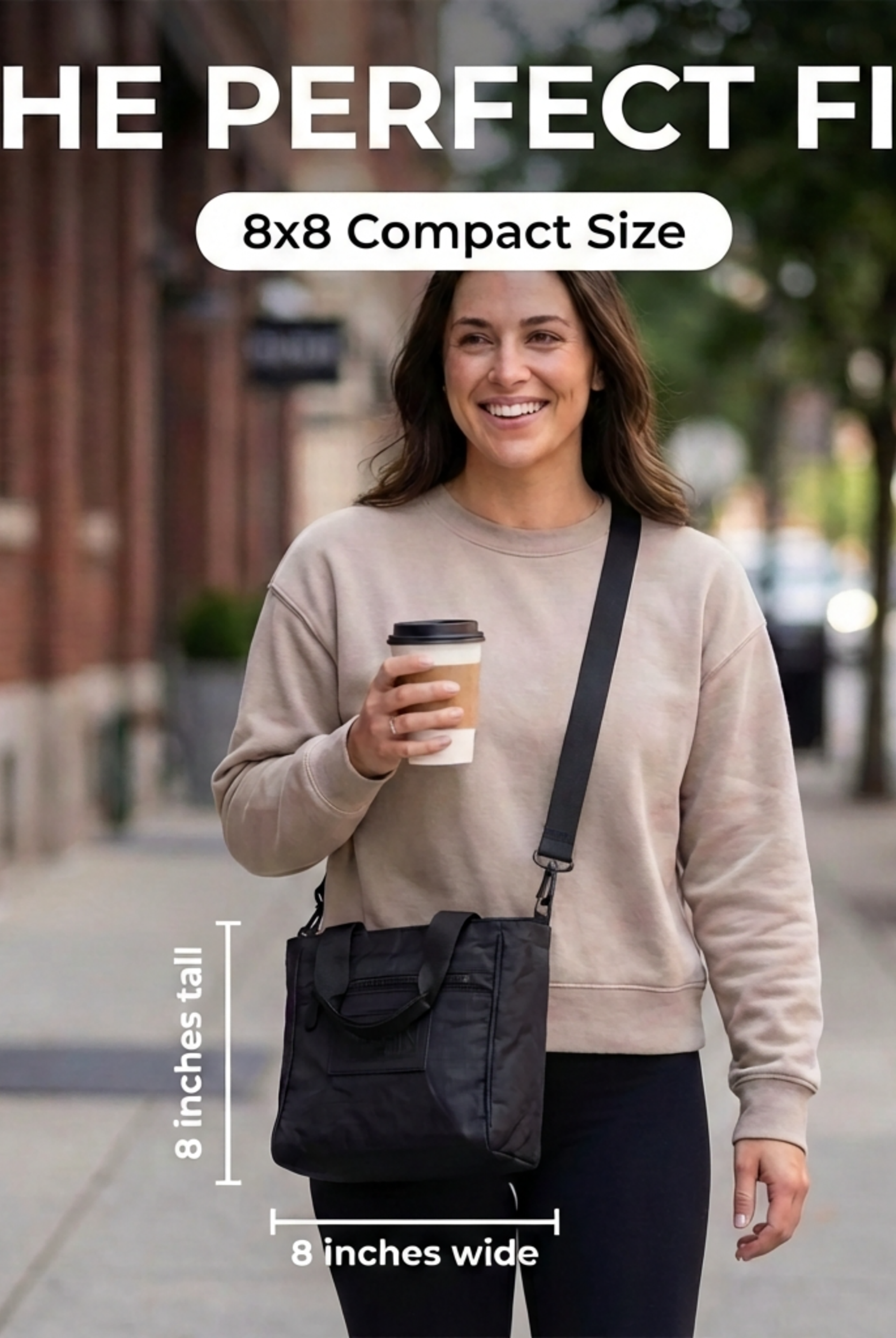
Check the product-page measurements and care details against your packing list. A roomy day tote and an overnight weekender may differ in capacity and fit, so consider what you need to carry and where you plan to store the bag.
Choose a style that suits everyday carry and has the organization your routine requires. The right bag should support your week, not make you reorganize around it.
Urban Totes offers lightweight, packable bags with thoughtful compartments for busy days and short escapes. Visit Urban Totes to compare its bags' measurements and features with your routine, and find a go-anywhere bag that fits it. Go Anywhere. Tote Everything.