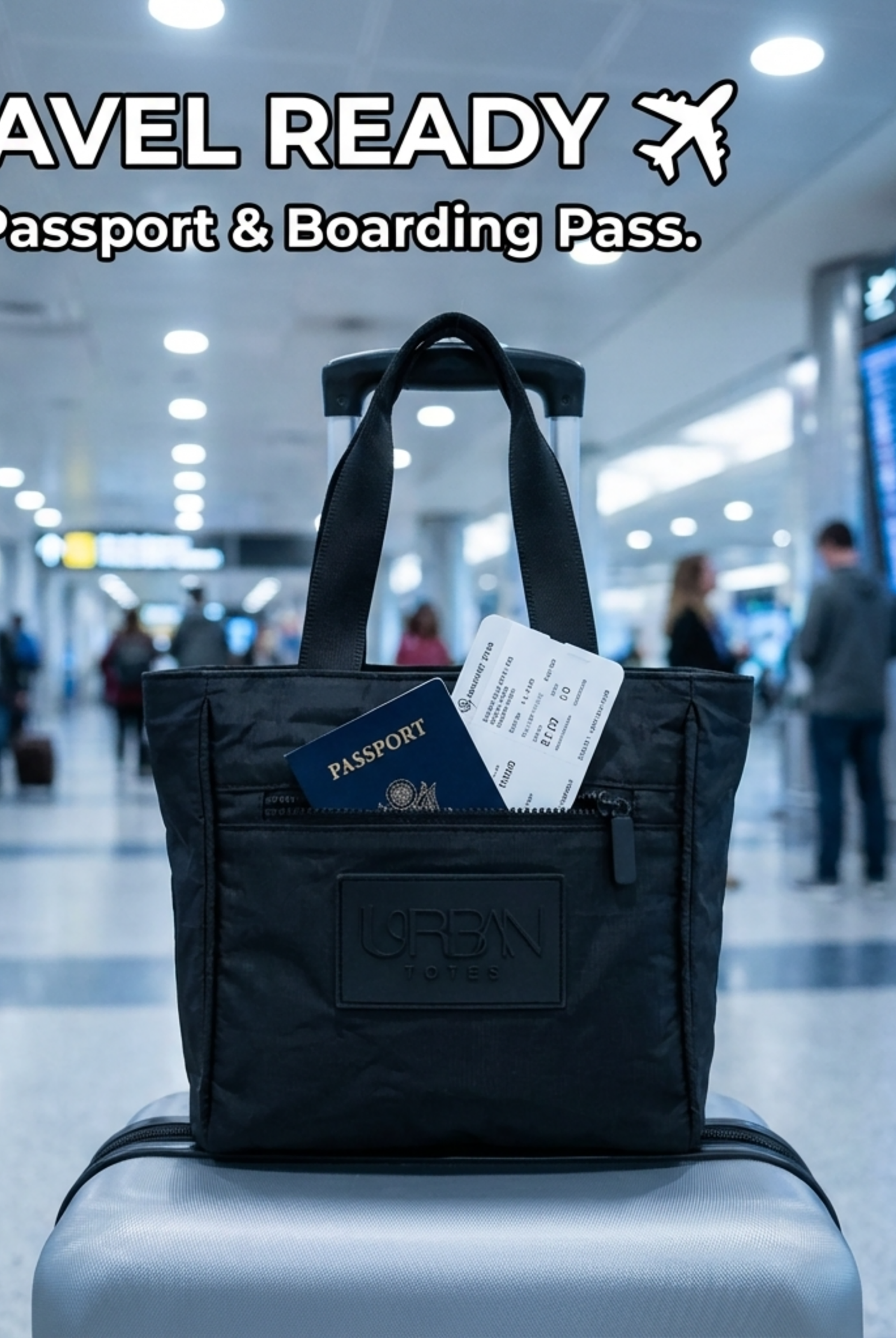
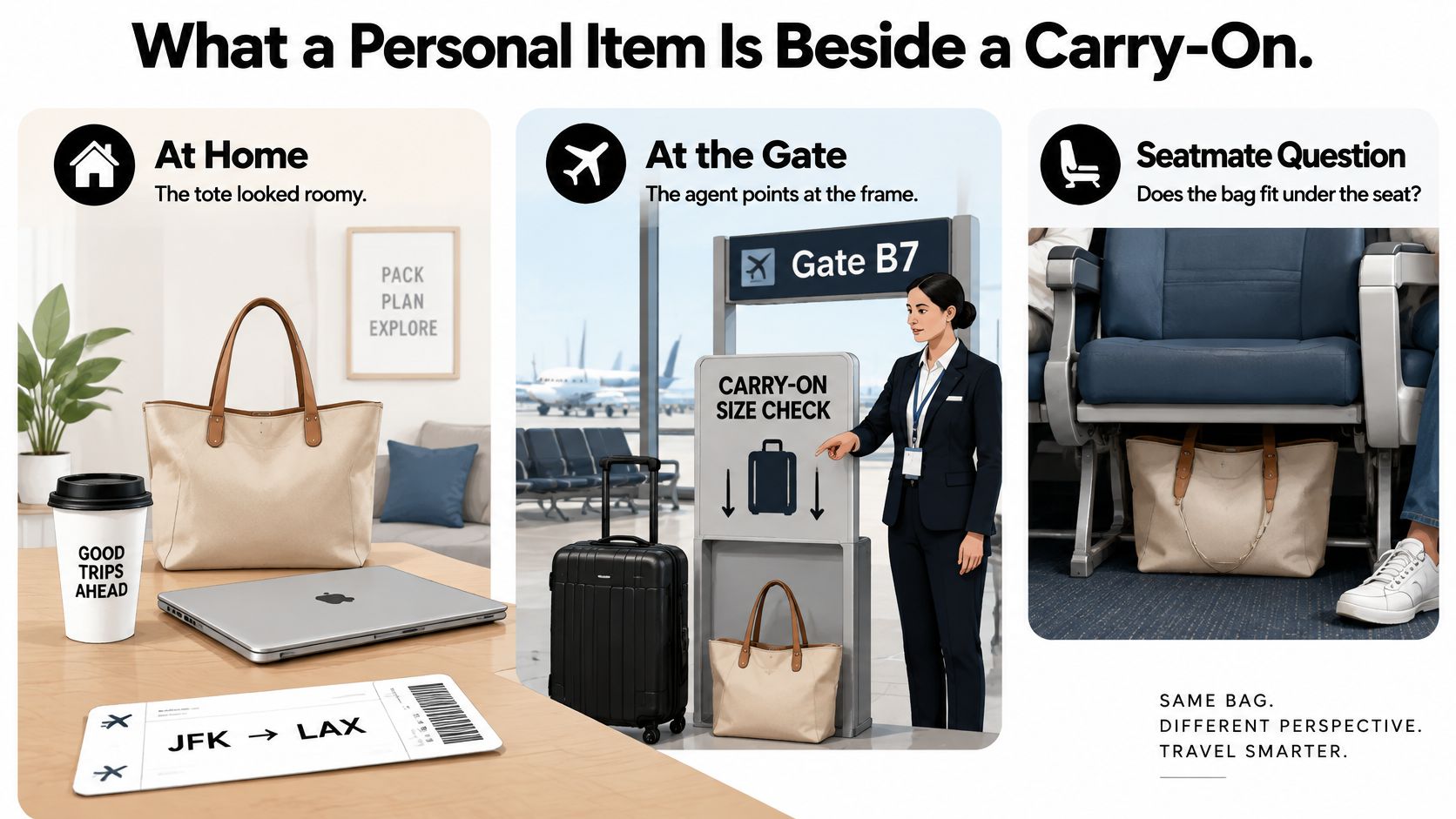
You're at the gate with coffee in one hand, your laptop in the tote, and your boarding pass open on your phone. The bag looked roomy at home. Then the agent points to the sizing frame, and the seatmate beside you asks the question you were hoping to avoid: will it fit under the seat?
A travel personal item bag earns its place by carrying what you need close at hand without becoming too bulky for the airline's rules or your footwell. The trick is to measure it packed, not just trust the dimensions on an empty-bag label.
Table of Contents
- What a Personal Item Is Beside a Carry-On
- Airline Size Limits That Decide the Fit
- How to Test a Packed Bag at Home
- Features That Earn a Spot Under the Seat
- How to Pack for Security and the Seat
- Commute Days and Weekend Getaways
- Choose the Bag That Clears the Sizer
What a Personal Item Is Beside a Carry-On
A personal item is the smaller bag intended to ride under the seat in front of you. A carry-on is the larger cabin bag that goes in the overhead bin. Each airline sets its own size rules, so a bag that qualifies on one flight may not qualify on another.
That distinction matters when the cabin fills. An overhead-bin carry-on may be gate-checked, while a personal item that fits beneath the seat usually stays with you. Keep your essentials in the bag you can reach: identification, medication, electronics, documents, chargers, and your liquids bag. Clothing, shoes, and other items you can wait for belong in the carry-on.
| Question | Personal item | Carry-on |
|---|---|---|
| Main job | Essentials you must keep with you | Clothes and bulk for the trip |
| Where it rides | Under the seat in front of you | Overhead bin |
| Size rule | Set by each airline; check the carrier | Set by each airline; check the carrier |
| If the cabin is full | Usually stays at your feet | May be gate-checked |
| Best contents | ID, medication, electronics, documents, charger, liquids bag | Clothing, shoes, and items you can wait for |
Keeping essentials with you can be useful even when you're checking a larger bag. In the United States, the Bureau of Transportation Statistics' 2024 Air Travel Consumer Report recorded a 0.55% mishandled-baggage rate for the full year. That figure concerns reported checked baggage, not personal items, and it isn't an individual traveler's exact risk. It does help explain why many people prefer to keep medication, identification, and other immediate necessities within reach.
A personal item isn't just a smaller version of your carry-on. Its job is to keep important things accessible and fit the space at your feet. The airline's size limits decide which bag is which.
Airline Size Limits That Decide the Fit
A tote that clears one airline's sizer may be too wide or too deep for the next flight. Published personal-item limits vary, so use the smallest allowance on your itinerary as the planning target.
| Airline or target | Inches | Centimeters | Extra limit | What to remember |
|---|---|---|---|---|
| American Airlines | 18 x 14 x 8 | 45 x 35 x 20 | Includes handles and wheels | A generous U.S. box, not a universal pass |
| United | 17 x 10 x 9 | 43 x 25 x 22 | Includes handles and wheels | Narrower than many tote widths |
| JetBlue | 17 x 13 x 8 | Not stated here | Published personal-item limit | Check the operating flight |
| Air Canada | 17 x 13 x 6 | 43 x 33 x 16 | Includes handles and wheels | Depth is the tight constraint |
| Frontier | 18 x 14 x 8 | Not stated here | Published personal-item limit | Don't assume a second free bag |
| Allegiant | 18 x 14 x 8 | Not stated here | Published personal-item limit | Verify the ticket rules |
| Turkish Airlines | Not stated here | 40 x 30 x 15 | 4 kg | Much smaller than U.S. boxes |
The chart's airline dimensions come from published policies: American Airlines' baggage rules, United's carry-on baggage rules, JetBlue's carry-on and personal item rules, Air Canada's carry-on baggage rules, Frontier's baggage policy, Allegiant's baggage policy, and Turkish Airlines' cabin baggage rules.
The IATA Cabin OK announcement introduced a voluntary cabin-bag guideline of 55 x 35 x 20 cm, approximately 21.5 x 13.5 x 7.5 inches. That guideline is not a universal personal-item allowance; each airline sets its own requirements.
Let the tightest flight set your target
Check every airline on your itinerary, including the carrier operating each flight if you booked through another airline. A connection can bring a smaller allowance into play, and ticket or route rules may affect what you can bring.
Measure the bag's outside dimensions when packed, counting handles, wheels, pockets, piping, and any bulge. These are the measurements that matter at a gate sizer, not the empty bag's dimensions. A soft-sided tote may compress slightly when lightly loaded, while a structured base can help keep its shape. Neither makes it wise to force an overfilled bag into a sizer or strain its zipper.
As a separate planning guide, 17 x 10 x 8 inches is a practical target for tighter published U.S. limits in the chart. It is not an airline rule or a guarantee of fit on every flight. For a smaller international allowance, plan around that instead. If you're weighing different bag shapes, this carry-on travel backpack guide explains how a backpack's shape and compartments can suit different packing habits.
How to Test a Packed Bag at Home
A water bottle slipped into an outside pocket can add real depth to a tote that looked fine on the product page. A sweater changes the shape again. The fix is a dress rehearsal: pack the bag exactly as you will carry it on travel day, then measure the loaded result against the strictest airline on your itinerary.
The published airline size comparison puts numbers on how much limits differ, down to a 40 x 30 x 15 cm allowance and 4 kg limit for Turkish Airlines. An empty measurement or a generous chart cannot tell you whether your packed bag fits that box.
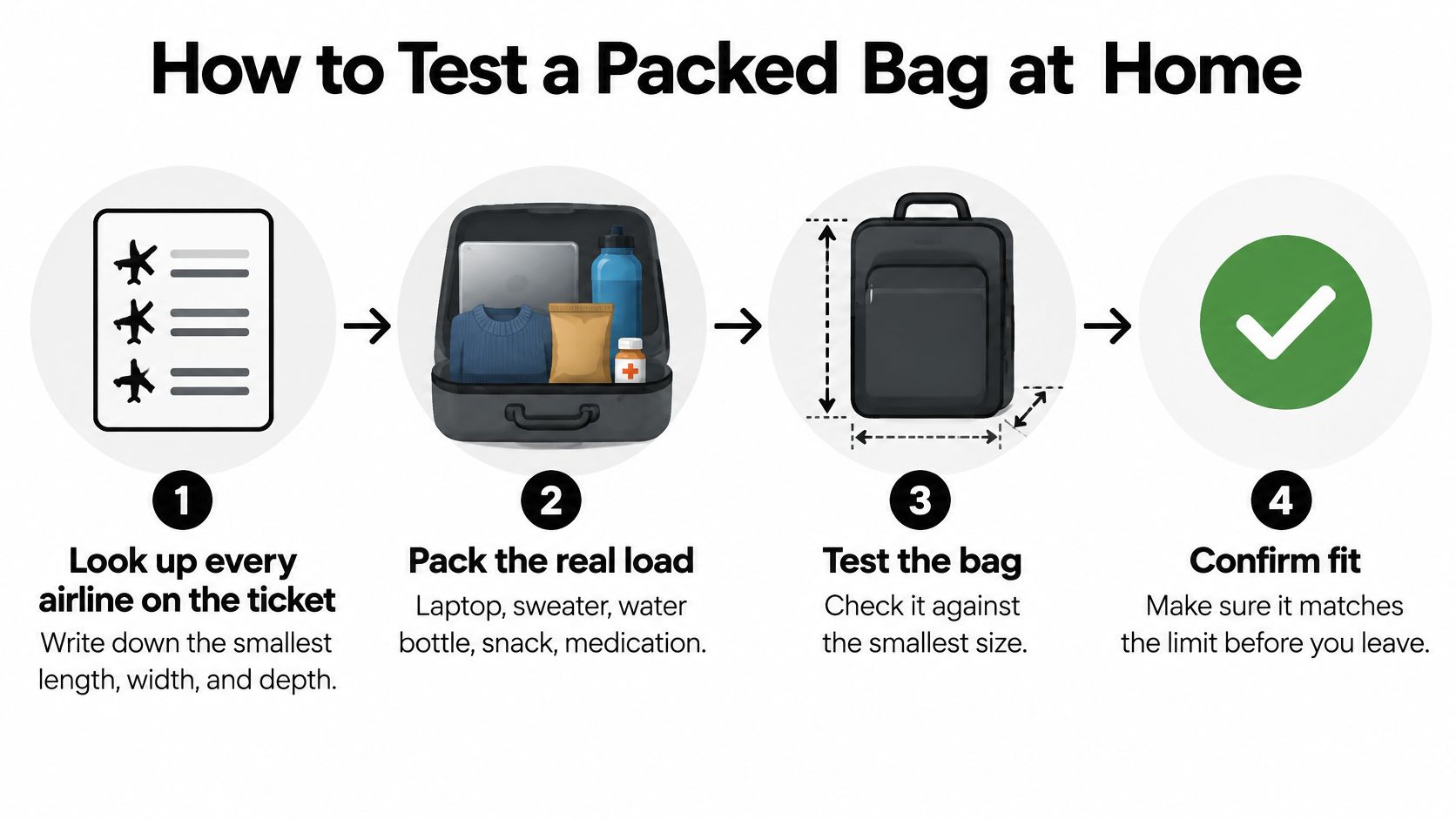
Run the home sizer test
- Pull the smallest dimensions. Take the smallest allowed length, width, and depth from each leg's operating carrier page and write them on a sticky note next to your bag.
- Pack your real load. Laptop, sweater, water bottle, snack, medication, and the small pouch you expect to bring. A token notebook will not show how the bag behaves on travel day.
- Measure the outside. Using the outside-measurement rule from the airline limits, run the tape level across the widest point of each dimension. Check both sides. The front of a packed tote often bulges farther than the back.
- Adjust the cause of the bulge. If one dimension runs long, remove or reposition whatever pushes it out. If the zipper only closes under pressure, the load is over the limit.
- Check your foot space. Set the packed tote on the floor in front of you and see whether your feet still fit around it. The printed size box says nothing about how that particular seat will feel.
- Walk with the bag. Carry it for a couple of minutes and notice whether it swings or pulls. It should stay manageable for a full terminal walk, not just the first ten steps.
Here is what a pass and a fail look like. A soft tote measuring 17 x 10 x 8 inches with the sweater in the main compartment clears that planning target. Move the bottle to an outside pocket and the same tote can read 18 x 14 x 10 inches, which misses it. Same bag, different result, decided by where one item sits.
Make the decision before you leave home: If the packed bag misses the strictest measurement on your itinerary, treat it as a carry-on candidate for that trip, not a personal item.
Soft fabric may give a little room back when you remove a bulky item or flatten a pocket, but an overstuffed bag is different. Seams pulling, a laptop pressed against a hard corner, a closure that will not shut: those mean the load is past what the bag can comfortably carry. Rearranging the contents usually solves it, and this guide to packing a tote for travel walks through where each item should sit.
Features That Earn a Spot Under the Seat
A tote can hold plenty and still be a frustrating airport companion. A heavy, slouchy bag shifts as you walk, swallows small items, and turns awkward the moment you try to wedge it into a tight footwell. The features worth paying for are the ones that keep the packed shape manageable and let you reach what you need without unpacking half the bag at the gate.
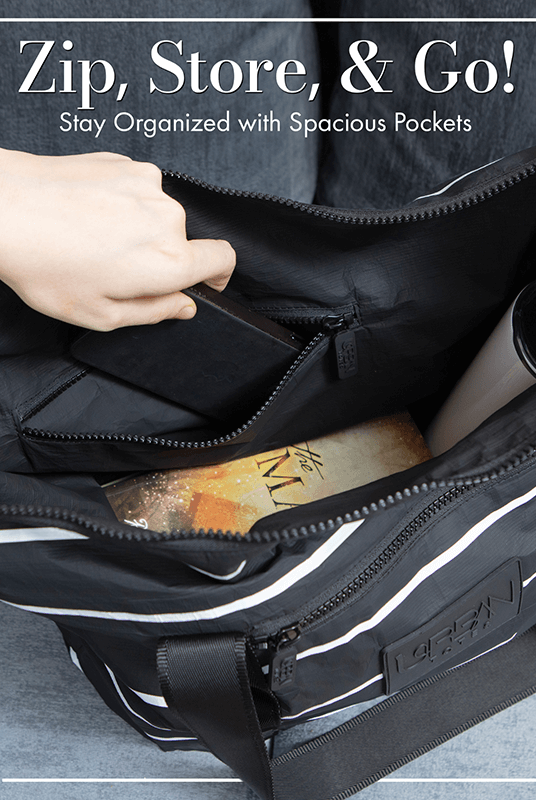
Organization starts with the small things. A pocket for your phone, keys, and boarding pass means you're not digging past a laptop sleeve while the boarding group shuffles forward. An interior sleeve keeps flat items flat, and a divider or two stops dense belongings from migrating into one sagging corner.
Think about how the bag carries
Two bags holding the same weight can feel completely different by the time you reach the gate. Strap drop decides where the load hangs: too low and the bag swings against your hip with every step, too short and it bunches under your arm. Dense items packed high and close to your body ride more smoothly than the same items loose at the bottom of a deep compartment.
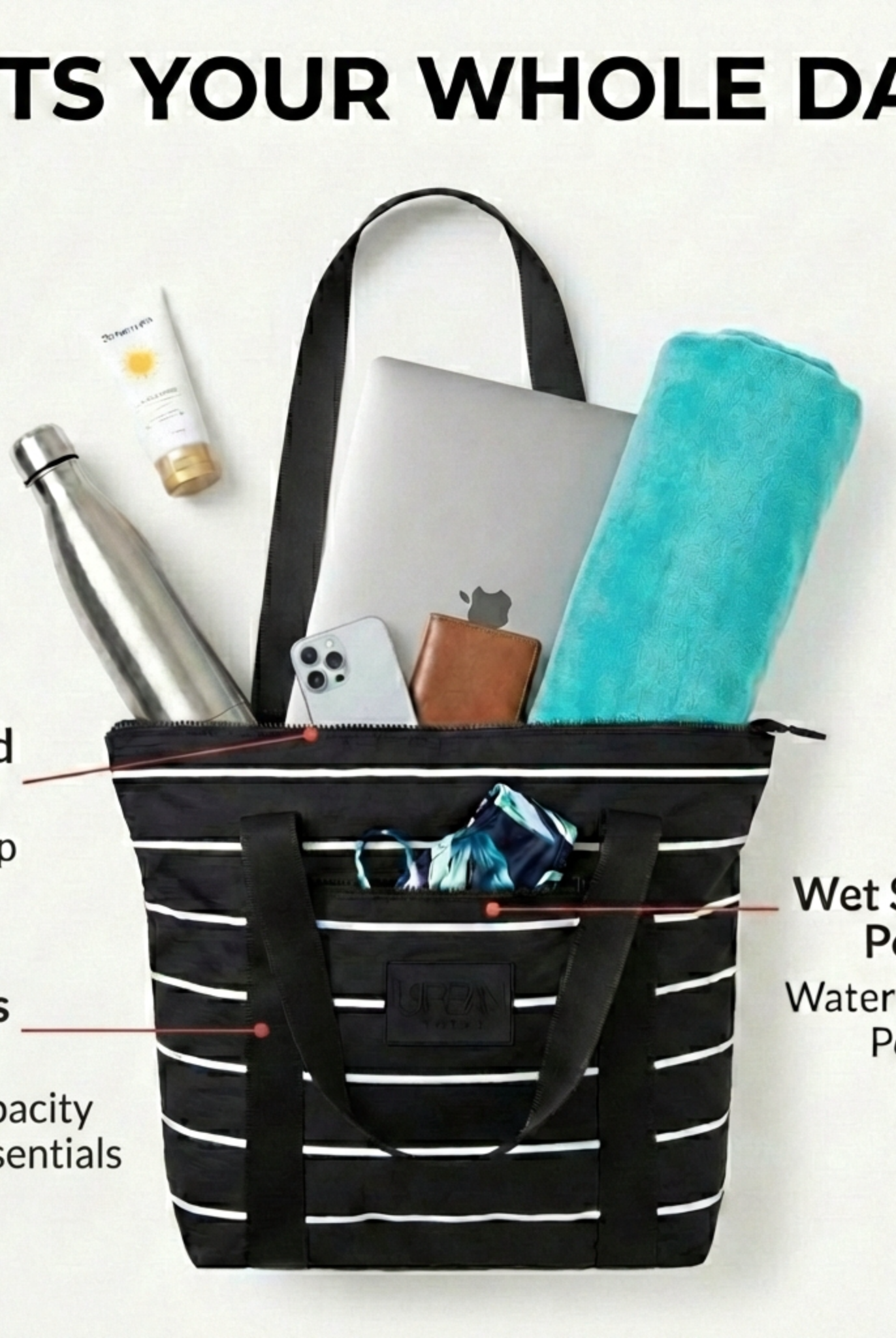
For everyday carrying, keep the bag comfortably light and adjust the strap so the load stays close to your side. A short handle works well on the jet bridge, while a longer or adjustable shoulder strap earns its keep on the walk from the parking garage or train platform. A pocketed travel tote helps here too, because a laptop, water bottle, and small essentials that stay in their own spots can't pool into one heavy corner.
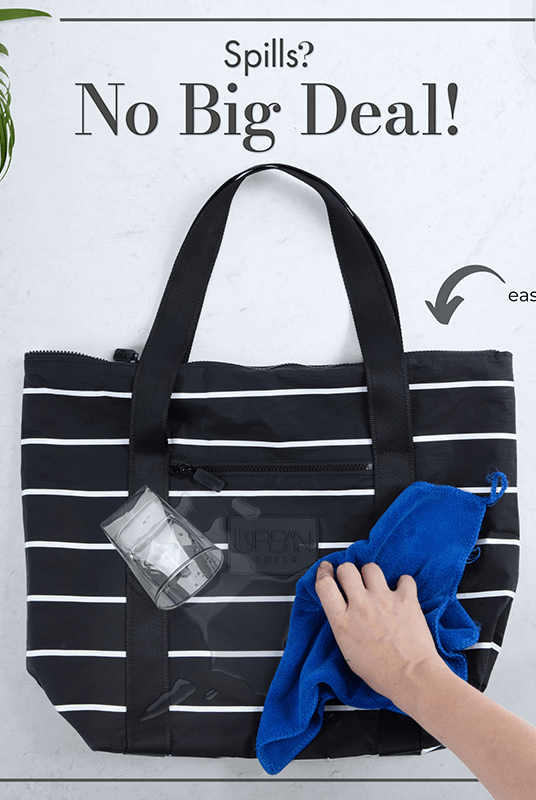
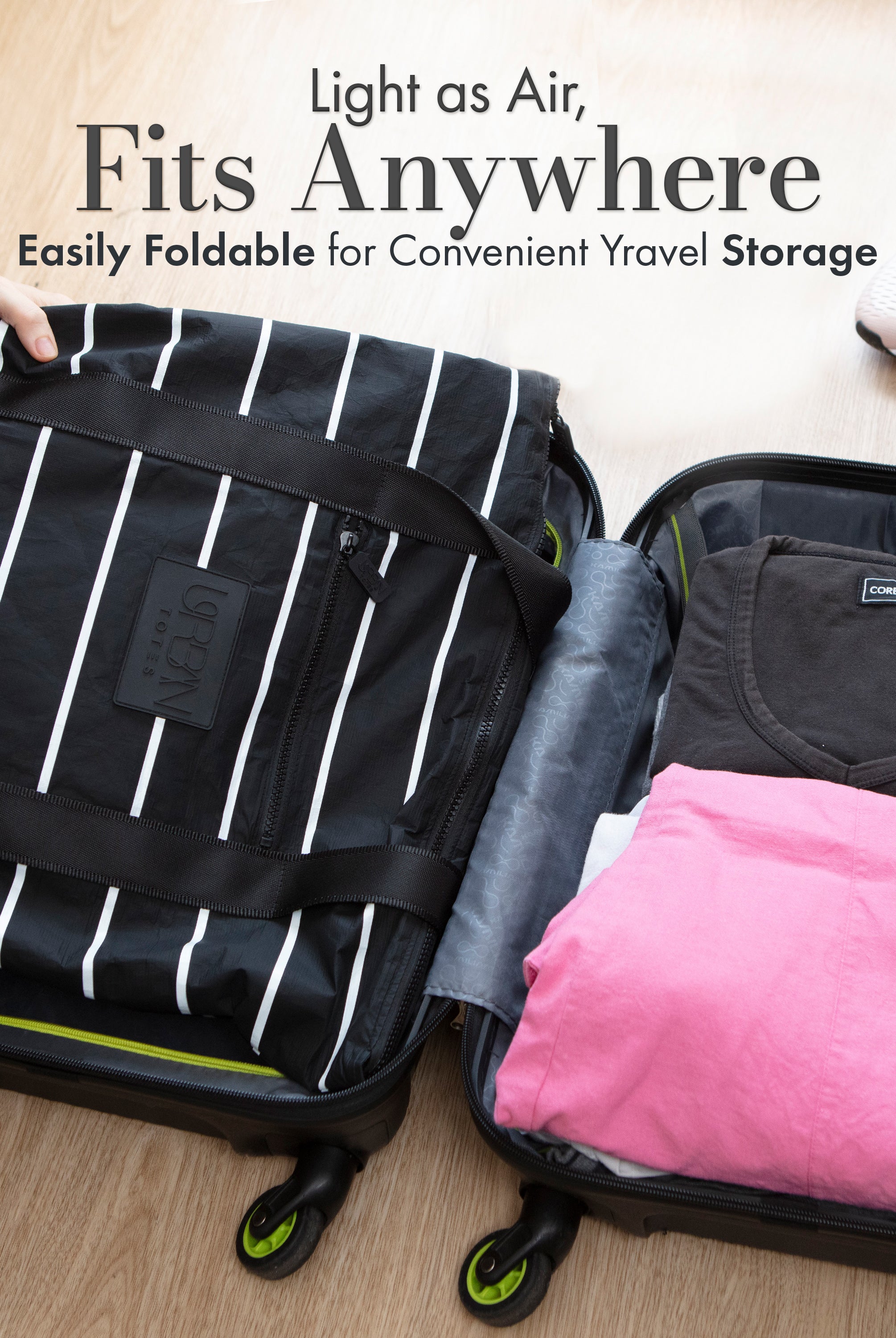
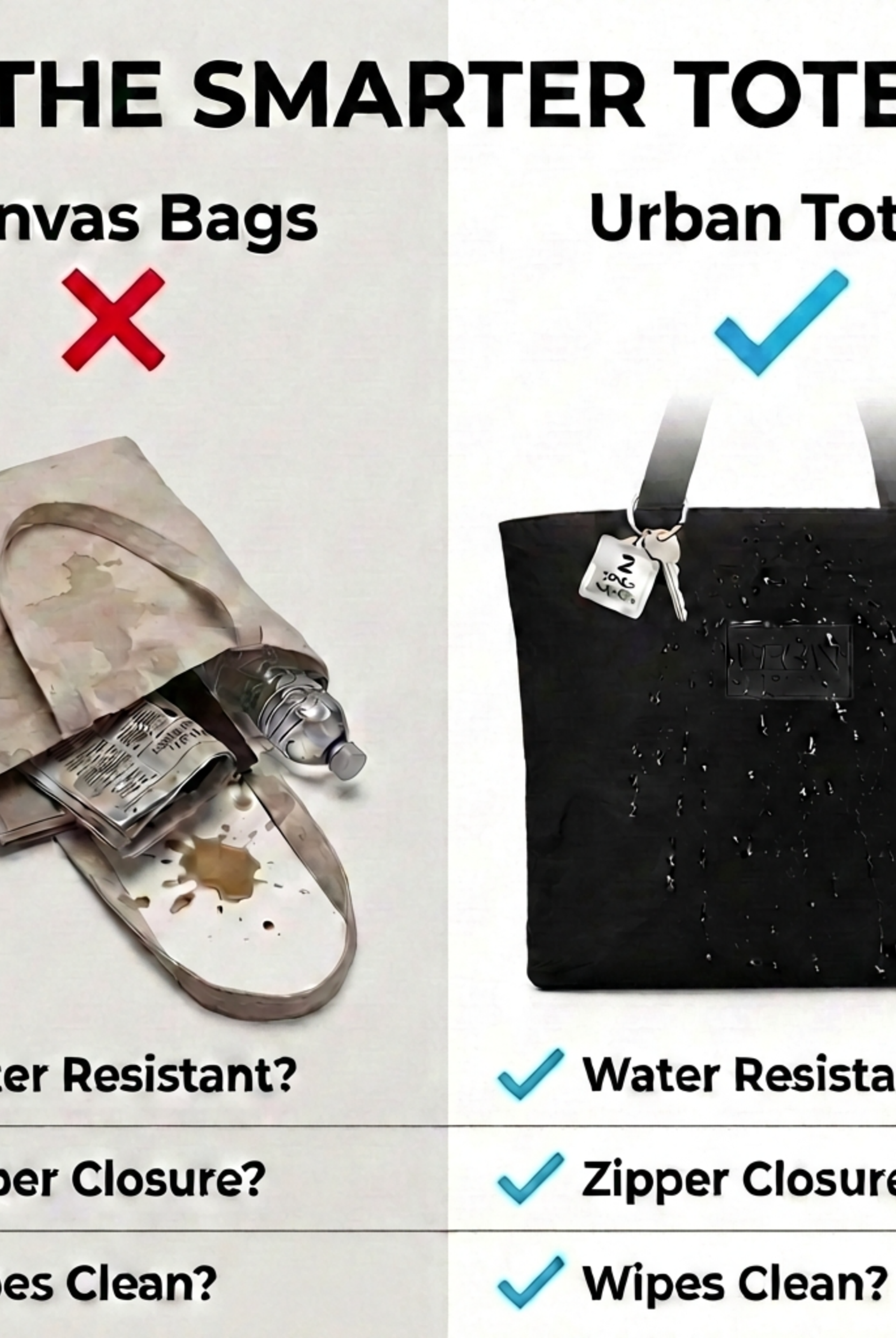
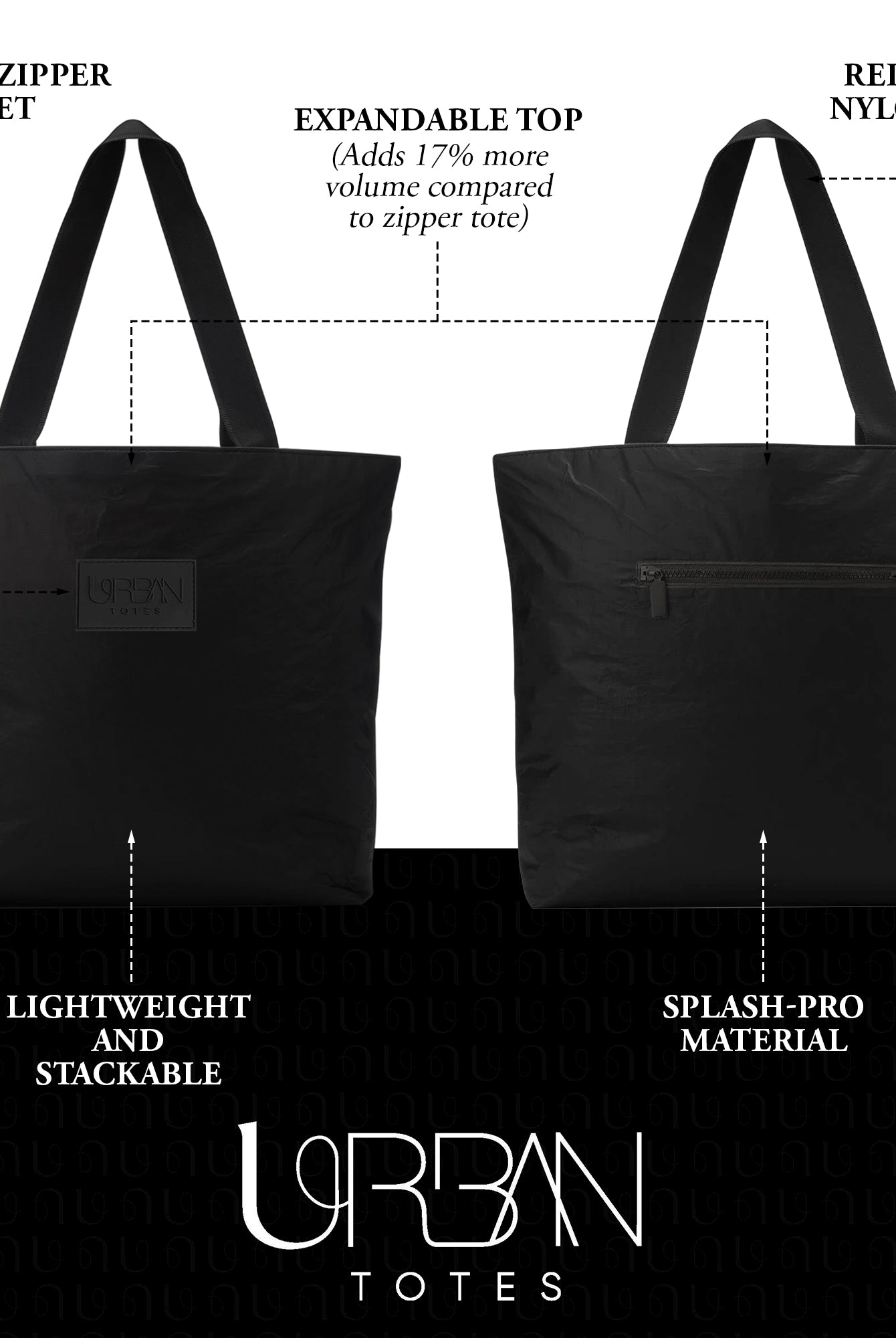
Water-resistant fabric buys you time to wipe up a spill before it soaks through, though it does not make the bag weatherproof. Lightweight, packable, foldable construction pays off differently: the tote can flatten into a larger suitcase on trips when you don't need it.
Use this shopping check before you commit:
- Packed fit: Measure the bag with your usual items inside, handles and bulge included, and compare it against the strictest limit on your itinerary, not the most generous one.
- Easy access: Look for a phone pocket and a dedicated spot for travel documents.
- Closed compartments: Choose zipper closures for belongings you want secured.
- Comfortable carry: Adjust the strap so the bag rides close to your hip at walking pace.
- Useful shape: Prefer a base that holds the load upright without adding external bulk.
Capacity matters less than how the bag carries, organizes, and fits beneath the seat once it's packed. That is the version of a personal item that earns its spot on every trip.
How to Pack for Security and the Seat
Pack in the order you'll need to reach things. At the security line, the liquids bag should come out easily. Once you're seated, your phone, charger, and snack should be close enough to reach without turning the tray table into a second suitcase.
The TSA's travel tips say containers of liquids, gels, aerosols, creams, and pastes must hold no more than 3.4 ounces (100 milliliters) and fit inside one clear, quart-size, zip-top bag. You'll need to remove that bag for screening. Toothpaste, shampoo, conditioner, mouthwash, and lotion are among the common items covered by the rule.
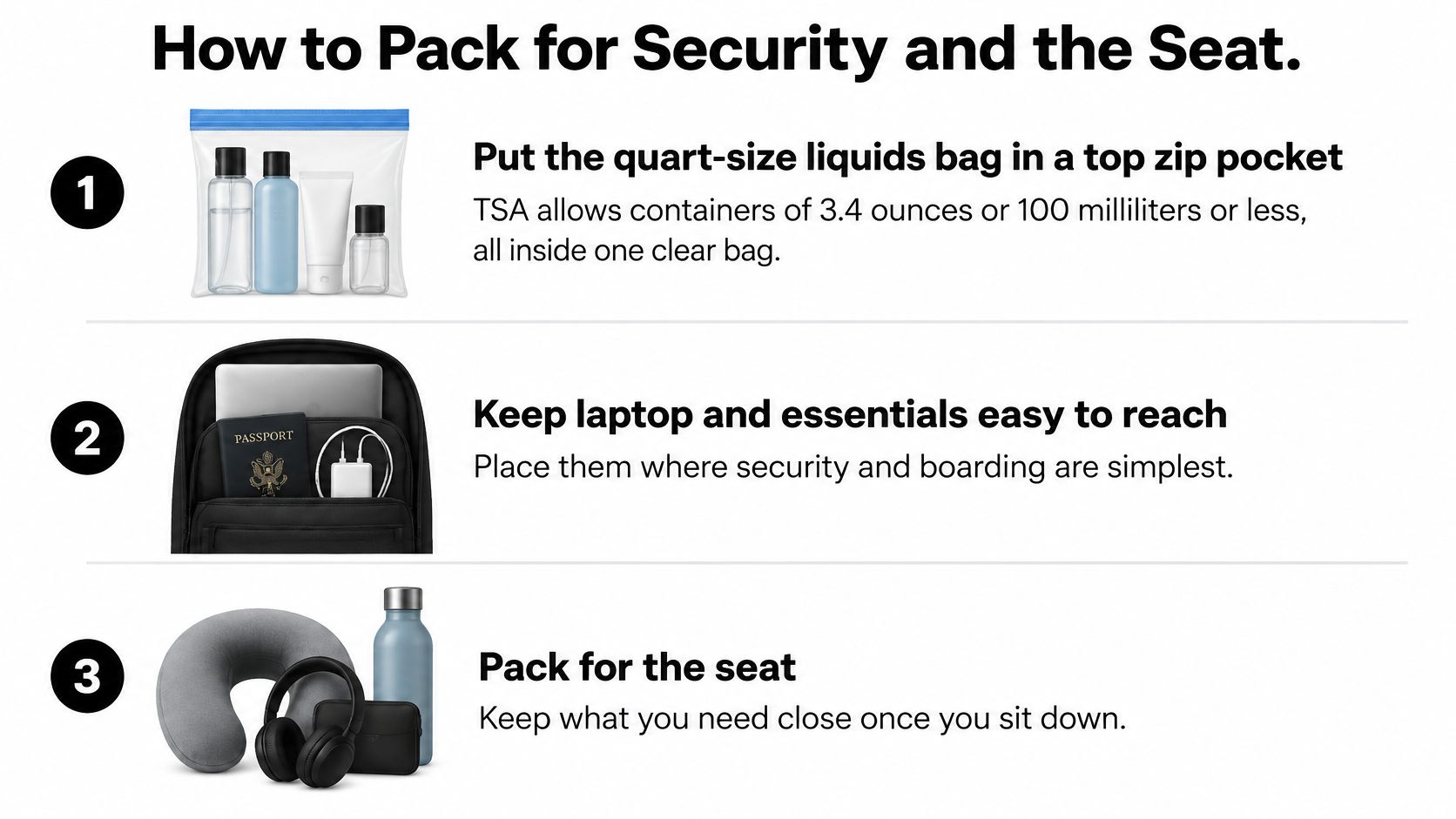
Pack in the order you'll use things
- Put the liquids bag in a top zip pocket. Keep the clear bag accessible so you can remove it without tipping out the tote. If you're packing for a seasonal trip, this spring packing advice for Japan visitors can help you plan clothing and small travel essentials alongside your airport kit.
- Keep spare lithium batteries and power banks in your personal item. They belong in carry-on baggage, not checked baggage, and should be protected from damage and short circuits. The FAA's lithium battery baggage guidance says batteries rated from 0 to 100 watt-hours are generally allowed, those from 101 to 160 watt-hours need airline approval, and those above 160 watt-hours are forbidden. Airlines may be stricter. If your carry-on is taken at the gate, remove spare batteries and keep them with you.
- Put ID, medication, and your boarding pass near your phone. One easy-access pocket saves you from searching while you're moving through the terminal.
- Place a laptop or tablet flat against the back panel. Keeping it high and close to your body helps prevent it from sliding into the bottom of the tote.
- Use thin clothing around the edges only if the bag still passes your measurement test. Don't wedge in a sweater if it pushes the tote outside the strictest size.
- Bring the water bottle through security empty, then fill it afterward. This leaves more room for the items you need during screening.
On a short flight, it's a relief to reach your charger, lip balm, or snack without unpacking the whole bag onto the tray table. A top zip pocket for toiletries and a separate place for electronics make the routine easier to manage. For a quick refresher on carry-on toiletries, see this guide to the carry-on luggage liquid limit.
Commute Days and Weekend Getaways
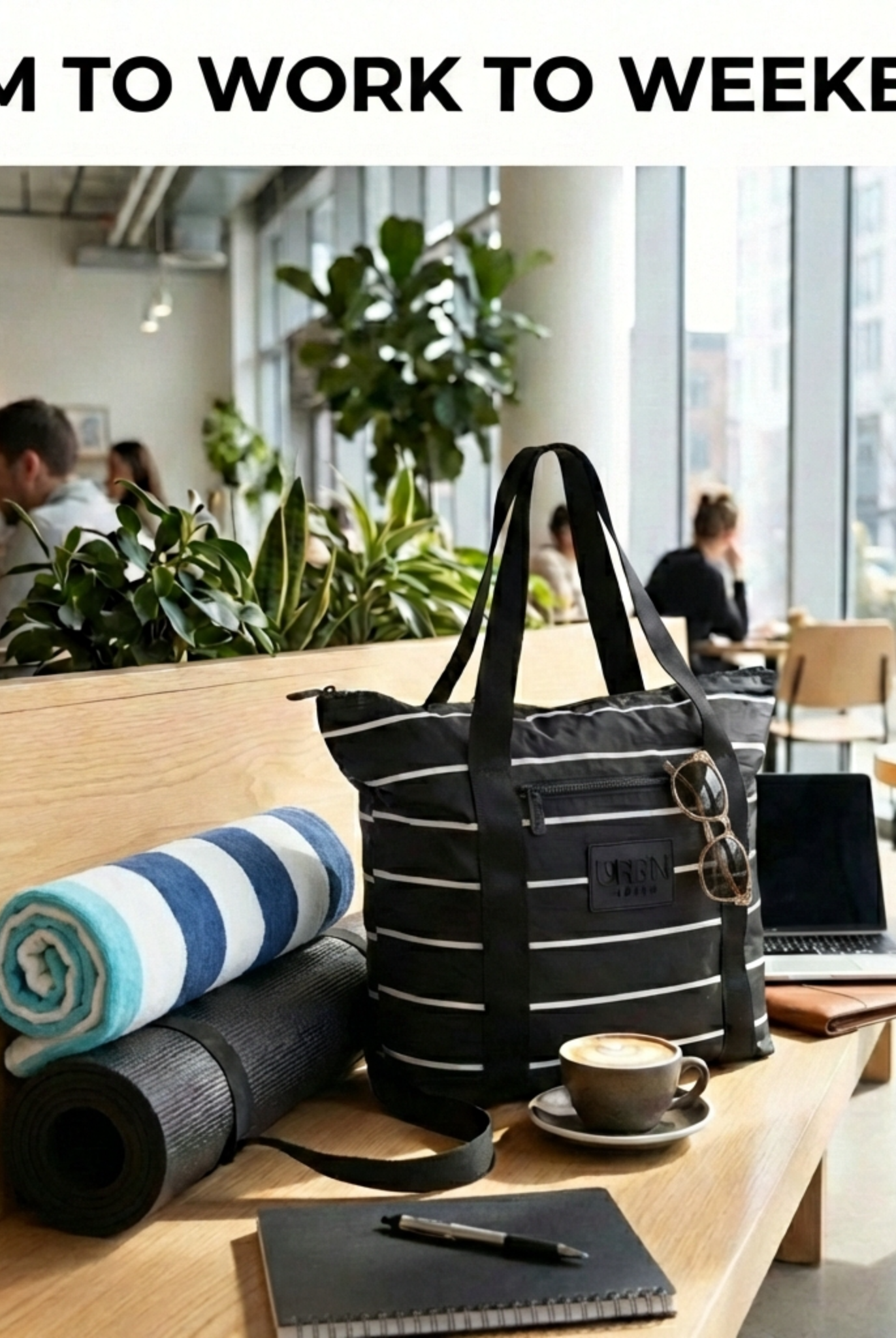
On a weekday morning, you leave the house with a coffee, a laptop, keys, a phone, lunch, and a small pouch. A tote that handles that load already does the hardest part of travel: it fits your routine without a second thought. Keep lunch away from the laptop, set the heavier item high against your body, and make sure the straps still feel comfortable by the time you reach the bus stop or the school drop-off line.
One bag that works for errands and the commute saves you a swap at the door. Zippered compartments keep keys and small essentials findable when your hands are full, so a rainy errand run stays a short trip instead of a juggling act.
Give the weekend bag a different job
A weekend flight changes the math. Now the tote is the bag at your feet, while a carry-on or checked bag carries most of your outfits. It works like a day pack next to a suitcase: the tote holds what you need within arm's reach. Pack a sleep shirt, socks, medication, a charger, and travel-size toiletries in the liquids bag. Then measure it packed, handles and bulge included, against the tightest airline on your itinerary rather than the most generous one. A sensible load fits; the tempting "one more sweater" is what turns it into an awkward bulge.
A parent's load is the tougher test. Snacks, a spare layer, and the water bottle all count toward the outside dimensions. If a full bottle pocket pushes the tote past the limit, move the bottle or pull the sweater before you leave, not at the gate.
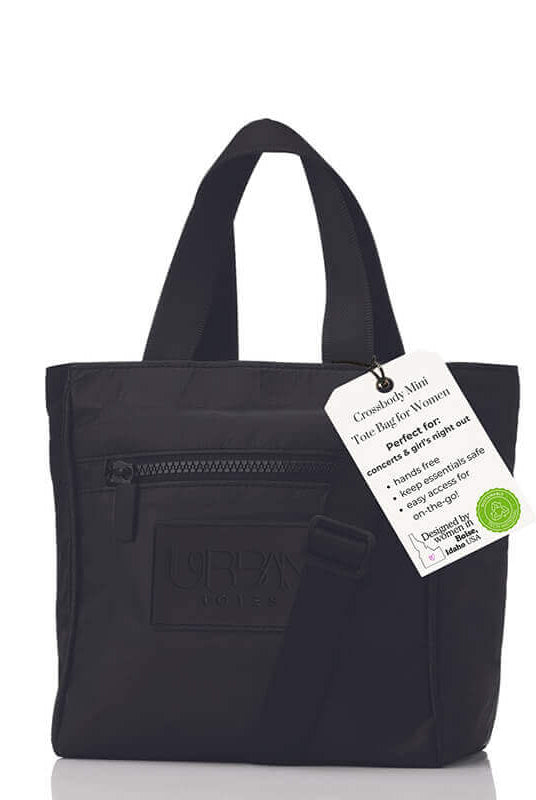
A small crossbody works for a phone and keys at dinner, and that is a different job from an under-seat bag holding a laptop and a weekend's essentials. Match the bag to the day: city errands favor organization and a close-fitting strap, and a flight calls for a packed measurement and an easy-to-open pocket at screening.
If your weekend includes a scenic detour, explore the Idyllwild chapter for a little trip inspiration. Before a day away, this day trip packing list helps you decide what belongs in the bag and what stays home.
Choose the Bag That Clears the Sizer
The decision is straightforward: if your packed bag misses the strictest airline measurement on your ticket, move the bulky item to your carry-on or leave it at home. If it fits and still has a zip pocket for your liquids bag, phone, and charger, it's ready for the trip.
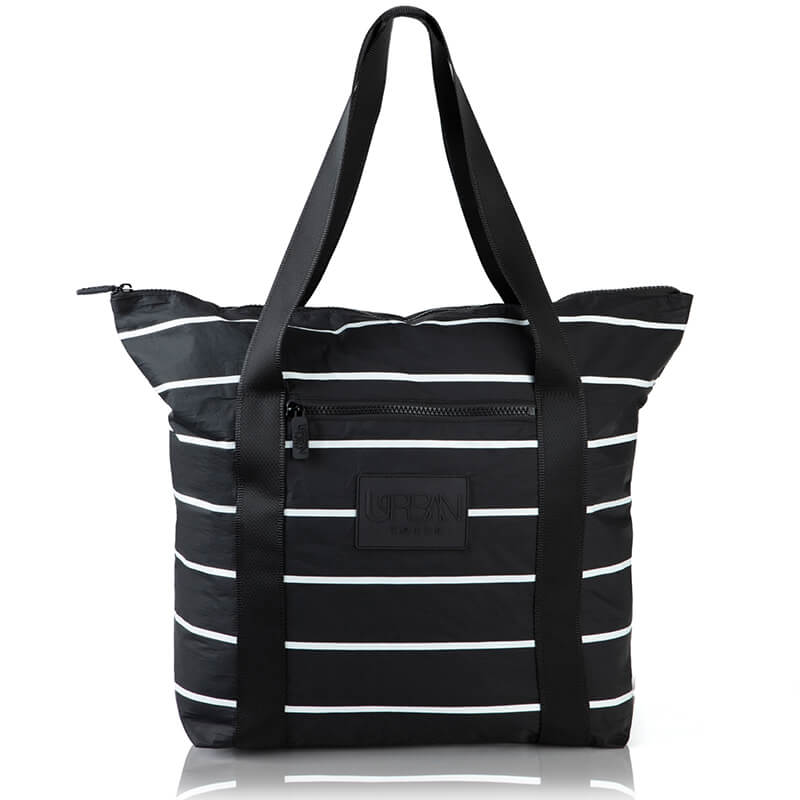
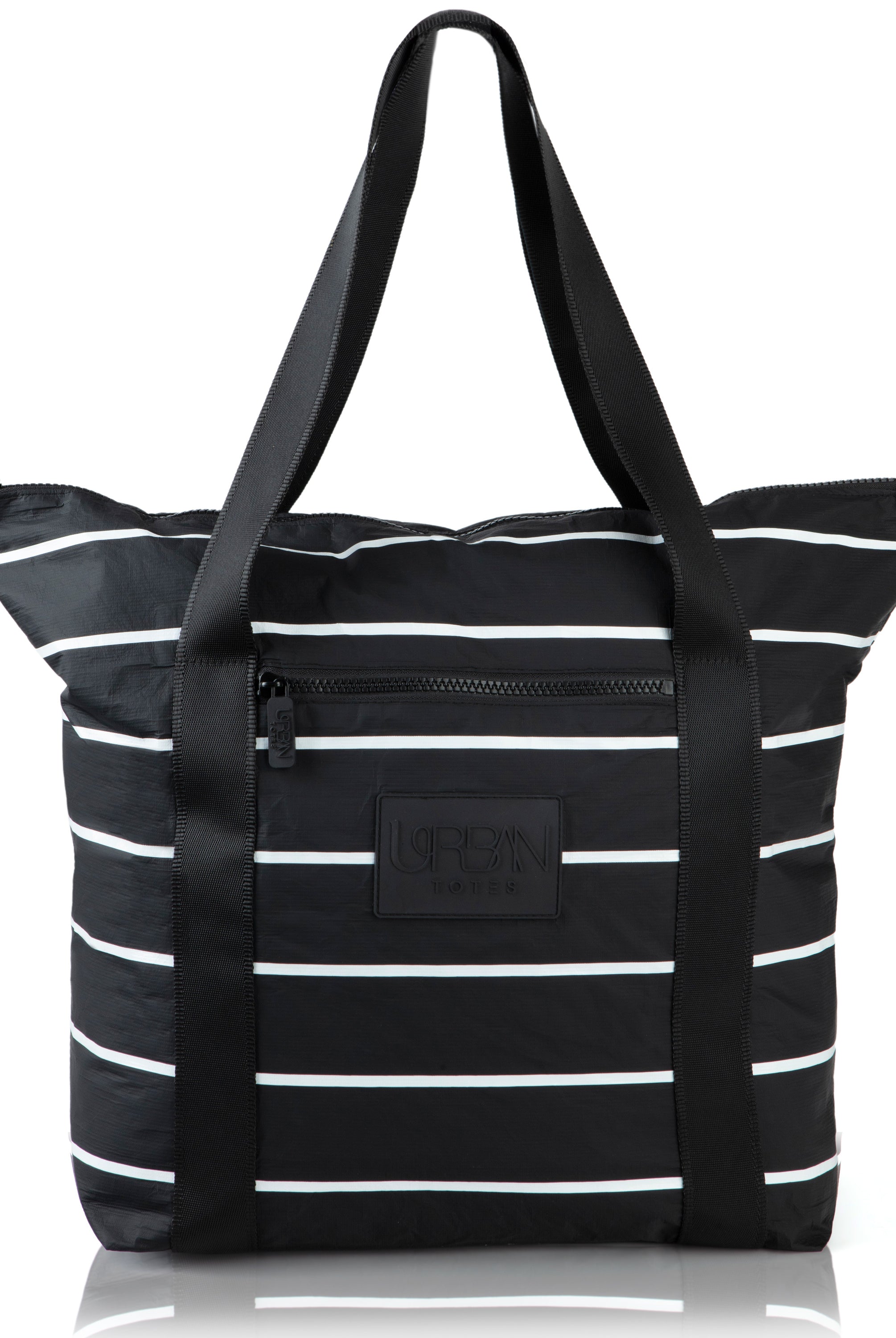
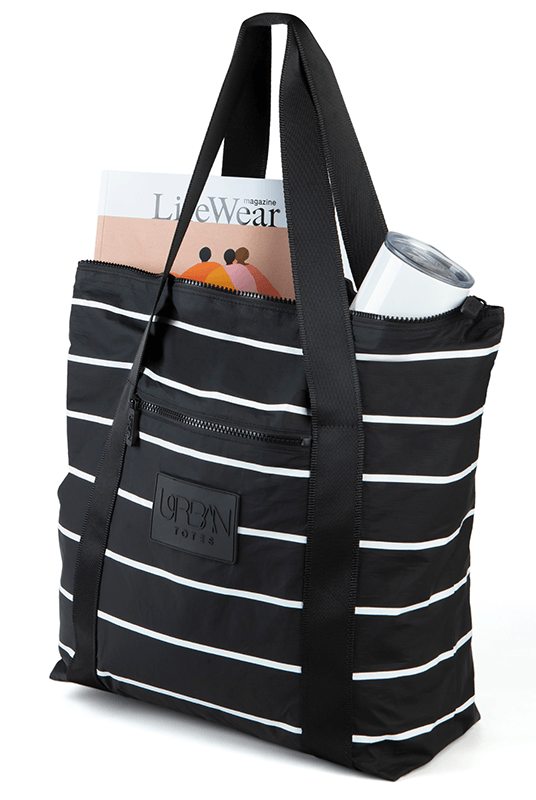
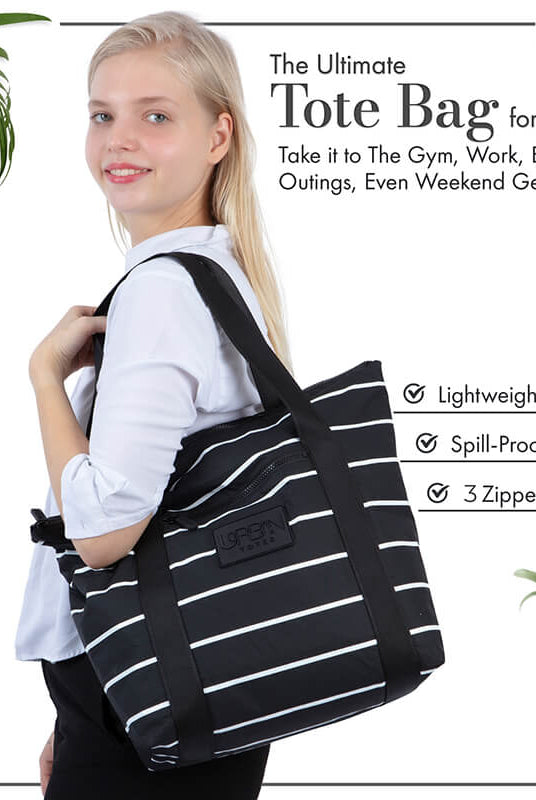
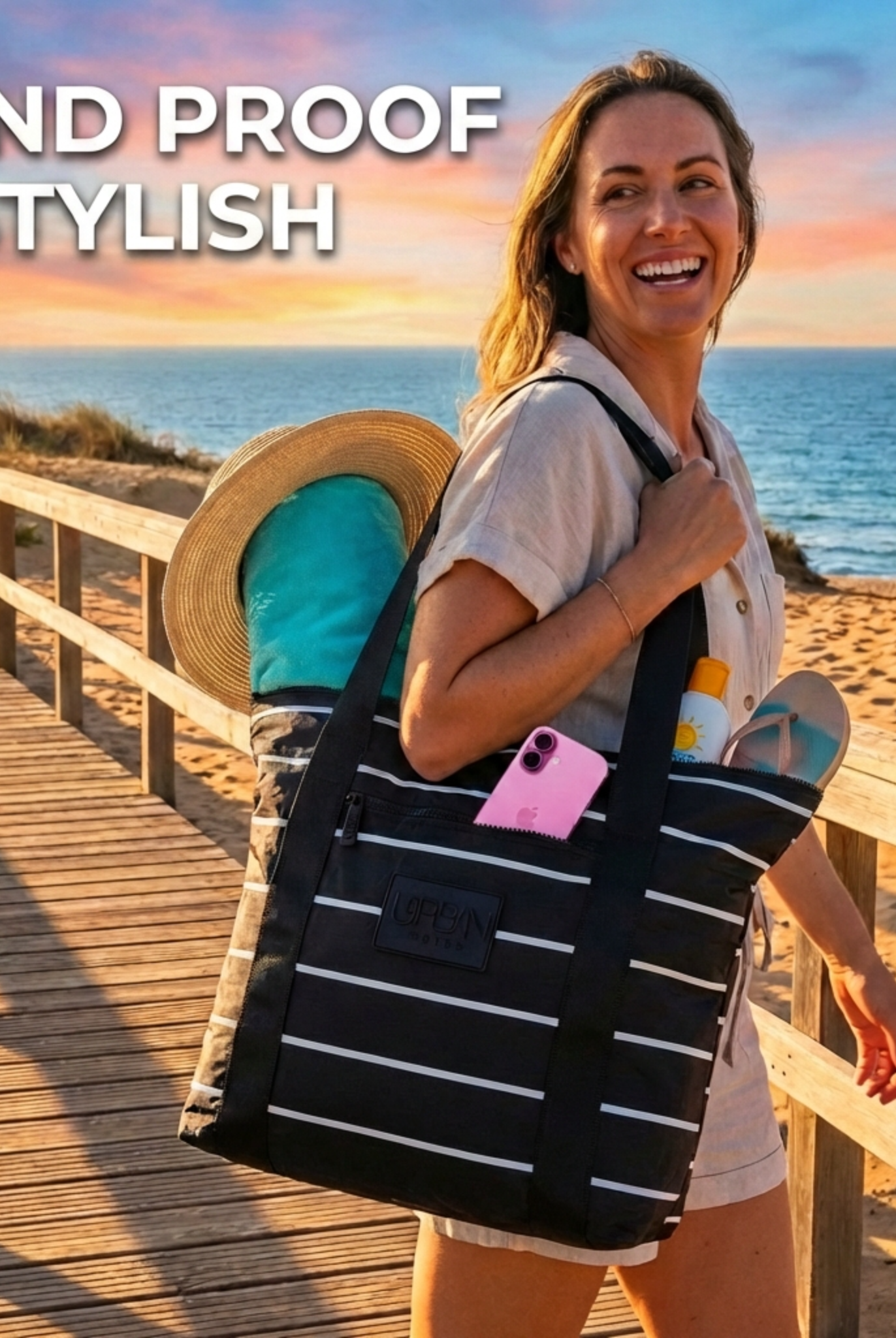
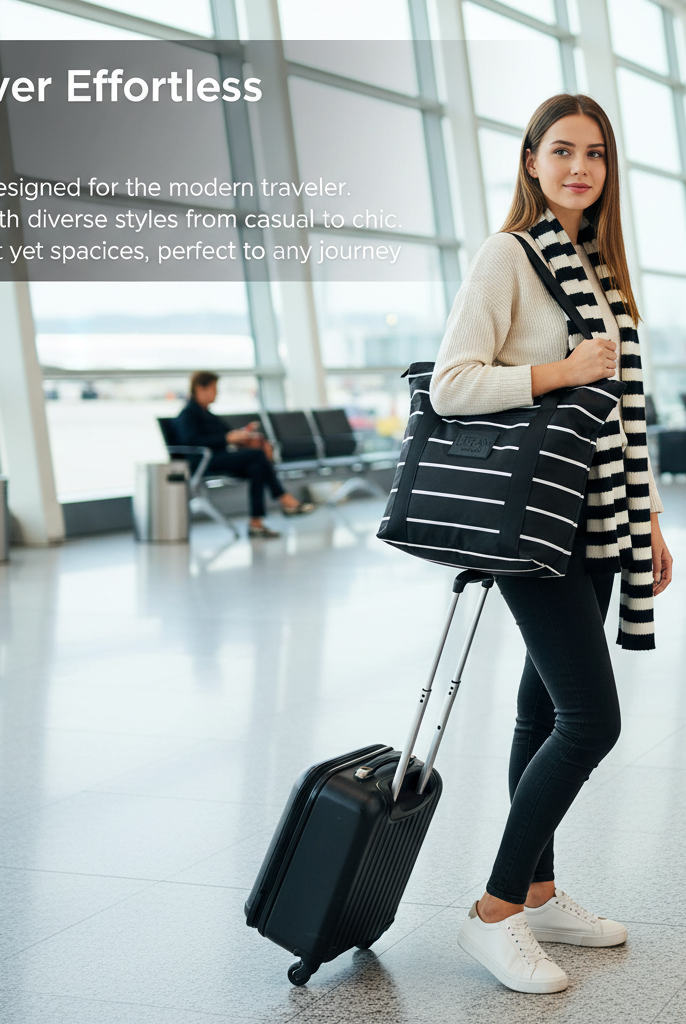
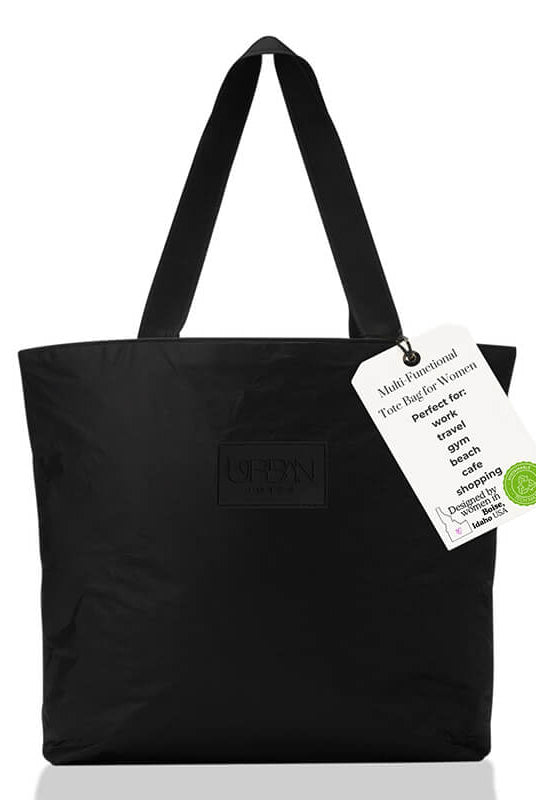
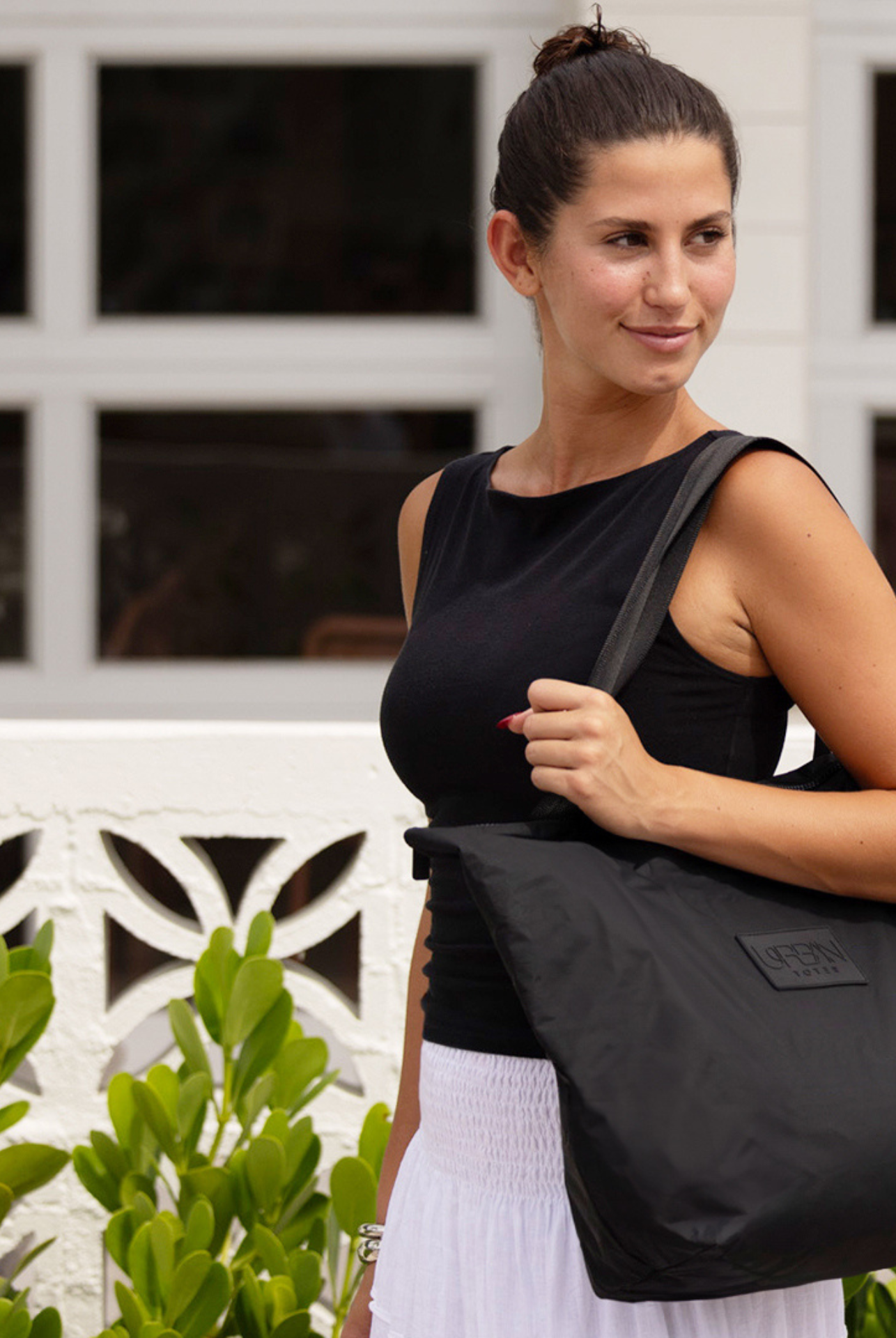
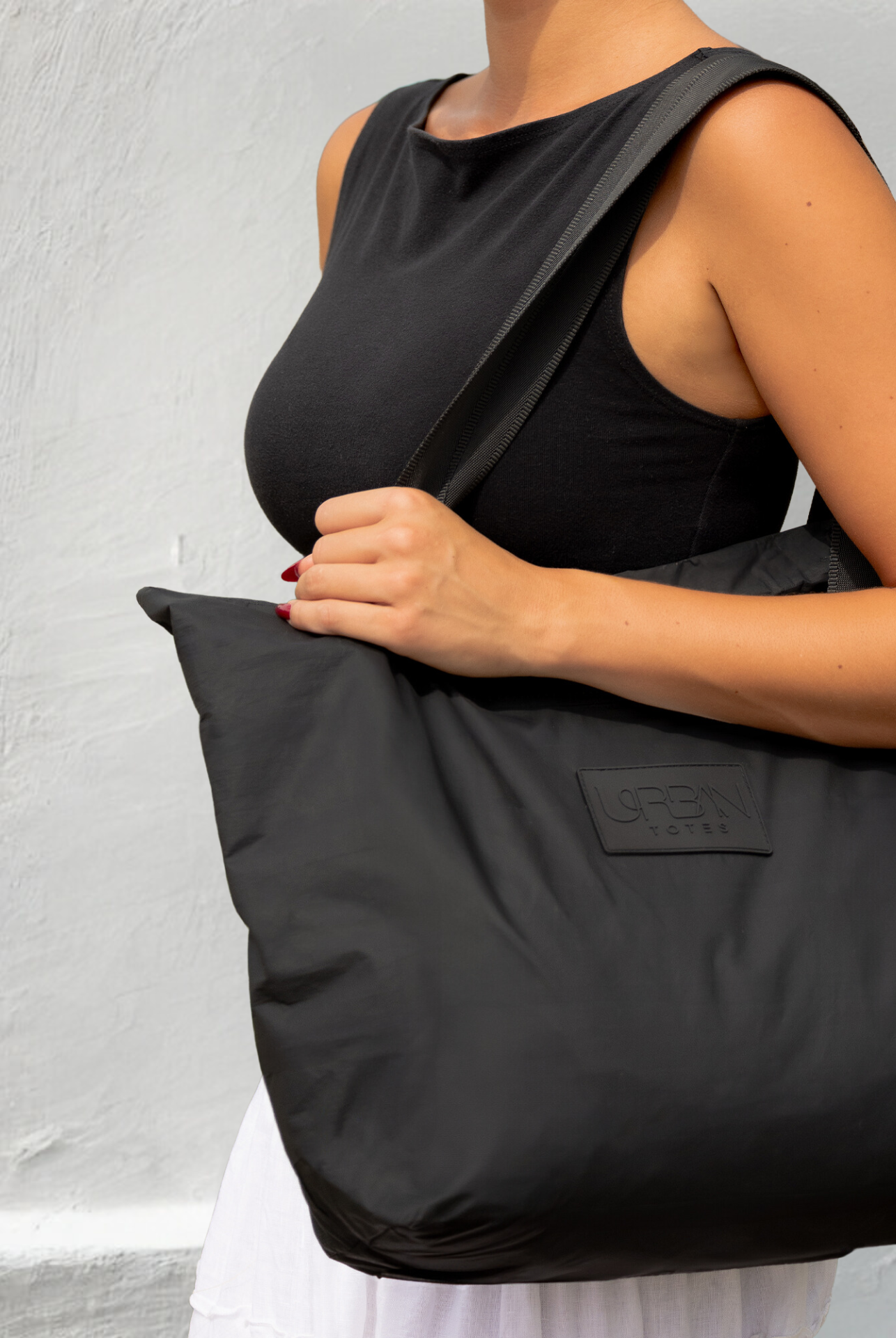
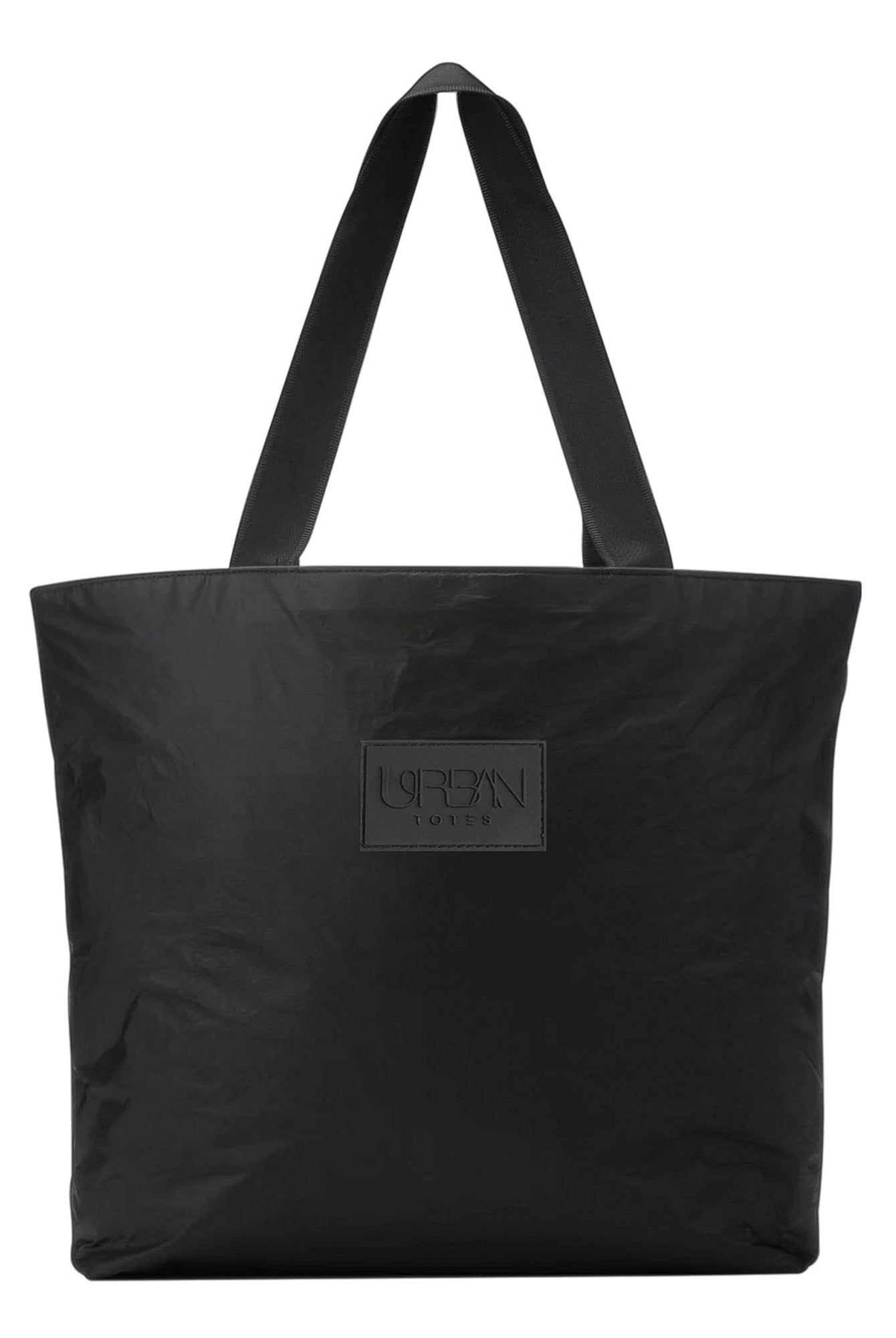
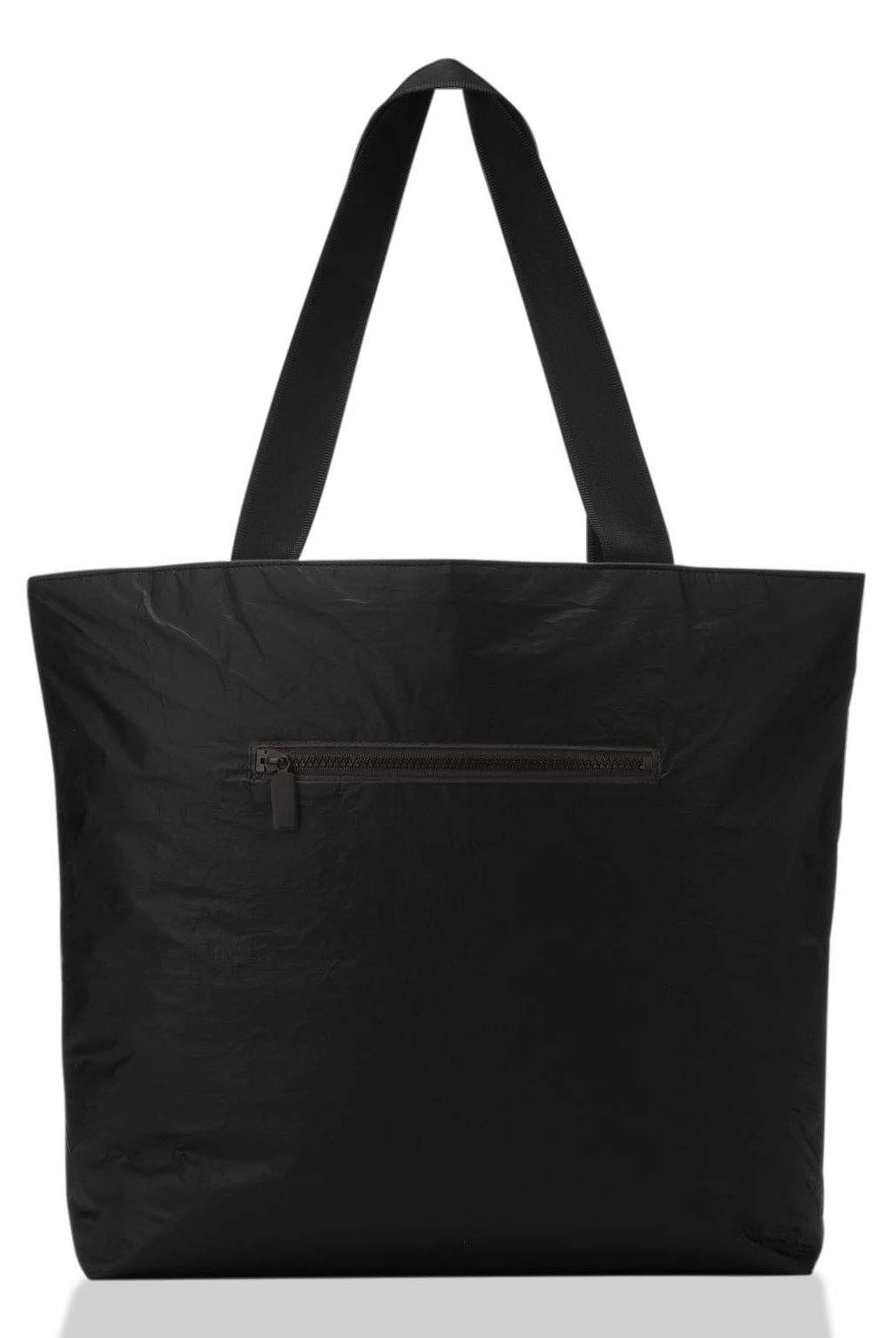
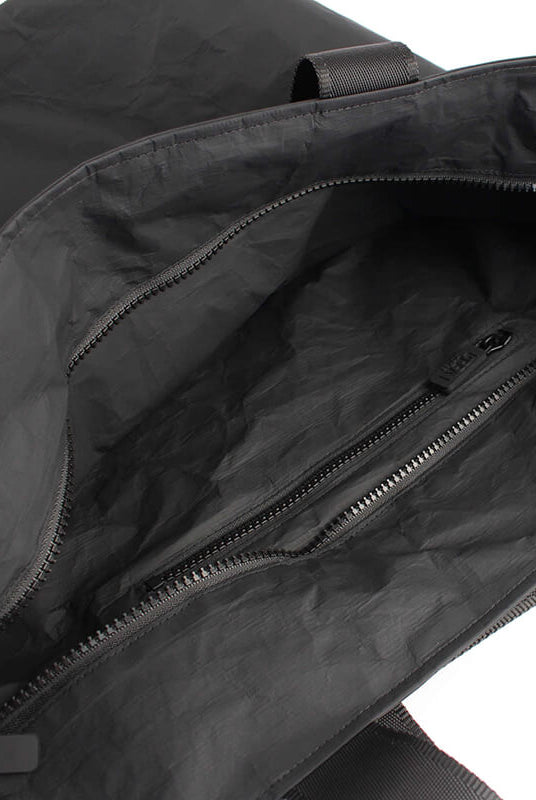
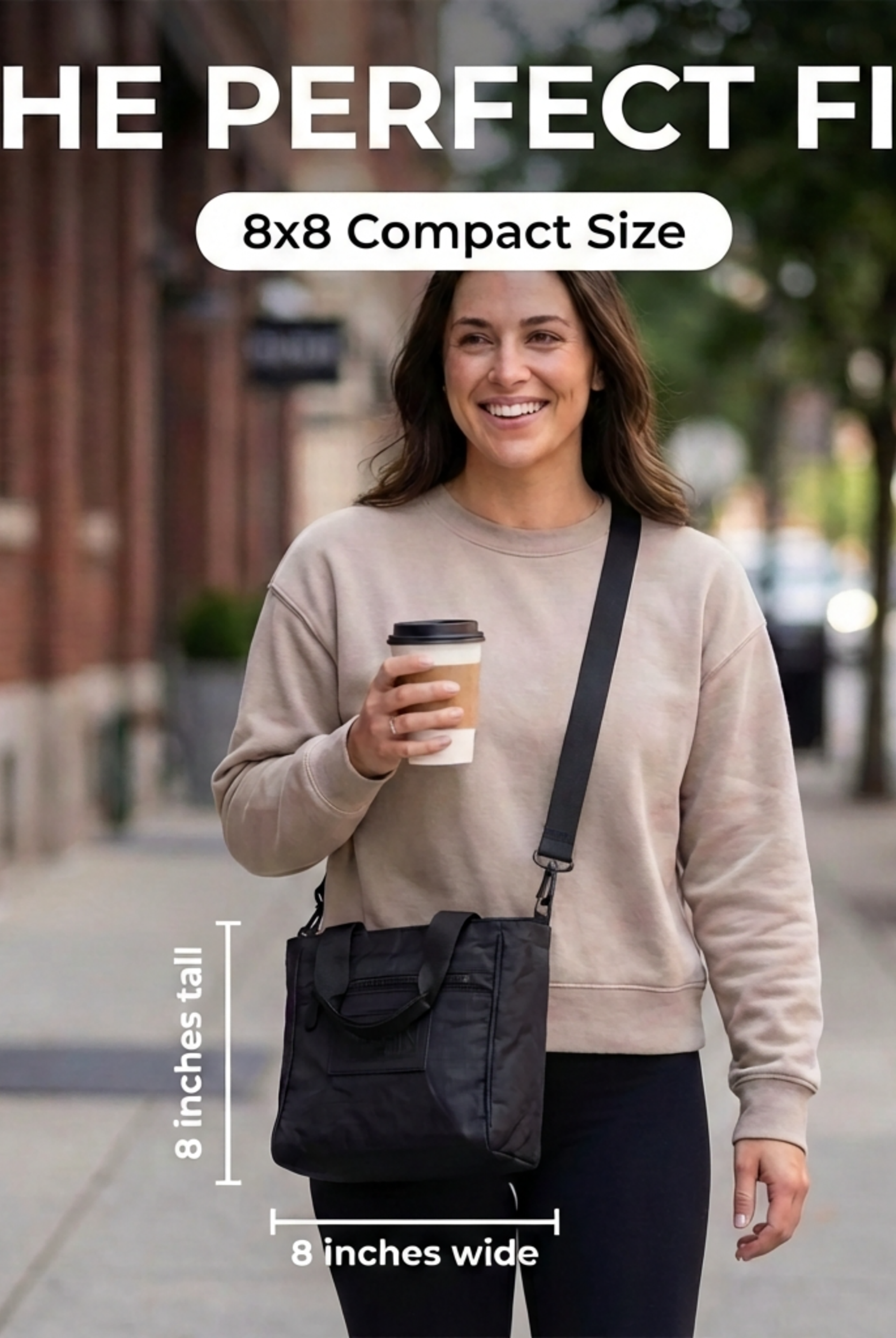
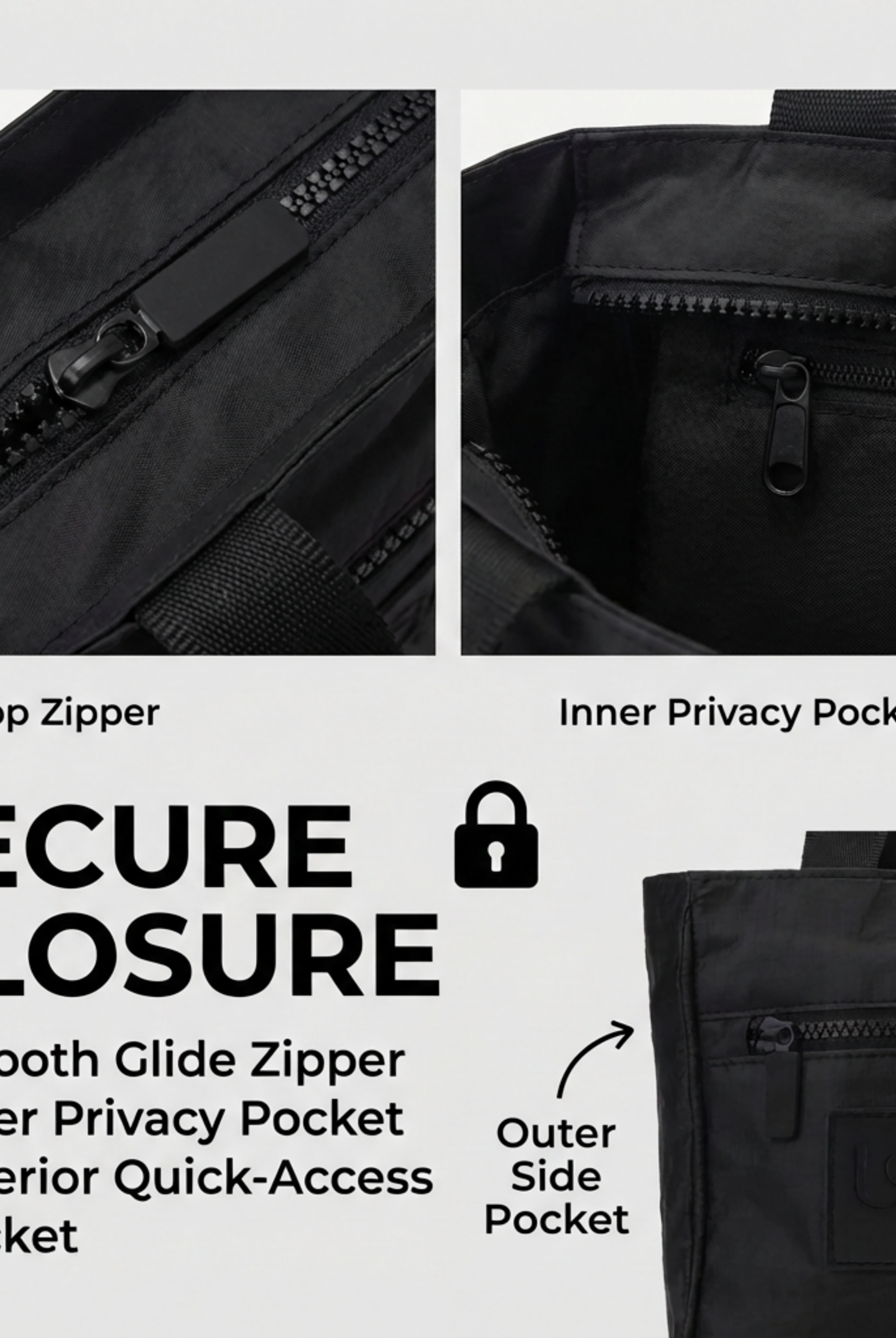
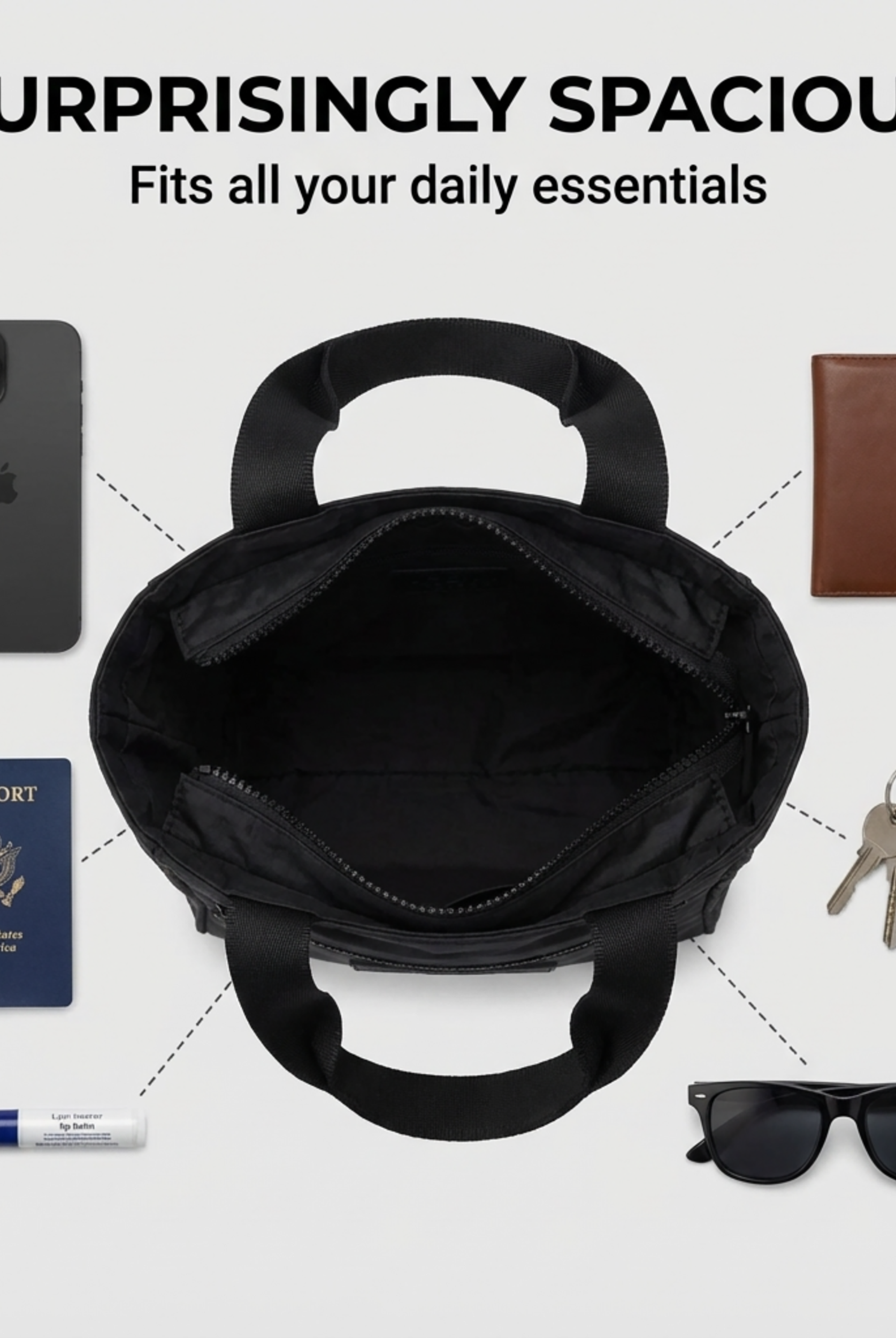
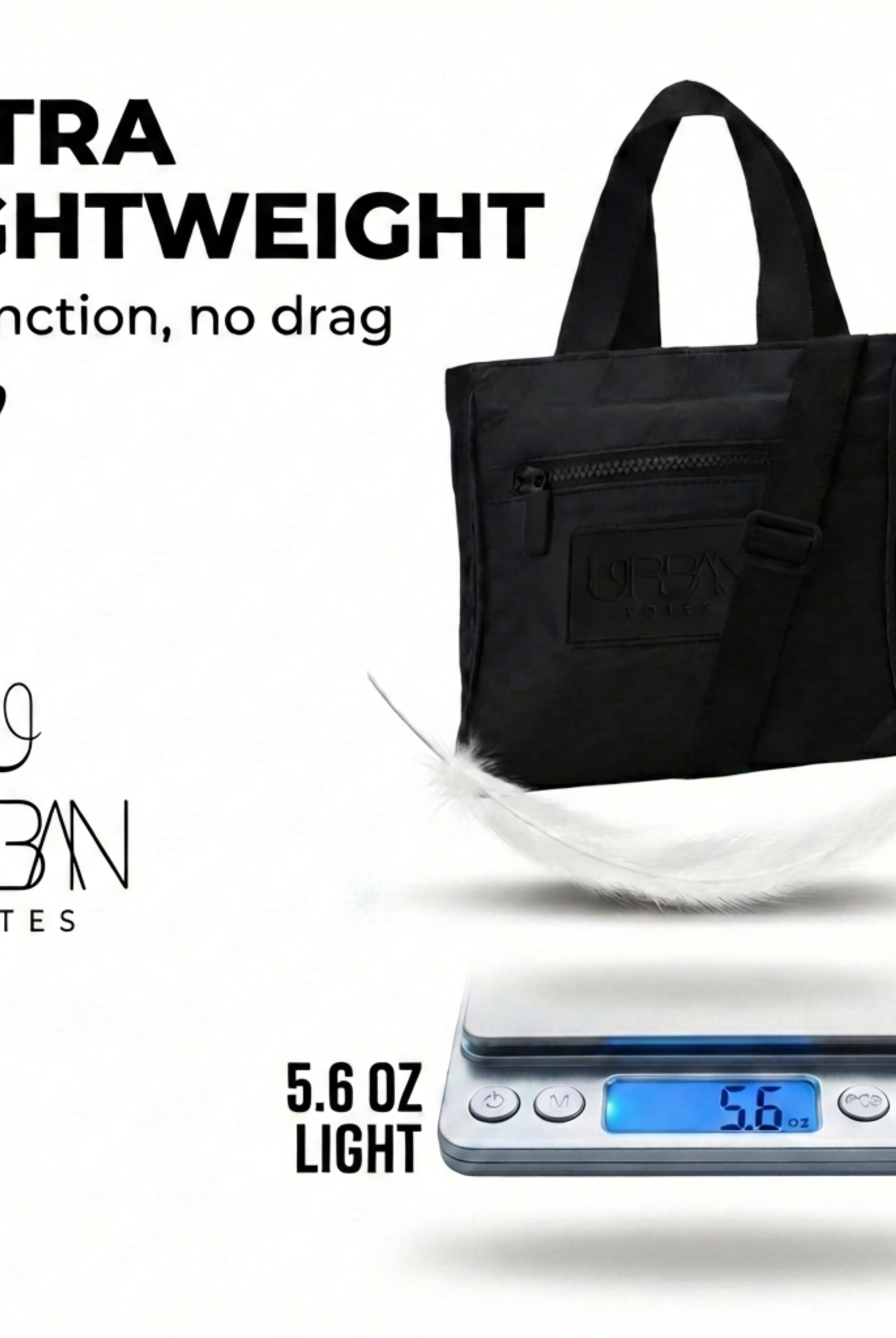
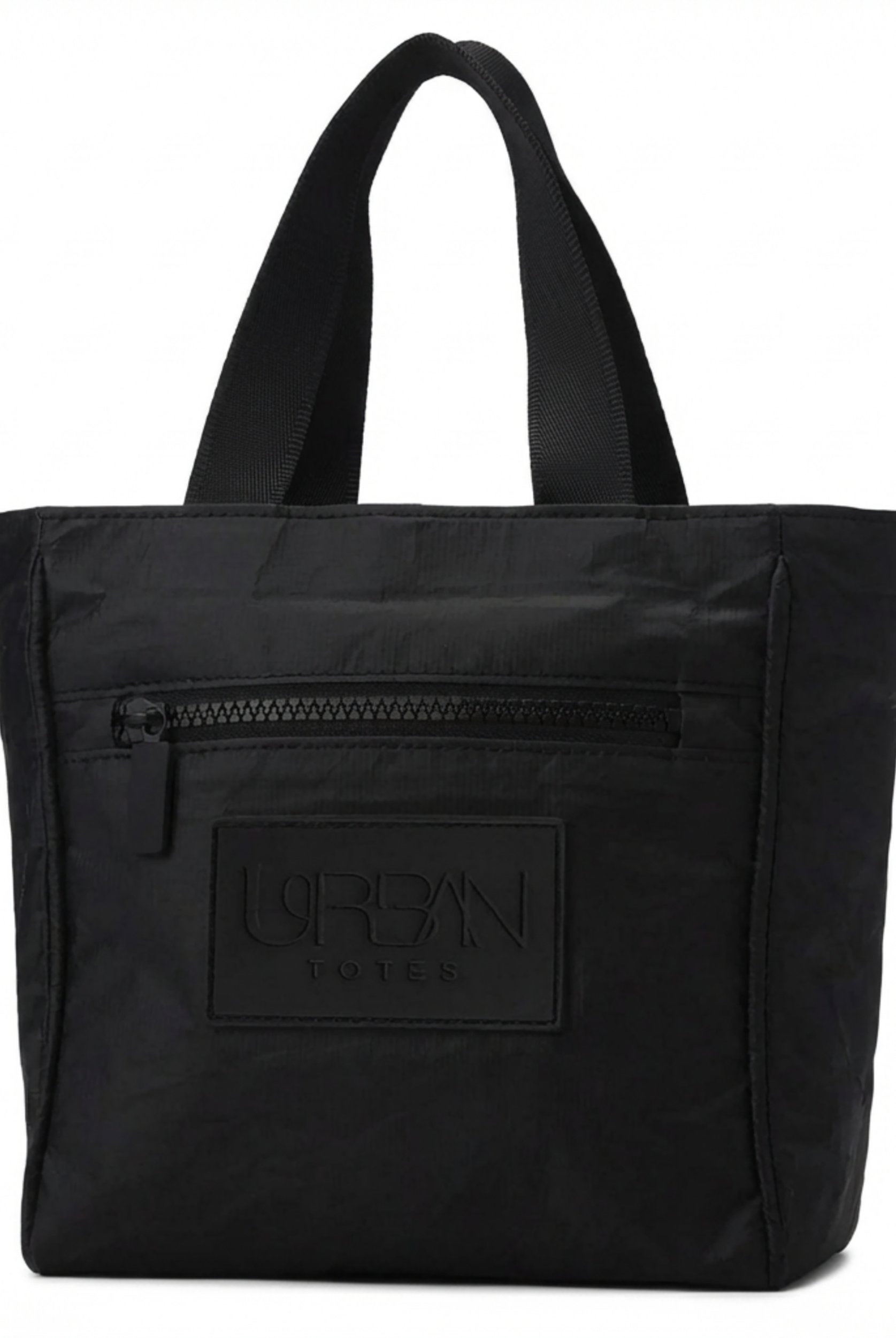
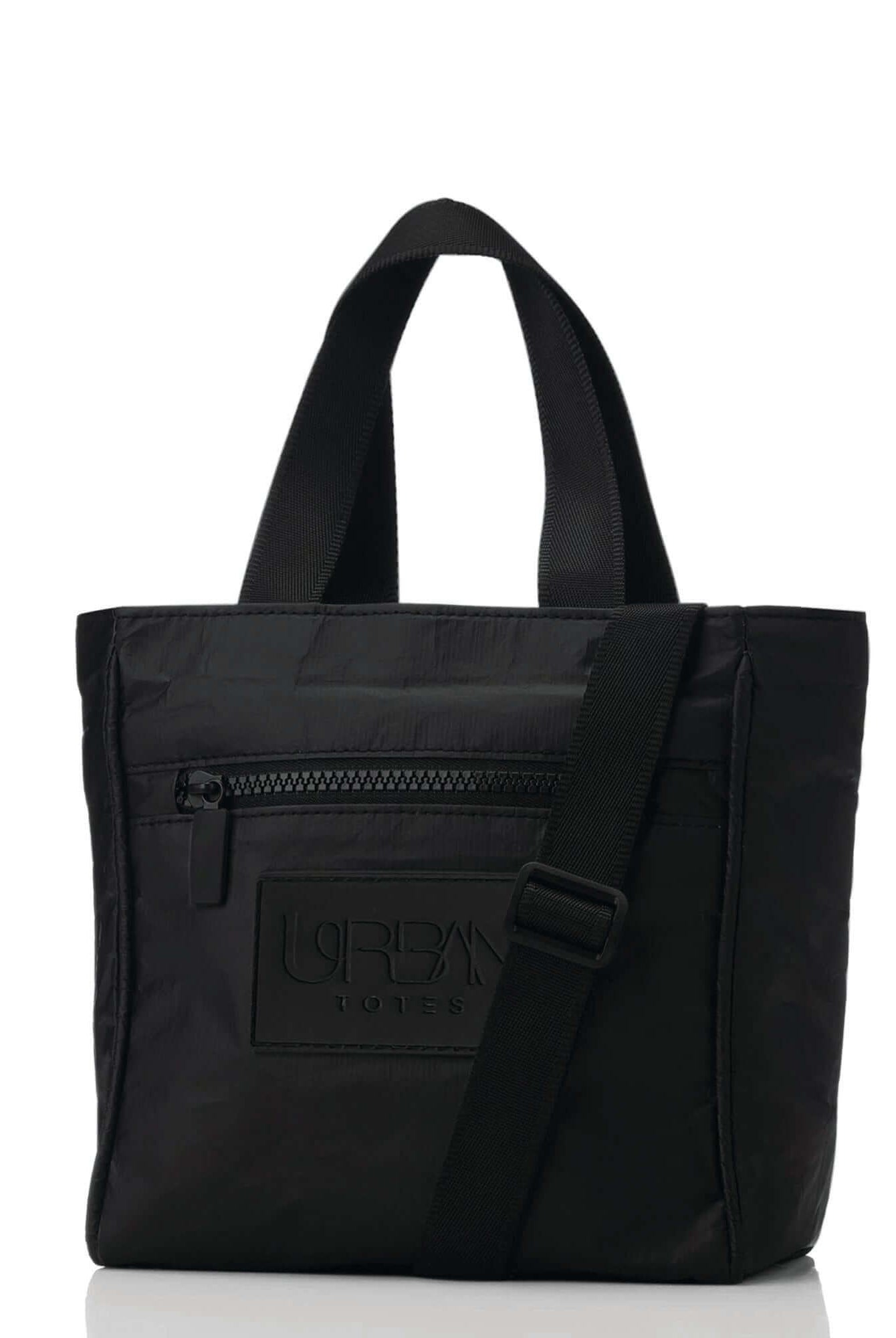
For someone who wants one bag to move from office to airport to weekend plans, the Go Anywhere Day Trip Tote Bag by Urban Totes is designed as a work, travel, or gym bag. It's lightweight, packable, foldable, and made with water-resistant materials. Three large zippered compartments and dedicated pockets for an iPhone and keys keep everyday essentials organized. Urban Totes is a woman-owned Boise, Idaho brand, and its bags are designed for real-life routines as well as travel.
The tote's features don't guarantee that it meets every airline's personal-item limit. Pack it with your usual travel load and run the home measurement before you fly. If you're still choosing where to go, short adventure itinerary inspiration can help you turn a free weekend into a plan.
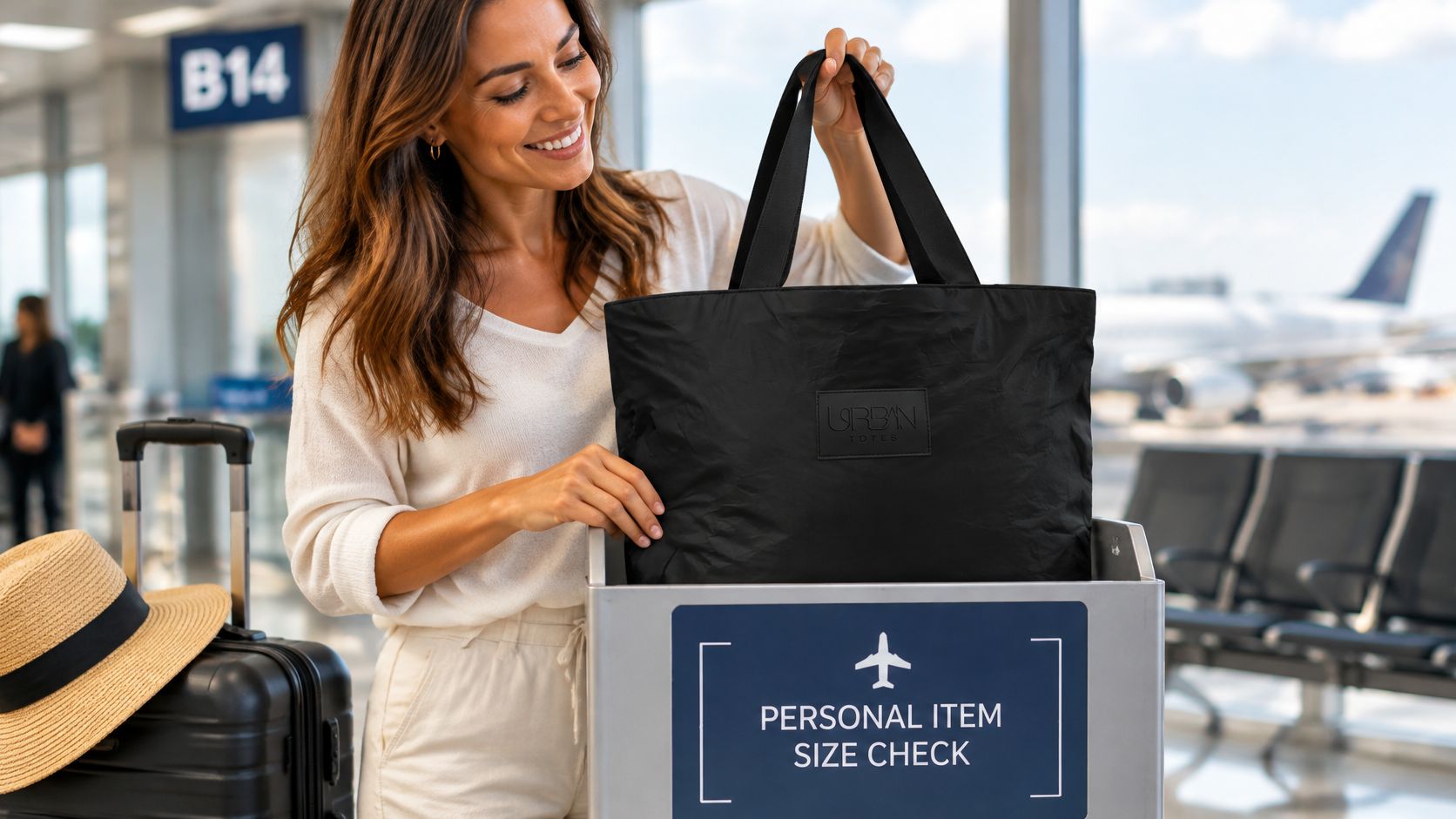
Urban Totes offers lightweight, packable bags with thoughtful organization for commutes, errands, and travel days. Check your packed tote against your airline's strictest size limit, then visit Urban Totes to find a go-anywhere bag for whatever the day brings.