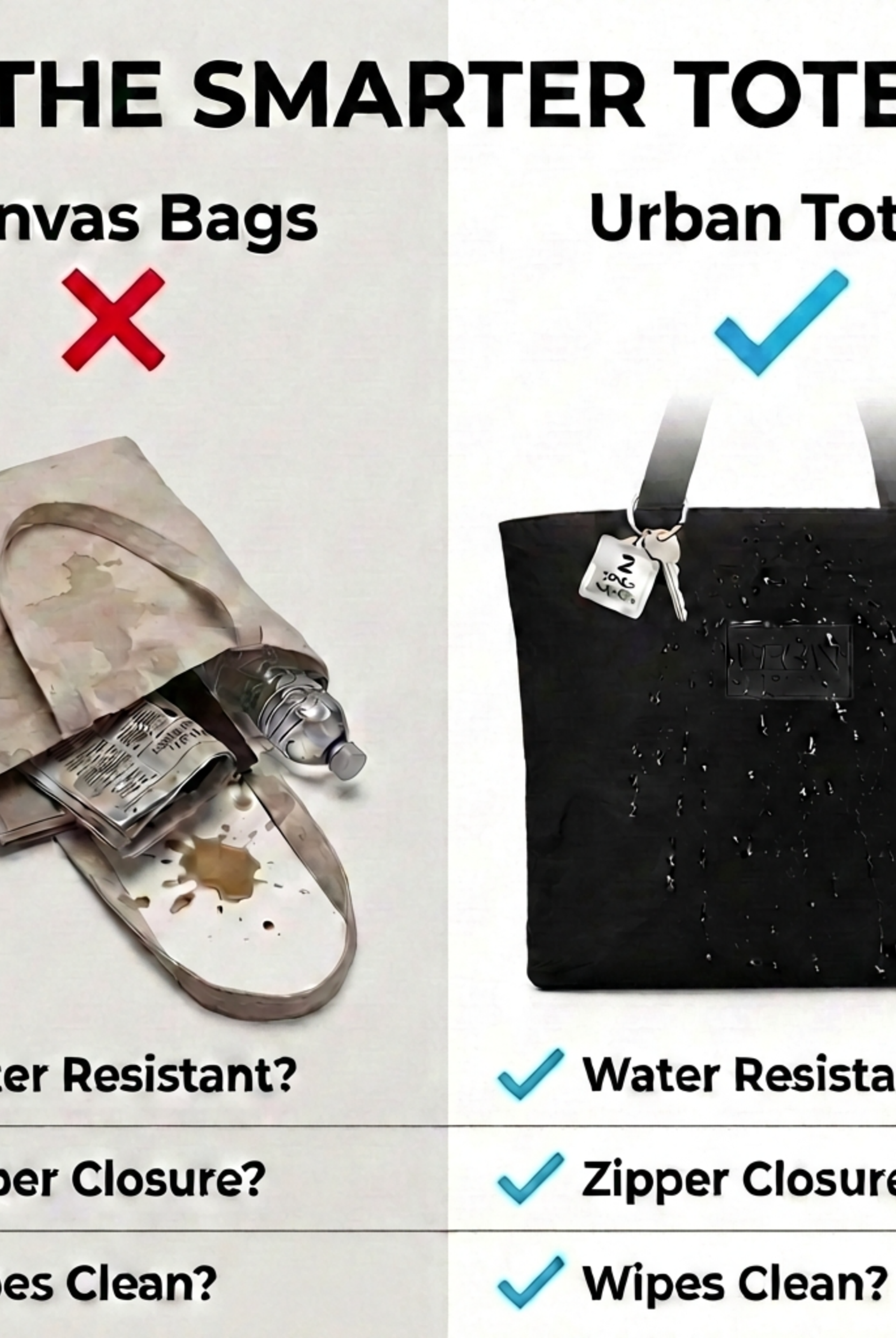
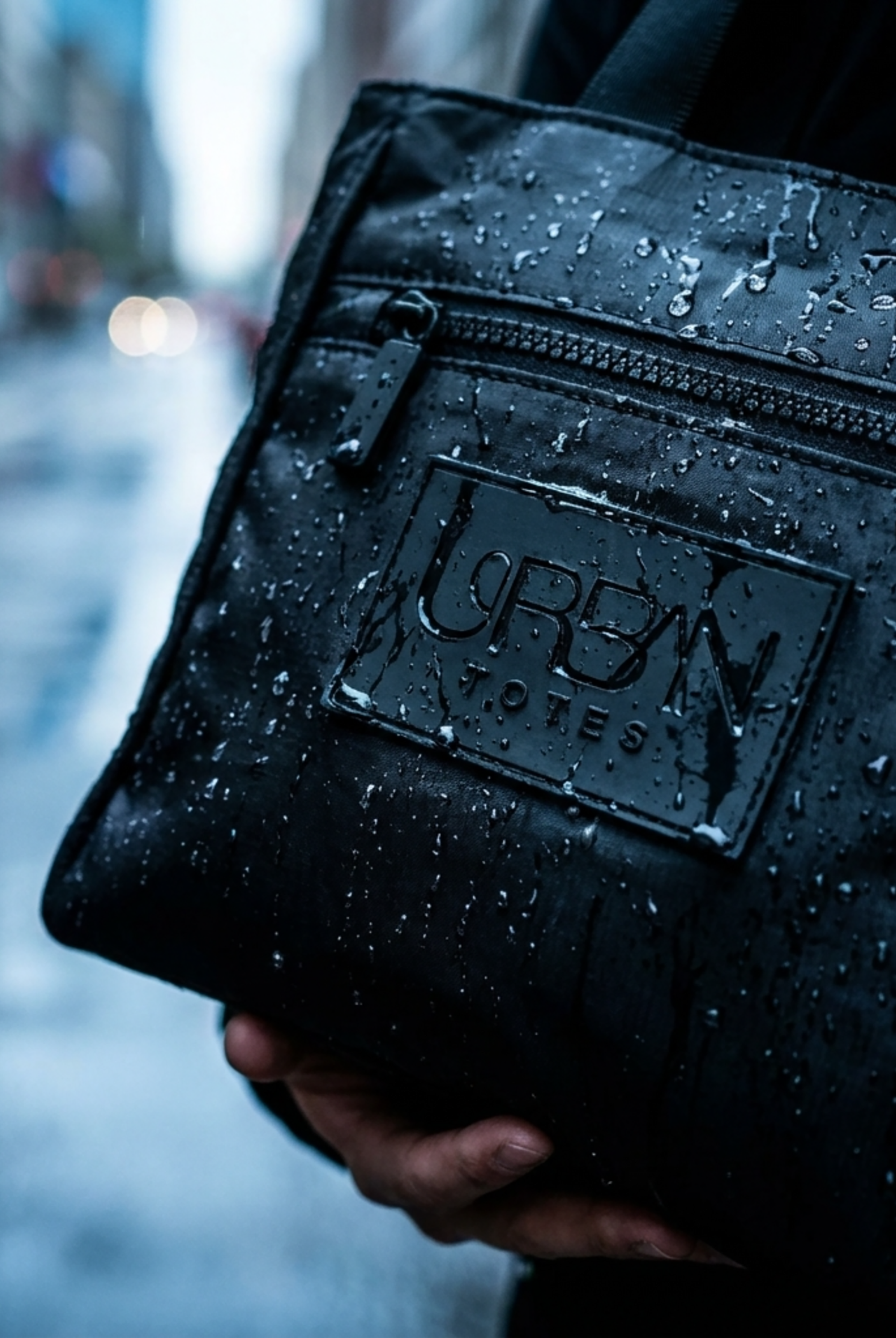
You're halfway across the school parking lot when the rain starts, one hand on a small backpack, the other on your tote, and your phone, snacks, and paperback are all riding in the same compartment. That's the moment a waterproof zip bag stops being a shopping term and becomes a practical question. Will the zipper closure keep the dry things dry, or will you find a damp stripe working its way through the lining by the time you reach the car?
Table of Contents
- When a Zipper Is the Whole Plan
- What Waterproof Actually Survives
- How Fabric Seams and Zippers Share the Job
- Beach Gym and Airport Days
- Humidity Condensation and Damp Gear
- How to Clean and Store a Zip Bag
- Choose the Zip Bag That Matches Your Day
When a Zipper Is the Whole Plan
The sky was clear at drop-off. Ten minutes later, you're opening the car in a sudden shower, no umbrella in sight, with a phone buzzing against a granola bar and a paperback tucked beside both. You zip the tote, toss it on the passenger seat, and hope the closure does the whole job.
Sometimes it does. Sometimes you get home and find the outside beaded up beautifully while a thin line of water found the zipper track and soaked everything near the top. The opposite fix isn't much better. A heavy, purpose-built dry bag can handle a dunk, but it's miserable for errands, farmers market runs, and the quick grab for keys you do twenty times a day.
Your real goal is simpler than the hangtags make it sound. You need to know whether a bag means light rain protection, a safe place for a wet swimsuit, or survival through a full dunk, because those are three different jobs asking three different things from fabric, seams, and zipper.
The zipper is a door, not a magic shield.
That one idea will sort most of your decisions. A door works when it's fully closed, when the frame around it is sound, and when nobody's asking it to hold back a flood. Leave it a finger-width open, pack it so full the slider strains, or grind sand into the teeth, and the best-coated fabric in the world won't save the contents.
So match the bag to the messiest hour of your actual week. For most of us, that's a downpour between the grocery store and the trunk, a pool deck splash, a bottle tipping in the beach tote, or damp gym clothes riding home next to clean ones. Think about your own worst regular moment first, then work through protection levels, how fabric and zipper share the job, real beach and airport scenes, cleaning, and a buy-or-skip checklist.
Water-resistant covers splashes and rain, and waterproof only means something when a test method, duration, and pressure are published.
What Waterproof Actually Survives
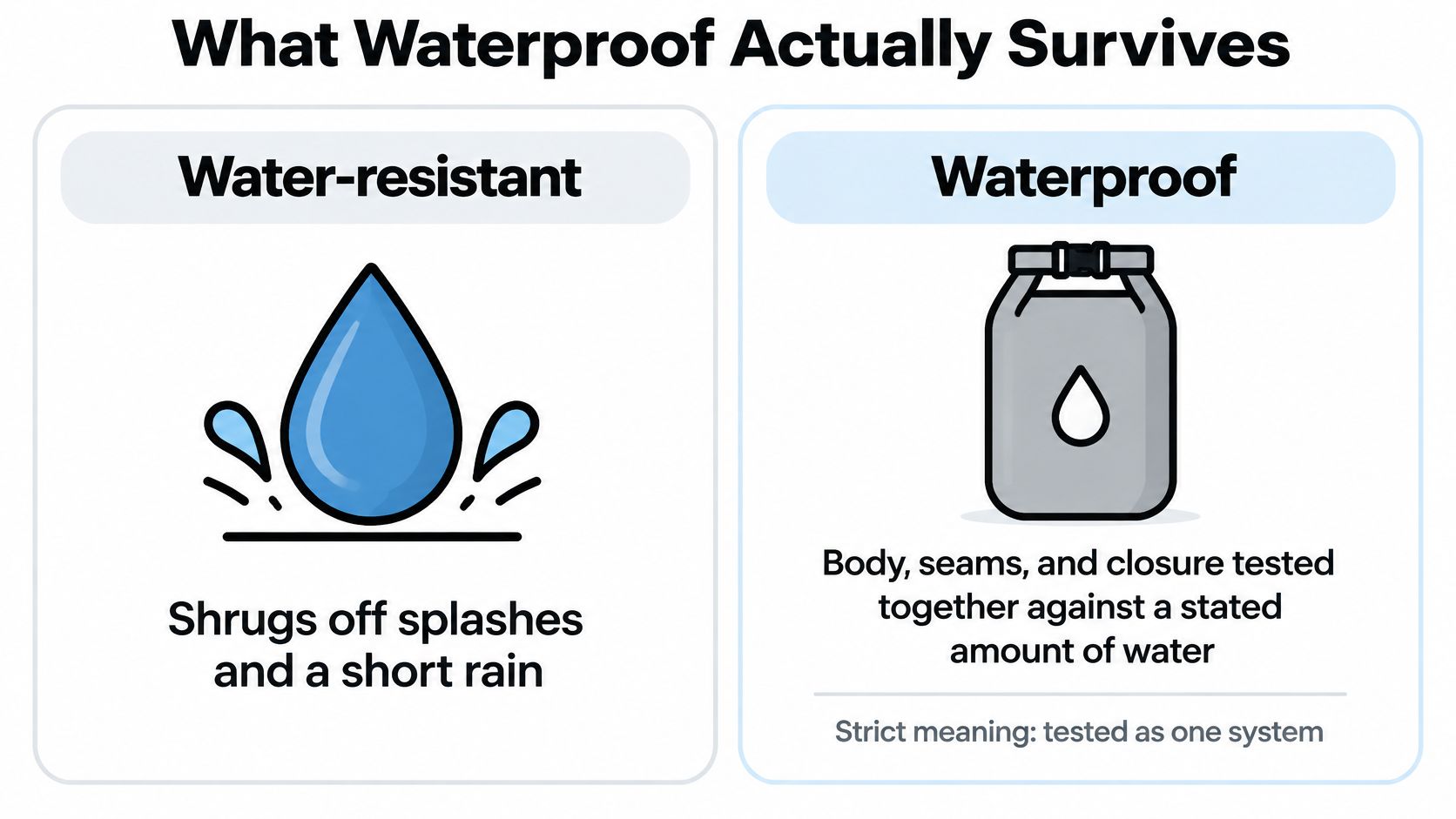
Water-resistant means the bag shrugs off splashes and a short rain. Waterproof, used strictly, means the body, seams, and closure were tested together against a stated amount of water. Start with the comparison below, because the water event matters more than the word on the label.
| Water event | Closest rating idea | What must work together | Realistic verdict |
|---|---|---|---|
| Mist, drizzle, or a drink splash | About IPX4 splash | Coated fabric and a fully closed zipper | Inner pocket usually stays dry |
| Hard rain or hose-like spray | About IPX5 to IPX6 jets | Fabric plus covered seams | Worn zipper tape can still weep |
| Brief dunk in a puddle or pool edge | About IPX7 temporary immersion | Seams and closure tested as one unit | A lab dunk is still water, not a packed, folded bag |
| Long time underwater | IPX8, depth and time set by the maker | Purpose-built dry bag, not a day tote | Wrong tool for everyday carry |
Splashes and Jets Are Different Tests
The IP system separates conditions that shoppers often blur together. As Deuter's guide to waterproof products outlines, the scale distinguishes IPX4 splash protection, IPX5 to IPX6 water-jet protection, IPX7 temporary immersion, and IPX8 continuous immersion. Each step up asks more of the closure, not just the fabric.
IPX4-style protection is splashing from any direction. That's your pool deck, a farmers market drizzle, a kid's water bottle sweating in the side pocket. IPX5 and IPX6 move into water jets, which feel less like weather and more like a hard storm or a hose aimed at the bag. Most everyday carry never meets jet-level water, but a long, windy downpour on an exposed platform comes closer than a gentle mist does.
A Lab Dunk Is Not Your Life
IPX7 describes a defined laboratory immersion under controlled conditions. It doesn't promise the same result in moving water, under pressure from an overstuffed bag, after repeated folding, with worn seals, or with a zipper you closed in a hurry while holding a coffee. IPX8 means continuous immersion at a depth and time the maker has to specify, and that's dry-bag territory built for the water, not a stylish, lightweight tote built for your Tuesday.
Here's the part labels skip. A fabric panel can pass a water test while the zipper track fails, because the panel and the closure are different systems. A trustworthy claim says whether seams and closure were tested as one finished piece, and whether production bags, not just a careful prototype, went through it. If you're weighing the exact wording on two product pages, our breakdown of water-resistant versus waterproof claims walks through how to read them side by side.
Your Paper Towel Tells the Truth
You don't need a lab for a useful home check. Tuck a dry paper towel inside, seal the bag completely, run it under a shower, then open it and look. A dry towel after a soaking tells you more about your actual bag, closed the way you close it, than any unsupported word on a tag.
Practical rule: A softer, specific claim beats an unsupported waterproof label every time.
If a maker publishes no method, no duration, and no pressure, treat the bag as water-resistant until your paper towel says otherwise. That's not a downgrade. For rain, splashes, and wet pavement, honest water resistance is exactly the protection most days require.
How Fabric Seams and Zippers Share the Job
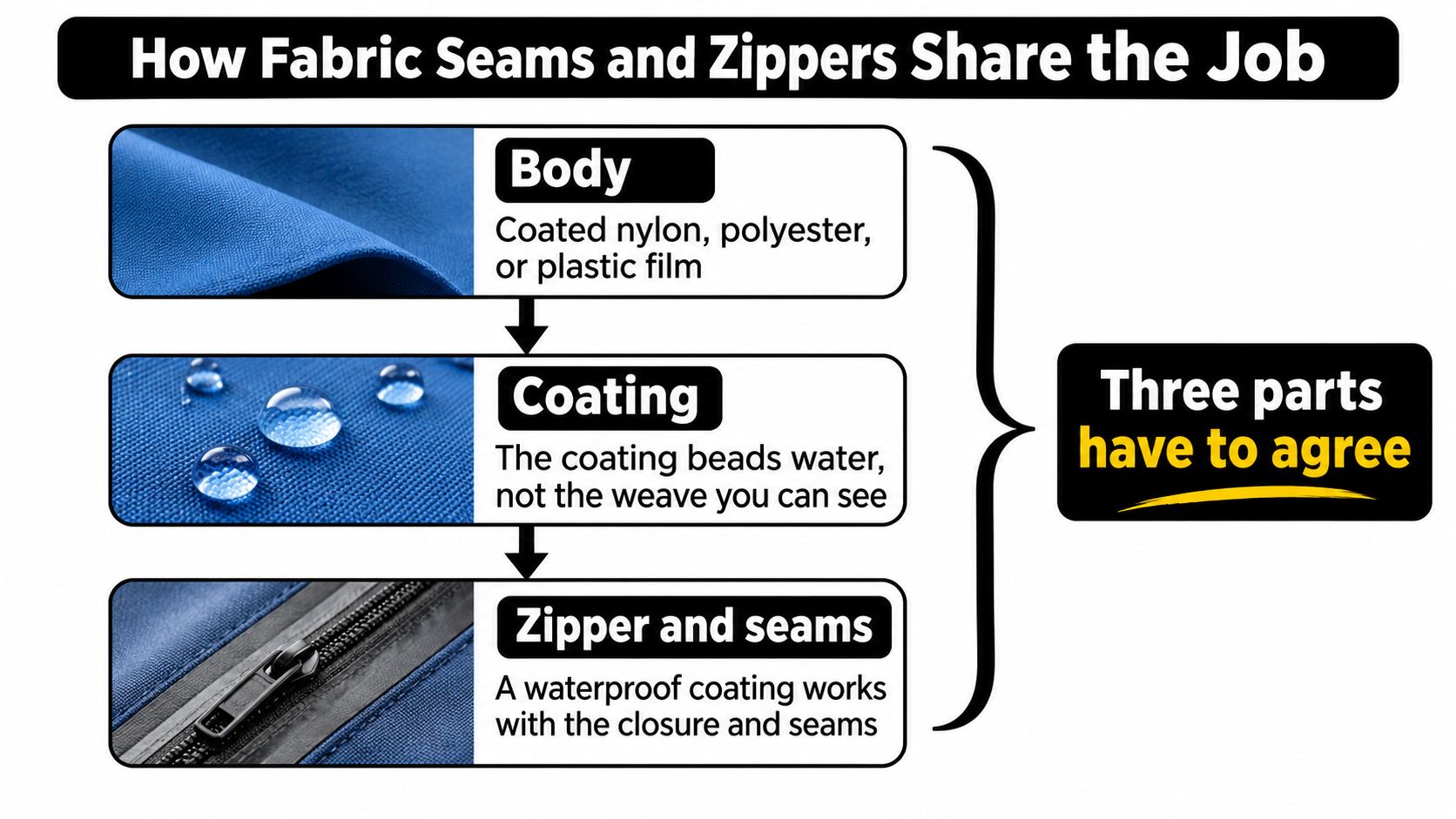
Think of a waterproof zip bag as three parts that have to agree. When one part is weaker than the others, that part decides how the whole bag performs, no matter how good the rest looks in product photos.
The Body Does the Beading
The bag body is usually a coated nylon or polyester, or a plastic film. What beads water is the coating, not the weave you can see and feel. Run your hand across two bags and the prettier fabric may shed water worse than the plain one, because the working layer sits on or under the surface where you can't judge it by touch alone.
That coating also has limits you can't see. Folding a packable, foldable bag creases the coating over time, and sharp, repeated creases in the same spot wear faster than gentle rolls. If you want the deeper material-by-material picture, our guide to waterproof bag materials compares the common options. Lightweight and easy to stow is a real lifestyle win. Just fold loosely when you can, and don't store the bag crushed under something heavy.
Seams Are Where Panels Confess
Every stitch makes a hole. A coated panel can shed water beautifully and still leak along the line where two panels join, because the needle passed through and left a path behind. That's why taped or welded seams matter more than a shiny face fabric. Tape covers the stitch line from inside. Welding joins materials without thread at all.
Corners and strap attachment points deserve the same suspicion. Water pools where fabric folds, and stress opens tiny gaps where handles pull. When you inspect a bag, turn it inside out and look at the joins before you admire the print.
The Zipper Is the Hard Part
- Standard coil zipper: A convenience close that keeps contents in and light spray mostly out.
- Water-resistant zipper: Adds a coating or a flap over the teeth, slowing water's path to the opening.
- True waterproof zipper: Uses a tighter profile, often under face fabric, so water travels farther before reaching the teeth.
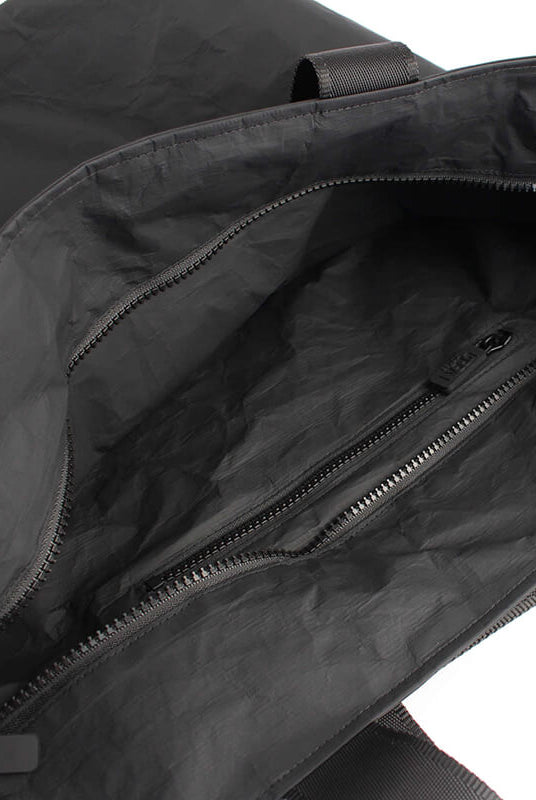
Whatever the type, the slider has to travel the full track. A gap at the end stop is an open door, and grit in the teeth can hold that door open without you noticing. Look for a zipper closure you can finish in one smooth pull with cold or sunscreen-slick fingers.
One test name is worth knowing in plain terms. As this overview of waterproof zipper testing explains, ISO 811:2018 uses a hydrostatic-pressure method that raises water pressure on coated fabric until penetration is observed. That number describes the panel under pressure, not automatically the finished bag with its seams and closure attached.
Picture a good raincoat worn with an open cuff. The coat performs, the gap decides. Your tote is the same, so judge the whole system at its weakest seam.
Beach Gym and Airport Days
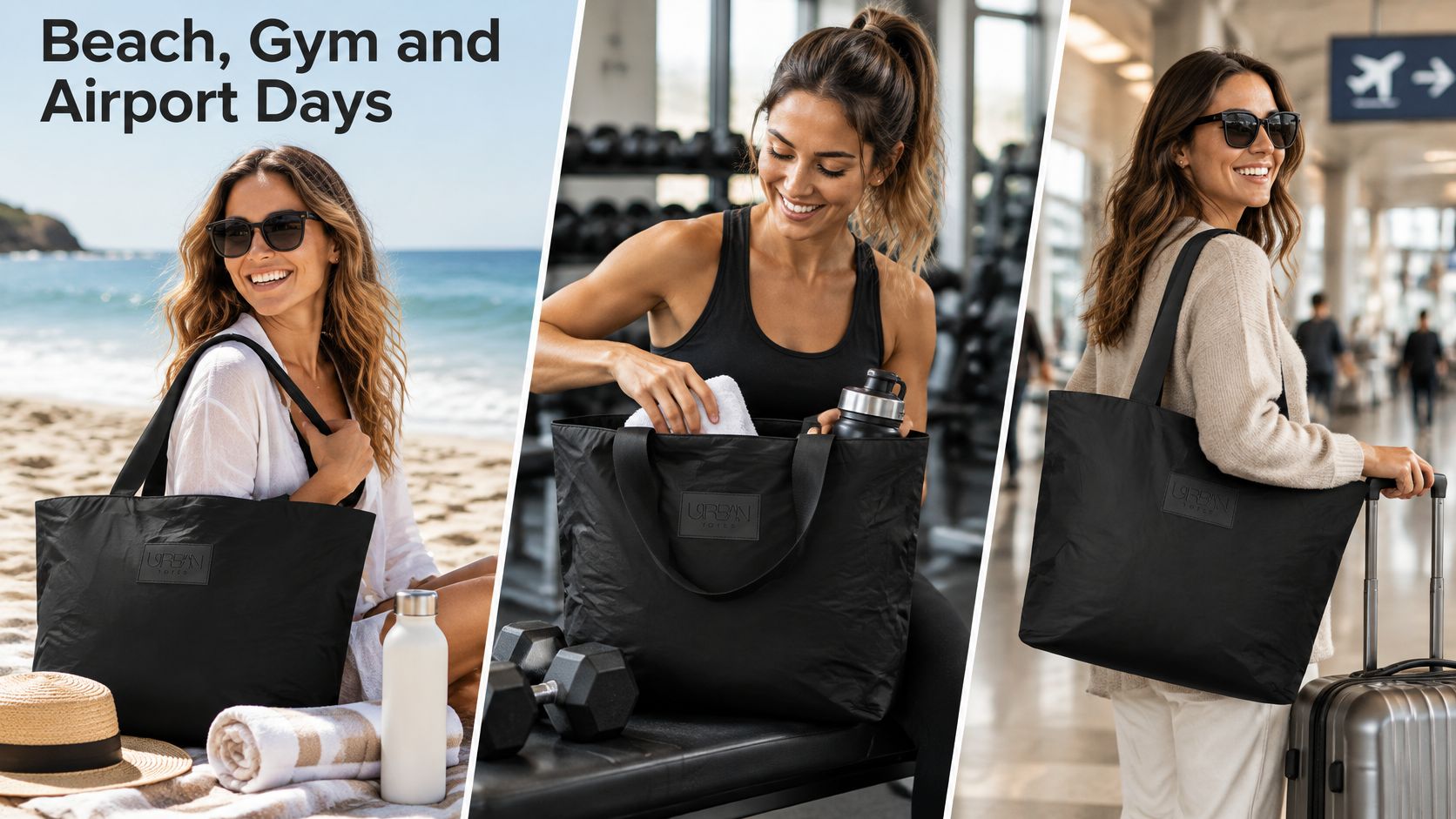
Real days sort bags faster than ratings do. The pattern that works everywhere is one wet zone and one dry zone, never one magic cavity where everything mingles. Here's how that plays out in the three scenes where a waterproof zip bag earns its keep.
The Beach Chair Setup
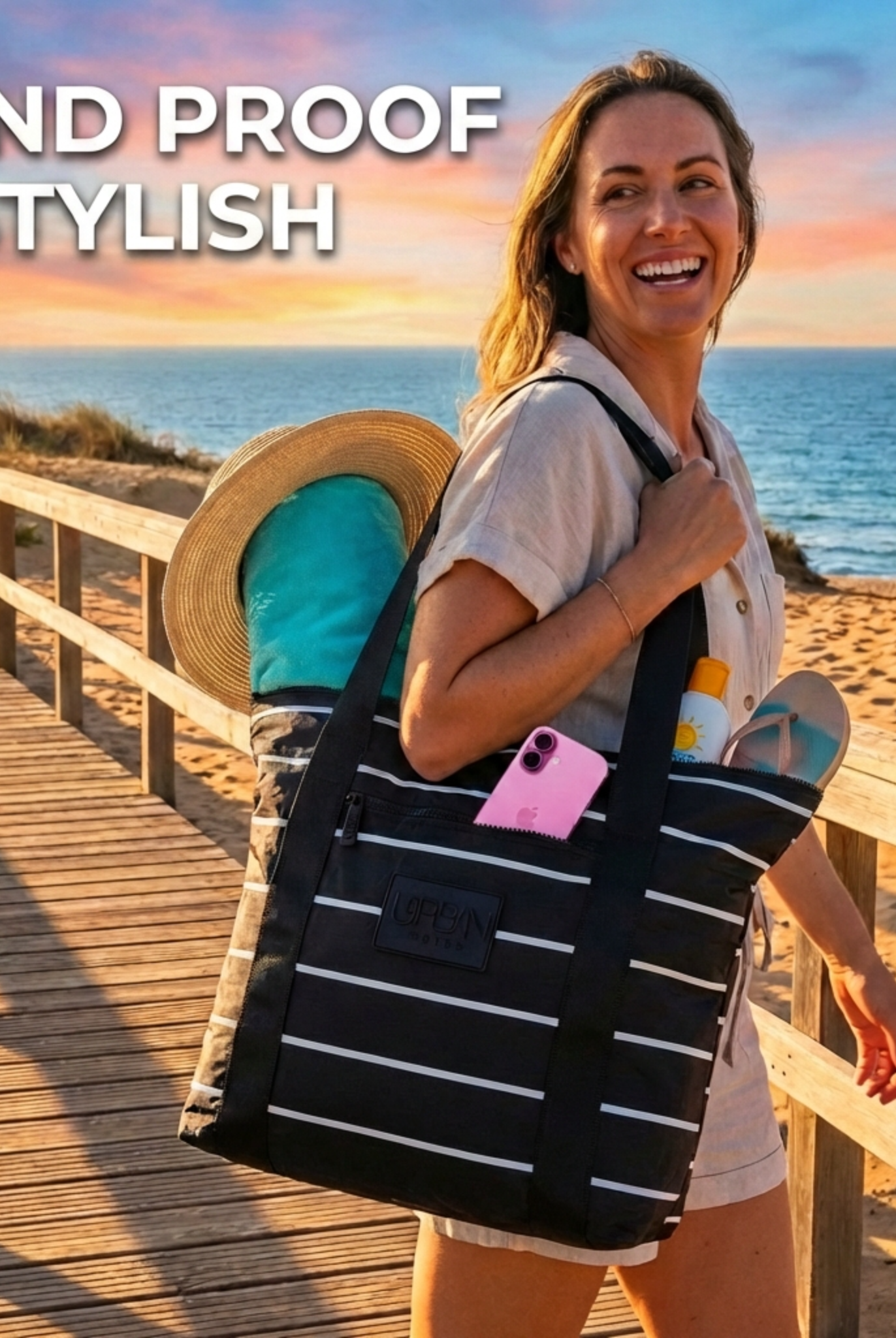
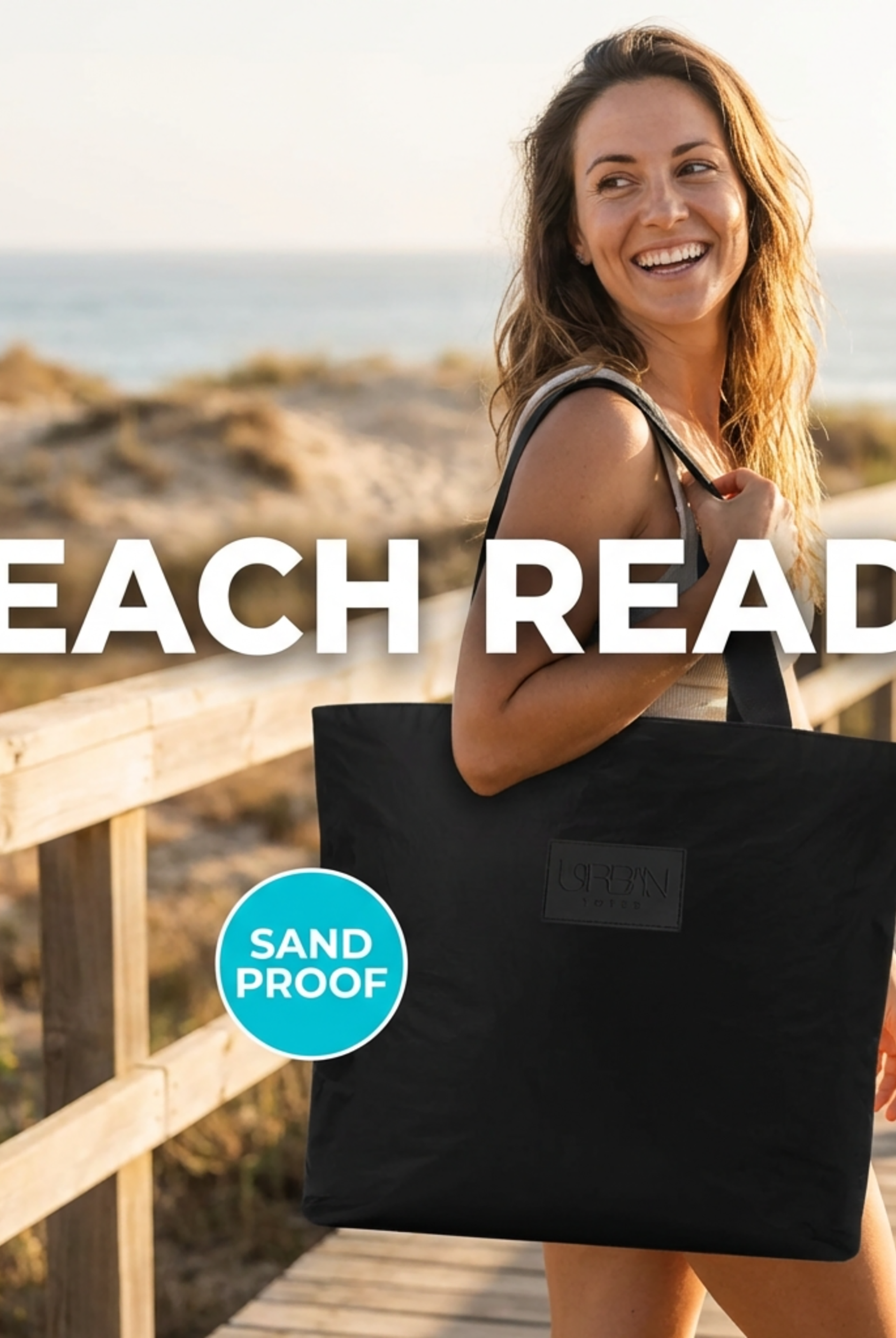
Sunscreen, a paperback, and your phone belong in an interior zipper pocket, up and away from the sand line. The wet swimsuit and sandy towel go in a side or outer pocket, so the main compartment stays the dry zone for snacks, a cover-up, and the drive-home shirt. If you're building a full water-day kit, these snorkeling day essentials in Kona show how much small gear a day on the water asks you to organize.
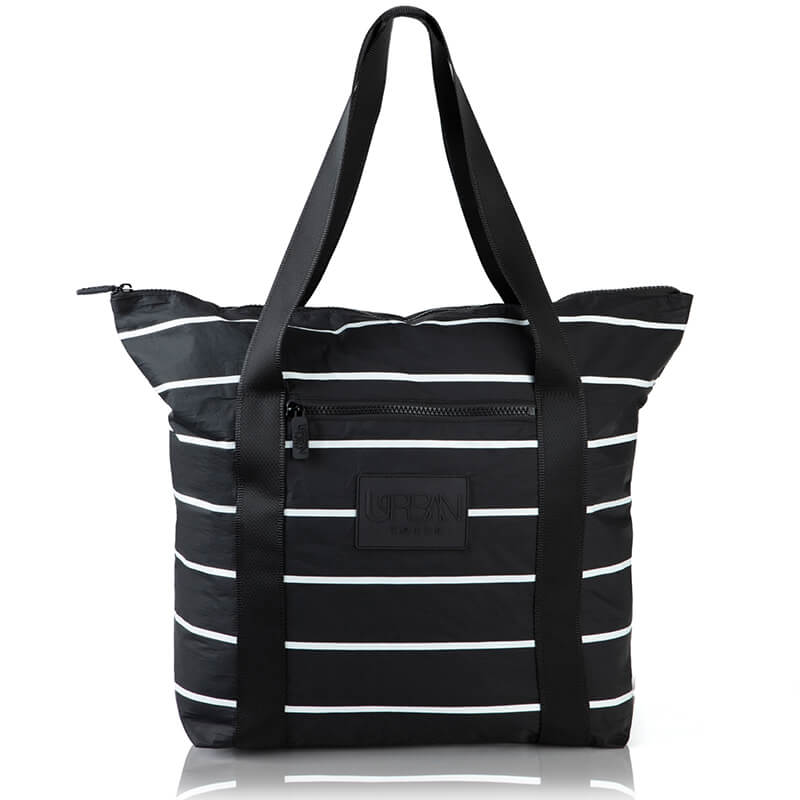
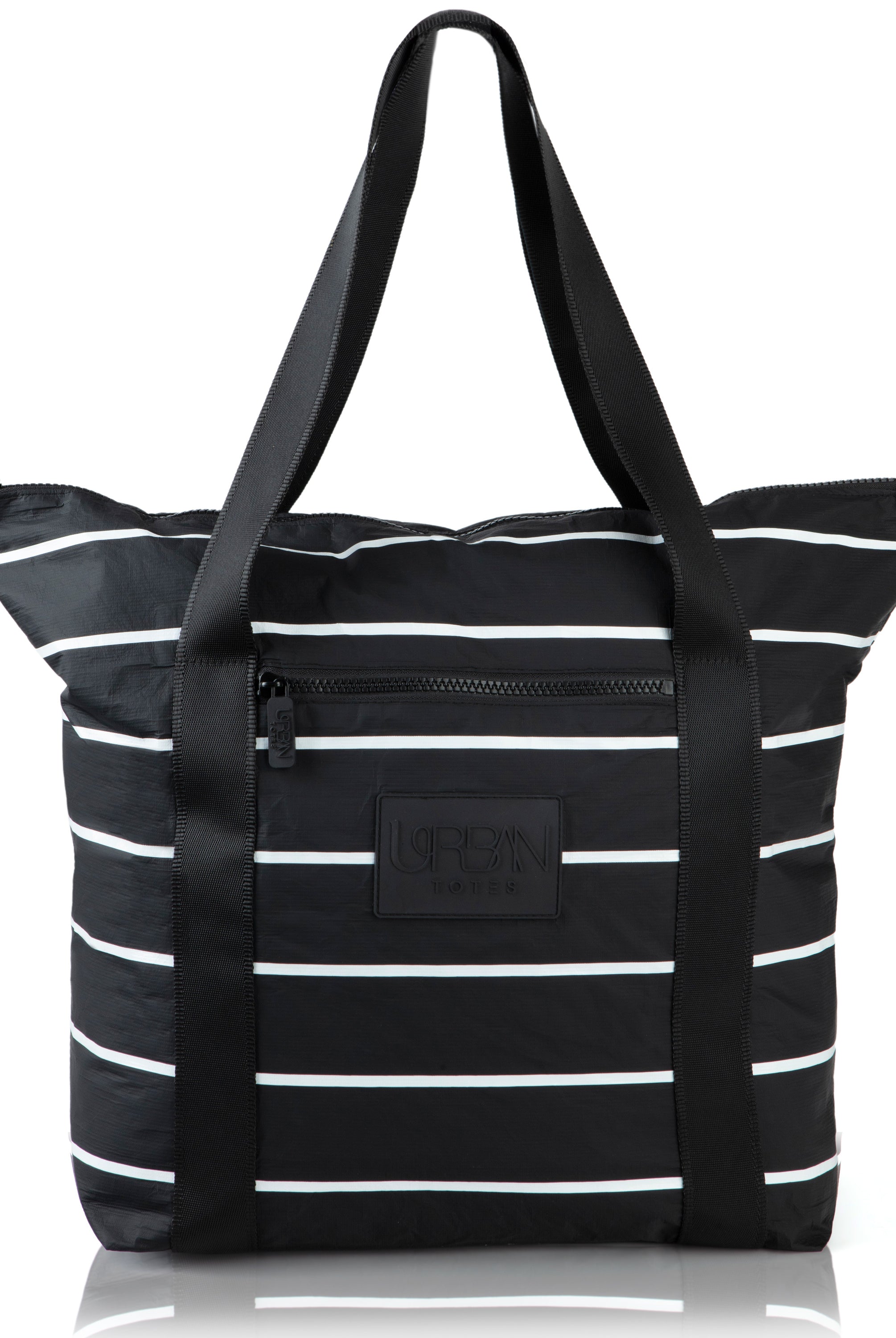
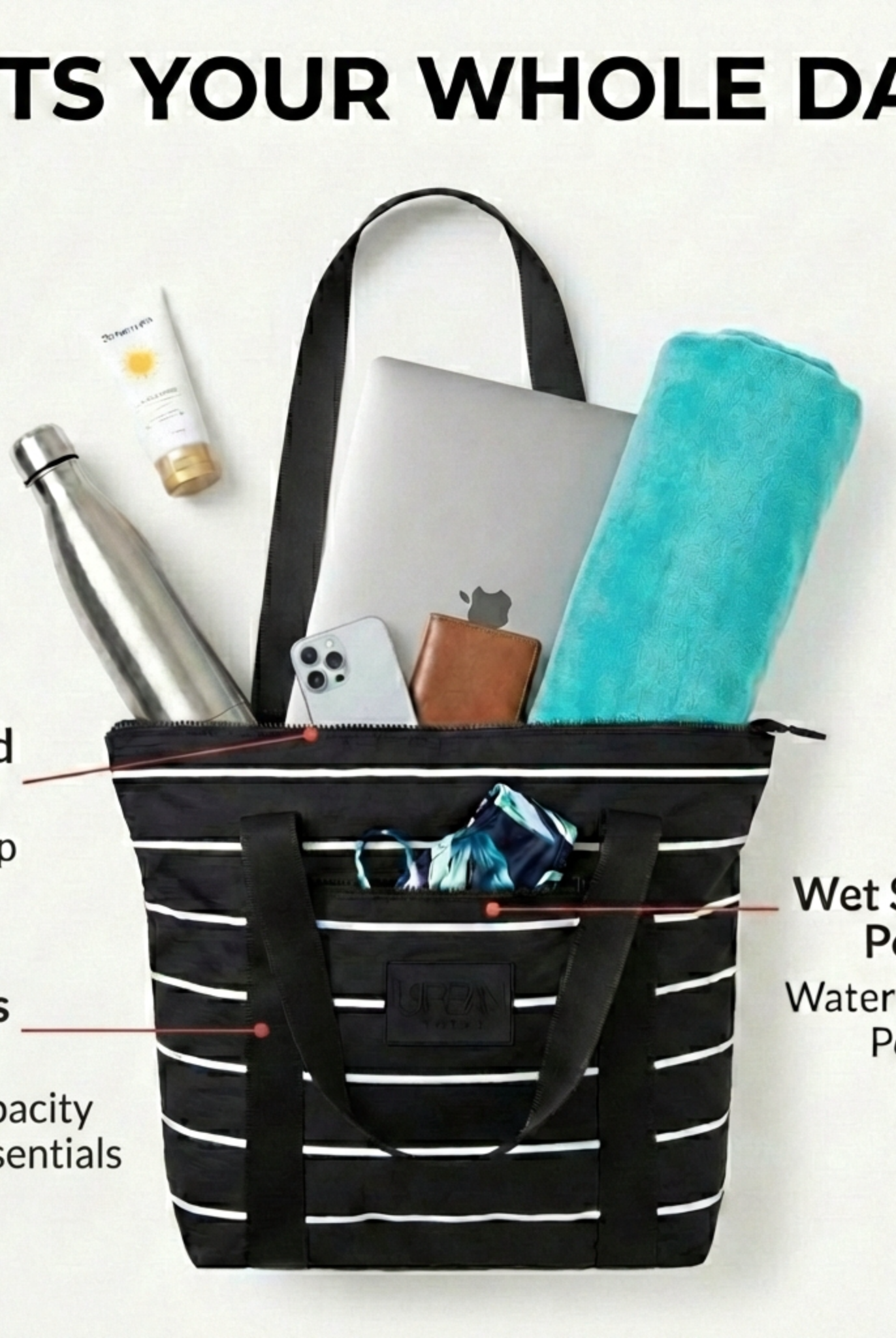
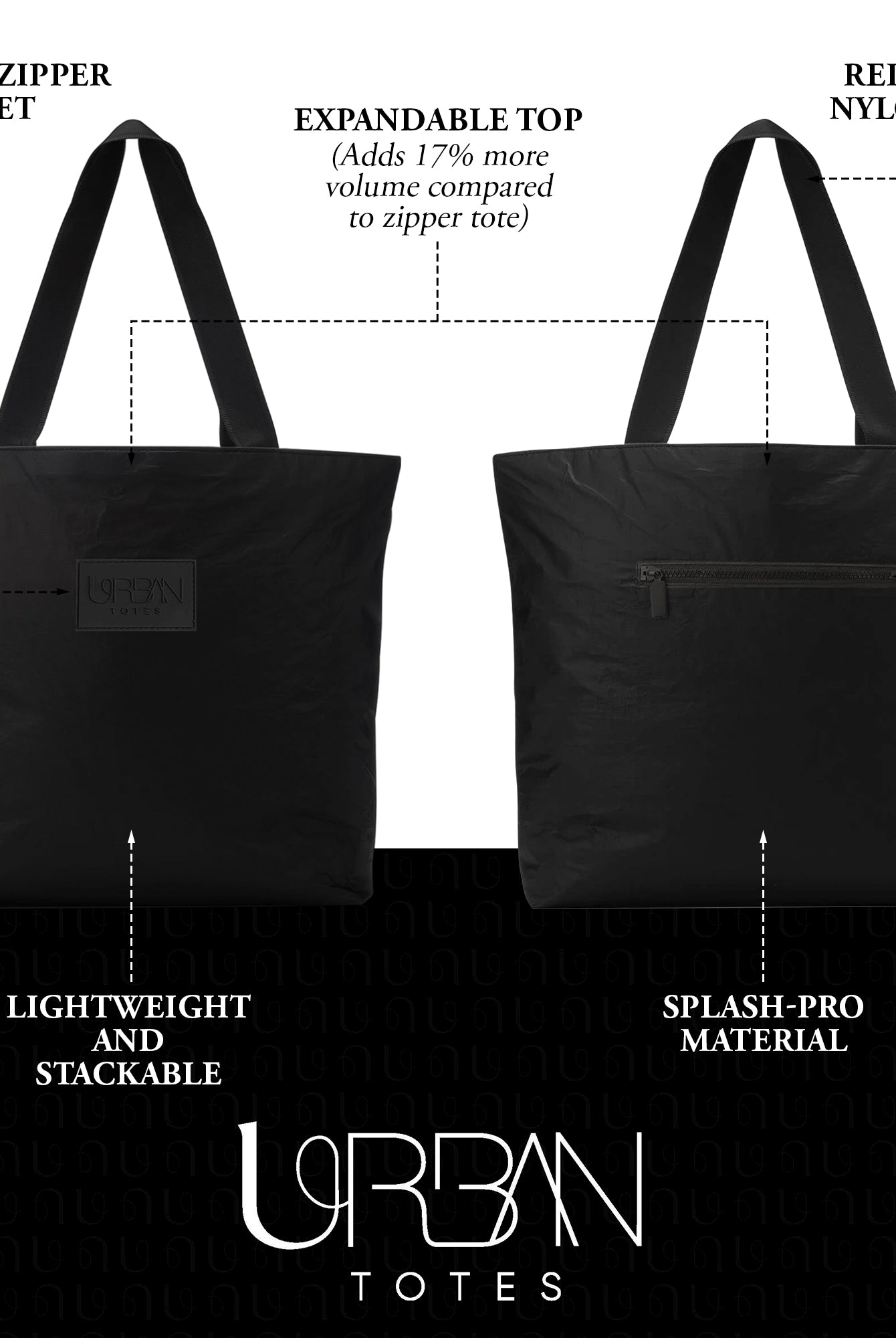
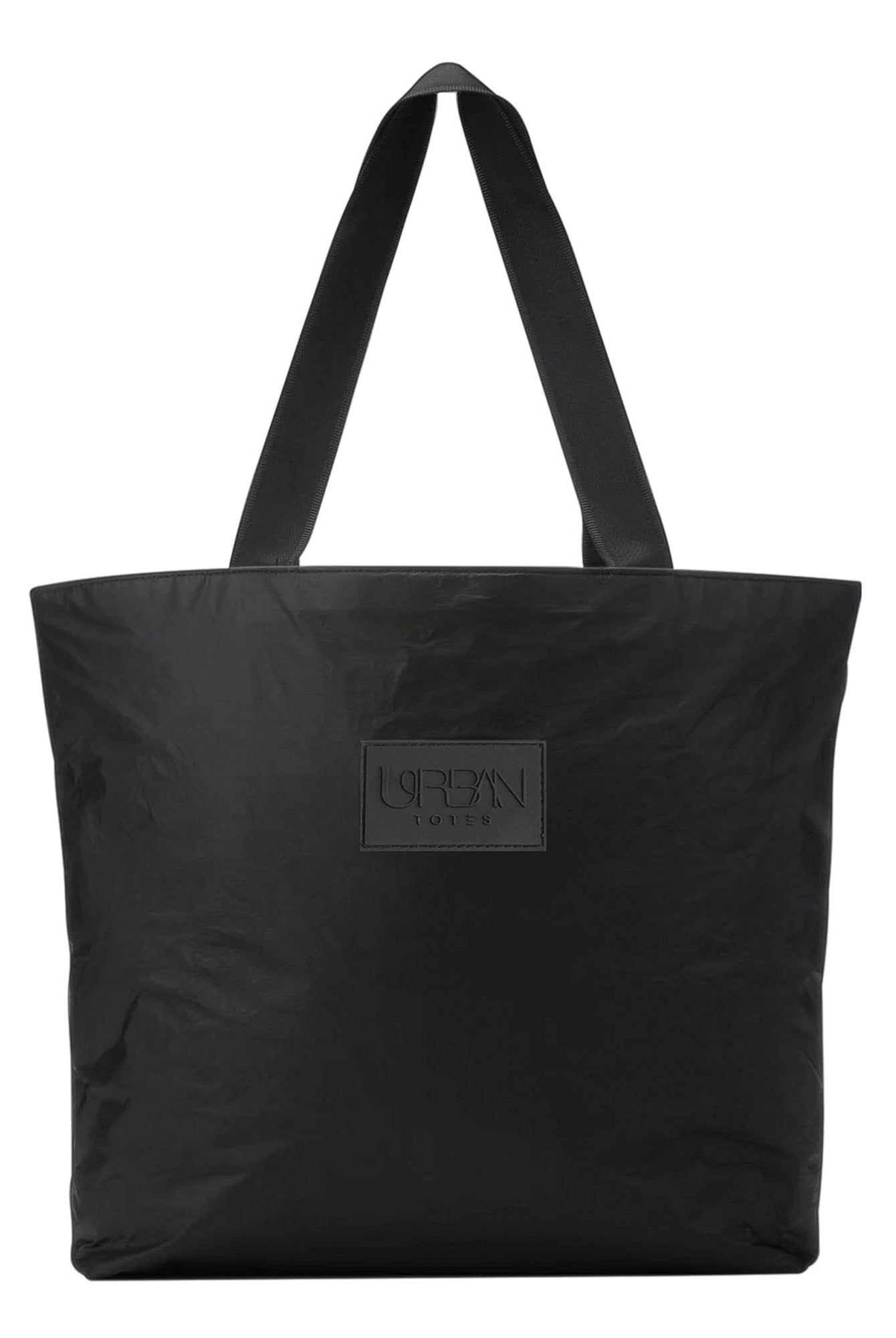
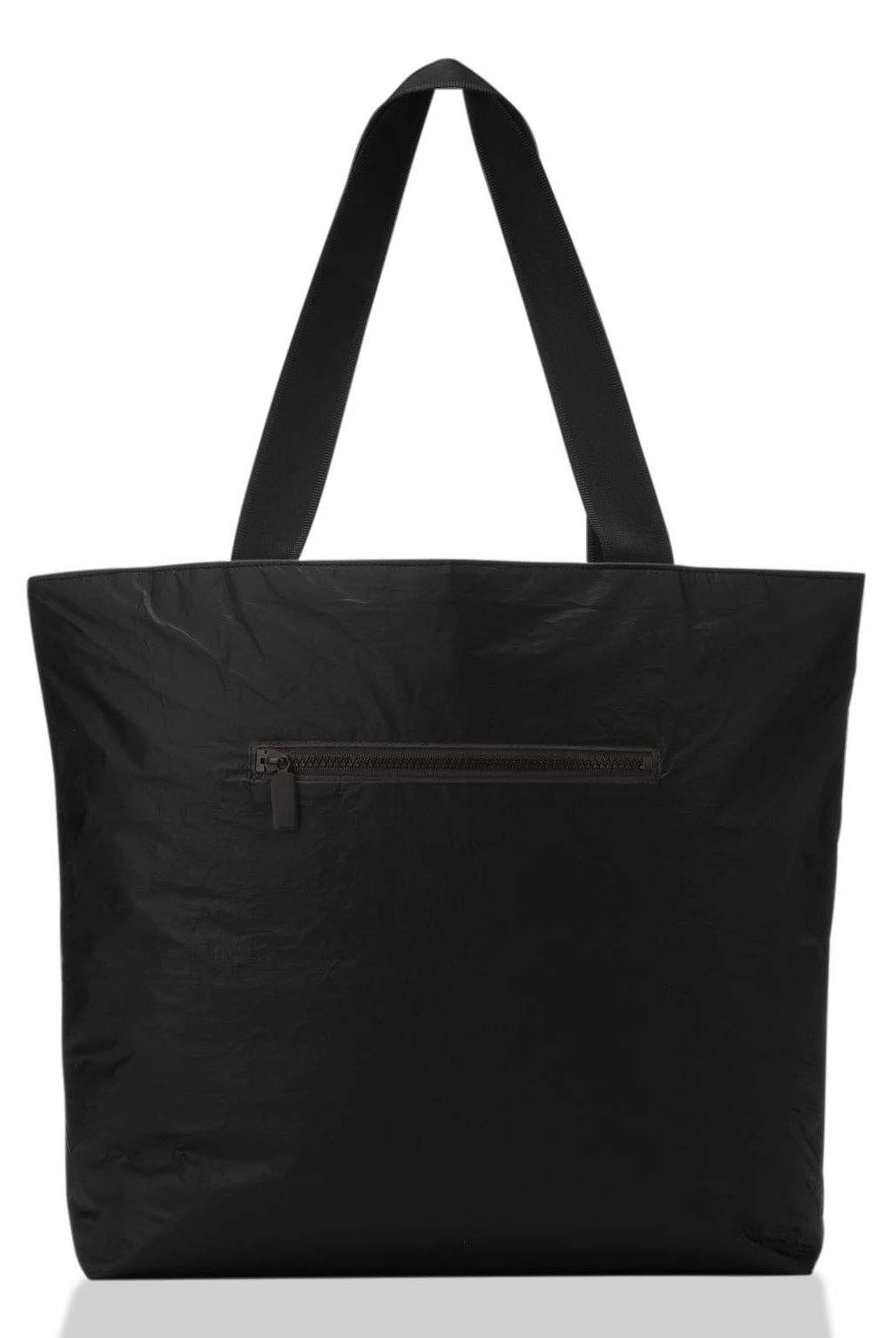
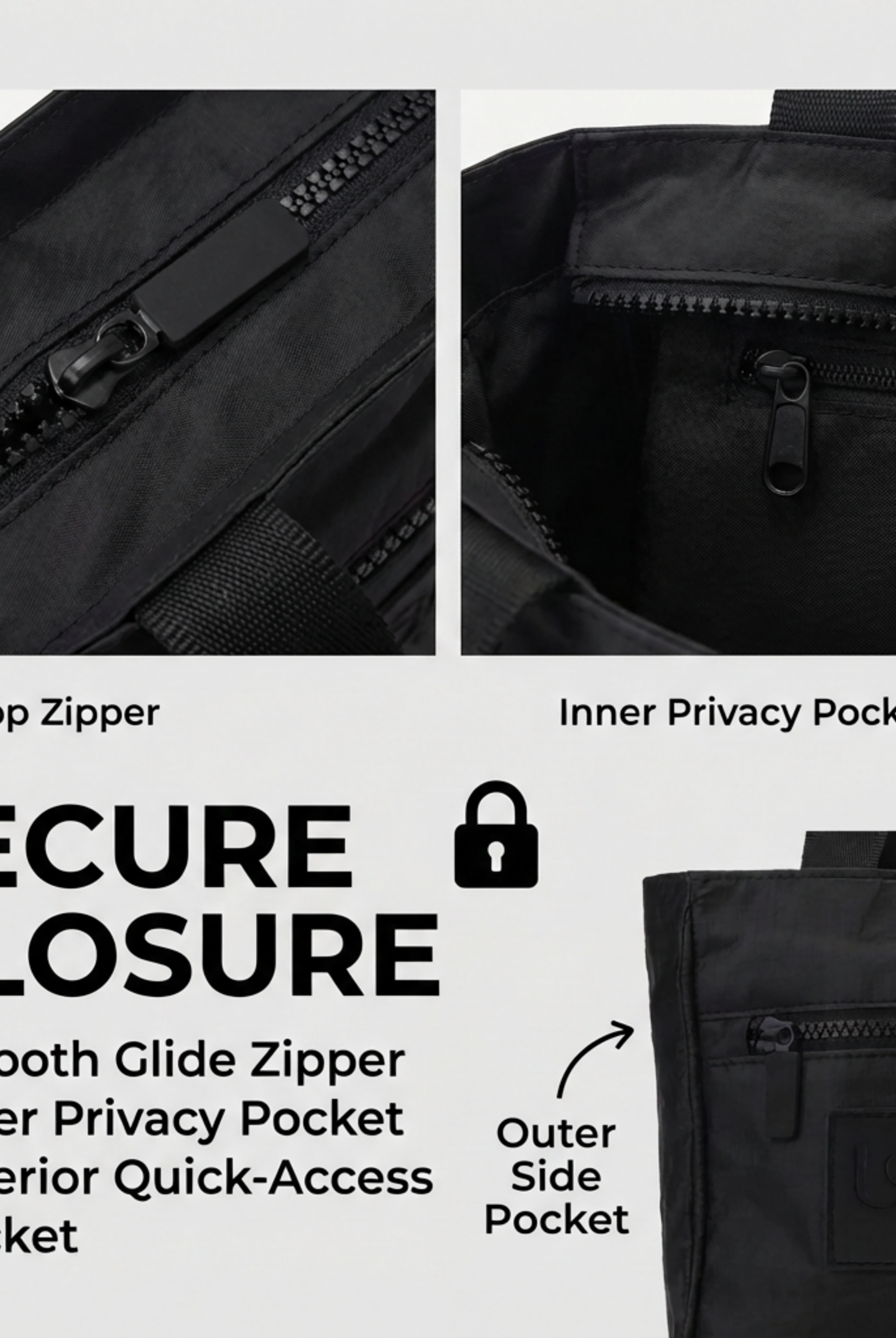
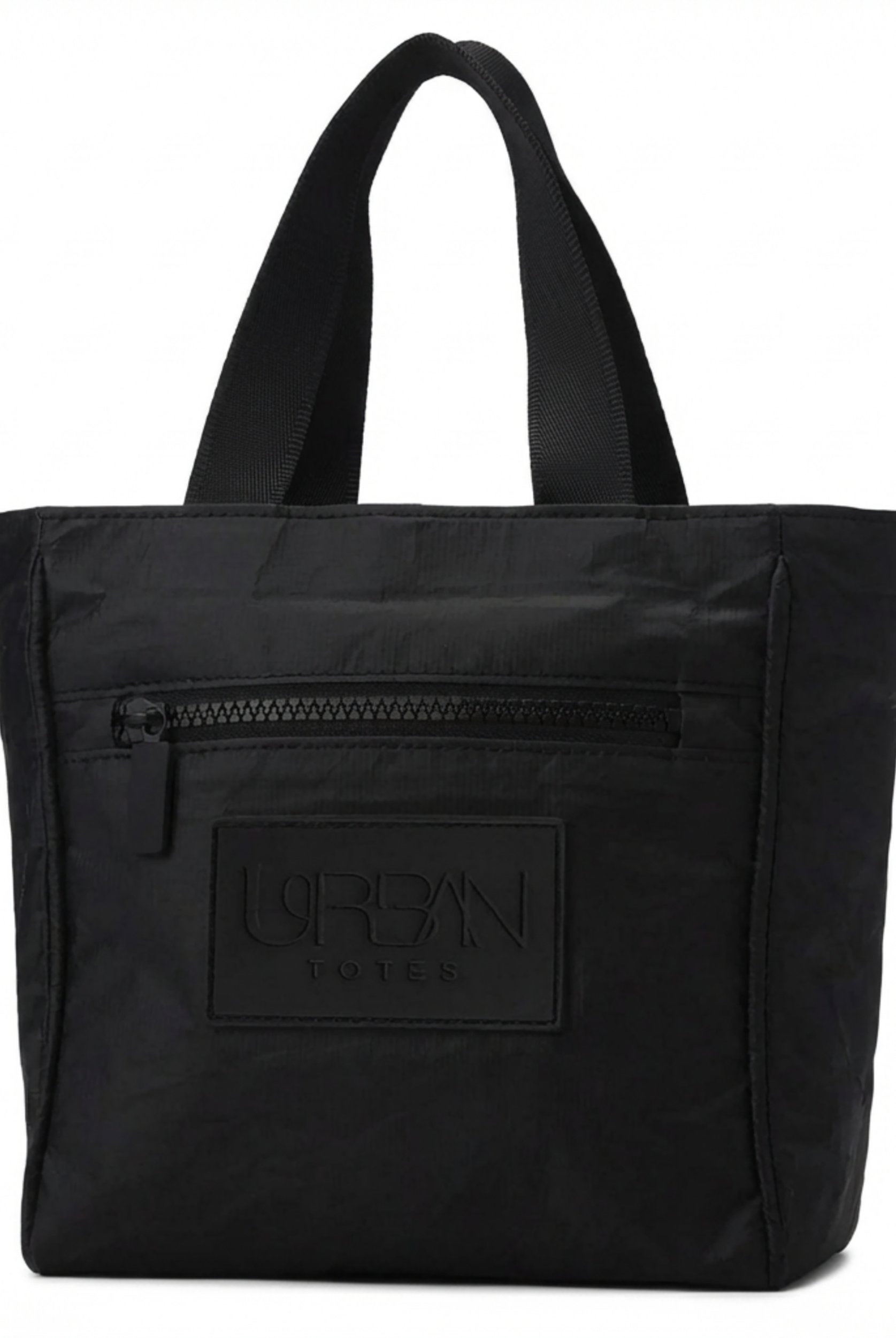
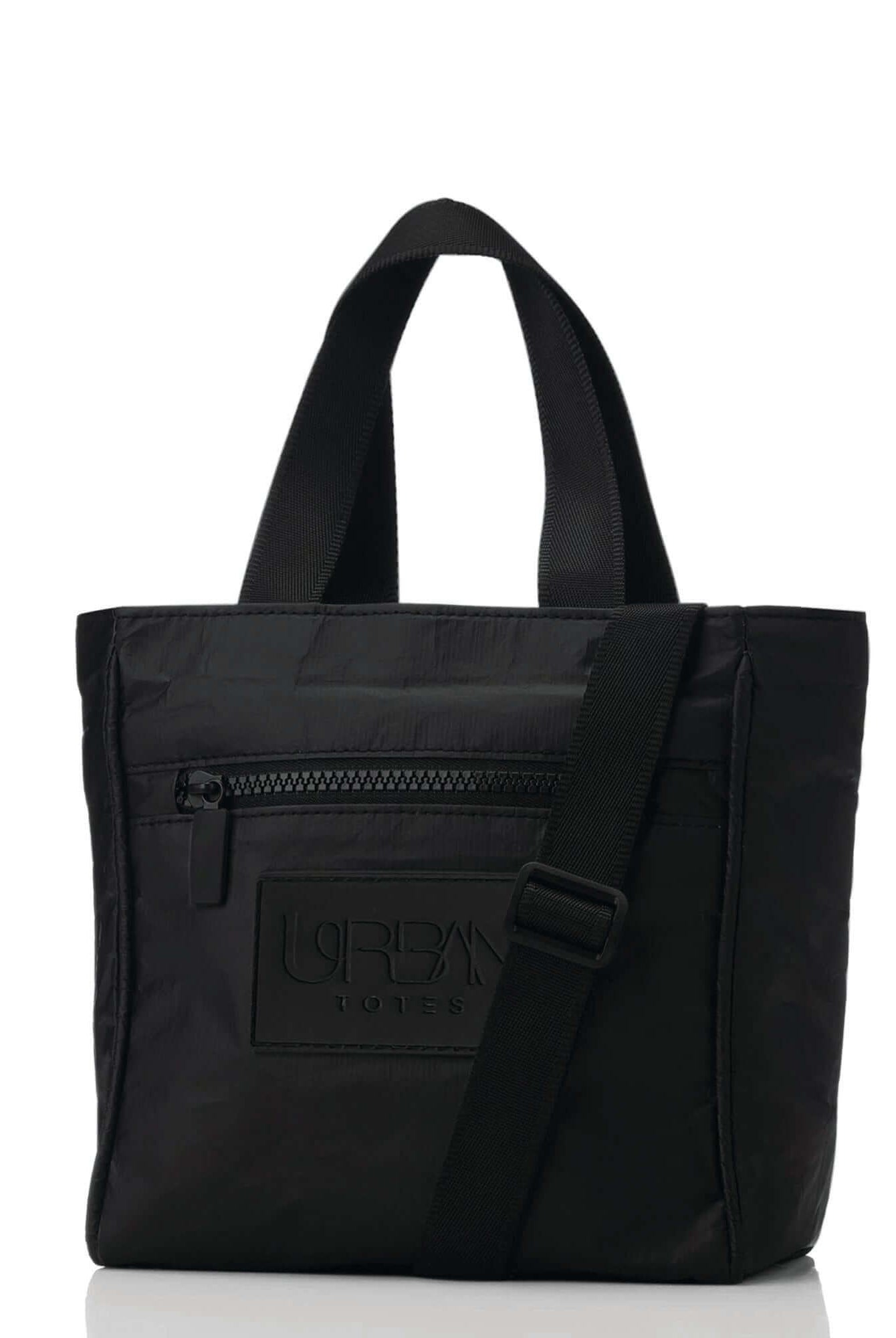
The failure looks innocent. You toss the bag on the car floor with the zipper half open, the damp towel slides against the paperback, and sand works into the teeth so the slider skips next time. Never seal a soaking towel into the same space as electronics. Our own OG Zipper Tote Bag has side pockets for wet swimsuits or sweaty workout gear, which keeps that split simple, and our beach-specific packing notes cover the sand and sunscreen details.
The Gym Bag Shuffle
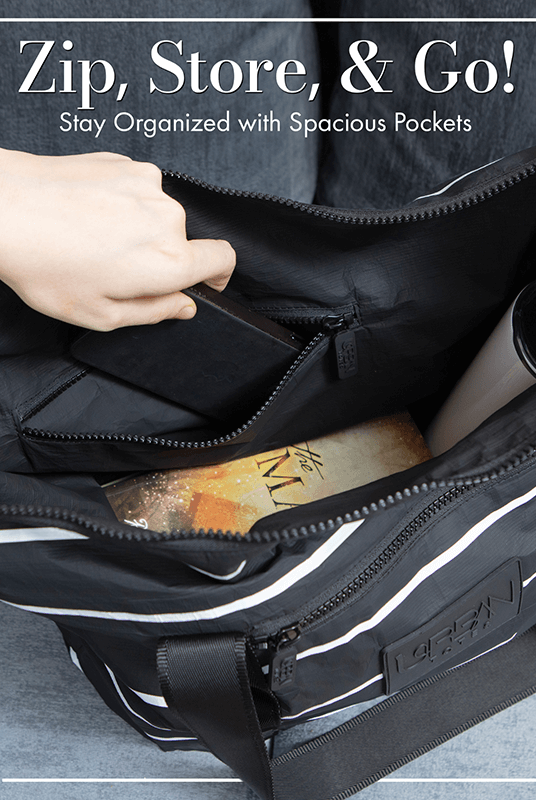
Sweaty layers go in an outer or side zip. Street clothes, wallet, and anything you wear after your workout stay in the main compartment. Keys get the small pocket you can reach without unpacking your life in the parking lot. Multi-pocket organization sounds like a feature list until you're the one digging past damp leggings for a hair tie.
The classic undoing is a water bottle on its side, cap not quite tight, resting against the sleeve that holds your tablet. Bottles ride upright in a side pocket, or they don't ride in the dry zone at all. One slow leak beats any coating, because the water starts inside, where coatings aren't designed to defend.
The Airport Version of You
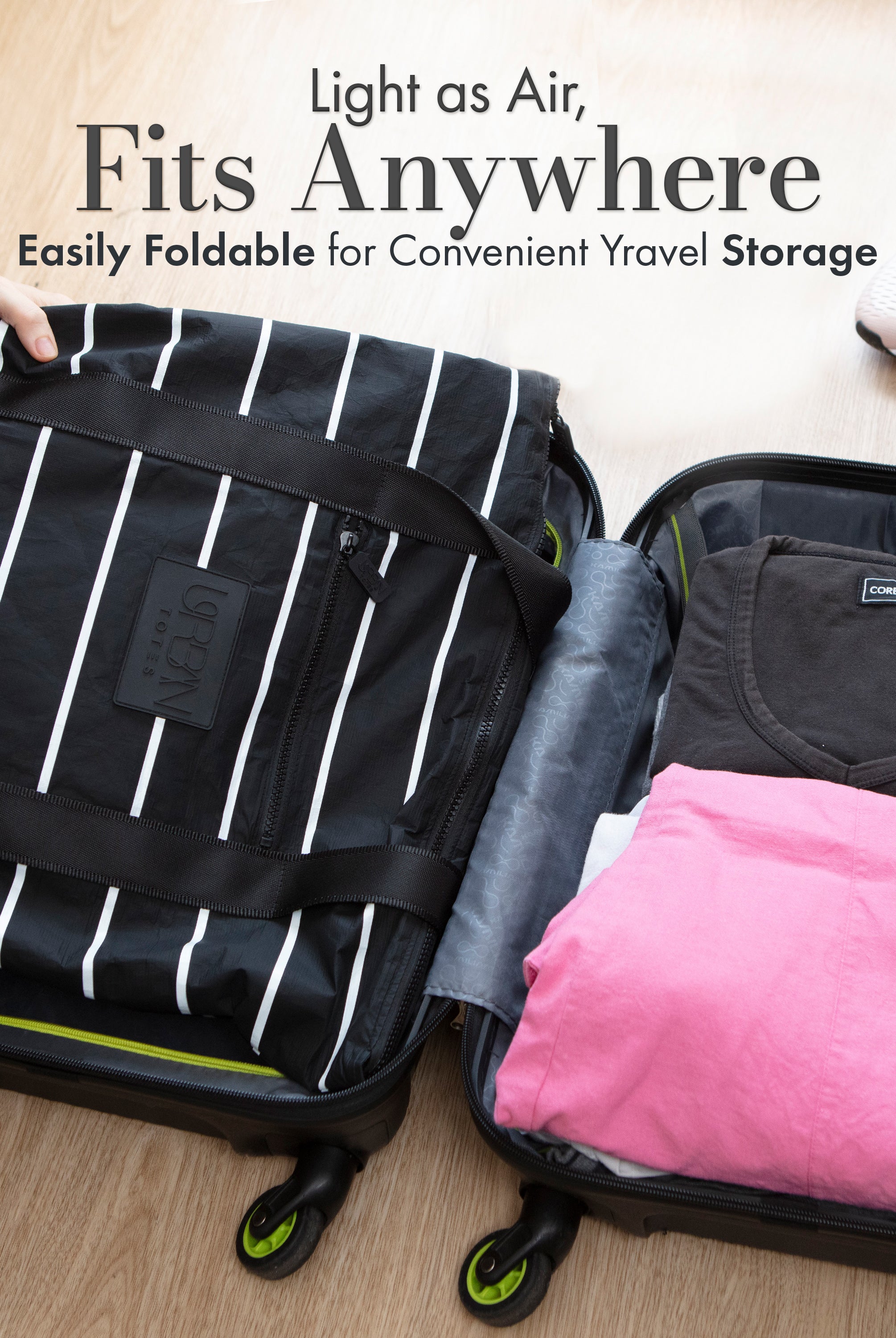
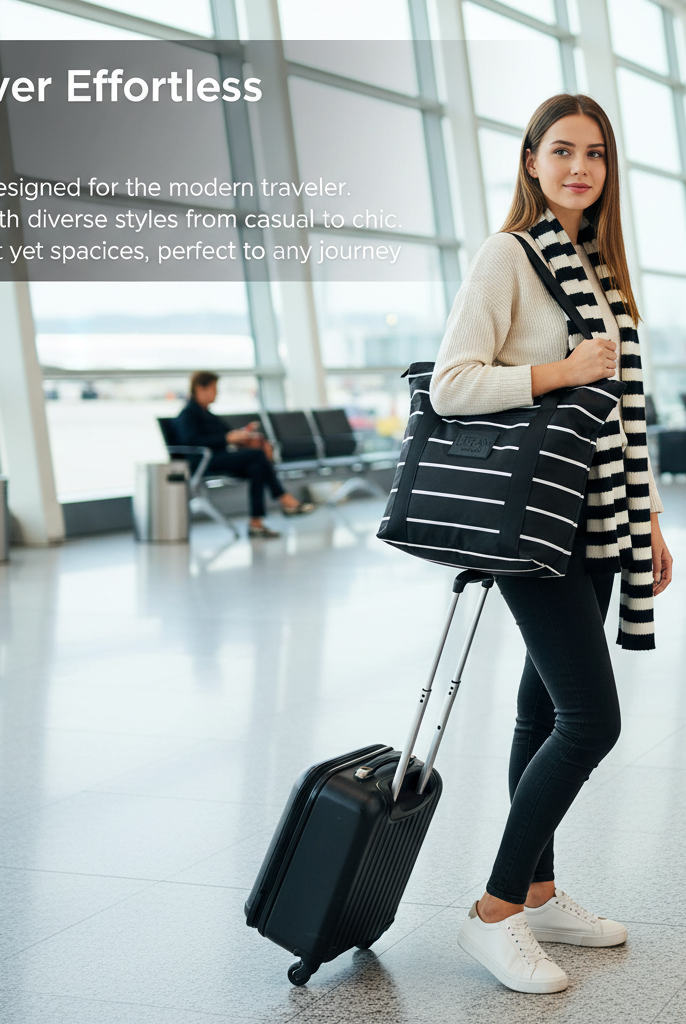
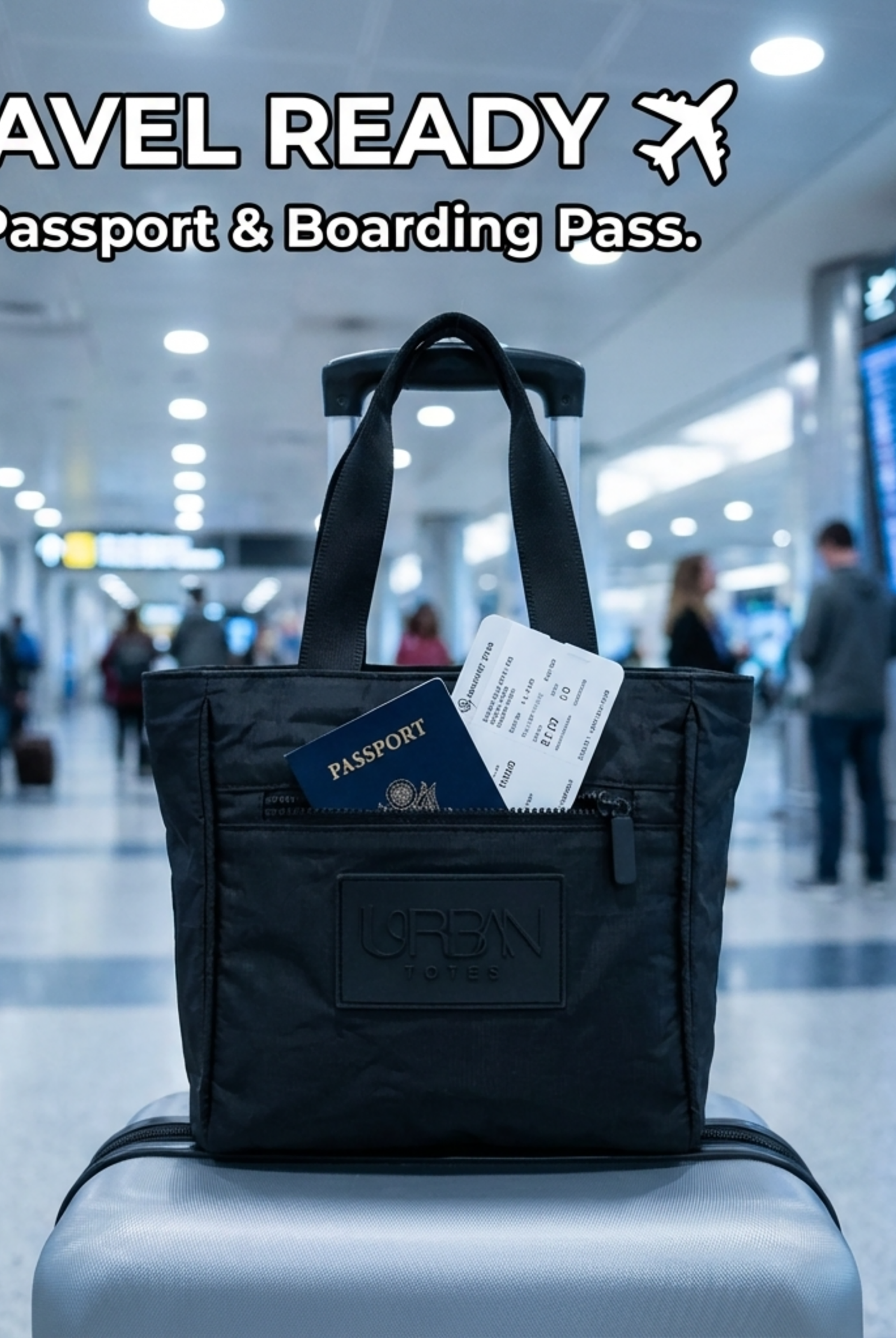
Liquids and a damp washcloth stay isolated in their own zippered compartment. Boarding pass and phone live in an easy outside zip you can open one-handed at the gate. The bag itself should be travel-ready and light enough to fold into a larger carry-on when you don't need it, then reappear as your day bag at the destination.
One wet zone, one dry zone, and a zipper you actually finished closing. That combination handles most real days.
A water-resistant everyday tote with real zipper compartments covers all three scenes comfortably. Save the roll-top dry bag for the trip where you genuinely expect the whole bag to go underwater.
Humidity Condensation and Damp Gear
A leak lets water in from outside. Trapped dampness is the opposite problem, and it's the one that surprises people, because the bag did its job and the contents still end up clammy. Blocking liquid and blocking moisture vapor are two separate abilities, and a bag can be good at the first while barely attempting the second.
Vapor Moves Where Splashes Cannot
Water vapor passes through many films and coated fabrics slowly, molecule by molecule, even when visible water beads off the surface. That's why a bag can survive a downpour and still leave contents feeling humid after days in a steamy climate. The measurement behind this is water-vapor transmission rate, and ASTM D6701-24 covers plastic and nonwoven barrier materials, including single- and multilayer polymer films and coated fabrics up to 3 millimeters thick, reporting both transmission rate and permeance.
In plain words, a low transmission number means a tighter vapor barrier and a high number means the wall breathes more. Neither number is a leak test, and neither tells you what happens when you seal wet things inside. That's where everyday trouble starts.
What Happens Inside a Sealed Damp Bag
Zip up a damp swimsuit, a post-workout shirt, or a beach towel and the moisture has nowhere to go. Leave that bag overnight in a warm car or a humid hotel bathroom and you get condensation on the inner walls, then odor, then mildew on fabric. A phone sharing that sealed, wet air faces corrosion risk it never would from a passing rain shower.
Temperature swings make it worse. Cold airport air followed by a hot car means droplets form on the inside face of the bag, even though nothing spilled and nothing leaked. The water came from the air and the damp contents you sealed in yourself. If humidity is your main enemy rather than rain, our notes on moisture-resistant bags dig into storage in damp climates.
The Air-It-Out Rule
- Wring and air first: Dry items, or at least wring and shake them out, before any long seal.
- Short trips only: Use the wet pocket for the ride home, then unzip and hang everything the same day.
- Plan an air stop: Isolating wet gear for hours is fine. Sealing it for a weekend is how smells are born.
- Keep claims separate: Waterproof doesn't mean food-safe, microwave-safe, or freezer-safe. Those are different promises needing their own evidence.
Treat the wet zone as a taxi, not a storage unit. It carries damp things from point A to point B, and then everybody gets out and airs out.
How to Clean and Store a Zip Bag
Sand, salt, and sunscreen end more zippers than storms do. This routine keeps the slider smooth and the coating working, and each step takes less time than finding your keys in an unorganized bag. Treat it as general guidance and follow the care label on your specific bag first, since instructions vary by product.
The Seven-Step Routine
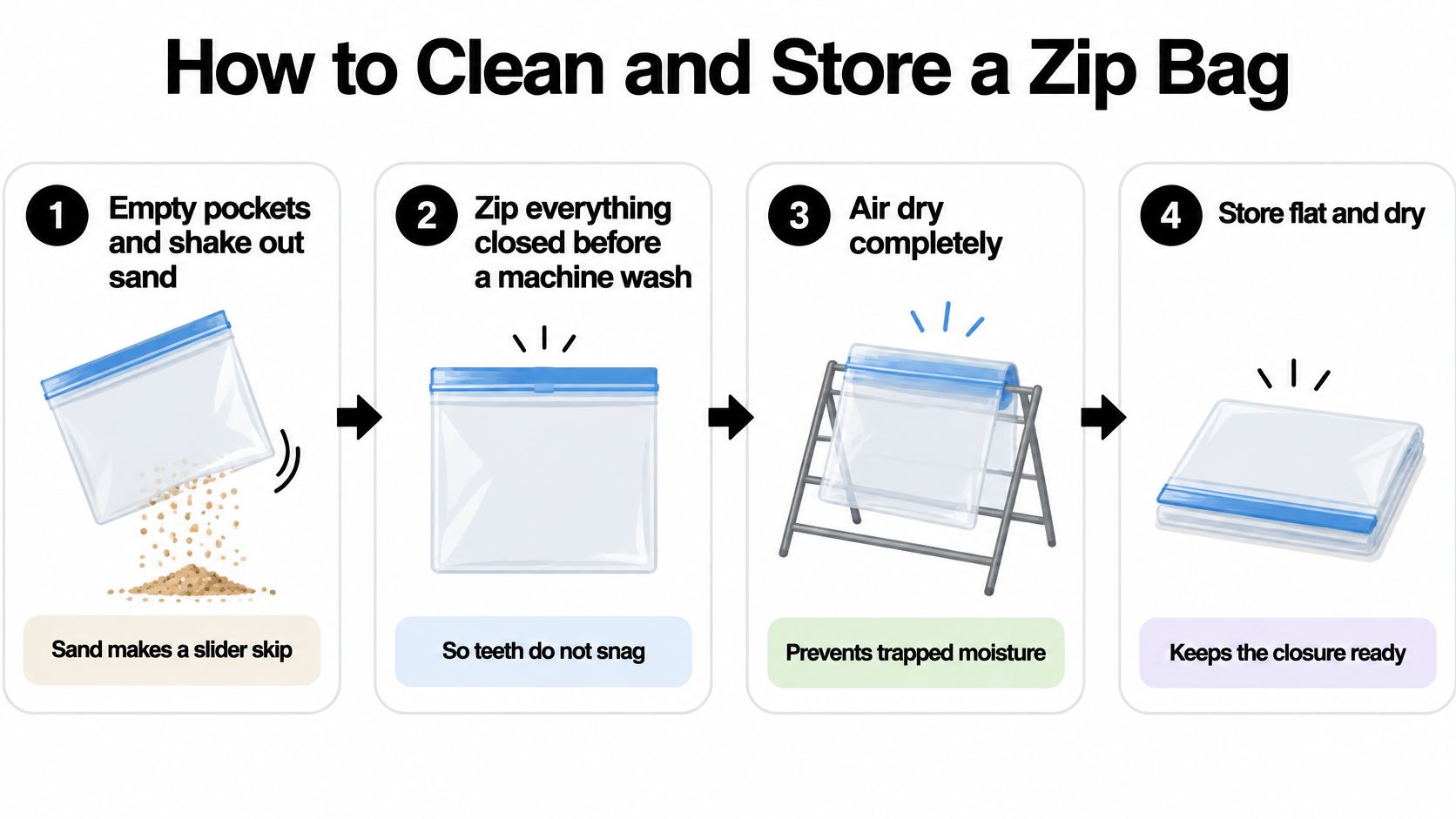
- Empty and shake: Turn out every pocket and shake out sand, because grit in the teeth is what makes a slider skip.
- Zip before washing: Close all zippers before a machine wash so teeth don't snag the drum or your other clothes.
- Gentle and cold: Use a gentle cycle with cold water. Skip bleach and fabric softener, which can leave a film on the coating.
- Wipe-only bags: If the label says wipe only, use a damp cloth with mild soap on the face and the track, then rinse soap out of the teeth so it doesn't attract fresh grit.
- Air-dry fully: Leave zippers open slightly and dry the bag completely, away from direct high heat, before folding it away.
- Test the slider: Once dry, run each slider the full length once. You'll feel leftover grit now instead of at the beach.
- Store unzipped and dry: Keep it in a dry closet, not crumpled in a damp trunk where trapped moisture goes to work.
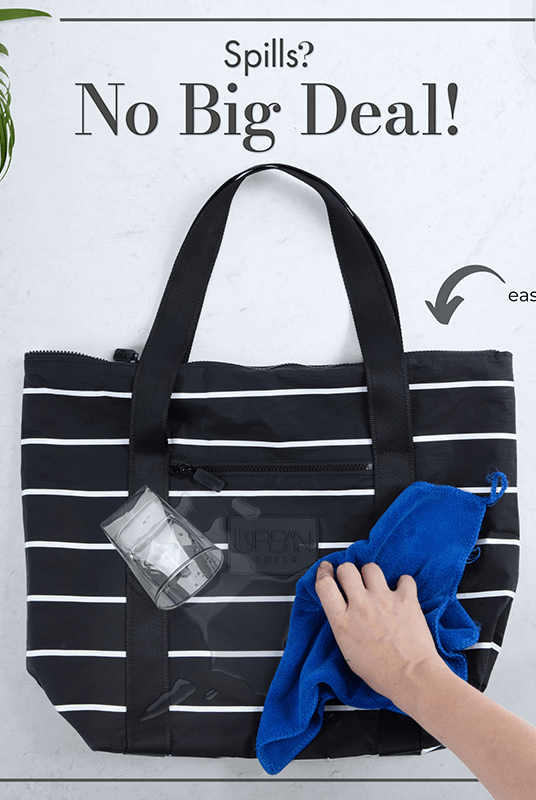
Our OG Zipper Tote Bag can be wiped clean or put in the washing machine, but check your own bag's label rather than assuming. Step-by-step photos live in our full cleaning guide for waterproof bags if you want them.
Three Messes That Need Same-Day Attention
Salt from a beach day needs a freshwater wipe that same evening, because dried salt crystals are abrasive and they hold moisture against metal parts. Lotion and sunscreen leave a slick film that grabs sand and carries it straight into the zipper teeth. Spills inside are easiest to catch on a light interior, one more reason a white lining is practical rather than precious.
You'll know the routine worked by feel. The slider moves in one smooth pull, end to end, with no gritty hesitation. Run the paper towel check after a quick rinse and it comes out dry. That's a durable, cared-for bag that's ready for the next wet errand.
Choose the Zip Bag That Matches Your Day
Start with the checklist, then find your week in it. The right waterproof zip bag is the one whose weakest point still handles your messiest regular hour.
| Check | Look for | Insist if you |
|---|---|---|
| Water claim | Water-resistant for daily splashes, or a tested waterproof bag only if you submerge it | Carry a phone in rain |
| Closure | Zipper that reaches the end of the track, ideally on every main compartment | Toss the bag in a wet car |
| Wet versus dry split | A side or outer pocket apart from the main cavity | Do beach or gym days |
| Carry | Lightweight, foldable, packable, with a strap you can wear all day | Travel or commute |
| Care | Wipe clean or machine wash on a gentle cold cycle | Live with sand, lotion, or spills |
Match the Row to Your Week
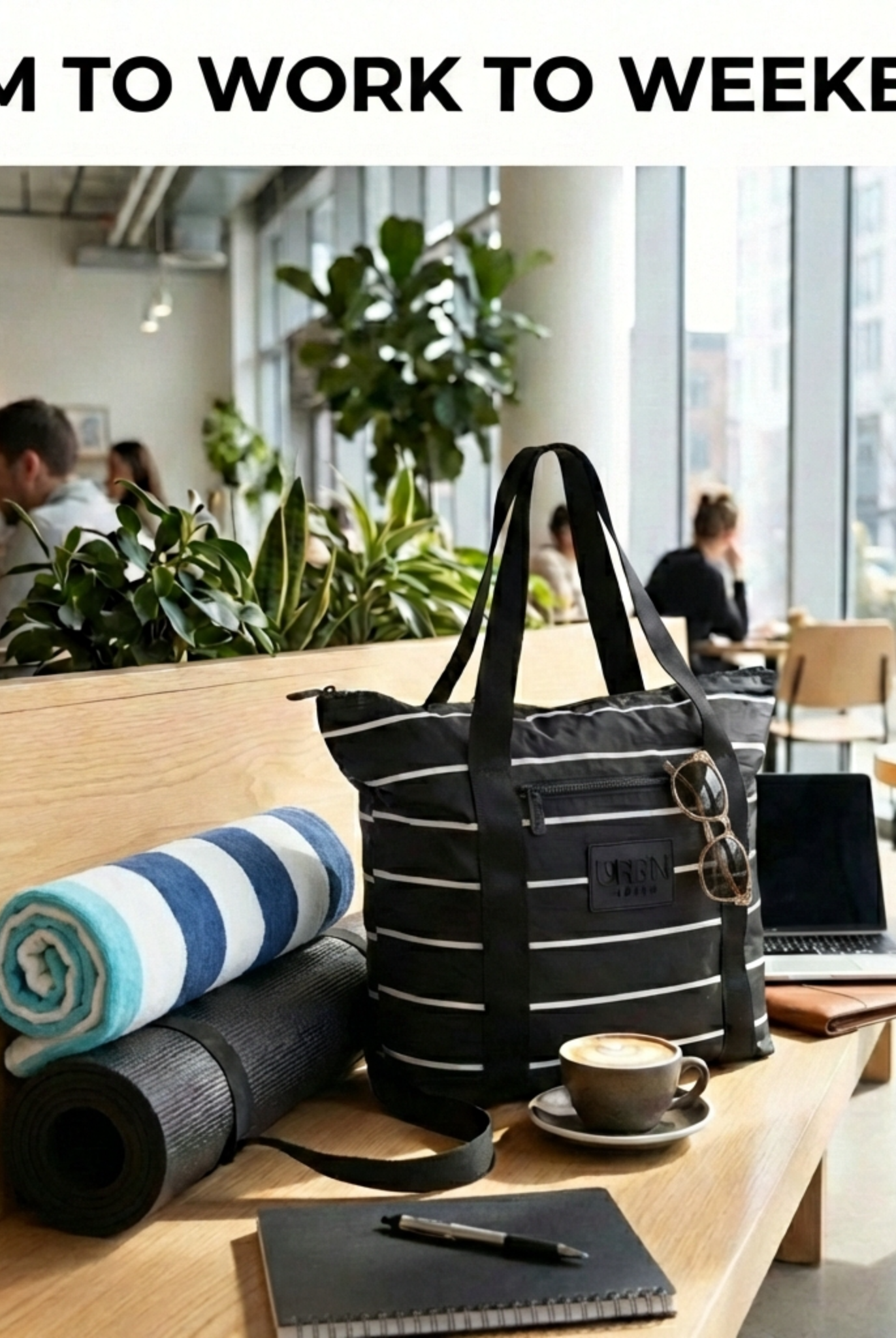
For commuter and errand days, you want water-resistant coated fabric, a full-track zipper on the main compartment, and a front pocket where phone and keys live apart from everything else. Beach and gym days hinge on the wet-dry split, so a separate side or outer pocket matters more than any rating. Travel asks for lightweight, foldable, and packable, with zipper closures on every compartment that holds liquids.
Skip the full dry-bag shape if you'll never submerge it. The extra seals add bulk you'll carry daily and use never. If a trip puts your bag in the water, this guide to choosing a dry bag for Kona adventures shows what that purpose-built category looks like, and it's a useful contrast with an everyday tote.
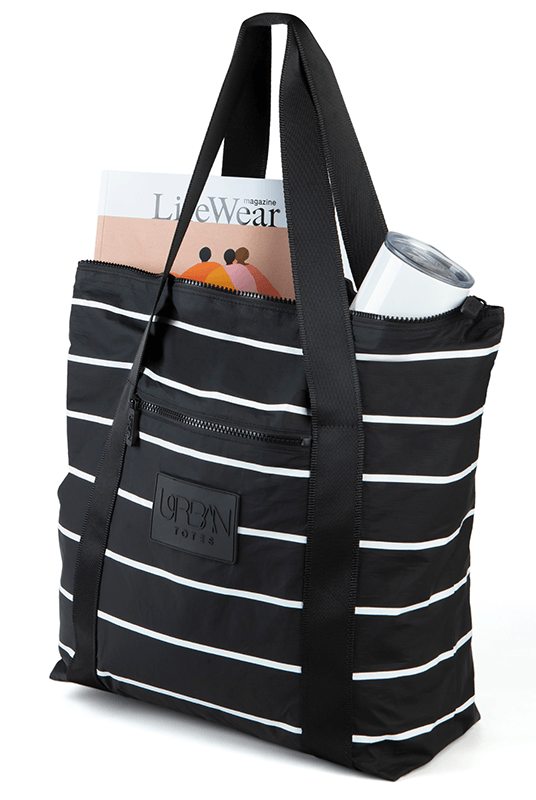
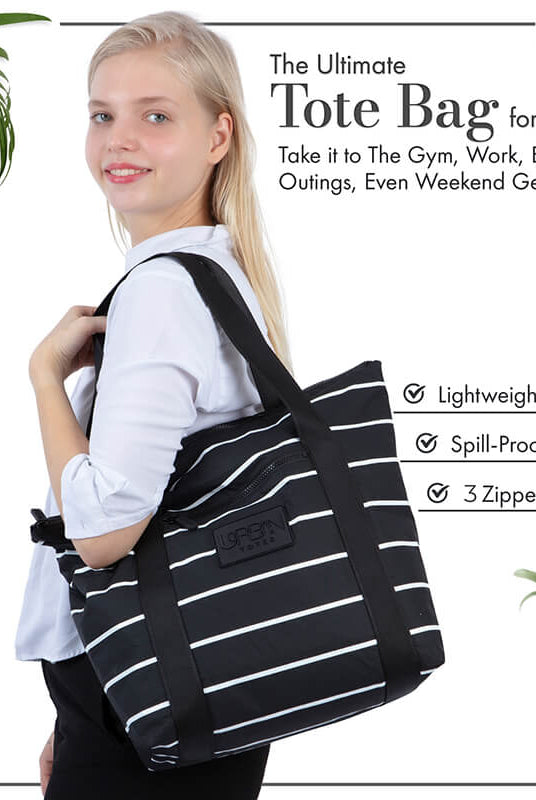
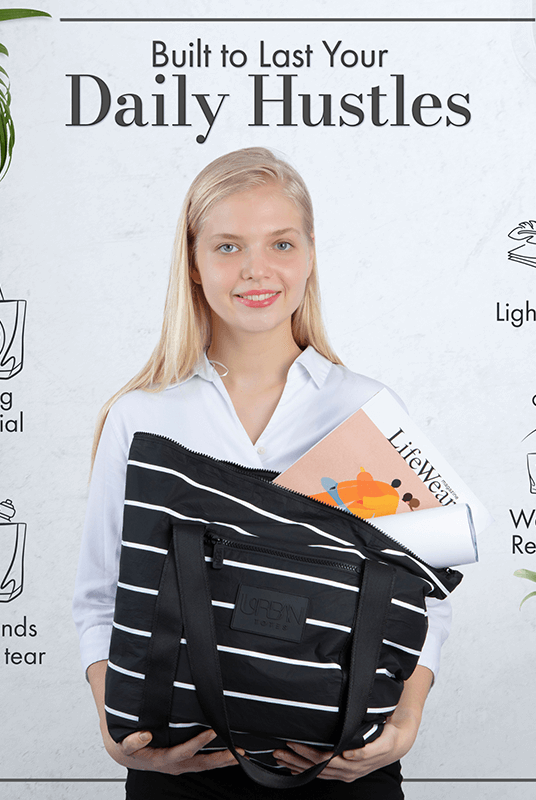
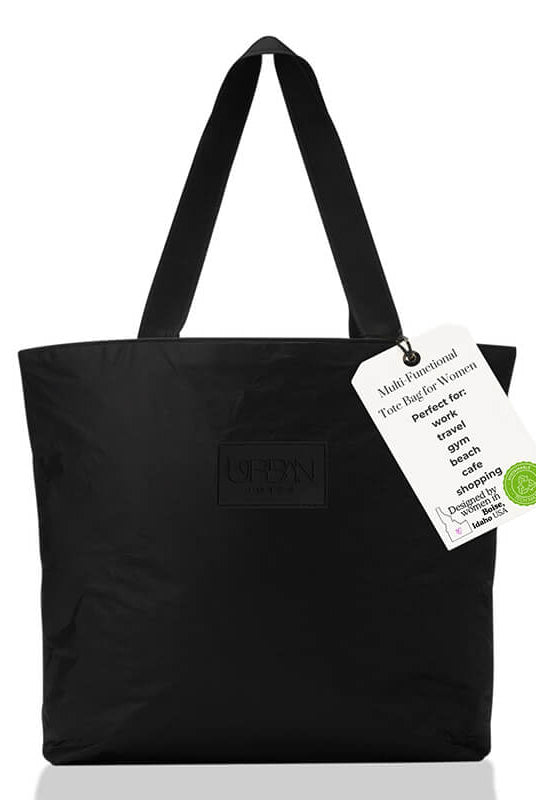
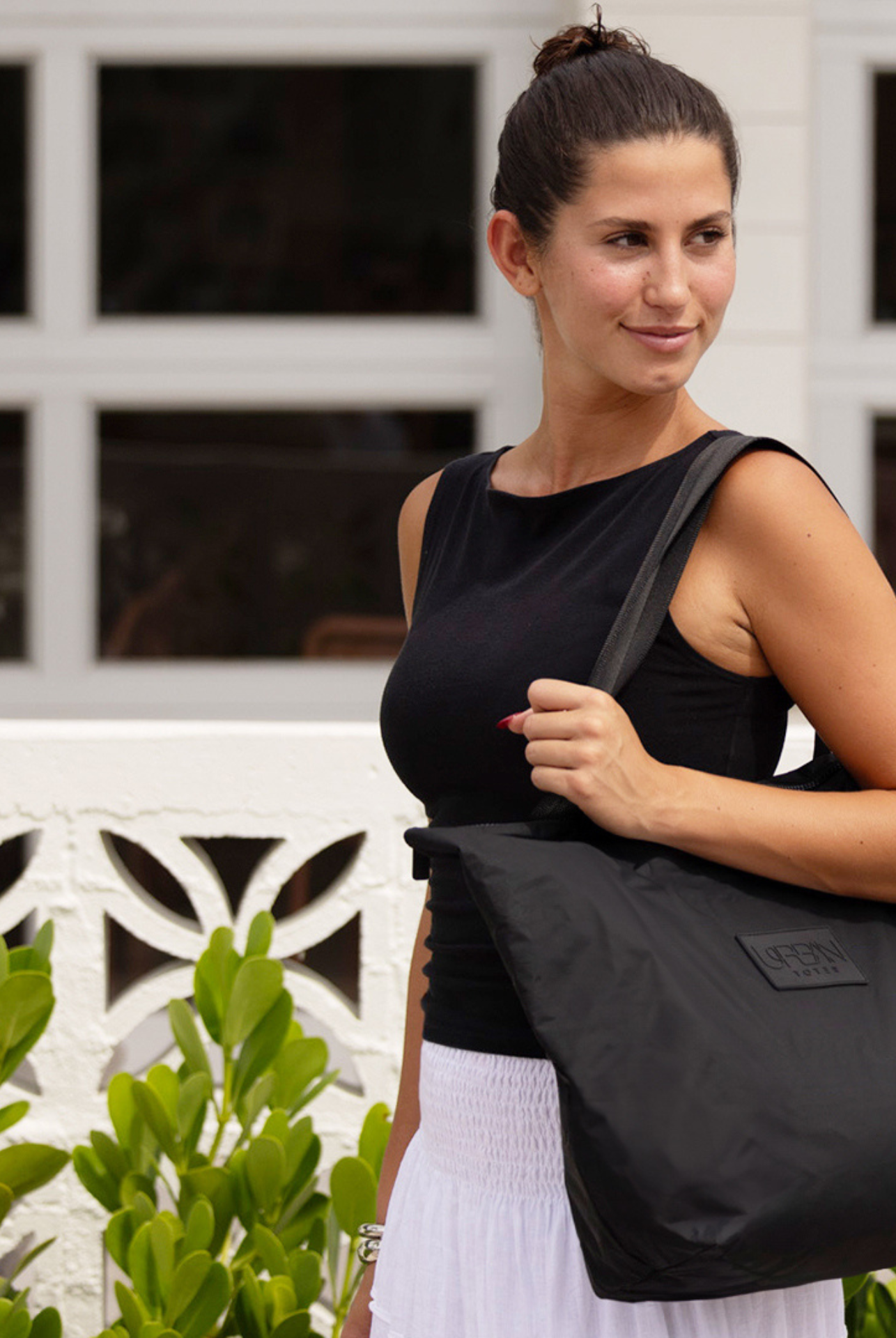
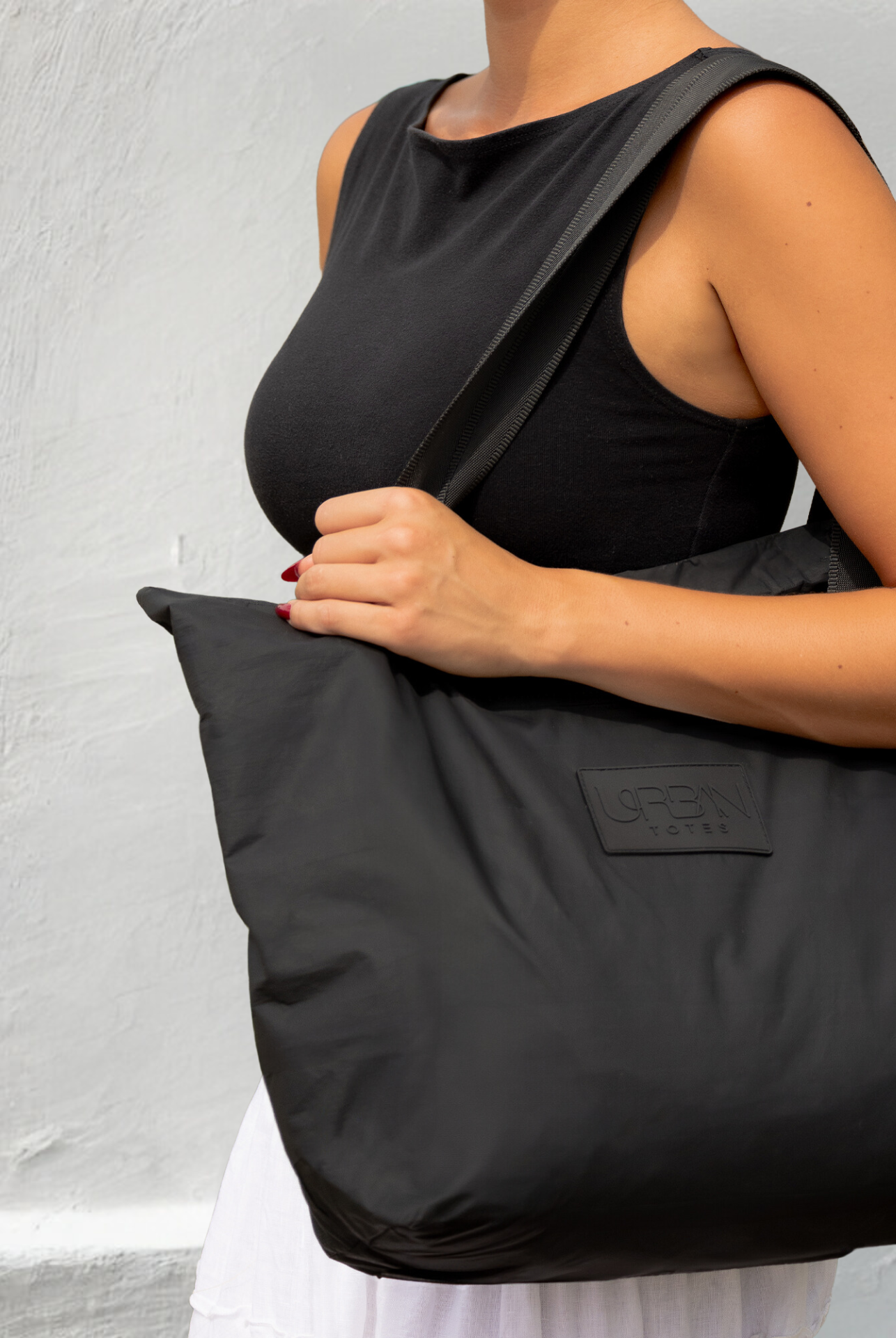
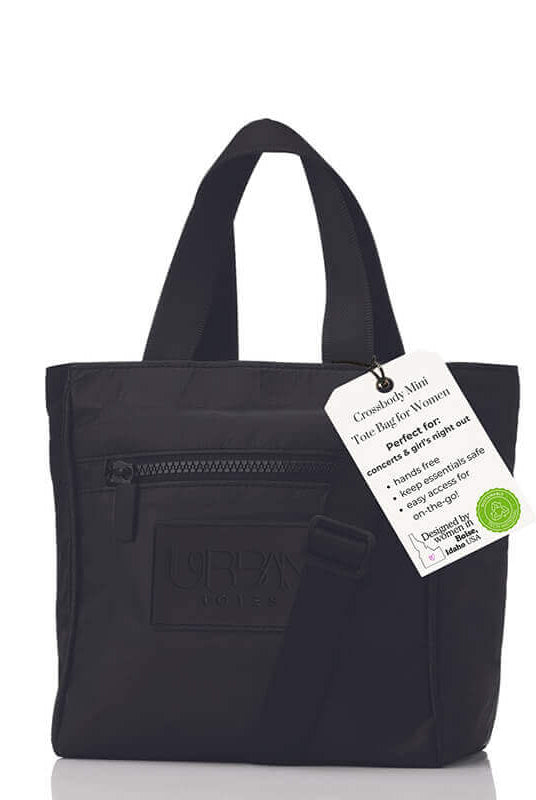
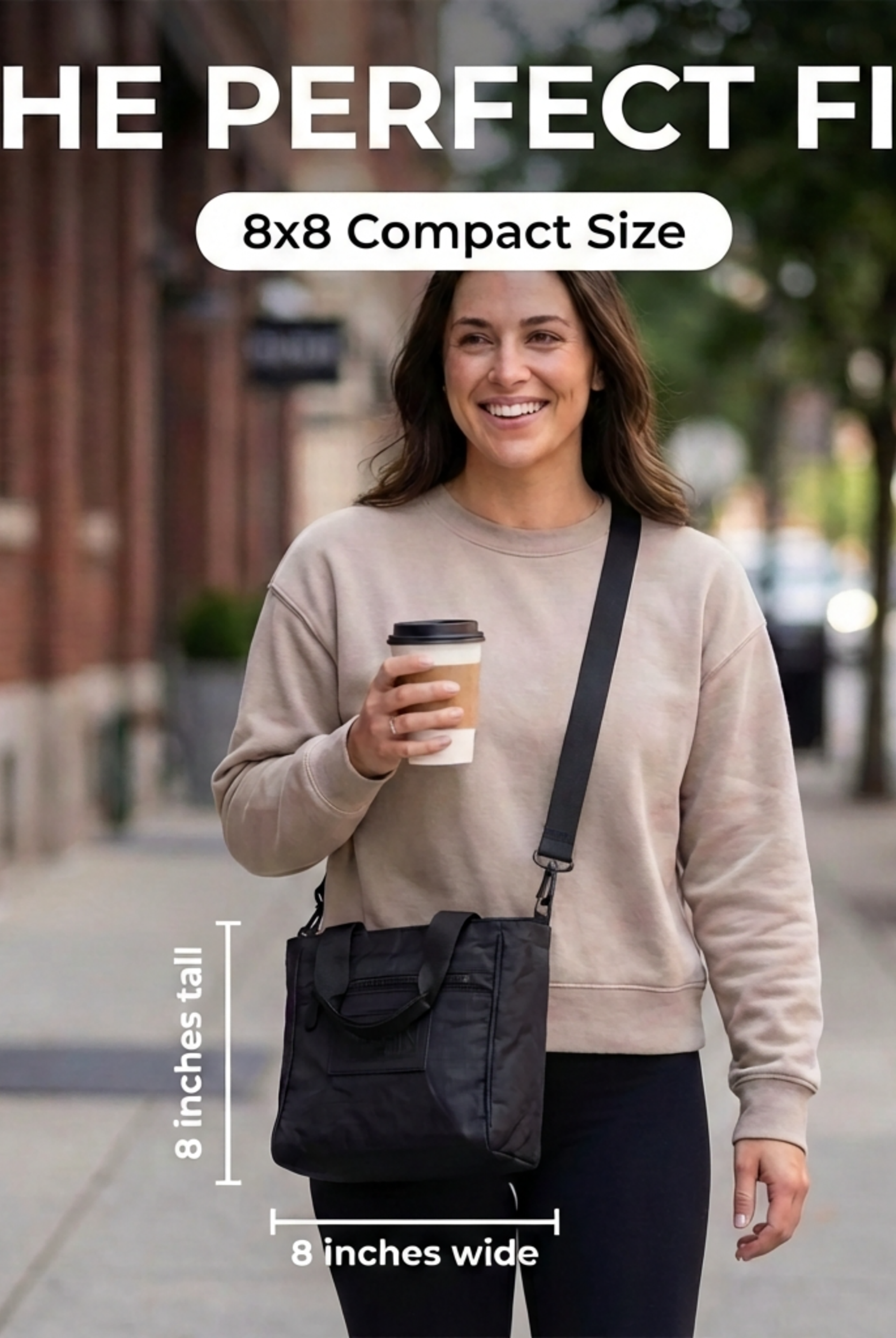
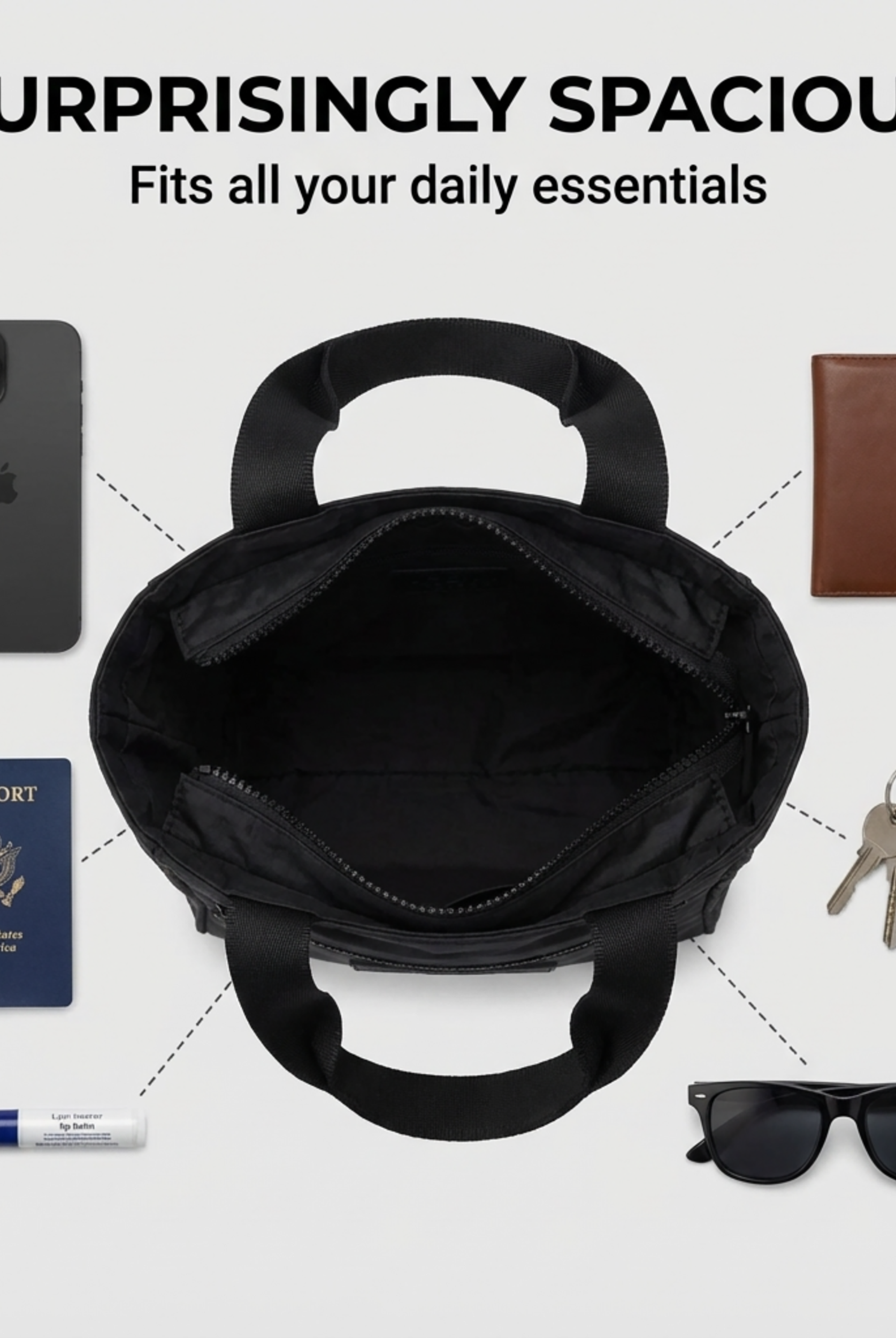
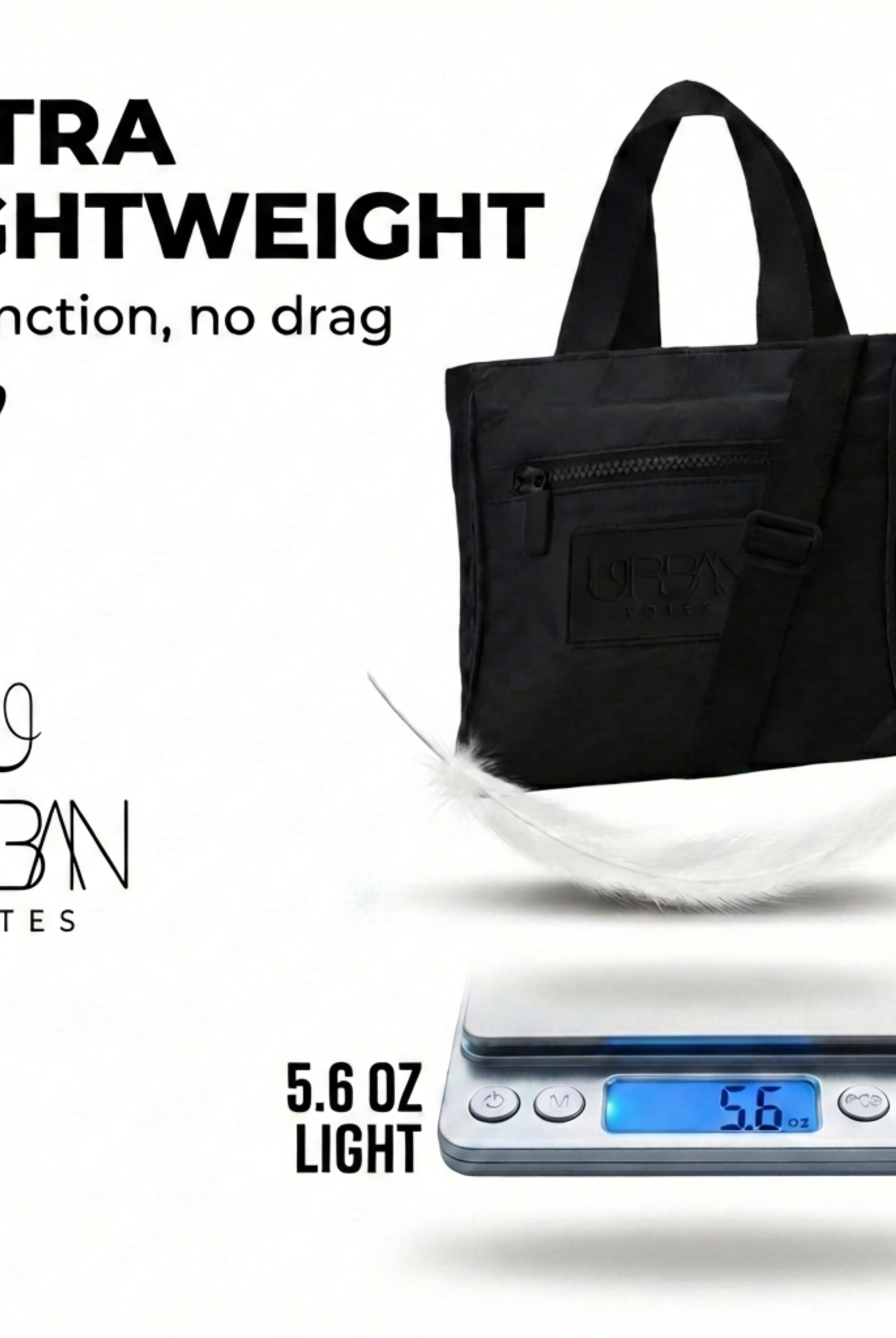
Urban Totes is a woman-owned, Boise-made brand, and we design for the everyday column of that table. The Go Anywhere Day Trip Tote Bag by Urban Totes has three large zippered compartments with specific pockets for an iPhone and keys, zipper closures on all compartments, and water-resistant materials in a packable, foldable build. Our OG Zipper Tote Bag is likewise lightweight, foldable and packable, and water-resistant. That's coverage for drizzle, pool decks, and drop-off downpours. It is not a promise of hours underwater, and we'll never dress it up as one.
Check the care label on any bag you buy and follow it, since wipe-clean and machine-wash guidance varies. Then run the paper towel check at your own sink before the first rainy commute. When you're ready to find your perfect go-anywhere bag, you'll know exactly which water events you're buying protection against, and that's the whole point. Go Anywhere. Tote Everything.
We built Urban Totes for days that don't check the forecast first, with water-resistant, lightweight, packable totes, thoughtful multi-pocket organization, and secure zipper closures for commuting, beach days, gym runs, and travel. If you want an organized, versatile everyday carry that handles splashes and surprises in style, visit Urban Totes and shop the full collection to take on whatever the day brings.