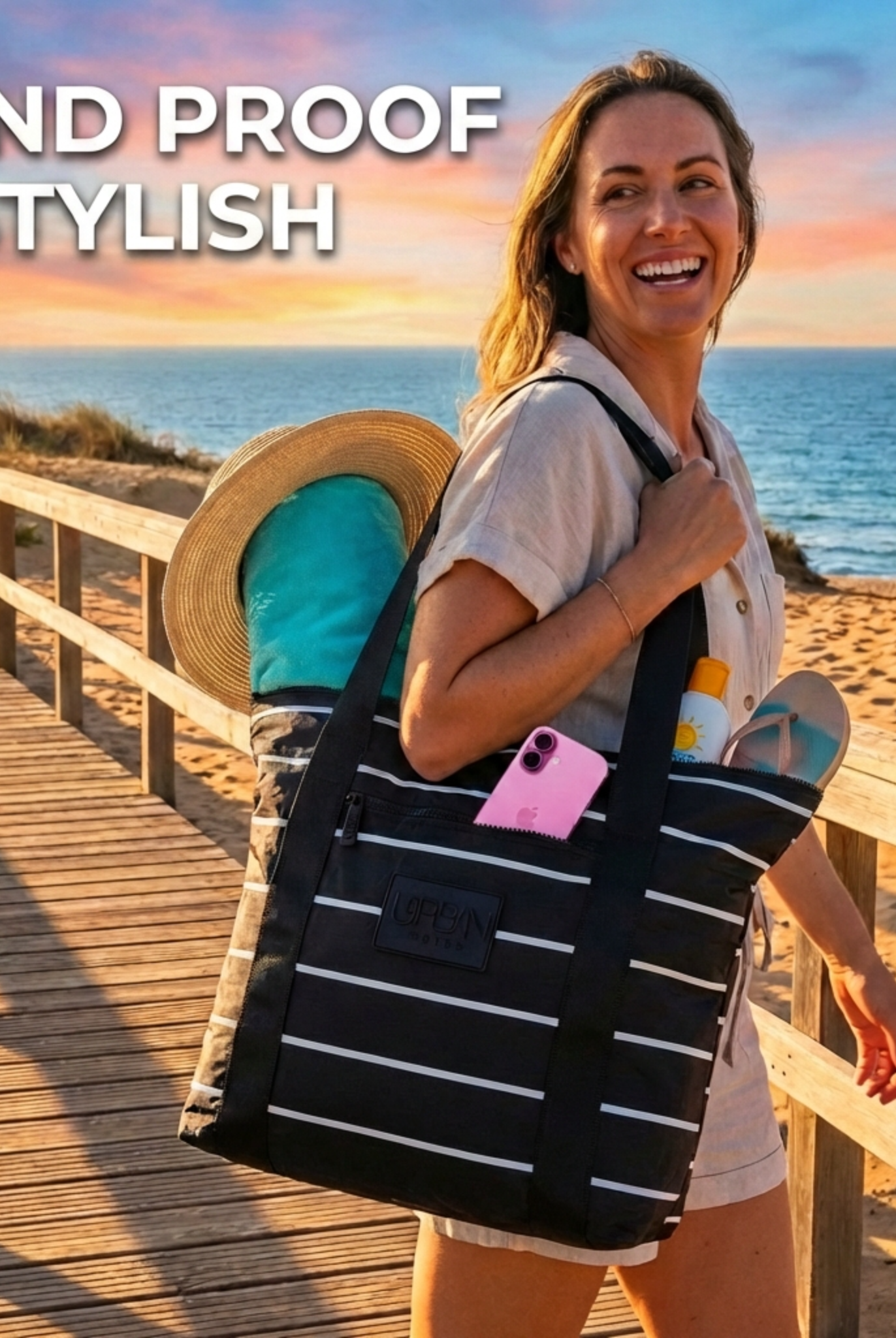
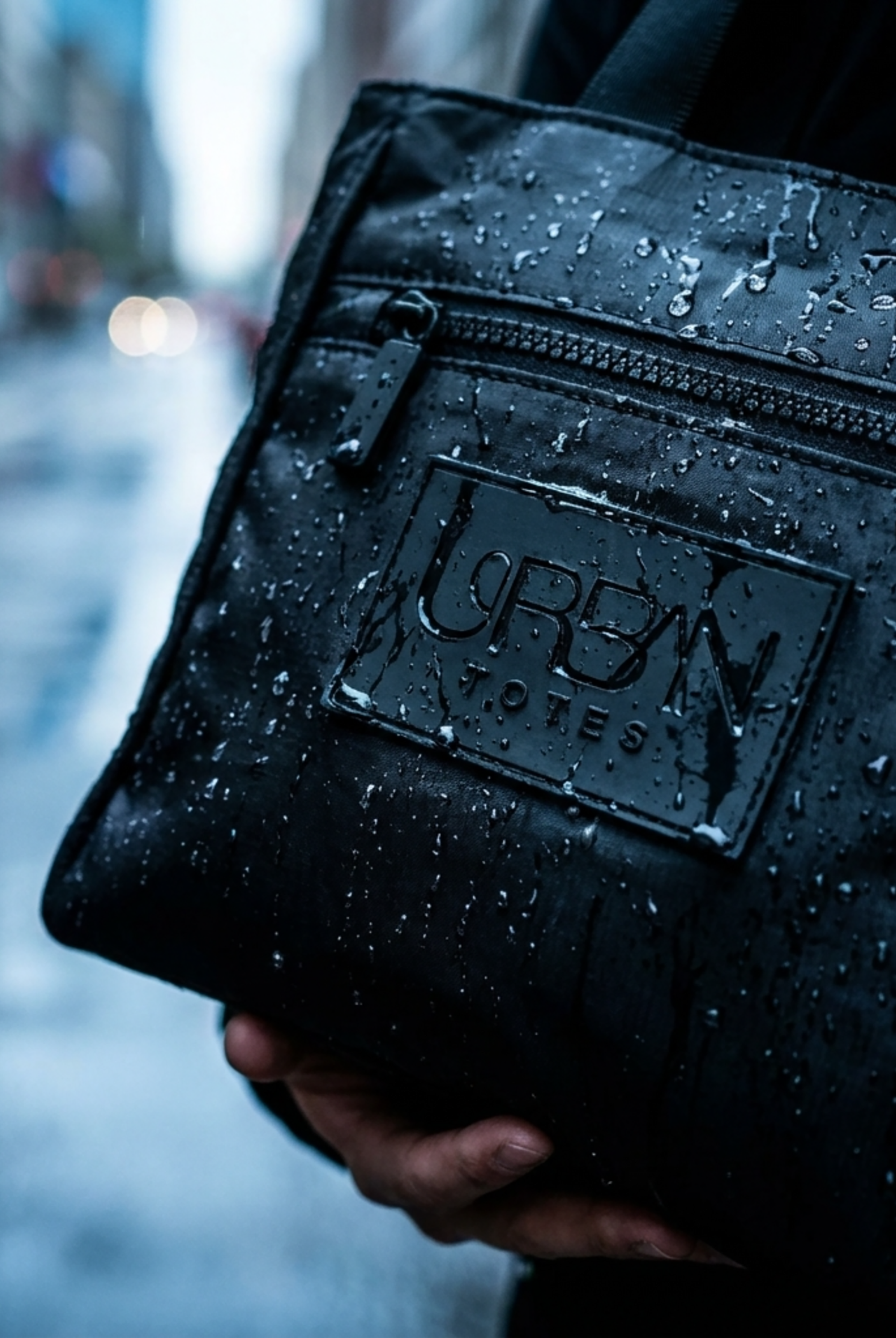
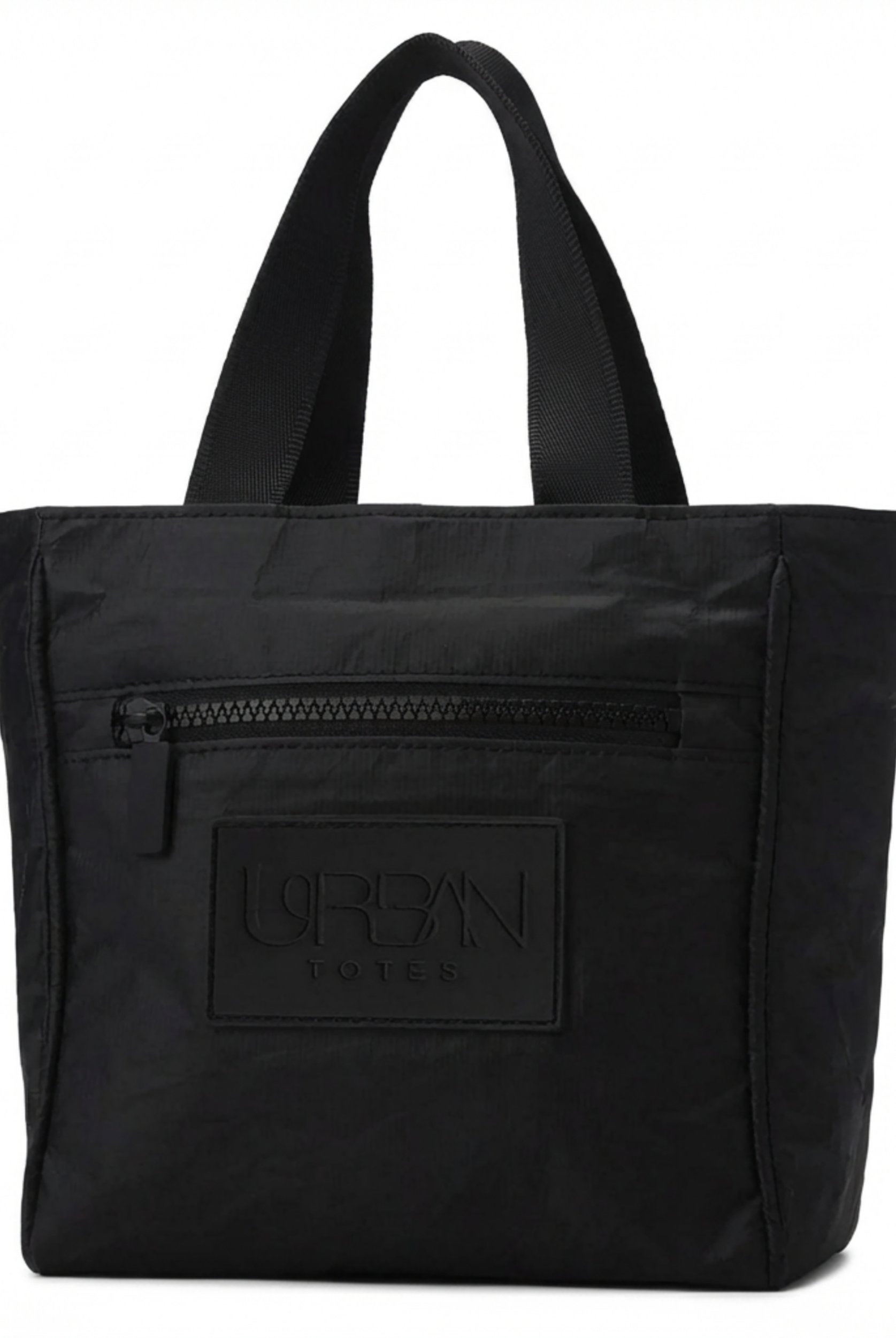
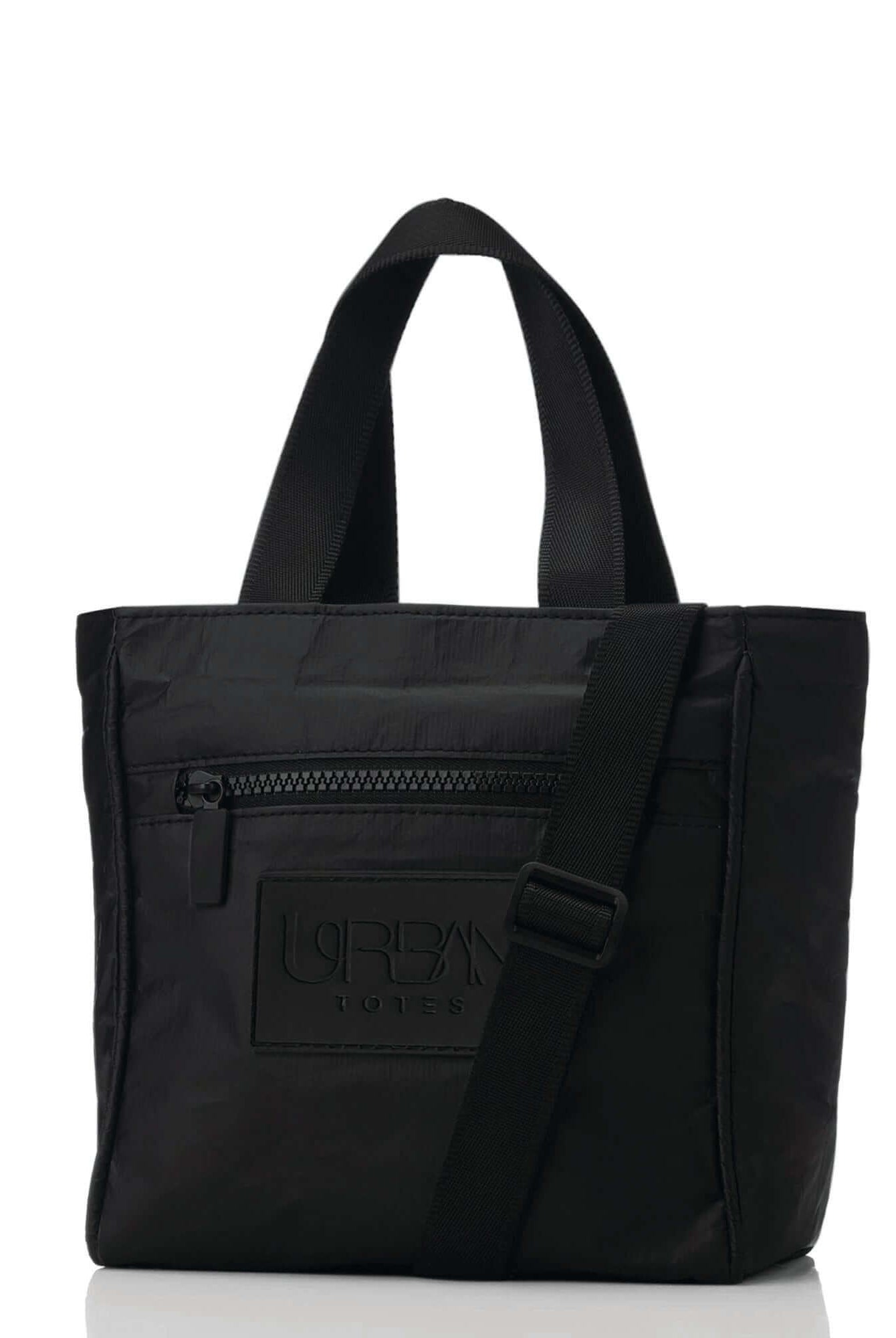
Sunscreen has rubbed onto the strap, sand has settled into the base, and there's a snack smear beside the zipper from school pickup. After a farmers-market drizzle on the walk to the car, your bag looks ready for a wash. You just don't want the cleanup to leave it stiff, dull, or less able to shrug off the next spill.
Table of Contents
- What a Messy Waterproof Bag Really Needs
- Cleaners That Protect the Water-Resistant Finish
- How to Hand Clean the Bag Step by Step
- Stains Sweat and the Rare Disinfectant Case
- Dry the Bag and Bring Back the Beading
- Pick a Bag You Can Wipe Clean Tomorrow
What a Messy Waterproof Bag Really Needs
The safest answer to how to clean a waterproof bag starts with its construction, not its marketing description. A bag that sheds rain on the outside may still have padding, lining, adhesives, or zipper openings that shouldn't stay wet.
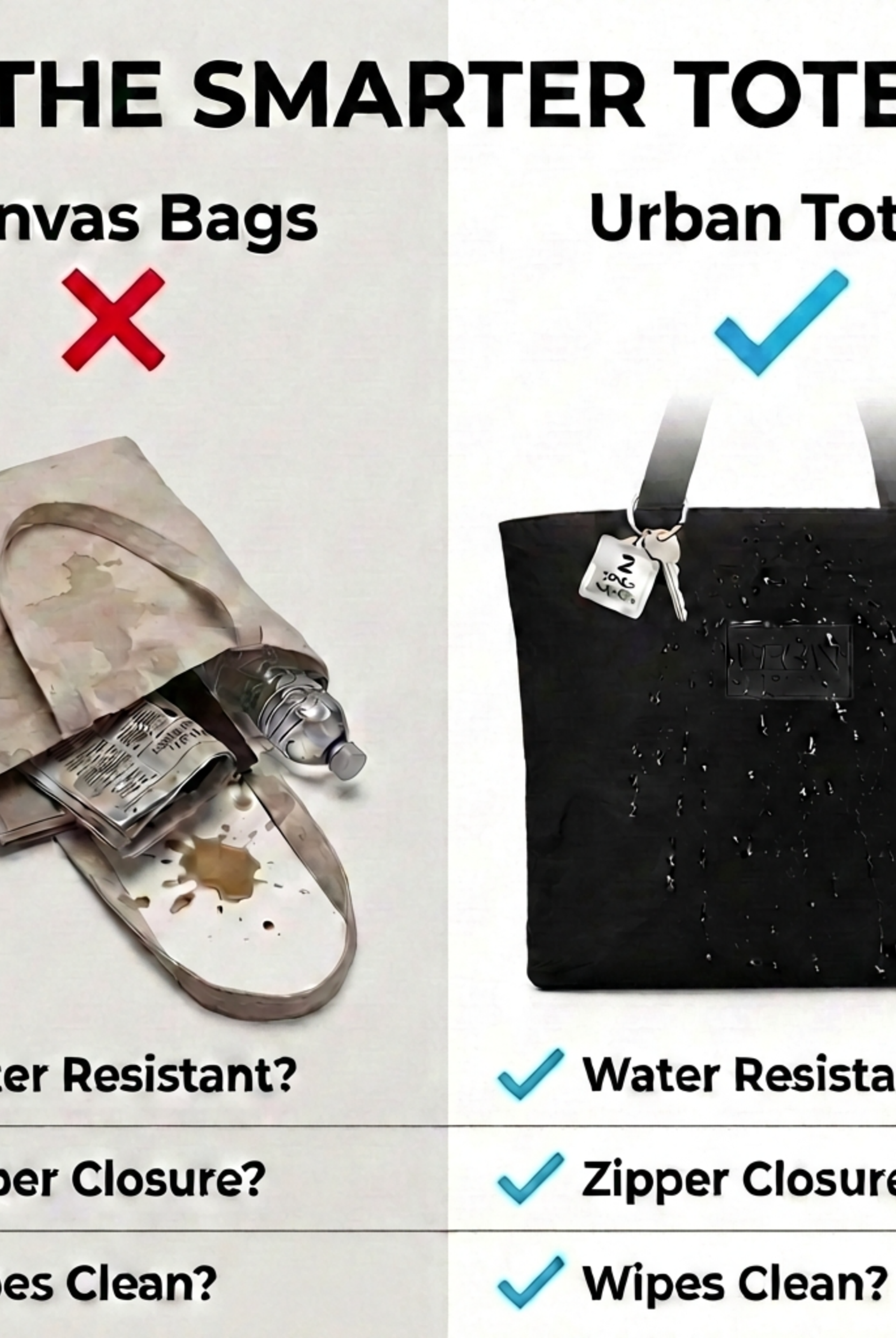
Water-resistant isn't the same as waterproof, and neither term automatically means machine-washable. Water-resistant fabric helps shed rain and spills; it doesn't promise protection during immersion. Our guide to water-resistant versus waterproof bags explains that distinction for everyday carry.
Look beyond the outer fabric
You might be holding nylon or polyester backed with polyurethane or TPU, finished with a surface treatment, and assembled with seam tape, foam, and printed details. Even a waterproof zipper needs different handling from a plain fabric panel.
That mixed construction explains why a bag can look perfectly dry outside while moisture lingers beneath its lining. It also explains why a cleaner that suits the shell might discolor a strap or printed logo.
Practical rule: Treat the bag as a collection of materials, not a single washable sheet.
Read the care label before opening the detergent. Its directions override general advice on water temperature, immersion, brushing, machine washing, and drying.
Match the cleanup to the mess
A sandy base needs loose debris removed first. A sunscreen mark needs localized cleaning, while a sticky lining may need a more thorough hand wipe. None automatically calls for a sink full of water.
Keep the job modest: choose a compatible cleaner, wipe gently, remove residue, and let the bag dry completely. Then check its surface beading separately from its seams and zipper. A soft cloth and mild soap will usually serve you better than a determined scrub.
Cleaners That Protect the Water-Resistant Finish
Choose your cleaner before wetting the bag. The default is a small amount of liquid detergent made for waterproof or technical fabric, diluted in lukewarm water and applied with a soft cloth.
Cleaners for a waterproof or water-resistant bag
| Product | Use it? | Effect on the finish |
|---|---|---|
| Mild liquid detergent or technical-fabric wash | Yes, a small amount in lukewarm water | Lifts soil; rinse until no film remains so beading can return |
| Gentle powder made for waterproof gear | Only if the care label allows it | Acceptable for some technical fabric; ordinary harsh powders are not |
| Fabric softener | No | Leaves a coating that weakens water beading |
| Chlorine bleach | No | Can fade color and damage the water-resistant finish |
| Stain removers and optical brighteners | No | Linked to finish damage and color change on technical fabrics |
| Heavily fragranced cleaner | No | Residue can attract more soil |
| Alcohol-free wipe | Yes, for a light surface wipe | Useful on sunscreen or a small spill; not a deep clean |
| Household disinfectant | Only after cleaning, and only if the label lists that fabric | Must stay wet for the full labeled contact time; waterproof is not chemical-proof |
Less agitation is a better starting point
Skip routine machine washing when a damp cloth will do. A 2025 textile study found nylon released about 225.12 ± 30 mg of microfibers per kilogram per wash, with longer washing and detergent combinations increasing release; a laundry ball increased shedding by 10–60% in tested fabrics.
A laundry ball isn't a protective shield, and a laundry bag doesn't make an otherwise unsuitable wash appropriate. Hand cleaning also needs restraint: scrubbing, wringing, and concentrated pressure can release fibers and stress laminated panels.
For a nylon shell, our nylon bag cleaning guide offers material-specific care. Start gently rather than trying to erase every mark in a single pass.
How to Hand Clean the Bag Step by Step
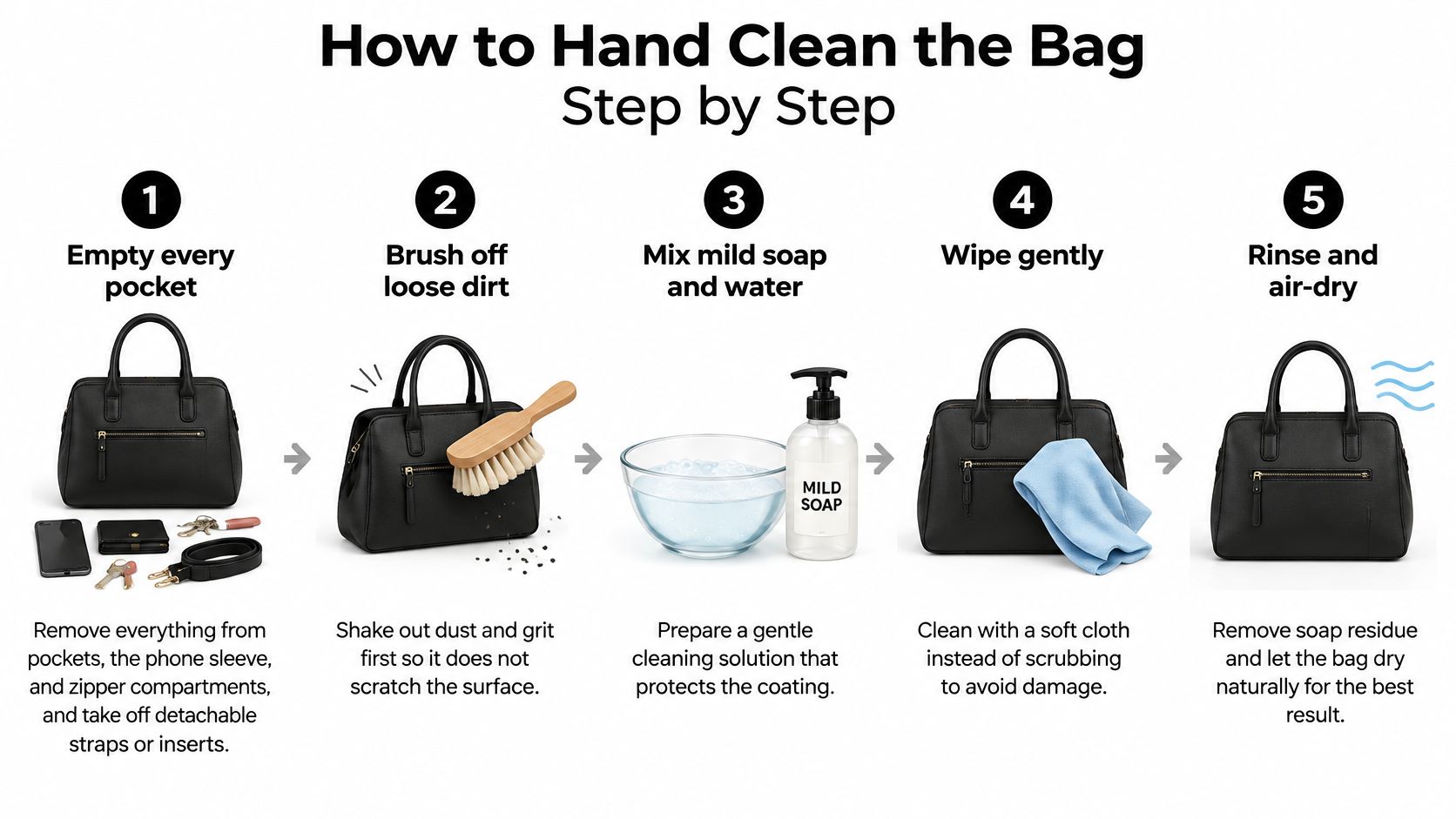
Set out a basin for your cleaning solution, a soft cloth, a separate rinsing cloth, and a dry towel. You're using the basin to wet the cloth, not automatically to submerge the bag.
This visual keeps the basic sequence handy.
Prepare before adding water
- Empty every compartment and remove detachable pieces. Check the phone sleeve, zipper compartments, and small interior pockets for receipts, lip balm, and crumbs. Take off detachable straps or inserts so you can reach their attachment points without tugging on wet fabric. Leave fixed panels in place rather than forcing them out.
- Shake out loose sand, then vacuum what remains with a low-suction upholstery attachment. Support the bag with your hand and ease into corners without sharply bending coated seams. Removing grit first keeps you from dragging abrasive particles across the finish when you wipe.
- Spot-test your diluted cleaner on a hidden corner. Use the same cloth and light pressure you intend to use elsewhere, then let the test area dry. Check for color transfer, a pale patch, tackiness, or a change in texture. If anything changes, stop and choose a cleaner expressly suitable for that material.
Clean without saturating the layers
- Wipe the exterior with lukewarm water and a small amount of mild technical-fabric detergent. Wring the cloth until it's damp rather than dripping, support the panel from behind, and work in manageable areas. Use a nonabrasive brush only where the label permits it, with featherlight pressure around stitching and trim. A barely sudsy solution is easier to remove than a thick foam.
- Clean the lining with the same controlled approach. Lift accessible lining away from the shell without stretching it, then wipe pocket bottoms and food marks. Keep water out of foam, stiffeners, and unsealed seams. If a padded component is neoprene, use the material-specific precautions in our neoprene cleaning guide rather than assuming its care matches the surrounding fabric.
- Switch to a clean, damp cloth and remove the detergent. Rinse the cloth frequently so you're lifting soap away instead of redistributing it. Continue until the surface no longer feels slippery and no visible film remains. Leftover detergent can attract dirt and interfere with water repellency, so this isn't a step to rush.
- Leave every pocket open and keep immersion off the menu unless expressly allowed. Don't add bleach, fabric softener, stain remover, optical brighteners, or fragrance in pursuit of a fresher smell. The technical product-care guidance identifies unsuitable additives as potential causes of finish damage and color changes. If a panel looks sticky, flaky, or separated from its backing, stop cleaning that area rather than scrubbing harder.
Treat the washer as an exception
- Use a washing machine only when the bag's own label permits it, and follow that label's settings first. For compatible construction, the technical outerwear care instructions specify approximately 105°F (40°C), a small amount of liquid detergent, two rinses, and minimal spinning, while prohibiting powder detergent, softener, stain remover, and bleach. Those are textile-care settings, not blanket permission to wash every bag; a lower temperature or different method on your bag's label wins.
Don't twist the bag to force water out after either method. Press accessible damp surfaces gently with the towel, taking care not to crush structured panels.
The bag isn't finished just because the marks have disappeared. It needs a full dry before you judge its finish, close its pockets, or return it to the closet.
Stains Sweat and the Rare Disinfectant Case
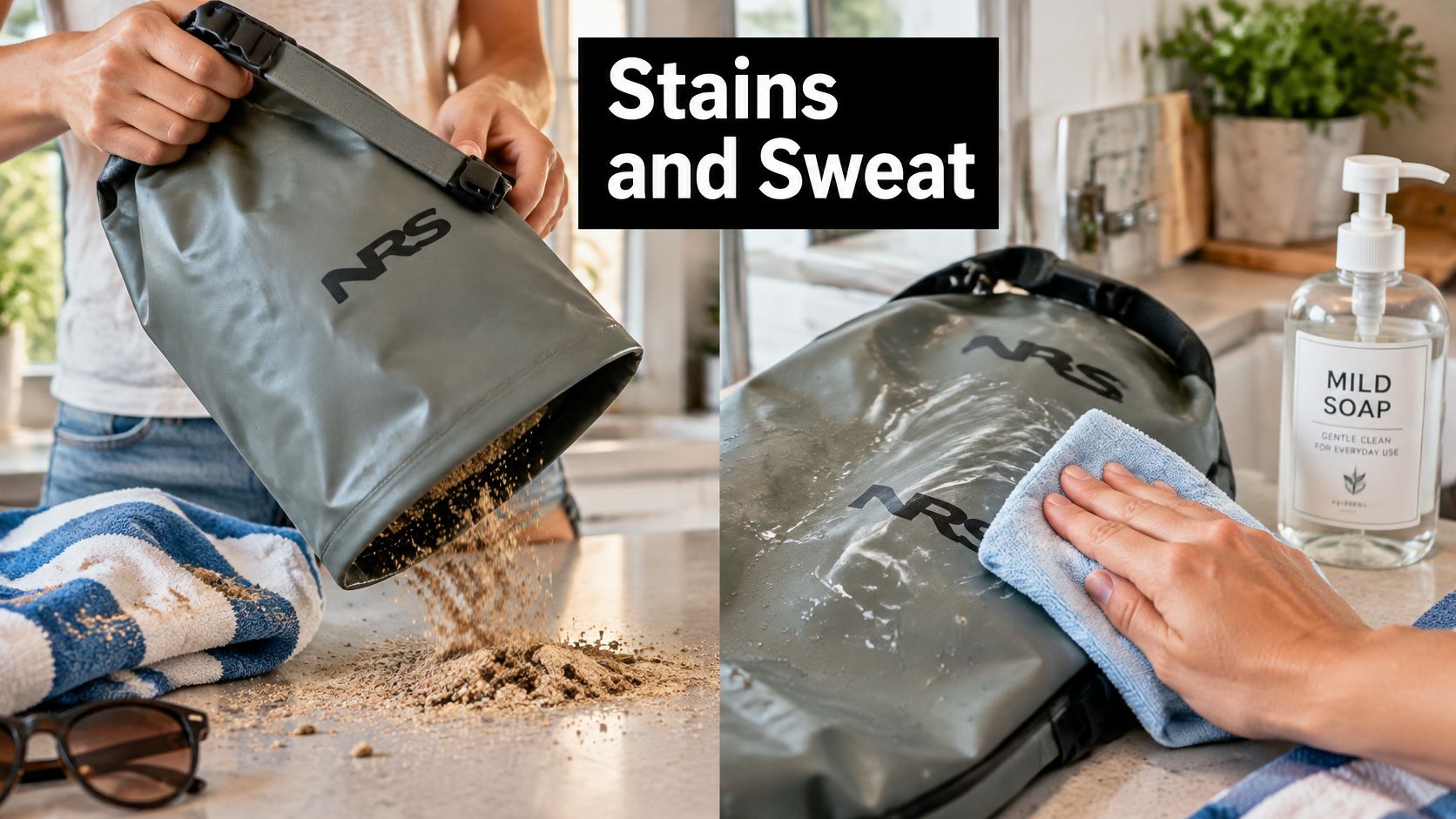
The mess usually tells you where to start. A sandy pocket needs a dry first move; a juice-box leak needs blotting before it spreads into the lining.
Bag messes and the fix that stays on the fabric
| Mess | First move | Do not |
|---|---|---|
| Sand or crumbs | Shake or vacuum, then a damp cloth | Grind grit into the coating with a stiff brush |
| Sunscreen or lotion | Alcohol-free wipe, then mild soap on the spot | Soak the panel |
| Coffee, juice, or a snack smear | Blot, then mild soapy water | Rub the stain deeper into the weave |
| Sweat in a pocket | Mild soap wipe and dry fully open | Seal the pocket while damp |
| Ink or dye transfer | Stop if a hidden spot test moves color | Use bleach, solvent, or a magic eraser |
A beach mark isn't a reason to scrub the whole bag
Say sunscreen has left a pale streak where the strap rested against your shoulder. After a hidden spot test, gently lift the surface film with an alcohol-free wipe, then use mild soapy water only where residue remains. Alcohol-free doesn't mean universally compatible, so avoid a wipe that changes the finish or transfers color.
At the gym, a sweaty shirt may leave a pocket smelling stale without visibly staining it. Remove the clothes, wipe the pocket's lining, and keep its opening accessible to air. More perfume won't remove the residue, and soaking the whole tote adds moisture to areas that weren't dirty.
For sticky marks, keep the cloth clean and work from the edge toward the center. If ink or makeup won't lift with the compatible mild cleaner, accept the remaining mark rather than escalating to a solvent.
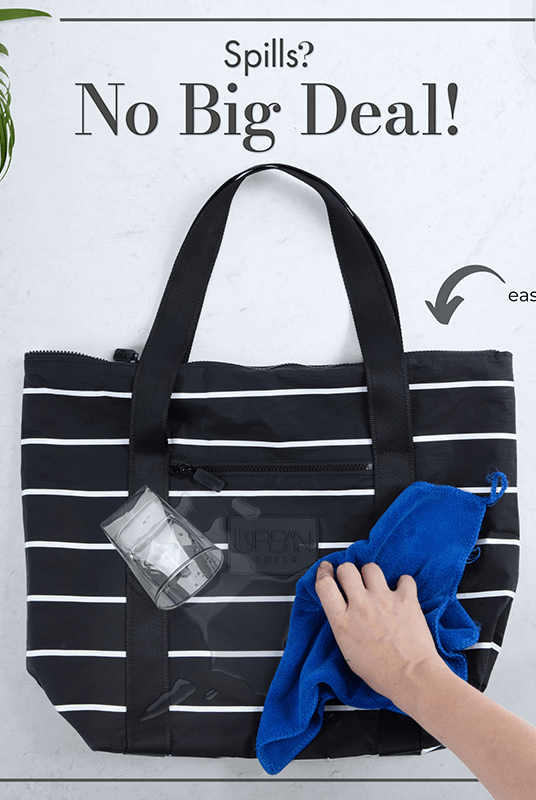
A controlled cloth wipe keeps the cleaning focused on the dirty surface.
Disinfection needs a defined reason
Cleaning removes soil; disinfecting uses a labeled chemical process. Dirt can reduce a disinfectant's effectiveness, so clean first. Soft, porous fabric is also harder to disinfect than a hard countertop, and the product must expressly cover the relevant material.
The CDC cleaning and disinfecting guidance includes an EPA-label example with a 30-second contact time for viruses and 45 seconds for mycobacteria at 22.4°C. That illustrates timing, not permission to use that product on your tote.
Contact time means the surface must remain visibly wet for the entire labeled interval. A quick swipe followed by immediate drying doesn't satisfy that requirement. If the bag's care instructions can't accommodate the product's application, don't improvise.
Waterproof does not mean chemical-proof.
For ordinary commute, gym, travel, or caregiving dirt, mild detergent and water are the routine choice. Reserve disinfection for a specific need, follow ventilation and protective-use directions, and never mix cleaning chemicals.
Dry the Bag and Bring Back the Beading
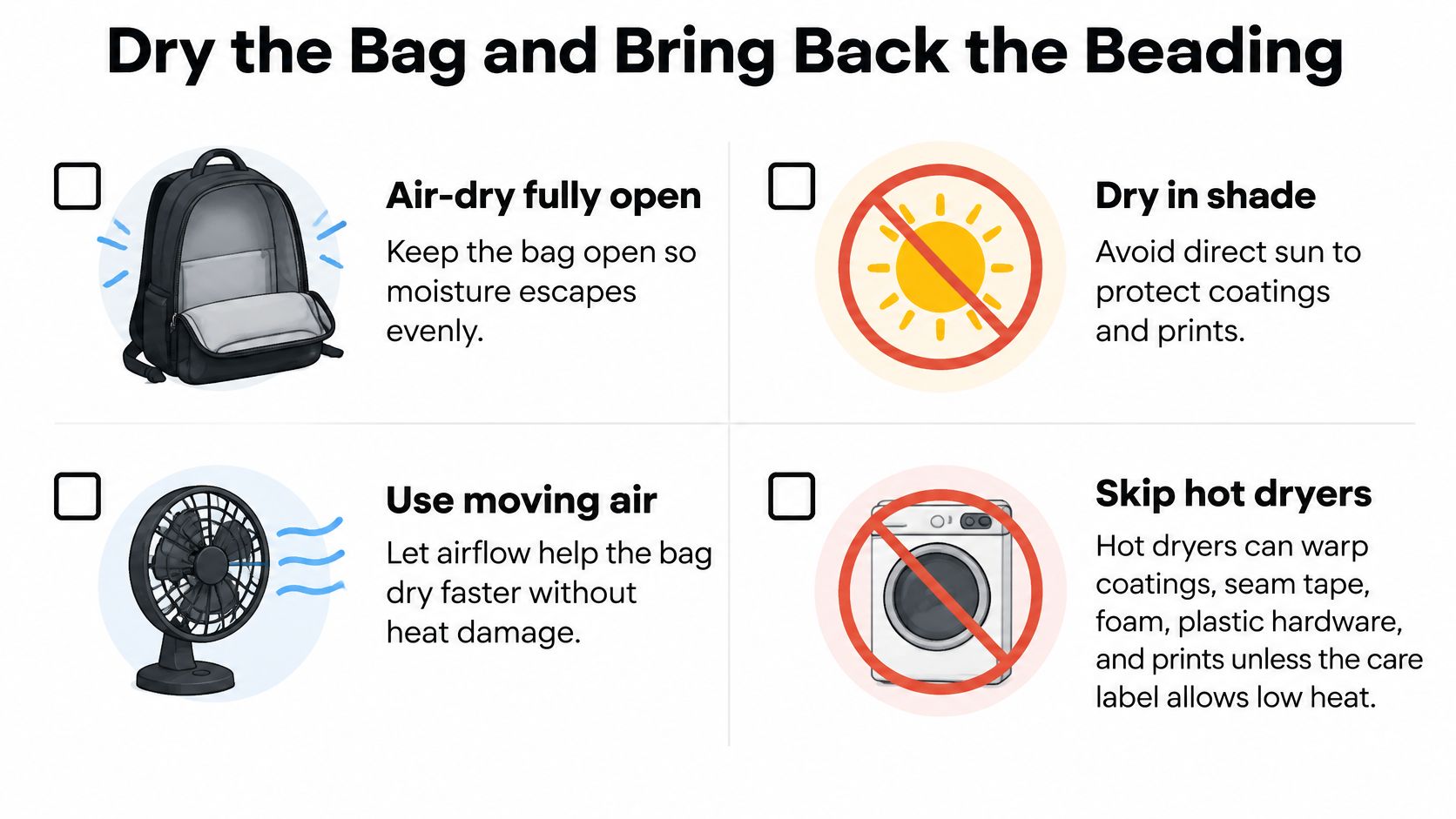
Air-dry the bag fully open in shade with moving air. Keep pocket linings accessible without stretching them, and don't zip or pack anything while it still feels damp.
Direct sun and a hot dryer can damage coatings, seam tape, foam, plastic hardware, and prints. Only use a low, gentle tumble or other heat process when the bag's care label expressly allows it.
Use this checklist before putting the bag away.
Let droplets guide the next move
Once the bag is completely dry, place several small drops on the exterior and watch briefly. The DWR care guide explains that durable water-repellent treatment isn't permanent and may need reactivation or reapplication.
Reading the bead test
| Beading result | What it means | Next move |
|---|---|---|
| Drops bead and roll off | Durable water-repellent finish is still working | Store the bag open and dry |
| Drops spread and darken the cloth | Surface treatment has wet out | Dry fully, then reapply a thin coat of water-based spray |
| Water gets inside | Seepage at a seam, zipper, or lining | Check the seams and zipper, not the spray |
Wet-out isn't automatic proof of a failed waterproof barrier. Check inside separately, recognizing that a small droplet test won't establish protection during immersion.
If permitted, try the label's gentle heat-reactivation process after cleaning and drying. If beading still fails, use a fabric-compatible, water-based pump spray in a thin coat outdoors or with strong ventilation. Avoid zippers, leather, reflective trim, and lining; cure exactly as directed.
Don't substitute wax, silicone, oil, or household disinfectant. Canvas needs its own approach, explained in our canvas waterproofing guide.
Spot-wipe after messy days and assess the need for a full clean once or twice a season rather than washing automatically. Store the bag empty, completely dry, and away from a hot car.
Pick a Bag You Can Wipe Clean Tomorrow
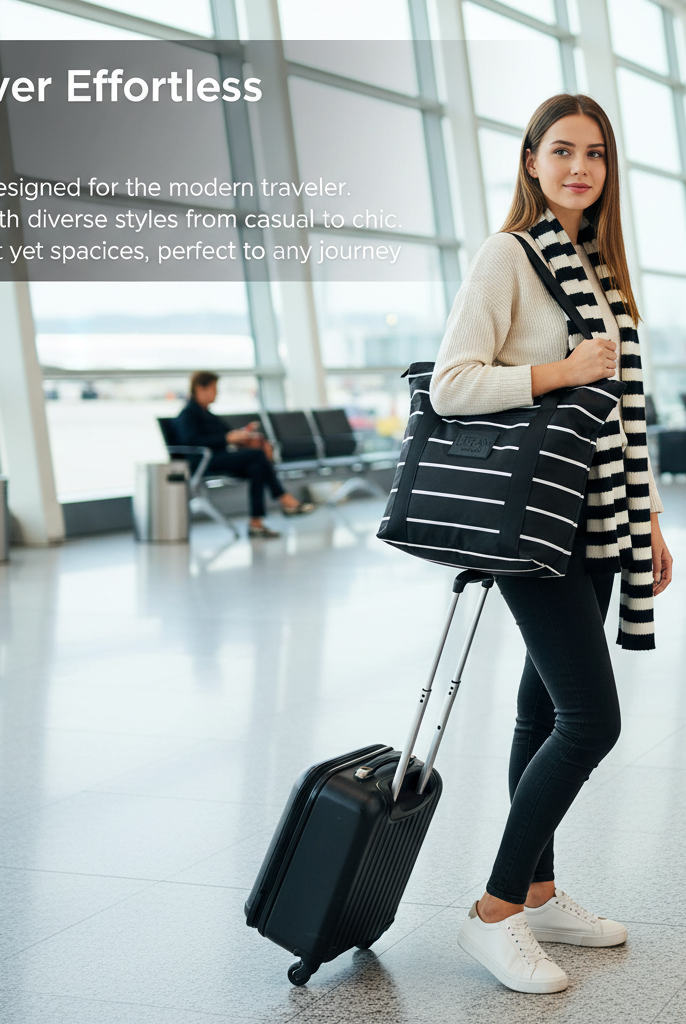
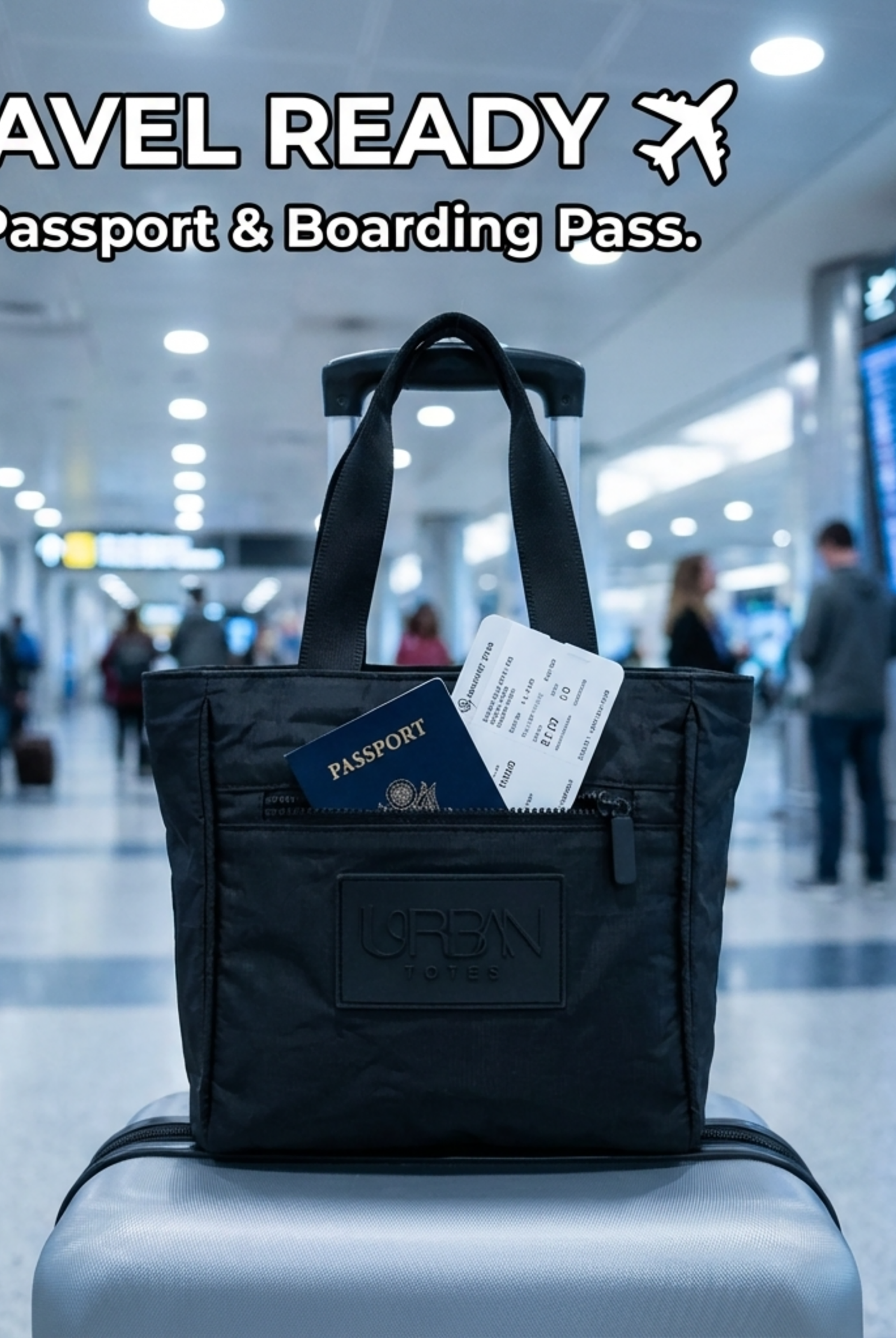
Tomorrow's bag needs to be ready for drop-off, the airport terminal, or another beach chair. It shouldn't become a restoration project every time a snack leaks.
Keep the habit simple:
- Lift the mess gently. Use mild soap or a compatible alcohol-free wipe.
- Give it a full air-dry. Check pocket corners before closing anything.
- Check the surface. A quick bead check helps you decide whether the finish needs attention.
Choose for the way you actually pack
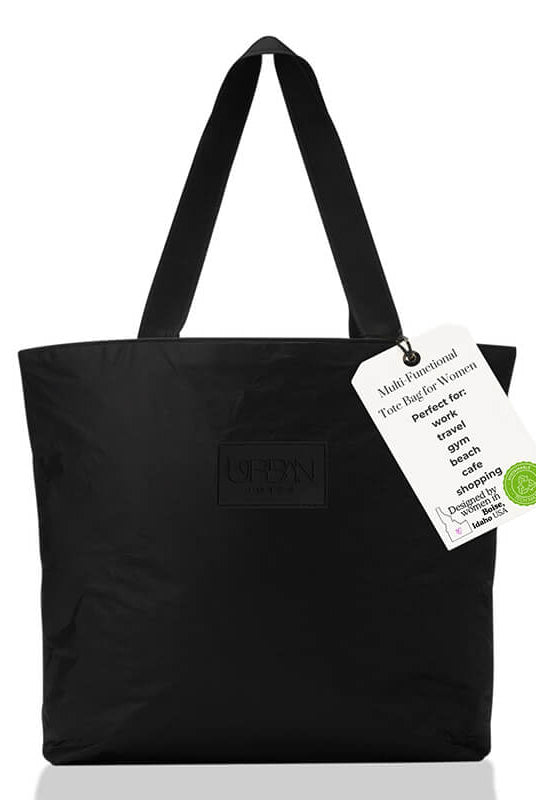
Urban Totes is an independent, woman-owned small business based in Boise, Idaho. Our Boise-made brand perspective is rooted in practical design for real life, with bags designed in Boise to balance stylish everyday carry and functional organization.
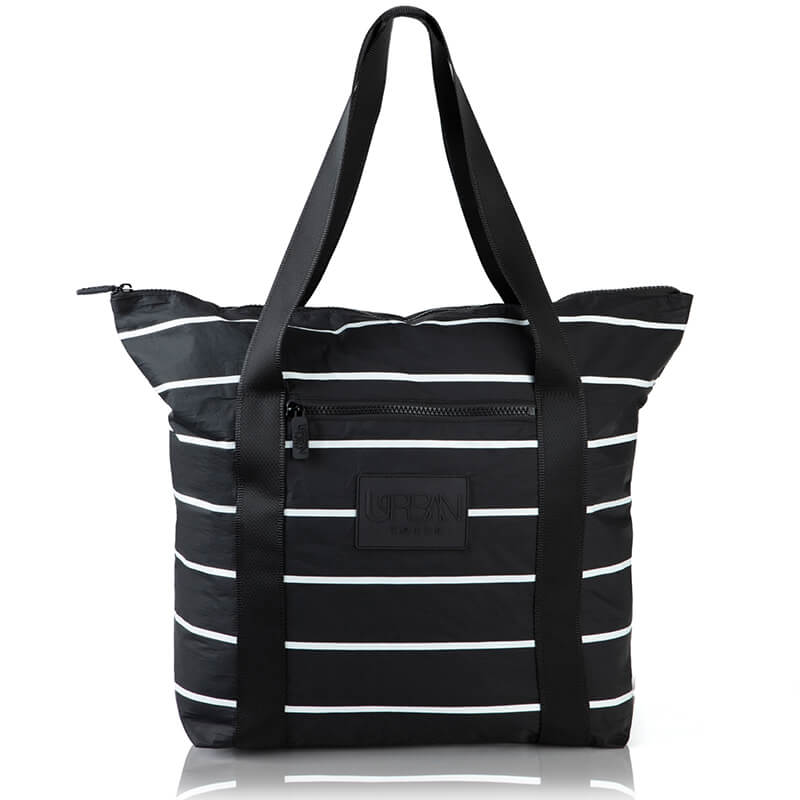
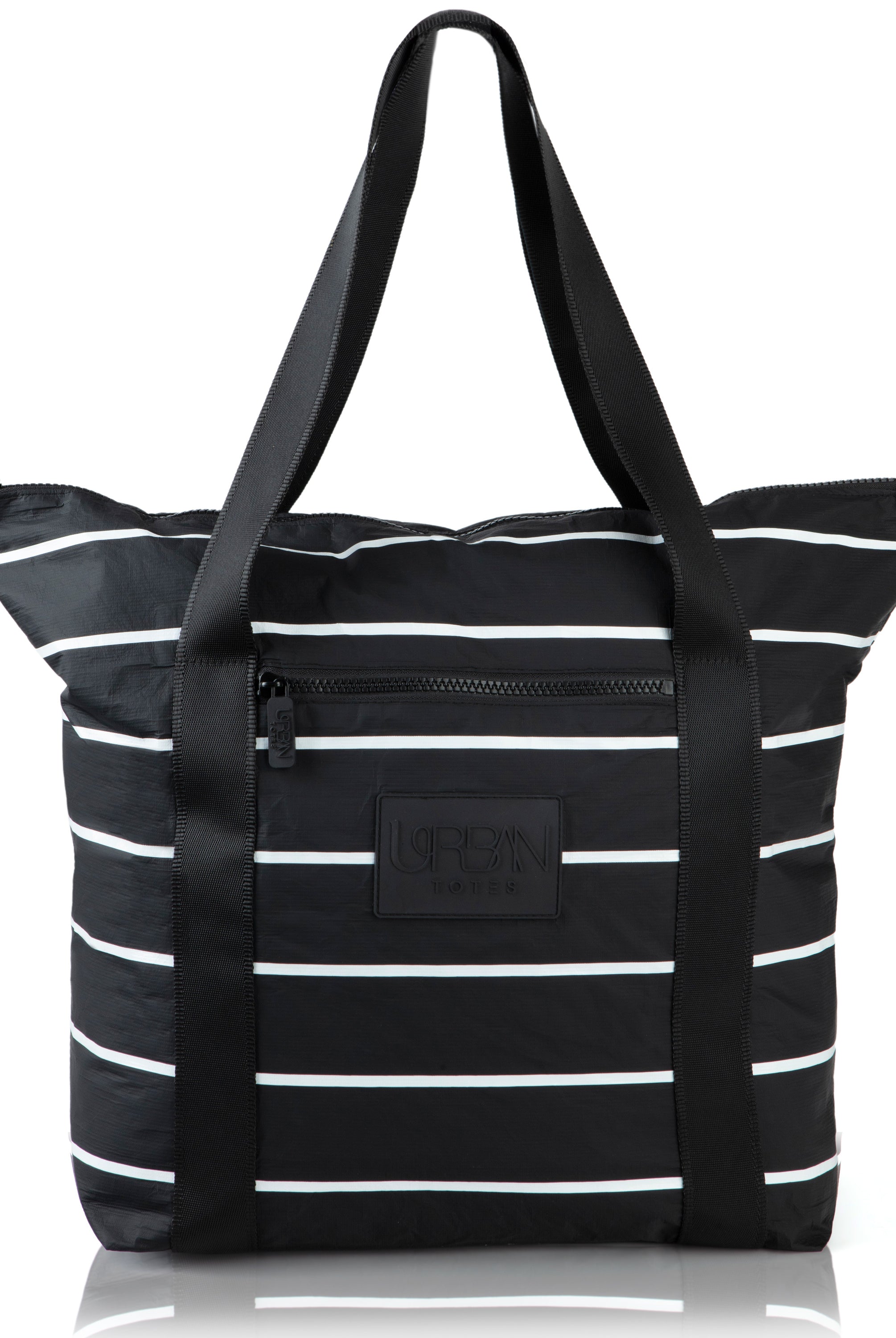
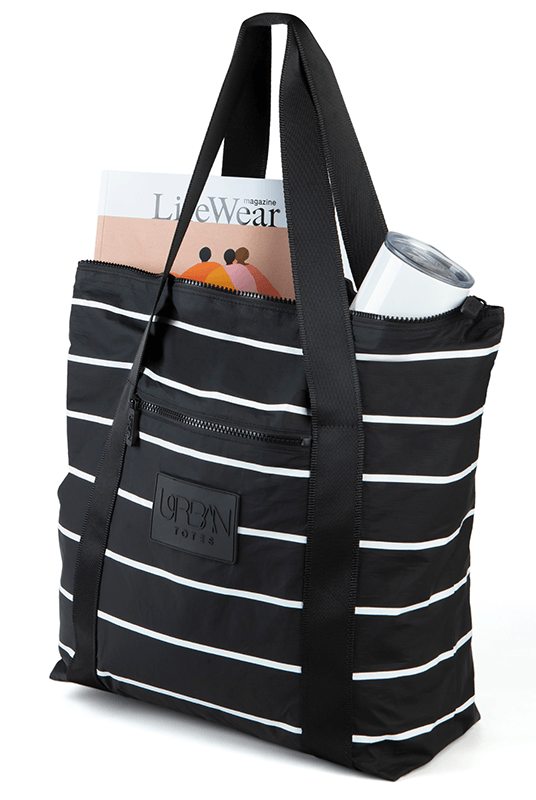
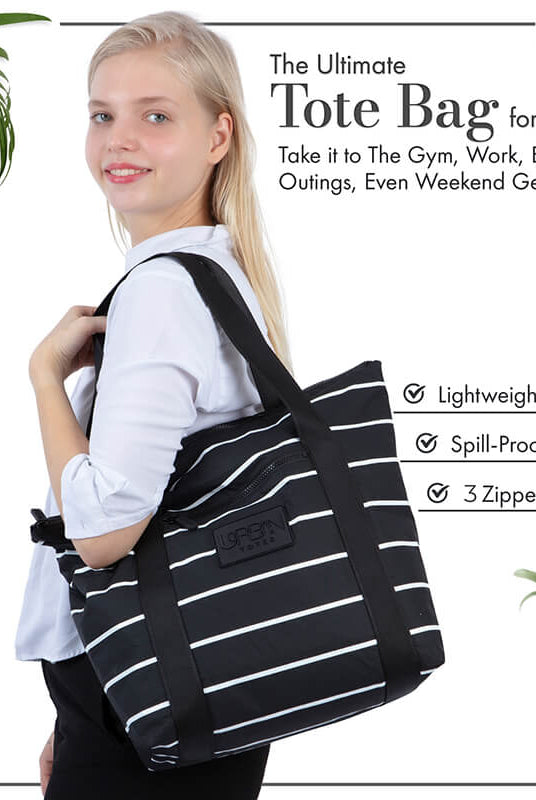
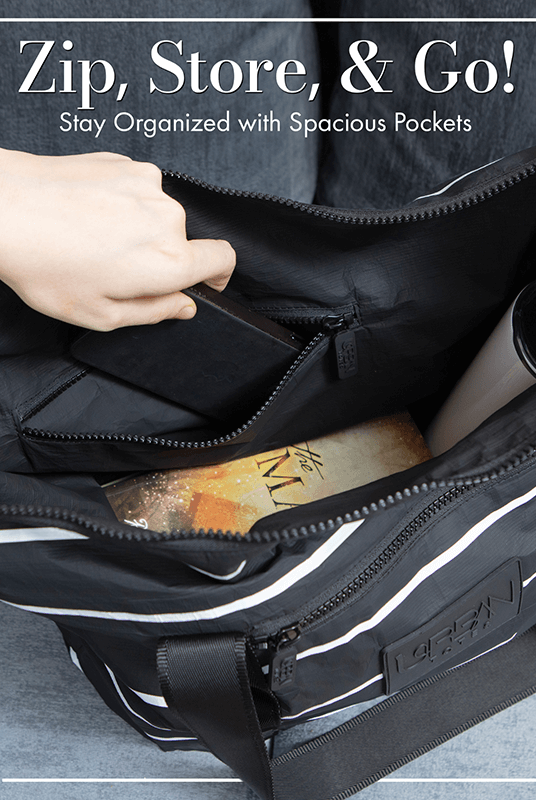
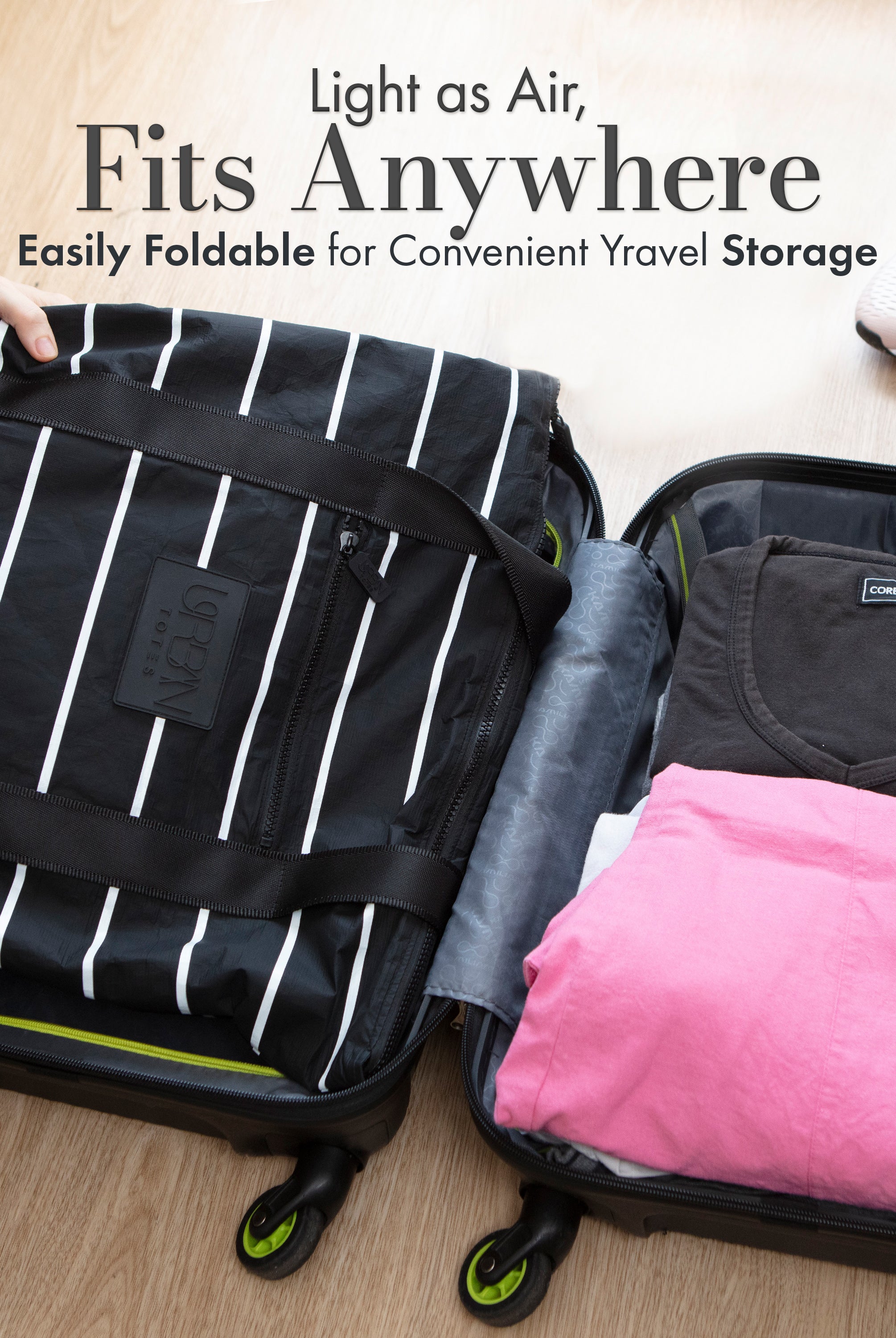
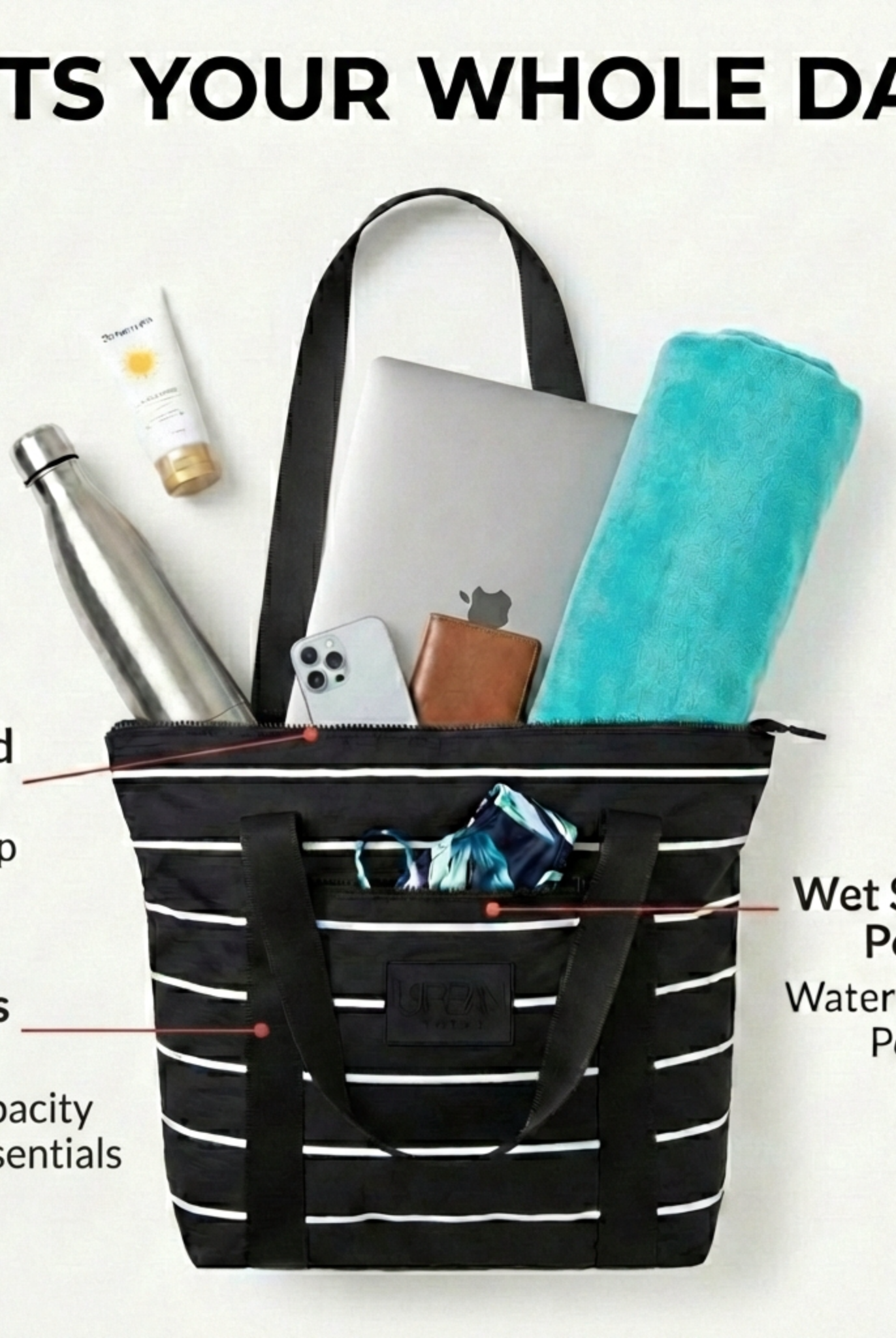
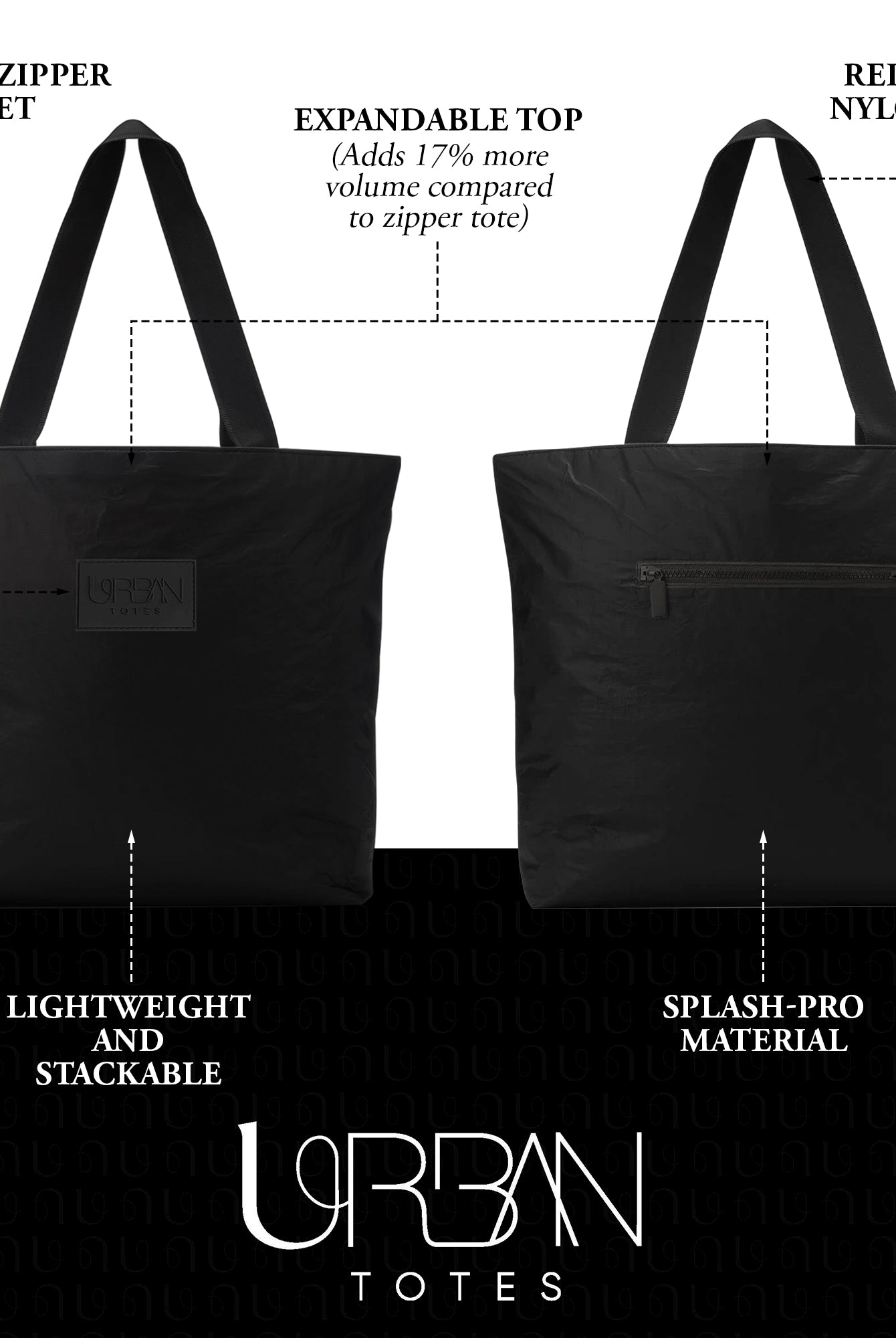
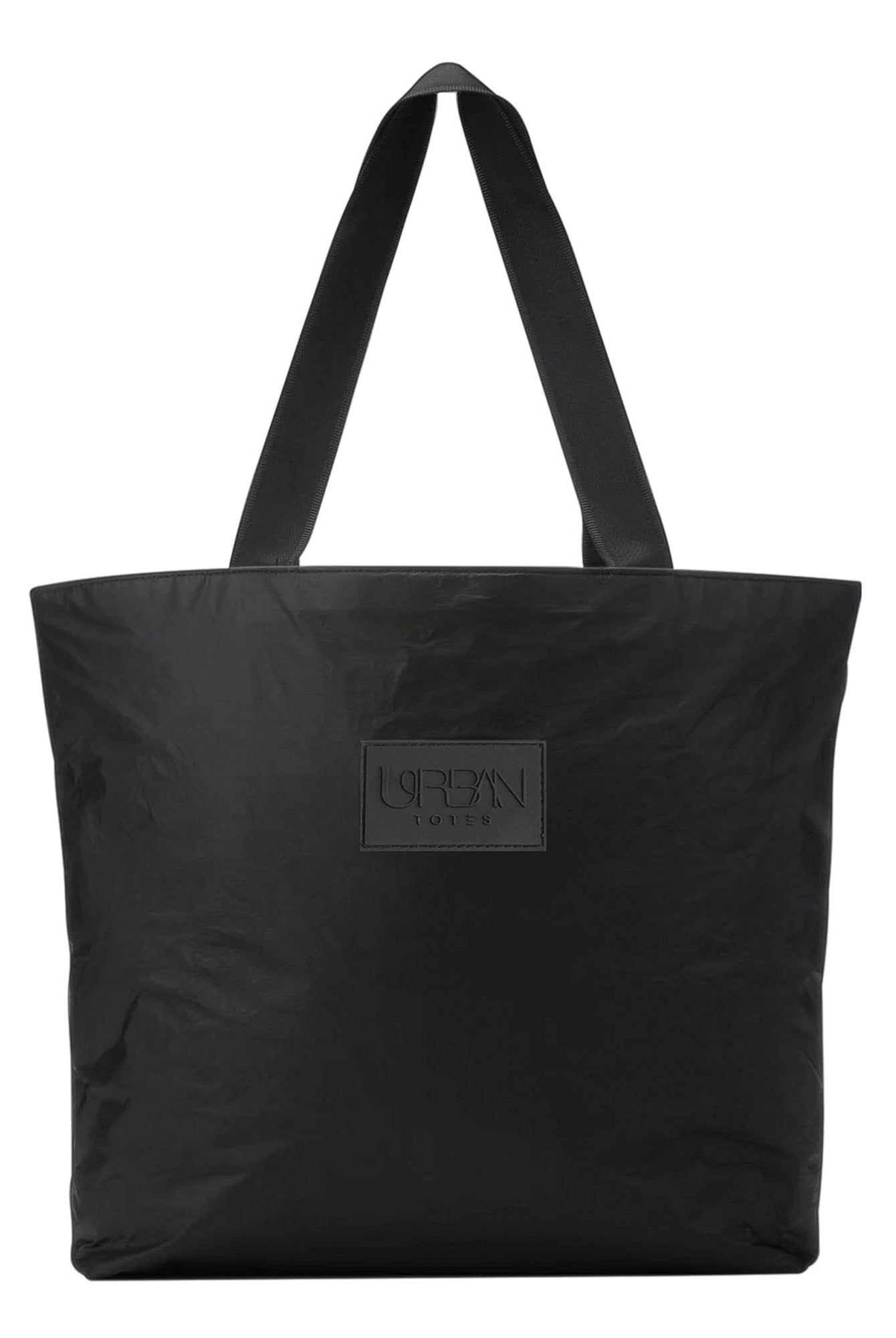
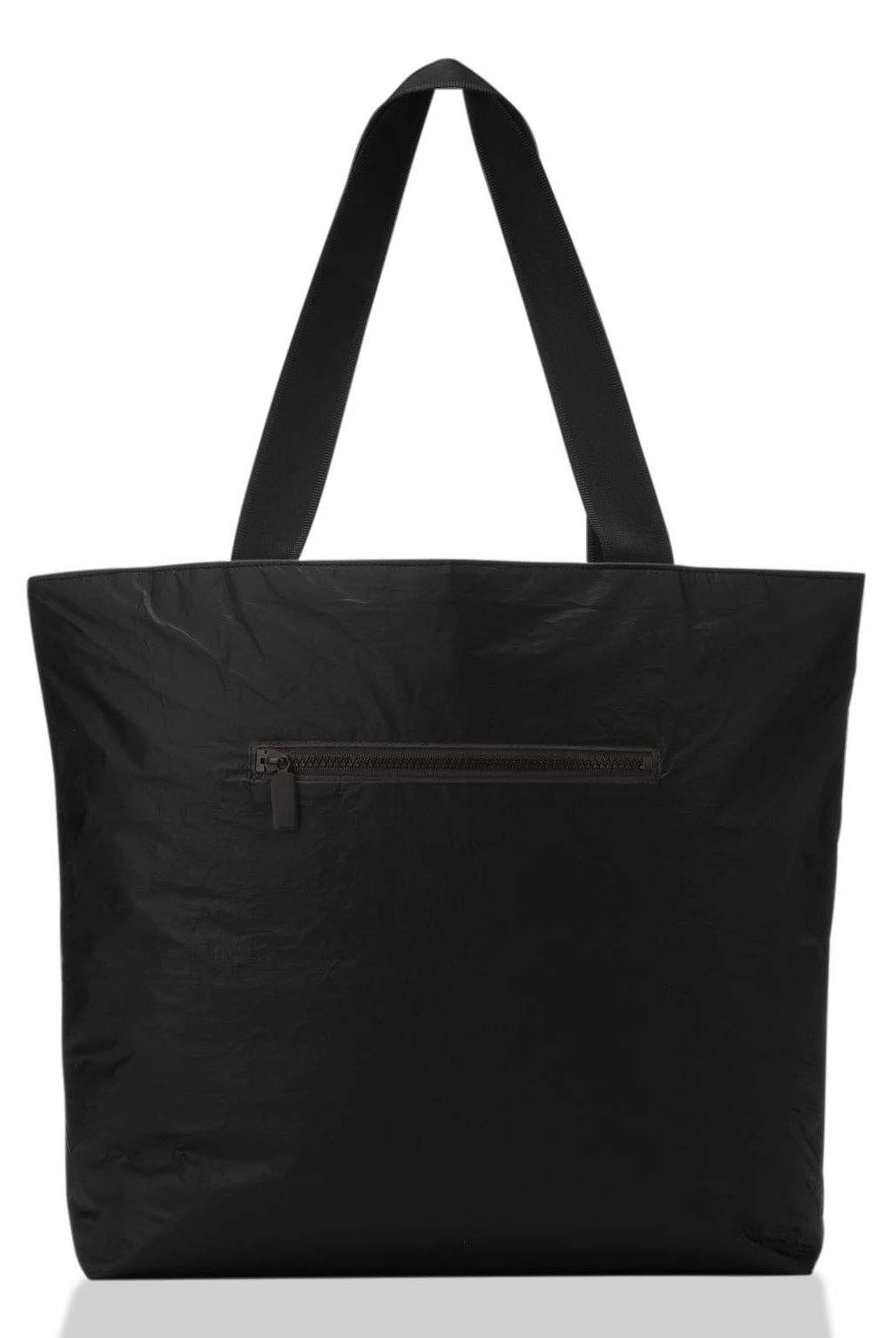
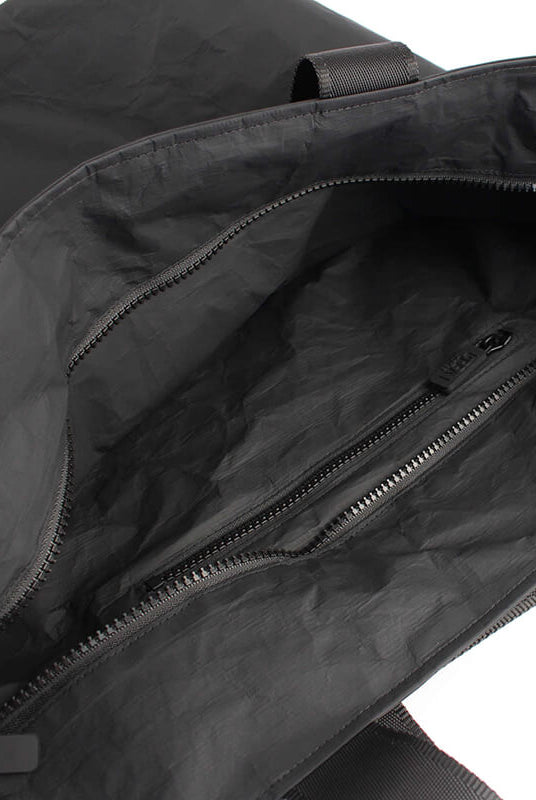
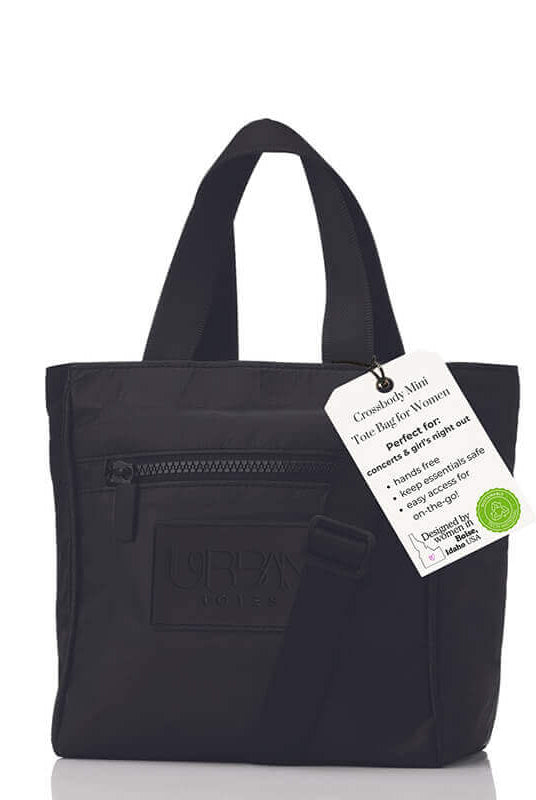
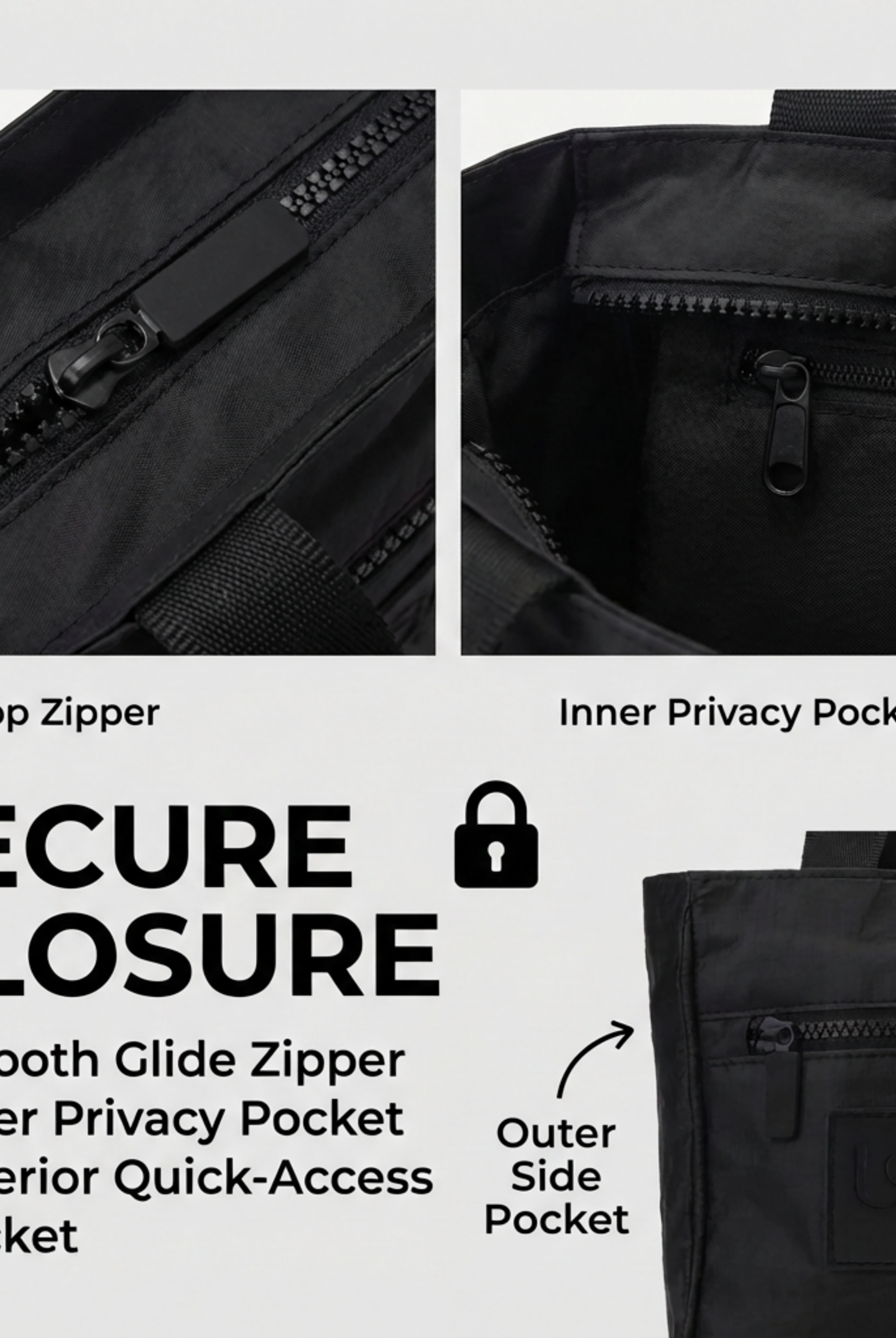
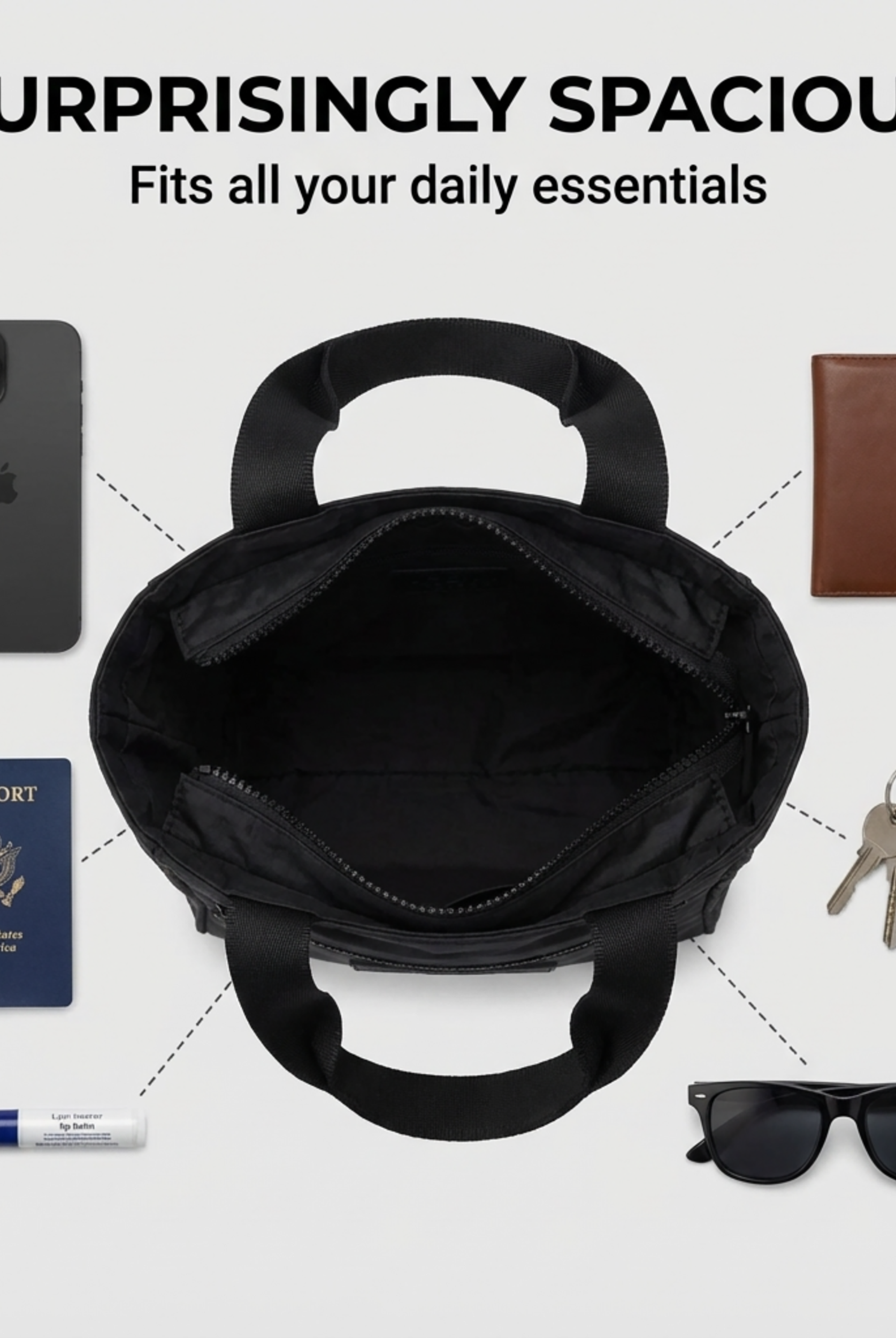
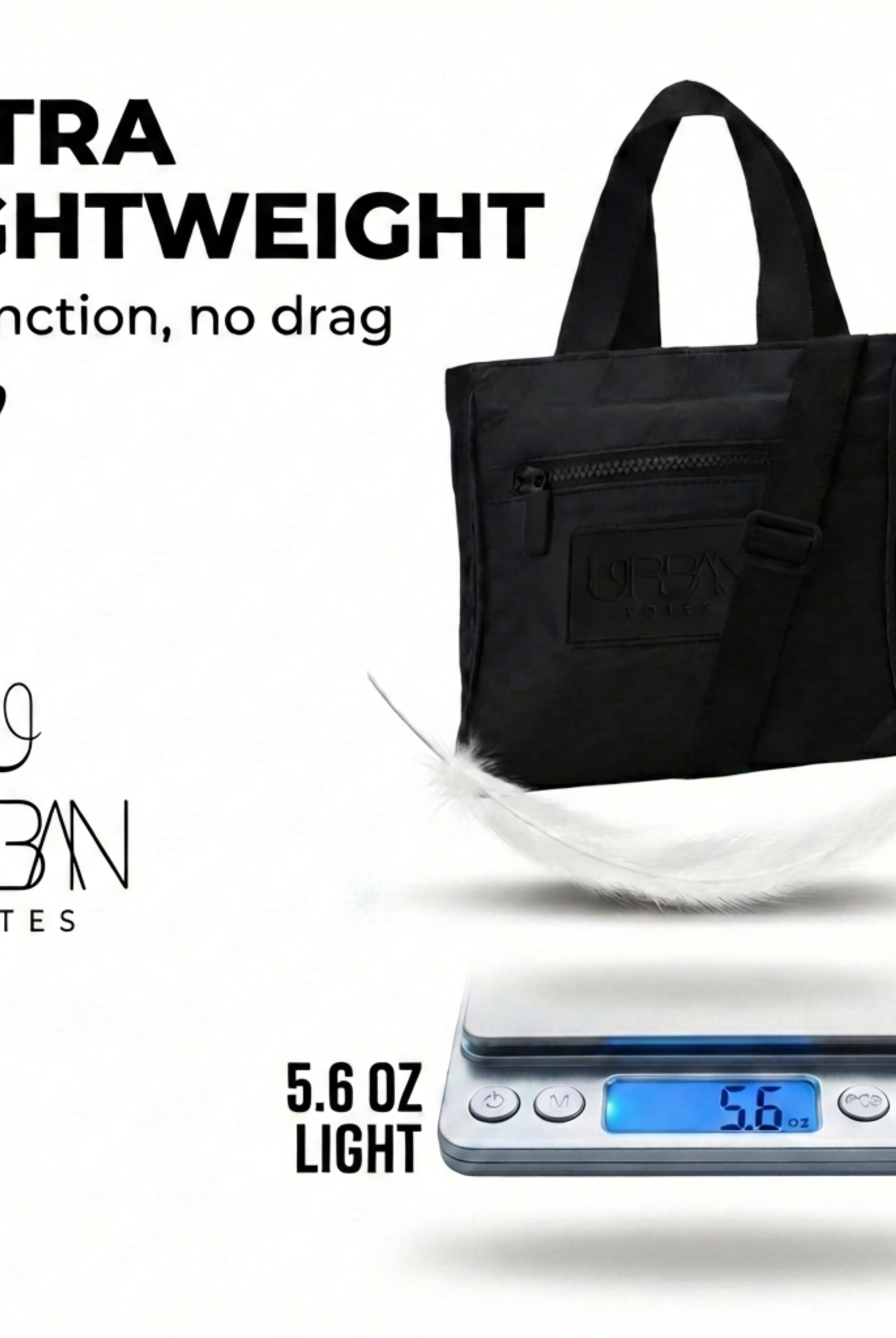
The OG Zipper Tote Bag is water-resistant, lightweight, foldable, and packable, with multiple compartments, a zipper closure, inside and outside zipper pockets, and side pockets for wet swimsuits or gym clothes. It can be wiped clean or machine-washed; the Crossbody Tote Bag Mini Purse uses water-resistant fabric, has zipper pockets for phone-and-key essentials, and can be cleaned with an alcohol-free wipe or machine-washed. Follow each bag's care settings rather than borrowing a laundry recipe from another material.
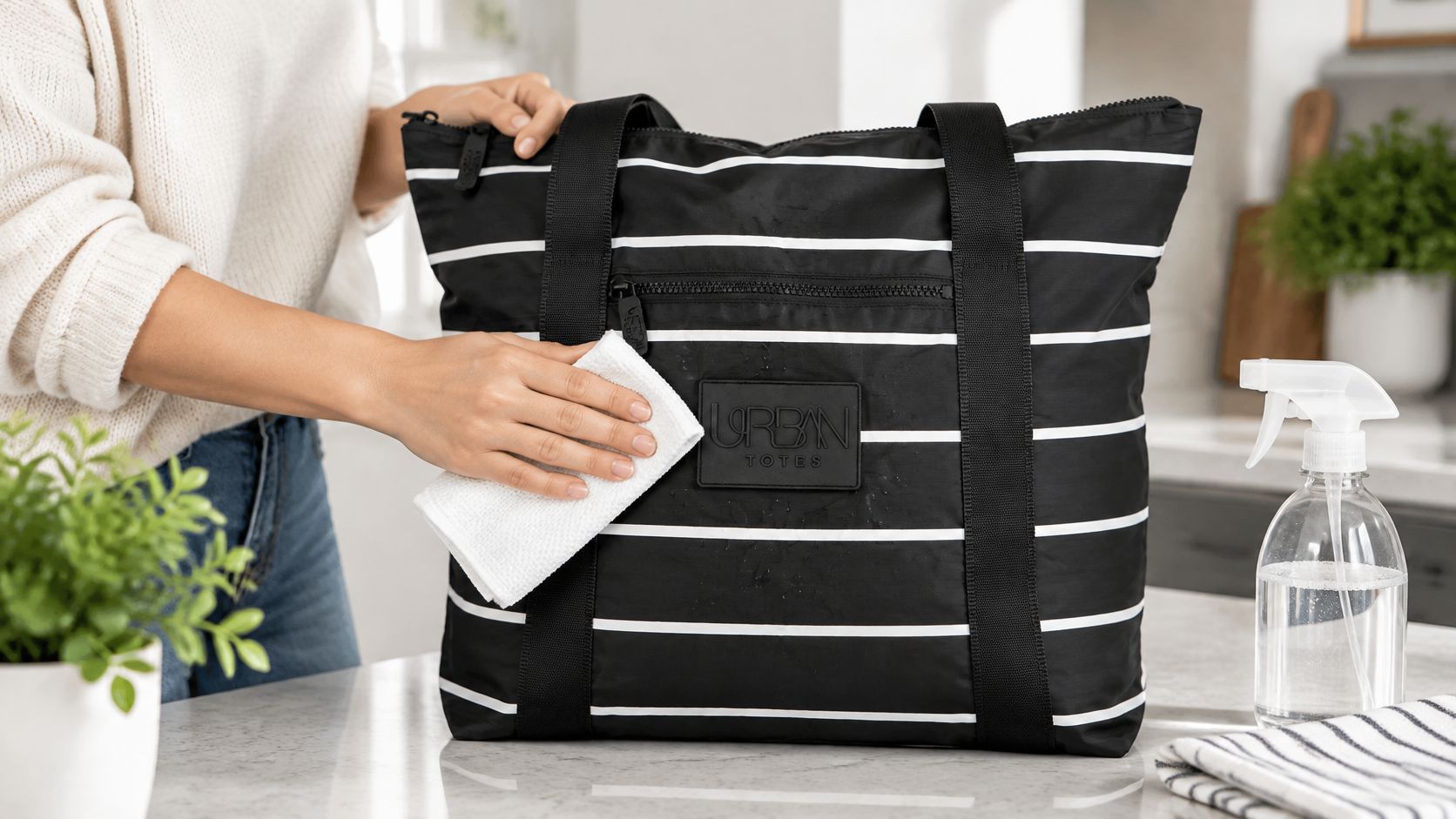
Material matters as much as pocket layout, so use our tote bag material guide when comparing options. For shared travel packing, a separate toiletry organizer, such as the men's blue and brown wash bag from Kilts4Less, can keep grooming items together; check its own care directions separately.
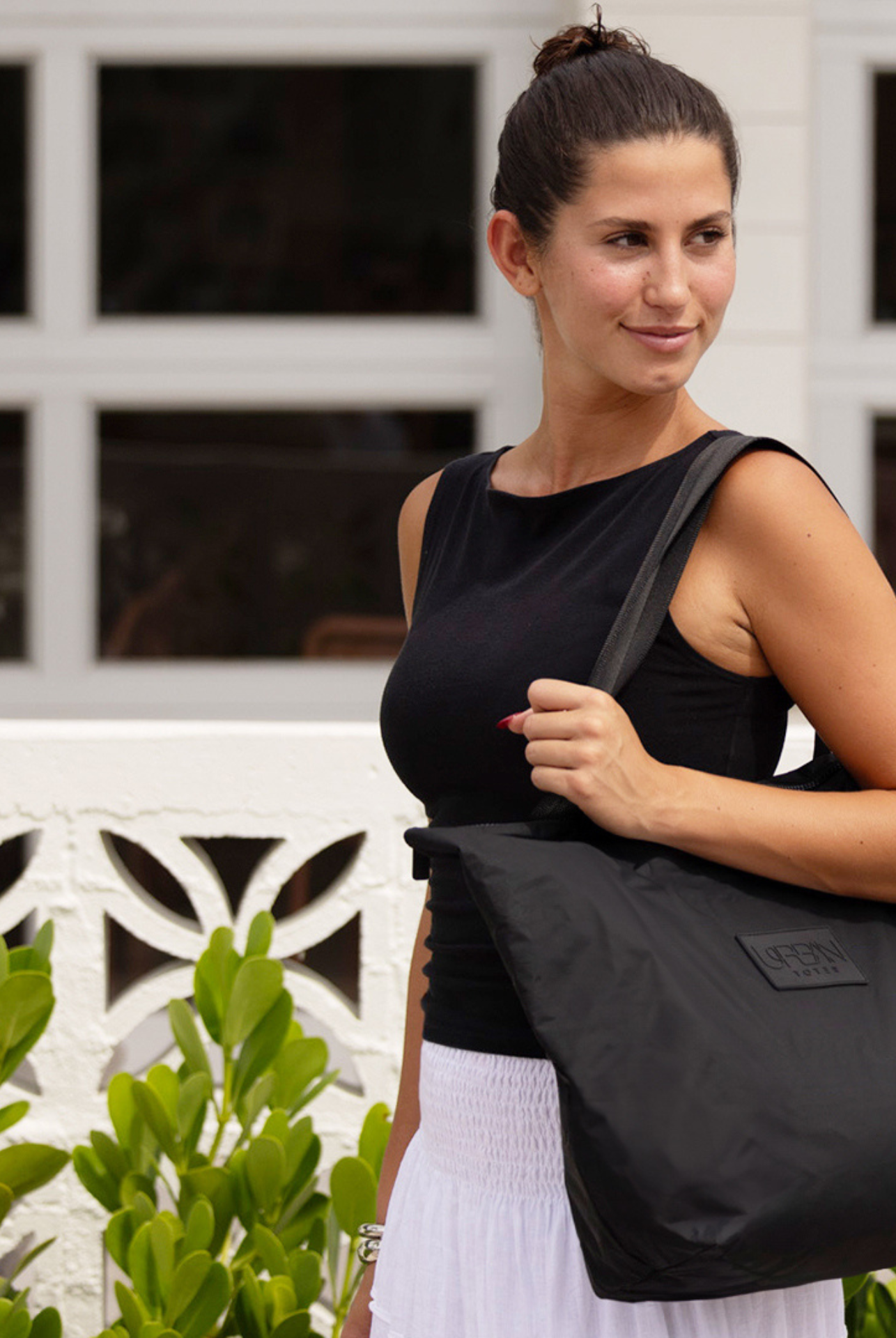
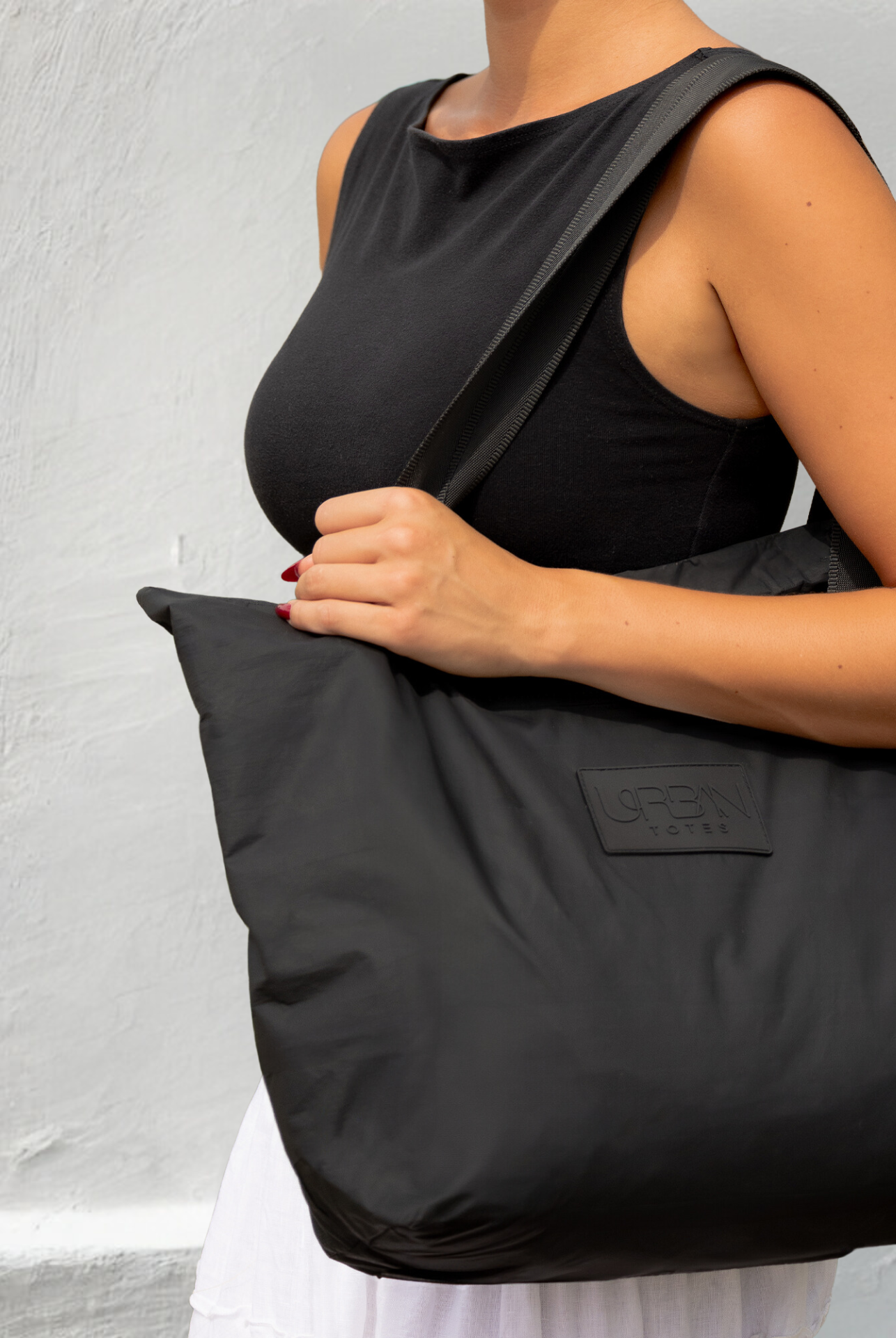
Urban Totes offers lightweight, water-resistant bags with thoughtful organization for errands, travel, and days that get messy. Find your perfect go-anywhere bag at Urban Totes, keep your cleanup gentle, and take on whatever the day brings.