Halfway across the school parking lot, you've got coffee in one hand and a permission slip in the other. Your bag slides off your shoulder, your phone rings beneath a sweater, and a light drizzle finds the open top. You don't need another thing to manage. You need a bag that stays put.
Table of Contents
- When the Bag Slides Off Your Shoulder
- Best Crossbody Bags by the Day Ahead
- Why the Strap Decides All-Day Comfort
- Size Pockets and Weather That Hold Up
- Where Accessibility Changes the Pick
- How the Urban Totes Crossbody Fits
- Choose the Bag That Keeps Up
When the Bag Slides Off Your Shoulder
That parking-lot shuffle is a perfectly good reason to search for the best crossbody bags. Not because your everyday carry needs a dramatic makeover, but because reaching your keys shouldn't require a dry bench and both hands.
Say tomorrow includes drop-off, a grocery stop, and an afternoon train. Your bag needs to keep a short list findable, sit comfortably against your body, and look intentional with whatever you pulled on before breakfast. A beautiful shape won't help much if you're constantly catching it with your elbow.
Start with your actual day
Use these checks before falling for a color or a clever compartment:
- Size for the day: Choose room for what must stay with you, not everything you might conceivably need.
- Strap comfort: Look for adjustment that works with your height, clothing, and preferred resting position.
- Organization: Give your phone, keys, and valuables predictable places.
- Materials: Check construction, cleanability, and how much weight you're adding before packing.
- Water resistance: Match protection to drizzle and splashes, without assuming the bag can handle a soaking.
- Versatility: Choose something you'd happily wear from drop-off to a departure gate to a beach chair.
Fit deserves attention before you dismiss a bag as awkward. A small adjustment can change where the opening sits and how easily your hand reaches it; our guide to how to wear a crossbody bag gives you a practical starting point.
Choose for tomorrow's busiest moment, not for an imaginary capsule wardrobe.
Start with the day that sounds like yours. You can leave with a clear choice, rather than a longer wishlist.
Best Crossbody Bags by the Day Ahead
Which crossbody fits the day
| Day | Priority | Size feel | Strap job |
|---|---|---|---|
| School run and errands | One-hand phone and keys pocket | Compact, essentials only | Sits at the hip, hands free |
| Daily commute | Zip top for card and slim wallet | Compact to small | Stable, no swing on stairs |
| Airport or weekend hop | Passport and charger separated from snacks | Small, foldable after arrival | High and close on the opposite hip |
| Beach or farmers market | Wipeable water-resistant fabric | Small, not a towel bag | Comfortable over a light layer |
| Night out or concert | Secure zip and phone access | Smallest profile | Short enough that the bag stays in front |
| Tired walking or luggage day | Low empty weight and easy zipper | Compact and controllable | Adjustable without taking the bag off |
From the school gate to the station
For errands, the useful pocket is the one your hand finds while you're holding a small hand or balancing coffee. Put your phone and keys where they don't disappear beneath receipts. Leave enough room around them that you can retrieve either without pulling out the other.
A commute changes the contents more than the bag size. Add a transit card and slim wallet, then check whether you can close the top without rearranging everything. Extra capacity isn't much help when it encourages you to carry yesterday's umbrella and a forgotten lunch container.
On stairs, you'll notice movement before you notice styling. Try walking briskly with the bag packed, rather than judging it empty in front of a mirror. If you keep steadying it with your forearm, reconsider the fit or the load.
When the day takes you farther
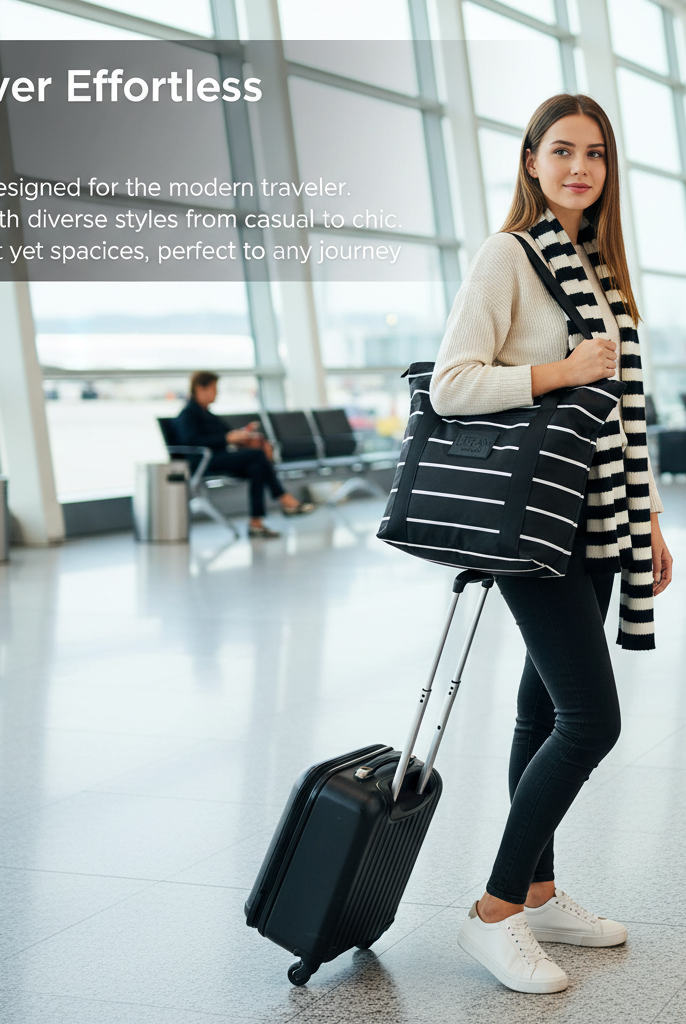
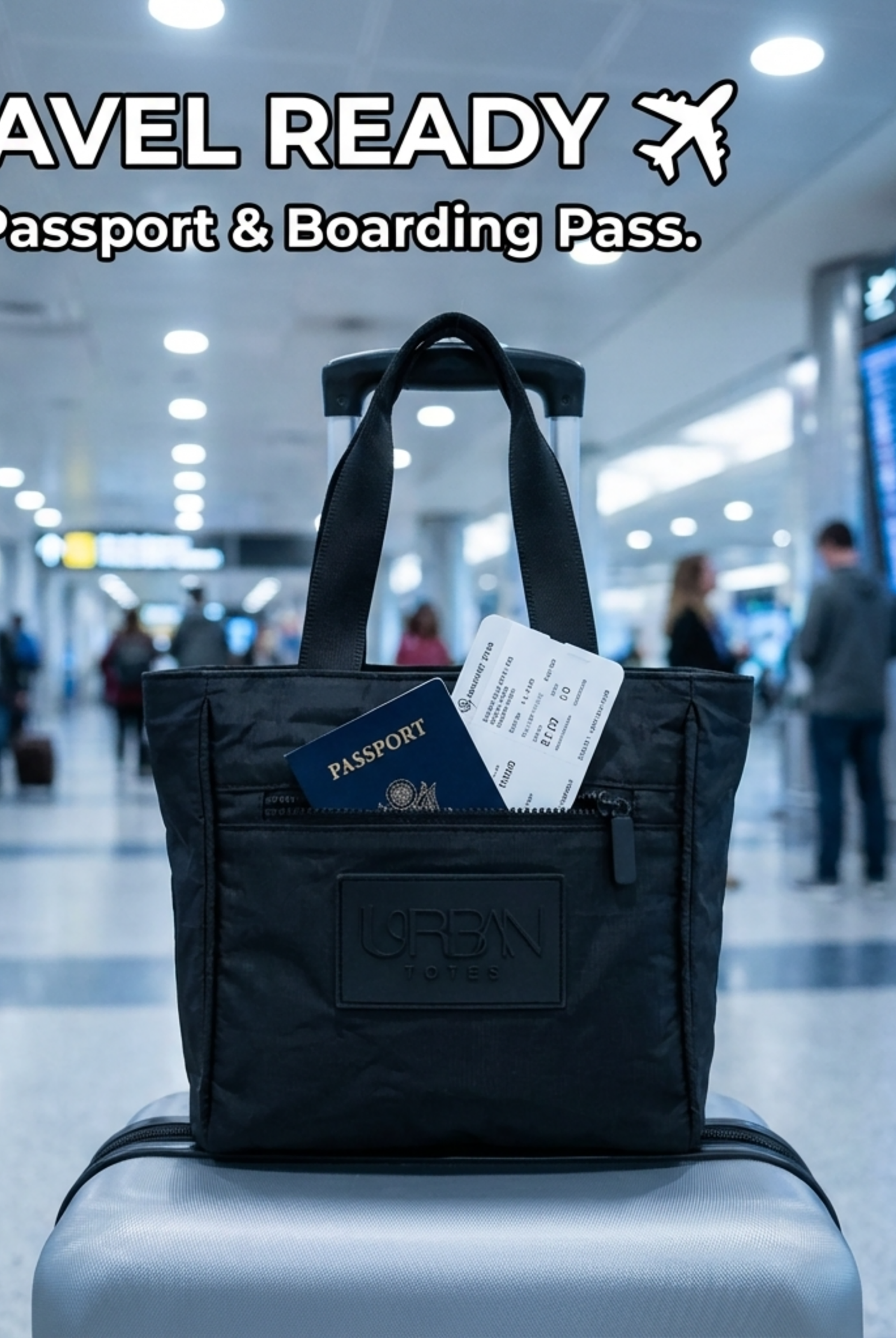
An airport morning calls for separation: documents away from snack crumbs, a charger away from the pocket you open at every checkpoint. A foldable body is useful when you want to tuck the crossbody into larger luggage rather than carry it separately. Our crossbody travel bag guide helps connect those choices to a travel-day packing routine.
At the beach or farmers market, think sunglasses, cards, and your phone. The towel, peaches, and damp cover-up need another home. A compact crossbody works best when you let it handle personal essentials instead of turning it into the family supply cupboard.
Evening is the moment to edit again. Take what you'll use, then check that the zipper opens easily with the bag held in front. Before a concert, check the venue's bag policy rather than assuming any small purse will be admitted.
For a tired walking day, prioritize what feels manageable at the end of the outing. Can you reach the opening while seated? Does the bag compete with a suitcase handle or mobility aid? An attractive feature list won't answer those questions.
Tomorrow's rule: Pick the row that matches your hardest task, then ignore features meant for someone else's day.
Clothes and laptops belong in a separate tote when you need them. Keeping the crossbody focused gives you a better chance of enjoying the hands-free part.
Why the Strap Decides All-Day Comfort
Say you're crossing a station concourse with a coffee in one hand and your phone in the other, and your bag swings outward with every step. You catch it, nudge it back, catch it again. Repeat that through a market and a long walk home, and the strap stops being a styling detail.
The setup works like a seesaw: where the load rests decides how hard you work to balance it. Diagonal carry shifts the bag toward the opposite side of your torso, which helps, but its position and what you've packed still decide whether it settles or keeps swinging.
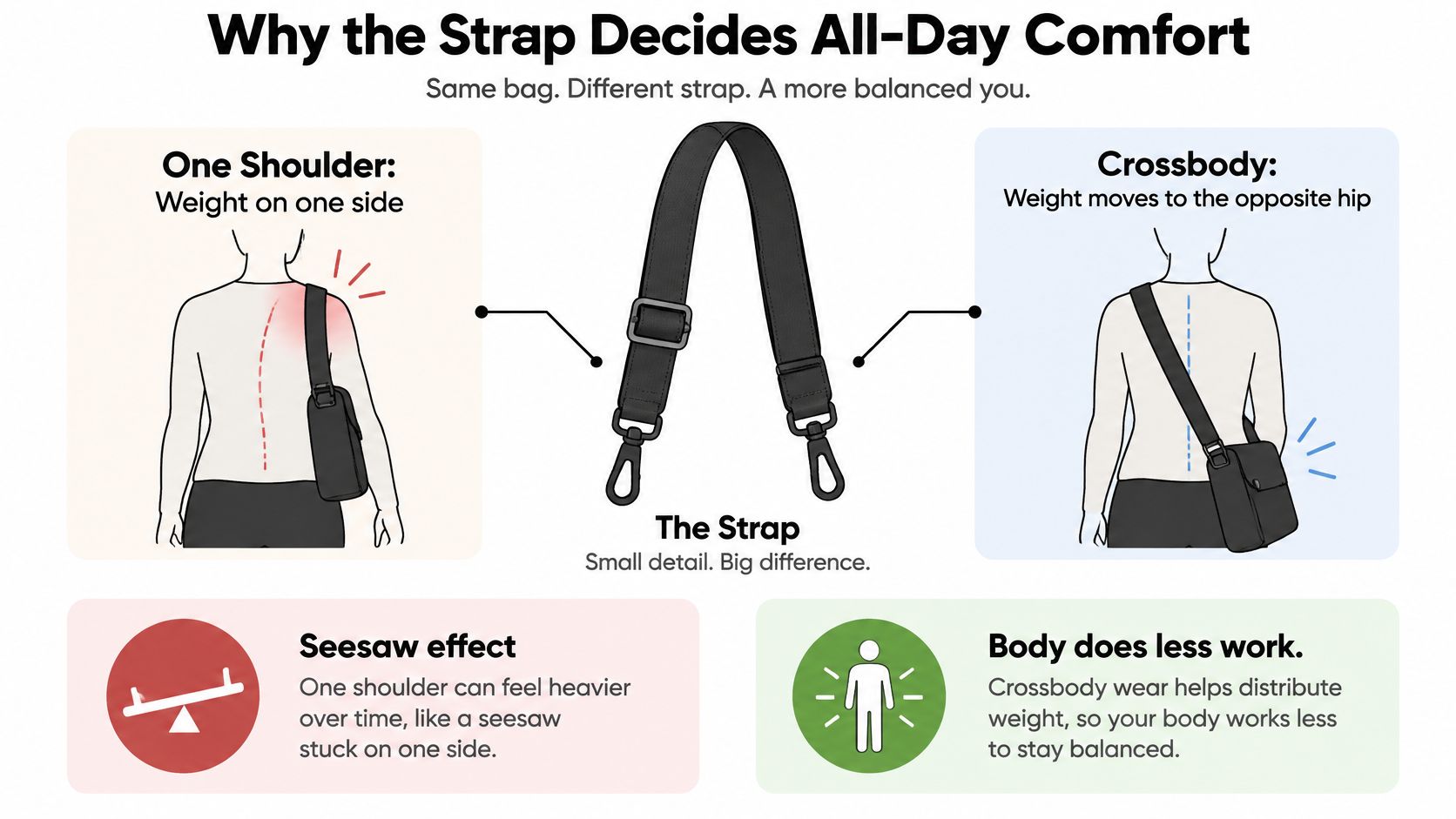
What the carrying studies found
A controlled shoulder-bag carrying study published by JKEMA found significantly lower activity in the upper trapezius and opposite-side erector-spinae muscles with cross-body carrying than same-side shoulder carrying, indicating lower muscular demand as the load shifted across the torso. Strap placement deserves the same attention you'd give the bag itself.
In a student shoulder-bag trial published through Nova Southeastern University, a 15 × 11 × 5-inch bag loaded to 10 pounds produced significantly improved lower-extremity weight distribution among right-hand-dominant volunteers when worn from the left shoulder to the right hip, with the difference reported at p < 0.05. The trial tested one bag and one wearing arrangement, so read the result as a useful data point for that setup.
Neither finding pins down an ideal strap width or capacity. A heavy bag stays heavy, even worn diagonally.
Adjust with the bag packed
Start with a wide, smooth strap that adjusts without twisting. Place the loaded bag close to the opposite hip or mid-torso, then walk, turn, and sit down. Keep the position that lets you move naturally without holding the bag in place.
- Center dense items: Place a power bank or loaded wallet toward the body-facing side, rather than letting it pull the outer edge downward.
- Keep the load contained: If a bottle fits, make sure it can't roll freely and shove everything into a corner.
- Remove unnecessary weight: Take out duplicate chargers, loose coins, and anything you keep carrying without using.
- Check the adjustment hardware: The strap should hold its setting during normal movement, without gradually lengthening as you walk.
Our guide to a crossbody bag with an adjustable strap offers more fit considerations for different layers and wearing positions.
A car's shoulder belt raises its own fit question, separate from handbag ergonomics. If belt placement is another everyday frustration, Seat Belt Extenders has a resource about options intended to improve shoulder belt fit; weigh vehicle-restraint questions against your vehicle manufacturer's guidance.
The practical goal is modest: fewer adjustments while you move. If you're still tugging at the strap after editing the contents and trying another position, pick a different carrying setup.
Size Pockets and Weather That Hold Up
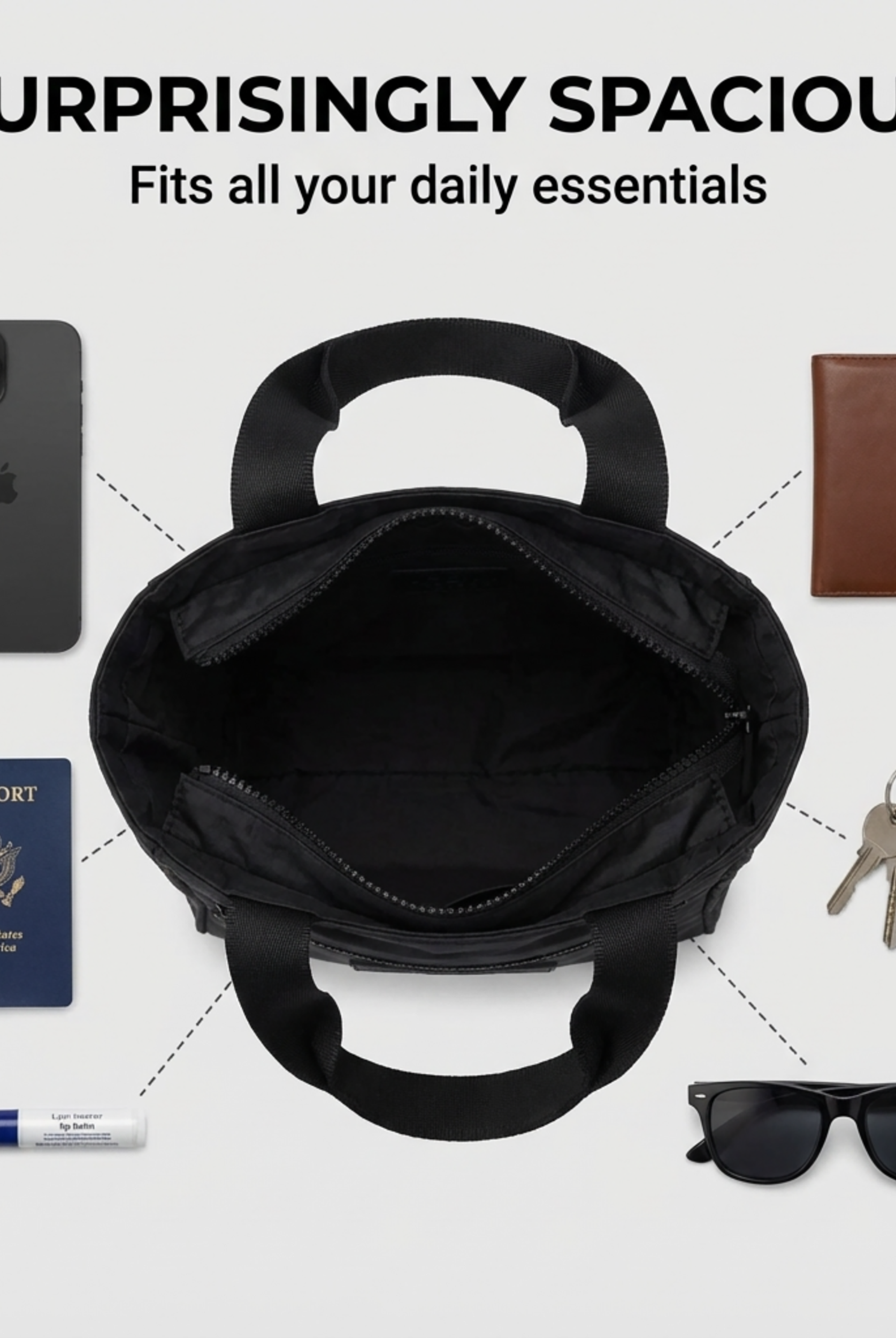
Say a friend dares you to pack for a whole Saturday using only your smallest bag. Phone, keys, the wallet you carry, sunglasses, earbuds, a lip balm. Three items in, the numbers on the product listing stop being abstract. Either everything has a place, or you'll spend the day digging past a tangled cable to find your card.
That's the sizing test. Exterior dimensions tell you scale; the opening, the pocket shapes, and the layout inside decide whether things come out when you need them. A bag sized to your actual load rides lighter and disappears into your day, while an oversized one swings like a tote you meant to leave at home.
Check the details you'll touch
Crossbody checks worth verifying
| Check | What good looks like | Why it matters |
|---|---|---|
| Body size | Swallows your daily pile with a little room to spare | A right-sized bag holds its shape and keeps small items findable |
| Strap | Broad enough to spread the load, with adjustment range for a winter coat over a tee | Narrow straps concentrate pressure, and limited range pinches over layers |
| Closure | A top that stays shut when you bend, sit, or jog for a light | An open top spills contents and lets weather reach inside |
| Pockets | A quick-grab spot for the phone plus a secure inside compartment | Separates fast-access items from valuables so you stop rummaging |
| Fabric | Light material that shrugs off drizzle, with tidy seams | Practical protection without carry weight you don't need |
| Weather reality | Handles splashes and a passing shower | Lab fabric ratings say nothing about open zippers or a soaked-through bag |
Measure your pile against the listed dimensions before you commit, especially if you carry an oversized phone, a rigid wallet, or a chunky key fob. A bag that fits perfectly on paper can still frustrate you when the opening is too narrow for your widest item.
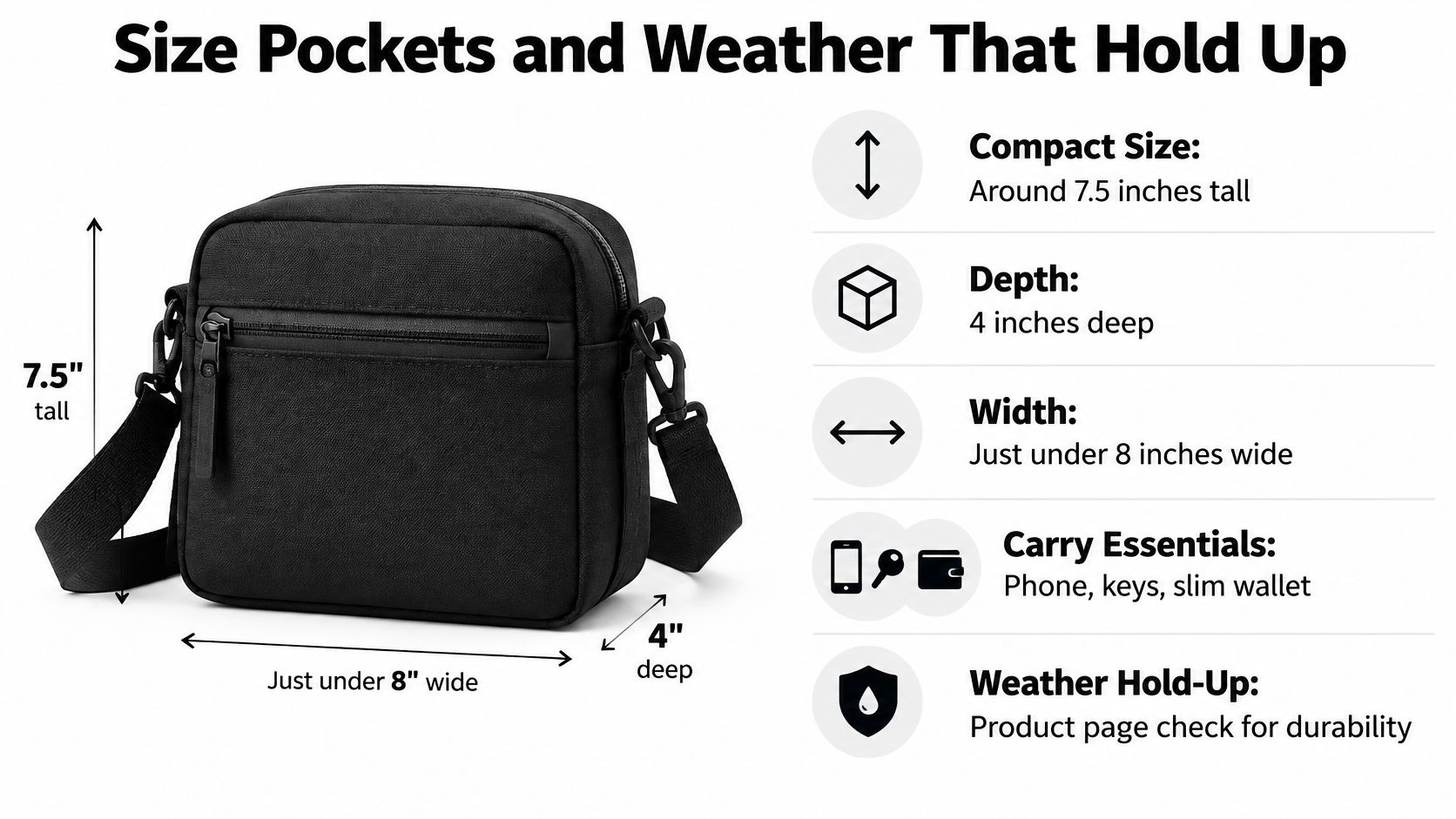
Zoom into the product photos. Look at the zipper ends, at the points where the strap joins the body, at stitching that runs straight and close. A pull tab you can grip with cold fingers beats a sleek pull that slips. Structure around the edges keeps a soft bag from collapsing inward around your things.
Multiple pockets only help if you can remember the map. Our crossbody bag with pockets guide walks through organization setups, though the simplest test is personal: can you say what lives in each compartment without inventing a reason to fill it?
Understand the weather label
The ISO 811:2018 fabric testing standard measures resistance by increasing water pressure until penetration appears in three locations, recording the pressure at the third, with permitted pressure increases of 10 or 60 centimeters of water per minute. That's a laboratory method for judging textile performance, and it says nothing about whether a finished bag survives a dunking.
Seams, stitching, zipper construction, and openings all shape what reaches the contents. Unless a listing describes testing on the finished bag, treat water-resistant fabric as one layer of defense inside a larger system.
For beach mist or a surprise shower, zip up and head for shelter. When the forecast turns heavy, tuck phones and passports into a protective pouch within a secure compartment. An inner zipper helps you sort your things; waterproofing is a different job.
The water-resistant pocket tips from California Cowboy are a useful companion when you're thinking about what belongs in clothing pockets versus your bag.
A weather label helps you choose a material. Your packing habits still matter when the forecast changes.
Where Accessibility Changes the Pick
Try opening the main compartment with your usual hand while the other stays occupied. Notice whether you need to brace the bag, find a tiny pull, release a clip, or move another pocket out of the way. That's an access test, and it tells you more than a lookbook photograph.
Then try the airport version: you're standing in a jet-bridge line, pulling a suitcase, and reaching for something without putting your luggage down. The bag should remain manageable while you move and while you wait.
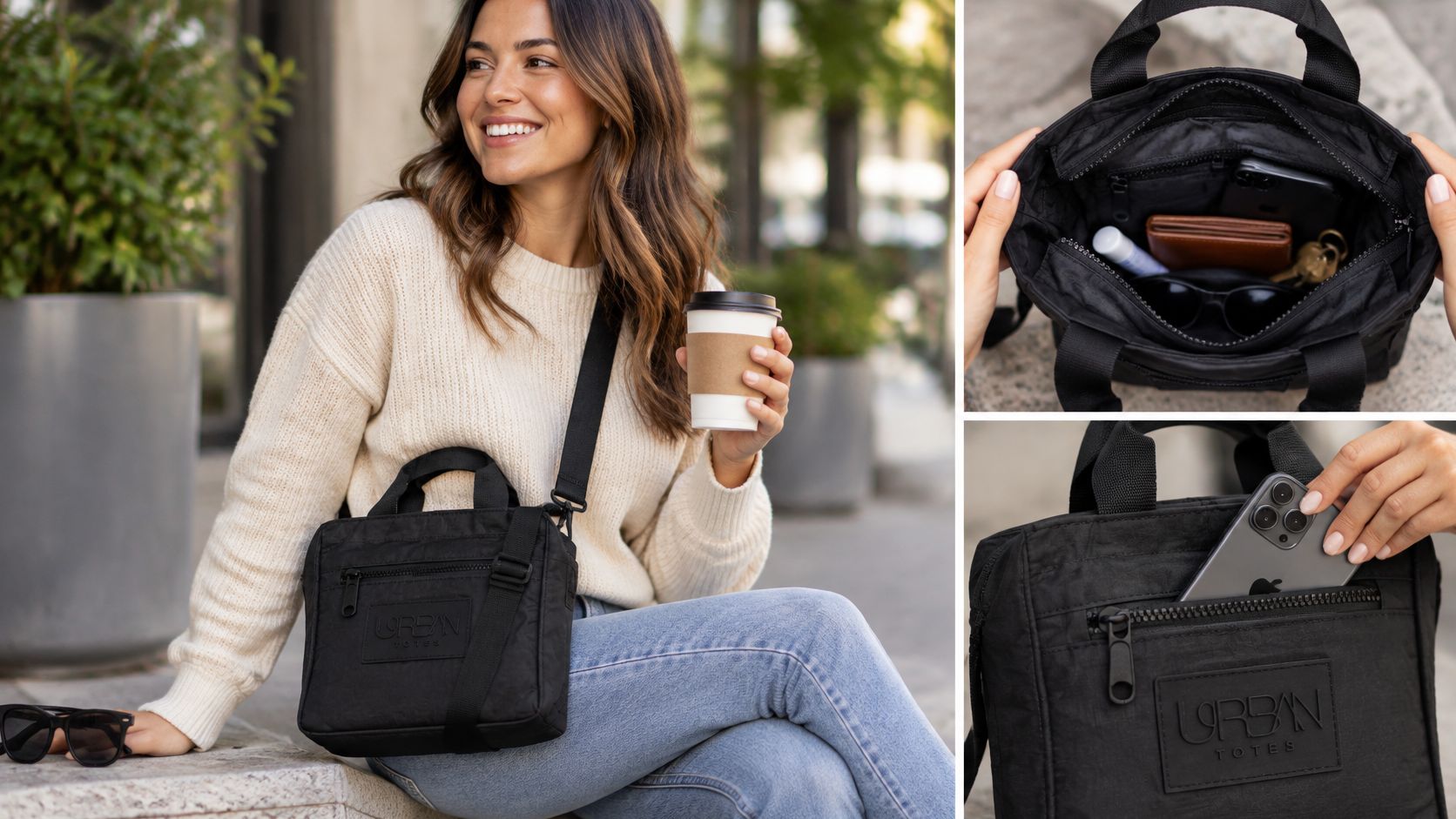
Judge effort before extras
A 2025 UK Civil Aviation Authority report found that 58% of disabled consumers reported difficulty accessing or using airports and flying, with walking, standing, and managing luggage among the most common needs. Travel-ready should include access and effort, not just nominal capacity.
- Try the zipper: Check whether you can operate it without setting the bag down.
- Feel the pockets: Distinct positions and shapes can help you find things by touch.
- Adjust while wearing: Make sure the hardware is reachable and manageable.
- Test the transfer: Try placing the bag inside your rolling luggage or larger tote. Don't assume handles function as a luggage sleeve.
- Sit with it: Check that it doesn't crowd your lap or interfere with a mobility aid.
Anti-theft hardware can add weight, and numerous compartments can slow retrieval. Our anti-theft crossbody guide can help you weigh those features against daily access.
Compact isn't automatically better, either. Medication, documents, and assistive essentials deserve room; don't squeeze them out to achieve a smaller silhouette. Choose sufficient capacity, then move nonessential bulk elsewhere.
How the Urban Totes Crossbody Fits
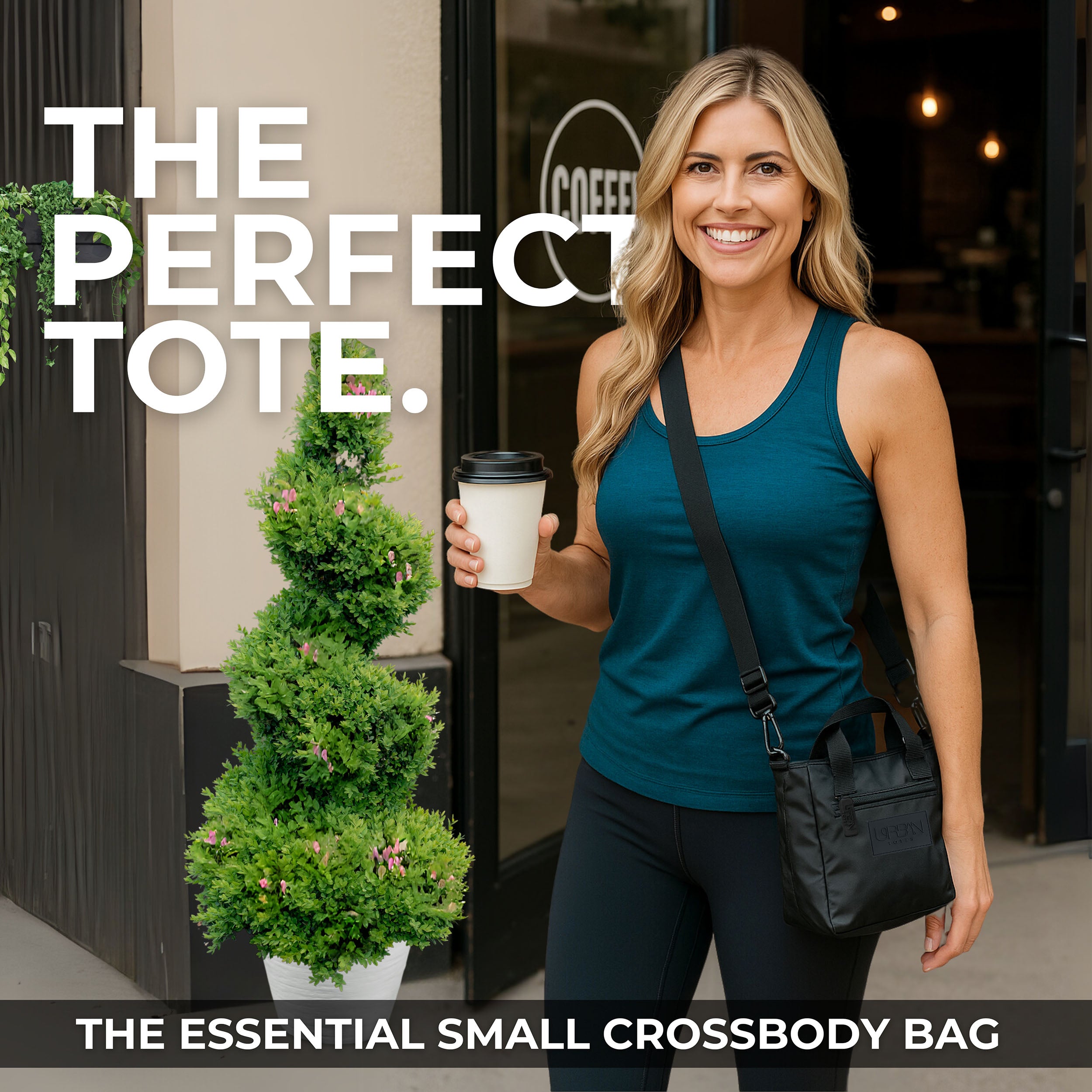
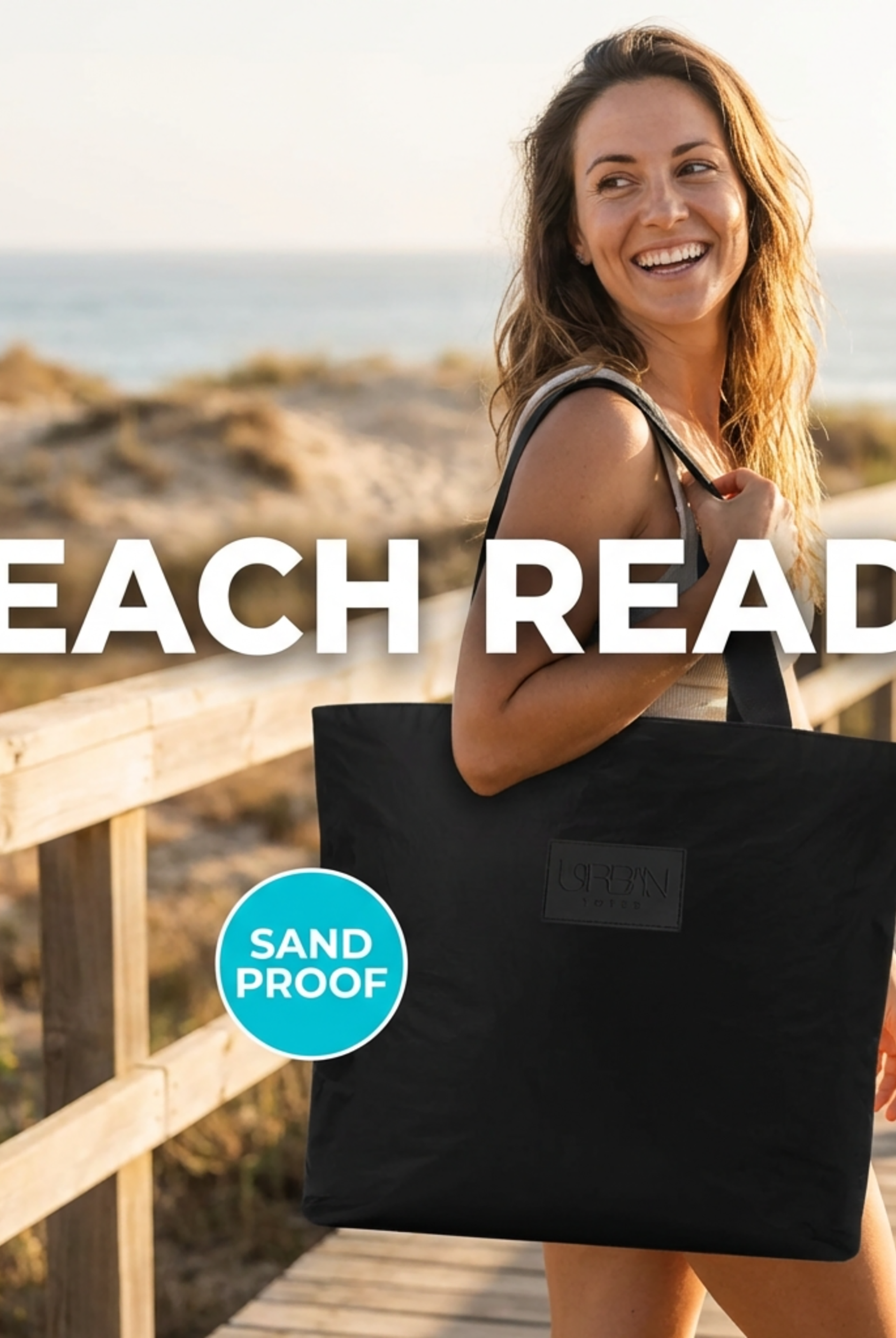
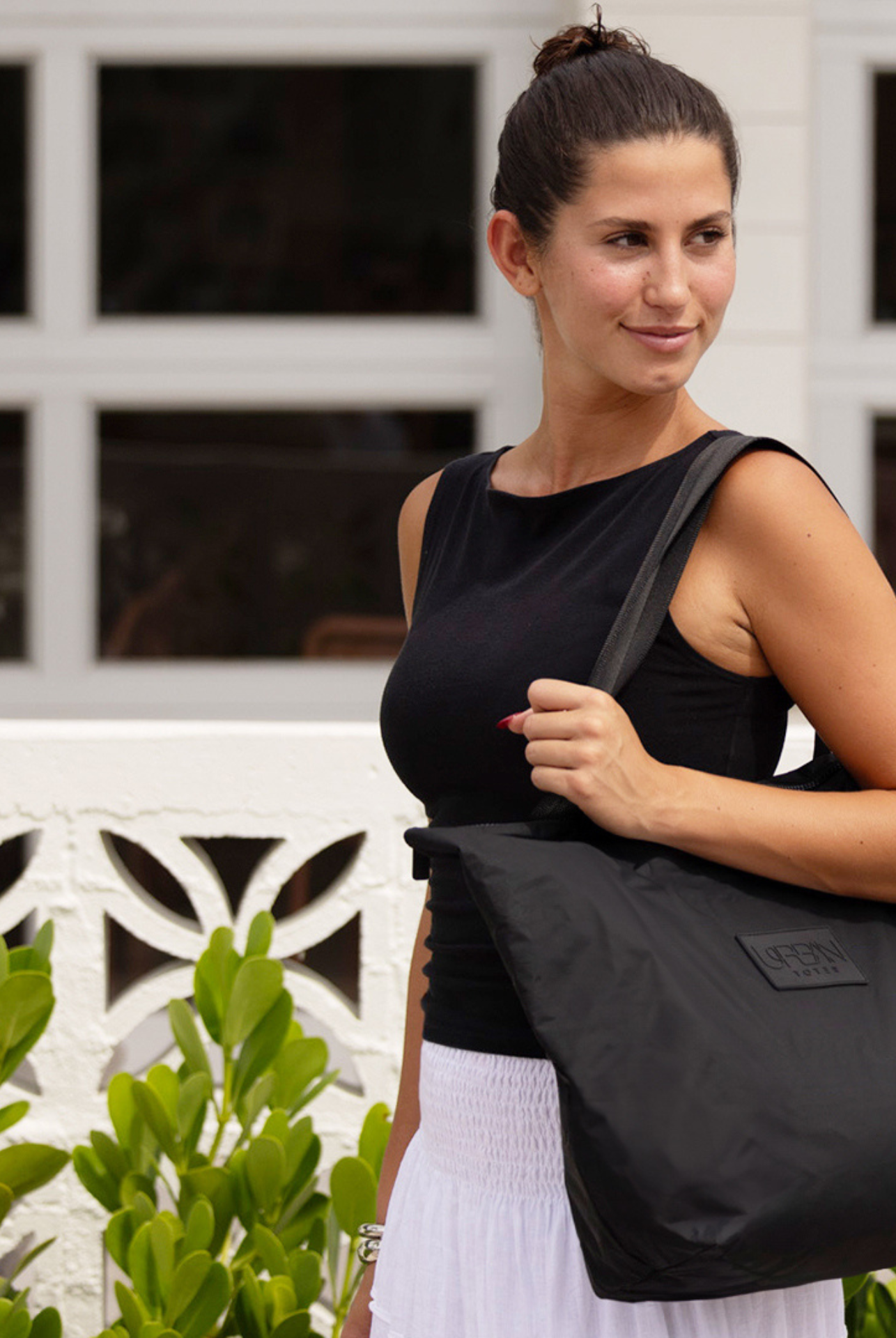
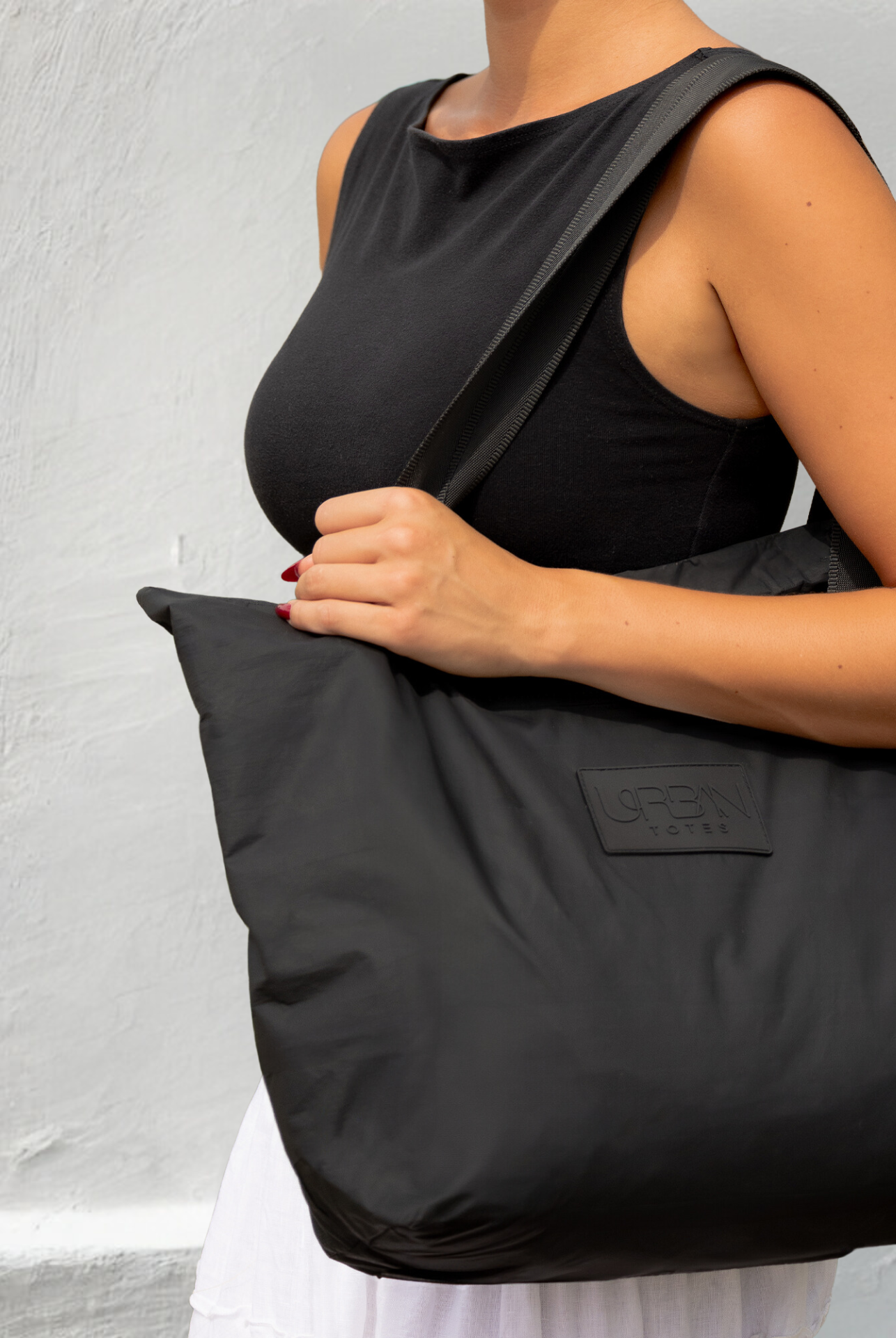
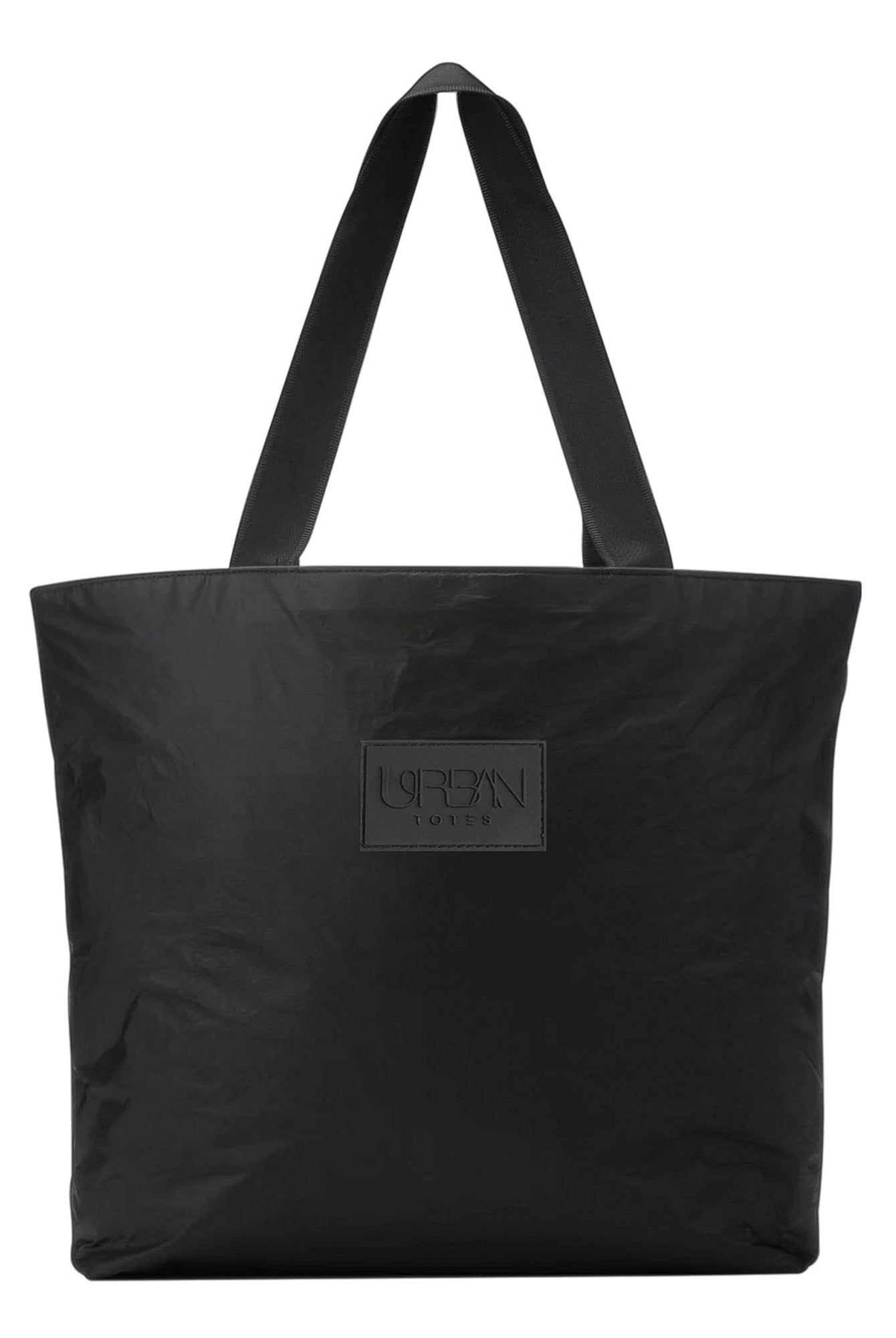
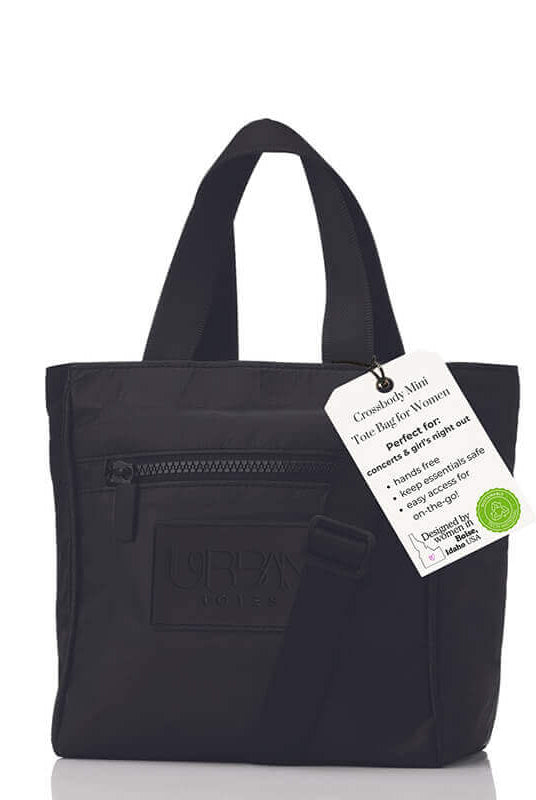
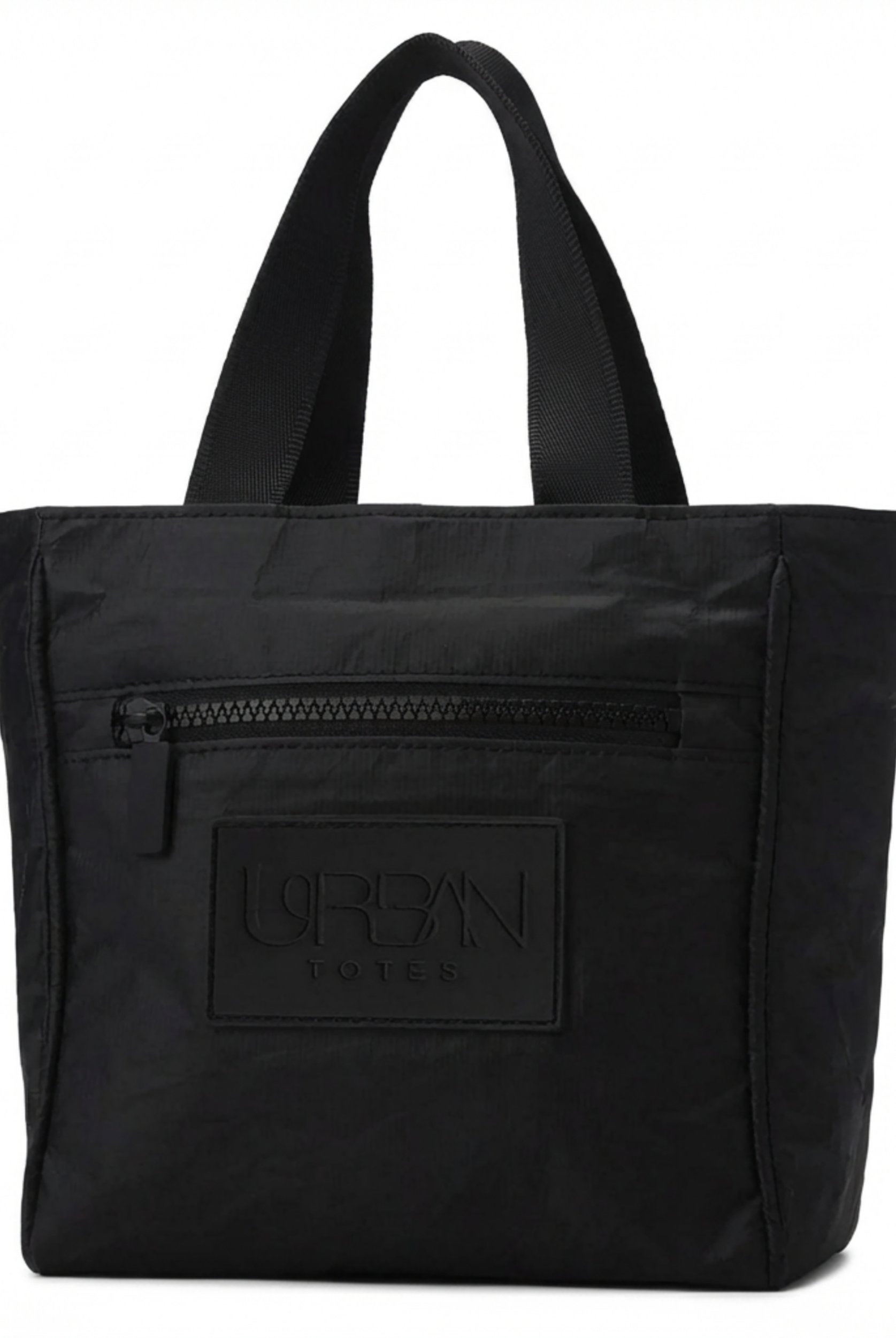
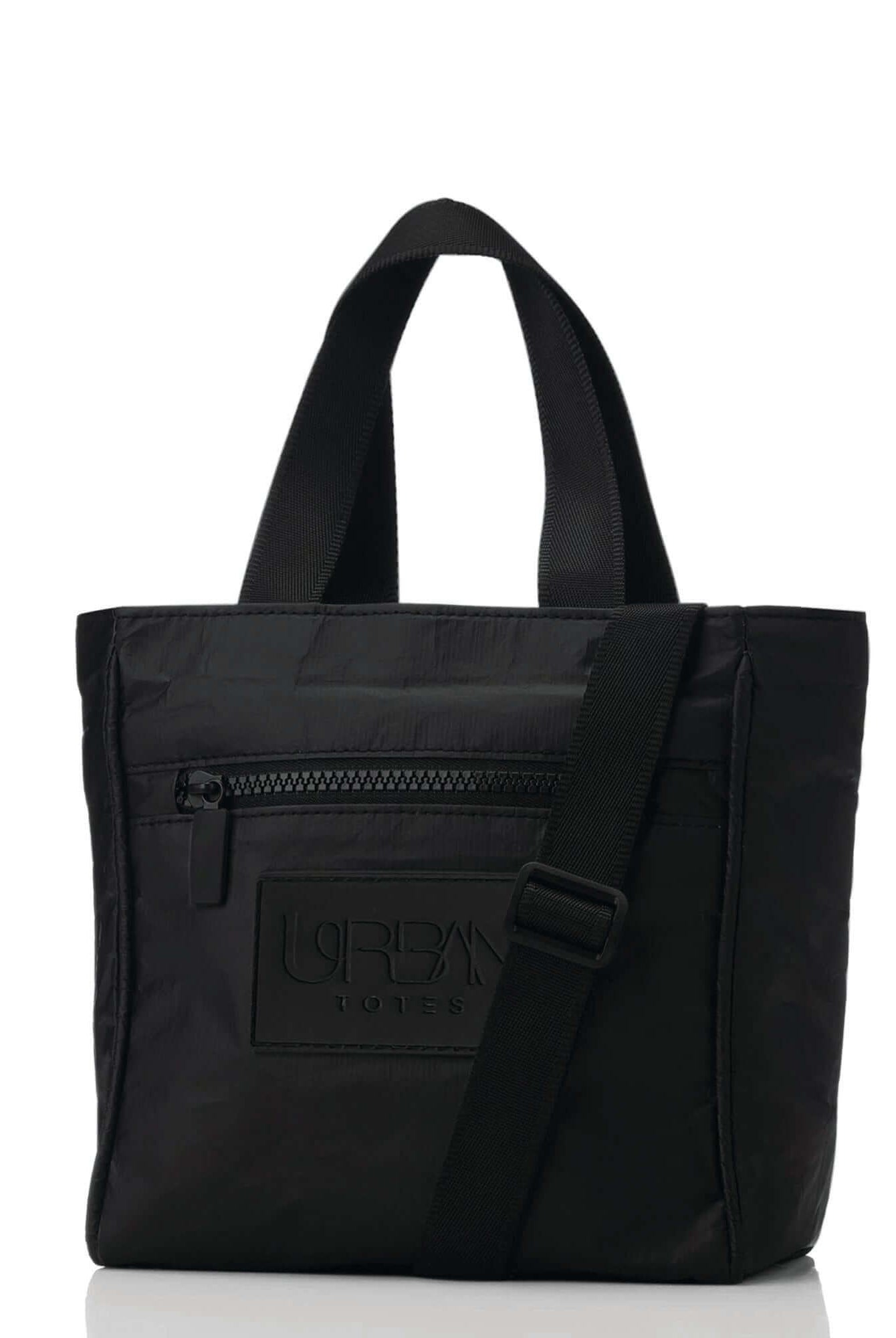
Say you're heading out for a Saturday that runs long: drop-off, a market, a late lunch. The big tote is already doing the heavy lifting, and you want your phone and card on your body rather than three inches under a bag of apples. That is the job the Crossbody Tote Bag Mini Purse was designed for.
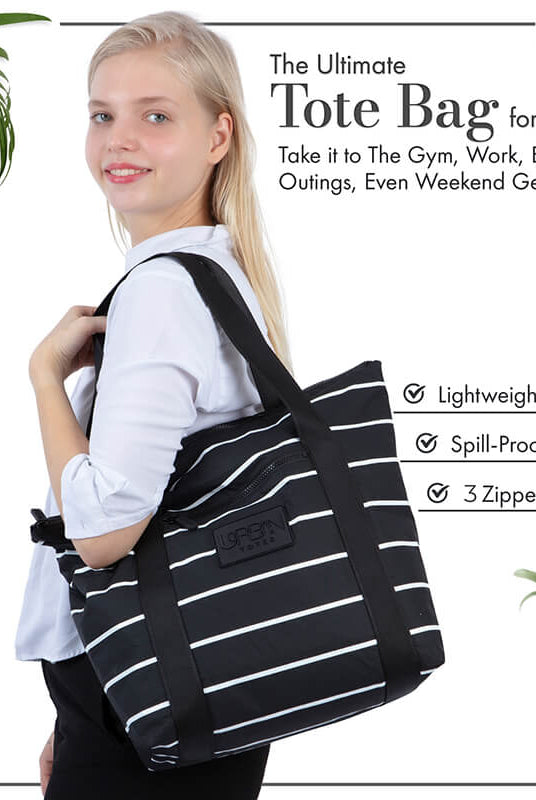
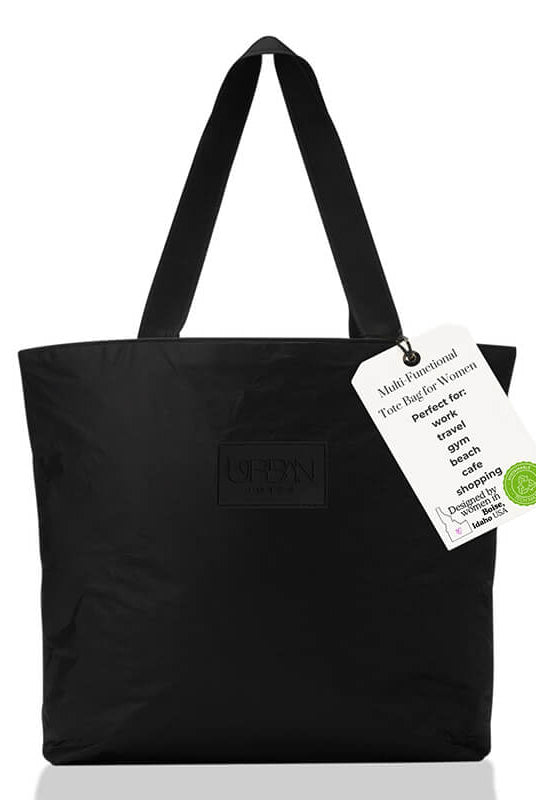
Urban Totes is a woman-owned brand with bags designed in Boise, Idaho, and the collection is built around exactly this kind of day. This one is the compact piece in the lineup: a small crossbody for the items you reach for constantly, sized so it can tuck inside a larger bag when plans change.

Match the construction to your routine
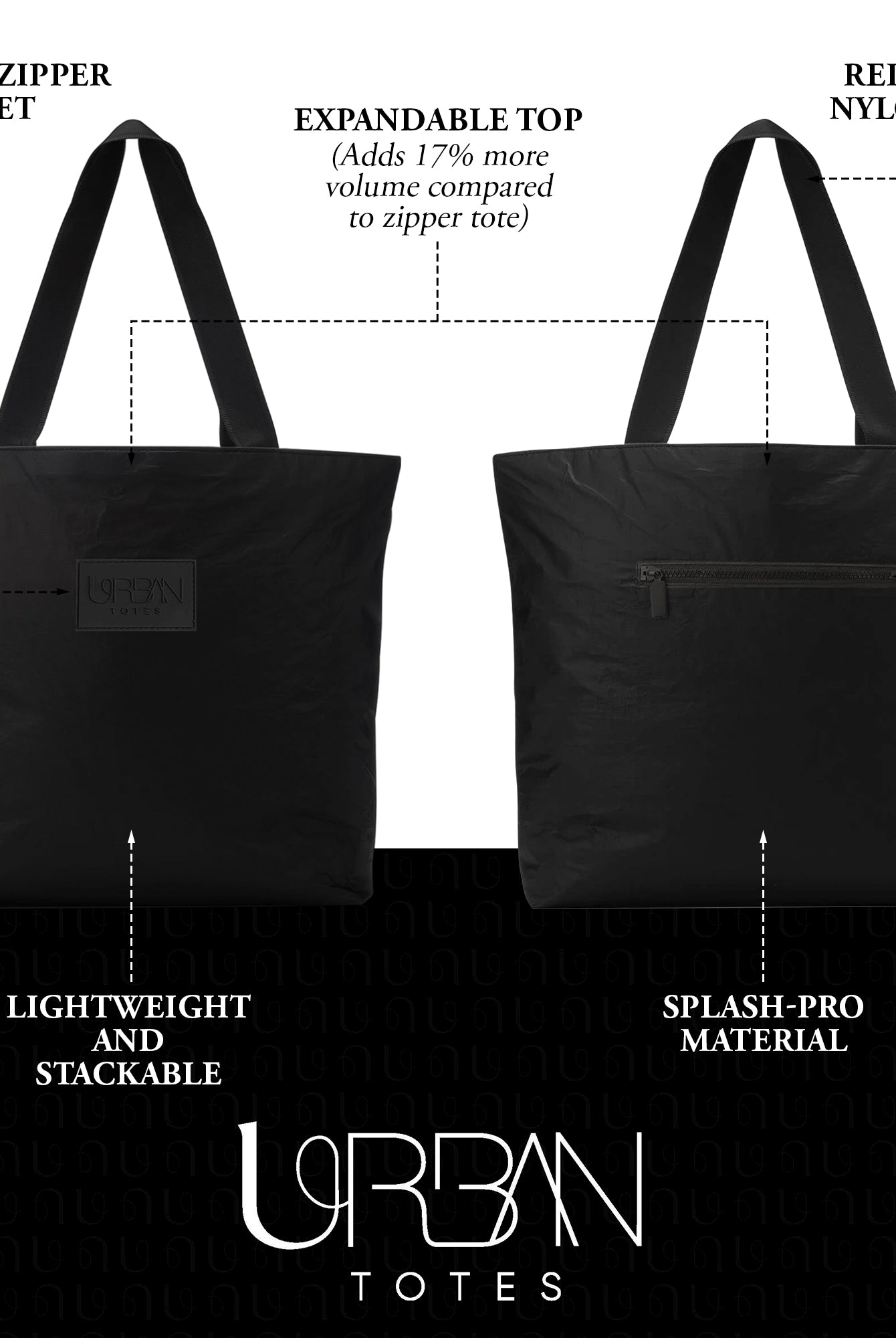
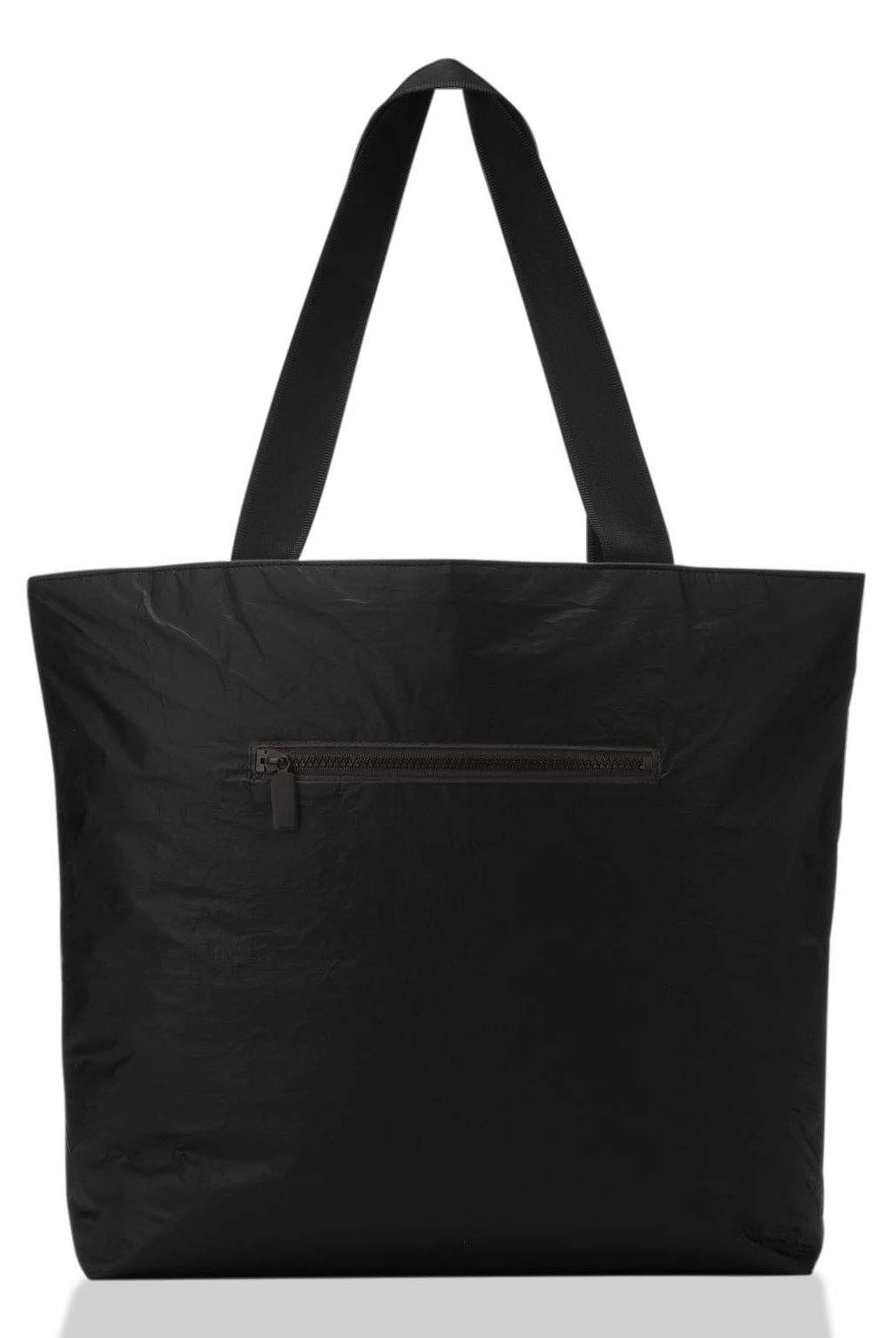
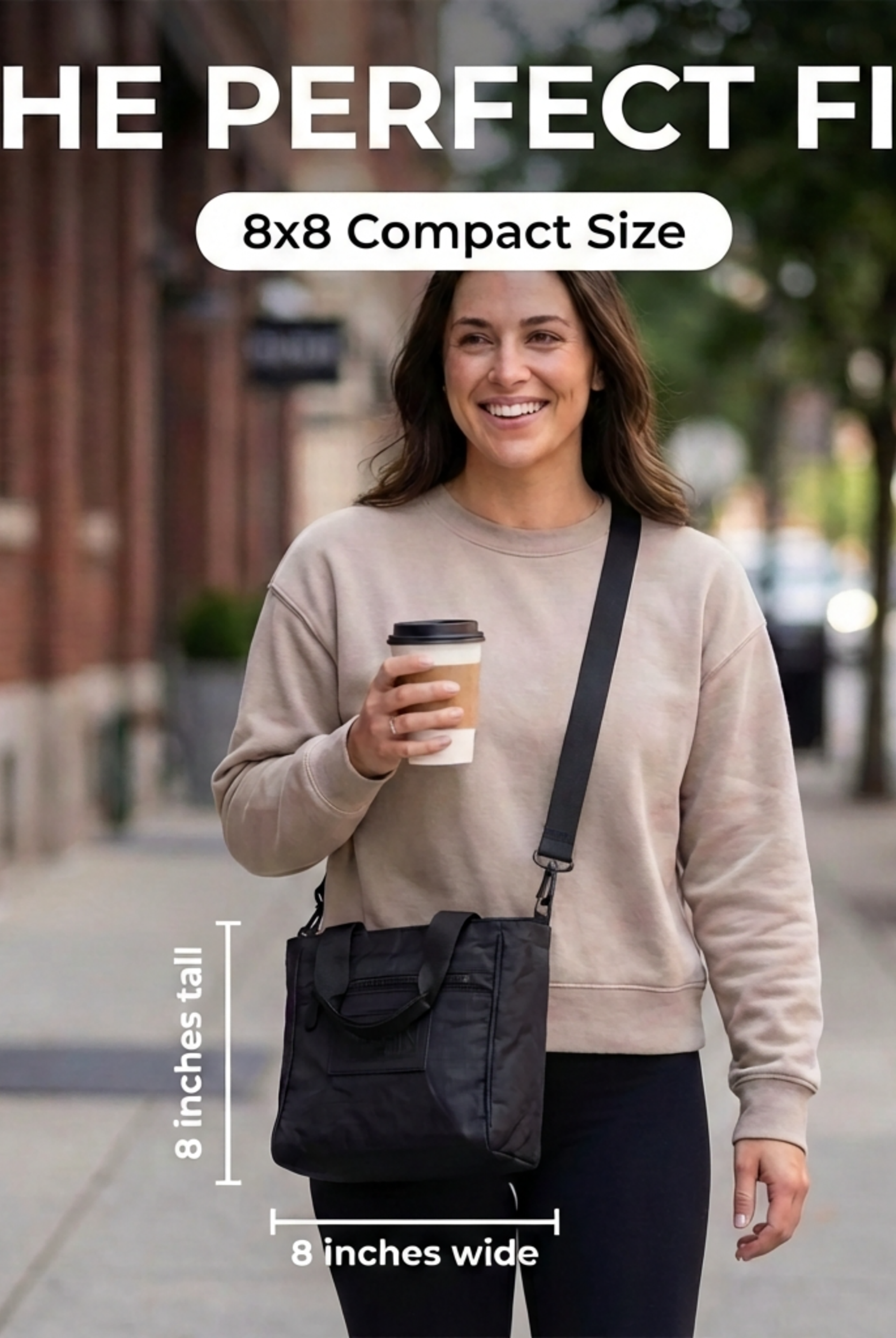
The sizing section above covers the exact measurements, strap length, and pocket layout, so here is the short version: the body is compact, the strap adjusts long enough to sit where you want it over a coat, and the handles give you a grab point when you lift it off a hook or out of a carry-on.
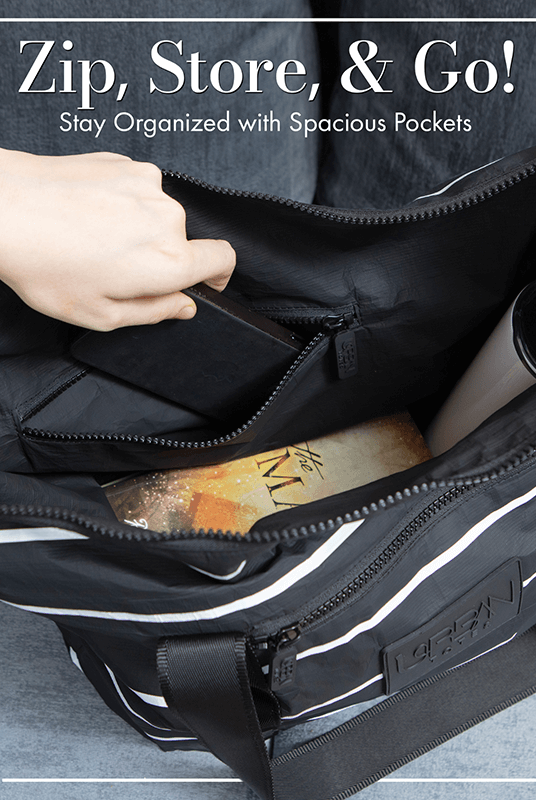
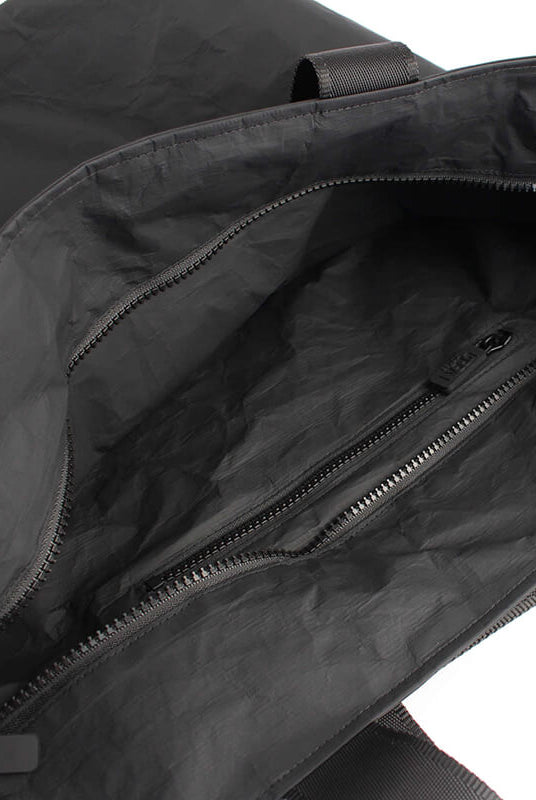
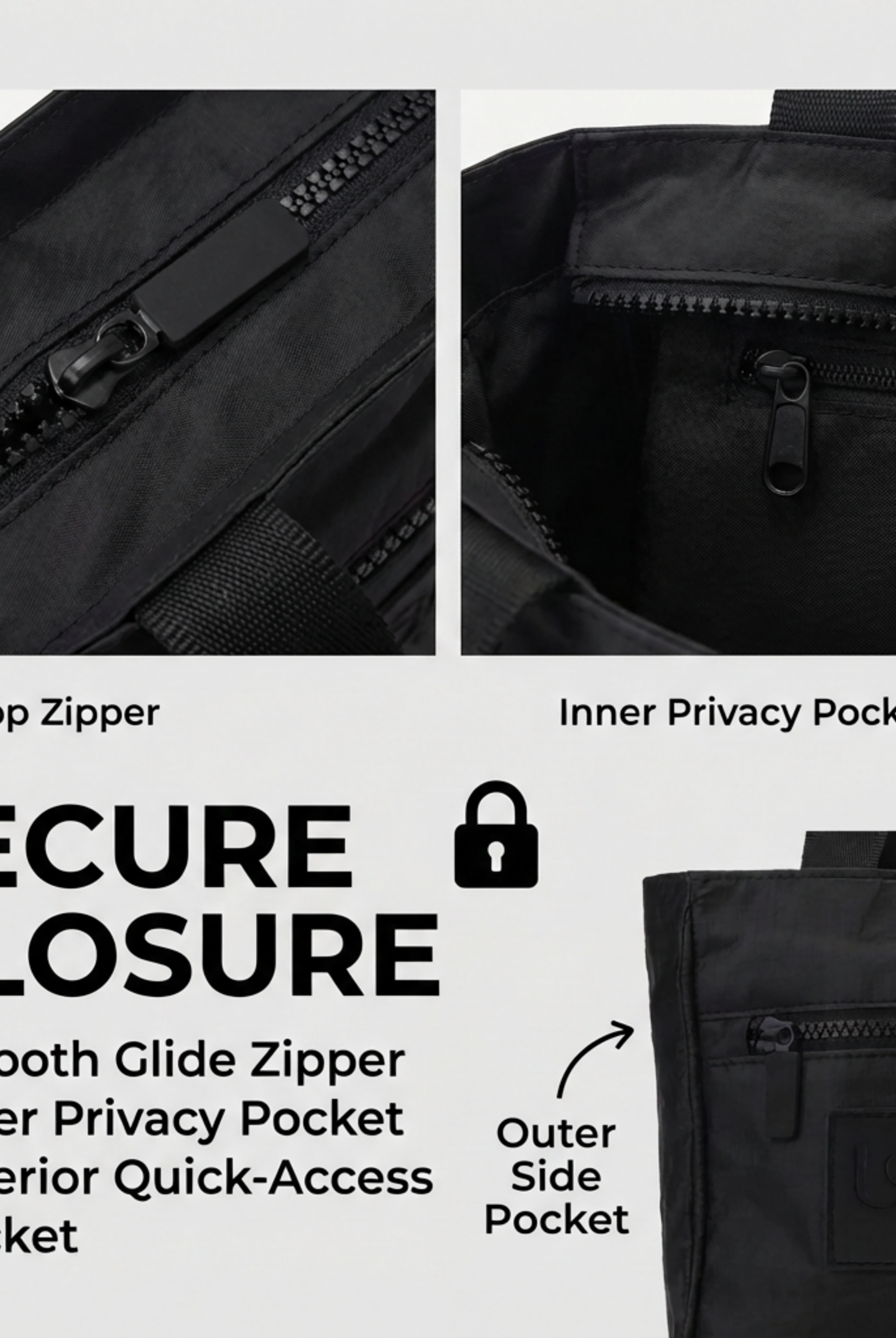
What those numbers add up to is a bag you can work one-handed. The top zipper opens while your other hand holds a coffee or a kid's sleeve, and your phone and keys sit in the outside pocket where you can reach them without digging at a crosswalk. One small thing worth a personal check: the lining is dark, so if you struggle to spot small items against it, a pale pouch inside makes them easier to find by touch.
Run it through a real day
On a school run, the outside pocket gives your phone one consistent landing place. On a commute, a transit card stays apart from the wallet you only need at lunch. On an evening out, the compact shape lets you leave the daytime extras behind without juggling a second bag.
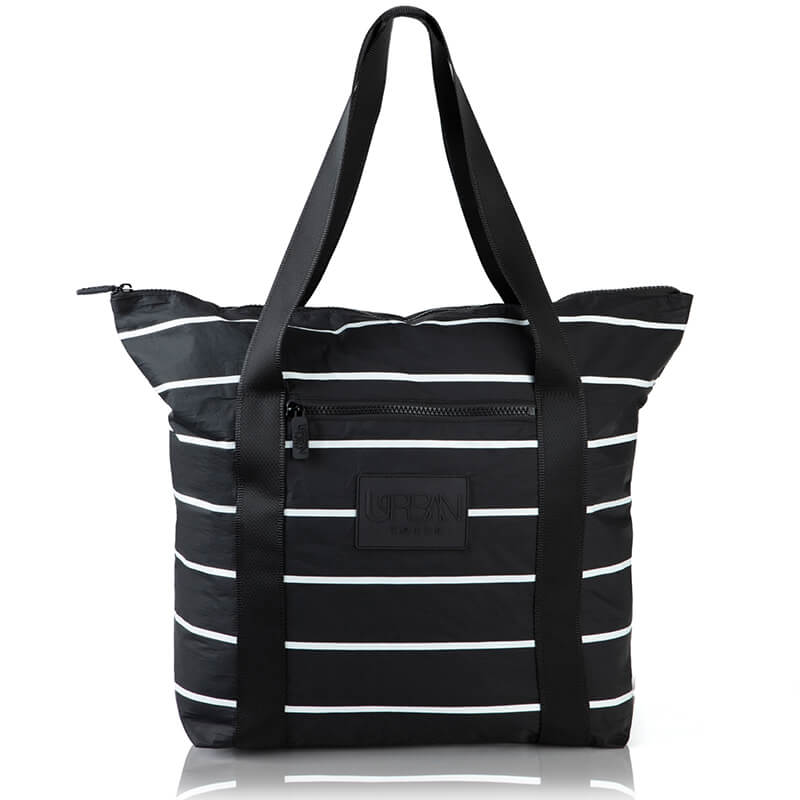
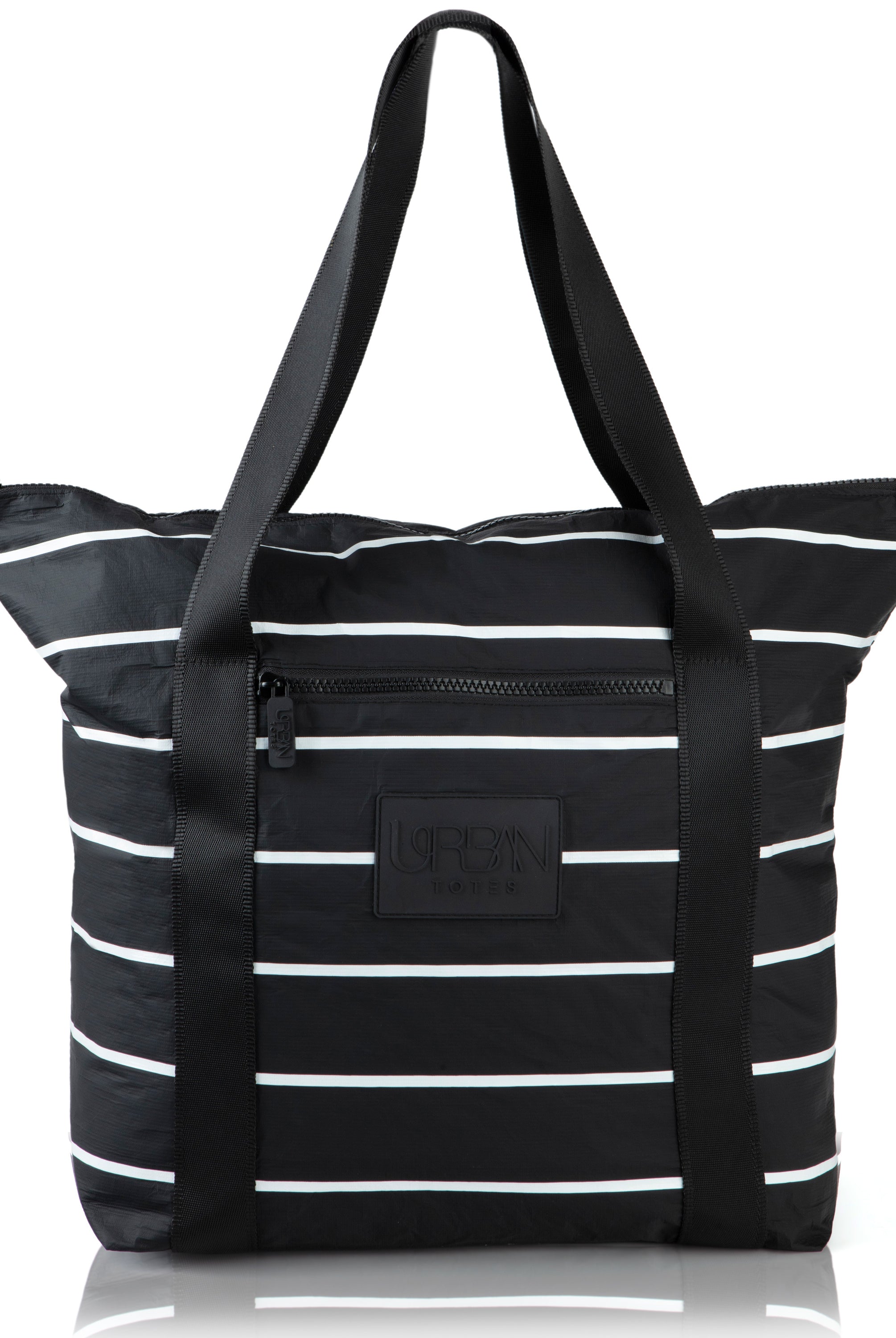
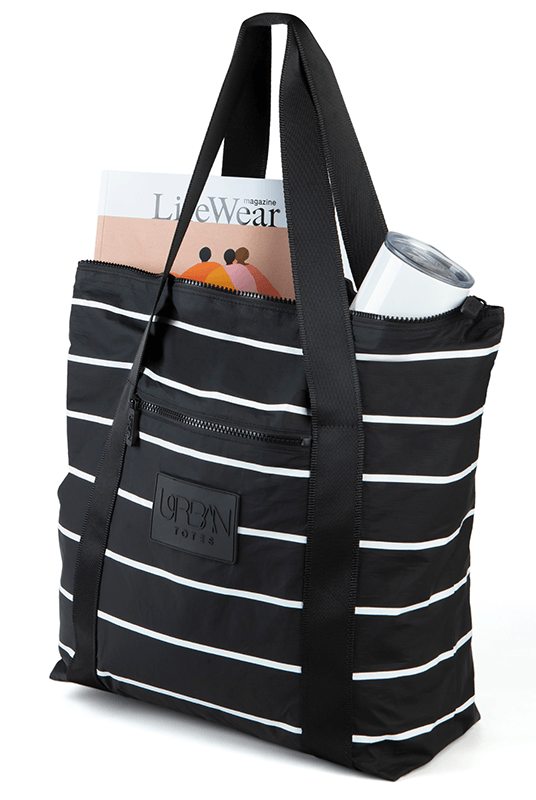
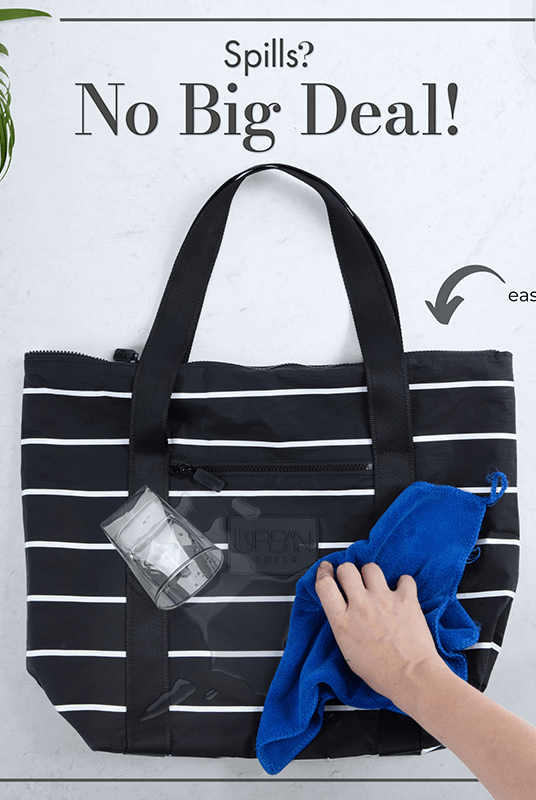
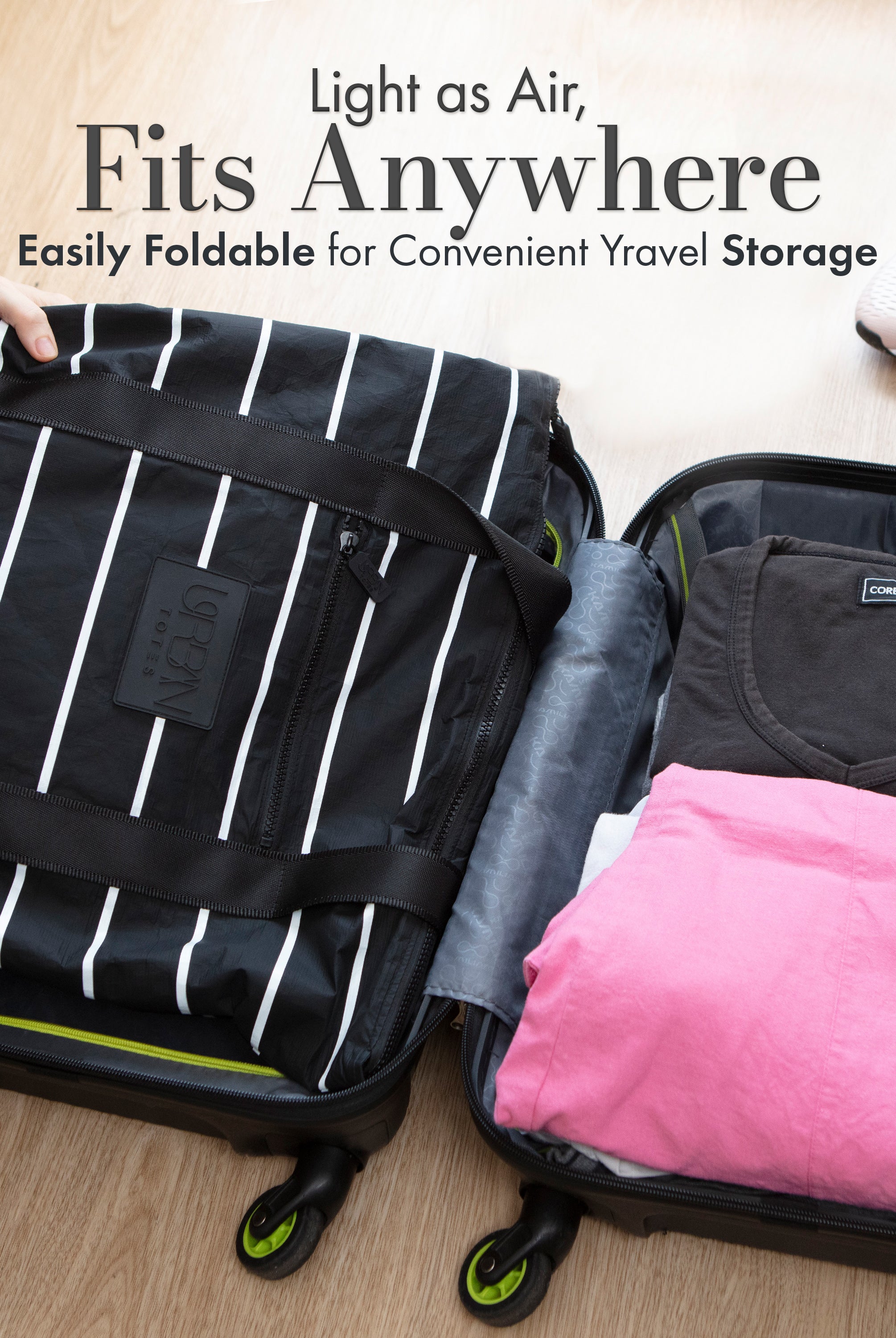
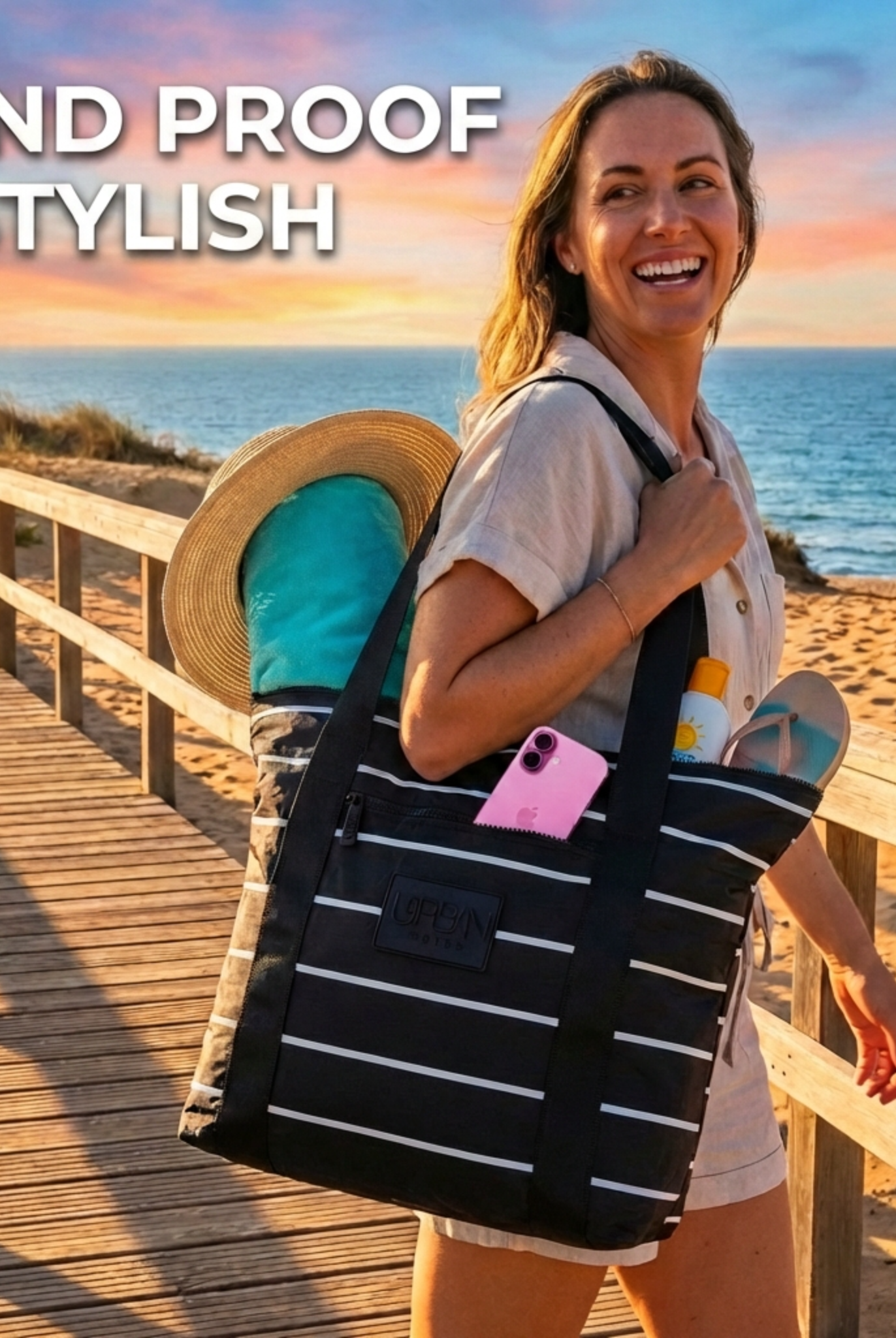
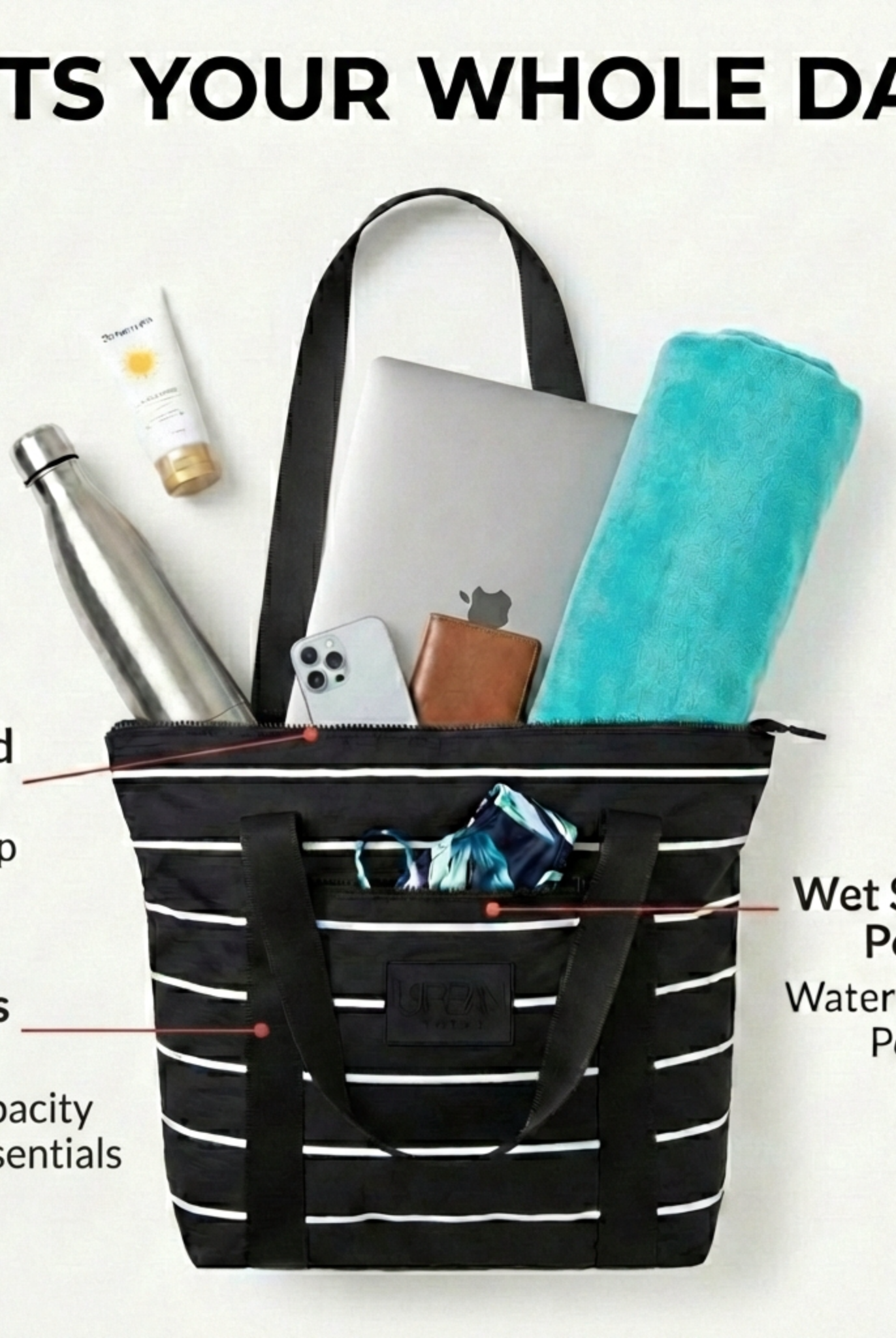
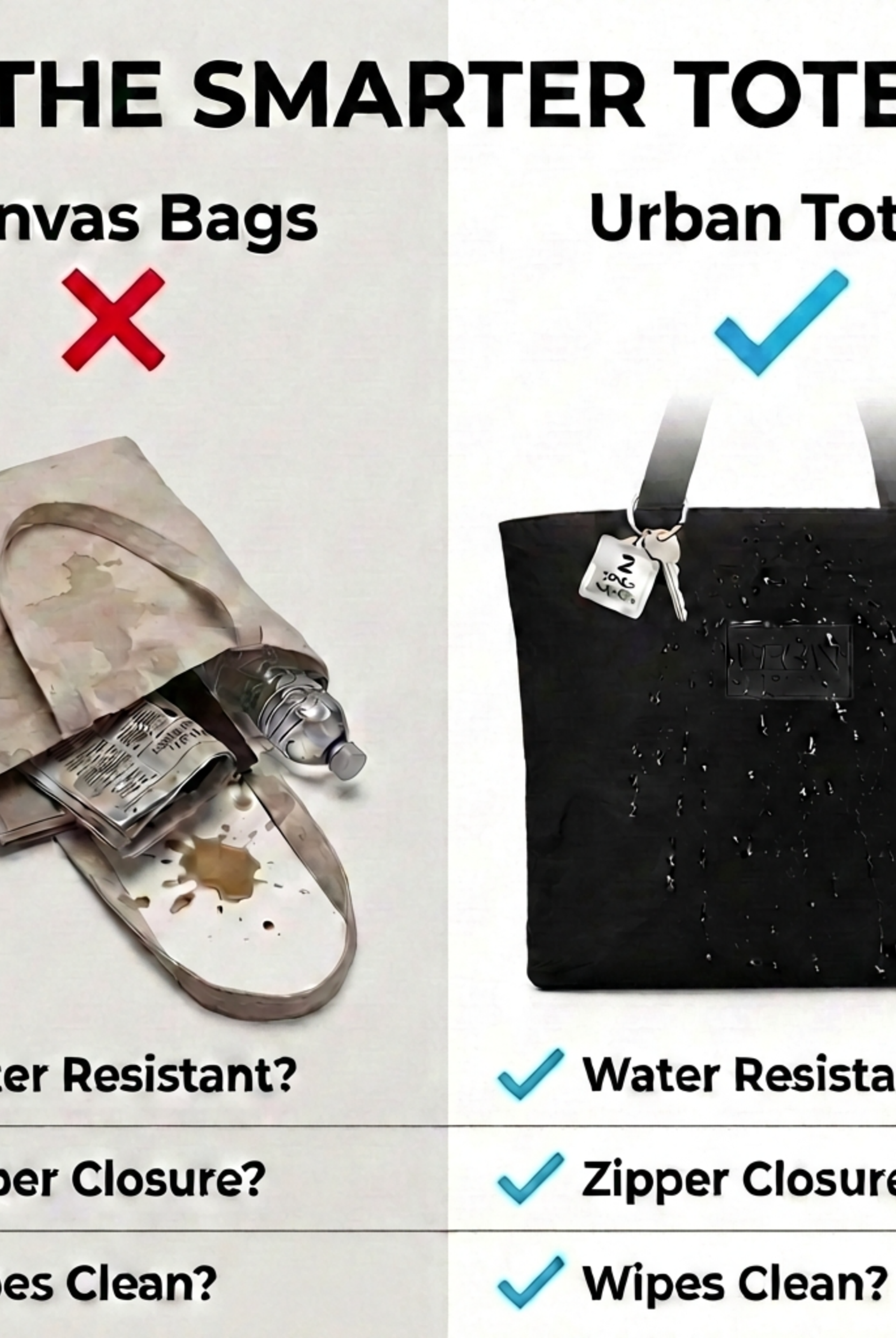
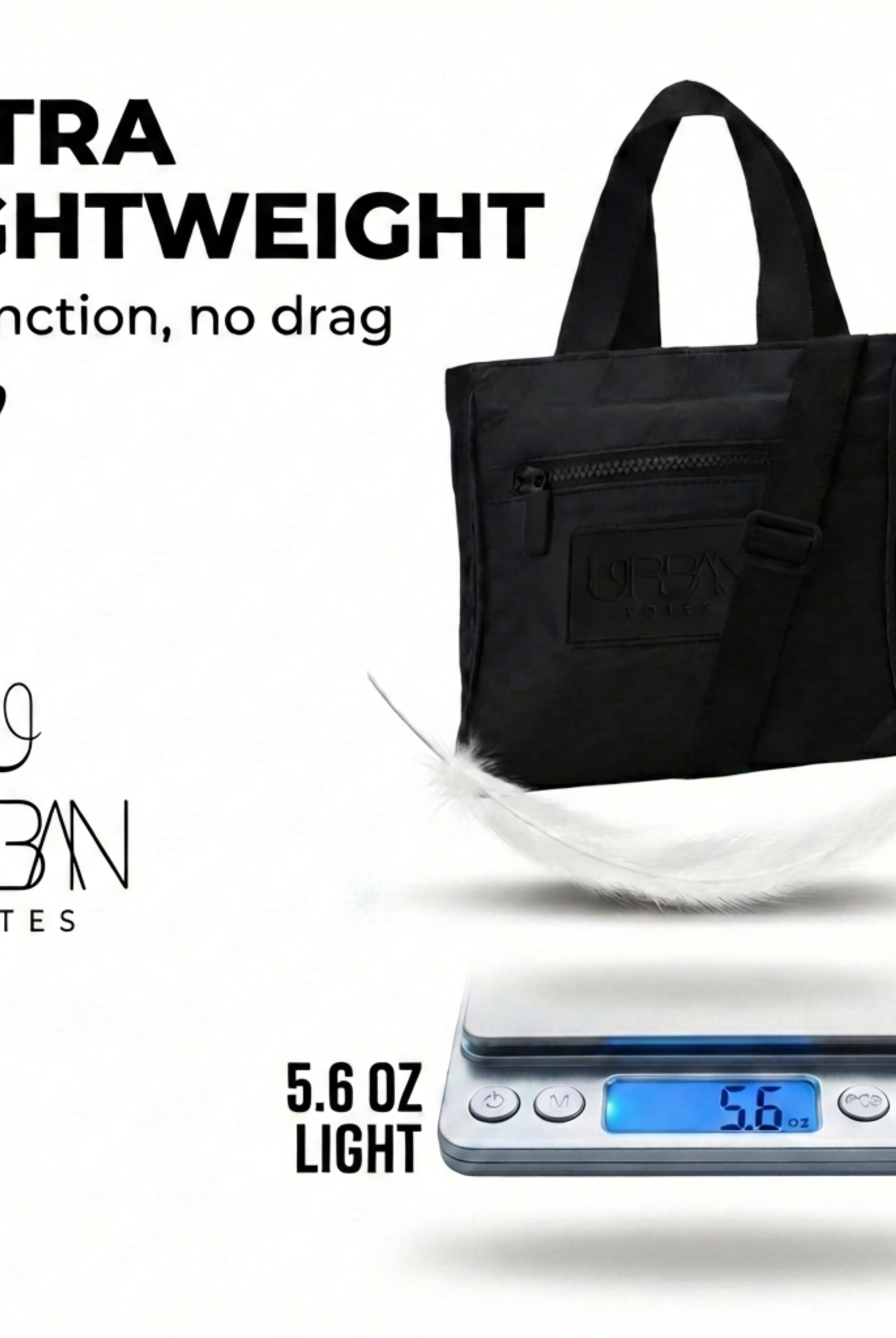
The body is made from water-resistant fabric using recyclable, non-toxic materials, so a damp café table or drizzle between stops won't end the afternoon. It is also lightweight and packable, riding inside a carry-on or larger tote until you need it, then carrying the on-body load while the bigger bag handles everything else.
Care is easy to keep up with. Wipe it down with an alcohol-free wipe or put it in the washing machine, then let it dry. That matters when your week includes coffee splashes, dusty market tables, and a sandy beach chair.
Choose it when your daily carry is a phone, keys, a card, and a few small extras. If tomorrow calls for documents, a tablet, or a change of clothes, give that load a larger bag and let this one stay light. And check availability before you plan around it; if it happens to be sold out, the same fit test works on any compact crossbody you try next.
Choose the Bag That Keeps Up
Say it's pickup time and you're balancing a sleepy toddler on one hip while your phone rings somewhere at the bottom of your bag. The right crossbody is the one you can unzip with your free hand, reach into without looking, and forget about until your keys are needed at the door. Your busiest hour already knows which bag it needs.
Run one last check while your actual belongings are still on the counter:
- Write your on-body list. Keep towels, laptops, and spare outfits out of it.
- Choose your day. Let the matching table row outrank the trend you've been tempted by.
- Name your tired hour. Pick the bag you can still work one-handed at the end of it.
Choose less to manage
The best crossbody bags are the ones you stop noticing once you leave the house. They keep you organized, feel versatile enough for changing plans, and look stylish with clothes you already love. A bag that carries an ordinary Tuesday without complaint has earned its spot in the rotation.
Our woman-owned, Boise-designed brand is a practical place to start when you want a go-anywhere compact bag and a larger tote for the rest. Choose the combination that leaves your hands, and your attention, available.
Urban Totes offers lightweight, water-resistant crossbody and tote styles for essentials close at hand and bigger plans beside them. Visit Urban Totes to compare a compact everyday carry with the roomier bags that suit your routine. Find your perfect go-anywhere bag at urbantotes.com.