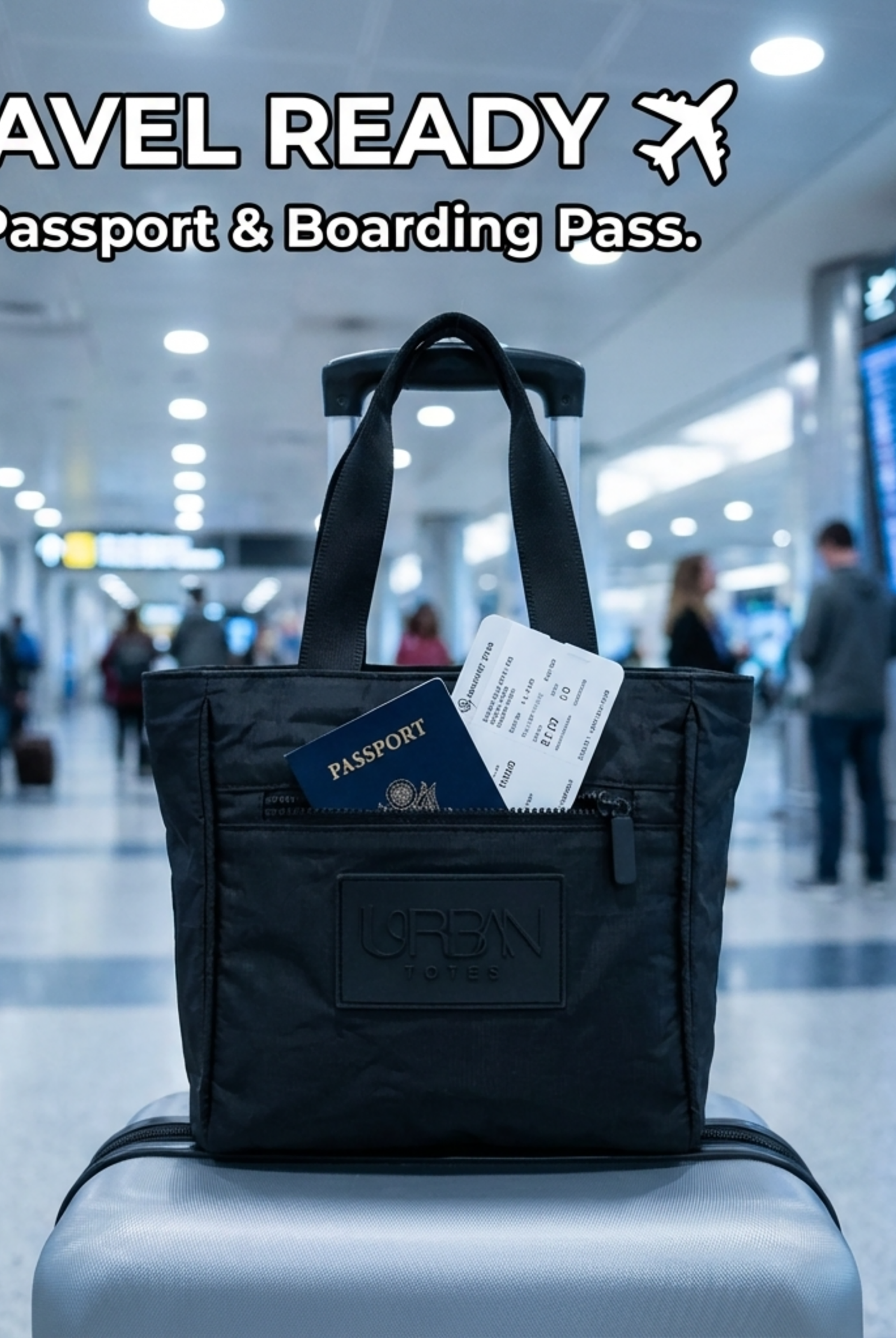
You're standing at the gate with a boarding pass on your phone, a coffee going cold, and a bag sliding off your shoulder for the third time in five minutes. You don't need more capacity. You need your hands back, your passport where you can find it, and a strap that stays put. That's the job a good crossbody travel bag does, and it's also where a bad one fails fast.
Table of Contents
- The Day a Crossbody Earned Its Place
- What a Crossbody Travel Bag Actually Is
- The Five Features That Actually Matter
- Matching the Bag to Your Real Day
- The Comfort Trade-Off Nobody Talks About
- Smart Packing and Buying Checklist
- Your Go-Anywhere Crossbody Awaits
The Day a Crossbody Earned Its Place
The line for boarding moved, then stopped, then moved again. She had a toddler determined to explore the terminal, a phone buzzing with pickup reminders, a passport tucked somewhere safe, and a tote sliding down her arm every time she reached for either child or coffee. Safe, in that moment, meant unreachable.
That's the exact failure a crossbody travel bag is built to prevent. The strap goes diagonally across your torso, the bag rests near your opposite hip, and both hands stay available for tickets, luggage, a stroller, or a small hand that needs holding. You zip it, you know where it is, and you stop thinking about it.
Why Ordinary Bags Break Down on Travel Days
A cavernous tote swallows keys and lip balm into one dark pile. A shoulder bag needs constant readjustment and loads one side of your neck. A backpack holds more, but your passport ends up behind you in a crowded security line.
A bag you have to babysit isn't helping you travel. It's another thing to manage.
The broader shift makes this personal item matter more, not less. The International Air Transport Association has been reported as estimating that 52% of passengers prefer traveling with only carry-on baggage, compared with 48% who check luggage, in luggage trend data reported by Eminent. The same source cites 2022 Baggage IT Insights data showing the mishandled-baggage rate rose 74.7% to 7.6 bags per 1,000 passengers. Keeping medication, chargers, documents, and a wallet on your body isn't paranoia. It's practical.
I'm direct about this because I've tested the alternative. Carry a slipping tote through an airport, a farmers market, and school drop-off in the same week and you'll learn quickly. Hands-free, organized, and close to your body beats roomy and vague every time.
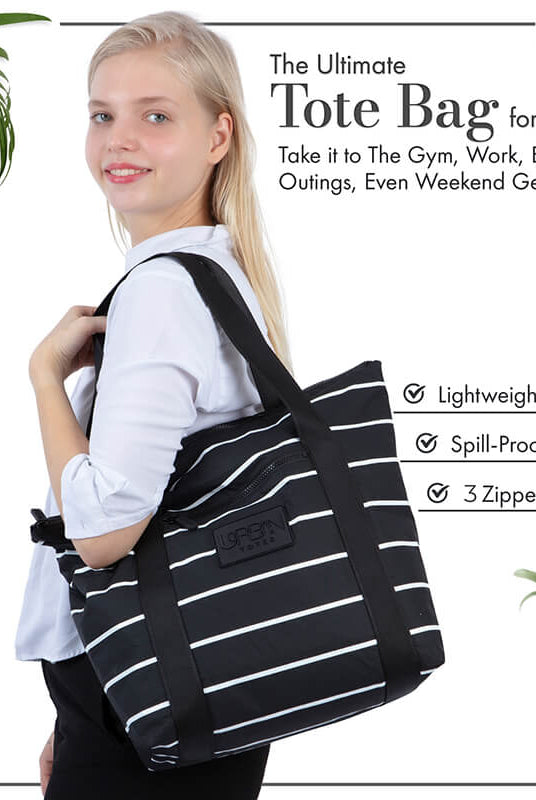
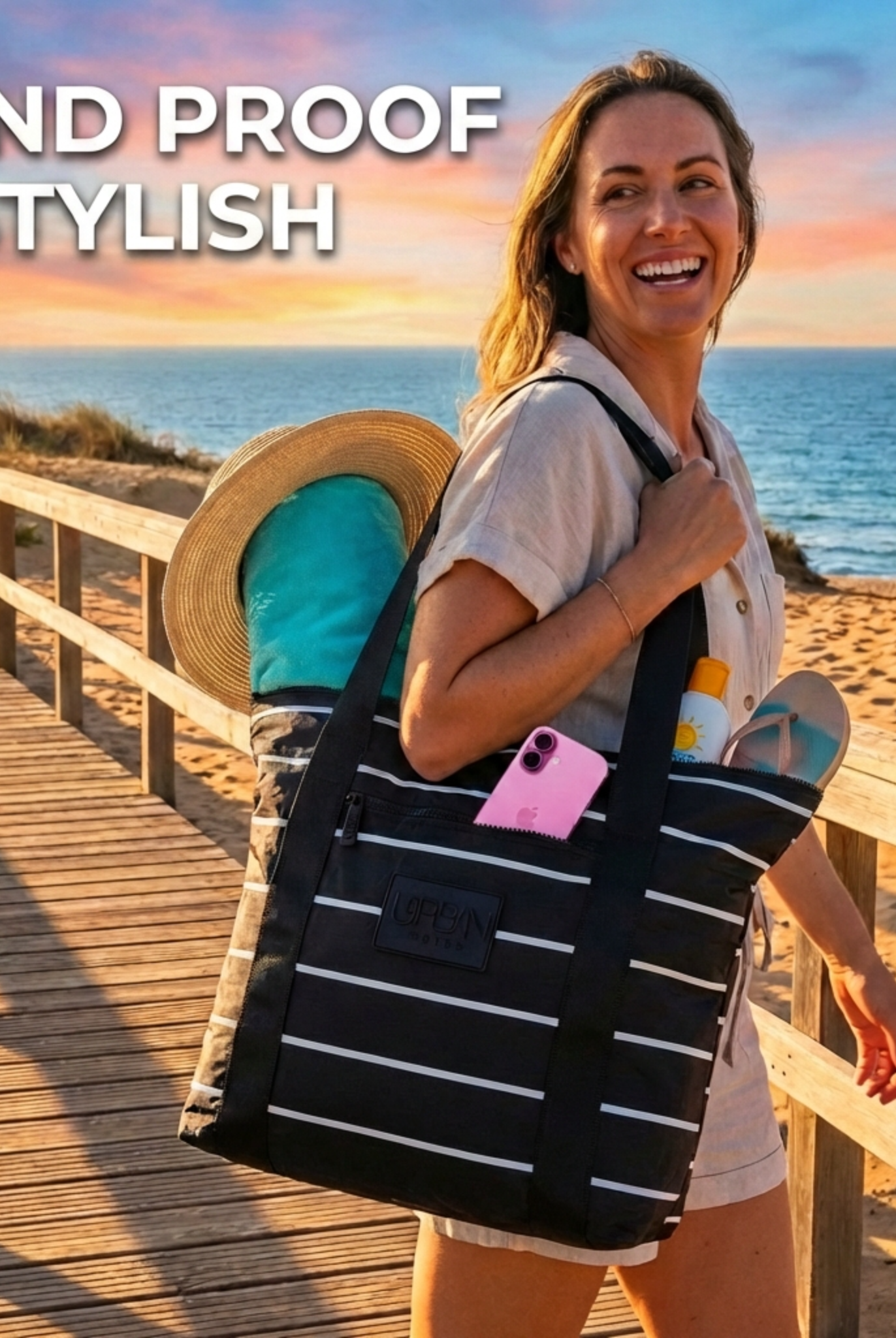
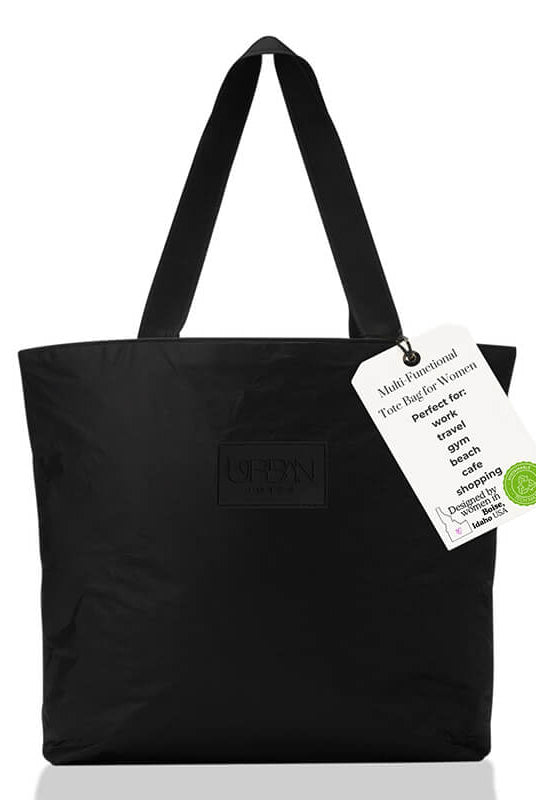
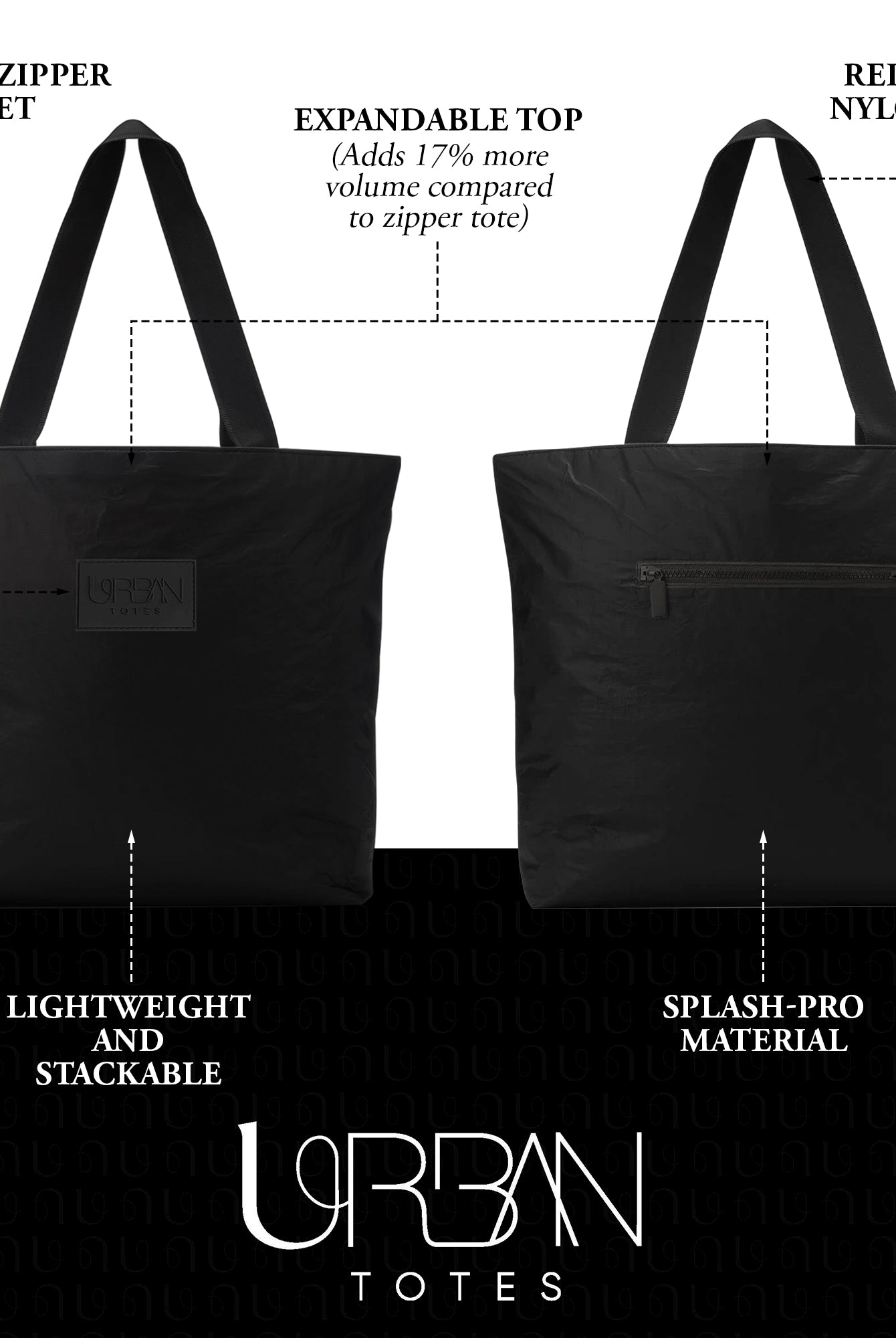
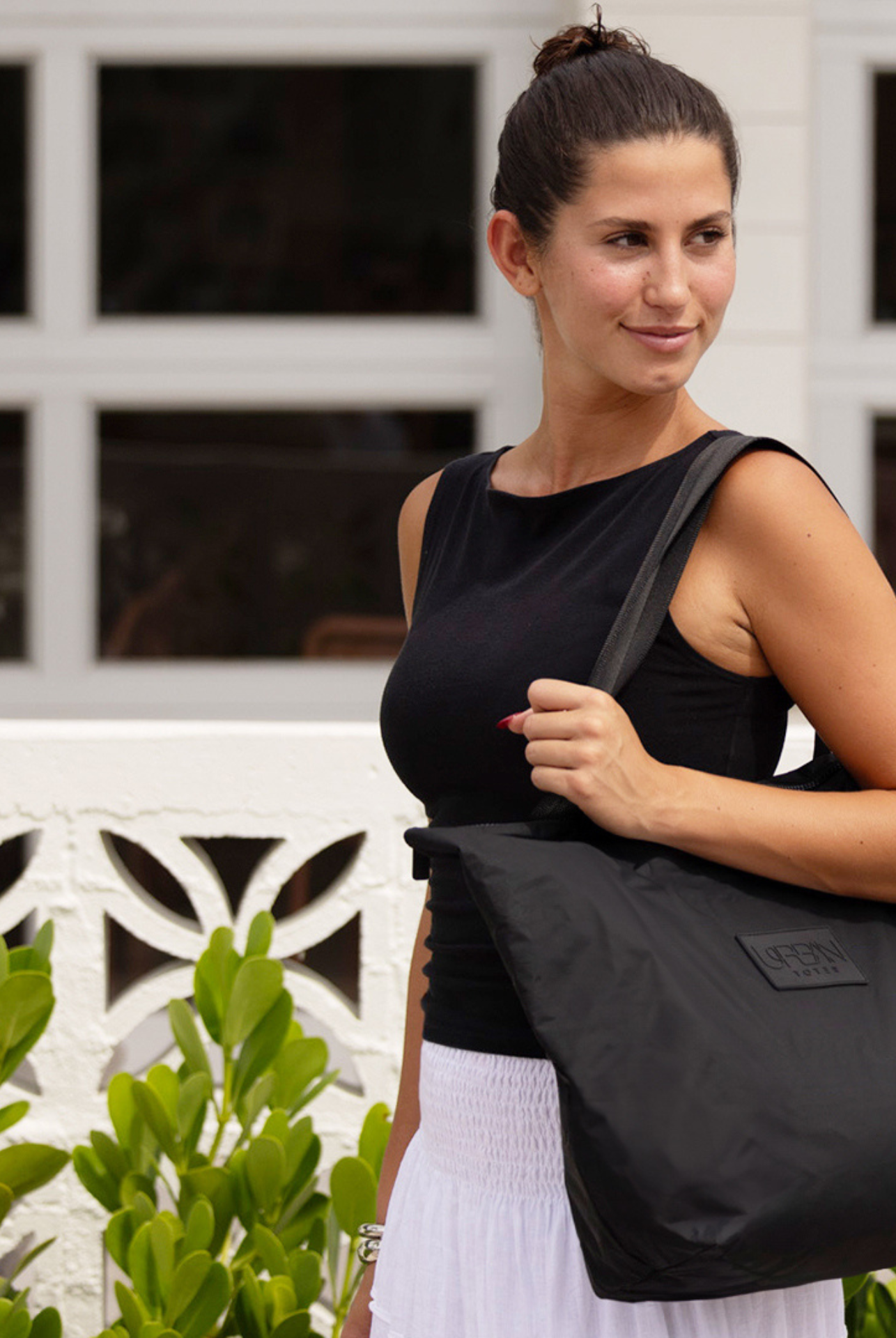
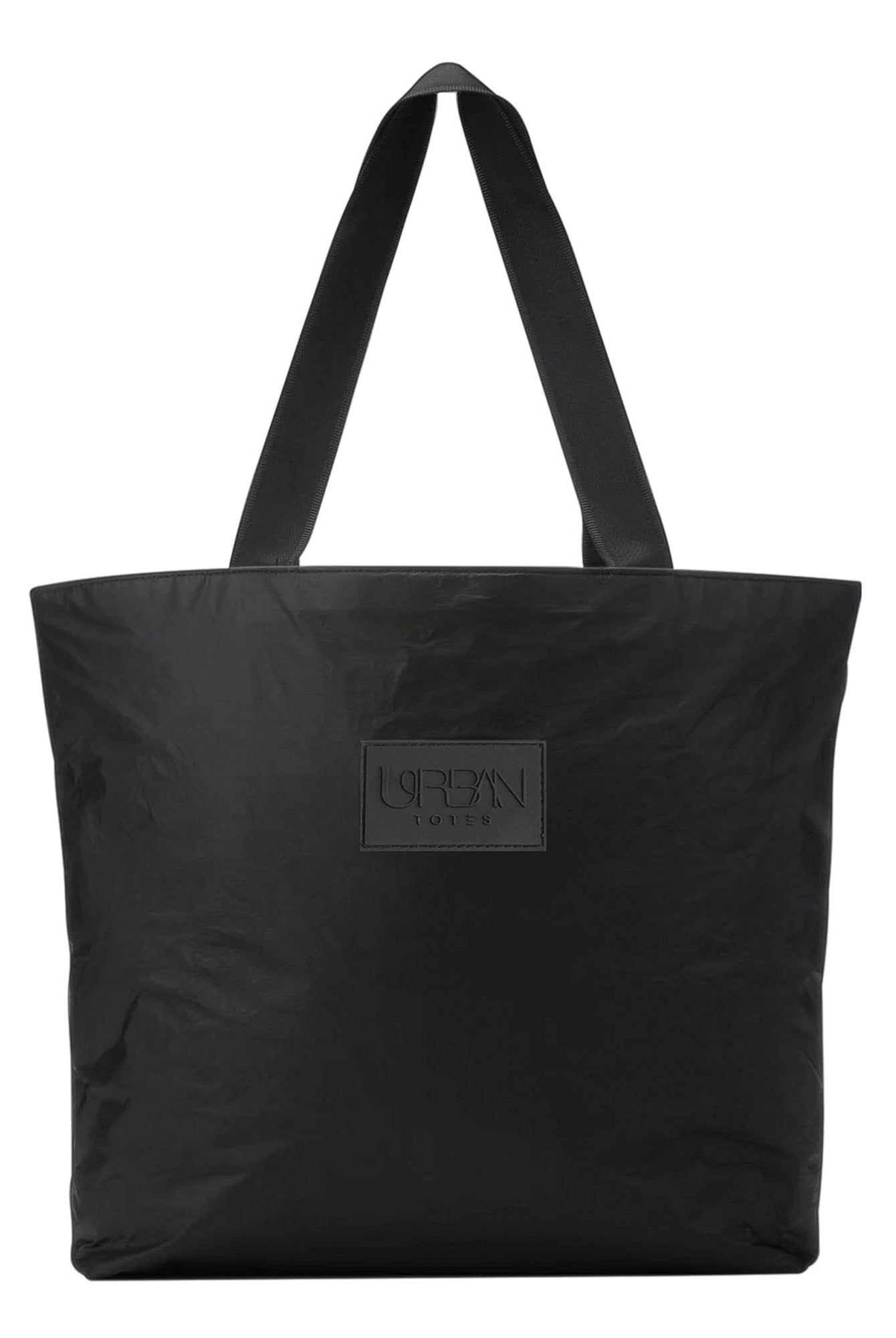
Urban Totes, a woman-owned brand based in Boise, Idaho, designs from that founder perspective, for women juggling real days rather than styled photos. The tagline is "Go Anywhere. Tote Everything." and the useful version of that promise is simple. Your bag should keep up without weighing you down.
What follows isn't a generic feature list. You'll get the five features that decide whether a bag works, how to match size to airline rules, and the comfort trade-off most roundups skip. Pick for the day you have, and you'll pick right.
What a Crossbody Travel Bag Actually Is
Think of it this way. A tote is a bucket you carry. A backpack is a load you wear on both shoulders. A crossbody is a hands-free sidekick that rides at your hip, secured against your torso, sized for daily essentials rather than a full wardrobe.
A Working Definition You Can Shop With
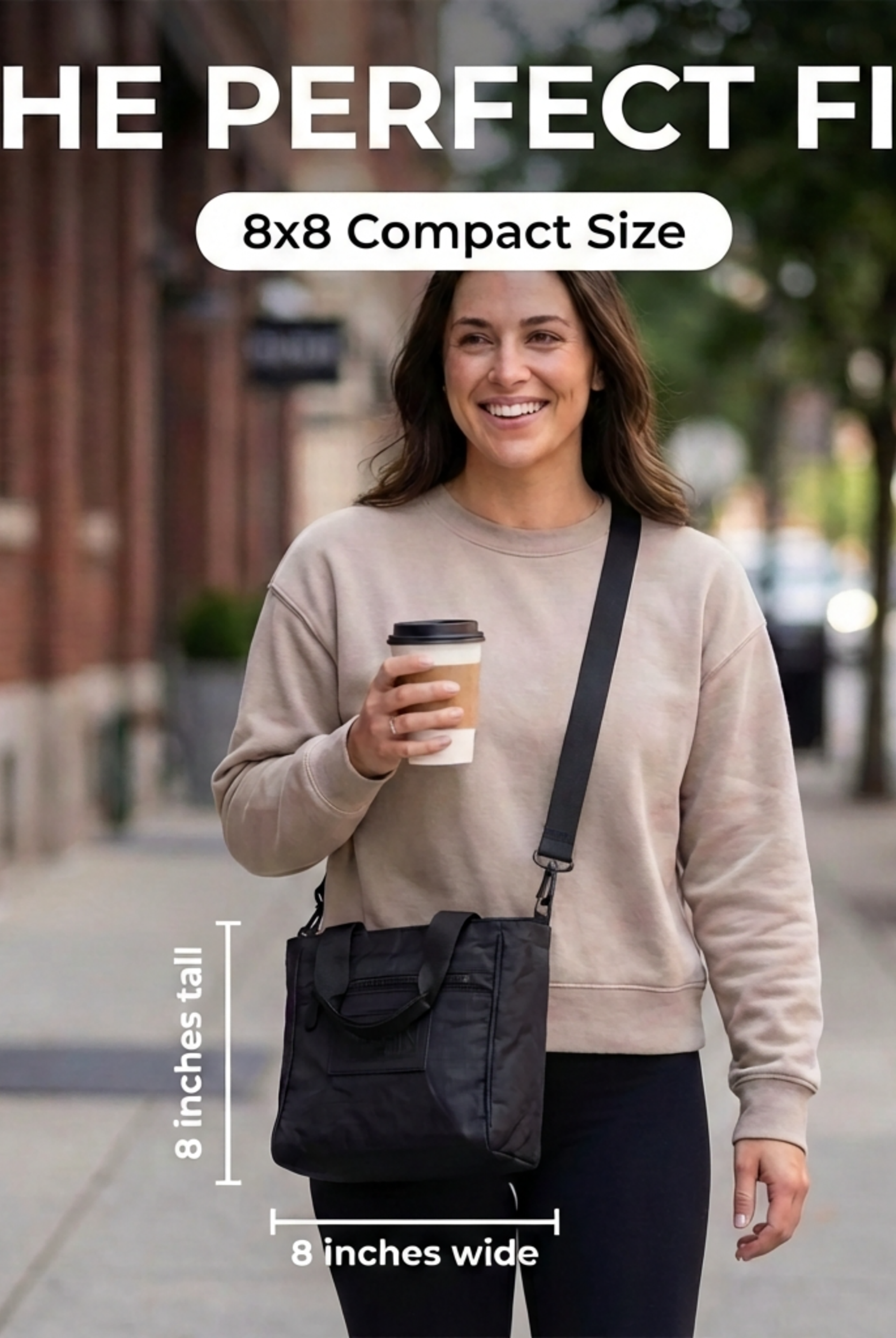
A true crossbody travel bag has three essentials. First, a long adjustable strap worn diagonally from shoulder to opposite hip, not dangling from one shoulder. Second, a full zipper closure, not a magnetic snap that pops open under a seat. Third, a compact personal-item footprint that holds a phone, wallet, passport, sunglasses, and small extras without turning into luggage.
If a listing can't tell you strap length, packed dimensions, and how it closes, keep scrolling. Those details decide whether the bag works at a gate, on a train, and at a beach chair later that same weekend. Our explainer on what qualifies as a crossbody bag breaks down strap and silhouette differences if you're comparing listings side by side.
Built for Workers Long Before It Was Fashion
This form wasn't invented as an accessory. Historical accounts trace messenger-style bags to the mid-19th century, including Pony Express riders in the 1860s carrying mail between Missouri and California, with more recognizable versions developed in the 1950s by the De Martini Globe Canvas Company for telephone linemen and postal workers, as traced in the history of crossbody carrying systems. Those bags used cotton canvas, waterproof lining, multiple pockets, and straps that kept tools secure while workers climbed.
Bicycle messengers adopted similar bags in the 1960s. Designer John Peters updated them in the mid-1980s with nylon, reflective strips, binding, and buckles. On the fashion side, Coco Chanel introduced the 2.55 in February 1955 with a long chain strap for hands-free shoulder and crossbody wear. Workers needed durability, organization, weather resistance, and freedom of movement. You need the same four things, just with better styling.
How to Tell Categories Apart at a Glance
- Shoulder bag: Strap stays on one shoulder, bag swings free, you readjust it constantly.
- Mini backpack: Load sits behind you, access is slower, security awareness has to work harder in crowds.
- Convertible tote: Carries more, but often lacks the diagonal stability and close-to-body fit.
- Crossbody travel bag: Diagonal strap, hip-level rest position, zippered, organized for essentials you reach for repeatedly.
Buy the category that matches the job. For travel days, errands, and commuting, the diagonal carry is the point, not a styling detail.
The Five Features That Actually Matter
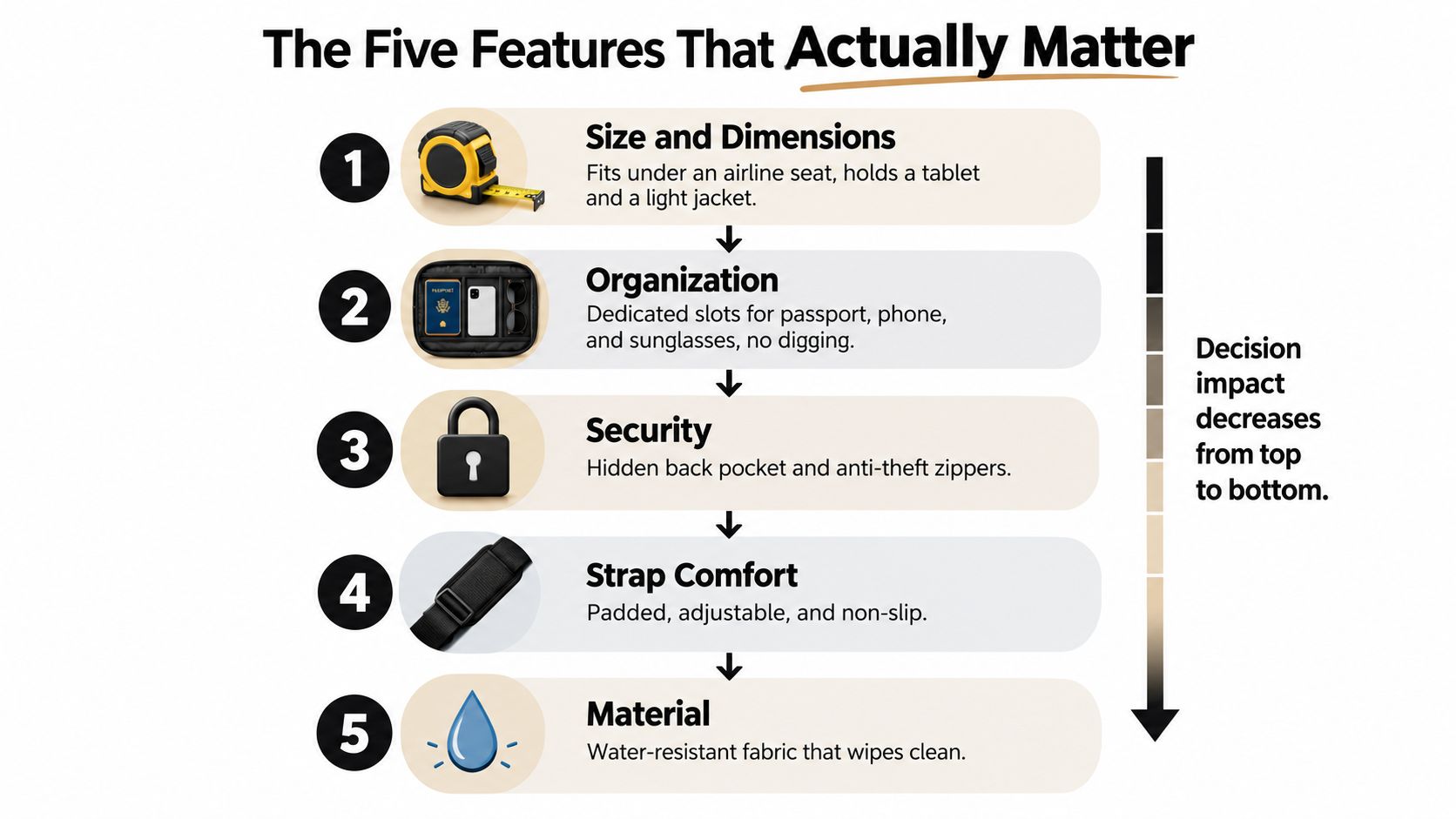
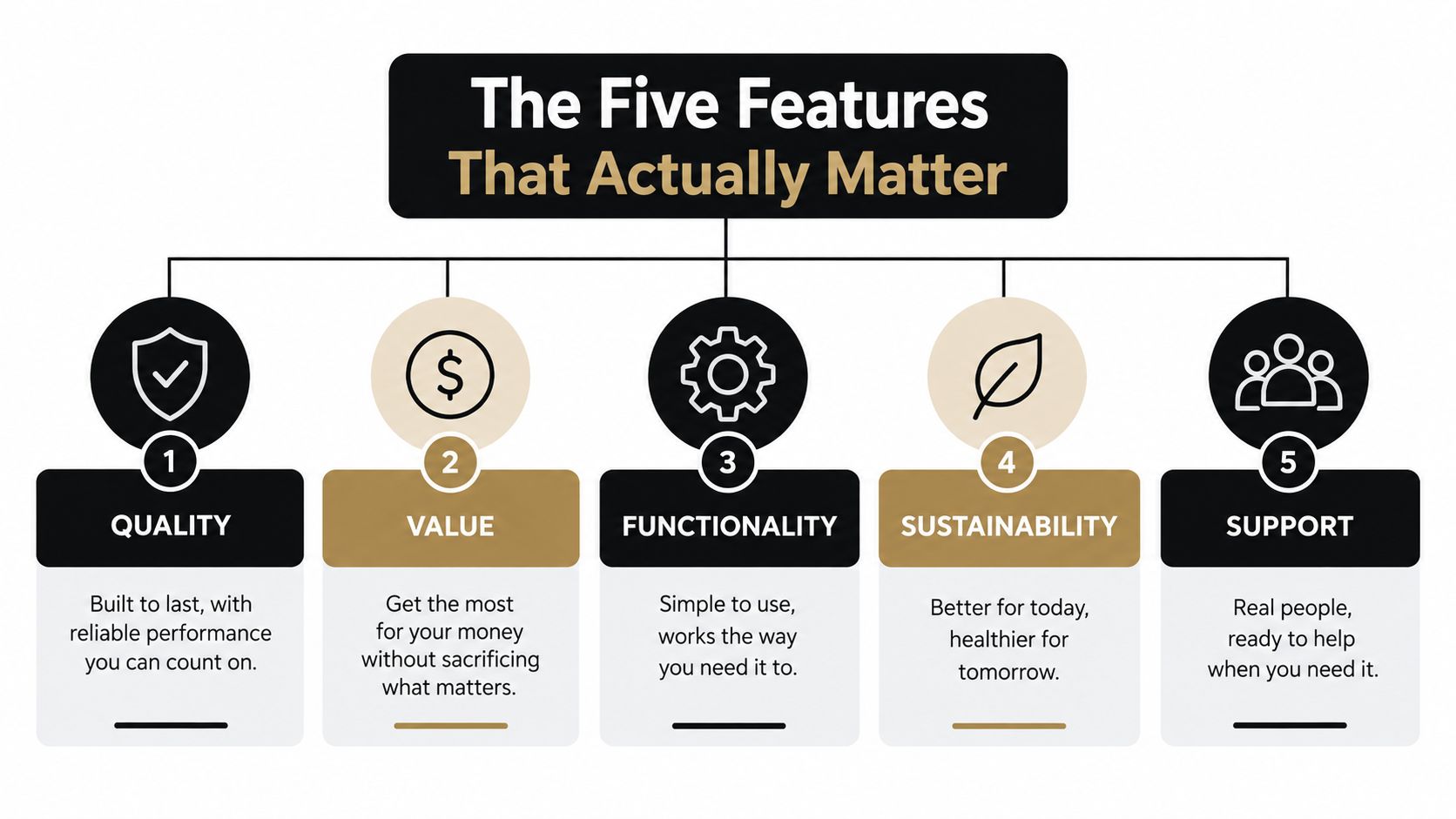
Ignore pocket counts as a headline. Five decisions, in this order, determine whether you'll still love this bag on day three of a trip. Size first, then organization, security, materials, and strap comfort. Get the order wrong and you'll own a cute bag that stays home.
1 Size and Dimensions Come First
"Personal item" isn't a universal size. American Airlines specifies a maximum personal-item size of 18 × 14 × 8 inches and requires it to fit under the seat, per American Airlines carry-on baggage rules. Other carriers differ by fare, route, and aircraft, so a generic airplane-friendly label means little.
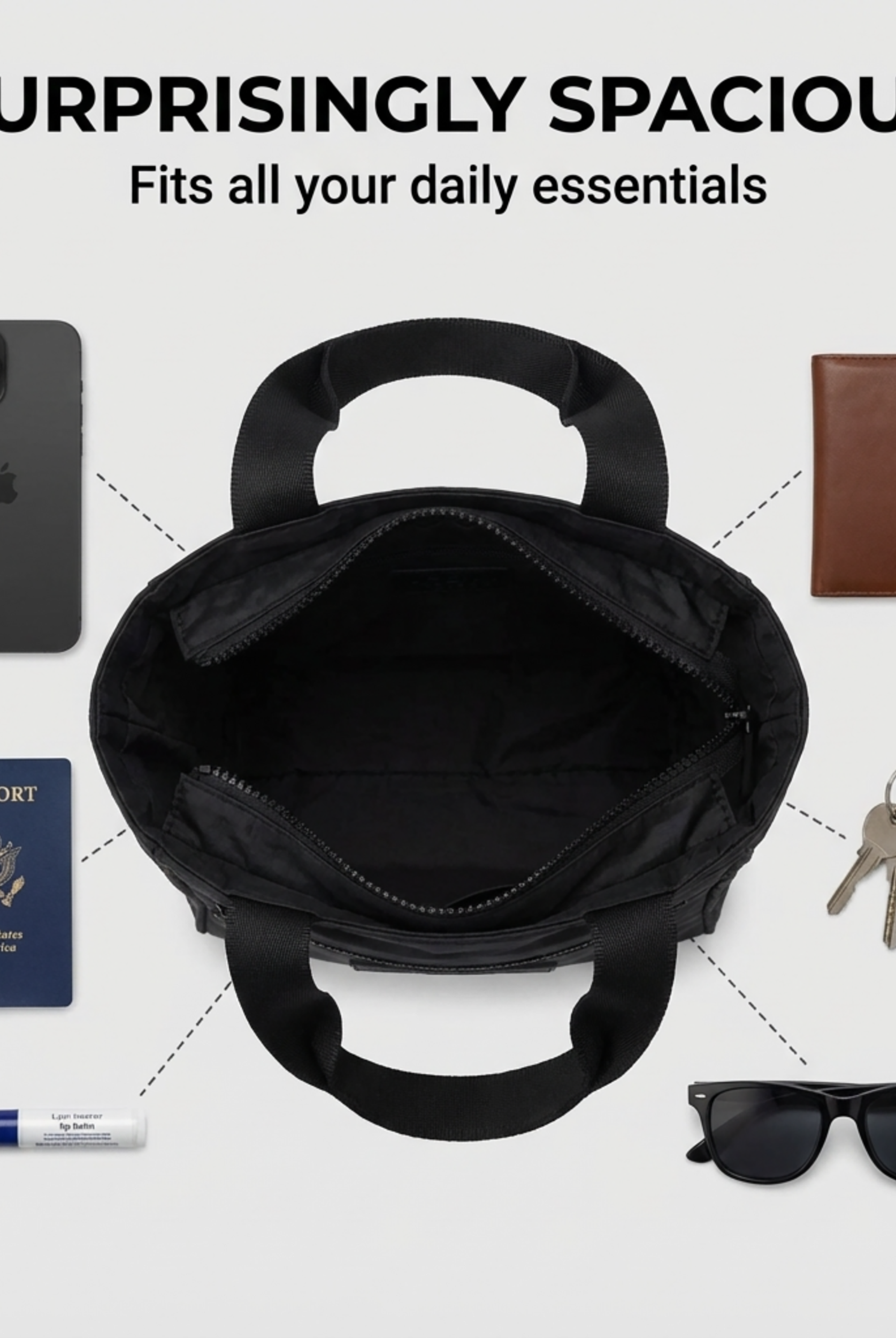
Measure the packed bag, not the empty shell. Account for bulging pockets, a water bottle pushing the depth out, and straps that protrude. Slightly smaller and packable beats maximum capacity that risks a gate check or won't slide under the seat. If you can't fit passport, phone, wallet, medication, charger, and snacks without forcing the zipper, it's too small. That balance is the whole sizing decision.
2 Organization That Ends the Digging
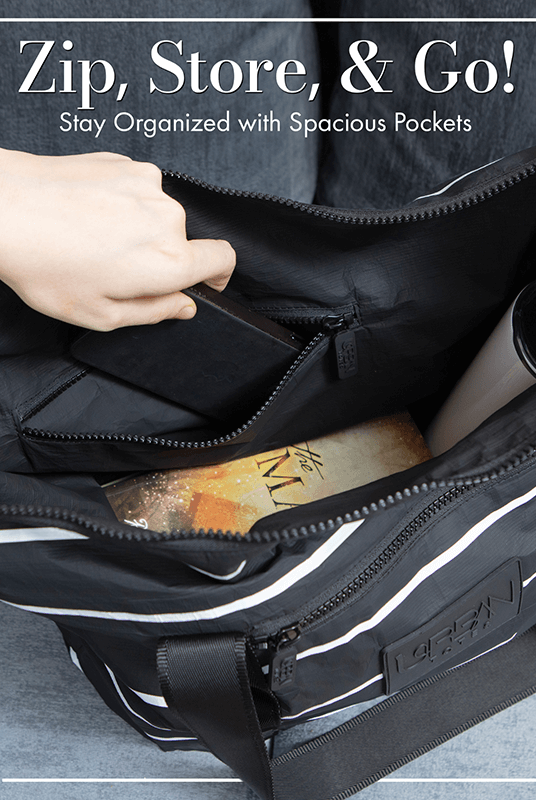
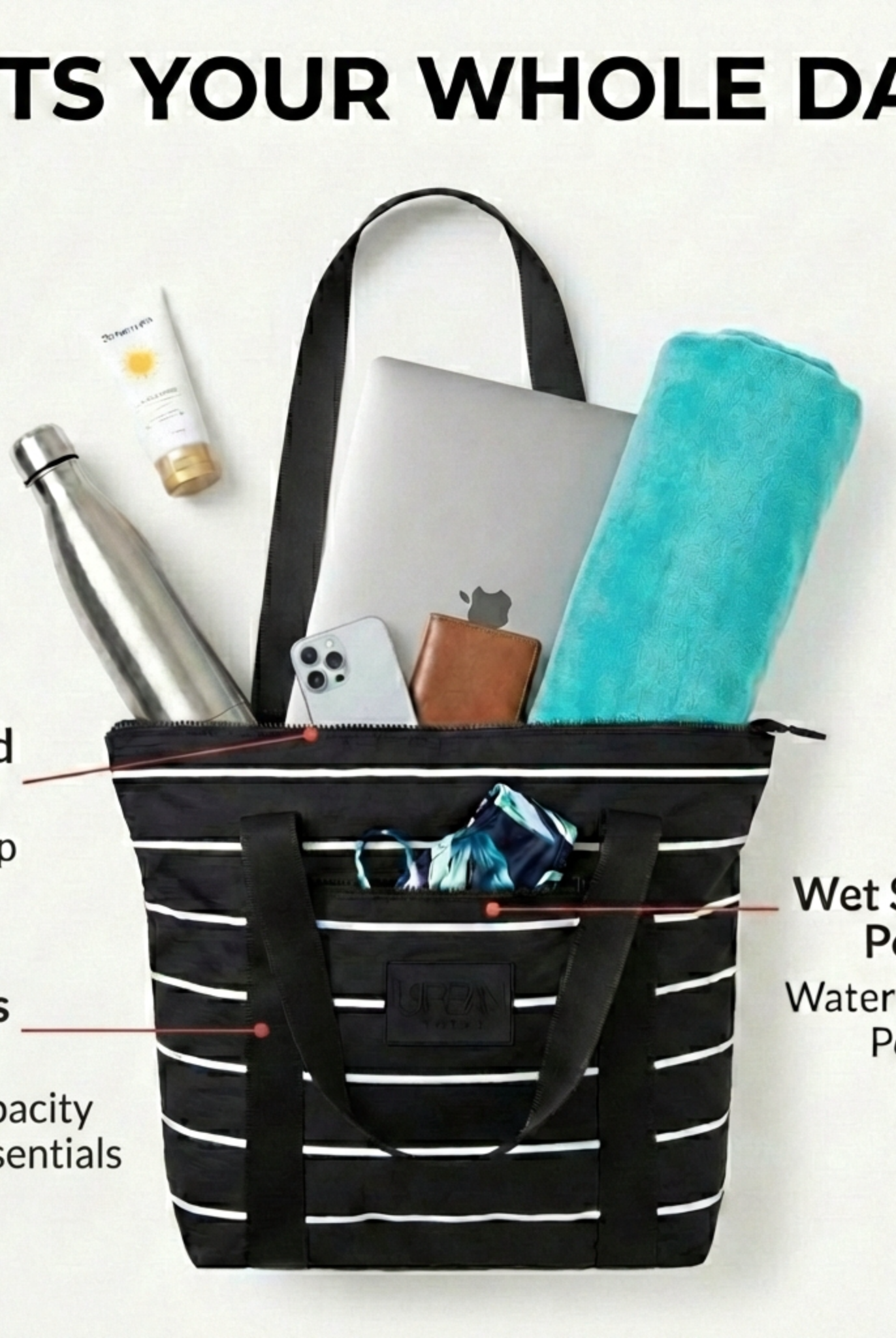
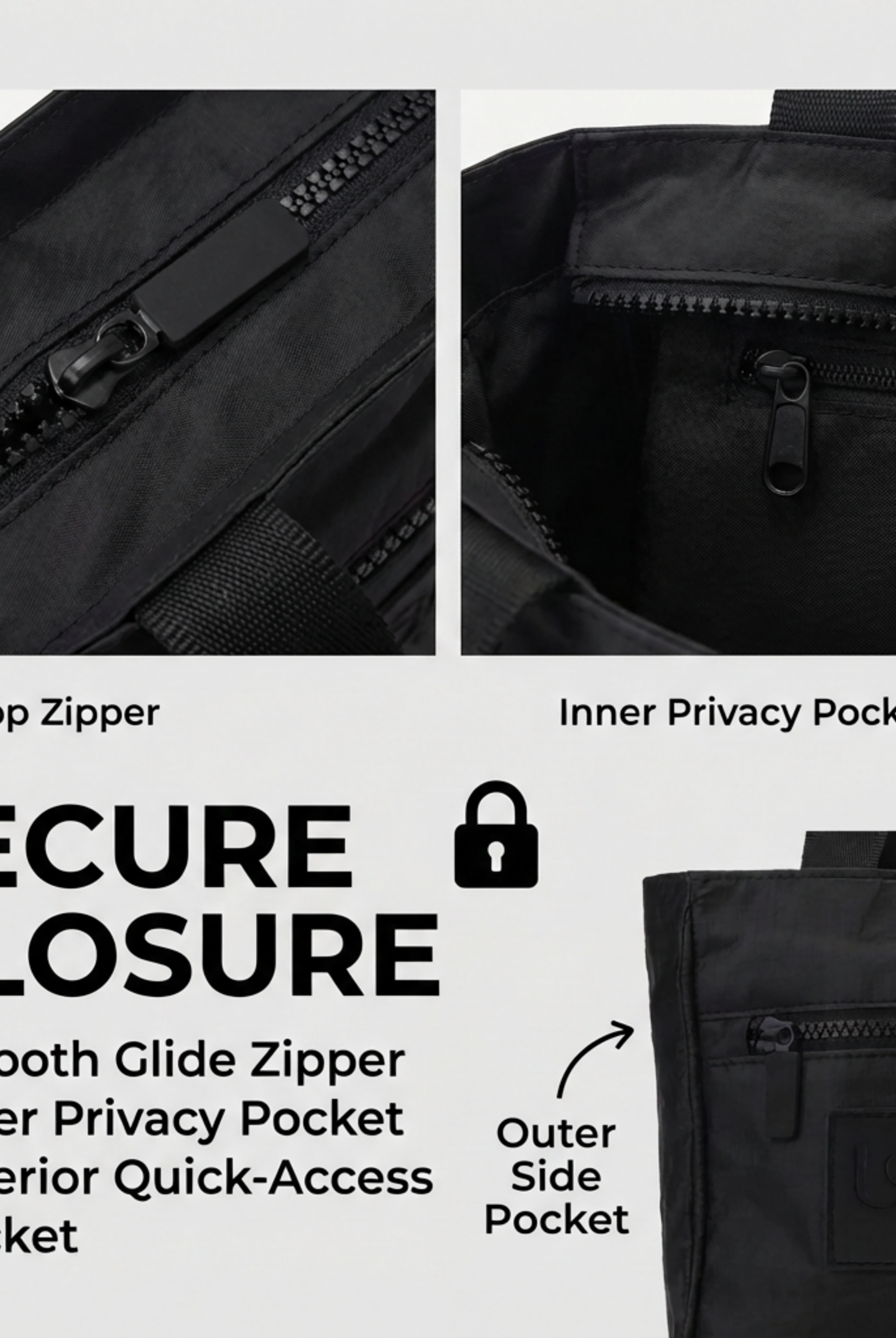
You need a home for each repeat item. A quick-access phone pocket outside, a zip pocket inside for a passport and cards, and a main compartment that doesn't collapse into a pile. Multi-pocket only helps if the pockets match how you move through security, boarding, and a coffee line.
Practical rule: If you have to unzip the whole bag to pay for coffee, the layout is wrong for travel.
3 Security Is Habits Plus Hardware
Wear it in front of your body in crowded transit. Zip it every time, not most of the time. Keep valuables in an interior zip pocket against your body, nothing important in an open back slip pocket. Covered zippers and a bag that sits flat help, but your habits do most of the work. For a deeper look at closures and pocket placement, see our notes on anti-theft crossbody design choices.
If your trip also involves a larger pack for heavier gear, St Christopher's guide to travel backpacks from St Christopher's Inns is a useful companion read for deciding what belongs on your back versus at your hip.
4 Materials and Honest Water Resistance
Don't accept vague weatherproof claims. ISO 811:2018 evaluates textile resistance to water penetration by steadily increasing hydrostatic pressure on a fabric specimen until water appears at three locations, with the recorded hydrostatic head reported in centimetres of water or millibars, as described in the ISO 811 hydrostatic pressure test standard. That tests a fabric panel, not a finished bag.
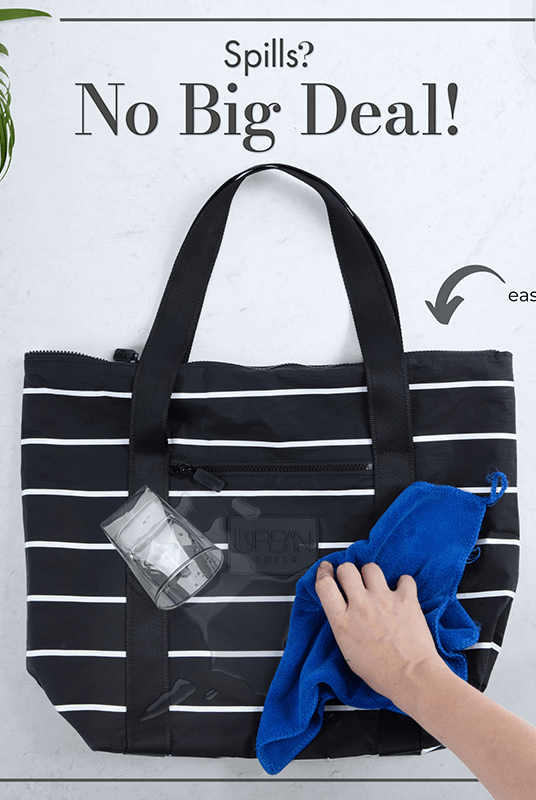
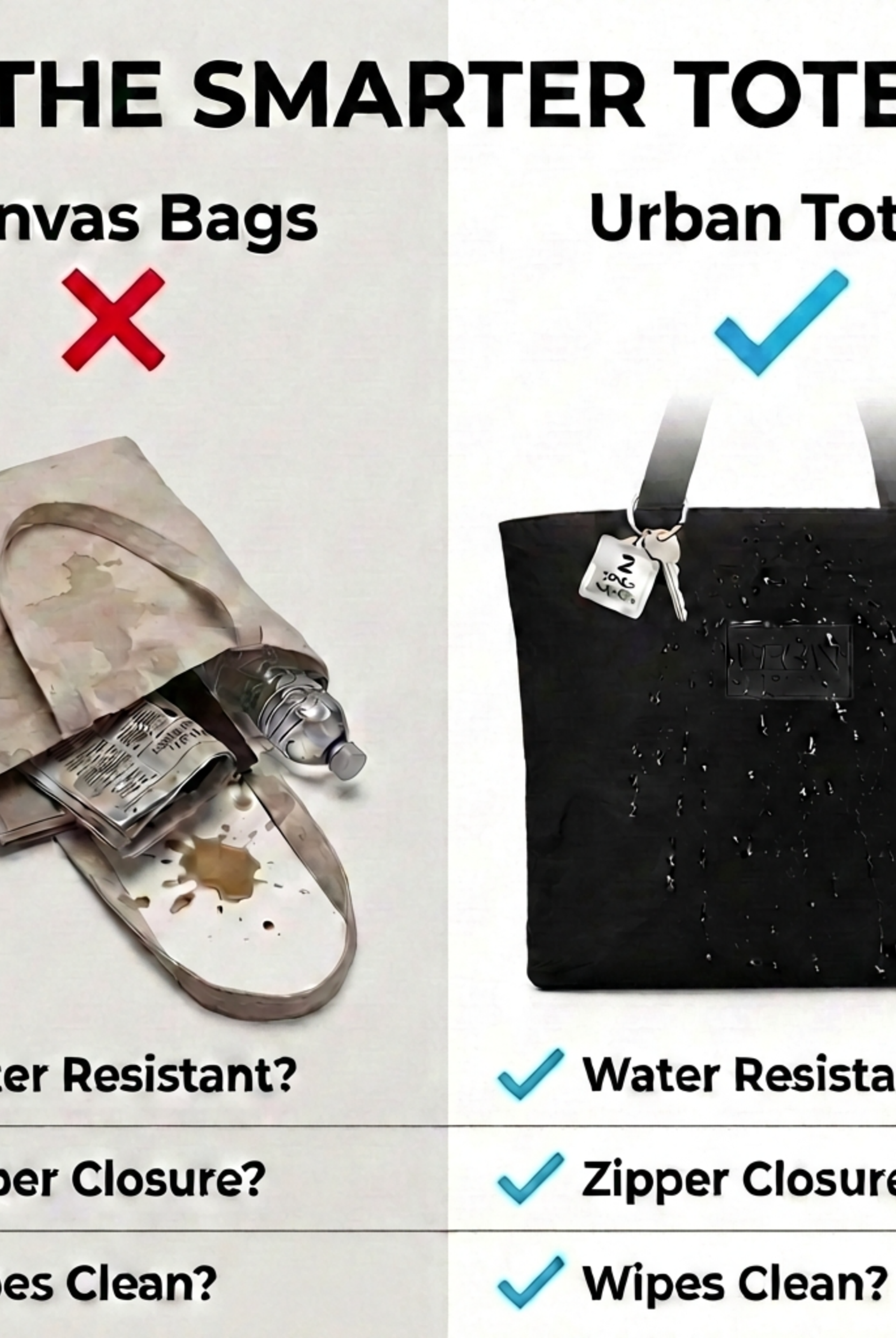
Real leaks start at zipper teeth, stitched seams, folded corners, and needle holes. So look for a tested water-resistant shell paired with protected seams and a covered or water-resistant zipper, and treat it as protection from light rain and spills, not immersion. Lightweight, wipe-clean, durable, and foldable matters more for daily use than a dramatic label.
5 Strap Comfort Decides Hour Four
Choose a broad, adjustable strap you can set so the bag rests near your opposite hip and close to your torso. Too long and it swings with every step. Too short and it rides up under your arm where you can't reach anything. Padding helps distribute contact pressure, but strap position and packed weight matter more, which is exactly where the next sections get specific.
Matching the Bag to Your Real Day
The same crossbody can be perfect for a flight and annoying for a six-hour sightseeing day if you pack it identically. Match priorities to the scenario first, then decide whether one bag covers all three of your typical days or you need a smaller second option for evenings.
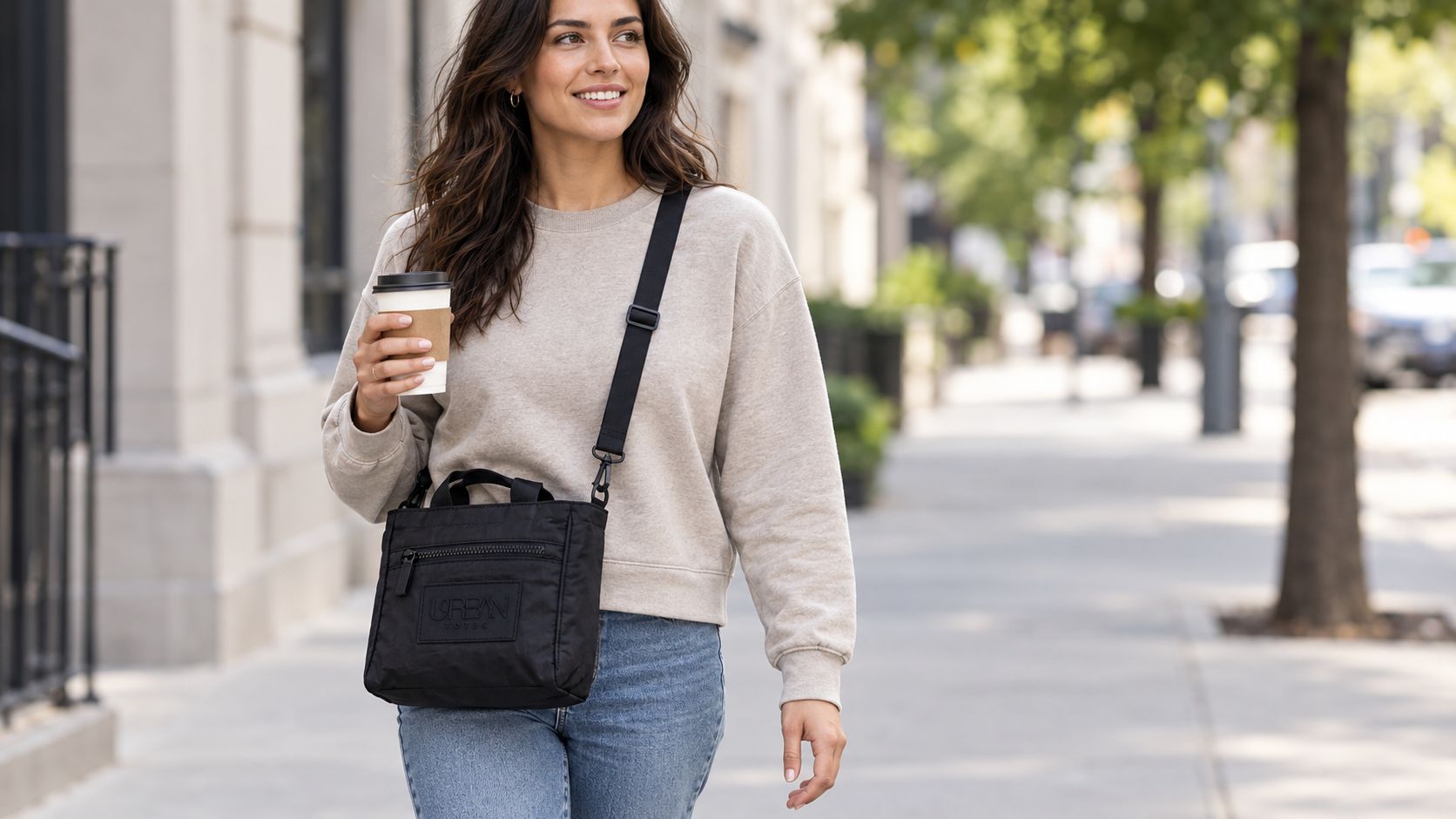
Flying With a Personal Item
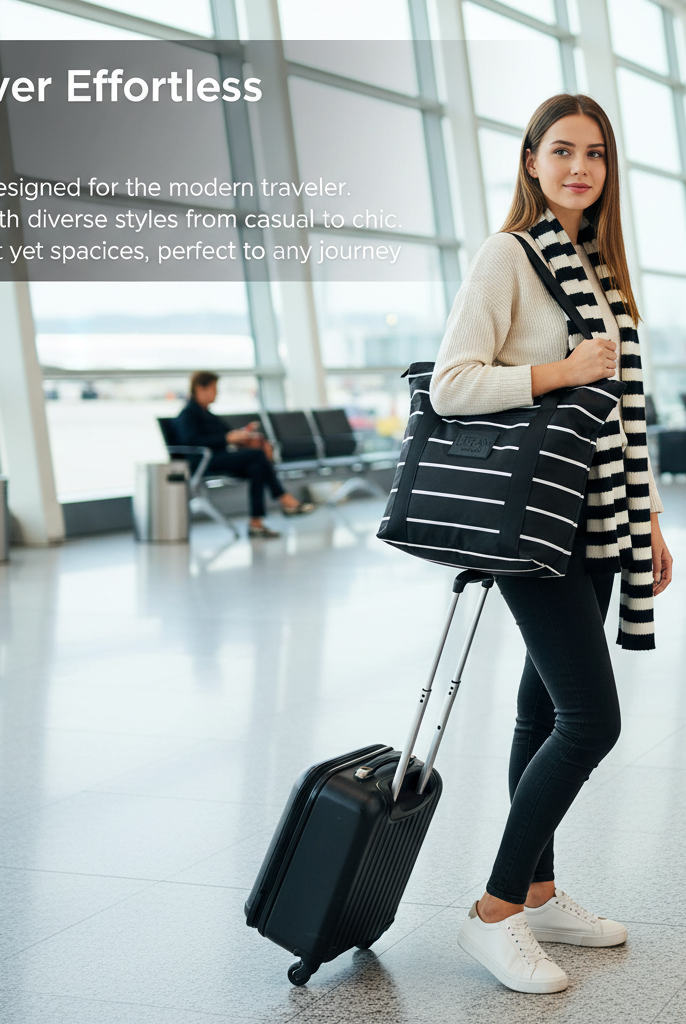
Dimensions and checkpoint flow rise to the top. You want documents in one predictable pocket, liquids easy to pull out, and the bag structured enough to slide under the seat and back out without spilling. Our rundown of travel bag essentials for flight days covers the small items people most often forget to keep within reach.
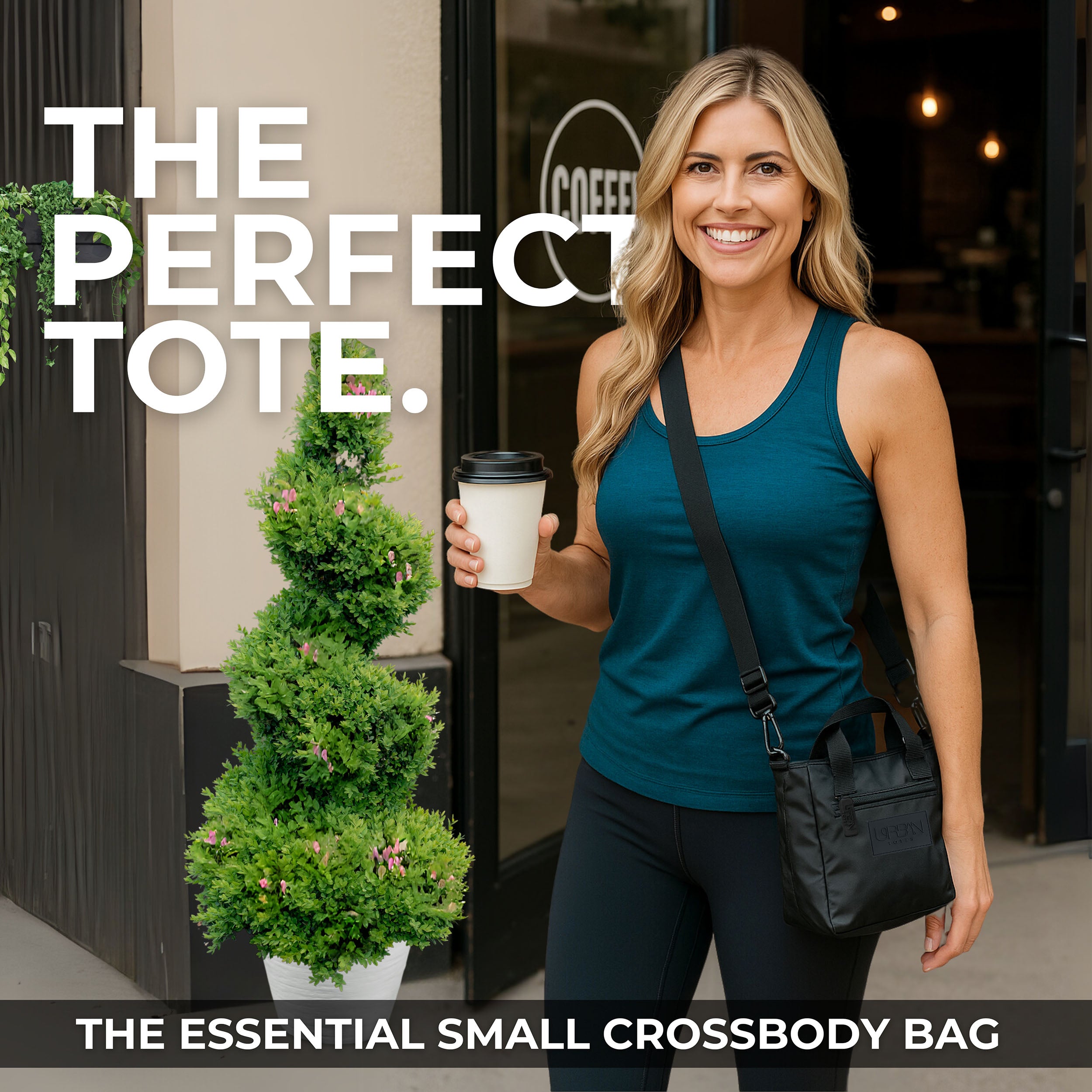
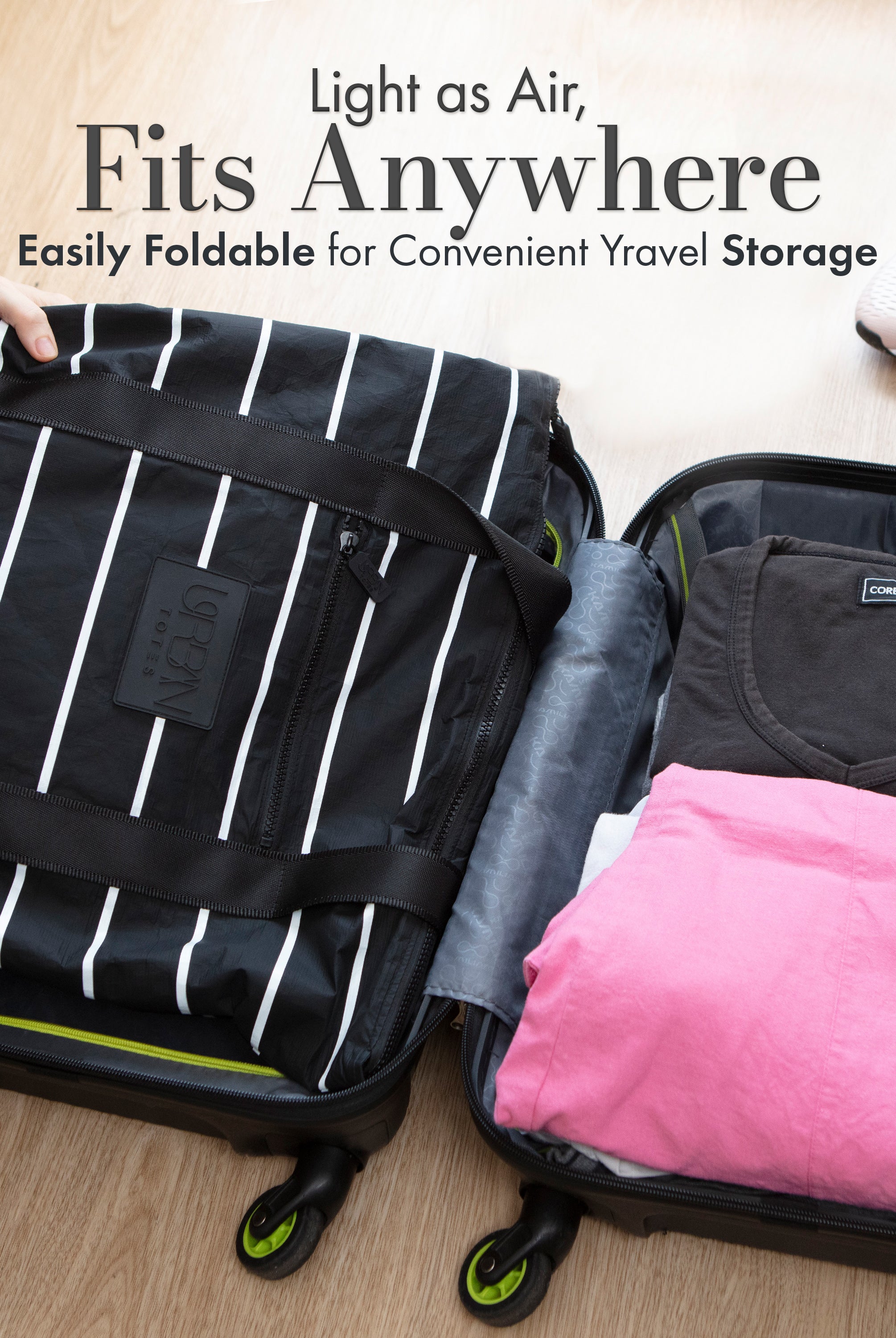
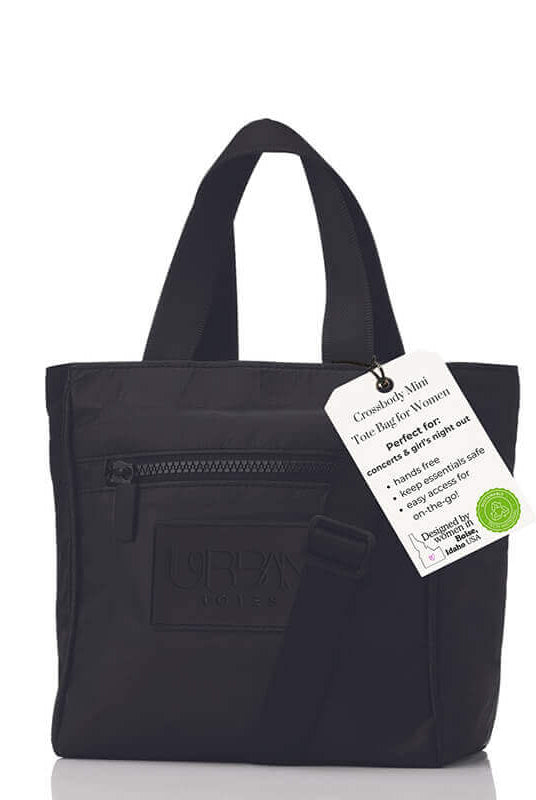
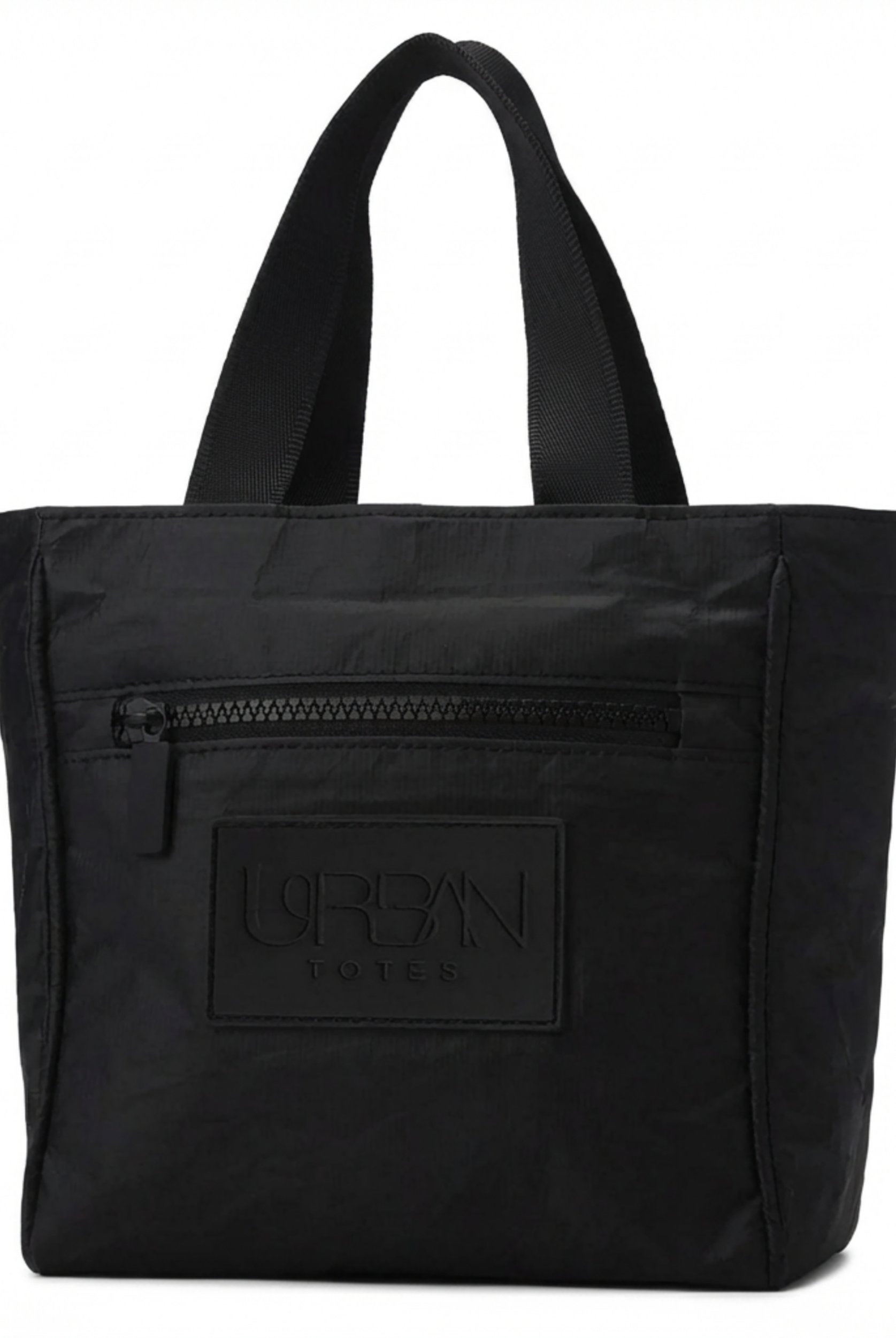
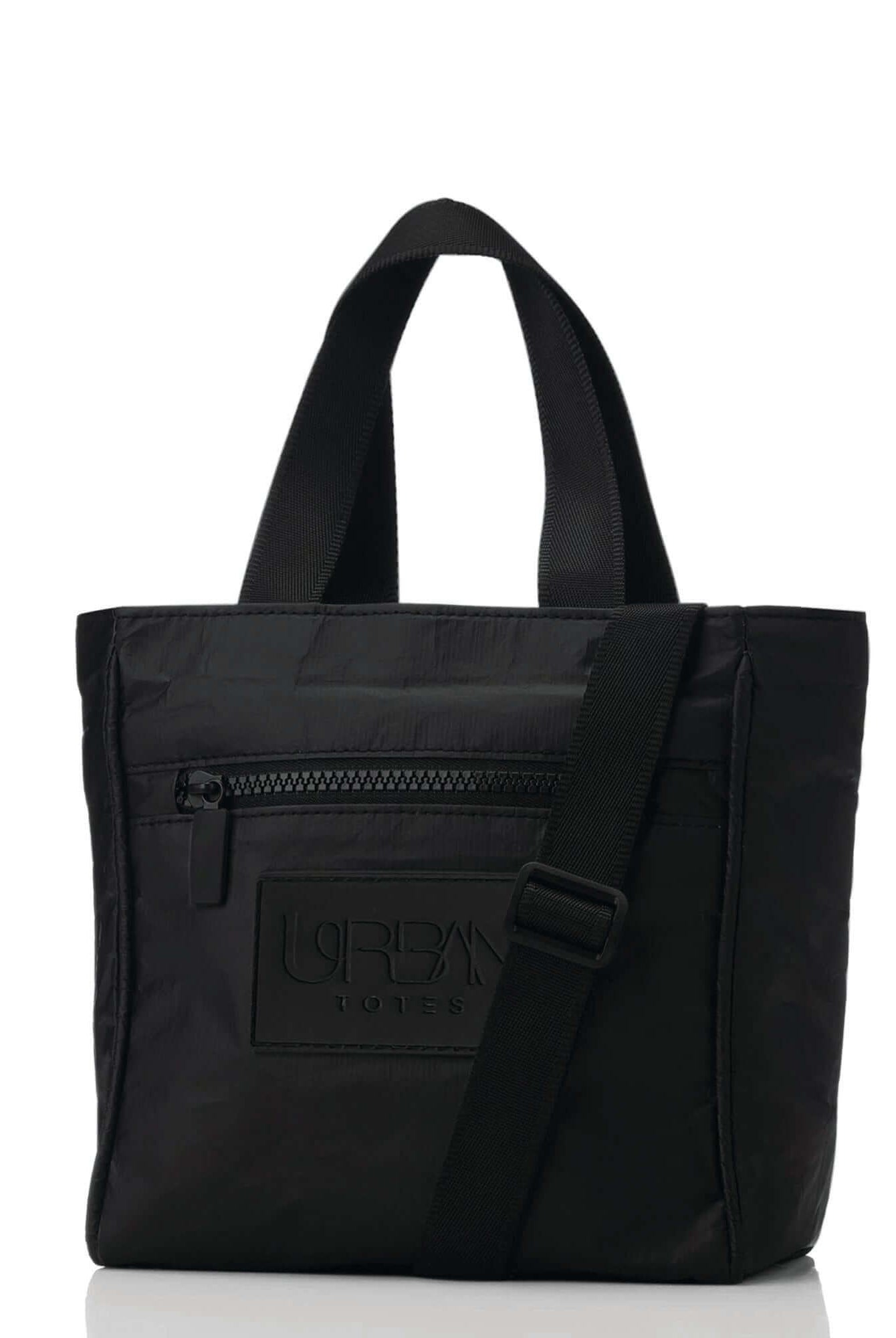
A compact option can work well inside a larger carry-on, then come out once you're seated. The Crossbody Tote Bag Mini Purse measures 7.5 x 4 x 7.75 inches, with a zip-top closure, a single outside zipper pocket, an inside zipper pocket, an easy-access outside pocket for a phone and keys, 1-inch wide nylon straps, and a removable crossbody strap that extends to 53 inches. It's described as water-resistant, lightweight, and foldable, with structured piping to hold its shape and a black interior. Those are factual specs to weigh against your load, not a reason to overpack it.
Commuting and School Runs
On a train, bus, or drop-off loop, speed beats capacity. You need a phone pocket you can reach without looking, a zipper you can close one-handed, and a silhouette that stays in front of you in a crowd. Style matters here too, because this bag goes from platform to office to errands without a costume change. Versatile and thoughtfully designed beats technical-looking.
Long Days on Foot
Sightseeing, a beach town, a farmers market, then dinner. Comfort and weight discipline dominate. Carry water, sunscreen, sunglasses, and a light layer only if the bag holds them close to your body without swinging. Otherwise, edit ruthlessly or switch the heavy items to another bag. A crossbody that starts comfortable at 9 a.m. can feel very different by 3 p.m.
Crossbody Travel Bag Features by Use Case
| Feature | Flying | Daily Commute | Day Trips and Sightseeing |
|---|---|---|---|
| Size | Must fit under seat, packed dimensions count | Compact enough for crowded transit | Medium, only as large as your walking load |
| Organization | Documents and liquids separated | Phone and wallet reachable fast | Sunglasses, snacks, and charger in set places |
| Security | Zip closed, valuables against body | Worn in front in crowds | Zip closed, bag in view at cafes and markets |
| Materials | Wipes clean after floor and bin contact | Handles daily weather and spills | Water-resistant for light rain and beach splashes |
| Comfort | Light enough to carry through terminals | Strap set once, no constant adjusting | Broad strap, dense items close to torso |
The best crossbody travel bag is the one that fits the day you actually have, not the itinerary you wish you had.
One bag can serve all three roles if you repack intentionally between them. Where it breaks down is pretending a flight load, a commute load, and an all-day walking load are the same. They're not, and your shoulder will tell you so.
The Comfort Trade-Off Nobody Talks About
Here's my contrarian take, and I'll stand by it. The smallest, most secure bag is not automatically the best all-day choice. Security gets all the marketing attention. Cumulative one-sided strain gets almost none, and it's the reason women abandon a bag they loved in the store.
What the Ergonomics Actually Show
In a controlled study of 20 healthy participants, cross-body carrying produced significantly lower activity in the right upper trapezius and left erector spinae than same-side shoulder carrying, suggesting a diagonal strap can reduce localized muscle demand, as reported in research on cross-body versus shoulder carrying. That's a real advantage over a one-shoulder bag, and it's why I recommend diagonal carry for light essentials.
Don't oversell it, though. That same body of research notes a separate study using a 2.7 kg shoulder bag found both one-shoulder and diagonal carrying changed trunk posture, and diagonal carrying was not universally better. A crossbody is not posture-neutral at any weight you feel like carrying. A wide, padded strap improves comfort. It does not eliminate asymmetrical loading.
A 2025 peer-reviewed ergonomics study adds useful context. It found an offloading backpack produced significantly lower shoulder loads than a conventional backpack across tested weights up to 11 kg, as indexed in the 2025 ergonomics study on load distribution. It didn't test crossbody bags directly, but the principle transfers. Heavier loads and prolonged walking may justify a backpack or alternating shoulders instead of insisting your crossbody do everything.
Carry It Like Load Management, Because It Is
- Set the strap to your hip: Long enough for opposite-hip placement, close to your torso, using guidance like our notes on how to adjust bag straps for diagonal carry.
- Place dense items against the body-side panel: A water bottle, power bank, or toiletries pouch there reduces swing and the pull away from your body.
- Keep heavy items low and stable: A zippered compartment prevents repeated load shifts while you walk.
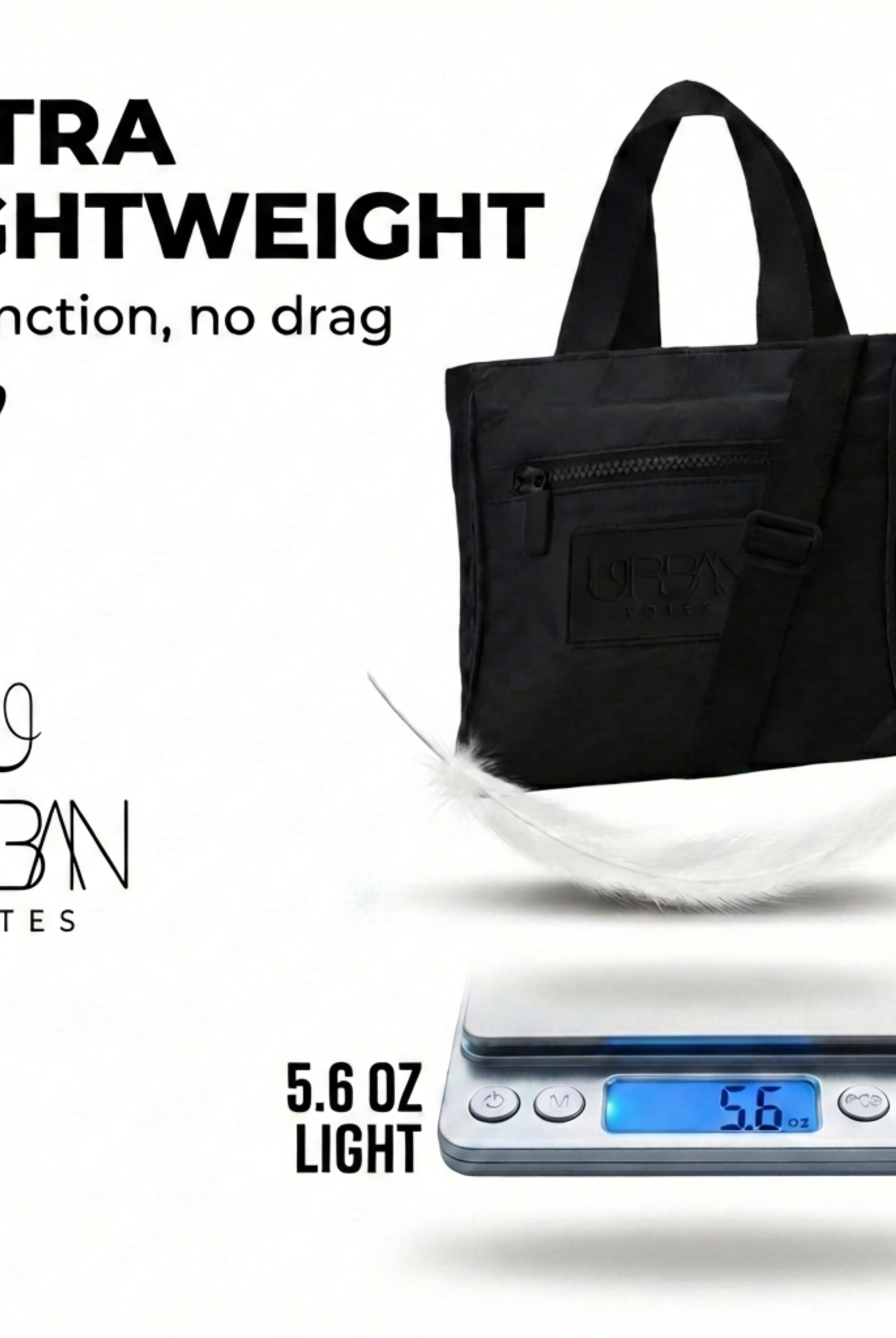
- Minimize empty-bag weight: Every extra hardware detail is weight you carry before you've packed anything.
Run a Day-Trip Load Test Before You Commit
Pack everything you plan to carry, exactly as you'd carry it. Walk a realistic loop, climb stairs, sit down, stand up, reach for your phone. Notice neck, shoulder, or lower-back tension early, while you can still edit the load or change bags. Think about seated wear, cycling, or carrying a child, too. If it annoys you in twenty minutes, it won't improve at hour five.
Comfort is a load-management decision, not a padding decision. Carry light, carry close, and be willing to switch bags when the day gets heavy. That's honest advice, even if it sells fewer crossbodies.
Smart Packing and Buying Checklist
Pack by checkpoint and by reach frequency, not by category. What you need at security, what you need while seated, and what you need while walking should each have a predictable place. Do that once and every trip gets calmer.
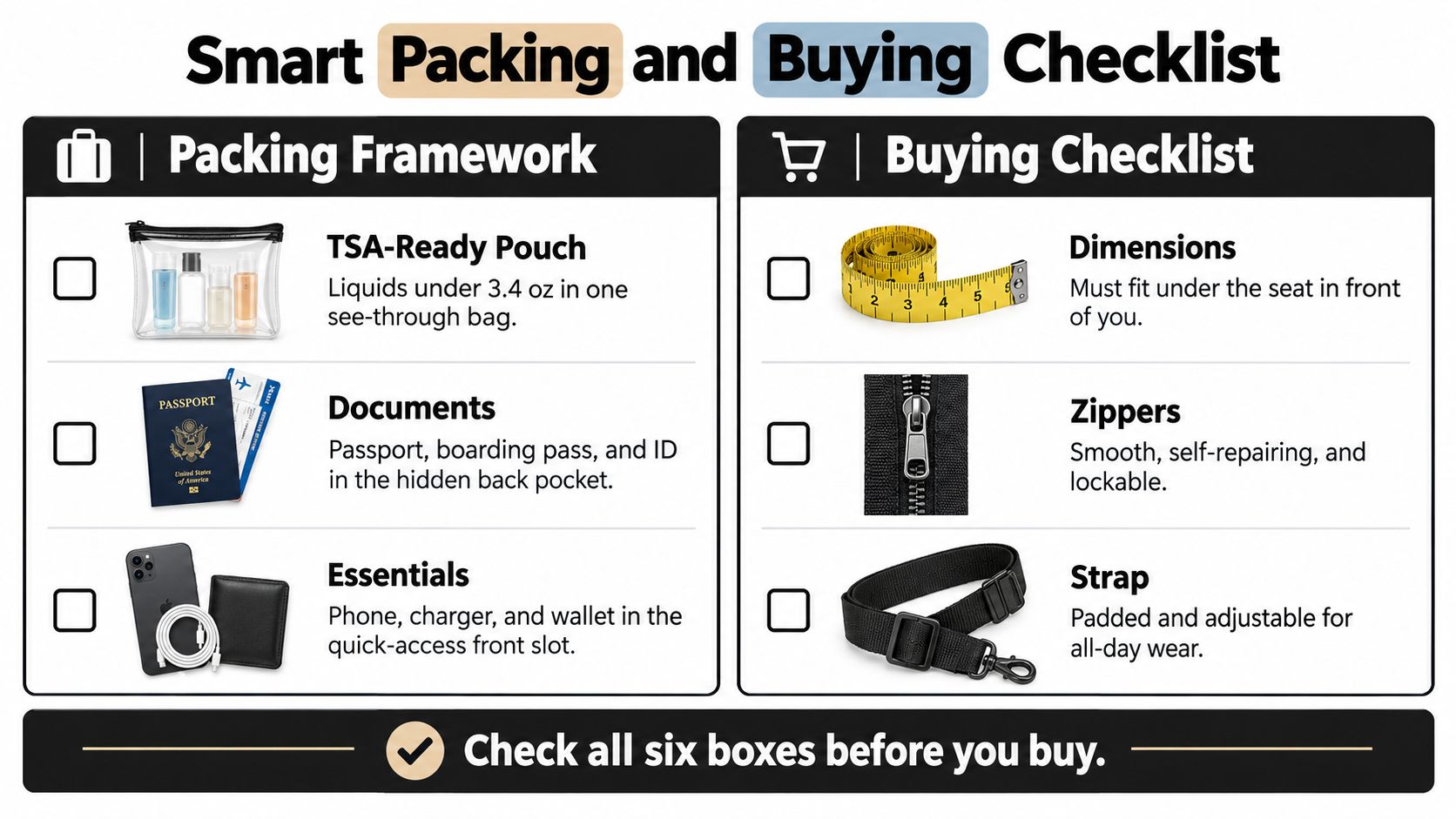
A Packing Framework That Survives Security
The scale helps explain why fumbling hurts. The Transportation Security Administration screened 904 million passengers and 500 million checked bags in 2024, and advises that carry-on liquids, aerosols, gels, creams, and pastes must generally be in containers of 3.4 ounces or less in one clear, quart-sized, zip-top bag, per the Department of Homeland Security screening fact sheet.
- TSA-ready pouch: Your clear liquids bag in one dedicated spot you can pull without unpacking everything.
- Documents pocket: Passport, ID, and boarding pass together, against your body.
- Quick-access slot: Phone and wallet reachable without opening the main compartment.
- Small stash pocket: Medication, charging cable, lip balm, and earbuds contained, not loose.
Planning a family beach day instead of a flight? A Florida family beach packing list from Global Vacation Rentals is a handy cross-check for sunscreen, snacks, and kid extras before you decide what belongs in your crossbody versus a larger tote.
Verify These Points Before Checkout
Delta lists a maximum carry-on size of 22 × 14 × 9 inches and a combined maximum of 45 linear inches, calculated by adding height, width, and depth, under Delta carry-on baggage rules. That's a carry-on benchmark, not a personal-item guarantee, so confirm whether your crossbody counts as an additional item or must fit beneath the seat on your specific fare.
Check packed dimensions, strap adjustability and width, zipper coverage, and how you clean it. Then look at material claims closely. In an academic analysis of 104 brands, the attribute "recycled" appeared 136 times, with recycled polyester dominating that category, as reported in research on sustainability attributes in fashion bags. Ask whether a brand identifies the specific material and recycled input rather than relying on a general claim.
Reuse matters as much as material choice. A life-cycle assessment comparing 16 types of carrier bags found increasing the number of times bags were reused produced a larger improvement than increasing recycling rates alone, as summarized in the carrier bag life-cycle assessment. A durable, easy-clean, everyday carry bag you'll use for commuting, errands, sightseeing, and weekends beats a novelty purchase. If water resistance is your deciding factor, our guide to choosing a water-resistant crossbody bag goes deeper on shells, seams, and zippers.
Your Go-Anywhere Crossbody Awaits
A great crossbody travel bag disappears into your day. It keeps your passport one zip away at the gate, your phone reachable on the train, and your hands free at the market, the beach chair, and school drop-off. It doesn't do that by holding everything. It does it by holding the right things, close to your body, at a weight your shoulder can forget.
Pick size by airline rules and packed dimensions. Pick organization by how you reach for things. Pick strap and load by hour four, not minute four. Do those three things and you'll stop rotating through almost-right bags.
That's the balance Urban Totes, a woman-owned, Boise-based brand, designs around. Stylish enough for daily life, functional enough for travel, and travel-ready without looking like gear. Go anywhere. Tote everything that matters, and leave the rest behind on purpose.
Find your perfect go-anywhere bag at Urban Totes, where you'll find lightweight, water-resistant, packable crossbody and tote styles with zipper closures and thoughtful multi-pocket organization for flights, commutes, errands, and beach days. Shop the full collection, choose the size that fits your real day, and take on whatever the day brings with both hands free.