Is recycling always the greener choice, or can a product marked recyclable still end up as waste? The honest answer to “is recycling eco friendly” is yes, when the system collects and processes materials effectively and the recovered material replaces virgin resources. But the label alone doesn't guarantee a benefit.
That distinction matters in ordinary life. A clean aluminum can accepted by a local program has a different path from a food-stained package made of materials that are difficult to separate. Recycling can reduce energy use, emissions, and demand for new raw materials, but collection, sorting, transport, processing, and real demand for recycled output all shape the result.
The practical lesson isn't to feel guilty about the items you can't recycle. It's to understand what recycling can do, recognize where it falls short, and use a simple order of choices: reduce what you don't need, reuse what you can, and recycle materials your local system accepts.
Table of Contents
- The Straight Answer on Whether Recycling Is Eco Friendly
- What Recycling Actually Is and Where It Fits
- Where Recycling Genuinely Helps
- Where Recycling Falls Short
- Reduce and Reuse Before You Recycle
- Practical Habits That Make Recycling Actually Work
- A Simple Rule for Smarter Choices
The Straight Answer on Whether Recycling Is Eco Friendly
Recycling is environmentally beneficial when it keeps useful material in circulation and displaces production from virgin resources. It isn't automatically beneficial just because an item goes into a recycling bin. A recycling facility still has to collect, sort, and process the material, and someone must be able to use the resulting feedstock.
The U.S. Environmental Protection Agency estimated that municipal solid-waste recycling and composting saved more than 193 million metric tons of carbon-dioxide equivalent in 2018. Those avoided emissions can come from several places: recycled feedstocks often need less industrial energy than virgin materials, material recovery can reduce extraction of new resources, and diverting waste can keep some of it from landfills or incinerators. The scale of benefit varies by material and by how the local system handles it. The EPA's overview of recycling's benefits explains why recycling can make a measurable difference, while also making clear that it depends on the material and system.
A useful way to think about it is to ask what happens after the bin. Is the item accepted in your area? Can the facility sort it without excessive contamination? Is there a market for the recovered material? If the answer is no, “recyclable” may describe a technical possibility, not a real end-of-life route for you.
That's why recycling deserves neither a gold star in every case nor a shrug. It's a conditional yes: worthwhile when materials are recovered and put to use, but not a substitute for avoiding unnecessary purchases or keeping durable things in service. For a tote, for instance, long use, repair, and a realistic recovery path matter more than a green-sounding label alone.
What Recycling Actually Is and Where It Fits
Recycling means collecting used material, preparing it, and processing it into feedstock that can become another product. It's different from sorting waste: collection is only the first step, and a material hasn't completed the loop just because it was placed in the right bin.
This process sits within a broader waste hierarchy. The European Union's Waste Framework Directive puts prevention first, followed by preparing products for reuse, recycling, recovery, and disposal. The order makes sense in everyday terms: preventing waste avoids the need to make and manage an unwanted item, while reusing something keeps it in service without turning it back into raw material.
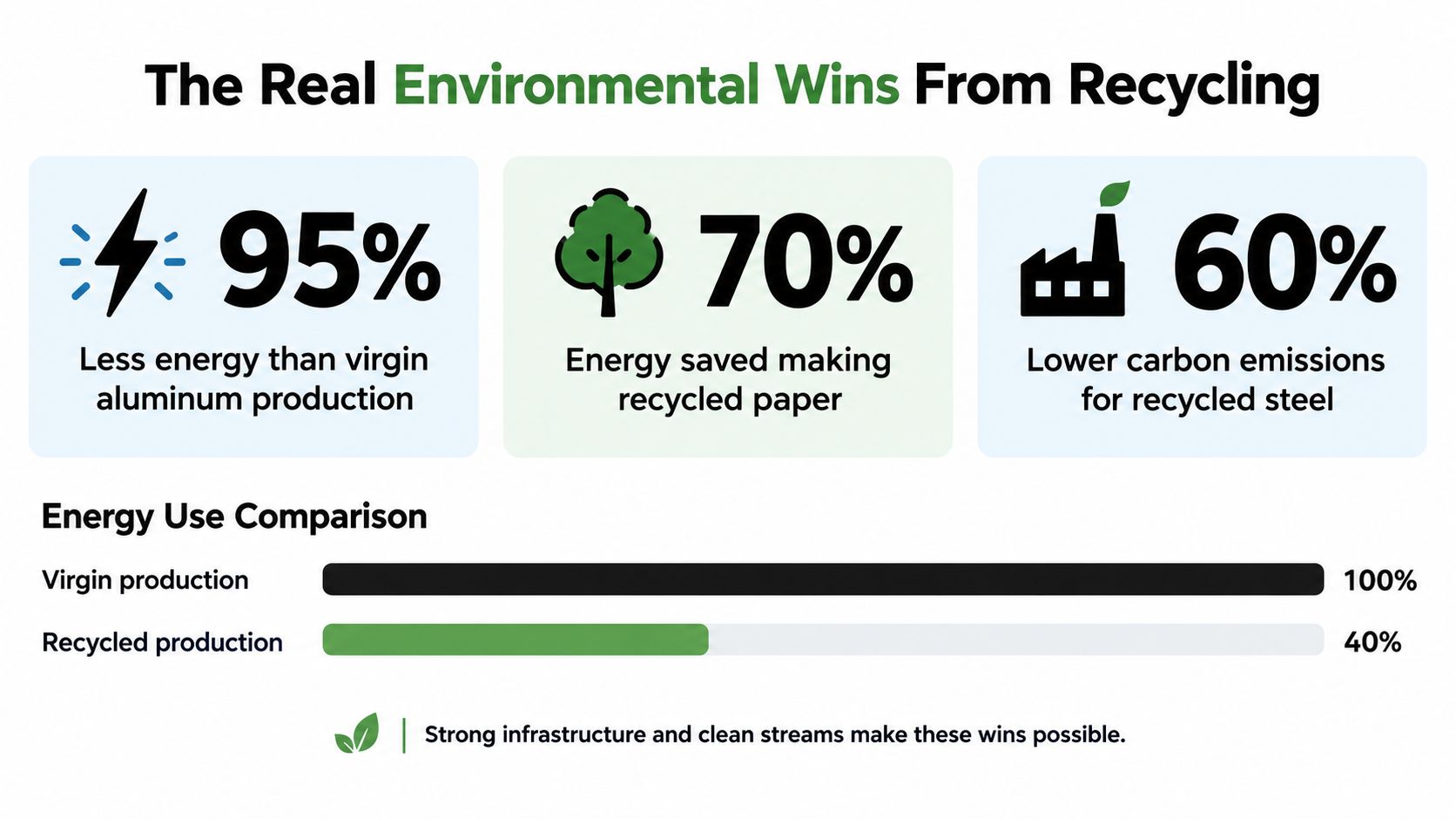
The visual gives a useful sense of how recycling can save resources, but the figures displayed for paper and steel aren't established by the verified data available for this article. The supported comparison here is aluminum: the EPA reports that making aluminum from recycled material uses about 95% less energy than producing it from virgin sources. Treat other material-specific claims with the same care, and look for evidence that matches the exact material and process being discussed.
A practical mental map: Prevent what you can, reuse what still works, recycle what your local program can process, and use appropriate safe treatment for what remains.
For everyday consumers, local instructions matter. A recyclable symbol doesn't tell you whether your curbside program accepts the item or whether a separate drop-off is needed. If you're curious about how recovered material becomes fabric, this guide to what recycled fabric is offers a helpful next step in understanding the journey from waste stream to product.
Recycling also extends beyond household packaging. For example, people replacing a vehicle may want to understand how end-of-life parts and materials are handled, and this resource on truck removal with Car Removals Whangarei provides context on vehicle removal and wrecking services. The larger principle is the same: recovery depends on a system that can collect, sort, and direct materials to a useful next step.
Where Recycling Genuinely Helps
Recycling earns its environmental keep when recovered material displaces production from newly extracted resources. Every batch of aluminum, paper, or glass made from recycled feedstock is demand that mining, logging, and quarrying never has to meet. That displacement is the entire mechanism, which is why the benefit shrinks when collected material ends up contaminated, stockpiled, or shipped somewhere that can't process it.
The same idea scales down to household level. The EPA translates energy savings into everyday terms: recycling 10 plastic bottles saves enough energy to power a laptop for more than 25 hours. The example makes an abstract comparison easy to picture, and it still depends on those bottles being accepted and processed by a working system. If you want to see how reuse compares with recycling in daily decisions, this guide to facts about reusable bags walks through the everyday trade-offs.
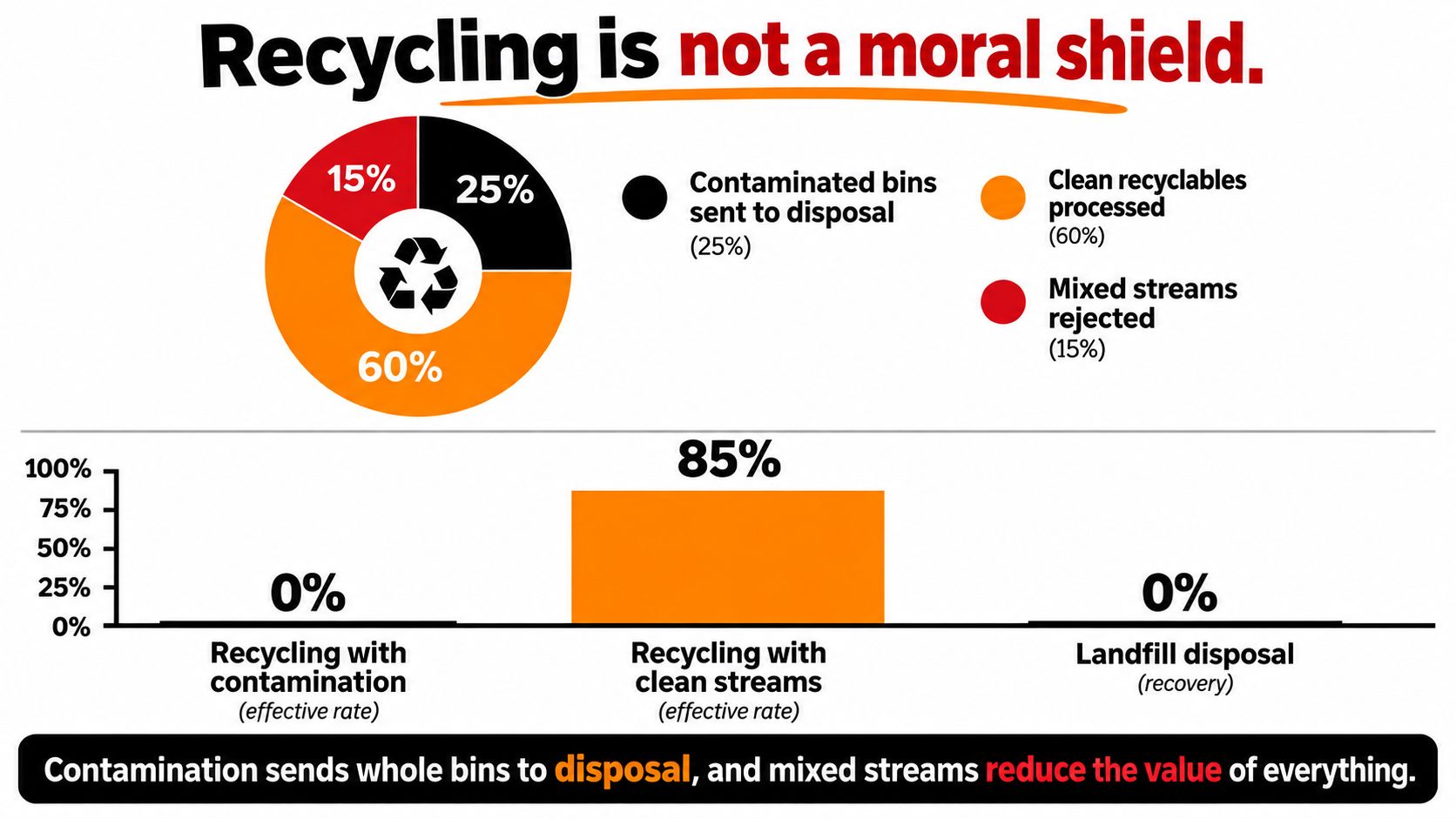
The image makes one point worth keeping: a contaminated load can be rejected outright, and materials that are difficult or costly to sort tend to deliver less benefit than clean, marketable feedstock.
Recovery can affect climate and resource demand
Recycling and composting can reduce climate impacts through several routes at once. The EPA's estimate of avoided emissions counts the effects of using recycled feedstocks, diverting materials from landfill and incineration, and lowering demand for new raw-material extraction. Those combined pathways explain why recycling can do more than relocate waste from one place to another.
Waste systems also have a track record worth examining. Eurostat reports that EU waste-management greenhouse-gas emissions fell by 76 million tonnes of carbon-dioxide equivalent, or 41%, between 1990 and 2023. Over a similar period, landfilling fell by 58% from 1995 to 2023, while recycling and composting of solid waste reached three times their 1995 level. These trends describe an entire regional system over decades rather than the impact of any single product, and the figures appear in a UN Environment Programme data brief on waste-management progress.
Electronics raise extra questions about which materials get recovered and how. A resource on e-waste recycling climate benefits can help readers explore that side of the picture. The test stays the same across every material: a useful environmental claim explains what is recovered, and what that recovered material replaces.
Where Recycling Falls Short
A recycling symbol doesn't guarantee that an item will be recycled. The material might not be accepted locally, could be contaminated, or may combine components that a facility cannot separate. Collection isn't the same as successful reprocessing.
The scale of the gap is significant. A United Nations Environment Programme assessment estimated that only about 6% of materials processed by the global economy are recycled, while the European Environment Agency reports that EU municipal-waste recycling reached 49% and 24% was still landfilled. These figures describe different measures and places, but together they make one point: recycling systems can improve steadily without recovering everything.
Textiles show why "recyclable" isn't the whole story
Textile recycling faces its own collection and processing challenges. The EEA's analysis of textile design and environmental impact estimates that about 80% of textiles' climate impact arises during production, compared with 3% during end-of-life management, including collection, sorting, recycling, incineration, and disposal. That split explains why reuse can be more environmentally sustainable than recycling: keeping a garment or bag useful for longer avoids the extra energy and processing needed to convert waste into new material.
That is a reason to treat recycling as a fallback, not a first answer.
Textile-to-textile recycling can still help when the system works. The EU study's findings on textile-to-textile recycling show that reaching a 10% recycling rate had a 92% probability of reducing climate impacts and an almost 100% probability of improving water-scarcity impacts compared with business as usual, with a modeled average benefit of about 440,000 tonnes of CO₂-equivalent avoided annually. These are conditional model findings rather than a guarantee for every recycled product, and the same source reports that only about one quarter of textile waste in Europe was separately collected for reuse or recycling in 2020.
For a tote, mixed materials, coatings, and permanently attached hardware can complicate recovery. A clearly identified material and a documented take-back or textile-recycling route are more meaningful than a vague claim that the item is recyclable. For an example of a documented recovery route, see the Used Mobiles 4 U sustainability page. If you're comparing designs, this guide to sustainable tote bags can help you weigh the choices behind a bag's materials and use.
Reduce and Reuse Before You Recycle
A sturdy item used repeatedly often makes more sense than replacing it with a new one just because the new option contains recycled material. That's the difference between recycled content and long-term usefulness. Recycled content can reduce demand for virgin inputs, but a short-lived product may still require replacement and more resources sooner.
The EU waste hierarchy puts prevention and reuse before recycling. In daily life, that might mean carrying the same tote from school drop-off to the farmers market, repairing a jacket instead of replacing it, or borrowing a tool that would otherwise sit unused. For textiles, the European Environment Agency specifically identifies reuse as more environmentally sustainable than recycling because reuse avoids the energy and processing needed to turn waste into new material.
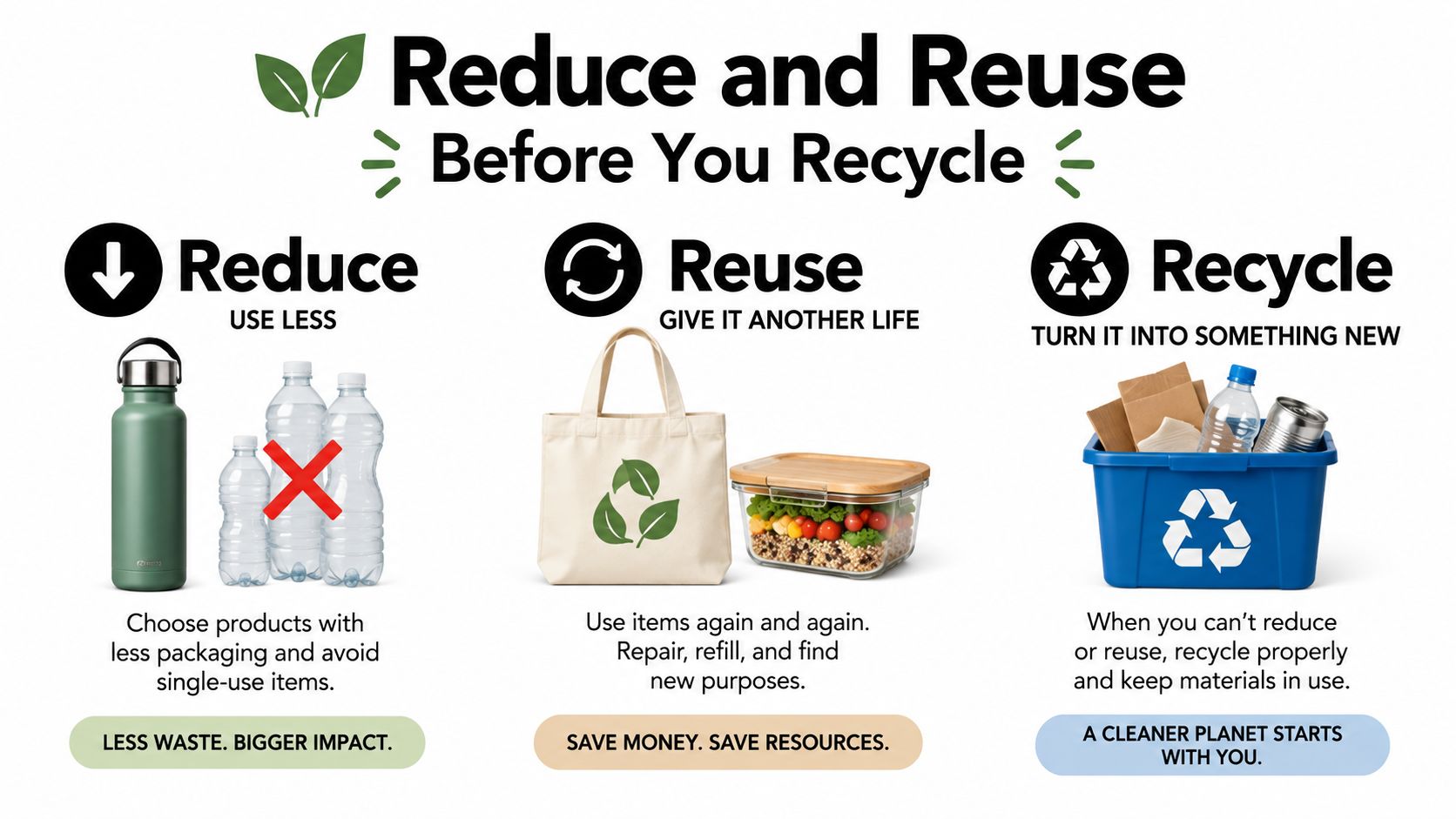
Choose by what the item can still do
Reduce is the right call when you can avoid an unnecessary purchase or choose one useful item over several short-lived ones. Reuse fits something that still works, whether you keep it, repair it, pass it along, or find another purpose for it. Recycle comes later, when the item can't reasonably remain in use and your local system has a real route for its material.
That doesn't mean you need to buy a new “eco” product to make better choices. Start with what you already own. Clean and repair a bag, keep a spare in the car for errands, or pass along one that no longer suits your routine.
If you're curious about how recycled materials can become a finished bag, this guide on how to make a bag out of recycled materials offers a look at the material side of the question. A recycled-material product is most compelling when it also suits real use, lasts, and has an end-of-life path that isn't just theoretical.
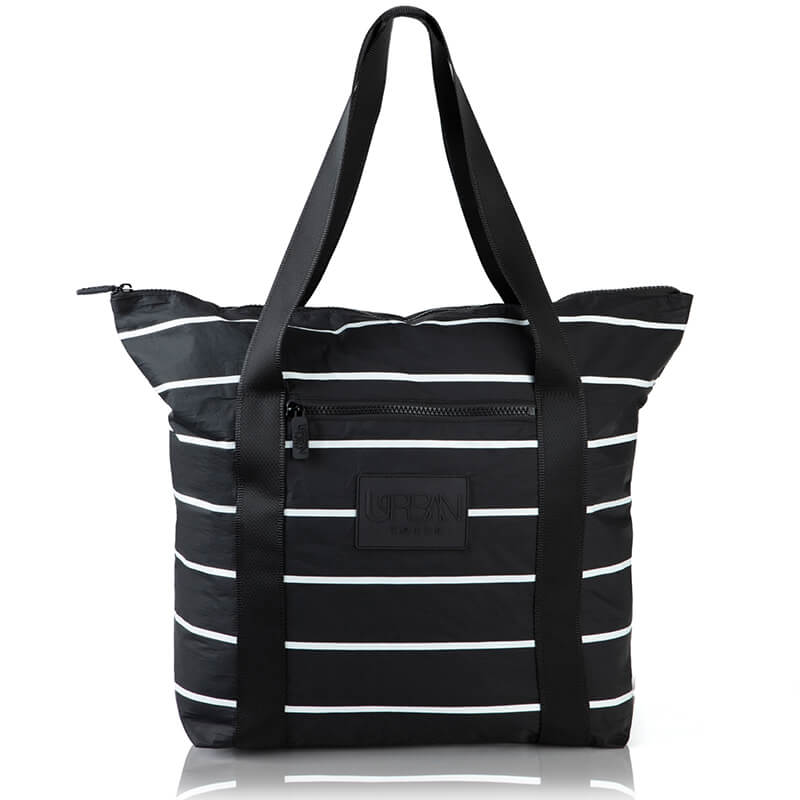
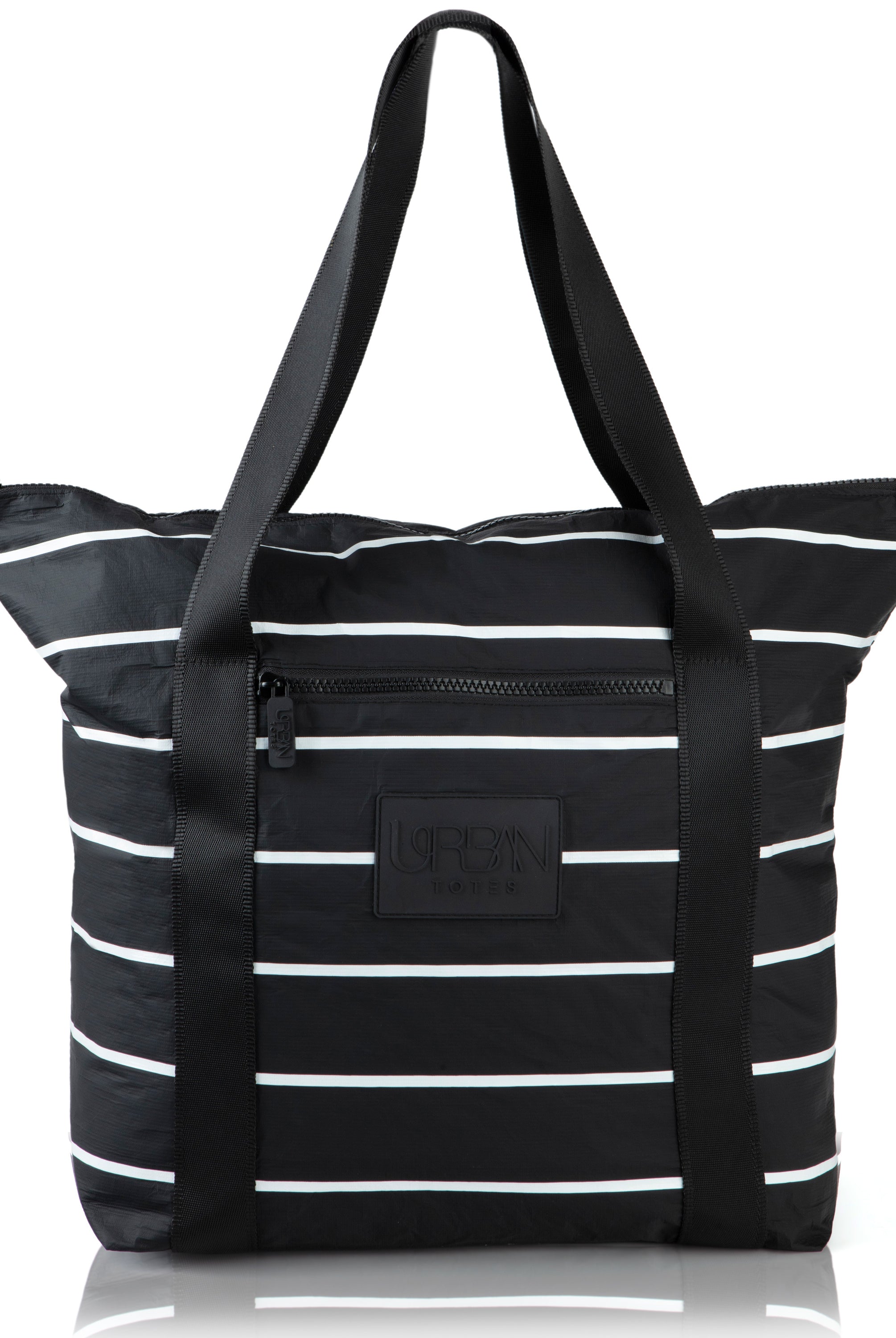
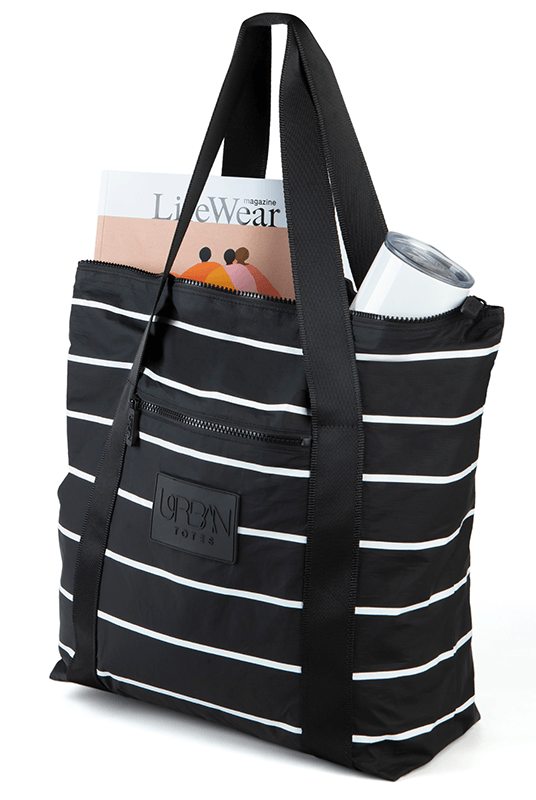
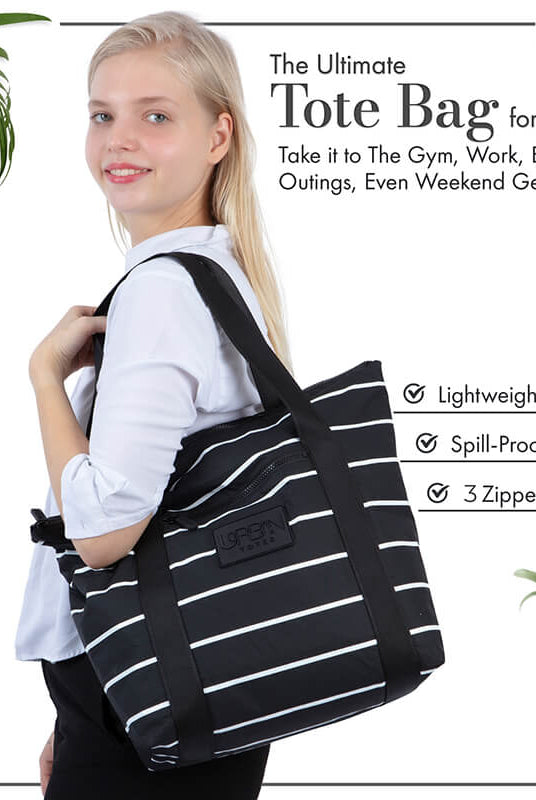
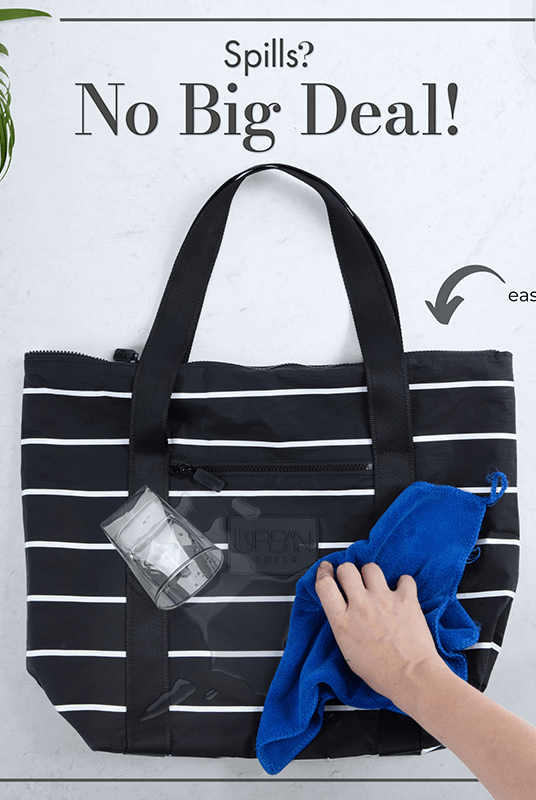
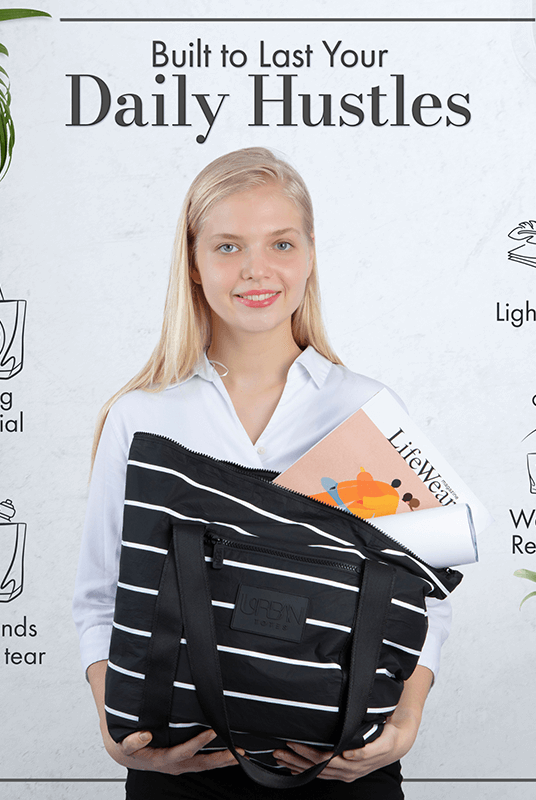
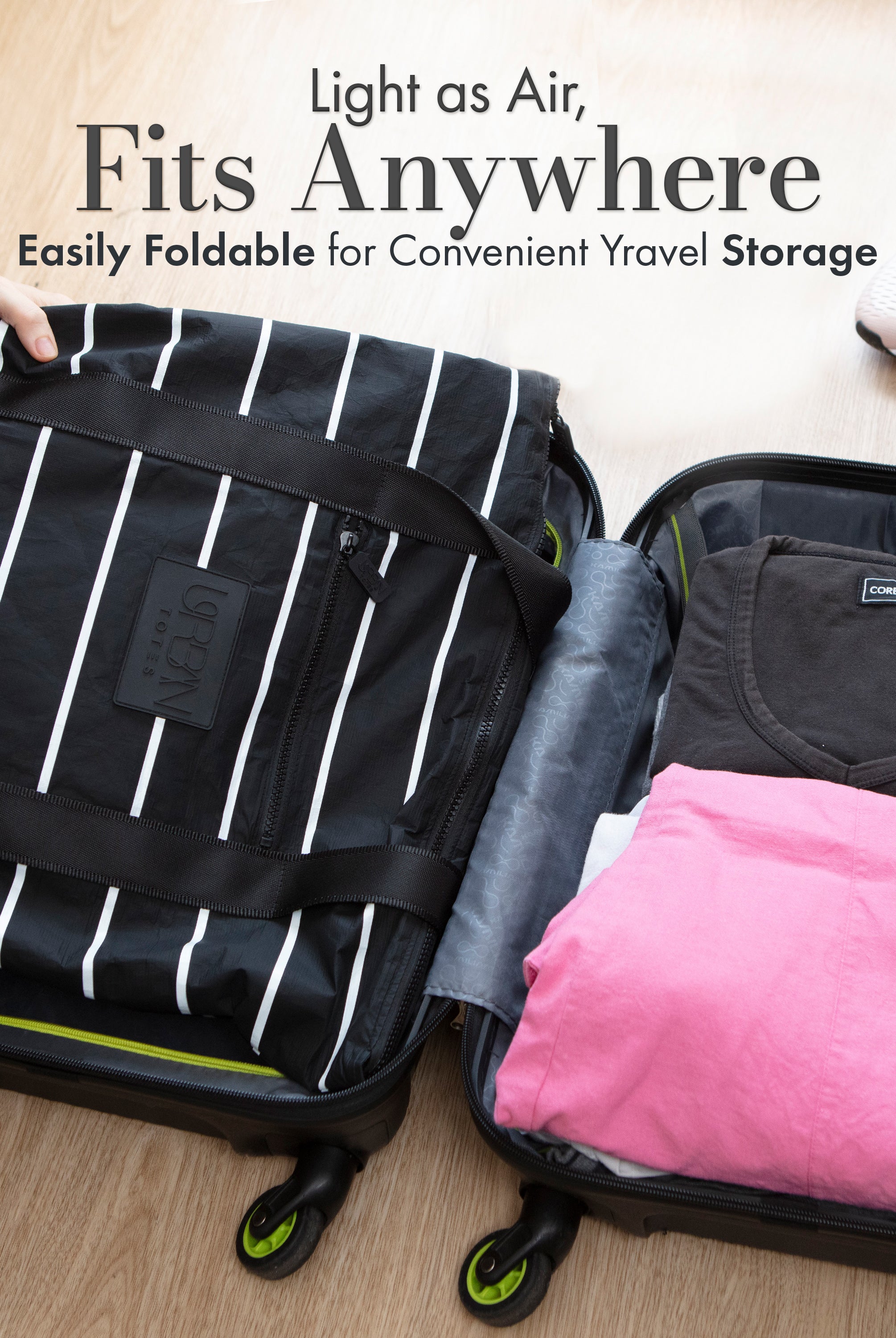
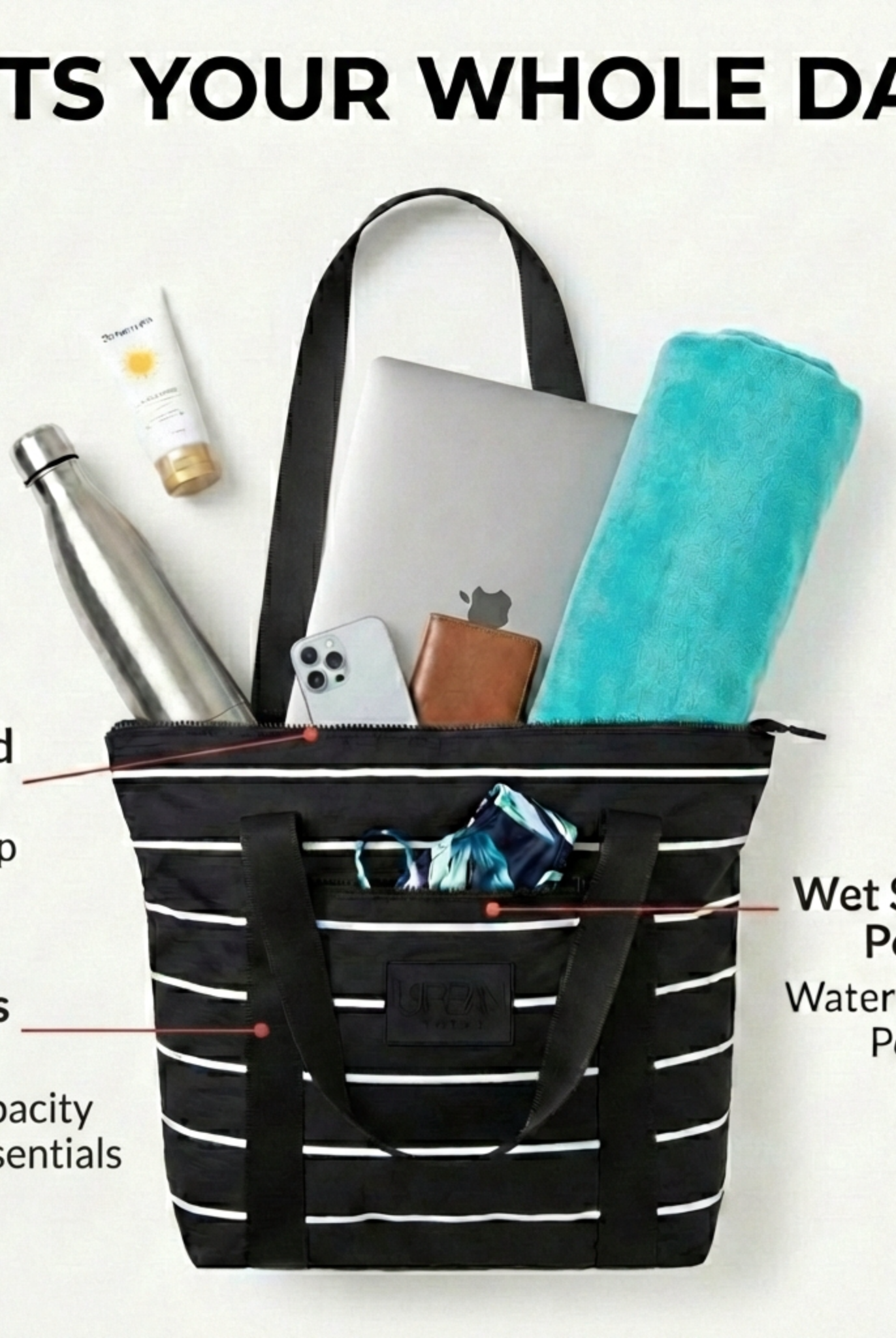
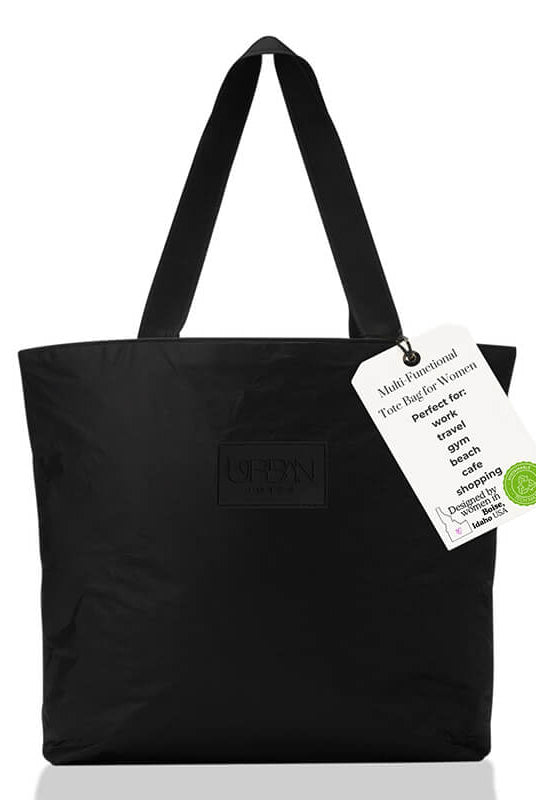
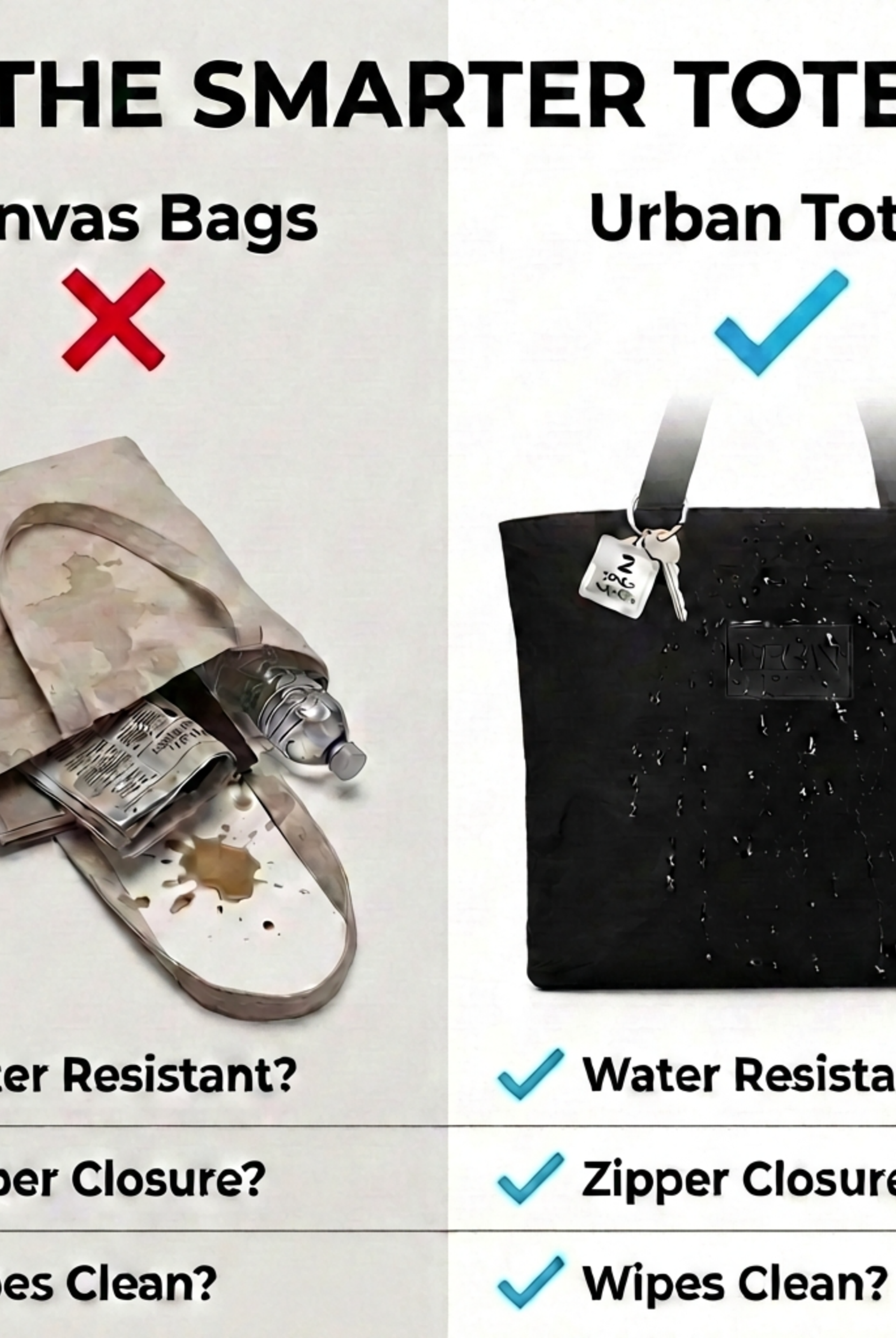
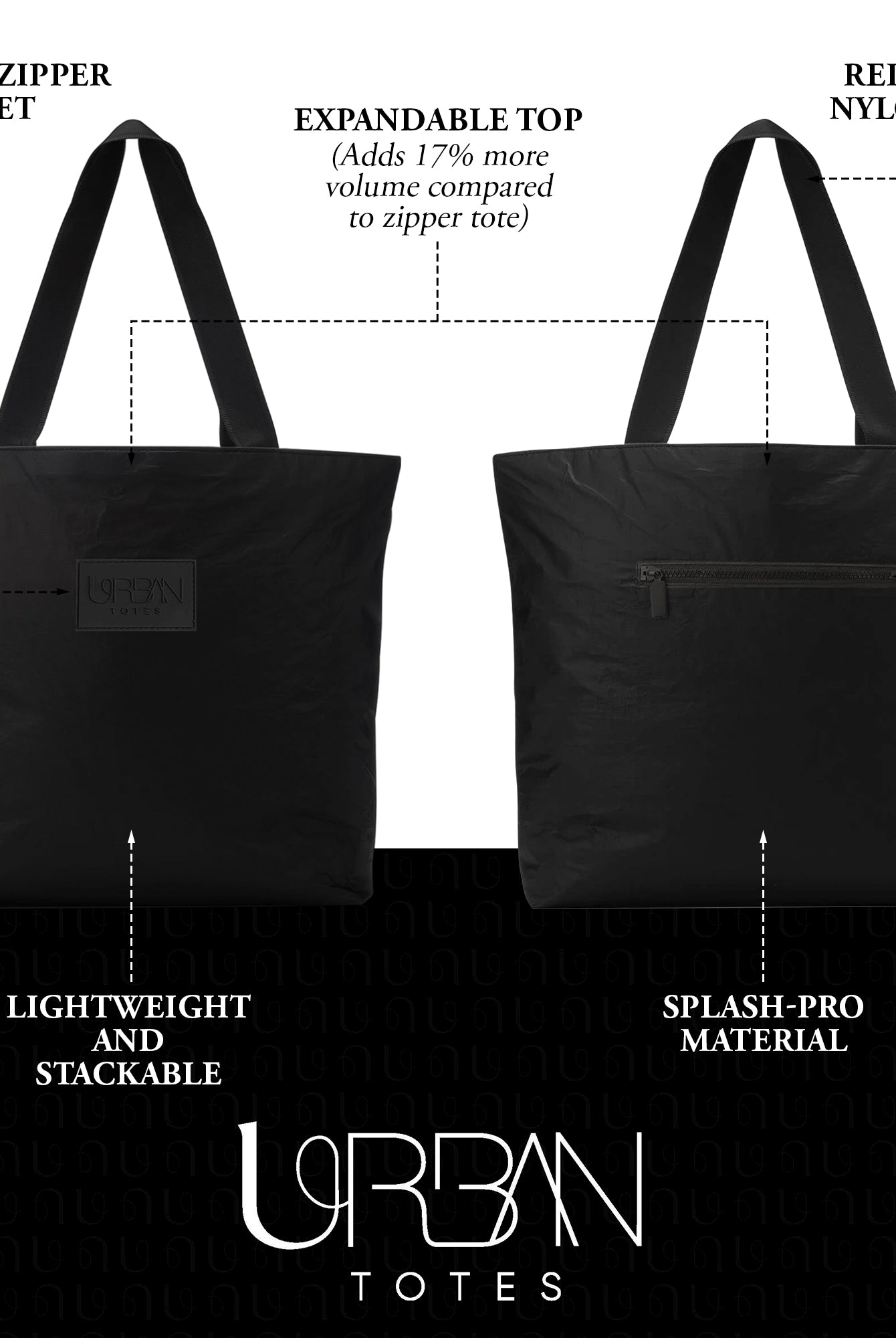
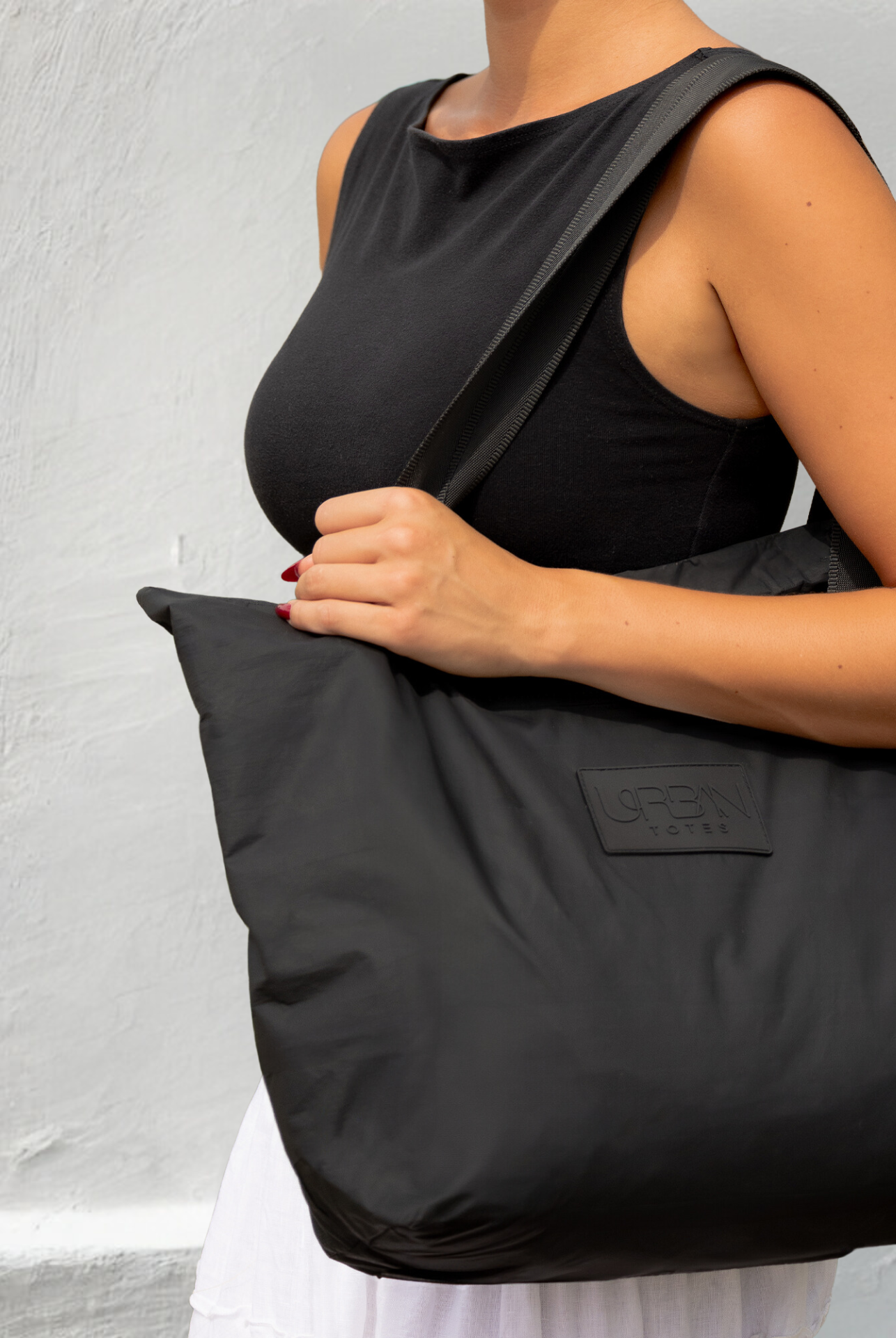
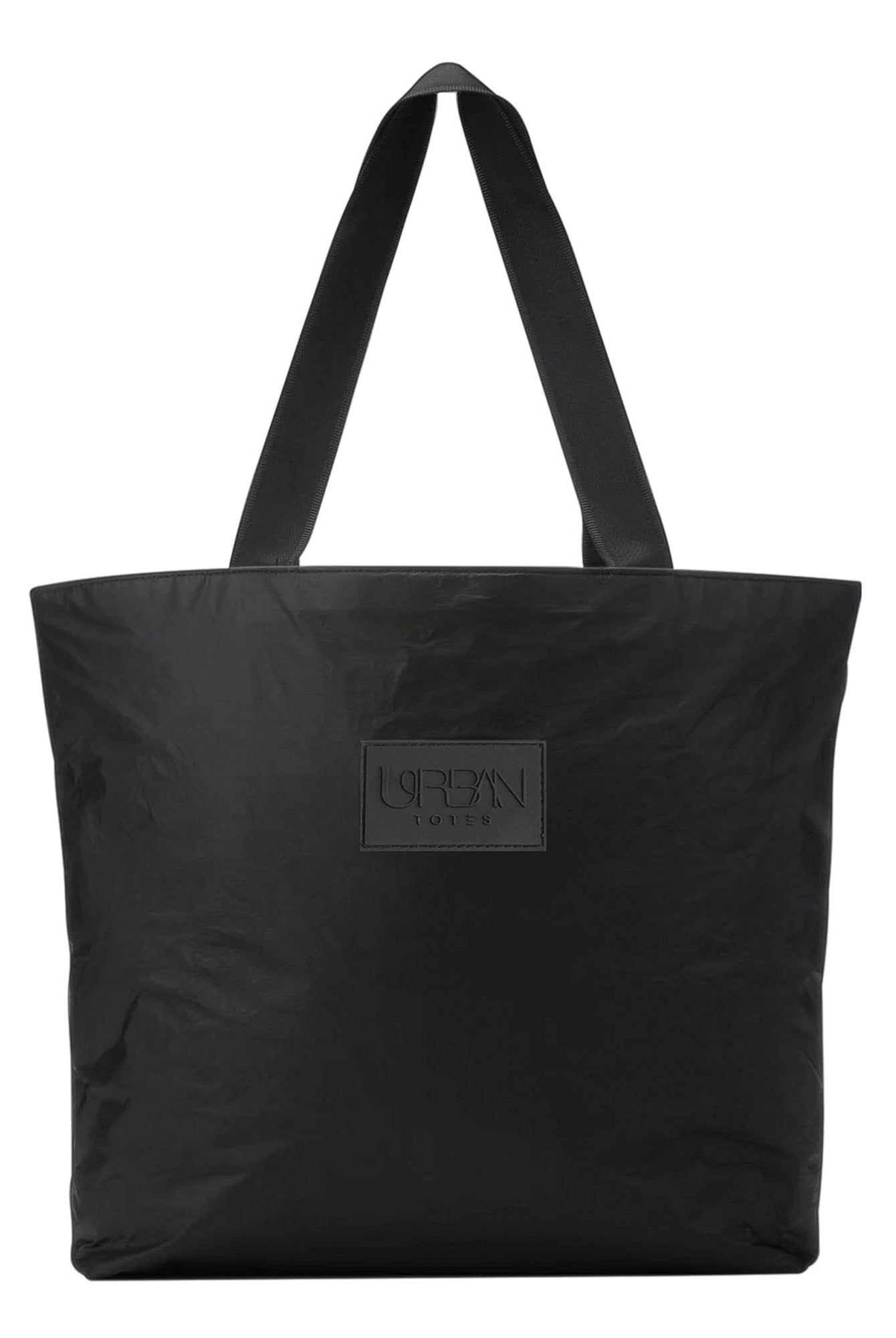
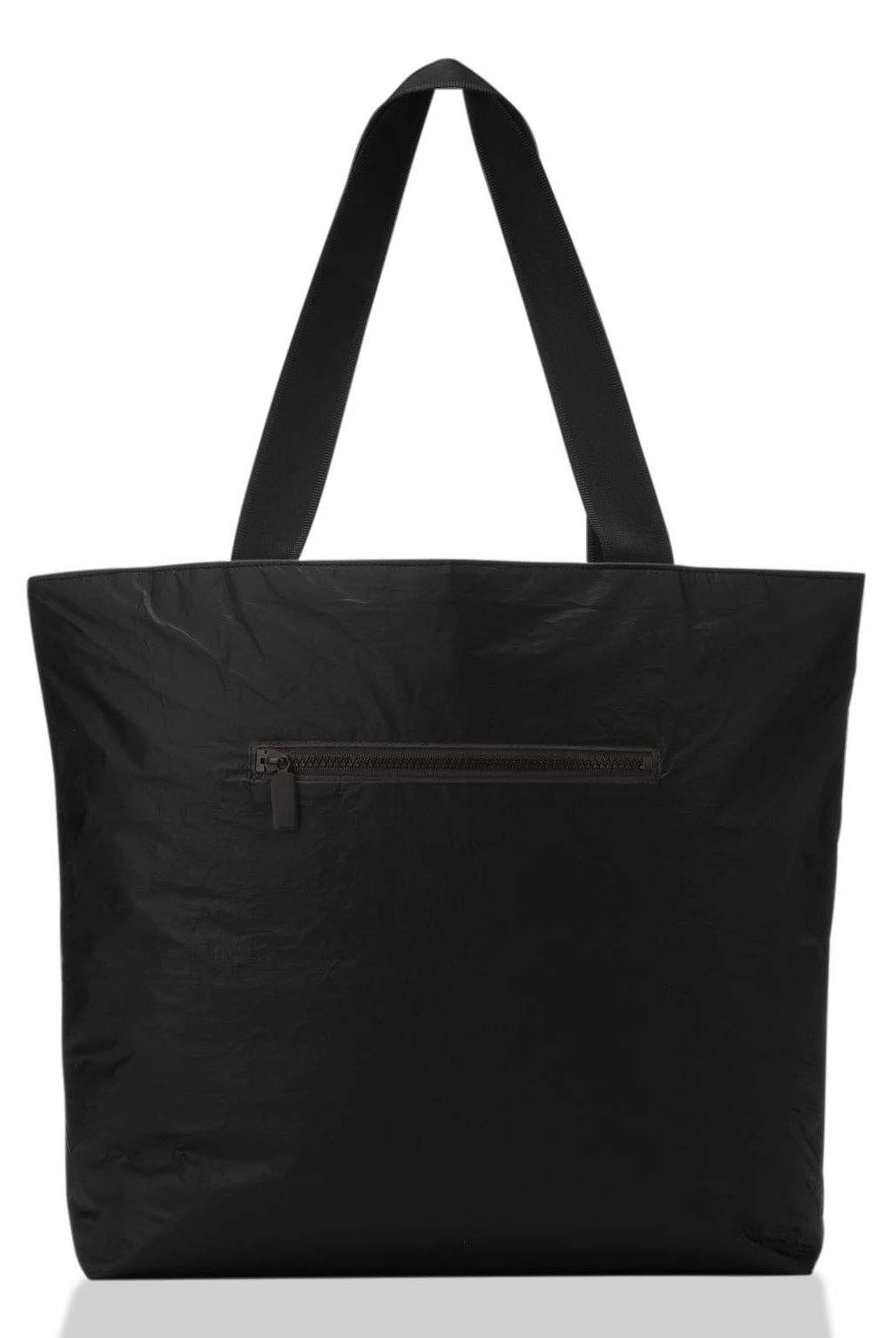
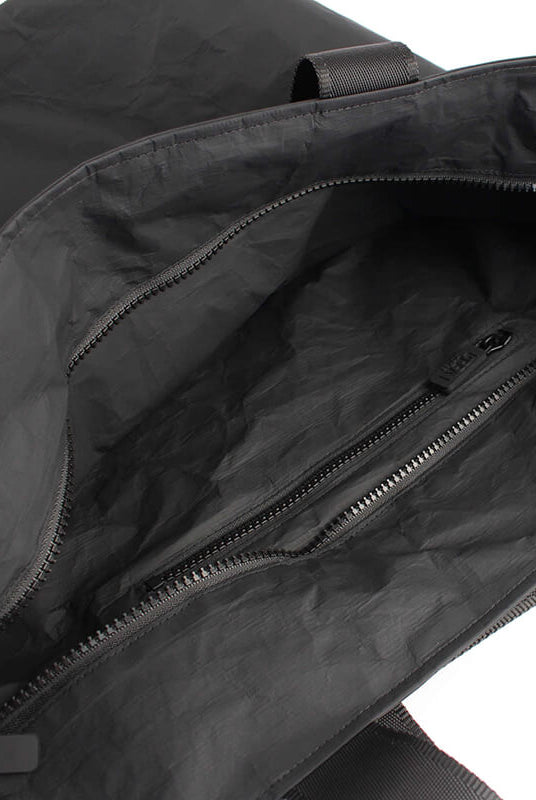
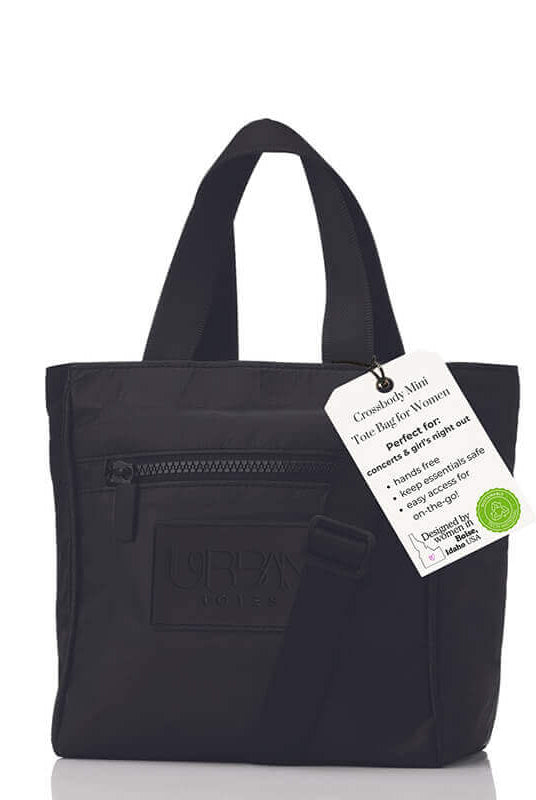
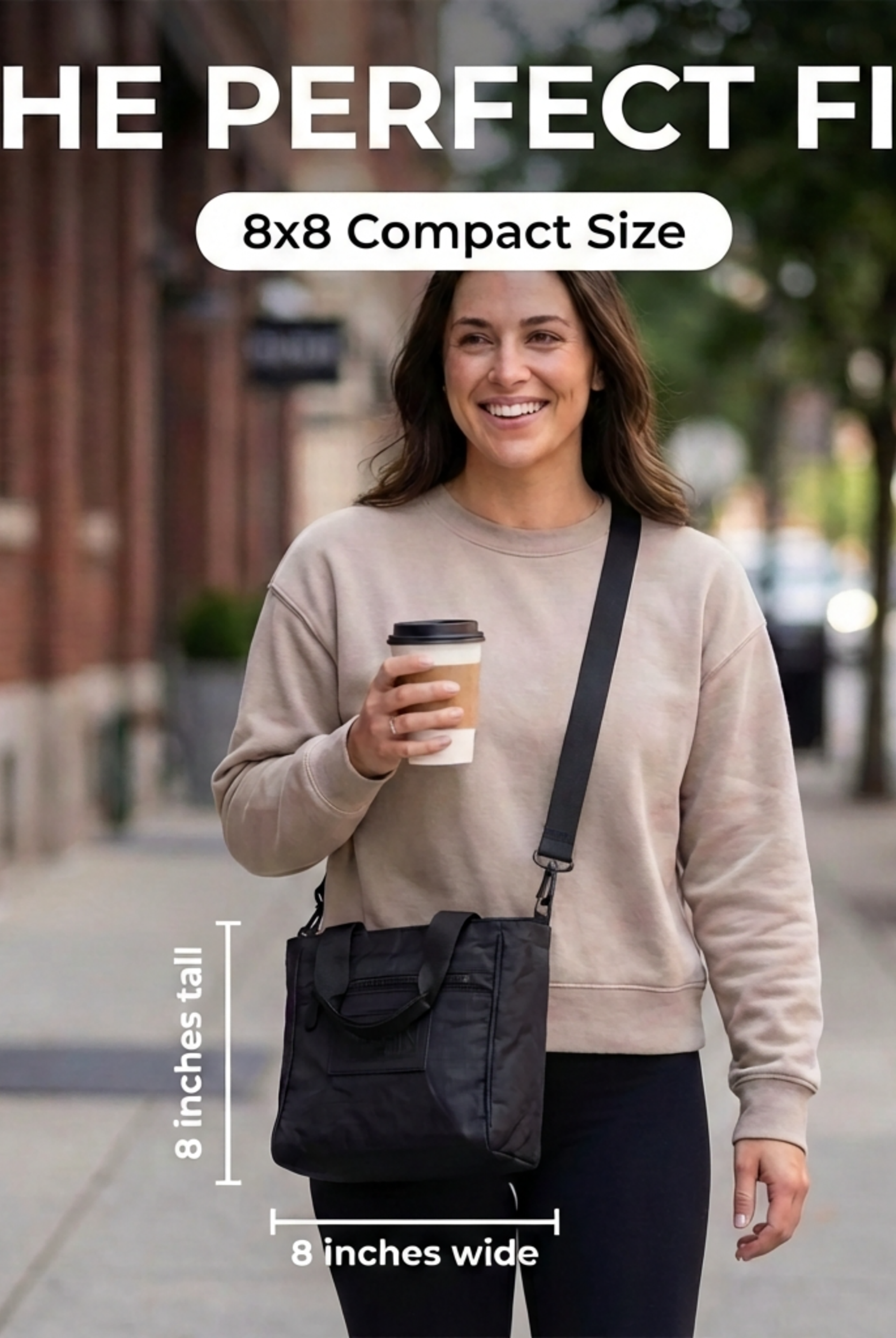
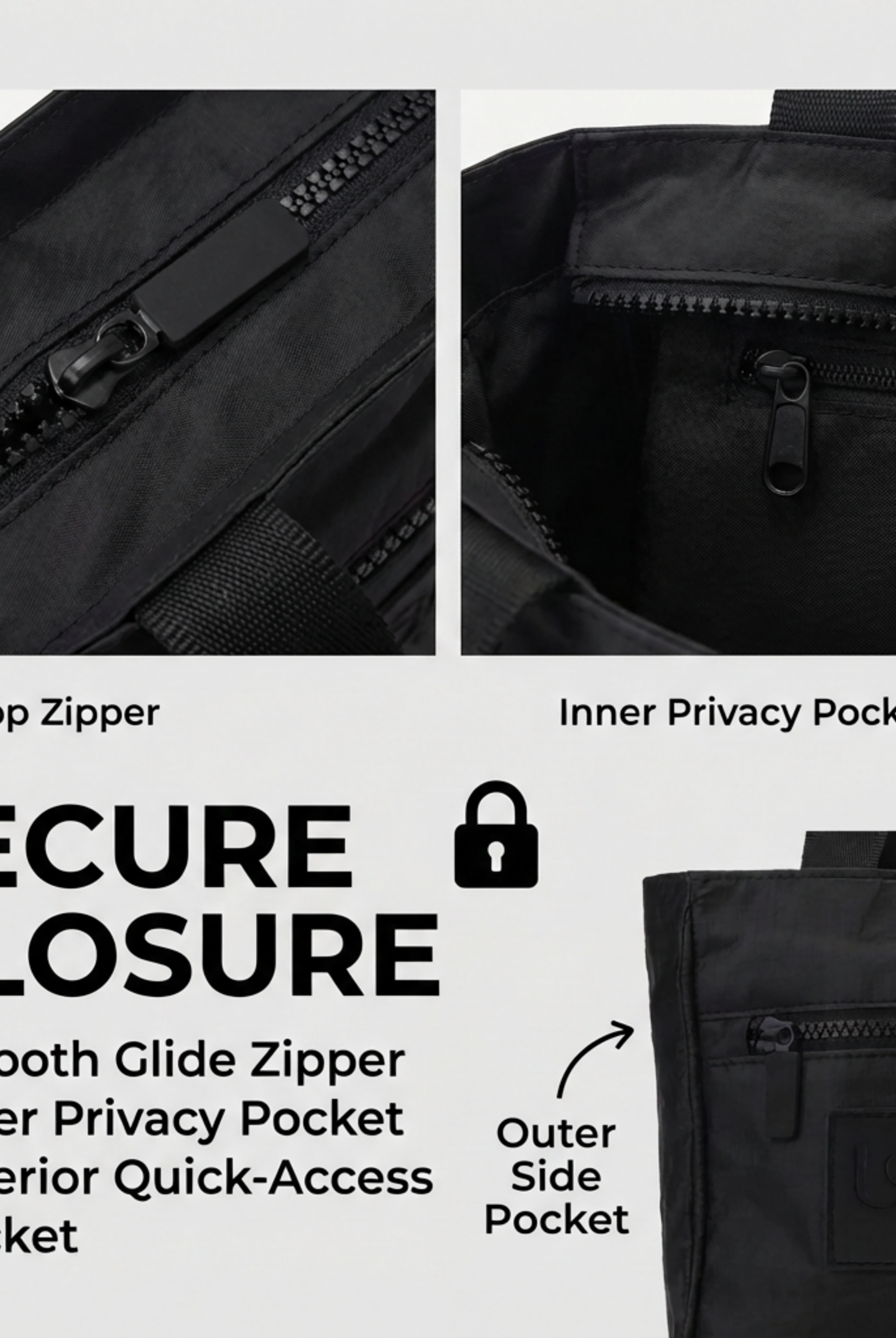
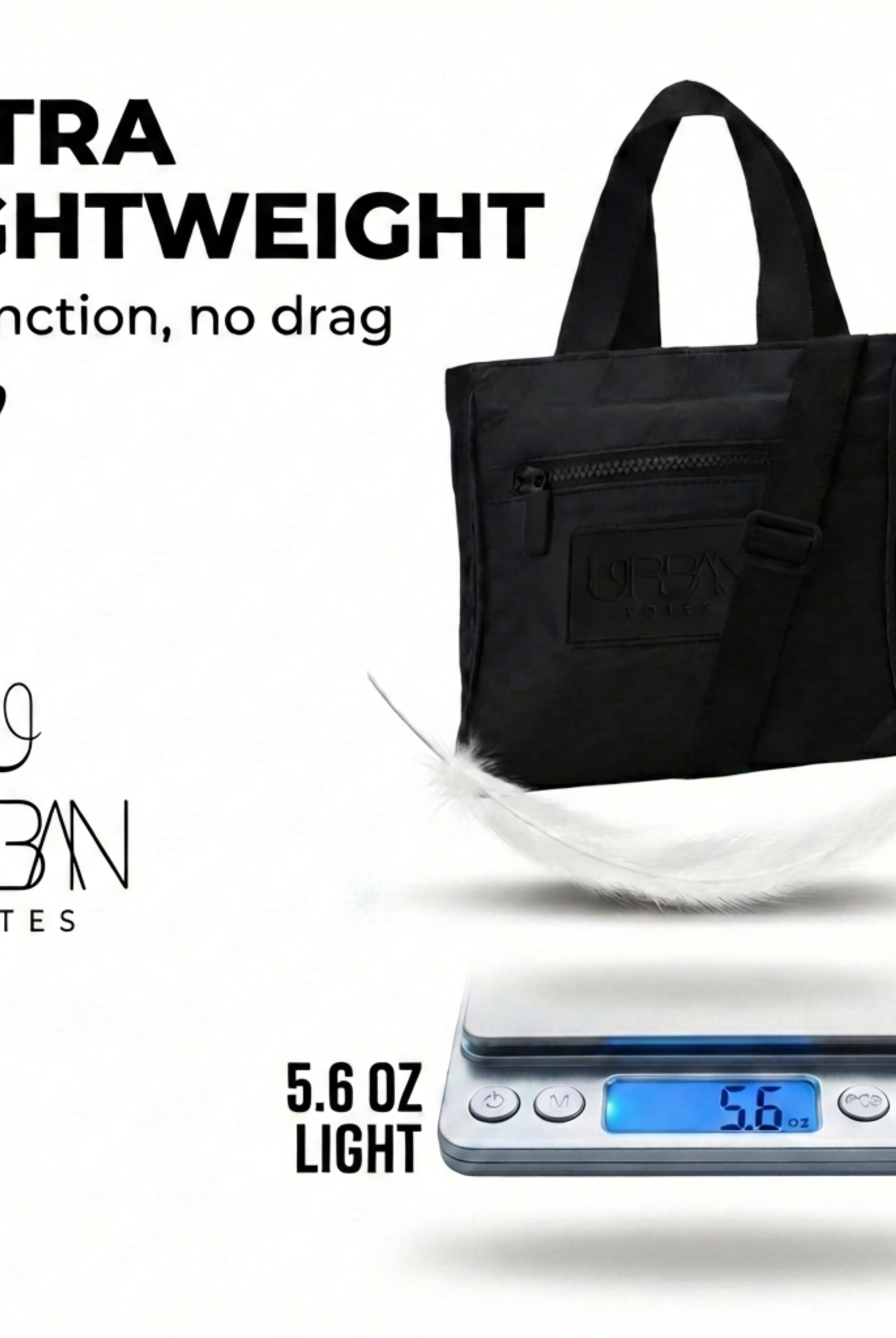
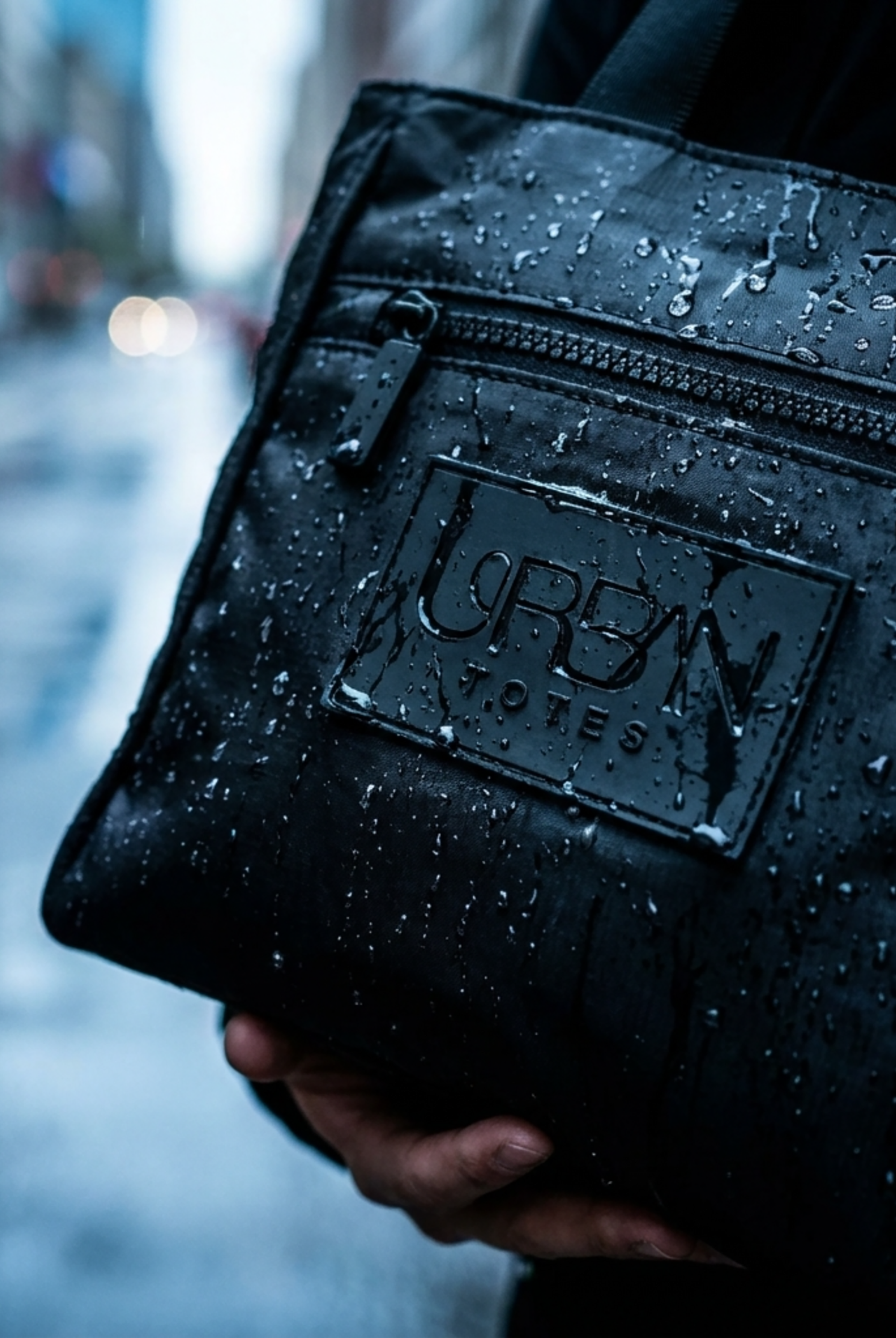
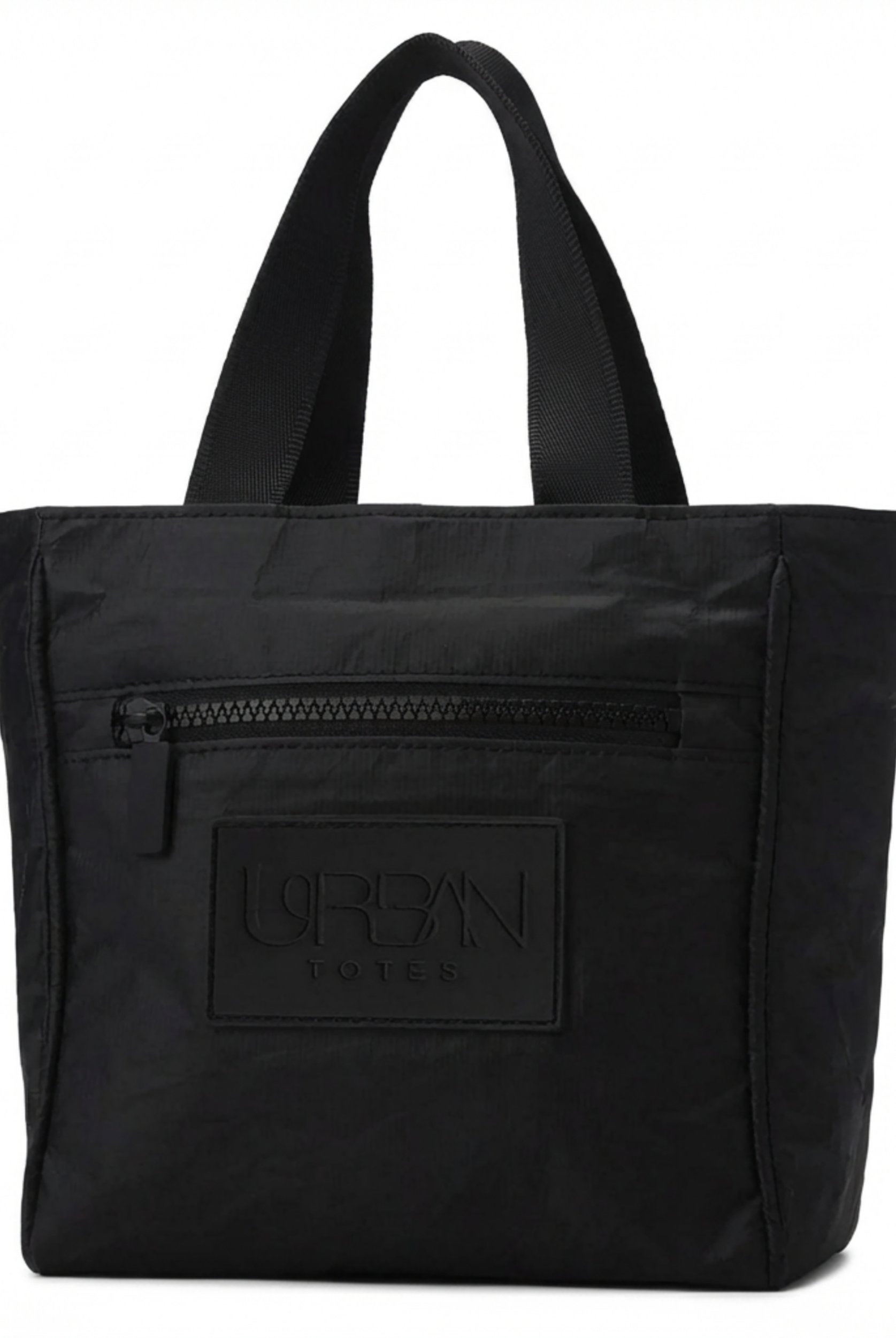
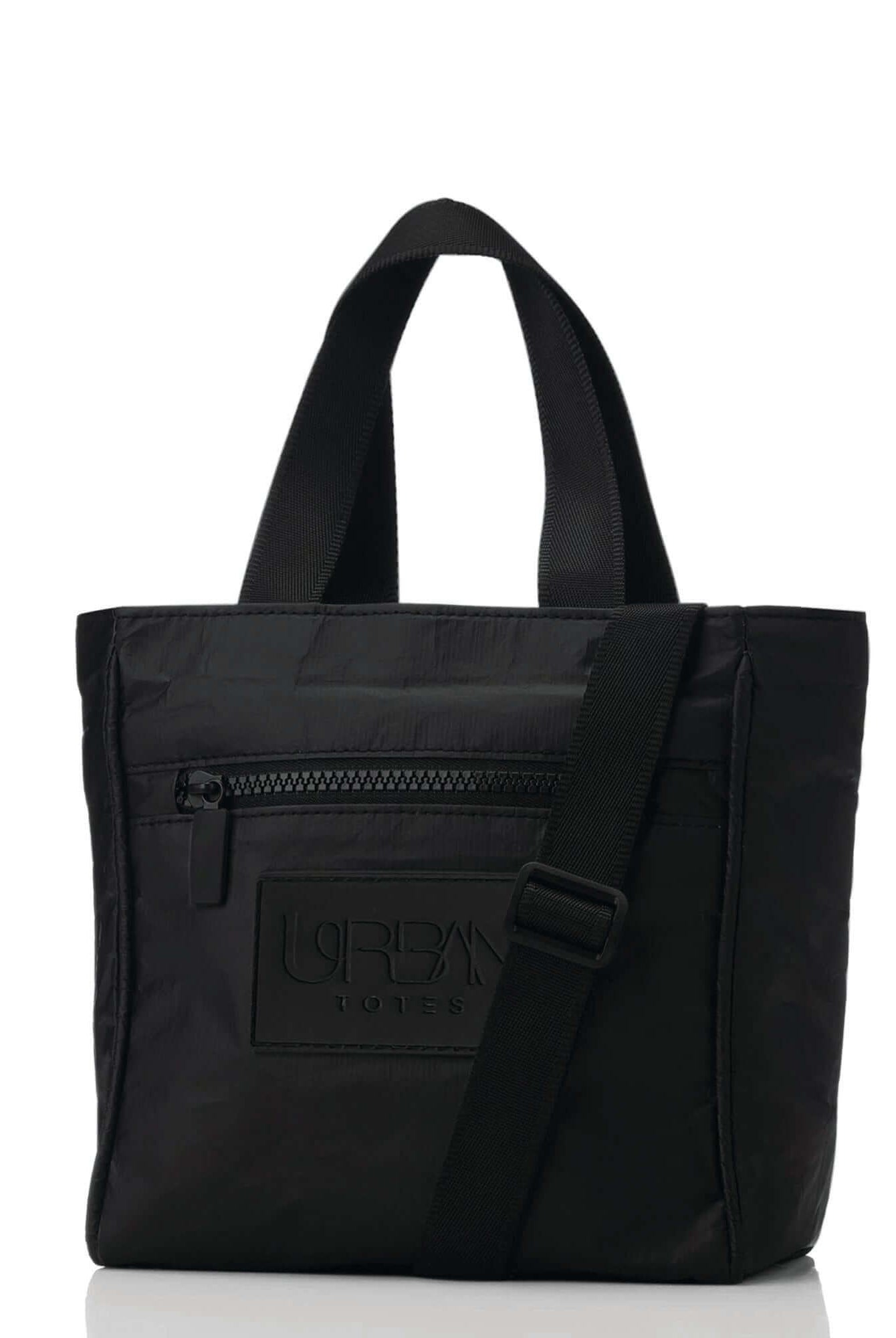
For a practical example of everyday carry, The Go Anywhere Day Trip Tote Bag by Urban Totes has three large zippered compartments, dedicated pockets for a phone and keys, and a lightweight, water-resistant, packable, foldable design. Those features describe how it fits into a busy routine; they don't establish its recycled content or recyclability, so check product material details and local disposal options rather than assuming either.
Practical Habits That Make Recycling Actually Work
Good recycling habits don't need to become another full-time task. A few simple checks at the kitchen counter, in the closet, and before putting materials out for collection can help keep useful material from being rejected.
- Check local rules first. A package may be recyclable in one place and excluded in another. Follow your municipality's accepted-material list, especially for plastic film, electronics, and textiles.
- Keep recyclables clean enough for collection. Empty containers and remove food residue when your local program requires it. Contamination can cause materials to be rejected.
- Separate materials as instructed. Don't mix plastic bags or film with paper unless your local program specifically accepts them together. Different materials may need different collection routes.
- Favor repair and reuse. Mend a loose seam, clean a tote, or pass along a usable item before buying its replacement. For bag materials and design choices, this overview of recycled-material bags offers another angle to consider.
- Look for a real return route. Take-back programs and designated textile collection can be more dependable than putting an item in a general curbside bin that doesn't accept it.
Make the next step easy
When you buy something new, check what it's made from and how it can be recovered where you live. Mono-material or easily separated designs may be simpler to sort than products built from permanently combined materials. For textiles, clear fiber information helps consumers and collection systems identify what they're handling.
Recycling also depends on what happens beyond your household. The United Nations Environment Programme estimates that about 33% of global waste is openly burned or dumped, and reports that the waste sector accounts for approximately 20% of human-caused methane emissions. UNEP's discussion of waste management and the planetary crisis shows why reliable collection and safe treatment matter alongside recycling. Better habits at home help, but effective waste systems also need the infrastructure to collect, sort, process, and safely manage materials.
A Simple Rule for Smarter Choices
At the store, in your closet, or at the curb, ask a few questions in order. Can I avoid buying this? Can I keep something I already own in use? If it reaches the end of its useful life, does my local system accept and process its material? That small pause can be more useful than trying to decide whether a product is “green.”
The answer to “is recycling eco friendly” is a qualified yes. Recycling can save energy and reduce demand for virgin resources, especially when the system handles clean materials and the recovered output replaces new production. But a recycling label doesn't tell you whether your local facility accepts an item, and it doesn't make unnecessary consumption disappear.
For bags and other everyday goods, think first about use: can the item carry what you need, handle your routine, and stay useful rather than being quickly replaced? If the answer is yes, reuse is already doing important work. When the item can no longer serve its purpose, check its material and find a recovery route that exists where you live.
A good everyday choice is one you can use often, care for easily, and keep in rotation.
Urban Totes is a woman-owned Boise brand offering thoughtfully designed, lightweight, water-resistant, packable bags with zipper closures and multiple compartments for everyday carry and travel. If a versatile tote fits your routine, explore the Urban Totes collection and choose a go-anywhere option you'll be glad to keep in use.
Shop the Urban Totes collection for stylish, functional totes and crossbody bags designed for errands, commutes, beach days, and travel. Find a lightweight, organized everyday carry option at Urban Totes and take on whatever the day brings.