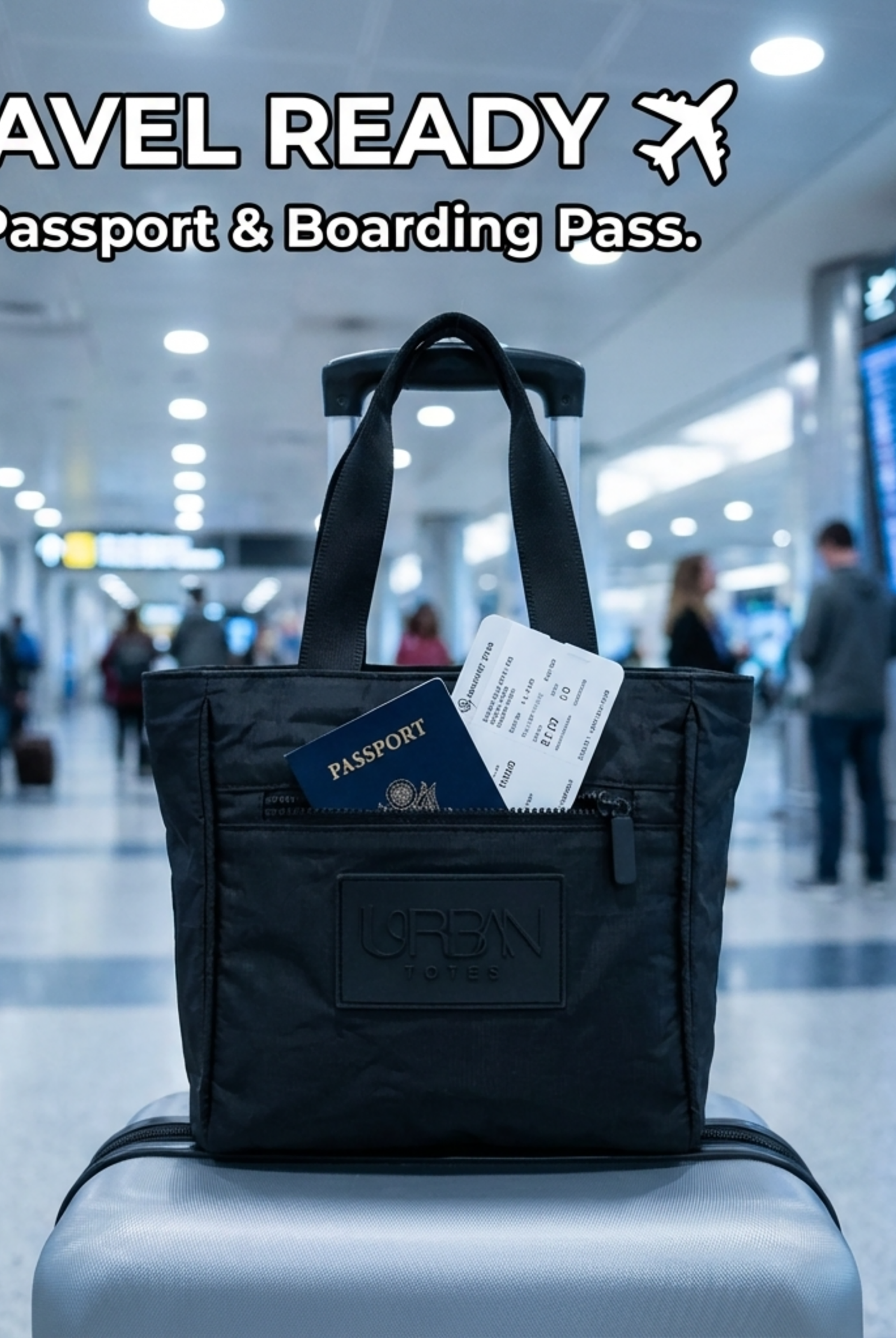
You're at school drop-off with a coffee in one hand, your phone in the other, and keys somewhere near the bottom of a tote that's carrying far more than you need. Or you're in an airport line, trying to keep your essentials close while juggling a jacket and a boarding pass. A small bag for keys and phone can make those moments simpler, especially when your clothes don't have pockets you can rely on.
The right one isn't just a smaller purse. It's an everyday carry that keeps your essentials organized without adding bulk, and that works with your clothes, your body, and your plans. Focus on shape, pocket layout, strap comfort, and closure before choosing a color or finish.
Table of Contents
- Why a Small Dedicated Bag Just Makes Sense
- The Three Carry Shapes Worth Knowing
- Pockets, Closures, and How to Keep Keys Away From Your Screen
- Sizing and Strap Fit That Actually Works for Real Bodies
- Security, Theft Prevention, and Real-World Travel Use
- Styling a Small Bag So It Reads Intentional, Not Underdressed
- Finding the Small Bag That Fits Your Day
Why a Small Dedicated Bag Just Makes Sense
The pocket problem is older than any of us. Historical research describes how women in the seventeenth century often carried separate tie-on pockets beneath their clothing, while small external purses called reticules gained popularity among elite women in the early nineteenth century. Small bags have long offered a practical answer when clothing doesn't provide useful storage. (Oxford Academic's history of women's pockets and purses)
Today, that problem can feel especially familiar. A YouGov UK survey reported that 40% of women had returned clothing to the rack after finding it had no pockets. Another survey cited in the same BBC feature on women's pockets found that 65% wanted to carry their phone in clothing pockets, and 77% said having their phone on their person in public would make life easier. A compact bag can fill the gap without asking you to carry a full tote everywhere.
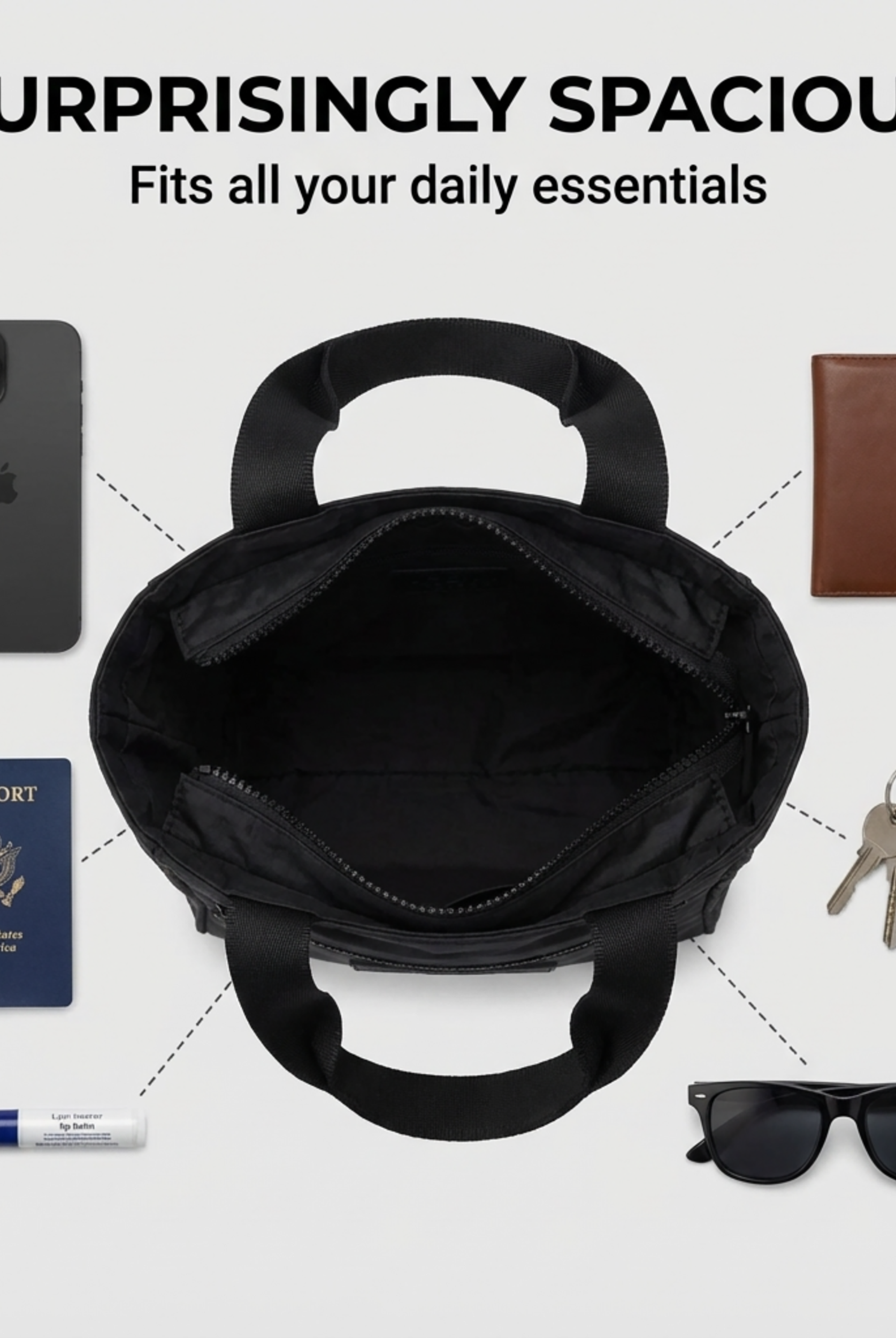
It also helps to size the bag around your phone, not around an attractive product photo. Start with the phone and its case, then check that you can retrieve it without wrestling with the zipper. After that, consider whether you'd rather carry a crossbody, a wristlet, or a belt bag, and whether the pocket layout keeps your keys away from the screen.
The practical test: If your keys and phone can't be found or removed quickly, the bag isn't solving the everyday problem.
For a different take on phone-first carry, a hand-sewn faux fur cell phone case shows how a phone-sized accessory can work as a distinct alternative to a general-purpose bag. Whichever style appeals to you, start by deciding how you'll wear it most often. That makes the shape shortlist much easier.
The Three Carry Shapes Worth Knowing
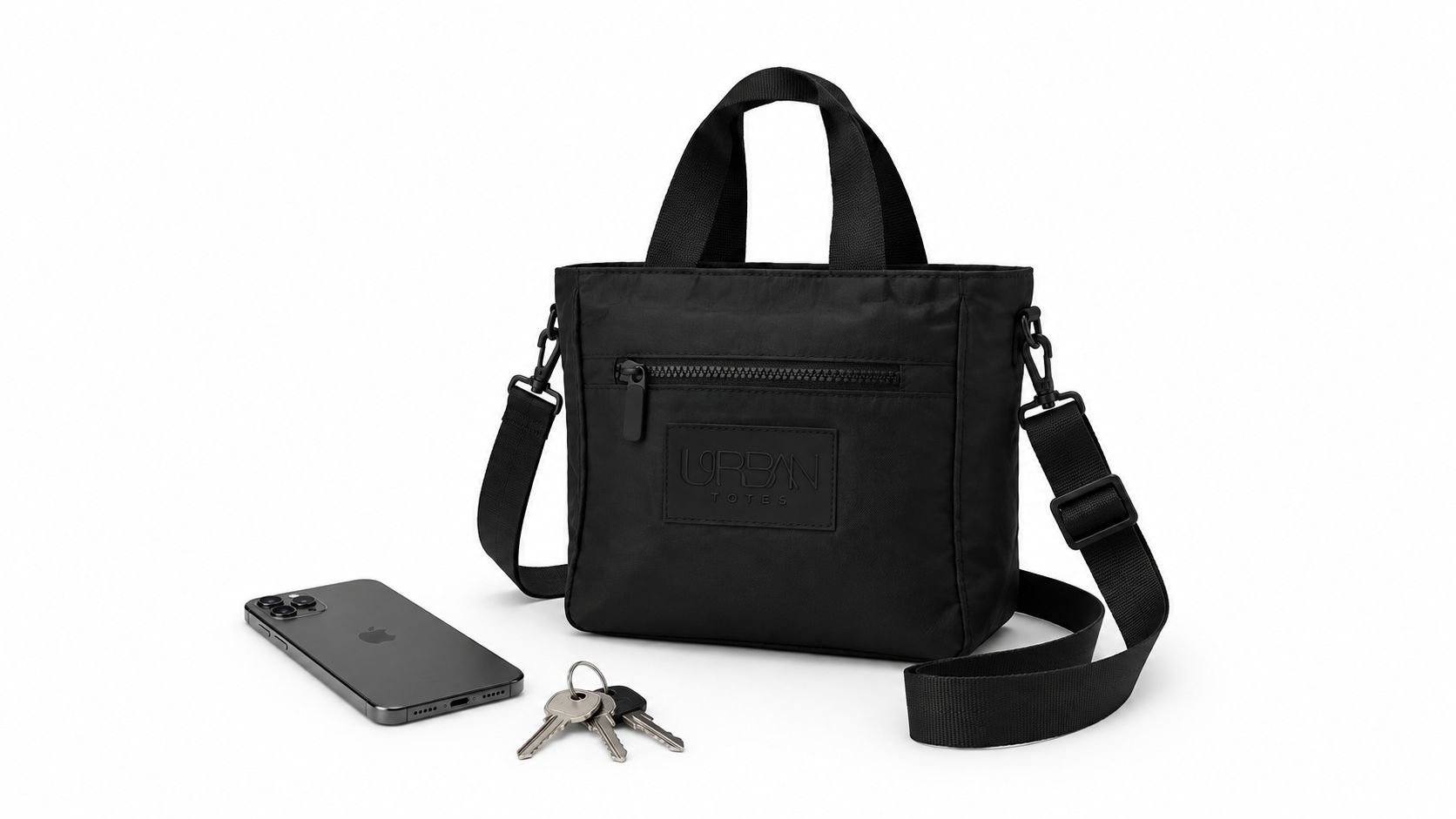
Mini crossbody: This is the hands-free choice for a commute, school run, or travel day. It keeps essentials close while leaving your hands available for a coffee, groceries, or a child's hand. Look for a strap that adjusts comfortably over your usual layers and a top closure you can manage without taking the bag off.
Wristlet: Choose a wristlet when you want a compact, easy-to-carry option for dinner, a quick errand, or a clutch-friendly occasion. It's simple to move between your hand and a larger bag, though it's less convenient if you need both hands free for long stretches.
Belt bag: A belt bag, sometimes called a hip pack, keeps essentials centered on your body. It's a natural match for walking tours, theme parks, or an event where you'd rather not hold a purse. Check how it sits over a coat, dress, or high-waisted trousers before committing to the look.
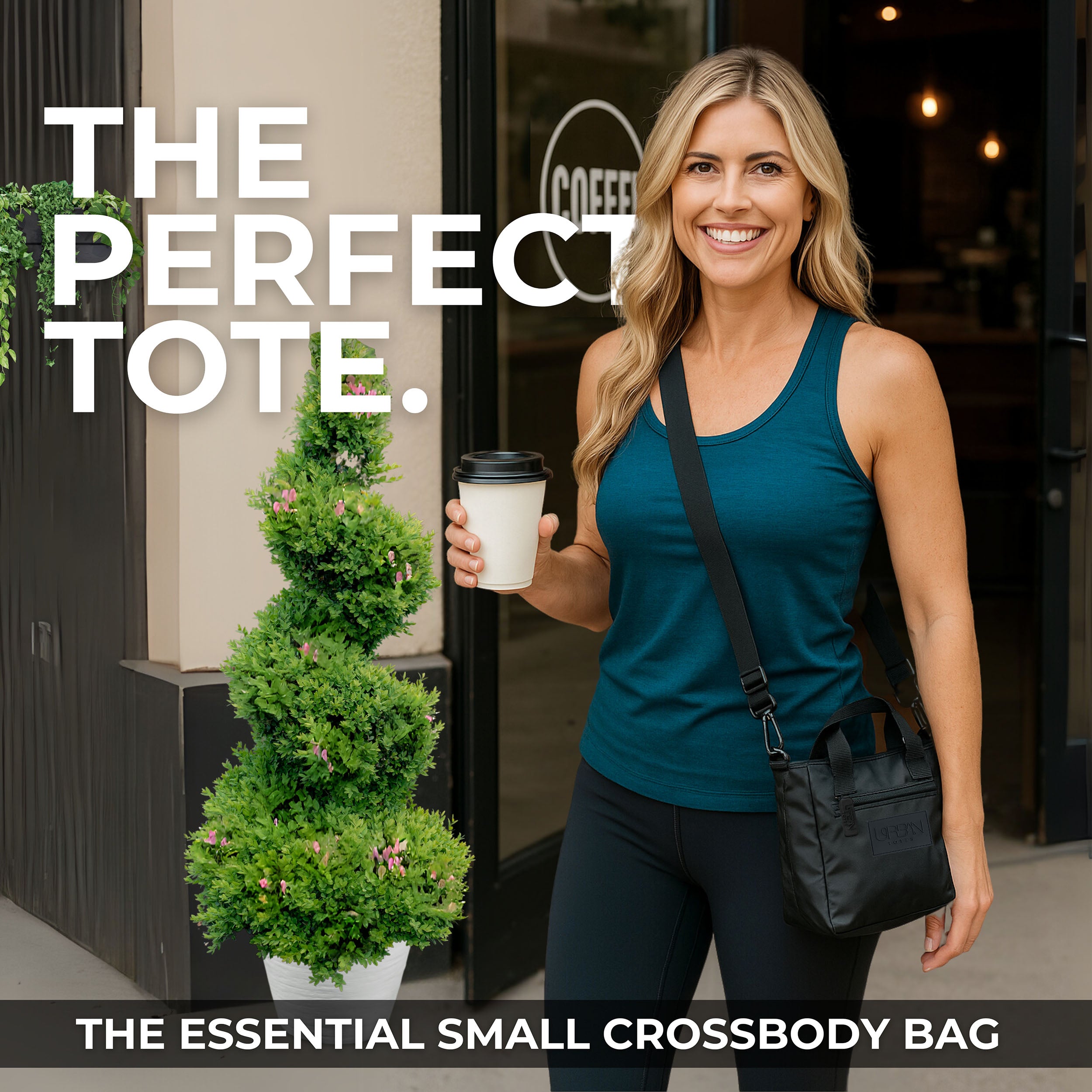
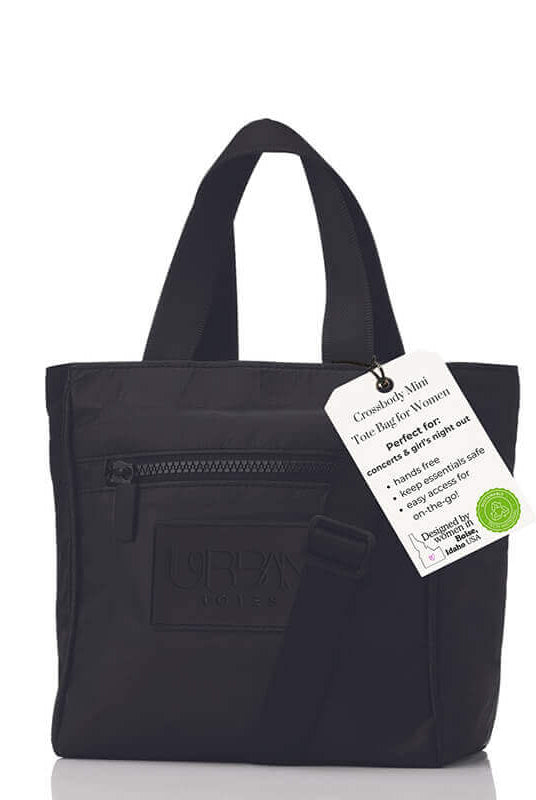
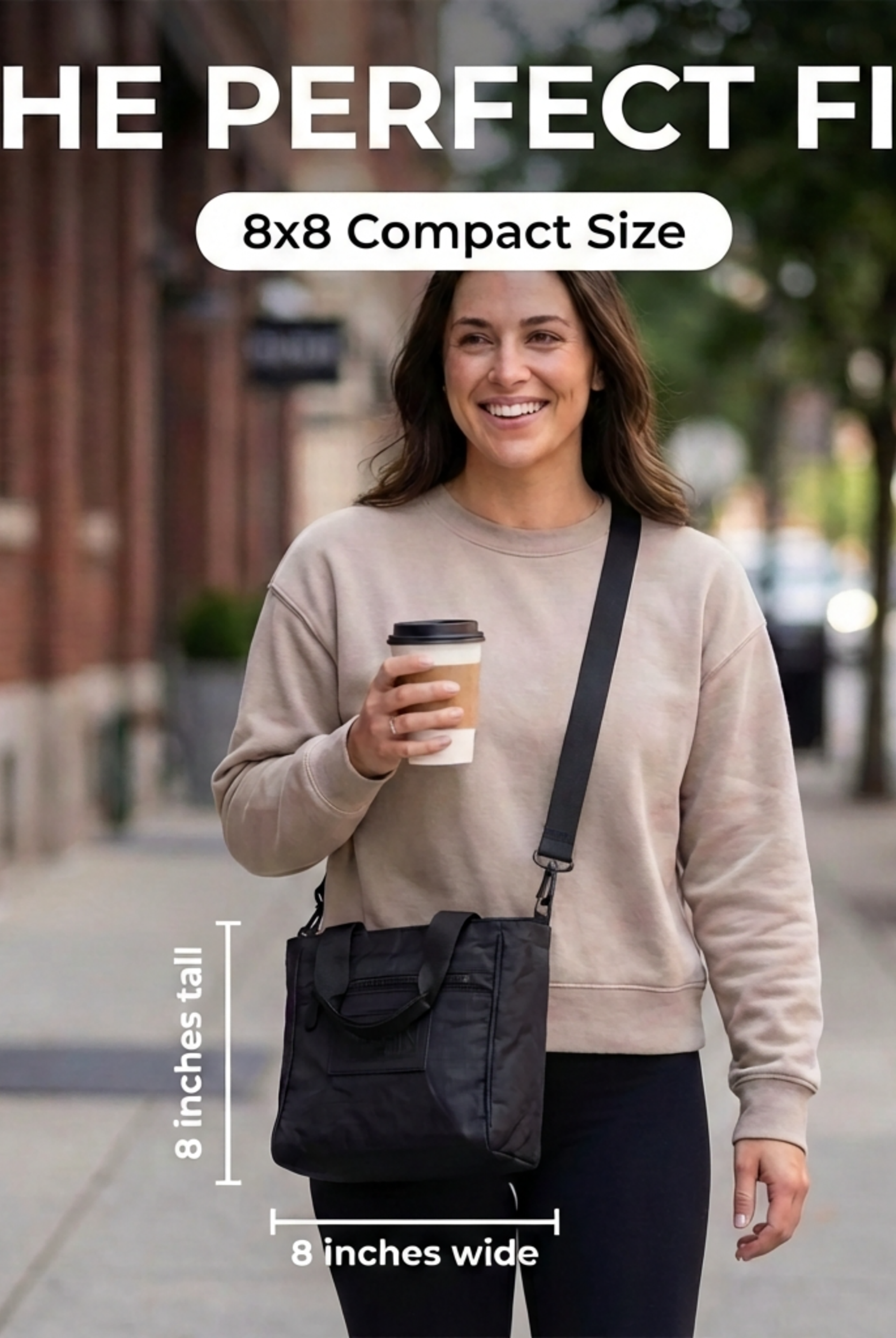
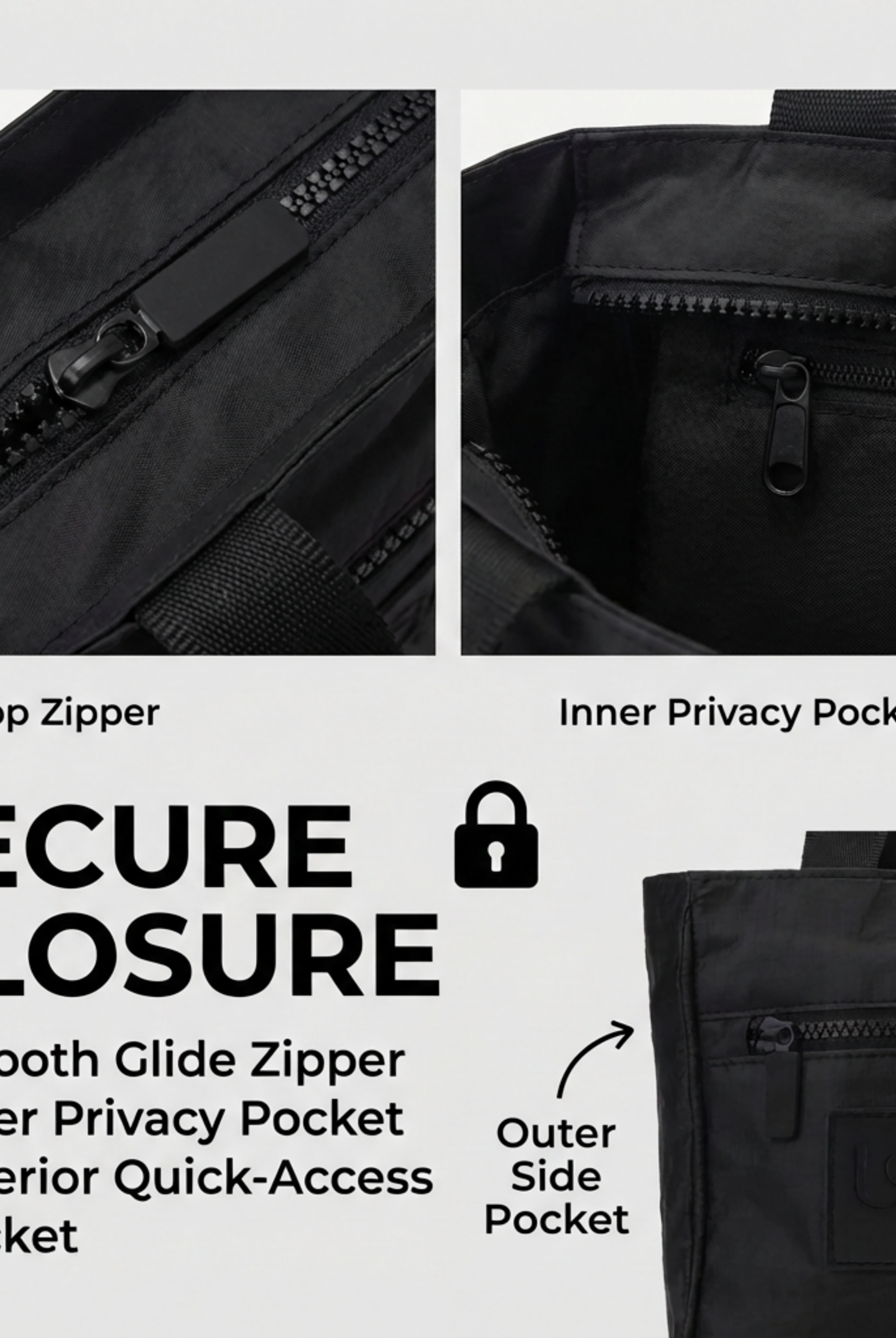
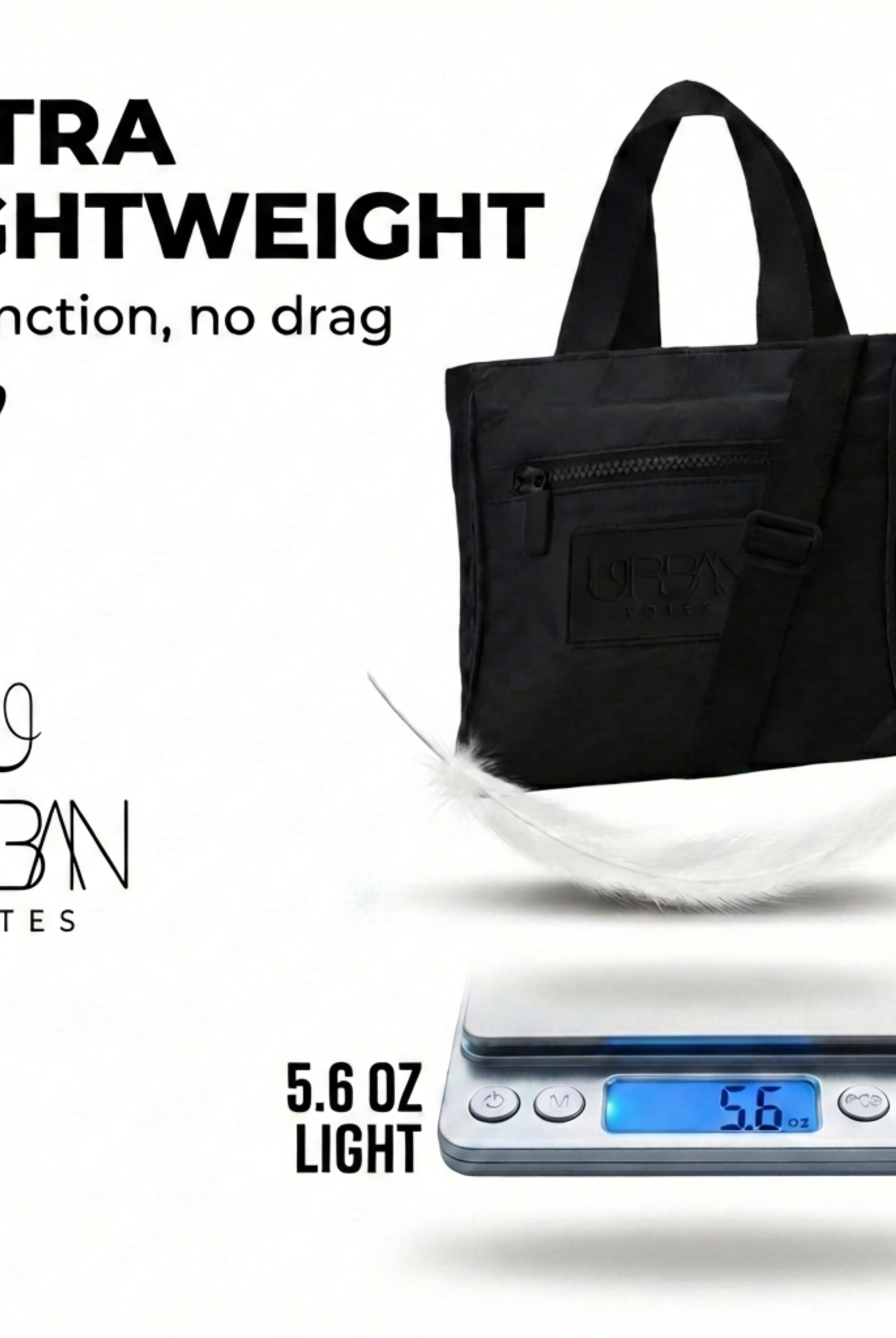
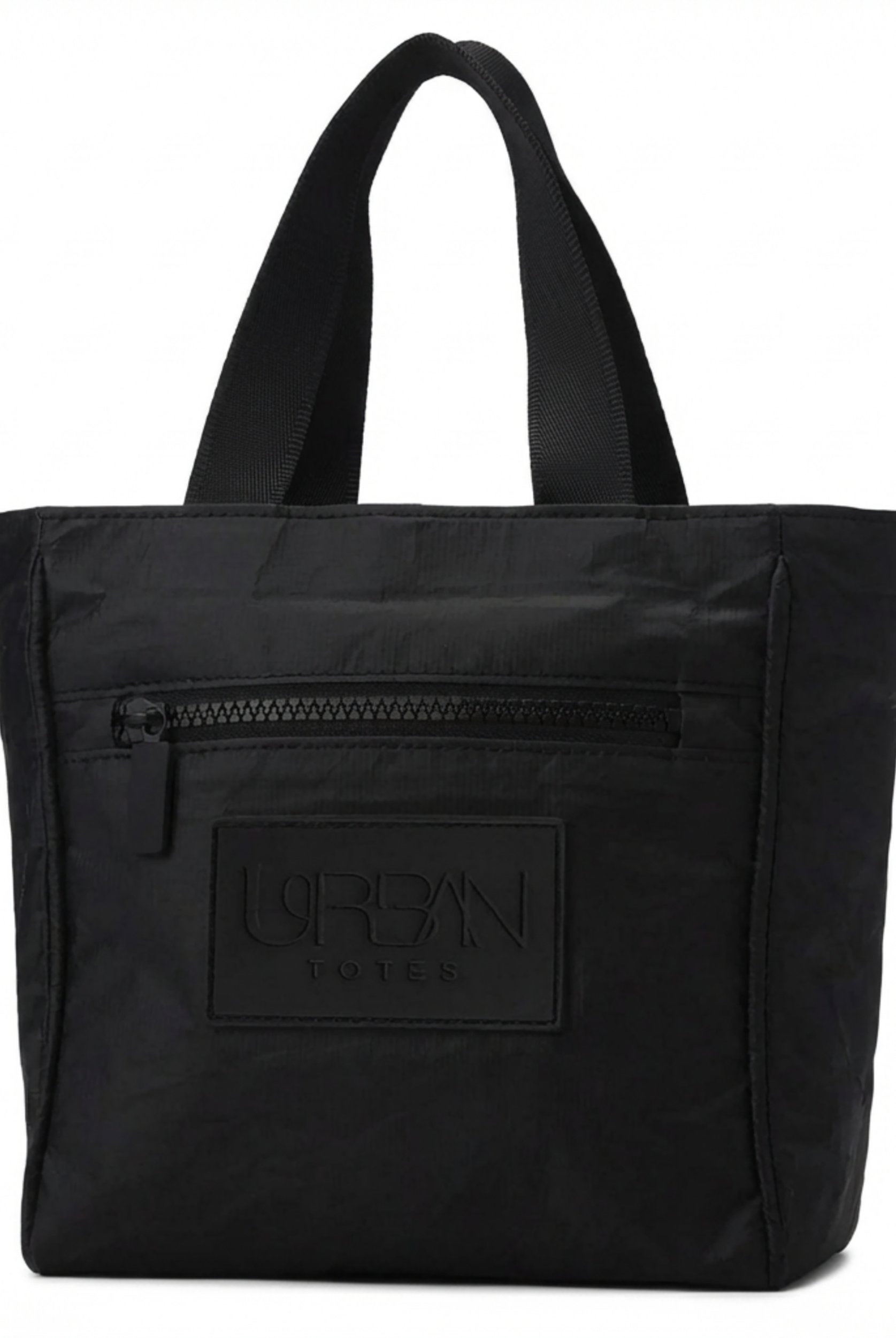
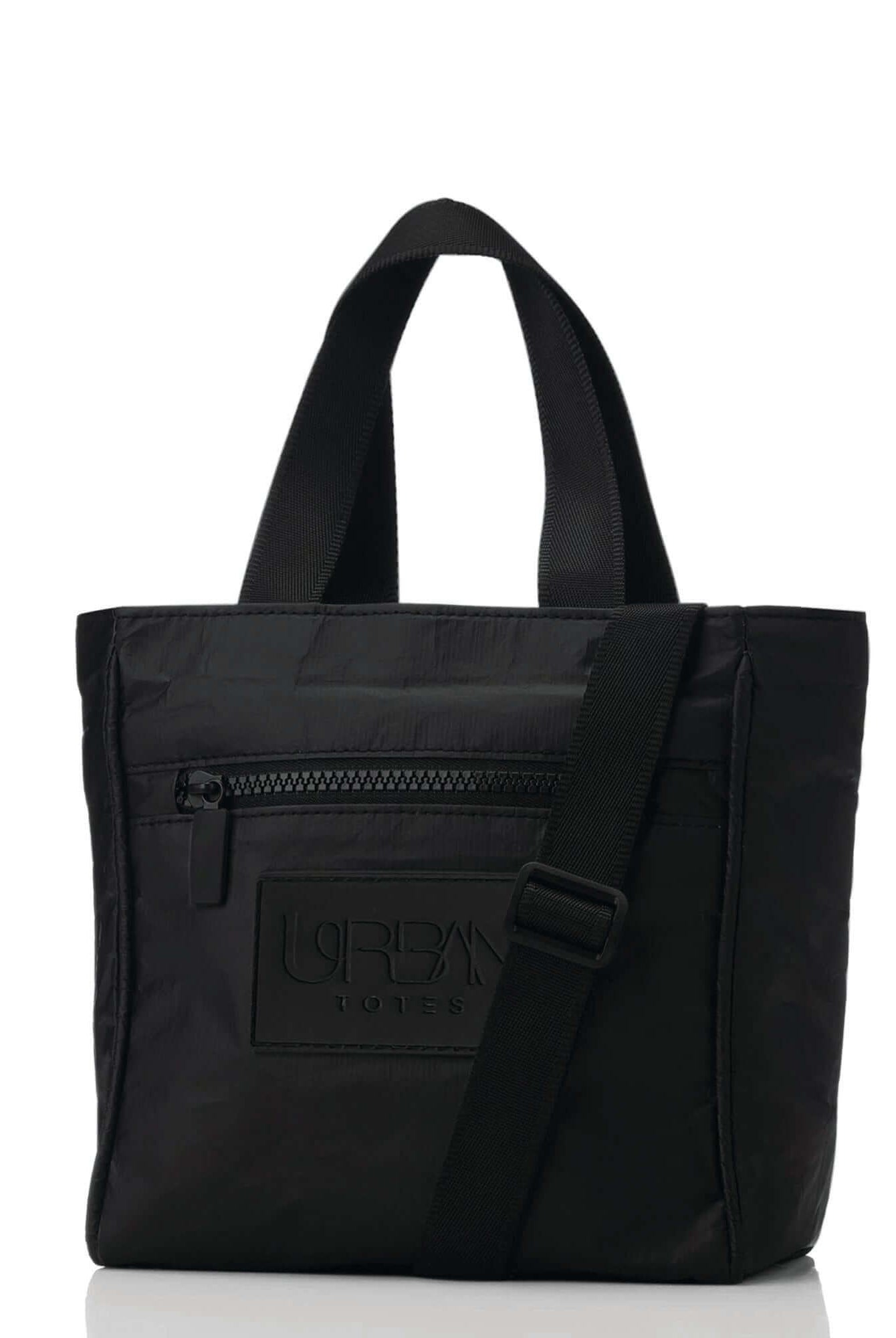
For a useful overview of shape and proportion, compare crossbody bag styles and sizing before choosing a strap style. Urban Totes' Crossbody Tote Bag Mini Purse has a zip-top closure, an outside zipper pocket, an easy-access pocket, a removable strap, and a compact 7.5 × 4 × 7.75-inch profile. Those details make it a concrete example to compare against your phone and daily essentials, not a substitute for checking fit in person.
You can also browse this glossary of bag types if you're still weighing silhouettes. Pick your primary carry mode first. The right shape is the one you'll want to wear for the actual length and kind of day you have planned.
Pockets, Closures, and How to Keep Keys Away From Your Screen
A small bag can look roomy and still be frustrating if the layout is wrong. Give your phone its own quick-access pocket, keep keys in a separate zippered or clipped section, and use a small outer slip for a card or lip balm. Separating metal keys from the phone helps limit screen scratches, accidental button presses, and scuffs caused by items shifting together.
Closures involve a trade-off. A zipper offers a contained, closed compartment, but you need to open and close it each time. A magnetic snap is quick to use, but I wouldn't make it my first choice for crowded transit if the contents can spill when the bag tips. A flap can look polished, though it may take more effort to open when your hands are full.
For another example of how compartment choices should match the activity, this guide to choosing a trail riding pack can help you think through what belongs within easy reach. For everyday purses, the useful question is simple: can you put your phone away and find your keys without digging? These multiple-compartment purse ideas are another way to think about organizing essentials.
| Scenario | Best closure | Phone pocket | Key pocket |
|---|---|---|---|
| Commute | Zipper | Easy-access, separate from keys | Zippered or clipped |
| Travel | Zipper | Interior or front-facing and easy to reach | Separate, secured compartment |
| Dinner | Snap or flap | Dedicated slip | Small interior section |
| Errands | Zipper or easy-open flap | Quick-pull pocket | Separate compartment or key clip |
My default for a busy day is a zipper closure, a phone pocket I can reach without looking, and a key section that keeps metal away from the screen. A pretty bag that turns simple errands into a search isn't organized enough.
Sizing and Strap Fit That Actually Works for Real Bodies
Measure your phone with its case on. That's the minimum size the bag needs to accommodate, not the device dimensions listed in a phone spec sheet. Check the usable space inside the bag, too. A phone that technically fits but catches on a zipper or flap will be annoying to pull out, particularly one-handed.
Allow some room around the phone for insertion and removal. Keep keys elsewhere, and test the closure after you've loaded both items. When you try on a crossbody, wear the coat or layers you're most likely to carry it over. The bag should sit where you can reach it comfortably without the strap digging into your shoulder or sliding off.
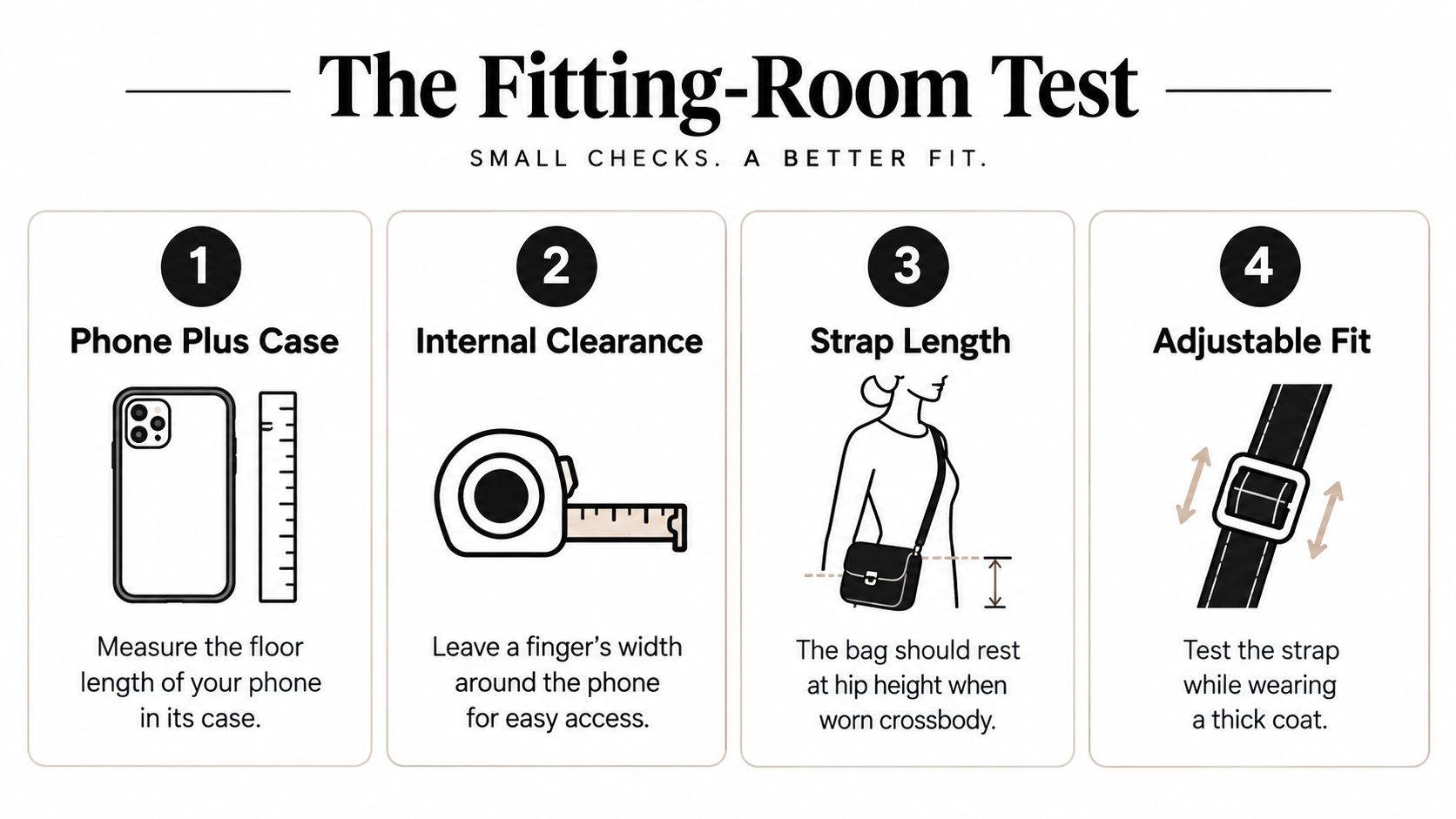
A wristlet should feel comfortable around your wrist without pinching or swinging awkwardly. A belt bag needs to sit securely over the clothes you wear, not just over a thin top. Try opening every pocket with longer nails, glasses on, or your attention on something else. Caregivers especially benefit from a closure they can operate while holding a bag of groceries or keeping an eye on a child.
For a deeper look at strap positioning, use this guide to adjusting bag straps, then run this quick comfort check:
- Shoulder fit: Does the strap stay put as you walk?
- Access: Can you retrieve the phone without taking the bag off?
- Hardware: Does anything feel uncomfortably cold or sharp against your skin?
- Balance: Does the bag sit evenly, without tugging at one side?
- Outerwear: Can you still reach the closure over your usual coat?
A good fit should feel ordinary in the best way. You'll notice the outfit, not a strap that needs constant adjusting.
Security, Theft Prevention, and Real-World Travel Use
A small bag should keep essentials contained without making them slow to reach. That balance matters on crowded transit, at tourist checkpoints, and during a travel day when your attention is divided. A reported traveler-safety survey found that 1 in 5 international travelers had experienced a phone being lost or stolen abroad, a useful reason to keep your phone and keys in dedicated compartments rather than loose outer pockets. (Traveler-safety survey on lost or stolen phones abroad)
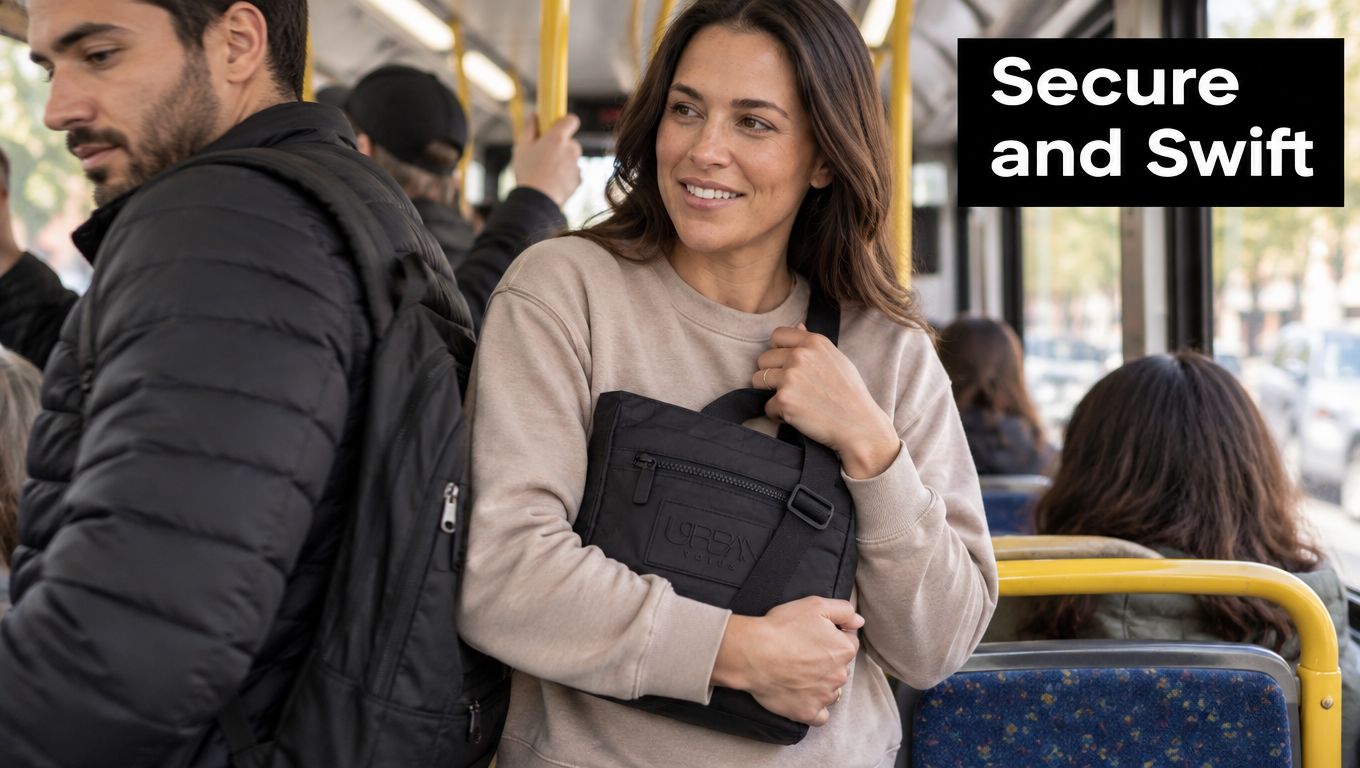
For crowded streets or transit, I'd choose a front-worn crossbody with a secure zipper and a key clip or separate key pocket. A bag worn close to your body is easier to keep track of than one swinging behind you. A wristlet gives quick access for a short outing, while a belt bag can keep essentials close during a long walk. A shoulder bag may be a comfortable everyday choice, but pay attention to whether it slips or sits behind your hip when you move.
A zipped, body-worn compartment is the feature I wouldn't skip for travel. A strap that stays put and an internal key leash are helpful additions, while the best position depends on the situation: close and easy to monitor in a crowd, accessible without blocking your movement in a queue.
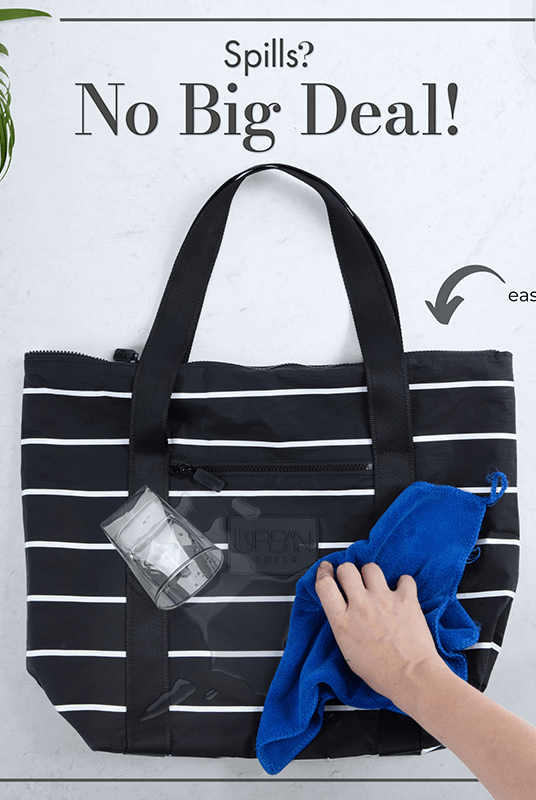
Be clear-eyed about water resistance. Water-resistant describes resistance to water penetration under particular conditions, not a promise that a bag can be submerged or left in heavy rain. ISO 811:2018 tests textile resistance by increasing hydrostatic pressure until water appears at specified locations; that material test isn't a guarantee for a finished bag's seams or zipper. (ISO 811:2018 textile water-resistance test)
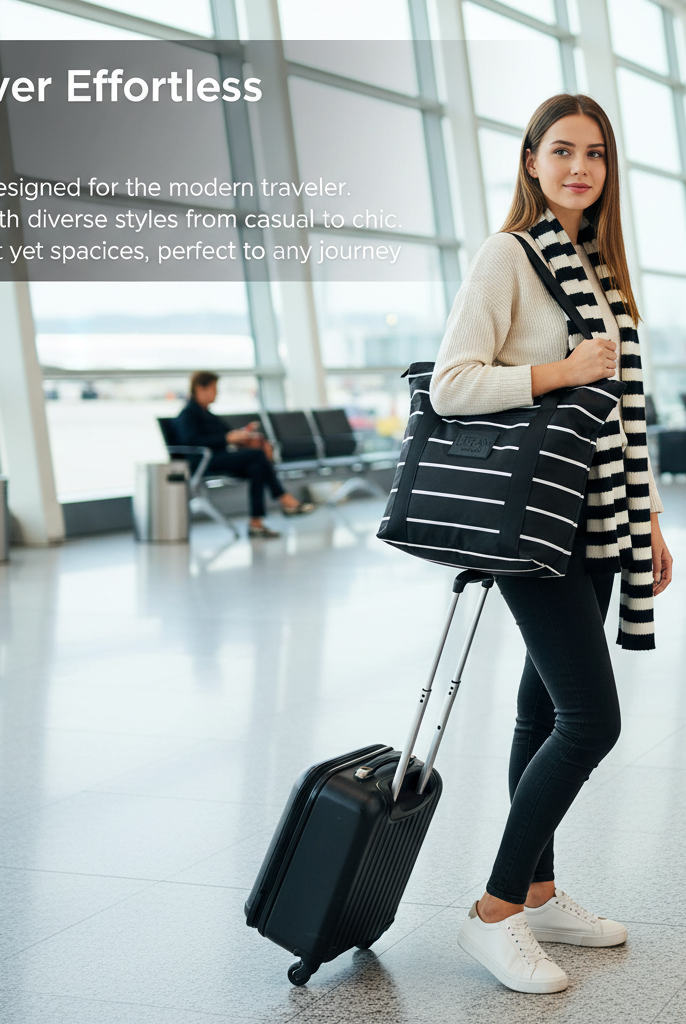
For air travel, a personal item needs to fit beneath the seat. American Airlines lists a maximum personal-item size of 18 × 14 × 8 inches (45 × 35 × 20 cm), including handles and wheels, and a larger carry-on limit of 22 × 14 × 9 inches (56 × 36 × 23 cm). Check the airline's current policy before you fly. (American Airlines carry-on and personal-item measurements) Pack your small bag with your phone, keys, passport card, and headphones so they're together and within reach. More ideas for choosing an anti-theft crossbody can help you refine the details.
Styling a Small Bag So It Reads Intentional, Not Underdressed
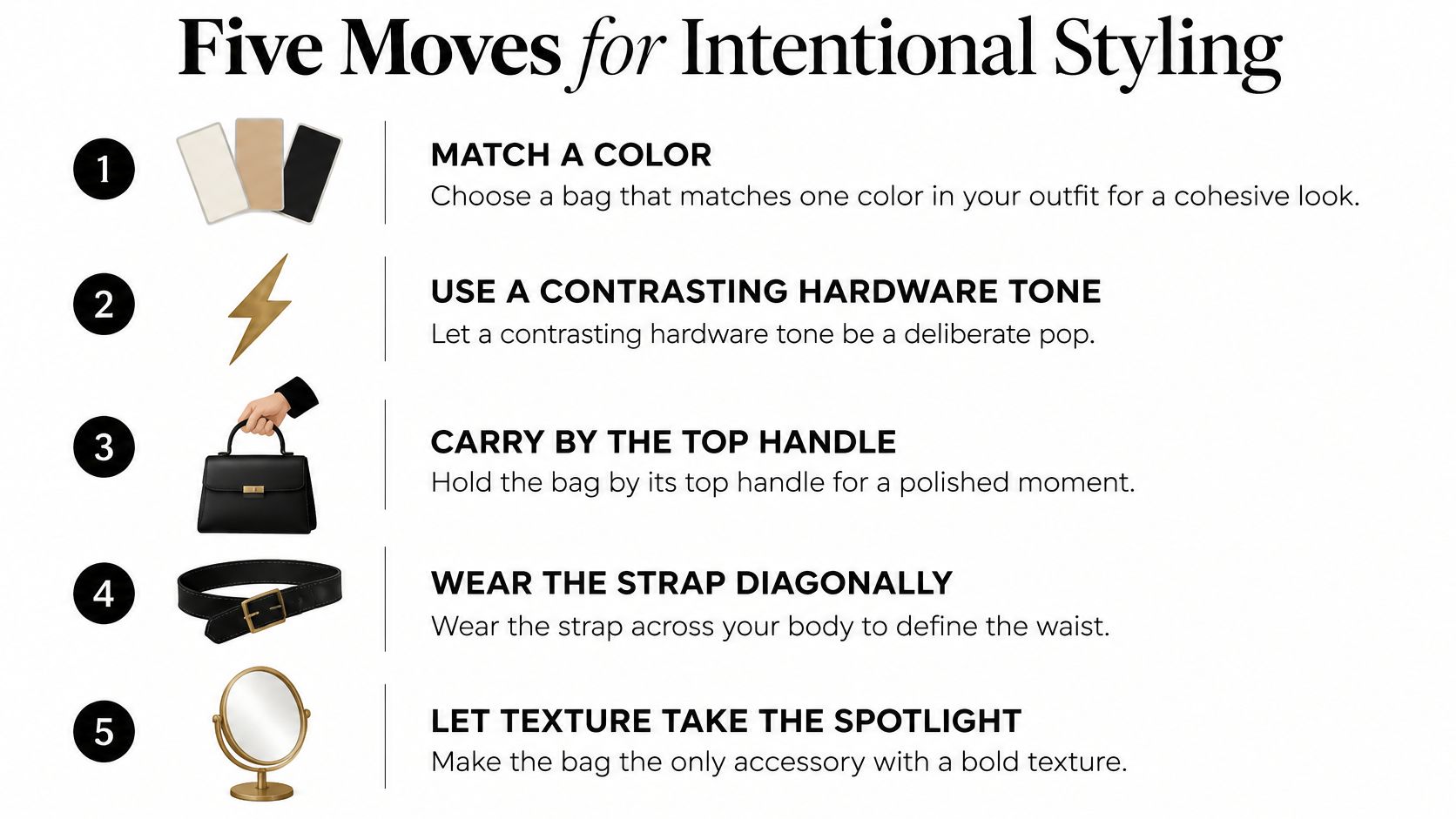
A compact bag looks deliberate when it connects to the rest of your outfit. Match it to one color already in your clothes for a cohesive finish, or choose a contrasting color or texture and let the bag be the focal point. Hardware can echo your jewelry, while a strap swap can take a bag from weekday crossbody to a more polished hand-carry look.
Try these outfit formulas:
- Work to dinner: Choose a simple crossbody in a neutral finish with clean hardware. It works with a blazer during the day and doesn't overwhelm a dinner outfit.
- Weekend errands: Pair a lightweight crossbody or belt bag with jeans, sneakers, and a jacket. Keep only your phone, keys, and the small items you need.
- Evening out: A wristlet or compact bag with a removable strap looks tidy with a dress or fitted separates. Use the strap when you're walking, then carry it by hand when you want a dressier finish.
If the day also calls for a tote, backpack, or weekender, let the small bag handle your essentials and place it inside the larger carry when you need more capacity. That way, your phone and keys stay together instead of disappearing into the bottom of a bigger bag. This guide to wearing a crossbody bag can help you find a comfortable position that also suits your outfit.
The best-looking bag is the one you'll pick up. Comfort and quick access matter just as much as color, especially when the bag is part of your everyday carry.
Finding the Small Bag That Fits Your Day
Start with your main use, then choose the shape and features that make that routine easier. A daily commuter will likely appreciate a lightweight, hands-free crossbody with a zipper closure and separate phone and key pockets. An errand-runner or caregiver may prefer a quick-access layout that's easy to operate one-handed. A traveler should look for a compact, secure bag that's comfortable to wear and can fit beneath the seat when used as a personal item.
Before buying, check the phone-plus-case fit, pocket separation, closure, and strap adjustment. Try the bag with your usual coat or outfit, and pay attention to what happens when you reach for your phone while carrying something else. Those small tests reveal more than a product photo can.
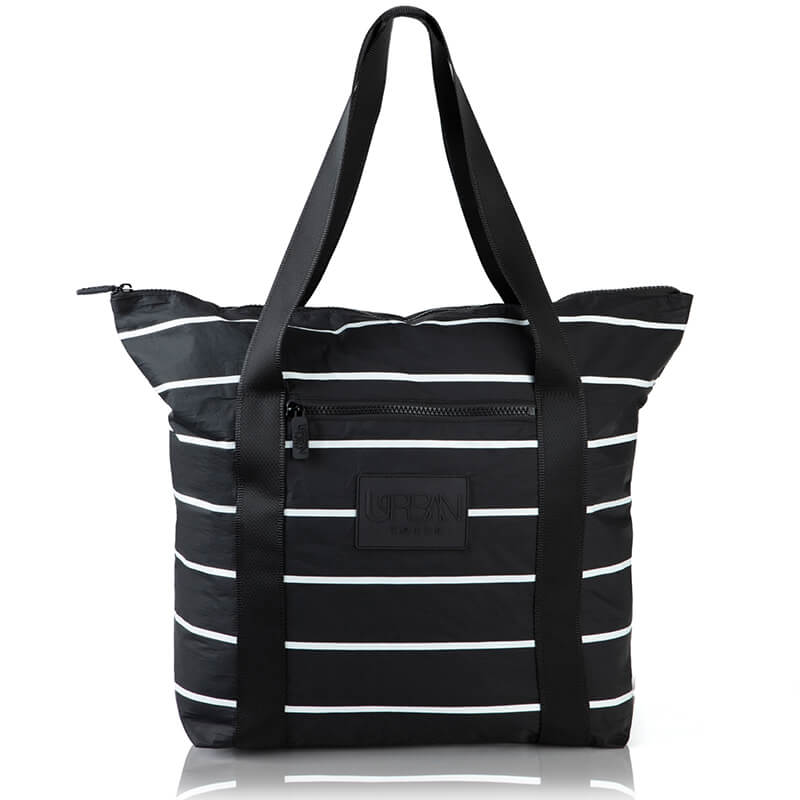
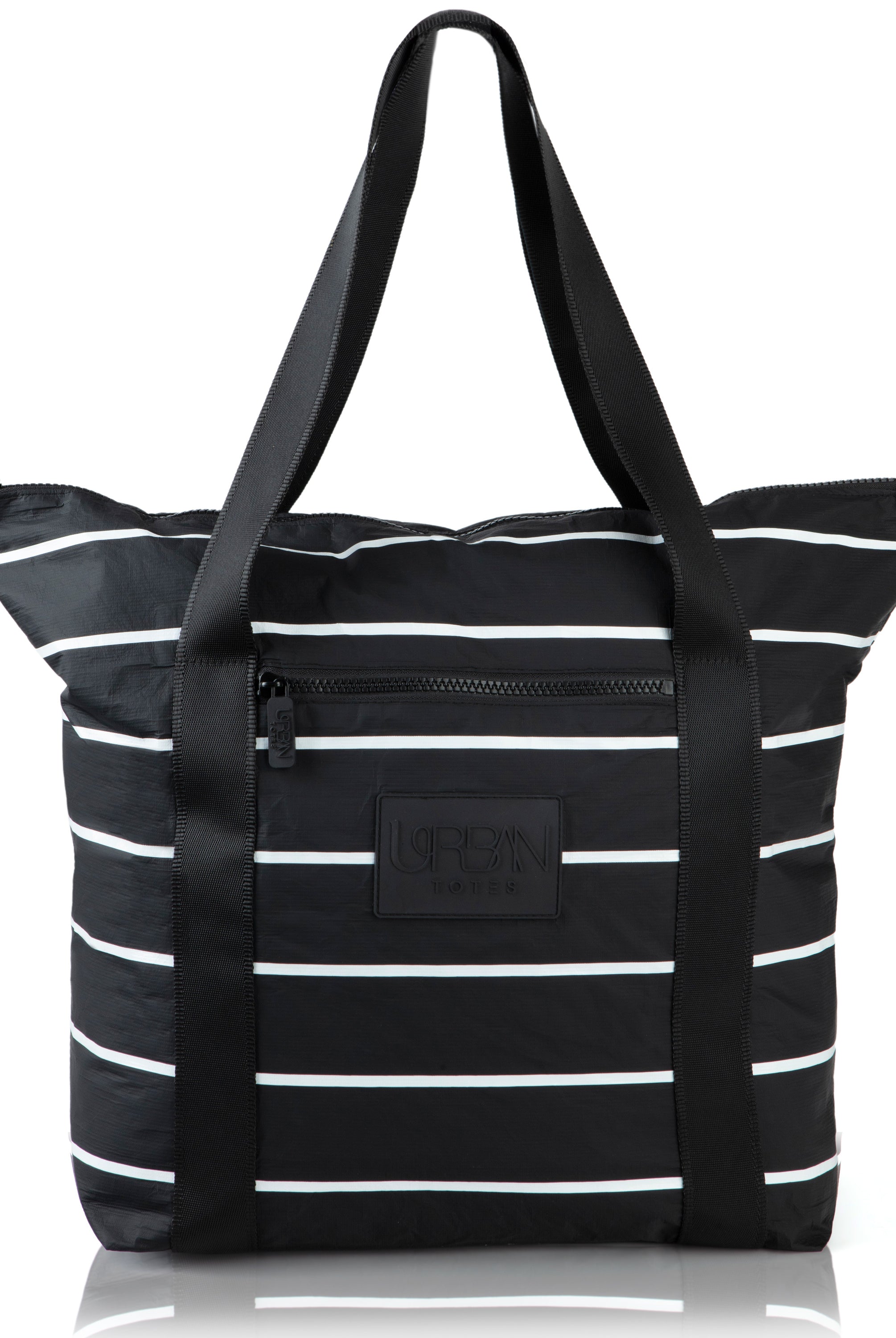
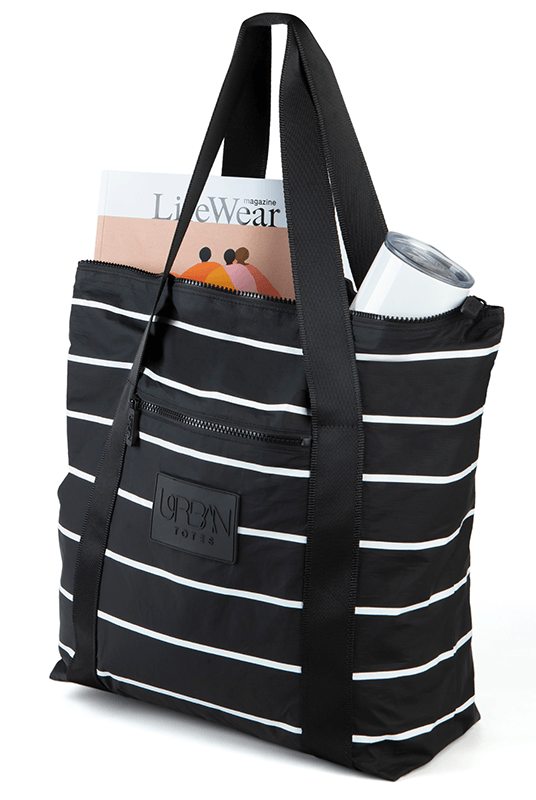
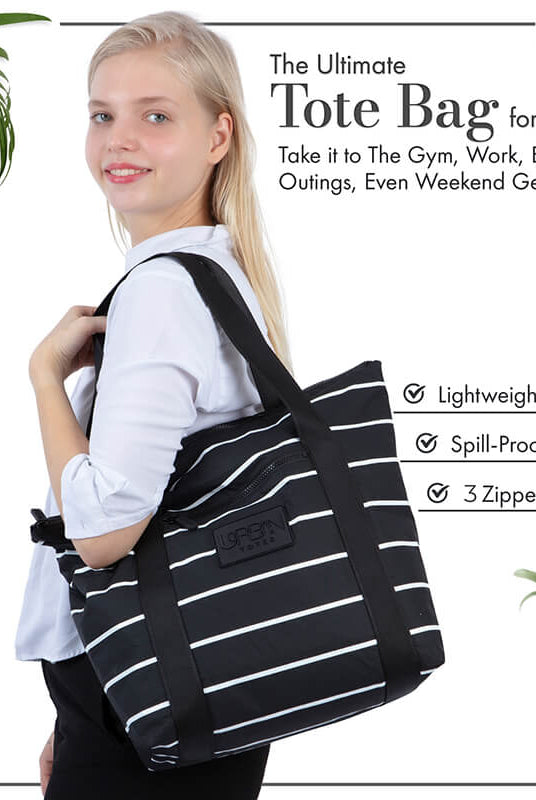
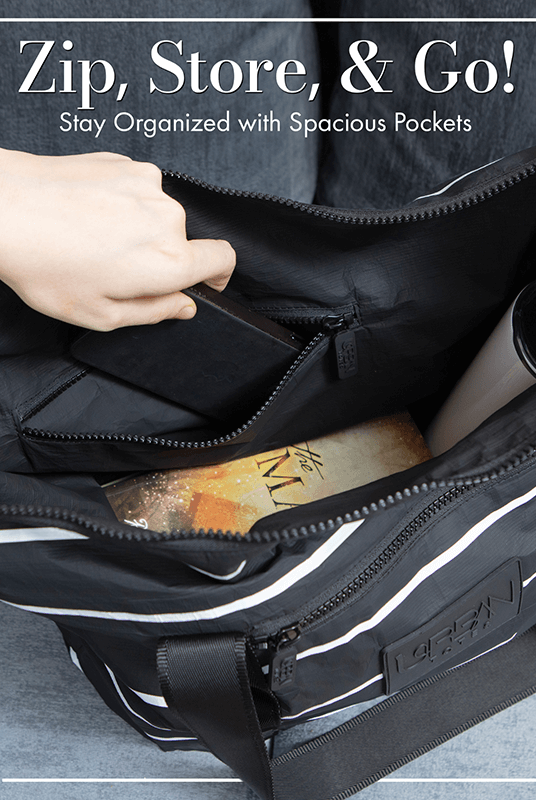
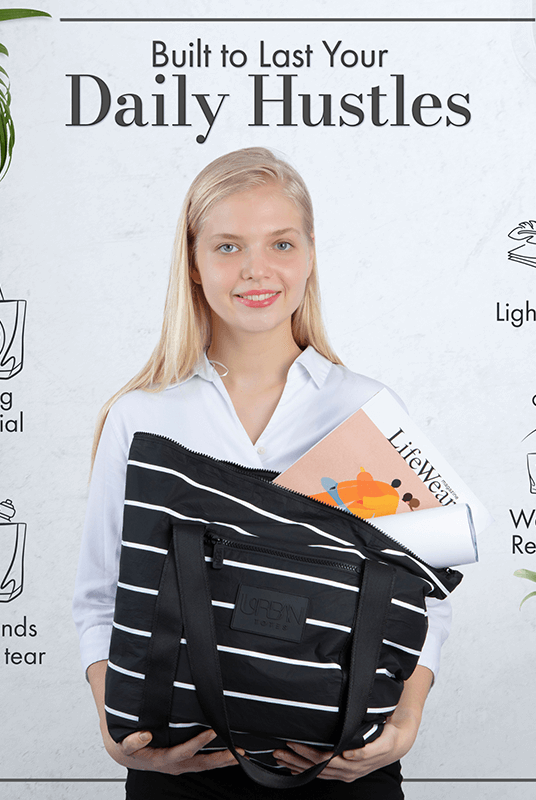
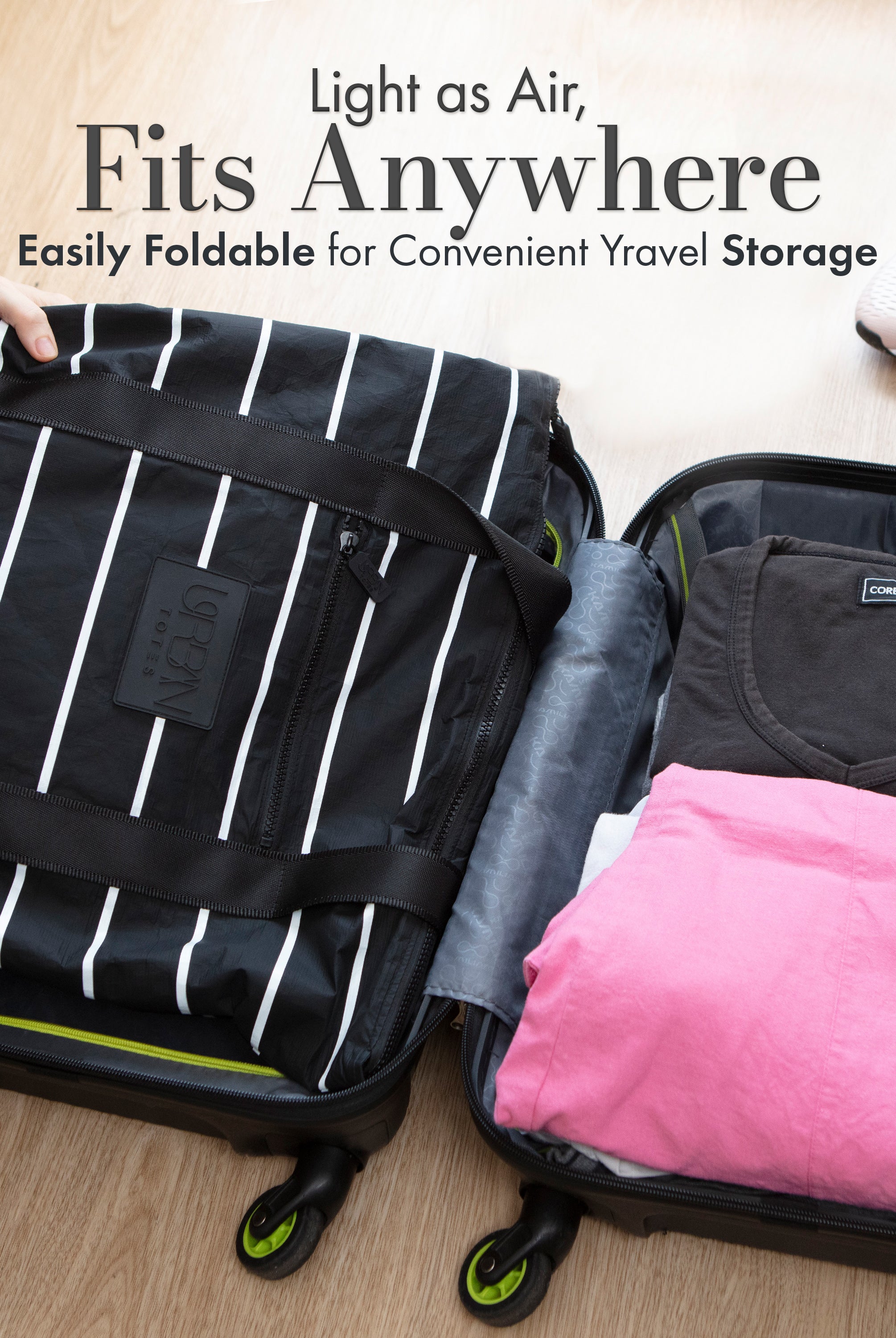
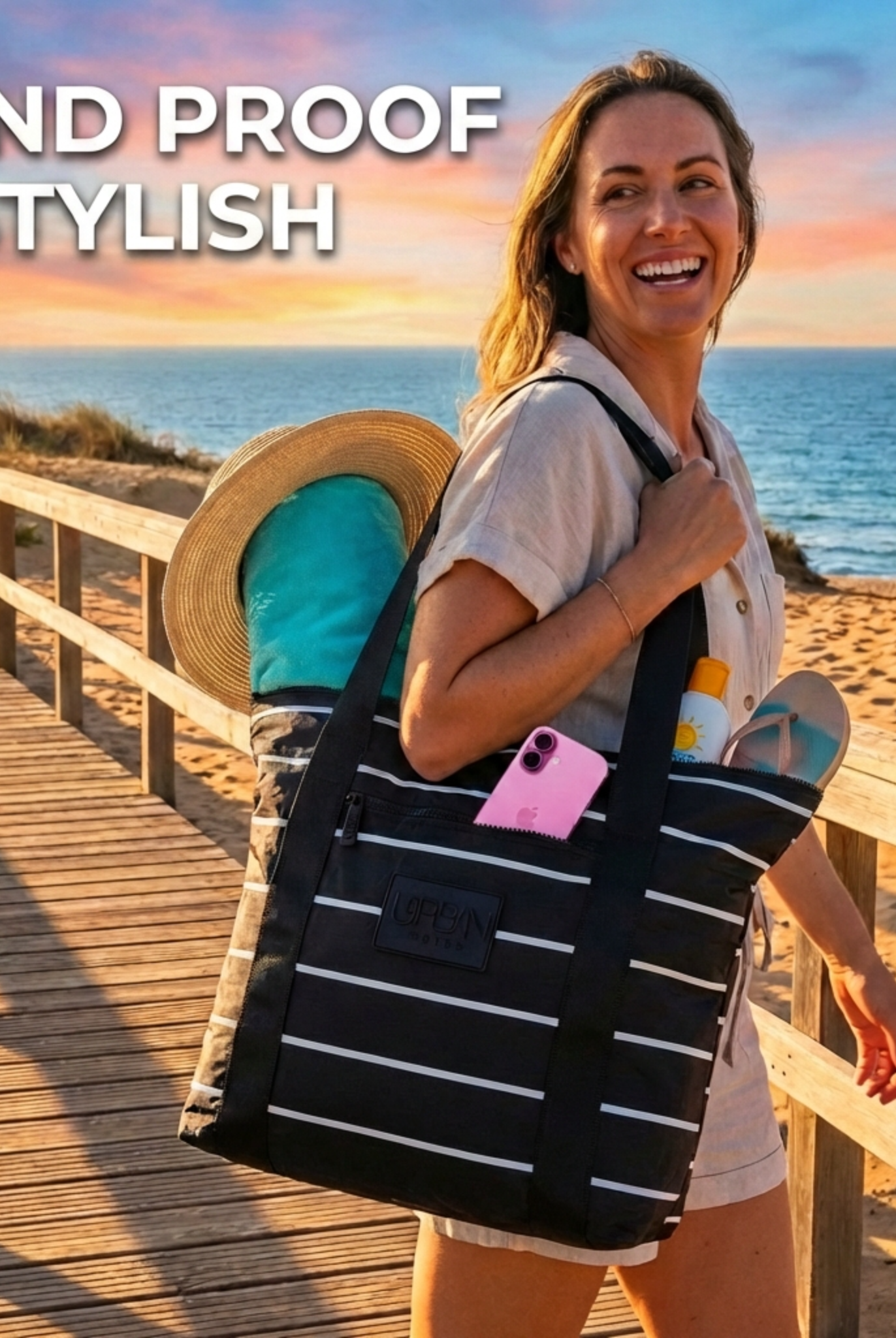
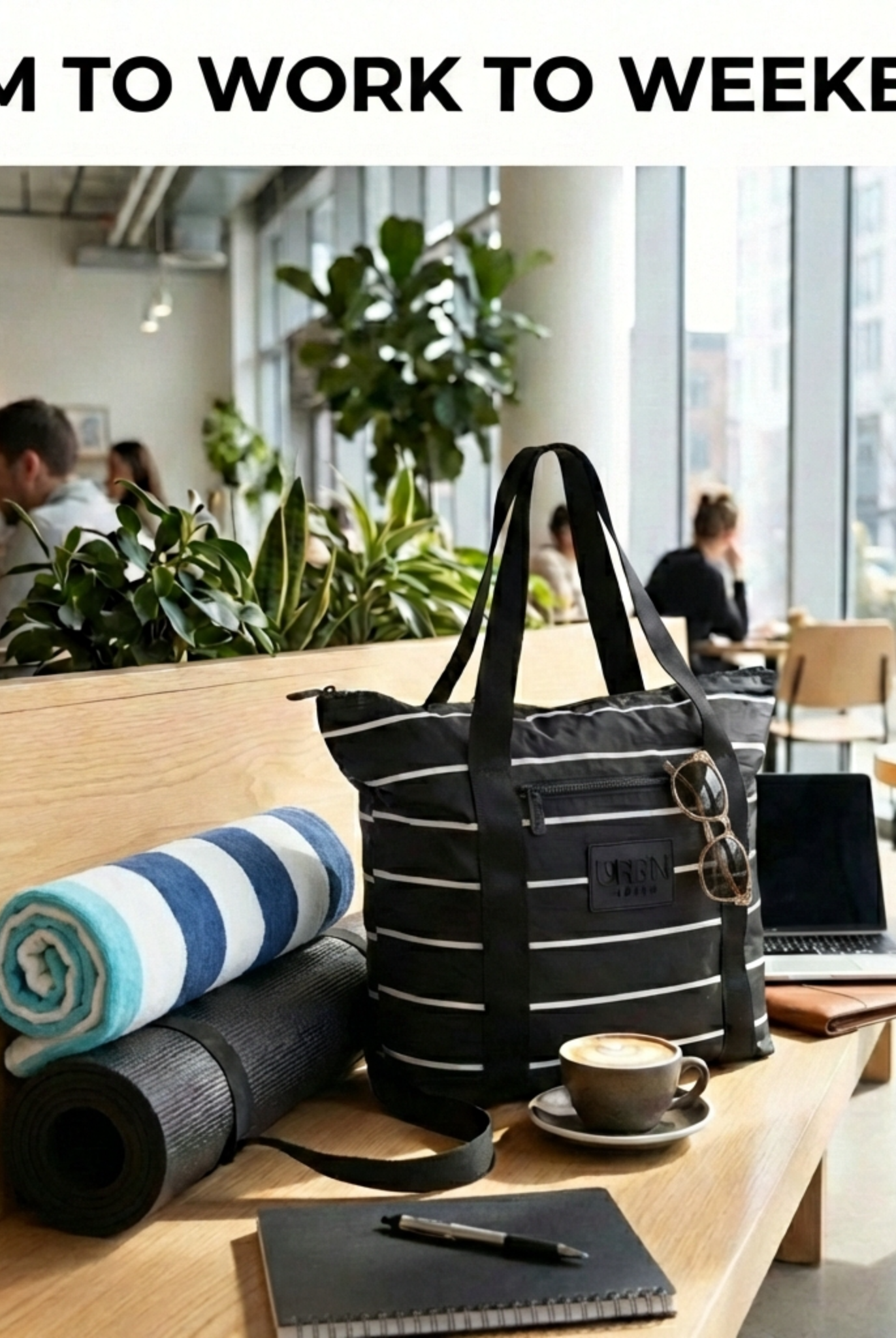
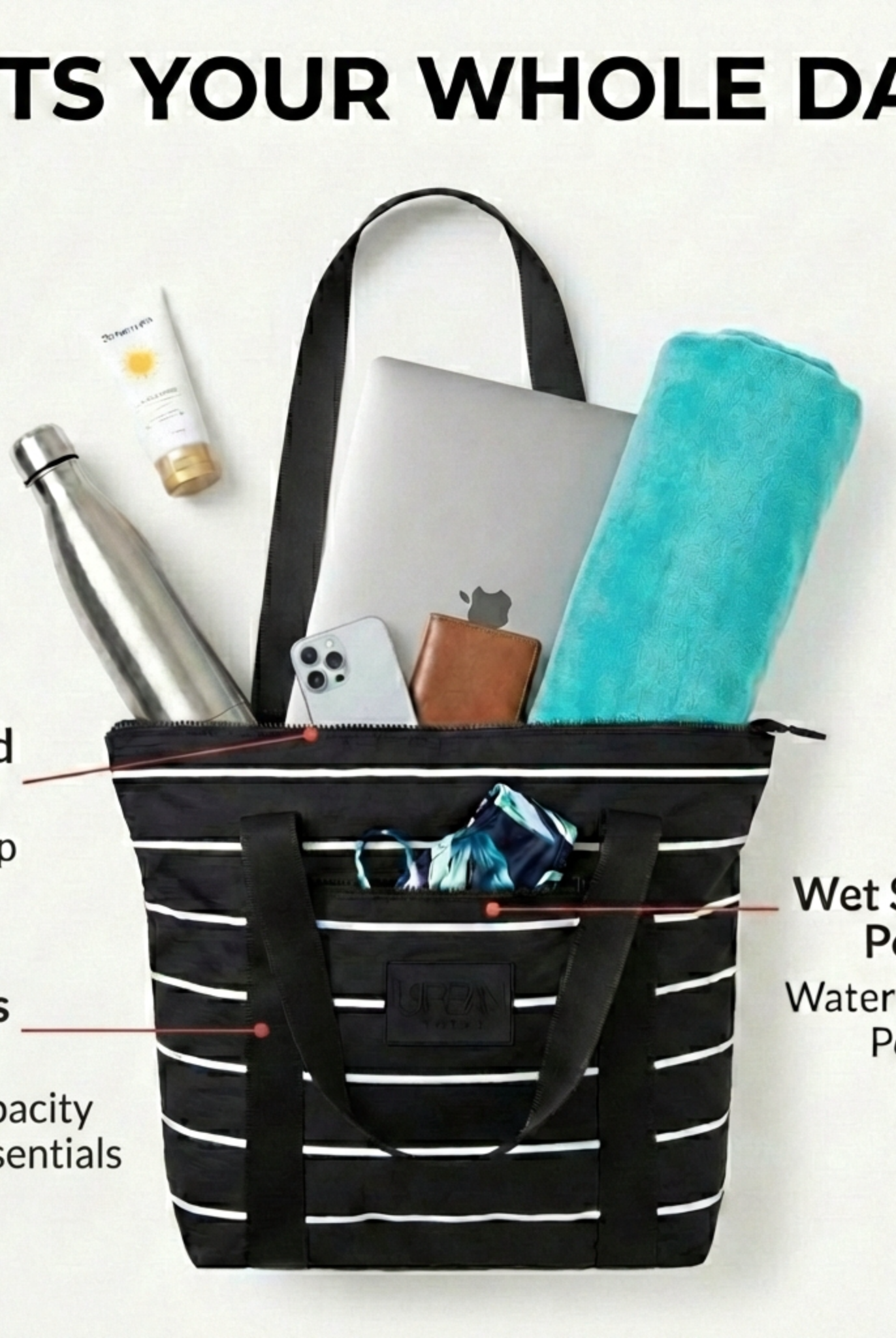
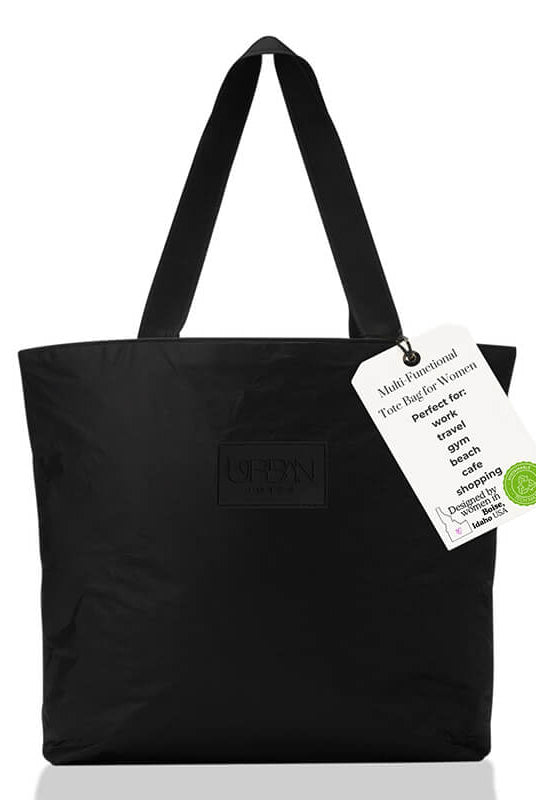
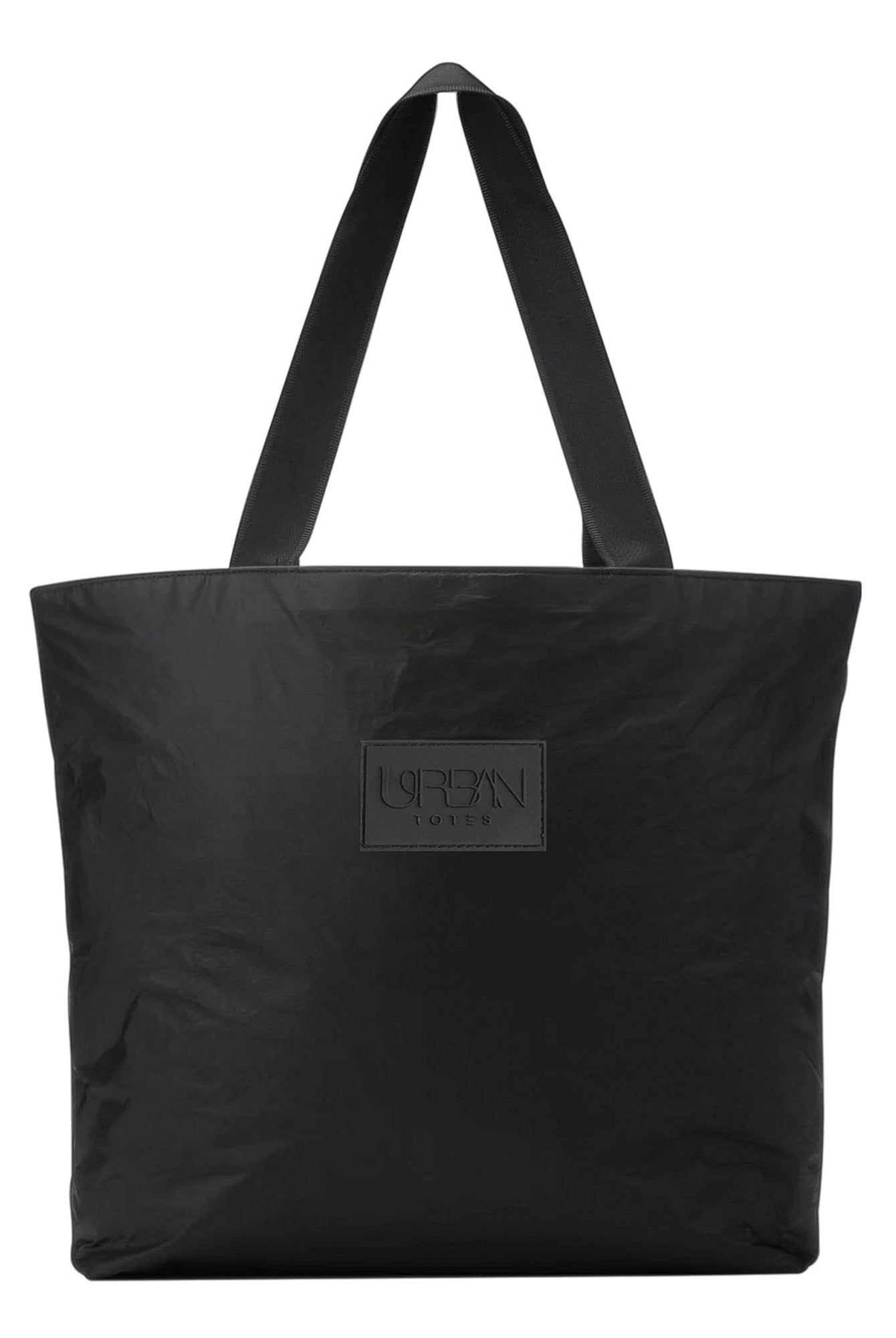
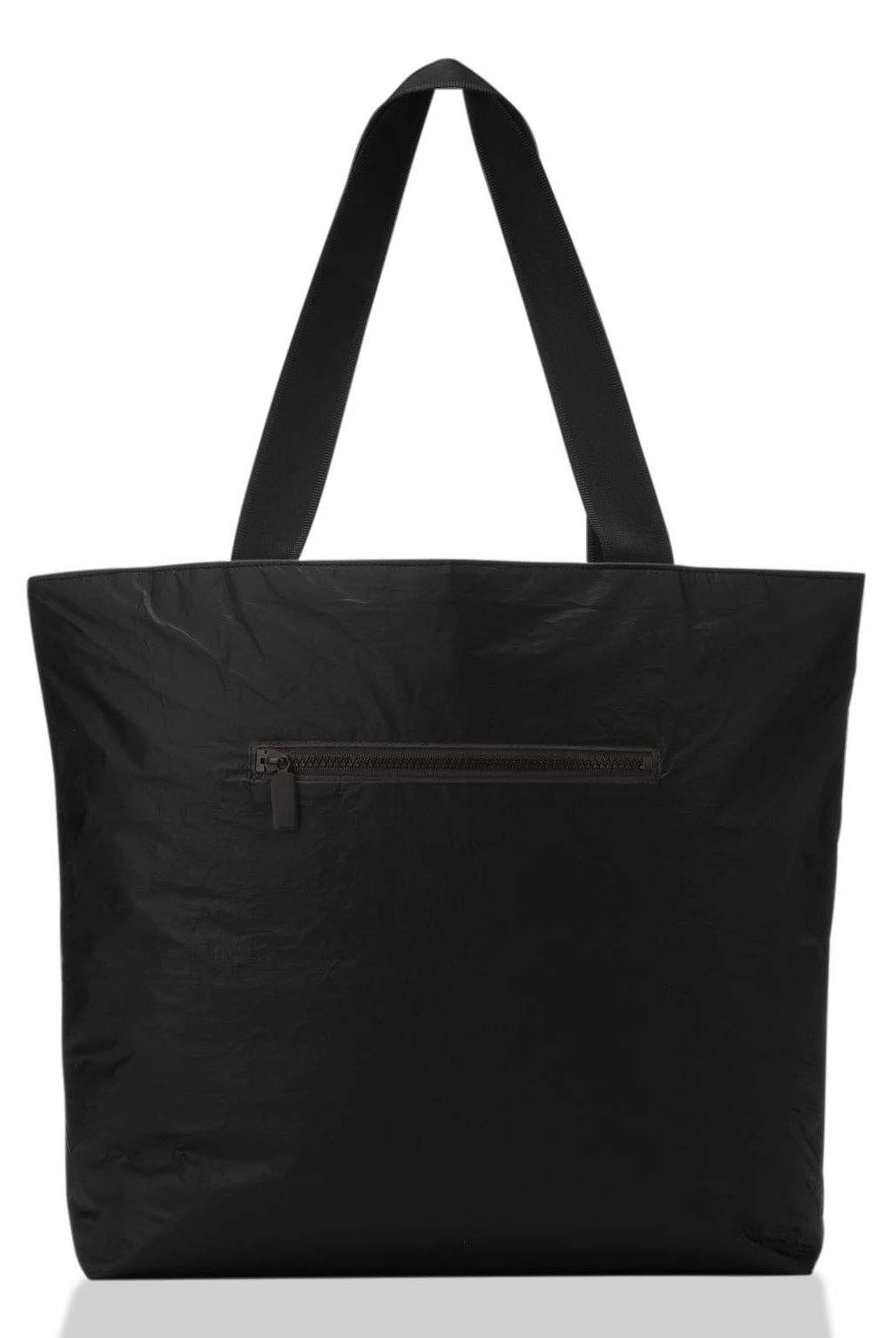
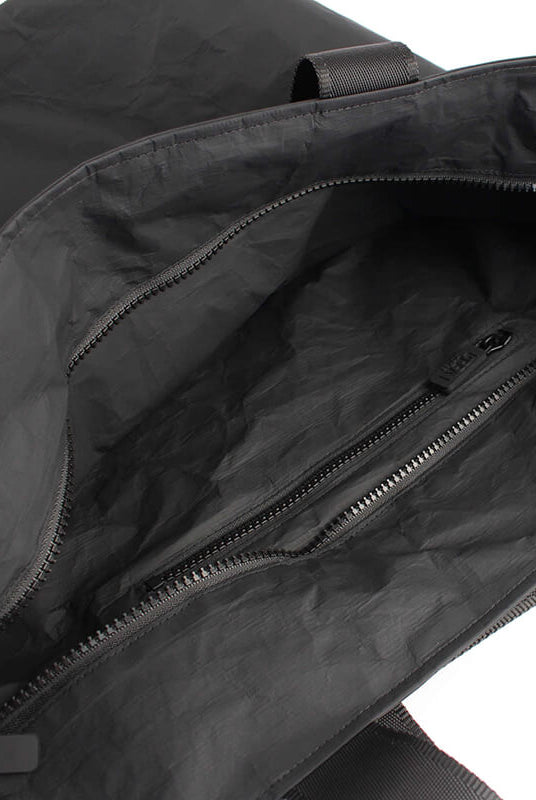
Urban Totes is a woman-owned, Boise-made brand with compact crossbody options and larger everyday styles. Its crossbody mini has a zip-top closure, an outside zipper pocket, and an easy-access pocket; the Day Trip Tote offers three large zippered compartments and dedicated phone and key pockets. If you're choosing between a smaller essentials bag and a roomy carry-all, match the bag to the day rather than trying to make one size do everything.
My shortlist rule: Pick the shape you'll wear most, then insist on a phone pocket you can reach and a separate place for your keys.
Explore the lightweight, packable crossbody options and the Go Anywhere Day Trip Tote for errands, commuting, and travel. Visit Urban Totes to find a versatile bag that keeps your everyday essentials together and ready to go.