A damp sneaker slides against your clean hoodie as you reach for your laptop. By the time you get home, the towel, shoes, and work essentials have shared the same cramped space all day. A gym bag with shoe compartment can make that daily shuffle easier, but the details matter: a pocket that seals in dampness may solve one problem while creating another.
The right design depends on where you go after your workout, how long your shoes stay packed, and what else needs to fit. Here's how to compare compartment styles and choose a bag that works for your actual week, not just for one trip to the gym.
Table of Contents
- The Everyday Problem a Shoe Compartment Actually Solves
- What Counts as a Shoe Compartment
- Vented vs Sealed Designs and the Real Hygiene Trade-Off
- Capacity, Materials, Straps, and the Rest of the Bag
- Matching the Bag to Your Real Week
- A Simple Post-Workout and Cleaning Routine
- How to Choose Your Gym Bag With Confidence
The Everyday Problem a Shoe Compartment Actually Solves
A shoe compartment gives footwear a defined place, so dirty soles don't press directly against clean clothes, a towel, or the charger you need at work. That separation can also make packing feel more orderly. Instead of wrapping your sneakers in a spare shirt or carrying a second shoe bag, you can put them where they belong and find them quickly later.
The need isn't limited to dedicated athletes. In 2024, 247.1 million Americans aged six and older, approximately 80% of that age group, participated in at least one sports, fitness, or outdoor activity, according to the Sports & Fitness Industry Association's participation report. That broad participation includes the everyday transitions a bag may need to handle: home to work, school drop-off to a class, or an airport terminal to a hotel.
A separate shoe space also helps with the awkward handoff between a work bag and a workout bag. You might pack sneakers beside a change of clothes in the morning, then carry them home after an evening class. A compartment keeps that routine more contained, though it can't dry shoes or clean them for you.
The useful question isn't just whether a bag has a shoe pocket. It's whether that pocket suits the way you pack, carry, and air out your things.
That's why it's worth looking beyond a product listing's feature checklist. A gym bag with shoe compartment is a small design decision with everyday consequences for access, airflow, clean clothes, and comfort. Once you know what kind of compartment a listing describes, you can judge whether it fits your routine.
What Counts as a Shoe Compartment
Product pages use similar language for pockets that work quite differently. Knowing the basic formats makes comparison easier.
A flat external slip pocket usually sits along the side or base of a bag. It's easy to reach, and it can work for lightweight footwear or shoes you want to grab without opening the main section. Check the pocket's dimensions and opening, since a narrow slot may be awkward for bulkier sneakers.
A vented internal divider is sewn into the bag's lining and separates one area from another, much like a room partition: the bag stays in one piece, but shoes have their own zone. Mesh or perforated panels can let air move through, although they don't isolate odor as completely as a closed lining.
A removable zippered pouch lifts out of the bag, much like a packing cube. That makes it useful if you want to take shoes out separately or clean the pouch apart from the bag. Look for clear care instructions before assuming it can go in a washing machine.
A zippered tunnel or end compartment has its own opening, often at the end or side of a duffel-style bag. It can keep shoes apart from the main space while allowing quick access. A tunnel can be practical, but consider whether its location makes the packed bag feel lopsided when footwear is inside.
The word sealed often refers to a pocket with a more enclosed lining and zipper, while integrated means it's built into the bag rather than removable. Drop-in usually describes an open-top pocket, so it may separate shoes physically without containing dust or odor as well as a zippered design.
If a listing describes a bag as multi-pocket or organized but doesn't explain the shoe section, look for a product photo with the compartment open or check how different bag compartments are organized. A clear picture often tells you more than a feature name alone.
Vented vs Sealed Designs and the Real Hygiene Trade-Off
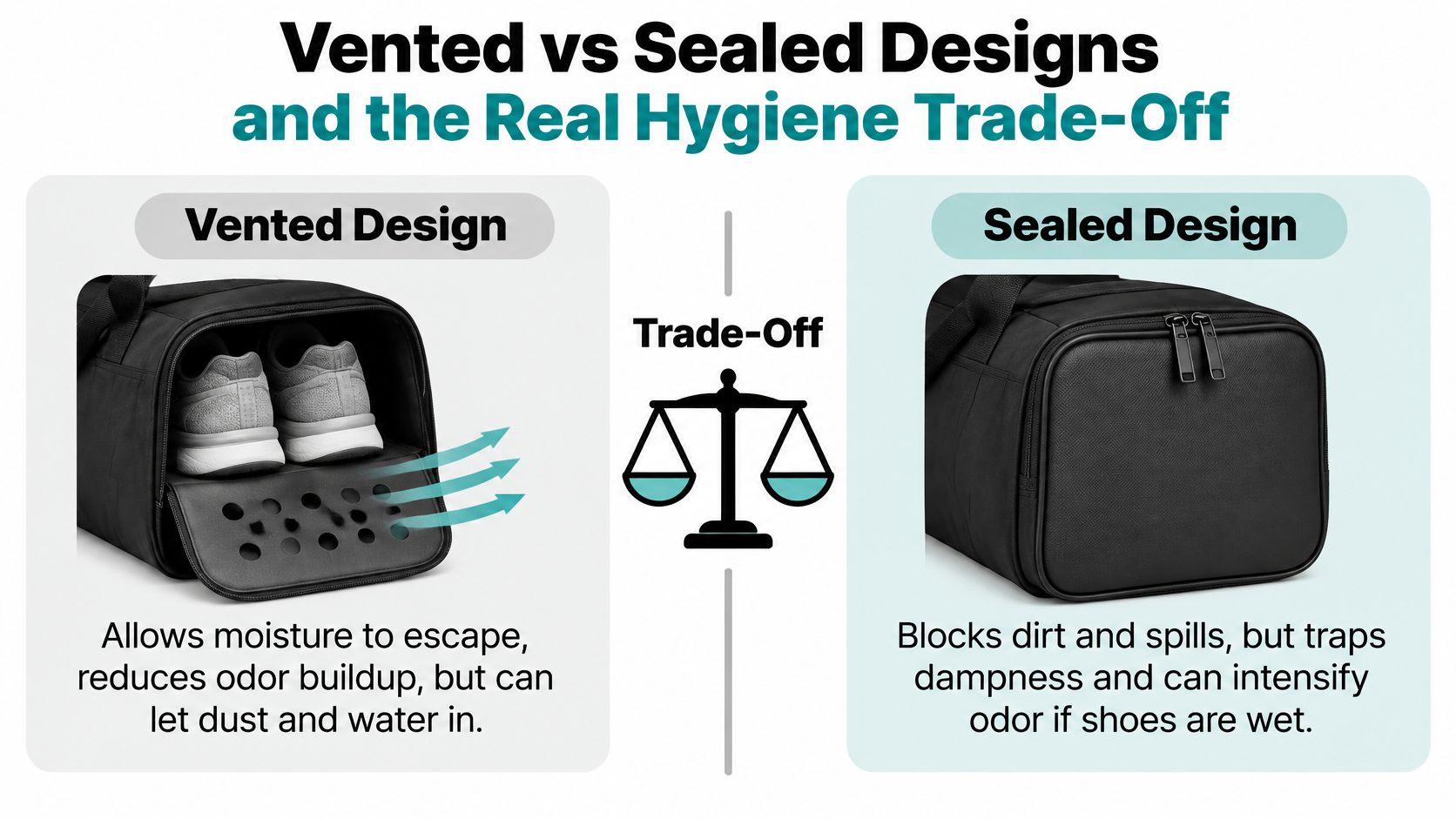
A vented compartment and a sealed one solve different parts of the same problem. Vented designs prioritize airflow. Mesh or perforations can help moisture escape, which is useful when shoes are slightly damp and you can open the bag after your workout. Airflow may also mean dust or odor can move between the shoe section and the rest of the bag.
Sealed or wipe-clean designs prioritize containment. A coated or water-resistant lining can make it easier to wipe away residue and keep the shoe area distinct from clean clothes. But a closed pocket can hold humidity against sweaty footwear if you leave shoes inside for hours. Footwear breathability research describes humidity, sweat retention, temperature, and odor as connected factors, which is why airflow and cleanability are practical design features, not just cosmetic details (footwear breathability research).
Consider the commute home. A commuter who can take shoes out and open the bag at home may prefer a breathable compartment. A caregiver who needs to keep a bag contained in the car or beside a desk may value a wipe-clean lining, but should still remove damp footwear as soon as practical. A fully enclosed pocket may keep mess away from other belongings for a while, yet it isn't a drying system.
For extra footwear-care context, this guide to killing bacteria in used shoes discusses cleaning shoes themselves, a separate task from cleaning a bag pocket. For your bag, the simplest rule is to prioritize a compartment you can open, dry, and wipe down in a way that fits your routine. See what to look for in a water-resistant gym bag, and remember that water-resistant doesn't mean waterproof.
Capacity, Materials, Straps, and the Rest of the Bag
A well-designed shoe bay won't rescue a bag that's uncomfortable or too small for the rest of your kit. Start by listing what you carry: shoes, workout clothes, a towel, toiletries, a water bottle, and perhaps a laptop or children's extras. Then check whether the main opening lets you reach those items without unpacking everything.
Materials affect care and feel, but labels can be imprecise. Water-resistant performance is a testable property, not something you can reliably judge by appearance alone. ISO 811:2018 specifies a hydrostatic-pressure test for fabric resistance to water penetration, and the standard applies to fabrics intended to be water-resistant whether or not they have a particular finish (ISO 811:2018). In everyday terms, water resistance may help with splashes or damp surroundings, but don't treat it as a promise that the bag is waterproof.
| Gym Bag Material Comparison at a Glance | Water Resistance | Weight | Best Pairing |
|---|---|---|---|
| Nylon | Depends on fabric and finish | Often light | A softer bag with a vented shoe area |
| Canvas | Depends on treatment | Can feel heavier | A casual carry where structure matters less |
| Coated textile | Depends on the coating and construction | Varies | A lining that's easier to wipe clean |
These are broad comparisons, not guarantees. Check the specific product's care guidance and construction rather than assuming every bag made from the same material performs alike.
Carry comfort matters once shoes add weight. Biomechanical reviews describe how shorter, stiffer shoulder straps and a higher, tighter load position can support balance, while long straps and low loads can increase postural strain. A separate load-carriage study found that static peak pressure or strap force explained at least 85% of variation in reported shoulder and hip discomfort (strap-design research). Those findings concern load carriage, so use them as design context, not a promise that any particular tote will feel comfortable. A padded, adjustable strap and a structured base can help keep a packed bag from shifting; these strap-adjustment pointers can help you assess the fit.
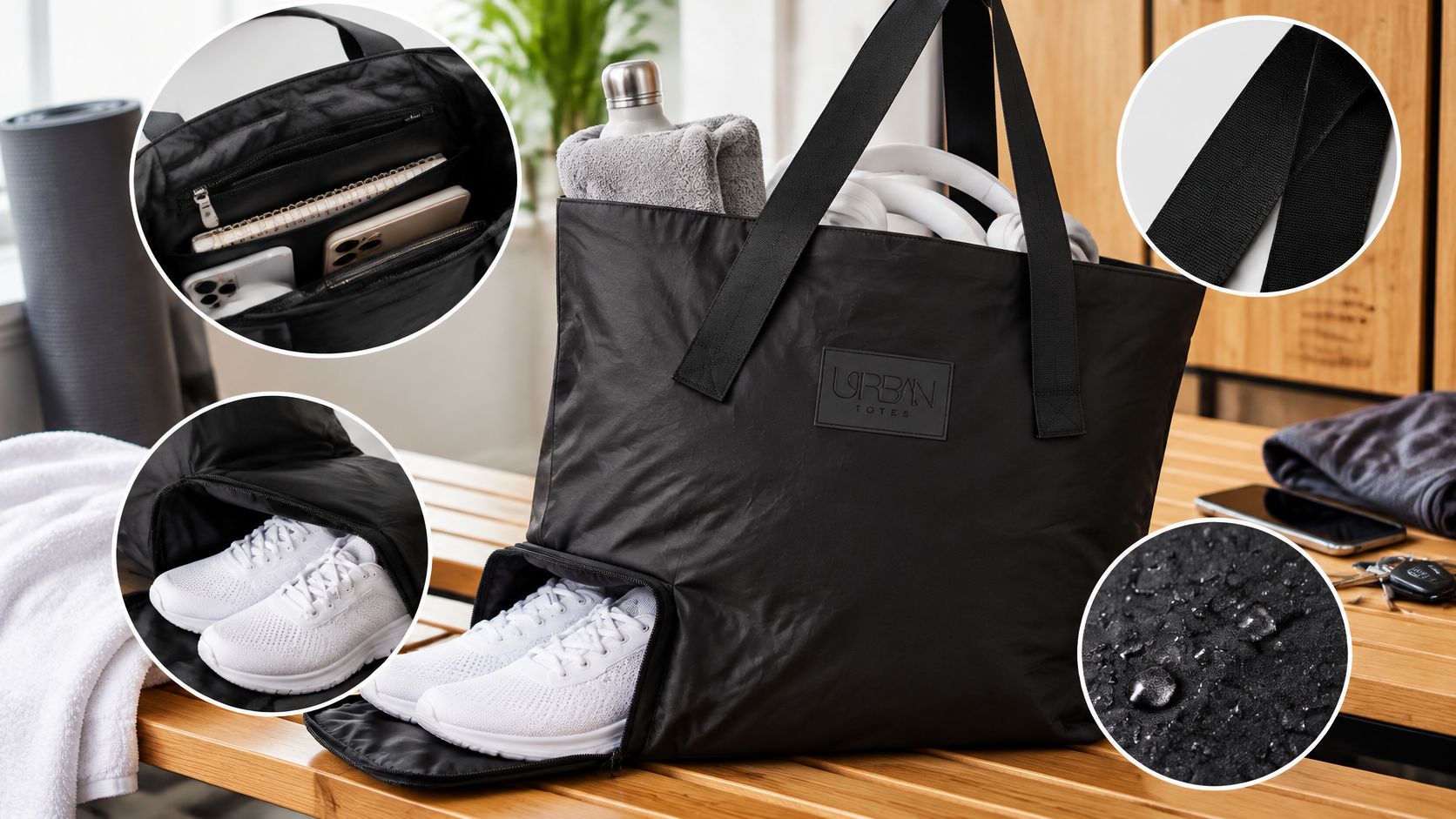
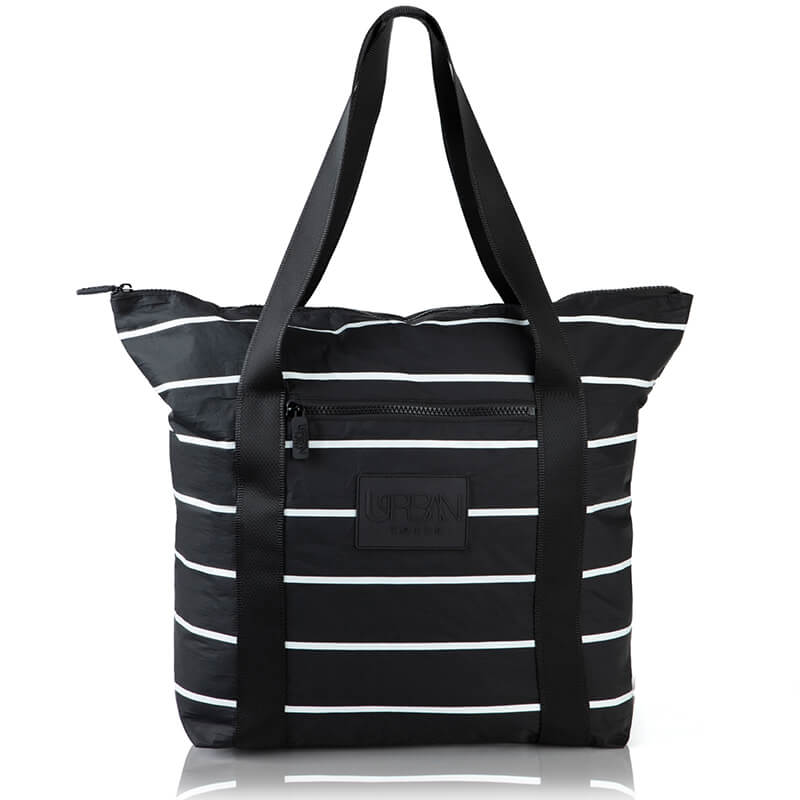
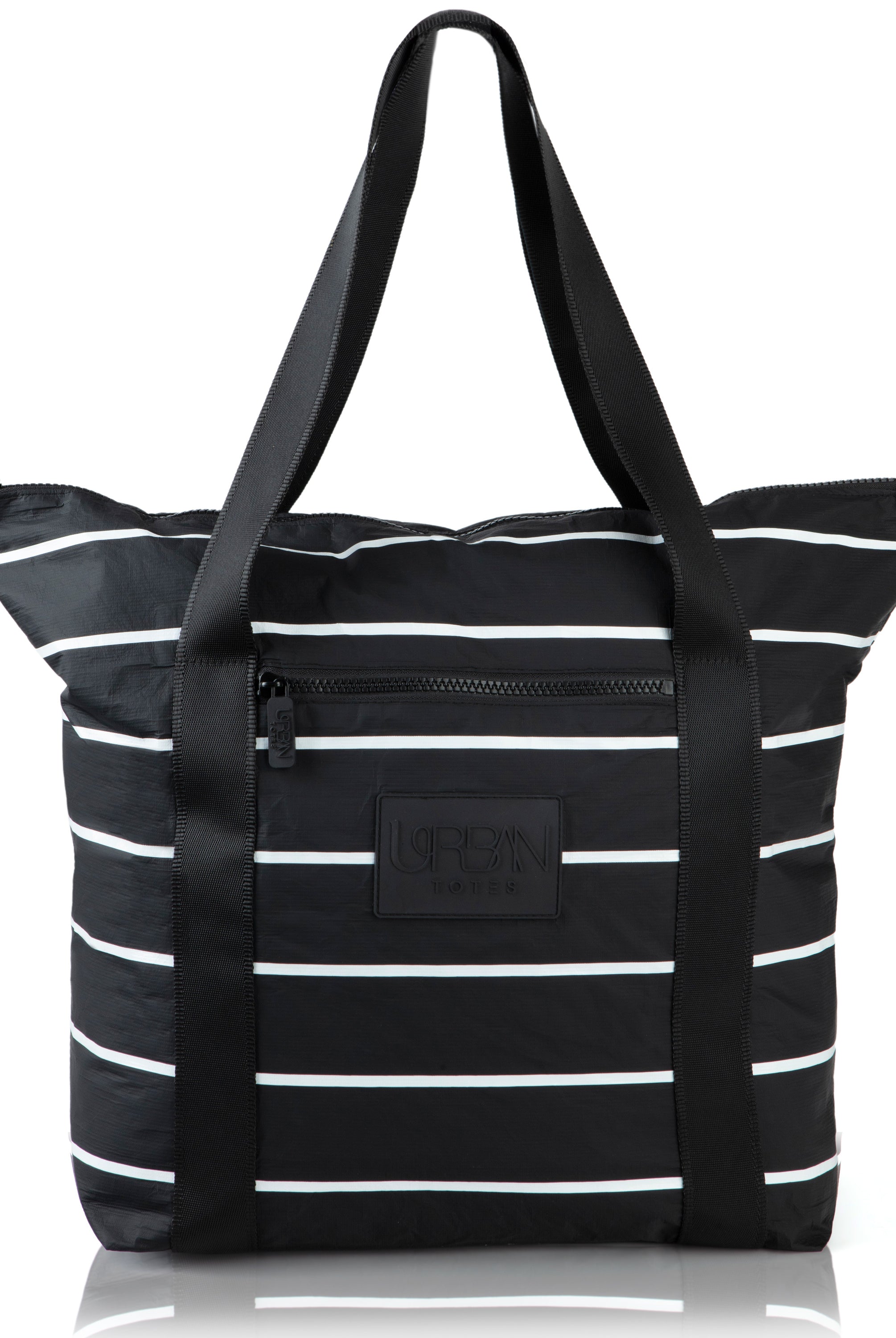
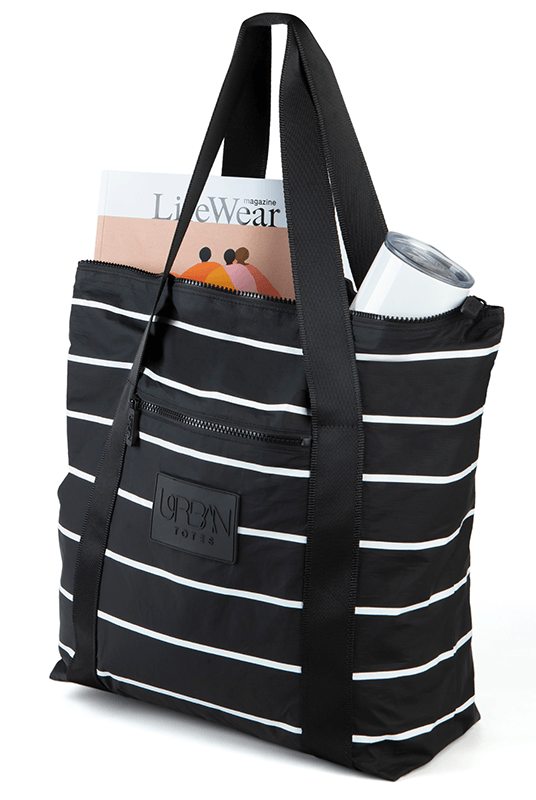
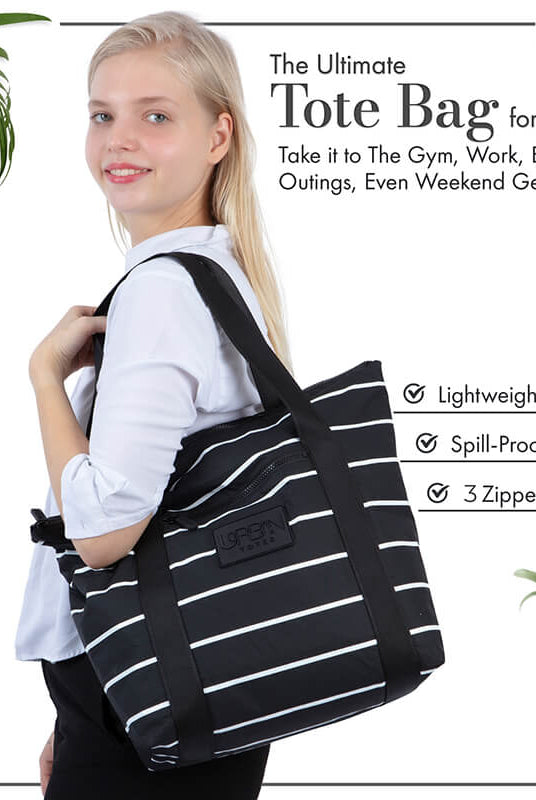
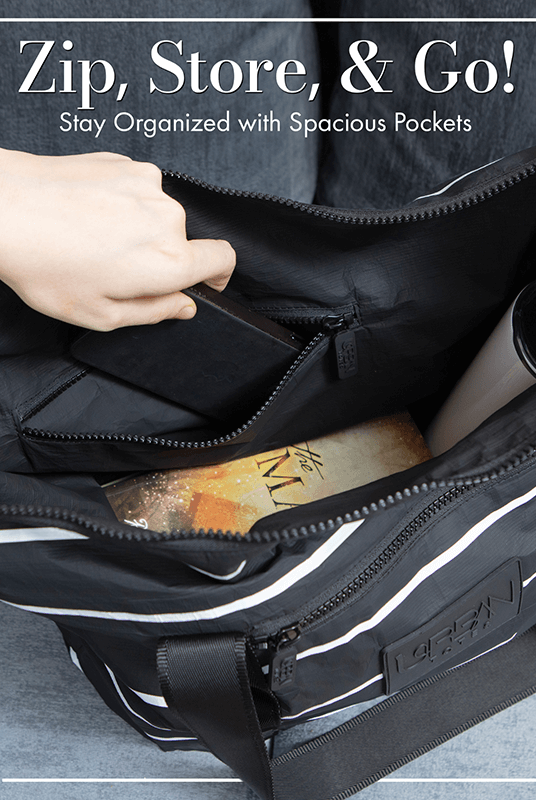
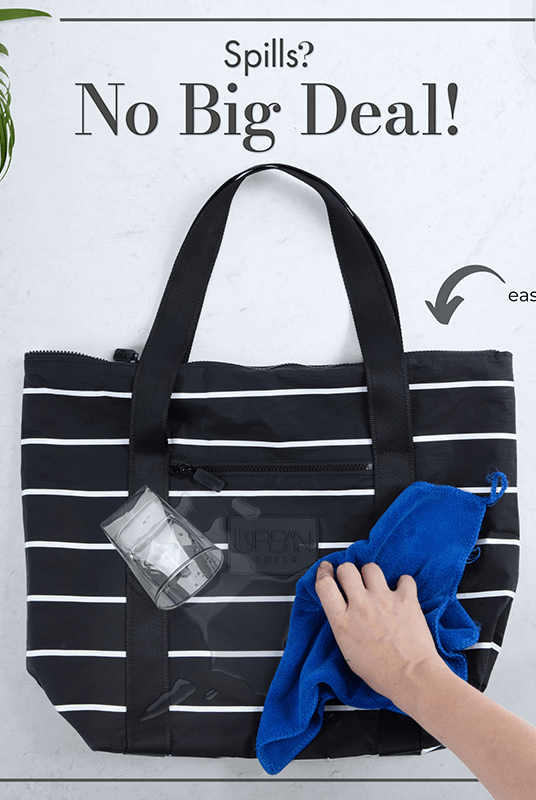
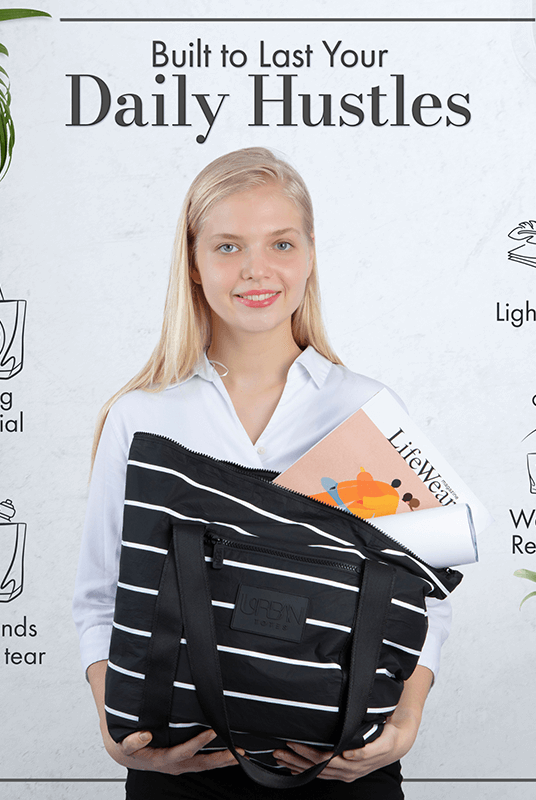
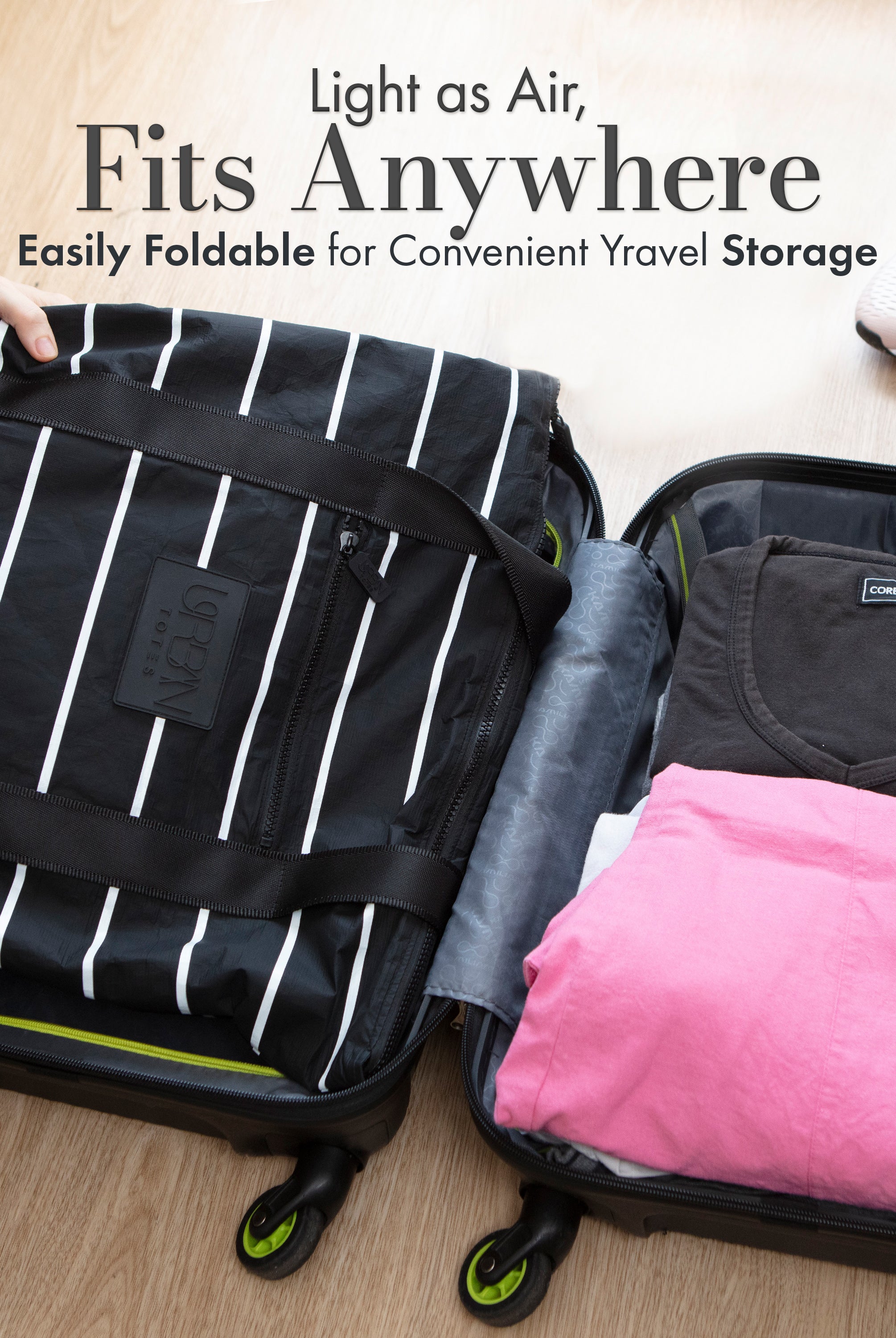
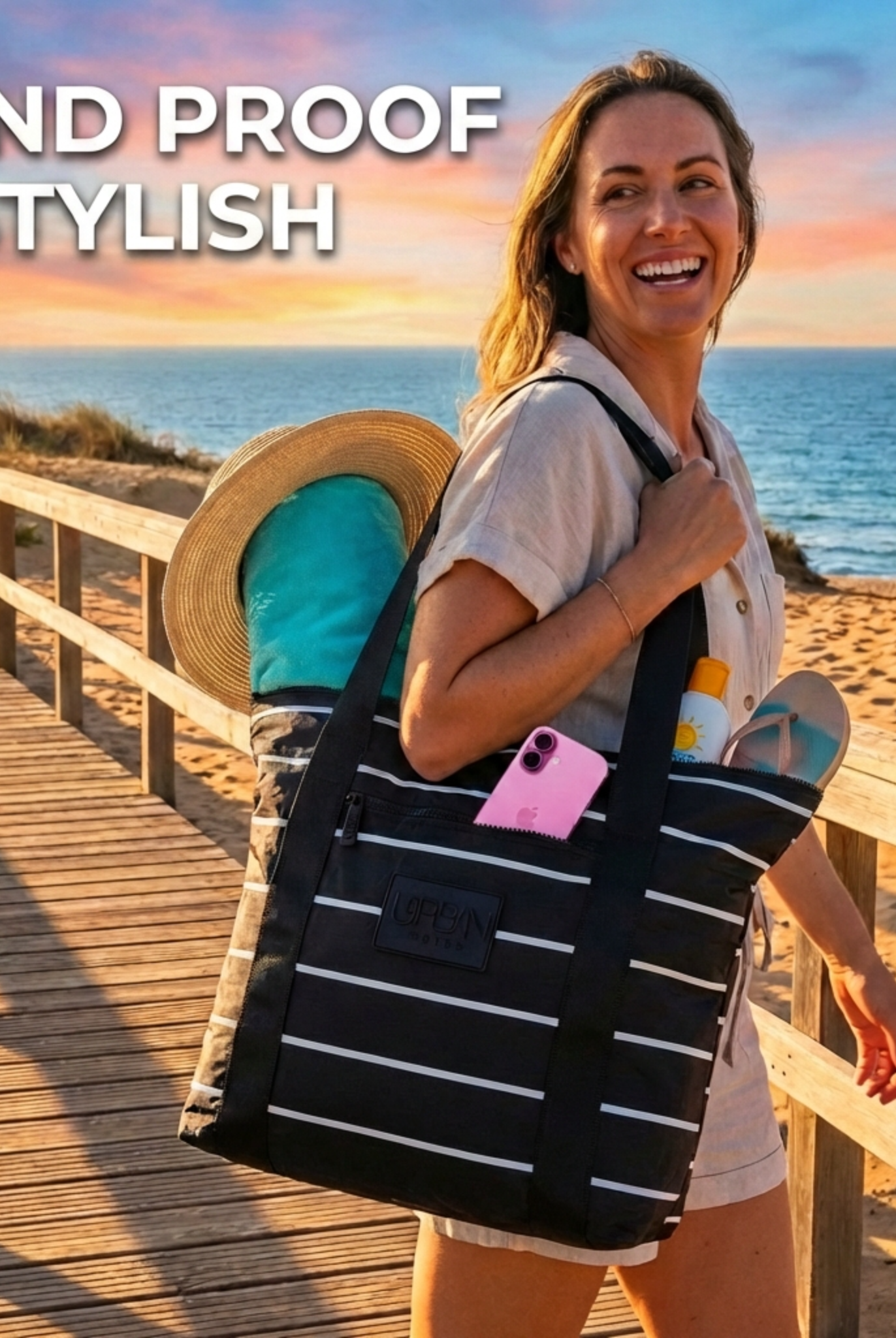
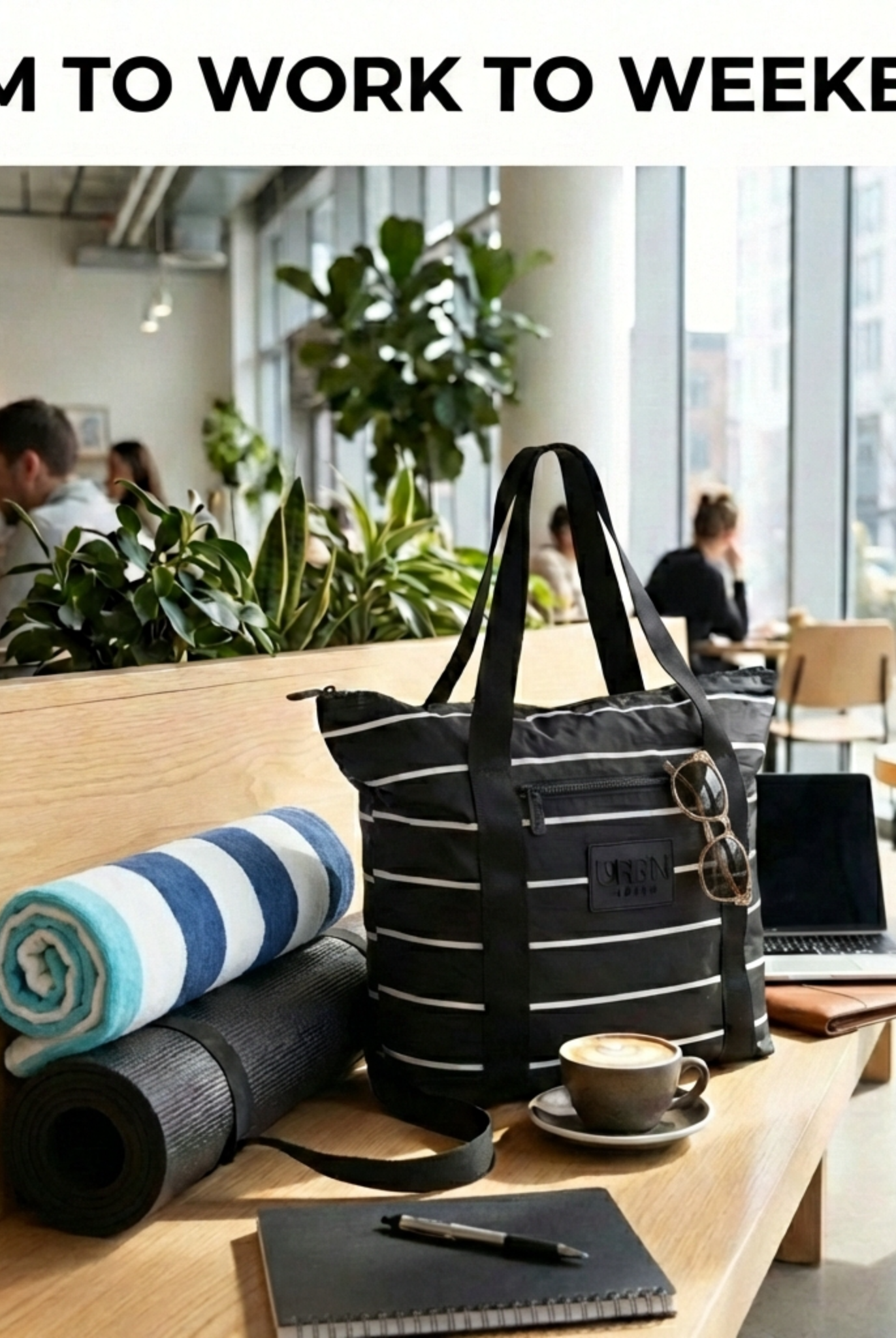
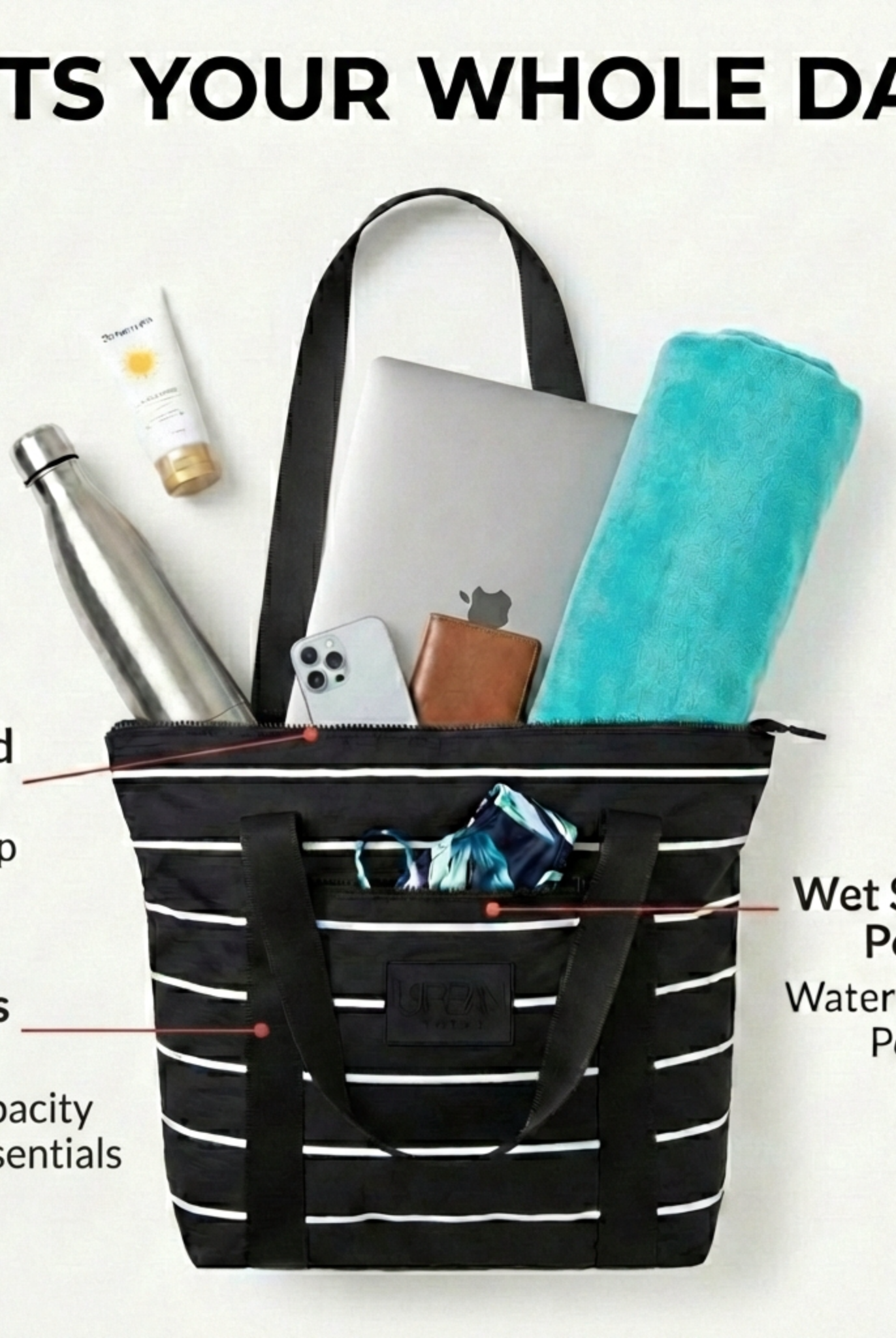
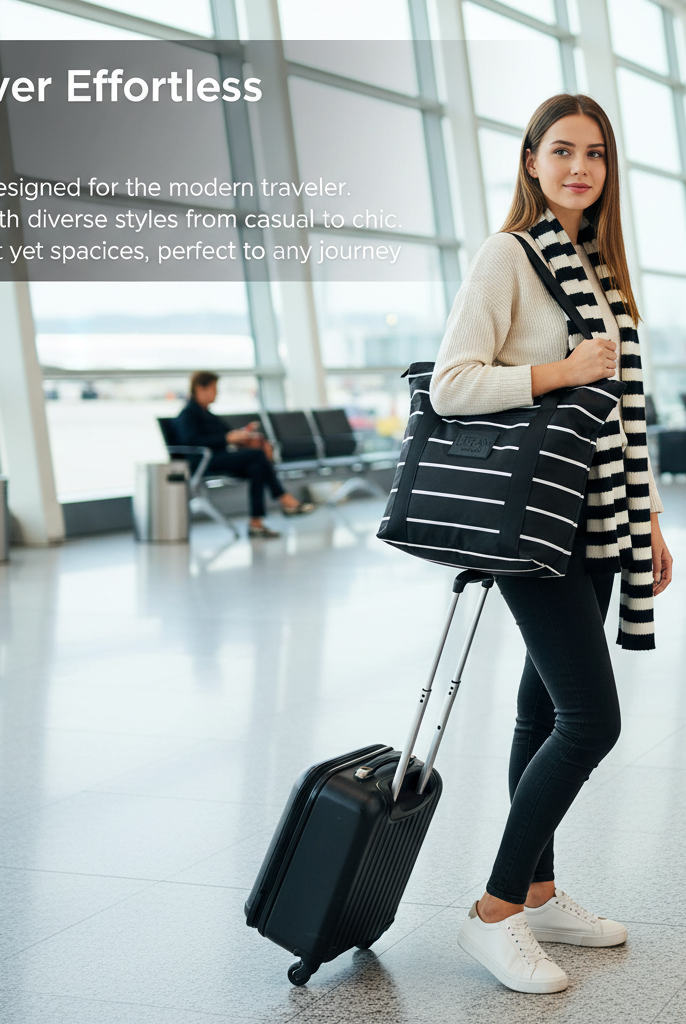
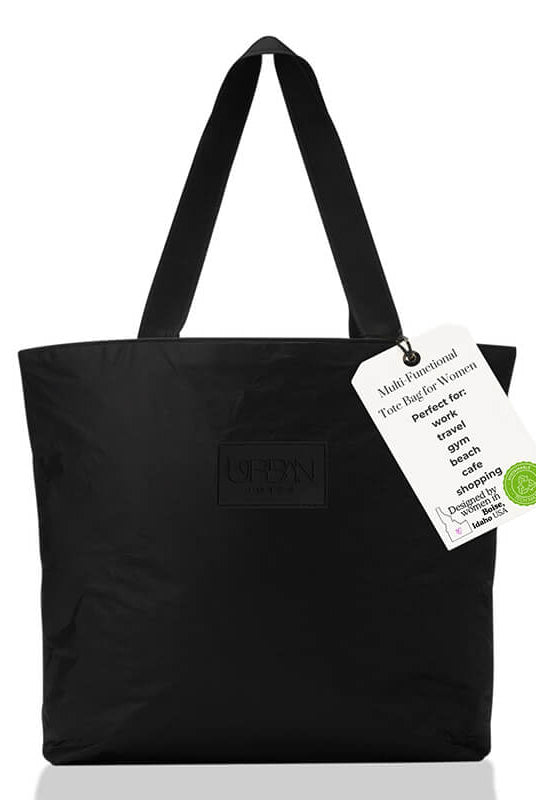
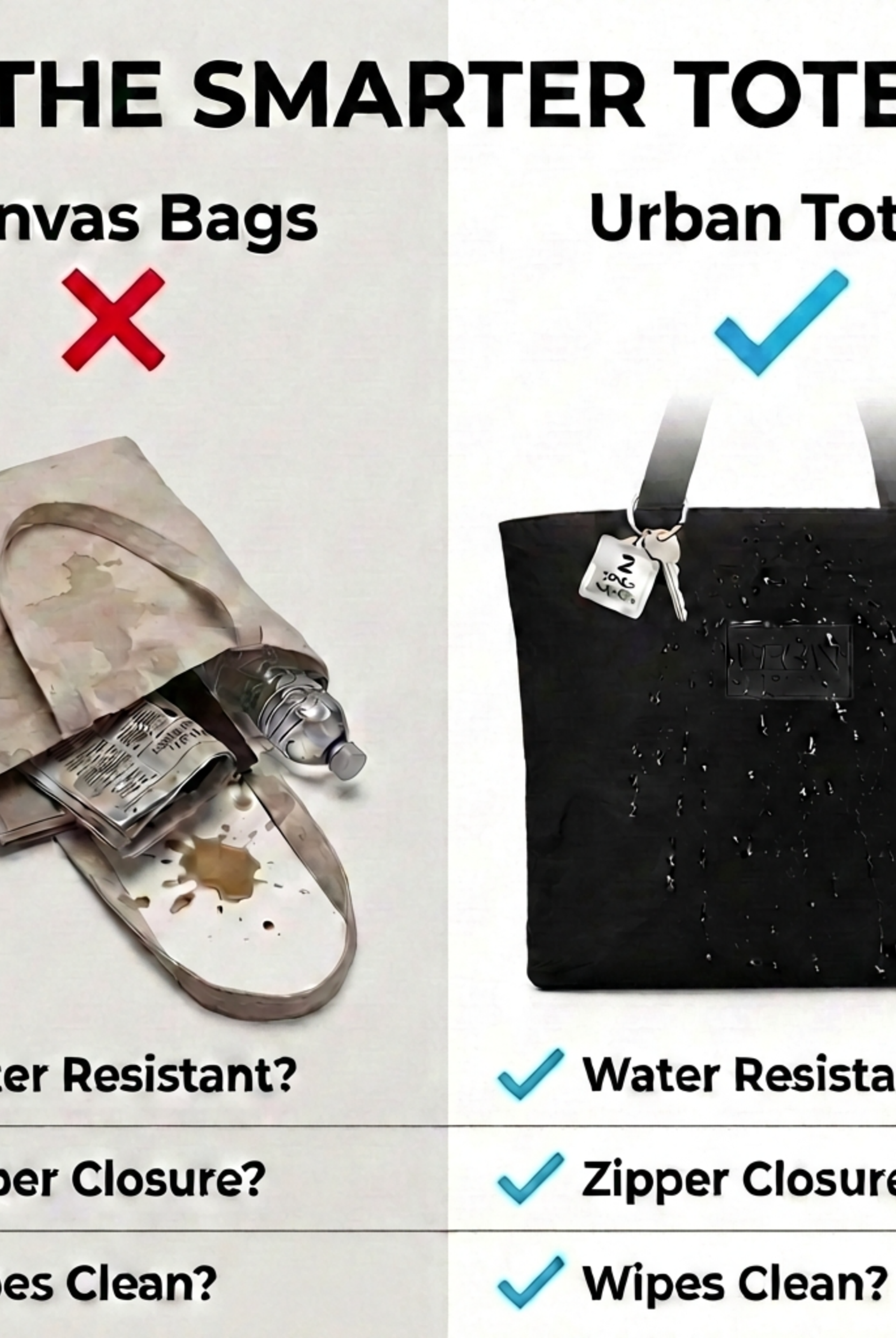
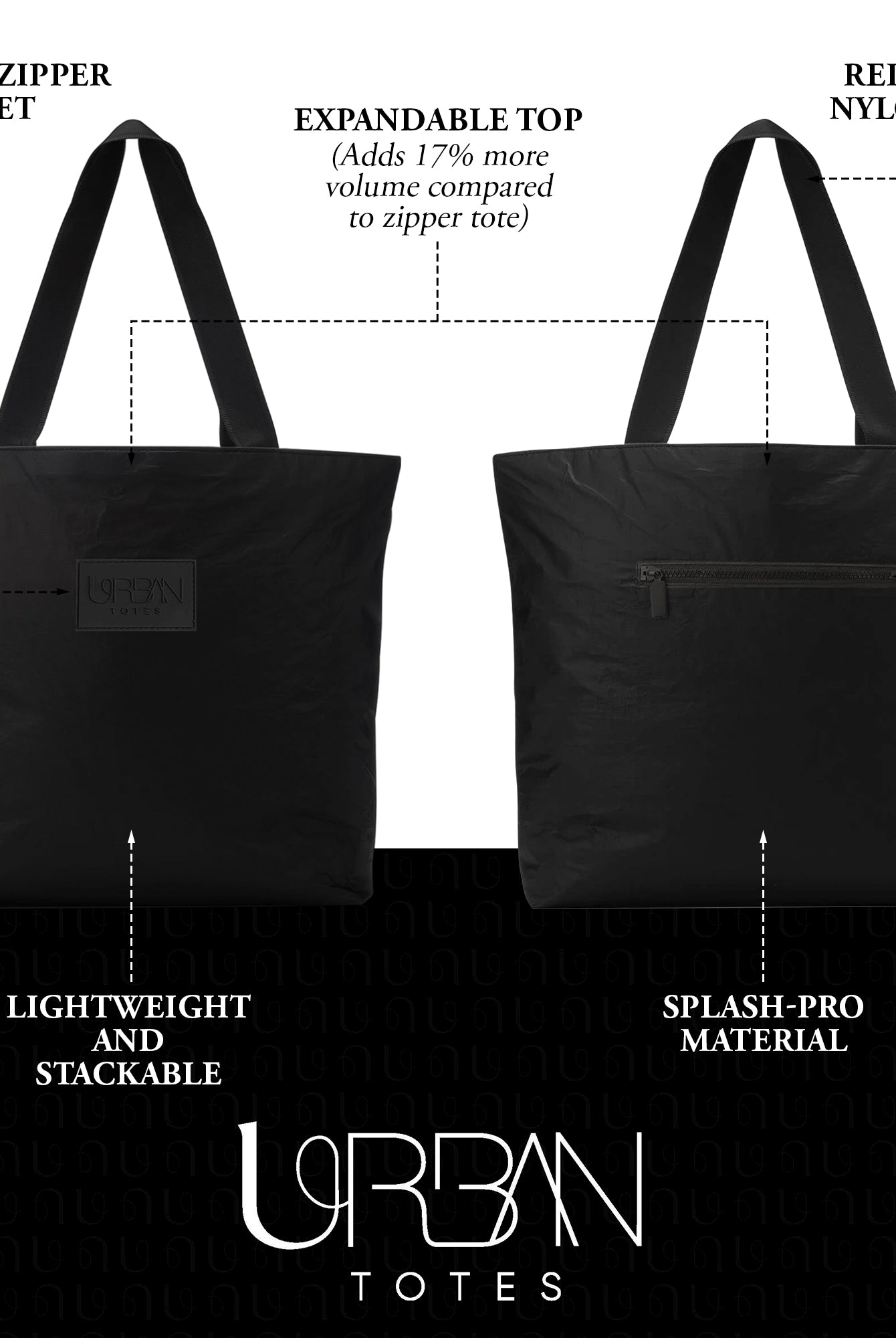
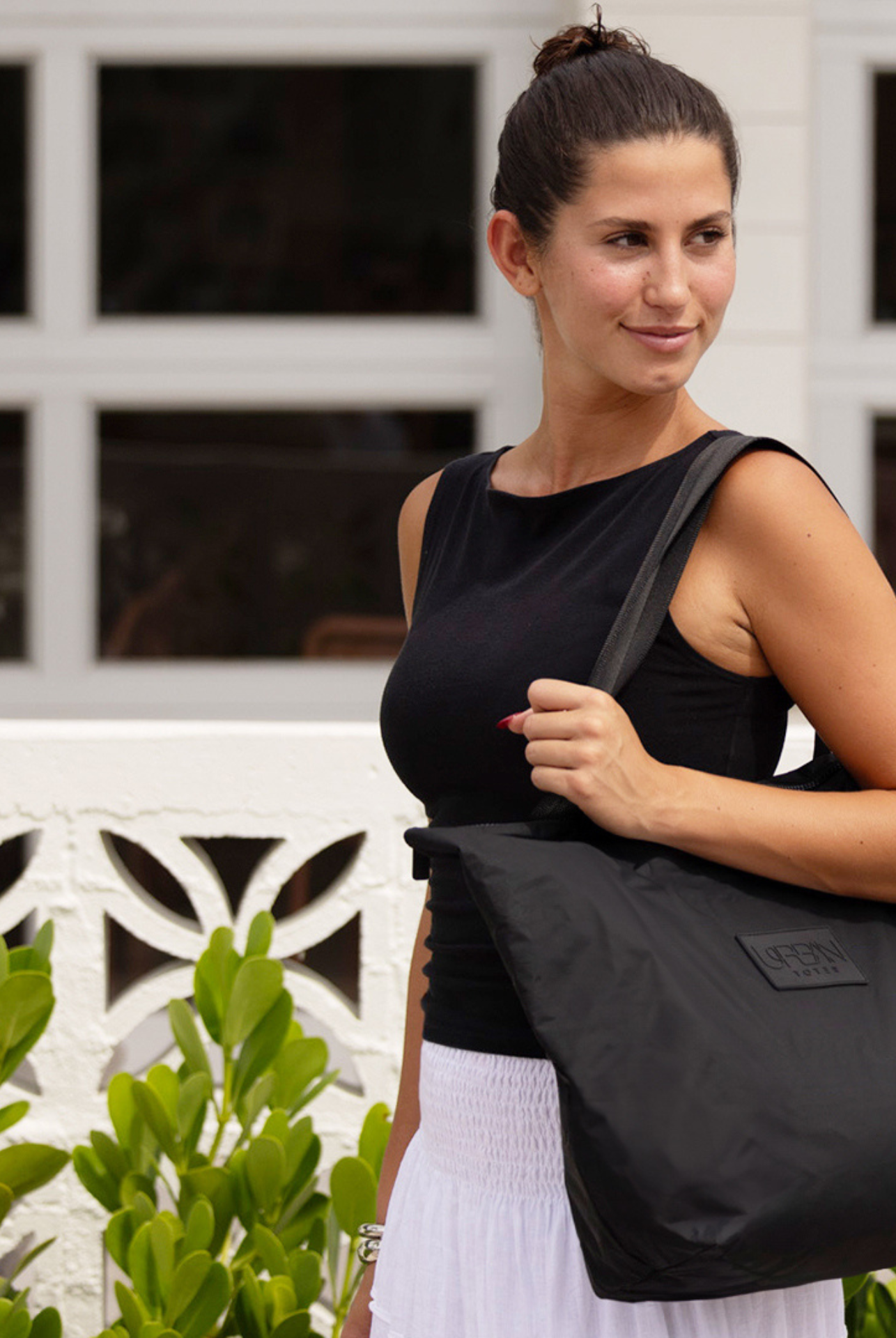
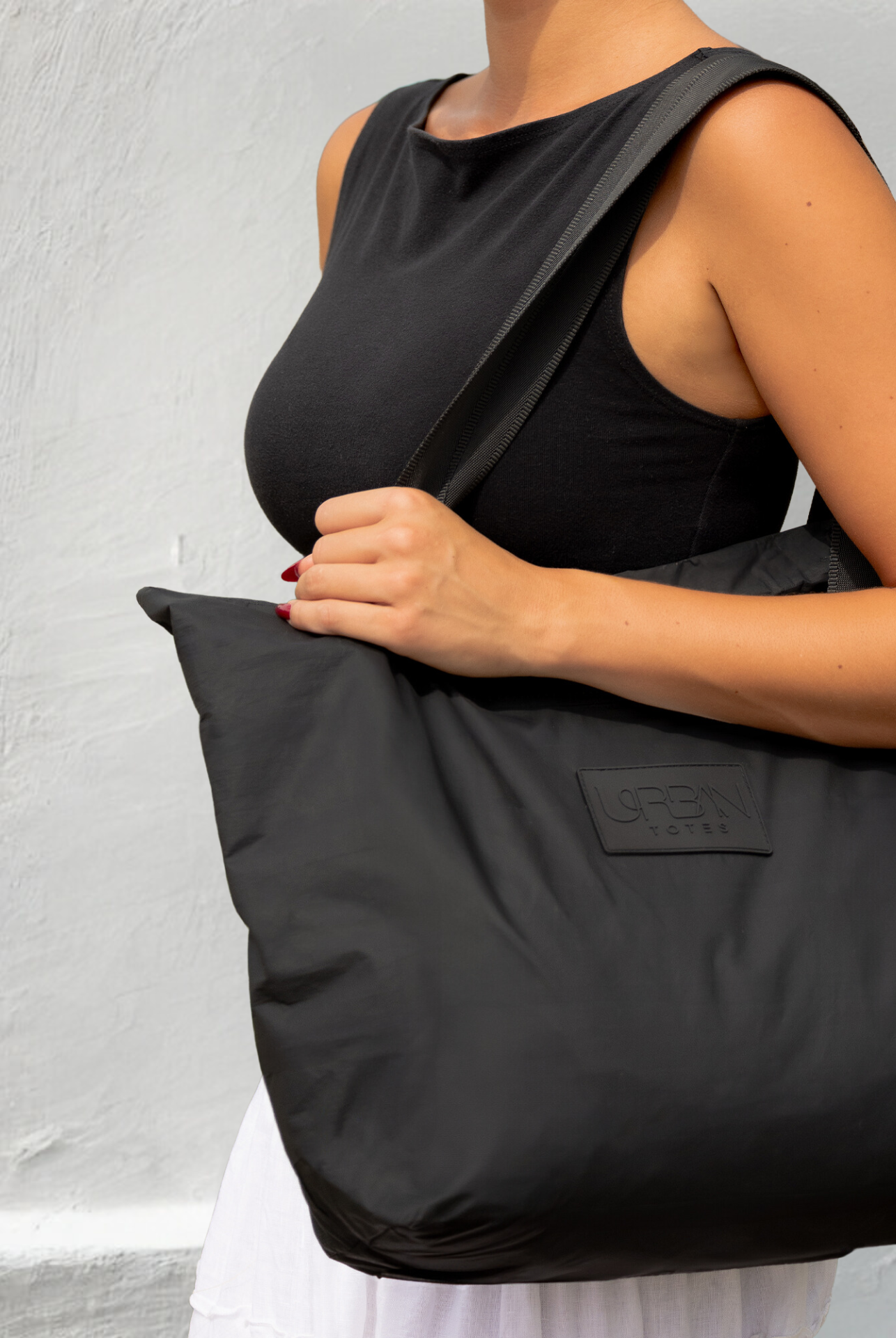
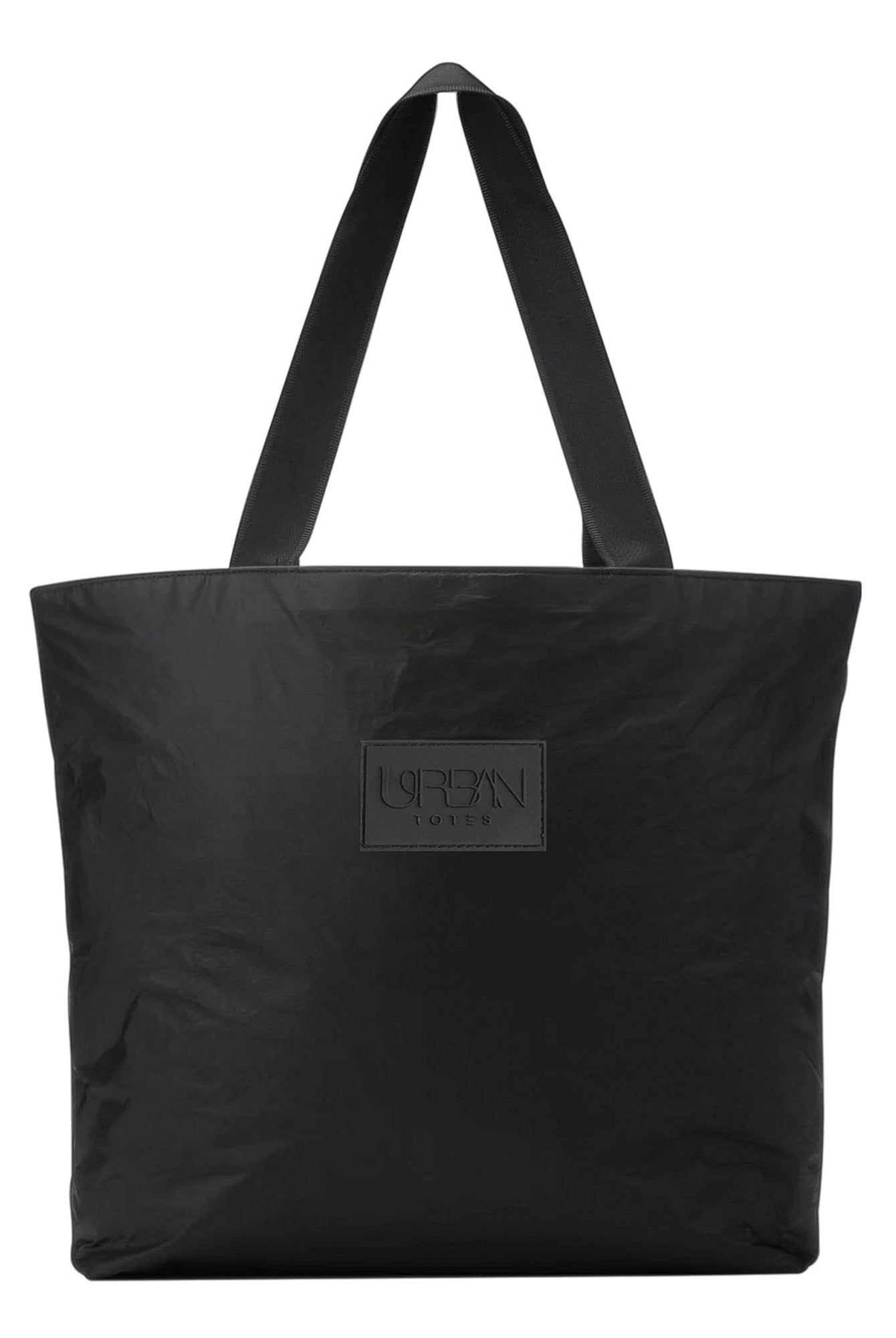
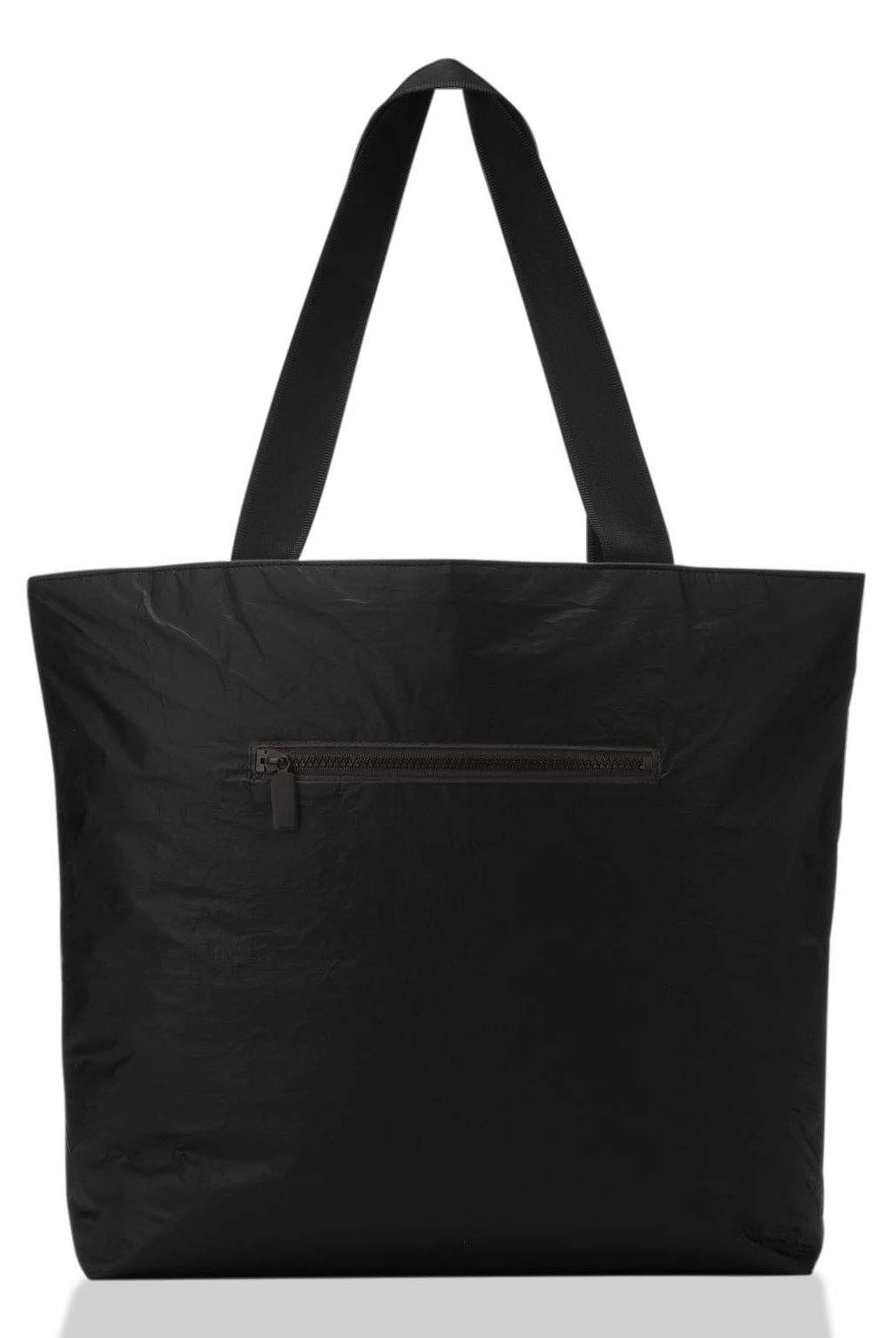
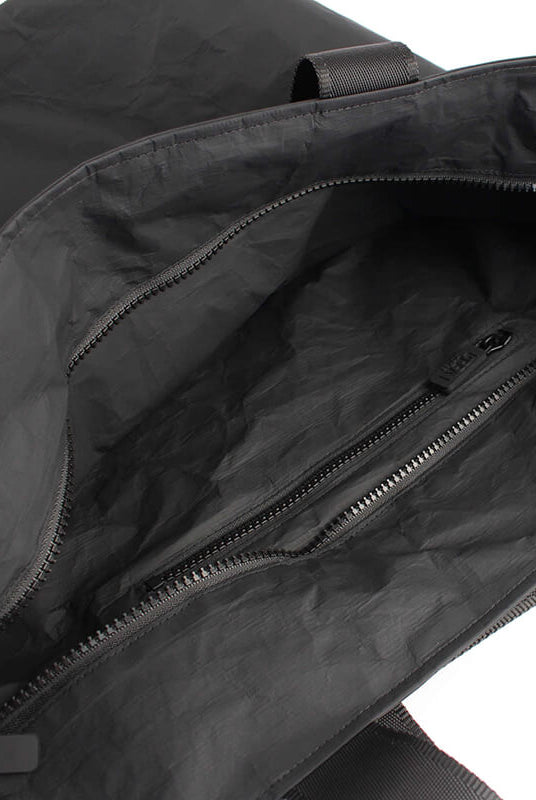
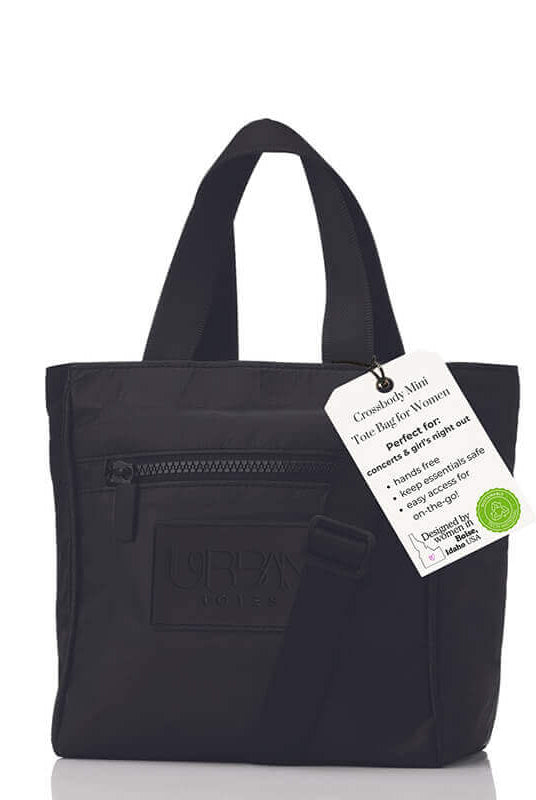
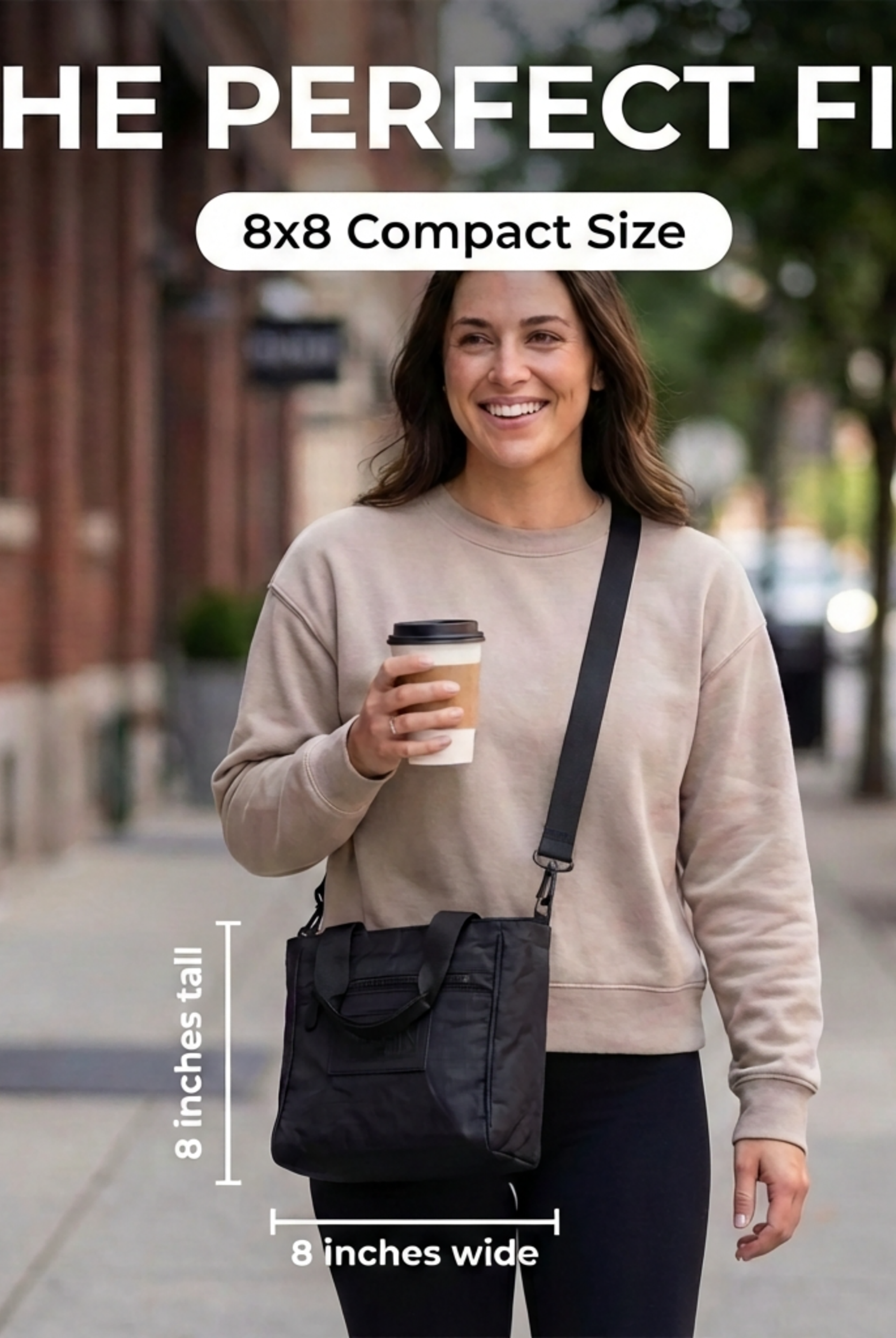
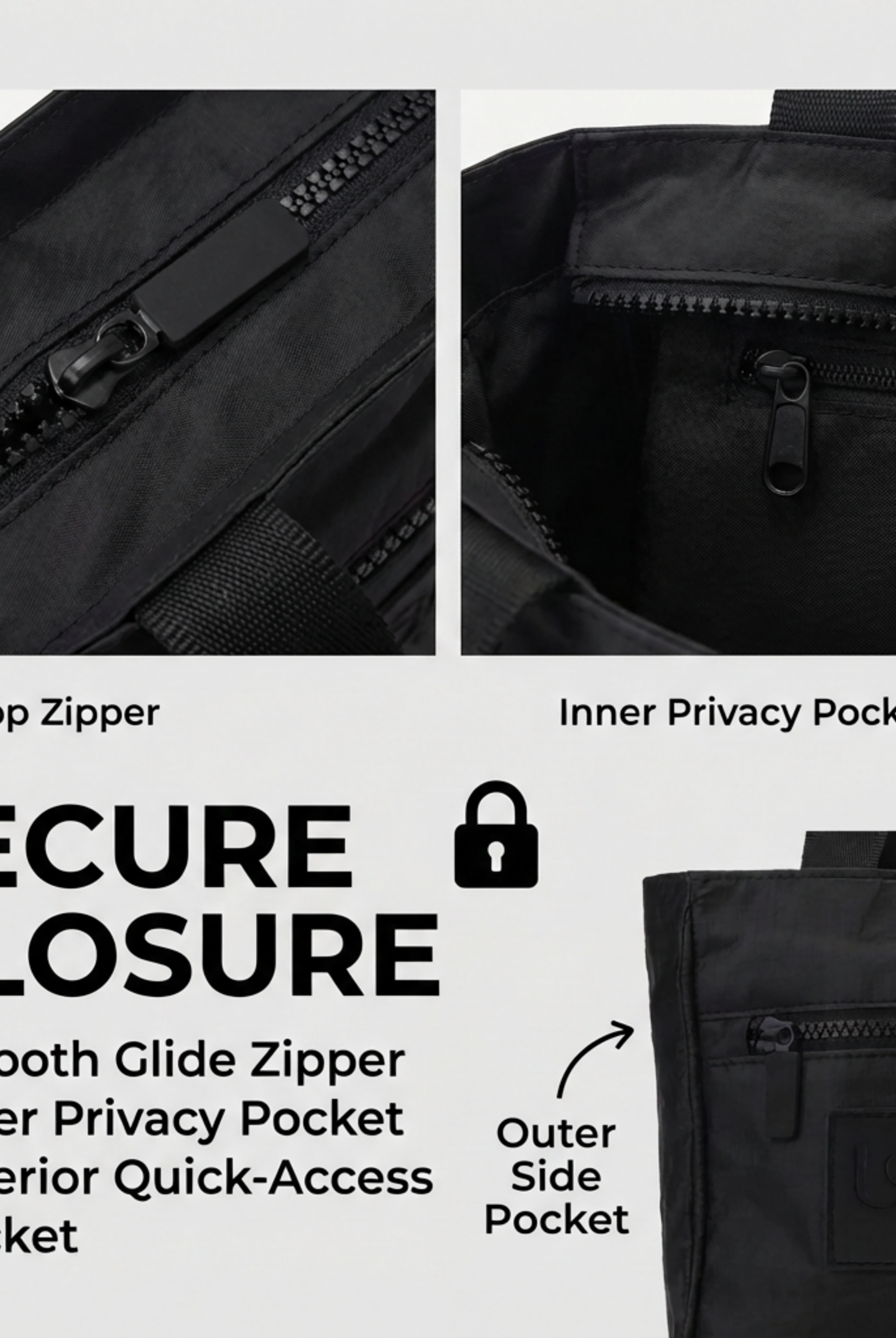
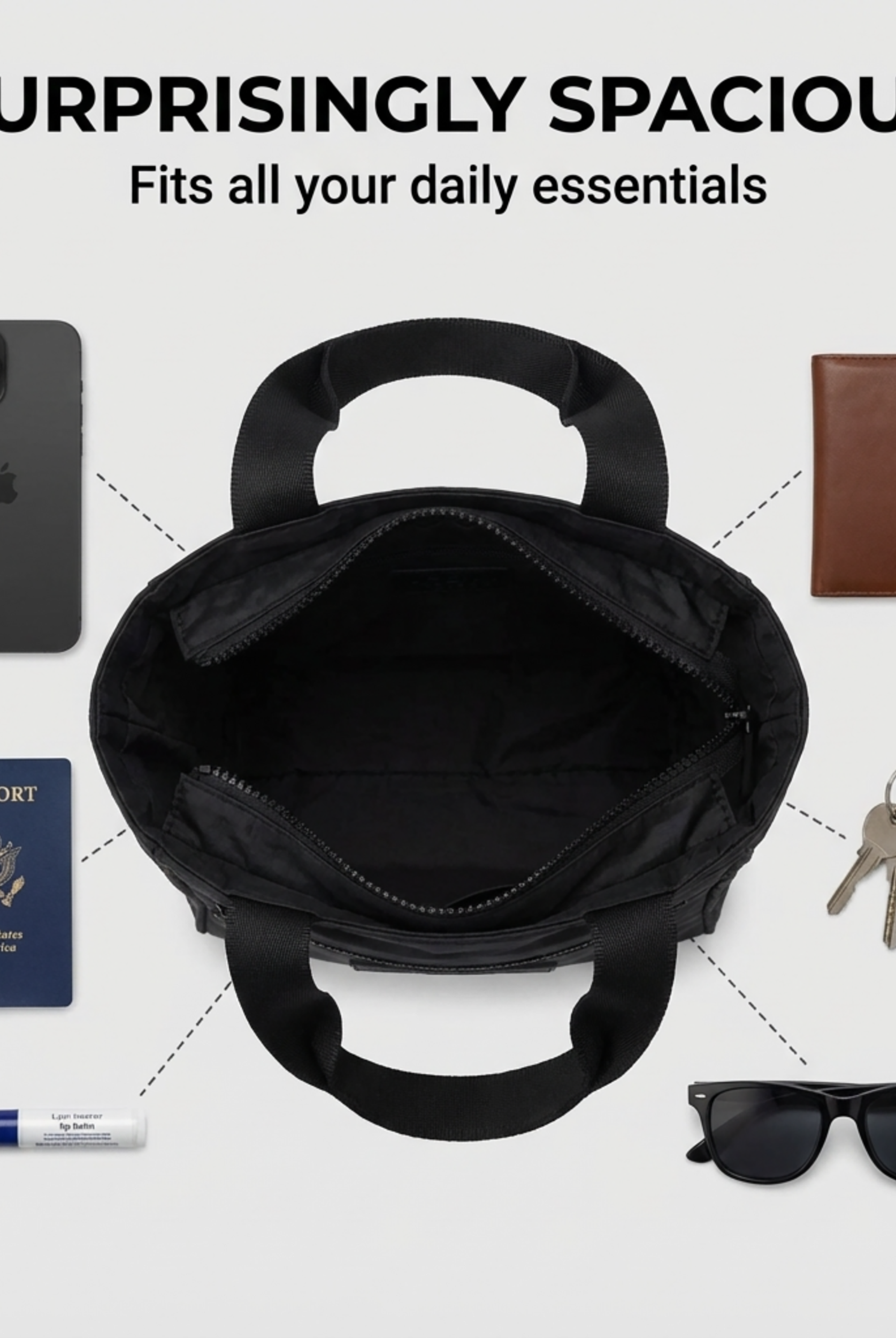
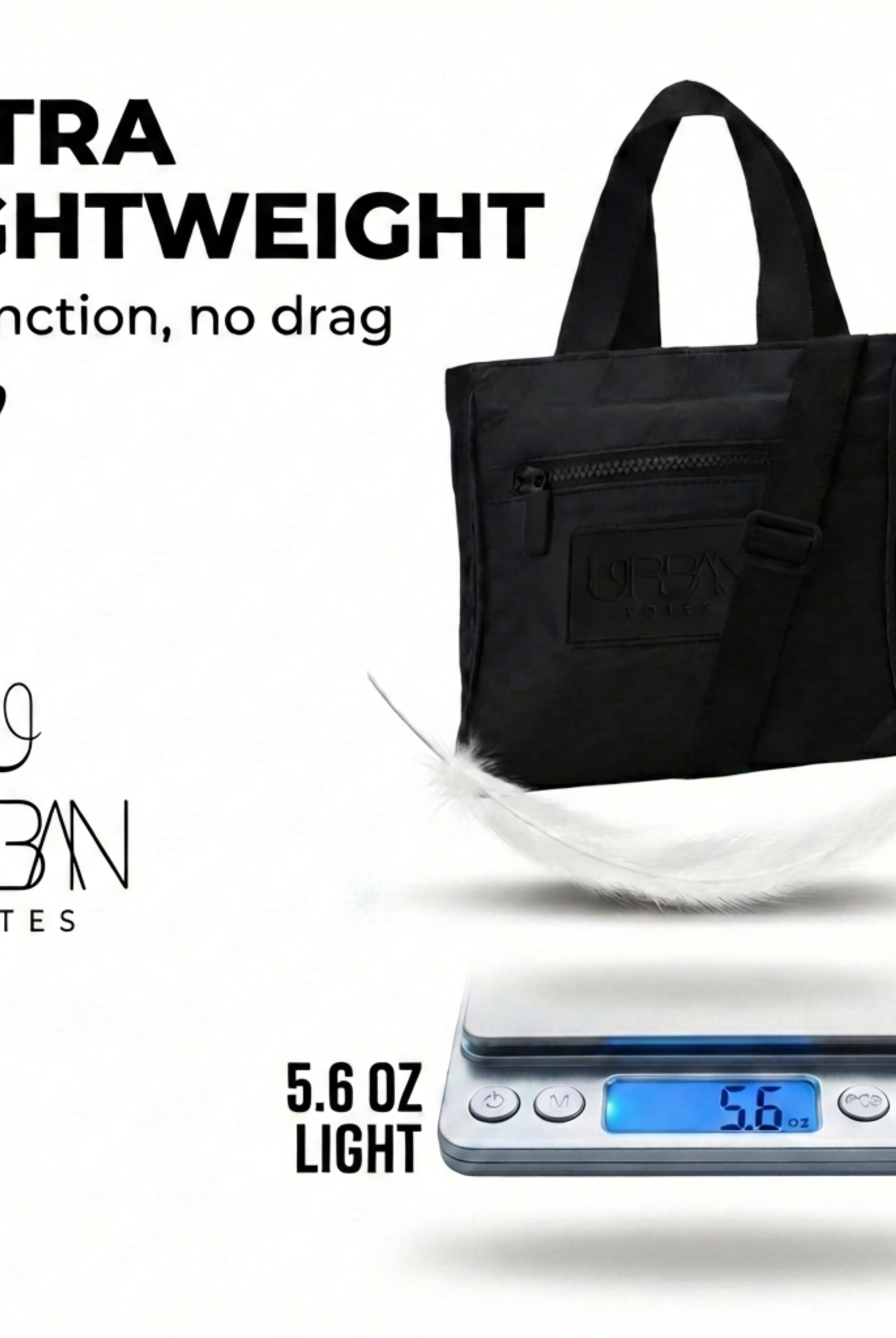
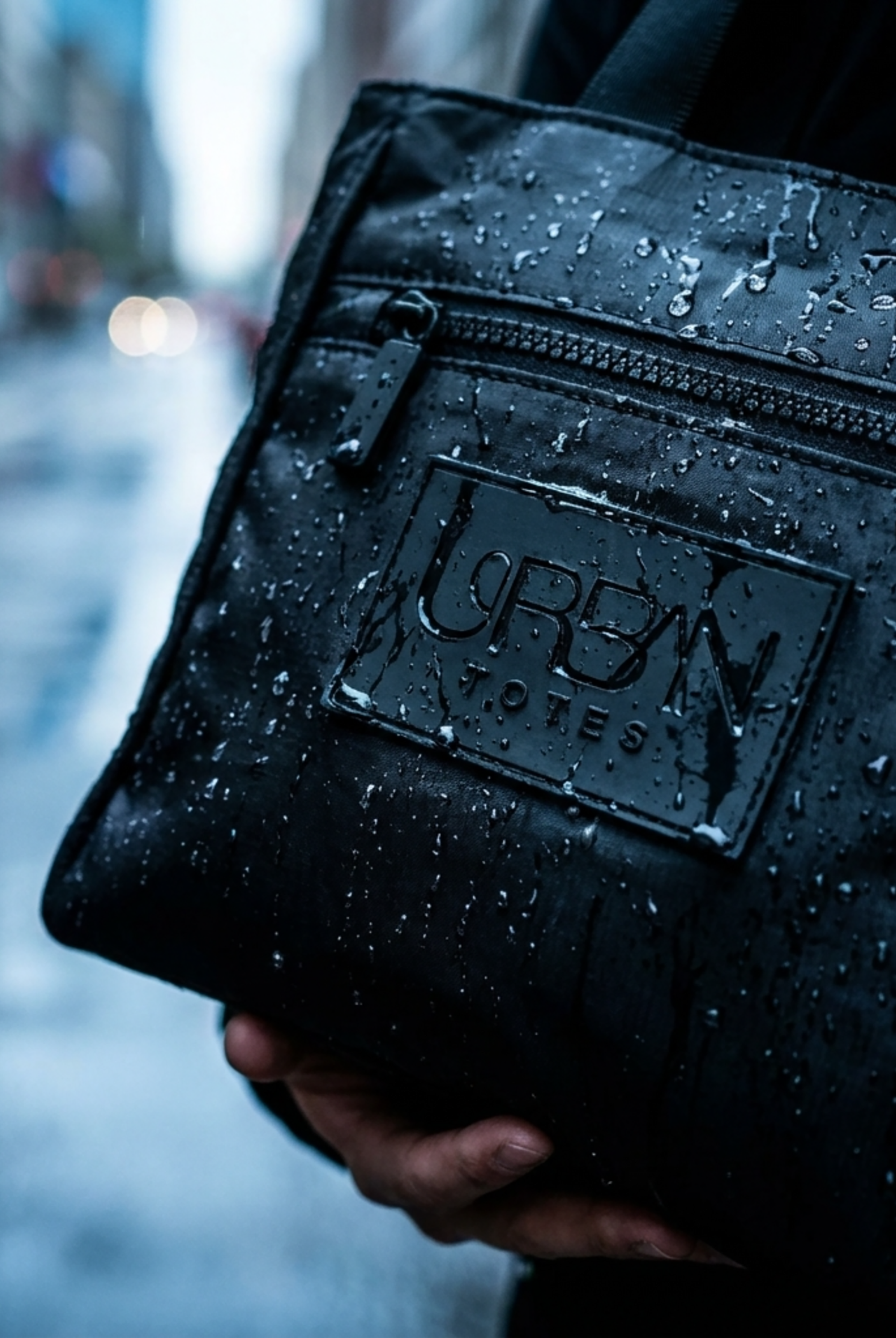
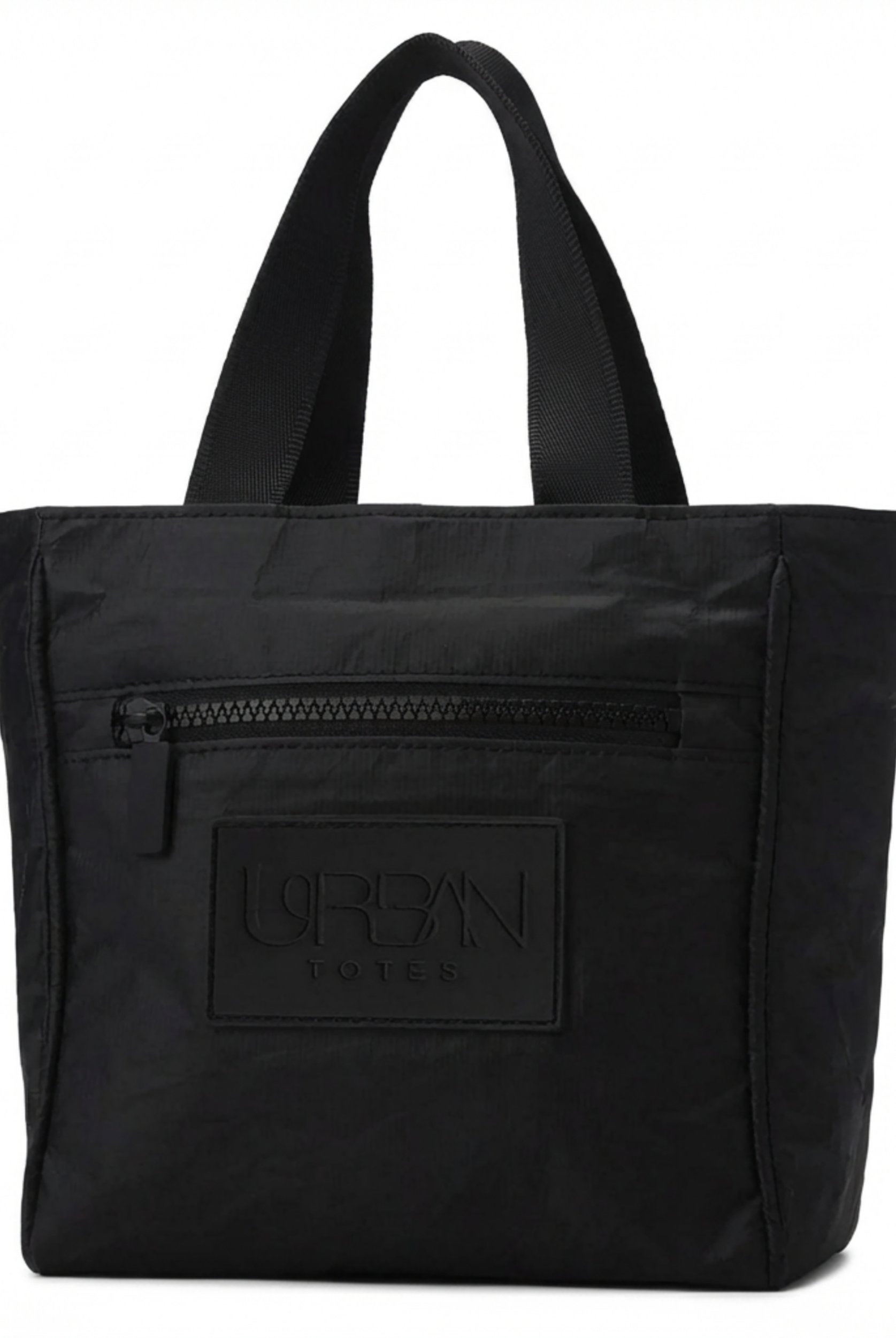
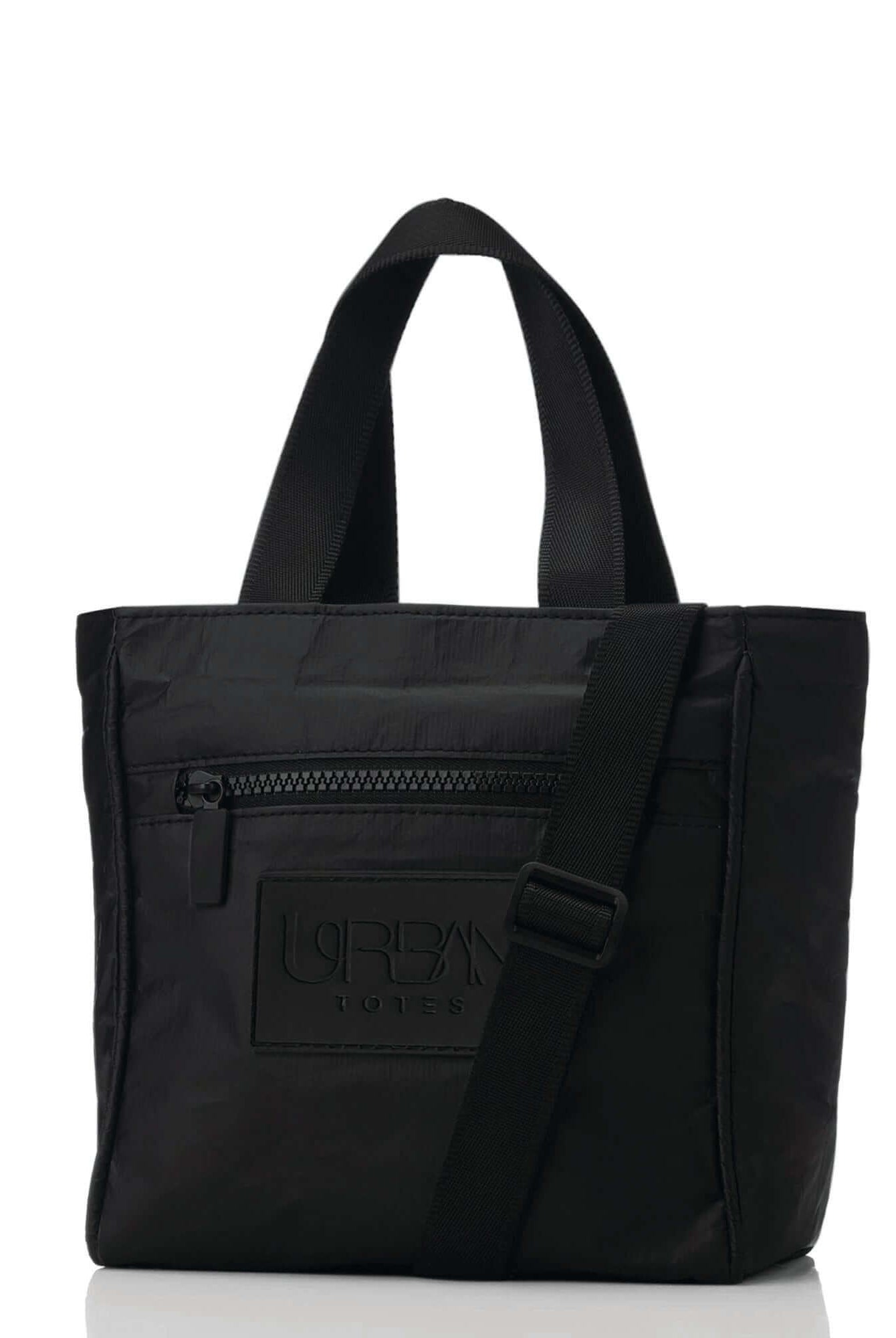
For example, The Go Anywhere Day Trip Tote Bag by Urban Totes has three large zippered compartments and dedicated pockets for a phone and keys. It's described as lightweight, packable, foldable, water-resistant, and easy to clean, but its listed features don't specify a dedicated shoe compartment. That distinction matters if a shoe bay is essential to your purchase.
Before buying, check the compartment's actual dimensions, the zipper opening, whether the lining is removable, how the straps adjust, and whether the base stays upright when loaded. A product photo with a shoe inside can help you judge fit, but it's still worth verifying measurements.
Matching the Bag to Your Real Week
The same compartment can feel useful on one route and inconvenient on another. Picture the whole day, including where the bag sits between stops.
The commuter leaves home early, fits in a class before work, then carries the bag under a desk. A wipe-clean, enclosed shoe section may help keep soles apart from office items, while a laptop sleeve and a profile that sits neatly beside a chair matter just as much. If shoes go in damp, plan to open the compartment when you can rather than leaving it sealed all day.
The parent or caregiver moves from school drop-off to errands and a lunchtime workout. A wide opening makes it easier to find a towel or fresh top quickly, while a separate place for damp gear can keep it away from snacks and spare clothes. If children will reach into the bag, choose an arrangement that keeps small essentials accessible without placing them beside worn shoes.
The student carries supplies between lectures, a part-time job, and a workout. A larger main space may matter more than a rigid shoe tunnel if the bag also needs to hold books or a change of clothes. Look for secure zipper closures and straps that work with the way you'll carry the load; a packed bag can feel quite different from an empty one.
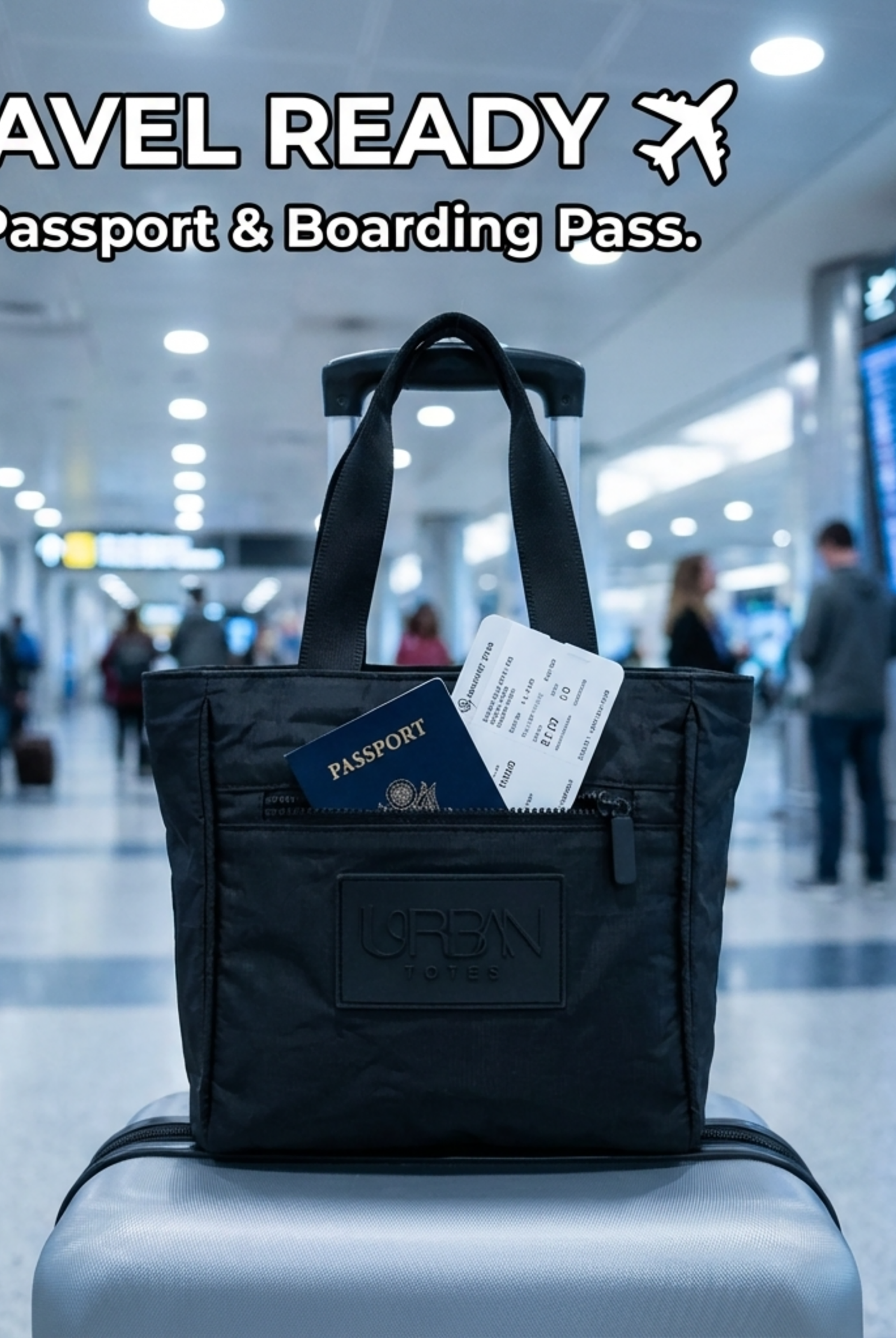
The traveler wants footwear contained but still easy to reach when reorganizing at an airport. TSA advises packing in neat layers so officers can get a clear view, and its checklist recommends placing shoes in their own layer, apart from clothing and electronics (TSA travel checklist). A separate shoe compartment follows that packing logic, though it doesn't replace any screening instructions. If your trip includes a studio class, use a packing list such as what to bring to Pilates class to decide what else needs a place.
Pick the scenario that most resembles your week, then consider the compromises you can live with. A commuter may favor containment, while a traveler may value easy access; neither needs the same layout as someone carrying a full change of clothes for a long day.
A Simple Post-Workout and Cleaning Routine
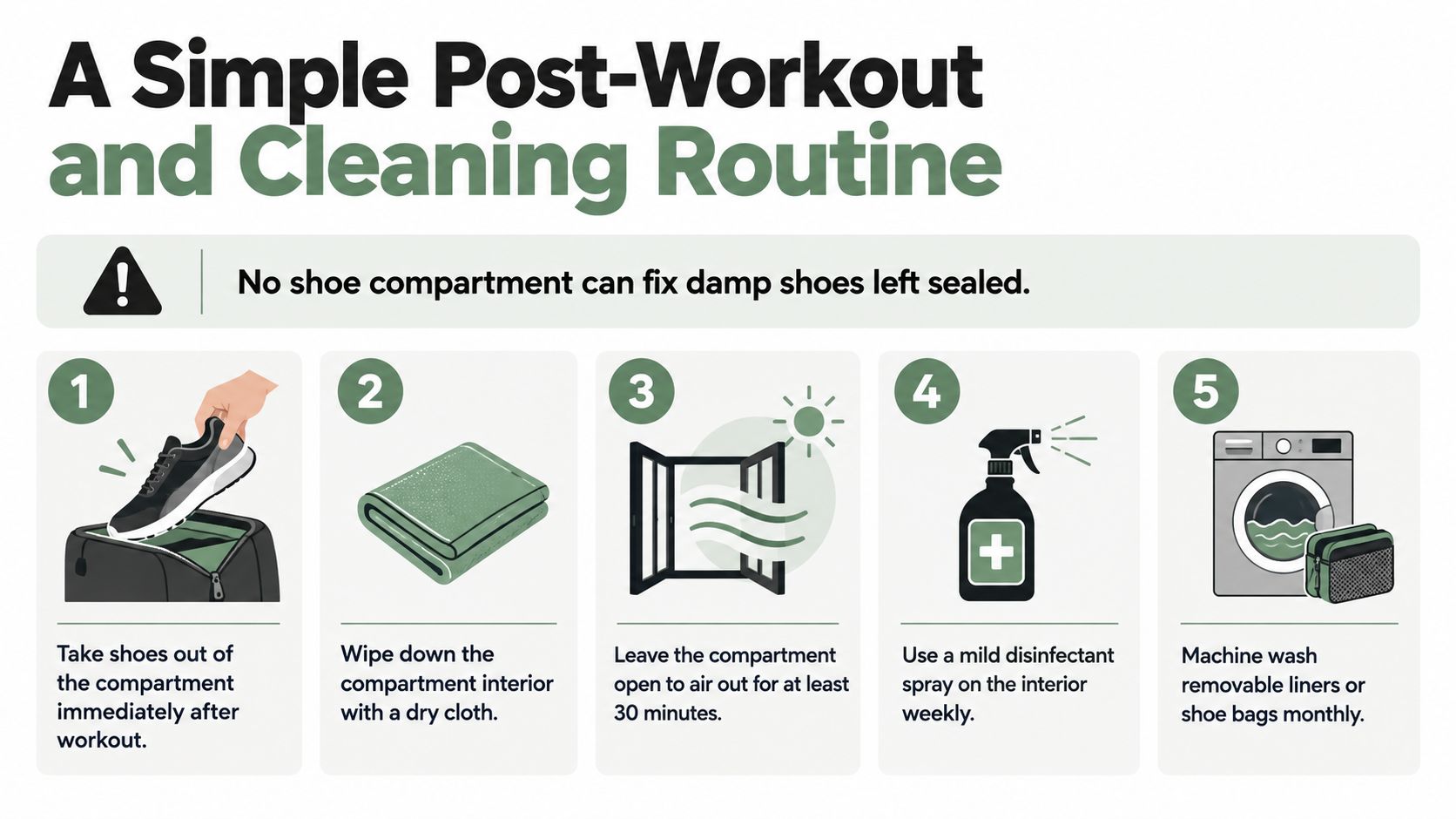
No compartment can make wet shoes fresh if they stay sealed in a bag for hours. A small routine helps the bag and shoes dry between uses, without turning cleanup into another chore.
- Take shoes out when you get home. This is especially helpful with a sealed pocket, which can hold moisture around footwear.
- Remove the insoles if they're removable. Let the shoes and insoles air-dry separately, following the shoe maker's care instructions.
- Open the compartment. A vented panel can support airflow, but leaving the zipper open gives the whole section a chance to air out.
- Wipe the lining regularly. A wipe-clean surface makes this easier; use a cloth and a cleaner that's suitable for the bag's material.
- Clean removable parts according to their care labels. A washable pouch or liner can be convenient, but don't assume every removable insert belongs in a washing machine.
The CDC explains that athlete's foot is caused by fungi that thrive in warm, dark, moist environments. Its foot-hygiene guidance recommends washing feet daily, drying them completely, and changing socks at least once a day (CDC foot hygiene guidance). Separating shoes from clothing can limit contact between worn footwear and clean belongings, but separation doesn't replace drying or cleaning.
Minimum viable routine: Take the shoes out, unzip the pocket, and deal with the wipe-down when you have a moment.
That small reset is often more manageable than waiting until the bag needs a deep clean. If your bag's care label allows washing, follow its instructions; otherwise, check guidance on washable tote bags before choosing a cleaning method.
How to Choose Your Gym Bag With Confidence
Start with the shoe compartment. Choose vented if airflow and drying are priorities and you can empty the bag after workouts. Choose sealed or wipe-clean if keeping footwear contained matters more, but make a plan to take damp shoes out. Then decide whether you want an integrated compartment that's always part of the bag or a removable pouch that can be taken out separately.
Next, check the rest of the design: enough capacity for your real load, a material with clear care guidance, comfortable straps, and a base that doesn't let the bag sag or tip. Ask yourself where the bag will sit between sessions, how damp your shoes usually get, and whether that shoe area might need to carry something else, such as a water bottle or umbrella.
A gym bag with shoe compartment should suit more than the workout. It should fit into the commute, the school run, a quick errand, or an overnight trip without making you rearrange your whole day. Urban Totes is a woman-owned, Boise-based brand focused on lightweight, packable, foldable bags with zipper closures and practical compartments for everyday carry and travel.
Explore Urban Totes for water-resistant, thoughtfully designed bags that bring organized storage to commutes, errands, and travel. Find a versatile style that fits your week, then take it wherever the day leads.