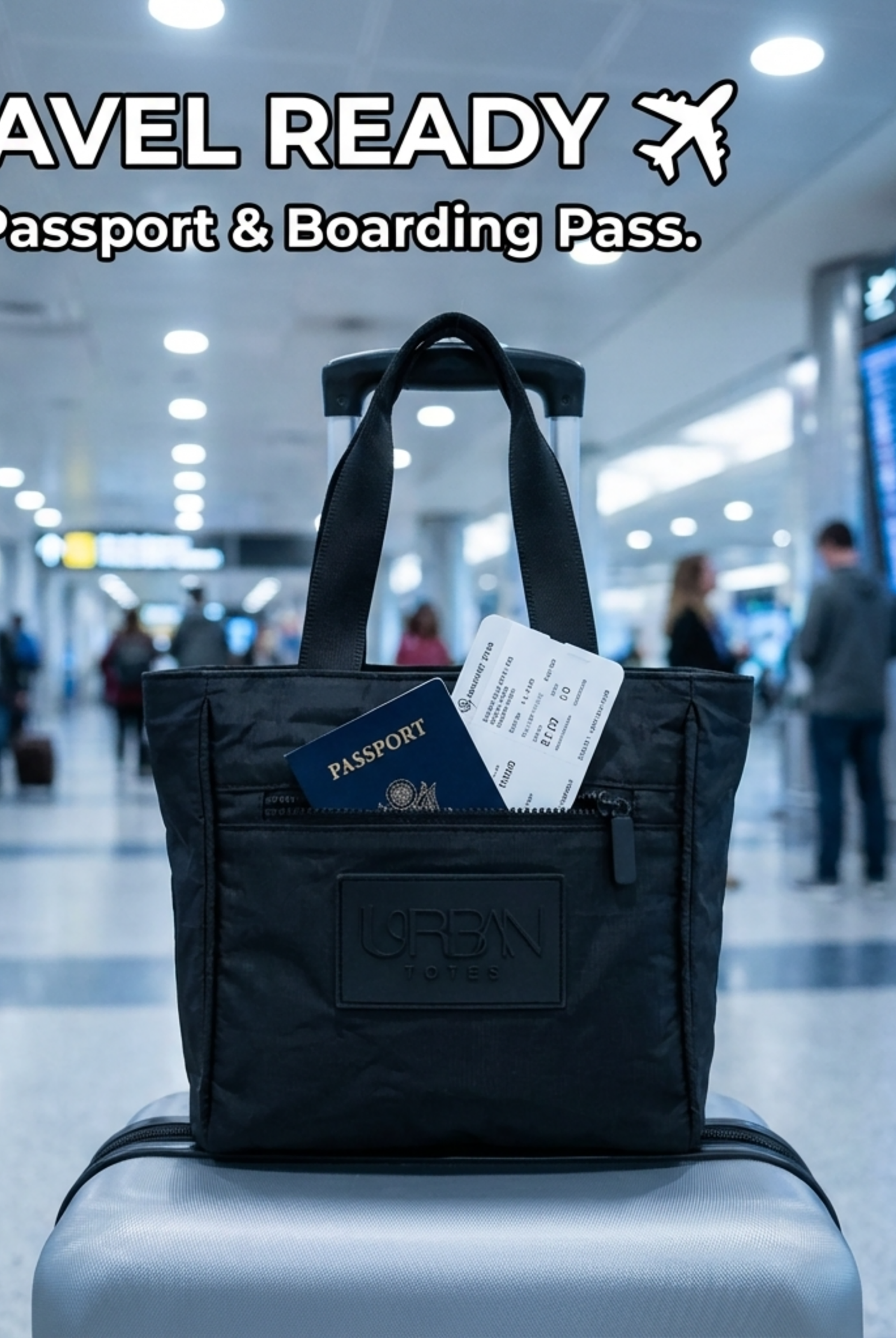
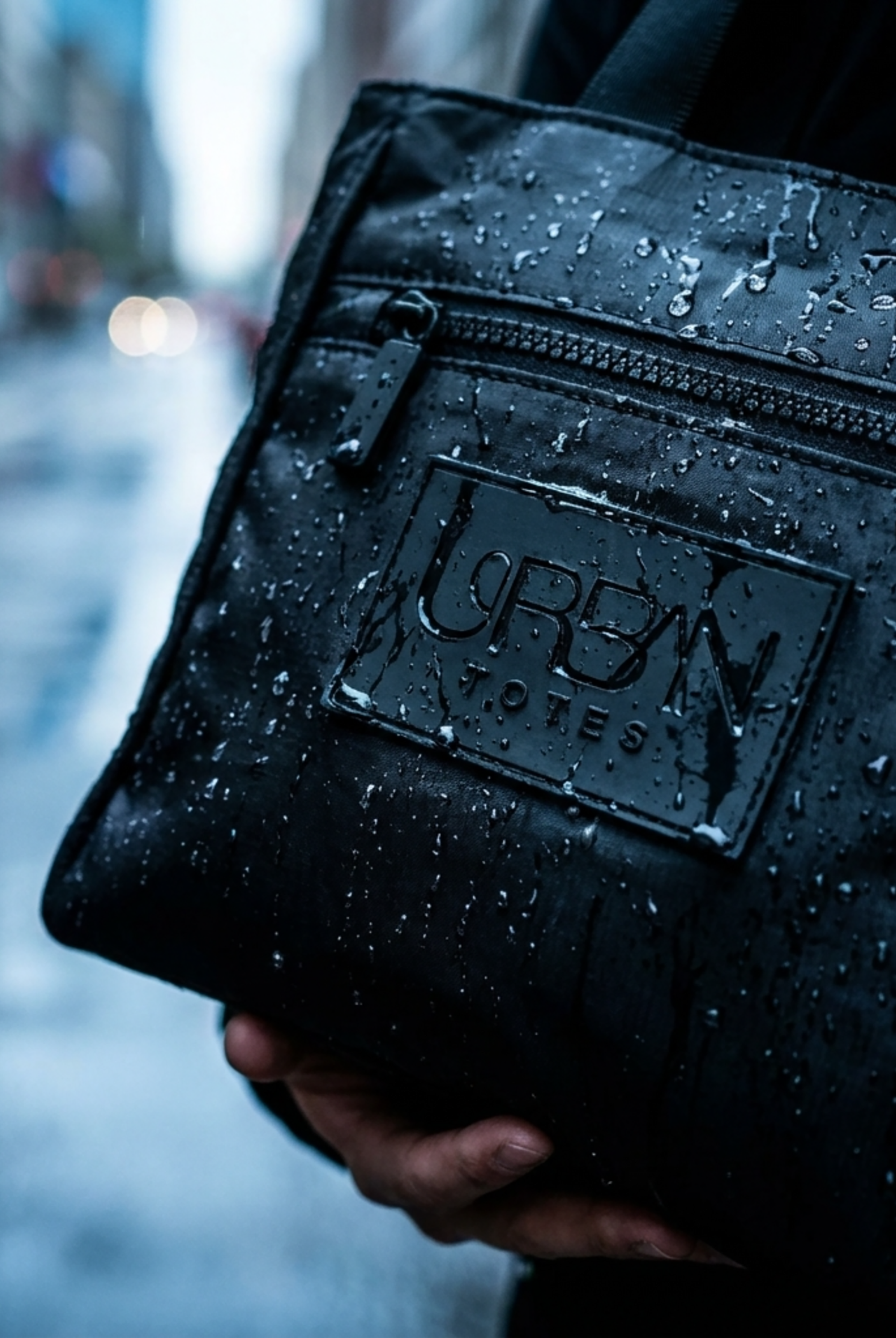
You're juggling a school drop-off, a coffee, and a tote when the rain starts. By the time you reach the car, the outside of the bag is damp, a snack pouch is pressed against your phone, and you're wondering whether that shiny fabric really protects anything. At a farmers market or beside a beach chair, the same question comes up in a different way: will the bag handle a wet towel, a sudden shower, or just a few stray drops?
Many shoppers searching for waterproof bag material want their everyday carry to make it through real life, not a swim underwater. Labels like “water-resistant” and “waterproof” can be confusing, and a glossy surface alone doesn't tell you how the fabric behaves under pressure or where water might sneak in. A packable tote can be ready for ordinary rain without being built like a sealed dry bag.
What matters beyond the fabric
The useful question isn't just what a bag is made of. It's how its coating, seams, zippers, and overall construction work together, and whether the bag is intended for light rain or prolonged exposure.
Below, you'll find how water ratings are measured, how common materials feel and perform, and why closures and stitched joins can matter as much as the fabric. The aim is a practical choice for commuting, travel, errands, and beach days, without expecting a lightweight tote to do a job it wasn't designed for.
Table of Contents
- What matters beyond the fabric
- When a Tote Meets Real Weather
- What a Water Rating Really Measures
- Waterproof Bag Materials Side by Side
- Why Seams and Zippers Leak First
- Matching Material to the Day Ahead
- Caring for Coatings Between Washes
- Pick a Material and Carry On
When a Tote Meets Real Weather
A drizzle starts just as you're carrying groceries from the farmers market to the car. You tuck a loaf of bread under one arm, shift the tote higher on your shoulder, and try to keep your phone away from the damp paper bag of greens. The bag looks sturdy enough, but the label only says “water-resistant.” Does that mean a few drops roll off, or that everything inside stays dry through a downpour?
That uncertainty is familiar to anyone carrying a tote through school pickup, an airport terminal, or a beach day. A heavy, floppy bag can soak up rain, sag around a wet towel, and turn a simple dash indoors into a search for a dry place to put your phone, boarding pass, or snack pouch. Shoppers looking for waterproof bag material are usually trying to protect the things they carry every day, not take the bag underwater.
A shiny surface doesn't tell the whole story
A fabric can look smooth and still have limits. Some finishes help water bead on the surface; coatings can create a barrier through the fabric itself. But the finished bag also has stitched seams, panel edges, zipper tracks, and pockets, any of which can let moisture in. A fabric label alone won't tell you how those parts perform together.
That's why the word “waterproof” can be less useful than a clear description of the intended conditions. A tote for light rain and the occasional spill has a different job from a bag designed to sit in standing water or protect gear during submersion. A realistic expectation helps you choose a bag you'll really want to carry, instead of assuming every coated fabric offers the same protection.
The useful middle ground is a lightweight, packable tote with a zipper closure that handles everyday weather without claiming to be a dry bag. Understanding what water ratings measure, how coatings and fabrics differ, and where seams and zippers can fail makes it easier to match a bag to your commute, travel plans, or beach-day routine.
What a Water Rating Really Measures
A hydrostatic-head rating gives a fabric a controlled test, not a weather forecast for your tote. Picture a column of water pressing against a square of fabric: the taller the column grows before water passes through, the greater the fabric's measured resistance. Results are usually expressed as the height of water in millimeters, using methods such as ISO 811 or AATCC 127.
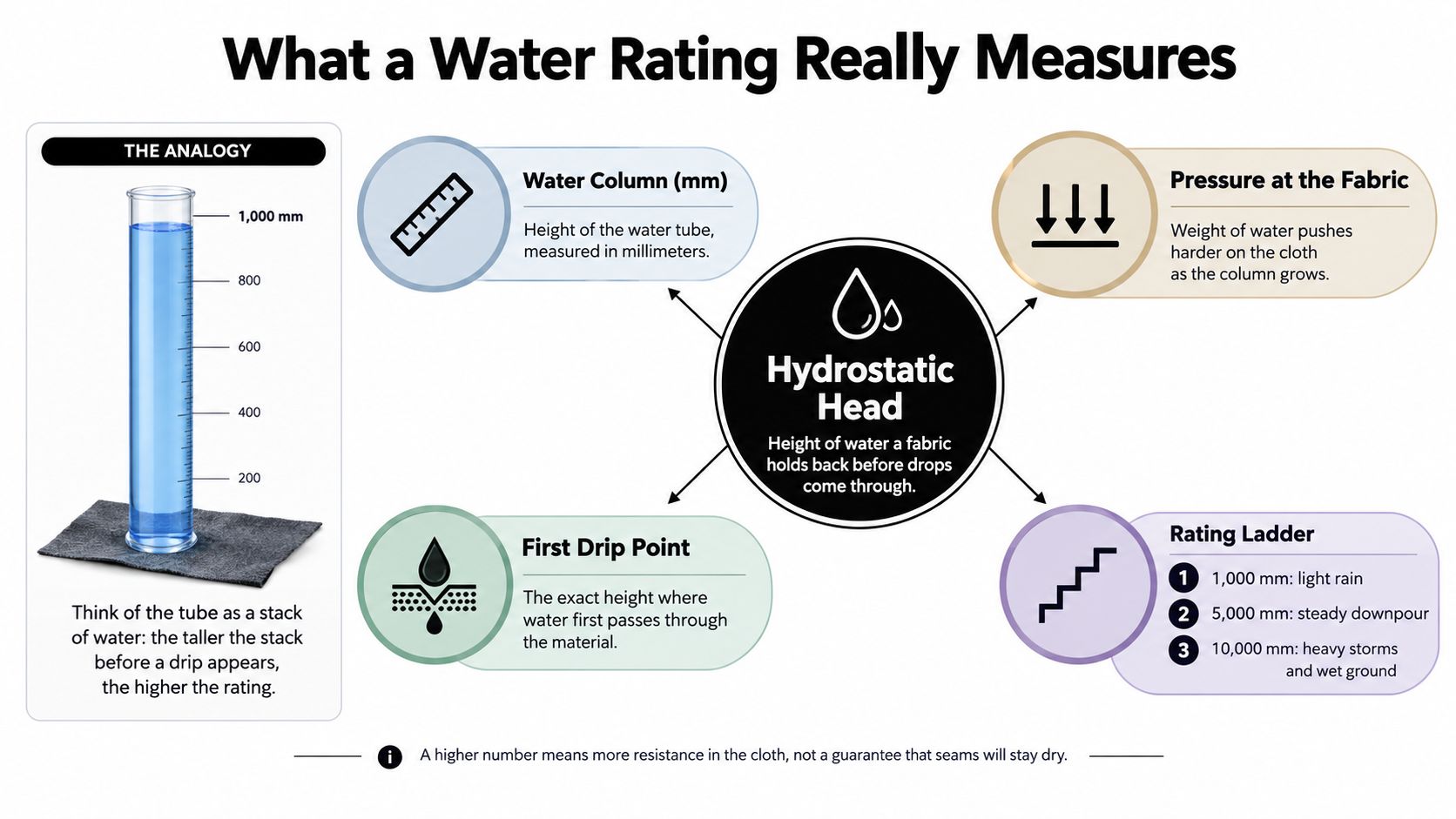
How ISO 811 tests a fabric
In an ISO 811 test, water pressure rises steadily against one side of a fabric sample until water appears in three places. The pressure recorded at the third penetration point is the sample's hydrostatic resistance. This standardizes comparisons under controlled conditions, so a shiny surface or tight weave alone doesn't stand in for a test result. ISO 811
ISO 811 began with the 1981 edition, intended mainly for dense materials such as duck cloth, tarpaulins, and tent fabrics. The 2018 edition, published in March 2018, replaced it and also applies to water-resistant fabrics with a coating or water-repellent finish. Depending on the testing setup, pressure increases by 10 cm of water per minute, with a tolerance of ±0.5 cm, or 60 cm per minute. The standard is called ISO 811 in both editions.
What the number can tell you
A rating helps compare how fabric responds to water pressure, but a high number doesn't automatically mean a tote is right for every kind of wet weather. For a packable everyday bag, rain and splashes are usually a more useful target than submersion. A fabric rating is one part of that choice, alongside the coating, construction, and the way you'll use the bag. For a plain-language guide to water-resistant versus waterproof, see how the terms differ.
A test measures a fabric sample, while pressure from a packed tote or water collecting against it can change what happens in use. The finished bag's seams and zipper also matter, as the next section explains.
If you're comparing fabric ratings with outerwear, compare waterproof work shells.
Waterproof Bag Materials Side by Side
Materials can share a water-resistant label and still feel completely different in your hand. For a tote you'll carry through a terminal, fold into a suitcase, or sling over a shoulder all afternoon, weight and packability matter alongside water protection.
A common technical construction pairs a woven nylon or polyester face with a continuous polyurethane (PU) or thermoplastic polyurethane (TPU) coating on the reverse. The coating is the main barrier to liquid water, while the woven fabric gives the bag structure and helps it stand up to abrasion. More coating can improve resistance, but it can also make the fabric heavier and stiffer, with less breathability. That tradeoff matters when you want a bag to fold neatly and feel comfortable against your shoulder. ASTM D3393
| Material | How it handles water | Feel and packability | Best everyday fit |
|---|---|---|---|
| Coated nylon | A coating creates a barrier through the fabric; the exact result depends on the construction. | Often light and easy to fold, with a practical technical feel. | Commuting and travel when low weight matters. |
| PU-coated polyester or nylon | A continuous PU layer blocks liquid water through the fabric body. | The coated face can feel firmer as the coating gets heavier. | Everyday carry when you want a fabric barrier without a bulky build. |
| TPU-coated or laminated fabric | A polymer layer provides the barrier; finished performance still depends on seams and closures. | Can feel more structured, with less of the soft drape of an uncoated textile. | Carries that need a more substantial barrier and don't need to fold as flat. |
| Recycled polyester | Water performance depends on its coating and construction, not the recycled feedstock alone. | Can be woven and finished in different ways, so hand-feel varies. | Shoppers comparing material choices as well as the bag's use and build. |
| Waxed canvas | The wax finish helps shed moisture, but care and construction shape its limits. | Has a traditional, substantial feel and generally less packability than a lightweight coated tote. | A more structured carry with a classic look. |
Recycled content needs context
Recycled polyester isn't automatically the same material from one manufacturing route to another. A 2024 life-cycle assessment found that recycled polyester staple fiber made through a bottle-flake spinning process reduced global-warming potential, primary energy demand, and water use compared with conventional polyester staple fiber, with the strongest results in the study's popcorn-spinning process: 48% lower global-warming potential, 46% lower primary energy demand, and 33% lower water use. 2024 recycled-polyester life-cycle assessment
Other assessments reinforce why the production route matters. A 2025 comparison reported different environmental-impact scores for pre-oriented, fully drawn, and draw-textured recycled-polyester yarns, and identified electricity and heat use as important emission sources. 2025 recycled-polyester yarn assessment Textile Exchange also identifies energy use and waste-feedstock collection as important hotspots for thermomechanical recycling, with electricity, heat, and process chemicals contributing to impacts in chemical recycling. Textile Exchange polyester life-cycle assessment
The takeaway isn't that one material wins. It's that the fabric, coating, feel, and intended use belong in the same decision. If you're weighing fabric choices beyond water performance, Urban Totes' tote-bag material guide offers another perspective. For beach-specific considerations, Blitz Surf Shop's waterproof bag guide can help you think about wet gear and where it will go.
Why Seams and Zippers Leak First
A tote can keep rain off its fabric panels and still let water seep through a stitched join. Each needle hole interrupts the coating, while folded edges, panel joins, and zipper openings offer other routes in. A fabric rating describes the material, not how well these vulnerable points handle water.
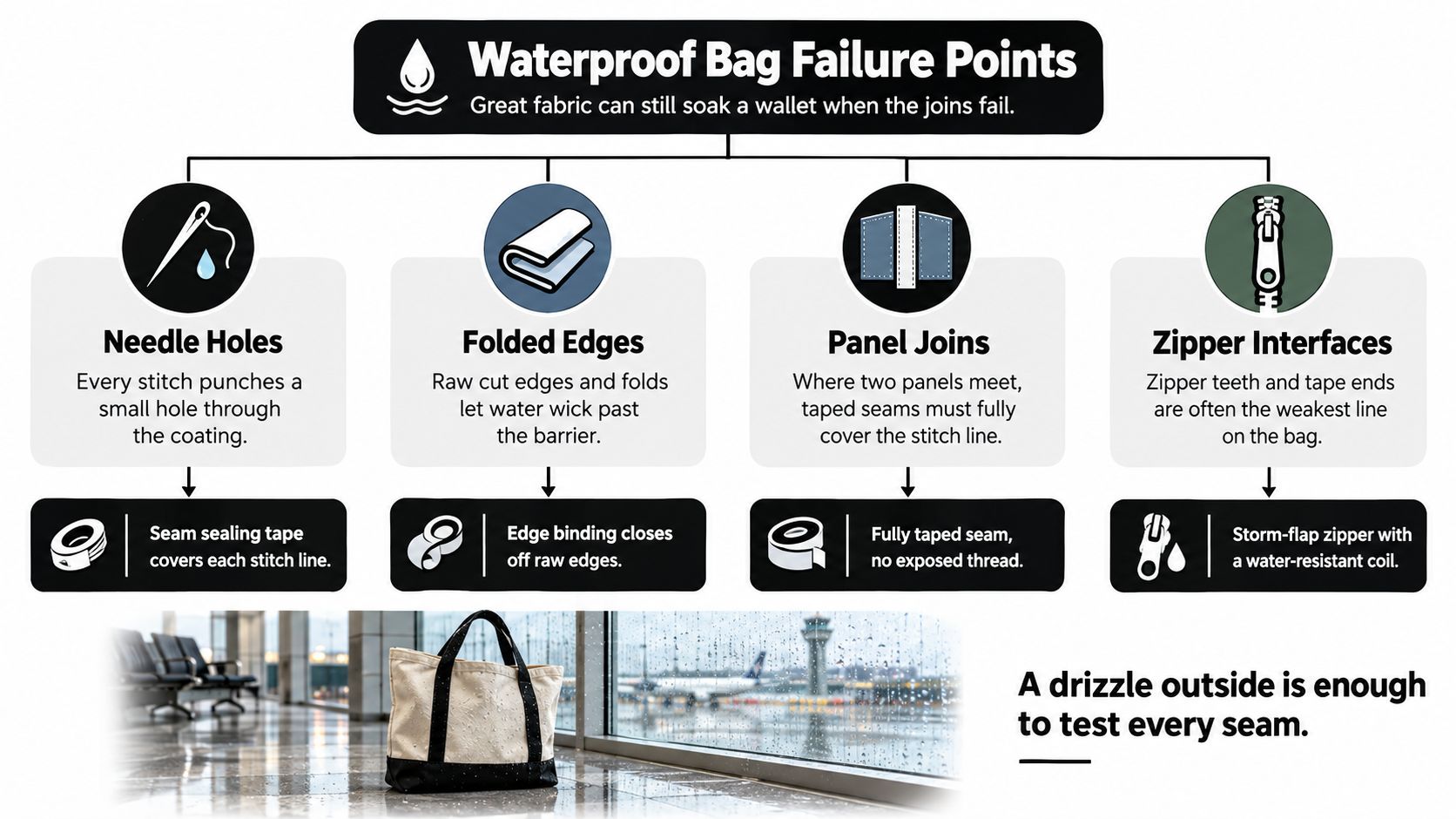
What seam tape does
Seam-sealing tape is a thin polymer film bonded over stitching to cover needle holes. It must suit the fabric and coating, bond under the right heat and pressure, and cover the seam without gaps. A small unsealed stretch can leave water a way through.
Testing gives a sense of what a well-bonded seam can withstand, though results vary by fabric, tape, stitching, and manufacturing conditions. One industrial specification reports peel strength above 25 N per 25 mm and hydrostatic resistance above 10,000 mm H₂O for a suitable construction. A study's best tested tape and temperature condition reached 9,812.71 mm H₂O. For a shopper, the practical point is simpler: tape can protect stitched joins, but a test result for one construction does not guarantee the same performance in every tote. Seam-sealing tape specifications and testing
Match construction to the tote's job
For a tote carried through drizzle and everyday splashes, taping every seam may add stiffness and cost without helping much in routine use. A sealed base is more useful if the bag may sit in a puddle: it covers the stitched area most likely to meet pooled water. An exposed base seam leaves those needle holes open to direct contact. Water-resistant zippers, a storm flap, and reinforced stitching at stress points can also help protect openings and hard-wearing spots.
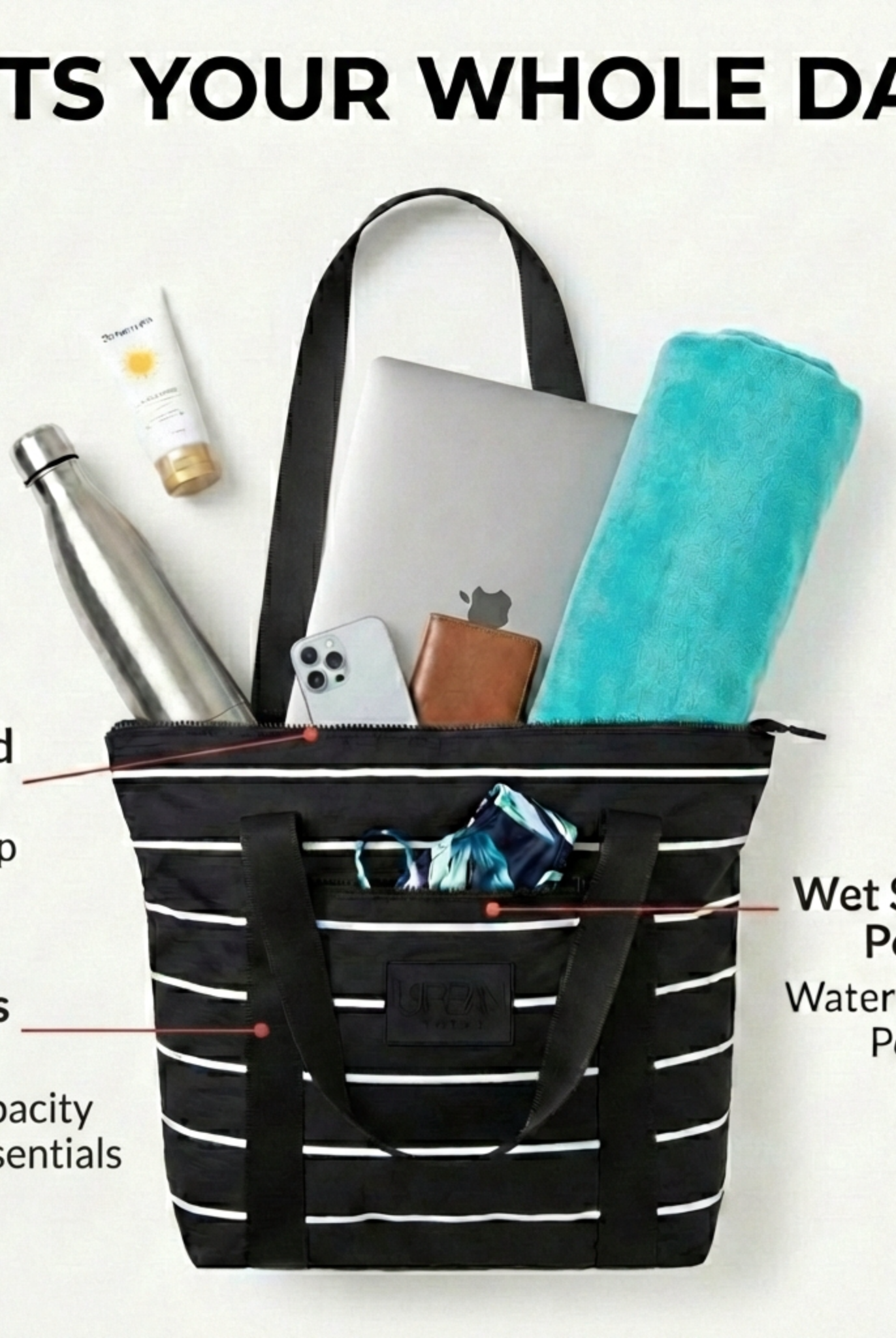
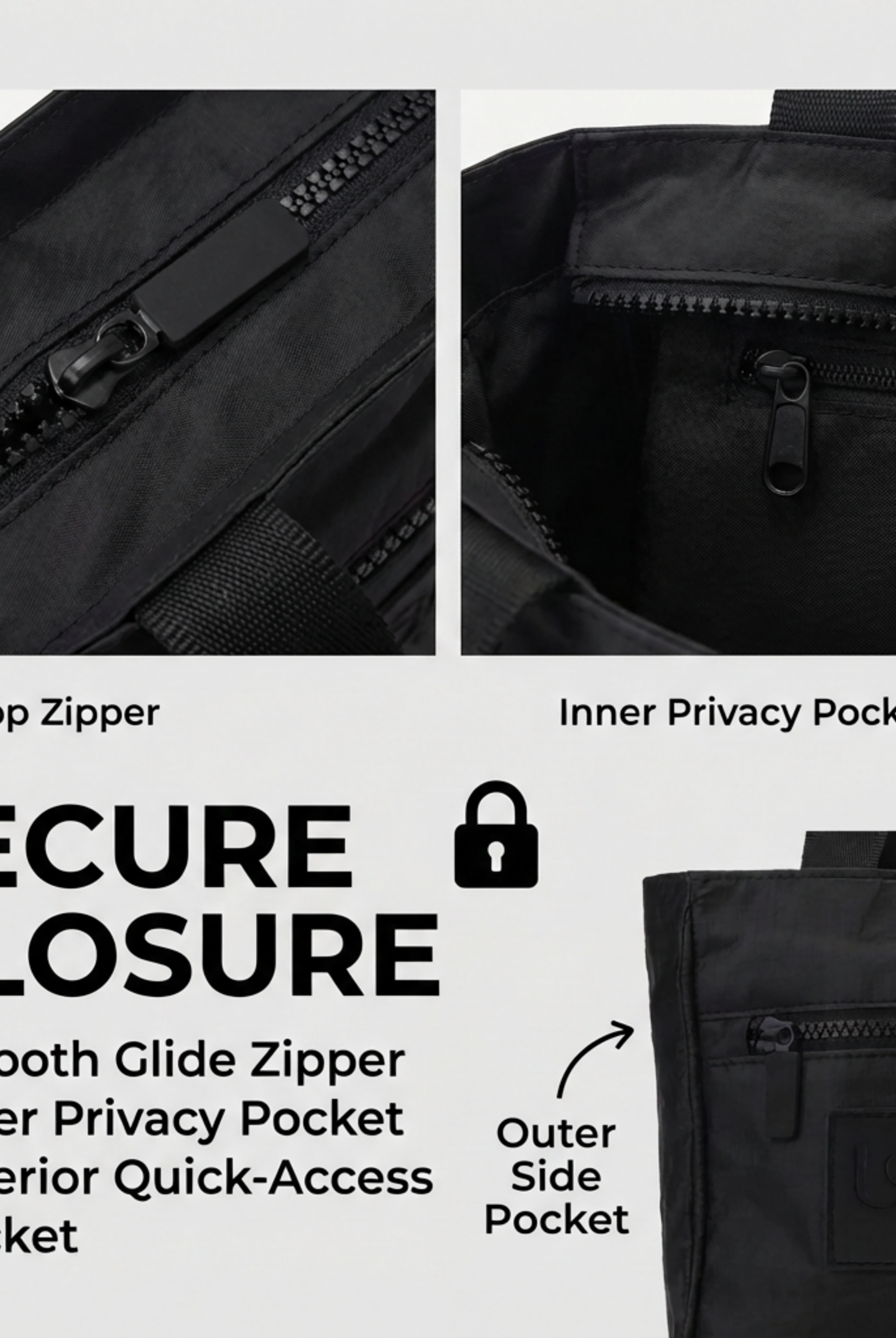
Check how the zipper closes and whether the base seam is sealed. If you carry a damp swimsuit beside a phone, look for a pocket that keeps them apart. The guide to bags with zippers explains how closure styles can support everyday organization. For a packable tote, the useful checklist is the base, the zipper, and where damp items will go.
Matching Material to the Day Ahead
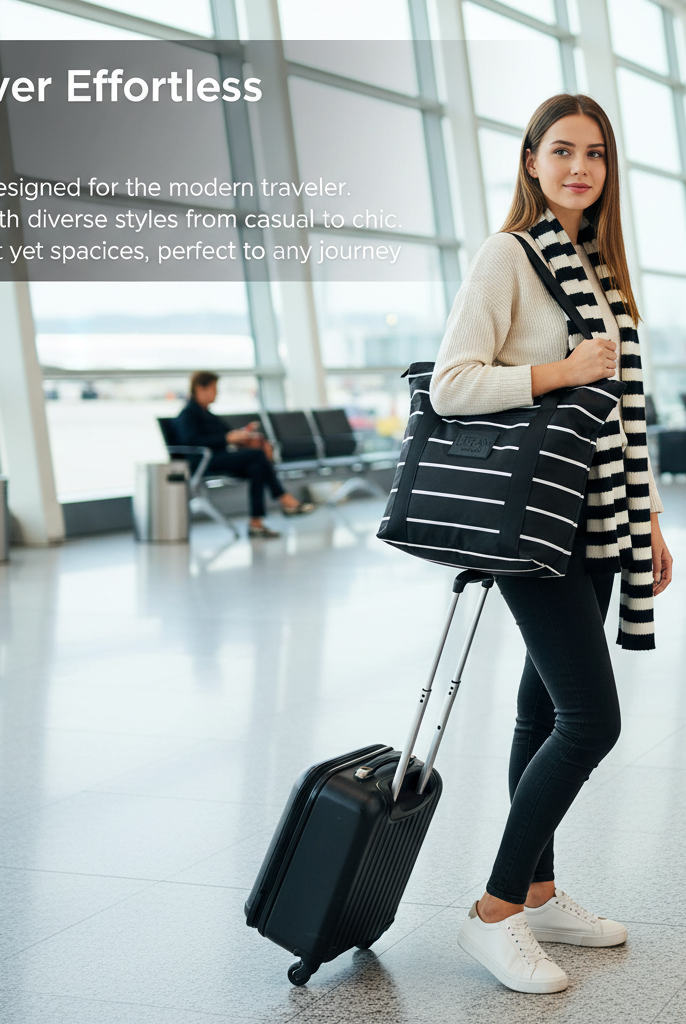
A tote packed for a school pickup and a grocery stop has different needs from one carried through an airport in light rain. For a commuter crossing a wet car park to the terminal, a splash-resistant finish and a secure closure may be enough. A tote left in standing water needs more protection, and a packable everyday bag is generally better suited to rain and splashes than submersion.
Water resistance is a system, not a fabric label. The coating helps shed water, while seams, zippers, and the pressure of a tightly packed bag affect whether moisture gets inside. For ordinary errands, separate pockets and a zipper closure can help keep a damp item apart from a phone or keys. No closure turns a packable tote into a dry bag for underwater use.
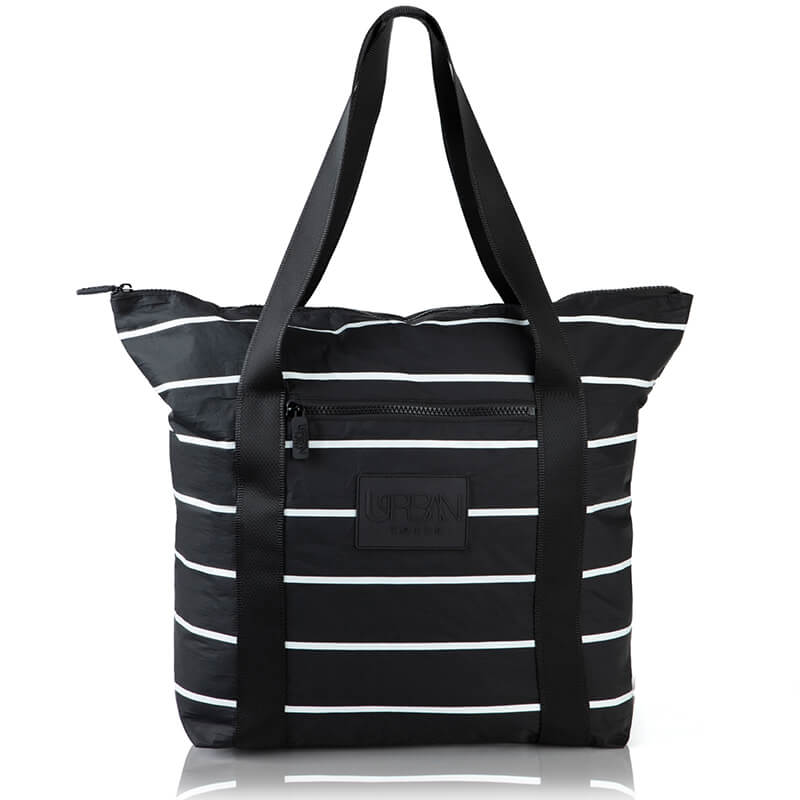
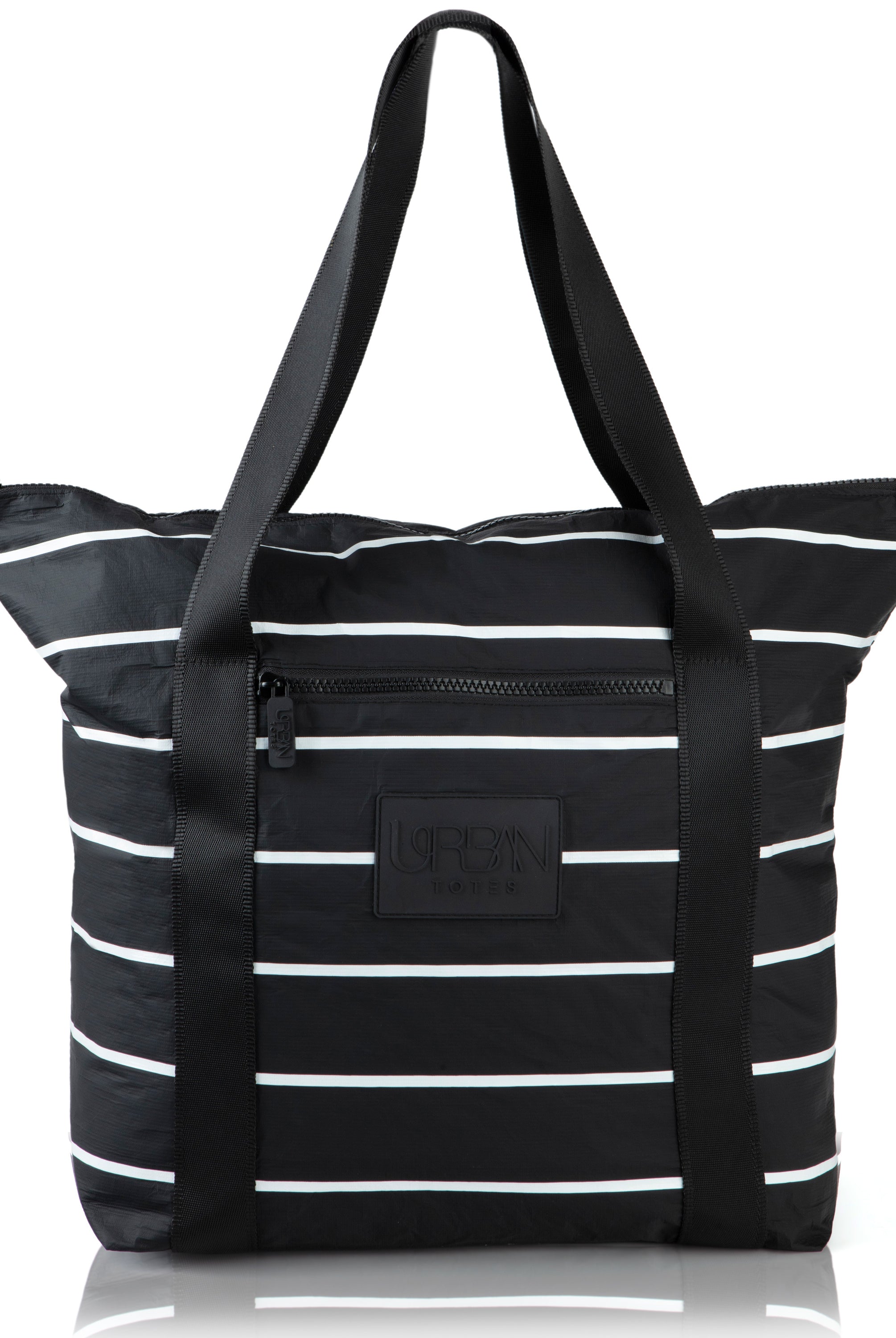
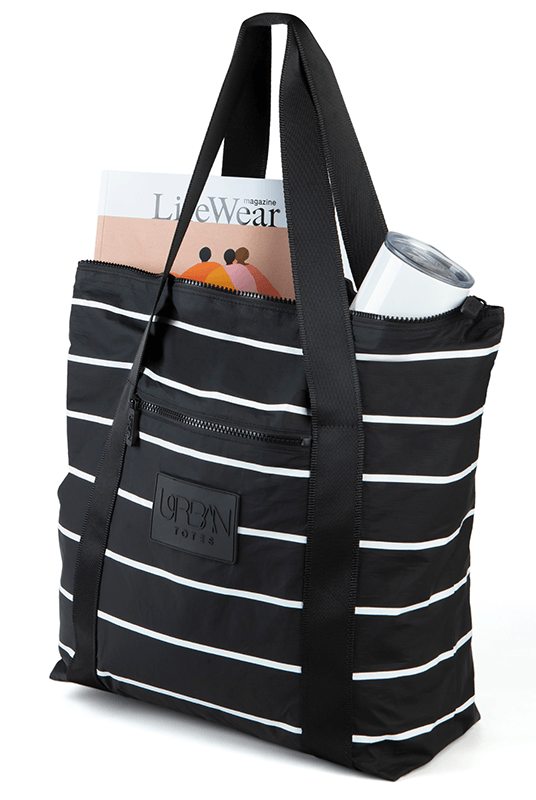
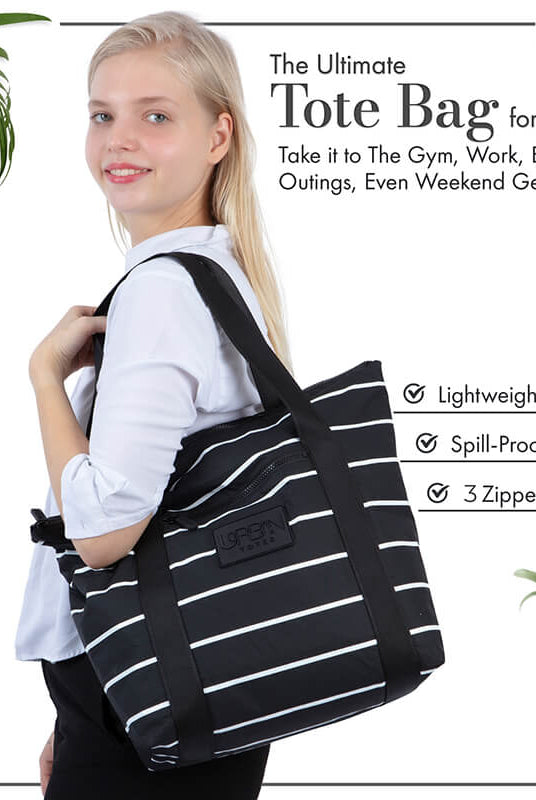
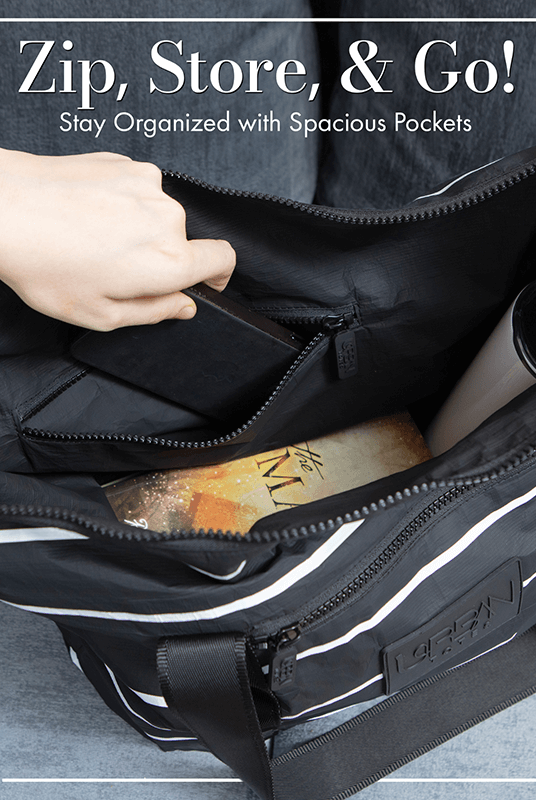
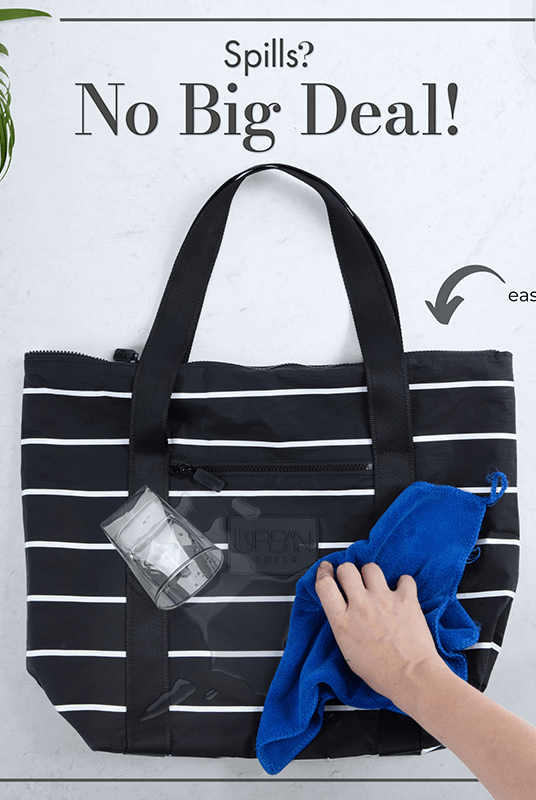
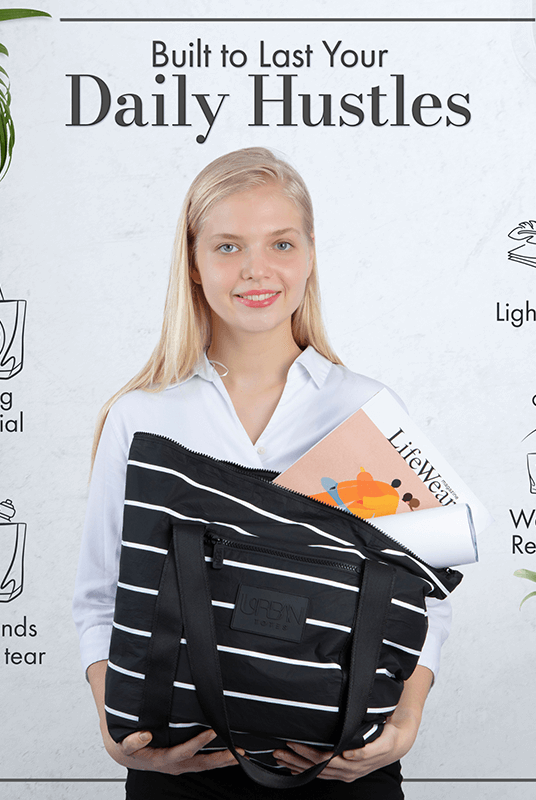
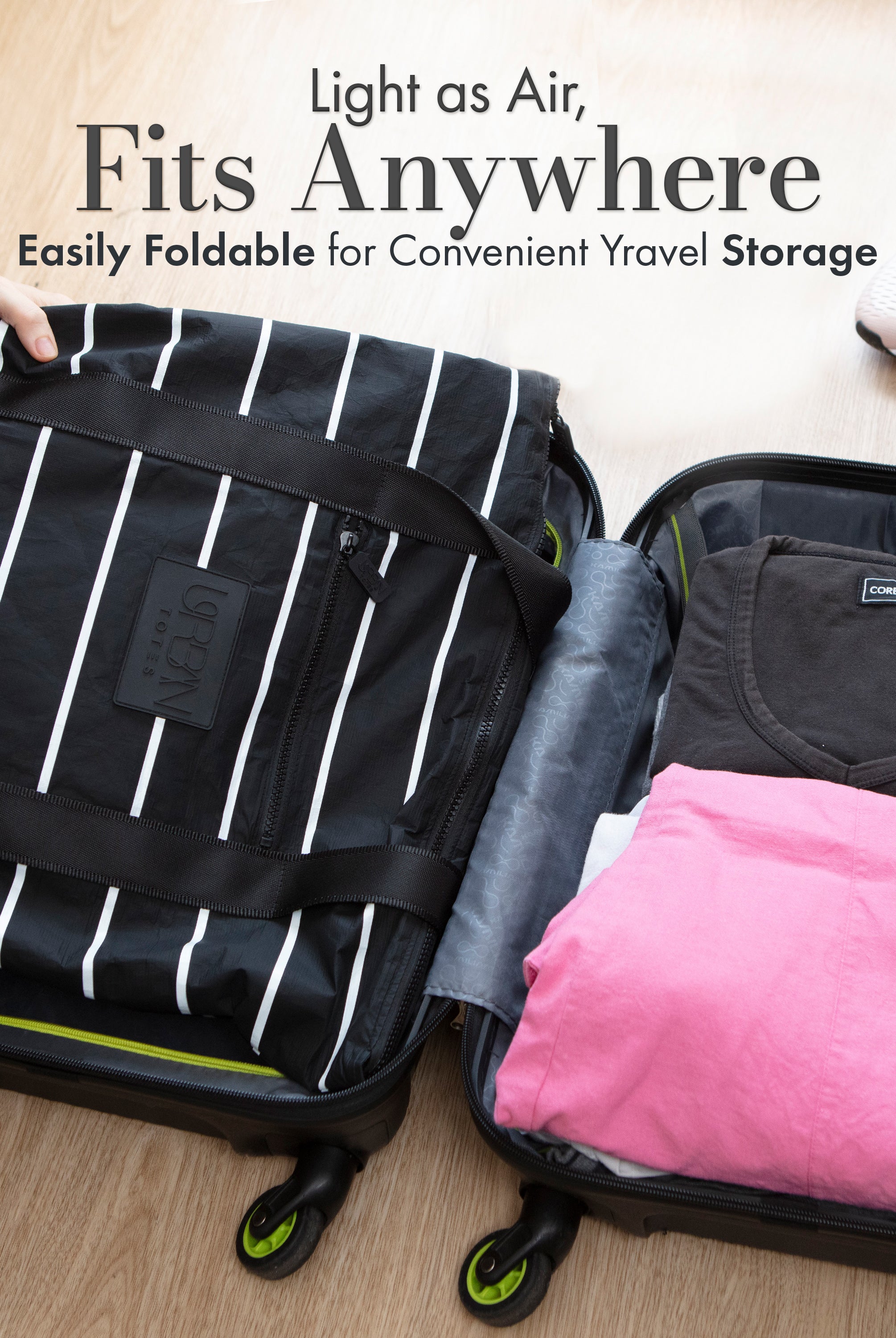
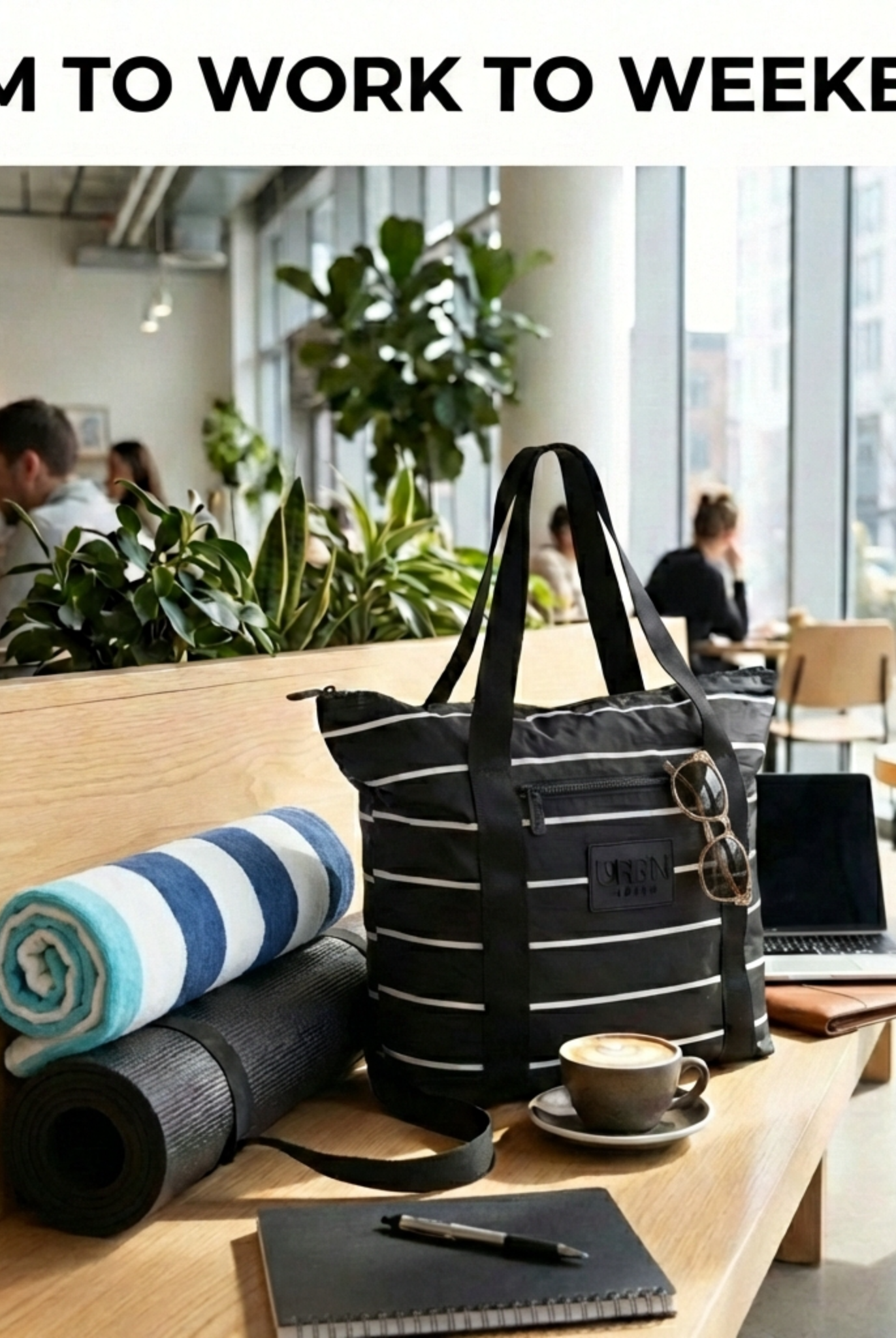
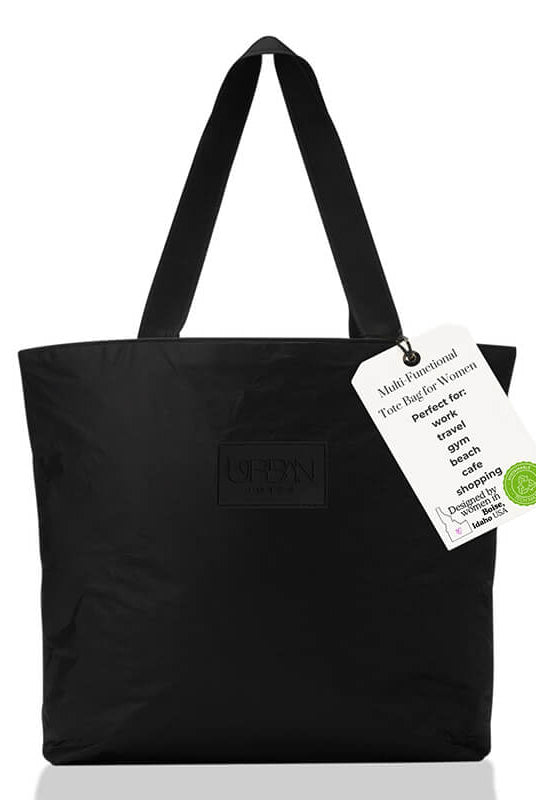
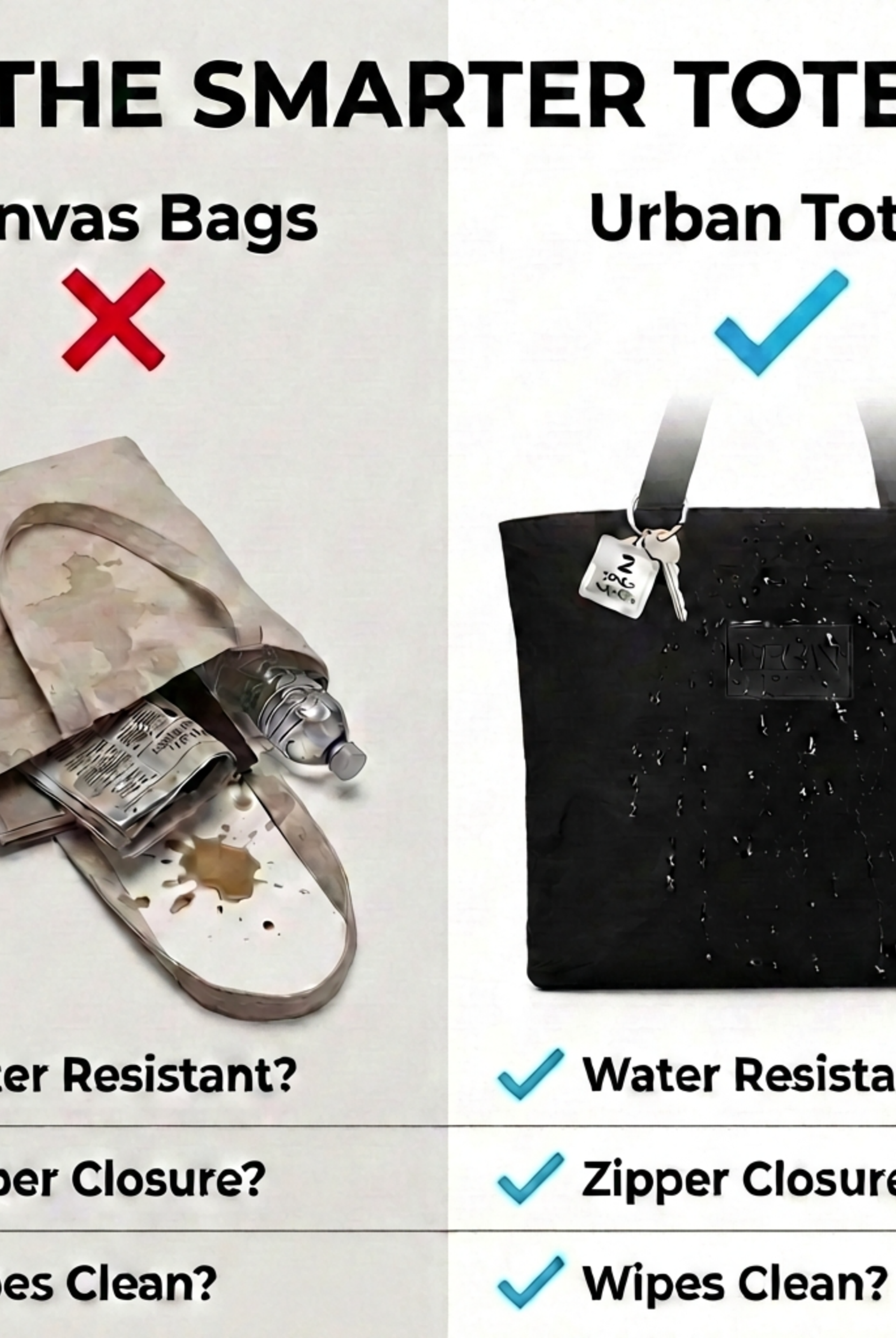
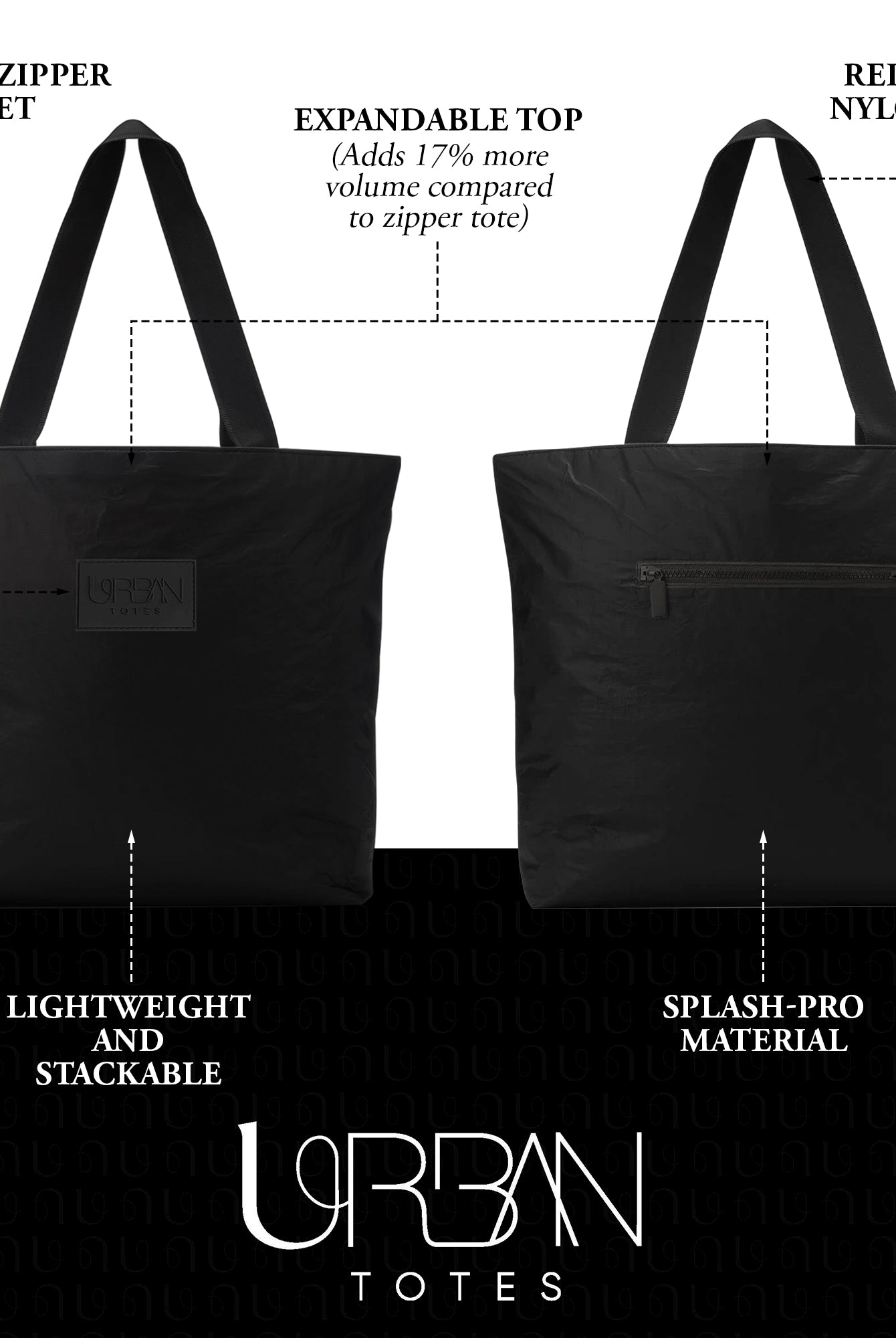
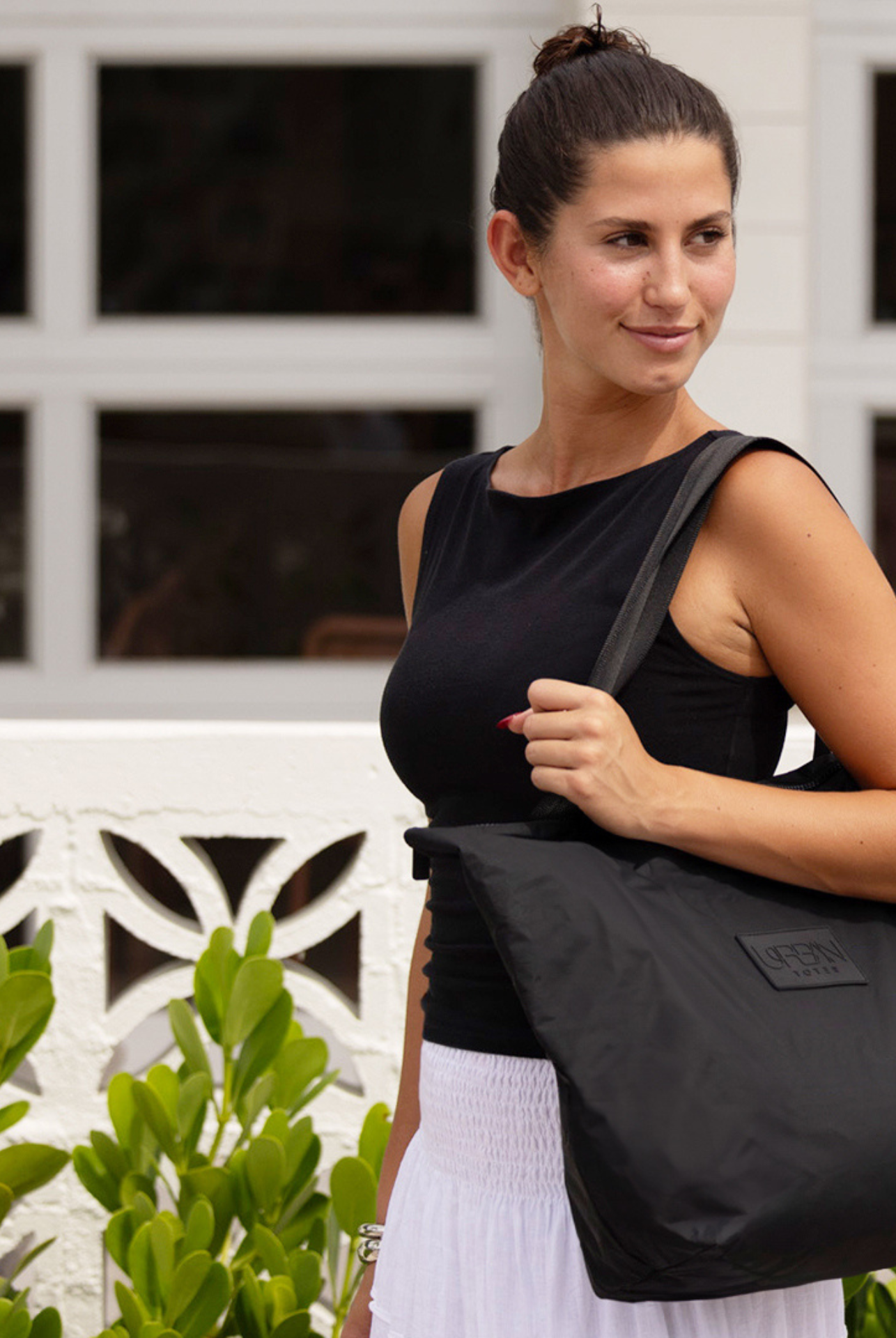
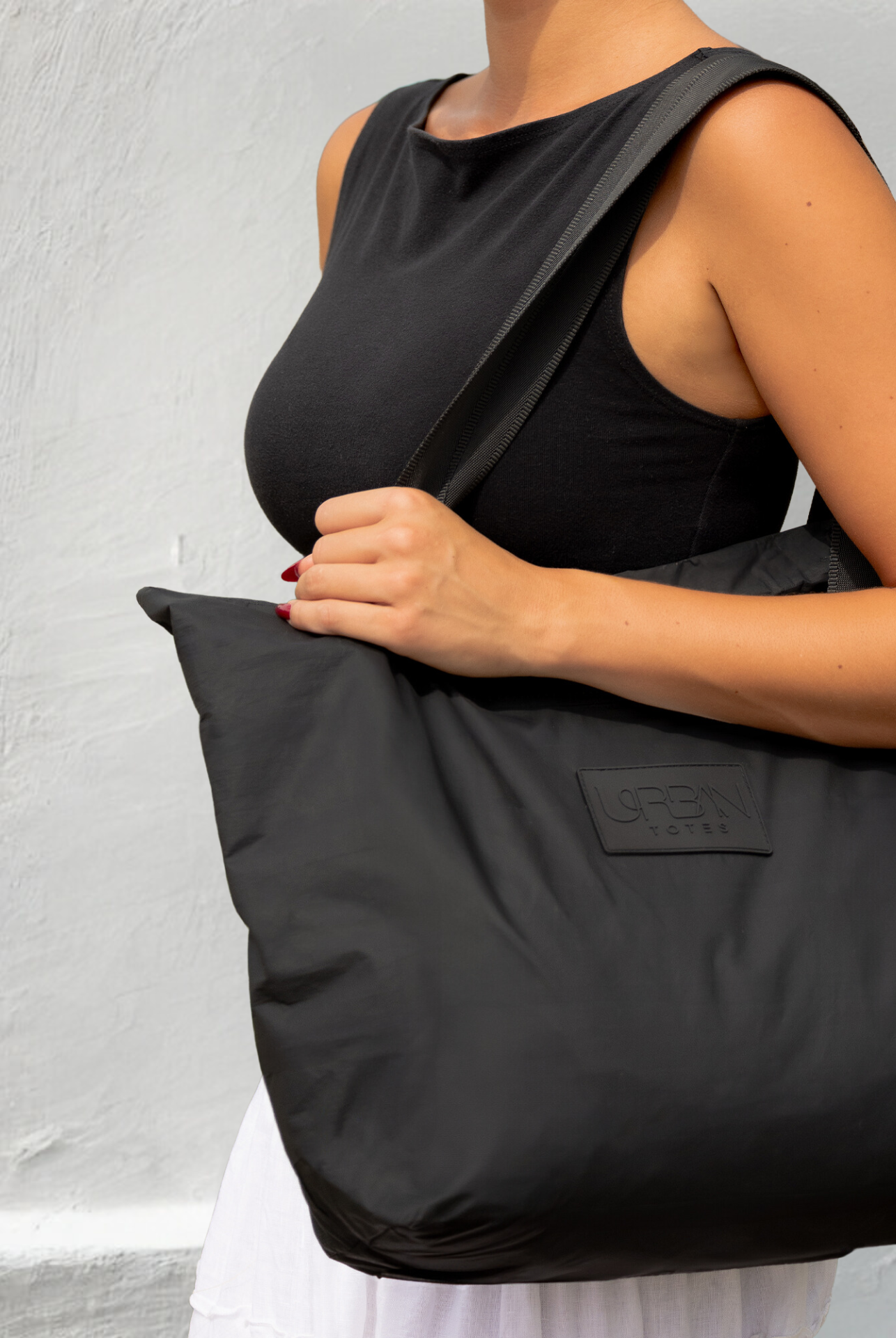
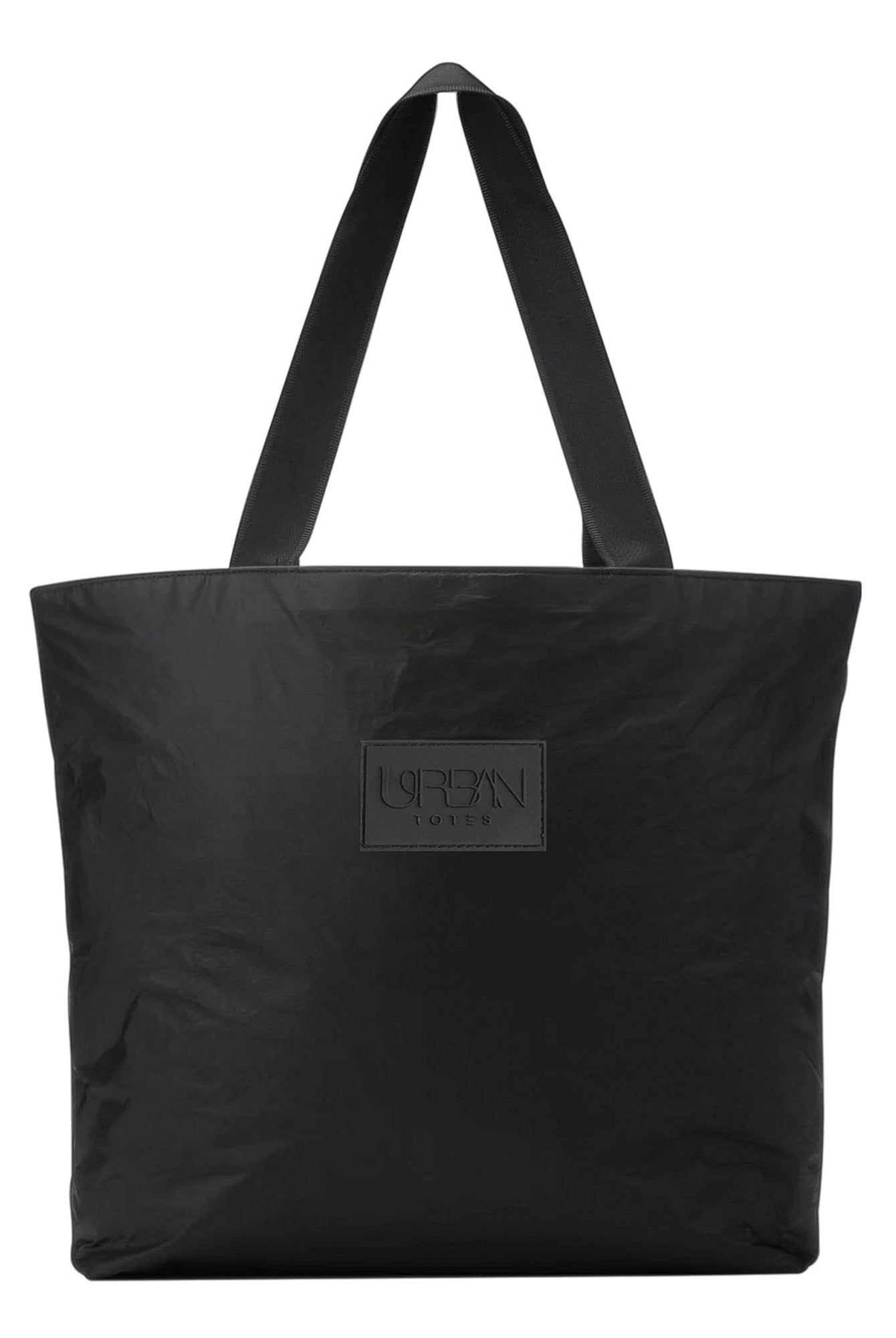
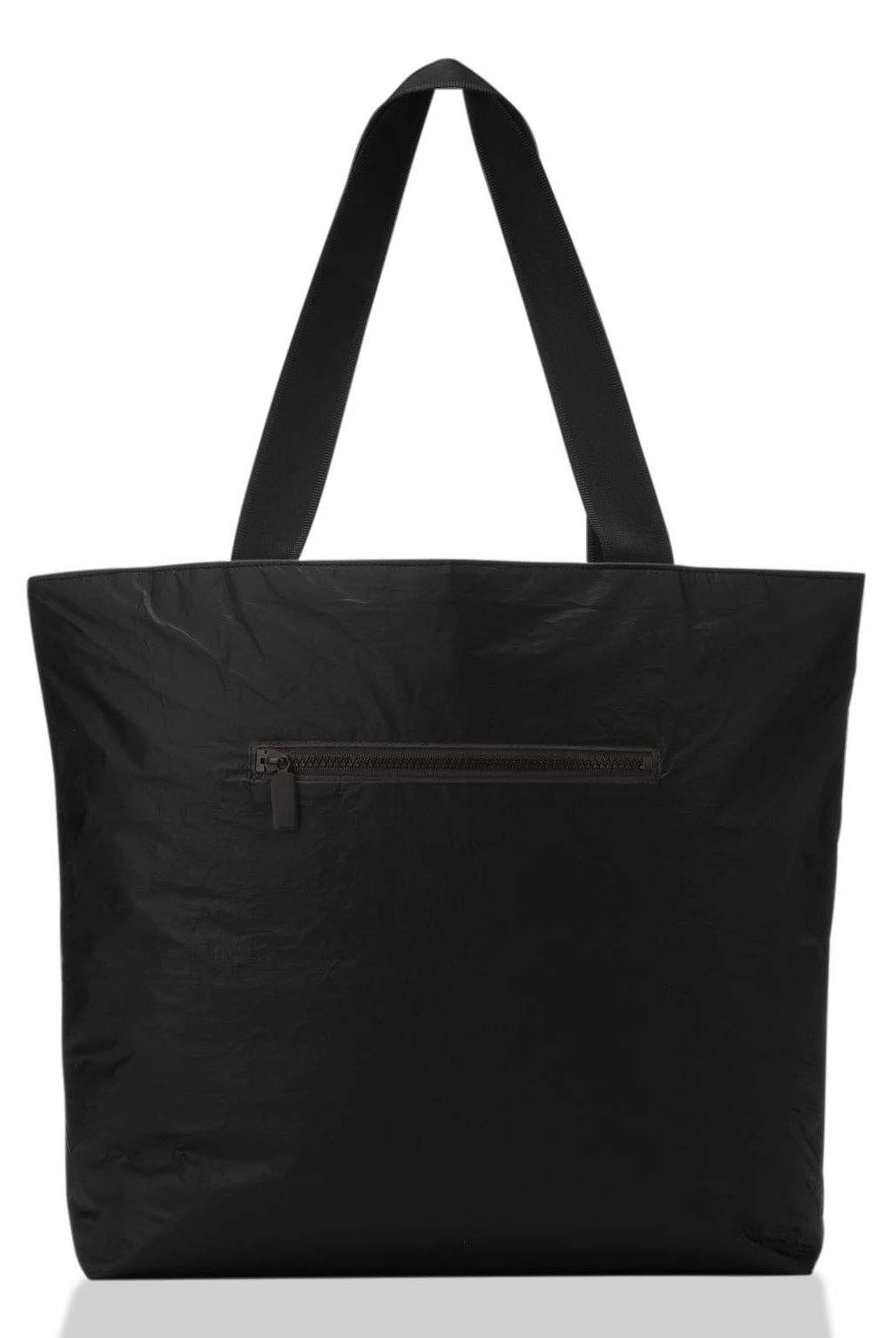
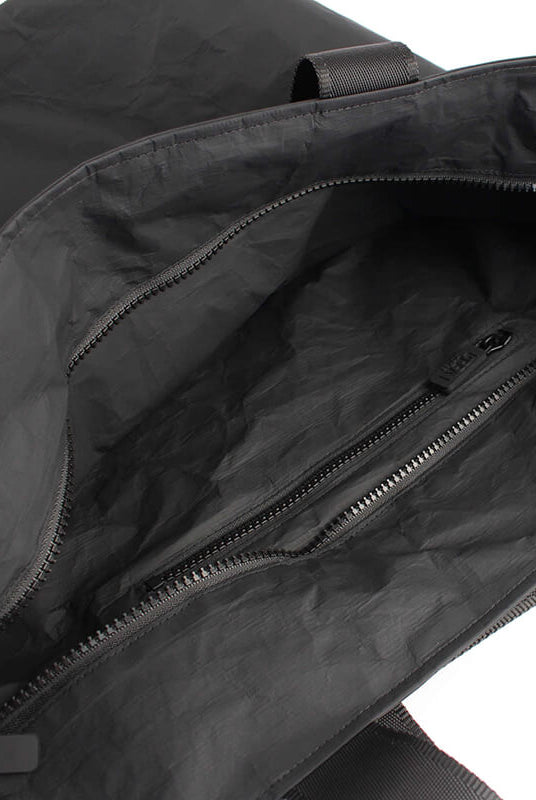
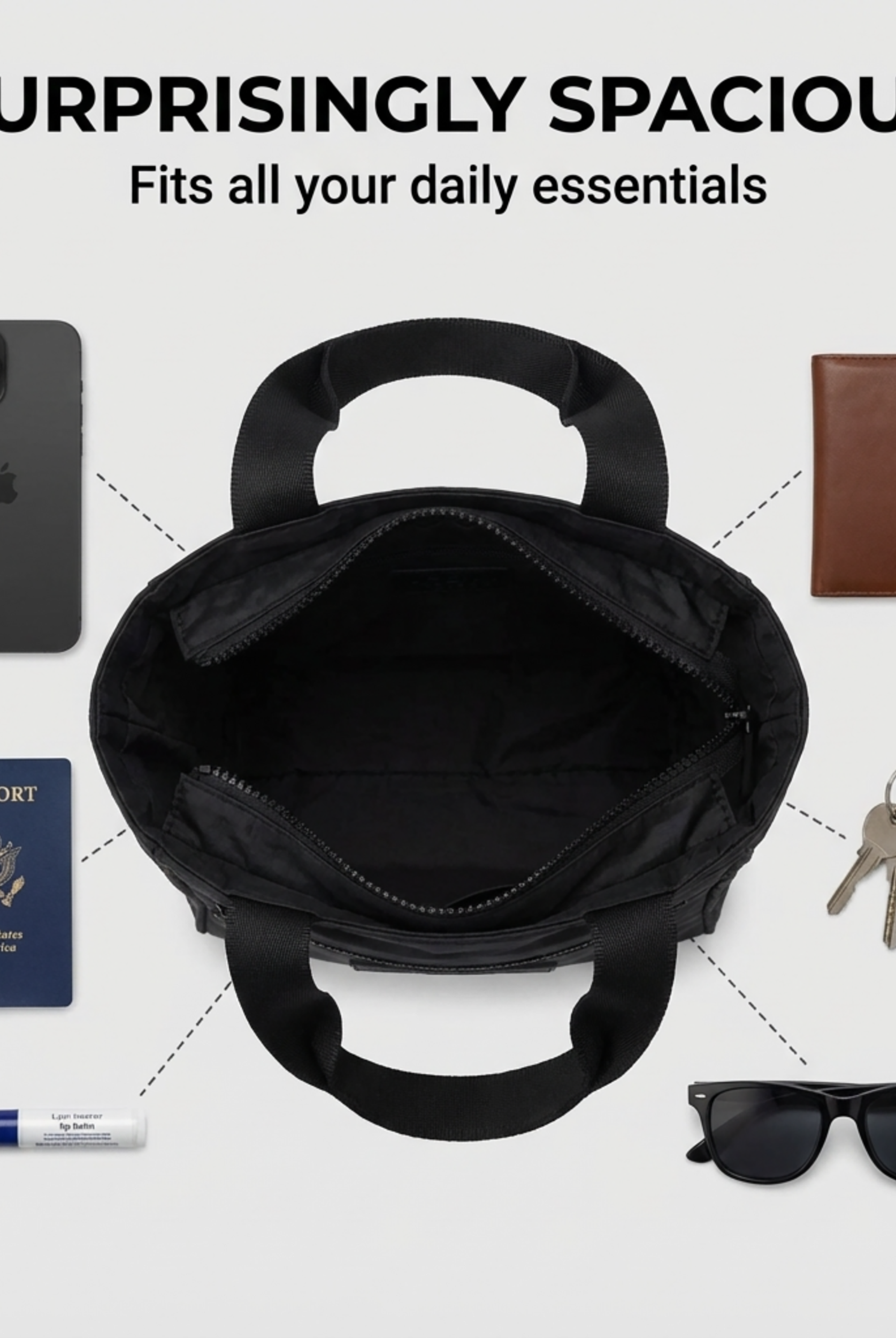
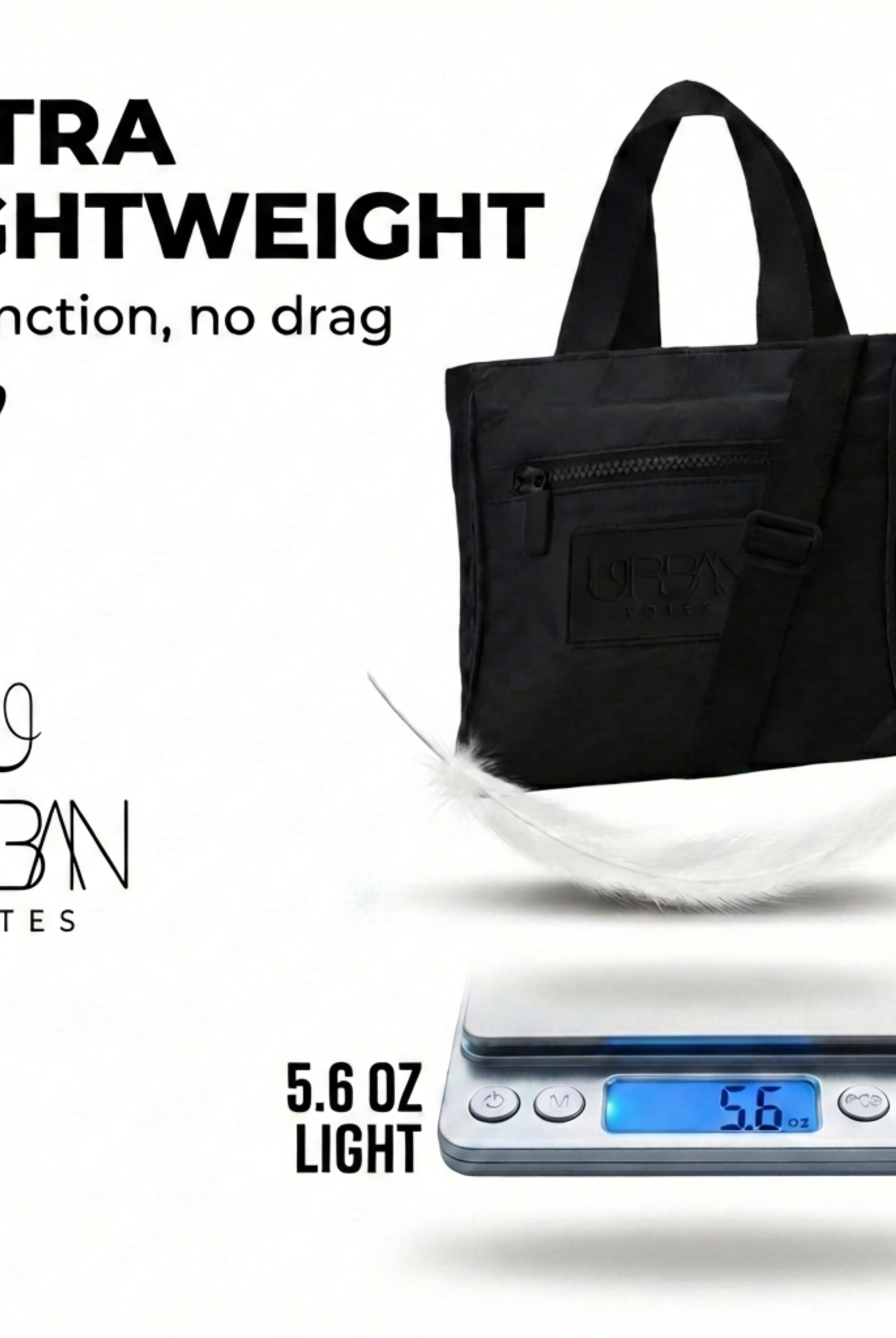
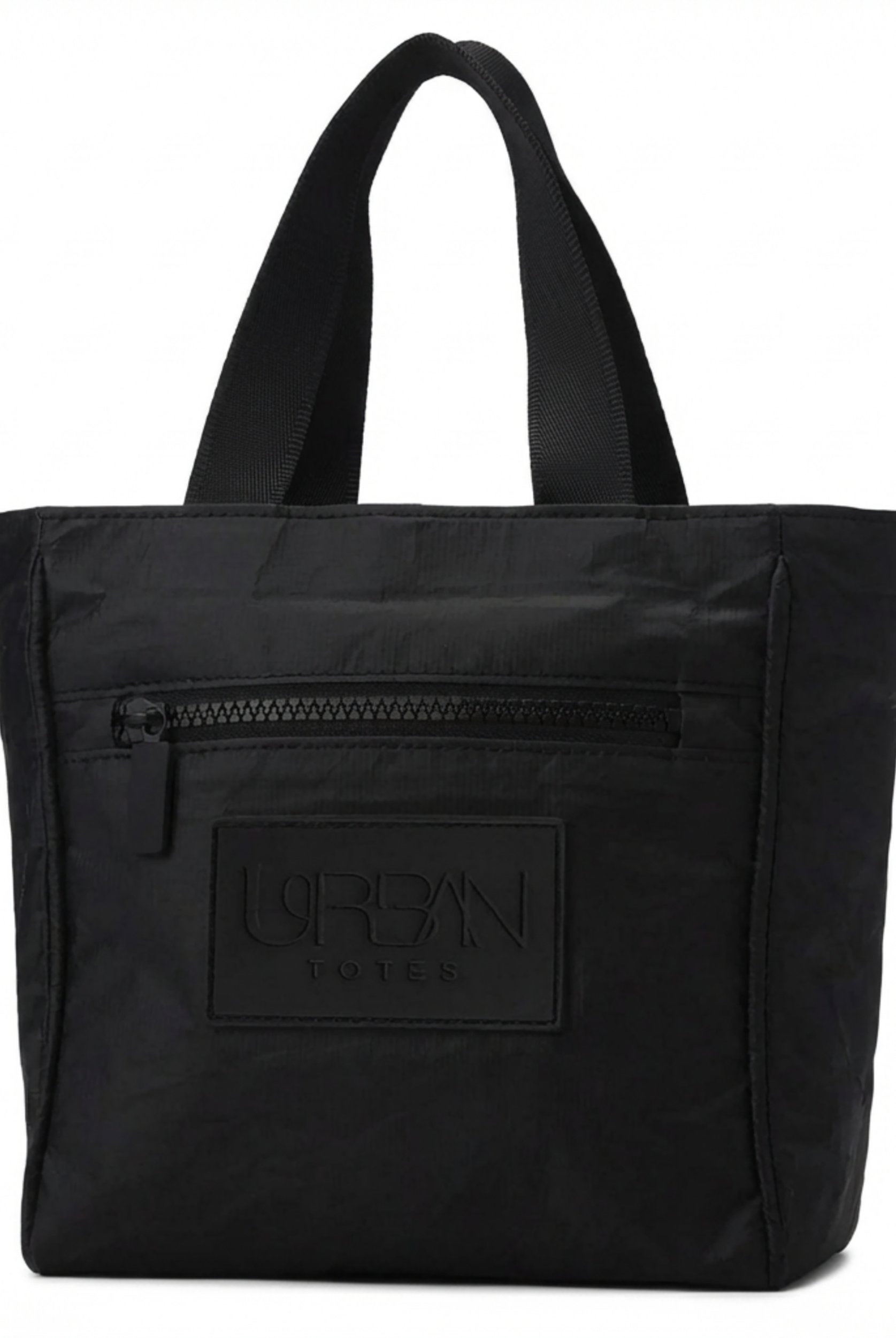
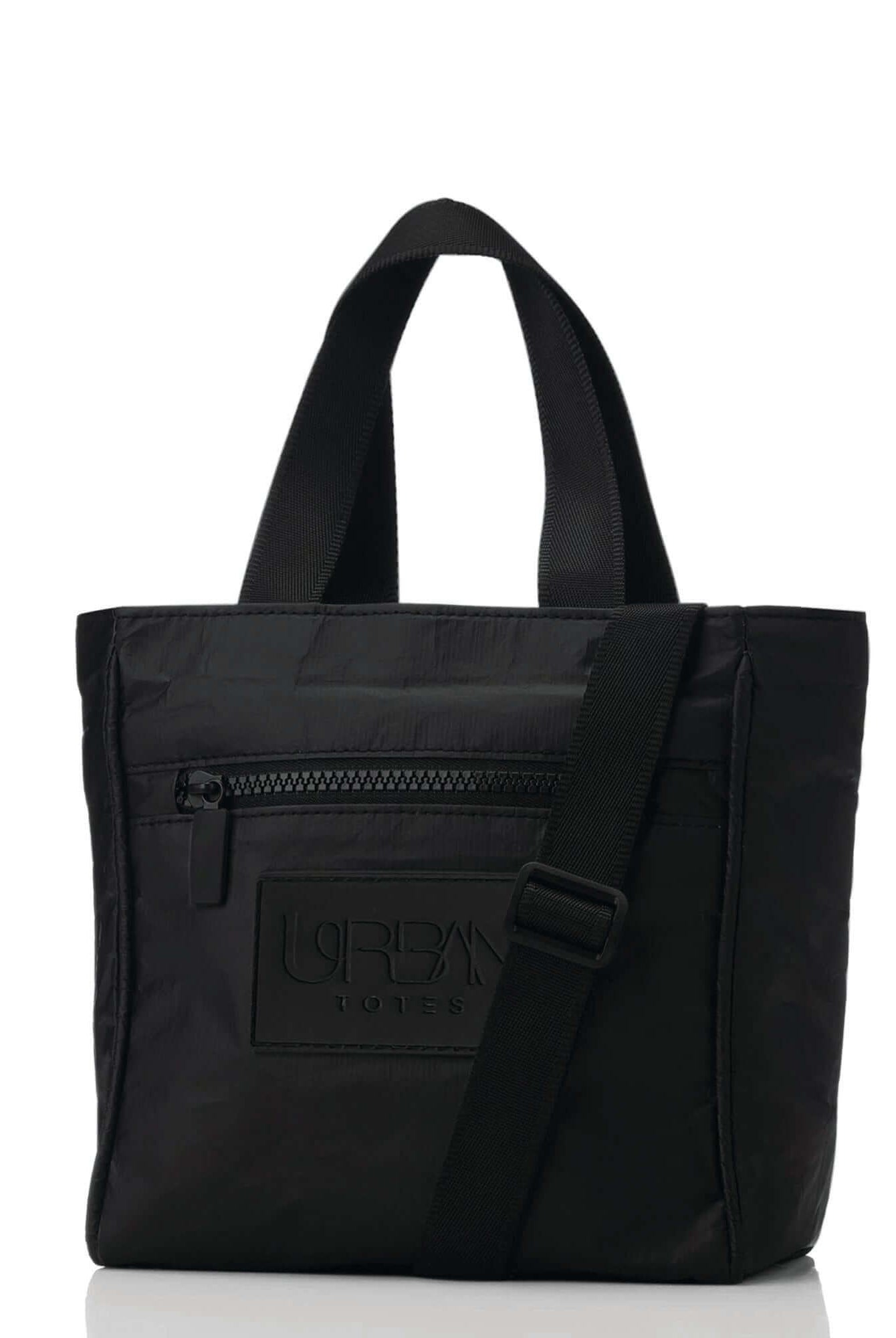
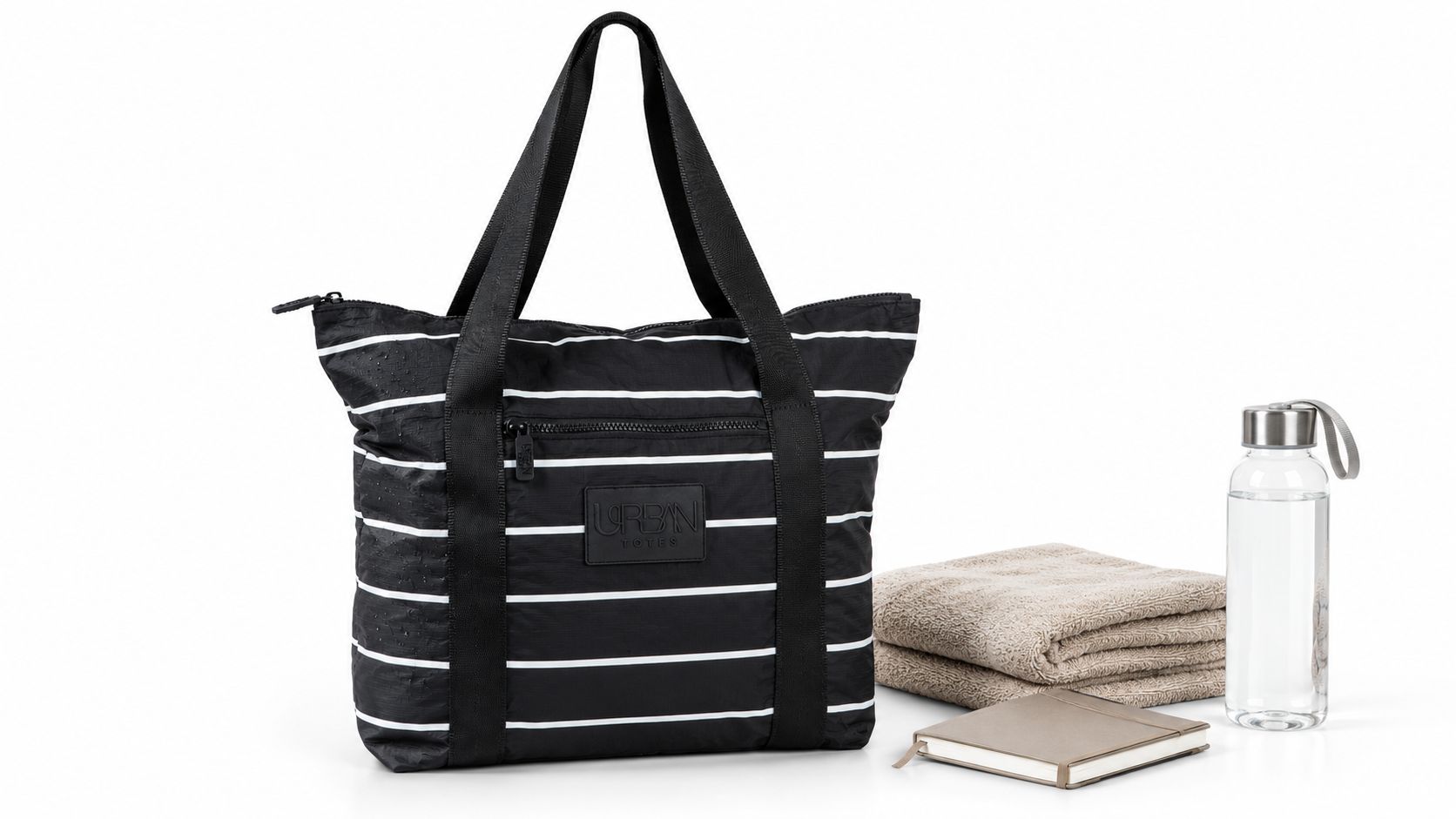
Urban Totes is a woman-owned brand based in Boise, Idaho, making lightweight, packable styles for daily carry and travel. The The OG Zipper Tote Bag has inside and outside zipper pockets, a lightweight foldable design, and water-resistant fabric that can be wiped clean or machine washed, according to the product details.
Choose the bag around what you carry
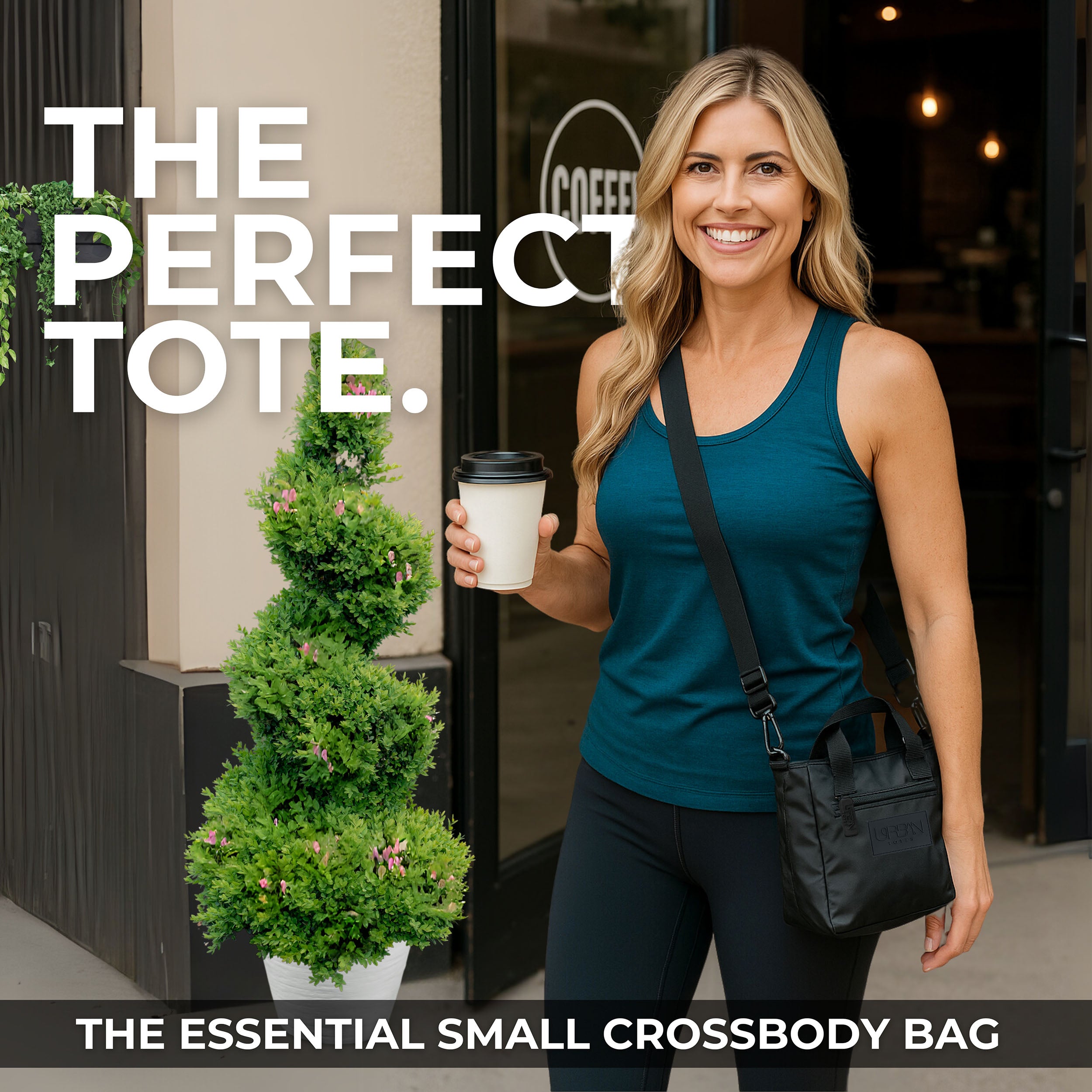
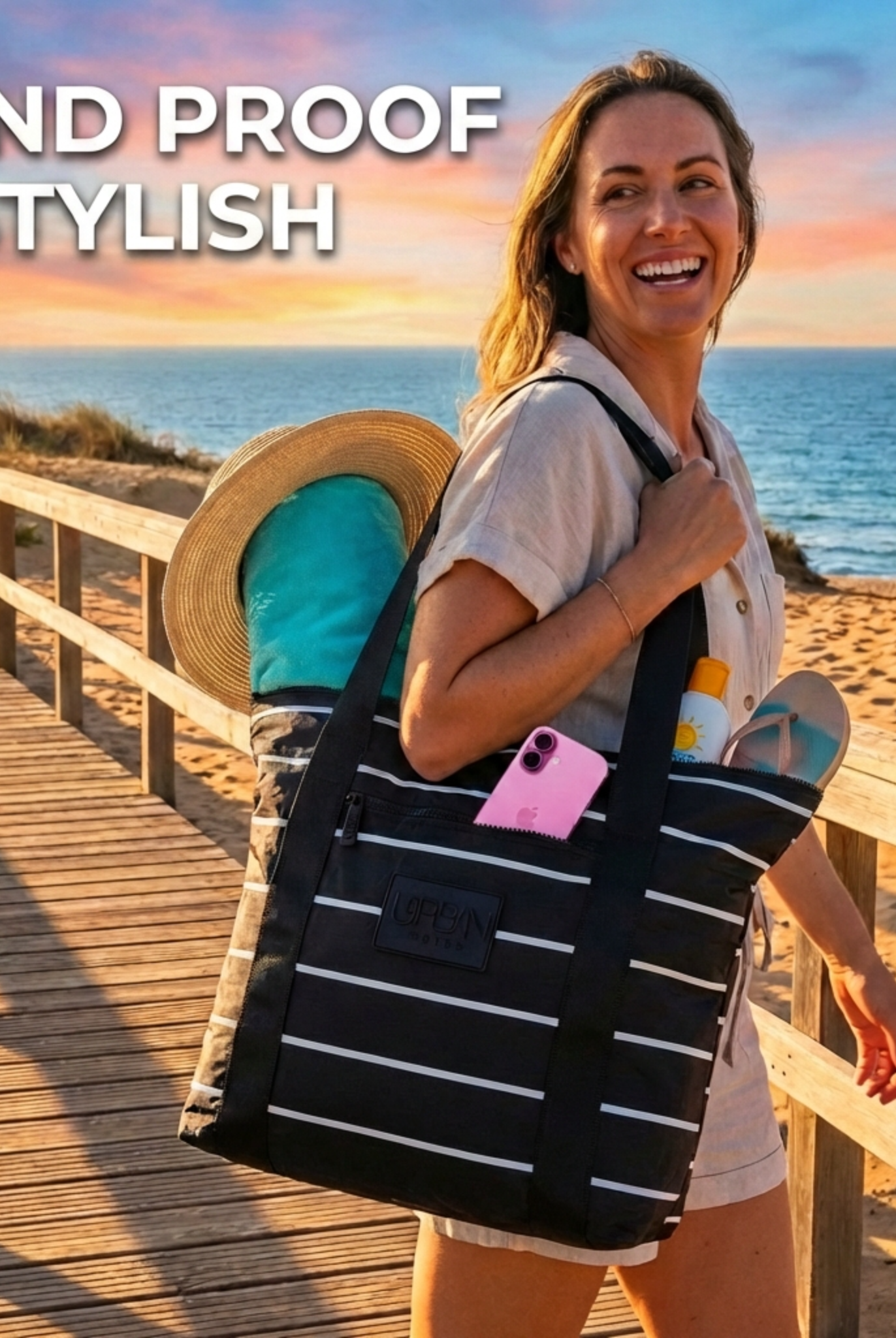
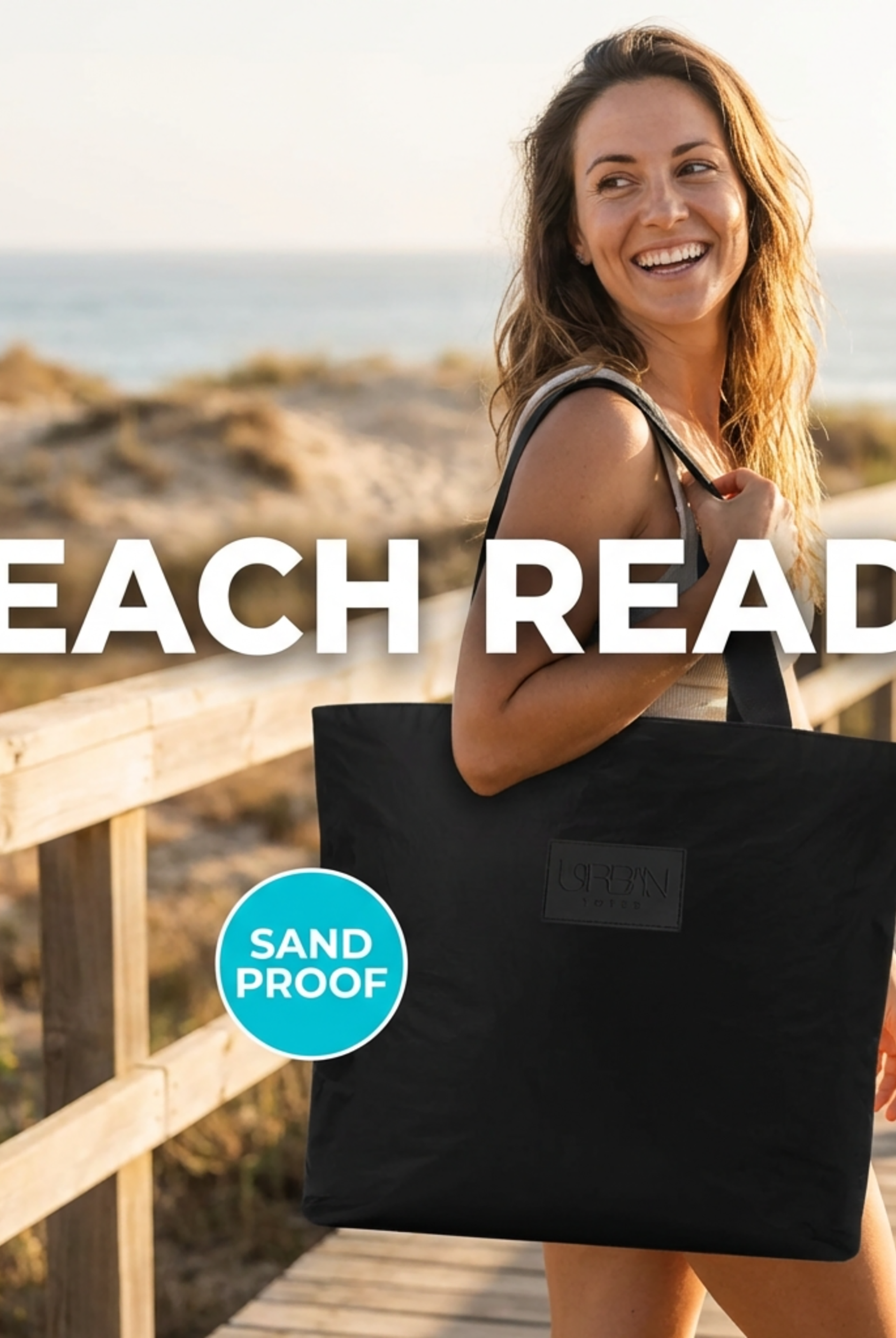
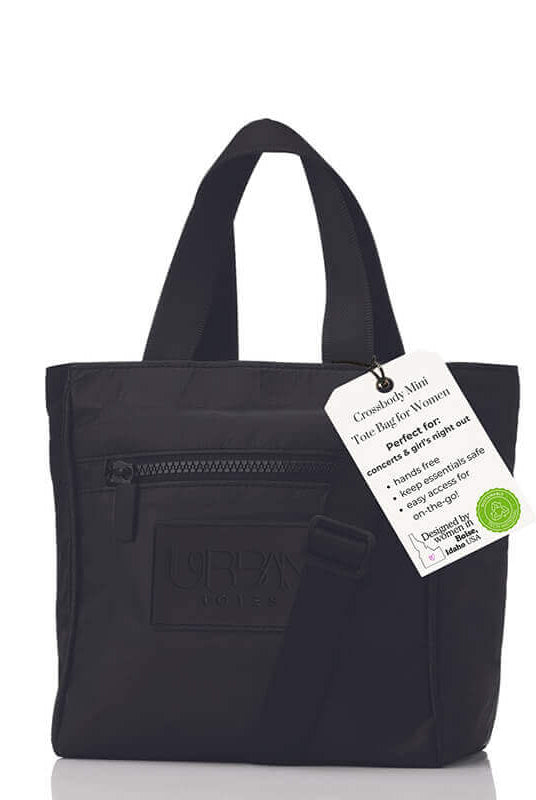
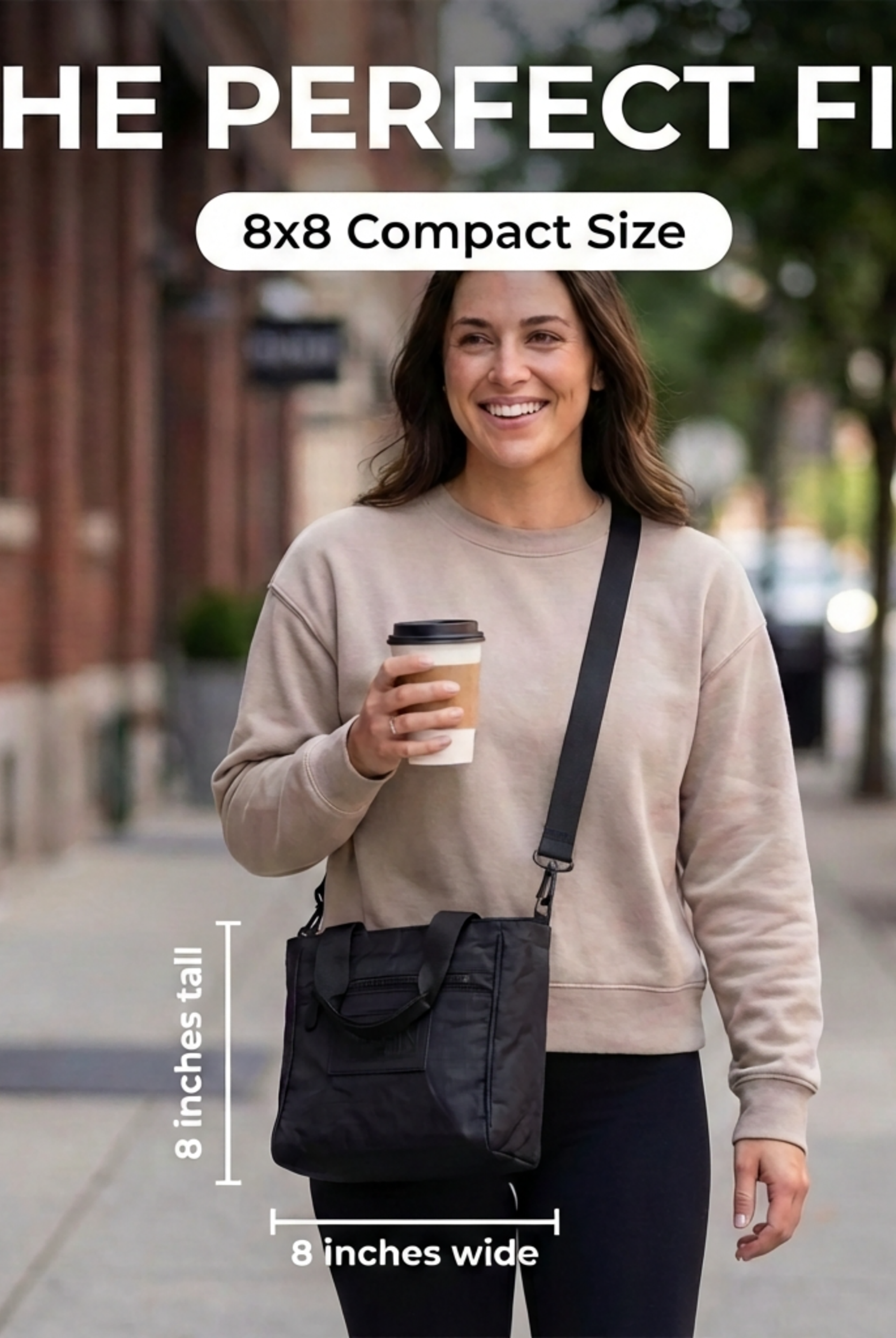
A quick hands-free trip for coffee or school pickup may call for a compact crossbody. For a market run with a towel or change of clothes, a larger tote offers room to separate daily essentials from something damp or sandy.
Consider the whole routine. Will the tote fold into a suitcase, ride over a bare shoulder, or sit beside a beach chair? A soft, packable option may be easier to carry on a travel day; a more structured bag may hold its shape better when you need to keep items sorted. The right choice depends on what you carry and how the bag will be set down.
For canvas, Urban Totes' guide to waterproofing canvas explains how fabric treatment differs from a coated technical construction. Canvas treatment can help with everyday wet weather, while the coating, seams, and closure all contribute to how a tote handles rain. Match the material and construction to the day ahead, with splash protection as the practical goal for a packable everyday bag.
Caring for Coatings Between Washes
After a rainy school drop-off or a market run, shake out crumbs and sand, then wipe the coated surface with an alcohol-free cloth. Make that the routine between washes. Machine-wash the tote when it is visibly dirty, following the care guidance for its fabric.
Flexing, rubbing against rough surfaces, heat, and repeated washing can wear a coating down over time. A fabric's test result describes how it performed under the test conditions, not how it will perform after months of use. If your tote has spent time folded in a suitcase or carried through rainy commutes, check its surface and seams for wear before your next wet day.
Wipe first, wash only when needed
Washing less often can also reduce microfiber shedding. One study reports losses ranging from 9.6 to 1,240 milligrams per kilogram of textile per wash, with results affected by detergent, fabric structure, thickness, age, and finishing treatments. Microfiber-loss research Wipe small messes away first, and use a cold cycle or laundry filter if a machine wash is needed.
Recycled content alone does not tell you how a textile was made or cared for. For a tote, the practical takeaway is to keep the fabric in use and avoid washing it without a clear need. A quick wipe is often enough for everyday spills, while a full wash should follow the manufacturer's instructions.
Wipe away a small mess before it becomes a machine wash. Less unnecessary washing helps protect the coating and the fabric.
Notice changes in how the bag behaves
Look for whitening along fold lines, cracks in the coating, or seams that darken after rain. If the fabric has a water-repellent finish, water that stops beading may signal that the surface treatment has worn. The fabric label alone cannot explain every leak: water can also find its way through worn areas or openings, so check the whole bag.
Before applying a reproofing product, check the manufacturer's care advice. Nylon has its own cleaning considerations, and Urban Totes' guide to cleaning nylon offers practical care guidance. A little attention between washes can help a packable tote stay ready for rain and splashes, without treating it like a bag meant for submersion.
Pick a Material and Carry On
Before choosing a tote, name the job. Is it for a beach day, with a damp swimsuit and towel, or an airport run, where documents and a phone need to stay handy? A packable everyday bag usually needs to handle rain and splashes, not submersion. That distinction keeps you from choosing a bulky, dry-bag-style build for an ordinary route.
Use this quick checklist:
- Job: List what you'll carry and where the bag will go. A school drop-off, market stop, and beach chair may call for different space and structure.
- Fabric and coating: Check whether the construction fits your need for lightness, foldability, and rain protection. The material label alone doesn't tell the whole story.
- Closure and pockets: Consider how you'll separate wet items from things you reach for often. A zipper and a useful pocket layout can make that easier, while seams and edges still affect how water gets in.
For tomorrow's airport trip, for example, a light tote with room for travel essentials may suit better than a stiff bag built for heavier wet conditions. Urban Totes offers options for different routines, including roomy totes and compact crossbodies for hands-free errands. Choose based on the route you take most often, then explore Urban Totes for a bag that fits your commute, travel, errands, or beach day.