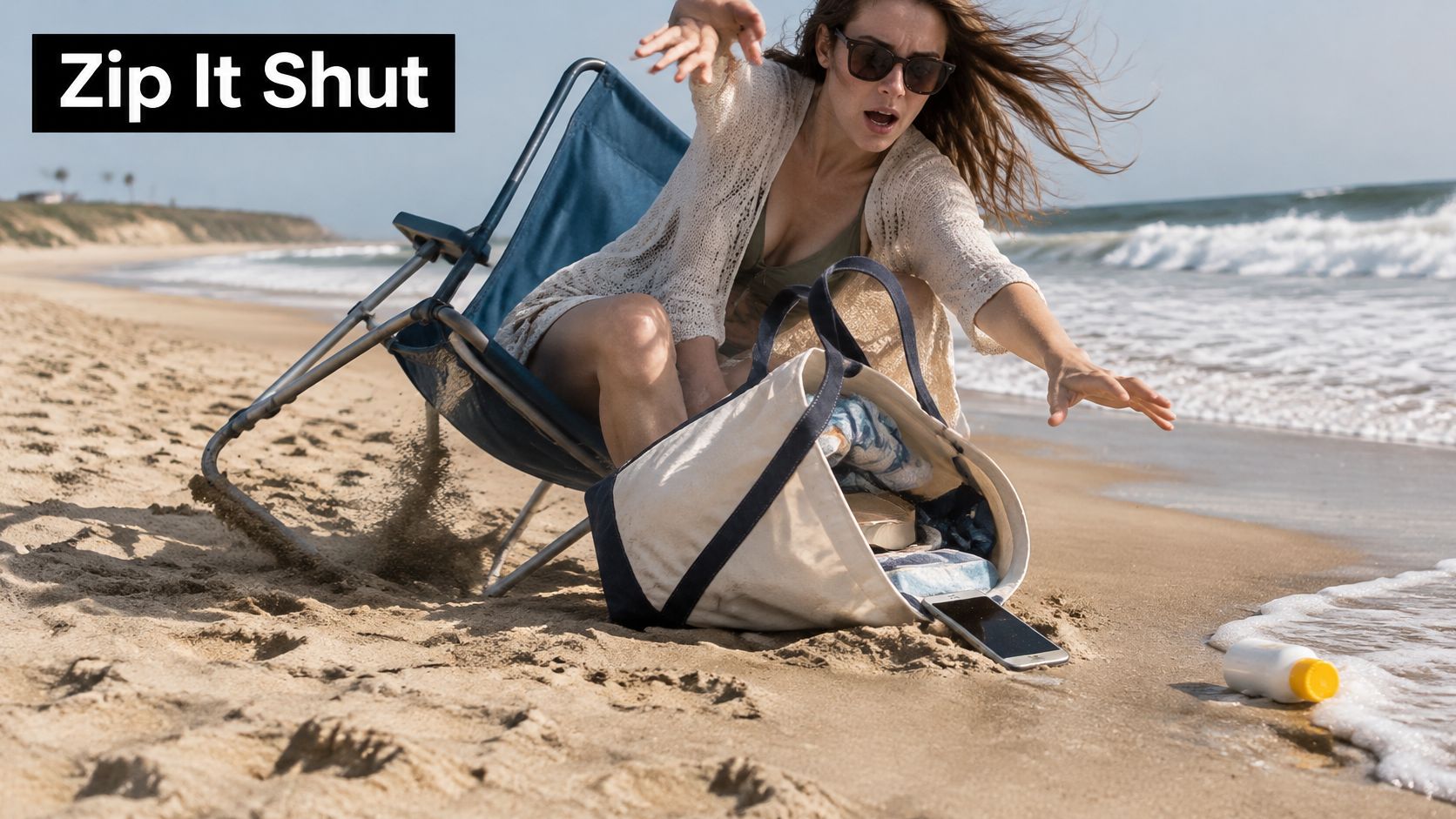
You've finally settled into your beach chair when a leg sinks into soft sand. The chair tilts, your open tote tumbles, and sunscreen rolls toward the shoreline while your phone slides out beside it. Suddenly, relaxing means counting belongings and brushing grit off everything.
Table of Contents
- Why a Zipper Changes Everything on the Sand
- Closure Types Compared for Sand, Spills and Access
- Materials That Hold Up to Sand and Salt
- Water Resistant Does Not Mean Waterproof
- Organization, Straps and Packability That Earn Their Keep
- How to Rinse and Dry a Zipper After the Beach
- Choose the Zipped Beach Tote That Fits Your Day
Why a Zipper Changes Everything on the Sand
A tote without a closure turns a small bump into a search for essentials. With beach tote bags with zipper closures, you can keep loose items inside while lifting the bag onto your shoulder, loading the car, or setting it beside a chair. That's the main benefit: containment, not a seal.
The familiar interlocking closure grew out of earlier, less reliable designs, including Gideon Sundback's separable fastener patented in 1917, as described in Wikipedia's zipper history. On a tote, that connection creates a defined barrier across the opening instead of leaving your wallet and keys a clear route out.
There are limits. An overstuffed towel can prevent the edges from meeting, and gaps at the zipper ends can admit grit. A closed bag also isn't theft-proof; if that's your concern, consider the separate questions raised in this guide to lockable beach bags.
A useful closure is one you can actually close with your normal load inside.
Before choosing, consider the opening, fabric, water-resistance details, pockets, shoulder fit, and cleaning routine together. A beautiful tote that needs constant unpacking won't feel convenient by lunchtime.
The aim is straightforward: a zipped beach tote should handle the sand, the car, and the errand run without a reshuffle.
Closure Types Compared for Sand, Spills and Access
Closure styles rated for beach use
| Closure style | Sand containment | Splash containment | Access speed | Upkeep |
|---|---|---|---|---|
| Open top, no closure | Low | Low | Fastest | Minimal |
| Magnetic snap or flap | Medium | Medium | Fast | Low |
| Partial zip (top third) | Medium | Medium | Medium | Low to medium |
| Full-length zip | High | High | Medium | Medium, clean tracks after sand |
These are relative ratings for coverage at the opening, not waterproof or sandproof test results. High means better coverage than the other openings shown, not complete exclusion. Sand containment also works both ways: a closed opening limits incoming grit, but it keeps any sand already inside from falling out.
An open top gives you the easiest grab for a towel or snack. It also leaves loose belongings exposed when the bag tips, so it makes more sense for bulky gear than a jumble of keys, lip balm, and sunglasses.
A magnetic snap holds the middle together, while a flap adds coverage over the mouth. Neither necessarily closes the corners. A broad, overlapping flap offers more shelter than a small snap alone, so inspect the actual opening rather than relying on the closure's name.
Match coverage to how you reach inside
A partial zip leaves some of the opening accessible. That can be convenient when you're repeatedly reaching for wipes or a water bottle, but the unclosed portion remains an escape route for small items.
A full-length zip gives the strongest containment of these options when it reaches across the mouth and closes neatly at the ends. Check whether the zipper sits below an overhanging edge or directly on top, where falling sand can settle into the track.
The trade-off isn't just another pull before every reach. More exposed track means more hardware to keep clean, and a bag packed above its closure line becomes awkward to open without things springing out.
Choose by the trip, not the label
- For car trunks, stroller baskets, and boat transfers: Choose a full-length zipper so shifting luggage is less likely to release loose belongings. Water protection for boating needs a separate solution.
- For frequent access: A partial zip can suit repeated snack and sunscreen stops. Its shorter track may mean less cleaning, but it won't contain the whole load.
- For short, simple outings: An open top is reasonable when nothing small rides loose and you can keep the bag upright.
Before buying, pull the zipper while the bag holds a folded towel. If you have to pinch the edges together hard, choose more usable capacity rather than stronger pulling.
Never force a slider through packed sand. Resistance is a reason to stop and clean, not proof that the zipper needs a firmer hand.
Materials That Hold Up to Sand and Salt
Beach tote materials compared
| Material | Sand shedding | Cleaning after sunscreen and snacks | Drying speed | Best use |
|---|---|---|---|---|
| Recycled polyester ripstop | Good, tight weave releases grit when shaken | Good, wipe or machine wash if permitted | Fast | Everyday beach and travel carry |
| Coated nylon | Good | Very good, wipes clean | Fast | Wet gear and food spills |
| Mesh | Excellent, sand falls through | Fair, harder to wipe | Very fast | Quick sand shake-off with low containment |
| Canvas | Fair, grit lodges in the weave | Fair | Slow | Short, casual beach trips |
Construction, lining, and coatings can change these tendencies. A quick-drying shell won't help much if a thick padded base stays damp, and machine washing is only appropriate when the bag's care instructions permit it.
Recycled polyester ripstop is a practical starting point for a lightweight, packable tote. Its reinforcing grid helps limit the spread of a tear, but that doesn't mean the surface can withstand endless rubbing against rough paving or gritty car mats.
Inspect the places that rub and pull
The Heriot-Watt investigation into recycled polyester performance supports its potential for strong fabrics while highlighting why tensile performance and abrasion resistance need separate consideration. A bag can still carry its load while the surface at its corners becomes fuzzy, thin, or worn.
Look beyond the fabric name to the construction:
- Strap anchors: Dense bar-tacks or boxed stitching distribute pulling forces better than a lightly stitched attachment.
- Base panel: Reinforcement belongs where you set the tote down, not necessarily across every surface.
- Zipper edge: The surrounding fabric should lie smoothly without loose lining catching in the slider.
- Interior finish: A smooth lining is easier to empty and wipe than deep folds that collect crumbs and grit.
Choose your cleaning compromise
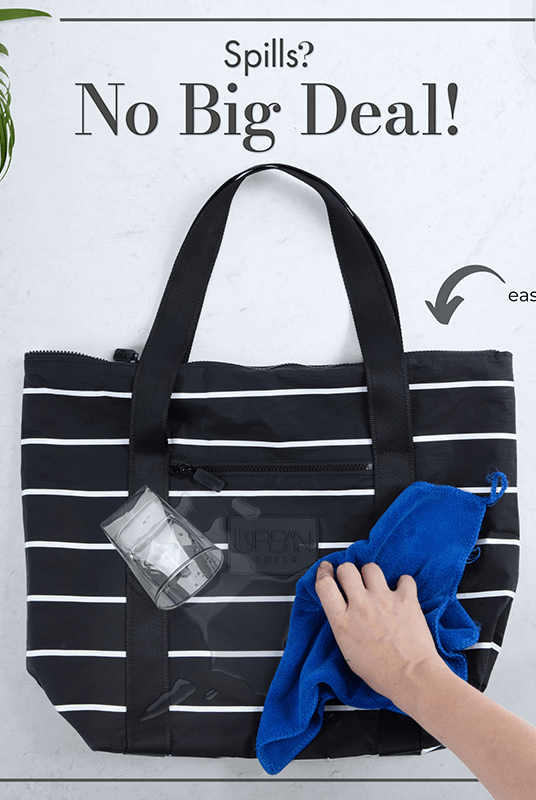
Coated nylon is useful when sunscreen smears and snack spills are routine. It generally wipes clean readily, although heavier coatings can feel stiffer and make a tote less pleasant to fold.
Mesh sheds sand exceptionally well because the openings let it escape. Those same openings expose small belongings, so pair mesh with a zipped inner pouch. Canvas has a softer, casual feel, but its slower drying makes it less convenient for repeated wet outings.
Buying rule: Choose for the trip you take most often, not the occasional getaway you're imagining.
Use the product specification to confirm the weave, lining, coating, and cleaning method. This tote bag material guide can help you compare those details without treating a fabric name as a durability guarantee.
Water Resistant Does Not Mean Waterproof
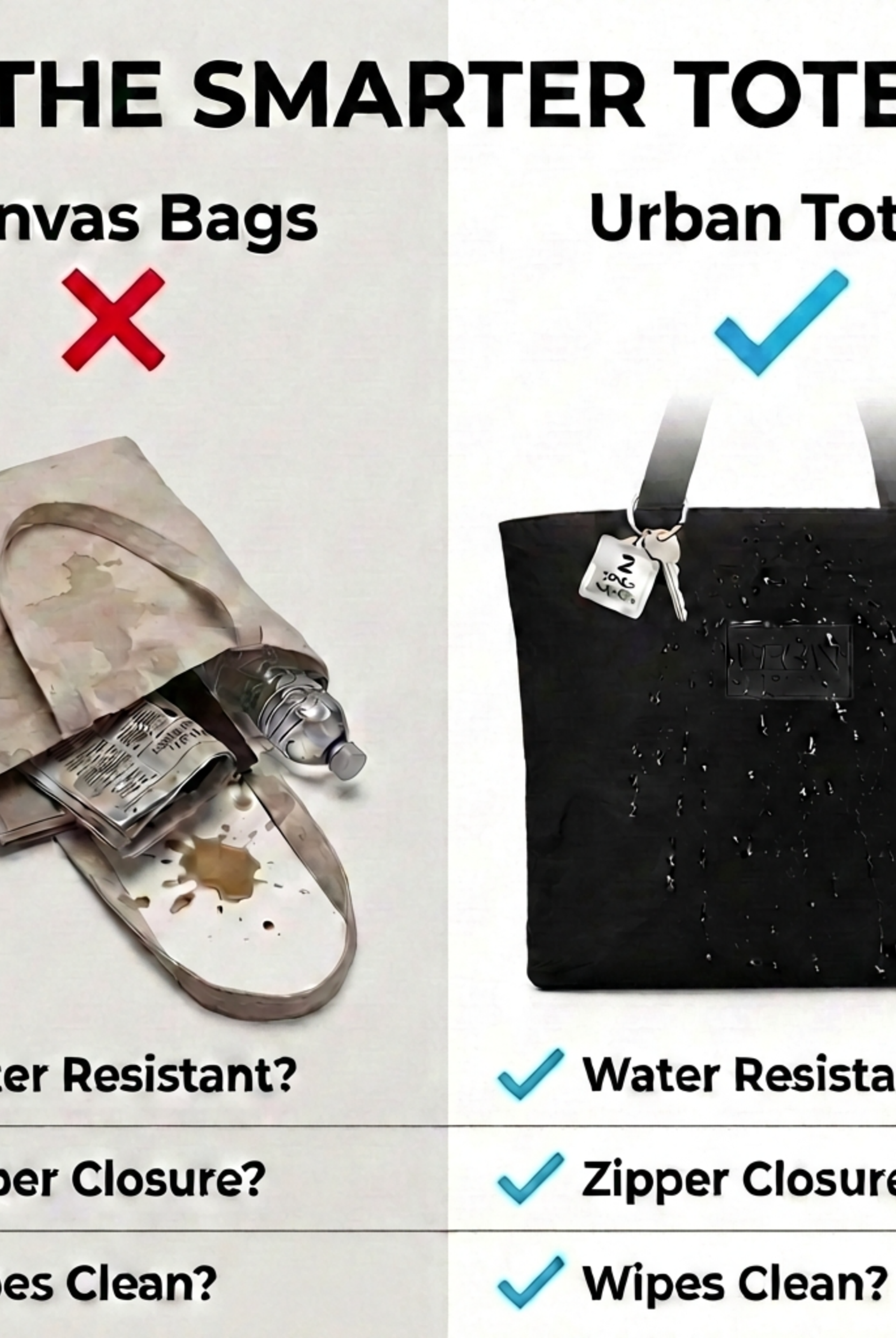
A zipper doesn't make a tote waterproof. It closes an opening, but water can still travel through the teeth, around the slider, through stitched zipper tape, or along seams.
Likewise, polyester fibers alone don't make a finished bag waterproof. Water resistance comes from the fabric structure, treatments, coatings, or membranes, together with how the bag is assembled. This distinction between water-resistant and waterproof bags matters most when the bag is carrying something you can't afford to soak.
Check the whole construction
A technical example from YKK's circularity-focused zipper range illustrates that water-repellent zipper performance involves treating the zipper construction itself. A water-resistant shell paired with an ordinary exposed closure still has a vulnerable opening.
Inspect the base, too. Sitting on wet sand creates more prolonged contact than a passing spray, and a stitched bottom panel can admit moisture even when droplets bead on the sides.
Use these checks when reading a product page:
- A stated treatment or coating: Look for an explanation of how the fabric resists water, not just a lifestyle photograph beside a pool.
- Protected zipper tape: An overlapping flap or covered tape can reduce direct exposure, although it doesn't establish waterproofness.
- Seam details: Reinforced seams help with wear; sealed or otherwise tested construction is a separate water-protection question.
- Whole-bag testing: A fabric test doesn't automatically establish how the finished tote performs.
Separate wet things from important things
A main zipper won't stop a leaking sunscreen bottle or damp towel from wetting a wallet inside the same compartment. Put toiletries in a leak-containing pouch and wet swimwear in a suitable wet bag. Reserve a sealed waterproof pouch for your phone, boarding pass, wallet, and paper documents.
Keep the tote for carrying. Give vulnerable belongings their own water barrier.
For a paddling outing, plan around the exposure rather than assuming a beach bag will suffice. You can compare island paddling route difficulty with PADL while deciding what the outing involves, then choose a purpose-built dry bag where immersion is possible.
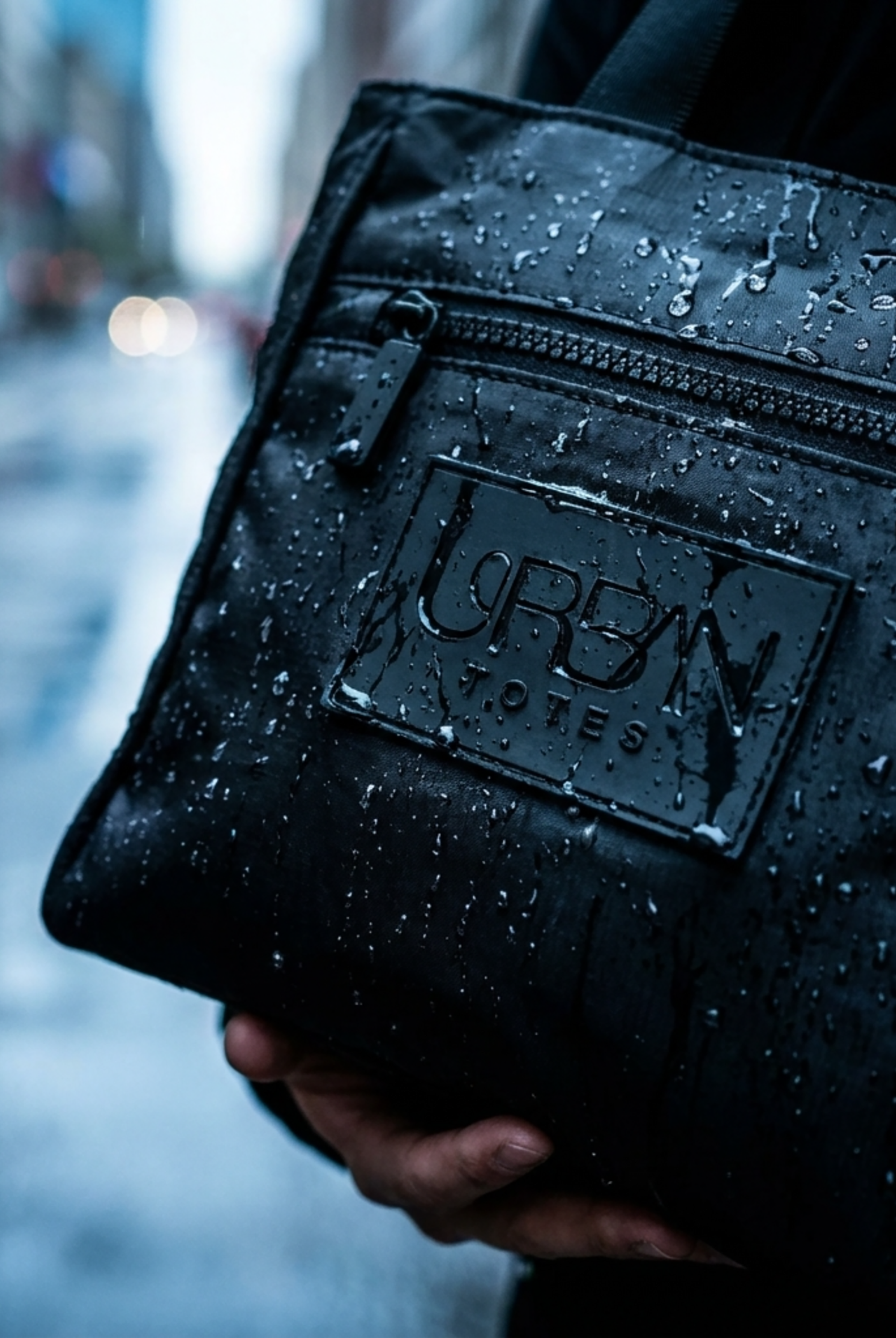
A water-resistant tote is useful around incidental spray, drizzle, or a damp chair within its stated limits. It isn't a substitute for sealed equipment in standing water.
Organization, Straps and Packability That Earn Their Keep
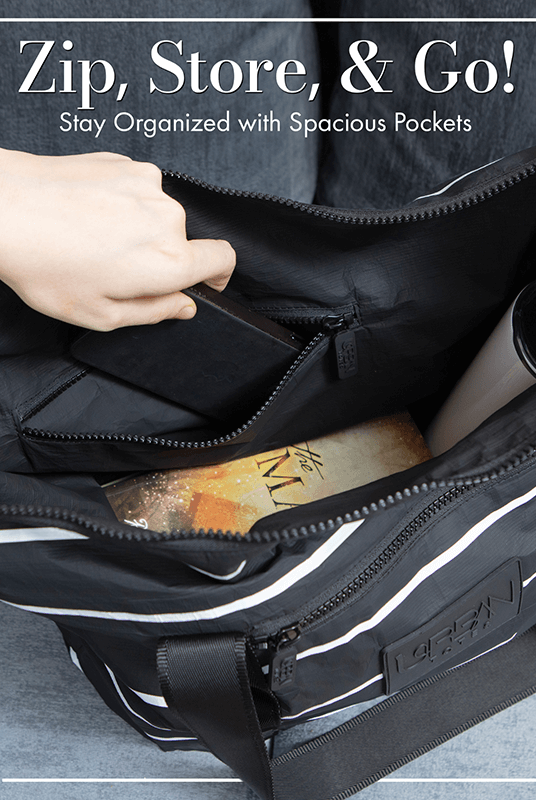
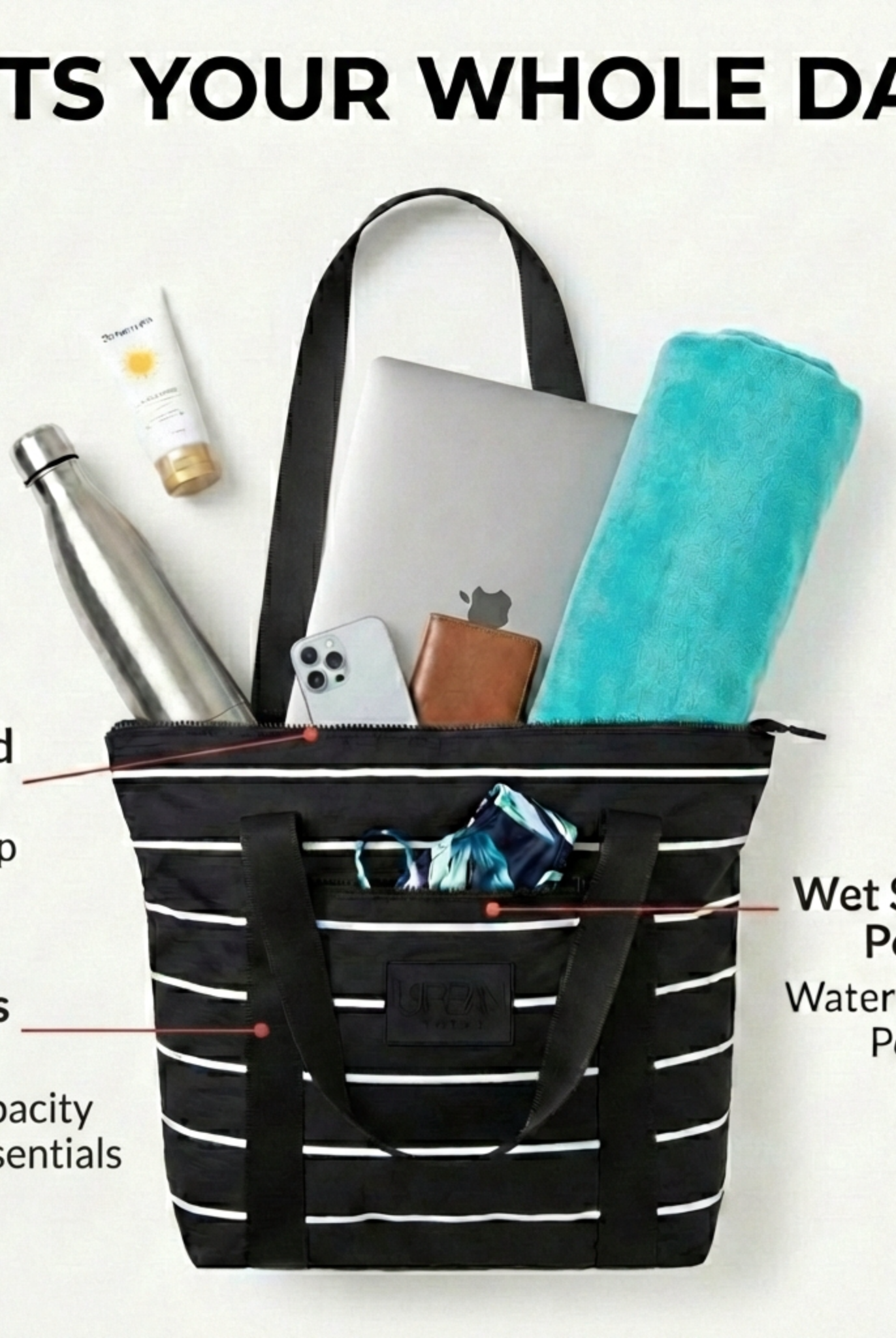
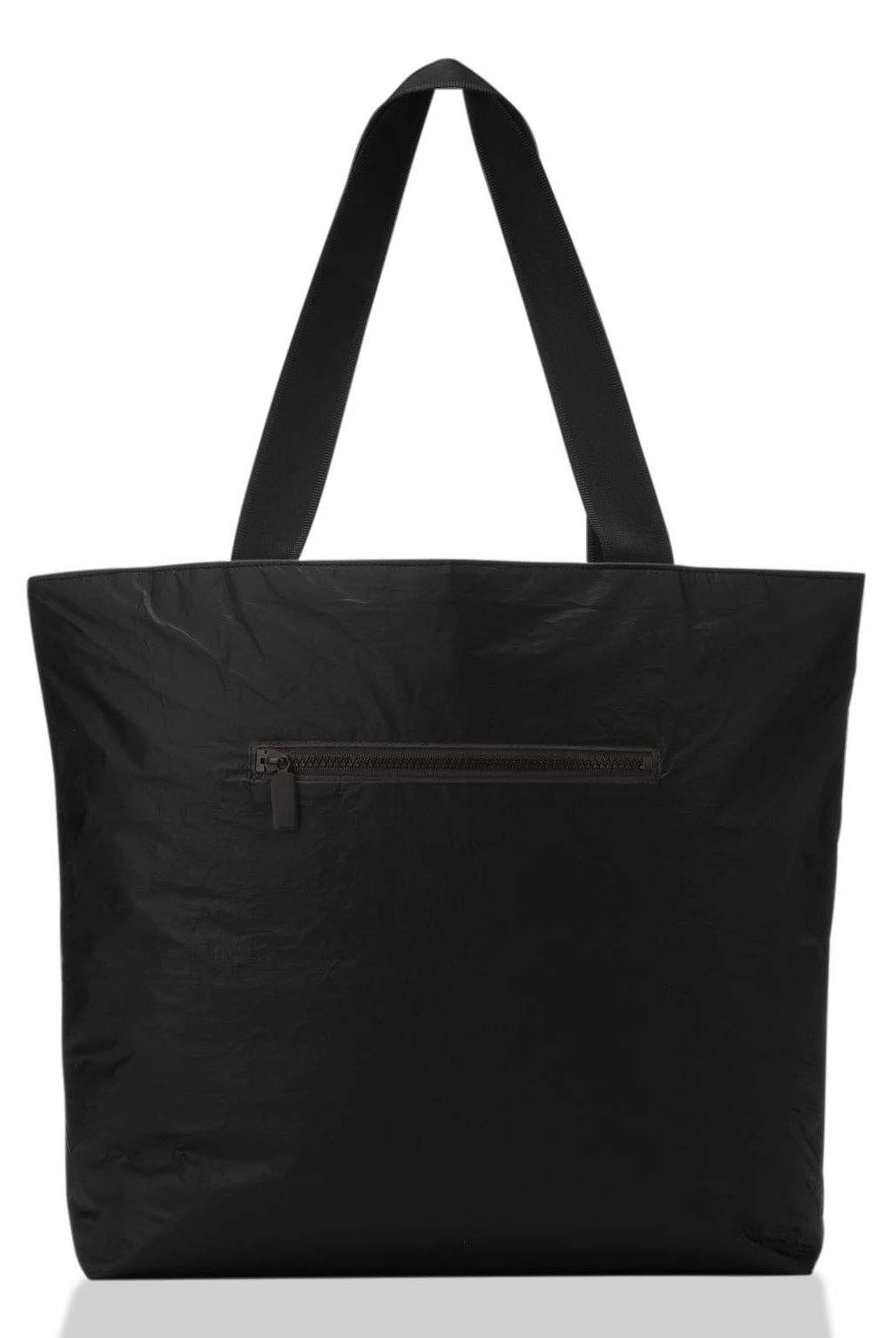
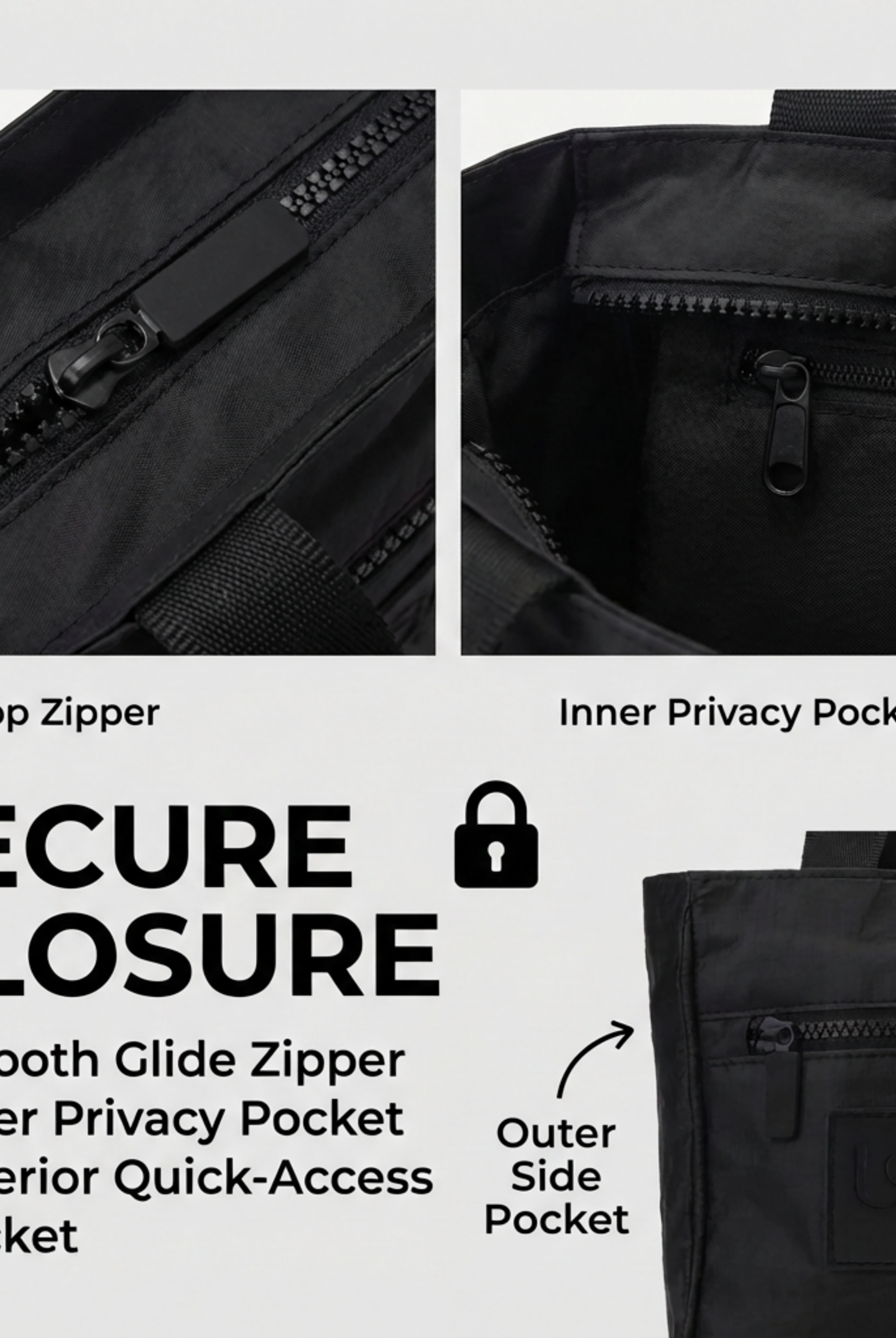
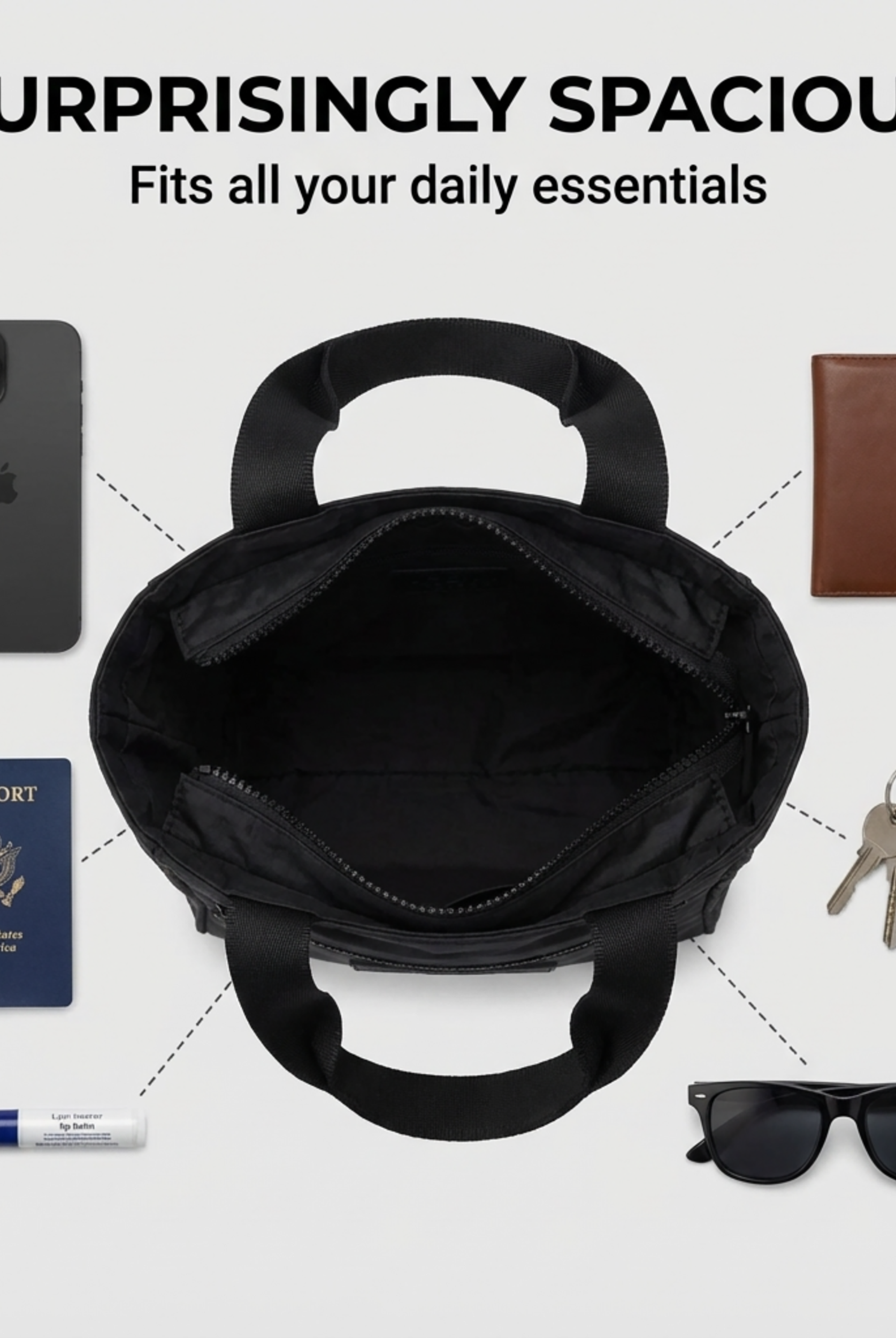
Start with the things you reach for while standing: your phone, keys, and sunglasses. An outer zipped pocket makes those easy to retrieve without spreading the main compartment open across a crowded airport seat or sandy picnic table.
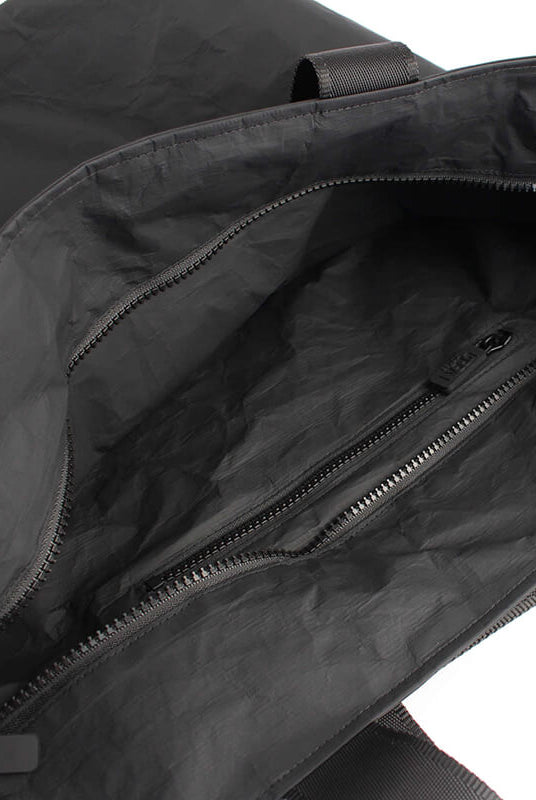
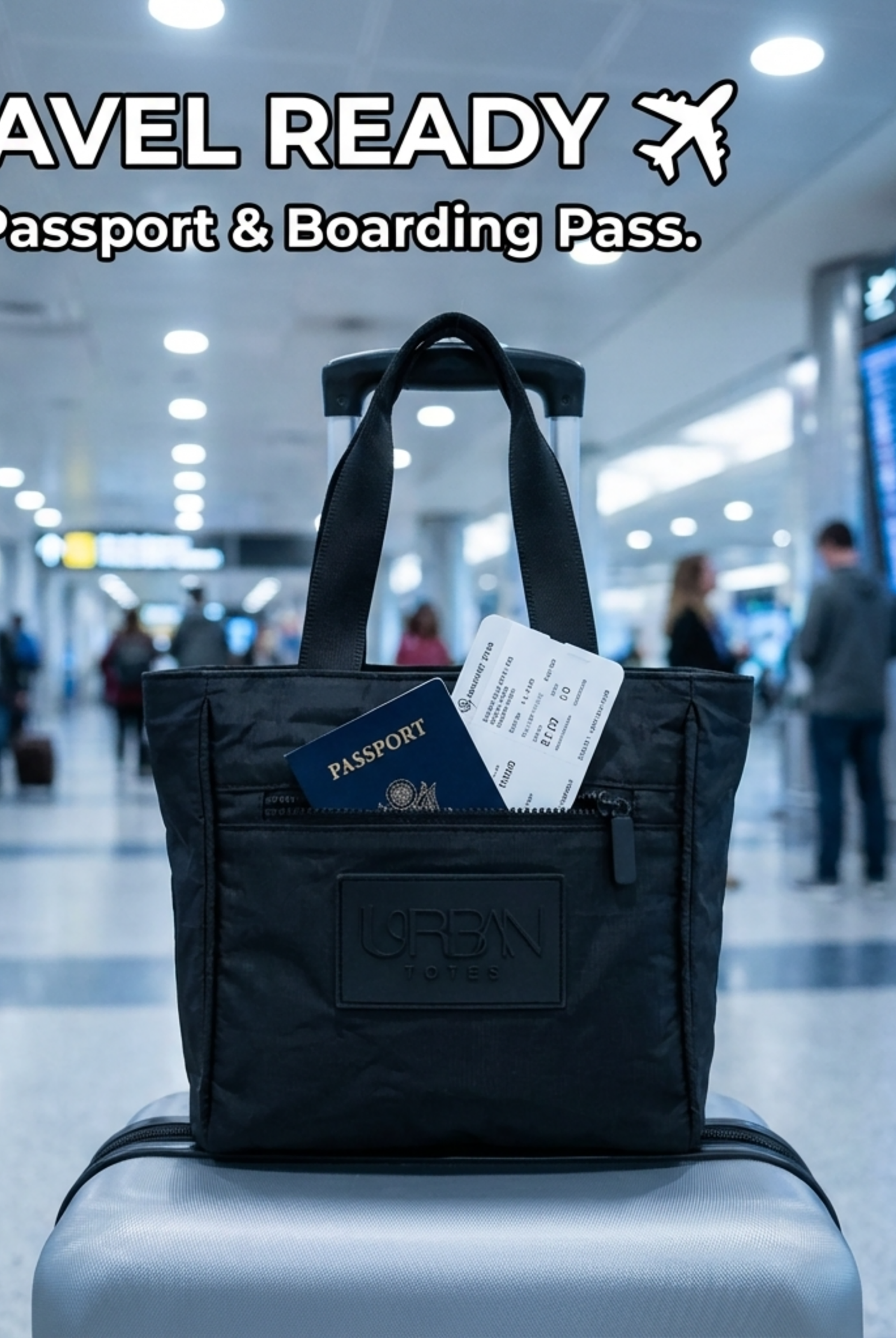
Next, give your wallet and travel documents an interior zipped pocket, with moisture-sensitive items inside their protective pouch. Keep sunscreen separately contained rather than sharing that pocket with paper. The main compartment can then hold the towel, cover-up, and book without becoming a hiding place for every small essential.
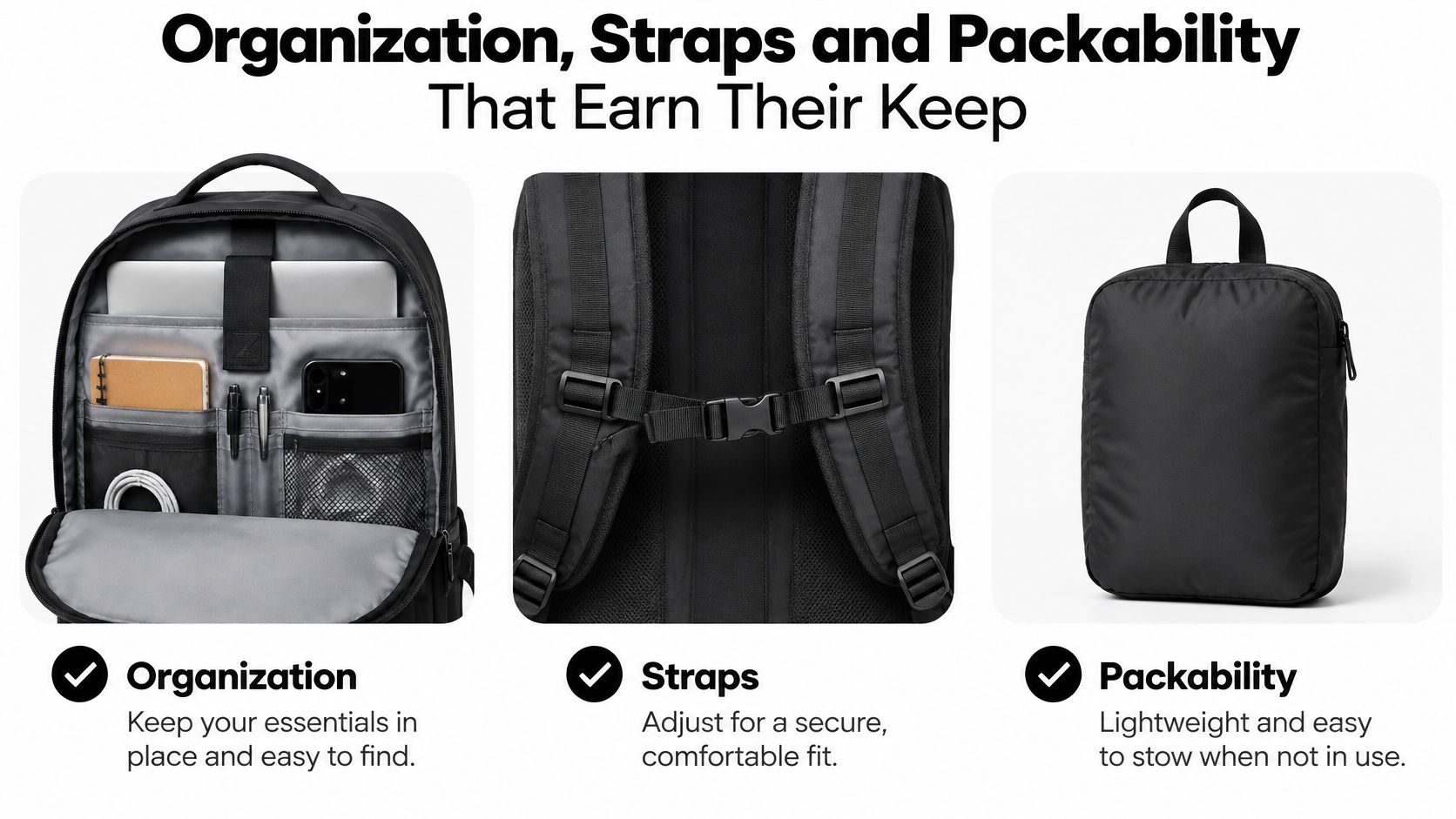
Side pockets are useful for sandy sandals or a contained wet swimsuit. Don't assume a separate pocket is a waterproof compartment: check its lining before placing damp gear beside dry clothes. A thoughtful tote bag compartment layout reduces digging only if the pockets fit what you carry.
Test the straps with a realistic load
Strap width and drop affect whether a tote stays comfortably on your shoulder. A narrow strap can press into bare skin, while a short drop may feel cramped over a jacket.
Load the bag with your usual towel and filled water bottle before judging the fit. Try reaching into the outer pocket while wearing it, and check whether the handles twist, slide, or pull the opening shut.
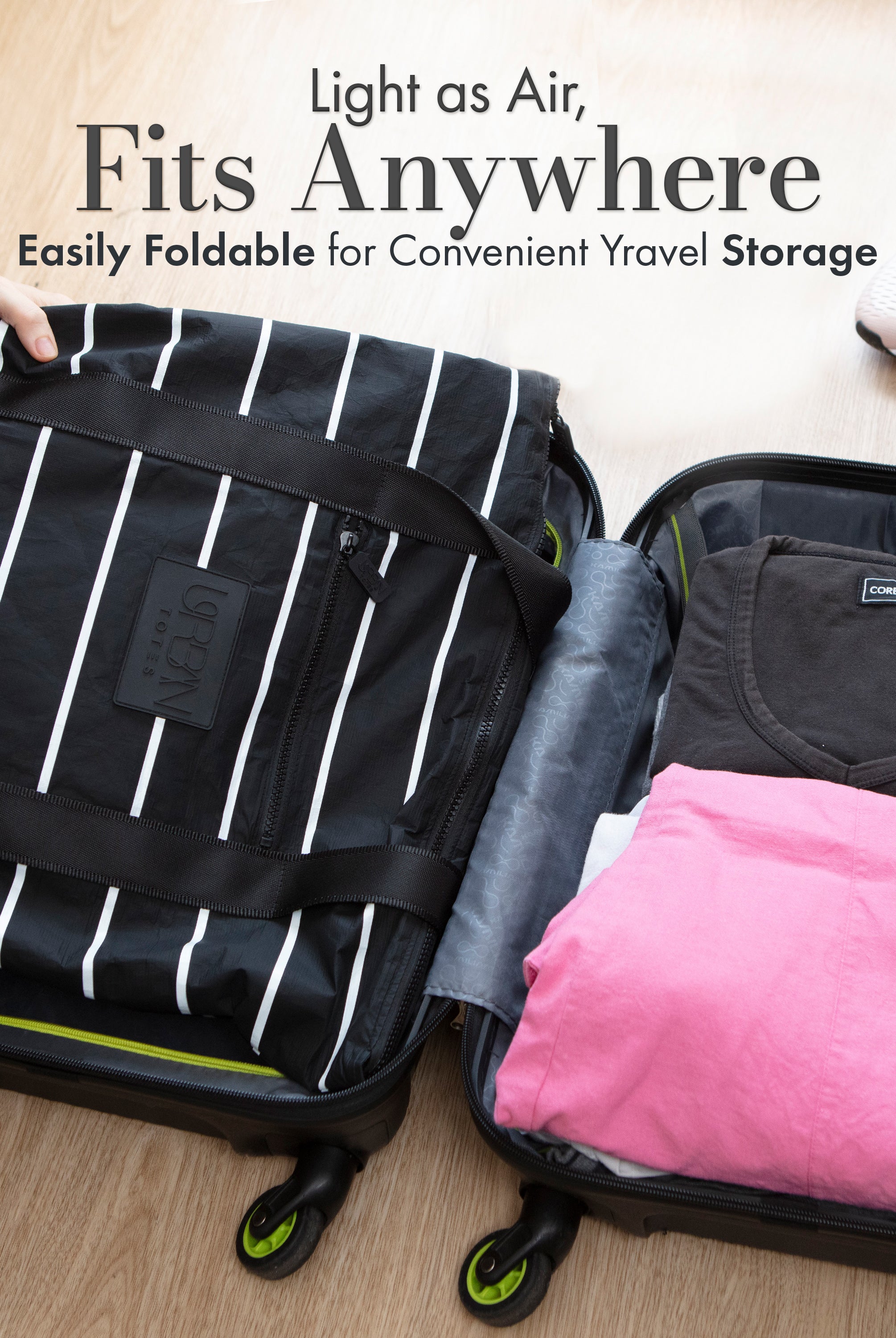
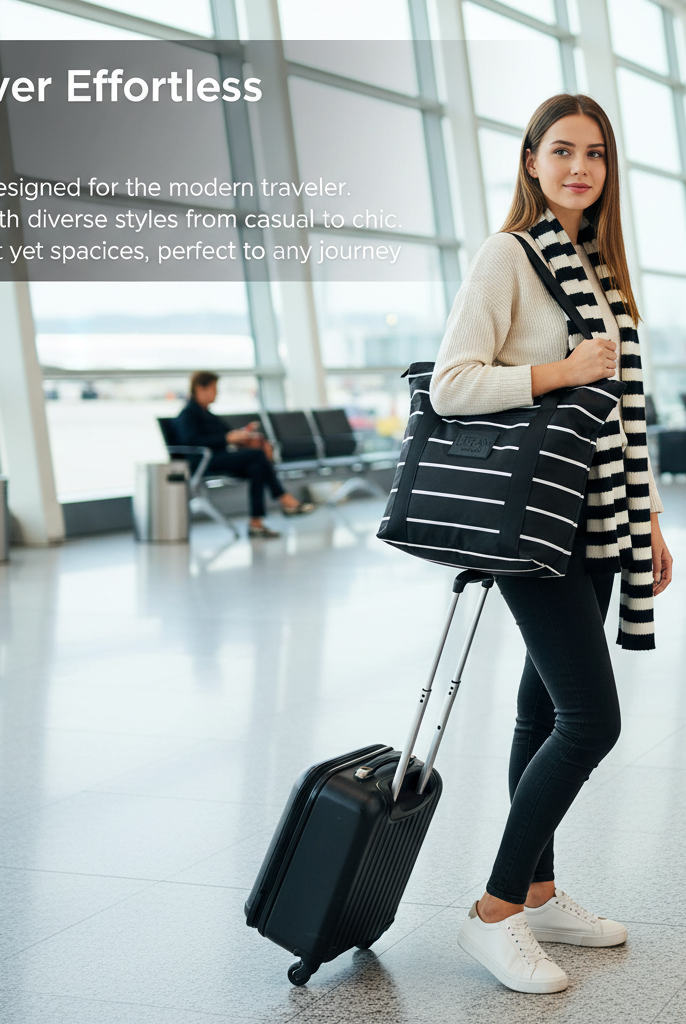
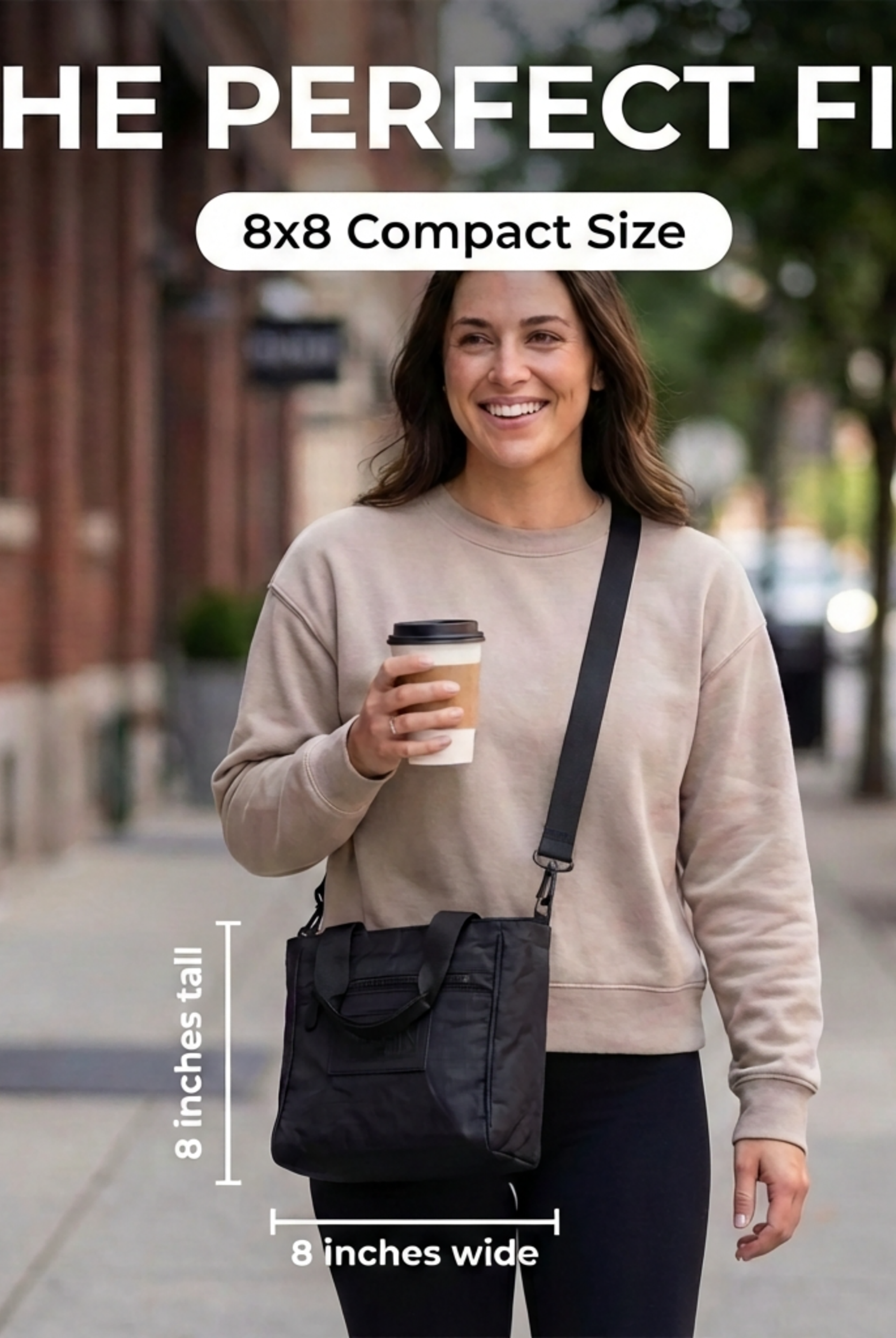
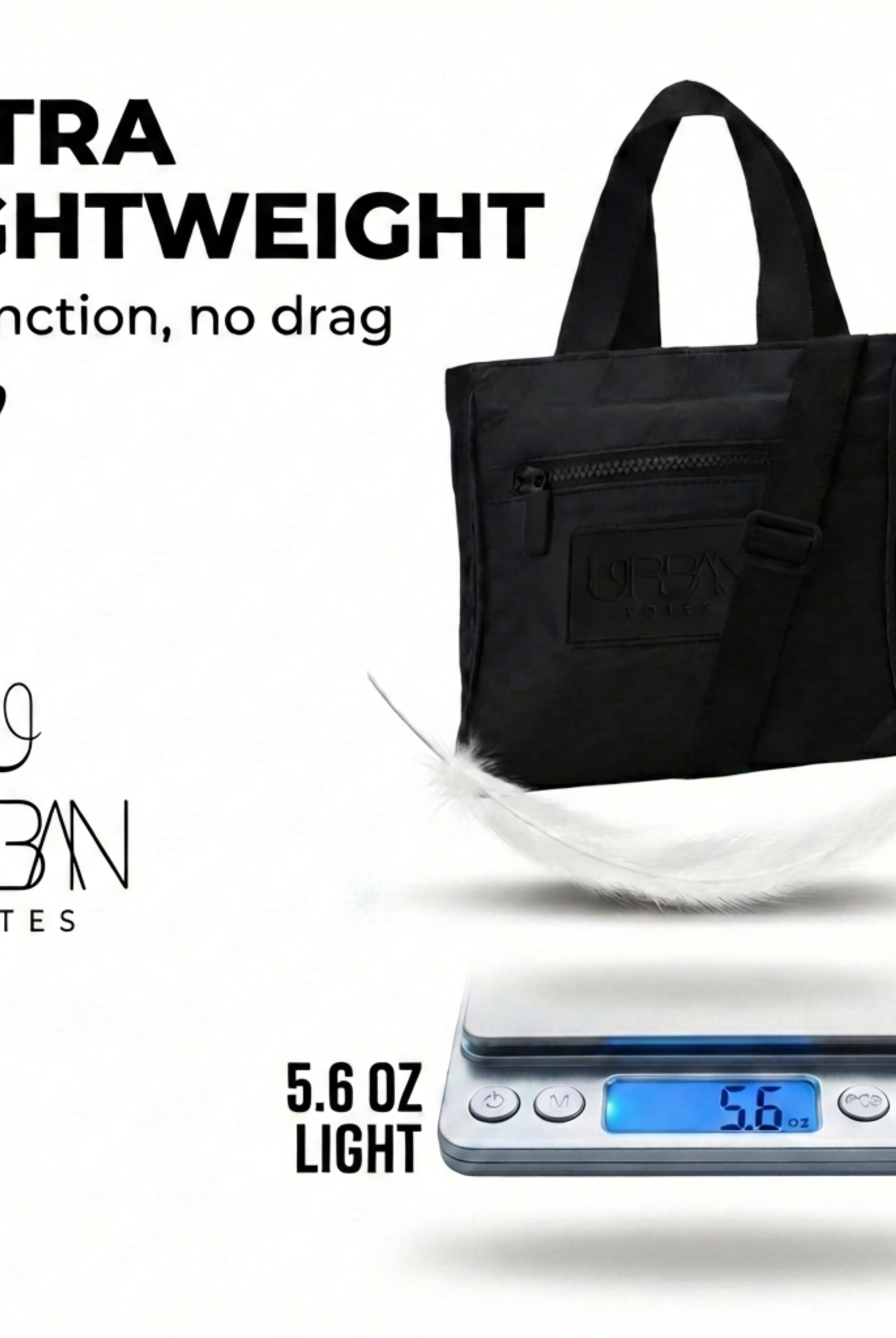
A foldable, multi-pocket tote can be travel-ready without serving as your airline personal item. Packing it inside larger luggage is often simpler than depending on its open dimensions fitting beneath a seat.
Measure before the airport
Common under-seat personal item limits
| Carrier | Under-seat limit |
|---|---|
| American and Frontier | 18 × 14 × 8 in |
| JetBlue and Breeze | 17 × 13 × 8 in |
| United | 17 × 10 × 9 in |
The BagRule personal-item comparison lists 18 × 14 × 8 inches for American and Frontier, 17 × 13 × 8 inches for JetBlue and Breeze, and 17 × 10 × 9 inches for United. Confirm your operating airline's current requirements before flying, and measure the packed bag, including bulging pockets.
Use this final fit check:
- Easy access: Retrieve your phone with one hand without emptying another pocket.
- Loaded comfort: Walk with your normal essentials, not just tissue stuffing.
- Practical folded size: Fold the empty tote and put it in the suitcase space you'll have available.
How to Rinse and Dry a Zipper After the Beach
Give the zipper attention before packing the tote away. Kofferly's beach-packing guide warns that sand can damage fine zipper tracks and describes fresh-water rinsing and silicone lubrication as possible maintenance measures.
Clear grit before moving the slider
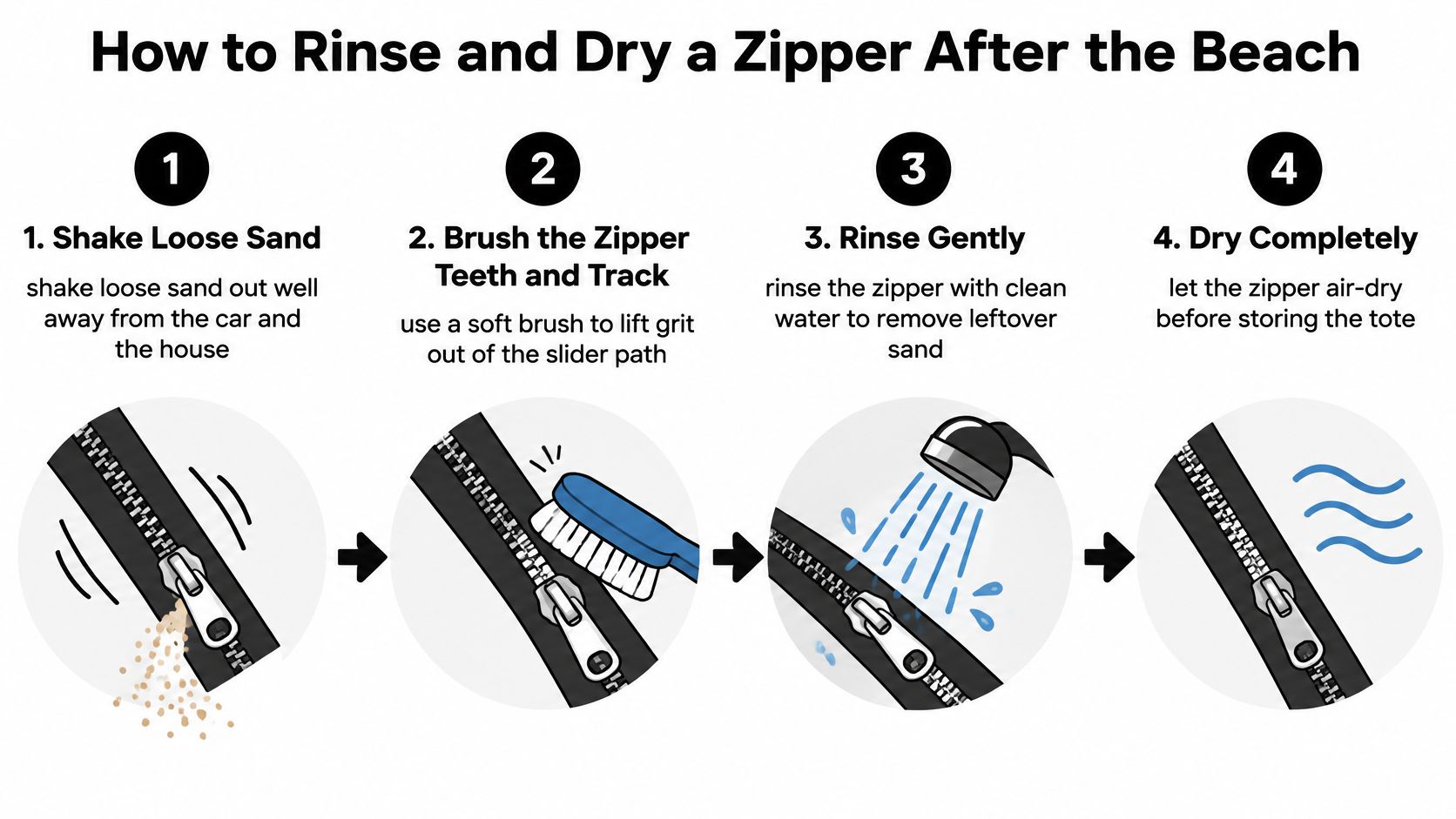
- Shake loose sand outside. Empty every pocket and shake the tote well away from the car and house. Hold pocket openings downward so grit doesn't move into another corner.
- Brush the teeth and track. Use a clean, soft toothbrush to lift particles out of the slider path. Don't yank a jammed pull; forcing it can damage the teeth or knock the slider out of alignment.
- Rinse gently with fresh water. Flush remaining sand and salt residue from the zipper, especially after saltwater contact. Use a gentle flow rather than a pressure nozzle, and avoid soaking components the care instructions identify as unsuitable for immersion.
- Open and air-dry completely. Leave the zipper open and spread the pockets apart in shade. Turn the bag inside out only if its construction allows it; otherwise, prop the opening wide so the lining can dry.
- Check movement once dry. Move the slider along the track and back without loading the bag. If it still drags, inspect for trapped fabric or damaged teeth before applying a small amount of zipper-compatible silicone lubricant and wiping away excess.
- Store open and dry. Don't fold a damp tote into a sealed pouch. Check the base and pocket corners with your hand before putting it away.
Know when cleaning isn't enough
A healthy zipper moves without grinding, and the slider stays aligned along the track. Teeth that separate behind the slider, bent hardware, or torn tape need repair rather than repeated lubrication.
Use this tote maintenance guide for the rest of the bag's care. The closure's job remains keeping belongings contained; routine cleaning doesn't turn a conventional tote into a dry bag.
Choose the Zipped Beach Tote That Fits Your Day
Match the bag to your busiest ordinary day, not the idealized one. For a beach outing with kids, prioritize a full-length or partial zip, a protected essentials pouch, and straps that feel comfortable with towels loaded. For commuting and errands, dedicated pockets and a wipe-clean shell usually matter more than maximum capacity.
Weekend travelers should favor a foldable design and check packed dimensions before counting on under-seat storage. A style-conscious minimalist needs only a clean exterior and a simple interior pocket, provided small belongings have a consistent home.
A zipper is containment, not a guarantee. It keeps a spill inside the bag and blocks loose sand from the main compartment, but only while the slider is pulled shut.
Consider the layout before the look
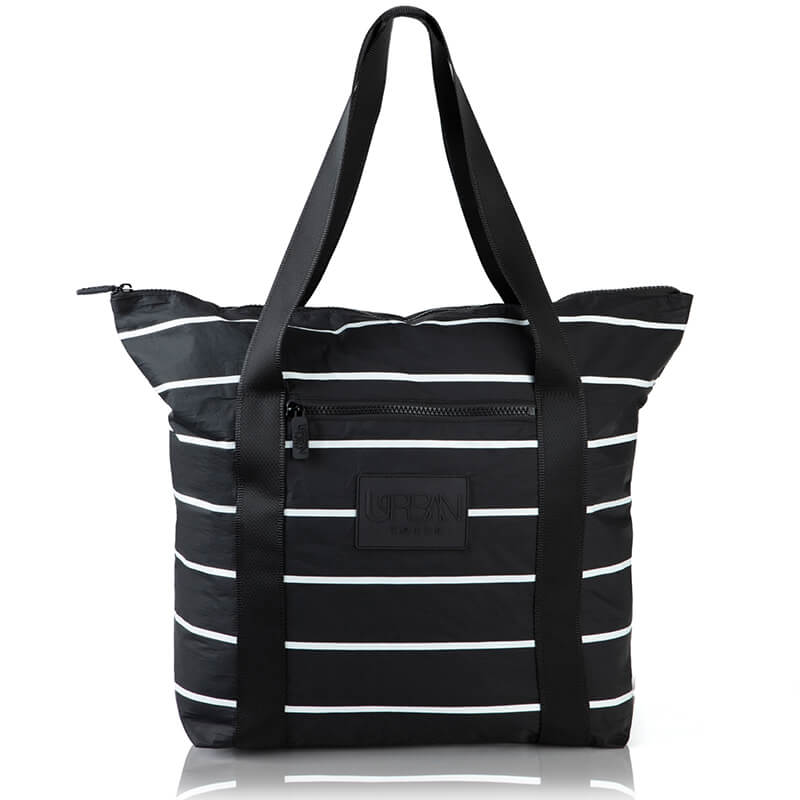
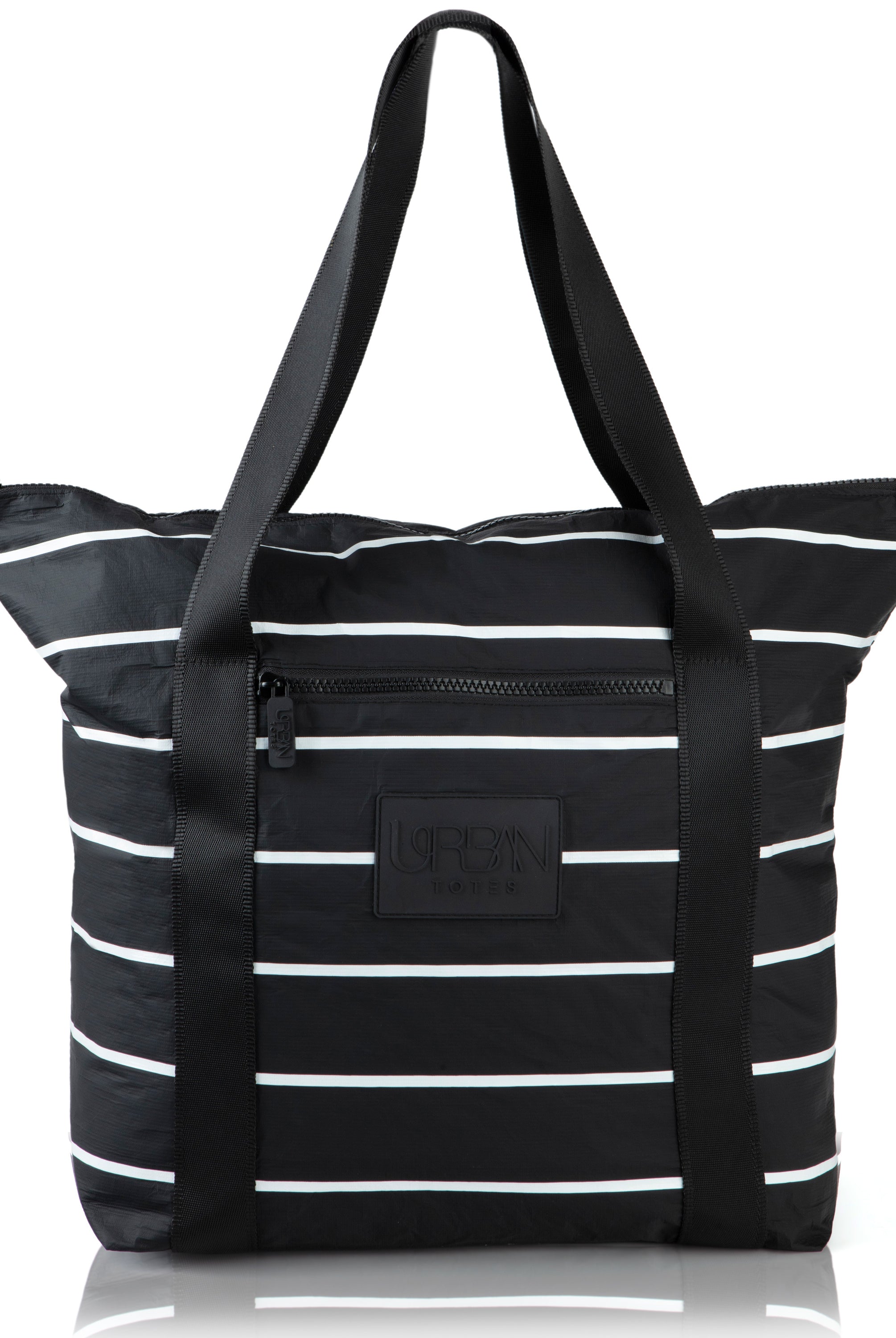
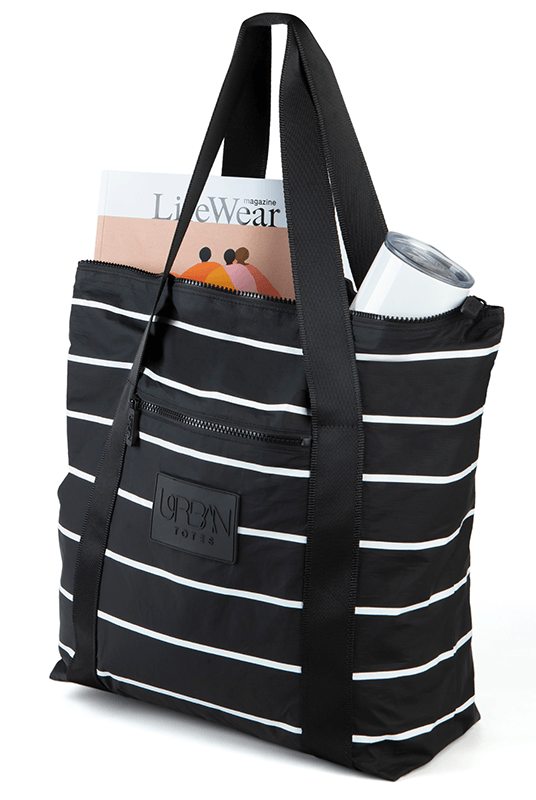
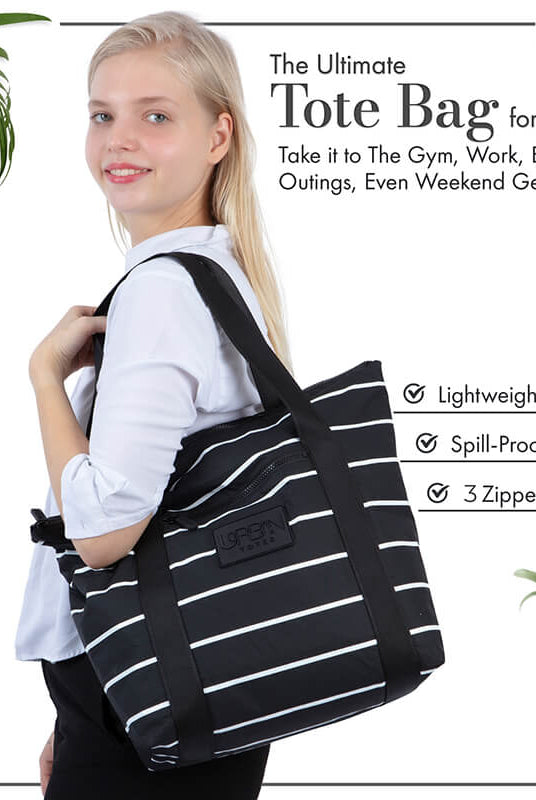
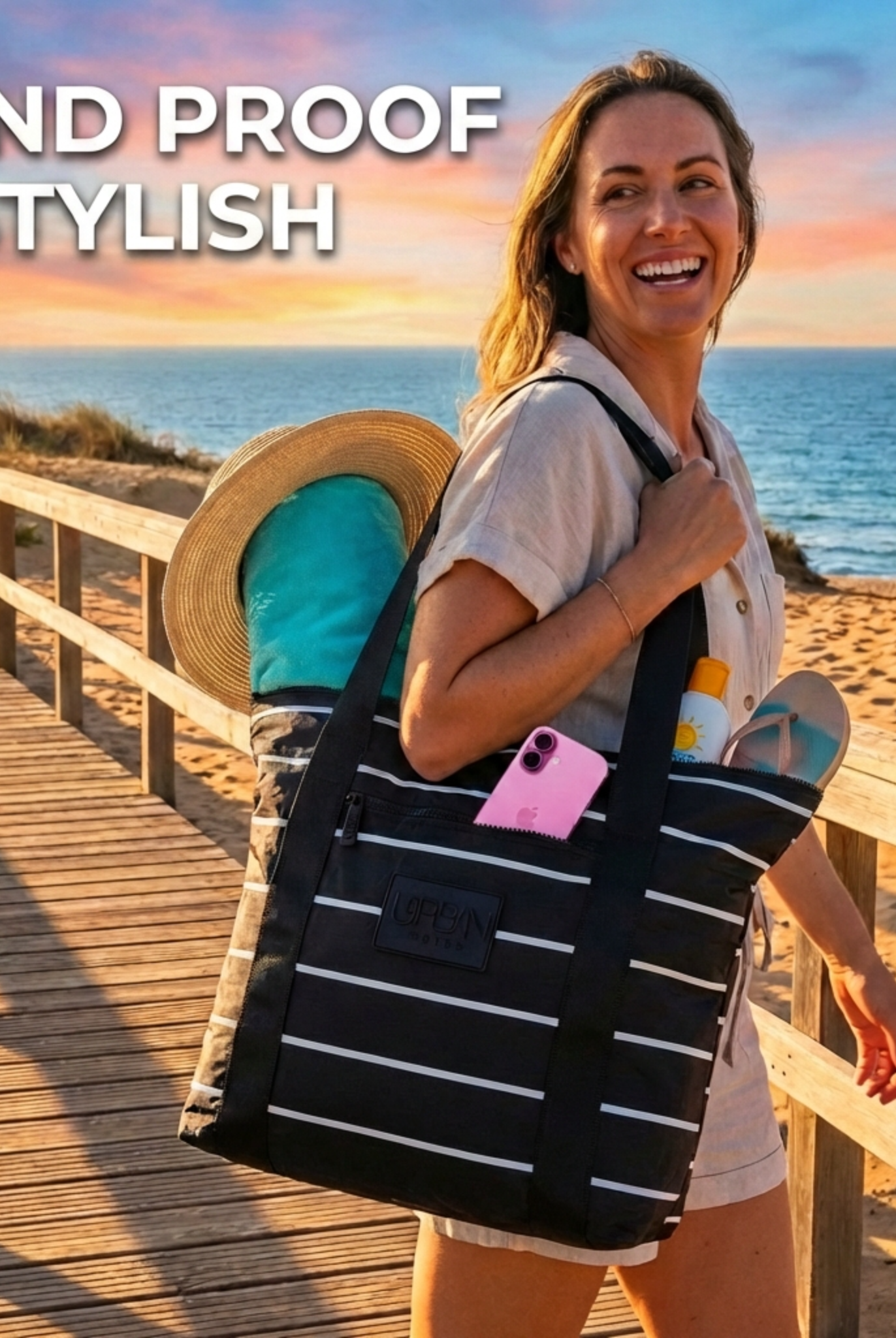
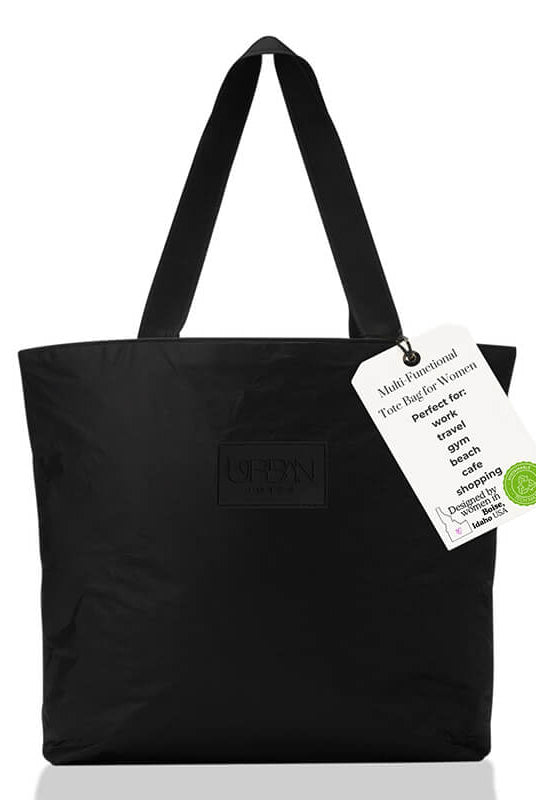
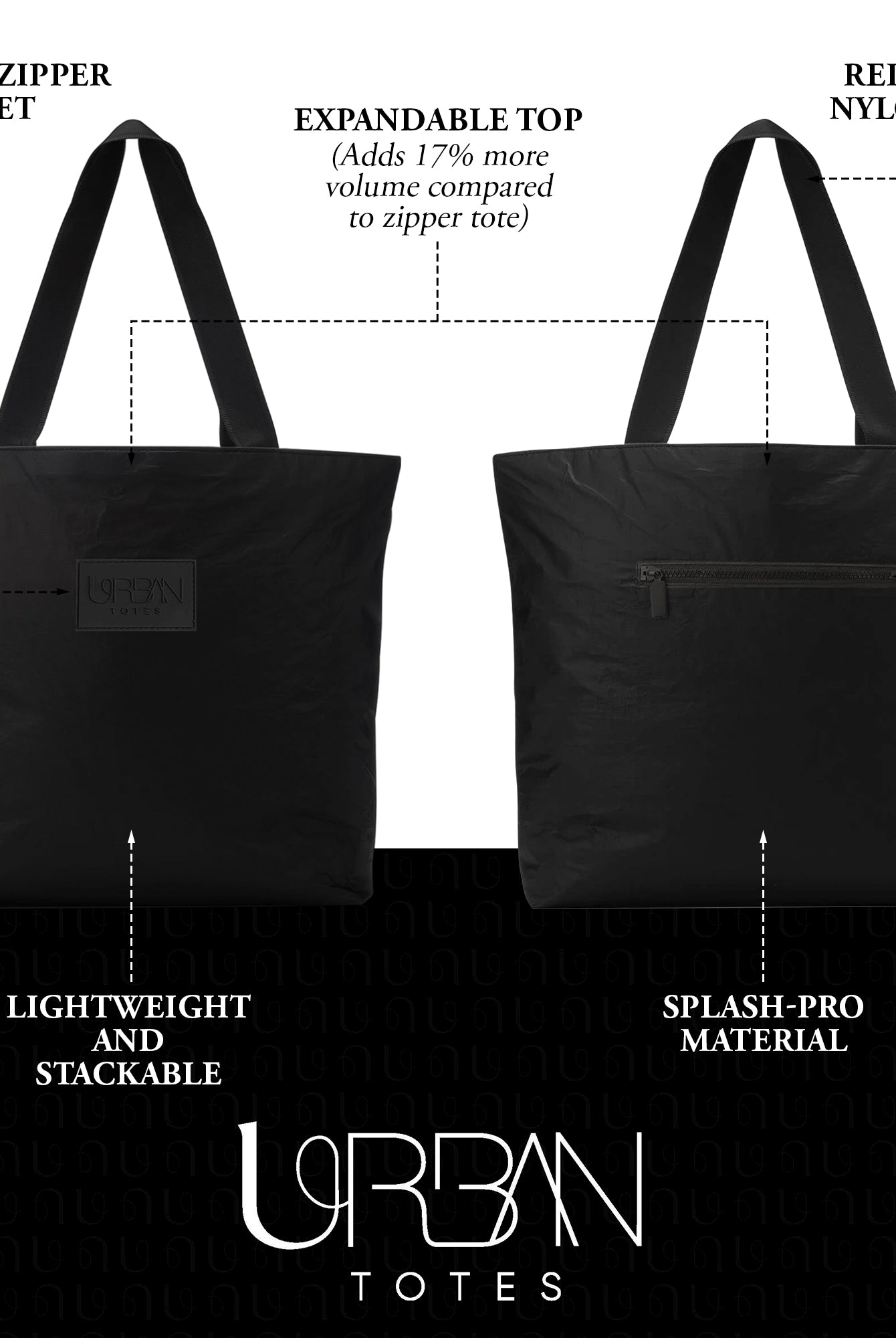
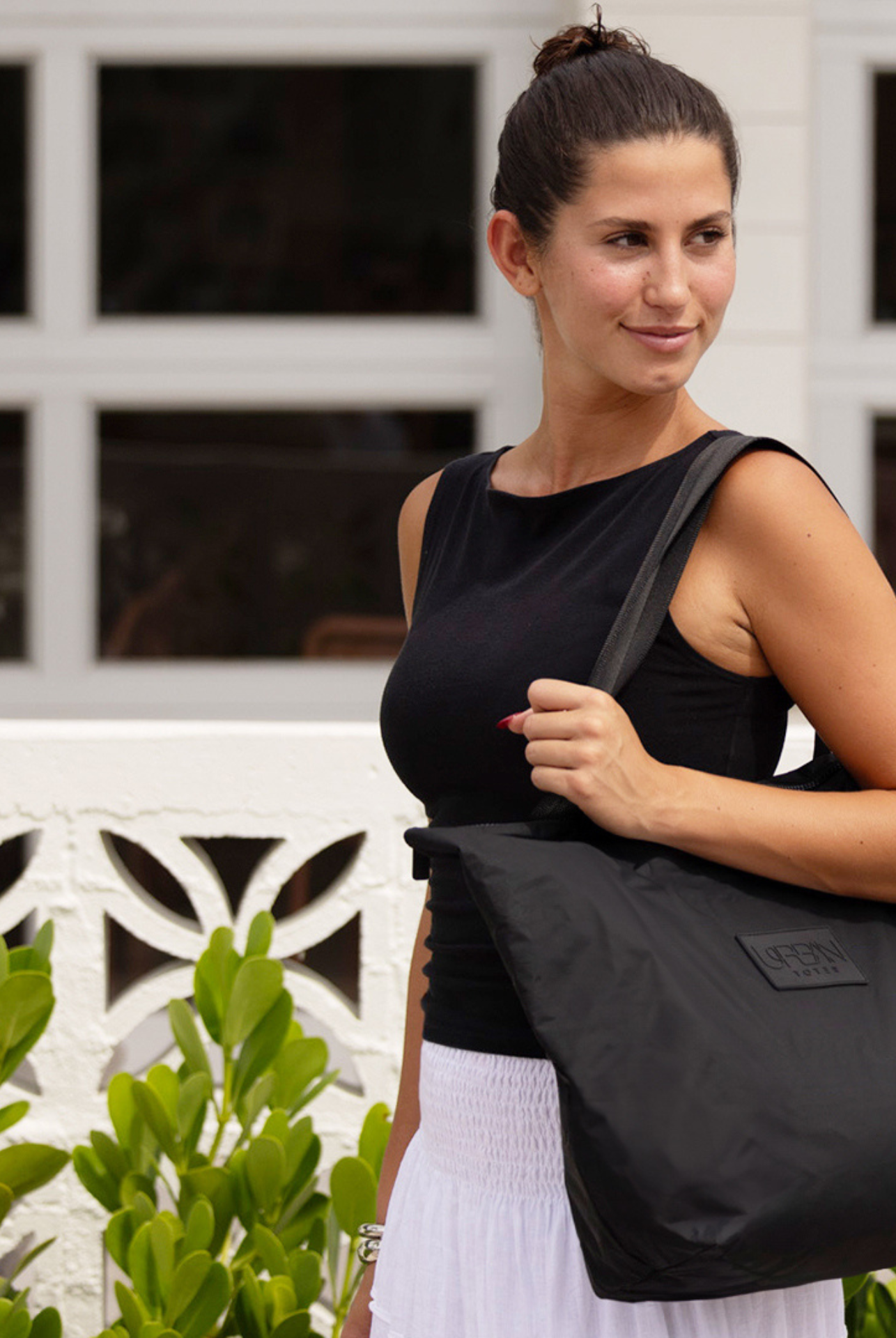
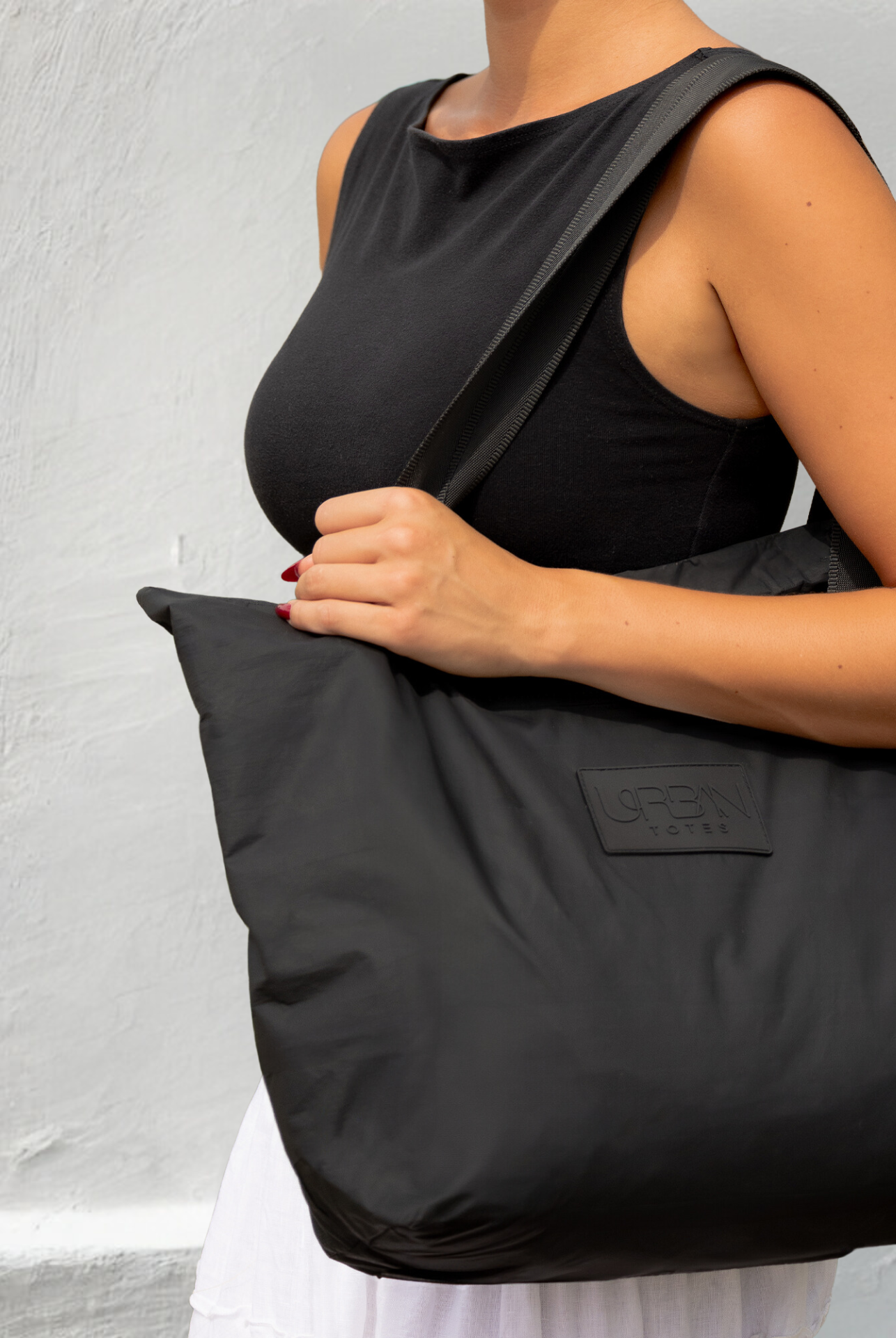
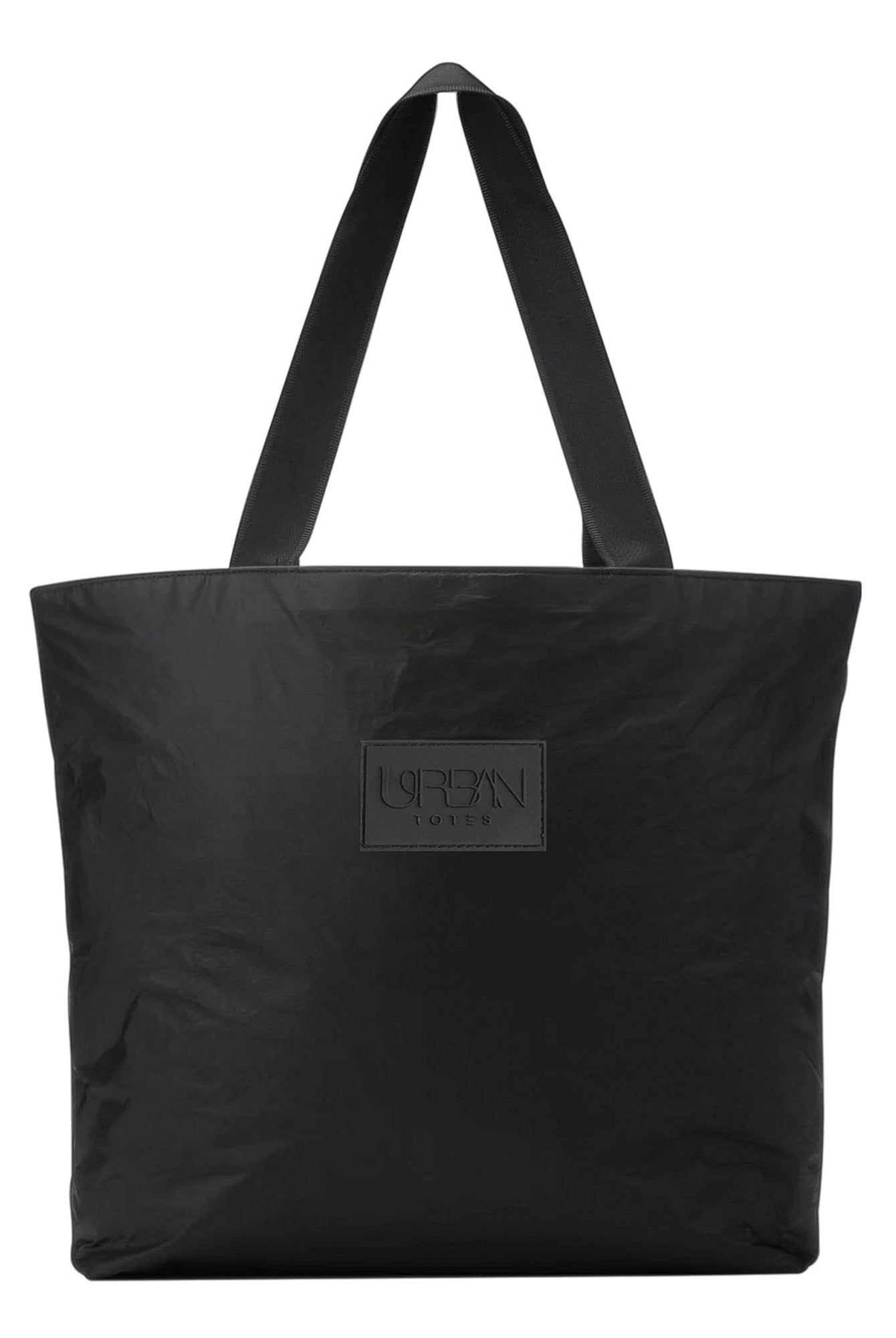
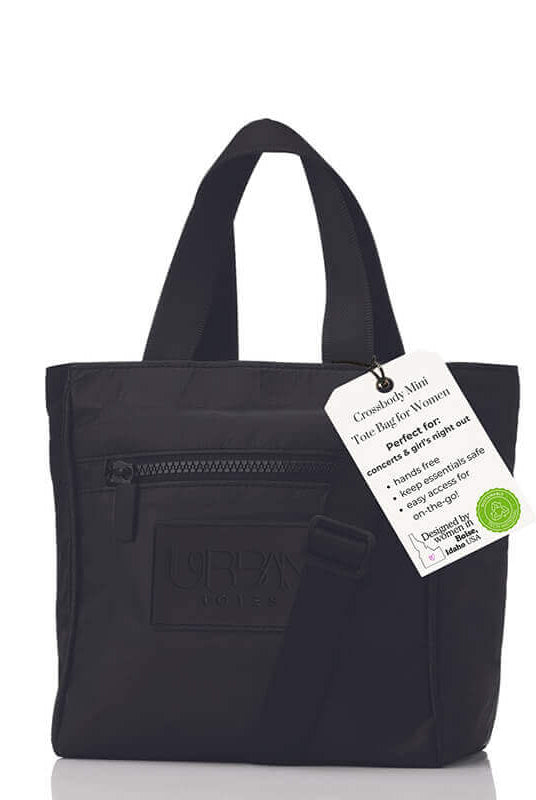
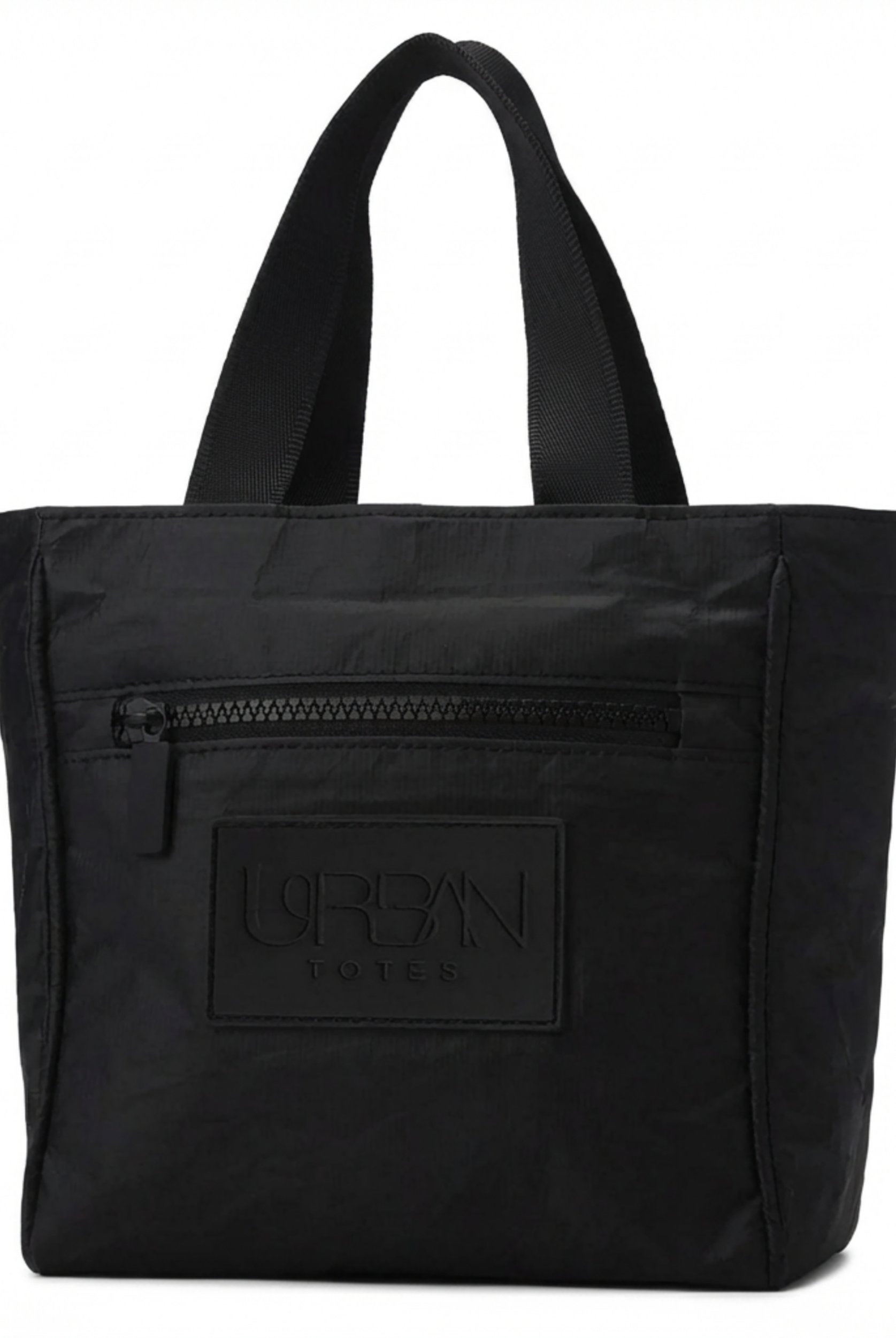
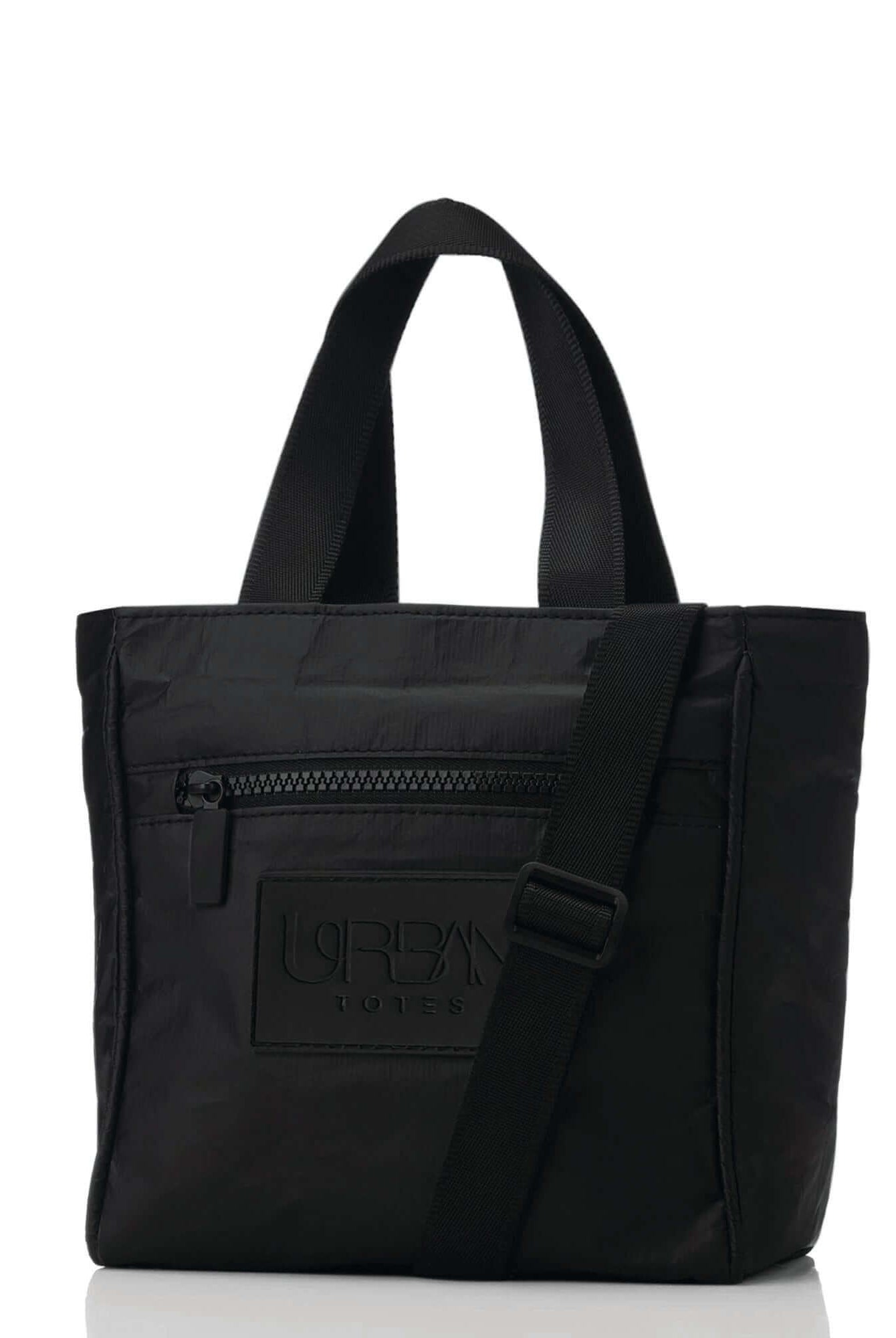
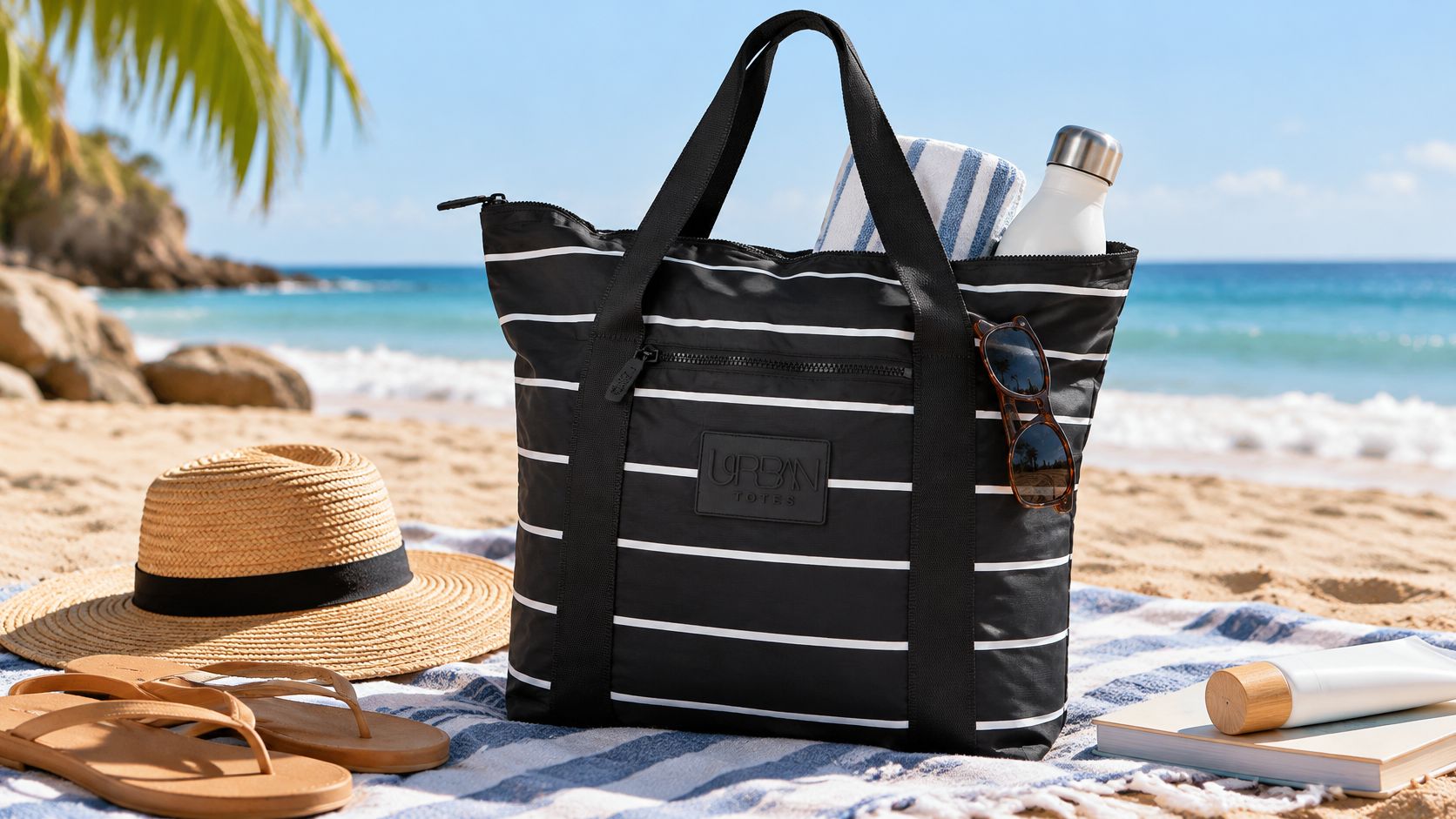
One option is The OG Zipper Tote Bag by Urban Totes, which pairs classic pinstripes with inside and outside zipper pockets in a lightweight, packable design. The woman-owned, independent small business behind it is based in Boise, Idaho.
The Go Anywhere Day Trip Tote takes a more divided approach, with large zippered compartments and dedicated phone and key pockets. Decide whether you prefer those defined zones or a simpler carryall layout.
Choose the bag you can close, carry, and clean without making your day more complicated.
At school drop-off the same bag holds a lunch box and a folded towel without a reshuffle. At the farmers market it swallows produce and a water bottle, and at the beach chair the essentials pouch keeps a phone and keys where you can find them. Versatility means the bag fits your routine rather than asking you to change it.
Urban Totes offers thoughtfully designed, water-resistant bags with zipper closures, practical organization, and lightweight, foldable construction for beach days and everyday carry. Visit Urban Totes to find your go-anywhere bag and take on whatever the day brings. Go Anywhere. Tote Everything.