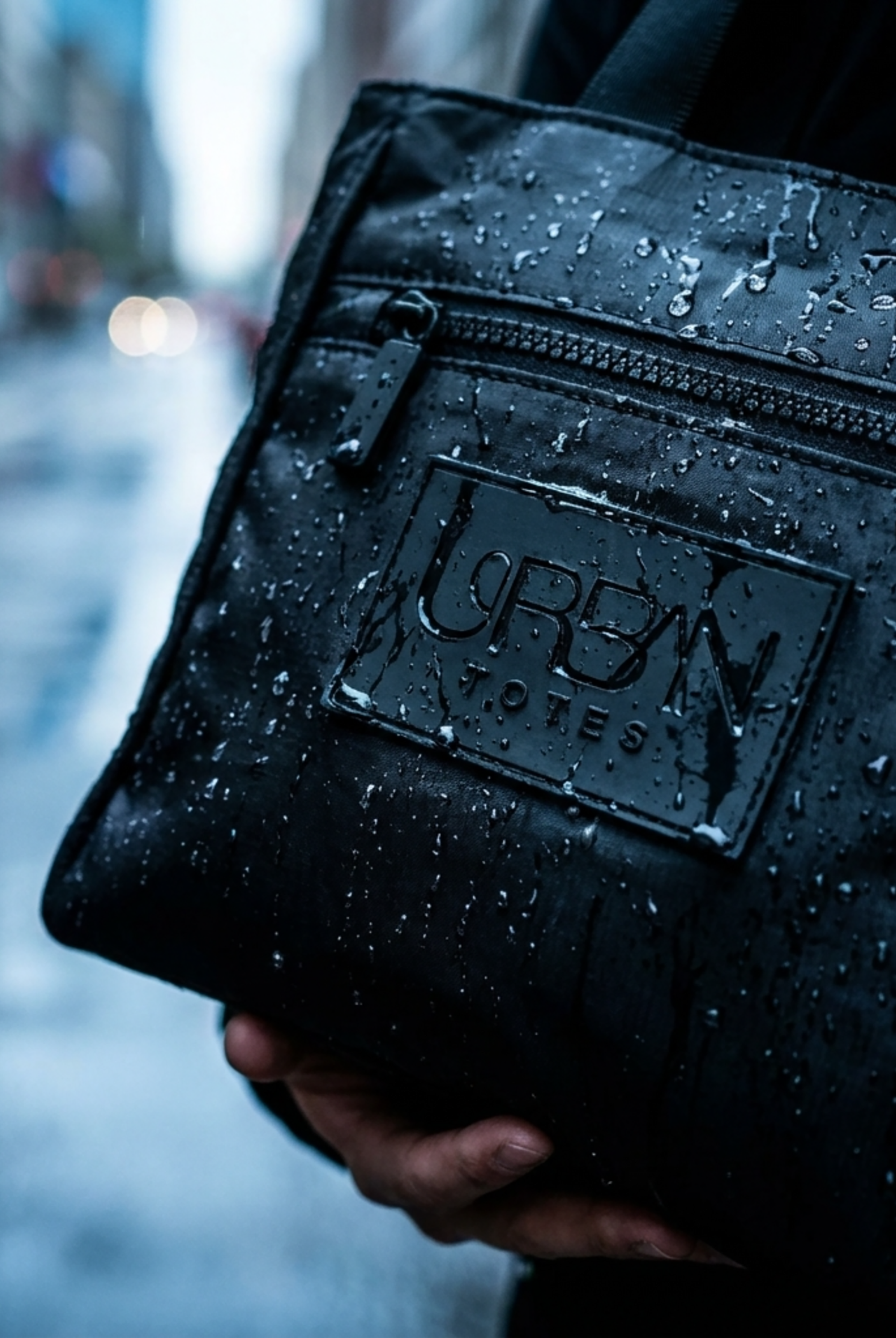
Say it's Friday at 4 p.m. and you're already carrying the workday. Your tote holds a laptop sleeve, a water bottle, snacks from school pickup, and a sweater you meant to leave at home. Now you need two nights of clothes to fit somewhere without adding a second suitcase to drag through the terminal.
That's the exact moment a packable weekender bag earns its keep. Not the bag that folds into the tiniest square for a photo, but the one that still zips, still separates clean clothes from a damp swimsuit, and still fits the space your airline gives you when it's full.
Table of Contents
- What a Packable Weekender Bag Really Is
- Cabin Limits a Soft Weekender Must Meet
- Features That Still Work When the Bag Is Full
- Match the Bag to the Trip You Actually Take
- How to Pack and Care for a Weekender
- Choose a Go-Anywhere Bag and Start Packing
What a Packable Weekender Bag Really Is
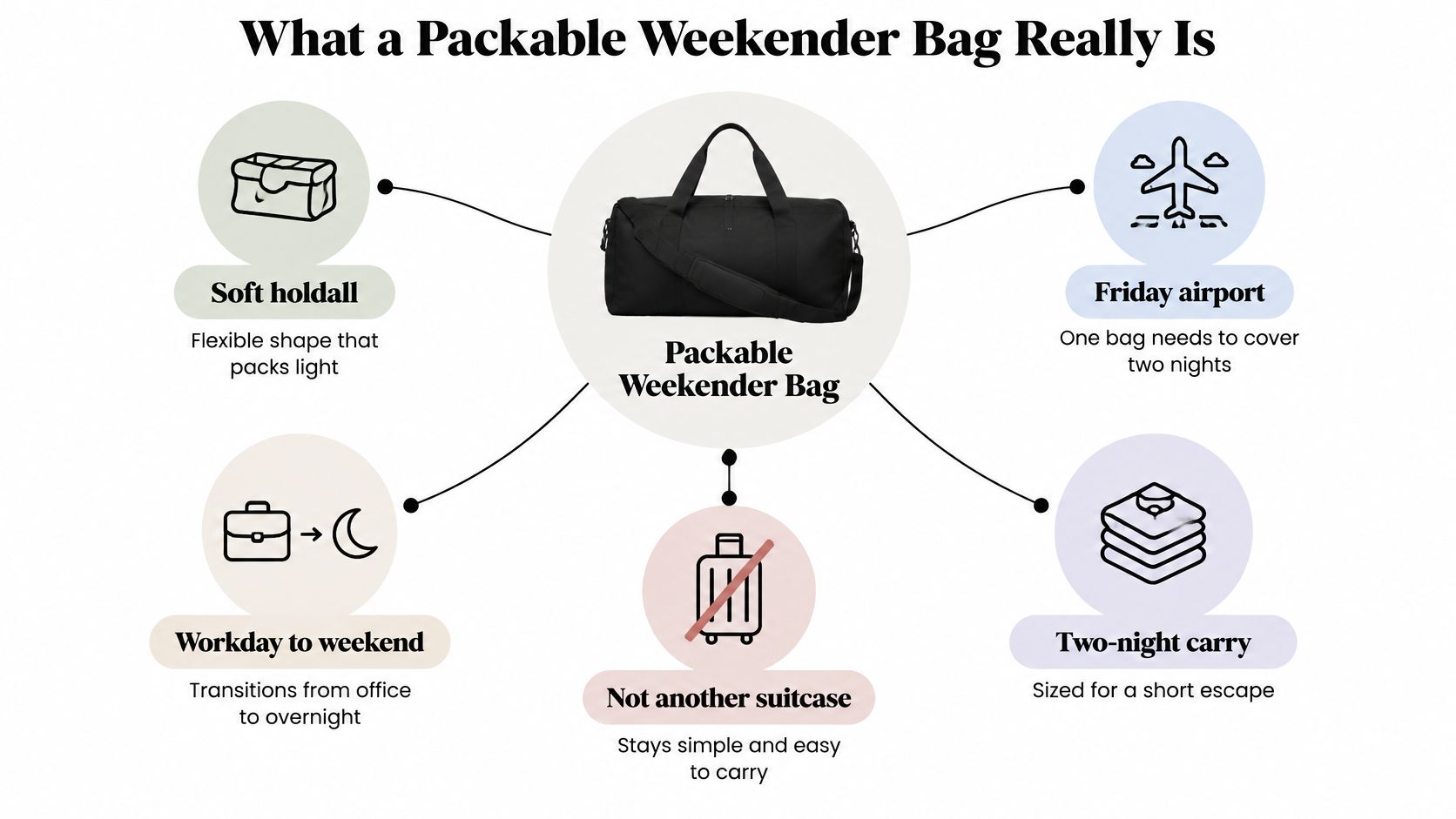
Say you're heading out for two nights, with a dinner outfit, walking shoes, sleepwear, and a damp swimsuit to bring home. A packable weekender needs to fold away between trips, then open into a useful carry bag with room to keep those items apart.
How It Differs From Rollers and Stuff Sacks
A rigid roller holds its shape, while a stuff sack folds down with little fuss. A soft weekender fills the space between them: it packs away when empty and has handles and pockets to help organize what you carry.
The folded size matters, but so does what happens when the bag is full. Check whether its shape still suits your plans and whether pockets can separate clean clothes from damp or messy items. For a comparison of travel bags by weight, see this guide to the lightest bags for travel.
Why Cabin Rules Created This Shape
The carry-on luggage overview describes the International Air Transport Association's voluntary cabin-bag recommendation: 56 × 45 × 25 centimeters, or about 22.0 × 17.7 × 9.8 inches, including handles, wheels, and pockets. Airlines set their own limits, which can vary by carrier, cabin class, aircraft, and route.
A soft bag can compress as you place it in a crowded overhead bin. Check its loaded dimensions against your flight's allowance, including the handles and any pockets that stick out. For a weekend that includes time by the water, the Nordmoose guide to packable beach totes offers another perspective on choosing a bag for towels and sunscreen.
Cabin Limits a Soft Weekender Must Meet
Say a traveler reaches the gate with a packed weekender bulging around a pair of shoes. Its folded size looked tiny at home; its loaded outline is what the airline measures. Handles, outer pockets, and bulges count when the bag is in its carry configuration.
| Rule or carrier | Bag role | Published size | Weight note |
|---|---|---|---|
| IATA recommendation | Cabin guidance | 56 x 45 x 25 cm (about 22.0 x 17.7 x 9.8 in), including handles and pockets (IATA recommendation) | Voluntary; airlines may differ |
| Common U.S. airline practice | Carry-on | 45 linear inches, often 22 x 14 x 9 in (FAA baggage guidance) | Airlines may set stricter limits |
| Southwest historical example | Carry-on | 24 x 16 x 10 in (2010 Los Angeles Times report) | Larger than the common 22 x 14 x 9 example |
| United | Personal item | 17 x 10 x 9 in (personal item size guide by airline) | Fit under the seat is the test |
| American | Personal item | 18 x 14 x 8 in (personal item size guide by airline) | Fit under the seat is the test |
| Ryanair | Under-seat bag | 40 x 30 x 20 cm (personal item size guide by airline) | Low-cost limit can be tighter |
| easyJet | Under-seat bag | 45 x 36 x 20 cm (personal item size guide by airline) | Low-cost limit can be tighter |
| AirAsia | Combined cabin allowance | All cabin bags counted together (personal item size guide by airline) | 7 kg combined |
| Emirates | Cabin bag and personal item | Cabin bag plus personal item (personal item size guide by airline) | 7 kg cabin bag, 5 kg personal item |
| ITA Airways | Carry-on | 55 x 40 x 23 cm (ITA Airways carry-on baggage policy) | Up to 8 kg |
Read the Table From Loose to Tight
Begin with broad guidance, then check the strictest limit on your route. The FAA says most airlines use a maximum of 45 linear inches, calculated as height + width + depth, while individual rules may be stricter. The 2010 Los Angeles Times report describes the common 22 x 14 x 9-inch example and Southwest's larger historical allowance.
Personal-item limits can be tighter still. The airline personal-item size guide lists the United, American, Ryanair, and easyJet dimensions shown above, along with AirAsia's combined allowance and Emirates' separate weight limits.
Weight can catch you out at check-in. ITA Airways allows one carry-on bag weighing up to 8 kg and measuring no more than 55 x 40 x 23 cm, according to its carry-on baggage policy. A lighter empty bag leaves more of that allowance for clothes and shoes.
The Taped Box Test at Home
Pack the way you plan to travel. Jeans, toiletries, and a spare pair of shoes will change the shape more than a couple of T-shirts.
- Tape the strictest outline: Mark the length and width from the table on the floor, then place the packed bag within it.
- Check height and bulge: Notice where the fabric bows past the outline and which item pushes it out.
- Weigh it loaded: Step on a bathroom scale holding the bag, then subtract your weight if the airline sets a kilogram limit.
- Confirm the details: Check the airline, aircraft, and fare before leaving, since limits can vary.
Use this guide to weekender bag dimensions to translate a product listing into the space the full bag will occupy. The number that matters is the usable volume inside the outline when the bag is full and zipped. Check whether its pockets still keep clean clothes apart from damp or messy items.
Practical rule: If you have to sit on it to zip it, it is already overpacked.
A soft bag that expands predictably is easier to fit than one with corners pushed out by overstuffing. Folded size helps with storage; loaded shape and working pockets matter on the trip.
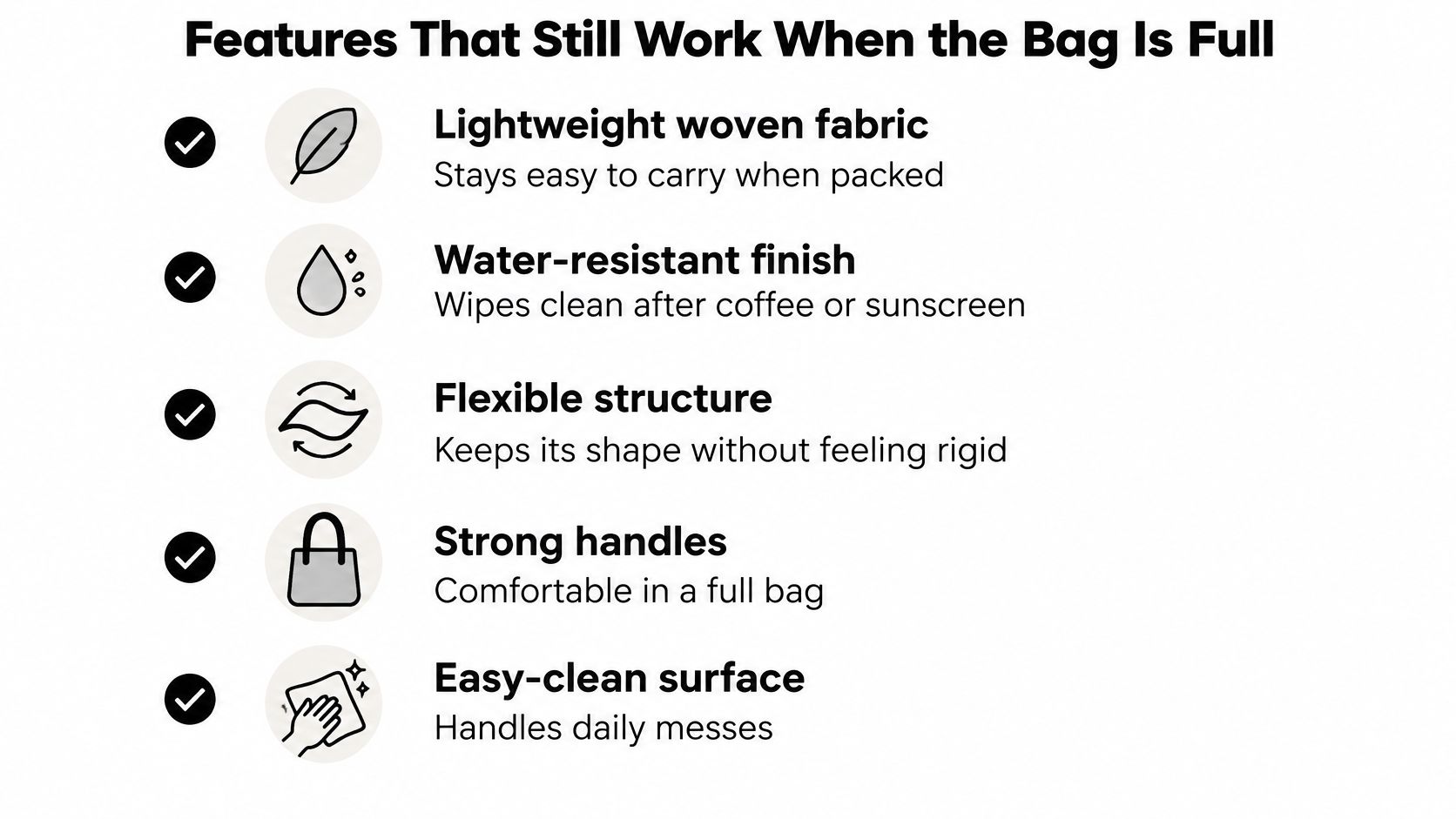
Features That Still Work When the Bag Is Full
A wet swimsuit comes back from the pool just as you're reaching for a clean shirt. The bag's useful features are the ones that still work in that moment: pockets you can reach, space that keeps damp things apart, and fabric that handles splashes.
Material, Weight, and Real Capacity
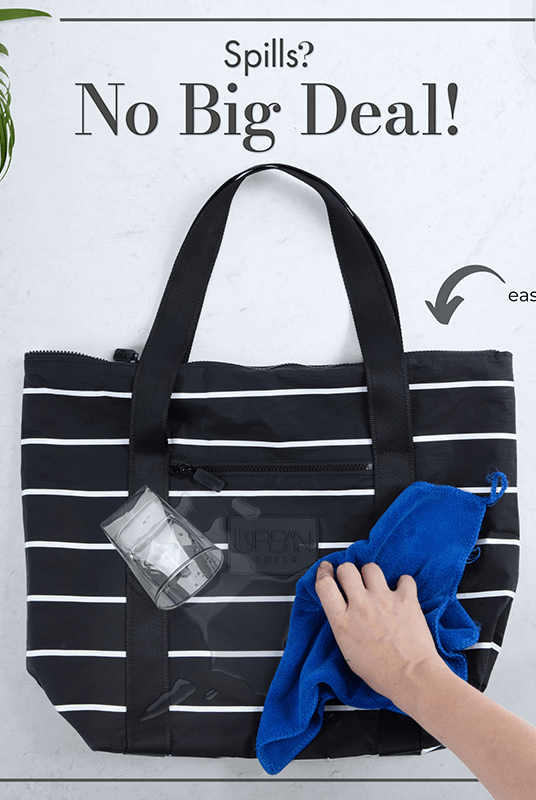
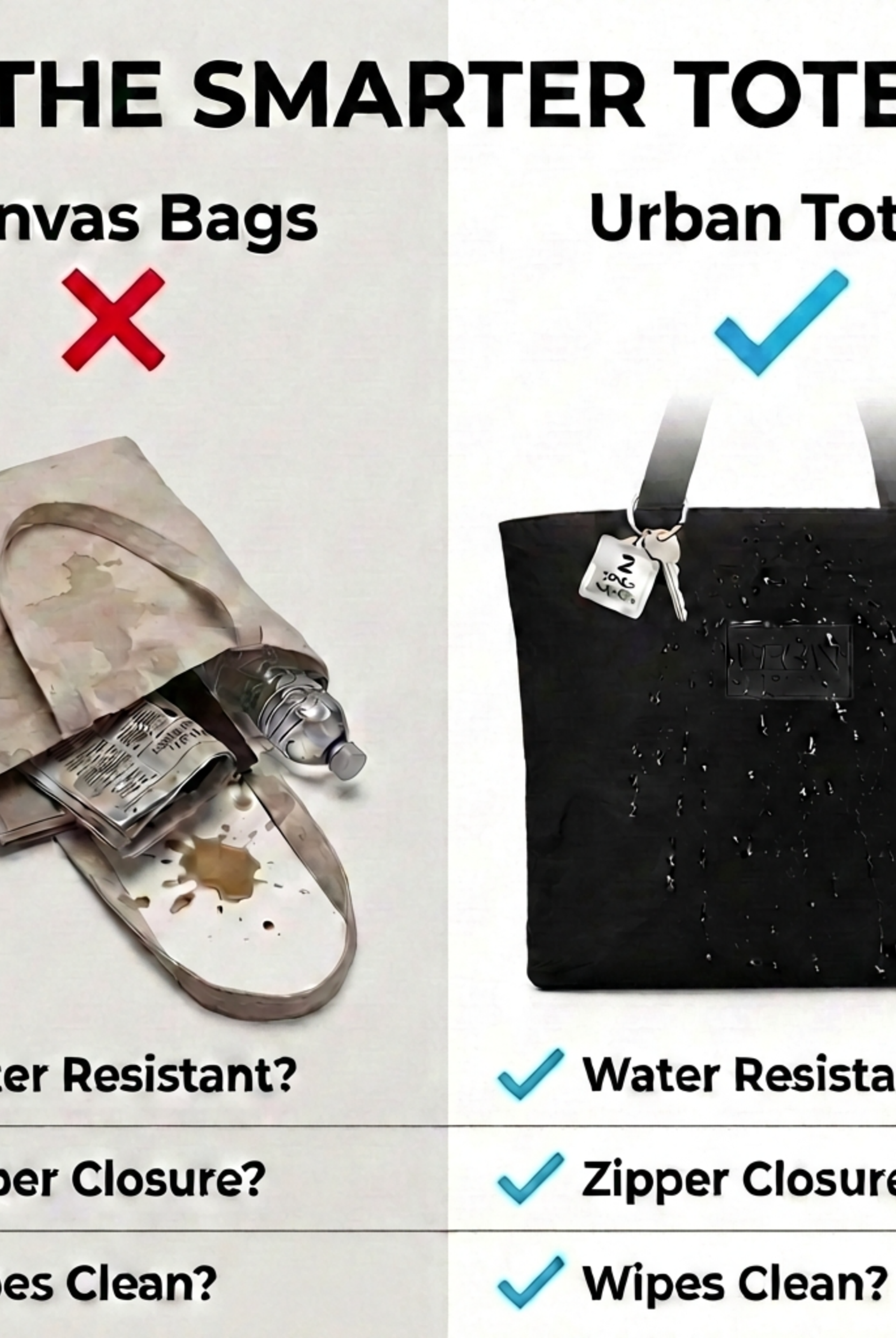
Lightweight, water-resistant fabric can handle splashes and light drizzle, and a surface that wipes clean is handy after coffee or sunscreen brushes the bag. Keep a damp swimsuit in a separate pocket or pouch so it doesn't rest against clean clothes.
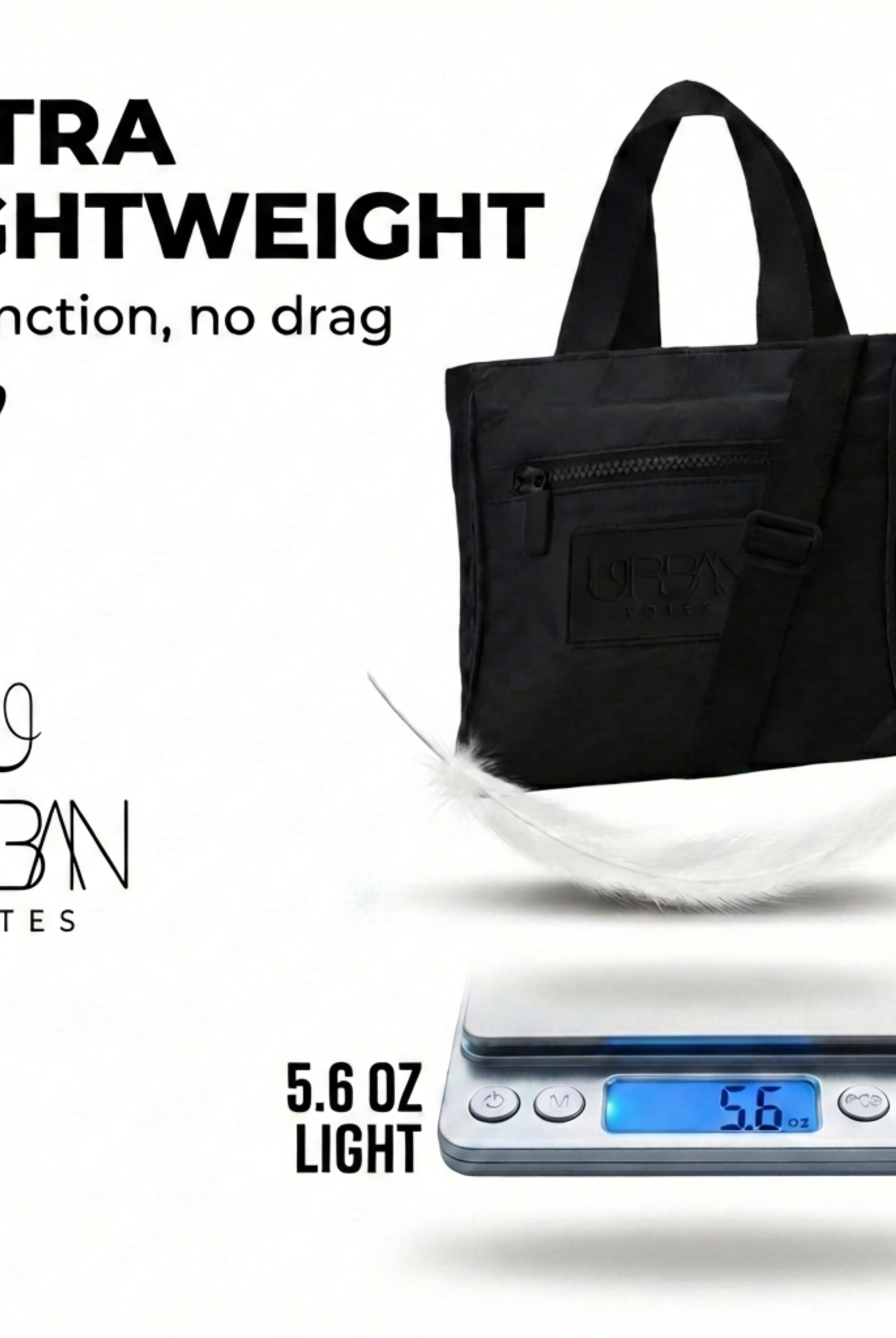
The bag's own weight counts toward your cabin allowance, leaving less room for shoes and toiletries. Check how the fabric expands when the bag is full: a soft body can bulge around bulky items, changing the shape you'll carry through the airport. Pack the clothes and shoes you plan to bring, then see whether the bag closes without forcing its zipper into a curve.
Airline carry-on policies focus on fit and under-seat space, but capacity matters throughout the trip too. A bag that fits at the gate should still leave room to separate clean clothes from damp gym gear or a towel after the beach.
Pockets That Open Under Pressure
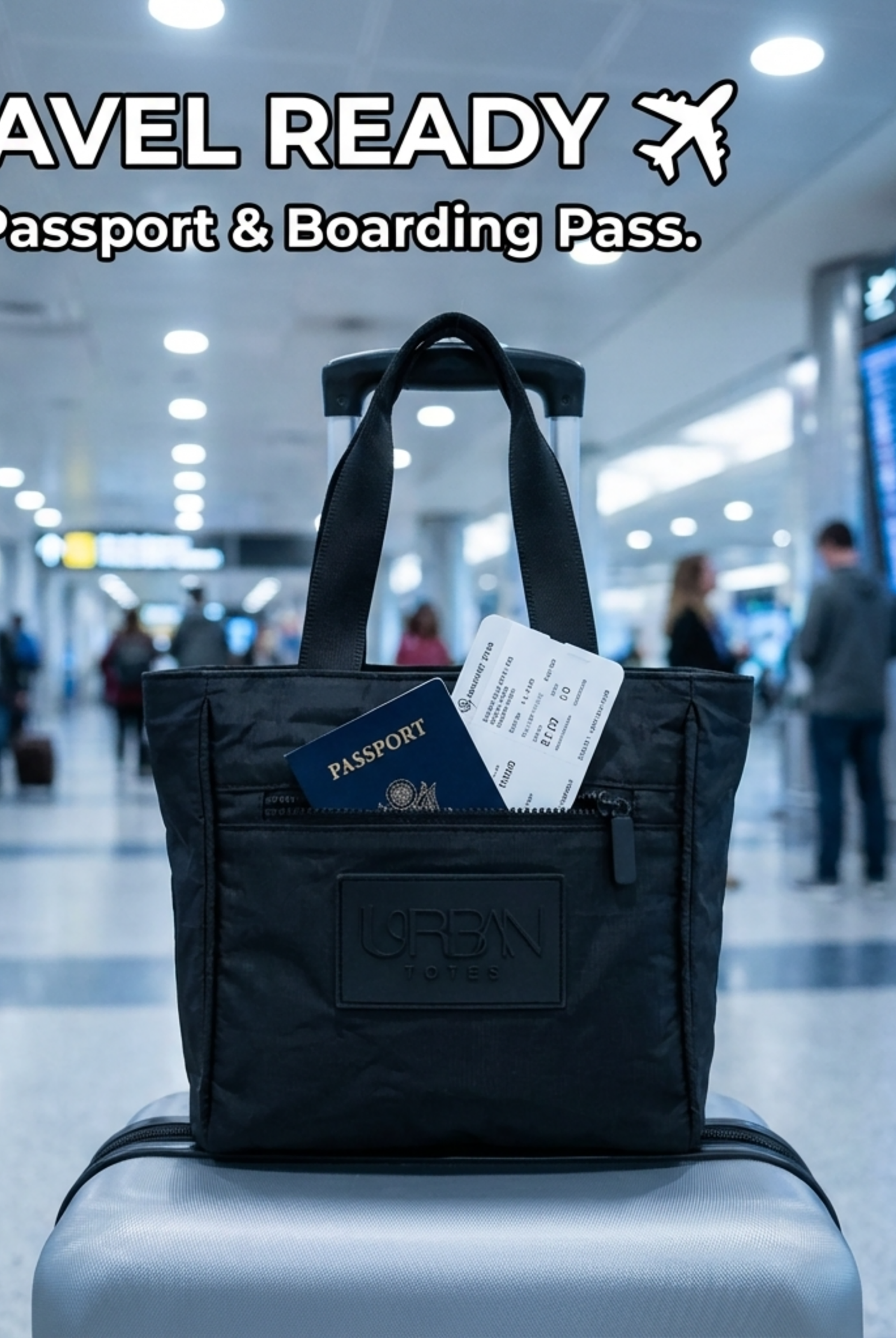
A pocket is useful only if you can open it while the main compartment is full. Load the bag, close it, then check whether you can reach the phone, keys, or boarding pass without shifting everything around.
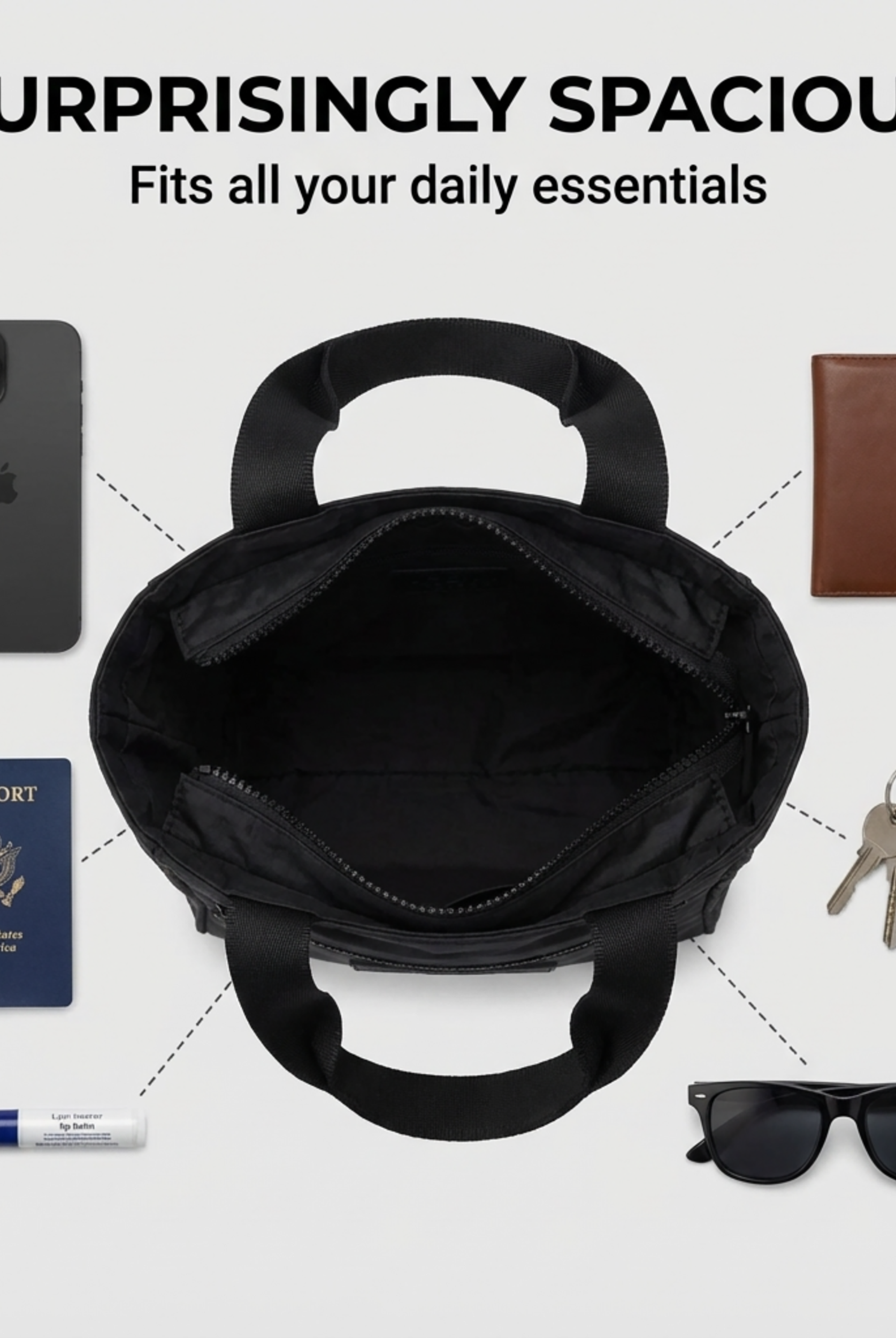
- Main compartment: Holds rolled clothes without bending the zipper around a bulging load.
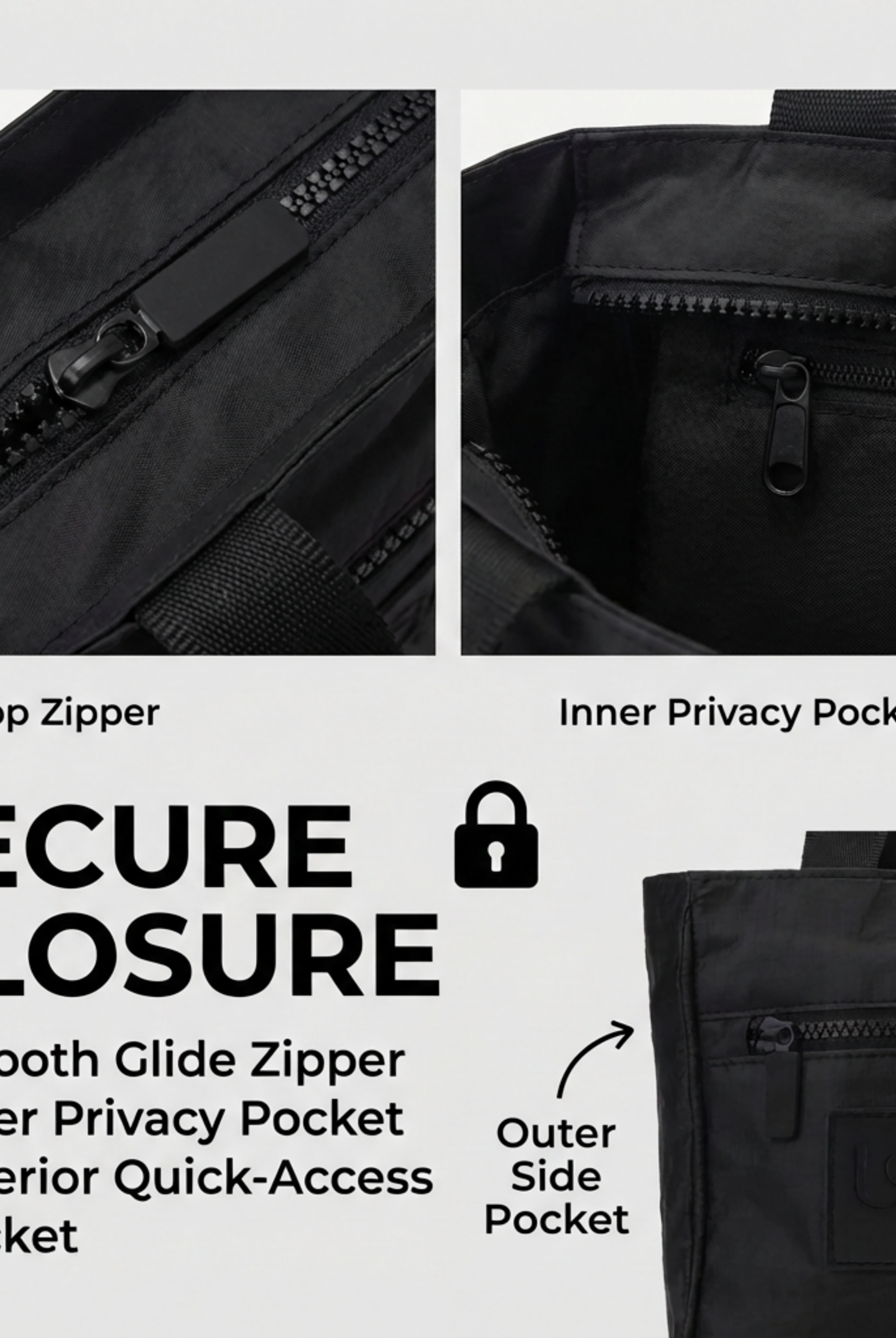
- Easy-reach zipper pocket: Keeps your phone, keys, or boarding pass apart from shoes.
- Inner zipper pocket: Gives chargers, medication, and small valuables a set place.
- Side or damp pocket: Separates a swimsuit, workout top, or snack spill from clean clothes.
Pocket placement makes a difference once the bag is packed. A pocket pressed flat against a full compartment may have room for a boarding pass but not much else. This guide to bags with practical compartments explains how different layouts can serve different needs.
Packability Without Losing Structure
A fold that creases in the same spot every trip can leave a permanent line. When the bag opens, enough body to hold its shape also helps keep pockets accessible instead of letting them collapse into the main compartment.
Check the zipper, handles, and pocket openings with the bag loaded. A full bag should sit comfortably against your side on the walk from the parking lot, while clean clothes stay separate from shoes and damp items.
A practical packable design balances a compact fold with room to expand, usable pockets, and fabric that wipes clean. That matters on a weekend that moves from a school run to the gym, then on to a train or airport.
Match the Bag to the Trip You Actually Take
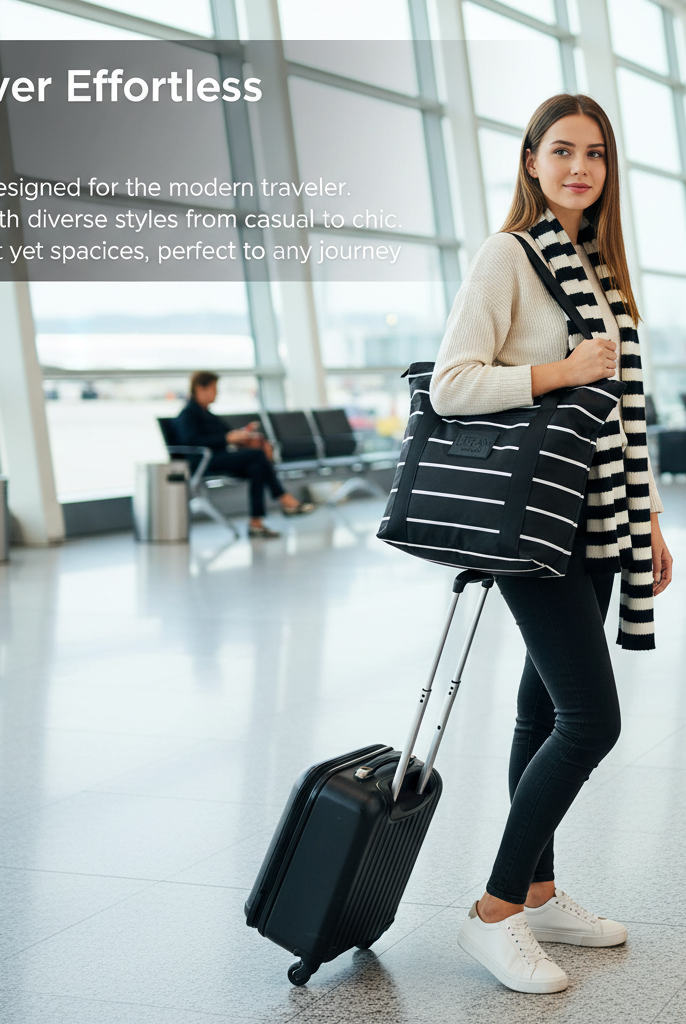
At the airport, a soft weekender can look compact on the way to the gate and bulge once shoes and toiletries are inside. Choose for the trip you take most often: the bag's loaded shape, usable pockets, and carry comfort matter more than its smallest folded size.
Five Weekends, Five Different Jobs
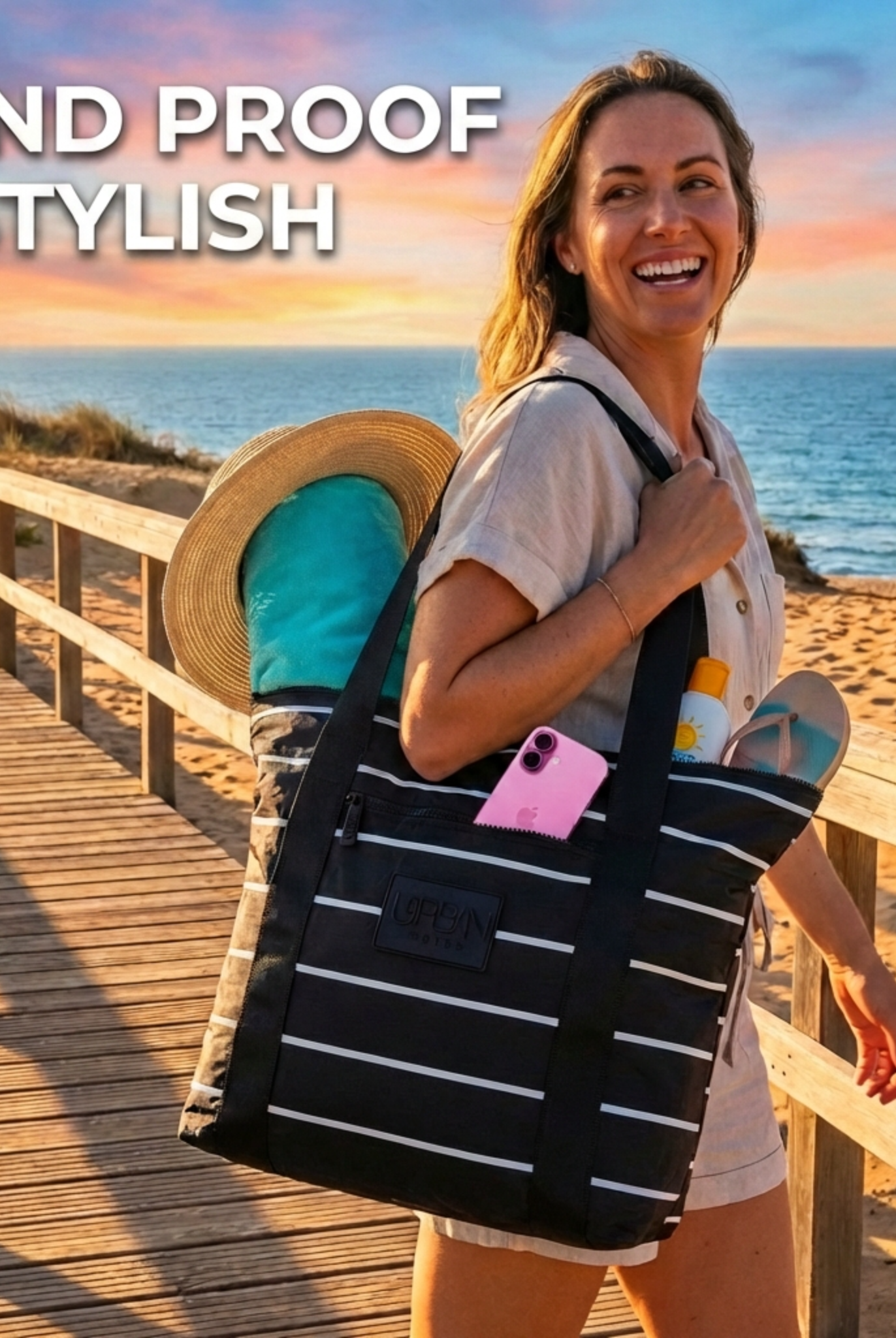
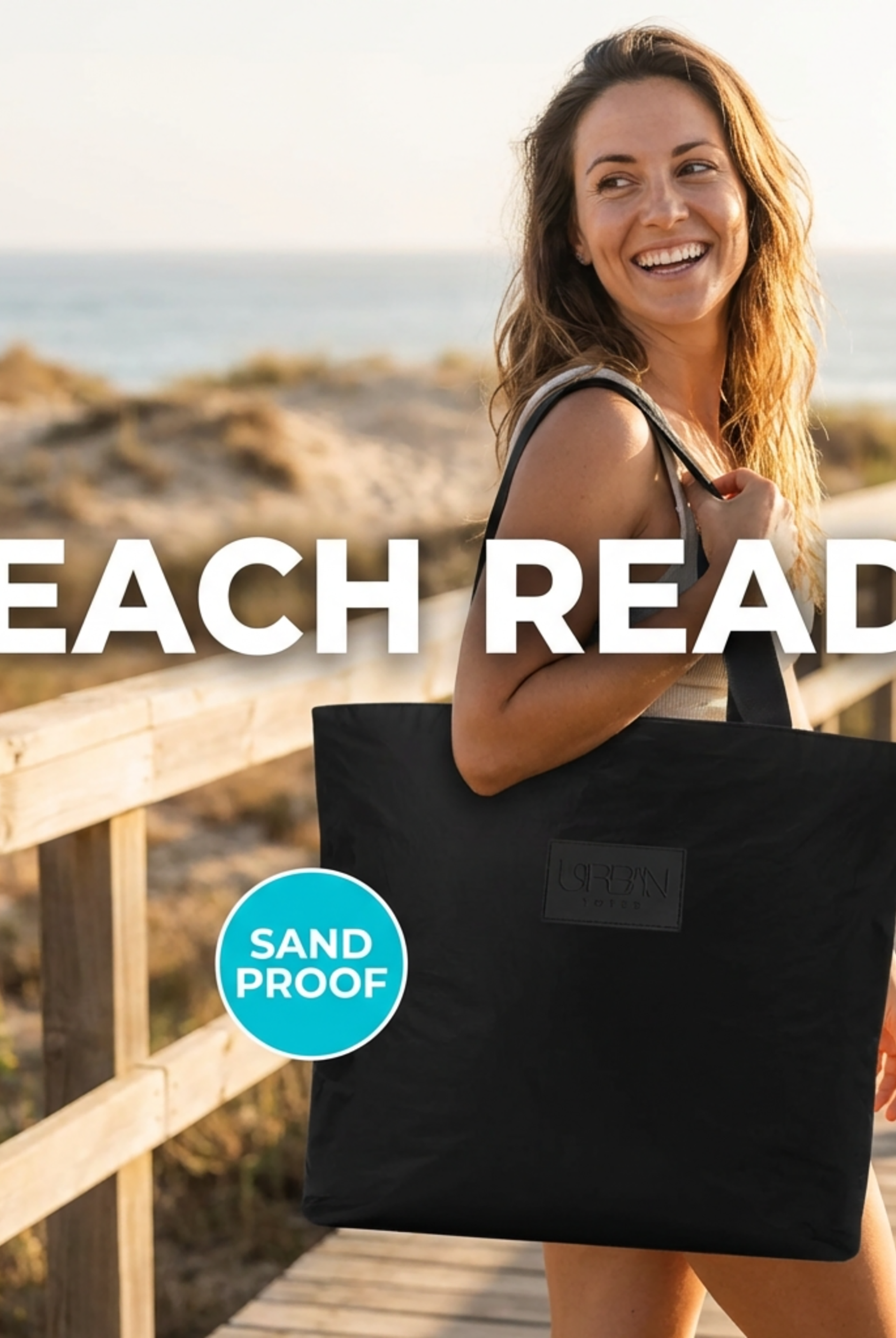
A beach day starts with towels, snacks, dry clothes, and a book. On the ride home, a swimsuit damp from the pool needs to stay apart from that dry change of clothes. Look for a layout with a separate pocket that remains usable when the main compartment is full.
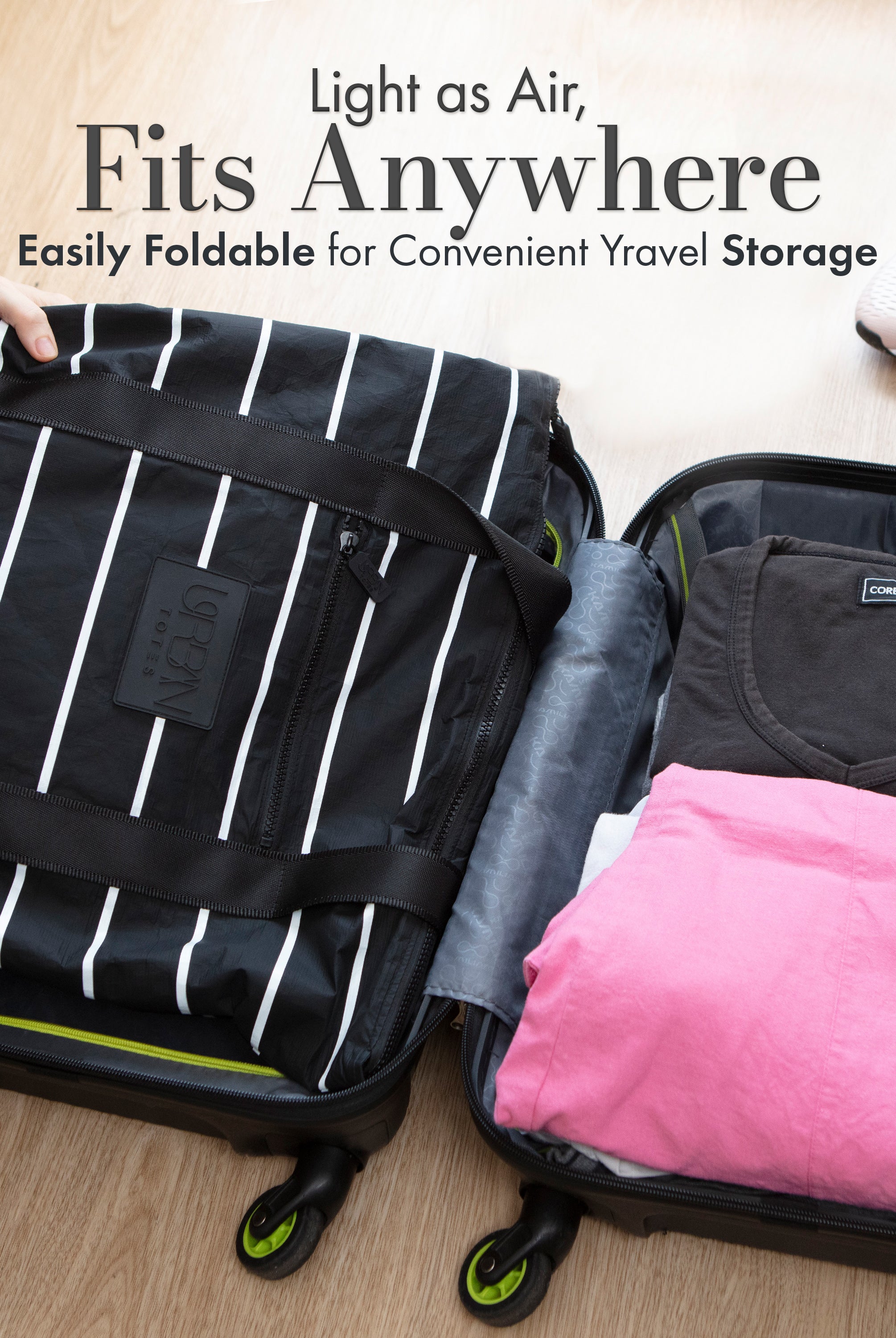
For a two-night flight, the bag may be your only cabin item. Check its loaded dimensions against the airline's limits, then consider whether the zipper stays easy to close and the bag remains comfortable to carry. When it's backup luggage, it should fold away inside your larger suitcase and open at the hotel for chargers, toiletries, or tomorrow's outfit.
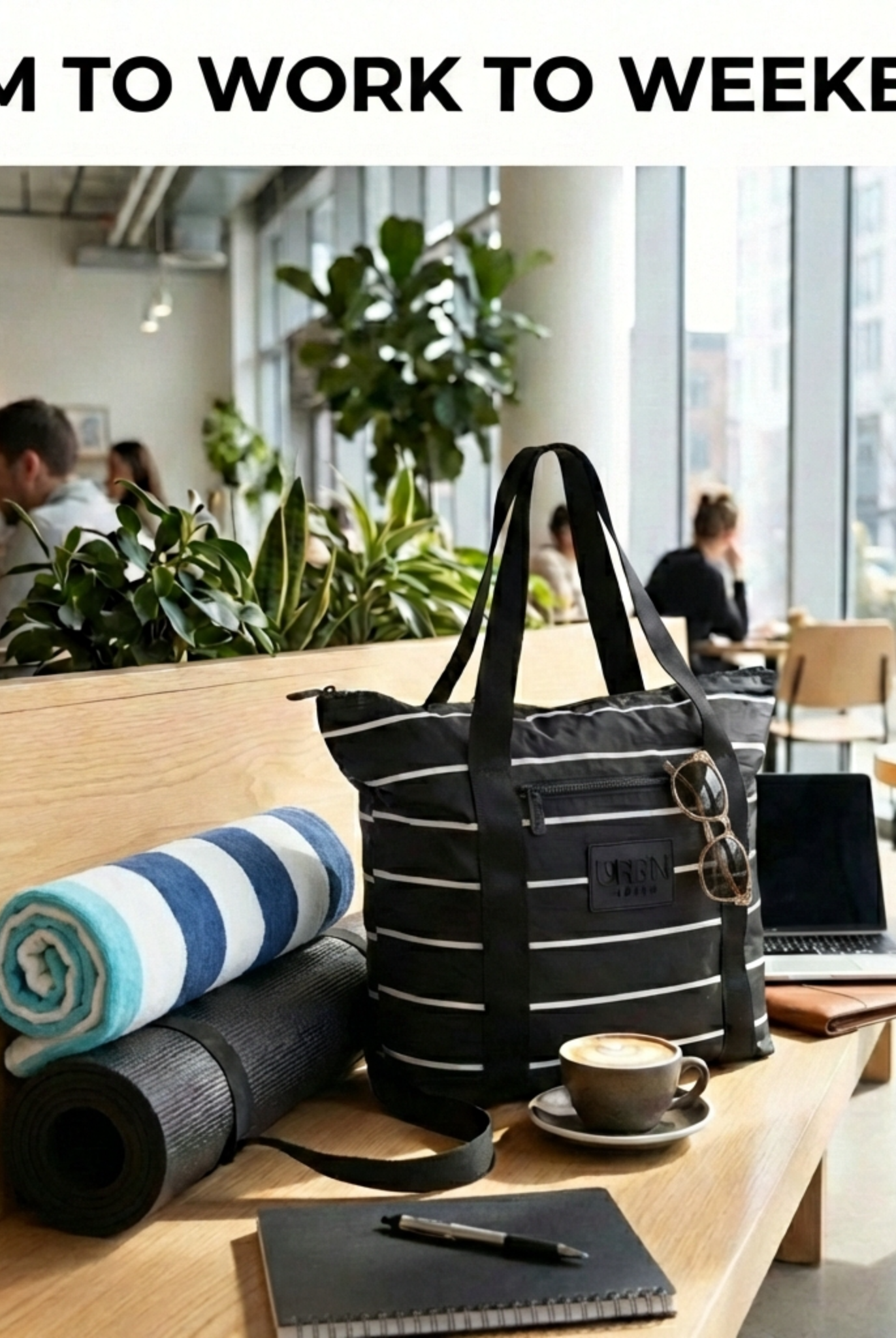
A commuter's weekender may spend Tuesday folded inside a work tote, then come out for an overnight stay. Zipper security helps keep belongings contained on the train. If hands-free carry suits your commute better, compare the design with a convertible travel backpack.
After the gym, a bag may hold shoes, a water bottle, and a fresh outfit before school pickup. Give sweaty or damp items their own pocket so they don't mingle with clean clothes. For errands and school runs, comfortable straps and useful compartments make the load easier to manage.
| Trip | Let this win | Watch for this failure |
|---|---|---|
| Two-night flight as the only cabin bag | Loaded size control, zipper closure, low empty weight | Corners bulge past the sizer |
| Backup folded inside other luggage | Flat fold and light fabric | Will not pack away when empty |
| Beach or pool day | Water-resistant body and a separate wet pocket | Damp fabric soaks dry clothes |
| Gym then commute | Odor separation and wipe-clean fabric | Sweat or shoes scent the outfit |
| Errands and school runs | Multi-pocket layout and comfortable straps | Overstuffing turns it into a shapeless haul |
Know When It's the Wrong Tool
A packable weekender has limited room for cold-weather layers. Bulky coats, several pairs of boots, or gifts for the family can make a soft bag bulge and become uncomfortable to carry through a terminal.
If your trip already calls for checked luggage for gear or formal clothes, use the weekender as a backup. Fold it away for the outbound journey, then open it at your destination for extra storage or souvenirs, provided your return allowance has room.
Choose a bag suited to your regular trips, and let larger luggage handle the occasional haul.
Three Failure Tests Before You Keep It
Try these checks while returns are still easy. An empty-bag photo can't show how the pockets and shape behave under load.
- Check the loaded outline: Compare the packed bag with the airline's size limit. Use the earlier taped-box test as a guide.
- Check it half full: If the bag collapses, its pockets may be harder to use with mixed loads such as groceries and gym clothes.
- Check the fold: Pack it into your suitcase to see whether it works as a backup.
Then load it and walk the stairs, lift it to shoulder height, and set it down on a damp bathroom floor. Notice whether the handles feel comfortable, whether moisture reaches the contents, and whether you can find your keys without unpacking.
A good match fits your routine, keeps damp items apart from dry clothes, and folds away when its job is done.
How to Pack and Care for a Weekender
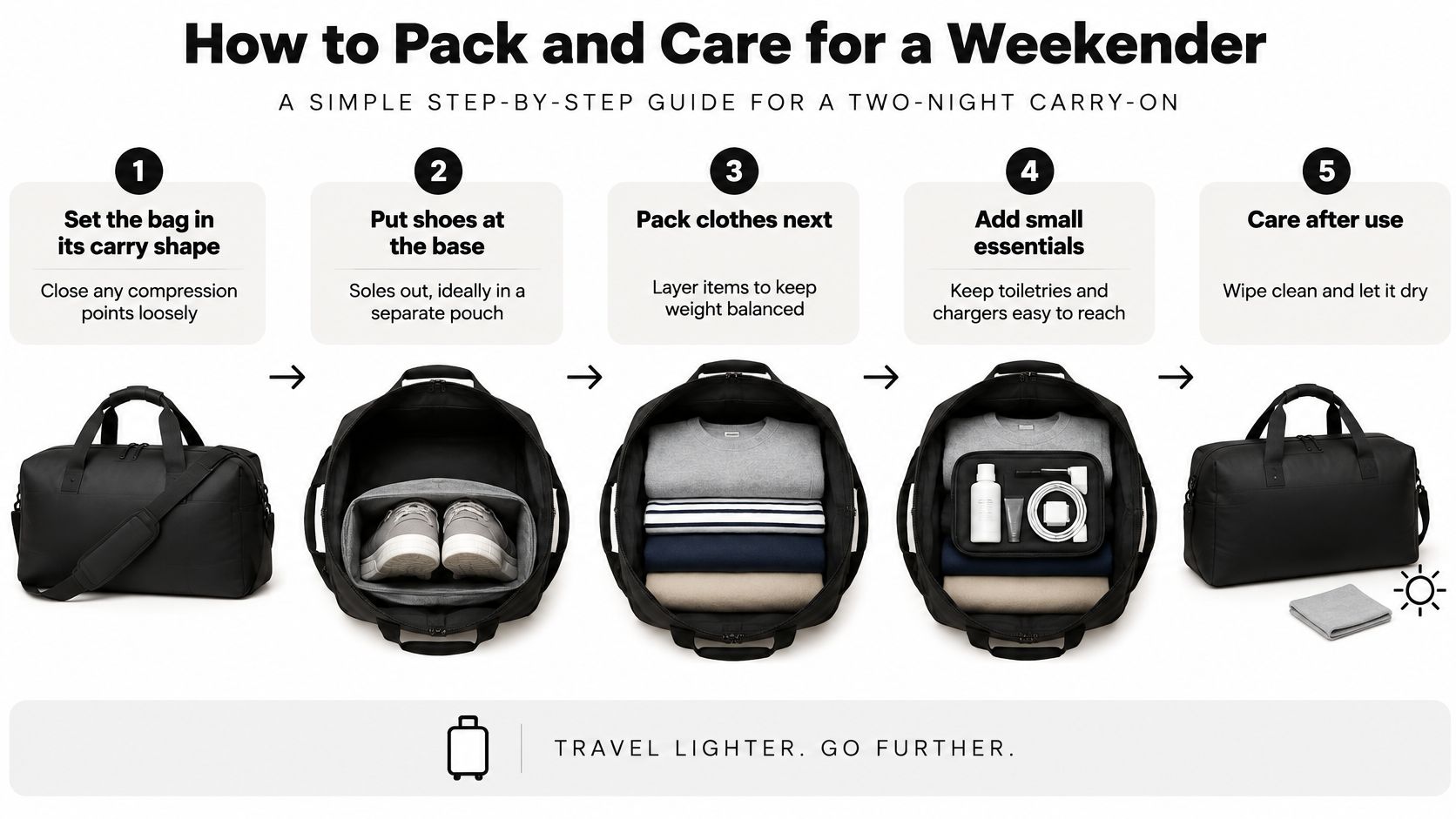
Pack in the order the bag will carry best, not in the order you grab things from drawers. Heavy and hard items create the base, soft clothes become the walls, and anything damp stays exiled from clean fabric.
A Load Order for Two Nights
- Set the carry shape: Open the bag fully and close any compression points loosely so you're packing the shape you'll carry.
- Shoes at the base: Put one pair soles-out along the bottom, ideally in a separate pouch so grit stays off clothes.
- Roll soft knits: Roll tees, leggings, and sleepwear, then stand the rolls upright along the back panel to create structure.
- Lay the wrinkle-prone outfit flat: Place the one piece that creases most on top, folded once, rather than rolled.
- Park toiletries where you can reach them: Use the easy-reach pocket so security doesn't become a full unpack.
- Give travel essentials their own zipper: Phone, keys, and boarding pass belong in the outer pocket, not buried under shoes.
- Bag damp or scented items separately: Seal them on their own, then use a side or inner pocket so they never touch clean clothes.
- Zip, press, and recheck: Close the main zipper, press the sides into shape, and repeat your outline check. If it bows, remove the extra shoes first.
For U.S. security, the TSA travel tips factsheet sets the 3-1-1 rule at containers of 3.4 ounces (100 milliliters) or less, all fitting into one clear, quart-sized, zip-top plastic bag, with one bag per passenger. TSA recommends placing that bag in an accessible front pocket, which is why step five matters.
Think of the packed bag as a simple map. Shoes form the base layer, rolled knits make a vertical wall, the flat outfit is the roof, and pockets are labeled clean, damp, and easy-reach in your head. If you're adding organizers, see how compression packing cubes for travel change bulge before you rely on them to shrink a load.
Medical items need a different spot. The TSA guidance for disabilities and medical conditions allows medically necessary liquids in quantities greater than 3.4 ounces or 100 milliliters when needed, but you must declare them and remove them for screening. Keep them accessible and separate from ordinary toiletries.
Wet-weather and water trips follow the same separation logic. If your weekend includes gear that comes back damp, the advice to prepare your diving holiday luggage offers a helpful reminder to plan a place for wet items before they're dripping in your hands.
Care That Protects the Next Trip
Empty every pocket when you get home, including the one holding damp socks. Wipe sunscreen or coffee while the spot is fresh, then let the bag dry fully open before you fold it. Folding a damp bag locks in odor and sets creases in the wrong places.
Don't stuff it wet into a suitcase and hope the hotel room sorts it out. A good fold is a dry, empty fold, and that one habit protects the fabric, the pockets, and the clean smell of your next weekend.
Choose a Go-Anywhere Bag and Start Packing
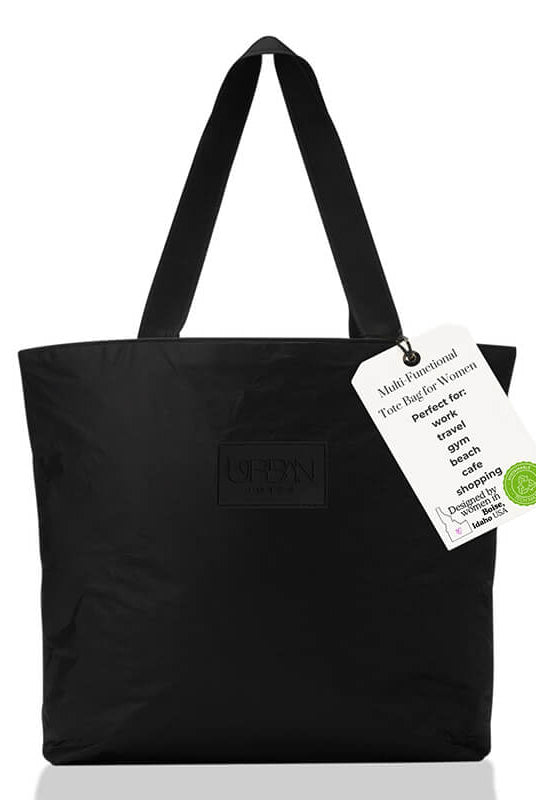
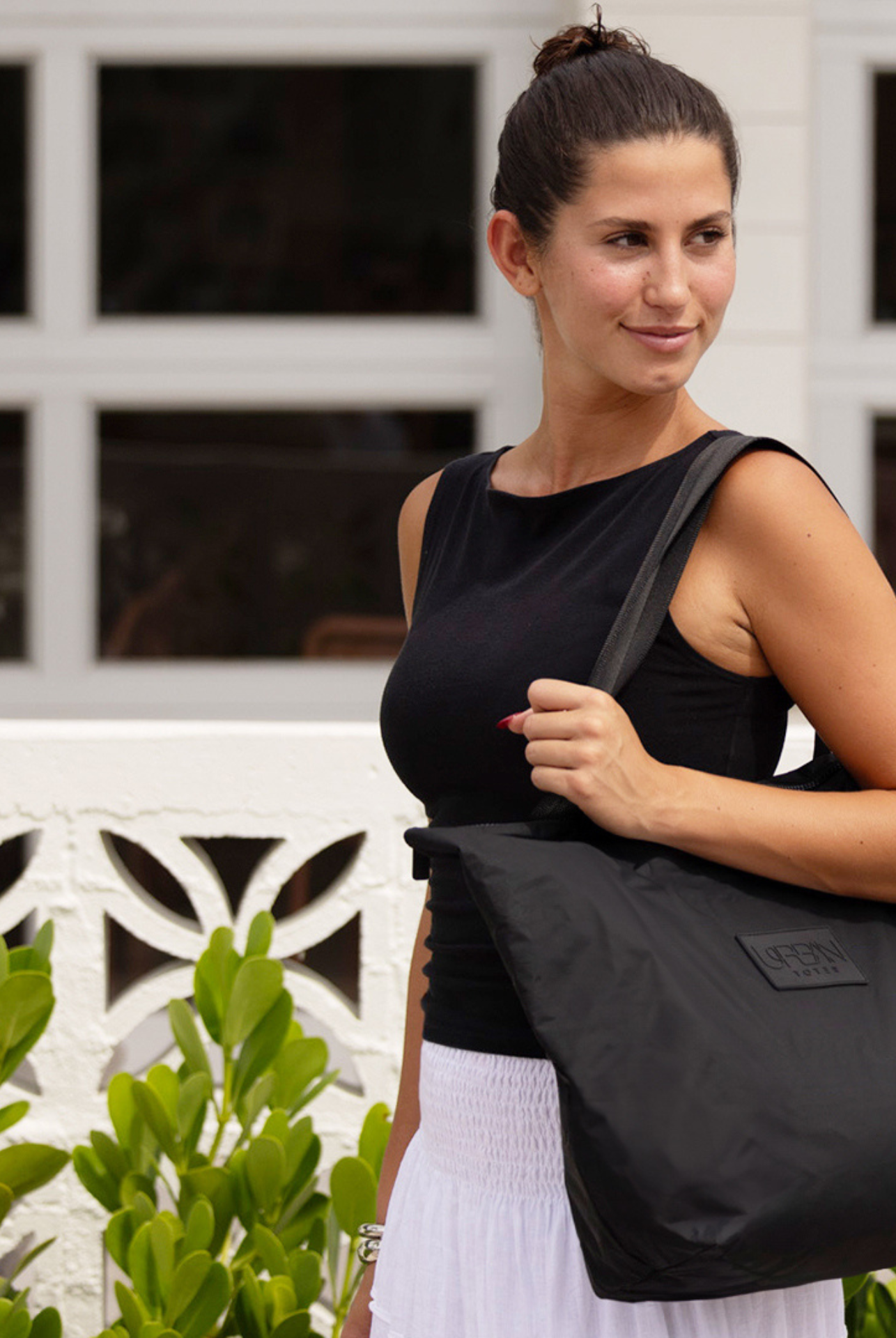
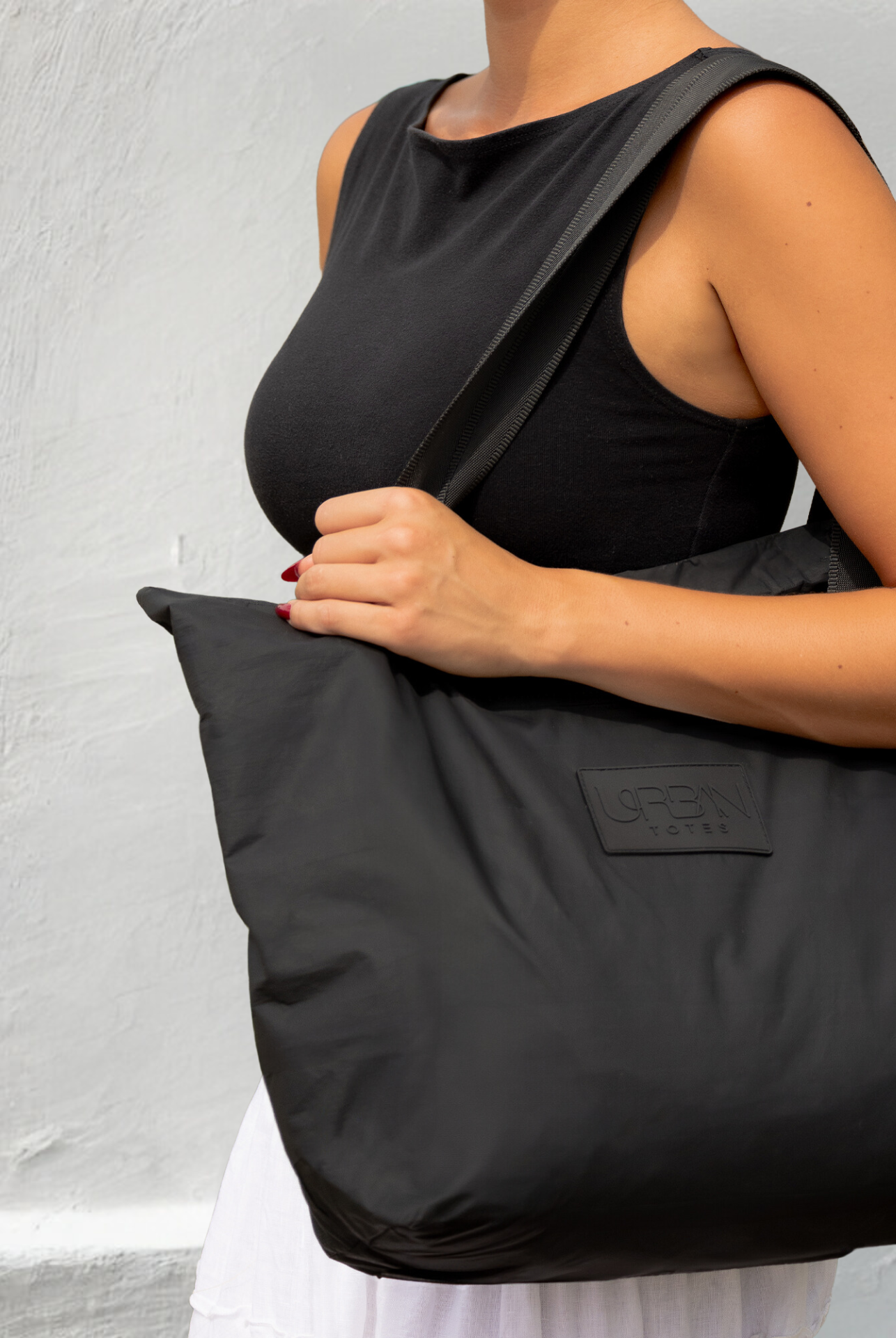
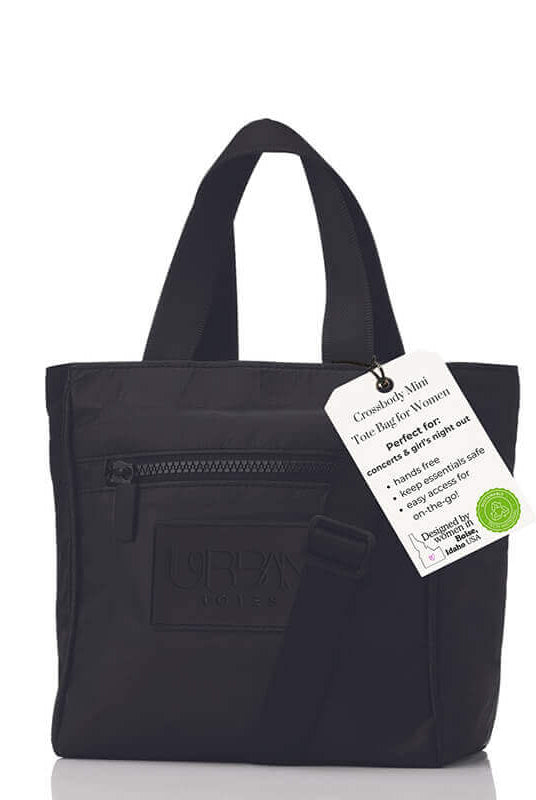
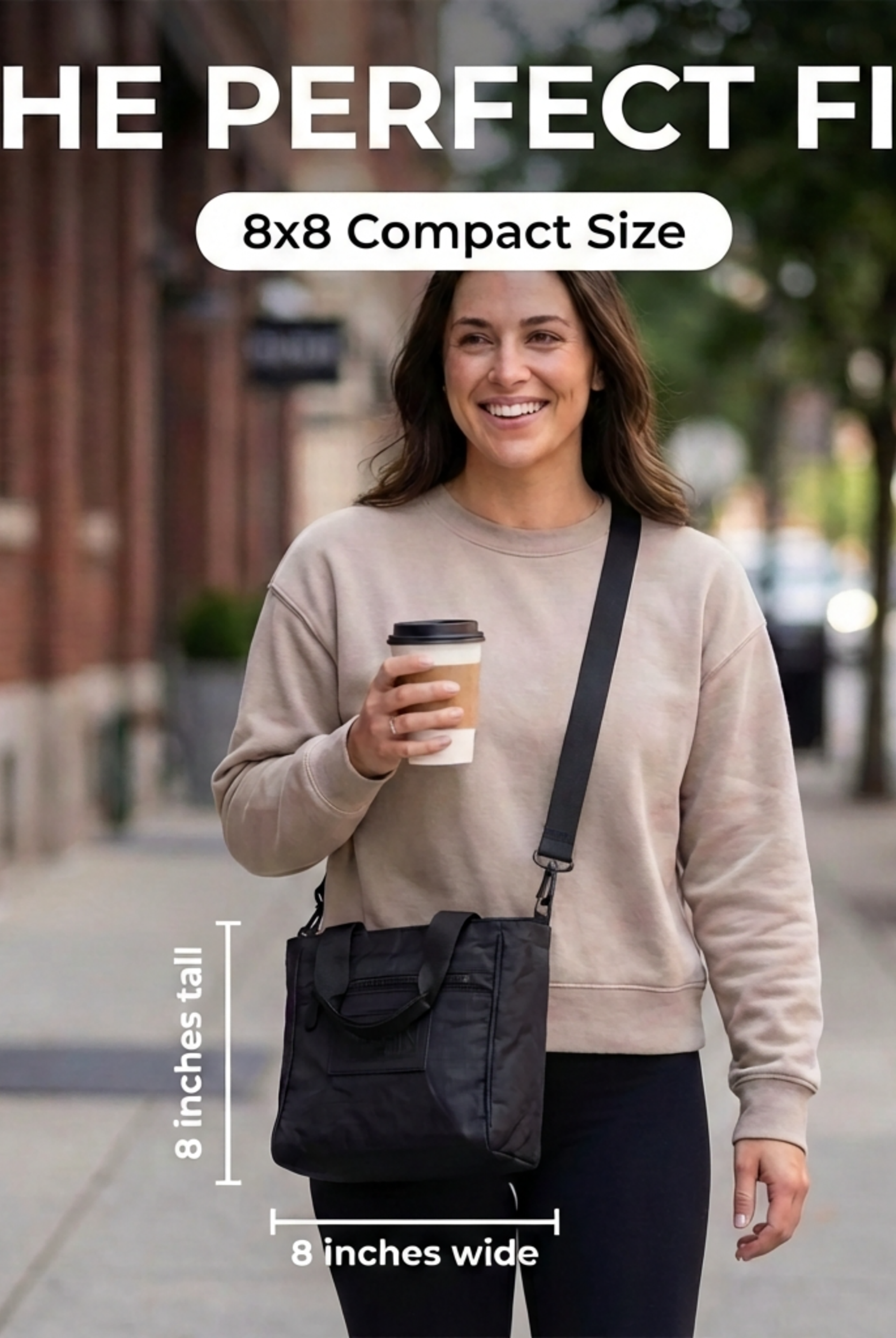
Bring those tests back to a bag you can order and use Monday through Sunday. Urban Totes is a woman-owned, Boise-made brand, and our bags are packable and designed for travel, with a lightweight build and zipper compartments for movement between errands, the gym, and a weekend flight.
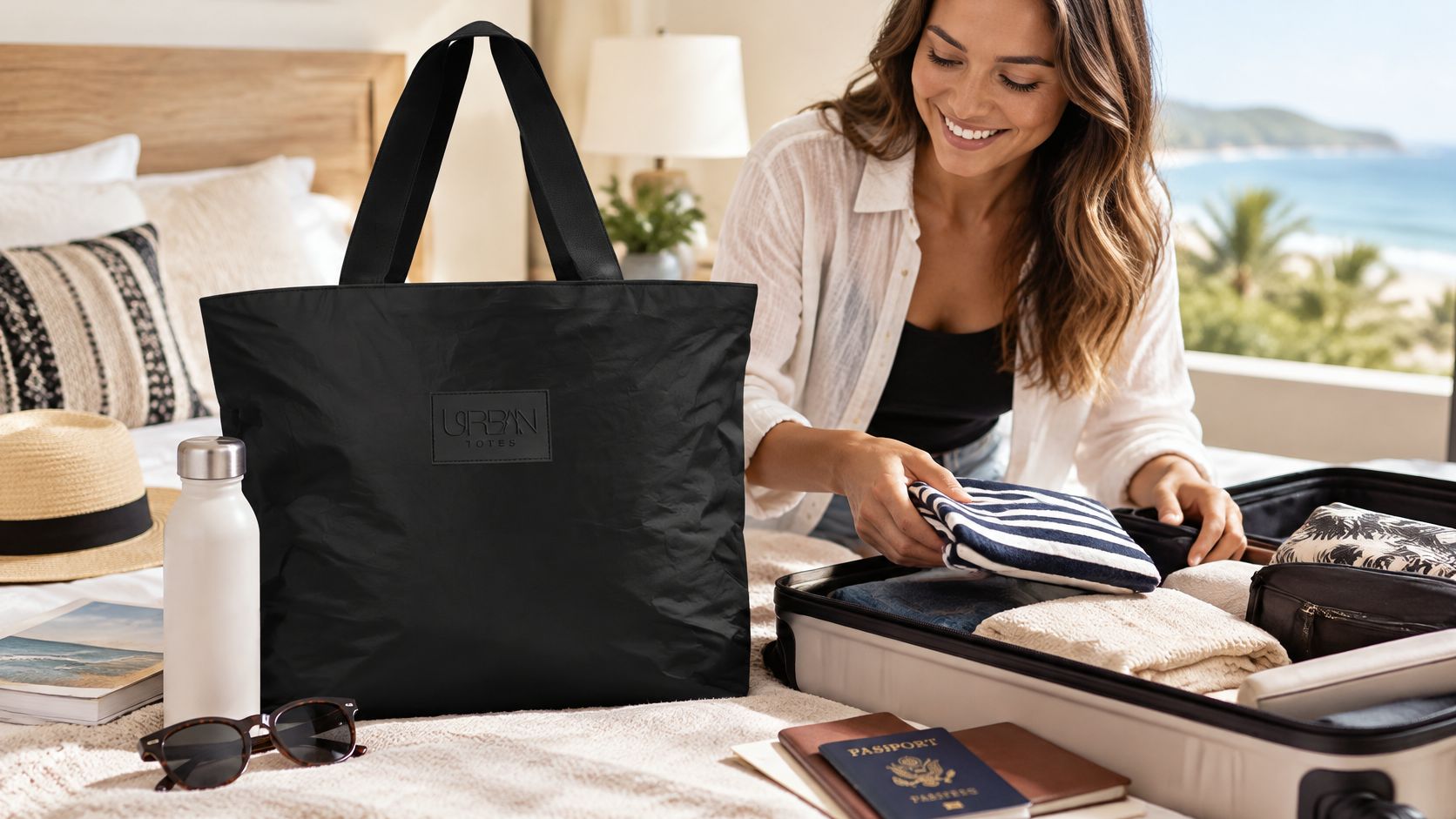
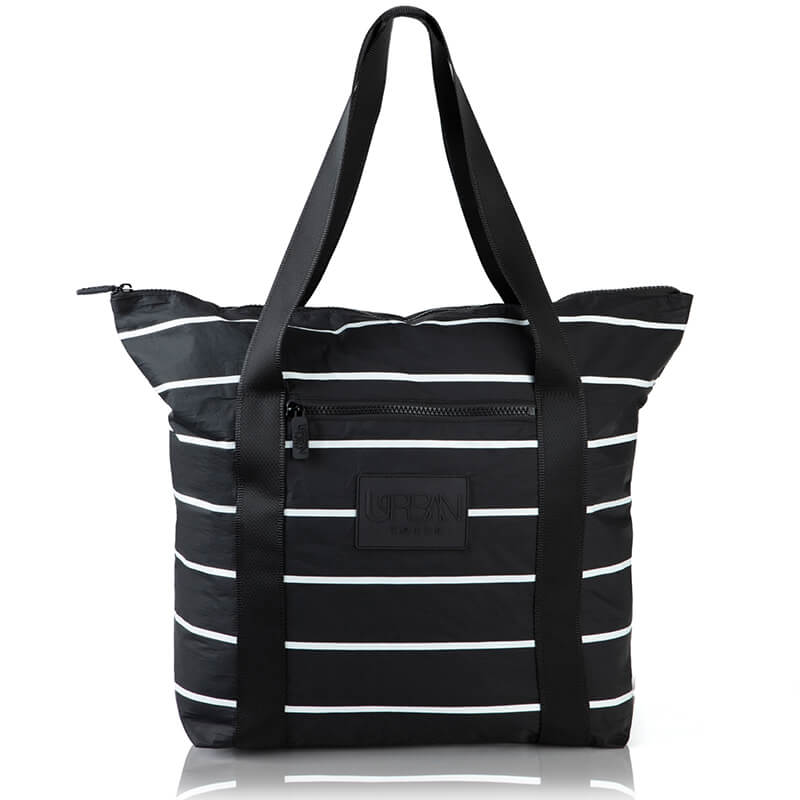
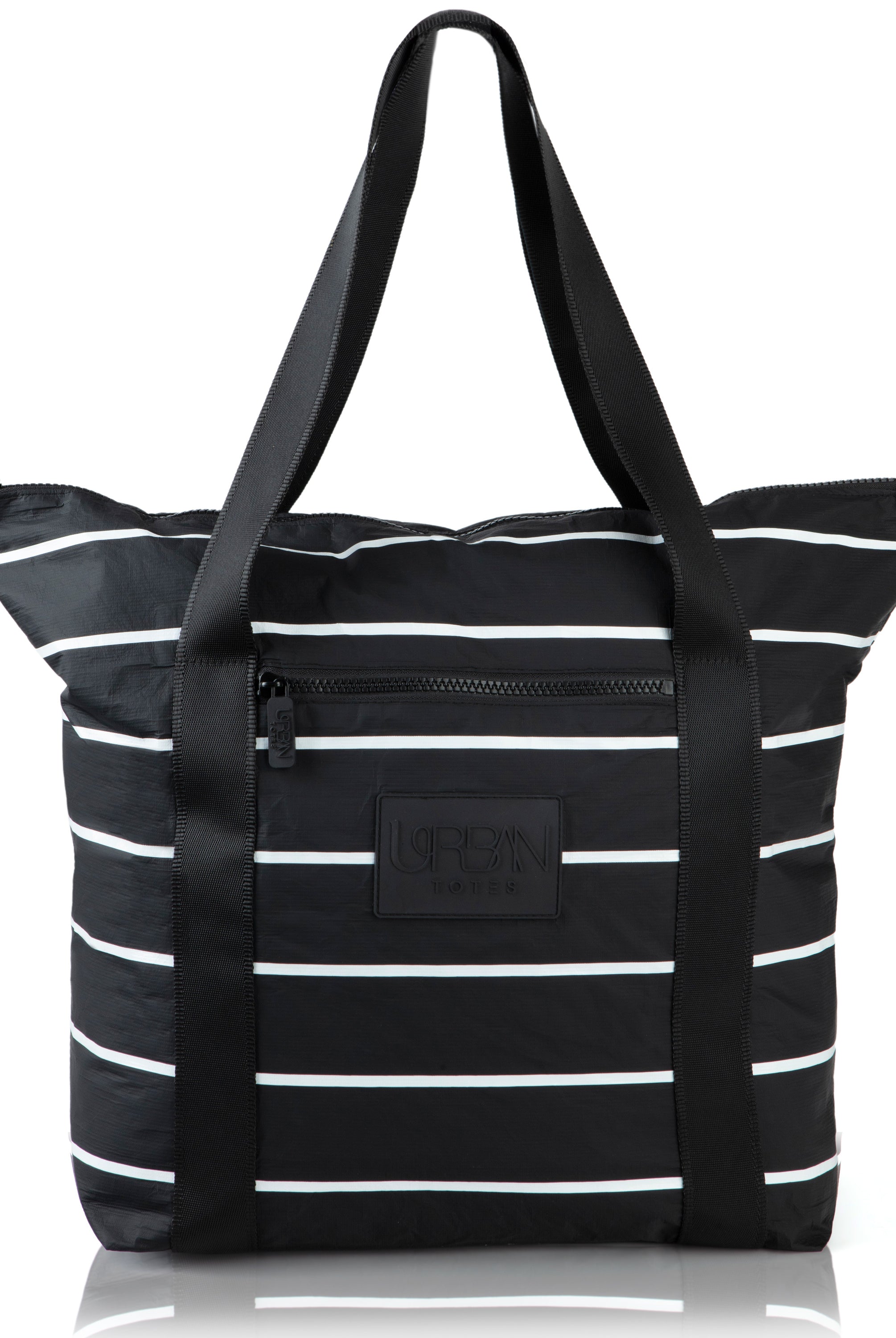
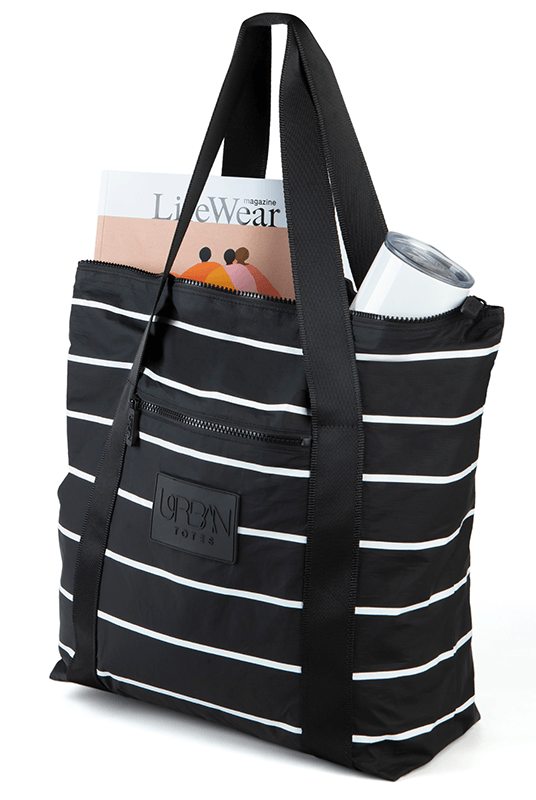
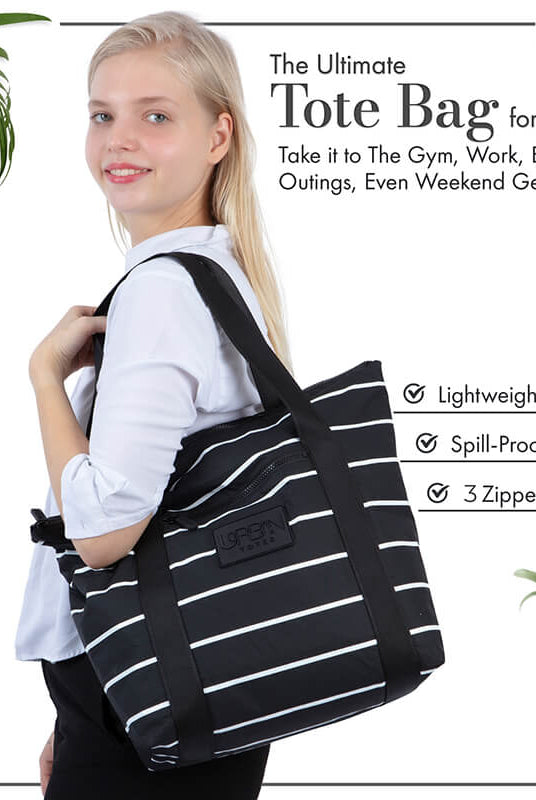
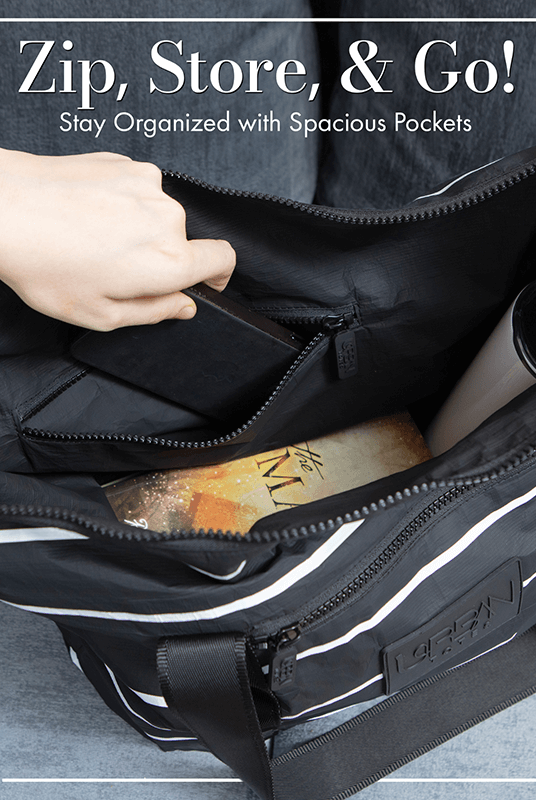
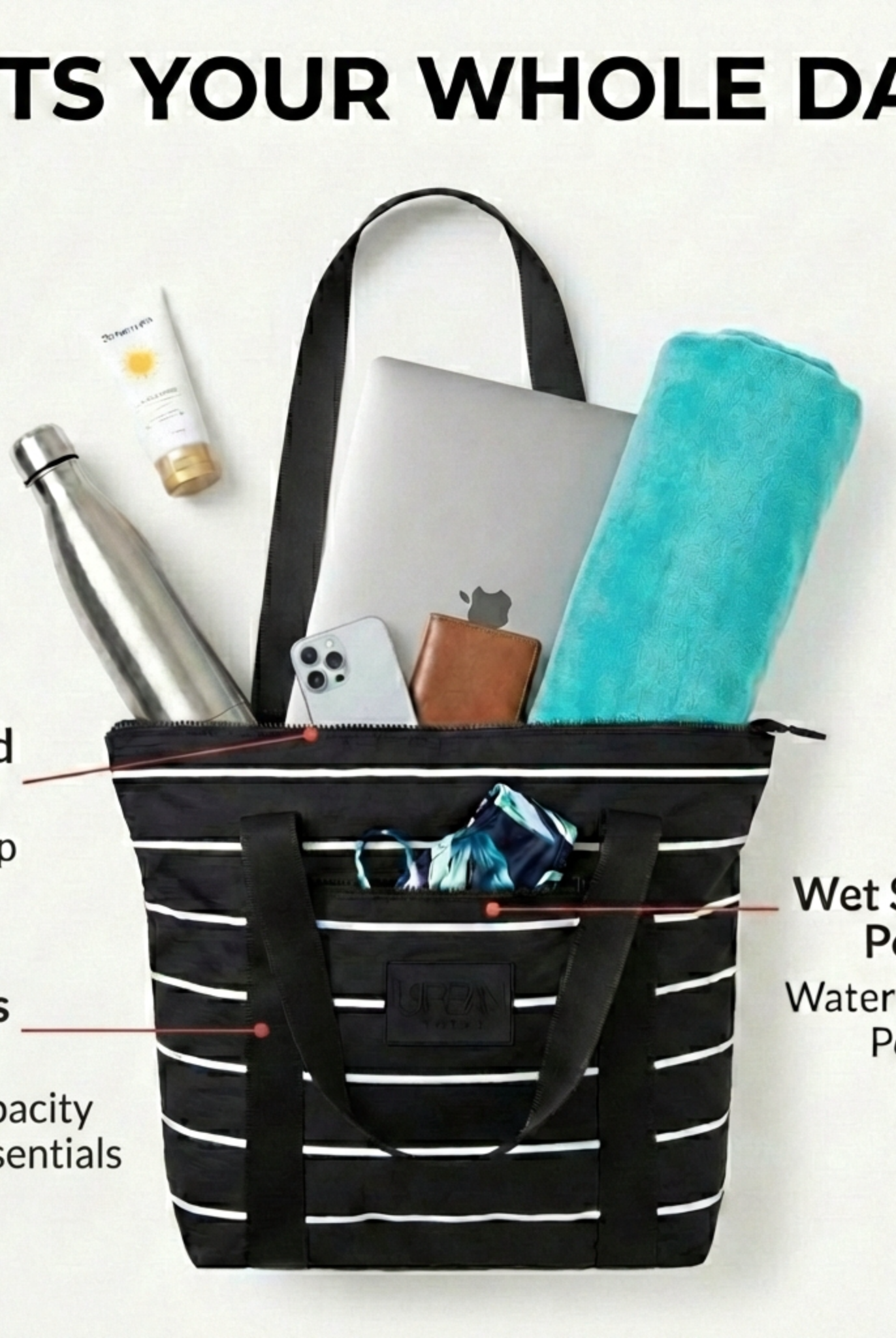
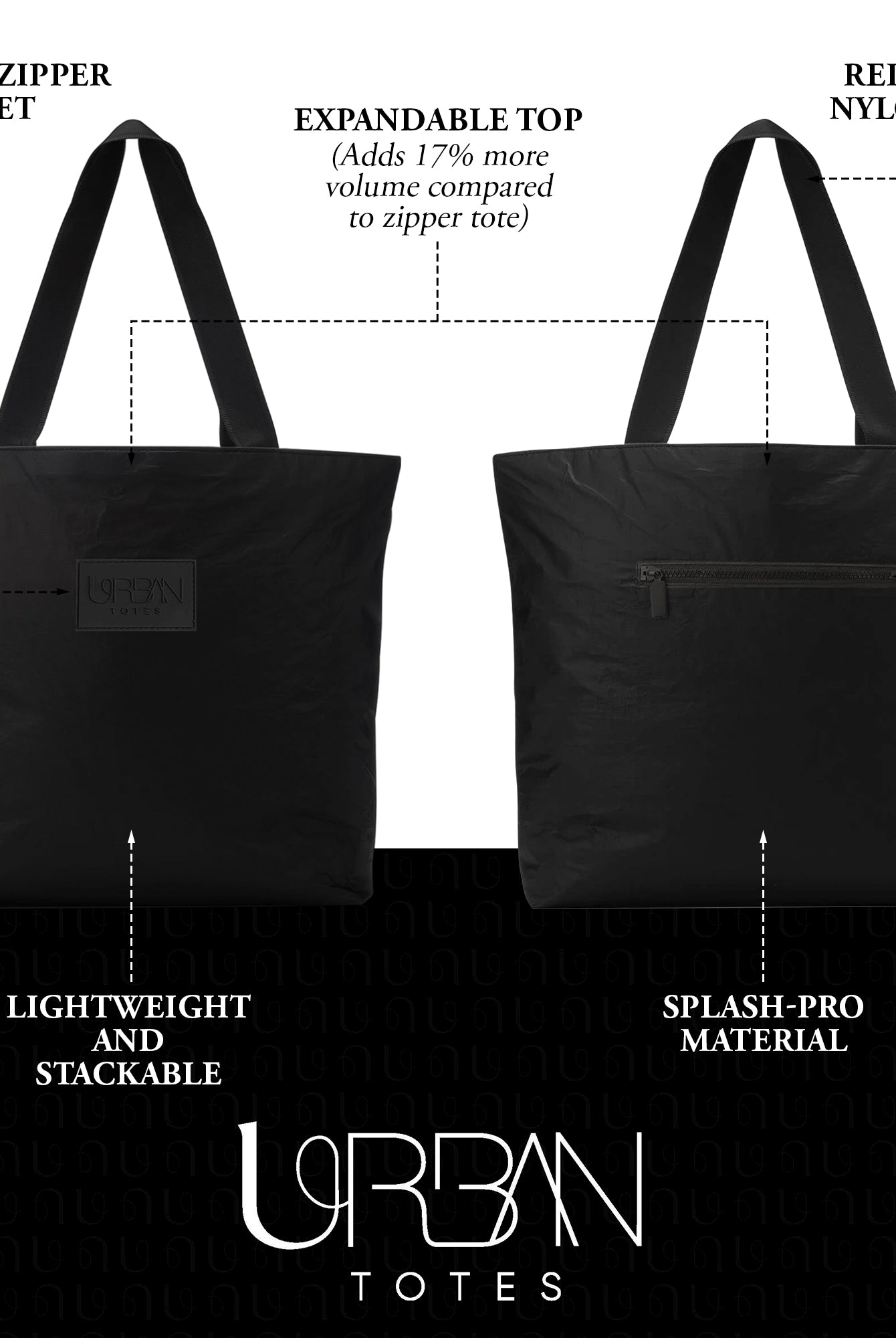
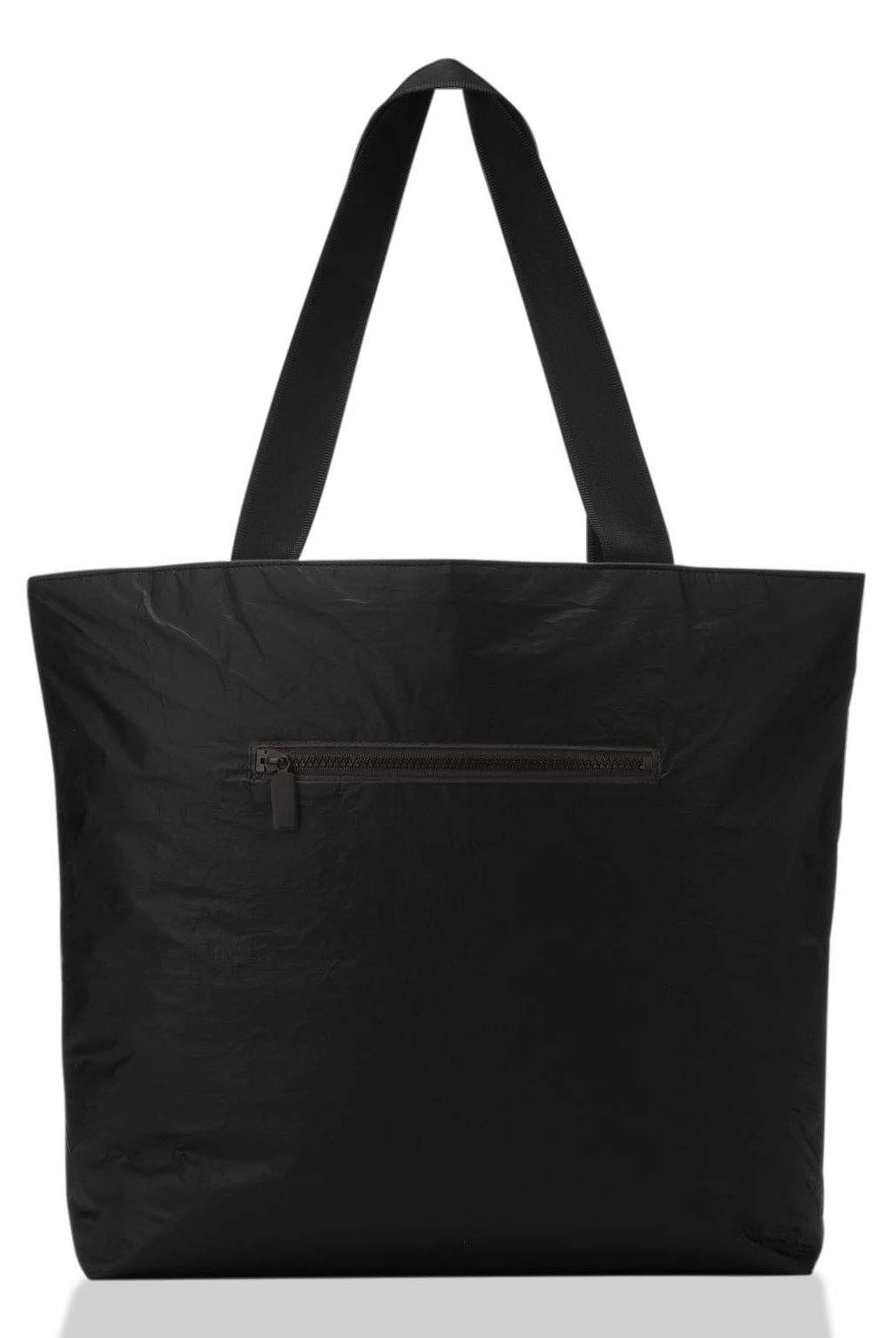
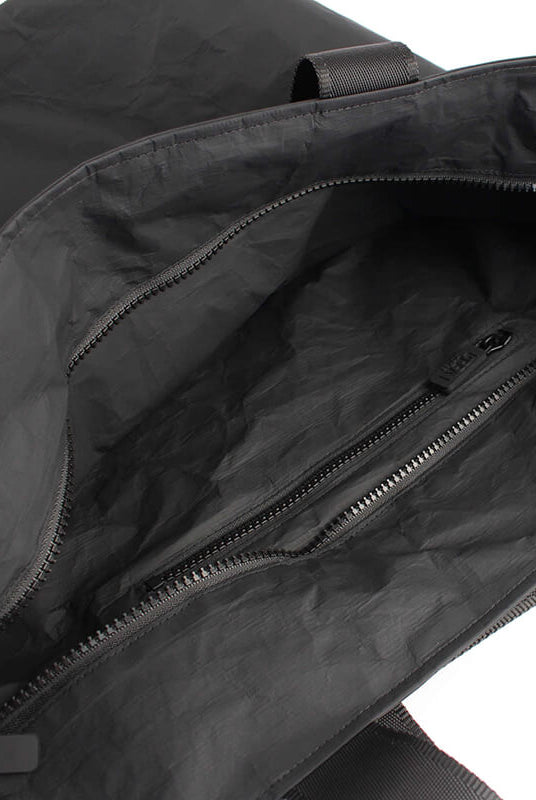
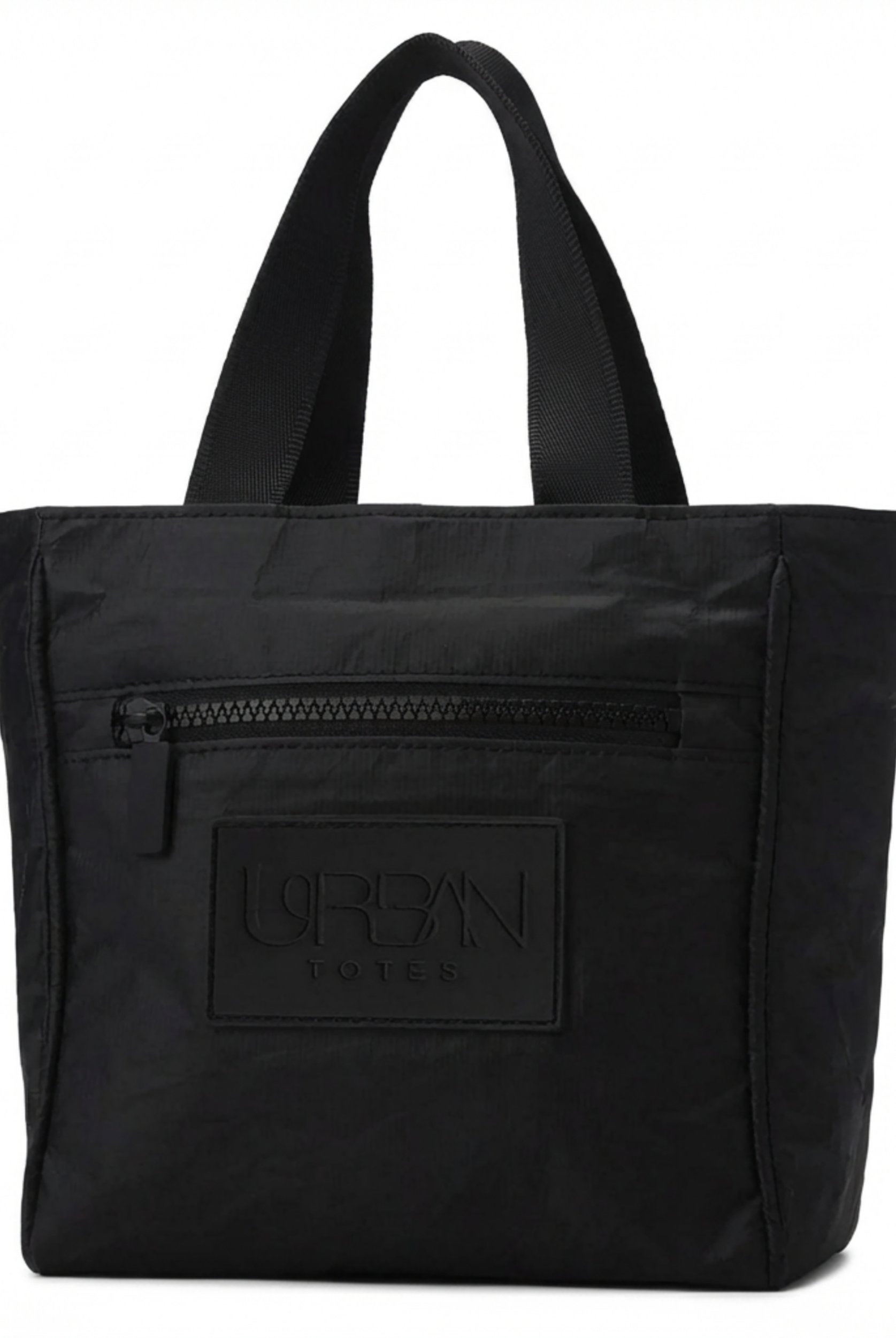
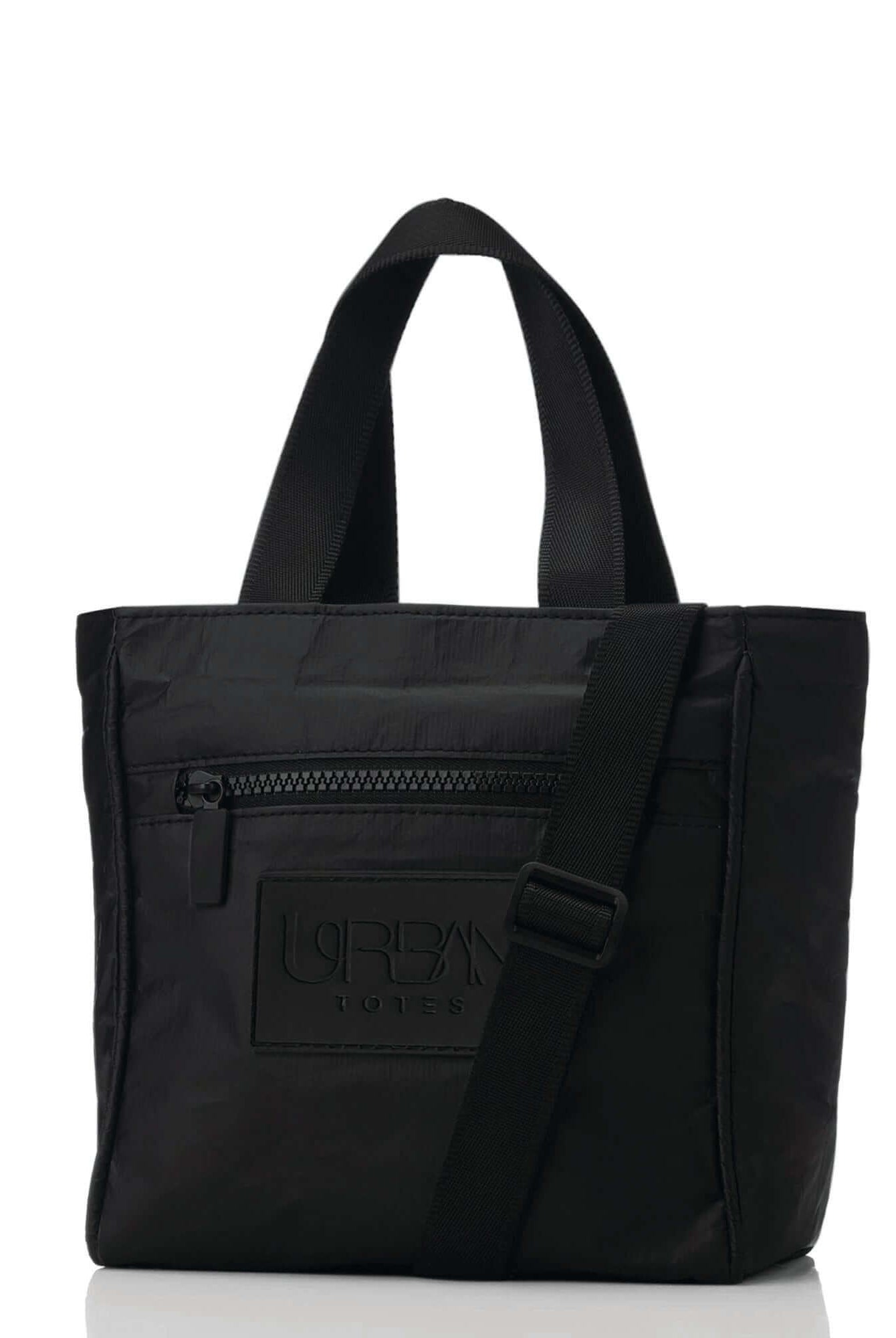
The Go Anywhere Day Trip Tote Bag by Urban Totes is lightweight, packable, and foldable, made with water-resistant materials, and it has three large zippered compartments plus specific pockets for an iPhone and keys. That gives your toiletry bag and boarding pass a home that isn't the bottom of the main compartment.
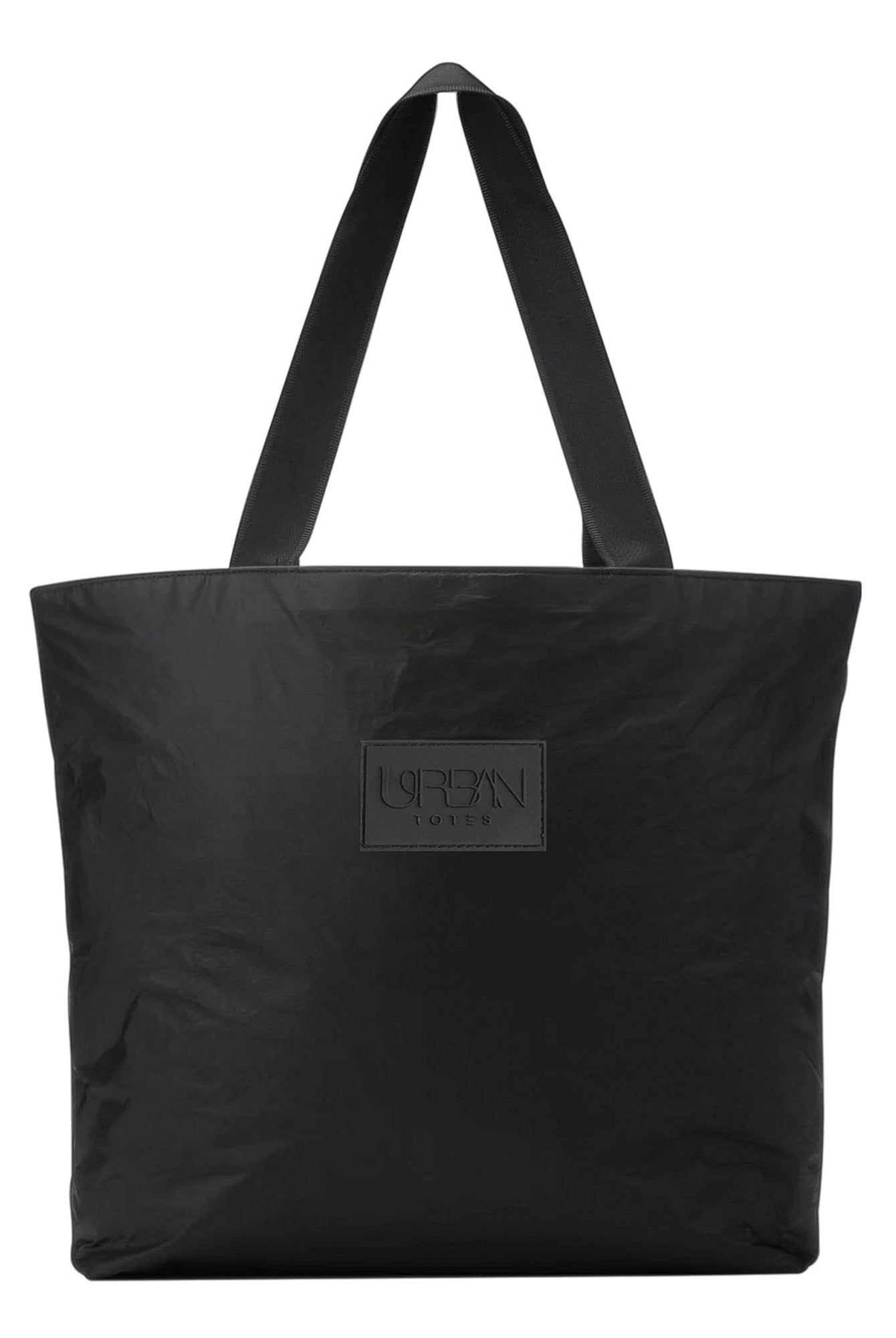
The OG Zipper Tote is also lightweight, foldable, packable, and water-resistant, with inside and outside zipper pockets. Its side pockets can hold a wet swimsuit or workout clothes away from everything else, which is the clean-versus-damp separation that makes a soft bag work past day one.
Neither name is a size guarantee for your flight. Run the taped-box test against your airline, pack a real weekend, and pick the bag whose pockets match your next outing, whether that's a beach chair, a farmers market, or a Sunday flight home. Find your perfect go-anywhere bag at urbantotes.com.
Pack for the life you're already living with a lightweight, water-resistant, multi-pocket tote that's packable for travel and organized enough for school runs, gym stops, and beach days. Shop the thoughtfully designed collection from Urban Totes and take on whatever the day brings. Go Anywhere. Tote Everything.