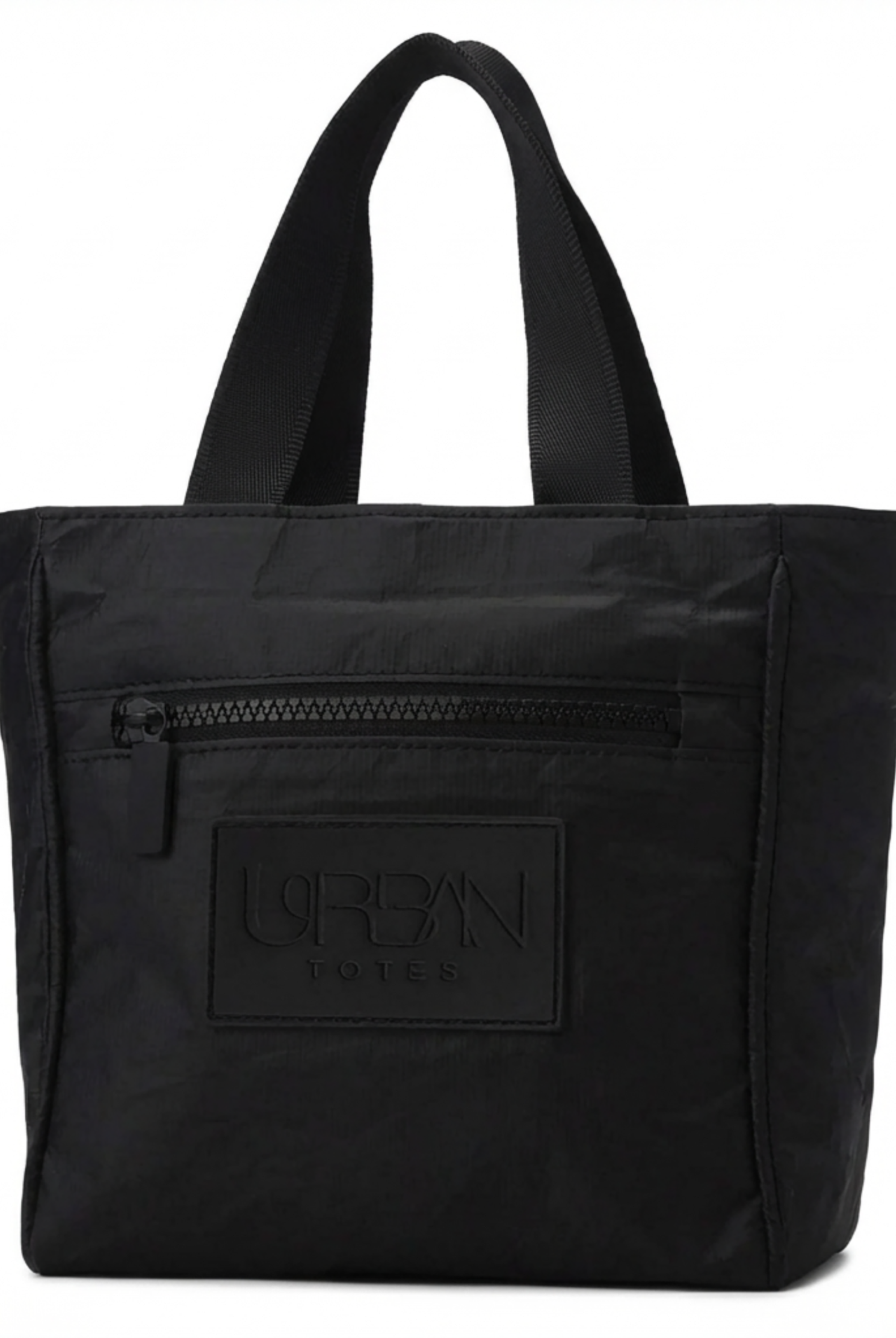
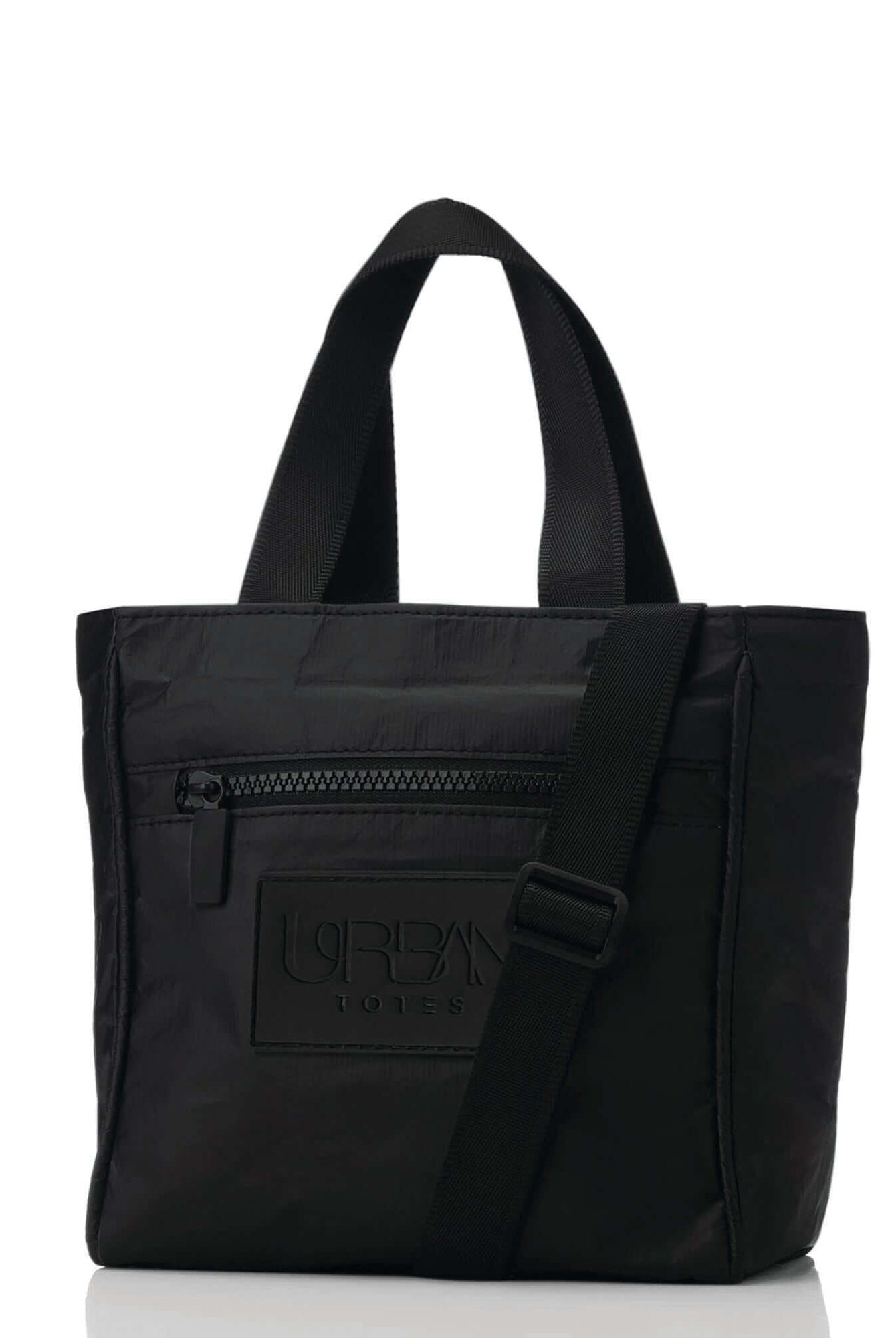
You're halfway through an airport terminal with a coffee in one hand, a boarding pass in the other, and a bag that suddenly feels much heavier than it did at home. Later, that same bag needs to hold a swimsuit, sunscreen, a paperback, and the odds and ends your family collects between the airport and the beach. A few days after that, it's carrying gym clothes to work and groceries home.
That's why the lightest bag for travel isn't always the bag with the smallest number on its luggage tag. The right choice balances weight, structure, comfort, organization, and the way you move through a trip. A soft-sided tote, packable daypack, crossbody, duffel, or carry-on backpack can be more useful than a wheeled suitcase when your itinerary includes stairs, cobblestones, crowded trains, beach paths, and spontaneous stops.
The practical guidance in this guide to tote bag benefits comes down to one question: how much bag do you need before the bag itself starts getting in your way?
Table of Contents
- Why Lightweight Matters More Than You Think on Travel Days
- What Actually Counts as Lightweight for Travel Bags
- Materials and Construction That Make Bags Light Yet Durable
- How to Choose the Lightest Bag for Your Travel Style
- Packing Smart to Stay Light and Organized at Security
- Urban Totes Lightweight Designs in Real Life
- Finding Your Perfect Lightest Travel Bag and Next Steps
Why Lightweight Matters More Than You Think on Travel Days
A heavy bag doesn't feel heavy only at check-in. You notice it while lifting it into an overhead compartment, carrying it across a long terminal, balancing it beside a cafe table, and hauling it up the stairs to a rental apartment. The same weight becomes even more obvious when your hands are already full of snacks, a child's jacket, or a phone showing the gate change.
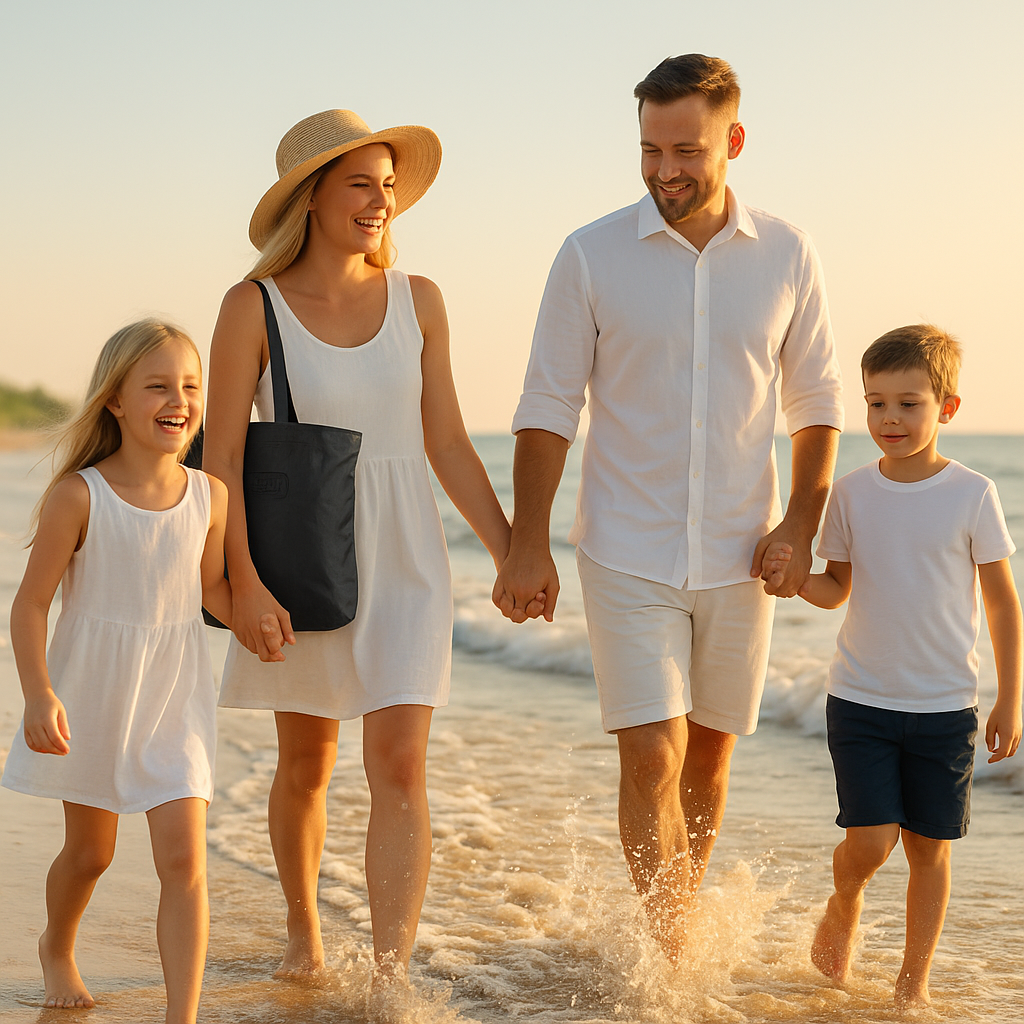
I've learned to judge a travel bag by the transitions between destinations. A wheeled case is convenient on a smooth airport floor, but a lightweight tote or backpack is easier when the elevator is out, the pavement is uneven, or you're walking from a train station to the hotel. At the beach, a soft-sided bag can sit beside a chair without demanding the same space or handling as a rigid case. At a farmers market, it can move from shoulder to hand without looking like luggage.
Weight affects comfort and capacity
Saving 1 to 2 pounds on the bag itself can create useful room within an airline's allowance, especially for international routes with strict limits. That weight can become an extra layer, a pair of shoes, or the family essentials you didn't want to leave behind. U.S. News' carry-on guidance notes that typical U.S. carry-on guidance is about 22 x 14 x 9 inches including handles and wheels, while international airline limits can commonly range from 15 to 22 pounds, depending on the carrier and route.
The choice also affects how freely you move. A compact crossbody keeps your hands free in a crowded city. A foldable tote gives you overflow capacity without committing to another rigid piece of luggage. A backpack with a real harness earns its weight when you'll walk long distances, while a simple tote wins when you're moving between car, terminal, hotel, and beach chair.
My practical rule: Choose the lightest format that still gives you the organization and carrying comfort your itinerary demands.
The sections ahead focus on real thresholds, material tradeoffs, bag formats, and packing habits. You'll get a clear way to tell a light travel bag from a flimsy one, then match the format to your own travel days instead of chasing a label.
What Actually Counts as Lightweight for Travel Bags
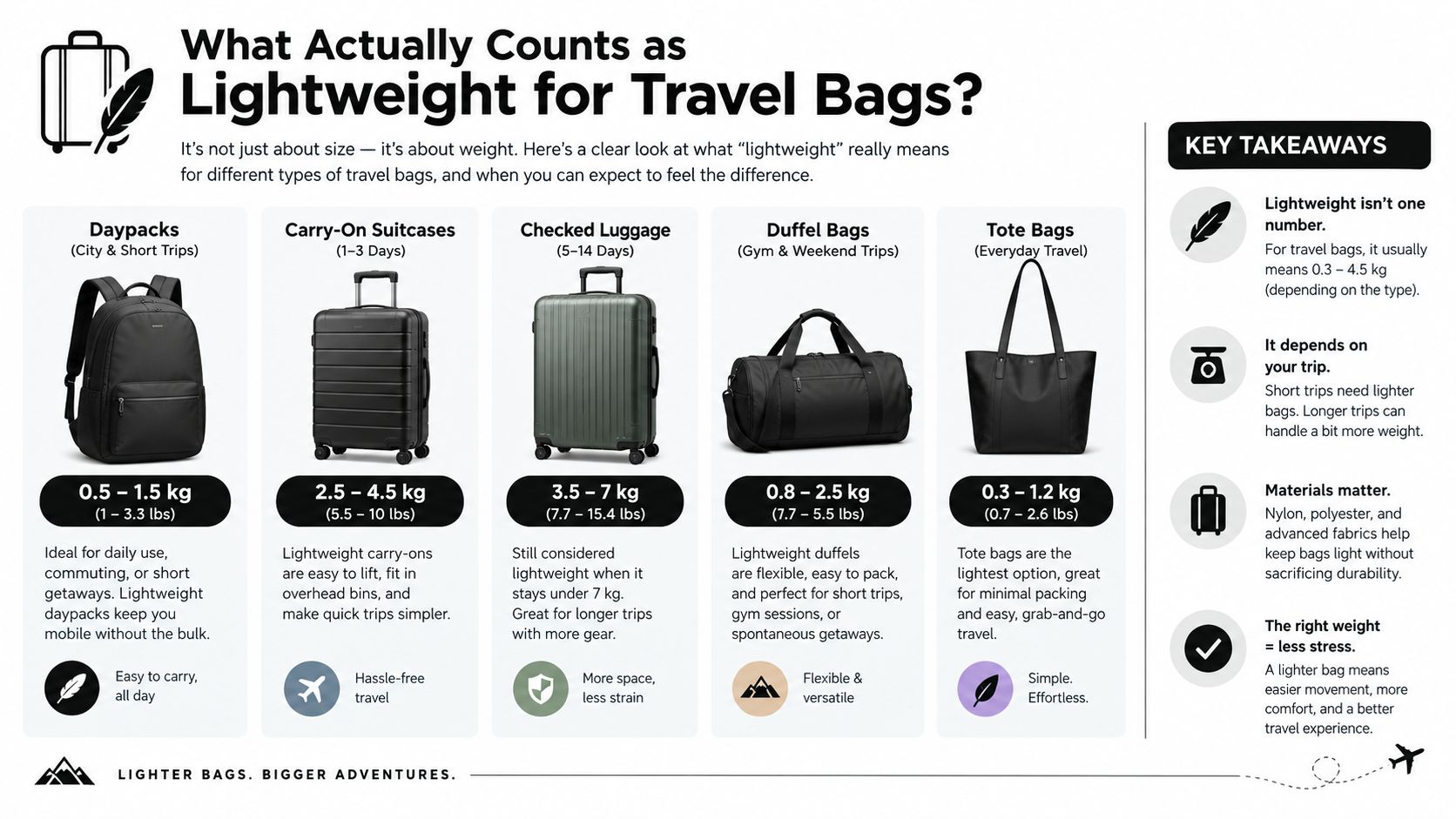
“Lightweight” means different things depending on the bag's job. A packable daypack designed for a city walk should not be judged by the same standard as a structured carry-on backpack with a harness, laptop protection, and compression features. The useful benchmark is whether the bag saves meaningful weight without losing the function you need.
A simple weight yardstick
A retrieved independent review found the Sea to Summit Ultra-Sil Daypack at 2.5 ounces with 20 L capacity, while the Osprey Ultralight Stuff Pack weighs 5.3 ounces at 18 L and the Osprey Daylite weighs 19.8 ounces at 13 L. The comparison appears in Treeline Review's packable backpack guide. These bags are designed for lightweight day use, so their minimal structure and hardware keep them exceptionally light.
For a fuller travel backpack, the threshold changes. One independent 2026 review found a packable day pack at 0.24 lb, while structured carry-on backpacks commonly sat between 1.8 and 3.1 lb. In that dataset, the Hynes Eagle 40L weighs 2.2 lb, the tomtoc Navigator-T66 40L weighs 2.65 lb, and the Cotopaxi Allpa 35L weighs 2.94 lb, as reported in OutdoorGearLab's carry-on luggage review. For a 40L travel pack with a real harness, under 3 lb is a useful practical definition of light. Above 4 lb, the bag's empty weight starts to matter more on weight-capped carriers.
Wheeled luggage carries a structural penalty. Wirecutter's lightweight luggage guidance says most carry-on suitcases weigh around 8 lb, and structured bags are probably at least 5 lb. Independent luggage statistics put the average carry-on suitcase at 7.6 lb, with 68% between 6 lb and 9.2 lb, while the average carry-on backpack weighs 3.5 lb, with 68% between 2.7 lb and 4.1 lb. The lightest carry-on in that database weighed 3.9 lb.
Use the threshold, not the marketing word
A tote or crossbody near the 1-pound mark is a different tool from a carry-on backpack under 3 lb. Independent consumer testing found travel crossbody bags weighing about 1.06 pounds and 1.15 pounds, according to Cosmopolitan's travel crossbody testing. That's the range where a soft, versatile bag can beat a wheeled suitcase for airport days, city walking, and beach trips, provided you don't need suitcase-level capacity.
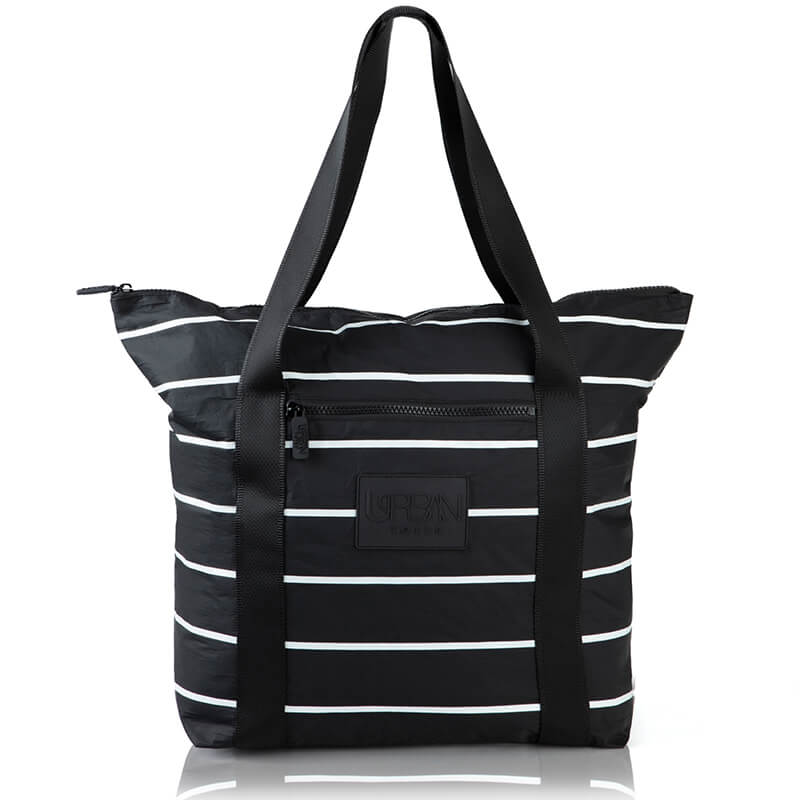
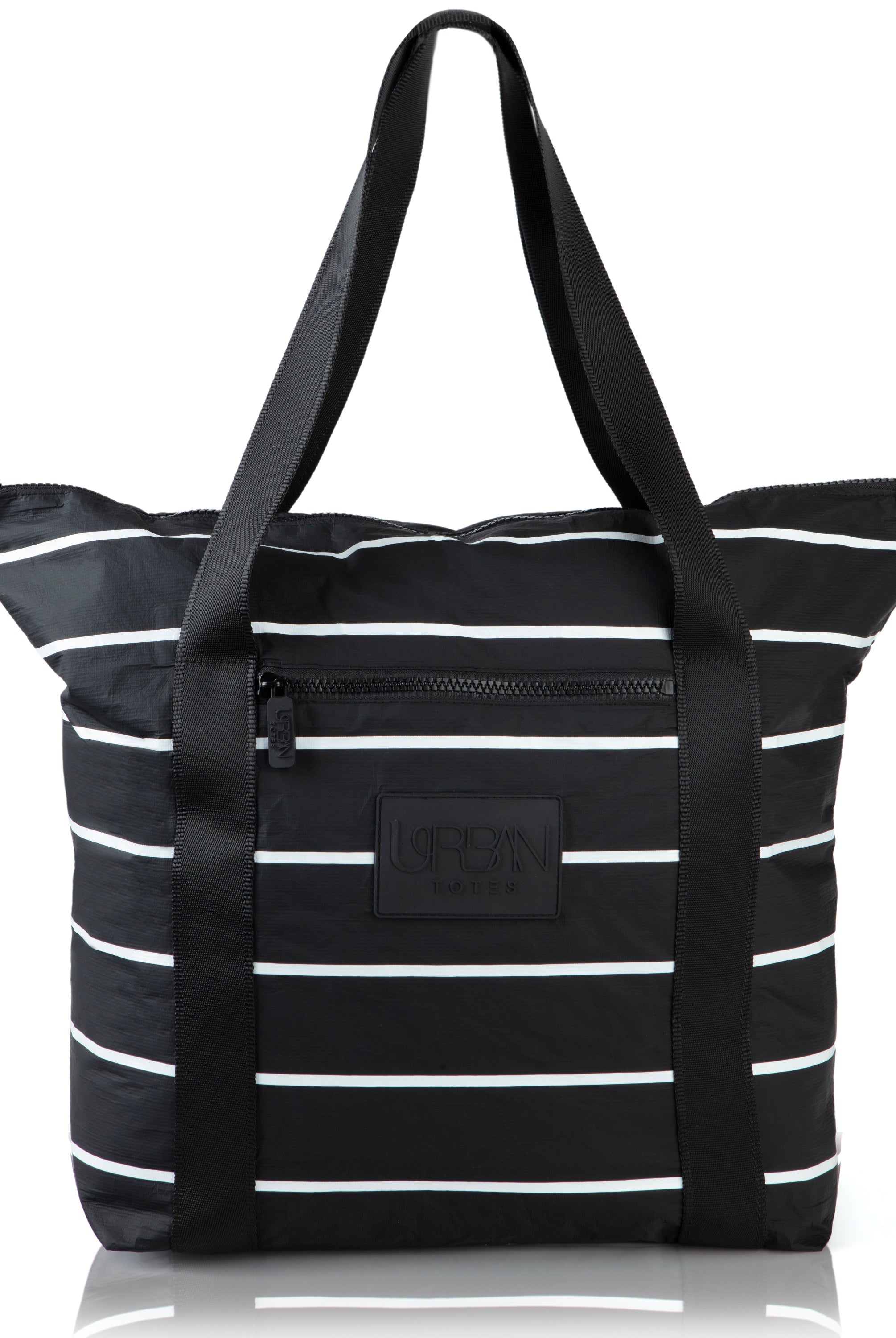
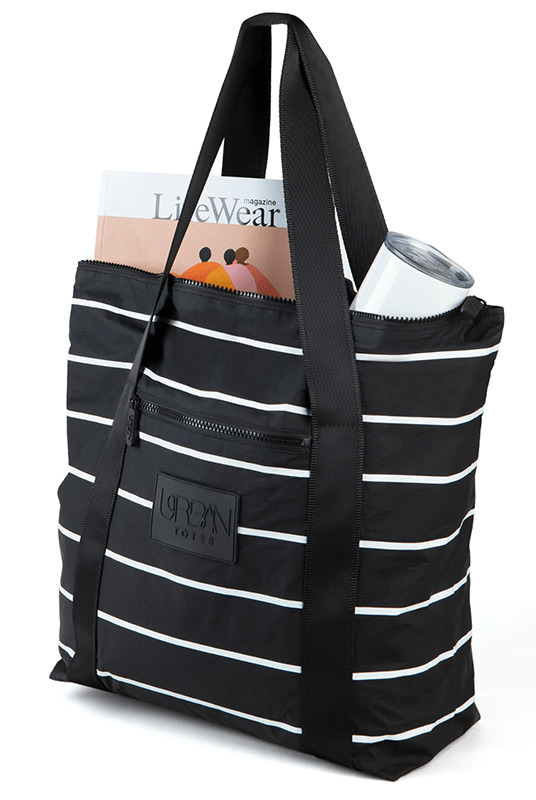
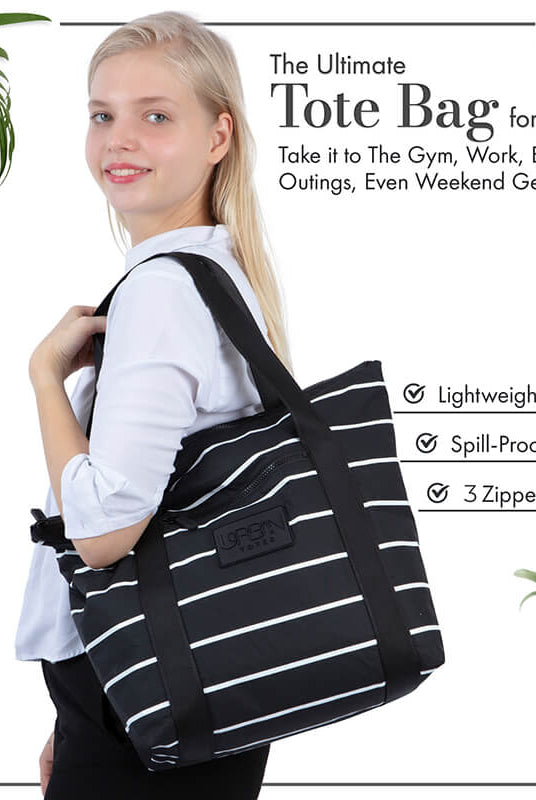
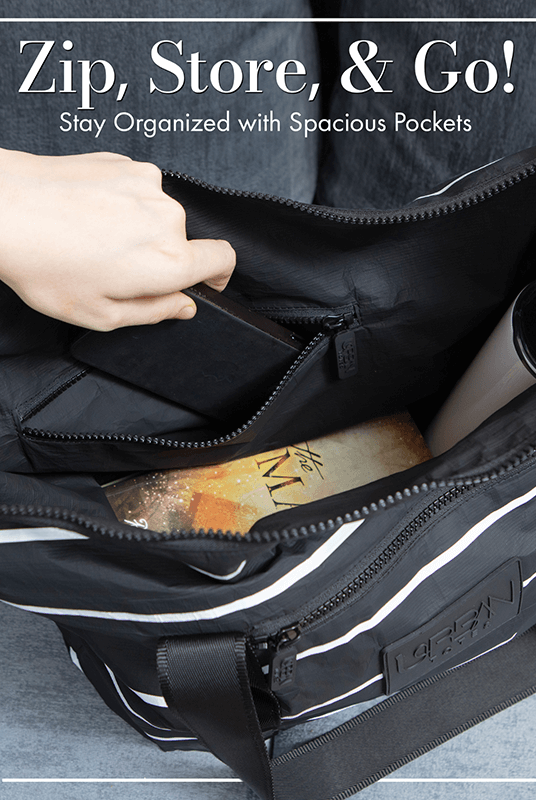
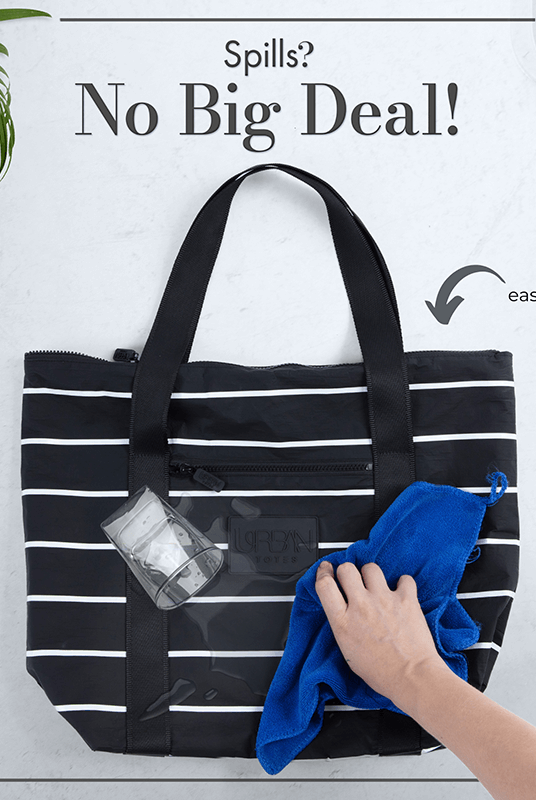
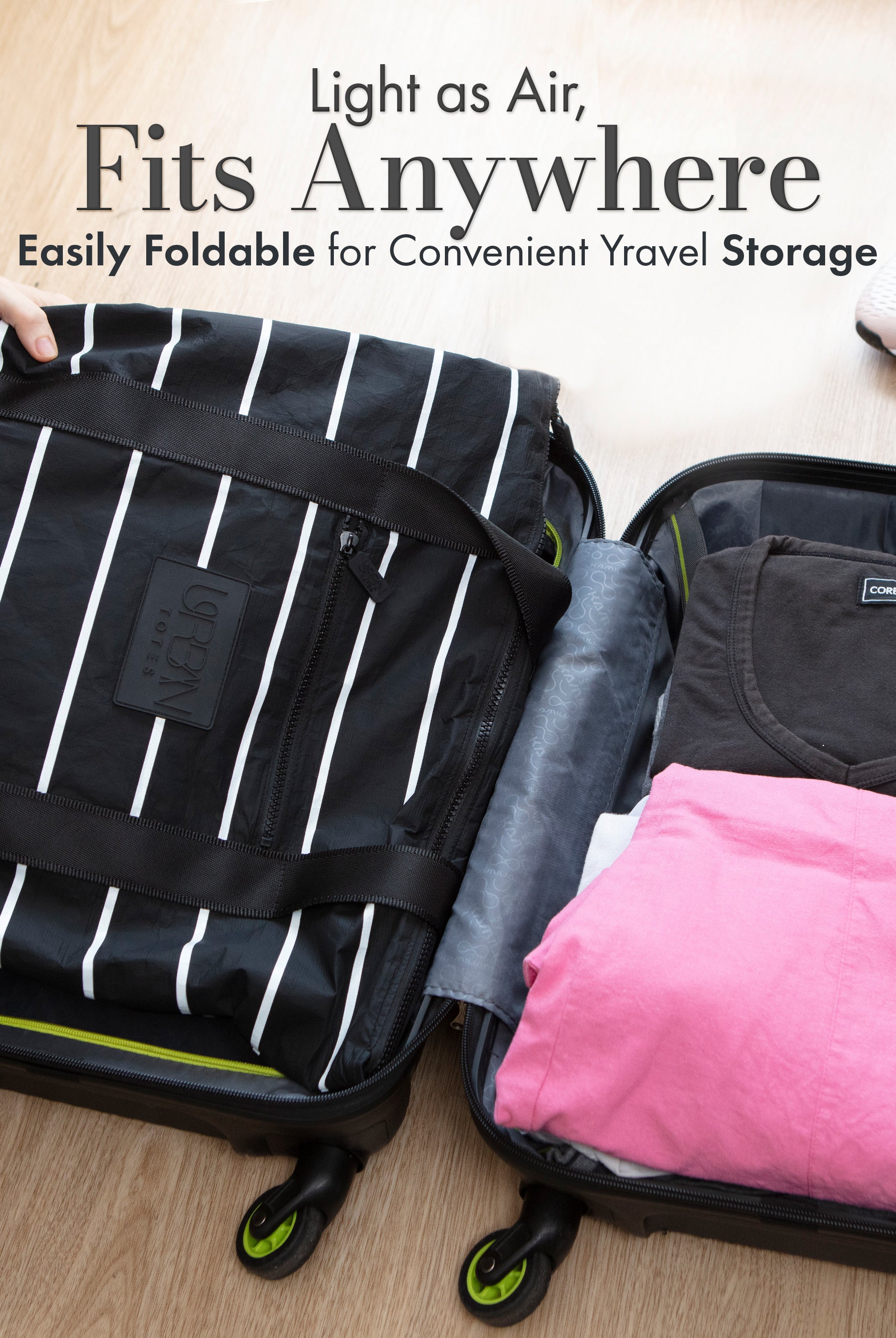
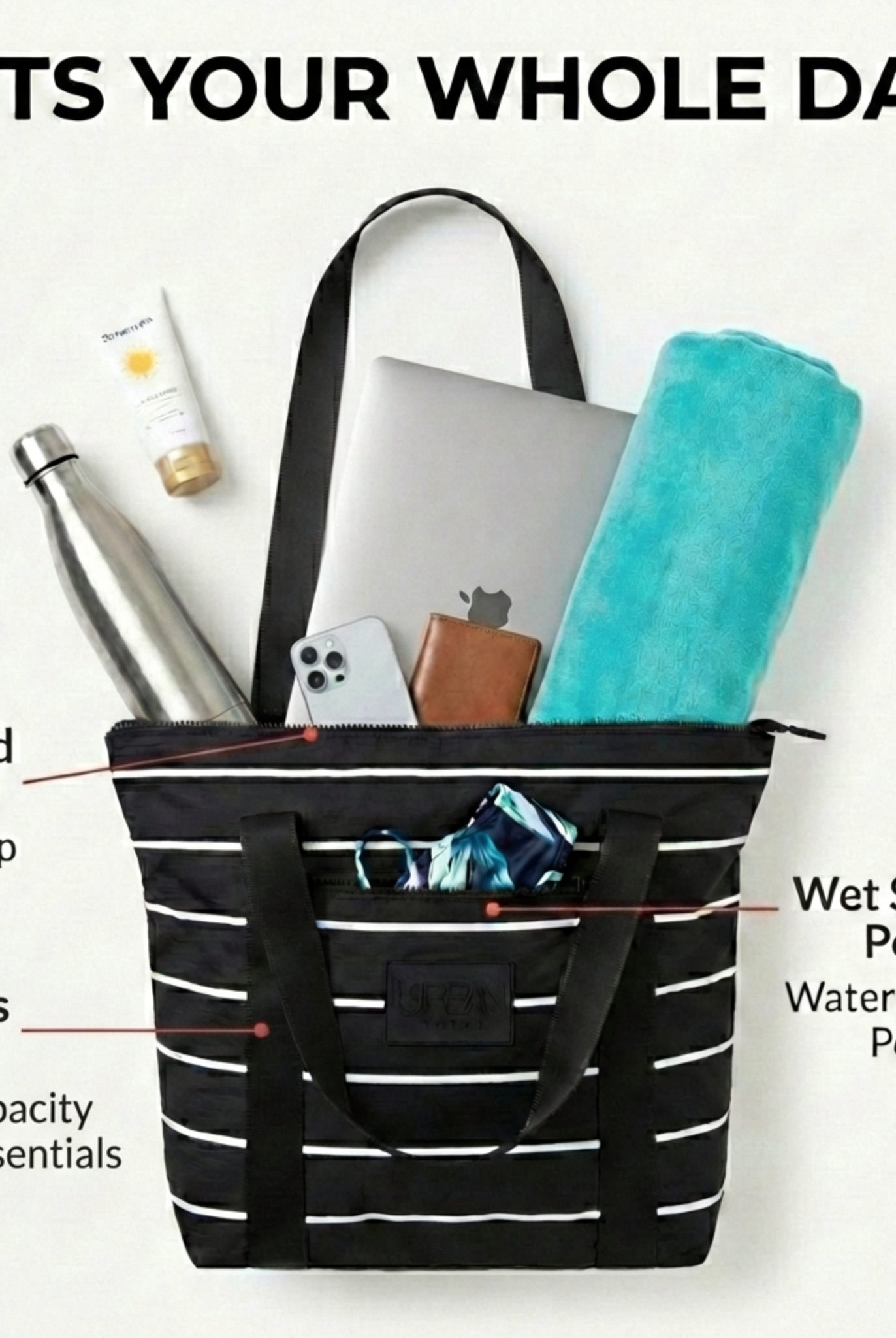
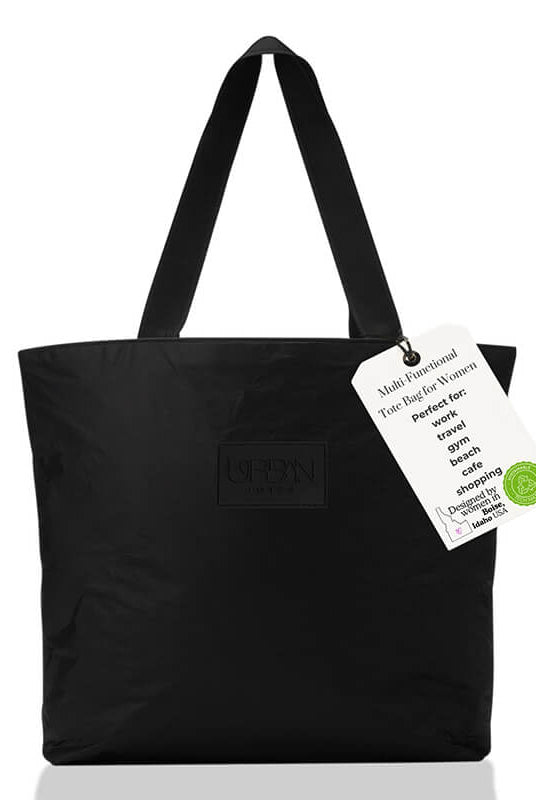
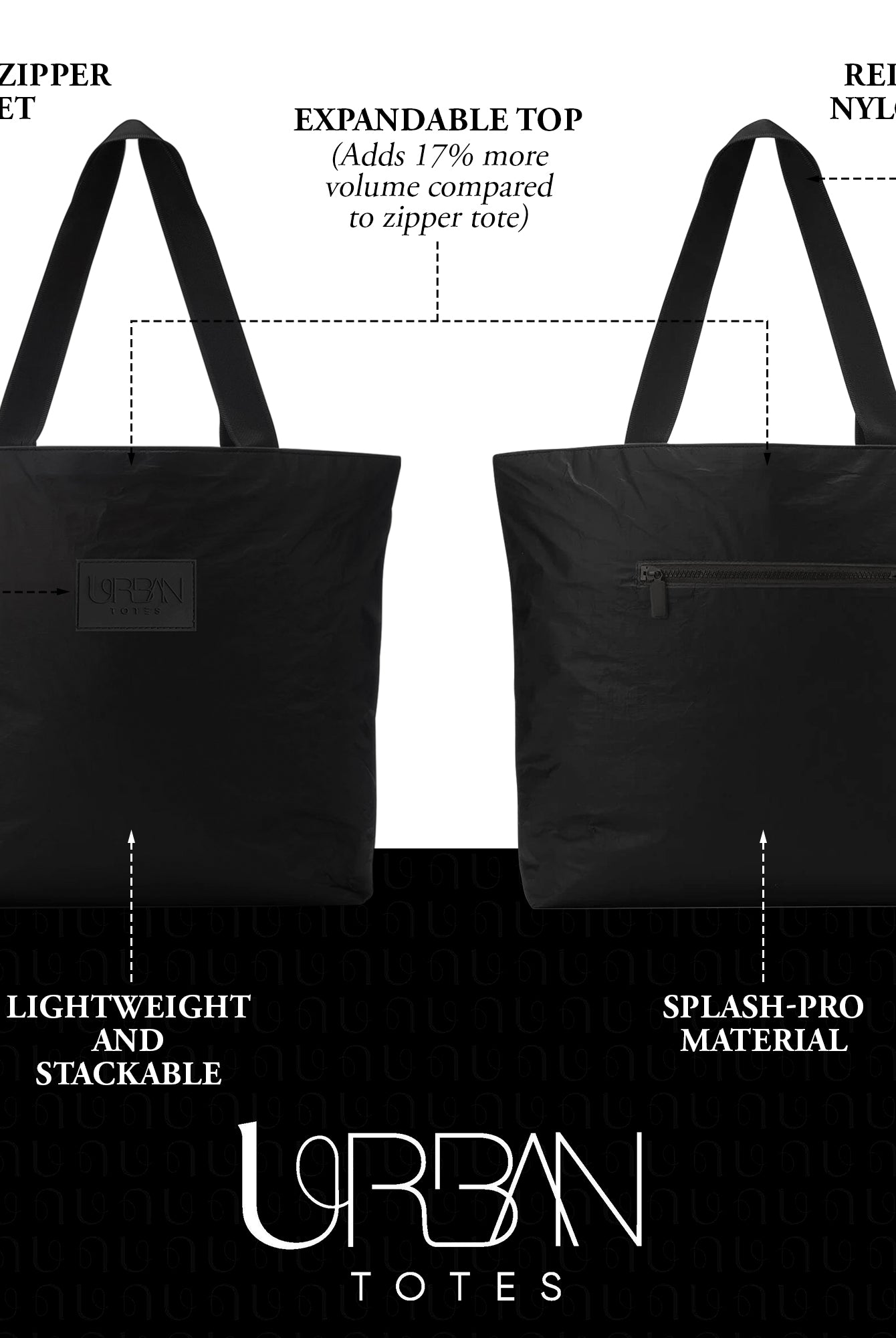
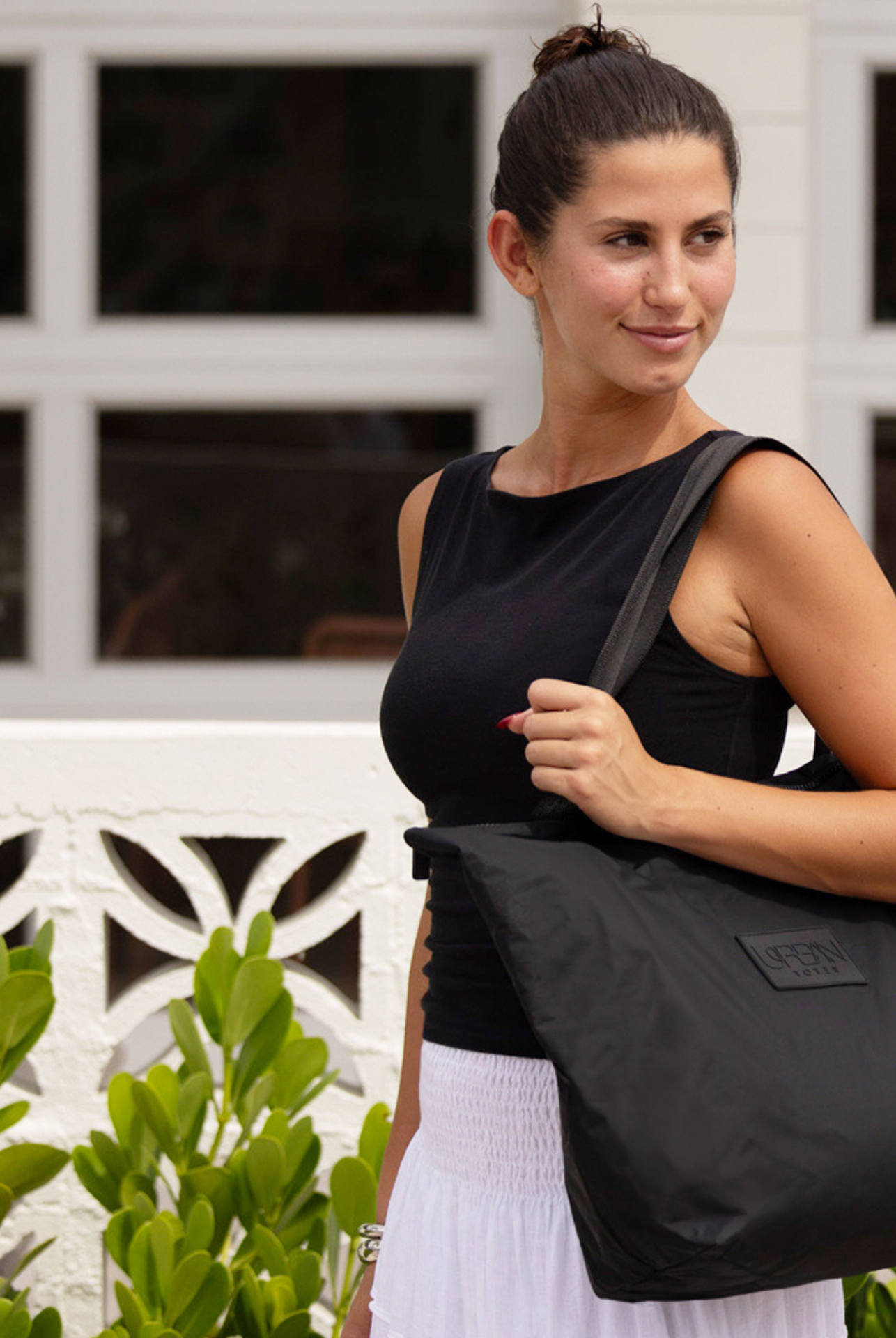
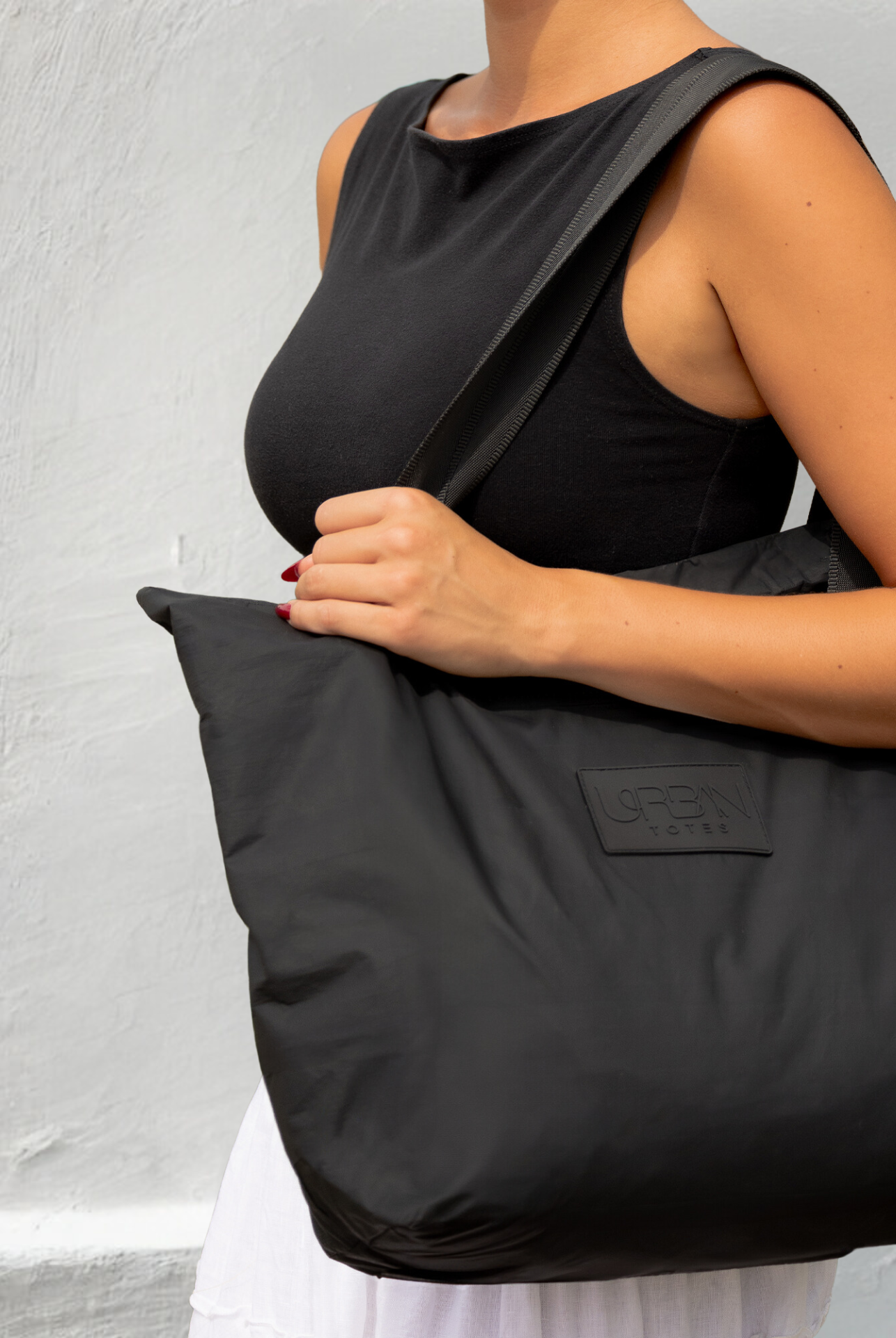
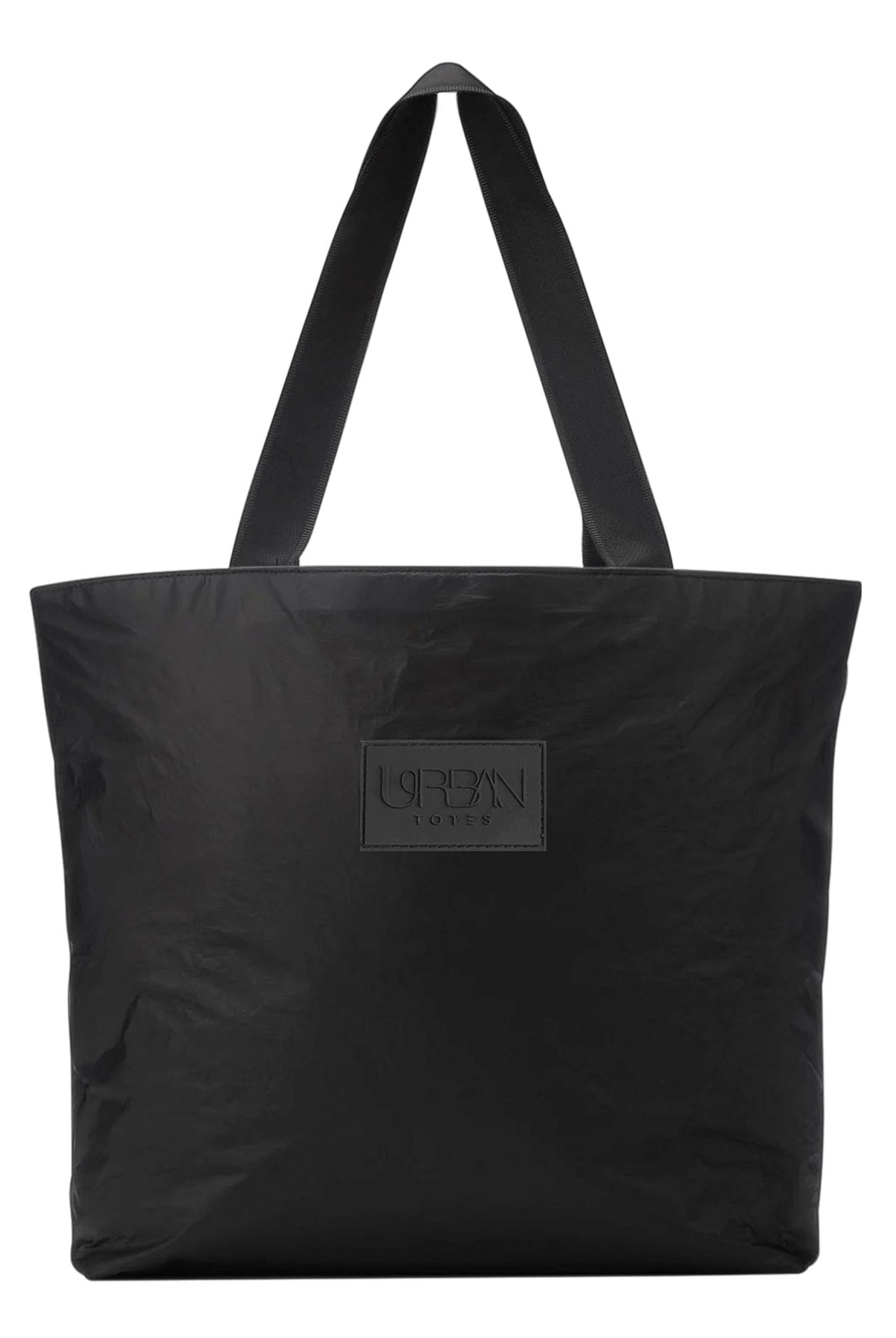
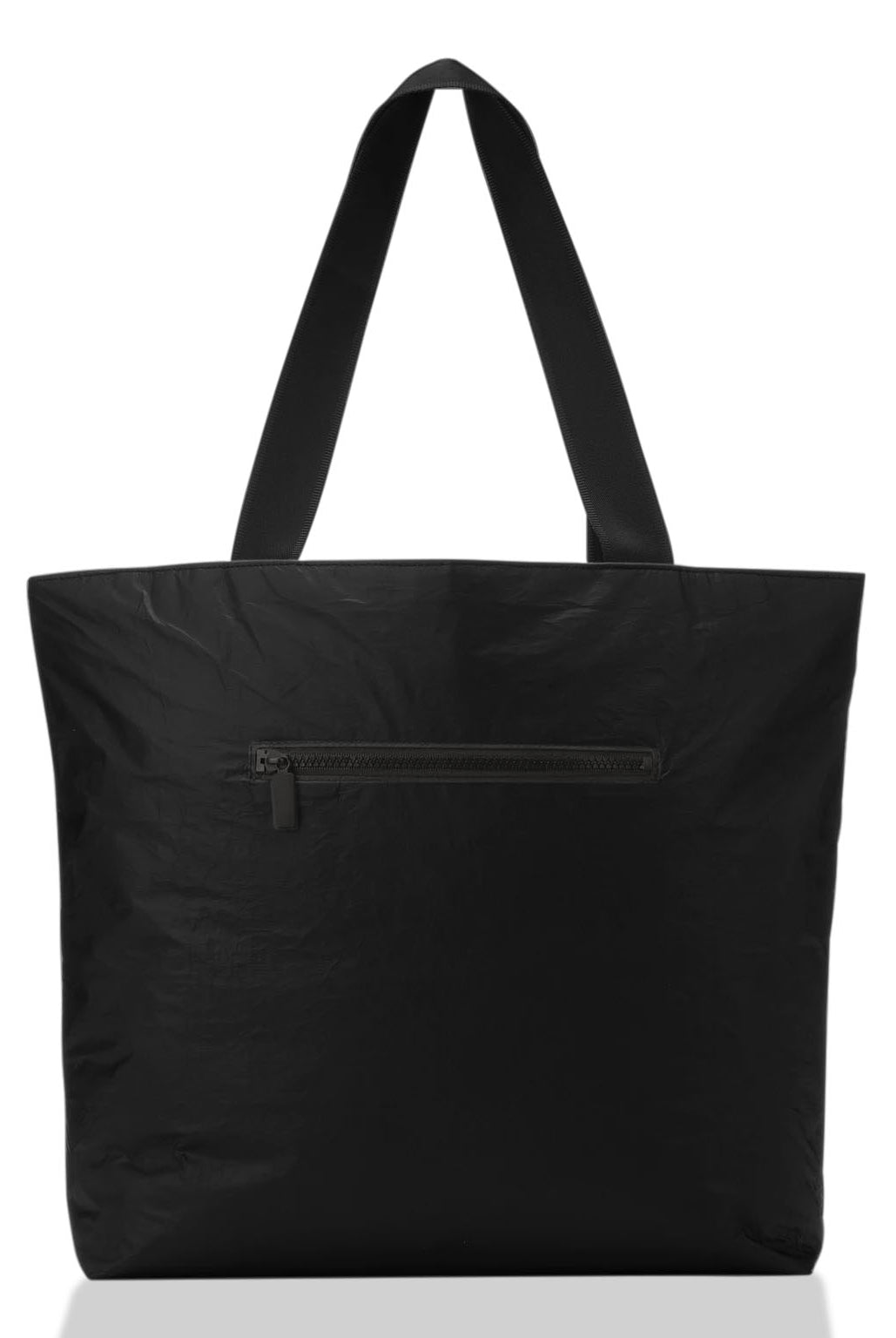
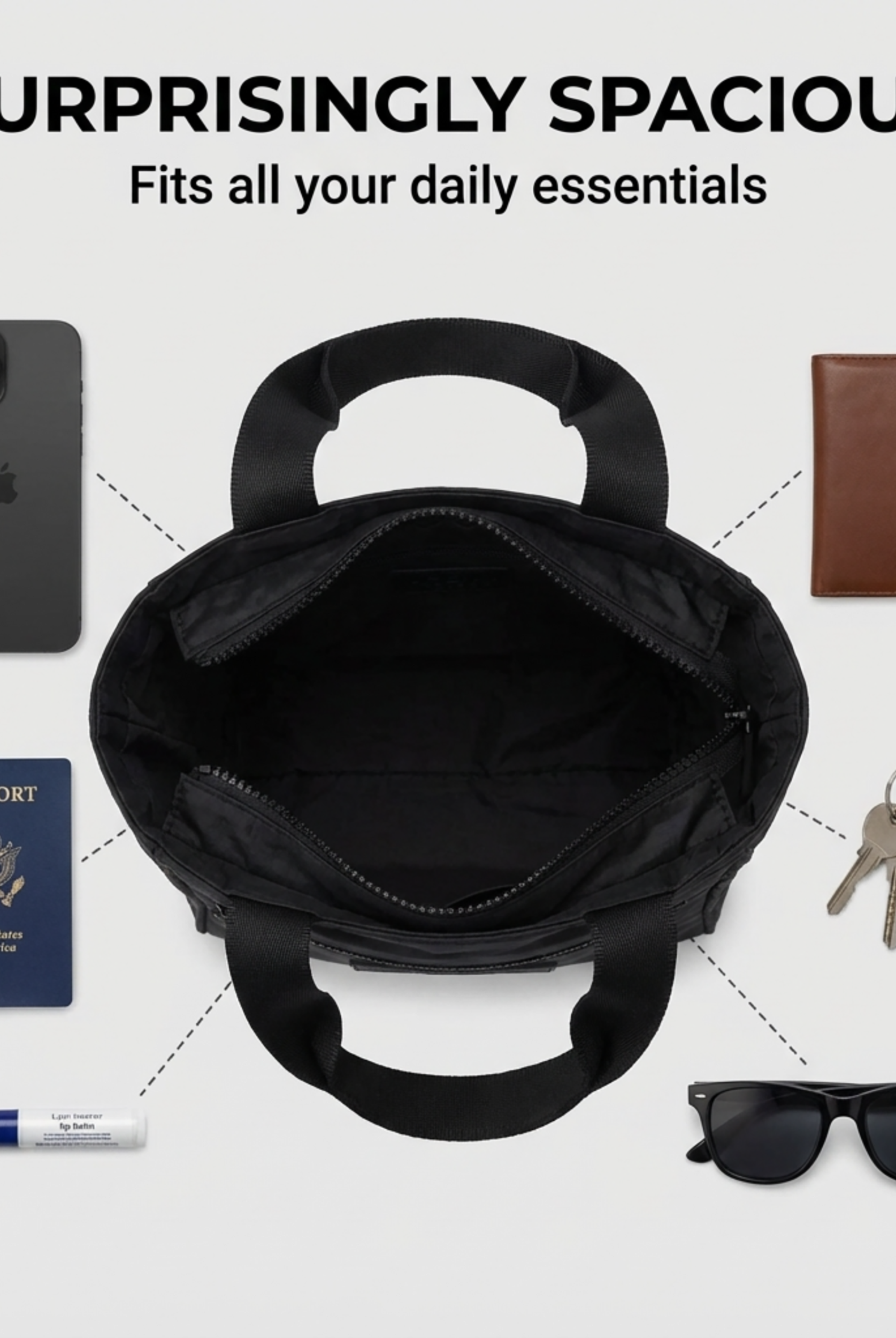
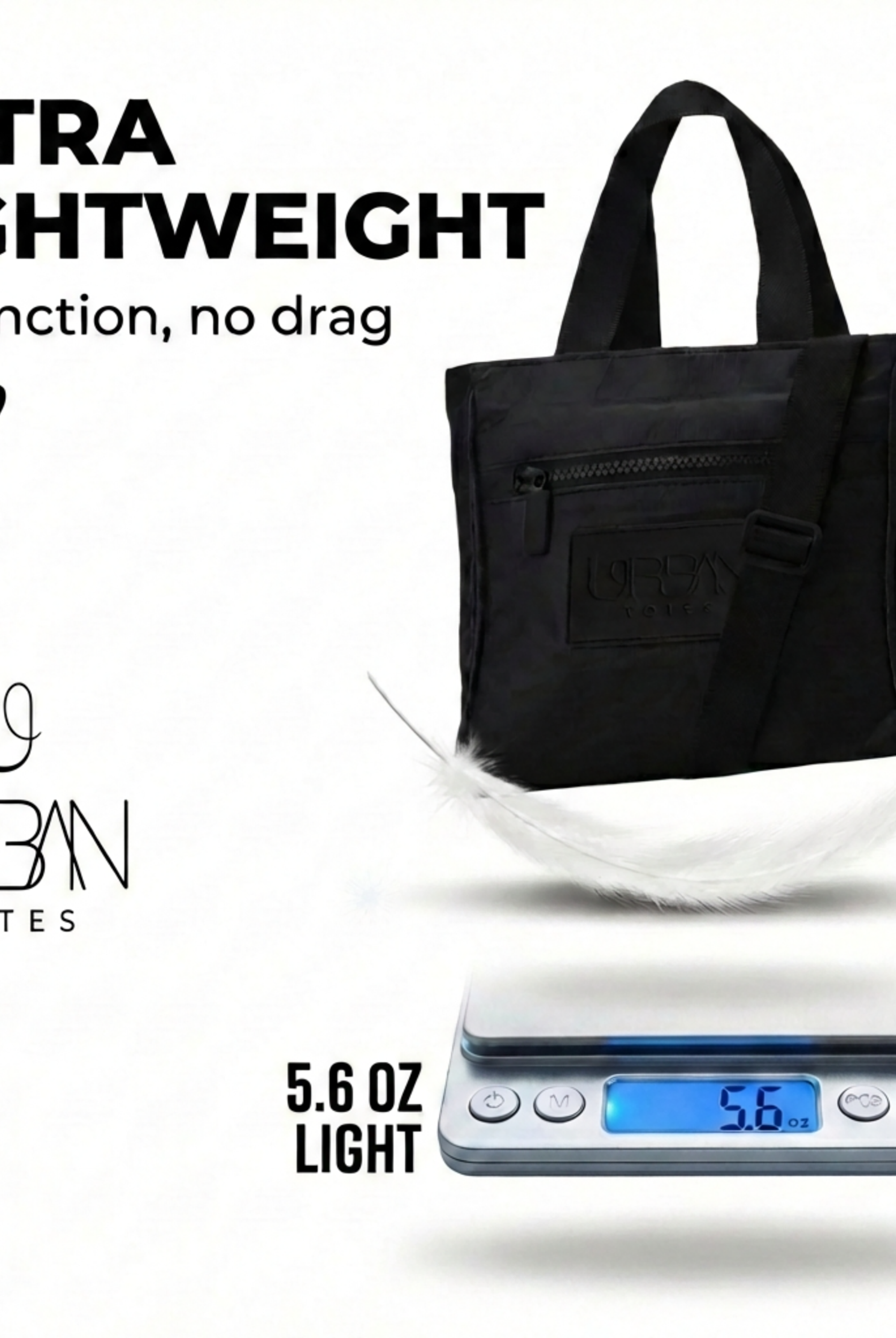
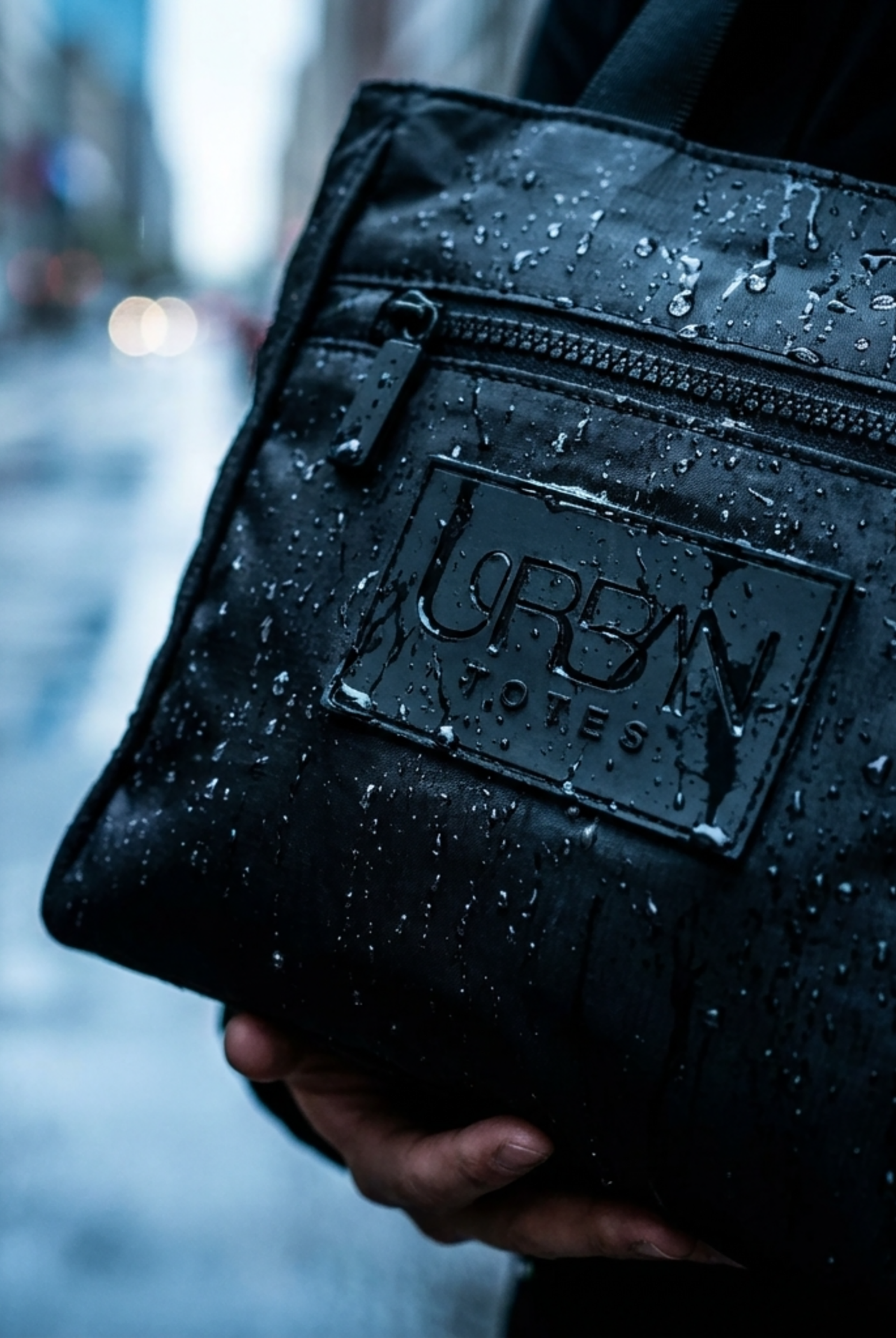
For a functional everyday option, The Go Anywhere Day Trip Tote Bag by Urban Totes uses a lightweight, water-resistant, packable and foldable design with three large zippered compartments, dedicated iPhone and key pockets, and comfortable silky straps. Its 11.5-inch handles allow shoulder or hand carrying, so it can move from daily errands to travel without requiring a separate use case.
The best test is simple. Weigh the empty bag, check its packed dimensions, and ask whether its structure supports your route. If you'll walk for hours, comfort matters more than an extreme low. If you need an overflow bag that disappears into your main luggage, minimal weight and packability matter most.
Materials and Construction That Make Bags Light Yet Durable
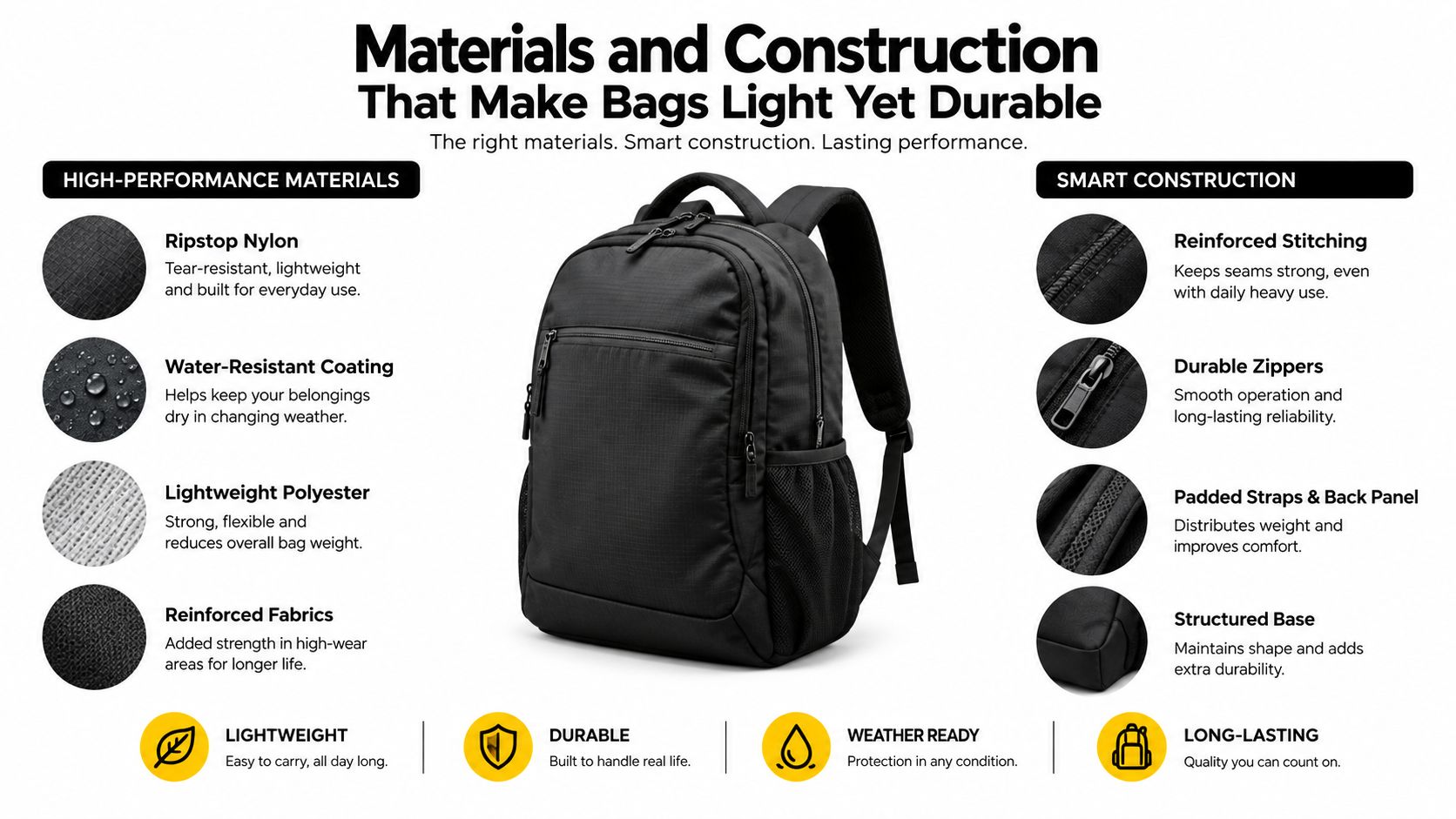
The lightest travel bags usually save weight in several small places rather than one dramatic feature. Fabric, lining, padding, zippers, buckles, wheels, reinforcement, and frame components all add up. A bag with lightweight fabric can still feel substantial if it uses heavy hardware and thick internal structure.
Fabric sets the starting point
Ultralight nylon is the natural choice for a foldable daypack or emergency tote. It compresses easily and keeps fabric weight low, but very thin versions may feel less protective around electronics or sharp-edged items. This is a good match for a secondary day bag, a sightseeing pack, or a tote that lives inside a larger suitcase.
Polyester often gives soft-sided luggage and totes a practical middle ground. Mordor Intelligence's travel bag market overview identifies polyester as the leading material share at 38.5% in its 2025 market view. Polyester can support a water-resistant, easy-clean exterior while remaining flexible enough for packable designs.
Structured technical fabrics add shape and abrasion resistance, but they typically need more lining, reinforcement, or piping. That extra construction helps a bag stand upright and protect its contents, yet it also makes it less compressible. The same principle applies to recycled technical fabrics. They can be part of a lightweight design, but the finished weight depends on the full build, not the fabric description alone.
Hardware is where ounces hide
Minimal hardware is one of the clearest weight-saving levers. A simple zipper closure weighs less than a frame, wheels, telescoping handle, and reinforced base. A tote with a few carefully placed compartments can remain flexible, while a heavily padded laptop sleeve, metal fittings, and rigid panels push the weight upward.
That doesn't make structure bad. A long walking day may justify padded straps, a supportive harness, and a stable back panel. A fragile load may justify a firmer shell. The right material depends on whether you're protecting contents, reducing empty weight, or creating a bag that folds into a small corner of your luggage.
For a useful perspective on reducing bulk without losing essentials, LuminAID's backpacking gear tips offer a practical reminder to evaluate every item and feature by its actual role.
Match construction to the trip
The lightest possible bag is only useful when it survives the way you travel.
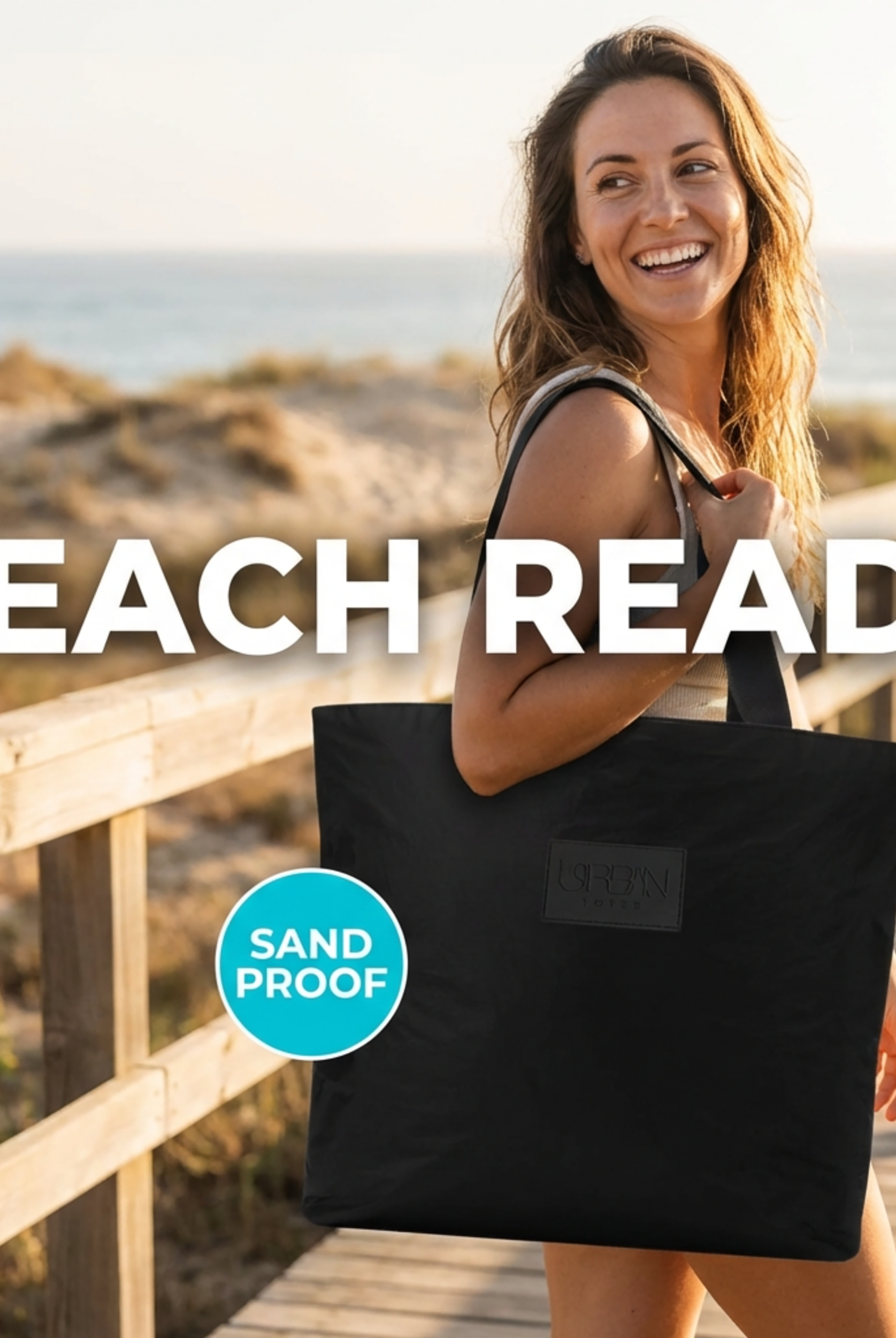
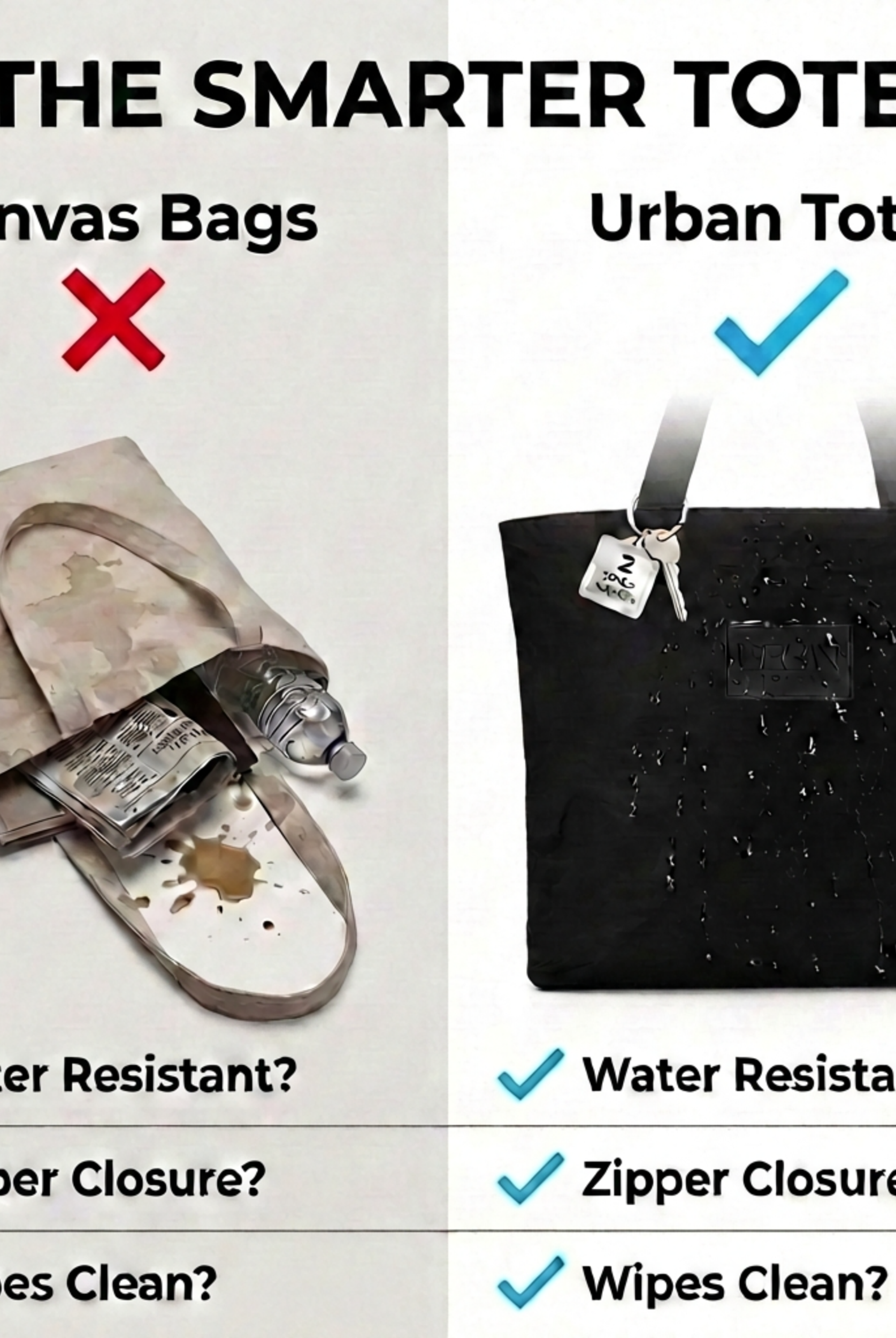
For beach days, errands, and casual airport overflow, choose flexible fabric, water-resistant treatment, easy cleaning, and secure closures. For long walking routes, prioritize straps and weight distribution over a featherlight empty weight. For a short city break, a foldable tote or crossbody may be more useful than a structured case because it can adapt when the itinerary changes.
You'll find a fuller explanation of how fabric, lining, and structure affect everyday performance in this guide to tote bag material. The central lesson is straightforward: durability comes from the whole construction, not from choosing the thickest material or the lowest advertised weight.
How to Choose the Lightest Bag for Your Travel Style
The best format depends on what your body, itinerary, and packing habits require. I'd choose a tote for flexibility, a backpack for sustained walking, a crossbody for hands-free essentials, and a duffel when soft capacity matters more than load distribution. A wheeled carry-on still makes sense for a substantial load on smooth surfaces, but it shouldn't be your automatic answer to every trip.
Compare the formats honestly
| Bag Format | Typical Weight Range | Best For | Tradeoff to Consider |
|---|---|---|---|
| Packable daypack | Ounces to under a pound | Sightseeing, day trips, backup capacity | Minimal padding and structure |
| Tote | Around the 1-pound mark for lightweight designs | Beach days, airport overflow, errands, short trips | Weight rests on one shoulder |
| Crossbody | About 1.06 to 1.15 pounds in tested examples | City walking, documents, phone and daily essentials | Limited capacity |
| Carry-on backpack | 1.8 to 3.1 lb for structured examples | Long walks, stairs, hands-free travel | Less convenient for quick access |
| Duffel | Varies by fabric and hardware | Flexible packing, road trips, gym-to-travel use | Can become uncomfortable when overloaded |
| Wheeled carry-on | Often several pounds before packing | Smooth airport routes and heavier loads | Wheels, handles, and frame add weight |
The “typical weight range” column is a decision guide, not a promise for every product. A bag's capacity, hardware, frame, padding, and intended use change the result.
Choose by the day you'll actually have
| Traveler | Best starting format | Why it works |
|---|---|---|
| Weekend traveler | Foldable tote or soft duffel | Flexible for clothing, snacks, and overflow |
| Beach-day mom | Multi-pocket tote | Keeps sunscreen, towels, toys, and keys separated |
| Daily commuter | Structured tote or compact backpack | Balances office organization with easy carrying |
| Minimalist traveler | Packable daypack or crossbody | Reduces bulk and limits what you carry |
| Long-distance walker | Carry-on backpack | A harness spreads the load better than one shoulder |
| Airport-to-hotel traveler | Tote plus compact personal bag | Keeps documents and essentials accessible |
A tote is the strongest choice when your trip involves mixed-purpose carrying. It can hold a sweater at the airport, a towel at the beach, and groceries on the way home. A backpack wins when you'll be walking through stations or climbing stairs with both hands occupied. A crossbody is ideal for the small daily load, but it becomes irritating if you ask it to carry everything.
For a detailed look at choosing a flexible travel tote, Everti's Flylite review is useful context for comparing soft construction, portability, and travel handling. The practical question remains more important than the brand name: will you carry the bag for minutes, or wear it through an entire day?
Explore the criteria in this guide to the best tote for travel, then make the choice based on your route. If you'll switch between terminal, car, hotel, beach, and errands, versatility should outrank rigid luggage features.
Packing Smart to Stay Light and Organized at Security
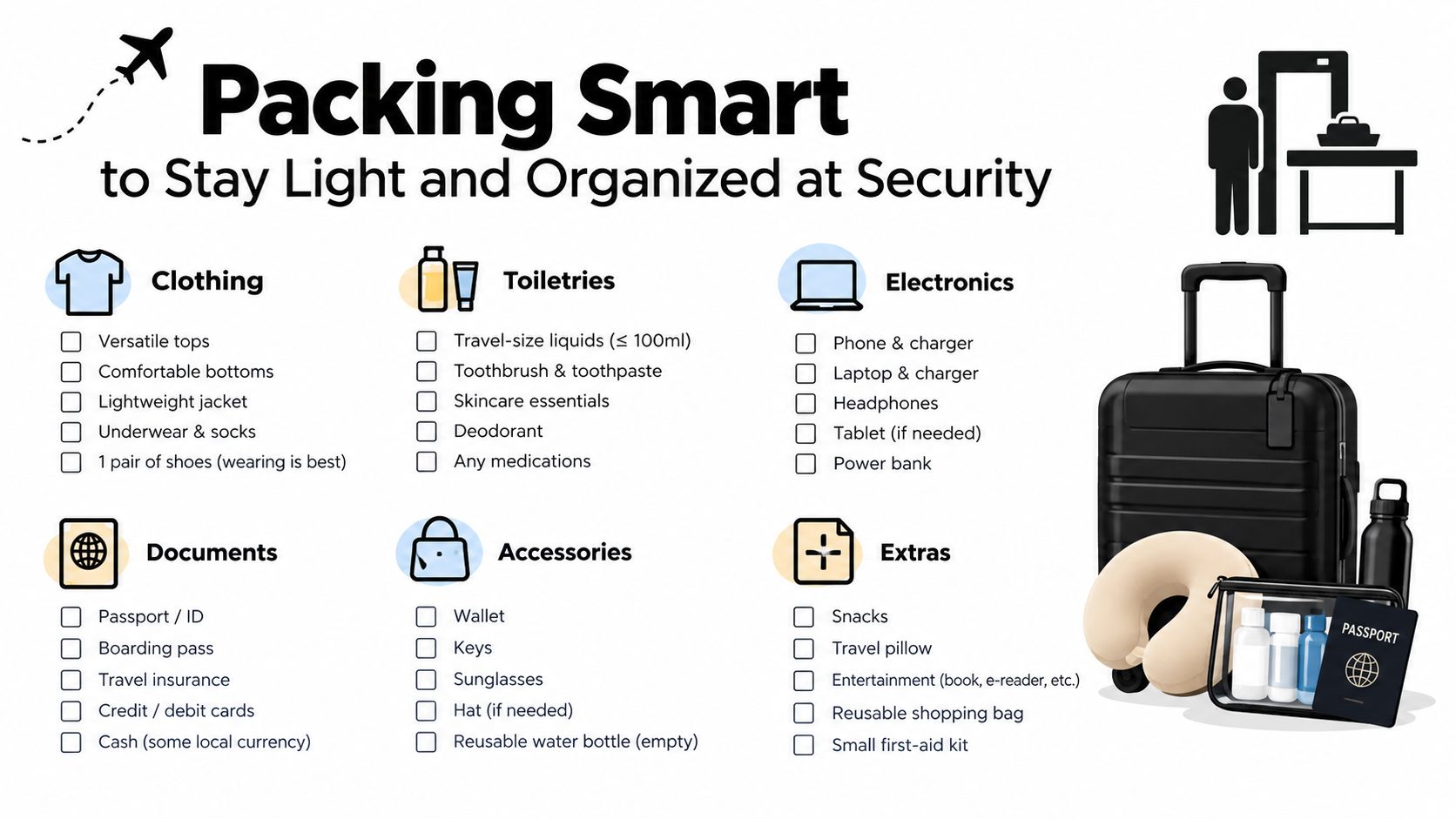
A light bag becomes frustrating when everything inside turns into one deep pocket. The solution isn't adding bulky organizers until the bag weighs as much as a suitcase. Use the compartments you already have, group items by task, and keep the pieces you'll remove at security near the top.
Pack by access, not just category
Place your quart-size liquids bag where your hand can reach it immediately. TSA's 3-1-1 rule allows liquids, aerosols, gels, creams, and pastes in containers of 3.4 ounces or 100 milliliters or less, all fitting into one clear quart-size bag per passenger, according to TSA liquid guidance. A zipper closure and an easy-access compartment keep that bag visible instead of buried below clothing.
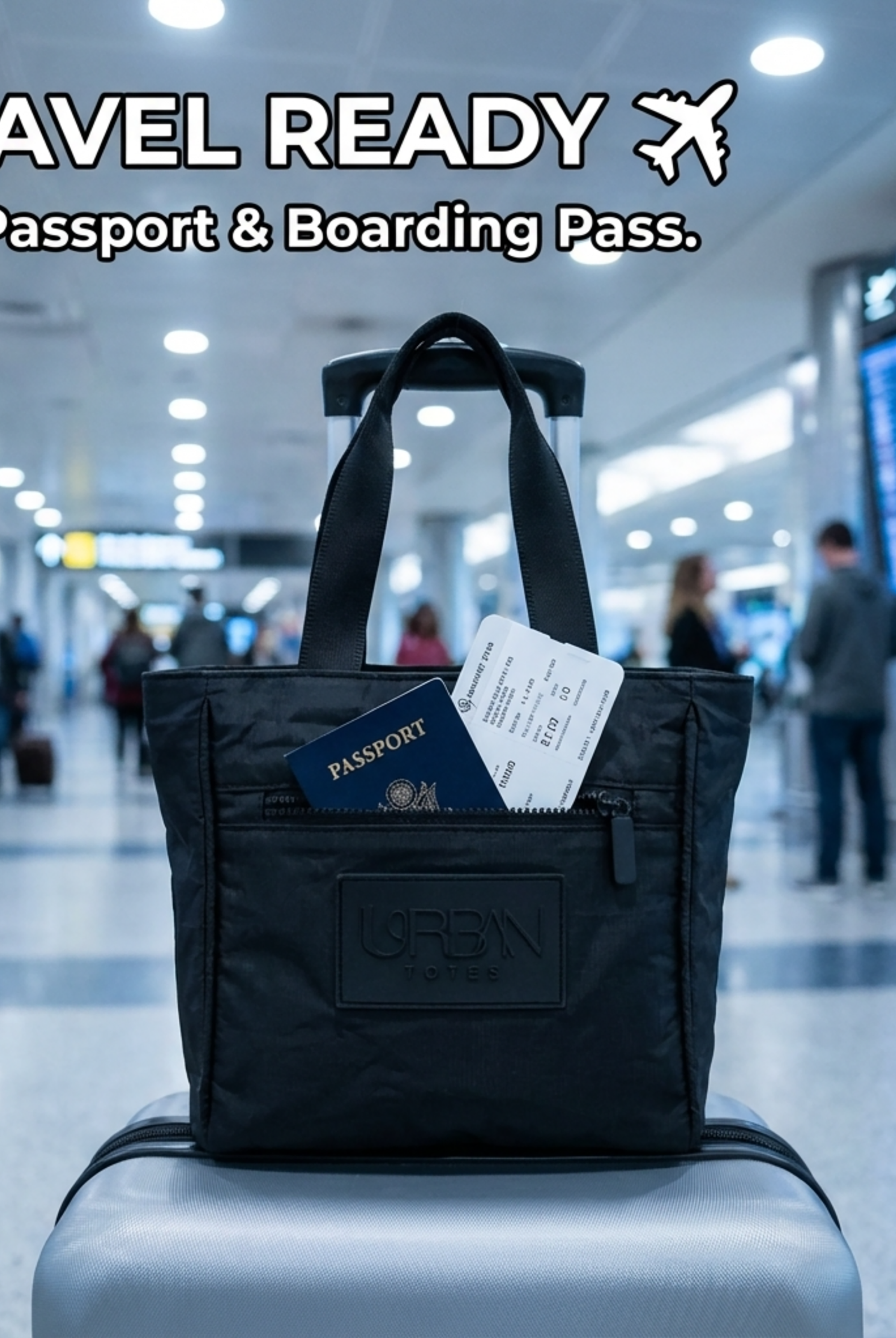
A second useful layer is a small document pouch. Your passport, boarding pass, and room key should have a predictable home, while electronics can stay together in a separate pocket. If you like a tactile, distinctive travel accessory, CITYSHEEP's handcrafted passport covers can help keep travel documents together without turning the main compartment into a search zone.
Keep the interior compact
Roll soft clothing rather than folding it into tall stacks. Put shoes at the edges, use socks to fill empty spaces, and avoid packing “just in case” items that duplicate what you already have. A lightweight bag works best when every object has a job.
Try this order:
- Bottom layer: Shoes, a sweater, or other items that won't need to come out at security.
- Middle layer: Rolled clothing grouped by outfit or day.
- Top layer: Liquids, electronics, documents, and a light layer.
- Quick-access pockets: Phone, keys, headphones, and travel snacks.
Packing cubes can help if they stay small and purposeful. One cube for clothing and one for undergarments is often more useful than several empty organizers. For a more detailed method, use this packing cubes guide as a starting point, then keep the system light enough to suit the bag.
Security is easier when your bag opens cleanly. AirHelp's liquid guidance notes that a quart-sized clear resealable bag is approximately 7 x 8 inches, and a container larger than 3.4 ounces isn't allowed through security even if it contains less liquid. Put that bag in a zipper compartment you can open without unpacking everything.
Urban Totes Lightweight Designs in Real Life
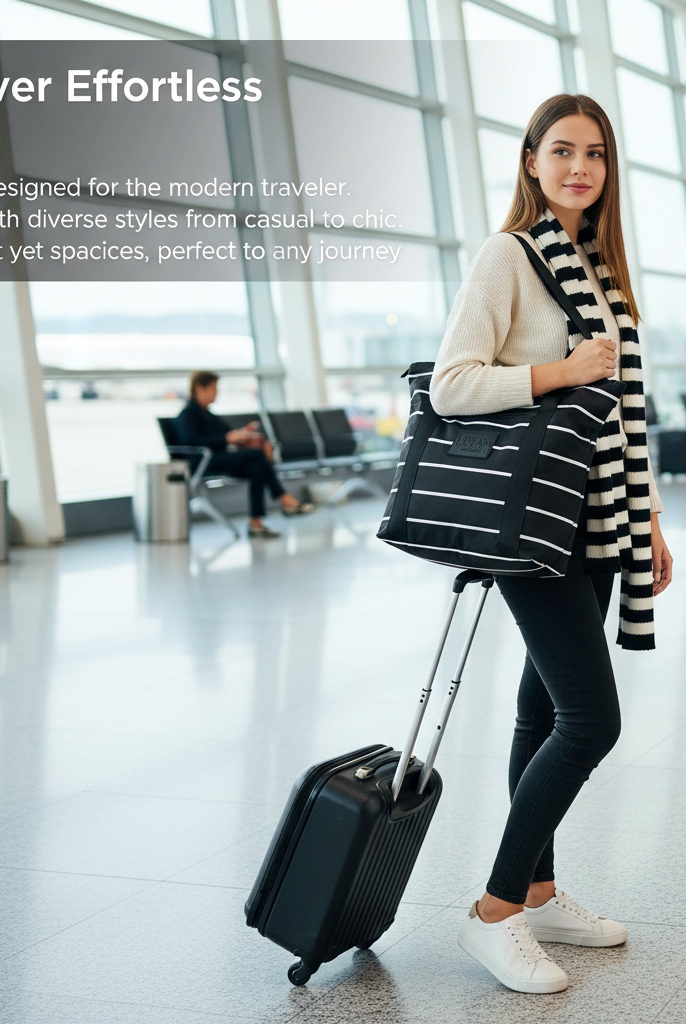
A useful travel bag earns its place by handling the in-between moments. It's beside the beach chair in the morning, under a desk by noon, and holding a light jacket and market produce in the evening. That versatility matters more than owning a separate bag for every activity.
Urban Totes brings that go-anywhere idea into a woman-owned, Boise-made brand perspective. The designs are water-resistant, lightweight, packable, foldable, and organized around real daily movement. Zipper closures and multiple compartments help keep essentials in place while the soft-sided construction stays more adaptable than rigid luggage.
From school drop-off to the terminal
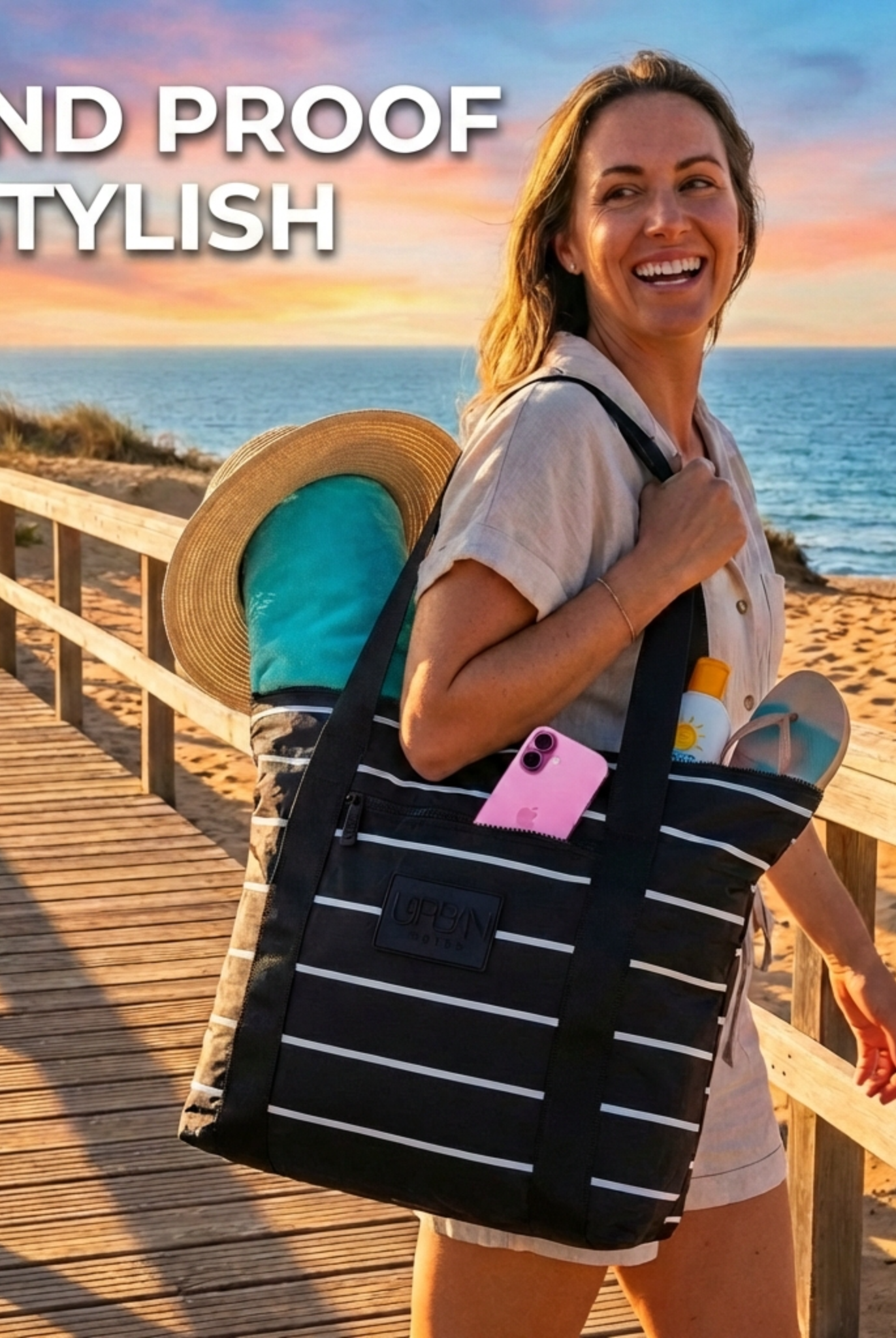
The OG Zipper Tote fits the rhythm of a busy morning. You can carry a water bottle, light layer, notebook, and daily essentials to school drop-off or work, then use the same bag as a personal travel piece. A zipper closure matters when the bag sits under an airplane seat or beside a crowded cafe chair, because it keeps the contents contained during movement.
At the gym, a soft-sided tote can hold a change of clothes and small accessories without looking overly specialized. At the farmers market, its flexible shape makes room for purchases that don't arrive in neat rectangular packages. The value is not that it replaces every kind of luggage. It's that one versatile everyday carry can move across several parts of the day.
When compact access matters
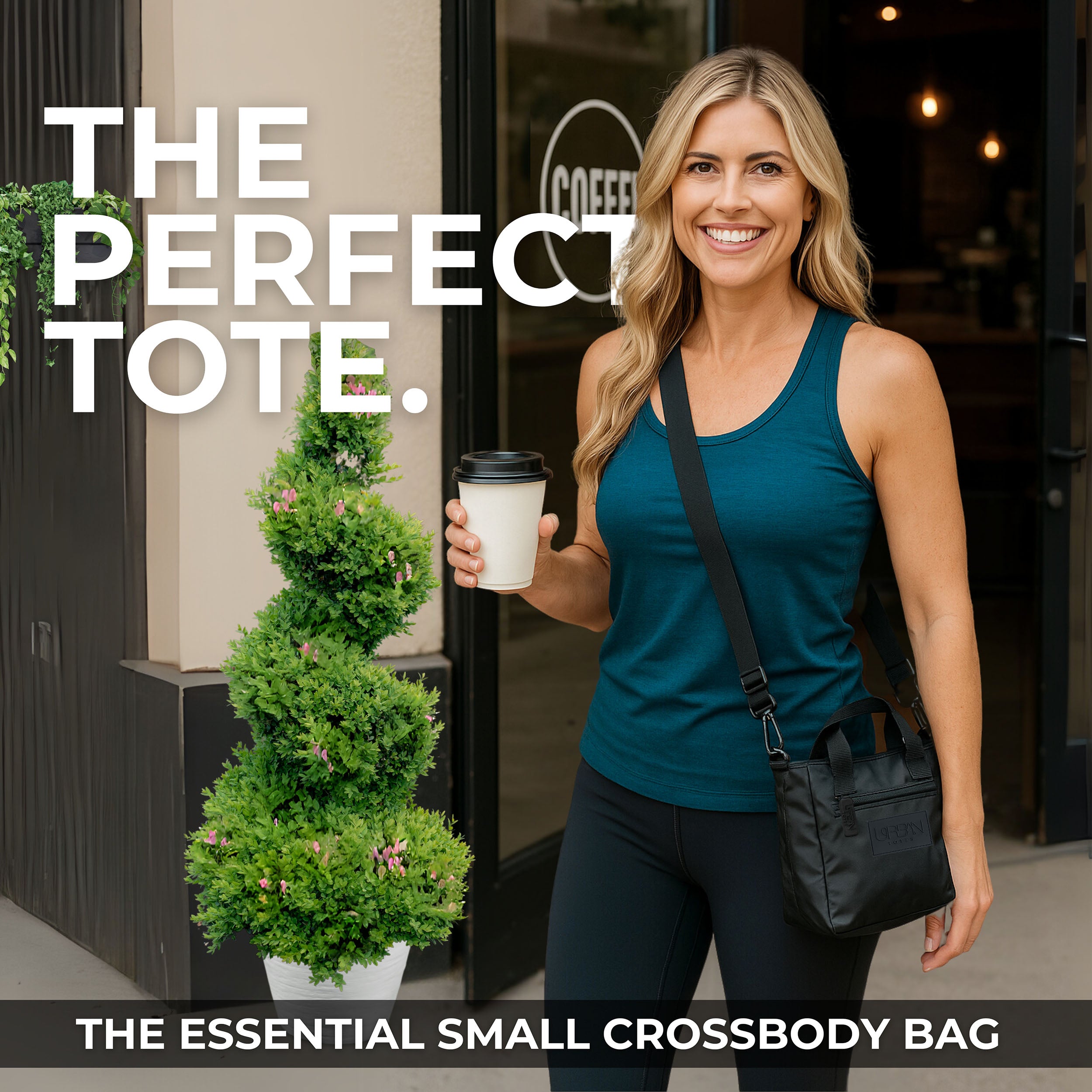
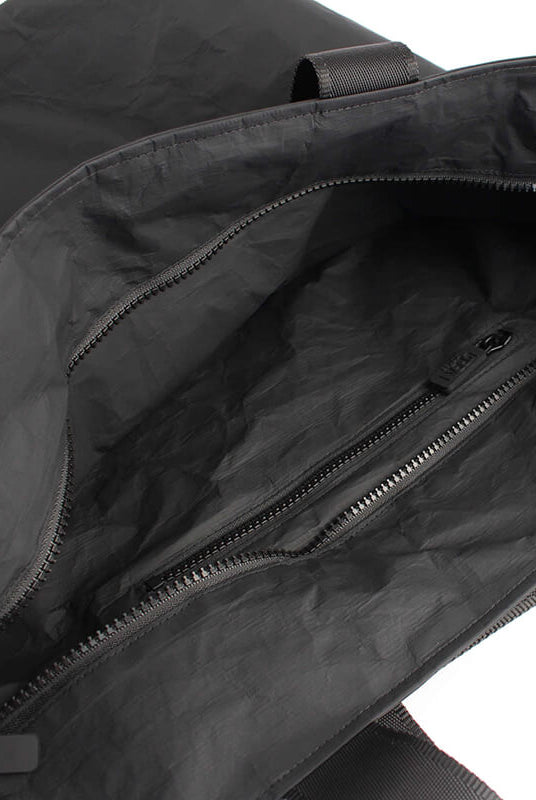
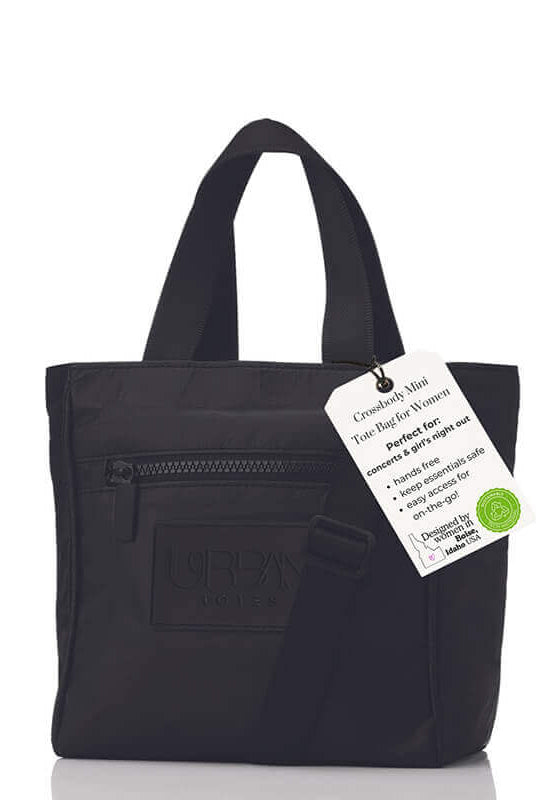
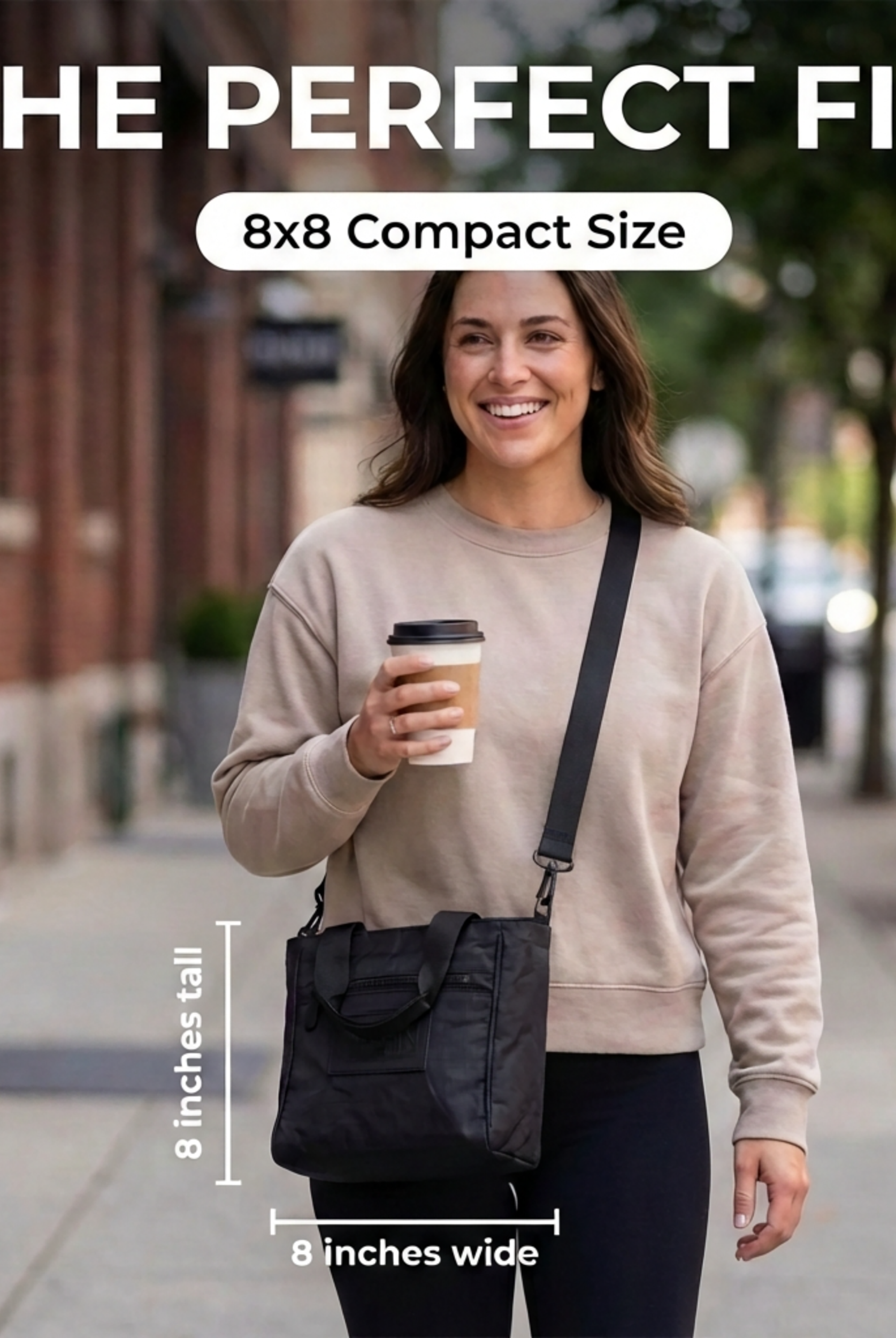
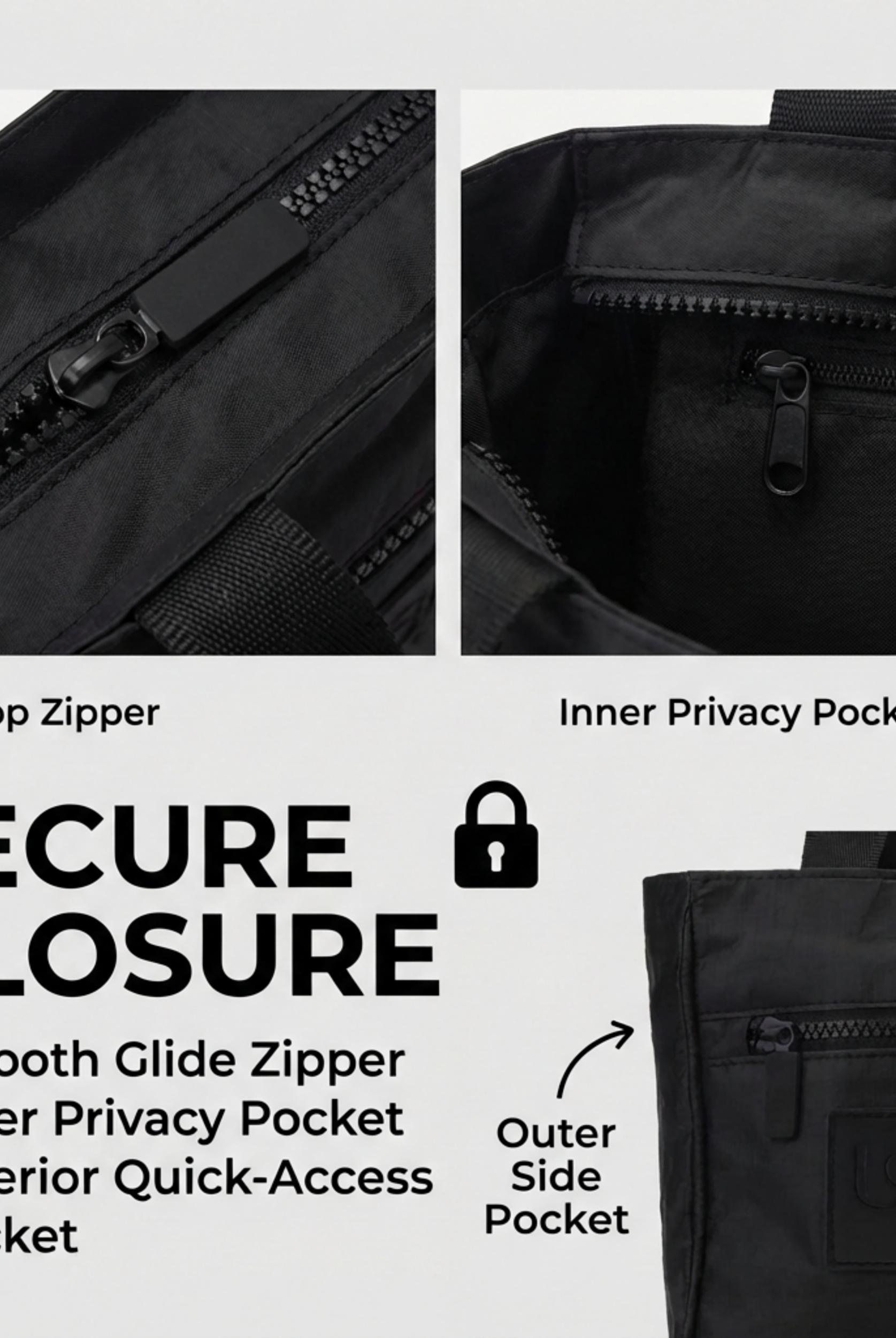
The Crossbody Mini Purse is the smaller, hands-free option for city walking, concerts, and quick airport movement. It has a zip-top closure, an outside zipper pocket, an easy-access pocket for a phone and keys, a black interior, and a removable crossbody strap extending to 53 inches. Its stated measurements are 7.5 x 4 x 7.75 inches, with 1-inch-wide nylon straps.
That format works when you want your hands free for coffee, a child's hand, or a camera. It isn't the bag for a beach towel or a full change of clothes, and that limitation is useful. Smaller capacity helps you carry only what the day requires.
For more examples of how soft, foldable designs fit airport days and everyday routines, browse this guide to lightweight tote bags. The strongest design choice is often the simplest one: enough structure to stay organized, enough flexibility to pack away, and enough style to feel natural beyond the terminal.
Finding Your Perfect Lightest Travel Bag and Next Steps
Start with your route, not a product category.
- Choose a packable daypack if your priority is the lowest possible empty weight for sightseeing, beach walks, or a backup bag.
- Choose a lightweight tote if you need one stylish, water-resistant bag for airport overflow, family essentials, errands, and beach days.
- Choose a crossbody if you're carrying documents, phone, keys, and a few daily necessities while keeping both hands free.
- Choose a structured backpack if your trip includes long walks, stairs, and repeated transitions with a fuller load.
- Choose a wheeled carry-on if you're transporting more and expect smooth surfaces, but check its empty weight before assuming it's light.
Before buying, check the bag's empty weight, packed dimensions, closure style, compartments, strap comfort, and material care. Then confirm the exact carry-on or personal-item rules for every airline on your itinerary. Airline policies vary, and a bag that works perfectly on one route may not fit another carrier's requirements.
My strongest recommendation for most mixed-purpose trips is a soft-sided, organized, foldable bag rather than the largest wheeled case you can find. It adapts better to beach days, city errands, hotel rooms, and carry-on overflow. When you need more support for long walks, step up to a structured backpack instead of overloading a tote.
You don't need the bag with the lowest possible number. You need the one that stays light after you add the things you carry, opens where you need it, and works once the airport day turns into real life.
Urban Totes offers lightweight, water-resistant, packable and foldable totes and crossbody styles with thoughtful compartments and secure zipper closures. Visit Urban Totes to find a stylish, go-anywhere bag for airport days, beach trips, errands, and every adventure in between.