The yoga mat is tucked under one arm, your phone is buzzing, and you're trying to get out the door before school pickup, the office, or a flight. Then you remember the clean top, water bottle, toiletries, laptop, snacks, and towel. A bag that only holds a rolled mat and shoes won't carry the rest of your day with much grace.
The right gym bags for yoga should move easily from studio to commute, errands, beach chair, and weekend trip. It needs enough structure to keep essentials findable, enough separation to manage damp gear, and a look that doesn't feel out of place at a café or airport terminal. The most useful choice is a lightweight, water-resistant, packable, and organized everyday carry that works long after class ends.
Table of Contents
- Why You Need More Than Just a Bag
- Mastering Compartments and Organization
- Choosing the Right Material and Durability
- Selecting the Perfect Bag Style for Your Life
- Making Your Bag a Multi-Use Essential
- Easy Cleaning Tips for Long-Lasting Freshness
Why You Need More Than Just a Bag
A mat-and-shoes bag solves one narrow problem. Real mornings rarely do.
You leave a yoga class with a damp towel, leggings that need washing, and a bottle that has picked up a few drips. At the same time, your laptop, wallet, keys, and clean blouse need to stay dry and easy to reach. If everything lands in one deep compartment, the clean items disappear beneath the sweaty ones, while small essentials migrate to the bottom.
A well-designed yoga gym bag handles those transitions without asking you to repack between every stop. It can look polished enough for a workday, carry enough for a quick overnight, and still fold away when you're traveling light.
The category has grown up
Yoga bags sit inside a much broader fitness and travel-carry market. One independent estimate values the global gym bag market at USD 1.49 billion in 2023 and projects it to reach USD 2.56 billion by 2030, implying an 8.1% CAGR from 2024 to 2030. The same market context places U.S. gym bag demand at USD 851.5 million in 2024. These figures include crossover use, which matters because many buyers want one bag for the gym, studio, commute, and travel, not a separate carrier for every activity. (Global Growth Insights)
Yoga-specific demand is substantial too. A separate estimate places the yoga bags market at USD 759.69 million in 2024, with a projection of USD 1.10 billion by 2030 at a 6.4% CAGR. That points to a durable accessory category shaped by convenience and portability, not just by the need to transport a mat. (Global Growth Insights)
Practical rule: Choose a bag for the full day you actually live, not the single hour you spend on the mat.
For a busy mom, that may mean diapers and snacks beside workout clothes. For a commuter, it may mean a tablet, charger, clean shirt, and wet towel. For a traveler, it may mean a foldable carry-all that works at the airport, hotel, and beach. Multi-use design is the feature that earns its space.
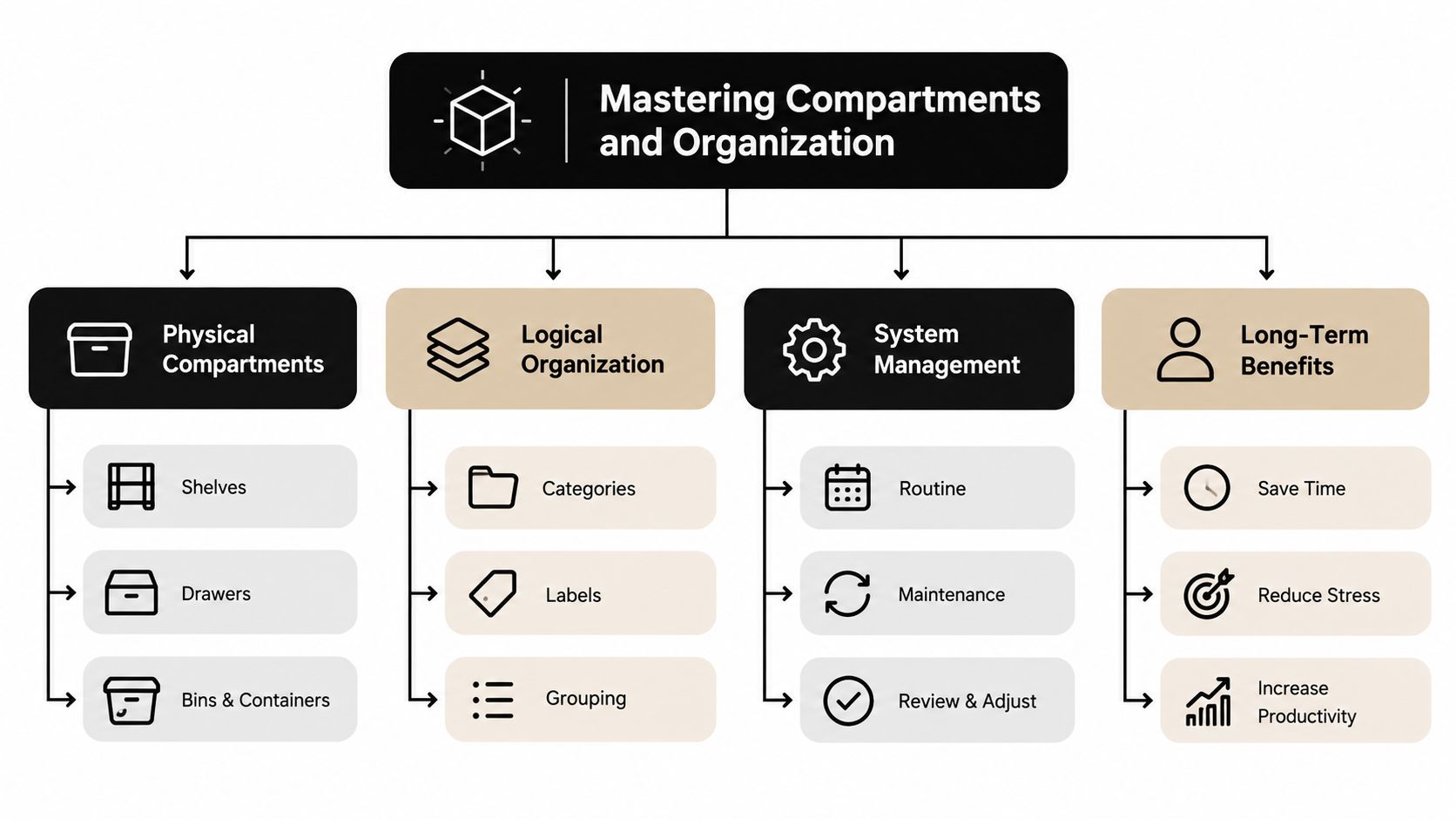
Mastering Compartments and Organization
Capacity alone doesn't make a bag useful. A large open cavity can hold plenty, but it can also turn your phone, socks, toiletries, and damp clothes into one frustrating search.
Start by dividing your packing into three zones:
- Dry zone: Put clean clothes, a cardigan, towel, and any paper items in the main dry compartment. This area should stay away from damp fabric and leaking bottles.
- Wet and dirty zone: Look for a side pocket, washable pouch, or separate compartment for a used top, towel, or sweaty socks. The point is to limit moisture transfer into clean apparel.
- Hard and fragile zone: Reserve a padded sleeve or protected pocket for a laptop, tablet, sunglasses, and other items that can't be crushed by shoes or a water bottle.
Moisture management deserves more attention than it usually gets. Damp clothes or towels left enclosed can let odor-causing microbes continue growing, while separating wet and dry items and emptying the bag after use reduces trapped humidity and the chance of mold or mildew formation. A three-zone layout also keeps moisture away from electronics and toiletries. (Sta-Dri)
Evaluate the layout before the label
A practical layout often includes a zippered main closure, a shoe compartment, a wet-accessory pocket, and smaller pockets for quick-access items. One listed yoga gym bag, for example, uses one large main compartment, one wet-accessory compartment, one side shoe compartment, and four middle small pockets. (Target)
Before buying, ask yourself:
- Can you reach your keys without unpacking the bag?
- Is the bottle pocket positioned to reduce spills?
- Can shoes stay separate from clean clothing?
- Does the laptop sleeve have padding and a secure closure?
- Will the bag still close when you add a towel and an extra layer?
For a closer look at how compartments affect daily use, this guide to tote bag compartments offers a helpful way to think about pockets as a packing system rather than decoration.
A listed yoga tote also specifies a padded side compartment for a laptop or tablet, two side bottle pockets, a zippered interior pocket for a wallet, keys, and phone, plus a front pocket for quick-access items. (Target) That's the kind of arrangement that supports a class-to-work routine without forcing your tech to share space with damp gear.
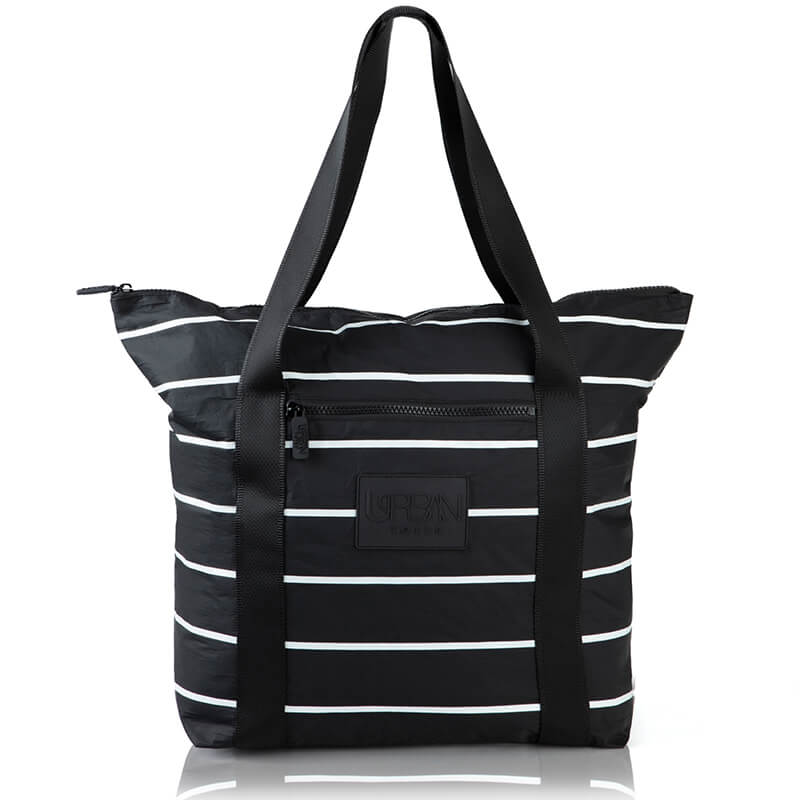
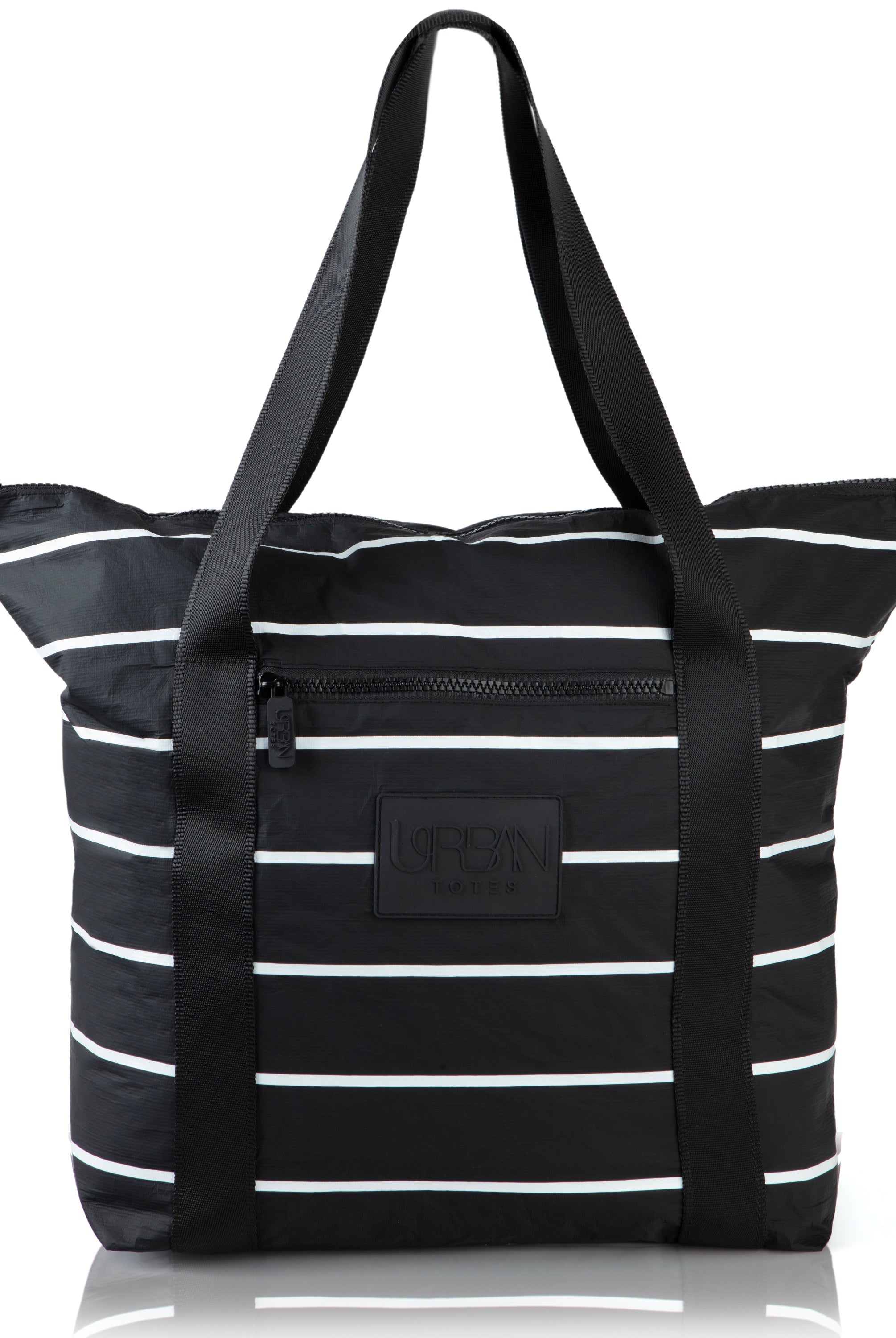
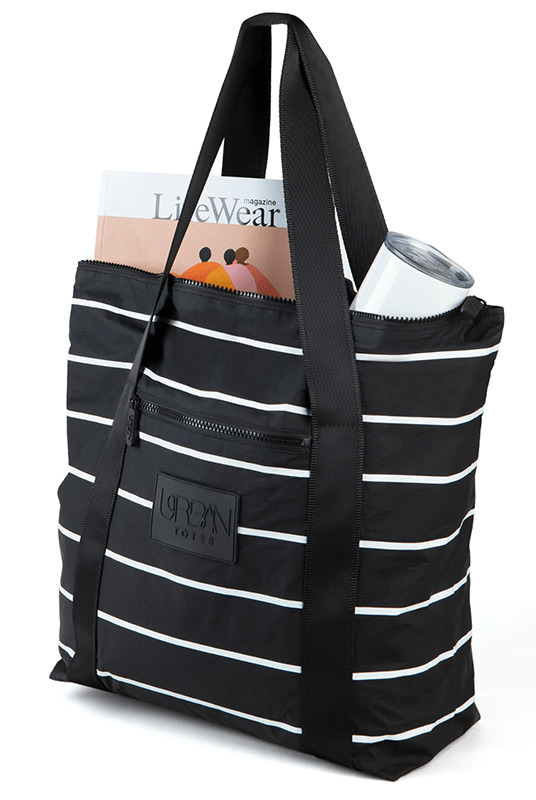
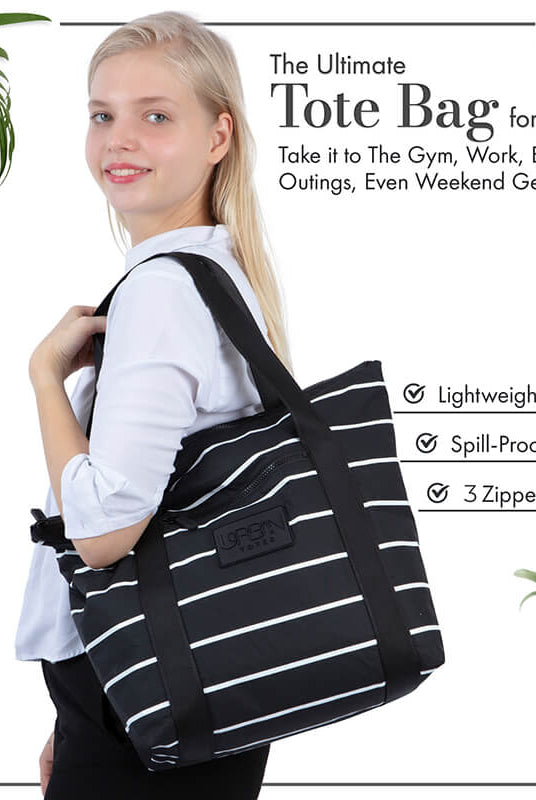
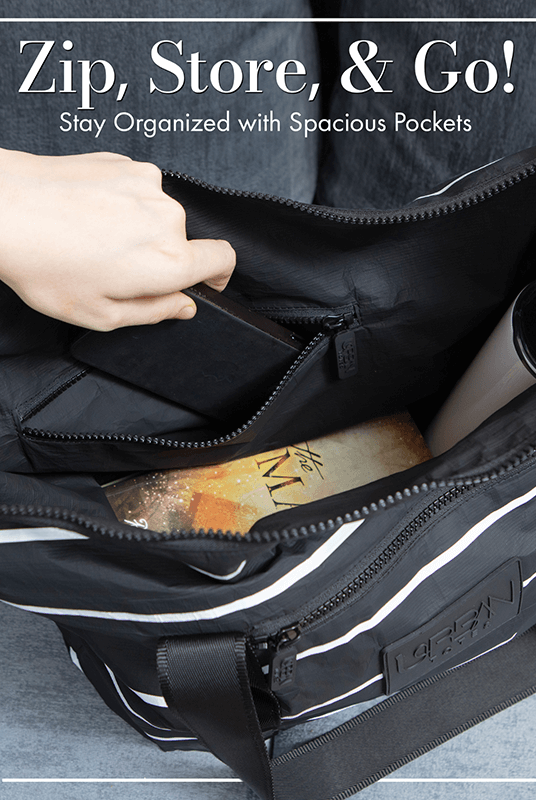
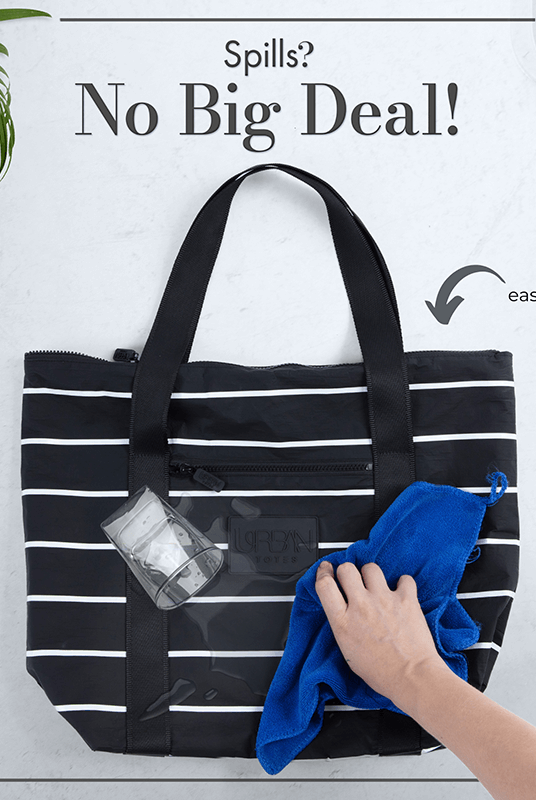
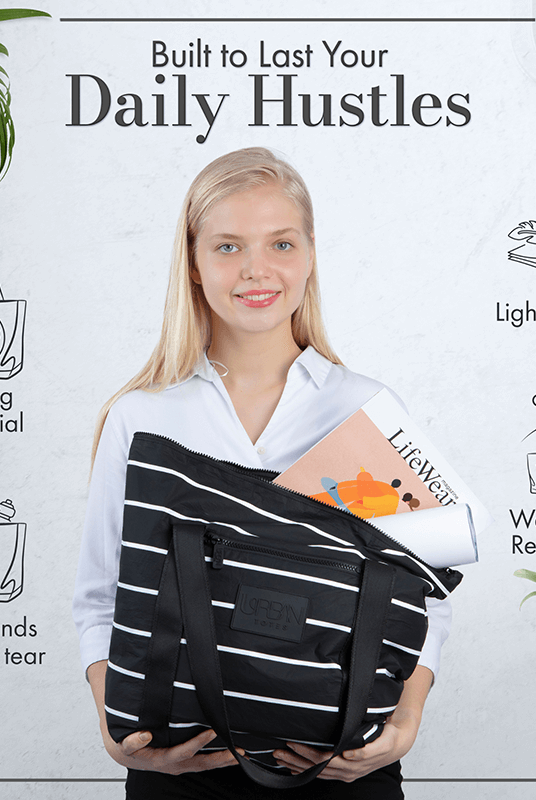
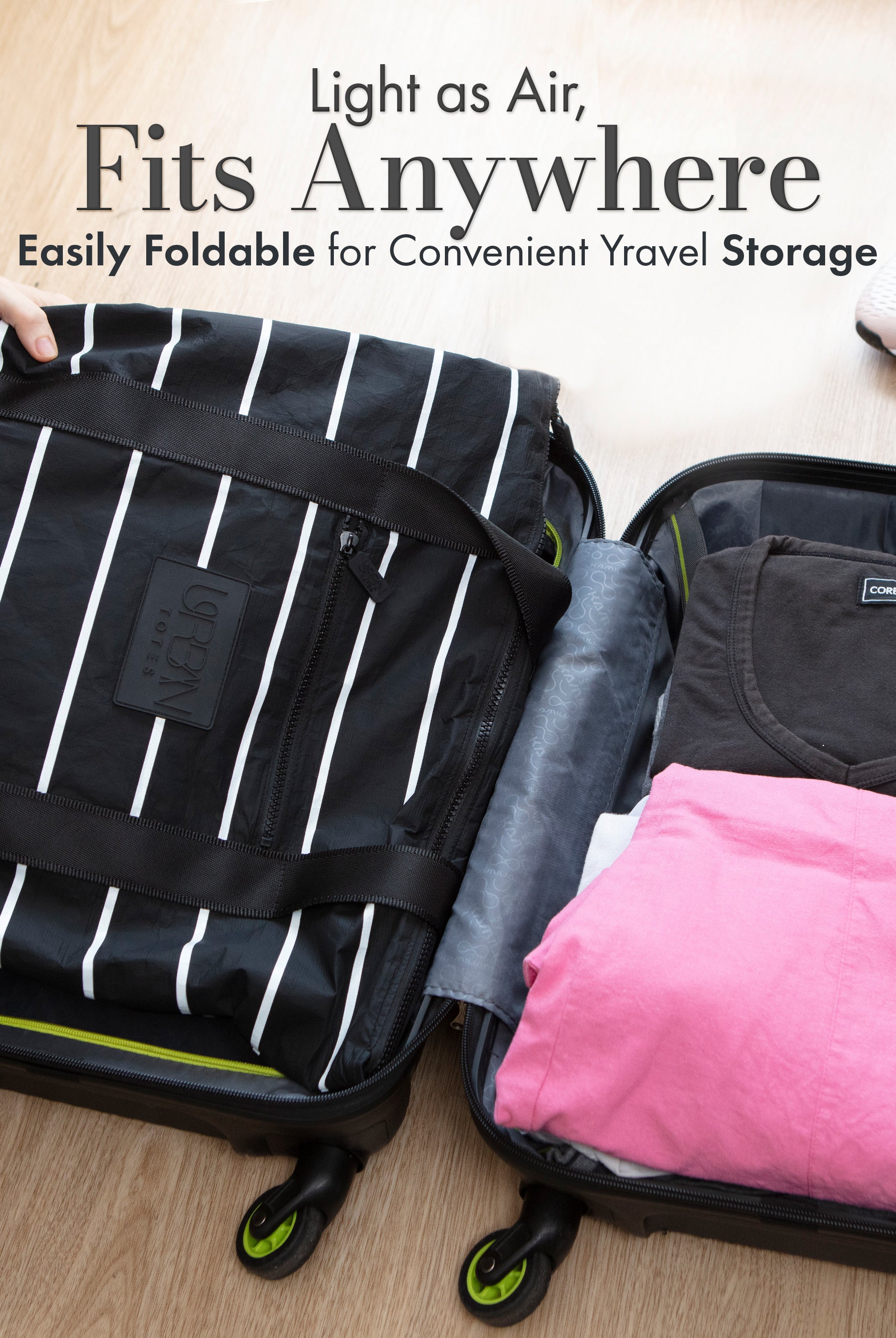
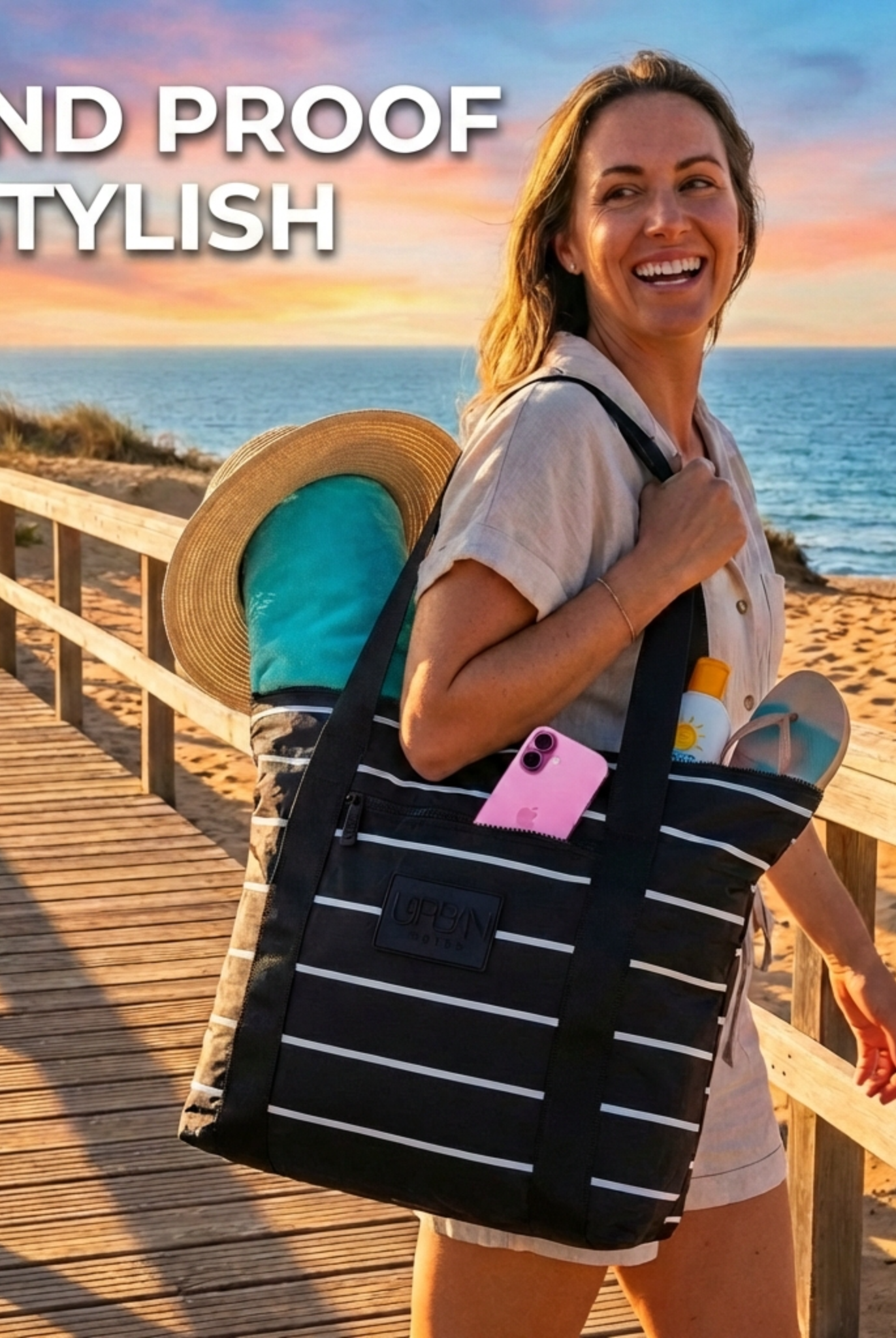
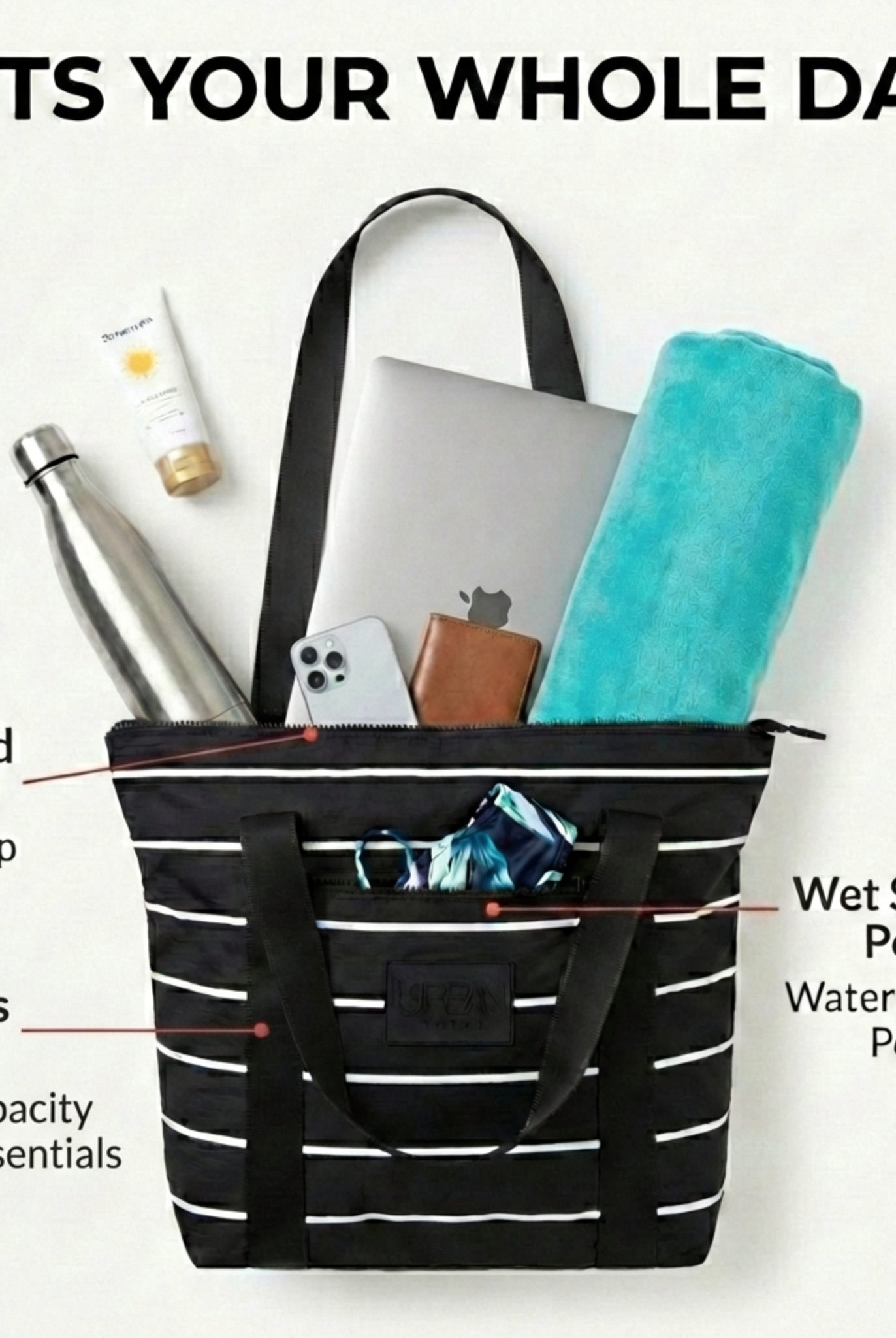
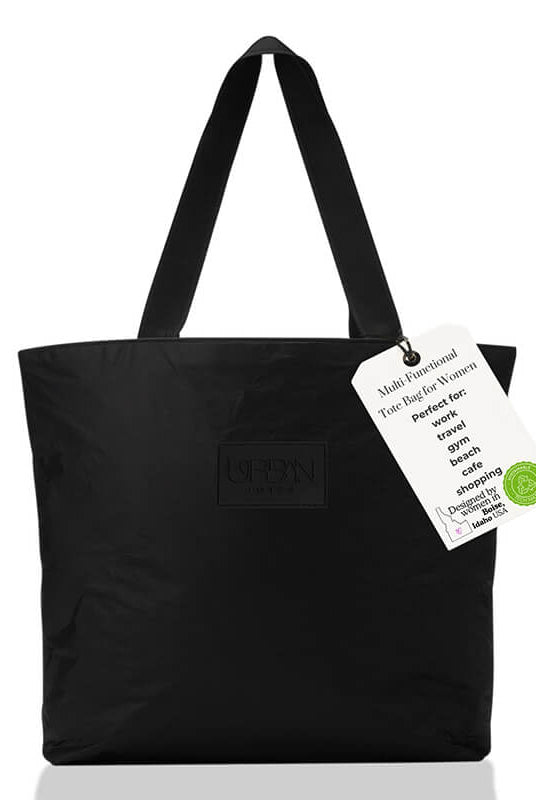
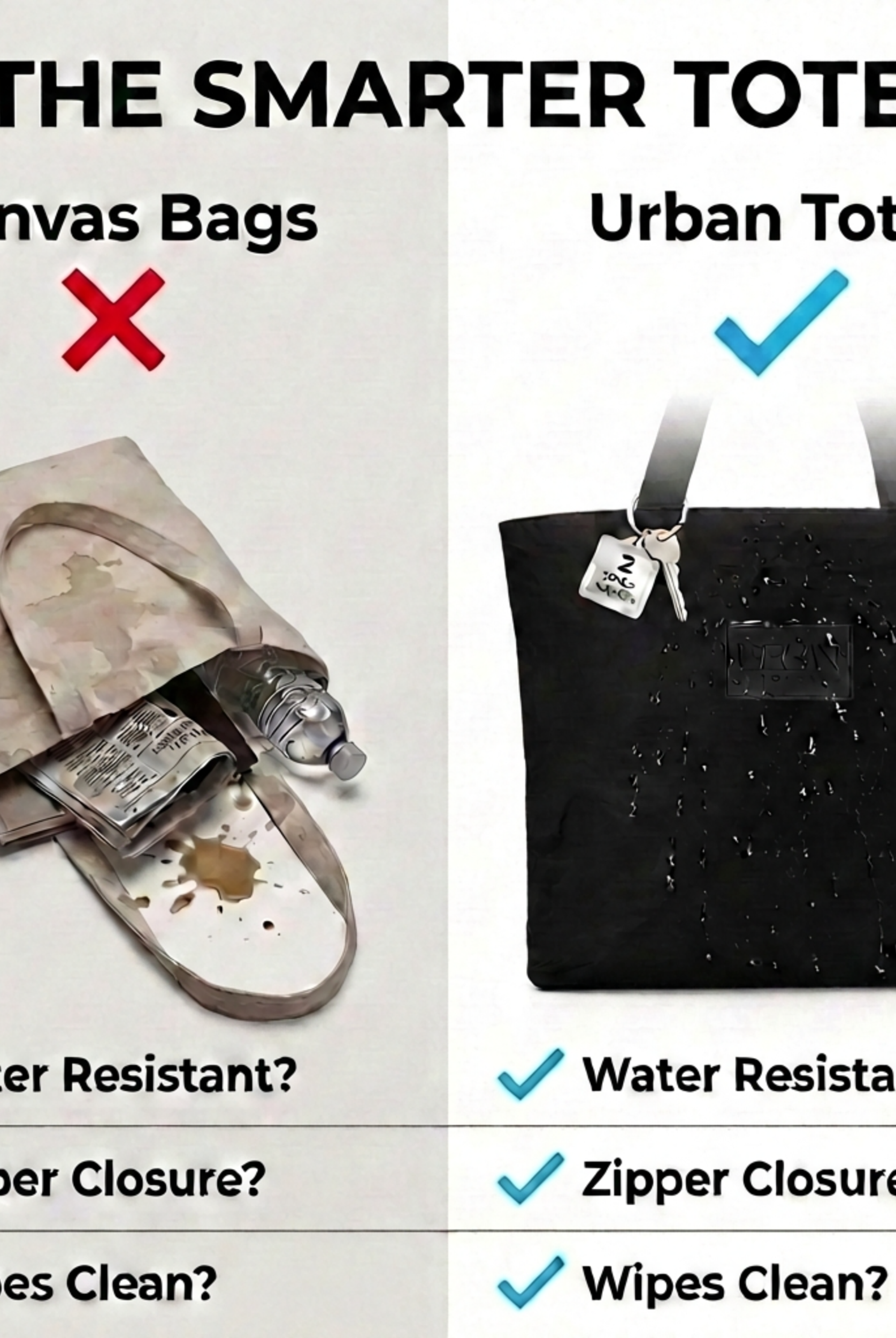
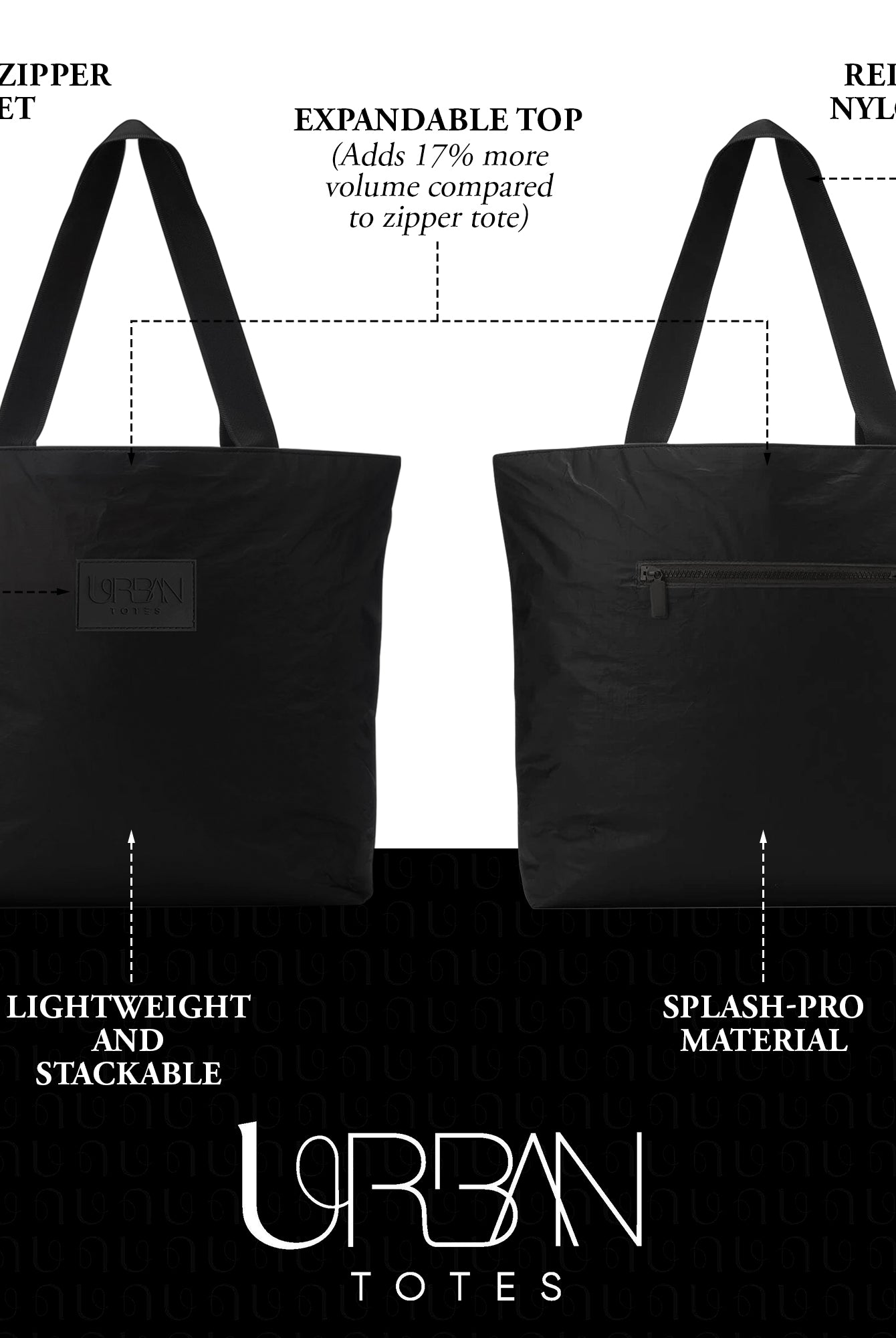
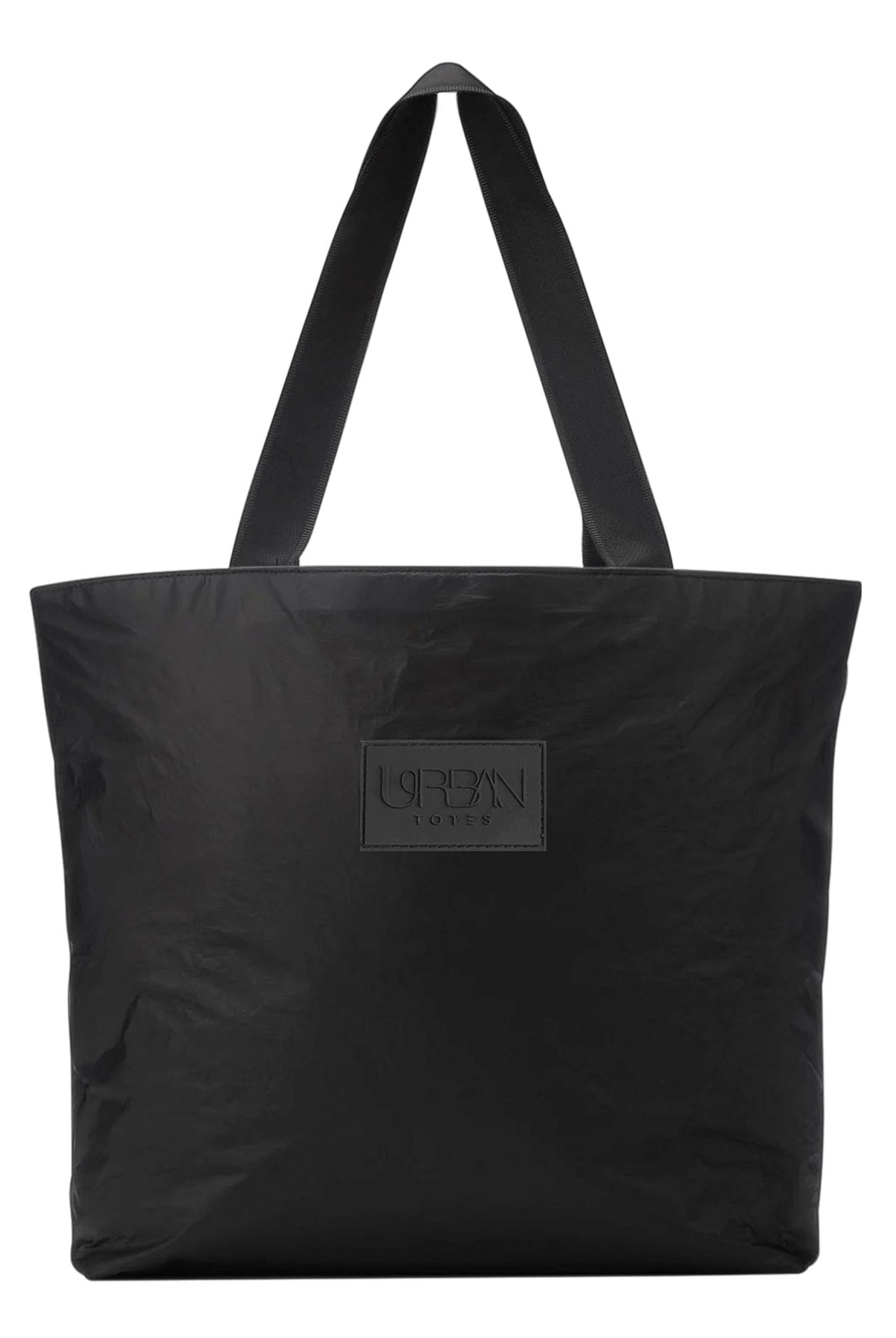
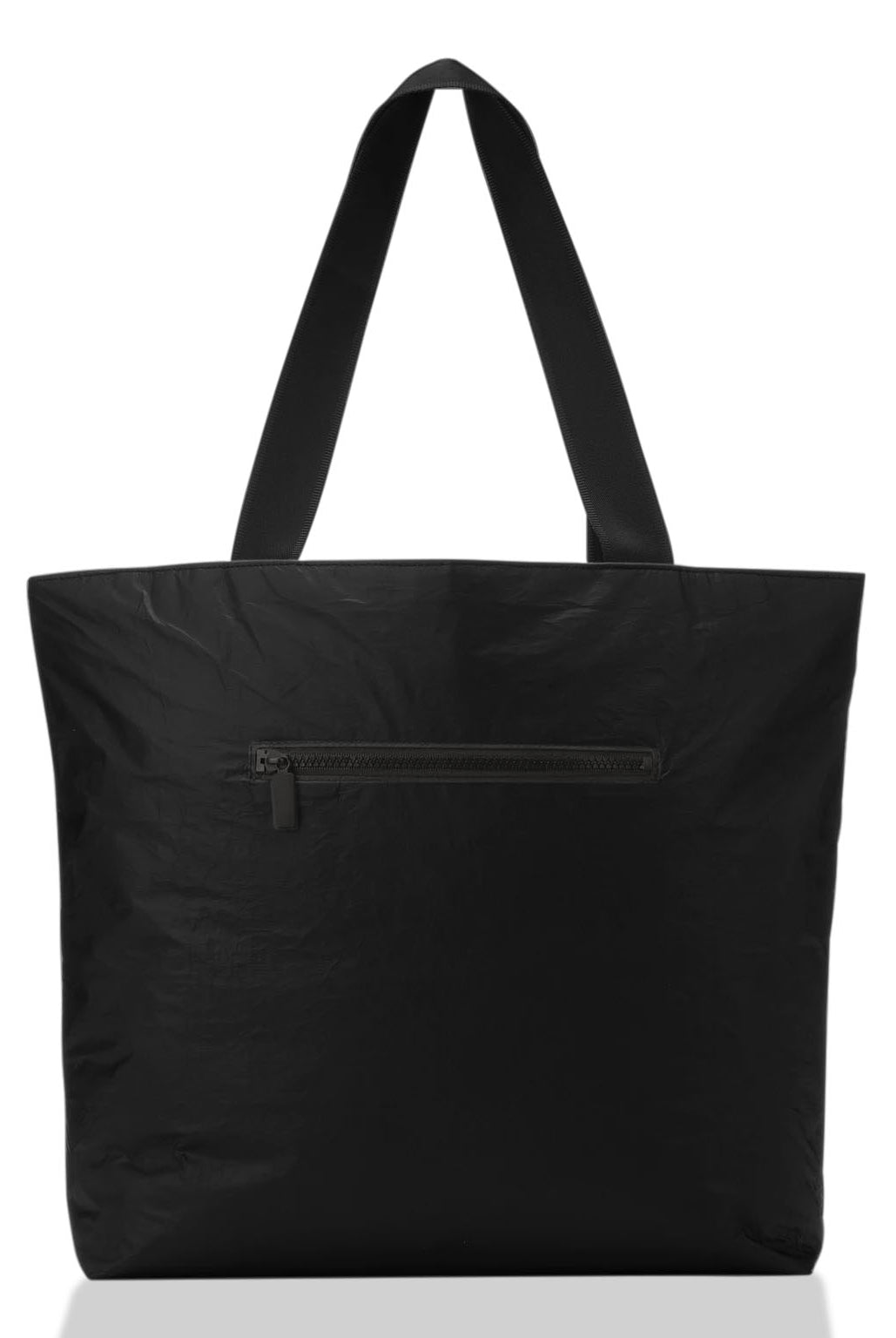
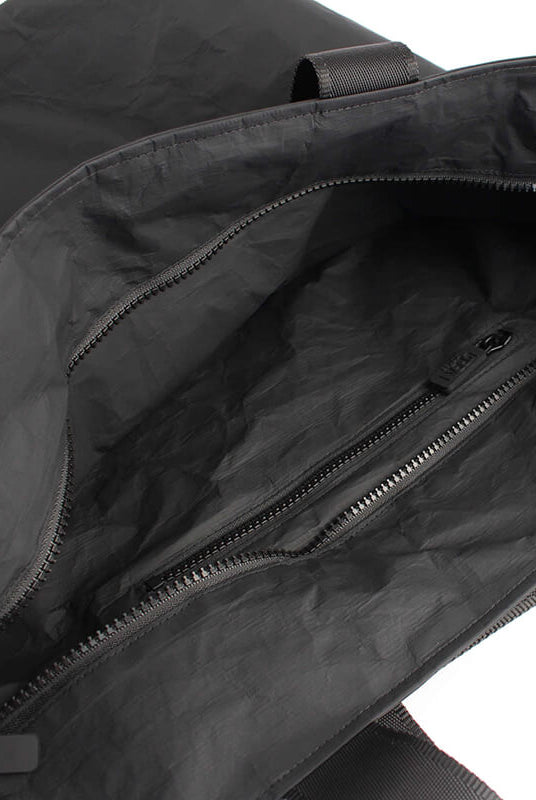
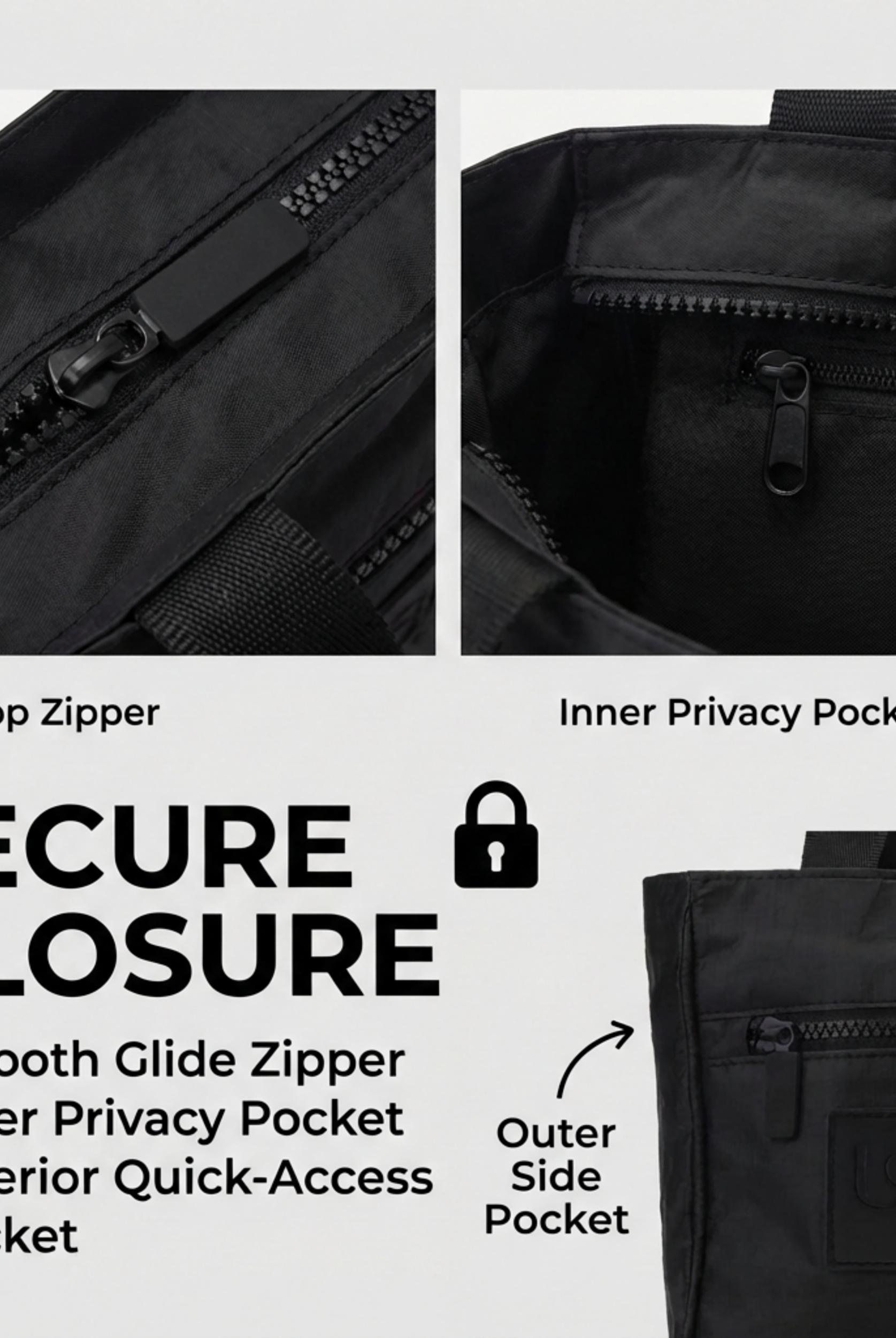
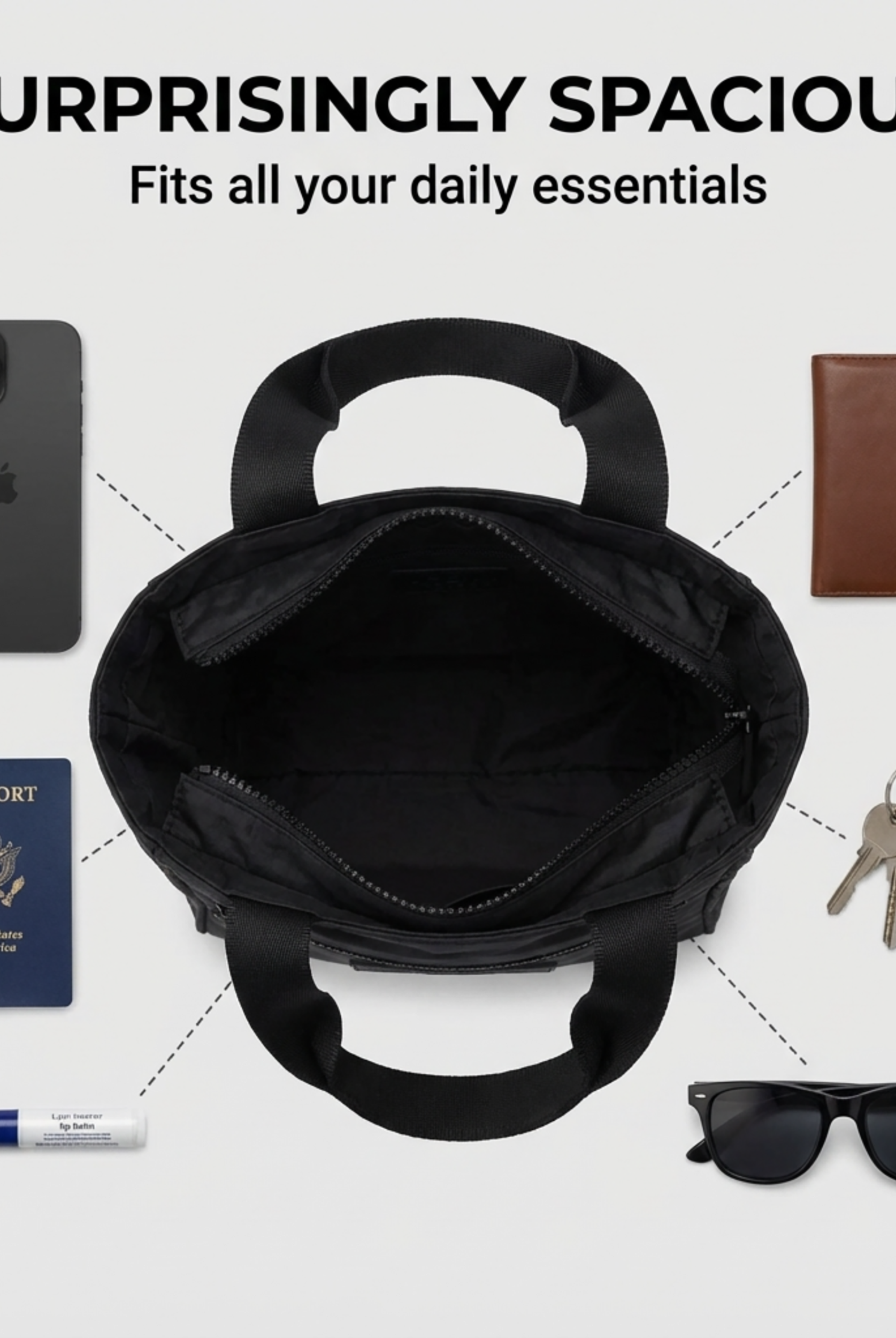
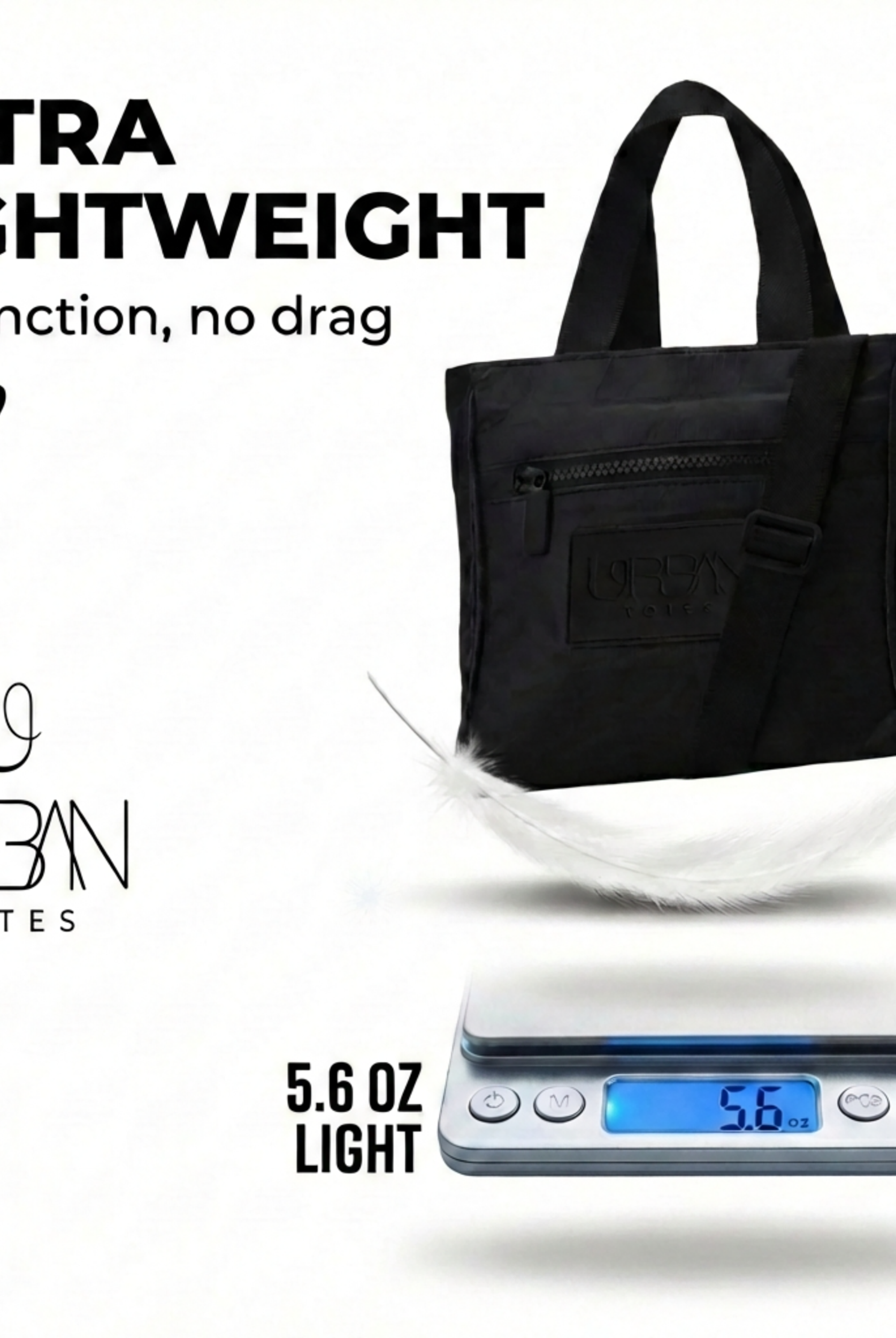
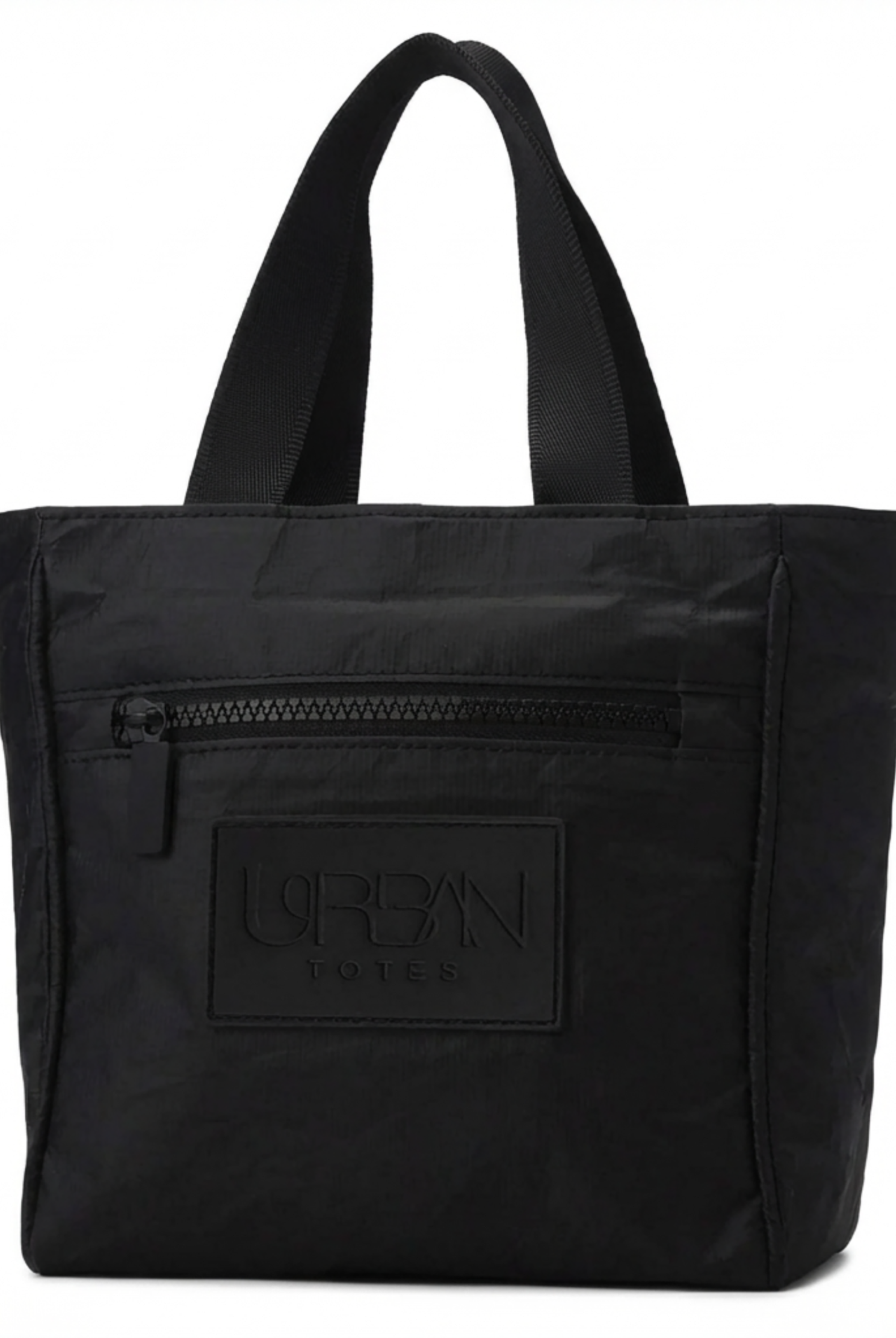
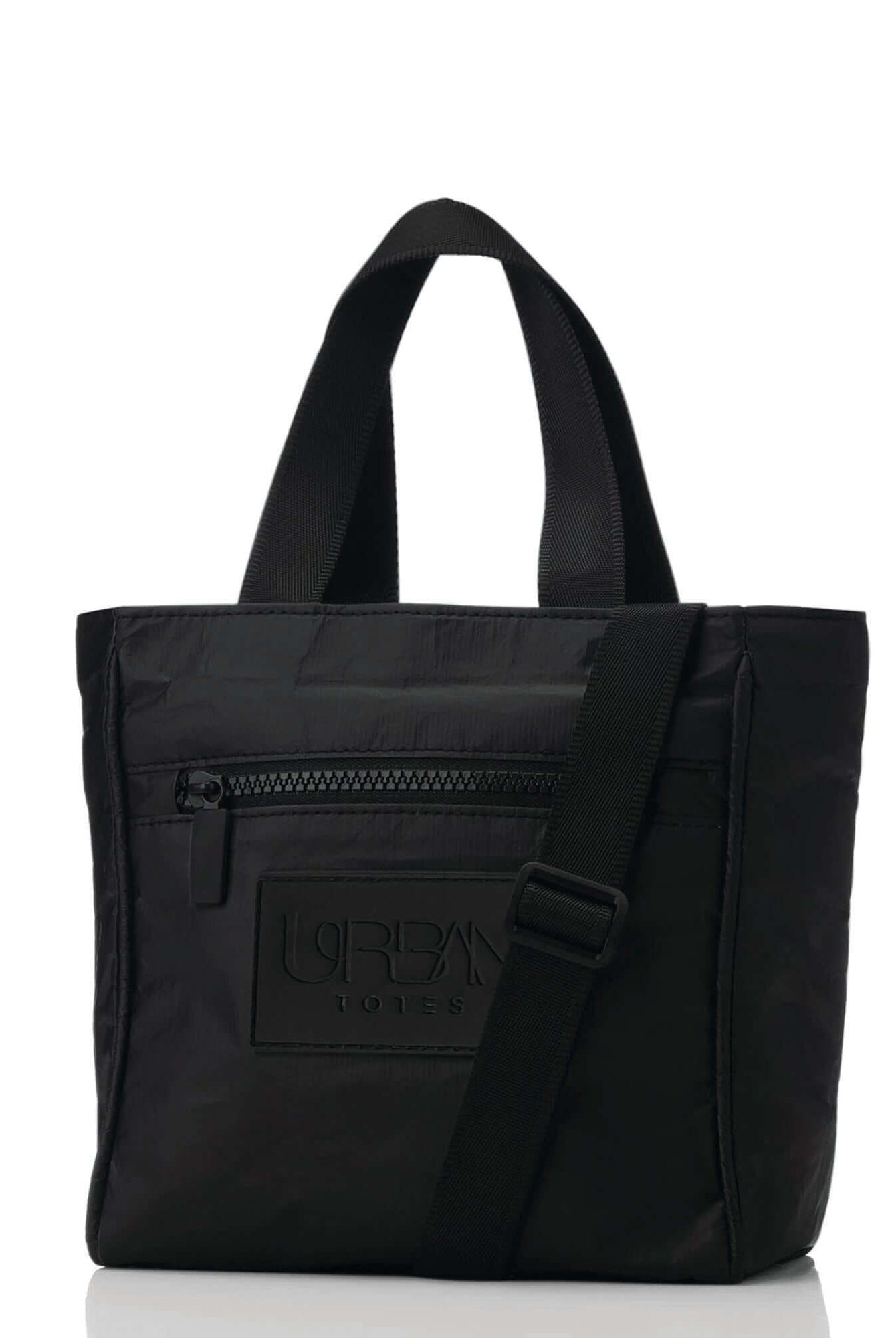
The Elevate Every Adventure with The OG Zipper Tote Bag by Urban Totes illustrates this carry-all approach with three large pockets, inside and outside zipper pockets, and side pockets intended for wet swimsuits or sweaty workout gear. Its listed dimensions are 19 inches wide by 14.5 inches high, and the design is described as lightweight, foldable, water-resistant, and easy to wipe clean or machine wash.
Choosing the Right Material and Durability
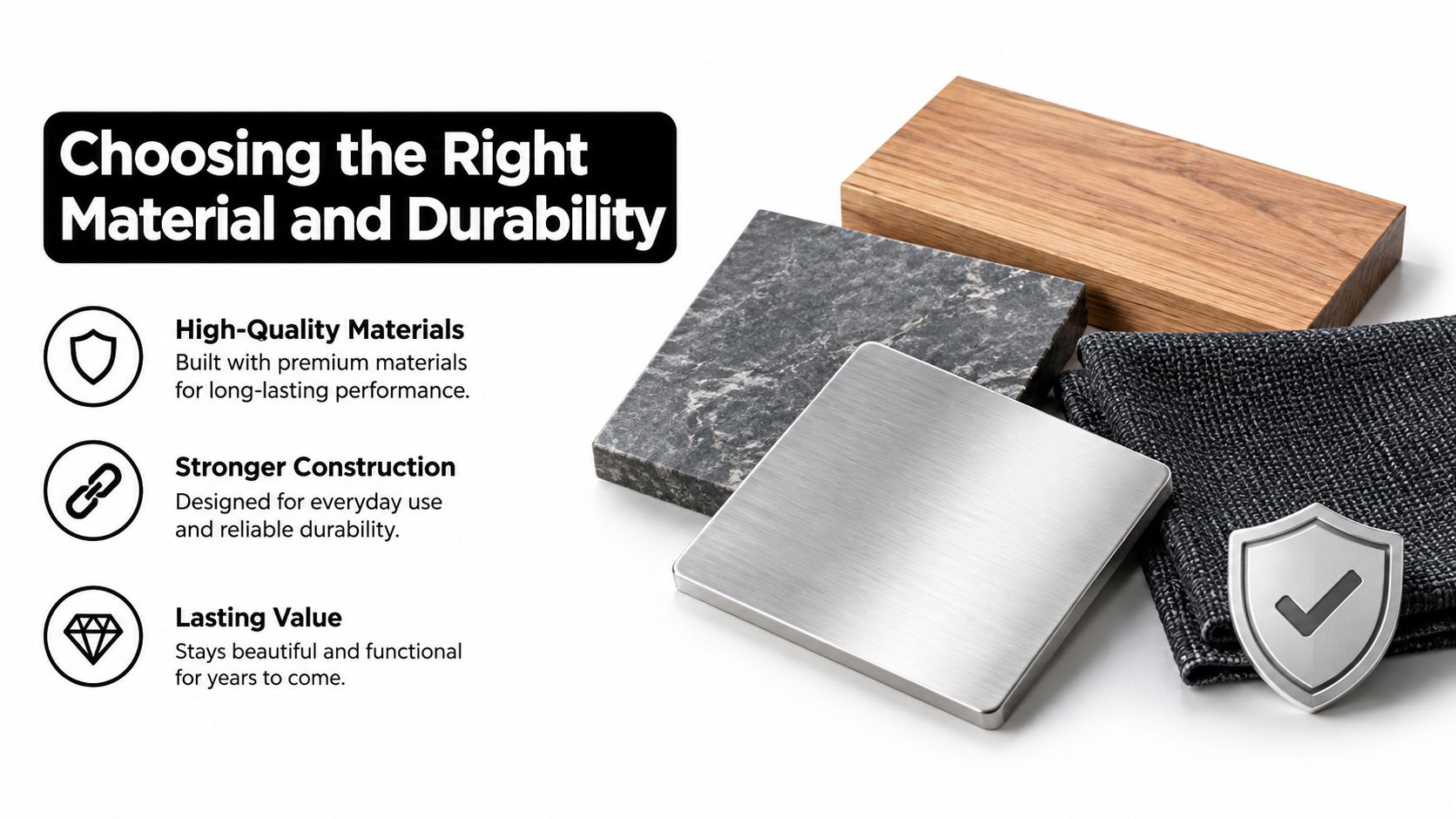
Material changes how a yoga bag feels at 7 a.m., how it handles a coffee spill, and how easy it is to clean after a hot class. Heavy canvas can offer a substantial, classic appearance, but it may feel bulky when packed and can take longer to dry after absorbing moisture. Lightweight technical fabric usually feels easier on the shoulder and suits commuters who already carry a laptop or lunch.
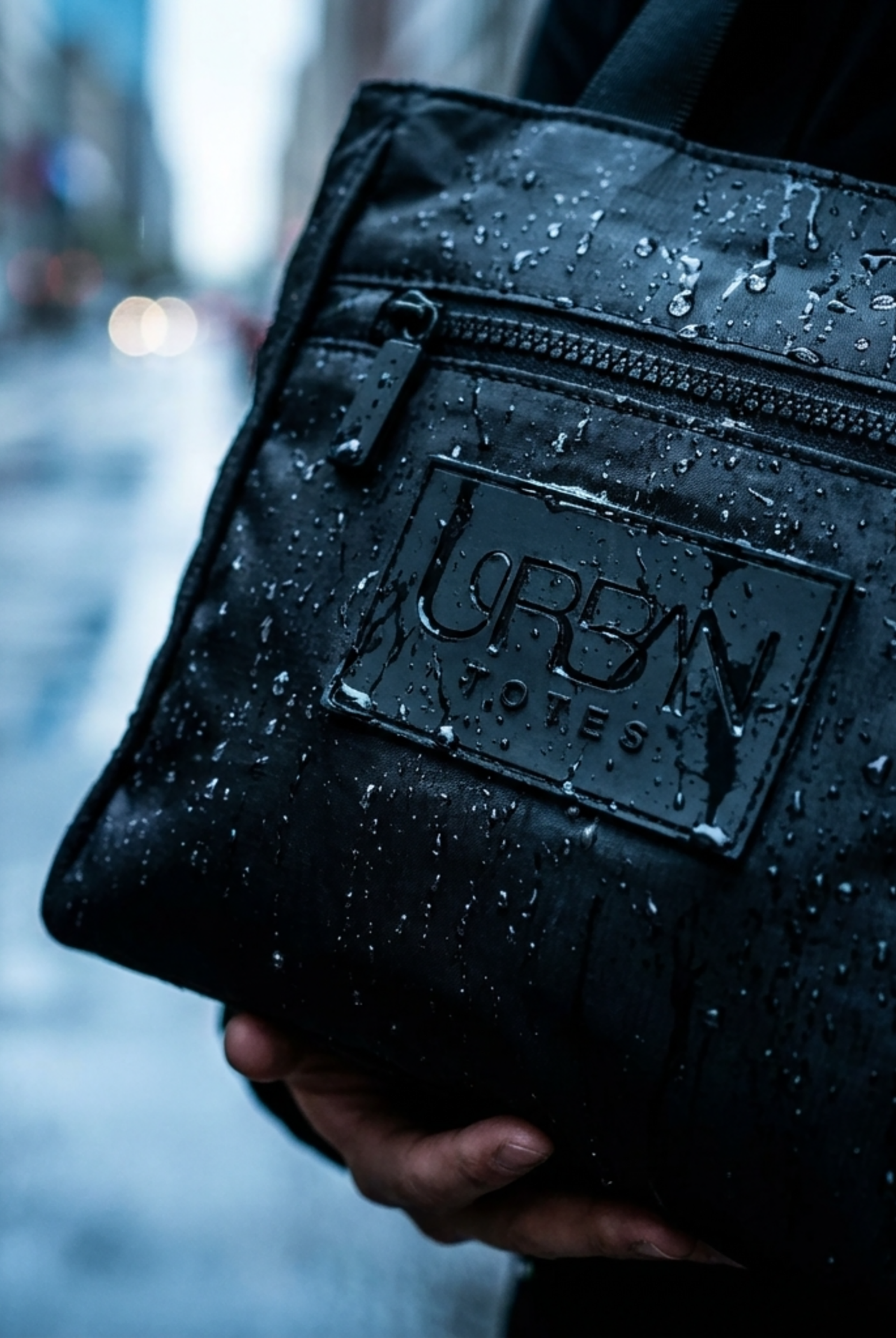
Nylon and TPU are common choices for lightweight waterproof bags because they keep weight down while helping block water. Manufacturers may also use coatings or heat-sealed welding to reduce leaks. (Van Charli Outdoor)
Water resistance is a construction detail
A fabric isn't automatically water-resistant because it feels smooth. Performance often comes from a DWR surface treatment, PU coating, or tight weave. Water-resistant materials can handle light rain and splashes for a limited time, while PU-coated nylon or polyester can suit a softer, lighter bag that needs several seams and compartments. (FLW Bag)
That distinction matters for yoga. A water-resistant exterior helps with drizzle on the walk from the studio, a bottle that sweats in its pocket, or sand and dampness at the beach. It doesn't mean you should leave the bag exposed to heavy rain or store wet clothing inside indefinitely.
Match the material to your habits
Choose structured canvas if you value a more traditional look and don't mind a heavier carry. Choose lightweight coated nylon, polyester, or a comparable technical fabric if you prioritize packability, easy wiping, and quick transitions between work and workouts.
Inspect the points that usually receive the most stress:
- Straps: They should sit comfortably on your shoulder and attach securely to the body.
- Zipper closures: They keep contents contained during commutes and travel.
- Seams: Coatings help, but careful construction determines how well a bag handles repeated use.
- Interior lining: A wipeable lining makes small spills less disruptive.
- Base structure: A little stability helps the bag stay upright while you change shoes or find your keys.
Material also affects comfort. A durable bag that feels too heavy before you add your mat may become the bag you avoid. For broader guidance on how fabric, finish, and construction shape daily carry, see this overview of tote bag material.
Yoga class is only part of a busy day, and your body may notice the rest of the load. If you spend hours at a desk before or after class, these office muscle tension relief tips can complement a more comfortable packing strategy.
Selecting the Perfect Bag Style for Your Life
The best silhouette depends on how you move through the day. A spacious tote is easy to load beside a car seat and looks natural with work clothes, while a crossbody keeps both hands available for school drop-off, ticket machines, or a farmers market basket. A weekender gives you room for clothing and toiletries, but it can feel oversized for a short studio visit.
| Bag Type | Best For | Key Feature |
|---|---|---|
| Spacious tote | Work, errands, beach days, and studio-to-office routines | Wide opening with organized pockets |
| Crossbody | Hands-free commuting and quick classes | Adjustable strap and close-to-body carry |
| Slim backpack | Biking, walking, and crowded transit | Evenly distributed shoulder load |
| Weekender | Overnight trips and longer travel days | Room for clothing, toiletries, and yoga gear |
Compare comfort with access
Totes make frequent access simple. You can set one on a café chair, open the zipper, and see the day's essentials at once. Their weakness is that an overpacked tote can pull on one shoulder, especially when you add a laptop, bottle, and shoes.
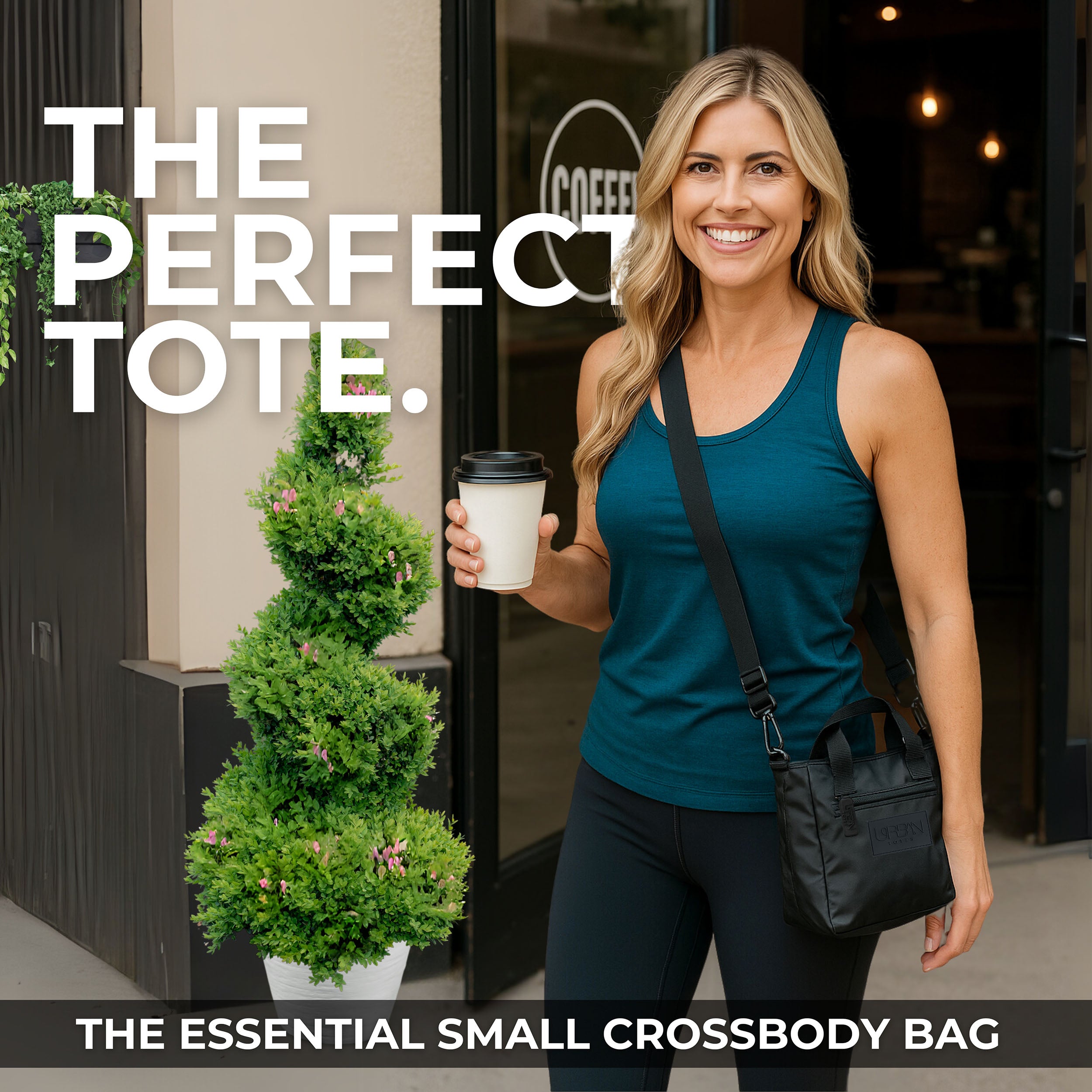
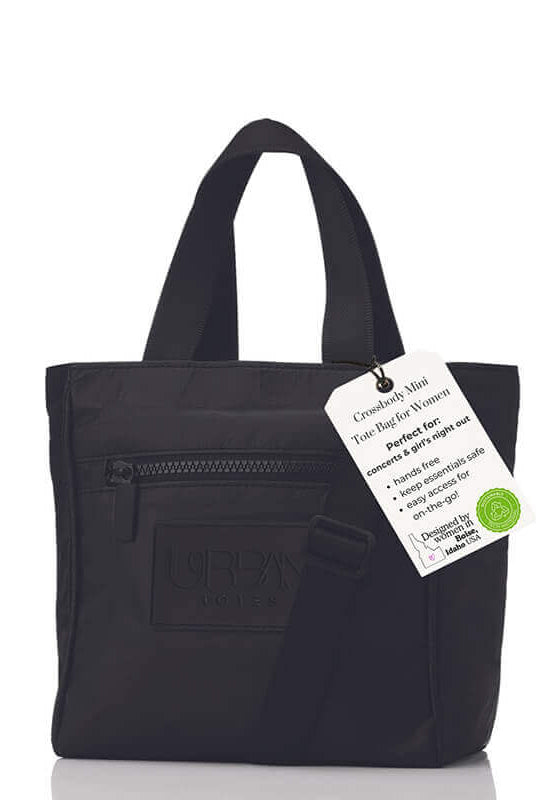
Crossbody styles solve the hands-free problem, but their narrower shape can limit what fits inside. A mat may need a separate strap, and bulky towels or shoes can make the bag feel crowded. A crossbody gym bag makes the most sense for a lighter kit and a commute where mobility matters more than maximum capacity.
A slim backpack distributes weight more evenly and leaves your hands free, which can be useful for walking or cycling. For readers comparing a maximum slim backpack for gym use, consider whether its profile accommodates your laptop, mat solution, and post-class clothing without forcing everything into one compartment.
Let the transition decide
If your typical route is studio, office, and errands, a tote usually provides the smoothest balance of style, access, and capacity. If you walk several blocks or carry a child's hand through a busy terminal, a crossbody or backpack may be more comfortable.
Don't choose a silhouette only because it looks spacious online. Put your real packing list on paper, then check where each item will go. A bag feels generous when every category has a home, not merely when the main compartment is large.
Making Your Bag a Multi-Use Essential
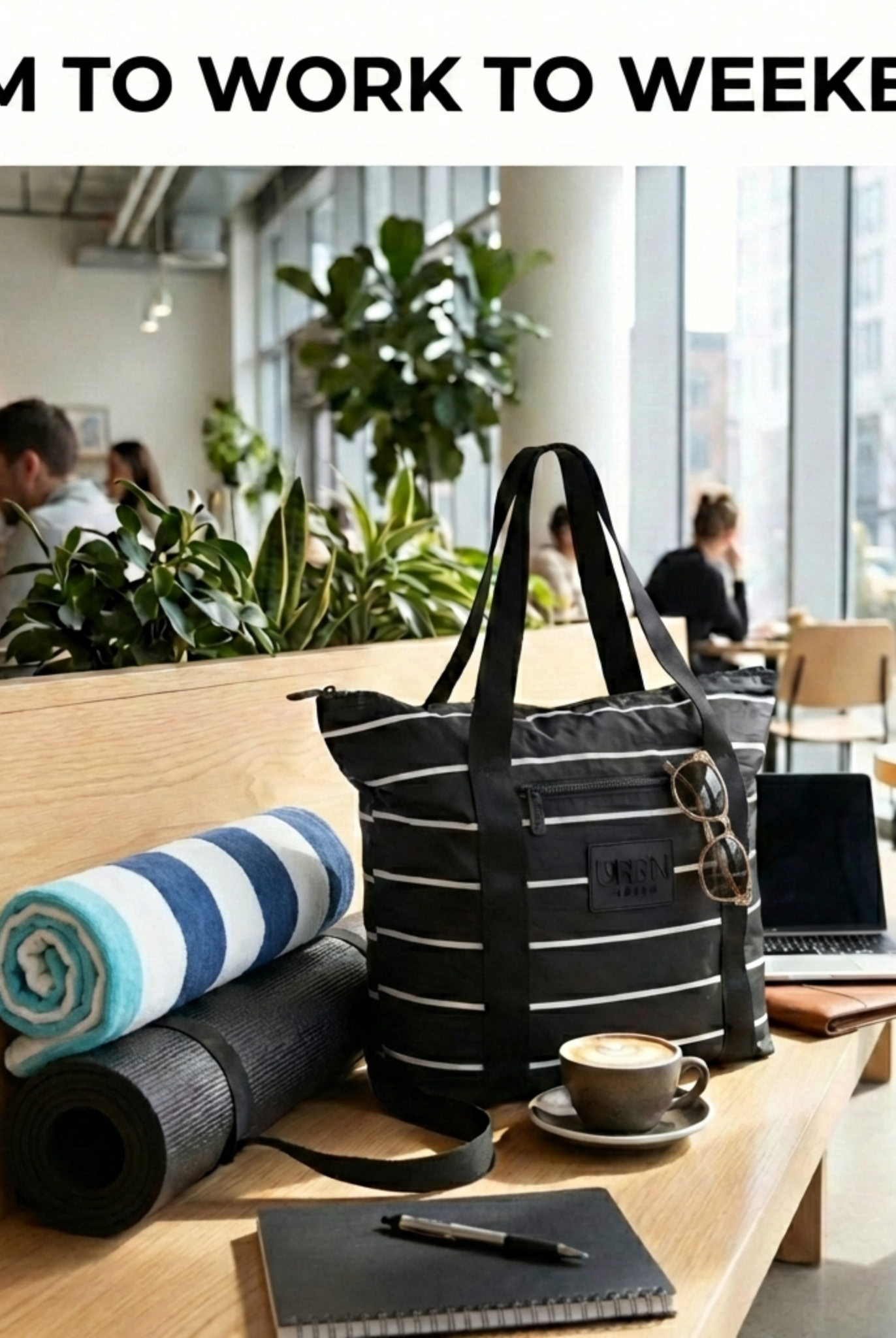
A yoga bag earns a permanent place by working beyond class. On a weekday morning, it can hold a mat towel and clean layers. At the office, it carries a laptop and notebook. On the weekend, the same bag can handle sunglasses, snacks, and a light cover-up for a beach day or short trip.
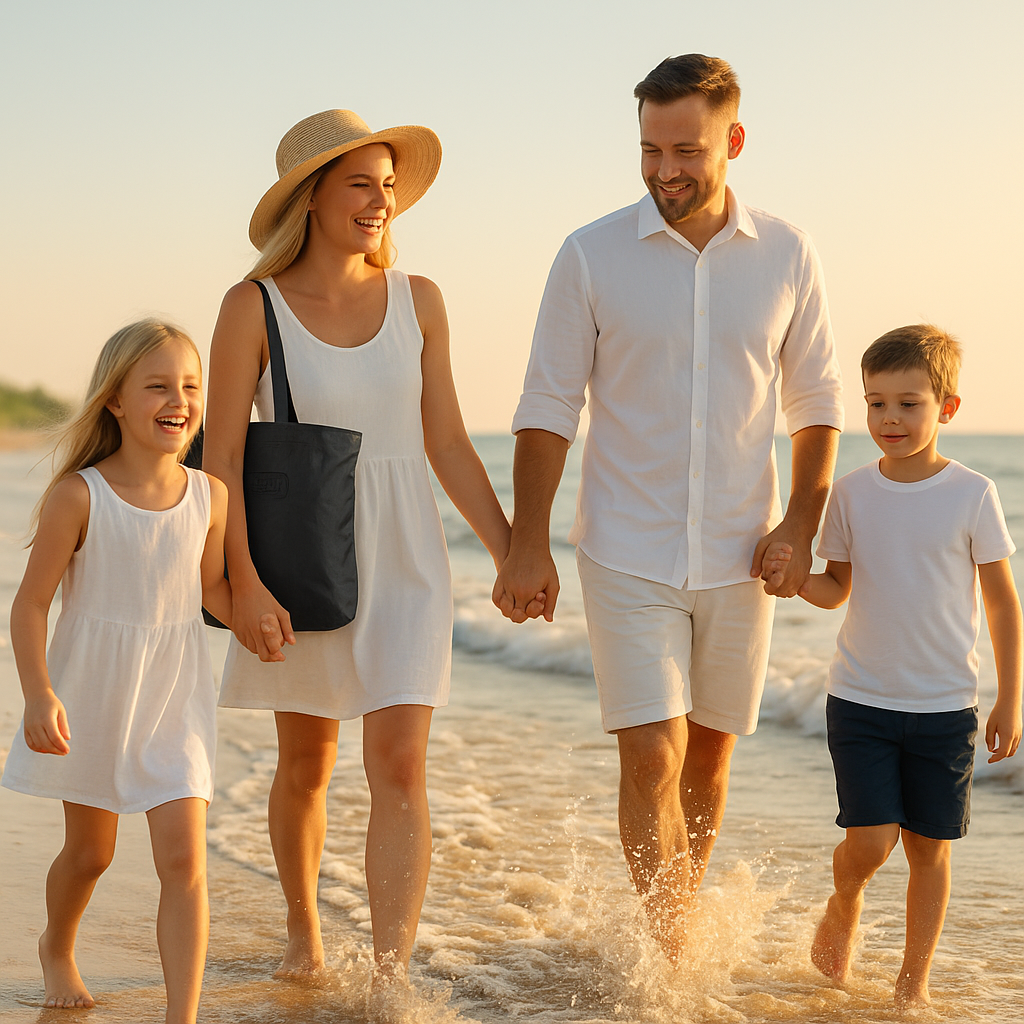
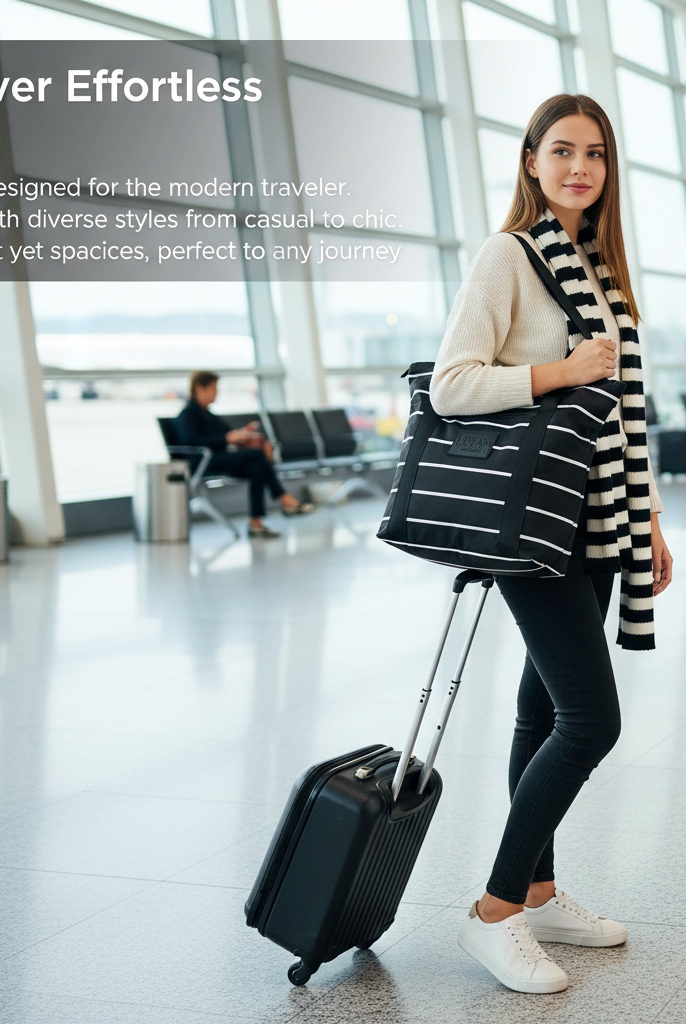
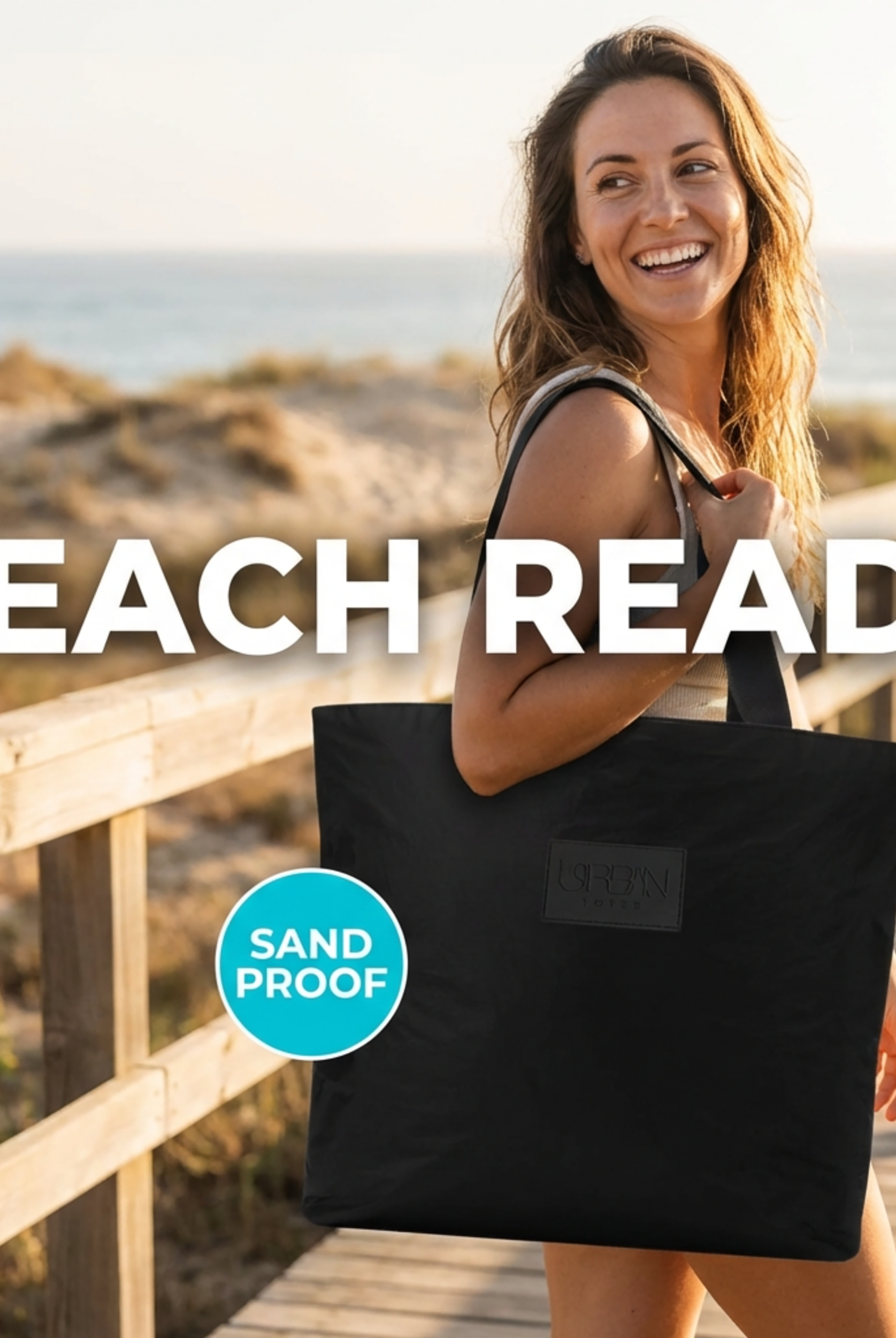
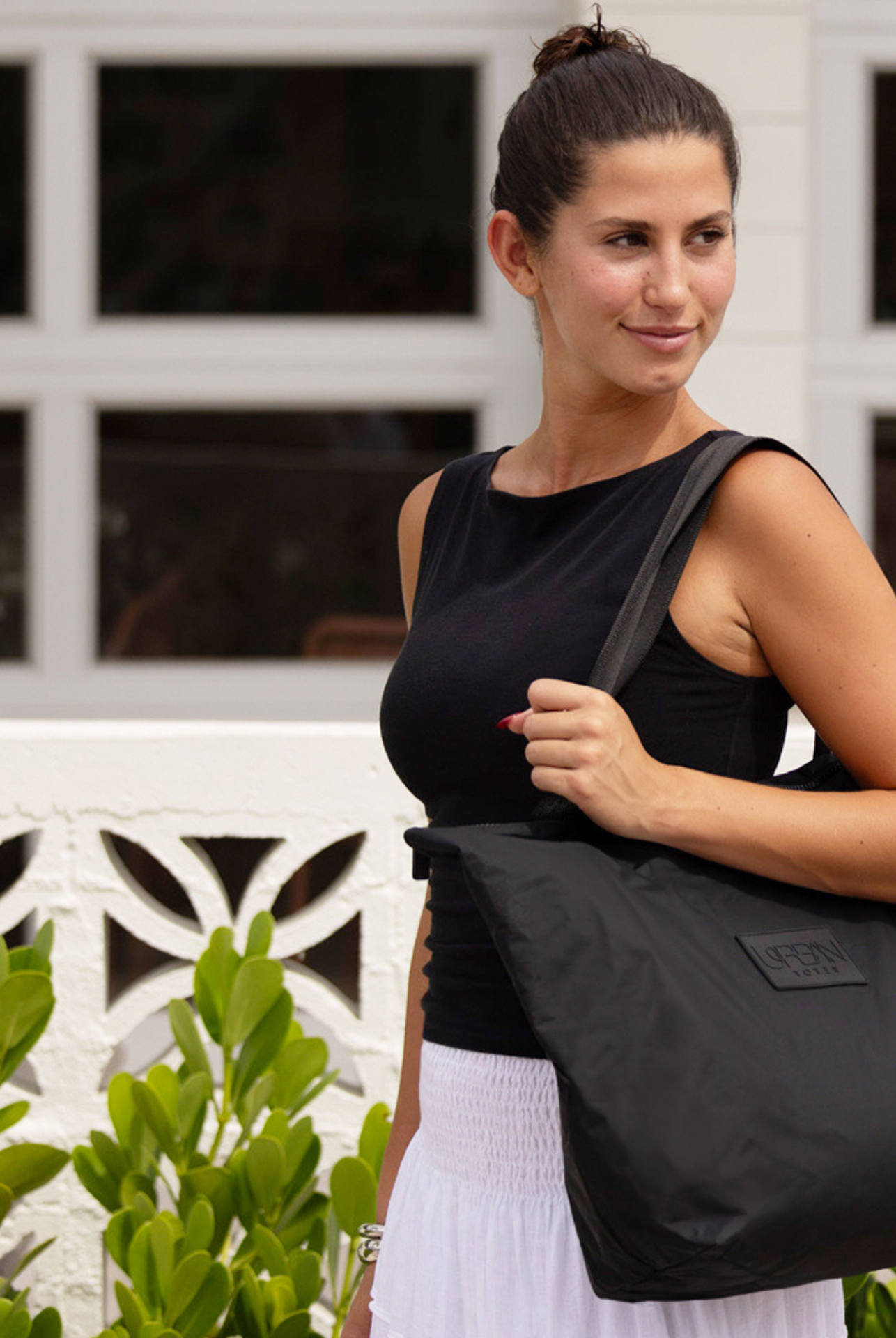
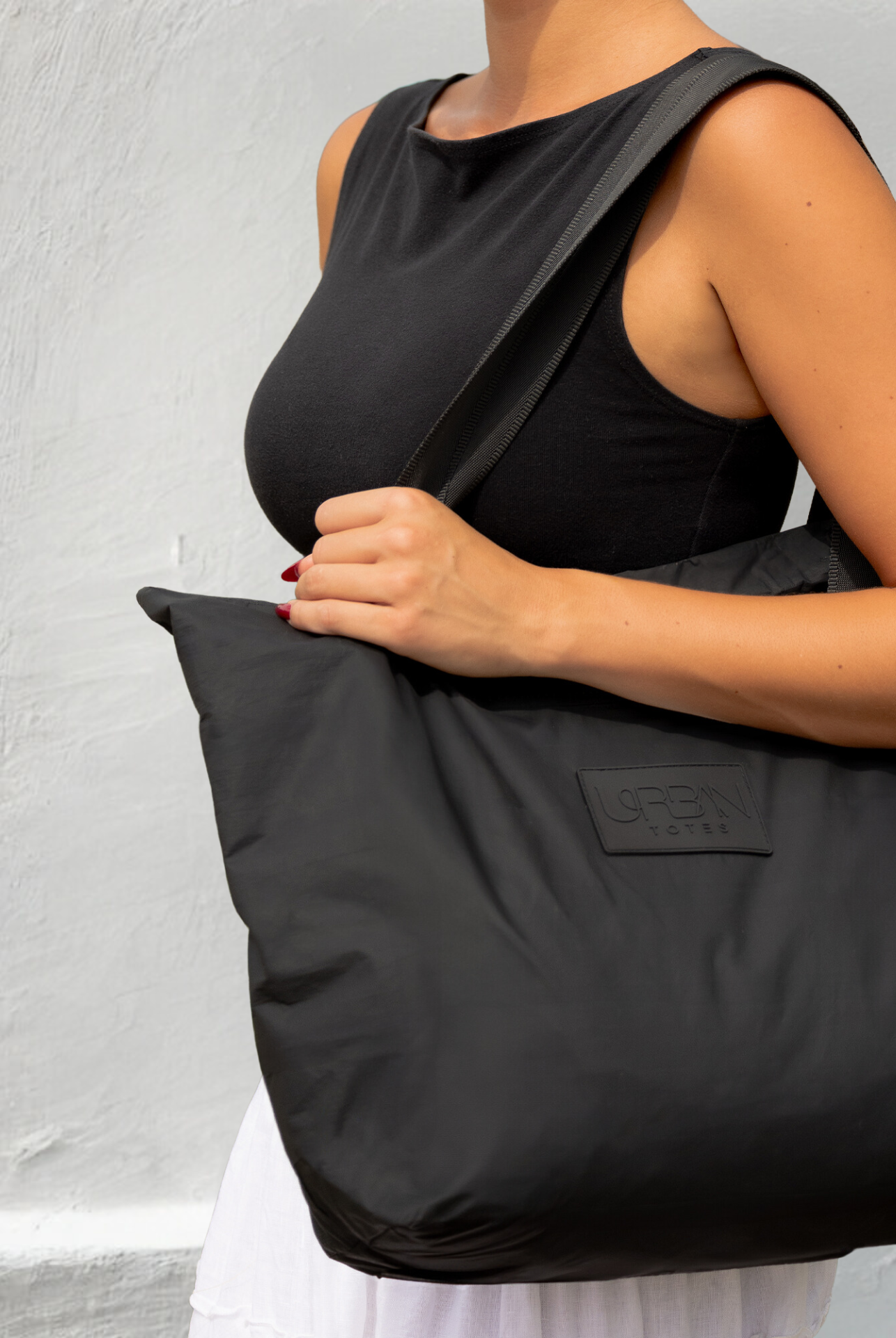
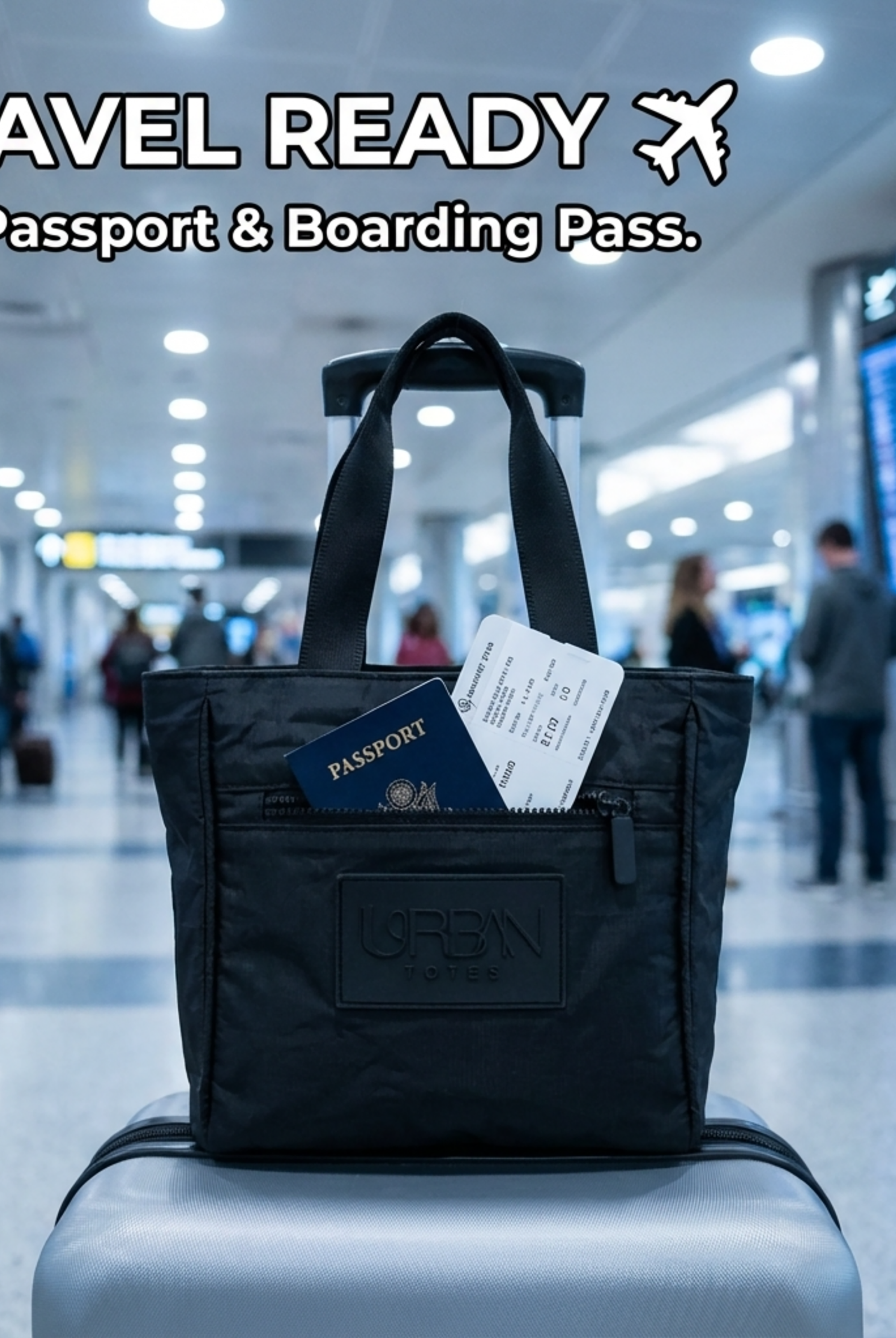
Choose styling that can cross those settings without looking like sports equipment. A clean shape, neutral color, secure zipper, and comfortable straps help the bag fit beside a desk or under an airplane seat. Water-resistant, lightweight, foldable construction also helps with beach sand, a sudden drizzle, and crowded luggage.
Build three packing modes
Studio mode keeps the kit focused: mat towel, water bottle, grip socks, hair ties, a clean top, and a small toiletry pouch. Hot yoga calls for extra space. Add a separate wet pouch or second towel so damp fabric does not touch your clean clothes.
Work mode gives priority to protection and quick access. Place the laptop or tablet in a padded sleeve, then keep keys, phone, charger, and wallet in dedicated pockets. The zipper should still close when work essentials replace most of the fitness gear.
Weekend mode turns the bag into a compact travel companion. Pack a change of clothes, toiletries, sunglasses, and a snack while keeping small items easy to find. For a long day between destinations, find high protein gym snacks that can stay separate from clothing.
A tote also fits errands, commuting, travel, and leisure. This guide to what a tote bag is used for explains that broader role, which matters when one bag needs to serve several parts of the week.
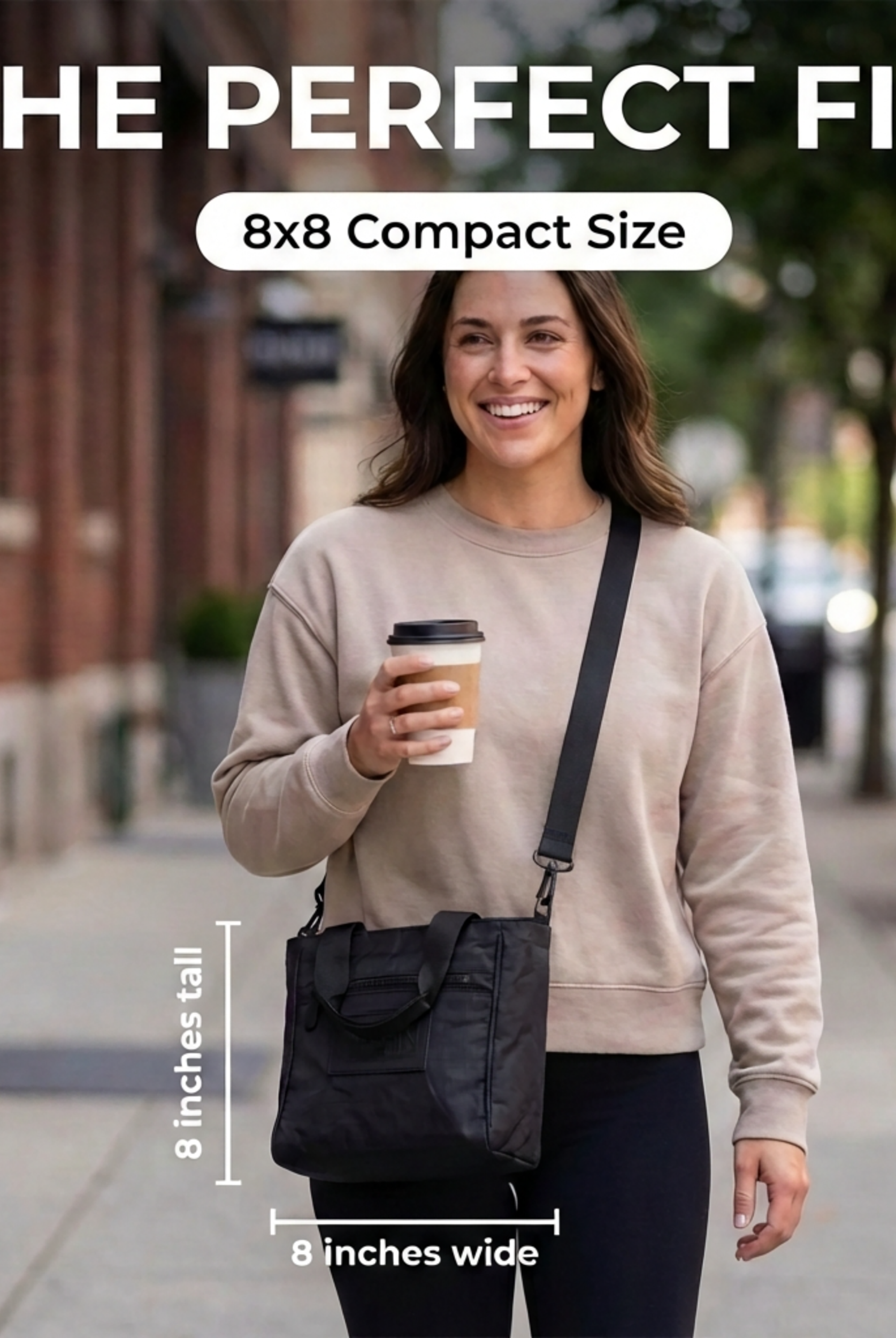
Urban Totes is a woman-owned Boise-made brand offering tote and crossbody styles for everyday movement. Its catalog describes bags with water-resistant, lightweight, packable, and foldable features, along with zipper closures and multiple compartments. Those details suit a yoga-to-commute routine and reduce the need to carry a different bag for every destination.
Easy Cleaning Tips for Long-Lasting Freshness
Freshness starts before cleaning. Empty the bag as soon as you get home, remove damp clothing and towels, and leave the compartments open in a well-ventilated place. A closed bag traps humidity, so even a quick class can leave behind an odor if wet fabric stays inside.
Use a simple routine after each sweaty session:
- Empty every pocket. Check for hair ties, receipts, wrappers, bottles, and small accessories before they become part of the next day's clutter.
- Air the interior. Open the main compartment and side pockets so moisture can escape.
- Wipe the lining. Use a soft, lightly damp cloth for everyday residue, then let the bag dry completely.
- Separate laundry. Put used clothes and towels directly into the wash instead of leaving them in a pouch inside the bag.
- Inspect the base and seams. Clean spills promptly, especially around zippers and corners where residue can collect.
Adjust care to the material
For coated or water-resistant fabric, begin with a damp cloth and mild soap. Avoid aggressive scrubbing that could wear down a finish, and follow the care label before using a washing machine. If the bag is machine washable, remove loose contents, secure the zippers, use a gentle cycle when permitted, and air-dry it rather than applying heat.
Canvas may need more careful spot cleaning because it can absorb moisture and show marks. A soft brush can lift dry dirt, while a small amount of mild detergent helps with localized stains. Don't put a damp bag straight into a closet or packed suitcase.
An easy-care tote supports consistency. Urban Totes' washable tote bags collection guidance is useful when comparing bags designed for regular wipe-downs or washing, particularly if your carry-all also handles beach days, snacks, and everyday spills.
Freshness habit: The fastest maintenance step is also the one people skip most often. Take the damp items out immediately.
A little organization and regular airing can keep your favorite carry-all ready for tomorrow's class, the next commute, or an unplanned weekend away.
Urban Totes offers water-resistant, lightweight, packable, foldable, multi-pocket bags with secure zipper closures for yoga, commuting, errands, travel, and beach days. Visit Urban Totes to find a stylish, go-anywhere tote that keeps your full day organized.