You are standing in the school parking lot with coffee in one hand and your phone buzzing somewhere under a sweater. Your keys have slipped to the bottom, a permission slip is curling against a water bottle, and last night's damp swimsuit is pressed right up against your laptop. Nothing is missing. It is just all in one pile, and the pile is winning.
That moment is exactly why a compartment tote bag exists. Not to give you more pockets to brag about, but to give unlike things separate places to ride, so your day does not turn into a dig.
Table of Contents
- What a Compartment Tote Bag Is
- Load Map and Packing Sequence
- Water-Resistant Fabric Versus a Secure Pocket
- Commute Travel and Parenting in One Bag
- Buying Checks That Matter More Than Pocket Count
- Choose a Go-Anywhere Tote and Start Packing
What a Compartment Tote Bag Is
Say you are at drop-off and you need that permission slip now, not after you unpack snacks, a charger, and a wet umbrella. A compartment tote bag is a shoulder-carry tote with zippered or dedicated zones so unlike items travel together without becoming one pile.
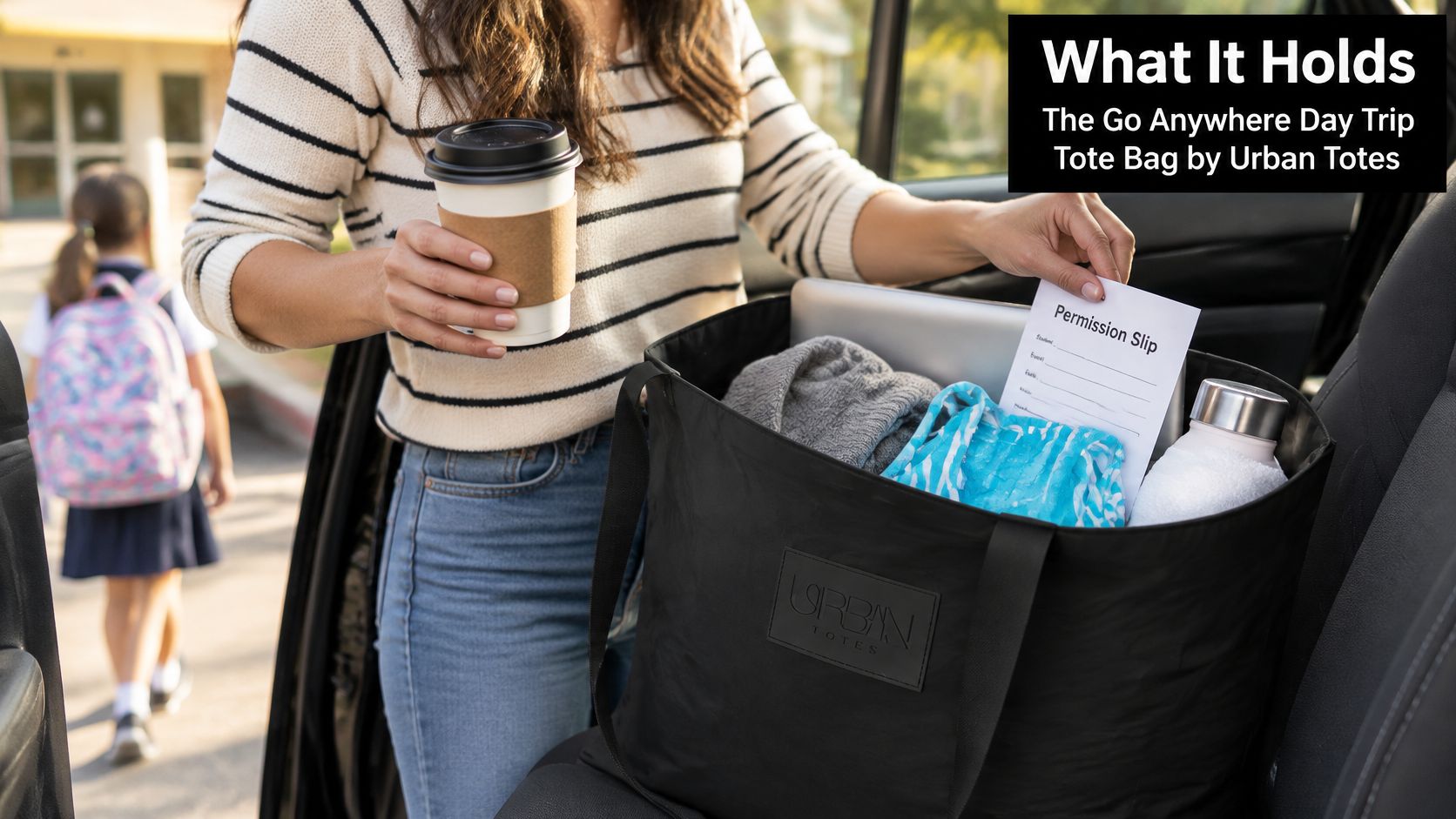
A classic open tote still wins for a quick grocery load. You can toss in a baguette, flowers, and a sweatshirt and go. It loses when work, snacks, and wet gear share one cavity, because the smallest and most important things always sink.
A Quick Line of History
The tote began in 1944 as L.L.Bean's rugged canvas ice carrier for moving blocks of ice, and in the 1960s it gained colored trim, zippers, and longer handles as it became an everyday bag, according to the Wonderful Museums tote bag history. Compartments are the next step in that same story. Capacity stayed, usability caught up.
That history matters for how you shop today. If you love the easy, go-anywhere feel of a tote but want your travel kit to feel a little more intentional, resources on playful style meets practical travel essentials make the same point in a different way. Style works best when you can find your lip balm.
The Three Pains Worth Solving
Most women do not quit a tote because it lacks a ninth pocket. They quit it for three familiar reasons.
- Too heavy on one shoulder: Everything slides to one side and the strap digs in by the second errand.
- Too small once dividers eat the cavity: Bulky organization steals the room you bought the tote for.
- A base that collapses: The bag tips in the trunk, spills on tile, and turns neat packing into soup.
A good multi-pocket, lightweight tote with a zipper closure solves those problems through placement, not volume. You will see that idea play out in a load map, in the difference between fabric and pockets, in daily scenes, and in a short buying check.
More pockets do not automatically mean an easier carry. Where each thing sits decides that.
Load Map and Packing Sequence
Start with placement, not with what you own. This load map gives every kind of item a home based on weight, moisture, and how fast you need it.
| Zone | Put here | Why | Keep out |
|---|---|---|---|
| Against the body | Laptop, tablet, folder, paperback | Flat weight stays close to the torso | Loose bottles and umbrellas |
| Structural center | Water bottle, charger brick, dense snacks | Stops weight from swinging to the outer wall | One overstuffed side pocket |
| Outer quick-access zip | Phone, keys, transit card, lip balm | Reach without opening the main cavity | Passport under a pile of clothes |
| Raised or inner zip | Electronics, documents, medication | Closed and off the bag floor | Wet bottles and leaky containers |
| Separate side pocket | Swimsuit, gym clothes, damp umbrella | Isolates moisture and odor | Laptop, wallet, or paperwork |
| Leave it out | Duplicate chargers, extra shoes, yesterday's mail | Cuts asymmetric load | Anything unused today |
Why Placement Changes How It Feels
A single shoulder strap sends force down one side of your body. When a bottle and a charger brick migrate to the far outer wall, the bag pulls away from you and your shoulder works harder to keep it level.
Ergonomic backpack testing described in a University of Tennessee Health Science Center dissertation found that distributing load toward the pelvic region reduced measured shoulder loading by approximately 50% across tested bag weights, with statistically significant differences versus a conventional design (p < 0.05). That same source treats approximately 10% of body weight as a conservative target for routine carry. A tote cannot shift weight to your pelvis like that test design, which is exactly why centering dense items and keeping the total load honest matters so much.
Say you carry a laptop, a full bottle, a charger, a makeup pouch, and a paperback for the train. If the bottle and charger sit in one outer corner, you will feel a twist at the strap within a block. Move the laptop flat against your body, center the bottle and charger, and the same items feel steadier because nothing is swinging.
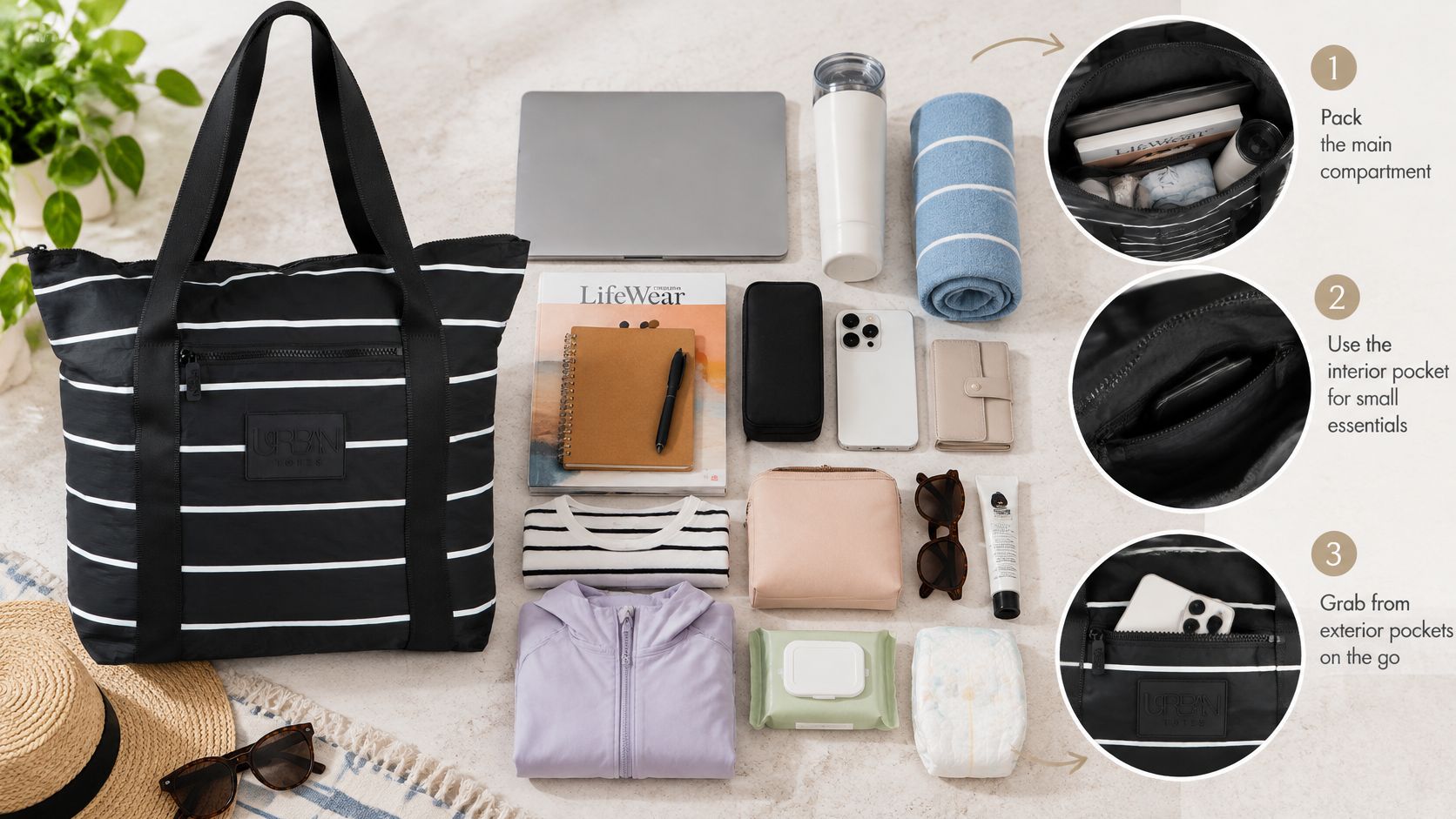
A broad, comfortable strap, a stable base, and small pockets that stop migration help more than one giant cavity. If you want a deeper walkthrough of everyday systems, our guide on how to organize tote bags builds on this same zone idea for different routines.
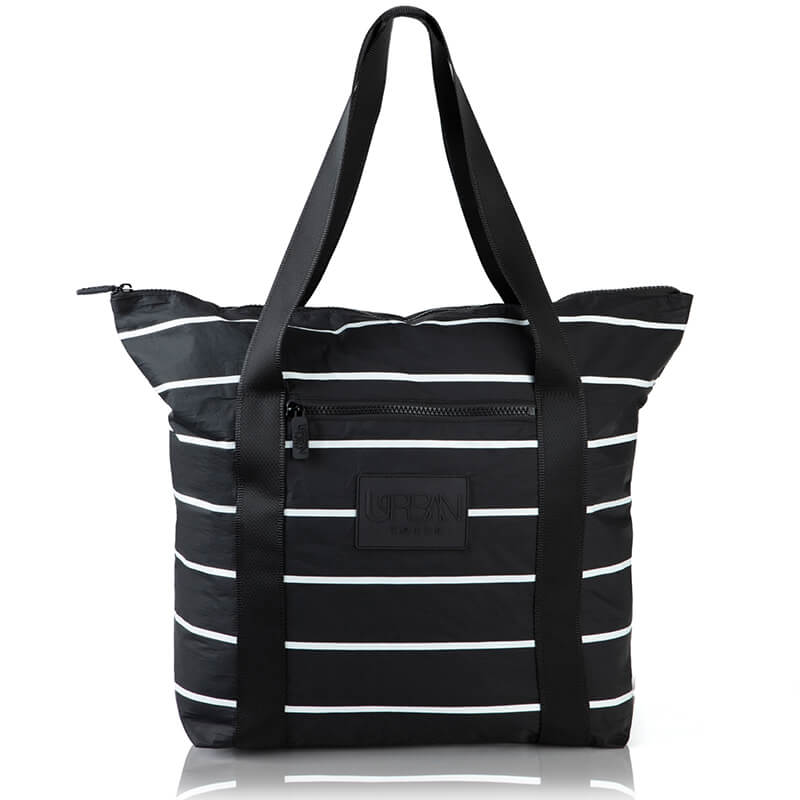
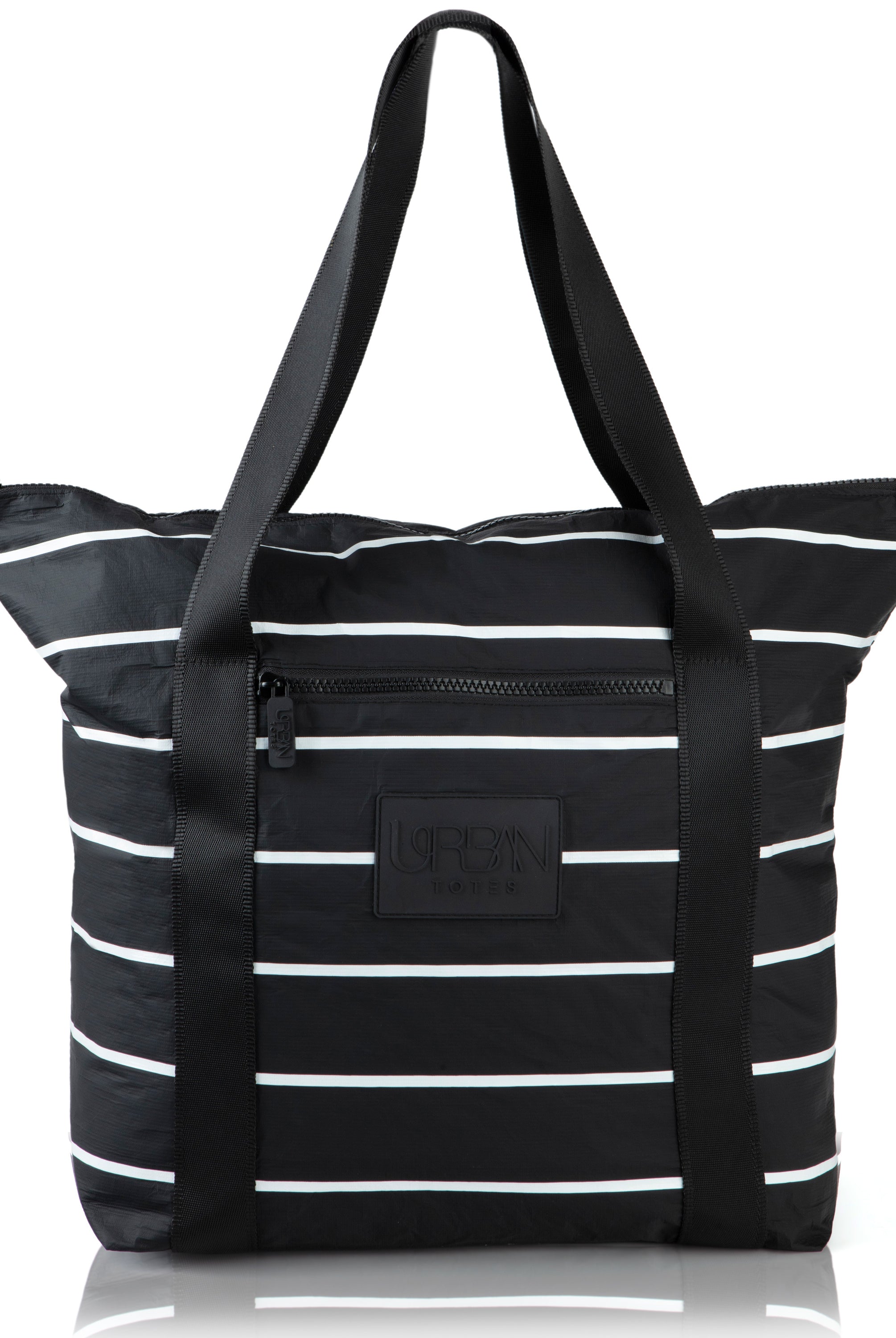
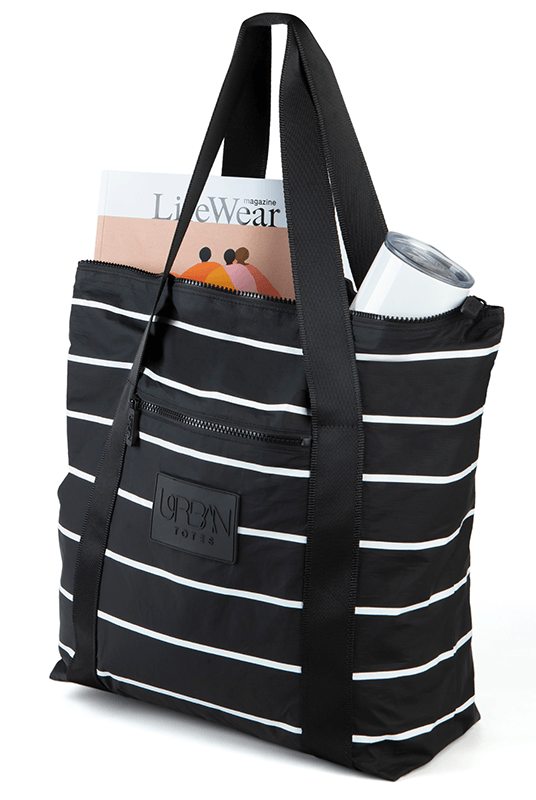
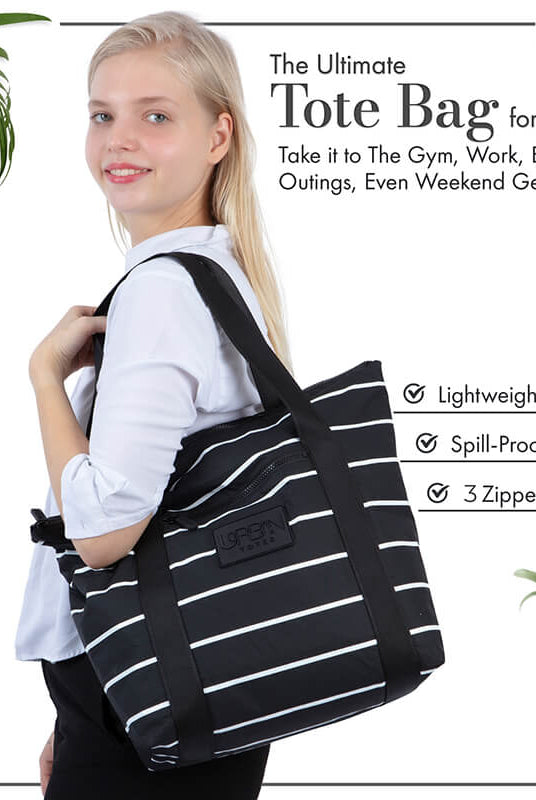
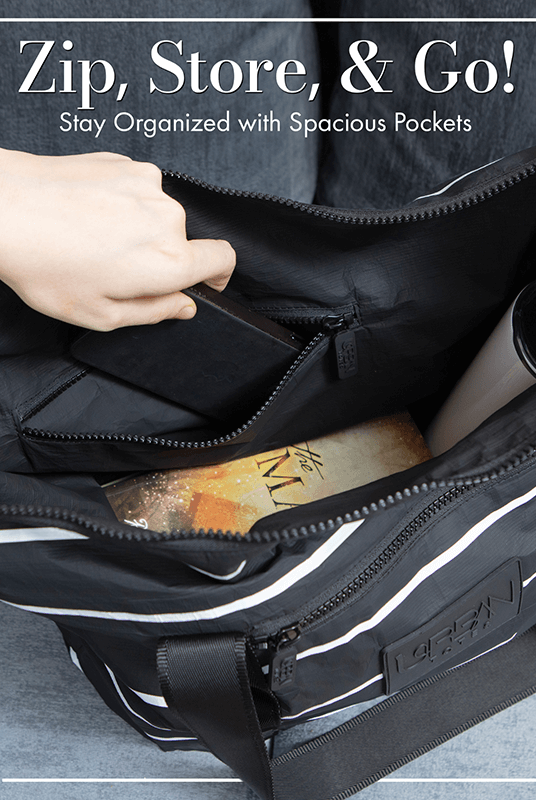
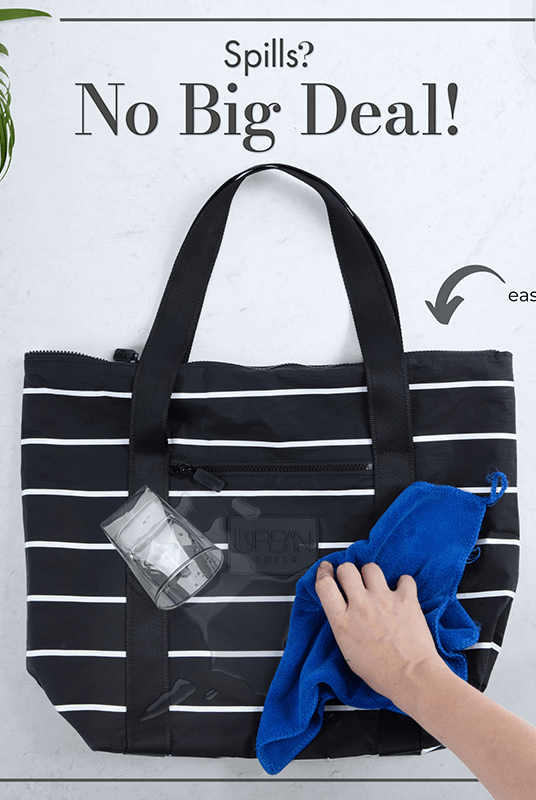
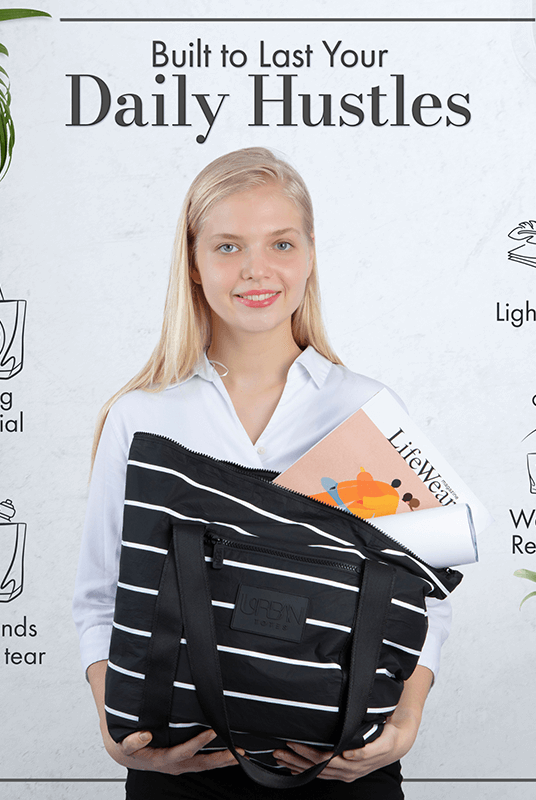
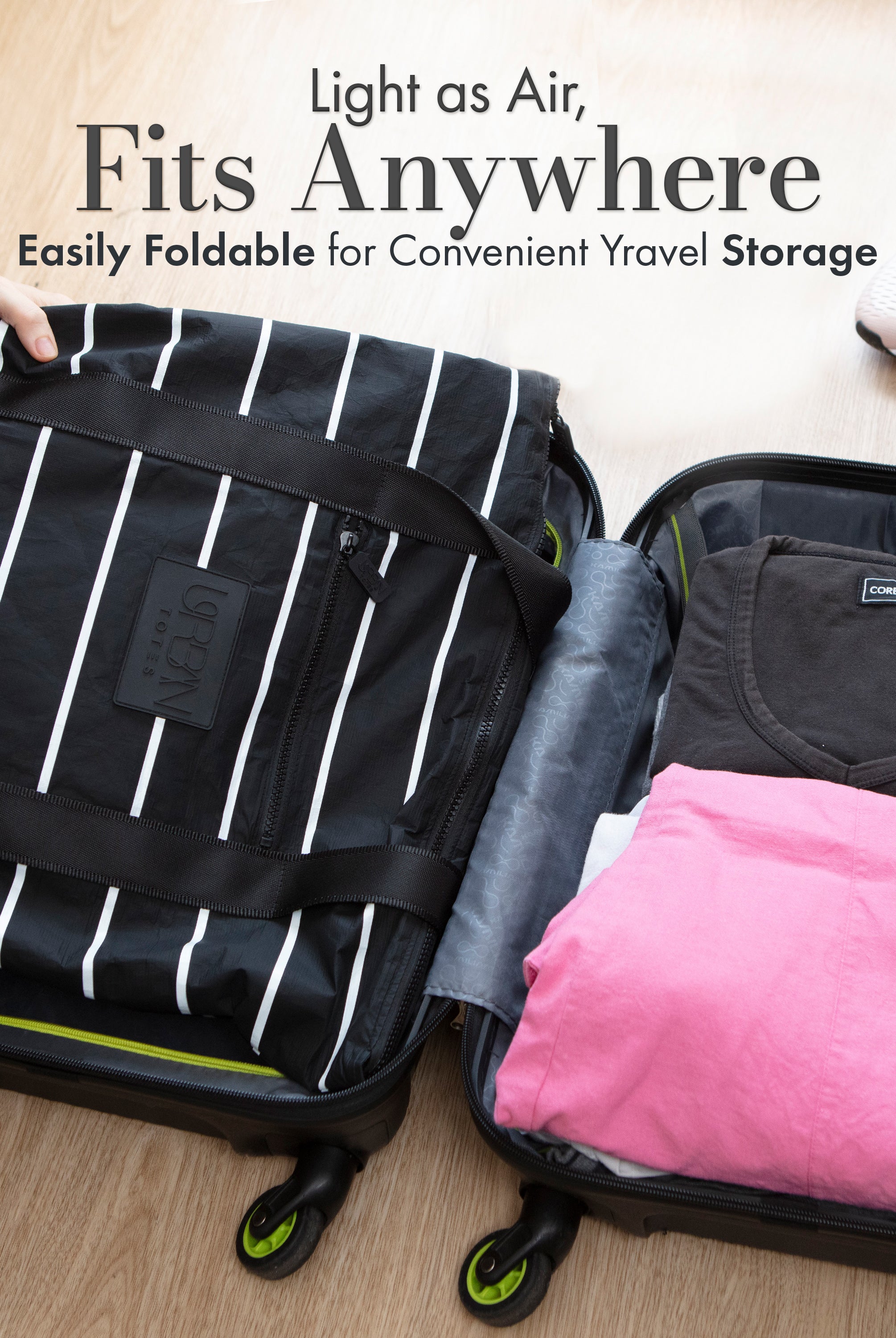
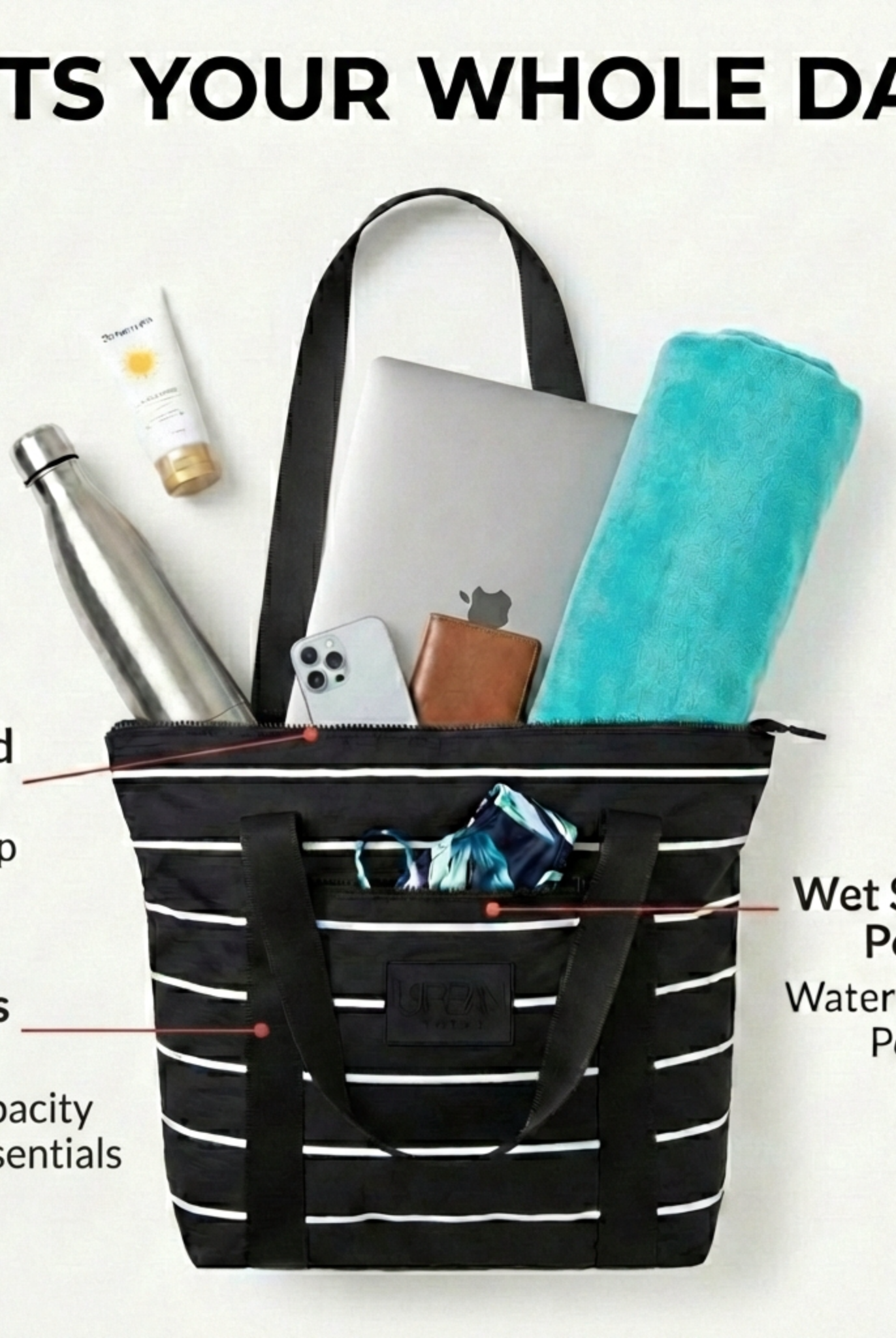
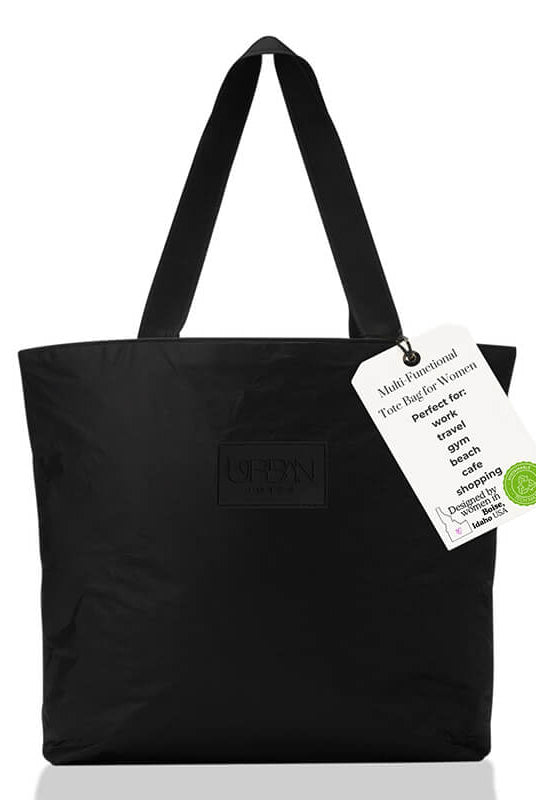
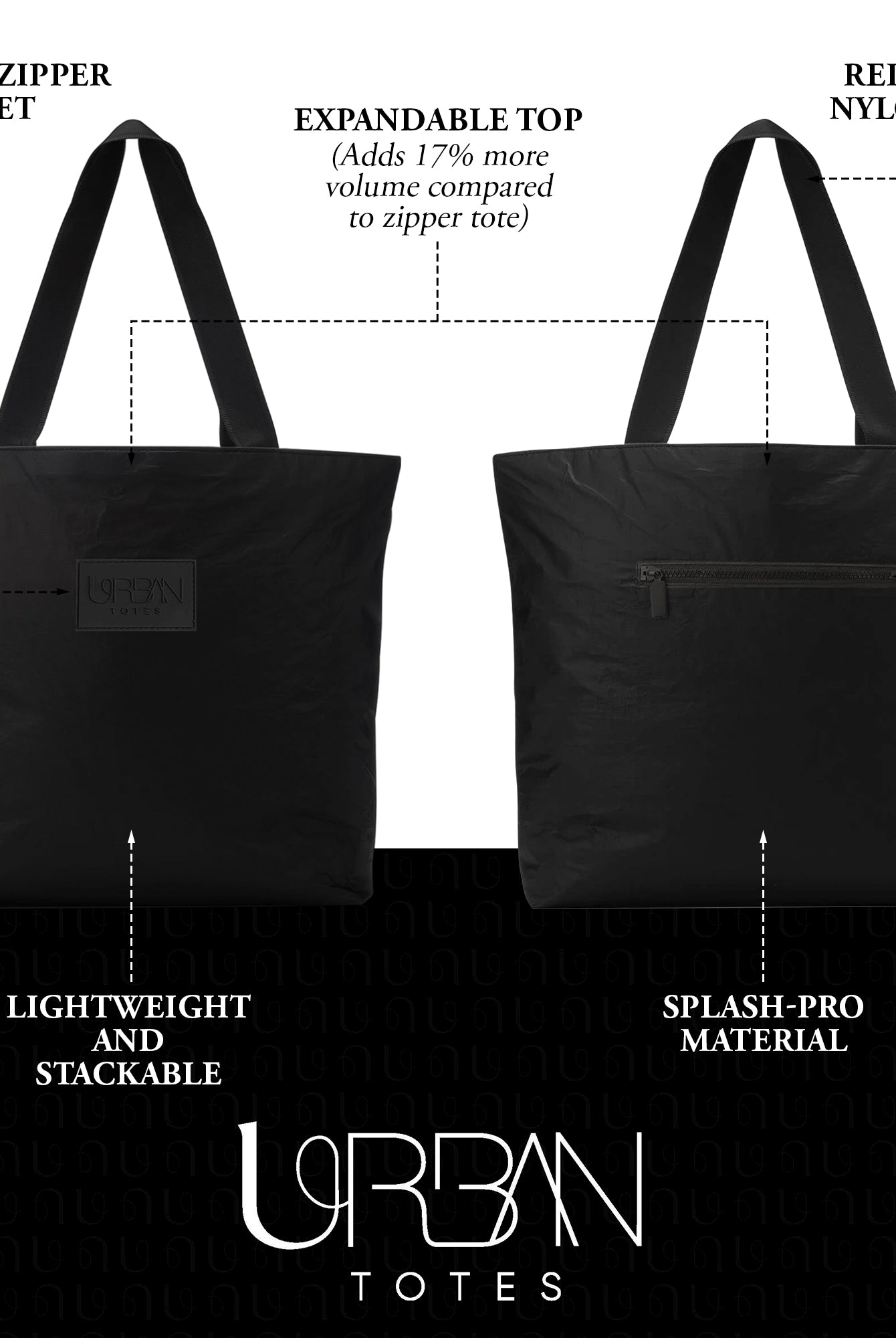
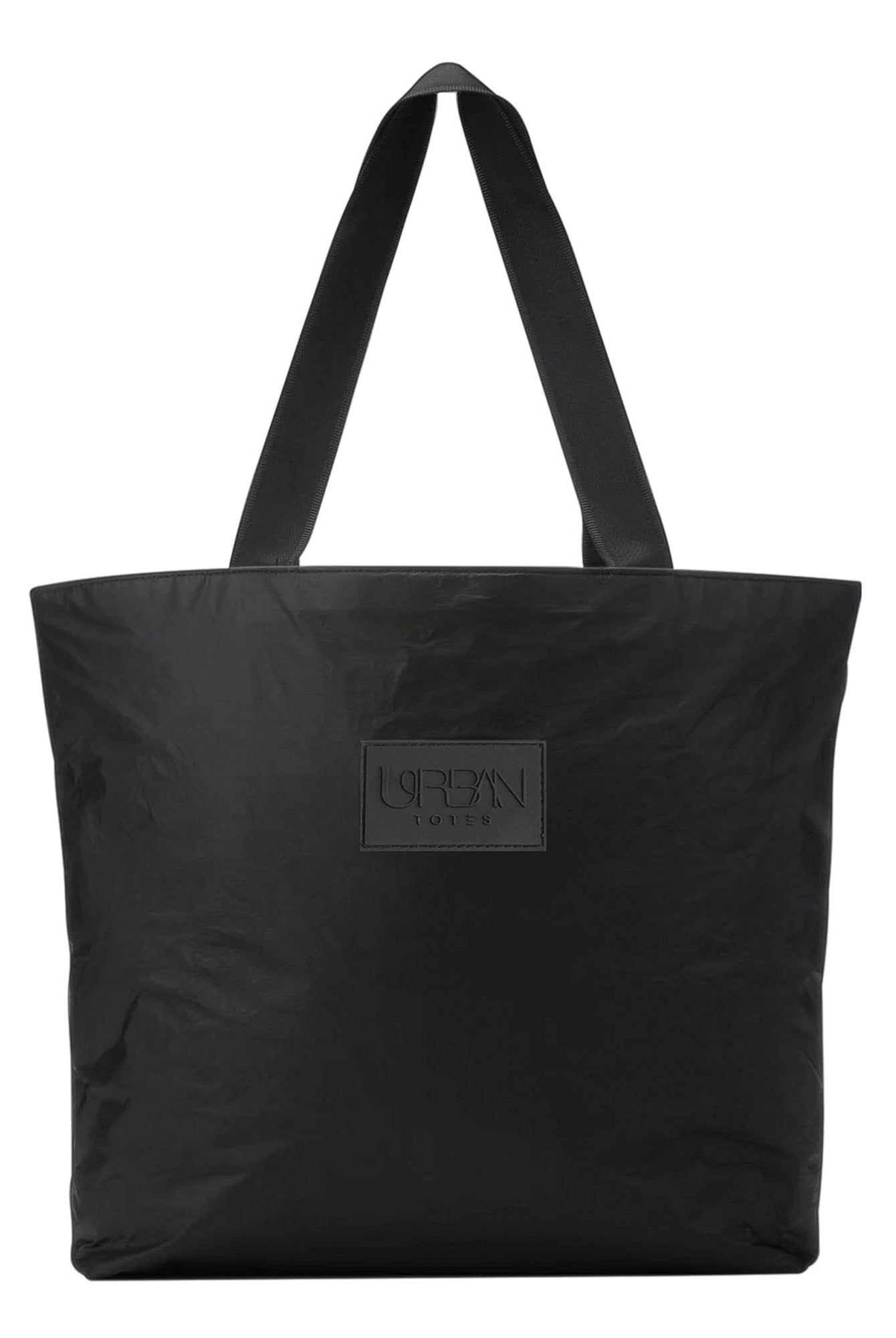
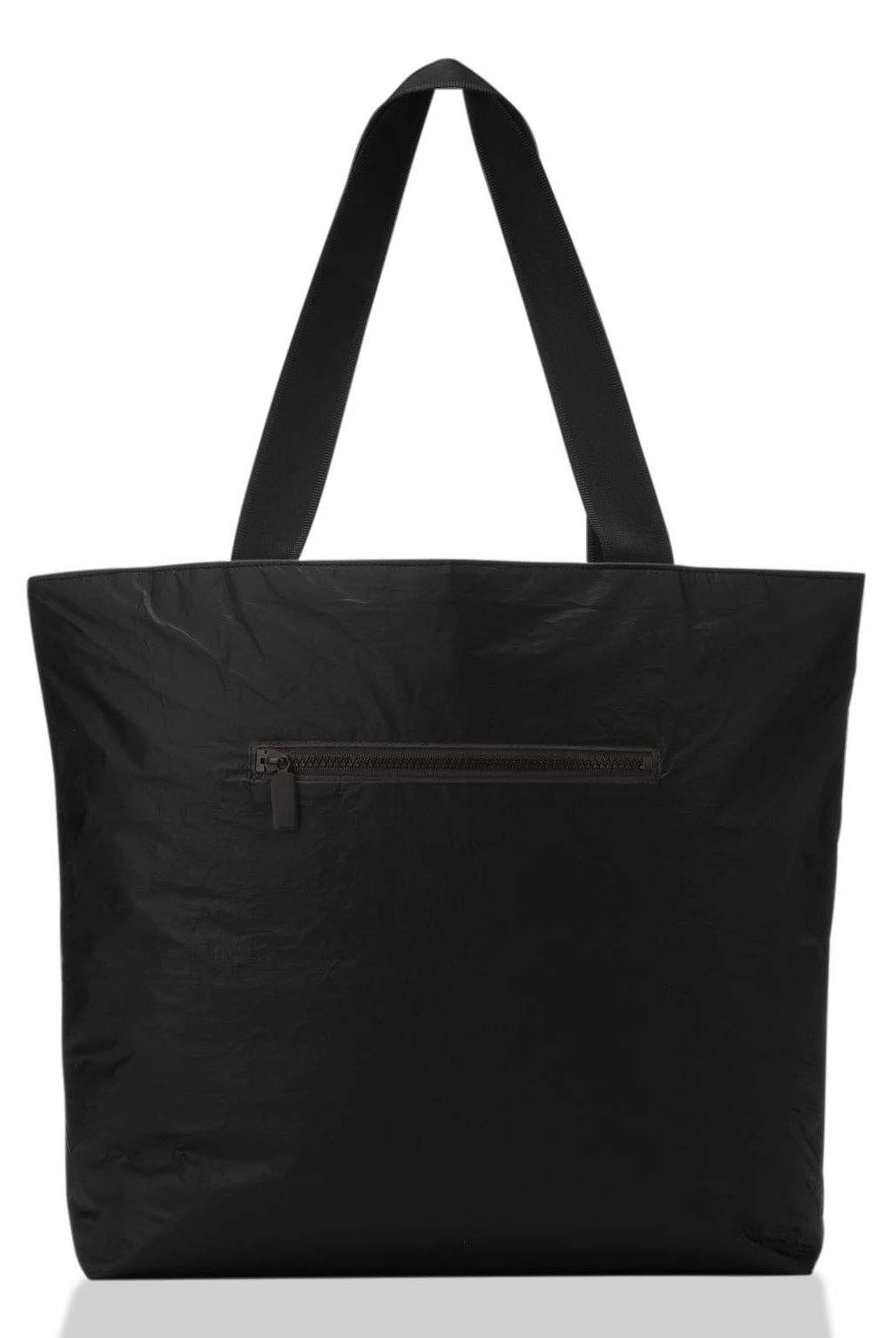
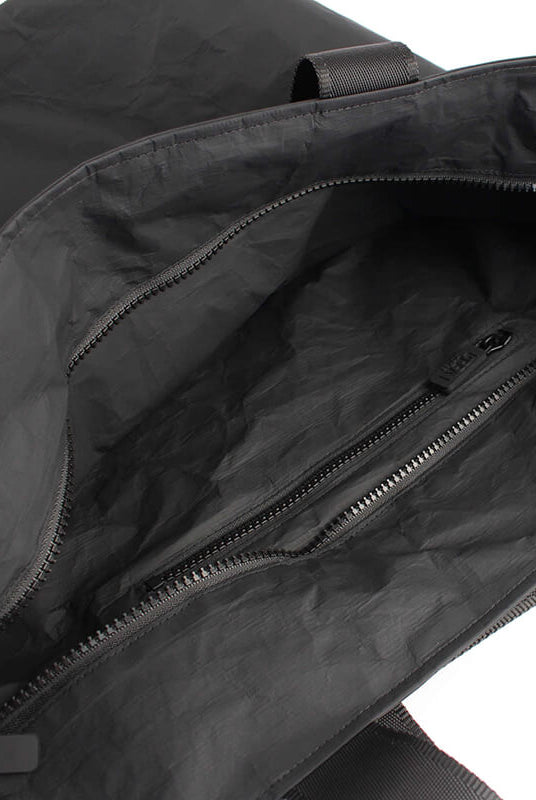
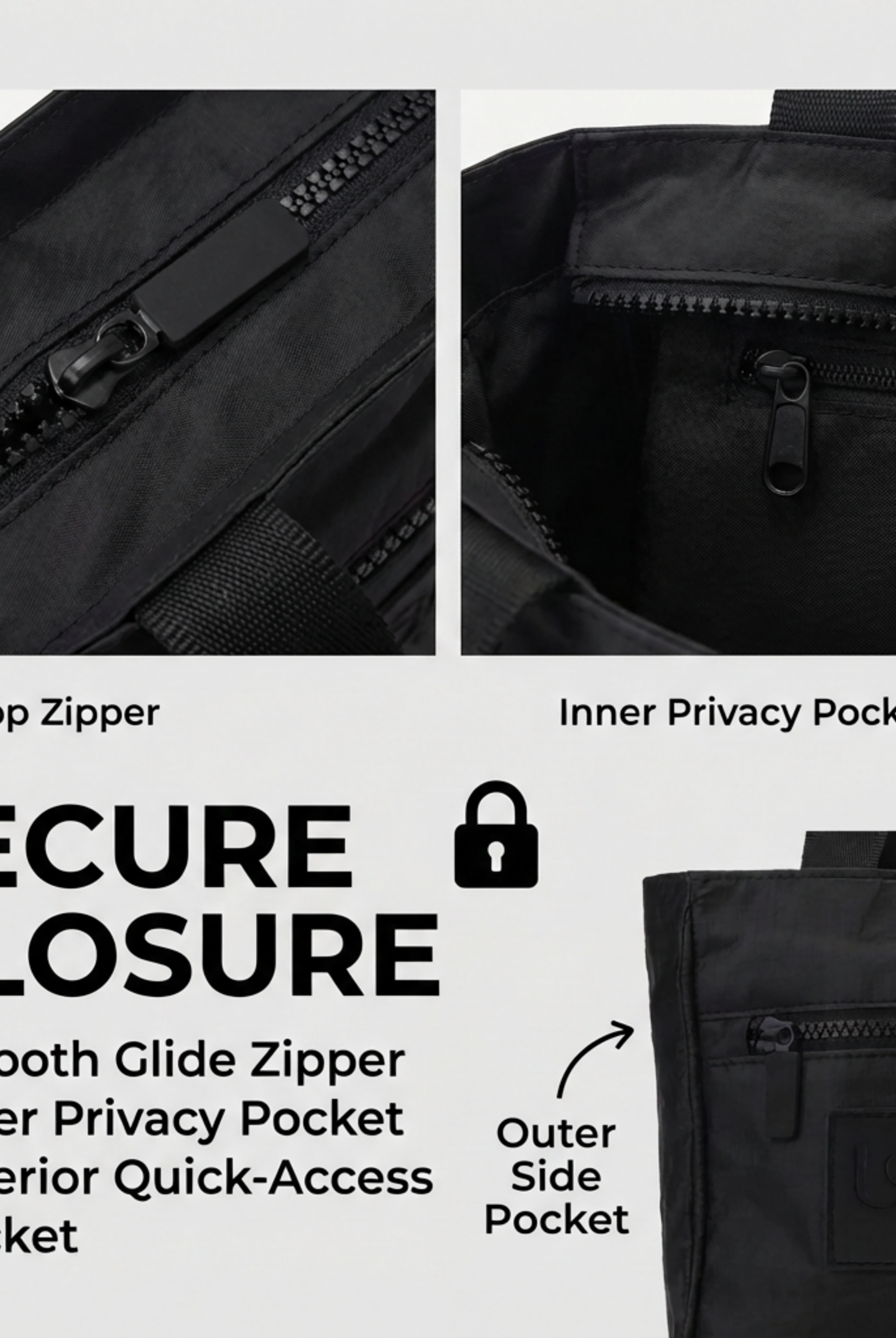
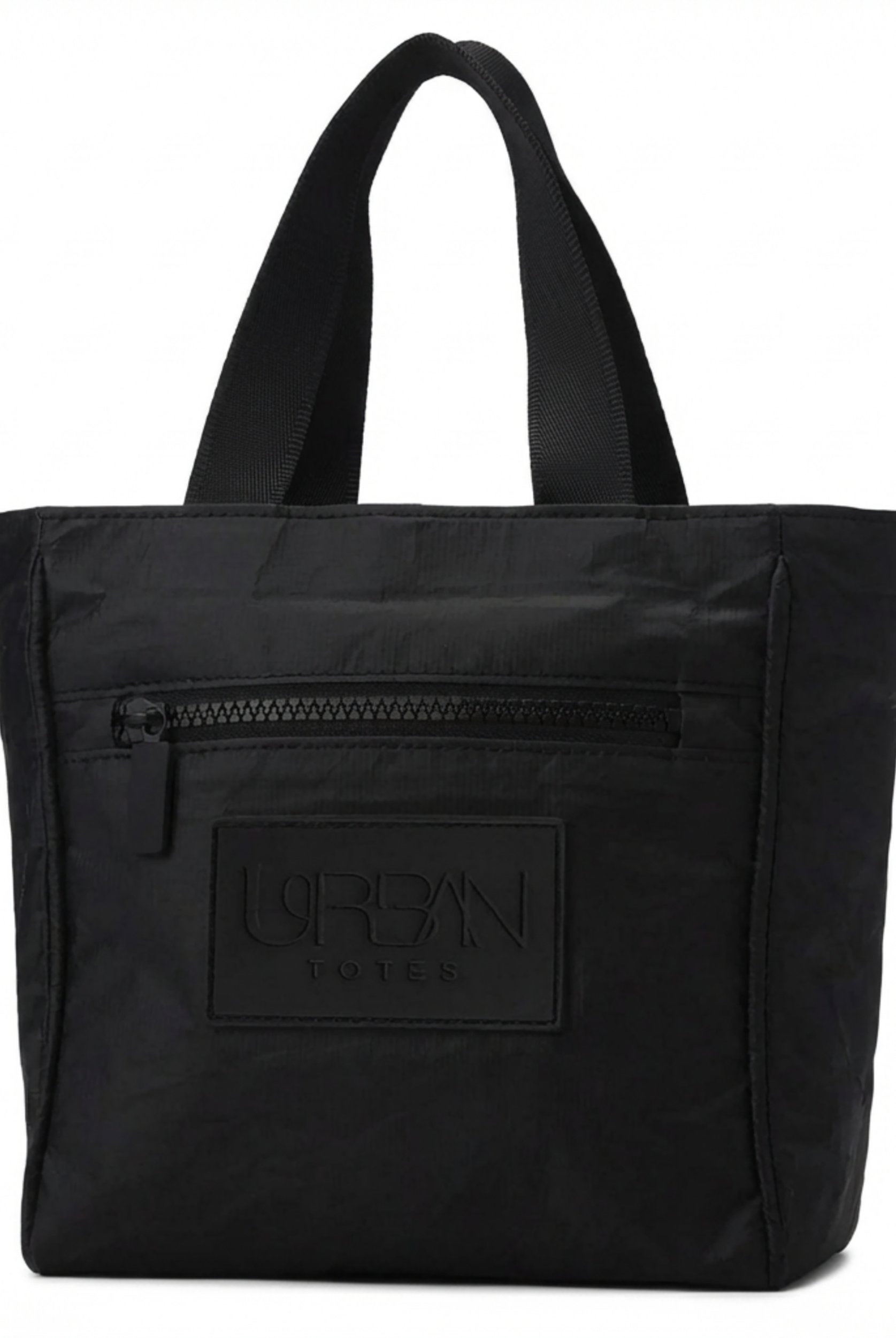
For a concrete example of zones in a real bag, Elevate Every Adventure with The OG Zipper Tote Bag by Urban Totes has three large pockets and side pockets for wet swimsuits or workout gear, with inside and outside zipper pockets. It measures 19 inches wide by 14.5 inches high, is lightweight, water-resistant, and can be folded and packed away. Those details only help if you assign each pocket a job before you load it.
The Seven Step Packing Sequence
Use the same order every morning and packing stops being a decision. It becomes a habit you can do while the coffee brews.
- Empty and sort: Dump the bag and sort into clean, damp, valuable, and grab-now piles on the counter.
- Set the heaviest flat item first: Slide the laptop, tablet, or folder against the back panel, closest to your body.
- Stand bottles upright in one assigned zip: Keep bottles and toiletries upright and together, never loose beside paper.
- Park phone and keys before anything else covers them: They go in the outer quick-access zip so they are never buried.
- Roll soft clothes when the tote is a weekender: Rolled tees and leggings fill corners without creating a hard lump on one side.
- Leave a little give at the main zipper: If you have to sit on it to close it, something from the leave-it-out pile crept back in.
- Do the doorway lift test: Lift it, walk ten steps, and notice whether you lean. If you do, switch shoulders, re-center the dense items, or remove one thing.
Say it is a gym then office morning. Your shoes and damp towel want their own side zone, your laptop wants the back panel, and your badge wants the outer zip. If you pack in that order, you do not end up reopening the main cavity in the locker room to hunt for deodorant that slid under your notebook.
Say it is a farmers market run instead. The load map still works. Heavy jars go low and centered, eggs and soft fruit go where they will not be crushed by that weight, and your wallet and keys stay in the quick-access zip so you are not setting the whole tote down on wet pavement to pay.
Doorway check: If one shoulder drops and you tilt to compensate, the bag is packed wrong or packed too heavy. Fix it at home, not at the crosswalk.
What Done Looks Like
You know the sequence worked when three things happen without thinking. You reach once for your keys and get them, no damp patch has crept onto your paperwork, and the strap sits level instead of dragging one shoulder down.
That is organized in real life. It is not a photo of empty pockets. It is a Tuesday where the bag disappears into your routine and you just get where you are going.
Water-Resistant Fabric Versus a Secure Pocket
The mix-up is easy to make at a store table. The outside feels coated, water beads on it in a demo, and you assume every pocket inside is sealed. It is not.
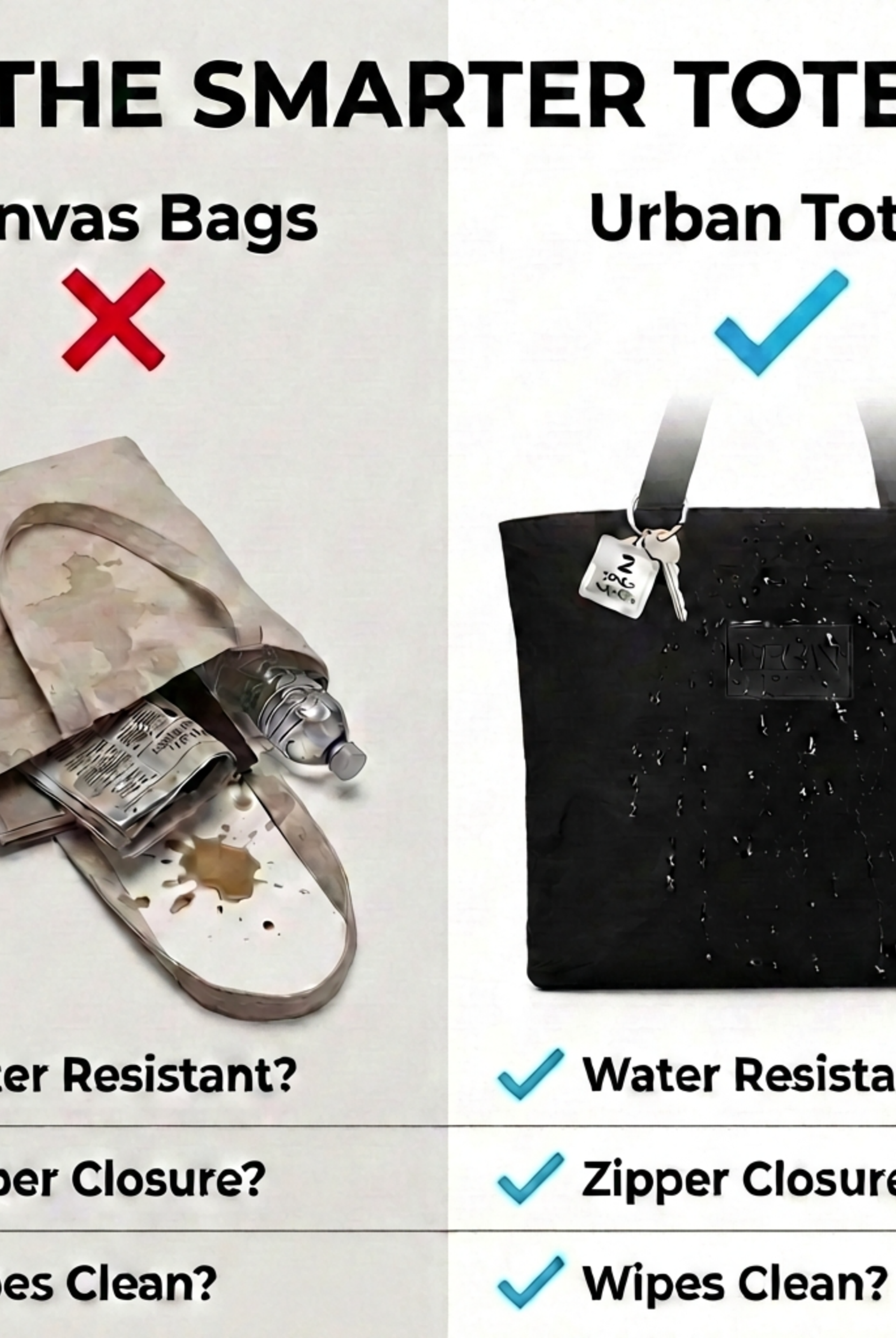
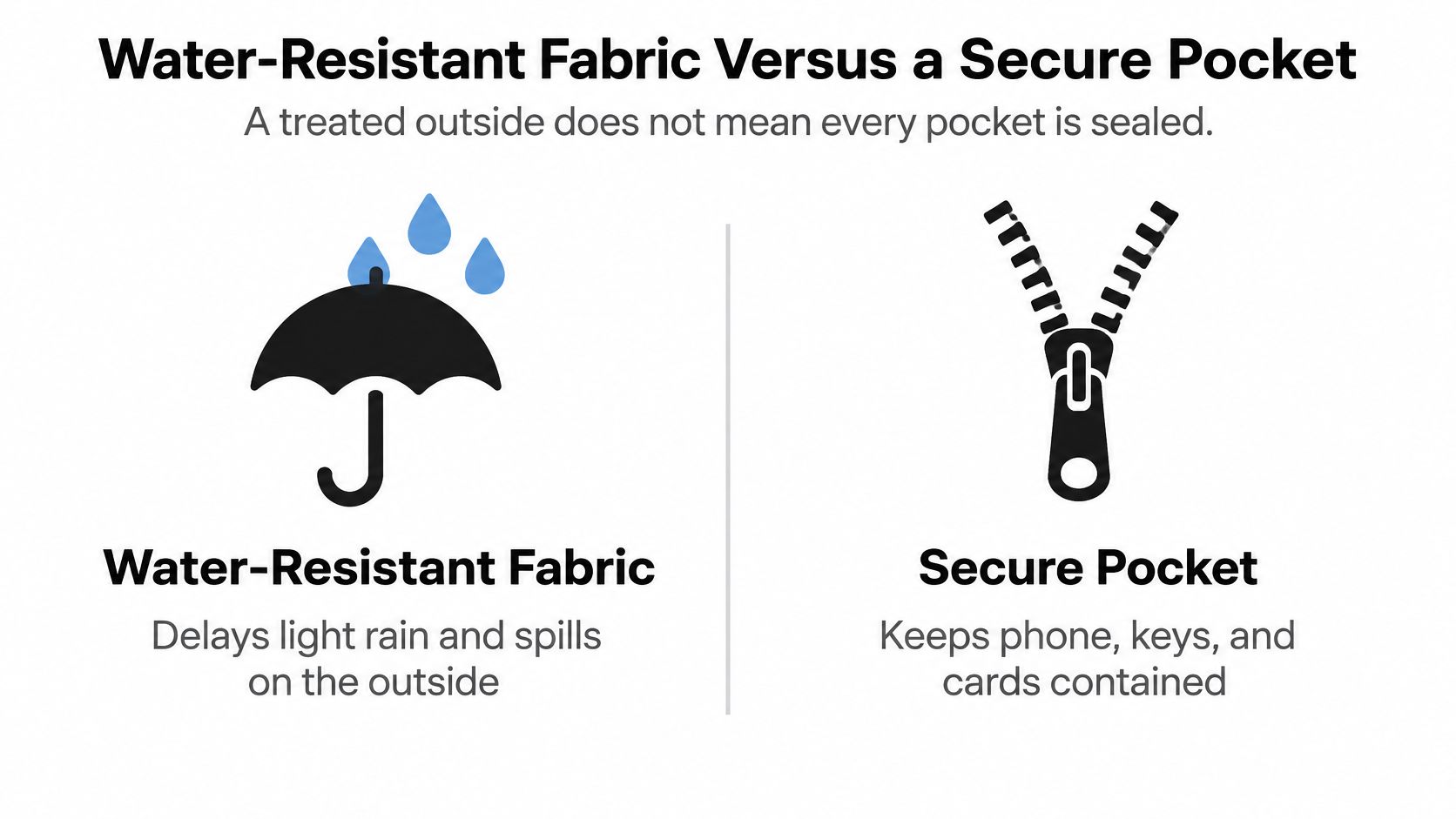
Water-resistant fabric and a secure pocket do two different jobs. One slows water coming from outside. The other contains water, and small valuables, inside.
What the Fabric Can and Cannot Do
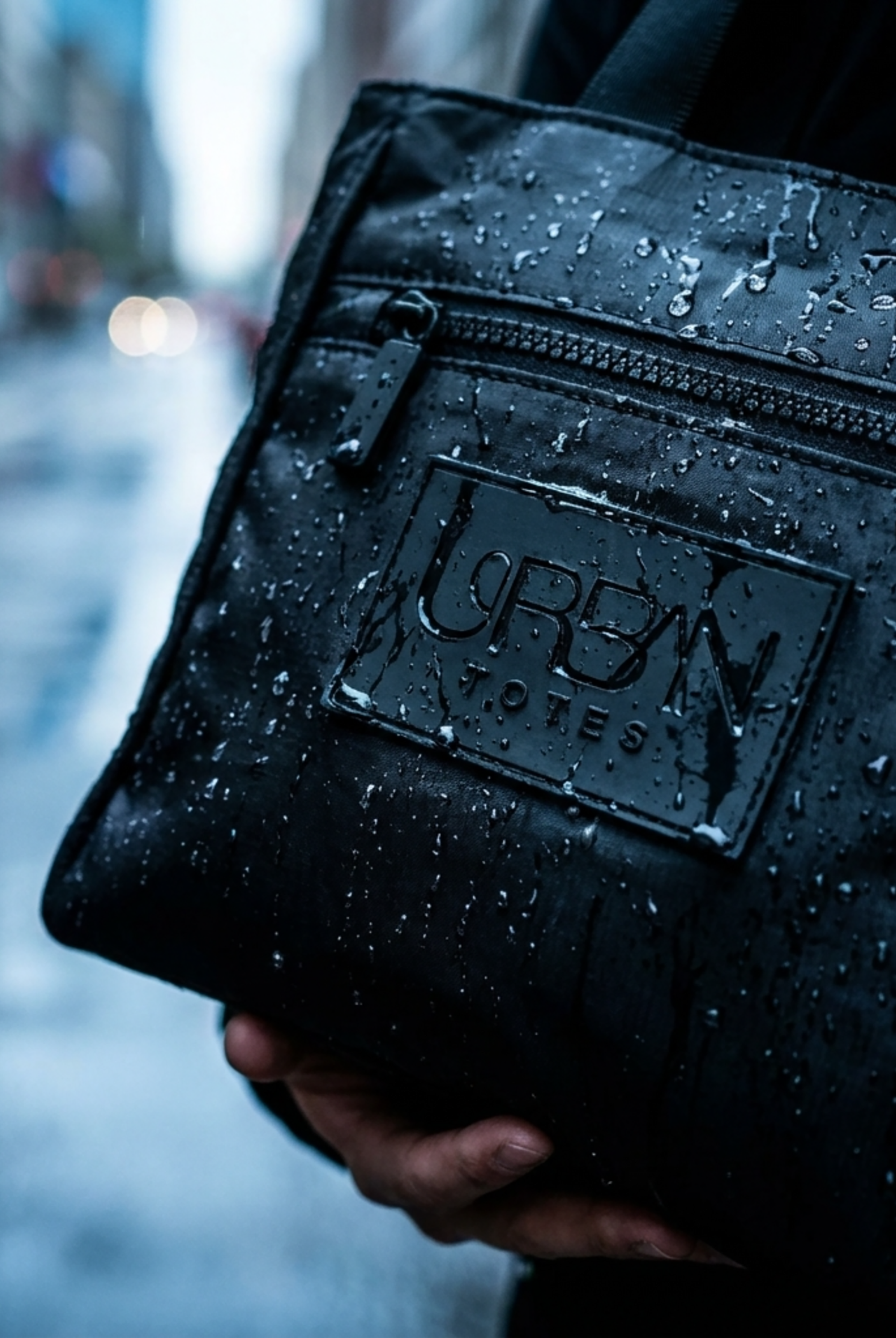
For an everyday carry tote, coated or tightly woven fabric can delay light rain, a spilled drink, beach spray, or a damp floor. That delay buys you the walk from drop-off to the car, a crossing through a farmers market shower, or time to lift your bag off a wet terminal floor.
Seams, zipper tracks, and needle holes are usually the first paths in. Water does not need to soak through the center of a panel if it can follow stitching or pool along a zipper.
The language matters here. ASTM D3393 defines waterproof coated fabric through a minimum hydrostatic-resistance requirement, using testing equipment capable of applying and sustaining pressure against a specimen while preventing leakage around the test area. That is a fabric standard for rubber or plastic coated cloth, not a promise that a finished tote can sit in a pool or replace a dry bag.
So say water-resistant for brief exposure. Save waterproof for a whole bag that has been tested that way. If you want the fuller breakdown, we explain the distinction in is water-resistant waterproof.
The Job Only a Pocket Can Do
Now flip the problem. Your bottle leaks inside the main cavity on a hot car ride. Treated outer fabric does nothing for the laptop sharing the bottom panel with that bottle.
That is a compartment job. Electronics and paper belong in a raised, closed zip, off the floor where pooled liquid and abrasion collect. Wet shoes, a swimsuit, gym clothes, or a damp umbrella belong in their own zone, away from snacks and paperwork.
- Highest protection zone: Laptop, tablet, documents, and medication in a closed inner zip.
- Isolation zone: Swimsuit, gym gear, and umbrellas where moisture and odor stay contained.
- Quick and secure zone: Passport, keys, and phone in a zip you can reach without opening everything.
Test your own bag at the kitchen counter before a beach day proves the point for you. Zip a dry paper towel into the device pocket, lay a closed bottle on its side in the main compartment over a towel, wait, then check whether any moisture crossed into the pocket. You will learn more from that quiet test than from any label.
Reinforced bases and corners help too, because those spots take the abrasion from tile, concrete, and trunks. They protect the textile. They do not turn a wipe-clean, water-resistant tote into something proof against a soak, and honest expectations keep your electronics safer than optimistic ones.
Commute Travel and Parenting in One Bag
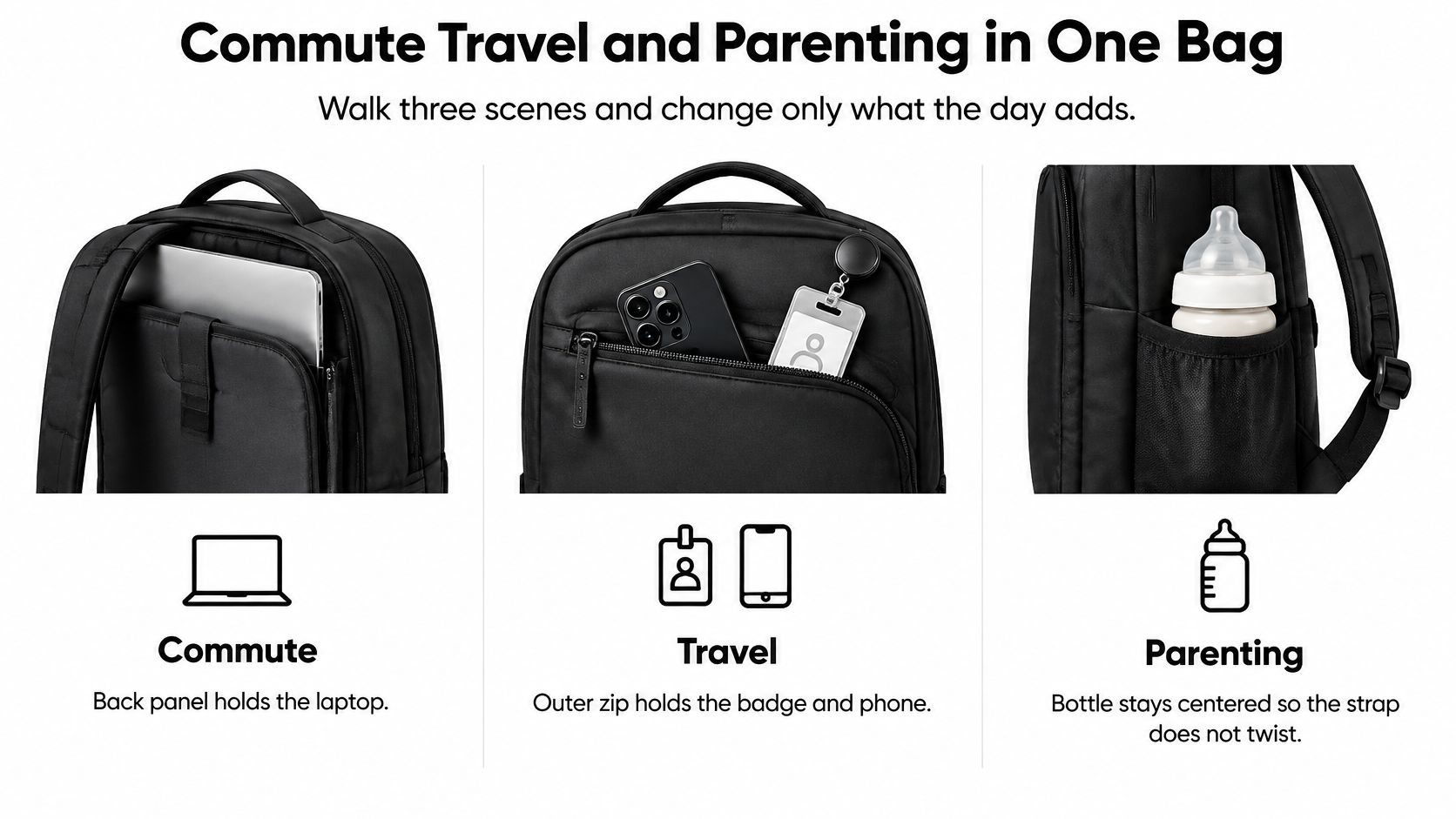
The same zones can handle three very different days if you change only what the day adds. You do not need three bags. You need one map you trust.
Three Scenes One Map
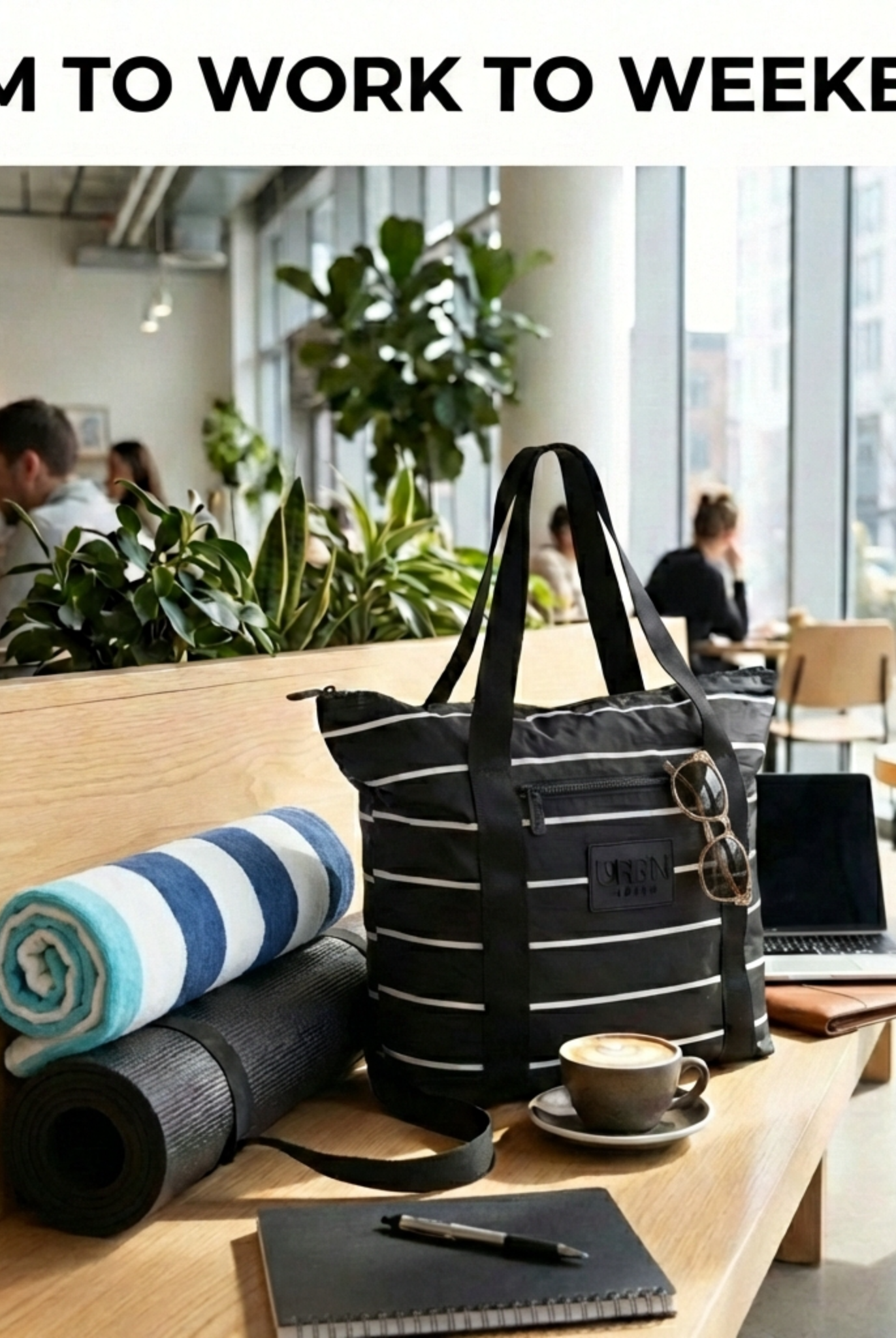
On a commute, the back panel holds the laptop flat against you. An outer zip holds your badge and phone for the platform, and your bottle stays centered so the strap does not twist while you weave through a crowd. Our notes on a commuter tote bag follow that same back panel logic for workdays.
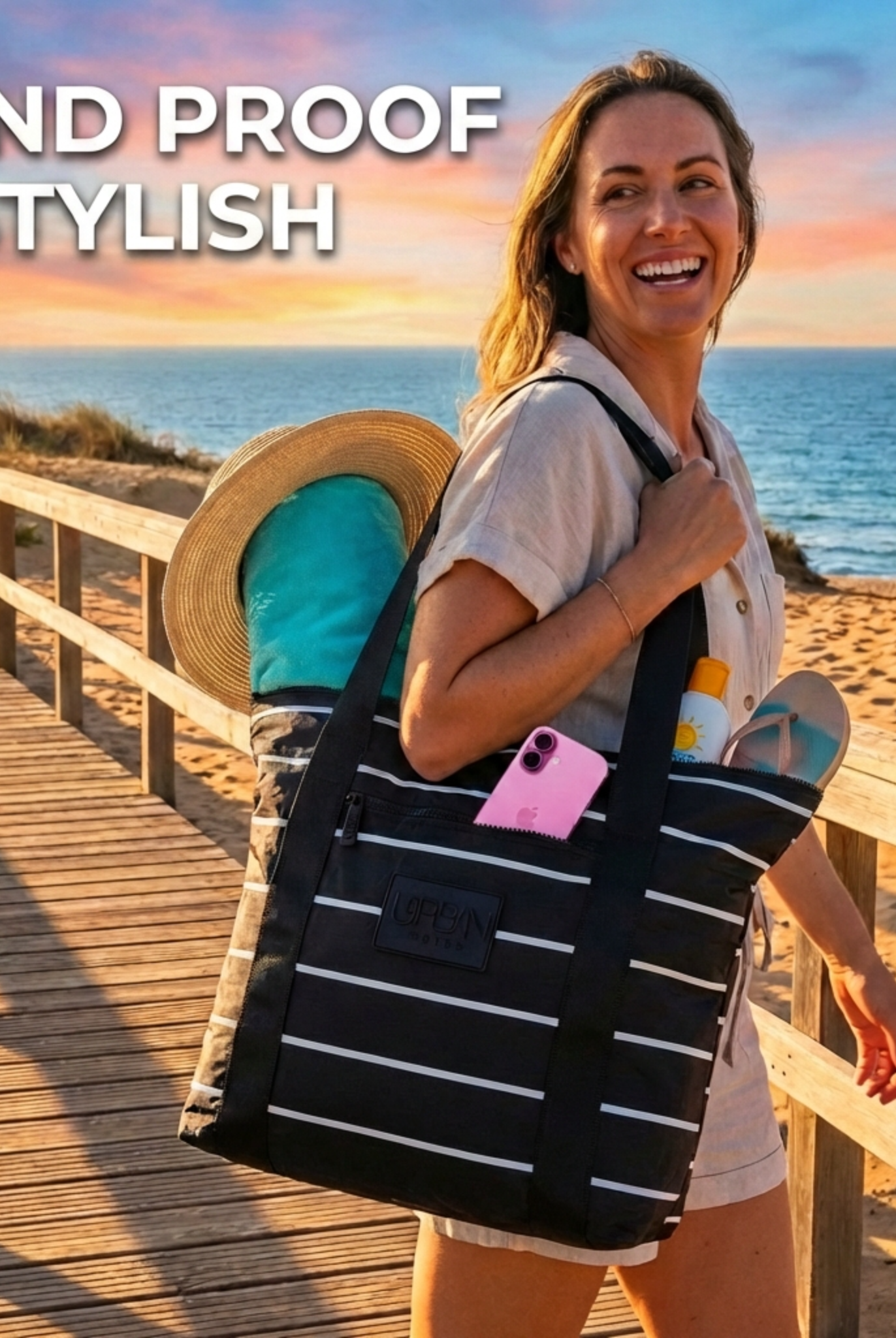
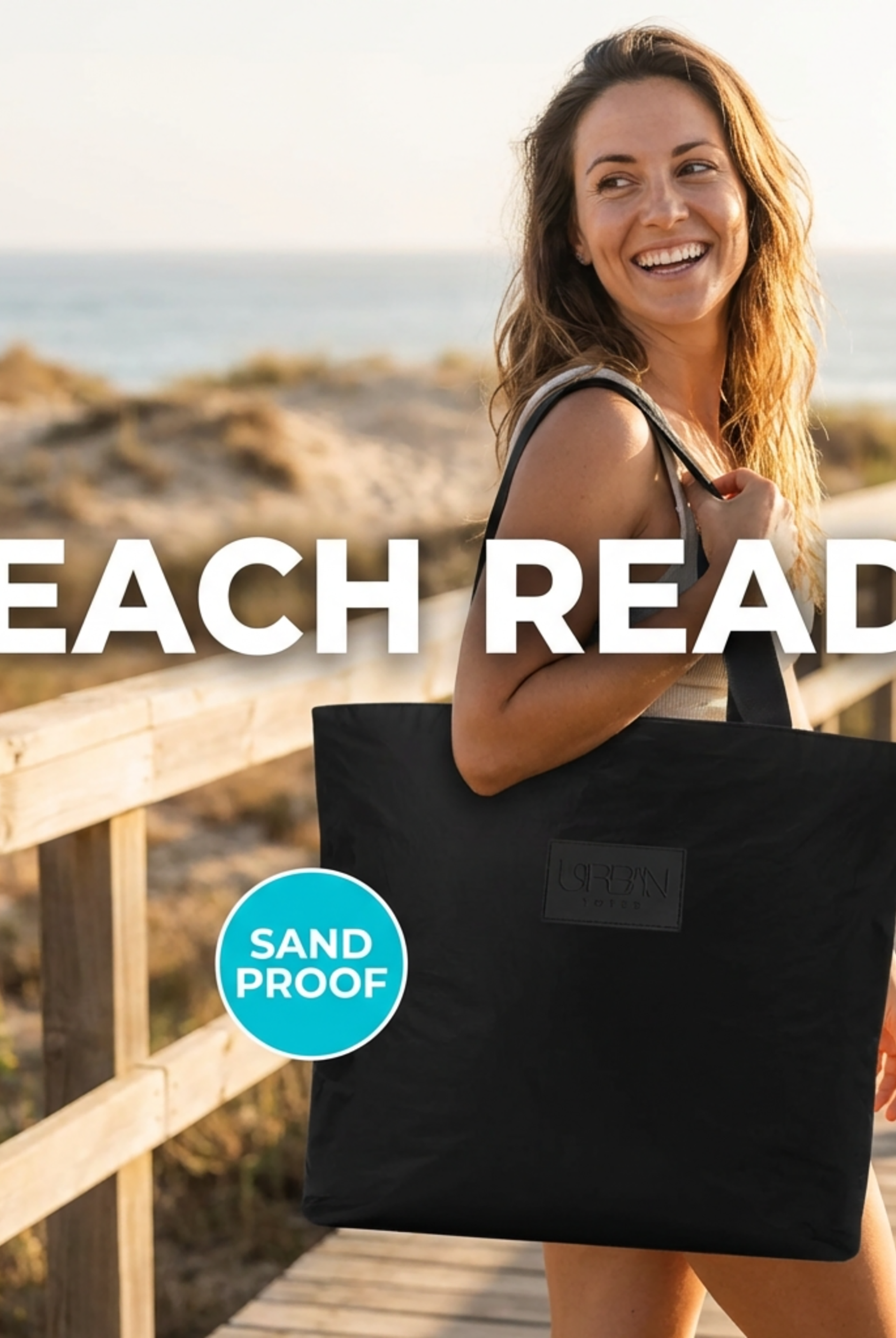
At a farmers market or the beach, the side zone takes a wet swimsuit or a dripping bunch of flowers. Snacks stay zipped away from that moisture, ideally the kind you can eat one handed while you carry a towel, and if you are stocking that pocket, ideas for keto-friendly snacks to pack fit neatly into a grab-now zip without crumbs everywhere.
For a parent, one inner zip becomes the paperwork pocket. Permission slips, a small medicine case, and wipes live there, so a playground stop does not dump sand into your work pocket. When your child hands you a damp art project and a half finished juice box at the same time, you already know which zone can take the mess.
When the Same Tote Has to Fly
A personal item has to sit fully under the seat in front of you. Looking compact on your shoulder is not the test.
| Carrier or rule | Personal item | Carry-on maximum | What changes the fit |
|---|---|---|---|
| Southwest | Under the seat in front of you, examples include purses, briefcases, and backpacks | 24 x 16 x 10 in, including wheels and handles | Overfilled pockets and rigid hardware |
| American Airlines | 18 x 14 x 8 in | About 22 x 14 x 9 in common standard | External depth from a stuffed outer pocket |
| United | 17 x 10 x 9 in | About 22 x 14 x 9 in common standard | A roomy shoulder tote may miss this box |
| JetBlue | 17 x 13 x 8 in | About 22 x 14 x 9 in common standard | Bulky dividers that add depth |
| Common U.S. standard carry-on | Not a personal-item size | About 22 x 14 x 9 in | Wheels, handles, and attachments count |
Those personal item numbers come from the Skyscanner guide to carry-on bag sizes and weight restrictions, which lists American Airlines at 18 x 14 x 8 inches, United at 17 x 10 x 9 inches, and JetBlue at 17 x 13 x 8 inches, with a common standard carry-on maximum of 22 x 14 x 9 inches. The Southwest row reflects its under-seat personal item definition and its separate 24 x 16 x 10 inch carry-on limit including wheels and handles.
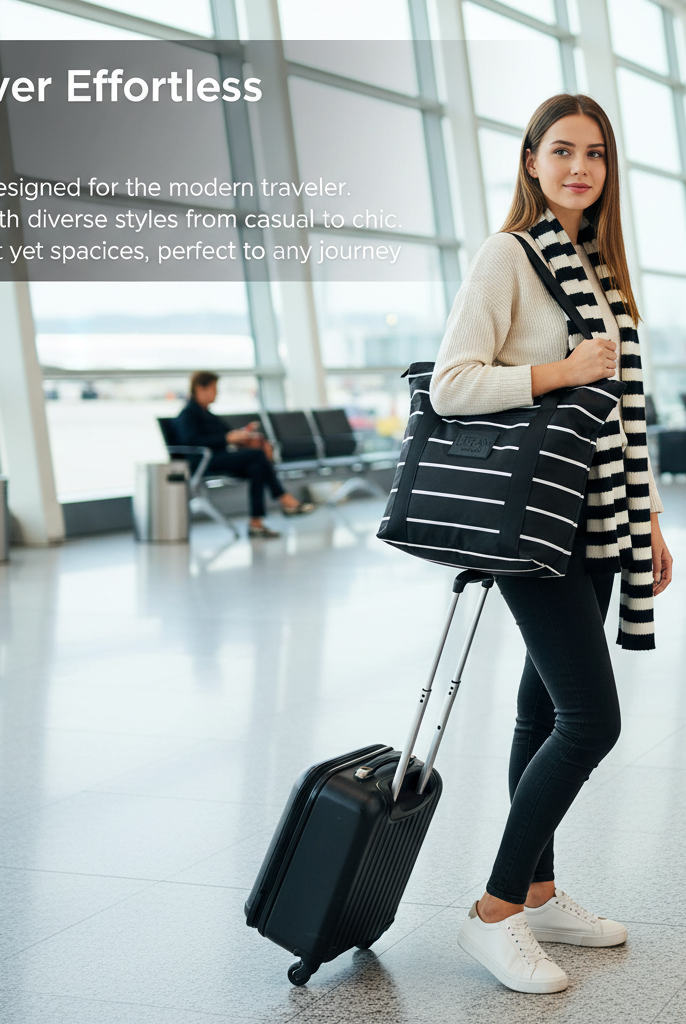
External pockets, rigid hardware, and an overfilled main zip can fail the sizer even when the empty bag looked right at home. Check the operating airline before you leave, especially on basic or restricted fares, because the allowance is measured by external dimensions.
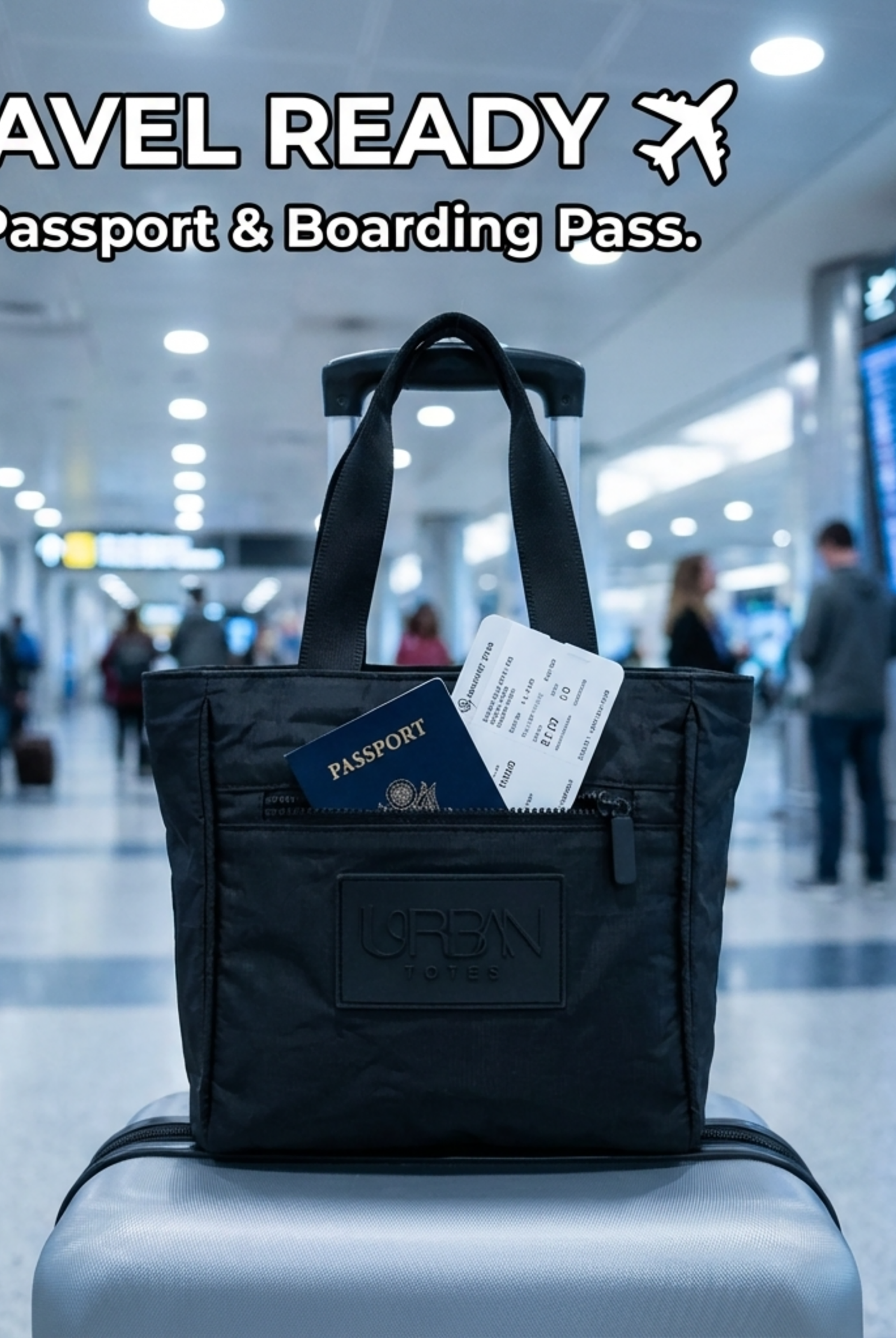
The parenting win at the airport is access, not capacity. Your passport, charger, and snacks come out of their assigned zips without unpacking clothes at security or in the boarding line while a small hand pulls at your sleeve.
A travel-ready tote is a personal item when it stays flexible and compressible. It is a weekender for the overhead bin only when the airline's larger limit actually allows it.
Pack for the narrowest limit you will face that trip. A slim laptop section, a phone pocket, and a key spot keep the profile controlled, while bulky dividers that never flatten will cost you the under-seat space you were counting on.
Buying Checks That Matter More Than Pocket Count
Shop for a real week, not a feature contest. The bag that wins on your heaviest normal day will feel easy on all the lighter ones.
Zips Straps and the Empty Bag Test
Check that every compartment you would panic to lose has its own zipper. A slip pocket that gapes when the bag tips in a trunk is not secure storage for a passport, medication, or a wallet.
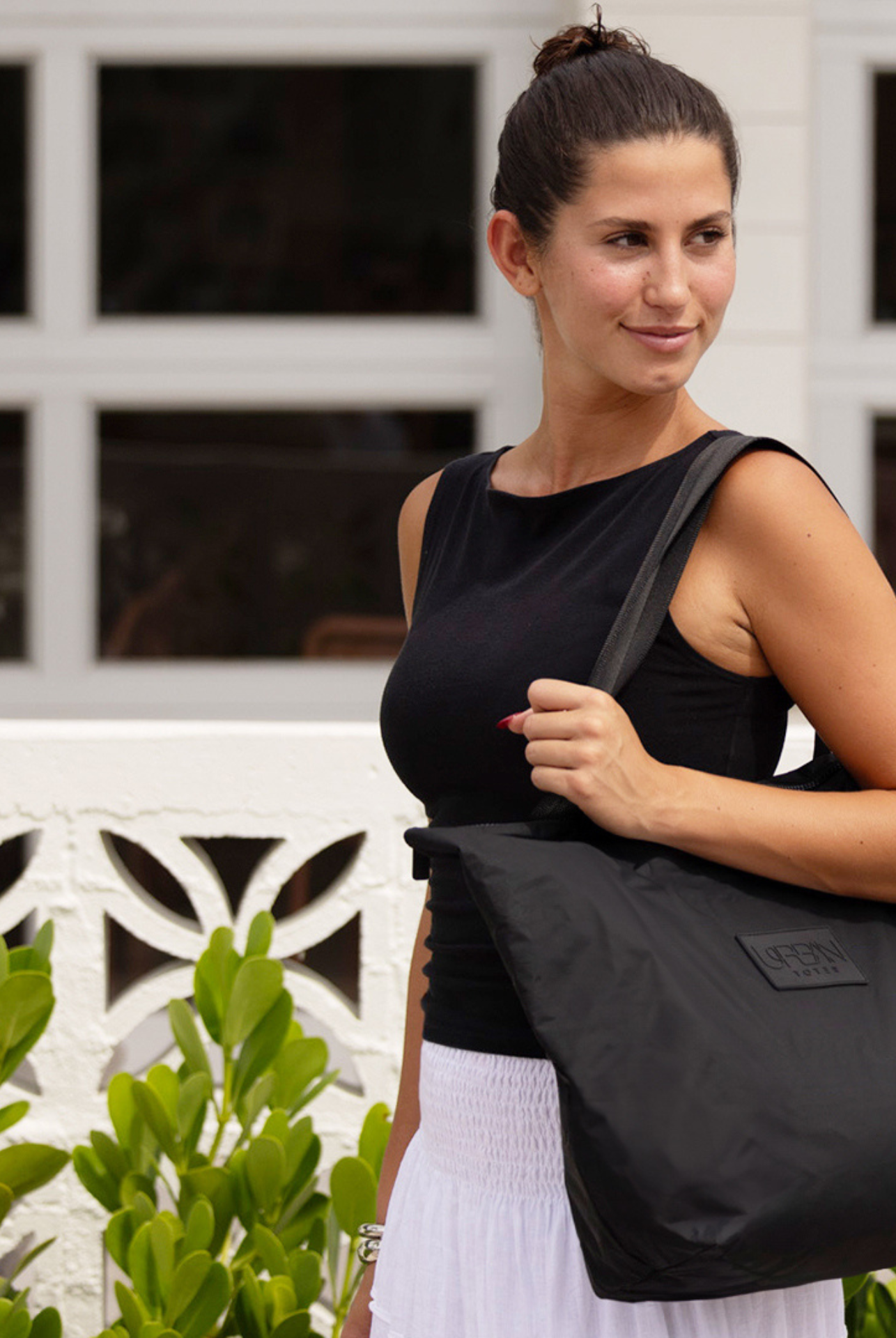
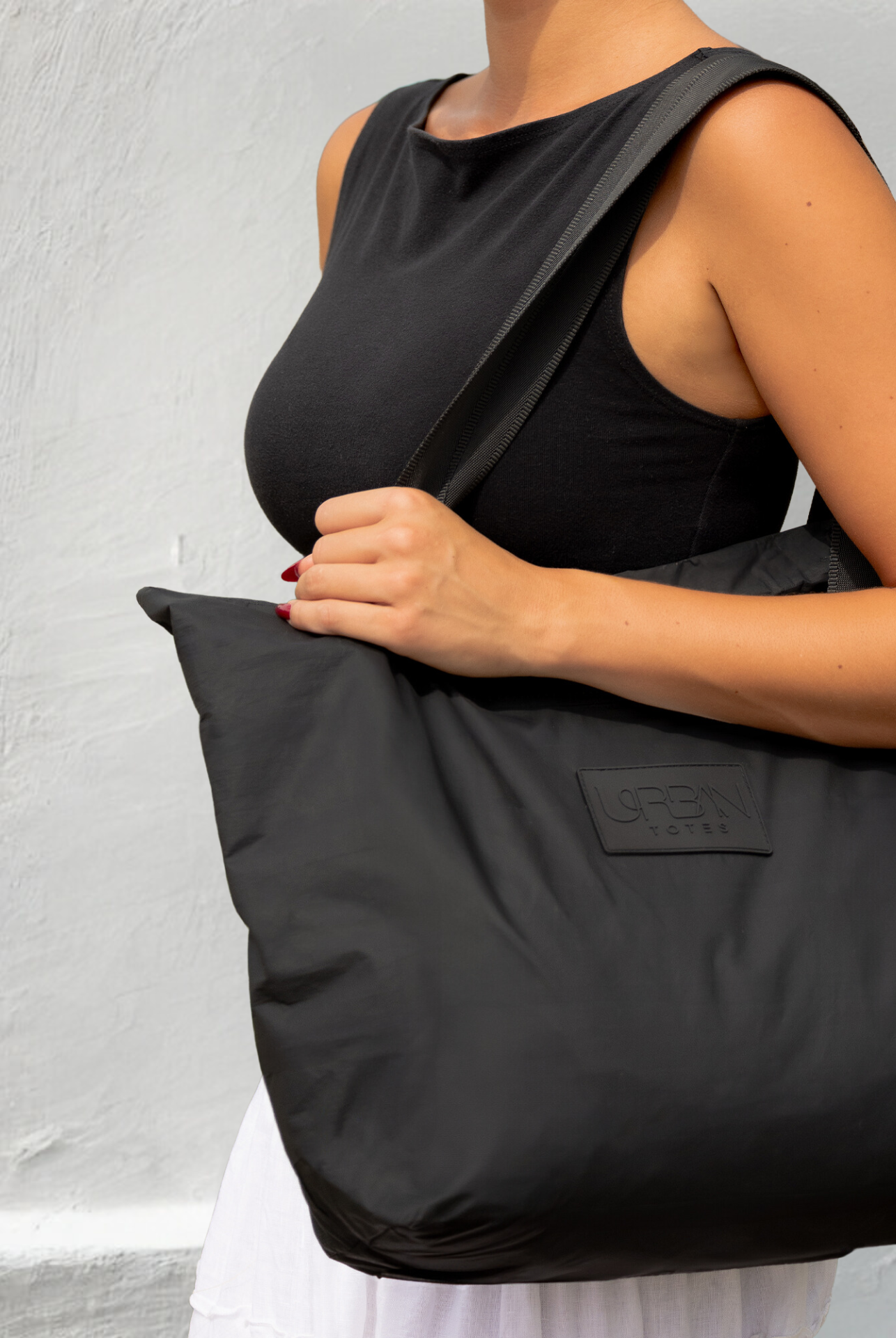
Sling it over your shoulder loaded with a laptop and a bottle, even if you have to borrow them in the store. A wide, padded, functional strap matters more than a thin decorative handle by the third block.
Then lift the empty bag. If it already feels like work, it will not get better with groceries in it.
- Fold test: Does it fold small enough to live in a suitcase or the car between errands?
- Interior color: A light interior makes black keys and dark earbuds findable instead of camouflaged.
- Base press: Press the bottom. A stable base and reinforced corners handle tile floors and trunks better than a floppy sack.
Organization That Does Not Eat the Bag
Prefer slim organization. A laptop sleeve, a phone pocket, and a defined key spot keep the main cavity usable, while thick padded walls between every pocket turn a roomy tote into a set of small boxes.
Material choices shape that balance, which is why we walk through options in our guide to tote bag material. Read any water-resistant label as help with rain and spills, not submersion, and skip performance or certification language the maker cannot document for you.
Say your normal Thursday is office, school pickup, and a gym stop. Score a candidate against that day, not against a once-a-year haul of library books and two pairs of shoes. The right versatile bag for Thursday will still handle Saturday.
Score it yes or no before you pay. Zippers where it counts, a strap your shoulder likes, low empty weight, a real fold, and a separated wet zone.
If a bag fails two of those five, keep looking, no matter how many pockets the tag counts. If it passes all five in a thoughtfully designed, stylish shape you will carry, you have found a durable everyday partner rather than a closet decoration.
Choose a Go-Anywhere Tote and Start Packing
Bring the decision down to two roles. Most days are either a full mixed day or a light hands-free one, and each asks something different from your bag.
For the Full Mixed Day
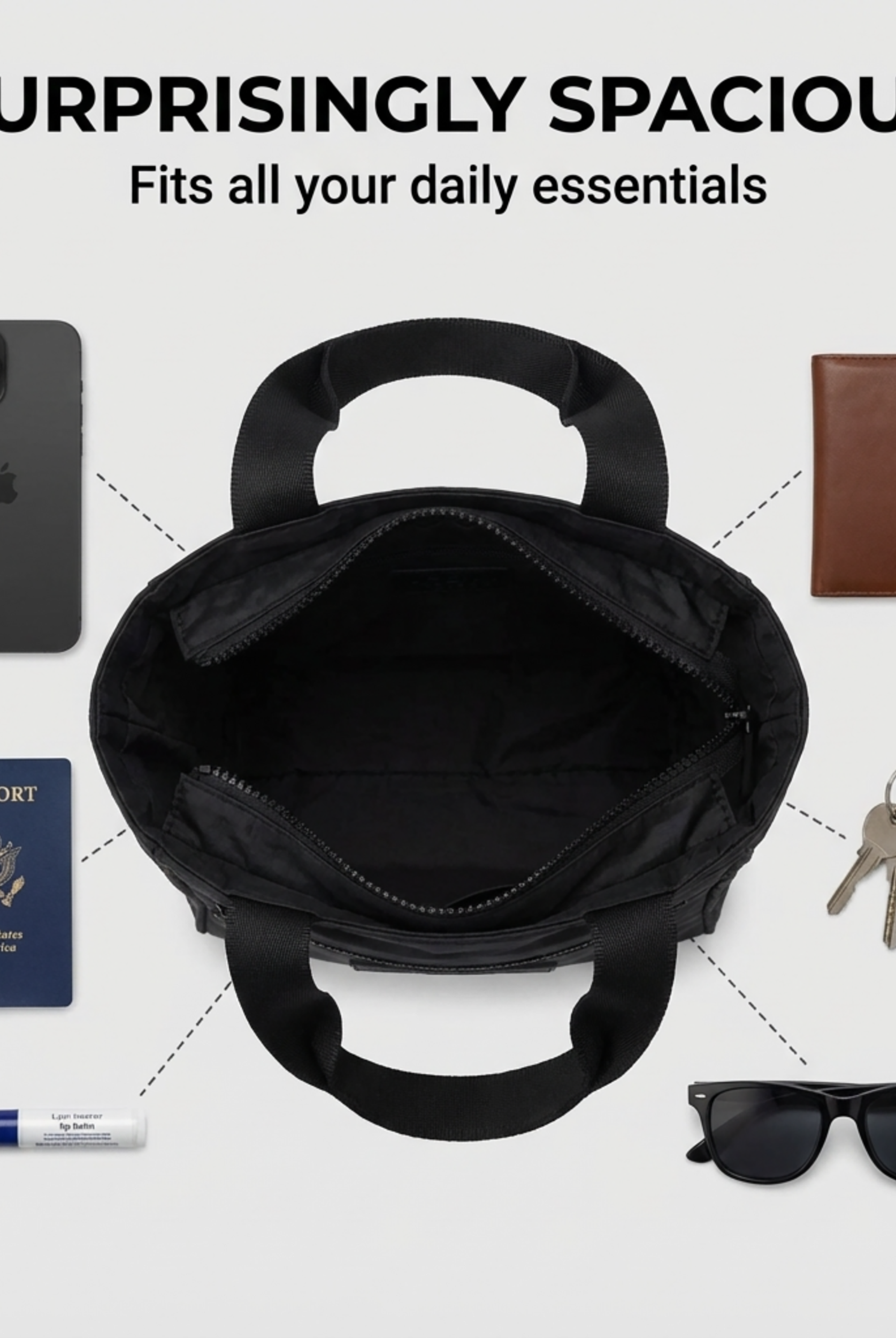
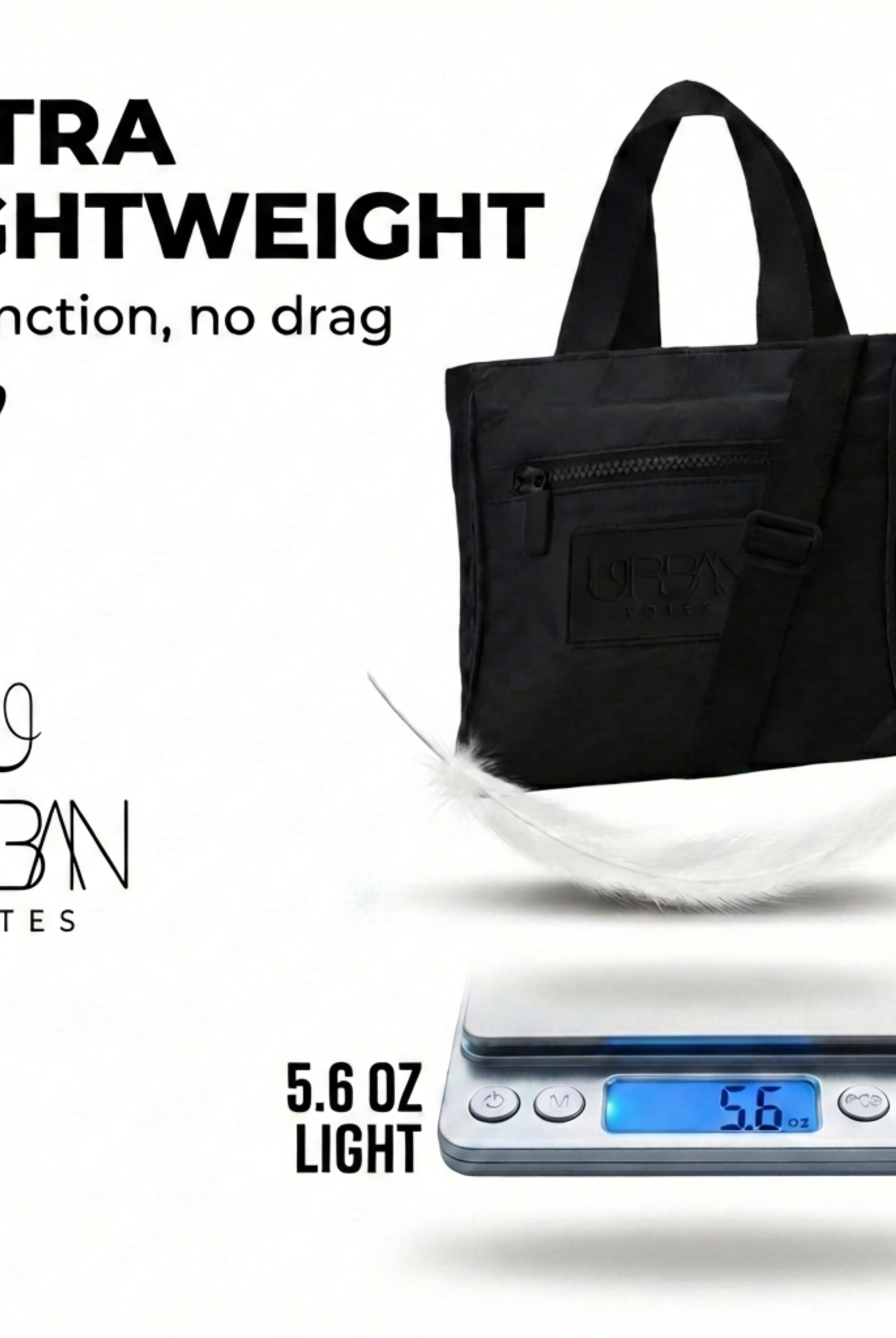
For office, school run, beach chair, or a weekend tucked under a seat, The Go Anywhere Day Trip Tote Bag by Urban Totes is built as the compartment carry. It has three large zippered compartments plus specific pockets for an iPhone and keys, with zipper closures on all compartments and comfortable silky straps. It is lightweight, packable, and foldable, and made with water-resistant materials.
Use the load map on it directly. Laptop against the back, phone and keys parked in their pockets before anything else goes in, and damp gear isolated from paper in its own compartment. If you are packing it for a flight, pair that map with our steps for how to pack a tote bag for travel and still check your airline's current limits yourself.
For Light Hands-Free Days
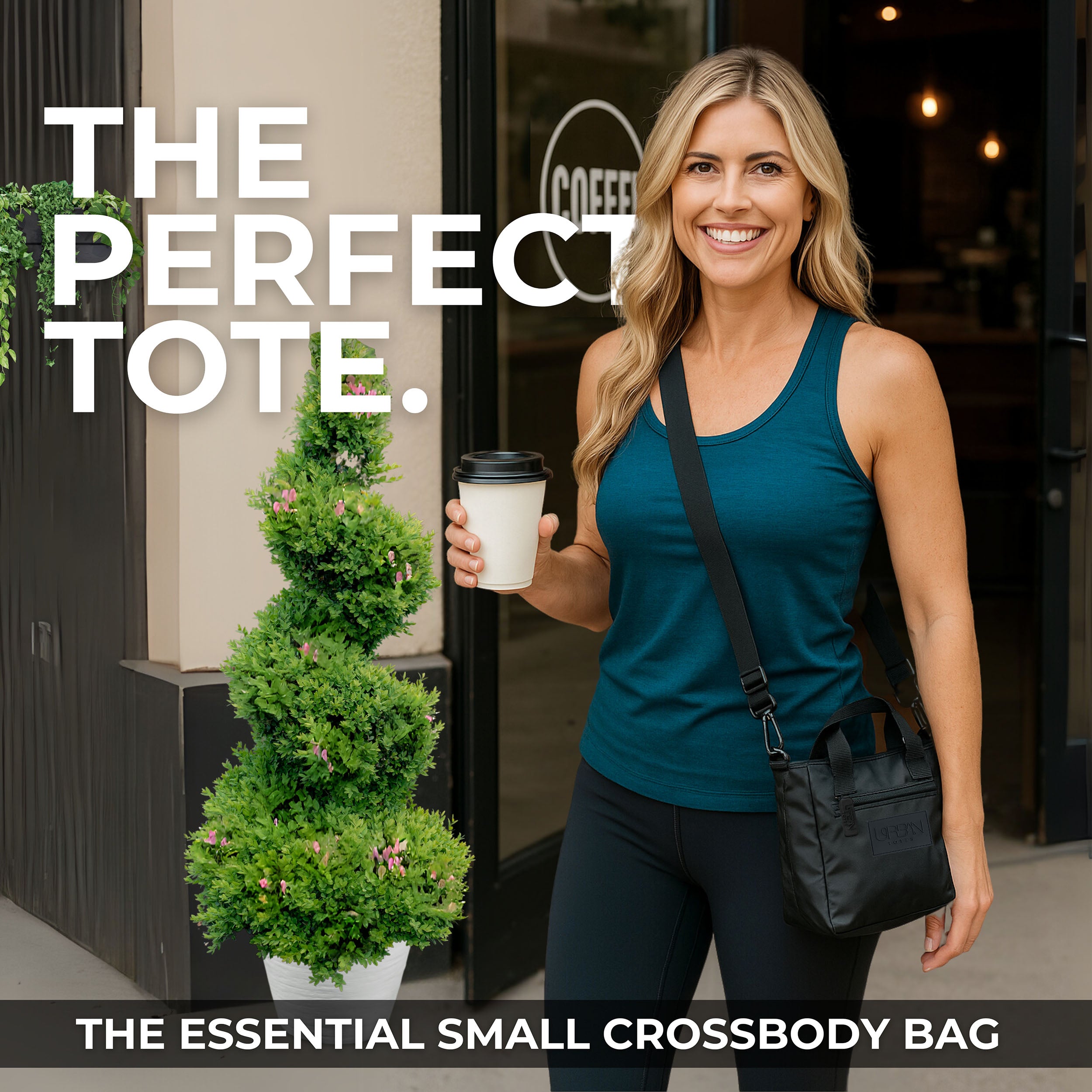
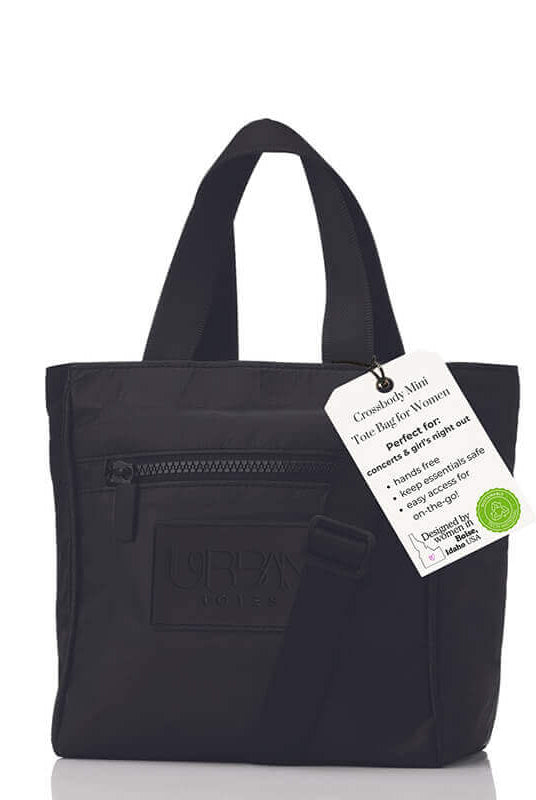
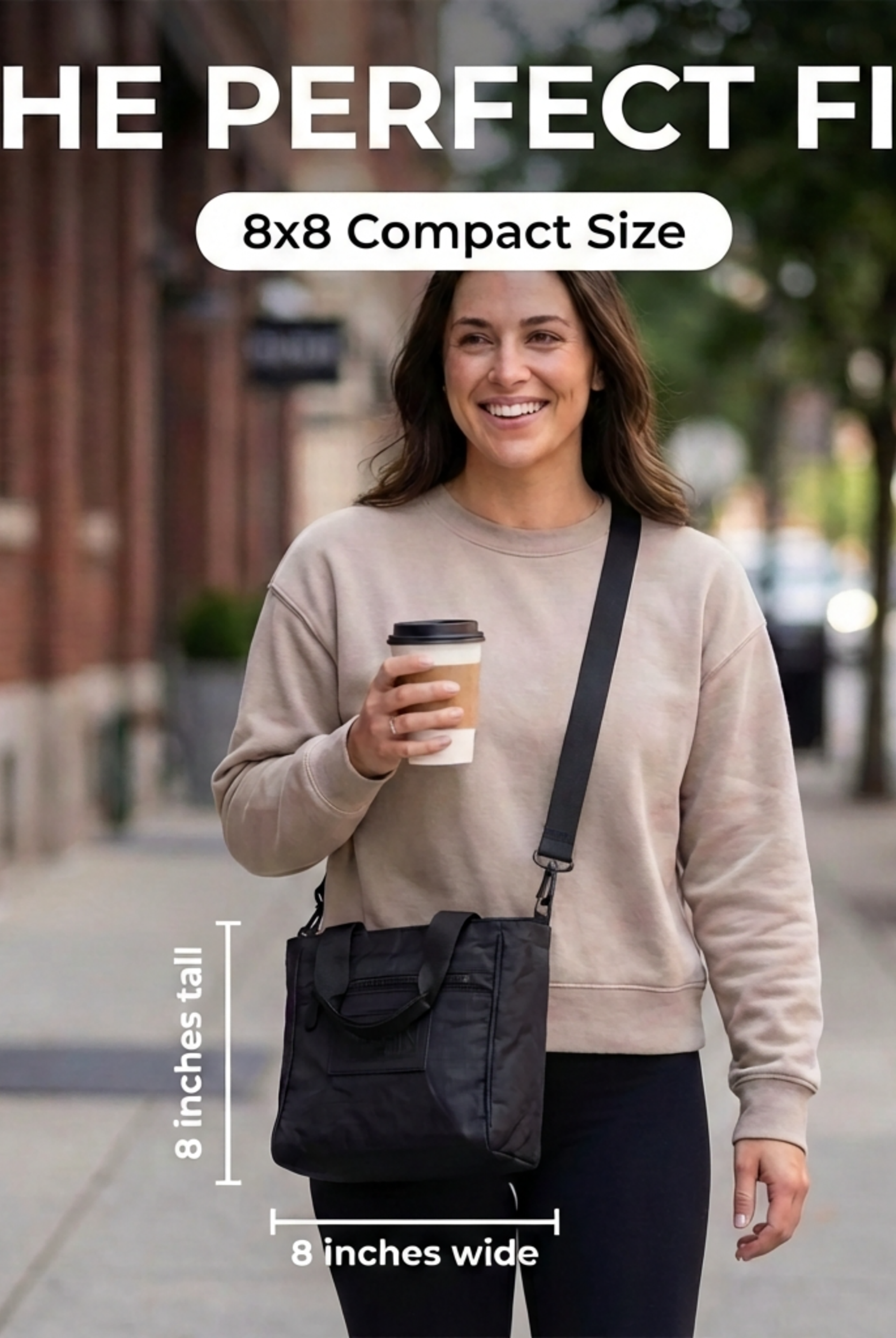
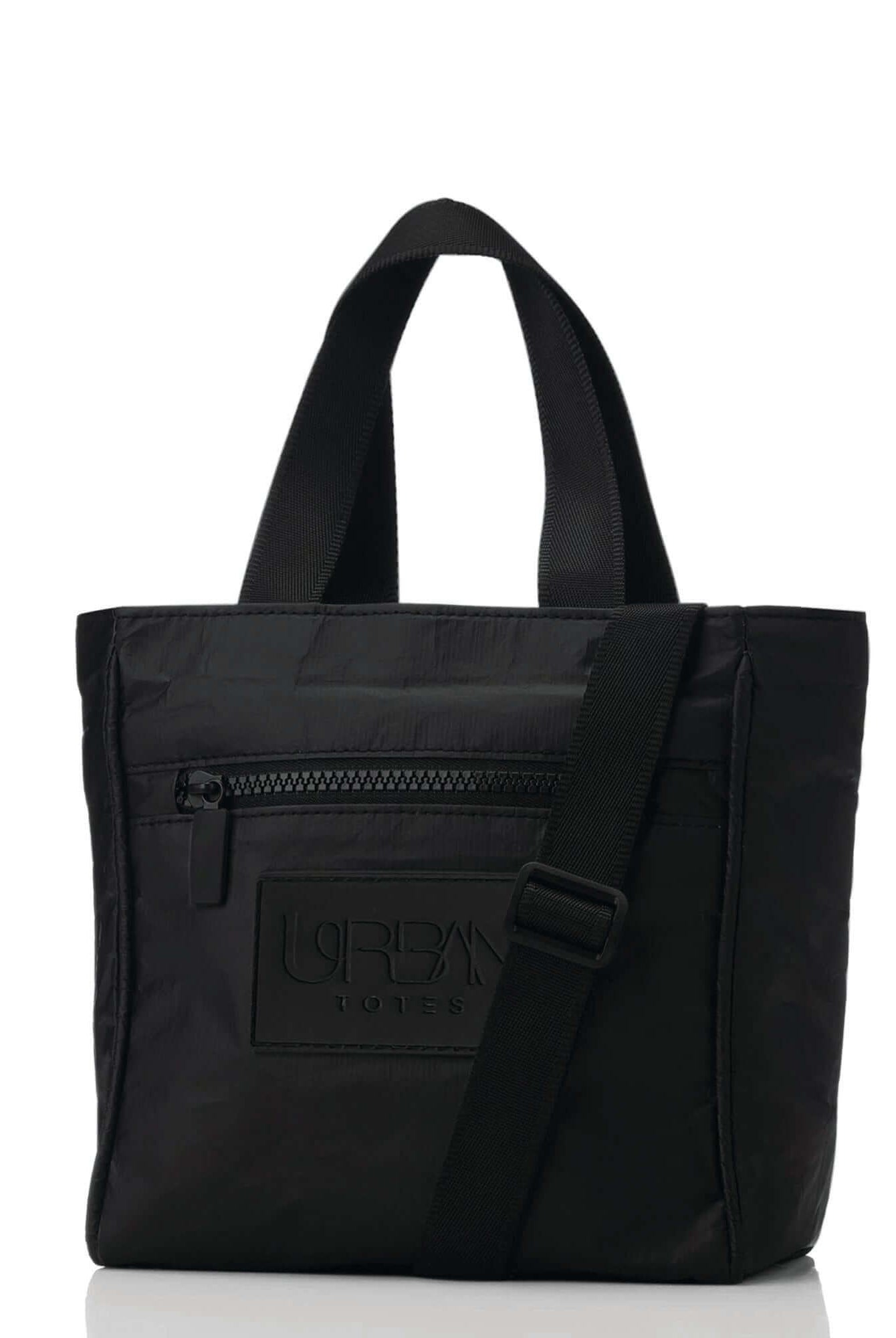
For errands, a concert, or a day when a full tote would be too much, the Crossbody Tote Bag Mini Purse measures 7.5 x 4 x 7.75 inches. It has a zipper top closure, one outside zipper pocket, an inside zipper pocket, and a large easy-access outside pocket for phone and keys. The strap and the small load are the point here. It is for quick reach, not hauling a laptop.
We are Urban Totes, a woman-owned brand designed in Boise, Idaho, a Boise-made brand in spirit and in our daily work, built for women whose bag has to move from drop-off to the airport without a second carry. That founder perspective is simple. Real life is messy, damp, rushed, and wonderful, and your bag should keep up without a fuss.
Go Anywhere. Tote Everything. Find your perfect go-anywhere bag at urbantotes.com, then pack your next outing with one pocket per kind of mess and feel the difference at the first doorway lift.
Your next full day deserves a bag that keeps the laptop dry, the keys findable, and the swimsuit in its own lane, and that is exactly what our compartment totes and crossbody styles are designed to do. Shop the full collection at Urban Totes and choose the lightweight, packable, water-resistant carry that matches your real week. Pack it once with the load map, zip it closed, and take on whatever the day brings.