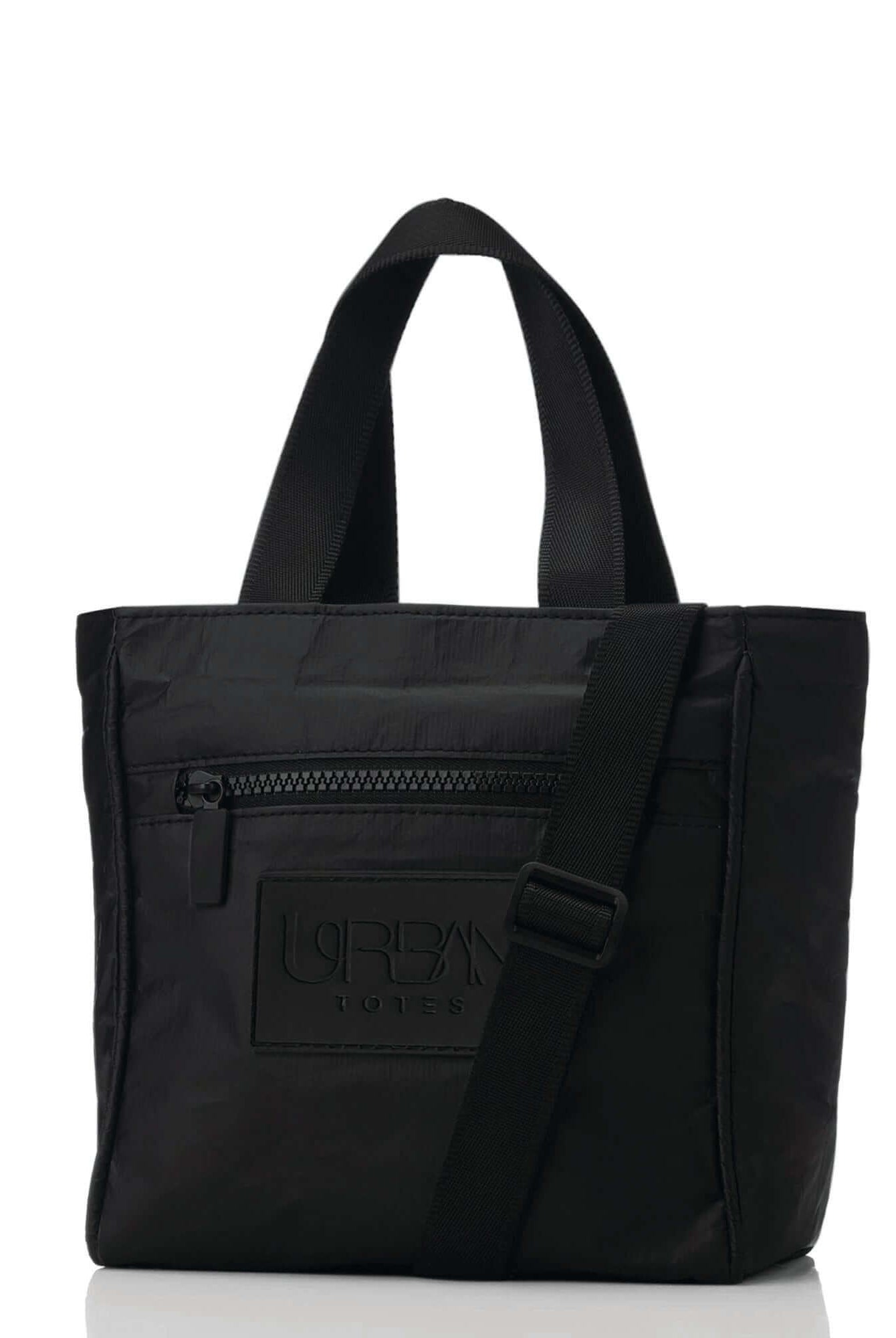
The bag by the door has to answer one question every morning, and it usually gets asked in the worst possible spot: the doorway, keys in one hand, coffee going cold on the counter. Laptop, lunch, a change of clothes for the gym, the folder you can't walk in without. Whatever is on your shoulder has to take all of it and still look like a choice you made on purpose.
That's the tote bag vs handbag question. Not which one photographs better on a shelf, but which one fits the shape of your day, including how heavy it gets and how long you carry it.
Totes stopped being anyone's backup bag a while ago. The global handbag market was estimated at $63.0 billion in 2023, and the tote segment is forecast to reach $41.6 billion by 2030, according to ResearchAndMarkets.com. The format is no longer the practical afterthought of the category.
I carry both most weeks. What separates them in daily use is more physical than most comparisons admit.
Table of Contents
- Tote Bag vs Handbag Side by Side
- Where Totes Earn Their Place in Your Week
- Capacity, Organization and Durability Compared
- How Each Bag Carries Your Load
- Which Bag Fits Each Day of Your Week
- Airport and Travel Rules That Decide Your Bag
- Your One-Minute Bag Check
Tote Bag vs Handbag Side by Side
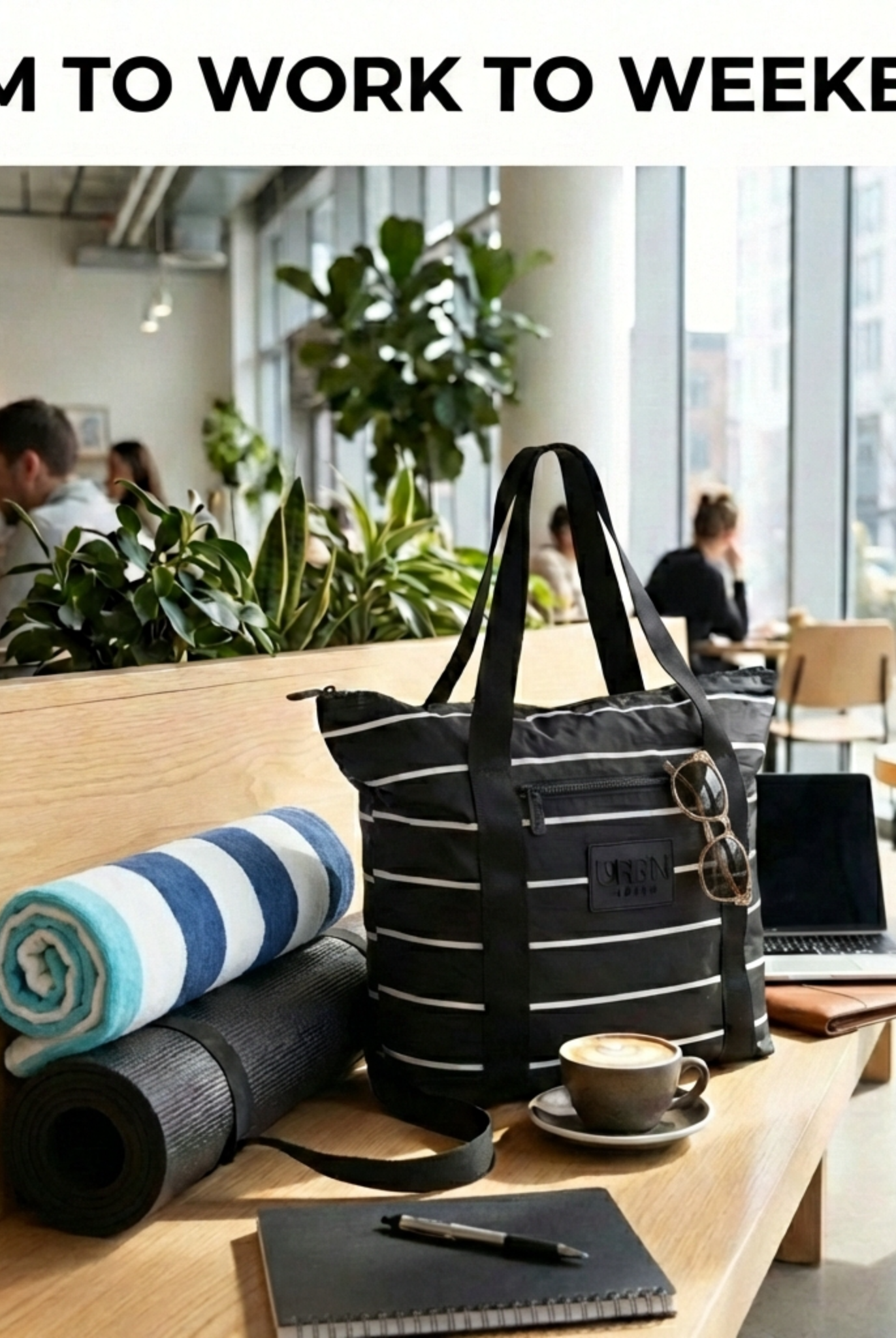
A Tuesday in my week looks like this. The same bag leaves the house holding a laptop, a lunch container, a gym top and keys, then sits under the table at a client lunch two hours later without anyone raising an eyebrow. It's a working bag that has to behave in a room where working bags aren't the point.
The rule of thumb is simple. Totes favor open, roomy carry. Handbags favor structure and a dressier silhouette. Once you hold those two ideas in your head, most of the smaller decisions follow.
Tote bag vs handbag at a glance
| Criteria | Tote bag | Handbag |
|---|---|---|
| Typical capacity | Large open main compartment that takes a laptop, gym clothes or a beach kit | Smaller, structured interior sized for daily essentials |
| Main carry style | Shoulder or hand carry, often with both handles | Hand carry or short shoulder strap |
| Interior organization | Zippered compartments and dedicated pockets in many designs | Usually one or two compartments with a few slip pockets |
| How the load sits | Can be balanced by centering dense items and alternating sides | Often carried on one side, concentrating weight |
| Best occasions | Commuting, errands, travel, gym, beach days | Dinners, meetings, evening events, dressier days |
| Airport use | Works as a personal item or carry-on only if the packed size meets the airline limit | Often fits the personal-item allowance, but confirm the airline limit |
Read the capacity row twice if you need to, then move on. The row that decides more days than any other is the one about how the load sits.
The biggest difference isn't capacity. It's where the weight ends up. A tote can be centered against your body and switched side to side. A handbag usually hangs off one shoulder or one hand for hours, and that's the part your neck remembers at 6 p.m.
Which rows to read first depends on your week. If a laptop travels with you most days, start with interior organization and how the load sits, because those two decide whether the bag still feels easy at lunchtime. If you're choosing for dinners, meetings and evenings out, start with best occasions and carry style. Structure is doing the work there, not volume.
Where Totes Earn Their Place in Your Week
A workday that runs into errands is easier with one bag that can carry what the day adds, rather than a handbag that has to stay within its original load. The deciding factor is how that weight sits on your body: a tote can hold a changing mix of items, but it still needs to feel manageable on your shoulder as the day goes on.
See seven days of tote use, one bag per day.

The market share reflects the format's everyday role. JOOR's handbag market analysis reports that tote bags accounted for 41% of the global handbag category in 2024, compared with 21% for crossbody bags and 17% for shoulder bags. Tote bags hold 41% of the category, a working majority.
For a full workday, a tote can keep a laptop, charger, notebook and folder together, then take on a grocery stop without requiring a bag change. That flexibility is useful, but a larger load can pull on one shoulder. Place heavier items close to your body and switch shoulders when practical; if the bag feels uncomfortable by late afternoon, carry less or choose a different style.
A handbag earns its place when the load is limited and the occasion calls for a defined shape or a more polished finish. For everyday use, judge a tote by what you need to carry, whether its contents stay easy to find, and how its weight feels after hours of wear. The overview of the practical benefits of tote bags can help you weigh that trade-off before shopping.
Soft totes also change shape as their contents shift. Check how the bag sits against your body when packed, and consider handle length before buying. This guide to leather tote care and sizing covers both.
Capacity, Organization and Durability Compared
A bag's capacity matters only if its shape suits what you carry and lets you reach it. Totes generally offer an adaptable main space; handbags tend to hold a smaller, more defined set of items. The practical difference shows up in how the load sits inside and whether the bag stays usable as its contents change.
Capacity Comes Down to Shape
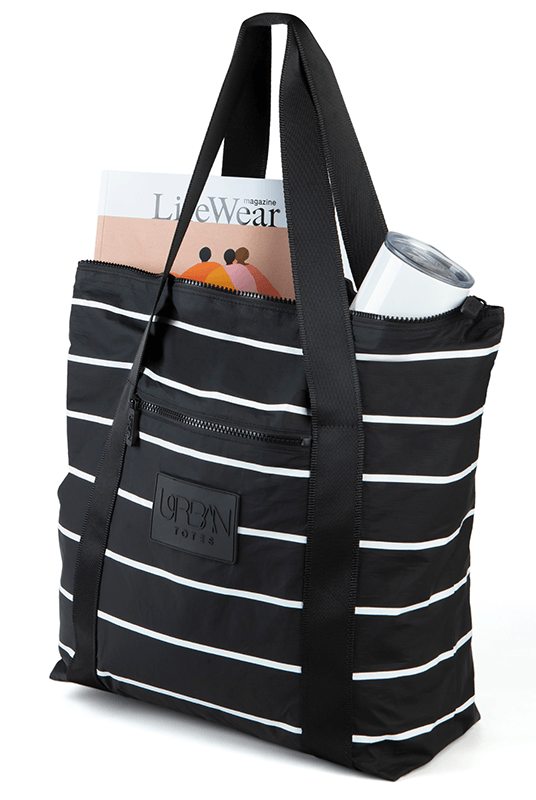
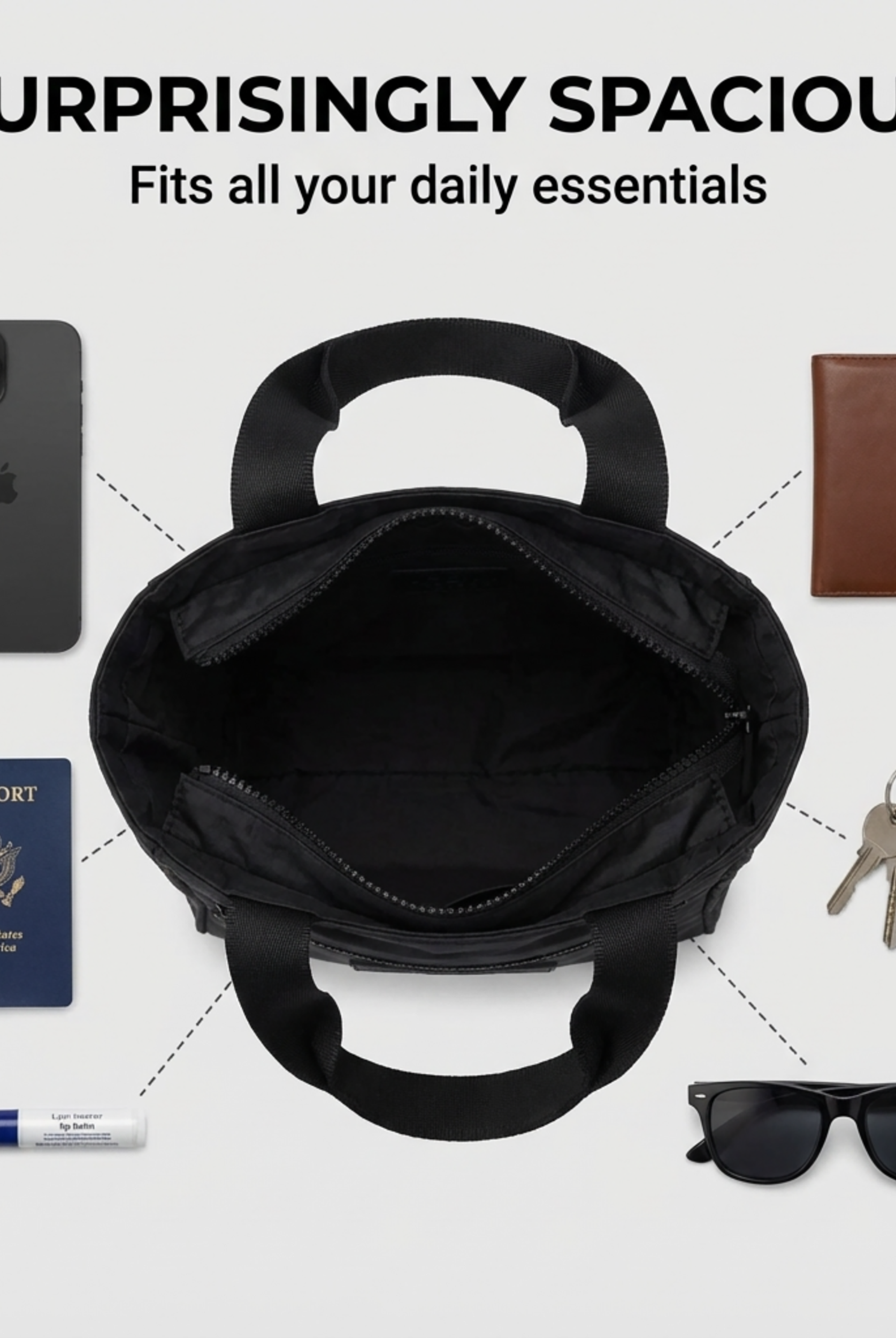
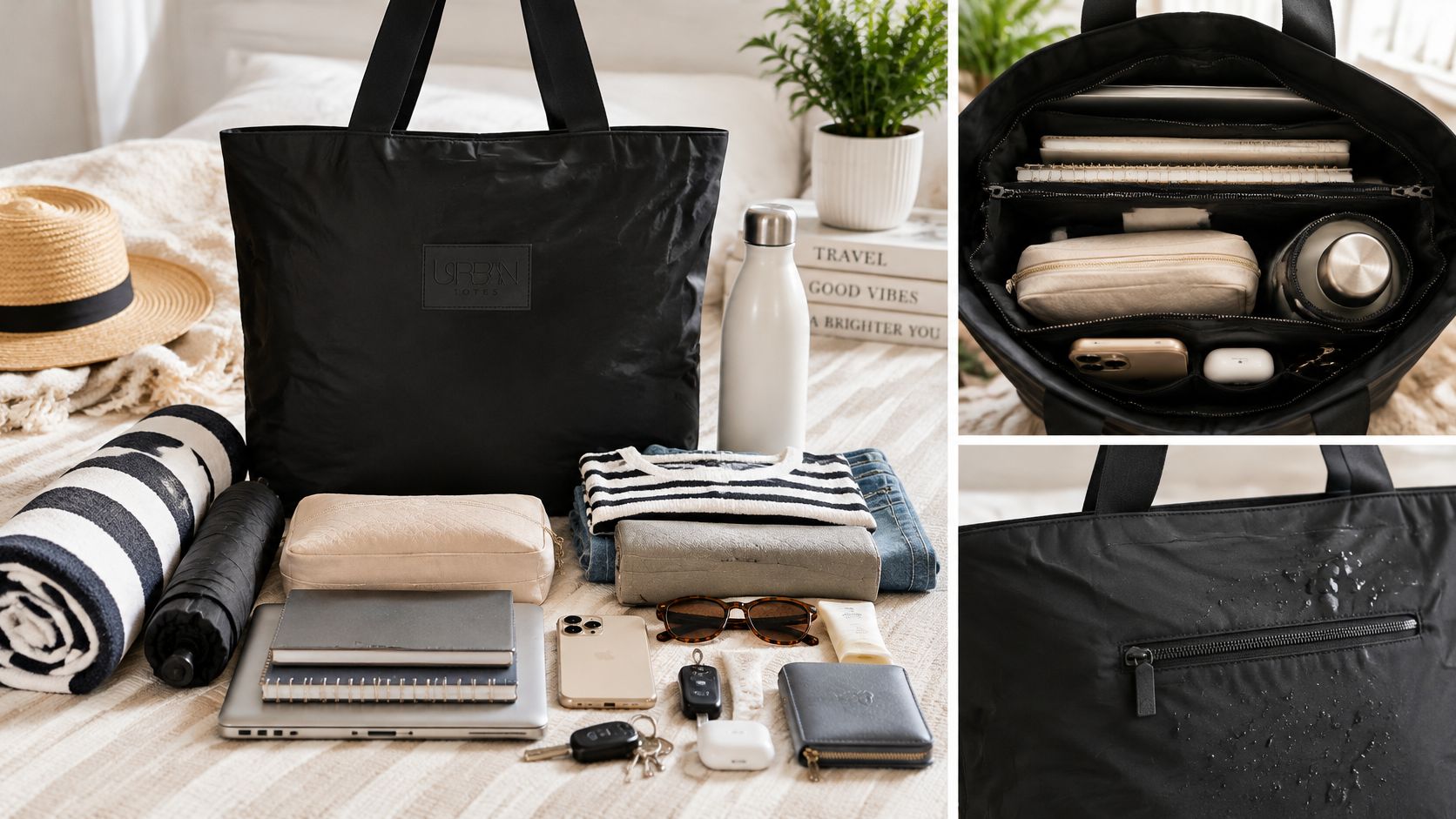
A tote can fit a laptop against one side, a lunch container upright, a water bottle in a corner and a folded gym top in the remaining space. A handbag's shaped interior is more suited to a set of essentials and may resist bulging when you add another item. The tote accommodates a changing load; the handbag keeps a chosen load contained.
Check the shape with the contents you expect on your longest day, rather than an unusually light one. If the sides fold inward and make pockets hard to reach, consider a larger bag or a firmer material. Capacity is useful only when the space remains accessible.
Organization Is What Makes Capacity Usable
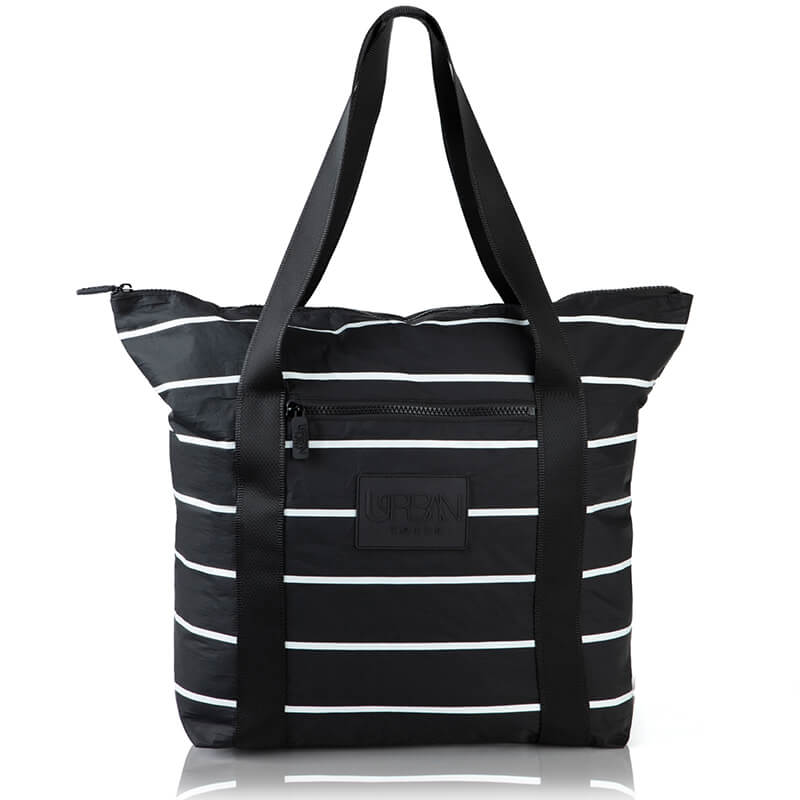
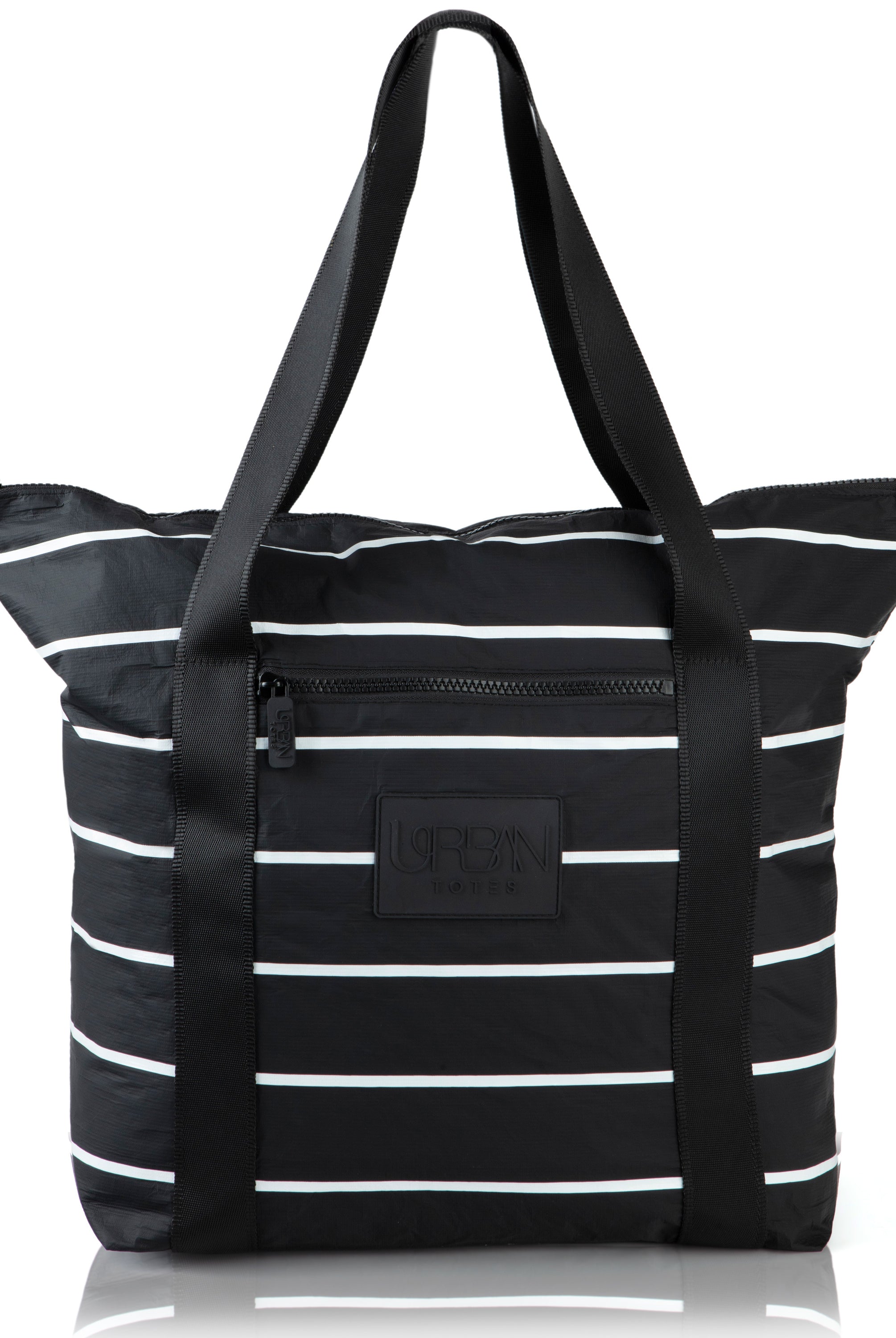
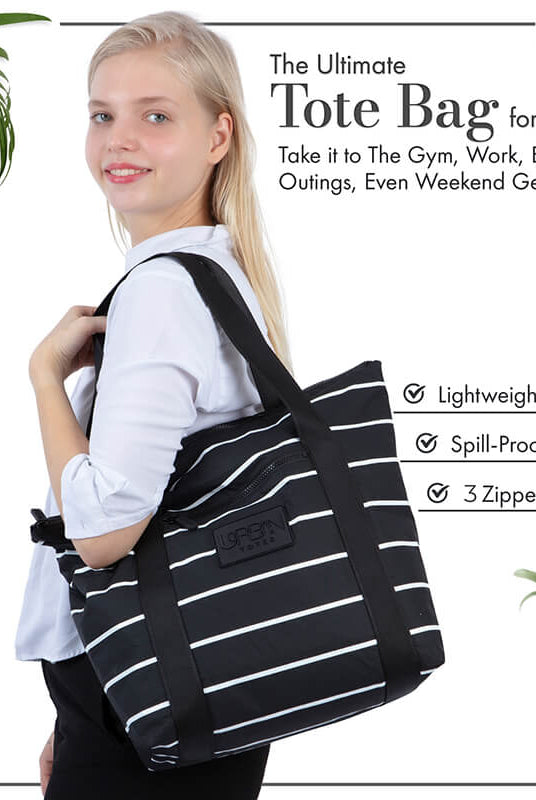
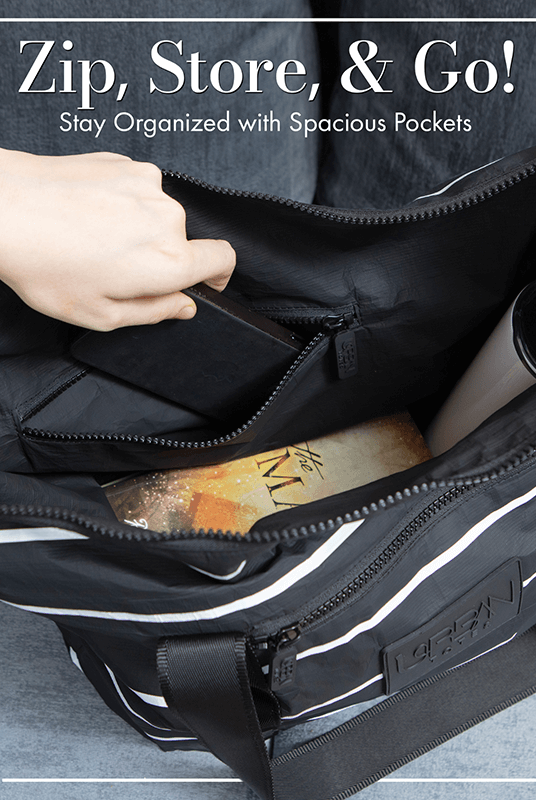
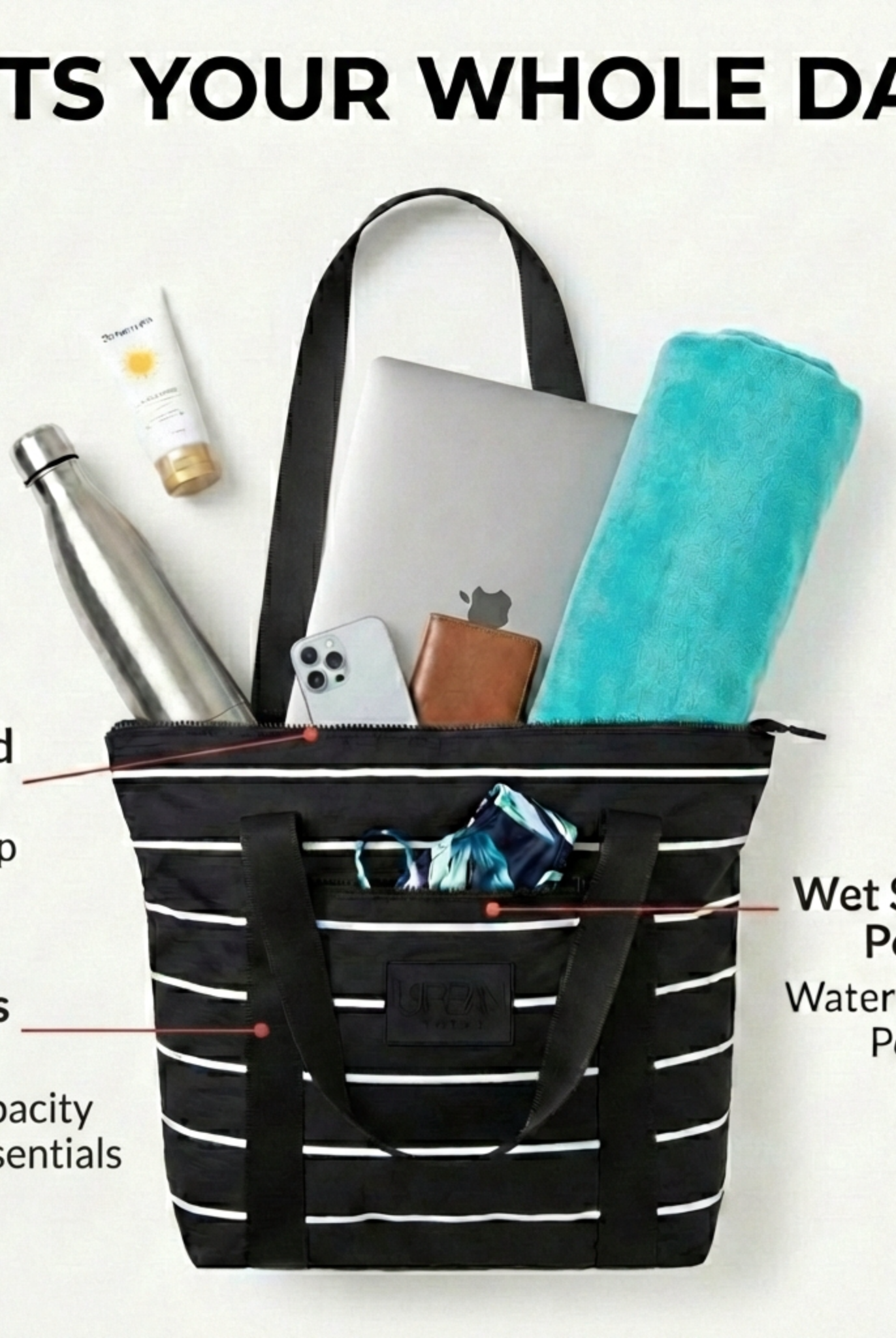
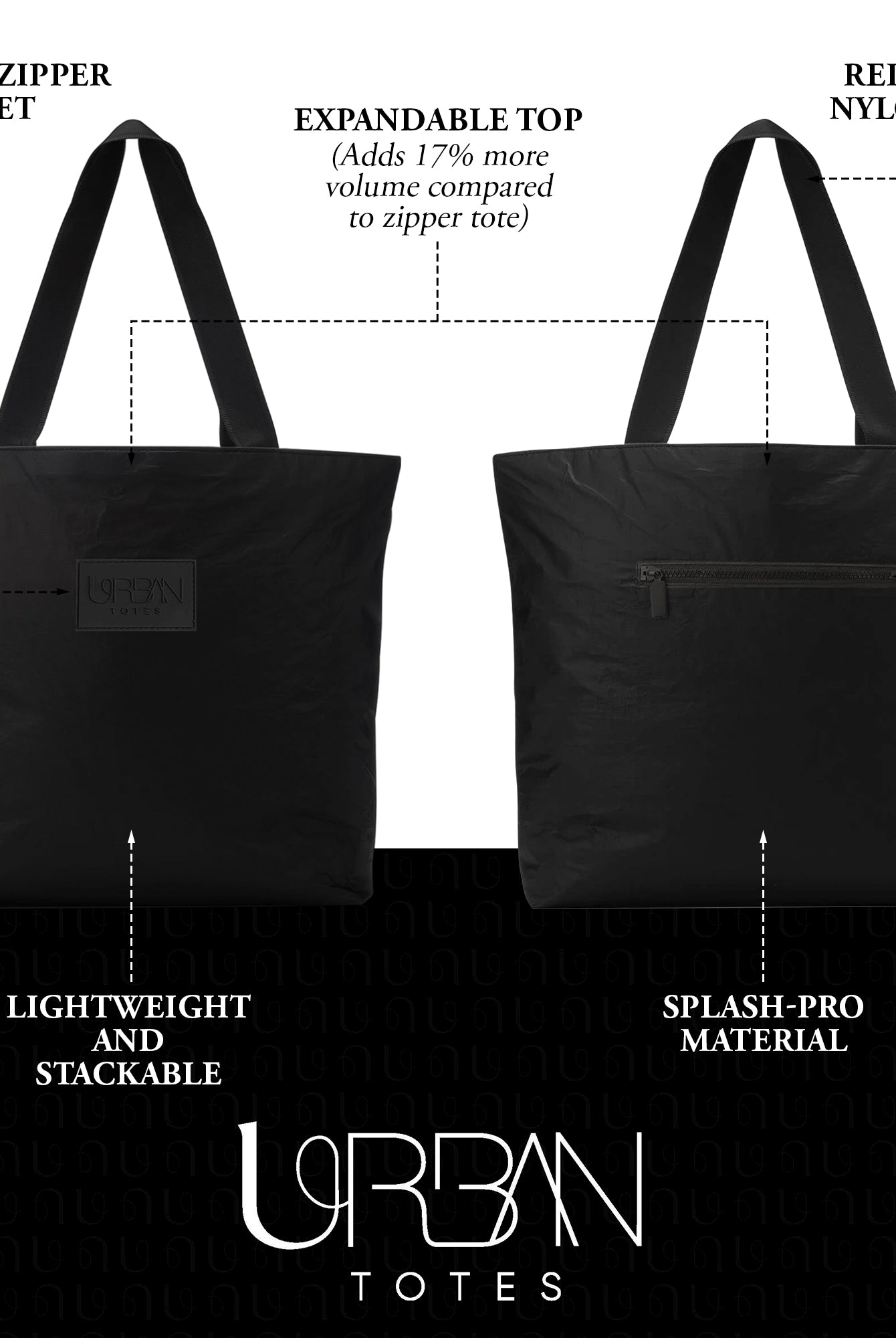
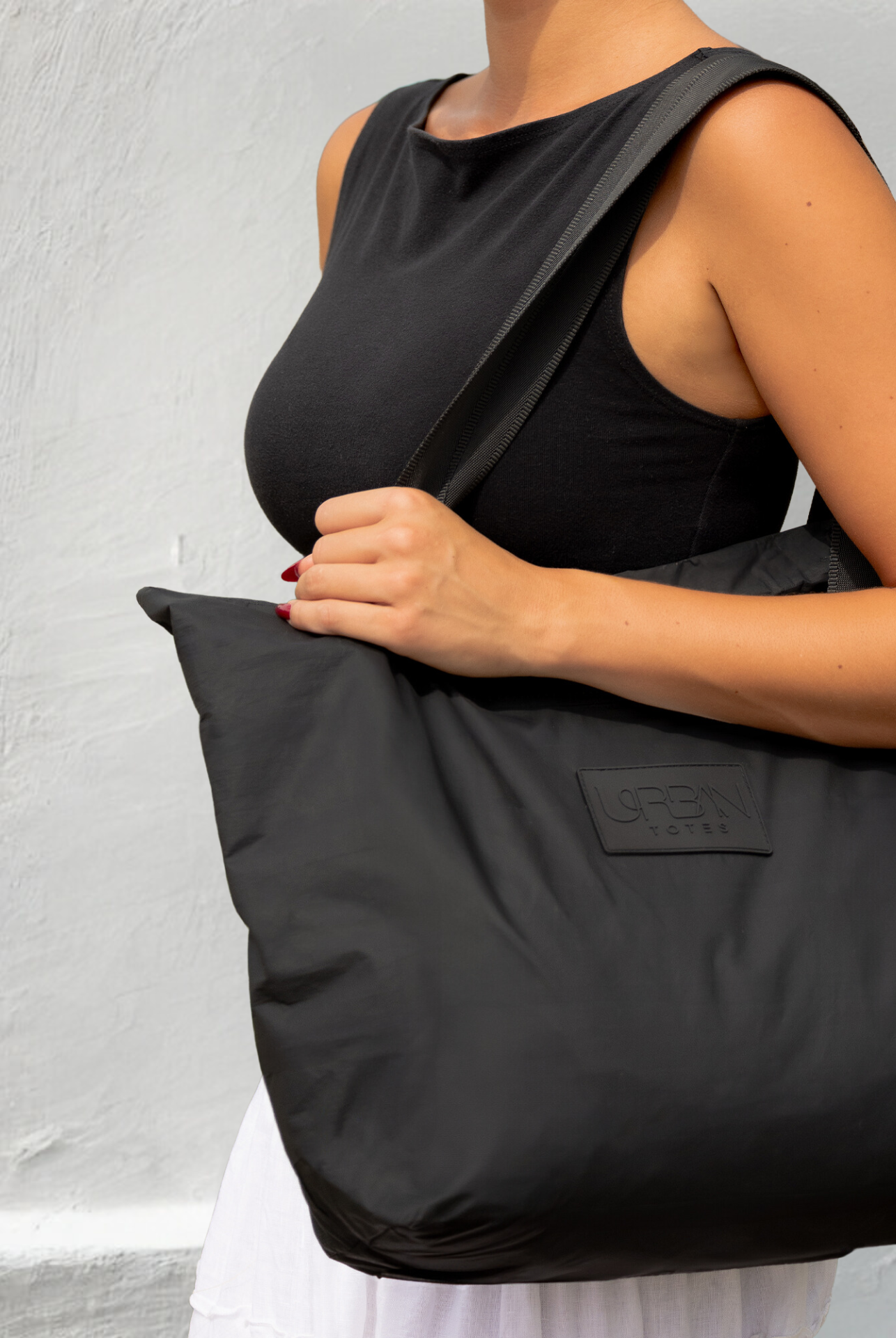
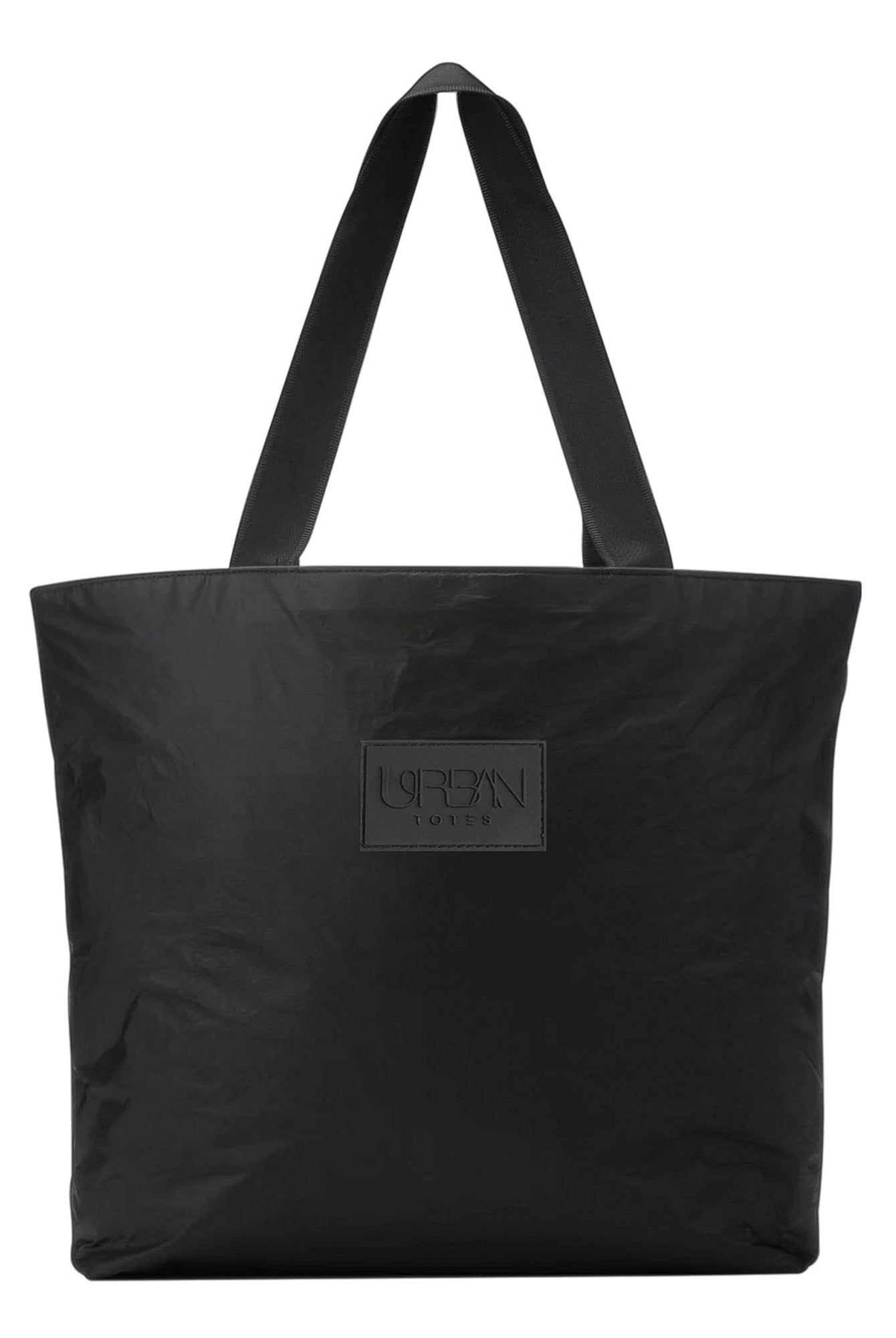
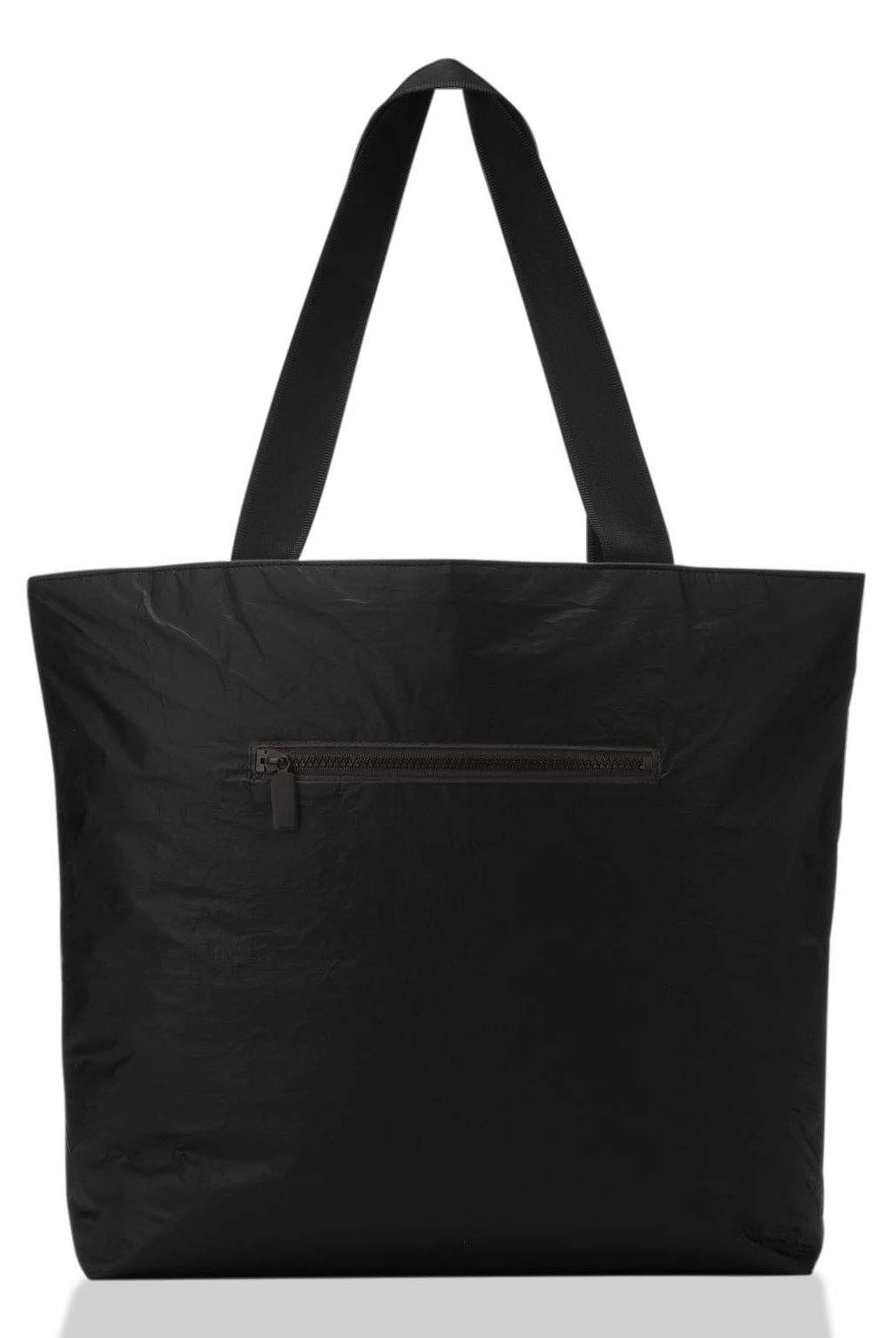
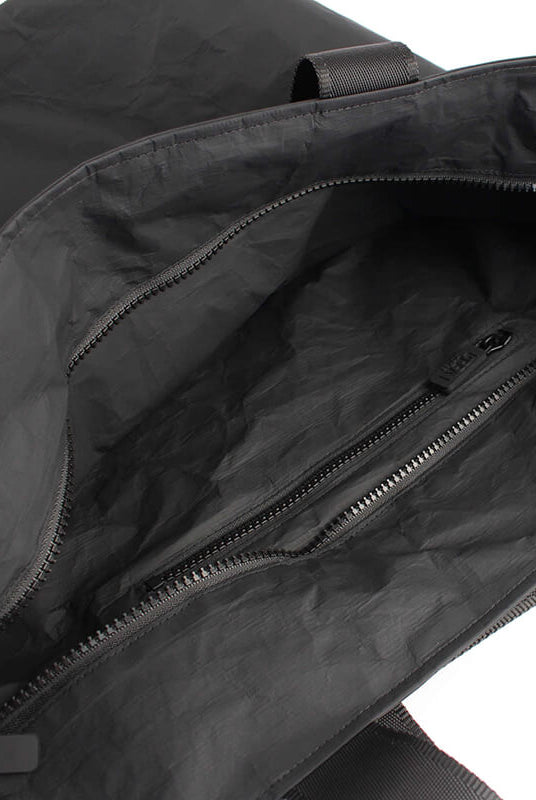
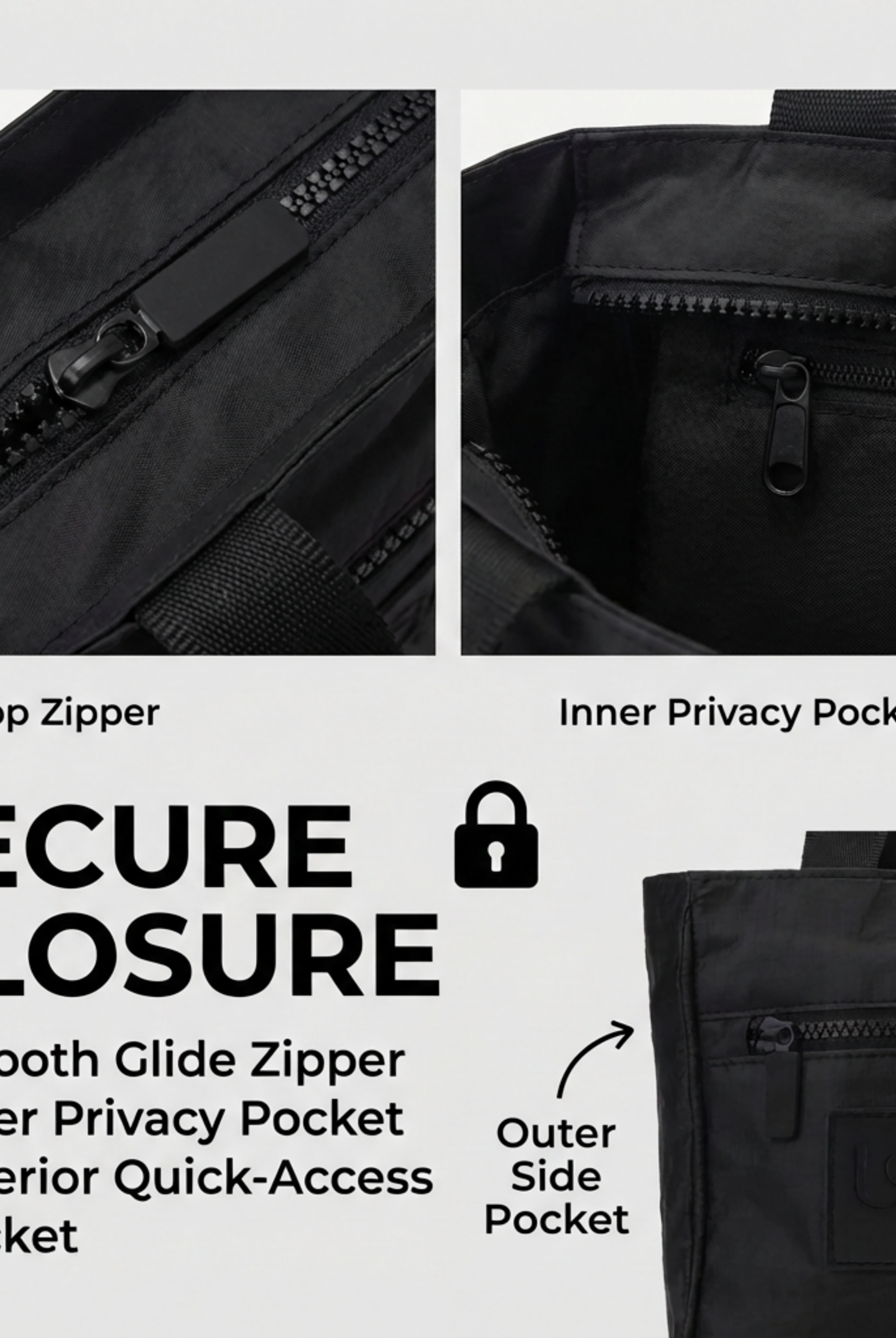
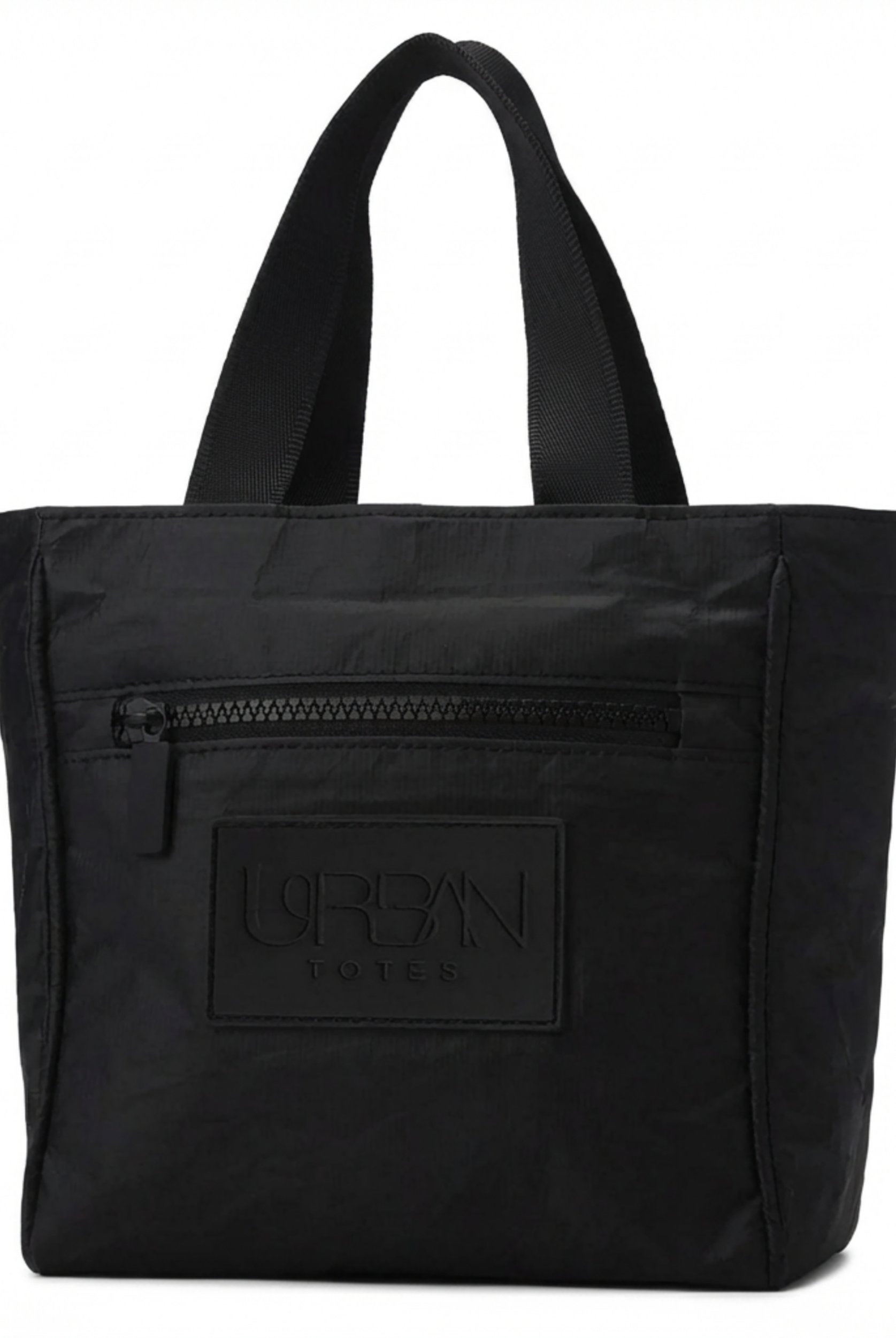
Pockets give the main compartment structure. The Go Anywhere Day Trip Tote Bag by Urban Totes has multiple large zippered compartments and dedicated pockets for a phone and keys. Its 11.5-inch handles allow shoulder or hand carry. For a bag with a different layout, The OG Zipper Tote Bag has three large pockets, as well as inside and outside zipper pockets.
That organization makes small essentials easier to find without emptying the main compartment. Check the layout with the bag fully loaded: put your phone and keys in their pockets, then see whether you can reach them easily. If either item is buried, the pockets are not doing enough for your routine.
Durability Needs a Test Behind It
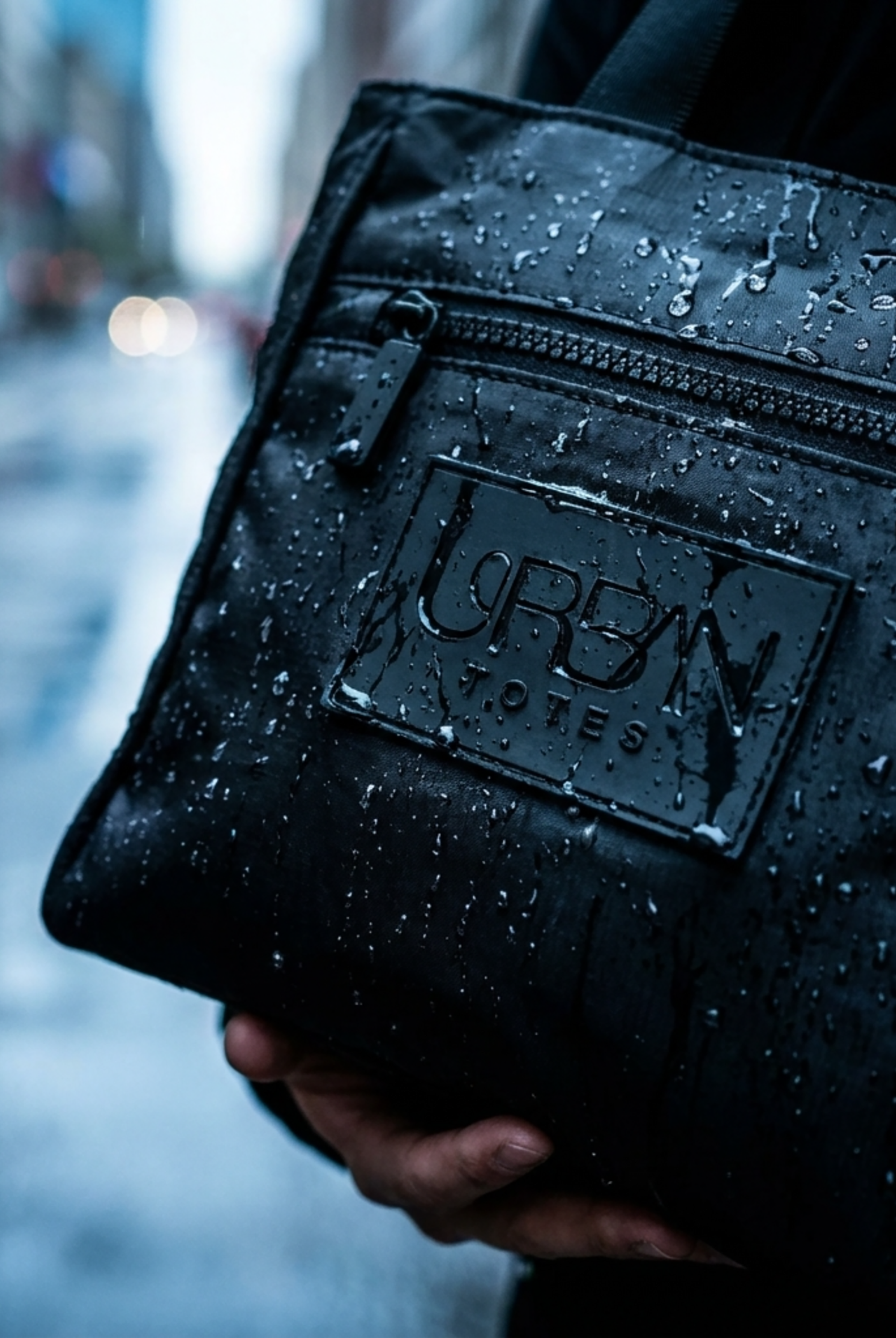
“Durable” and “water-resistant” describe different qualities, and a label alone does not show how fabric performs. ASTM abrasion guidance covers fabric wear measured through rupture, mass loss, thickness loss or reduced breaking strength, with testing possible in dry and wet conditions. The Martindale abrasion method addresses textile wear, while AATCC methods cover rain and impact penetration.
Wear depends on how and where a bag is used. A tote's exterior may rub against floors, lockers, vehicle seats and shopping surfaces. On a handbag, wear may concentrate at the handles, corners and hardware.
Before buying, check three details:
- Ask for abrasion data on the exterior fabric, rather than on the lining or a swatch from another colorway.
- Inspect handle attachments and seams separately. Strong fabric will not compensate for a weak seam.
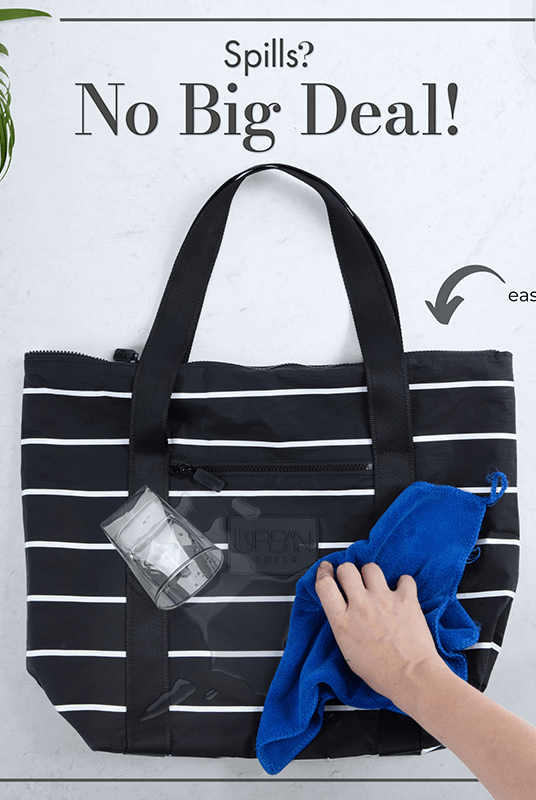
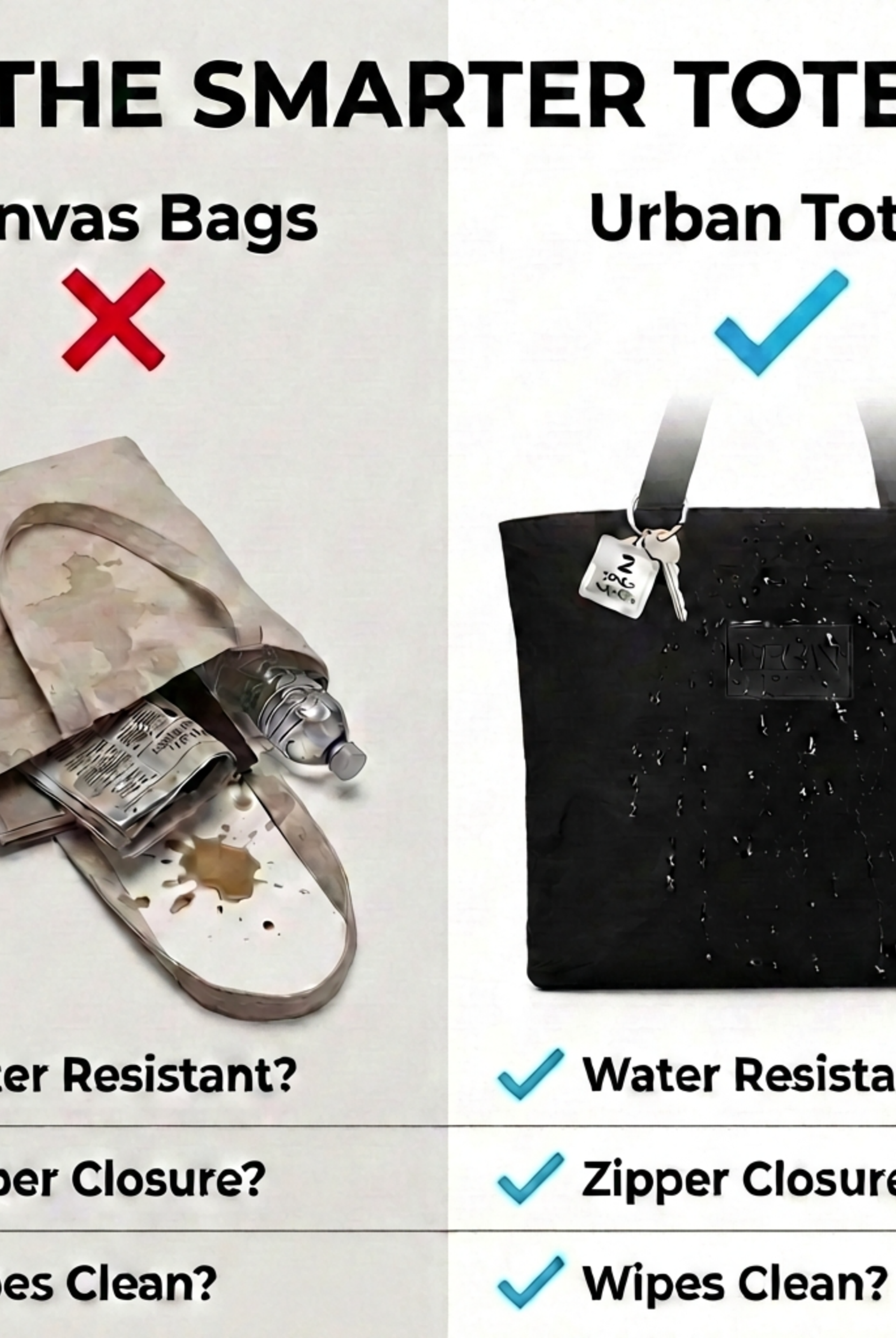
- Distinguish splash resistance from rain penetration. A fabric that repels a spill is not necessarily tested against sustained rain.
For a closer look at how material choices affect daily use, read this guide to tote bag materials.
How Each Bag Carries Your Load
A bag can feel easy to carry at the start of a commute and pull unevenly by the time you reach your destination. Check the packed weight first: weigh the bag as you would carry it on a normal day, then compare that weight with your body weight. For example, a 14-pound bag carried by someone who weighs 140 pounds equals 10% of body weight.
A biomechanical study using musculoskeletal and finite-element models found that, at the same weight, a handbag carried asymmetrically placed greater force and stress on the back than a shoulder bag or backpack, as reported in the PMC archive. The study found no significant biomechanical difference among the styles it tested below 10% of body weight, according to the published study. Above that threshold, the way the load sits on the body matters more.
Why Carry Style Beats Bag Type
Ergonomics reporting identifies roughly 15% of body weight as a point where spinal stress rises noticeably, and reports that handbag users most commonly describe neck pain, followed by lower-back, shoulder and upper-back discomfort, in Yahoo Health's coverage of shoulder pain. A comparison of laptop-carrying styles found that handbags created the greatest stress on lumbar discs among the styles examined.
Use the load and the length of the carry to choose. Weight and carry style determine the outcome more than the bag's label.
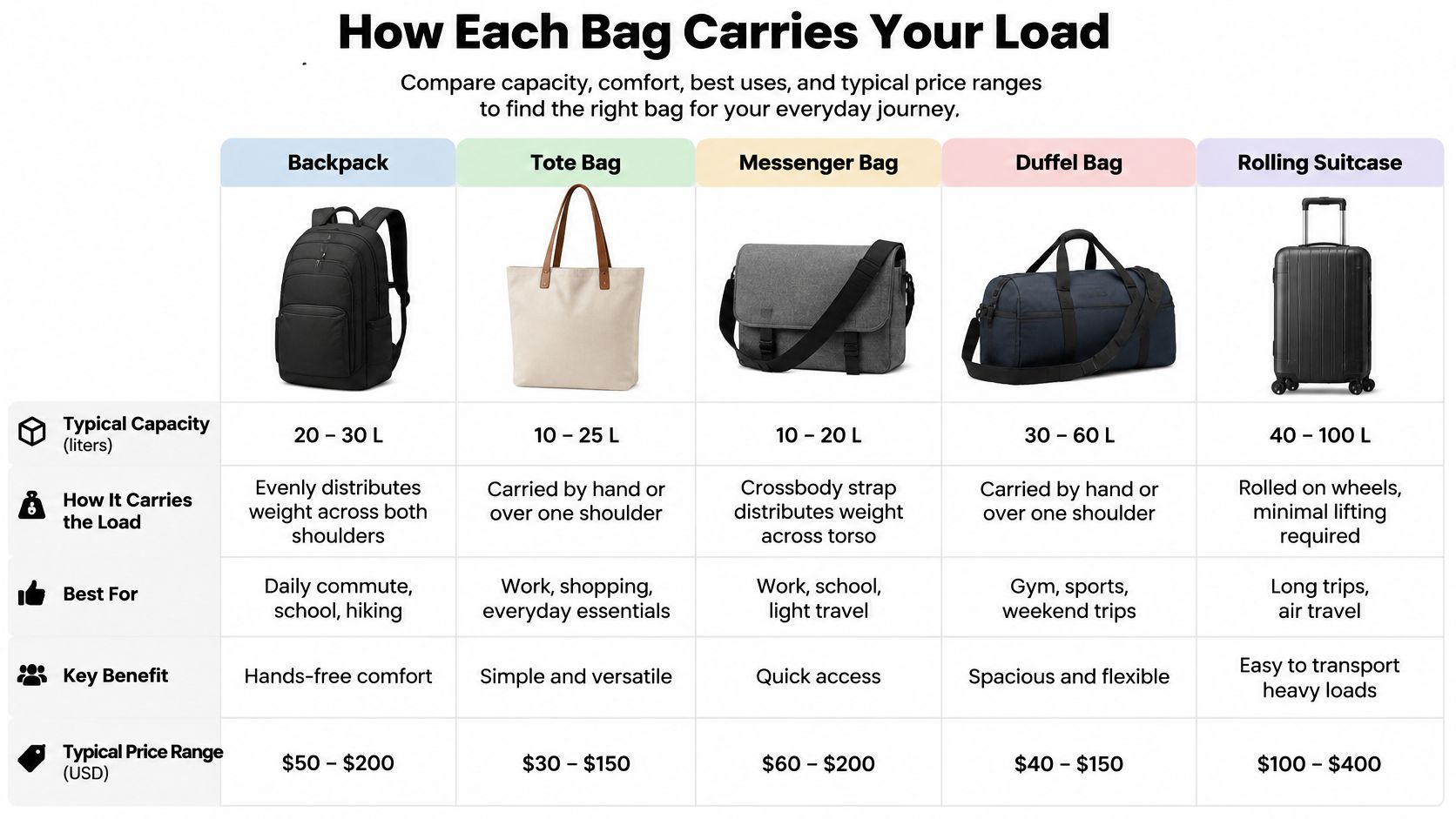
Load as a share of body weight and the right carry move
| Load as share of body weight | What the research shows | Practical move |
|---|---|---|
| Under 10% of body weight, as reported in the biomechanical study | No significant biomechanical difference among the tested styles | Either a tote or handbag can work for a short carry |
| 10% and above, beyond the threshold examined in the biomechanical study | Asymmetric carrying places greater force and stress on the back | Alternate shoulders or use both handles, and keep dense items centered |
| Around 15% and above, according to Yahoo Health's reporting on ergonomics research | Spinal stress rises noticeably | Choose a crossbody or backpack-style bag for a long carry |
Small adjustments can help distribute a load more evenly:
- Use both handles when the bag is more than half full, rather than carrying it on one shoulder by habit.
- Alternate sides at each stop. Switch before one shoulder starts to ache.
- Keep dense items near the center. A laptop at one end can pull the bag sideways.
- Set a weight limit. Extra tote capacity is not a reason to carry more than the day requires.
- Change formats for long walks. When the load is around 15% of body weight or more, consider a crossbody or backpack-style bag for an extended carry.
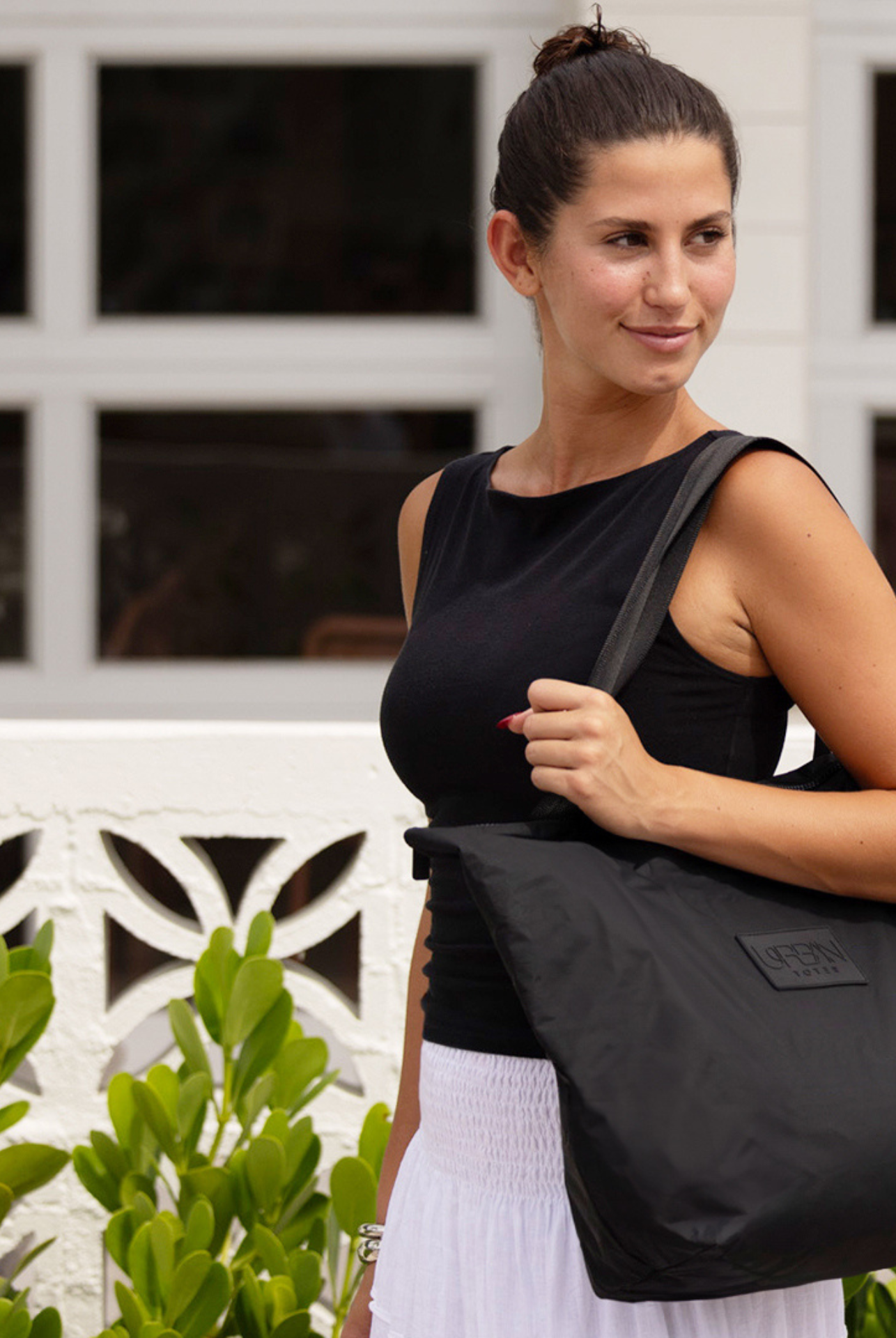
For a tote, strap placement also affects how the load sits. This practical guide to how to wear a tote bag covers ways to carry it comfortably.
Which Bag Fits Each Day of Your Week
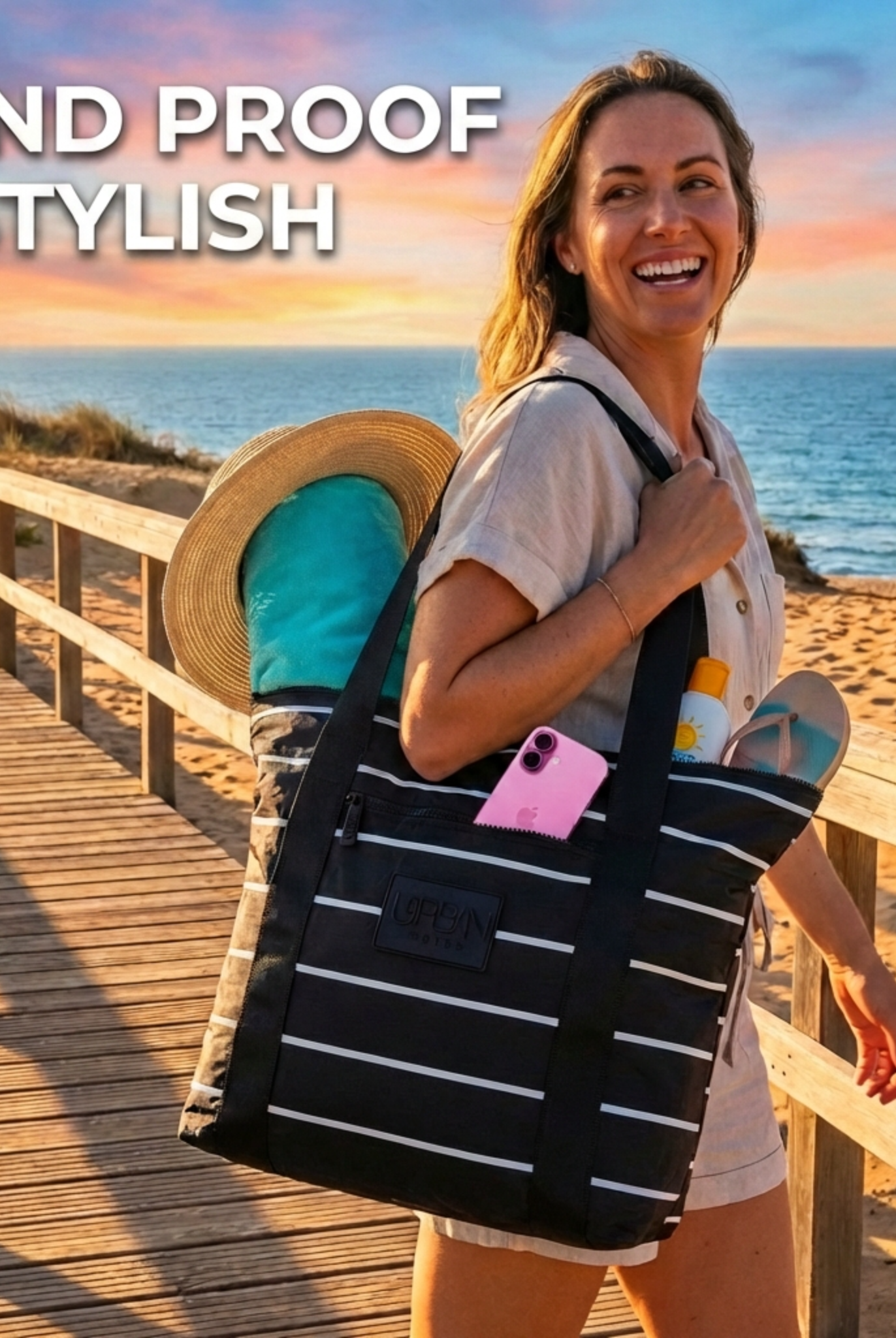
Saturday starts with a beach chair under one arm and a cooler handle in the other. The bag that comes along has to hold towels, sunscreen, a wet swimsuit and snacks, and it has to survive sand, a damp blanket and the walk back to the car.
Wednesday looks nothing like that. Laptop, lunch, a snack box for pickup, and a grocery stop on the way home, all in one trip because there's no second trip available.
Friday night is the exception. One dinner, one phone, one card, and a bag that looks like it belongs at the table.
Which bag fits each everyday scene
| Scene | Better pick | Why it fits |
|---|---|---|
| Beach day with kids and a cooler | Tote | Open top and room for towels, snacks and wet gear in separate pockets |
| Commute with a laptop and lunch | Tote | Large main compartment with zippered pockets for phone and keys |
| Farmers market or errand run | Tote | Roomy and easy to carry with a bag of goods |
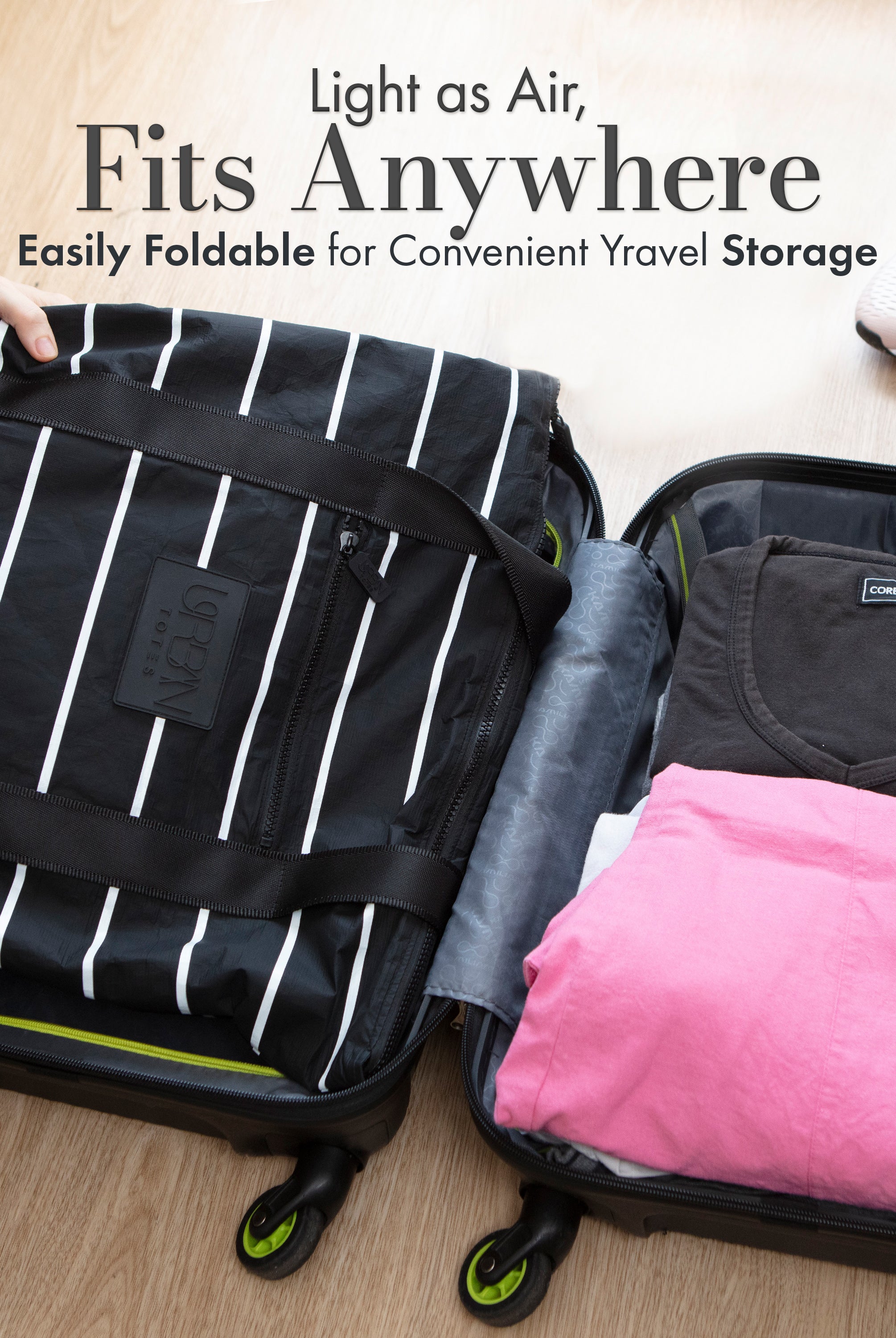
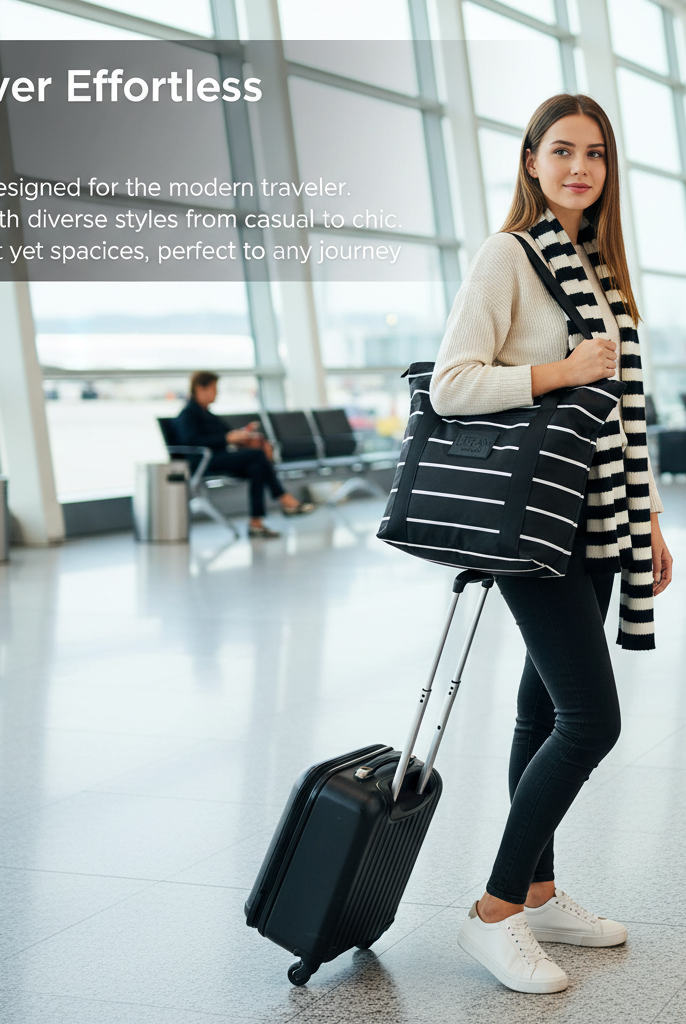
| Airport terminal on a weekend trip | Tote | Packable and foldable, with the packed size checked against the airline |
| Gym session with a change of clothes | Tote | Room to separate dry clothes from sweaty gear |
| Dinner or evening event | Handbag | Structured shape and a dressier silhouette |
| Minimal daily carry with phone, card and keys | Handbag or compact crossbody | Fewer items and a lighter kit |
Different women read that table differently, which is the point. The beach-day mom needs the wet-gear separation. The weekend traveler needs the bag to fold flat in a suitcase and then carry the whole trip. The daily commuter cares about laptop space and whether the straps still feel fine on the walk from the station. The errand-runner wants one bag that goes into a shop and comes out full.
The farmers market row deserves its own note, because that bag is doing double duty. More than 130 countries had introduced a plastic-bag restriction, ban or levy by 2025, according to Raw Shot's tote bag industry statistics, which is part of why the tote by the door so often becomes the shopping bag too.
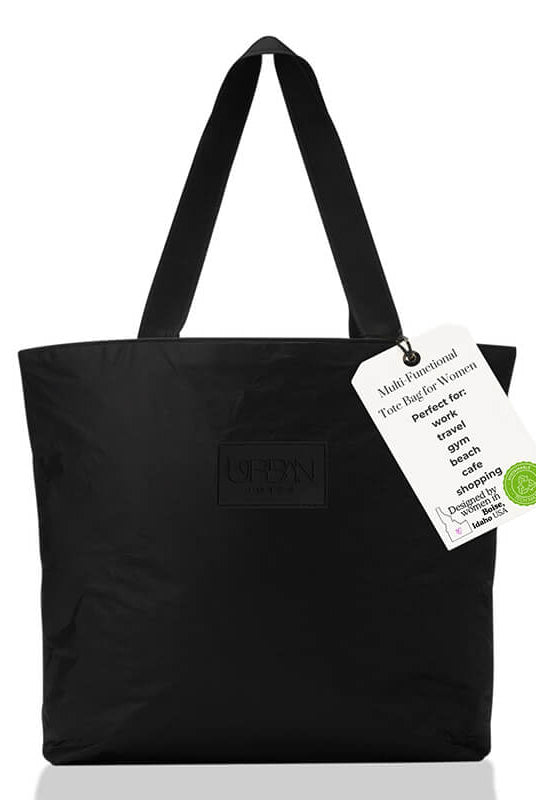
Our totes are designed to work as a work bag, a travel bag, a gym bag, or all three at once, which is the honest reason one bag keeps covering several rows in that table. The style-conscious minimalist may still reach for a handbag or a compact crossbody when the kit is light, and that's a reasonable call rather than a compromise.
Most women land on two bags: one tote for the daily load, one handbag for occasions. If you're buying one first, buy the tote, because it's the only one of the two that can cover more than a single role. For a closer look at what to prioritize, this roundup of everyday bags for women is a useful second opinion.
Airport and Travel Rules That Decide Your Bag
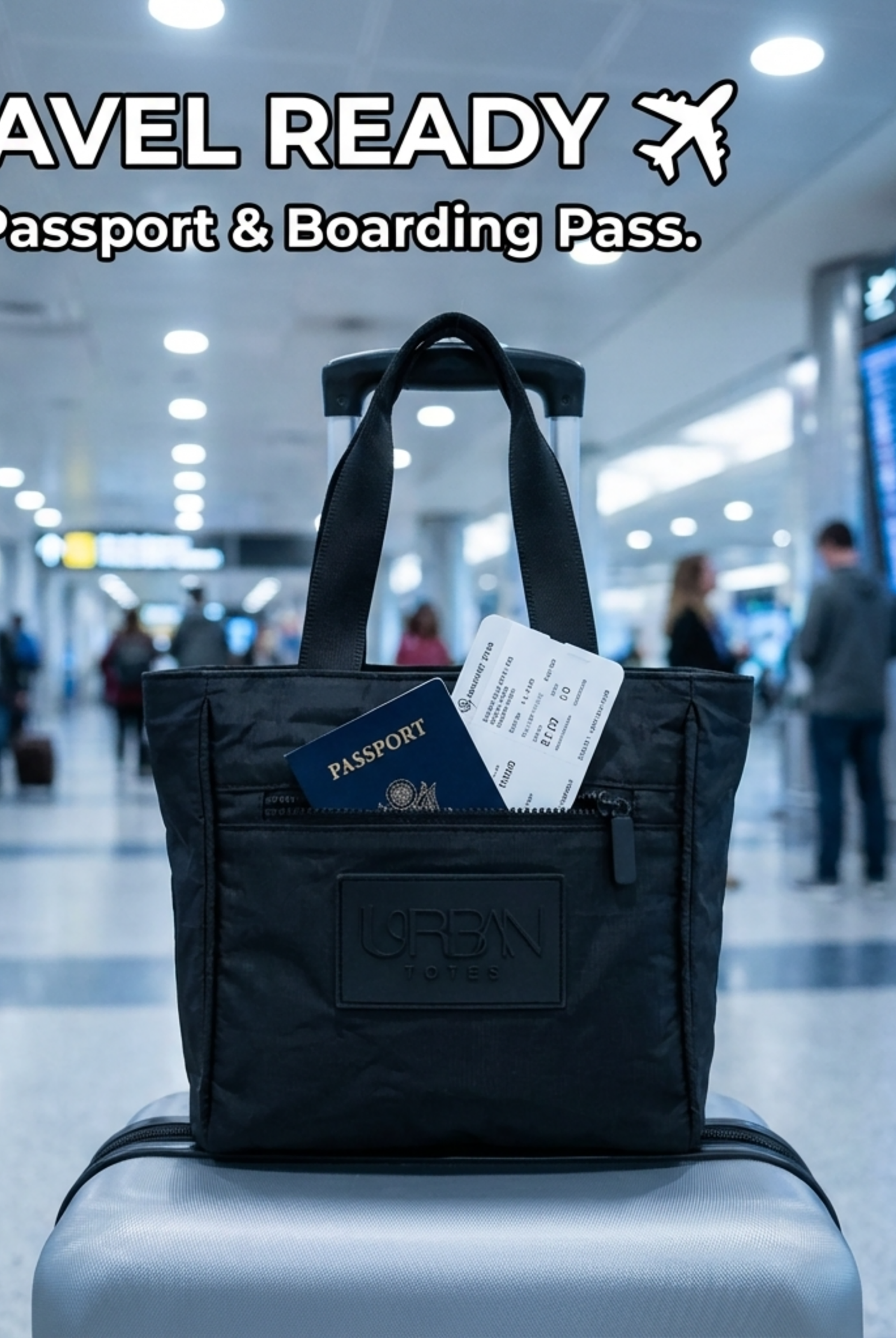
Before packing for a flight, check your carrier's published size limit. Airlines set cabin-bag dimensions, not the TSA. The TSA's guidance on carry bag size restrictions advises travelers to confirm whether a bag fits in the overhead bin or under the seat. A tote counts as a personal item or carry-on only if its packed dimensions meet the carrier's limit. Knowing the difference between a carry-on bag vs personal item helps you check the right allowance.
Security screening is a separate check. Liquids, gels and aerosols in carry-on bags follow the 3-1-1 rule: containers must be 3.4 ounces or less, fit in one clear quart-size zip-top bag, and each passenger may bring one such bag. The TSA travel checklist recommends keeping it accessible. A bag that opens easily makes removing it at screening simpler.
Tools have their own restrictions. TSA's guidance on tools allows tools 7 inches or shorter in carry-on baggage; power tools and longer tools must go in checked baggage, and the screening officer makes the final decision. Compartments can help you reach items during screening, but they do not change what is allowed.
Your carrier's published limit overrides any bag's size claim.
Use this quick routine before leaving:
- Measure the packed bag, not the empty one. Fill it as you plan to travel, then check its length, width and depth against your airline's limit.
- Keep the liquids bag accessible. A front pocket can make it easier to take out and return without unpacking other items.
- Check tool and liquid rules separately. Bag size and security rules are different checks, so confirm both before packing.
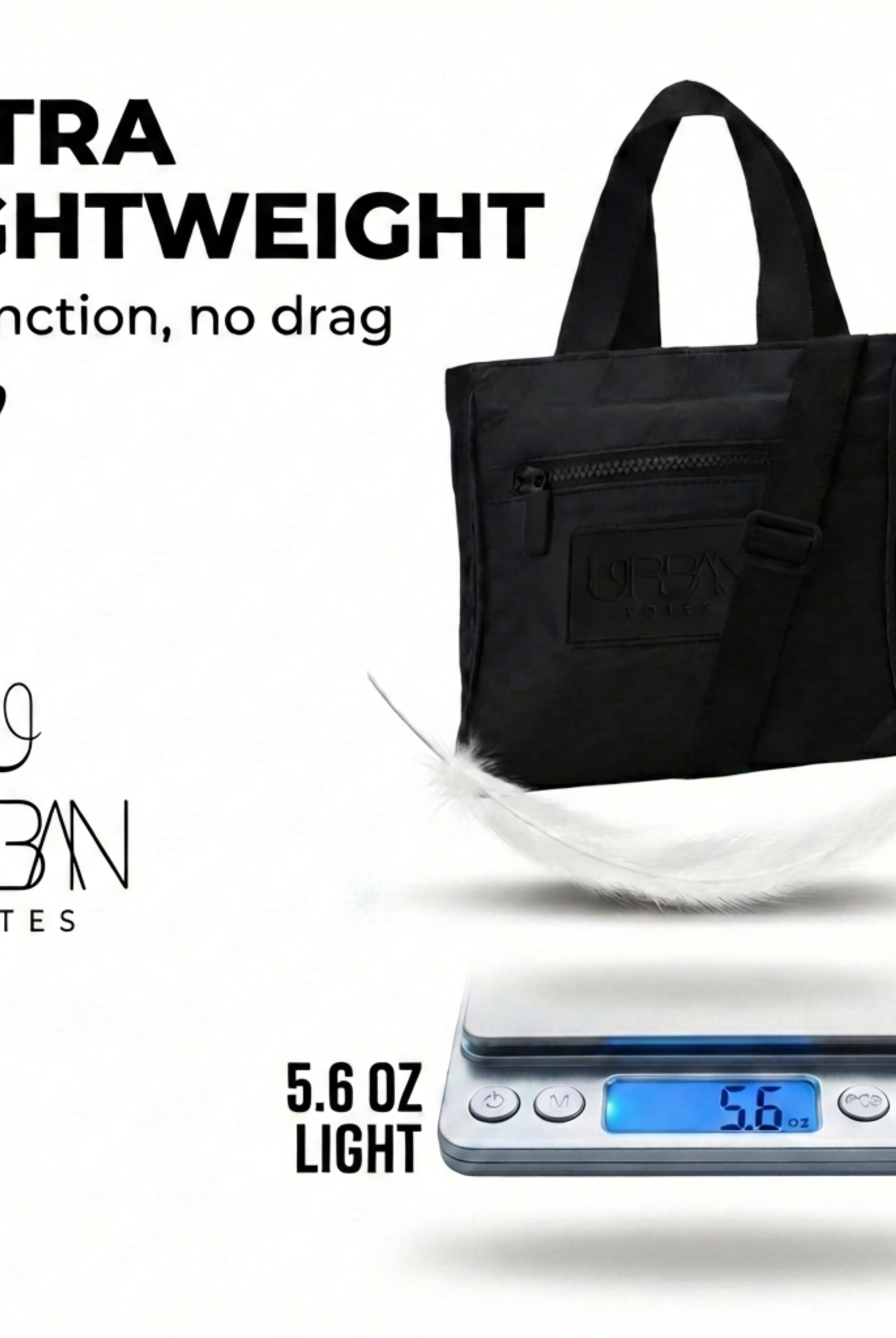
- Fold the tote flat for the trip out. Urban Totes bags are lightweight and packable, so an empty tote can fit in a suitcase and be ready to use at your destination.
Your One-Minute Bag Check
The right choice depends on how the load sits on your body, not just how much the bag holds. Answer these five questions to match a bag to your busiest days.
- How heavy is my usual load? Weigh the packed bag once. Include the laptop, water bottle and anything else you carry regularly.
- How long do I carry it in one stretch? A short walk from the car to a desk puts different demands on your shoulder than an hour on foot.
- Do I need a dressy structure this week? For a dinner or meeting where the bag is part of the outfit, a handbag may suit the occasion better.
- Will this bag get on a plane soon? Check the airline's limit against the packed bag before choosing.
- Does a laptop travel with me most days? Its weight and shape can change how the bag pulls on your shoulder and where the load rests.
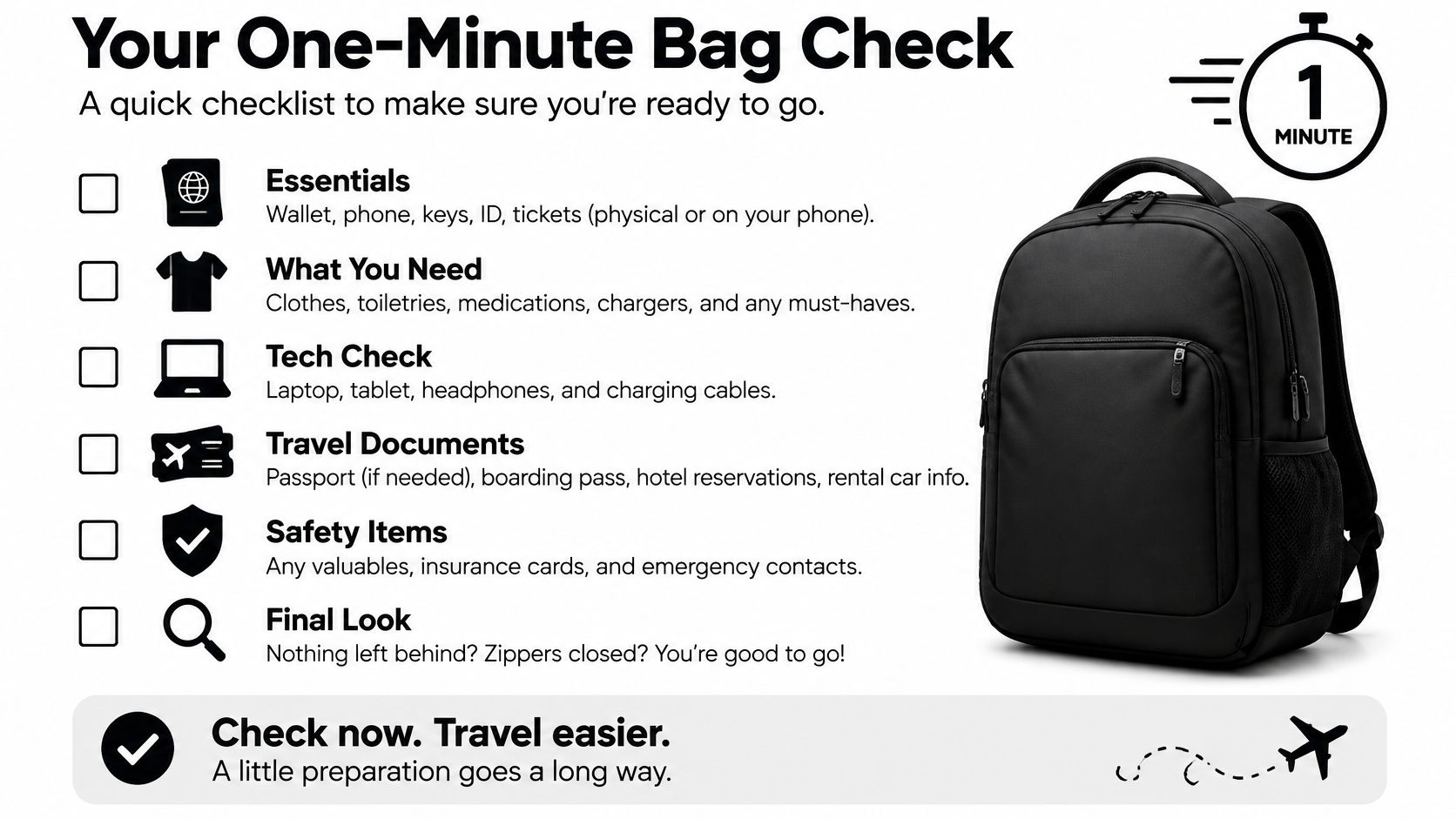
Use your heaviest regular load as the deciding test. If it stays comfortable on your shoulder during a long walk, it is a practical choice for lighter days too. If the weight pulls or shifts, choose a carry style that distributes that load better, even if it holds less.
Choose for the heaviest part of your week. A laptop and a long walk favor a bag that keeps the load stable and accessible. For a dressier day with little to carry, a handbag may be the more comfortable fit. A packable tote can cover extra errands without being the bag you carry all day.
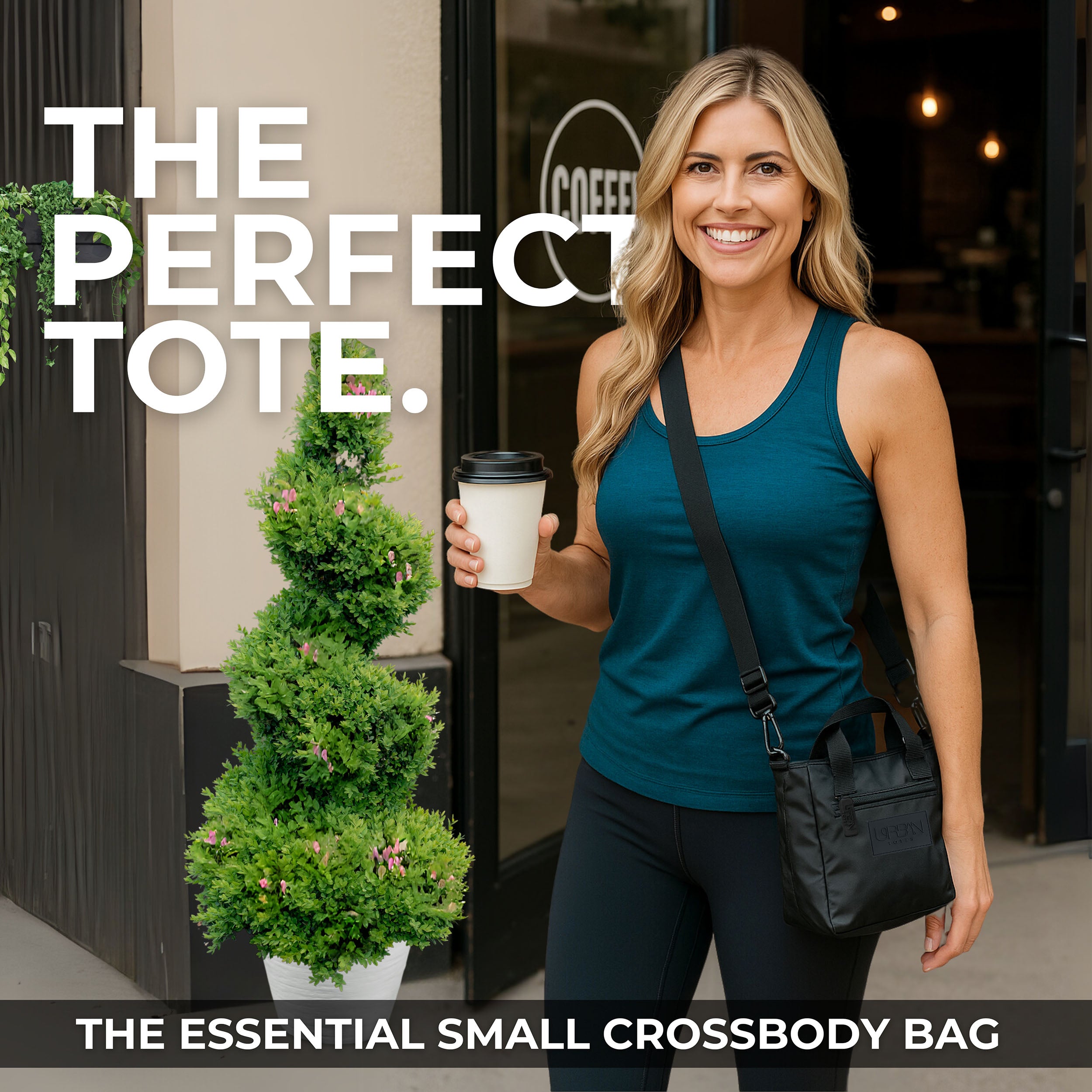
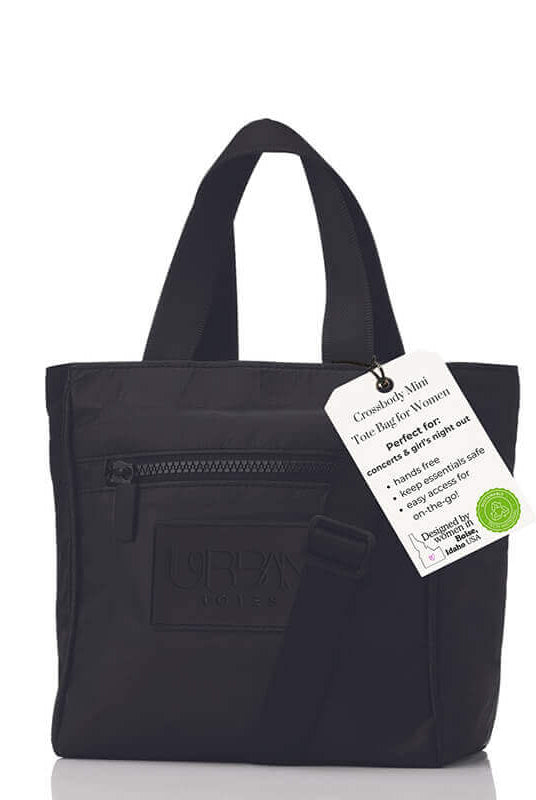
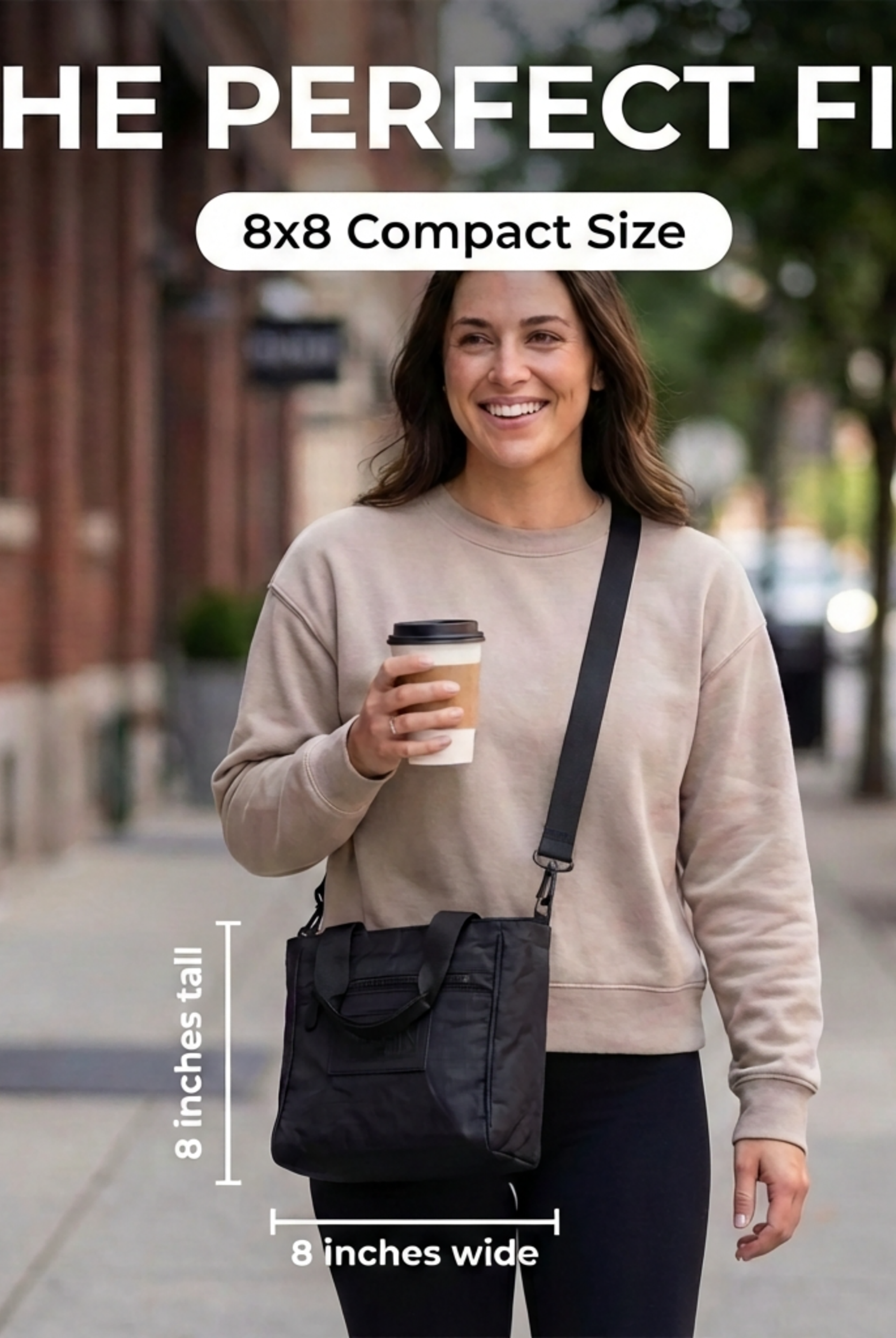
Urban Totes sells tote bags, crossbody bags and shoulder tote bags designed for work, travel, gym use, or a mix of all three. Pick the style that suits the way you carry your usual load. Visit Urban Totes to browse the options.