You're probably here because your carry-on still looks new in your mind, even if the airport has other plans. One tight overhead bin, one scrape against a metal armrest, one rushed shuffle down the aisle, and suddenly that clean shell has a chalky streak or a mystery mark you can't stop seeing. If you travel often, that first scuff never feels minor.
A carry on luggage cover is one of those travel items that seems optional until you've lived without one. Then it starts to feel like the practical, stylish step you should've taken sooner, especially if your suitcase is the piece you use for every weekend flight, work trip, or family getaway. For many travelers, that makes sense. The global carry-on luggage segment accounts for over 40% of all luggage units sold worldwide, and 52% of passengers in North America and Europe prefer traveling with only carry-on baggage, according to luggage market trend data cited here.
If you already take care of the bags you love at home, the same mindset applies on the road. Small habits matter. The same way regular upkeep helps an everyday tote last longer, thoughtful protection helps your travel pieces stay polished trip after trip. If that's your style, Urban Totes shares a similar approach in these tote bag maintenance tips and tricks.
Table of Contents
- The Smart Way to Protect Your Favorite Travel Bag
- Why Your Carry On Needs a Specialized Cover
- Finding the Right Material for Your Luggage Cover
- A Simple Guide to Measuring for the Perfect Fit
- Styling Your Luggage and Making Sustainable Choices
- Your Travel Day Guide and Smart Packing Tips
The Smart Way to Protect Your Favorite Travel Bag
The most annoying luggage damage usually doesn't happen in some dramatic way. It happens in a completely ordinary moment. You lift your bag into the overhead bin, it rubs against the hard lip of the compartment, and when you pull it back down after landing, there it is. A pale scrape across a dark shell, or a dull patch where the finish used to look smooth.
That's why a carry on luggage cover makes so much sense for women who travel often and want their things to stay pulled together. It isn't fussy. It's practical. If your suitcase is the bag you use for quick client trips, girls' weekends, beach escapes, or family visits, protecting it is just smart packing.

Why women are protecting carry-ons more carefully
Carry-ons get used hard because they're convenient. They move from the closet to the car, through security, into the cabin, under the seat, into the trunk, and back again. They're handled constantly, and that repeated contact creates wear that adds up fast.
A cover gives your suitcase a buffer against the little abrasions that make a bag look tired before its time. It also helps if you prefer a lighter, more polished travel look. A suitcase can be functional and still feel like part of your everyday style.
Practical rule: If it bothers you when your favorite tote picks up grime or scuffs, it'll probably bother you when your suitcase does too.
What a good cover actually does
A good cover isn't about babying your luggage. It's about reducing cosmetic wear from regular travel. That includes:
- Overhead bin rubbing: Hard contact with bin edges and neighboring bags
- In-cabin knocks: Seat hardware, armrests, and aisle bumps
- Repeated handling: Pulling, lifting, pivoting, and sliding through terminals
- Surface grime: Floors, security bins, and crowded gate areas
For a lot of travelers, the appeal is simple. You keep the suitcase you already love looking fresh longer, without changing how you travel. That's very much the Urban Totes way. Functional, stylish, thoughtfully designed, and ready for real life.
Why Your Carry On Needs a Specialized Cover
Most luggage advice talks about covers as if every suitcase lives the same life. It doesn't. A checked bag and a carry-on go through completely different kinds of wear, and that difference matters when you're deciding what kind of protection to buy.
A carry-on spends more time close to you and in tighter spaces. It gets pushed into bins, brushed against hard cabin surfaces, and handled over and over during one trip. That kind of friction is different from the rougher, more industrial wear that checked bags face. As noted in this guide to protecting your suitcase from damage, a critical gap in most luggage advice is the failure to distinguish between carry-on versus checked bag durability. Carry-ons face unique abrasion from tight overhead bin friction and frequent handling, which is a different wear pattern than the conveyor belt scrapes checked bags endure.

Cabin wear is more specific than people think
When a carry-on gets beat up, the damage often shows in predictable places. Corners get dulled. Front panels get rubbed. The sides pick up scuffs where the bag presses against a bin wall or another traveler's suitcase. If your bag has a glossy shell, these marks show quickly.
That's why fit and stretch matter so much more for a carry-on cover. A loose cover can shift while you're lifting the bag, bunch near the handles, or catch where the shell curves around the corners. In the cabin, you want something that stays close to the bag and moves with it.
Your travel setup matters too
The women who rely on carry-ons usually have a second bag in the mix. That may be a laptop tote, a roomy personal item, or a compact crossbody for documents and essentials. In that kind of setup, fewer moving parts is always better.
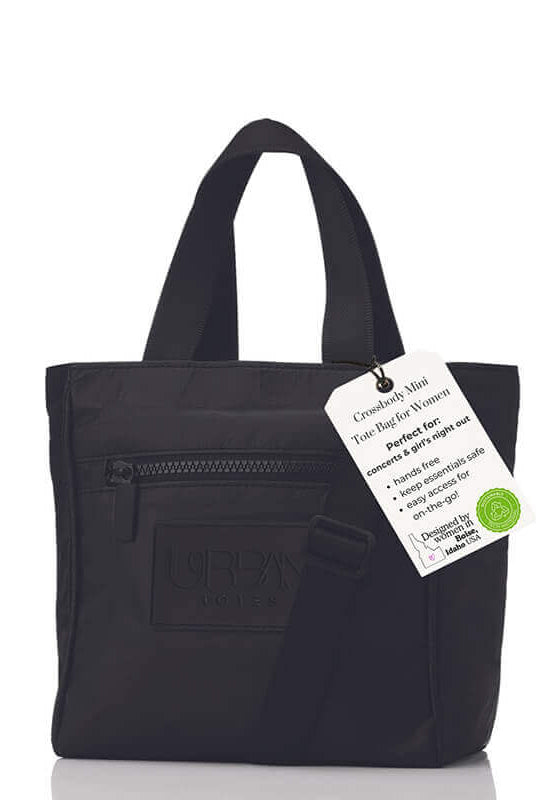
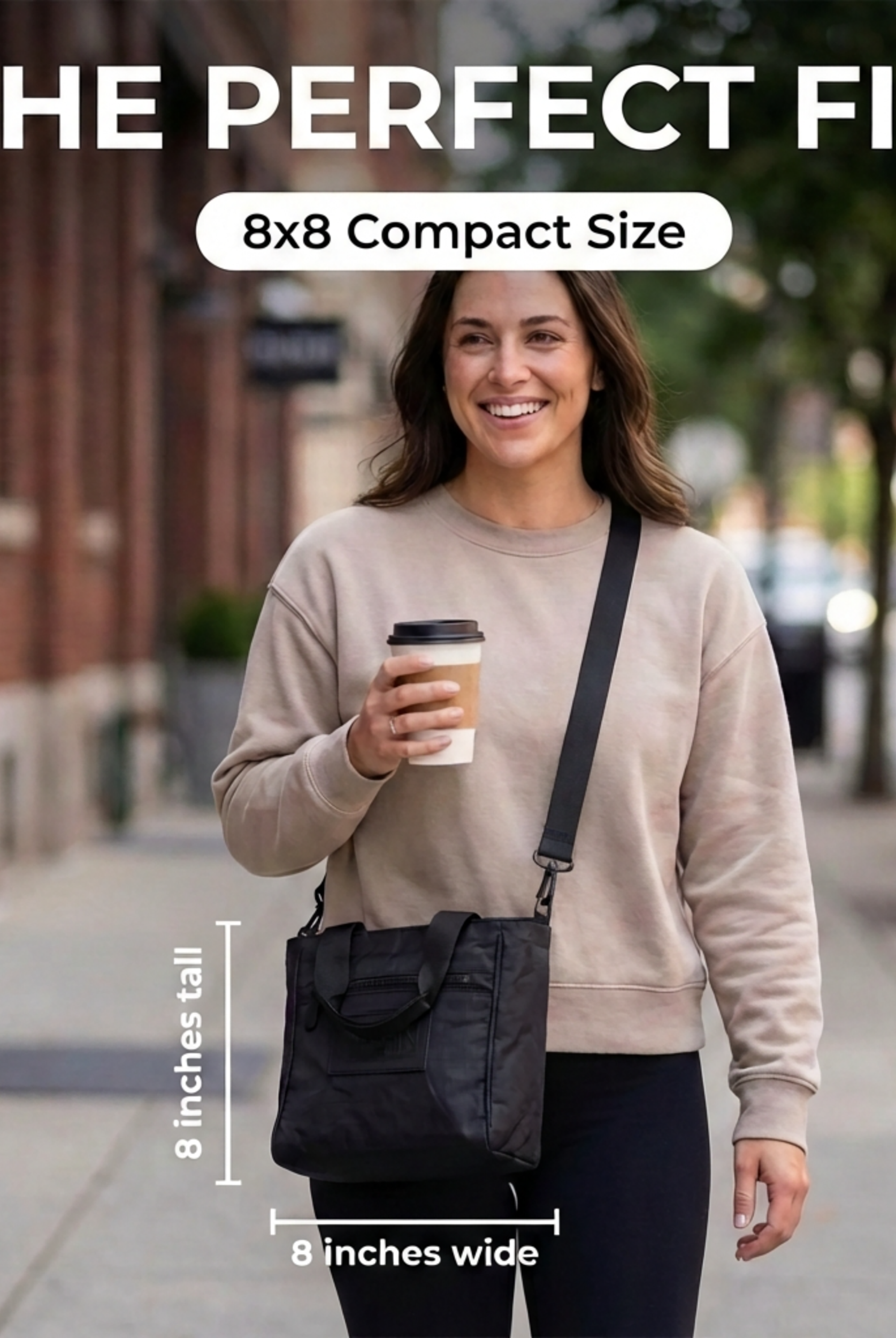
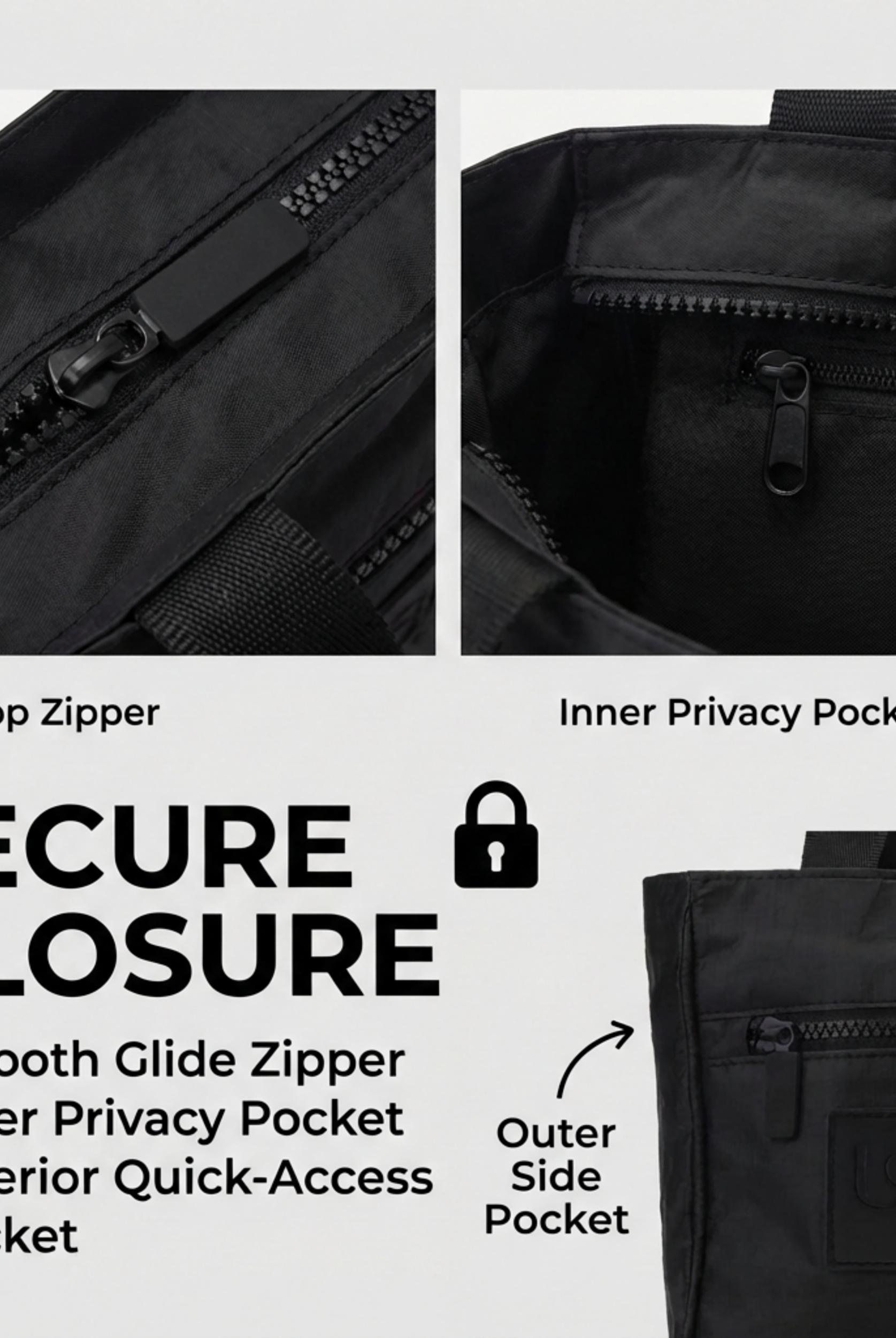
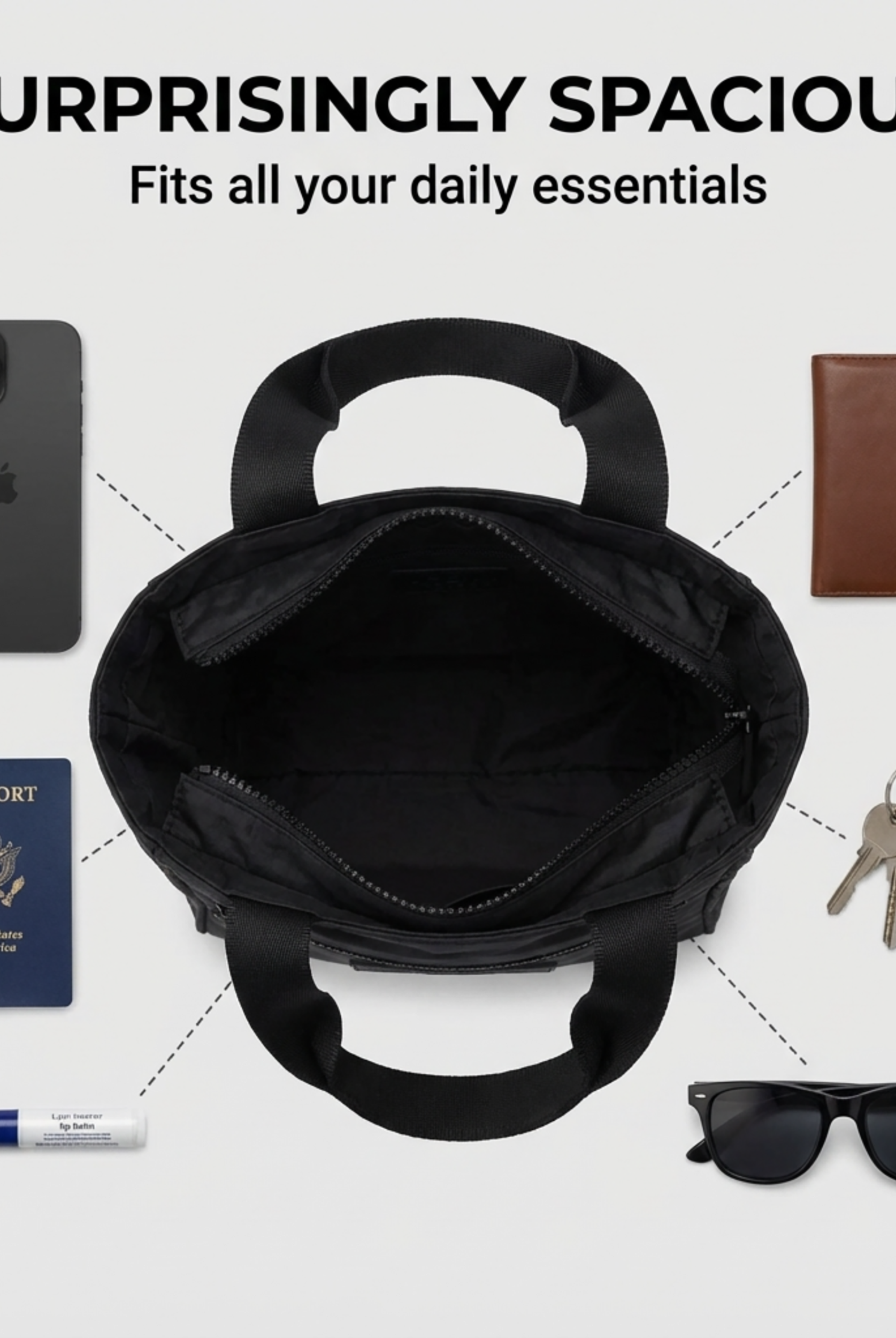
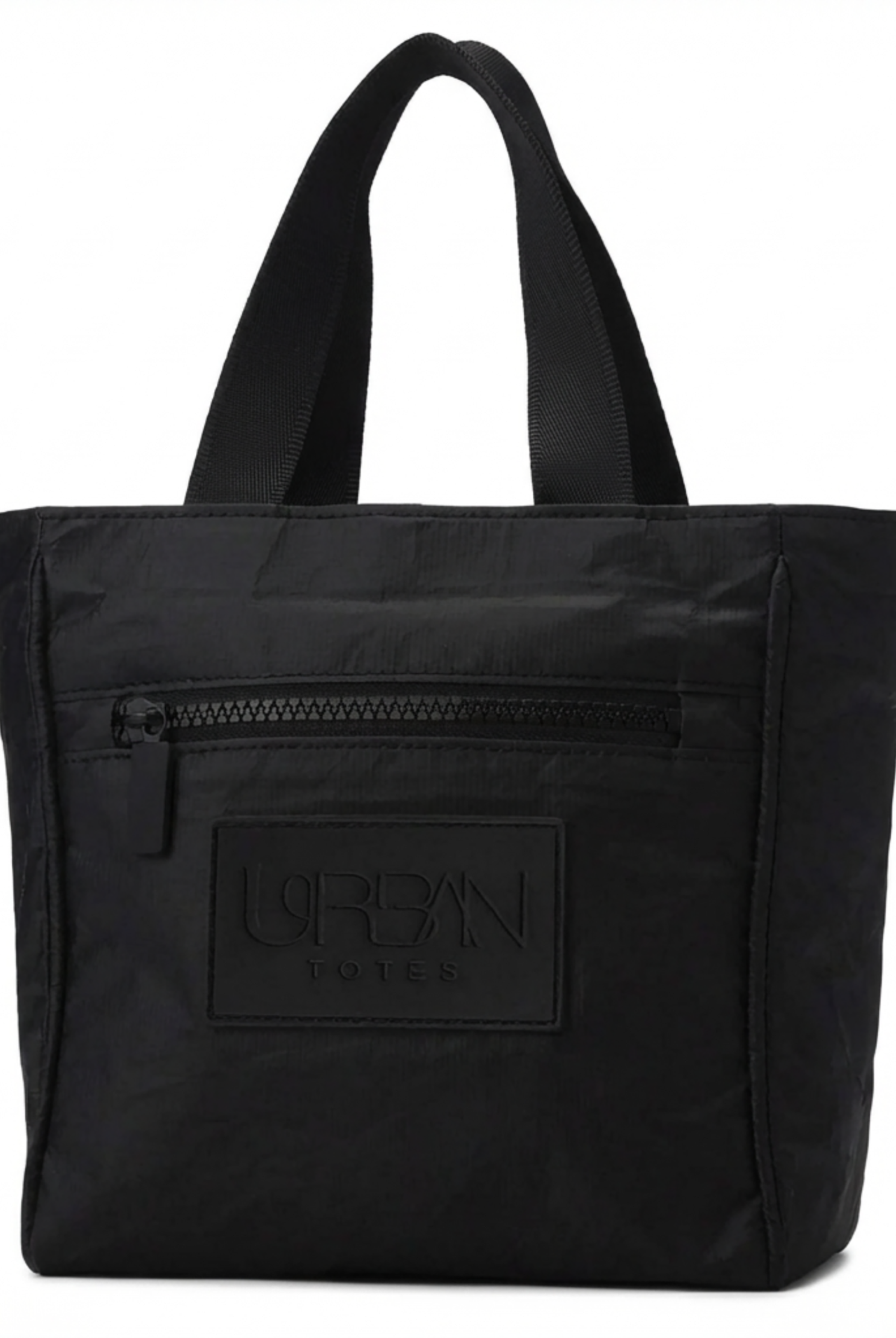
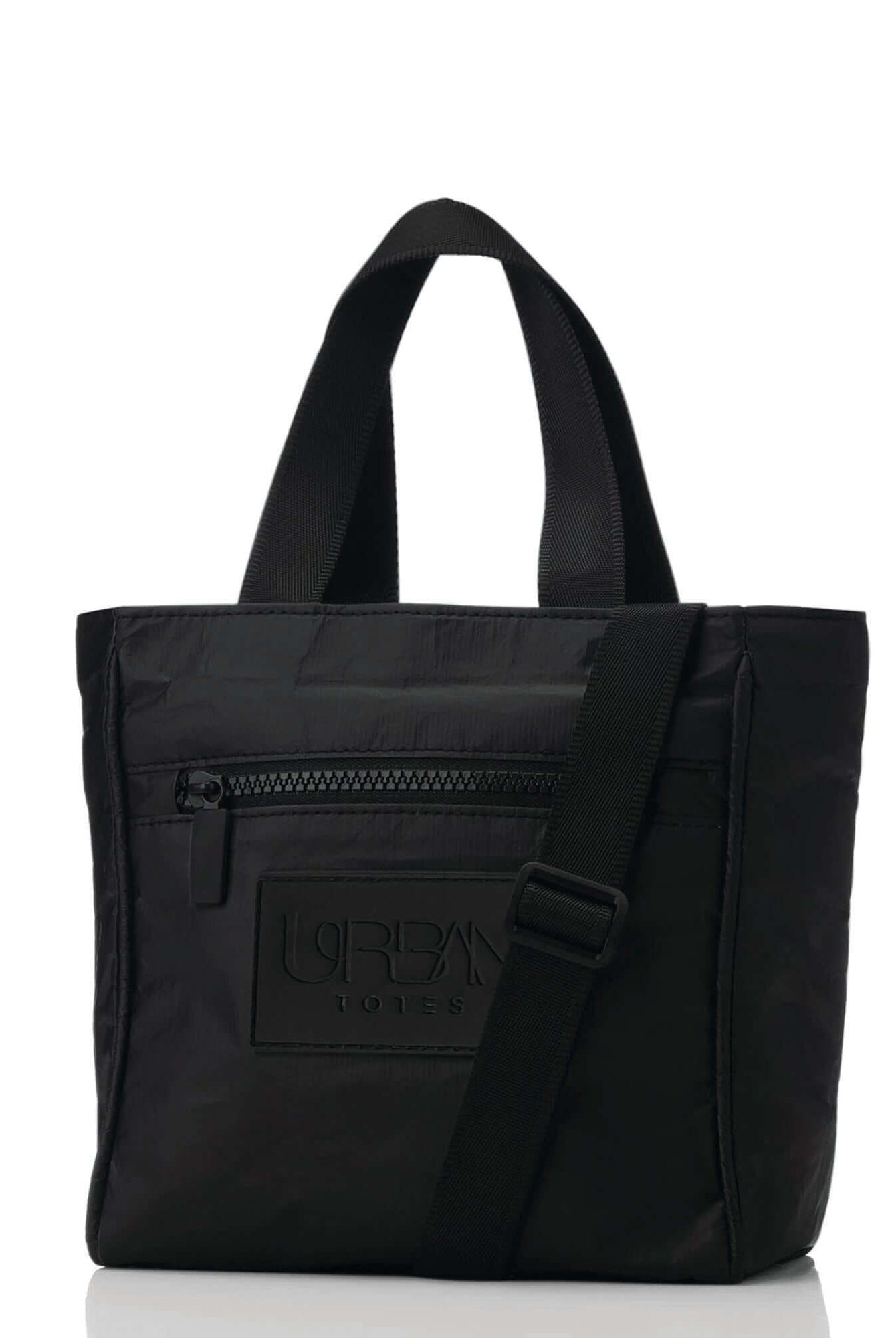
For example, the Crossbody Tote Bag Mini Purse has a zip-top closure, a single outside zipper pocket, an easy-access outside pocket for items like a phone and keys, and measures 7.5 x 4 x 7.75 inches. In practice, a compact bag like that works best when your carry-on itself isn't another thing demanding attention.
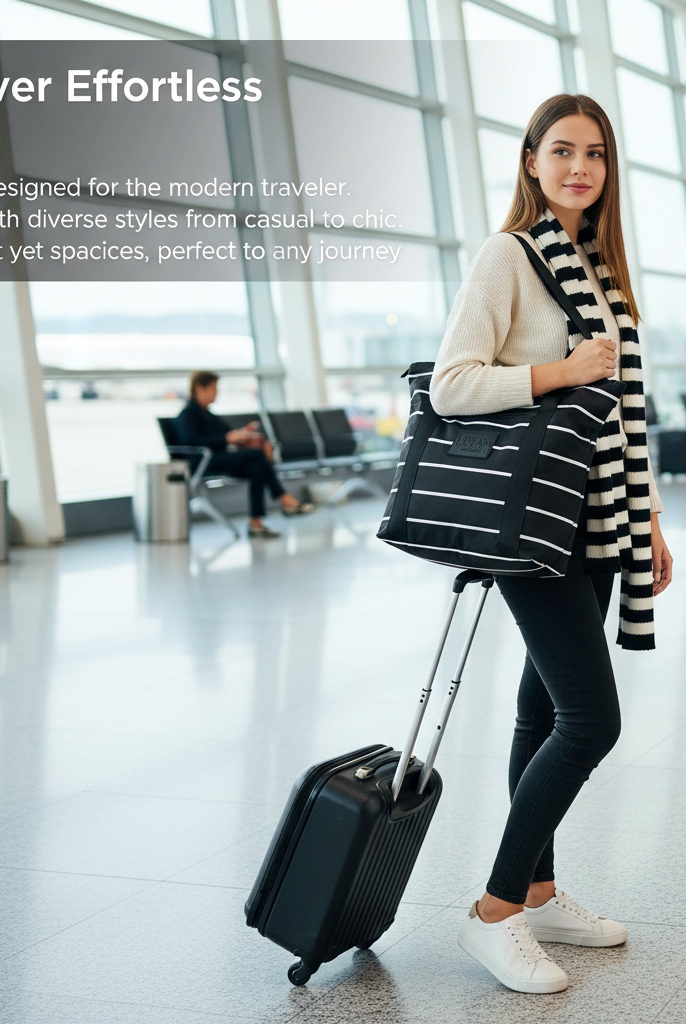
If you like to move through airports with less fuss, the smartest protection is usually the least noticeable. Secure fit. Easy handle access. No extra slipping, tugging, or readjusting in the boarding line.
A checked bag cover can survive being tossed around and still be annoying in the cabin. A carry-on cover has to protect without getting in your way.
That same thinking applies to what you keep in your personal item. If you want a cleaner, more organized travel setup overall, these travel bag security tips are a useful read before your next flight.
Finding the Right Material for Your Luggage Cover
Material is where the decision gets real. Two covers can look similar in photos and behave very differently at the airport. For a carry-on, that difference usually comes down to how much friction protection you want, whether you care about seeing the suitcase underneath, and how much structure you want the cover to have.

Fabric blends for frequent flyers
If your suitcase sees regular use, polyester and spandex blends are usually the most practical place to start. Covers made from 92% polyester and 8% spandex offer high elasticity and a thick, tear-resistant barrier that can reduce scuffing and surface wear by up to 40% in high-frequency travel, according to this material breakdown on luggage covers.
That blend matters for a few reasons:
- The spandex helps the cover stretch and conform so it sits close to the shell rather than sagging.
- The polyester adds tear resistance for repeated use and abrasive contact.
- The heavier fabric gives a bit of cushion against the everyday knocks that happen in transit.
This is the material I'd point frequent travelers toward first. It's the better match for overhead-bin friction and repeated handling, which are the exact problems carry-ons deal with most.
Clear PVC for visibility and water resistance
Clear covers appeal to travelers who want to keep the look of their suitcase visible. You still see the color and finish underneath, and you get a thin barrier between the shell and the outside world. That can be useful if you want a cleaner look or like being able to identify your bag quickly.
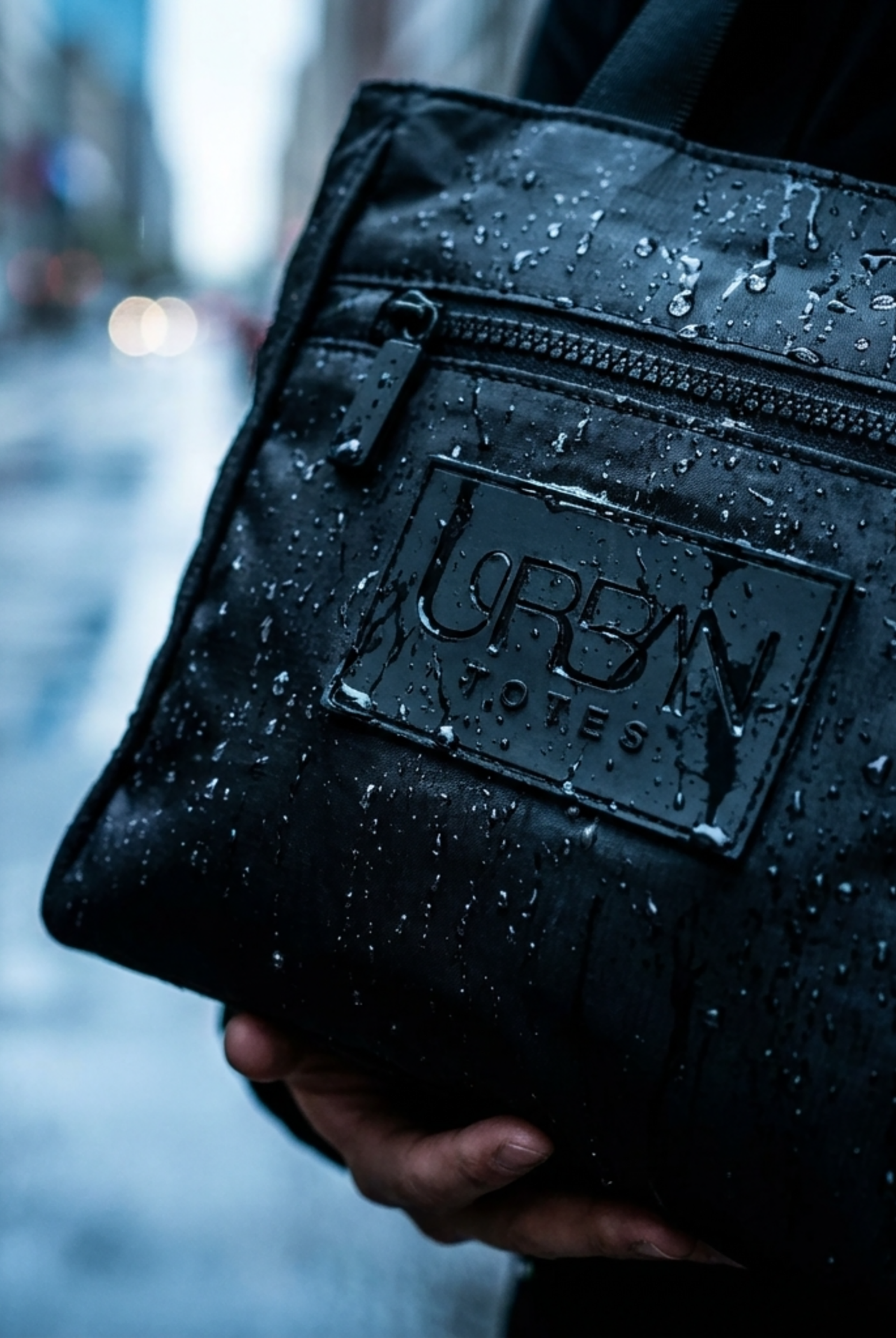
PVC-style covers also make sense if moisture is your bigger concern. A rainy curbside drop-off, a wet terminal floor, or a spill near your seat are the situations where a waterproof layer feels useful.
Still, there's a trade-off. Clear PVC covers look sleek, but they don't usually give the same abrasion resistance as a thicker stretch fabric.
Carry-On Cover Materials at a Glance
| Feature | Polyester/Spandex Blend | Clear PVC |
|---|---|---|
| Feel | Soft, stretchy, more substantial | Smooth, slick, more structured |
| Best use | Frequent travel and scuff reduction | Visibility and moisture protection |
| Abrasion handling | Better for repeated rubbing and friction | Less abrasion-resistant |
| Water exposure | Can be water-resistant depending on design | Waterproof layer |
| Look | Can come in solids or patterns | Keeps suitcase visible underneath |
| Fit sensitivity | Stretch helps with close conformity | Precise sizing matters more |
Choose for your real travel routine, not for the product photo. If your bag spends its life in overhead bins, friction resistance matters more than a glossy finish.
If material language gets confusing, this quick guide on water-resistant versus waterproof bags helps clarify what those terms mean in day-to-day use.
A Simple Guide to Measuring for the Perfect Fit
A cover can have the right material and still be a bad buy if the fit is off. Most of the problems people blame on the cover itself come from poor sizing. Twisting, slipping, bunching around the handle openings, and awkward wheel exposure usually start there.

What to measure on the suitcase body
Start with the suitcase standing upright on the floor. Use a soft tape measure if you have one. If not, string and a ruler work fine.
Measure these three points:
- Height Measure from the bottom near the wheels to the top of the suitcase. If a brand's size guide says to include wheels, follow that guide. If it refers to body dimensions only, leave the wheels out and measure the shell.
- Width Measure across the front at the widest point. Don't guess from the brand label. Some carry-ons bow slightly at the middle.
- Depth Measure front to back. On softside luggage, include exterior pockets if they stay expanded.
If your suitcase has rounded corners, measure the fullest part rather than the flattest panel. Covers fit the outer shape, not the idealized shape in your head.
Common fit mistakes that cause trouble
The most common mistake is buying by category alone. “Carry-on size” isn't exact enough. Different brands shape their bags differently, and those little differences show up fast once a cover is stretched over the shell.
PVC-based covers can be especially unforgiving here. While they offer a waterproof layer, their formulation is often 60% PVC, 26% nylon, and 14% spandex, and they're less abrasion-resistant than elastomeric blends. A precise fit, with reinforced cutouts for handles and wheels, is critical to prevent snagging in automated systems, as described on this clear carry-on cover product page.
A few fitting habits help:
- Check handle placement: Top and side handle openings need to line up cleanly.
- Look at wheel clearance: The cover shouldn't drag or bunch near spinner wheels.
- Notice zipper or closure tension: If you have to wrestle it closed, the size is probably off.
- Test a lift: Pick the suitcase up by the handle once the cover is on. If the fabric shifts hard to one side, the fit isn't balanced.
A snug cover protects better and behaves better. A loose one turns into another thing to manage.
If you're used to shopping by dimensions for travel bags, this sizing guide for weekender bag dimensions is helpful for thinking through proportions before you order.
Styling Your Luggage and Making Sustainable Choices
A luggage cover doesn't have to look purely utilitarian. It can be practical and still feel like part of your travel style. That matters more than people admit. When you travel often, your suitcase becomes part of your overall look right alongside your tote, jacket, sneakers, or sunglasses.
Style can be practical too
A cover can soften the look of a hard shell, add a little personality, or make a neutral suitcase easier to spot. For some women, that means a crisp solid color. For others, it means a pattern that feels cheerful in a long security line or easy to recognize when several black bags are lined up near the gate.
That style choice can also make travel feel more intentional. Instead of treating your suitcase like a purely functional box on wheels, you treat it the way you'd treat your everyday carry. Organized. polished. go-anywhere.
If you're planning a trip built around slower, more considered travel, it's worth matching your gear to that mindset too. A thoughtfully packed carry-on feels especially right for stays like these exceptional eco-resorts Portugal travelers often look for when they want beautiful places with a more mindful pace.
Thoughtful buying habits matter
Shoppers are also paying closer attention to what their travel gear is made from. Consumer demand for sustainable travel gear is surging, with 34% of urban buyers preferring luggage made from biodegradable or recycled materials, according to this luggage market report. That interest extends to accessories like covers as well.
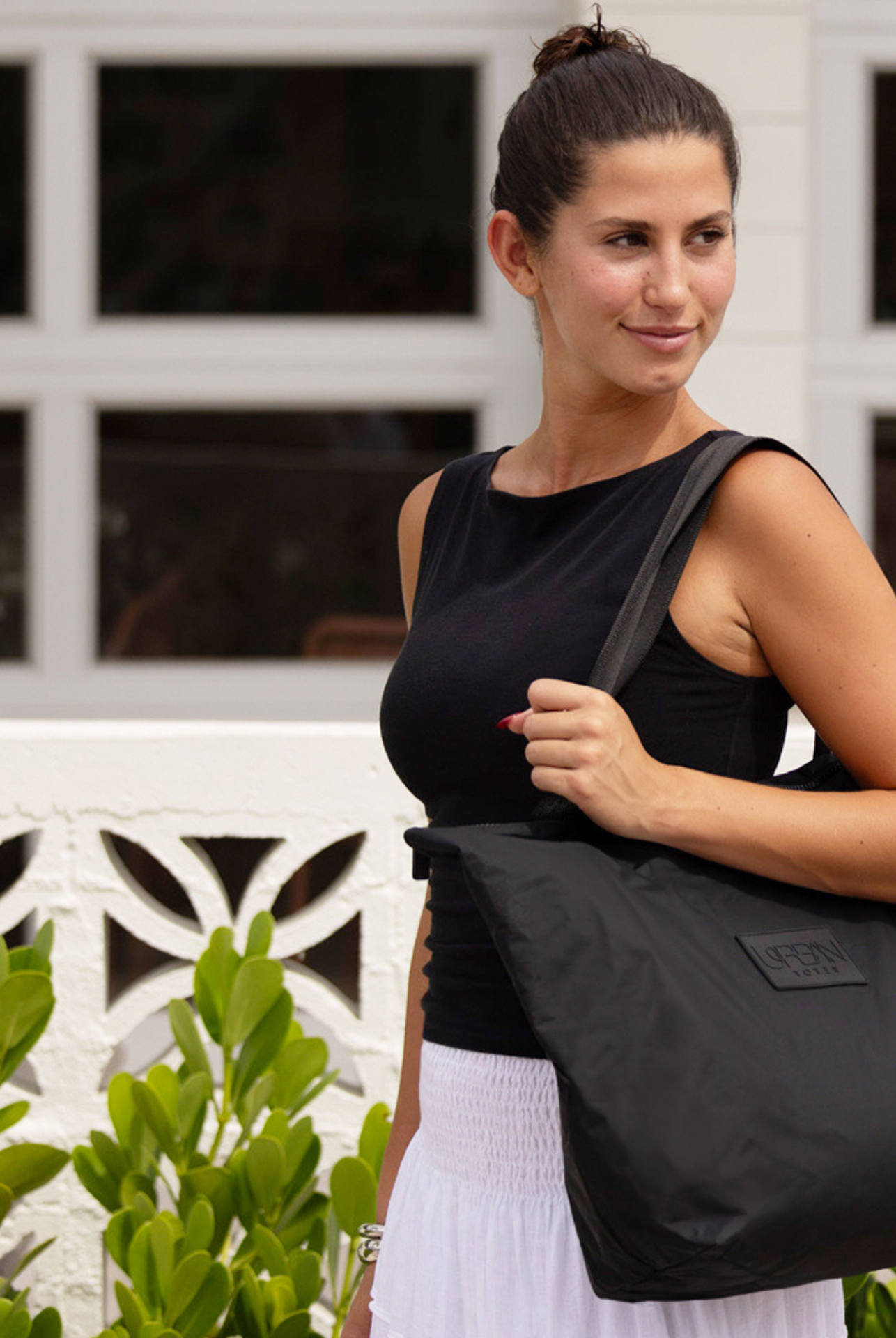
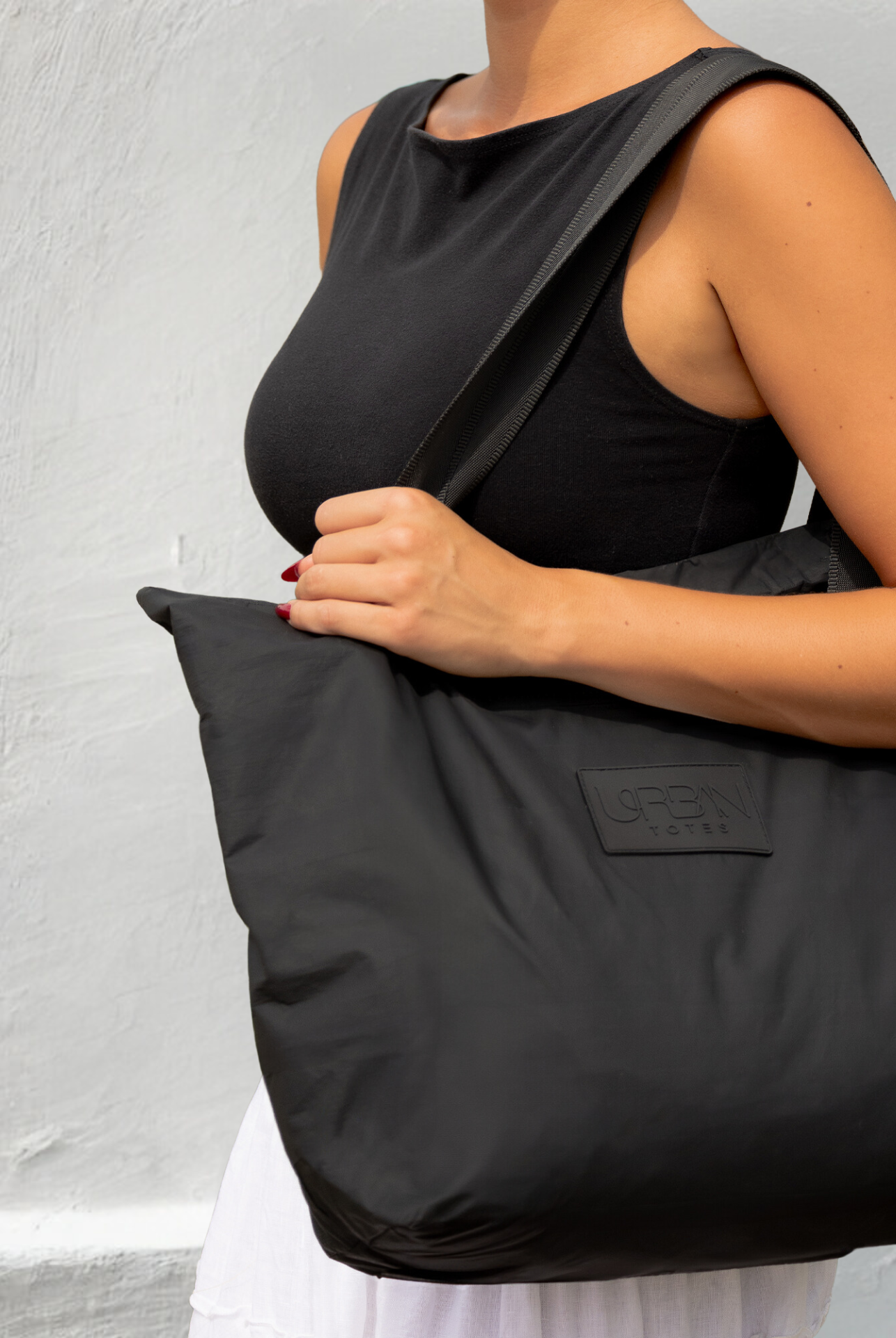
For Urban Totes, there's a natural overlap here. Women who want bags that are lightweight, packable, foldable, water-resistant, and thoughtfully designed usually want to buy fewer, better pieces overall. They want things that work across airport terminals, school drop-off, beach days, and grocery runs without feeling disposable.
You don't need a perfect system. You just need a more intentional one.
A few smart filters help when you shop:
- Buy for repeat use: Pick a color or finish you won't tire of after one trip.
- Look for easy care: Travel gear gets dirty. If cleaning it feels annoying, you won't keep using it.
- Choose coordination over matching: Your suitcase, cover, and personal item should feel cohesive, not costume-like.
- Favor function first: If a design looks cute but shifts around the handles, skip it.
For readers who like that more mindful approach to everyday carry, Urban Totes shares more on sustainable tote bag habits and materials.
Your Travel Day Guide and Smart Packing Tips
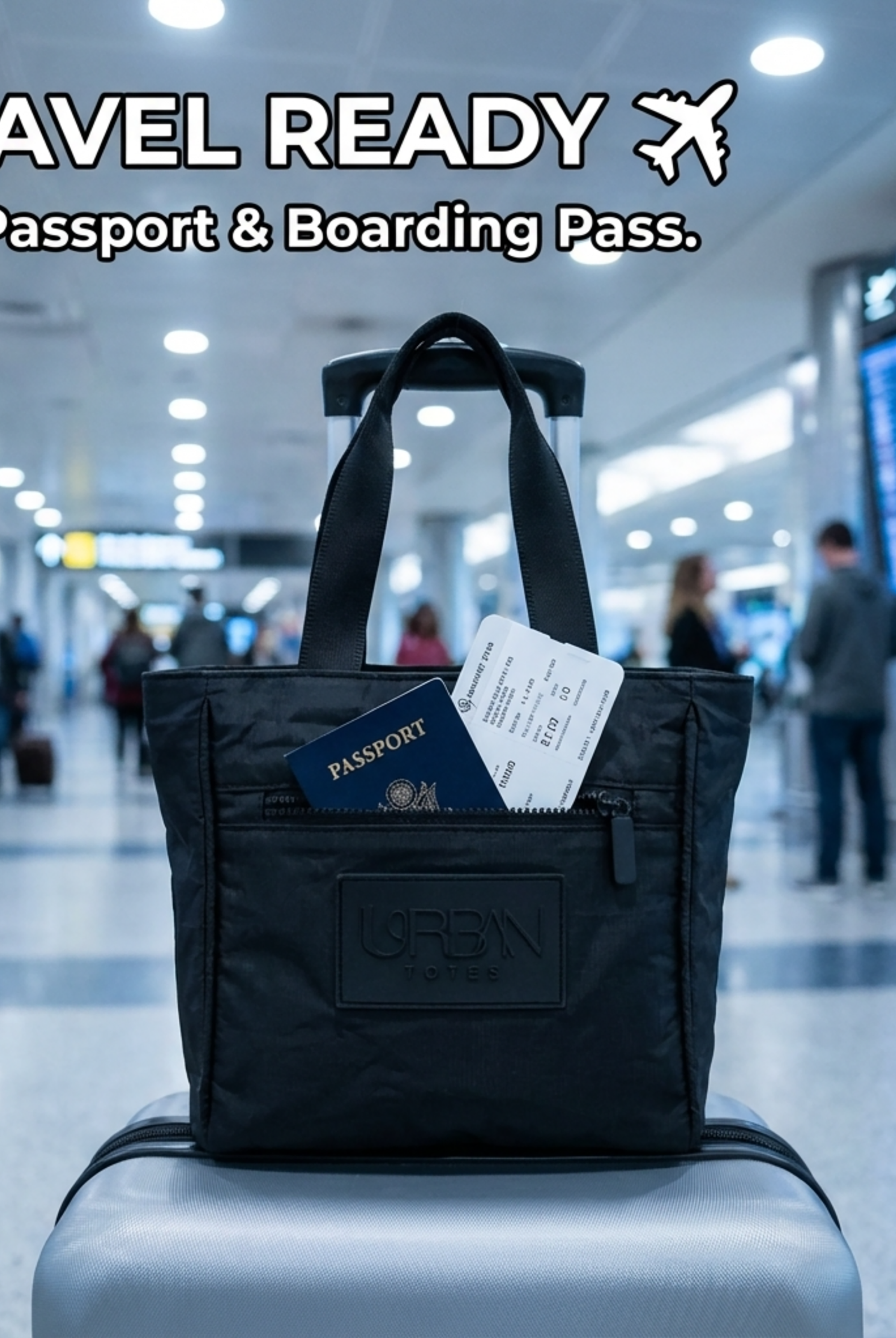
Travel day is where a carry on luggage cover either proves itself or becomes a nuisance. The good ones fade into the background. The frustrating ones twist when you're boarding, block handle access, or need constant fixing while you're already juggling your phone, ID, coffee, and boarding pass.

What to do before you leave home
Put the cover on before the trip, not at the airport. You want one quiet minute at home to check handle access, wheel clearance, and closure placement. If anything feels awkward there, it won't improve under boarding-line pressure.
Then do a quick movement test around the house:
- Roll it over a hard floor: Watch for dragging near the wheels.
- Lift it by the top handle: Make sure the opening sits where it should.
- Set it on a chair or bench: This mimics the quick up-and-down of travel day.
- Check your personal item pairing: Make sure your second bag sits comfortably on top or alongside it.
If you're heading somewhere unfamiliar, it also helps to read destination-specific advice before you go. For city logistics, airport flow, and local etiquette, these Dubai travel tips and guides are the kind of practical planning resource that can make a trip run smoother.
After the flight
Once you arrive, don't leave the cover crumpled at the bottom of the suitcase if it's damp or dirty. Wipe it down, let it air out, and fold it neatly if you plan to reuse it on the return trip. That small habit keeps grime from transferring to the rest of what you packed.
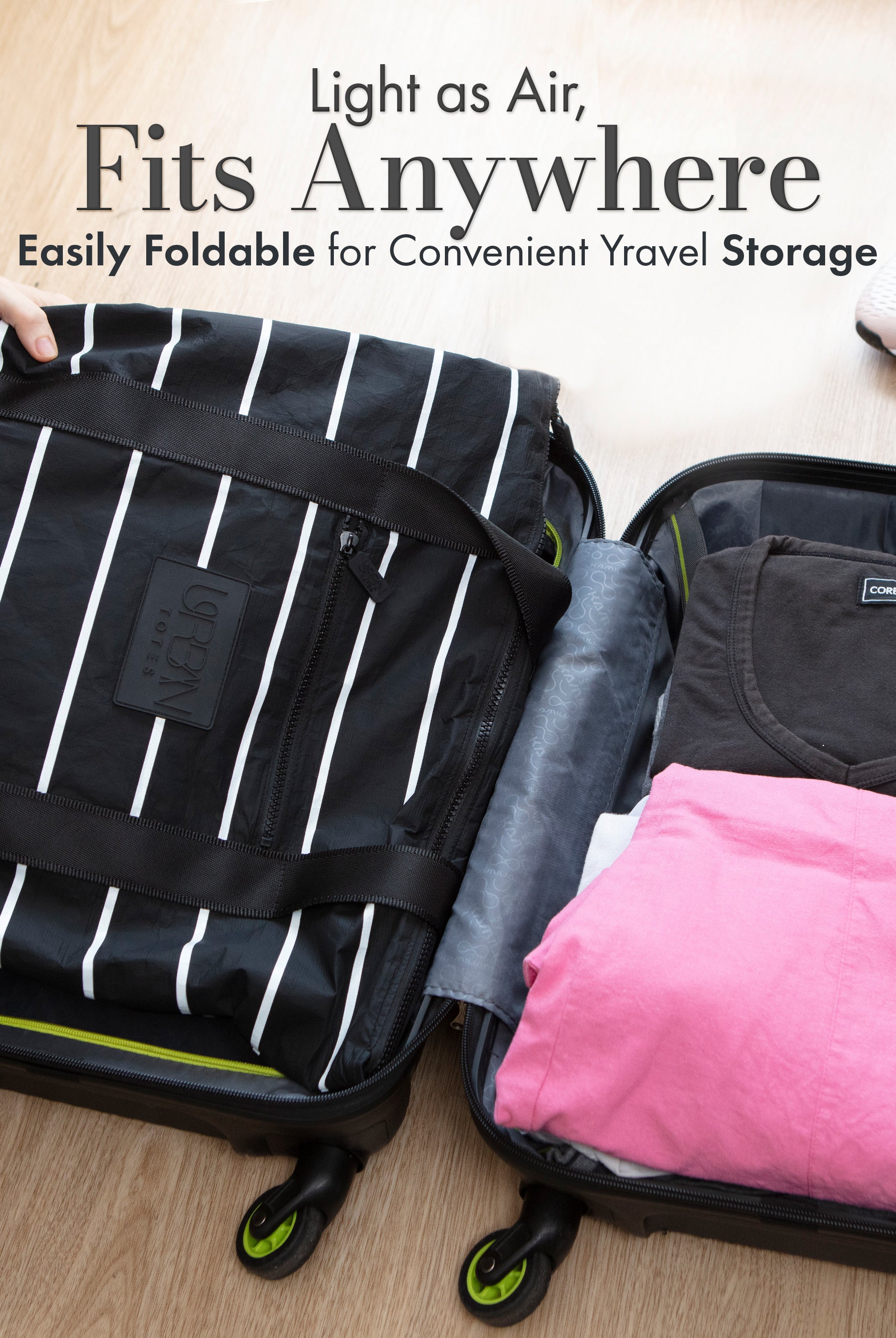
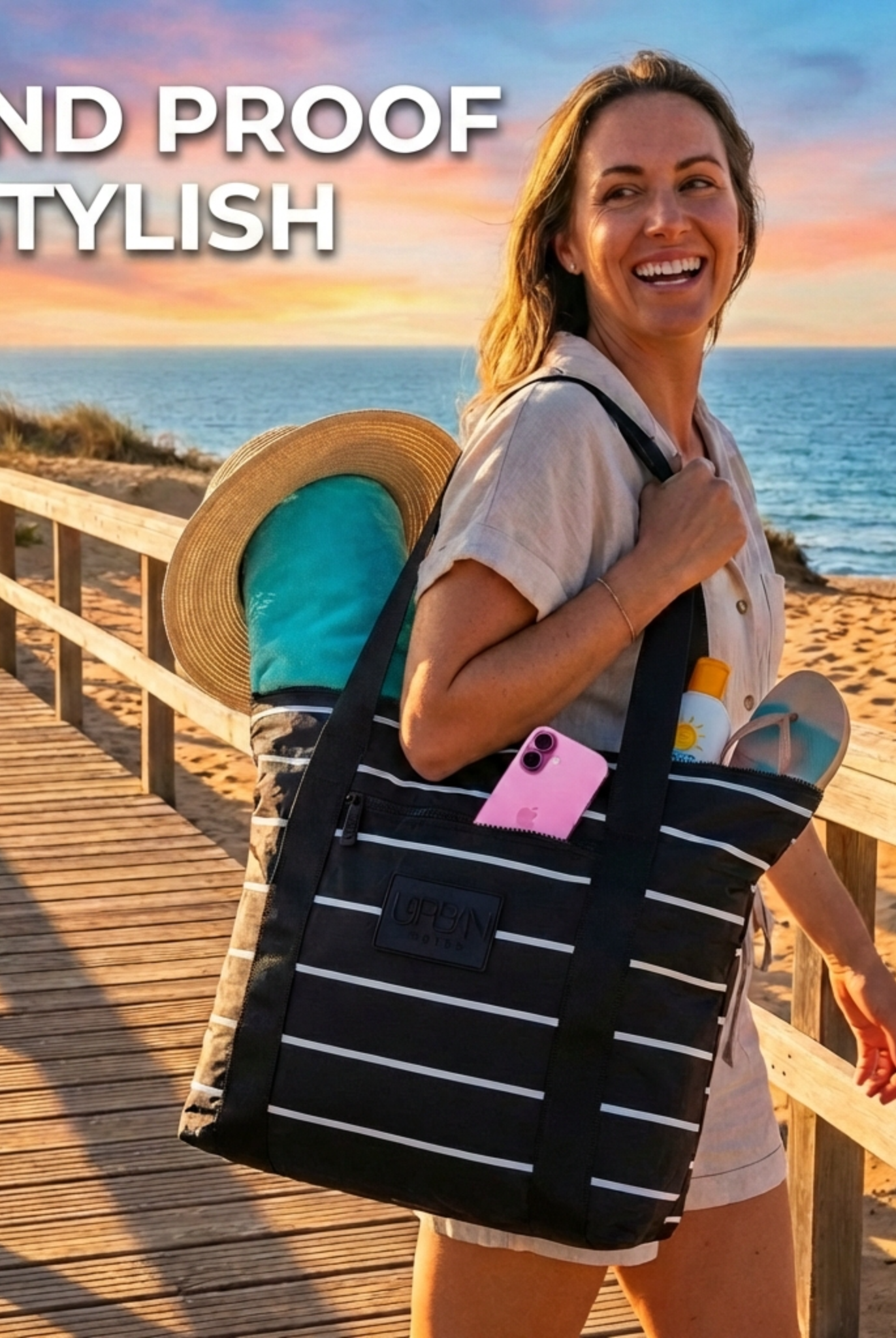
This is also where a packable second bag earns its place. A foldable tote inside your carry-on gives you flexibility once you land. It can become a beach bag, a market tote, a poolside extra, or a catch-all for the things that multiply during a trip.
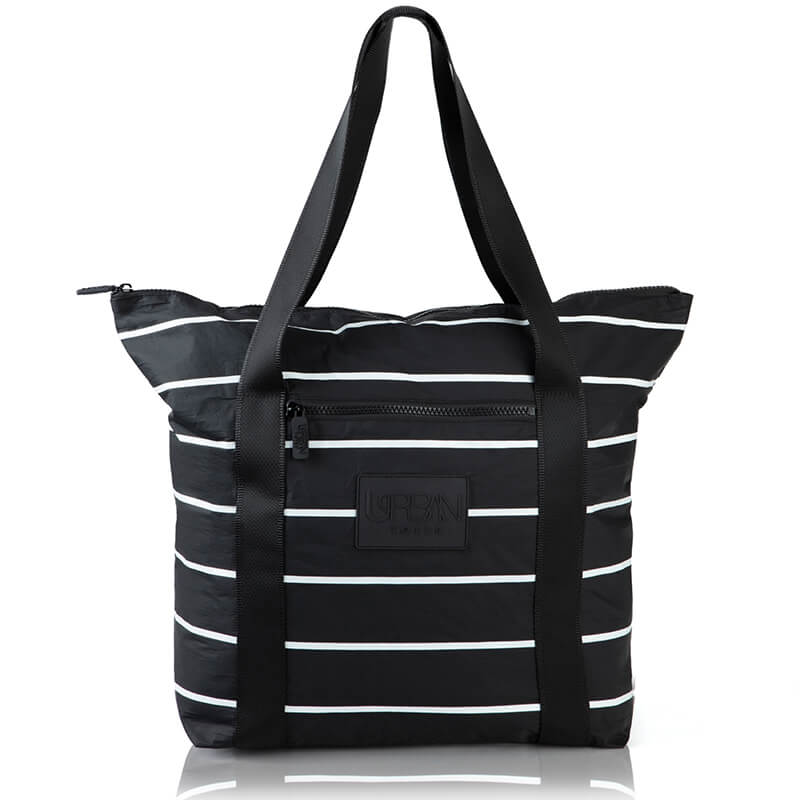
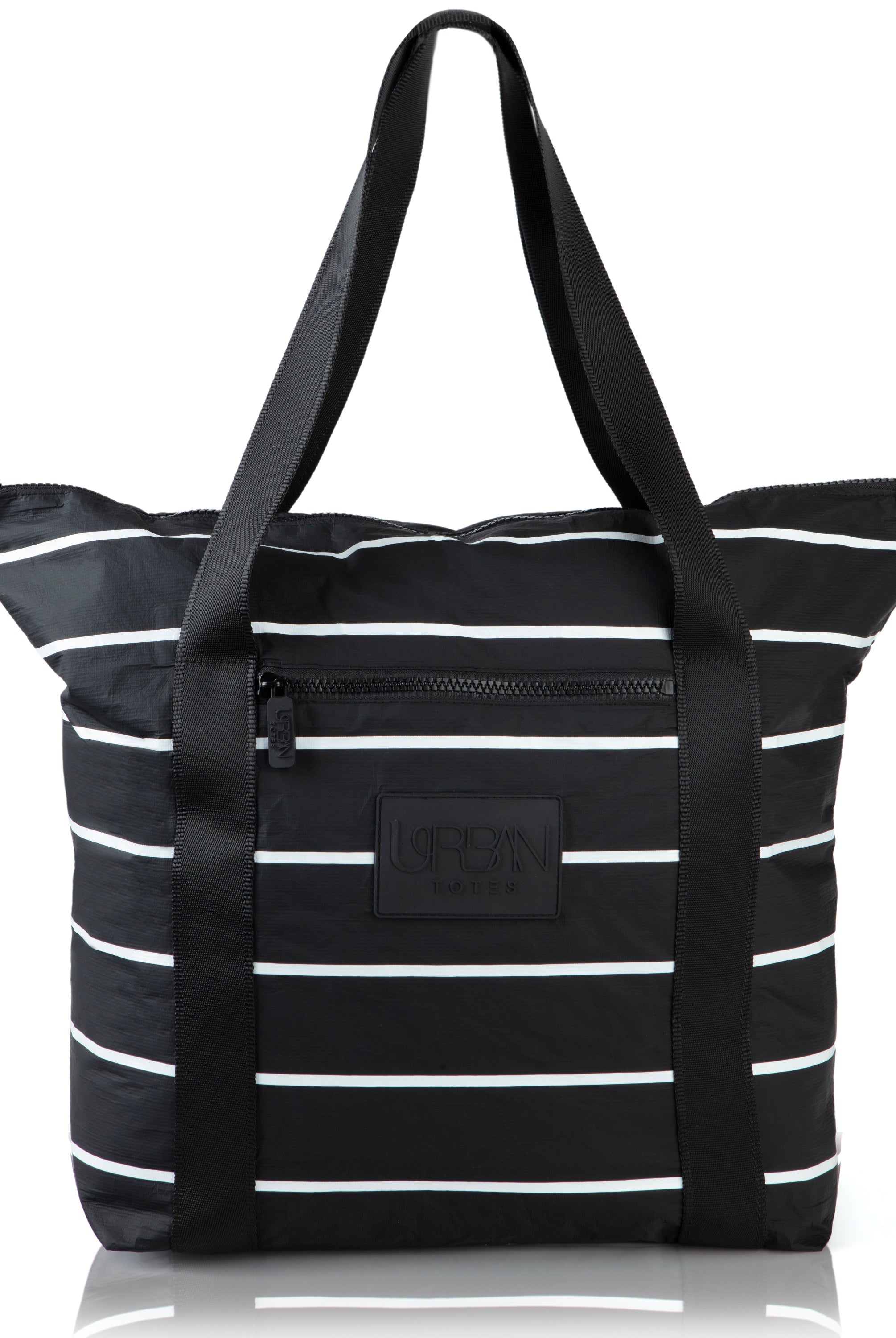
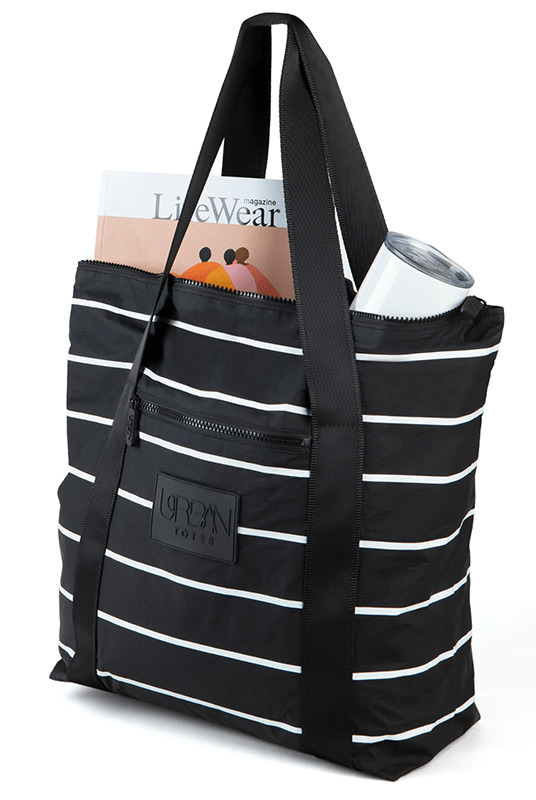
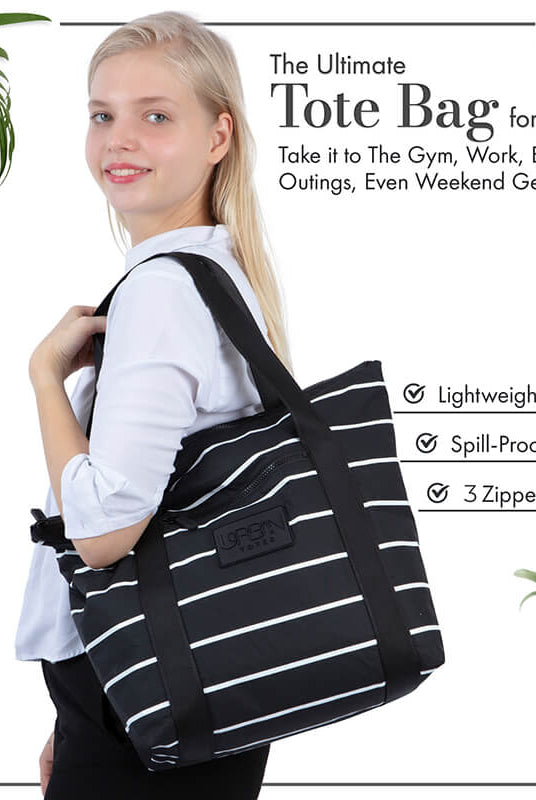
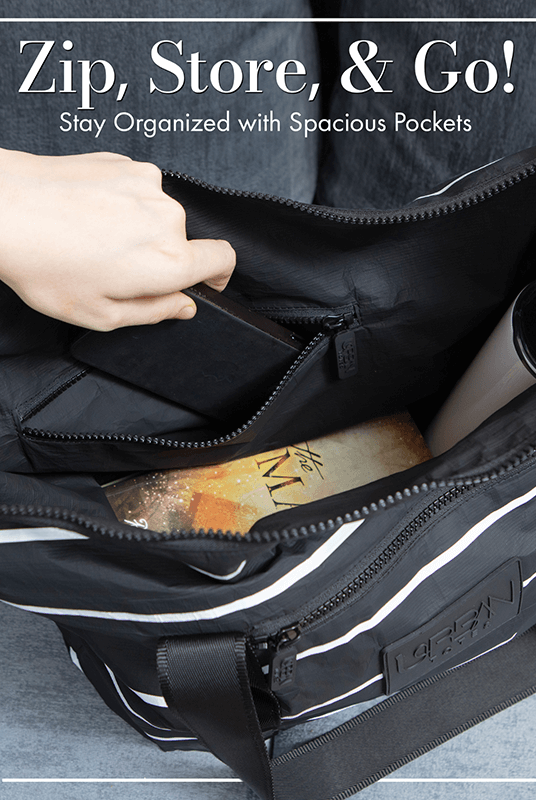
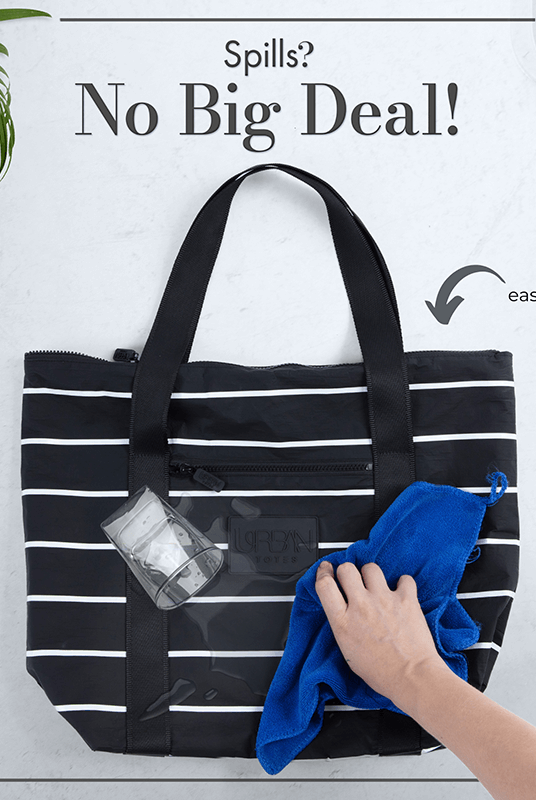
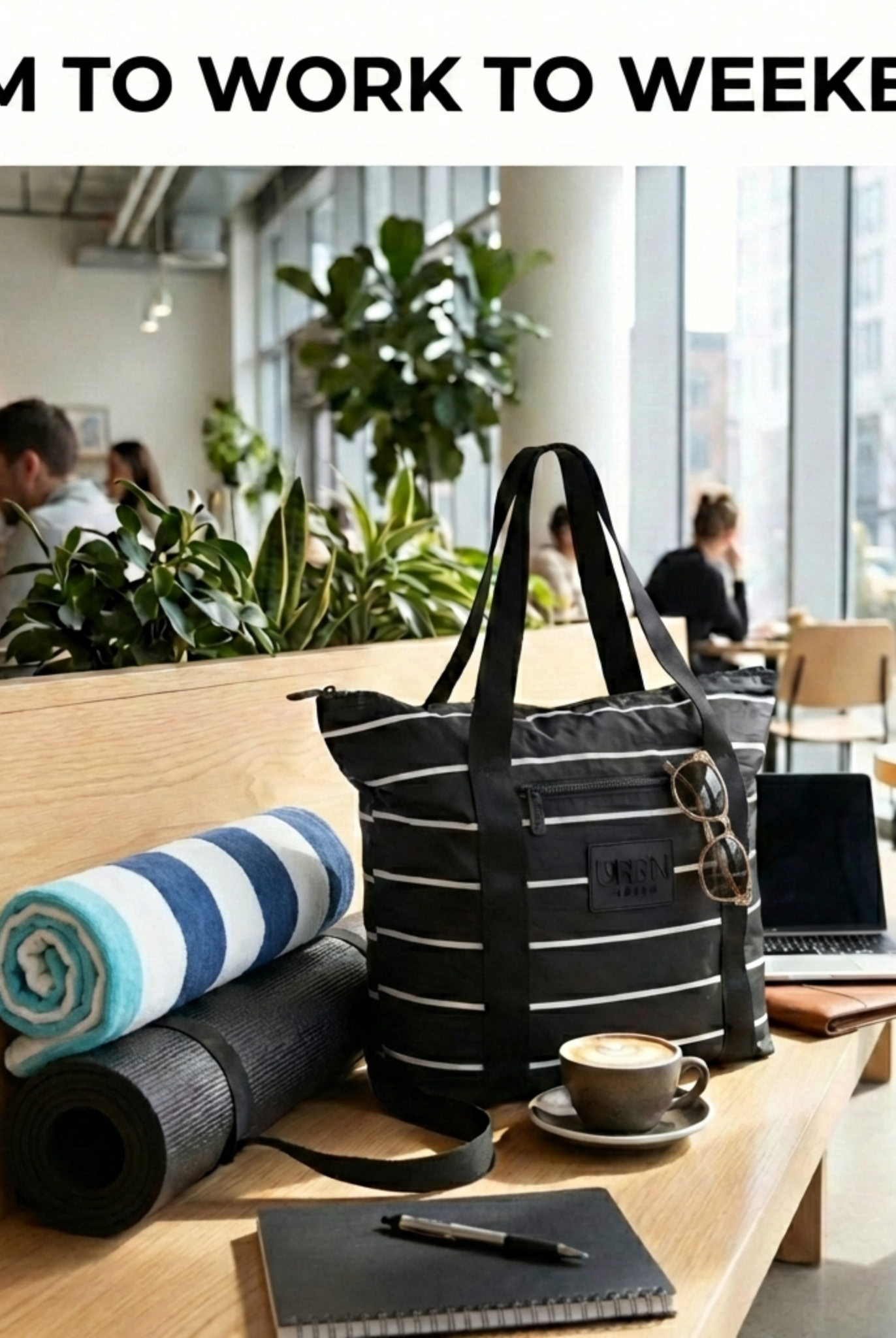
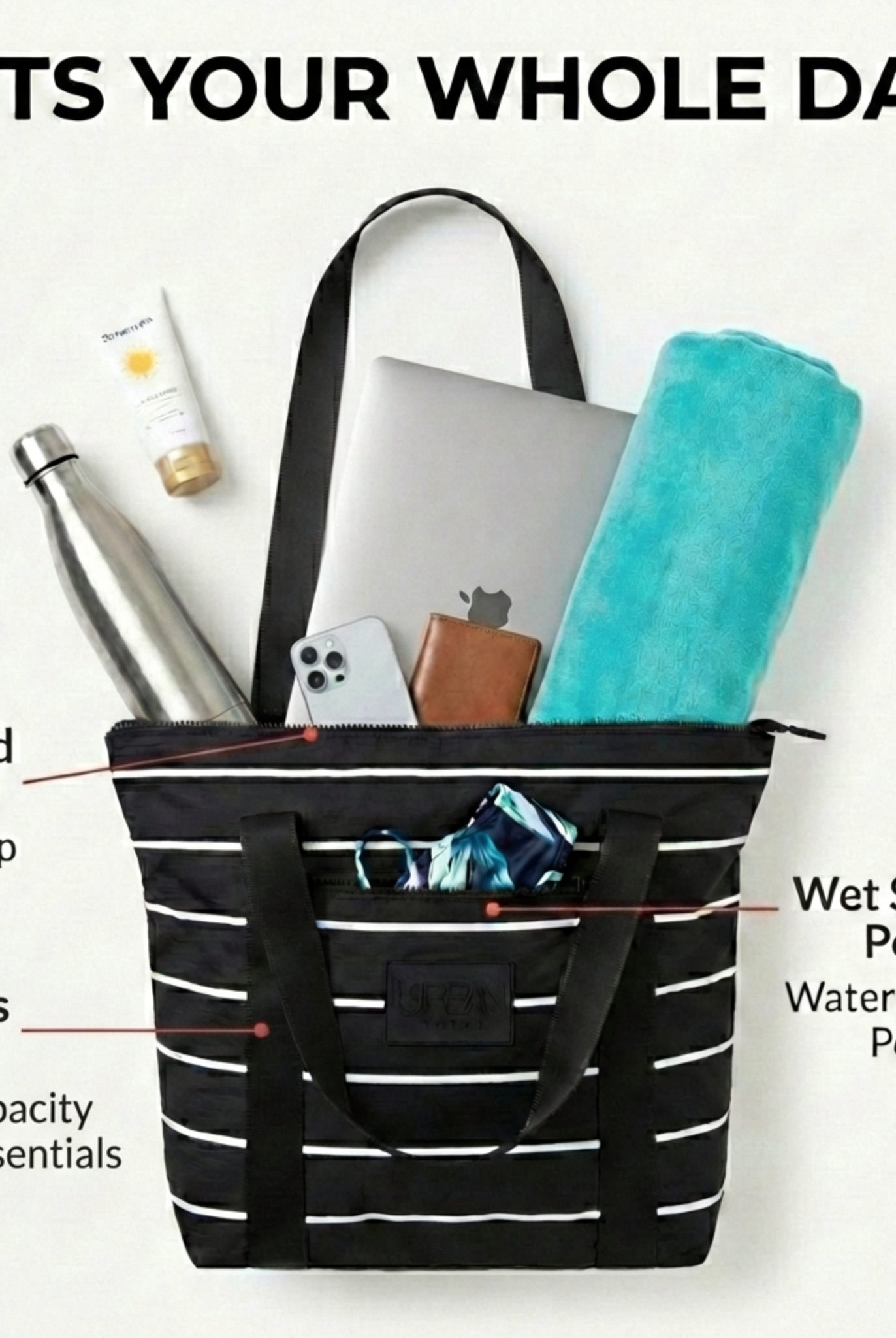
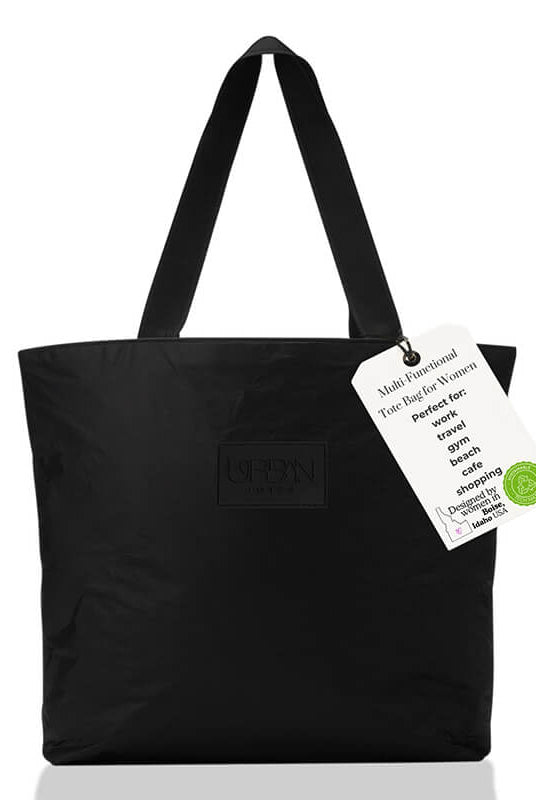
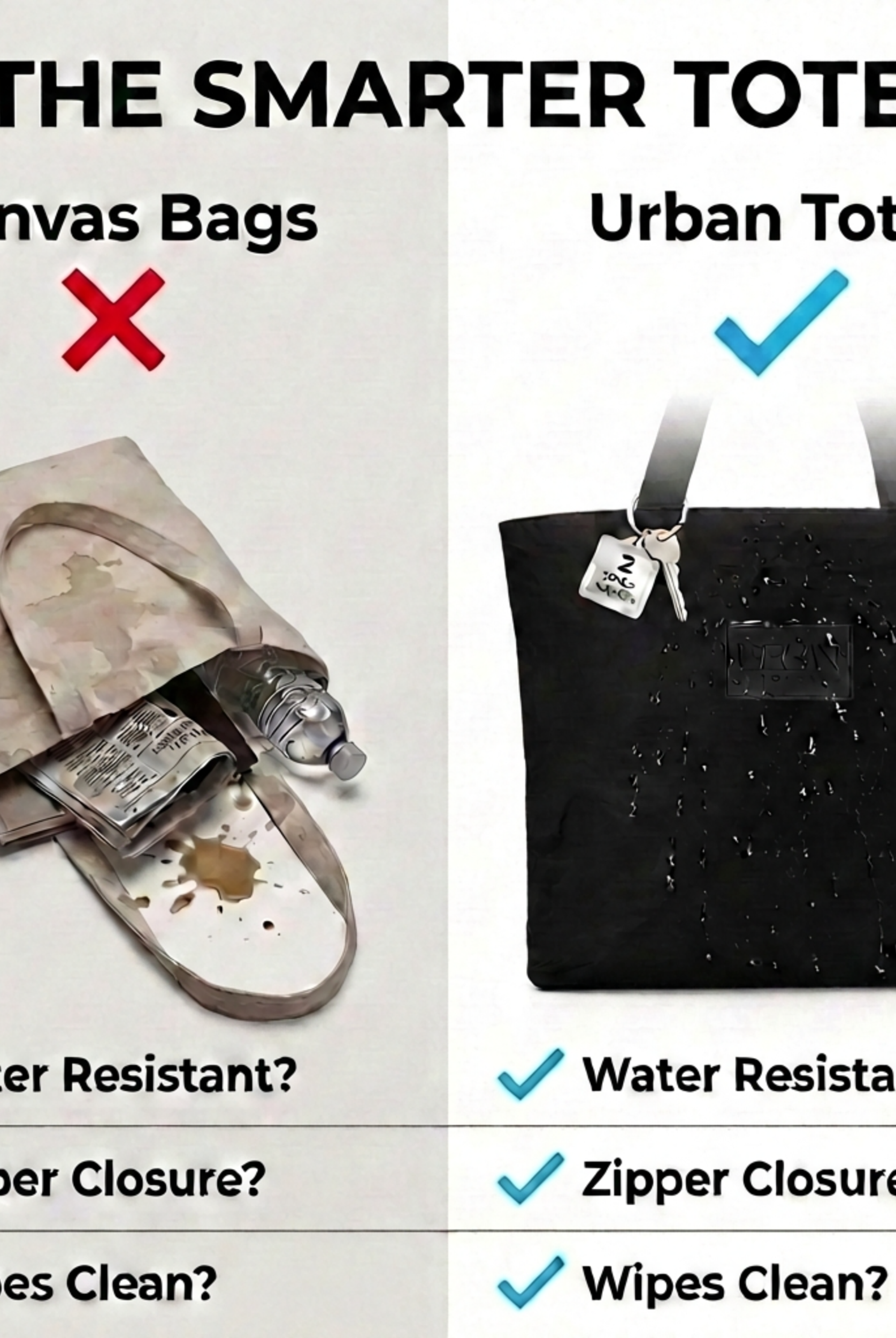
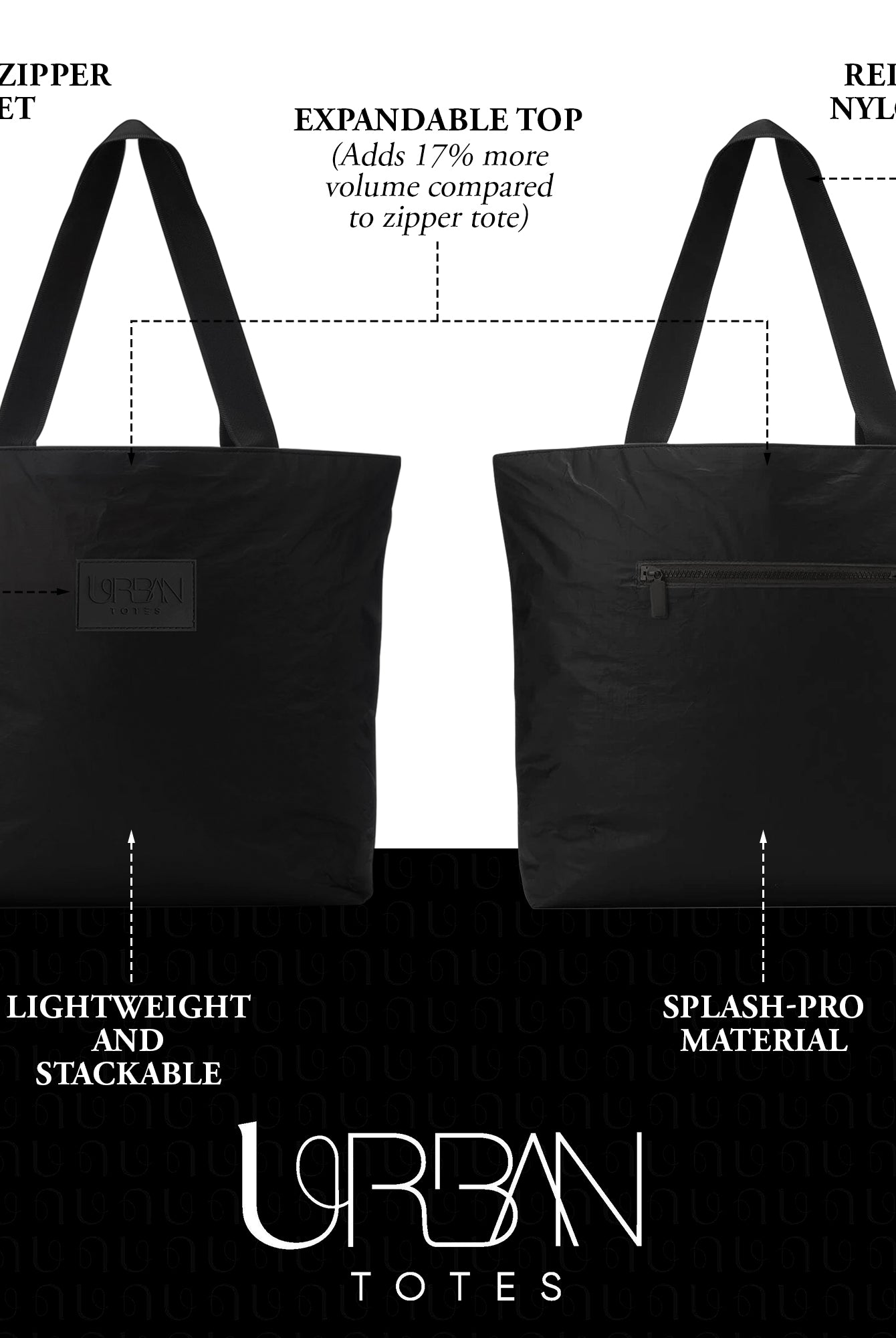
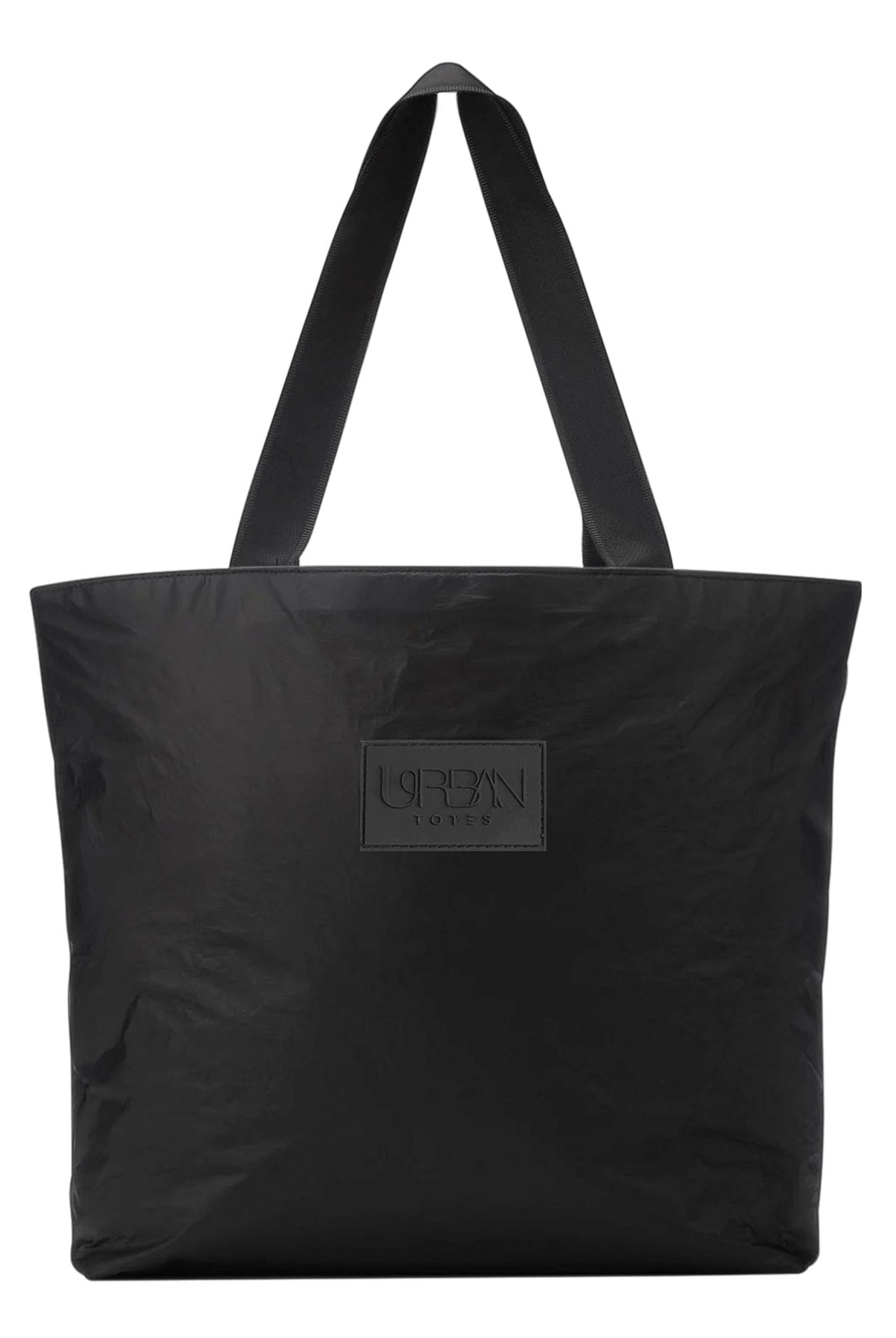
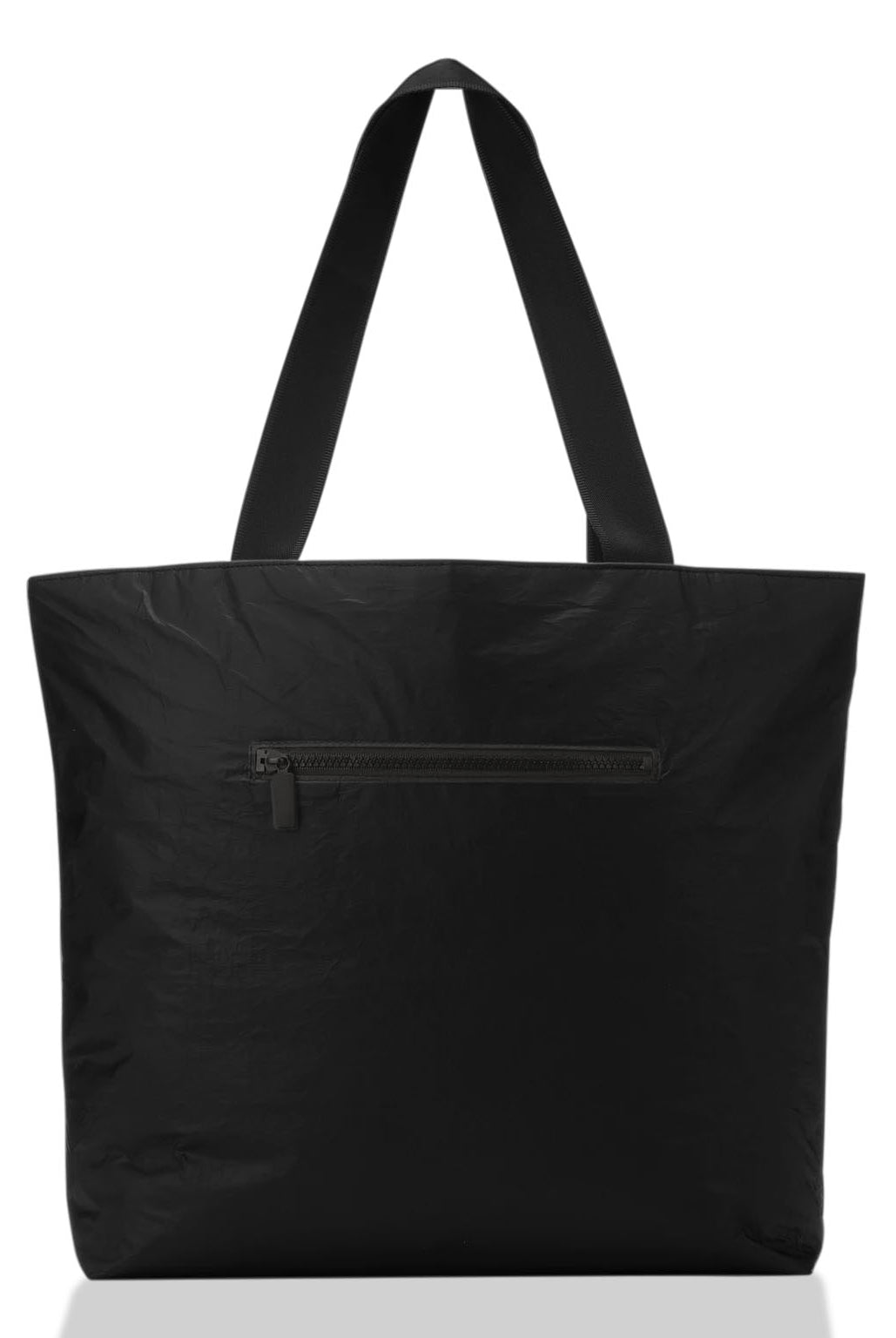
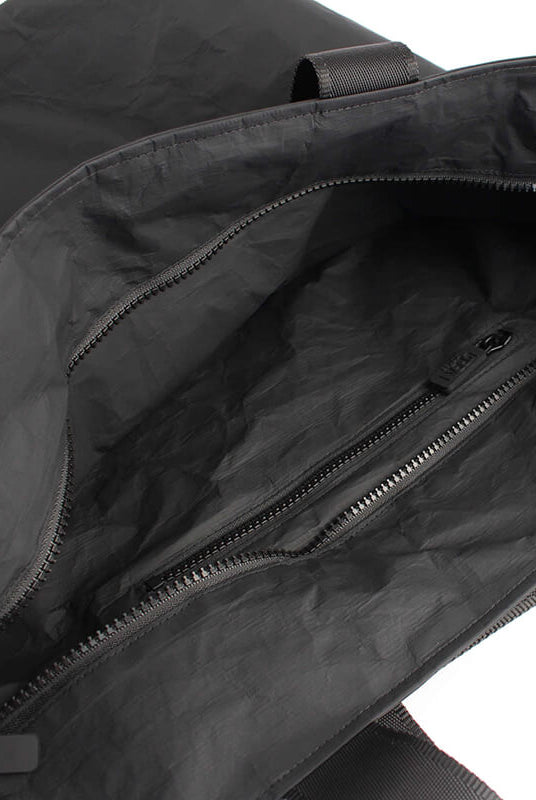
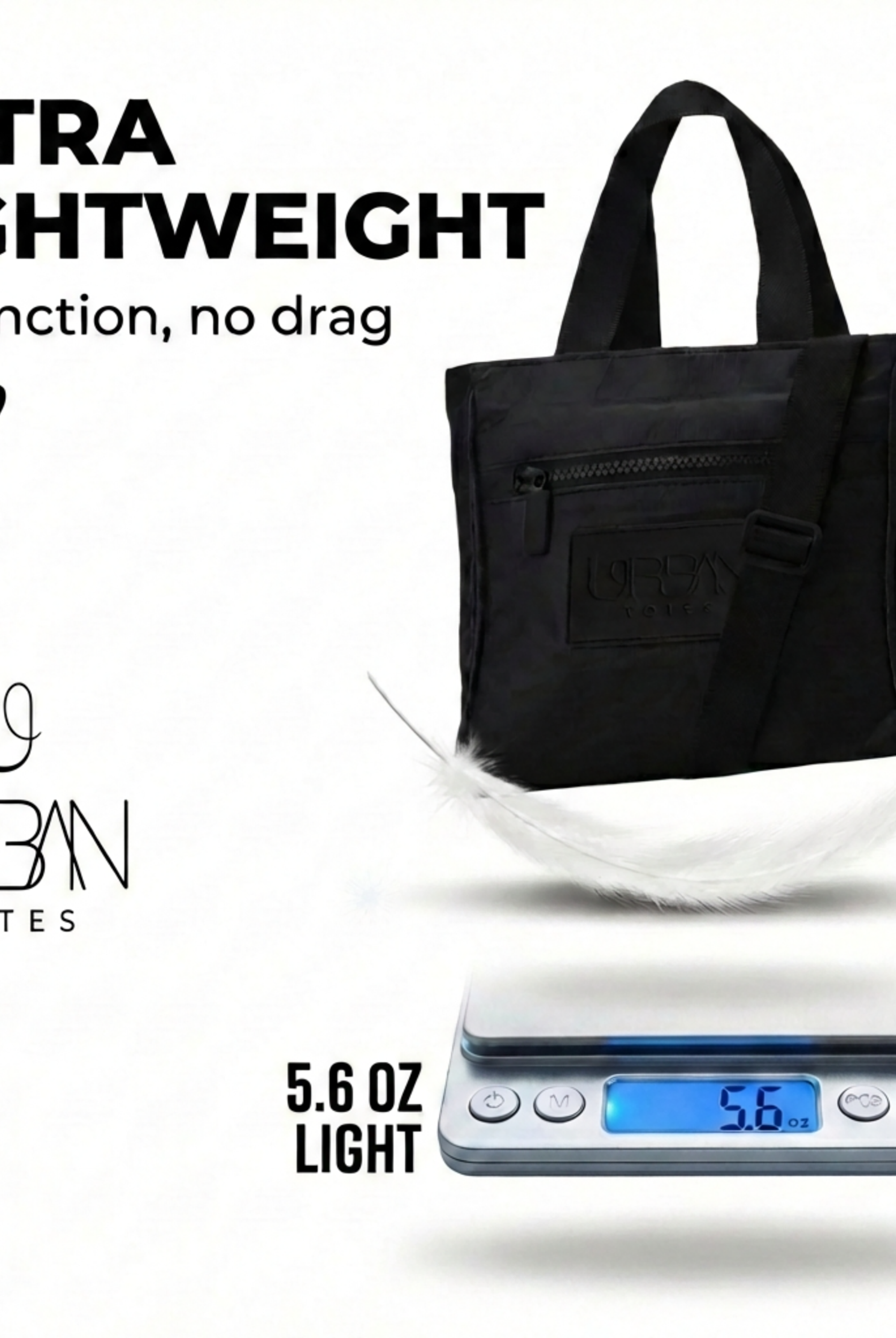
One practical example is the OG Zipper Tote Bag. It's described as lightweight, packable, water-resistant, and built with inside and outside zipper pockets, so it can fold into your carry-on and come out when you need an organized day bag at your destination.
The smartest packing systems don't add drama. They remove it.
That's the whole point of a good cover too. Your suitcase still does its job. It just looks better doing it, and it stays easier to live with over time.
If you like travel gear that feels stylish, functional, and ready for real life, explore Urban Totes. It's a woman-owned Boise, Idaho brand built for women who need lightweight, water-resistant, organized bags that can keep up with airport days, errands, beach afternoons, and everything in between. Find your perfect go-anywhere bag at urbantotes.com.