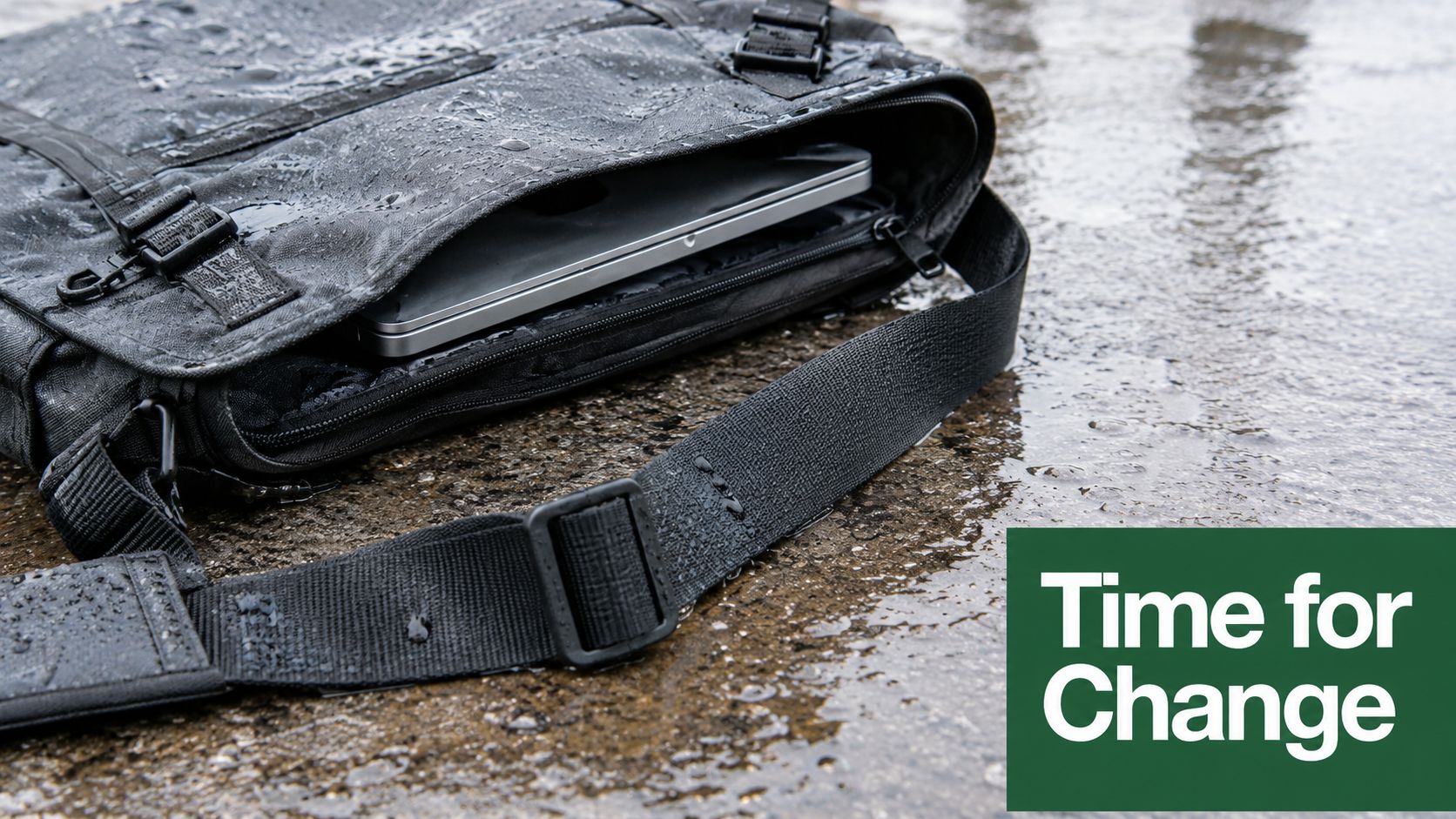
Rain taps against your coat as you hurry from the car to the office. Your laptop is wedged inside an overstuffed tote, the charger has disappeared beneath a water bottle, and one tired seam is beginning to separate. That moment usually sends you shopping for an eco friendly laptop bag, whether the trigger is a broken bag, a personal sustainability goal, or a new laptop that no longer fits the old one.
The hard part is separating a meaningful material choice from a vague recycled label. A useful bag must protect your machine, stay comfortable through a workweek, organize the small things, and keep working through commutes, flights, school drop-offs, beach days, and errands. Sustainability matters, but it only becomes practical when the bag lasts and gets used often.
This guide translates recycled-content claims into measurable details, including fabric weight, water-resistance ratings, construction, repairability, and bottle-to-bag conversions. It also matches those details to four real lifestyles, so you can choose a bag that earns its place on your shoulder for years instead of becoming another short-lived accessory.
Table of Contents
- The Real Moment You Start Shopping for an Eco Friendly Laptop Bag
- What Eco Friendly Actually Means in Laptop Bag Materials
- From Recycled Bottles to Real World Performance
- The Features Checklist That Actually Matters
- Matching the Right Bag to Your Real Life
- Care Habits That Make Your Bag Last for Years
- Your Shortlist and the Next Step
The Real Moment You Start Shopping for an Eco Friendly Laptop Bag
The search often starts with a small failure. A strap twists while you're carrying coffee and a laptop. A sudden shower reaches the side of your bag. The zipper catches on the lining, or the sleeve is just loose enough for your computer to slide around. By the time you notice the problem, you're already imagining a replacement.
Other shoppers arrive from a different direction. You're trying to buy fewer disposable products, choose recycled inputs, or move away from accessories that feel designed for one season. Maybe your laptop has changed size and your old sleeve no longer closes properly. Whatever brings you here, the question is the same: what does eco friendly mean in a laptop bag that has to survive real life?
Start with the bag's full working life
A recycled outer fabric is a useful starting point, but it isn't the whole decision. Linings, foam padding, webbing, zippers, coatings, and hardware can all affect how the bag performs and whether anyone can repair or recycle it later. A low-impact purchase that fails quickly may be less convincing than a durable bag you use repeatedly for commuting and travel.
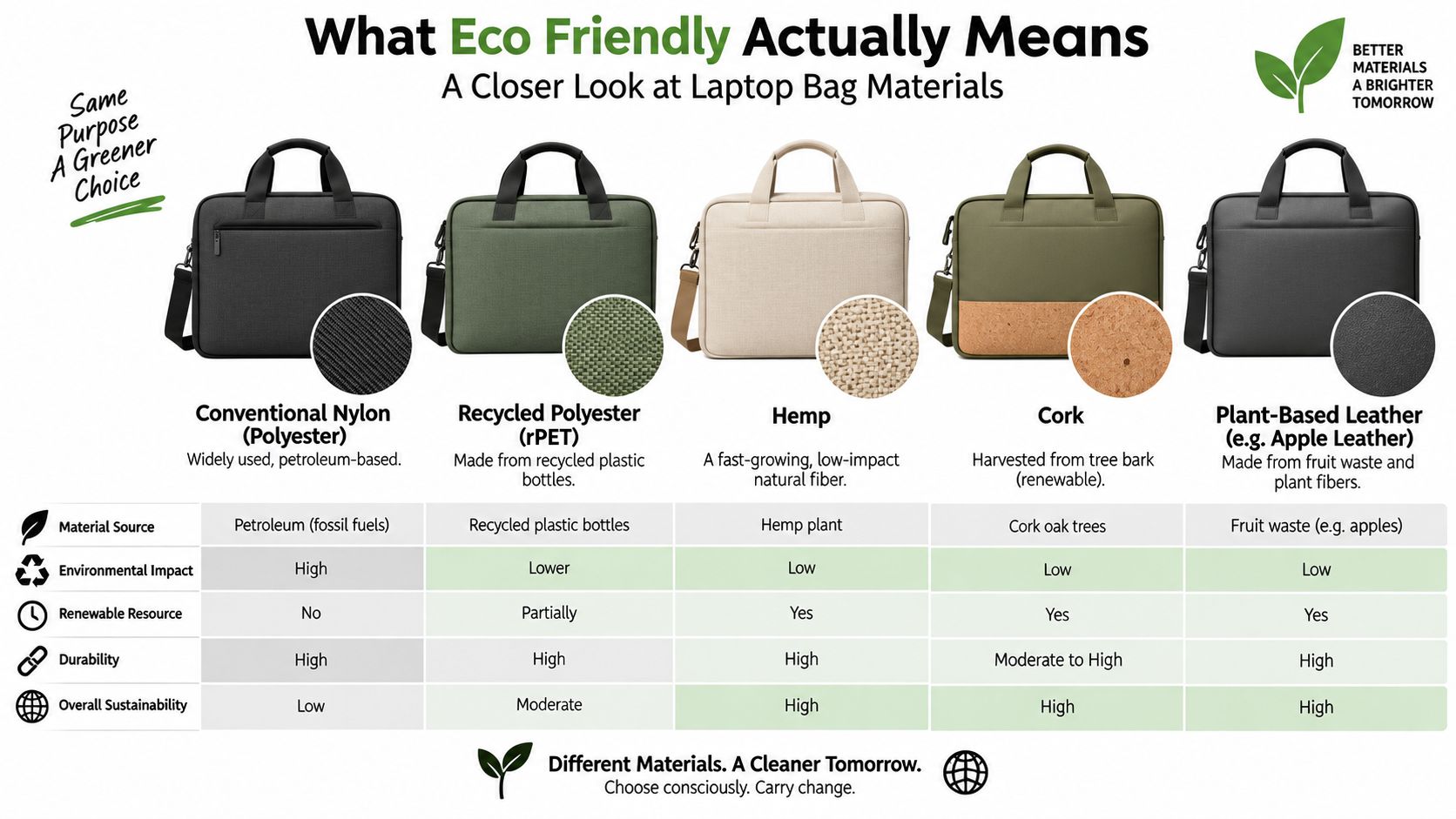
Recycled polyester, or rPET, became a foundational material because its production requires about 59% less energy than virgin polyester and can reduce CO2 emissions by around 32% compared with regular polyester, according to research on recycled polyester's advantages and limitations. Those figures describe material production, not the complete footprint of every finished bag, so construction and longevity still deserve attention.
Practical rule: Don't buy the greenest-sounding label. Buy the clearest specification attached to a bag you'll use constantly.
The four lifestyles ahead make that test easier. The commuter needs weather-minded construction, the traveler needs compact organization, the parent needs accessible capacity and easy cleaning, and the student needs comfort, useful pockets, and a price that fits everyday reality. Your ideal eco friendly laptop bag should match the rhythm you live, not an imaginary minimalist week.
What Eco Friendly Actually Means in Laptop Bag Materials
rPET means recycled polyethylene terephthalate, usually recovered from post-consumer plastic bottles and converted into polyester fiber. It can deliver the familiar benefits of polyester, including light weight, durability, and water resistance, while reducing reliance on virgin inputs. Life-cycle research found that increasing recycled content reduced overall environmental impacts by up to 52% in one bag system, while a government-backed assessment found that 50% recycled content reduced global warming impact by 19%, abiotic depletion by 40%, and photochemical oxidation by 16% compared with conventional bags. Those findings apply to broader bag systems, not every laptop bag, but the material families and reuse logic are closely relevant. The underlying assessment is available in this life-cycle study of recycled-content bags.
Recycled nylon offers another technical route. Manufacturers can recover nylon from sources such as fishing nets and carpet, then engineer it into a strong shell fabric. Organic cotton has a different footprint profile and can feel appealing for its natural hand, but it may need additional lining, padding, or treatment to provide the structure and weather resistance a laptop requires. There isn't one universally perfect material. The smarter question is whether the entire construction fits the job.
Read the fabric language
Denier describes yarn thickness and helps you understand how a fabric is positioned. A lower-denier lining may keep the interior light, while a heavier outer shell, such as 600D or above, is commonly selected when abrasion resistance matters. Always look for the actual specification rather than assuming a recycled fabric is either delicate or indestructible.
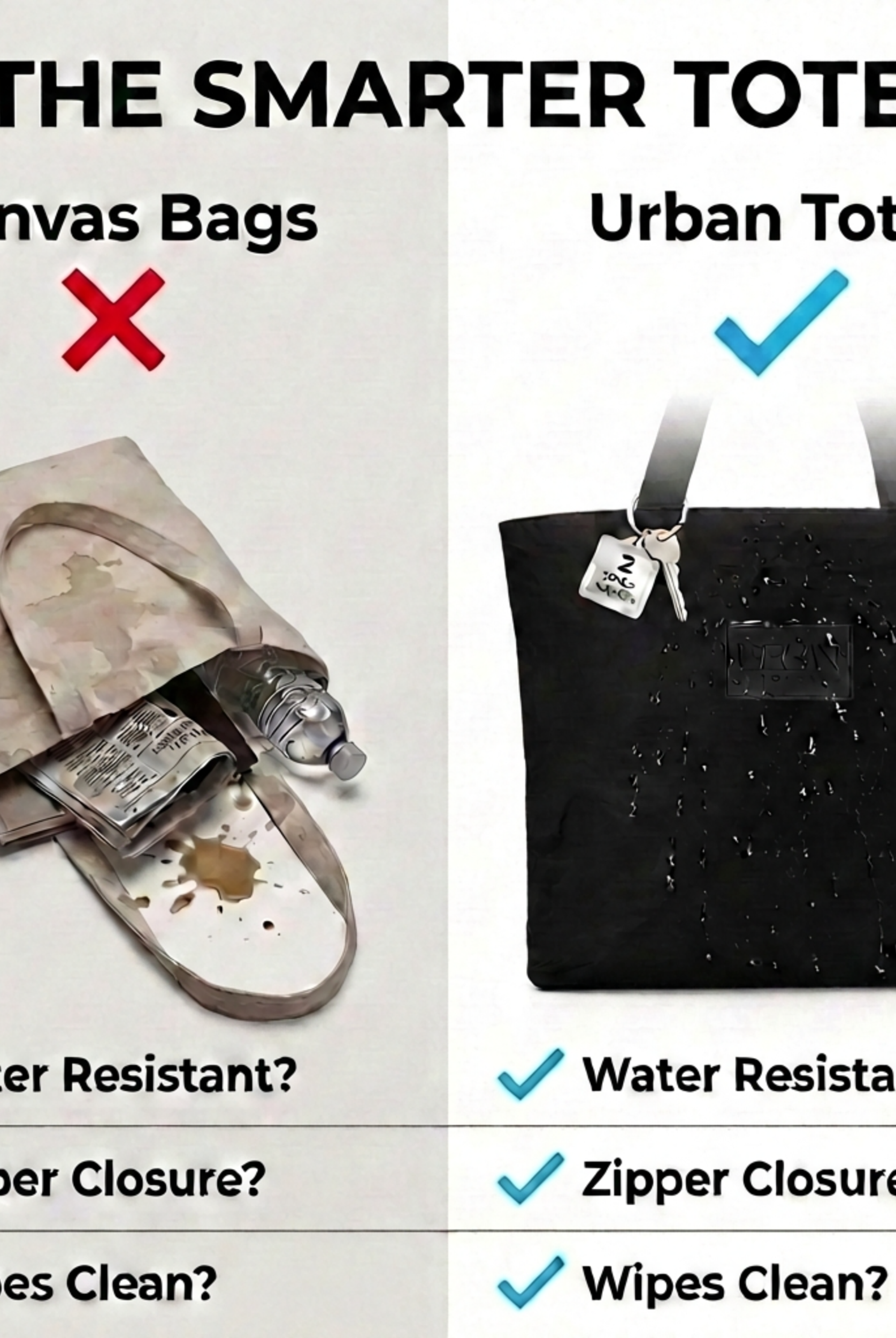
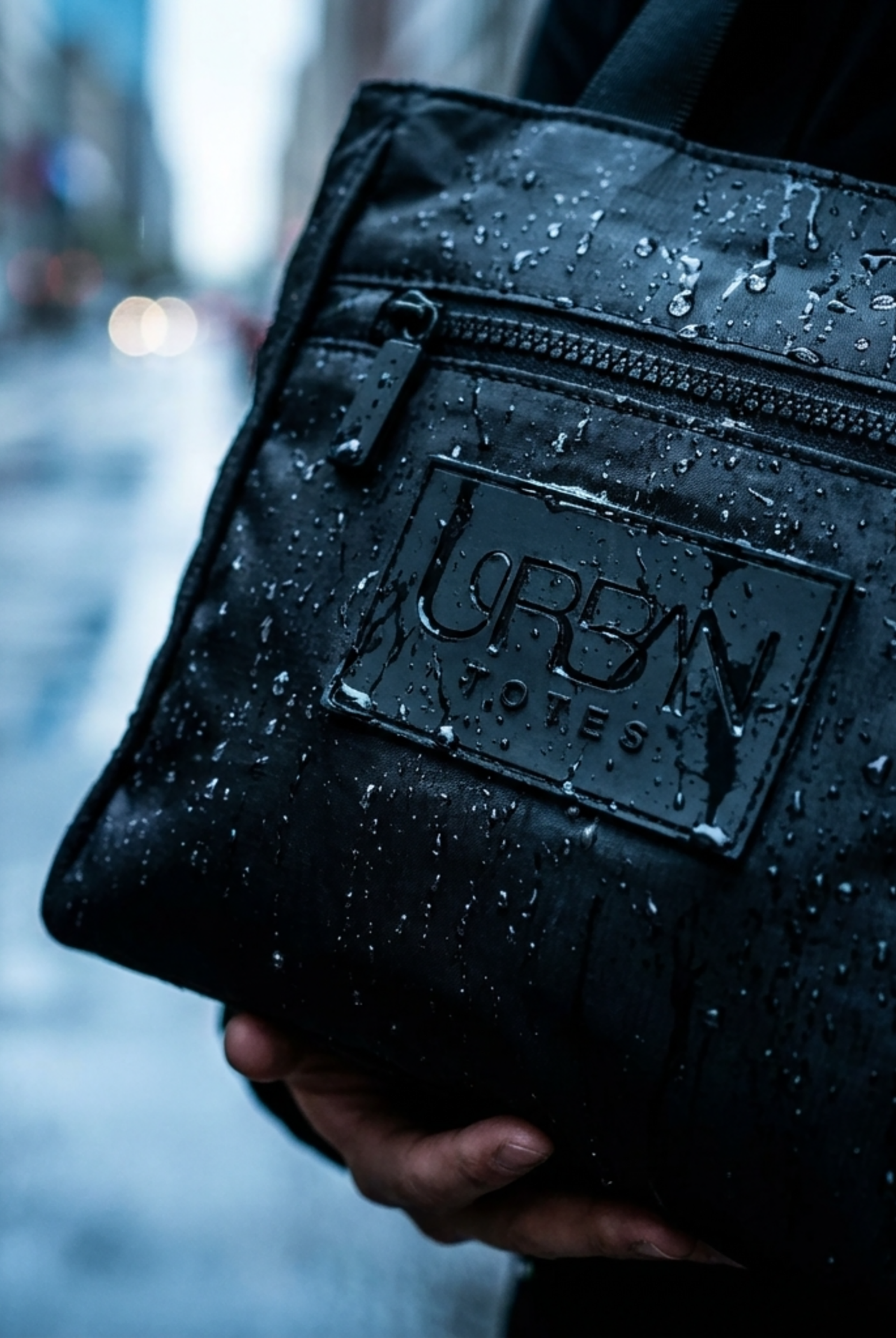
Water resistance also needs translation. A durable water repellent, or DWR, finish helps rain bead on the surface, while a PFC-free treatment avoids intentionally using per- and polyfluoroalkyl substances in that repellent approach. A full waterproof membrane is a more complete barrier, but the membrane, seams, zipper, and closures all have to work together.
For a broader look at how people can upgrade to an eco laptop, consider the device and its carrying system together. You can also review Urban Totes' explanation of what recycled fabric means before judging a product page.
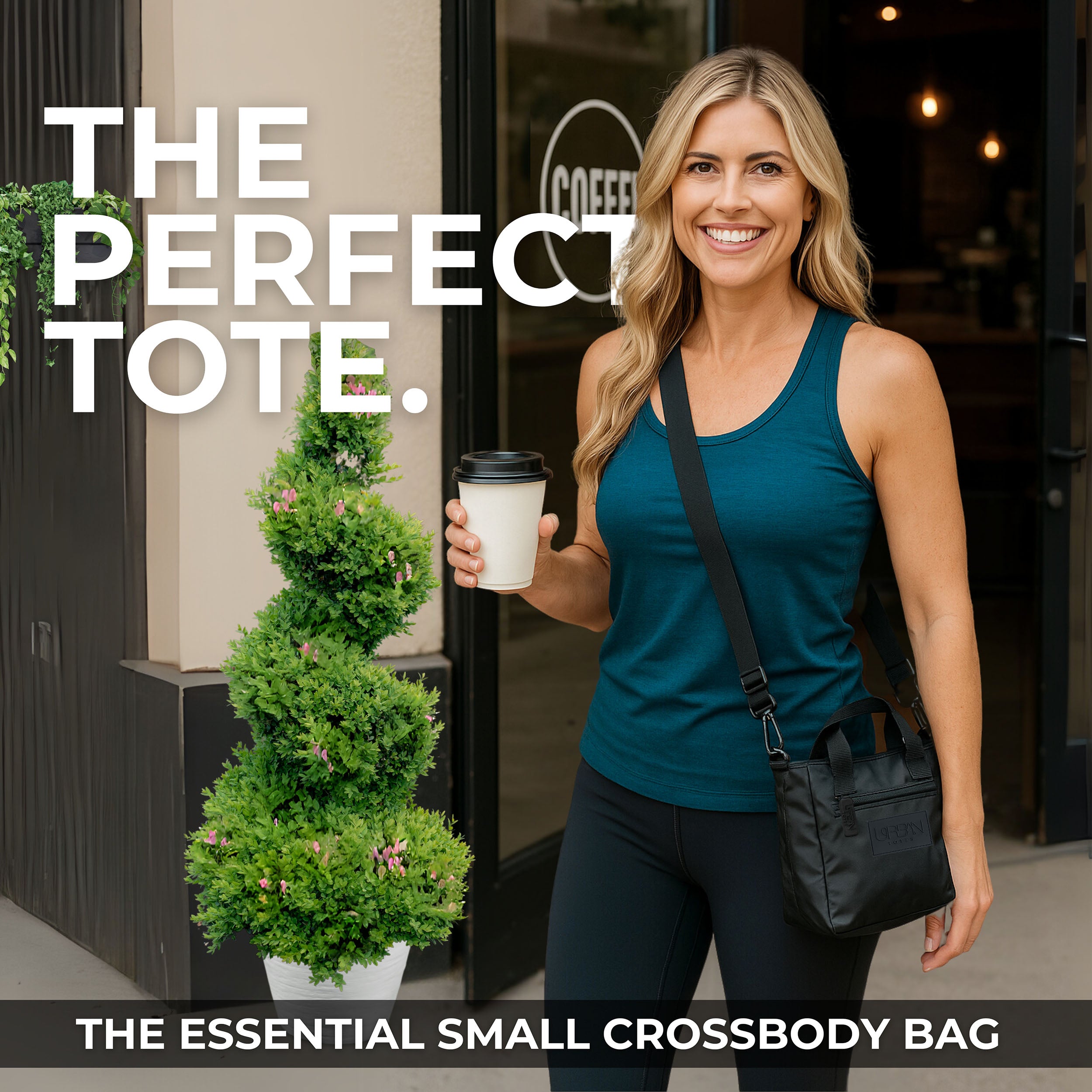
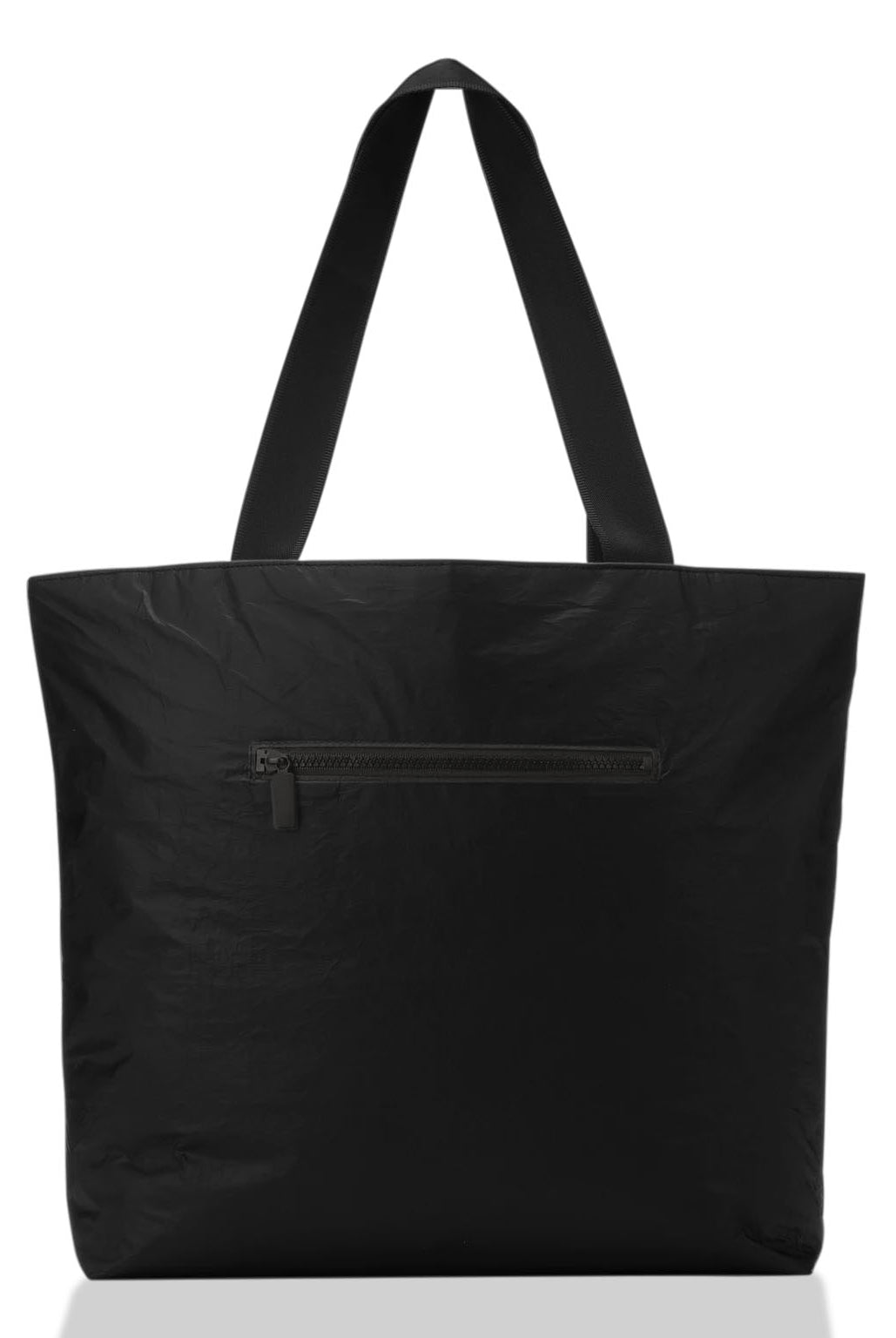
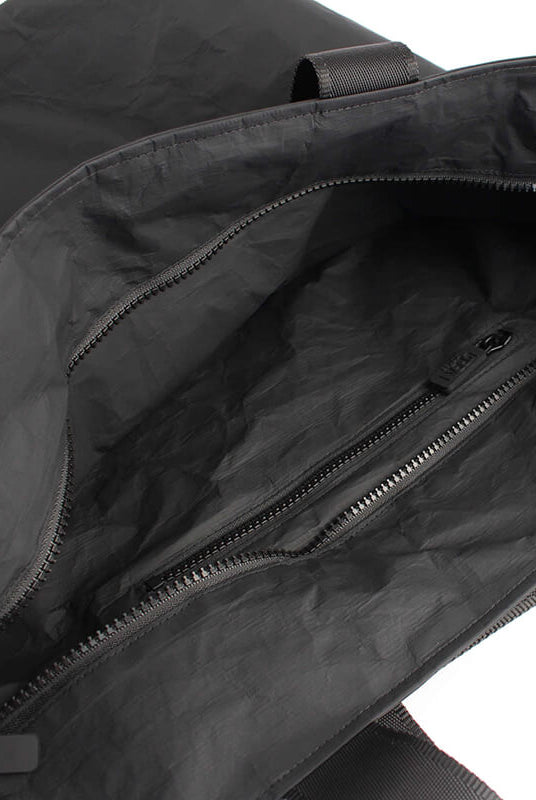
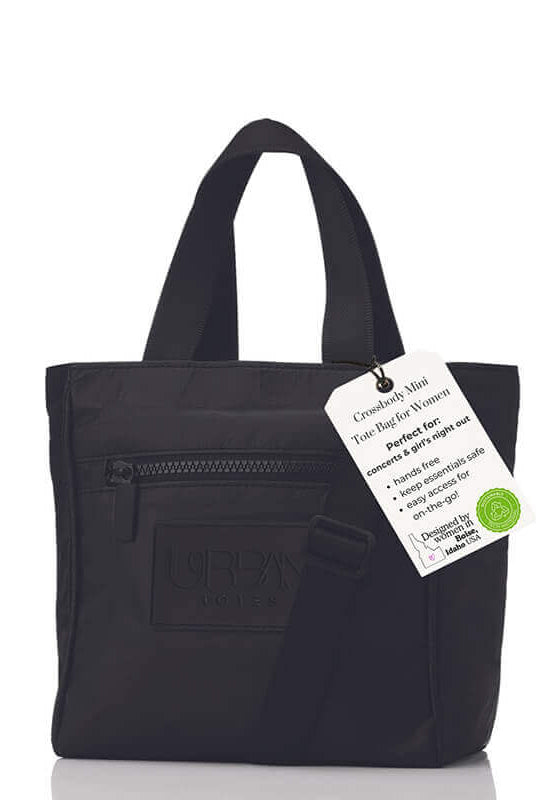
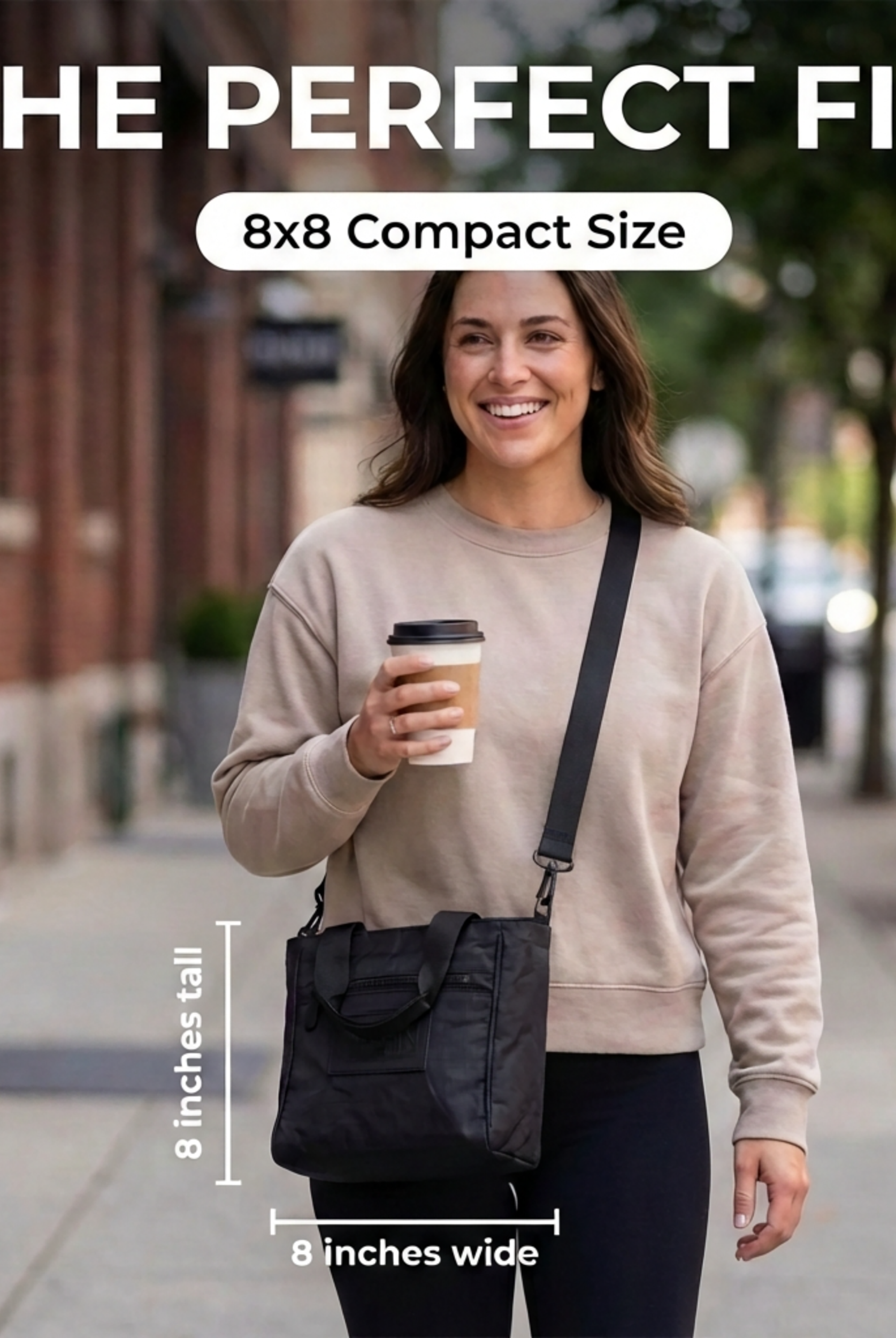
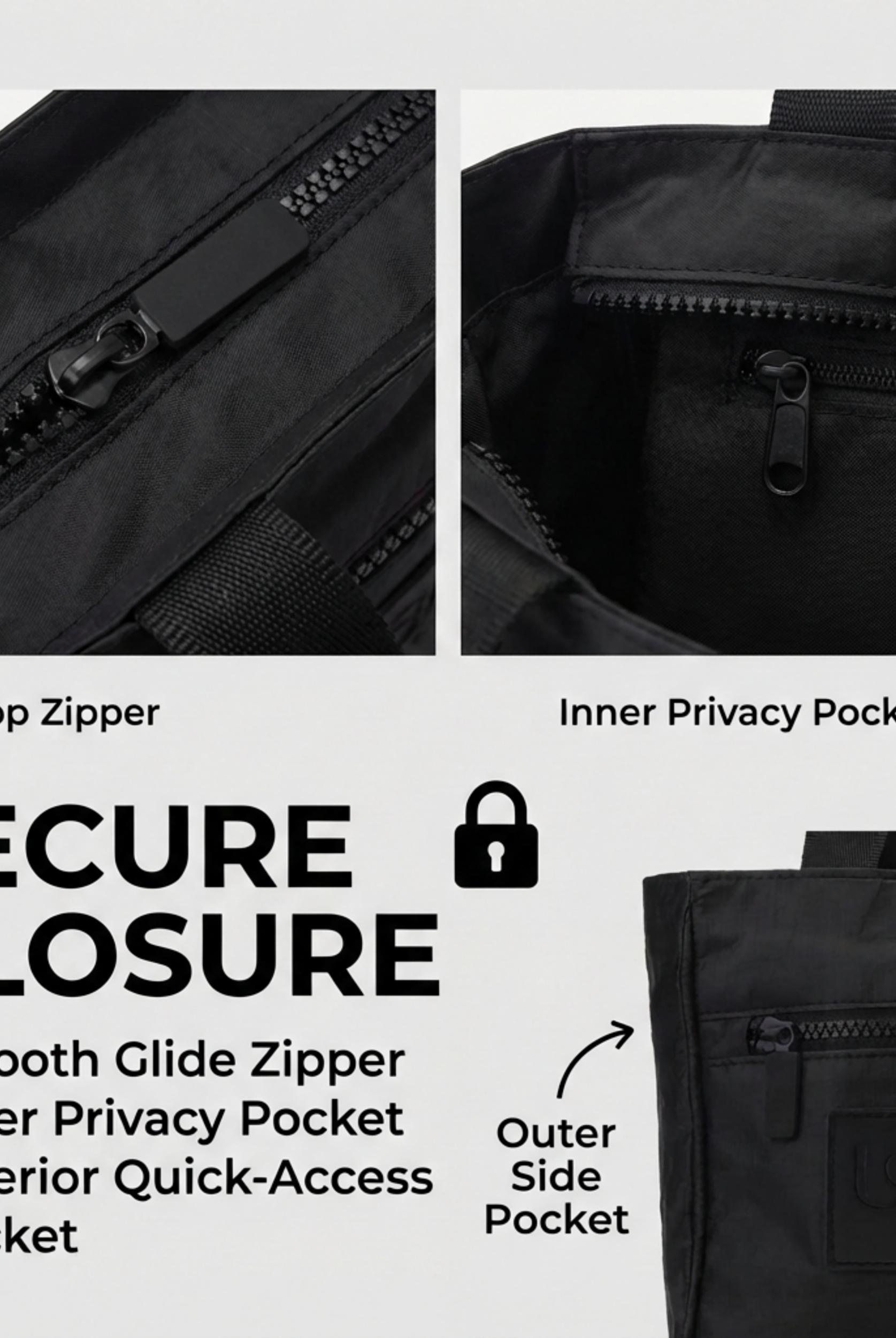
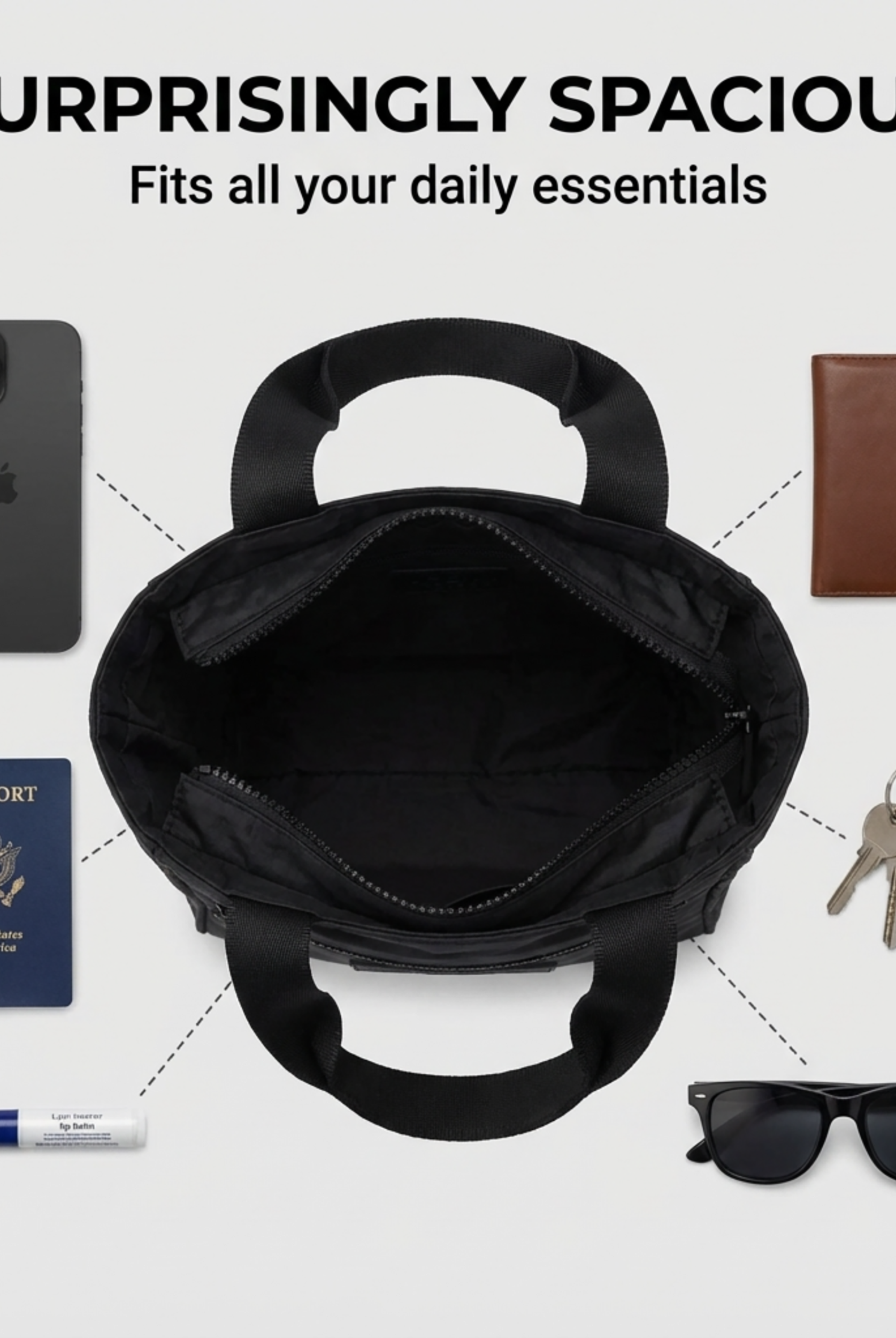
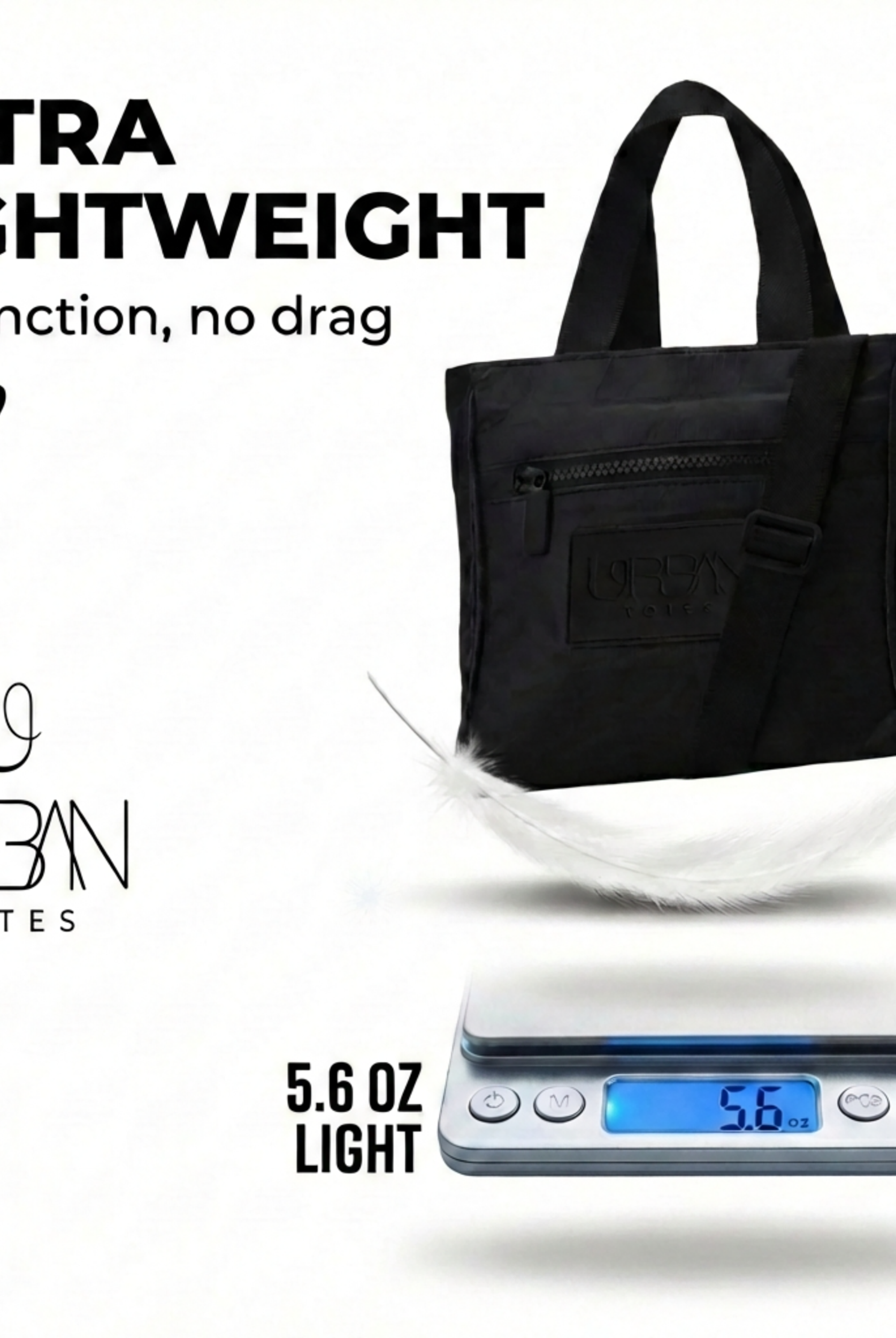
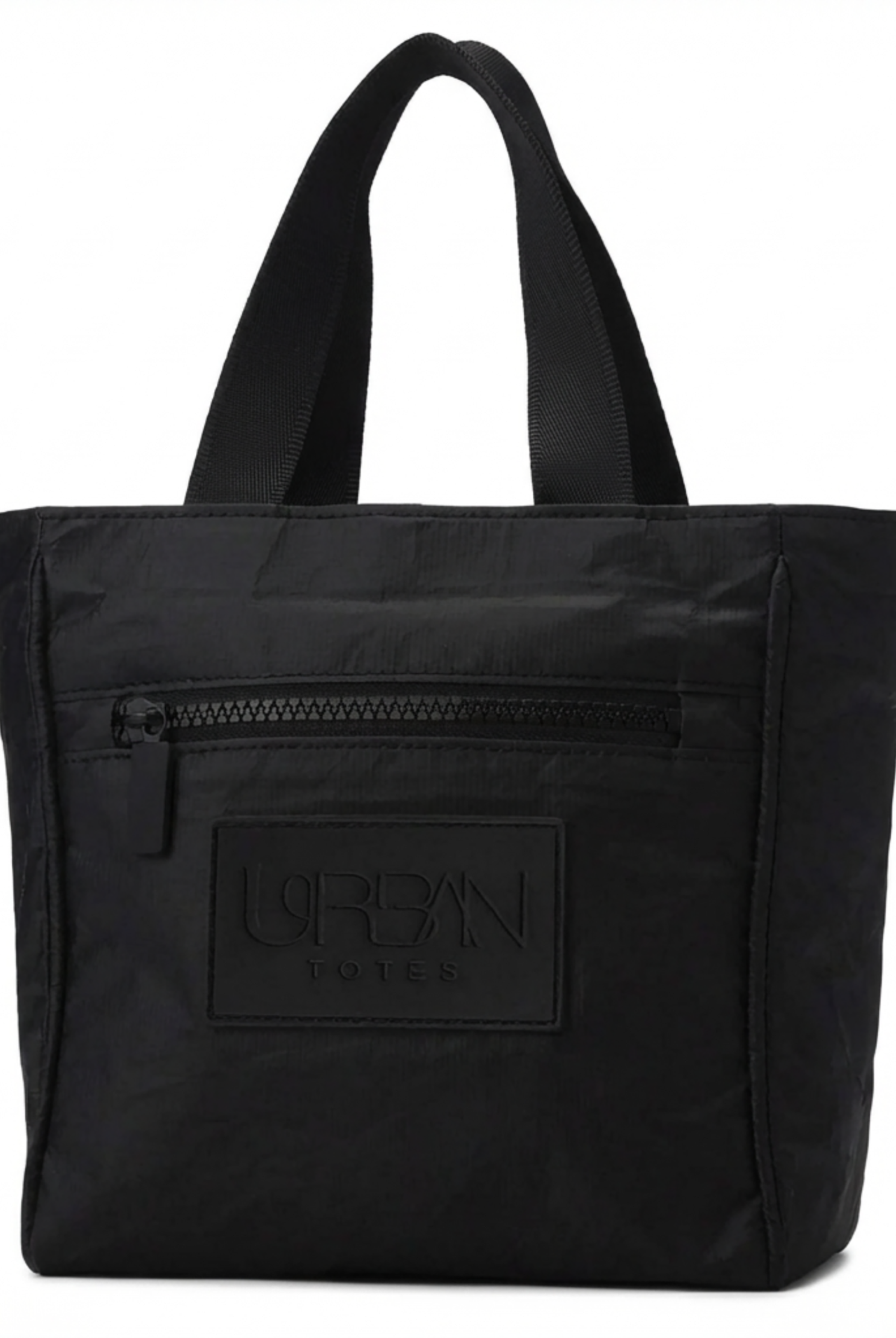
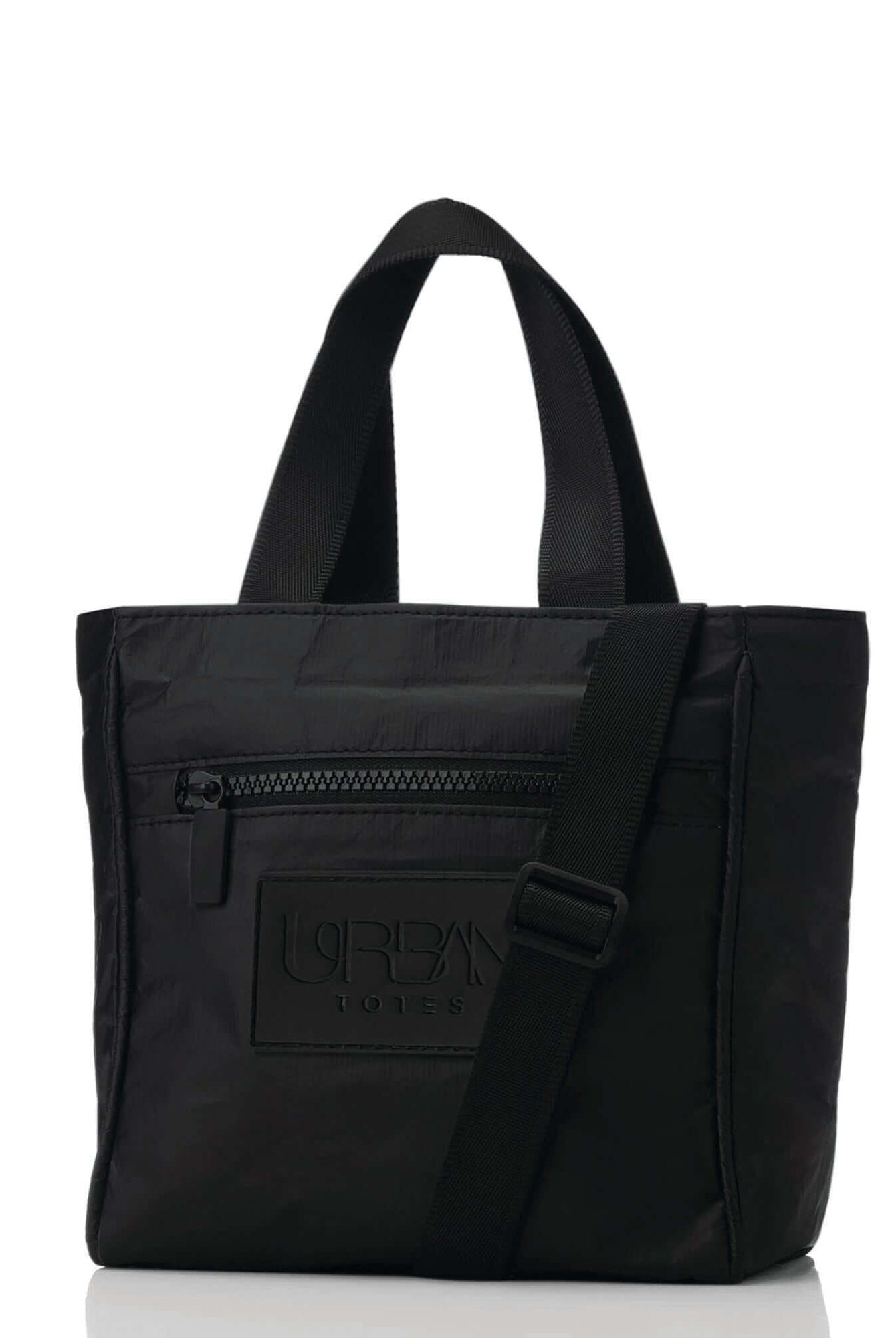
Third-party systems such as the Global Recycled Standard, or GRS, and bluesign can help verify material or production claims, but certification details should appear clearly in the product information. A practical example is the Crossbody Tote Bag Mini Purse, which lists a zip-top closure, outside and inside pockets, water-resistant technical material, a foldable design, and dimensions of 7.5 x 4 x 7.75 inches. Those are useful product details, but they shouldn't be confused with proof of a specific recycled percentage unless the product documentation states one.
From Recycled Bottles to Real World Performance
A material claim only earns my attention when it connects to a physical job. Recycled polyester and recycled nylon can perform well, but fiber quality, weave, coating, seams, and finishing determine whether the bag handles a packed commute. One peer-reviewed study found recycled polyester fabrics withstood up to 70,000 rubs in ISO 12947 testing without yarn breakage. The same research found aging caused up to a 15% drop in force at break for recycled polyester, compared with up to 26% for standard polyester in one fabric class. The peer-reviewed textile study supports a clear conclusion: recycled inputs can remain structurally competitive when the fabric is engineered properly.
Read the spec, then picture Tuesday
A shell with a useful denier should still have reinforced stress points. Look for bar tacks at strap attachments, neat seam binding, a zipper that doesn't feel flimsy, and a padded sleeve that holds your laptop close to the body of the bag. A lightweight lining can reduce bulk, but it shouldn't snag around chargers or collapse into the laptop compartment.
Recycled nylon can be especially compelling when the bag needs a more technical weather barrier. One listed recycled nylon construction reports 10,000 mm H2O water resistance, moisture permeability above 40,000 g/m2/24 h, and abrasion resistance above 50,000 cycles in standardized testing. The technical recycled nylon specification shows why shell, coating, and seam construction need to be considered together.
| Material | Typical Denier | Water Resistance | Abrasion Rating | Best For |
|---|---|---|---|---|
| Recycled polyester shell | 600D or above | Depends on coating and seams | Depends on weave and finishing | Daily commuting and general carry |
| Recycled polyester lining | Lower than outer shell | Interior protection varies | Light interior wear | Chargers, notebooks, and device separation |
| Recycled nylon shell | Product-specific | One technical example reports 10,000 mm H2O | One technical example reports above 50,000 cycles | Wet commutes and heavier daily loads |
| rPET fabric | Product-specific | Depends on treatment | Can be structurally competitive when engineered | Lightweight work and travel bags |
| Mixed recycled construction | Varies by component | Depends on the weakest closure or seam | Depends on hardware and reinforcement | Bags designed around whole-product recycled inputs |
Recycled content doesn't automatically mean closed-loop production, and recycled fabrics can still shed microplastics. That's why durability, repairability, and long service life matter as much as the headline percentage. For more practical comparisons, browse this guide to recycled material bags.
The Features Checklist That Actually Matters
A laptop bag should pass a physical checklist before it passes a sustainability checklist. Start by measuring your device, including its case, against the sleeve dimensions. A compartment described only as “fits most laptops” tells you less than a stated size and a padded construction.
Must-haves for daily carry
- Padded laptop sleeve: The computer should sit securely without excessive movement or pressure from chargers.
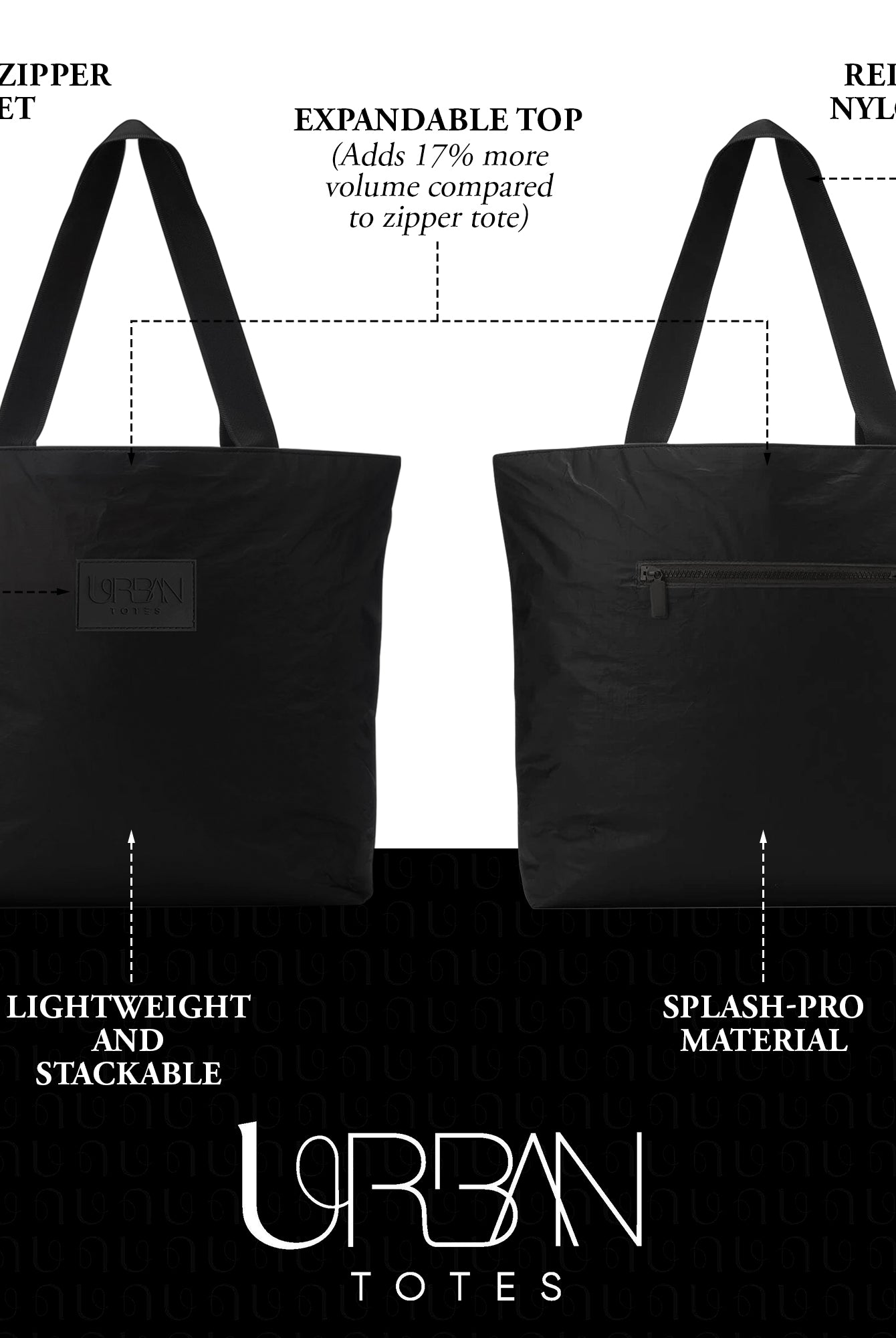
- Zipper closure: A top zipper offers stronger containment in transit than an open tote, especially when the bag tips or gets caught in rain.
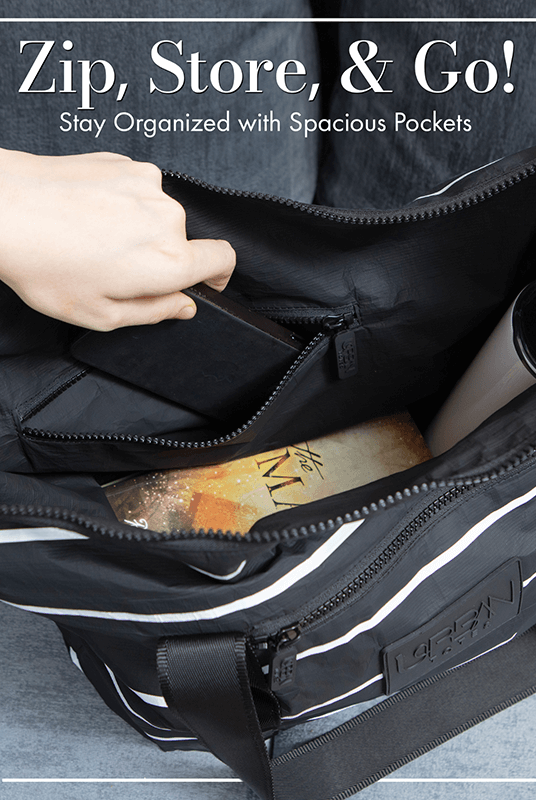
- Useful interior pockets: Look for dedicated space for a charger, mouse, cables, notebook, and small personal items.
- Exterior quick-access pocket: Your phone, keys, or transit card shouldn't require unpacking the whole bag.
- Comfortable strap construction: Width, padding, adjustability, and attachment points affect how the bag feels after a full day.
- Manageable empty weight: A durable bag still needs to start light, because your laptop and accessories add weight quickly.
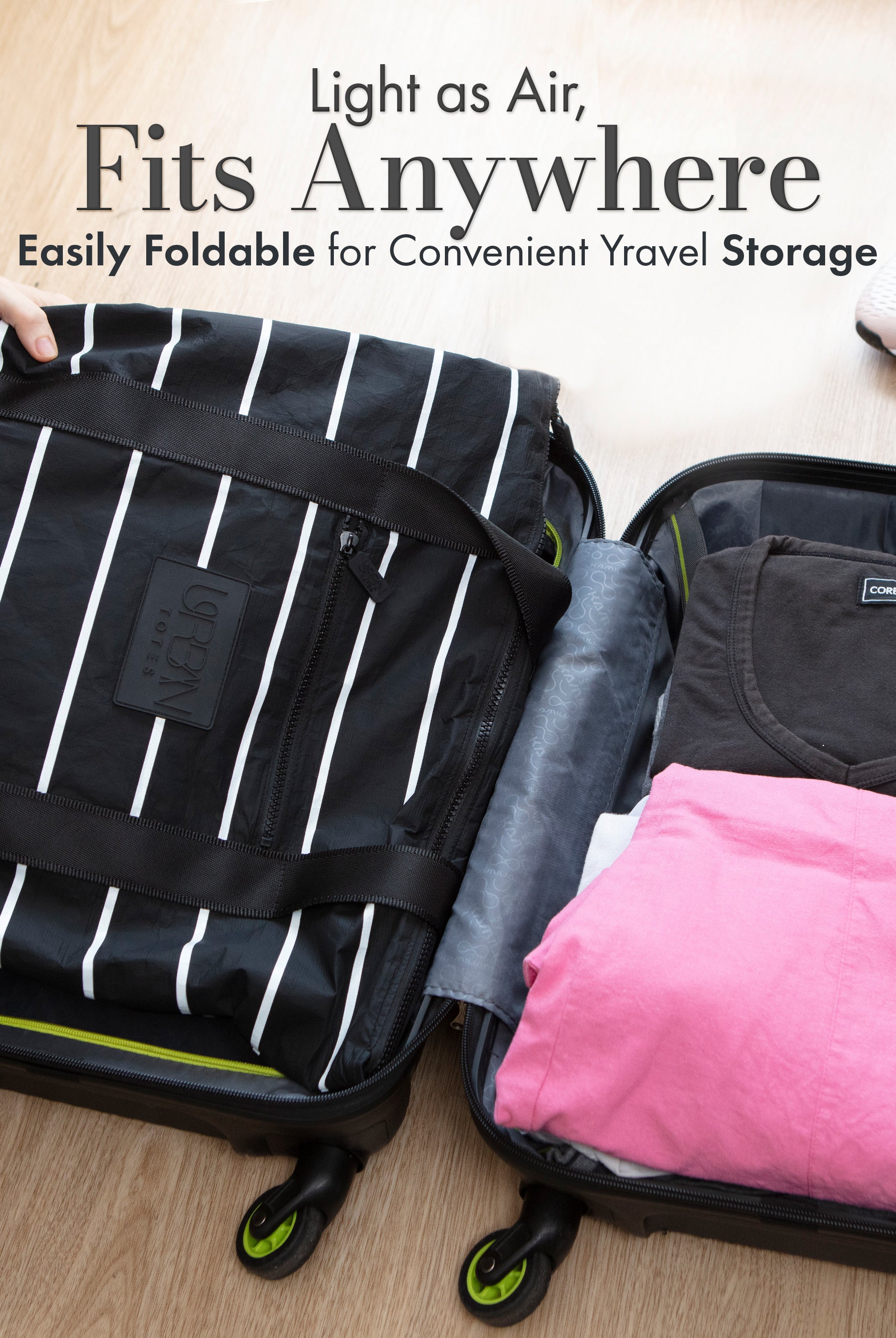
- Packable shape: A foldable bag earns its place when it can travel inside a larger suitcase or weekender.
A bag with compartments should make your routine calmer, not turn every item into another hidden pocket mystery. Organization matters most when you're standing at school pickup, searching for keys at the airport, or pulling out your charger during a meeting.
Nice extras, with one warning
A luggage pass-through, reflective accent, ventilated back panel, roll-top closure, removable strap, or water-bottle pocket can be useful. Choose them according to your routine rather than collecting features for their own sake.
Greenwashed designs often preserve the recycled outer fabric while cutting corners elsewhere. Inspect the zipper gauge, strap webbing, corner reinforcement, foam recovery, and seam finishing. Hardware quality is not decorative. It often decides whether a bag remains functional after repeated loading, folding, and carrying.
Matching the Right Bag to Your Real Life
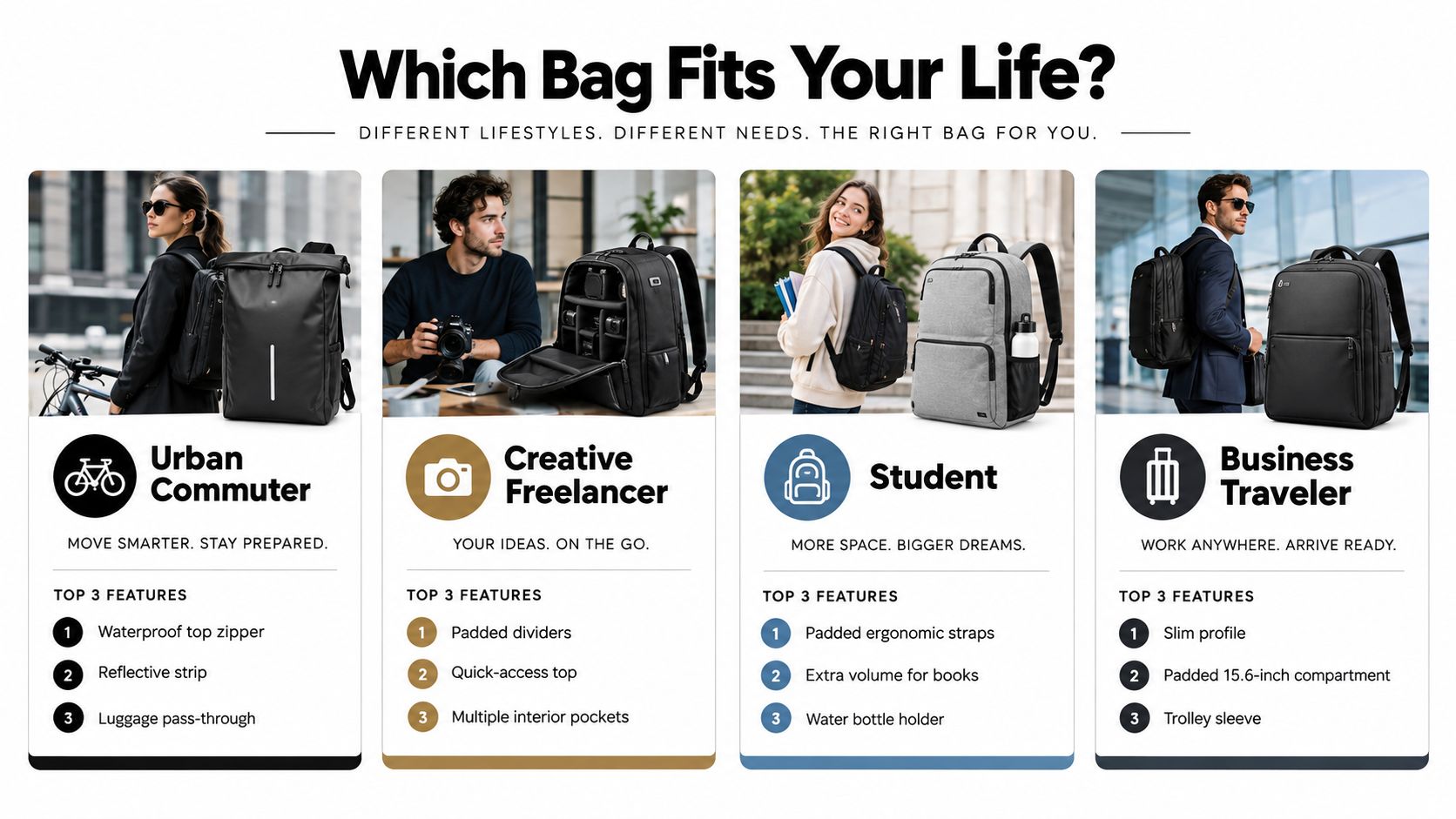
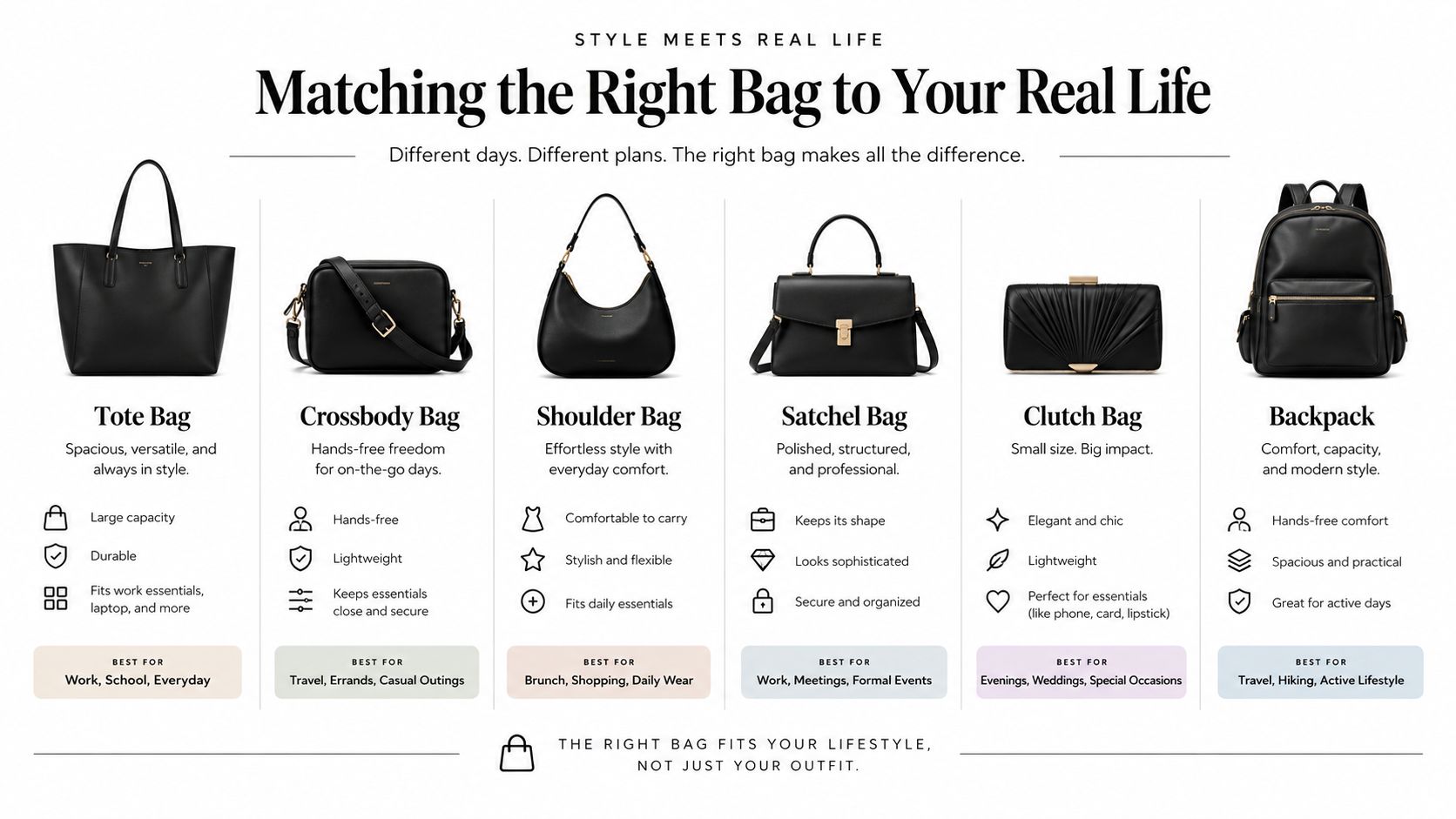
The same eco friendly laptop bag can feel perfect for one woman and completely wrong for another. Your commute, family routine, and travel habits should decide which specifications receive top billing.
The urban commuter
You're walking to the train with rain on your coat and one hand free for coffee. Prioritize a water-resistant shell, a secure waterproof top zipper when available, reflective accents for visibility in low light, and a sleeve that slides over a luggage handle. A comfortable strap and reinforced attachment points matter more than extra decorative pockets.
The frequent traveler
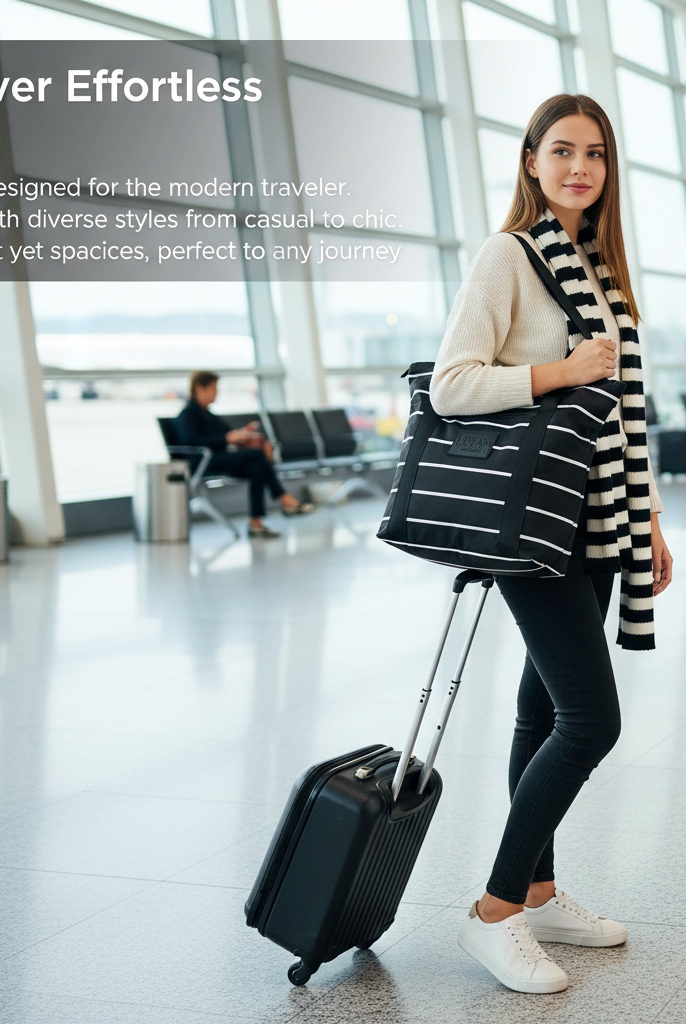
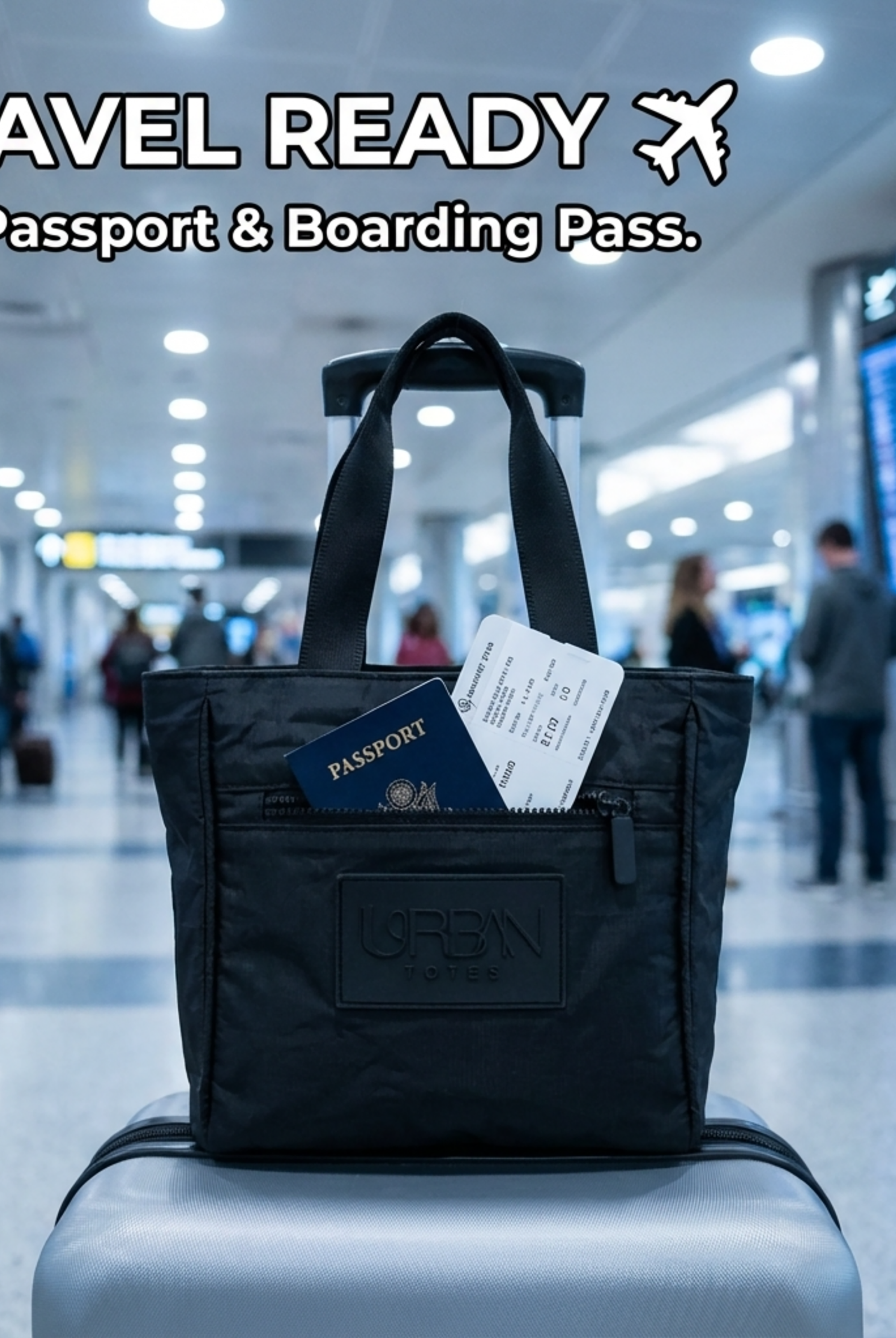
Your laptop bag needs to disappear neatly beneath an airplane seat or compress flat inside a suitcase. Choose a slim profile, a padded laptop compartment, a trolley sleeve, and an organized interior that prevents cables from becoming a tangled pocket of regret. Packability is valuable here because the bag may serve as a personal item on one trip and a secondary carry option on another. For broader planning around working while moving, this remote work travel guide 2026 offers useful context for building a mobile work routine.
The parent on the move
At daycare drop-off, your bag is carrying more than technology. Snacks, wipes, a small sweater, and a laptop need to coexist without turning the interior into a dig. A wide opening, wipeable lining, zipper closure, and sturdy straps should lead your shortlist. You'll appreciate multiple compartments when you need your phone quickly but don't want to expose everything else.
The student between buildings
You're moving from class to the library, then to a coffee shop, with a laptop, tablet, notebook, pens, and personal items. Lower weight, padded ergonomic straps, pen pockets, a tablet sleeve, and extra volume for books make more sense than a polished business profile. The right choice should also fit a tight budget without sacrificing the closure, sleeve padding, or strap stitching that keeps daily use comfortable.
A tote, backpack, or crossbody can all work, but they solve different carrying problems. Use this guide to best laptop tote bags when you're deciding whether your workweek favors shoulder carry, hands-free movement, or a structured office silhouette.
Care Habits That Make Your Bag Last for Years
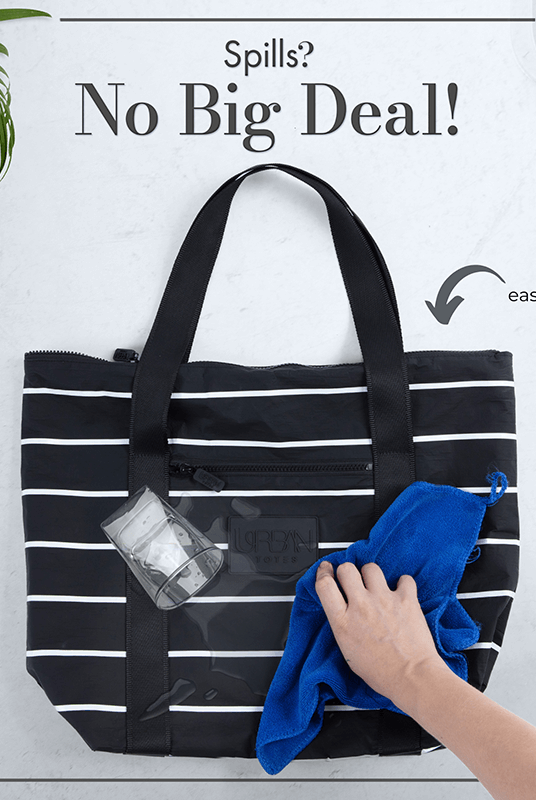
Care begins with restraint. Spot-clean marks with mild soap and cool water instead of reaching for harsh detergent, which can strip water-repellent coatings or dull the fabric. Work from the outside in, use a soft cloth, and let the area dry fully before loading your laptop again.
Machine washing can be convenient, but only follow the care label. If the label permits it, use a front-loader on a gentle cycle, close every zipper, and avoid aggressive detergent or high heat. Air-dry the bag away from direct sun, which can affect color and may stress polyurethane coatings.
Protect the shape and the finish
A technical wash-in product can refresh a DWR finish when the fabric begins wetting out, but use one intended for the material and follow its instructions. Don't treat a water-resistant bag as a waterproof dry bag. The finish supports daily drizzle and spills, while the construction determines how far that protection goes.
Store the bag empty, lightly stuffed, or hung by a suitable loop so the straps keep their shape. Avoid leaving a laptop, heavy charger, or full water bottle inside for long periods. The bag should rest without permanent strain on the base, handle, or shoulder attachments.
Repair before replacement
Loose threads, sticky zippers, and worn strap webbing are early warnings. Trim or secure loose threads carefully, clean zipper teeth with a dry brush, and have a repair professional reinforce webbing before the attachment tears. Keep the care guidance for washable tote bags nearby when you're comparing cleaning methods, but always follow the specific product label first.
A recycled-material bag becomes a stronger environmental choice the longer it stays useful.
That's the rule of thumb I trust. Frequent use spreads the manufacturing impact across more commutes, flights, errands, and workdays. A bag that can be cleaned, repaired, folded, and carried comfortably has a better chance of staying in service instead of heading to the closet after a single difficult season.
Your Shortlist and the Next Step
Before you buy, scan the product page for proof instead of adjectives. A clear listing should tell you what the recycled material covers, how the bag resists water, how the laptop is protected, and what happens if a zipper or strap fails.
Use this quick trust check:
- Recycled-content detail: Look for a stated percentage or a specific component breakdown, not just “made with recycled materials.”
- Certification information: Check whether GRS, bluesign, or another relevant standard is named and explained.
- Construction specs: Search for denier, lining, coating, seam, zipper, and padding details.
- Repair and warranty terms: A clear warranty and accessible repair pathway show that the brand expects the bag to have a longer life.
- Whole-product transparency: Ask whether recycled content includes only the shell or also covers linings, webbing, padding, buckles, binding, and zips.
A product specification for one laptop bag states that its exterior is approximately 97% recycled polyester, equivalent to six 16.9-ounce recycled plastic bottles, and that the bag is water-resistant. Another sustainable bag listing says every component in its range, including textile, padding, lining, buckles, binding, webbing, and zips, is made from 100% recycled materials, with construction using 49 recycled plastic bottles and non-toxic water-repellent coatings. These examples show the level of detail a serious buyer should seek, while the product datasheet for the recycled-polyester laptop bag and the whole-product recycled-material listing provide concrete points of comparison.
For your own shortlist, the commuter should choose weather protection and secure carry. The traveler should choose slim packability and luggage compatibility. The parent should choose wide access, wipeable materials, and reinforced straps. The student should choose low weight, practical pockets, and a comfortable fit for books and devices.
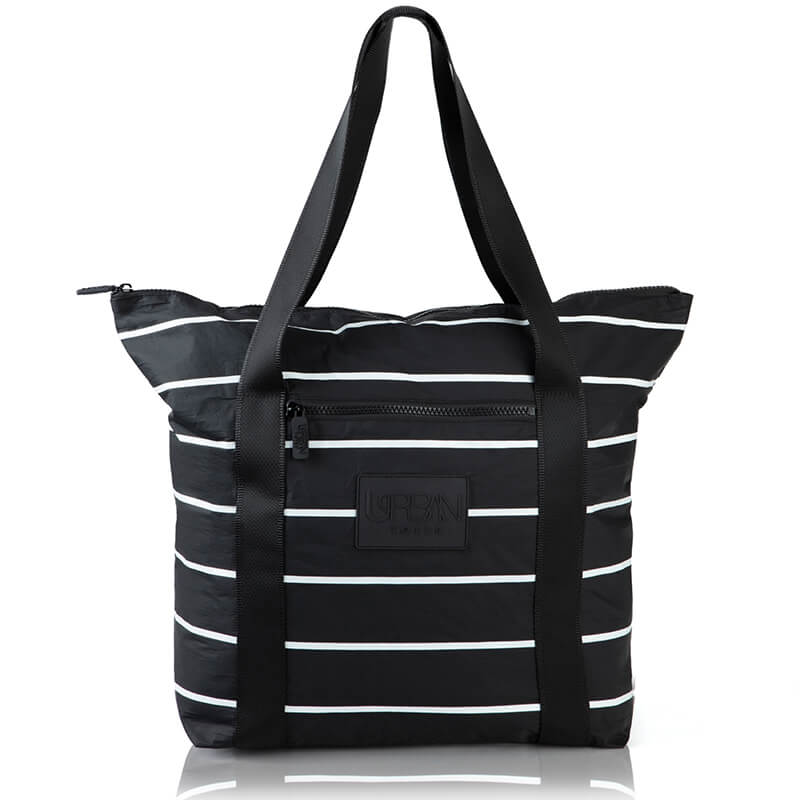
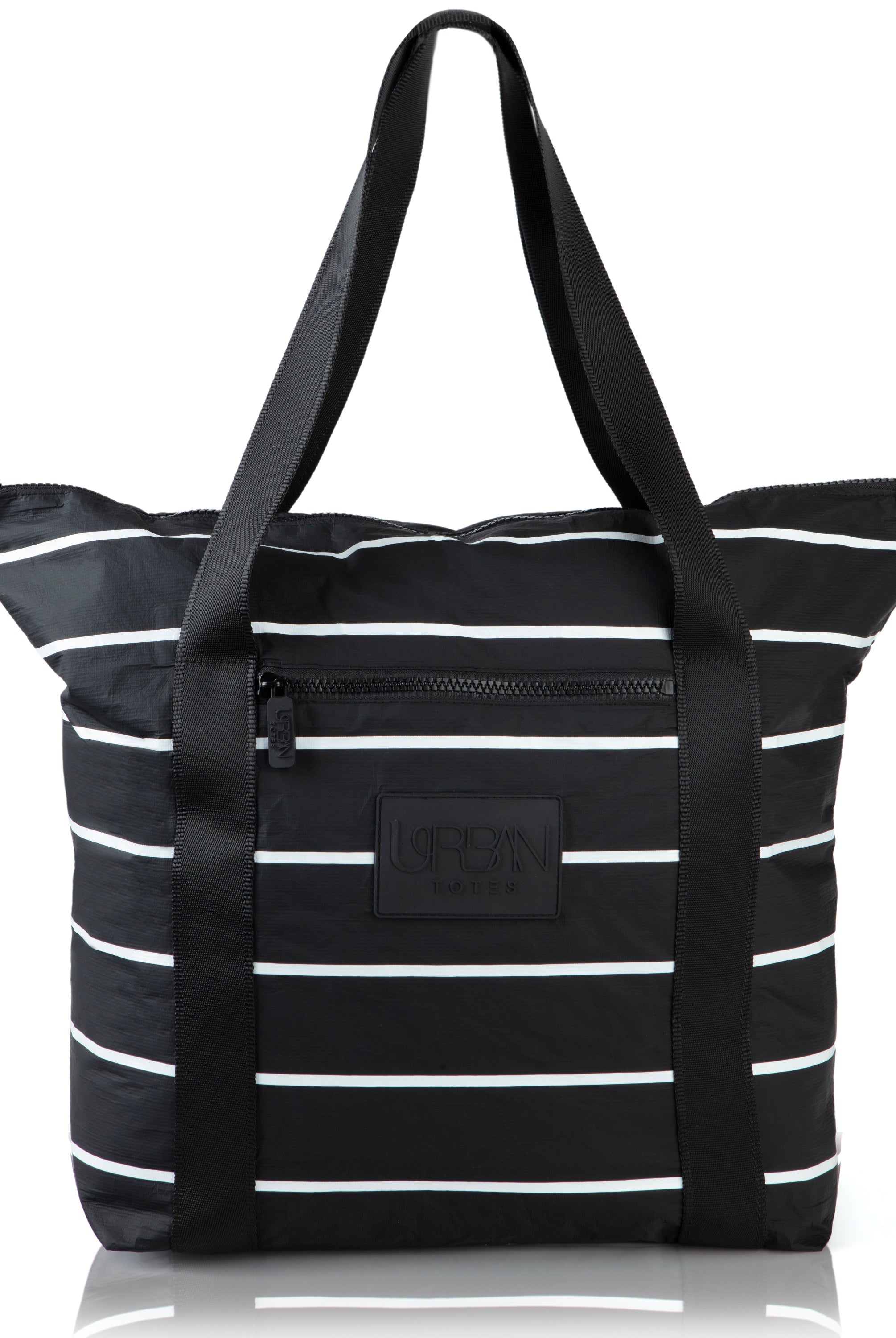
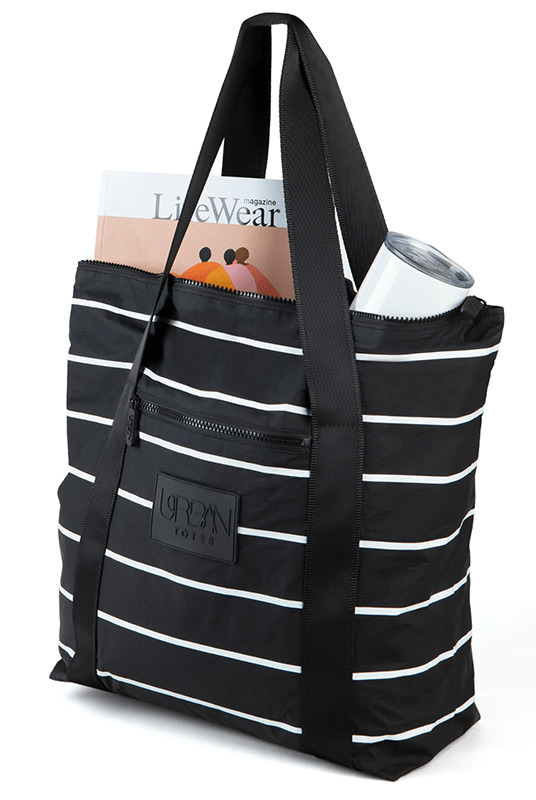
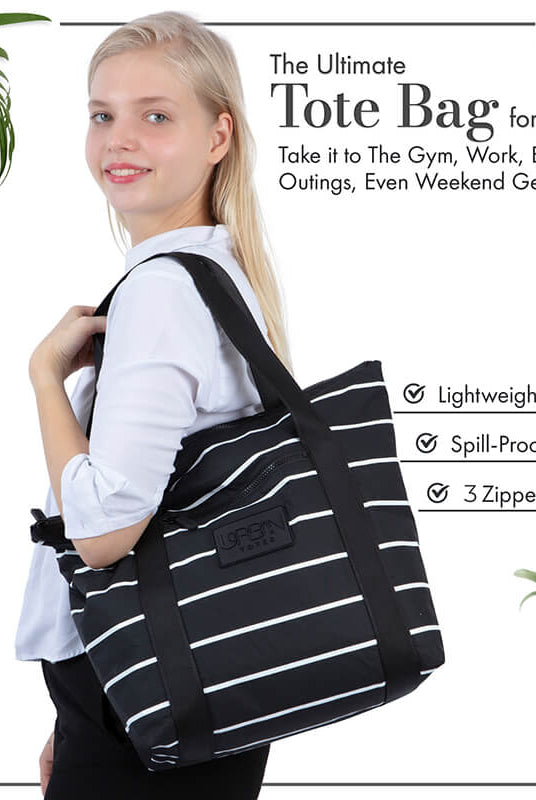
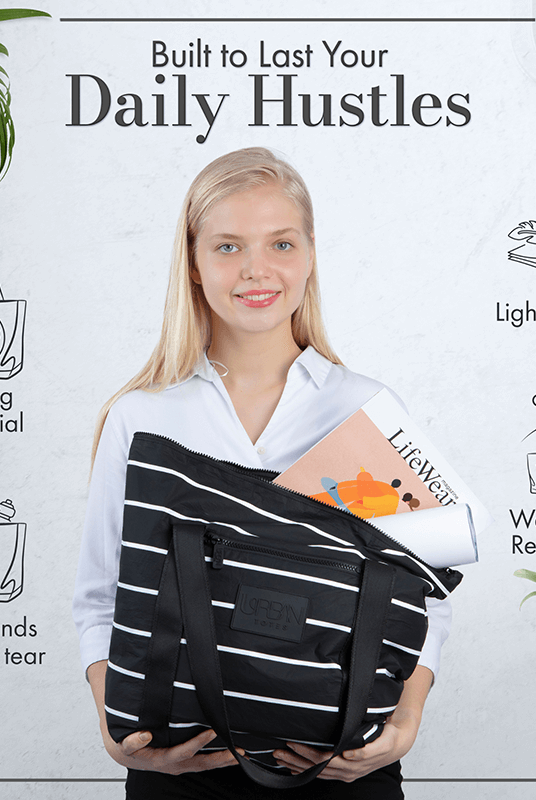
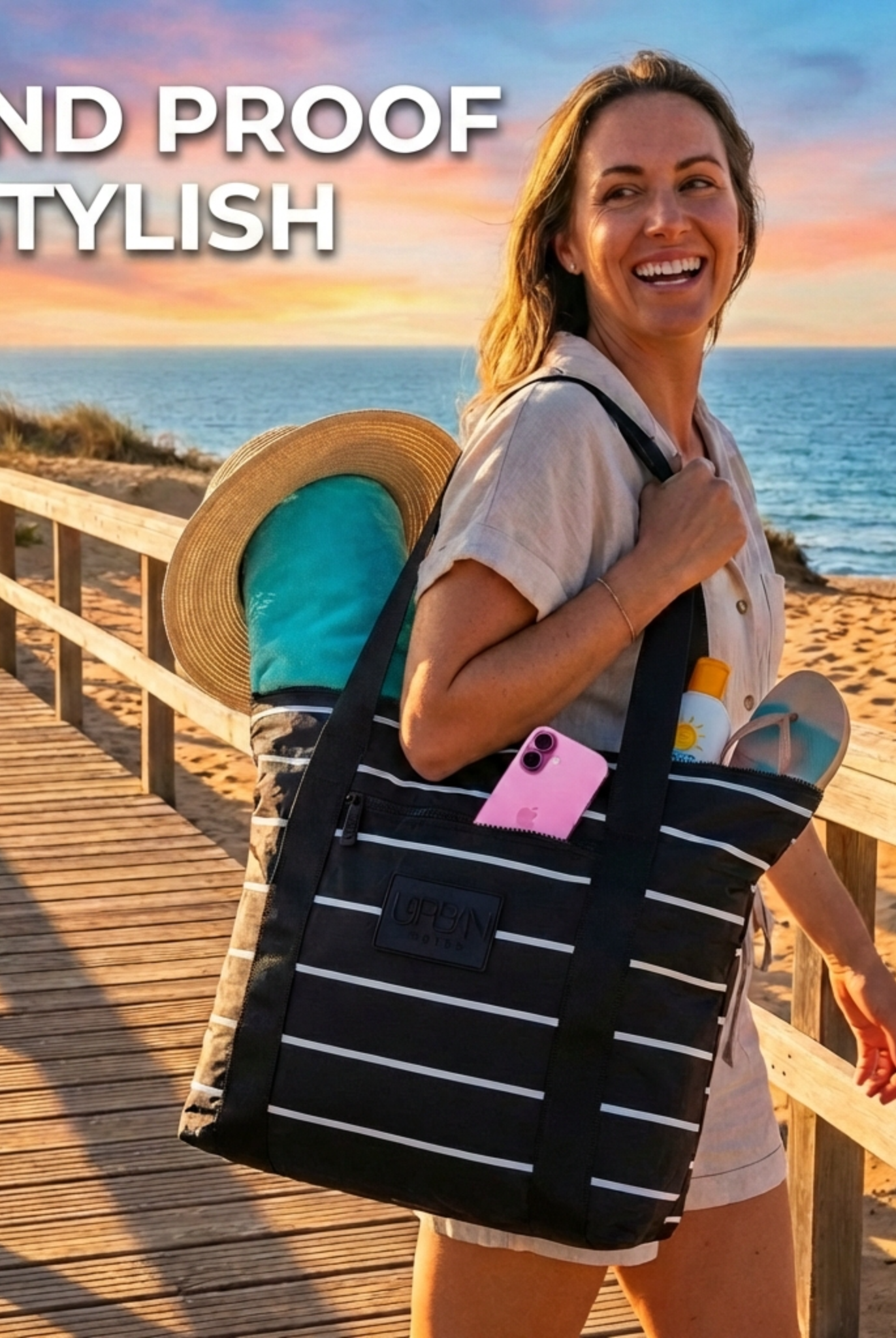
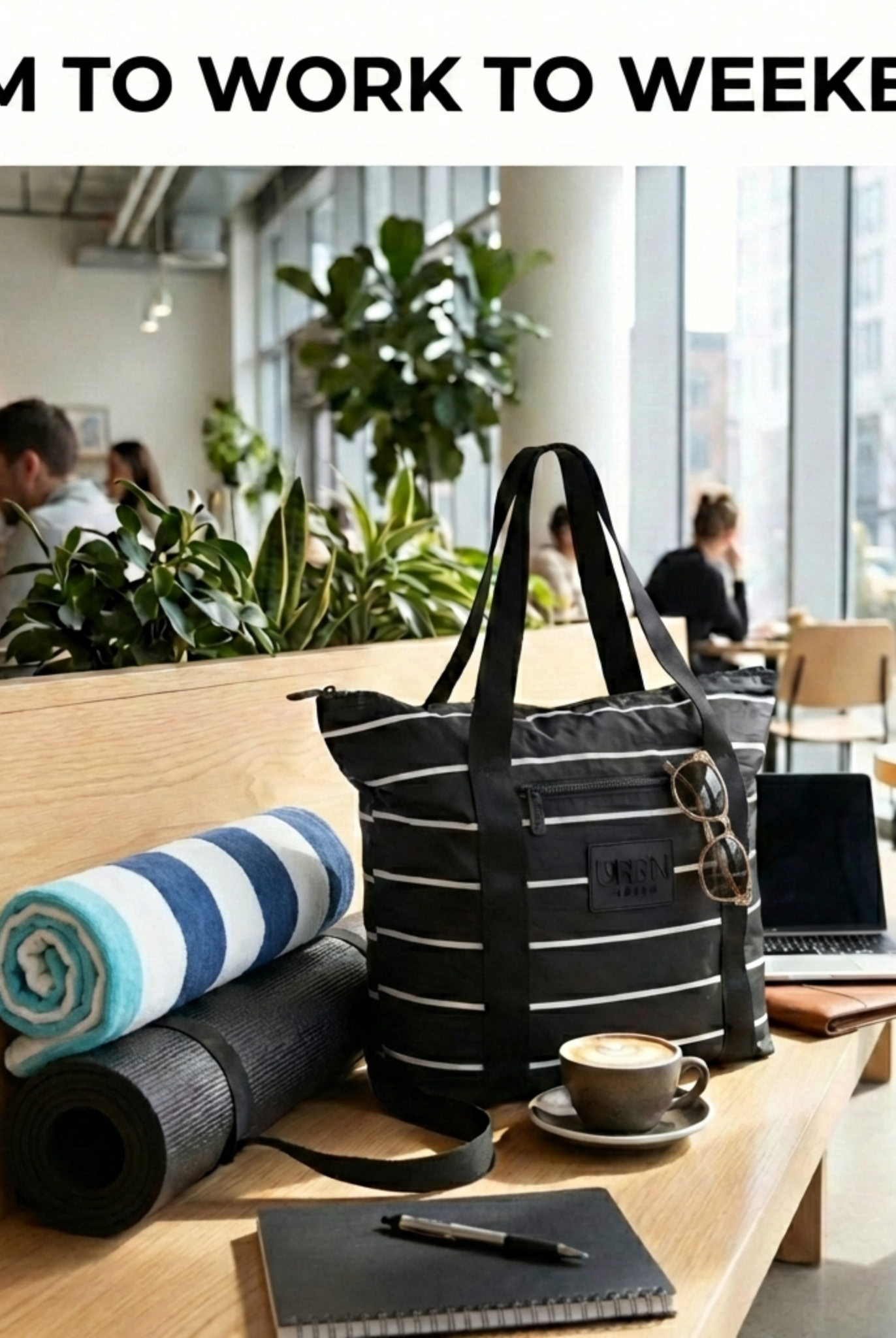
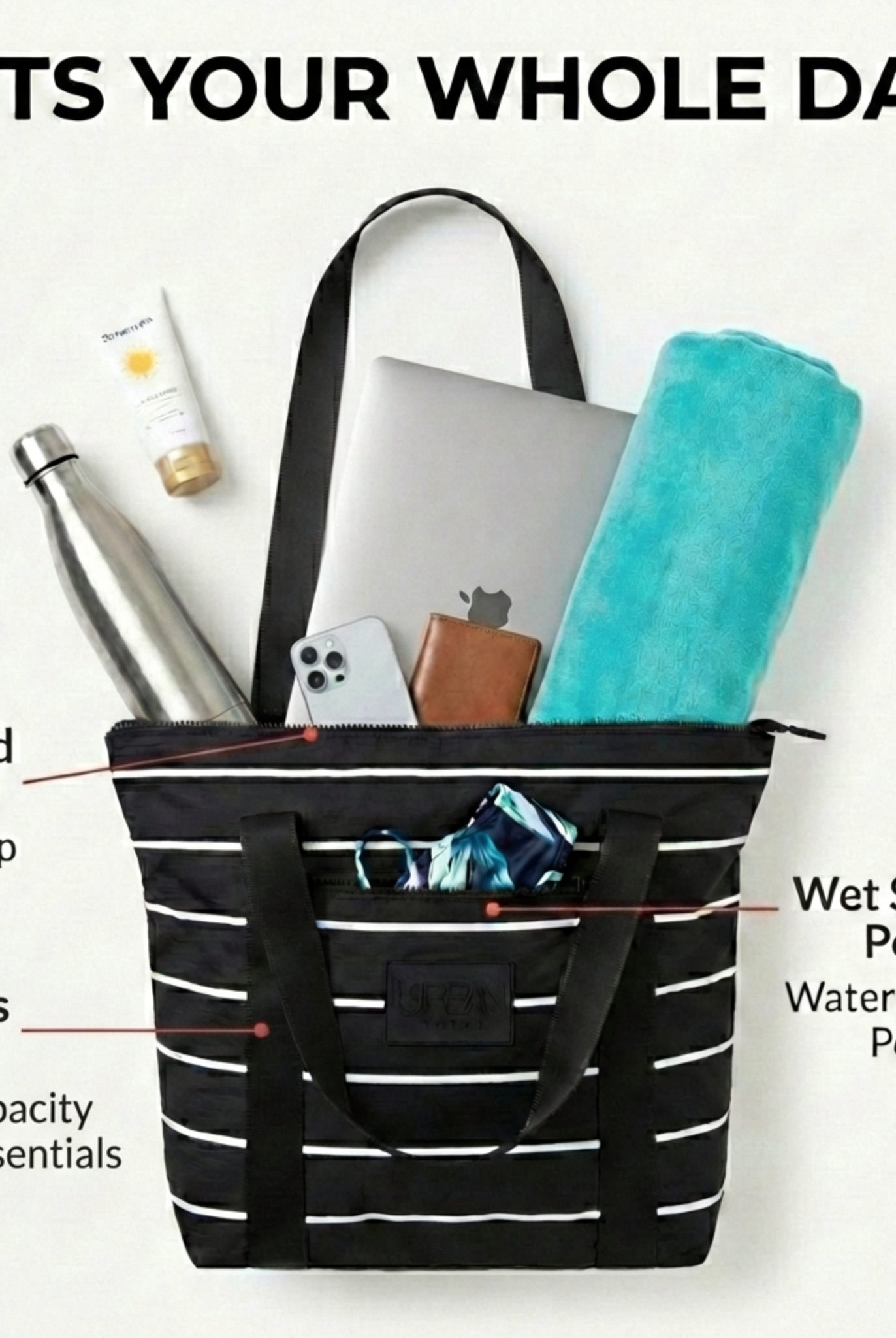
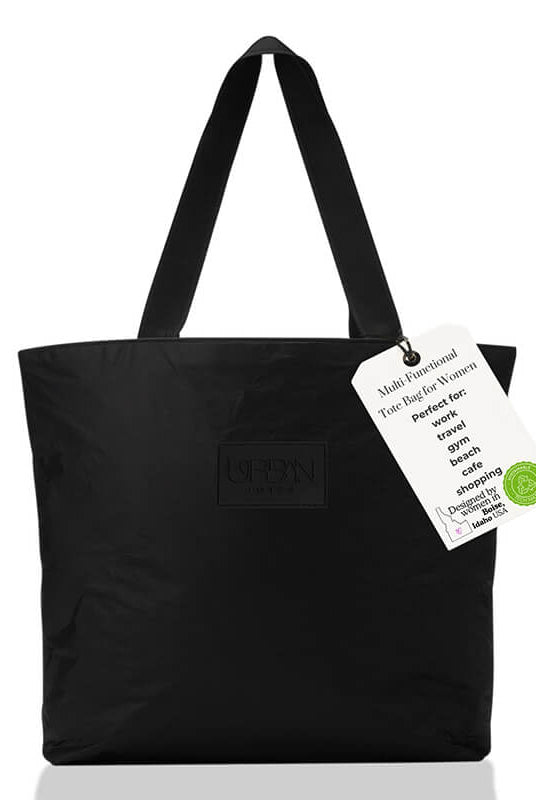
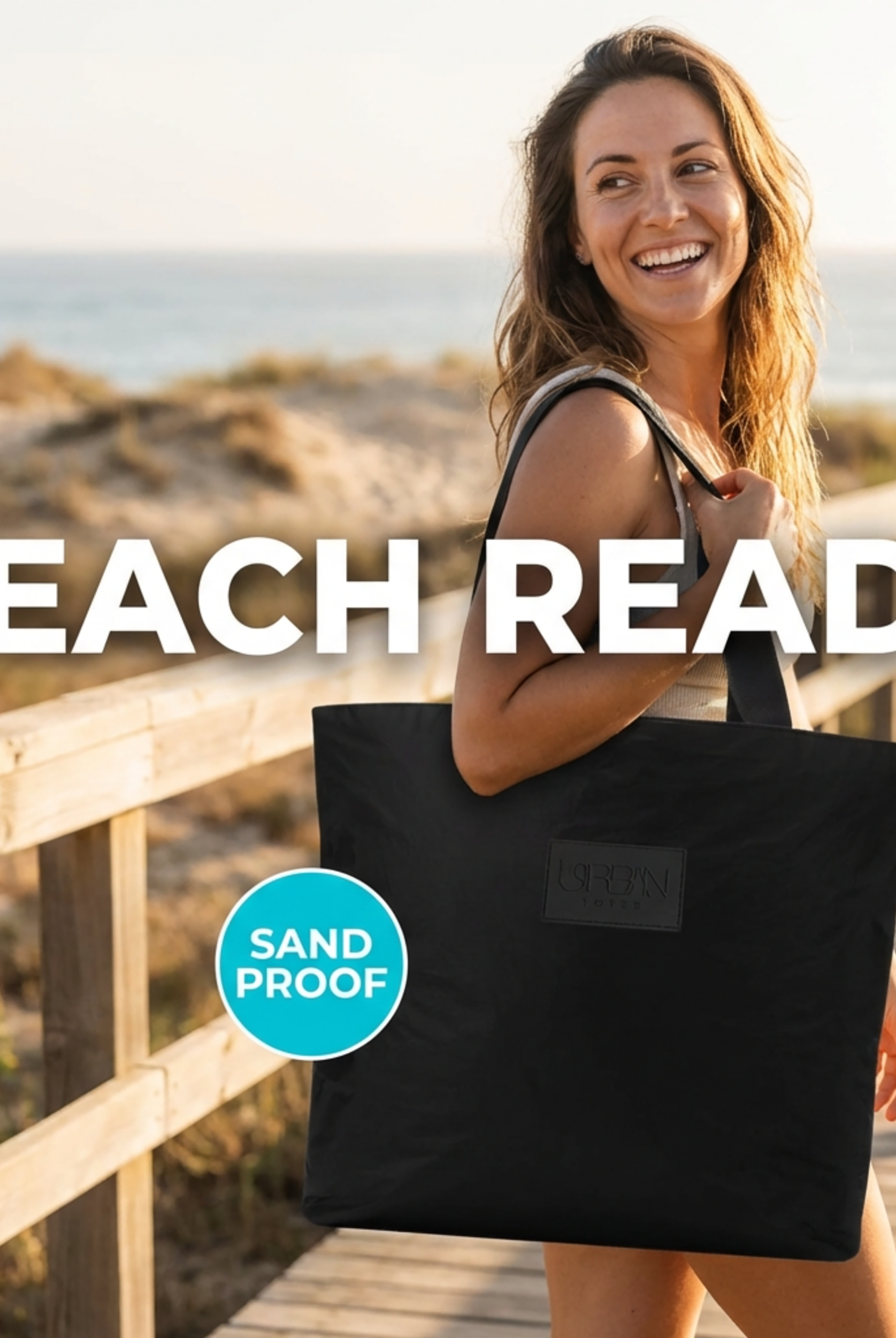
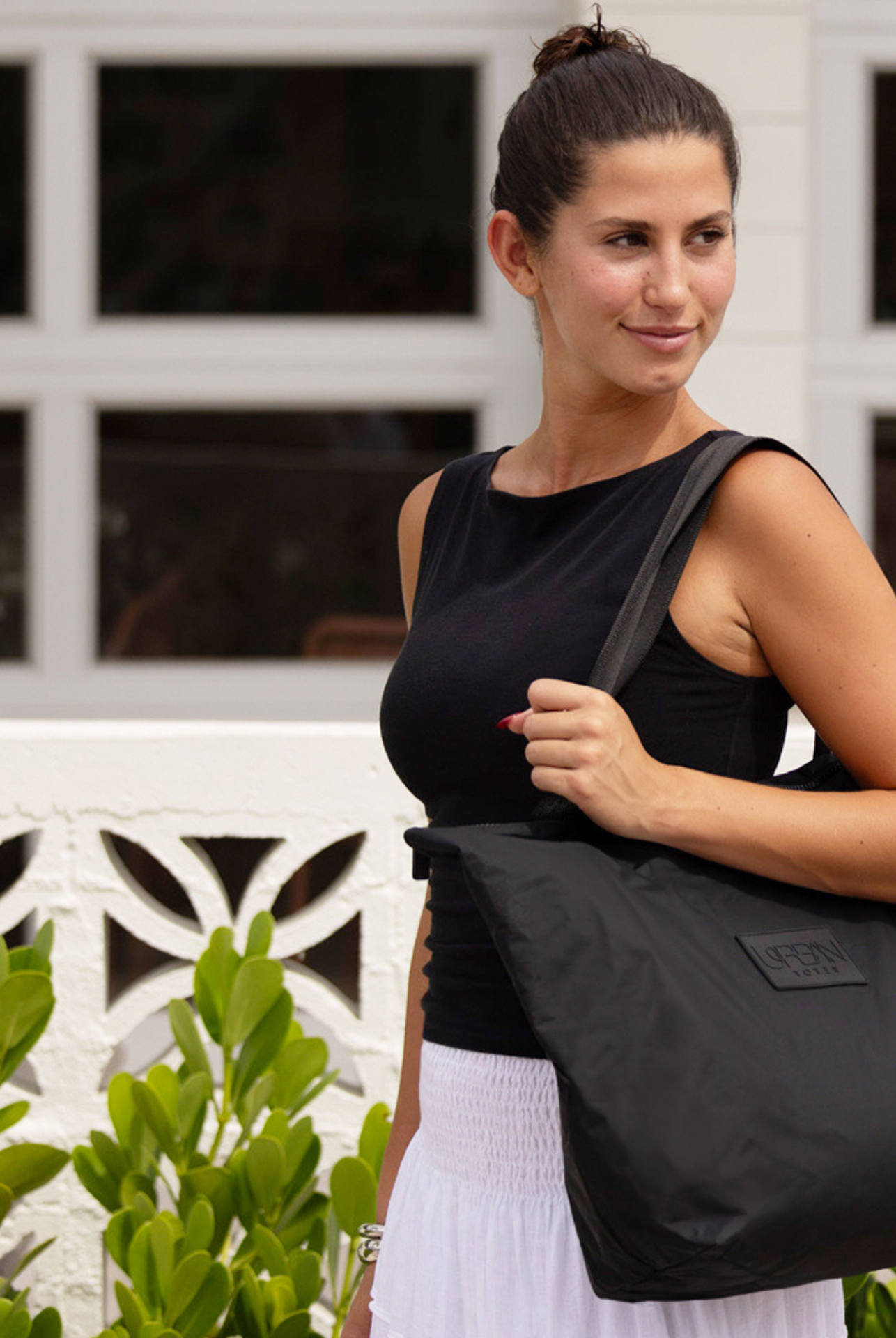
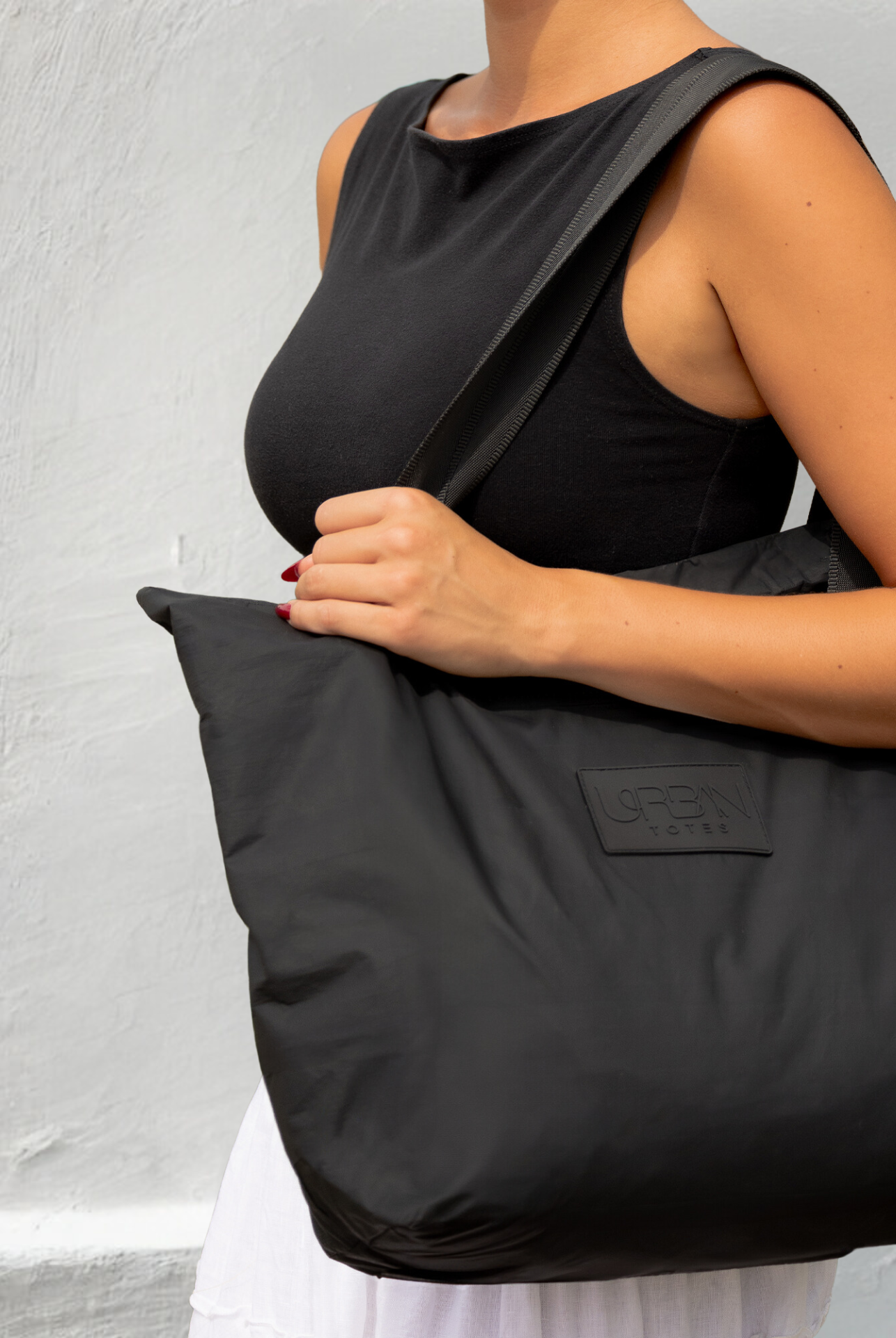
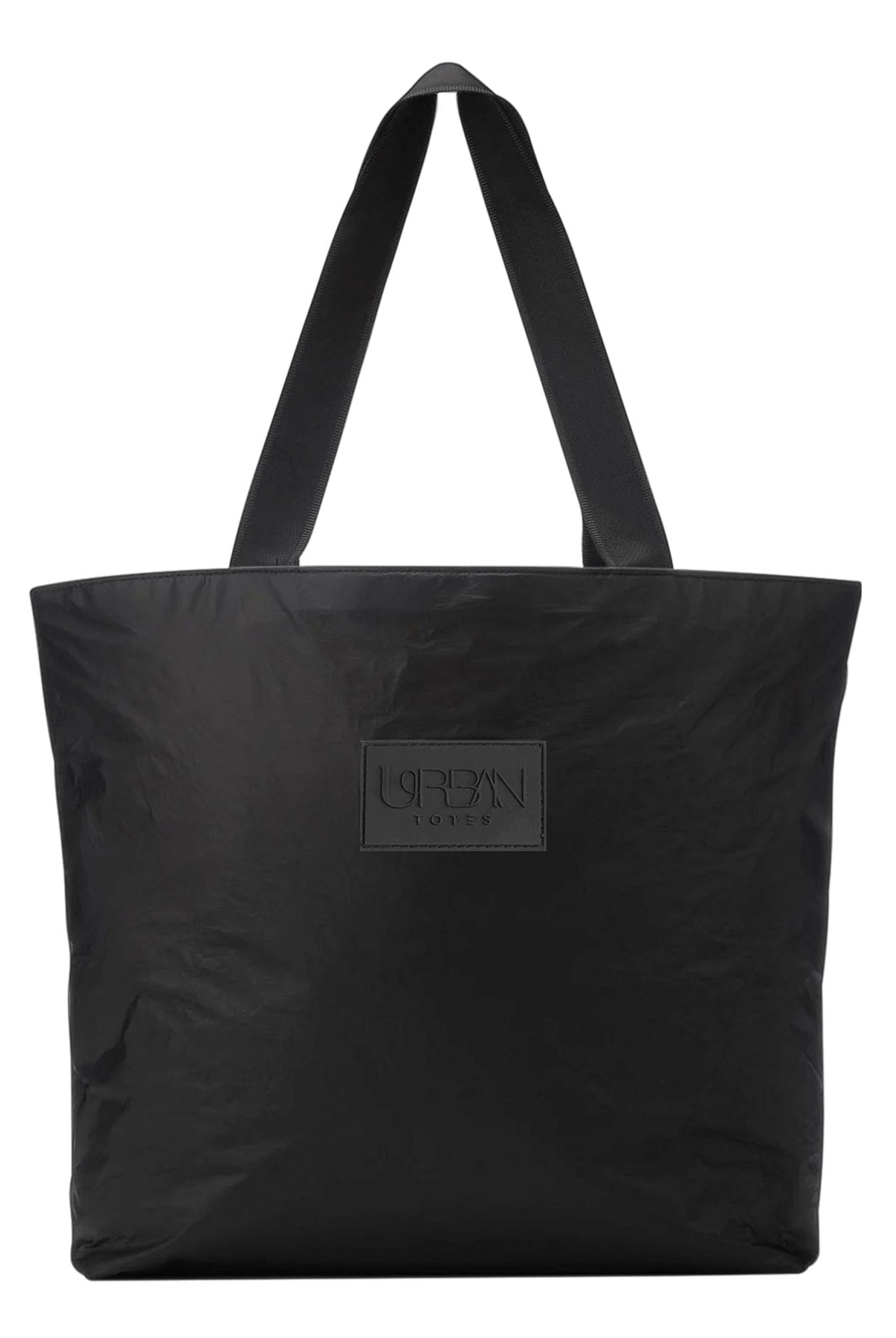
Urban Totes is one option for shoppers who want a woman-owned, Boise-made brand with lightweight, water-resistant, packable designs, zipper closures, and organized compartments for everyday carry. The collection is positioned around real movement, from Monday's commute to a Friday flight, beach errands, gym sessions, and spontaneous getaways. Don't choose it because a product page uses the word “eco.” Choose it if the material details, organization, cleaning routine, and carrying format fit your week.
Tomorrow morning, the right bag should make the exit easier. Your laptop should slide into a padded compartment, your keys should land in a reachable pocket, and the bag should handle the change from school drop-off to office to evening plans without asking you to reorganize your life.
Shop the thoughtfully designed, water-resistant, lightweight, and packable collection at Urban Totes, with versatile tote and crossbody styles made for work, travel, beach days, and everyday carry. Choose the organized, go-anywhere bag that fits your routine, then take on the next commute, flight, errand, and adventure with confidence.