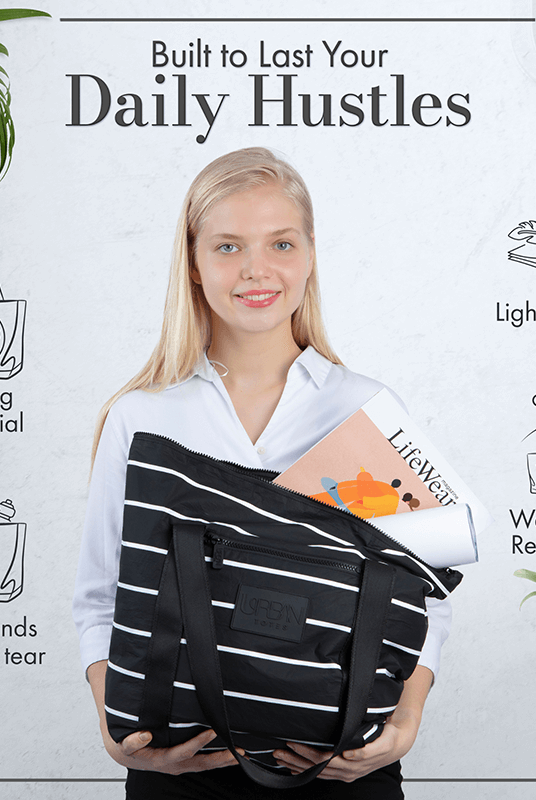
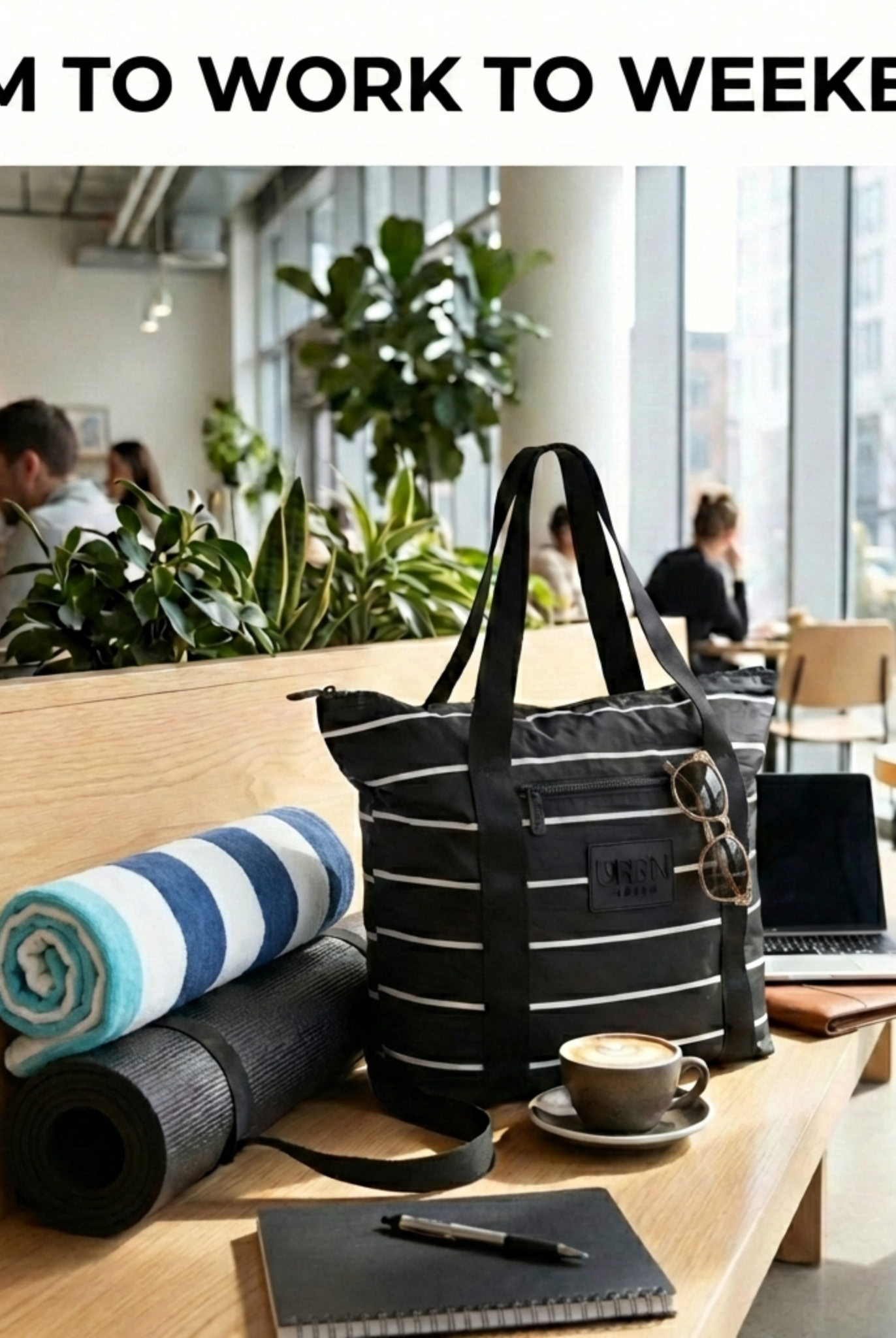
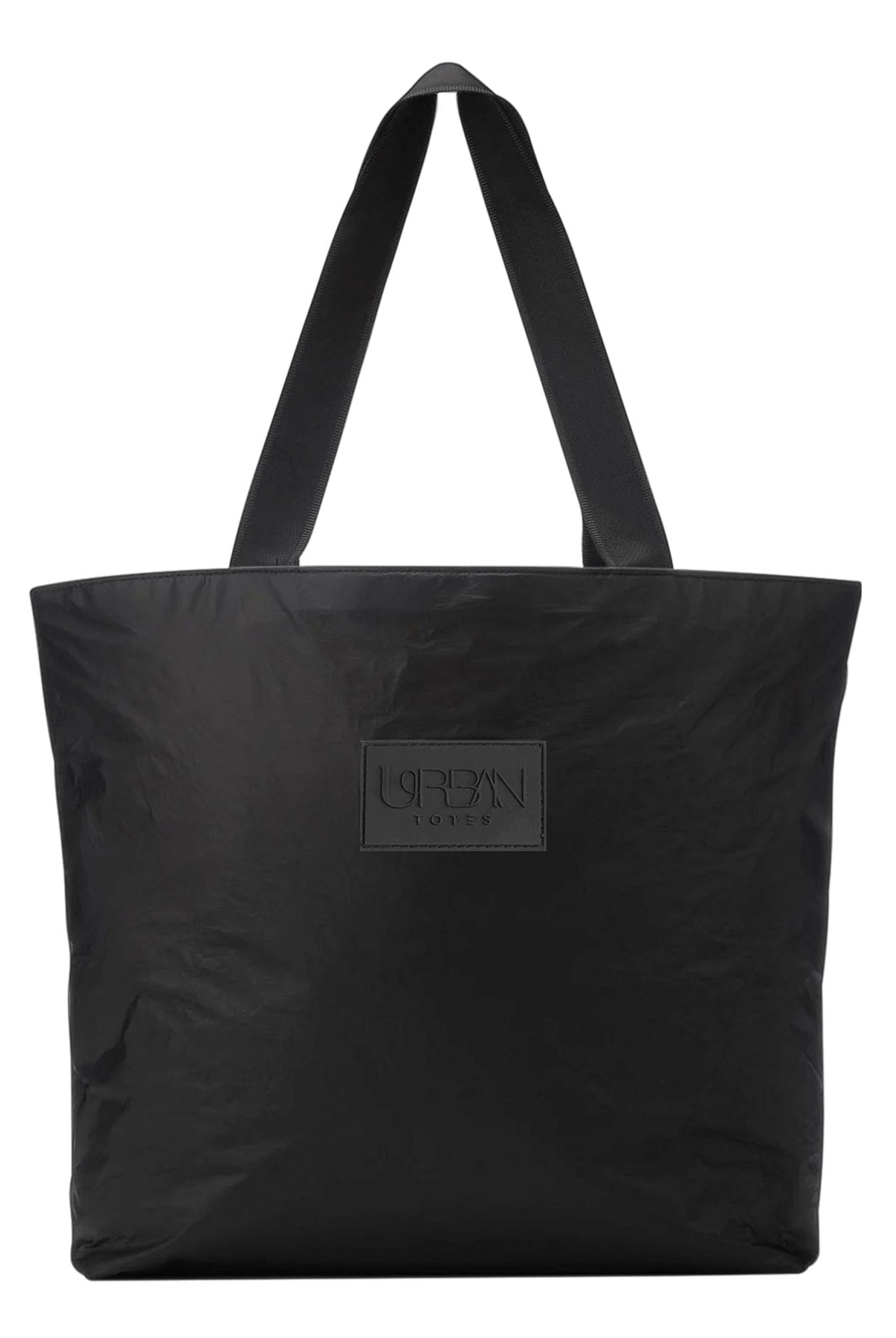
You're at the front door with a laptop under one arm, a water bottle rolling toward the stairs, gym clothes looped over your wrist, and keys hiding somewhere in the mess. School drop-off starts in minutes, and the farmers market is on the way home. You don't need another delicate accessory. You need one organized, lightweight tote bag that can move through the whole day without becoming a burden.
That's the answer to “what is a tote bag used for?” It's used to carry the changing cast of essentials that follows you from office to errands, from beach chair to airport terminal, and from school pickup to an unplanned coffee with a friend. The right tote becomes a mobile command center, but only when its size, pockets, closure, and carry style match the moment.
Table of Contents
- The Go-Anywhere Solution for Busy Days
- The Evolution of the Everyday Carryall
- Matching Tote Features to Your Daily Scenarios
- Knowing When Your Tote Becomes Too Heavy
- Smart Packing and Effortless Maintenance
- The Real Impact of Choosing Reusable
The Go-Anywhere Solution for Busy Days
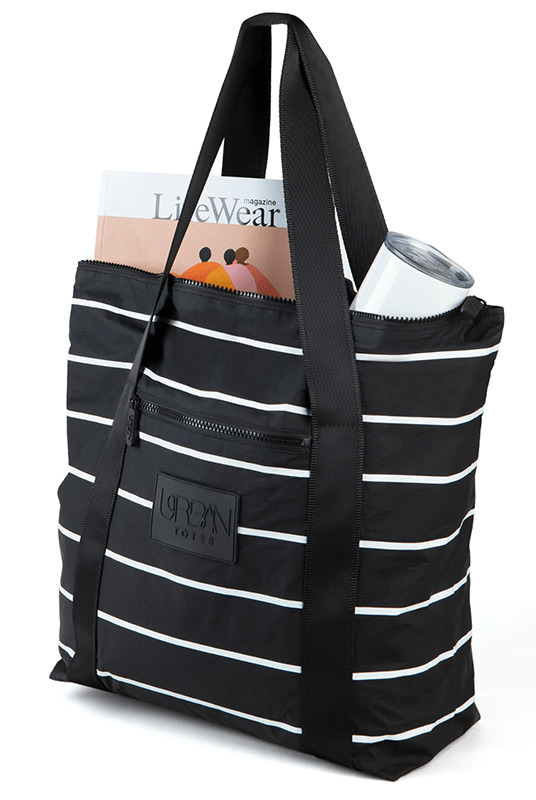
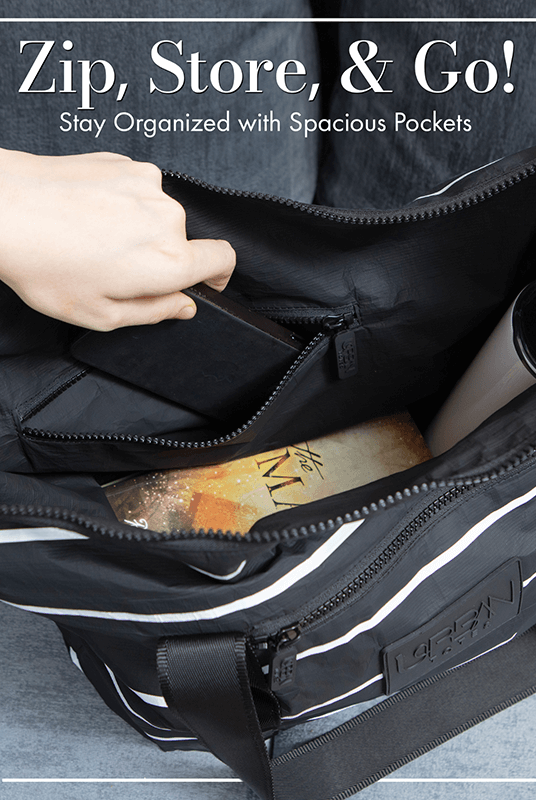
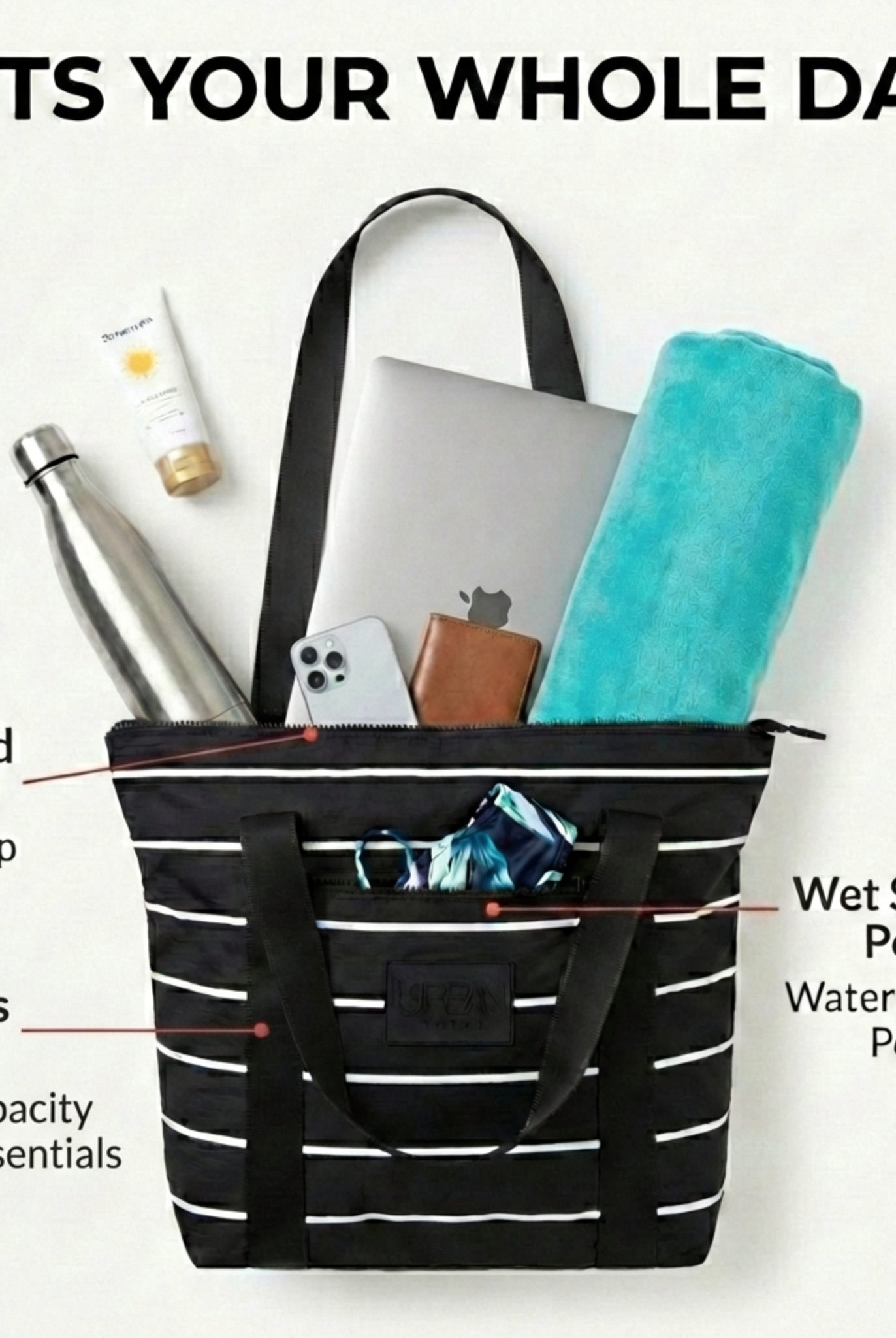
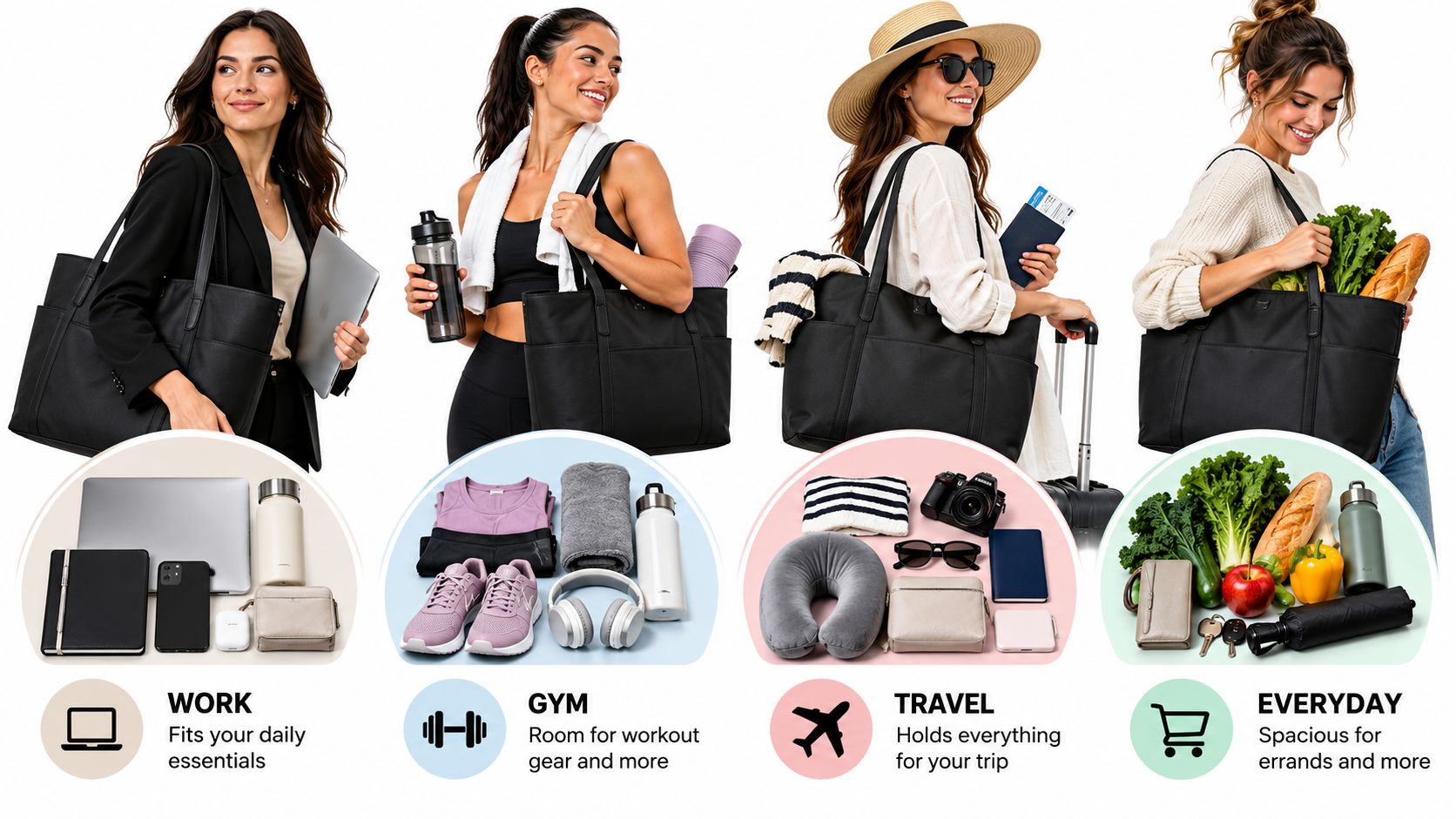
A good morning tote earns its place before you've even left the house. Your laptop goes into the central compartment, your water bottle stays upright in a side pocket, keys land in a zipper pocket, and a spare layer slides in beside your notebook. Instead of making several trips to the car, you grab one versatile everyday carry and go.
At school drop-off, that same tote can hold snacks, wipes, a child's sweater, and the paperwork you remembered at the last second. At lunch, it looks polished beside your chair rather than like a bag you packed in a panic. Later, it can handle a farmers-market haul or gym clothes without forcing you to reorganize your entire life.
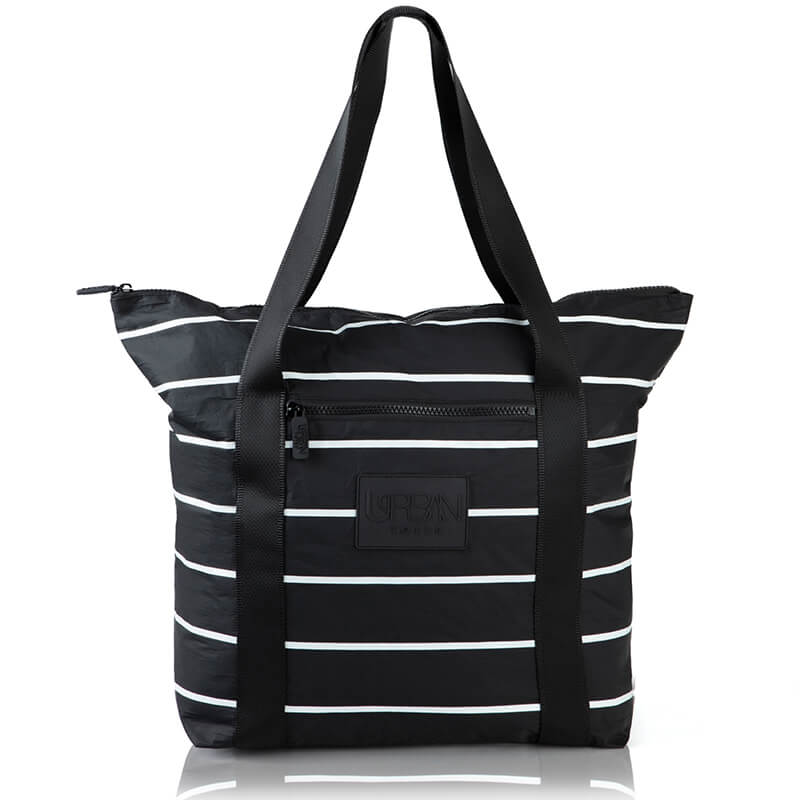
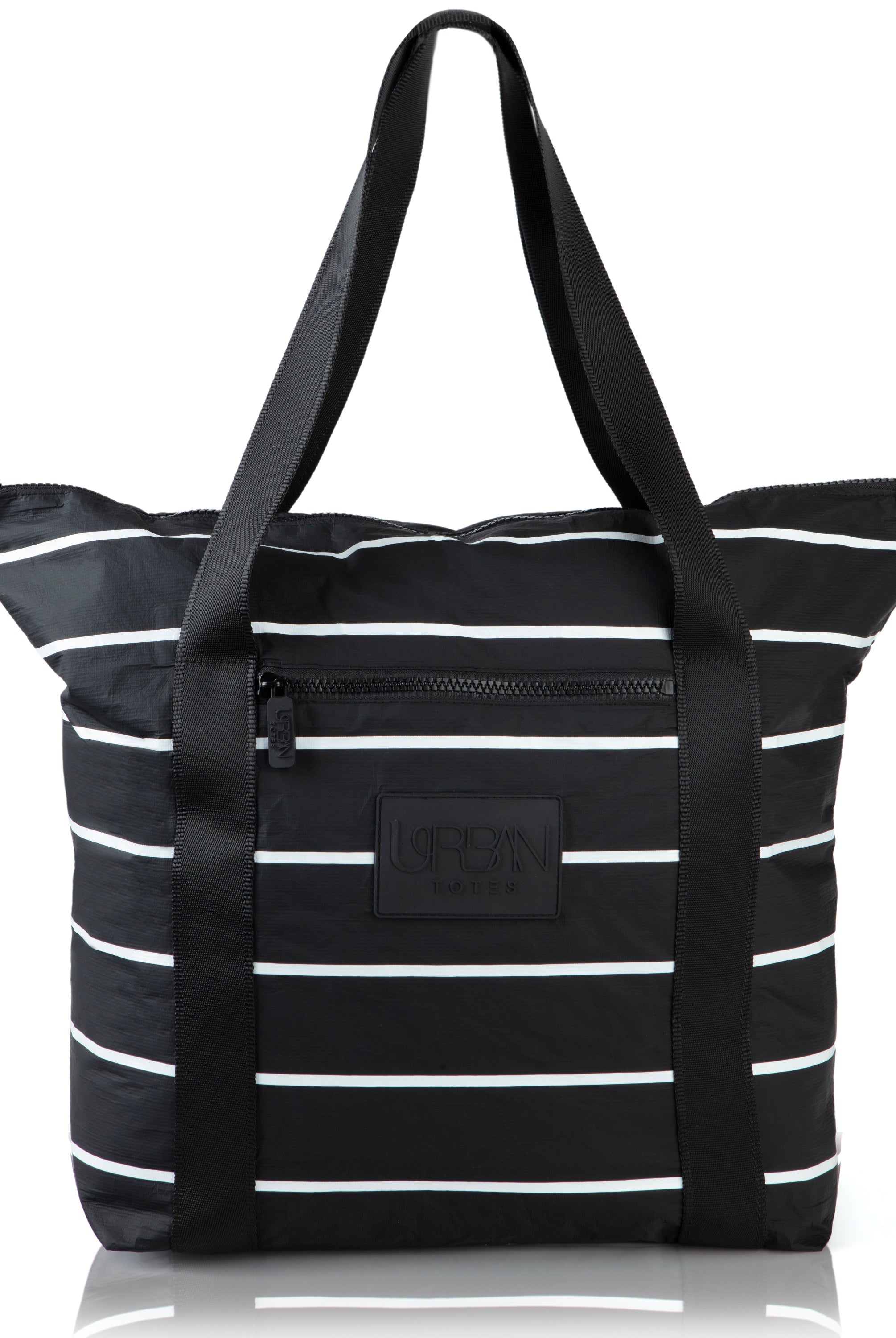
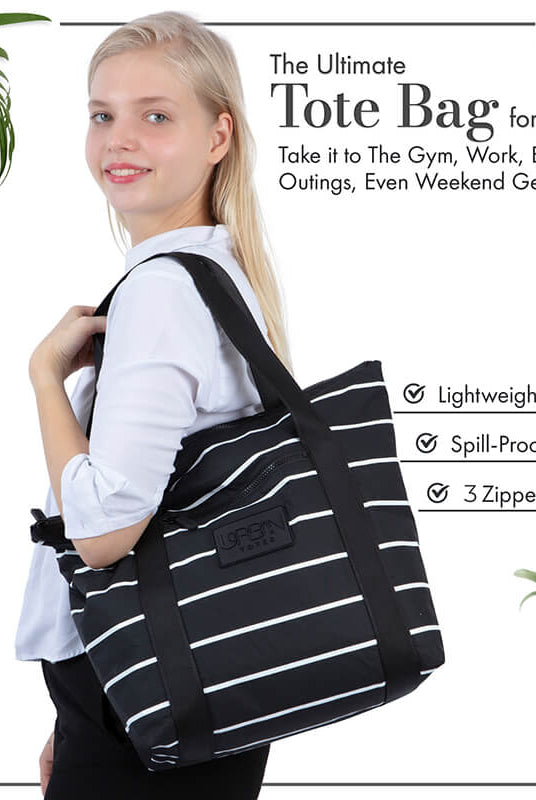
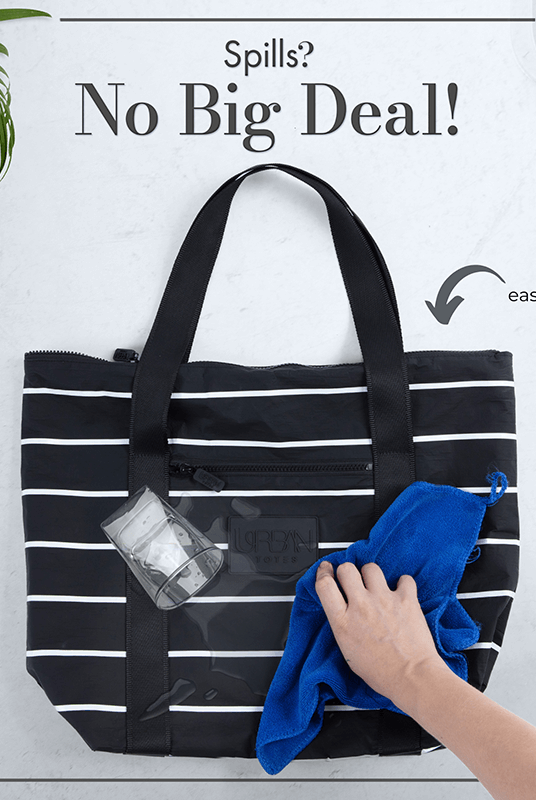
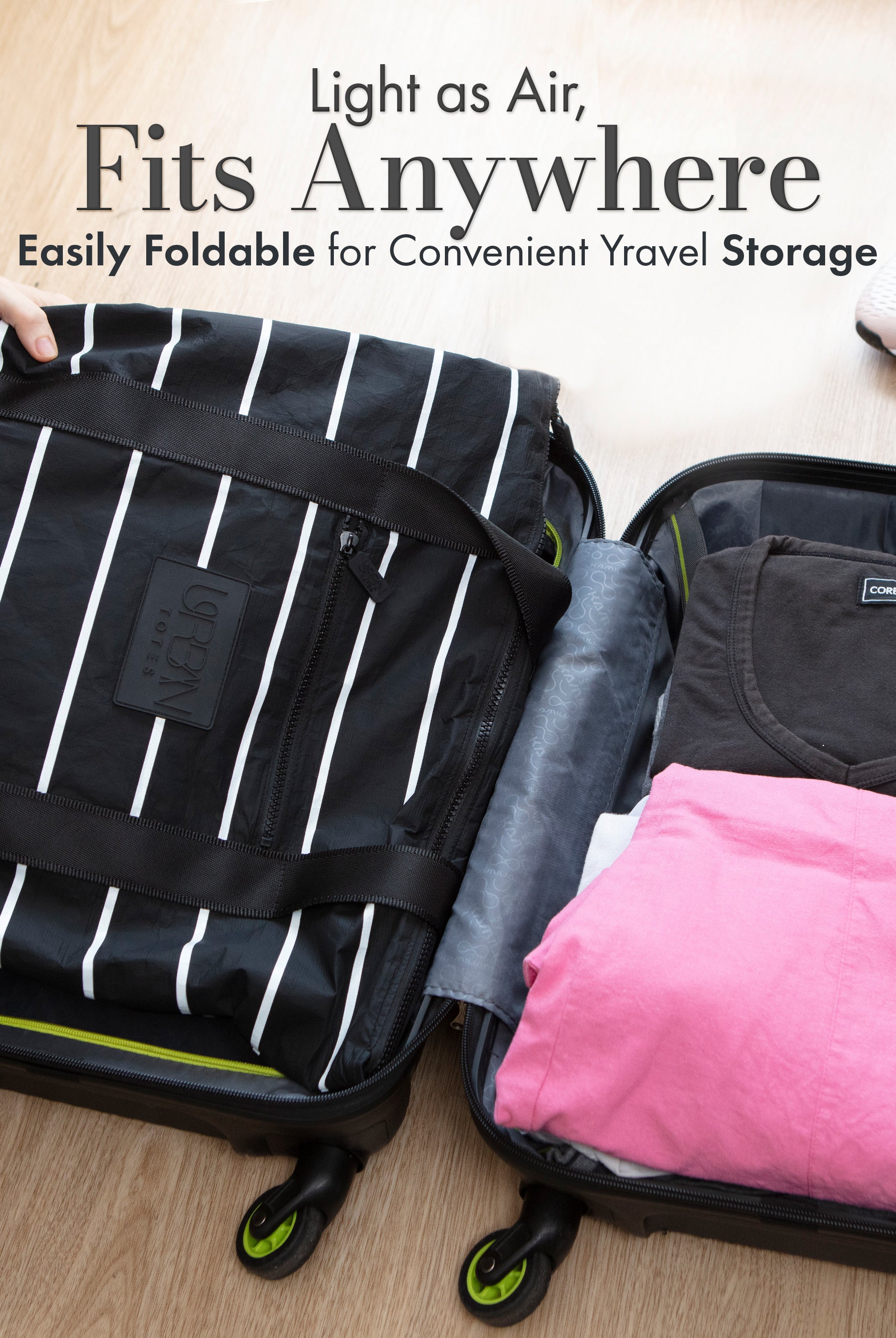
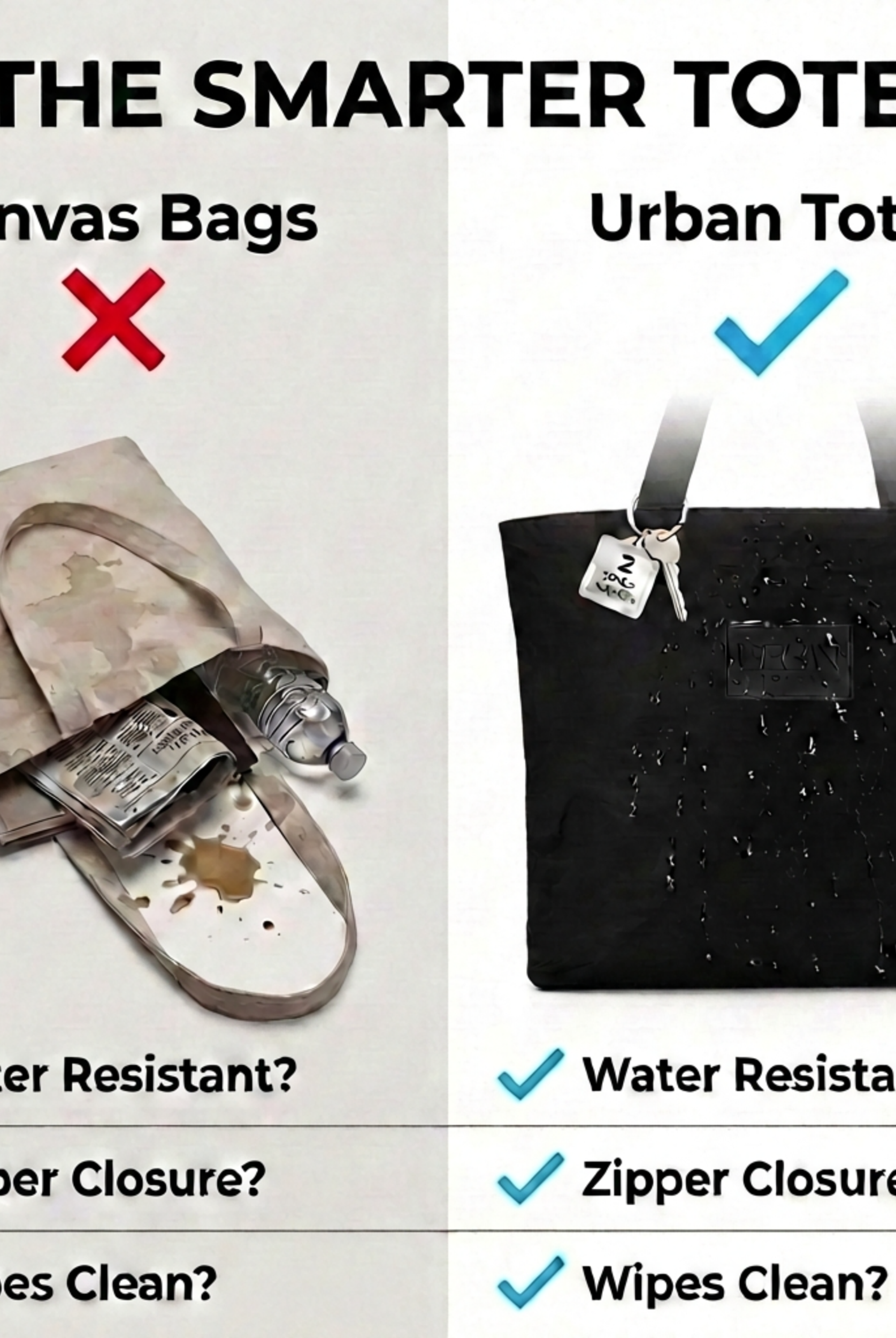
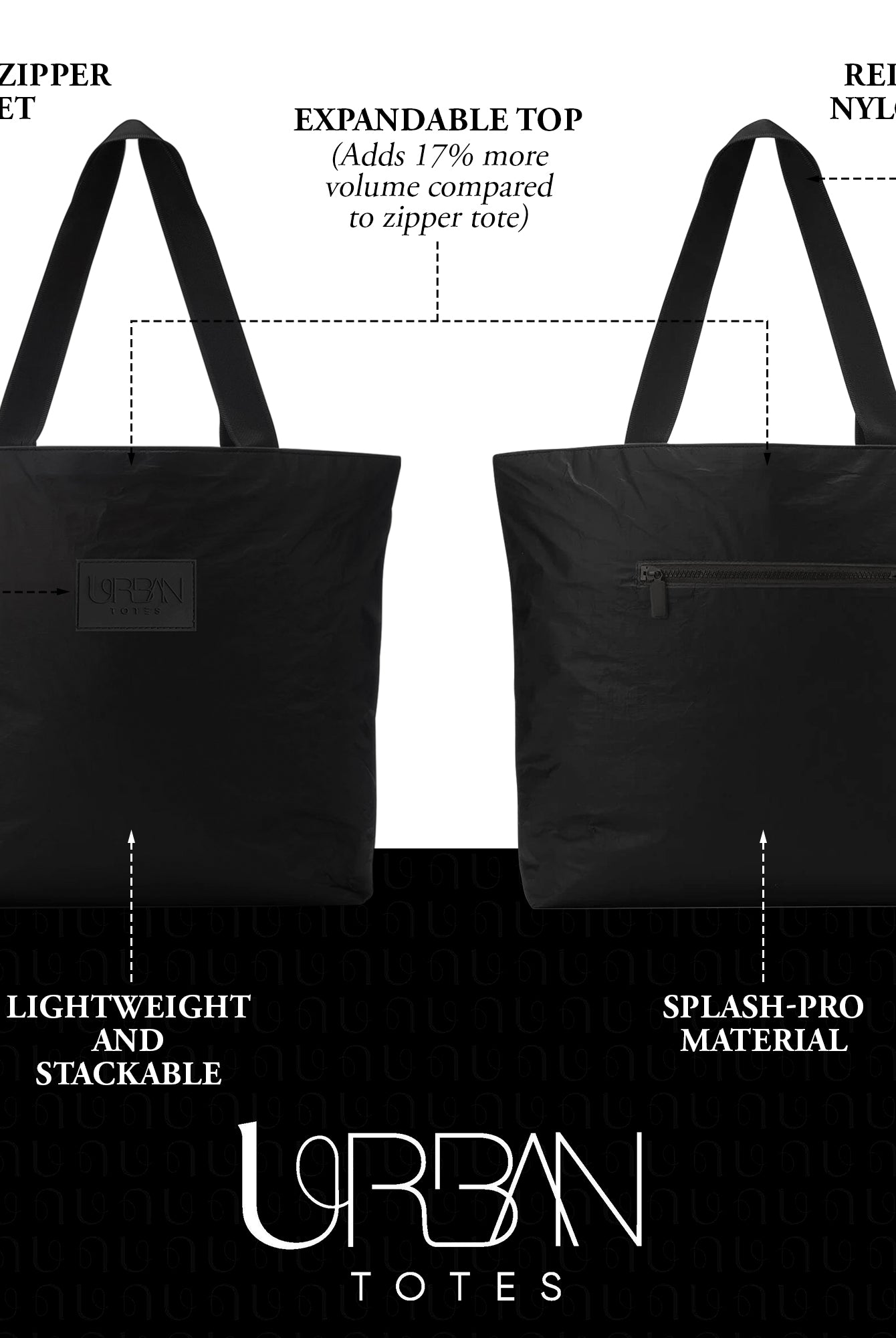
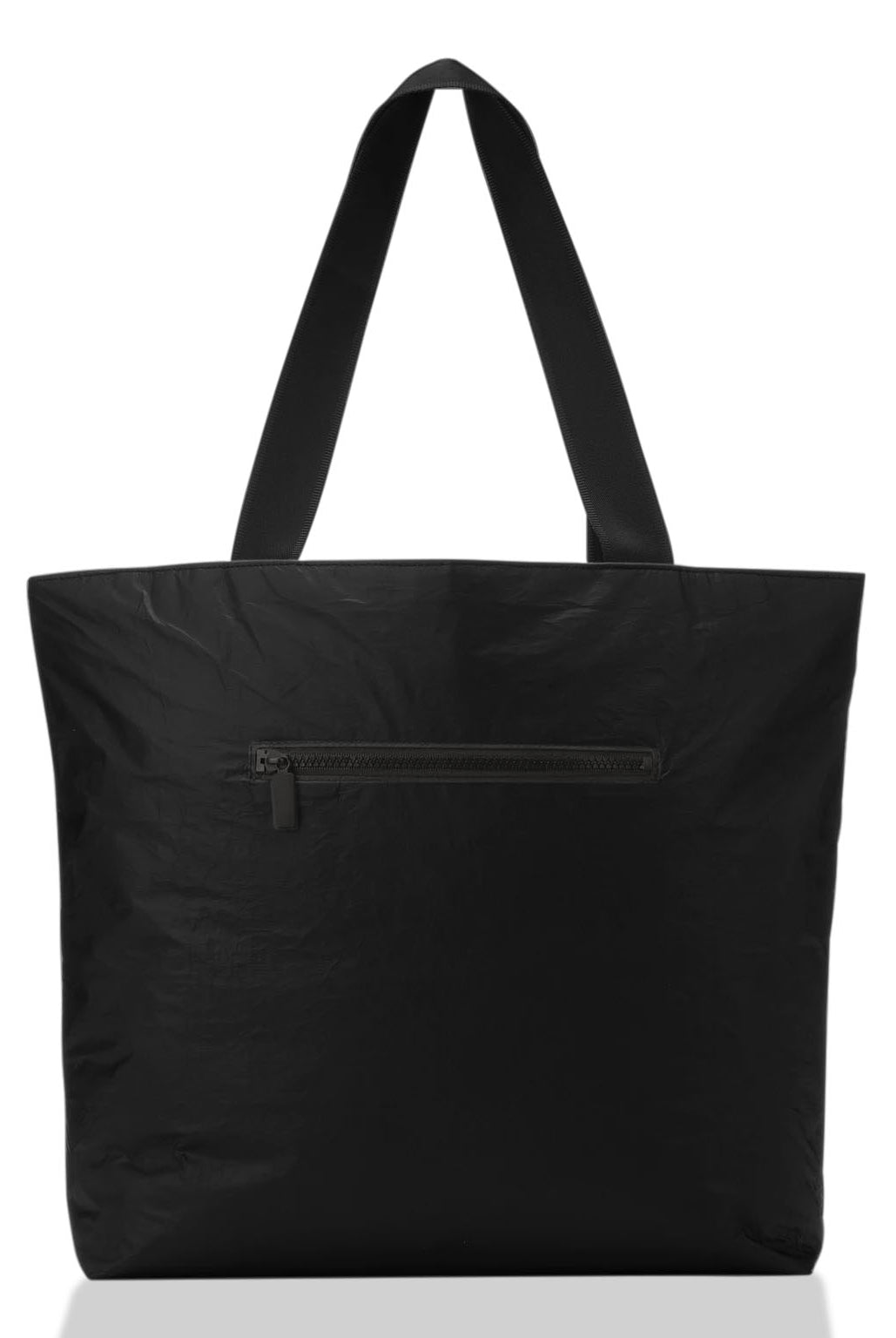
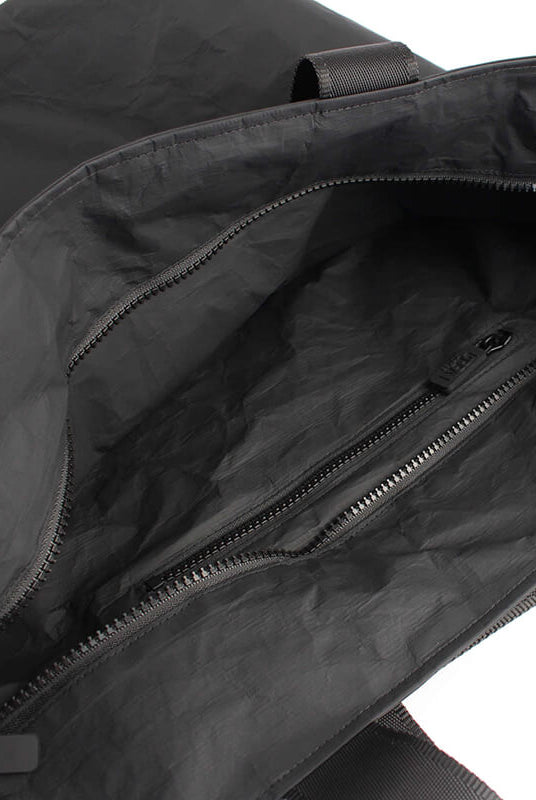
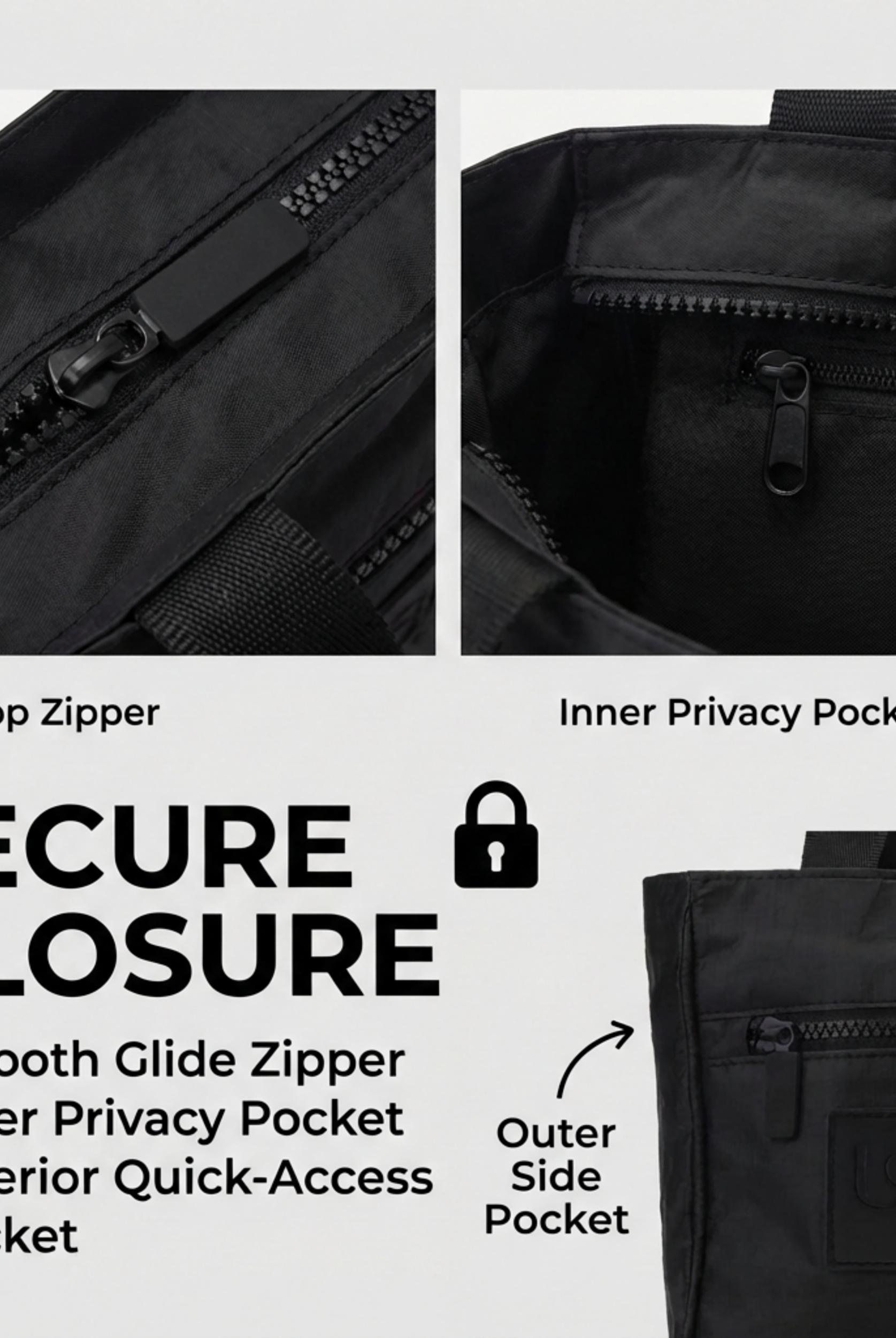
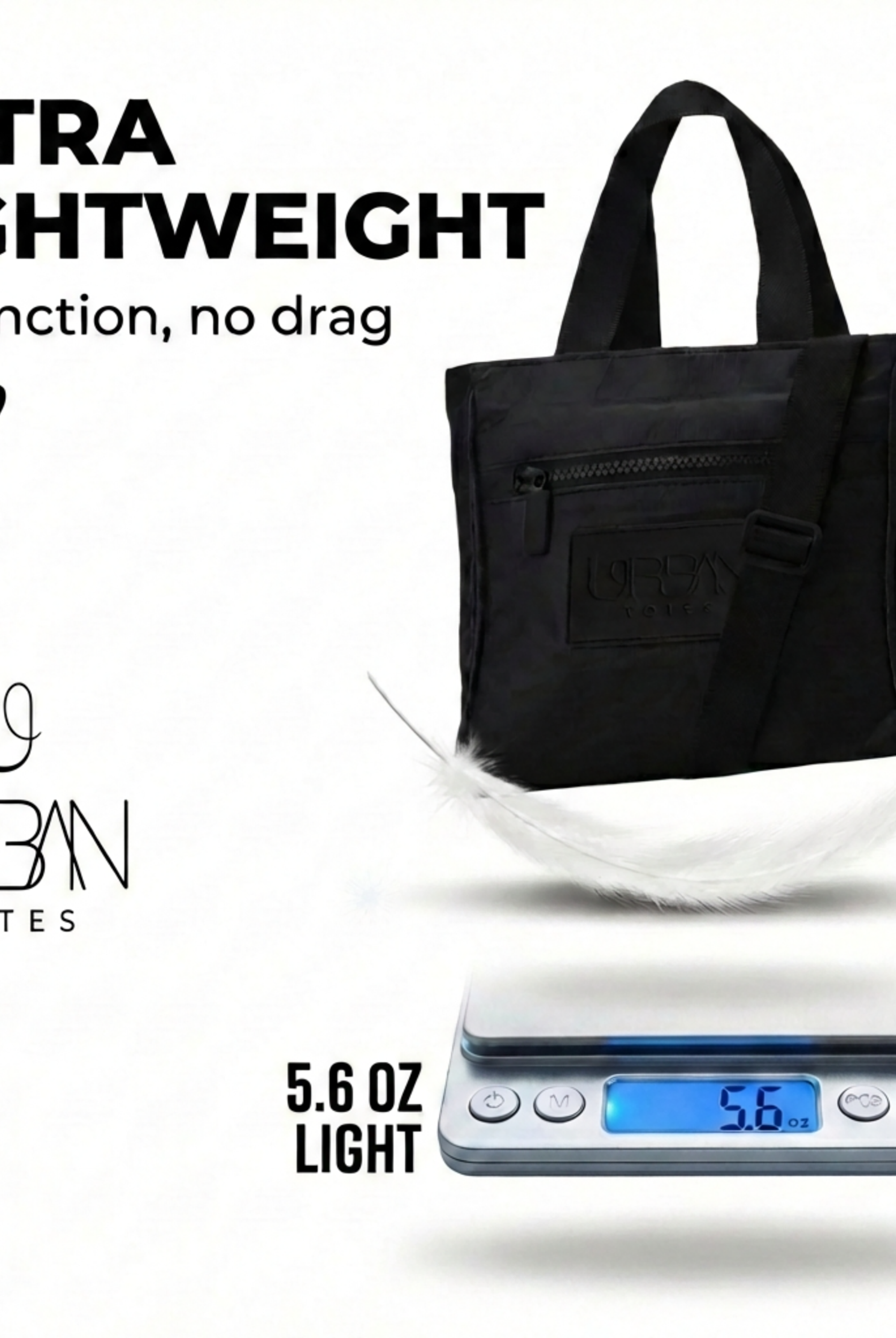
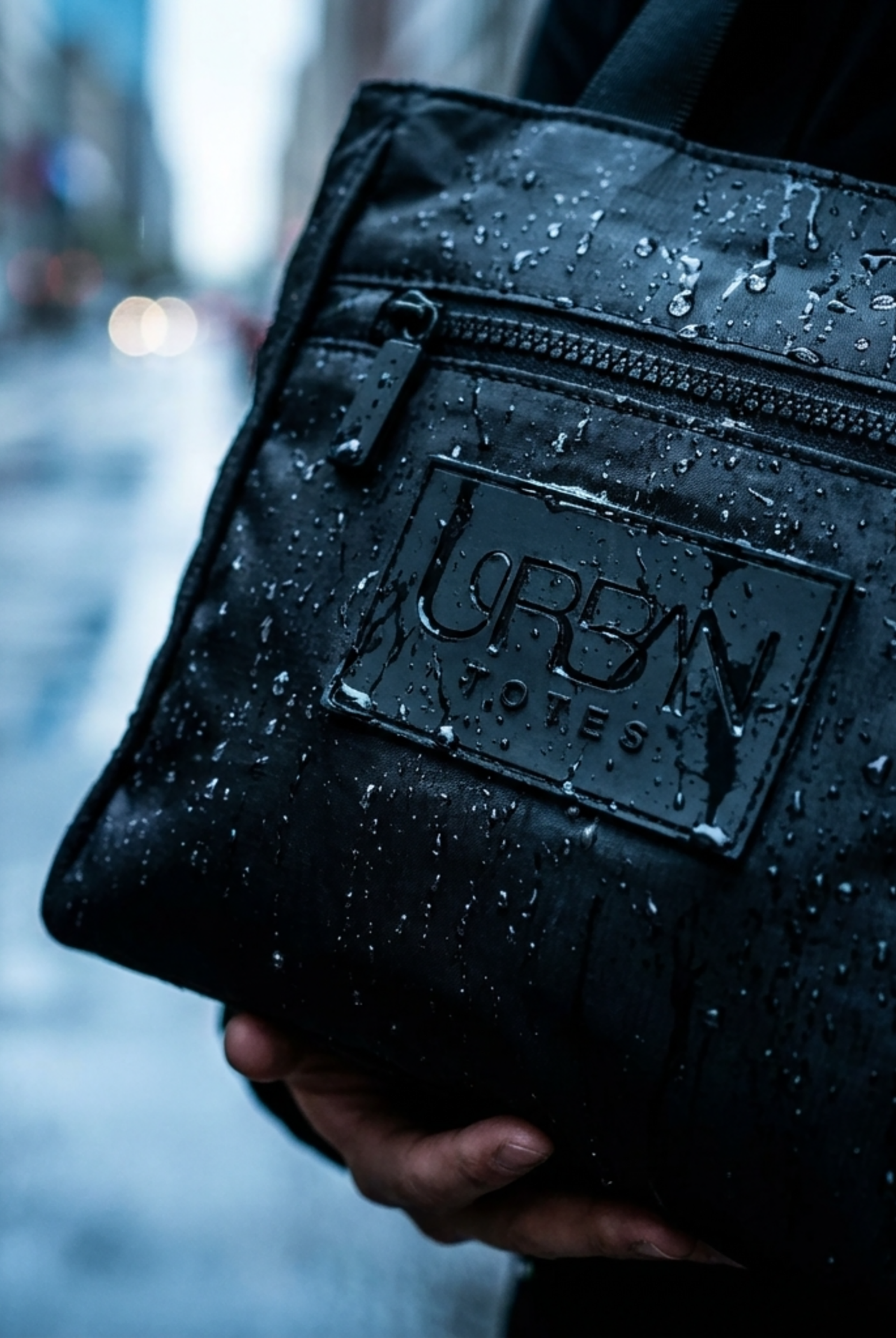
The difference is thoughtful design. Water-resistant fabric helps protect contents from a sudden drizzle or a damp towel. Multiple compartments stop small essentials from disappearing beneath a larger load. A zipper closure keeps the top more secure in a busy car, crowded sidewalk, or airport queue. A foldable, packable construction means you can store the tote until you need extra carrying space.
For a broader look at how practical luggage combinations can support flexible travel, this guide to a travel gear bench combo offers useful packing context. The same principle applies to your daily bag: choose pieces that serve more than one purpose and remain easy to manage.
Urban Totes' guide to the on-the-go tote bag reflects that everyday reality. A tote should help you move through changing plans, not make you stop and repack every time the day shifts.
The Evolution of the Everyday Carryall
The tote's original appeal was practical. The Deutsches Historisches Museum records shopping bags with cord handles in use by the end of the nineteenth century, followed by a newer style with hand holes cut into a reinforced upper edge around 1965. The museum also explains that bags became advertising surfaces nearly as early as industrially manufactured paper bags, whose production began in 1853 at Gumpert Bodenheim's factory in Allendorf an der Werra, Germany. The museum's history of the bag makes the purpose clear: a bag carries goods and belongings while offering visible space for communication.
That dual function still defines the modern tote. It has to carry what you bought, what you need, and sometimes what someone else handed you. It also has to fit into a personal style that moves between work, family life, travel, and leisure.
The familiar open-top shape made access easy. Today's versions add features that solve the problems of modern routines:
- Reinforced straps support repeated carrying and make shoulder use more comfortable.
- Structured piping helps a soft bag hold its shape instead of collapsing into a heap.
- Multi-pocket interiors separate tech, toiletries, snacks, and personal essentials.
- Zipper closures provide a more secure top for commuting and travel.
- Water-resistant materials make the tote more practical around weather, wet swimwear, and accidental spills.
- Foldable construction lets the bag travel as a spare without taking over your suitcase.
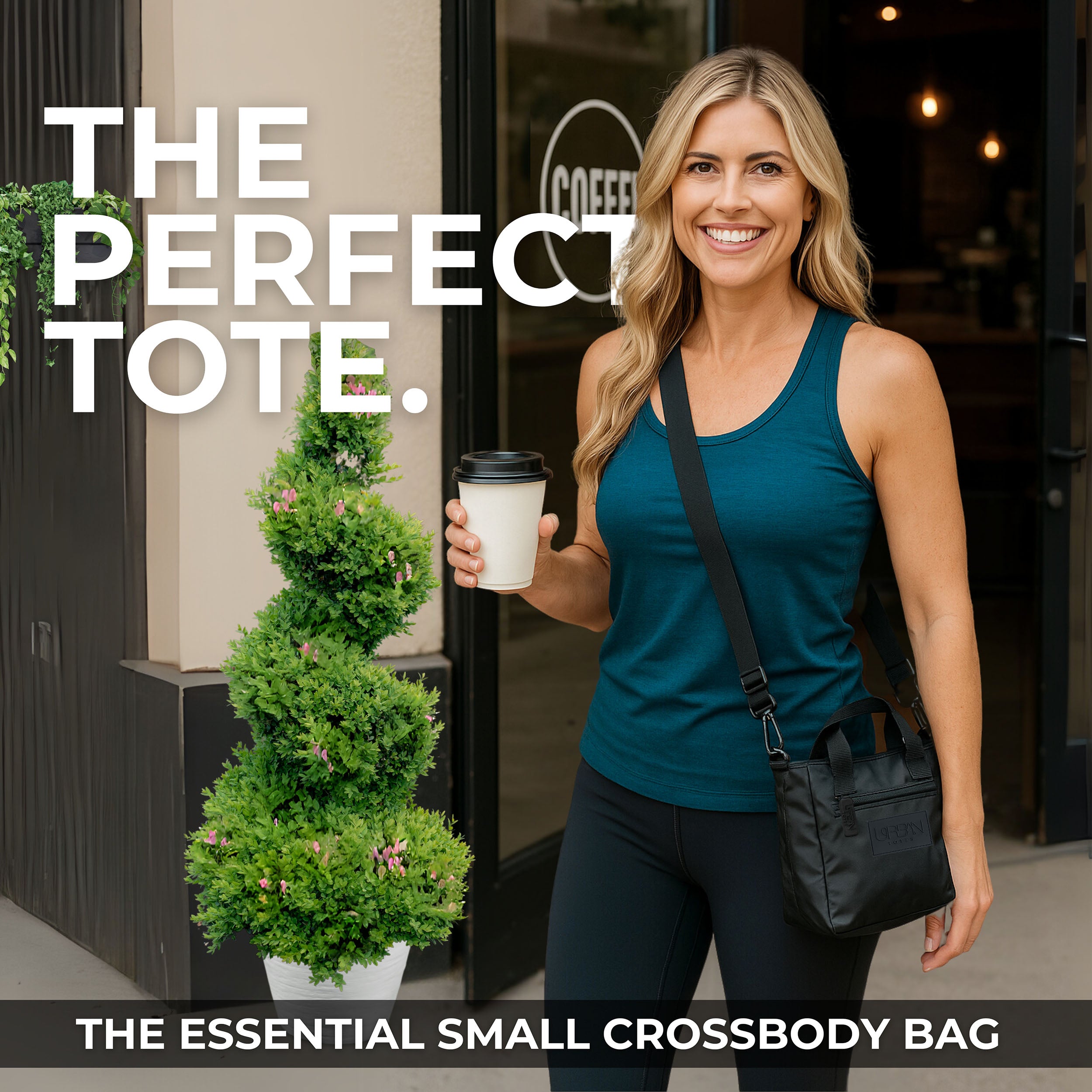
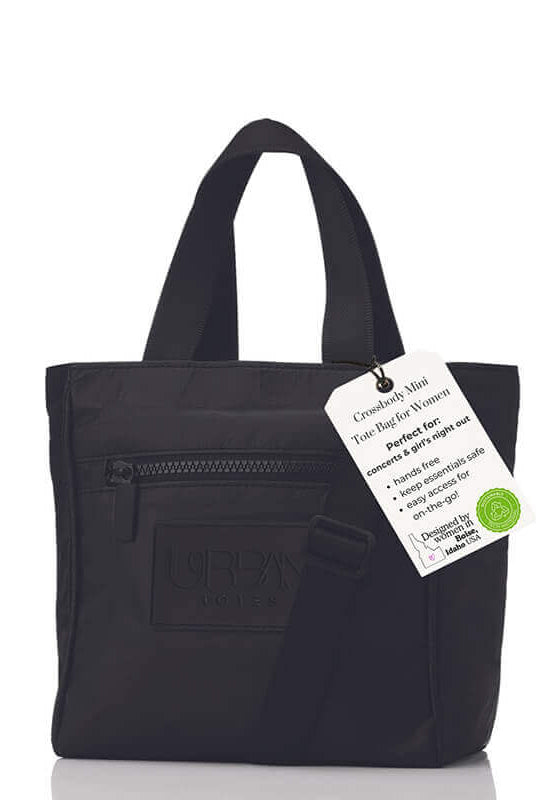
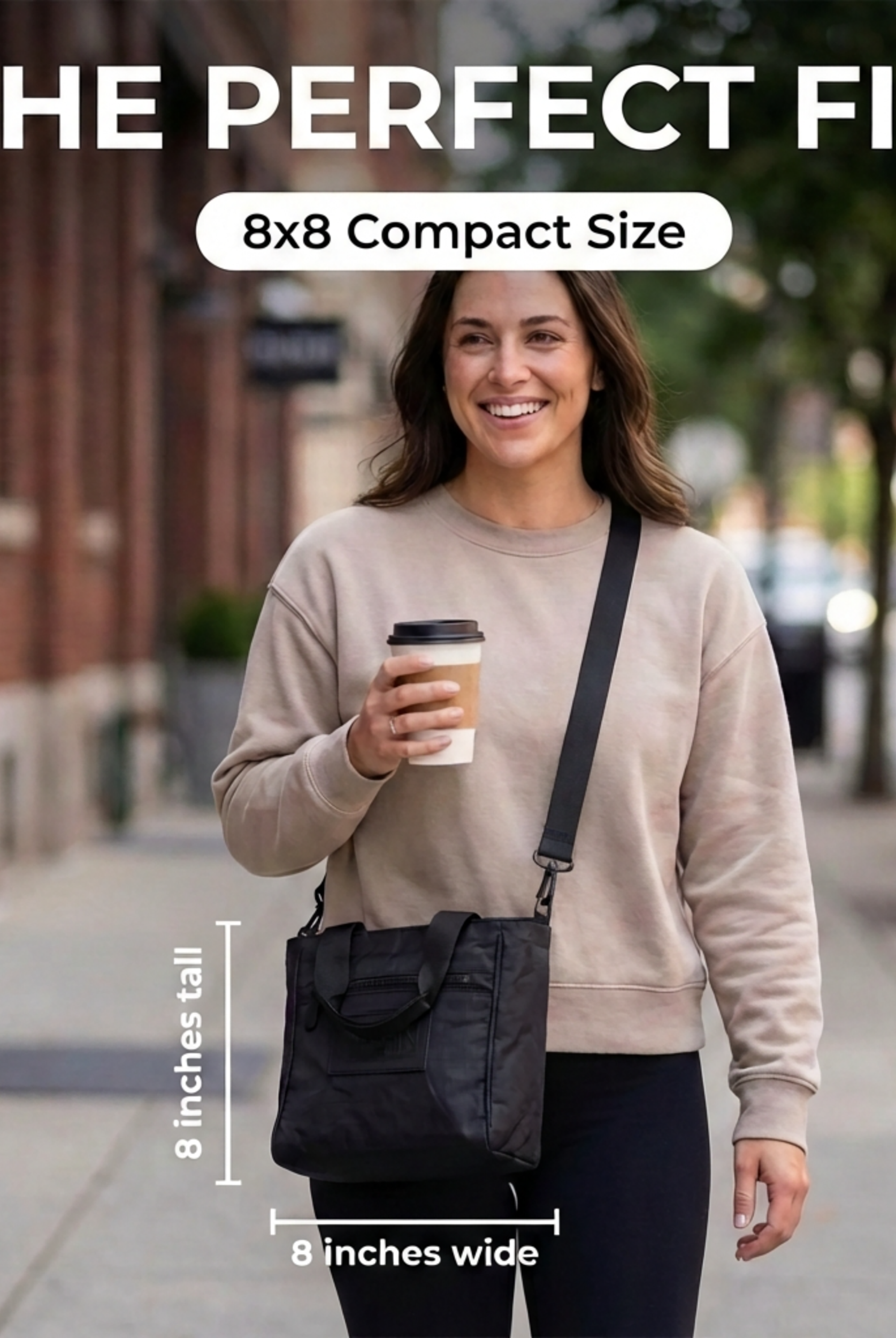
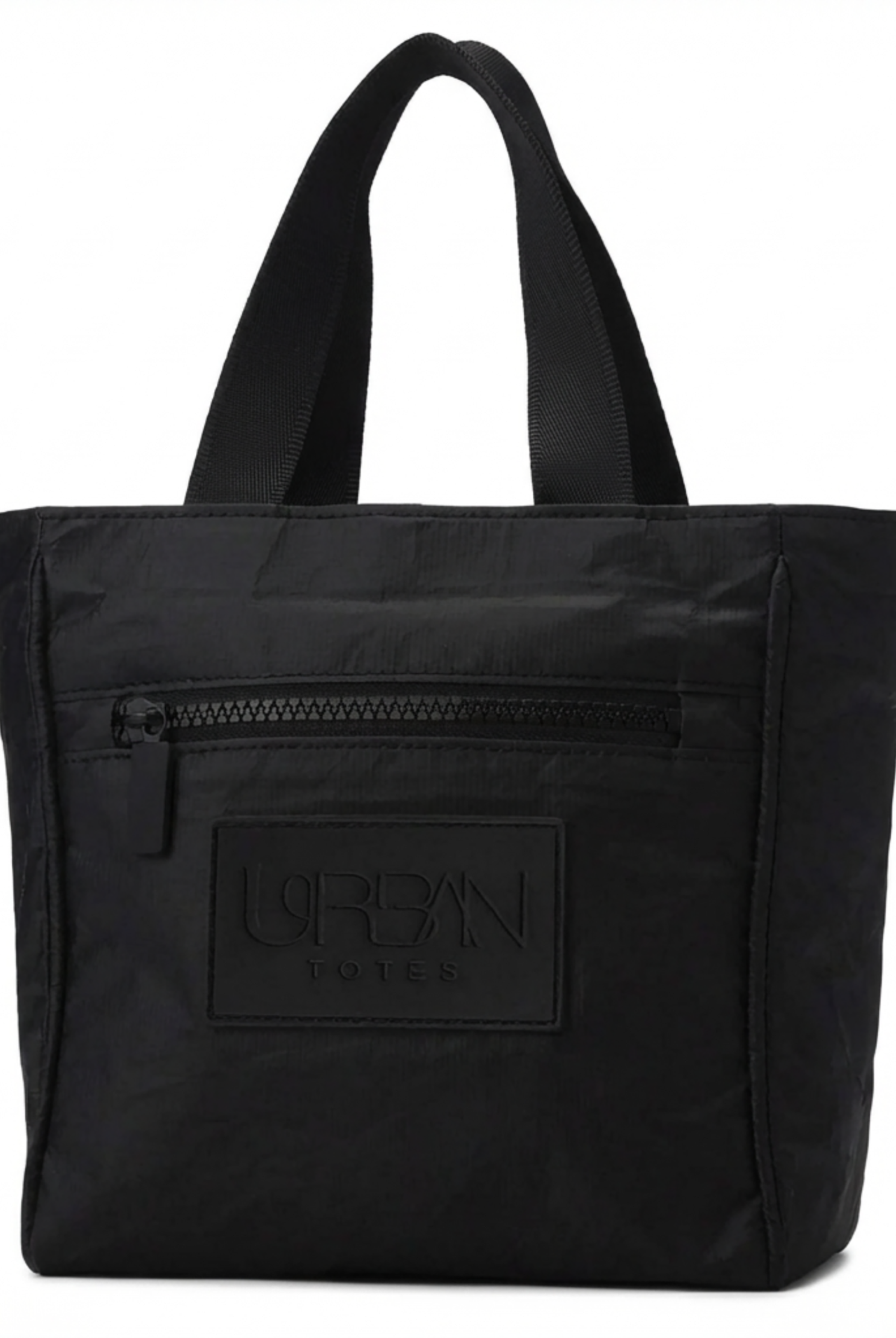
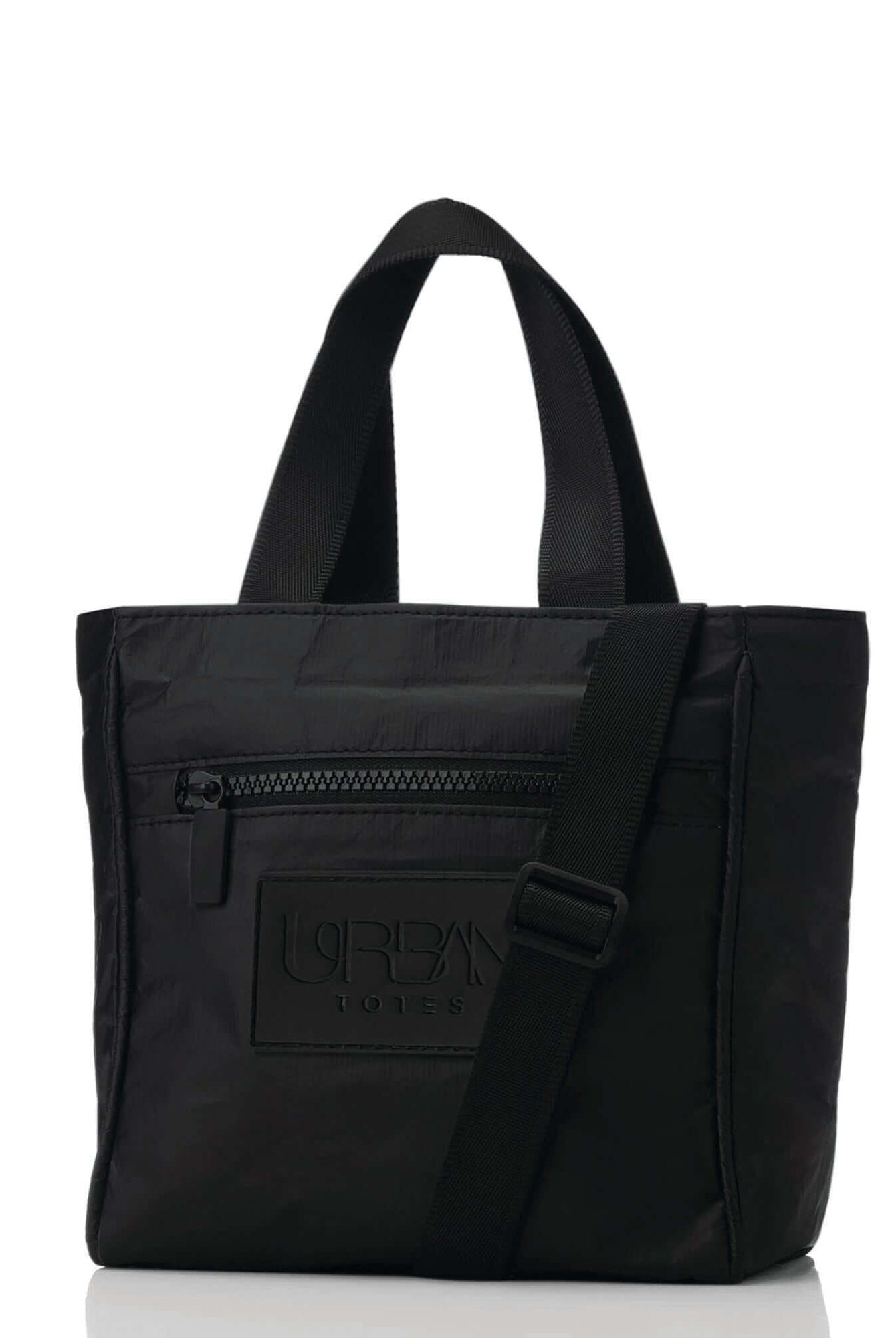
A smaller format can make sense when your day calls for access rather than capacity. The Crossbody Tote Bag Mini Purse measures 7.5 x 4 x 7.75 inches and includes a zip-top closure, an outside zipper pocket, an easy-access pocket, a black interior, and a removable strap that extends to 53 inches. It's designed for phone, keys, and other compact essentials when hands-free movement matters more than carrying a full load.
Matching Tote Features to Your Daily Scenarios
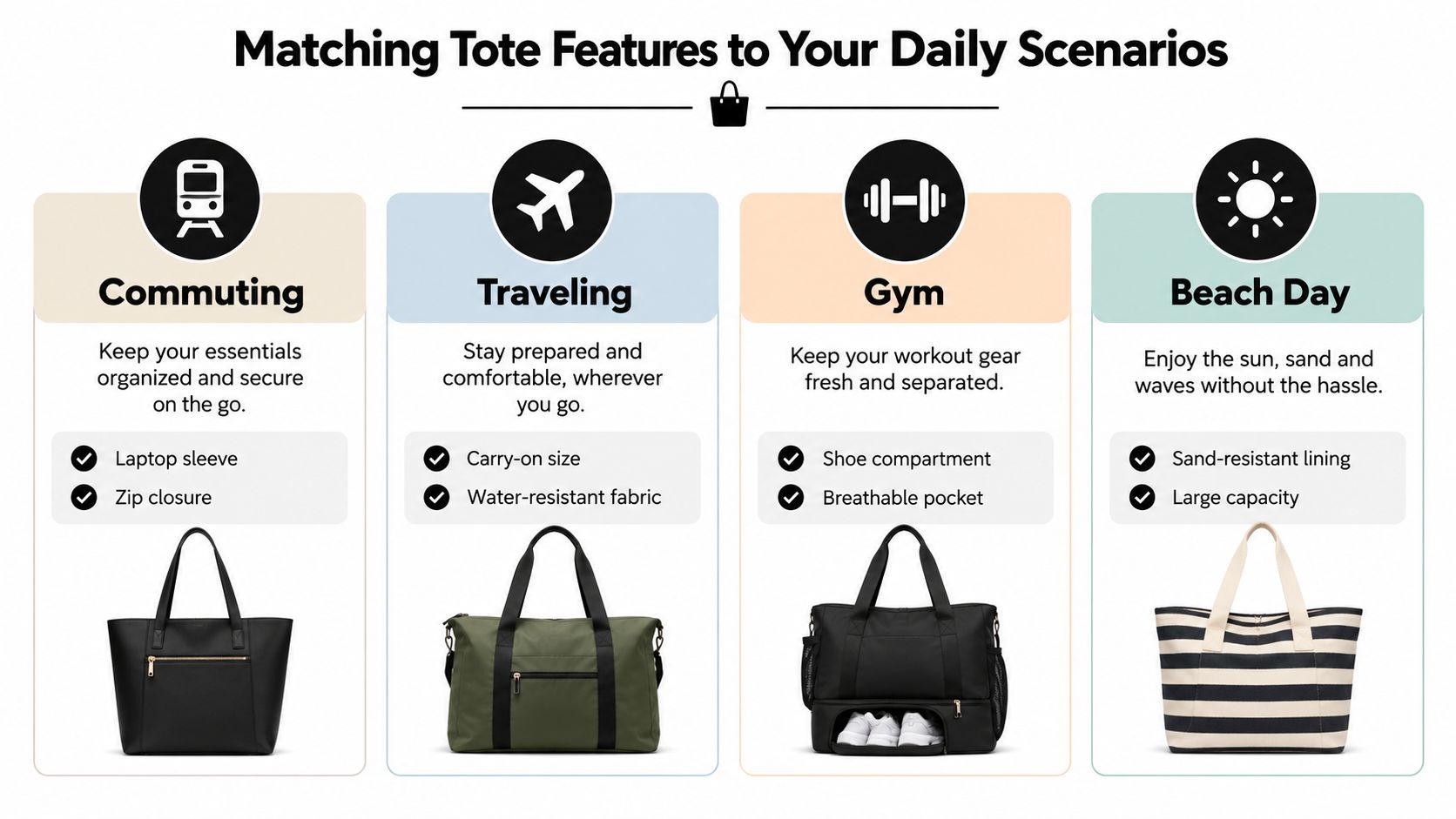
The best tote isn't the biggest one. It's the one whose features solve the specific friction in your day.
Commuting needs security and access
For a laptop commute, choose a tote with a structured base, comfortable straps, and a secure zipper closure. A dedicated tech area keeps your computer from sliding against water bottles or lunch containers. Interior organization matters on a crowded train because you shouldn't have to empty the bag to find your transit card or earbuds.
Keep heavier items close to the center of the bag. Put frequently used essentials in an outer or upper pocket, and reserve the bottom for stable, less delicate items. More guidance on choosing and using tote bag compartments can help you create a repeatable layout.
Travel calls for flexibility
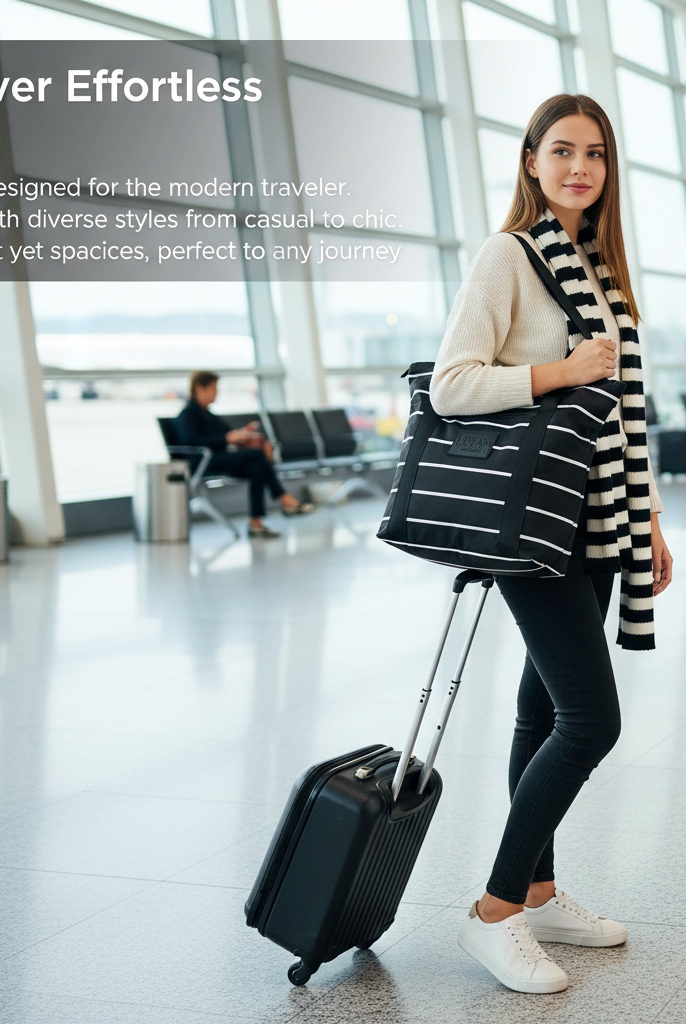
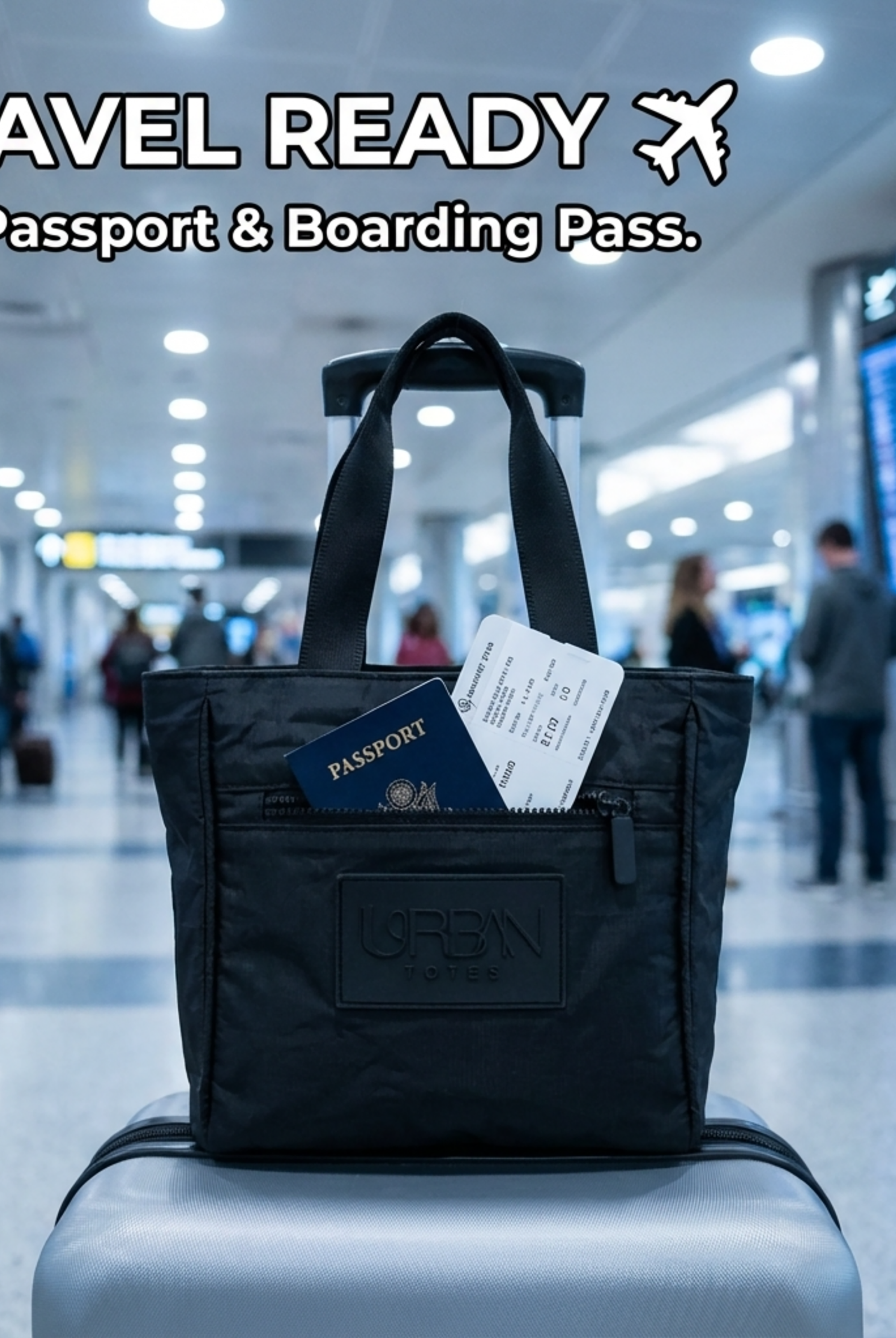
A weekend traveler needs a tote that can change roles. Use it as your personal item only if its packed dimensions meet your airline's rules. A commonly cited carry-on limit is 22 × 14 × 9 inches, including handles and wheels, but airlines set their own limits. Southwest, for example, allows one overhead carry-on measuring up to 24 × 16 × 10 inches and one personal item that must fit under the seat. Its examples include purses, crossbody bags, briefcases, laptop cases, and backpacks. This airline-size overview is a useful reminder to check the operating airline before departure.
A foldable, water-resistant tote earns its keep as a supplemental bag. Pack it flat in your luggage, then open it for snacks, a light layer, or souvenirs once you arrive.
Gym days need separation
For fitness, look for a large opening, washable or wipeable materials, and a pocket that can isolate shoes or damp clothing. Water resistance helps with a wet towel or bottle spill, but don't treat any tote as a sealed container. Use a separate pouch for toiletries and allow damp items to dry promptly.
Beach days reward simple organization
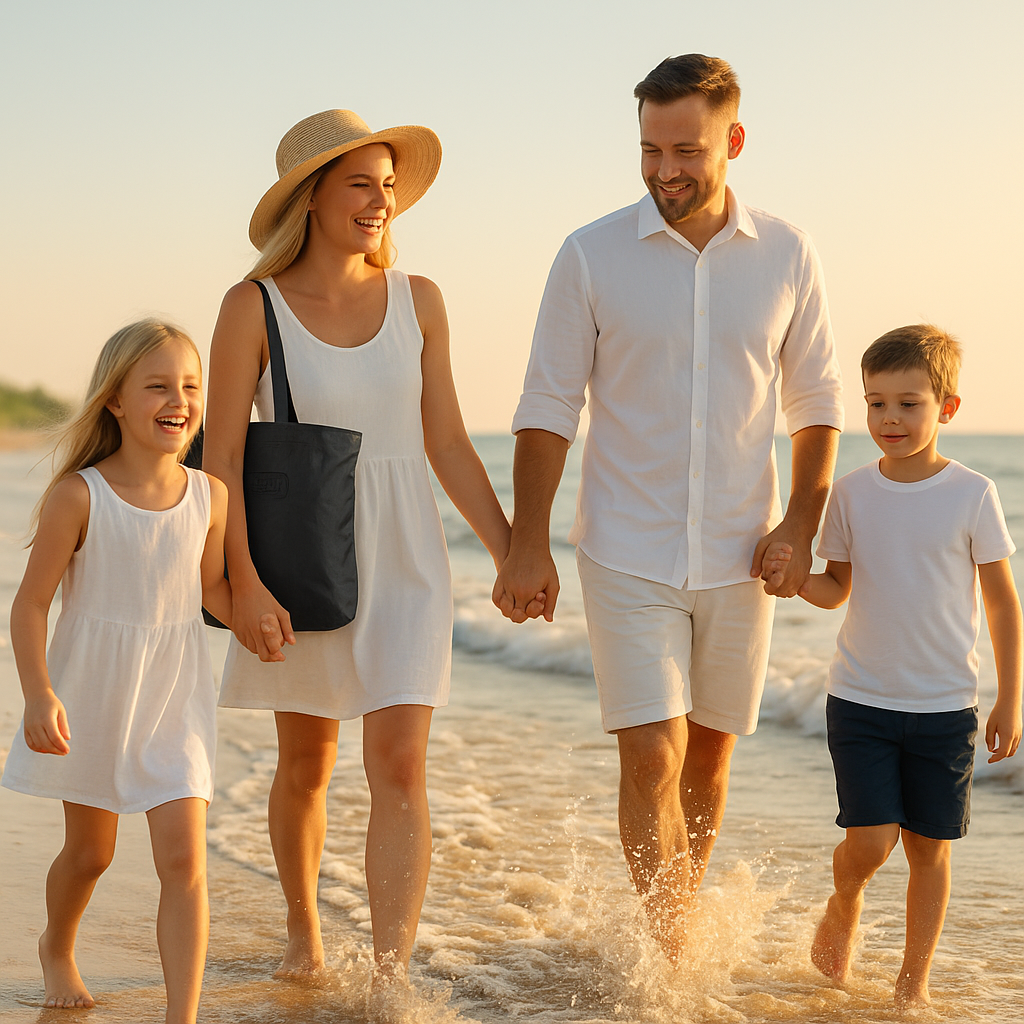
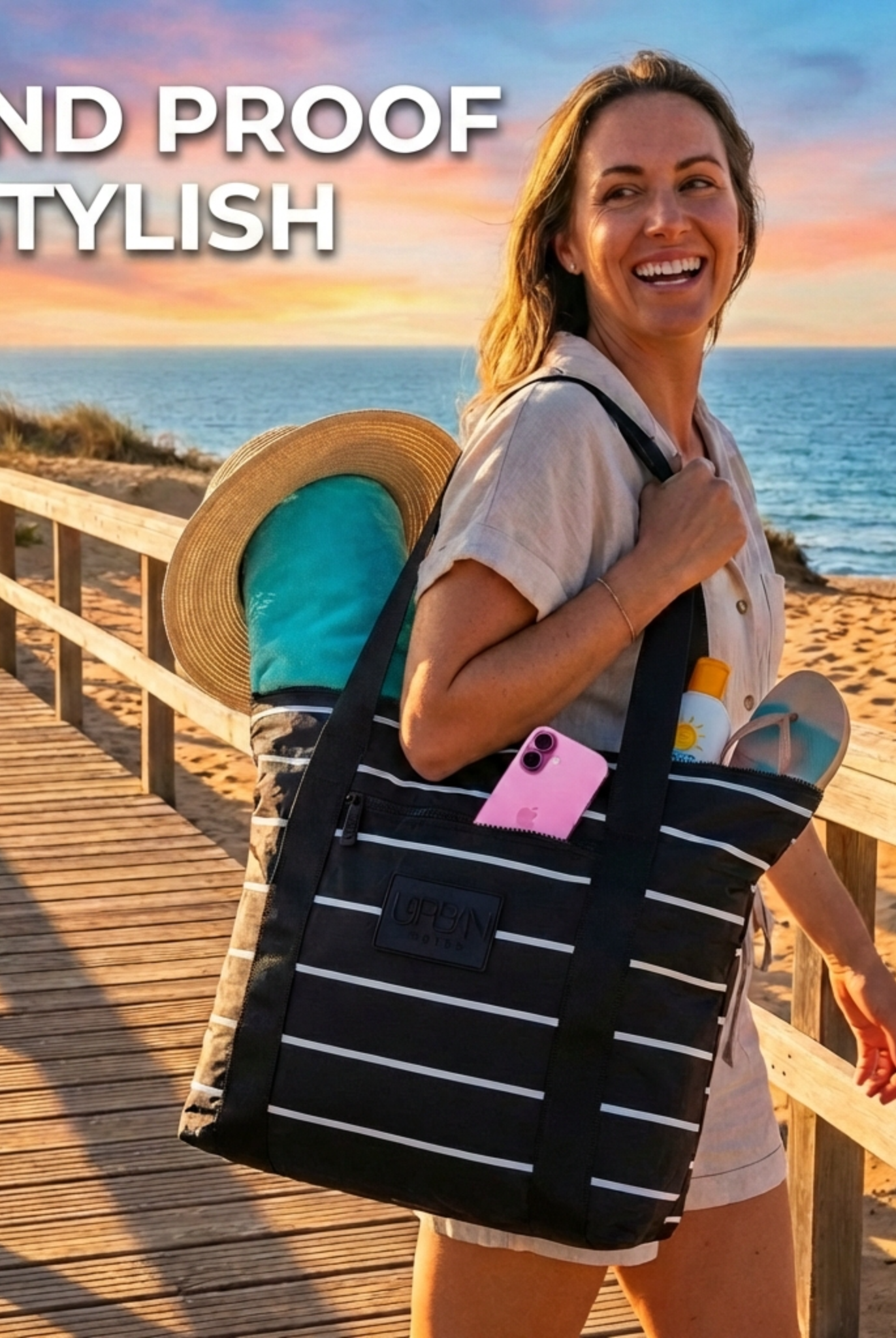
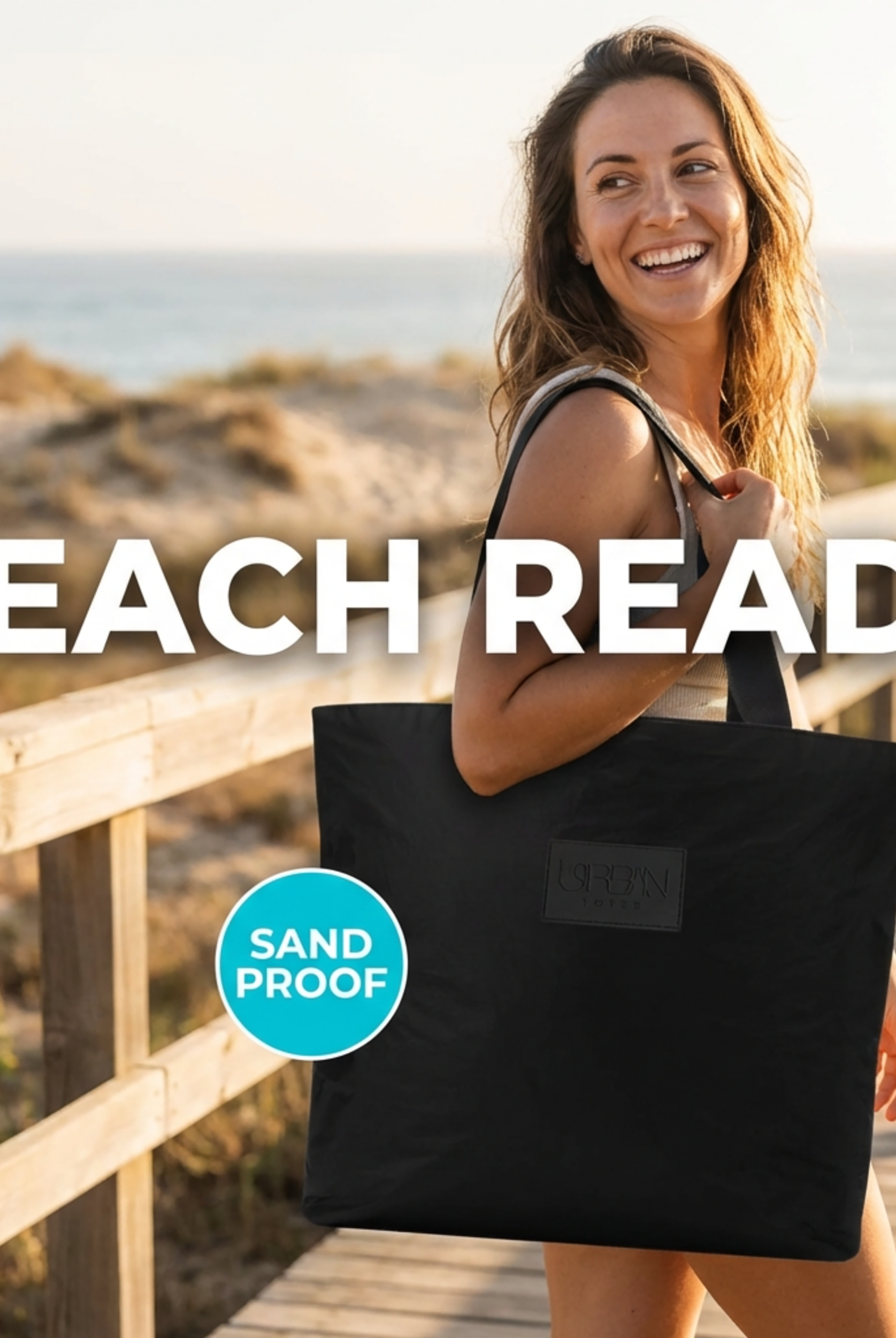
A beach tote should hold a towel, sunscreen, sunglasses, a cover-up, and a water bottle without turning into a sand-filled mystery. Choose a durable, easy-clean interior and pockets for small items. A zipper pocket keeps keys and cards away from loose towels, while a broad opening makes it easy to reach for sunglasses without unloading the entire bag.
Knowing When Your Tote Becomes Too Heavy
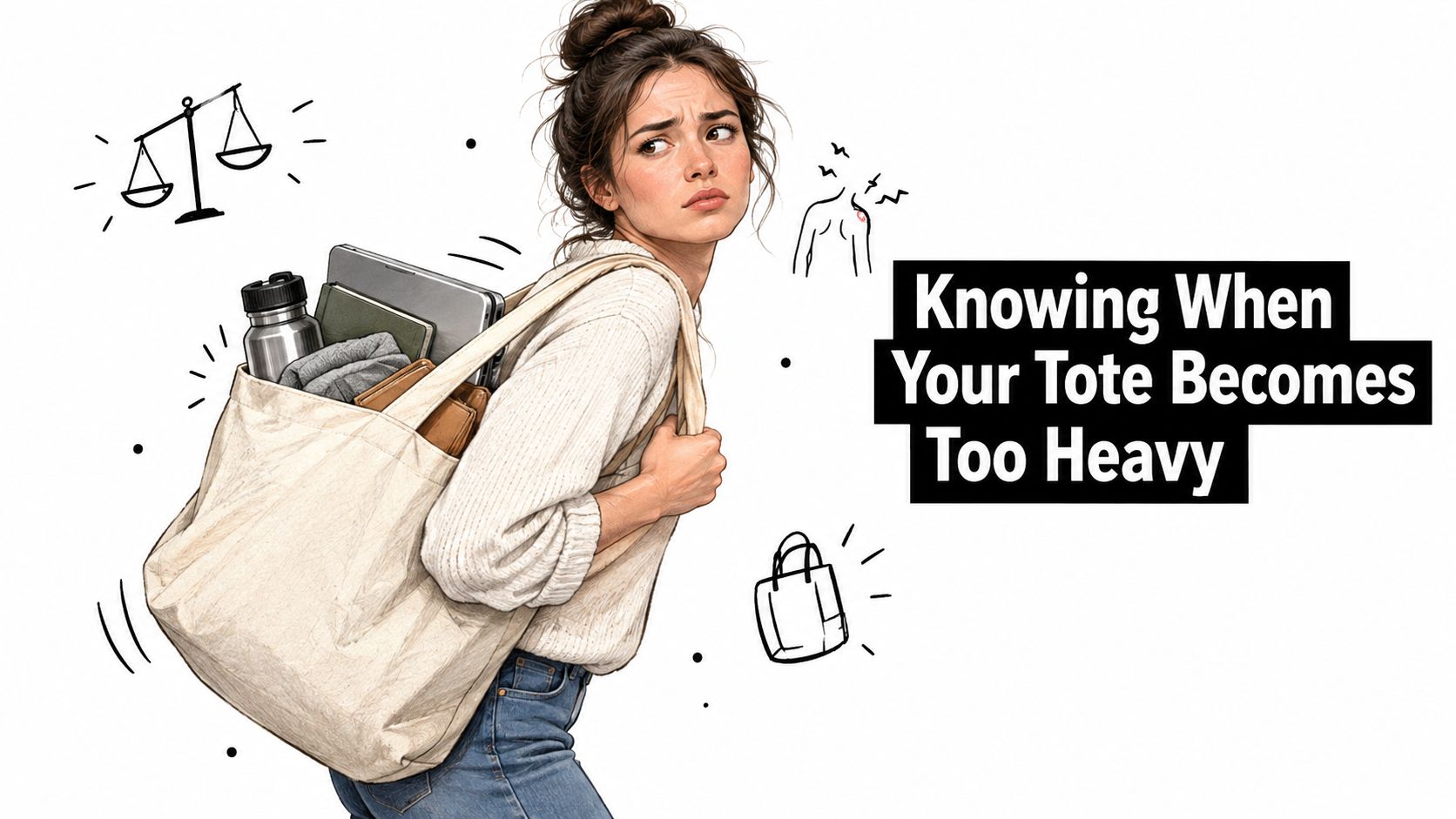
A tote can carry a lot, but that doesn't mean it should carry everything. One-sided carrying, a low-hanging bag, a raised shoulder, and prolonged carrying are associated with musculoskeletal complaints in the evidence summarized by this discussion of one-sided bag habits. The practical lesson is simple: versatility has limits.
Use the body check
Carry the tote for a few minutes, then notice what changes. If your shoulder hikes, the bag pulls your torso sideways, the strap digs into your shoulder, or discomfort develops, the load or carry method needs to change.
Practical rule: A tote is best for a moderate load you can lift, place, and carry without adjusting your posture.
Pack heavy items low and close to the center, but don't overfill the bag until it becomes difficult to lift. A laptop, water bottle, lunch, and light layer may fit comfortably. Adding books, gym shoes, toiletries, and a full grocery haul can push the same tote into an awkward category.
Choose the right alternative
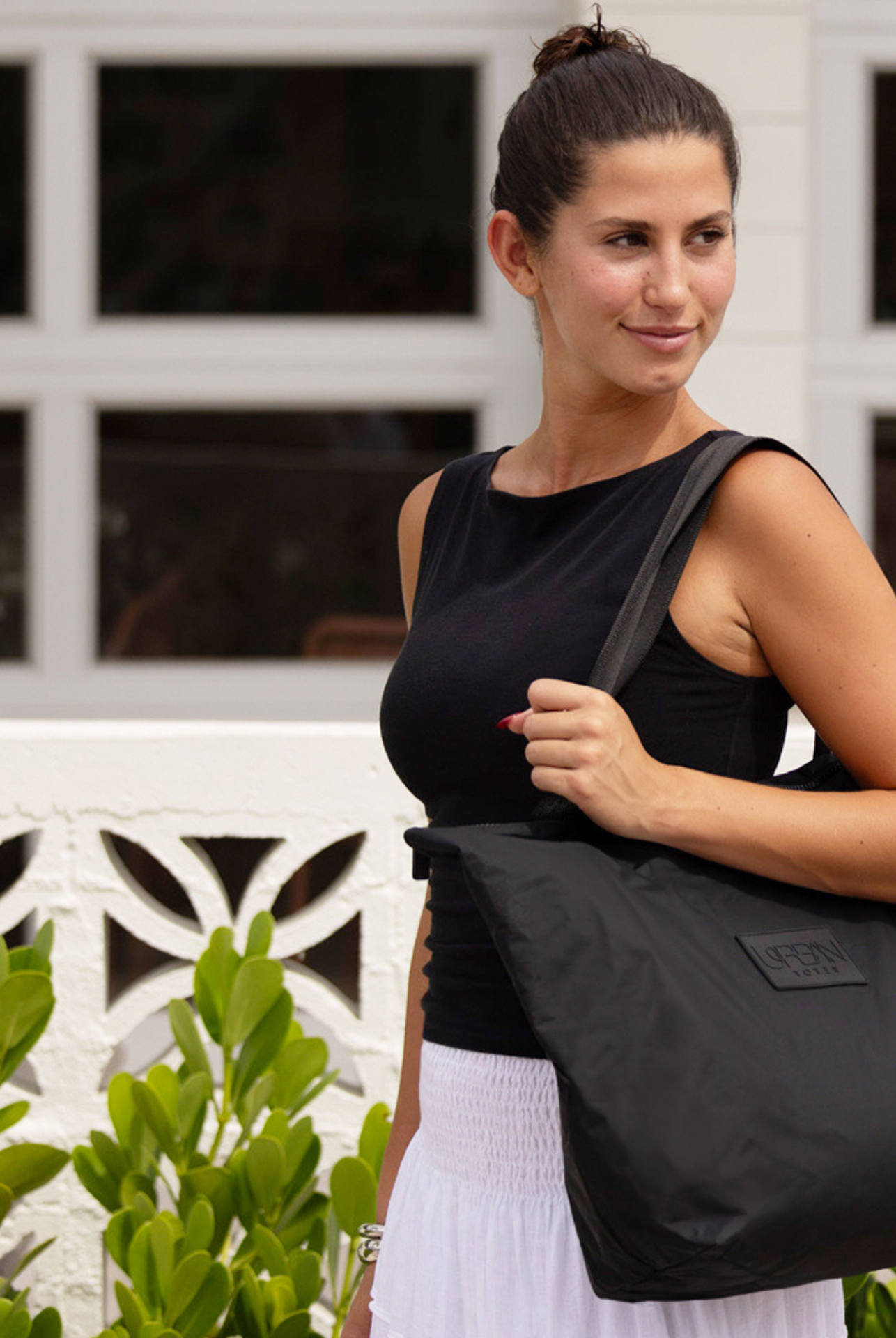
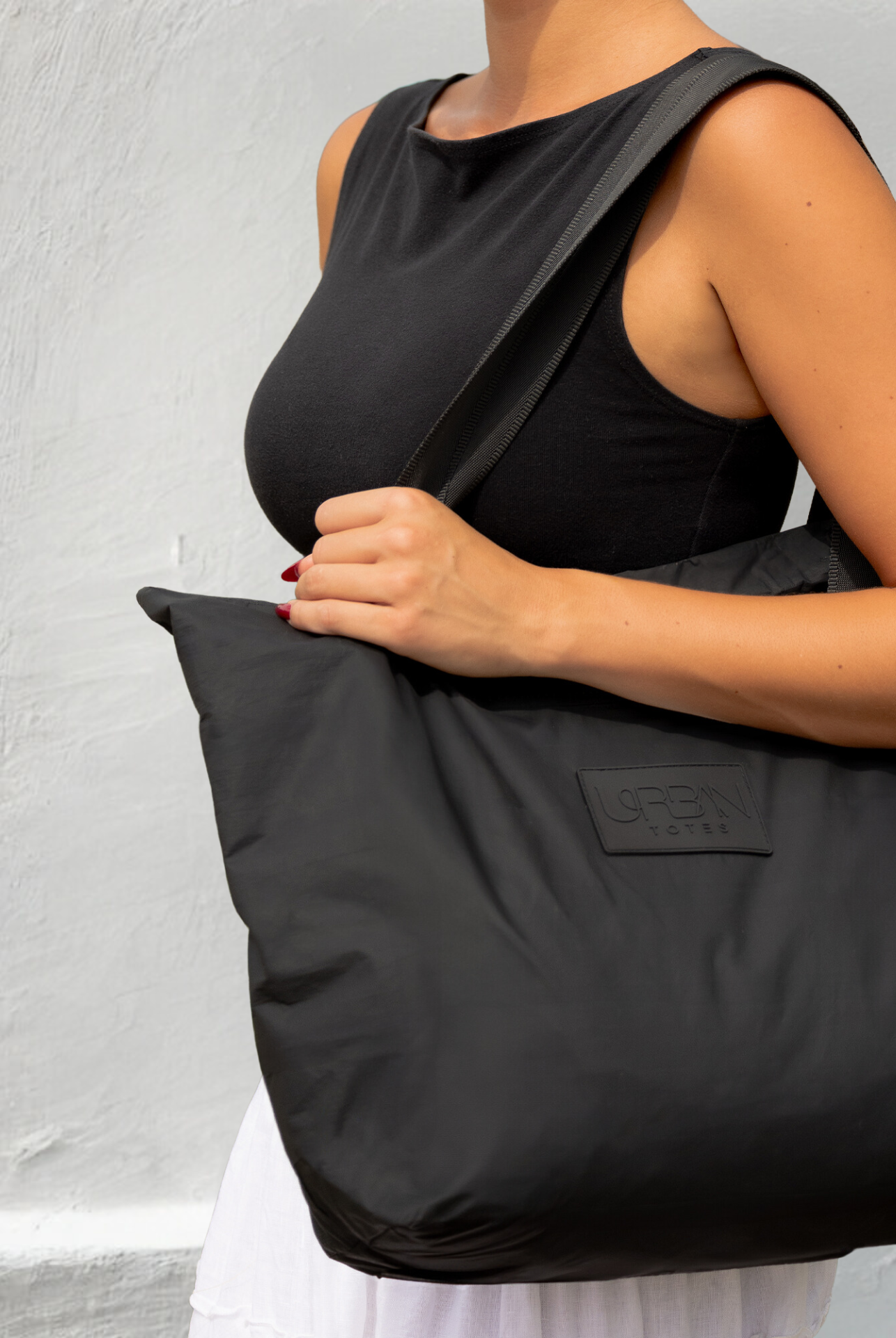
Switch to a crossbody when you'll be walking, shopping, or moving through crowds with a smaller load. Choose a backpack when the load is heavy, the carrying time is long, or you need balanced distribution across both shoulders. For quick guidance on positioning and styling, use Urban Totes' resource on how to wear a tote bag.
The goal isn't to abandon the tote. It's to match the bag to the task. A stylish tote should make the day easier, not require you to compensate for it.
Smart Packing and Effortless Maintenance
A spacious tote needs a system. Without one, your phone sinks beneath a notebook, keys vanish beside a water bottle, and the bag becomes a portable junk drawer.
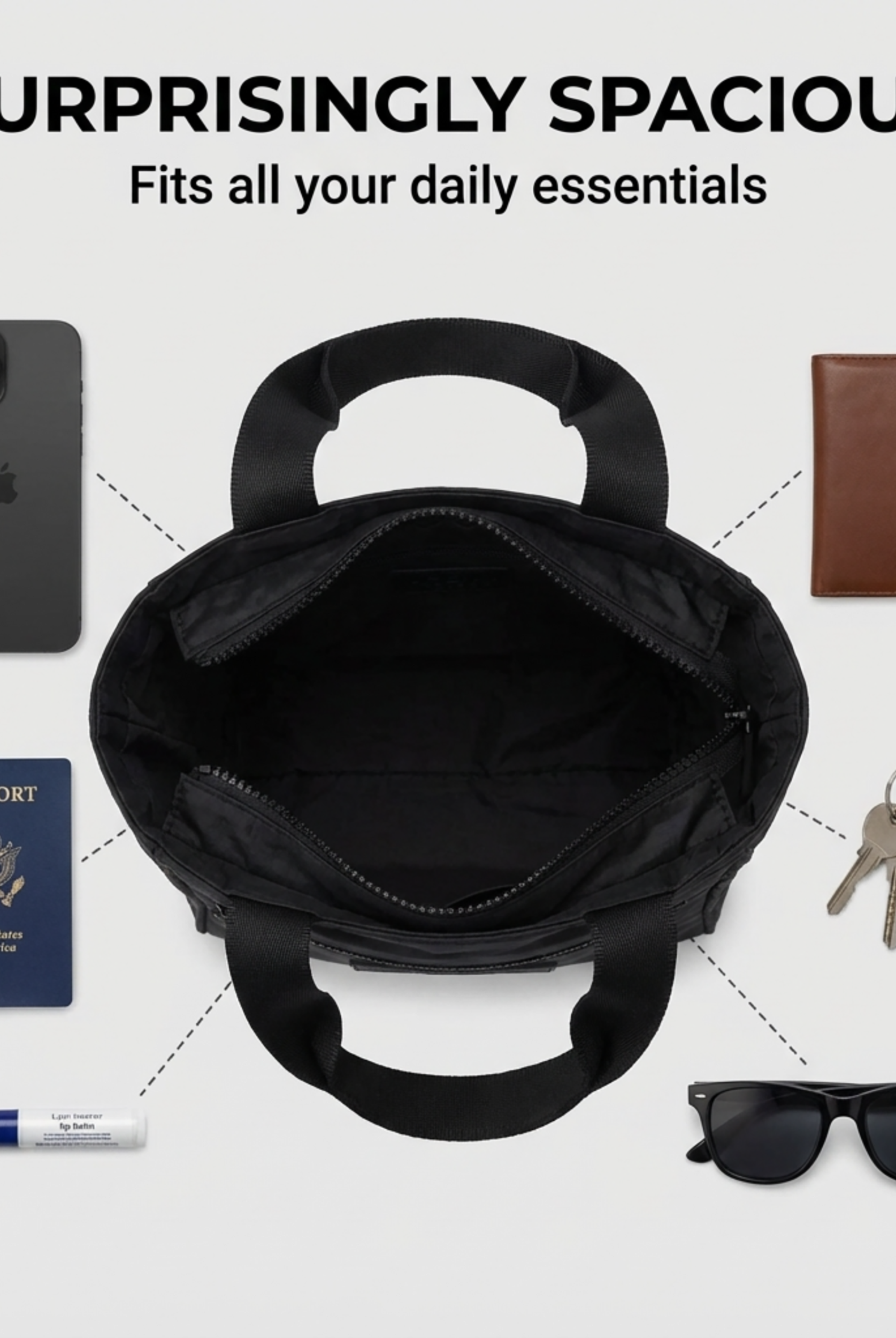
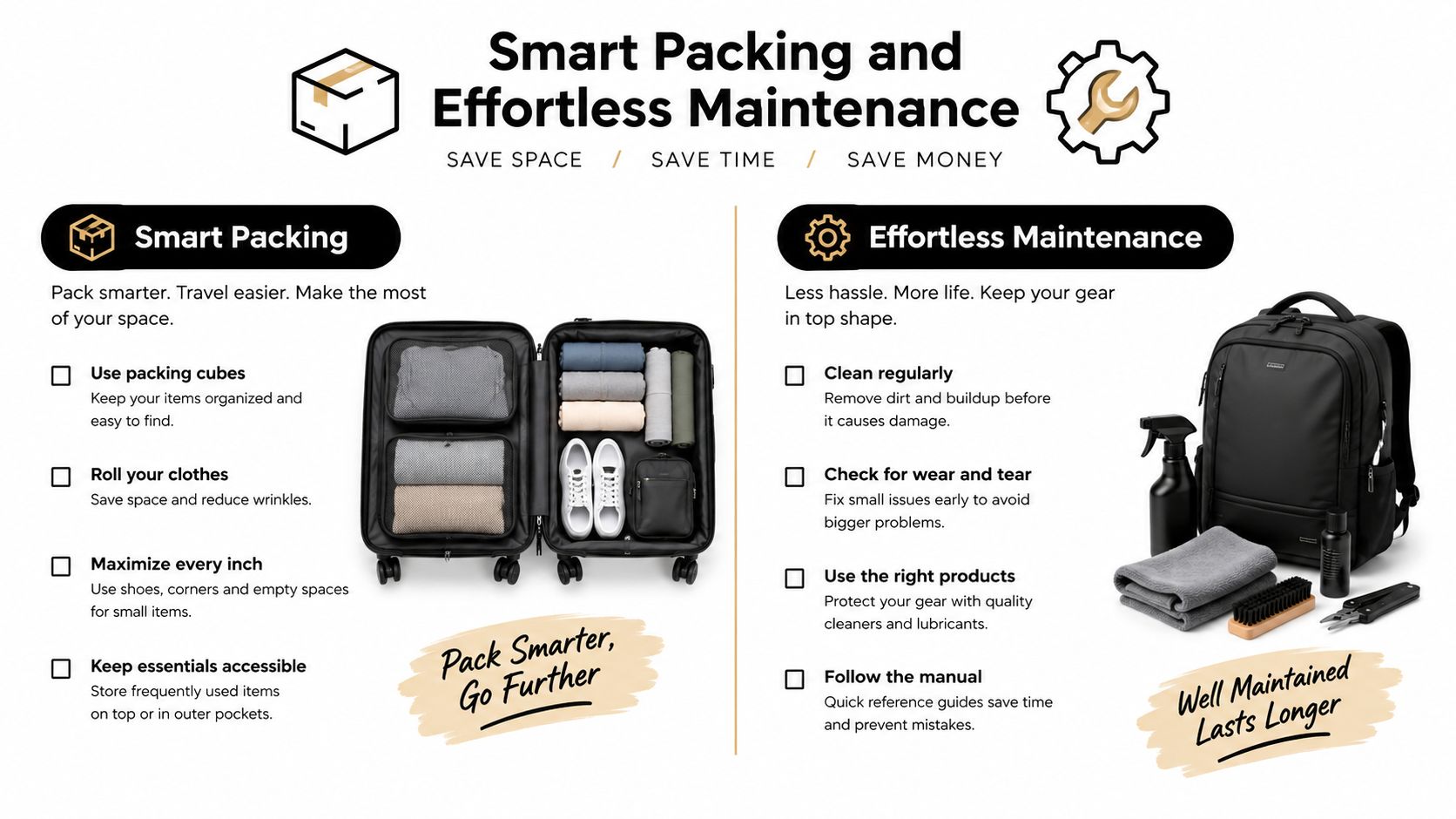
Start by assigning each zone a job. Keep phone, keys, and transit cards in the quickest-access pocket. Place toiletries, chargers, and personal care items in a secure inner zipper compartment. Put a notebook or tablet in the most structured area, then add soft items around it to prevent shifting.
Pack by frequency, not category alone
The item you'll reach for most should sit highest or closest to the opening. The item you need only at your destination can go deeper. This small change keeps you from pulling everything out at the checkout line or airport gate.
- Quick access: phone, keys, wallet, sunglasses, and transit cards.
- Protected center: laptop, tablet, notebook, or paperwork.
- Soft buffer: scarf, cardigan, reusable pouch, or small towel.
- Separate pocket: charger, lip balm, hand cream, or other small items.
- Bottom layer: stable items that won't mind staying put.
For a beach trip, place a towel or pouch between damp swimwear and electronics. For school pickup, keep snacks and wipes accessible rather than buried under your own essentials.
Clean according to the actual mess
Water-resistant fabric usually needs only a prompt wipe after a rainy commute or small spill. Empty the tote regularly so crumbs and sand don't collect in the corners. If the care instructions allow machine washing, use that option after a messy beach day, but check the product label first and let the bag dry fully before folding it.
Urban Totes' tote bag maintenance guide offers a practical reference for keeping a packable bag ready for its next outing. The best maintenance habit is consistency, not complicated treatment.
The Real Impact of Choosing Reusable
A reusable tote only replaces disposable bags when you actually reuse it. That sounds obvious, but it's the point many shoppers skip when they focus only on material labels. A durable bag left in a closet has less practical value than a simple bag that travels regularly between your entryway, car, stroller, office, and grocery store.
The United Nations Environment Programme documents substantial reductions after plastic-bag policies. In one example, annual use fell from 328 bags per person to 21, a reduction of more than 90%. Another example recorded an average reduction of 70%, avoiding approximately 40 billion bags one year after implementation. UNEP's Clean Seas resource shows why repeated substitution matters at everyday scale.
Material also changes the point at which reuse becomes worthwhile. A UNEP assessment cited by CNN estimates that a durable woven polypropylene bag should be used about 10 to 20 times to match the climate impact of one single-use plastic bag, while a reusable polyethylene bag should be used roughly 5 to 10 times. Cotton bags require approximately 50 to 150 uses to achieve a lower climate impact than a single-use plastic bag. Those figures are material-specific, so “reusable” isn't a complete answer by itself.
Buy for repetition
Choose a tote you'll carry for groceries, library books, commuting, gym equipment, and travel. Look for durable construction, useful compartments, a comfortable carry method, and a design you enjoy wearing. Avoid replacing it just because a new color appears, and clean it only as needed.
Comparative life-cycle analysis reinforces the same principle. One analysis found that cotton bags may need to be used just over 100 times to outperform a reusable LDPE option, while jute bags required roughly 36 to 68 uses. Another assessment found that a reusable polypropylene non-woven bag had the lowest overall impact in its modeled scenario after 50 reuses, with reuse frequency and carrying capacity among the decisive factors. Euroconsumers' analysis of reusable shopping bags explains why material, capacity, care, and repetition must be considered together.
The policy context makes this habit more relevant. EU rules set a benchmark of no more than 40 lightweight plastic carrier bags per person annually by December 31, 2025, or an equivalent reduction measured by weight. In 2023, EU consumption averaged 65 lightweight plastic carrier bags per person, 25 above that benchmark, according to Eurostat's consumption data. For families looking at broader everyday choices, this guide to eco-friendly solutions for kids offers additional practical ideas.
The facts about reusable bags come down to one decisive habit: keep the bag where your life happens, and use it until it has earned its place.
Urban Totes offers lightweight, water-resistant, packable, and foldable tote and crossbody styles with thoughtful organization, zipper closures, and multiple compartments for real everyday carrying. Visit Urban Totes to find a stylish, go-anywhere bag for commutes, beach days, errands, travel, and every plan in between.