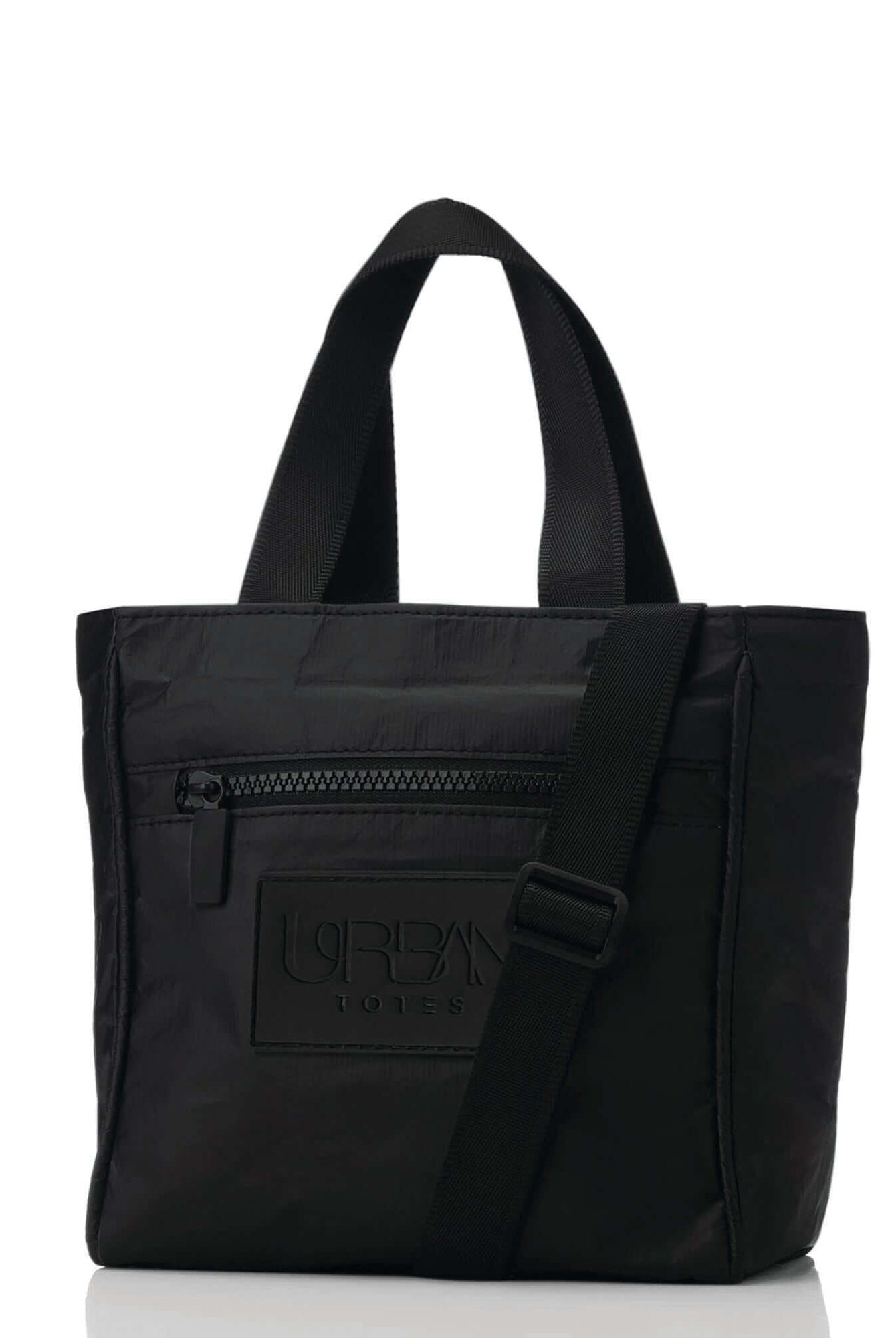
The school drop-off line is moving, your phone is at 9 percent, and the lunch you packed has disappeared beneath your laptop. Your keys are somewhere near the bottom, your charger is tangled around a pen, and the bag itself is either too small, too heavy, or one big jumble.
A better system starts with work bag essentials assigned to specific zones. Daily tech belongs in one compartment, personal care in another, snacks and water away from electronics, and safety items where you can reach them without emptying the bag. This guide adapts that setup for commuters, busy parents, travelers, gym-goers, and students, then ends with a printable quick-check list. It also compares three Urban Totes styles built for real days, from school drop-off to an airport terminal. For more ways to protect focus during a packed schedule, explore this guide to productivity software for small business.
Table of Contents
- 1. The Go Anywhere Day Trip Tote Bag by Urban Totes
- 2. Elevate Every Adventure with The OG Zipper Tote Bag by Urban Totes
- 3. Crossbody Tote Bag Mini Purse
- Work Bag Essentials: 3-Bag Comparison
- Pack It Once, Then Check It Each Morning
1. The Go Anywhere Day Trip Tote Bag by Urban Totes
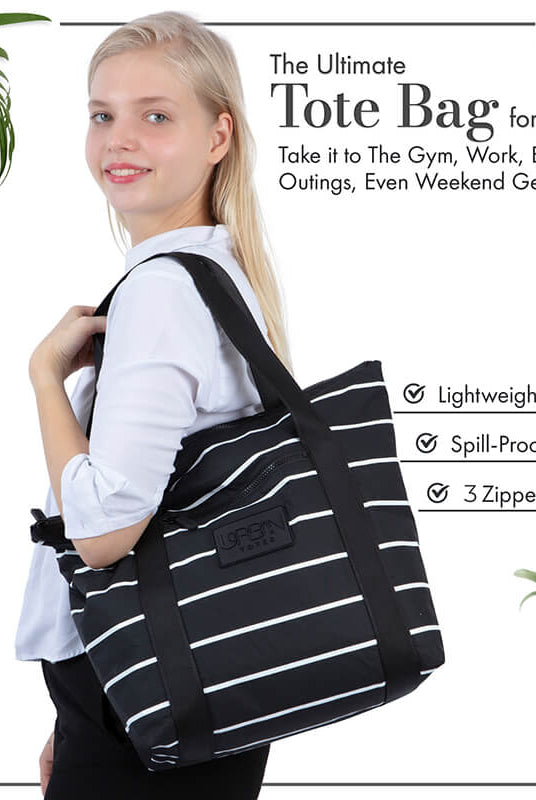
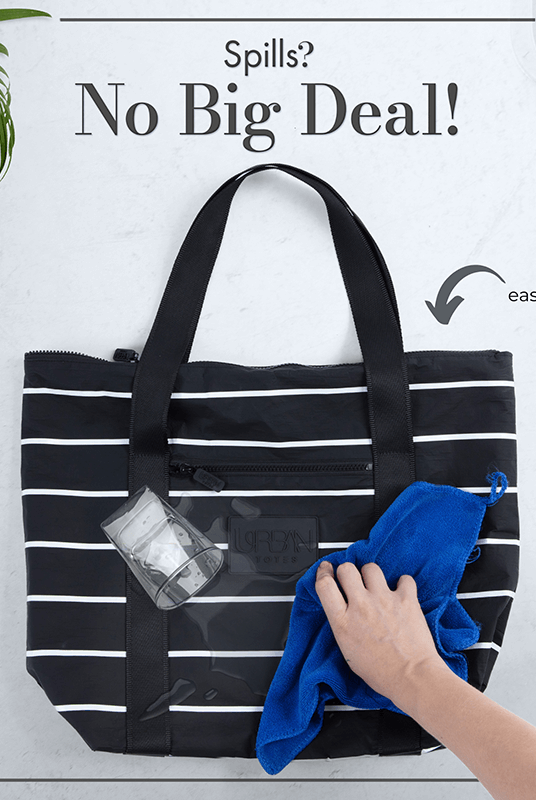
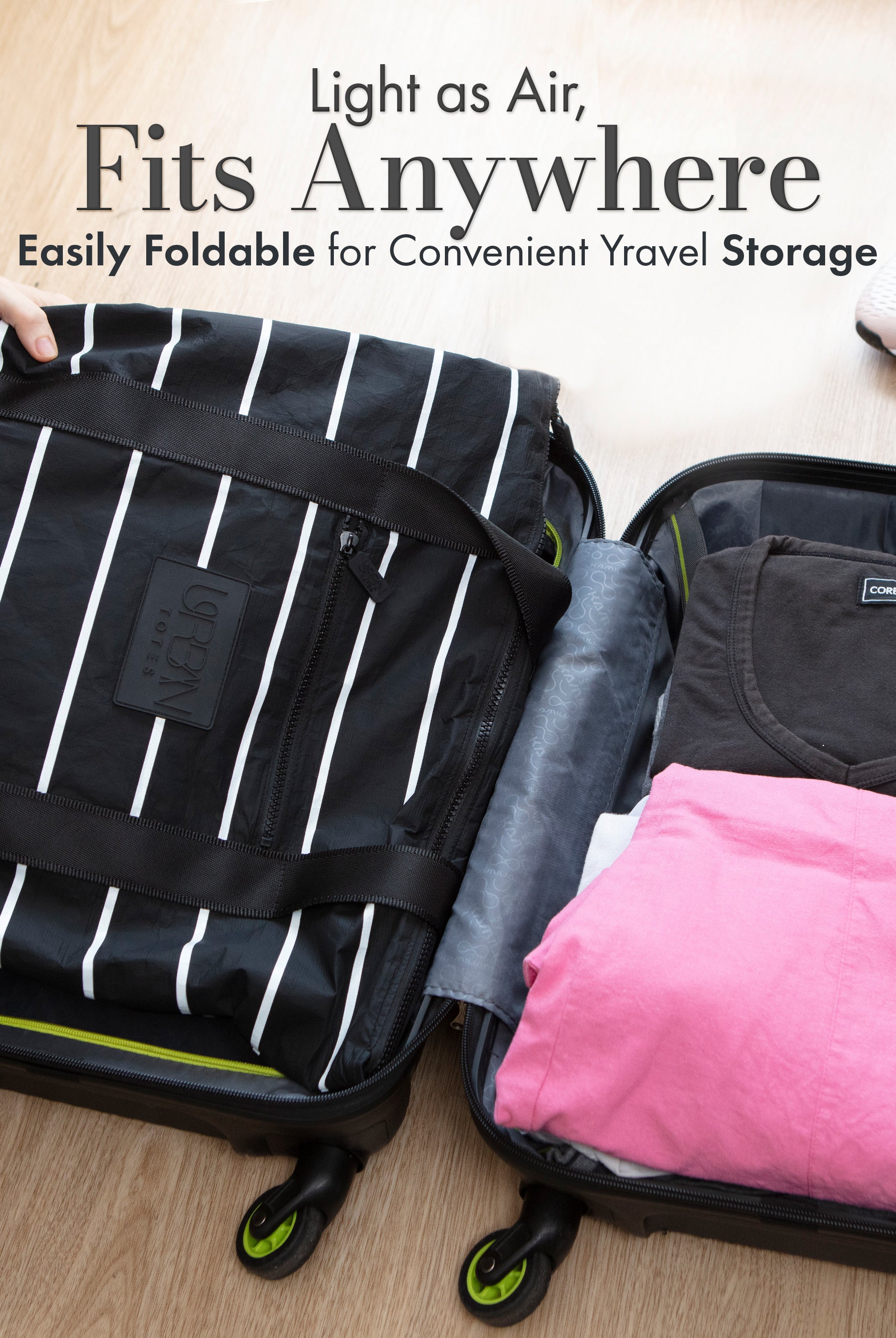
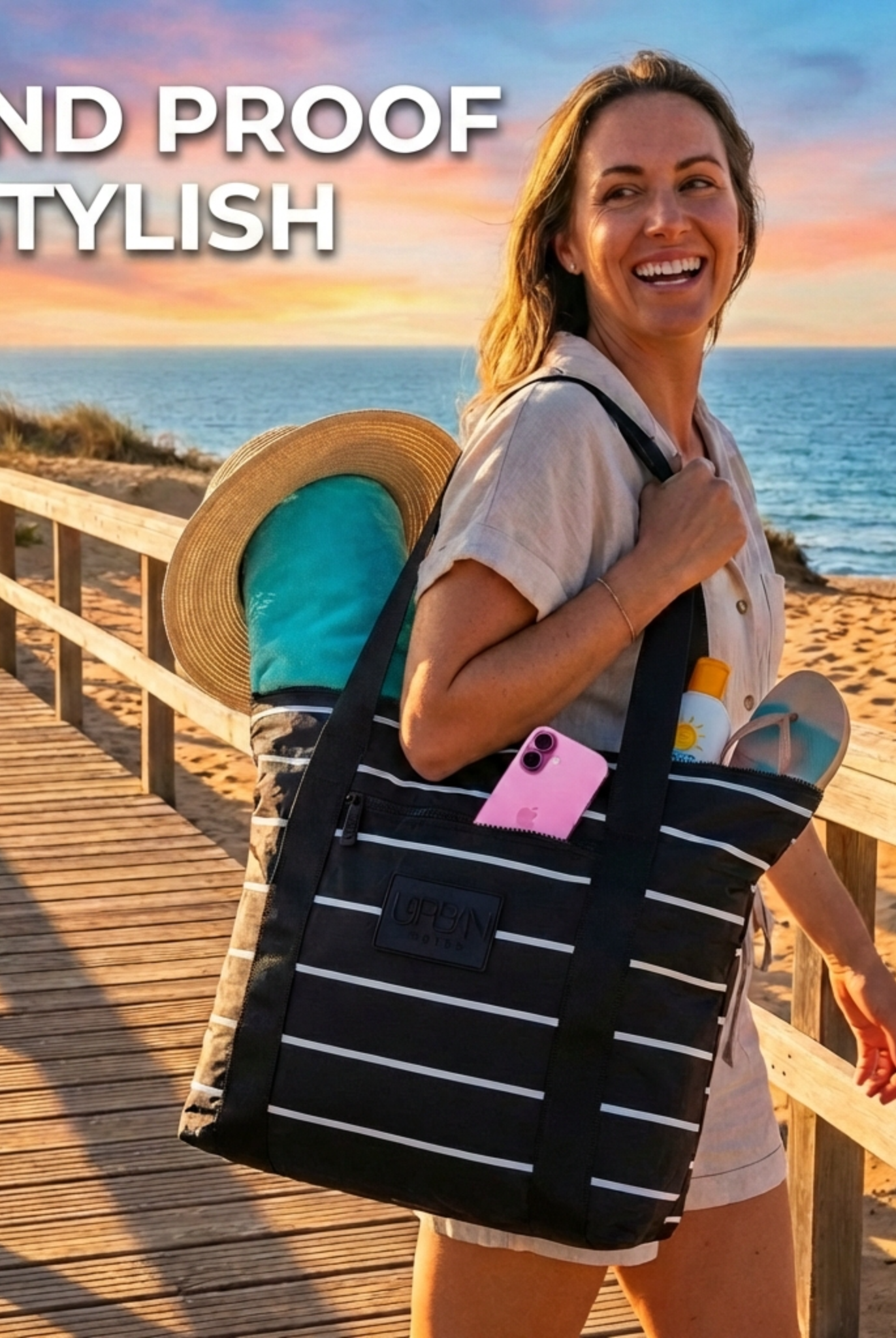
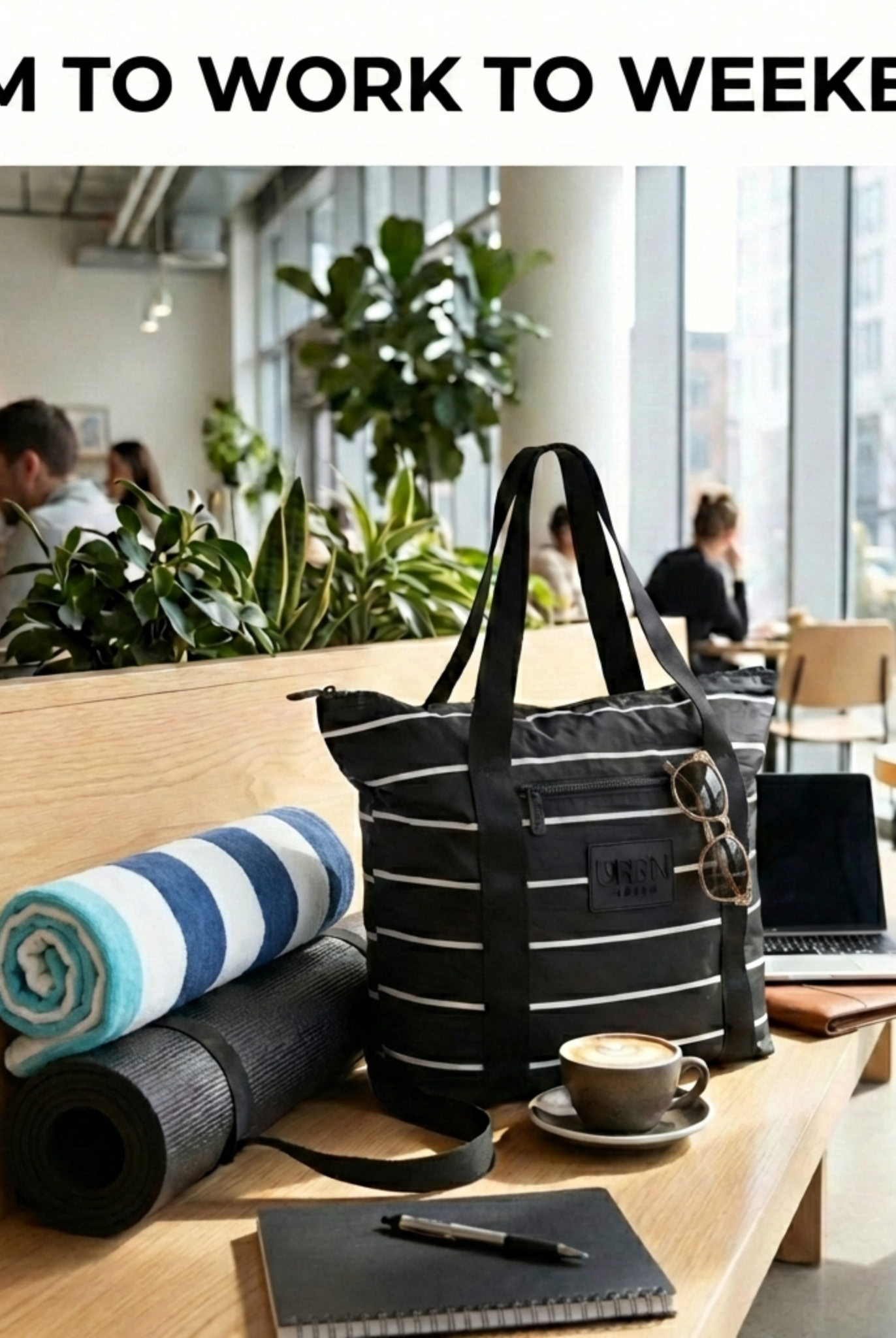
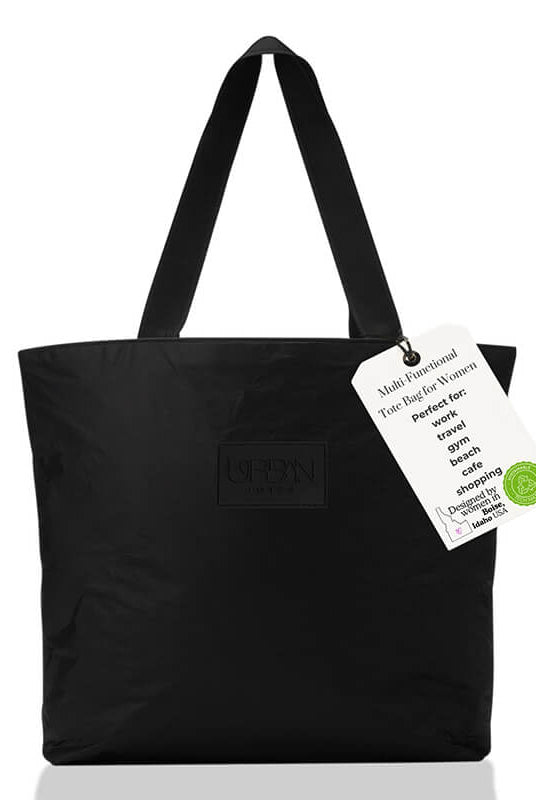
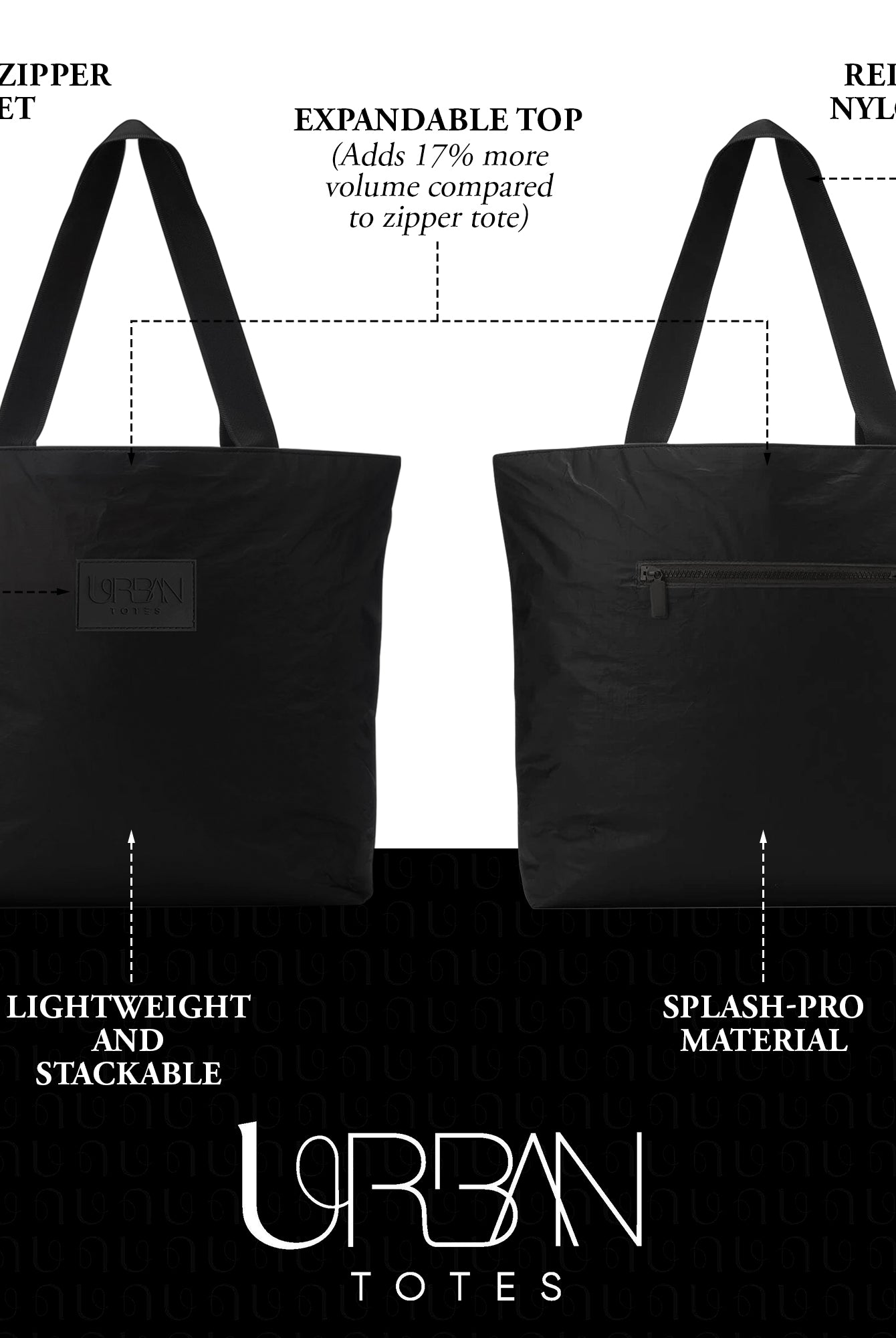
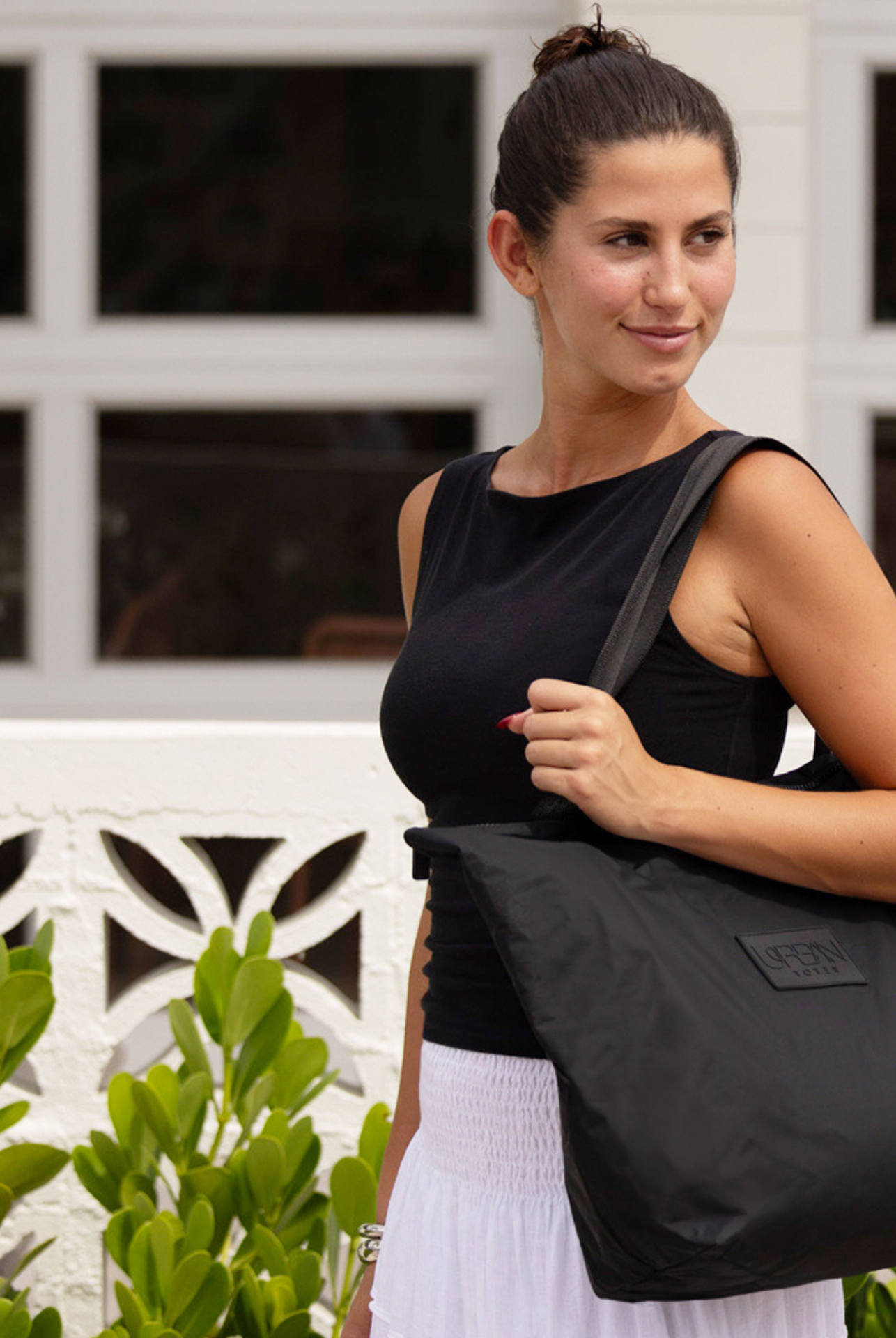
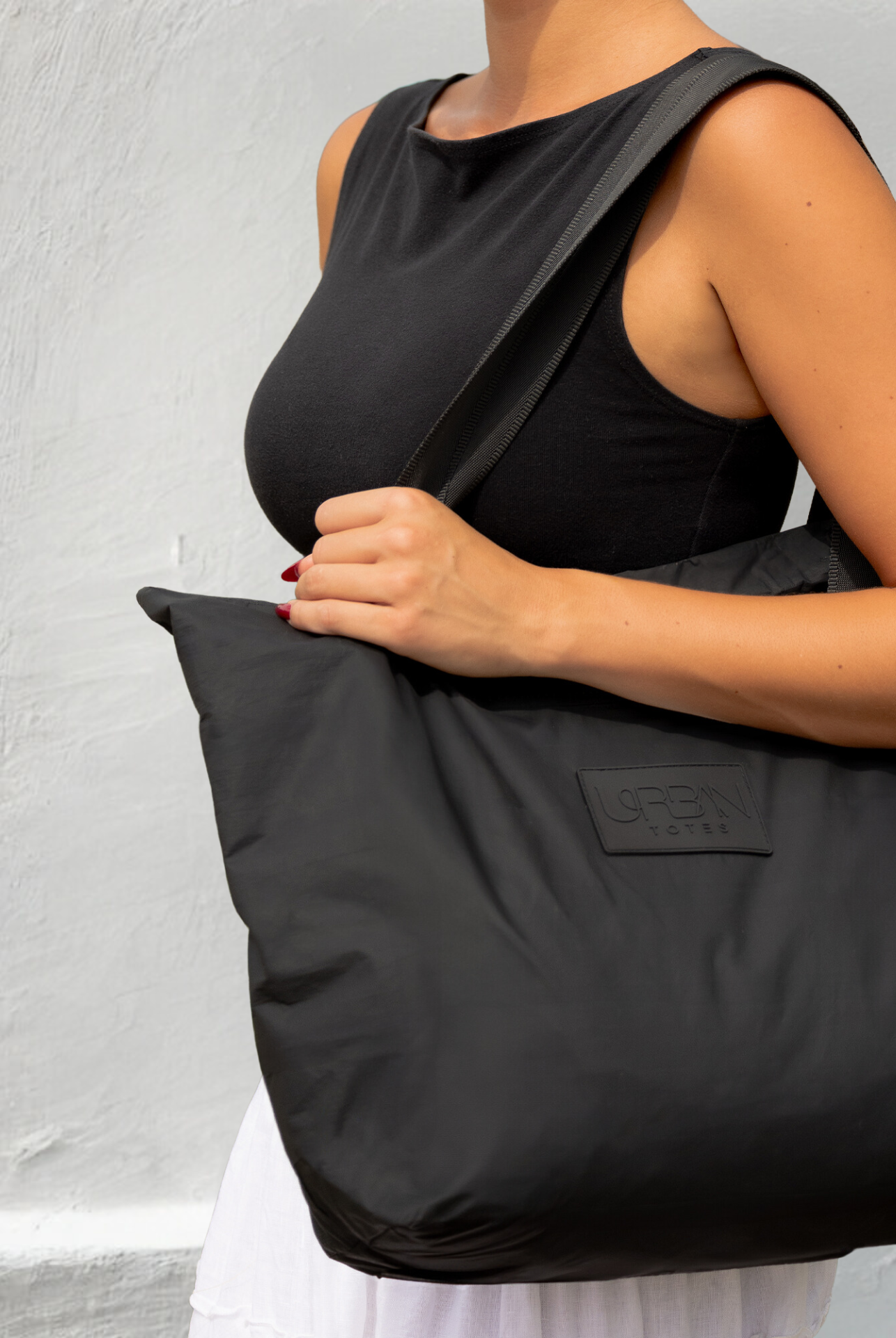
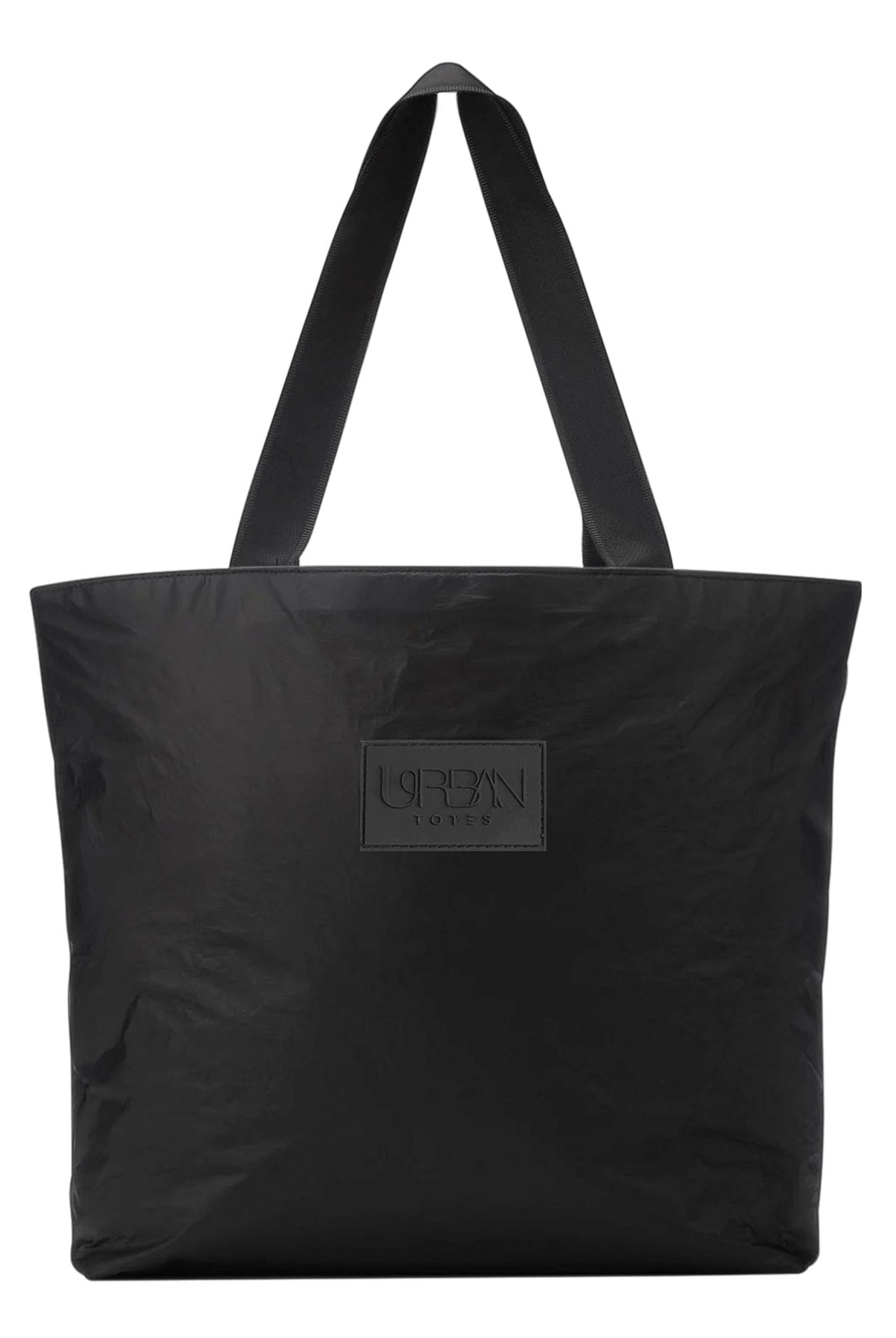
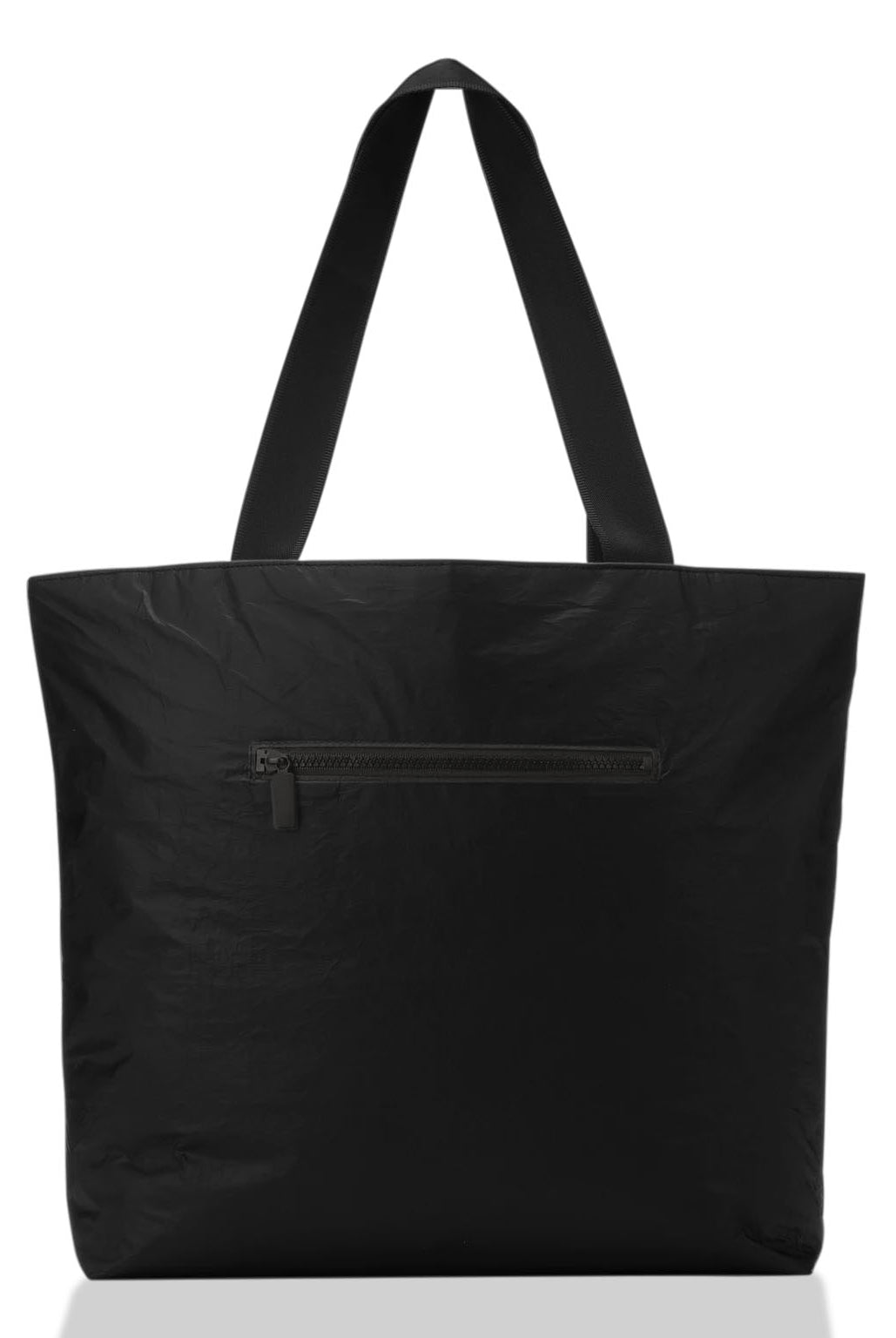
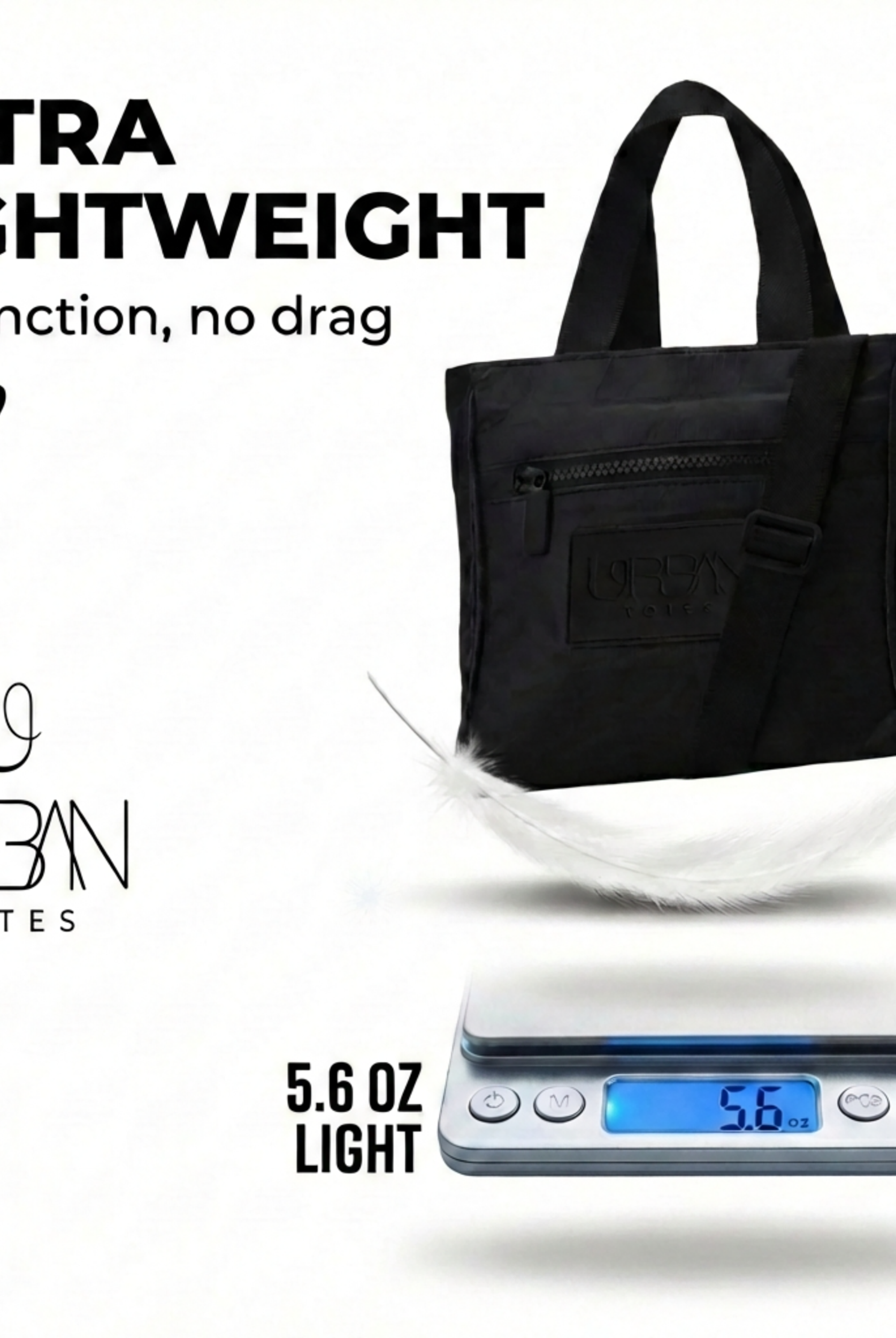
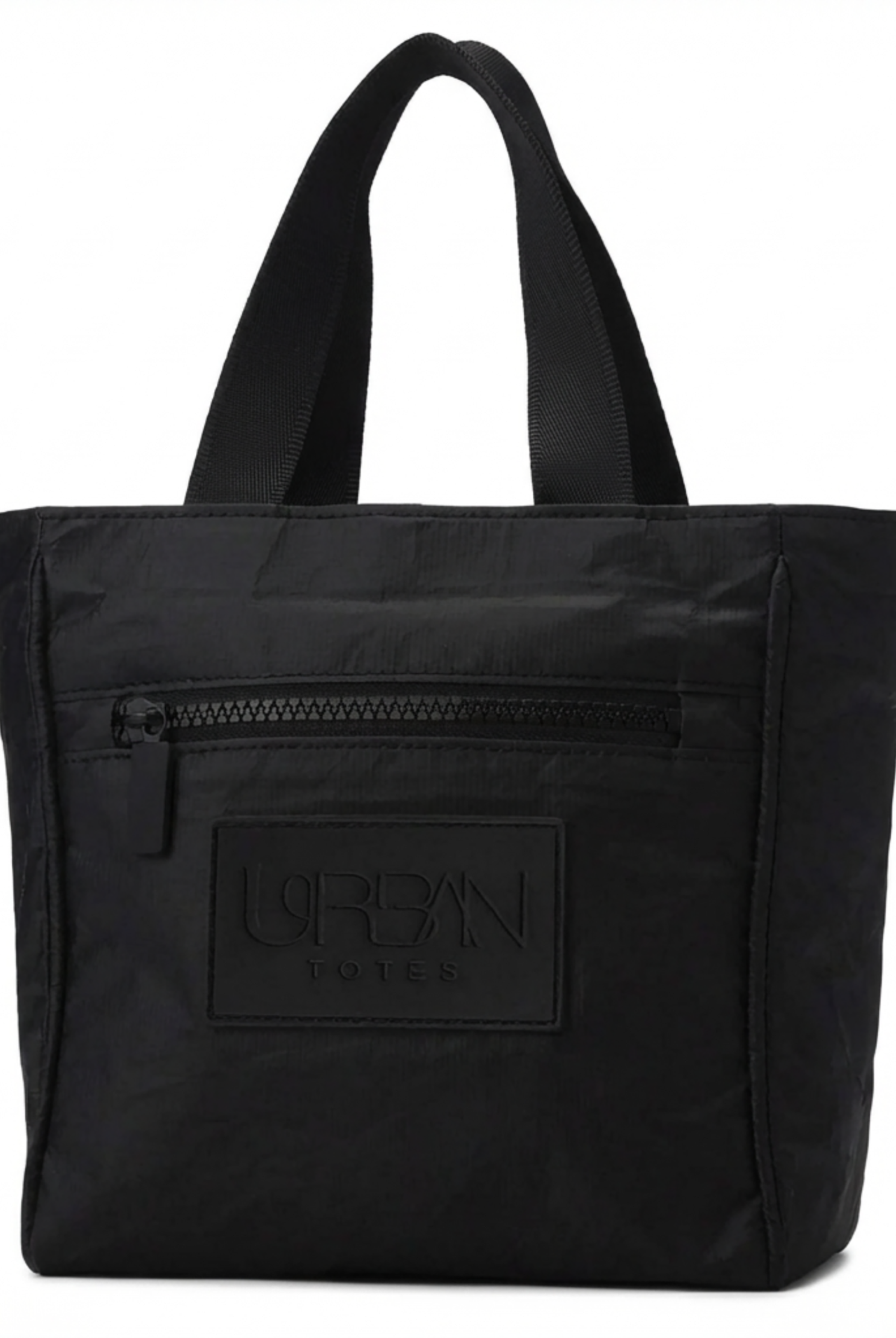
The Go Anywhere Day Trip Tote Bag by Urban Totes fits days that start with work and keep going. I like it for mornings when I need my laptop, then a few personal items, then the extras that show up by noon. The black-on-black look stays quiet, and the lightweight, water-resistant, packable, and foldable build makes sense for women who want one bag to cover the office, errands, pickup, and a last-minute change of plans.
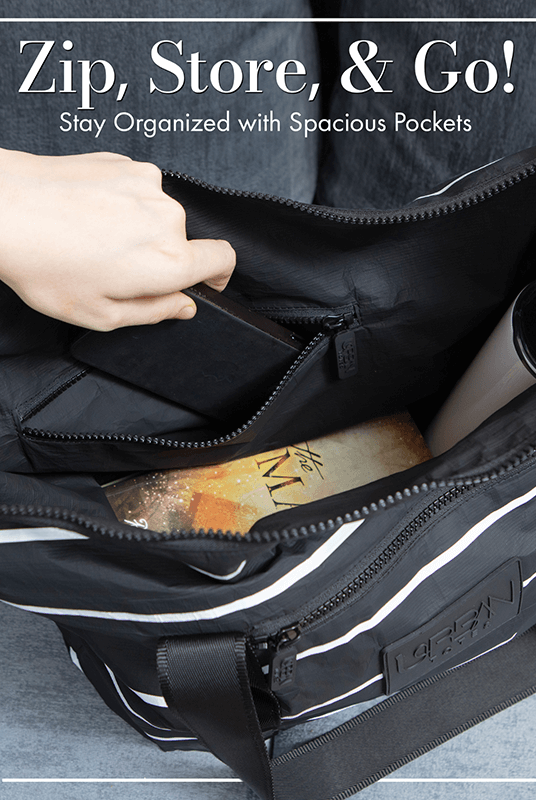
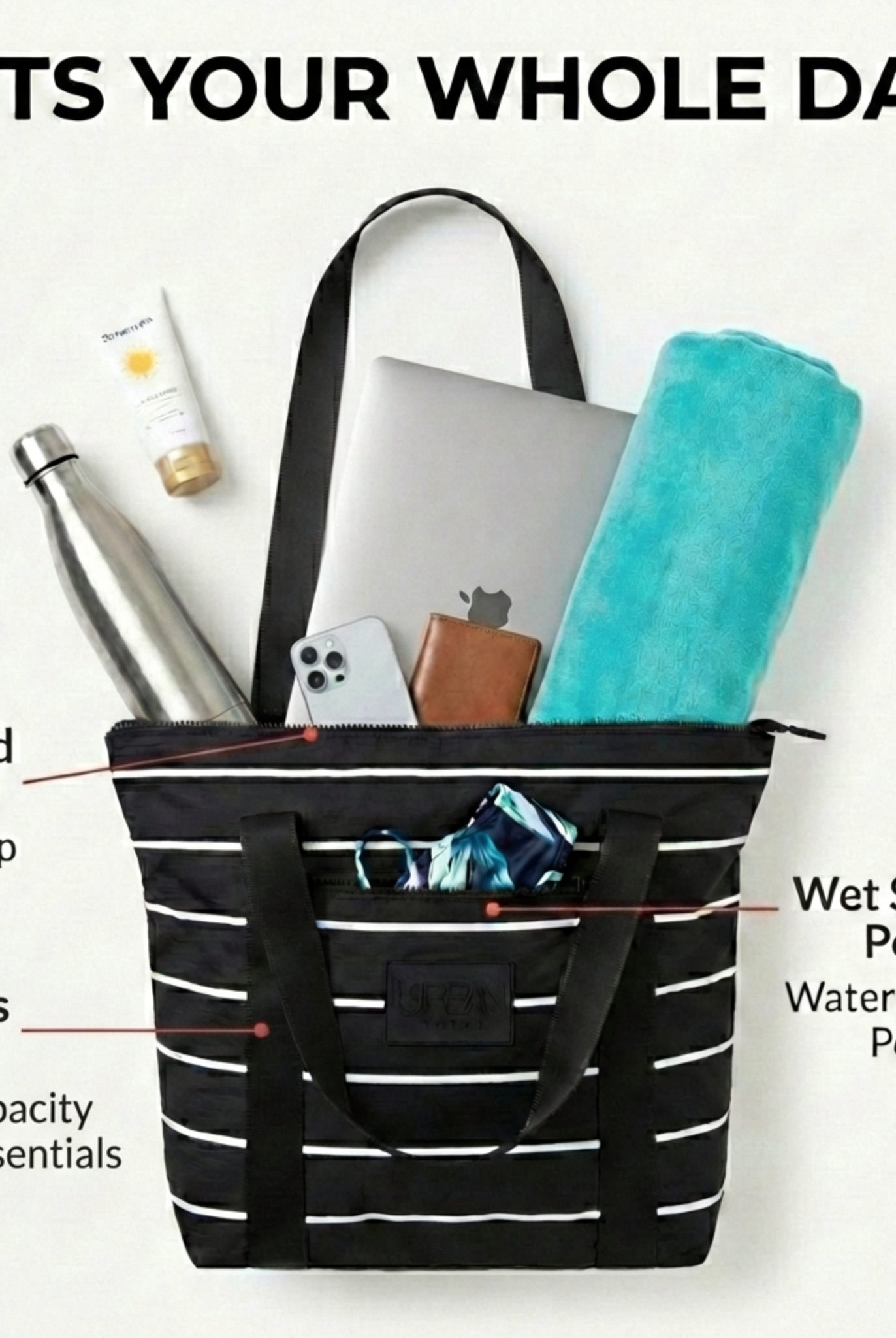
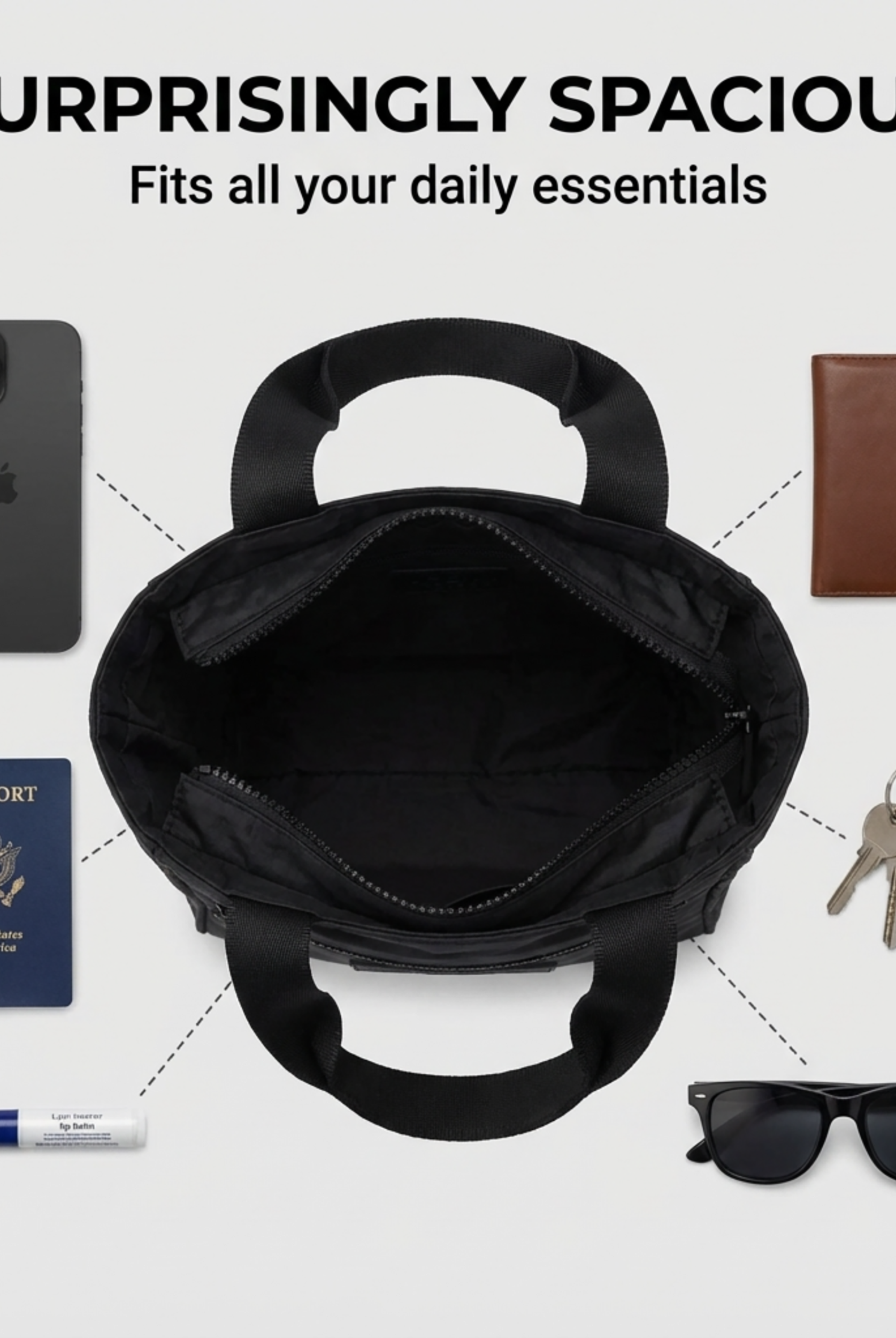
Its biggest strength is the layout. The three zippered compartments let you assign a job to each section so your work bag essentials stop sliding into one pile. Put tech in the compartment closest to your body. That is the right spot for a laptop or tablet and a slim notebook because the weight sits nearer your frame. Use the middle section for the pieces that support the day, charger, earbuds, wallet, pens, and a small personal-care pouch. Keep the outer section for fast-reach items, with the phone and keys in their designated pockets instead of loose beside a snack or bottle.
Pack the Day Trip Tote by destination
Phones need their own place. Pew Research Center's global technology overview reports a global median of 59% of adults across 27 surveyed countries owning a smartphone, with ownership at 76% across 18 advanced economies and 45% across emerging economies. Regional medians include 70% in Europe, 54% in Latin America, 53% in Asia-Pacific, and 33% in sub-Saharan Africa. The practical takeaway is simple. Your phone should not live under your lunch, tangled in a charger.
The bag works well because each audience can use the same map differently.
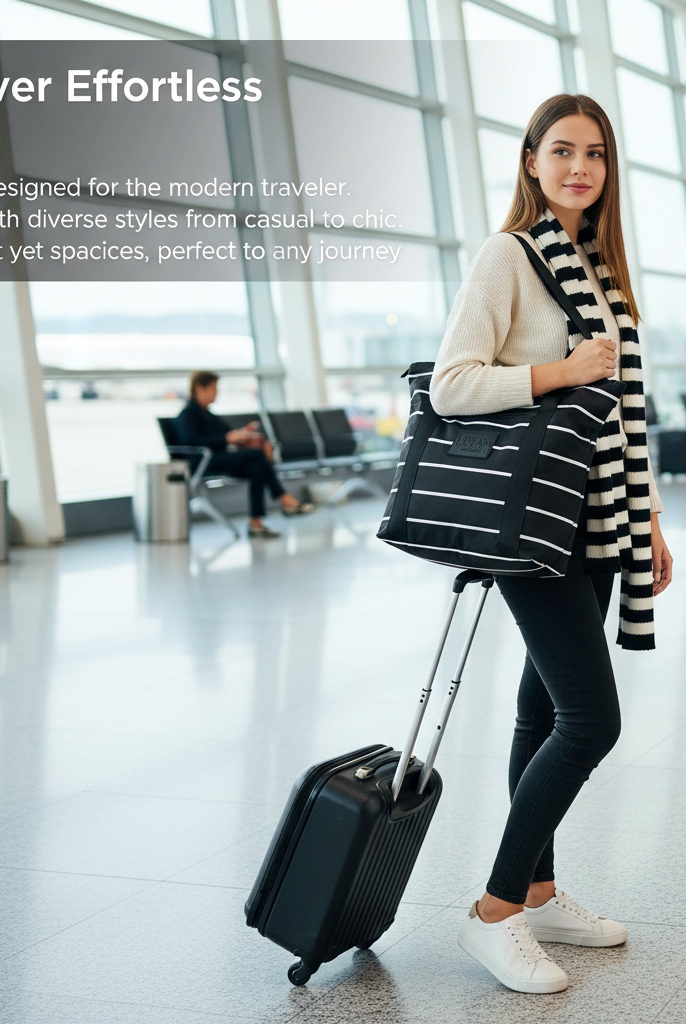
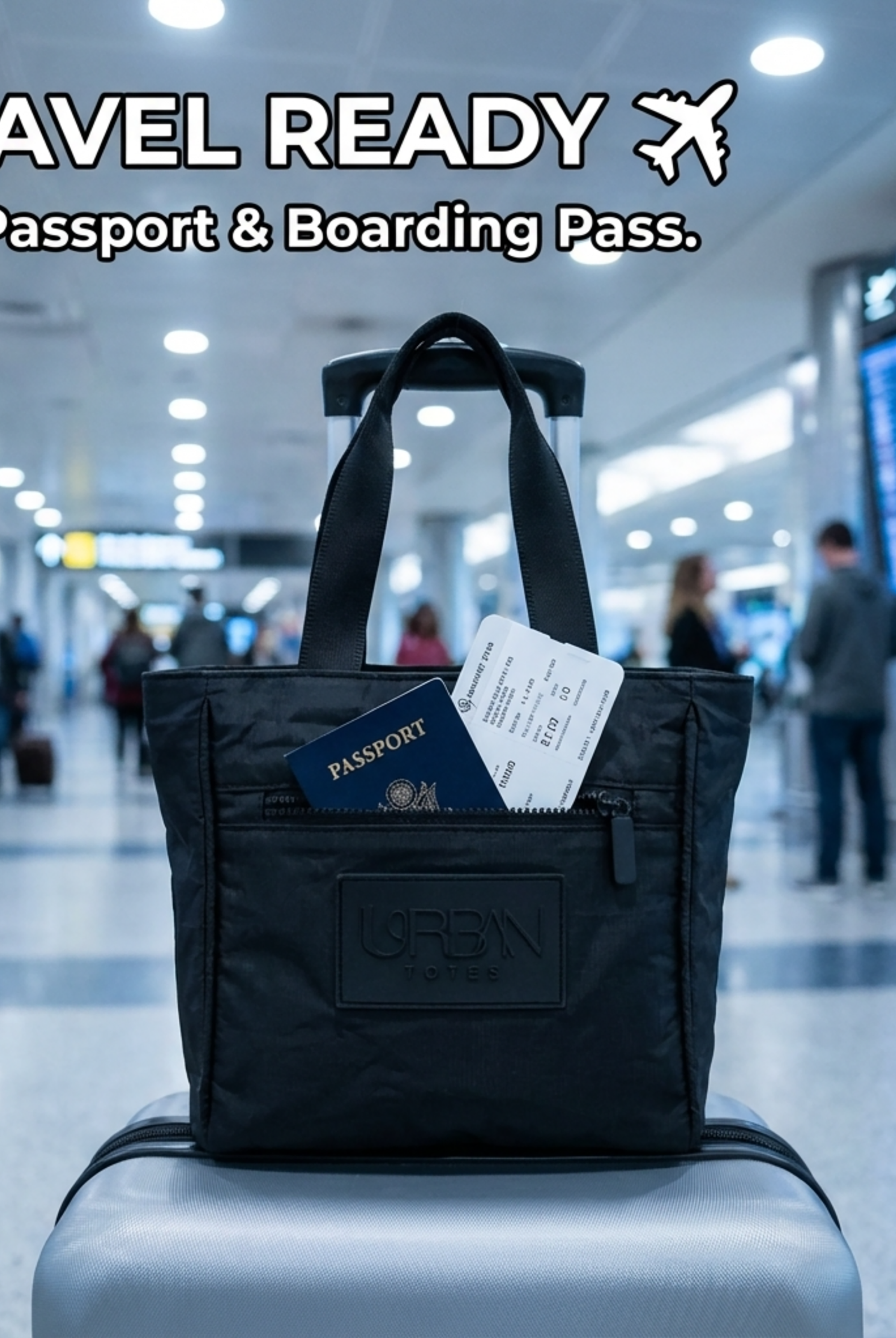
For a commuter, keep the phone, badge, and transit card in the outer pocket. Put the laptop against the inner wall and the charger in the center compartment, ideally in a small pouch so cords do not wrap around everything else. For a student, that same inner section holds a tablet or small laptop, while the center takes pens, earbuds, and one notebook for classes. For a busy parent, the third compartment can carry wipes, a spare hair tie, snacks, and a rolled-up change of clothes without mixing those items into your work papers. A gym-goer can use one compartment for a compact towel or clean shirt in a pouch, so office items stay dry and easy to grab. A traveler can reserve the outer zone for ID, phone, and headphones, then use the center for chargers and lip balm. The bag opens fast, which matters in security lines and on train platforms.
Pack for the place you are going. Then add one backup item, not five.
That approach matters because many women move through more than one workspace in a day. Some start at a kitchen counter, head to the office, stop at school pickup, then finish a task from a café or a car line. A tote with clear zones handles that kind of switching better than a single open cavity. If you want a practical example, Urban Totes' day trip packing list shows how to split work, family, and travel items without losing track of the basics.
Where the trade-offs show up
A tote is easy to open and easy to live out of. It also asks one shoulder and one hand to do more of the work. That means the contents need editing. Keep the heaviest pieces close to your body, and do not fill every compartment just because the space is there.
Ohio State's backpack guidance recommends keeping a carried load to about 10% of body weight. For a 150-pound commuter, that is about 15 pounds. Laptop, charger, water bottle, lunch, and personal items add up quickly, especially if you toss in a cardigan and a paperback without thinking about it.
That is the core trade-off with this bag. The Go Anywhere Day Trip Tote offers a contained three-compartment layout, but it still works best with a moderate daily load, not a heavy all-day haul. If you routinely carry dense equipment, several books, or a full meal plus extra layers, cut duplicates where you can, leave backup supplies at your desk, or switch to a two-strap option on heavier days.
For evenings, quick errands, or a lighter setup, the Crossbody Tote Bag Mini Purse is useful for the small items you want close, your phone, keys, cards, and a few personal basics. That keeps the main tote from turning into a second junk drawer.
2. Elevate Every Adventure with The OG Zipper Tote Bag by Urban Totes
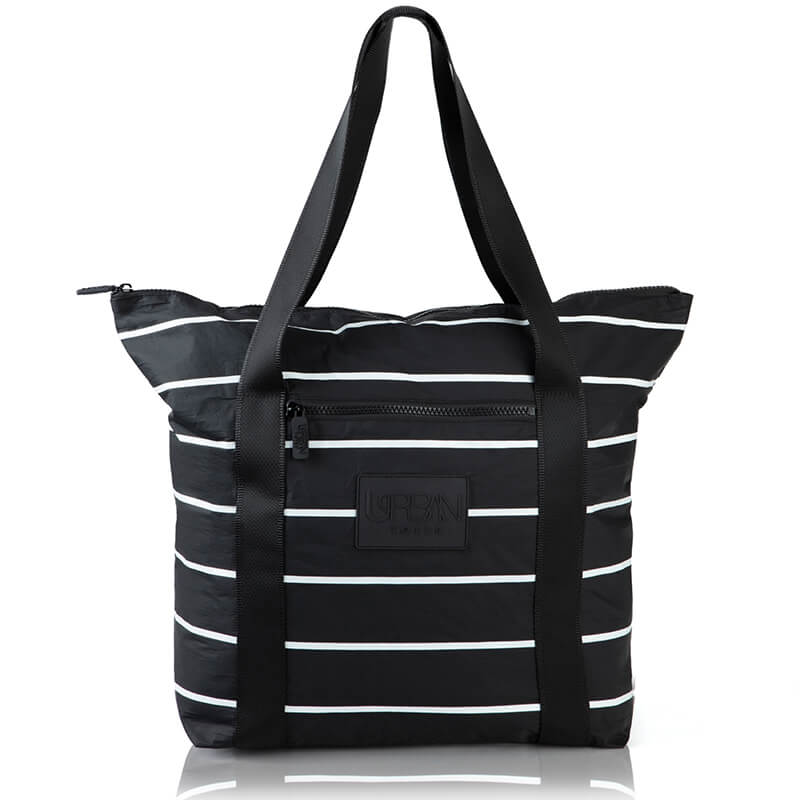
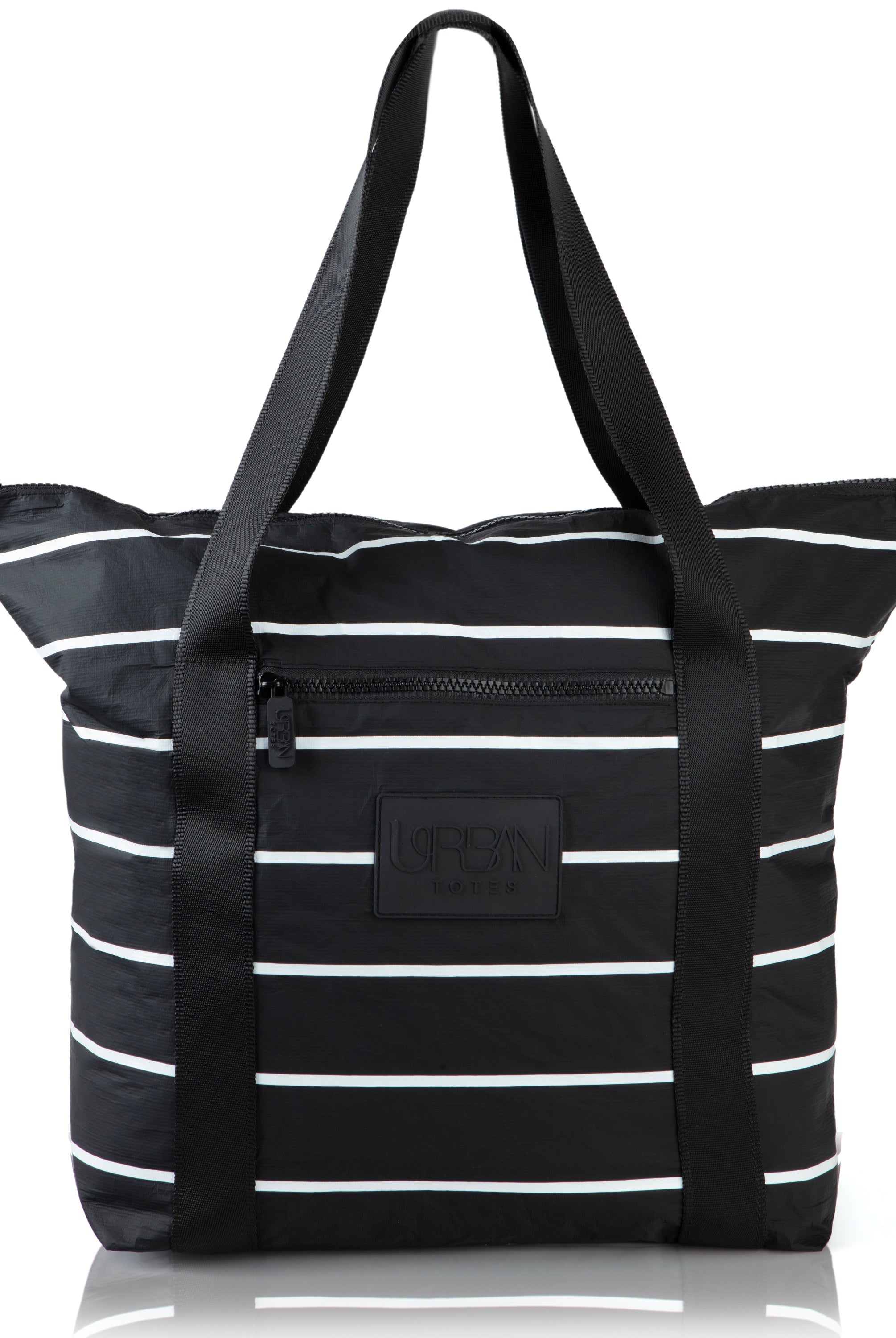
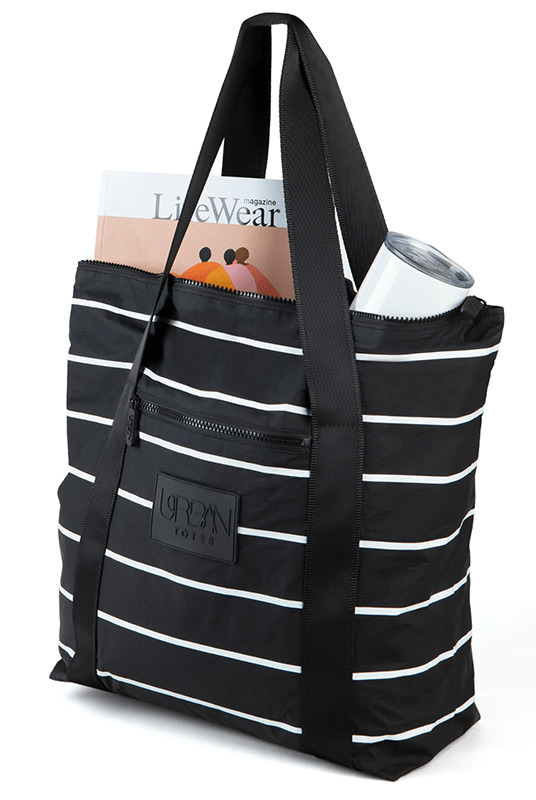
Some mornings need a carry-all. You've got a laptop, lunch, a water bottle, a child's snack, a swimsuit, and perhaps a pair of sneakers because the day ends at the gym. The OG Zipper Tote Bag by Urban Totes is designed for that broader loadout, with a 19-inch width and 14.5-inch height, three large pockets, inside and outside zipper pockets, and a white interior that makes small items easier to spot.
The key is to assign each area a job before you leave. Use the central space for soft, flexible items such as a cardigan, lunch bag, or change of clothes. Keep technology in an interior zipped section, with the laptop positioned flat and away from the bottle. Use the outside zipper for keys, wallet, and transit card. The side pockets are especially useful for a wet swimsuit or sweaty gym clothes, so those items don't sit against your notebook or charger.
A carry-all that needs editing
The OG Zipper Tote has room for a full day, but capacity can tempt you to carry every possible solution. That's where organization and weight control matter. Available ergonomic evidence indicates that carrying more than approximately 10% to 15% of body weight can increase spinal compression and alter gait. A 150-pound adult reaches roughly 15 to 22.5 pounds, with the lower end more suitable for prolonged commuting, according to the ergonomic discussion in this commuter laptop backpack assessment.
For a caregiver, the wide opening and multiple zippered sections make it easier to separate personal essentials from child-care supplies. Pack diapers, wipes, or snacks in one soft pouch instead of scattering them across the bag. For a traveler, use the central compartment for a light layer and documents, then keep identification and phone access in the outer zipper pocket. For a fitness enthusiast, put clean clothes in the main cavity and isolate damp gear in a side pocket.
A bigger tote only helps when every extra item has a reason to be there.
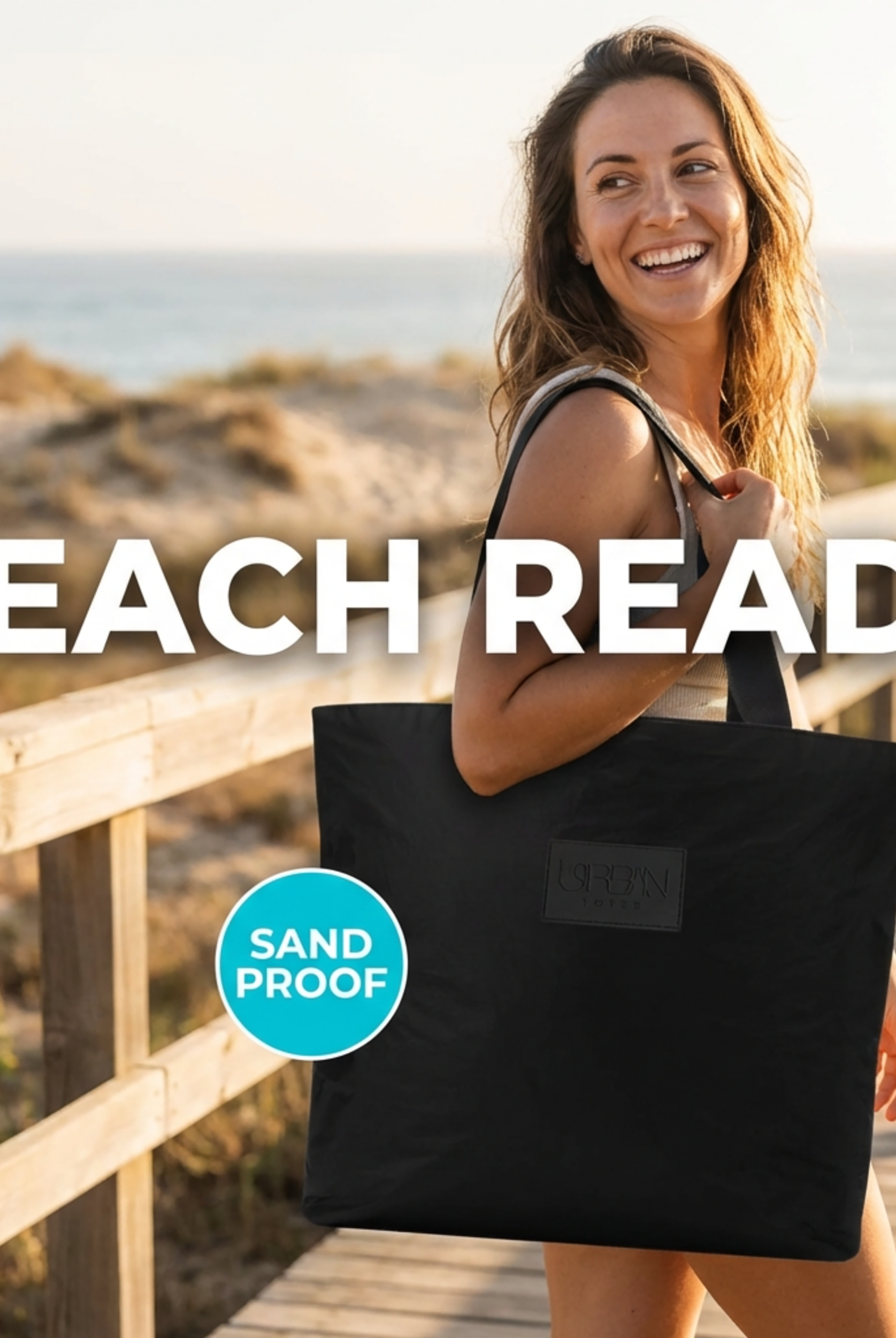
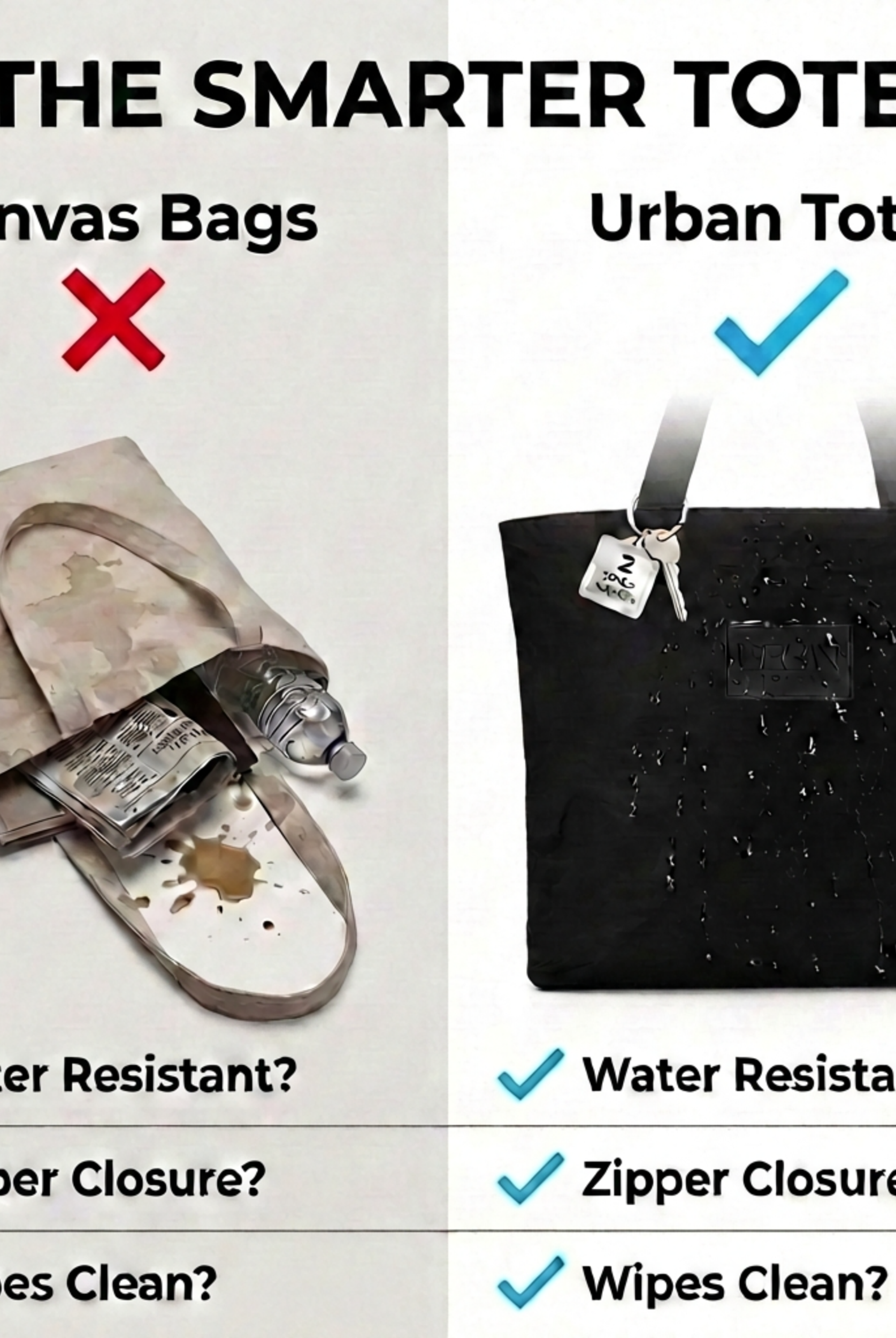
The lightweight, water-resistant, easy-to-clean, packable, and foldable construction suits travel days, beach trips, and errands. The zipper closure is a practical advantage on public transit and in crowded terminals because it keeps the top contained. It isn't a substitute for attentive behavior, though. The U.S. Cybersecurity and Infrastructure Security Agency advises users not to leave devices unattended and recommends regular backups if devices are stolen, as outlined in CISA's physical security guidance.
How different users should load it
A commuter should keep the laptop and charger against the body-facing side, with the bottle upright and separate from electronics. A busy parent can use one pocket for snacks and personal care, another for family items, and the outside zipper for phone and keys. A beach lover should put sunscreen and a cover-up in the main compartment, while a damp swimsuit goes into a side pocket. A weekend traveler should check the packed exterior dimensions before using any tote as a personal item or carry-on. Airline limits vary, and several major U.S. carriers list a standard carry-on maximum near 22 × 14 × 9 inches, while Southwest and Frontier allow up to 24 × 16 × 10 inches, according to this airline size guide.
The OG Zipper Tote is less about minimalist packing and more about controlled flexibility. If your usual day includes work, school pickup, errands, and a workout, its large pockets give each category a visible home. If you carry only a laptop and phone, the extra room may invite clutter. In that case, the Go Anywhere Day Trip Tote Bag by Urban Totes offers a more contained three-compartment layout.
For a closer look at using zippered zones without overpacking, follow Urban Totes' guide to a zippered tote bag. The practical test is simple. You should be able to reach your keys, protect your laptop, and separate wet or messy items without turning the whole tote upside down.
3. Crossbody Tote Bag Mini Purse
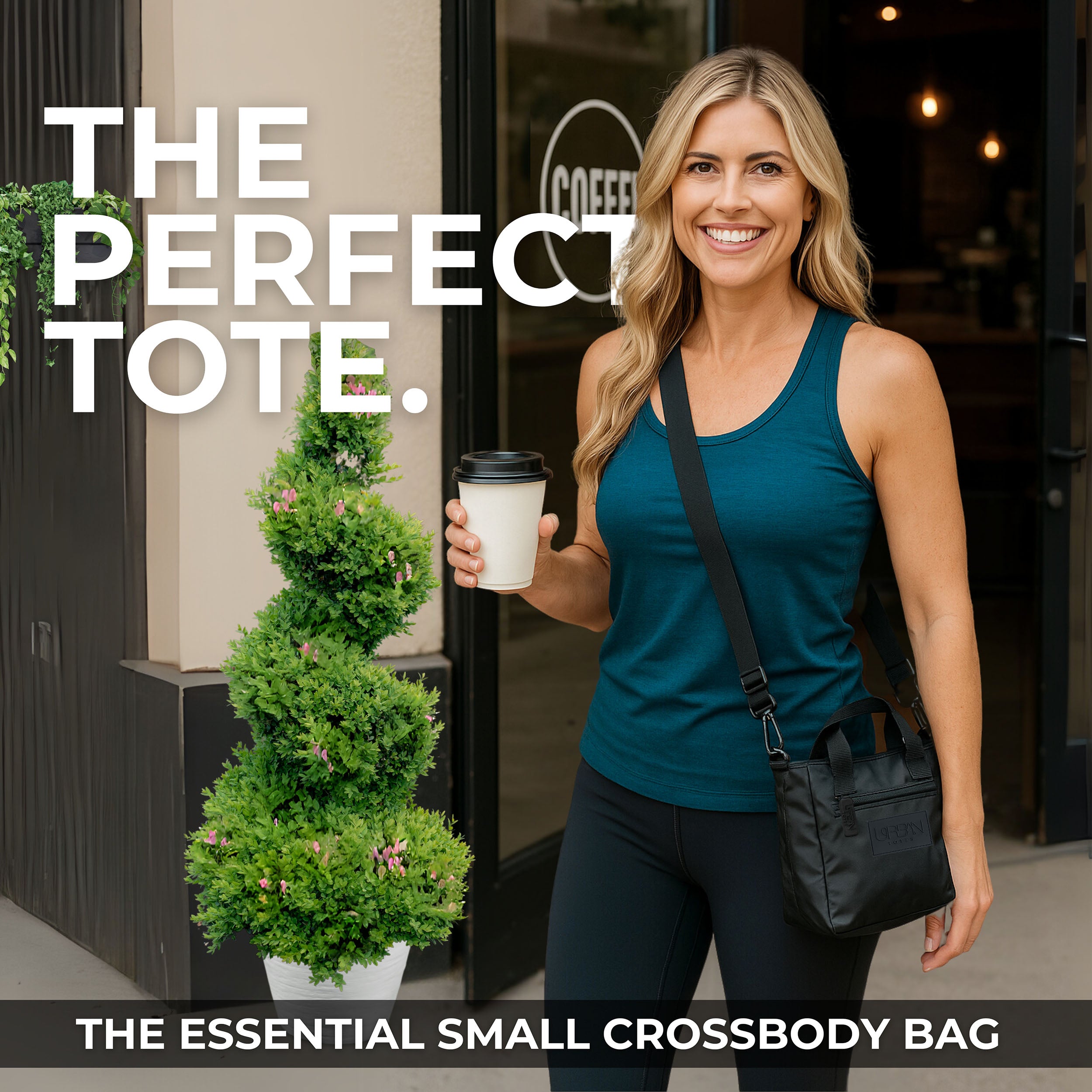
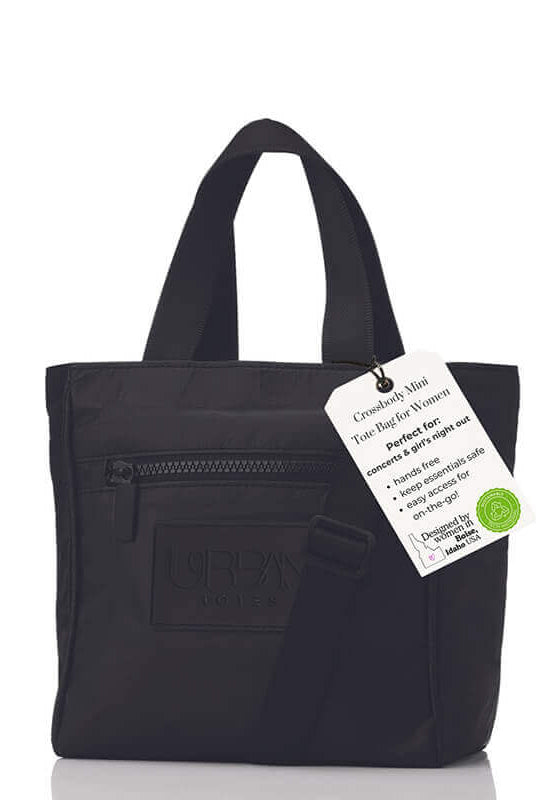
You leave your desk for a coffee run and do not want to drag your whole workday with you. That is the moment this bag earns its place. The Crossbody Tote Bag Mini Purse suits the light-carry part of a real routine, the stretch between office and café, the walk across campus, the school pickup line, the quick stop before heading home. Phone, keys, wallet, ID, lip balm. Those are the core pieces, and each one needs a clear home.
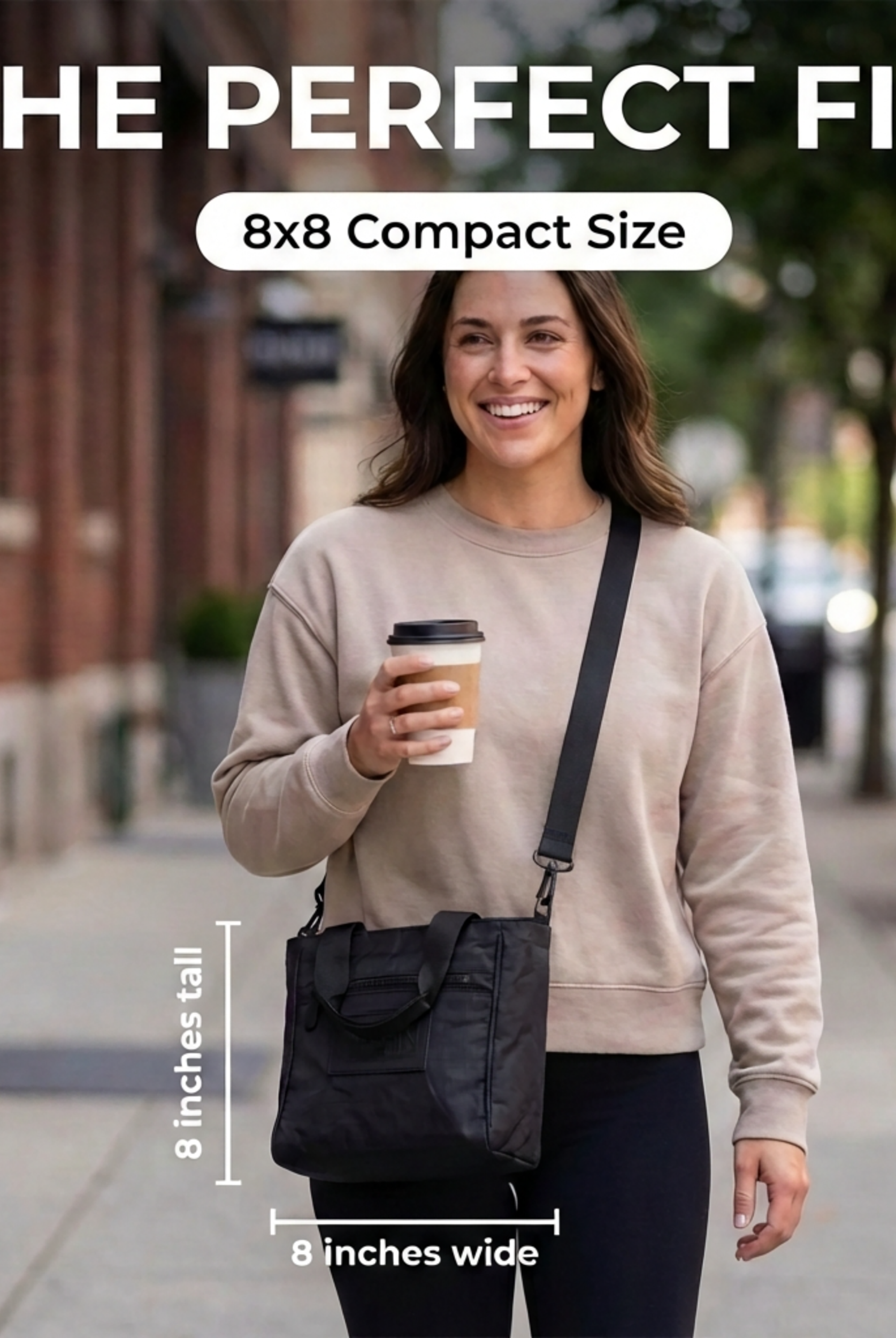
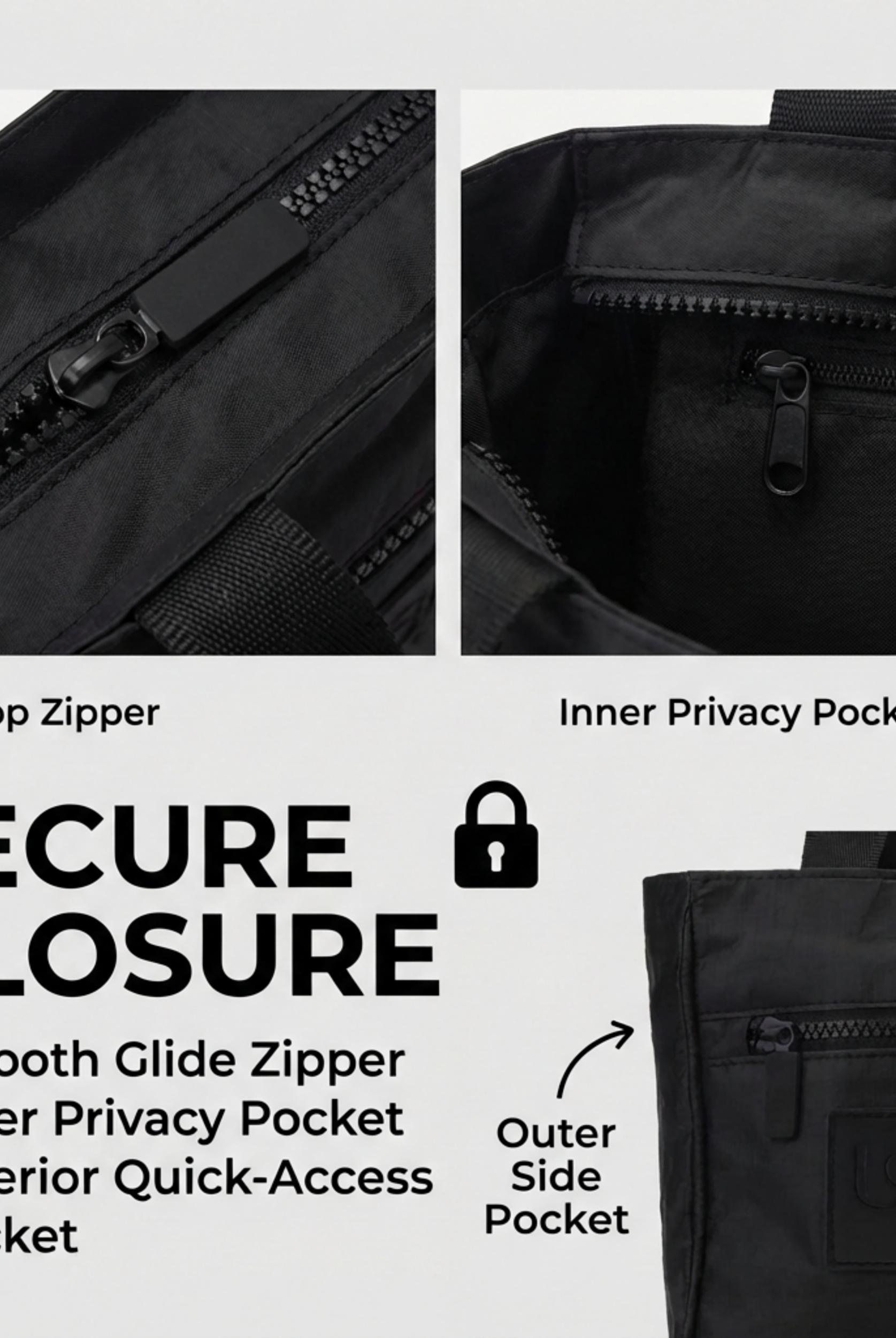
The size sets the rules in a useful way. At 7.5 × 4 × 7.75 inches, it asks you to pack only what you will reach for. The easy-access outer pocket is the right spot for your phone. The outer zipper pocket works well for keys. Wallet, transit card, and identification fit best in the main compartment, where they stay protected instead of floating around loose. The removable strap extends to 53 inches, and the 1-inch-wide nylon strap makes hands-free carry comfortable enough for errands, commuting, or a walk through a crowded station. If you want to grab it quickly from the passenger seat or a larger tote, the 11-inch handles help.
The mini loadout
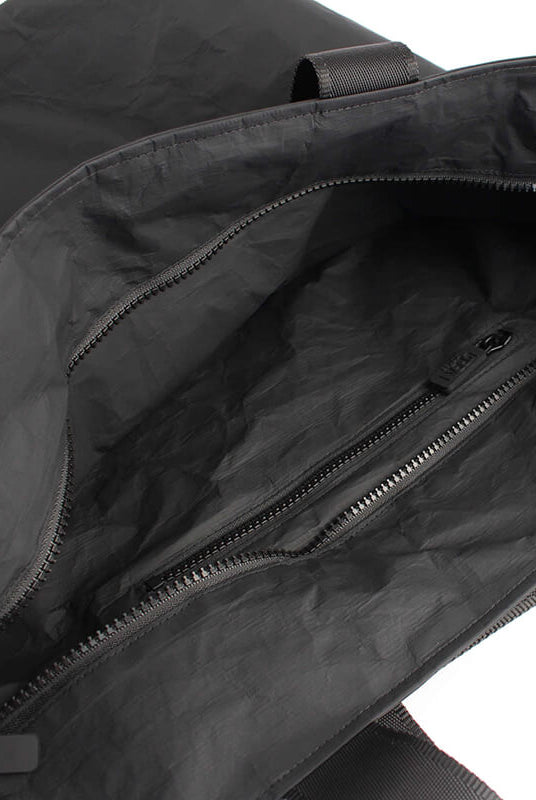
This bag works best as a dedicated essentials zone. Daily tech lives in the main compartment, but only the small pieces, phone, earbuds, a slim charger if you need it. Personal care fits in the remaining interior space, usually lip balm, tissues, and one small item you always end up hunting for at the bottom of a larger tote. Safety items belong in the zippered pocket or deepest interior spot, where cards, keys, and cash are harder to grab and easier for you to check by touch.
It also helps to understand what a crossbody bag is before you load one like a mini tote. The point is quick reach and controlled weight, not squeezing in one more thing until the shape gives up.
The audience variation here is less about identity and more about what the rest of your day already carries. On a campus walk between classes, the Crossbody holds a phone, campus card, keys, and a pen, while books and a laptop stay in a backpack. During a terminal transfer, it keeps passport, wallet, and phone in front of your body while the rolling bag handles the heavy load. At school pickup, it covers the short list, keys, phone, cards, one small personal item, while the family gear stays in the car or the main tote. Before heading into the gym, it can carry the locker key, headphones, and wallet while shoes and clothes stay in a duffel.
That compartment logic matters more in a small bag than a big one. In a large tote, you can get away with a little mess. In a mini crossbody, every extra item gets in the way of the next one.
The black interior and structured piping help the contents stay visually separated, even in a compact space. The zip-top closure adds protection in busy places, but bag safety still comes down to use. A transport safety study found that 86% of public-transport users experienced antisocial behavior that made them feel less safe during the previous 12 months, and 14% experienced threats, violence, intimidation, abuse, or attempted theft, according to UK transport safety research. In dense crowds, wear the bag across the front of your body and keep valuables out of any open pocket.
Quick access should mean easy for you to reach, not easy for someone else to reach.
What works and what doesn't
The Crossbody works when you already have a bigger base nearby, a desk drawer, a car, a locker, or a larger tote carrying the rest. It also works when carrying less is the whole point. Once you try to add a notebook, water bottle, full personal-care kit, lunch, or workout clothes, the bag stops feeling easy. The zip top gets harder to close. Your hand has to dig.
Its real advantage is consistency. Your phone charger has one place. Your keys have one place. You can leave the office, head to the café, jump in a cab, or run into a store without transferring the same five items from pocket to pocket. Keep the mini purse focused, and pair it with a larger Urban Totes tote when the day asks for more room.
Work Bag Essentials: 3-Bag Comparison
| Model | Ideal use cases | Capacity & organization | Materials, durability & care | Portability & comfort | Key advantages |
|---|---|---|---|---|---|
| The Go Anywhere Day Trip Tote Bag (Urban Totes) | Everyday errands, weekend getaways, travel, parents | Three large zippered compartments; dedicated phone and key pockets; substantial storage | Lightweight, water-resistant, easy to clean; packable and foldable | Silky shoulder/hand straps; comfortable to carry; lightweight | Versatile/multifunctional, secure zipper closures, strong organization for daily travel |
| OG Zipper Tote Bag (Urban Totes) | Parenting, beach/fitness, travel, commuting | Three large pockets plus inside and outside zipper pockets; side pockets for wet items; 19" x 14.5" | Robust materials, water-resistant, wipeable or machine washable; white interior for visibility | Lightweight and packable; roomy carry-all size | Classic pinstripe style, extra security with zippers, durable and large capacity |
| Crossbody Tote Bag Mini Purse (Urban Totes) | City outings, concerts, nights out, hands-free travel | Compact 7.5×4×7.75 in; zip-top closure, outside and inside zipper pockets, quick-access phone pocket | Technical water-resistant fabric; recyclable, non-toxic materials; easy to wipe or machine wash | Removable strap extends to ~53", 1" nylon strap; lightweight and hands-free | Compact hands-free design, sustainable materials, structured shape for organized essentials |
Pack It Once, Then Check It Each Morning
Print this quick-check list, tape it inside the door of your closet or next to your keys, and run through it before you leave:
- Phone and charger: Put the phone in its dedicated quick-access pocket and the charger in the tech zone.
- Keys and wallet: Keep both in the same zipped or attached location every day.
- Personal care pouch: Add the small items you use, such as lip balm, tissues, hand cream, or hair ties.
- Snack and water: Choose a snack that won't crumble or leak, and keep the bottle upright away from electronics.
- Work item: Check the laptop, tablet, notebook, badge, documents, or other item your day depends on.
- Contingency item: Add only what matches the route, weather, caregiving needs, or destination.
A consistent loadout makes mornings easier because you aren't making twenty tiny decisions before breakfast. Keep the same category in the same pocket, then remove anything you didn't use after a weekly reset. That approach also supports hybrid work, where the bag may move between home, office, coworking space, school pickup, errands, and travel. Cisco's 2025 global study of 21,513 employers and employees across 21 markets found that hybrid workers represented 47% of respondents, down from 63% immediately after the pandemic, while 28% preferred hybrid schedules depending on the task, according to Cisco's Hybrid Work Study.
The best system isn't a bag filled for every possible emergency. It's a lightweight core kit with task-specific pouches or duplicates where that saves weight and time. A charger at your desk may be more useful than carrying a second one every day. A snack belongs in the bag on a long commute, but not necessarily on a short drive to an office with food nearby.
Check the fit, too. University of California, Davis guidance recommends limiting the load to about 15% of body weight, keeping a bag snug against the back, positioning it just below the shoulders, and avoiding a bag that hangs more than 4 inches below the waistline, as explained in UC Davis backpack ergonomics guidance. For a shoulder tote, that means editing heavy extras and keeping dense items close to your body.
Use the bag that matches the day. Choose a multi-pocket Day Trip Tote for structured daily movement, the OG Zipper Tote for a broader family, beach, gym, or travel load, and the Crossbody Tote Bag Mini Purse when you need only the essentials and both hands free. Then find your perfect go-anywhere bag at urbantotes.com.
Urban Totes offers water-resistant, lightweight, packable, foldable, and thoughtfully designed tote and crossbody styles for workdays, school runs, gym sessions, beach trips, and weekend travel. Choose the compartments and closure style that fit your real daily carry, then visit Urban Totes to find a stylish, functional bag that's ready to go anywhere and tote everything.