A tote's empty weight tells only part of the story. At the school pickup, with a damp towel, keys and other daily essentials inside, the bag needs to stay comfortable to carry and keep its contents contained.
Judge a lightweight tote bag with a zipper by its filled weight, zipper behavior when the bag tilts, and reinforcement at the base and strap anchors. Those details matter at a car door, under an airport seat or during a school run. A useful style is one you'll reach for; practical construction keeps small essentials from spilling onto the pavement.
Table of Contents
- Lightweight Tote Bag Checklist at a Glance
- How to Judge Fabric Beyond the Weight Label
- Zipper Closures That Stay Smooth and Secure
- Water Resistance Versus Full Rain Protection
- Compartment Layouts That Match Your Daily Load
- Airport and Travel Sizing Reference
- Pick the Tote That Fits Your Next Day
Lightweight Tote Bag Checklist at a Glance
Use this checklist to compare bags by how they function when carried, not just by their empty shape. For a beach day, market run, or commute, check whether the zipper stays on track, the bag's stress points look supported, and the loaded weight remains comfortable.
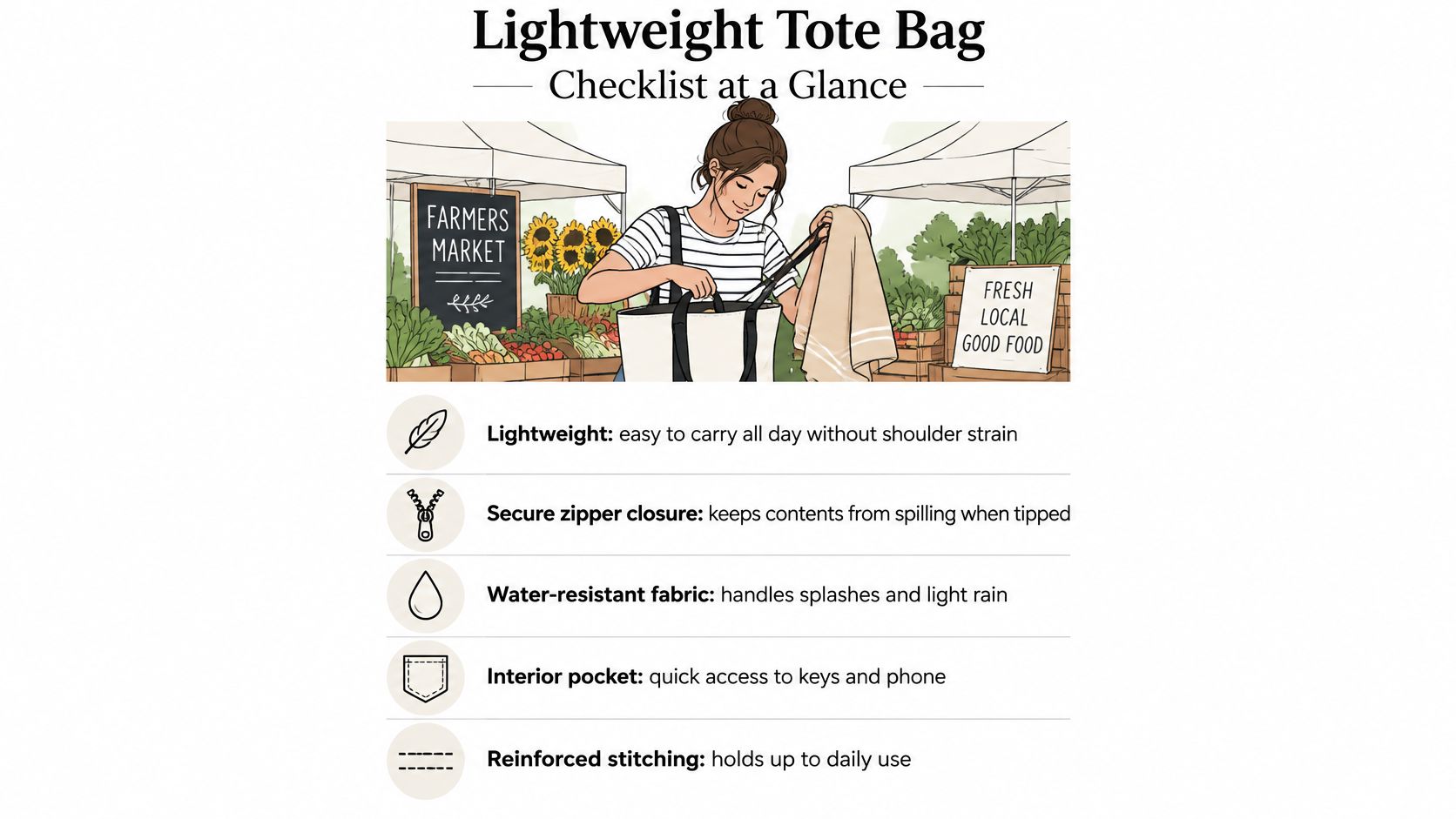
| Criterion | What to look for | Why it matters | Red flag |
|---|---|---|---|
| Zipper closure | Full-length zip with a smooth slider and secure end stops | Keeps contents in when the bag tilts or slides under a seat | Slider that catches or gaps at the ends |
| Shell fabric | Tightly woven fabric with reinforced base and strap anchors | Resists rubbing from daily wear and loading | Thin panels with no reinforcement at stress points |
| Water resistance | Shell that sheds surface spray and drizzle | Protects contents from splashes, spills and light rain | Claims of full rain-proofing with no test information |
| Organization | Zipped main compartment plus dedicated phone and key pockets | Keeps small items reachable without digging | One large open interior with no pockets |
| Packability | Folds flat into its own pouch or stays compact | Makes it easy to carry as a spare or travel bag | Stiff or bulky material that will not fold |
| Empty and loaded weight | Light empty weight that stays comfortable when full | Reduces shoulder strain on long days | Heavy hardware or padding that adds weight without function |
Each row is a pass or fail. A single weak result deserves a closer look, but weigh it against how you will use the bag. For example, a stiff, bulky tote may be a poor spare for travel, while a zipper that catches can spill your things when the bag tips under a seat. The latter is a more serious problem for everyday carrying.
Check the zipper by opening and closing it fully, including at both ends. Look at the base, strap anchors, and zipper ends for reinforcement, since these areas take strain as the bag is loaded and handled. A phone and keys should be easy to reach without searching through the main compartment, and the shell should match the weather you expect, rather than relying on an unsupported promise of full rain protection.
For packability, check whether the tote folds flat or stays compact enough to carry as a spare. Then consider its weight with the items you expect to bring. A light empty bag can still feel burdensome when lunch, a bottle, or a laptop adds weight, especially if heavy hardware contributes nothing useful.
Practical rule: If a zipper catches or a stress point looks unsupported, treat that as a reason to pass. Those weaknesses affect the bag when it is carrying your things.
Use the table to compare candidates, then test the row that matters most for your day. A tote that folds neatly may suit travel, while one that keeps small essentials accessible may work better for errands. Choose based on the combination of checks, with zipper function and comfortable loaded weight taking priority for the way you plan to carry it.
How to Judge Fabric Beyond the Weight Label
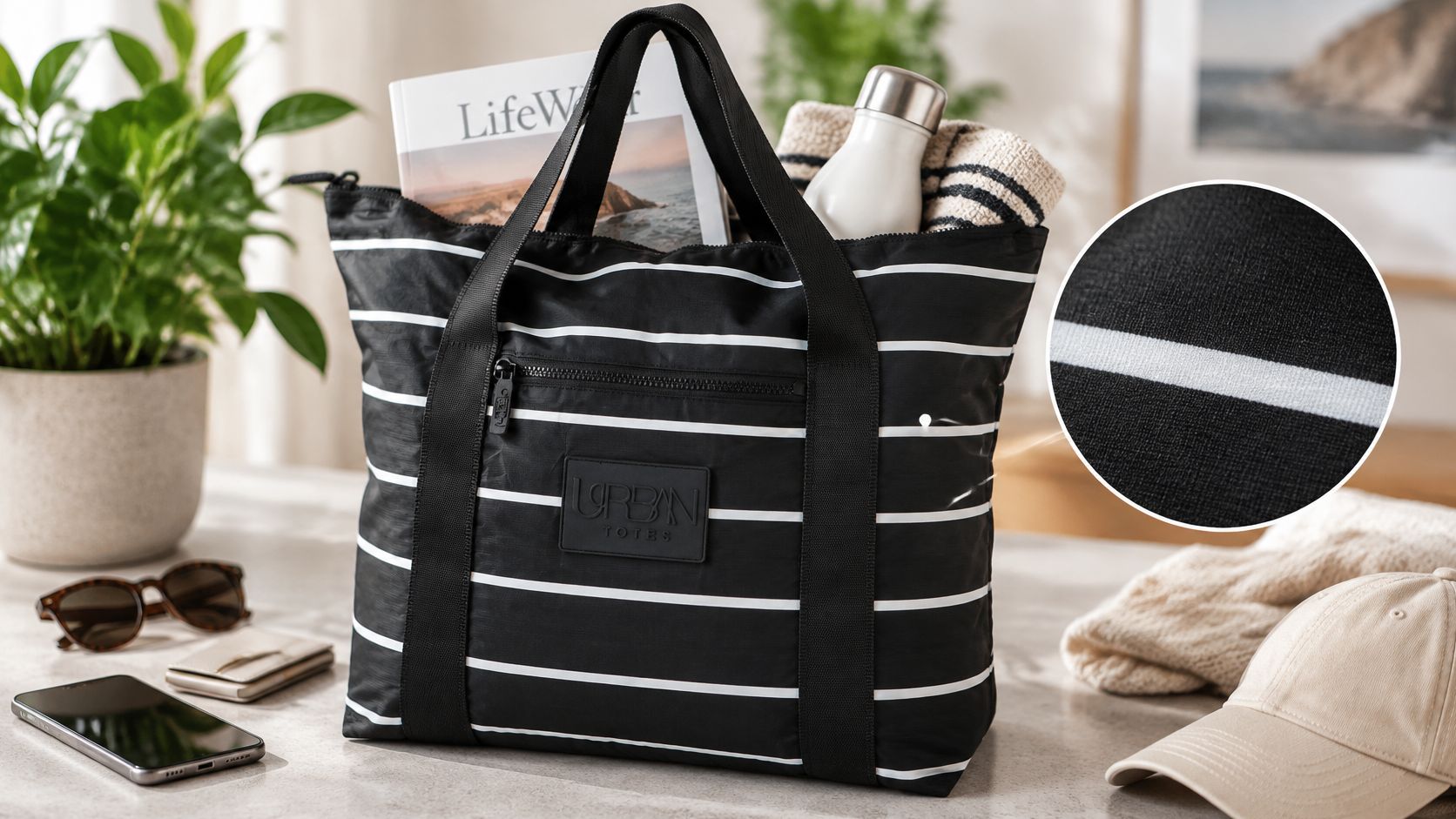
A tote can feel light in the store and still strain at the shoulder once it is full. Judge the shell by how it handles rubbing and load, not by its empty weight alone.
For a lightweight, packable tote, look for evidence about abrasion and tensile strength. A thin panel may look smooth on a hanger yet wear against a car seat, a sand-dusted towel, or a laptop corner.
A 2024 peer-reviewed textile study tested abrasion at 1,000, 2,500, 3,500, and 5,000 cycles and measured breaking force and elongation using ISO 13934-1. Its recycled-polyester samples showed different levels of mass loss after aging, illustrating how performance can vary with construction and wear. Fiber type alone does not tell you how a finished tote will hold up.
Recycled polyester can be a suitable shell, but “recycled” does not guarantee durability. Ask what was tested on the bag, and whether the results cover the fabric, seams, and load-bearing areas.
What to ask before you trust the shell
- Ask for the abrasion-cycle target and recorded mass-loss result. A specific test result is more useful than “built to last.”
- Ask whether seam and panel tear strength were tested separately from the face fabric. A sound-looking surface can hide a weak seam.
- Check the base, strap anchors, and zipper ends for reinforcement. Those spots take concentrated load and rubbing.
- Ask what the recycled content is made from, such as bottles, factory waste, or textiles. A percentage alone does not explain how the shell performs. For more on how fabric choices affect daily carry, see this guide to tote bag materials.
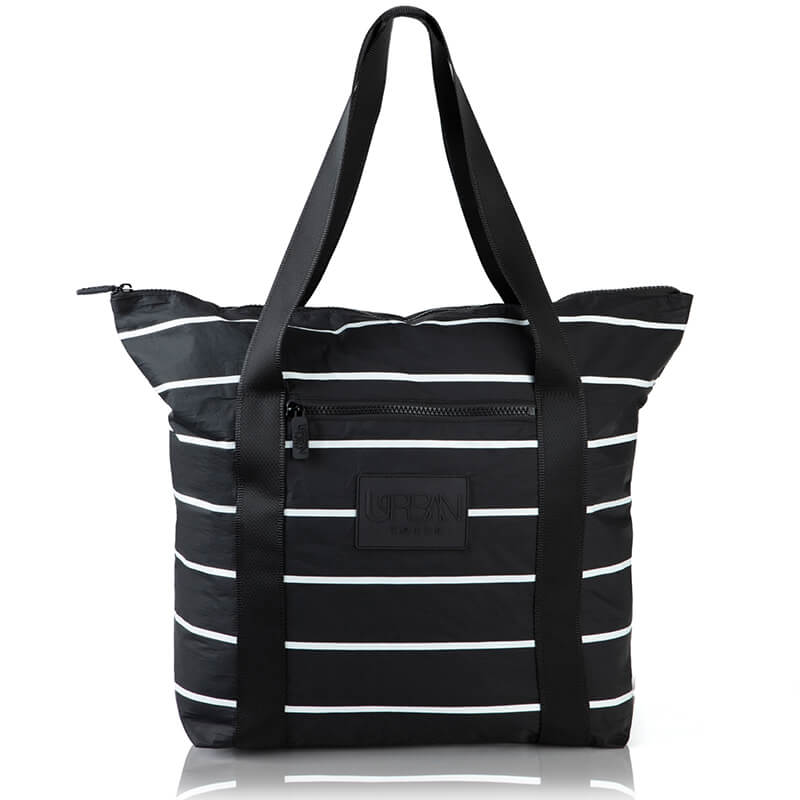
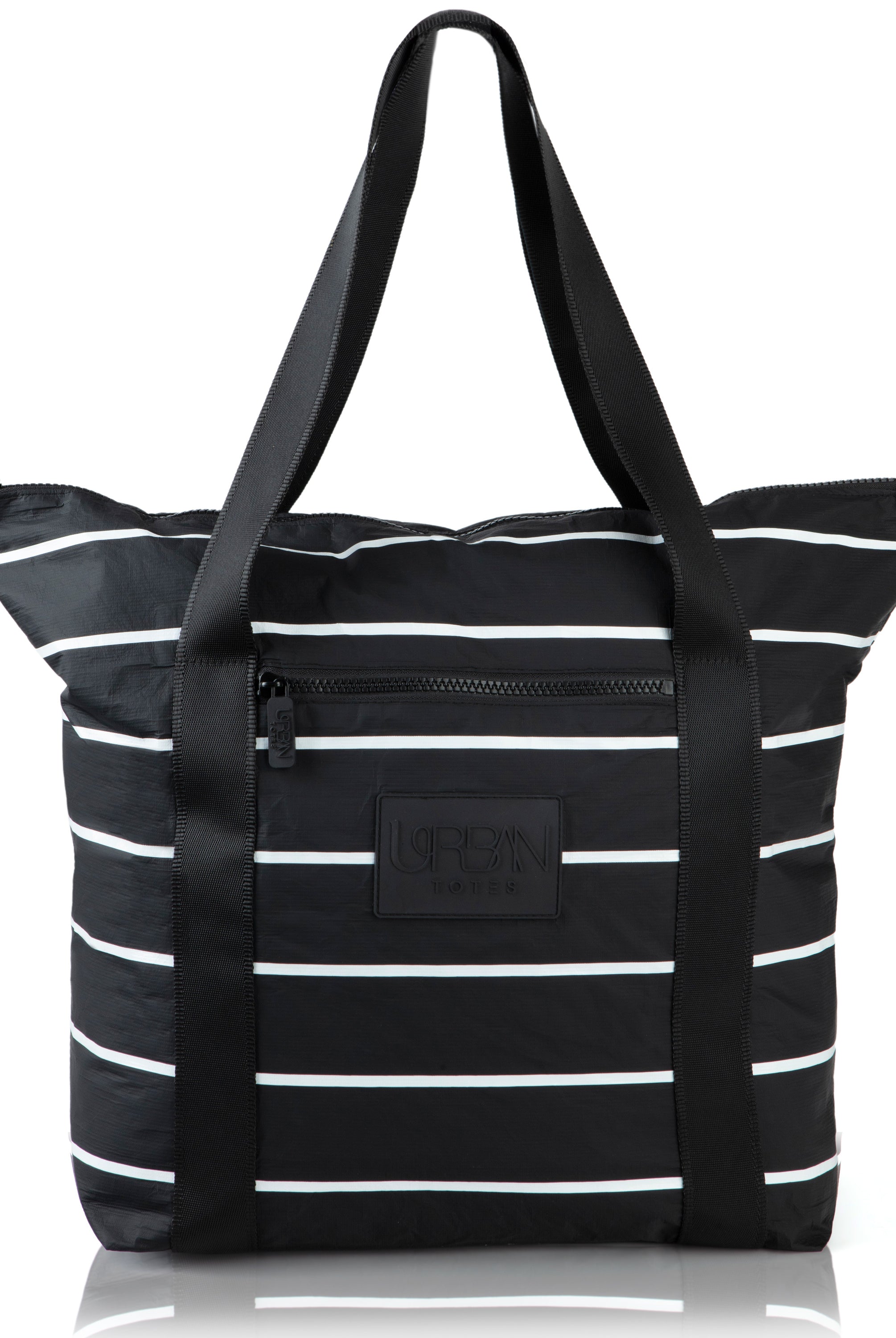
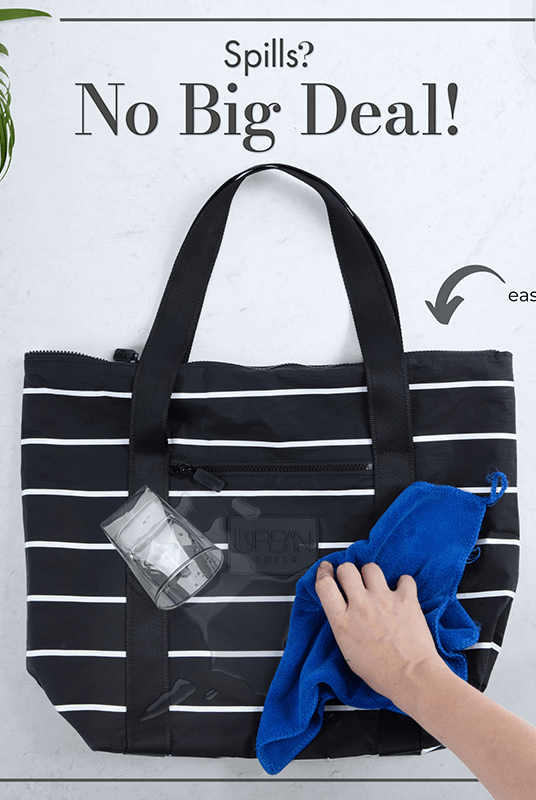
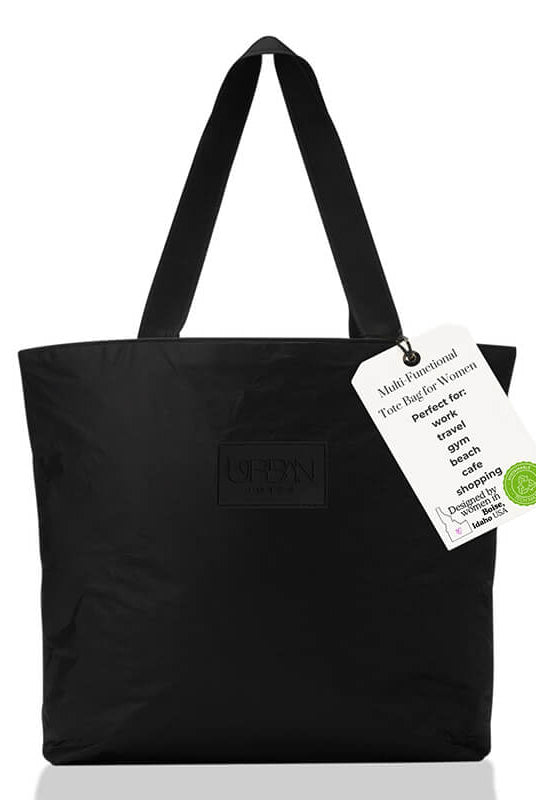
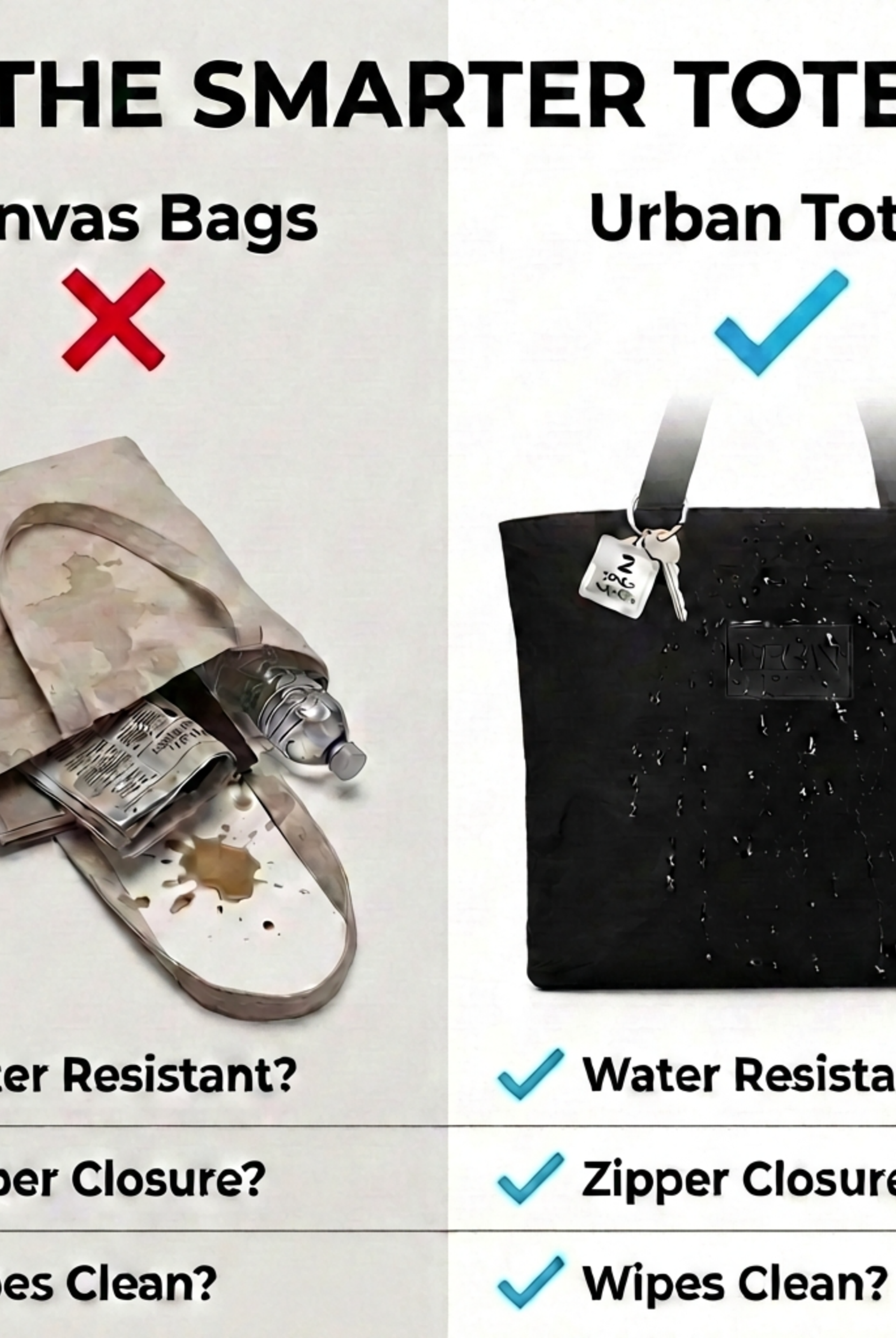
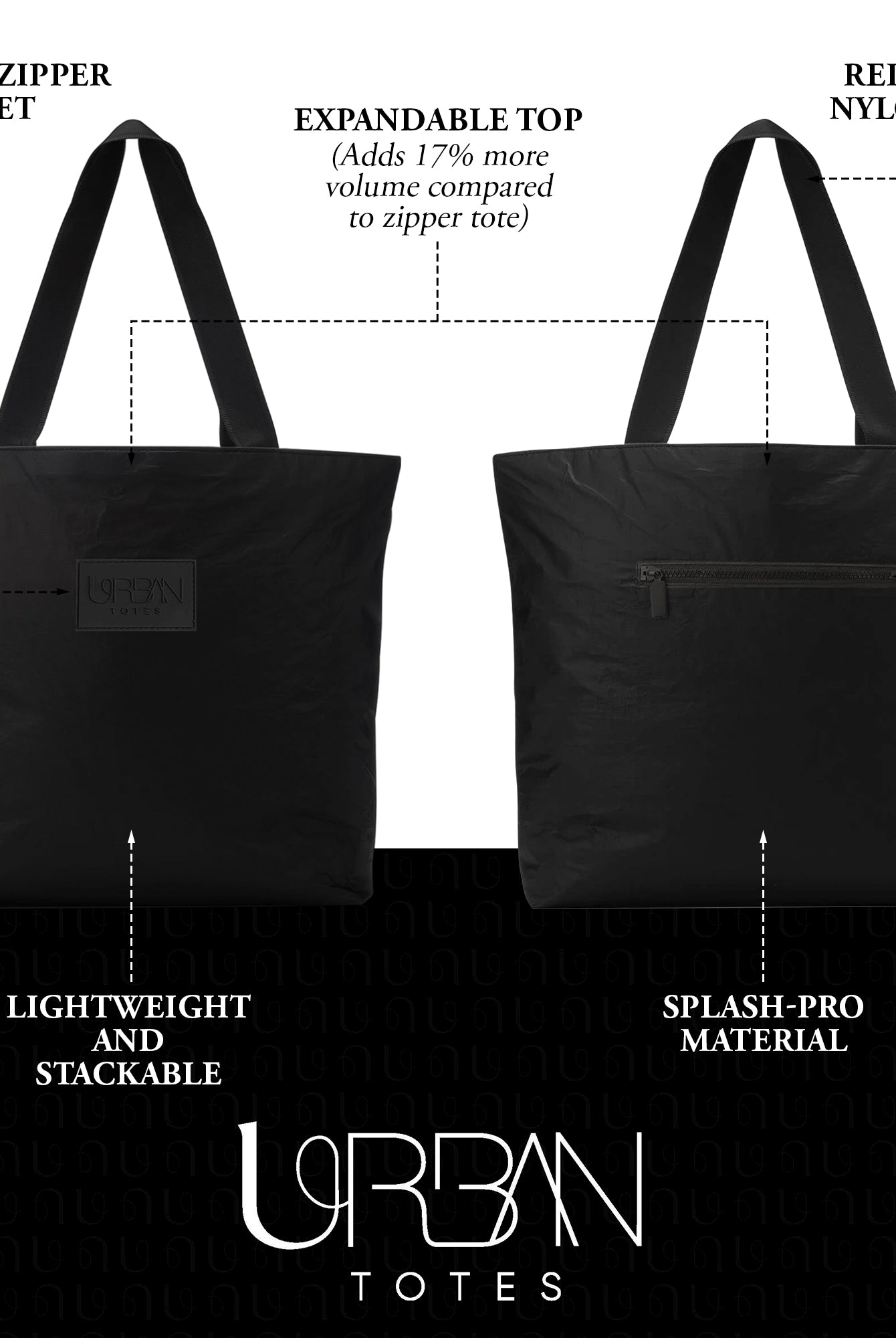
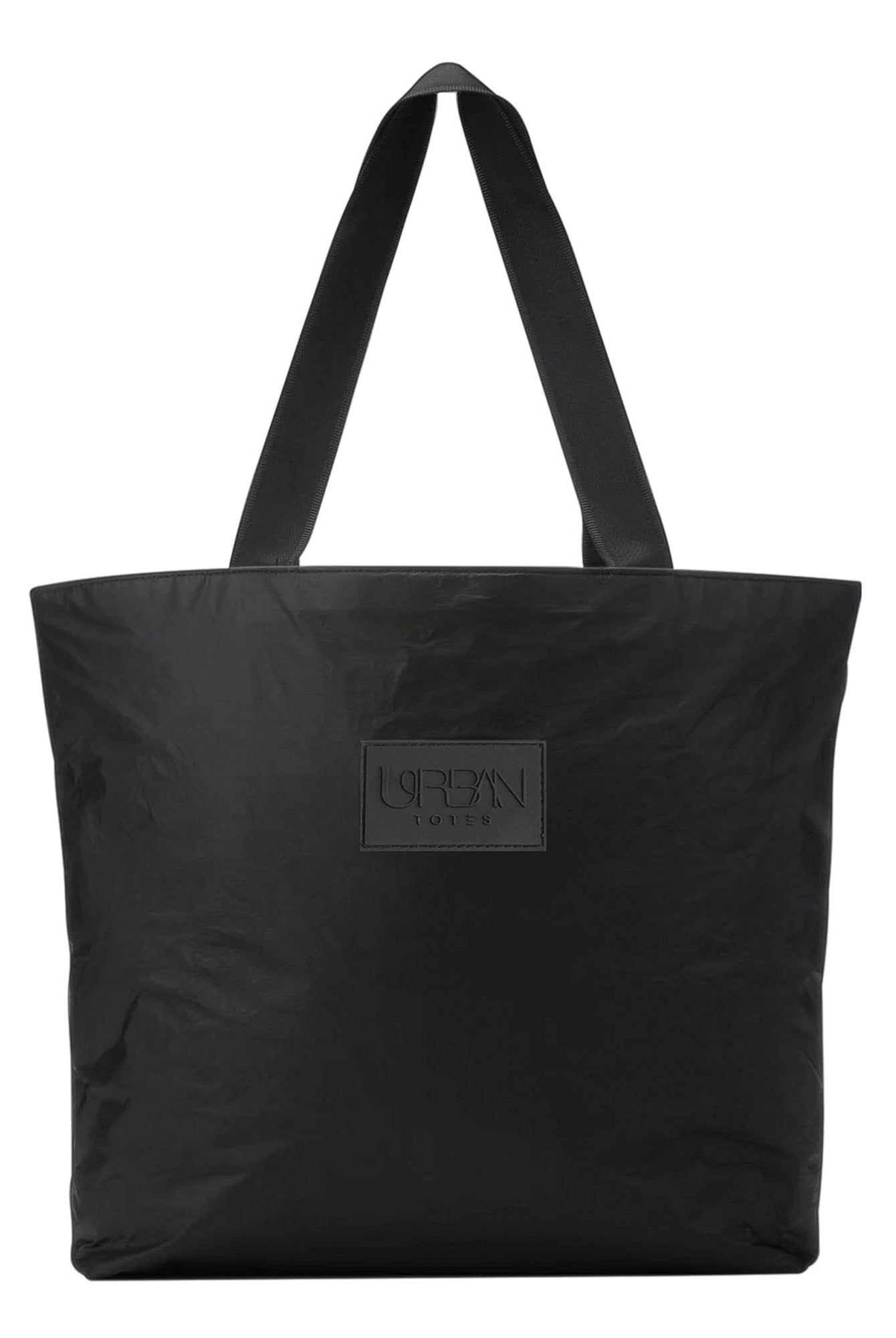
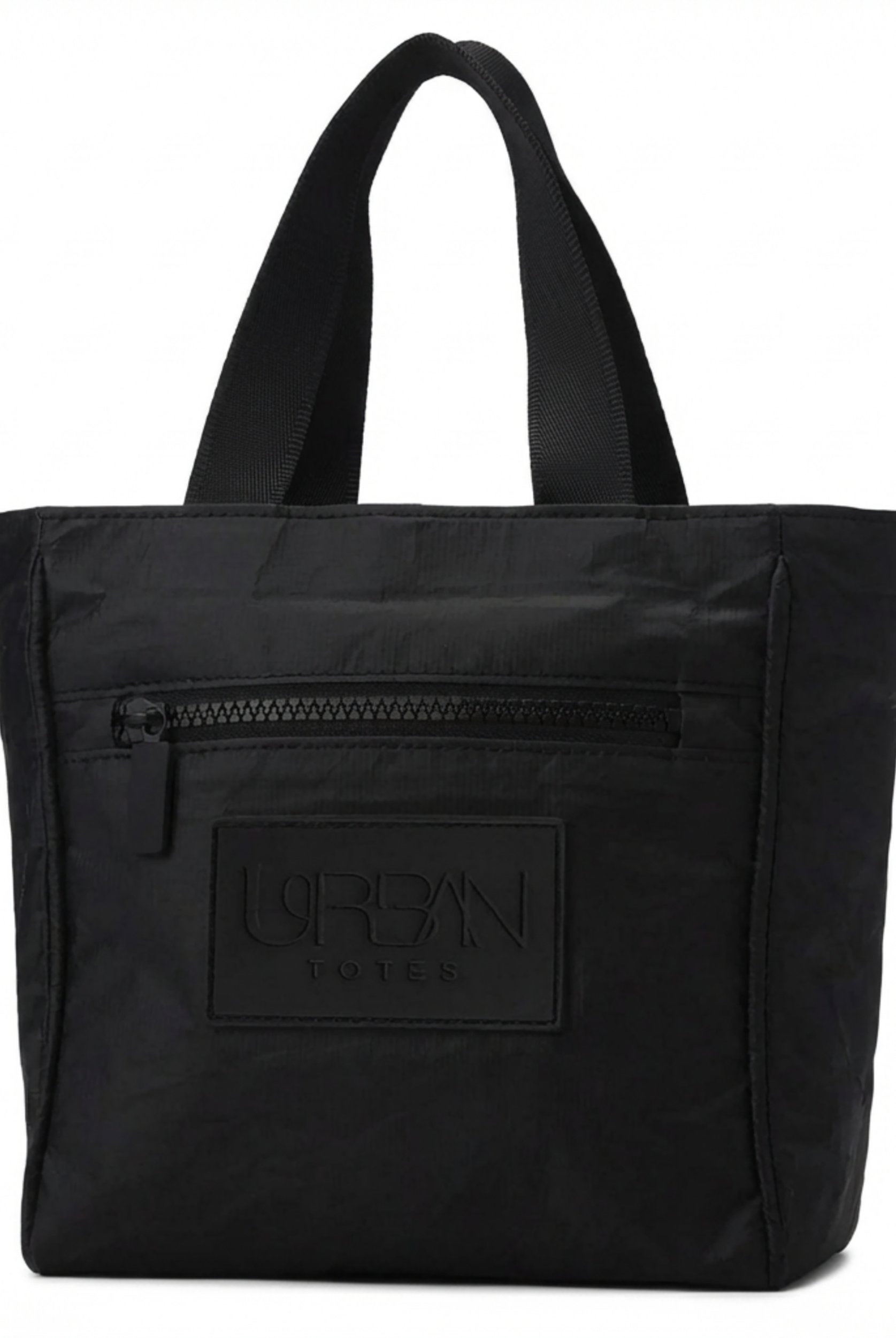
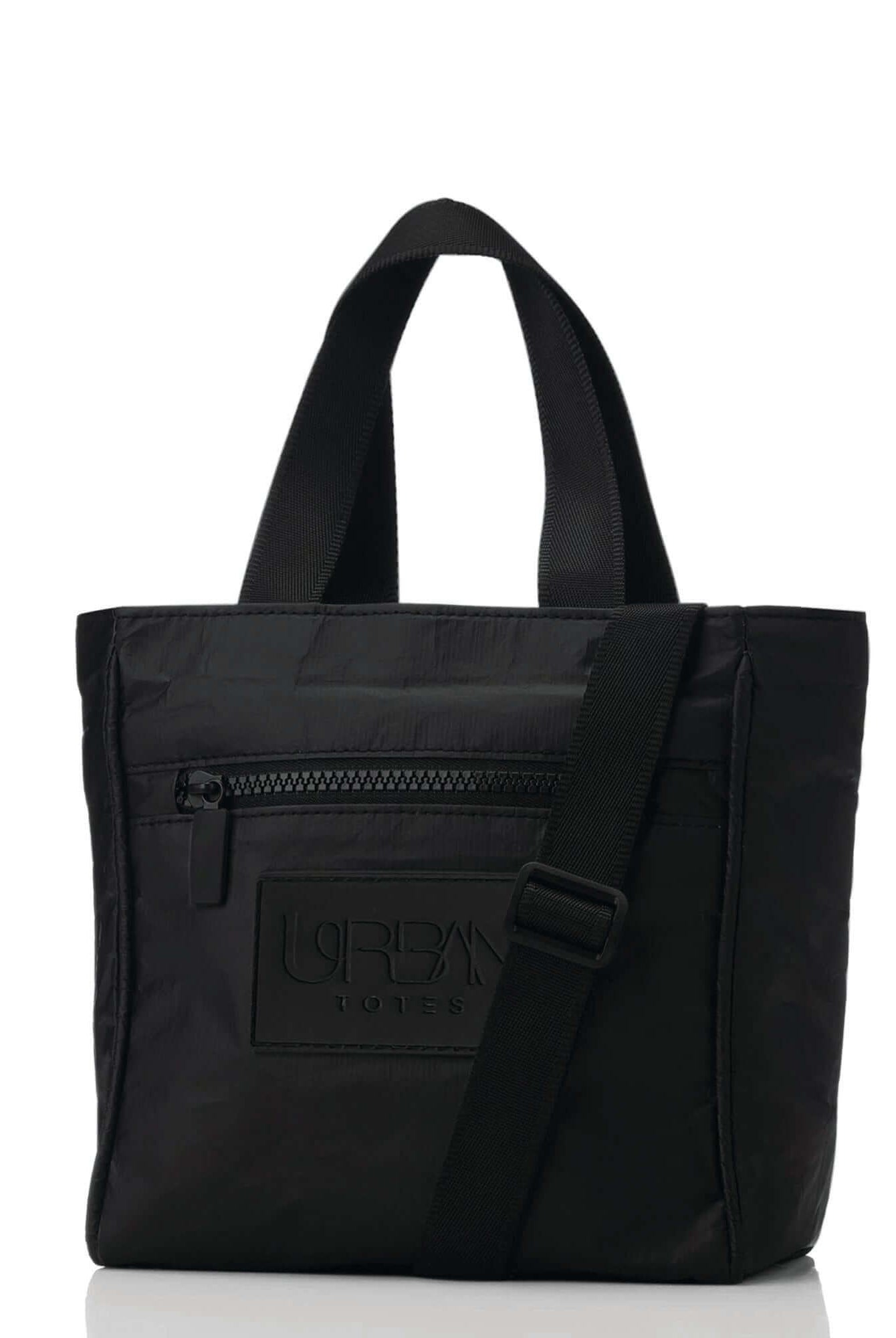
The OG Zipper Tote Bag measures 19 inches wide by 14.5 inches high and has a white interior, a classic Pinstripes design, and a water-resistant shell that can be wiped clean or put in the washing machine. Check its reinforcement points as you would on any lightweight tote.
A fabric can look intact while losing load-bearing capacity. If the base is a single thin layer and the strap anchors have only one line of stitching, the bag may struggle with a full day's carry.
Zipper Closures That Stay Smooth and Secure
At the store, check the zipper itself: the teeth, slider, end stops, and stitching where the zipper tape meets the bag. Those details matter more than a polished pull when you're closing a loaded tote at an airport gate or reaching for keys on a school run.
Swedish-American engineer Gideon Sundback developed the modern zipper in 1913, improving earlier hook-and-eye fasteners, according to the BBC Future account of the invention. He raised fastening density from roughly 4 elements per inch to about 10 or 11, and the design was patented as the “Separable Fastener” in 1917. The interlocking teeth and slider made the closure more consistent. On a tote, that means a top you can open and close without constantly holding it in place.
The in-store routine I actually use
Try the closure with the bag in your hands, not from a product video.
- Open and close the zipper 20 times with one hand. Catching on pass three will annoy you on pass three hundred.
- Run the slider the full length and watch the teeth. They should mesh without a gap or a wave.
- Check the end stops and the stitching where the tape meets the shell. A loose stop can let the slider run off the track.
- Add a water bottle and a book, then zip the bag again. The filled weight can pull the top wider, making a slider that moved smoothly on an empty tote bind under tension.
For more on choosing a tote bag with a zipper, consider how the closure works alongside the bag's pockets and daily load.
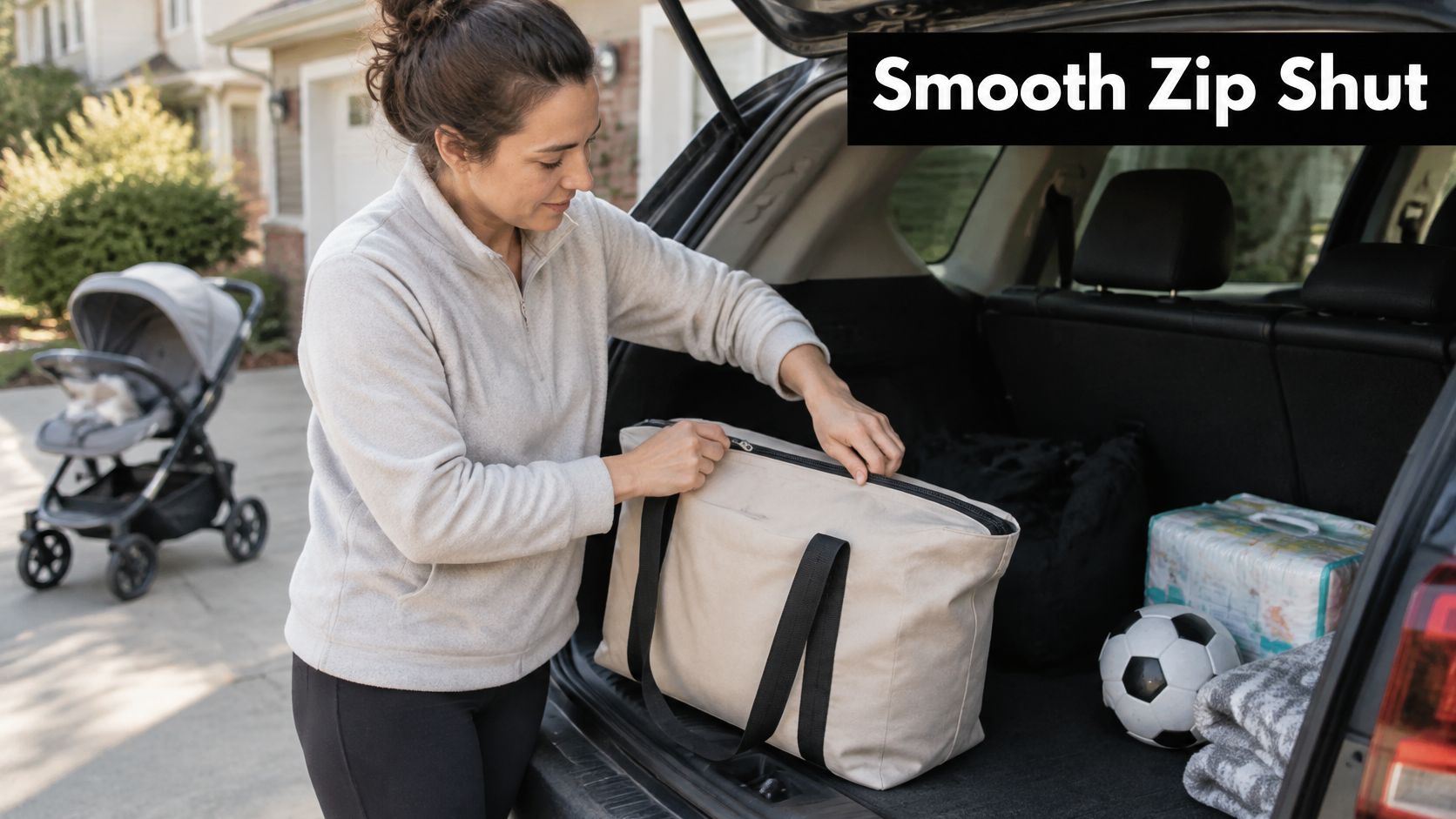
A zipper that only behaves when the bag is empty is a poor choice for a full day. A smooth, secure closure keeps keys and a wallet inside when the tote shifts in a stroller basket or car footwell, and frees your hand from managing the opening.
Water Resistance Versus Full Rain Protection
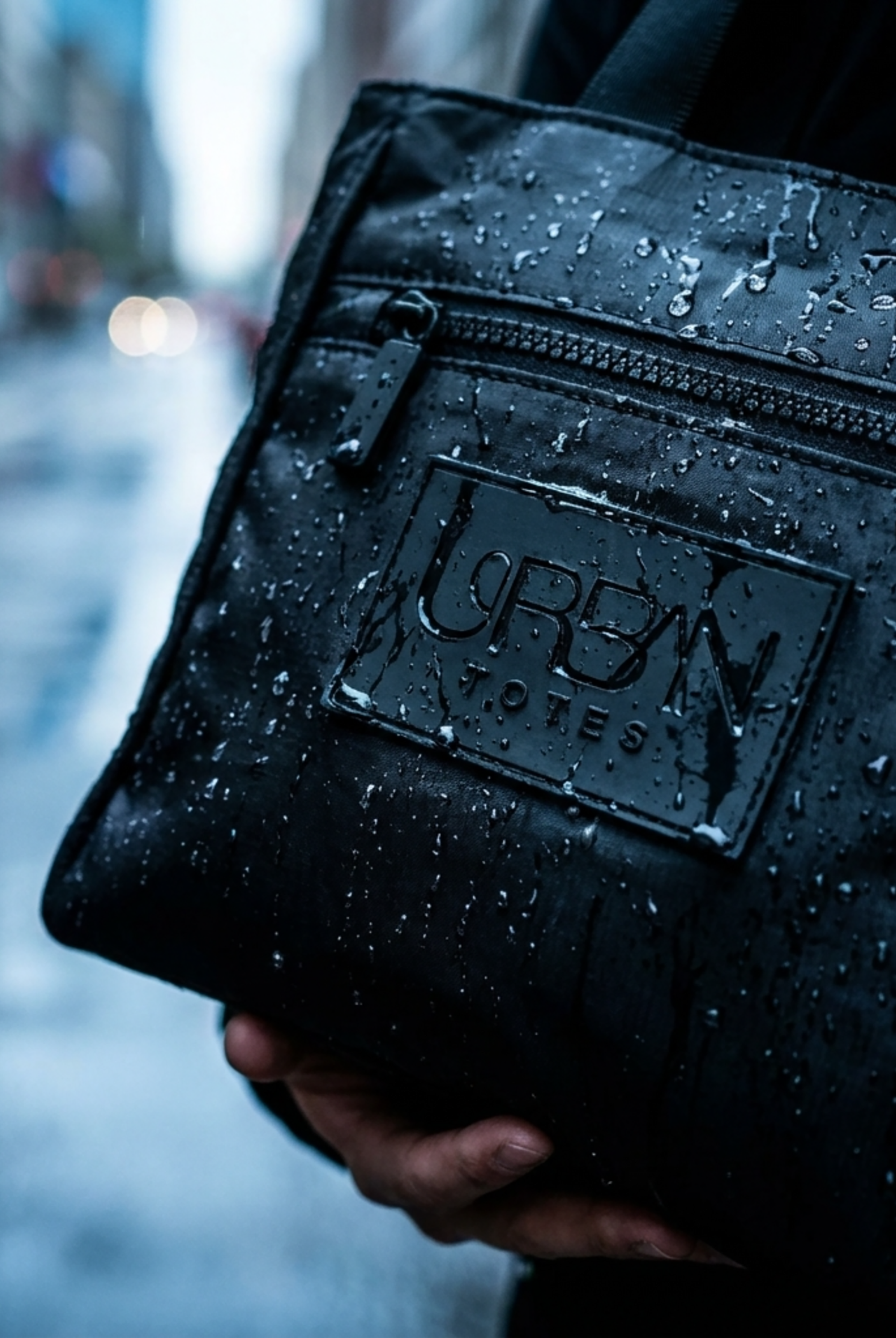
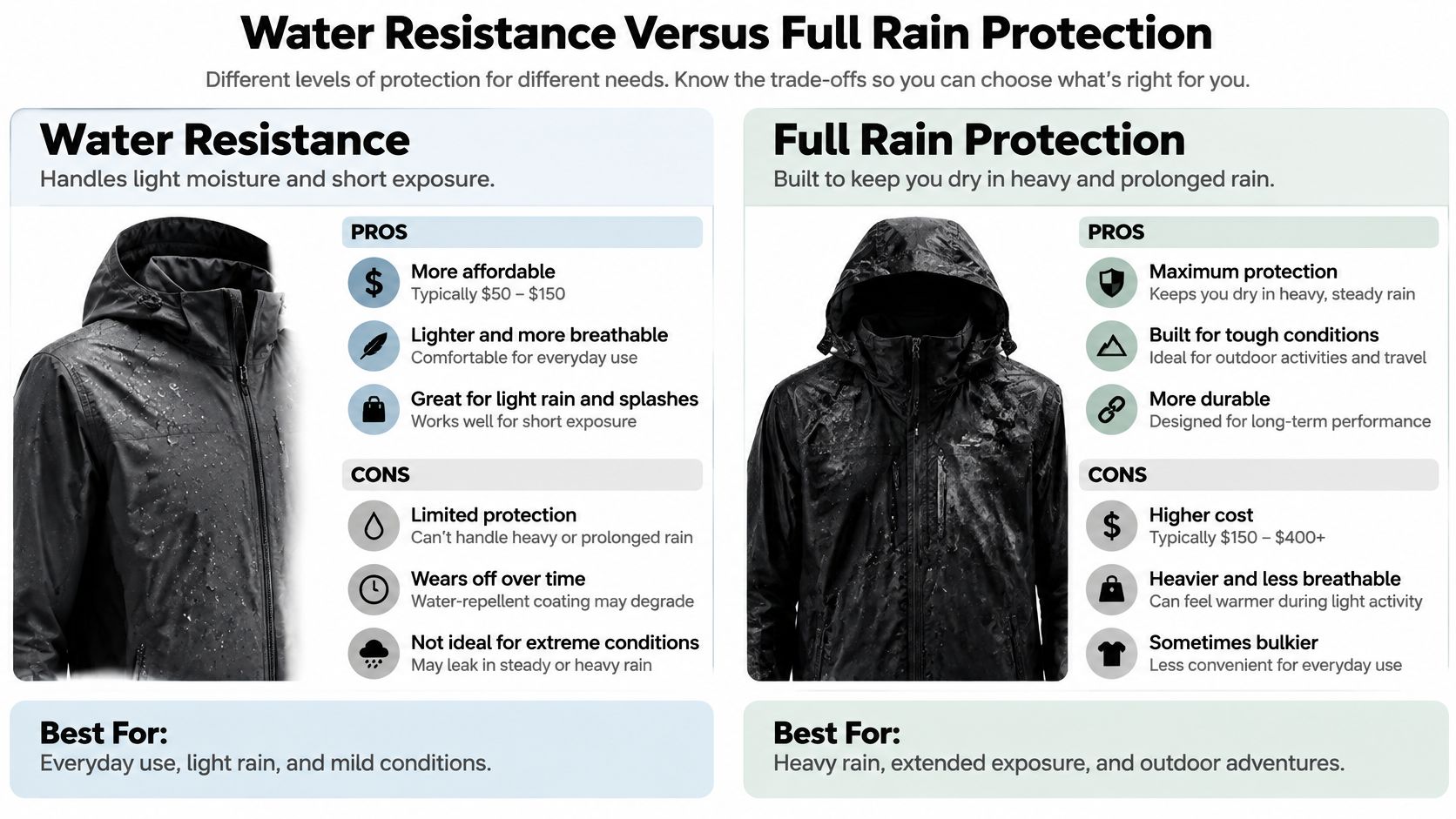
A water-resistant label is not a promise that a downpour won't reach your phone. Picture the walk from the market to the car when the sky opens and the phone is sitting in an open interior. Spray on the shell and water through a seam are different problems. Zipper security is a third one. Don't let one word cover all three.
AATCC TM22 rates how readily a textile surface wets under a controlled spray, from 100 for no surface wetting down to 0 for complete wetting of both surfaces, according to the AATCC TM22 method. The method does not predict rain penetration through the fabric, the seams, or the zipper. A high spray score can still leave you wet if water tracks in at a seam or a gap in the teeth.
What a solid spec actually combines
A useful spec stacks three checks, not one marketing line.
- A defined spray rating for the shell, so "sheds drizzle" means something you can compare.
- Seam tape or hydrostatic testing, because water often enters where panels join, not through the face cloth.
- A zipper-closure leakage check, separate from the fabric rating. A dry shell with an open track still soaks a notebook.
ASTM D2051 measures how repeated laundering affects a zipper's decorative coating. Finish durability is its own protocol. Washing a water-resistant tote and hoping the pull still looks and runs the same is a guess unless someone tested that cycle.
Until full rain-entry testing is on the record, I describe the bag as offering surface repellency. That covers beach splashes, mist at a bus stop, and a light drizzle. It does not cover standing in a storm with electronics loose in the main compartment. Keep the phone in a zipped pocket. Treat any "fully rain-proof" line with no test information as a reason to walk away.
We keep the practical reading of shells on our page about water-resistant material. After repeated opening, loading, and cleaning, inspect zipper tape, slider alignment, end stops, and stitching. If the coating on the pull is chalky or the tape has started to pucker, the closure is telling you something the hangtag never will.
Compartment Layouts That Match Your Daily Load
Plan the load by how quickly you need each item. Keys and a phone should be easy to reach; heavier items should sit close to your body, and wet gear should stay apart from dry belongings. A roomy main compartment alone does not solve those problems.
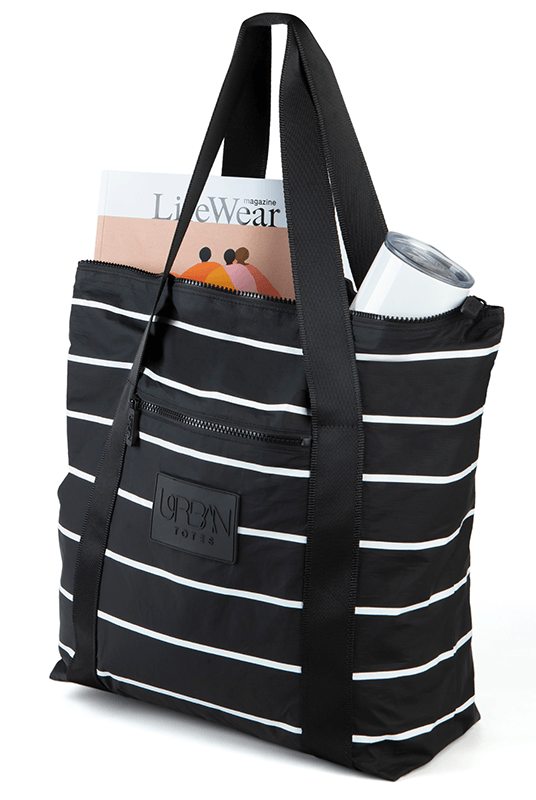
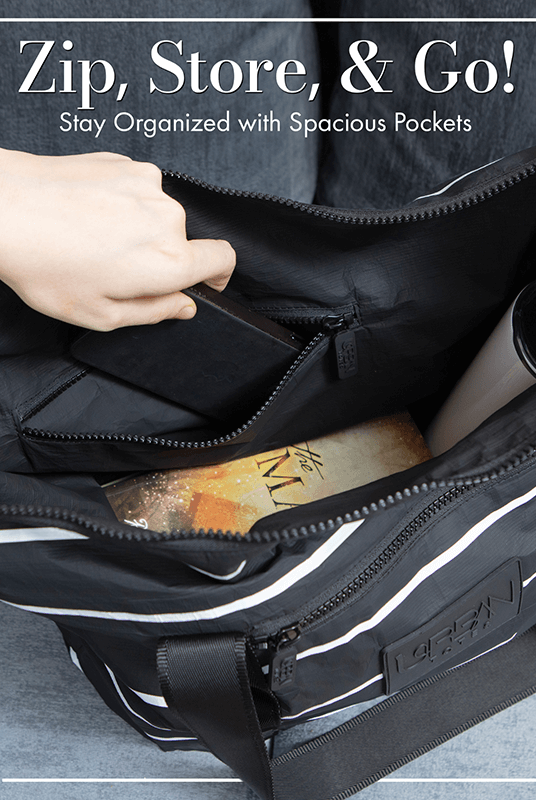
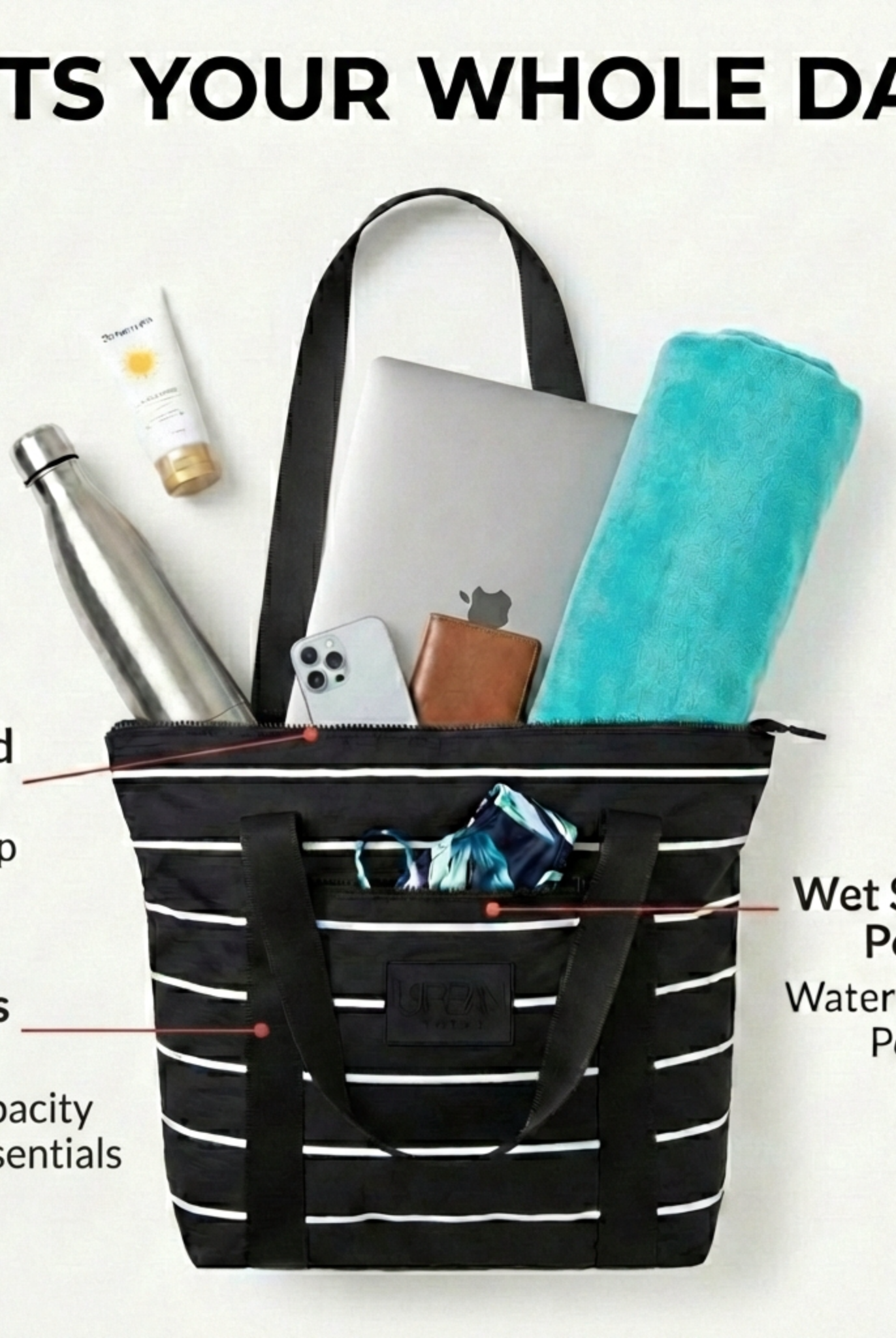
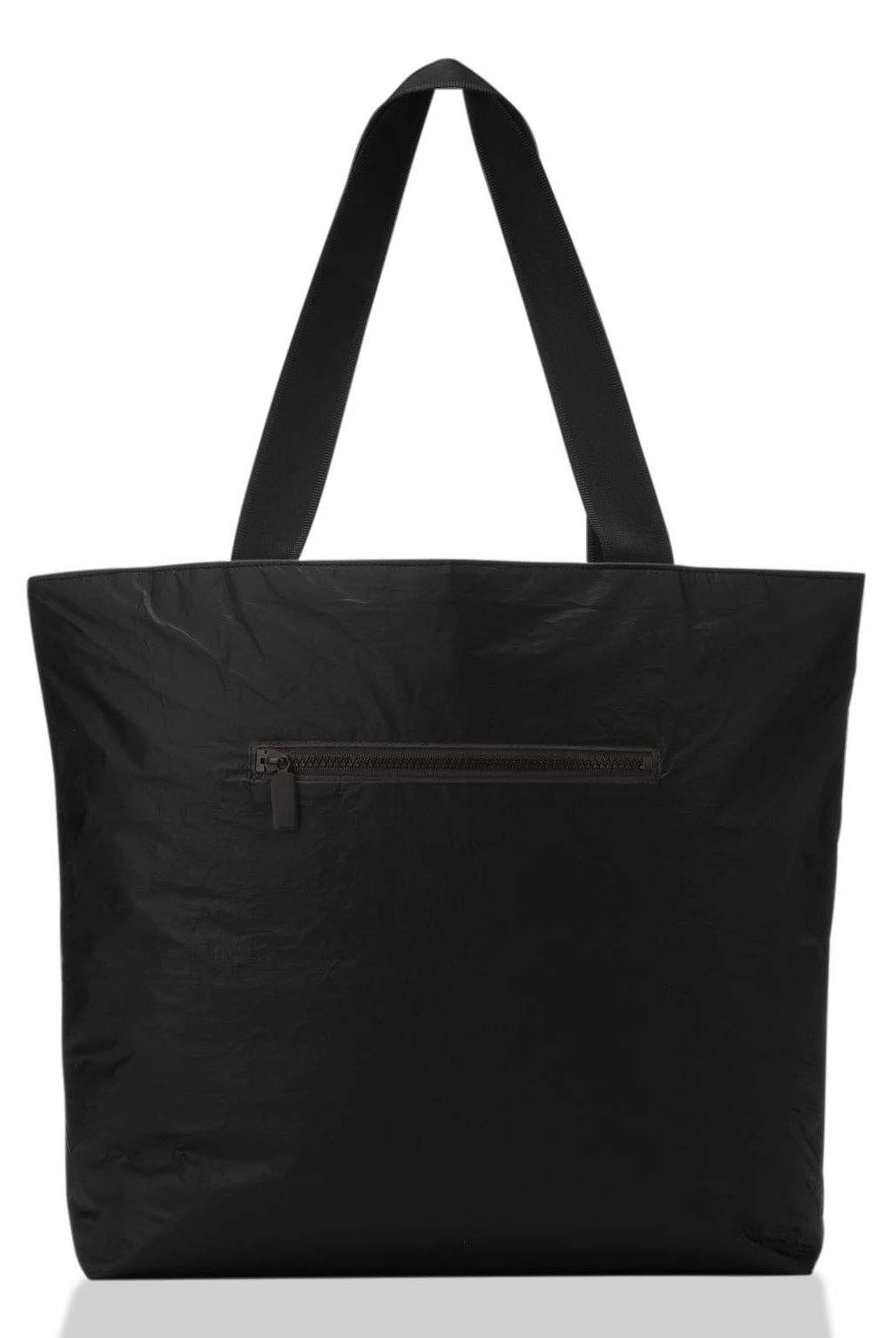
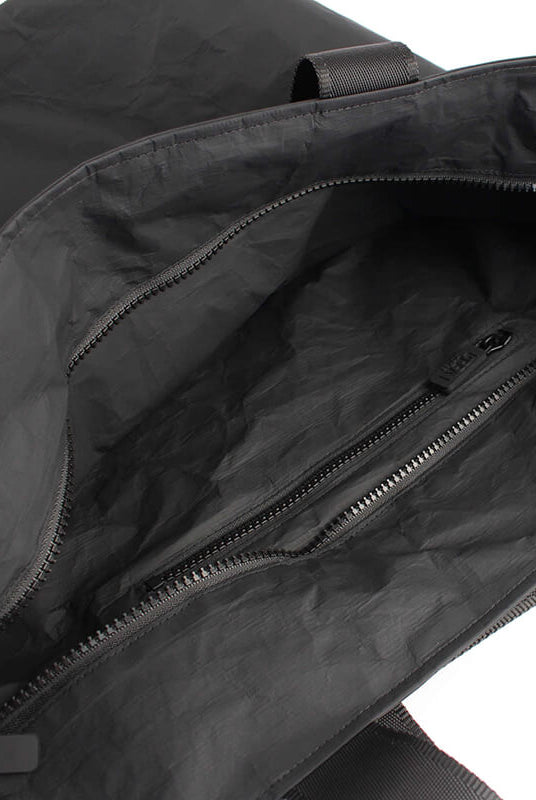
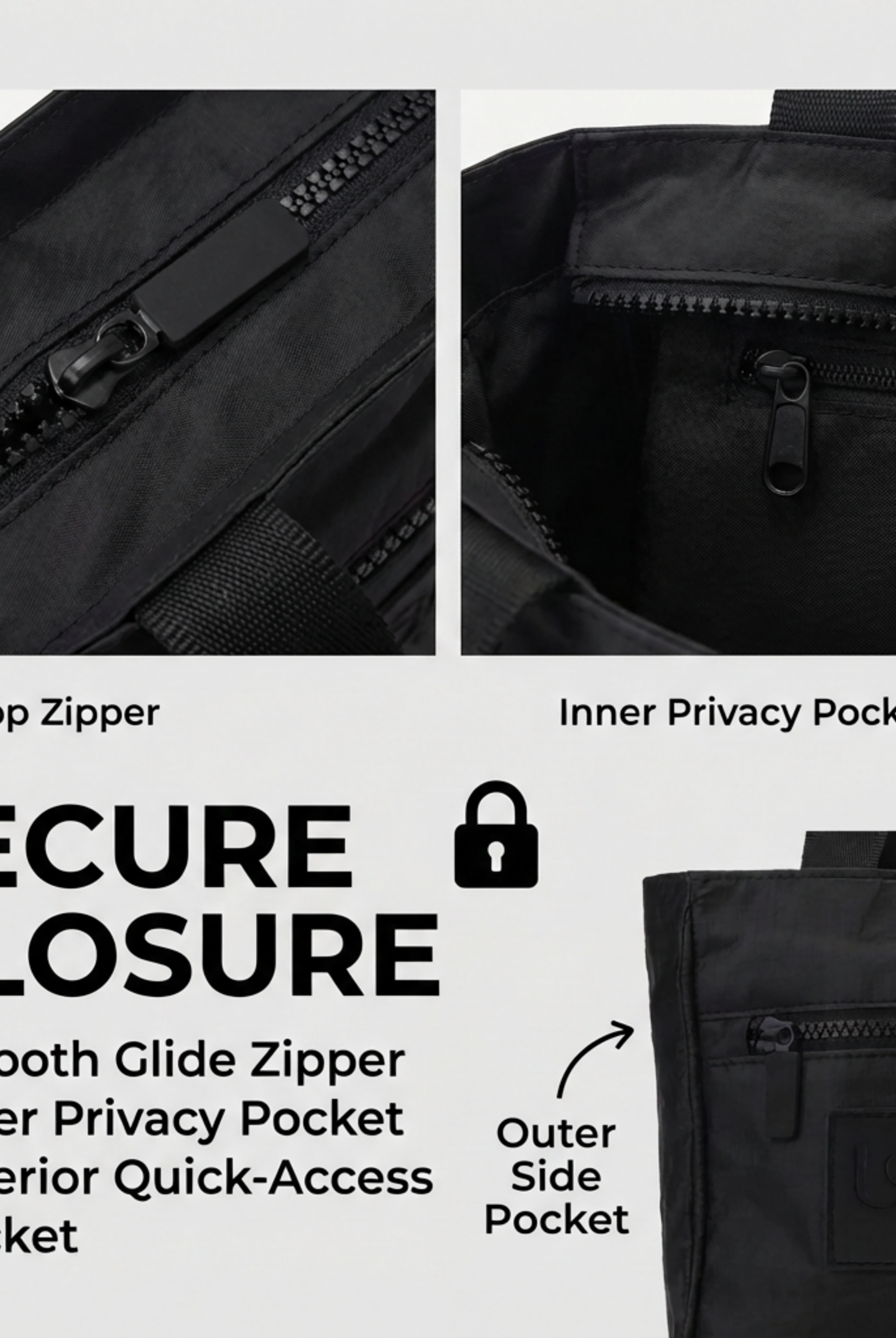
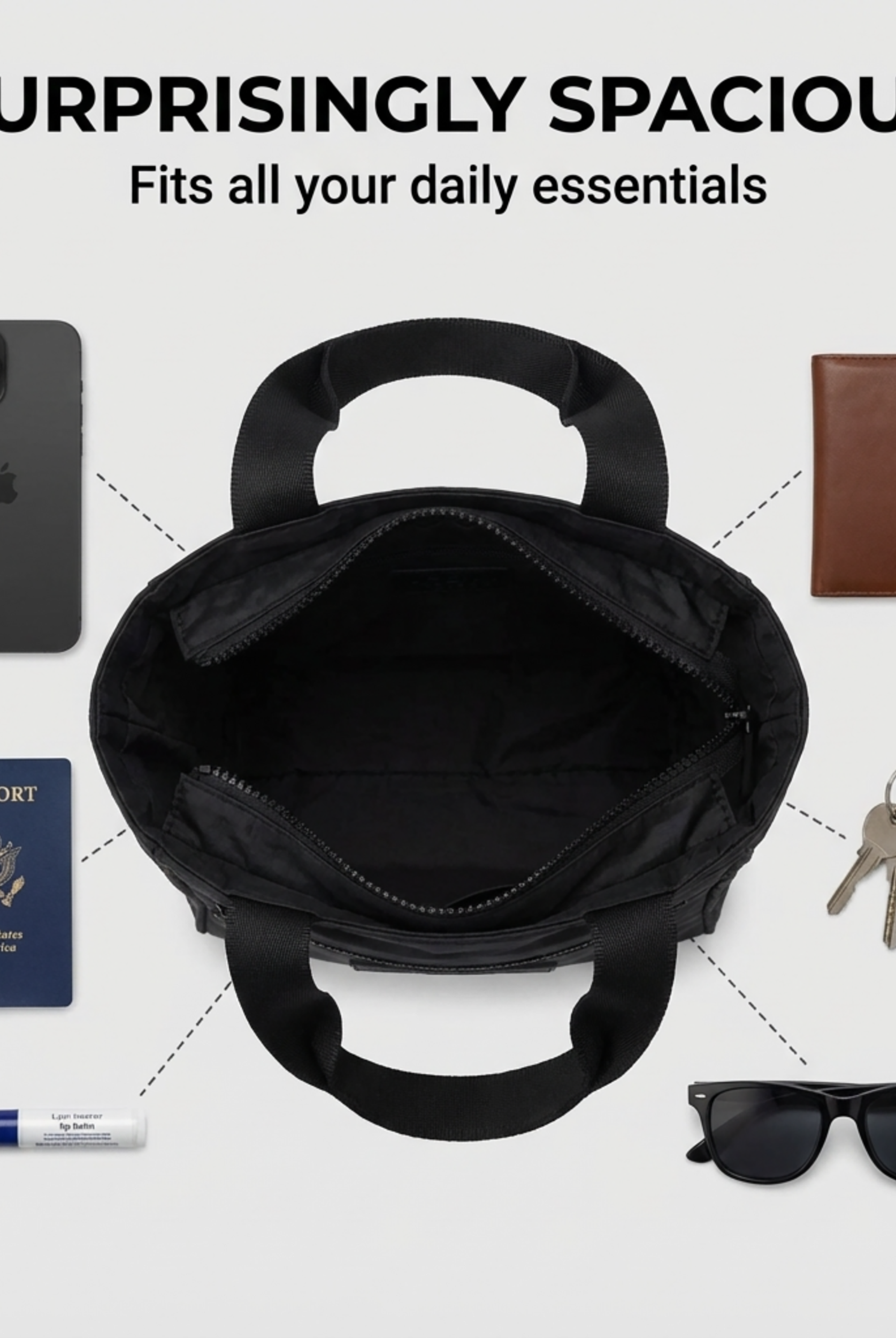
The OG Zipper Tote Bag has three large pockets for items such as an iPhone and a slim wallet, along with inside and outside zipper pockets. It also has side pockets for a wet swimsuit or sweaty workout gear, plus a white interior. This layout makes the bag organized, not just roomy.
A load plan you can copy tomorrow
- Back and center: Place a laptop or water bottle near the back panel to keep the weight close to your body.
- Outside zipper pocket: Keep keys and your phone within easy reach.
- Inside zipper pocket: Store small items you want secured and separate from the main compartment.
- Side pocket: Use it for wet or sweaty gear, away from dry items.
A single deep compartment can make smaller belongings harder to find. Separate pockets give each item a place, so you can retrieve what you need without shifting the whole load. For more on choosing a layout, see this guide to tote bag compartments.
Judge the bag when it is full. Weigh the empty tote, pack your usual load, then check the filled weight and carry it for a short walk. Notice whether the load pulls to one side, whether the straps stay in place, and whether you can reach the zipper and open it comfortably while seated.
Pack for the day you actually have. A practical layout should keep your essentials easy to reach and heavier items steady.
Airport and Travel Sizing Reference
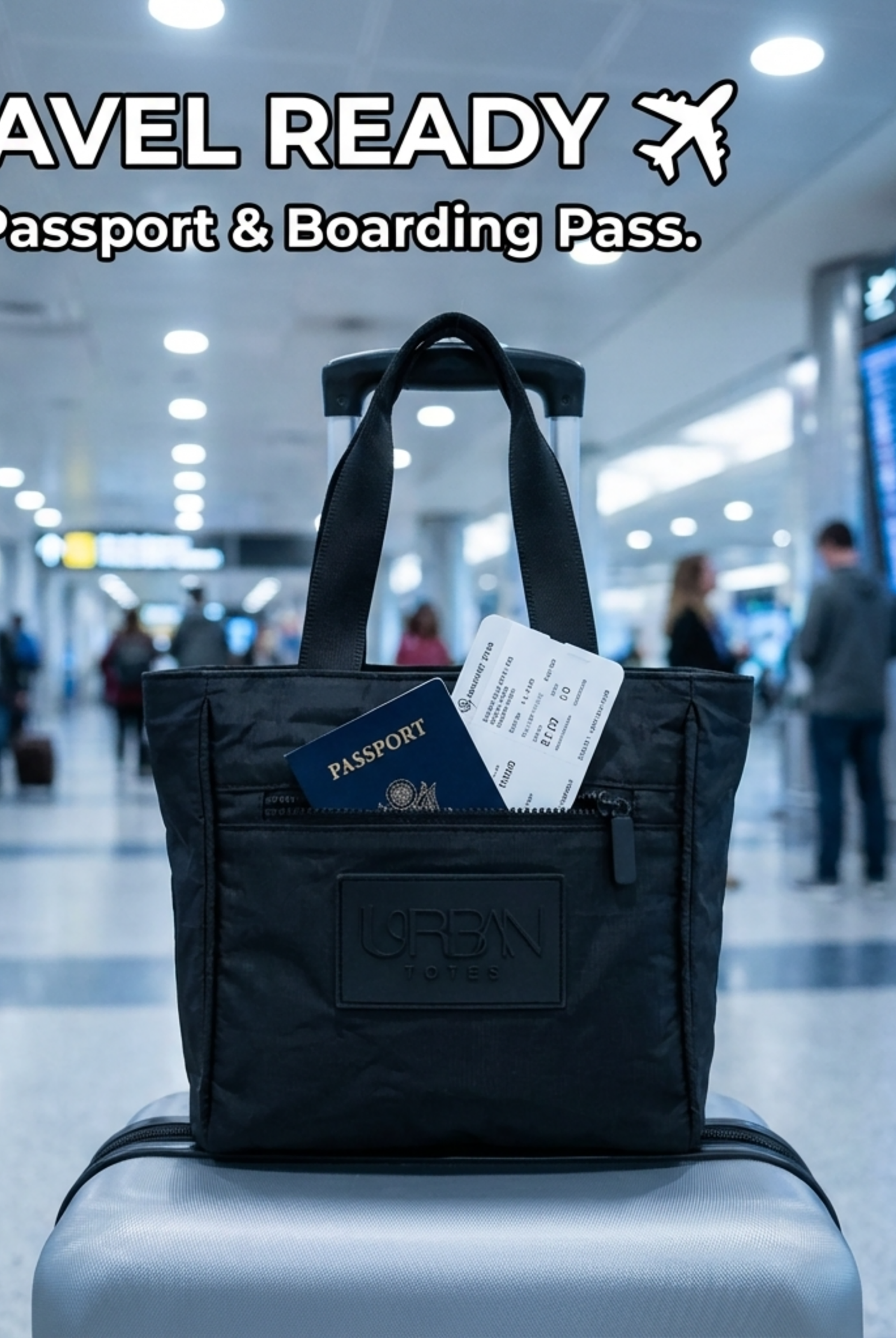
A travel-ready tote is only useful if the filled bag matches the rule for that airline, not a universal "personal item" guess.
| Reference | Size limit | Where it applies | What to check |
|---|---|---|---|
| American Airlines personal item | 18 x 14 x 8 in (45 x 35 x 20 cm) | Must fit under the seat in front | Measure the filled bag, including handles |
| American Airlines carry-on | 22 x 14 x 9 in, including handles and wheels | Overhead bin | Confirm the current rule before travel |
| FAA general carry-on guideline | 45 linear inches (height + width + depth) | Most airlines | Individual airlines can set stricter limits |
The Federal Aviation Administration baggage guidance puts the maximum carry-on for most airlines at 45 linear inches, the total of height, width, and depth, and notes that some aircraft have limited overhead space, so a personal item may need to fit under the seat. American Airlines is a concrete benchmark: a personal item of 18 x 14 x 8 inches (45 x 35 x 20 centimeters) that must fit under the seat, plus one carry-on of 22 x 14 x 9 inches including handles and wheels, when both meet the rules. Carriers can be stricter. Treat the table as a reference, not a boarding pass.
Measure the bag you will actually fly with
- Fill the tote the way you would for the trip, shoes and snacks included.
- Measure height, width, and depth with handles and exterior pockets in the tape. Empty-shell numbers run small.
- Compare that total with your carrier's current personal-item rule, not last year's screenshot.
- With the zipper closed, try the under-seat space. A bag that only fits when it's gaping open will get pulled at the gate.
A closed zipper matters in that squeeze because the tote gets turned sideways and shoved under the seat. Open tops spill. Our notes on what size bag fits under an airplane seat stay on that fit, not on fashion.
If you're landing and heading straight to the curb with that same packed tote, check Sydney Airport kerb access and fees before you guess where a coach can stop. Standing in the wrong lane with a full bag is a worse delay than a zipper.
Pick the Tote That Fits Your Next Day
A tote that feels light on the shelf can feel heavy once it holds a laptop, lunch, or a damp towel. Start with your two priorities, then judge the bag by how it carries a realistic load.
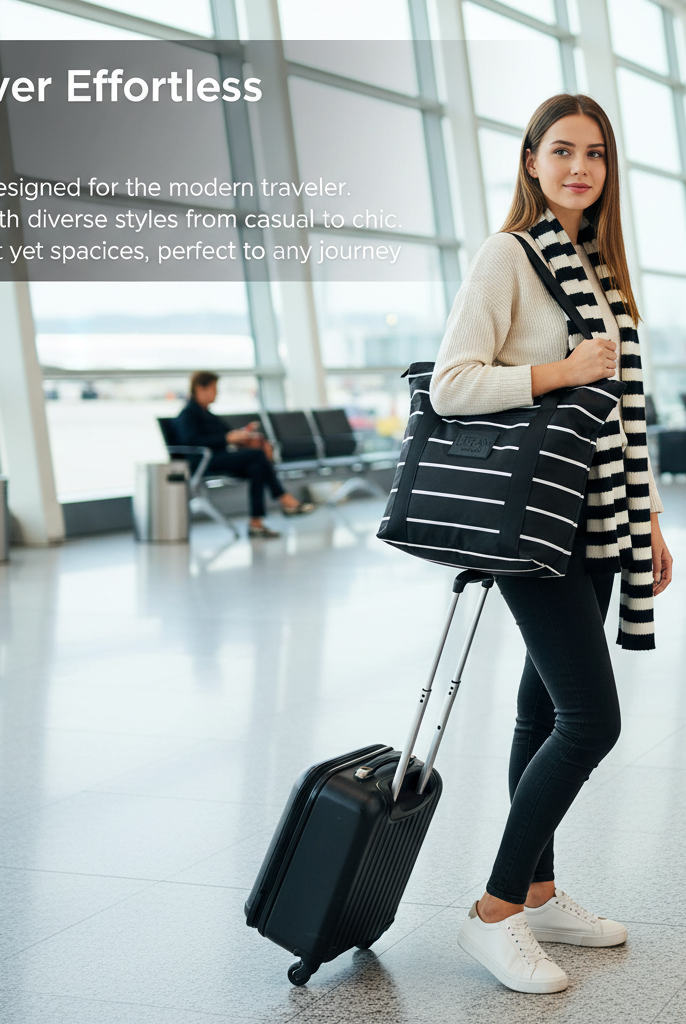
For travel, check that the zipper stays closed when the tote is turned sideways, and notice how the filled weight sits on your shoulder. For school runs or errands, look for an organized layout that keeps essentials easy to reach; the pocket arrangement described above can help separate smaller items from the main load.
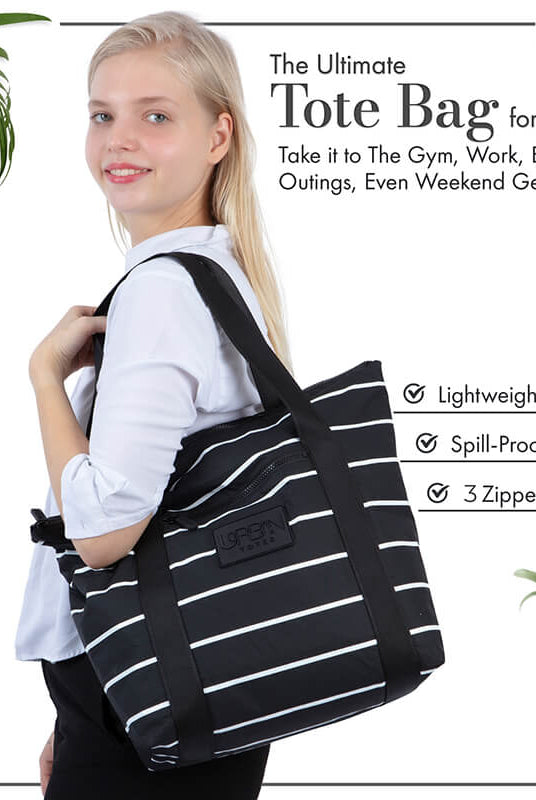
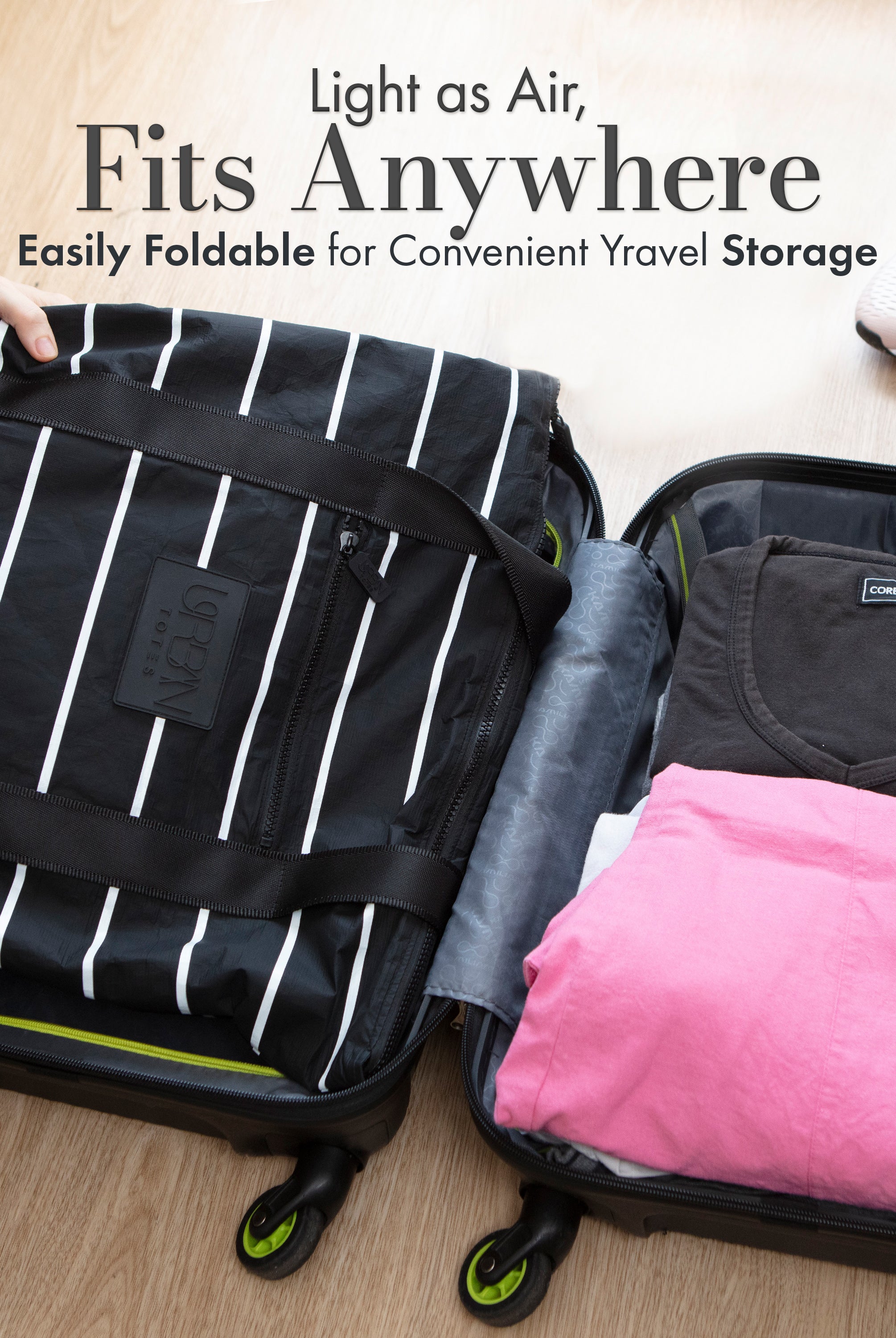
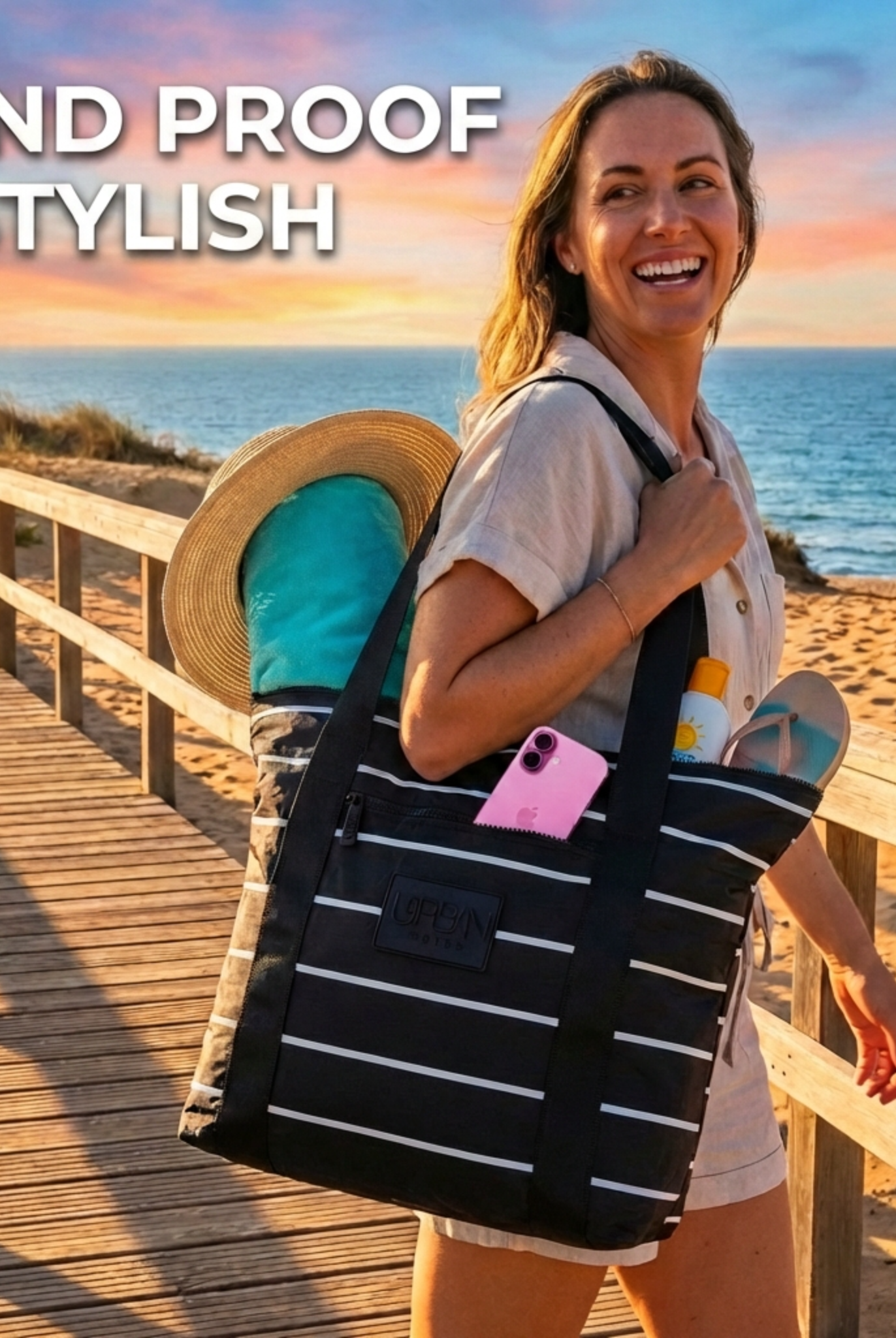
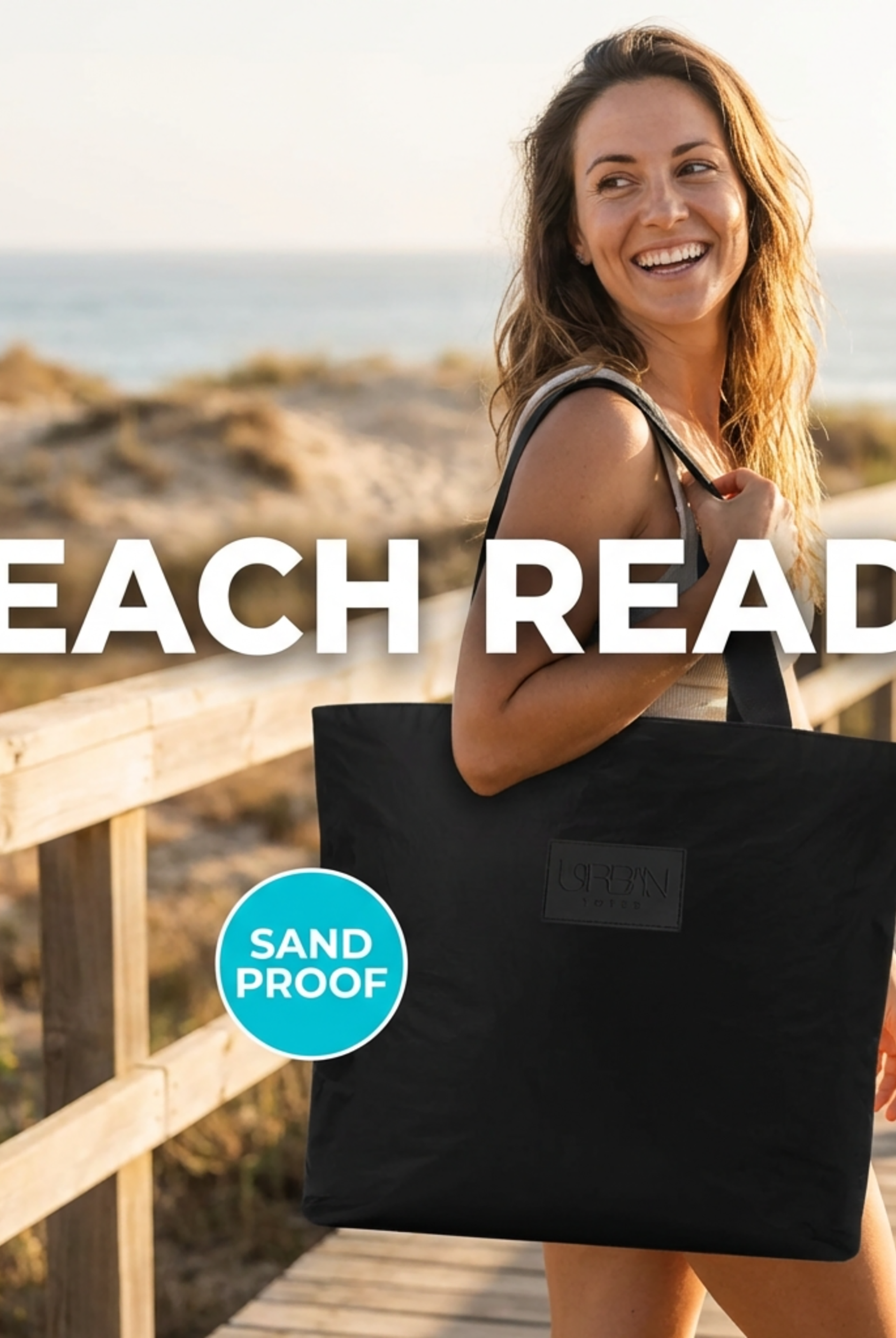
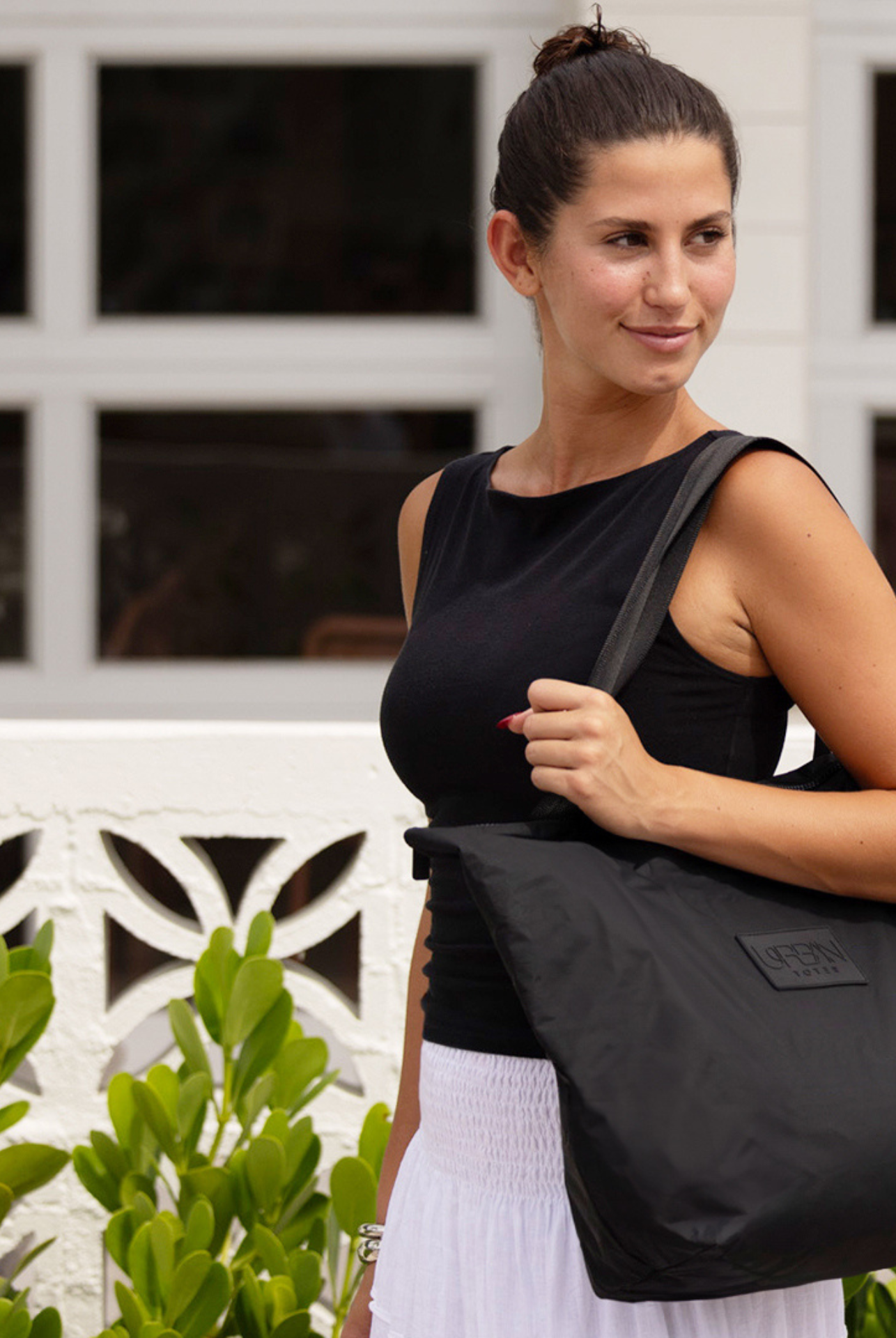
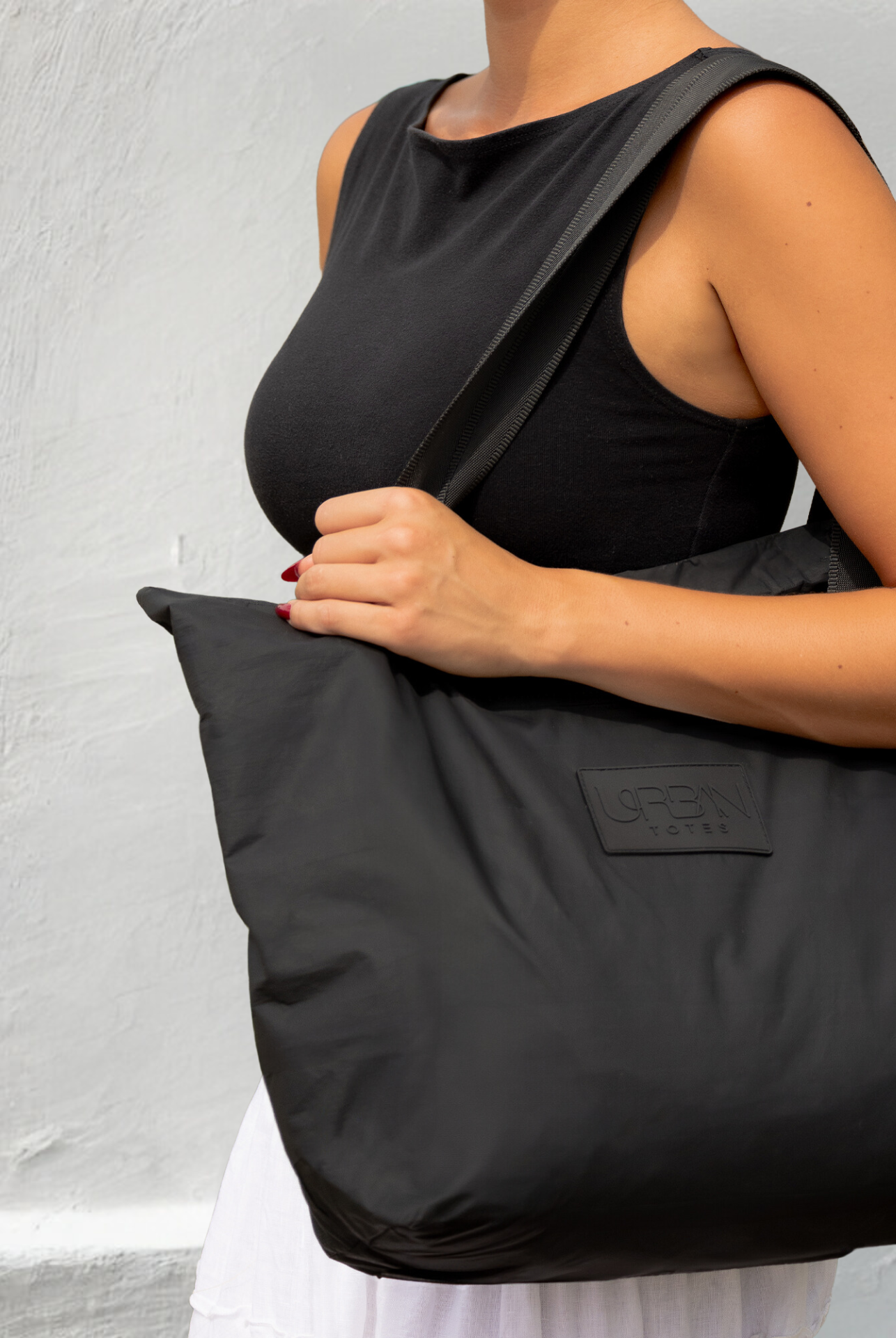
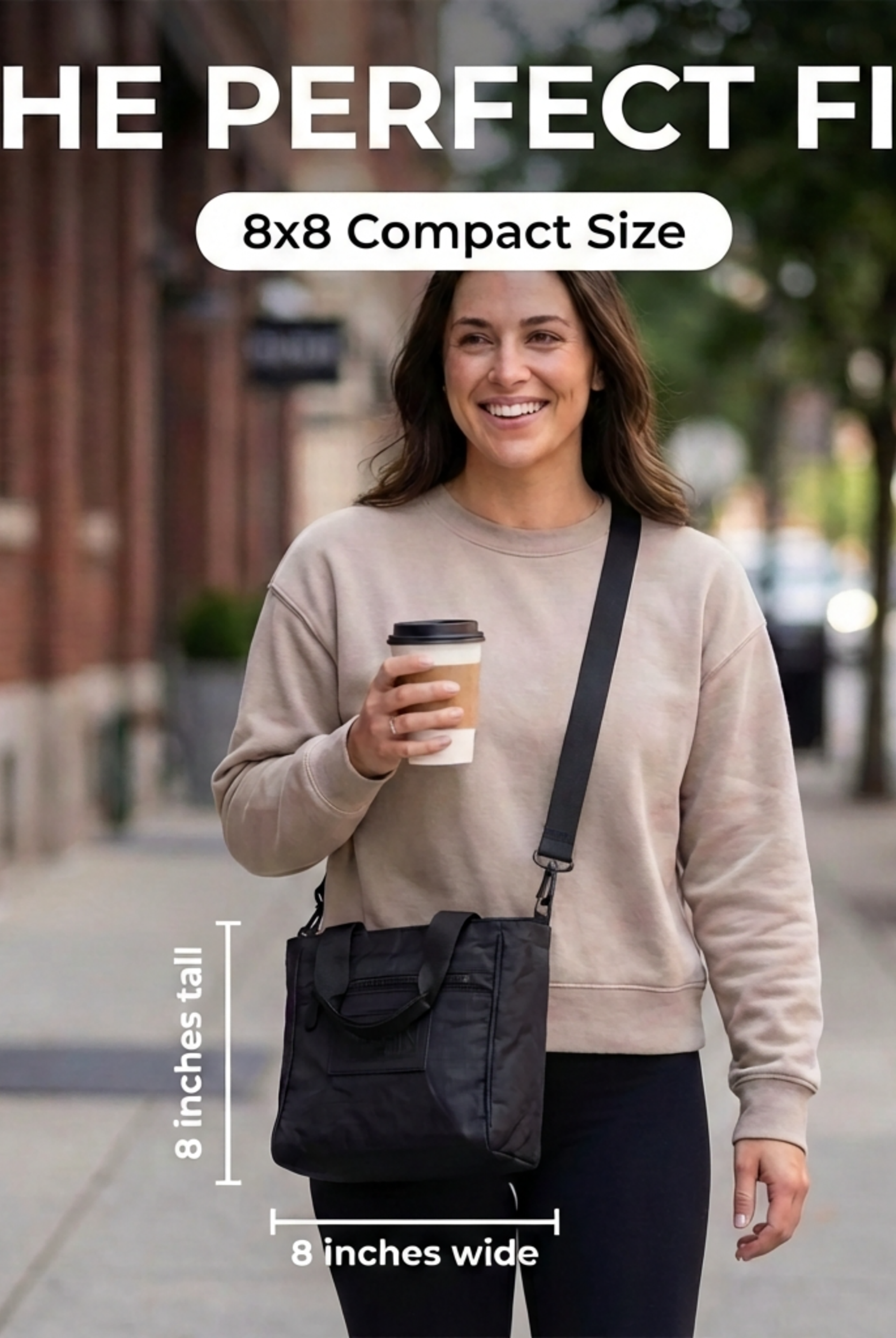
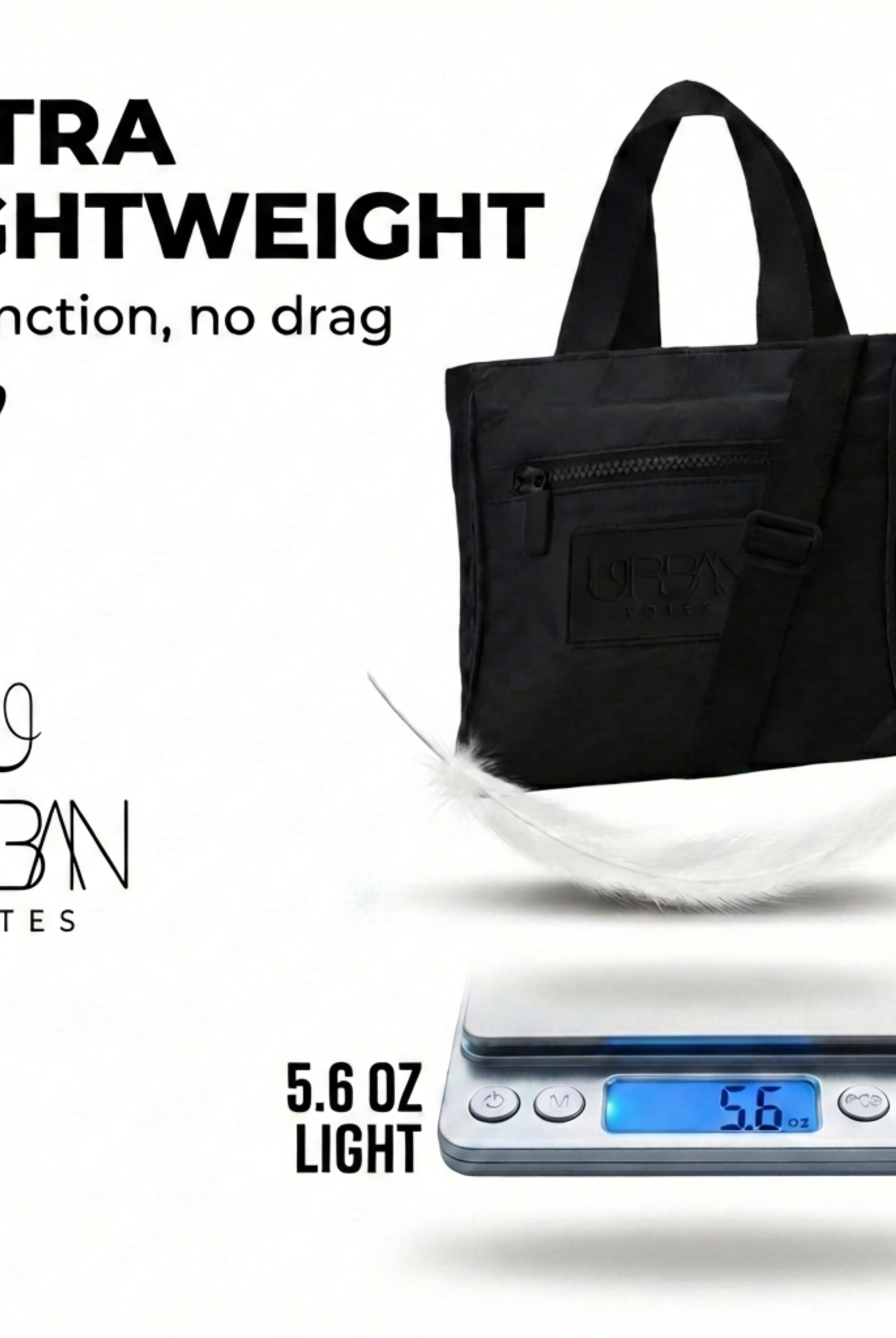
The Urban Totes OG Zipper Tote Bag is lightweight, foldable, packable, and water-resistant. It can be wiped clean or put in the washing machine. That makes it a practical option for days that include errands, the gym, or the beach, though water resistance does not make it a rainproof travel bag.
At the store, close and open the zipper several times, including while the tote is filled. Check where the straps attach, then carry the loaded bag for a few minutes. If the zipper catches, the attachment points look weak, or the weight pulls uncomfortably on your shoulder, choose a different size or style.
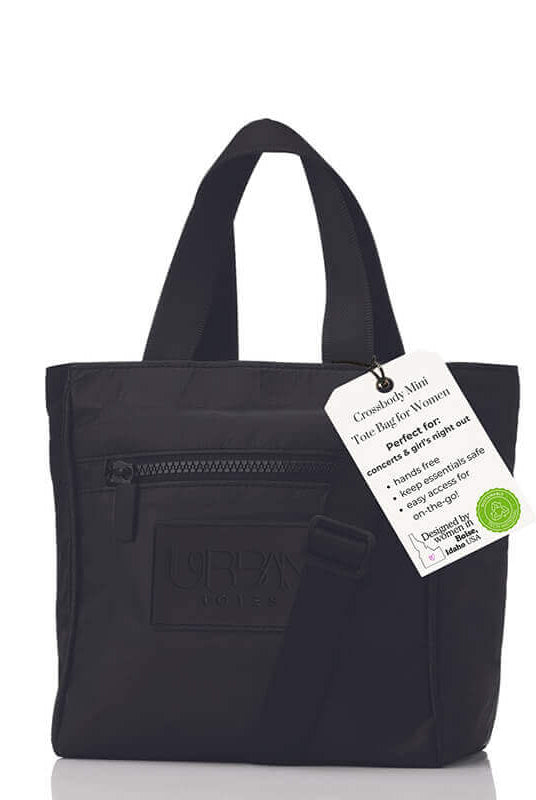
Urban Totes offers lightweight, water-resistant totes designed for everyday use. Browse the Urban Totes collection and compare the style and pocket layout with what you plan to carry.